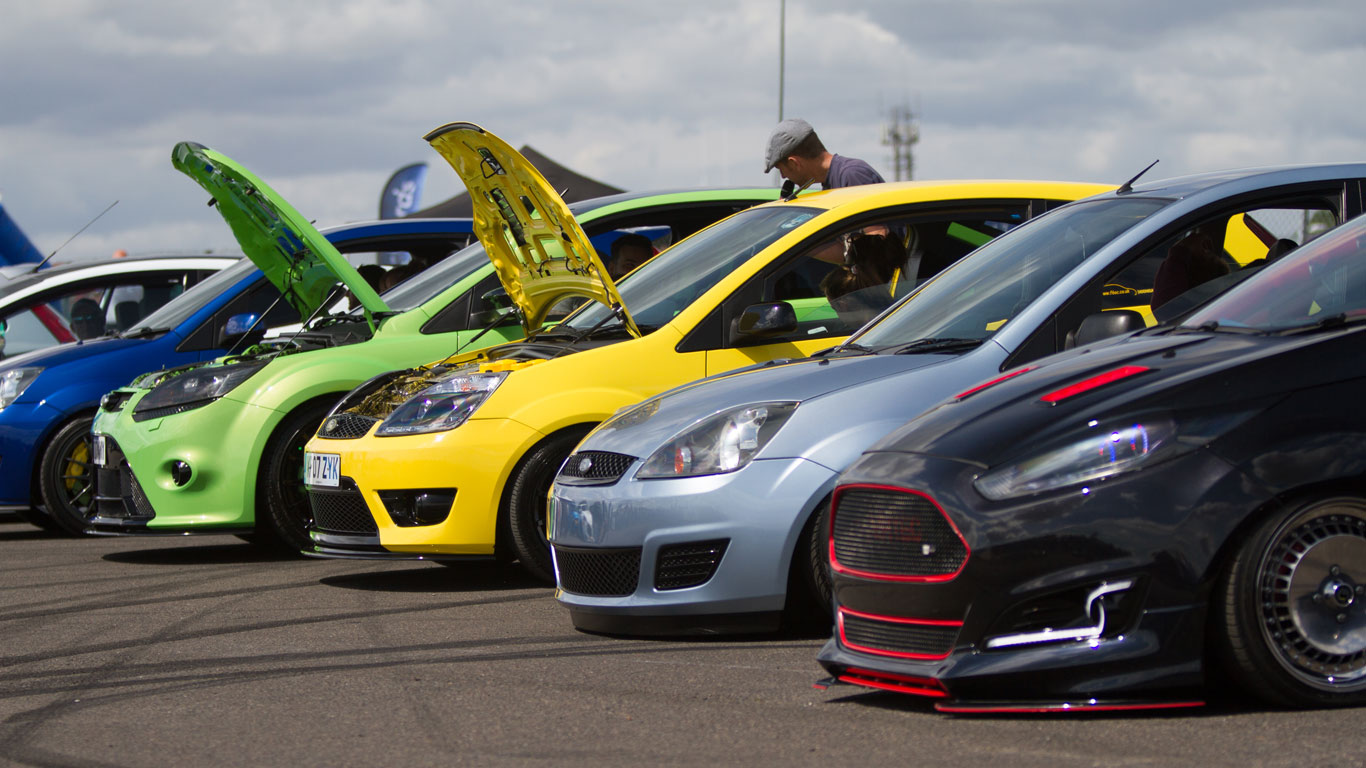
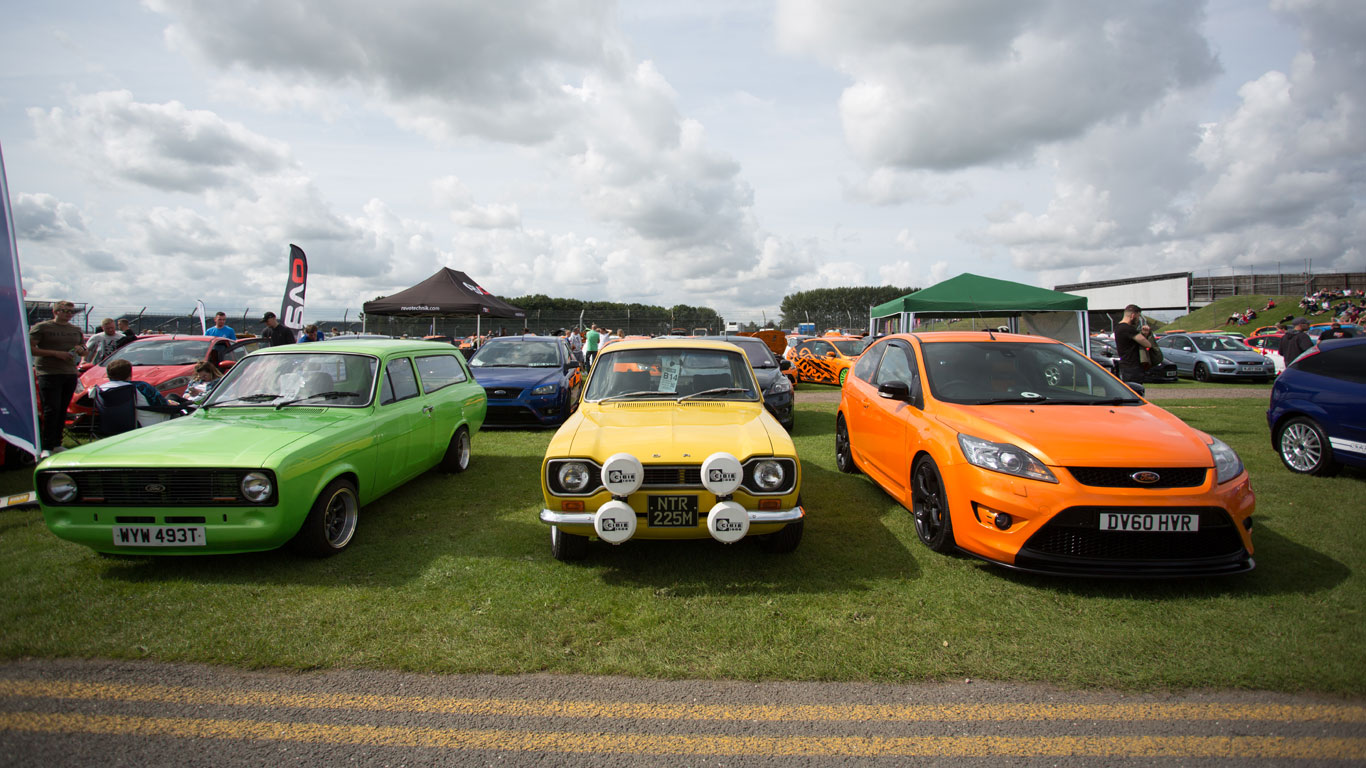
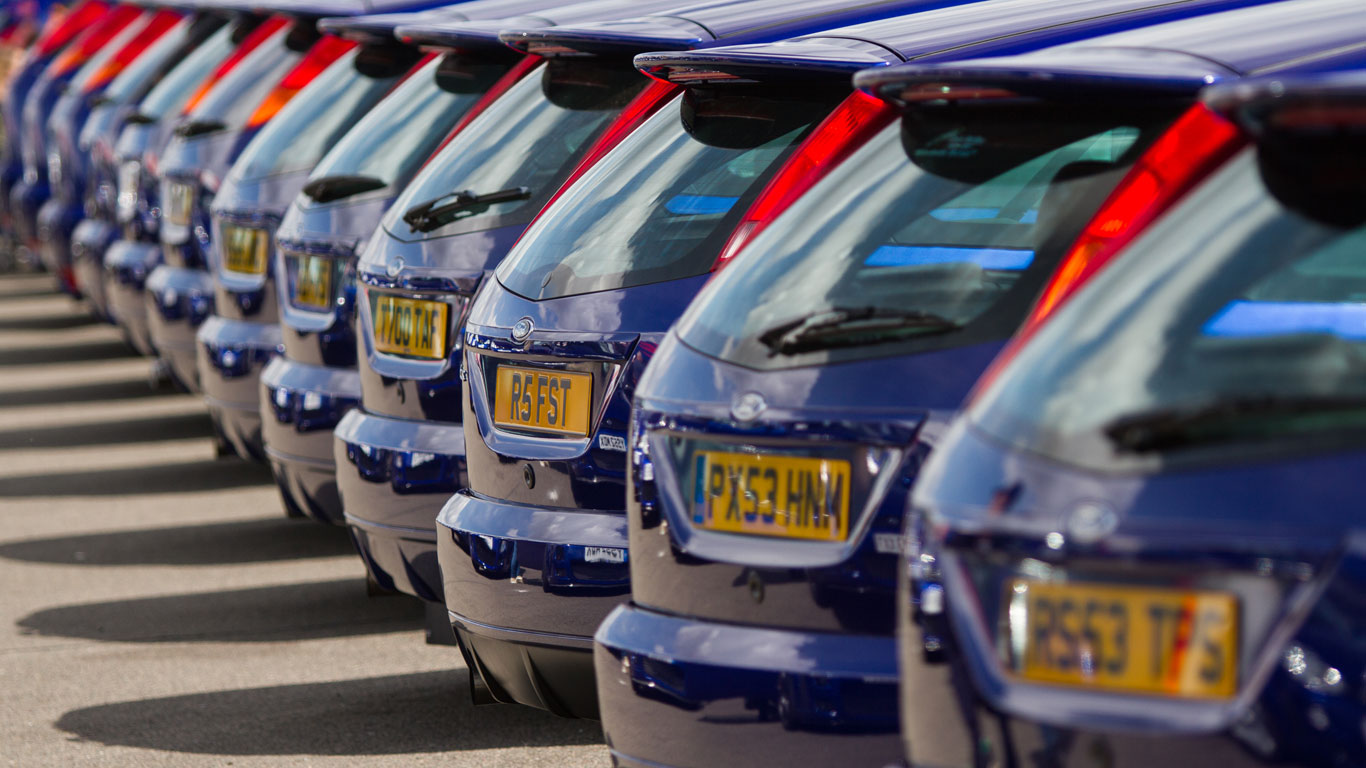
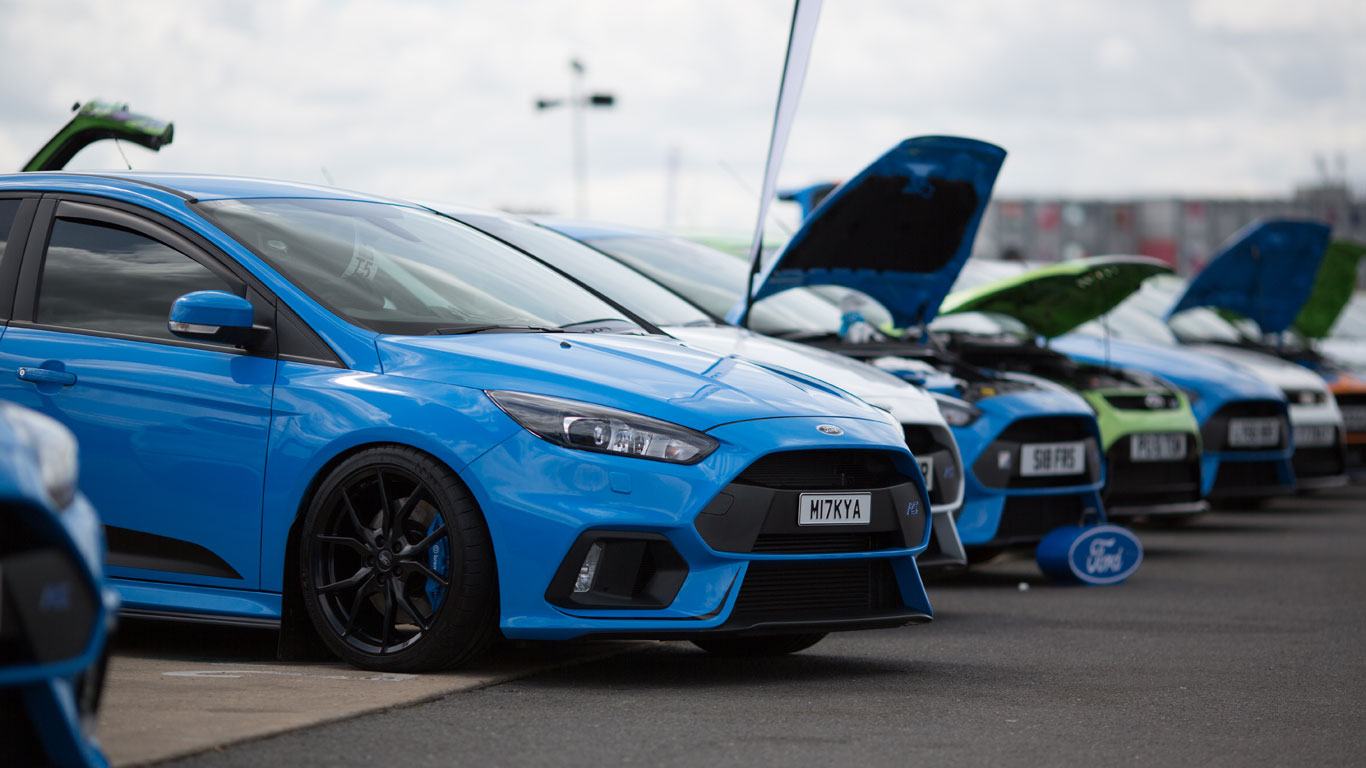
Fast Ford fans flocked to Silverstone this weekend for the annual Ford Fair event. In its 32nd year, more than 18,000 Blue Oval fans visited the show, with a wide range of modern, retro and classic Fords on display. Continue scrolling to see the highlights.
With 4,000 cars at the event, there was a Ford for everyone. How small does this Mk2 Escort look next to a Focus ST?
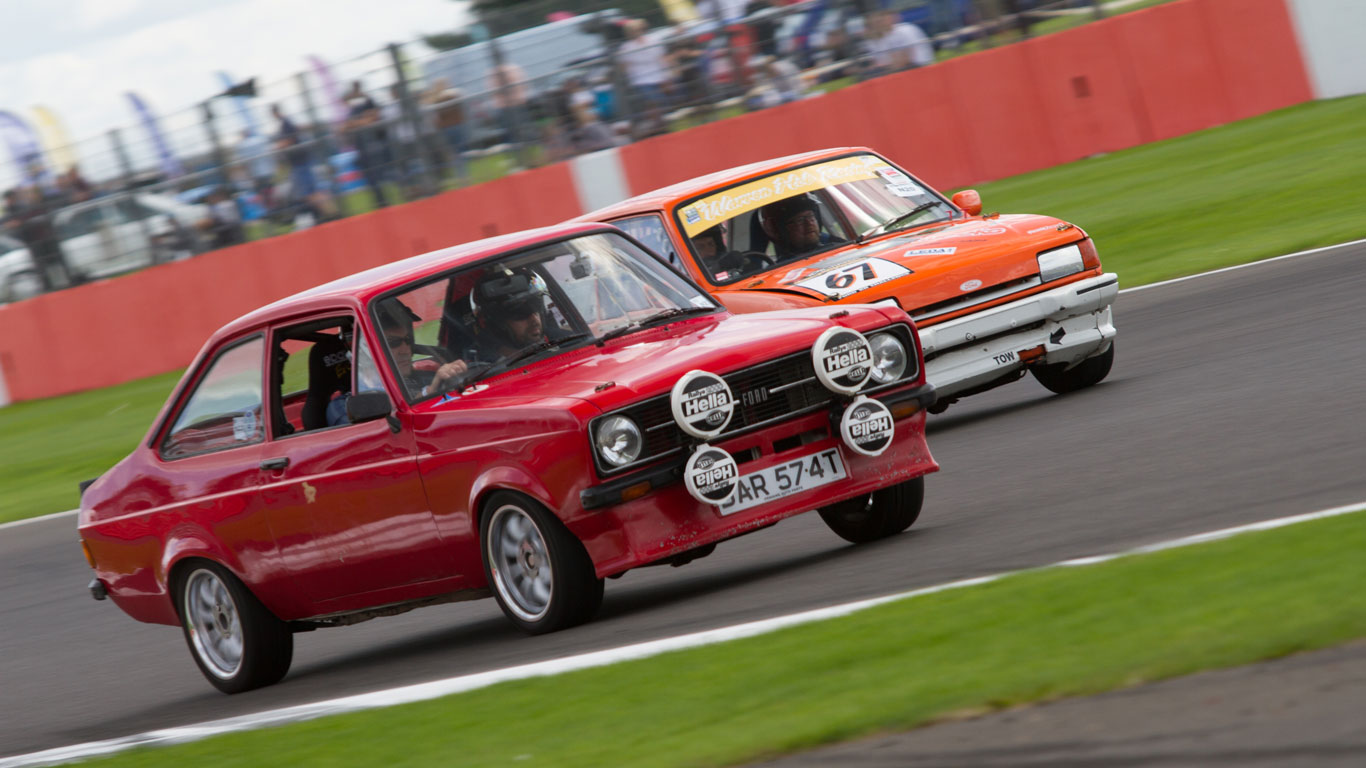
Fans wanting to try their cars on track could book a session on Silverstone’s legendary National circuit throughout the day.
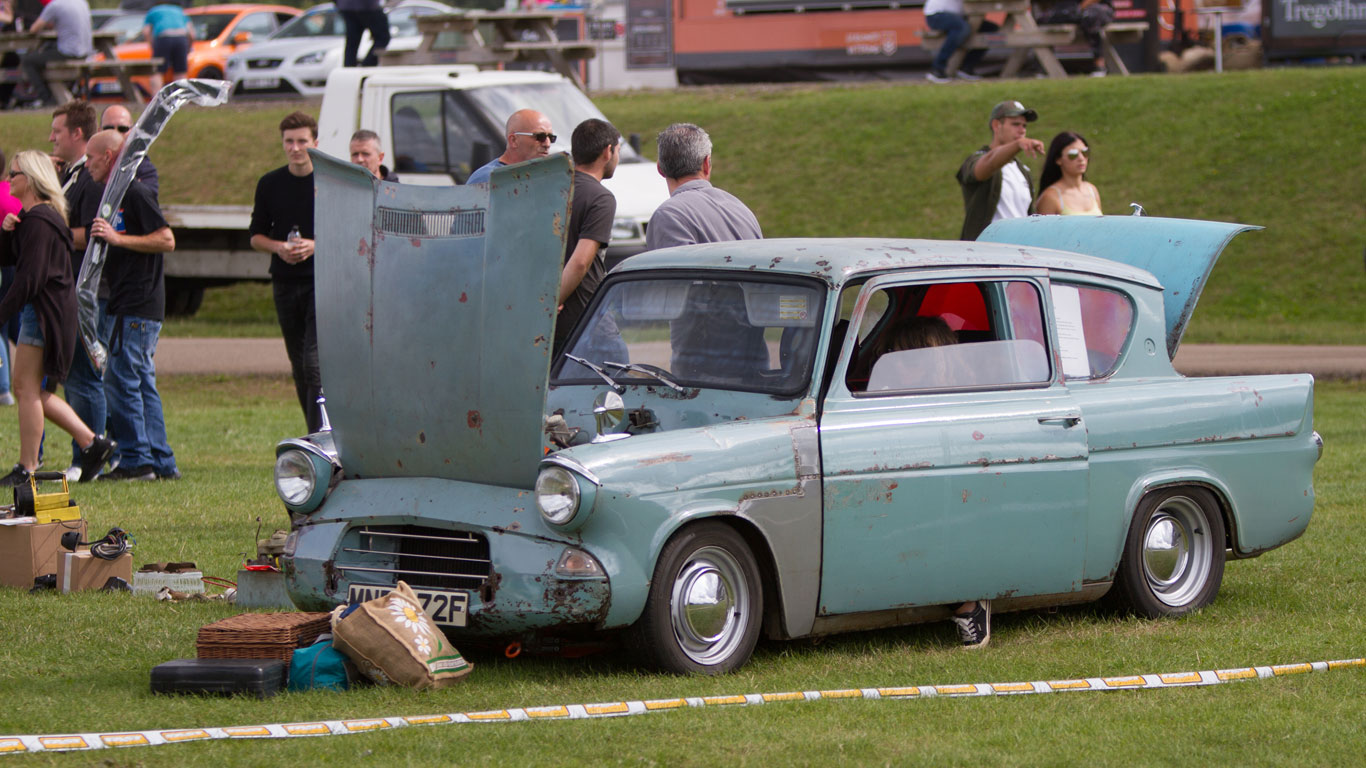
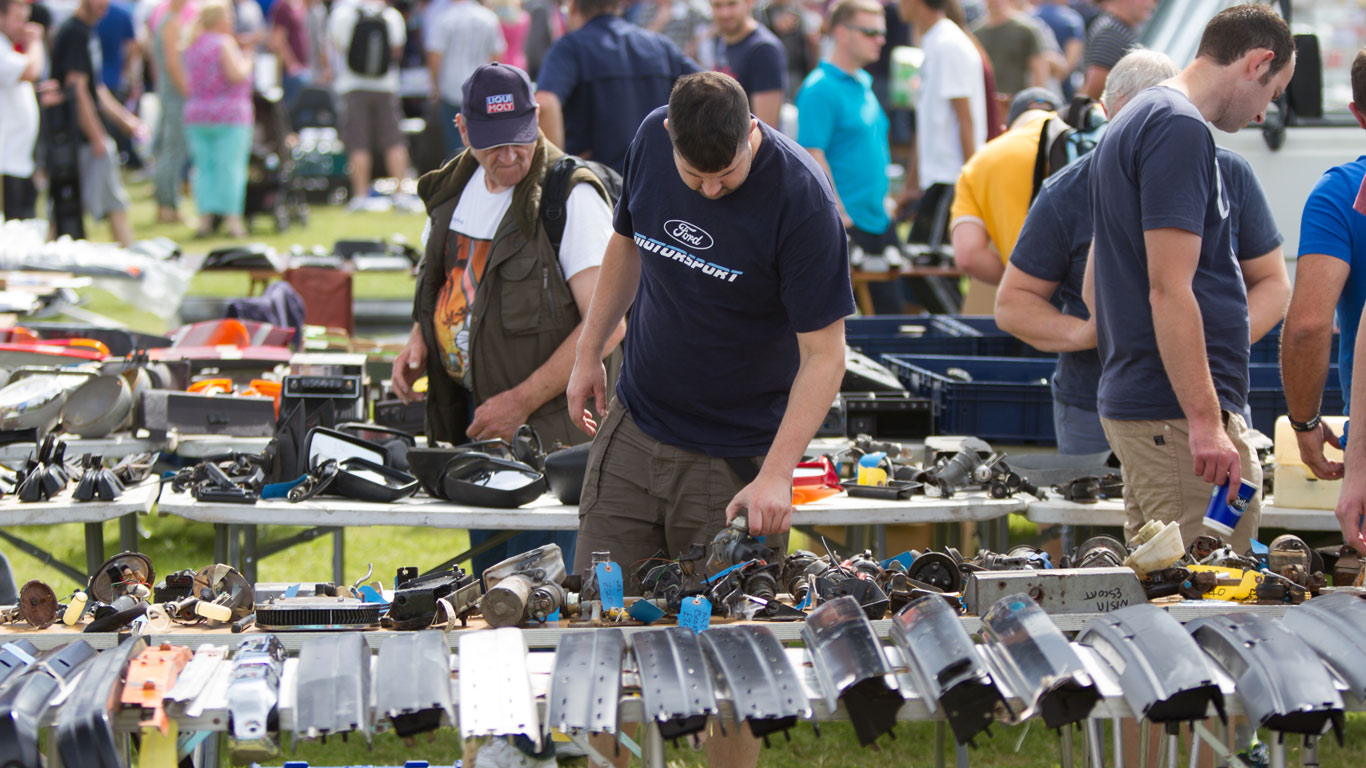
For those searching for a rare part for their Ford, a Retail Village covered a huge area dedicated to traders and a vast autojumble.
To celebrate 15 years of the original Focus RS, the Mk1 Focus RS Owners Club gathered with a line-up of the rare Imperial Blue cars.
Of course, it wasn’t just the Mk1 Focus RS enjoying all the attention. A line-up of Mk2 and Mk3 models, with a wide range of modifications, also featured.
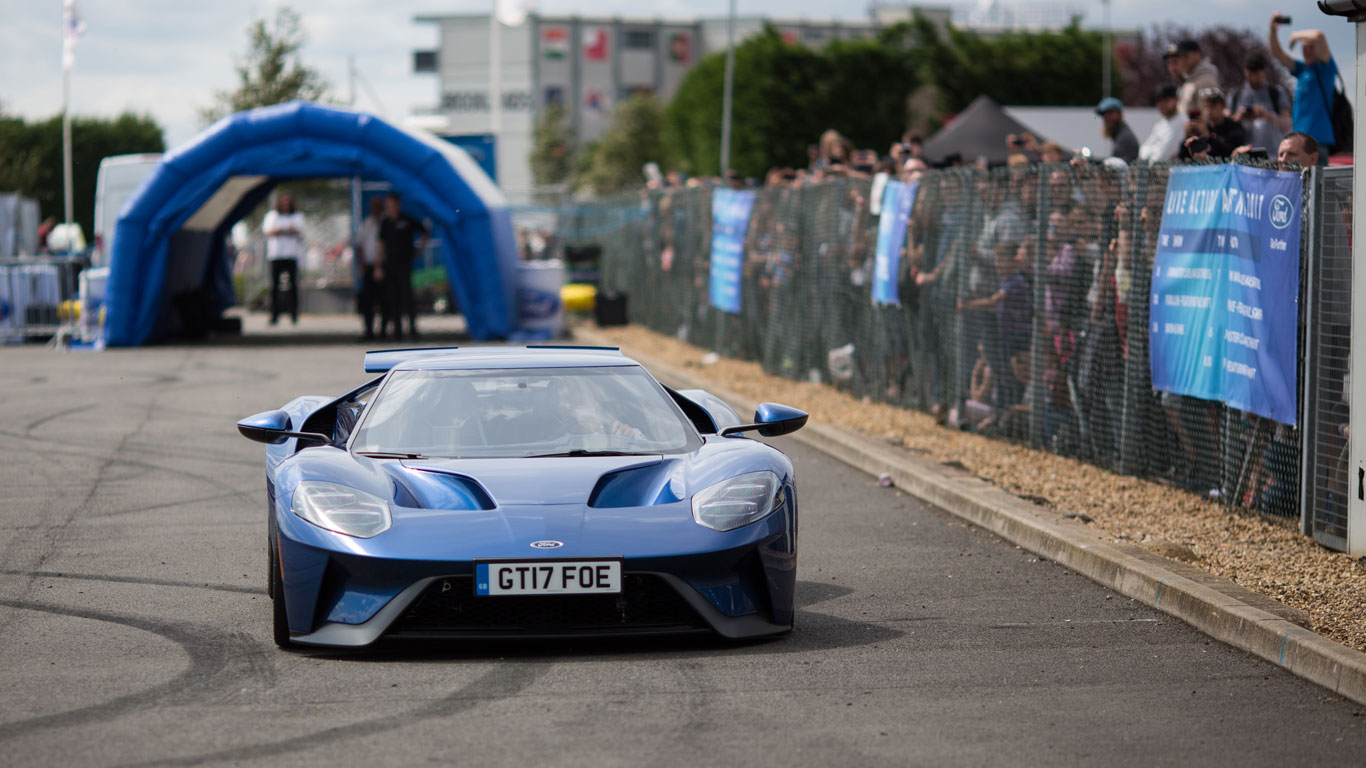
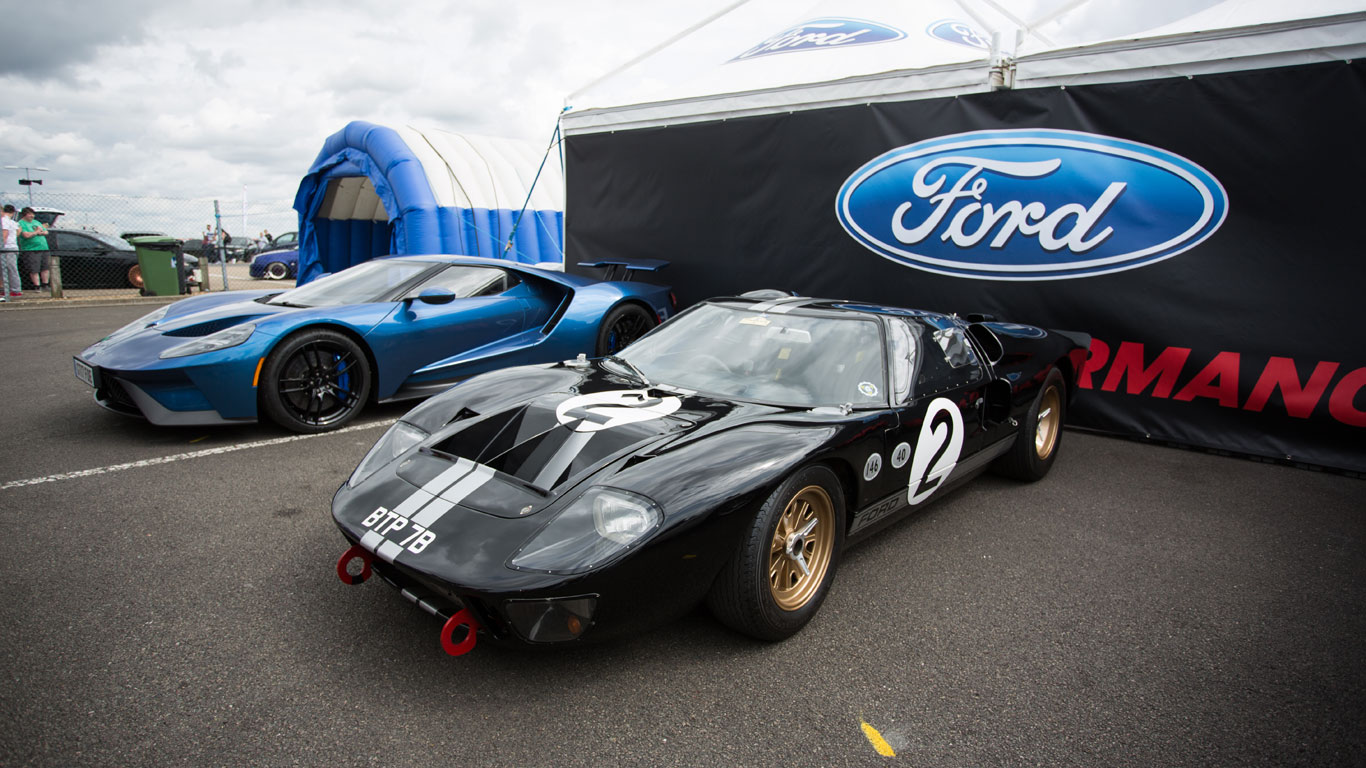
Is this the ultimate fast Ford? Fans enjoyed a rare glimpse of the 2017 Ford GT supercar. Power comes from a 3.5-litre twin-turbo V6 producing 656hp.
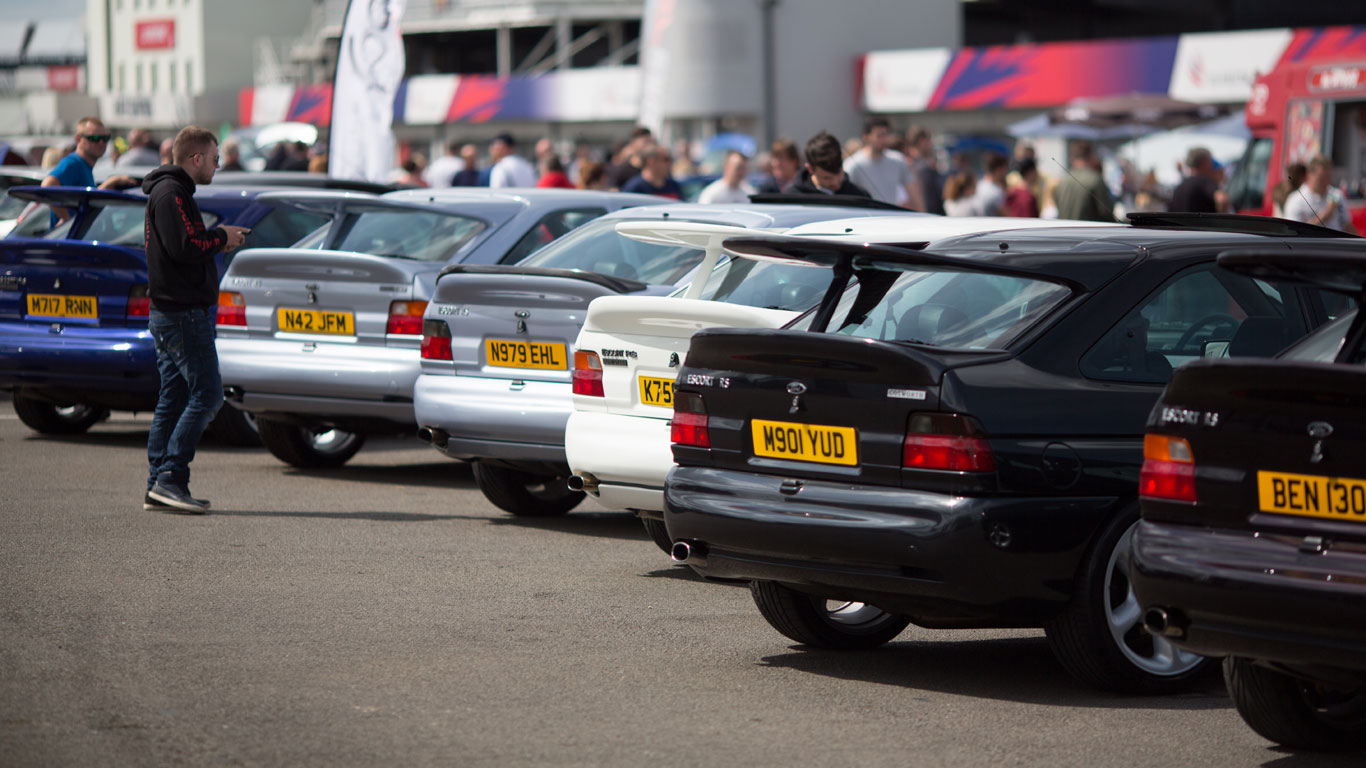
Another iconic anniversary being celebrated at this year’s Ford Fair was 25 years of the Escort RS Cosworth. The blue collar supercar was powered by a 2.0-litre turbocharged engine producing 230hp as standard. But some tuning companies have been able to double that.
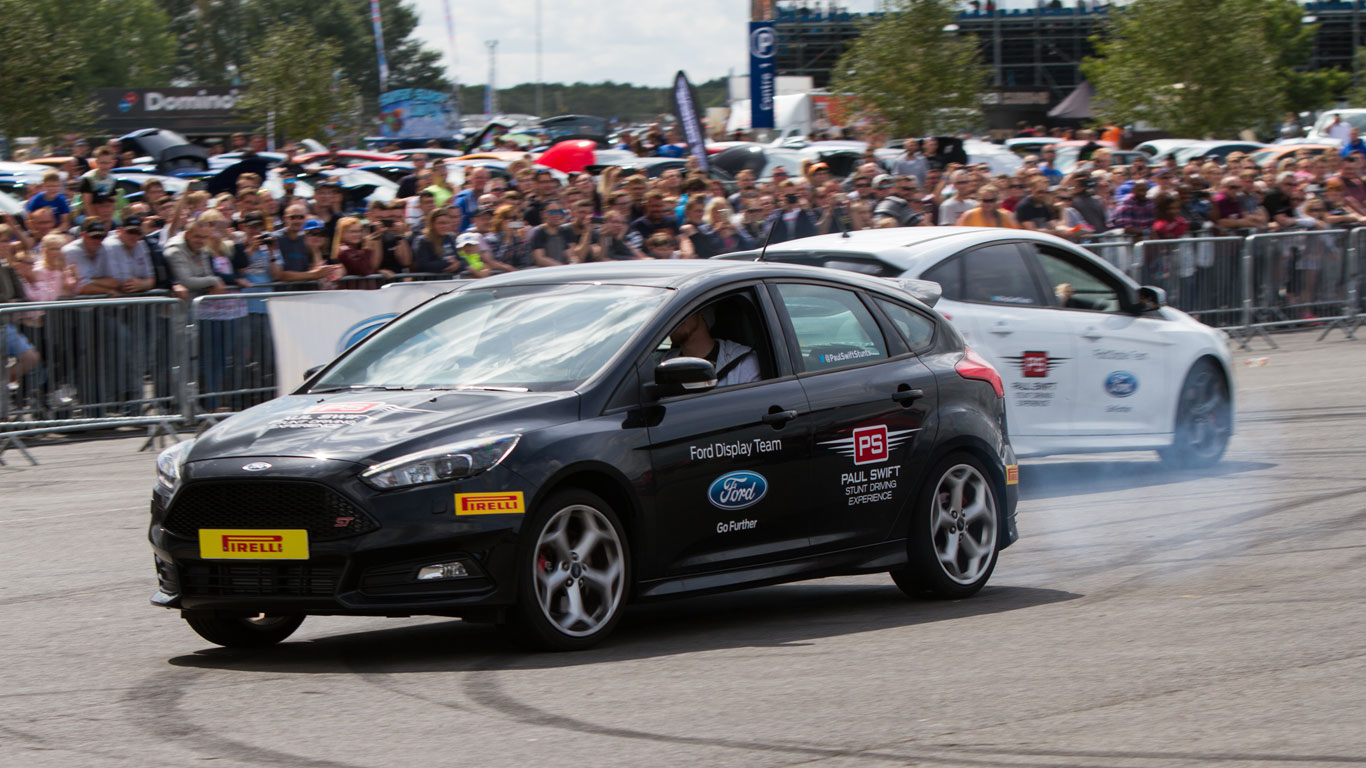
Fast Ford fans not taking their cars out on track could get their thrill by watching stunts in the live action arena. Here, Paul Swift’s team put on an incredible display using Focus STs…
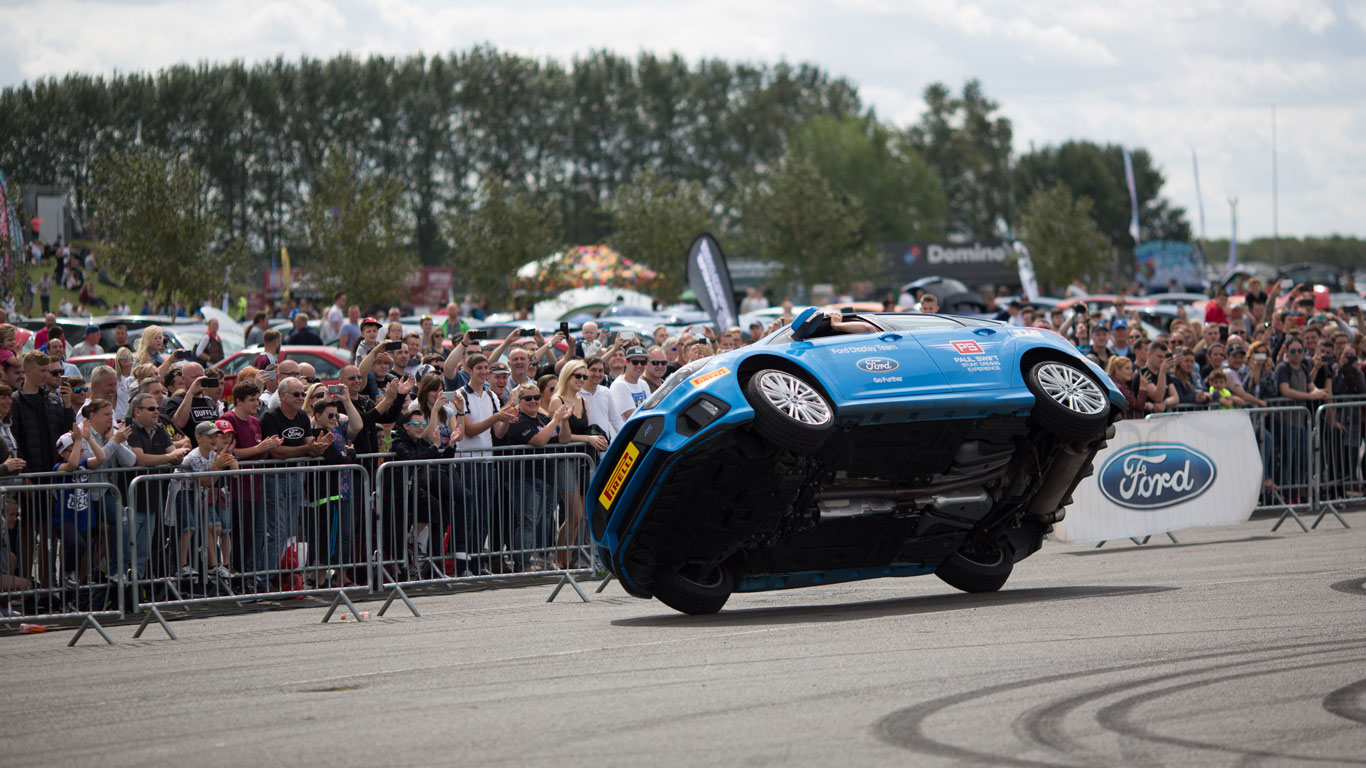
Not to mention a new Focus RS, which was driven around the arena on two wheels.
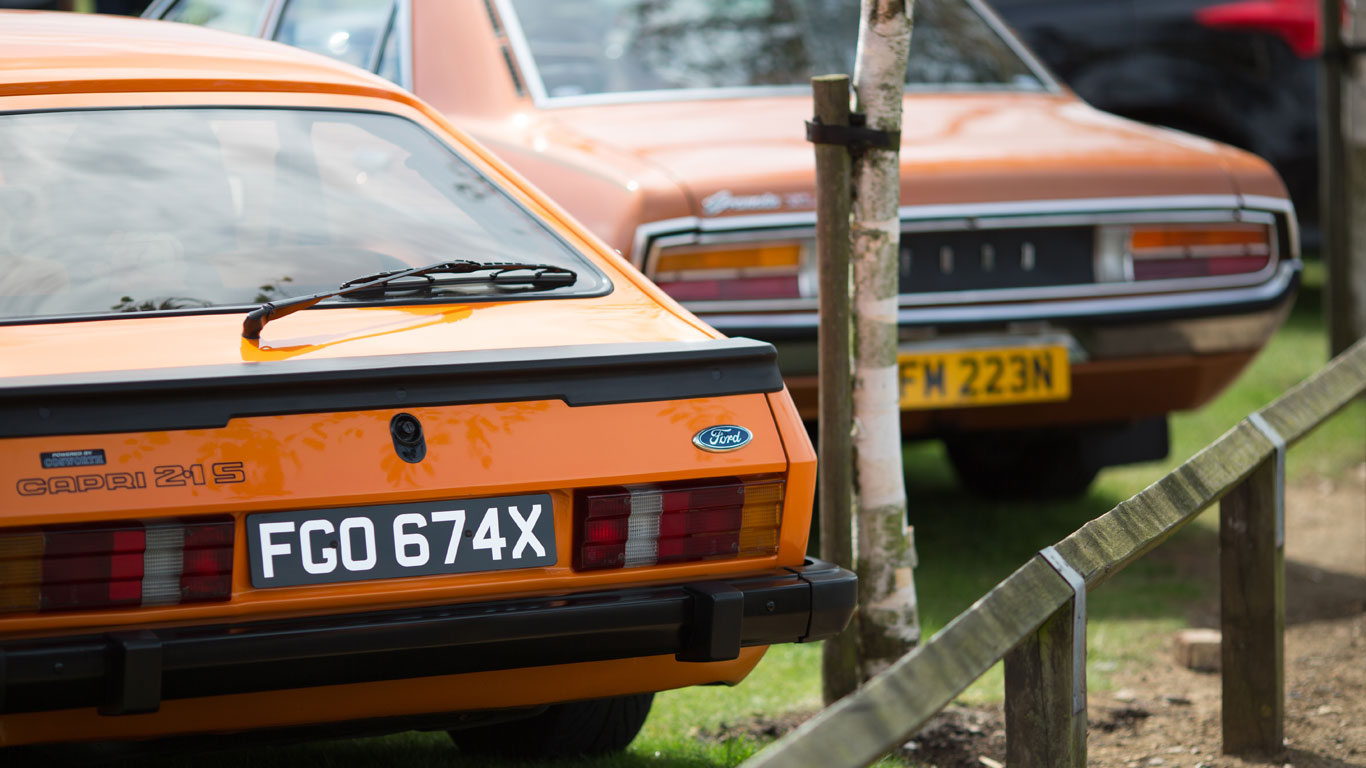
For classic Ford fans, a special Classic Zone featured a variety of Fords from yesteryear.
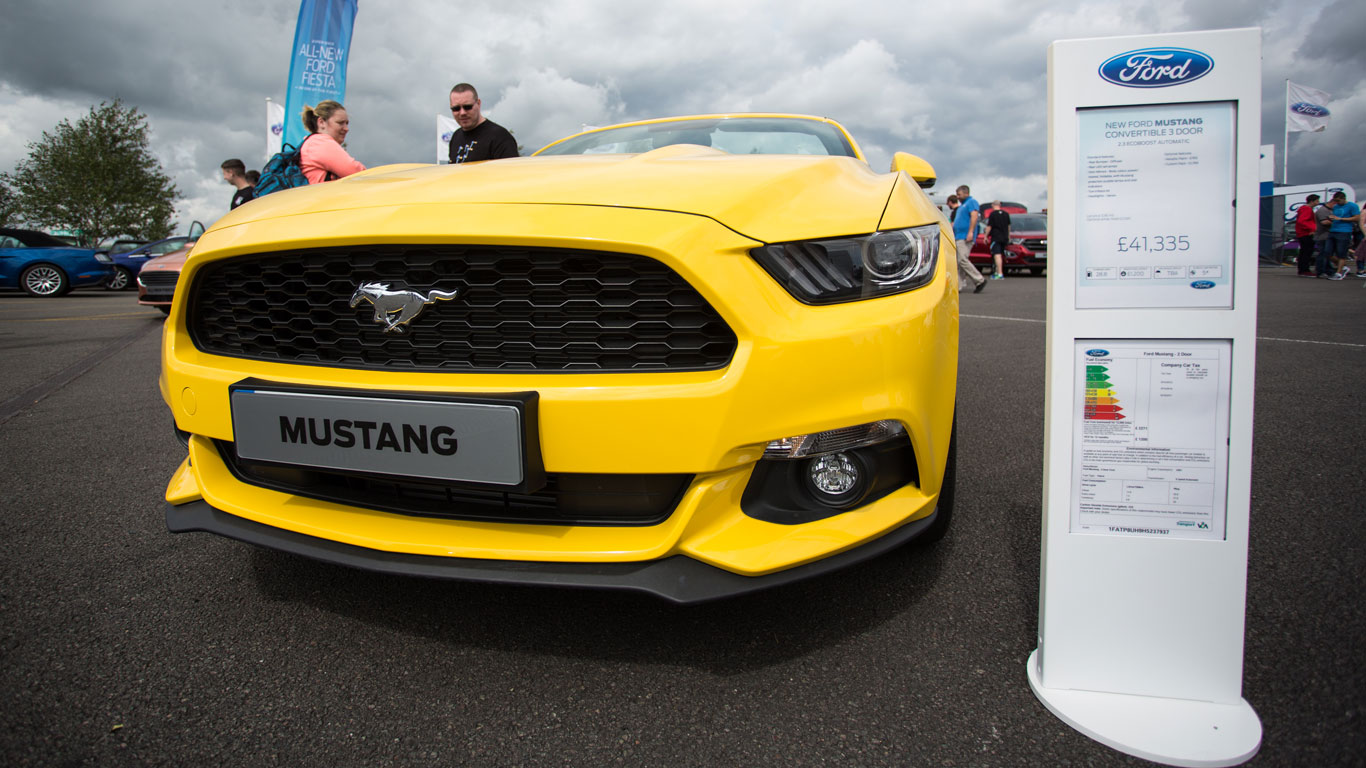
Ford itself also had a number of models on display, just in case any visitors were considering an upgrade. Here’s a Ford Mustang convertible in 2.3-litre Ecoboost guise.
Even in the age of online auctions, nothing beats an old-fashioned autojumble.
Where else will you find an original Ford GT40 parked next to the new GT? Which would you take home?
How do you measure the value of a car? A low price is one thing, but the gloss will soon wear off if you’re forever spending money on parts and repairs. Equally, a more expensive car could be rated as excellent value for money if it never goes wrong and puts a big smile on your face.
And, sure, a new car review might provide some insight into a vehicle’s strengths and weaknesses, but real-world experience is far more valuable. Which is where Auto Trader’s ‘best value’ list comes in. Using the views of 10,000 car buyers, it has created a rundown of the cost-efficiency of 10 car brands. We’ll present the results in reverse order.
10. Citroen
Once upon a time, Citroen was the world’s most innovative carmaker, before it descended into the automotive equivalent of the bargain basement bucket towards the end of the century. Today, the innovation might be lacking, but its range of cars is arguably more interesting than the supposedly premium DS Automobiles. Discuss…
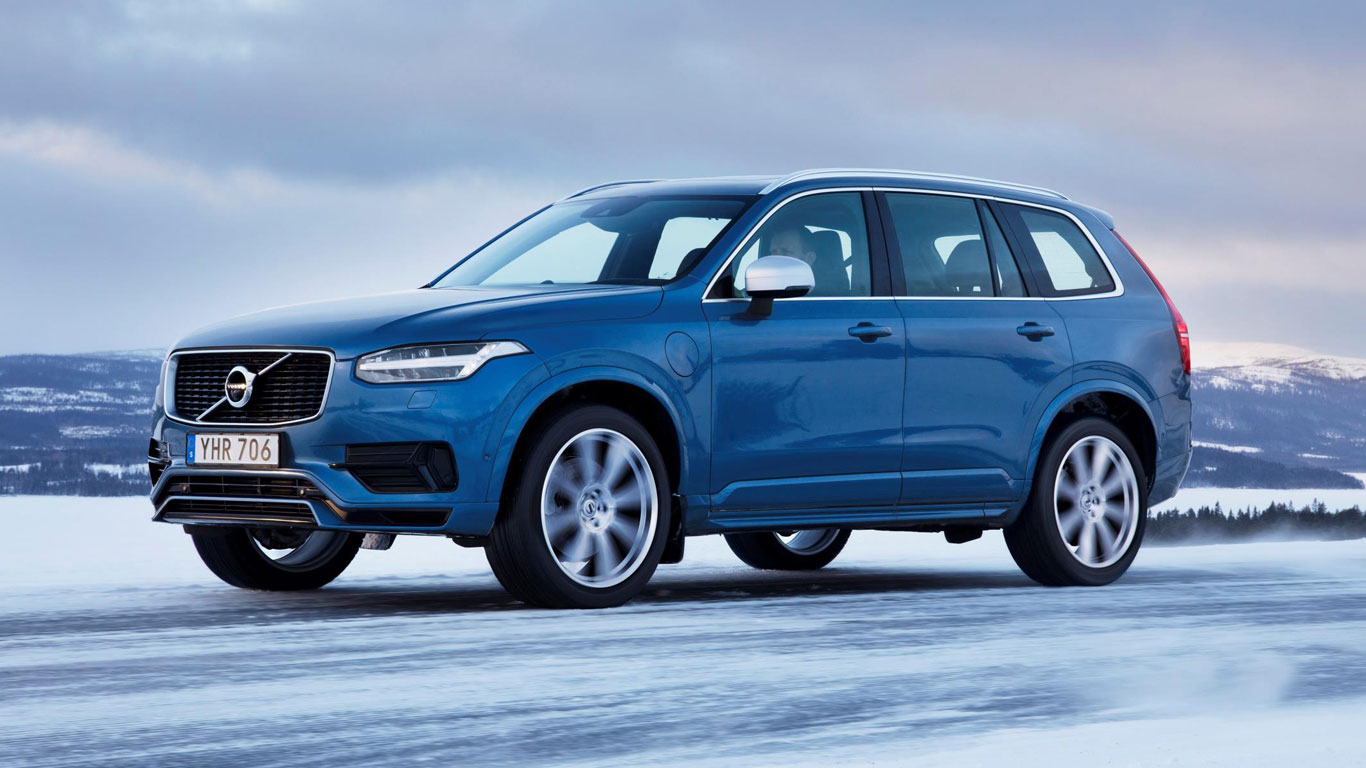
9. Volvo
This will be seen as a good result for Volvo, with the Swedish brand keen to compete with the premium Germans without adopting a me-too approach to design and marketing. It’s working, because the XC90, XC60, V90 and S90 are terrific cars.
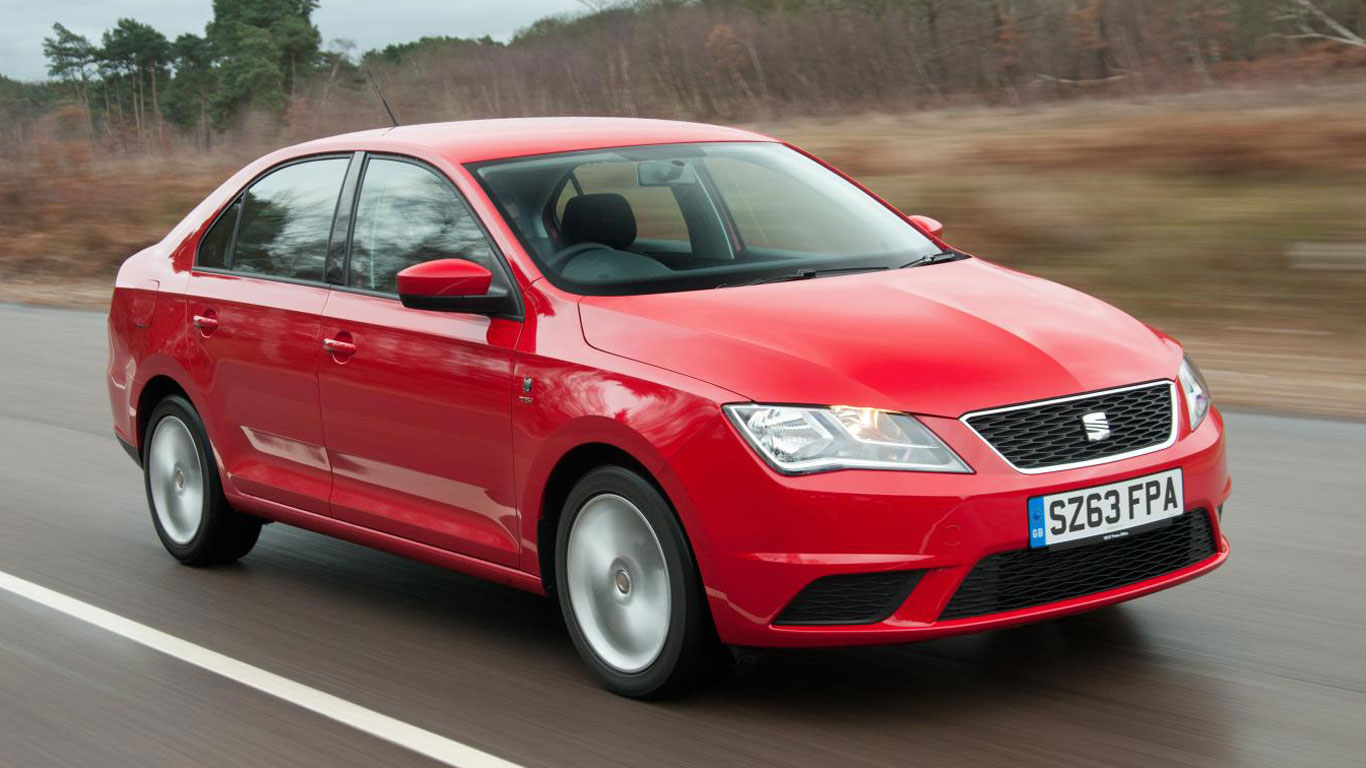
8. SEAT
SEAT is on a bit of a roll at the moment, with motoring experts hailing the new Ateca as the best thing since somebody took a knife to a loaf of bread. The new Ibiza is also a bit of hit and has the potential to steal sales from its Polo sibling and the new Fiesta. SEAT also sells the Toledo…
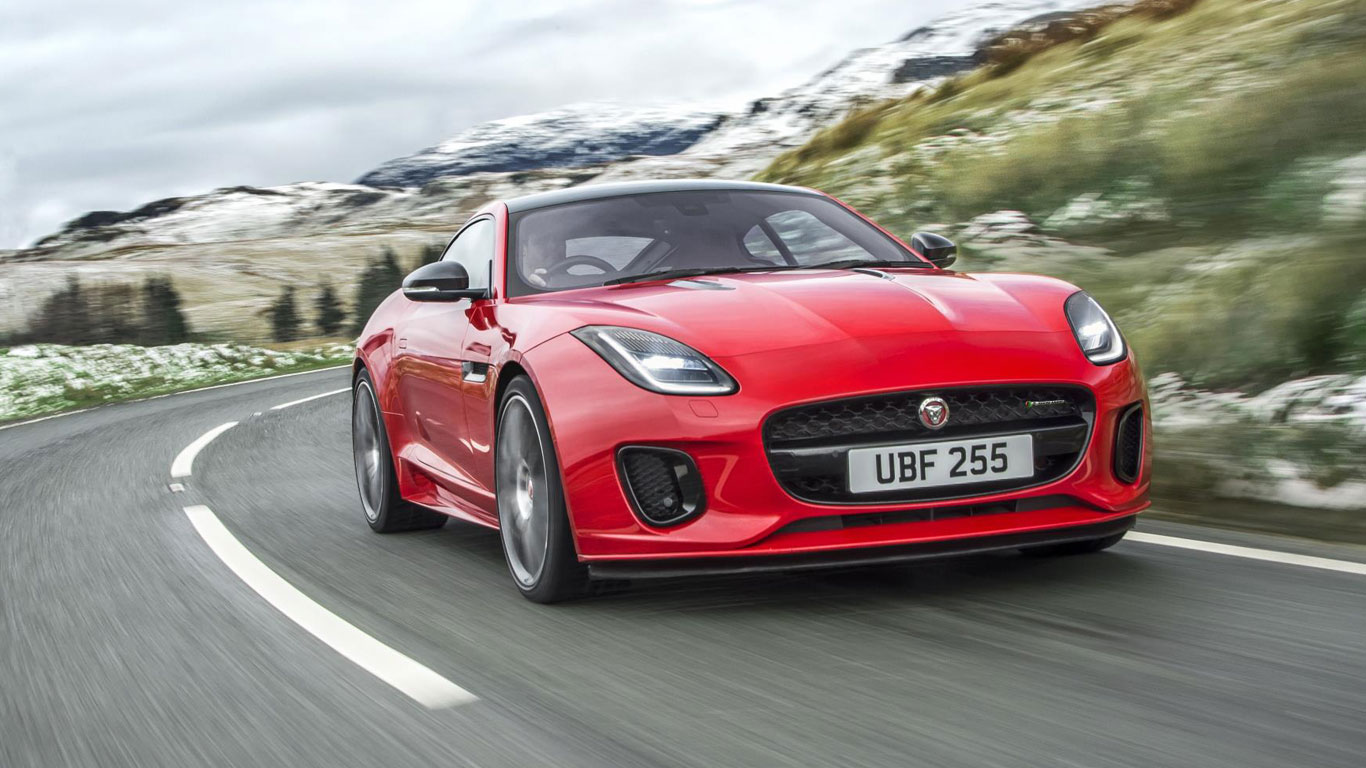
7. Jaguar
There will be some head-scratching going on at Jaguar Land Rover, with the latter brand near the bottom of Auto Trader’s chart. The Jaguar range is shaping up rather nicely, with products that tick both the ‘head’ and ‘heart’ boxes. If the F-Type appeals to the heart, the F-Pace can appeal to both.
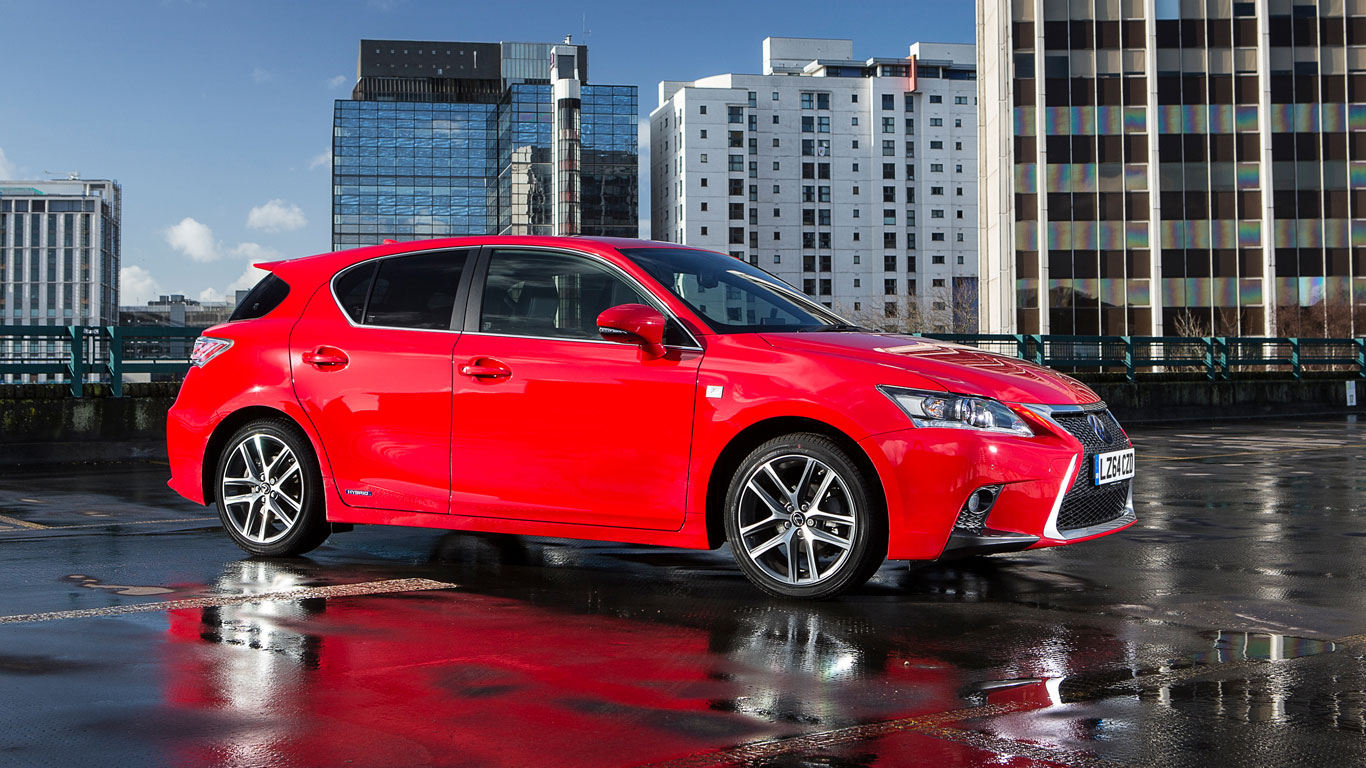
6. Lexus
Such is Lexus’ reputation for reliability and excellence, a top 10 finish was almost guaranteed. The posh arm of Toyota tends to score well in customer satisfaction surveys and was recently named ‘Best Manufacturer’ in the Auto Express Driver Power Survey. In the same survey, its dealers were named the best in Britain.
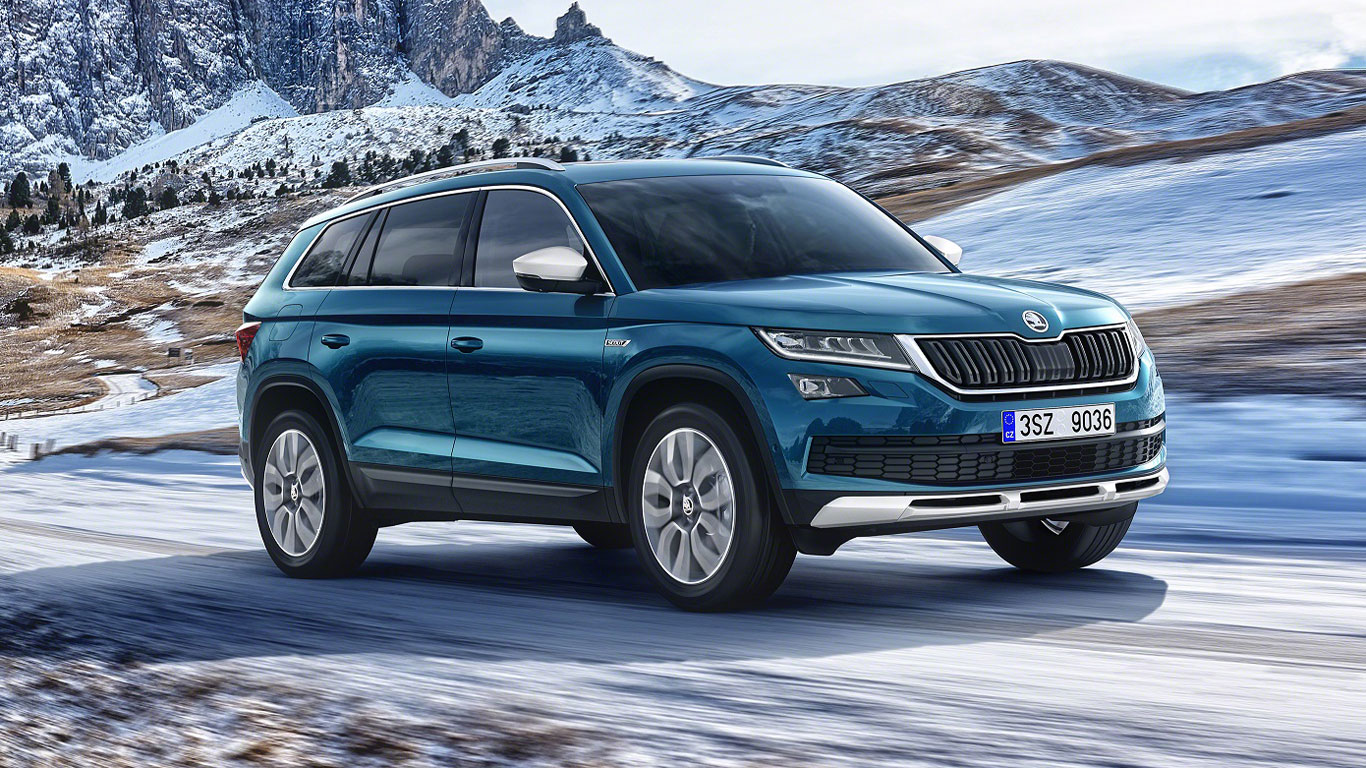
5. Skoda
And so we reach the top five, where we find Skoda, which has managed to upstage Volkswagen, Audi and SEAT. The Kodiaq is arguably the most convincing new crossover of 2017, although we’re a little sad to be waving goodbye to the Yeti. Its replacement, the Karoq, has a lot to live up to.
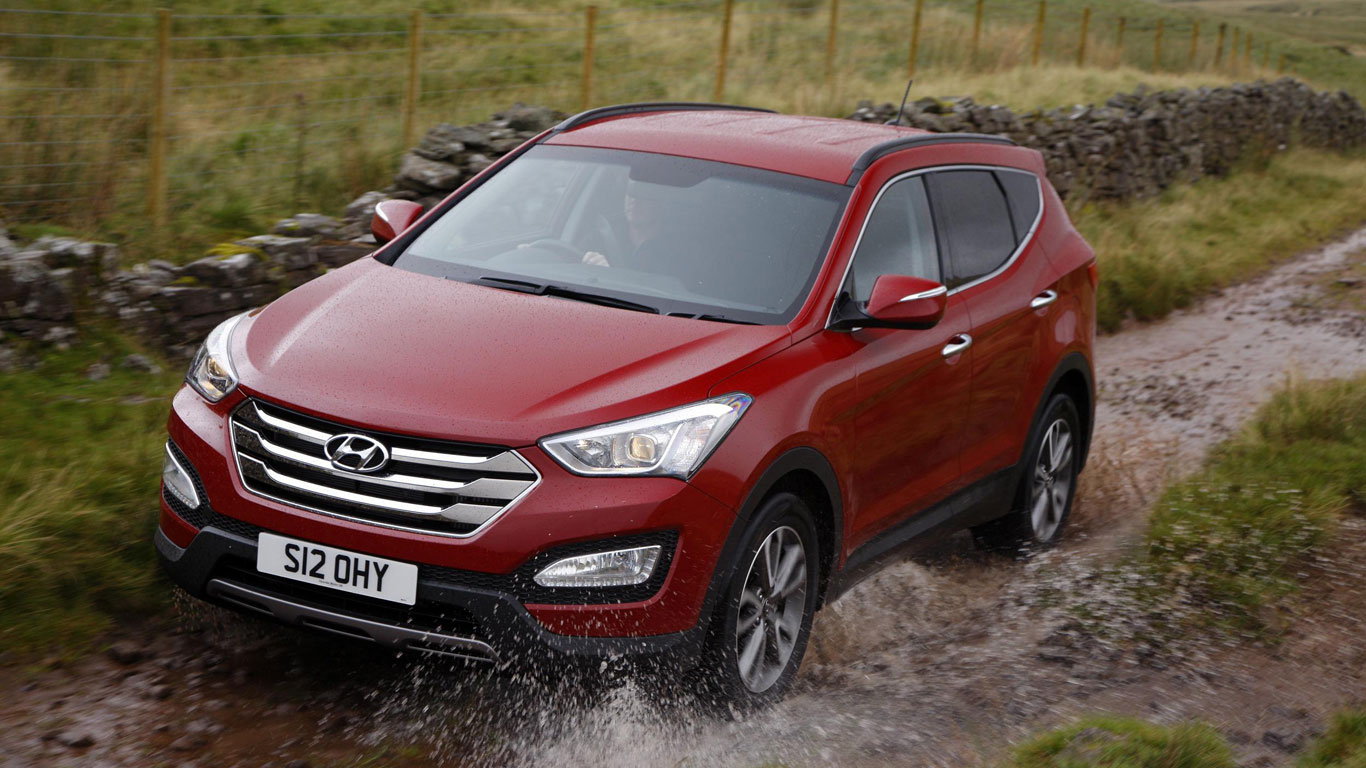
4. Hyundai
If you’ve been paying attention, you can probably guess the top four using a process of elimination. Hyundai has always appealed to the head, but the launch of the i30 N hot hatch should add some much needed emotional qualities to the brand. Meanwhile, Hyundai offers a five-year unlimited mileage warranty.
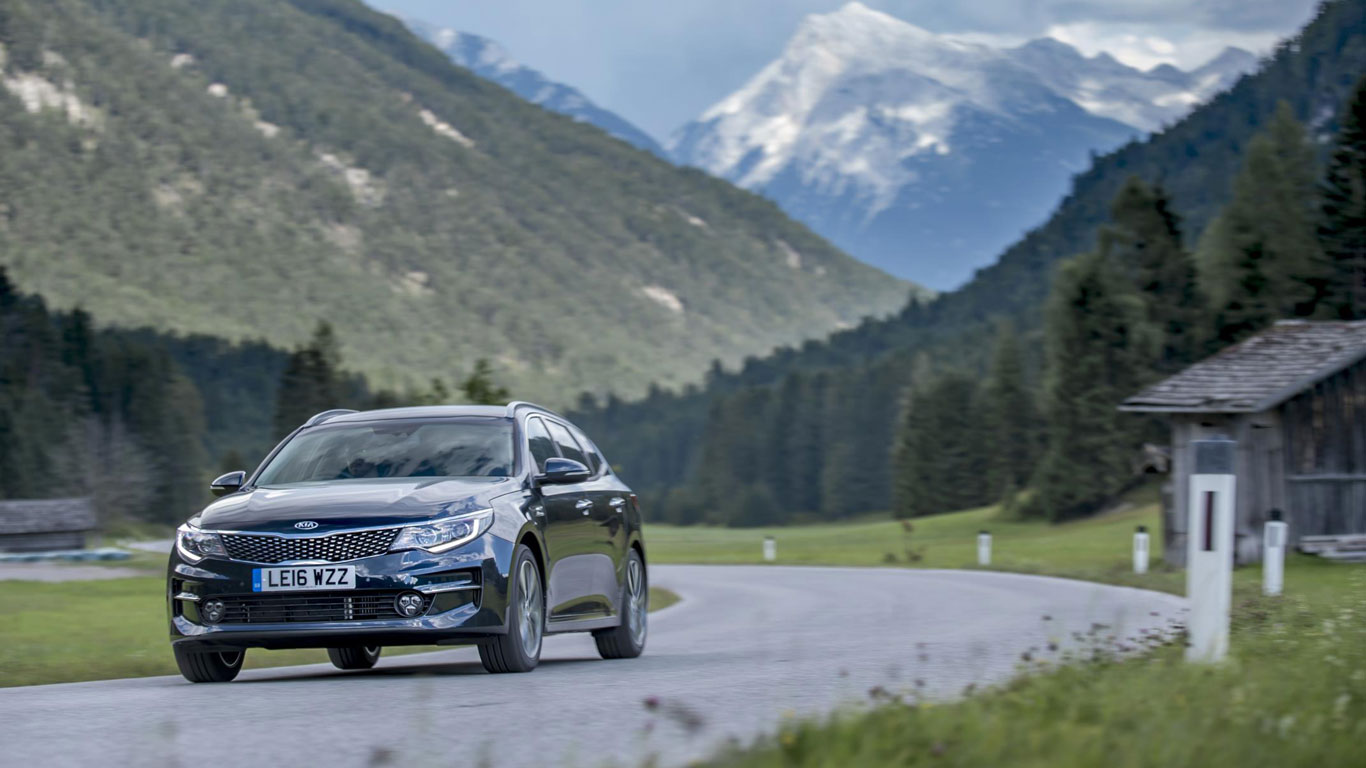
3. Kia
Speaking of warranties… Kia offers a seven-year warranty, but it’s worth noting that, unlike Hyundai’s five-year cover, this one is limited to 100,000 miles. Kia’s range kicks off with the £9,450 Picanto S, but extends to the £42,045 seven-seat Sorento KX-4.
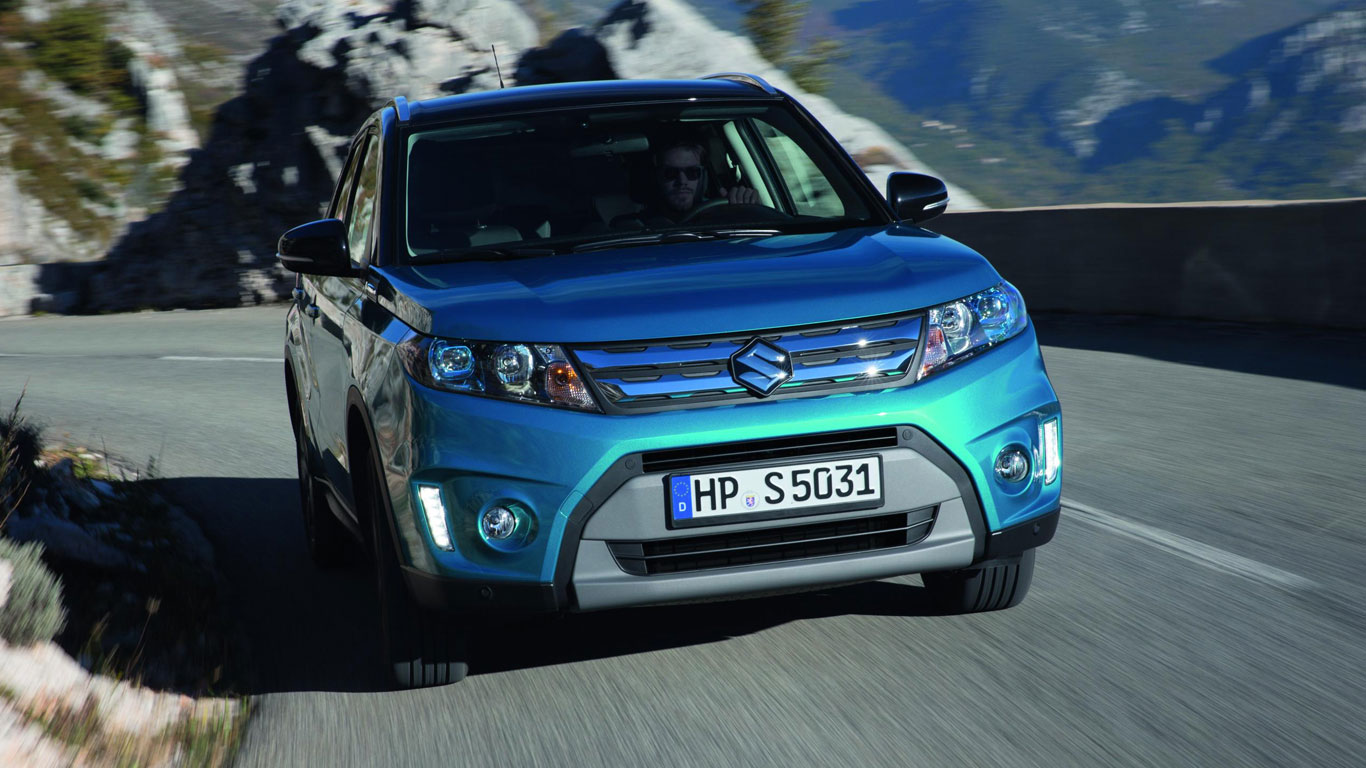
2. Suzuki
Suzuki doesn’t make an expensive car – although the £22,249 Vitara S raises a few eyebrows – but this result is proof that cheap can be cheerful. There’s a ‘Ronseal’ quality to Suzuki’s range: all the cars do exactly as they promise. Even the bargain basement Celerio is well equipped and surprisingly appealing.
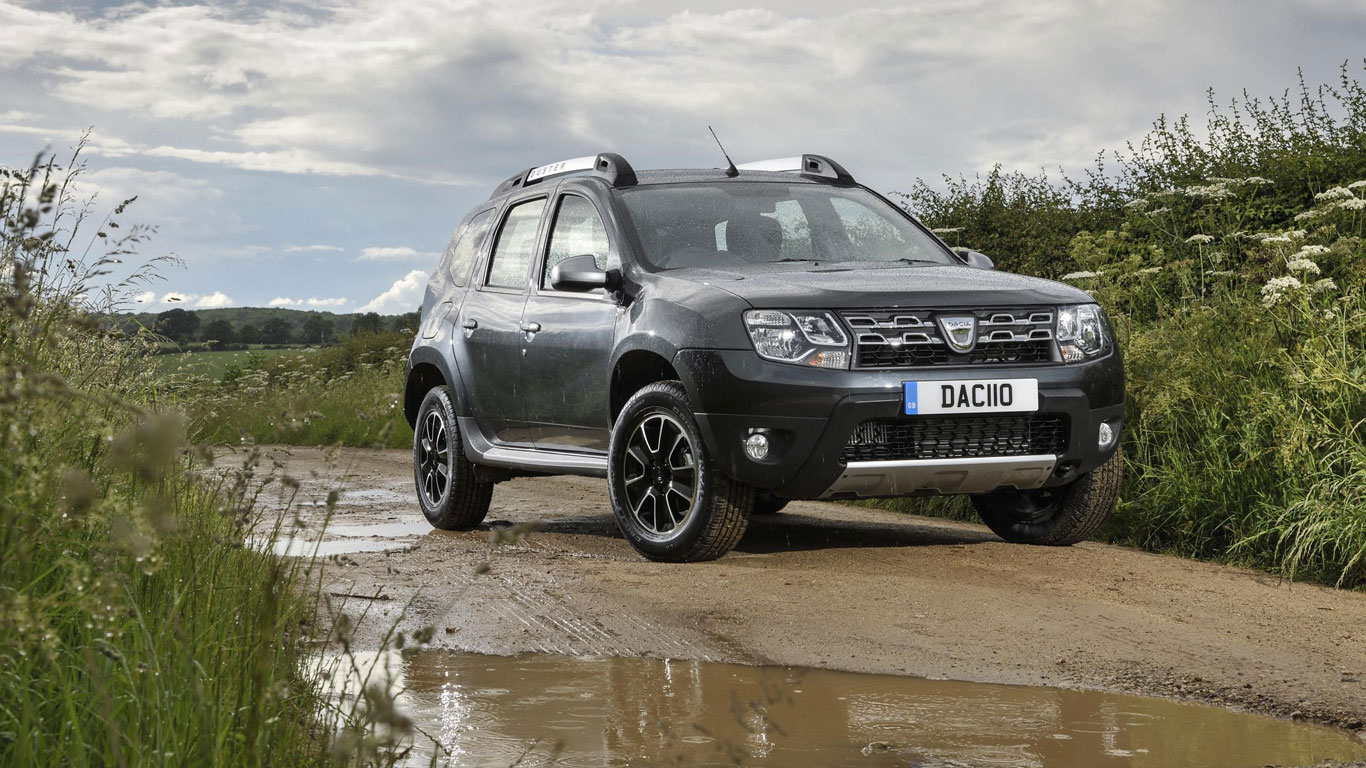
1. Dacia
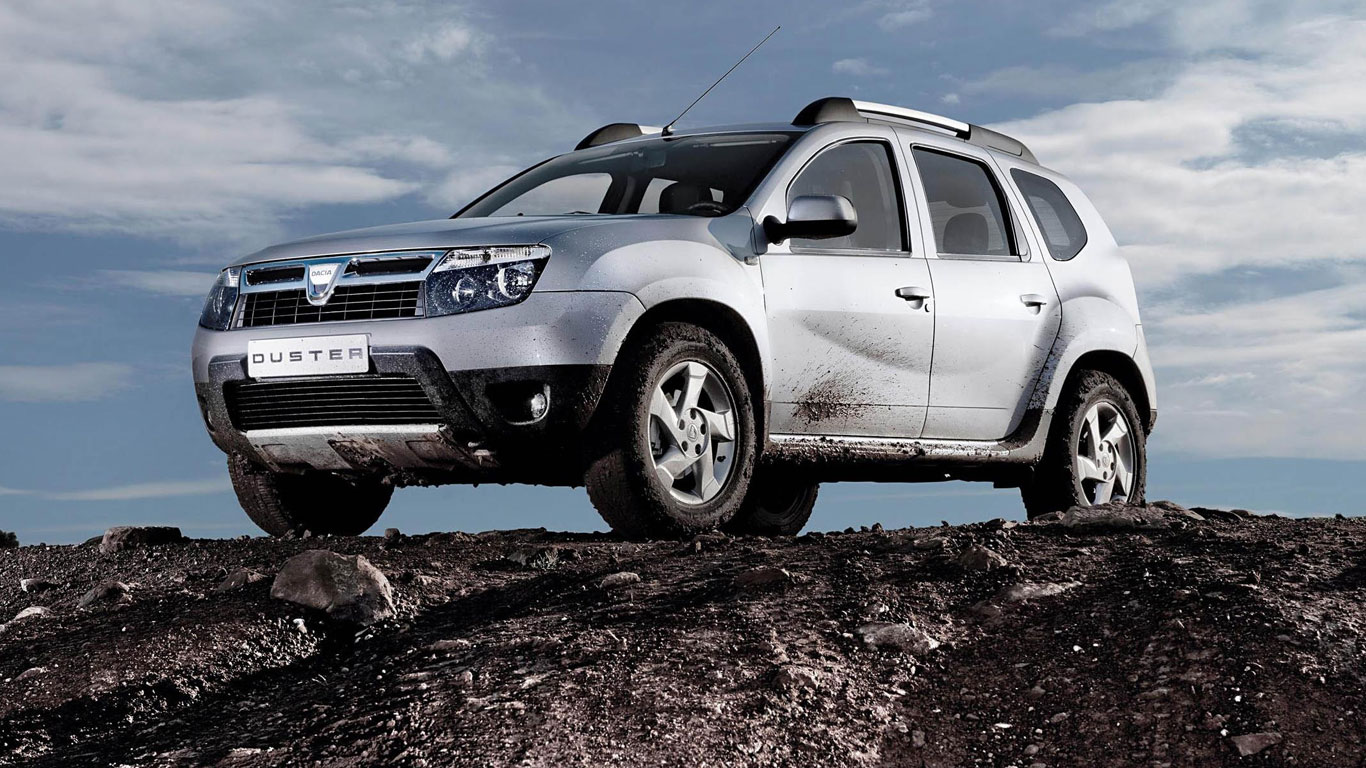
Congratulations, Dacia, because 10,000 Auto Trader readers believe you build the best value cars in Britain. Prices start from £5,995 for the basic Sandero Access, but the majority of buyers splash the cash on some much needed ‘luxuries’. Here’s a side note: far from being worth next to nothing on the secondhand market, we couldn’t find a used Dacia for less than £2,600.
Update (August 31, 2017): Dacia says ‘we keep things simple’
Dacia has responded to news that it’s been voted the best value car brand in the UK. Dacia UK’s head, Louise O’ Sullivan, said: “The Dacia range offers UK drivers the most affordable new cars on the market and a rapidly growing number of them are drawn to the brand because we keep things simple and offer cars we know our customers want.”
It comes a day after Dacia revealed the first photos of its new Duster ahead of its reveal at next month’s Frankfurt Motor Show.
It’s an annual decision. Take the car ferry to France, or pop the car on the train? For many it’s a conclusion they came to years ago. Now, throw away your prejudices and take a fresh look at the pros and cons.
Getting there
With Eurotunnel you’ve only once choice – its down the M20 down to Folkestone. The Dover-based ferries also depart from the much same area of the south east of Kent, and end up a few miles apart from each other in Calais. Dover and Folkestone are some 65 miles from the Dartford crossing on the M25.
You don’t have to go to Calais. DFDS Seaways runs a Dover-Dunkirk service, which places you 25 miles up the coast closer to Belgium, Holland and Germany.
Deeper into France
How quick is a short crossing?
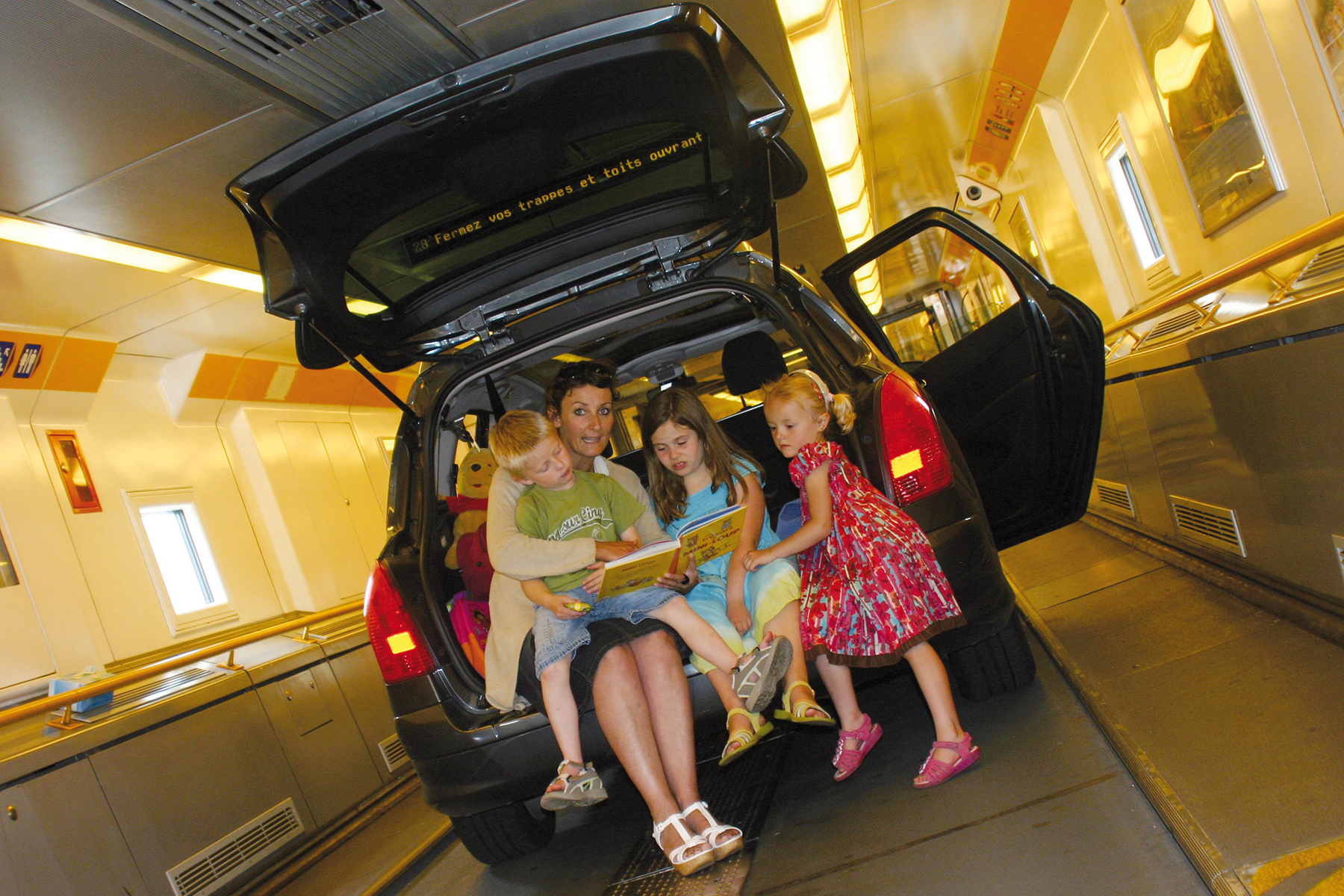
Speed is why most people choose Eurotunnel. The crossing time to Calais is 35 minutes. P&O and DFDS take around 90 minutes to do the same, or two hours to Dunkirk. Factor in a 60-minute check-in, though, and the difference between train and ferry becomes 95 minutes and 150 minutes.
What about the long ferry crossings?
Getting you closer to central and western France will require a longer – and more expensive – ferry crossing. It takes approximately four hours to get to Dieppe, six to Caen or Roscoff, and between eight and 12 to St Malo or Le Havre. Overnight crossings tend to take longer than day crossings, so that you can disembark at a respectable time of the morning. Brittany Ferries also has a high-speed ferry from Portsmouth to Cherbourg that takes just three hours.
How much will it cost?
How long is a piece of string? ‘Fluid’ pricing is commonplace, so that when sales have been high, the best deals disappear – just like Ryanair and Easyjet. Last-minute bookings in August, for a family of four with a car on the short crossings, are around £220 for the ship to Calais, and closer to £300 through the Eurotunnel. Reckon on saving a third of that on the ferries by booking a year ahead. Eurotunnel hasn’t published fares that far in advance, but there will be deals too.
Brittany Ferries, with its longer crossings, is naturally more expensive, and at short notice it was hard to find a crossing for less than £600 at the weekend, rising to nearer £800 on the popular St Malo crossing.
So which is best: ferry or train?
In my view, the ferries win hands down, every time. Do I want to save an hour of my life simply to travel in metal tube, at best industrial-chic, but to my thinking more like putting my car and my family into a larger version of an Underground train? Can I relax here, go for a pleasant walk, get some decent food, find a nice place for a wash and brush up? You already know the answer.
By the time I get to Dover, and I live only 100 miles away, I am ready for a meal, a break, and a tangible sense that I am going on holiday. The ferry does all that for me, and more. Take a long Brittany Ferries crossing and I can step the whole experience up a further notch, with fantastic restaurants and comfortable cabins. My advice is there’s no need to be in such a rush. Chill out and take the boat.
New car registrations have fallen for a fourth consecutive month following uncertainty over Brexit. Figures released by the Society of Motor Manufacturers and Traders (SMMT) reveal that the market is down 9.3%, with 161,997 new cars registered in July. The top 10 best-selling cars of July contains one or two surprises.
The Audi A3 returns to the top 10 with 2,607 registrations in July. It’s based on the same platform as the Volkswagen Golf, but a premium badge and a first-rate interior tempt buyers into spending a little extra cash.
There’s an A3 for everyone – it comes in three-door hatchback, five-door Sportback, four-door saloon and cabriolet body styles. There’s also an e-tron plug-in hybrid and super-fast RS3. With 400hp on tap, it’s the most powerful hot hatch in the world.
9. Mercedes-Benz A-Class
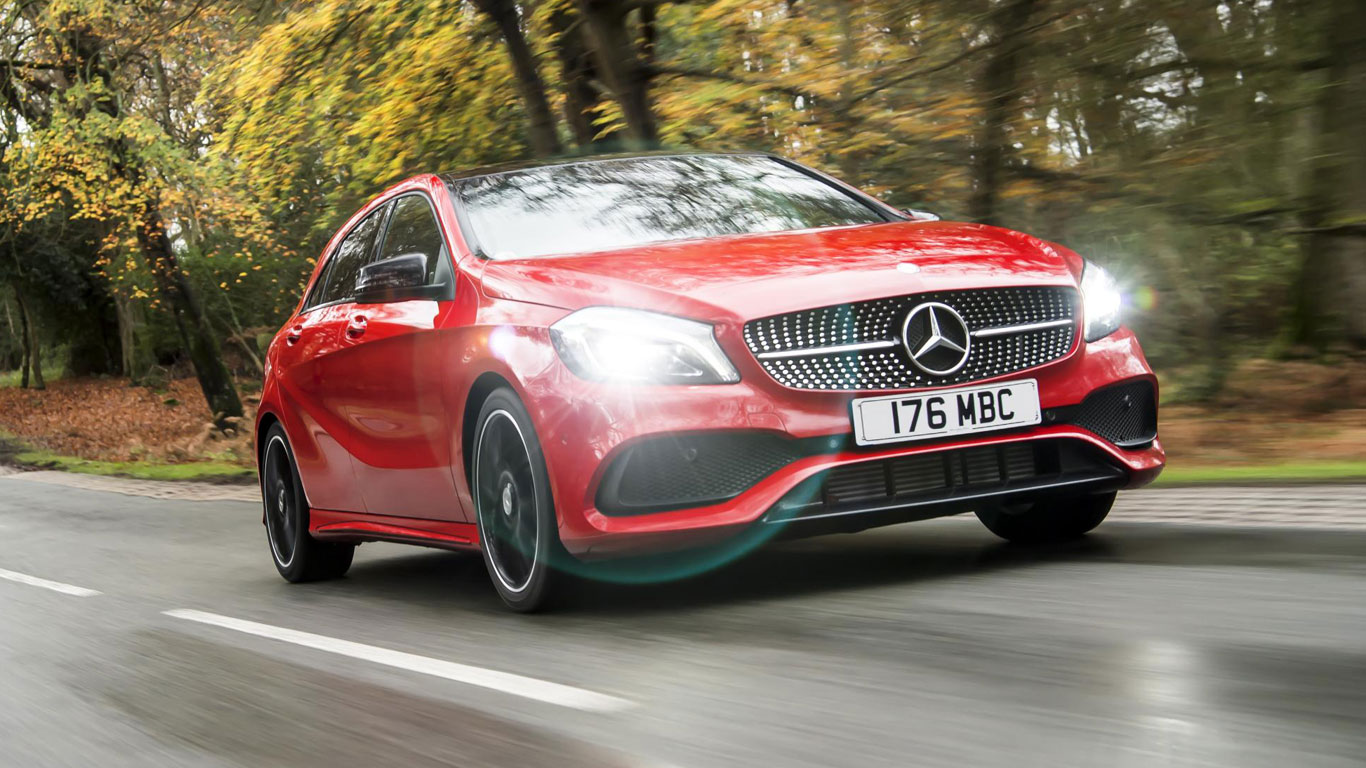
Just nudging ahead of the A3 in the battle for premium hatchback supremacy is the Mercedes-Benz A-Class, with 2,809 registrations in July. It’s one of two Mercedes models to make the top 10.
The A-Class has a starting price of £20,715, which just goes to prove that buyers are prepared to pay more for the ‘right’ badge. The range includes everything from the entry-level 180d diesel to the AMG A45 4matic.
8. Vauxhall Corsa
Last month, the Ford Fiesta was knocked off the top spot by the Volkswagen Golf, as buyers shunned the outgoing model to wait for the new and improved version. A chance for the Vauxhall Corsa to claw back some ground, then?
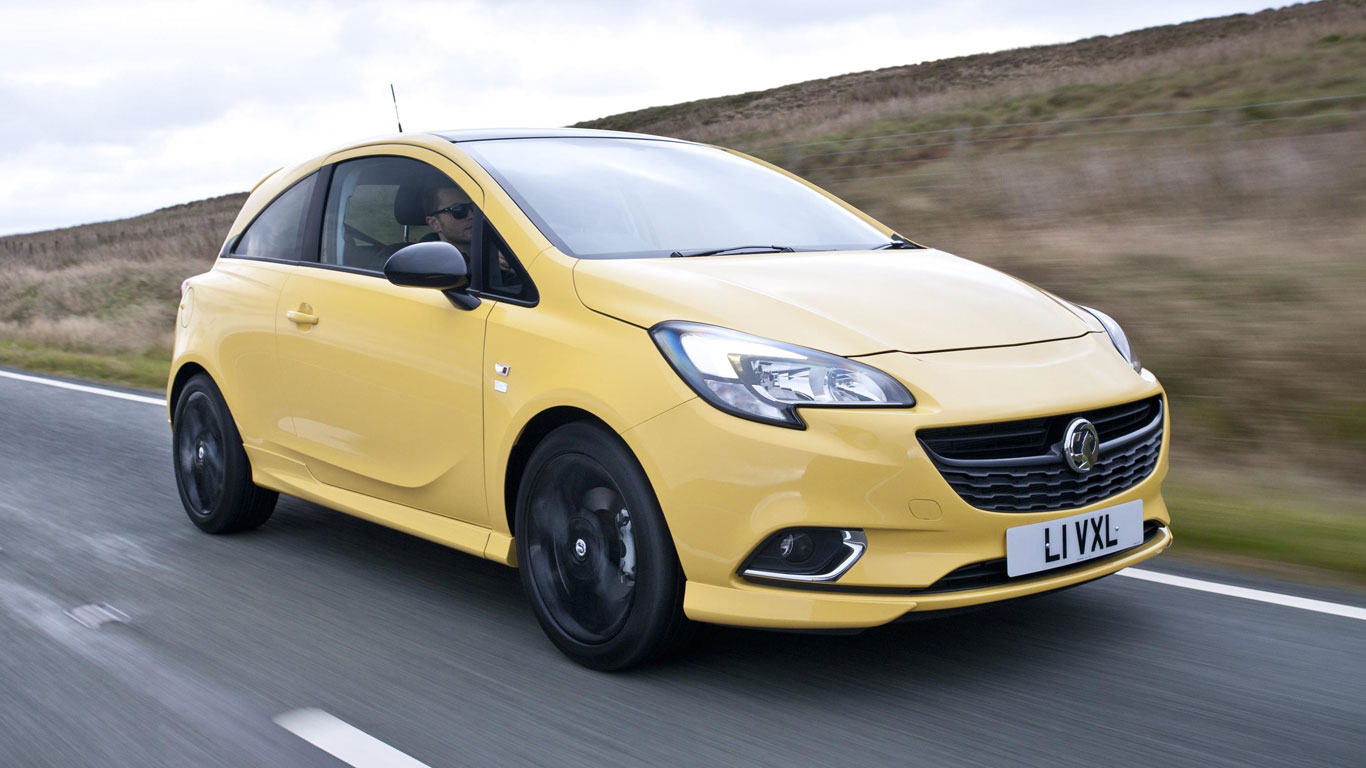
Only it hasn’t. Instead, the Corsa has slipped to a lowly eighth position, with a grand total of 2,819 registrations. Year-to-date, the Corsa sits fifth overall and is danger of dropping into the bottom half of the table. Oh dear.
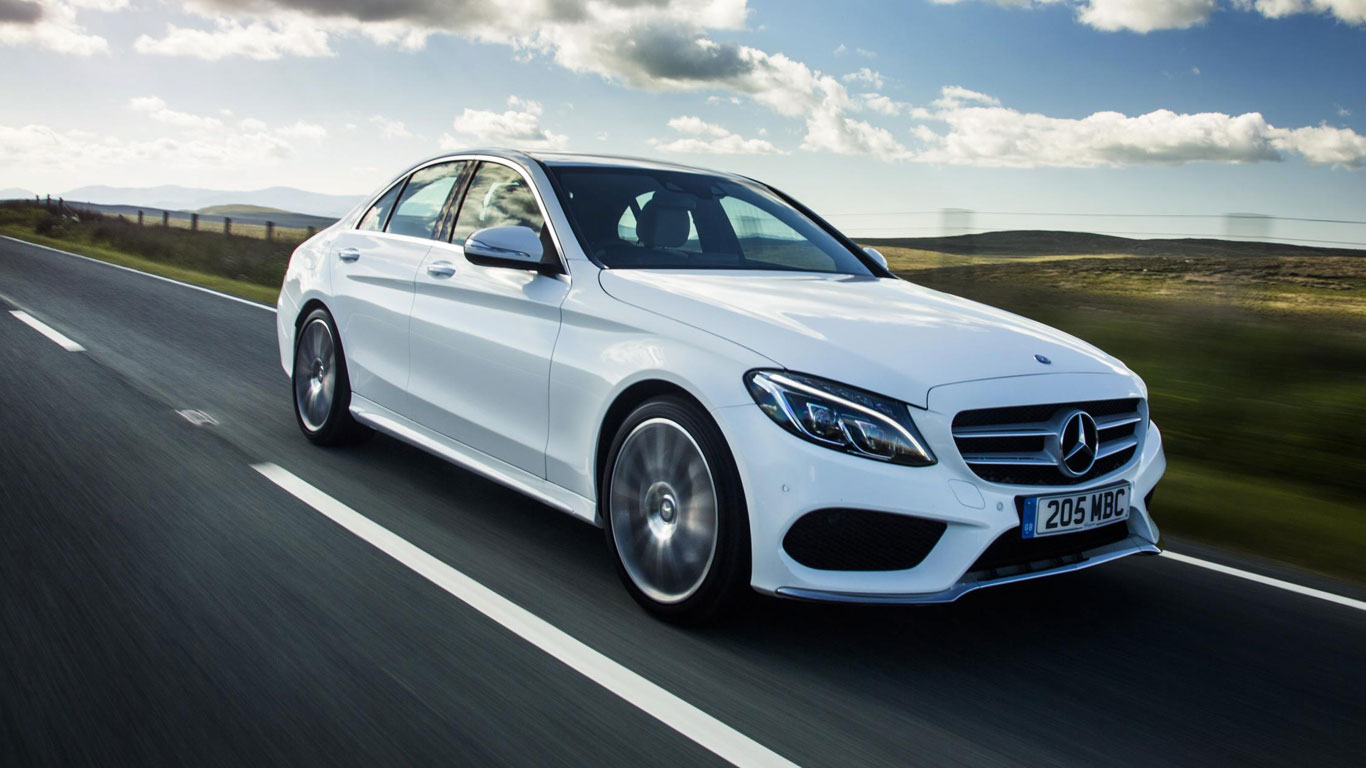
7. Mercedes-Benz C-Class
The C-Class has climbed to seventh place, having finished 10th in June. We might be told that the crossover is taking over the world, but the C-Class proves that there’s life in the saloon car. A premium badge certainly helps.
To date, some 30,214 C-Class have left Mercedes-Benz showrooms, making it by far and away the UK’s most popular saloon car. Indeed, it’s the only saloon in the year-to-date top 10. The BMW 3 Series has disappeared from the top 10.
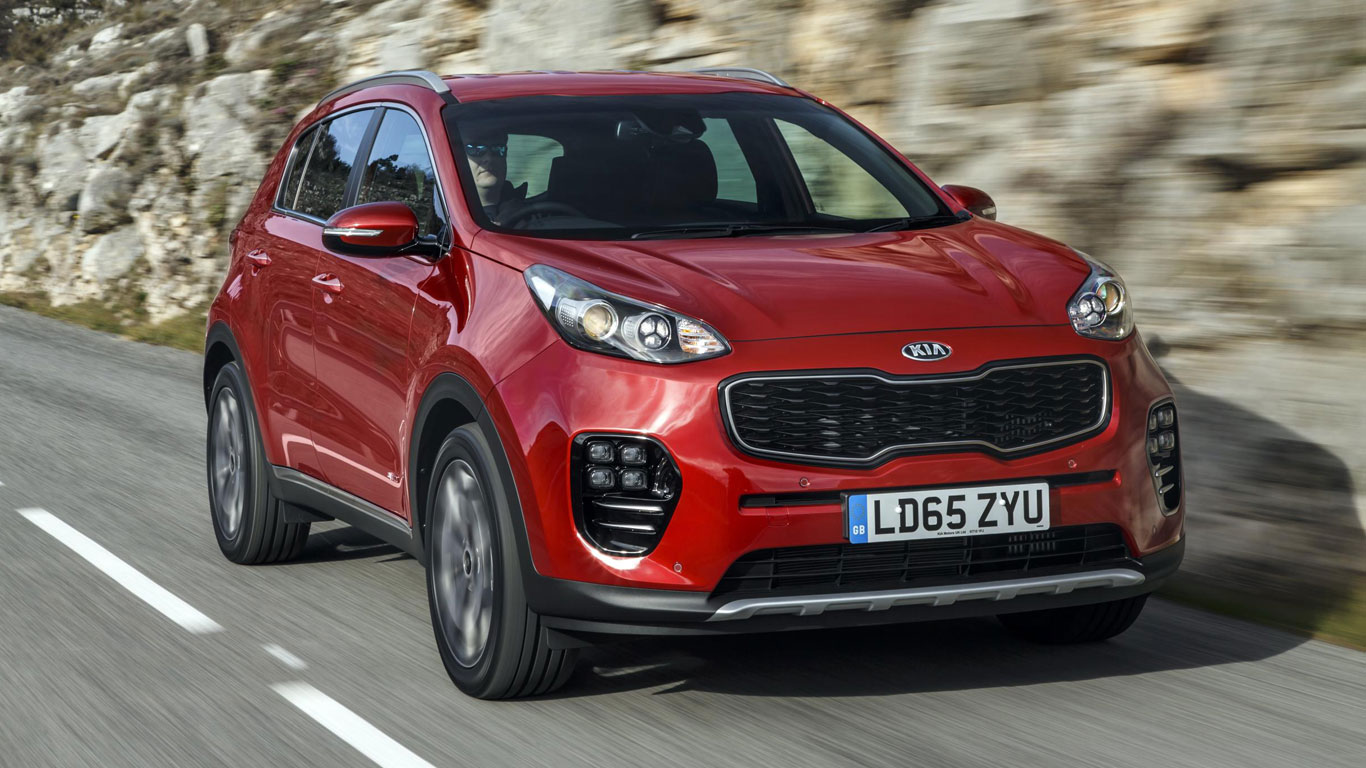
6. Kia Sportage
The Kia Sportage is back in the top 10, securing its position as the nation’s second favourite crossover. A total of 3,155 units were registered in July.
The combination of a five-star Euro NCAP rating, seven-year warranty and excellent value for money edges the Sportage ahead in a competitive sector. Amusingly, there are 11 different trim levels to choose from.
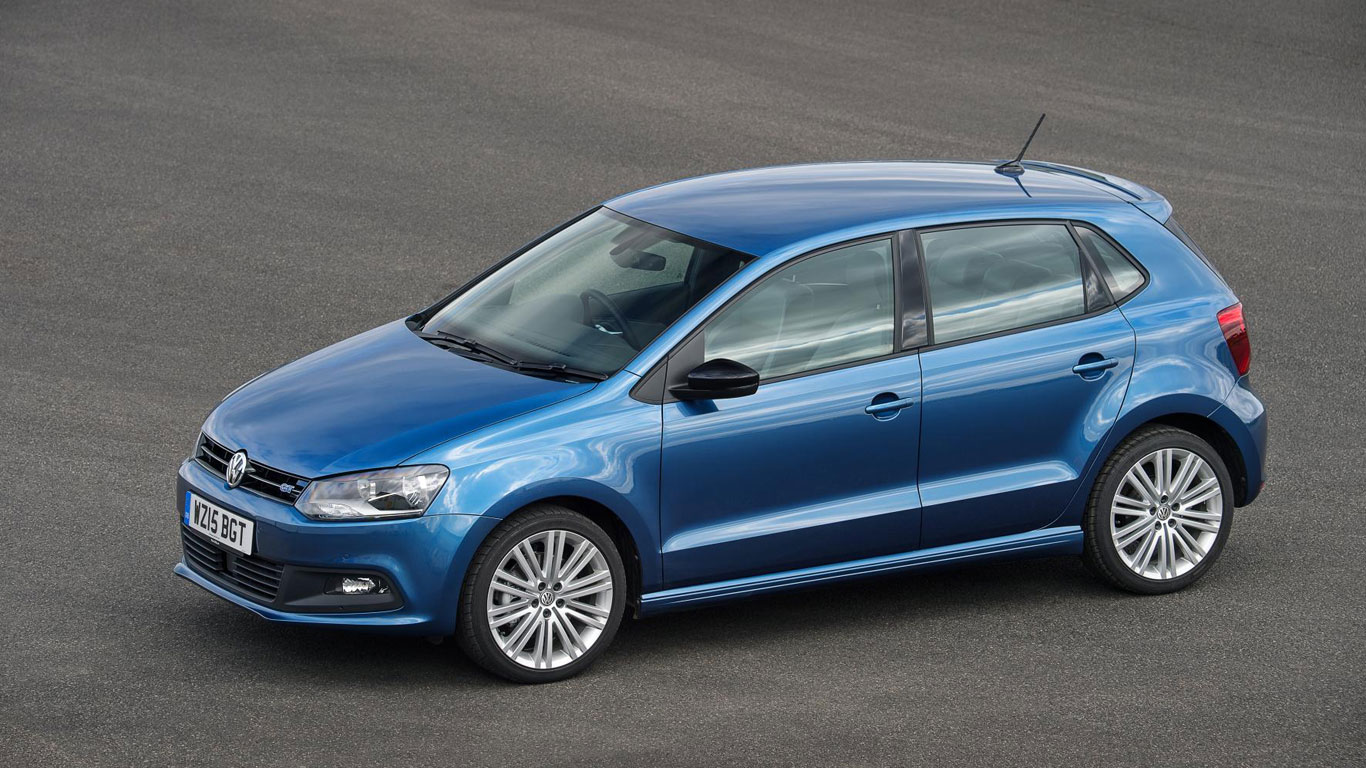
5. Volkswagen Polo
The Volkswagen Polo can also trace its roots back to 1975. A sixth generation Polo will arrive shortly, but the outgoing model is performing well, with 3,227 units shifted in July.
The range kicks off with the basic Polo S at £11,970, with the BlueGT and GTI sitting at the top. So far this year, 30,432 Polos have found homes in the UK. We wouldn’t bet against it overtaking the Corsa by the end of the year.
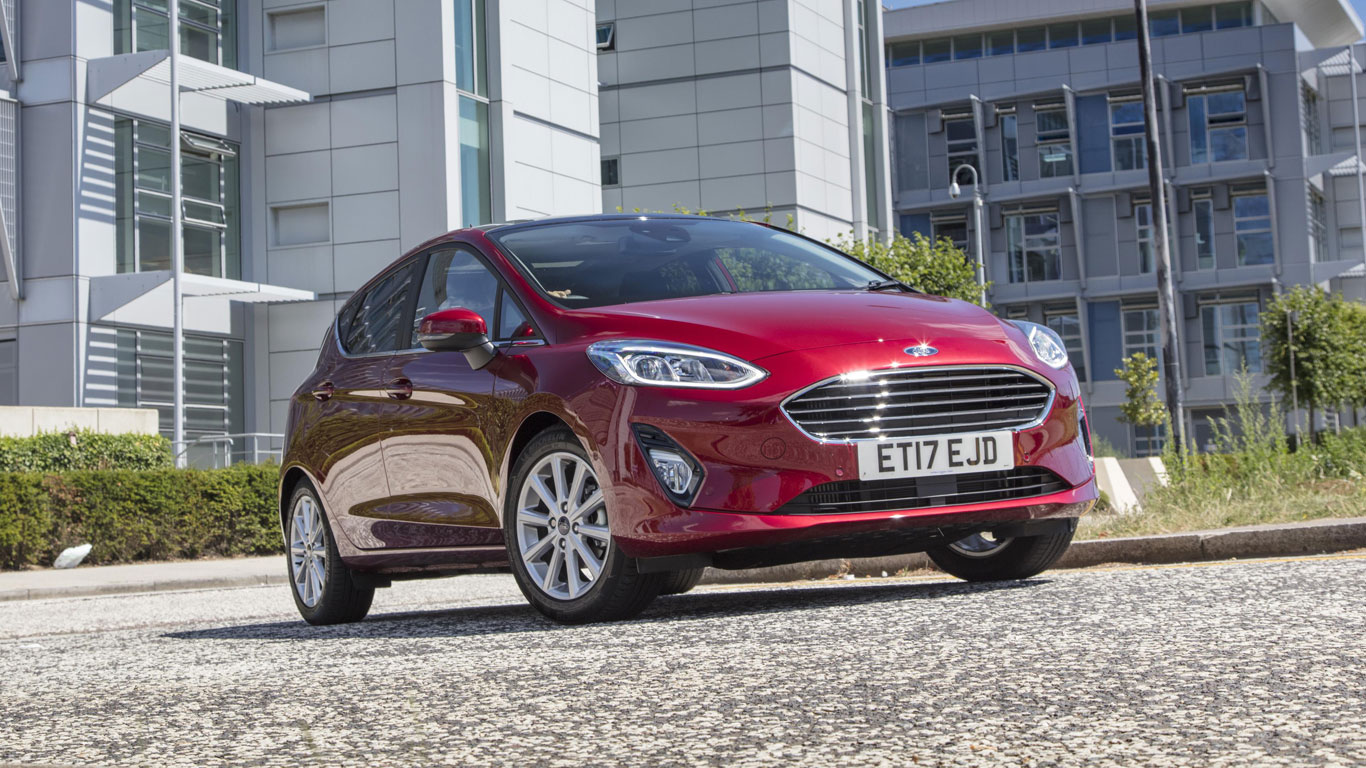
4. Ford Fiesta
Oh, how the mighty have fallen. Having sat at the top of the charts for longer than Bryan Adams, the Ford Fiesta suddenly finds itself in uncharted waters. But don’t worry, it doesn’t need a lifejacket.
The Ford Fiesta is a victim of a model changeover, with buyers waiting for the new version, while dealers reportedly struggle to keep up with demand. In a tweet, Tim Holmes, head of PR for Ford of Britain, said: “Quick shout-out to our colleagues in Cologne to build us more new Fiestas!”
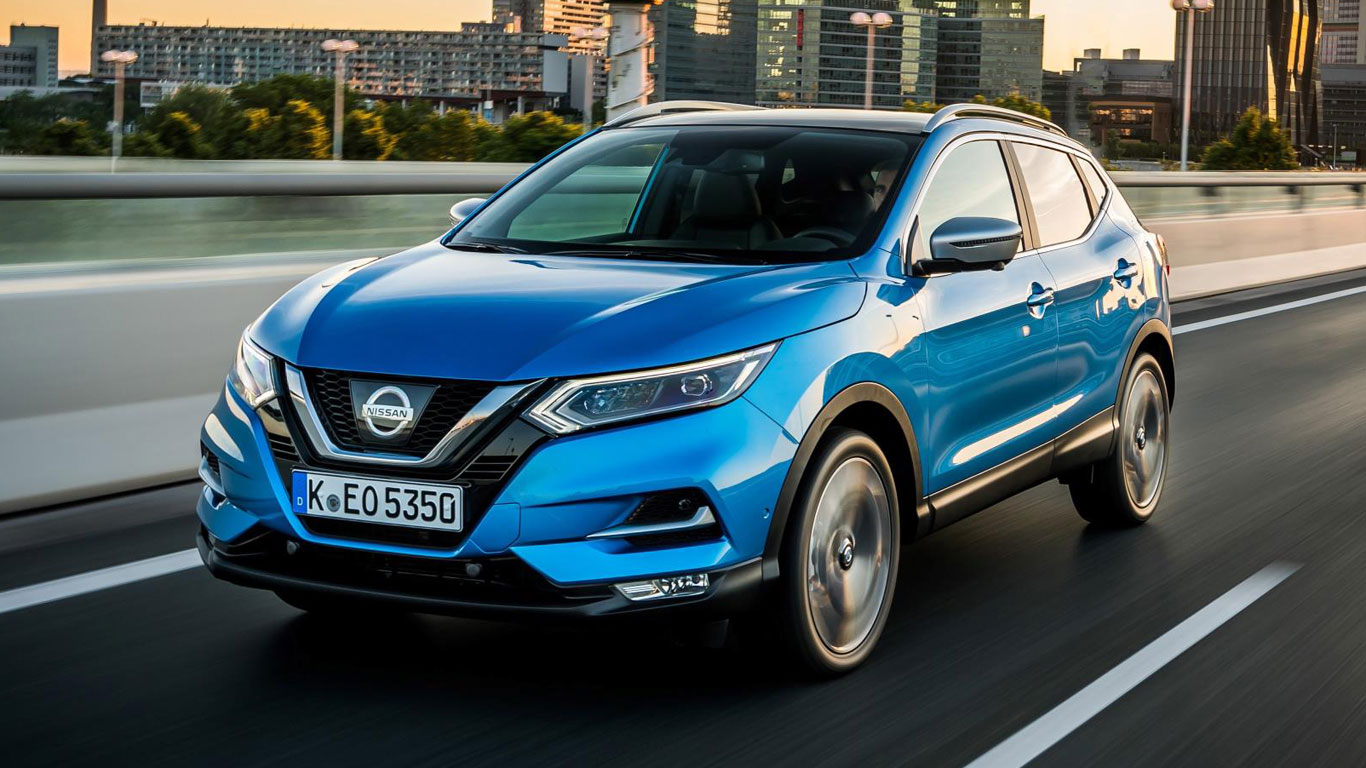
3. Nissan Qashqai
Look, there’s a new face for the UK’s best-selling crossover. Ten years since the Nissan Qashqai arrived on the scene, the second generation model has been treated to a new face, an improved interior and new equipment. A total of 4,640 units were registered in July.
The Qashqai is no longer the freshest or sharpest crossover in its sector, but it remains a terrific all-rounder, which helps it to retain a top 10 position, climbing into the top three in the process.
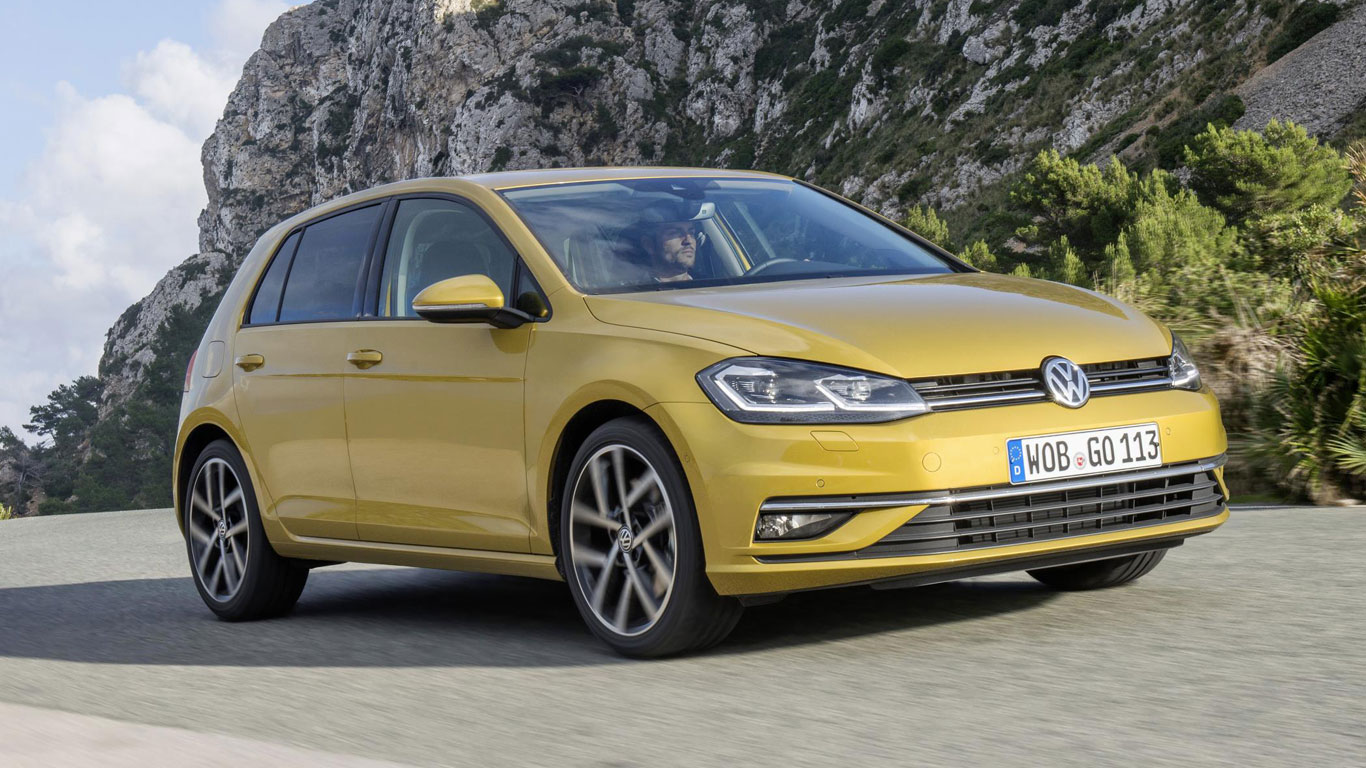
2. Volkswagen Golf
Following its brief stint at the top of the table in June, the Volkswagen Golf returns to second place in July. A total of 5,236 cars were registered last month, helping to cement the Golf’s position as the third most popular car of 2017.
Prices start from £17,765 for the Golf S, increasing to £32,710 for the Golf R. Estate versions are also available, along with electric and hybrid options.
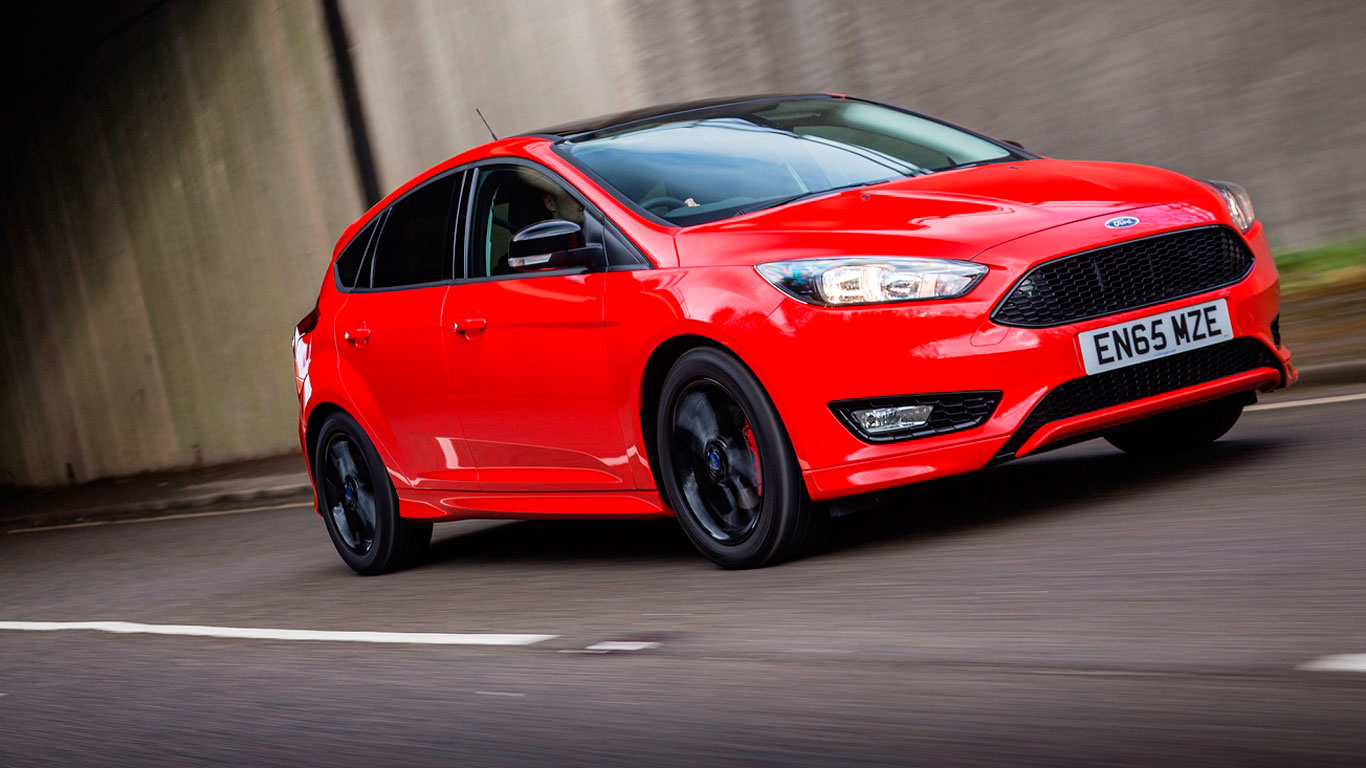
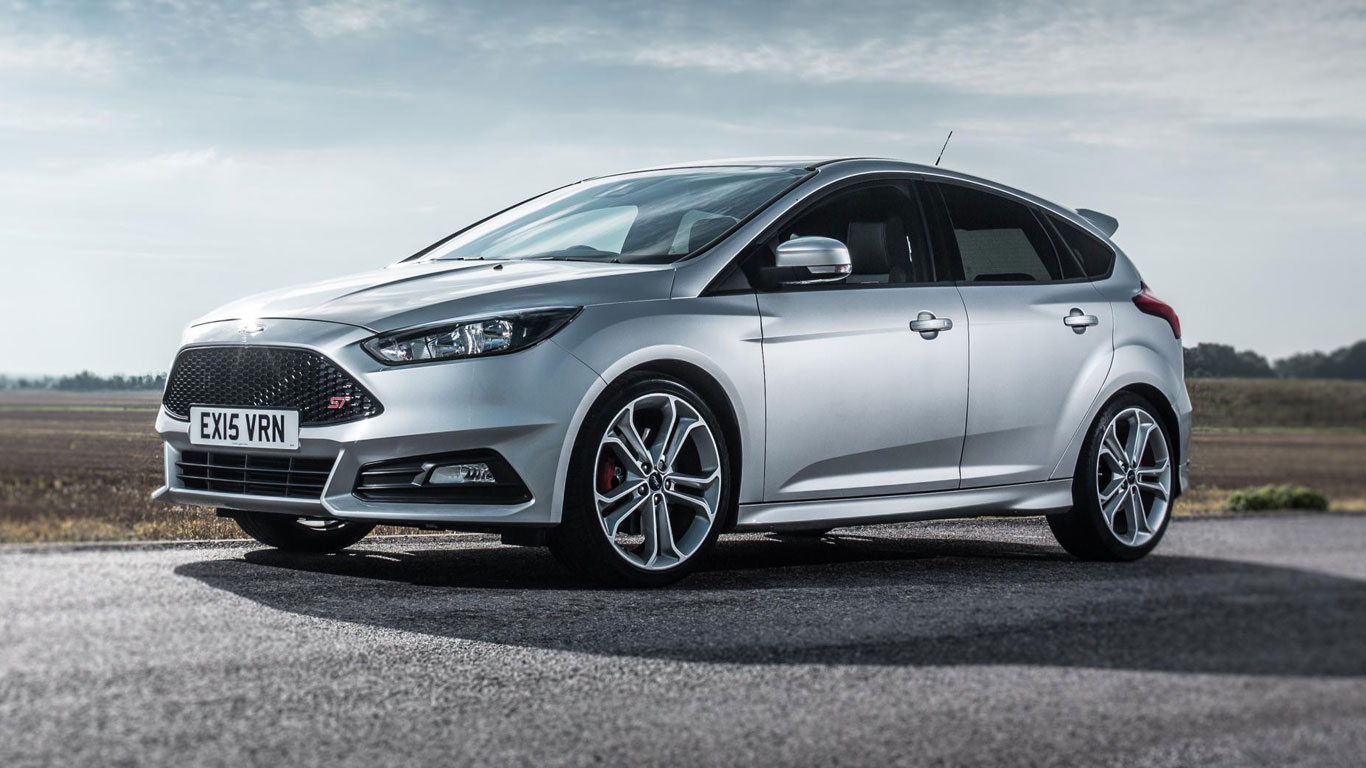
1. Ford Focus
Surprised? The Ford Focus has muscled in on the territory once dominated by the Fiesta, seeing off the Golf in the process. A total of 5,251 units were registered in July, just 15 more than the VW. The Vauxhall Astra doesn’t make the top 10…
Hot on the heels of the new Fiesta, a new Ford Focus will arrive in 2018. We’re not expecting a radical change to the styling, but we expect it to be lighter than the current model with a host of new tech.
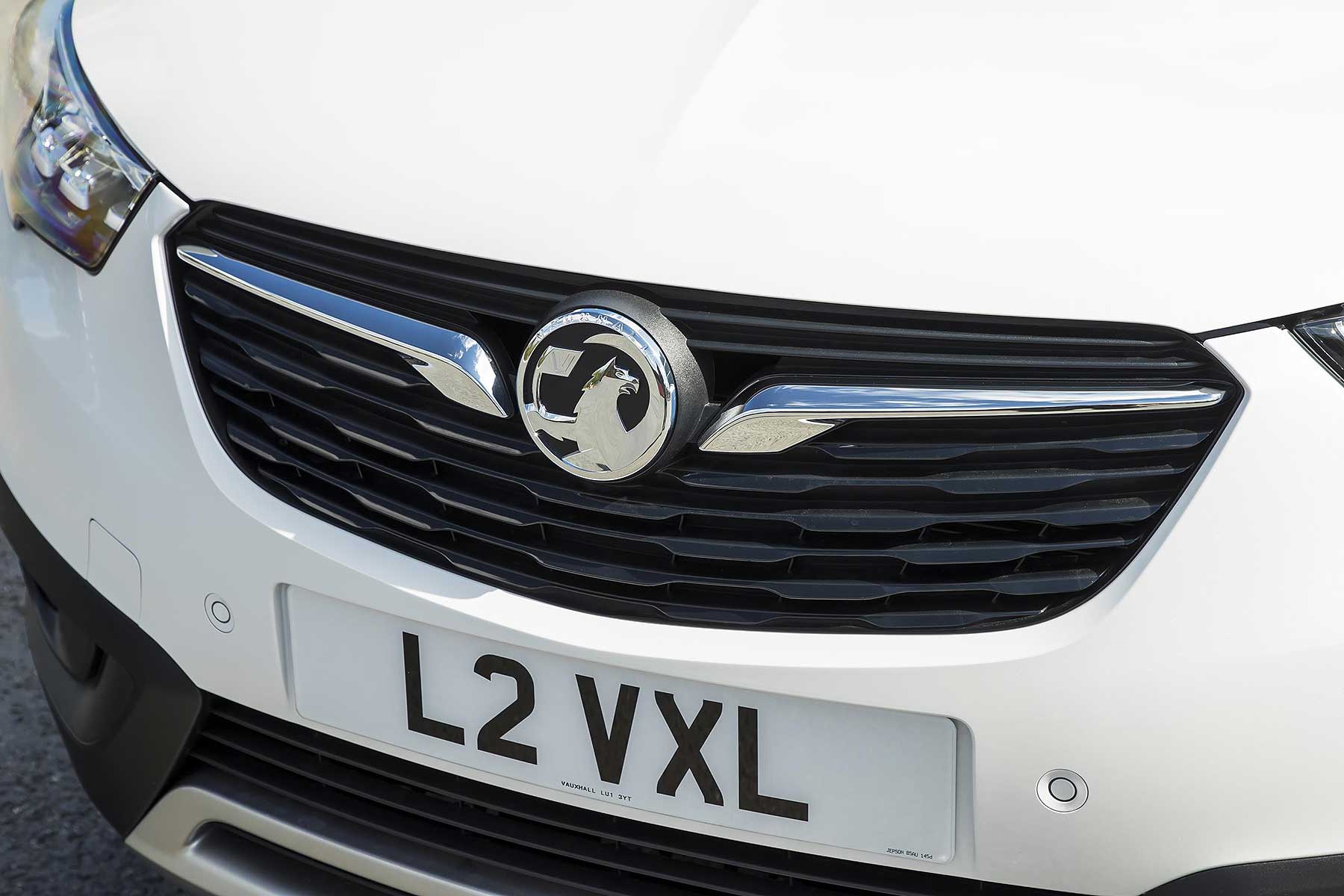
Another month of falling new car sales, another decline in registrations of Vauxhalls. Only in July 2017, it was an eye-watering decline. In 2017, nearly 42 percent fewer Vauxhalls were registered than during the same month in 2016. 42 percent!
In raw numbers, that’s a fall from 19,733 cars to just 11,528 vehicles. 8205 fewer cars sold. And for a brand that was once Britain’s de facto number two – and, at times during the 1990s, the best-selling car maker in the country – that’s little short of staggering.
Last month, Vauxhall market share was not only obviously worse than Ford, but also below Volkswagen, Audi… even Mercedes-Benz! Fair enough with VW beating it, as the dieselgate-struck brand is currently very keen to cycle people into the uber-desirable new Golf… but the UK’s only genuinely British volume brand beaten by not one but two premium brands? Something’s really not right there.
Vauxhall has in the past said that it’s fine with market share declines, as it’s chasing profitable sales, not sales at any cost. That’s all well and good, but there has to be a limit to this, surely? Has to be a point at which throughput of new cars at dealers simply isn’t good enough? And how much profit can you really stretch out of an Astra or Corsa, anyway
The new Astra is a good car, and a British-built one at that. Why it’s not selling is thus strange: it’s received strong press reviews and surely the UK-made element is more relevant than ever in our Brexit-obsessed world. Point the finger at bad marketing, perhaps? Because there’s no excuse for it not appearing on the top 10 best-sellers chart for July, not when the ageing Ford Focus can take the top spot.
Superminis are Britain’s favourite type of new car, and here, Vauxhall is hamstrung because the dreary Corsa is now so aged. It’s so archaic, it’s not even able to capitalise on the Ford Fiesta being in model switchover mode: whereas the Ford still came fourth, the Corsa barely struggled to eighth, just 10 units ahead of the Merc A-Class.
As for the rest of Vauxhall’s range, they were nowhere: no Mokka X or Crossland X despite Britain’s love of SUVs, no Insignia Grand Sport despite the new model being again well received. In the same week that its takeover by PSA was confirmed, with new boss Carlos Tavares vowing to keep both the German Opel and British Vauxhall brands, something needs to happen in the management suite at Luton, and fast. Because such a pitiful monthly sales performance really can’t go on for much longer.
Proposals to build tunnels over the most polluted sections of motorway in a bid to protect locals from harmful emissions have been slammed by the RAC.
Highways England has revealed in its latest air quality strategy that it’s considering building physical canopies over motorways, using a special material that can soak up NOx emissions. In the report, the government agency says it is “investigating if we can reduce the costs to construct a canopy, which is a tunnel-like structure designed to prevent vehicle emissions reaching our neighbours”.
But the RAC has raised concerns that rather than soaking up toxic fumes, it might instead deflect emissions back into vehicles – potentially causing harm to drivers and passengers.
“We question whether constructing tunnel-like canopies, even if they are made from a material that can partially clean the air, is the right way to deal with the problem,” said the motoring organisation’s spokesman, Nick Lyes. “All this will do is concentrate potentially toxic air over the road which will have an impact on those inside their vehicles who breathe in the trapped pollution.
“The solution should be about reducing levels of pollution by accelerating the transition to ultra-low and zero emission vehicles and encouraging better traffic flow through variable speed limits – something Highways England has started doing on smart motorways.”
Wooden pollution barriers were installed on the M62 near Manchester in 2015, while a three-metre-high fence coated in a nitrogen oxide-absorbing material is currently being trialled.
The measures are part of a £100 million investment by the UK government to improve air quality by 2021.
Ever since the dawn of the hot hatch, Ford and Vauxhall have been locked in a battle for hot hatch supremacy. Today, the Fiesta ST, Focus ST and Focus RS ensure that there’s no real contest, with Ford enjoying bragging rights and ultimate supremacy.
But as our retro hot hatch showdown reveals, Ford hasn’t always had things its own way. We’ve selected a dozen twin-tests – some direct, others indirect – to create a kind of automotive Game of Thrones. You might not agree with our choices, but this is just for fun. Don’t expect dragons or swords in this battle.
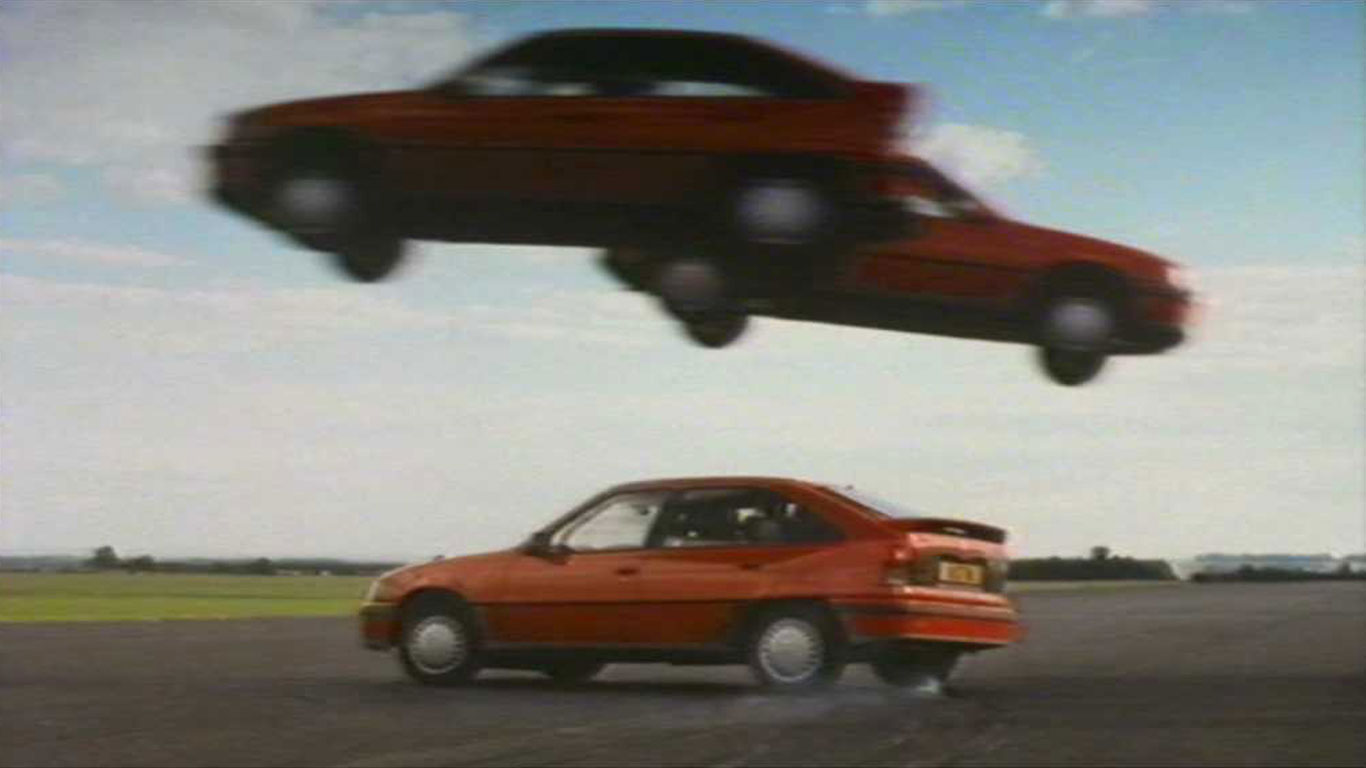
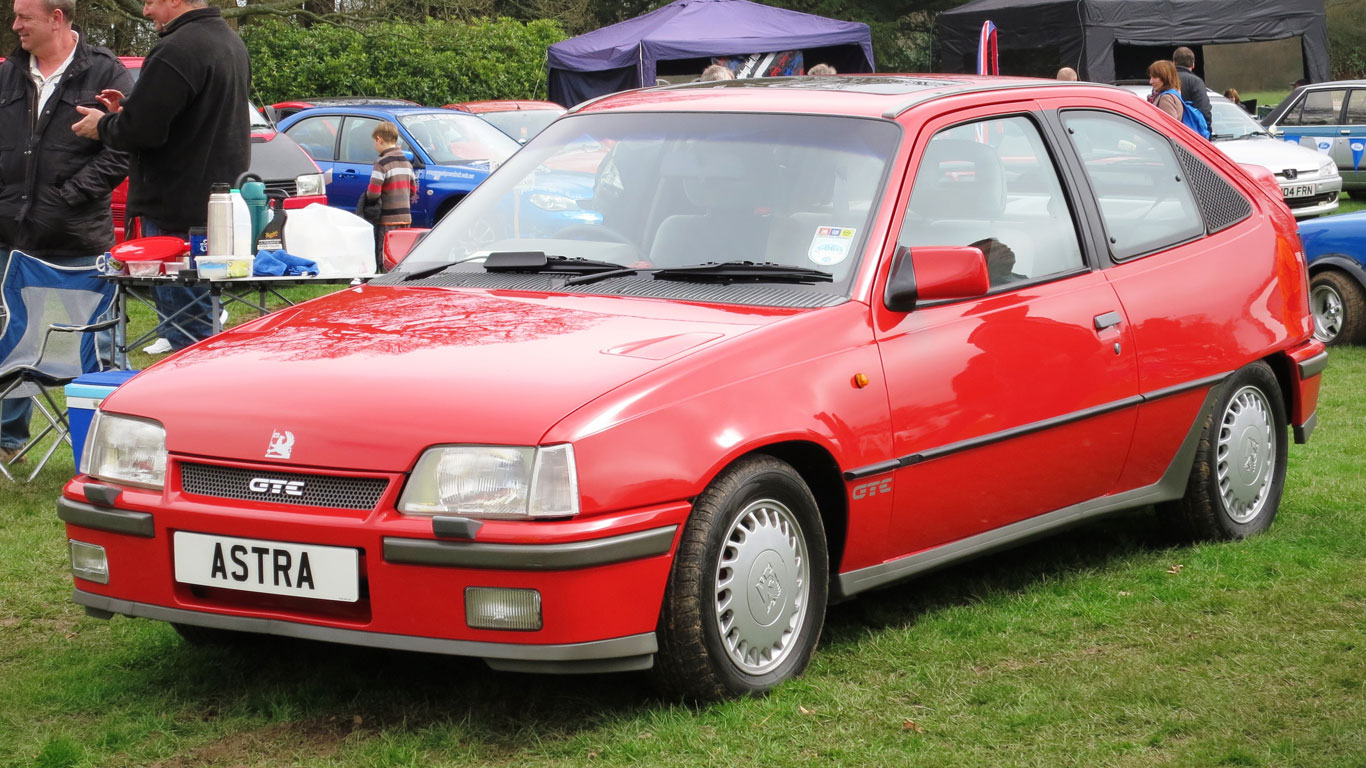
“Nought to naughty naughty in 8.5 secs,” screamed the double page press ad in big and bold type. The Vauxhall Astra GTE arrived extremely late to the hot hatch party, taking a bow just as the Mk1 Golf GTI was about to be replaced by the Mk2. But it was worth the wait, because the hot Astra was arguably the most convincing challenger to the Golf GTI.
Vauxhall had tested the water with the lukewarm Astra SR – powered by a 1.6-litre engine – but the GTE upped the ante with power sourced from the fuel-injected 1.8-litre unit found in the Cavalier SRi. Choosing between the Astra GTE and the Golf GTI was tough, which is probably the greatest compliment you can pay to Vauxhall’s upstart.
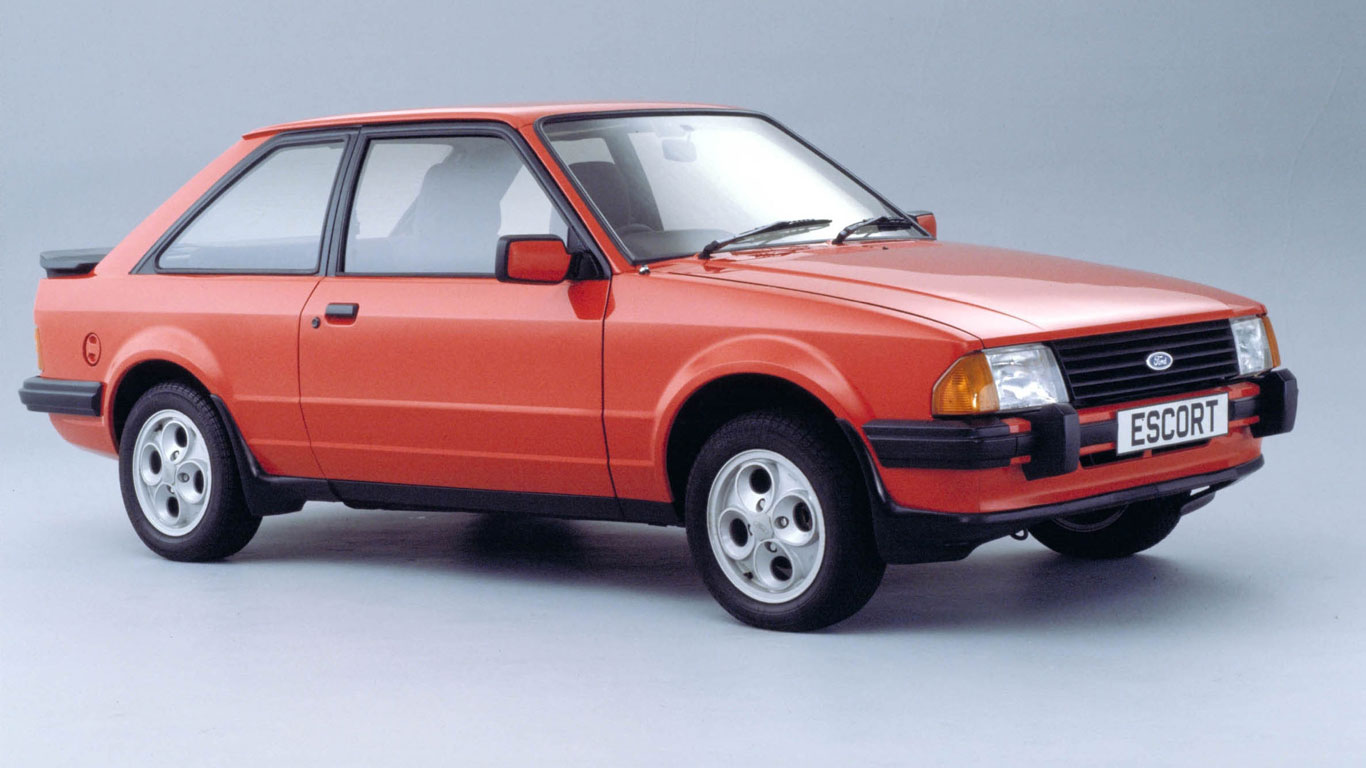
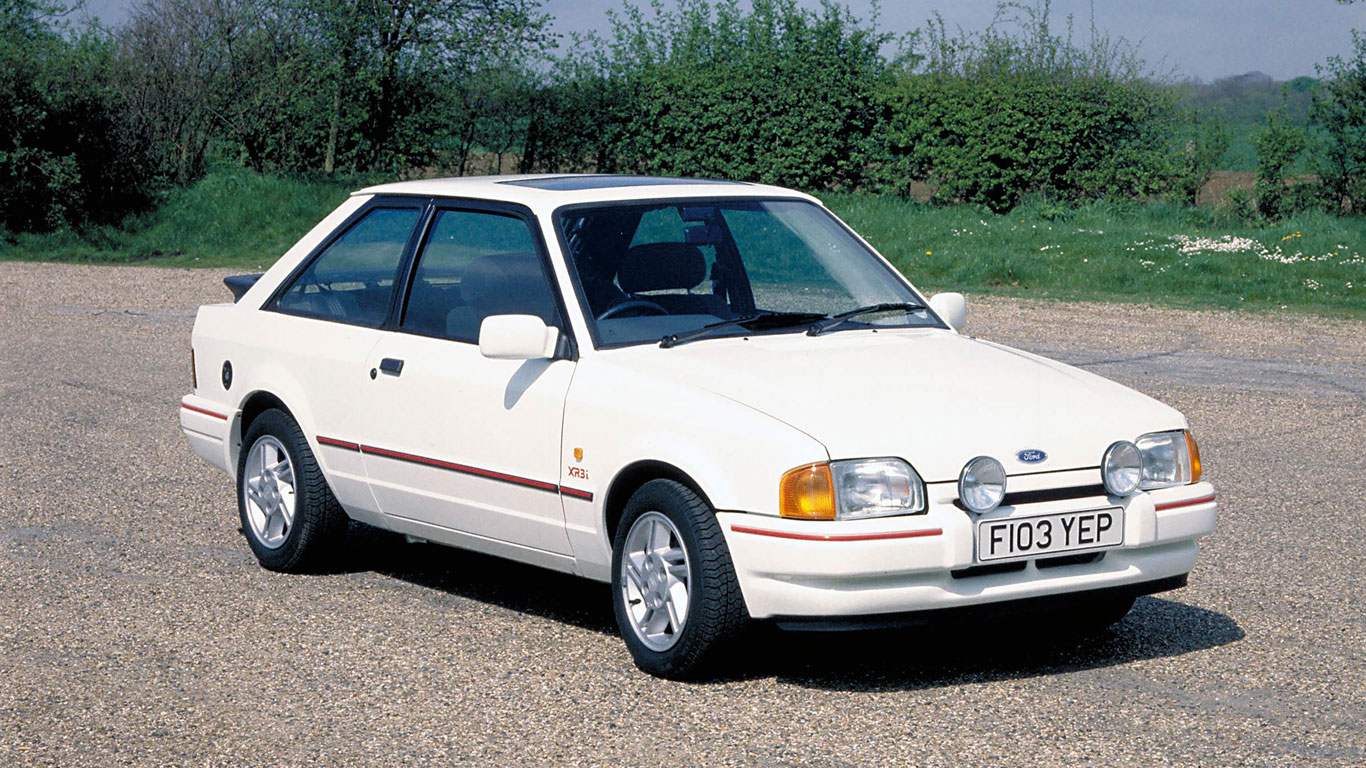
Ford Escort XR3i
In 1983, an Astra GTE would have set you back £6,412, some £400 less than the Golf GTI. The new Escort XR3i, on the other hand, was cheaper still, at a bargain £6,156. If Vauxhall was the freshman at the school of hot hatches, the hot Escort was a firmly established cool kid, with the XR3 on sale since 1980.
But the XR3i was about far more than a simple ‘i’ on the back of a delightful body. Sure, fuel-injection added more power, but the new car featured a five-speed gearbox and improved handling, edging it closer to the class leaders. But while the XR3i was the populist choice, and arguably the best looking (discuss…), it wasn’t the best hot hatch.
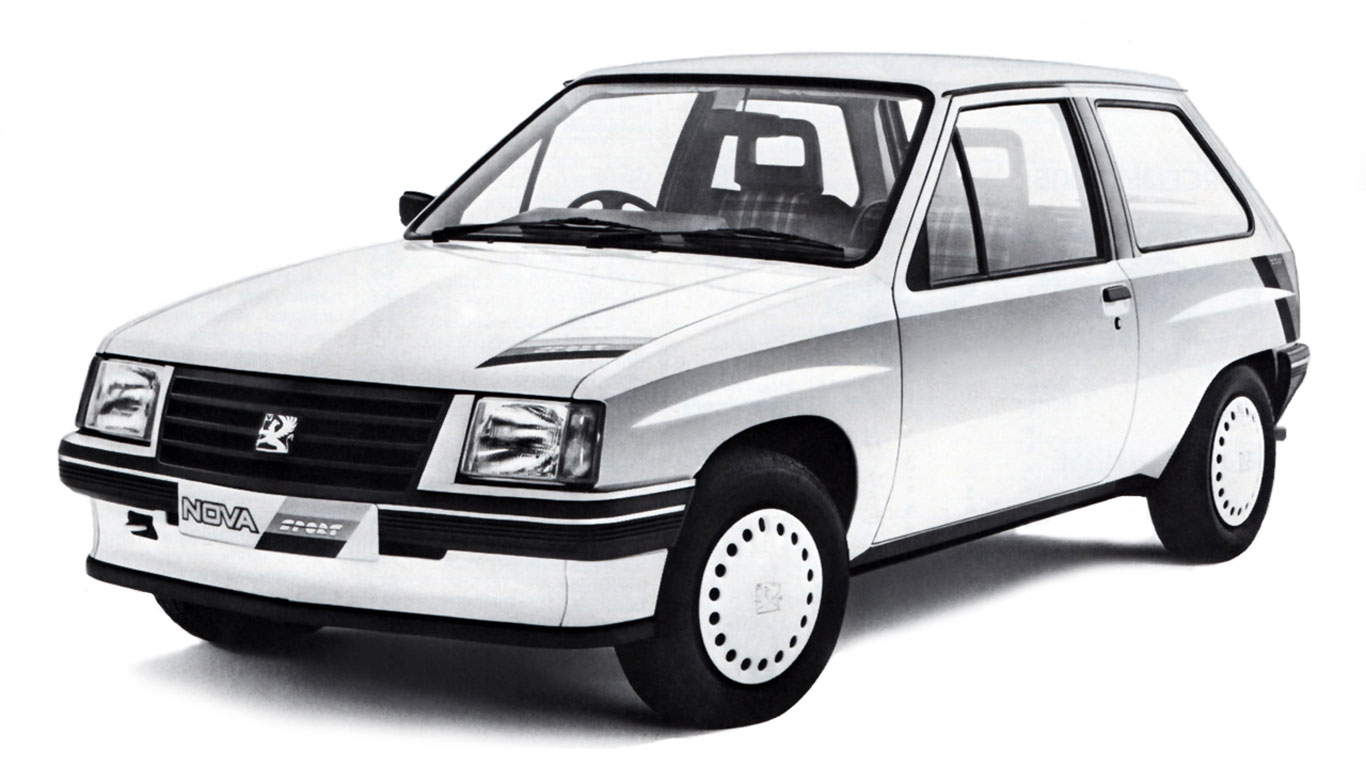
Vauxhall Nova Sport
We make that one-nil to Vauxhall. In the Nova Sport, Luton has a chance to go two ahead in the battle against Dagenham, as this was a firecracker of a supermini. A total of 500 were built for homologation purposes, blending a base model shell with some SR parts and a 1.3-litre engine armed with a pair of Weber twin-choke carburettors.
Fatter wheels, stiffened suspension, Recaro seats and the instruments from the Nova SR completed the package, to create a rally car for the road. Aside from the discreet red, yellow and grey decals, it looked every inch the Nova driven by your English teacher. But in truth, this was a straight Group A student.
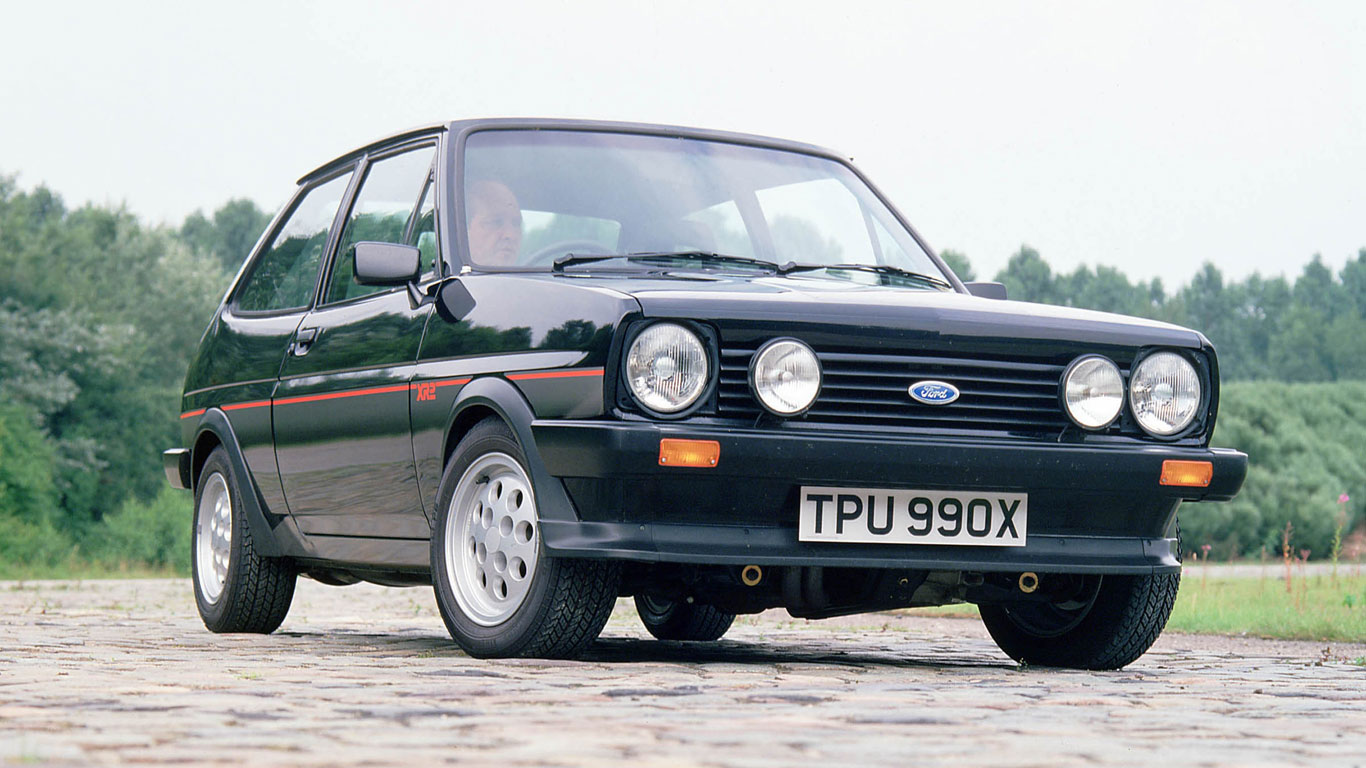
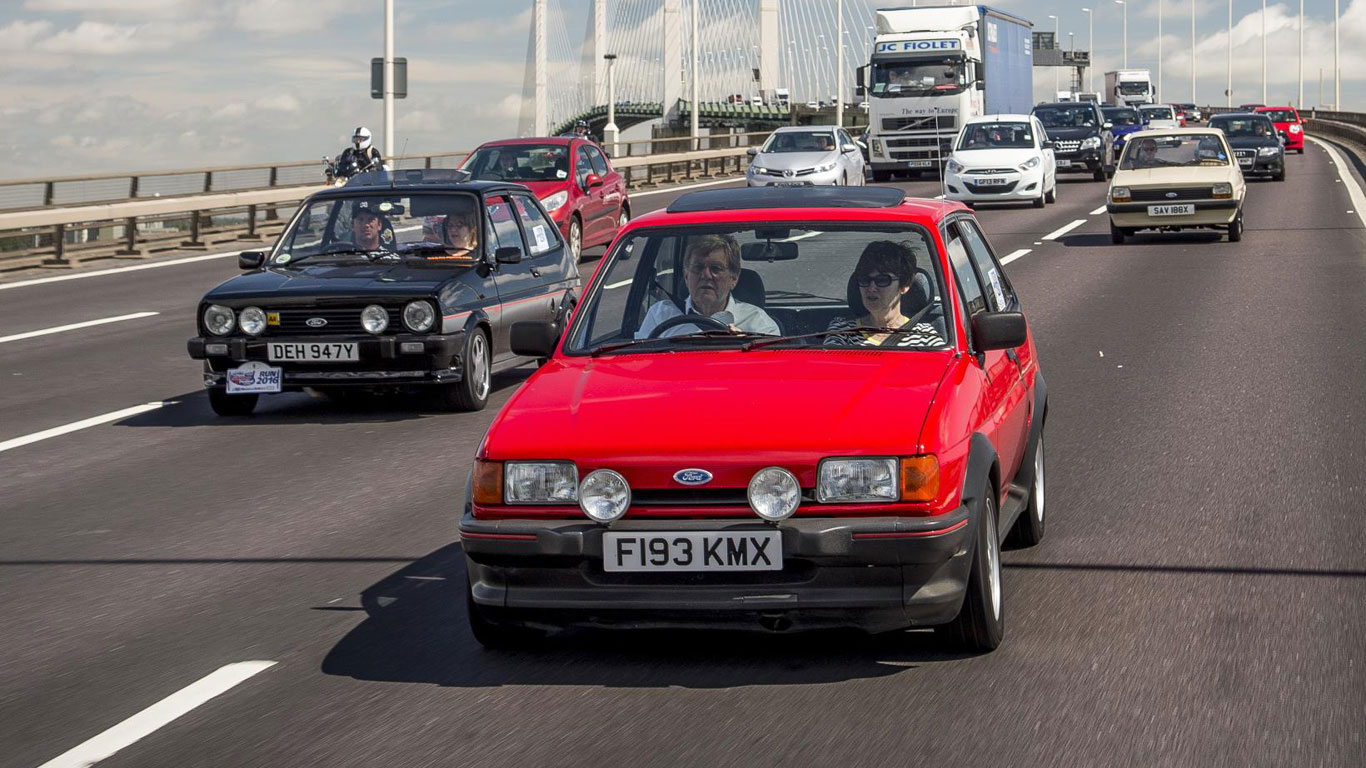
Mk1 Ford Fiesta XR2
Pitching a rally-bred special against a mass-produced go-faster special is perhaps a little cruel, but the hot hatch battle is no place for shy and retiring types. And besides, there’s nothing lily-livered about the Ford Fiesta XR2, which arrived in 1981. This was the second car produced by Ford’s Special Vehicle Engineering Department (SVE), following the Capri 2.8i.
A top speed of 104mph and a 0-60mph time of 9.4 seconds might not seem like a big deal in the age of the Fiesta ST, but these were different times. Crowbarring a 1.6-litre engine into a humble supermini was more exciting than watching Bucks Fizz at the Eurovision Song Contest. But we’re giving this particular battle to Vauxhall. Two-nil to the Griffin, and Cheryl Baker has kept her skirt on.
Mk2 Vauxhall Astra GTE
The Mk1 Astra GTE barely had enough time to settle in before it was replaced by the pear-drop-shaped Mk2. The hot hatch genre was still in its infancy, but a changing of the guard was in progress, with the Mk1 Golf replaced by the Mk2 and a new fourth-generation Escort waiting in the wings.
Aerodynamic it might have been, but the new Astra GTE didn’t get off to the best of starts, with the 1.8-litre engine – praised in the Mk1 – criticised for its lacklustre performance. The suspension was another complaint, while contemporary reviews pointed to a lack of sparkle. The 1.8 unit was soon replaced by a 2.0, but it wasn’t enough.
Ford Escort XR3i
The Astra’s chief rivals were the Fiat Strada Abarth, Mk2 Golf GTI and Escort XR3i. The Vauxhall and the Ford were a little out of their depth, with the XR3i in desperate need of a more powerful engine. Such hopes were dashed when Ford introduced the new XR3i in 1986, which used the same 1.6-litre unit.
In fairness, Ford worked on the engine refinement, while a revised suspension set-up provided sharper handling. The new styling and host of updates were enough to keep the XR3i relevant in a cut-throat segment and, while lacking the precision of the Golf GTI and new 205 GTI, ahead of the Astra GTE. Two-one to Vauxhall.
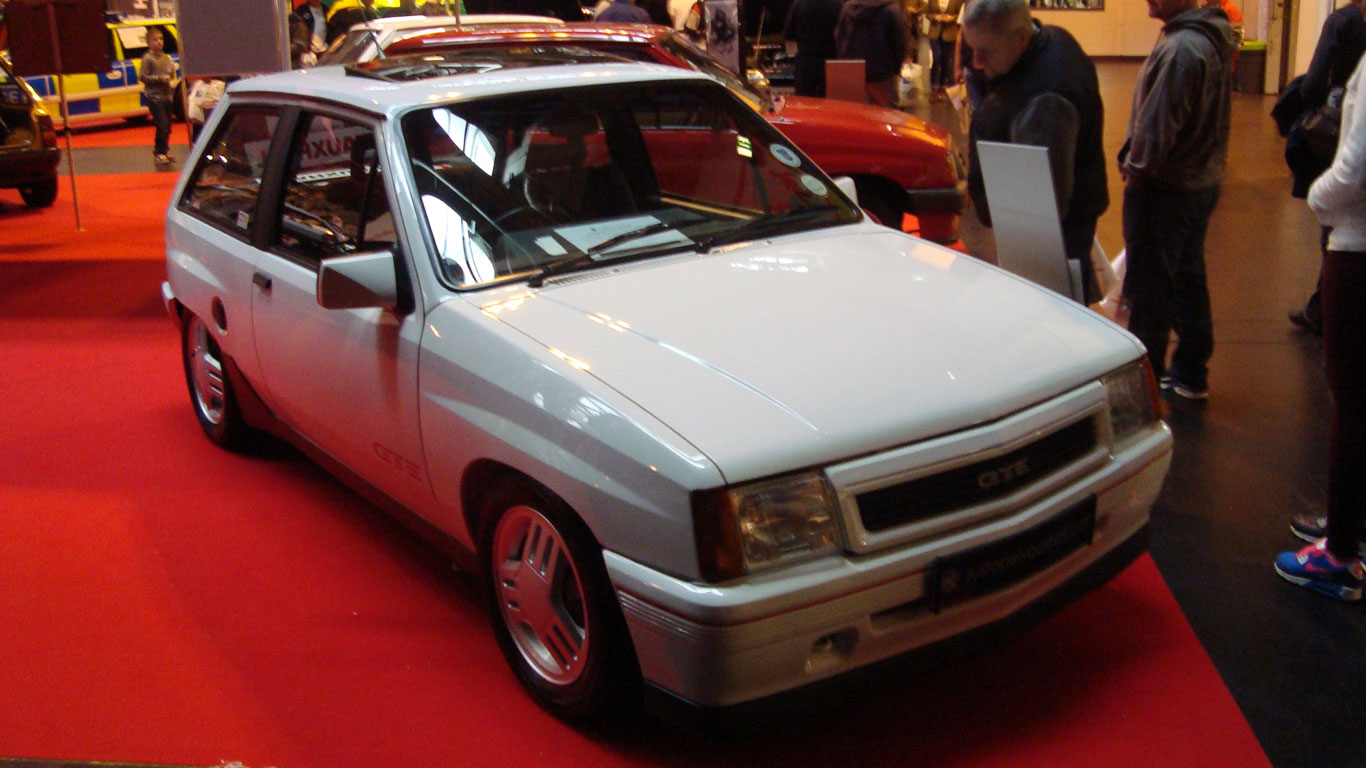
Vauxhall Nova GTE
In 1988, your average 17-year-old was either dreaming of Cindy Crawford or the Vauxhall Nova GTE. Once again, Vauxhall was late to the party, with the Nova GTE arriving a year before the Mk2 Ford Fiesta XR2 was due for replacement. But in many ways, the 1.6-litre engine was the unit the Nova was always waiting for.
It was quicker than the XR2, with the Nova’s 0-60mph time of 9.1 seconds and a top speed of 117mph superior to the 9.3 seconds and 112mph of the Fiesta. Such details matter when you’re on the prowl for a Cindy Crawford of your own. And while it was more expensive than the XR2, it offered a superior overall package.
Ford Fiesta XR2
So it won’t take a genius to work out that Vauxhall has taken a 3-1 lead in our retro hot hatch showroom. Hey, you might disagree with us, but we’re sticking to our guns. Besides, there’s plenty of time for Ford to claw back some points.
The second coming of the Fiesta XR2 featured new aerodynamic styling, a 1.6-litre engine developed for the Escort and a five-speed gearbox as standard. And it looked the part, thanks to flared wheel arches, 13-inch alloy wheels and front and rear spoilers. It was, for many people, the first taste of the hot hatch recipe.
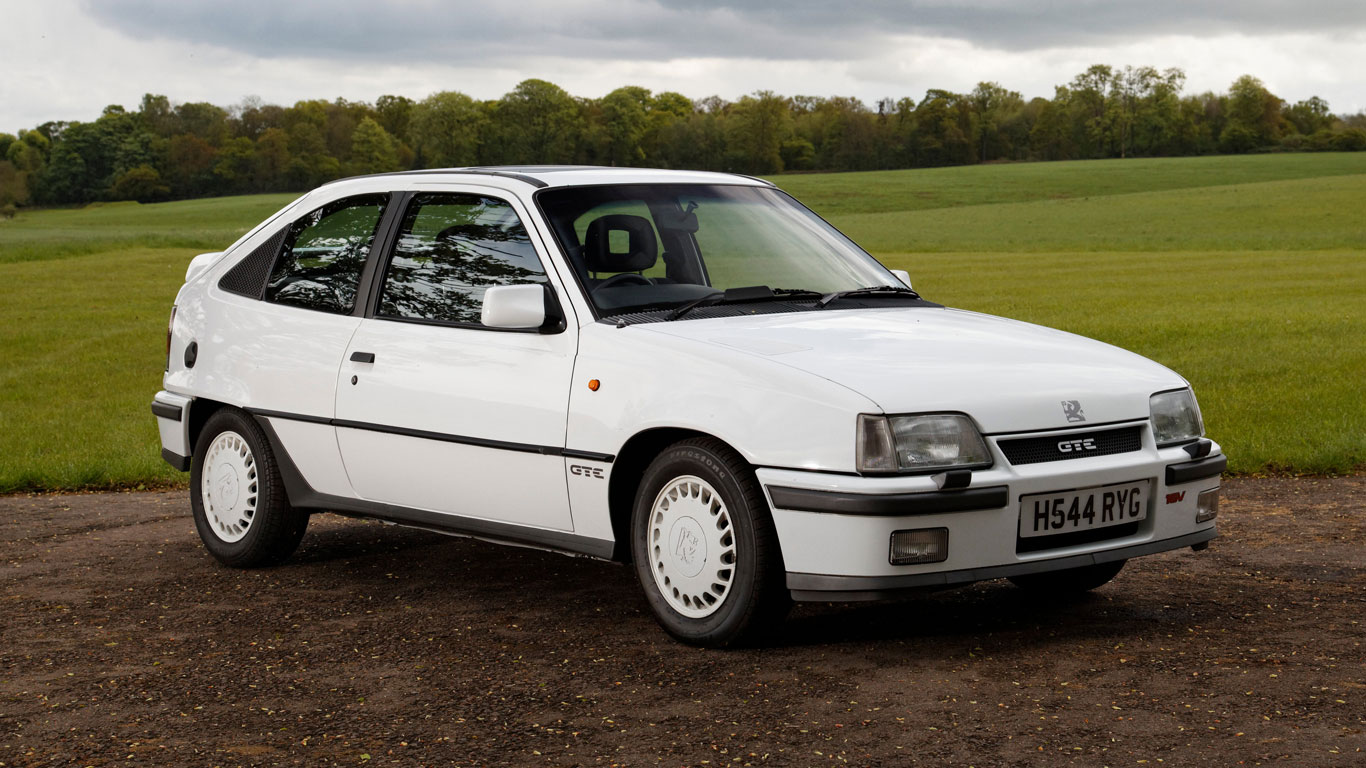
Mk2 Vauxhall Astra GTE 16v
Prepare for a battle royale. The final year of the 80s was a big one for Vauxhall, with the launch of the Lotus Carlton, a preview of the Calibra and this: the Astra GTE 16v. Finally, Vauxhall’s hot hatch pretender became the real deal, powered by a terrific 16v twin-cam engine.
In an age when turbocharging was becoming the norm, the 16v engine simply encouraged maximum attack driving, while the digital instruments were so of the period. It wasn’t perfect – the steering and brakes lacked feedback – but in just about every other way it felt like the definitive hot hatch.
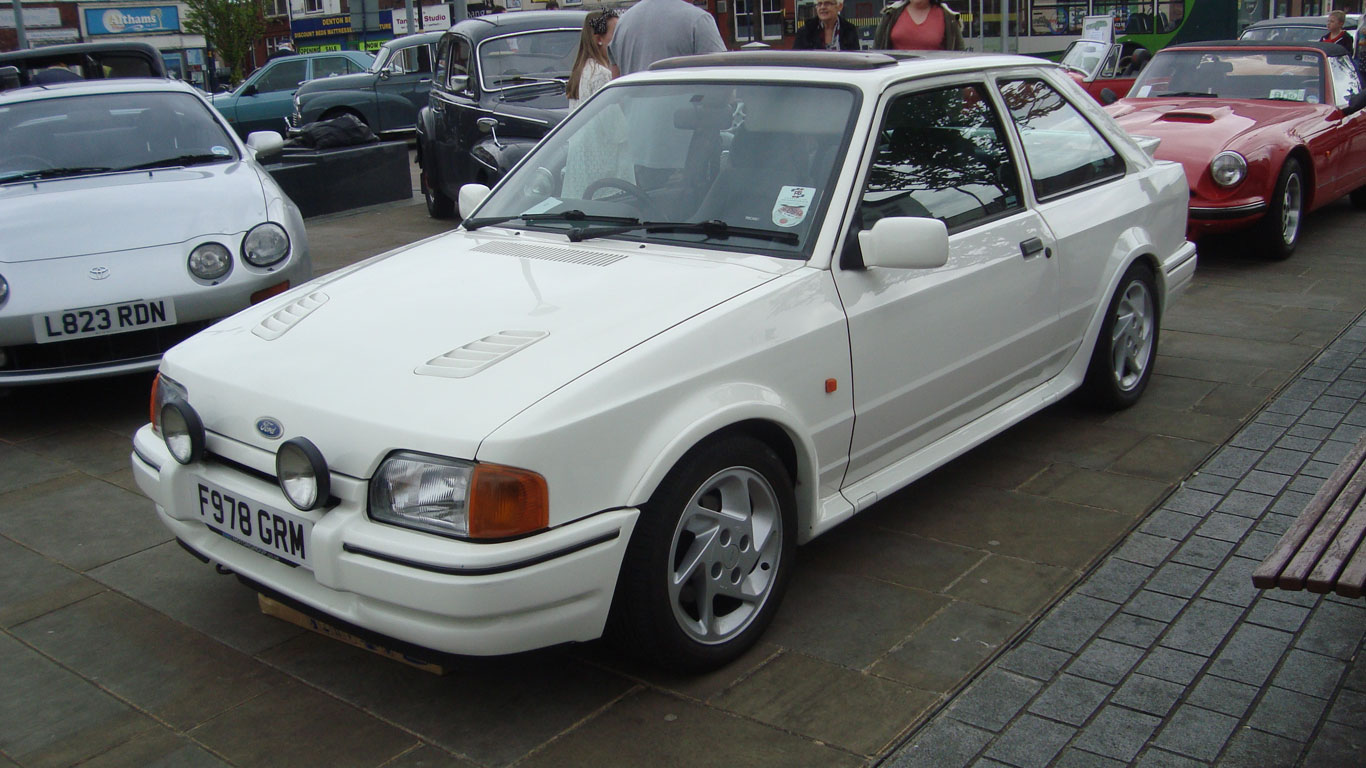
Ford Escort RS Turbo
The original Ford Escort RS Turbo was a homologation special produced in limited numbers by Ford’s Special Vehicle Engineering Department, powered by Garrett T3 turbocharged 1.6-litre engine. Its replacement was a series production model and less exciting as a result.
But it’s a credit to Ford’s styling department that the ageing Escort still cut a mean figure, despite being based on a product dating back to 1980. It also offered tremendous steering and handling abilities, but we’re giving the nod to the newer and fresher Astra GTE. Sorry, Ford fans, that’s 4-1.
Mk3 Vauxhall Astra GSi
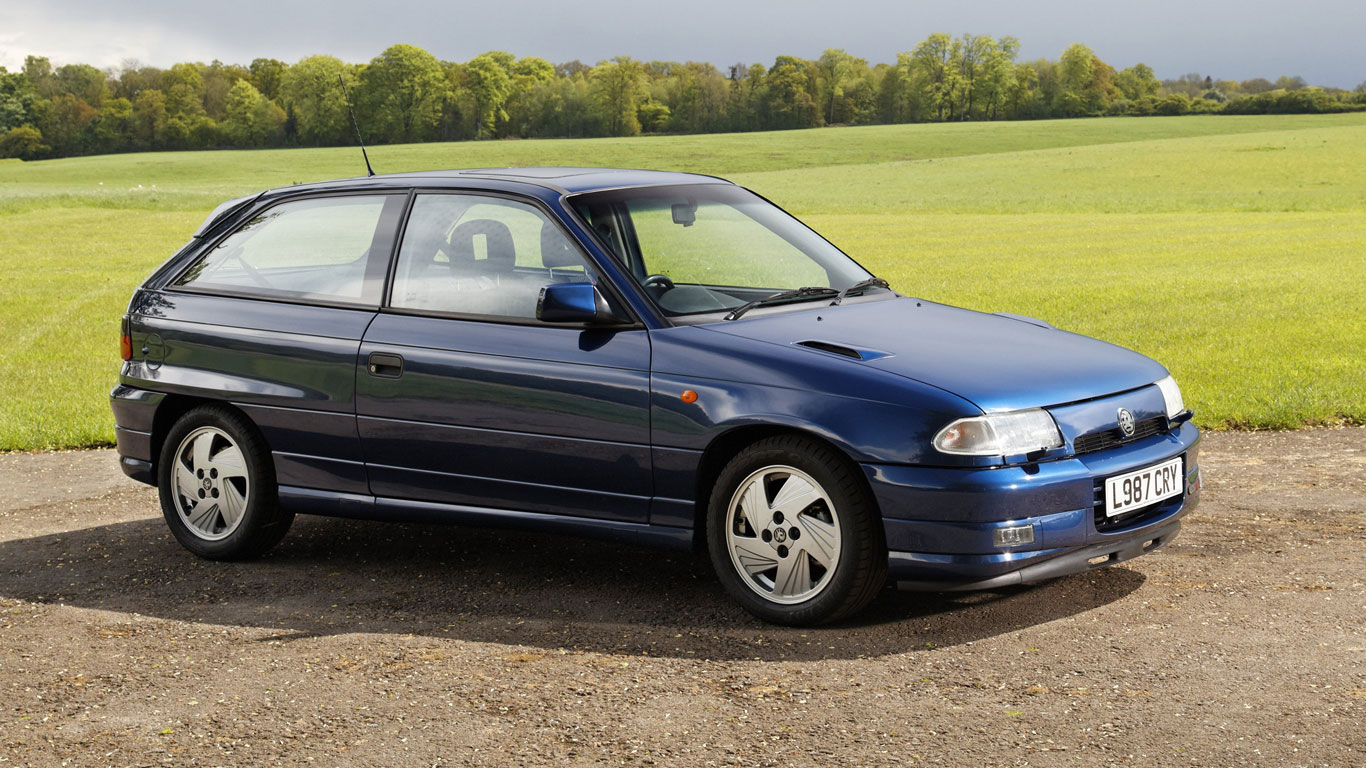
In the early 90s, the 16v badge was a mark of respect, not to mention an invitation for some lowlife to go joyriding around the Blackbird Leys estate. The Astra GSI was Vauxhall’s joyride, armed with a 2.0-litre 16v engine packed with enough firepower to deliver a top speed of 130mph and a 0-60mph time of 7.4 seconds.
So, it was quick and it certainly looked the part, but it wasn’t the follow-up to the Astra GTE 16v we had hoped. The chassis and steering were less hot hatch and more lukewarm, while the traction control was a constant menace. This round must be Ford’s for the taking, then?
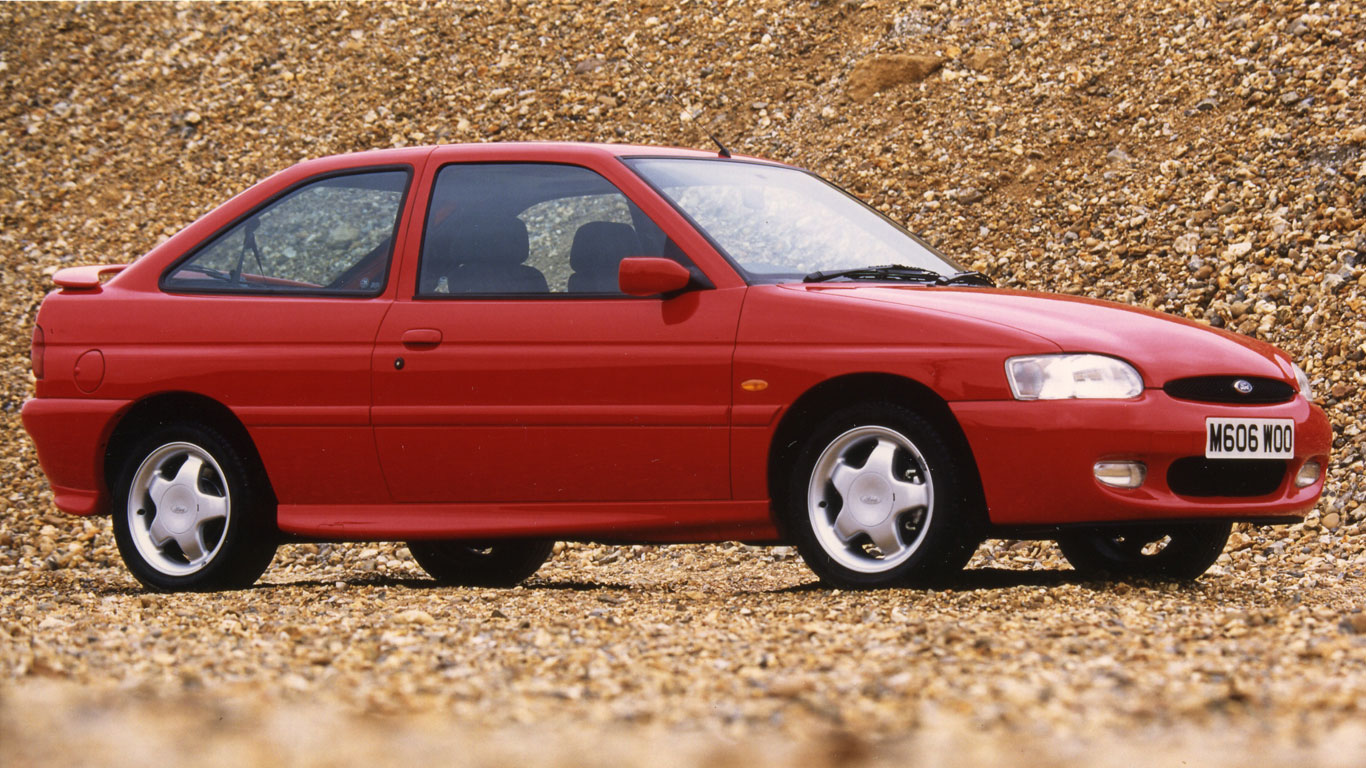
Ford Escort RS2000
The fact that we’re dealing with the hugely disappointing and lacklustre fifth generation Ford Escort isn’t the greatest of starts. Which only serves to make the brilliance of the RS2000 all the more remarkable. It’s like Clark Kent emerging from a phone box as Superman, Spiderman, Iron Man and Batman, all rolled into one.
Power was sourced from the Sierra’s 2.0-litre engine, providing a top speed of 130mph and a 0-60mph time of 8.5 seconds. Slightly slower than the Astra, then. The major difference is that the RS2000 was a genuine delight to drive: you could throw one of these into a corner with confidence, grinning from ear to ear. No contest: 4-2 to Vauxhall.
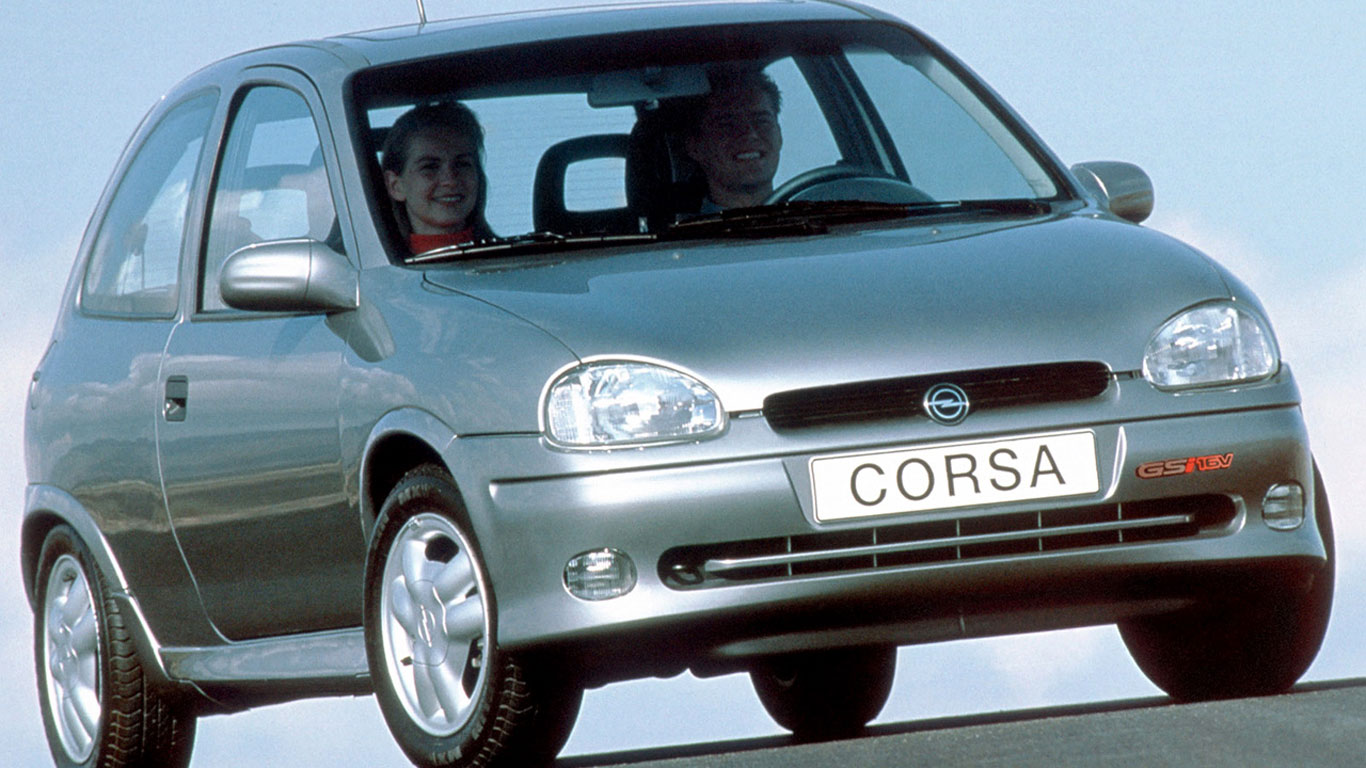
Vauxhall Corsa GSi
Pretty thing, isn’t it? Something that’s easy to forget when two decades have passed, but the original Vauxhall Corsa was genuinely good looking. But what about the Corsa GSI, with its 1.6-litre engine and pert styling?
It’s not hard to see why it was so popular, with an eager-to-please nature and arguably the best all-round capabilities of the group of junior hot hatches. Dynamically, it fell short of the benchmark set by the Peugeot 106 XSi, but could it beat the challenger from Ford?
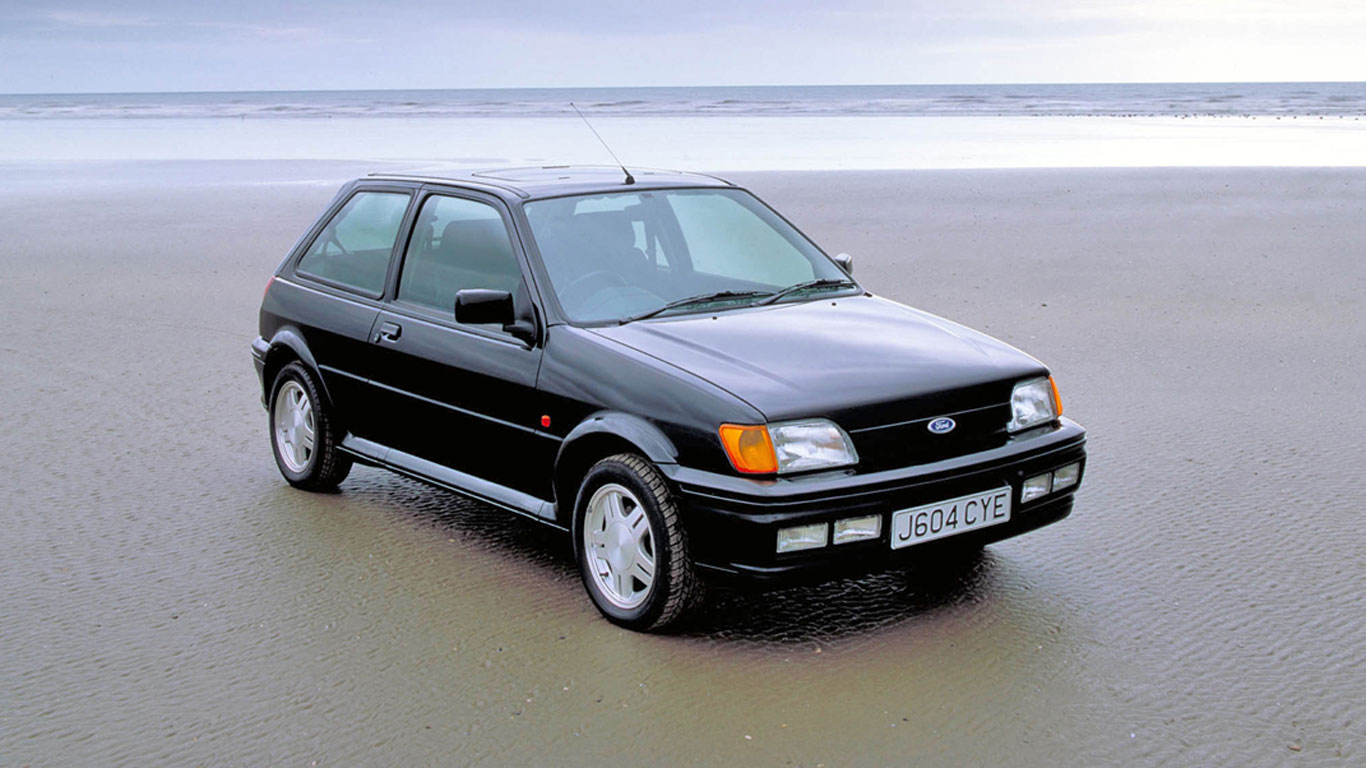
Ford Fiesta RS1800
The Mk3 Fiesta, launched in 1989, was based on the Mk2, which itself was a facelift of the Mk1. Needless to say, the hot versions were overshadowed by the crop of newer, fresher rivals. The RS Turbo was quick but flawed, while the XR2i was fun and sold in big numbers.
Ford’s decision to put the RS Turbo out of its misery should be viewed as an act of kindness, not least because its replacement, the RS1800, was a little more polished. Power was sourced from a new 1.8-litre Zetec engine, while the suspension was thoroughly reworked to provide ride and handling prowess. Against the RS Turbo or XR2i, we’d have given this to Vauxhall, but based on the RS1800, we make that 4-3 to Vauxhall.
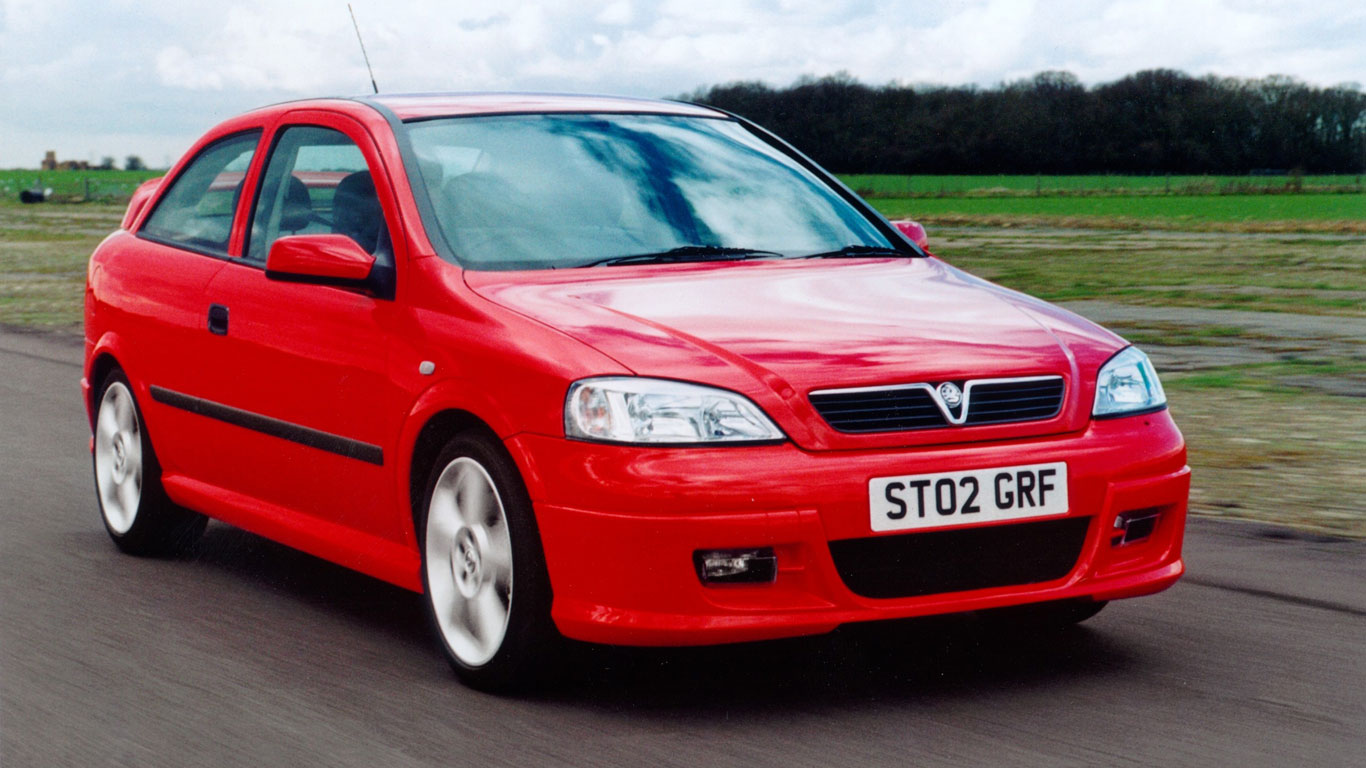
Vauxhall Astra SRi Turbo
The all-new Mk4 Vauxhall Astra was far superior to the Mk3, but was a little overshadowed by the Ford Focus, which made the Escort look like something Fred Flintstone may have taken to the drive-in.
In 2002, Vauxhall launched the flagship Astra SRi Turbo, offering around 190hp, a top speed just shy of 150mph and a 0-60mph time of 6.7 seconds. It was short-lived and only sold in limited quantities. By our reckoning, there are only 150 on the road.
Ford Focus ST170
The Astra SRi Turbo wasn’t a bad car – far from it – but competition was strong. Pick and choose from the SEAT Leon Cupra, Honda Civic Type R and this: the Ford Focus ST170. This was the first taste of a fast Focus: the hors d’oeuvre while we waited for the RS main course.
But while the Focus RS was all arches and in-yer-face styling, the ST170 was a more low key affair. It was no surprise that the handling was little short of brilliant – the base car was equally great – but the 2.0-litre engine was lacking in outright pace. Not that this seemed to trouble the 13,000 or so UK buyers so who splashed the cash on the ST170. Vauxhall 4-4 Ford.
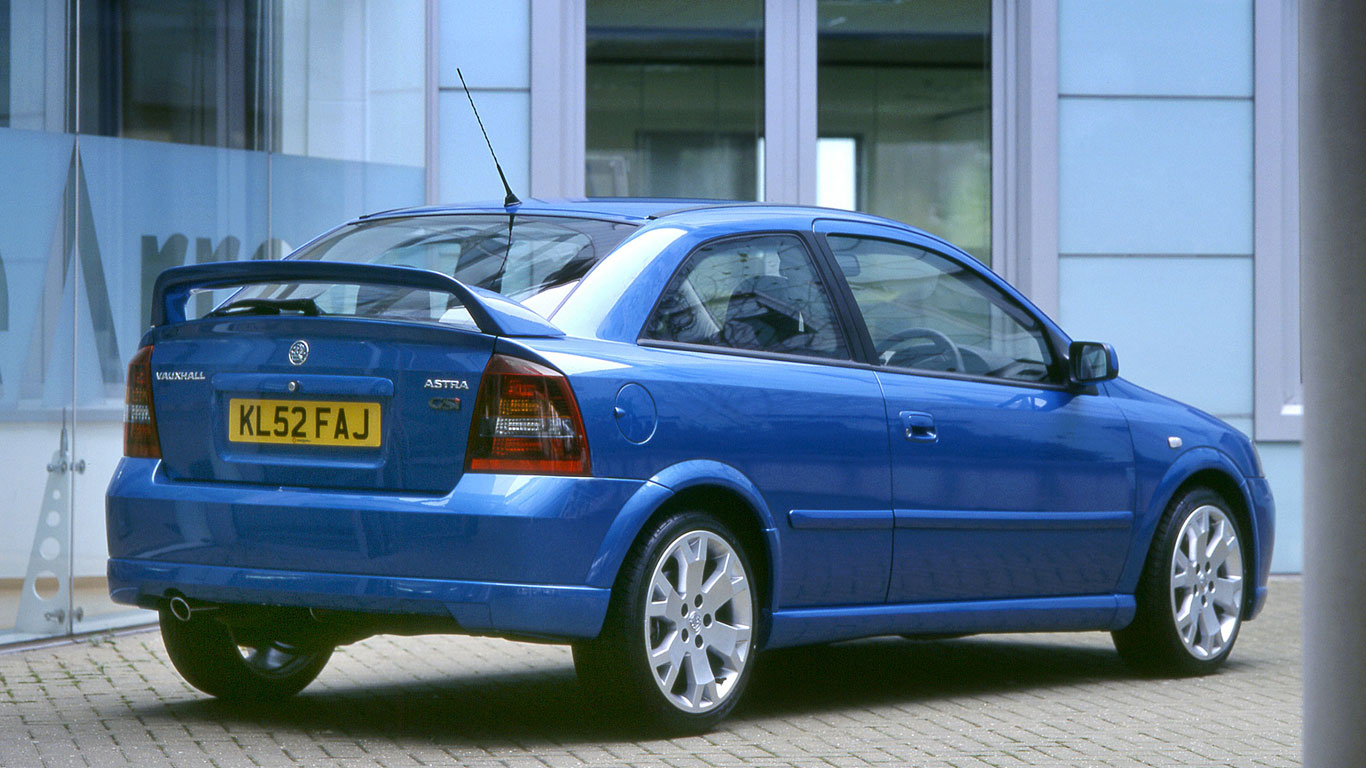
Vauxhall Astra GSi Turbo
But if the Astra SRi was designed to steal sales from the ST170 (it didn’t, by the way), the GSi Turbo was positioned to raise the game. The styling was more aggressive, while more poke from the 2.0-litre Ecotec engine nudged the new flagship Astra to the magic 200hp mark.
Once again, the Vauxhall favoured straight-line speed over handling prowess, making this 150mph hot hatch a match for the Civic Type R and Leon Cupra R. But it fell short of greatness, especially when viewed alongside Ford’s latest weapon…
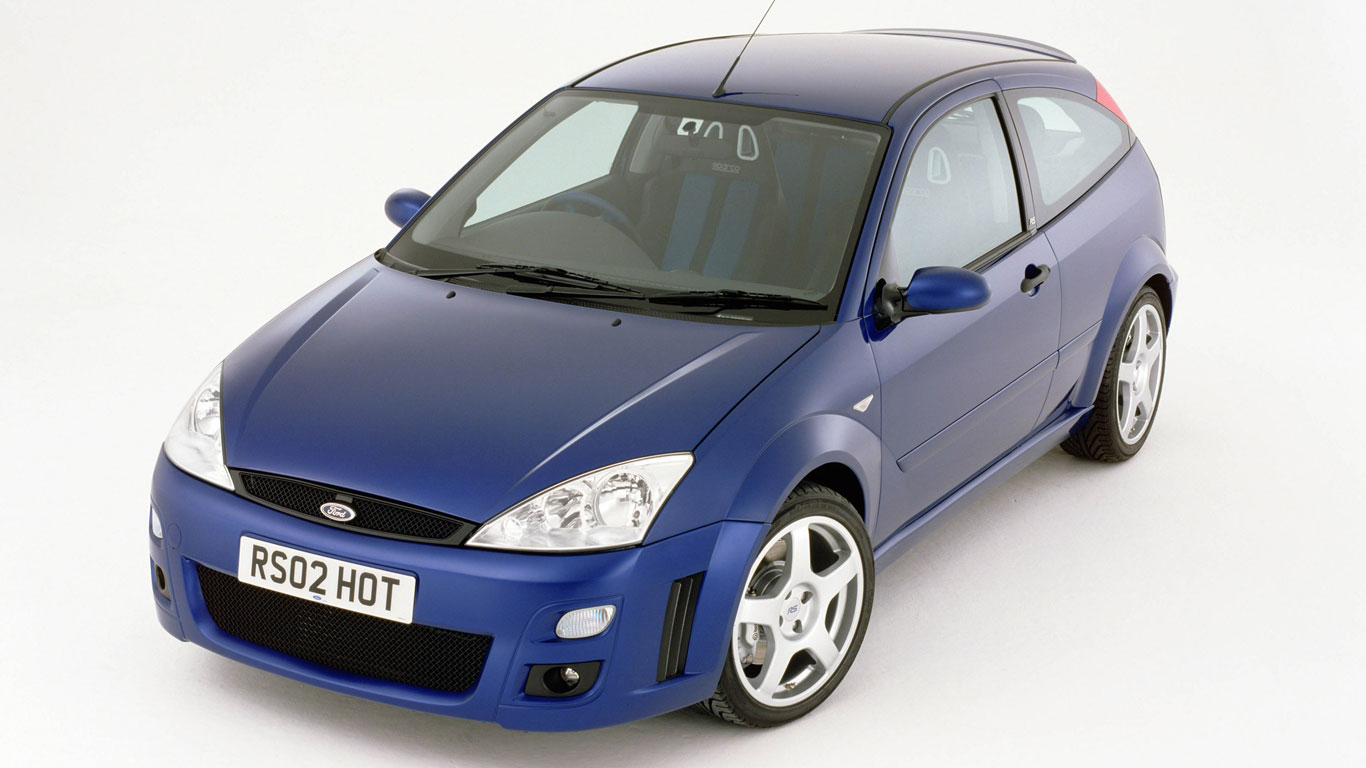
Ford Focus RS
Yes, yes, yes, we readily admit that pitching the Astra GSI Turbo against the Focus Focus RS is a little unfair. And, yes, the Focus RS was around £3,500 more expensive than the hot Astra, which remained more of a rival to the ST170. But with a touch of naughtiness, Ford positioned the Focus RS press ads alongside road tests for the GSi.
The hot hatch war is a cut-throat business. This isn’t to say that the Focus RS was perfect: contemporary reviews were mixed to say the least. But it offered tremendous performance and more than lived up to its Rallye Sport monicker. And it helps Ford nudge ahead of Vauxhall for the first time: 4-5.
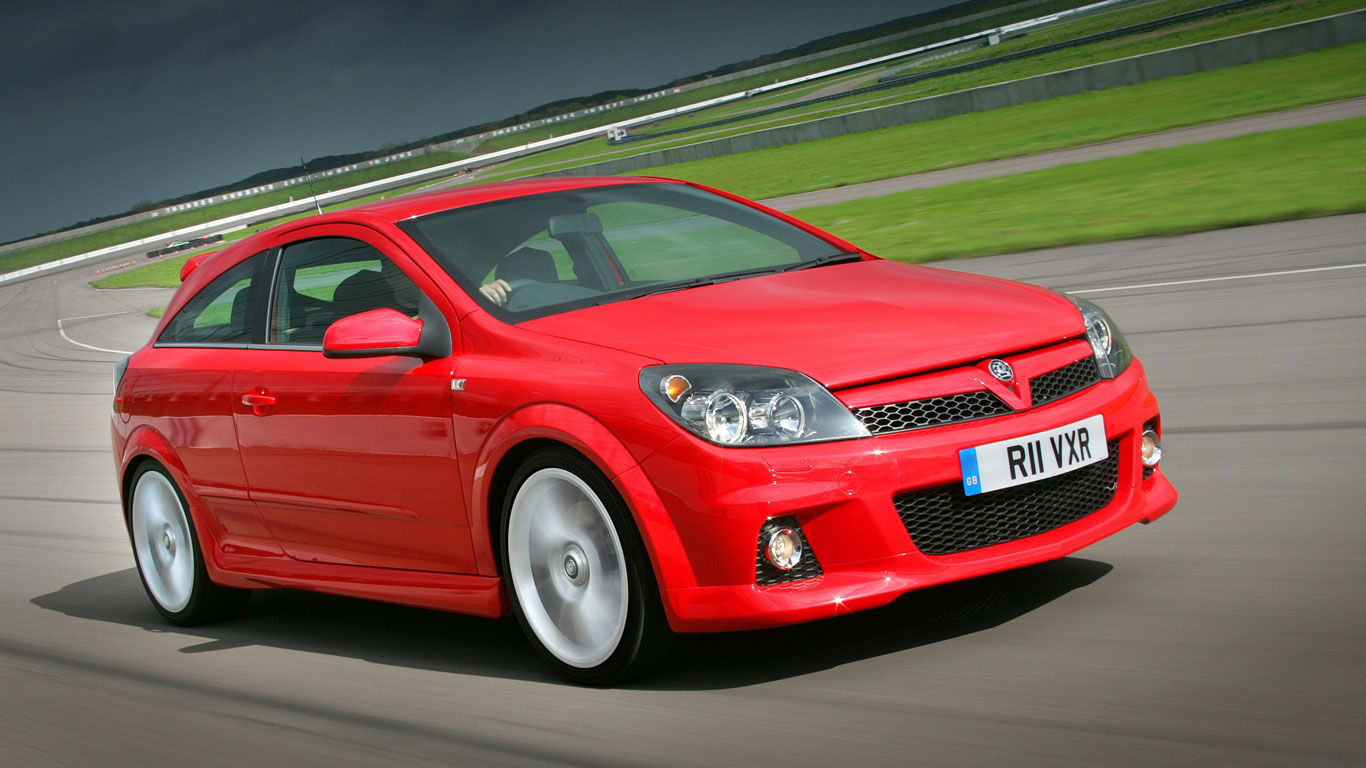
Vauxhall Astra VXR
Vauxhall responded in the only way it knew how: more power. The VXR brand was launched in 2004, initially with the VXR220, followed by the Monaro VXR, and then this: the Astra VXR of 2005.
The signs were good: a chassis part-developed by Lotus, more power than a Renaultsport Megane 225 and Focus RS, and a 0-62mph time of 6.7 seconds. It also undercut the Focus RS by a grand. But once again, it felt like too little, too late.
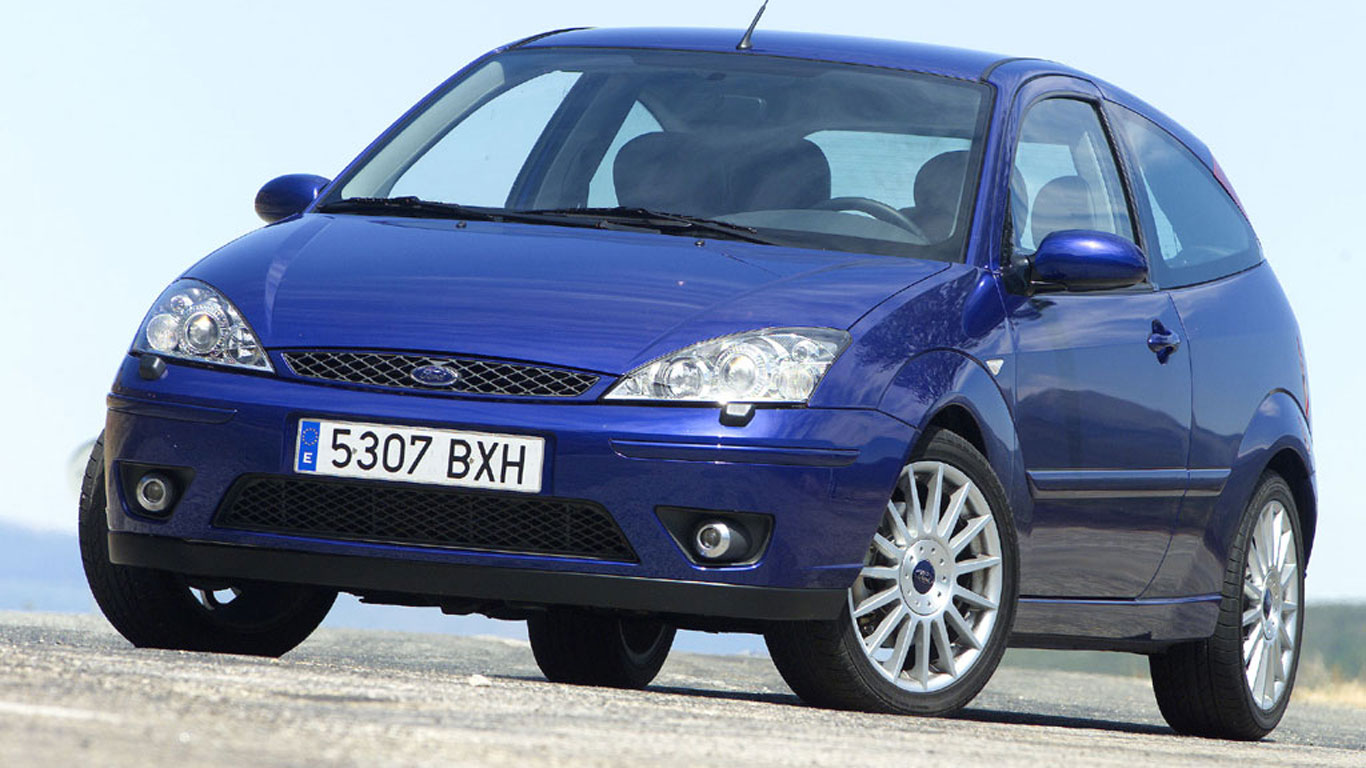
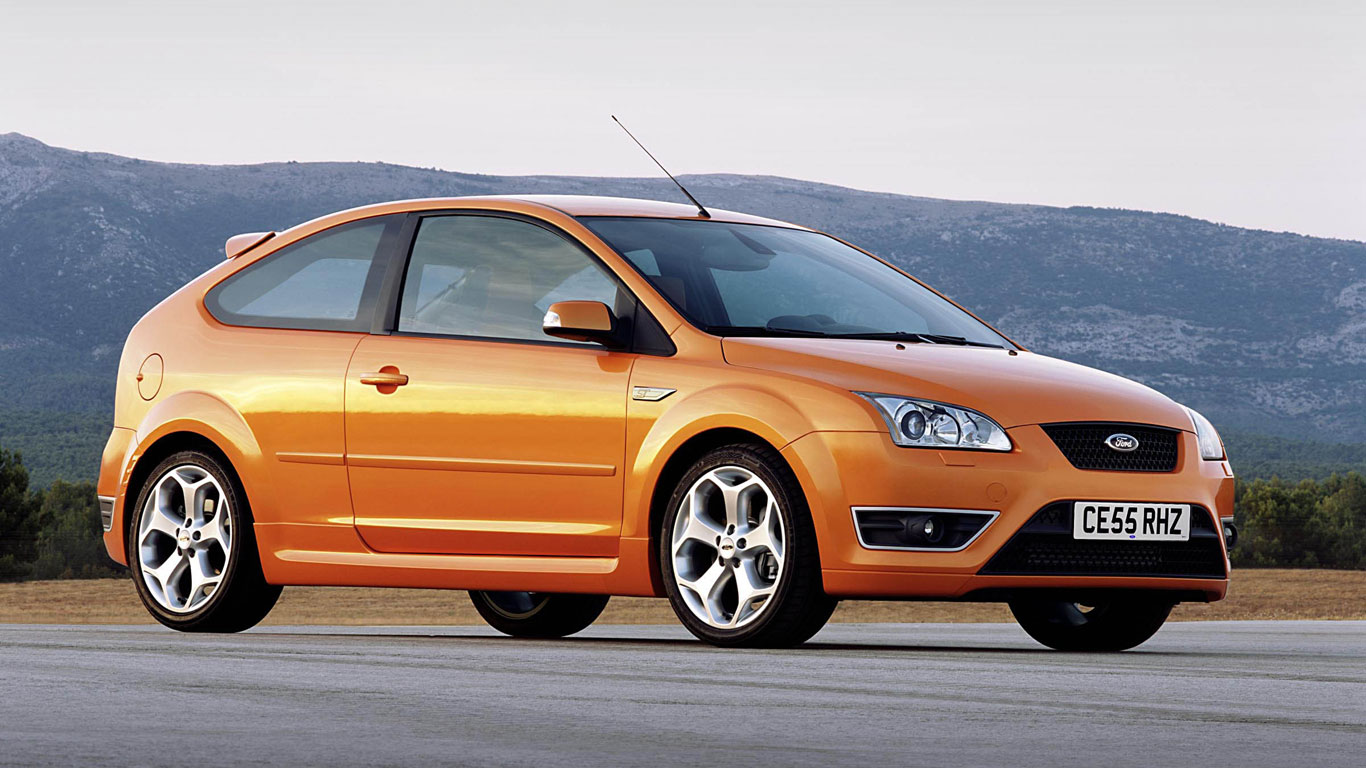
Ford Focus ST
You see, Vauxhall was about to be ‘Tangoed’ by a bright orange Ford Focus. If the ST170 was disappointing, the ST was anything but. Forget the Astra VXR, the hot Focus was set to threaten the supremacy of the brilliant Mk5 Volkswagen Golf GTI.
It was cheaper, more powerful and blessed with the delightful symphony of a five-cylinder engine. Choosing between the Focus and the Golf was a real challenge, but the Astra VXR was left wanting. That’s a 4-6 win overall for Ford.
The Advertising Standards Authority has rejected complaints that an ad for the new Citroen C3 condones dangerous behaviour by showing a driver using its ConnectedCam at the wheel.
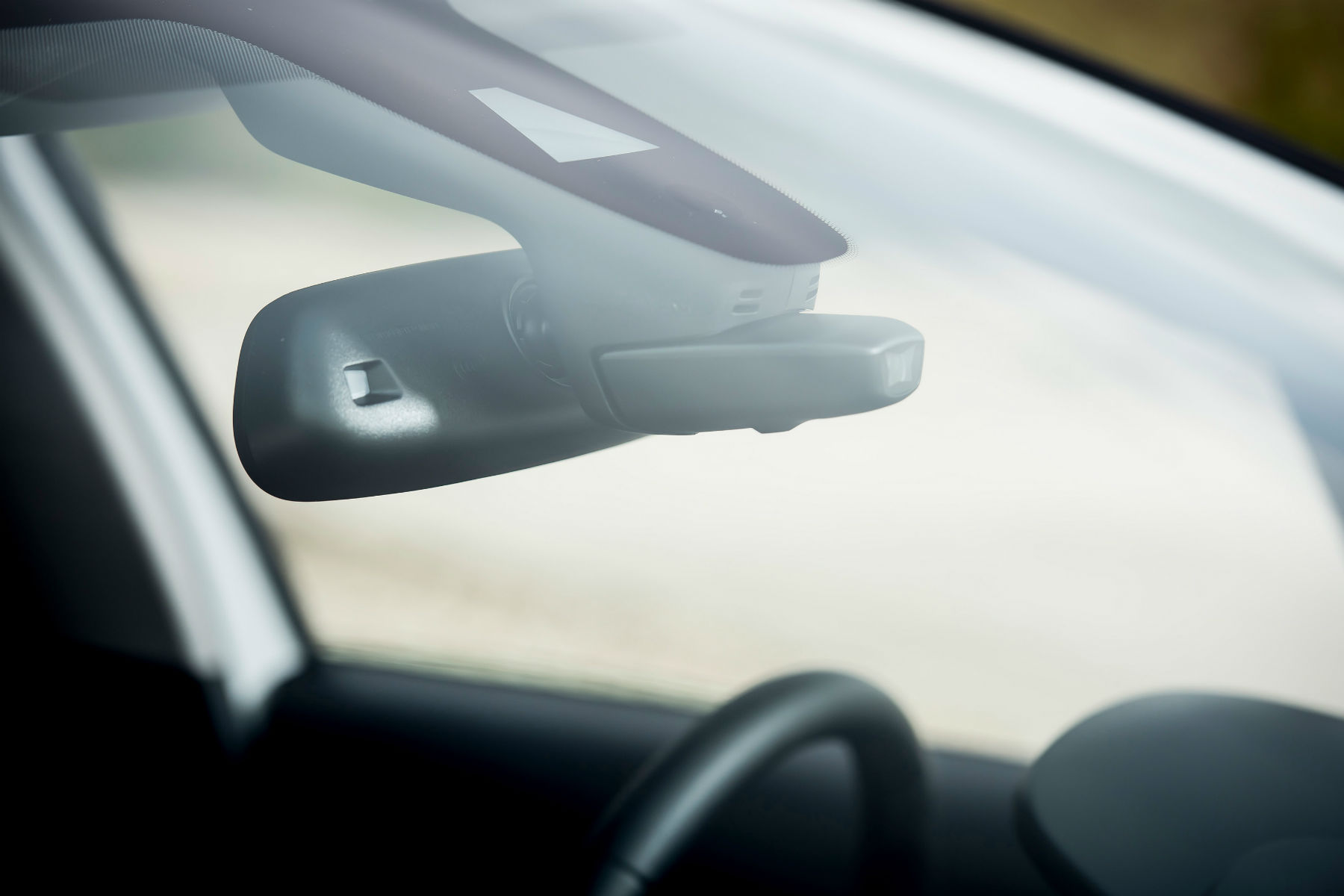
The built-in dashcam can be operated by pressing a button behind the rear-view mirror, yet 20 viewers felt a television advert demonstrating the system was irresponsible. A further two also complained about a radio advert.
Citroen UK responded to the complaints, saying “the one-click button on the camera situated just behind the vehicle’s interior rear-view mirror was no more distracting to press than turning on the radio and was designed to avoid driver distraction.”
The firm added that the camera was designed to be used when the vehicle was stationary, and the advert didn’t show the driver using it while the vehicle was moving. It also didn’t show him using his phone to share the photos.
After considering Citroen’s response, as well as feedback from Clearcast, the organisation which approves adverts for TV, the ASA rejected the complaints:
The ASA considered viewers would interpret the ad as illustrating how drivers could use the Citroen C3’s in-car camera. We considered that in some of the shots (where the driver was photographing the letters A and R) it appeared that the car might be moving, suggesting that the driver was using the camera while he was driving. We noted that the Highway Code advised drivers to avoid distractions and gave “starting or adjusting any music or radio” as an example of a distraction (rule 148); that using hands-free equipment was “likely to distract your attention from the road” (rule 149); that there was “danger of driver distraction being caused by in-vehicle systems such as satellite navigation systems, congestion warning systems, PCs, multi-media, etc” and that drivers “MUST [their capitalization] exercise proper control of your vehicle at all times”.
We noted that there were few, if any, other vehicles using the road in any of the shots and that the action the driver needed to perform to use the camera appeared to be nothing more than would be involved in a driver adjusting music or the radio, which the Highway Code permitted as long as the driver was exercising proper control of the vehicle. While we appreciated that the examples of actions or possible distractions given in the Highway Code could be undertaken in ways that would mean a driver was not exercising proper control of the vehicle, we considered there was no suggestion in the shots in the ad that the driver was distracted or not exercising proper control. We therefore concluded that ad (a) did not condone or encourage dangerous or irresponsible behaviour prejudicial to safety and in breach of the legal requirements of the Highway Code, and that it therefore did not breach the BCAP Code.
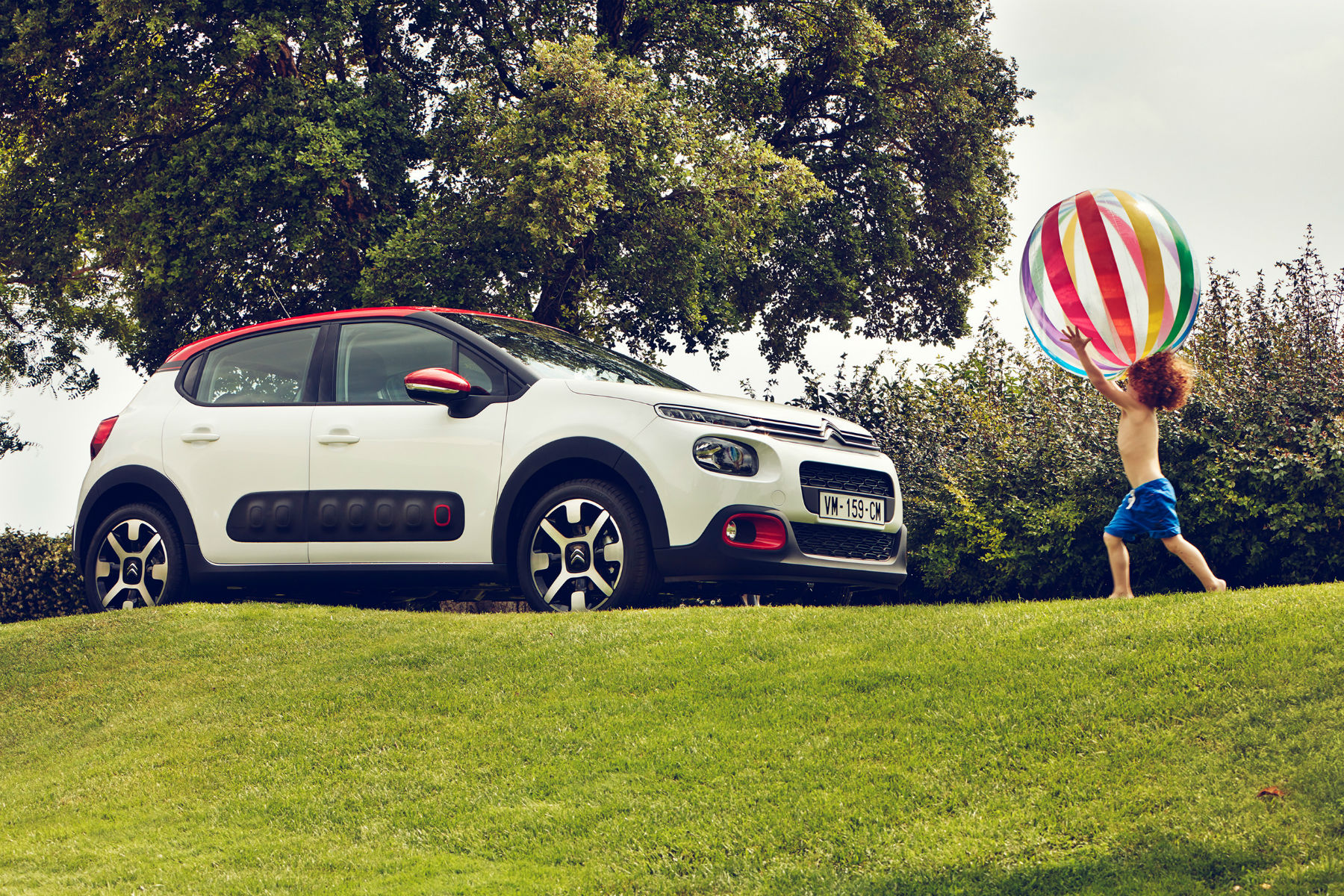
Motoring Research is currently trialling a Citroen C3 with a ConnectedCam as part of a six-month test, plus we recently took another C3 to France where we used the dashcam to indulge in a bit of car spotting.
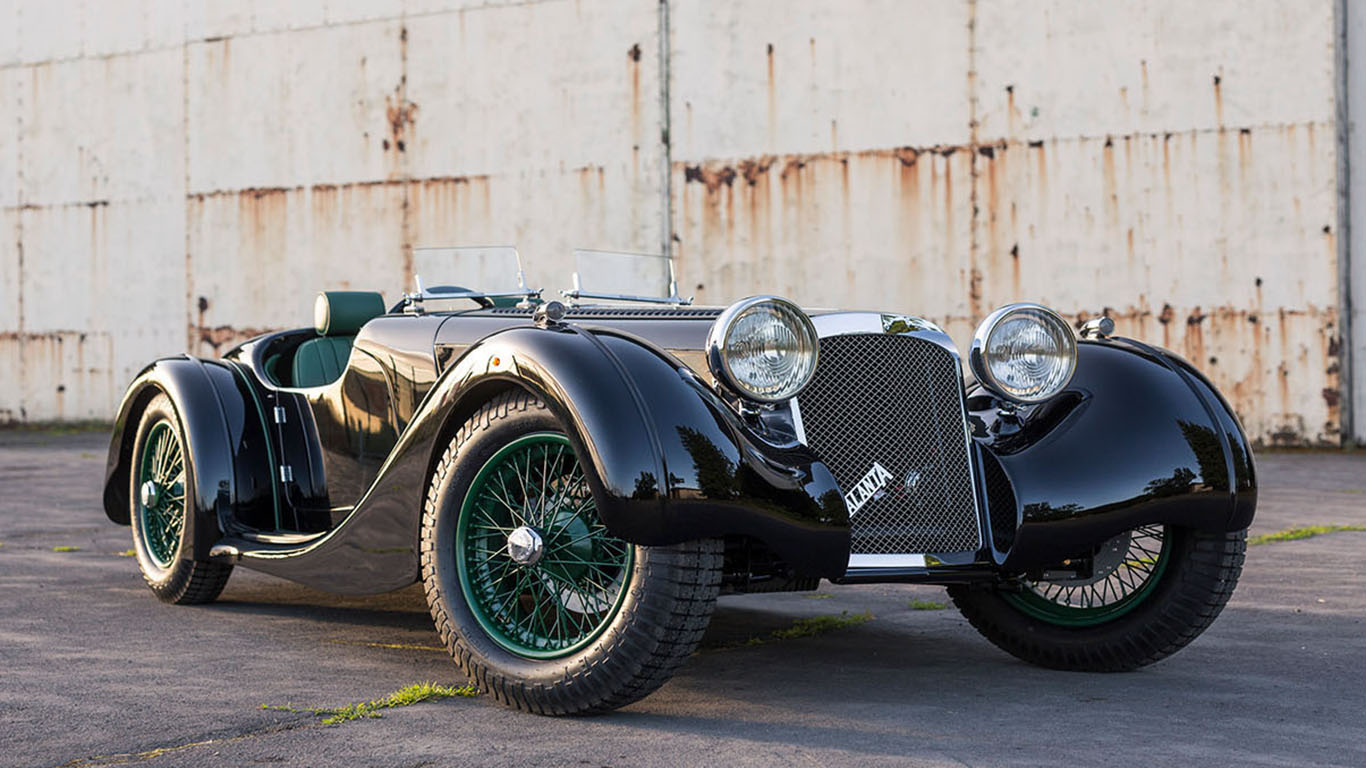
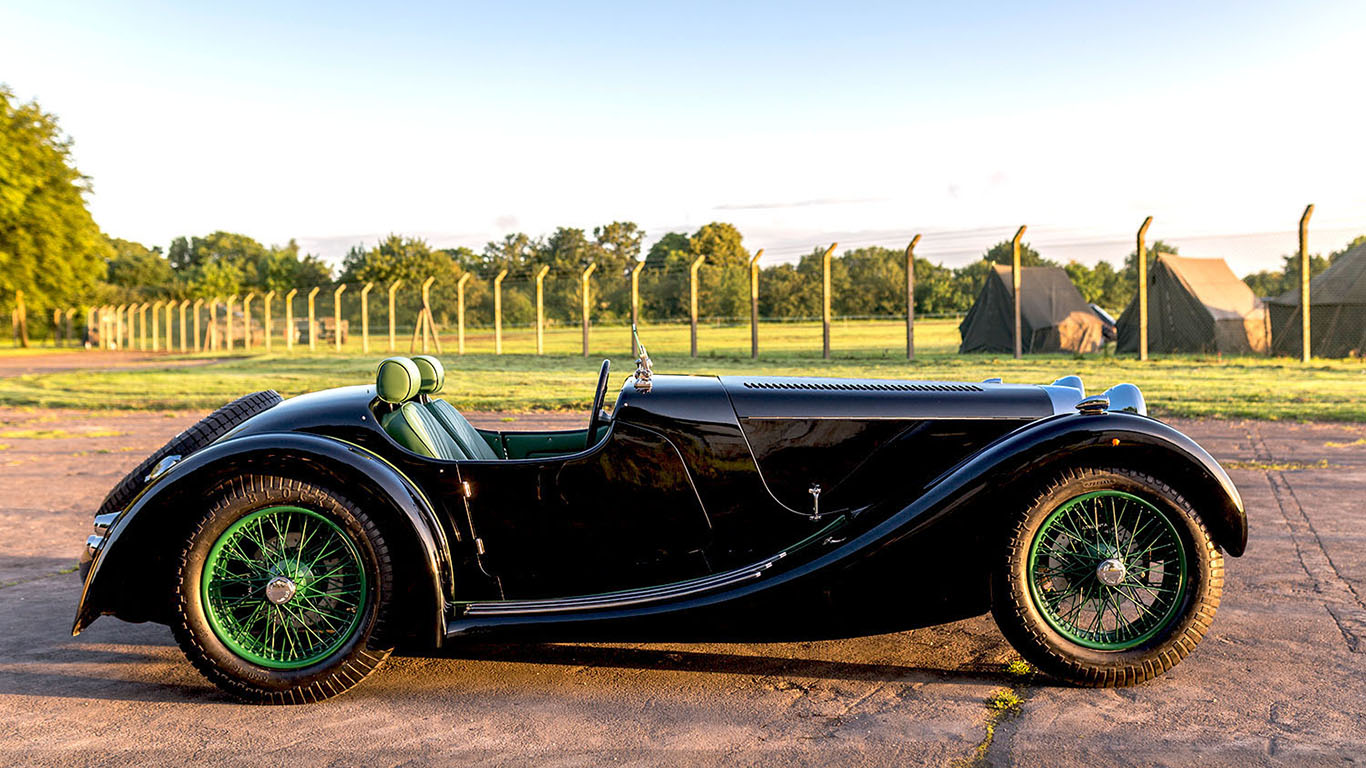
Never heard of Atalanta? Neither had I. The company built just 22 cars between 1937 and 1939 before becoming an early casualty of World War II. Production switched to generators and pumps, where it remained until Atalanta’s eventual demise in the 1990s.
The story could have ended there: another British car company consigned to the history books along with Frazer Nash, Austin, Bantam, Jensen, Rover and countless others. But it didn’t, and – after an 80-year hiatus – Atalanta is back with a new British sports car.
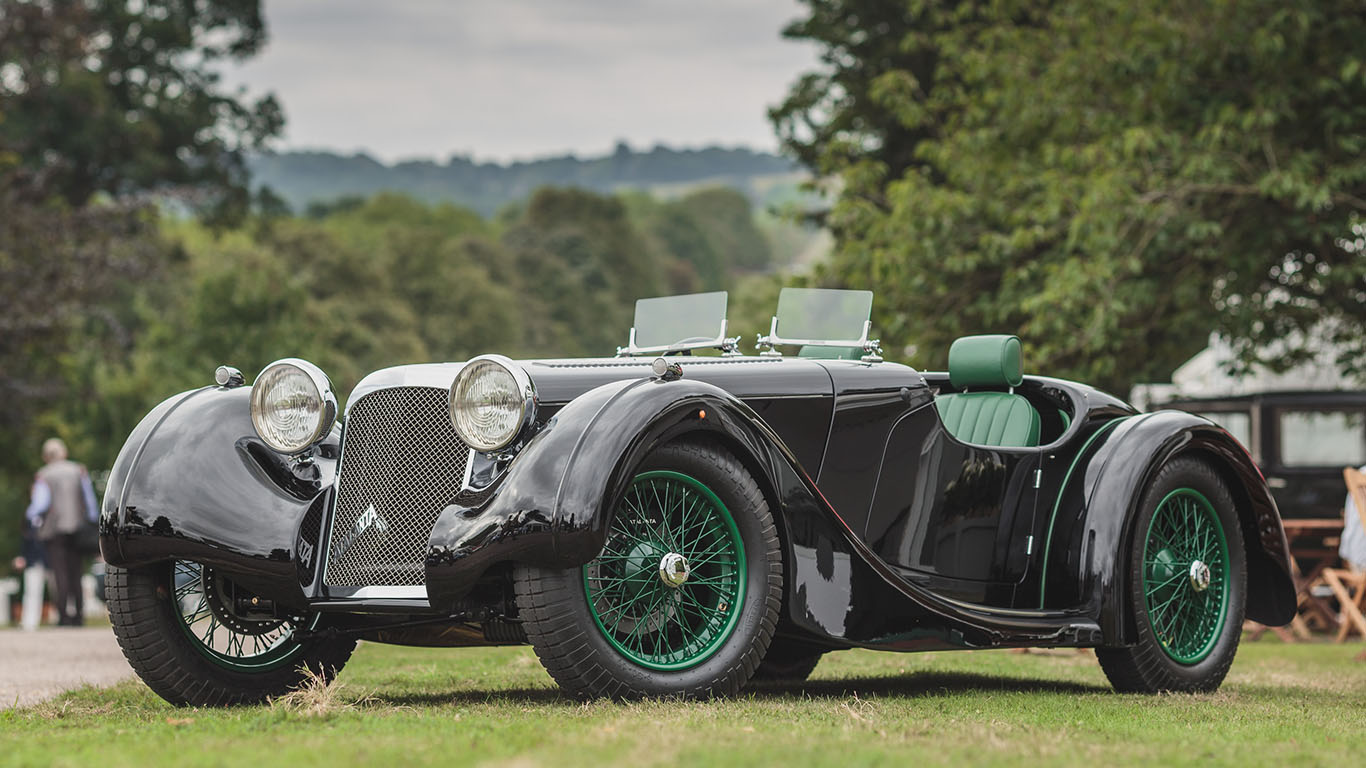
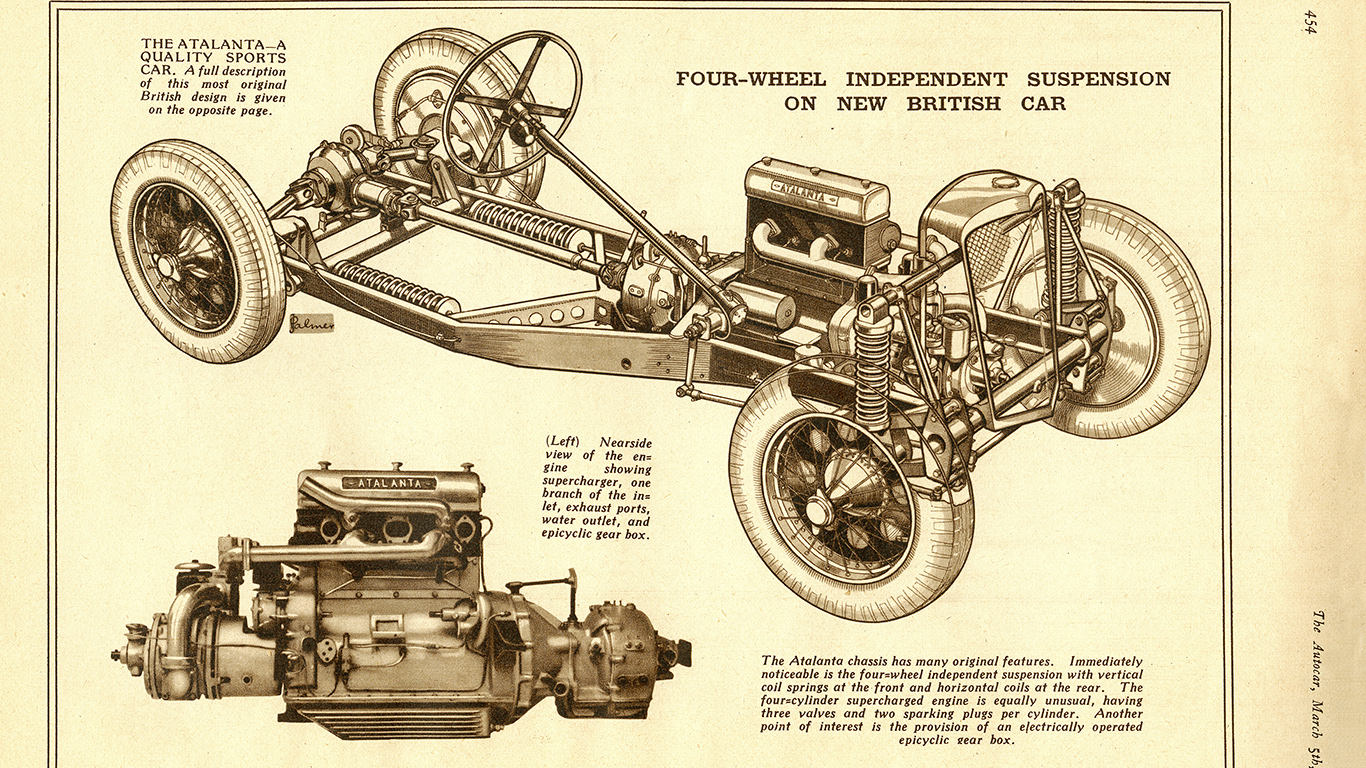
In truth, there was always something a bit special about Atalanta. Its 1937 roadster was hugely advanced for its day, with independent suspension, lightweight construction, a three-valve-per-cylinder twin-spark engine, hydraulic brakes and an electric pre-selector gearbox.
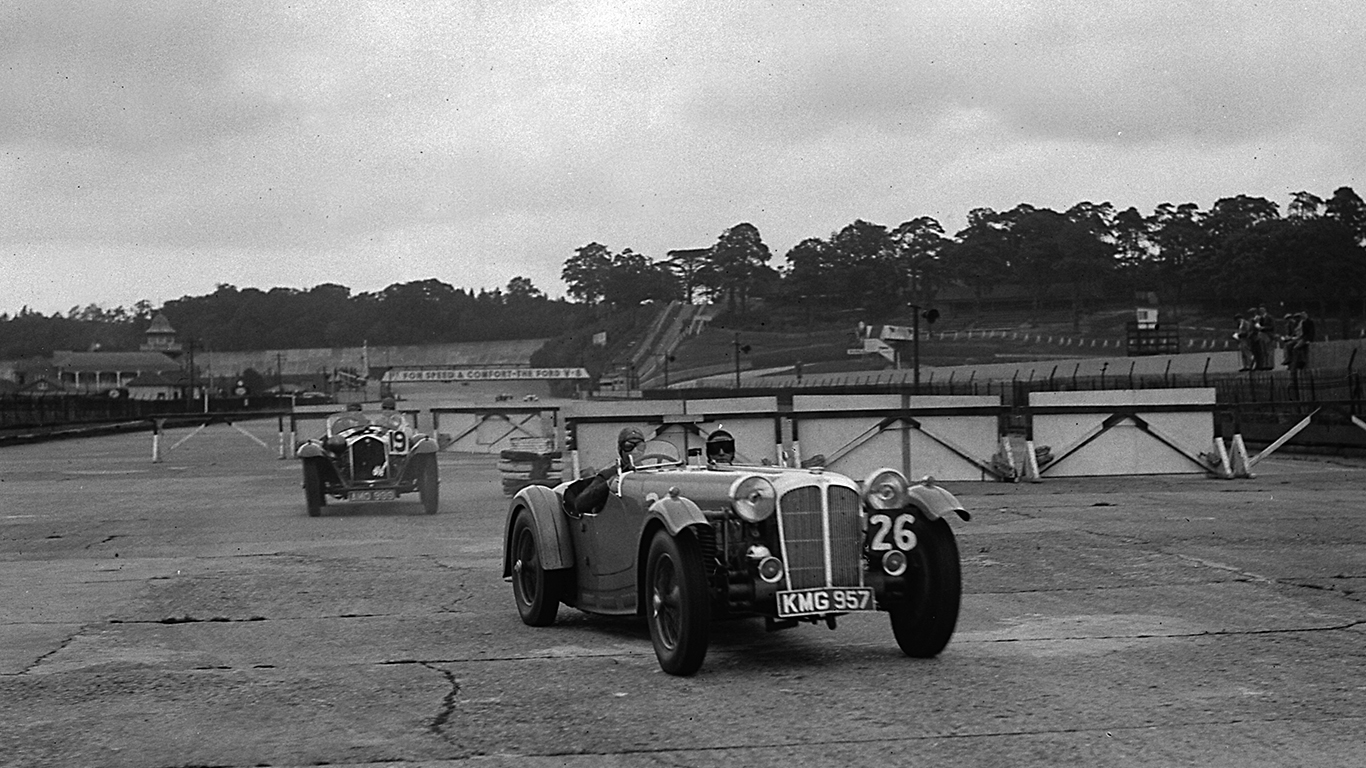
Seen here at Brooklands, the car was successful in motorsport, too. It raced at Le Mans in 1938 and won the Welsh RAC rally in 1939. Decades later, the Le Mans car was acquired by Martyn Corfield, a lifelong Atalanta enthusiast who owns three of the seven surviving originals. It was this car that would form the basis for his modern Atalanta roadster.
Living the dream
Martyn readily acknowledges that building a low-volume sports car – production is expected to run at one a month – won’t make him millions. But his passion for the project overrides such concerns; this is the realisation of a dream that began when he first saw an Atalanta in his local garage as a child.
Work on the reborn roadster began in 2009, with a concept version presented in 2012. Now, exactly 80 years since the original Atalanta left the Staines factory, the production car is ready: on sale and priced at £150,000.
Destination: Bicester Heritage
Atalanta is no longer based in Staines, but at Bicester Heritage – the former RAF base that houses much of Britain’s classic motor industry. As I drive through the site, I spot a wonderfully eclectic mix of cars: pre-war Bentley, Gordon Keeble, Jaguar E-Type, Peugeot 505 – even a rally-spec Fiat Panda. It’s a fitting location to see this evocative sports car for the first time.
I meet Martyn outside Atalanta’s office-cum-workshop. He’s warm and enthusiastic, reeling off facts about the company’s history faster than I can write them down. But this isn’t PR spin: he’s rightly proud of what his tiny, three-person team has achieved.
Raffish glamour
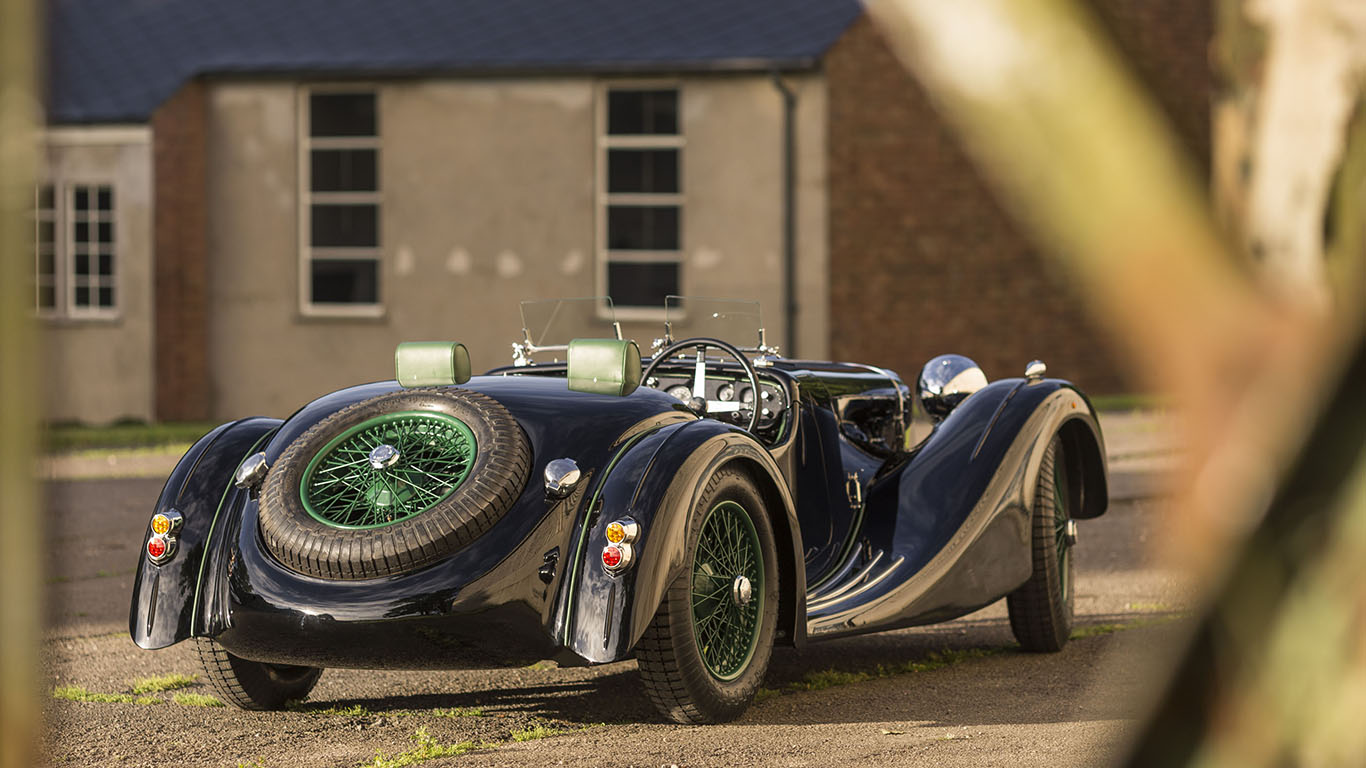
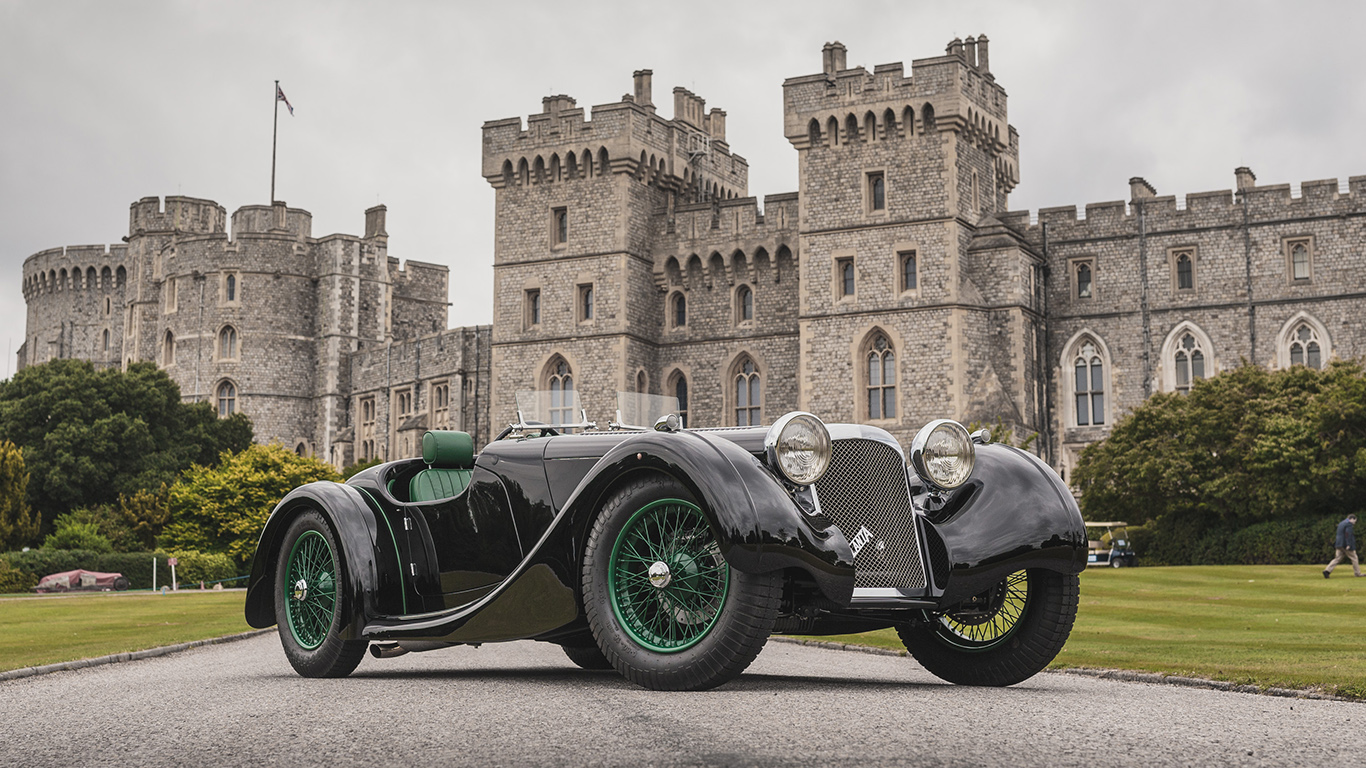
Elvis excepted, I’m not usually a fan of anything pre-1960. However, I’ll make an honourable exception here. Basking, roof-down in the midday sun, the Atalanta roadster looks fabulous. Sleek, low-slung and sporty, it’s the epitome of raffish 1930s glamour.
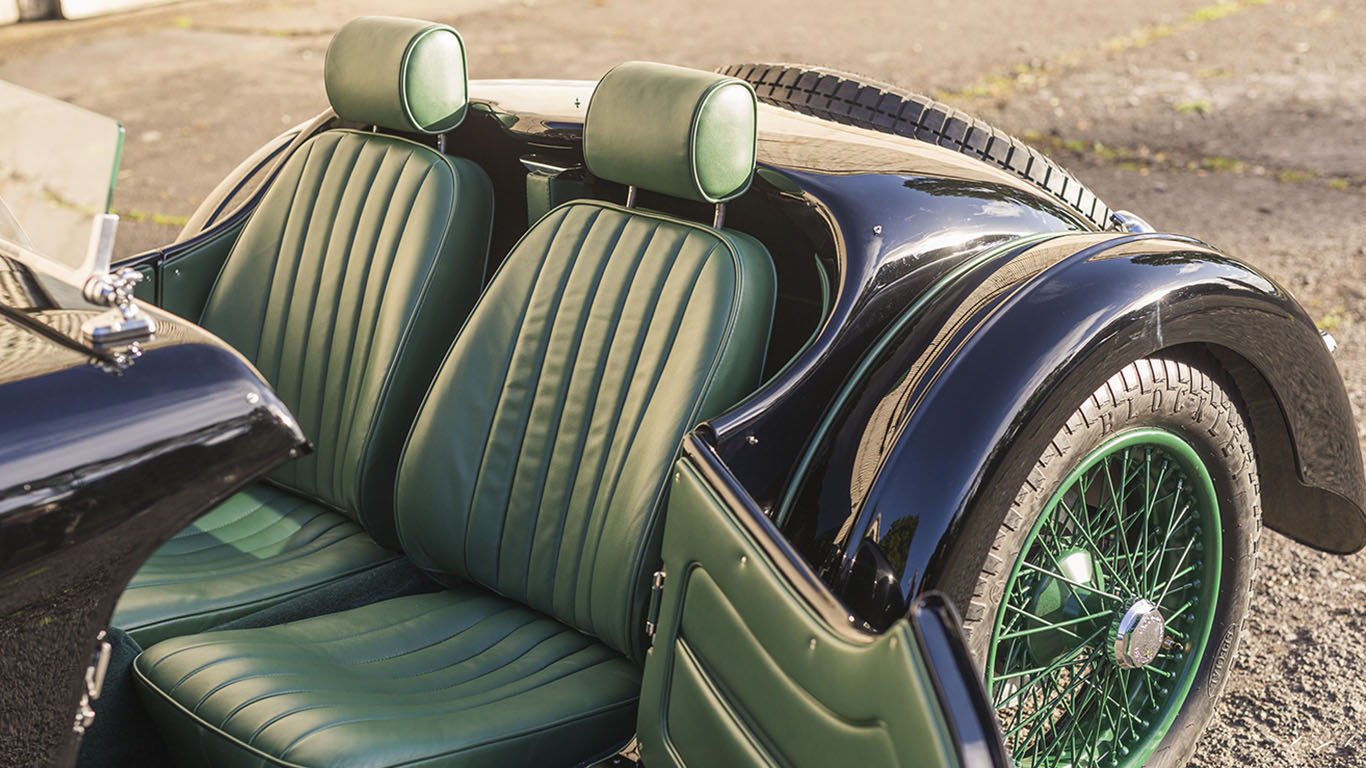
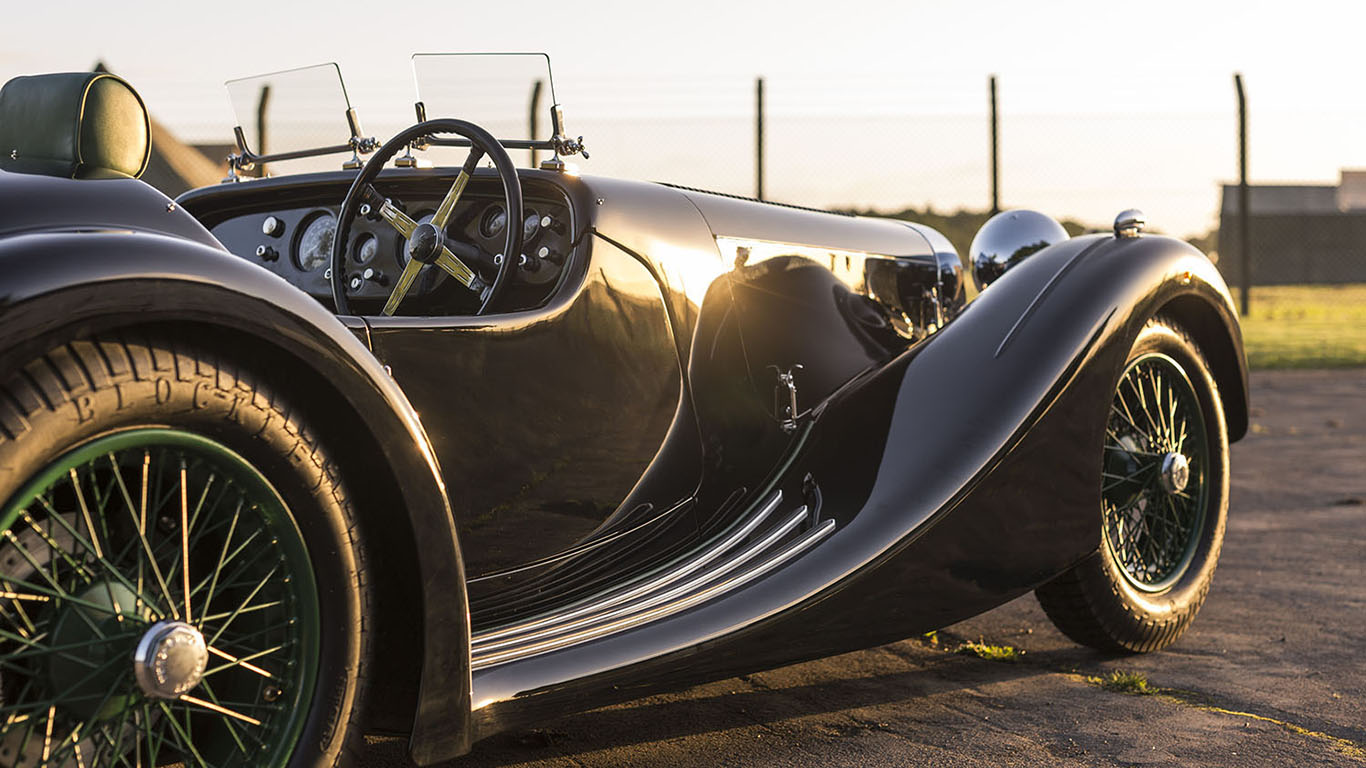
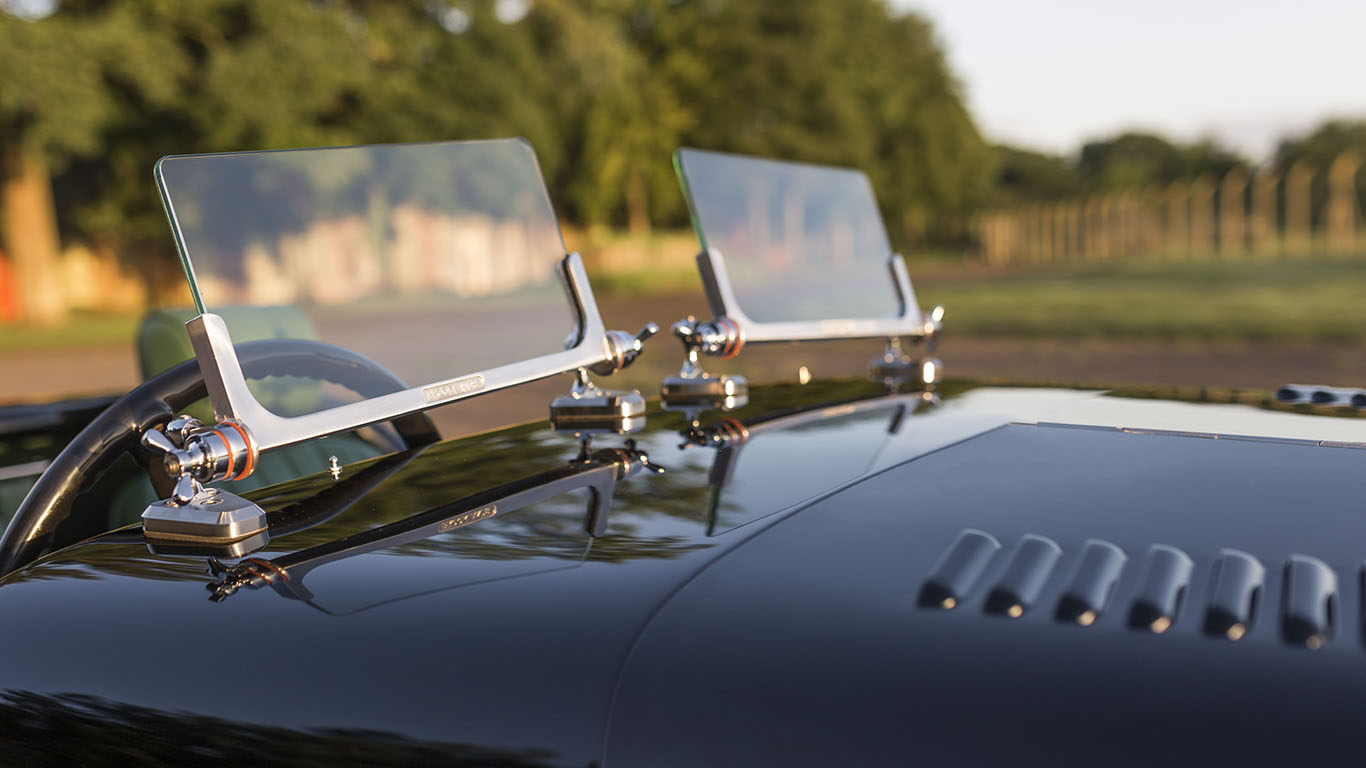
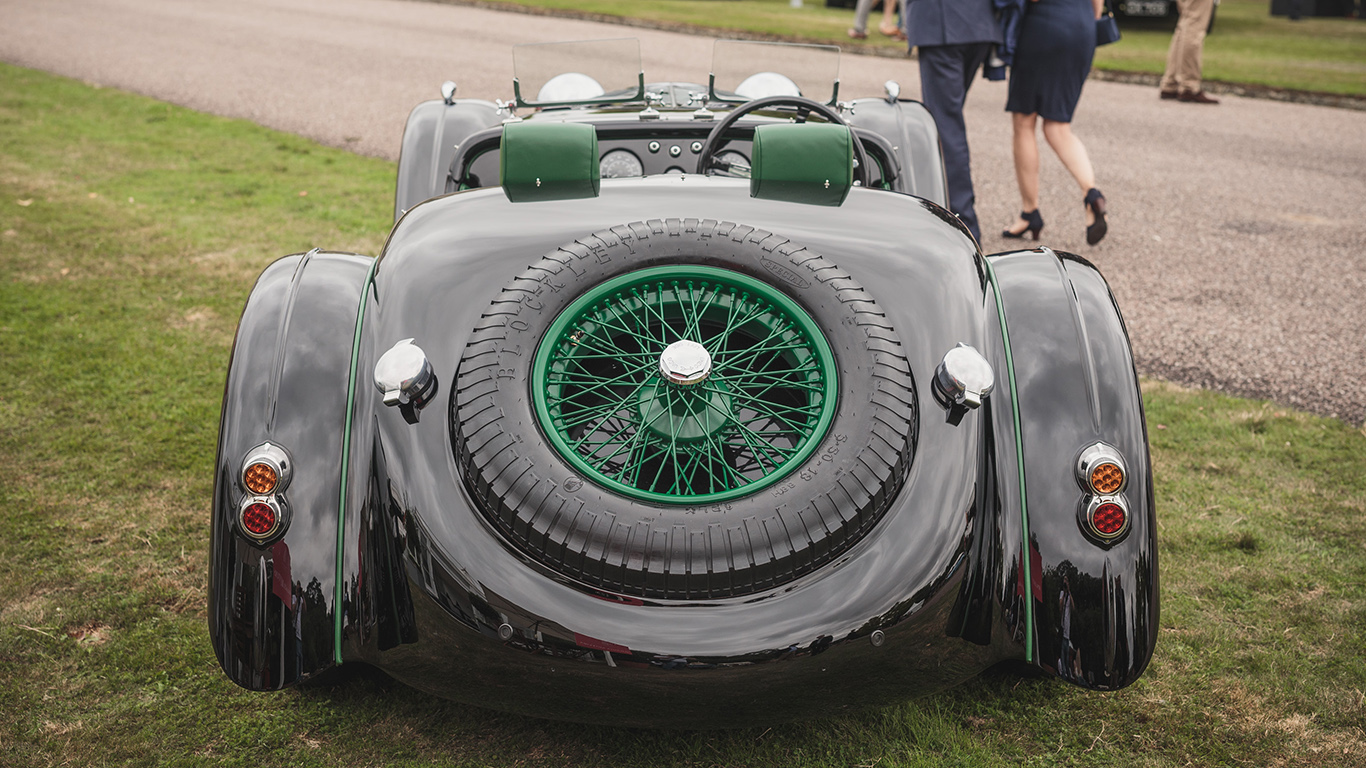
The finish is excellent, too. Paintwork looks deep and lustrous, while the interior is beautifully trimmed in soft leather. Look closer and you’ll spot neat details, such as the hidden door handles (tucked under the dashboard) and second filler cap (which houses a socket for a trickle charger). Side repeaters and seatbelts are the only obvious nods to modernity.
Praise the Ford
Only if you lift the engine cover, and come face-to-face with 2017-spec black plastic, is the vintage illusion briefly shattered. But this is a pre-production and ongoing development car: Martyn ensures me customer engines will be much better presented.
The motor itself comes from Ford in the US: a 2.5-litre naturally-aspirated four-cylinder developing “around 200hp and 200lb ft of torque”. It’s mated to a five-speed manual gearbox (also from Ford) that drives the rear wheels. The side-exit exhaust is located somewhere just below the driver’s right elbow. And – oh yes! – it’s loud.
Track to the past
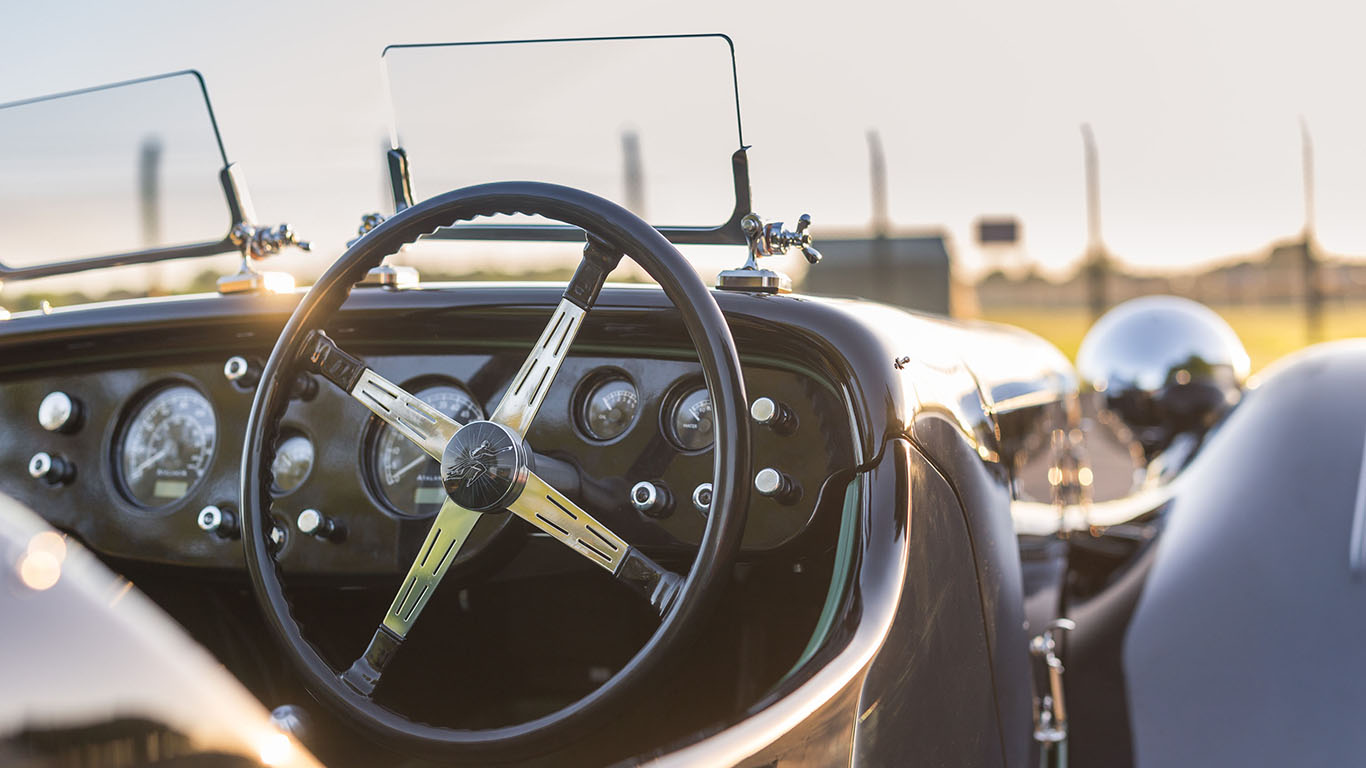
Twist the key and the engine barks brusquely into life. The pedals are offset and the footwell cramped, despite a lower floor than the original car – a necessary tweak for the taller drivers of today. I grasp the huge steering wheel, which has a beautifully engraved emblem of Atalanta – a huntress from Greek mythology – at its centre, and gaze along the long, louvred bonnet.
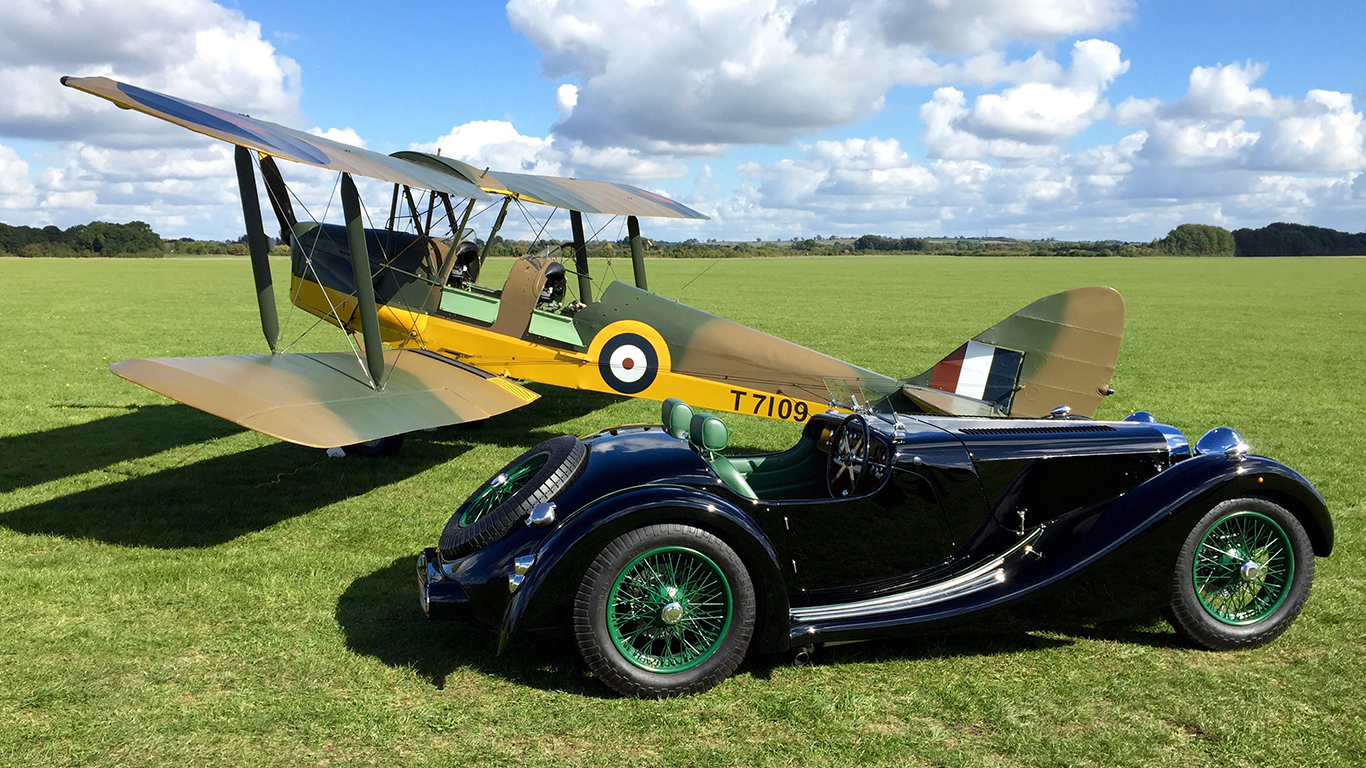
One great advantage of Bicester Heritage is the aircraft runway next door. And today, with help from a few strategically-placed cones, it will be our racetrack. Chocks away!
Getting physical
You might expect a chassis designed in the 1930s to betray its limitations on-track. And you’d be right: the Atalanta is no Lotus Elise, especially on high-profile 550-18 tyres remanufactured for historic racing. Nonetheless, it feels benign and biddable through the tight turns of our improvised circuit.
The car’s natural tendency is to understeer; only if you deliberately provoke it will the tail break loose. I suspect it could be rather tricky in the wet, but you’re more likely be more concerned about the lack of weather protection than on-the-limit handling by then…
A car for driving
Lap after lap, I begin to adapt my driving style. The Atalanta appreciates deliberate inputs and doesn’t flatter your mistakes. Yet that makes it all the more rewarding when you get it right.
This is a physical car, then, but in the best sense. The unassisted steering has a weighty directness, the five-speed manual gearbox needs a positive shove and, in case you were in any doubt, there’s no electronic safety net. And all the time, the wind gusts around the low-cut doors and the engine blares boisterously. It’s an intoxicating assault on the senses.
Figure this
It’s fast enough to be fun, too. The 0-62mph dash takes seven seconds and top speed – if you find a long enough runway – is around 125mph.
That’s merely ‘warm hatch’ or Mazda MX-5 pace nowadays, of course. But as I’ll discover, this retro recreation works best when you take it steady.
Destination: Cotswolds
With Martyn in the passenger seat, we leave Bicester and head west towards the Cotswolds. Our route takes us down winding, tree-lined lanes, past packed country pubs and through immaculate, chocolate-box villages. Prime British sports car territory, in other words.
Away from the smooth surface of the airfield, the Atalanta’s ride occasionally gets choppy, but progress generally feels relaxed. The big-hearted Ford four feels well-suited to touring, too. This isn’t an engine that begs to be revved: just shift up early and ride the wave of muscular torque.
The grand tour
You never forget this is an ‘old’ new car, either. Martyn talks of “a 1930s experience with the rough edges removed” and, while I’ve never driven a real vintage machine, it’s very different to anything else. Better? No. Authentic and characterful? Absolutely, yes.
In many ways, the Atalanta is rather rudimentary. But that makes it the antithesis of the anaesthetised modern car – exactly as you’d hope. As the clouds clear and we blat between hedgerows, the sun glinting off its curvaceous front wings, it feels just about perfect.
Crowd pleaser
There’s another reason to go slowly, of course: the admiration of onlookers. Pull up at The Fox and Hounds in a £150,000 Porsche and you’ll get grudging acknowledgement at best. Here, no such preconceptions apply – everyone is drawn to the glamorous lines and the raucous exhaust rumble.
The mystique of the Atalanta badge doubtless plays a part, too. Most car fans can recognise a Morgan, but this car – for now at least – remains something of an enigma. Precious few would suspect it was built in 2017.
Rose-tinted roadster
What matters for Atalanta today isn’t winning Le Mans. Martyn’s goal is to find a niche and offer something genuinely different: new, but steeped in the spirit of the past. After all, most people who buy his roadster will already have a large collection of cars.
In that, he has succeeded. This is a car to be savoured on sunny Sunday mornings, when the roads are quiet and you can pretend it’s 1937 again (just without impending threat of fascism and war). Beautiful and beguiling, the Atalanta roadster will make you feel good about driving it. And what’s not to love about that?
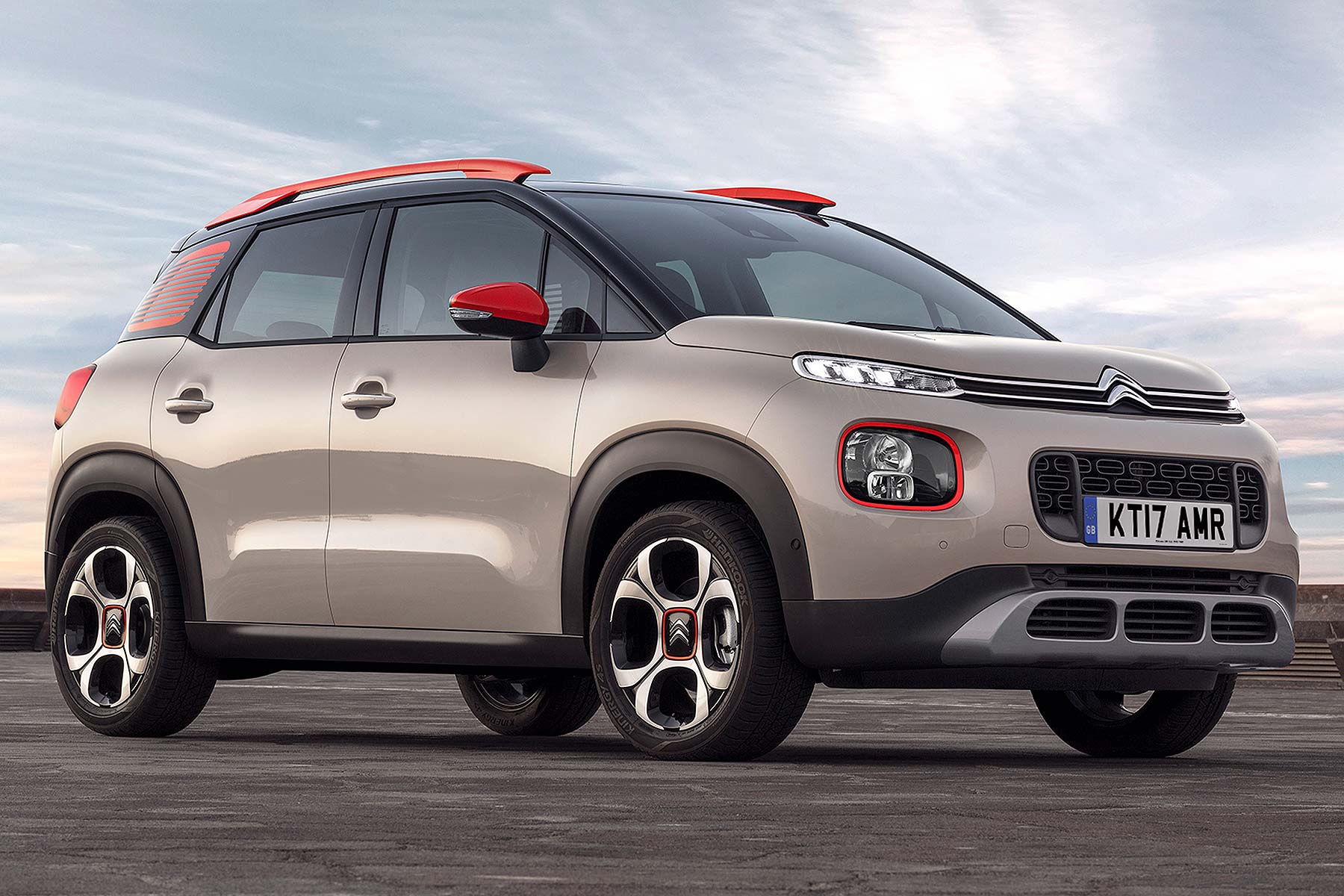
Citroen is taking on the top-selling Nissan Juke compact SUV with its all-new C3 Aircross, and the French brand has drawn first blood by undercutting the ageing Nissan’s prices. The new C3 Aircross, which goes on sale from 1 November, will cost from £13,995. The cheapest Juke is almost £900 more expensive.
Yet another entrant to the supermini-sized crossover SUV sector, the new C3 Aircross replaces the dull C3 Picasso supermini MPV; SUVs are very much where it’s at these days. It was revealed in Paris a few months ago and wears the same modern Citroen styling first seen on the C4 Cactus and, more recently, the vastly improved C3 supermini.
The C3 Aircross was first seen as a concept at this year’s Geneva Motor Show.
Citroen will sell the C3 Aircross in three trim lines: Touch, Feel and Flair. However, as with Nissan, the price-leading £13,995 car is likely to be a slow-seller. Touch trim is pretty sparse and many will prefer to upgrade the entry-level non-turbo 1.2-litre PureTech 82 engine to Feel trim: that costs £15,100, with a beefier turbocharged 1.2 PureTech 110 version costing £16,200. This is the real-world entry-level price for the C3 Aircross.
The comparable 1.2 DiG-T 115 Nissan Juke Acenta costs £16,785.
There’s a 130hp version of the PureTech motor for £16,600 and either 100hp or 120hp 1.6-litre BlueHDi turbodiesels that, in the current climate, likely won’t be as strong sellers as they may have been in the past. Citroen is also offering a city-friendly EAT6 auto gearbox alongside the regular manual.
Exact specifications will be confirmed nearer the time, but Citroen is already claiming best-in-class interior space, both front and rear, plus a modular boot that expands to as much as 520 litres, even with the sliding rear seat still in place.
The Citroen C3 Aircross joins an ever-growing compact SUV sector originally defined by the Nissan Juke. Competitors include the Renault Captur, Peugeot 2008, Vauxhall Crossland X and Fiat 500X, plus the upcoming Seat Arona, Hyundai Kona, Kia Stonic and Skoda Karoq.
 How do you measure the value of a car? A low price is one thing, but the gloss will soon wear off if you’re forever spending money on parts and repairs. Equally, a more expensive car could be rated as excellent value for money if it never goes wrong and puts a big smile on your face.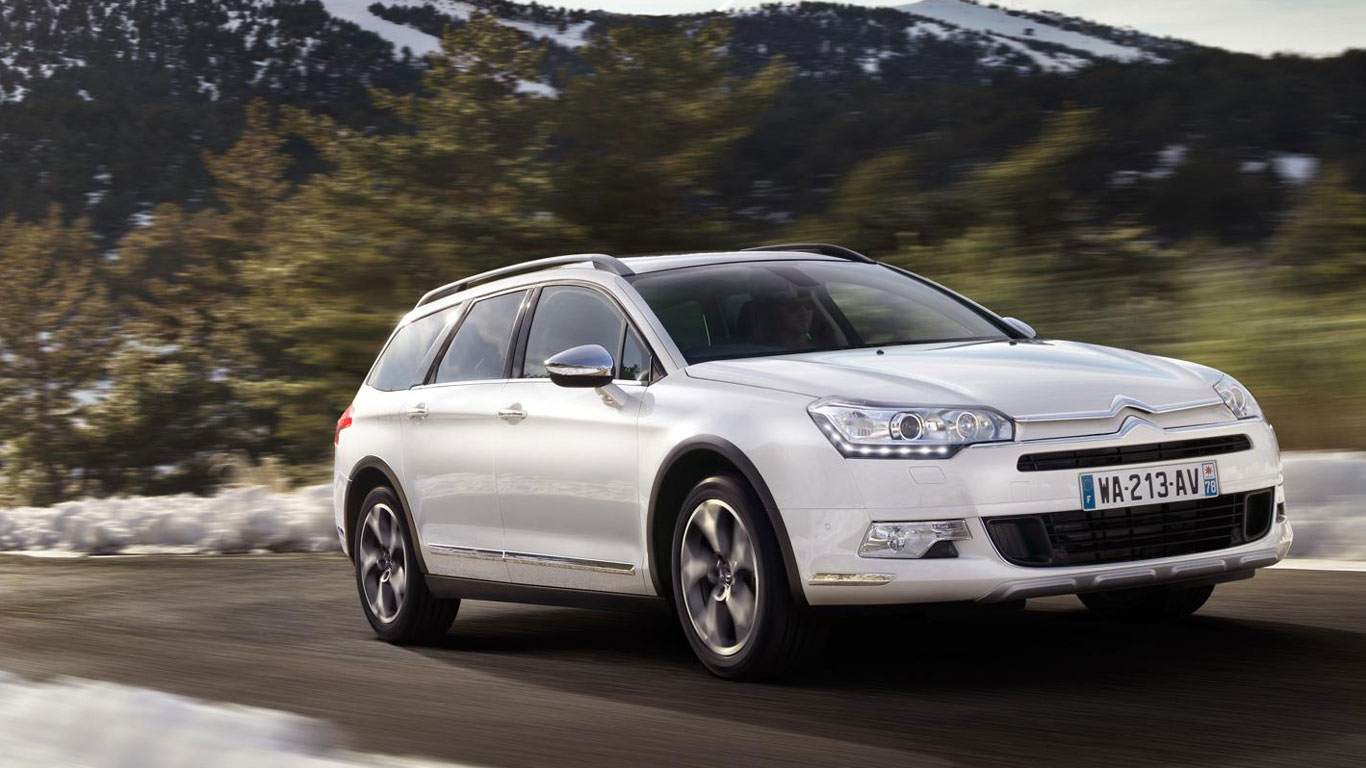
 It’s an annual decision. Take the car ferry to France, or pop the car on the train? For many it’s a conclusion they came to years ago. Now, throw away your prejudices and take a fresh look at the pros and cons.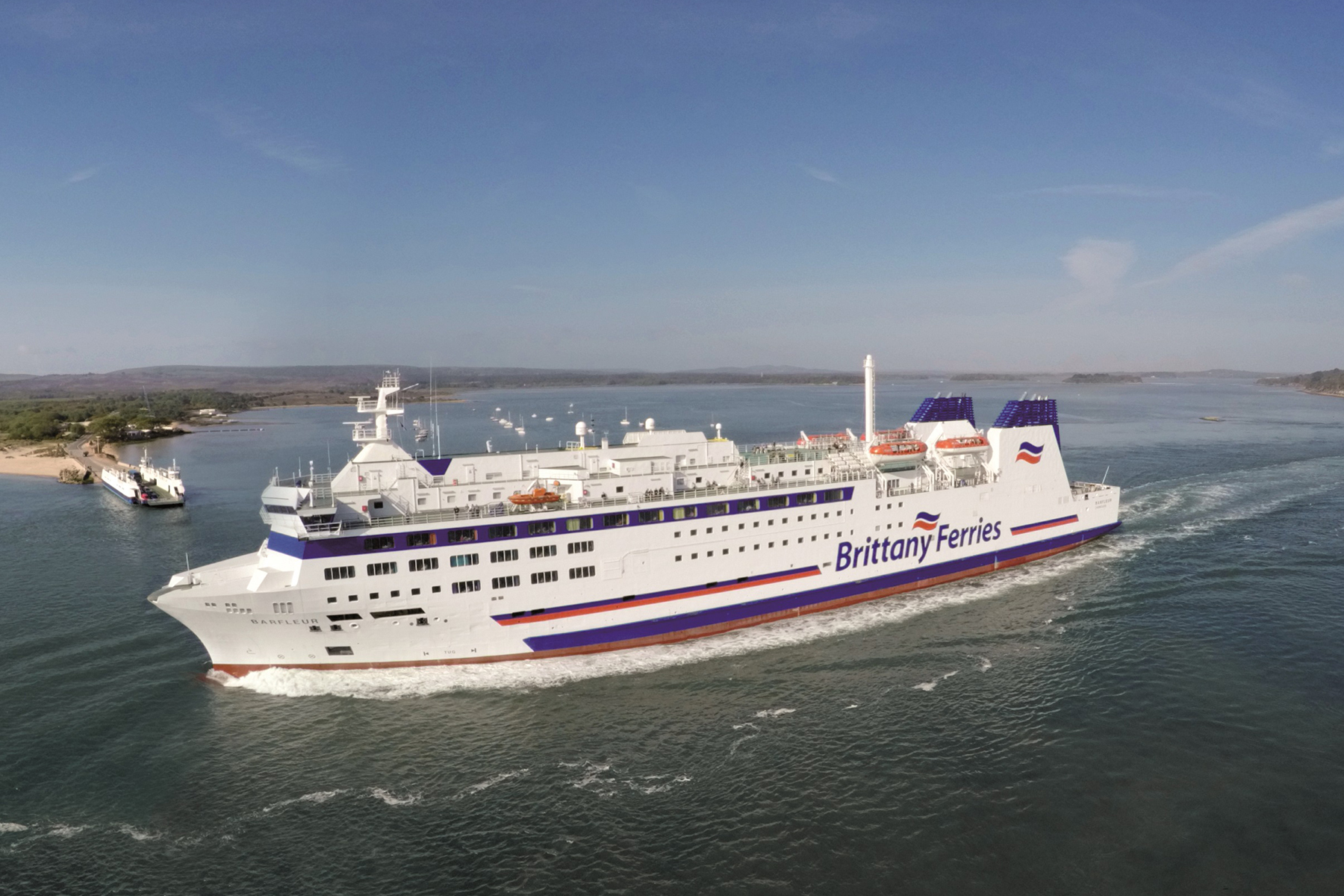
 New car registrations have fallen for a fourth consecutive month following uncertainty over Brexit. Figures released by the Society of Motor Manufacturers and Traders (SMMT) reveal that the market is down 9.3%, with 161,997 new cars registered in July. The top 10 best-selling cars of July contains one or two surprises.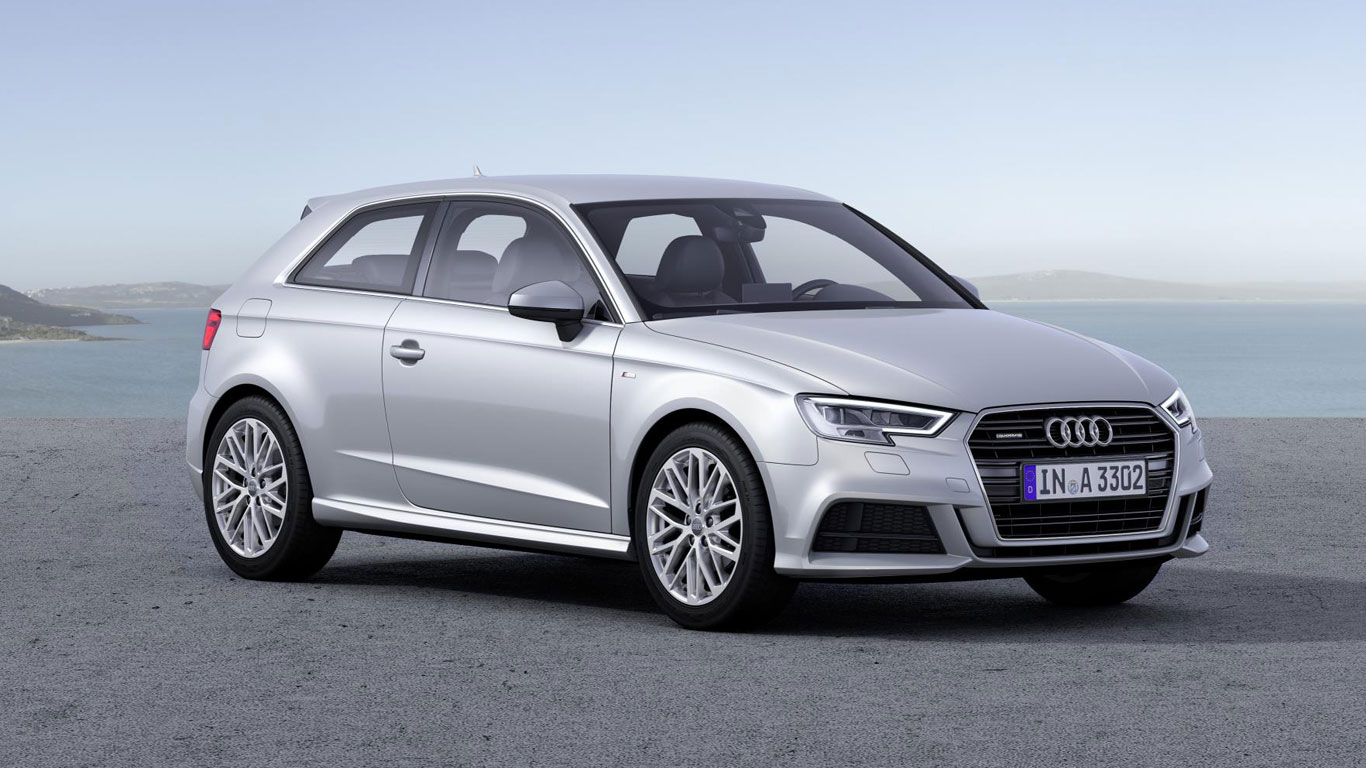
 Another month of falling new car sales, another decline in registrations of Vauxhalls. Only in July 2017, it was an eye-watering decline. In 2017, nearly 42 percent fewer Vauxhalls were registered than during the same month in 2016. 42 percent!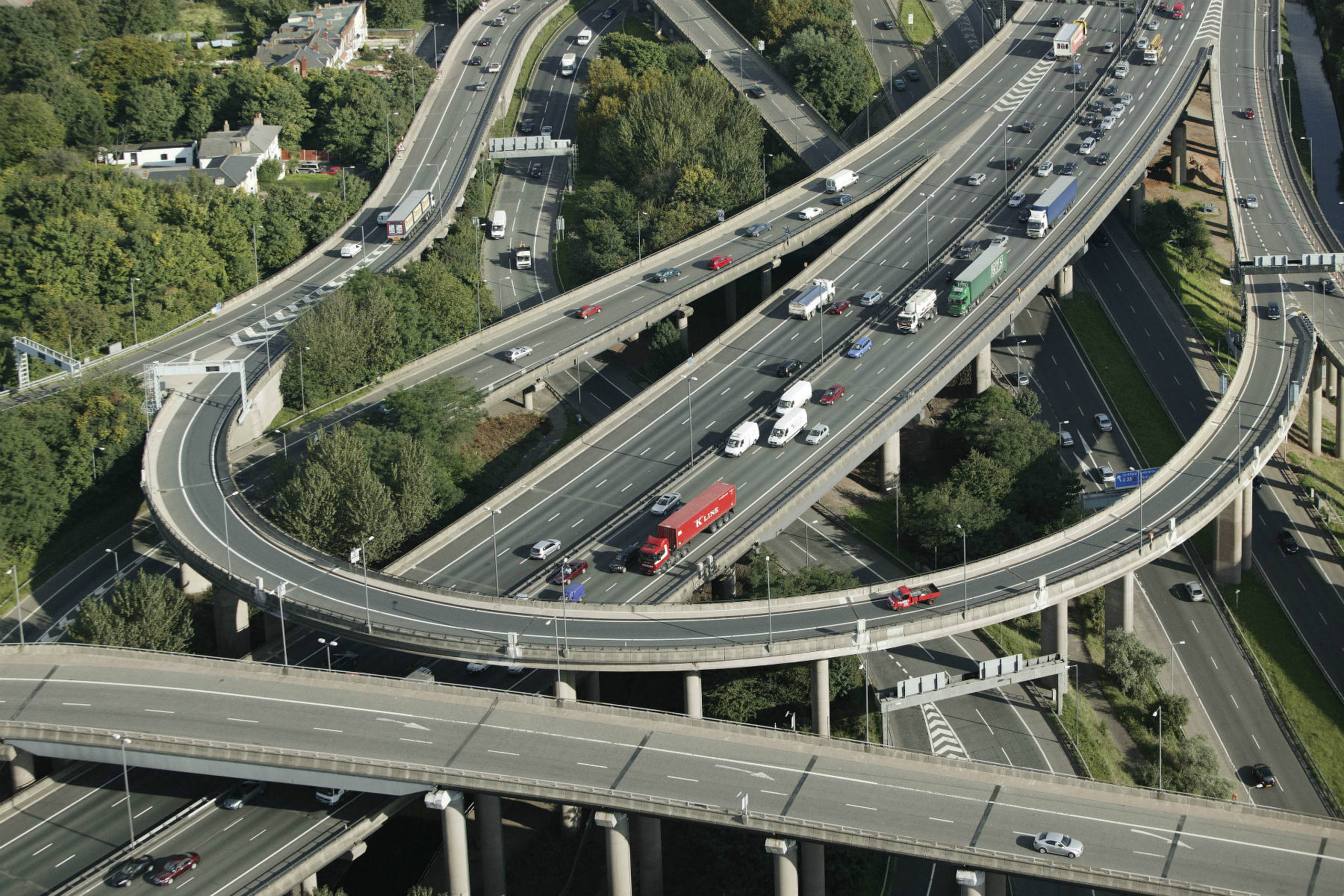
 Ever since the dawn of the hot hatch, Ford and Vauxhall have been locked in a battle for hot hatch supremacy. Today, the Fiesta ST, Focus ST and Focus RS ensure that there’s no real contest, with Ford enjoying bragging rights and ultimate supremacy.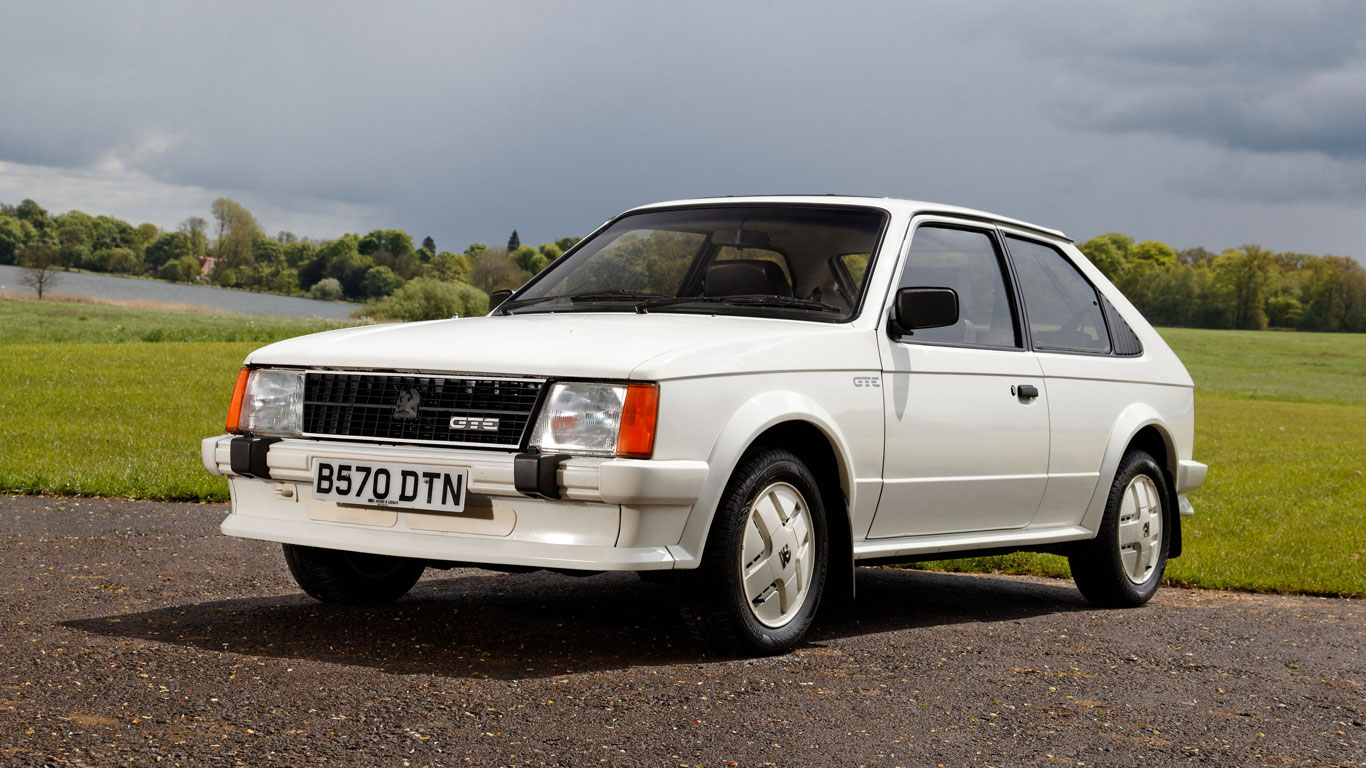
 Citroen is taking on the top-selling Nissan Juke compact SUV with its all-new C3 Aircross, and the French brand has drawn first blood by undercutting the ageing Nissan’s prices. The new C3 Aircross, which goes on sale from 1 November, will cost from £13,995. The cheapest Juke is almost £900 more expensive.