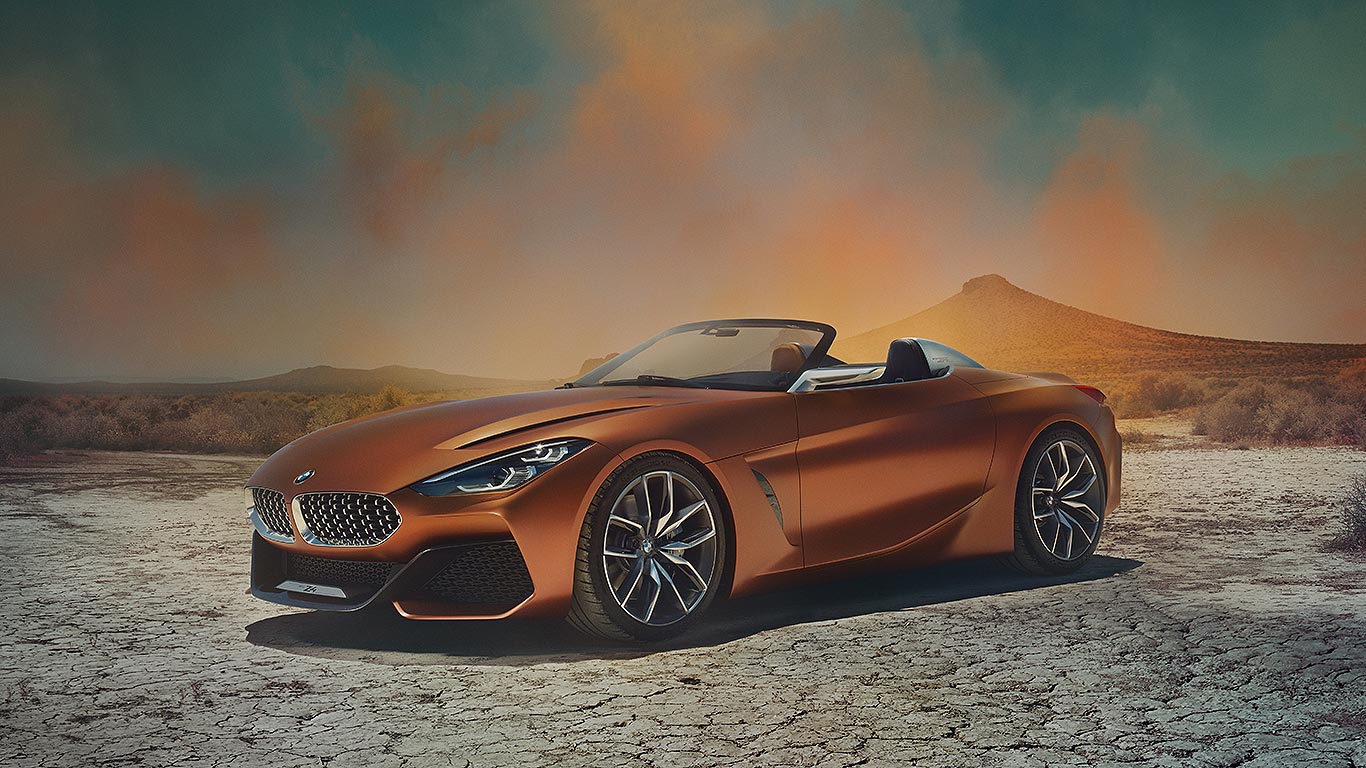
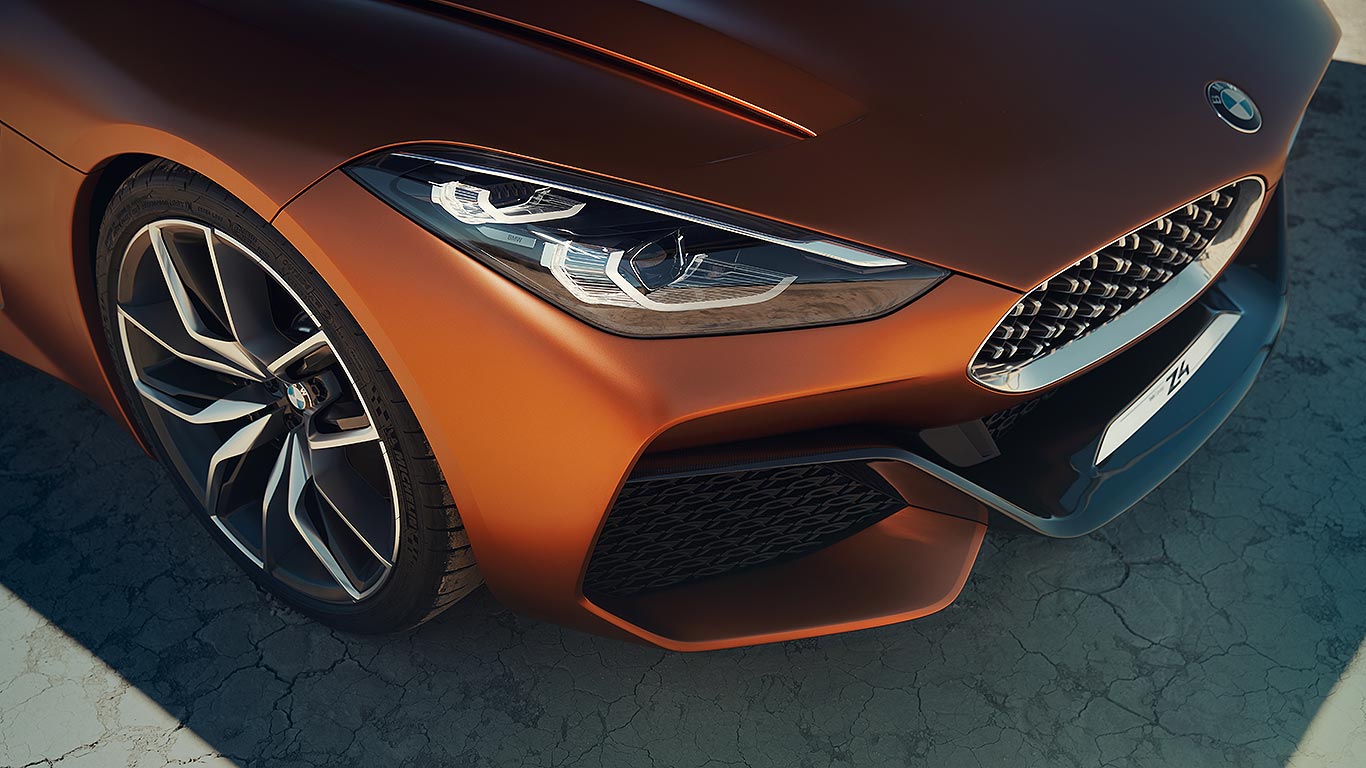
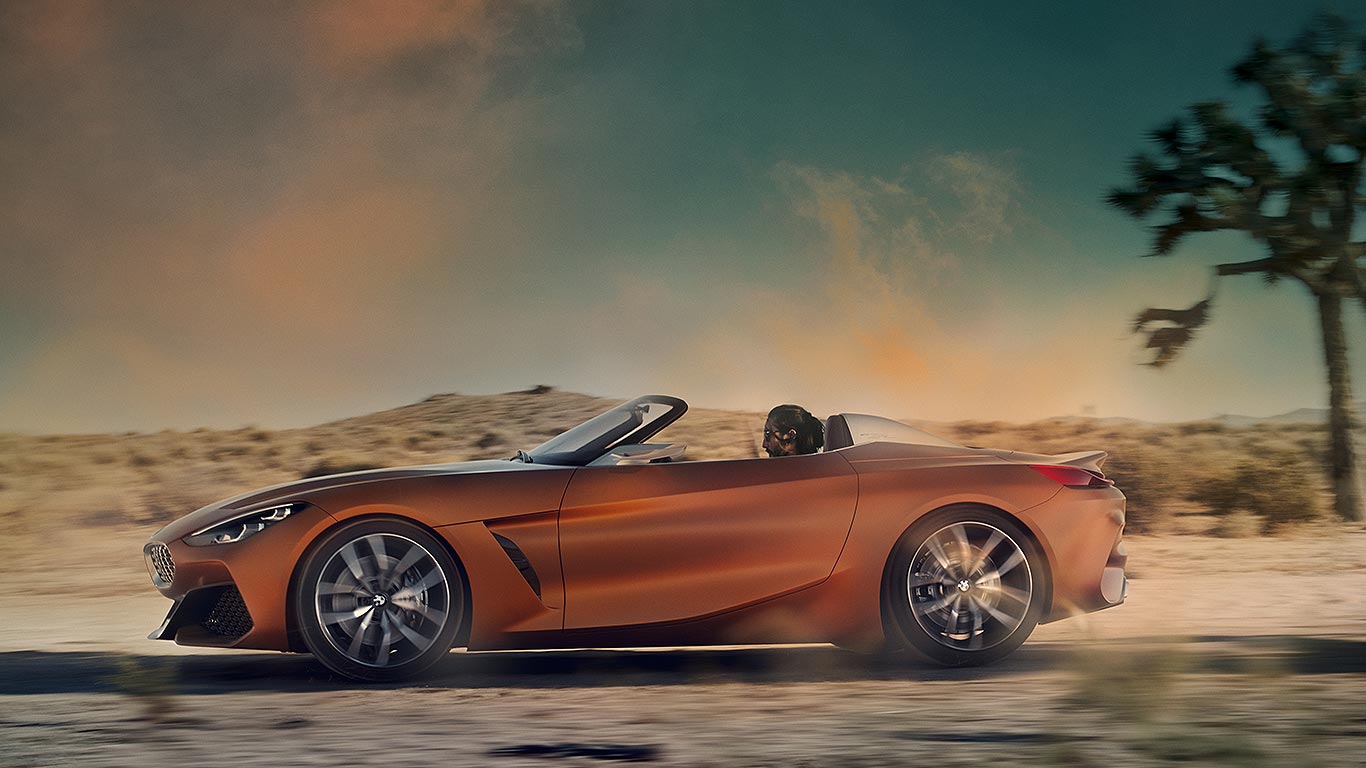
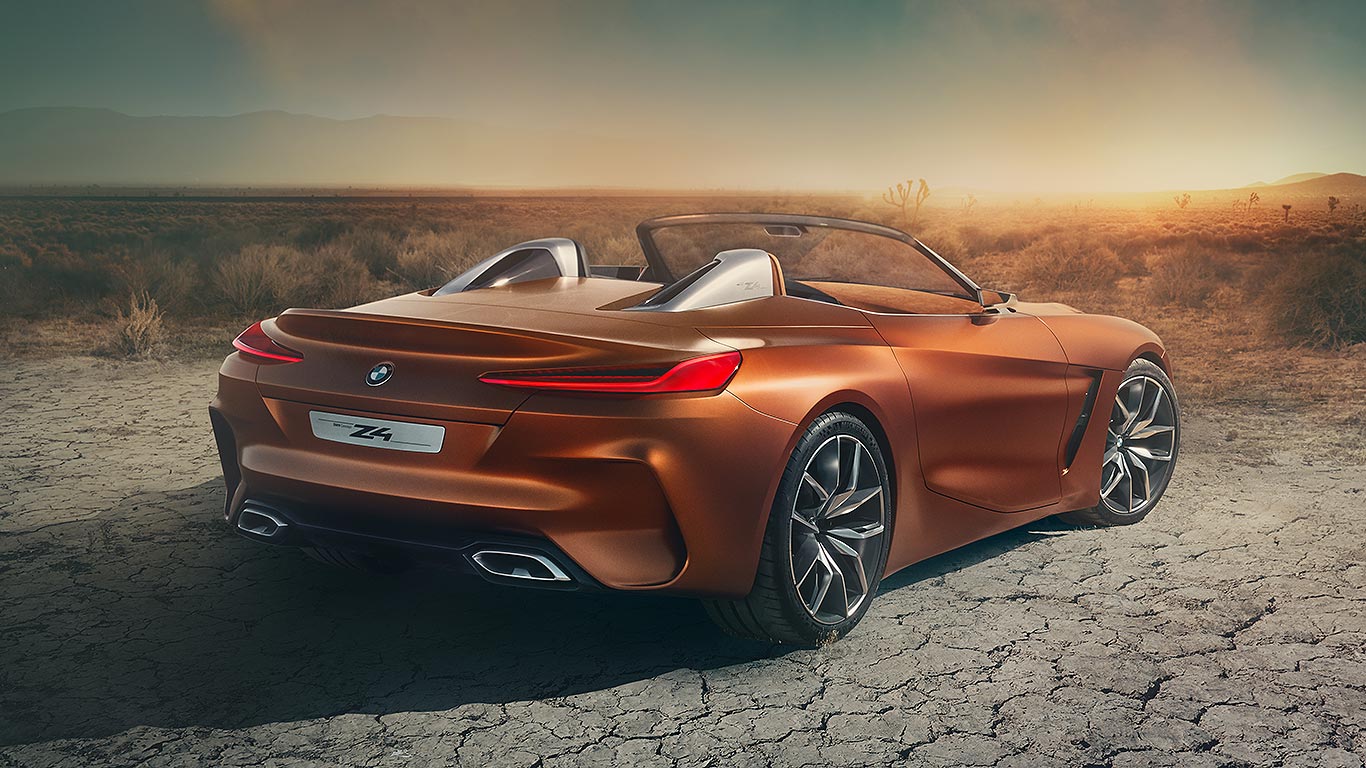
BMW has previewed the new 2018 Z4 at the Pebble Beach Concours d’Elegance, with this radical Concept Z4: officially called a design study, BMW’s happy to admit it gives us a first indication to how next year’s series production model will look.
What is it? Why, “an all-out driving machine,” says BMW Group Design boss Adrian van Hooydonk, one that boats all the traditional roadster fundamentals: long wheelbase, low and stretched silhouette plus a stubby tail. The bonnet isn’t as exaggeratedly long as previous BMW roadsters though, sitting the driver (and the engine) closer to the centre of the car, thus making it look sportier and, presumably, feel more agile to drive.
This is BMW’s new design language at work, explains van Hooydonk: dynamic front end, clean-cut tail, striking body sides, minimalist lines and “subtle interplay between surfaces”. It’s been paired back a lot compared to, say, the busy-looking outgoing Z4, but it’s still all “enough to generate a sense of power and emotion,” he reckons.
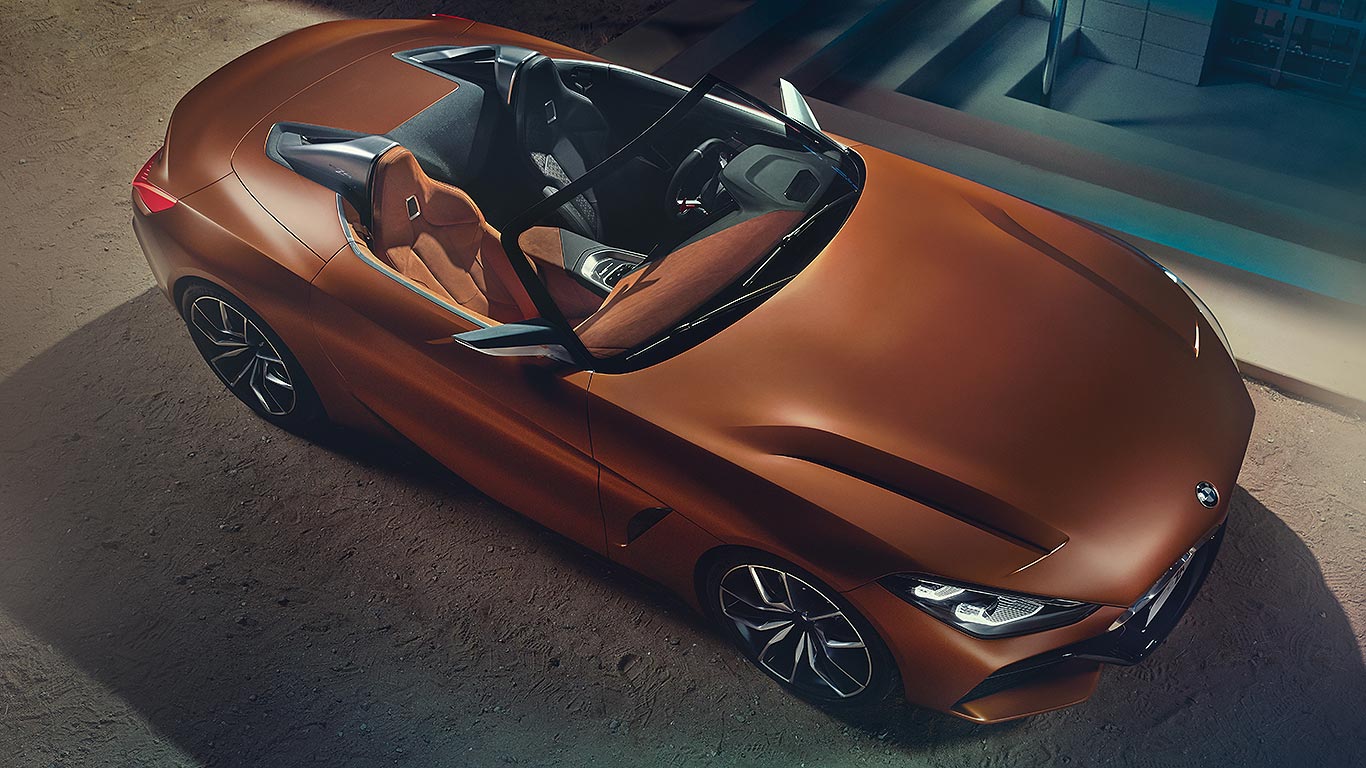
There are still striking design elements though: the large rear domes are certainly one, both housing the rollover hoops and giving the rear end a standout look. Could they possibly make it to production? We’re not at all sure how, but who knows what BMW might be able to do with a trick folding soft-top…
BMW says the front end references the Z8: headlights are mounted relatively high, with the double kidney grille set down low. The grille doesn’t have plain old vertical bars, but fancy mesh, as per the classic BMW 328 Mille Miglia. And, get this, the traditional BMW double-headlight layout has been reinterpreted, with the dual half-circle lamps stacked on top of one another rather than sitting side-by-side. Is nothing sacred, traditionalists may right now be spluttering.
We can’t see a front apron quite as extreme as this making it through to production but, again, you never know. It feeds turbocharged petrol engines behind it – either a 2.0-litre four-cylinder or 3.0-litre inline six – and also provides cooling air that then filters back out through the side air breathers.
The body sides are clean and voluminous. Fluid, beautifully rendered surfaces create a striking array of gentle light and shade as your eyes move across them: it’s organic, and set off perfectly by low-set and sharply-edged lower sills. BMW doesn’t run out of ideas at the rear, either: this is all pumped muscularity, bulging wheelarches and a lovely set of pure-form OLED tail lamps.
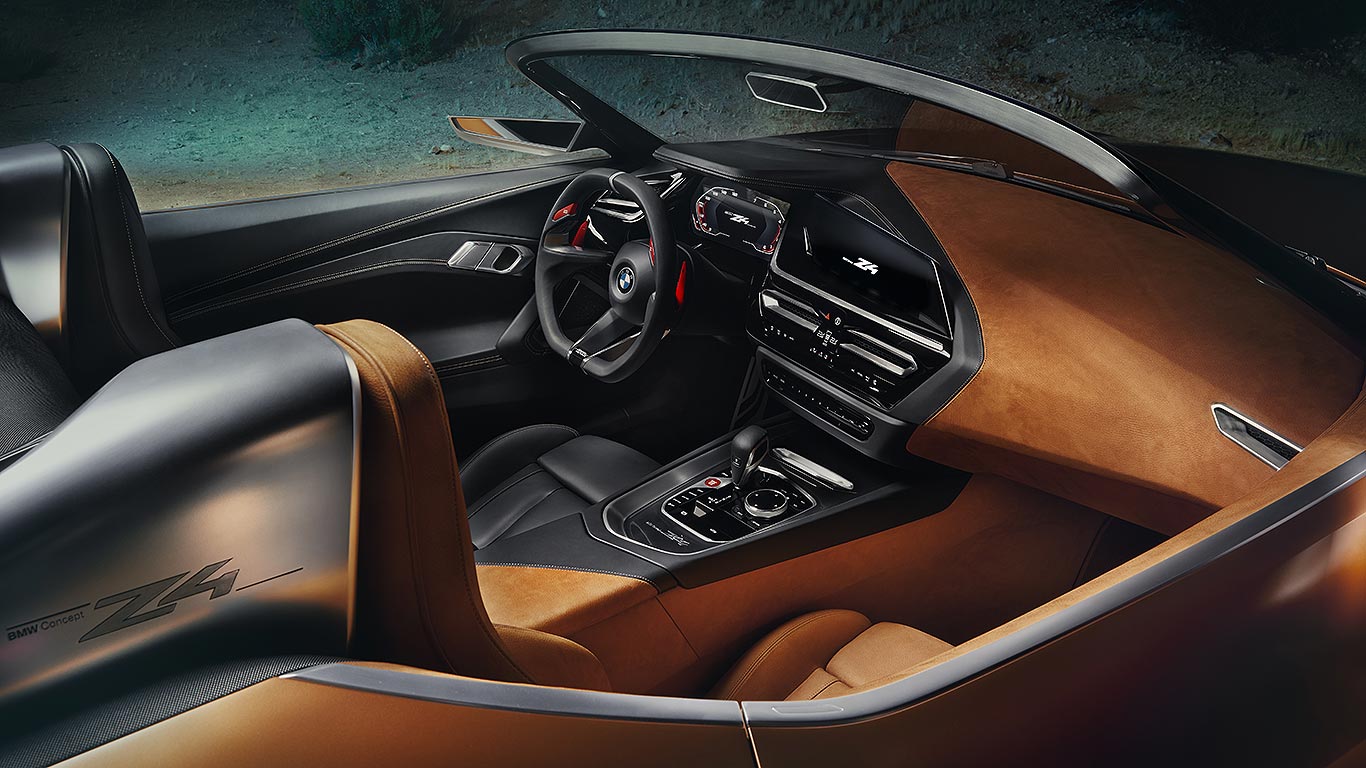
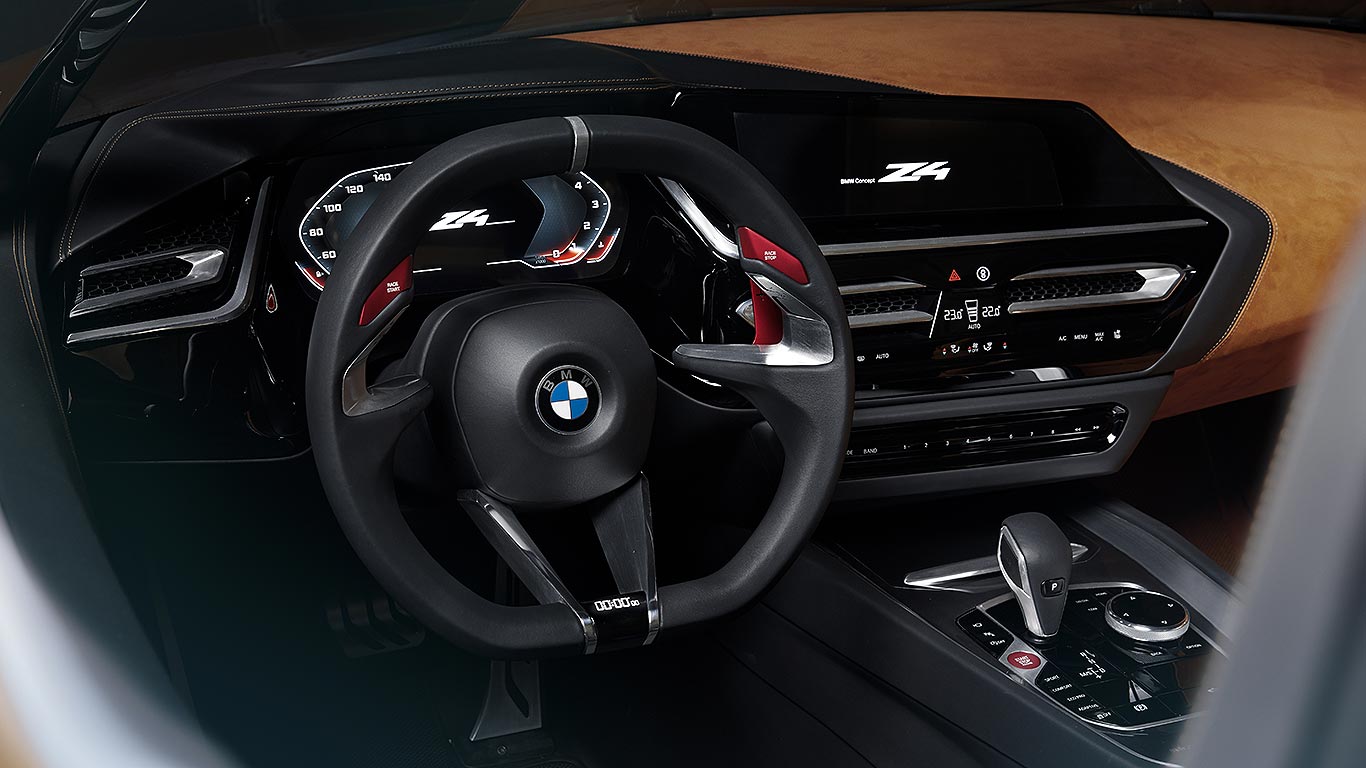
The interior blends familiar bits from new models such as the 5 Series, a parallelogram-shaped iDrive infotainment screen and an open-form electronic instrument binnacle with a simple leather-trimmed hood. Its chiselled design theme is distinctive, and that deeply-dished steering wheel is lovely: we’re desperate for that to make it through to production (although we’ll likely be denied: how might an airbag work effectively within it?).
Note also the tiny lap timer display in the lower section of the steering wheel…
You might also have noticed that half the interior is black and the other half is a sort of browney orange. Yup, it’s on purpose: to create a “clearly defined area that warps around the driver like a capsule”, says BMW. Which then goes on to say something about it creating “a pure-of-purpose driving environment with a pronounced ‘cone of vision’, where the steering wheel as well as the surrounding black surfaces appear to be surging forward”. Quite.
What next for the new BMW Z4?
BMW is co-developing the new Z4 with Toyota; the latter will use the same scaleable architecture to revive the Supra. But unlike that other Toyota sports car joint venture, the GT86-Subaru BRZ project, there’ll be more differentiation here. Not least, the fact BMW’s Z4 sticks with an open-top while the Supra will be a hard-top coupe.
Both will be rear-wheel drive, and the Supra will use a Toyota V6, while the BMW will boast all-Munich engines. There could even be a range-topper producing up to 450hp: yes, that’s exactly what the 3.0-litre straight-six produces in the M3 Competition Pack.
We can certainly expect to see the Z4 next year, with production likely to be well underway by the autumn. As for the Supra, time will tell. Most of the spy shots up to now have been of the Bimmer, suggesting it may be the one that’s delivered first. Surely the very fact we’re getting a new Supra at all means the wait will be worth it?
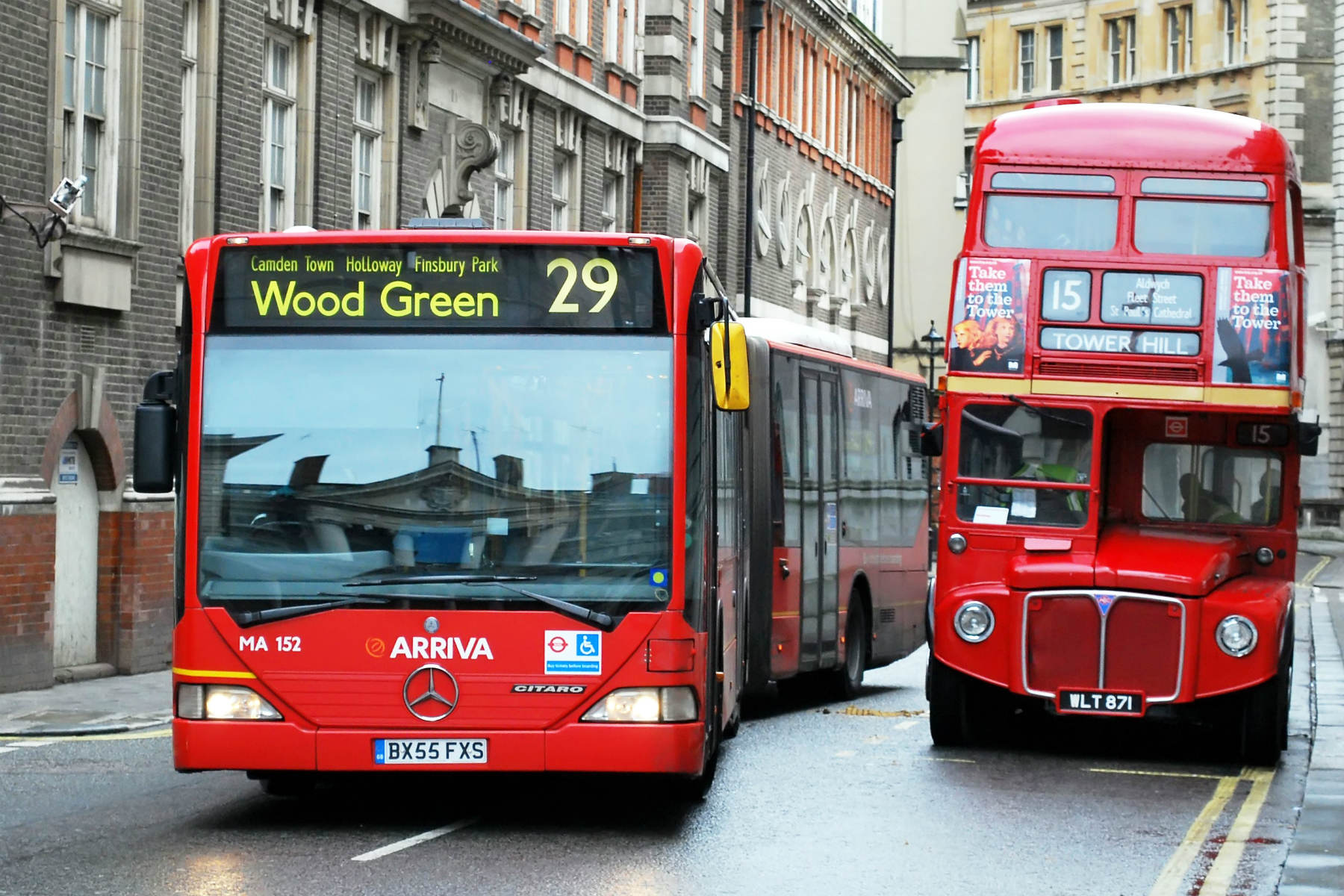
A report released this morning has suggested that bendy buses should be returned to London’s roads in a bid to reduce congestion and encourage drivers to swap their cars for the bus.
Banning the articulated buses was a flagship policy for former London mayor Boris Johnson, who described them as “cumbersome machines” which were too big for the city.
The influential London Assembly Transport Committee reports that – despite two billion journeys made on London buses every year – numbers dropped by six percent in 2016/17 compared to 2014/15. It says there could be a number of reasons for the decline in popularity of the bus – including improved tube services and a “dramatic” rise in the number of private hire vehicles, such as Ubers. The biggest reason, the committee suggests, is a rise in congestion on London’s roads, which is leading to longer waiting times for buses.
Looking at ways to encourage the use of buses in the capital, the committee says more express routes are needed. With limited stops, these express routes allow faster journeys between major centres. It adds that articulated buses, also known as bendy buses, could be the most appropriate for these routes.
“Articulated buses may be appropriate for use on newly designed routes and offer passenger benefits, including more space, faster journeys, and enhanced accessibility for disabled passengers,” says the report.
More London news on MR:
Uber trials fleet of all-electric Nissan Leafs in London
Other ways to encourage bus use could include introducing wifi and air-conditioning on more buses, and making the bus network easier to understand.
Deputy chair of the London Assembly Transport Committee Caroline Pidgeon said: “There’s a huge demand for more buses in outer London – but at the same time, we need to make bus travel more attractive to passengers. Express buses, orbital routes and wifi will help to give buses a much needed boost.
“Bendy buses are controversial – but in outer London they may be the solution to more capacity on routes that feed stations. They also increase accessibility, with more space for wheelchairs.”
The JD Power Dependability Study measures problems experienced during the past 12 months by original owners of cars after 12-36 months of ownership. A total of 177 problems are analysed across eight categories: vehicle exterior; driving experience; features/controls/displays; audio/communication/entertainment/navigation; seats; heating, ventilation and air conditioning; interior; and engine and transmission.
The results reveal the most dependable cars across six segments, with JD Power listing the top three for each group. Read on to discover the most reliable new cars you can buy.
City car, winner: Peugeot 108
Shocked to find a Peugeot sitting at the top of the city car category? This is a tough segment, so Peugeot will see this as a good result. The 108 shares its platform with the Citroen C1 and Toyota Aygo, with prices starting from £8,995 for a three-door model.
City car, second: Hyundai i10
The Hyundai i10 is arguably the best value city car you can buy, with a five-year unlimited mileage warranty and a great specification, especially on the Premium and Premium SE models. Speaking about the survey overall, Mark Lendrich, head of research at JD Power Europe, said: “Minor issues like foggy windows, noisy brakes or navigation systems that are difficult to use can be very frustrating for owners and can negatively affect brand loyalty.”
City car, third: Kia Picanto and Volkswagen Up
Mark Lendrich went on to say: “These design problems aren’t easy to fix at a service appointment and, if the owner has to live with these problems for the duration of time they have the vehicle, they’re less likely to purchase the same brand in the future.” The Kia Picanto and Volkswagen Up are tied for third place.
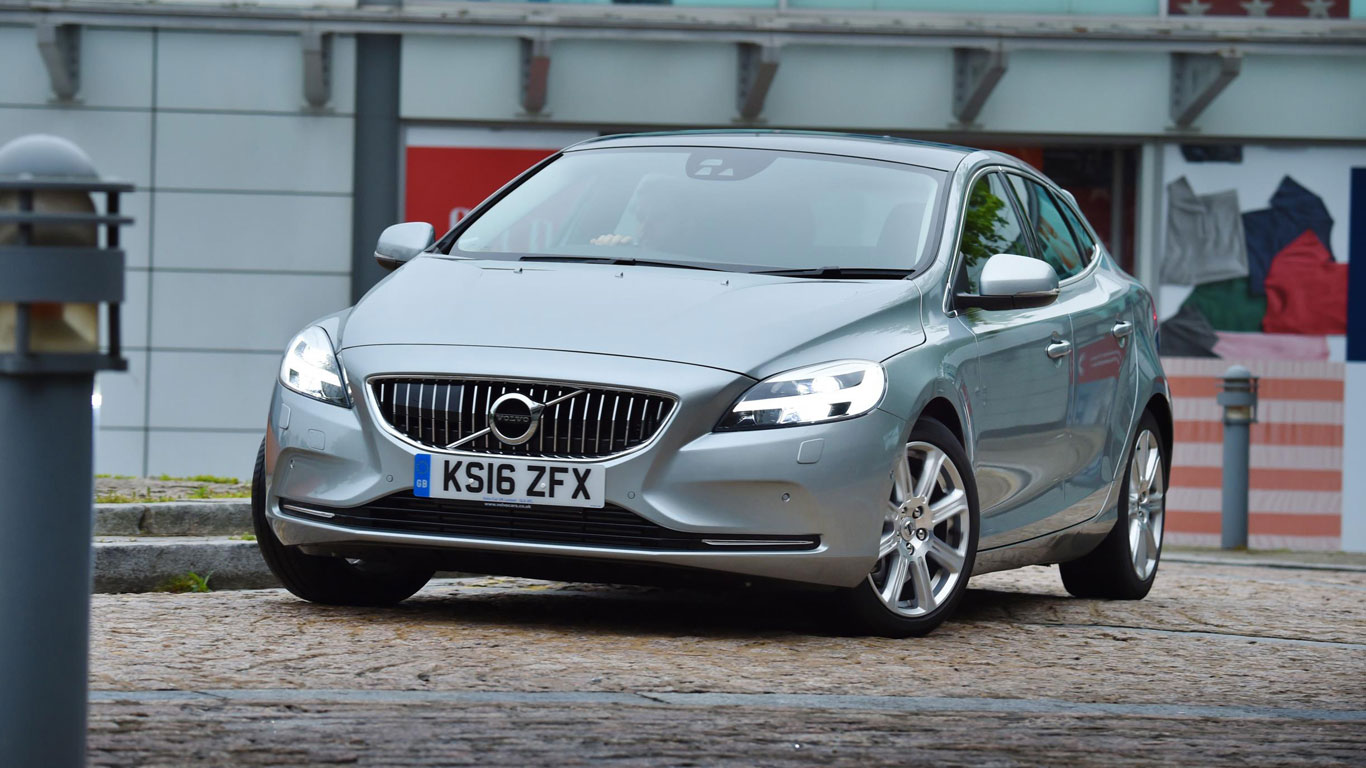
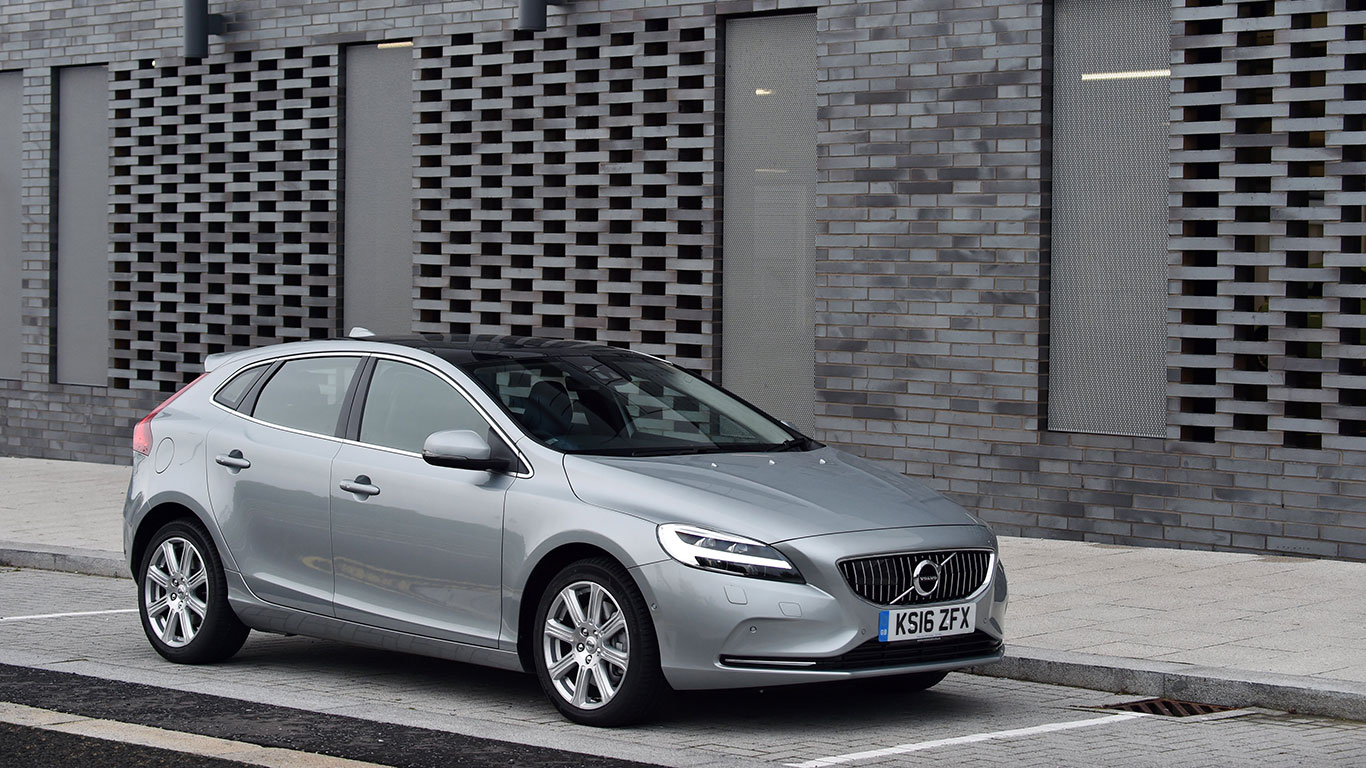
Compact car, winner: Volvo V40
Moving on to the compact car segment where we find the Volvo V40 taking a seat at the top of the class. The V40 has been on sale since 2012 and was, at the time of its launch, the safest car in the world.
Compact car, second: Mazda3
The Mazda3 finishes second in a highly competitive segment, ahead of the likes of the Volkswagen Golf, Audi A3 and Ford Focus. According to JD Power, owners of premium cars tend to stay loyal to the brand, but place a higher importance on problem-free ownership.
Compact car, third: Toyota Auris
The Toyota Auris might not be the most exciting car in the segment, but this result proves that it’s likely to be one of the most reliable. It also offers the option of a fuel-efficient hybrid, with up to 80.7mpg possible on a combined cycle.
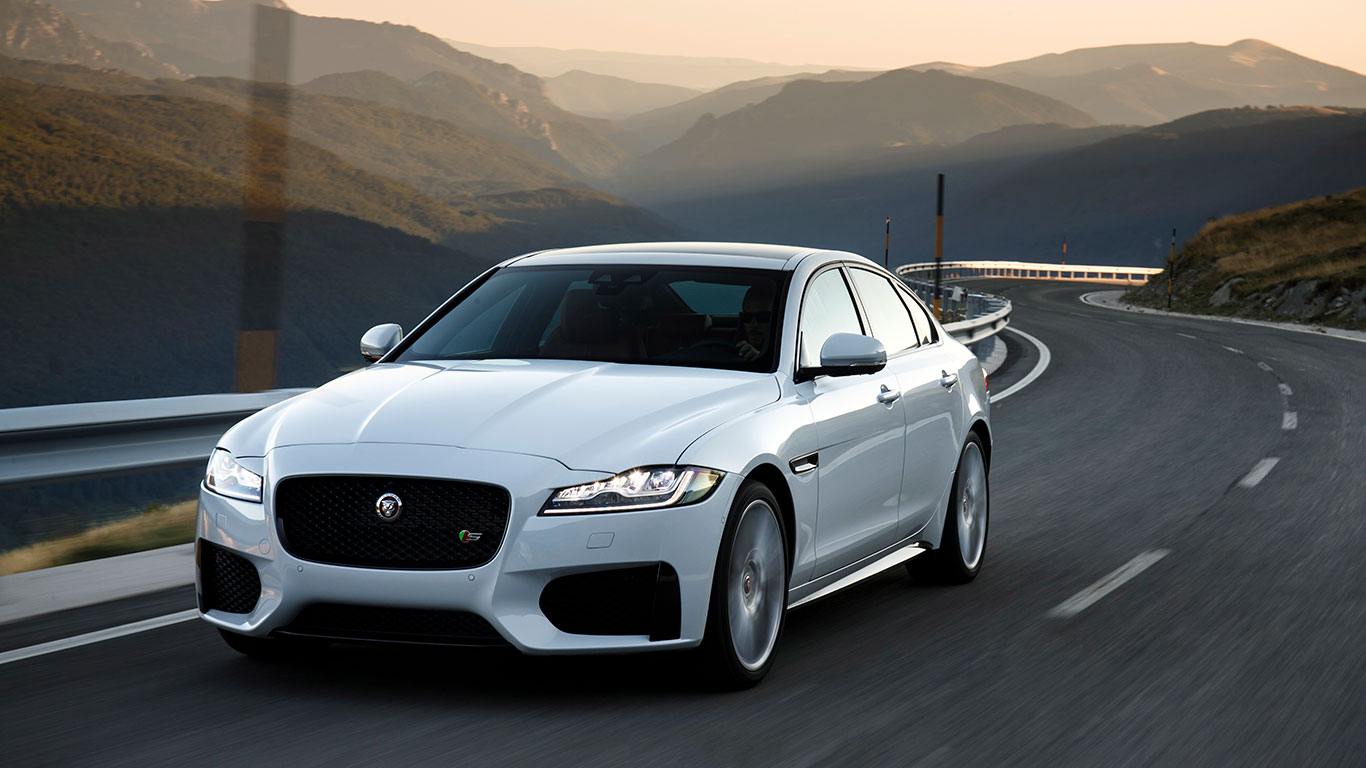
Large and luxury, winner: Jaguar XF
Perhaps more than in any other segment, the right badge is everything in the large and luxury segment. And if you’re paying for the privilege of the right image, it’s only right that you demand some reliability. This is a tremendous result for Jaguar, with the XF finishing ahead of the three German rivals.
Large and luxury, second: Mercedes-Benz E-Class
The JD Power study is based on vehicles registered from February 2014 through April 2016, which means this result is based on the previous generation E-Class. The latest model (pictured), is arguably the best executive car in the world…
Large and luxury, third: BMW 5 Series
Although BMW might have something to say about that. Once again, the result will be based on the previous generation 5 Series, launched in 2010. The new model is available from £36,000, although the majority of models cost over £40,000.
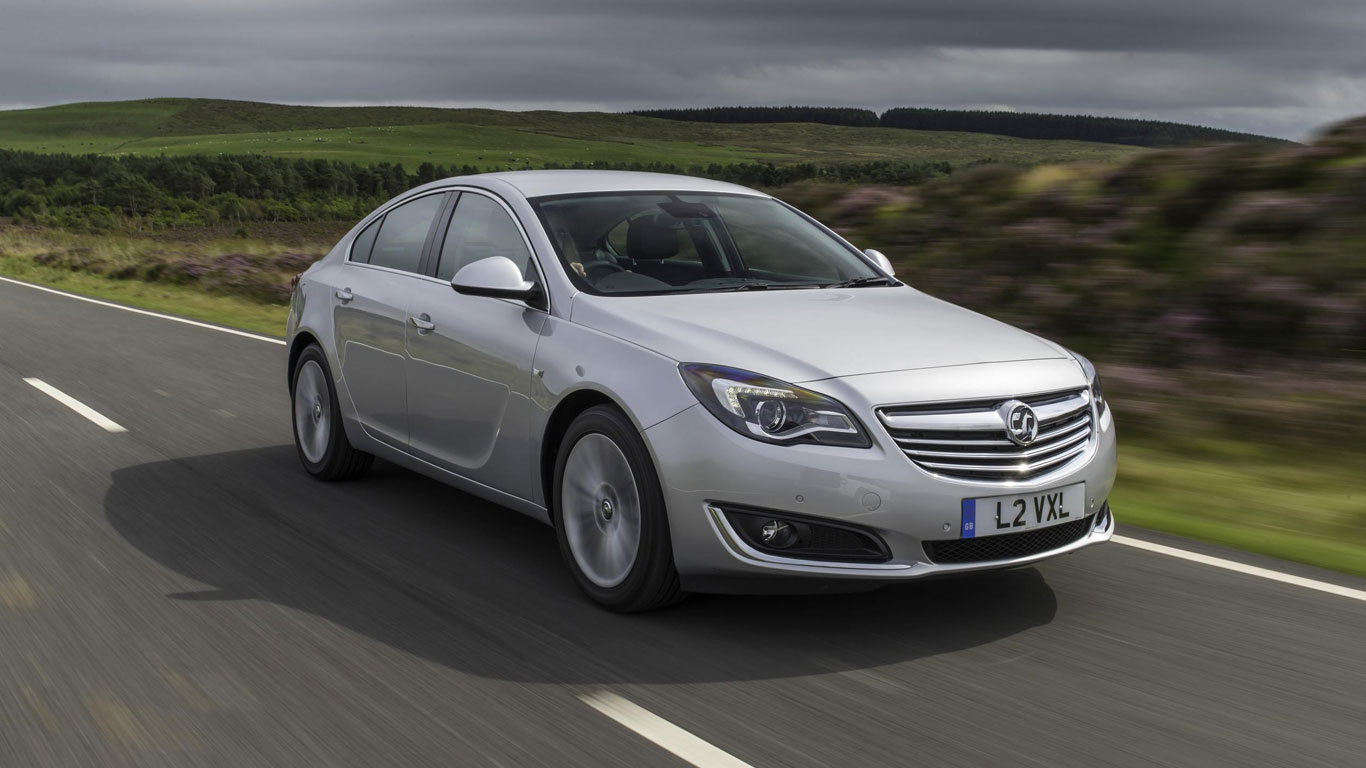
Midsize car, winner: Vauxhall Insignia
To those who dismiss Vauxhall as a mere also-ran in the industry, we bring news that might just change your opinion: the griffin has not one but two class winners. We start with the previous generation Insignia, which scoops the award in the midsize car segment. We always felt that ubiquity was its biggest crime. This result suggests the old model will make a terrific secondhand buy.
Midsize car, second: Volkswagen Passat
Finishing just behind the Insignia is the Volkswagen Passat, which arrived in 2014. Thanks to its understated but classy styling and a quality interior, the Passat is a near match for the premium rivals in the segment, with the bonus of a GTE petrol-electric option.
Midsize car, third: Mercedes-Benz C-Class
The Mercedes-Benz C-Class is a consistent best-seller, with more than 30,000 units registered in 2017. This makes it the most popular four-door saloon in the UK, a fact demonstrated by the sheer number you’ll see on the outside lane of the M4 corridor.
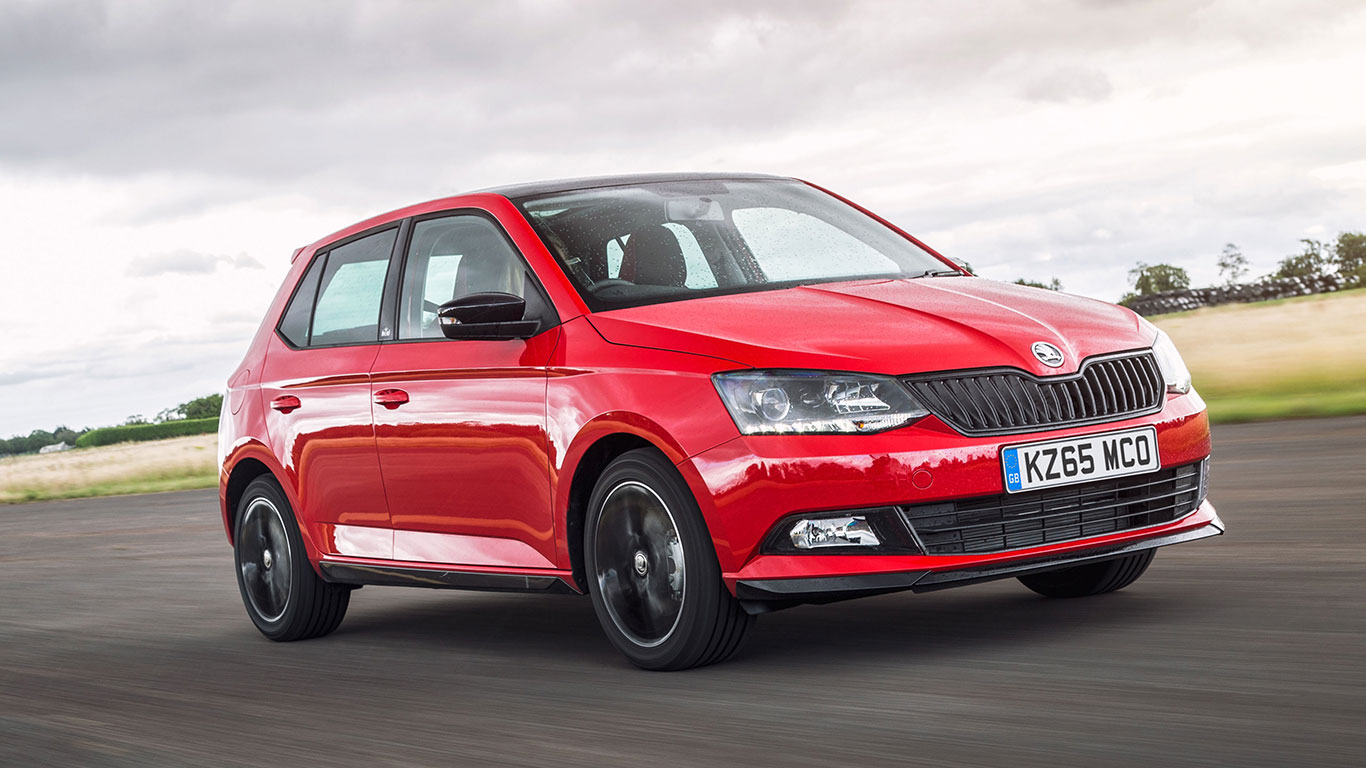
Small car, winner: Skoda Fabia
The Skoda Fabia manages to upstage its Volkswagen Polo sibling by being named the most reliable small car in the JD Power study. Fabia prices start from £11,295, which is about £700 cheaper than the entry-level Polo. That said, some healthy discounts are available on the outgoing Polo, with a new model waiting in the wings.
Small car, second: Suzuki Swift
Once again we have to say that this result is based on a previous model, with the Suzuki Swift replaced by a 2017 version. We’re big fans of the Swift, which is high on spec, great to drive and offers tremendous value for money.
Small car, third: Hyundai i20
The Hyundai i20 finishes third in the small car category, which suggests you might not require the five-year warranty. Hyundai is offering sizeable discounts across the range, including £1,610 off the price of an i20 S, which takes it down to £9,995.
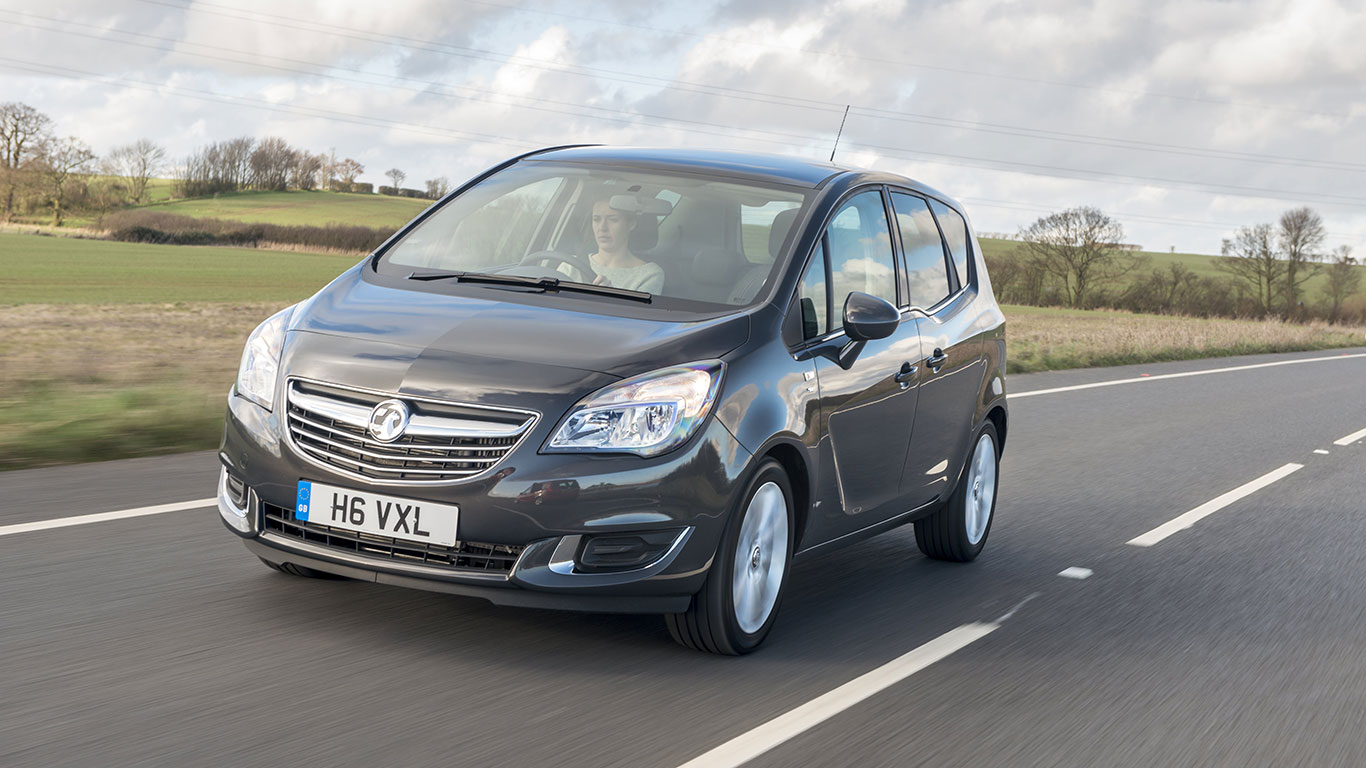
Small MPV, winner: Vauxhall Meriva
Yes, people still buy compact MPVs, but you might be surprised to discover that the Vauxhall Meriva is the most reliable of the lot. The Meriva features clever rear-hinged back doors and a flexible seating arrangement. Prices start from £14,270.
Small MPV, second: Ford B-Max
The Ford B-Max offers an alternative to the rear-hinged set-up of the Meriva with a pair of sliding rear doors. This makes it easy to access the back and to fit child seats. Prices start from £16,145, although the Zetec Navigator is available for a promotional price of £14,945.
Small MPV, third: Honda Jazz
The Honda Jazz is a segment-busting supermini with designs on the compact MPV sector. Over the years it has become a paragon of reliability, often topping tables such as this. An updated Jazz will be unveiled at the 2017 Frankfurt Motor Show, with a facelifted exterior and a new 1.5-litre petrol engine.
Best brand: Kia and Volvo
JD Power has also revealed the most dependable brands, based on the responses of more than 12,000 owners of new cars. The results were analysed to produce a score based on the number of problems experienced per 100 vehicles (PP100).
Kia and Volvo finished joint top with 83 PP100, ahead of Skoda with 89 PP100 and Suzuki on 92 PP100. At the other end, BMW finished bottom on 198 PP100, just behind Audi with 187 PP100.
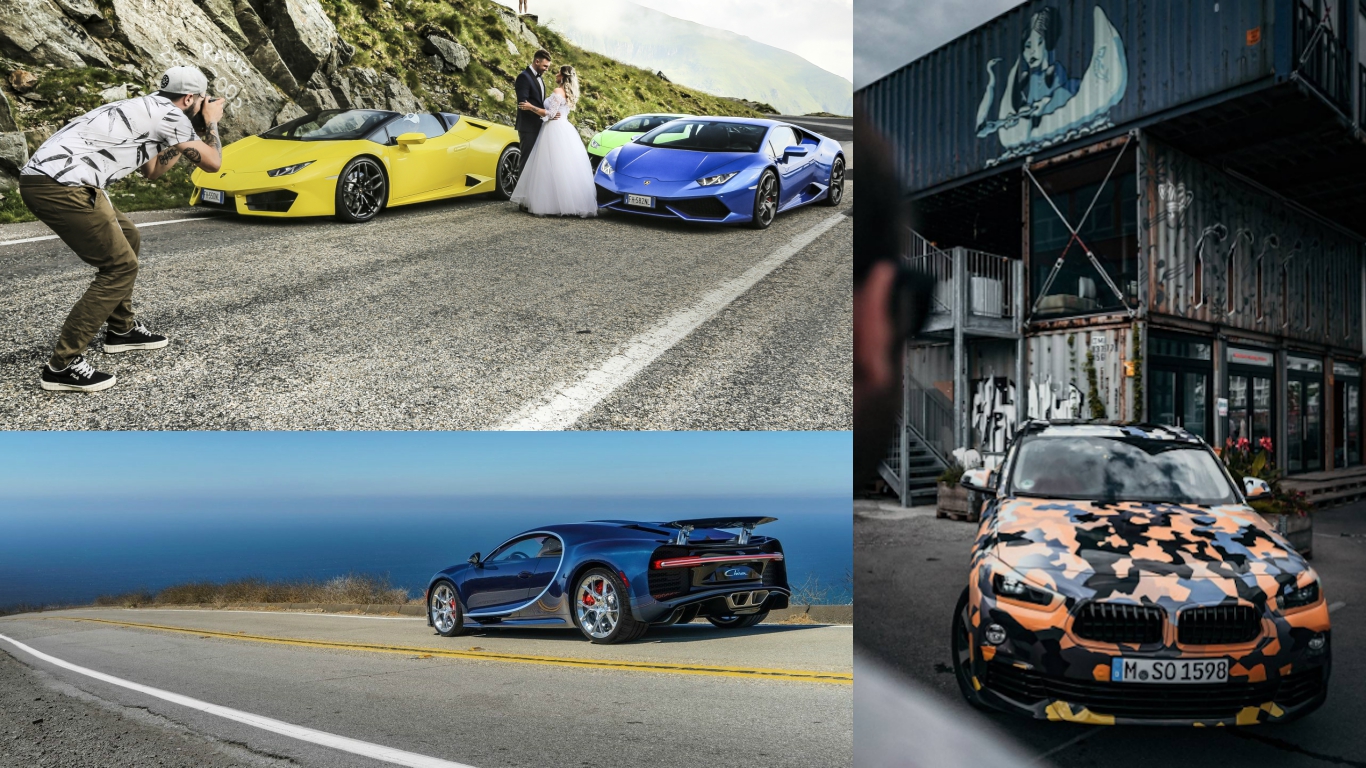
With over 700 million Instagram users, it’s easy to see why car manufacturers value the social platform for marketing and engagement. But which brands are doing best to win followers amongst the memes and celebrities on Instagram? We’ve crunched the numbers and, at the time of publishing, these are the top 21 in ascending order.
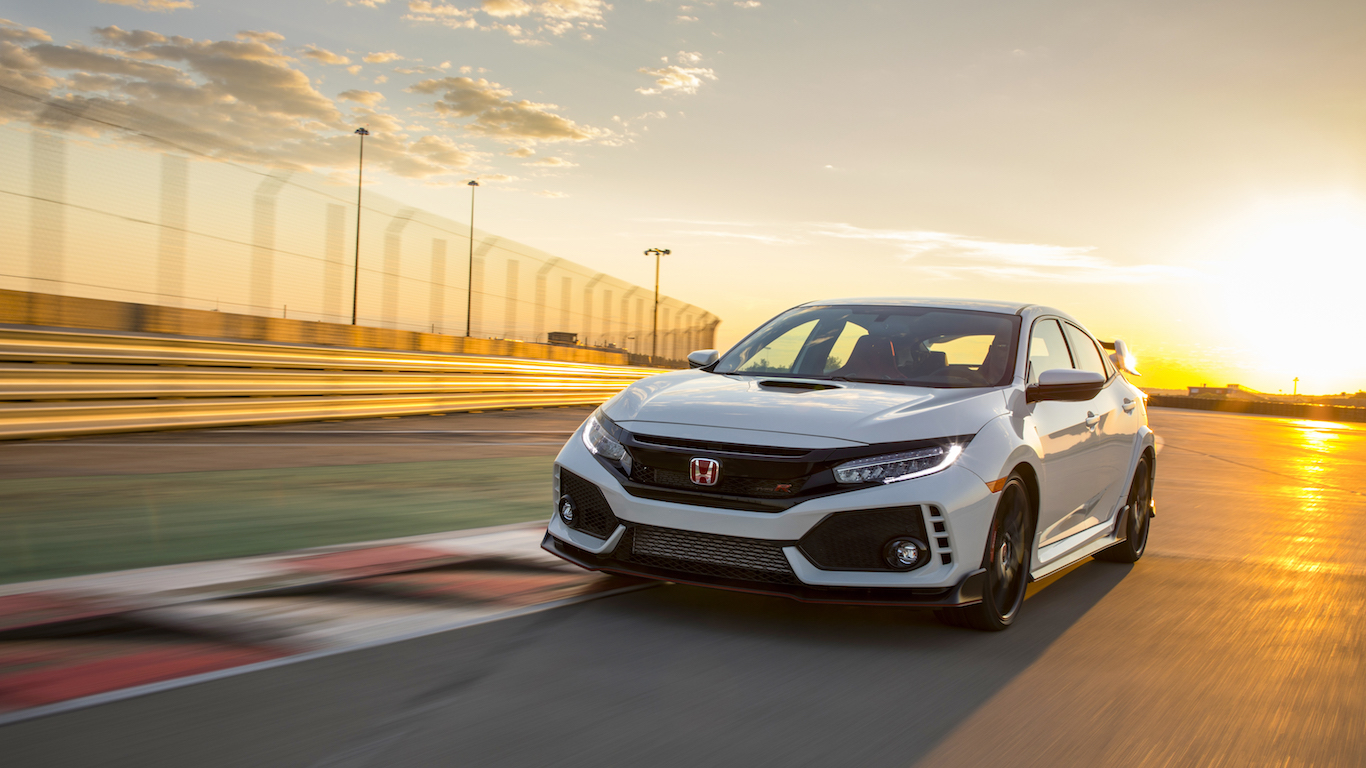
The Instagram account for Honda USA is predominantly corporate, majoring on official press images and marketing videos. Being American-orientated, naturally images abound of US products like the Ridgeline pickup truck, although the new ‘global’ Civic Type R hot hatchback makes regular appearances, too. For comparison, the Honda UK account boasts just 28,000 followers.
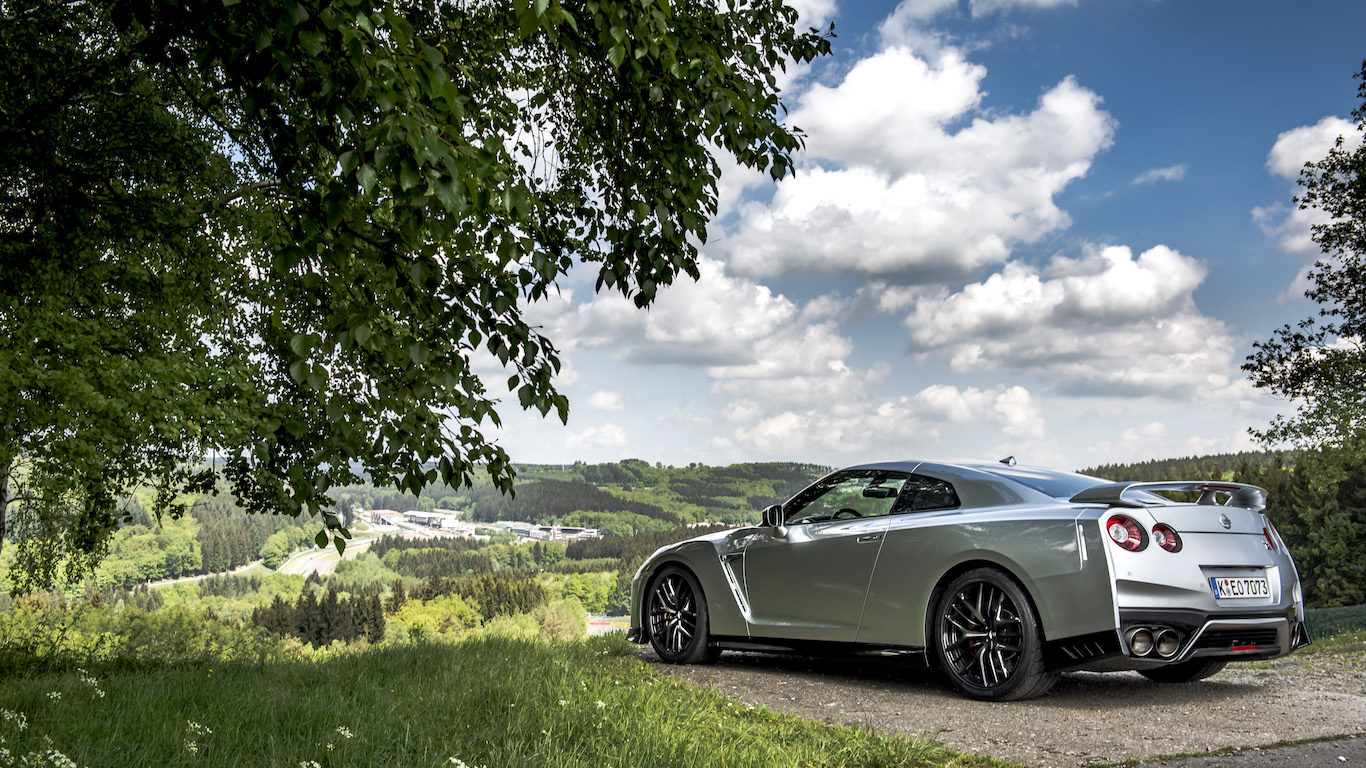
Nissan’s global Instagram page focusses on user-created content, encouraging submissions directly to them. It clearly works, with over 1.8m followers wanting to see what’s next. Predictably there is little evidence of more everyday Nissan products like the Pulsar or Qashqai here. It’s all about the GT-R and 370Z – especially if they’re heavily modified, and spitting flames from their exhausts – although retro Datsuns do also get a look in.
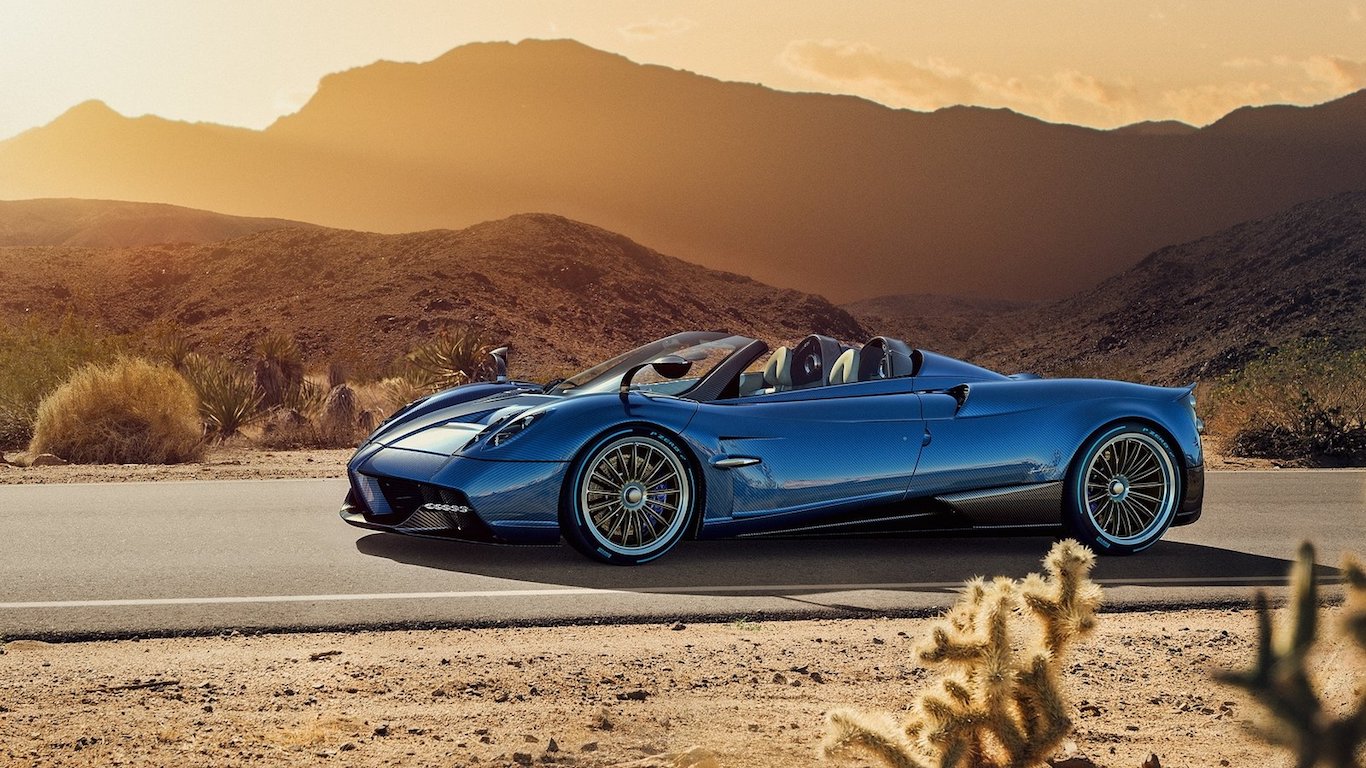
Who could really say no to the idea of an exotic Italian supercar, pictured against a stunning backdrop? As such, Pagani seems a natural fit for a social media channel that centres on the aesthetically pleasing, so its inclusion on this list shouldn’t be a surprise. The latest Huayra Roadster steals a lot of the limelight, but a recent epic Pagani road trip across the United States has provided video snapshots, too. You’ll need to be a real fan of carbon fibre though.
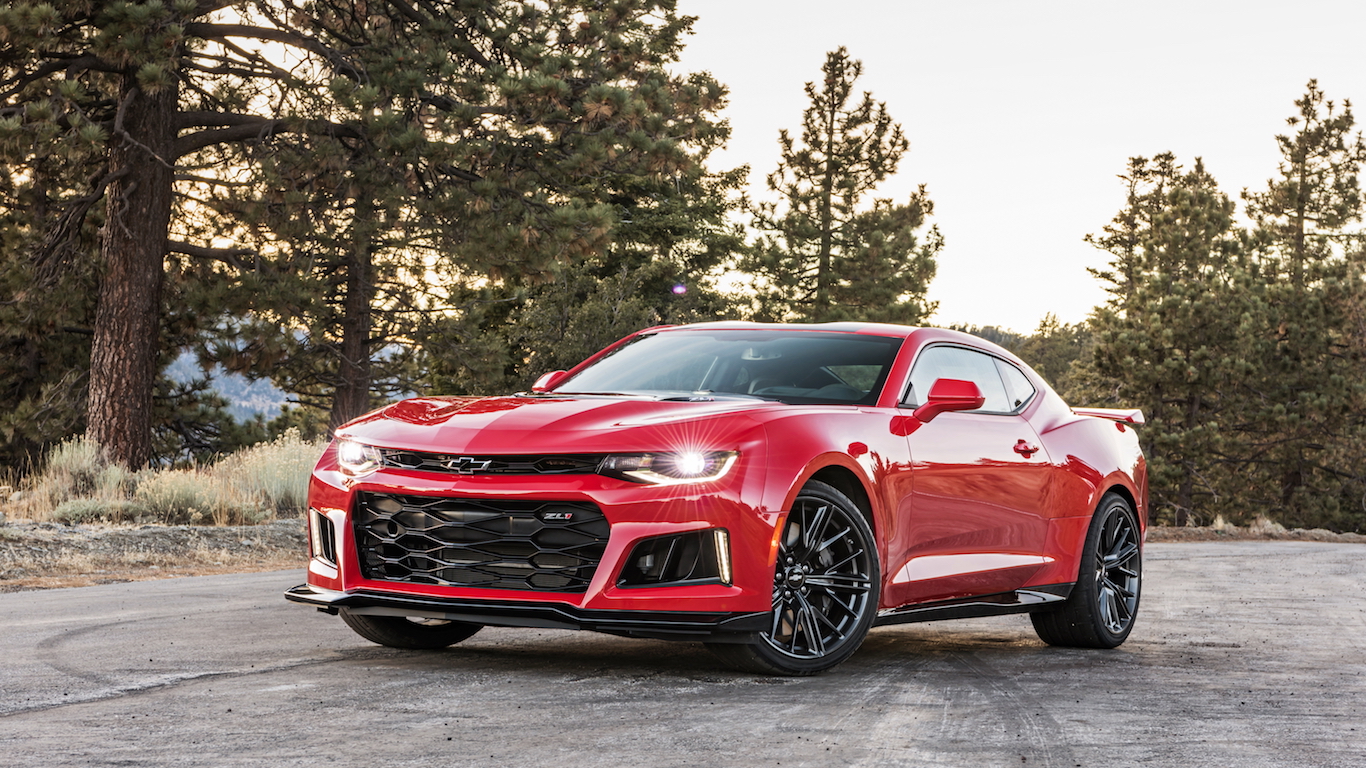
It might be one of the biggest car brands in the USA, but the bowtie-wearing Chevrolet loses out on Instagram followers to other American companies. It is at least the most-followed of all General Motors manufacturers, beating Cadillac and Buick. However, Chevrolet’s feed is more business, less fun, with slick and polished press office photography the order of the day. Corvettes and Camaros get the most likes, whilst the Spark city car gets a less favourable reception.
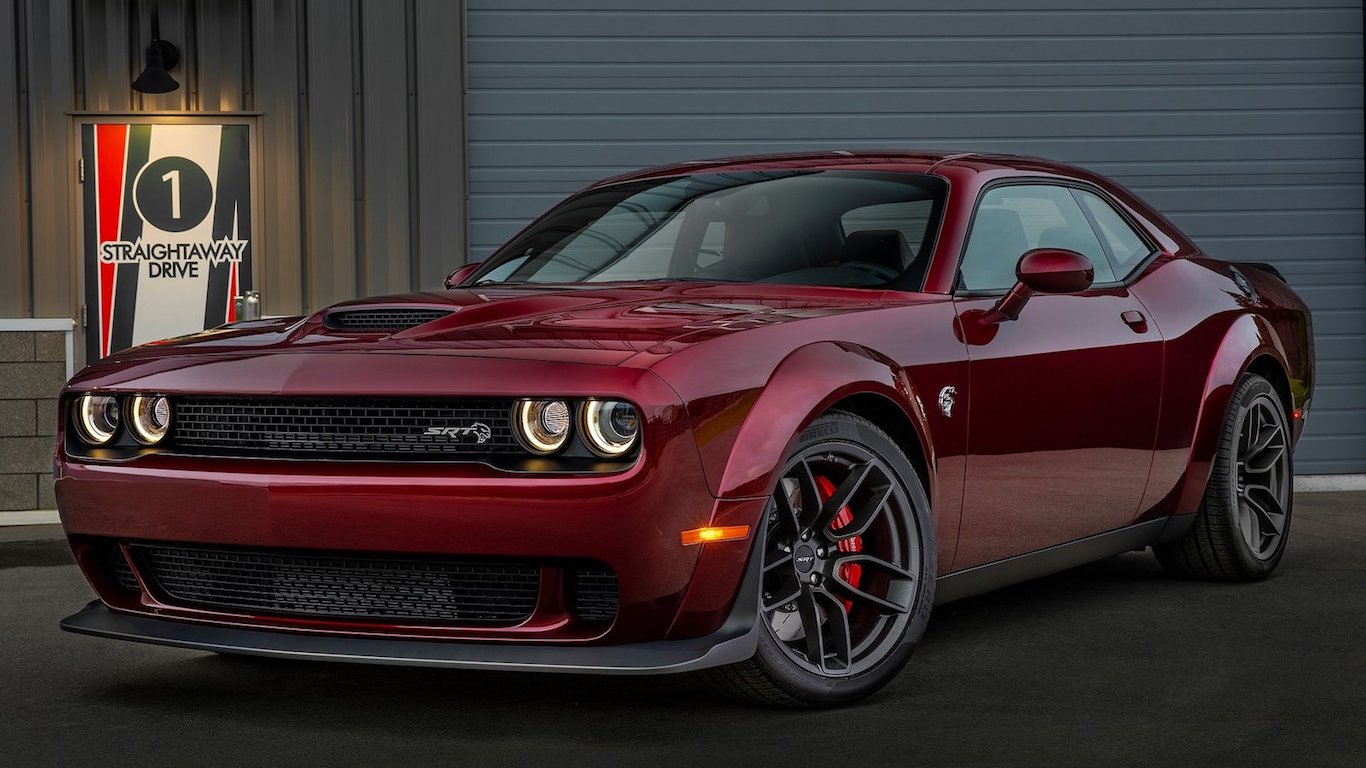
With a current image built almost entirely on muscle cars, you can guarantee a plentiful supply of Chargers, Challengers and Vipers on the official Dodge Instagram feed. Mixing Dodge’s own photography with user-submitted content strikes a balance between being engaging, but also on-message. If you do somehow get bored of seeing Challenger Hellcats doing smokey burnouts, you can count on retro Mopar images to break things up.
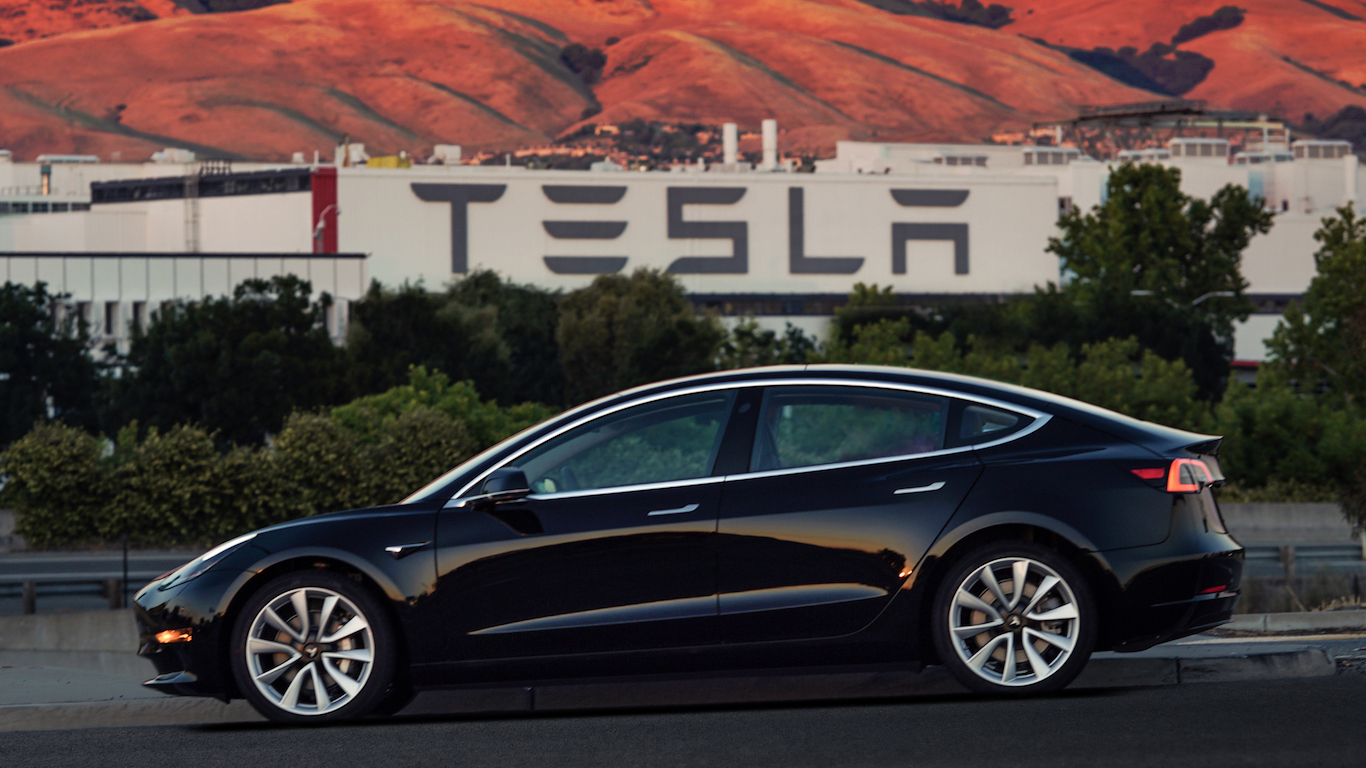
Despite having made less than 20 posts since the beginning of this year, Tesla still proves to be a popular attraction on Instagram. Perhaps there is only so many times you can post pictures of the Model S and Model X, although the new Model 3 does offer some alternatives. Curiously, the Instagram feed of Tesla CEO Elon Musk also has 2.3m followers at present, but then he does share cool videos of his SpaceX rockets.
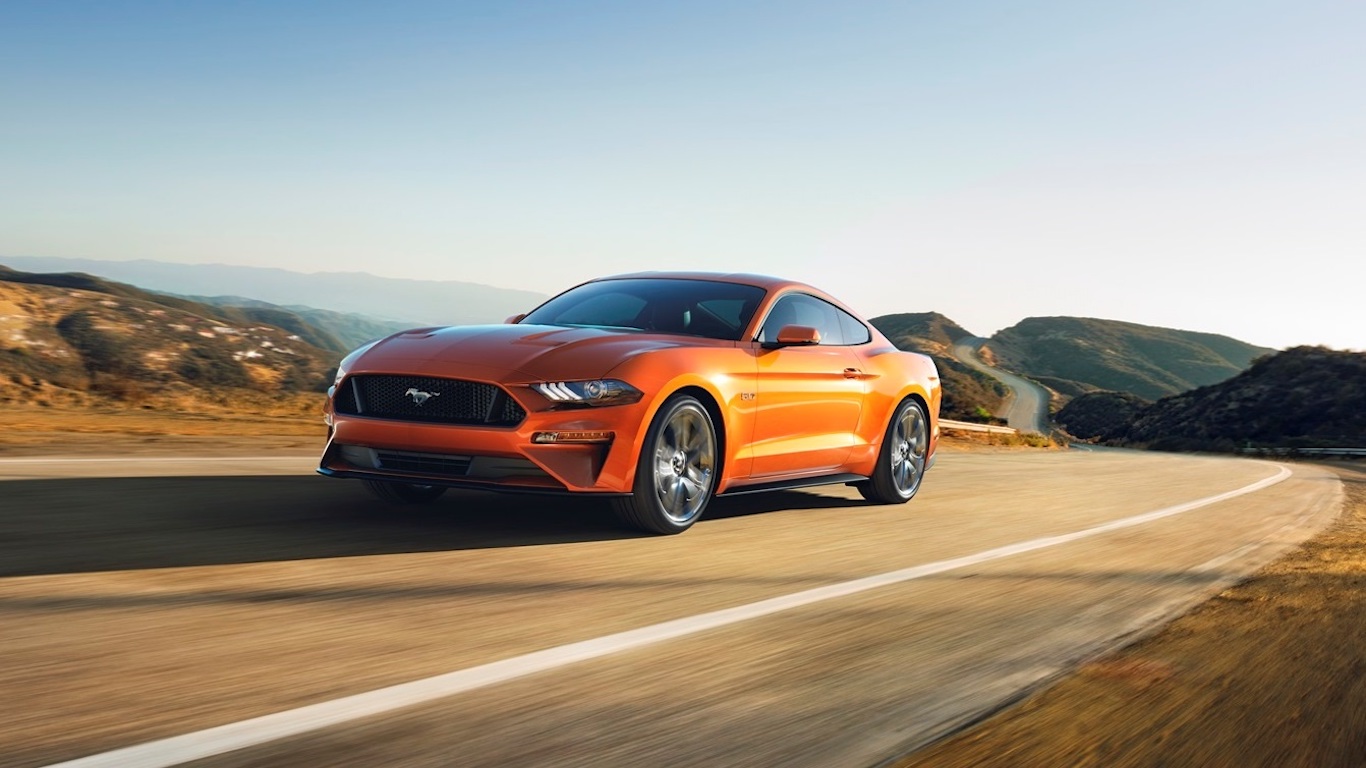
No prizes for predicting that the Mustang makes a significant contribution to the images on the Blue Oval’s feed. From the brand-new 2018 Mustang, all the way back the original first-generation pony car, there is plenty of ‘Stang love here. As an American account, the F-150 pickup truck is prominently on display, but there are also pics of the Focus and Fiesta ST models. Ford’s UK Instagram profile has attracted a more modest 35,200 followers.
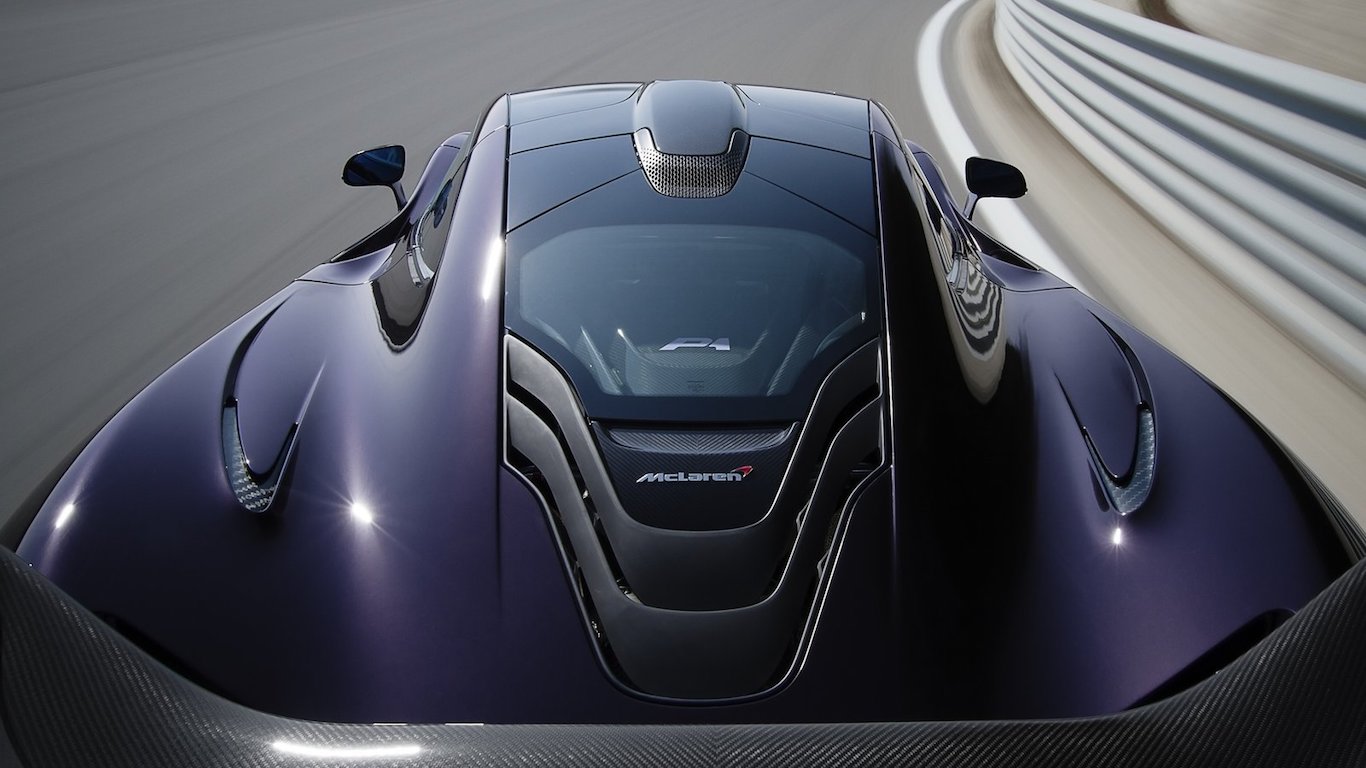
Boasting over a million more followers than that of the McLaren F1 team, this Instagram account perhaps proves that supercars have even more appeal that Fernando Alonso. With more posts since the beginning of this month than Tesla has managed this year, you can be sure of a contribution from McLaren cropping up in your feed most days. The new 720S accounts for many of the latest images, but there are also archive pictures like the P1 featured here.
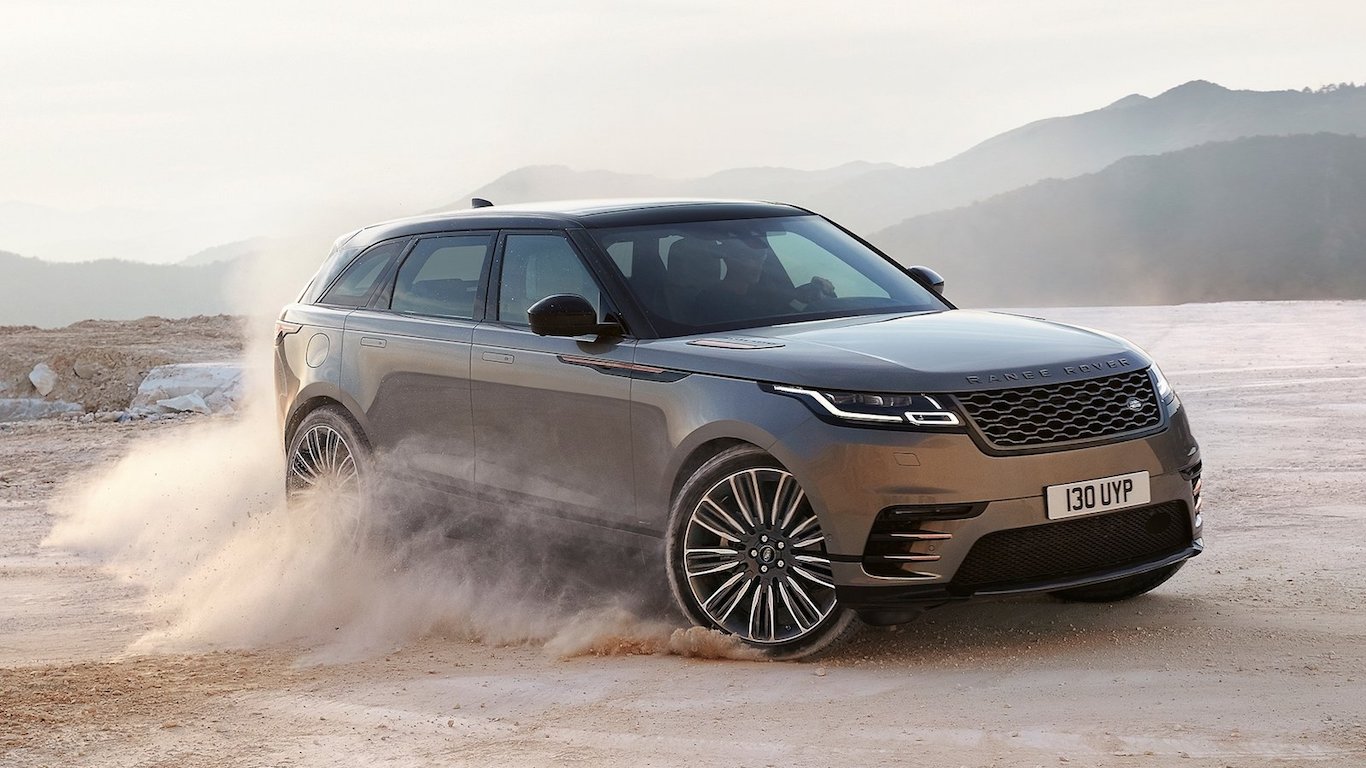
Glance quickly at the global Instagram page for Land Rover and you could be mistaken for thinking the company produces nothing but Range Rovers these days. From Evoque, to Velar and Sport, the premium off-roader makes up the bulk of the content, meaning you’ll have to watch carefully to spot a Discovery or Defender making an appearance. Land Rover UK’s own Instagram page has 90,000 followers alone, and packs in the retro archive images to good effect.
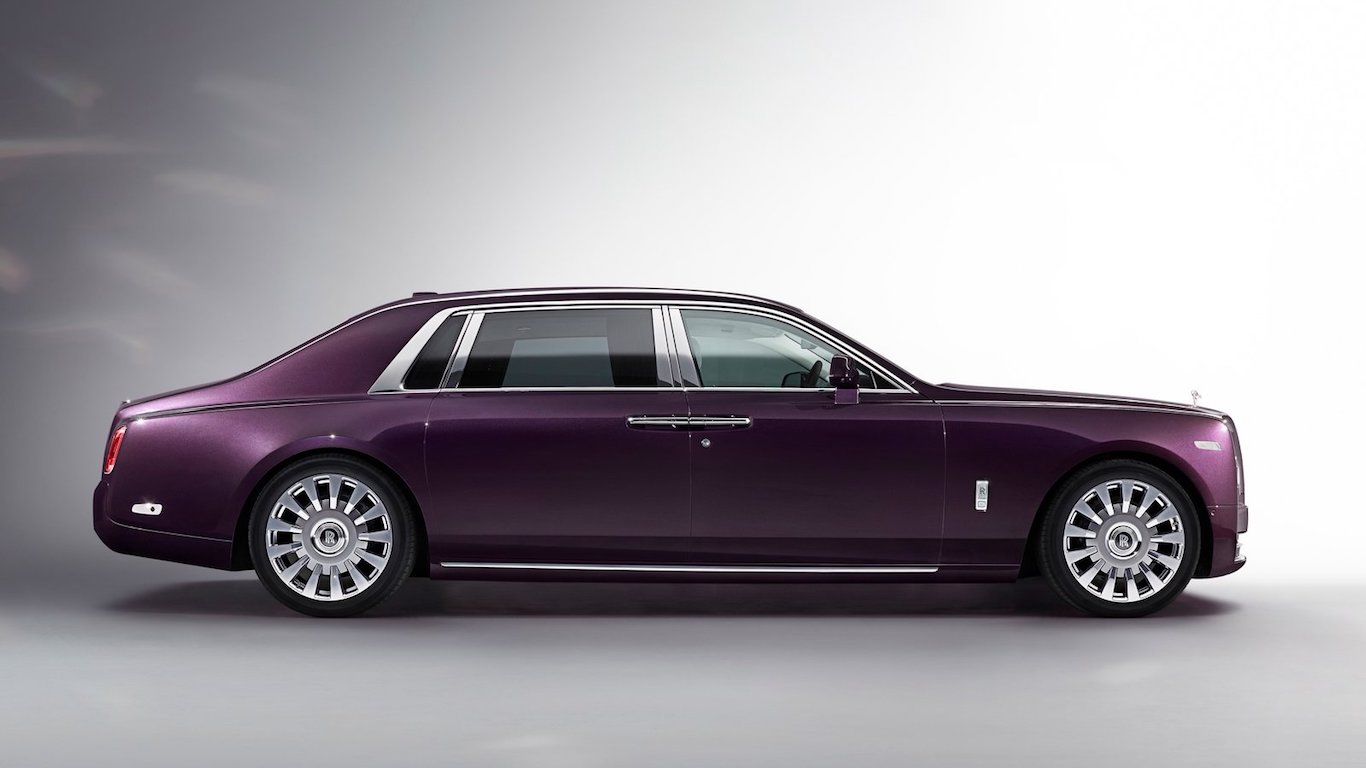
To get the full effect of the Rolls-Royce Instagram account you need to visit the brand’s full profile page, and take in the nine-image composite picture of the new Phantom. Viewed in your timeline it appears as a collection of random car parts, which isn’t quite the desired effect. The new giant saloon currently takes centre stage, although other older posts focus on the bespoke craftsmanship which goes into the creation of each Rolls-Royce.
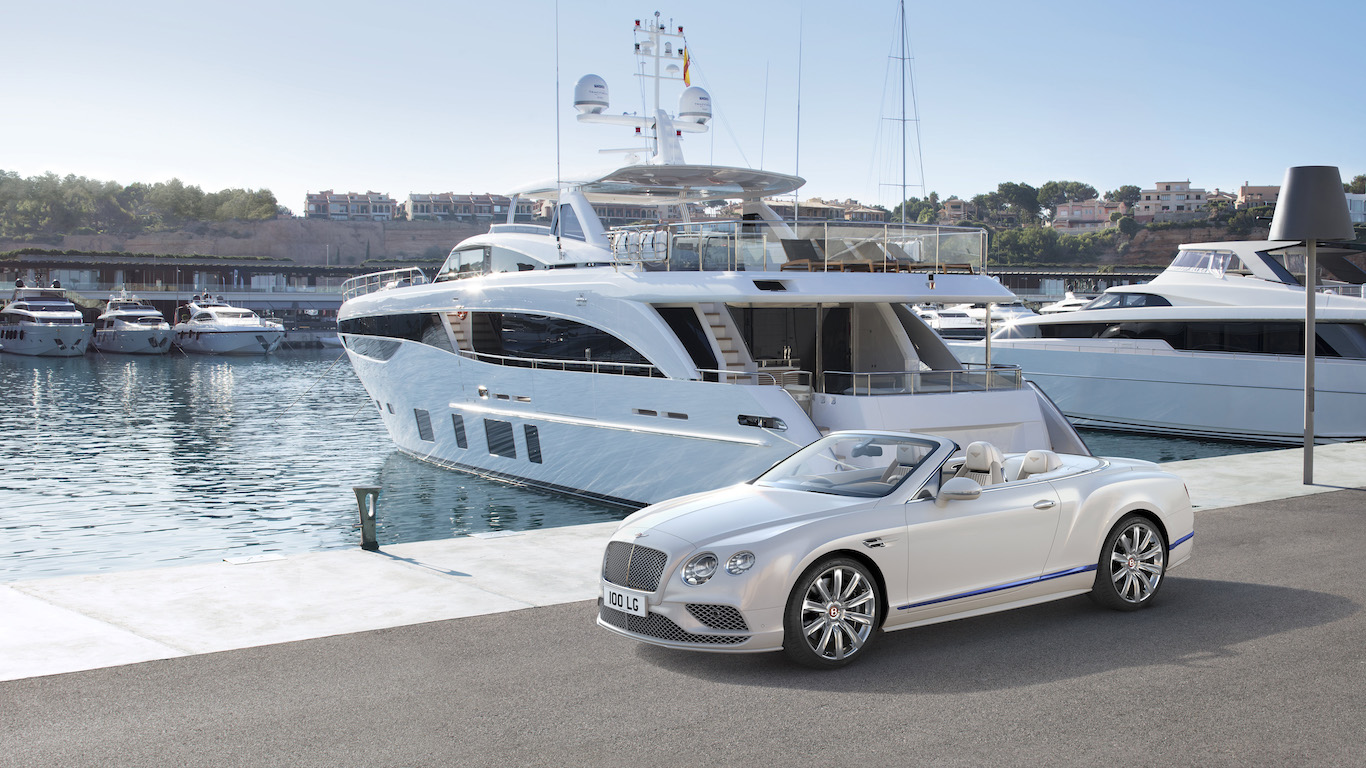
We’re sure Rolls-Royce won’t be too bitter about losing out to former stablemate, Bentley. With an emphasis placed more on ‘lifestyle’ than products alone, the Bentley Motors feed includes images of fashion and fishing along with the usual pictures of cars. Motorsport does also get an occasional look in at least, with the GT3-spec Continental race cars appearing – especially when they win.
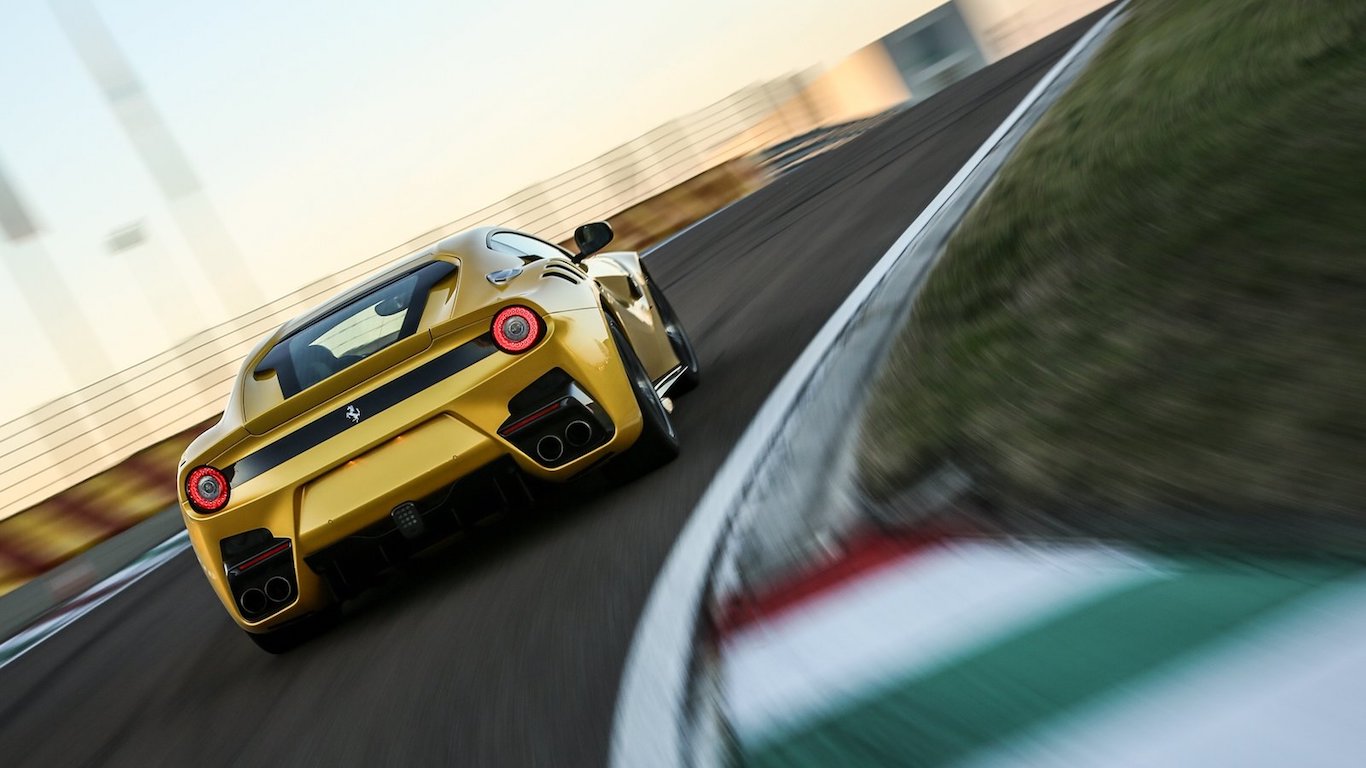
Despite #ferrari accounting for over 11 million hashtags on Instagram, the profile for the Italian supercar maker is only able to claim ninth place on our list. Notably, Ferrari only follows one solitary account on Instagram – that of the Scuderia Ferrari F1 team, which attracts 1.4 million followers alone. For those solely interested in road cars, Ferrari posts numerous pictures of the latest machinery from Modena, but mixed with highlights from a back catalogue spanning seven decades.
Aston Martin is probably quite satisfied to have the edge over Ferrari in this Instagram battle, with the only official Aston account nudging the Italian brand into tenth place. Although mostly filled with official press photography, the Aston Martin feed does also feature, and encourage, fans and owners to submit their own images. An easy task, given how naturally photogenic the brand’s products are.
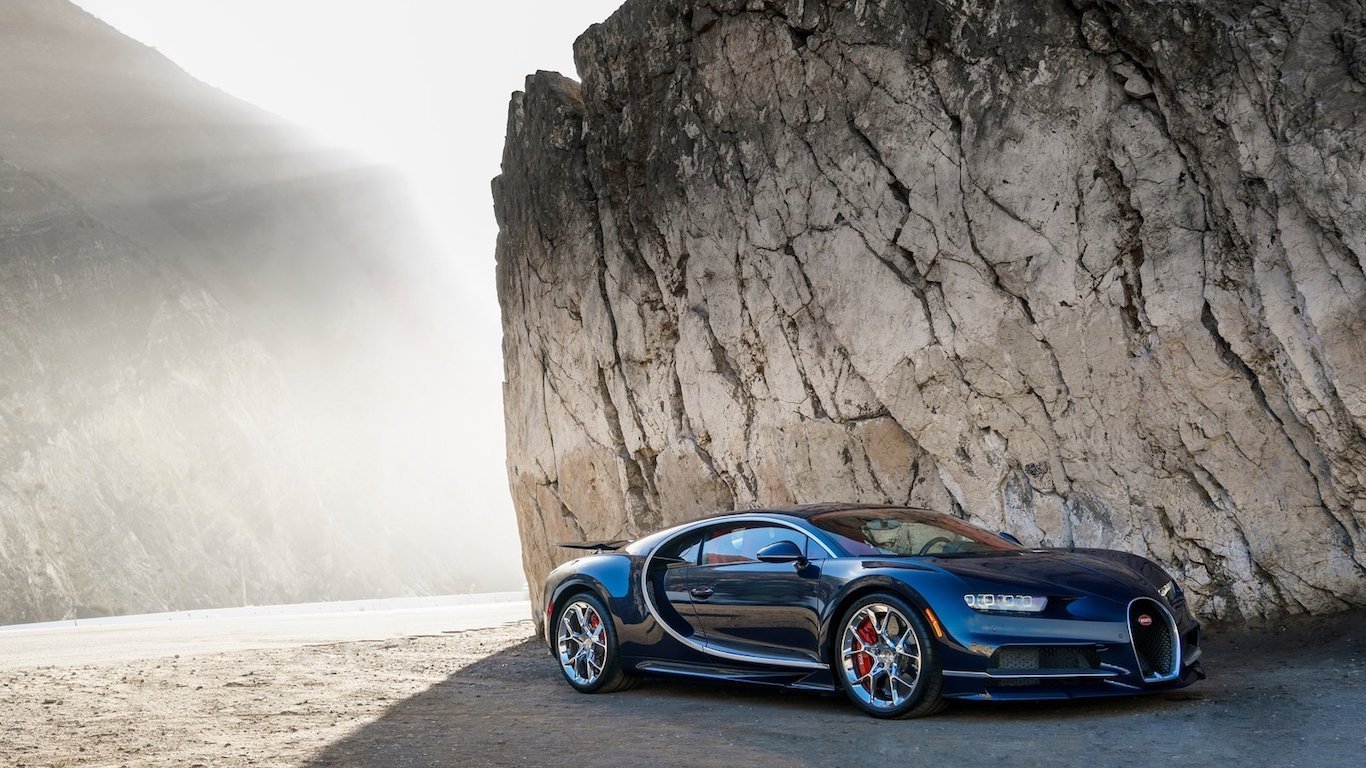
How can a company that has released just two new cars in two decades, have managed to amass an Instagram following close to 5 million strong? It probably helps that the car duo in question are powered by quad-turbocharged W16 engines, and are capable of more than 240mph. As the newest of the two, the Chiron garners most of the attention on the Bugatti feed, but occasional pictures of the previous Veyron do also make appearances.
Jaguar Land Rover can surely congratulate itself on building a strong social media following, adding an additional 5 million Jaguar fans to those following Land Rover. Most of the images come from Jaguar direct, although some are user contributions, covering the full range of products, including the new E-Pace compact SUV. Photo highlights from the Formula E Jaguar Racing team can also be found, serving as a reminder for where the brand is heading.
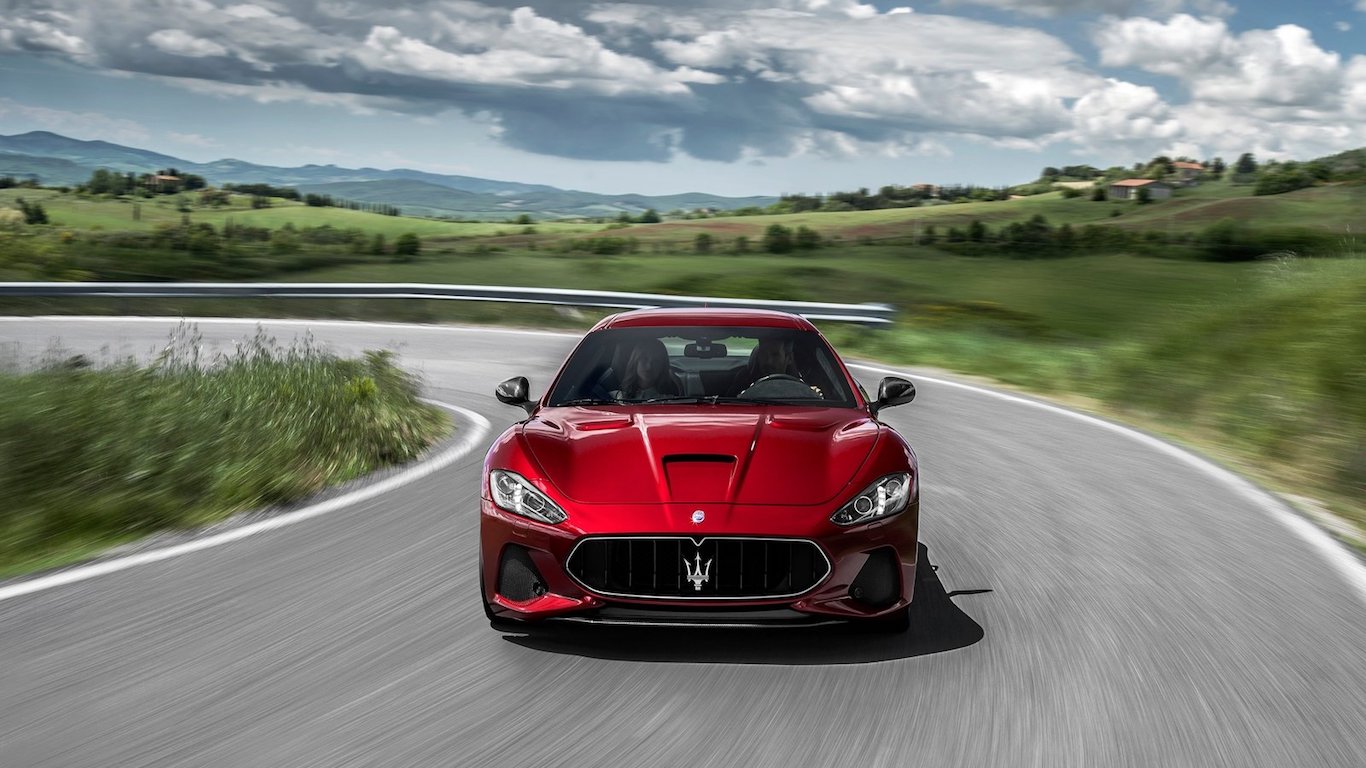
Surpassing even Ferrari for Instagram fans, Maserati offers up photographs that the company believes capture timeless elegance and sporting prowess. It also means featuring photos of Maserati cars next to polo horses and players, given that the company is the title sponsor for a number of major polo tournaments. It’s clearly a strategy that works, along with pictures of the new GranTurismo, and Maserati-branded merchandise. In case you’re wondering, yes you can buy a Maserati polo shirt…
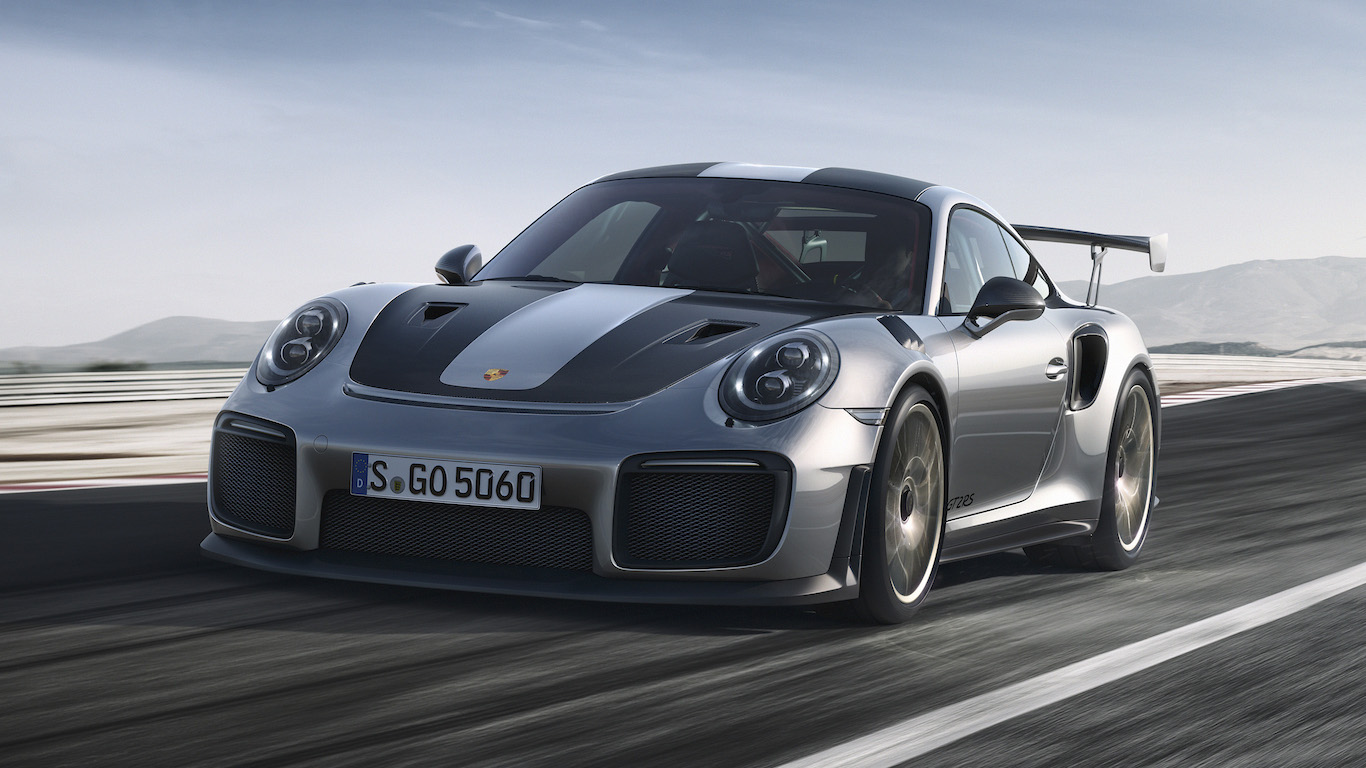
This may be the Instagram account for Porsche Cars North America, but it has become the top destination for followers of the Stuttgart marque. Encouraging user contributions through the #PorscheMoment tag, there is an international flavour to the feed despite the American origins. Highlights from the forthcoming Silverstone Classic are teased, along with the best bits from the Goodwood Festival of Speed, and the Le Mans 24 hours race. Plus lots of 911s, obviously.
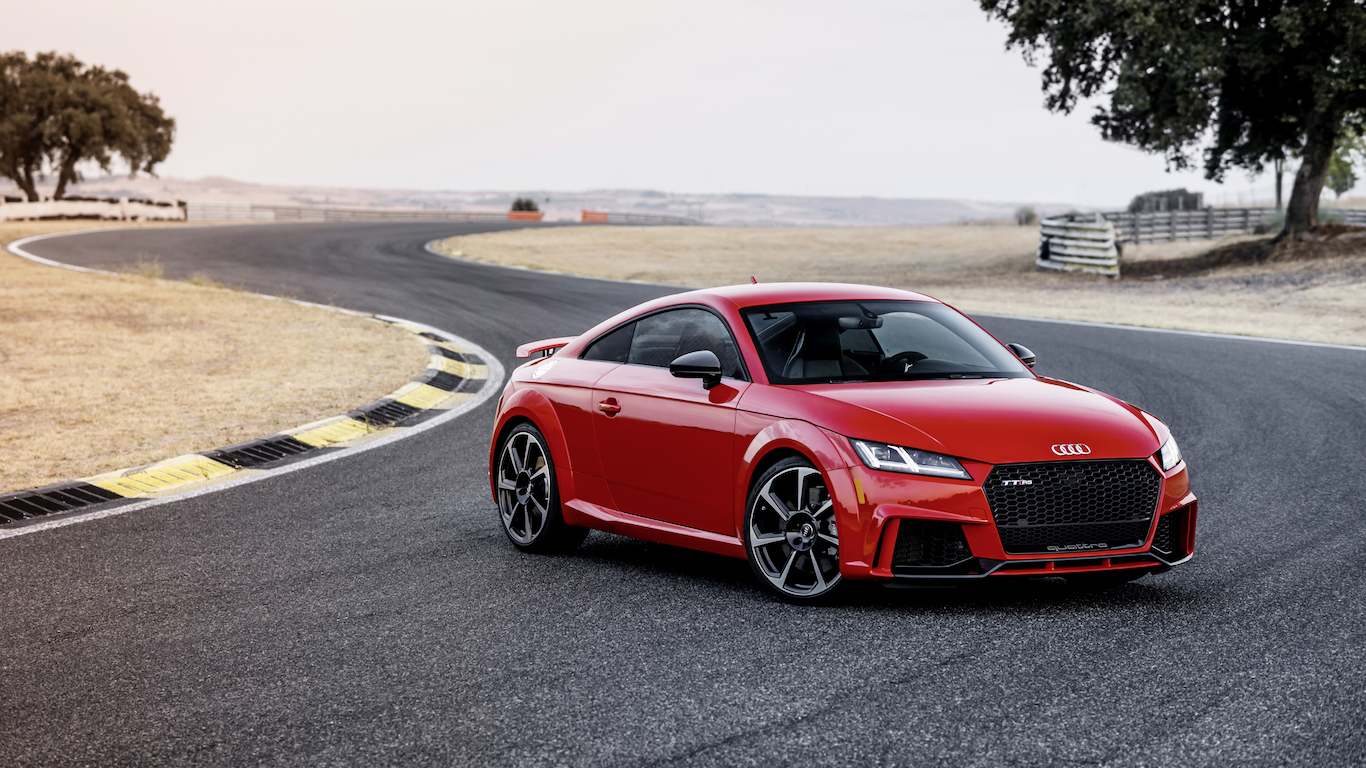
Another North American profile that acts as an Instagram brand beacon, especially when the Audi Deutschland account attracts just 227,000 followers. Unlike Porsche, Audi North America keeps things firmly on one side of the Atlantic, with photos and videos of Audi models in virtually every state throughout the country. User submissions are also encouraged, and feature alongside professional photography. Despite all this, Audi UK’s own Instagram page boasts a healthy following itself of more than 92,000.
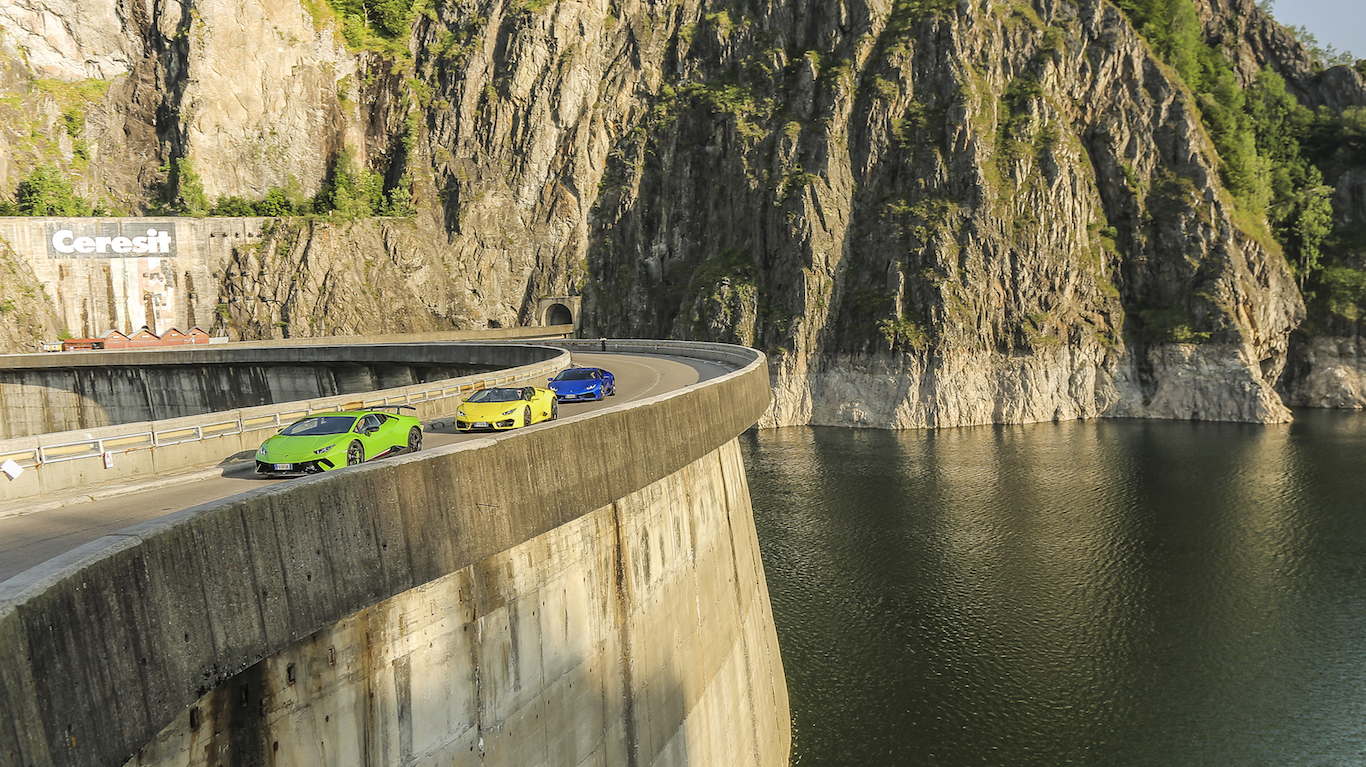
Claiming top position in the battle of the Italian supercar manufacturers, and sneaking into the top three ahead of the company that controls it, is Lamborghini. The featured photography is as eclectic as you would probably expect from the Sant’Agata brand, mixing modern work in with retro goodness. A recent road trip of six new Huracans along the Romanian Transfăgărășan route helped produce impressive images like that featured here.
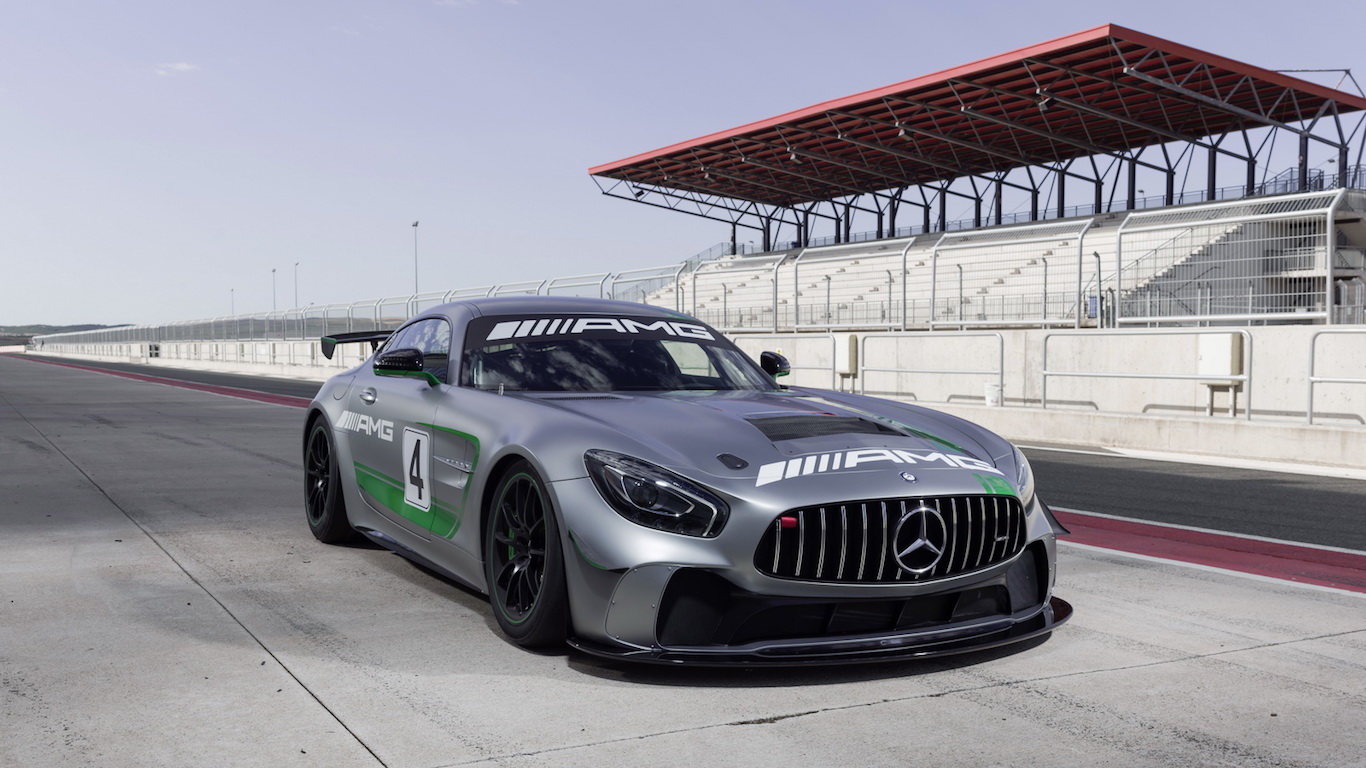
With almost 9,000 photos and videos shared, Mercedes-Benz goes big when it comes to Instagram. As a result the Stuttgart brand boasts over 10 million avid followers, and encourages numerous submissions by Mercedes-Benz fans and owners from across the globe. With such an extensive history, the Mercedes account includes a plentiful supply of retro images. The Mercedes-AMG sub-brand has its own Instagram account, attracting 5.6 million followers on its own.
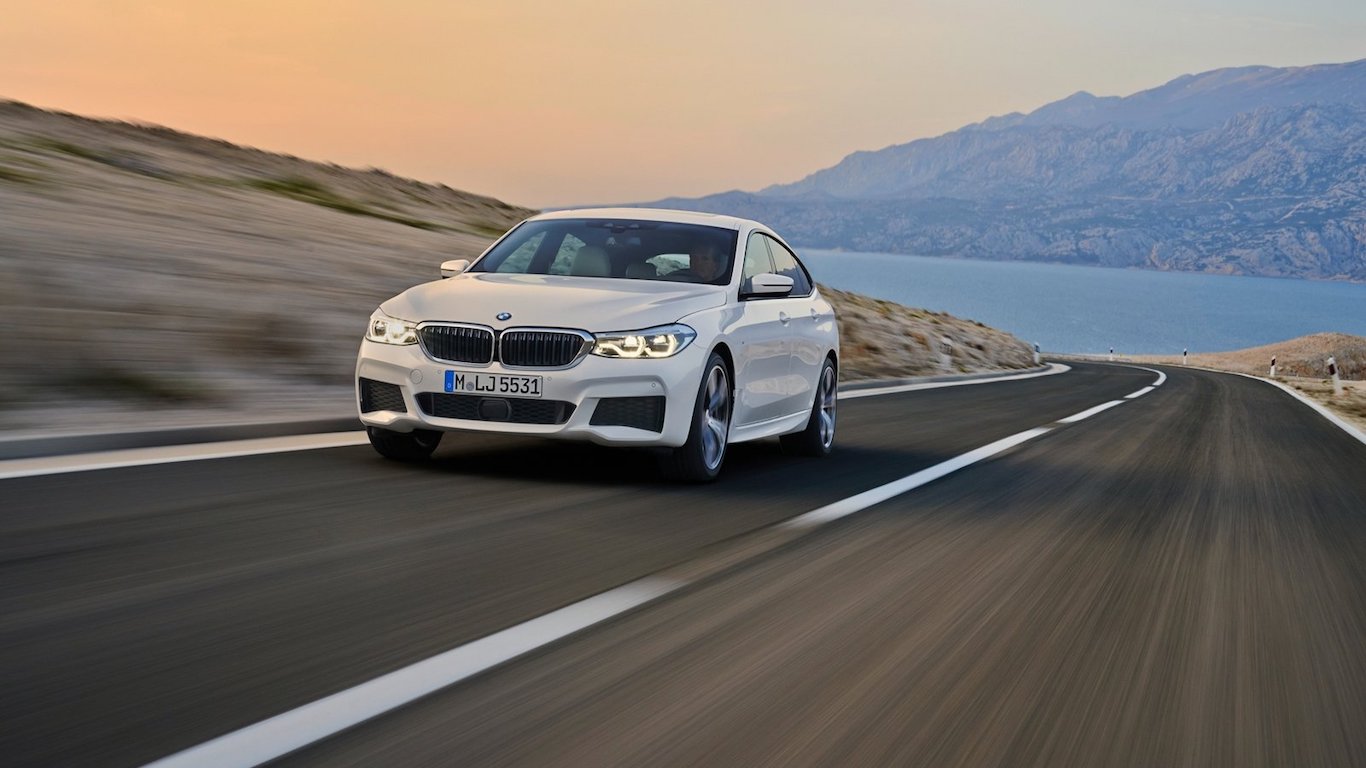
This is it, the peak of the Instagram car brands, and by the time you read this BMW will probably have increased its follower count to 13 million. That’s equivalent to the entire population of the Republic of Guinea eagerly awaiting new photos that capture the ideas of ‘sheer driving pleasure’ on Instagram. As impressive as BMW’s Insta achievement might be, it’s still a long way from brands like Nike (73.5m) and National Geographic (80m) who truly dominate the platform. Still, we imagine neither of those feeds will feature a classic 3.0 CSi or cutting-edge i8 anytime soon, so well done, BMW.
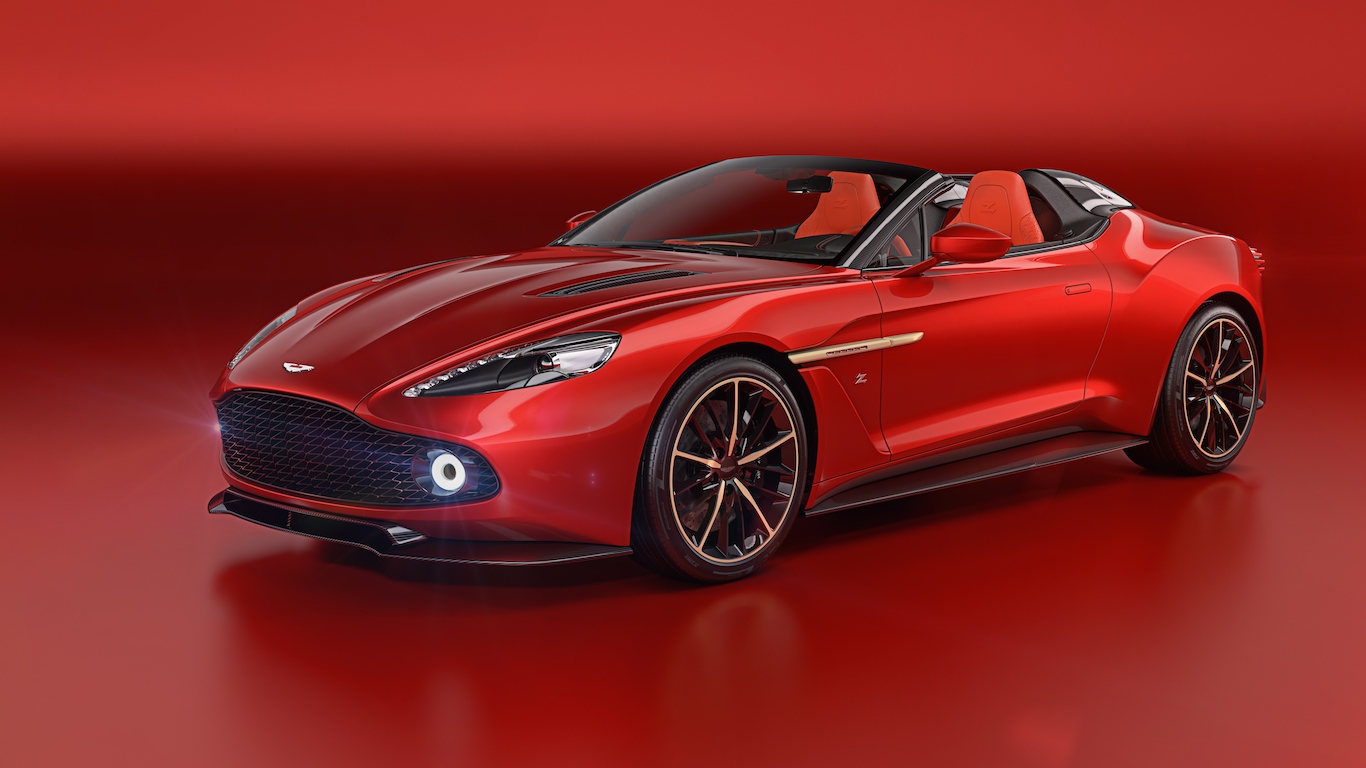
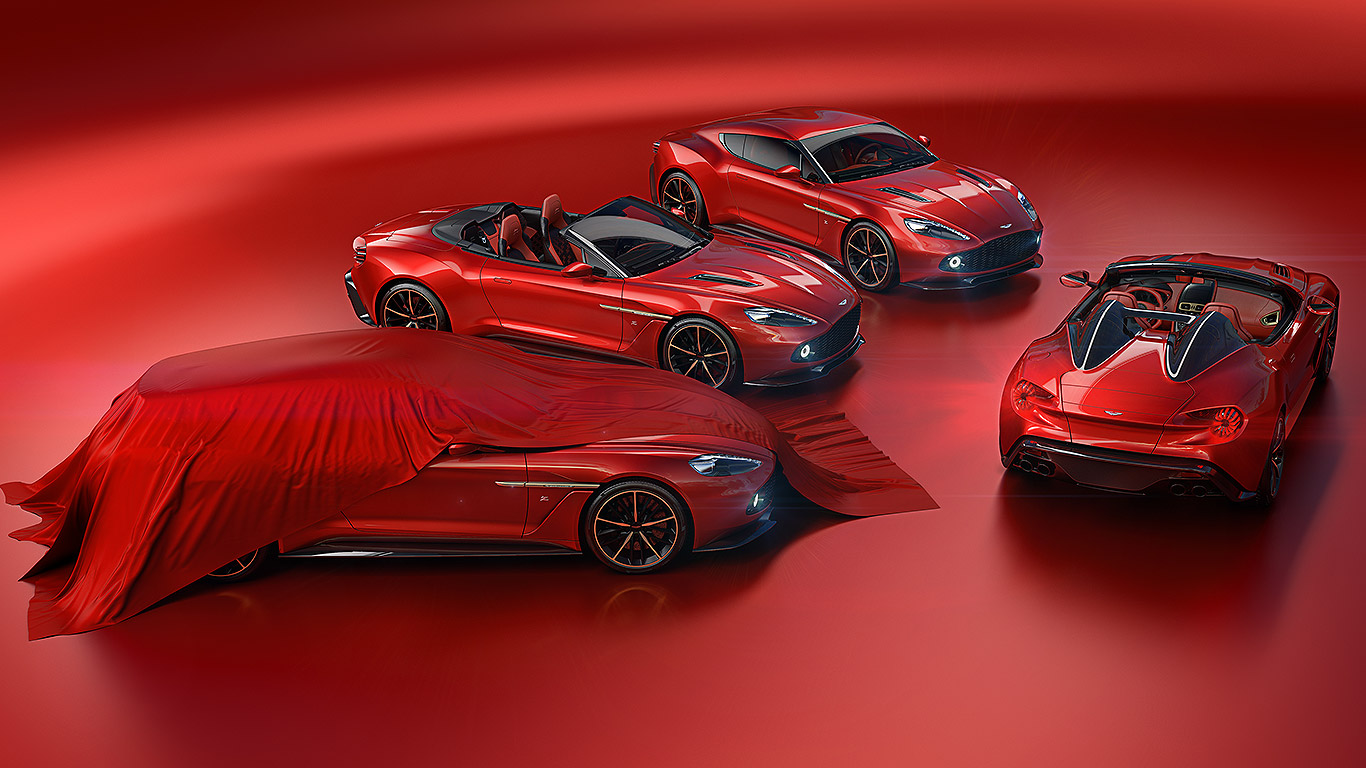
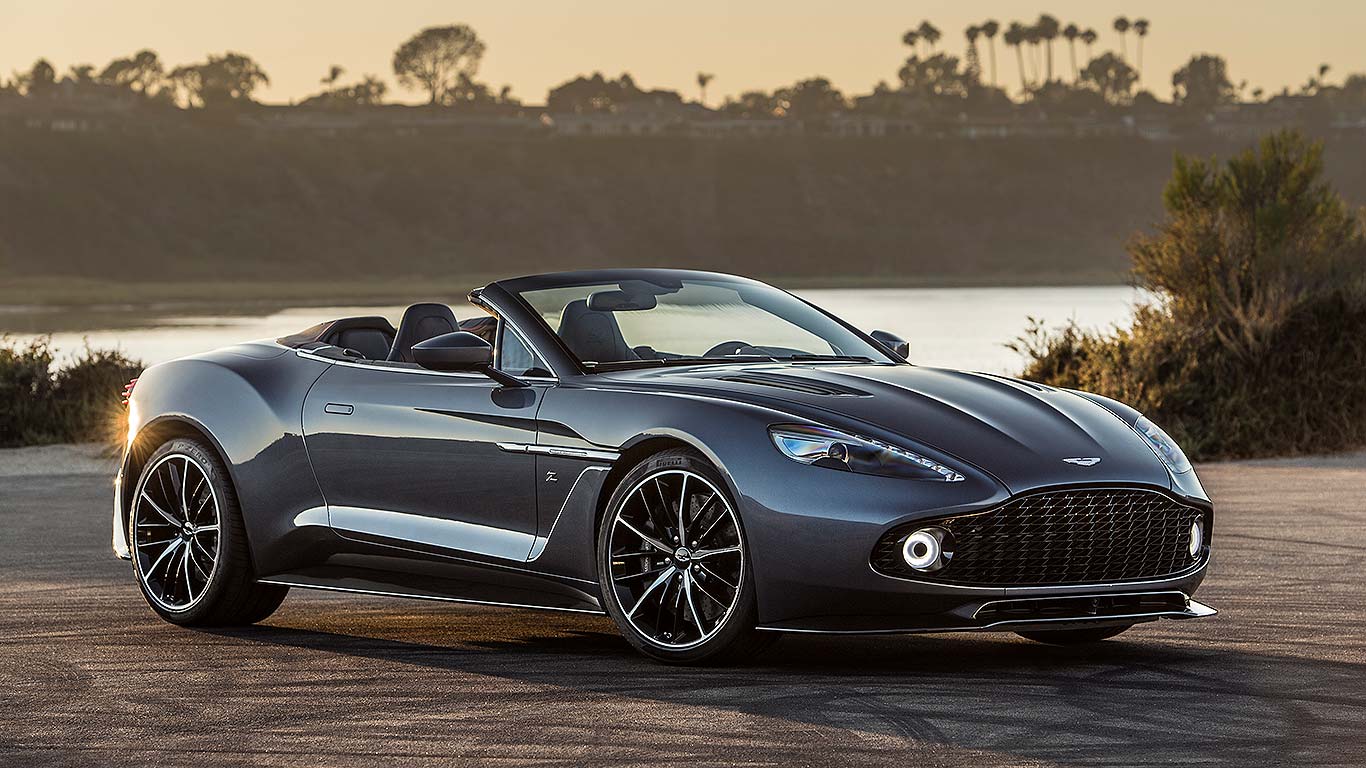
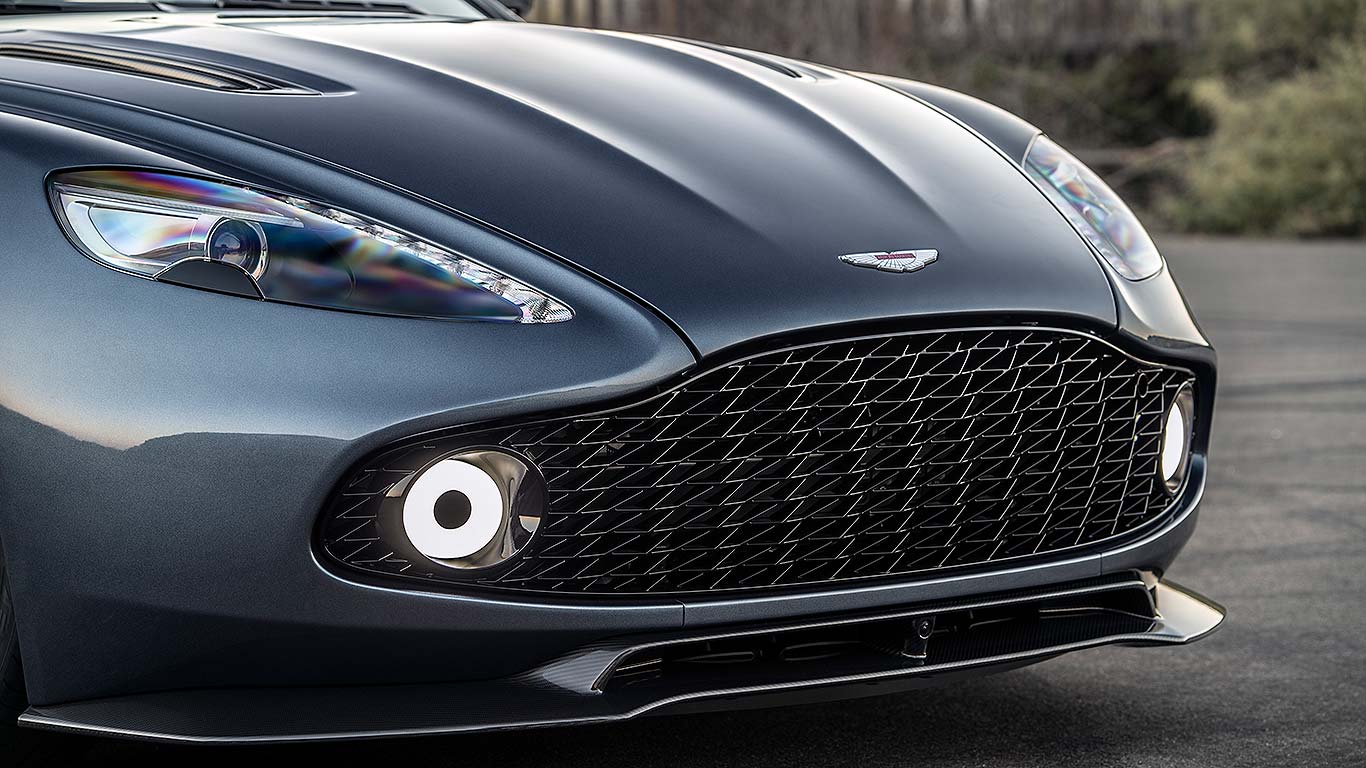
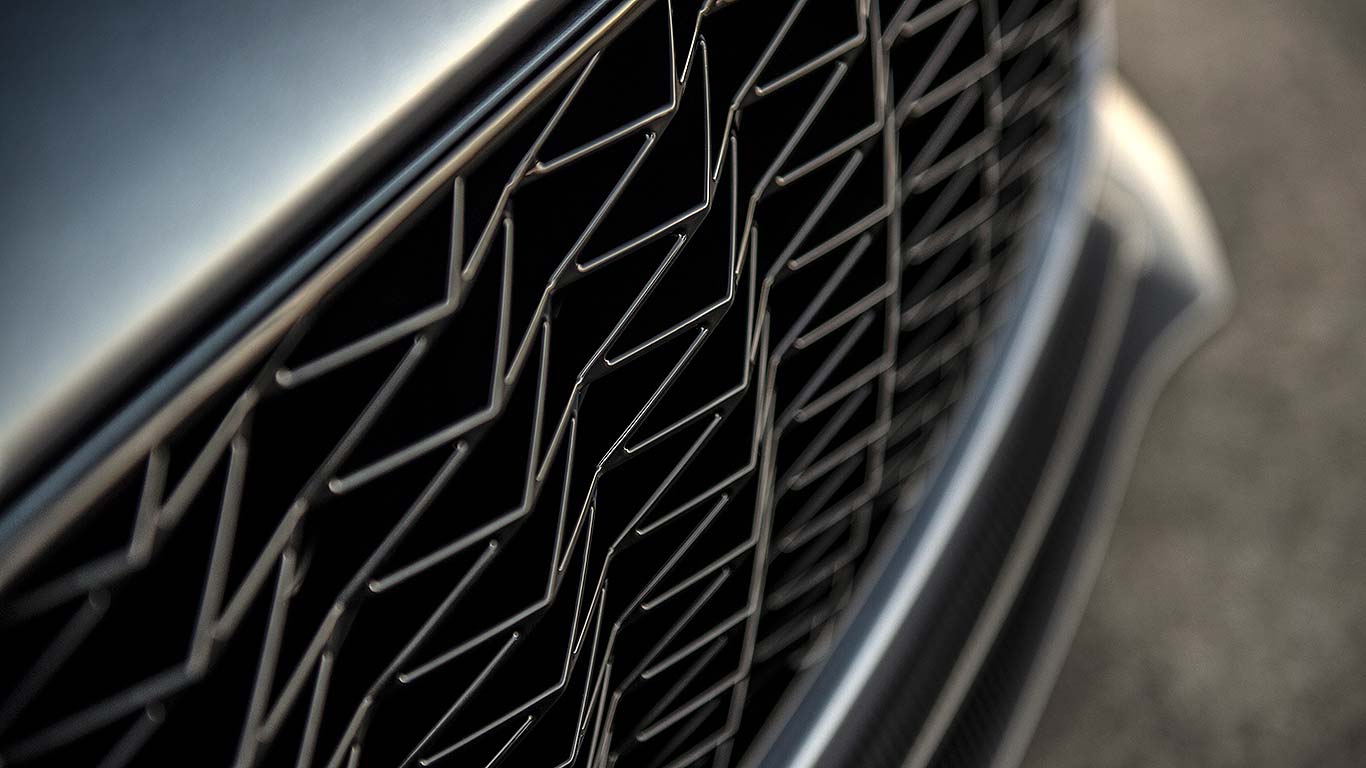
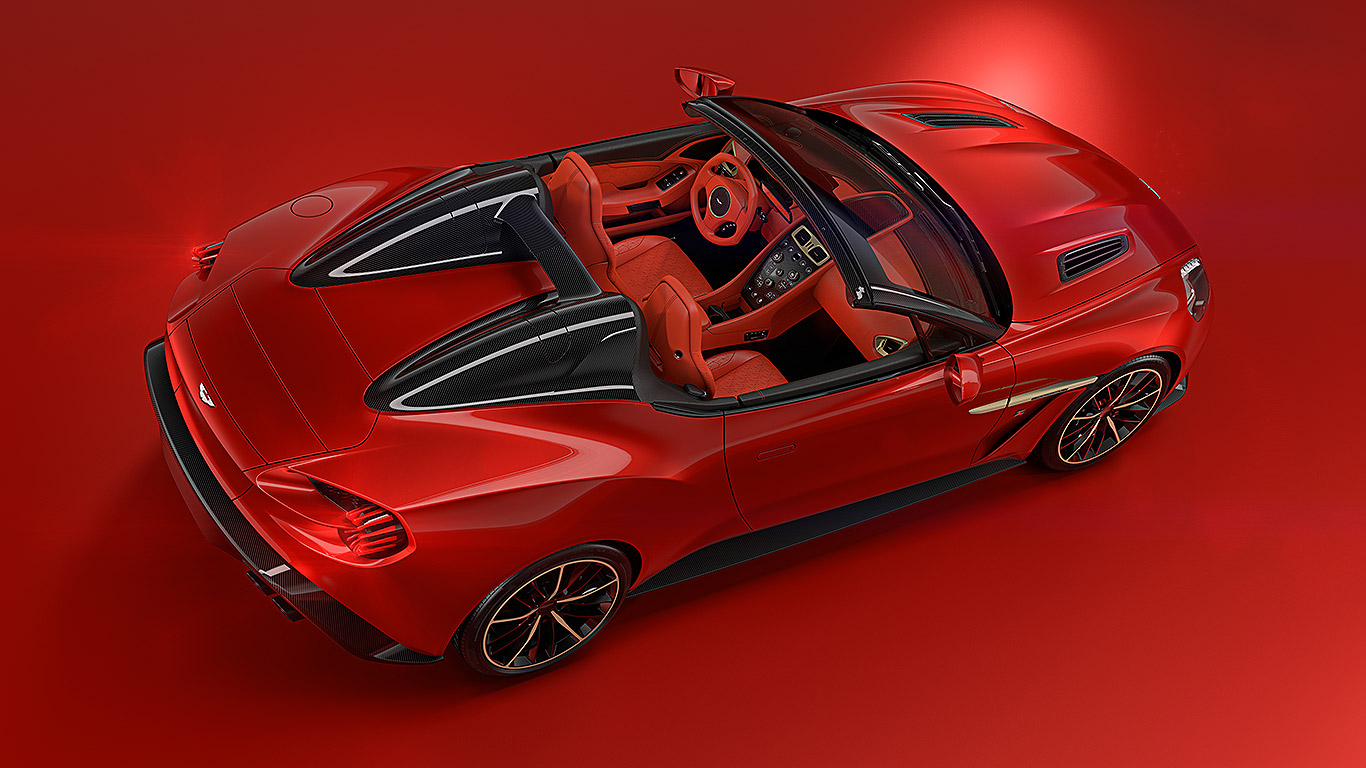
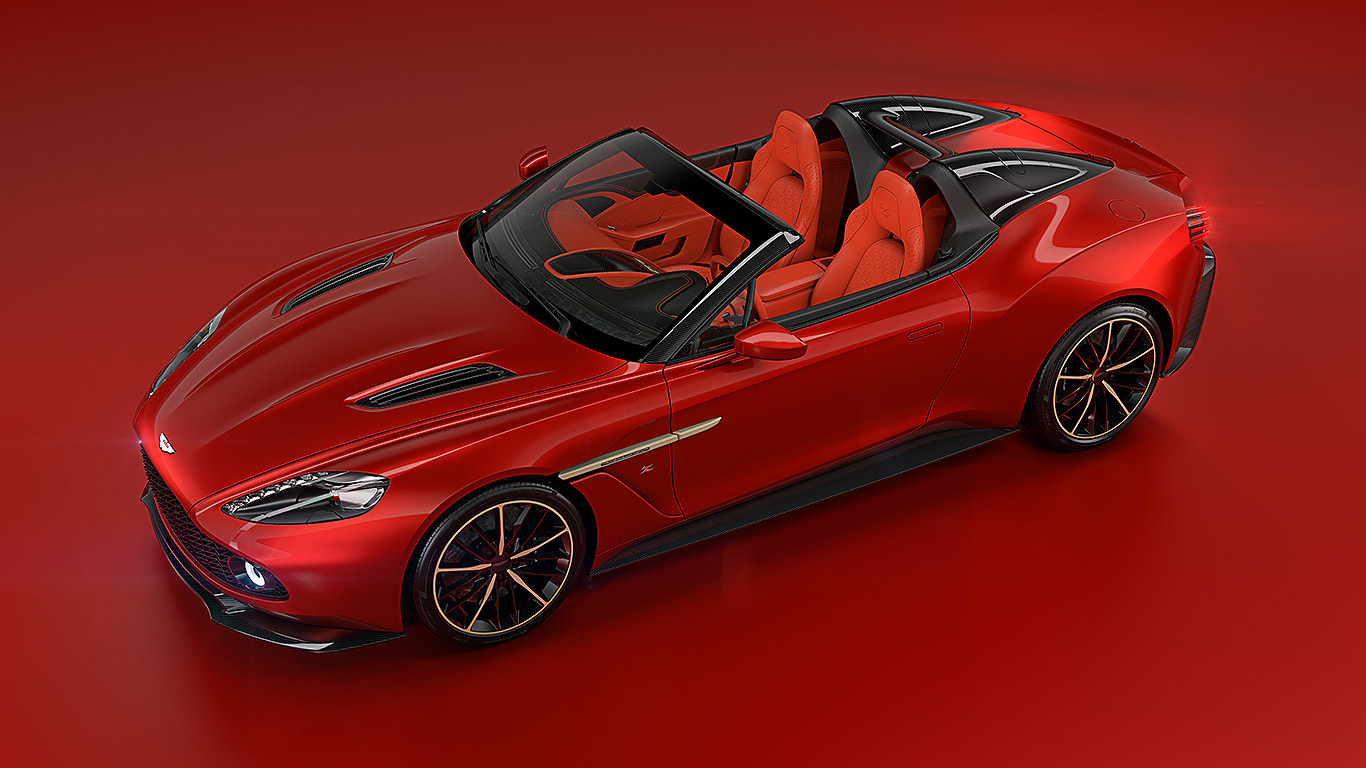
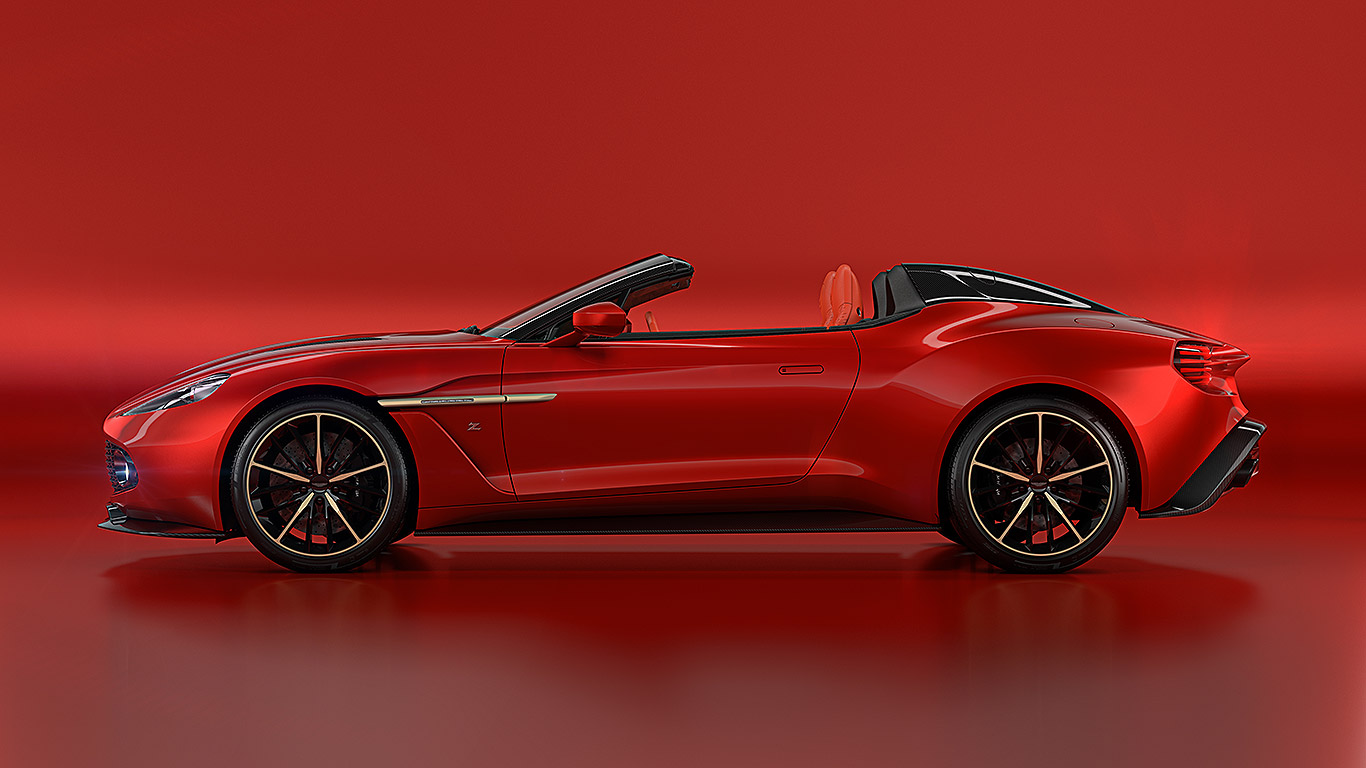
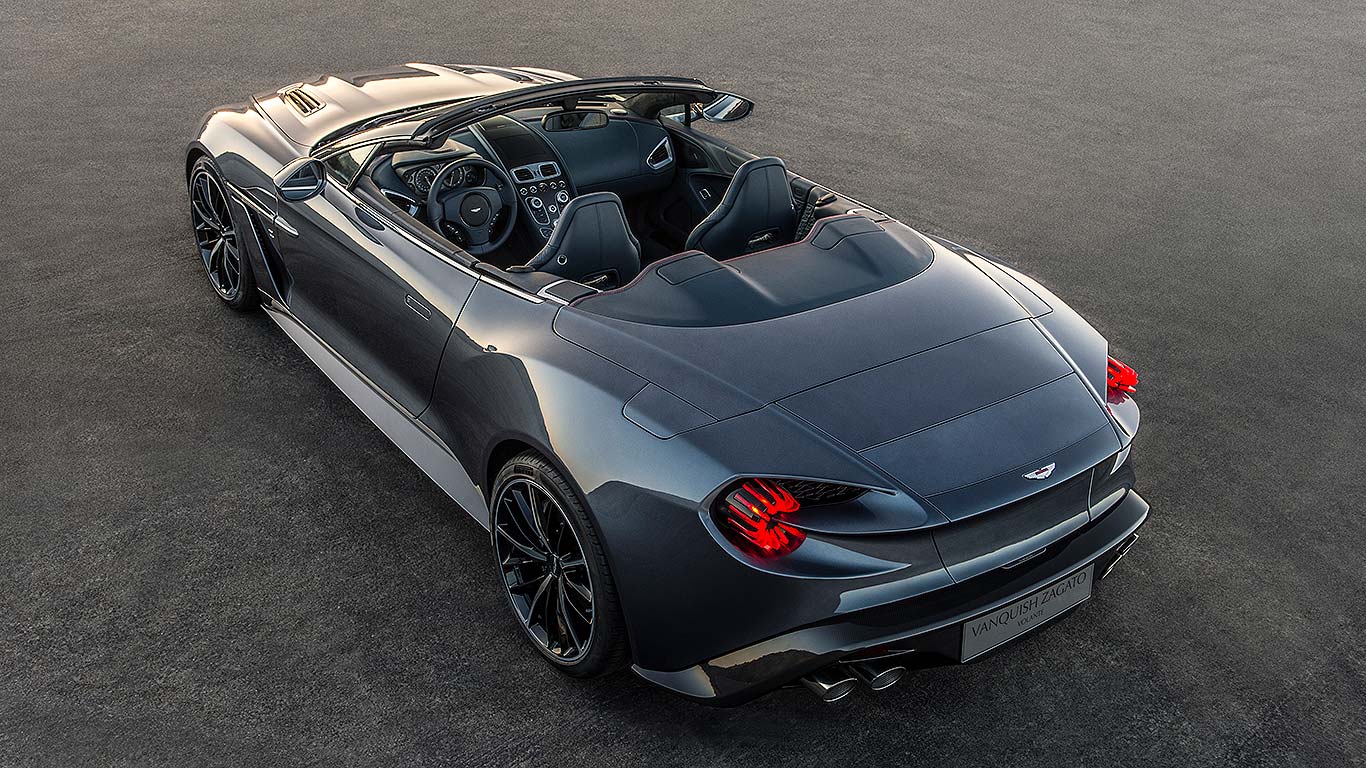
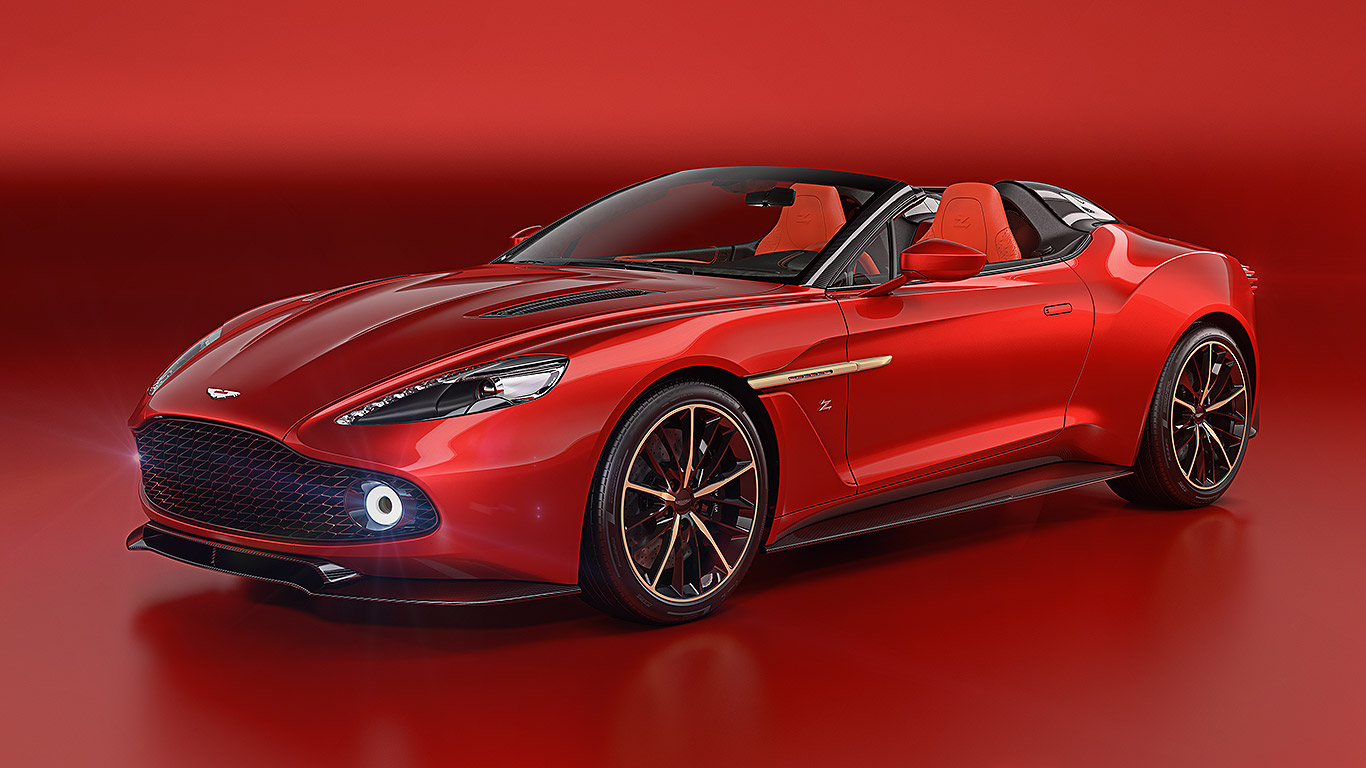
Aston Martin has quadrupled its ultra-special range of custom-built Vanquish Zagato models with the reveal of a stunning Speedster limited-run production model – and the surprise announcement of a Shooting Brake ‘estate’ version.
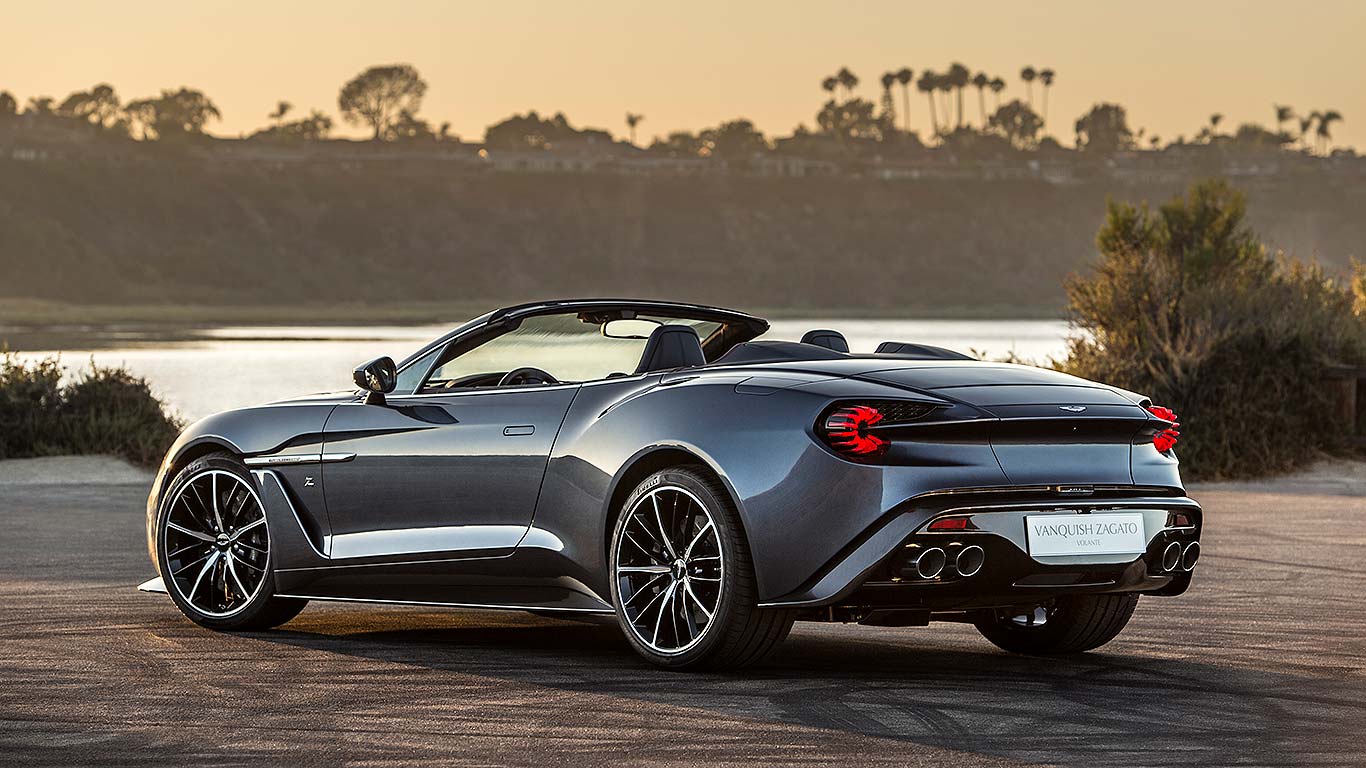
The Speedster will be showcased at the Pebble Beach auto show next week, and will join the existing Vanquish Zagato Coupe and Volante models, first shown in 2016. Aston has also confirmed total Vanquish Zagato production will be capped at just 325 models, across all four variants.
That breaks down to 99 Coupes, 99 Volantes, 99 of the new Shooting Brake and just 28 Speedsters. They’ve largely all been sold already, added the firm: the Coupe and Volante are already in production and the Speedster is scheduled for delivery in 2018.
Prices? For the Speedster, likely in excess of £1 million; pay from around a ‘mere’ £500,000 for the other models.
The Shooting Brake will enter production in 2018, says Aston Martin. For now, we’re only seeing a teaser of it, plus a single side-on sketch of its dramatic shape. The firm’s planning to reveal it in full later in the year.
It’s still a two-seater, says Aston, boasting a “luxuriously trimmed rear cabin area” beneath the extended roofline, which carries the trademark Zagato ‘double bubble’ look right to the rear of the car: it’s inlayed with glass, to let even more light into the cabin. Opening the rear hatchback reveals a set of tailored luggage.
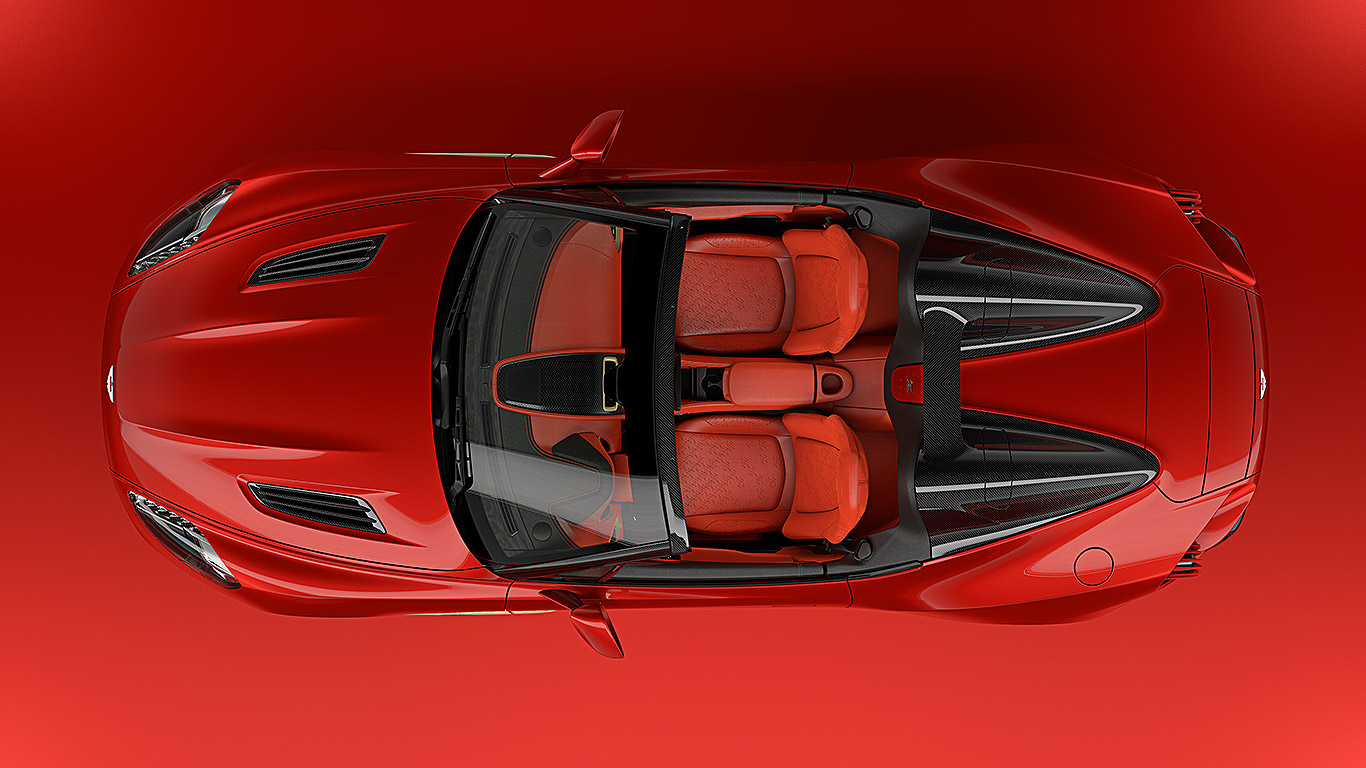
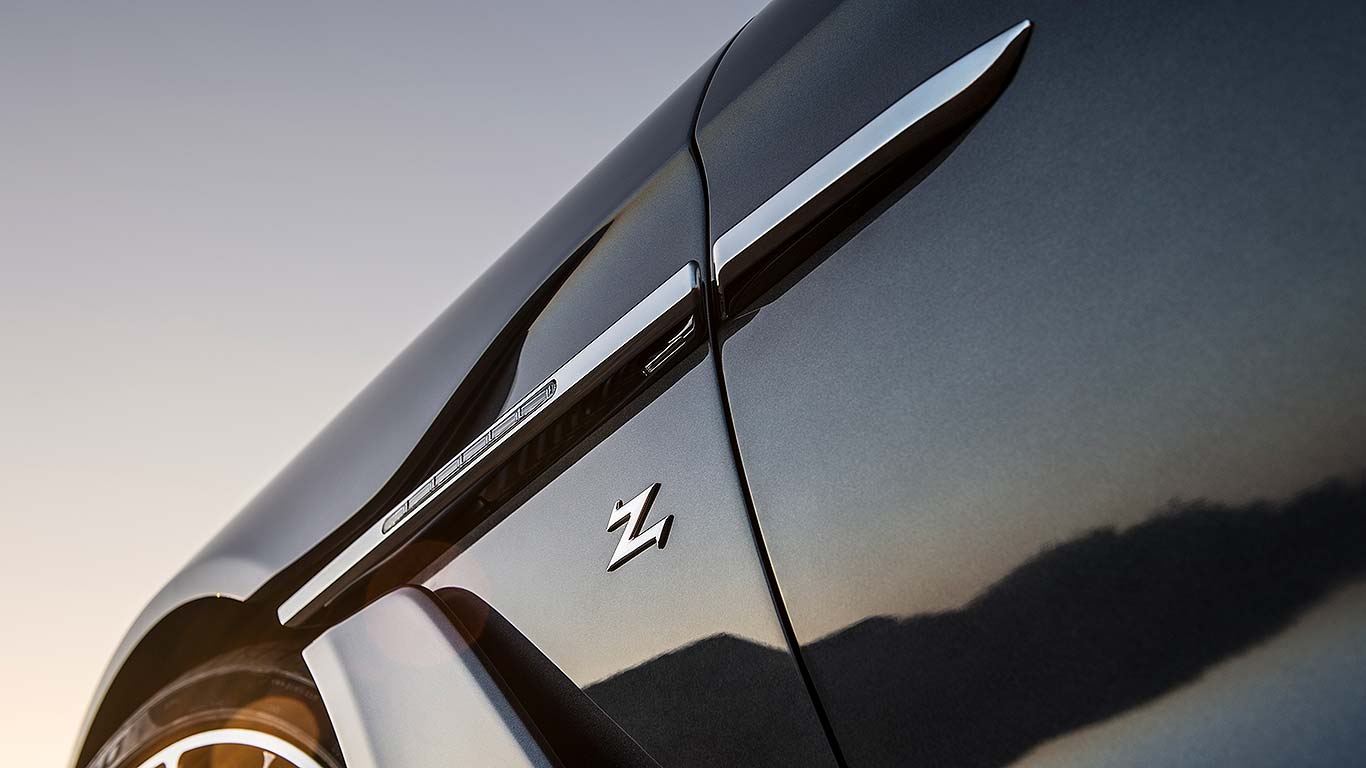
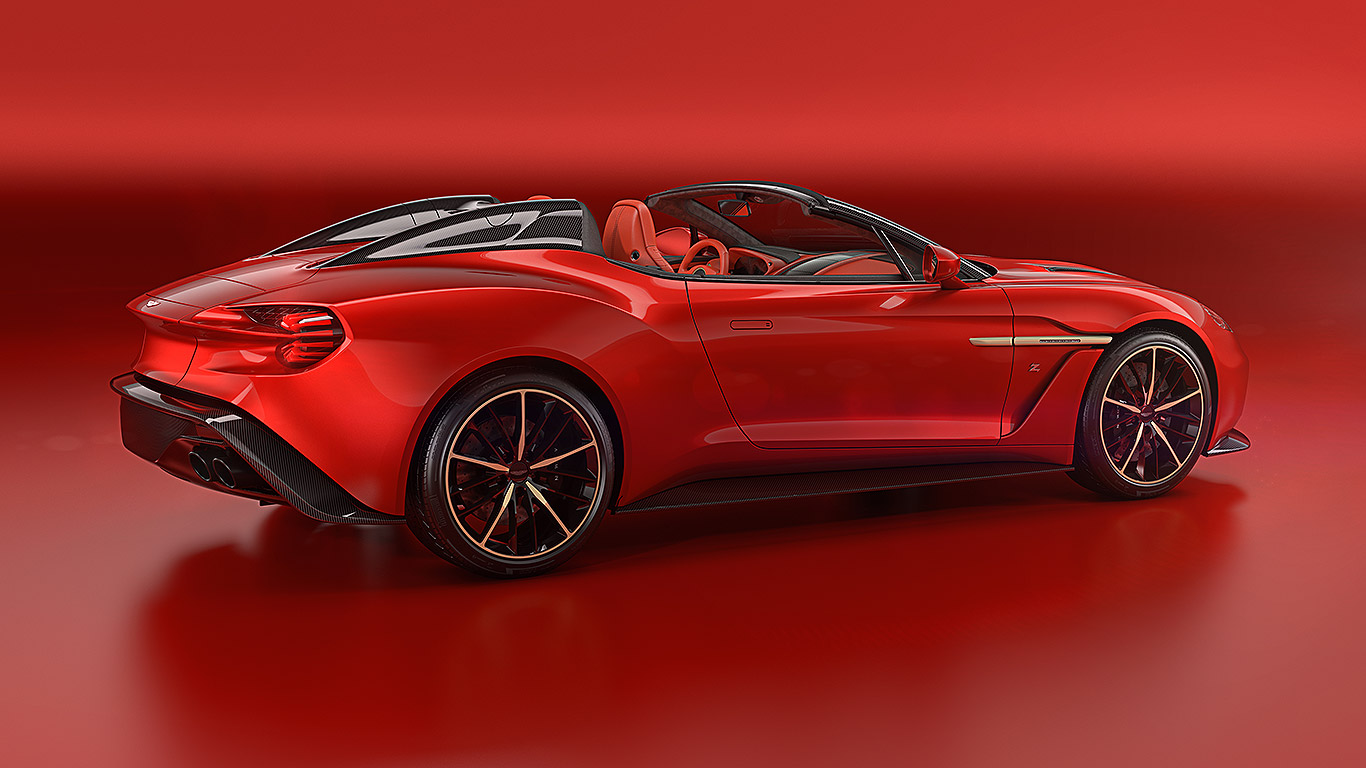
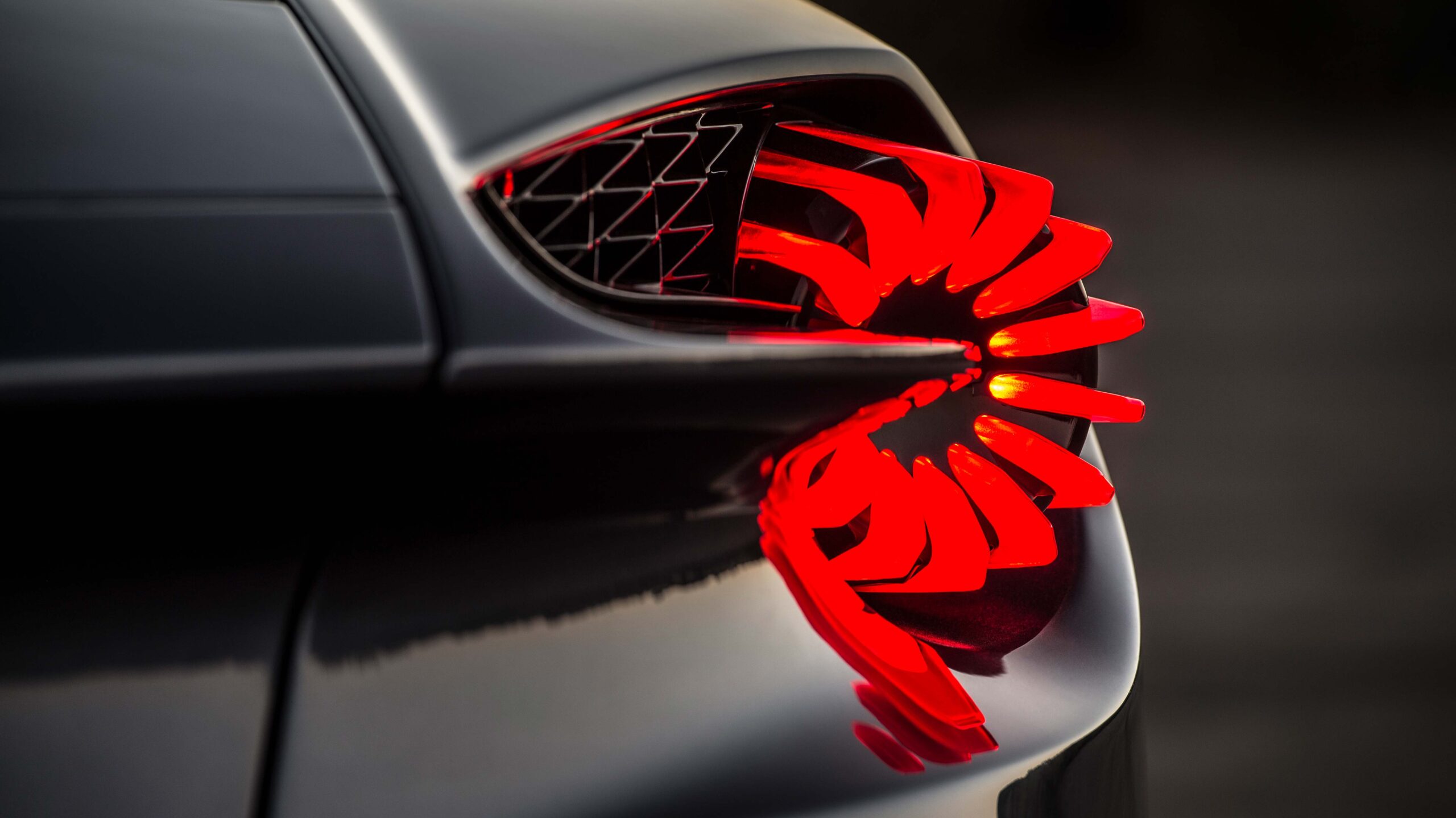
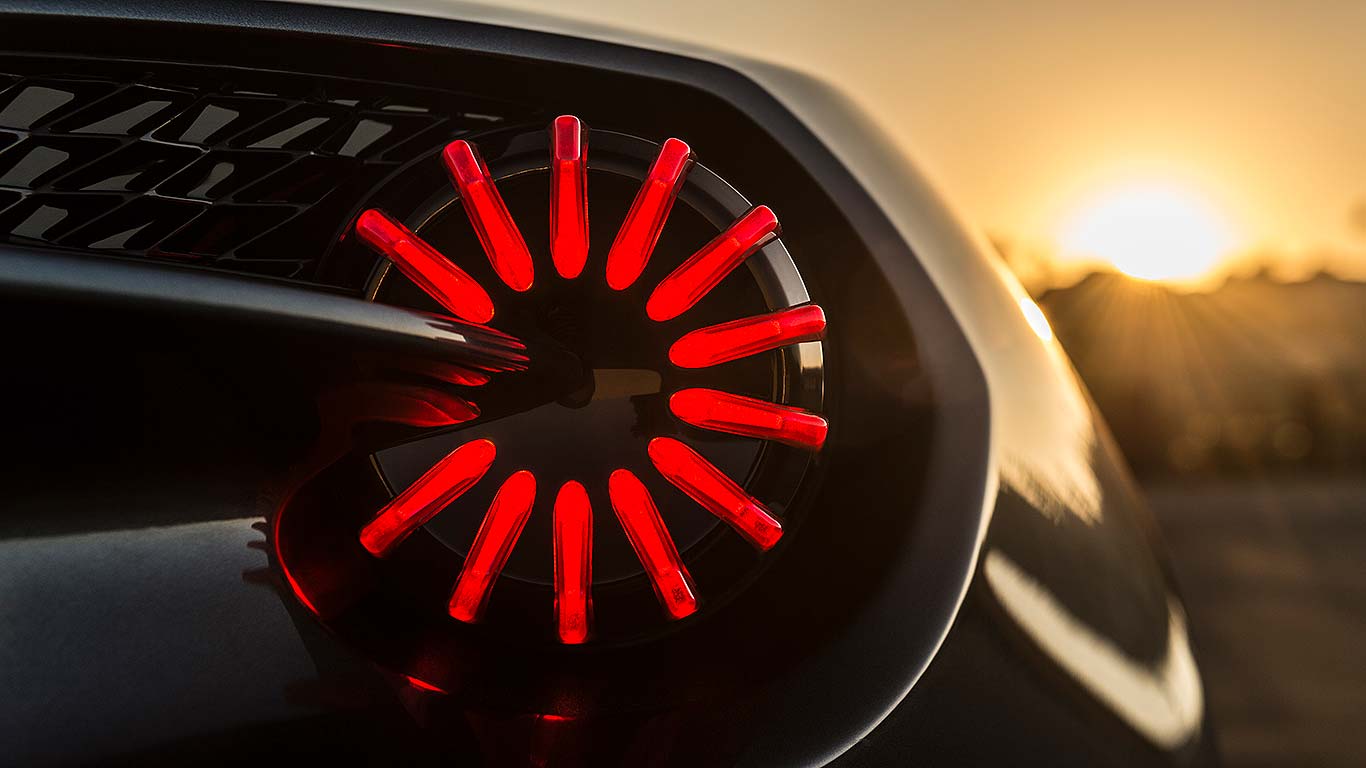
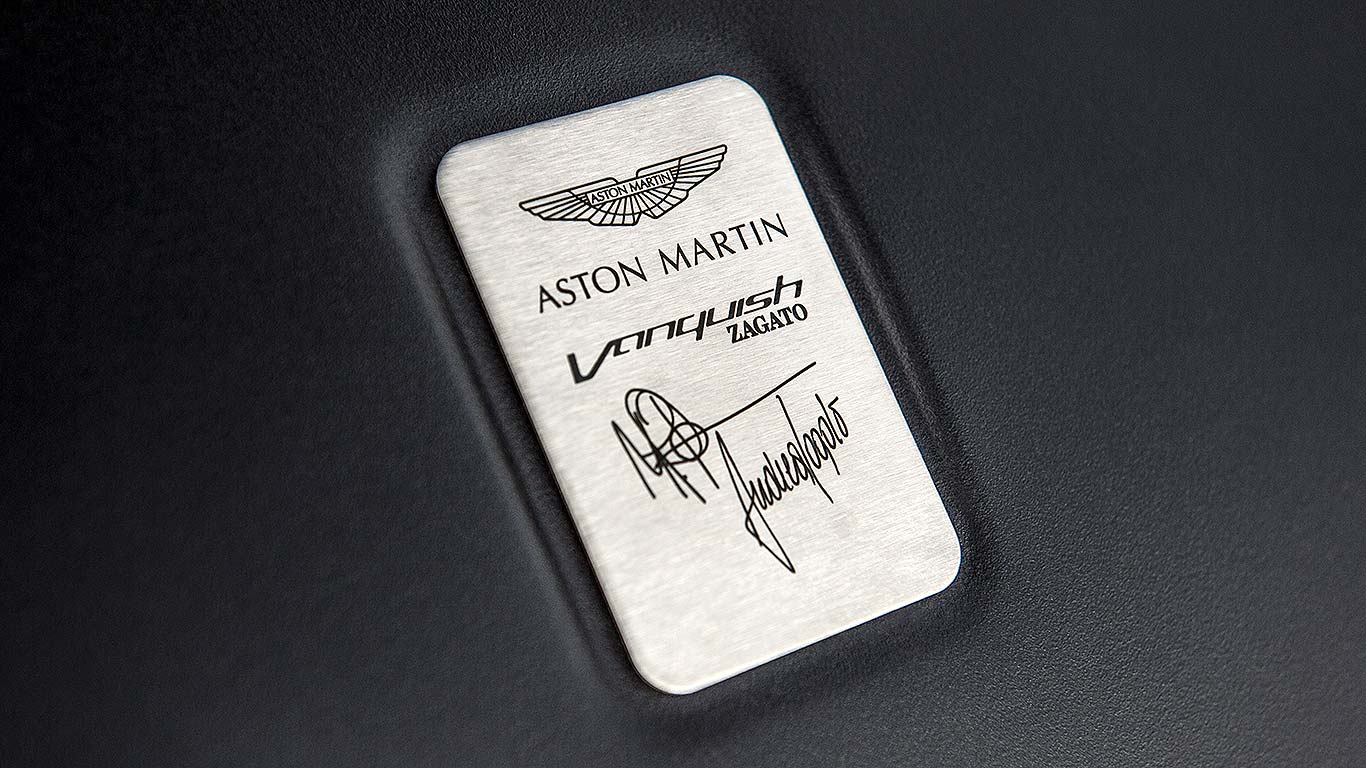
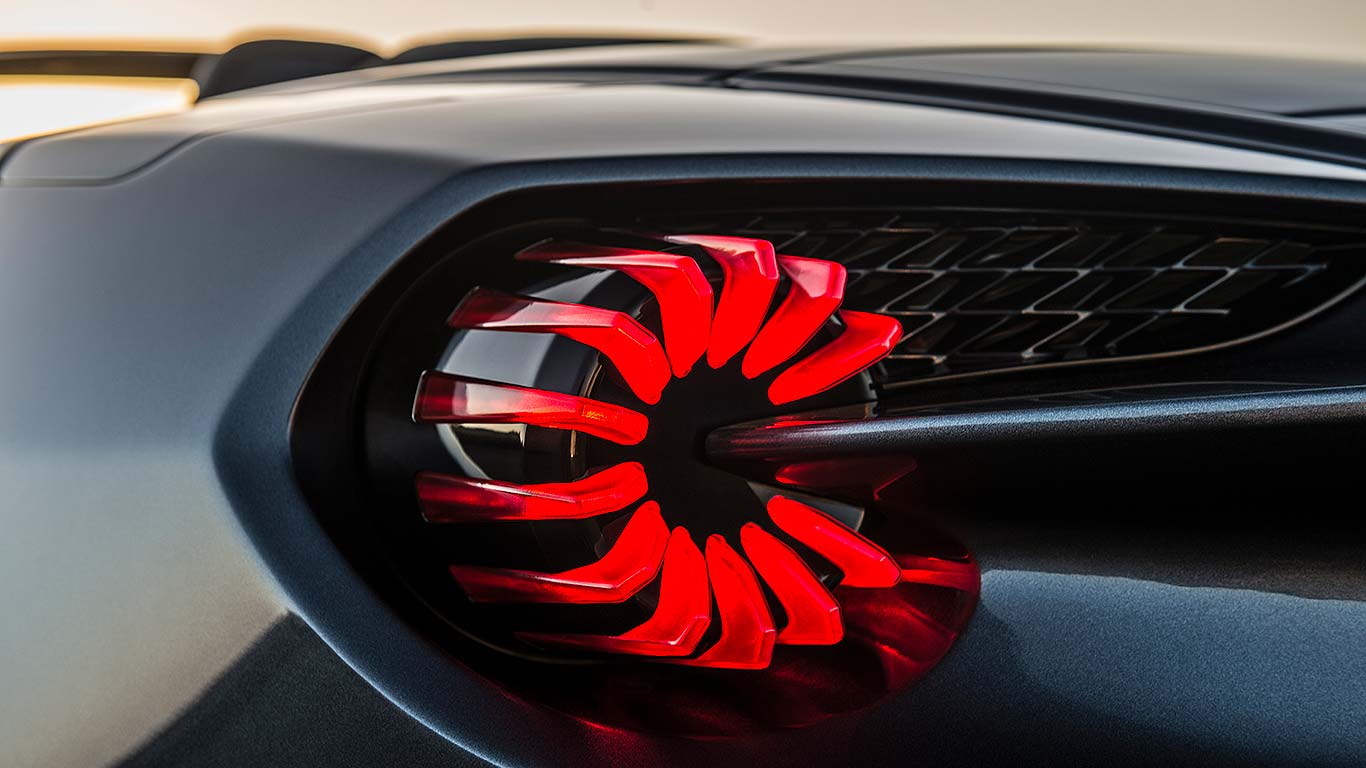
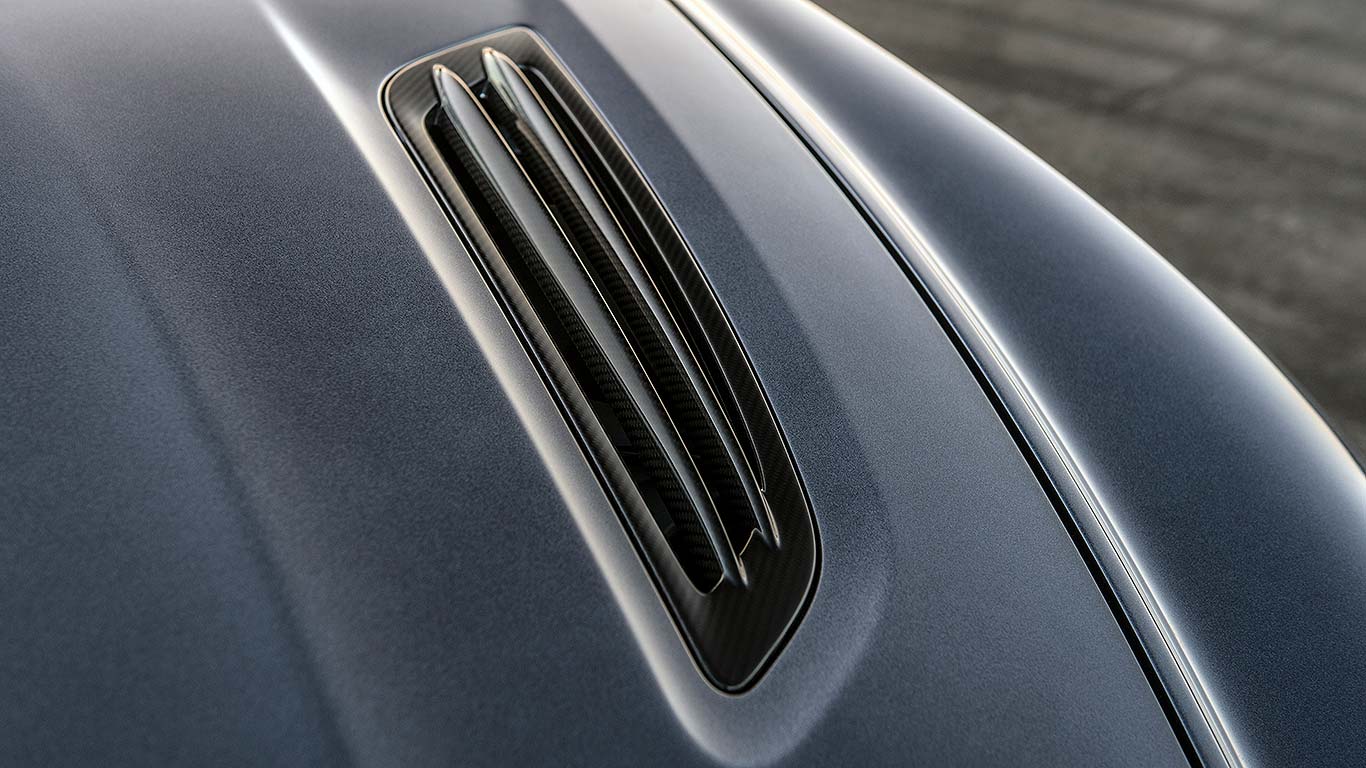
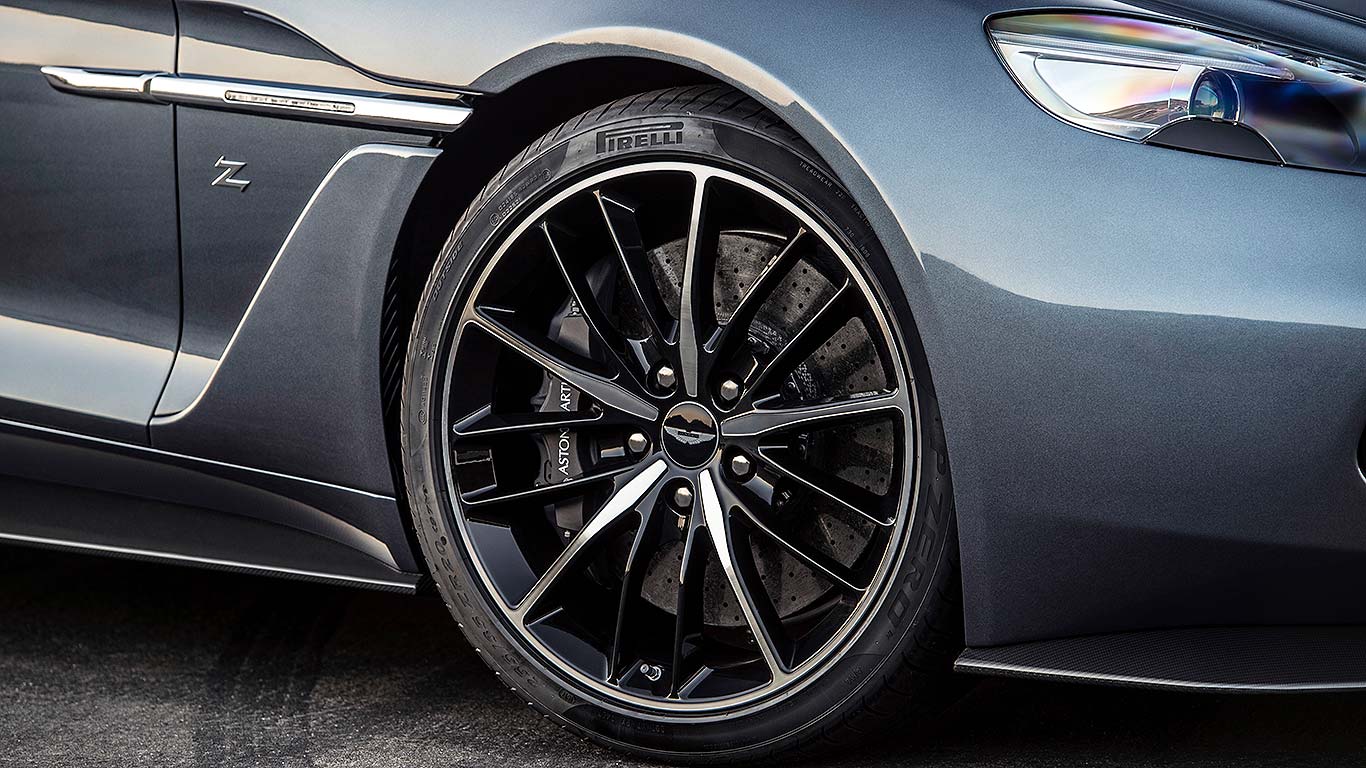
As for the Speedster, this has a bold set of Zagato-themed double ‘Speed Humps’ which flow back from the rear seats, made from carbon fibre (and featuring twin pop-up roll-over hoops). Like other Vanquish Zagatos, there are dramatic tail lamps and plenty of Zagato ‘Z’ logos, both outside and within.
The overhead shot reveals the full drama of the design: Aston Martin hasn’t yet revealed how the roof will work.
Aston’s chief creative officer Marek Reichman said it was the first time Aston had revealed a full family of Zagato models – which he described as dead-cert future concours collectors’ cars. “Many of our customers want different things. Some prefer the purity of A Coupe, but others love the idea of something more extreme, like the Speedster.
“And, yes, some of them have ordered one example of each.”
Andrea Zagato is CEO of the famous Italian coachbuilder, and acknowledged the start of the relationship with Aston Martin almost 60 years ago, with the DB4 GT Zagato. “To have a creative ‘marriage’ thrive for three generations is something unique as the cars themselves.
“My family name is associated with all kinds of wonderful designs, but for many enthusiasts and collector around the world those that combined the Z of Zagato with the wings of Aston Martin are the most special.”
All four Vantage Zagato models are based upon the Vanquish S, so pack a 600-horsepower 6.0-litre V12 engine. Aston says that as each specific version is fine-tuned, buyers can expect “exceptional driving pleasure that is every bit as stimulating and memorable as their design.”
Question is, just how many will actually be driven?
Come back to Motoring Research next week to see more from the ultra-exclusive 2017 Pebble Beach extravaganza.
Responding to independent research commissioned by Auto Trader, the company says it isn’t fair to compare the asking price of a car as part of a private sale with their “genuine offer to buy”.
“WeBuyAnyCar provides a convenience service which allows motorists to sell their car often within a matter of hours, free-from the hassles and risks associated with a private sale,” a spokesman told Motoring Research. “Many alternative options also charge a fee upfront for a service that cannot guarantee a sale.”
The service provides customers with a quote for their car via their website. If the customer is happy with the quote, they can book an appointment at a nearby branch where the car will be inspected and a firm offer made.
While the valuations provided by WeBuyAnyCar are often lower than owners could expect to achieve from a private sale, WeBuyAnyCar says many customers value the convenience.
“We actually recommend consumers seeking the very highest price to sell privately, if they don’t mind dealing with strangers on the doorstep and handling the test drive,” added the spokesperson. “There are personal safety and security issues to consider, as well as managing often substantial payments, sometimes made in cash. Often all this effort is for the sake of what may be a few hundred pounds after negotiations and other fees.”
“We remain the number one choice for over a million customers, who want to sell their car promptly, securely and safely with guaranteed payment and would rather avoid time-wasters, tyre-kickers and the personal risks associated with selling privately.”
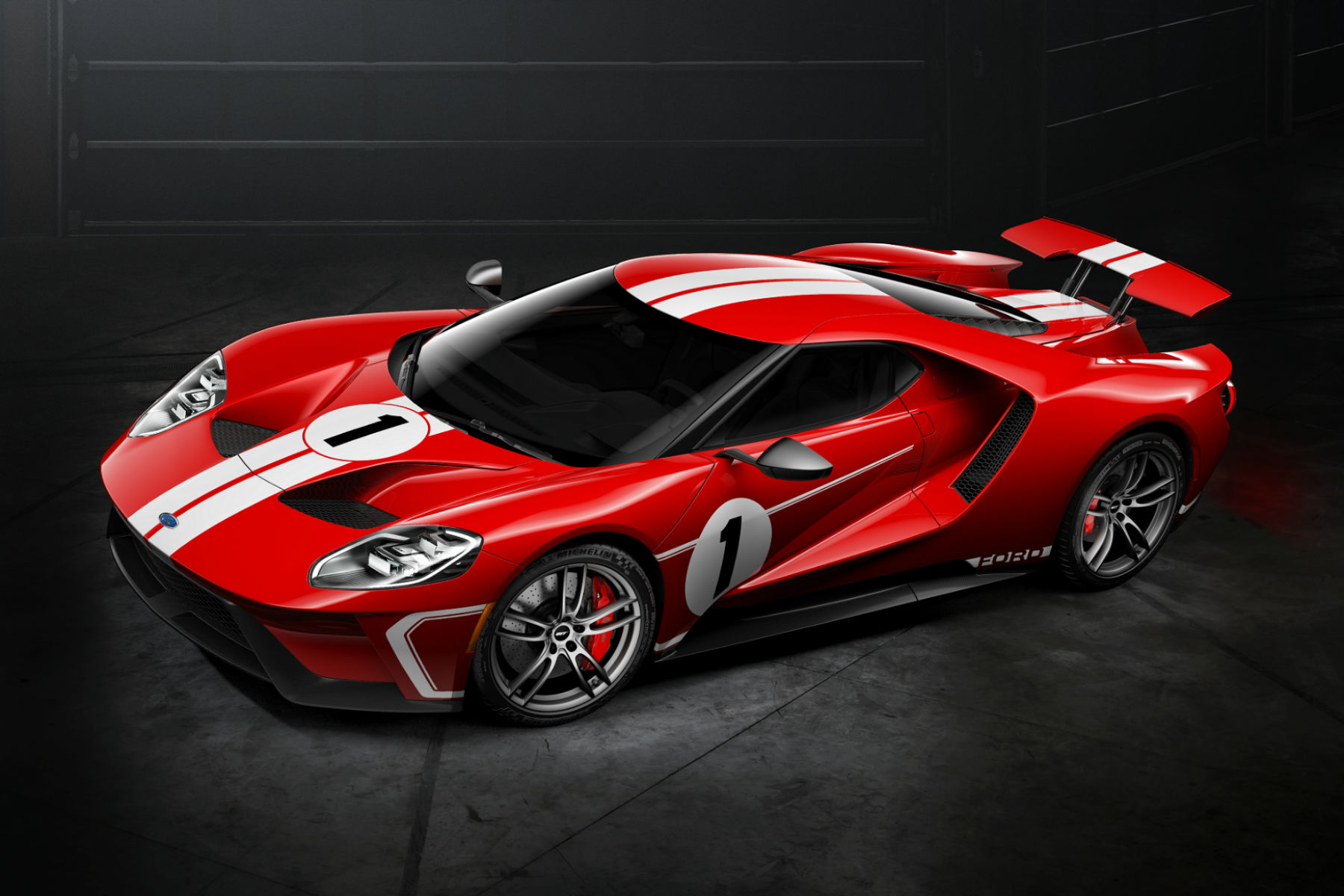
Ford has revealed a special edition of its 2018 GT supercar in celebration of the GT40 Mark IV race car driven to victory in the 1967 Le Mans 24 Hour race.
The ’67 Heritage edition comes a year after the ’66 Heritage edition and commemorates a winning drive by Dan Gurney and A.J. Foy.
Finished in gloss Race Red paint with white strips along with white ‘No. 1’ bonnet and door graphics, the GT ’67 Heritage edition looks every bit a race car for the road. 20-inch forged aluminium wheels complete the look, along with the exposed carbon package and red brake calipers.
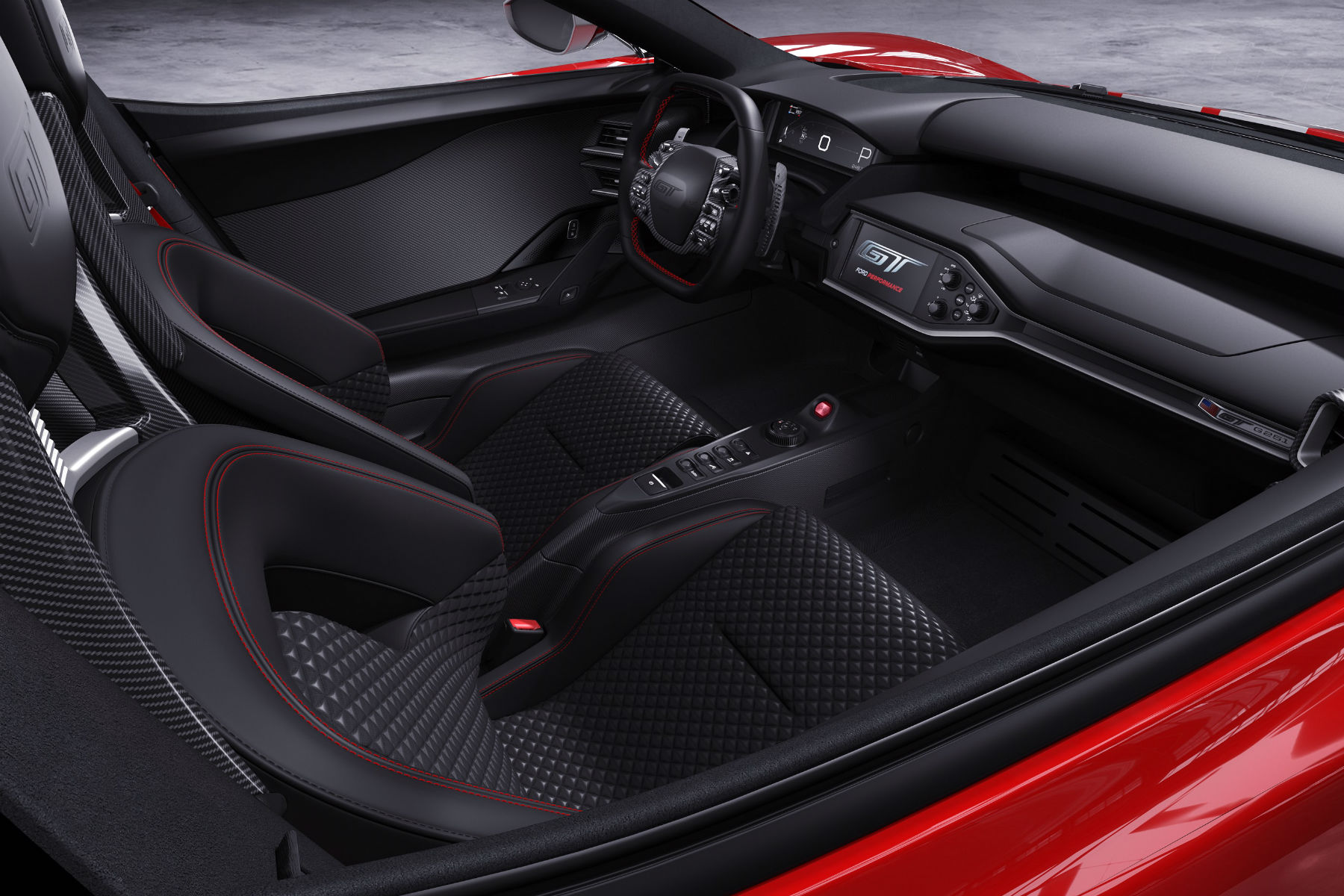
Inside, carbon fibre seats with red stitching give the cabin a sporting look. The seat belts are red, too, while the paddle shifters are finished in anodised grey. Each ’67 Heritage edition car also features a numbered plaque – although Ford hasn’t revealed how many will be sold. It’s fair to assume a very limited number will be made, however.
“The first Heritage edition car was a huge success, honouring our history with a modern interpretation of the Le Mans winner,” said the car’s exterior design manager, Garen Nicoghosian. “Continuing with a Ford GT based on the winning GT40 Mark IV race car was simply something we needed to do.”
Ford has launched an online configuration tool for the model, but we’d get on the phone to your Ford dealer if your keen to get your name down for the limited edition model.
“In creating a worthy successor to the ’66 Heritage edition, we logically looked at our next historic Le Mans victory with the all-American team of Dan Gurney and A.J. Foyt,” said Ford Performance’s global director, Dave Pericak. “The Ford GT ’67 Heritage edition pays homage to that win, with a modern take on one of the most important vehicles in Ford’s storied history of racing.”
The chances are you won’t remember the coolest car from the year you were born. After all, you were concentrating on other things, such as growing up and keeping your parents awake at night. But just in case you’re wondering what was the king of cool in the year of your birth, here are some suggestions. It’s a highly subjective opinion…
You weren’t the only star born in 1957, because Jaguar unveiled something rather special. In the modern era the XKSS would be referred to as a supercar; a road-going version of the Le Mans-winning D-Type racing car. Developed for export to the United States, nine were lost in a fire at Jaguar’s Browns Lane factory, meaning just 16 were ever built. In 2016, Jaguar announced that it would be building nine ‘new original’ units for the UK market, each one with a price tag of £1 million.
1958: Armstrong Siddeley Star Sapphire
The Star Sapphire was billed as “the managing director’s car,” and it was, for Armstrong Siddeley, the last hurrah for this famous old marque. As opulent as a Rolls-Royce and with the styling to match, the Star Sapphire was powered by a 4.0-litre engine offering “sparkling performance” while delivering “club chair comfort”.
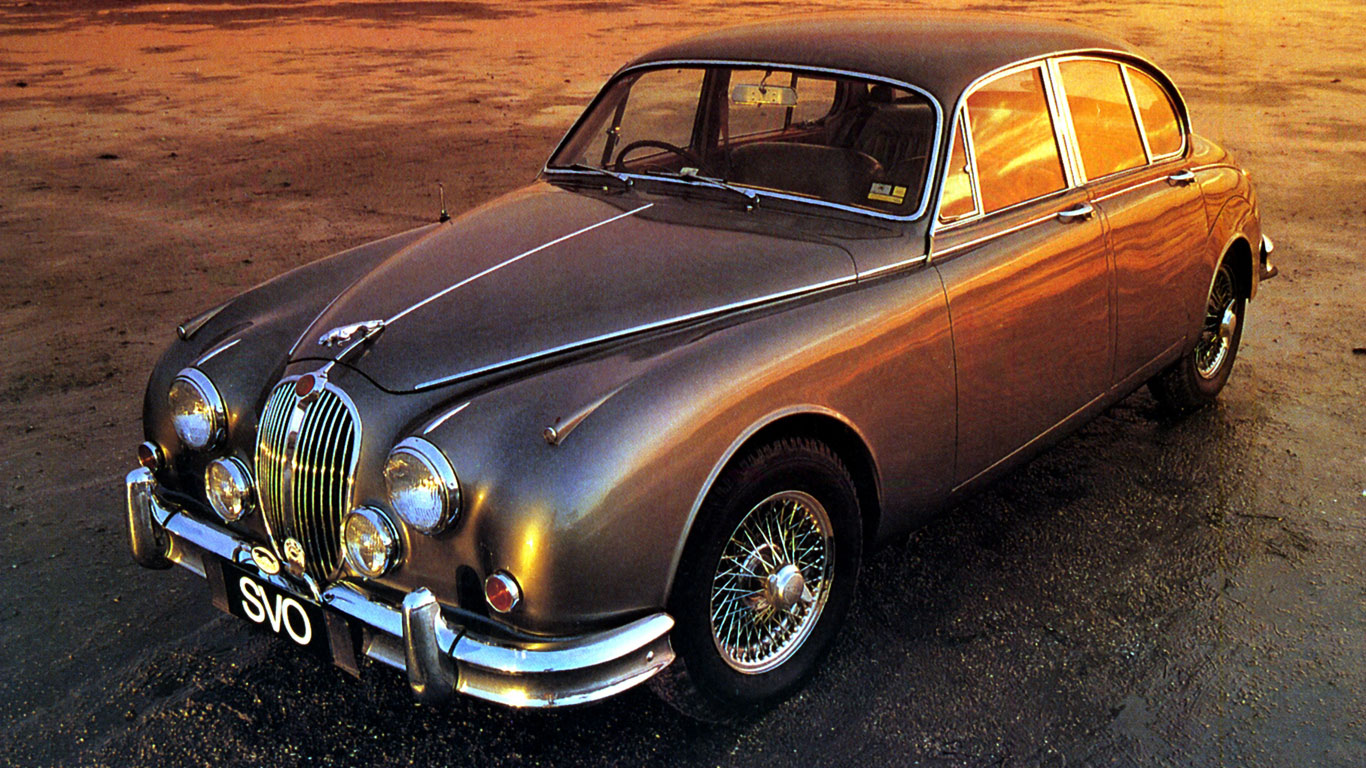
1959: Jaguar Mk2
On stand number 134 at the 1959 Earls Court Motor Show, Jaguar unveiled the Mk2, claiming it to be the most advanced and lavishly equipped high performance luxury car it had ever produced. It became an icon of the 1960s, with the 3.8-litre version proving to be a performance legend.
1960: Panhard PL17
A total of 606 Panhards were officially sold in the UK between 1958 and 1966, with sales hampered by the nation’s conservative tastes and high prices. The PL17 was billed as offering the comfort of a large car (five seats), the economy of a small car (50mpg) and the performance of a sports car (80mph). But in 1960 it cost around £1,000, or £21,400 in today’s money.
1961: Mercedes-Benz 300SE
What a majestic thing. In 1961, the Mercedes-Benz 300SE represented opulence on four wheels: the flagship W112. Air suspension, disc brakes, automatic transmission and power steering were a few of the luxuries, with power sourced from a fuel-injected 3.0-litre six-cylinder engine. Class.
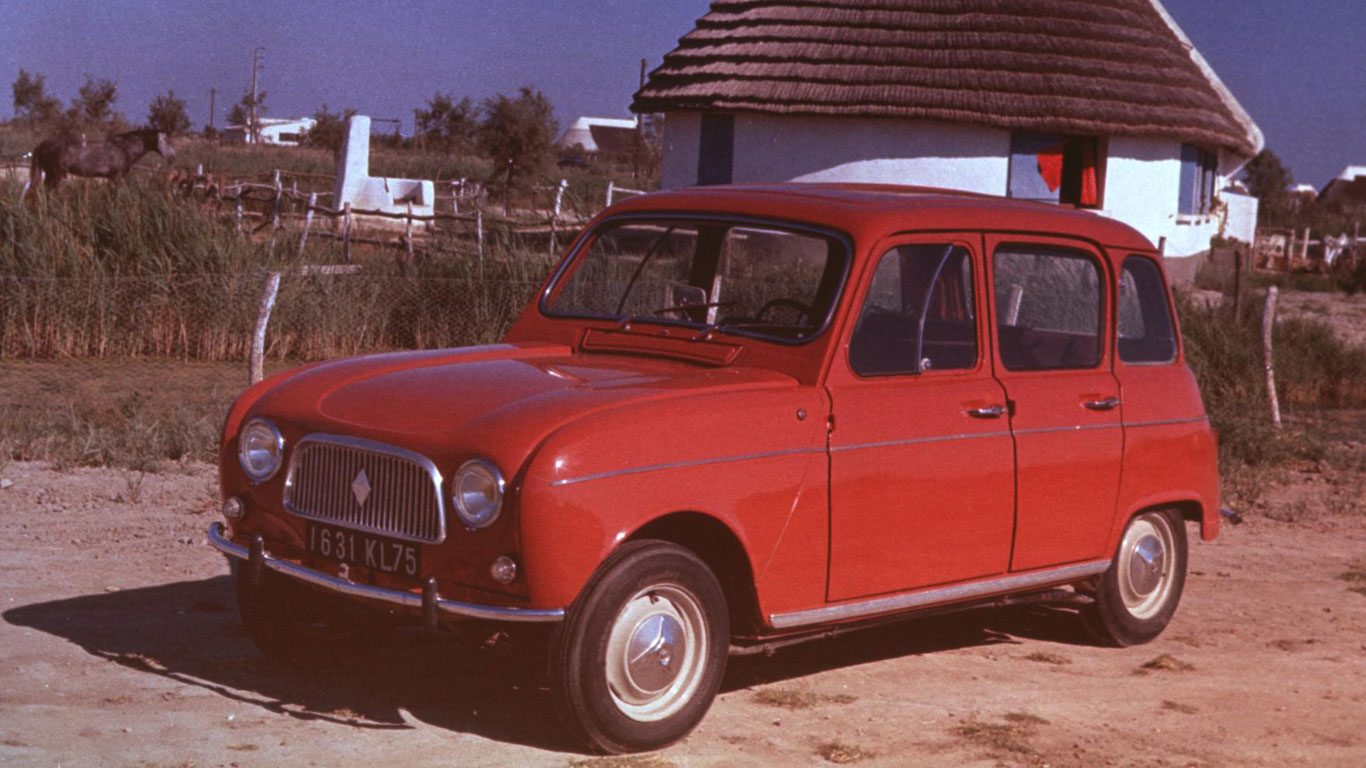
1962: Renault 4
Both arrived in 1961, but the 300SE and Renault 4 occupied very different ends of the motoring world. This was Renault’s ‘Citroen 2CV’, majoring on practicality and utilitarian appeal, with a low price to match. “Enter the most remarkable car of the year,” proclaimed Renault in 1962. With sales totalling more than eight million, it was remarkably successful.
1963: Maserati Sebring
In 1963, a Maserati Sebring would have set you back around £5,200 including purchase tax. In contrast, a Citroen DS19, one of the world’s most advanced cars, cost £1,600. In today’s money, then, a Sebring would cost in excess of £100,000: a reminder of a time when Maserati stood shoulder-to-shoulder with the motoring elite.
1964: Ford Lotus Cortina
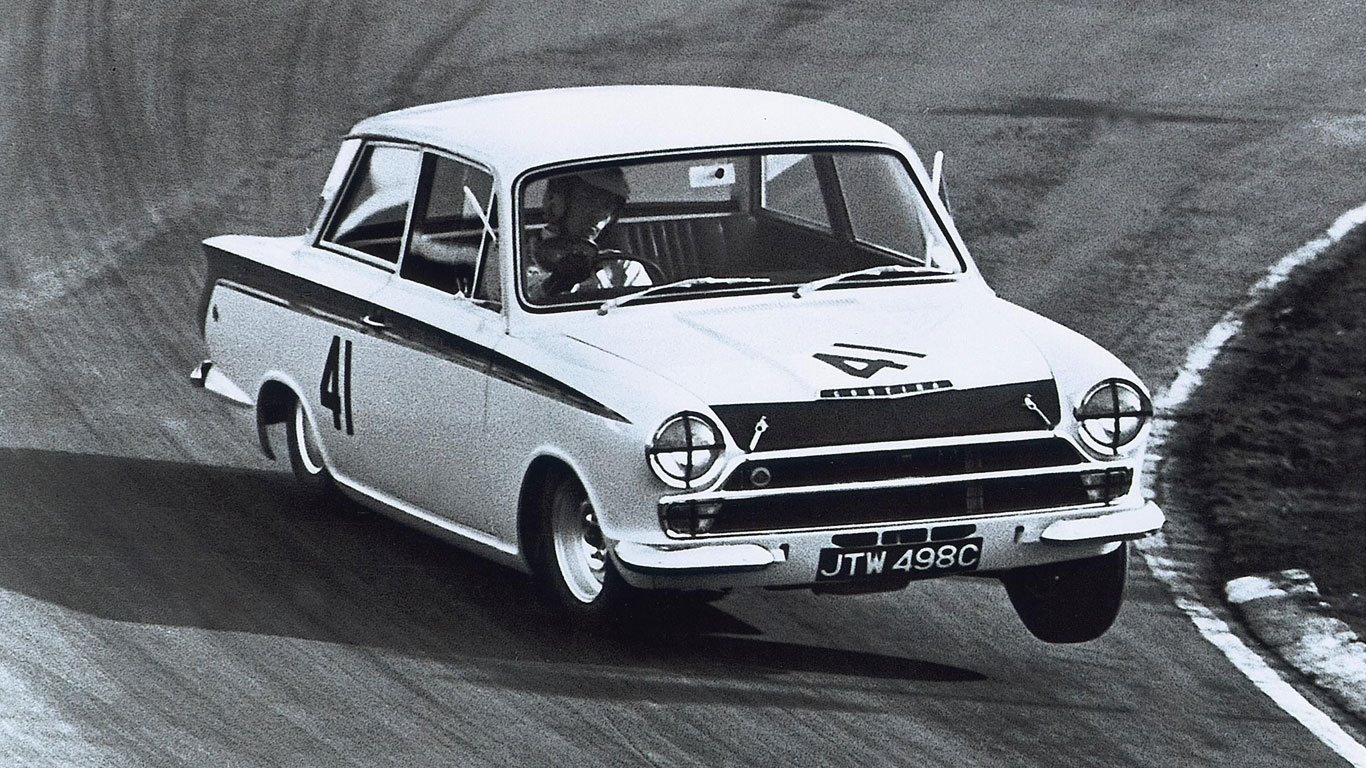
The original Ford Lotus Cortina was unveiled in Monte Carlo in January 1963, with the twin-cam engine of the Elan and Europa inserted into the two-door body. Early examples were fitted with aluminium doors, boot lid and bonnet to stay true to Colin Chapman’s ‘simplify, then add lightness’ philosophy. The Lotus Cortina could sprint to 100mph in 30 seconds, before reaching a top speed of 108mph.
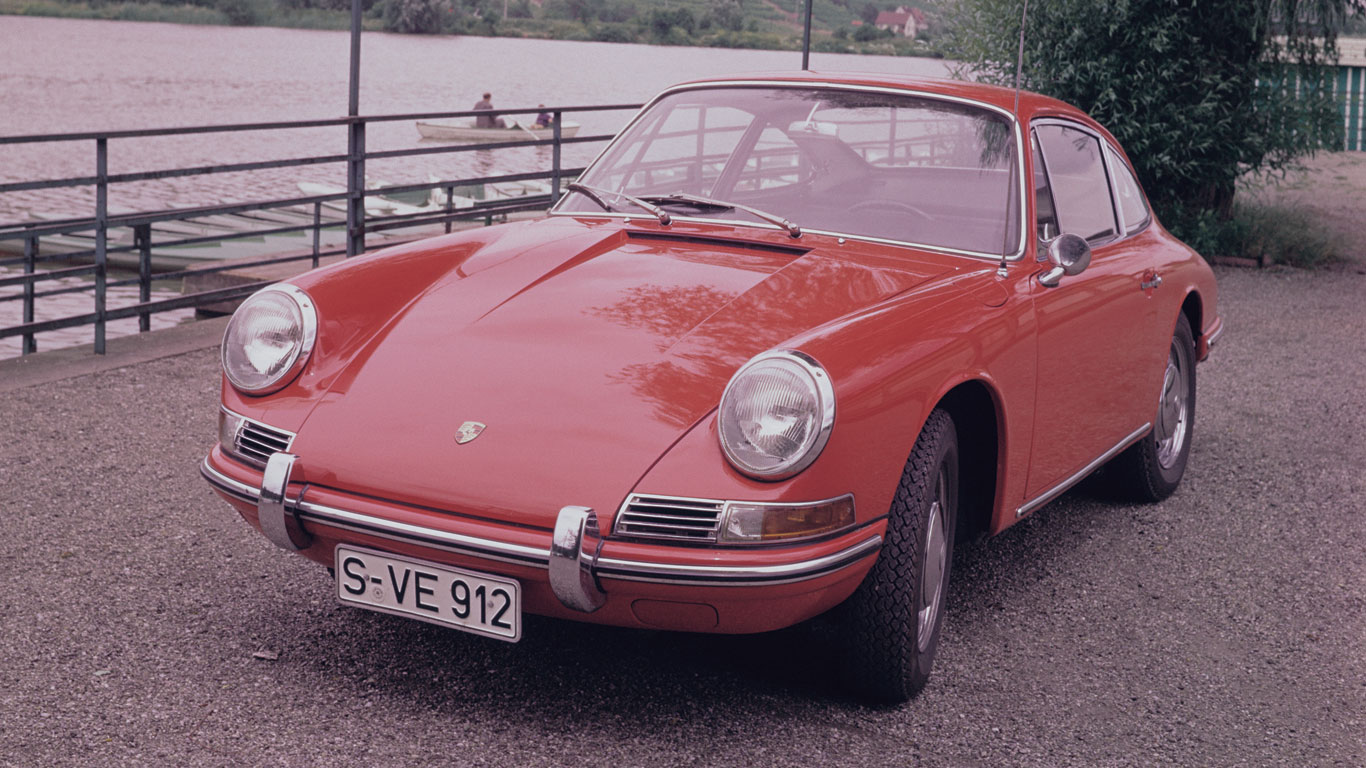
1965: Porsche 912
It might look like a Porsche 911, but the 912 was powered by the four-cylinder engine from the 356, the car it replaced in 1965. Porsche’s lower-cost entry-level model bridged the gap between the 356 and the arrival of the VW-Porsche 914 in 1968.
1966: Jensen Interceptor
The Jensen Interceptor might have been built in the thoroughly British surroundings of the West Midlands, but it owed much to the Italians and the Americans. The delightful body was penned by Superleggera Touring in Milan, while the 6.3-litre V8 was supplied by Chrysler of Detroit.
1967: Aston Martin DBS
Touring of Milan was also asked to design the Aston Martin DBS, but when the Italian coachbuilder was wound-up in 1966, William Towns was drafted in to pen the replacement for the DB6. These were good times for the British car industry, with the Interceptor and DBS arguably two of the coolest GT cars ever built.
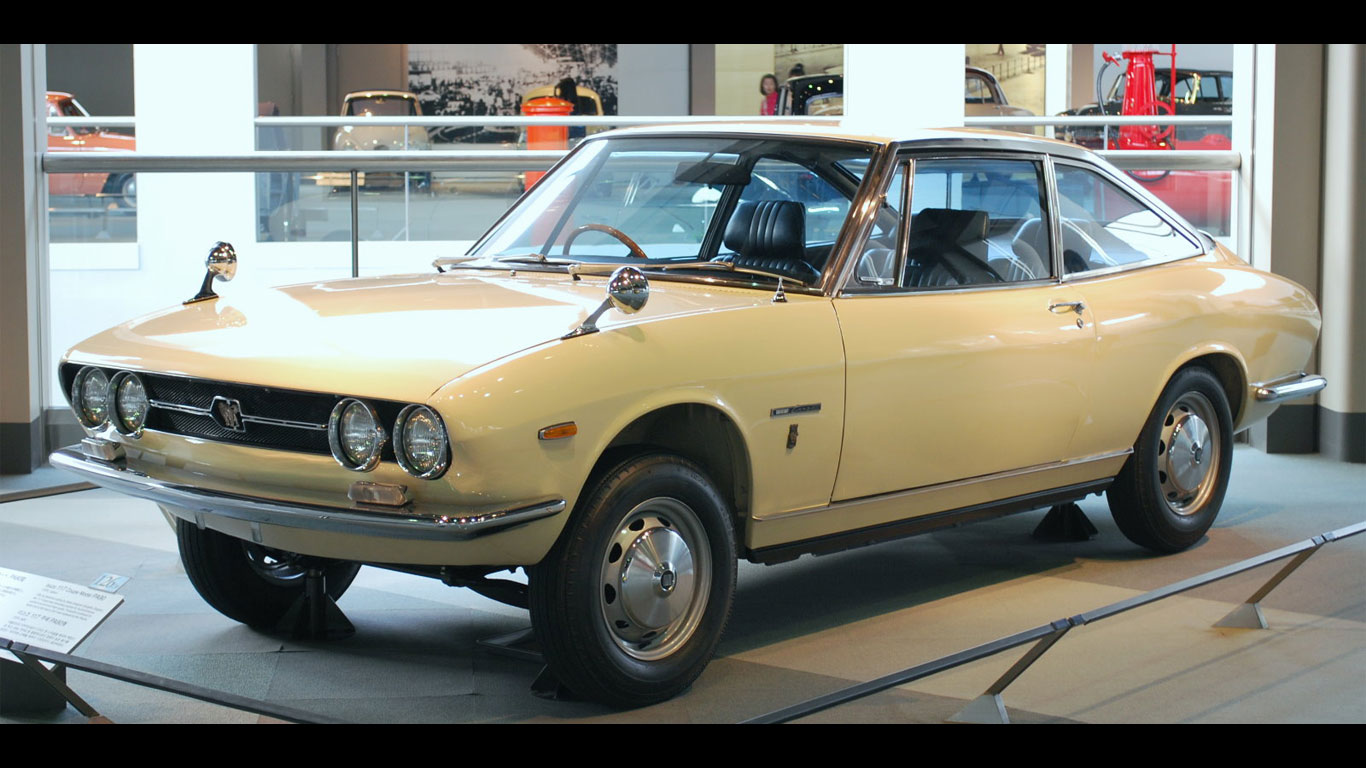
1968: Isuzu 117 Coupe
That the Isuzu 117 Coupe is so beautiful should come as no surprise, as the styling was the work of the genius that is Giorgetto Giugiaro. Sadly, the 117 is all too often overlooked and Isuzu has been left to concentrate on commercial vehicles. The 117 and Piazza would grace the back catalogue of any major car manufacturer.
1969: Ford Capri
Ford’s promotion of the Capri was a marketing masterclass, a case of knowing your audience and how to appeal to their needs and wants. Nobody needed a 2+2 coupe based on the more humble Cortina, but Ford spoke directly to the working class man, gracing press shots with elegant and pretty ladies. “The car you always promised yourself,” said Ford. For many men, it was.
1970: Alfa Romeo Montreal
To those who claim that the 1970s was the decade that style forgot, here’s the Alfa Romeo Montreal. Oh, sure, it was unveiled at Montreal’s Expo ‘67 – hence the name – but production didn’t start until 1970. Sadly, problems with the Italian workforce meant that UK deliveries began in 1972, a full year behind schedule.
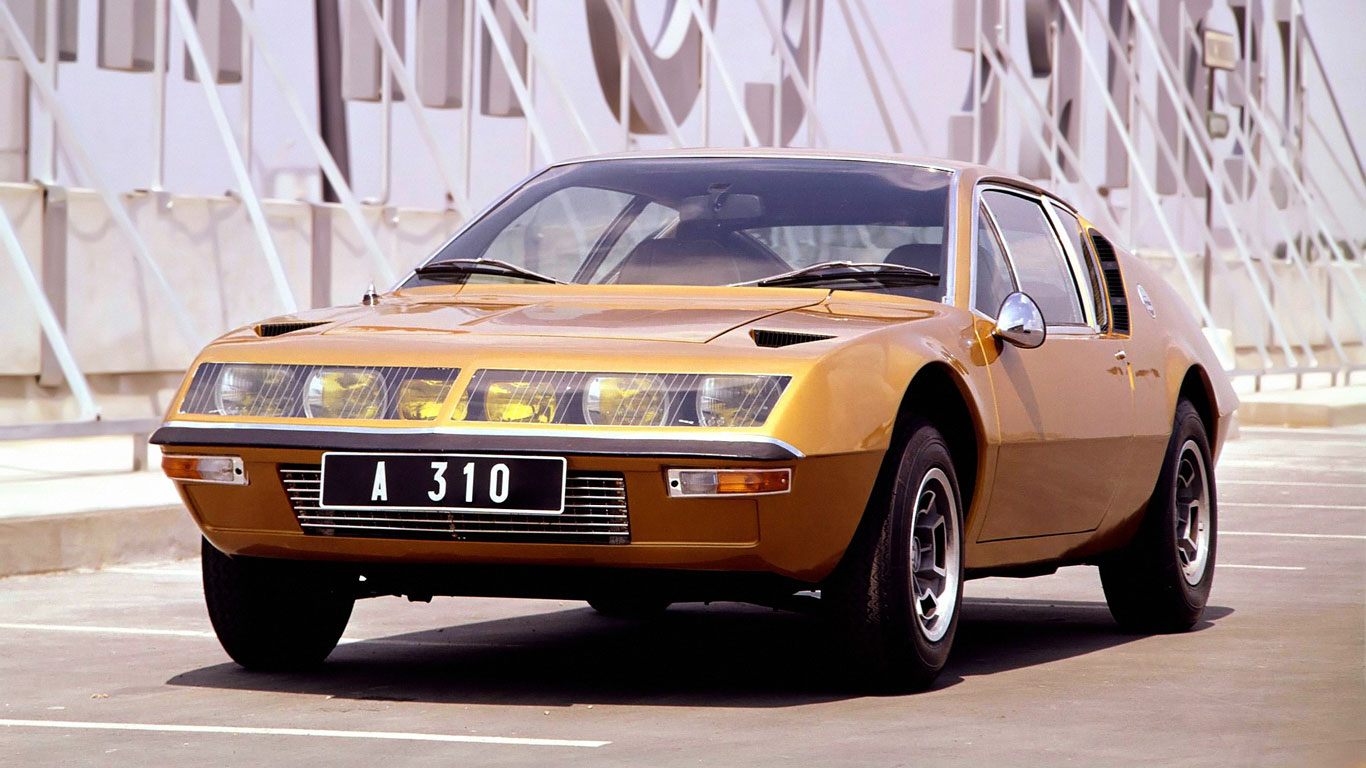
1971: Alpine A310
If you were born in 1971, ask yourself this: have you aged as well as the Alpine A310? Or, to put it another way, would you look this good with a set of six headlights? Power was sourced from a 1.6-litre engine lifted from the Renault 17 TS, until the V6 arrived in 1976. Top speed: 140mph.
1972: Renault 5
Renault went on the offensive when it launched the 5, taking a swipe at the Volkswagen Beetle and Mini. A car “designed for the seventies,” it said in 1972. It was certainly forward-thinking, ushering in the dawn of the supermini. “A car for its time,” said Renault, before landing the ultimate blow: “As the beetle and mini were in their own good times.” Ouch, and in lower case, too.
1973: Matra Bagheera
When reviewing the Matra Bagheera in 1976, Car magazine made a heartfelt plea to British Leyland. “Good sirs, if a mixture of Chrysler bits, some glassfibre and a certain amount of developmental skill and understanding can produce a delightful modern car as this, why did you not long ago give us a similar machine with a 1275 Mini power plant or a Maxi engine or even a Princess unit resting there behind our backs?” Quite.
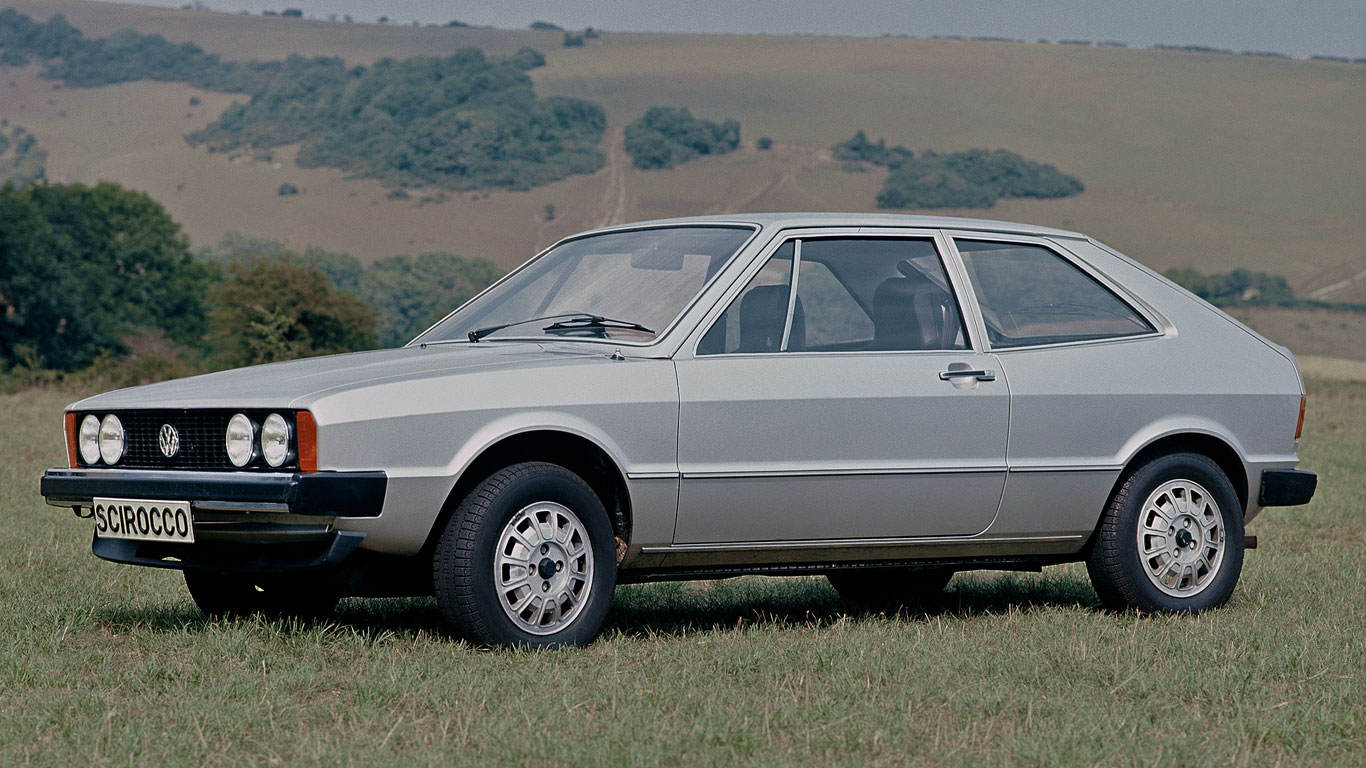
1974: Volkswagen Scirocco
The Scirocco was based on the Mk1 Golf platform, but arrived earlier than the hatchback, with VW bosses keen to iron-out any issues prior to the launch of its key model. Built by Karmann in Osnabrück and styled by Giugiaro, it’s questionable whether or not Volkswagen has created anything prettier.
1975: Lancia Montecarlo
Something flawed but super-desirable was born in 1975. No, not you, but the Lancia Montecarlo. It was destined to wear a Fiat badge, sitting above the X1/9, but was always sold as a Lancia. It wasn’t particularly quick and there were a number of quality issues – most notably the brakes – but it remains an object of desire. Much like you, then.
1976: Aston Martin Lagonda
The Lagonda was so forward-thinking and complex, even Aston Martin couldn’t figure out how to build it. So, while the car was unveiled in 1976, production was delayed until 1978. Solid state digital instruments, finger-touch switches and self-locking doors were fine on Tomorrow’s World, but not in the real world. There were many warranty claims.
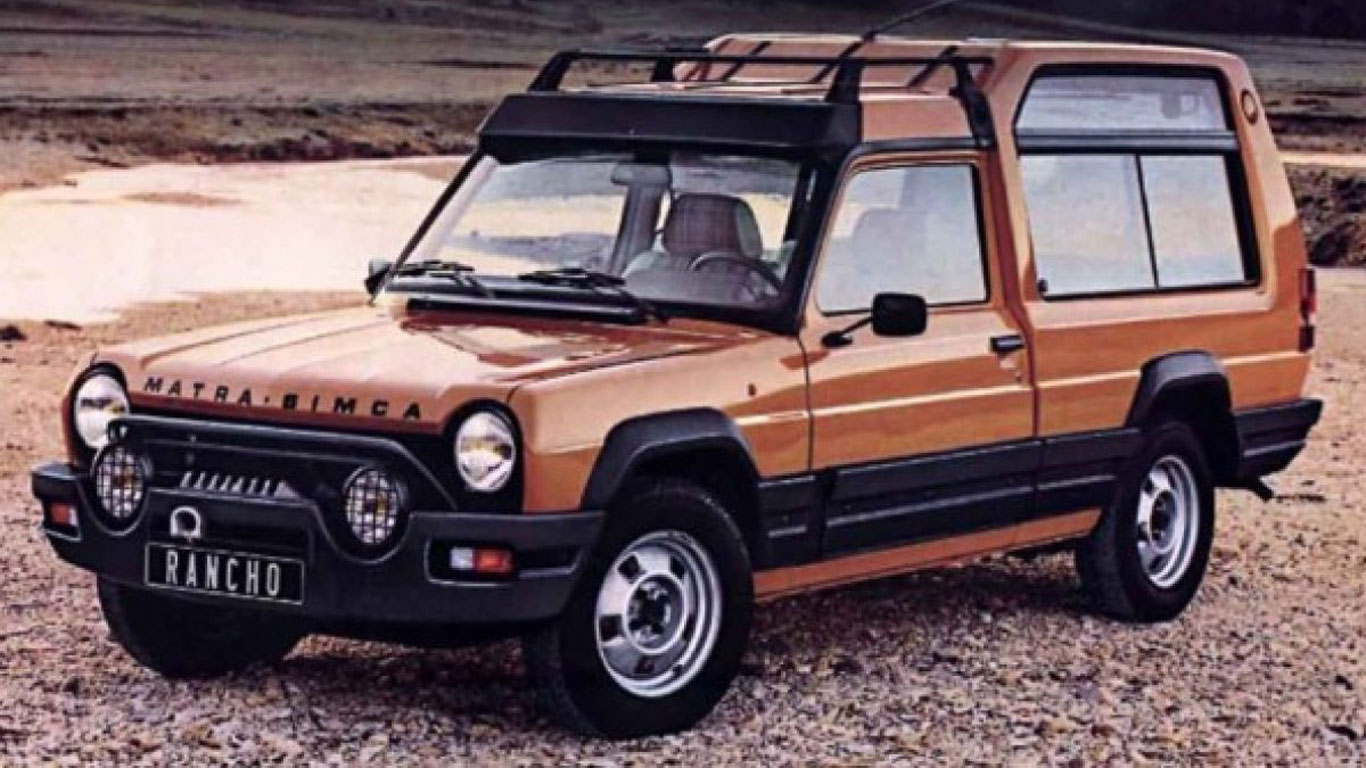
1977: Matra-Simca Rancho
“Perfectly at home in both town and country. Rancho seats seven in comfort, and with the rear seats folded there really is an astonishing amount of carrying space.” The Matra-Simca (later Talbot) Rancho was so far ahead of its time: a soft-roader and an early pioneer of the crossover. Land Rover must have approved, because the Discovery of 1989 looked remarkably similar.
1978: Saab 900
The Saab 900 was unveiled in 1978 and released for sale in 1979. Although based on the 99, it was entirely new from the A-pillars forward and was quite unlike anything else on the road. You always got the sense that Saab put its owners first, as demonstrated by the industry-first pollen filter.
1979: Lancia Delta
While the Integrale receives all the attention, it’s easy to overlook the elegance of the ‘basic’ Lancia Delta. Once again, we have Giorgetto Giugiaro to thank for this masterpiece.
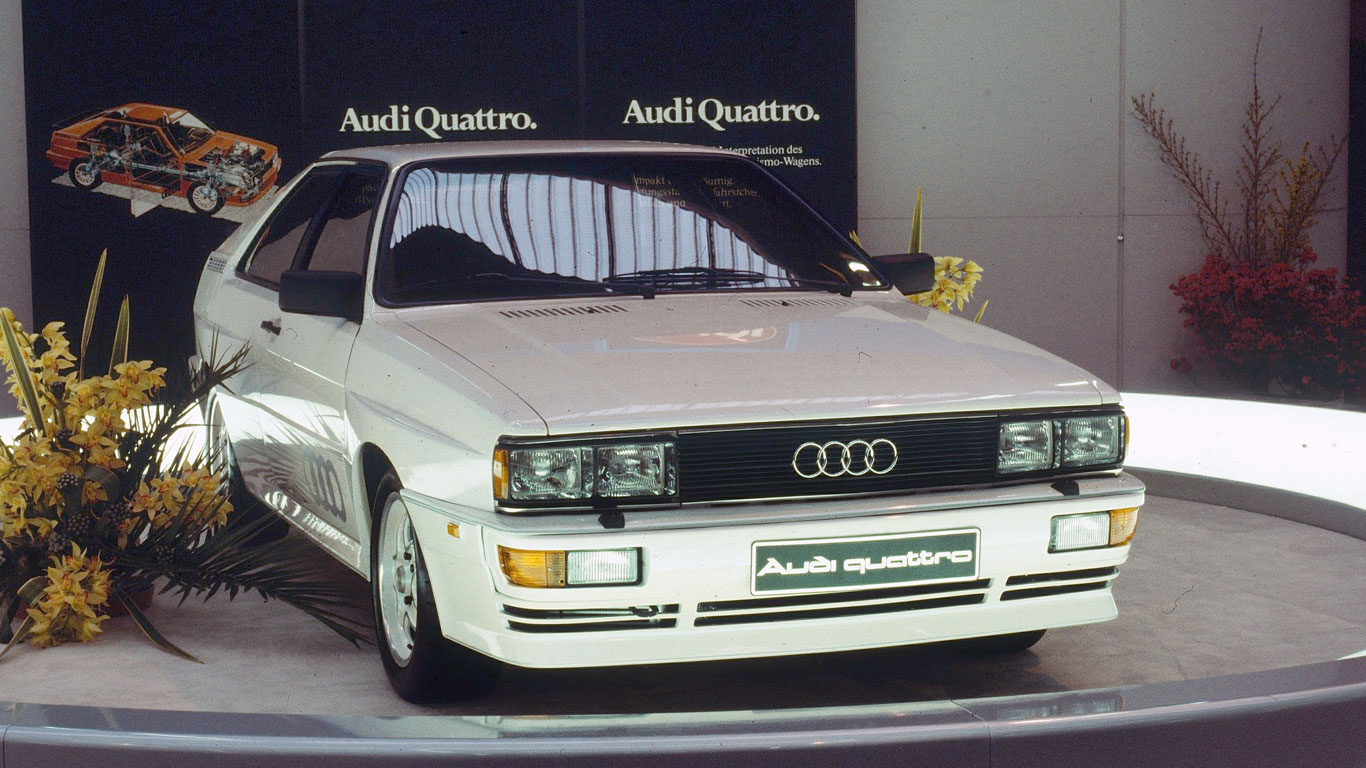
1980: Audi Quattro
For 1980, there can be only one. The Audi Quattro was a landmark car in so many ways, most notably in world rallying, where it rewrote the rule book. It also demonstrated that four-wheel drive could work for volume production cars and laid the foundations for the future of Audi.
1981: Honda Quintet
Remember the Honda Quintet? This was essentially a four-door hatchback version of the Accord, styled to give it a more family-friendly feel. “The quintessential car for the 80s,” proclaimed Honda, with the adman scouring the Scrabble dictionary in search of words beginning with ‘Qui’. Is the Quintet cool? Absolutely, but we’re not entire sure why.
1982: Citroen BX
The BX was Citroen’s landmark car, certainly in the UK, as it thrust the brand into the mainstream, becoming a fleet favourite and a consistent top-seller. “Loves Driving, Hates Garages,” proclaimed the press ads, as the BX cemented its position as one of Citroen’s best-selling vehicles.
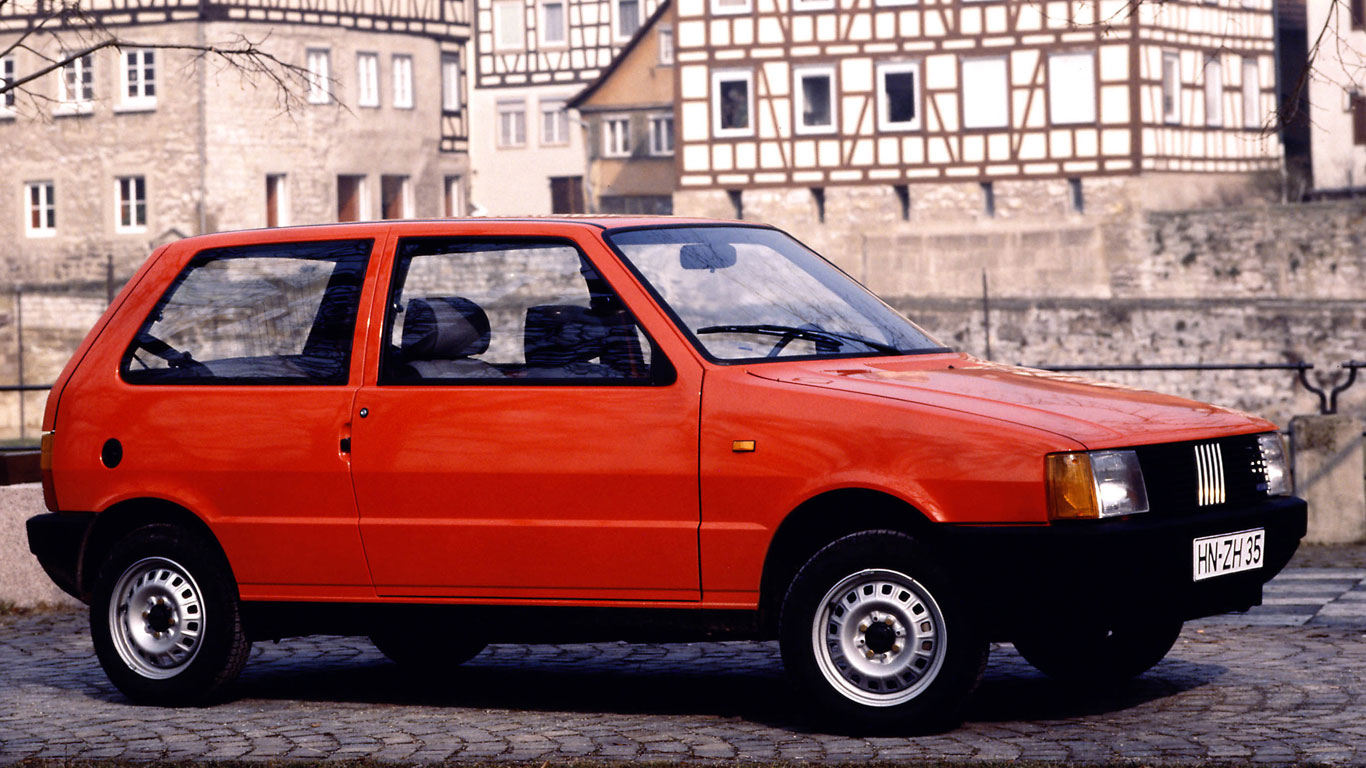
1983: Fiat Uno
This was a big year for motoring launches, with the VW Golf Mk2, Peugeot 205, Fiesta Mk2 and Austin Maestro appearing for the first time. Choosing the coolest of 1983 is tough, but we’re opting for the Fiat Uno. Why? Because Giorgetto Giugiaro, of course.
1984: Ferrari 288 GTO
You can thank the madness of Group B rallying for the creation of the 288 GTO, but when the race series was cancelled, Ferrari faced a dilemma: cancel the project or press on regardless. Fortunately, it chose the latter, not least because the demand was so high. In total, 272 were built and it remains one of Maranello’s greatest hits.
1985: Autobianchi Y10
The Autobianchi Y10 – sold in the UK as a Lancia – was designed to be a chic small car for drivers with premium aspirations. And while it’s fair to say it looked better on the streets of Milan and Turin than it did in Macclesfield and Tamworth, we miss the Y10, especially in Turbo guise.
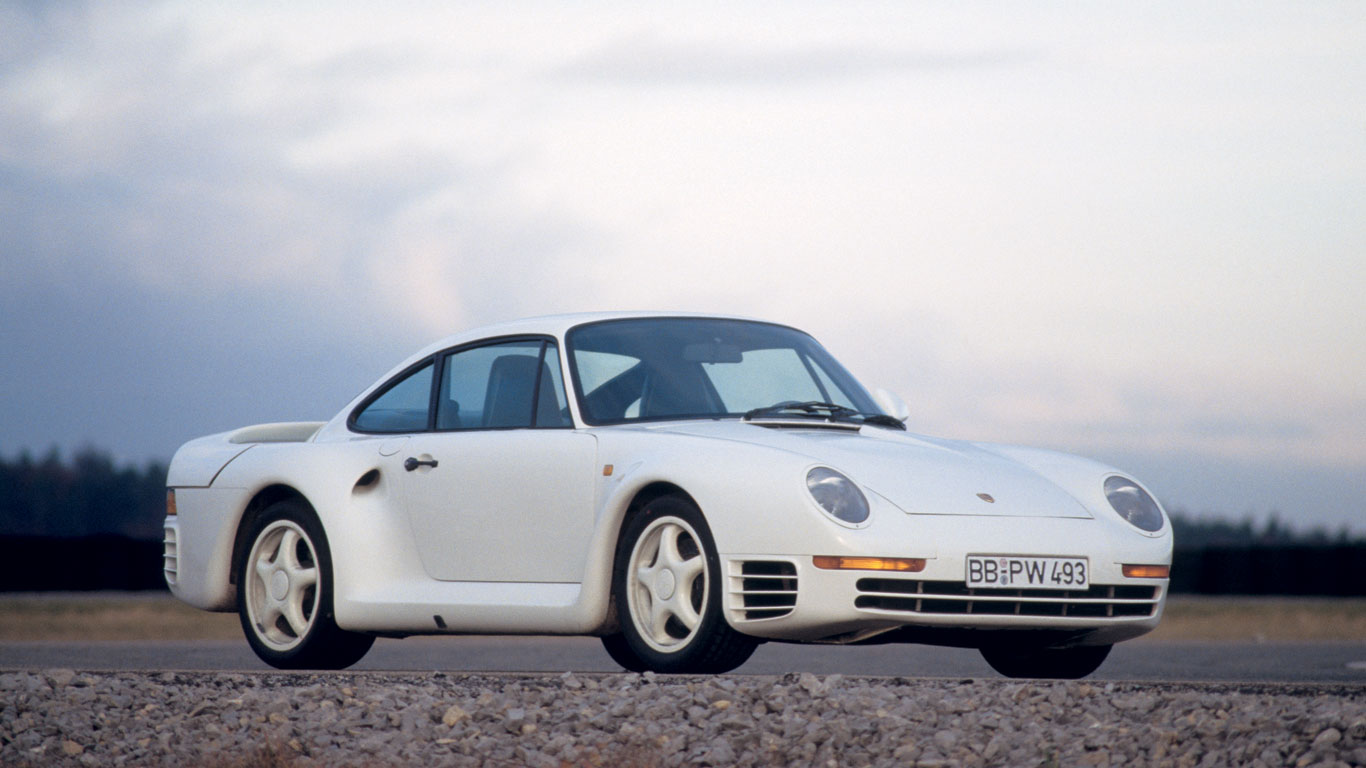
1986: Porsche 959
Even by today’s standards, the Porsche 959 is a devastatingly quick supercar. Top speed was just shy of 200mph, while the 0-60mph sprint was polished off in less than four seconds. It was a technological masterpiece, offering a tantalising hint of the supercar of tomorrow.
1987: Alfa Romeo 164
The Type Four platform was a joint-venture between Alfa Romeo, Fiat, Lancia and Saab, with the aim of creating four executive saloons. The 164 was by far the best looking of the four, with attractive Pininfarina styling. In 3.0-litre V6 form, it’s also one of the most alluring cars of the 80s.
1988: Volkswagen Corrado
The Corrado was designed to sit somewhere between the Volkswagen Scirocco and Porsche 944, but history will recall that it failed to hit the mark. It’s a prime example of a car that was critically acclaimed and loved by owners, but hampered by a high price and buyer apathy.
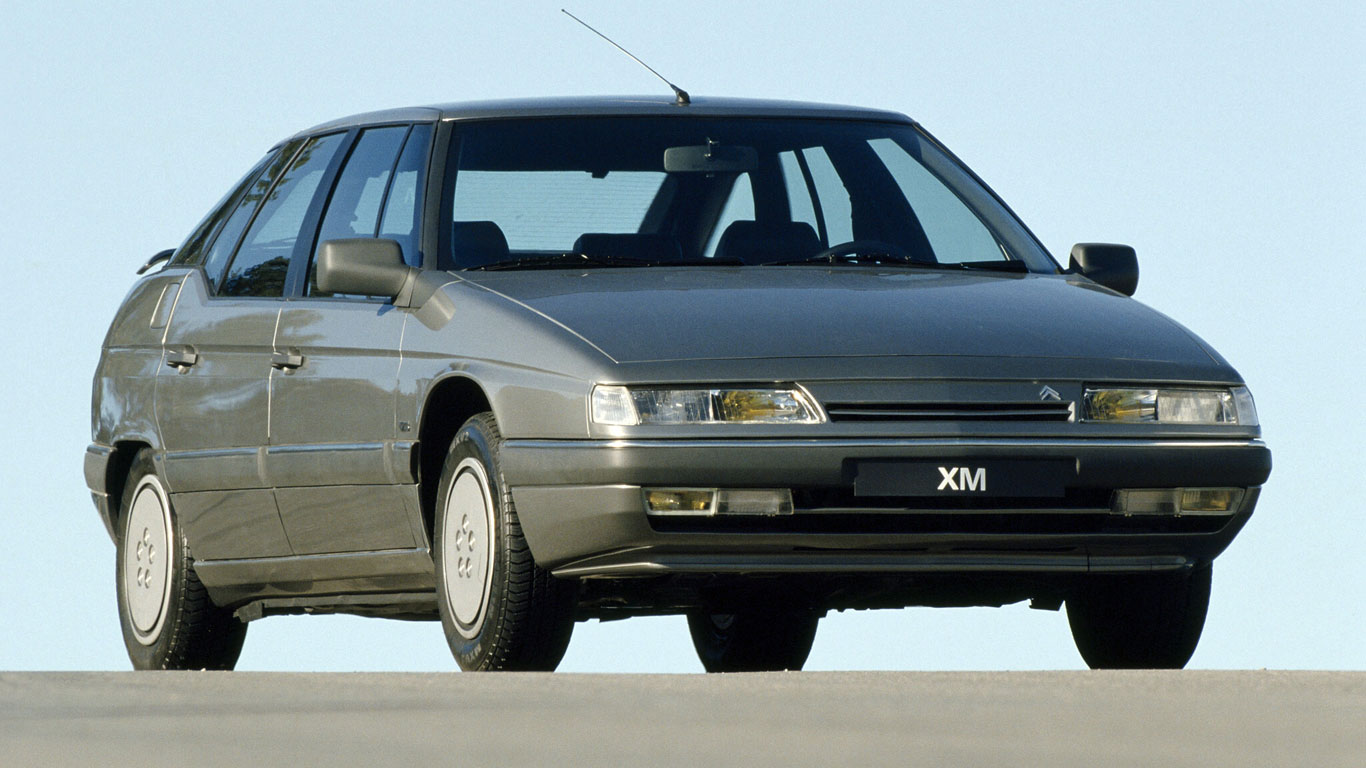
1989: Citroen XM
Often referred to as the last true Citroen, the XM faced the difficult challenge of replacing the CX. Contemporary reviews aren’t too favourable, with the engines coming in for criticism and the Hydractive suspension, for all its cleverness, failing to reach the heights of the CX and DS before it.
1990: Range Rover CSK
The Range Rover CSK was unveiled in 1990 and named after Charles Spencer King, the genius behind the original two-door Range Rover of 1970. Its primary role was to promote the development of Land Rover’s new anti-roll suspension, but it was, at the time, the fastest production Range Rover ever built.
1991: Bugatti EB110
In 1991, exactly 110 years after the birth of its founder, Ettore Bugatti, the company unveiled the EB110. It was powered by a quad-turbocharged V12 engine and featured permanent four-wheel drive and the world’s first carbon-fibre chassis.
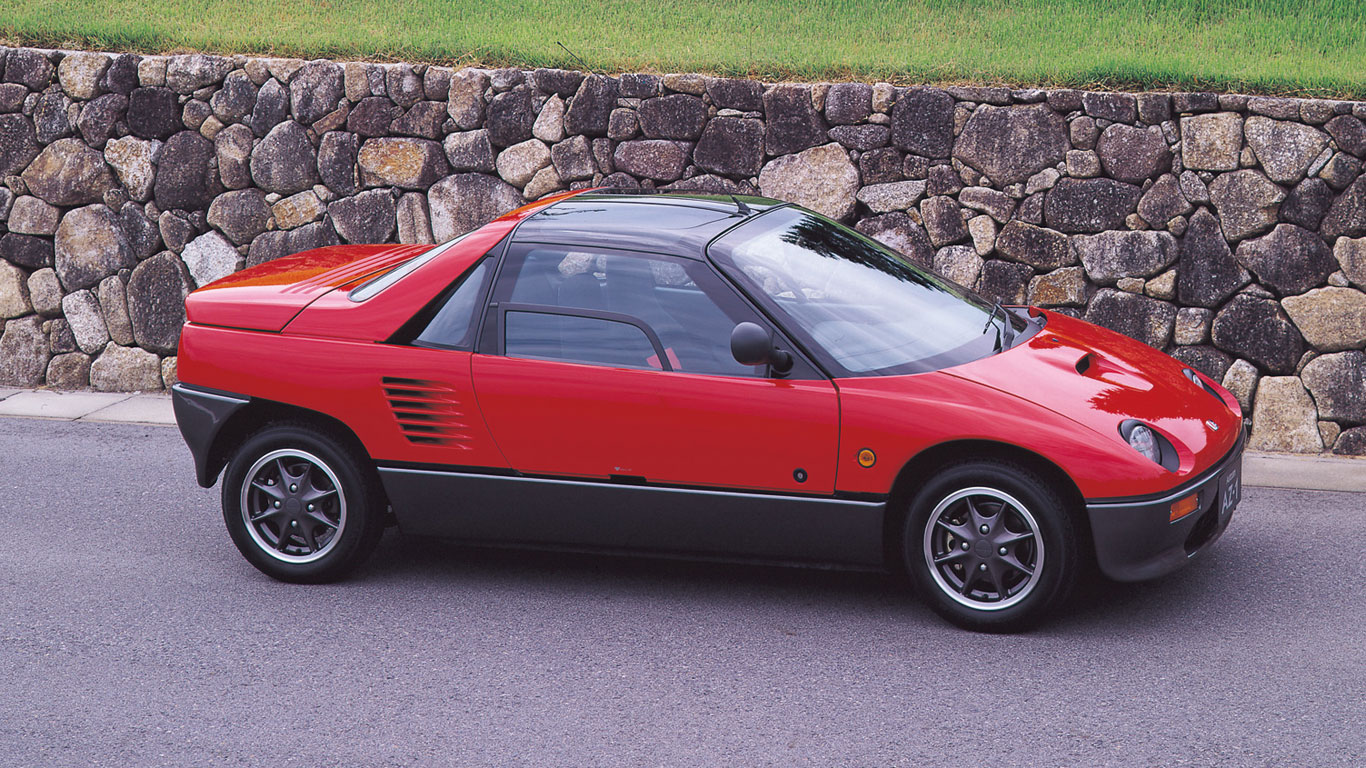
1992: Autozam AZ-1
Search online for the ‘coolest kei car’ and the chances are this will be near the top of the list. The Autozam AZ-1 might be small, but it boasts a pair of gullwing doors. And gullwing doors are cool, right?
1993: Lister Storm
The Lister Storm is unquestionably the greatest supercar to emerge from Leatherhead. Its 7.0-litre V12 engine was the largest V12 engine fitted to a production car since World War II and developed around 550hp and 538lb ft of torque. The top speed of 208mph and 0-60mph of 4.1 seconds meant that the Storm was a favourite Top Trumps card.
1994: Fiat Cinquecento Sporting
In 1994, the Fiat Cinquecento Sporting was Italy’s answer to the Mini Cooper. Power was sourced from a 1.1-litre Punto engine, while further upgrades included stiffer springs, four-spoke alloys and a front anti-roll bar. Pound for pound, the Sporting was the most fun you could have for £6k.
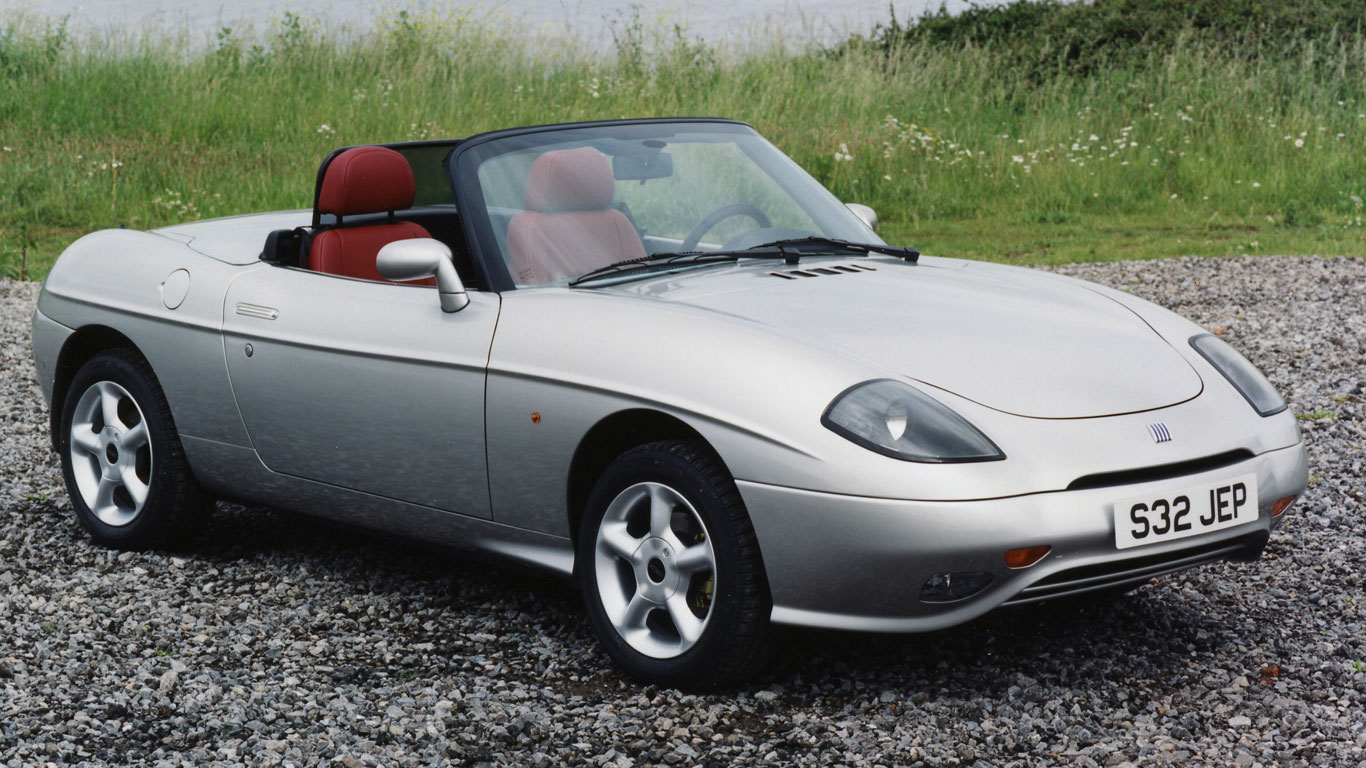
1995: Fiat Barchetta
Fiat did a great job of extending the use of the Punto, with the Barchetta borrowing its front-wheel drive platform. Don’t let the fact that the sports car is left-hand drive only put you off, because this is a credible alternative to the Mazda MX-5.
1996: Lotus Elise
Can it really be 21 years since the launch of the Lotus Elise? It redefined what we expected from a sports car, utilising an aluminium tub to great effect. It was, quite simply, one of the best drivers’ cars of the 20th century.
1997: Ford Puma
Speaking of great drivers’ cars: the Ford Puma is proof that a front-wheel drive coupe can deliver the same thrills as a rear-wheel drive sports car. If you were born in 1997, celebrate by buying something else that’s celebrating its 20th birthday. Yours for as little as a few hundred quid.
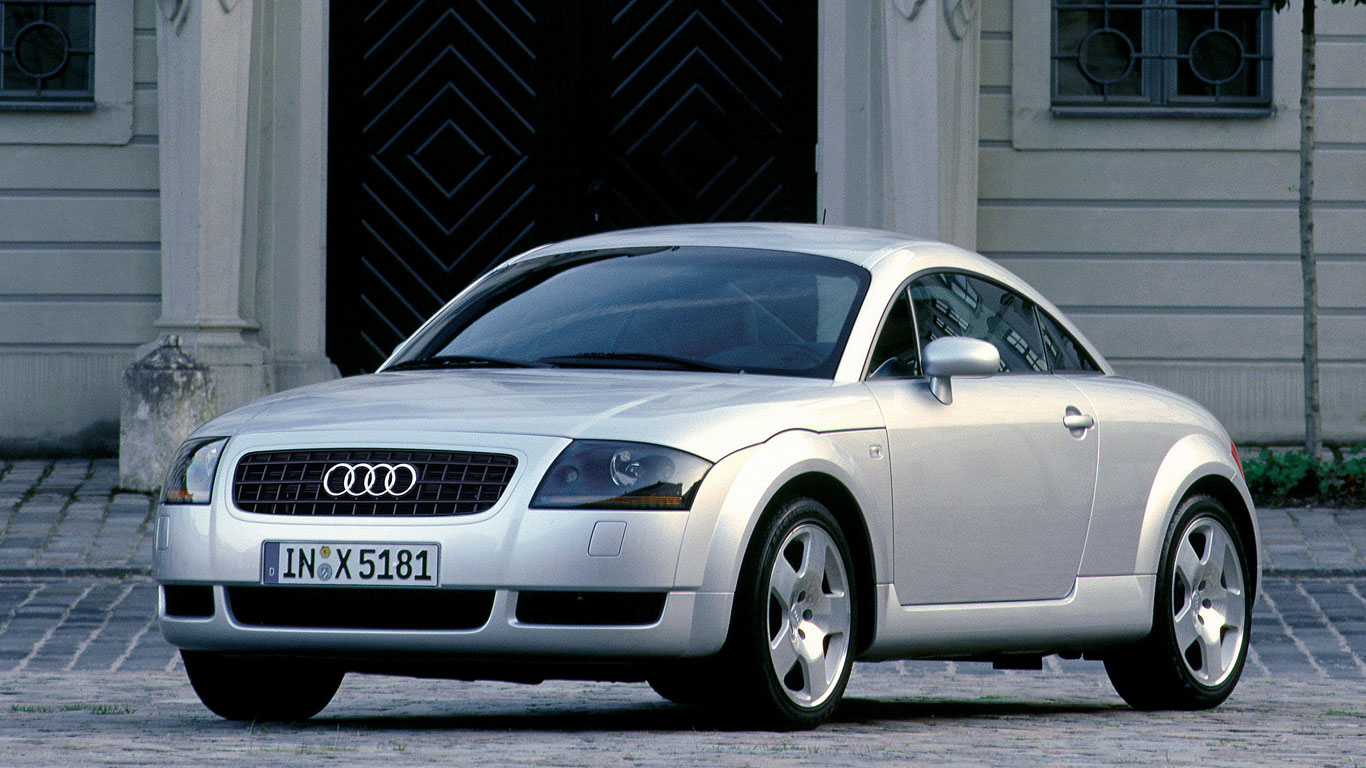
1998: Audi TT
The original Audi TT remains the epitome of cool: the concept car made a reality. Few cars have offered a such compelling blend of styling, interior quality and image. A modern classic.
1999: Honda Insight
We’re getting to the stage now when some of the original eco-pioneers are becoming classics in their own right. The Honda Insight was a technologically advanced hybrid hamstrung by poor practicality and space-age looks. Clever thing.
2000: Spyker C8
We’re stopping at the year 2000, because this is the final year in which somebody could be born and hold a valid driving licence in 2017. Some cool cars arrived this year – Lotus Exige, Vauxhall VX220, BMW Z8, to name but three – but we’re settling on something Dutch: the Spyker C8.
Car buying websites such as WeBuyAnyCar are leaving motorists almost £1000 worse off compared to what they would get through selling their car privately, claims independent new research commissioned by Auto Trader.
On 4 August 2017, consumer insight agency Join the Dots researched guaranteed sale valuations for over 300 cars from WeBuyAnyCar, and then compared them to Auto Trader private sale valuations. The average shortfall was £958: in 98 percent of cases, WeBuyAnyCar’s price was lower than the Auto Trader real market value.
Premium brands were hit particularly hard. The average loss for a BMW was £1282; for Audi, it was £1142 and Mercedes-Benz, £1044. SUVs were also valued an average of £1237 less, “proving 4x4s to be the least profitable car type to sell through WeBuyAnyCar than privately on Auto Trader”.
The biggest shortfall was for a 5000-mile 2016 Ford Focus RS: WeBuyAnyCar offered £8835 below the Auto Trader private sale price. Join the Dots senior research director Chris Haydon said the study “reveals the trend… that could strip consumers of significant profits if they don’t understand the true market value of their car”.
The research was commissioned by Auto Trader to provide market insights into its latest initiative: free listings for sellers of cars costing £1000 or less. WeBuyAnyCar, on average, offered 27 percent of the Auto Trader private valuations for these cars – that’s a £586 shortfall, meaning you could potentially more than double your money if you sold your cheap car privately rather than going for the convenience of sites such as WeBuyAnyCar.
Bargain Auto Trader cars costing £1000 or less
Some motorists will still prefer WeBuyAnyCar for this very reason – a quick, instant sale, rather than having to field calls from potential buyers, take them on test drives, go through the haggling process and such like. But given the extent of the potential shortfall, it’s likely many may now question just how much that convenience is worth…
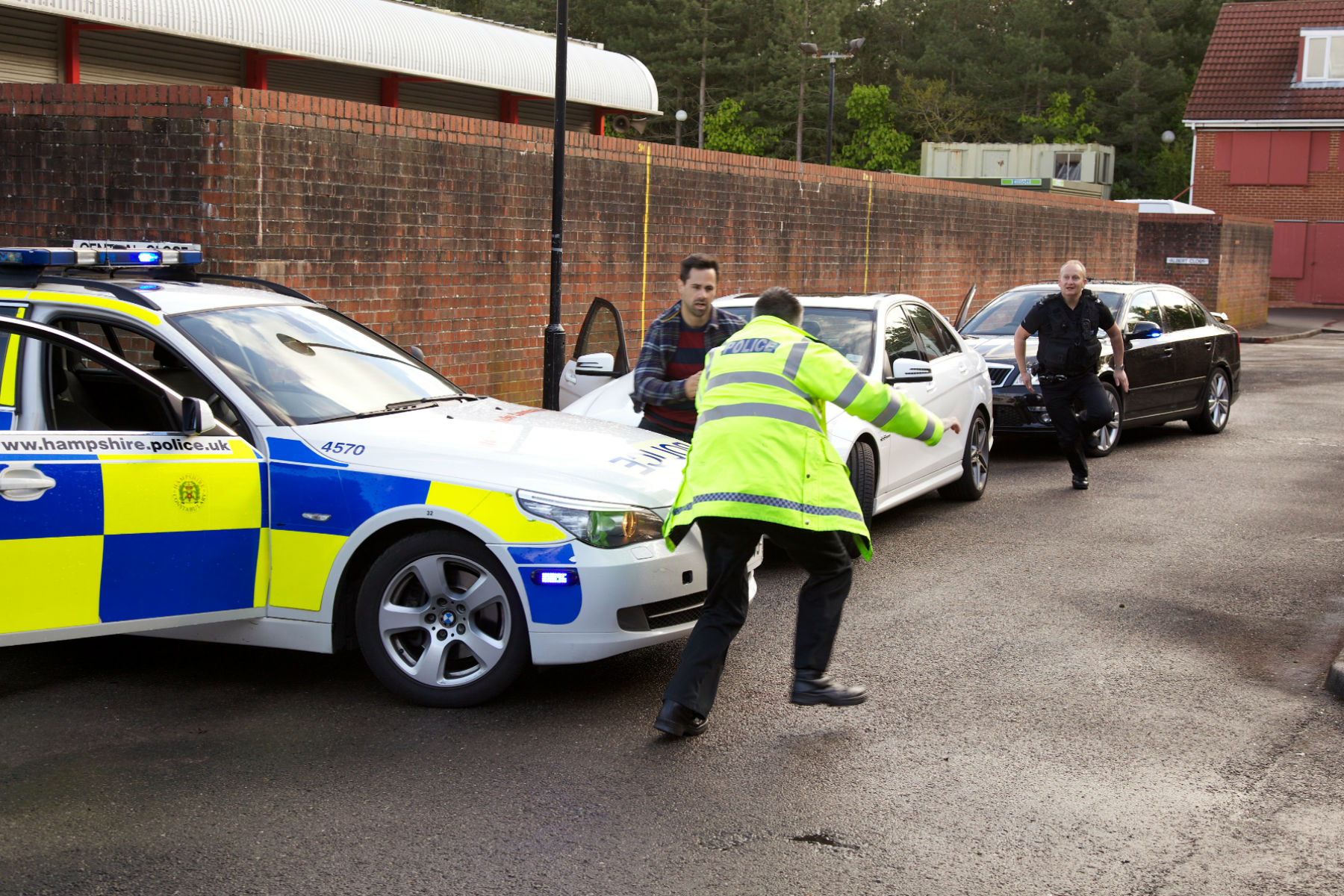
Car tracking expert Tracker has warned that car thieves are using a clever new technique to steal cars from outside their owners’ homes using keyless entry systems.
The so-called ‘relay’ method uses two criminals working together. One stands near the door of the owner’s home, within range of the car’s key fob. A device used by the crooks then picks up the key fob signal from inside the house and relays it to the car. If it’s successful, the criminals can start the car and drive away within seconds.
“At Tracker, we are seeing more thefts recorded as ‘stolen without the keys’ which suggests that electronic manipulation and cyber compromise are on the increase,” said Tracker’s head of police liason, Andy Barrs. “The new relay attack technique has gained significant ground in the US and Germany, but it’s also beginning to take hold in the UK, so vehicle owners need to protect themselves and their assets.”
German research reveals BMWs and Peugeots are most likely to be targeted using keyless techniques, but testers have managed to unlock a wide variety of vehicles using the relay method. The BMW 7 Series, Toyota Prius, Volkswagen Golf and Ford Focus are the most affected, says Tracker.
Barrs adds: “As relay attacks become even more prevalent, owners need to protect themselves, particularly since criminal gangs are routinely using relay devices to exploit weaknesses in keyless security systems across a broad range of manufacturers. These tools are readily available on the internet for as little as £80 and thefts typically occur in residential areas, where cars are parked relatively close to the house, especially at night.”
 BMW has previewed the new 2018 Z4 at the Pebble Beach Concours d’Elegance, with this radical Concept Z4: officially called a design study, BMW’s happy to admit it gives us a first indication to how next year’s series production model will look.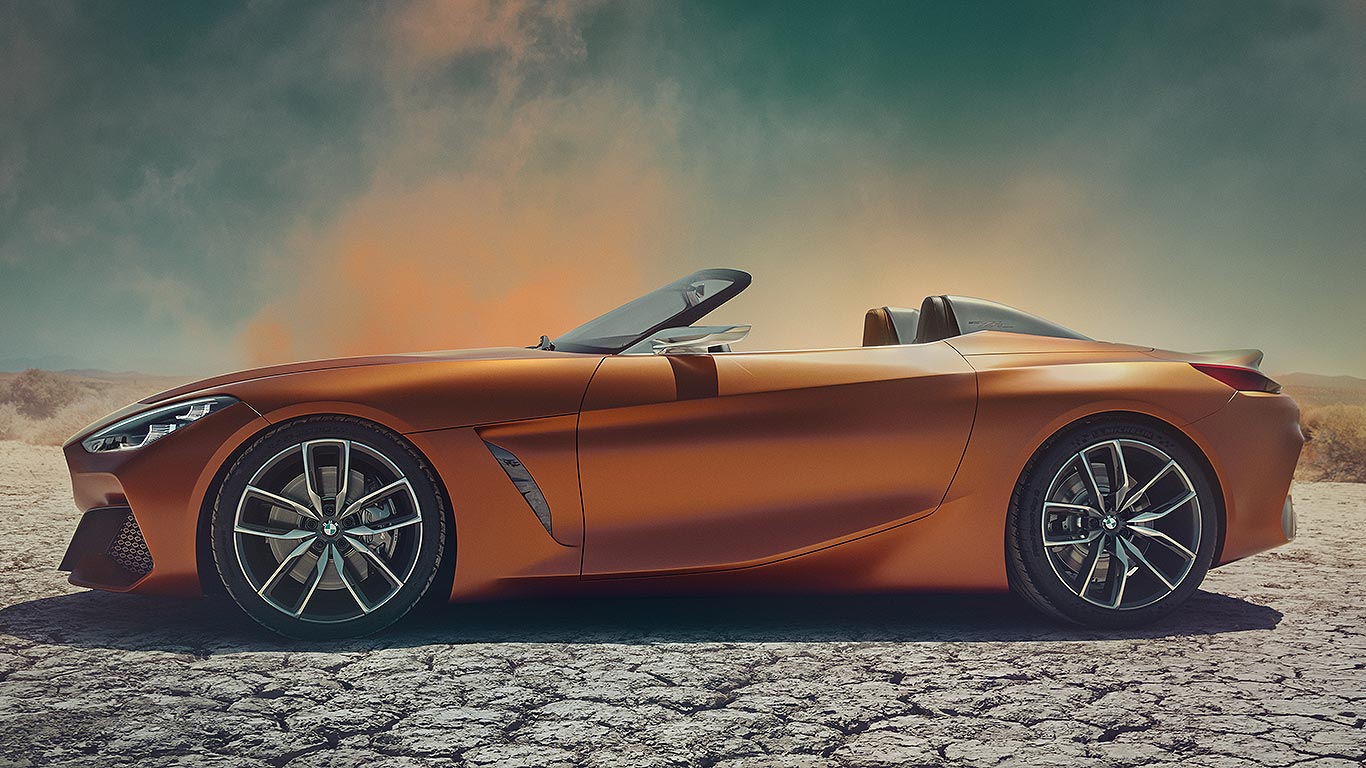

 Aston Martin has quadrupled its ultra-special range of custom-built Vanquish Zagato models with the reveal of a stunning Speedster limited-run production model – and the surprise announcement of a Shooting Brake ‘estate’ version.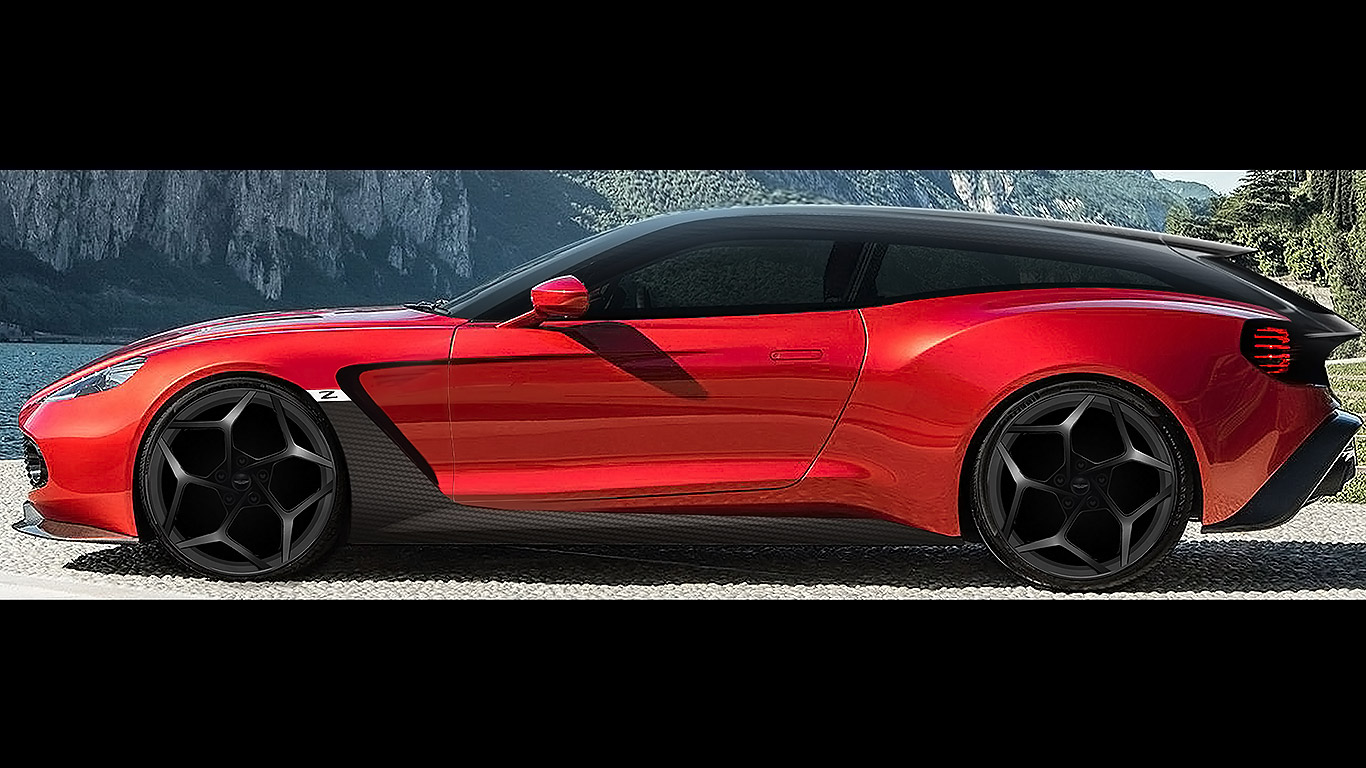

 Car buying websites such as WeBuyAnyCar are leaving motorists almost £1000 worse off compared to what they would get through selling their car privately, claims independent new research commissioned by Auto Trader.