There are fears that many of Britain’s motorists are driving with invalid insurance, due to modifications on their cars that are undeclared on their insurance.
Research collated by GoCompare has found that only 1.6 percent of drivers are claiming to have modifications on their cars. This suggests there is a large group of people out there driving with mods undeclared on their cars, either knowingly or unknowingly.
Some drivers who actively modify their cars will withhold information on changes from insurers to keep premiums down. Others may be driving without any knowledge of the aftermarket components that are installed on their cars.
Anything non-standard is a mod. From entire engine swaps to non-standard decal stickers and everything in-between –insurers need to be aware of all of it.
Over eight million used cars were bought and exchanged last year, so the risks of cars with unseen modifications being bought by unaware drivers are palpable.
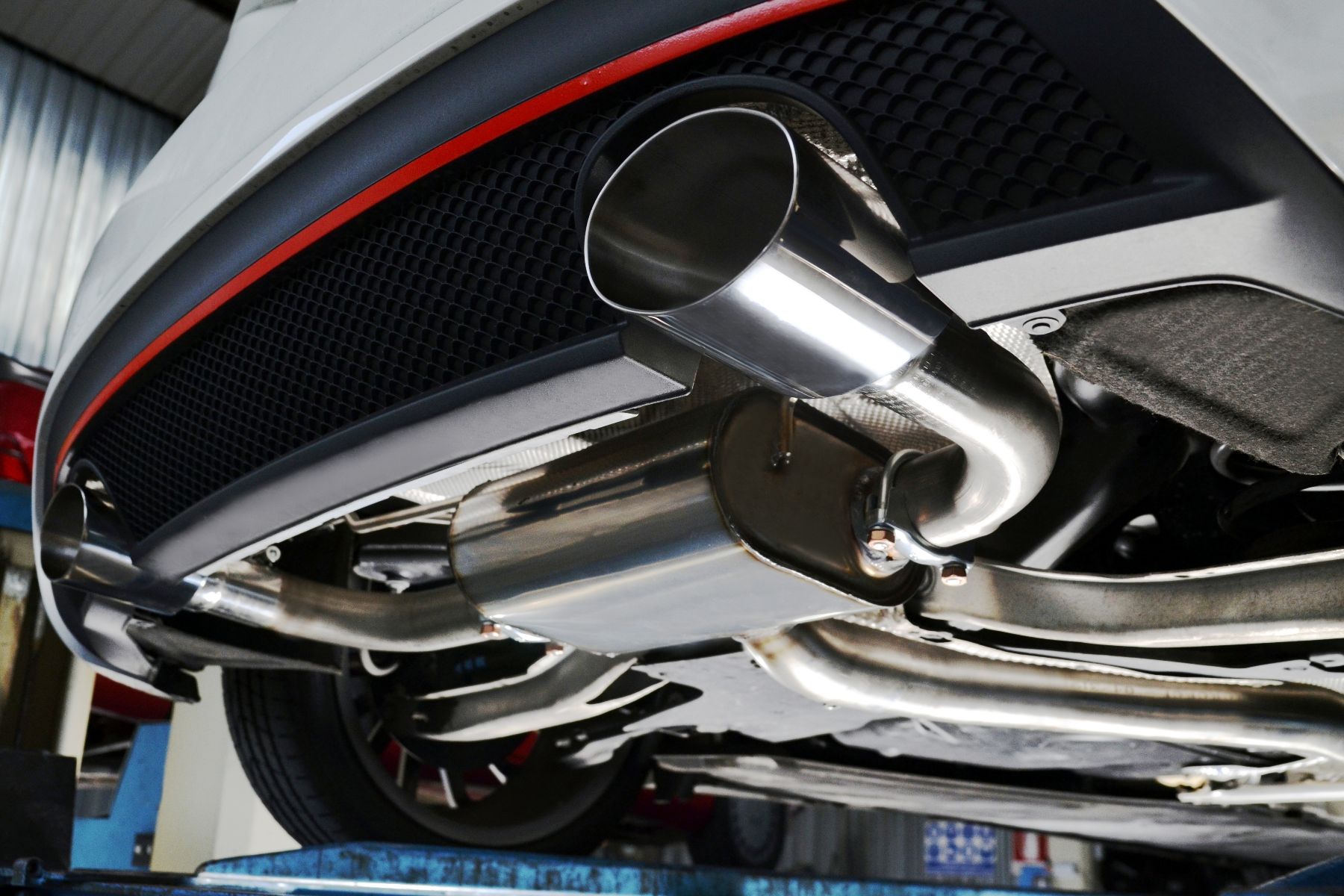
Perhaps predictably, alloy wheels, exhaust changes, suspension alterations, tow bars and tinted windows are the most popular mods. Over 25 percent of drivers that declare modifications fitted aftermarket wheels. Over 15 percent said they changed exhaust systems.
Some of the least popular mods include engine mapping, nitrous oxide and dual controls. Clearly, not many motorists are clinging on to the glory days of The Fast and the Furious, or indeed becoming driving instructors.
“While modifications may ring bells of the bygone boy racer, it’s worth remembering that insurers don’t just class body kits, exhaust systems or suspension changes as vehicle modifications,” said Matt Oliver, spokesperson for GoCompare car insurance.
“The average used car buyer could find there are modifications they’re simply not aware of”.
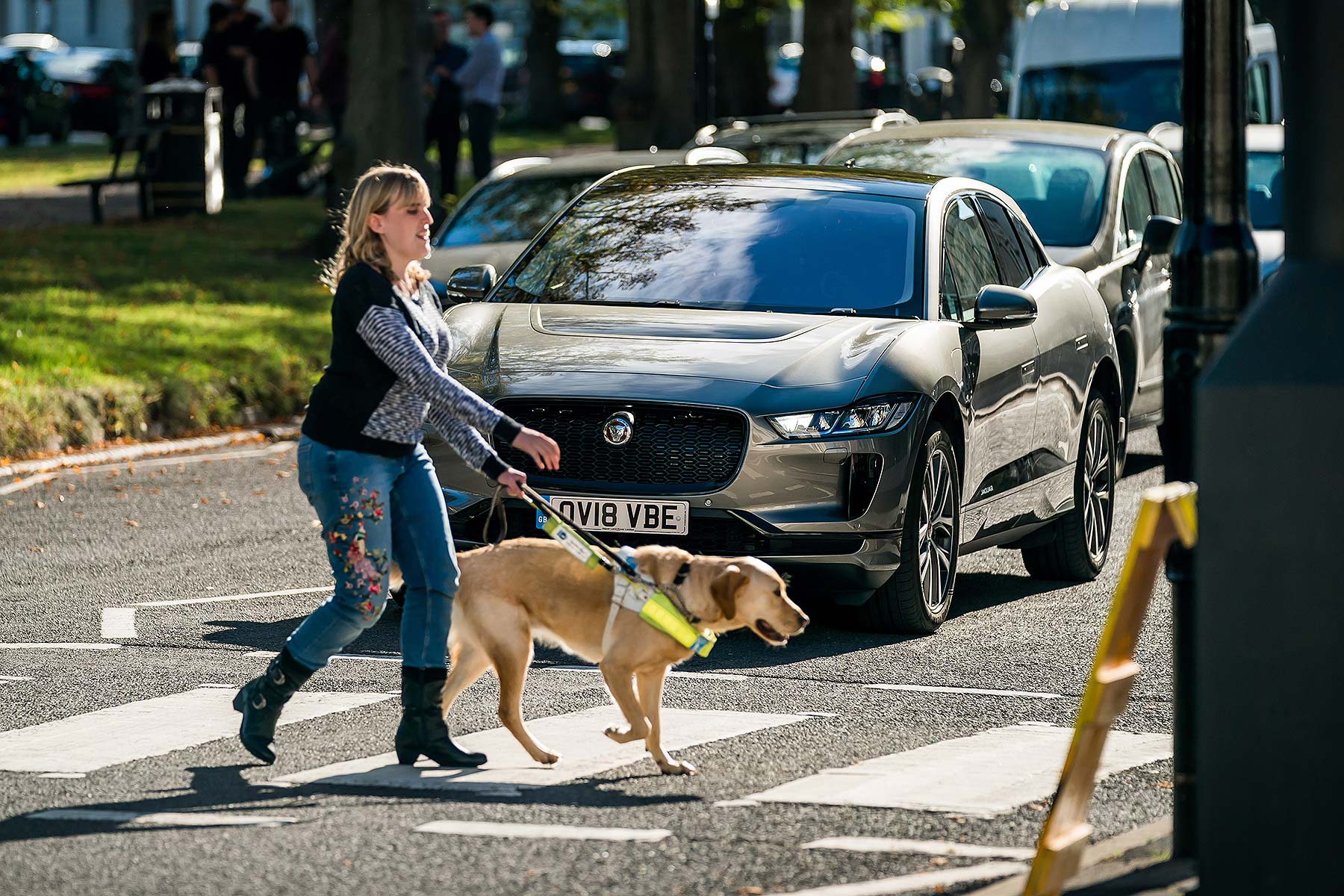
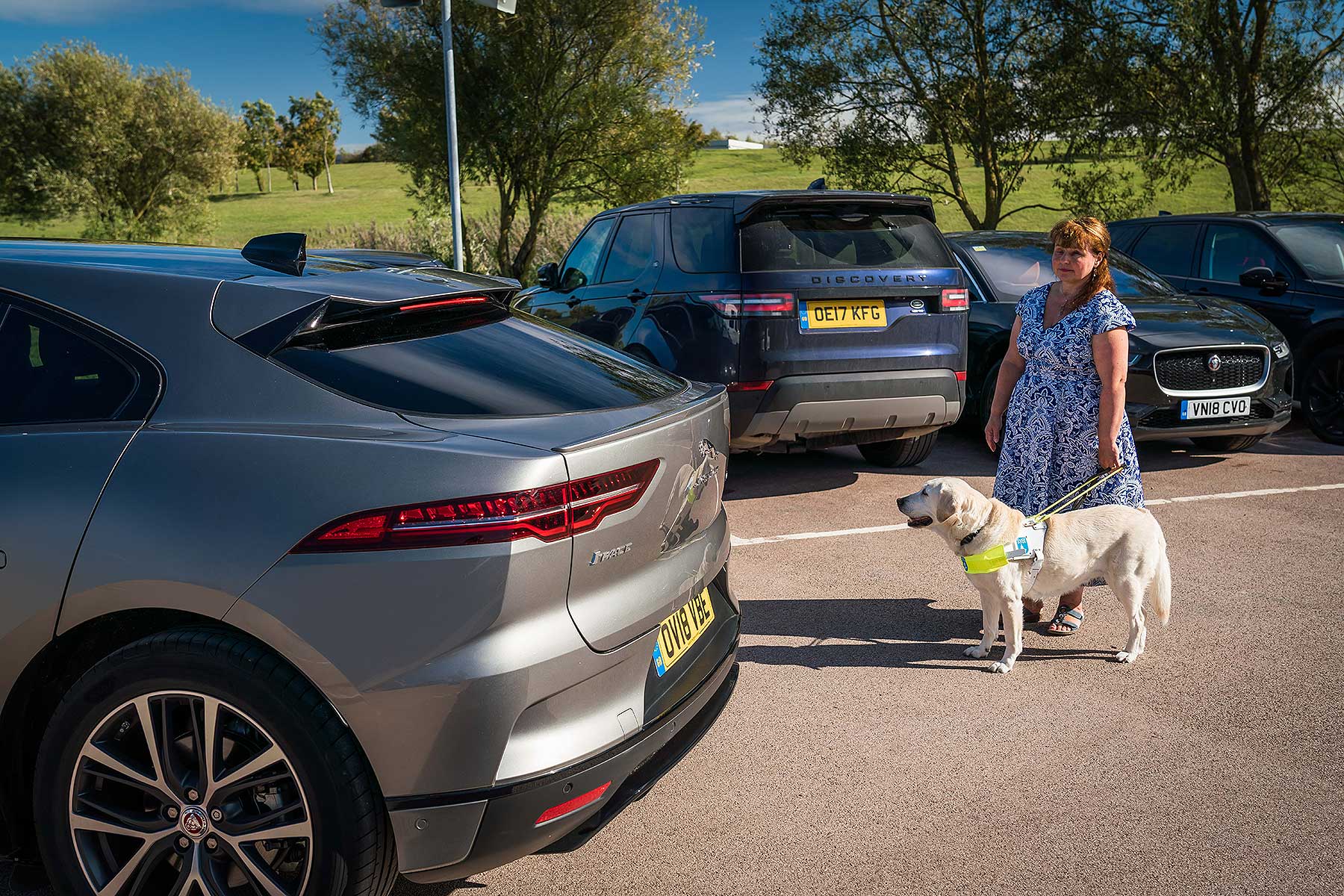
Electric cars are almost silent in operation, which creates a dangerous challenge for blind and visually impaired road users. Next year, new European legislation comes into force that makes electric car safety sound systems mandatory – but Jaguar already has one in production on the new I-Pace.
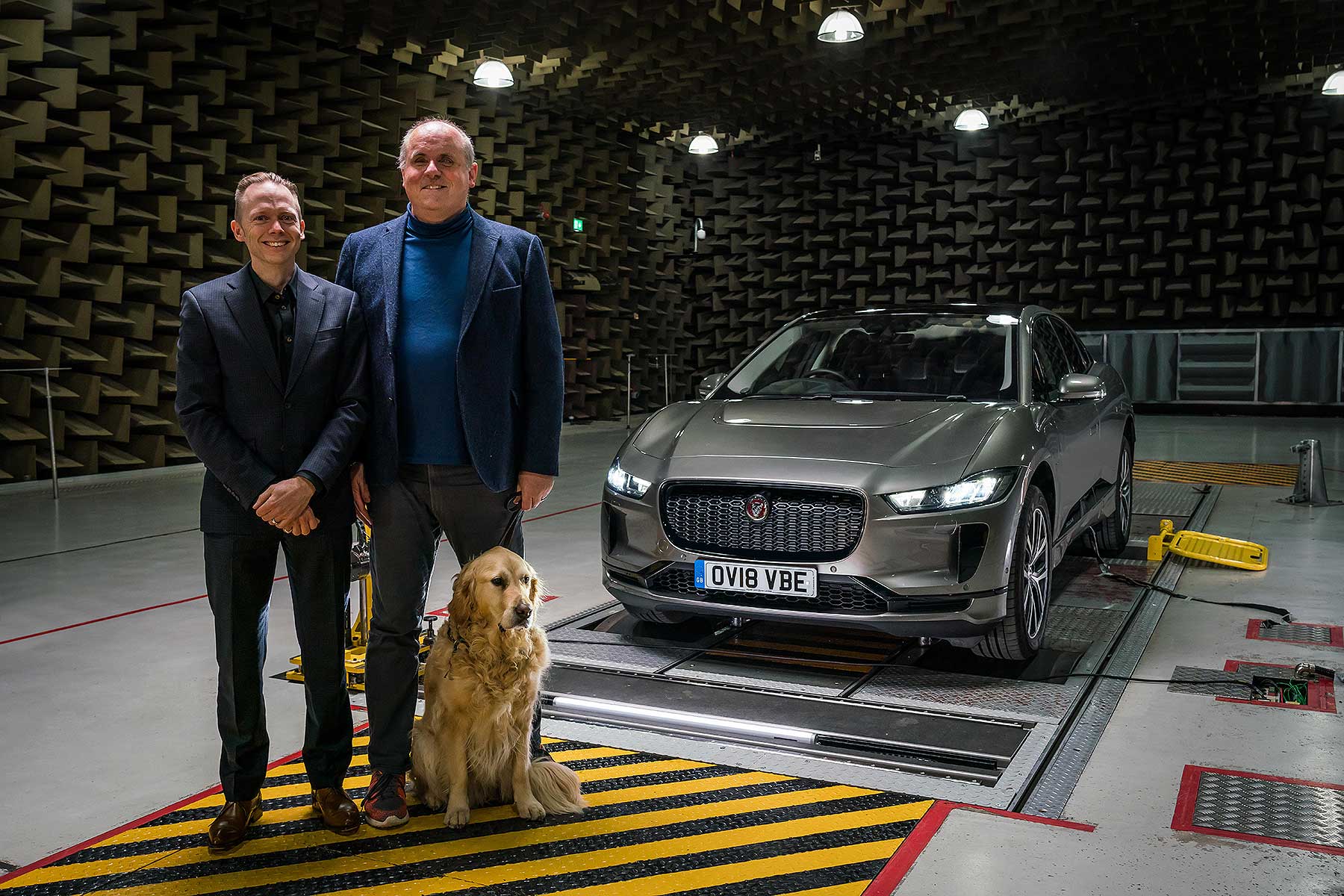
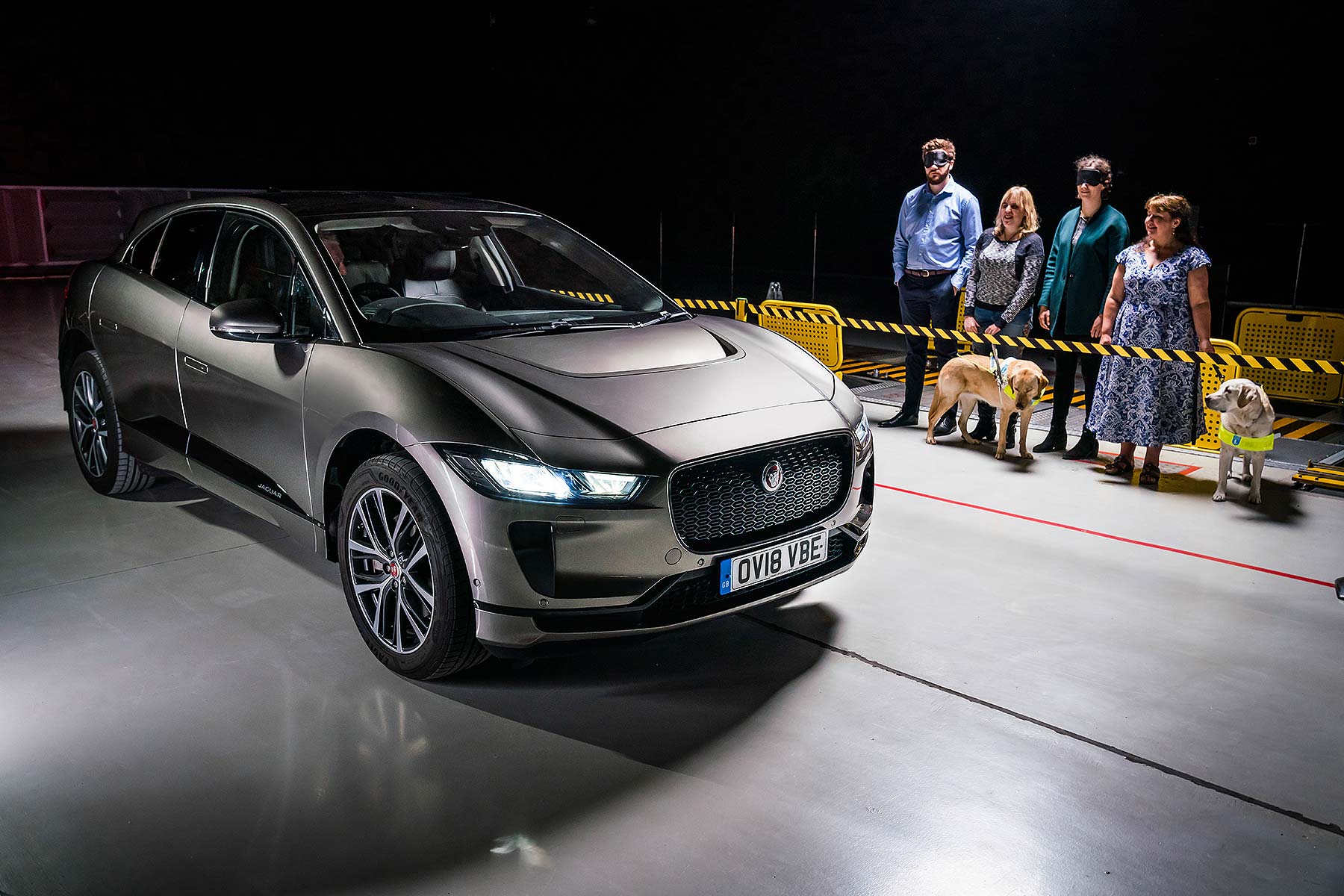
The new system was tested by members of Guide Dogs for the Blind, as part of a four-year development programme to hone a noise that’s both audible yet unobtrusive.
Crucially, the engineers didn’t want it to be heard from inside the car.
Called the Audible Vehicle Alert System, or AVAS, the I-Pace set-up works at speeds of up to 20km/h (around 13mph) and cannot be turned off.
Electric car range from shortest to longest
It’s surprisingly loud from outside the car, exceeding the 56dB minimum stipulated by next year’s European electric car low-speed noise alert legislation. This is described as the strictest in the world by Jaguar.
A speaker in the grille emits the noise, which can be heard in all directions. It varies in tone and pitch depending on the speed of the car – and an extra tone is added to signal the car is reversing.
As for the sound itself, Jaguar ditched early plans to make it sound like a spaceship. Pedestrians reportedly looked up at the sky rather than the road.
Instead, it sounds suitably futuristic and harmonious, and is the result of tireless development in anechoic champers and real-life urban scenarios.
John Welsman from Guide Dogs for the Blind said: “There are two million children and adults living in the UK affected by sight loss. That is why Guide Dogs campaigned hard to make it compulsory for quiet vehicles to have sound generating systems built in and turned on, including when the vehicle is stationary at a pedestrian crossing.
“We applaud Jaguar for being the first to launch an EV which meets standards before the new legislation even comes in.”
So successful have the tests between Jaguar and Guide Dogs for the Blind been, the two have now developed an ongoing relationship and plan to collaborate on other projects in the future.
Watch: Jaguar I-Pace sound approved by Guide Dogs for the Blind
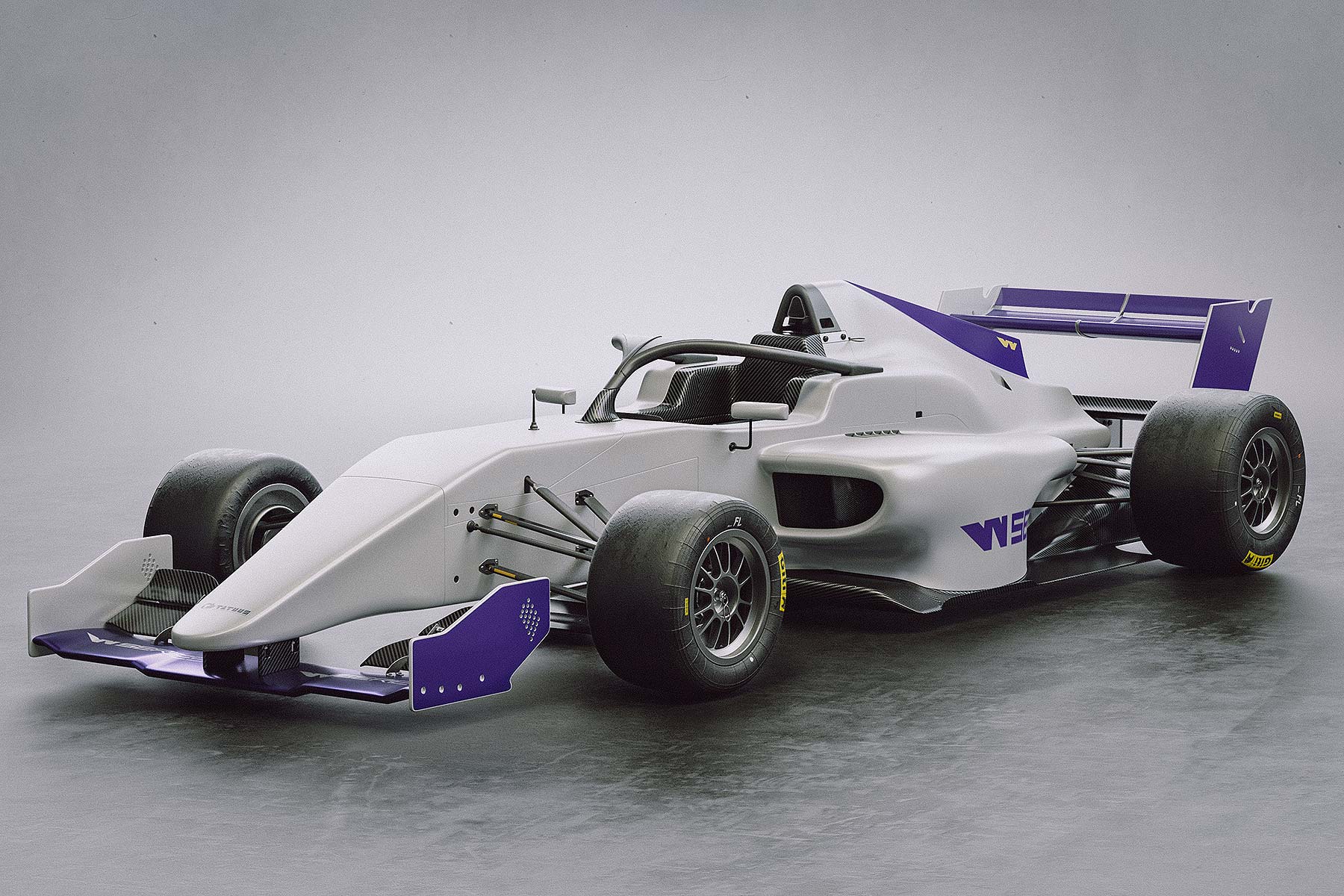
A new women-only single-seater racing series has launched to aid the search for top-level female talent. It’s a response to fears that the current progression path towards the upper echelons of racing is biased towards men.
The series will begin in Spring 2019, following a stringent selection process involving track, simulator and fitness testing. A maximum of 20 of the very best will then take to the grid and race in identical Formula 3 cars.
There is a total prize fund of $1.5 million, including $500,000 for the overall winner of the series. Cash prizes go down to 18th place in the final standings.
There is an imbalance
The new series has found favour with many big names in motor racing, from both in and out of the cockpit. Former F1 star David Coulthard is staunchly in support and takes issue with the current male-dominated roads into F1.
“In order to be a successful racing driver, you have to be skilled, determined, competitive, brave and physically fit… You also don’t have to be a man.
“At the moment, women racing drivers tend to reach a ‘glass ceiling’ at around the GP3/Formula 3 level on their learning curve, often as a result of a lack of funding rather than a lack of talent.”
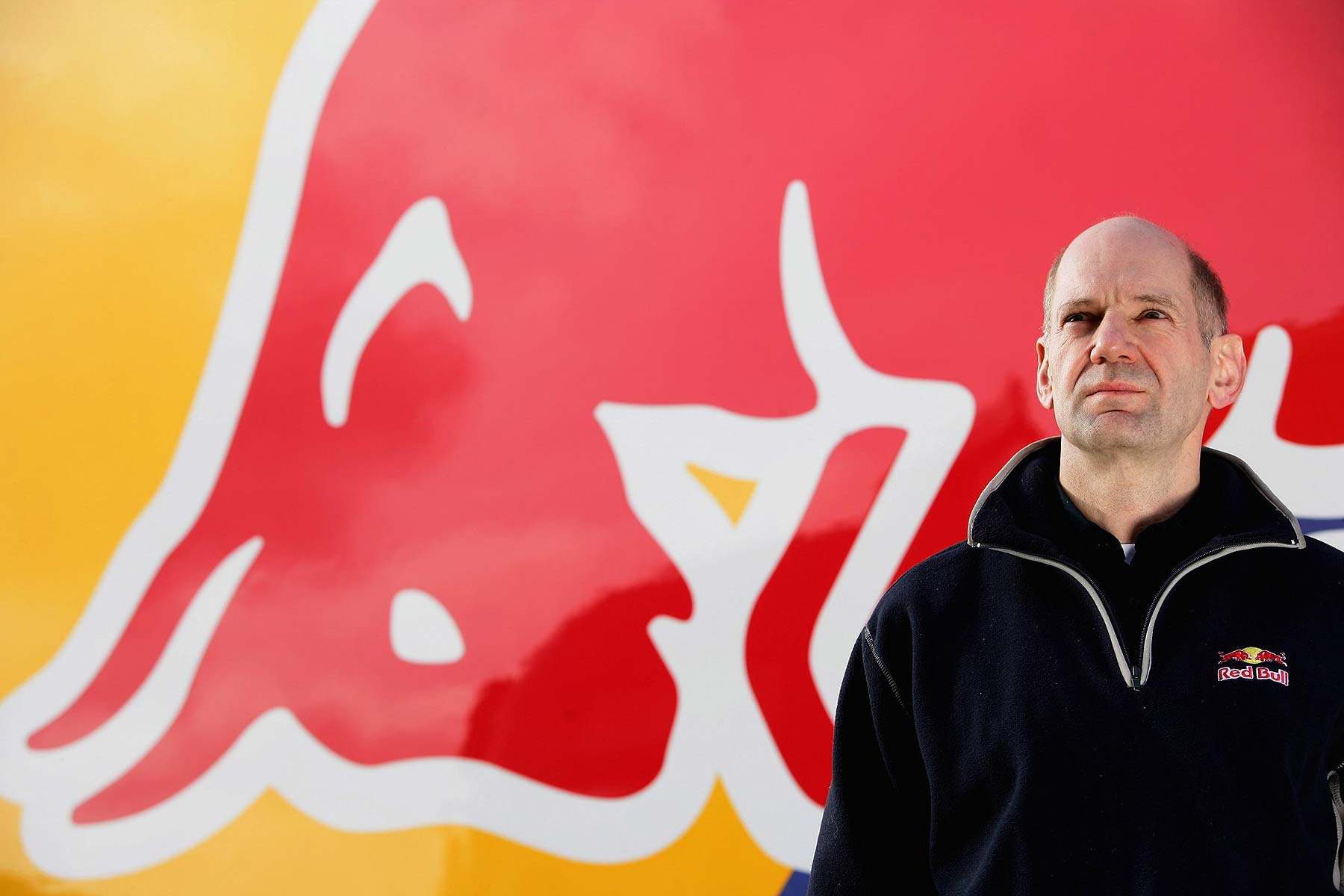
Adrian Newey, one of the all-time great F1 designers and engineers, joins Coulthard in support of the new series. He too cites that it’s the opportunity that is inadequate, not the skills or physical performance ambitious female racers.
“I have a reasonable understanding of the constituents of a top-class driver’s necessary skill-set” says Newey.
“The reason why so few women have so far raced successfully at the highest levels against men may, however, be a lack of opportunity rather than a lack of capability.”
An inspiration for all women in motorsport… not just drivers
The W Series therefore is designed to give prospective female racing talent the stage on which to demonstrate their ability. W Series Racing director, Dave Ryan, says that encouraging women to get more involved in motorsport in all facets, is more important still.
“We want W Series to be a catalyst for positive change for all women in motorsport. We want W Series to encourage more girls and young women to study STEM [science, technology, engineering and mathematics] subjects at schools, colleges and universities, so as to build rewarding careers as race mechanics, technicians, engineers, aerodynamicists and so on.”
The attention that the series is drawing and that it highlights the issue of gender imbalance in motorsport is surely a good thing. It’s one of the main goals of series creator, Catherine Bond Muir, to simply get the spotlight shone on female racing talent.
“There are just too few women competing in single-seaters series at the moment. W Series will increase that number very significantly in 2019, thereby powerfully unleashing the potential of many more female racing drivers.
“W Series drivers will become global superstars – inspirational role models for women everywhere.”
Reaction: W Series
Jamie Chadwick – British F3 winner
Many divided opinions, but personally I feel that any additional opportunity to race is positive ✅ As long as I can continue to live my dream and fulfil my ambition to race at the highest level of motorsport, then I’m happy! ? https://t.co/M5ceEGKe7G
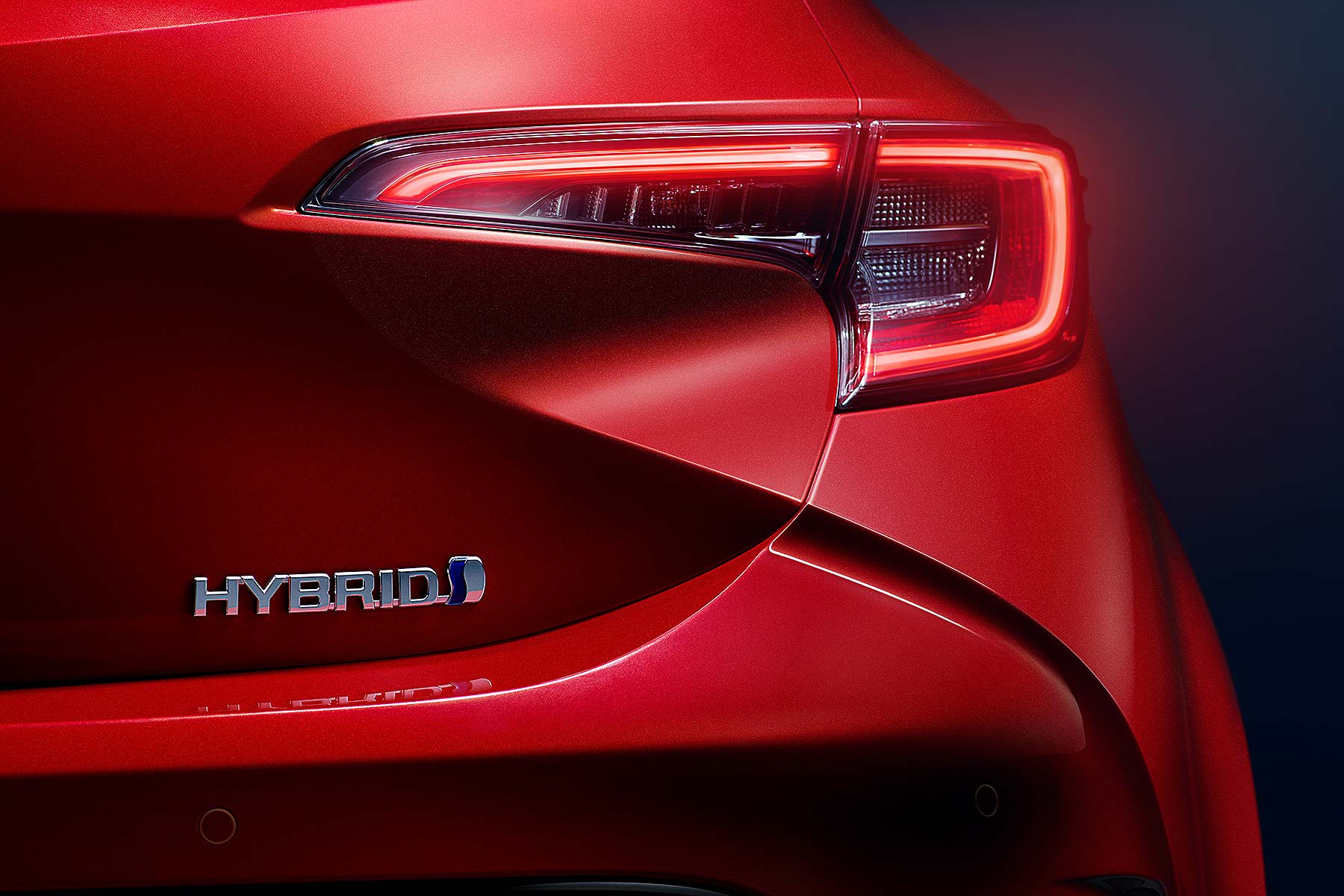
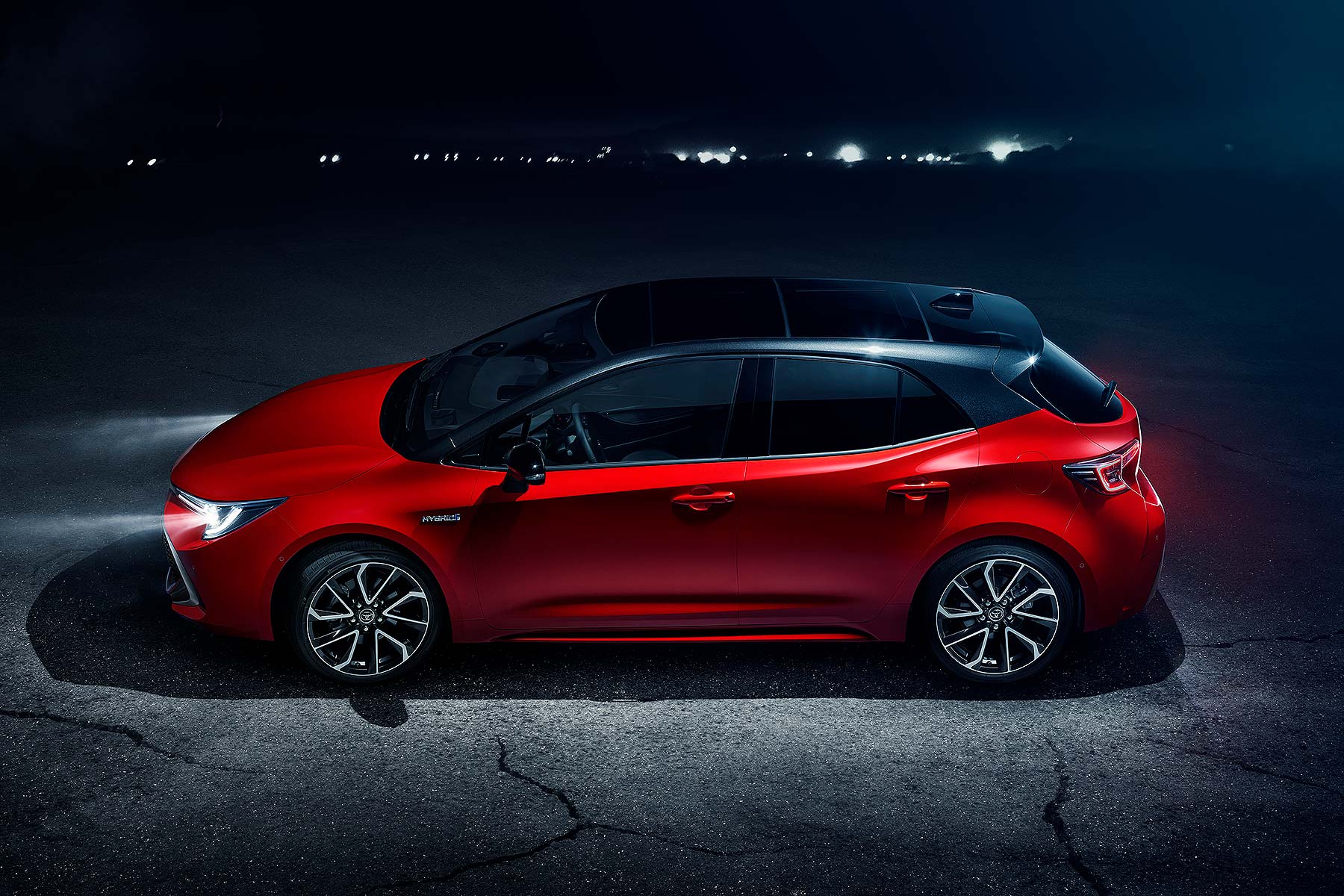
The Toyota car plant in Burnaston was the first in Europe to start building hybrid cars – and, from barely two in 10 cars leaving the line as hybrids in 2010, output quickly jumped to six in 10 cars by 2017.
Today, seven in every 10 Toyotas leaving Burnaston is a hybrid. What’s more, with the introduction of the all-new Corolla later this year, Toyota expects the proportion to grow still further – to as much as 85 percent, says Tony Walker, managing director at Toyota Motor Europe (London office).
It’s not only good for the car production plant in Derby either: Toyota hybrid engines are also made in the UK, at Deeside in North Wales. “The facility is busier than ever,” said Marvin Cooke, MD of Toyota Motor Manufacturing UK. “And the engines that don’t go to Derby are exported to Turkey, for use in the C-HR.” Currently, 55 percent of Deeside-made motors are exported from the UK.
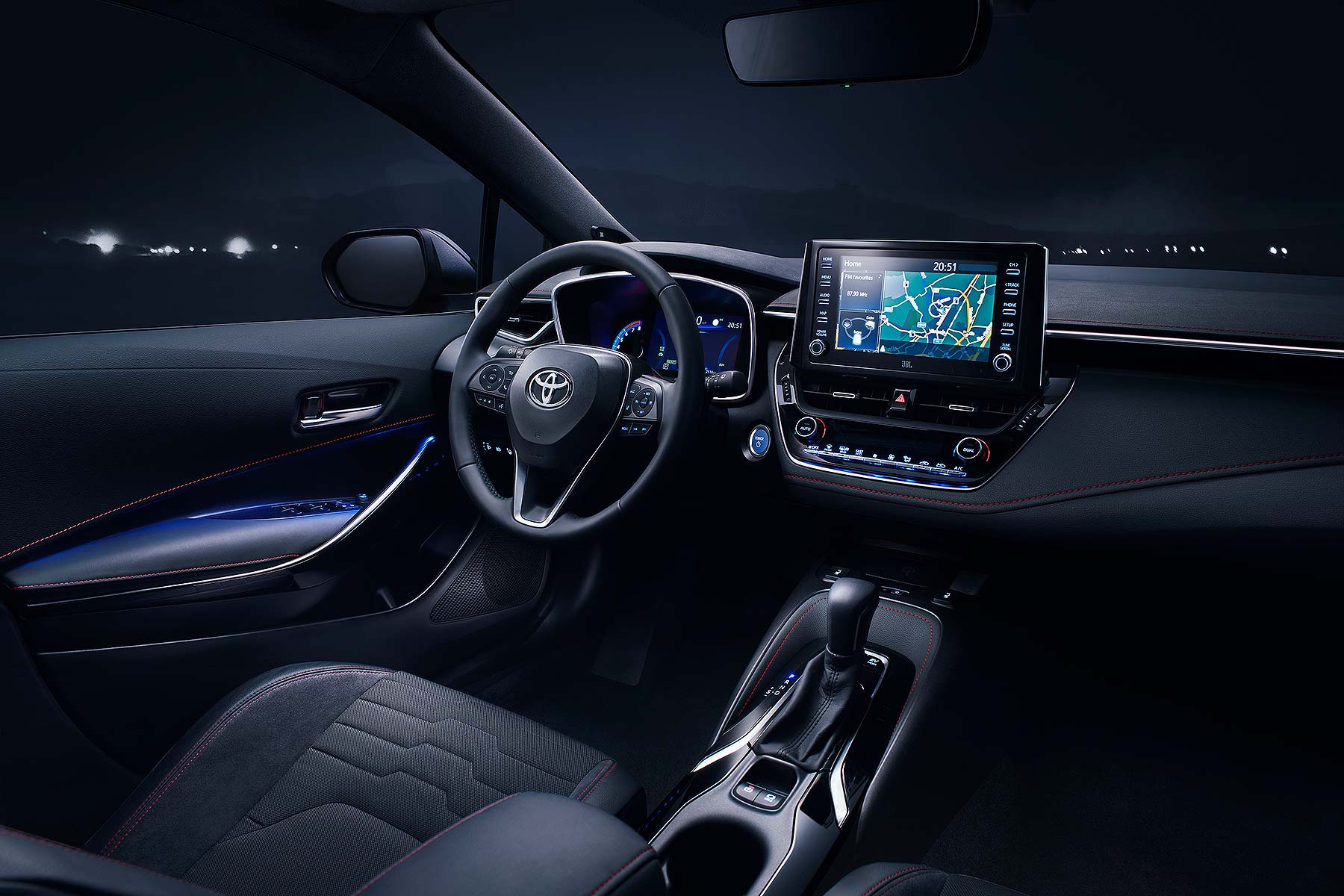
Toyota will not sell a diesel version of the new Corolla: the engine line-up will comprise a 1.8-litre hybrid, a new and more powerful 2.0-litre hybrid and a 1.2-litre turbo petrol (built overseas). All are made on the same line – and Toyota has used the installation of the new TNGA global architecture system at Burnaston to make it more efficient. It’s now even easier to fit a hybrid system.
Last year, Burnaston produced around 1 in 11 British-built newcars and is currently in the final stages of a £250 million investment programme to build the new Corolla hatch and estate. This takes total Toyota investment in the UK since 1992 to £2.5 billion.
Switching on to electrification
Hybrid (hybrid electric vehicles, or HEVs), believes Toyota, will remain a key part of the alternative fuel vehicle (AFV) fleet, along with plug-in hybrids (PHEVs), fuel cells (FCEVs) and battery electric cars (BEVs).
By 2030, half of Toyota’s new car fleet (around 5.5 million vehicles) will be electrified “but we still see the majority being hybrid, as most AFVs are today”.
The Corolla replaces the Auris, and even the most efficient non-hybrid petrol version still emits around 25 percent more CO2 than the Auris Hybrid. In town, hybrids offer a limted range of pure electric driving and Toyota adds constant development of the hybrid system has reduced its rare earth content to 10 percent of the original 1997 Prius.
Walker, speaking at a regional SMMT event in Derby, also called for a greater understanding of vehicle electrification. “They are not only ones you can plug-in: from today’s range of electrified vehicle options, only two actually need to be plugged in.” Toyota, he said, has started referring to its hybrids as ‘self-charging hybrids’ as a result.
“The Road to Zero strategy seems to favour battery electric vehicles and we want to level up the emphasis. Battery electric vehicles are good for shorter journeys, but we see today’s hybrids and plug-in hybrids still taking a greater share of medium range journeys.”
Cooke added that Burnaston has proven so flexible, and the workforce so engaged, the facility could theoretically start building hydrogen fuel cell vehicles within two years. “There are no current plans, but the engineering has been simplified so much, it wouldn’t worry me.”
Toyota has committed to installing TNGA-based powertrains in 80 percent of the cars it sells in all major regions globally. Fuel cells, it added, will be a key future technology in its pursuit to popularise electrified vehicles.
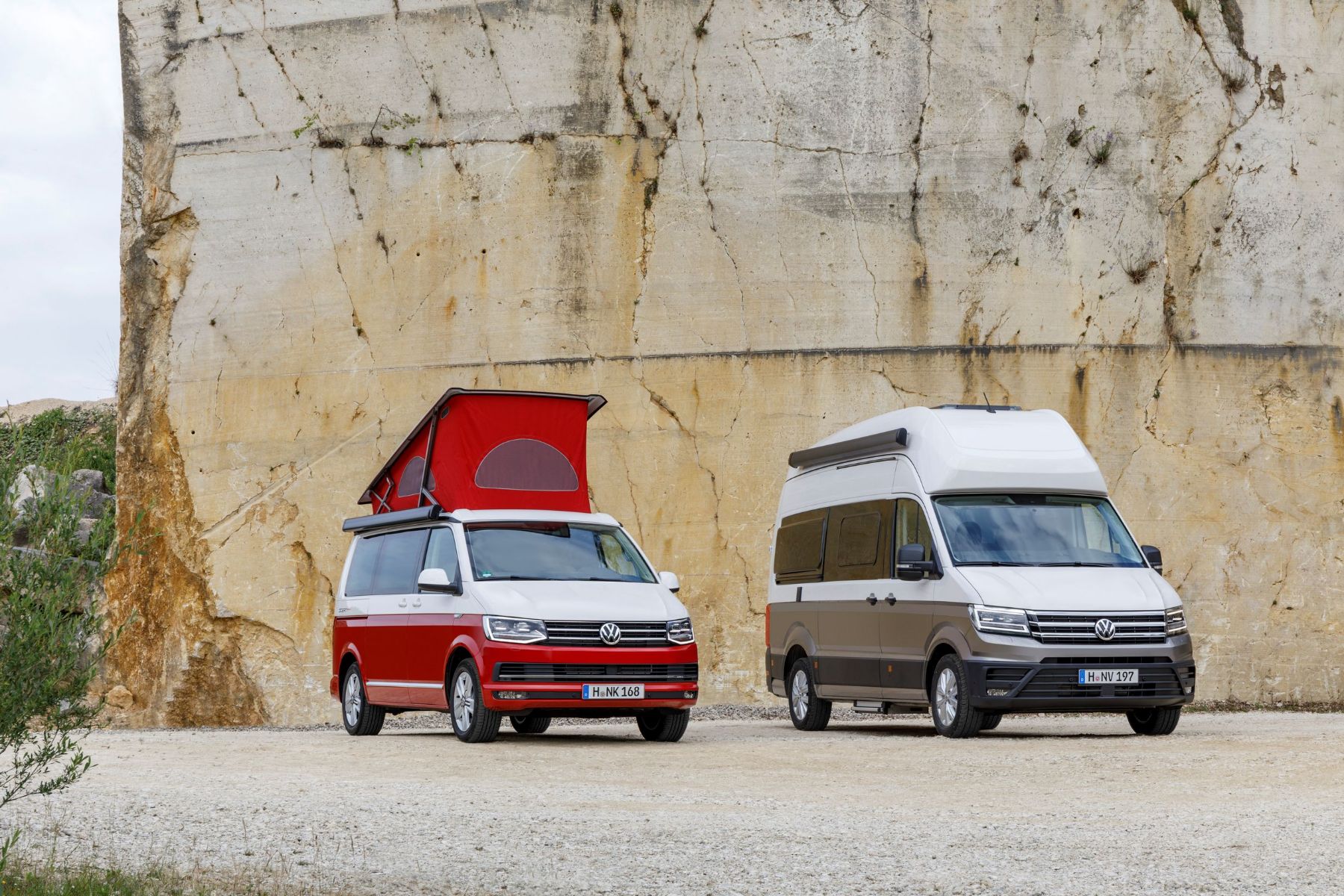
Depreciation (loss in value over time) is usually the biggest cost when it comes to buying a new car. “How little will this car be worth when I sell it in three years time?” one thinks, shortly before signing on the dotted line. There are exceptions to the rule, however: the LaFerrari, McLaren P1, Porsche 911 R and… Volkswagen California.
Indeed, the California camper (specifically, the 2.0 California TDI BlueMotion Tech Beach 150 5dr DSG) has proved to be highly depreciation-resistant. Experts report that three-year-old models with 30,000 miles can retail for as much as 83 percent of their original purchase price.
Amazingly, one-year-old examples with 10,000 miles are holding onto as much as 97 percent of their original list price of £44,022.
Yes, it’s still depreciation: you’re not exactly making money hand-over-fist like you would with a limited-edition supercar. But in relative terms, the big bus is a safe bet. The loss, in percentage terms, is nowhere near what you’d experience with a normal car.
A similarly-priced Mercedes C-Class, for example, would likely lose the £1,320 that the VW sheds over the course of a year as it rolls off the forecourt.
Why is the California so in-demand? Experts at Cap HPI chalk it up to the increasing popularity of staycations – i.e. holidaying in your four-wheeled home-away-from-home, instead of flying abroad and using hotels. The cool kudos of the California no doubt helps, too.
“It’s no wonder that VW’s California campers are so popular” commented Rachel Limbert, valuations editor at Cap HPI.
These days, just about every old car seems to attract the ‘classic’ tag, but you’ll need to do a little homework if you want to spot the cars that are ripe for investment. That’s where the HPI Future Classics car valuation tool comes in. Using data from real-world used car adverts from around the UK, it pinpoints the cars that might be worth a punt. The tool can even show you how many adverts there are for each car and where in the UK each is based. Read on to discover the cars that have made the HPI shortlist.
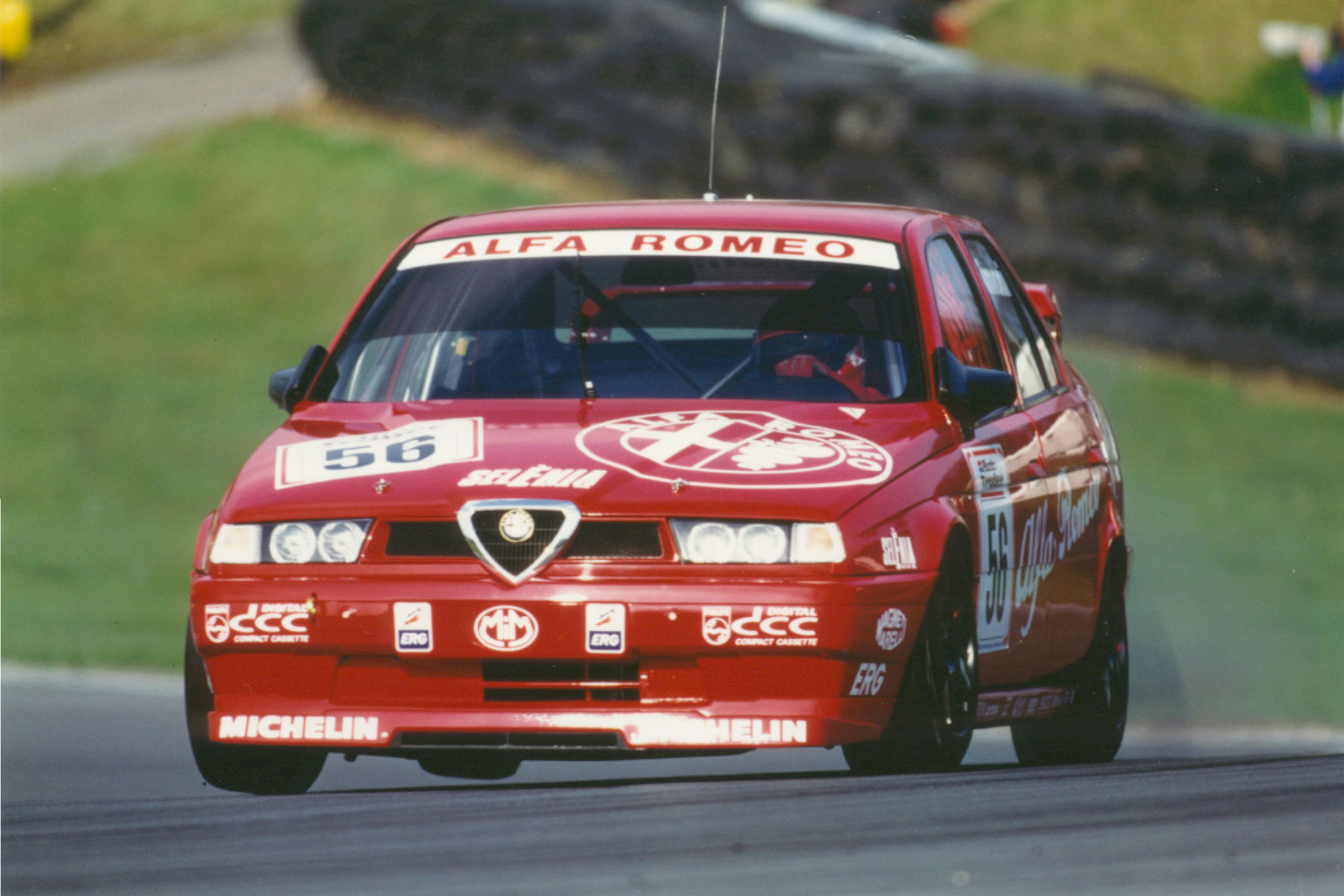
Alfa Romeo 155 Twin Spark – £10,444
All of the cars listed by HPI have two things in common: they were made in limited numbers and they were desirable from the moment they were launched. Not all of the cars were expensive when new, with the Alfa Romeo 155 Twin Spark representing a relatively modest outlay for the family guy who was preferred to think outside the box. For us, the 155 will forever be associated with BTCC, Gabriele Tarquini, Giampiero Simoni and the controversy surrounding adjustable aerodynamics.
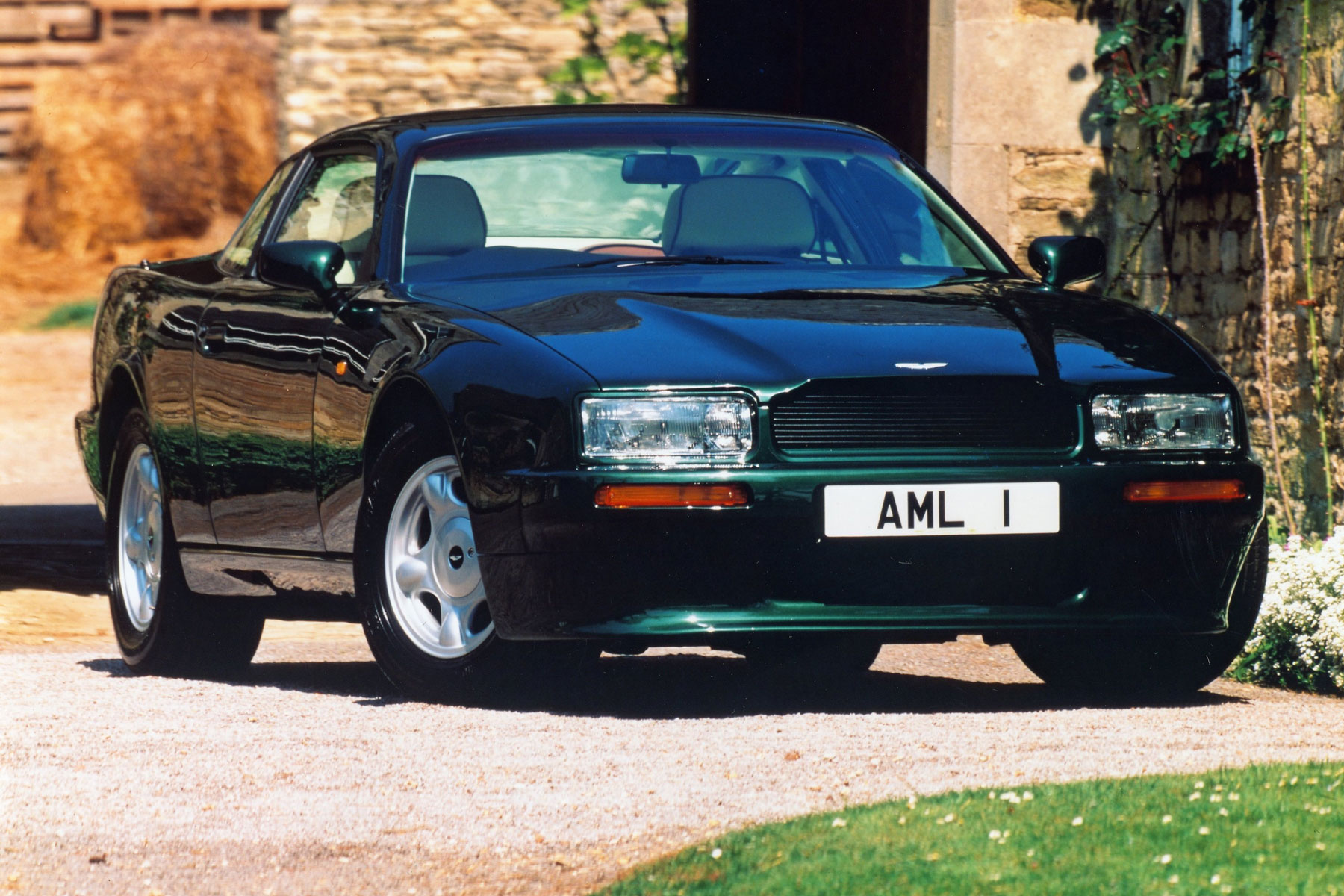
Aston Martin Virage – £98,873
The Virage made its debut at the Birmingham Motor Show in 1988 and was the first truly new Aston Martin in nearly 20 years. “We wanted a car that was a new form. Fresh, exciting, purposeful but unquestionably Aston Martin,” said Aston’s chairman and chief executive. Customers placed deposits in 1987 before taking delivery in the summer of 1990. The price for the charismatic V8? £125,000. Today, you’ll spend around £100,000 for the pleasure.
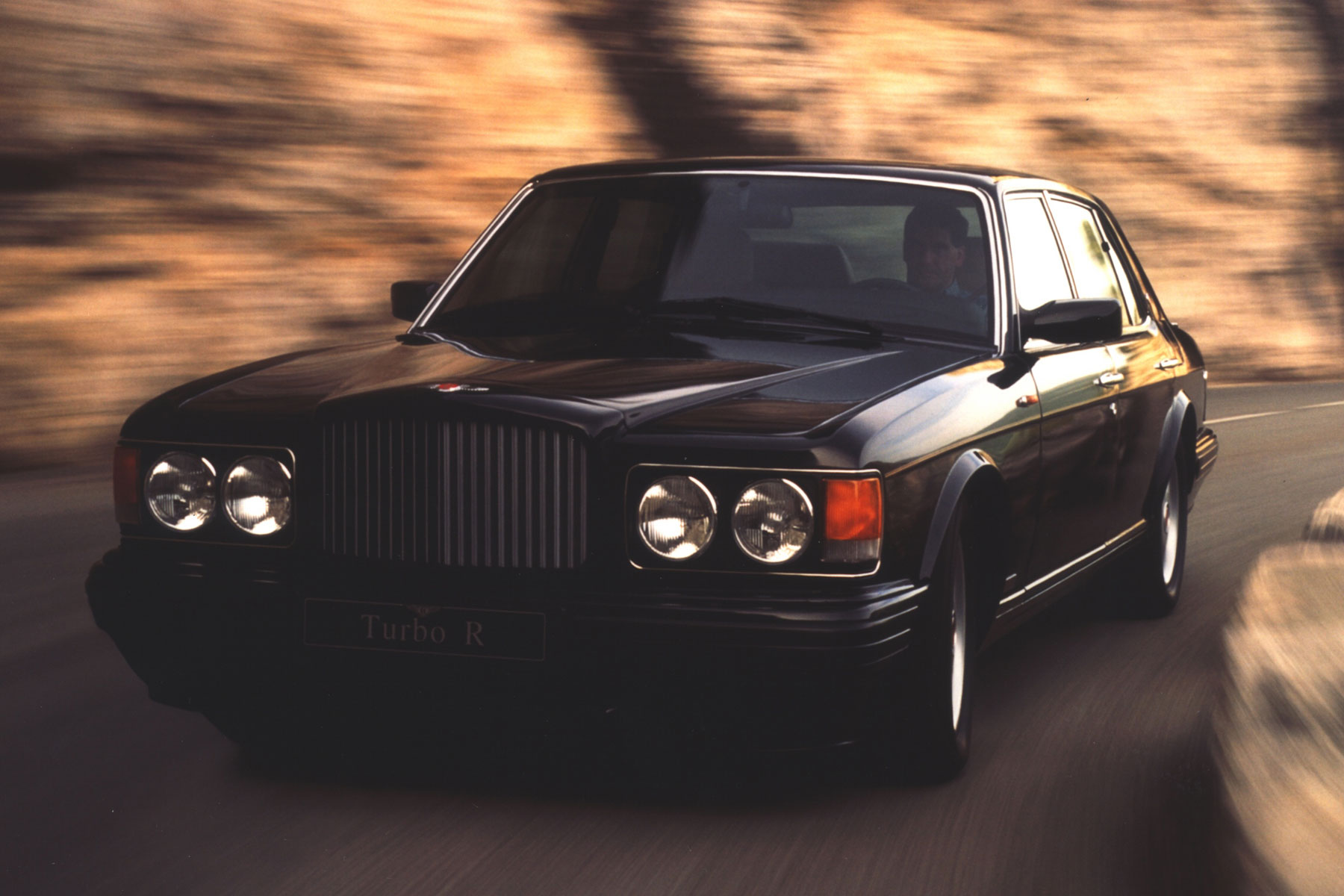
Bentley Turbo R – £18,229
The Bentley Turbo R was the replacement for the Mulsanne Turbo, with the R suffix standing for ‘Roadholding’. Responding to criticism of the earlier car, Bentley revamped the suspension, fitted low-profile tyres and new alloys, adjusted the power steering and modified the front air dam to create a much-improved car. In 1985, a Turbo R would cost around £69,000, or around £200,000 in today’s money. Which makes the HPI figure look like an absolute steal for this rocket-propelled version of Blenheim Palace.
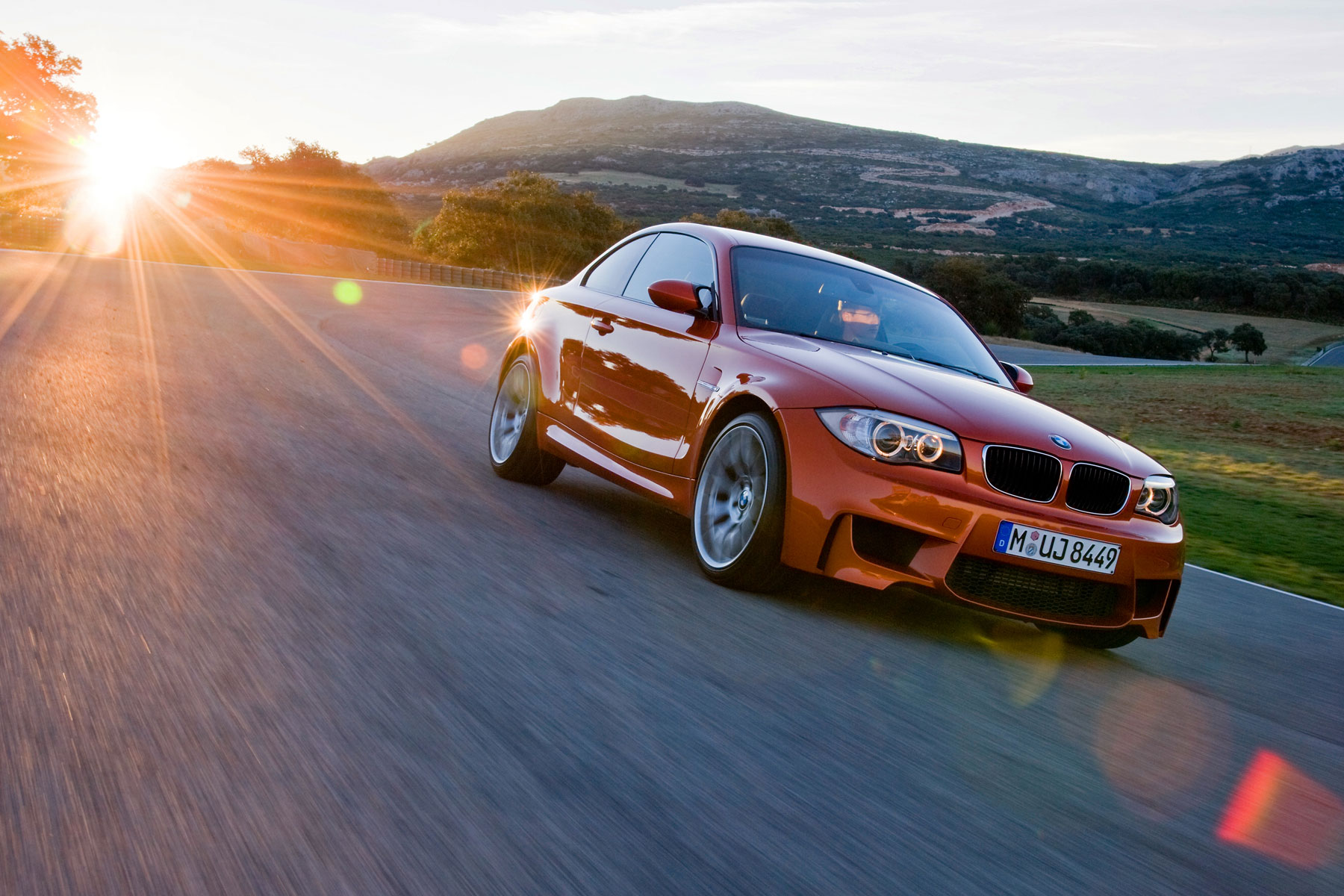
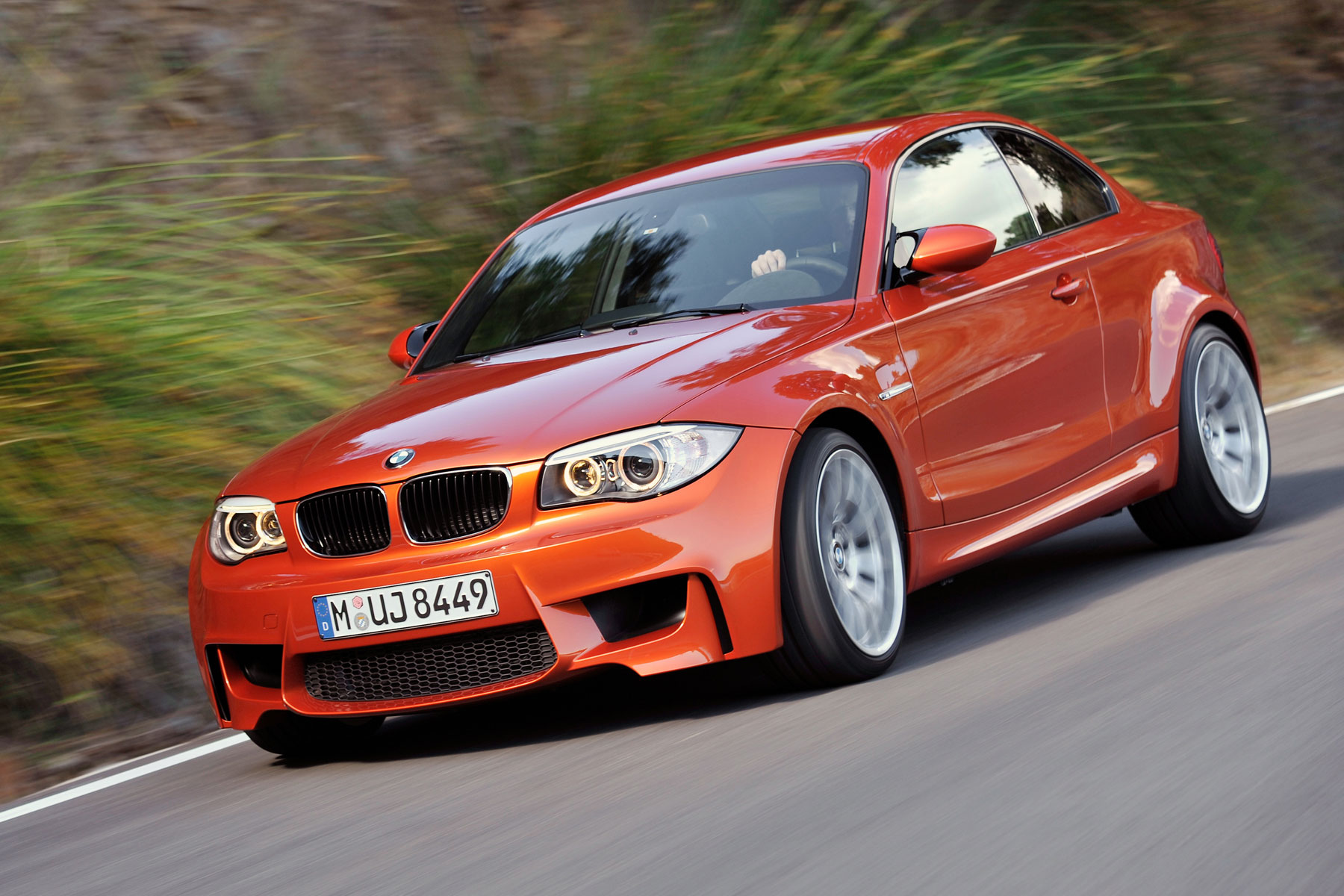
BMW 1M Coupe – £43,864
The BMW 1M Coupe is the absolute definition of a modern classic. Within a year of its launch, after 6,331 units had been delivered, the spiritual successor to the E30 M3 was being proclaimed as an investment and values began to rise. Power was sourced from a 3.0-litre straight-six engine developing 340hp, enough to propel this firecracker to 62mph in just 4.9 seconds.
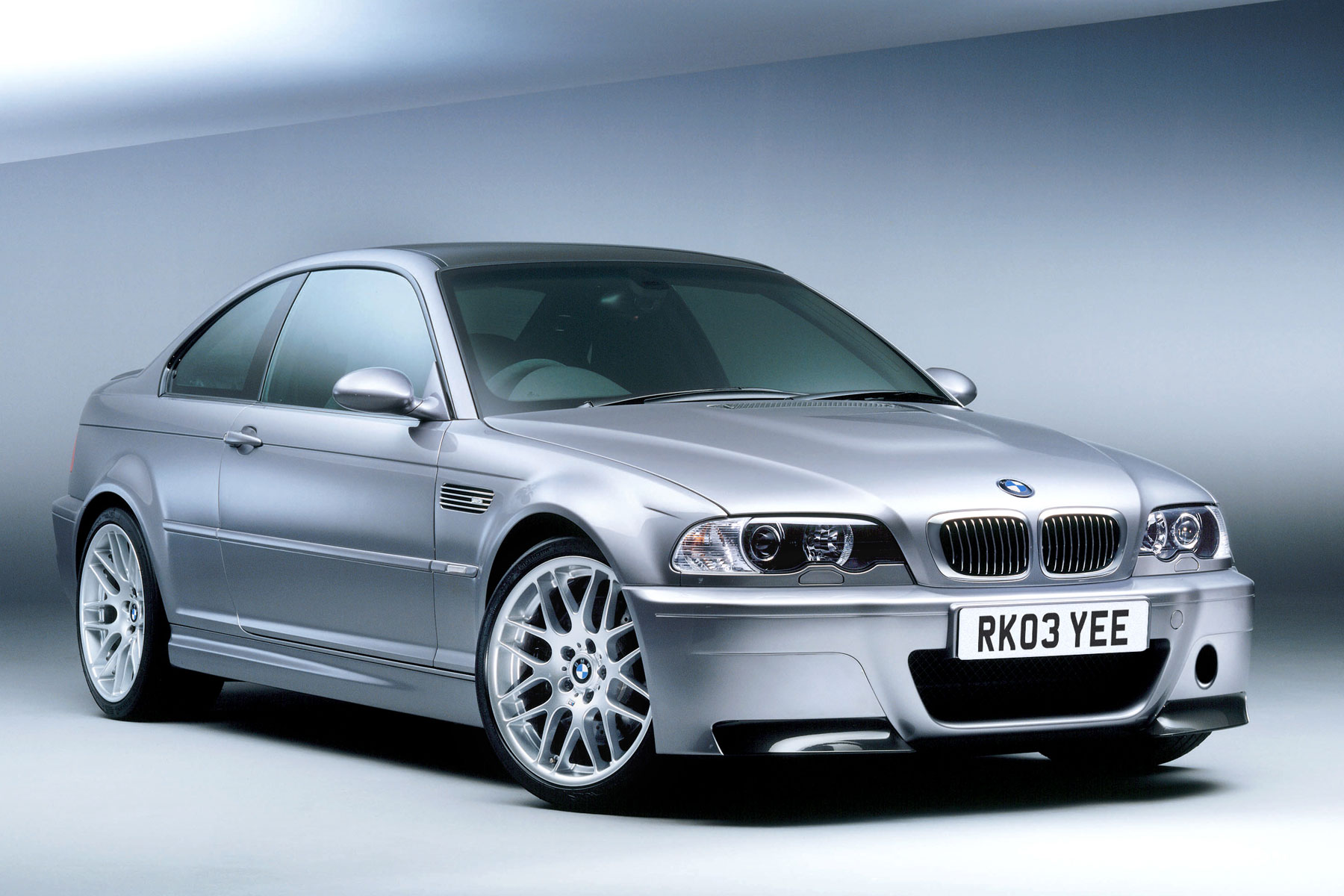
BMW M3 CSL – £55,074
Just 1,400 BMW M3 CSLs were built, including 422 right-hand-drive cars for the UK. Two colours were offered: Black Sapphire Metallic and Silver Grey Metallic. To create the CSL, BMW took the ‘standard’ M3, tuned the engine to 360hp, fitted a quicker steering rack, stiffened the chassis, beefed-up the brakes and stripped out 110kg of weight. Hence the name: Coupe Sport Lightweight.
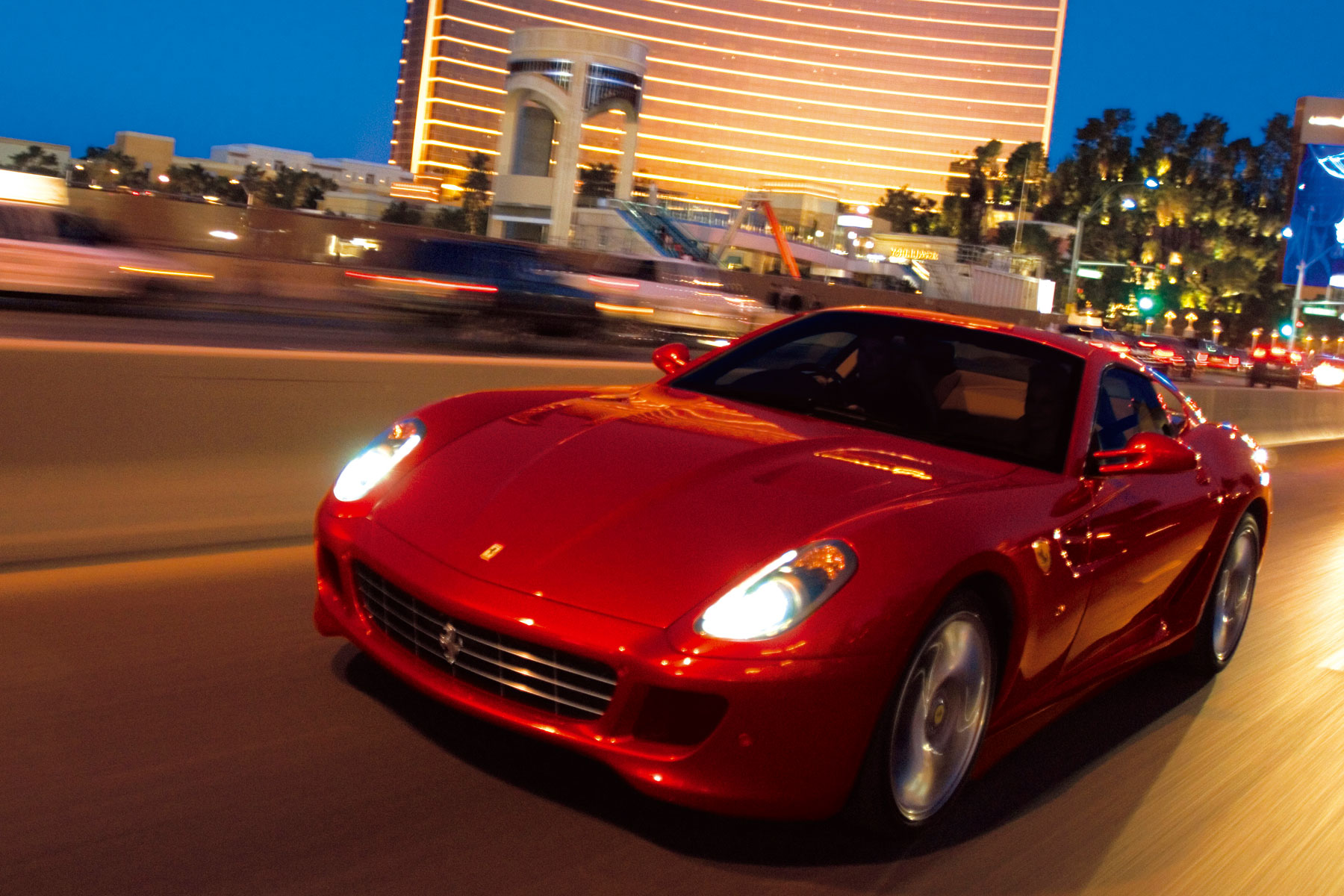
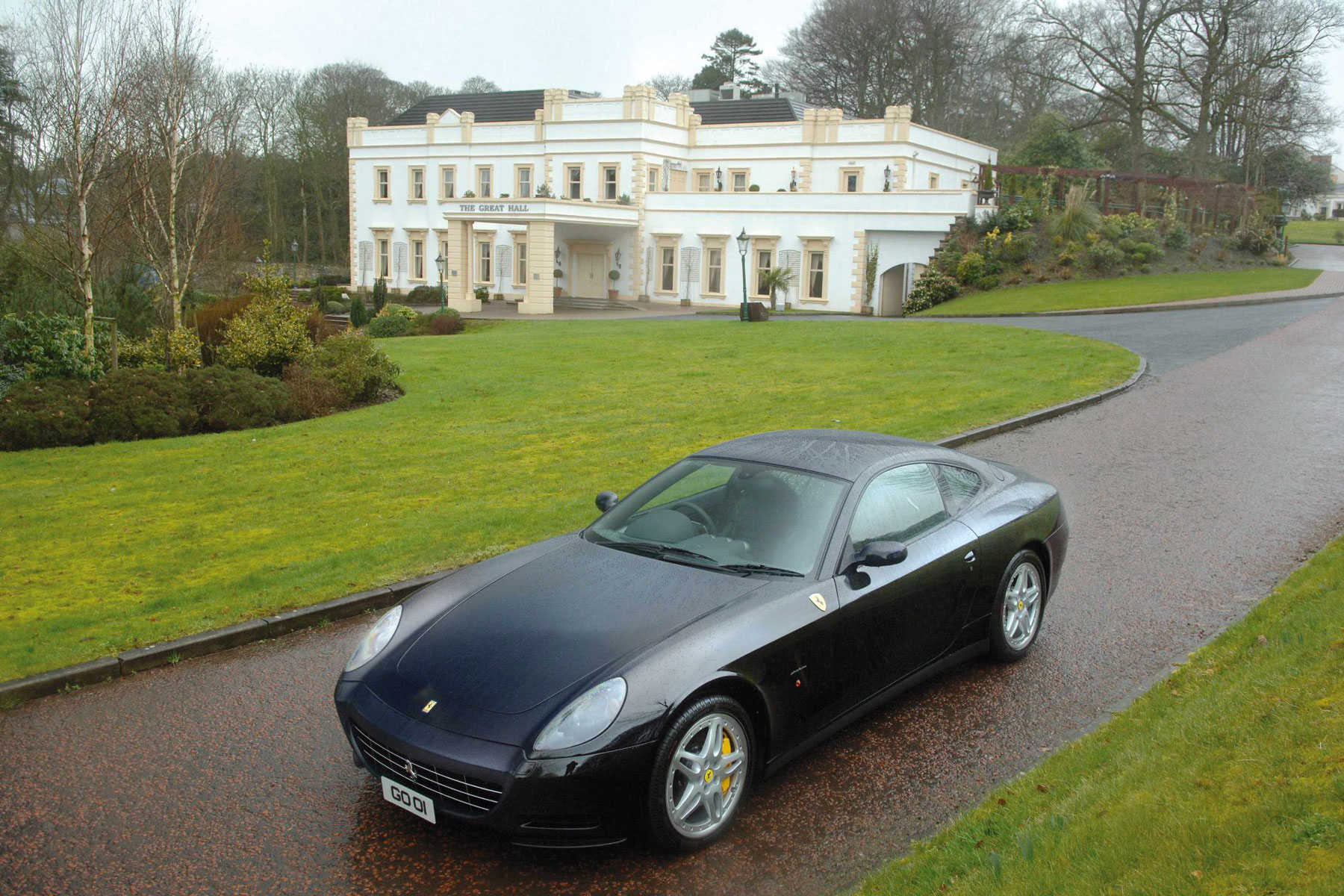
Ferrari 599 GTB Fiorano – £154,620
Since 1972, all Ferrari road and race cars to emerge from Maranello have been tested on the famous Fiorano test track. The 599 GTB Fiorano was Ferrari’s way of honouring the track – a V12-engined GT unveiled at the 2006 Geneva Motor Show. When tested against the iconic F40 in 2006, the 80s hero set a fastest speed of 324kph (201mph), while the young upstart hit 330kph (205mph) to become the fastest Ferrari yet. Future classic status: guaranteed.
Ferrari 612 Scaglietti – £113,848
Another Ferrari named in honour of something or someone, this time Sergio Scaglietti and the body shop bearing his name. The 612 Scaglietti of 2014 saw Ferrari returning to the 2+2 formula – the first was the 250 GTE of 1960. Commenting on the Future Classics tool, HPI says: “Originality is essential and so is a low mileage, while the general rule is the more options fitted, the better.”
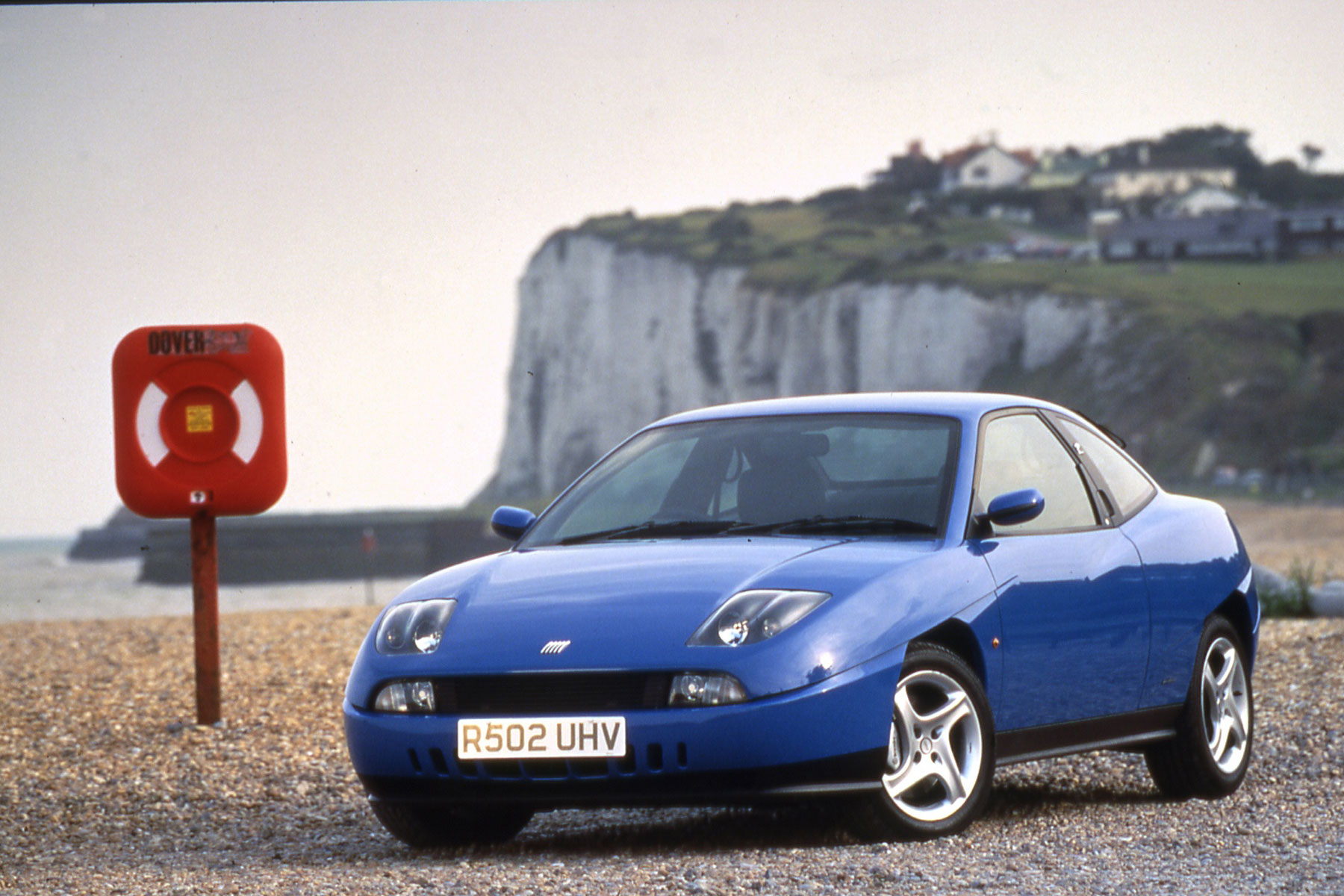
Fiat Coupe Turbo – £6,383
HPI continues: “Any crash or corrosion repairs will make the car far less appealing and the same goes for any hint of tattiness with the interior or bodywork – while all of the mechanicals must be in rude health. That’s why some Sierra RS Cosworths will fetch over £100,000 while others are worth less than half this; the more boxes they tick for the collector, the greater the value.”
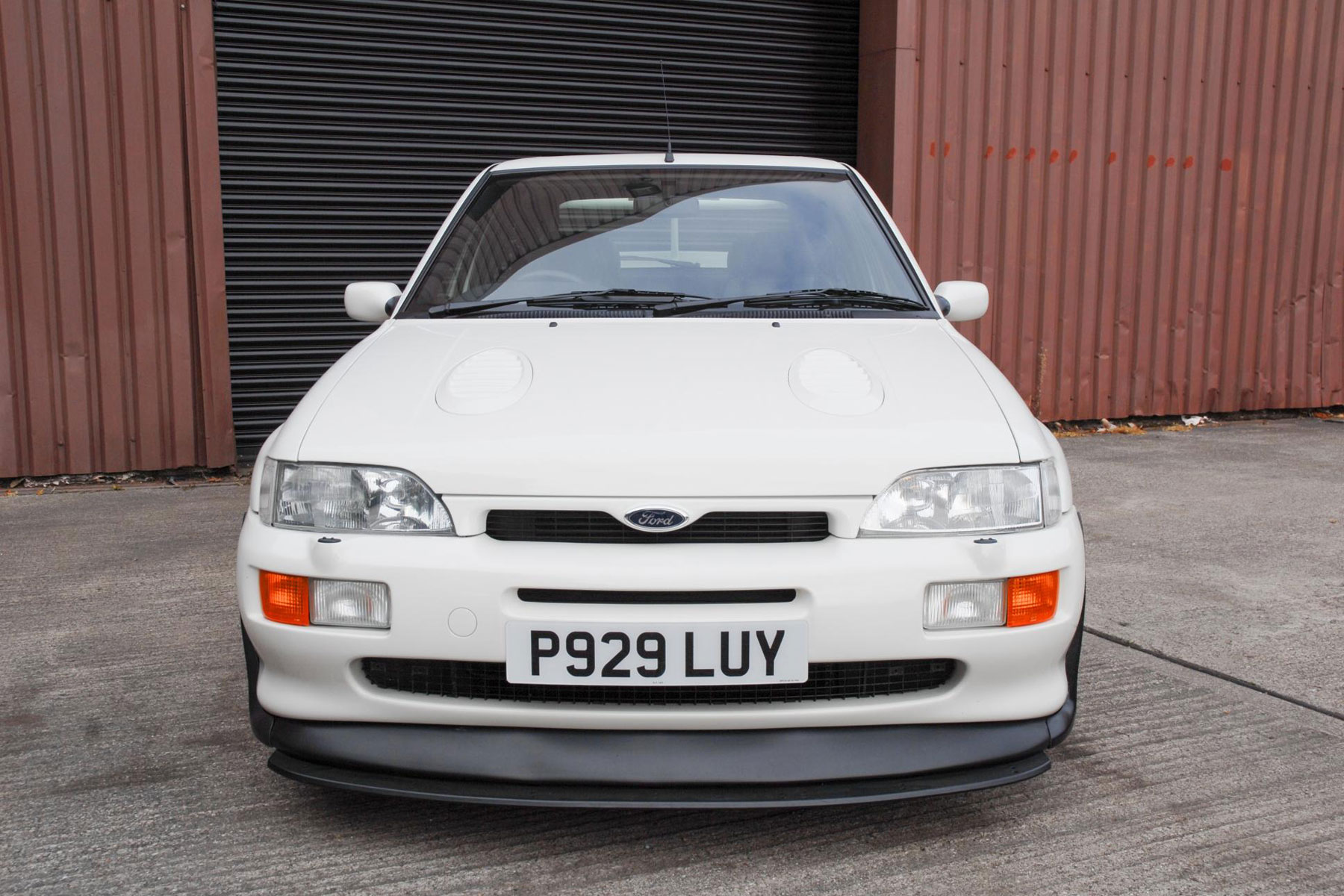
Ford Escort RS Cosworth – £38,487
Speaking of Cosworths… You don’t need a crystal ball or an online valuation tool to know that fast Fords are hot property, but HPI reckons the Escort RS Cosworth will continue to increase in value. You wouldn’t bet against it.
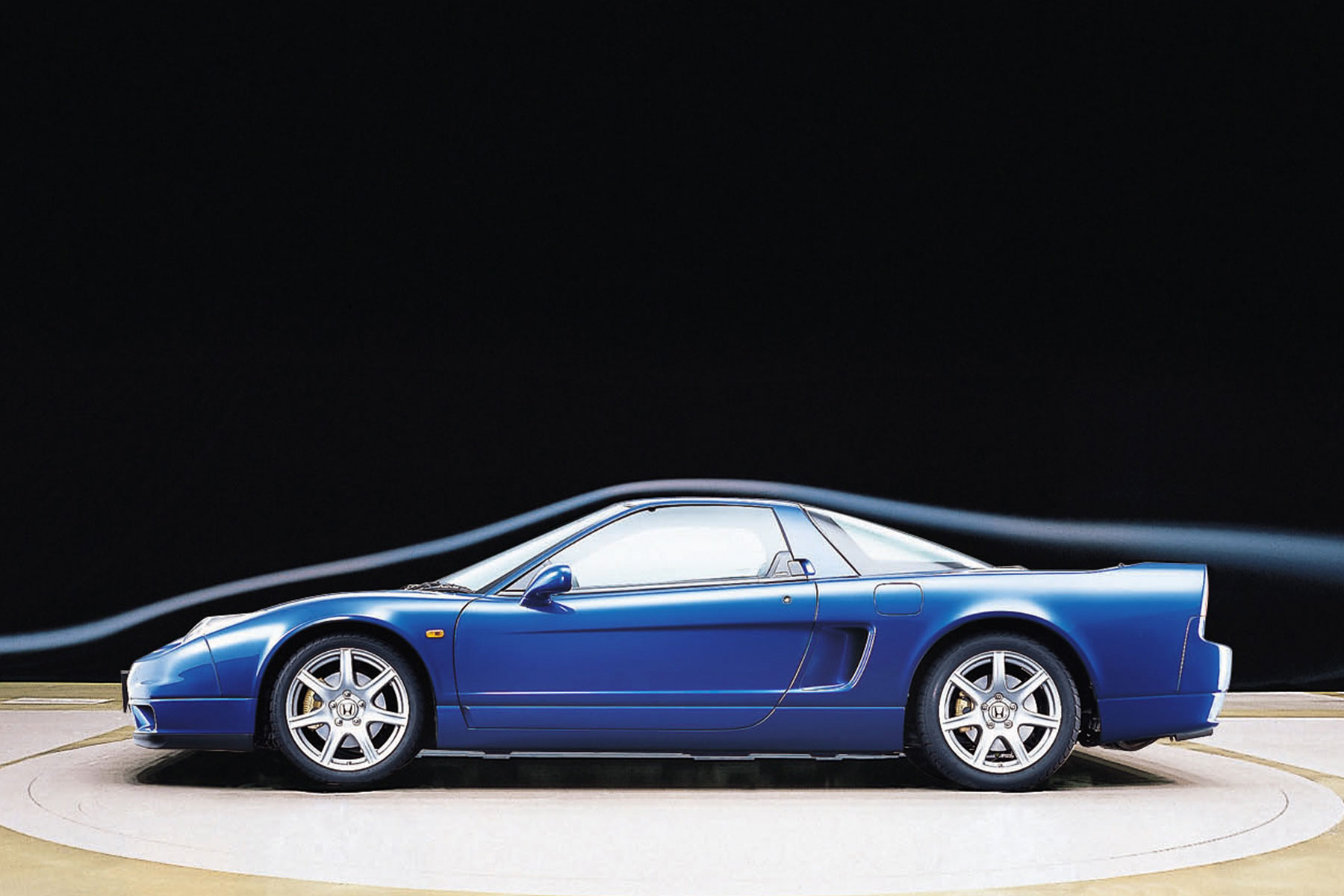
Honda NSX – £80,395
“The NSX is a breakthrough, a supercar that furrows new ground. How can a car with so many compelling virtues be anything other than the best?” questioned Car magazine in 1990. It failed to win the group test against the Ferrari 348tb, Porsche 911 Carrera 2 and Lotus Esprit, though, with the reviewer noting a lack of theatre and drab styling. Harsh? We think so.
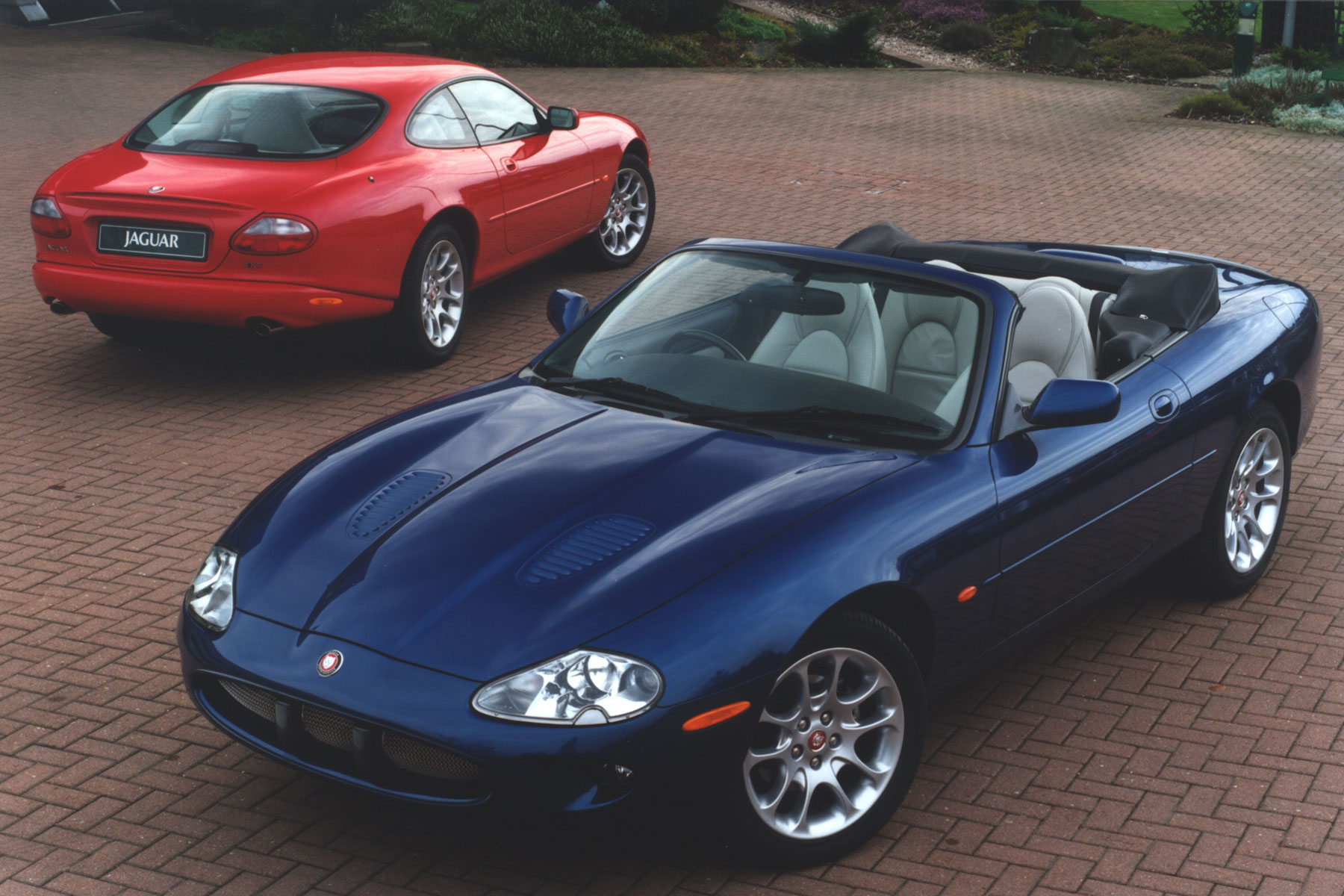
Jaguar XK8/XKR – £16,639 – £23,326
HPI has grouped three Jaguars together here, referencing the XK8 convertible, XKR convertible and XKR coupe as future classics worthy of an investment. We reckon these cars will become all the more appealing when the world wearily peers out from behind its net curtains and looks upon streets lined with F-Paces, E-Paces and I-Paces.
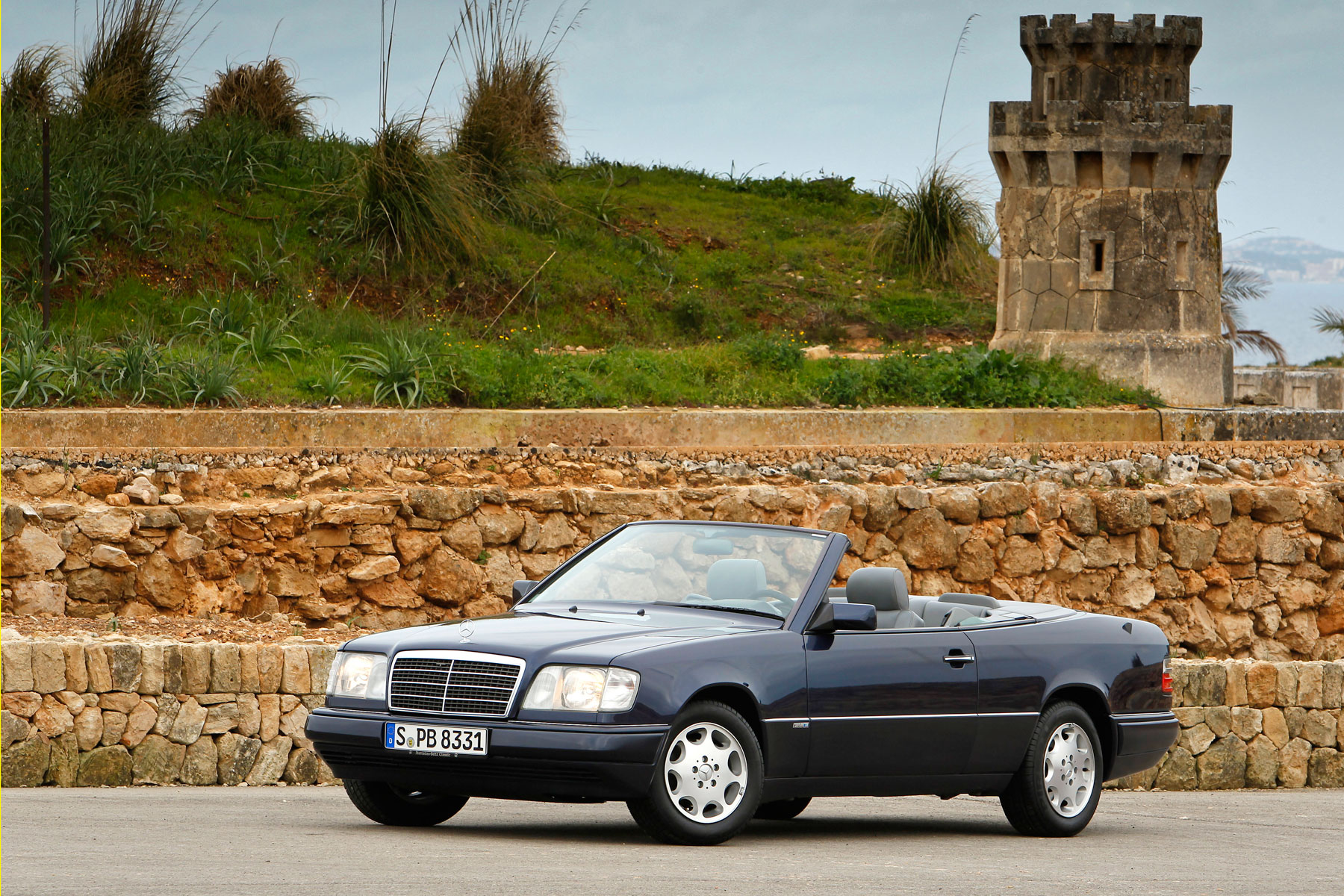
Mercedes-Benz W124 cabriolet – £10,180
The W124 was built at a time before Mercedes-Benz went through its patchy period, only for it to emerge having discovered questionable aesthetics and crossovers. The W124 looks to the manor born and is suitable for any occasion. Whether you’re young, middle-aged or preparing to draw your pension, this is the drop-top for you. Who cares if it doesn’t increase in value? You’ll own the streets in this thing.
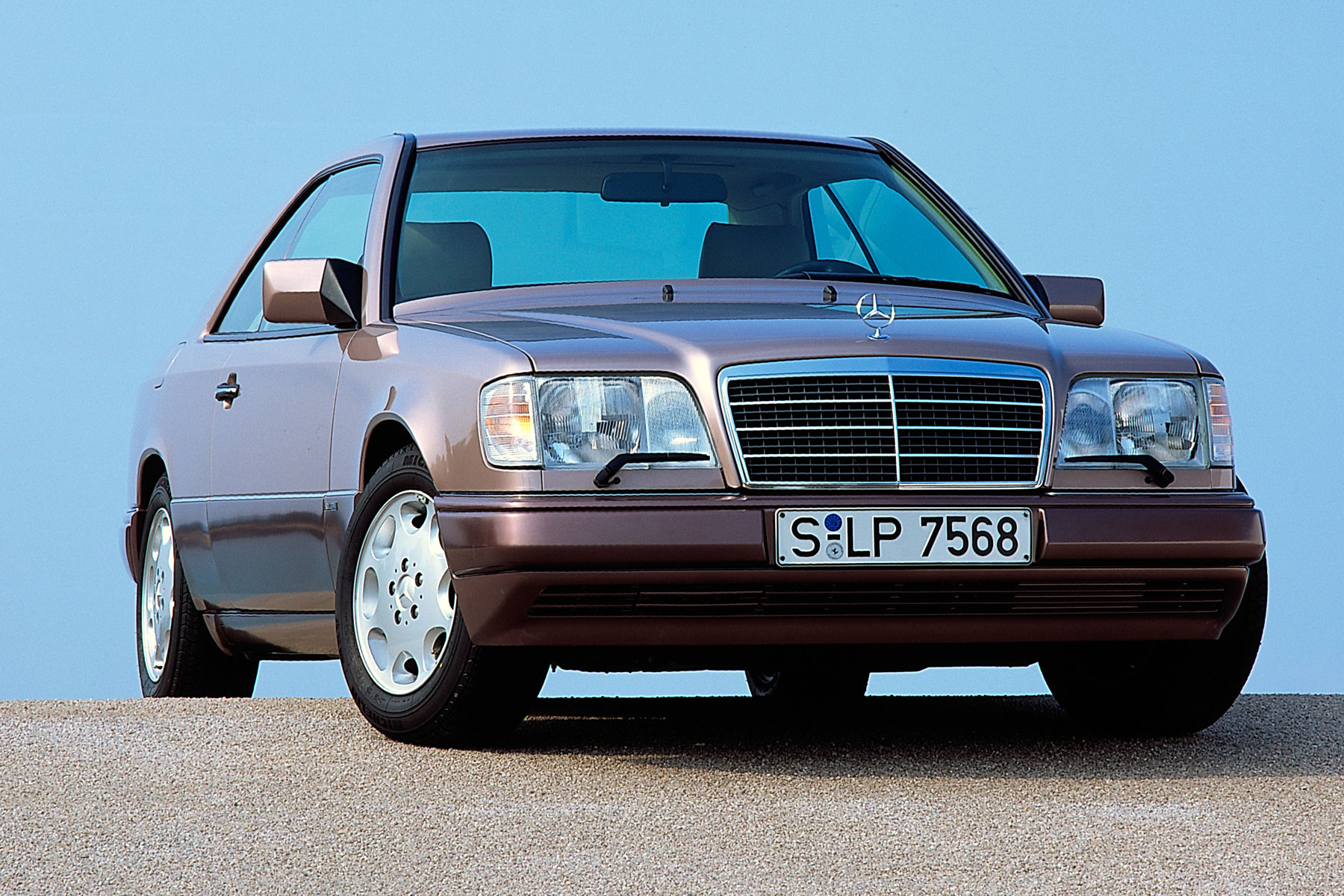
Mercedes-Benz W124 coupe – £15,484
For the W124 coupe we’ll refer you to our previous comments about the convertible, but offer the words with added roof. Note that it’s a proper coupe, with two doors and a sloping roof. No four-door SUV nonsense to be found here.
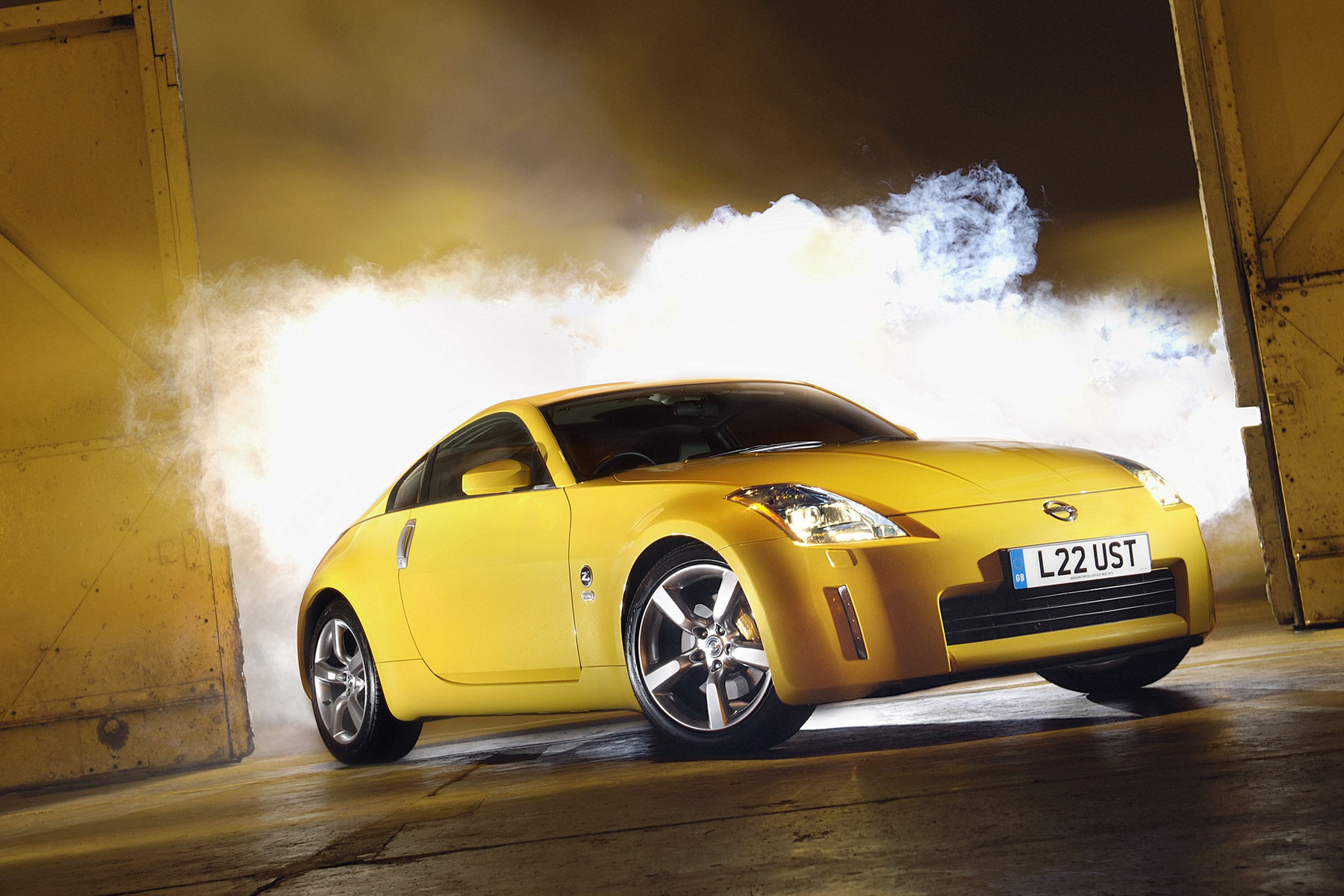
Nissan 350Z GT4 – £8,577
In 2005, Nissan unveiled the 350Z GT4 to coincide with the launch of Gran Turismo 4 on the PlayStation 2. For a £2,500 premium over the standard 350Z, buyers were treated to more power, five-spoke 18-inch alloy wheels, a numbered plaque and a gift box containing a PlayStation 2 and the game. Only 176 were offered in the UK, 76 of which were finished in Ultra Yellow, with the others painted Kuro Black.
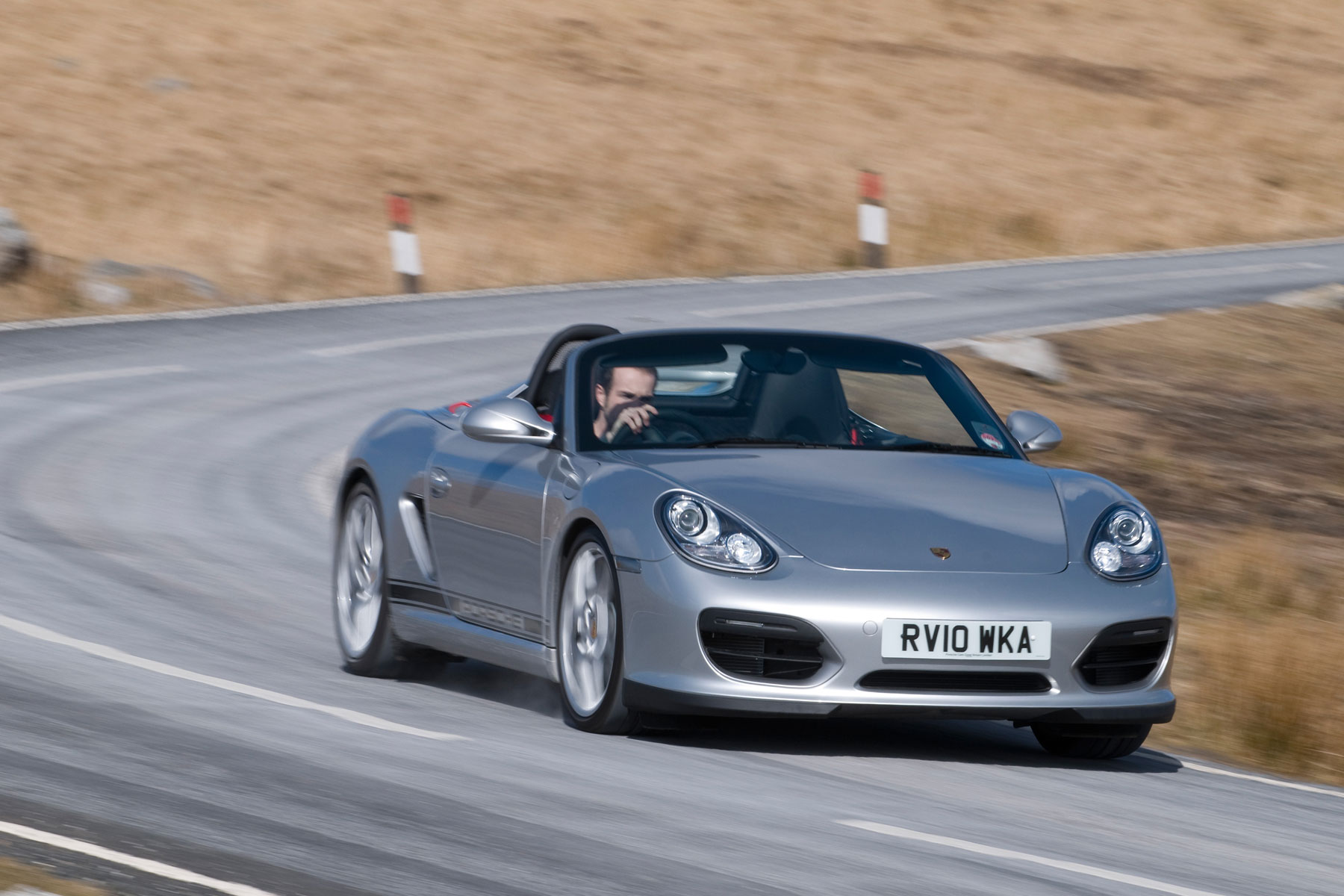
Porsche Boxster Spyder – £43,746
Remember the Boxster Spyder? Porsche ditched the folding fabric roof and subjected the car to a slim-fast diet in order to save weight. The result: a Boxster weighing just 1,275kg, making it the lightest car in the Porsche range. At the time, this was the sharpest and most focused Boxster you could buy, but everyday practicality was limited. Still, the figure quoted by HPI is near enough the same as the original list price in 2010.
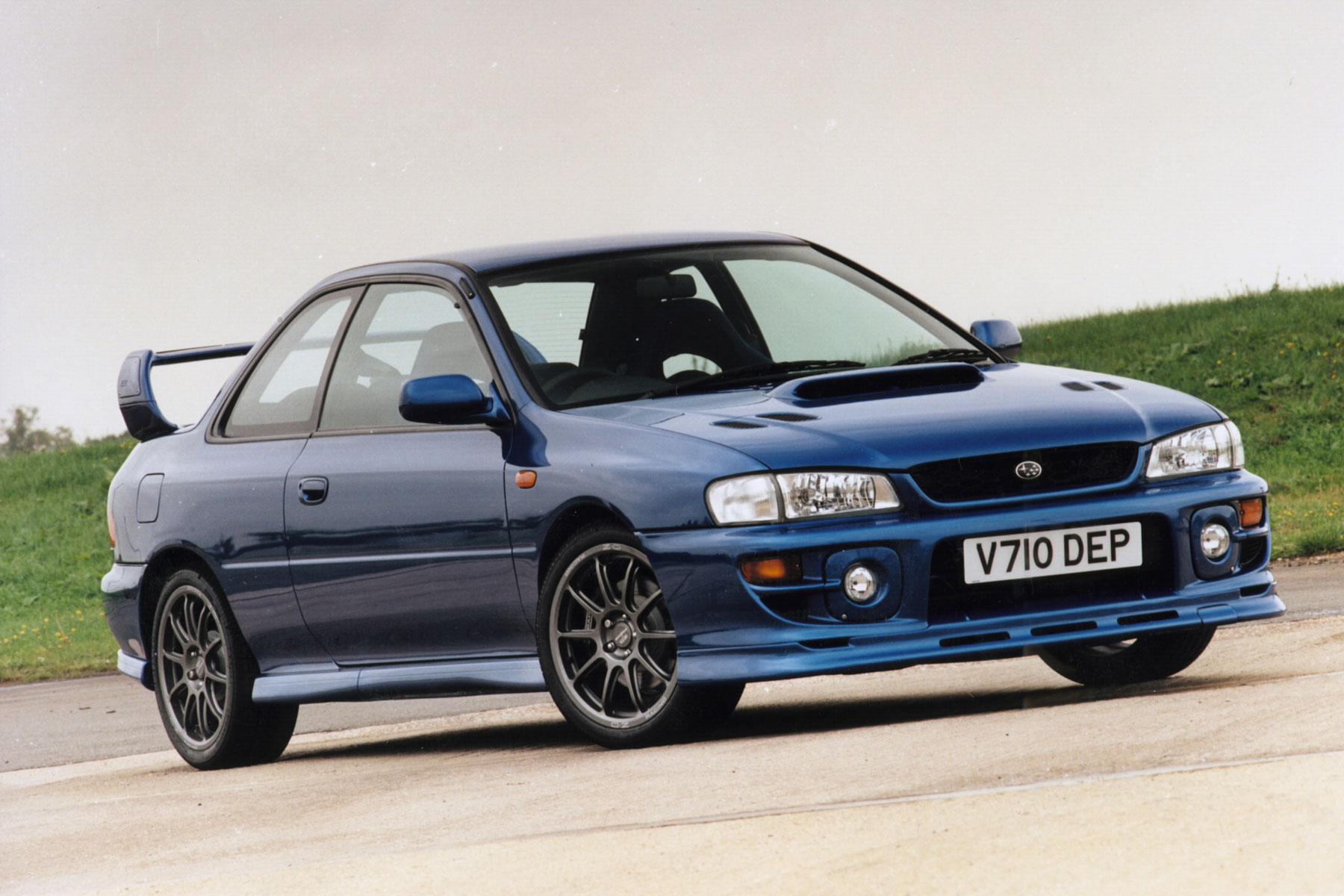
Subaru Impreza P1 – £7,514
Launched in 2000, the P1 – or Prodrive One – was Subaru UK’s answer to the raft of JDM-spec Imprezas arriving from Japan. It featured the 280hp from the WRX STI and a two-door coupe body shell. Just 1,000 examples were built, each one finished in Sonic Blue and fitted with 17-inch OZ Racing alloy wheels.
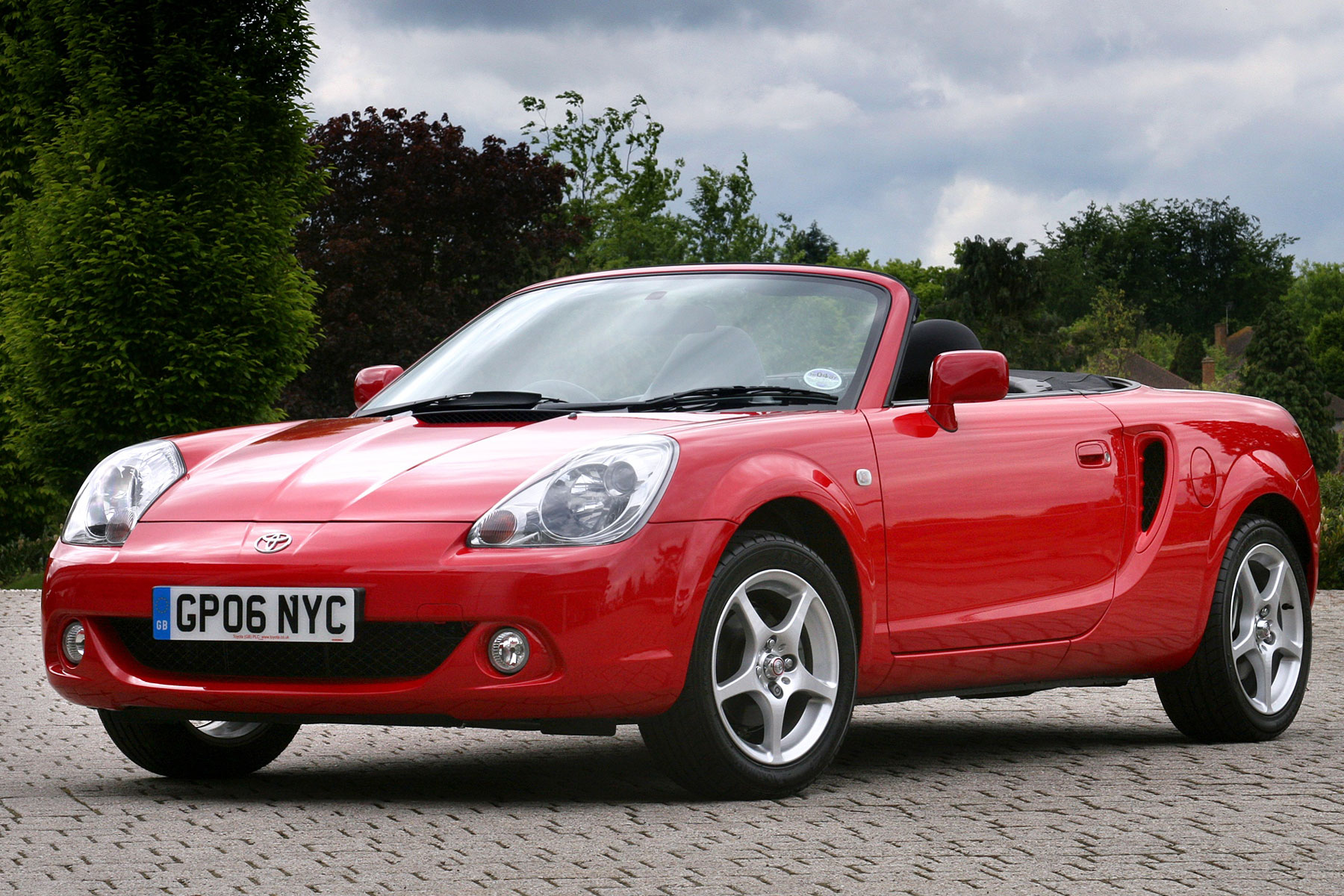
Toyota MR2 TF300 – £6,962
The TF300 was the final Toyota MR2 sold in the UK, with just 300 offered, each one built to order. It featured custom leather and Alcantara upholstery, stainless steel TTE sports exhaust pipes and a choice of five exterior colours. The position in the production run was stitched into the back of each seat and authenticated by a special certificate signed by the chairman of Toyota GB.
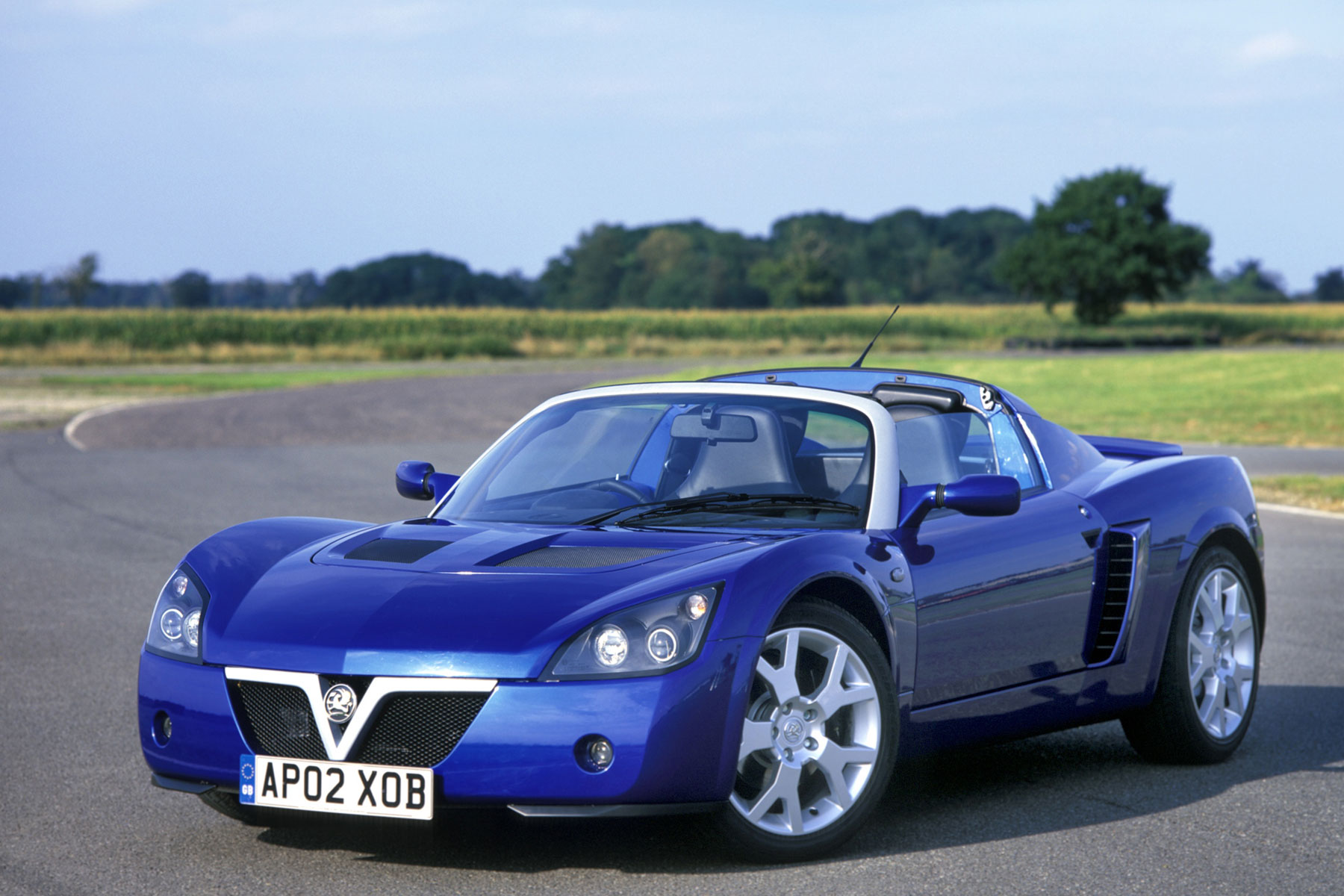
Vauxhall VX220 Turbo – £16,056
HPI’s final choice is the Vauxhall VX220 Turbo, built alongside the Lotus Elise in Hethel. It has always lived in the shadow of its more illustrious sibling, which means prices are lower. Good news if you’re prepared to look beyond the badge. All values supplied by HPI. For more information, visit the Future Classics valuation tool.
The Society of Motor Manufacturers and Traders (SMMT) has launched a Brexit Readiness Programme to help UK automotive firms in case of a ‘no-deal’ exit from the European Union.
The support package will help guide firms, especially smaller ones, through the ‘planning minefield’ of a so-called cliff-edge Brexit. The SMMT has worked with five specialist legal and accountancy firms to provide advice focused on the automotive industry.
“A ‘no-deal’ Brexit could have devastating consequences,” said SMMT chief executive Mike Hawes. “With the clock ticking on negotiations, businesses must plan for all eventualities, including the worst.
“Our new support package seeks to mitigate the threat of ‘no-deal’ by helping businesses navigate the complex trade realities of a post-Brexit landscape.”
Brexit helpline
Small and medium-sized enterprises form the backbone of Britain’s automotive supply chain, says the SMMT. Almost 7 in 10 companies employ fewer than 10 people. Many such firms will not have the resources to prepare for a dramatic no-deal Brexit, which is why the SMMT has devised its Brexit Readiness Package.
Areas covered by the online programme for SMMT members includes:
How to value and prove the origin of goods
How to cope with delays moving goods in and out of the UK (including extra warehousing arrangements)
Extra paperwork involved in new customers arrangements
How to fill in more complex customs declarations
Cashflow implications through tariff payments and other taxes
Such help is vital said Hawes, because the UK automotive supply chain supports more than 80,000 jobs and contributes almost £5 billion to the UK economy. It has thrived thanks to frictionless trade with the EU: the SMMT wants to help this continue whatever the outcome of the Brexit negotiations.
The organisation also repeated its call for an orderly withdrawal and transition deal, to minimise the need for key parts of its Brexit Readiness Programme…
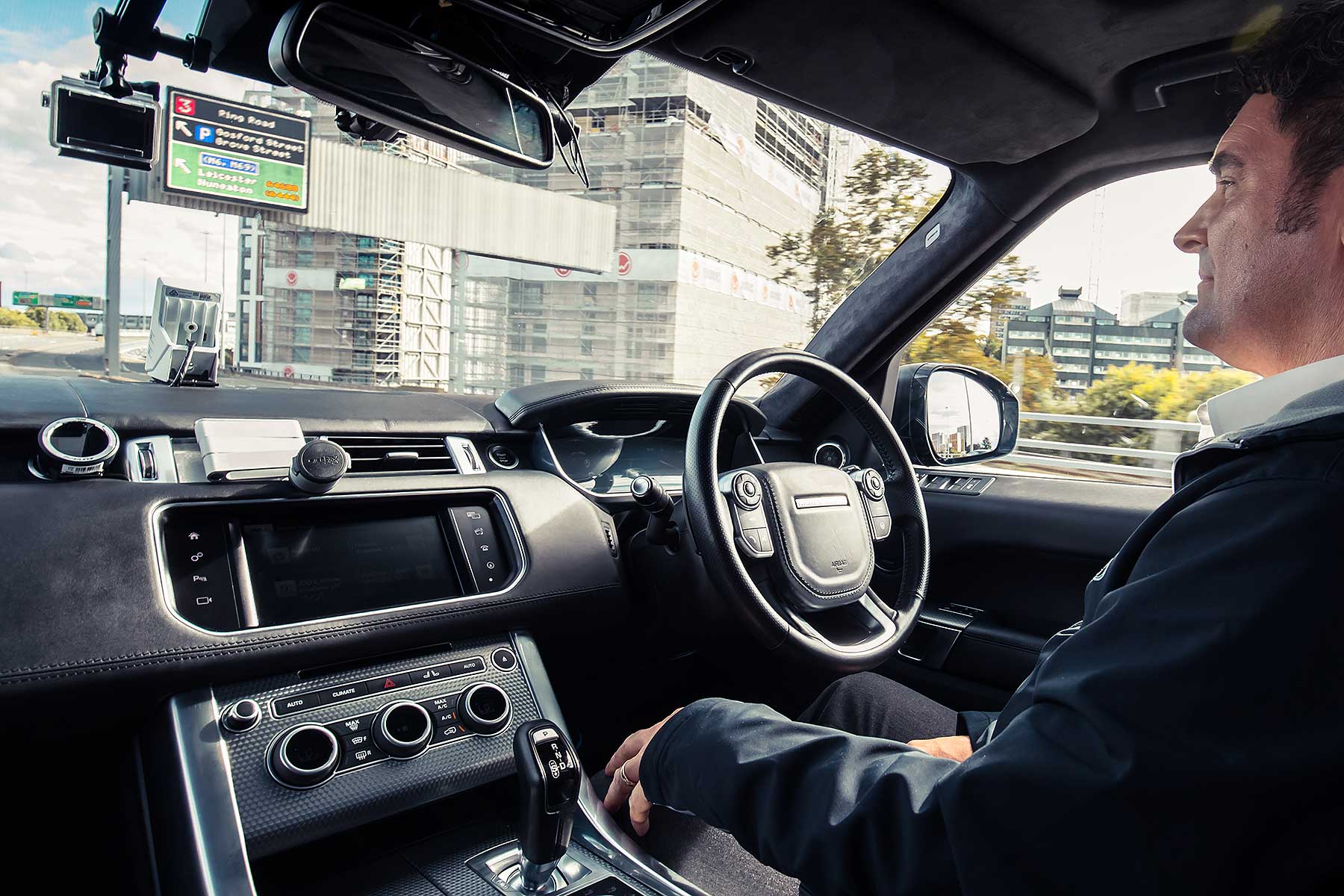
Jaguar Land Rover says it will start selling self-driving vehicles to customers within a decade – and its claim has become a little more believable after one of its test cars completed a full lap of the challenging Coventry Ring Road fully autonomously.
Many human drivers struggle with the compact and complicated urban ring road; for a self-driving vehicle to master it is a real feat.
The test Range Rover Sport wasn’t crawling around getting in everyone’s way, either. At speeds of up to 40mph, it was able to change lanes, merge with traffic and even exit at junctions.
“The Coventry Ring Road is known for its complicated slip roads and exits,” said Mark Cund, JLR’s autonomous vehicle research manager. “It makes for very challenging conditions, especially when under pressure in the rush hour.”
Enter one of the key advantages of an autonomous vehicle, he says. “Our self-driving car is not impacted by the same pressure, frustrations or fatigue that a driver may experience, and so it’s capable of turning a potentially very stressful situation into a completely stress-free one.”
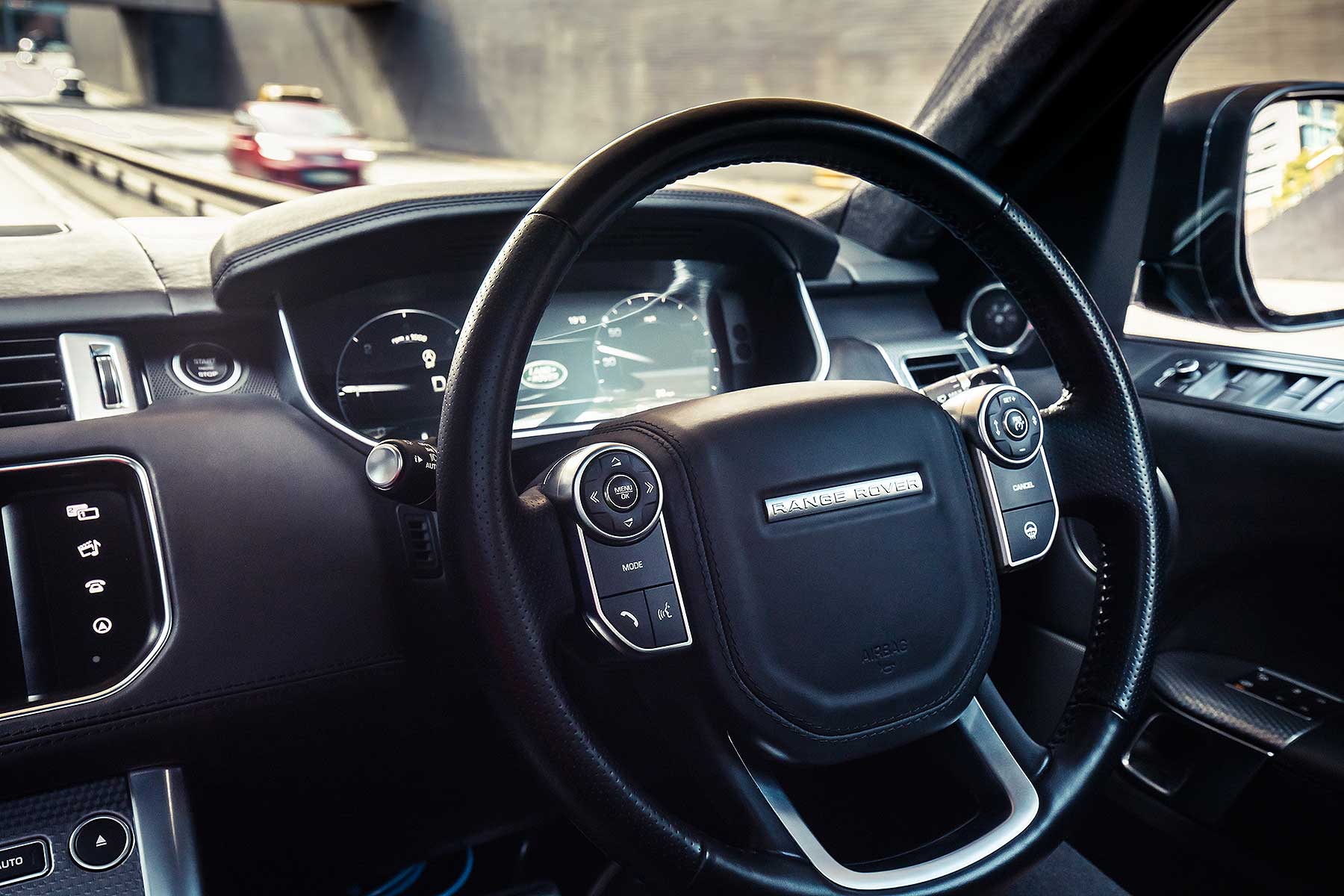
The Range Rover Sport’s own Adaptive Cruise Control was modified for the trials, with more sensors plus a radar and LIDAR system.
The trials have been run as part of the £20 million government-funded UK Autodrive project. It ends this month, after three years, and has seen autonomous cars transfer from private test tracks onto public roads in Milton Keynes as well as Coventry.
JLR bosses reckon the project has helped accelerate the development of its self-driving tech, which is why it’s confident it will be on sale within 10 years.
Not only that, the Midlands region could emerge as “a hub of mobility innovation” and JLR claims its self-driving vehicles will be the best “in the widest range of terrain and weather conditions” – that’s off-road as well as on…
Watch: self-driving Range Rover Sport vs Coventry Ring Road
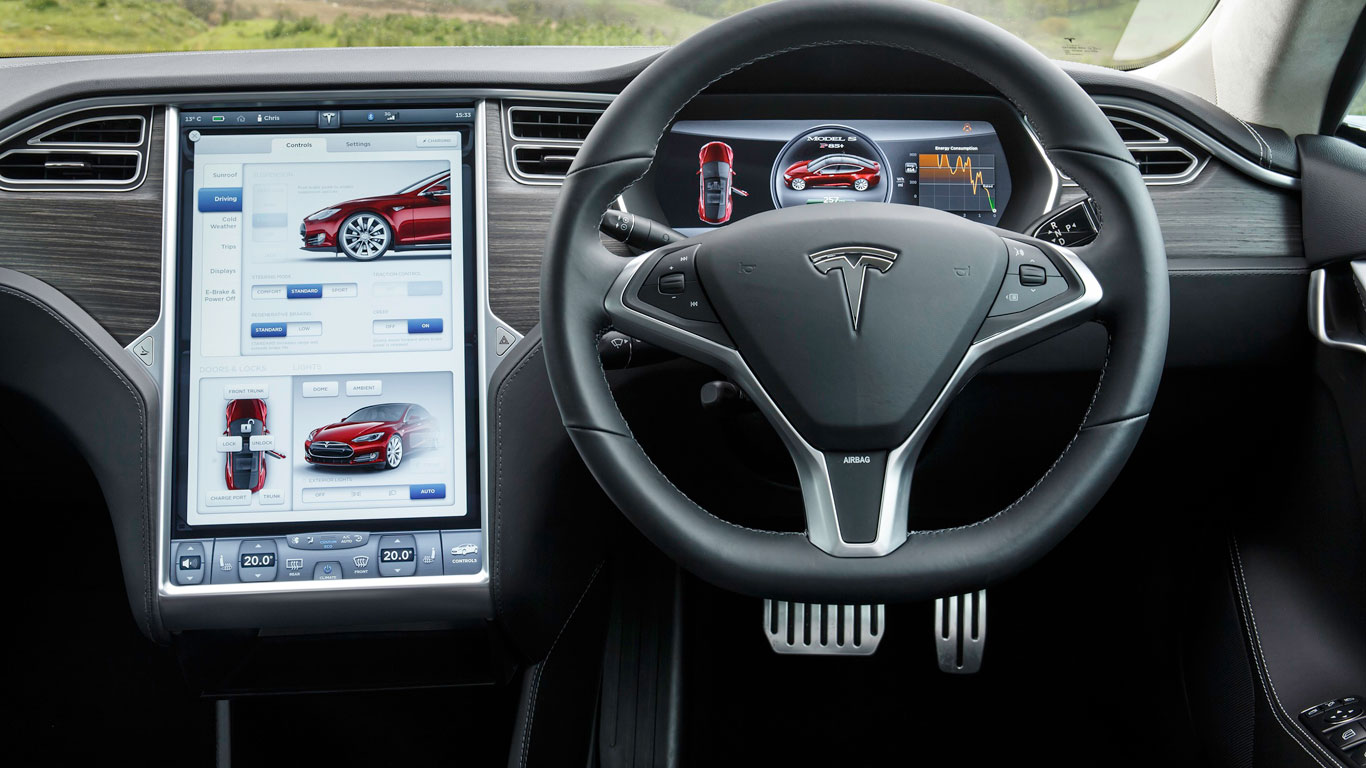
One of the many innovations Tesla has propagated in its short and action-packed lifetime is over-the-air updates. In other words, the ability to fix or improve its cars without physically touching them.
The car you climb out of one evening could have new and improved technology when you get back in the following morning. And Tesla’s latest update actually helps its cars get better over time.
Software Version 9.0 will be rolling out to all Teslas imminently. “Tesla owners will be waking up to a car that is smarter, safer and more intuitive than ever before,” says the company.
We’ll be sure to ask our friend with a Model 3 just how effective the update is. In the meantime, here are the highlights.
What’s new in Tesla Software Version 9.0?
Phone integration – the relationship between your car and your mobile phone is about to become more intricate. As well as initiating software updates remotely, you can send map destinations to the car’s navigation system.
Dash cam – You can now record 10 minutes of footage from onboard cameras (featured on cars built after August 2017).
Full 360-degree view – Eight cameras around the car will now help with data for Autopilot autonomous driving systems, which used to rely purely on ultrasonic sensors.
Atari games – Classic Atari arcade games now feature as ‘easter eggs’. “If you find them, your car becomes a game console”. OK then…
Say what you want about Tesla, it has always been a market disruptor – one that’s given every single established car manufacturer food for thought.
While the ‘Ludicrous’ pace and the electric drivetrains grab headlines, the exceptional connectivity of these cars is what will keep them competitive. It’s innovation we can’t wait to see spreading to other cars.
Read more:
Eco-Loco: The wild and wonderful world of the green car
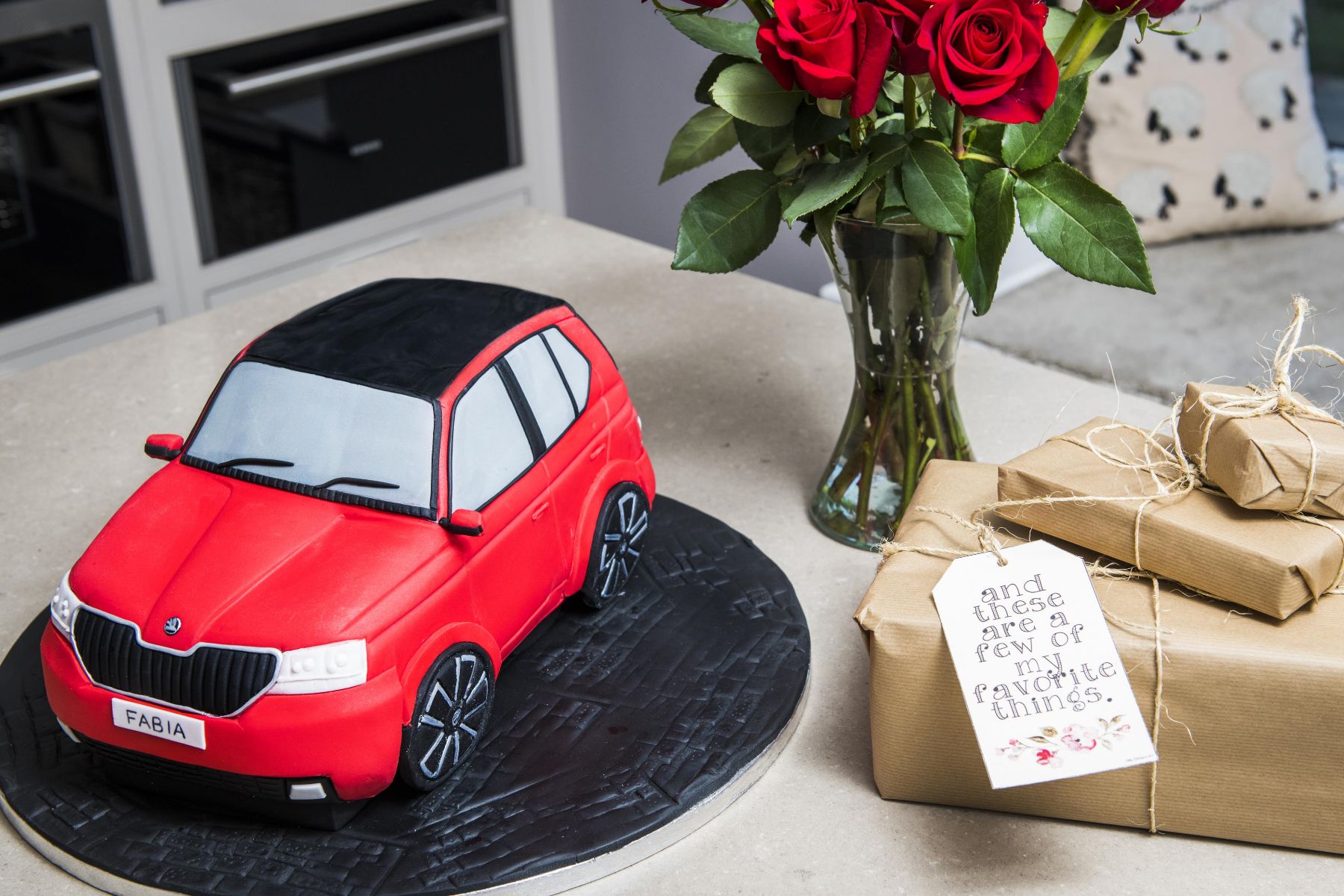
Candice Brown, 2016 winner of The Great British Bake Off, has teamed up with Skoda to pay tribute to one of the coolest TV ads in modern memory.
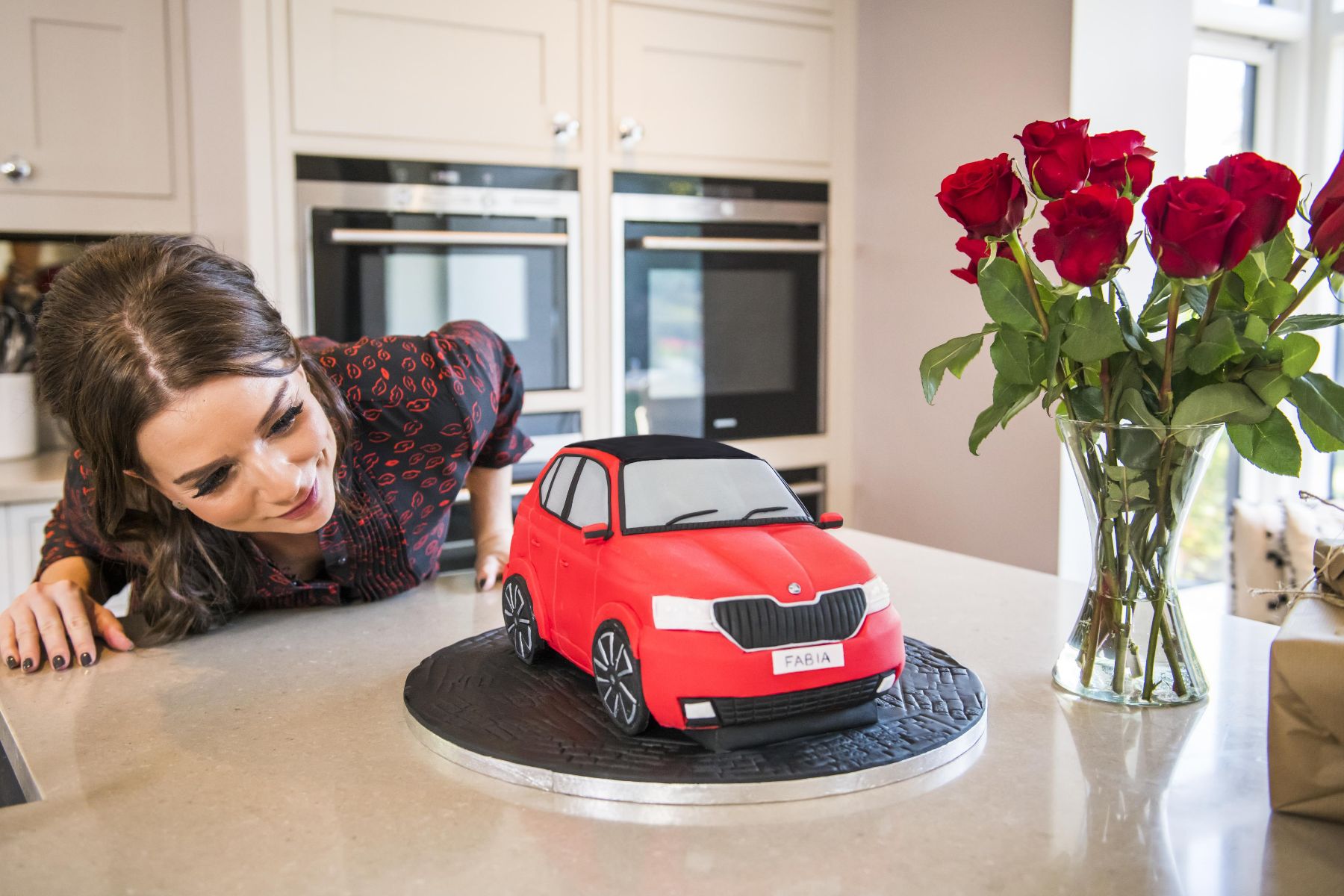
Remember the life-size Skoda Fabia cake from 2007? Well, Candice isn’t quite baking an entire car. Today’s iteration is a tad more manageable – and you can even bake it yourself.
Candice’s miniature replica is comprised of six layers of fluffy lemon sponge held together with citrus-infused buttercream panelling. Fondant icing is used for the new LED headlights, wheels, windscreen wipers, front grille and Skoda badge. Read on for the full recipe.
Video: Candice Brown bakes a Skoda cake
“Everyone remembers and loves the original ad, so when I got the challenge through to recreate the new Fabia out of cake, I jumped at it” said Candice.
“We’re encouraging everyone and anyone to have a go to see if they can recreate the car.”
“The beauty of baking is that it doesn’t matter how good or bad you are, regardless of what it looks like cake is always delicious, so you can’t go far wrong…hopefully.”
Recipe: how to bake your own Skoda Fabia
Here’s the recipe for your very own Fabia, as seen on the Skoda website:
Baking the cake
Preheat the oven to 160°C fan (180°C/350°F/Gas Mark 4). Grease and line six 25cm cake tins
Sift the flour into a large bowl and add the butter, sugar, baking powder, eggs, lemon zest and juice. Mix together until smooth, fluffy and combined
Divide the mixture evenly between the six cake tins
Bake for about 20 minutes or until the sponges are risen and golden
Remove from the oven and turn out the sponges on to a wire rack to cool
While your cake is cooling, make your lemon buttercream
Combine the sifted icing sugar with the butter and add the juice and zest of one lemon
Mix together until smooth and creamy
Decorating the cake
Sandwich each layer of sponge with your buttercream to create six layers
Carve the cake to create a rectangle. Looking at the top of the cake find the middle point and start to carve down in a curve to roughly the third layer to create the windscreen and bonnet shape of your car
Cover the cake with the remaining buttercream
Roll out the fondant icing in the colour of your choice
Drape the fondant over the cake and smooth down
Using different coloured fondant carve out the shape of the windows, headlights, front grille, tyres and Skoda badge, and stick to the cake using a dab of water
Add your finishing touches
Share your bake using #FABIACake
Lastly, as a timely reminder, here’s the original Fabia cake advert…
Read more:
Uber drivers on strike from today: what you need to know

 Electric cars are almost silent in operation, which creates a dangerous challenge for blind and visually impaired road users. Next year, new European legislation comes into force that makes electric car safety sound systems mandatory – but Jaguar already has one in production on the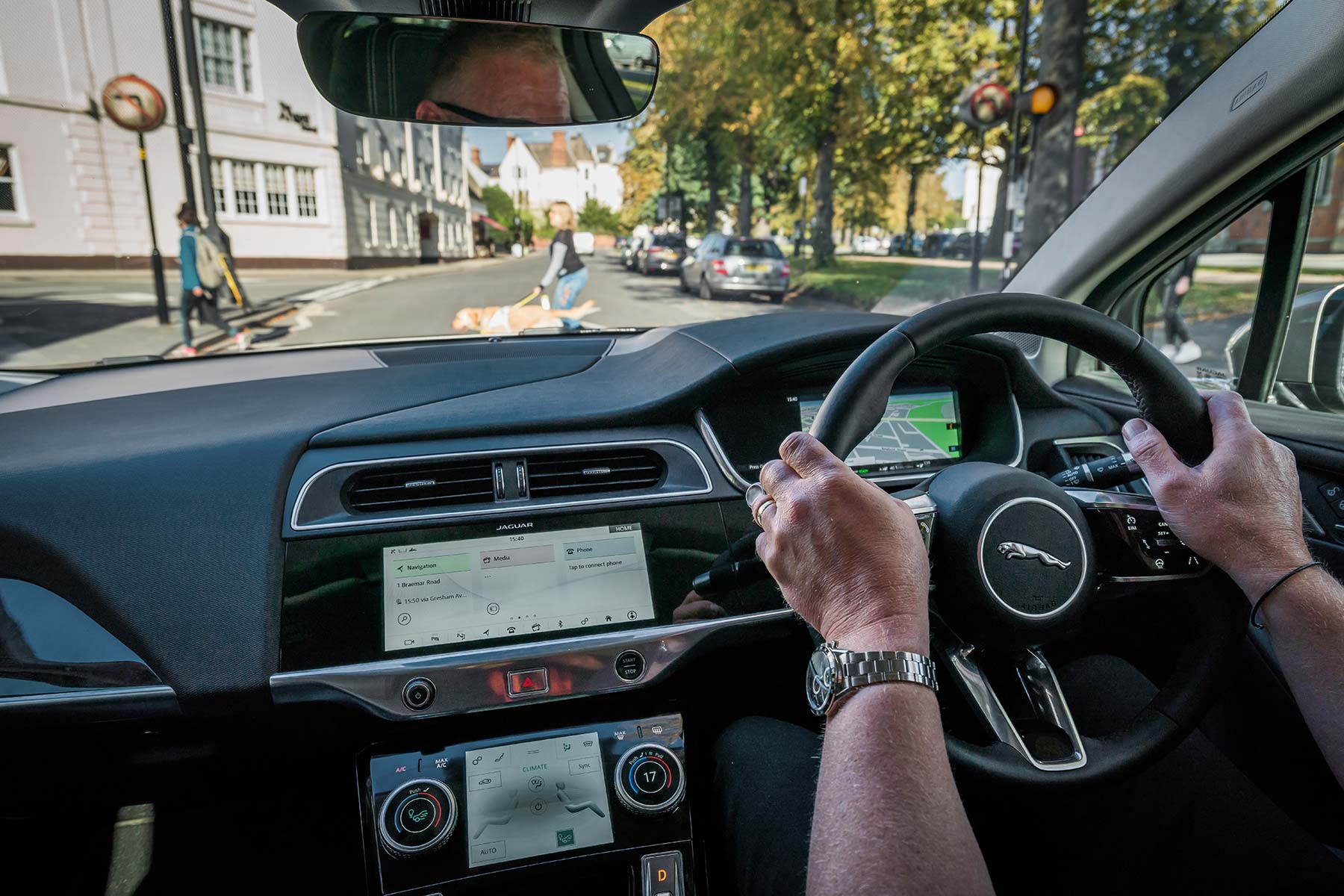
 A new women-only single-seater racing series has launched to aid the search for top-level female talent. It’s a response to fears that the current progression path towards the upper echelons of racing is biased towards men.
 The Toyota car plant in Burnaston was the first in Europe to start building hybrid cars – and, from barely two in 10 cars leaving the line as hybrids in 2010, output quickly jumped to six in 10 cars by 2017.

 The Society of Motor Manufacturers and Traders (SMMT) has launched a Brexit Readiness Programme to help
 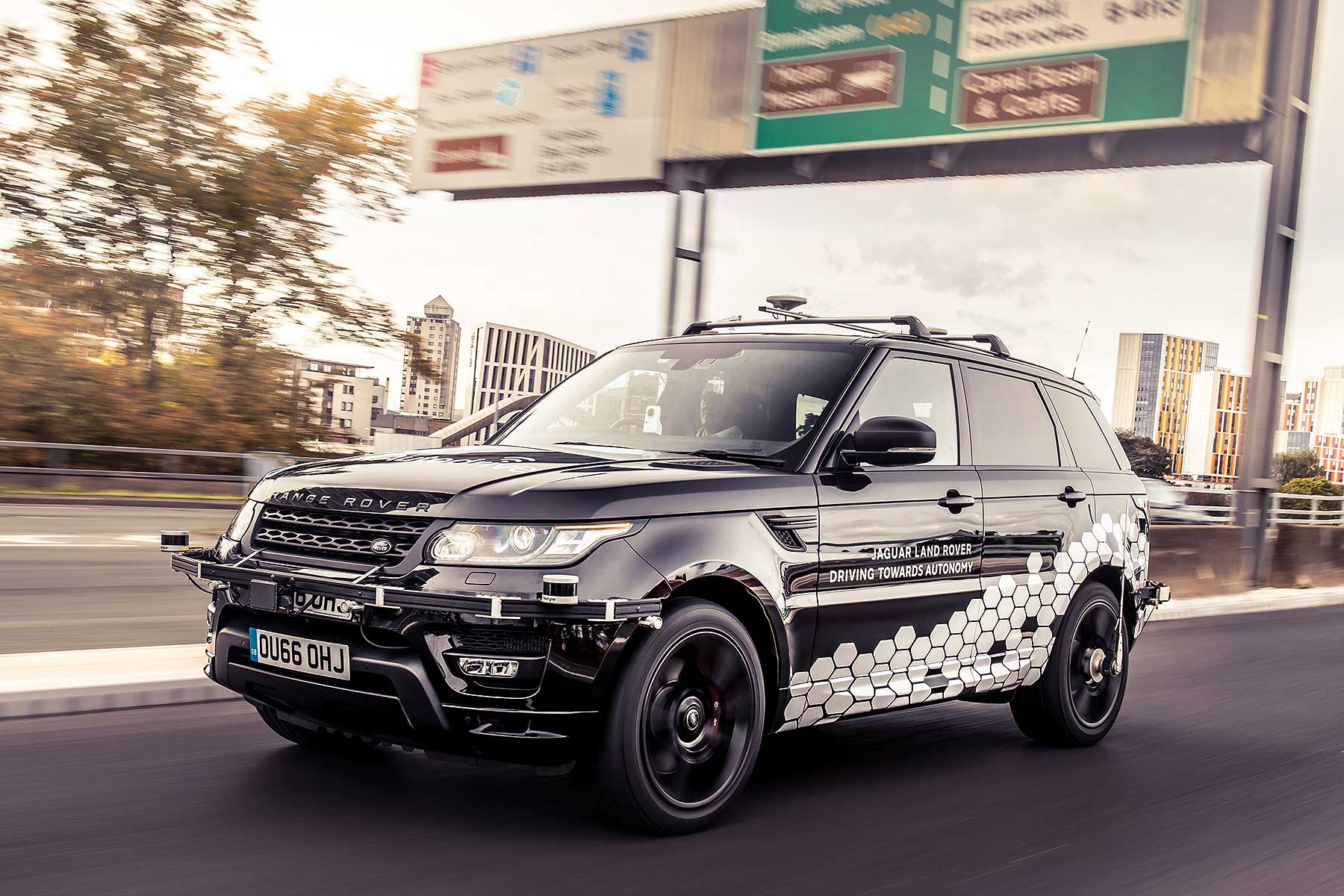 Jaguar Land Rover says it will start selling self-driving vehicles to customers within a decade – and its claim has become a little more believable after one of its test cars completed a full lap of the challenging Coventry Ring Road fully autonomously.