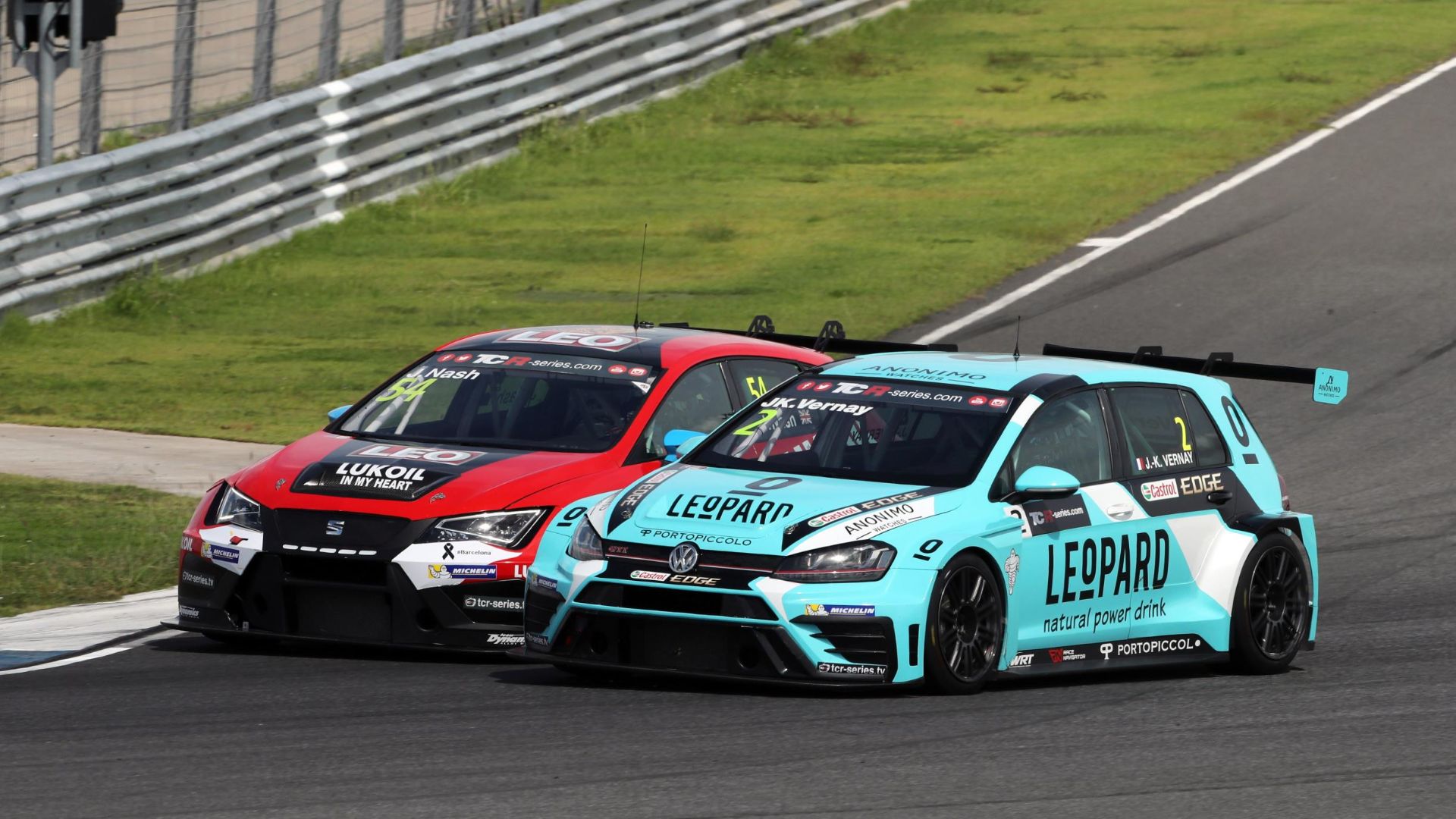
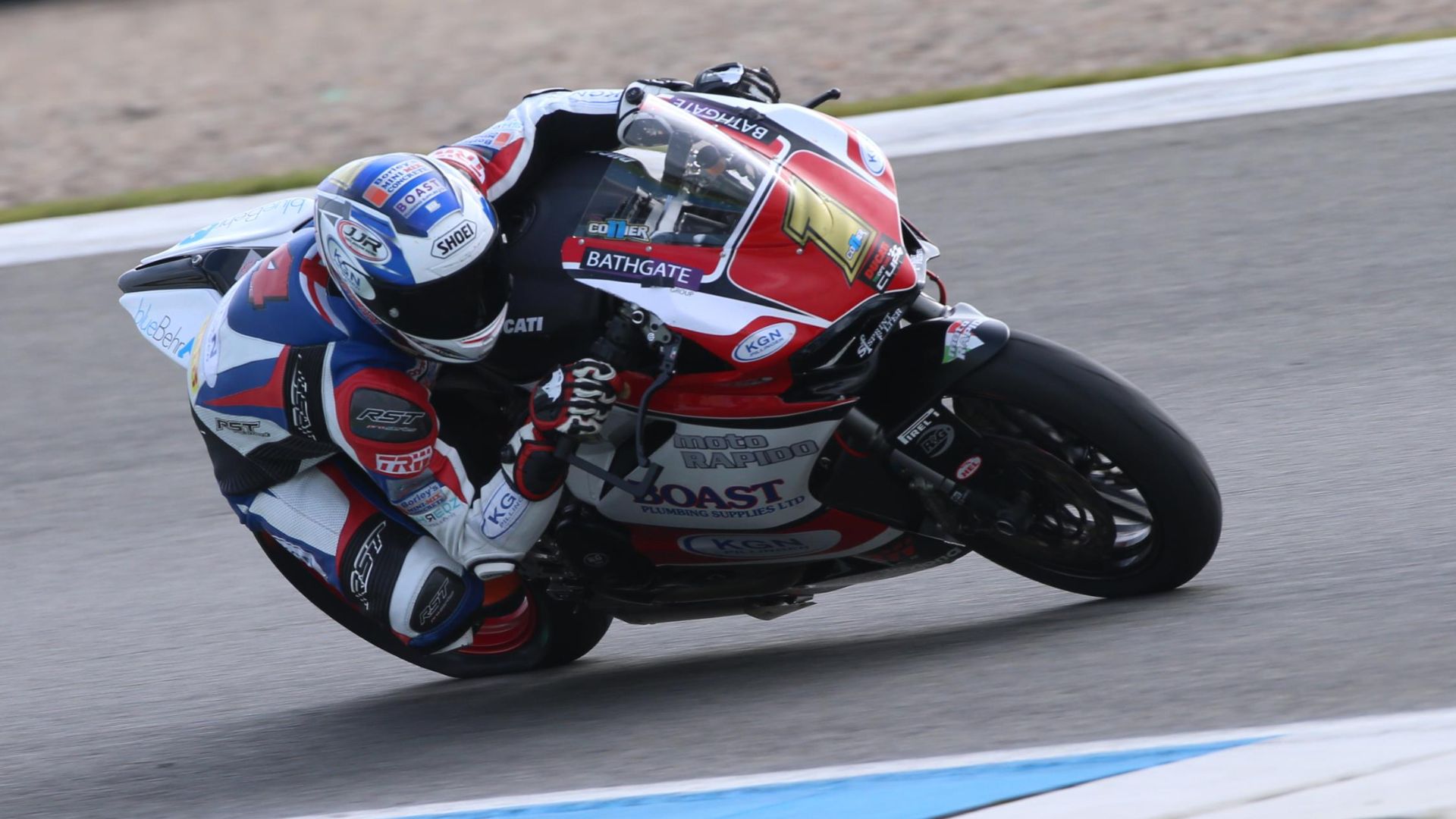
Behind the scenes, there has been a very real threat to motorsport and off-roading in Europe. Luckily, the forthcoming Motor Insurance Directive will not, as suggested, kill both activities stone-dead.
The Motor Insurance Directive was a proposal to make road traffic insurance compulsory for the off-road driving or riding of a motorised vehicle. This would have necessitated insurance for racing vehicles of all varieties.
Such policies, so said insurers, simply wouldn’t be possible. The result would have been the end of motorsport within Europe.
Fortunately, an exemption has just been cleared by the European Parliament.
A coalition of motorsport and motoring groups, including the ACU (Auto-Cycle Union) and MIA (Motorsport Industry Asociation) lobbied the EU parliament for the exemption. Barring a few political hurdles, such as the agreement of the EU council, it should be ratified later this year.
“This is great news and a big relief for motorsport of all types,” Tony Campbell, CEO of the MIA. “The potential impact of the proposal would have been catastrophic and likely to result in the end of motorsport as we know it.”
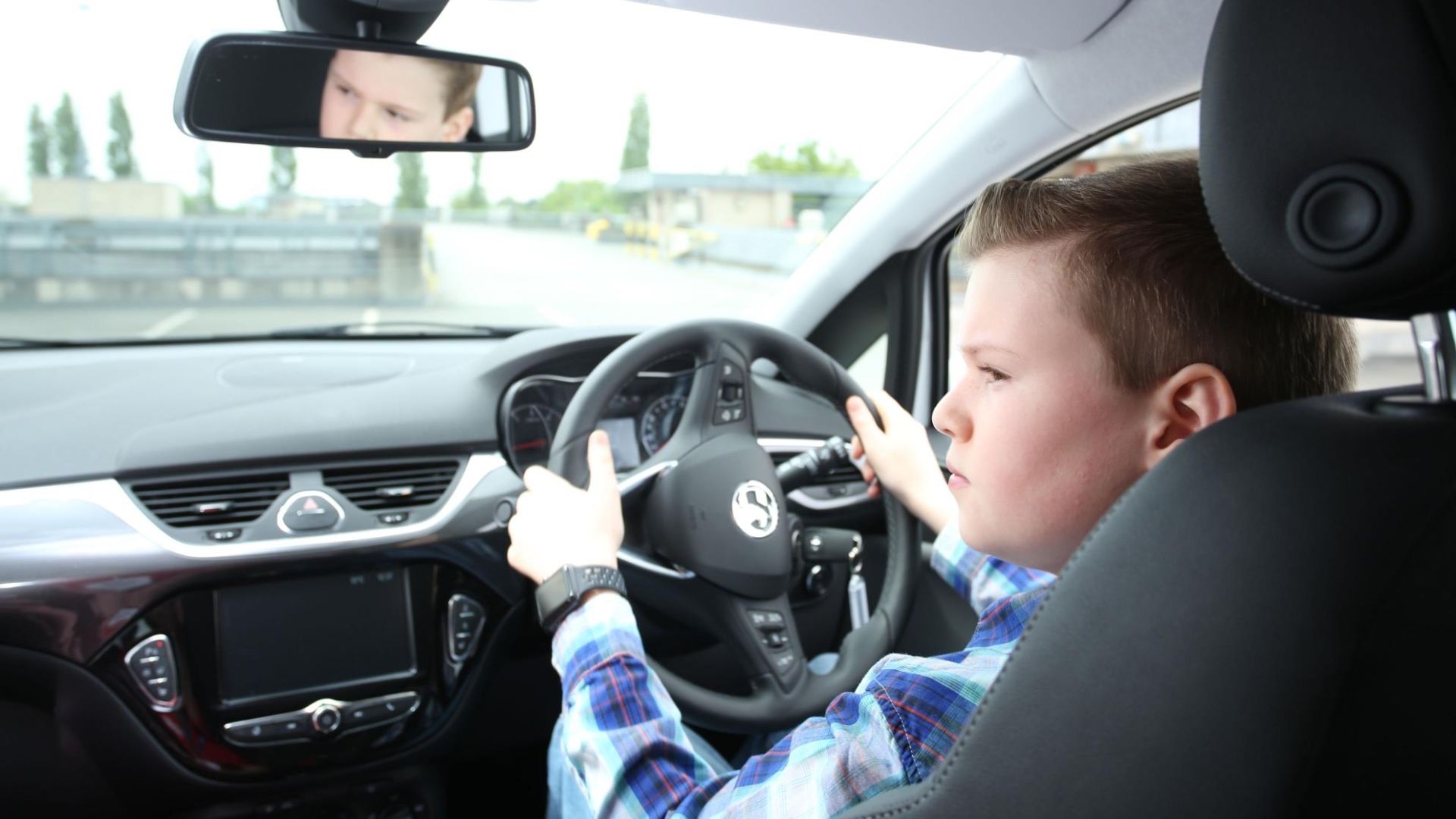
A new study has revealed that almost half (44 percent) of under 25s think driving is such an important skill, it should be part of the school curriculum. The study investigated how important driving was to the lives of 1,000 motorists.
Further results reveal that 39 percent of under-25s think that not being able to drive closes off avenues of opportunity. That makes sense, given that one in five motorists surveyed wouldn’t be able to do their job without being able to drive.
Transport, freedom, opportunity – all good reasons to get behind the wheel as early as possible and, perhaps, why driving should be taught in school. Self-esteem is a huge benefit from being able to drive, according to 44 percent of under 25s.
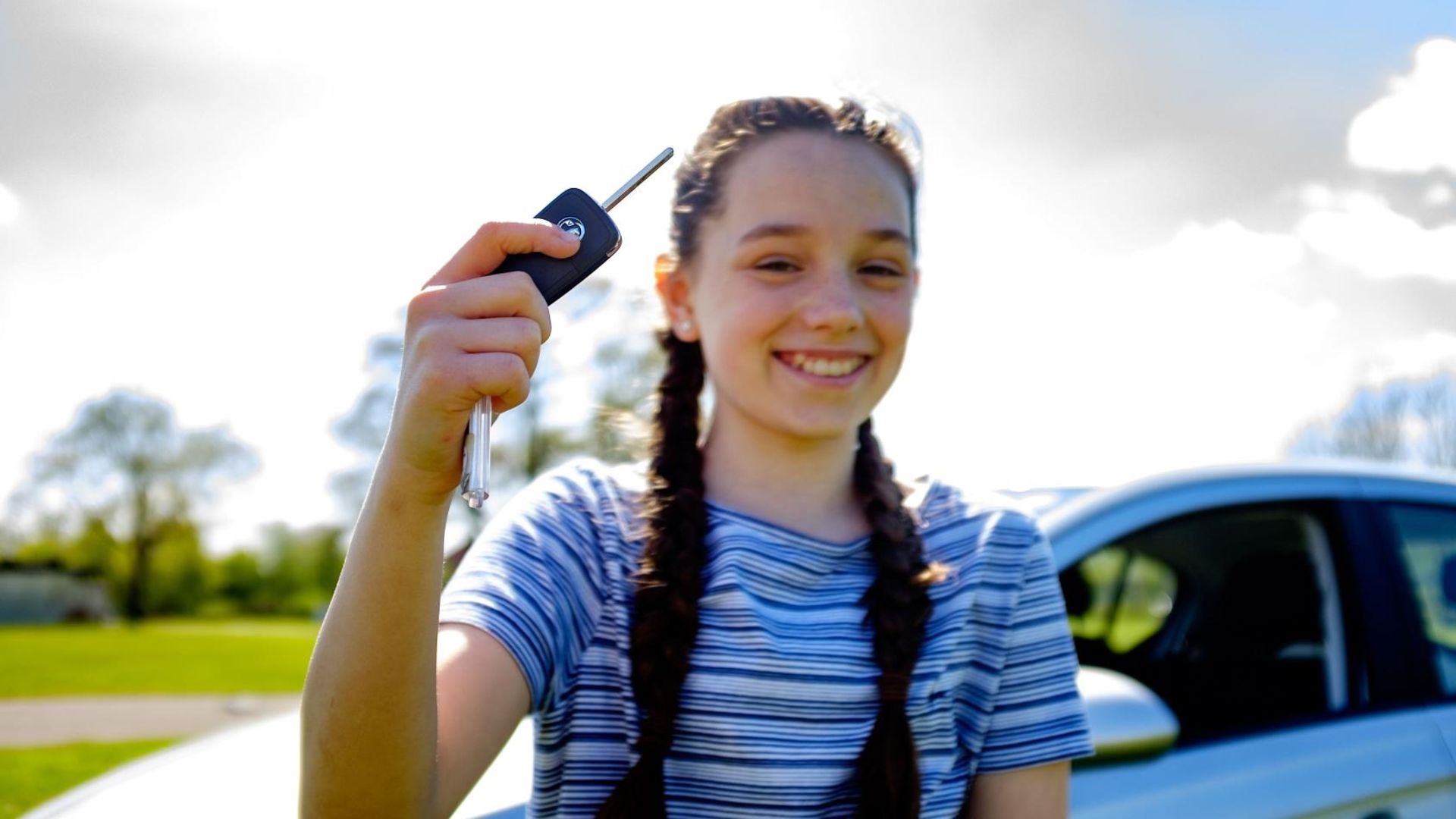
As many as 53 percent said passing their test gave them a ‘huge’ confidence boost. Topical, really, given that one in four parents worry for their teenager’s wellbeing in the modern age.
So, does driving have a place on the school curriculum? We reckon there’s always been a case for it, although resources could be an issue. Cars for kids to learn in are a bit more expensive than the contents of your average stationary cupboard.
“Driving is a useful skill, which can open up a world of opportunities which might otherwise be impossible,” said Laura White, marketing manager at Young Driver.
“But even beyond that, it also has the ability to give people a sense of freedom and confidence. Sixty-five per cent of the drivers we questioned said they enjoyed the feeling of freedom driving gave them, and our research also showed it gave people self-confidence they wouldn’t otherwise have.”
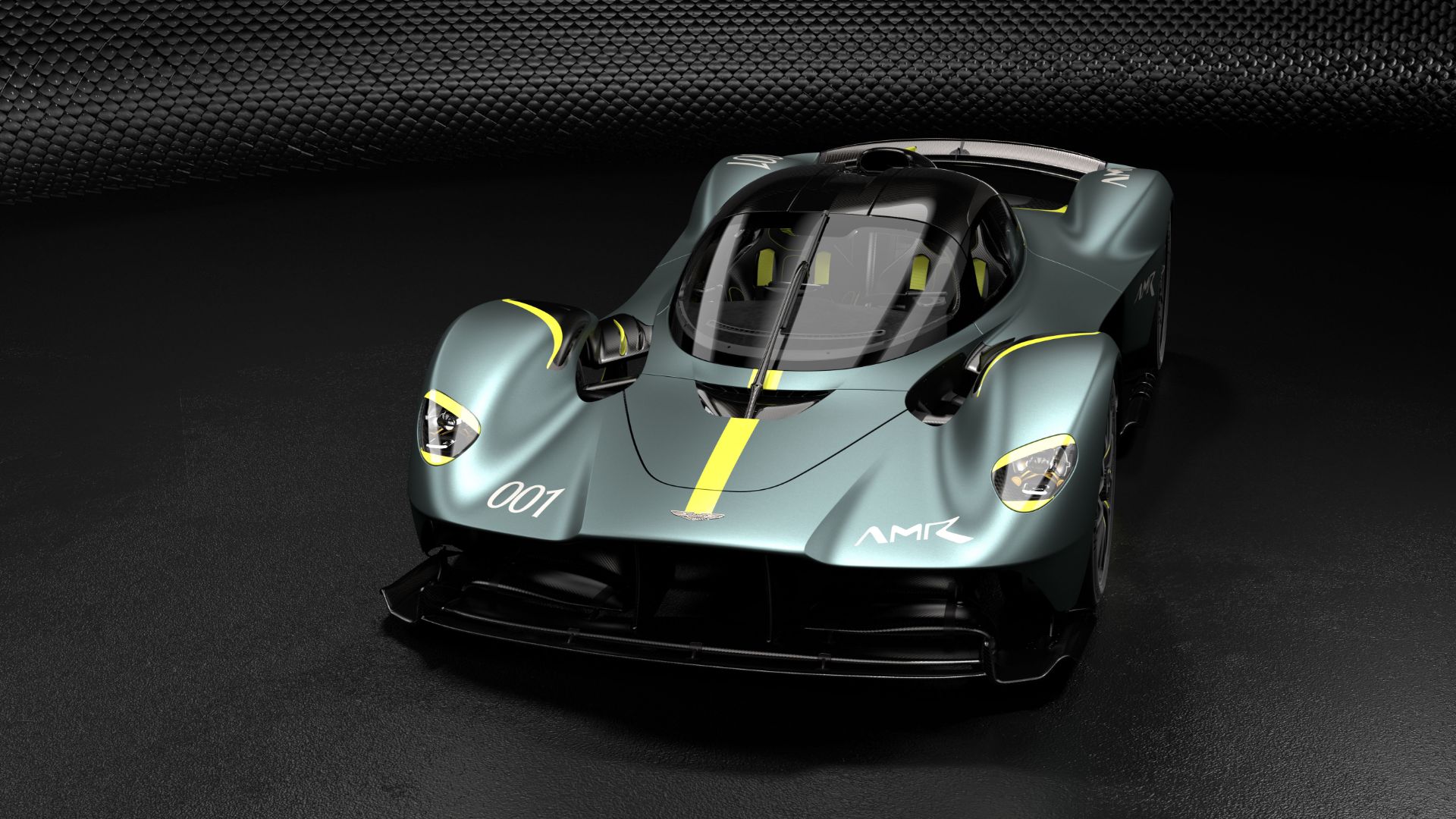
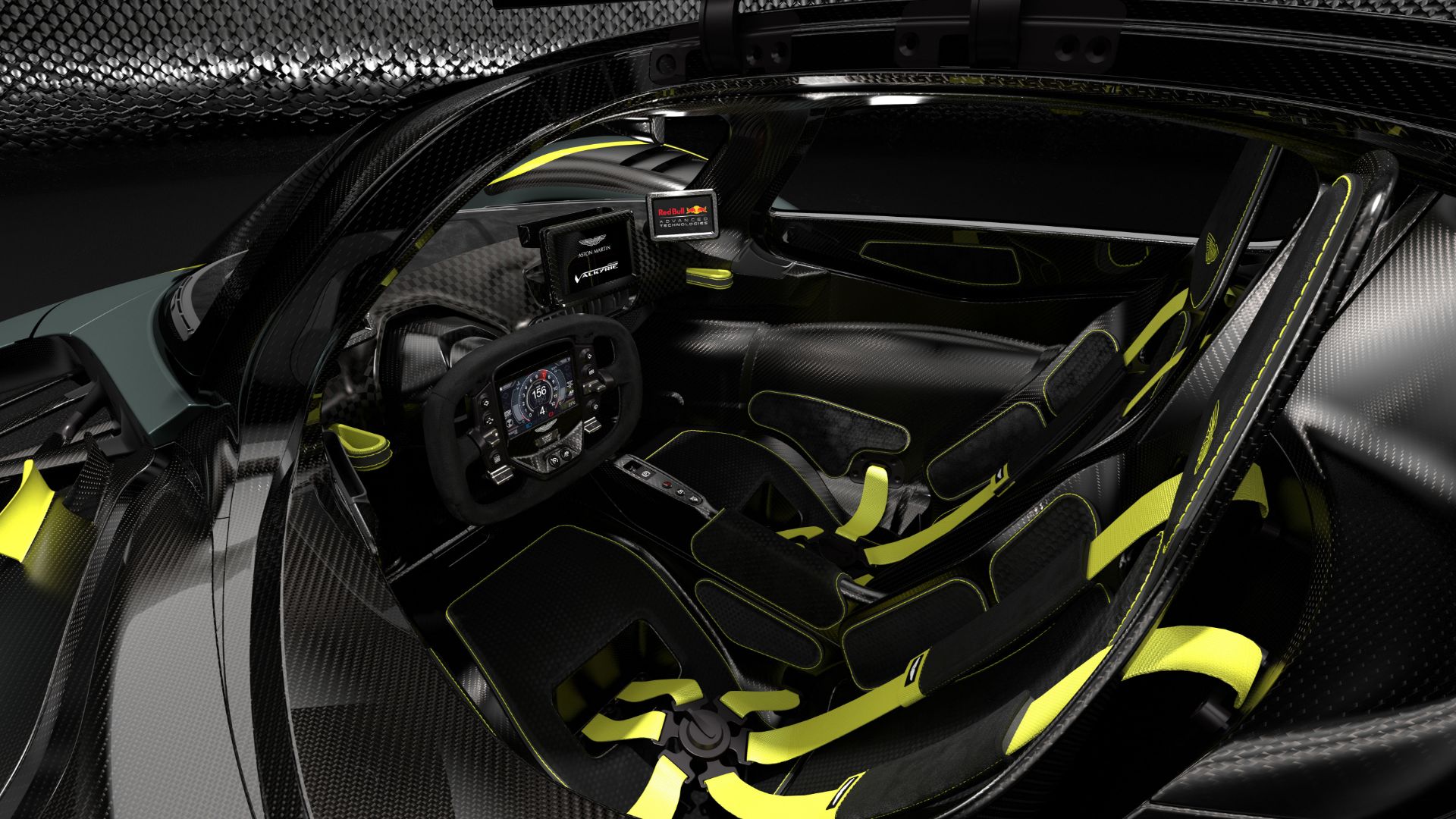
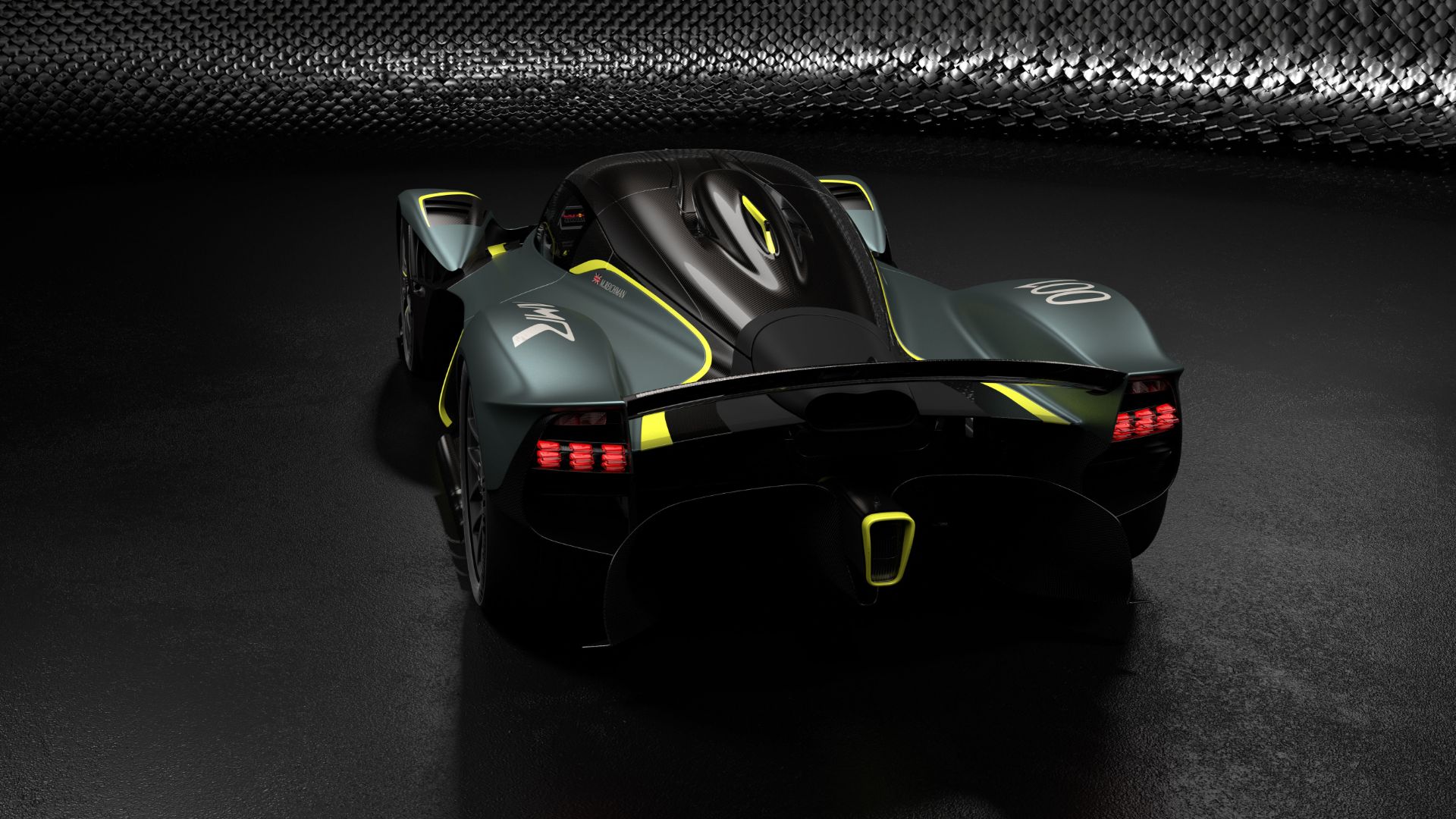
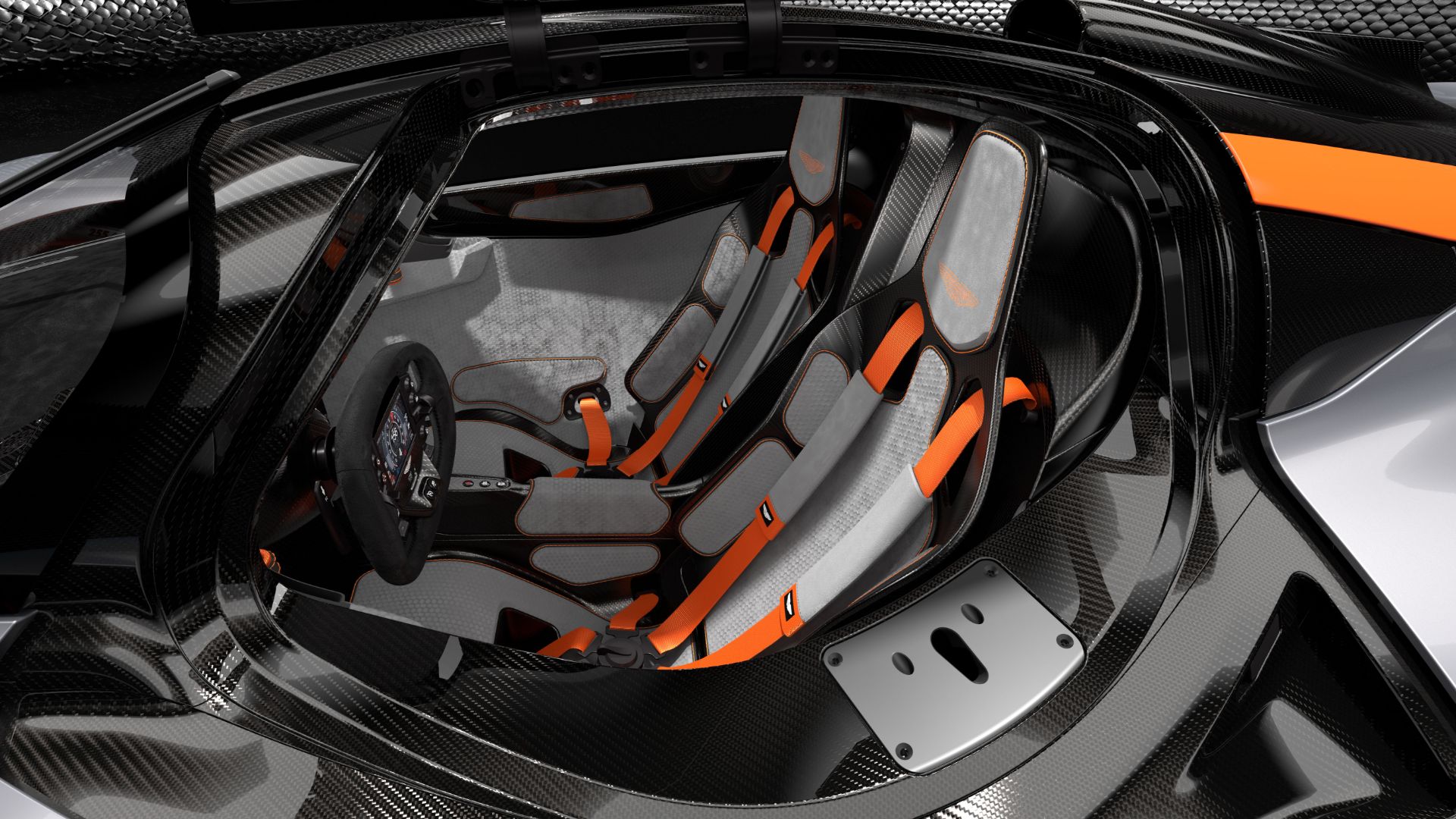
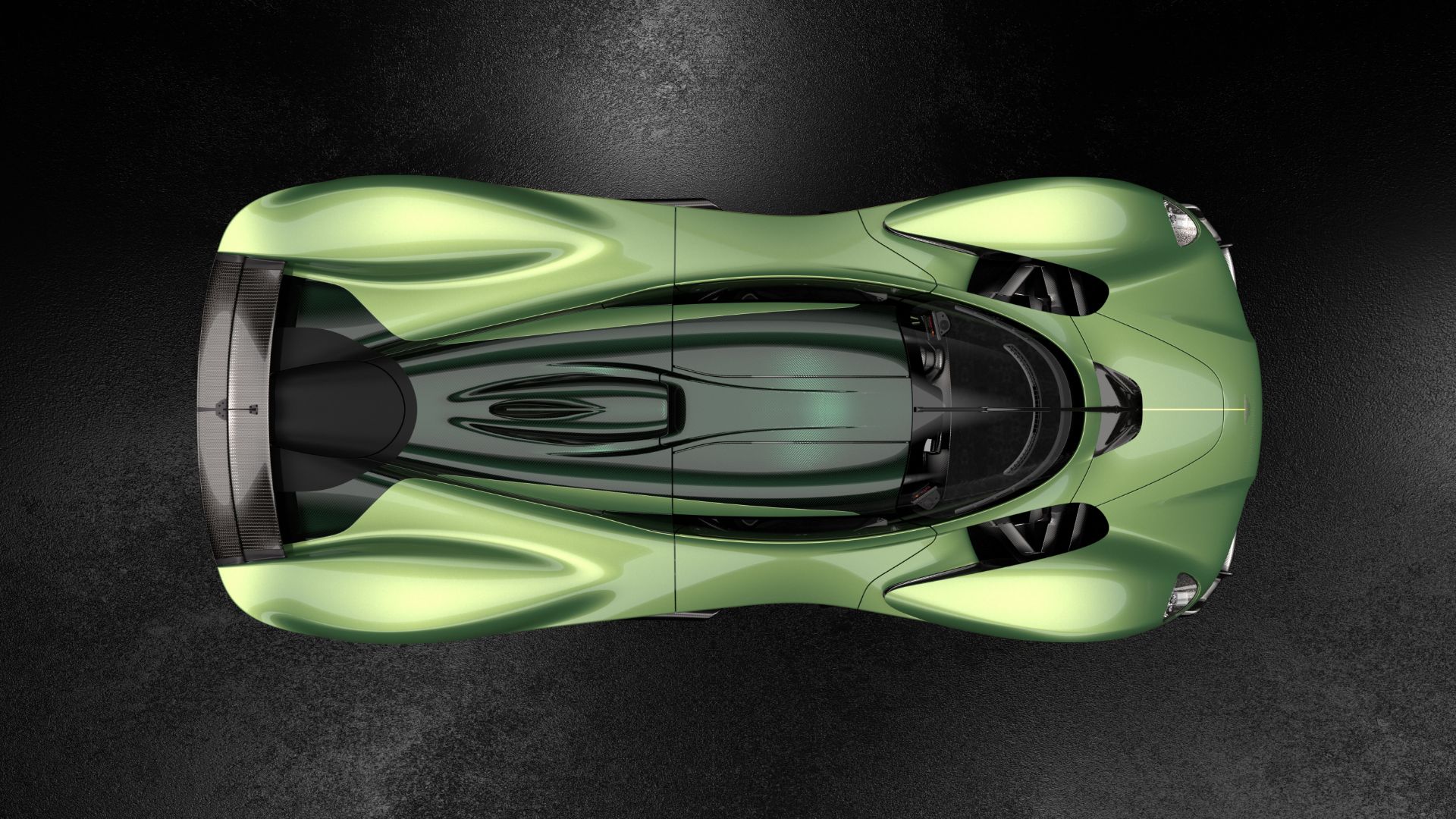
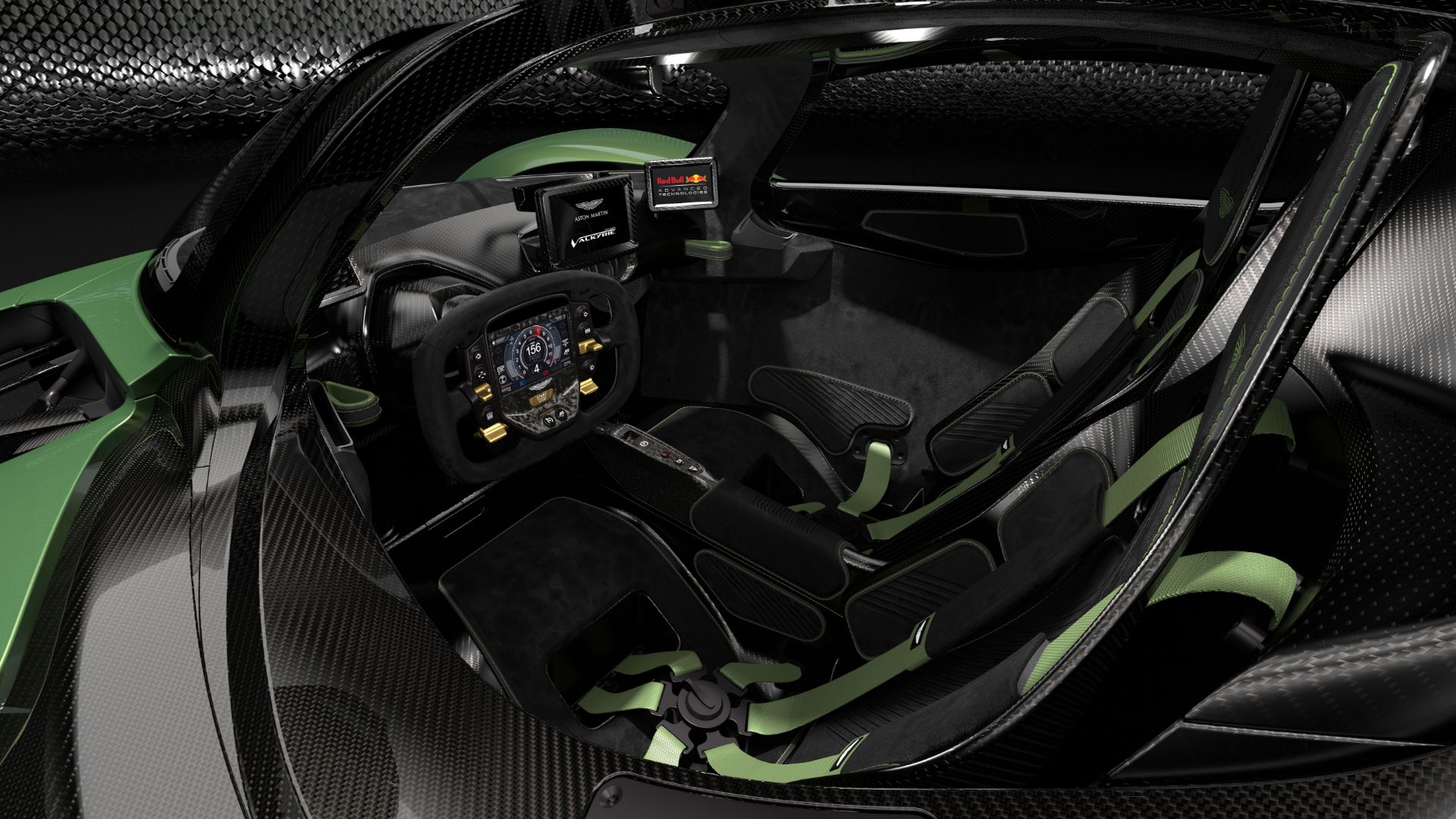
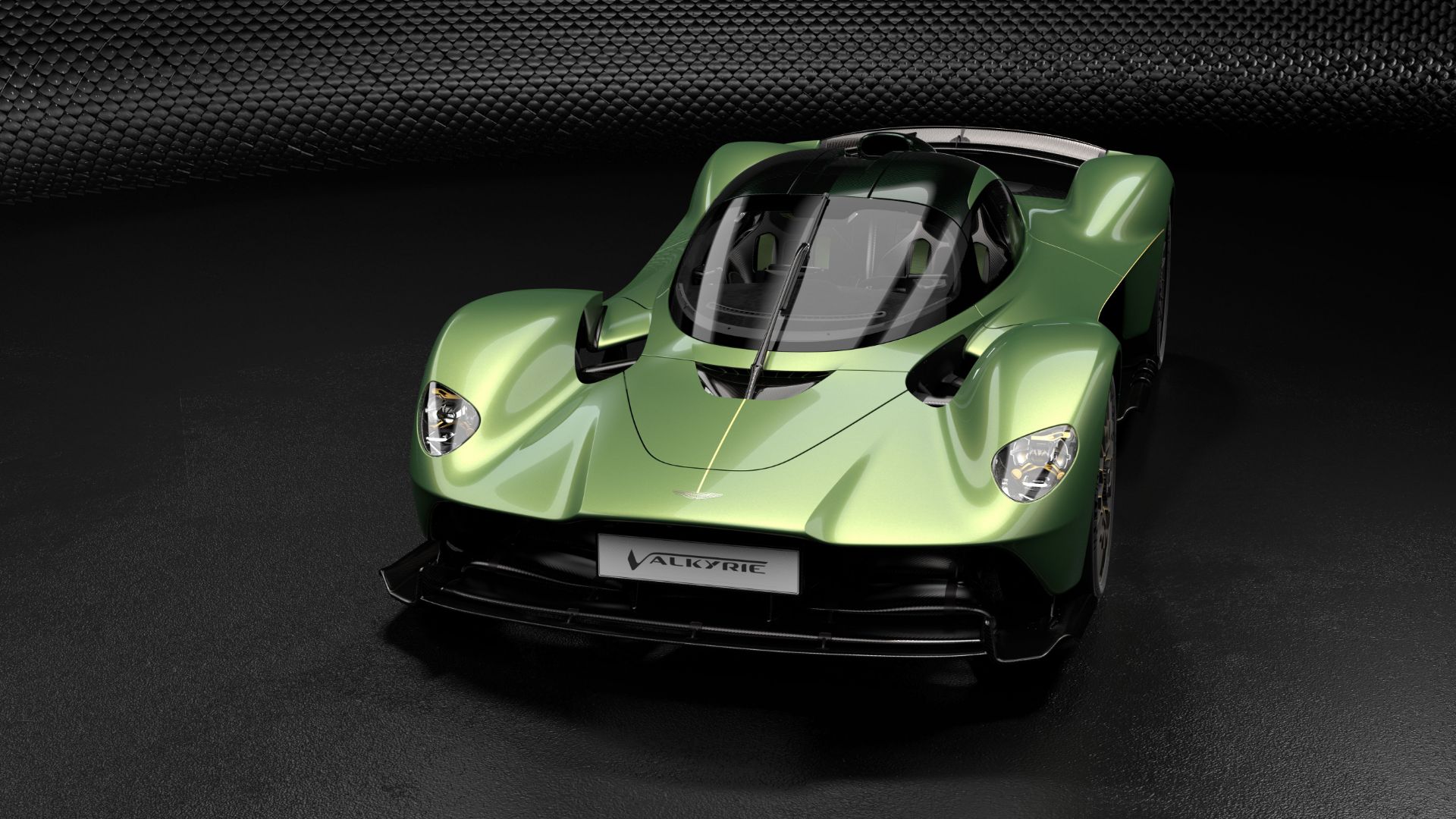
It’s a day-by-day countdown until the Aston Martin Valkyrie is ready to roll. The latest developments are the AMR Track Pack and Q design specifications.
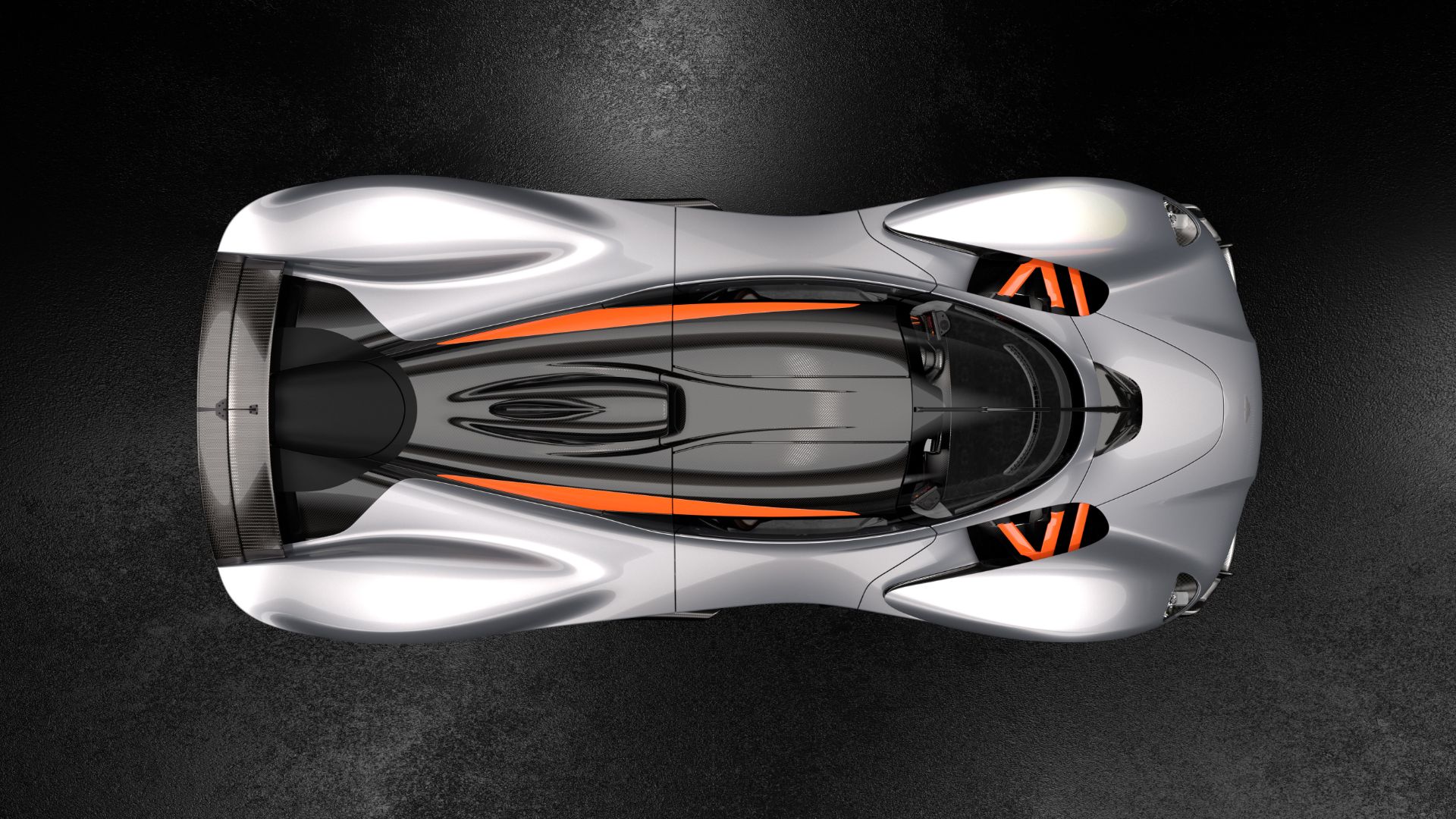
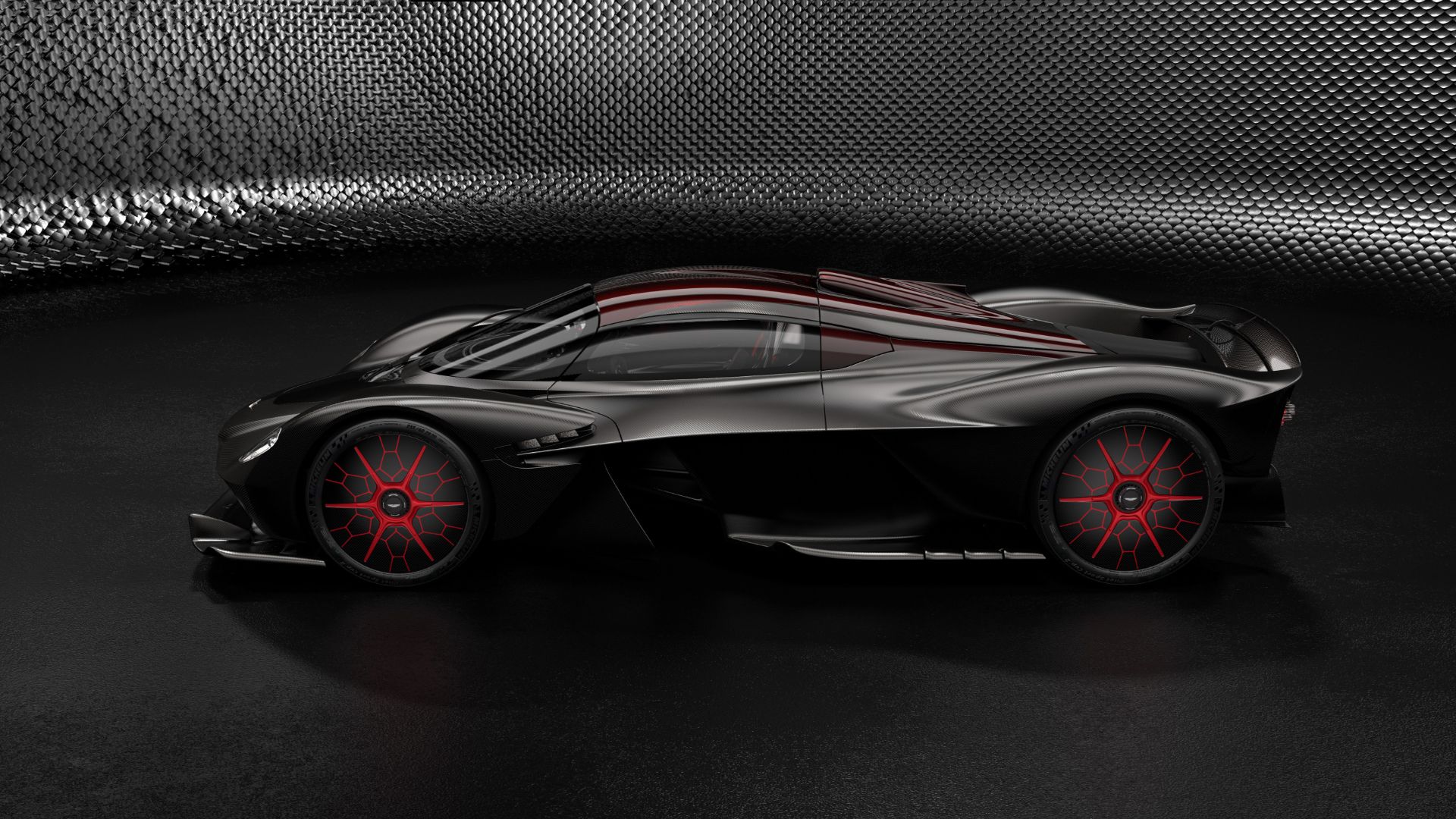
These renderings for what will be one of the most incredible hypercars ever manufactured are a sight for sore eyes.
Firstly, there’s the AMR Track Pack – if a car like the 10,000rpm V12 Valkyrie really needs further preparation for track work…
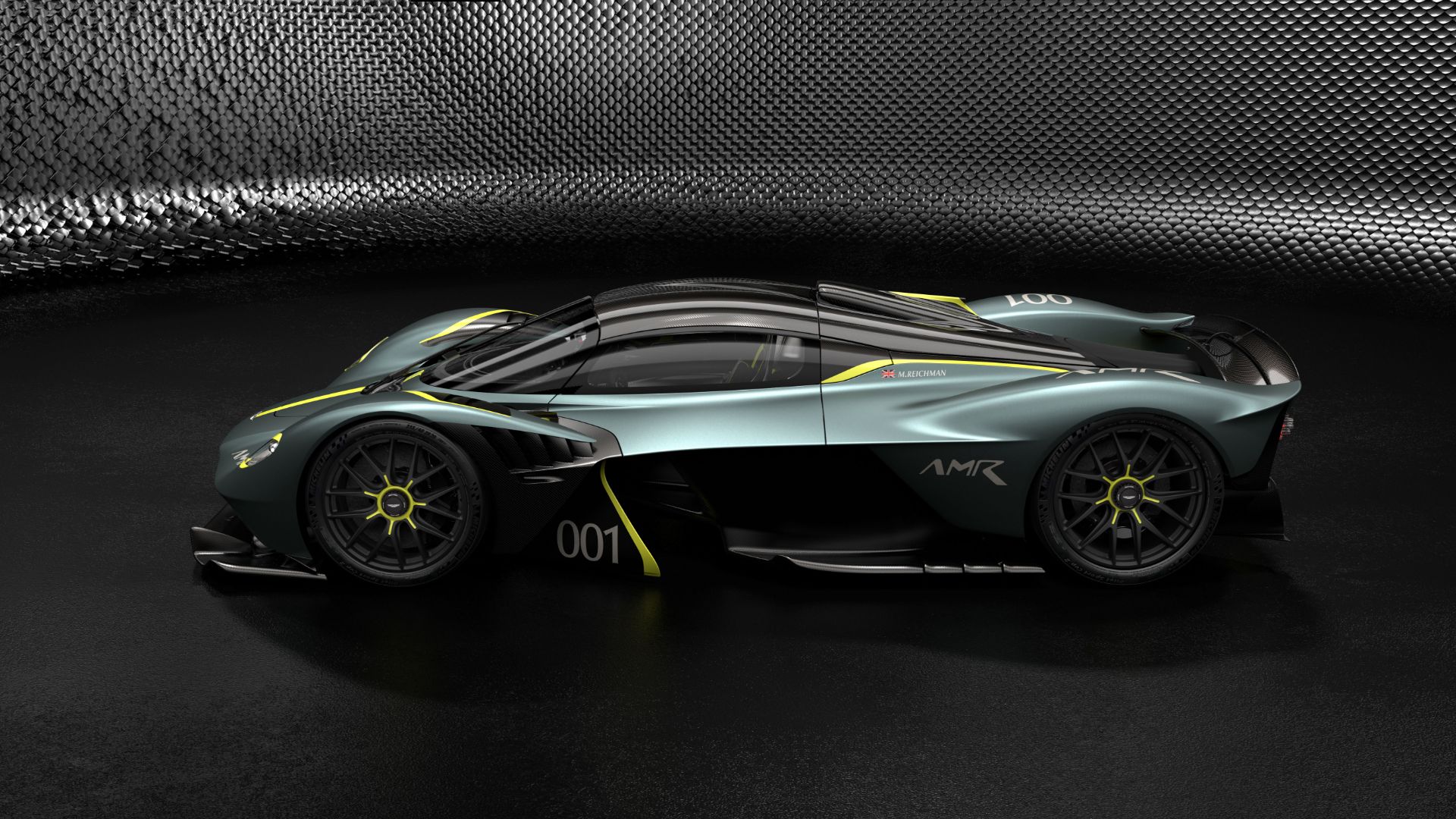
The AMR Track Performance Pack adds a new front clamshell, lightweight titanium brakes, magnesium wheels with aero discs and revised suspension.
AMR cars will also come with a separate set of exterior panels, especially for track work (a lot of the modifications aren’t road legal). Add to that a personalised race suit and pit garage for the full Le Mans racer experience.
Visually, the now-familiar AMR colour scheme is demonstrated here – Lime over Stirling Green. A nice touch is Aston Martin vice president Marek Reichman’s name on the side, racer-style. This is one of three AMR-flavoured liveries available.
Ultimate Personalisation programme
It seems obvious to suggest that, as a prospective buyer for one of the 150 Valkyries being made, you have absolute freedom of customisation. ‘Standard’ specifications are for those ‘who want their Valkyrie to stay close to the designer’s vision’.
Exclusive Valkyrie colours include Slipstream Green, Liquid Petroleum, Ethanol Silver and Maximum Orange.
For those who want to think outside the box – and we suspect many will – the Ultimate Personalisation programme exists to enact your every whim with the help of ‘Q by Aston Martin – Commission’.
The stunning top inlet that hangs over an expansive NACA duct can be had in gloss black as standard, or exposed carbon fibre.
The cabin can be specified with various different colours, stitches and materials for the controls and surfaces, including titanium if you go through Q.
Q by Aston Martin – Commission
How does the Q Gold Pack sound? It features 24-carat gold leaf laid under the paint lacquer, gold-plated Aston wings, a gold anodised oil filler, gold interior detailing and gold on the honeycomb wheels. See the Mantis green car here for reference.
A Mokume Carbon Fibre option pack adorns your Valkyrie in ‘carbon jewellery’. That’s also featured on this Mantis car.
For a bit of inspiration, Aston has released renderings in various different specifications – and they are stunning.
We’d take Mantis green with gold wheels, although the Ethanol Silver with Caycous Orange highlights is rather lovely. Decisions, decisions…
What’s interesting is there are no prices listed for any of this. If you have to ask…
If you’re about to order a new company car, you might want to check out the results of the Company Car Today CCT100 Awards.
According to the fortnightly business publication, these are the best fleet vehicles across 20 sectors of the car industry, with a particular emphasis on business car operation.
Here, we take you through the winners in each category, starting with the best city car.
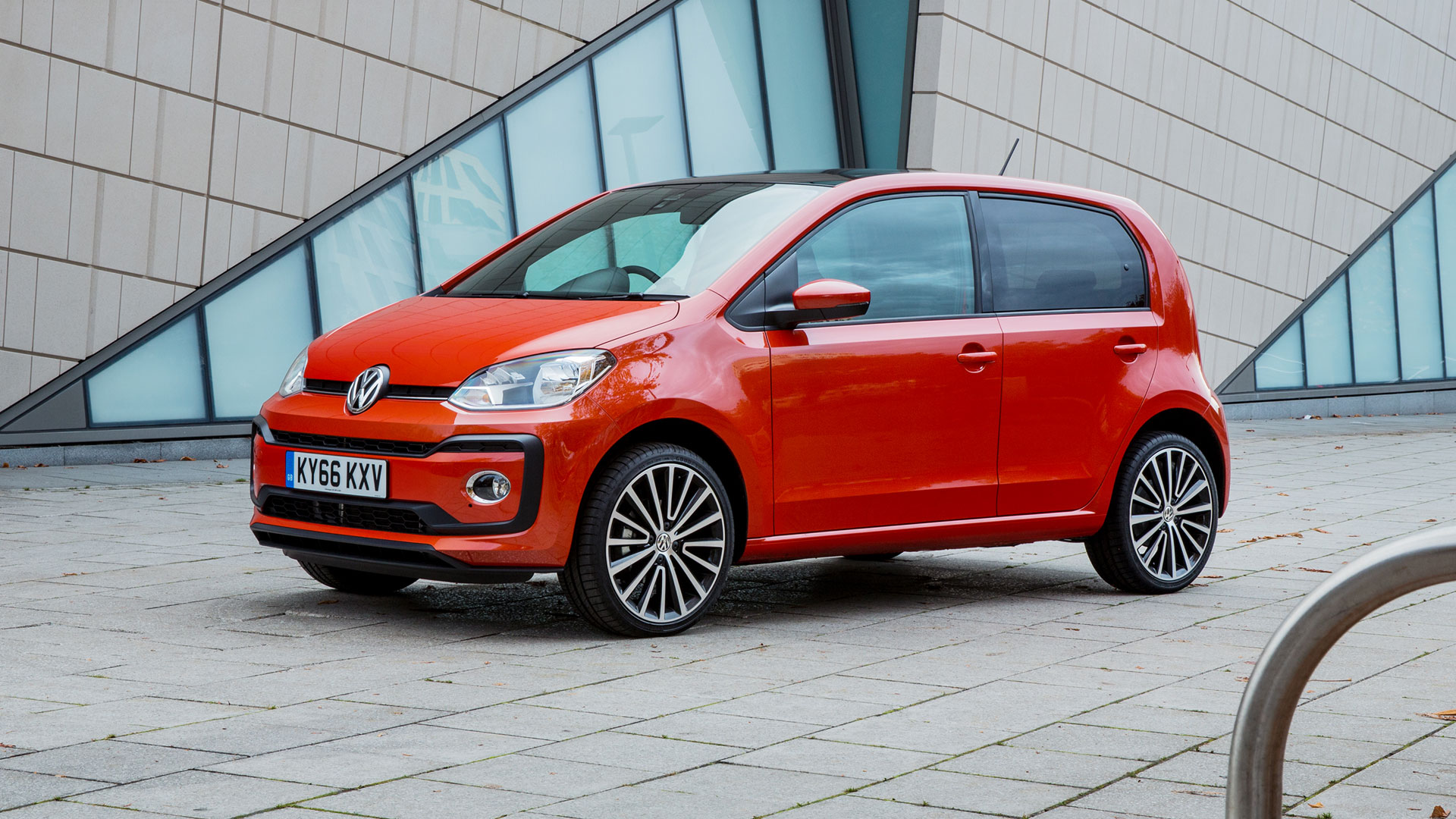
City car – Volkswagen Up
The Volkswagen Up sees off the Fiat 500, Hyundai i10, Seat Mii and Toyota Aygo to scoop the CCT100 City Car of the Year award. The judges praised its competitive P11D offering, good emissions figures and low running costs. The Up “proves small cars can manage grown-up tasks,” said the judges.
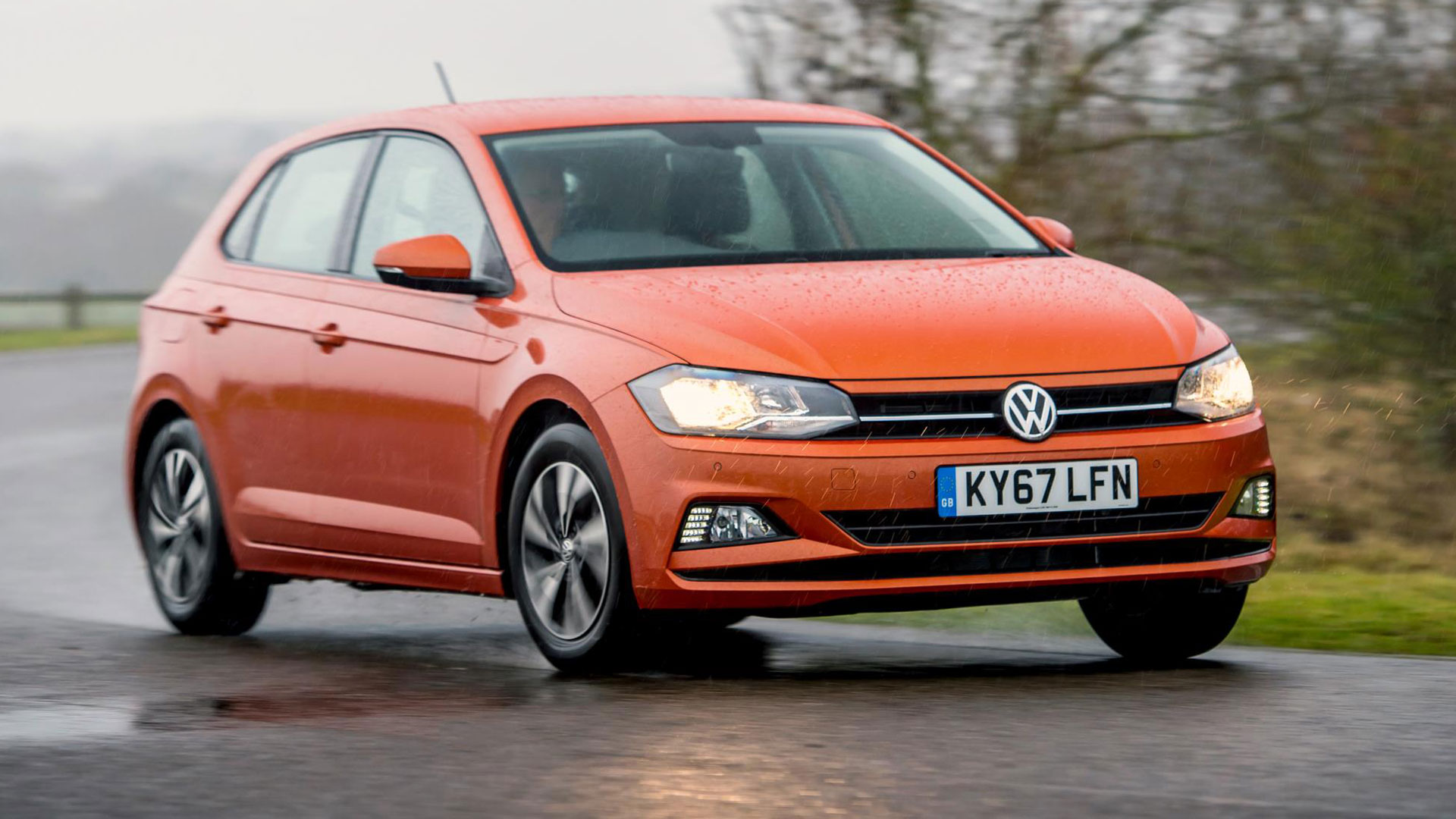
Supermini – Volkswagen Polo
Keeping it in the family, the Volkswagen Polo is deemed good enough to be named CCT100 Supermini of the Year for the second year in a row. Company Car Today called it a “running costs champion”, although it’s let down by the high cost of insurance. “It’s a car that’s as at home on longer higher-speed runs as it around town,” said the judges.
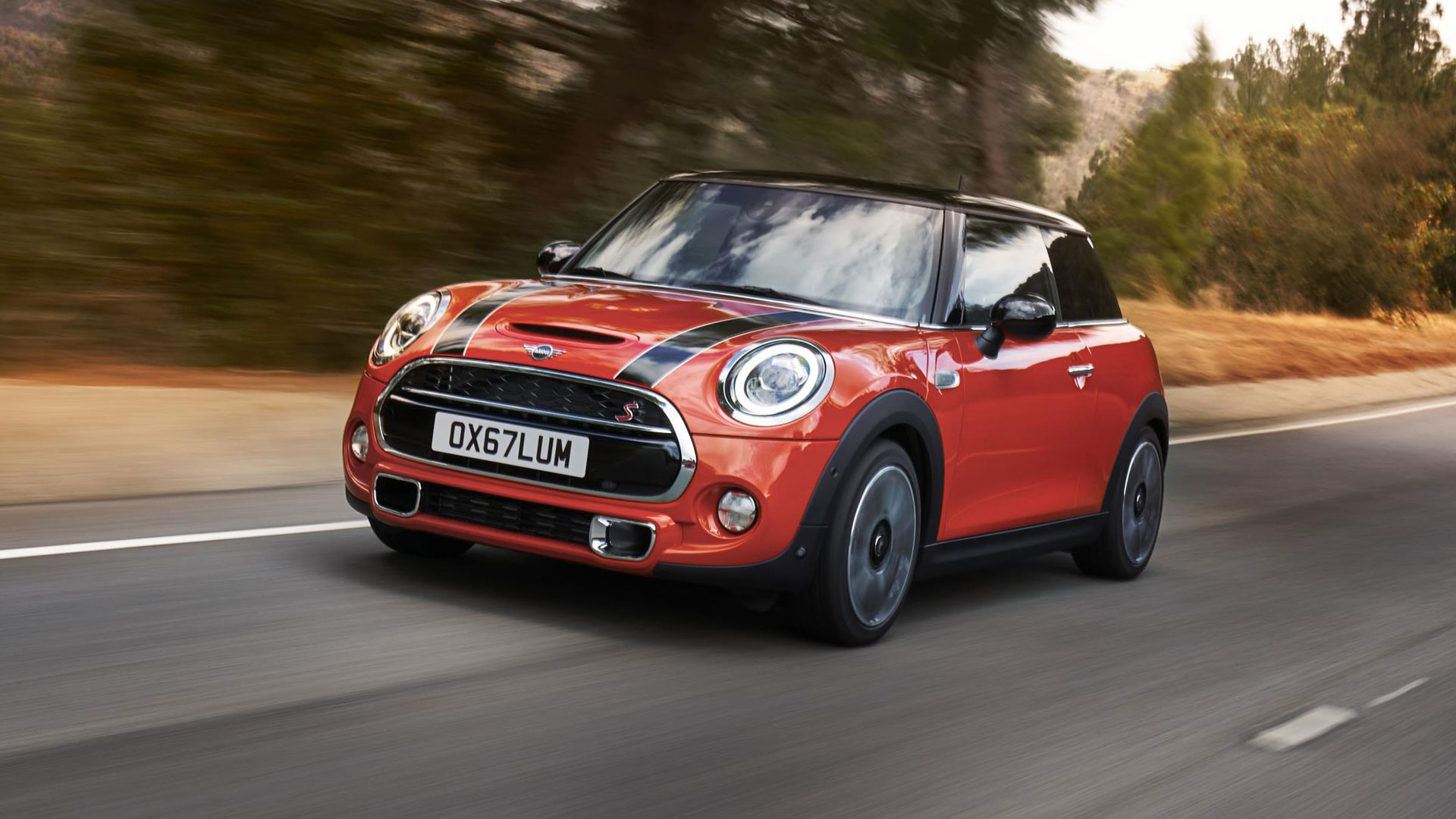
Premium supermini – Mini Hatch
The Mini Hatch retains its title of Premium Supermini of the Year, with the judges appreciating its strong engines, superb handling and sensible pricing. The magazine did concede that the ride quality could be better.
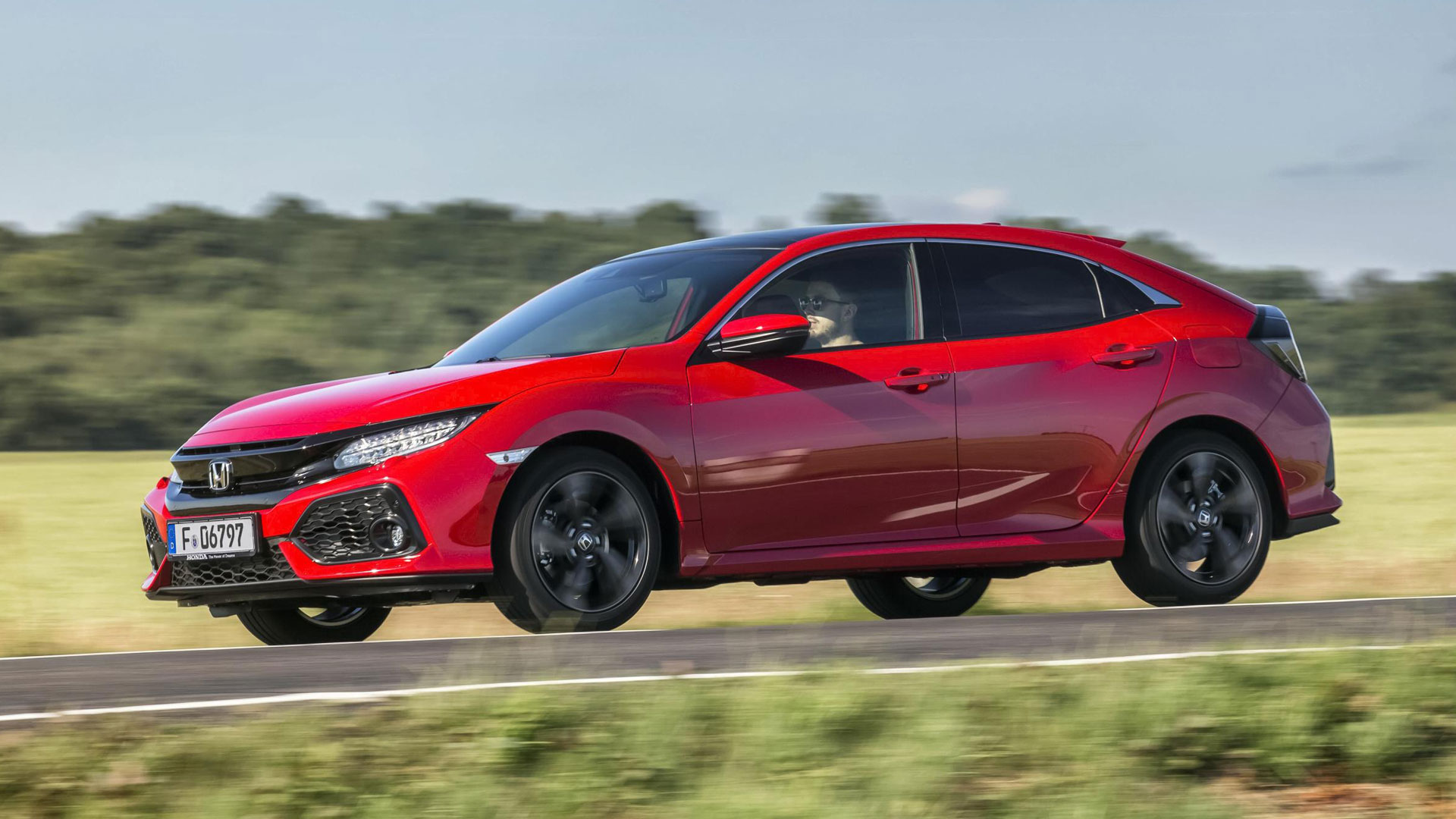
Lower medium – Honda Civic
To finish top in the Lower Medium Car of the Year category, the Honda Civic had to rise above some serious competition. The Ford Focus, Skoda Octavia and Volkswagen Golf are sector heavyweights, while Hyundai Ioniq is a champion of green motoring. “It’s a great all-rounder in the most core fleet of segments, and that’s why despite some renewed strong competition this year, it’s again a clear winner,” said the judges.
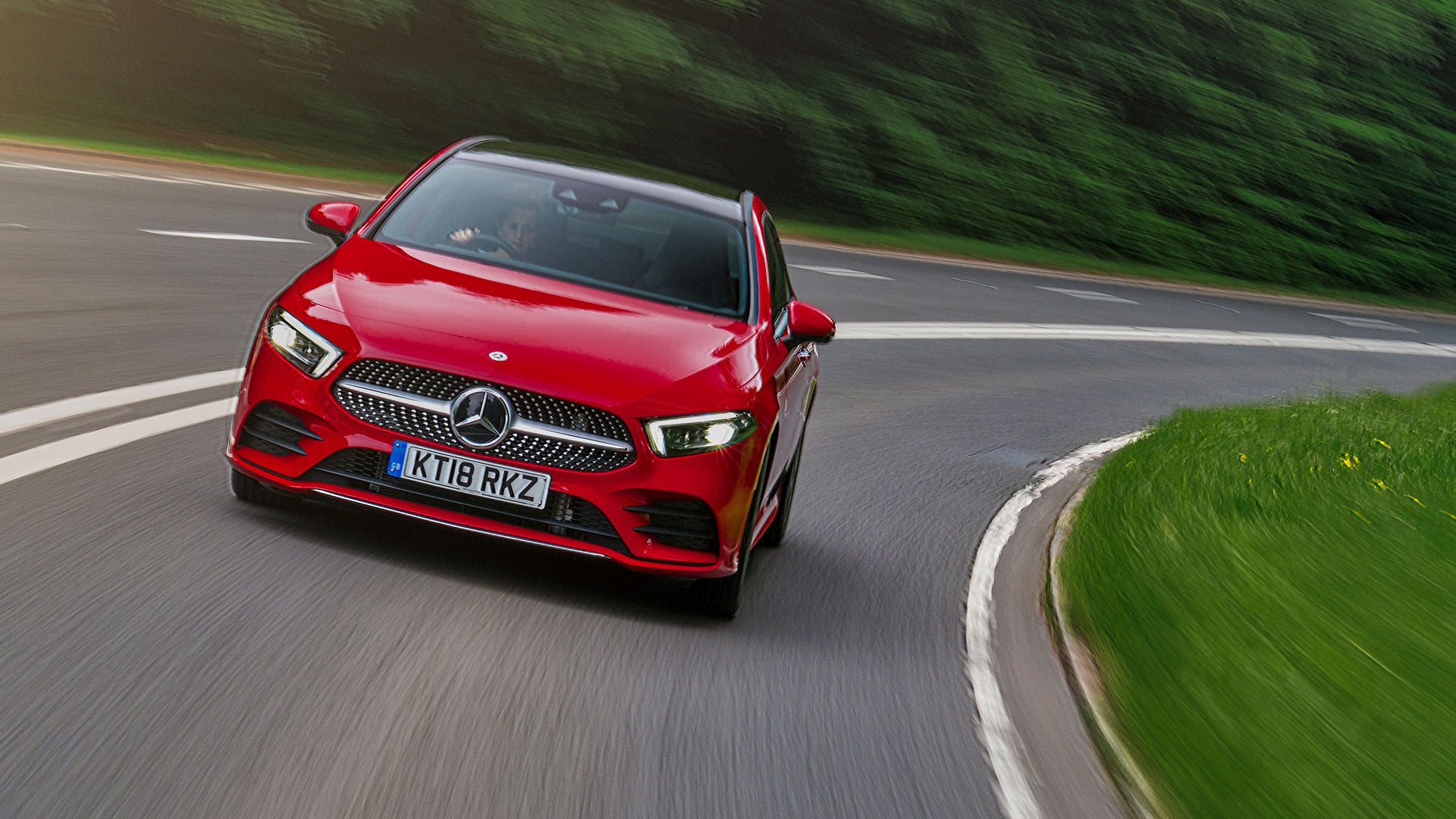
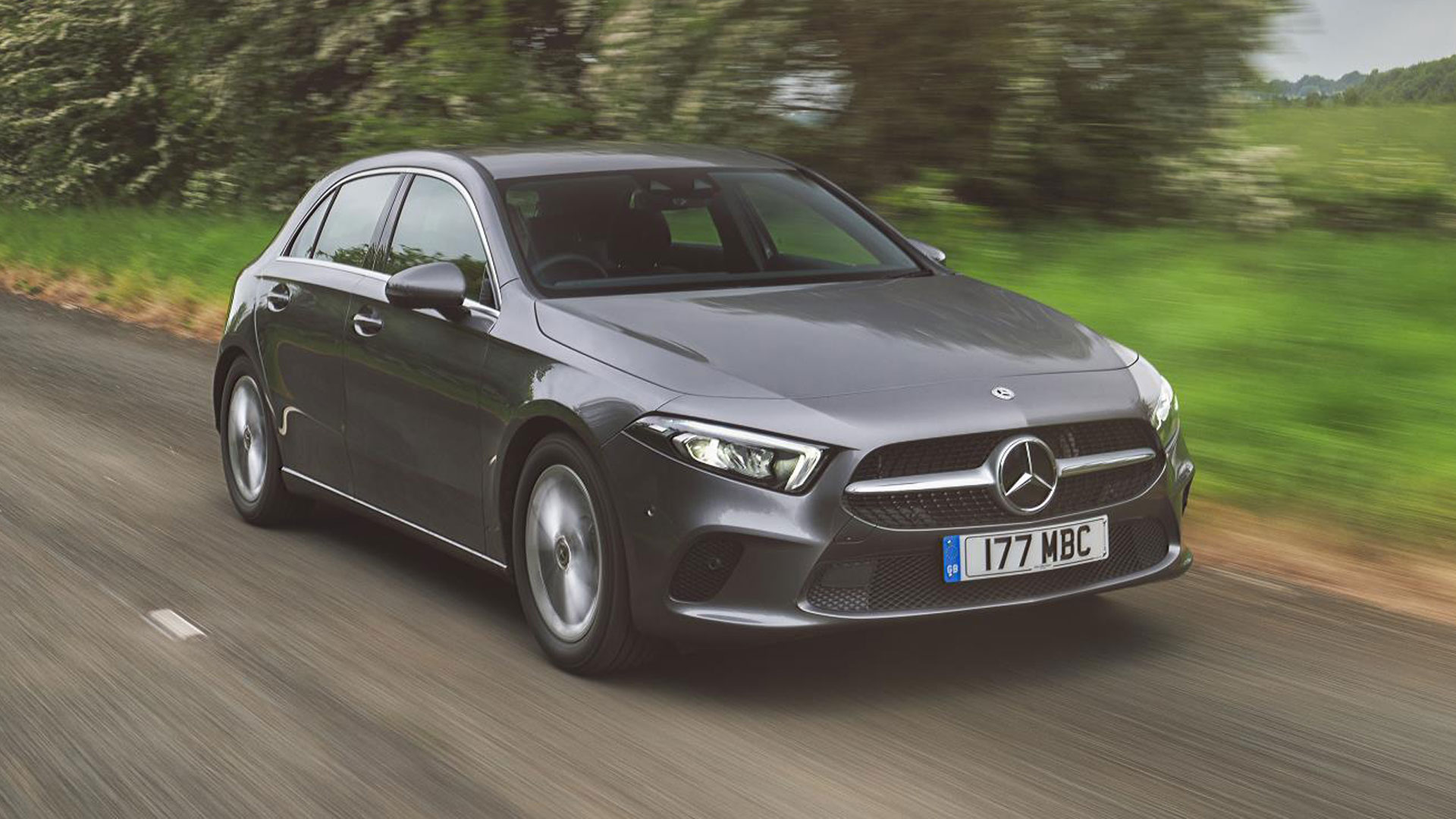
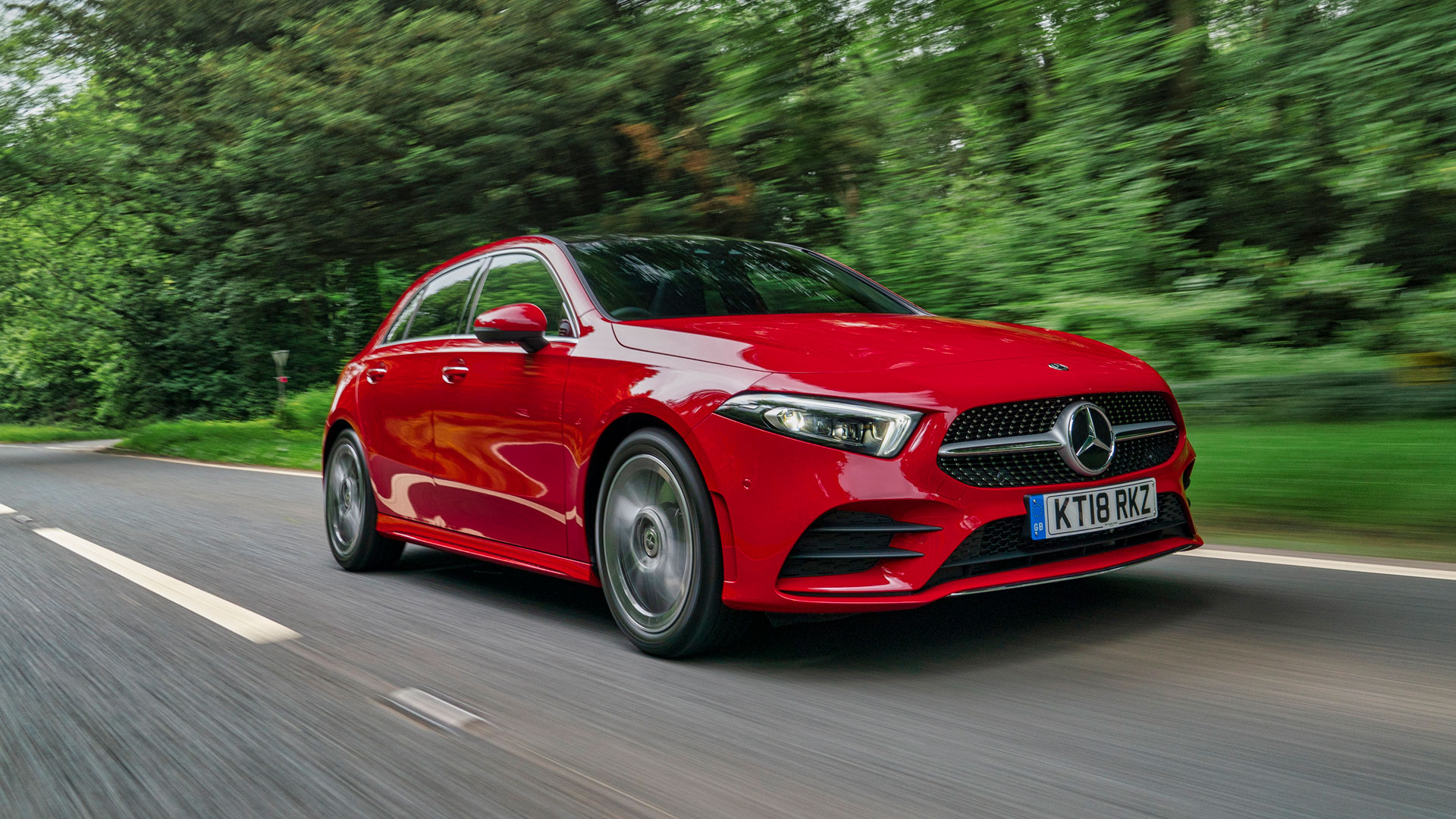
Premium lower medium – Mercedes-Benz A-Class
Mercedes-Benz is one of the first brands in the UK to offer a ‘next-generation’ RDE2 clean diesel engine that escapes the four percent company car tax surcharge introduced in March 2018. This was a factor in the A-Class scooping the Premium Lower Medium Car of the Year award, although the judges also praised its interior, dynamics and style.
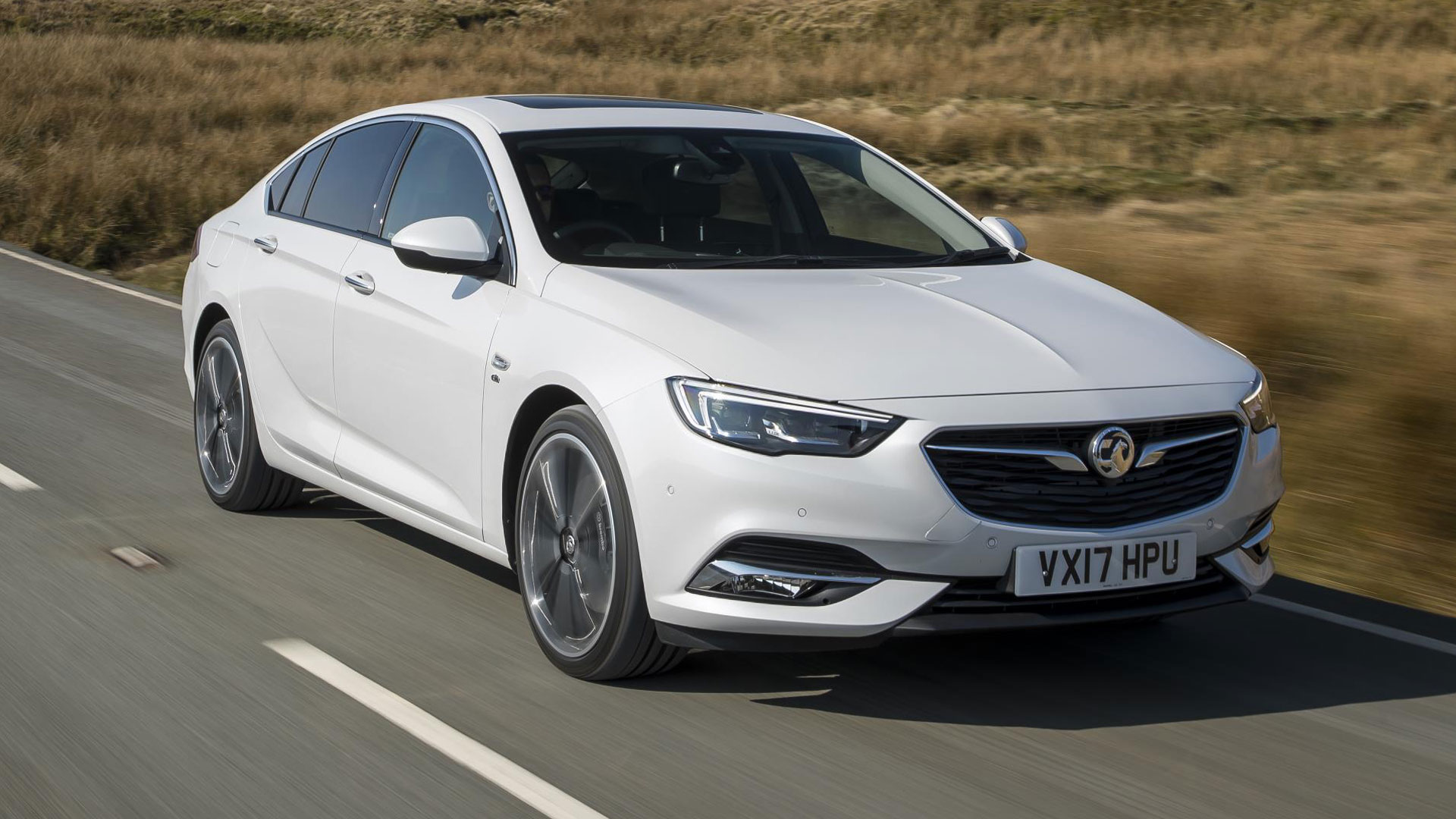
Upper medium – Vauxhall Insignia
The Vauxhall Insignia retains the Upper Medium Car of the Year crown, seeing off the new Peugeot 508, Skoda Superb, Volkswagen Passat and Toyota Prius. It appears to have been built with fleet buyers in mind, especially in Tech Line trim. The Company Car Today judges approve of its cost-effectiveness, space, style and equipment.
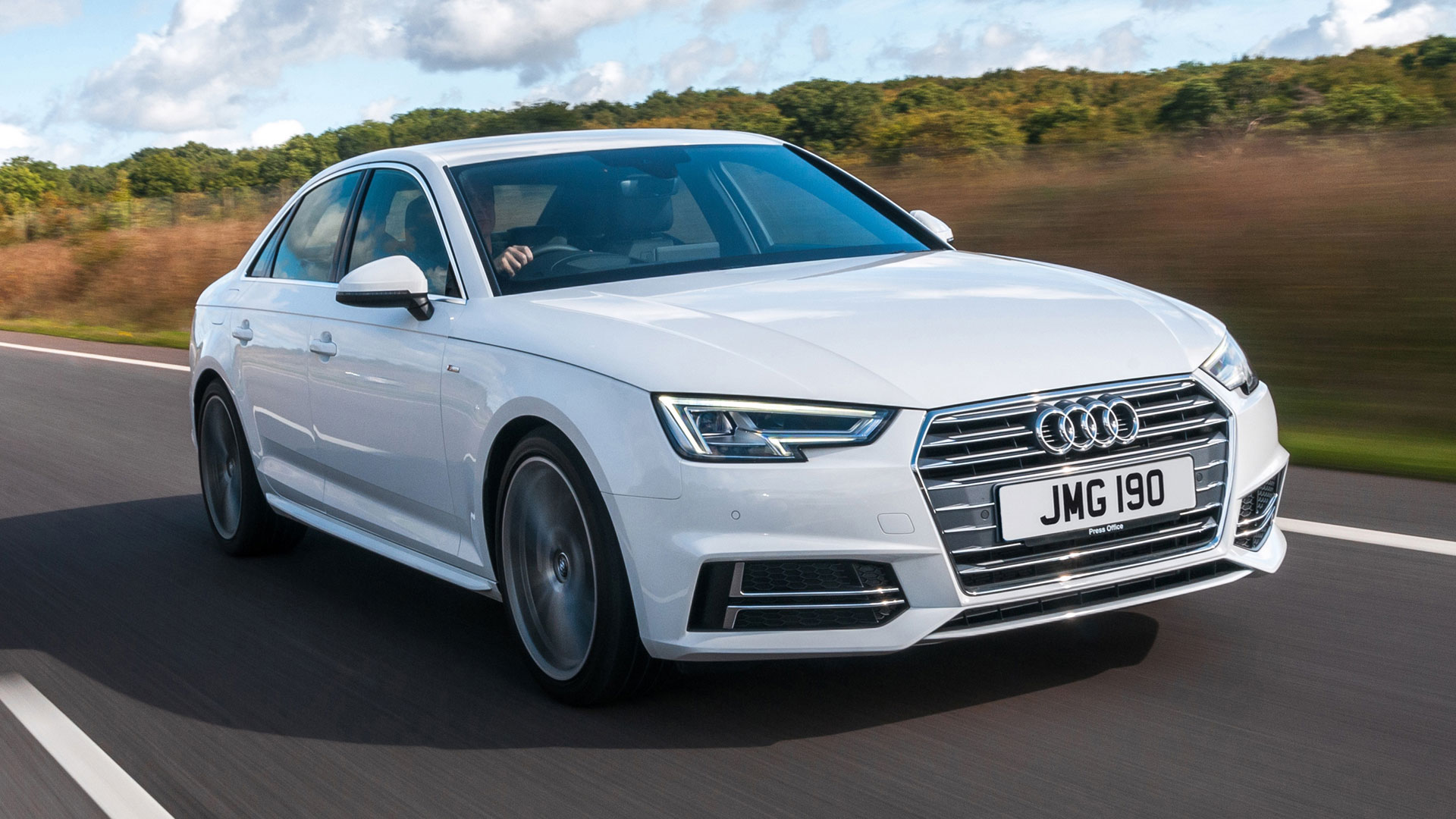
Compact executive – Audi A4
According to the judges, the outgoing BMW 3 Series ran the Audi A4 very close in the Compact Executive Car of the Year category, so our guess would be that the new 3 Series might just edge ahead of its four-ringed rival in 2020. For now, the A4 is the top dog in this aspirational sector.
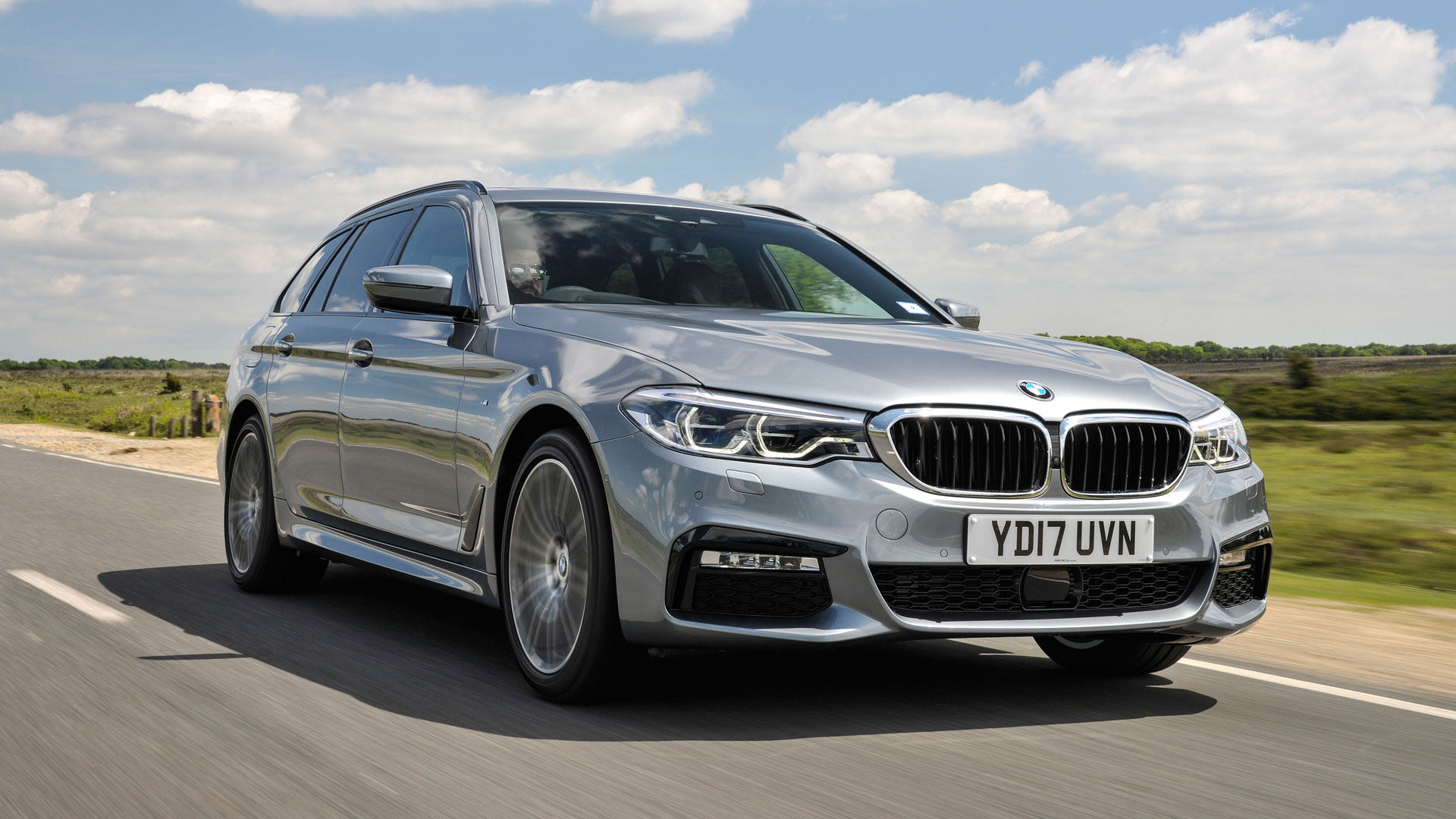
Executive – BMW 5 Series
No such problems for BMW in the segment above, with the 5 Series wafting away with the Executive Car of the Year title. The judges praised its cutting-edge connectivity, quality interior and choice of engines.
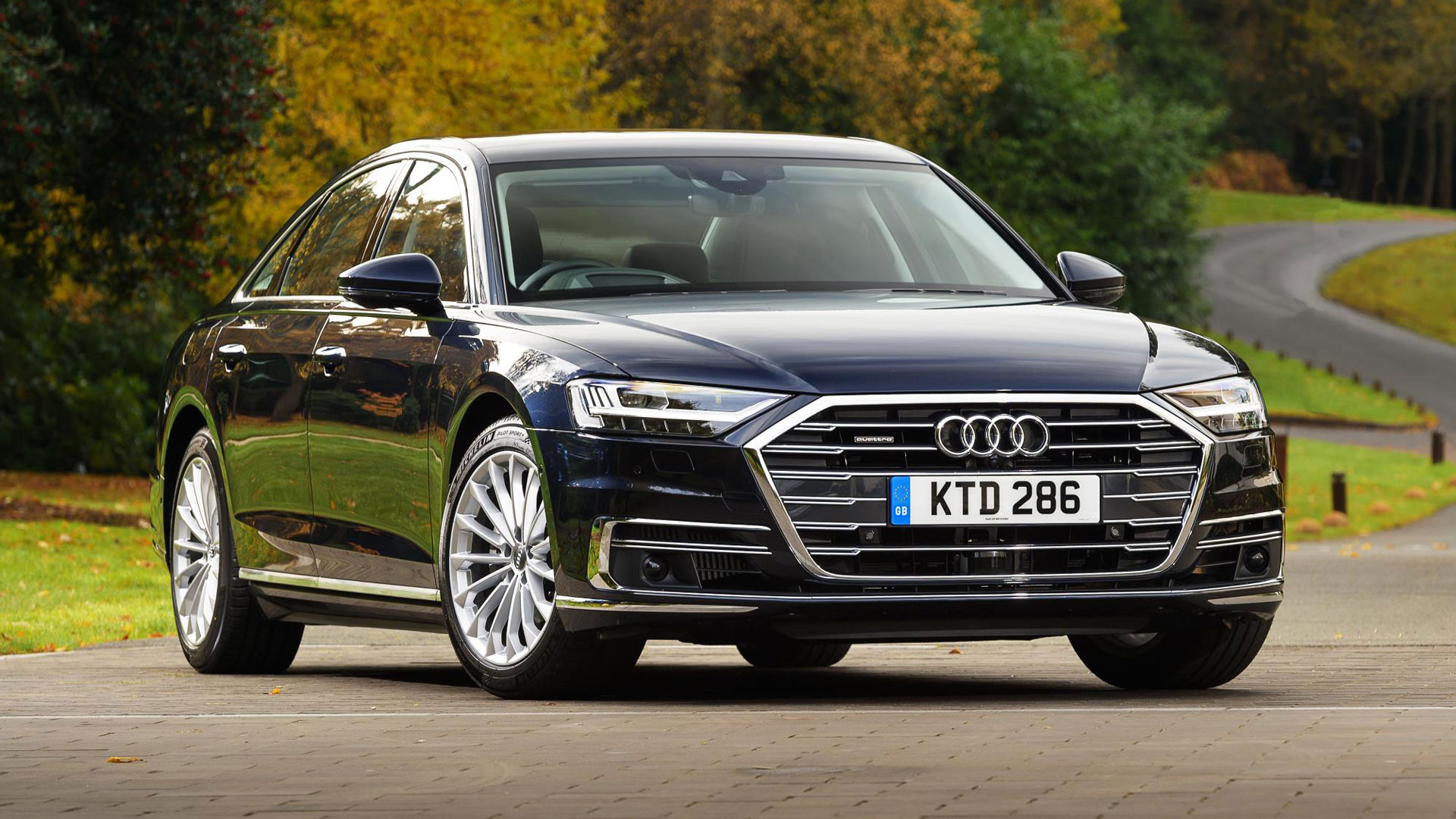
Luxury – Audi A8
The CCT100 Luxury Car of the Year category, AKA the car you’d most like to be driven home in after a long-haul flight. Upper-class honours go to the Audi A8, with the judges saying that it finished at or near the head of the field in every category. Not bad for a car which only arrived at the beginning of 2018.
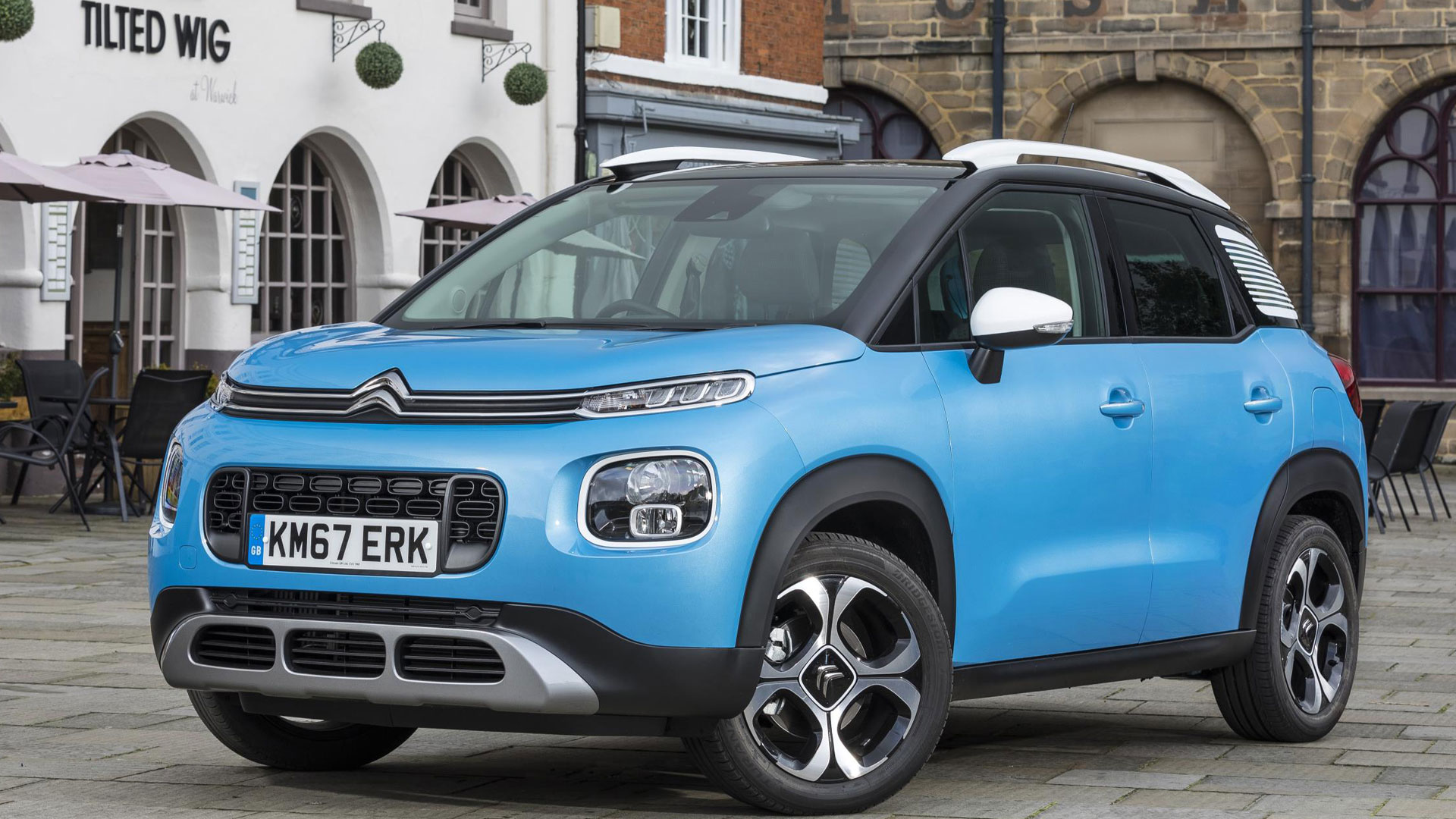
Compact crossover – Citroen C3 Aircross
Meanwhile, back in the real world, the Citroen C3 Aircross is victorious in the Compact Crossover of the Year category. The little Citroen excels thanks to its list price, great emissions, space and low company car payments.
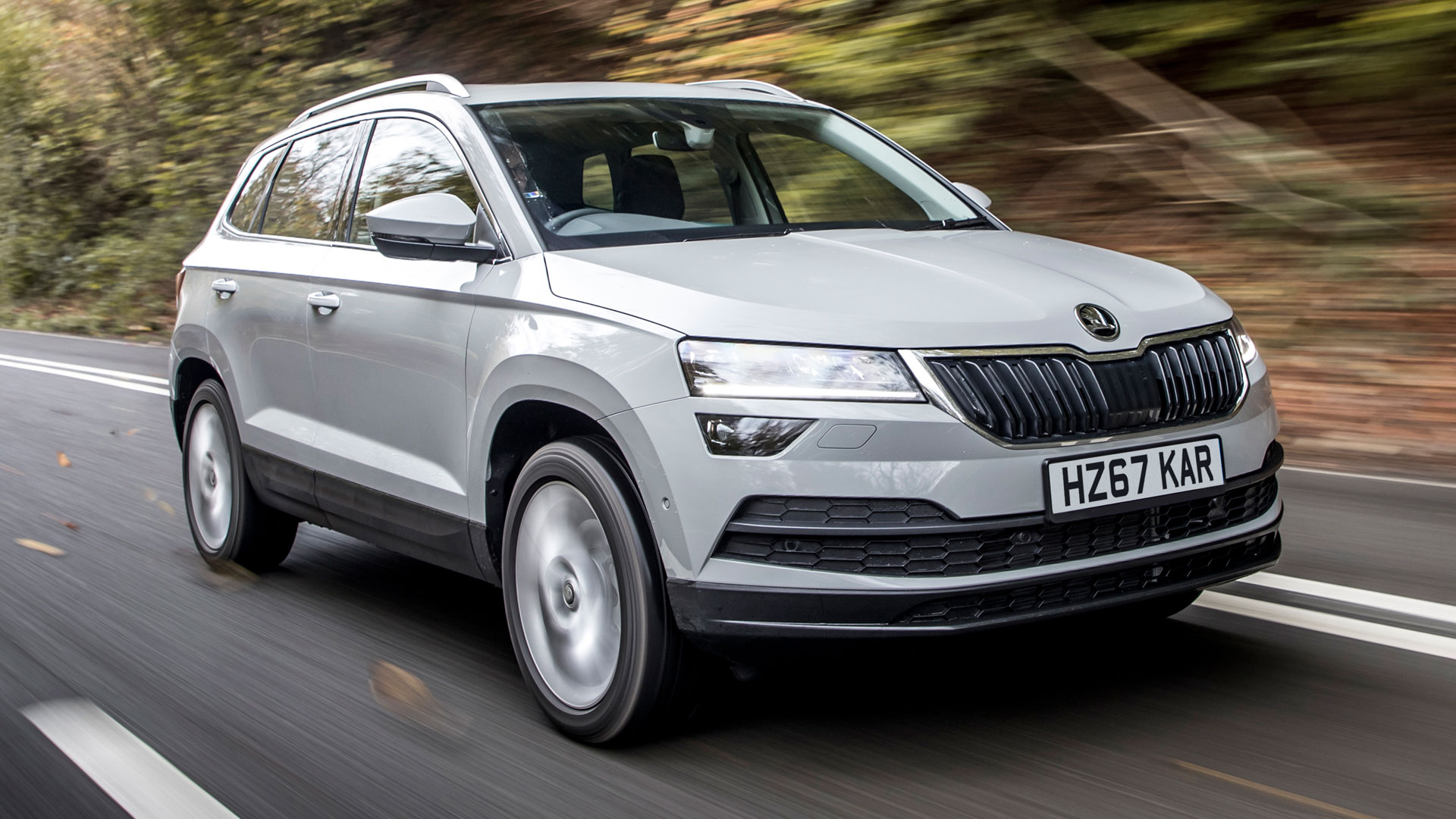
Crossover – Skoda Karoq
The Karoq is the only Skoda to win an award, but the Czech company will be delighted to come out on top in this highly competitive category. The crossover formerly known as the Yeti beat the Nissan Qashqai, Peugeot 3008, Seat Ateca and the Toyota C-HR. “The crossover scores well across the board,” declared the judges.
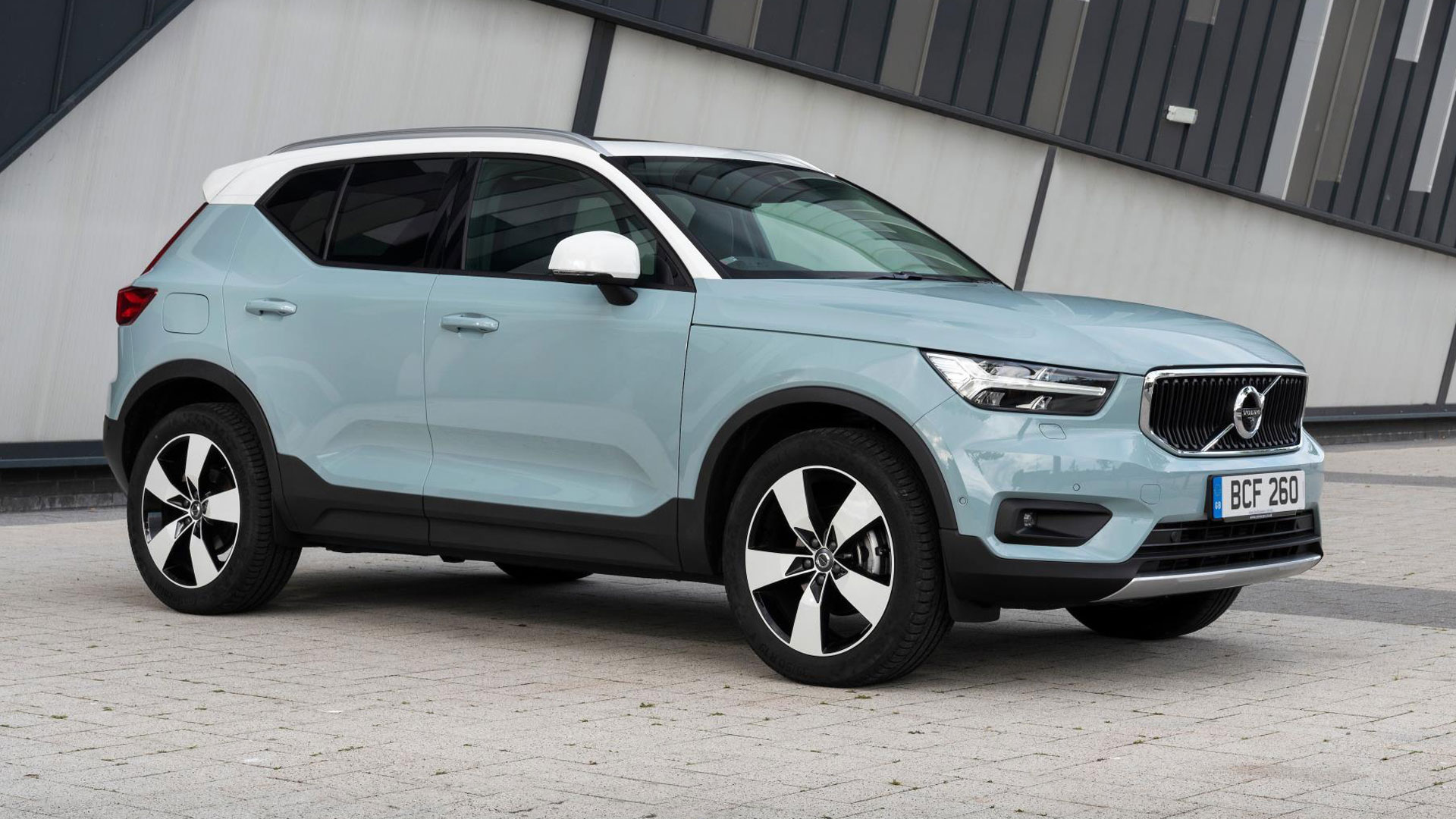
Premium crossover – Volvo XC40
Is there an award the Volvo XC40 hasn’t won? To be fair, the XC40 is almost faultless, offering stylish good looks, a best-in-class interior, strong residual values and strong safety credentials. The judges did say that the P11D price and emissions could be better, mind.
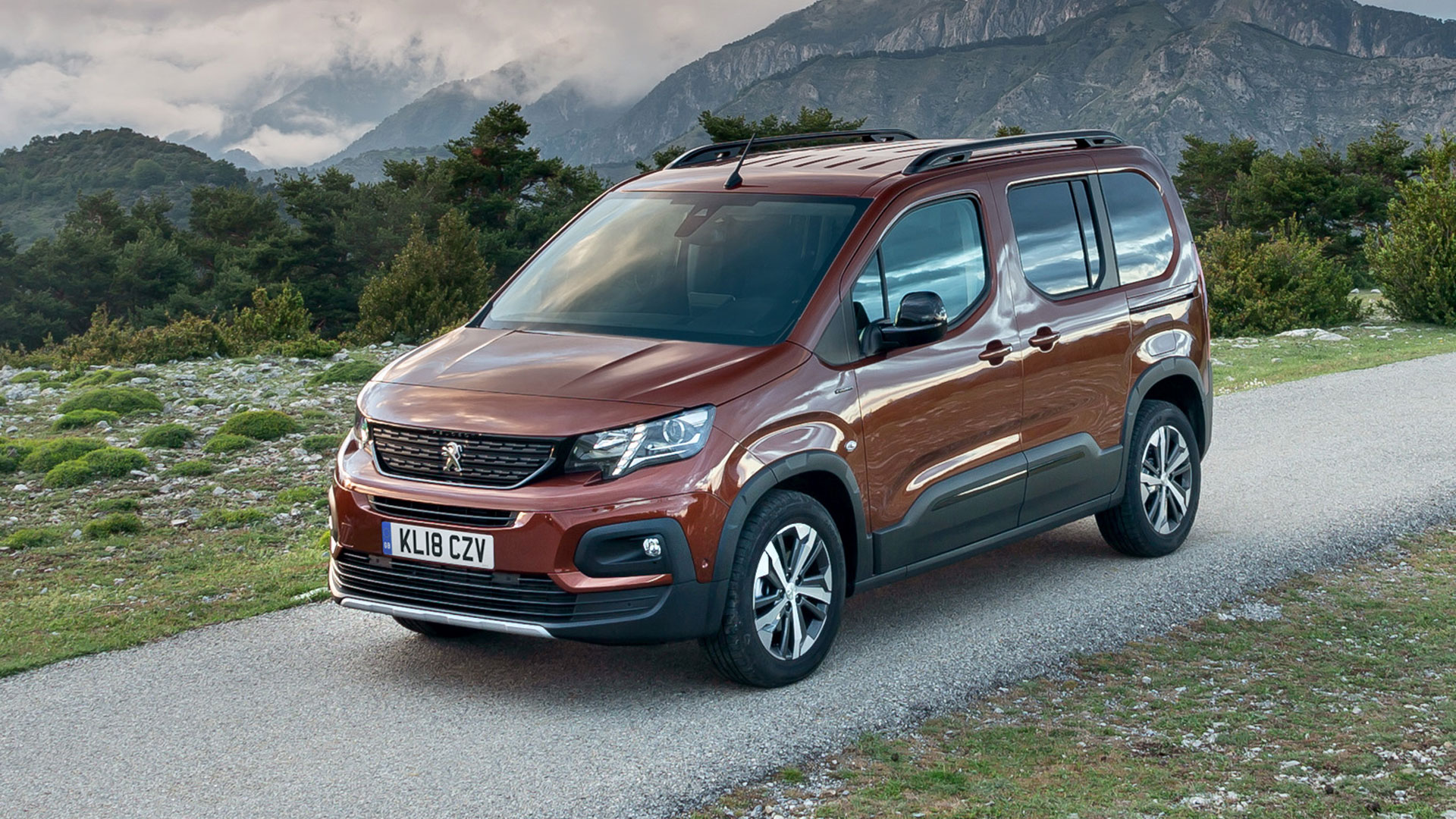
MPV – Peugeot Rifter
The Rifter shares its platform with the Citroen Berlingo and Vauxhall Combo Life, but it’s the Peugeot that wins the MPV of the Year award. It offers 775 litres of boot space, increasing to a huge 4,000 litres with the seats folded down. The Rifter also scores well for its low list price, excellent residuals and low insurance.
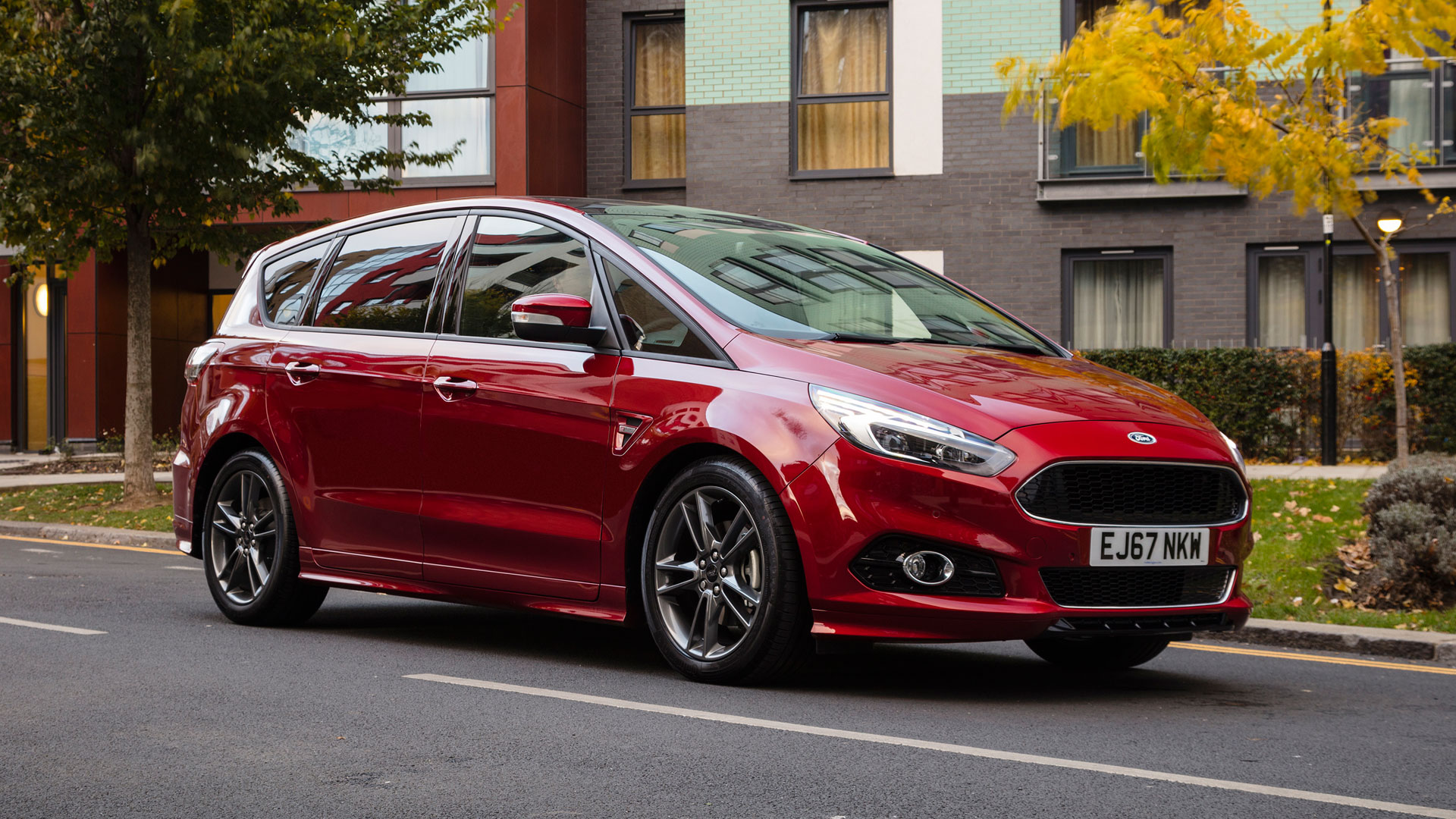
Large MPV – Ford S-Max
The Ford S-Max is named CCT100 Large MPV of the Year for the second year running, with Company Car Today praising its dynamics and efficient engines. “There’s still nothing to touch the S-Max as an overall proposition for those needing large people-carriers,” announced the judges.
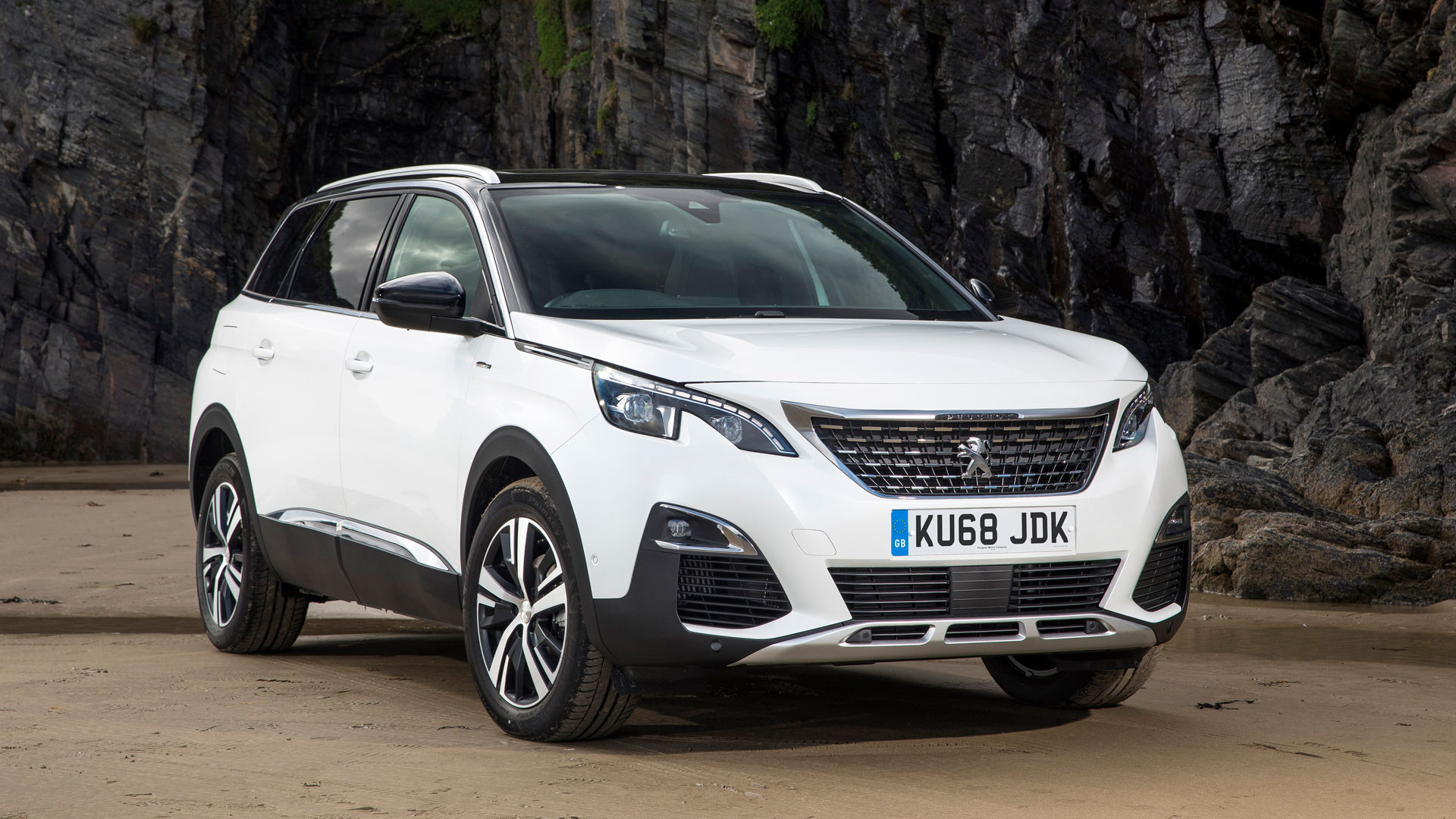
SUV – Peugeot 5008
Gone is frumpy Peugeot 5008 of old, replaced by something completely different. The fact is, if you’re after an affordable, flexible, efficient and stylish SUV, the 5008 is hard to beat. The boot offers 780 litres of luggage capacity with the middle-row seats folded up.
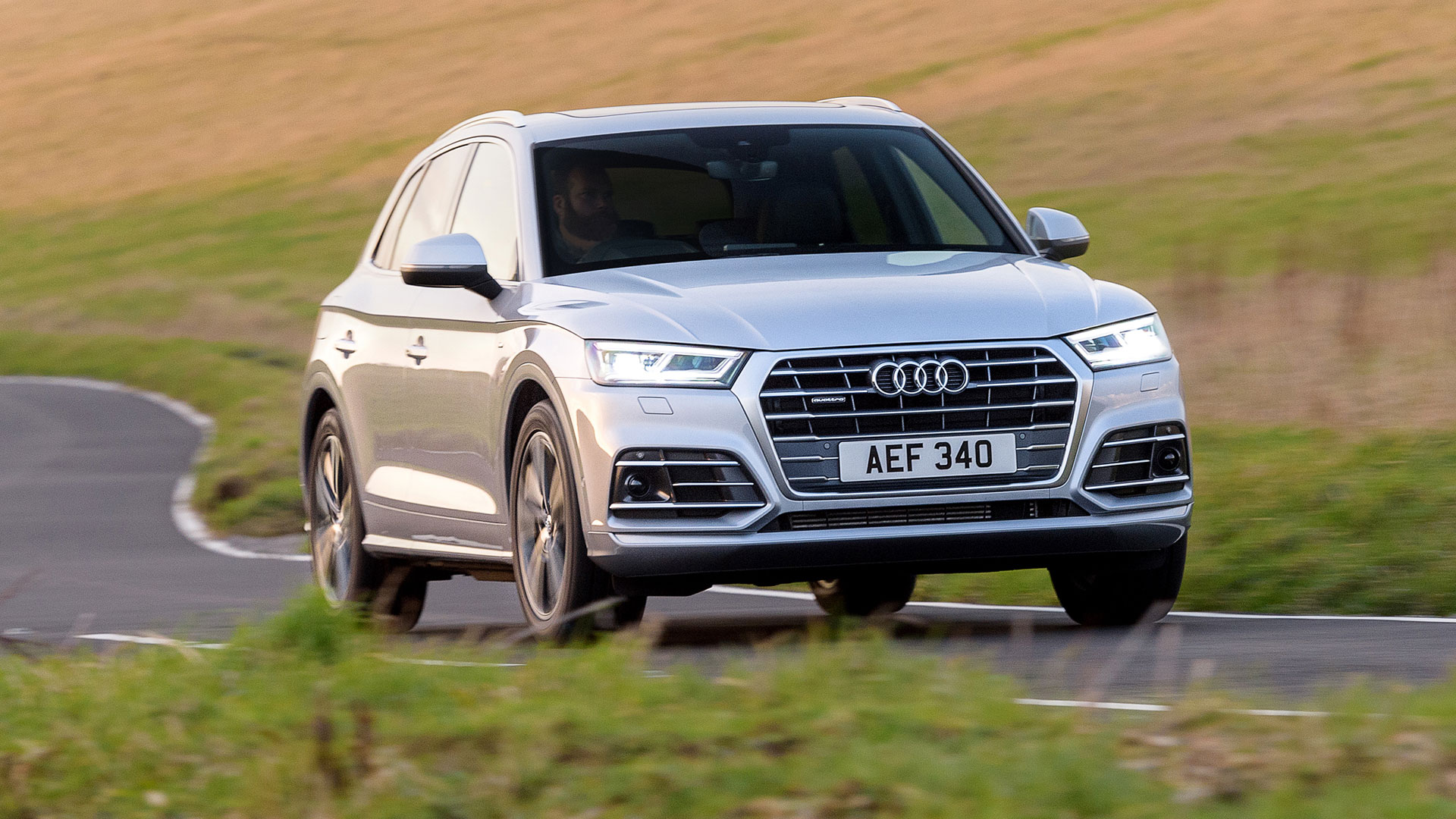
Premium SUV – Audi Q5
The Alfa Romeo Stelvio might be great to drive and the Lexus NX might be highly efficient, but the Audi Q5 reigns supreme thanks to its occupancy of the middle ground. It balances nicely between sporty and comfortable, stated the judges.
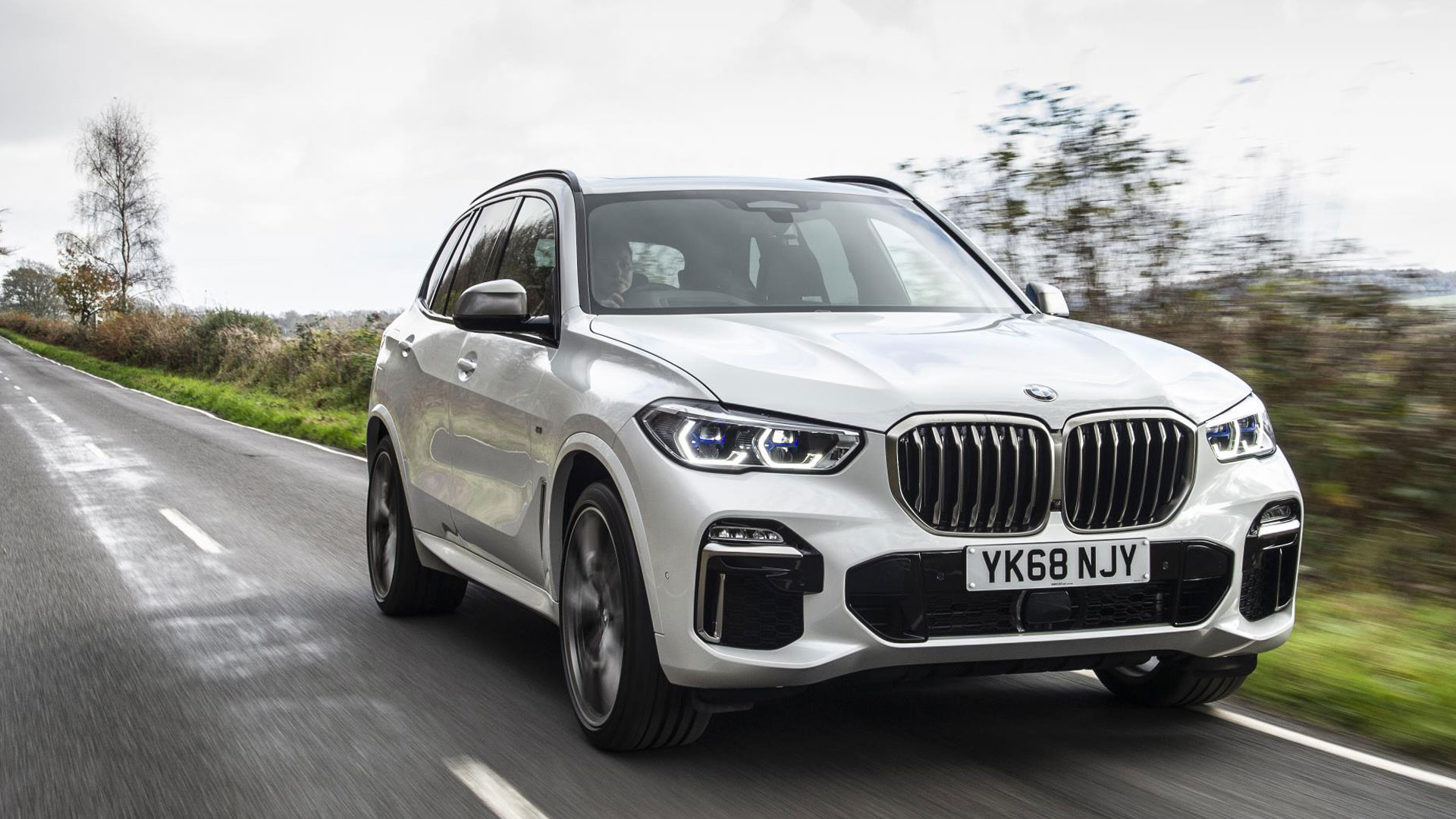
Large SUV – BMW X5
According to Company Car Today, the BMW X5 arrived just in time for consideration in the CCT100, but it went straight to the top of the class, ahead of the Hyundai Santa Fe, Lexus RX, Range Rover Sport and Volvo XC90. The fact that the entry-level 265hp 3.0-litre manages to get below 160g/km CO2 was a contributing factor.
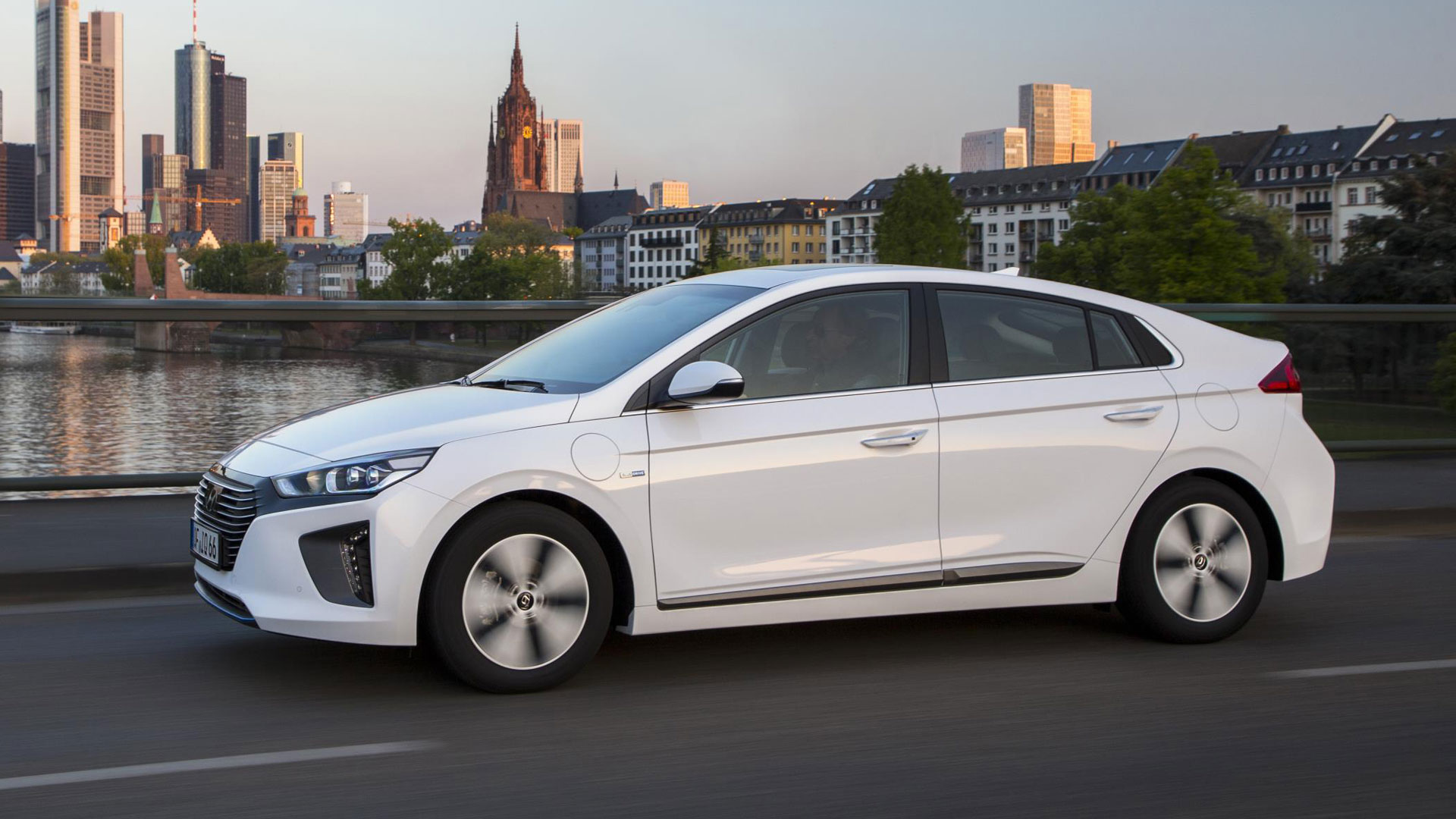
Plug-in hybrid – Hyundai Ioniq PHEV
Four categories to go, starting with PHEV of the Year. It’s a win for the Hyundai Ioniq PHEV, with the Korean plug-in hybrid scoring well for P11D price, efficiency, benefit-in-kind payment and insurance.
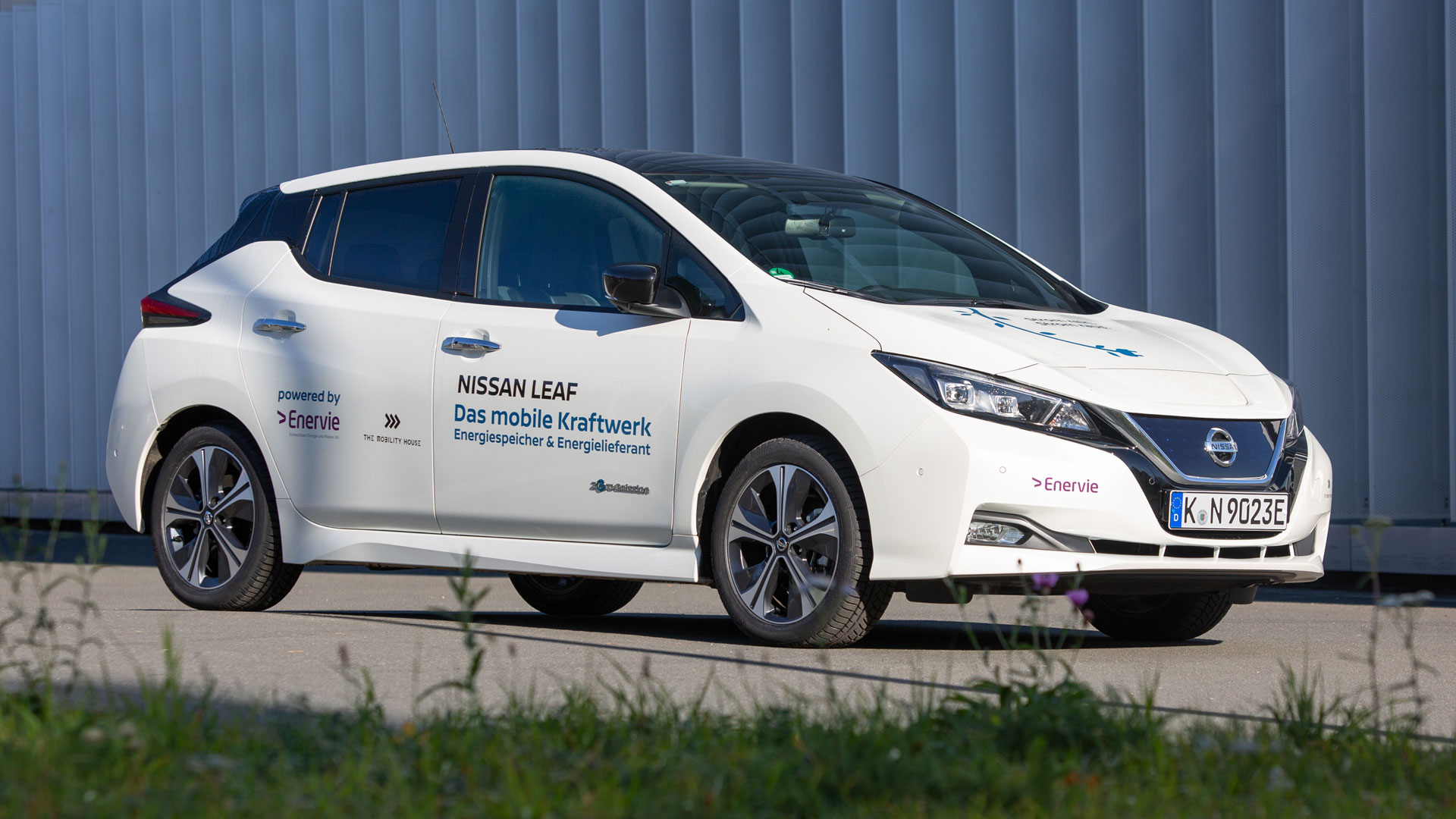
Full electric – Nissan Leaf
With a raft of new electric vehicles arriving in 2019, the Nissan Leaf will face a new challenge if it is to retain the Electric Car of the Year title next year. The Leaf has a range of 168 miles, but a new 229-mile range version will arrive soon.
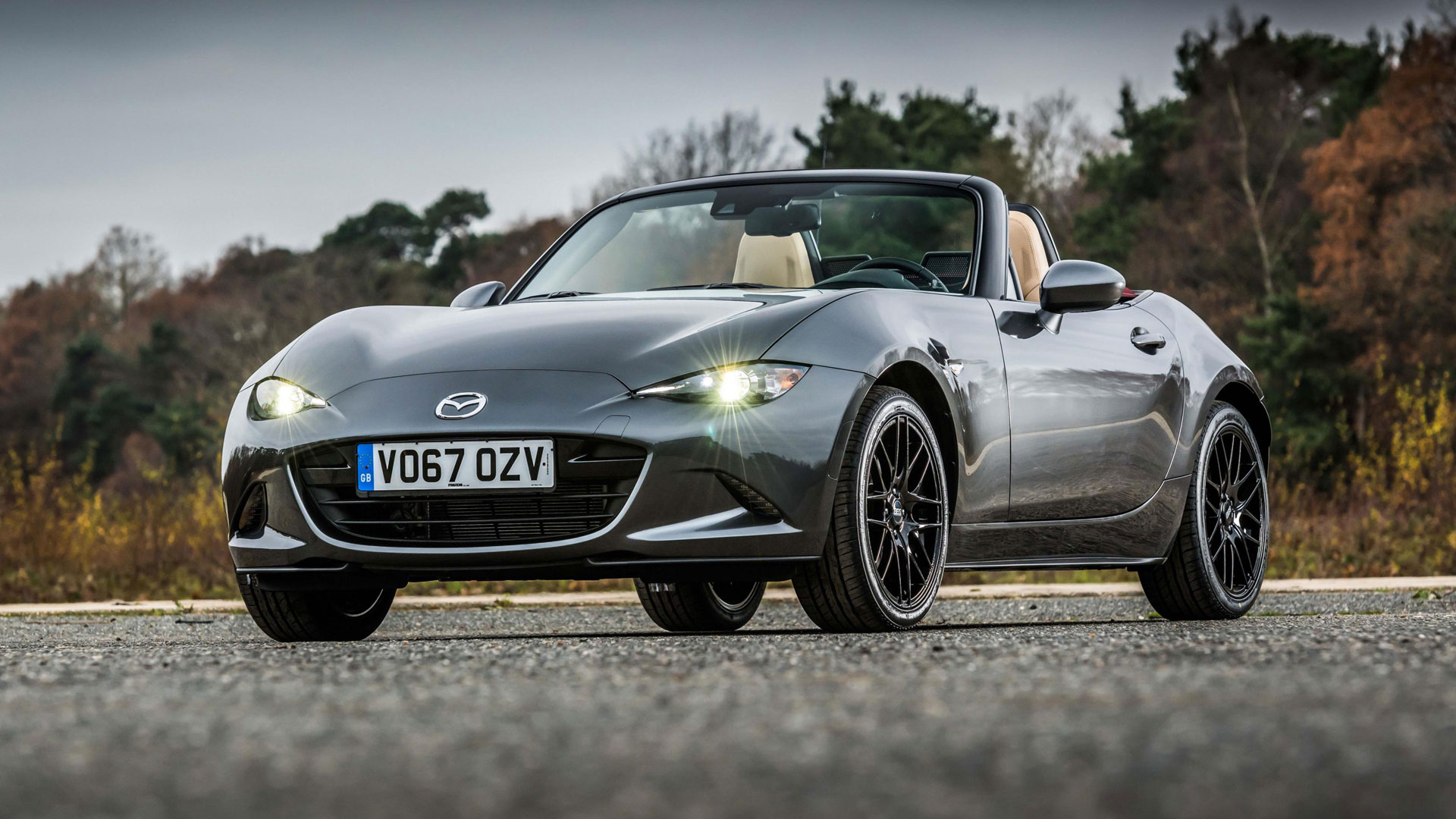
Sports – Mazda MX-5
For when the company car driver decides to take the long way home, this is the CCT100 Sports Car of the Year award. “The MX-5 offers perk car privileges without prestige level running costs, and is sensible enough to run every day but still be smile-inducing,” said the judges.
CCT100 Car of the Year – Mercedes-Benz A-Class
Which brings us to the end of the gallery and the overall CCT100 Car of the Year award. “The A-Class is the first RDE2-compliant car to hit the UK market, offering company car drivers a route to avoid higher BIK tax. The fact that it’s also an attractive, nice-driving, higher-quality and cost-efficient package earns it the titles as our Premium Lower Medium Car of the Year, and our overall 2019 CCT100 Car of the Year,” declared the judges.
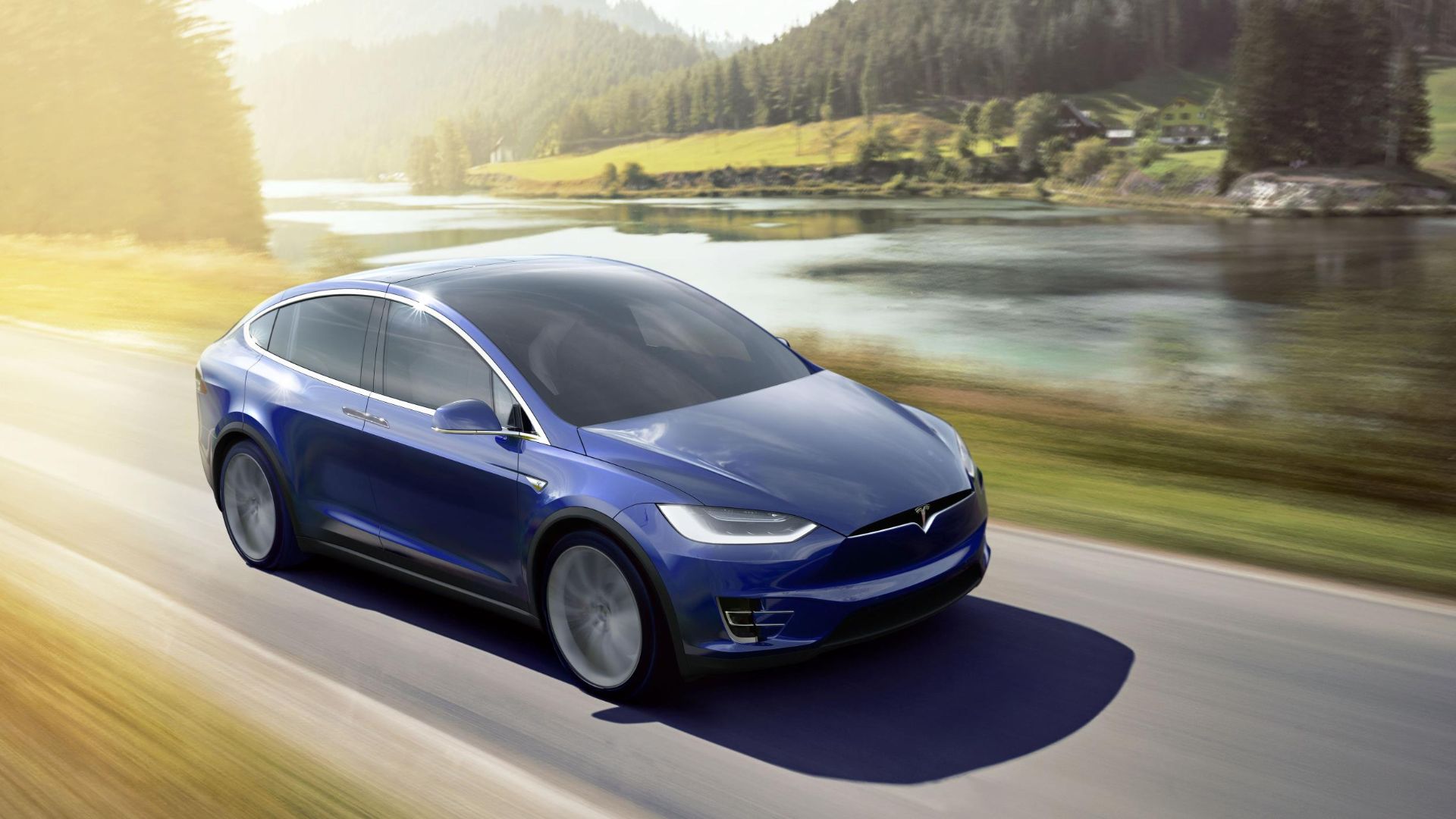
A 360-degree camera will be coming to Tesla cars in the near future. Elon Musk calls it ‘Sentry Mode’ and it should remove the need for a dash cam.
Elon Musk will give £700,000 to the person who can hack a Tesla
An irritated Twitter user whose Tesla had suffered a dent within range of the rear-facing camera Tweeted Mr Musk directly, saying there should be a feature that utilises the car’s plethora of cameras and sensors for surveillance.
In typical Musk style, he responded with the public announcement that ‘Tesla Sentry Mode’ is coming – just the feature this aggrieved customer was looking for.
According to the Tweet, the feature will be ‘coming soon’ to all cars with Enhanced Autopilot. This is a feature customers have to pay extra for, but Musk clarified that it will be rolling out to all cars with the most recent ‘AP2+’ hardware.
You don’t, therefore, necessarily have to have bought Enhanced Autopilot, your car just needs to be new enough to have had the option – i.e. October 2016 onwards.
Since it’s part of safety & security, all cars with AP2+ hardware will get it
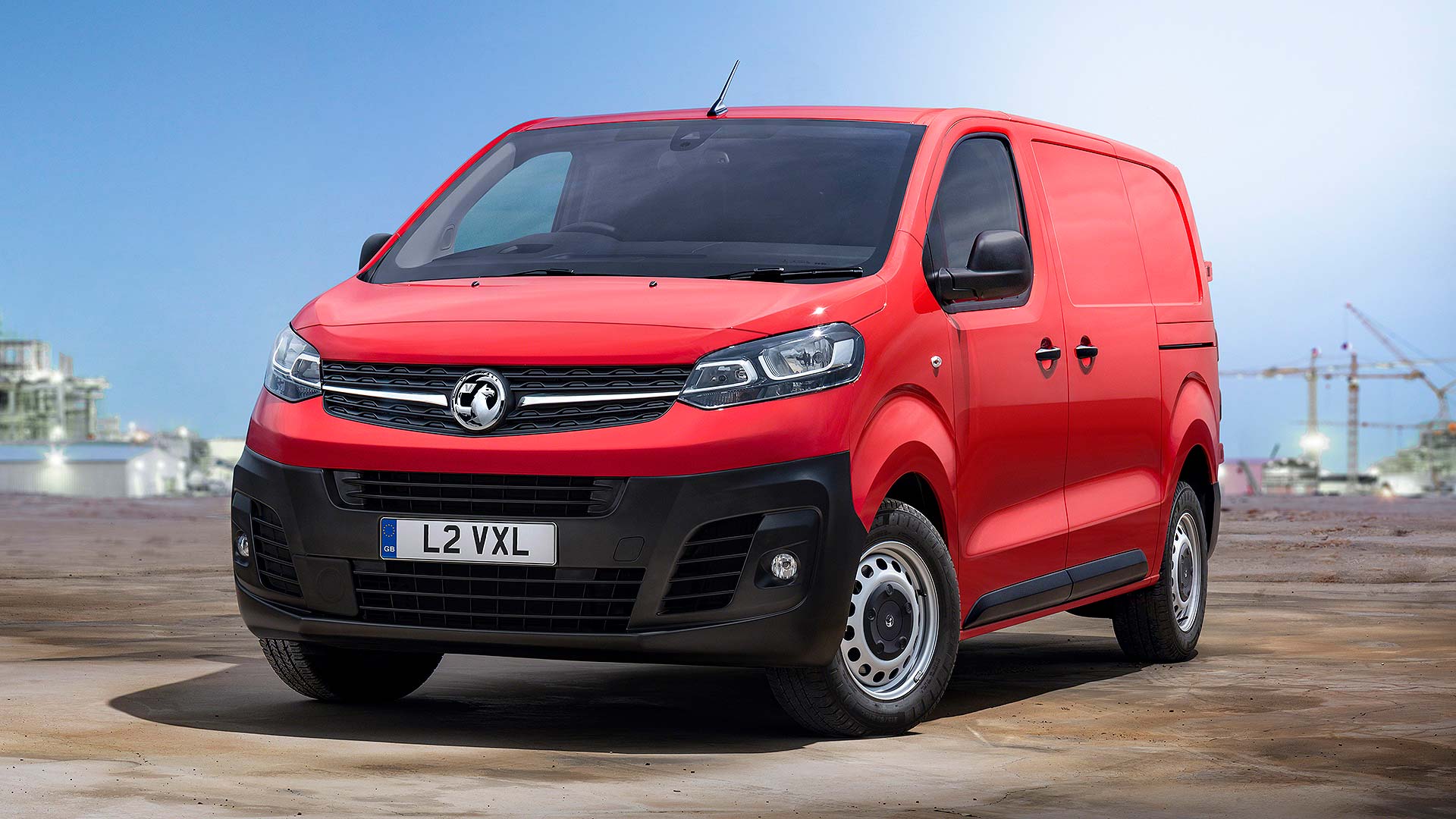
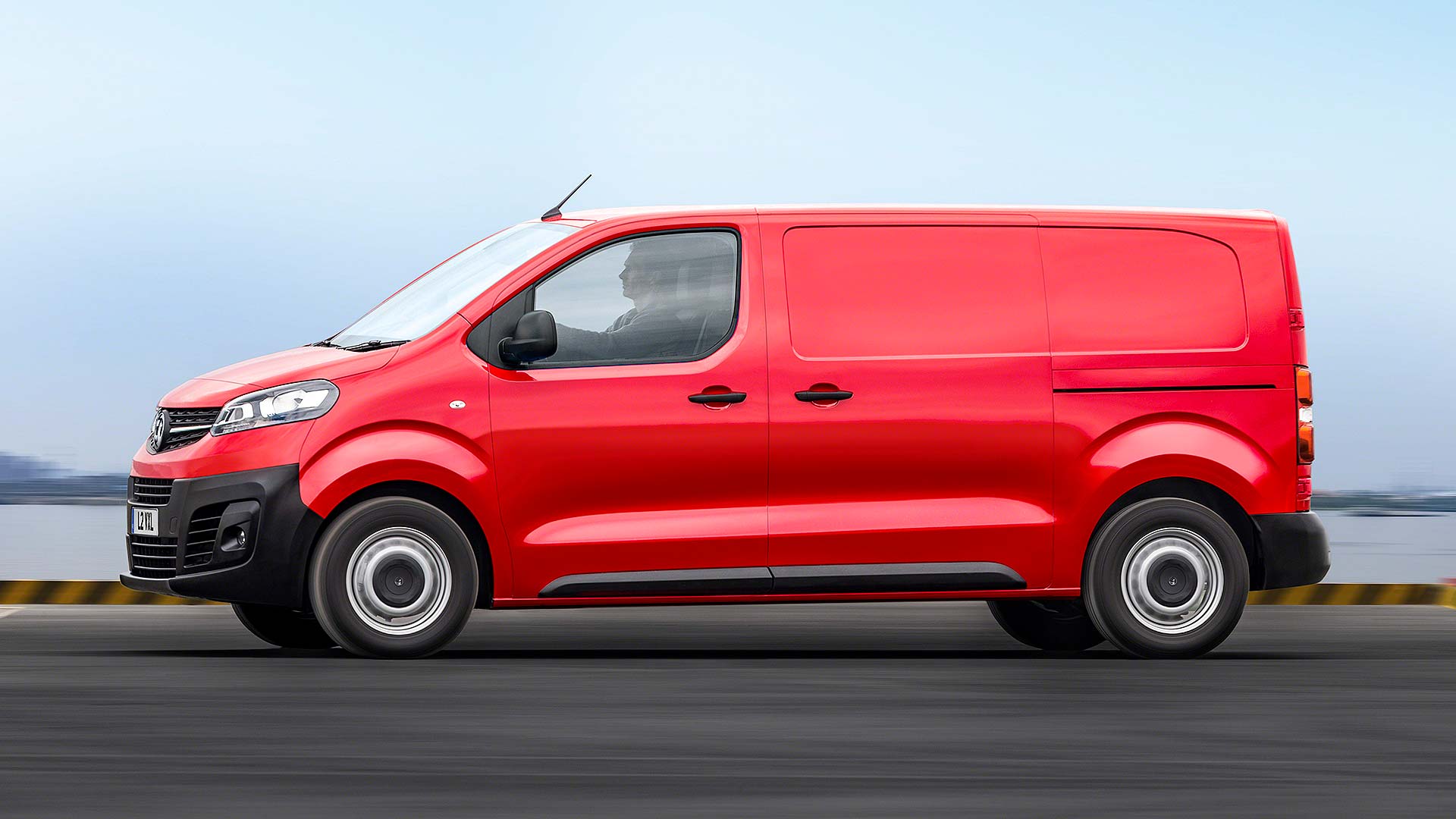
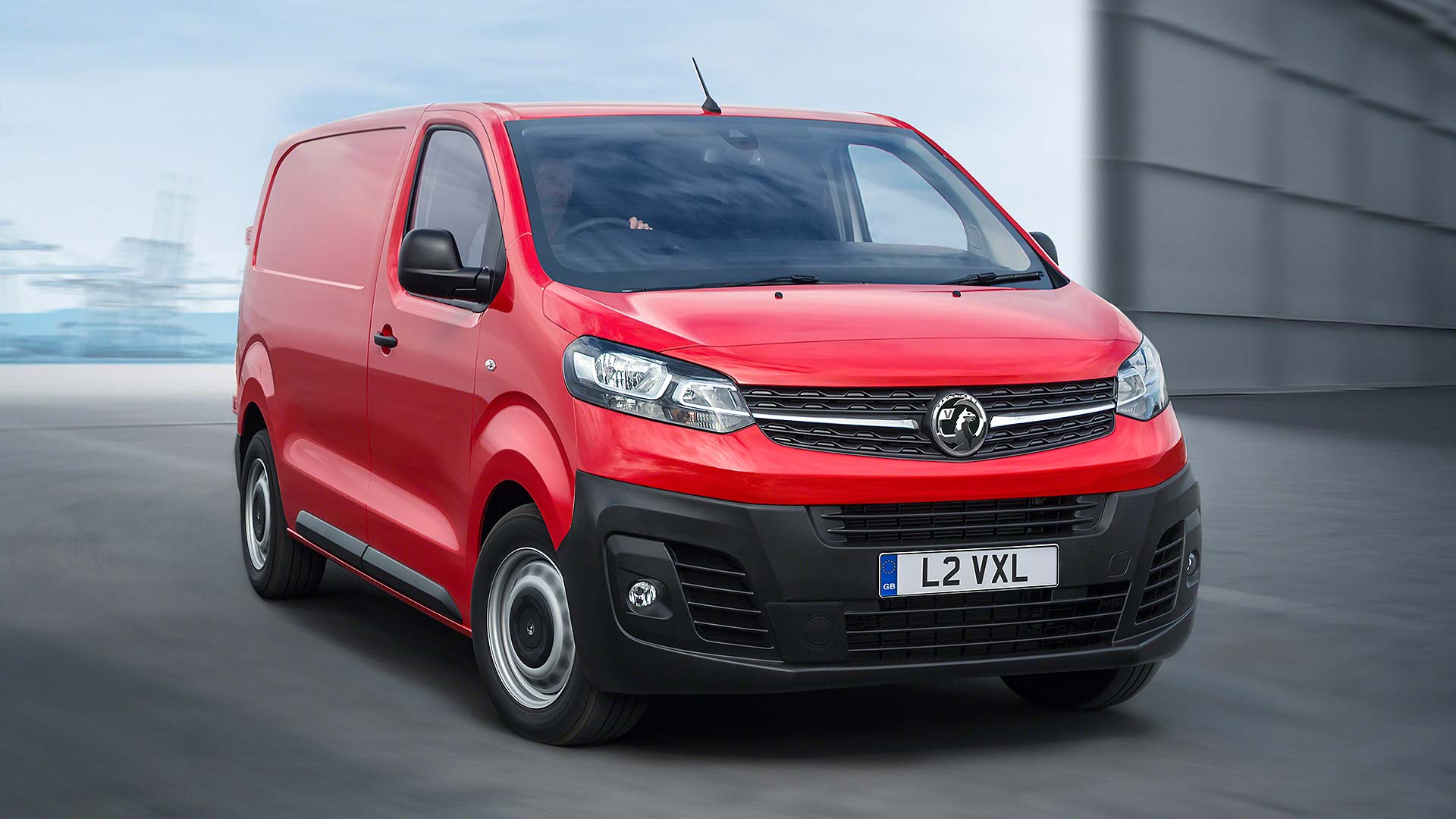
The third generation Vivaro is based for the first time on a Groupe PSA platform: it’s related to the Peugeot Expert and Citroen Dispatch. And Vauxhall has high hopes for it, planning to build 100,000 models a year in Luton.
It goes on sale in February, with deliveries due from late summer 2019. Vauxhall is planning to launch it with a bang at the huge CV Show in Birmingham on 30th April.
New Vauxhall Vivaro: two lengths, three bodies
Even from launch, plenty of customisation options are offered with the new Vivaro. It’s offered in two lengths – 4.95 metres and 5.30 metres – and three body styles: panel van, six-seater crew van, and platform chassis.
It’s capable of carrying payloads up to 1,400kg (200kg more than the old Vivaro), has up to 6.6 cubic metres of cargo capacity and can tow up to 2,500kg – that’s 500kg more than the outgoing Vivaro.
Impressively, Vauxhall says objects up to 4.02 metres long can be loaded into the 5.30 metre version, thanks to ‘FlexCargo’. This option adds a fold-down flap in the front passenger seat.
The FlexCargo system also includes a fold-down table on the back of the middle seat, creating an ‘office on wheels’, says Vauxhall.
The new Vivaro is going high-tech, too. Optional automatic sliding doors are available – and can be opened by waving a foot beneath sensors on the side. Perfect for delivery drivers fully laden with Amazon returns.
Vivaro tech-fest
Other clever tech coming to the new Vivaro includes a sector-unique head-up display, plus a front camera and radar sensor that brings lane keep assist, traffic sign recognition, adaptive cruise control, forward collision alert and autonomous emergency braking.
There’s a driver drowsiness alert too, which monitors driving behaviour and chimes an alarm if it detects tiredness.
7.0-inch touchscreen infotainment comes with Apple CarPlay and Android Auto. Choose the one with sat nav and live traffic information is incorporated into the navigation, for real-time updates (and traffic-dodging).
The new Vivaro even has a rear-view camera, which displays a feed of what’s behind either through the interior mirror or the infotainment system.
“Practical, comfortable, economical and packed with all the latest driver assistance and connectivity technology, the all-new Vivaro is the vehicle that sits at the heart of our commercial vehicle range,” said Vauxhall LCV director Derek Wilson.
And the new battery electric version? That goes on sale in 2020, which Vauxhall describes as a ‘milestone’ for commercial vehicles.
The firm adds that the Vivaro van has been a huge success story for British automotive. Since 2001, more than one million models have been built in Luton and, as a result, Vauxhall is now Britain’s biggest commercial vehicle manufacturer.
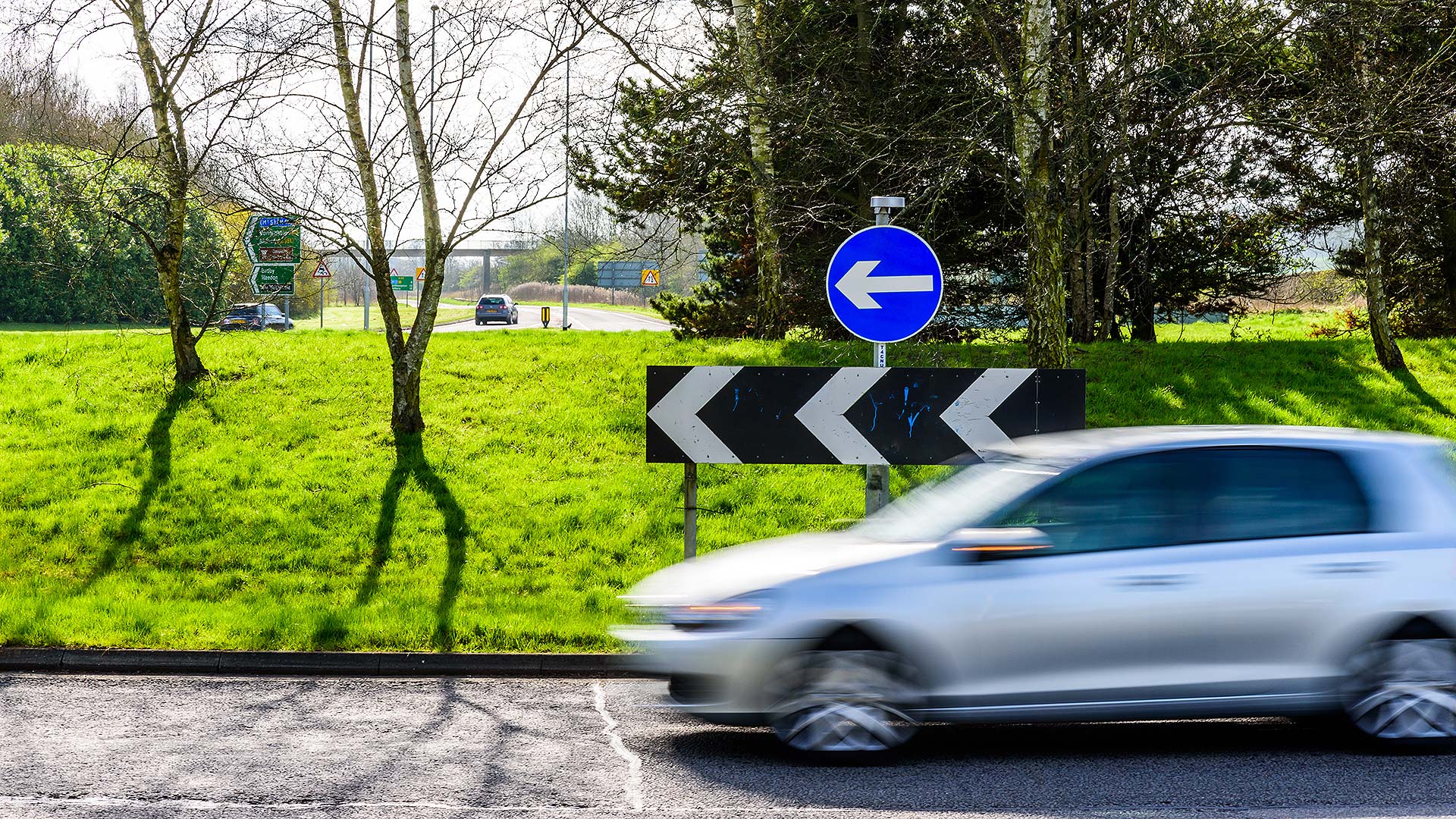
Living next to a noisy road can make life a misery, and even impact on health according to numerous studies. The World Health Organisation has even claimed traffic noise to be the second largest environmental problem across the EU.
Highways England runs a scheme to help those who may be most affected by road noise. This applies to people who live in special hotspots, listed by Highways England as “Noise Important Areas”.
There are some 1,130 Noise Important Areas throughout England, typically found in locations where other noise reduction measures such as physical barriers or low noise road surfaces cannot be used.
Highways England wants to help reduce the effect of road noise in 1,000 Noise Important Areas, by undertaking work to improve the noise insulation of affected homes.
How do I know if I live in a Noise Important Area?
To be eligible, homes must be within a designated Noise Important Area containing fewer than 10 properties. These cover the top 1 percent of properties affected by noise from main roads.
In the first instance, Highways England will write to eligible homeowners and tenants, inviting them to apply under the scheme.
If you are unsure on eligibility, contact the Highways England customer contact centre on 0300 123 5000.
I’m eligible. What happens next?
If you are eligible for the scheme, homeowners would first need to contact their mortgage lender/shared ownership scheme operator to ensure they are free to make improvements.
Those in rented accomodation will need to obtain the permission of their landlord. Highways England can contact the property owner on the behalf of tenants.
Also, if your property is a listed building, you may need to contact your local authority to obtain Listed Building Consent before any work can be undertaken.
With the appropriate permissions in place, an application to Highways England will move to the next step, with an assessment from a surveyor.
How does the assessment work?
A surveyor will visit the property at a pre-booked time, and complete a thorough assessment of the current road noise levels, and the best way to mitigate them.
The surveyor will determine which rooms will benefit from noise insulation, take measurements of doors and windows, and produce a report on their findings.
What kind of improvements will be made to my property?
The bulk of the improvements made to insulate against road noise will be targeted at doors and windows.
These will typically only include rooms considered to be ‘noise sensitive’, such as living rooms, bedrooms, dining rooms, and studies. It means you are likely to be out of luck expecting upgraded windows and doors for bathrooms or kitchens.
Work is undertaken on a ‘like for like’ replacement basis, aiming to match the design and construction of existing doors, windows, and bi-fold doors.
Special ventilation measures are also included. These allow air into the rooms on warmer days, but without the need to open windows.
Who will do the work? How do I pay them?
All work will be carried out by contractors directly appointed by Highways England. Those chosen will be subject to Disclosure and Barring Service checks, whilst those fitting uPVC doors and windows will need to meet relevant British Standards.
The contractors will also make good any damage caused to plasterwork and other interior decoration. Highways England are responsible for paying the contractors directly, and will not hand over the money until work is completed satisfactorily.
Once the work is complete, the new doors, windows and ventilation systems become the property of the homeowner. This also means the responsibility for maintenance belongs to the resident, although all new items are guaranteed.
How long is funding available for?
Some £39 million has been made available for the scheme, with more than 600 homes already having received double-glazing upgrades.
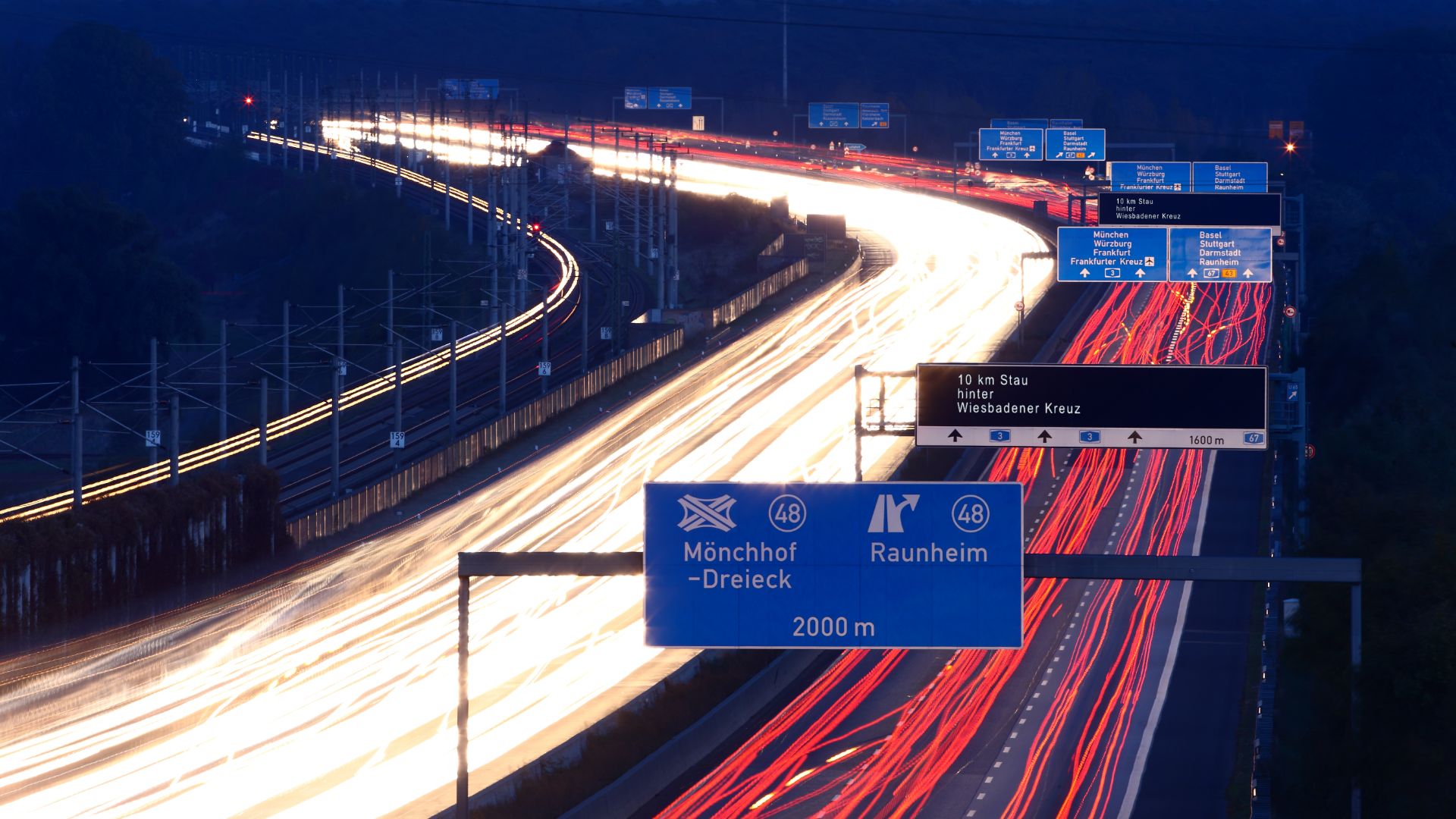
The German government may limit speeds on all previously unlimited Autobahns, as part of a government-commissioned proposal to reduce nationwide greenhouse gas emissions.
This comes as a result of looming fines for excessive emissions from the EU. Scrapping this mainstay of German motoring could go some way to delivering the required reductions.
Recent emissions scandals have shone a spotlight on exactly what comes out of our cars. According to EU figures, German transport emissions haven’t fallen since 1990: a shocking statistic, although it’s probably worth considering the many more cars on German roads than 29 years ago. Overall, German emissions had fallen by more than a quarter in 2017 versus 1990.
A draft paper proposes a speed limit of 80mph (130km/h). This, in addition to the abolition of tax breaks for diesel cars, fuel tax rises from 2023 and increased hybrid and electric car sales, could yield half of the required cuts.
The Autobahns have been a haven for speed-lovers for decades. Their existence helped define a breed of distinctly German car: the super saloon.
Germans, and indeed car enthusiasts the world over, won’t give them up without a fight. There could even be an argument made, some have suggested, for the tourism benefit the high-speed sections have for the country.
German Transport Minister, Andreas Scheuer, is far from welcoming of the proposal, saying it is “against all common sense”.
Following a raft of changes introduced in May 2018, the MOT test has never been more challenging. You can increase the chances of your car passing first time by doing some basic pre-MOT checks, but using the data from 23 million MOT tests, we can reveal the cars most and least likely to pass with flying colours.
We’ll start with the pass masters, with the results presented in reverse order.
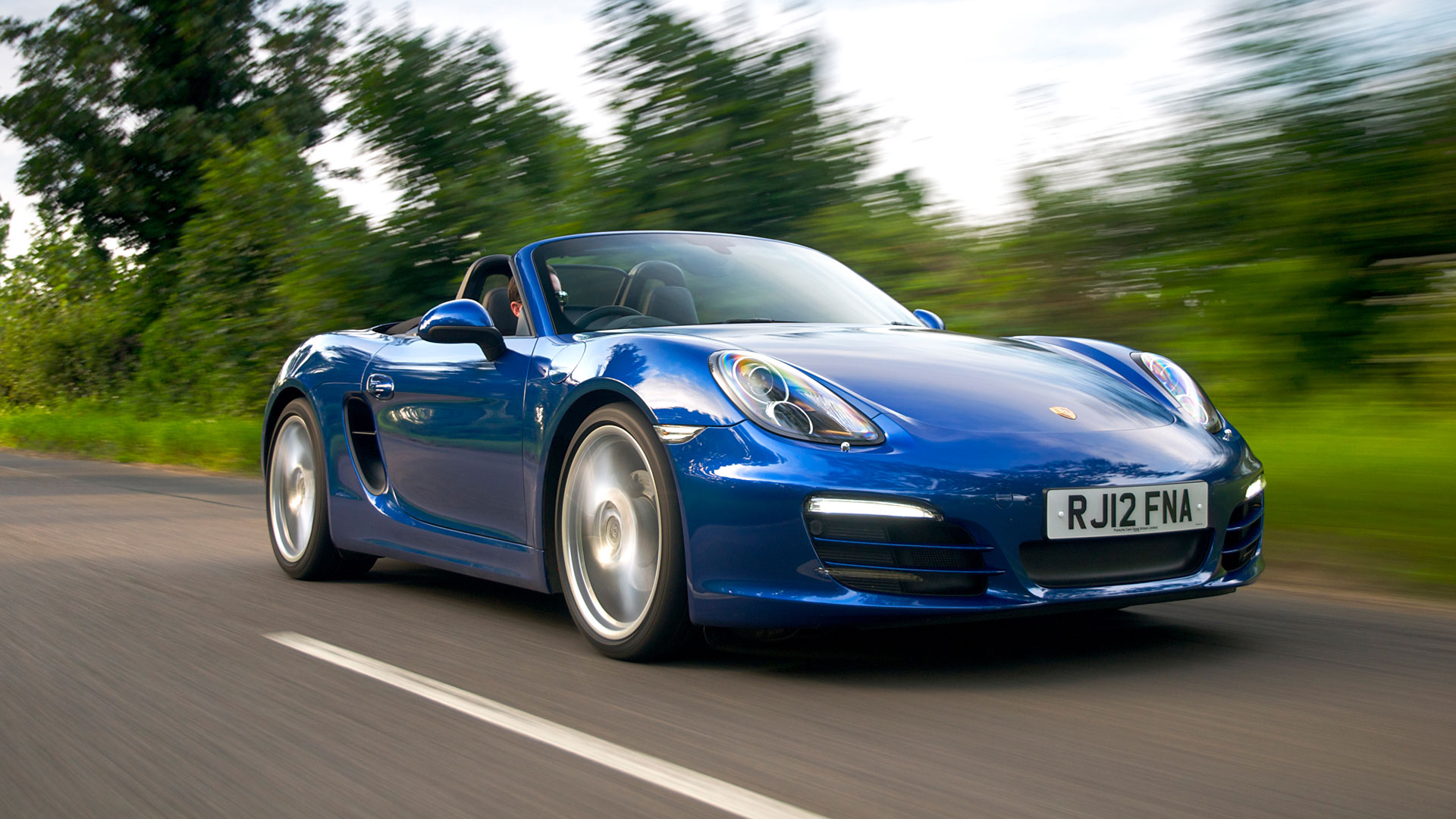
5. Porsche Boxster – 94.4%
The numbers have been crunched by pay-as-you-drive insurance provider By Miles, using data supplied by the Department of Transport. The Porsche Boxster is ranked fifth on the list of cars most likely to pass an MOT at the first attempt. Good news if you were looking for an excuse to buy a sports car this year.
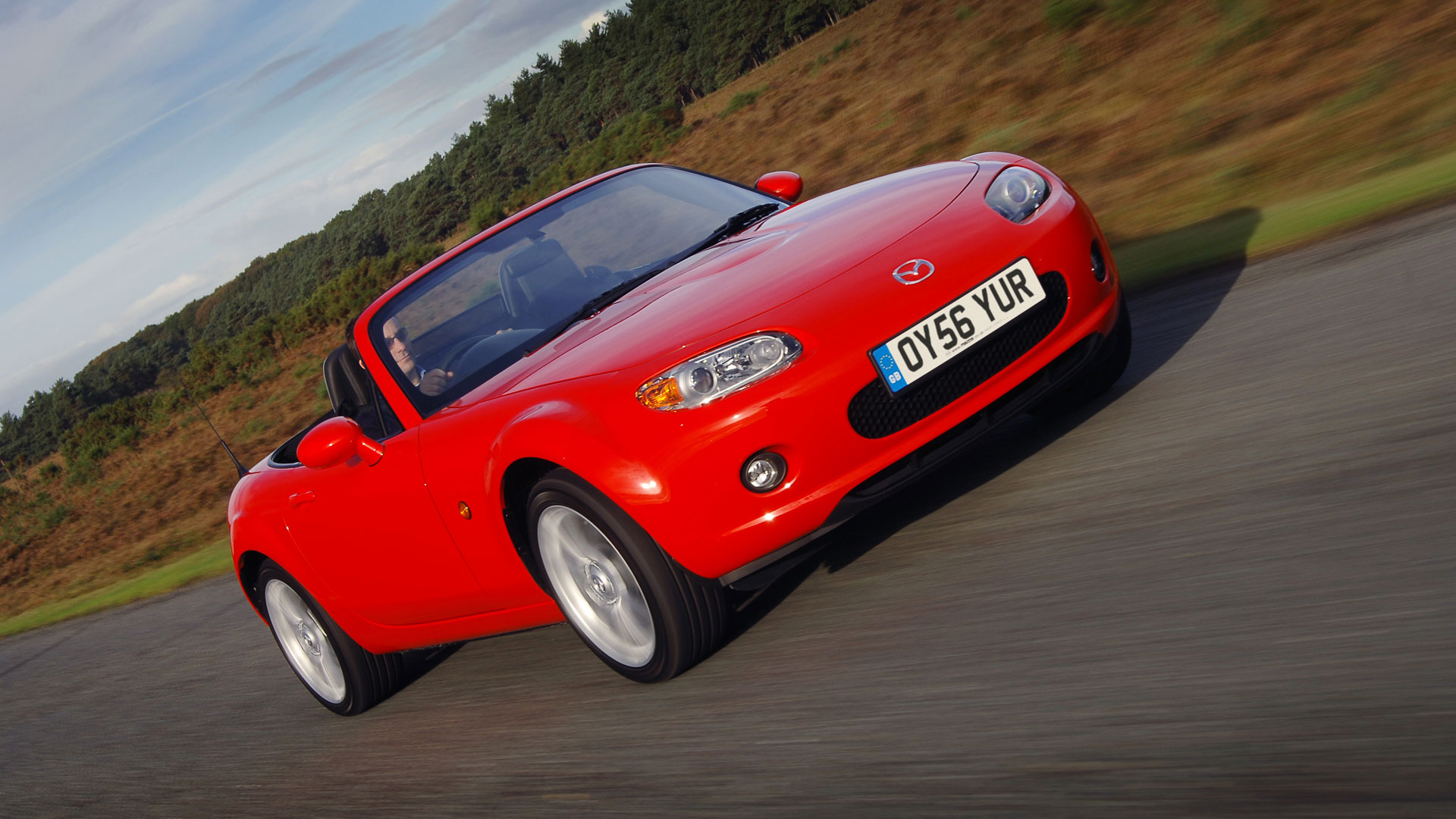
4. Mazda MX-5 – 94.4%
There’s further good news for sports car fans, with the Mazda ranked fourth. According to the data, the likelihood of passing decreases steadily as cars age, slumping to an average pass rate of just 58.8 percent for cars by the time they’ve reached their 17th birthday.
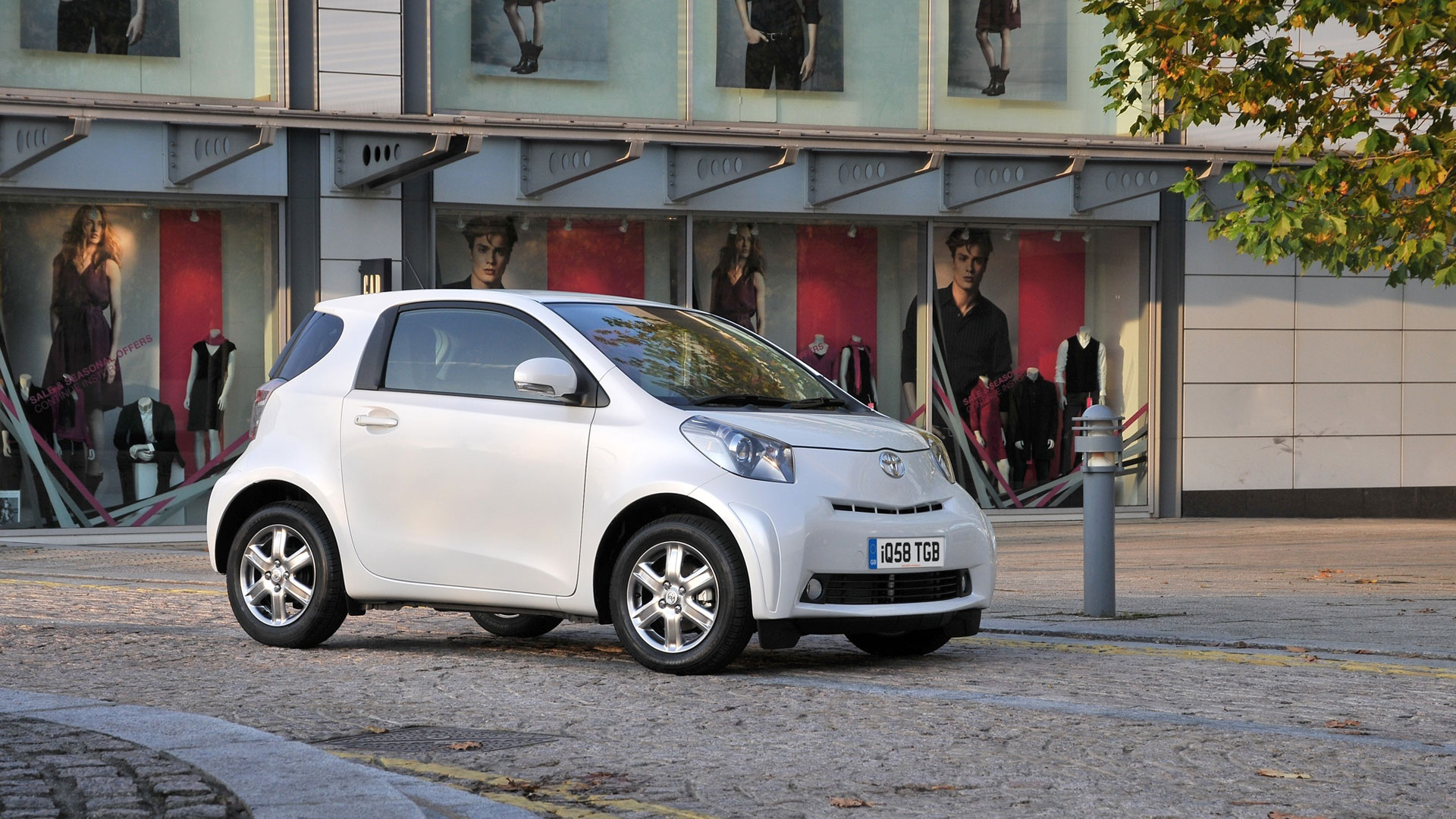
3. Toyota iQ – 94.5%
This is hardly surprising, but given the fact that the DVSA says nearly 50 percent of all faults found on MOTs could be avoided by regular maintenance or by checking some basic items prior to the test, there’s no reason why an older a car should be more troublesome. The Toyota iQ is ranked third.
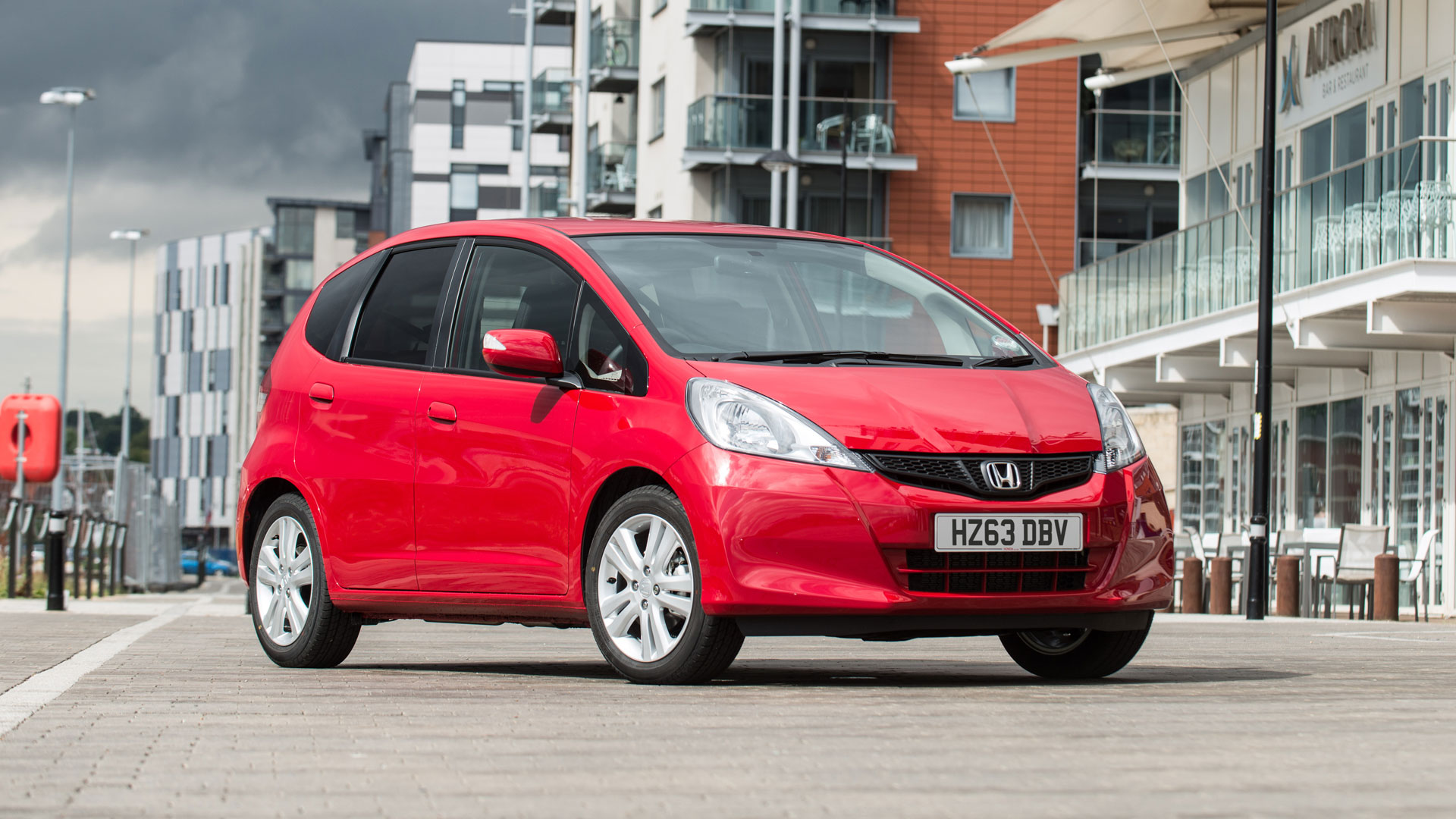
2. Honda Jazz – 95.3%
If only everything in life was as reliable as a… Honda Jazz. There are many reasons why the Jazz has performed so well, not least because it’s a reliable car straight out of the box. Also, the Jazz tends to cover fewer miles between MOT tests, while owners will stick to the maintenance schedule.
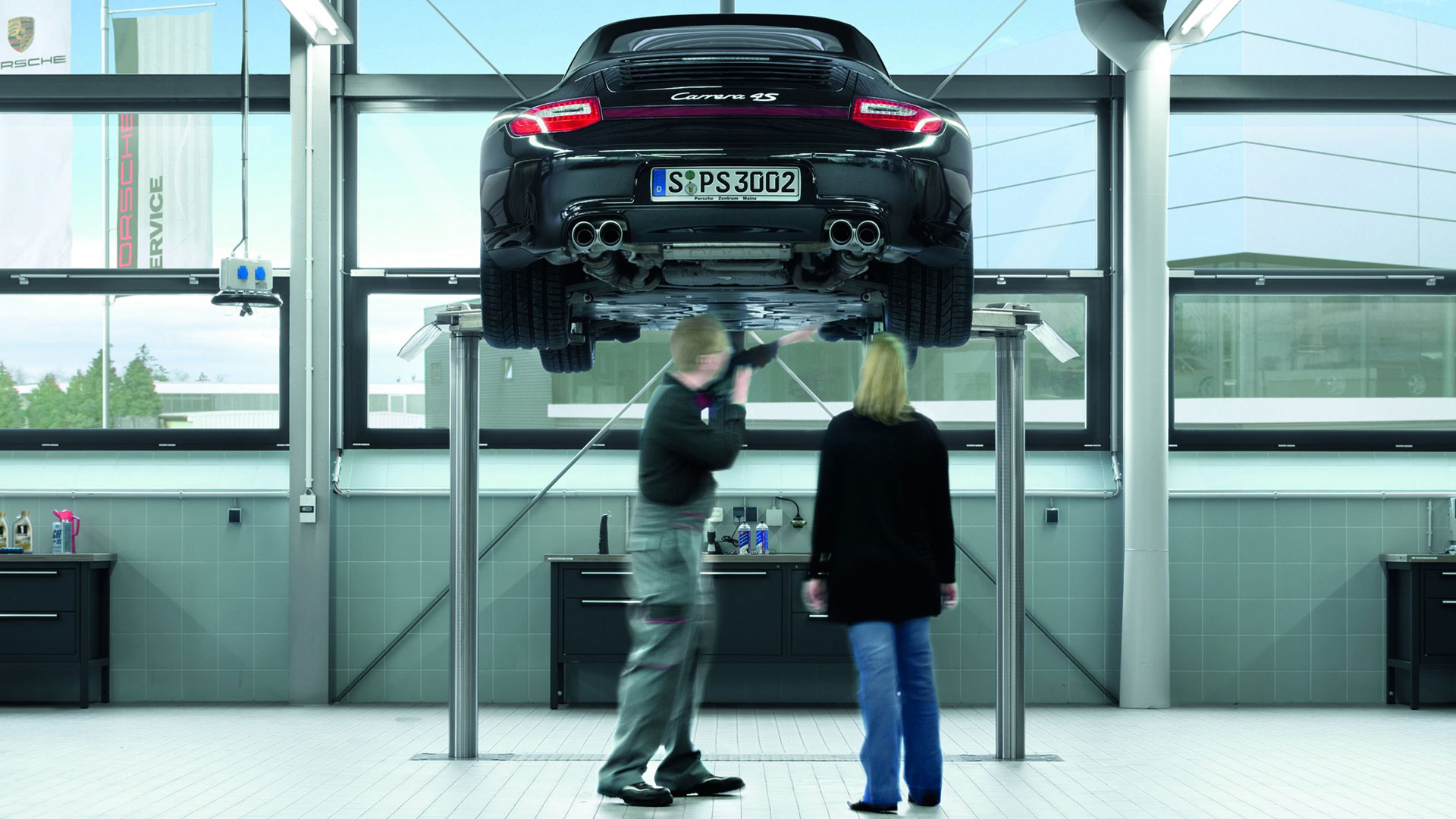
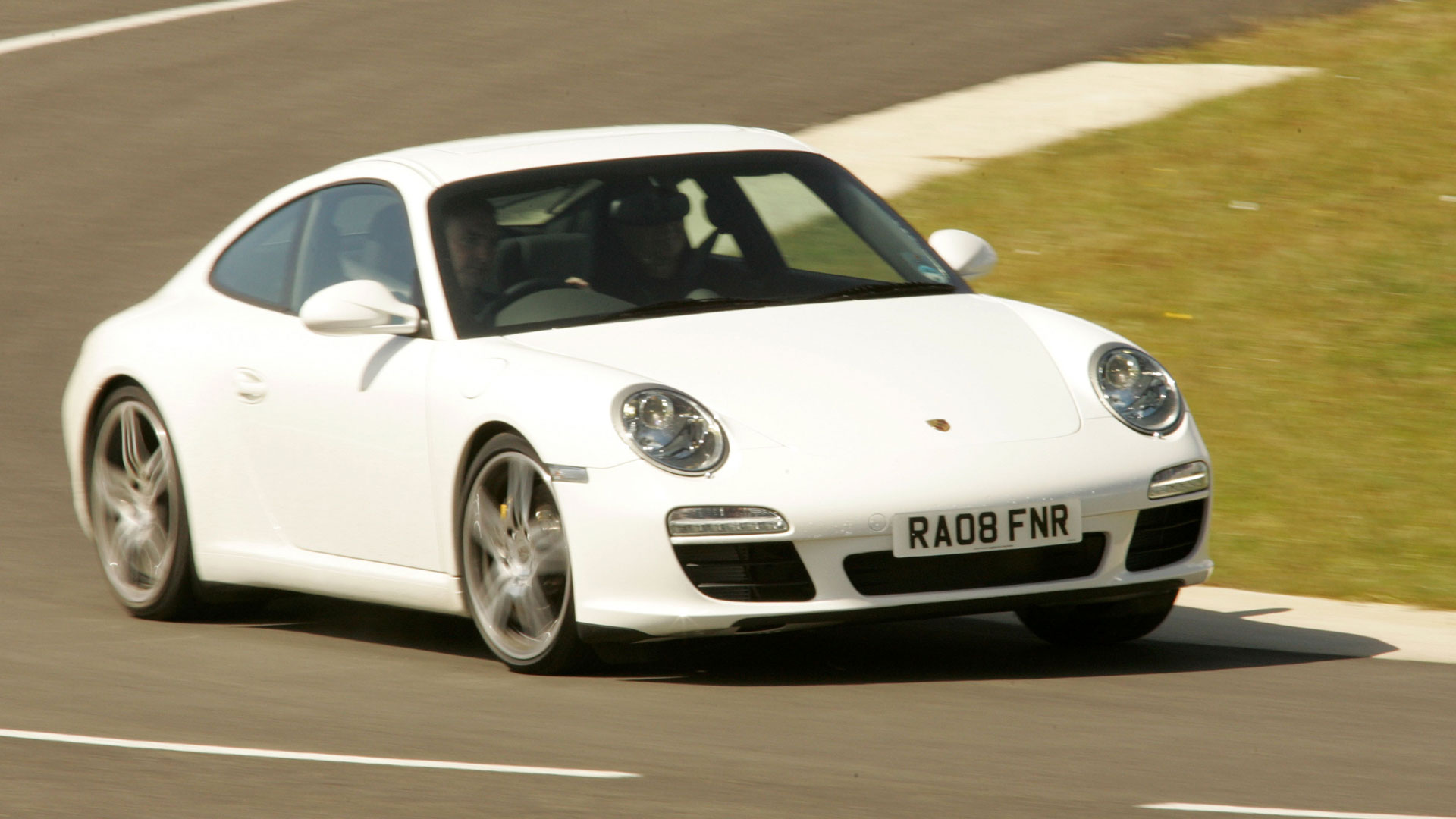
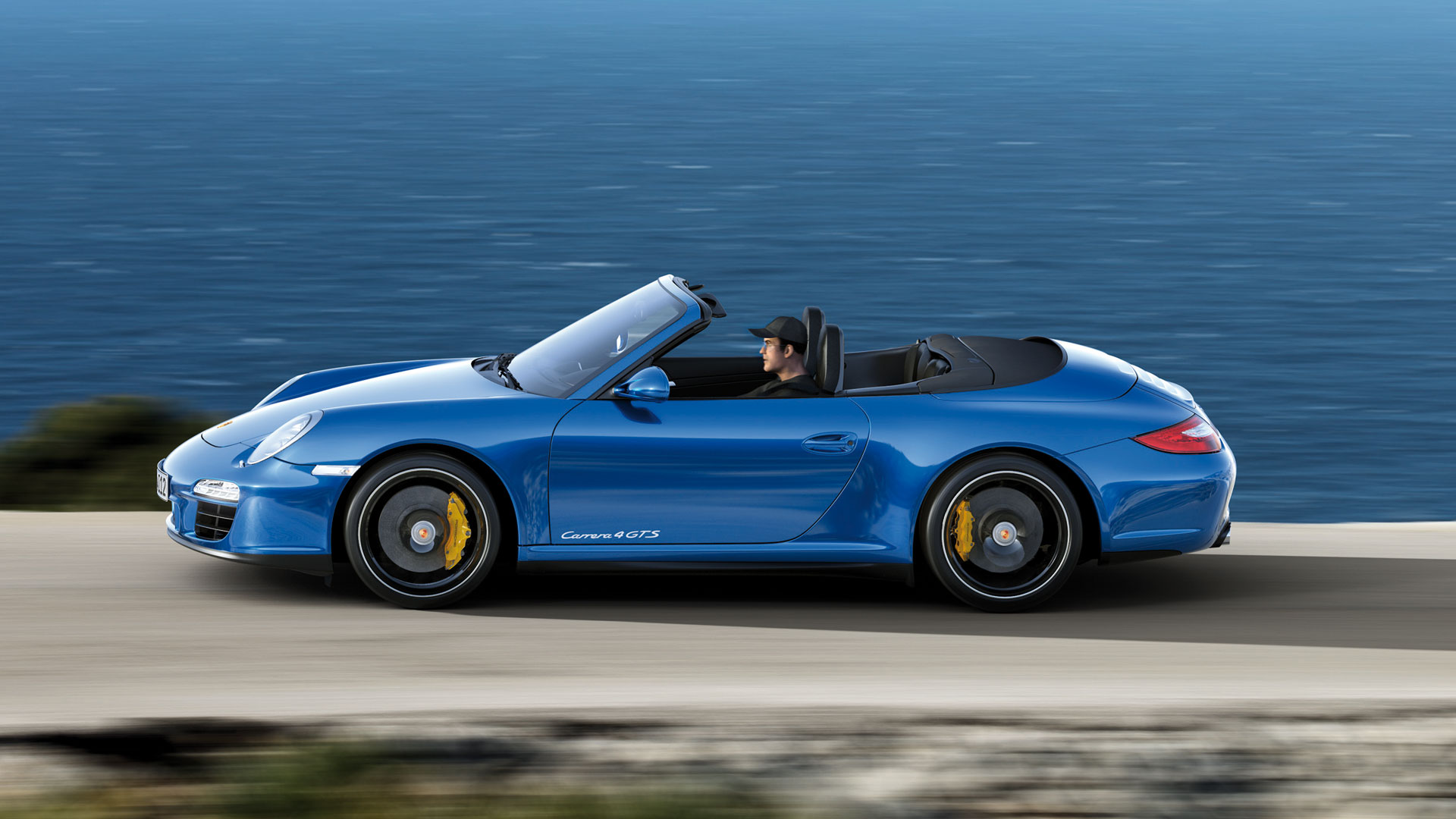
1. Porsche 911 – 95.9%
But the Jazz is beaten by the Porsche 911, with the German topping the table with an average pass rate of 95.9 percent. It’s hardly surprising because the majority of 911 owners will stay on top of maintenance schedules and rectify any issues as soon as they arise.
So, that’s the best cars sorted, what about the motors at the opposite end of the table?
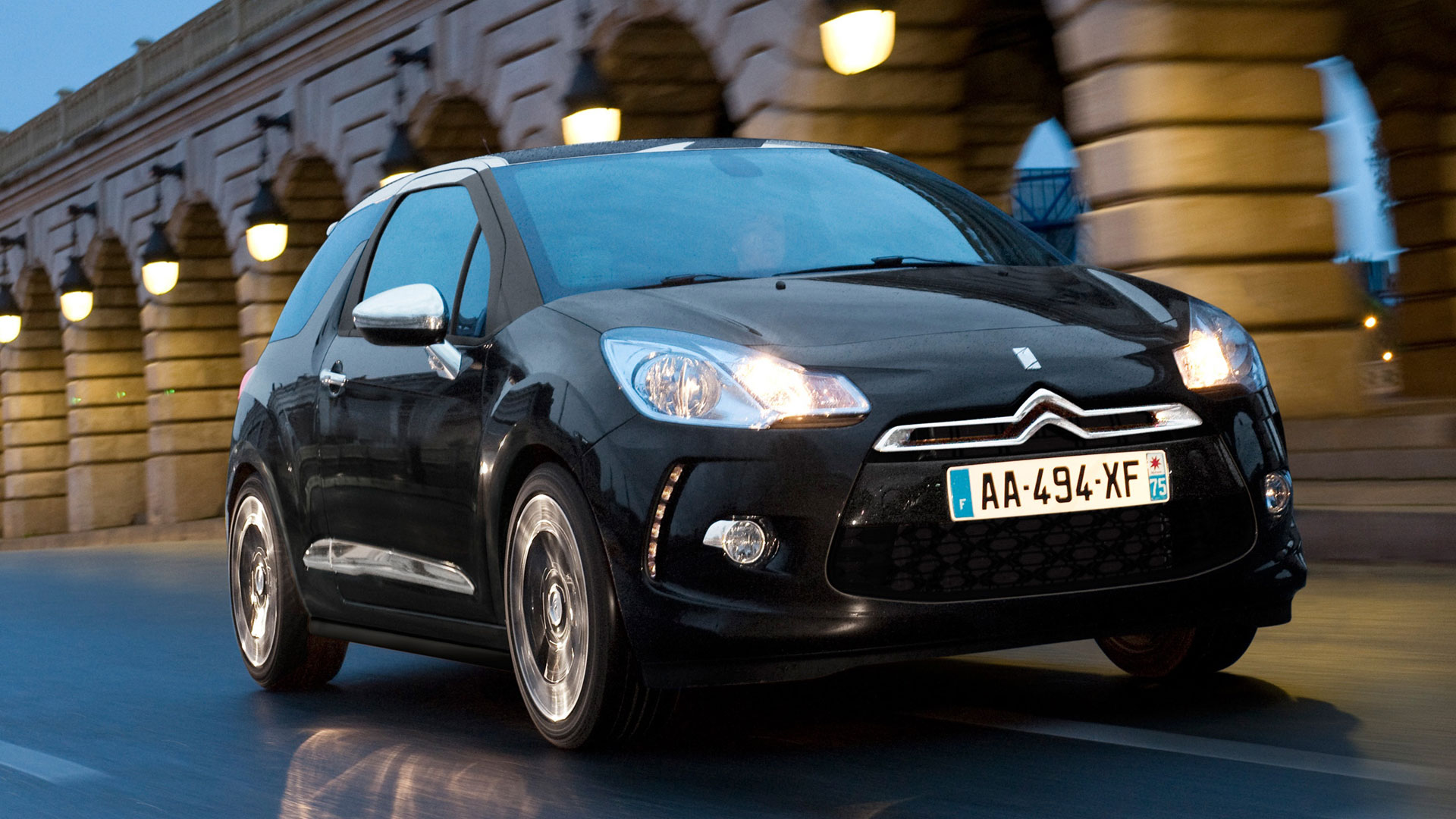
5. Citroen DS3 – 81.1%
These are the five worst offenders, presented in reverse order. There’s a huge gap between the best performers and the cars at the bottom of the table, with the Citroen DS3 recording an 81.1 percent pass rate. We doubt the rebrand to DS Automobiles will make any difference.
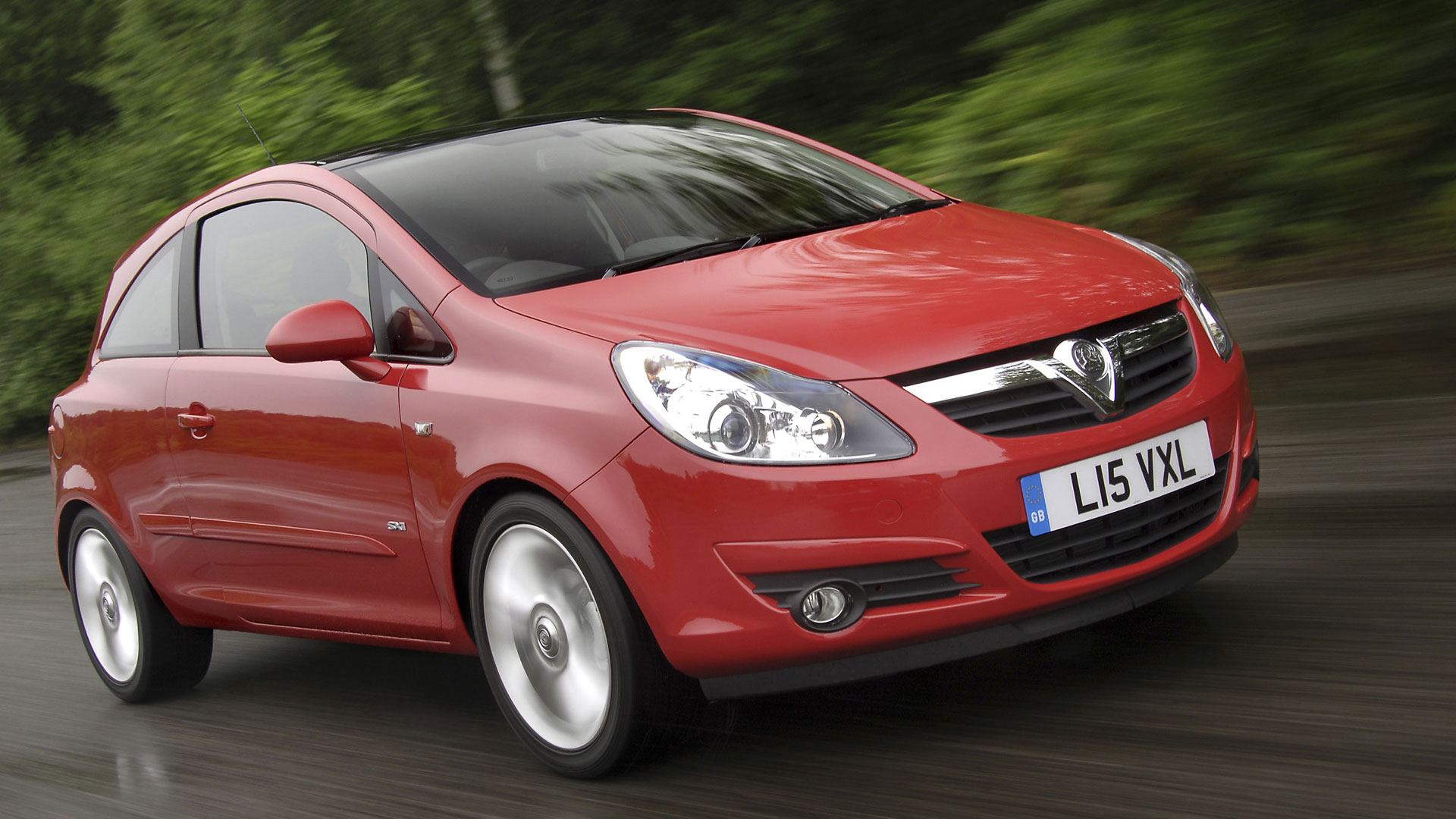
4. Vauxhall Corsa – 79.4%
You could argue that the sheer number of Vauxhall Corsas is a contributing factor to its lowly ranking, but it’s worth noting that the Ford Fiesta doesn’t feature in the bottom five.
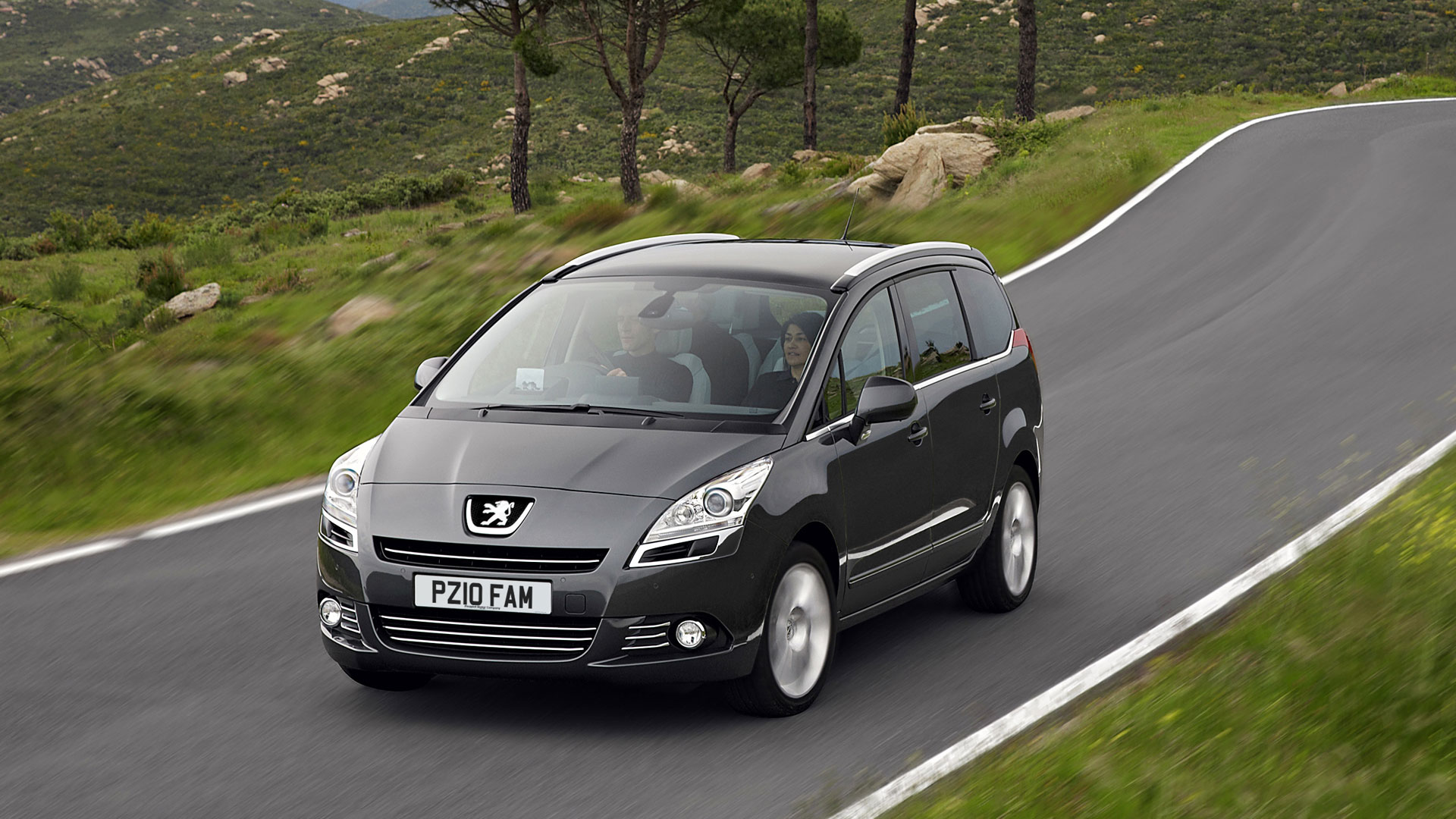
3. Peugeot 5008 – 78.8%
Peugeot has revamped the 5008, ditching the rather frumpy MPV of old and replacing it with something far more appealing. The previous model isn’t all that good at passing MOTs.
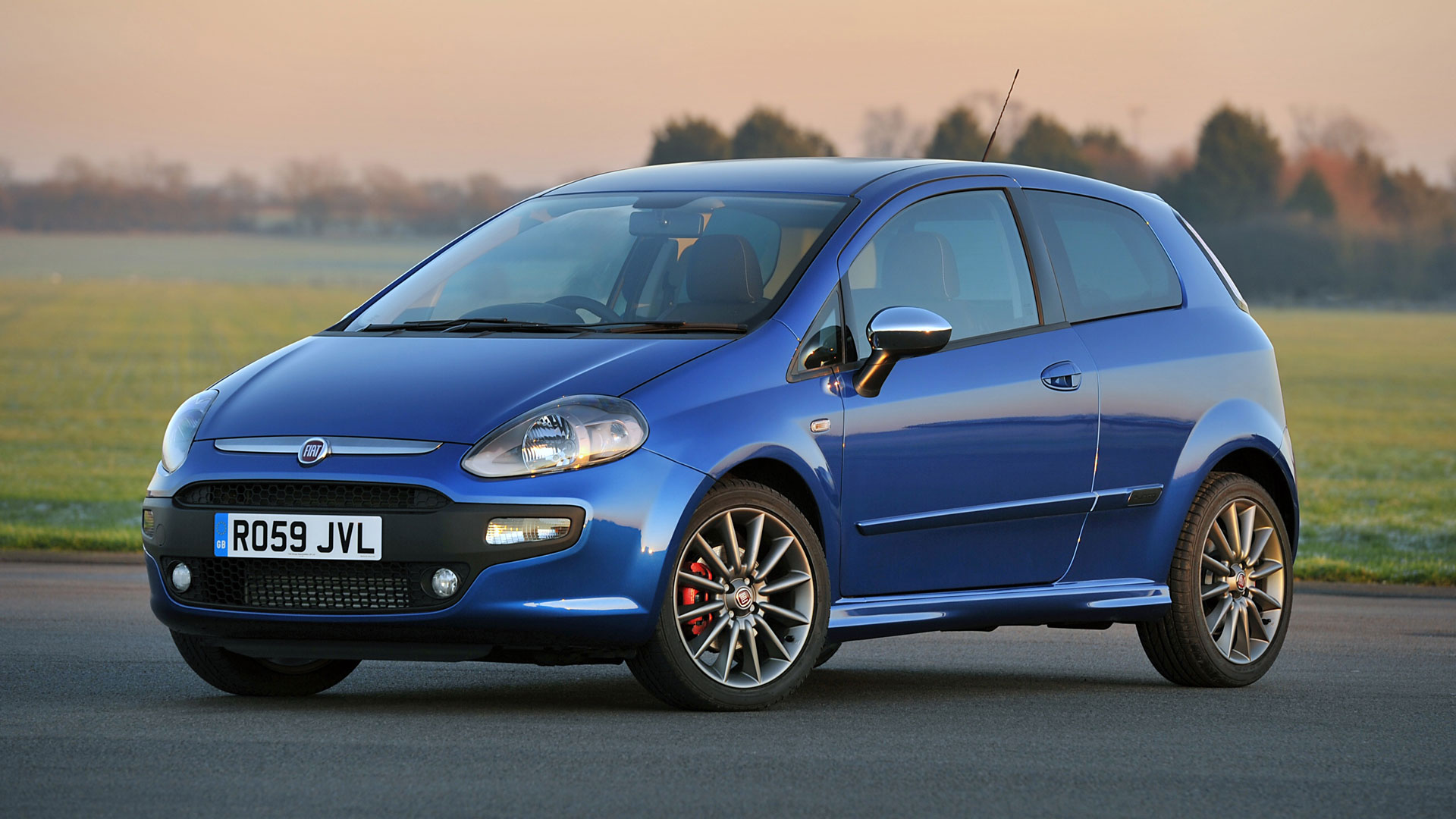
2. Fiat Punto – 78.5%
But the 5008 is marginally better than the Fiat Punto, with the Italian supermini just managing to avoid the bottom spot with a 78.5 percent pass rate.
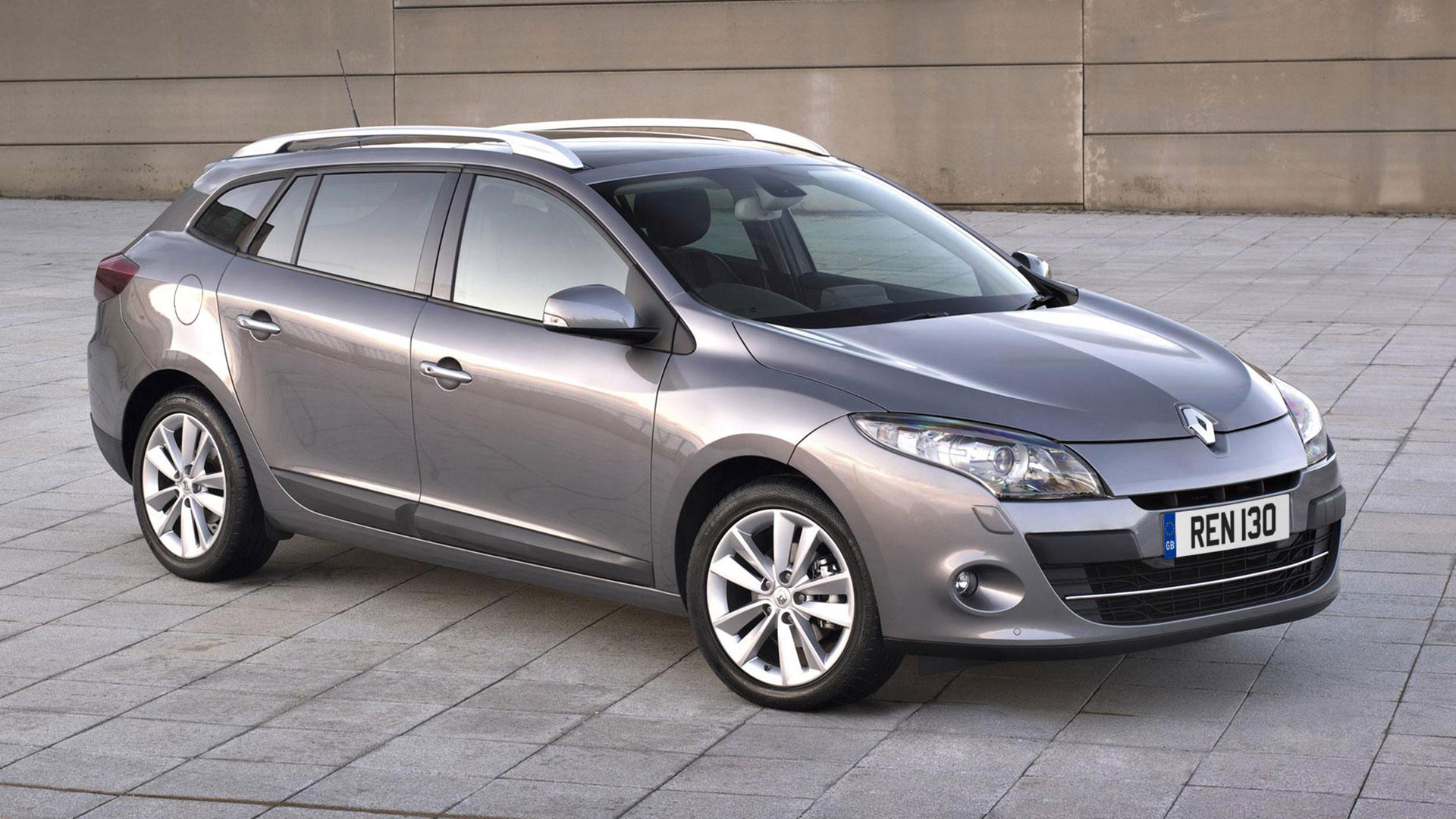
1. Renault Megane – 77.5%
Which leaves the Renault Megane to grab the wooden spoon. The French hatchback sits at the bottom with an average pass rate of 77.5 percent, nearly 20 percent lower than the Porsche 911.
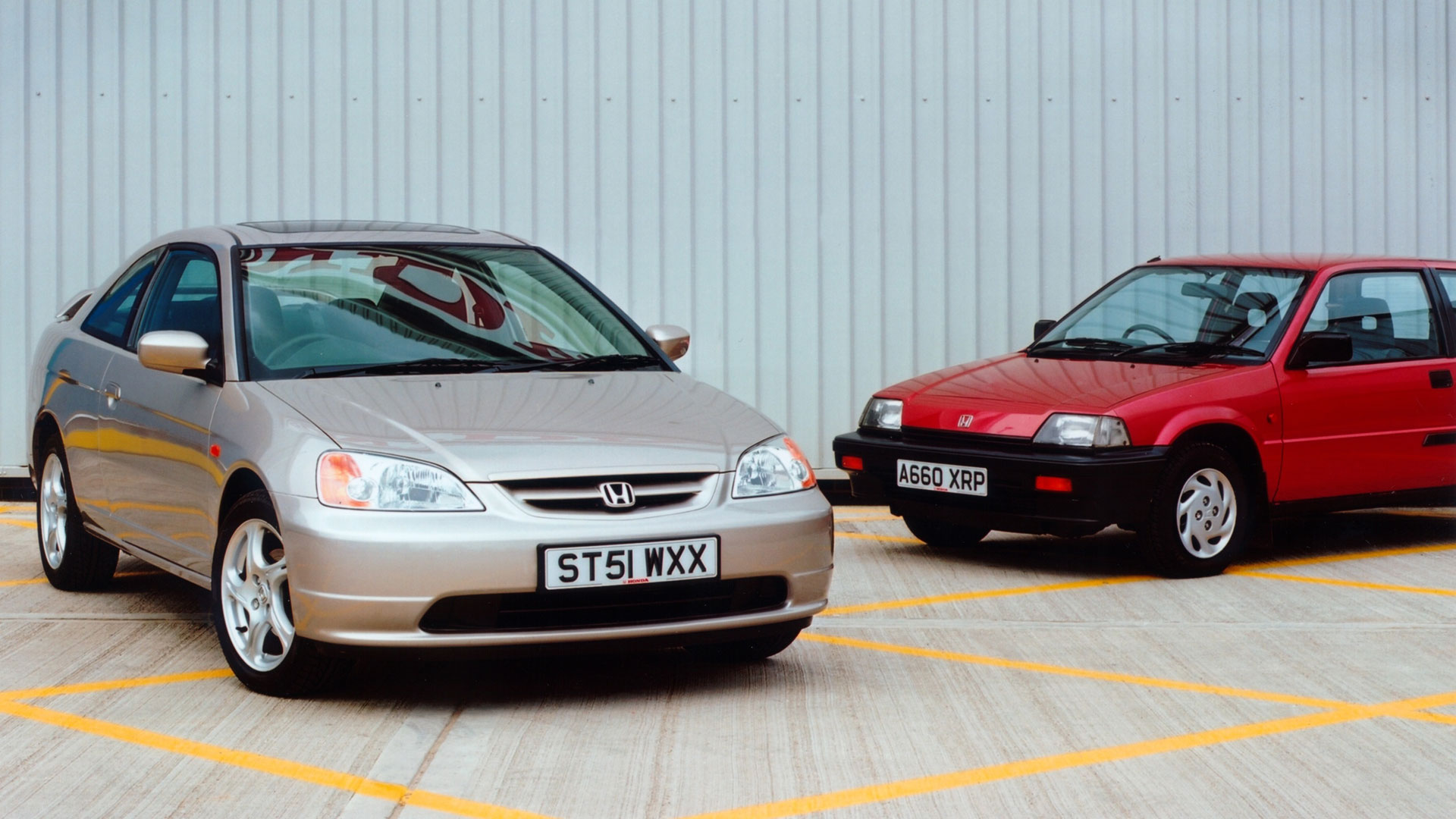
Best manufacturer – Honda
Overall, Honda sits at the top of the MOT league table, with an average first-time pass rate of 93.8 percent. This is ahead of Porsche (93.2 percent) and Subaru (92.8 percent).
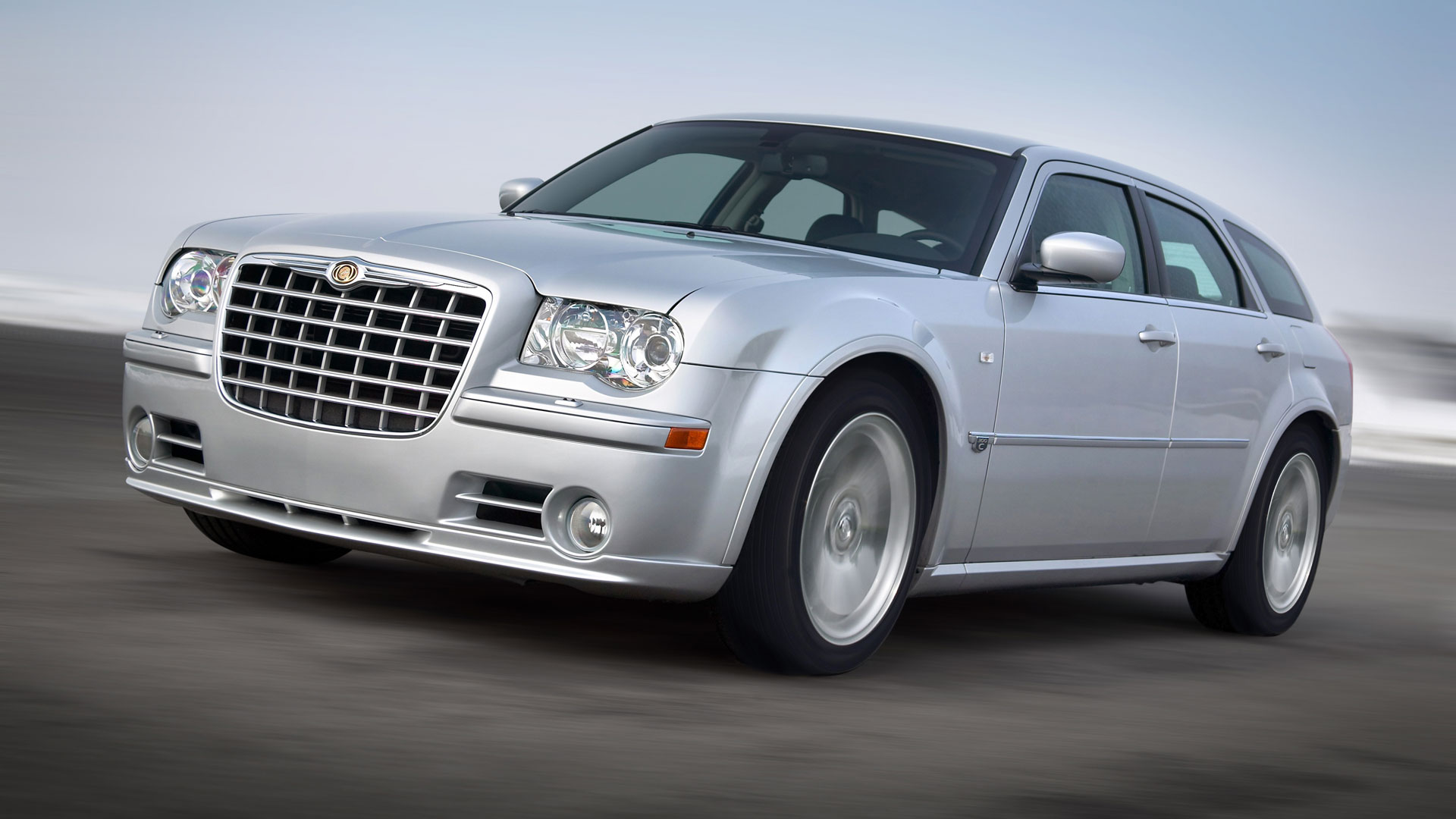
Worst manufacturer – Chrysler
Meanwhile, at the opposite end of the table, we find Chrysler, with an average first-time pass rate of 80.1 percent. This is behind Chevrolet (82.2 percent) and Renault (82.5 percent).
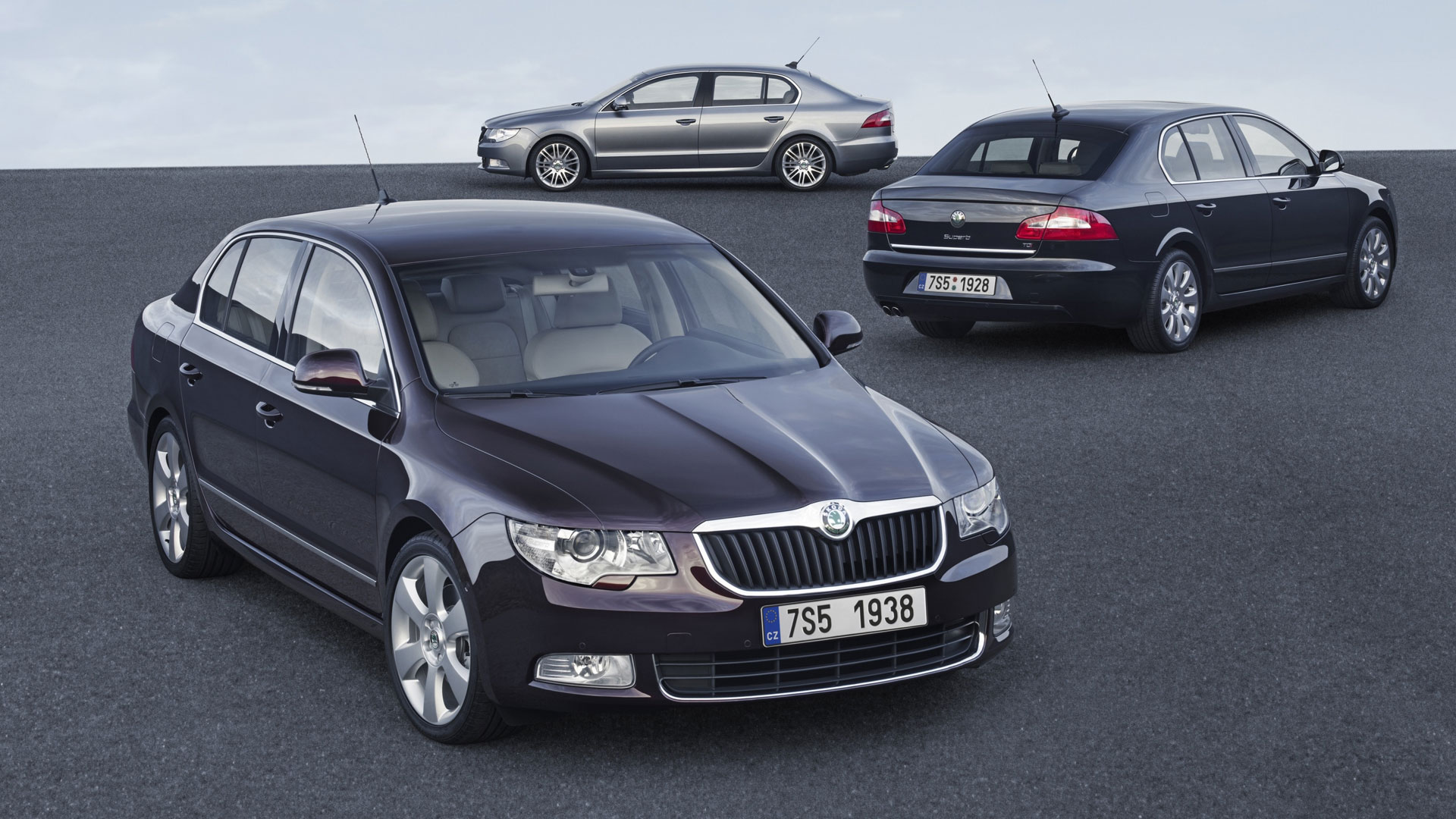
Highest mileage – Skoda
Finally, we take a look at the average miles between each MOT test. Skoda tops the table with 8,800 miles per annum, with a strong lease market and heavy use by taxi firms two contributing factors. Mercedes-Benz finishes just behind on 8,500 miles per annum, with Audi in third on 8,400 miles.
Lowest mileage – Porsche
Unsurprisingly, Porsche has the lowest mileage (3,600 miles per annum), with Smart (4,800 miles) and Suzuki (5,700 miles) the next two brands.
Forget ‘race on Sunday, sell on Monday’, because when it comes to the MOT test, it’s more a case of ‘pass on Sunday, fail on Monday’.
That’s according to a report released by pay-as-you-drive insurance specialists By Miles. Using Department for Transport data, it reveals that the chances of your car passing the MOT test can be affected by the day of the week.
And, while 79 percent of cars passed when they were tested on Sunday, just 72 percent passed on a Monday. Good news for Sunday drivers.
The busiest periods for MOTs are March and September, which isn’t surprising given that these are the months when the UK registration plates change and a car will require its first MOT on or before its first birthday. December is the quietest month.
Of course, your biggest challenge might be finding an MOT test station that’s open on a Sunday. But while independent garages are likely to be closed, Halfords claims to have 90 centres open on Sundays, while Motest also offers a seven-days-a-week service.



 The all-new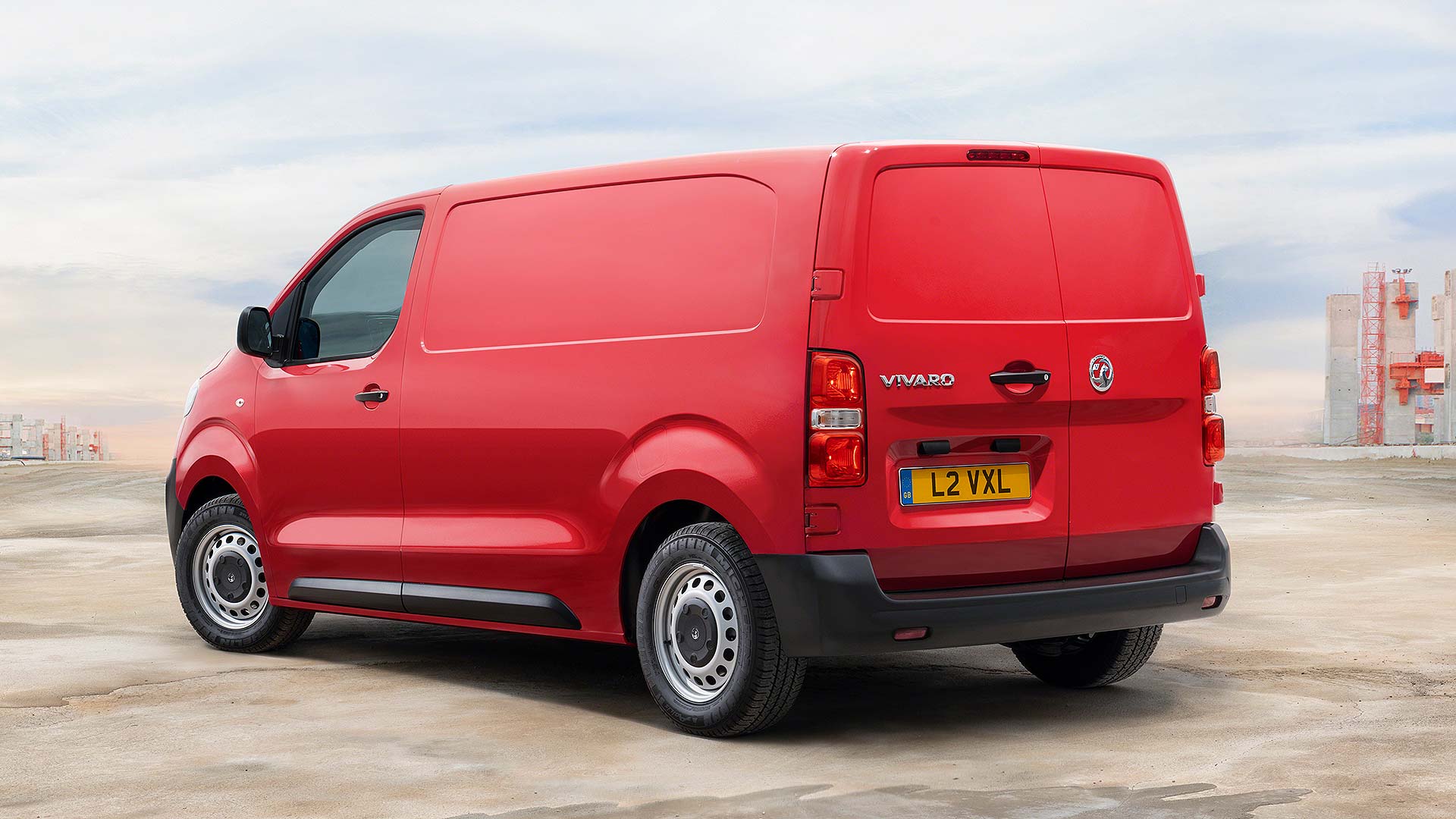
 Living next to a noisy road can make life a misery, and even impact on health according to numerous studies. The World Health Organisation has even claimed traffic noise to be the