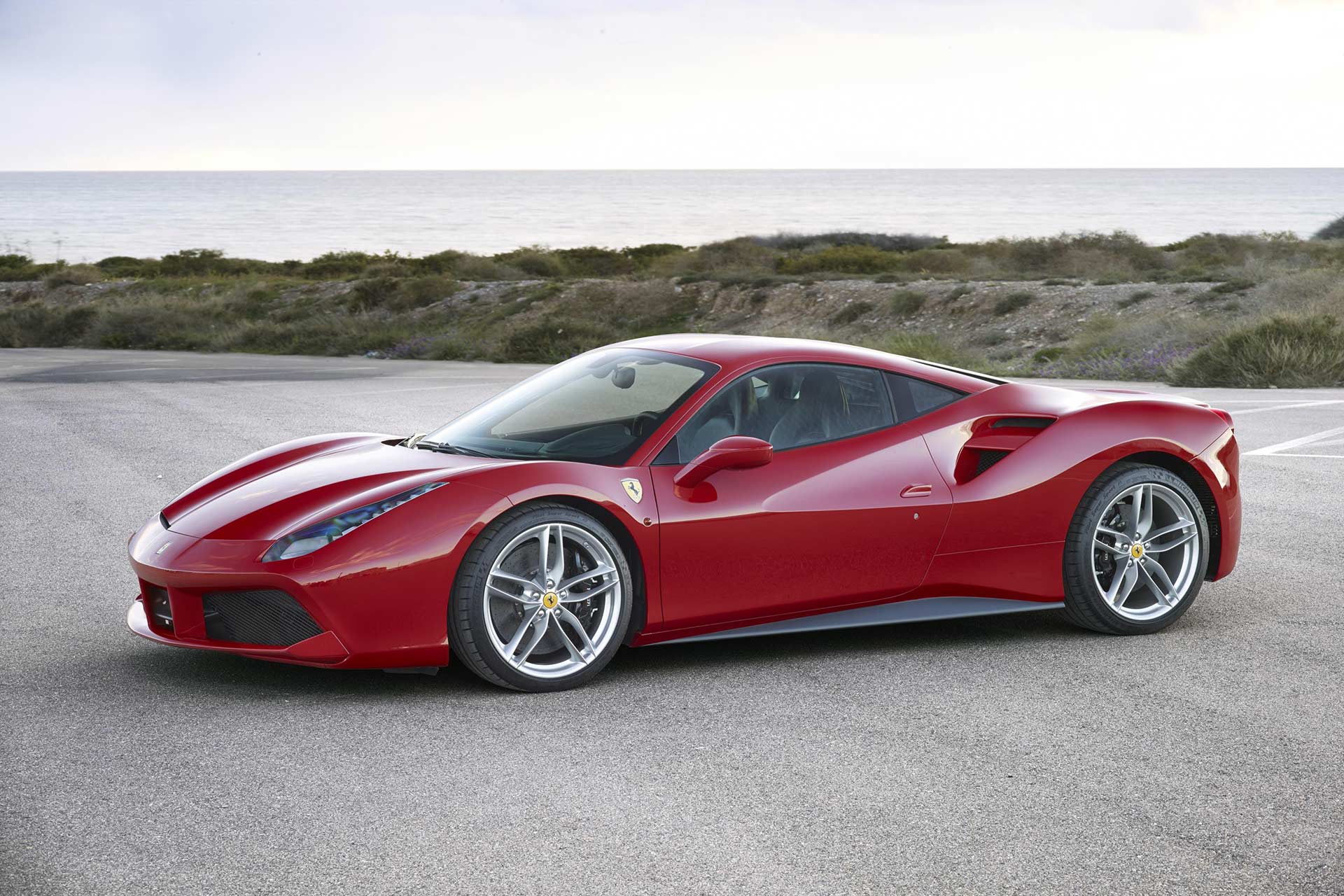
Almost 110,000 vehicles were seized by police during 2018, being confiscated where drivers failed to have valid insurance.
Whilst cars being seized for no insurance has become commonplace, the increase in cars leased or bought on finance causes greater problems. Without the help of HPI Crushwatch, finance companies could see millions of pounds of assets turned into metal cubes.
Working with police forces and vehicle financing houses, the Crushwatch scheme helps reunite seized vehicles with their legal owners. Last year, vehicles worth almost £122 million were handed back in one piece.
Supercar superheroes
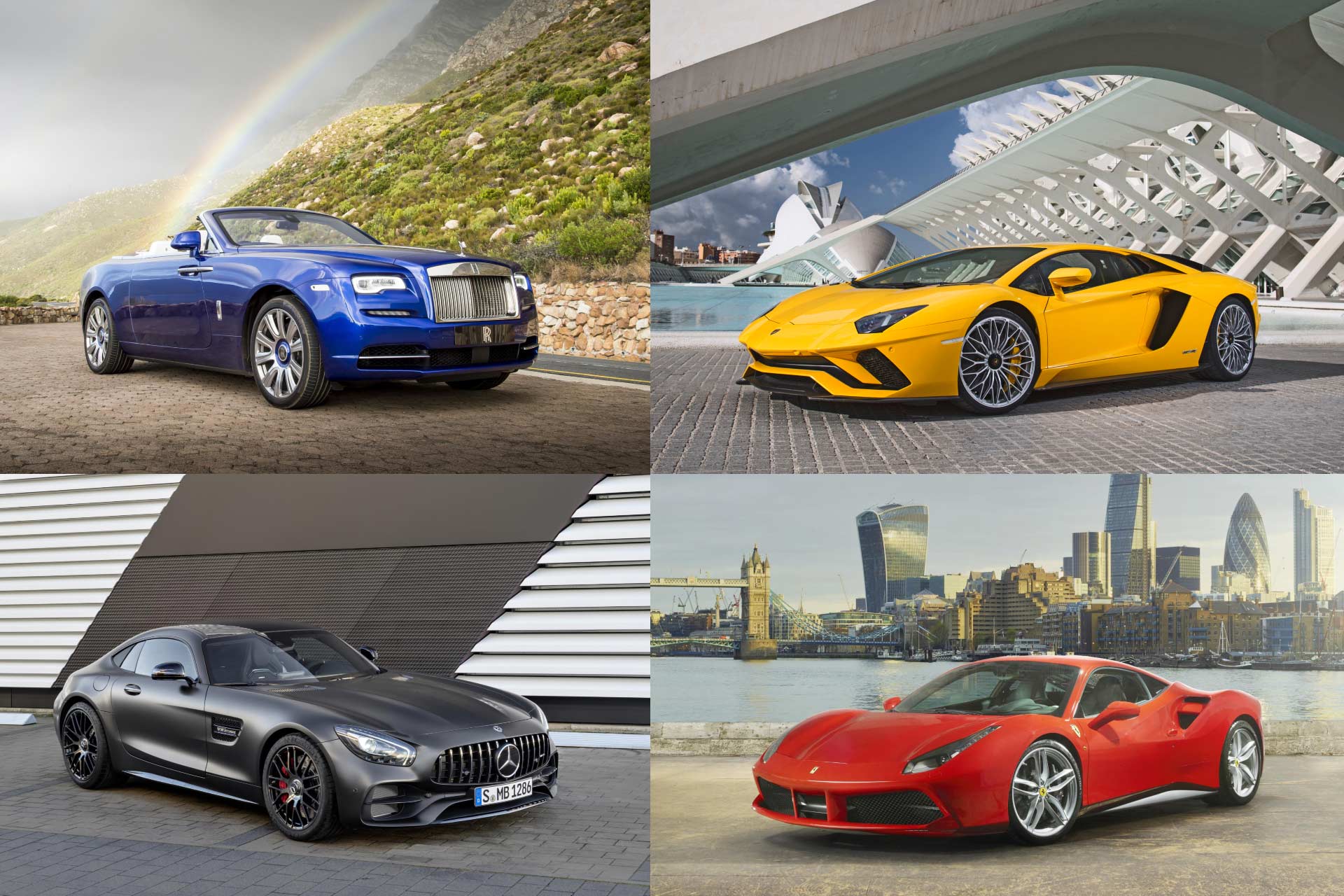
Of the 13,000 seized vehicles found to belong to finance companies, a plethora of supercars and luxury motors were amongst those recovered.
A £306,200 Lamborghini Aventador was the single most valuable car saved from sale or scrapping. Sant’Agata products proved popular for those with no insurance, making up half of the top ten most valuable vehicles found by Crushwatch:
Vehicle
Value
Force area seized in
Lamborghini Aventador
£306,200
Metropolitan Police
Lamborghini Aventador
£277,600
Cheshire Constabulary
Ferrari 458
£247,800
Metropolitan Police
Lamborghini Aventador
£230,000
Greater Manchester Police
Rolls-Royce Dawn
£212,300
Metropolitan Police
Ferrari 488
£209,600
Metropolitan Police
Rolls-Royce Dawn
£179,700
Metropolitan Police
Lamborghini Huracan
£173,400
West Yorkshire Police
Lamborghini Aventador
£162,800
Northumbria Police
Mercedes-AMG GT
£153,300
West Yorkshire Police
Repeat offenders the most popular
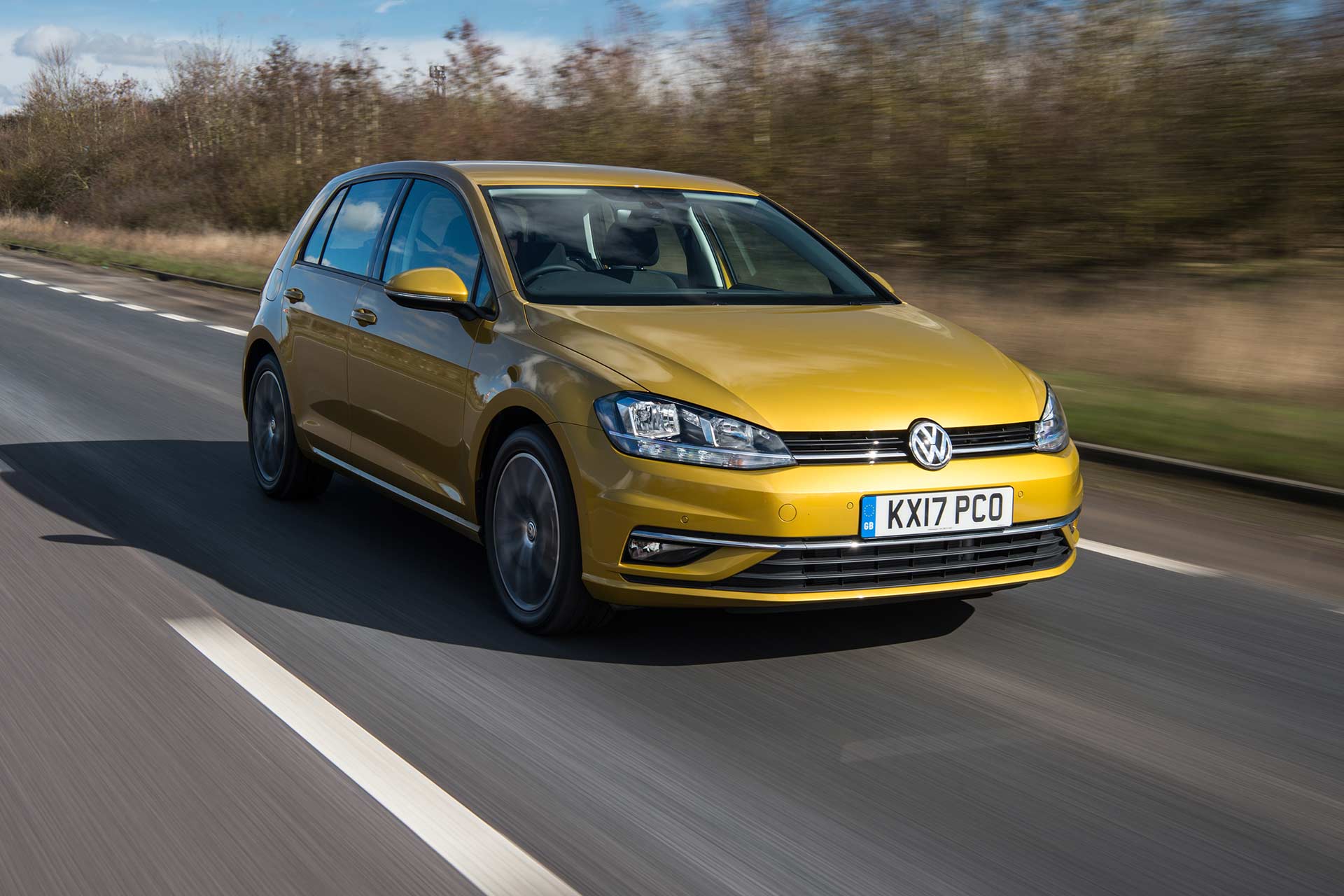
Of greatest concern is that the value of leased or financed cars seized has risen by £28 million compared to 2017. A total of £122 million marks the highest amount ever recovered in the ten years Crushwatch has been in operation, pointing to a worrying trend.
Whilst supercars might attract the most attention, the most common vehicles found by the scheme represent a picture of everyday modern road traffic:
A new windscreen treatment announced by Halfords could mean the end of icy windscreens – and give your windscreen wipers a few well-earned days off.
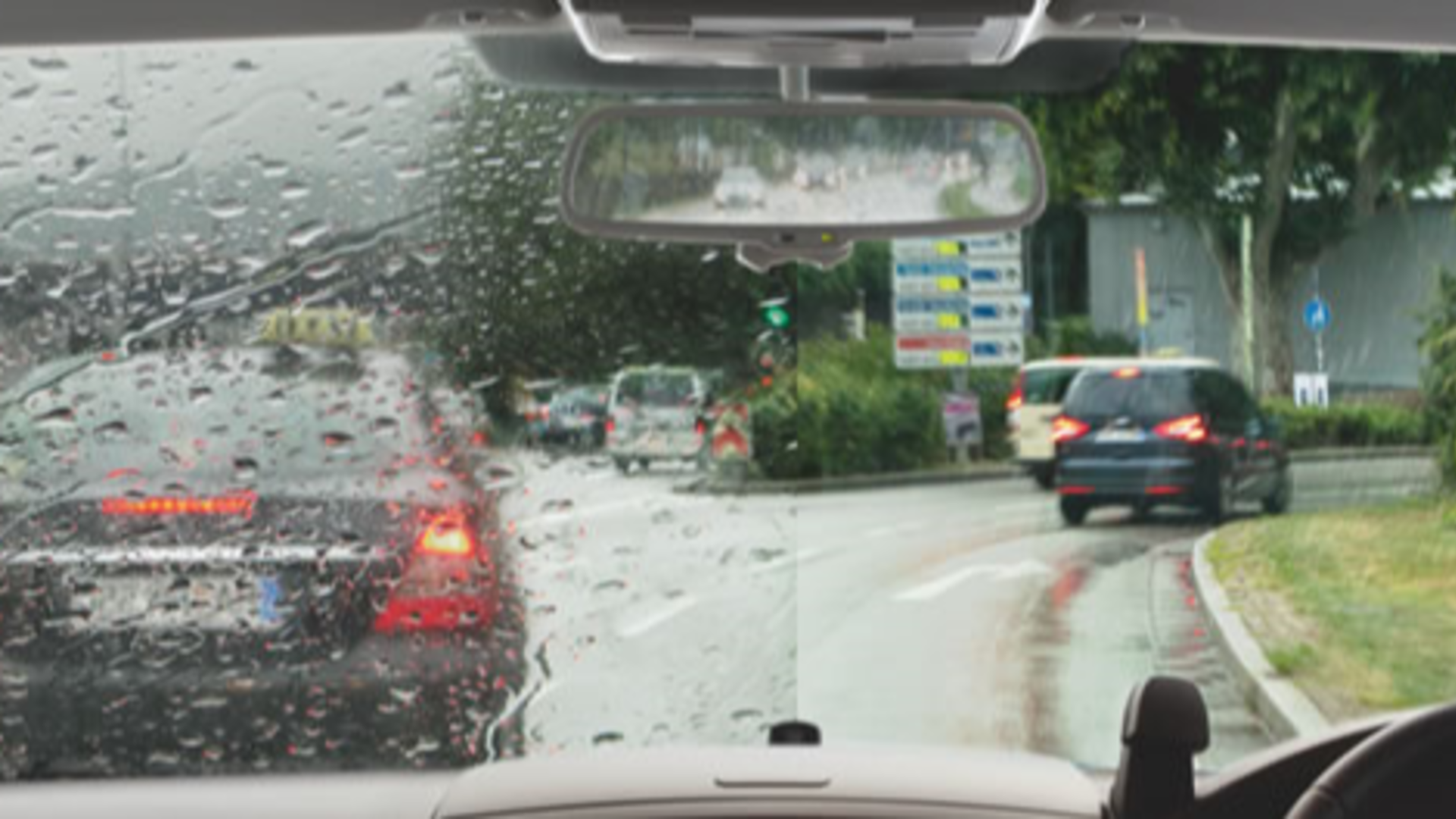
Duxback is a six-monthly treatment that covers your windscreen in a hydrophobic coating. It makes rain run off at speeds above 40mph and bead at speeds below that, rather than spreading across your screen and impeding your vision. Like water off a duck’s back, so to speak.
An additional benefit is that it makes ice much easier to remove from your windscreen. No more battling with a scraper or credit card on a frosty morning.
Similar treatments were originally developed for commercial aircraft to keep cockpit glass clear, and it wasn’t long before the same benefits were proposed for the road. From Halfords, both windscreen/front window and whole-car treatments are available
During testing by TÜV Thüringen, the new treatment improves visibility by an average of 35 percent in rainy weather. Compared to using wipers, the driver’s ability to spot small objects in wet conditions is improved by 25 percent. That’s equivalent to a reaction time improvement of 58 feet at 40mph.
“We want to make the roads safer for drivers in poor wet weather,” says Andy Randall from Halfords Autocentres.
“Poor visibility doesn’t just make driving in the rain unpleasant and more tiring, but failing to see a hazard quickly slows your reaction time. This can add several car-lengths to your stopping distance and make the difference between avoiding a collision and not.”
At £25 per application or £50 per year, we’ll leave it up to you on whether such a treatment is worth it. For the whole-car treatment, it’s £60 a go or £120 for a year.
Yes, it could make driving safer and save your wipers some wear and tear. Nevertheless, that’s a fee many would rather put towards road tax or a tank of fuel.
In cities across the UK and Europe, there are low emissions zones and diesel ban schemes already in place. These require drivers of some vehicles to pay a fee, while certain vehicles aren’t allowed access at all.
Helpfully, auto parts and accessories provider Kfzteile24 has compiled an up-to-date interactive map on Google – embedded below – showing the relevant restrictions across the continent.
Driving bans in the UK and France
While outright bans aren’t as widespread as some might think, the belt can only tighten in the coming years. For now, there are only three locations in the UK where any form of outright ban is in place.
In the case of Reading, there is a driving ban on particular streets between 7am and 11am, and between 4pm and 6pm. In Leicester and Glasgow, buses that pre-date Euro 5 emissions standards are banned.
London is perhaps the most forthright of the UK’s cities for emissions regulation, yet it still hasn’t banned any sort of vehicle. When the Ultra Low Emission Zone begins in April 2019, you’ll need to pay a fee if you’re driving into what is also the Congestion Charge Zone. This applies at any time of day, but only to diesel cars that pre-date Euro 6, petrol cars that pre-date Euro 4 and trucks that pre-date Euro 6.
By 2021, that will extend to inner London and, by January 2025, the city wants emissions-free vehicles only within the greater London area.
The ULEZ standard will be taking hold in Edinburgh from 2020, with vehicles that don’t meet it potentially being banned.
The French cities of Paris, Lille and Rennes have more severe driving bans that could pertain to private drivers. Paris runs a car-free Sunday, among a whole host of banned commercial vehicles for certain times through the week.
Lille has an emergency driving ban for when NOx levels are too high, as does Rennes, applying to cars that pre-date Euro 2 emissions regulations.
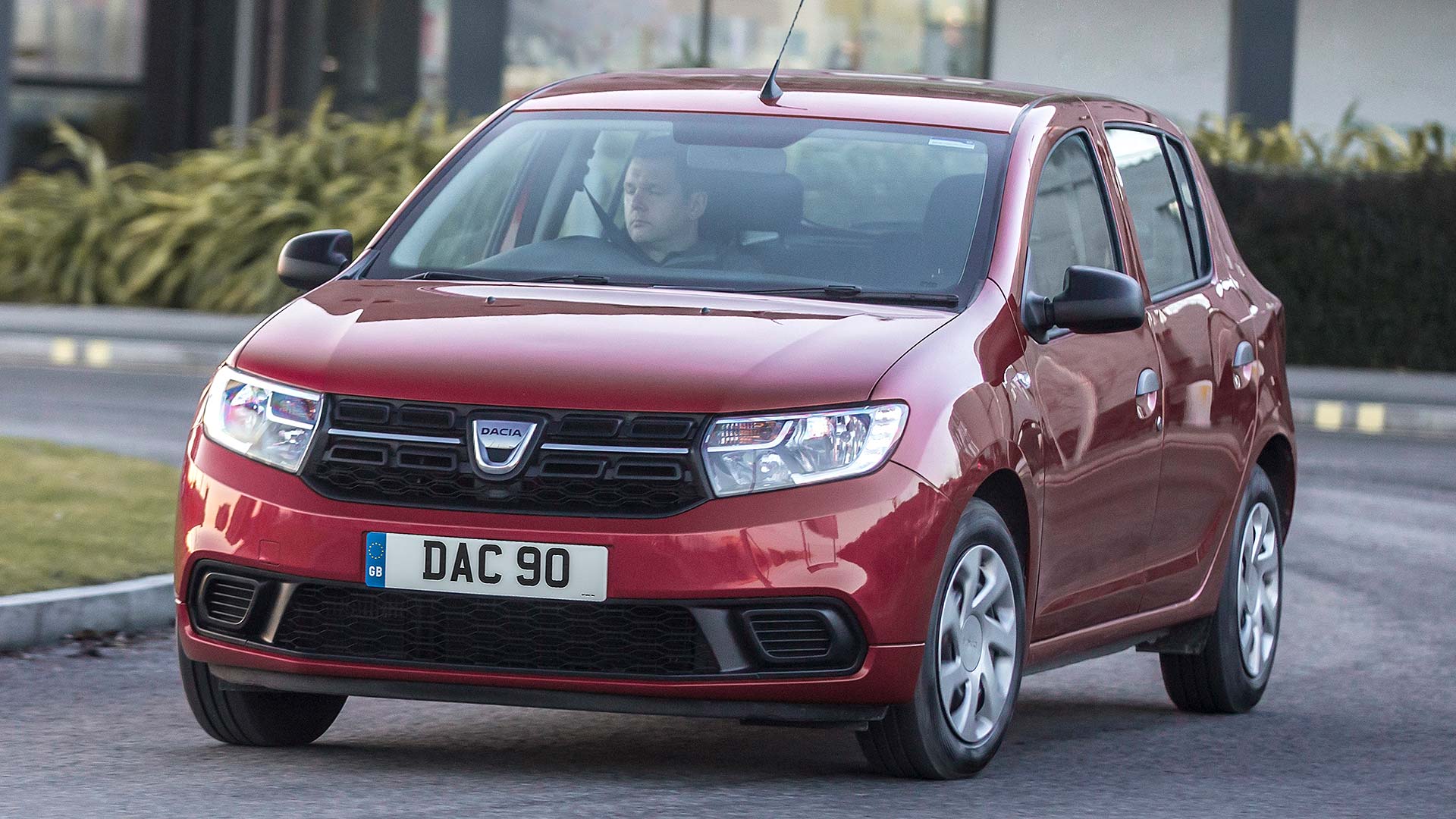
The Dacia Sandero five-door supermini has, for years, held the title of cheapest new car you can buy in Britain.
For 2019, it retains the honour, with a starting list price of £6,995 for the basic Access trim – but Dacia has honed the rest of the range to offer better value for customers seeking a bargain without shunning every luxury.
The key new variant is called Essential. Priced from £7,795, it adds just £800 to the price of the entry-level Sandero, but adds on essential extras.
The biggest addition with Essential is air conditioning. It duly claims the title of cheapest new car on sale in Britain with standard air con.
Other extras include electric front windows, DAB radio with Bluetooth connectivity, 15-inch wheels and body-coloured bumpers (yes, the base Sandero retains its ugly black plastic bumpers and trim-less wheels).
Dacia offers the Sandero Essential with the slothful SCe 75 engine, the far superior TCe 90 turbo petrol for £1,000 more, and a somewhat pointless Blue dCi 95 diesel for a whopping £1,600 more.
Only the fact its CO2 dips below 100g/km, and economy of up to 62.7mpg is claimed, works in the new-generation Blue dCi 95 diesel’s favour.
The top-line Sandero is Comfort, priced from £8,795 with the SCe 75 and £9,795 with a TCe 90. Equipment additions include touchscreen MediaNav infotainment with sat nav, Apple CarPlay and Android Auto, cruise control, rear parking sensors, electric door mirrors and electric rear windows.
Dacia’s related Logan MCV follows a similar grade structure to the Sandero: it’s still Britain’s cheapest new estate car, priced from £8,495.
Ordering for both is open now with Logan MCV deliveries starting in February, and the 2019 Sandero due in the UK from March.
Behind the scenes, there has been a very real threat to motorsport and off-roading in Europe. Luckily, the forthcoming Motor Insurance Directive will not, as suggested, kill both activities stone-dead.
The Motor Insurance Directive was a proposal to make road traffic insurance compulsory for the off-road driving or riding of a motorised vehicle. This would have necessitated insurance for racing vehicles of all varieties.
Such policies, so said insurers, simply wouldn’t be possible. The result would have been the end of motorsport within Europe.
Fortunately, an exemption has just been cleared by the European Parliament.
A coalition of motorsport and motoring groups, including the ACU (Auto-Cycle Union) and MIA (Motorsport Industry Asociation) lobbied the EU parliament for the exemption. Barring a few political hurdles, such as the agreement of the EU council, it should be ratified later this year.
“This is great news and a big relief for motorsport of all types,” Tony Campbell, CEO of the MIA. “The potential impact of the proposal would have been catastrophic and likely to result in the end of motorsport as we know it.”
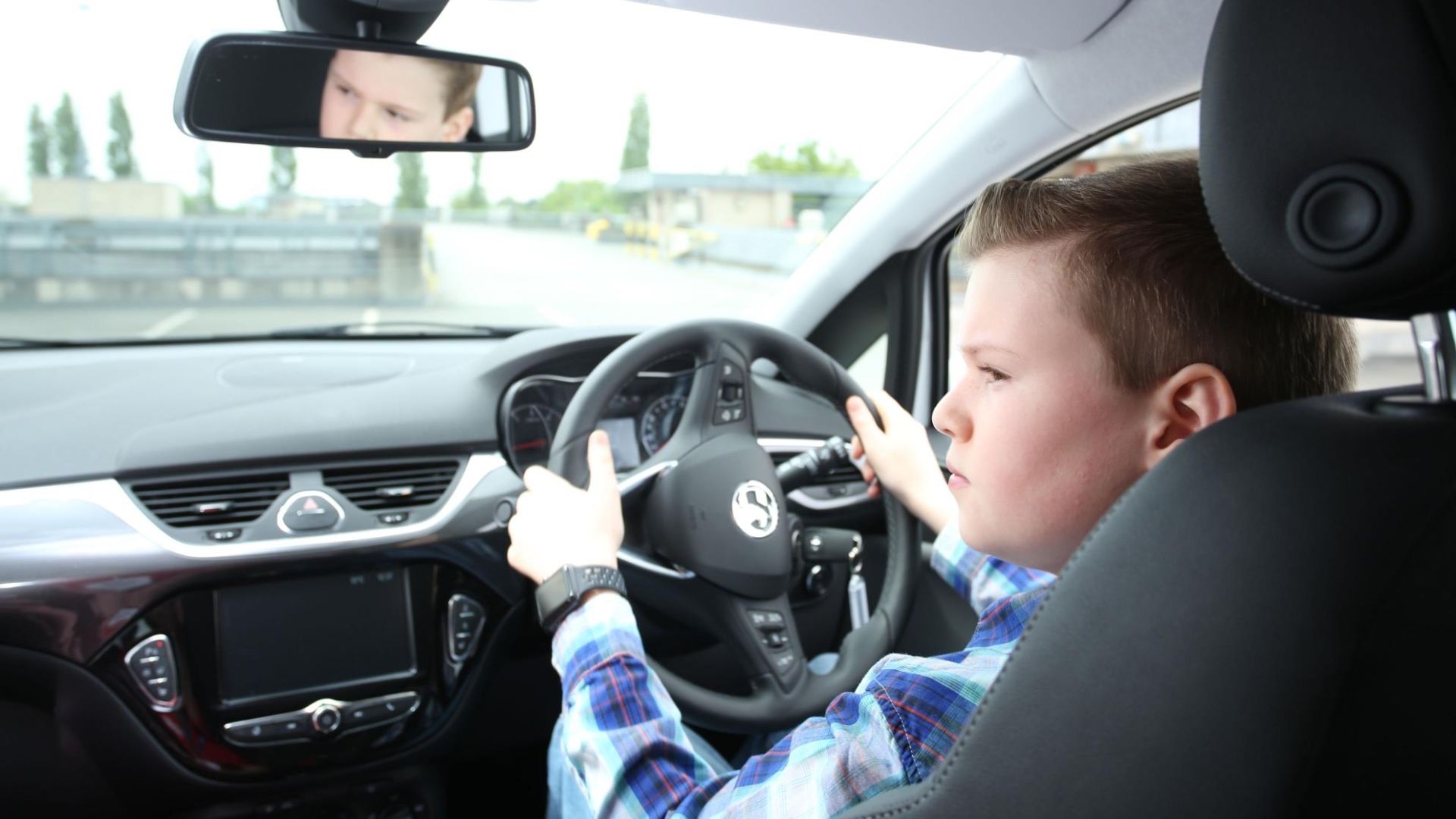
A new study has revealed that almost half (44 percent) of under 25s think driving is such an important skill, it should be part of the school curriculum. The study investigated how important driving was to the lives of 1,000 motorists.
Further results reveal that 39 percent of under-25s think that not being able to drive closes off avenues of opportunity. That makes sense, given that one in five motorists surveyed wouldn’t be able to do their job without being able to drive.
Transport, freedom, opportunity – all good reasons to get behind the wheel as early as possible and, perhaps, why driving should be taught in school. Self-esteem is a huge benefit from being able to drive, according to 44 percent of under 25s.
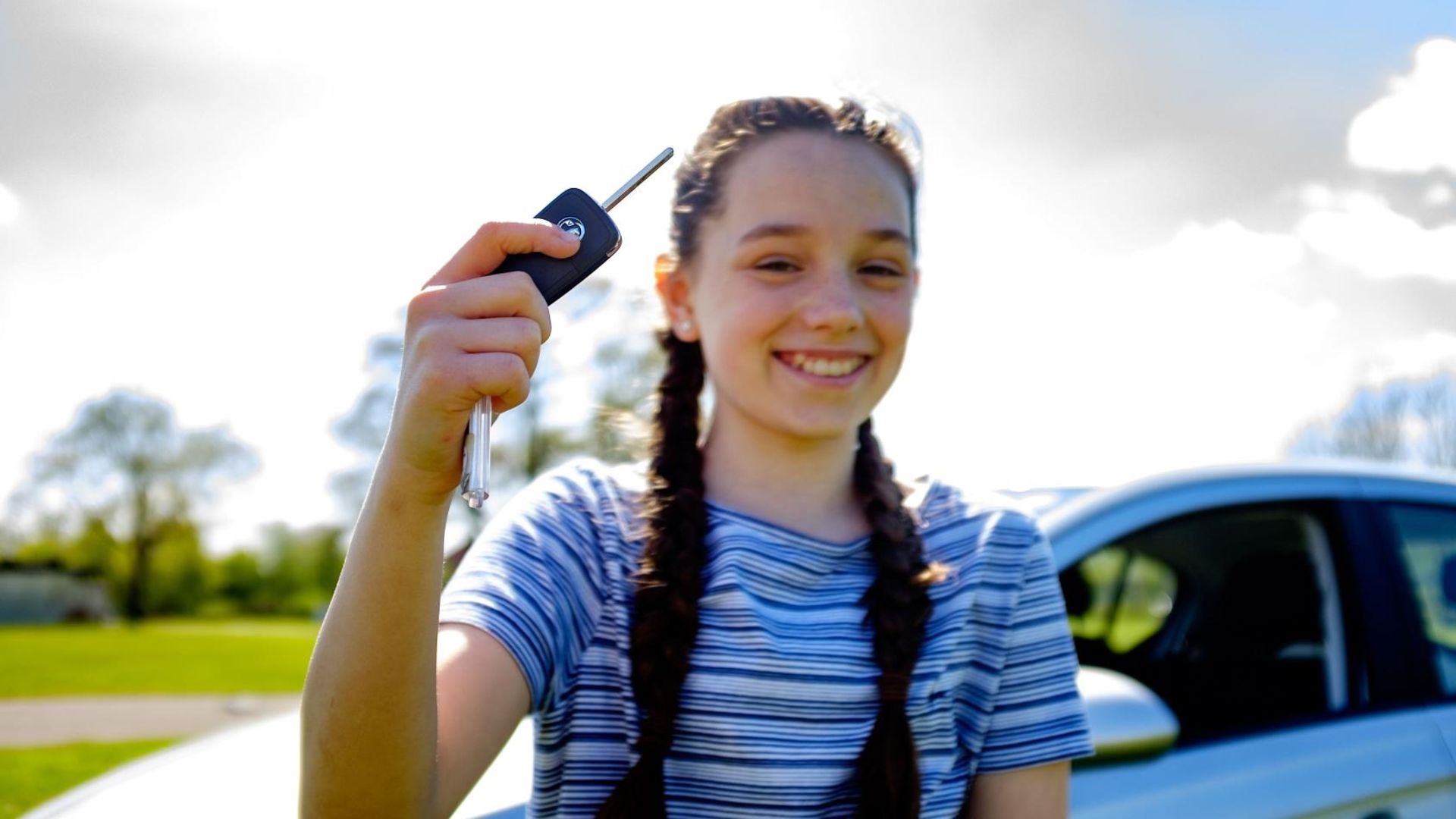
As many as 53 percent said passing their test gave them a ‘huge’ confidence boost. Topical, really, given that one in four parents worry for their teenager’s wellbeing in the modern age.
So, does driving have a place on the school curriculum? We reckon there’s always been a case for it, although resources could be an issue. Cars for kids to learn in are a bit more expensive than the contents of your average stationary cupboard.
“Driving is a useful skill, which can open up a world of opportunities which might otherwise be impossible,” said Laura White, marketing manager at Young Driver.
“But even beyond that, it also has the ability to give people a sense of freedom and confidence. Sixty-five per cent of the drivers we questioned said they enjoyed the feeling of freedom driving gave them, and our research also showed it gave people self-confidence they wouldn’t otherwise have.”
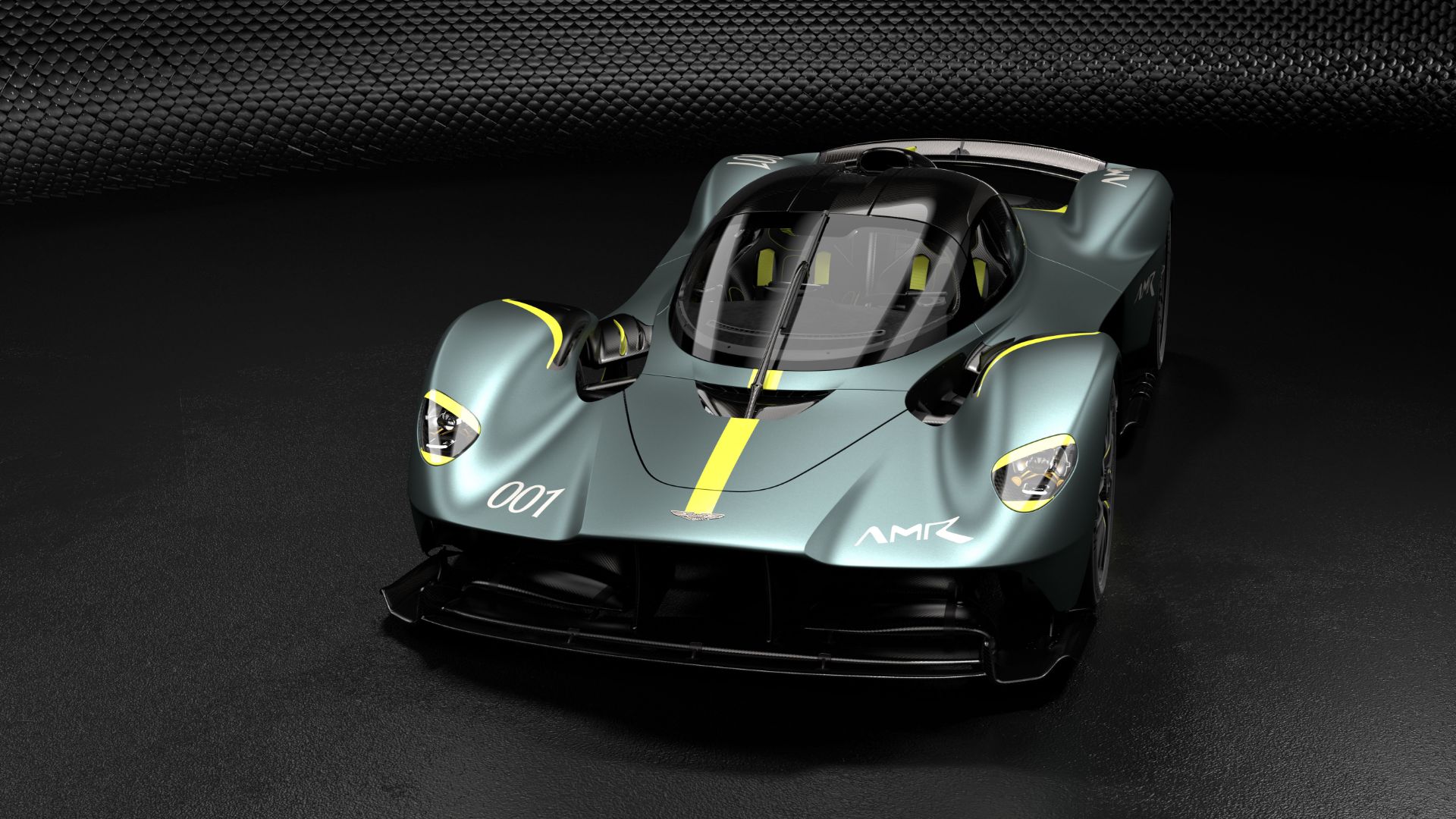
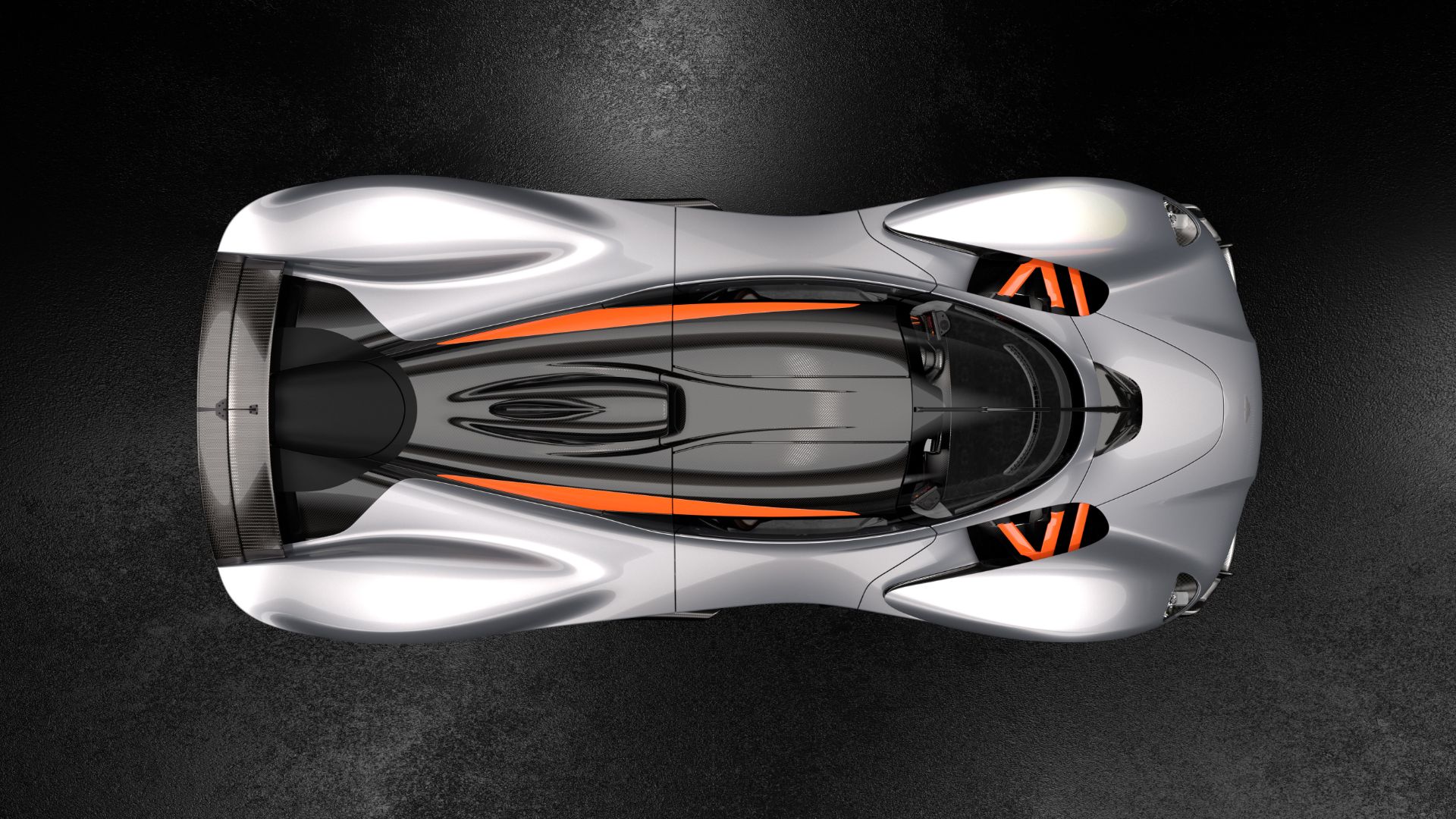
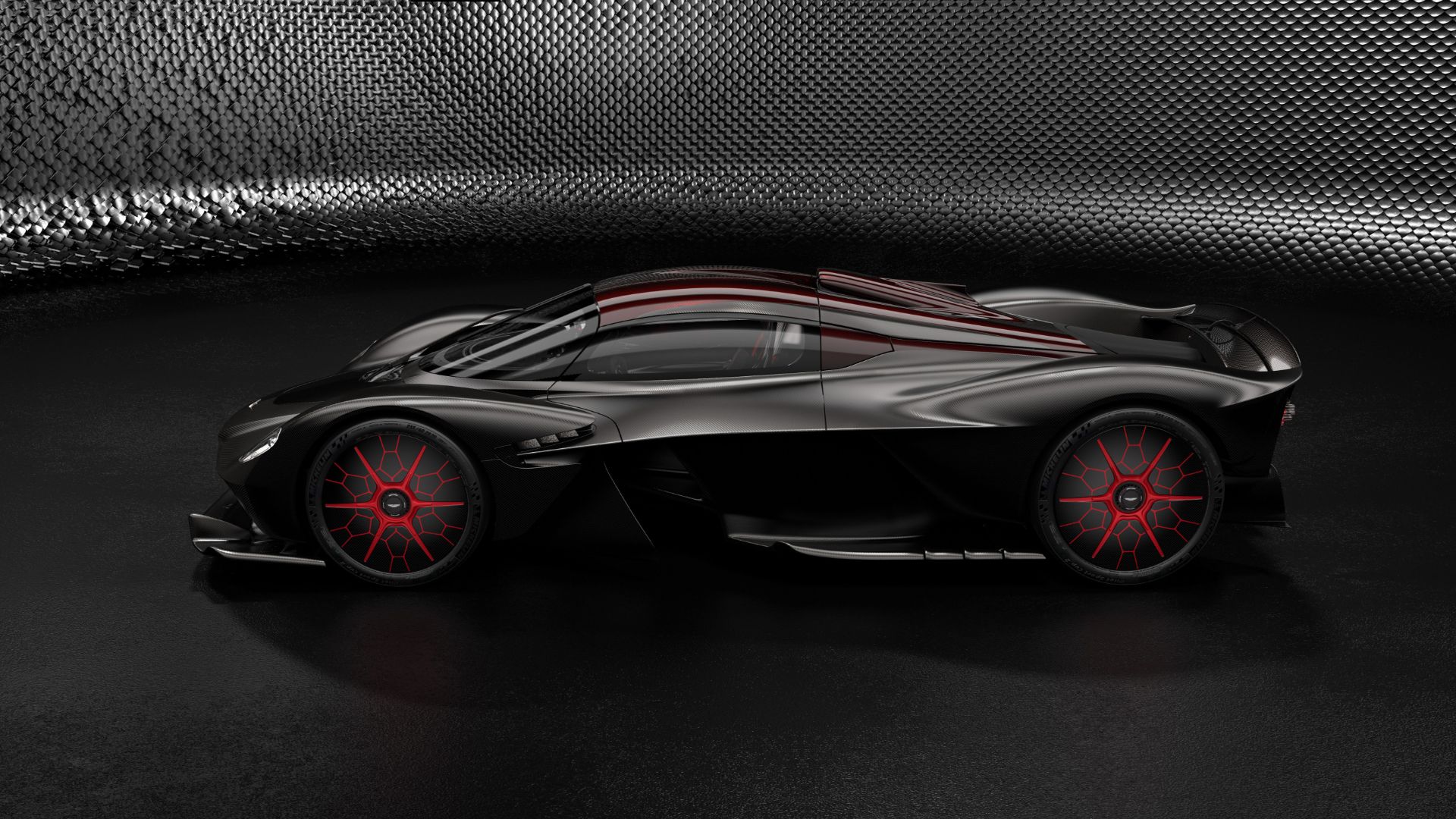
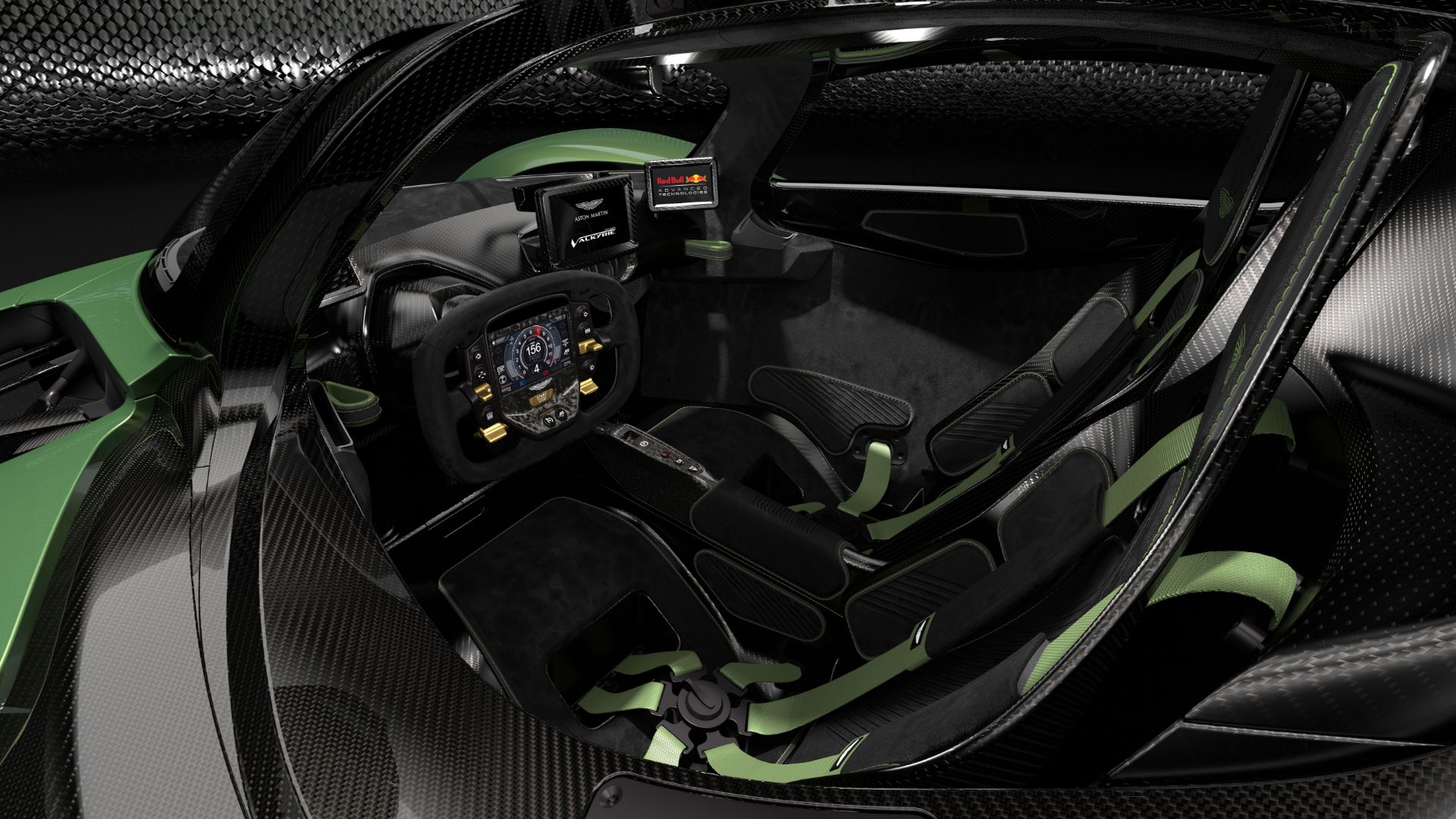
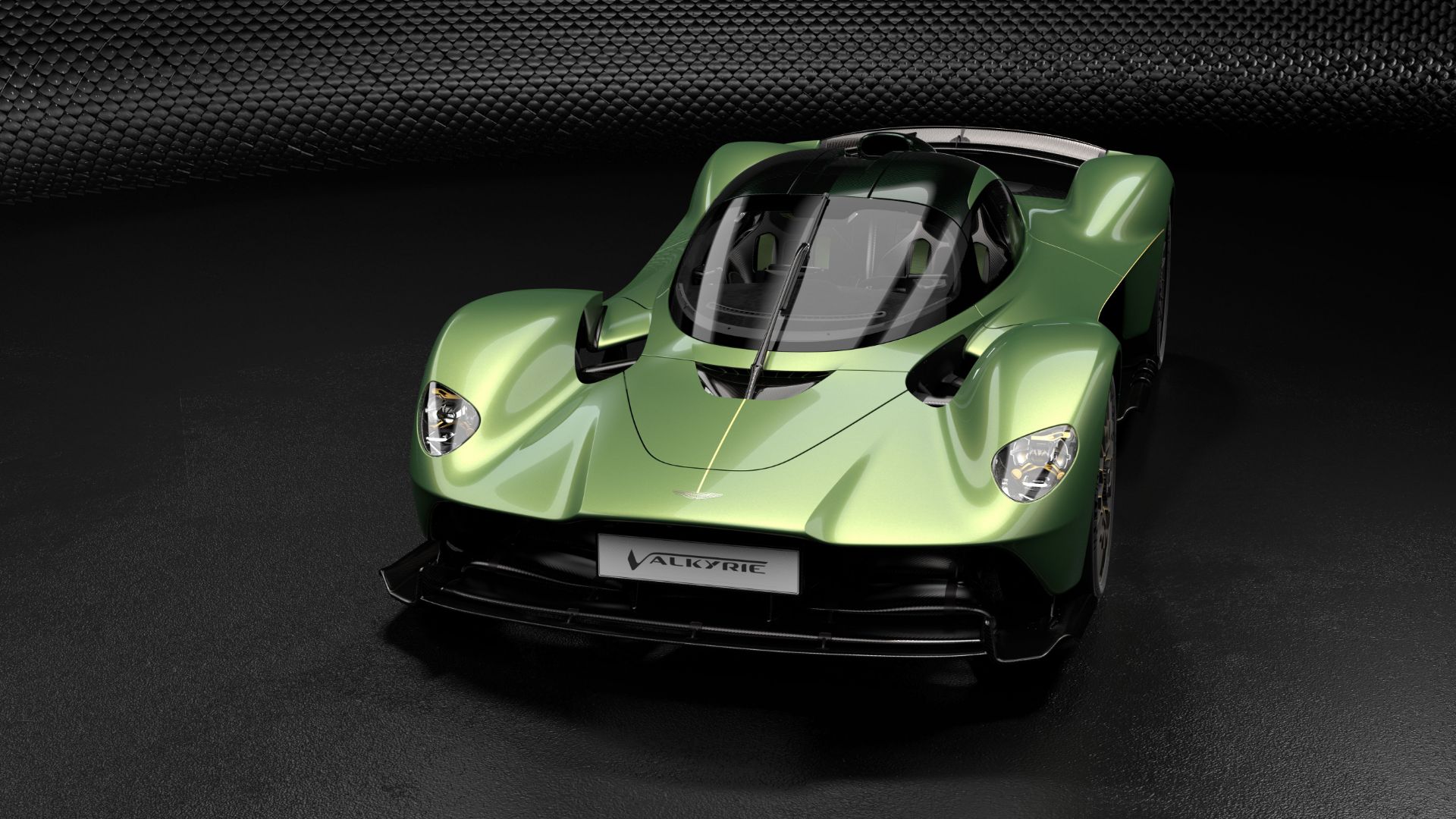
It’s a day-by-day countdown until the Aston Martin Valkyrie is ready to roll. The latest developments are the AMR Track Pack and Q design specifications.
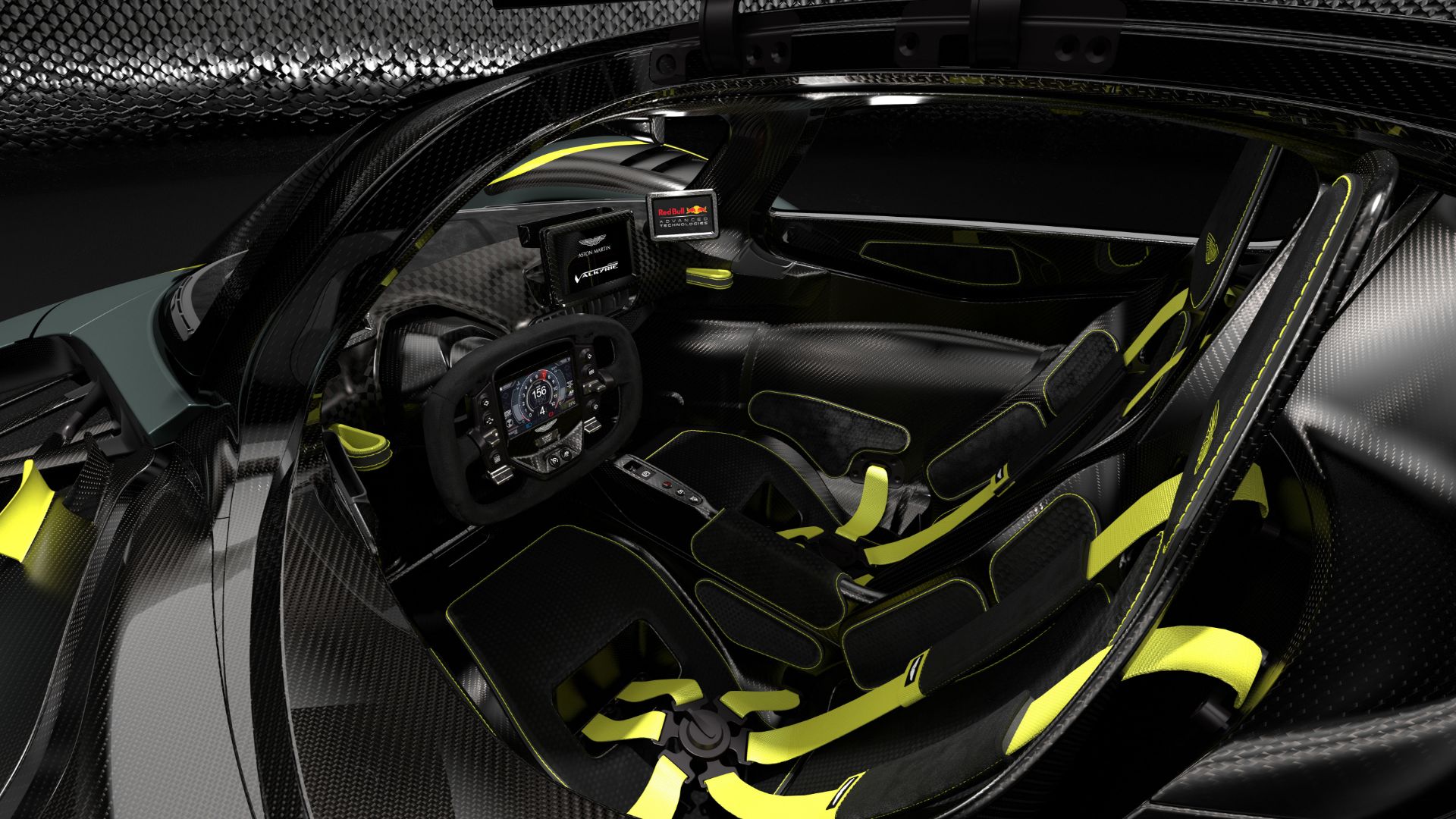
These renderings for what will be one of the most incredible hypercars ever manufactured are a sight for sore eyes.
Firstly, there’s the AMR Track Pack – if a car like the 10,000rpm V12 Valkyrie really needs further preparation for track work…
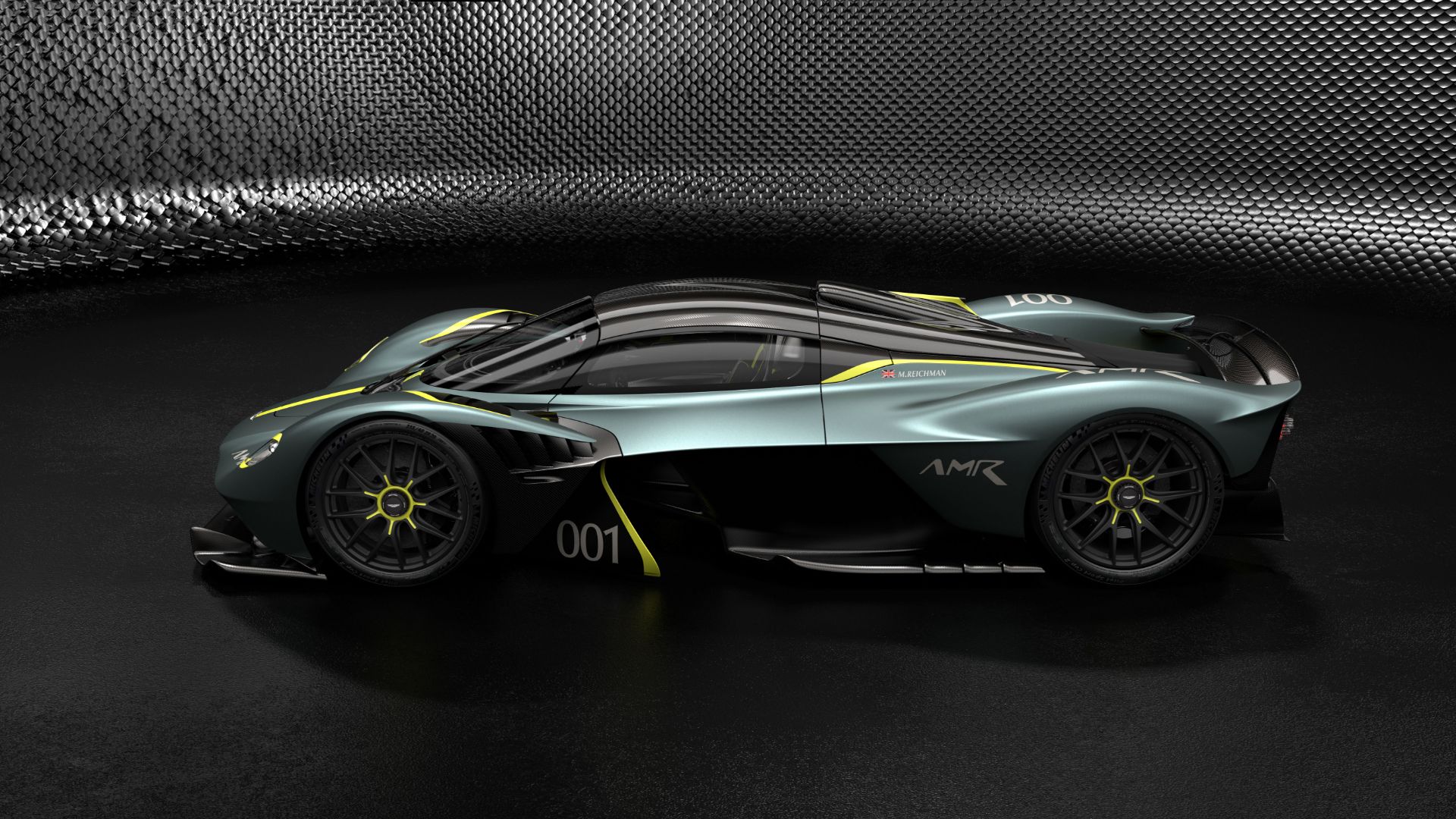
The AMR Track Performance Pack adds a new front clamshell, lightweight titanium brakes, magnesium wheels with aero discs and revised suspension.
AMR cars will also come with a separate set of exterior panels, especially for track work (a lot of the modifications aren’t road legal). Add to that a personalised race suit and pit garage for the full Le Mans racer experience.
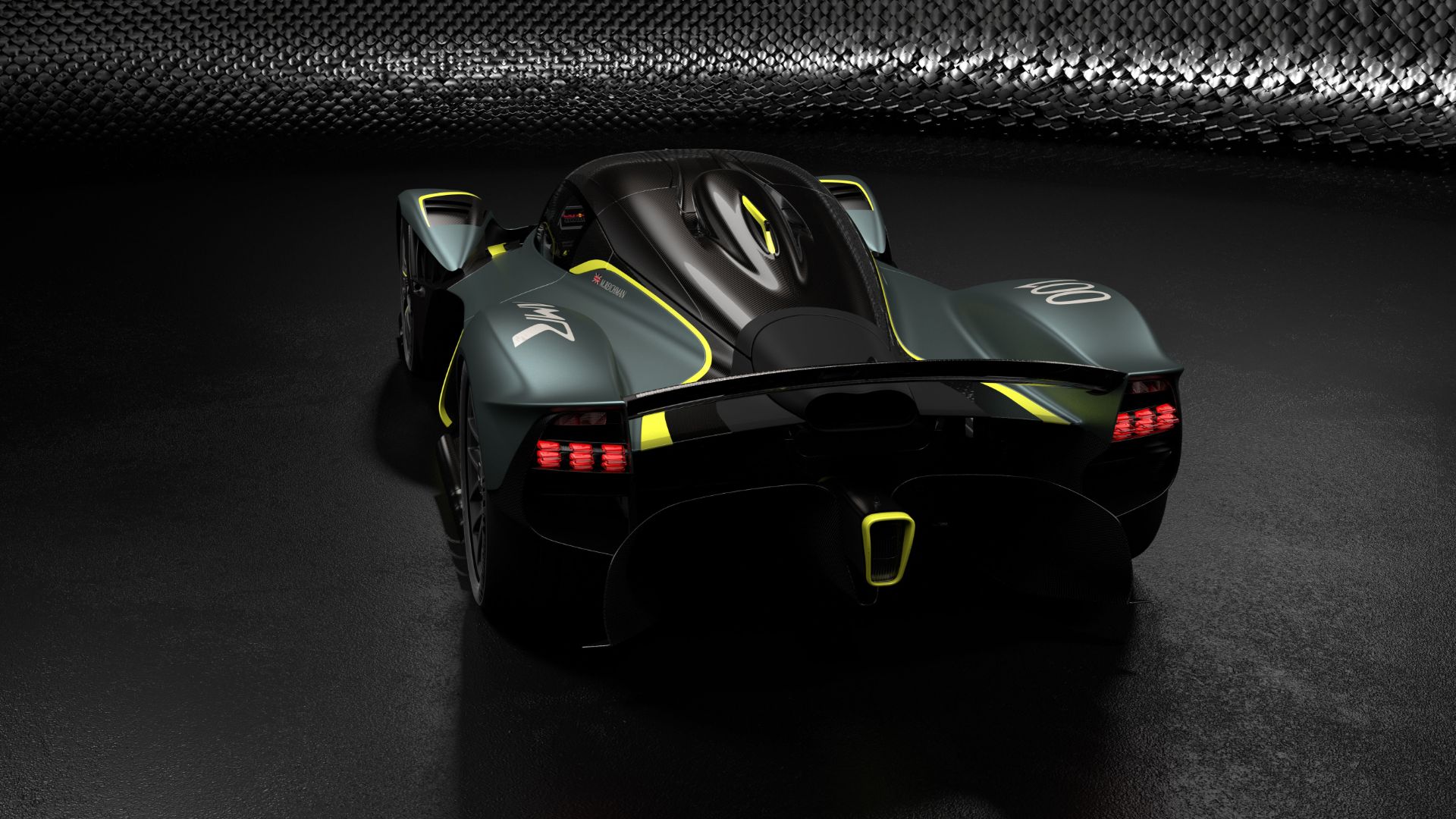
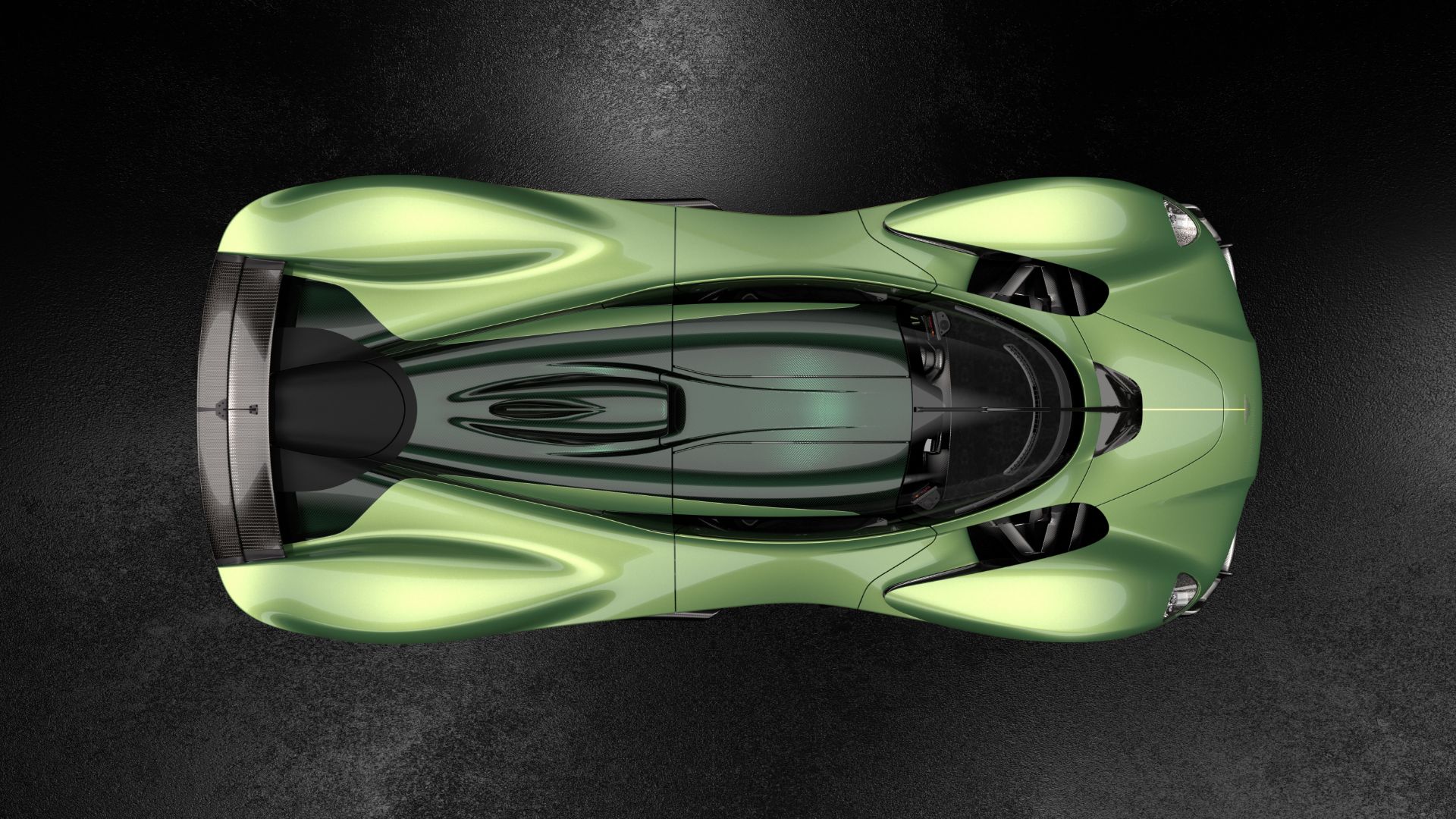
Visually, the now-familiar AMR colour scheme is demonstrated here – Lime over Stirling Green. A nice touch is Aston Martin vice president Marek Reichman’s name on the side, racer-style. This is one of three AMR-flavoured liveries available.
Ultimate Personalisation programme
It seems obvious to suggest that, as a prospective buyer for one of the 150 Valkyries being made, you have absolute freedom of customisation. ‘Standard’ specifications are for those ‘who want their Valkyrie to stay close to the designer’s vision’.
Exclusive Valkyrie colours include Slipstream Green, Liquid Petroleum, Ethanol Silver and Maximum Orange.
For those who want to think outside the box – and we suspect many will – the Ultimate Personalisation programme exists to enact your every whim with the help of ‘Q by Aston Martin – Commission’.
The stunning top inlet that hangs over an expansive NACA duct can be had in gloss black as standard, or exposed carbon fibre.
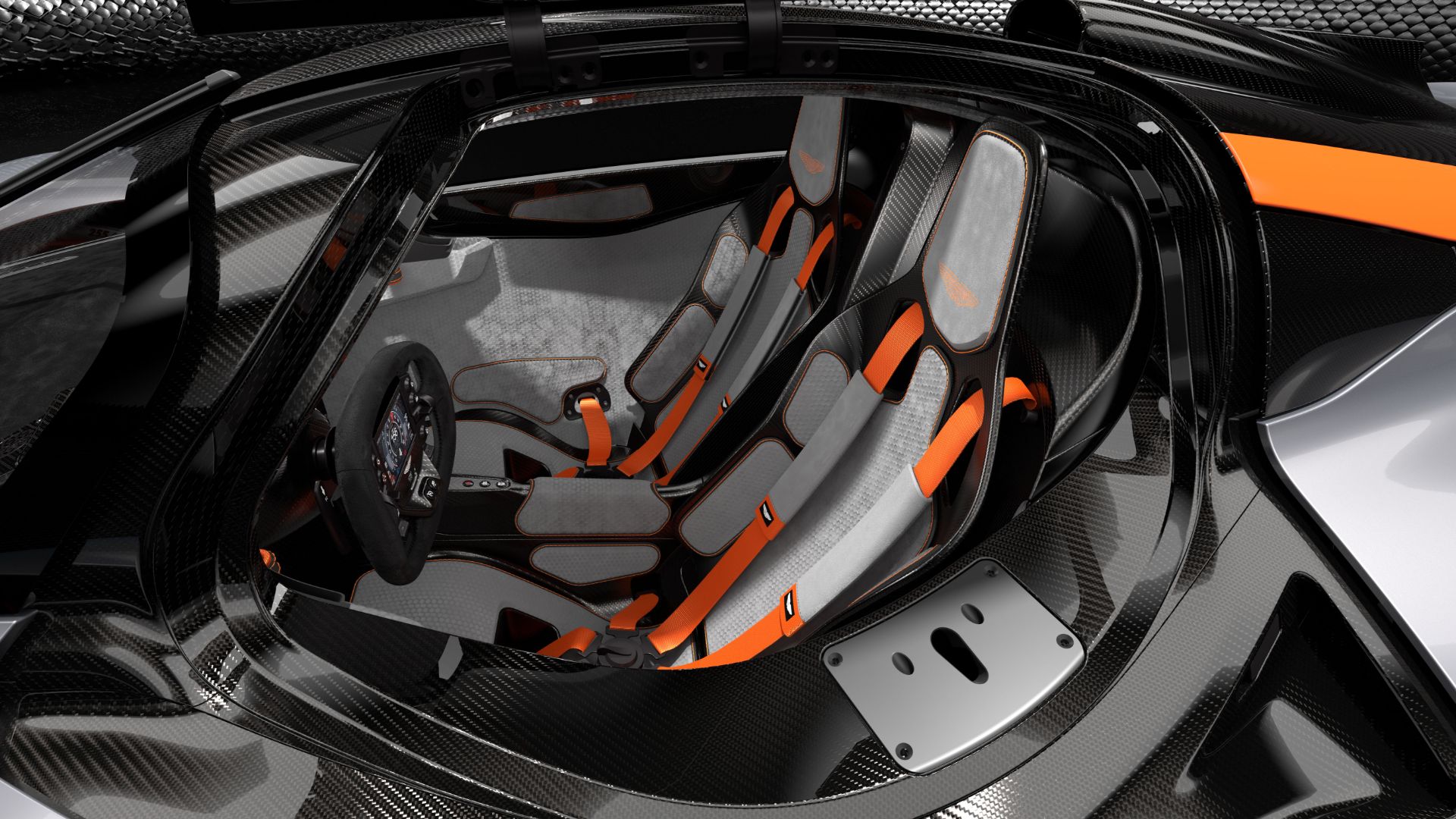
The cabin can be specified with various different colours, stitches and materials for the controls and surfaces, including titanium if you go through Q.
Q by Aston Martin – Commission
How does the Q Gold Pack sound? It features 24-carat gold leaf laid under the paint lacquer, gold-plated Aston wings, a gold anodised oil filler, gold interior detailing and gold on the honeycomb wheels. See the Mantis green car here for reference.
A Mokume Carbon Fibre option pack adorns your Valkyrie in ‘carbon jewellery’. That’s also featured on this Mantis car.
For a bit of inspiration, Aston has released renderings in various different specifications – and they are stunning.
We’d take Mantis green with gold wheels, although the Ethanol Silver with Caycous Orange highlights is rather lovely. Decisions, decisions…
What’s interesting is there are no prices listed for any of this. If you have to ask…
If you’re about to order a new company car, you might want to check out the results of the Company Car Today CCT100 Awards.
According to the fortnightly business publication, these are the best fleet vehicles across 20 sectors of the car industry, with a particular emphasis on business car operation.
Here, we take you through the winners in each category, starting with the best city car.
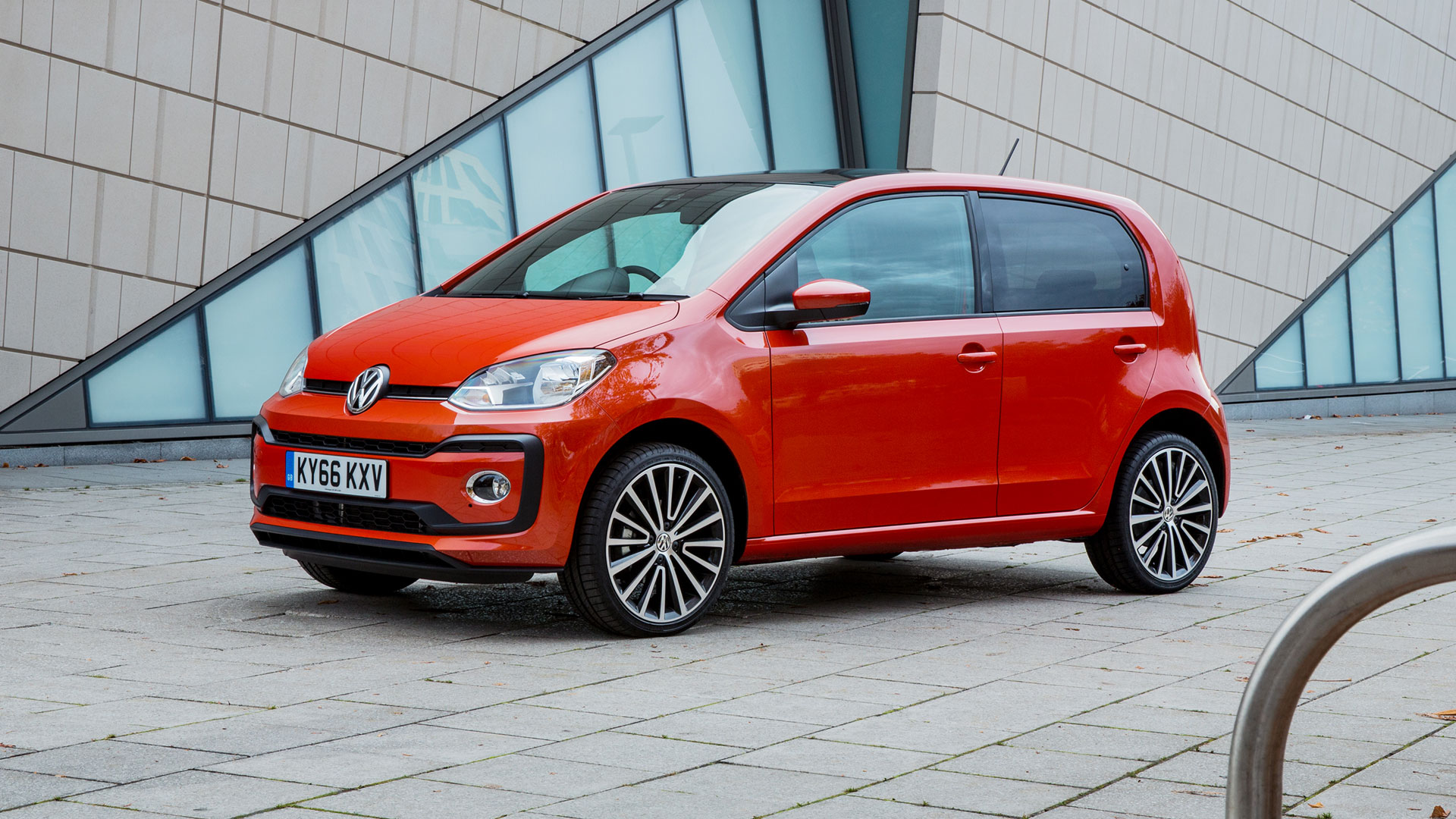
City car – Volkswagen Up
The Volkswagen Up sees off the Fiat 500, Hyundai i10, Seat Mii and Toyota Aygo to scoop the CCT100 City Car of the Year award. The judges praised its competitive P11D offering, good emissions figures and low running costs. The Up “proves small cars can manage grown-up tasks,” said the judges.
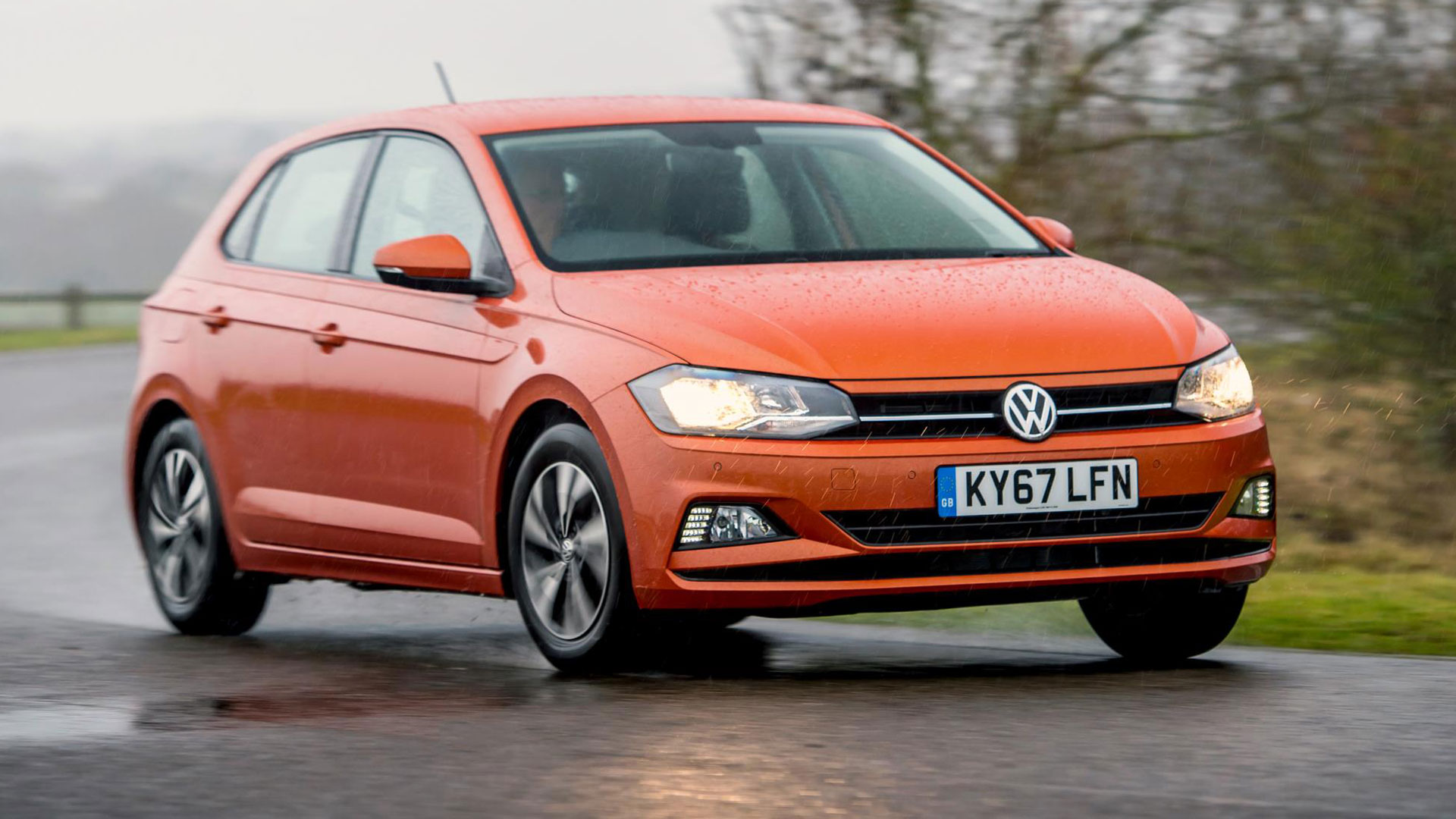
Supermini – Volkswagen Polo
Keeping it in the family, the Volkswagen Polo is deemed good enough to be named CCT100 Supermini of the Year for the second year in a row. Company Car Today called it a “running costs champion”, although it’s let down by the high cost of insurance. “It’s a car that’s as at home on longer higher-speed runs as it around town,” said the judges.
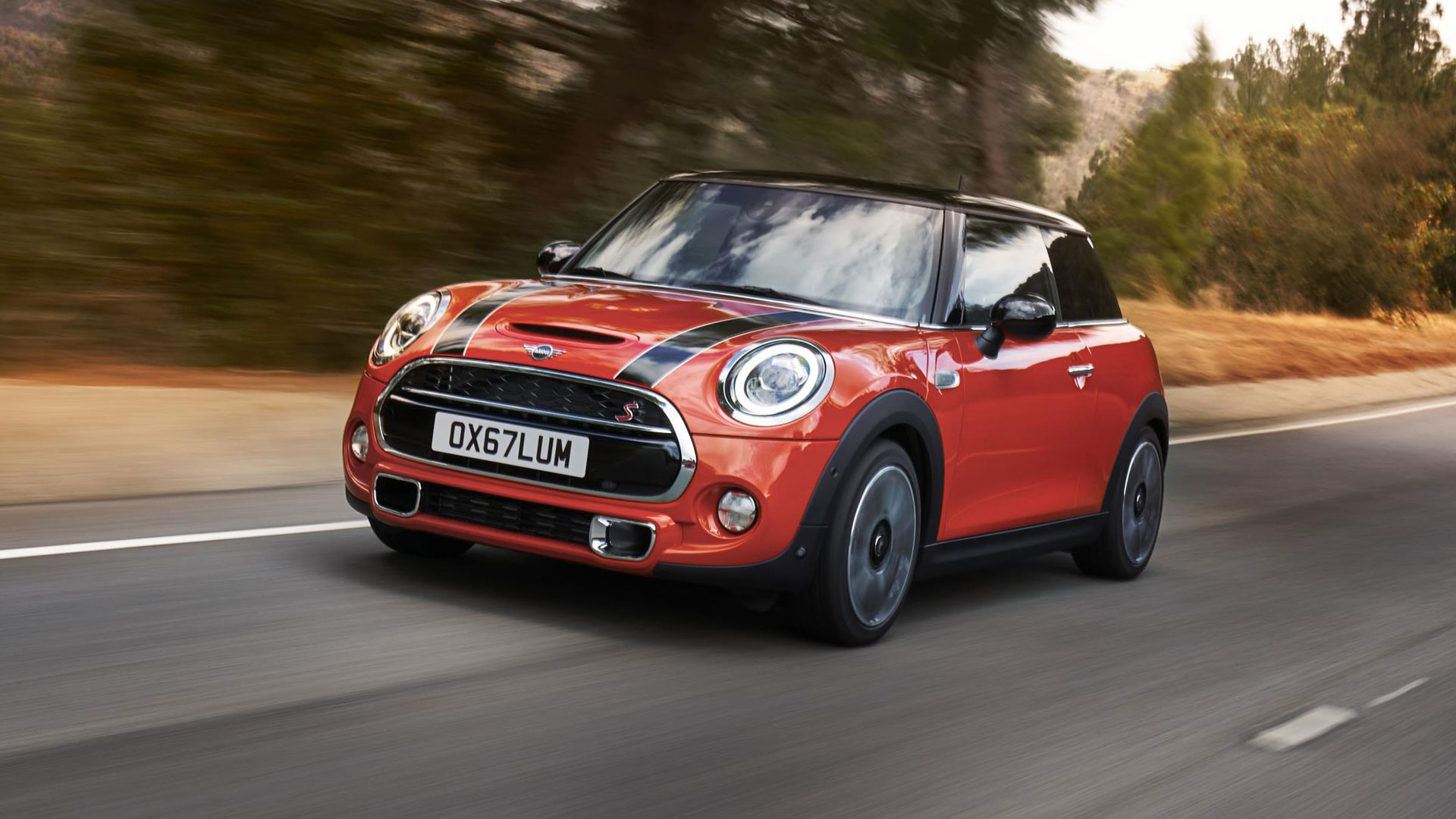
Premium supermini – Mini Hatch
The Mini Hatch retains its title of Premium Supermini of the Year, with the judges appreciating its strong engines, superb handling and sensible pricing. The magazine did concede that the ride quality could be better.
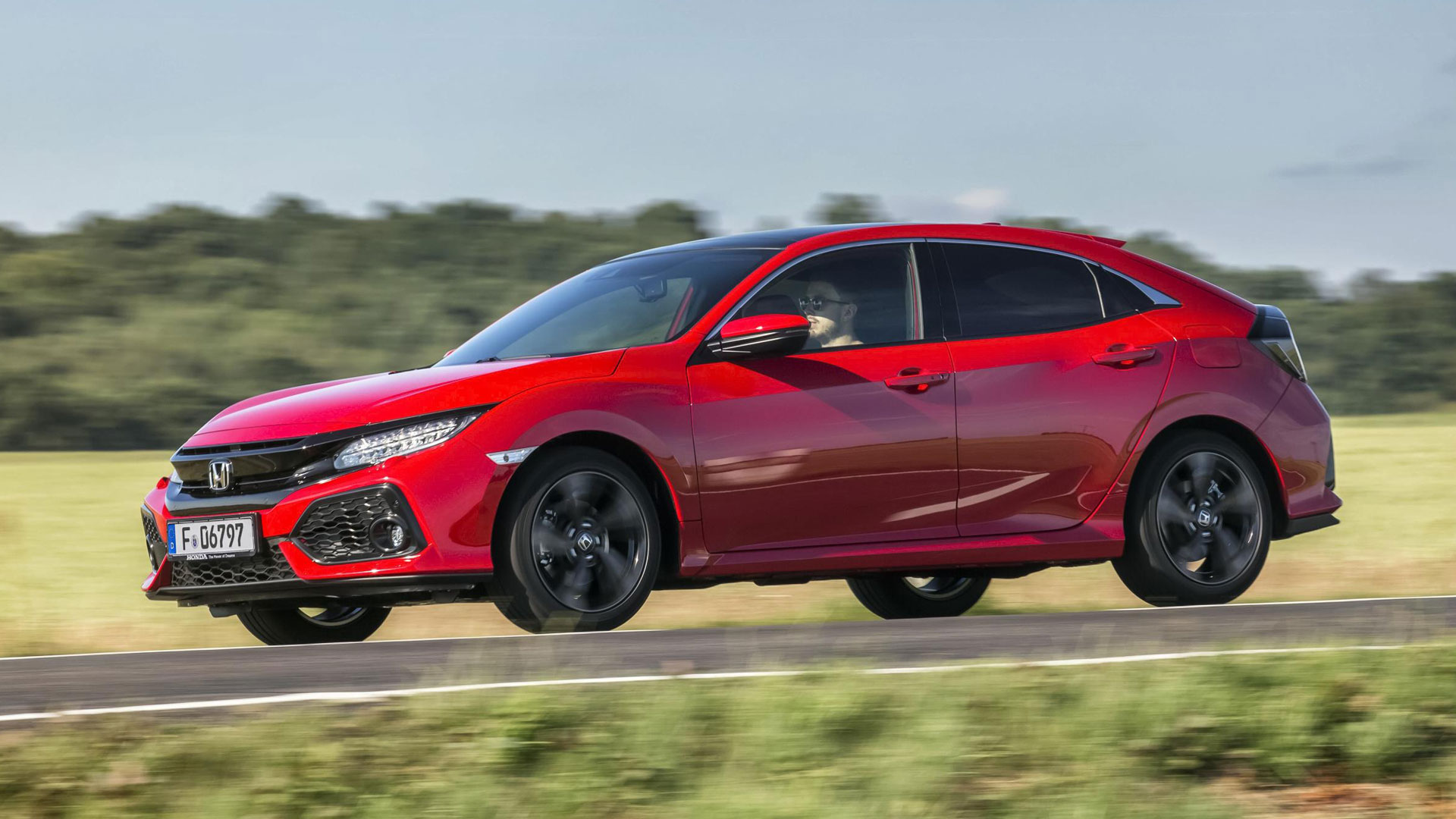
Lower medium – Honda Civic
To finish top in the Lower Medium Car of the Year category, the Honda Civic had to rise above some serious competition. The Ford Focus, Skoda Octavia and Volkswagen Golf are sector heavyweights, while Hyundai Ioniq is a champion of green motoring. “It’s a great all-rounder in the most core fleet of segments, and that’s why despite some renewed strong competition this year, it’s again a clear winner,” said the judges.
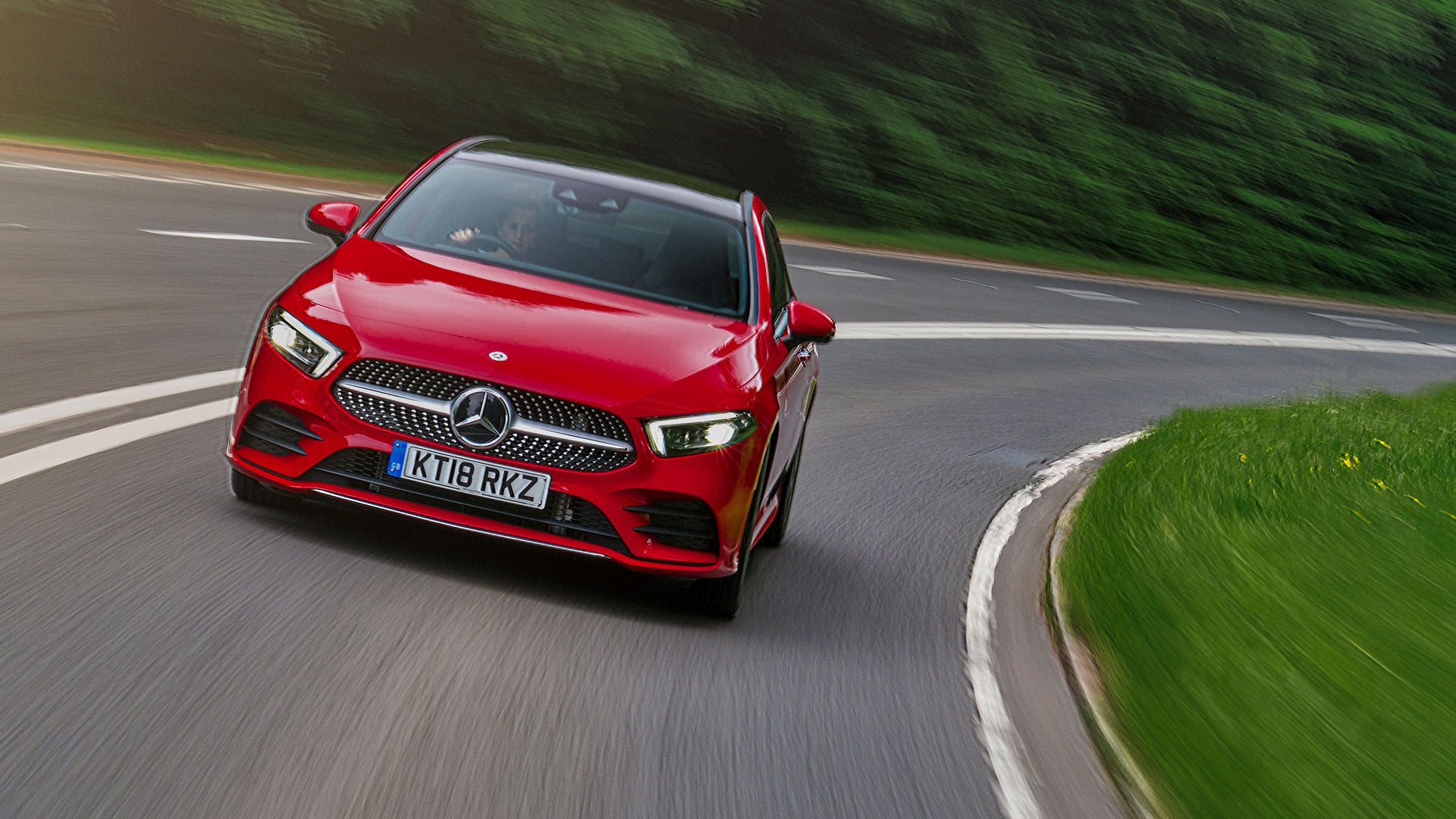
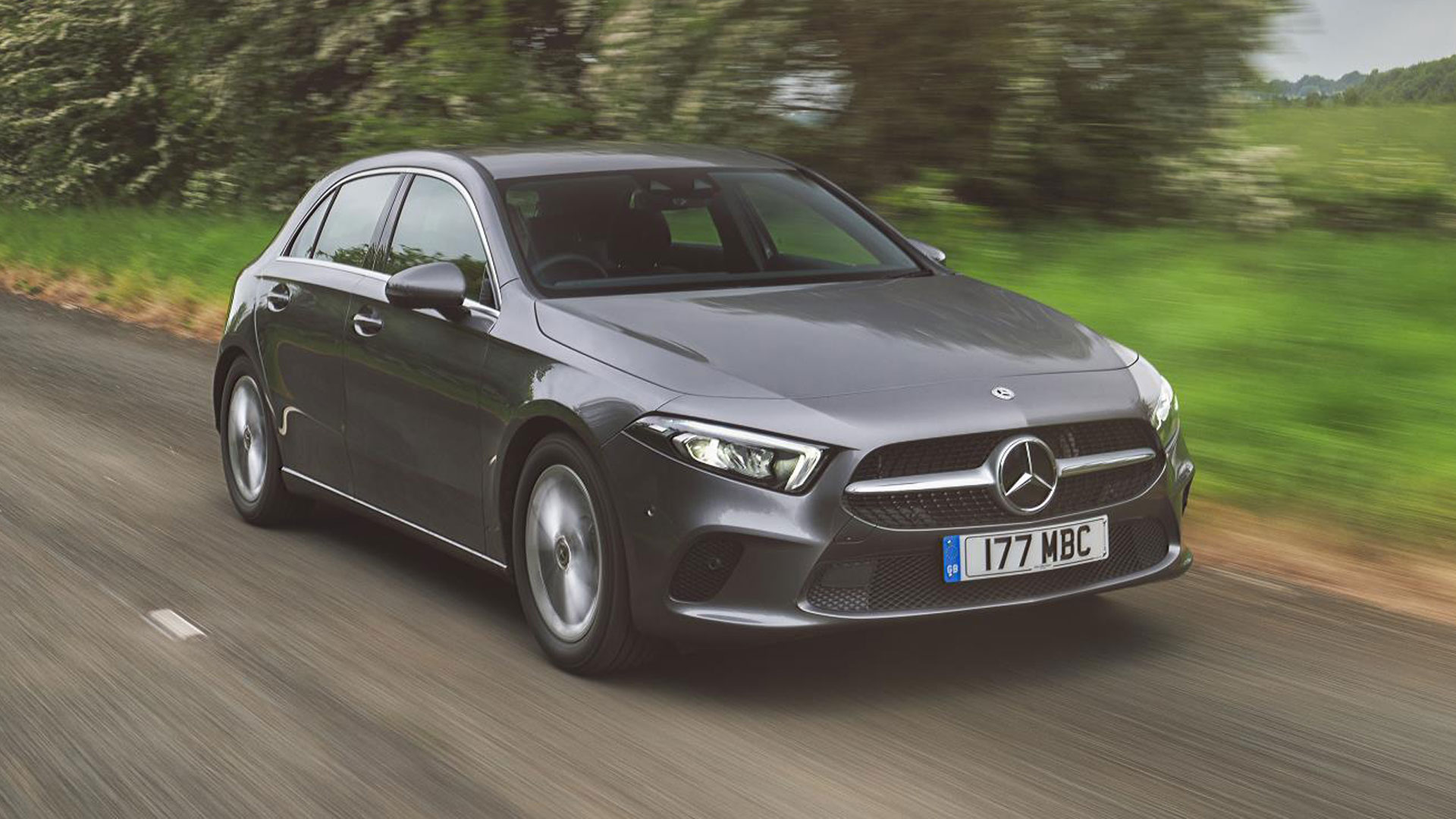
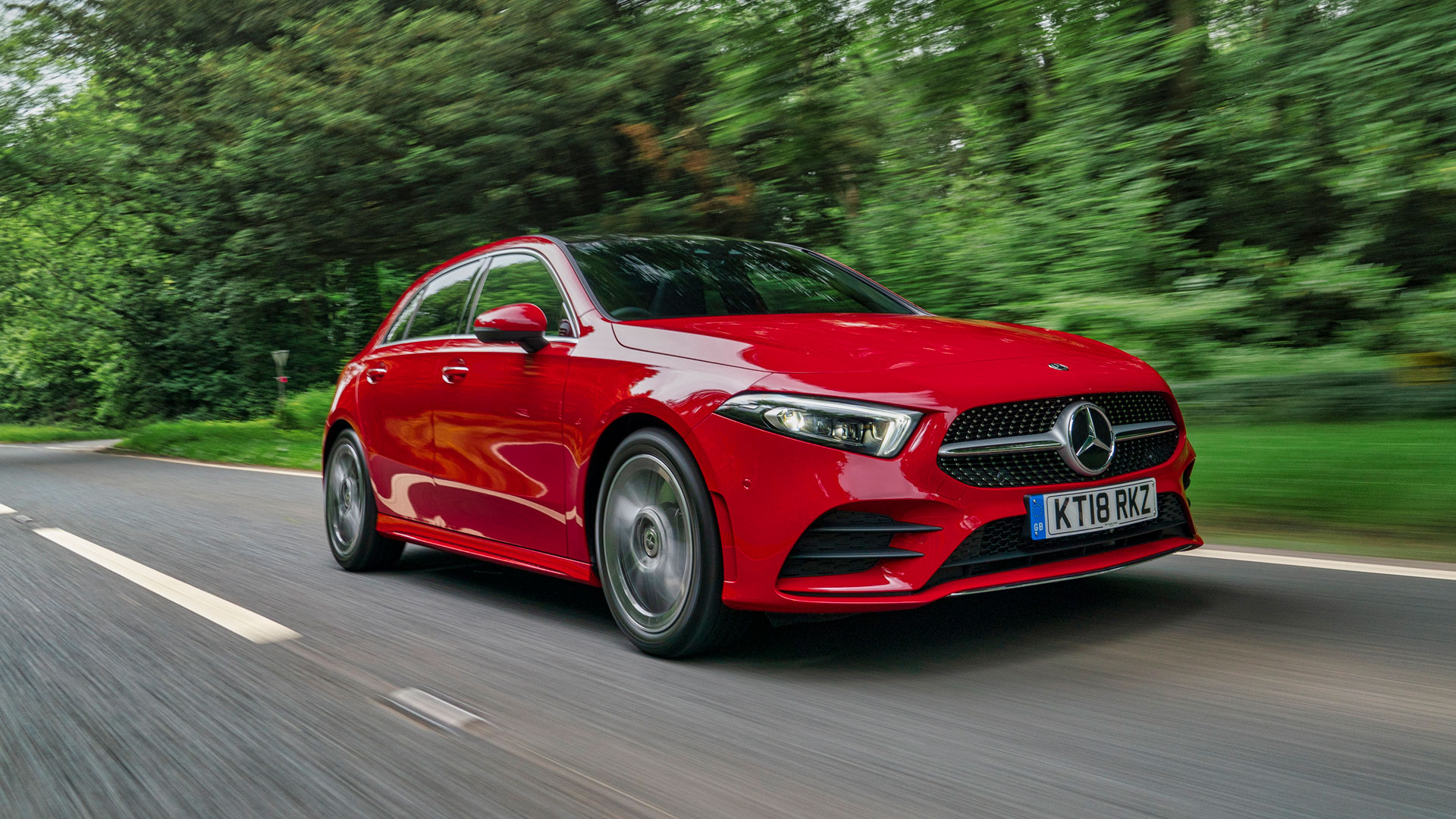
Premium lower medium – Mercedes-Benz A-Class
Mercedes-Benz is one of the first brands in the UK to offer a ‘next-generation’ RDE2 clean diesel engine that escapes the four percent company car tax surcharge introduced in March 2018. This was a factor in the A-Class scooping the Premium Lower Medium Car of the Year award, although the judges also praised its interior, dynamics and style.
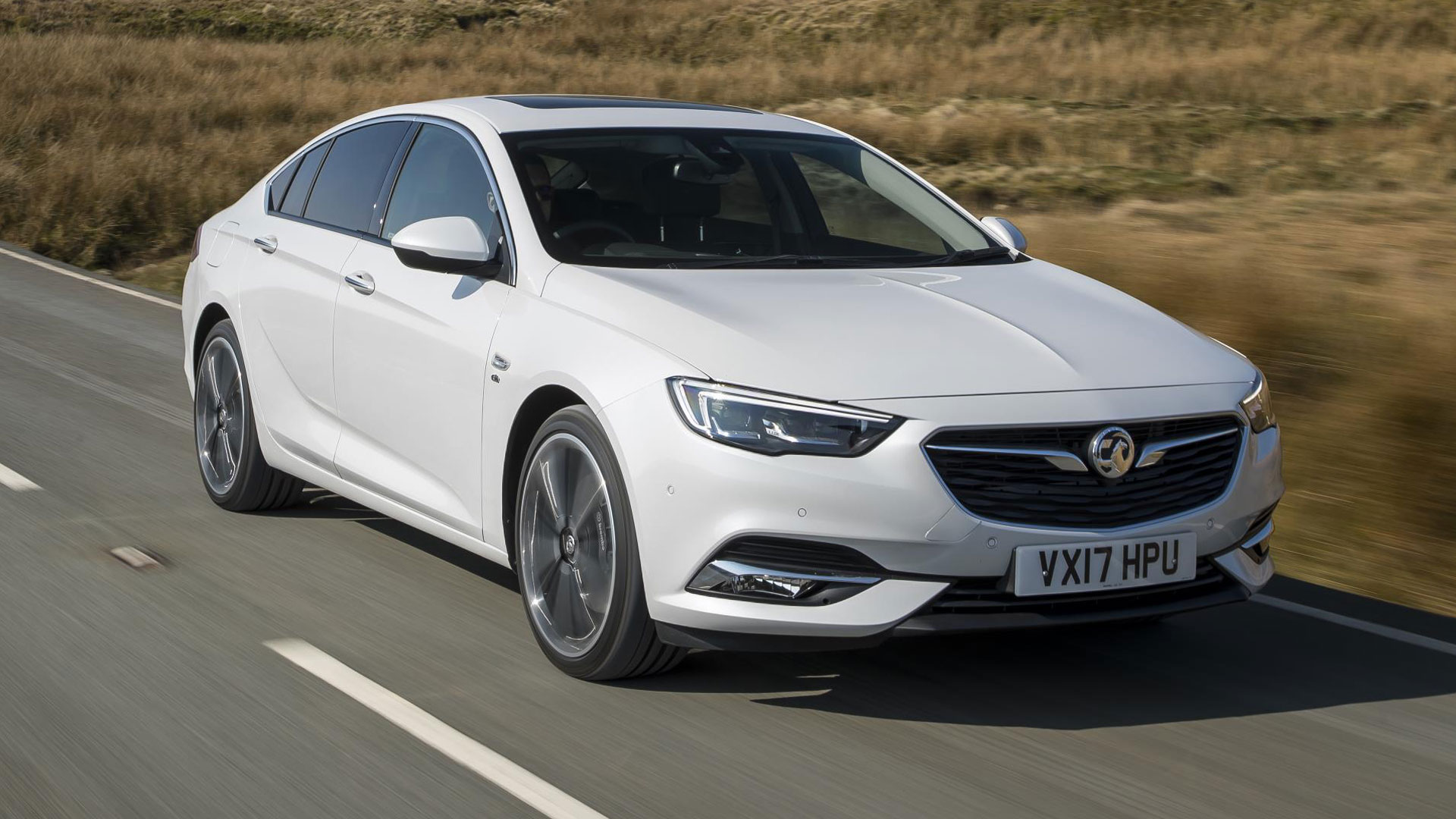
Upper medium – Vauxhall Insignia
The Vauxhall Insignia retains the Upper Medium Car of the Year crown, seeing off the new Peugeot 508, Skoda Superb, Volkswagen Passat and Toyota Prius. It appears to have been built with fleet buyers in mind, especially in Tech Line trim. The Company Car Today judges approve of its cost-effectiveness, space, style and equipment.
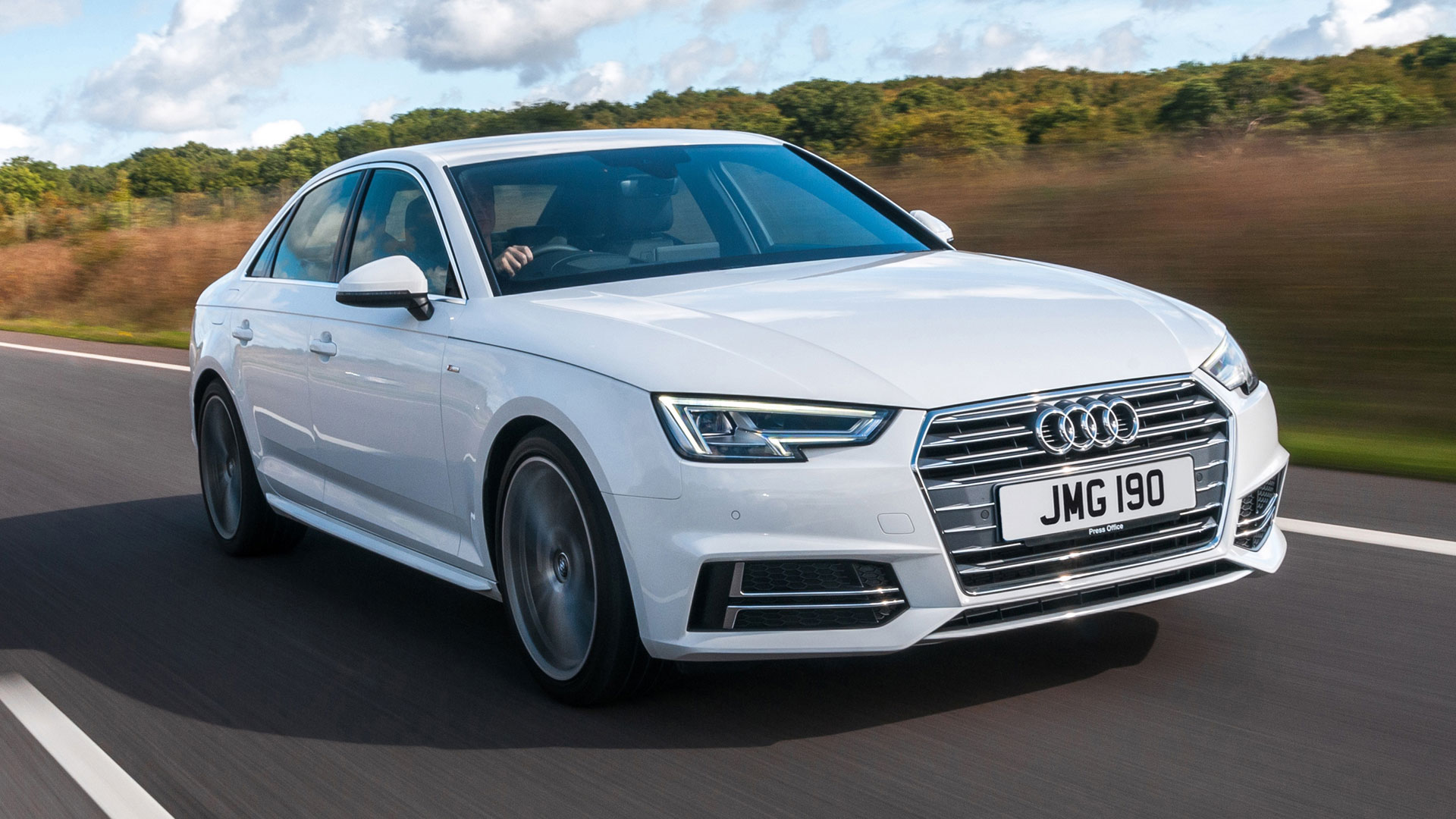
Compact executive – Audi A4
According to the judges, the outgoing BMW 3 Series ran the Audi A4 very close in the Compact Executive Car of the Year category, so our guess would be that the new 3 Series might just edge ahead of its four-ringed rival in 2020. For now, the A4 is the top dog in this aspirational sector.
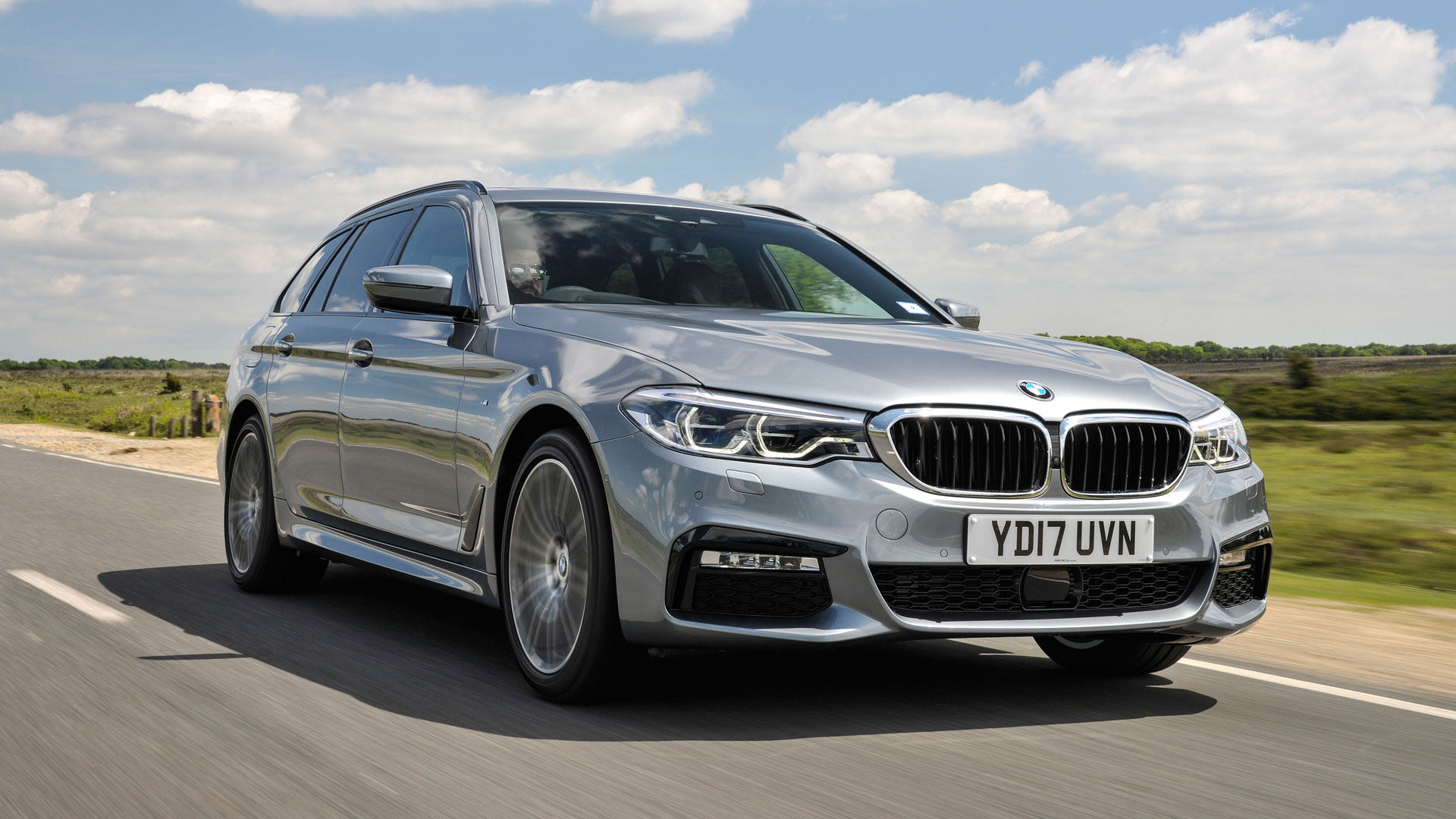
Executive – BMW 5 Series
No such problems for BMW in the segment above, with the 5 Series wafting away with the Executive Car of the Year title. The judges praised its cutting-edge connectivity, quality interior and choice of engines.
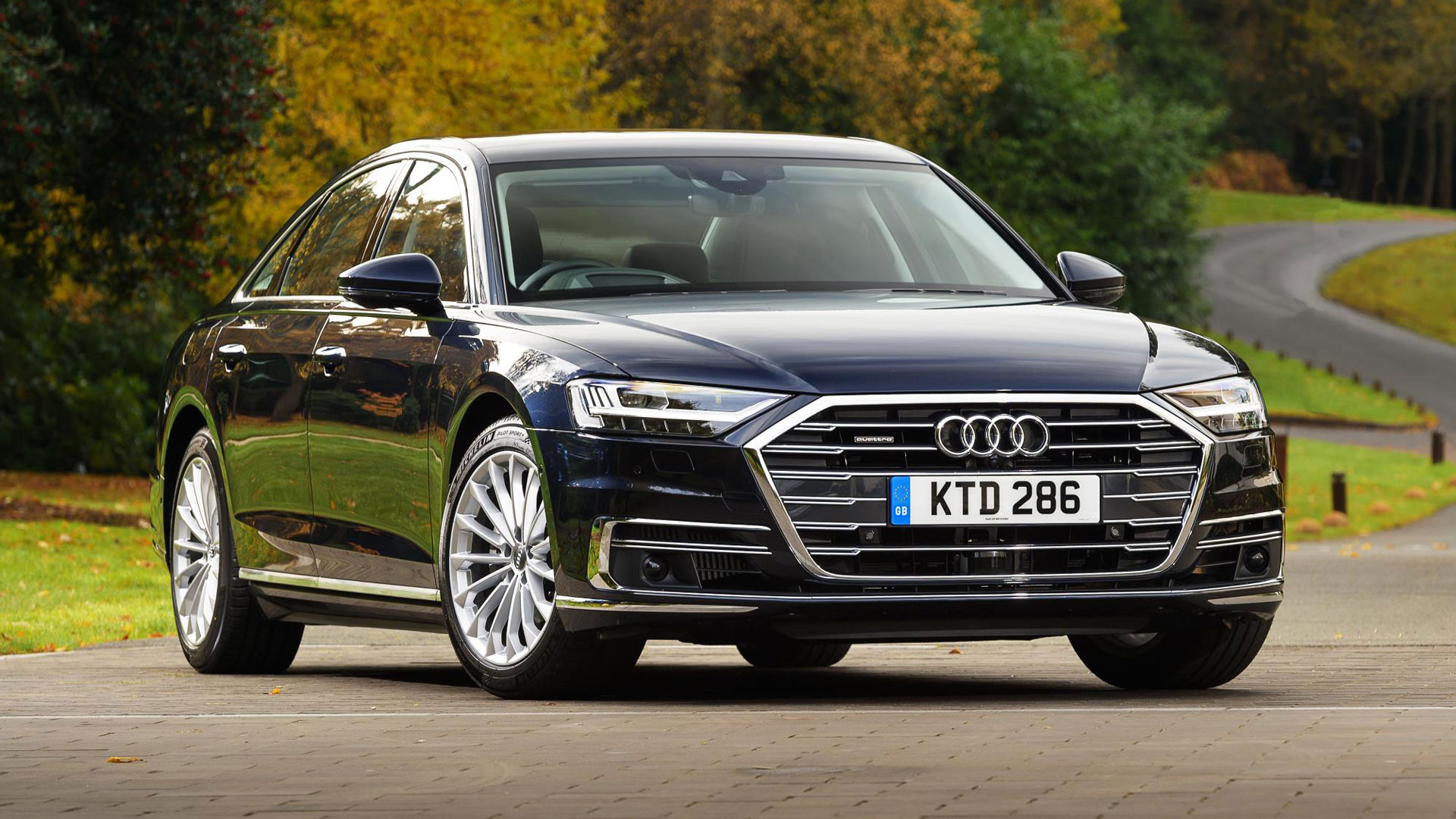
Luxury – Audi A8
The CCT100 Luxury Car of the Year category, AKA the car you’d most like to be driven home in after a long-haul flight. Upper-class honours go to the Audi A8, with the judges saying that it finished at or near the head of the field in every category. Not bad for a car which only arrived at the beginning of 2018.
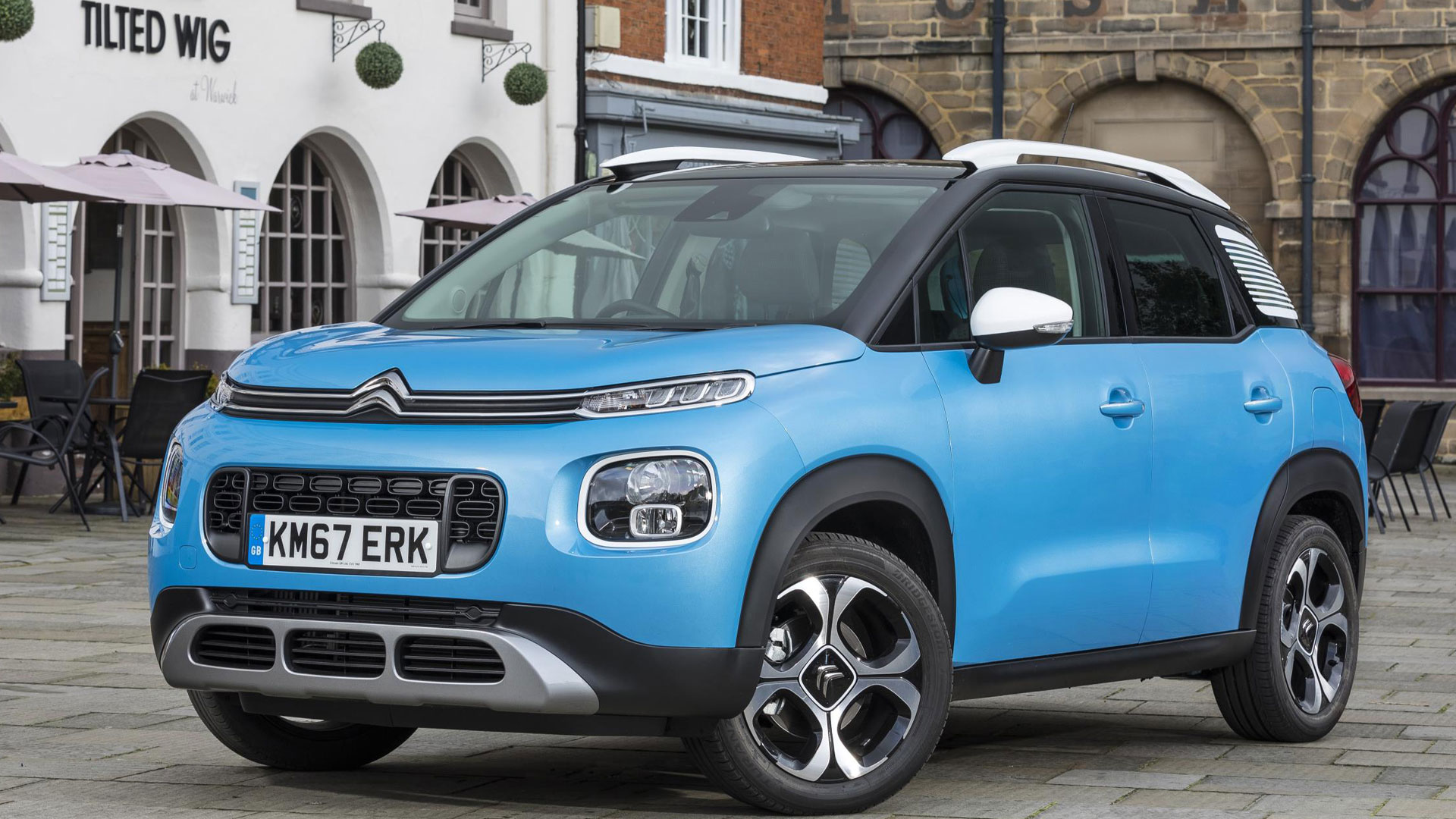
Compact crossover – Citroen C3 Aircross
Meanwhile, back in the real world, the Citroen C3 Aircross is victorious in the Compact Crossover of the Year category. The little Citroen excels thanks to its list price, great emissions, space and low company car payments.
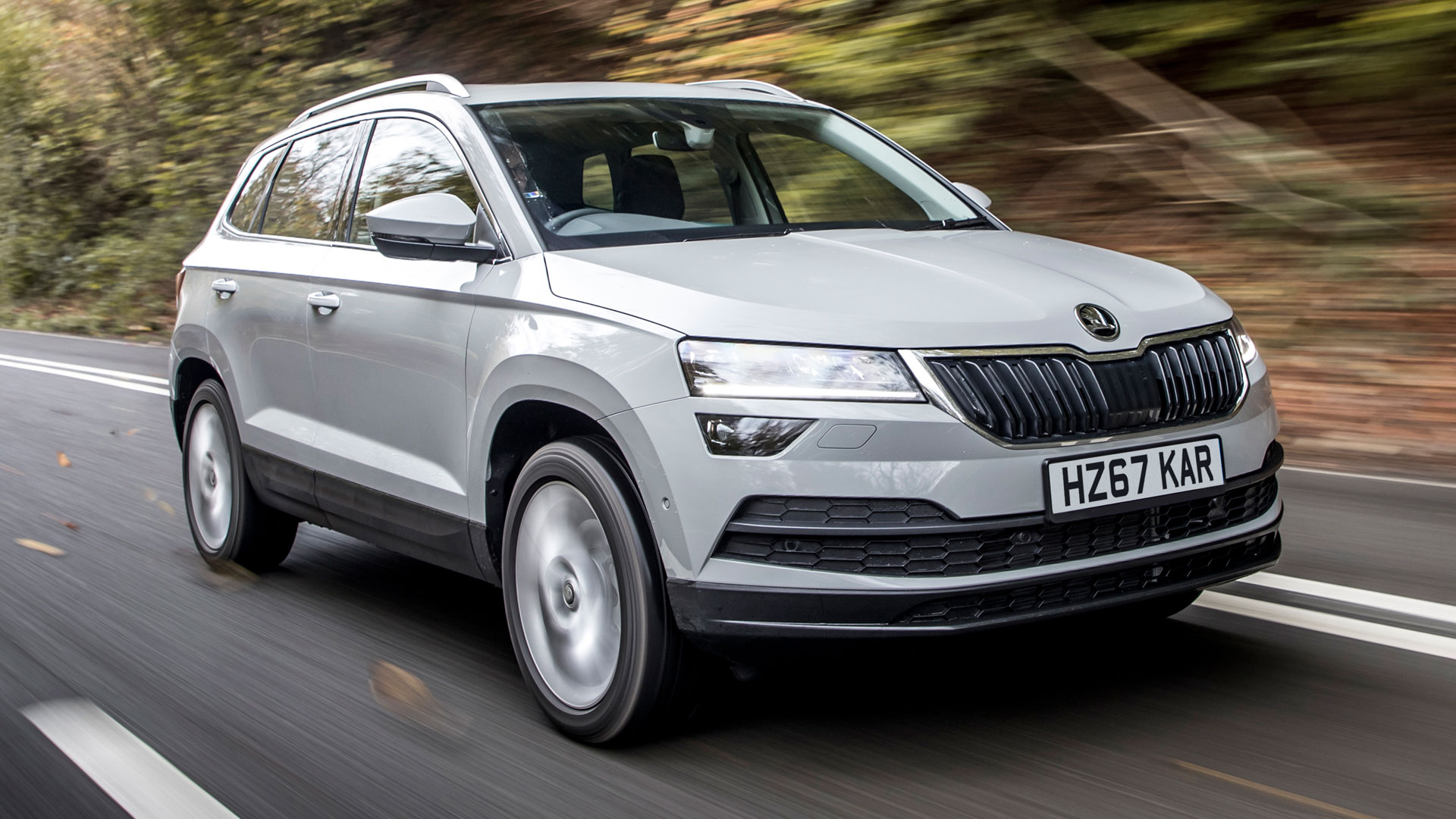
Crossover – Skoda Karoq
The Karoq is the only Skoda to win an award, but the Czech company will be delighted to come out on top in this highly competitive category. The crossover formerly known as the Yeti beat the Nissan Qashqai, Peugeot 3008, Seat Ateca and the Toyota C-HR. “The crossover scores well across the board,” declared the judges.
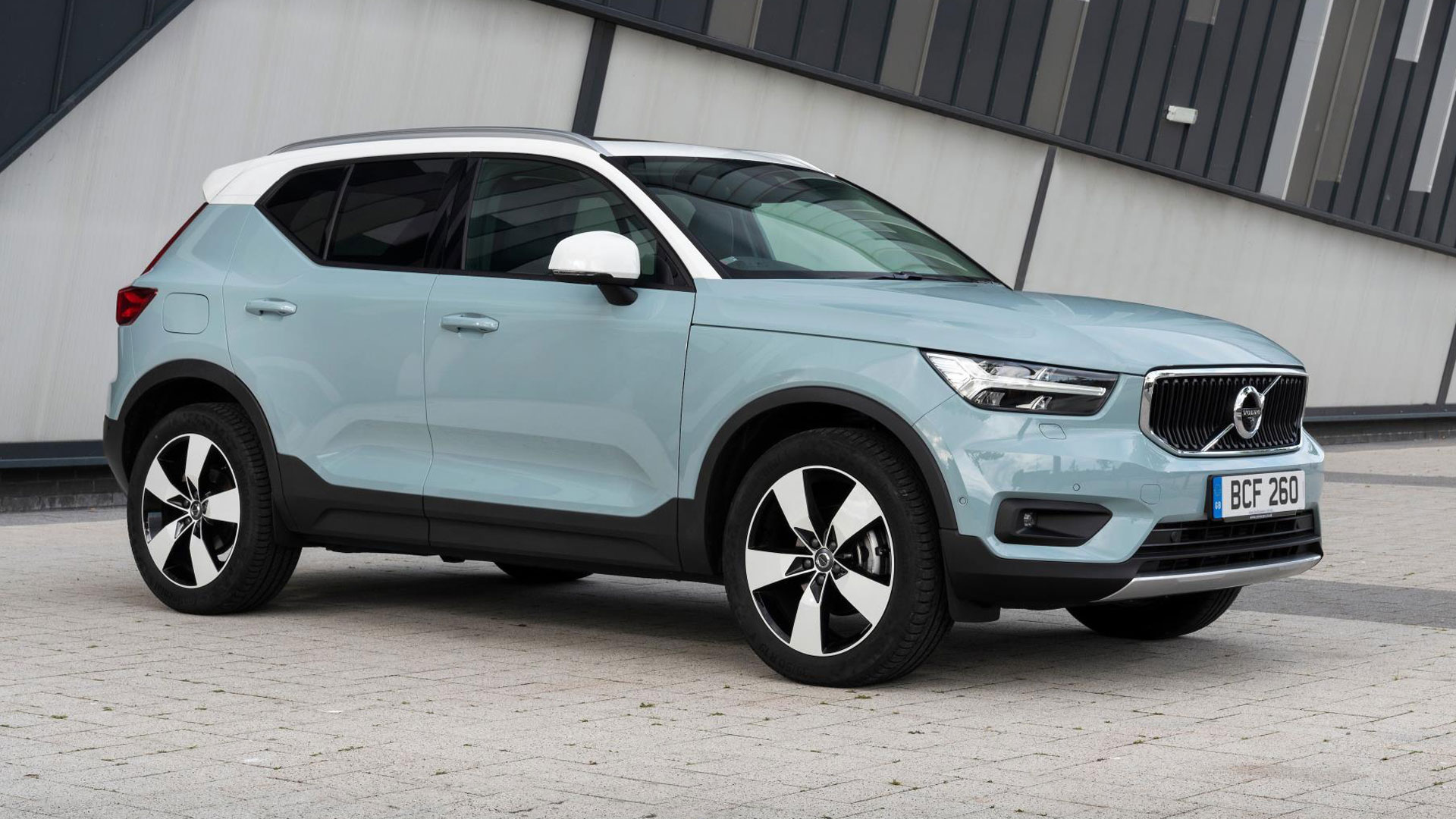
Premium crossover – Volvo XC40
Is there an award the Volvo XC40 hasn’t won? To be fair, the XC40 is almost faultless, offering stylish good looks, a best-in-class interior, strong residual values and strong safety credentials. The judges did say that the P11D price and emissions could be better, mind.
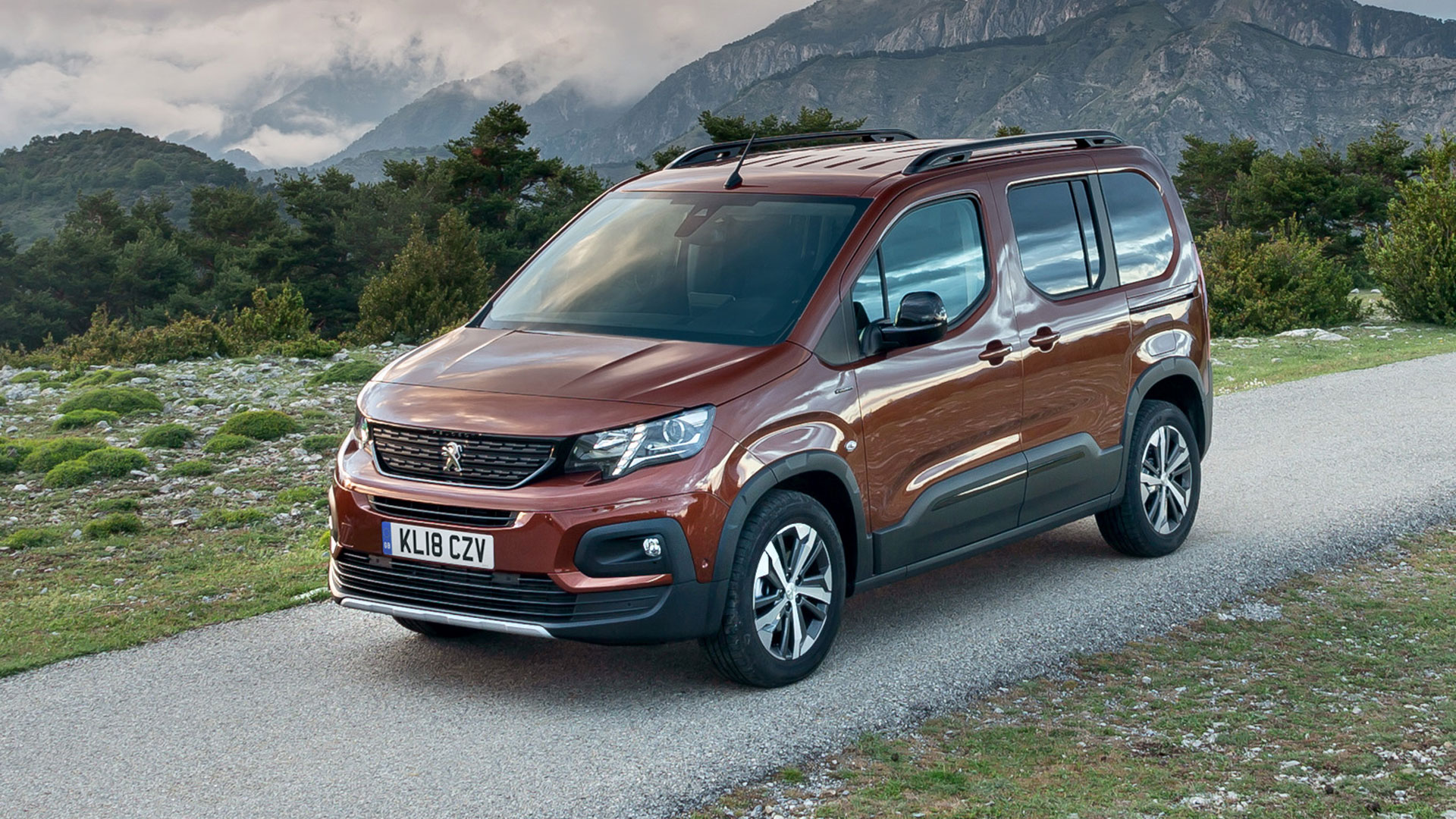
MPV – Peugeot Rifter
The Rifter shares its platform with the Citroen Berlingo and Vauxhall Combo Life, but it’s the Peugeot that wins the MPV of the Year award. It offers 775 litres of boot space, increasing to a huge 4,000 litres with the seats folded down. The Rifter also scores well for its low list price, excellent residuals and low insurance.
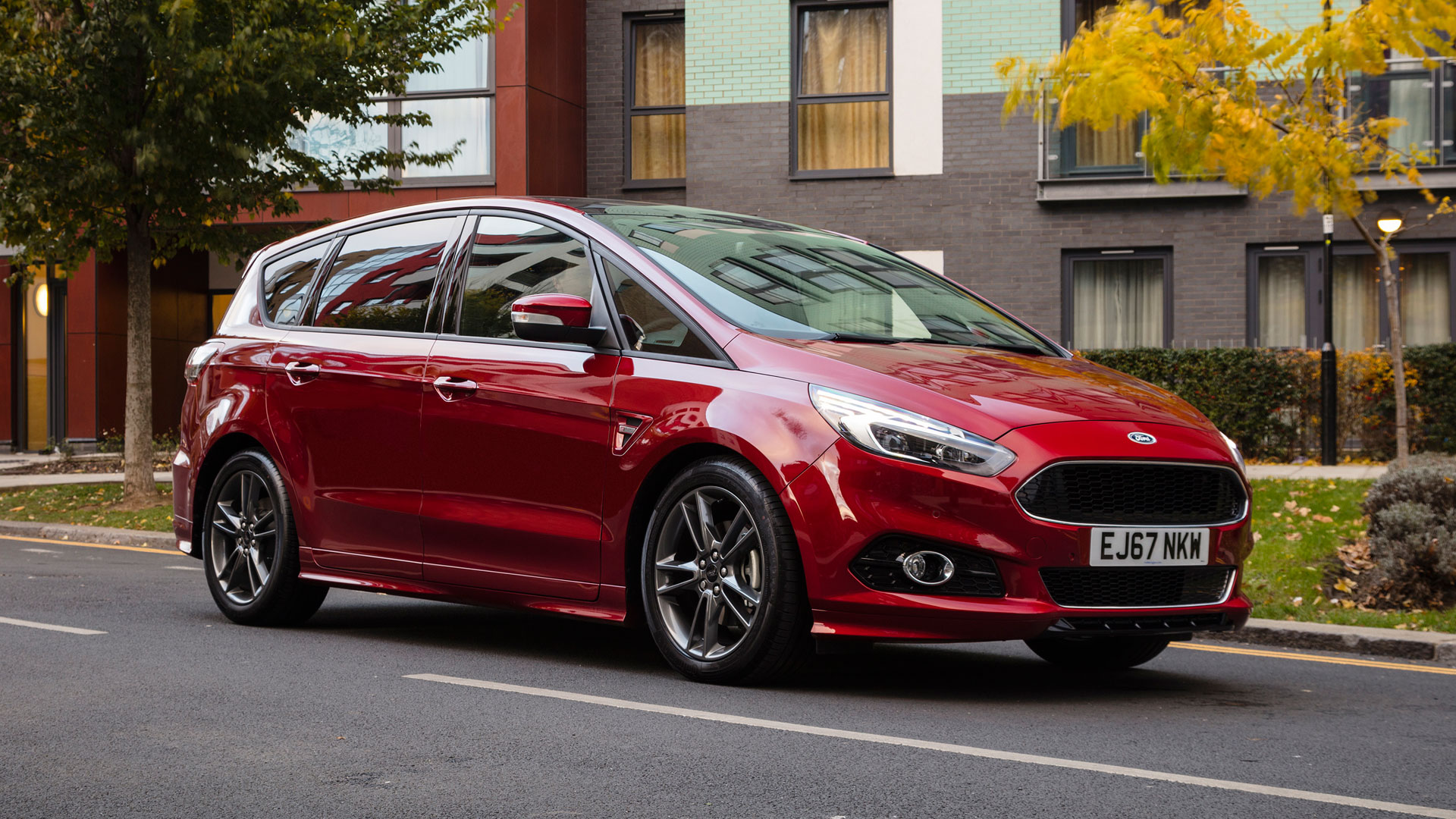
Large MPV – Ford S-Max
The Ford S-Max is named CCT100 Large MPV of the Year for the second year running, with Company Car Today praising its dynamics and efficient engines. “There’s still nothing to touch the S-Max as an overall proposition for those needing large people-carriers,” announced the judges.
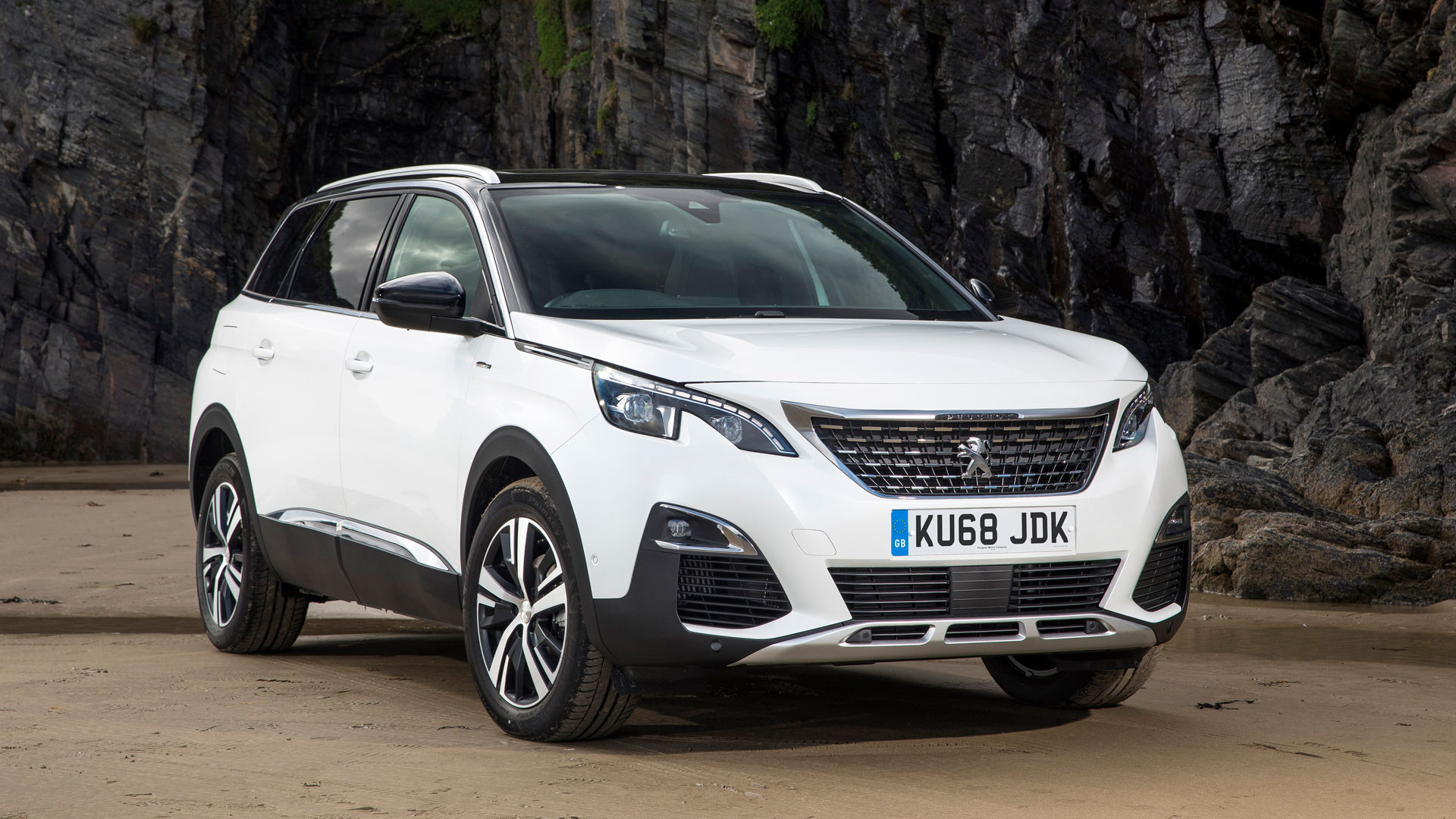
SUV – Peugeot 5008
Gone is frumpy Peugeot 5008 of old, replaced by something completely different. The fact is, if you’re after an affordable, flexible, efficient and stylish SUV, the 5008 is hard to beat. The boot offers 780 litres of luggage capacity with the middle-row seats folded up.
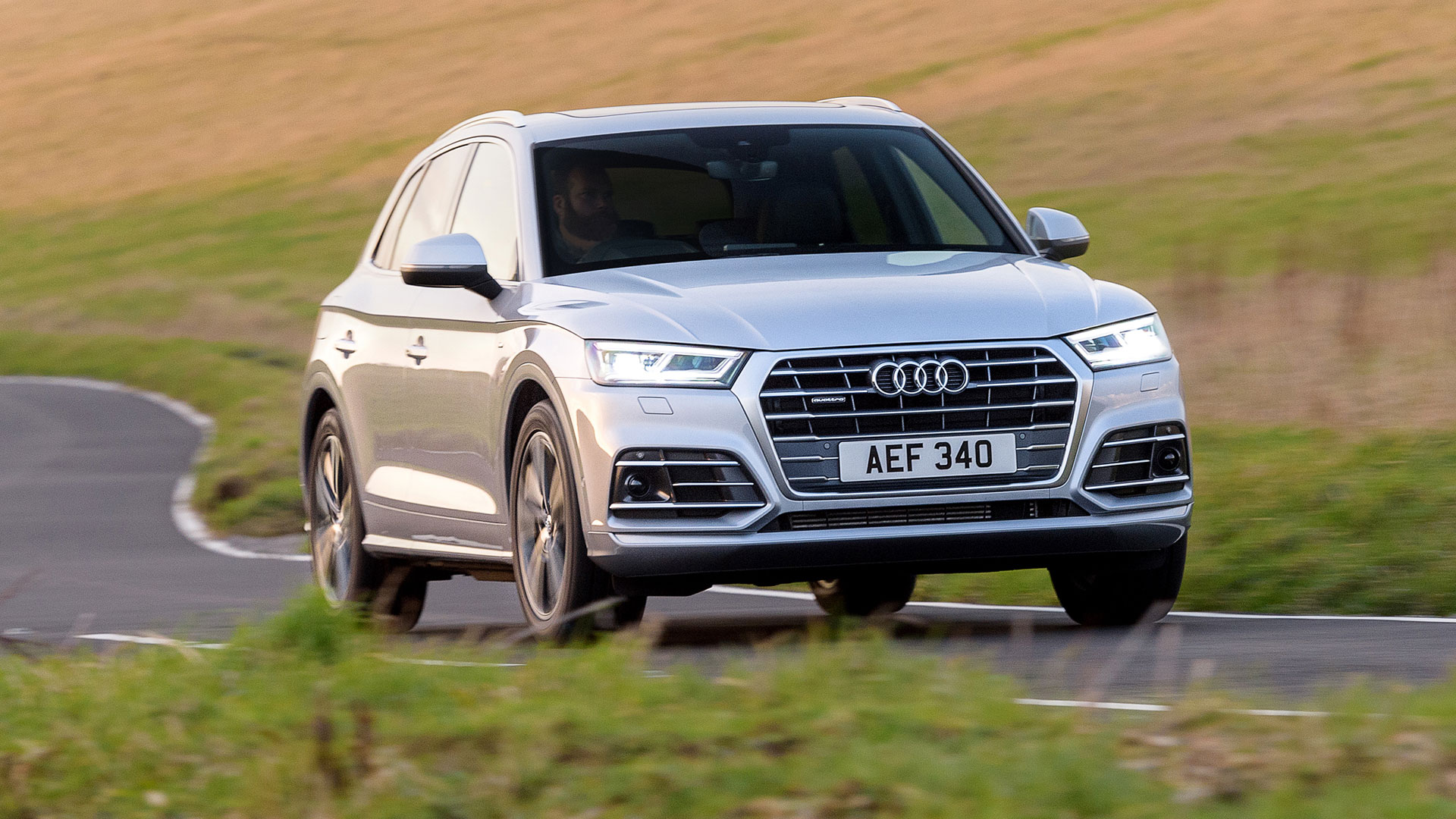
Premium SUV – Audi Q5
The Alfa Romeo Stelvio might be great to drive and the Lexus NX might be highly efficient, but the Audi Q5 reigns supreme thanks to its occupancy of the middle ground. It balances nicely between sporty and comfortable, stated the judges.
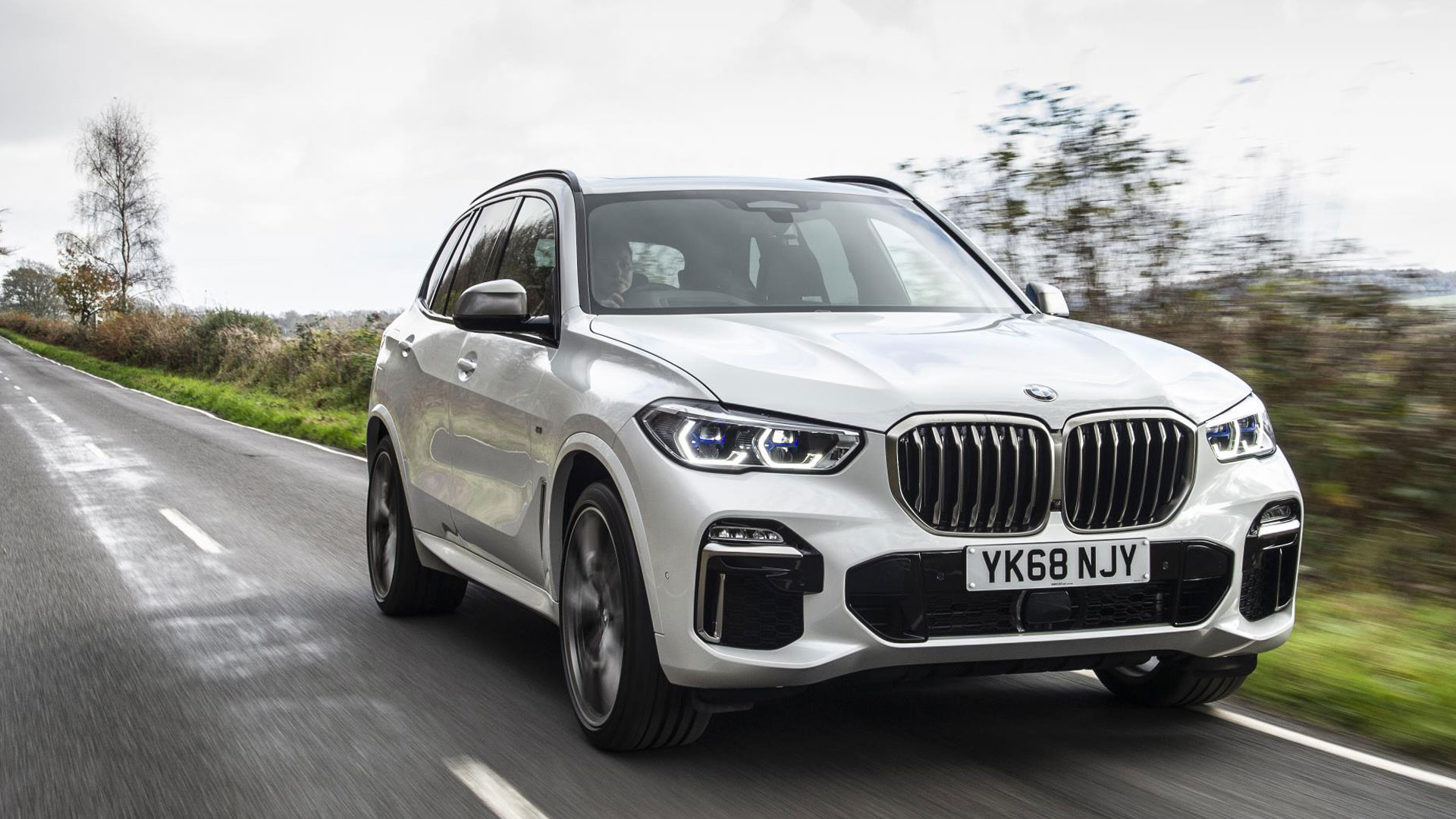
Large SUV – BMW X5
According to Company Car Today, the BMW X5 arrived just in time for consideration in the CCT100, but it went straight to the top of the class, ahead of the Hyundai Santa Fe, Lexus RX, Range Rover Sport and Volvo XC90. The fact that the entry-level 265hp 3.0-litre manages to get below 160g/km CO2 was a contributing factor.
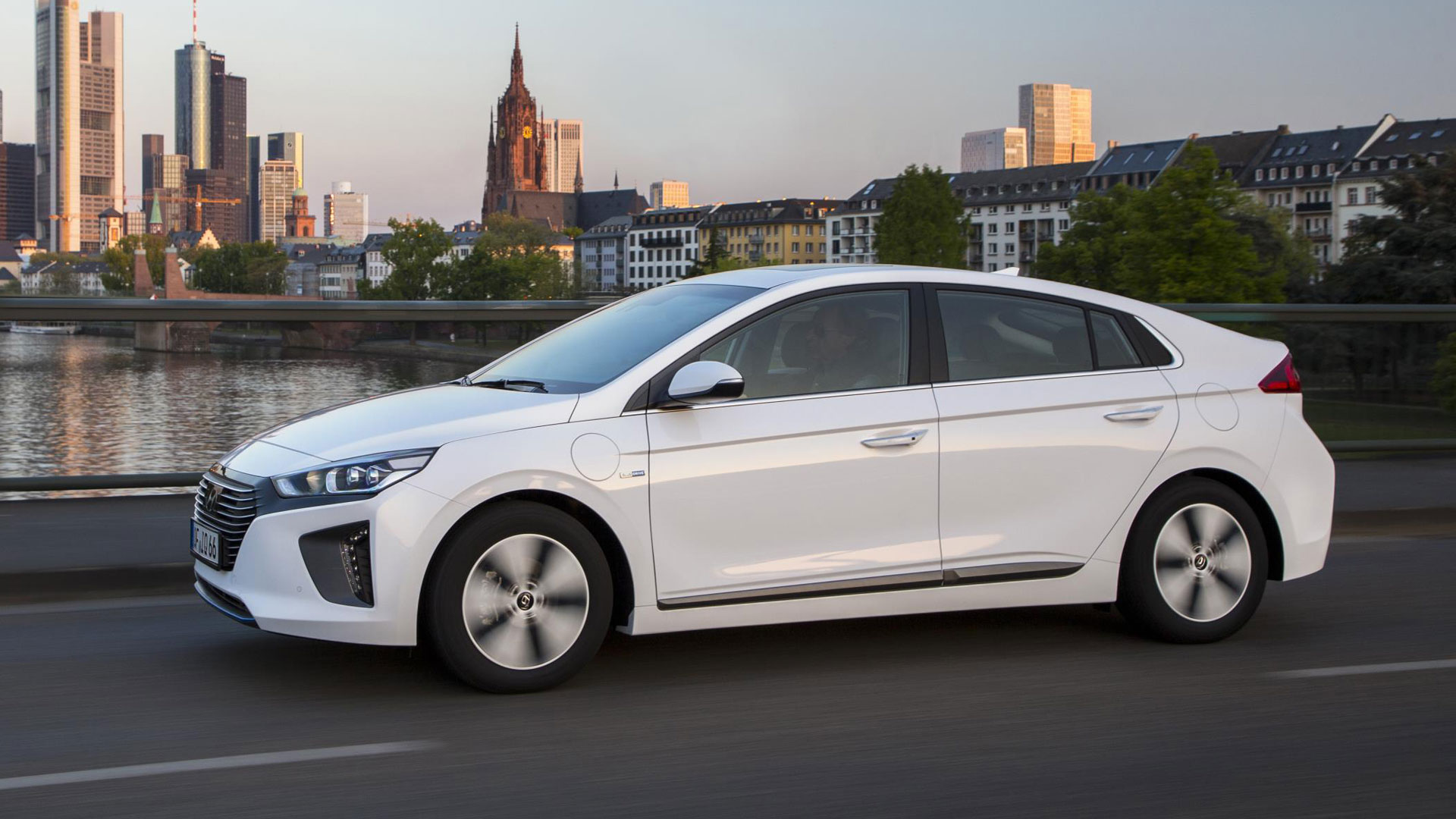
Plug-in hybrid – Hyundai Ioniq PHEV
Four categories to go, starting with PHEV of the Year. It’s a win for the Hyundai Ioniq PHEV, with the Korean plug-in hybrid scoring well for P11D price, efficiency, benefit-in-kind payment and insurance.
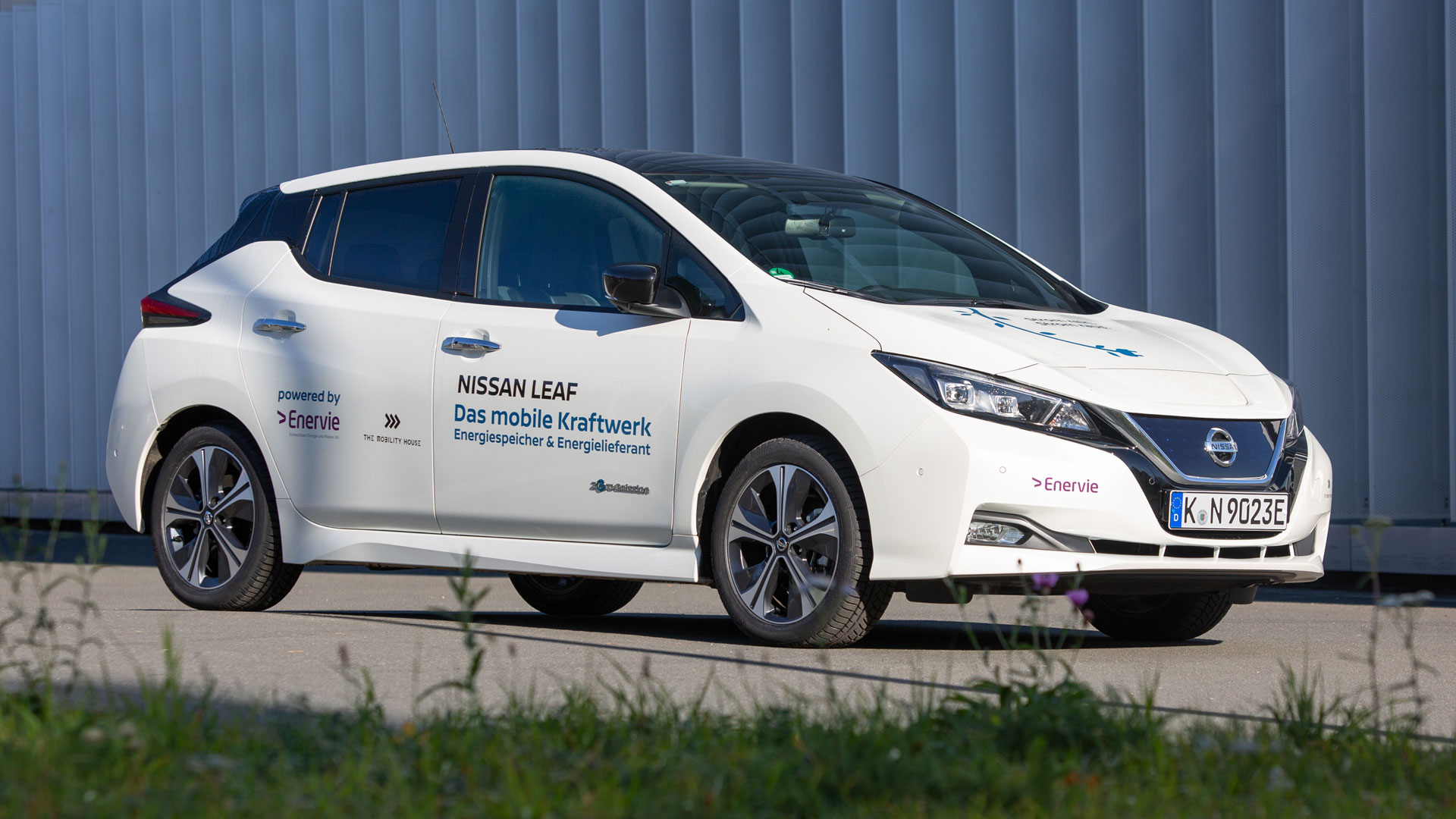
Full electric – Nissan Leaf
With a raft of new electric vehicles arriving in 2019, the Nissan Leaf will face a new challenge if it is to retain the Electric Car of the Year title next year. The Leaf has a range of 168 miles, but a new 229-mile range version will arrive soon.
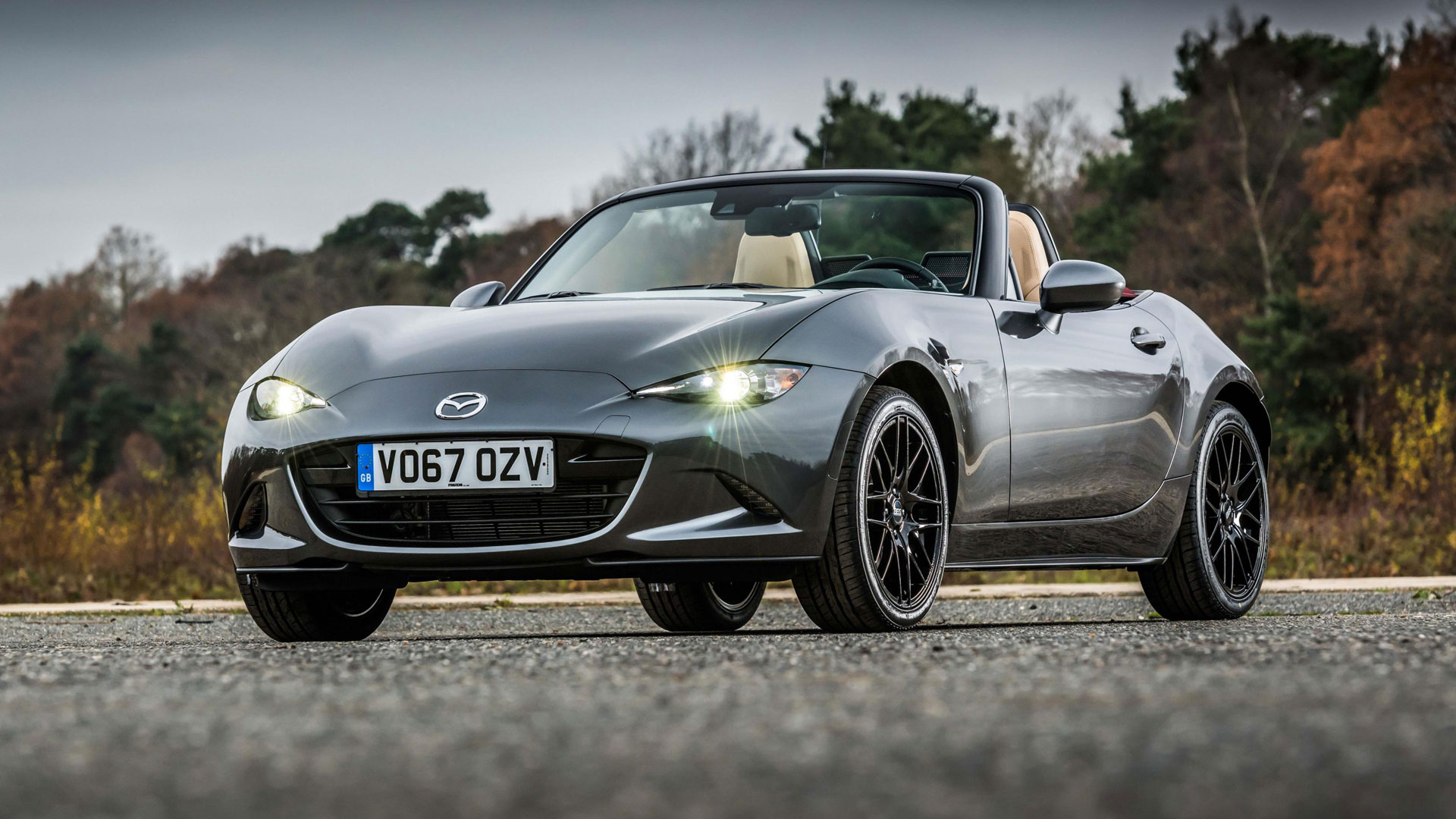
Sports – Mazda MX-5
For when the company car driver decides to take the long way home, this is the CCT100 Sports Car of the Year award. “The MX-5 offers perk car privileges without prestige level running costs, and is sensible enough to run every day but still be smile-inducing,” said the judges.
CCT100 Car of the Year – Mercedes-Benz A-Class
Which brings us to the end of the gallery and the overall CCT100 Car of the Year award. “The A-Class is the first RDE2-compliant car to hit the UK market, offering company car drivers a route to avoid higher BIK tax. The fact that it’s also an attractive, nice-driving, higher-quality and cost-efficient package earns it the titles as our Premium Lower Medium Car of the Year, and our overall 2019 CCT100 Car of the Year,” declared the judges.
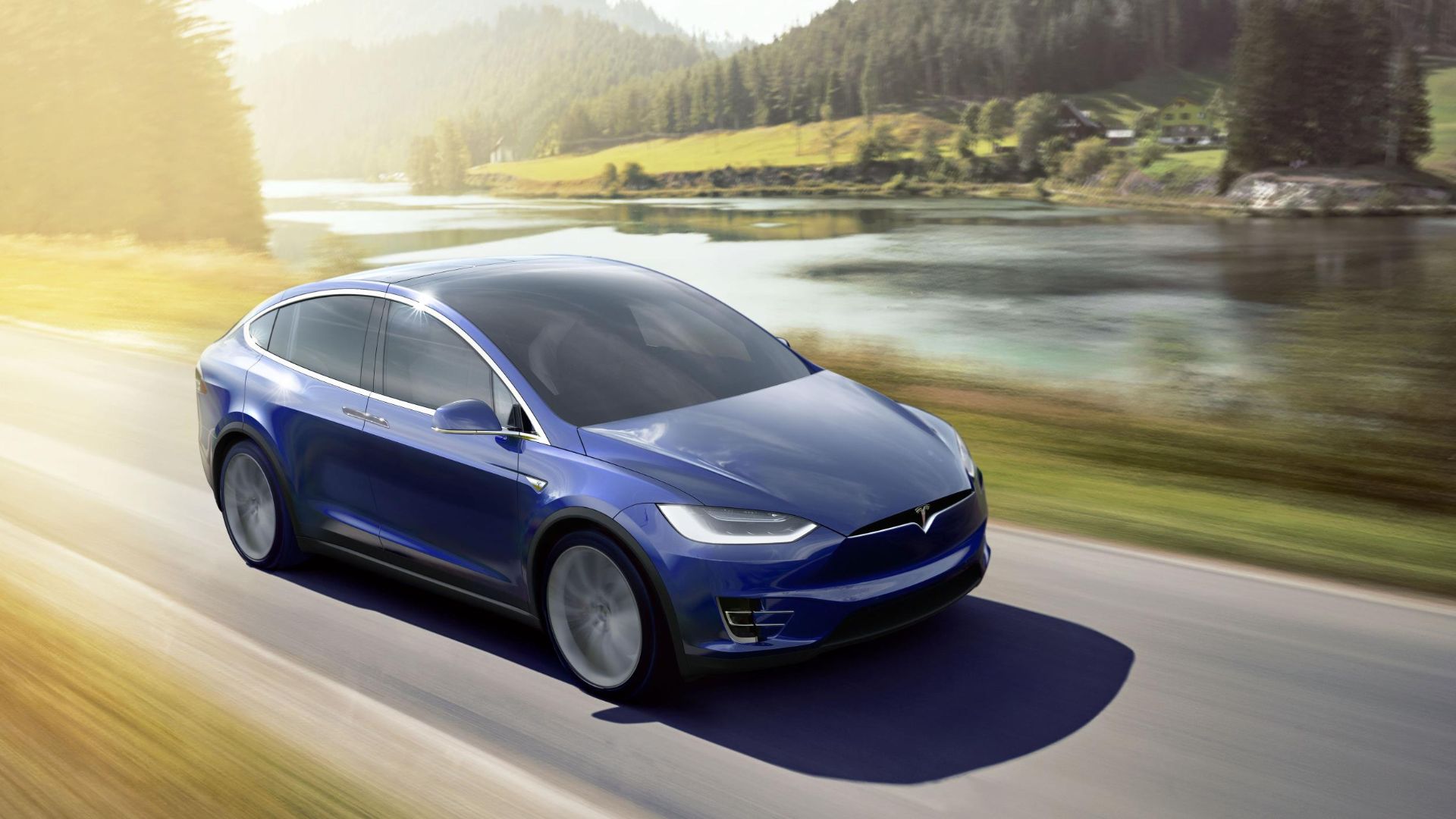
A 360-degree camera will be coming to Tesla cars in the near future. Elon Musk calls it ‘Sentry Mode’ and it should remove the need for a dash cam.
Elon Musk will give £700,000 to the person who can hack a Tesla
An irritated Twitter user whose Tesla had suffered a dent within range of the rear-facing camera Tweeted Mr Musk directly, saying there should be a feature that utilises the car’s plethora of cameras and sensors for surveillance.
In typical Musk style, he responded with the public announcement that ‘Tesla Sentry Mode’ is coming – just the feature this aggrieved customer was looking for.
According to the Tweet, the feature will be ‘coming soon’ to all cars with Enhanced Autopilot. This is a feature customers have to pay extra for, but Musk clarified that it will be rolling out to all cars with the most recent ‘AP2+’ hardware.
You don’t, therefore, necessarily have to have bought Enhanced Autopilot, your car just needs to be new enough to have had the option – i.e. October 2016 onwards.
Since it’s part of safety & security, all cars with AP2+ hardware will get it
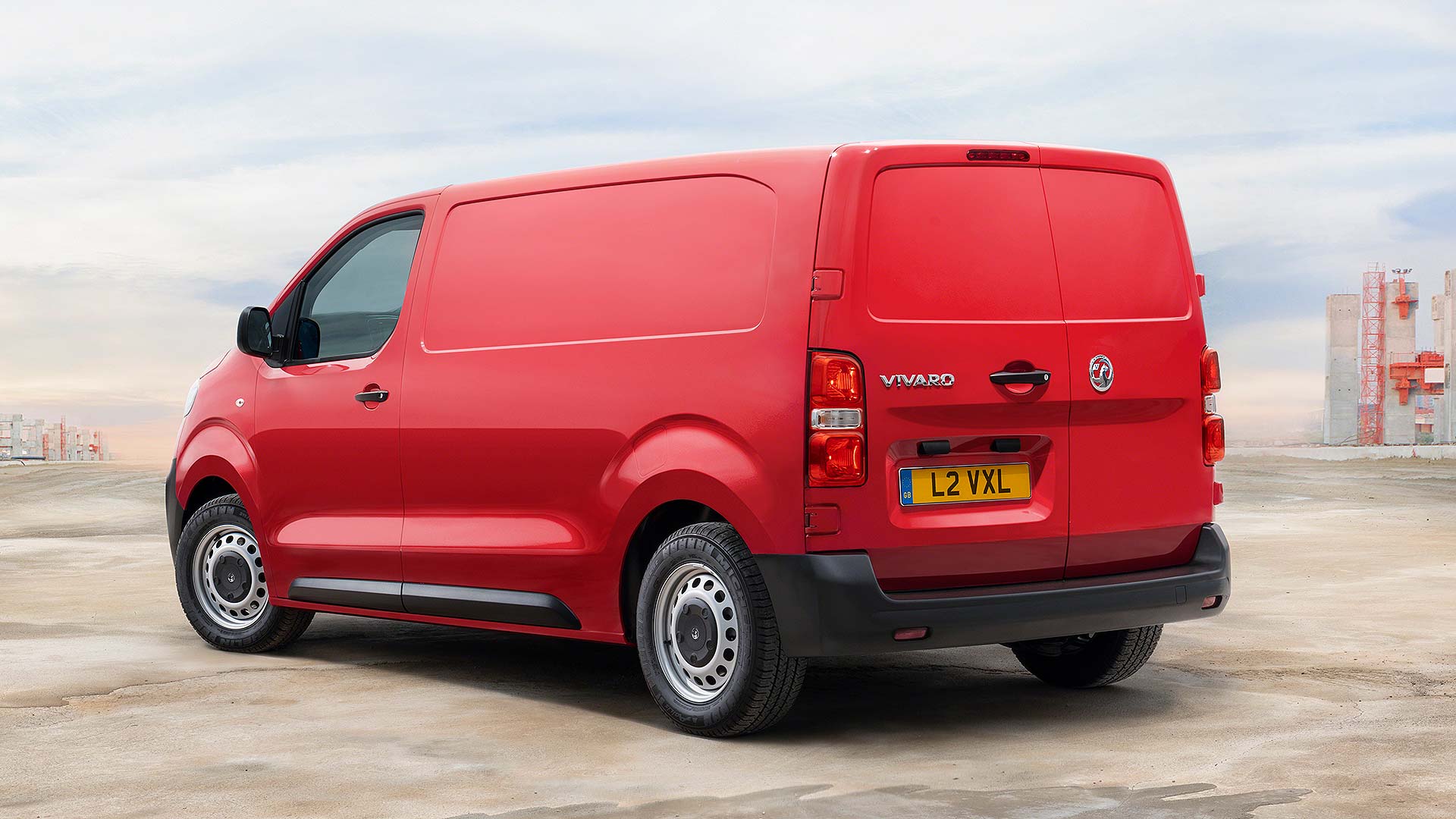
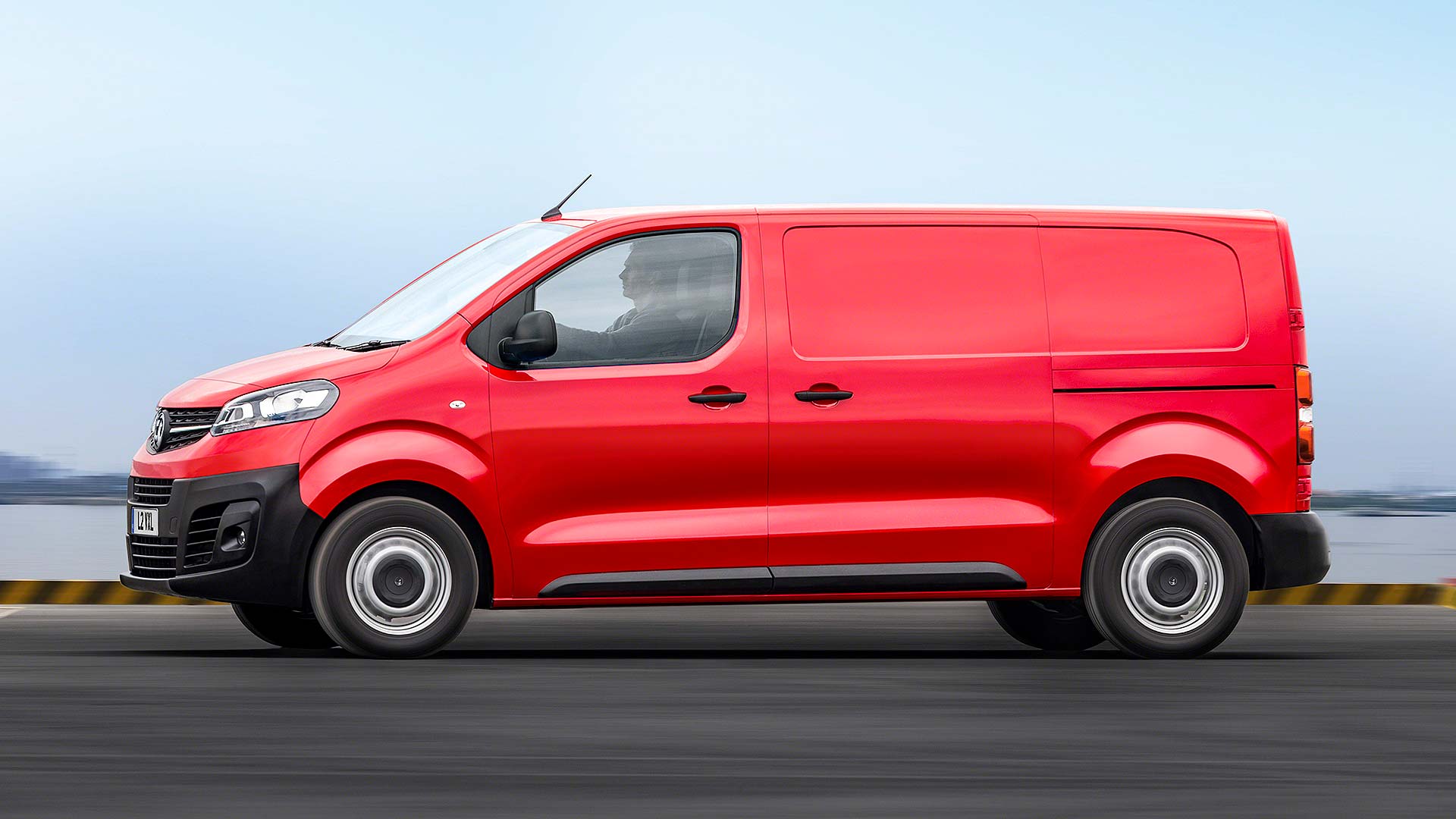
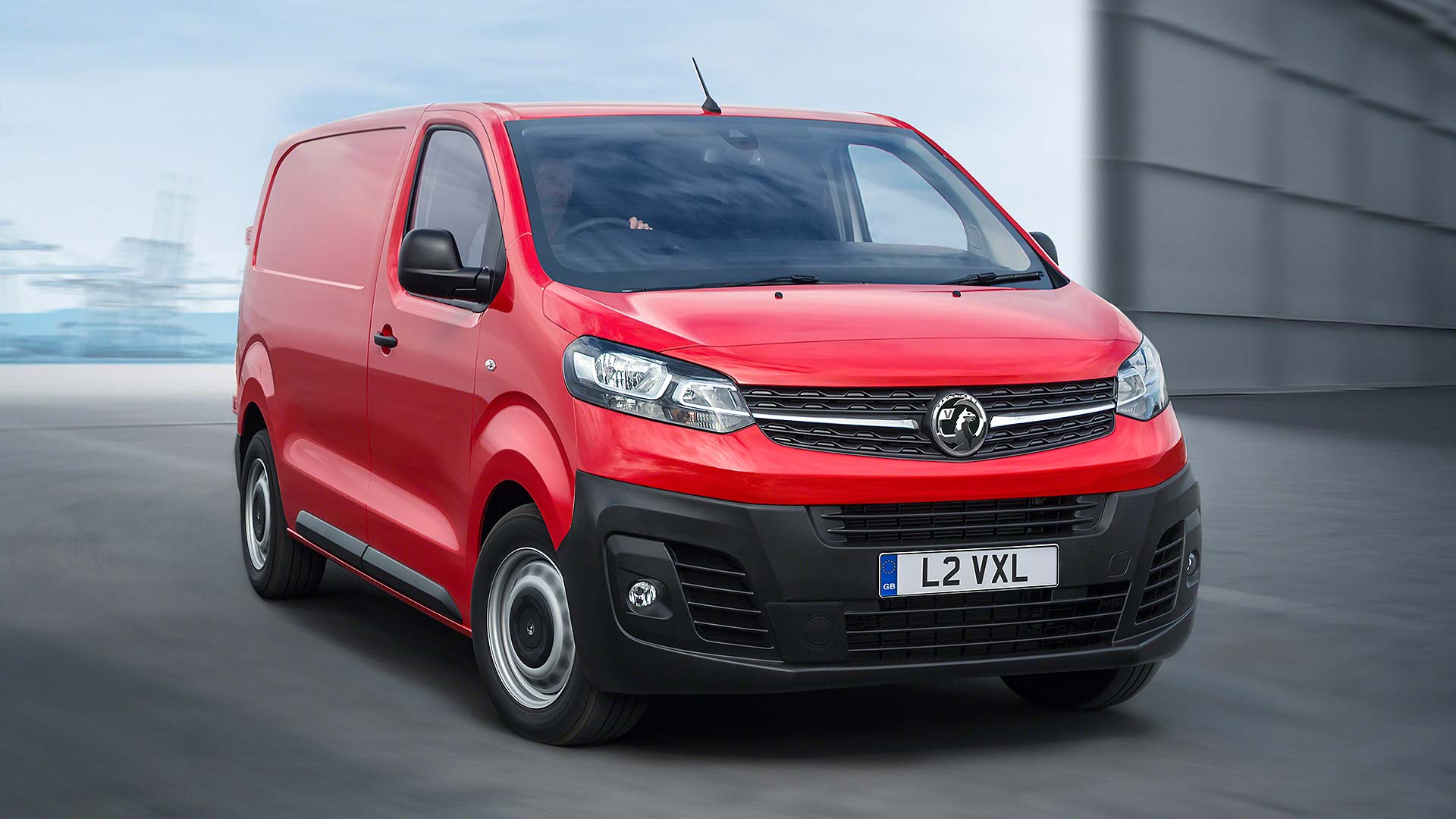
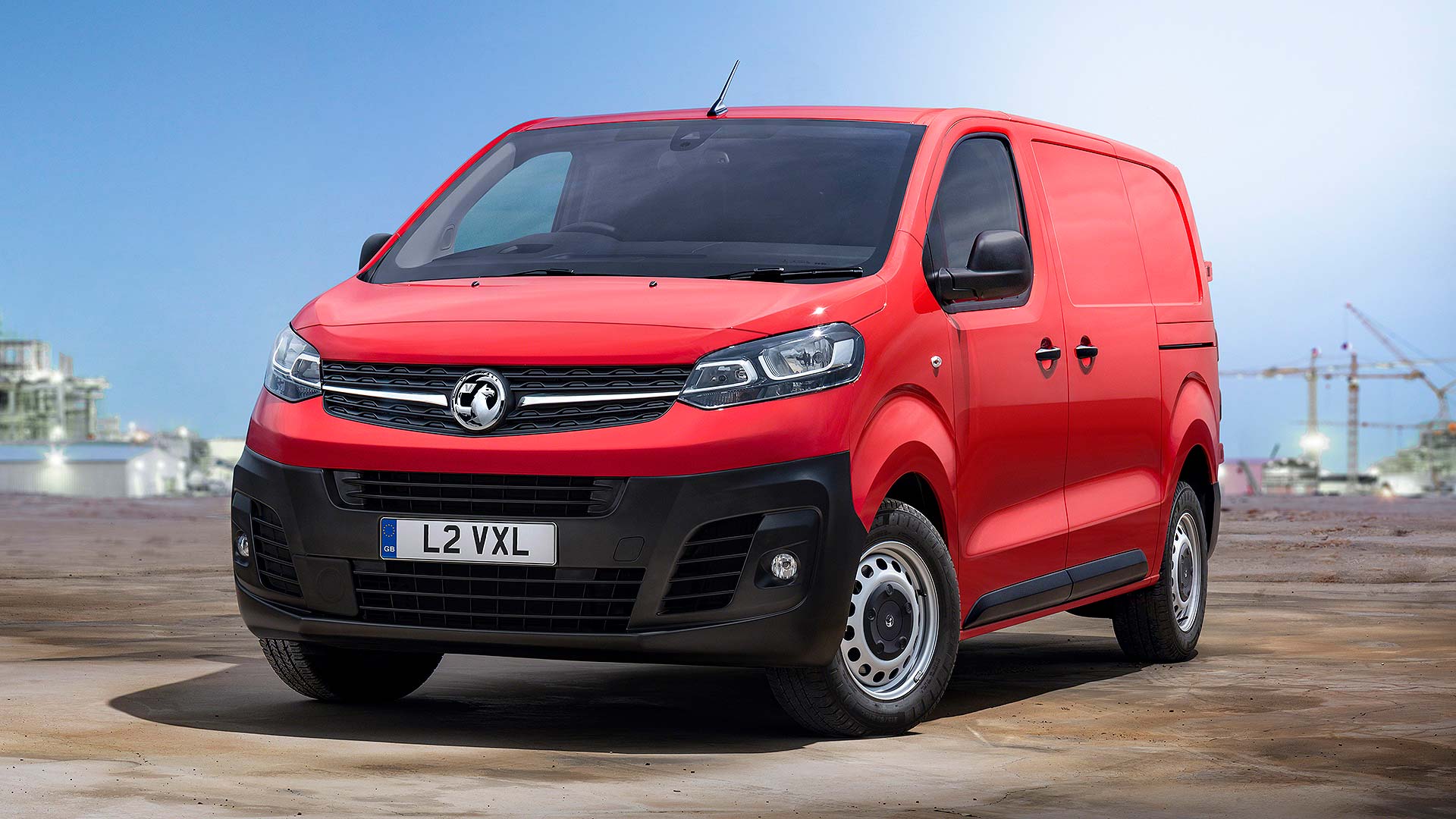
The third generation Vivaro is based for the first time on a Groupe PSA platform: it’s related to the Peugeot Expert and Citroen Dispatch. And Vauxhall has high hopes for it, planning to build 100,000 models a year in Luton.
It goes on sale in February, with deliveries due from late summer 2019. Vauxhall is planning to launch it with a bang at the huge CV Show in Birmingham on 30th April.
New Vauxhall Vivaro: two lengths, three bodies
Even from launch, plenty of customisation options are offered with the new Vivaro. It’s offered in two lengths – 4.95 metres and 5.30 metres – and three body styles: panel van, six-seater crew van, and platform chassis.
It’s capable of carrying payloads up to 1,400kg (200kg more than the old Vivaro), has up to 6.6 cubic metres of cargo capacity and can tow up to 2,500kg – that’s 500kg more than the outgoing Vivaro.
Impressively, Vauxhall says objects up to 4.02 metres long can be loaded into the 5.30 metre version, thanks to ‘FlexCargo’. This option adds a fold-down flap in the front passenger seat.
The FlexCargo system also includes a fold-down table on the back of the middle seat, creating an ‘office on wheels’, says Vauxhall.
The new Vivaro is going high-tech, too. Optional automatic sliding doors are available – and can be opened by waving a foot beneath sensors on the side. Perfect for delivery drivers fully laden with Amazon returns.
Vivaro tech-fest
Other clever tech coming to the new Vivaro includes a sector-unique head-up display, plus a front camera and radar sensor that brings lane keep assist, traffic sign recognition, adaptive cruise control, forward collision alert and autonomous emergency braking.
There’s a driver drowsiness alert too, which monitors driving behaviour and chimes an alarm if it detects tiredness.
7.0-inch touchscreen infotainment comes with Apple CarPlay and Android Auto. Choose the one with sat nav and live traffic information is incorporated into the navigation, for real-time updates (and traffic-dodging).
The new Vivaro even has a rear-view camera, which displays a feed of what’s behind either through the interior mirror or the infotainment system.
“Practical, comfortable, economical and packed with all the latest driver assistance and connectivity technology, the all-new Vivaro is the vehicle that sits at the heart of our commercial vehicle range,” said Vauxhall LCV director Derek Wilson.
And the new battery electric version? That goes on sale in 2020, which Vauxhall describes as a ‘milestone’ for commercial vehicles.
The firm adds that the Vivaro van has been a huge success story for British automotive. Since 2001, more than one million models have been built in Luton and, as a result, Vauxhall is now Britain’s biggest commercial vehicle manufacturer.
 Almost 110,000 vehicles were seized by police during 2018, being confiscated where drivers failed to have valid insurance.
  Of the 13,000 seized vehicles found to belong to finance companies, a plethora of supercars and luxury motors were amongst those recovered.
 Of greatest concern is that the value of leased or financed cars seized has risen by £28 million compared to 2017. A total of £122 million marks the highest amount ever recovered in the ten years Crushwatch has been in operation, pointing to a worrying trend.
 The Dacia Sandero five-door supermini has, for years, held the title of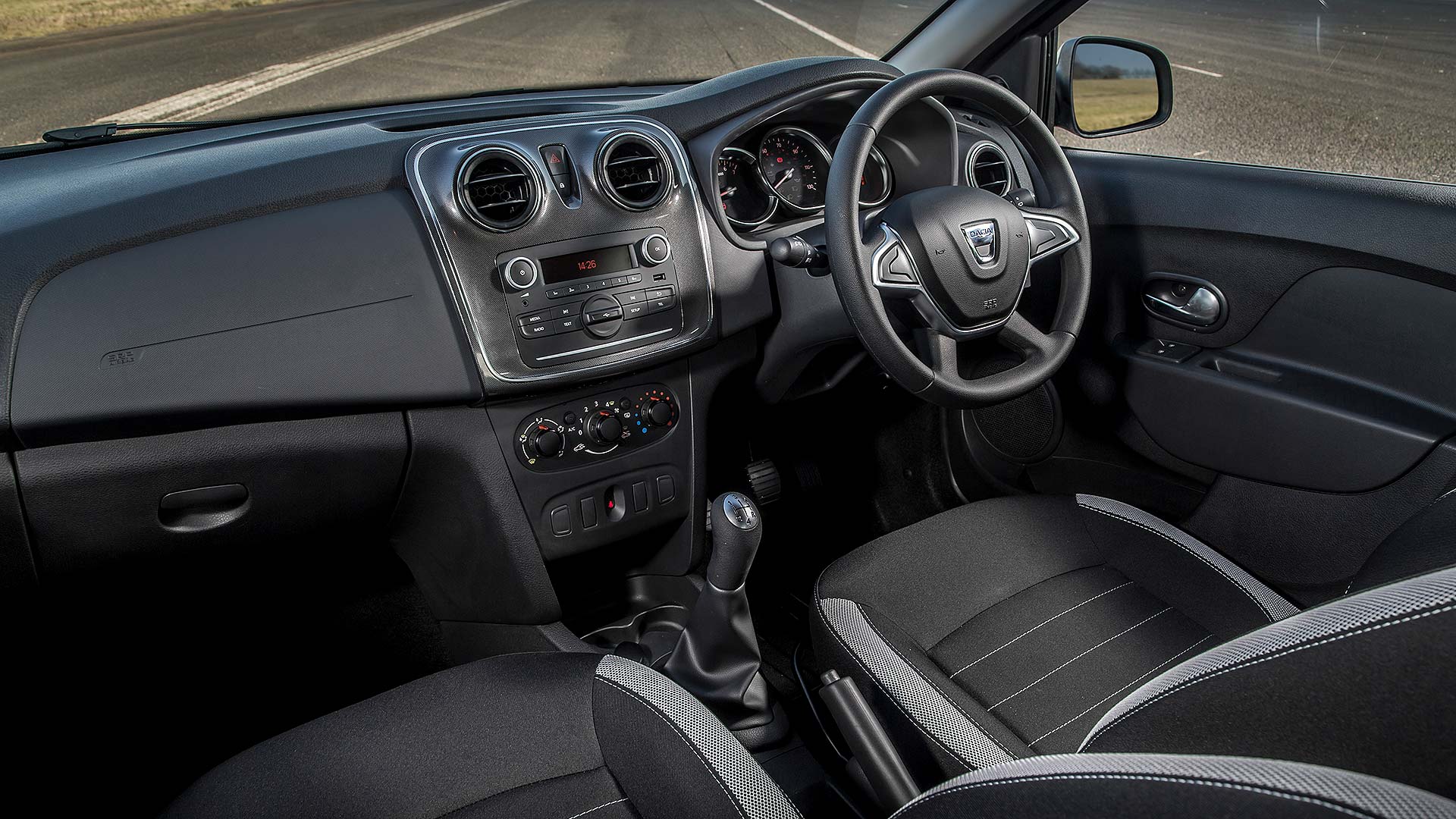




 The all-new