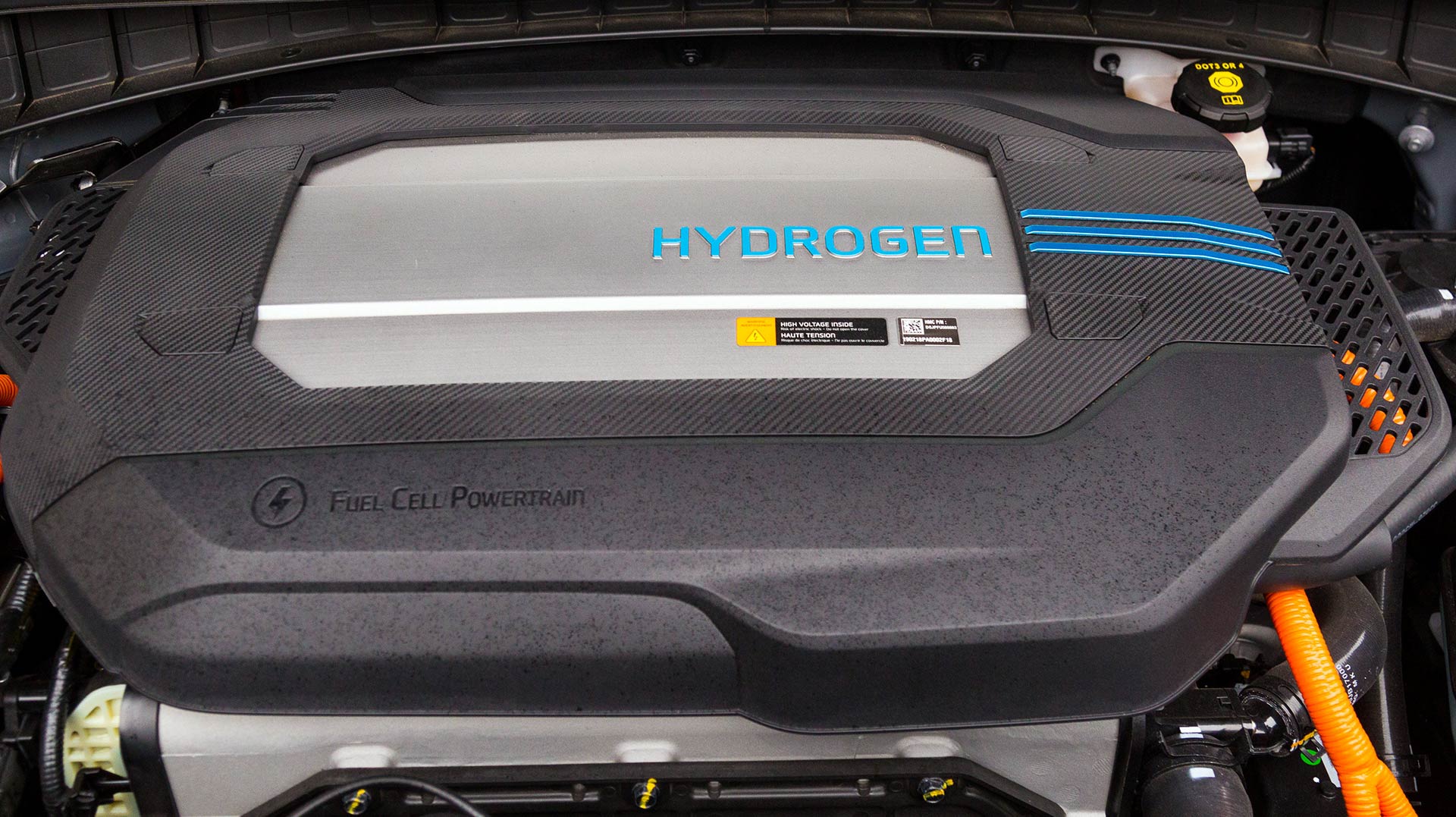
The government has revealed the winners of a lucrative funding competition, aimed at promoting the use of hydrogen vehicles.
Whilst hydrogen fuel cell technology has been in limited use since the early 2000s, the lack of supporting infrastructure has slowed uptake.
As part of the government’s ‘Road to Zero’ strategy, embracing the potential of hydrogen could be key to delivering aims to have all new cars and vans producing zero emissions by 2040.
Home is where the hydrogen is
Of the five hydrogen fuelling stations revealed as part of the £14million programme, two will be sited in the Tees Valley.
The area is already responsible for producing more than 50% of the UK’s hydrogen, and received more than £1.3million from the joint bid between the Tees Valley Combined Authority and Materials Processing Institute.
Tees Valley will also gain a fleet of five hydrogen fuel cell cars, capable of travelling more than 300 miles, whilst Tees Valley Mayor Ben Houchen noted that the area is even “currently progressing a pilot of the UK’s first hydrogen train”.
Other major winners included a consortium between Hyundai and Toyota, which will see the roll-out of 51 fuel cell cars, and a new hydrogen fuelling station in Crawley.
Riversimple, the Monmouthshire-based firm responsible for the Rasa fuel cell car, also received more than £1.2million for use towards 17 vehicles.
Getting infrastructure and investment right
The overall funding will see more than 100 hydrogen fuel cell cars and buses delivered across the UK, helping push forward the development of the zero-emissions technology.
Alongside hydrogen, the government has also announced a nationwide investment of £6 million towards ultra-low emissions taxis. The money will see a network of 300 rapid chargepoints, and 46 fast chargepoints, installed in 17 different local authority areas.
It is hoped the new electric chargepoints will pave the way for more than 800 ultra-low emission black cabs, and 3,000 private hire vehicles, to benefit from quicker battery charging.
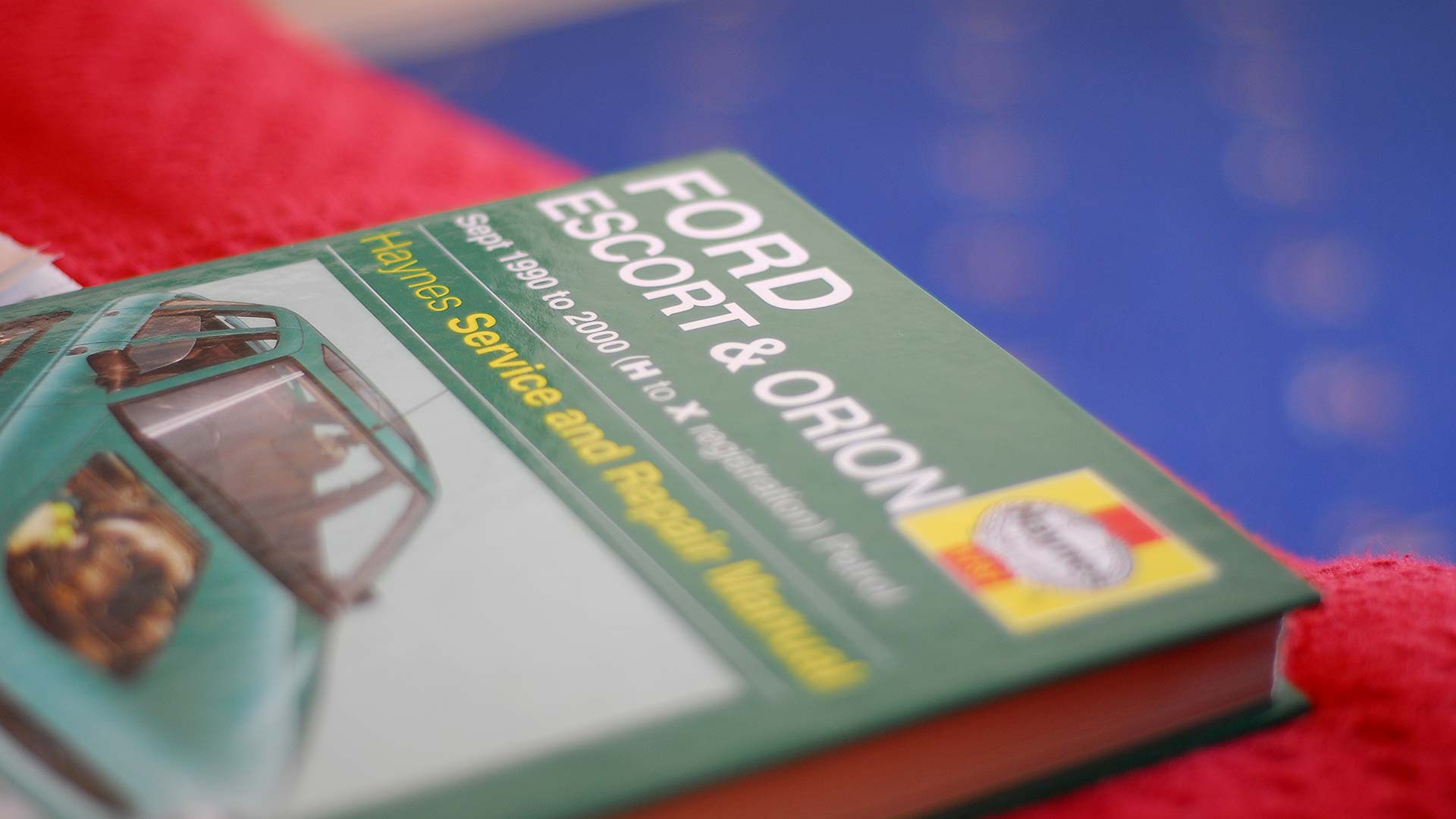
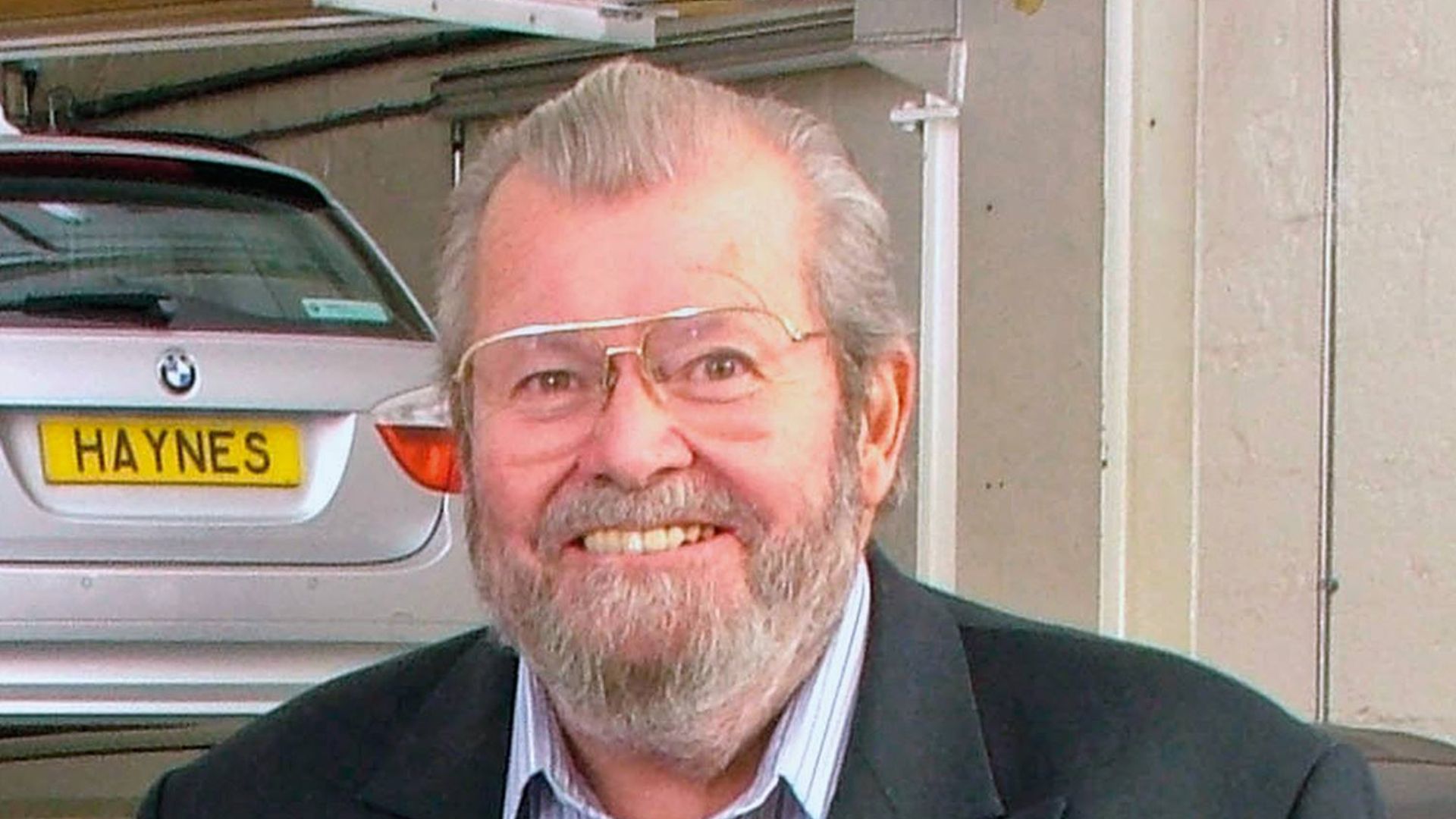
John Harold Haynes OBE, the father of the Haynes Manual, has passed away peacefully surrounded by his family, after a short illness. He was 80 years old.
As well as starting the world-famous line of Haynes workshop manuals, John founded the Haynes Publishing Group PLC as well as the Haynes International Motor Museum. Detailed manuals stamped with John’s name have pride of place in the garages and libraries of countless mechanics and enthusiasts, many of whom would have been lost without one at some time or another.
As well as hands-on guides, they were educational tools and absorbing objects of intrigue. Nothing got us close to the heart of the machine quite like a Haynes Manual.
John’s destiny was written on the walls from an early age. A devout car and motoring enthusiast, at school he persuaded his House Master to let him miss rugby so that he could convert his Austin 7 into a lightweight ‘special’.
He sold it on for a profit and in response to the massive interest in it, published a booklet on how he made it. The book, Building a ‘750’ Special, sold out its first 250-unit run in just ten days.
The first official Haynes Manual was published in 1966, for an Austin Healey ‘Frogeye’ Sprite. A friend of John’s had bought a poor example and asked for his help restoring it. Seeing the opportunity, John documented the work, culminating in the first manual – step-by-step photos and exploded diagrams included.
The rest is history, with 200 million manuals sold since for all sorts of machinery and beyond. Haynes Publishing Group PLC went public in 1979 and the Motor Museum was founded in 1985, with more than 400 vehicles on display.
In 2014, John was made a Life Member of the Guild of Motoring Writers, the largest organisation in the world for professional motoring journalists. “I just love cars!”, he told Guild members and industry colleagues when presented with his award.
John is described as ‘a true gentleman, and a kind and considerate man… a generous, loving and devoted husband, brother, father and grandfather, who will be missed enormously’. Our thoughts are with John’s wife Annette and the rest of his family.
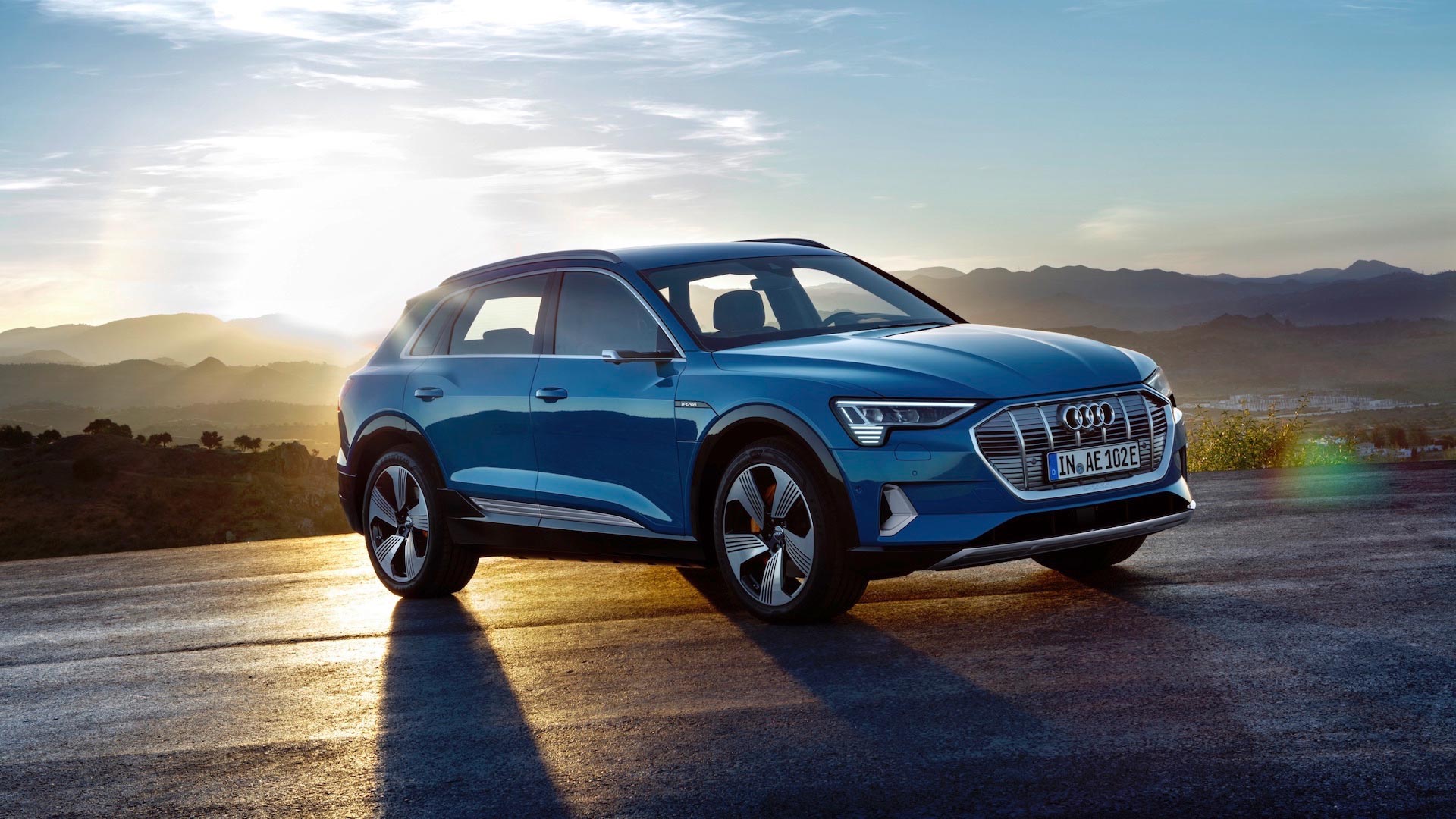
British customers now have the chance to put their name down for the first all-electric Audi.
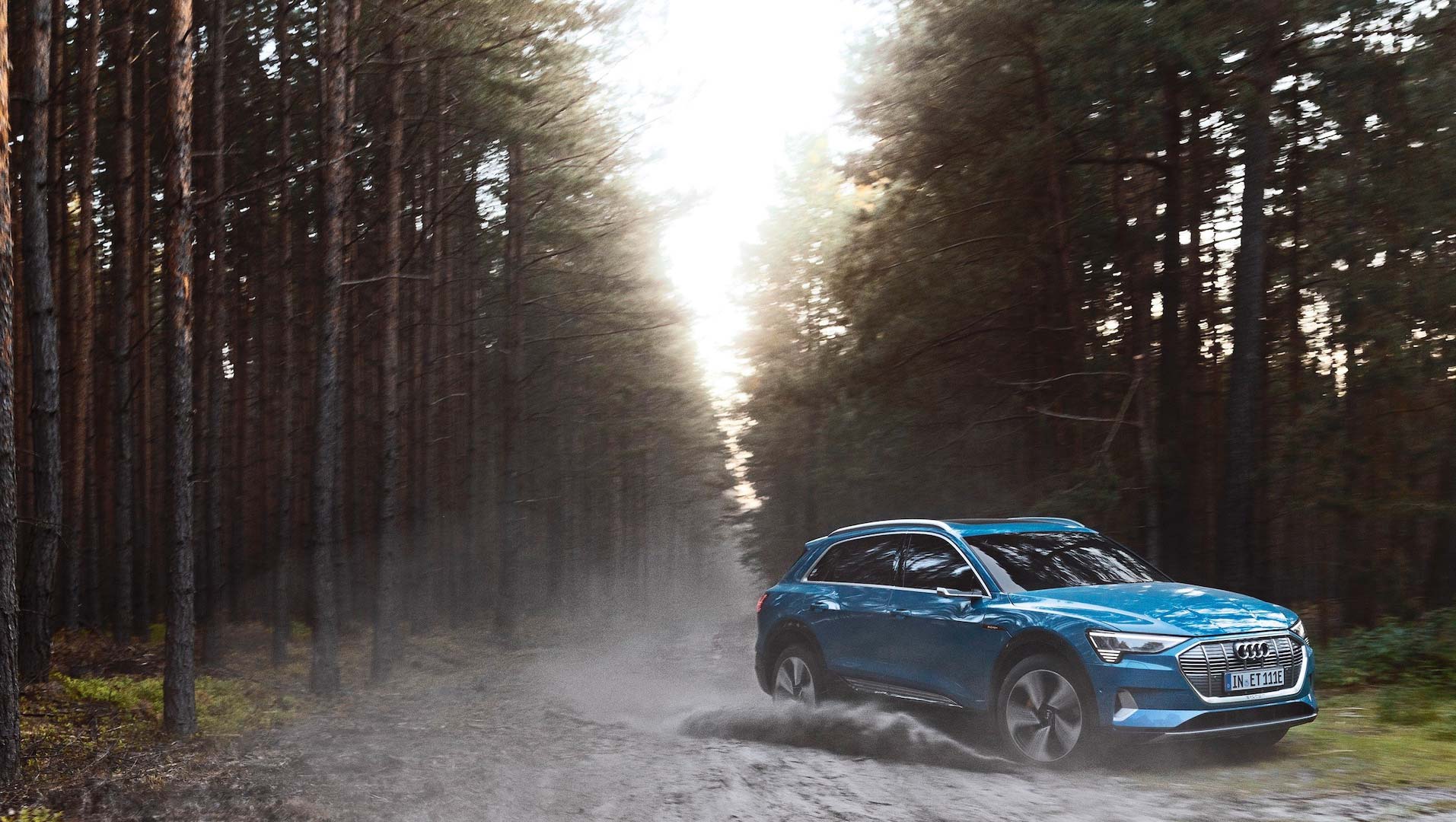
Open for ordering through the firm’s UK dealer network, the five-seater e-tron SUV marks a major step in Audi’s plans for electrification.
The company plans to field a total of 11 further new electric vehicles by 2025, making the e-tron an important milestone for Audi cars without internal combustion engines.
First adopters already onboard
Audi offered a limited number of special Edition 1 versions of the e-tron to customers who placed an early deposit. Those interested parties had a headstart of two weeks on everyone else, with all 30 Edition 1 cars now spoken for.
The specification for the Edition 1 is intended to be appropriately lavish, although Audi is being notably quiet about exact details of even pricing for the limited model. Rivals such as the Tesla Model X will be firmly in Audi’s sights, however.
Those who missed out will be able to console themselves with the standard e-tron, with prices beginning from £71,490 OTR. Alternatively, buyers can plump for the more exclusive £82,240 Launch Edition, with extra equipment and special design flourishes.
Pomp and performance
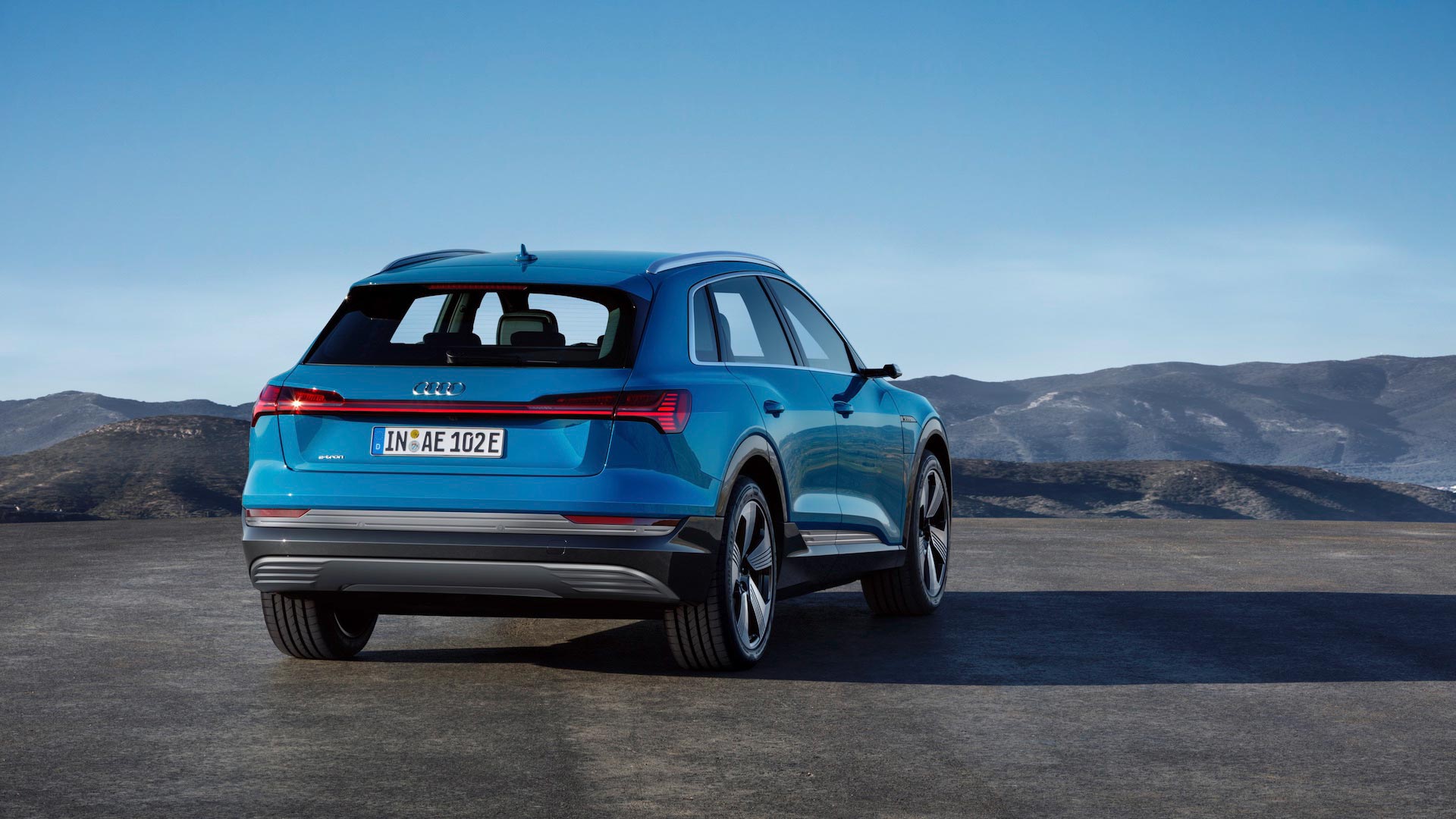
Launch Edition cars will be identifiable by the black styling pack applied to the front grille and exterior window trim. Most noticeable will be the fancy door-mounted rear-facing cameras, dispensing with something as old-fashioned as conventional door mirrors.
All e-tron versions will come with 20-inch alloy wheels, air suspension, LED headlights, and Audi’s Virtual Cockpit display for instrument dials. Most important of all is the 95kWh battery pack beneath the passenger compartment, which powers the e-tron’s two electric motors.
0-62mph takes 5.7 seconds, with a total electric range of up to 241 miles based on the WLTP testing cycle. Fast charging stations are capable of giving the e-tron 80% battery capacity in just 30 minutes.
Launch Edition cars come front wing-mounted with charging points that can be revealed at the press of a button.
The first UK e-tron deliveries are expected to be made in April 2019, leaving just a few exciting weeks to wait for those who place an order.
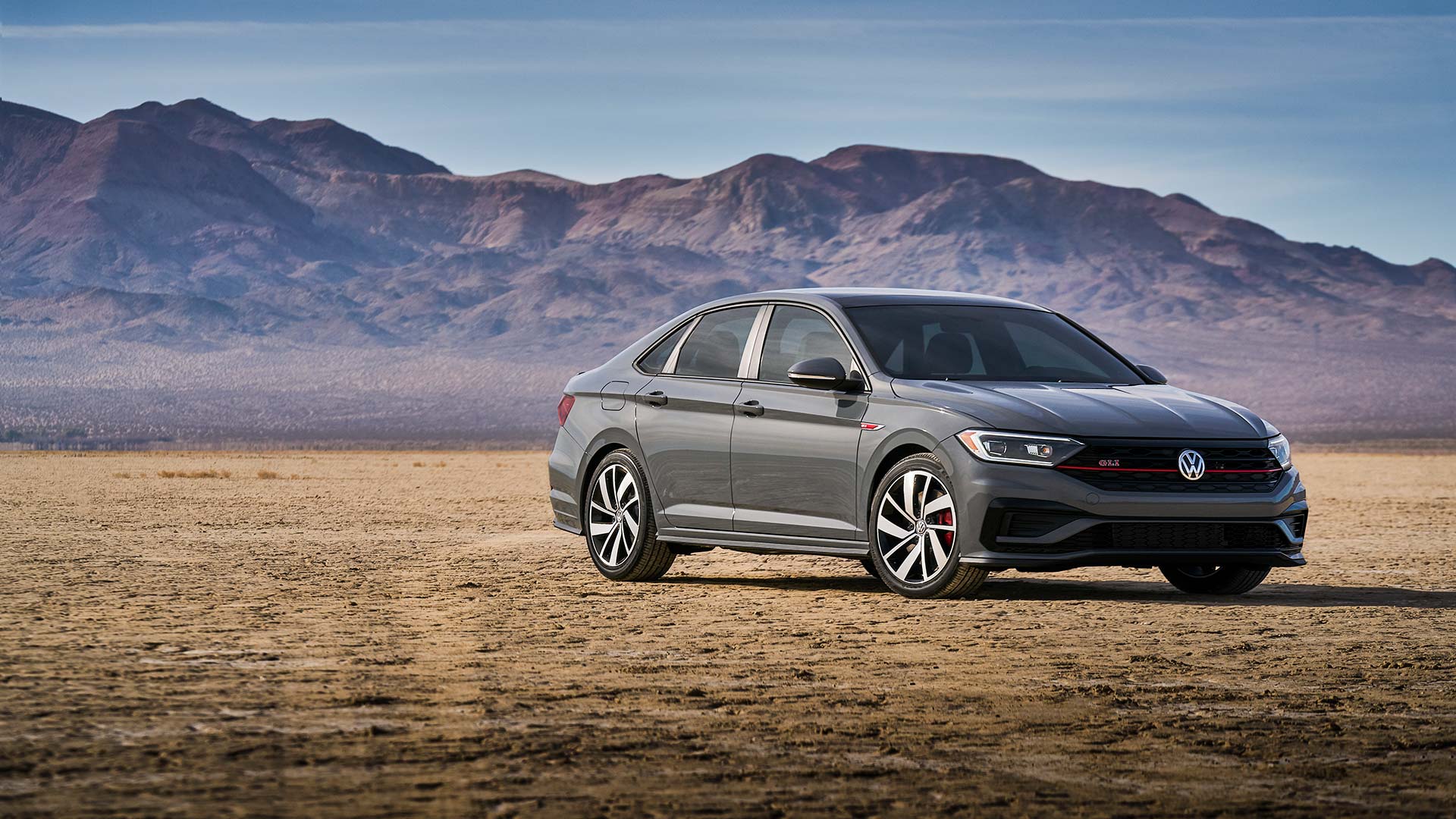
Volkswagen has unveiled an all-new version of the Volkswagen Jetta GLI at the 2019 Chicago Auto Show. Completely overhauled to cater to the North American market, it marks the sixth-generation of performance compact saloon (surely ‘sedan’?—Ed) to wear the GLI badge.
However, with the Jetta range quietly dropped from many global markets in recent years, we felt it timely to delve into the back catalogue to reminisce about the Golf GTI hot hatch with extra boot space. Join us as we look back at the Golf GTI’s long-forgotten four-door sister car.
1979 Volkswagen Jetta
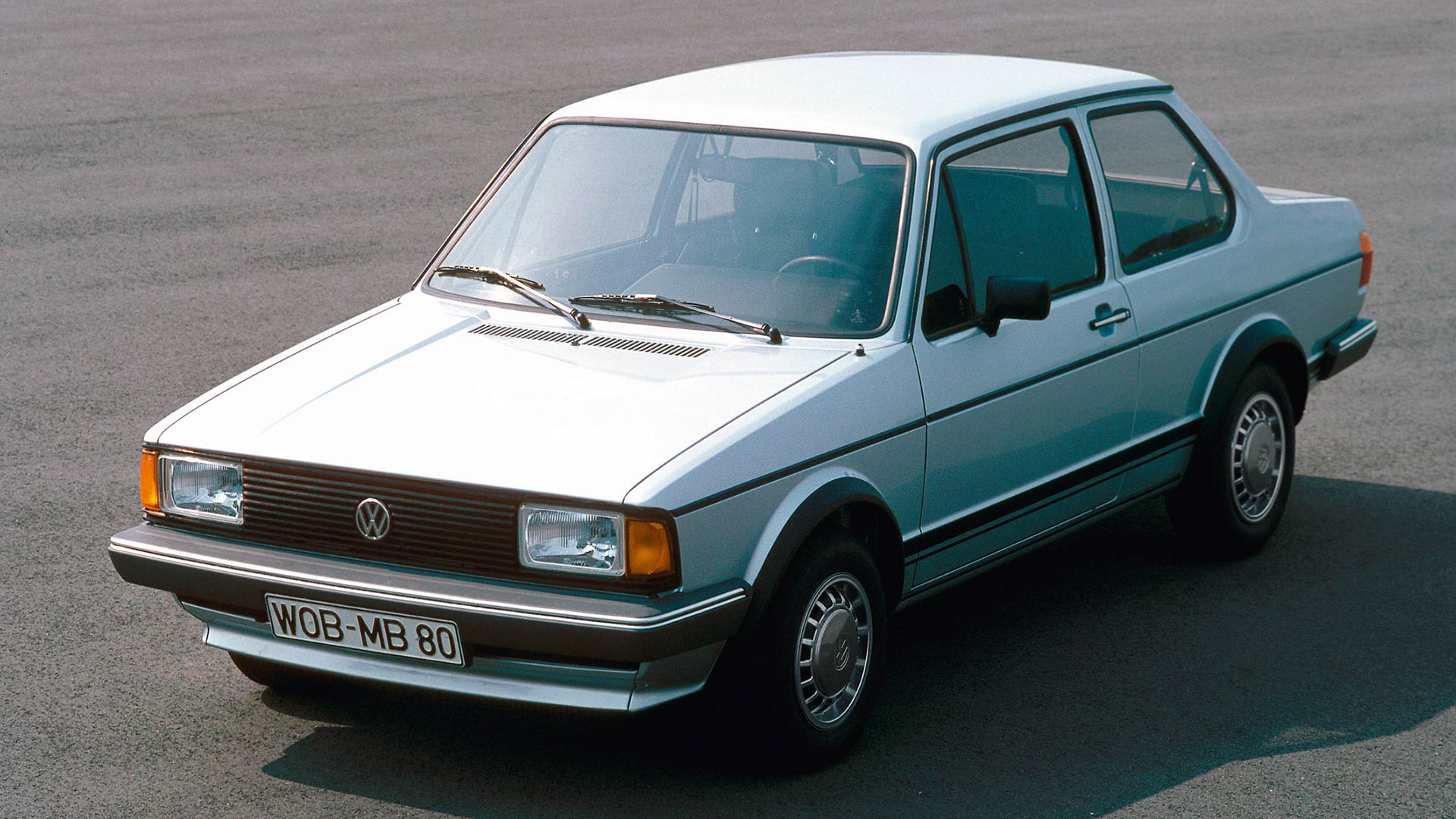
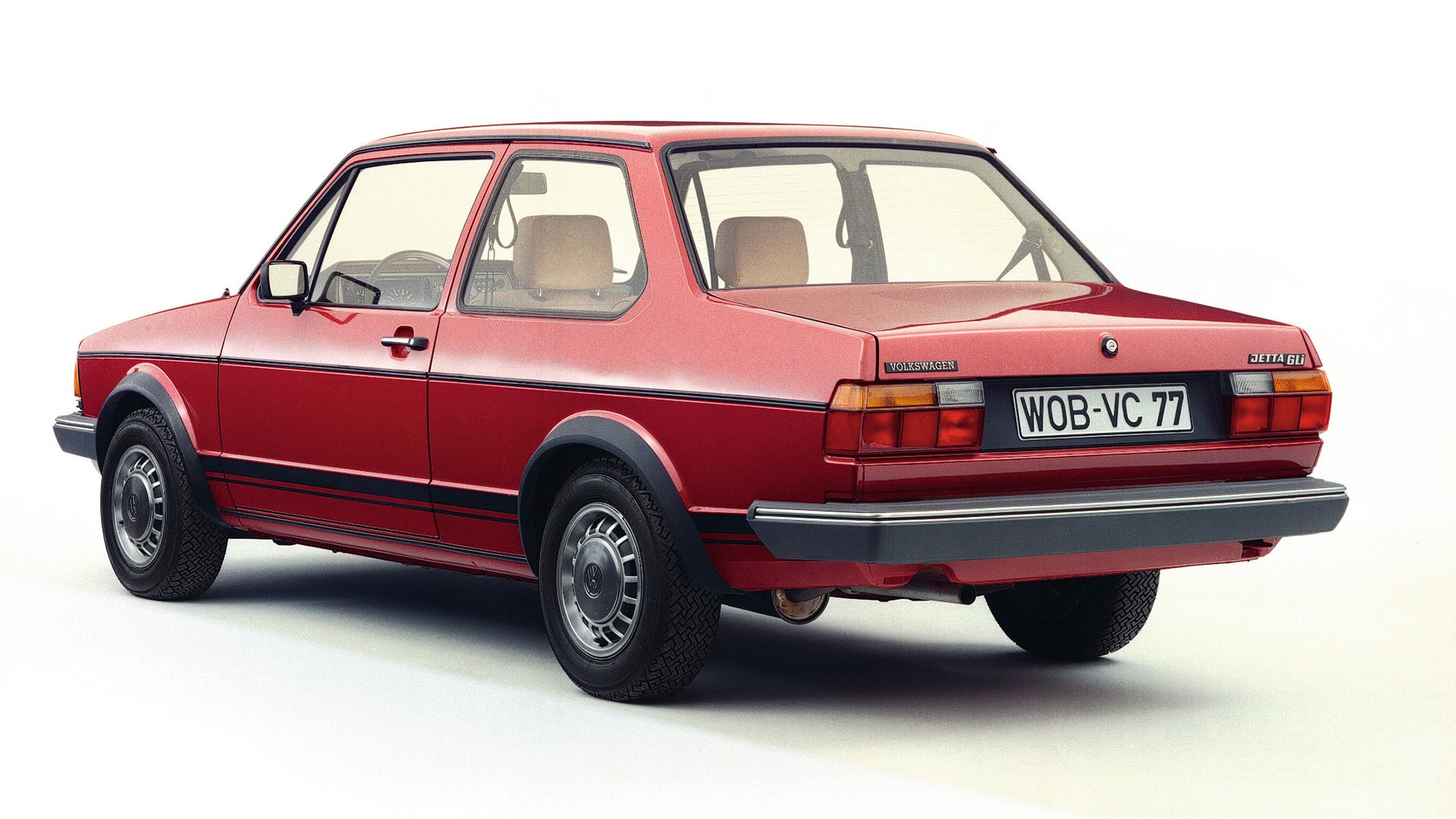
Built to appeal to the American market, the first Jetta was launched in 1979. Originally known as ‘Hummel’ (German for bumblebee) during development, the Jetta name was derived from the Atlantic jet stream wind.
Designed by Giorgetto Giugiaro, who had also designed the original Golf, the Jetta was offered in both two and four-door saloon versions. All that extra metal at the rear offered up considerably more boot space compared to the hatchback Golf, whilst interiors were intended to be more upmarket.
1980 Volkswagen Jetta GLI
Offered in European markets from 1980 onwards, the GLI became the range-topping model. Power came from the 1.6-litre four-cylinder engine used in the Golf GTI, producing 108hp.
With the Jetta proving to be a sales hit in the United States, in 1984 Volkswagen introduced a GLI version for the final year of the Mk1 model. A 90hp 1.8-litre four-cylinder engine featured, matched with a five-speed manual gearbox, plus uprated suspension.
1984 Volkswagen Jetta GT
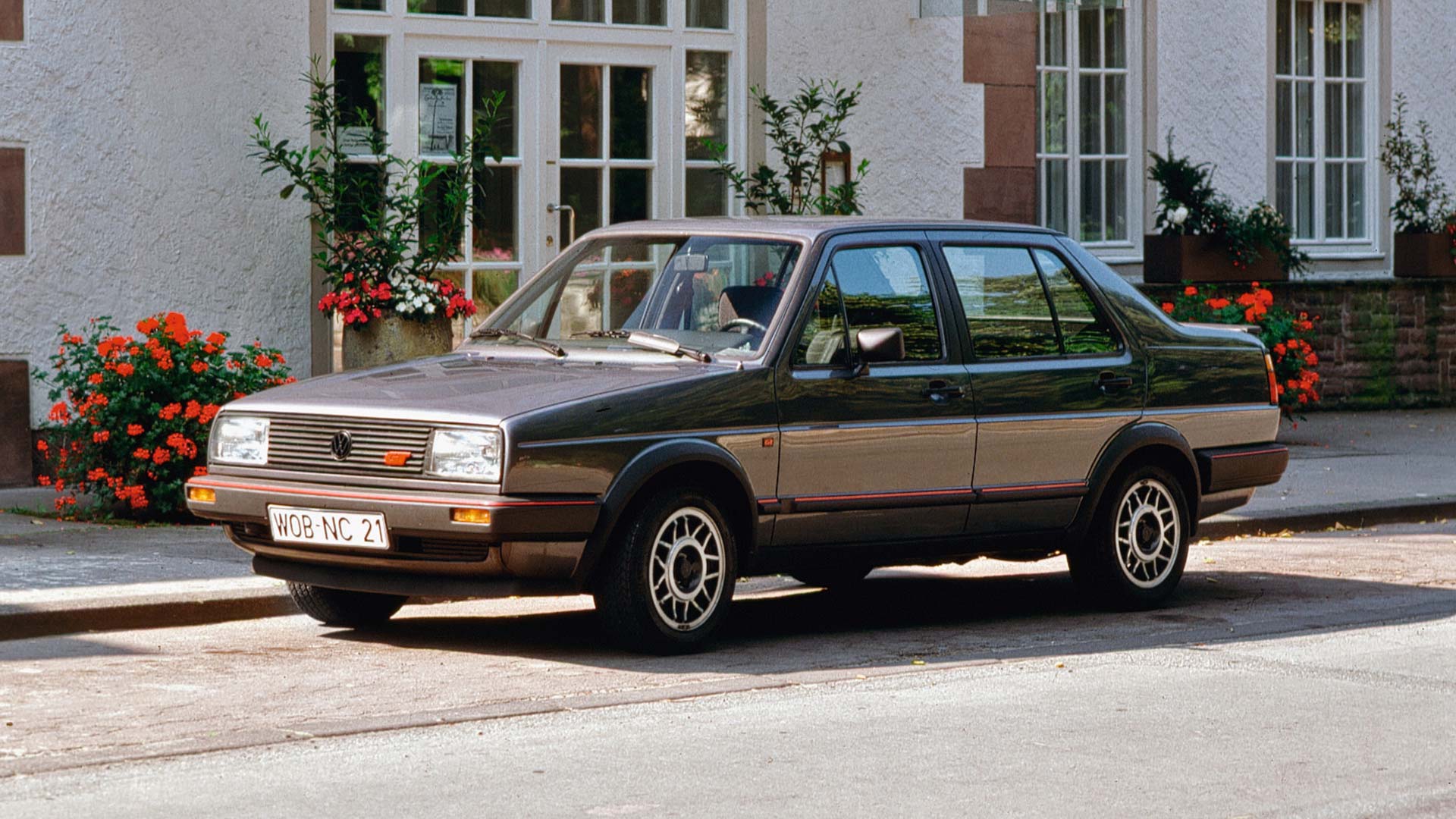
As the Golf moved to a new second-generation platform in 1983, the Jetta followed a year later in 1984. The two and four-door bodyshell options remained, whilst engine choices became even larger.
Performance versions were available from the outset in European markets, with the Jetta GT on sale from launch. Initially the Jetta GT made use of the 110hp 1.8-litre four-cylinder engine from the Golf GTI. The extra weight from the larger bodywork meant the Jetta was around a second slower in a 0-60mph sprint than the Golf.
North American sales started in 1985, with the GLI endowed with 100hp.
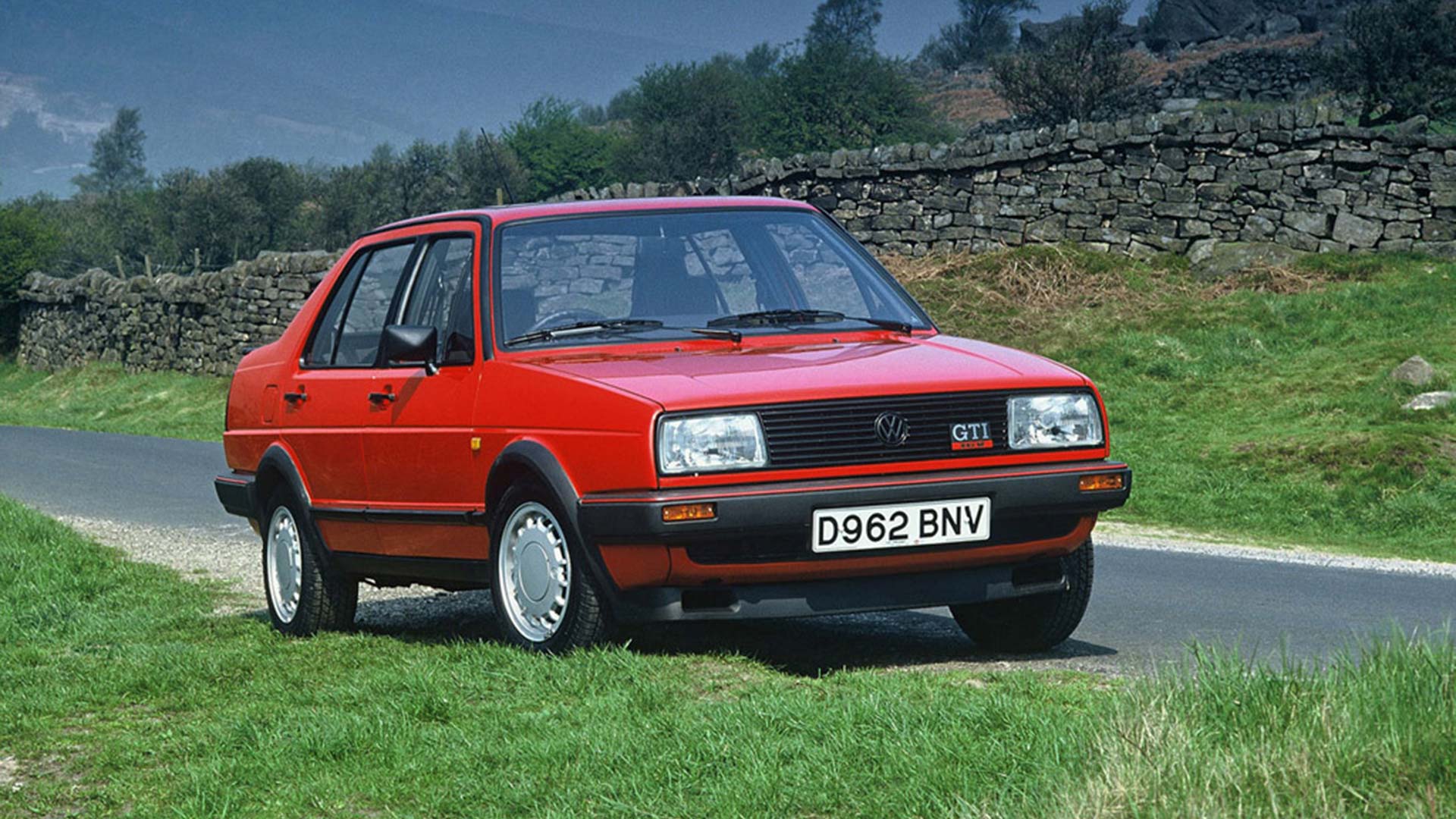
1987 Volkswagen Jetta GTI 16v
With the 1980s hot hatch war in full swing, the quick Jetta gained a new name and bigger engine in 1986. With the 2.0-litre four-cylinder engine from the Golf, the Jetta GTI 16v now packed a considerable 134hp and 129lb-ft of torque.
Even with greater performance, in the European market the Jetta would always play the underdog role against the popular Golf. However, in the USA, the Jetta would become one of the best-selling imported European cars.
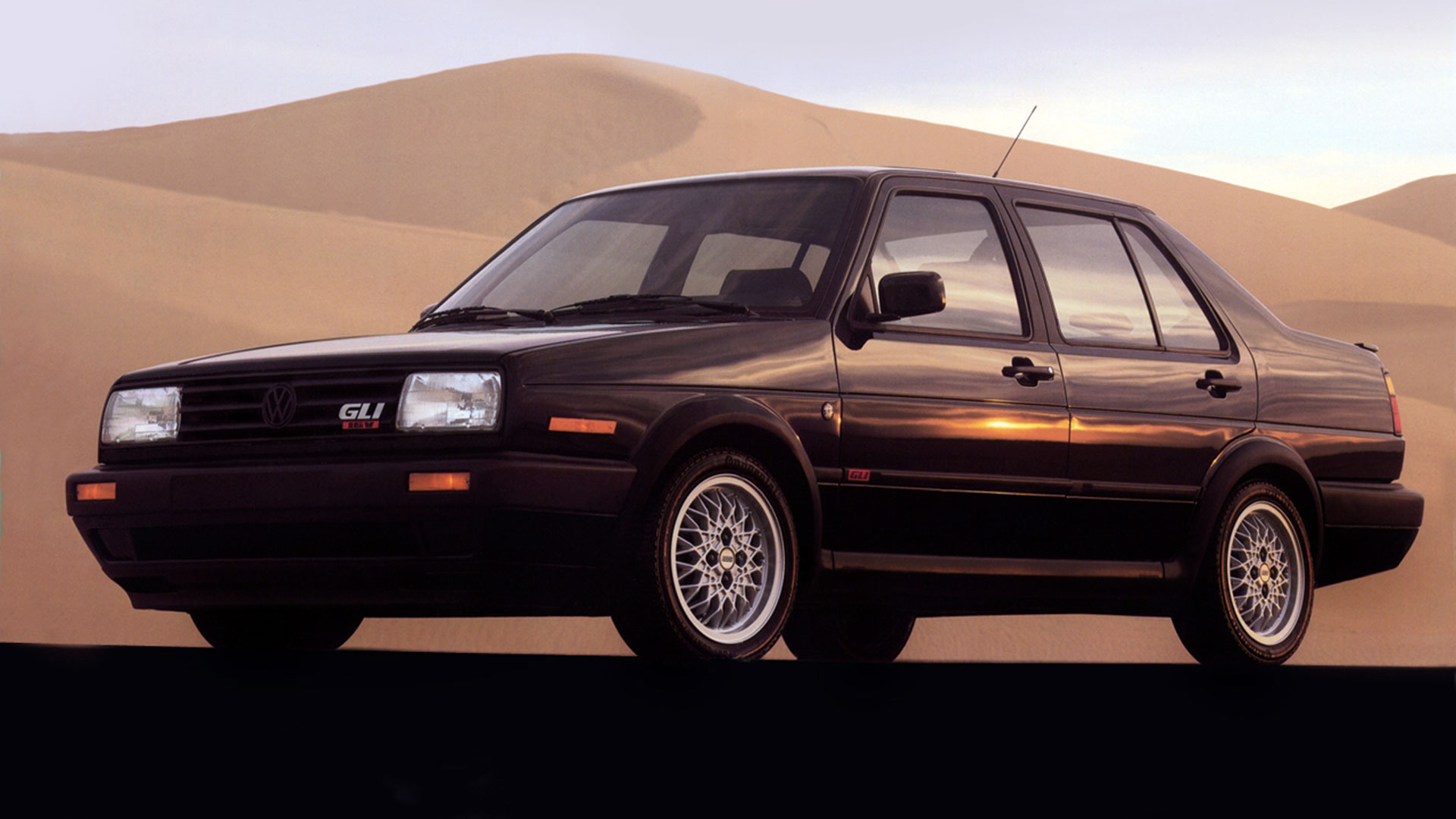
1990 Volkswagen Jetta GLI 16v Wolfsburg Edition
Proving how important the Jetta was to the North American market, a Wolfsburg Edition option package was launched for the Jetta in 1989. Initially planned as a limited run of 1,500 cars, the chance to spec the Wolfsburg option continued until 1991.
In 1990, the Jetta GLI was now using the 134hp 2.0-litre 16v engine. Opting for the Wolfsburg Edition meant 15-inch BBS alloy wheels, velour Recaro seats, and special exterior badging.
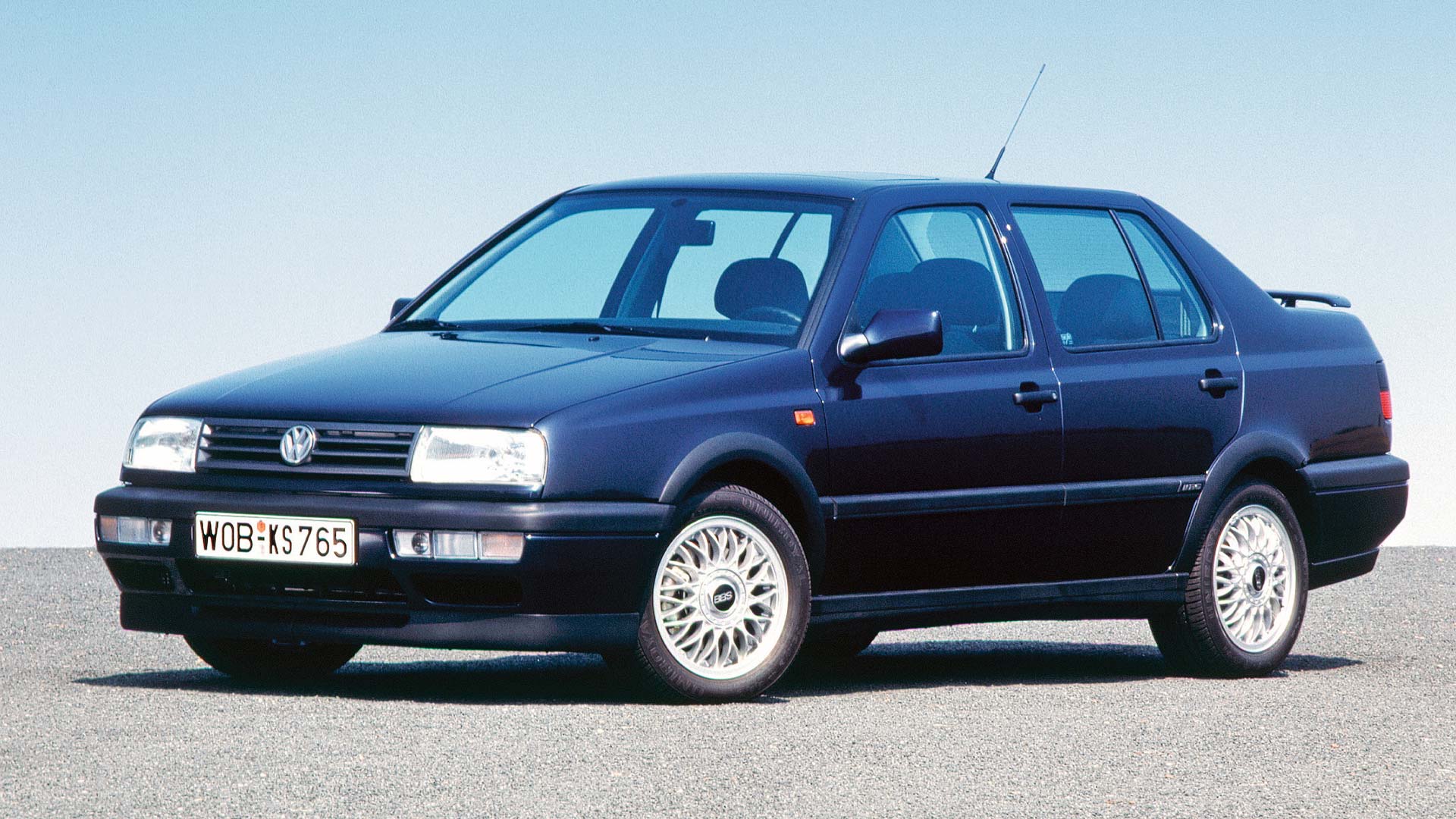
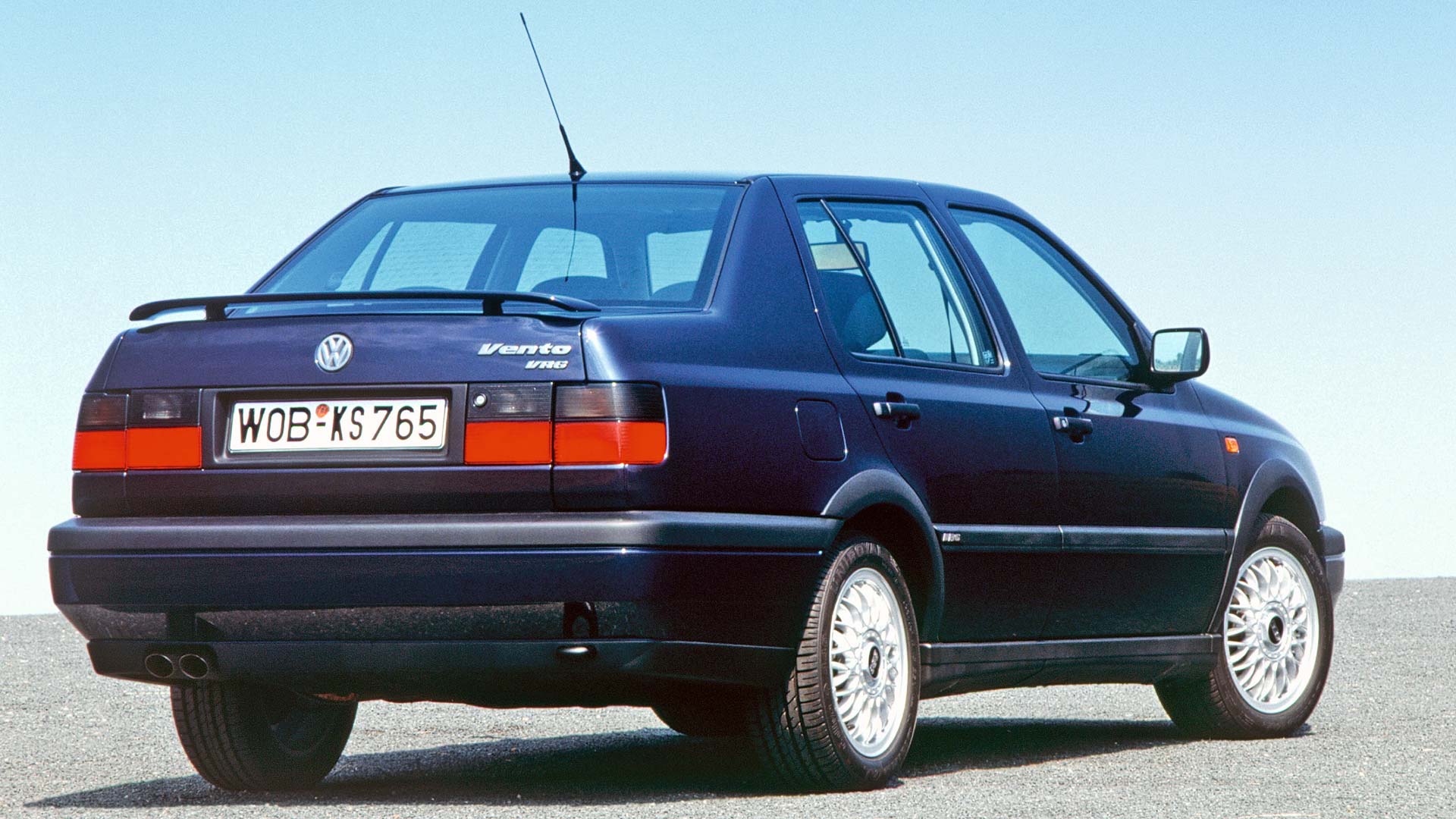
1992 Volkswagen Vento VR6
A new third-generation Golf also meant a new edition of the hatchback’s more practical cousin. In European markets, it also meant ditching the Jetta name and replacing it with new wind-inspired nomenclature. Vento literally translates as wind in Portuguese and Italian, but America retained the now much-loved Jetta badge.
Bigger, and packed with extra safety equipment to meet new regulations, the Vento became noticeably bulkier than its predecessors. At least there was plenty of room for all your junk in that bootylicious trunk.
With extra weight came the need for extra power to make a quick compact saloon. As with the Mk3 Golf, the sonorous 2.8-litre 172hp narrow-angle VR6 engine helped push the performance Vento upmarket.
In North America, the GLI badge took a sabbatical during the third-generation Jetta’s lifetime. Instead, range-topping VR6 versions were branded as ‘GLX’ models, focussing on sophistication along with a 0-60mph time of 7.7 seconds.
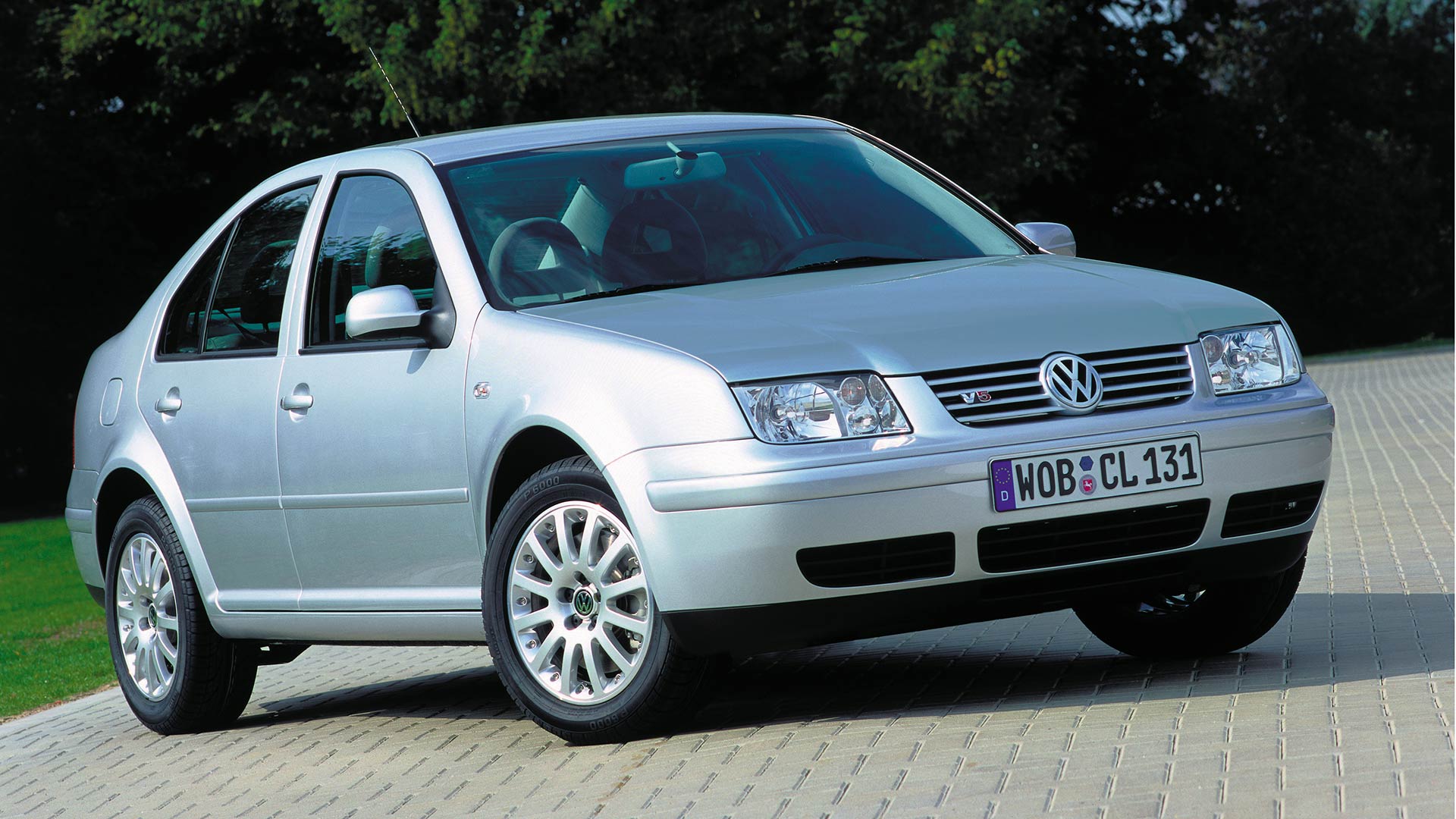
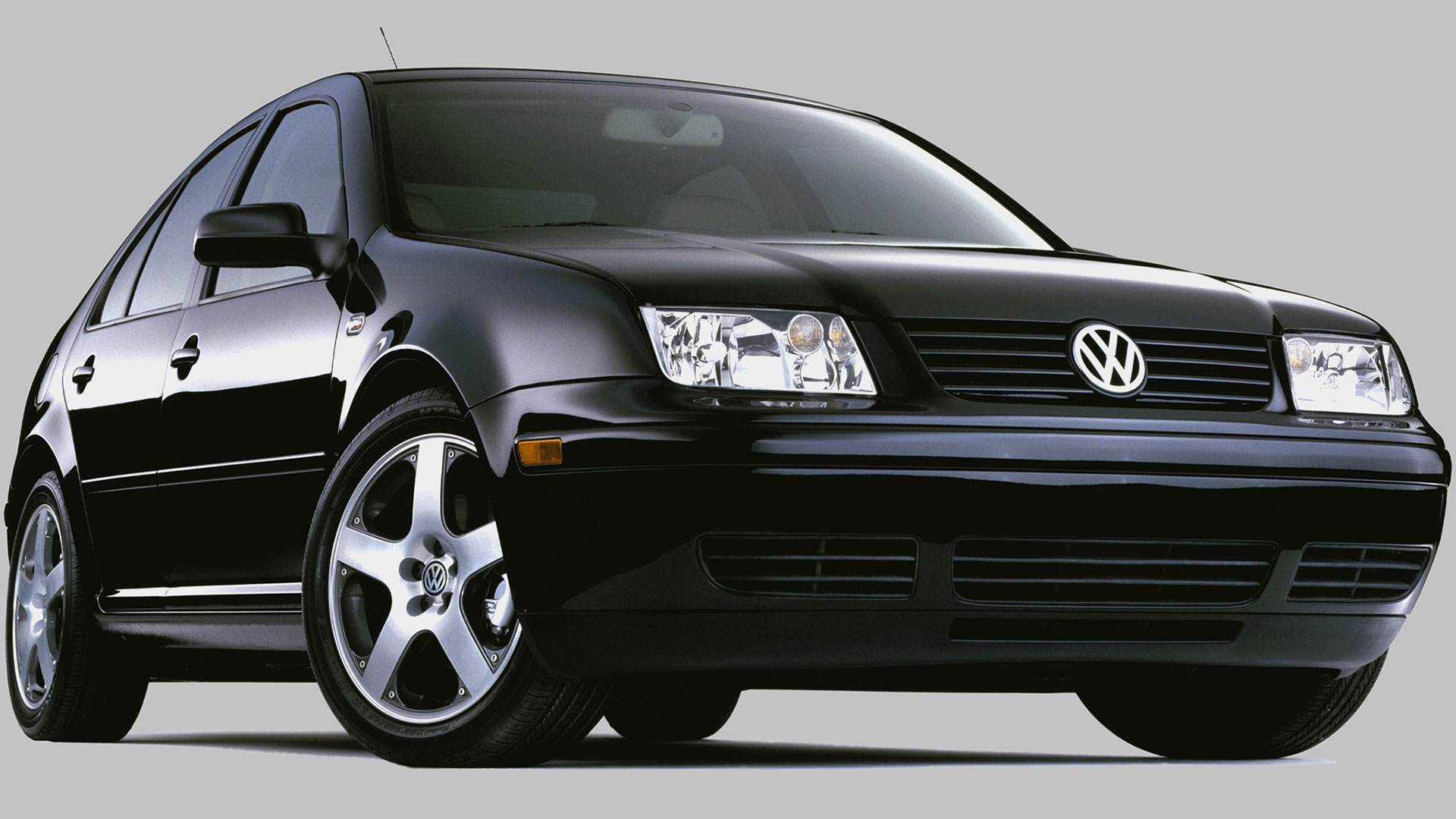
1999 Volkswagen Bora V5
By the late 1990s, the Volkswagen Group had big plans for world domination. It also meant a push to move the Volkswagen brand itself to a more premium position. Platform sharing came to the fore, and the compact Golf-based saloon gained another new wind-based name.
Branded after a winter wind which blows across the Adriatic, the Bora was never going to win awards for exciting exterior design. At least the interior featured Volkswagen’s classy blue backlighting, whilst performance in early models came from the curious 2.3-litre V5 petrol engine.
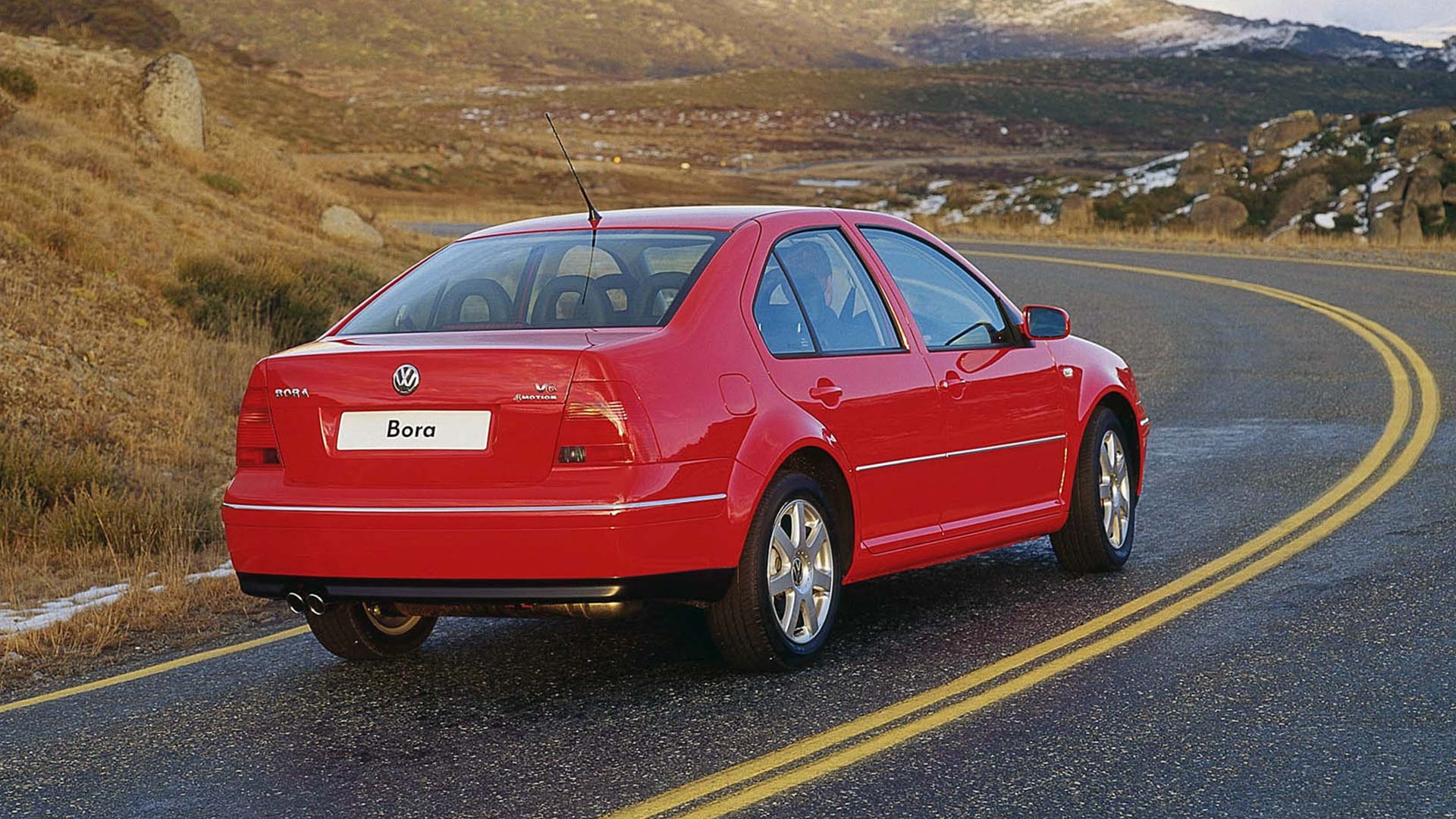
2000 Volkswagen Bora V6 4Motion
With the Bora destined to receive virtually every powertrain the Golf got, in 2000 this meant the return of the 2.8-litre VR6 engine. Now it had 201hp, and was mated to a 4Motion four-wheel drive system.
The V6 Bora was still more about junior executive cruising than outright performance, with an interior finished with wood trim and leather seats. Unsurprisingly, the 1.9-litre TDI diesel engines would be the ones everyone would actually buy.
2002 Volkswagen Jetta GLI VR6
Back in the USA, the Jetta name lived on unadulterated, with the GLI model finally making a return in 2002.
As with the European Bora, quick USA Jettas meant the need for multiple cylinders. The 2.8-litre VR6 engine continued in service, producing 177hp and 181lb-ft of torque. US-spec versions did without the 4Motion system offered on the Bora, however.
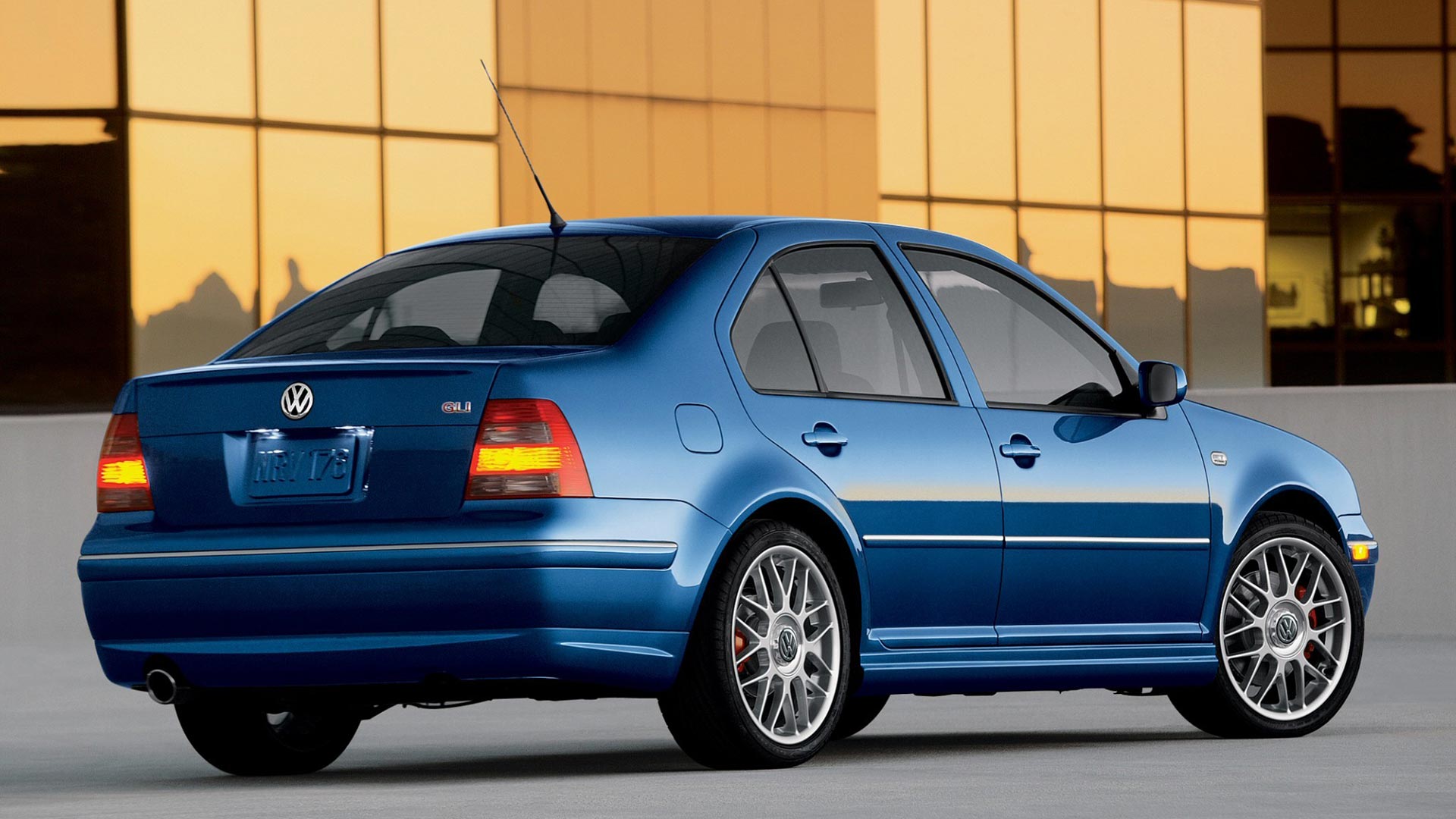
2004 Volkswagen Jetta GLI 1.8T
Not even the US-spec Jetta could avoid the pull of Volkswagen’s ubiquitous 1.8-litre turbocharged engine. In 2004 this meant a choice of GLI versions – the traditional V6, now with 197hp, or the 1.8T with 177hp.
Although the VR6 option may have been more powerful from the factory, the huge tuning market for the 1.8 Turbo meant it became the engine of choice for enthusiasts. ECU remaps, bigger turbochargers, and other modifications could easily push power to over 300hp.
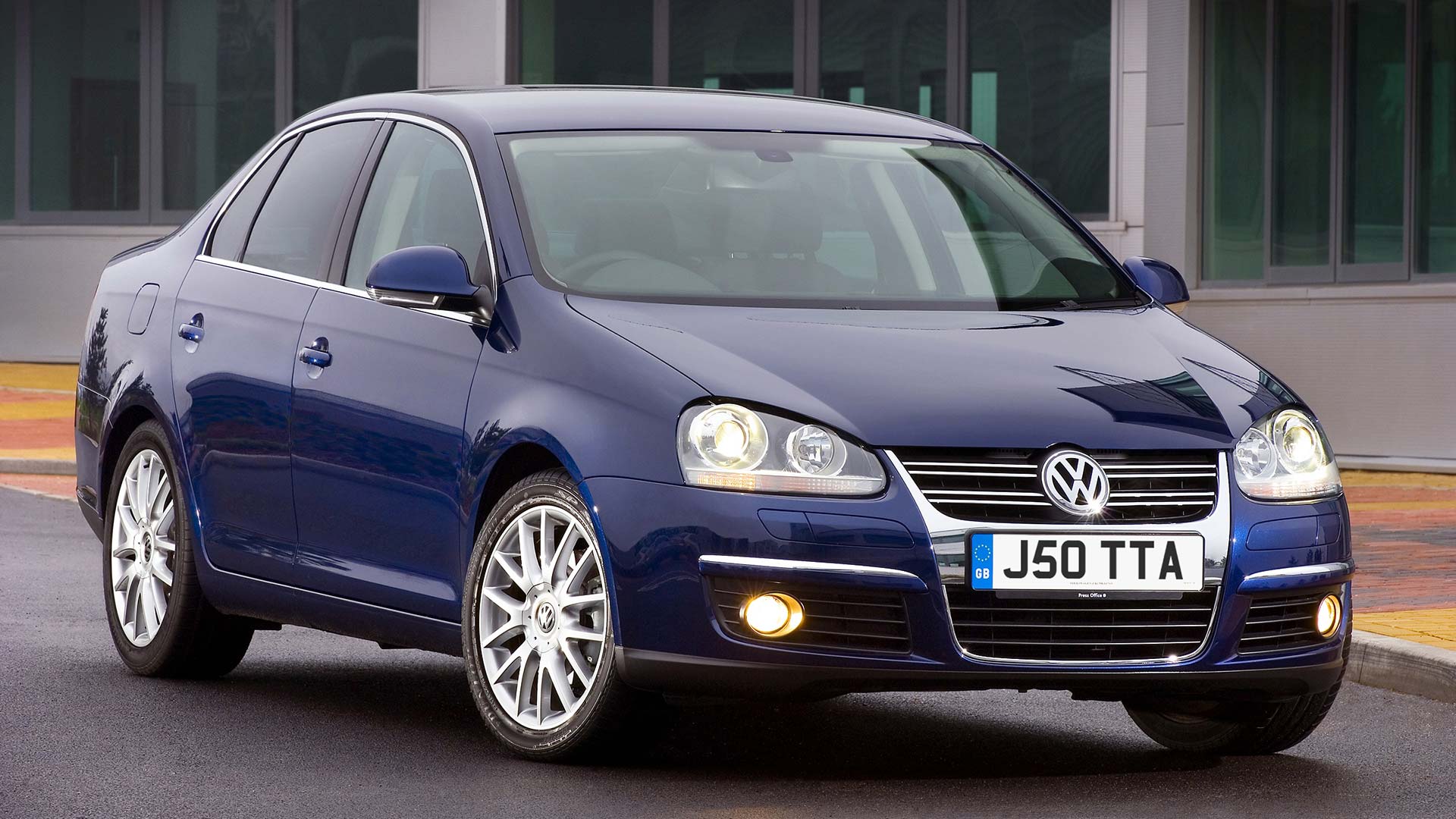
2005 Volkswagen Jetta Sport
Reflecting the importance of the Jetta to America, the fifth-generation debuted at the 2005 LA Auto Show. It also went on sale in North America ahead of any other markets, with major investment in Volkswagen’s factory in Puebla, Mexico.
The biggest news was the return of the Jetta name to Europe, with Volkswagen seemingly having run out of new wind naming options. With a front-end strongly resembling the Mk5 Golf, albeit with extra chrome, the halogen headlights even featured tiny VW symbols covering the bulbs.
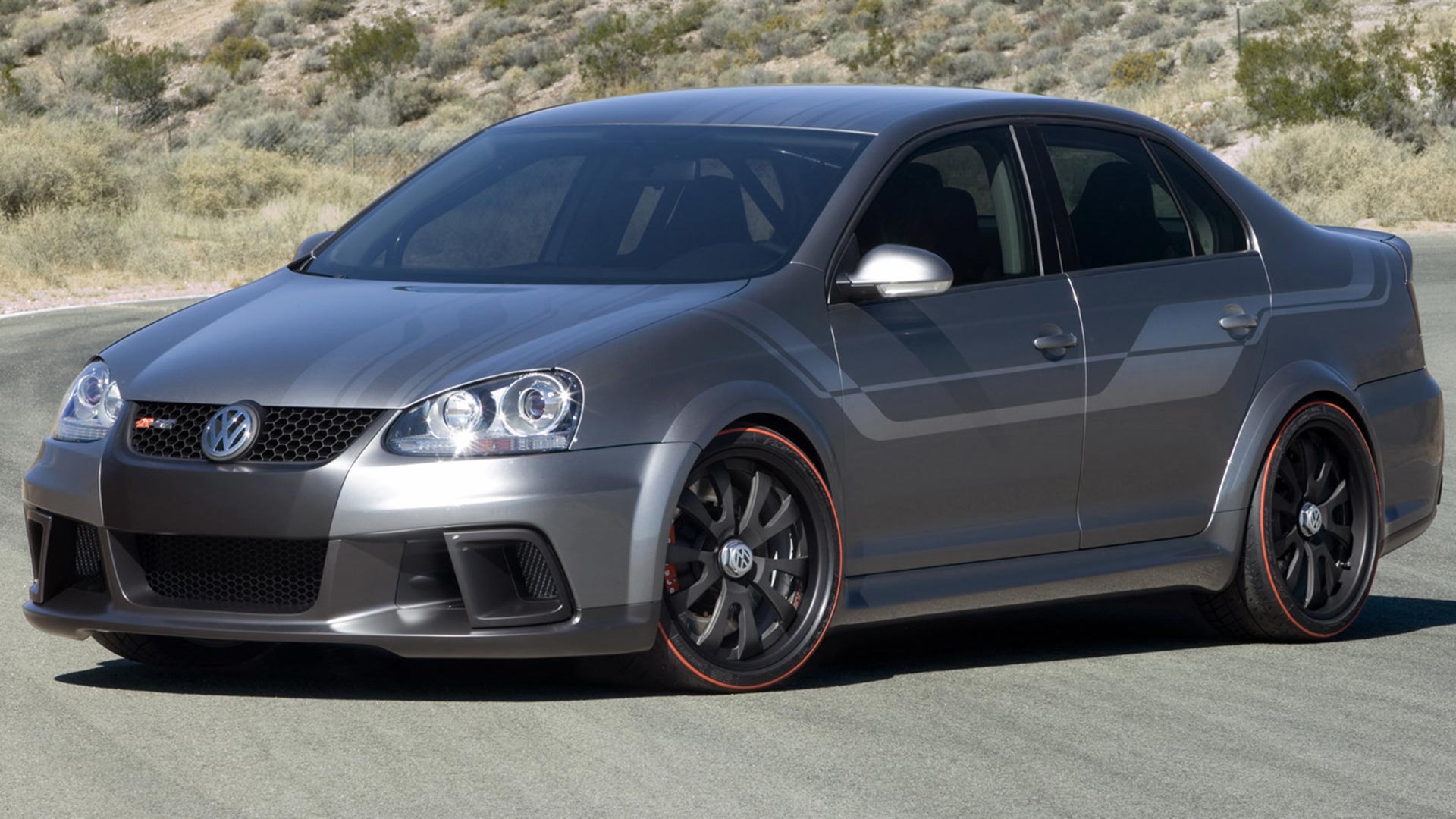
2005 Volkswagen Jetta R GT Concept
Previous Jetta models had found popularity with the American tuner scene – the original Fast and the Furious movie had even featured a Mk3 VR6 Jetta. It meant Volkswagen went chasing the modifying subculture hard with the Mk5 Jetta.
Appearing at the 2005 SEMA Show in Las Vegas, the Jetta R GT was meant to envisage what was possible with the new saloon. With a ridiculous 550hp twin-turbocharged 3.2-litre V6 engine, the R GT was as genuinely fast as the bespoke bodykit made it look.
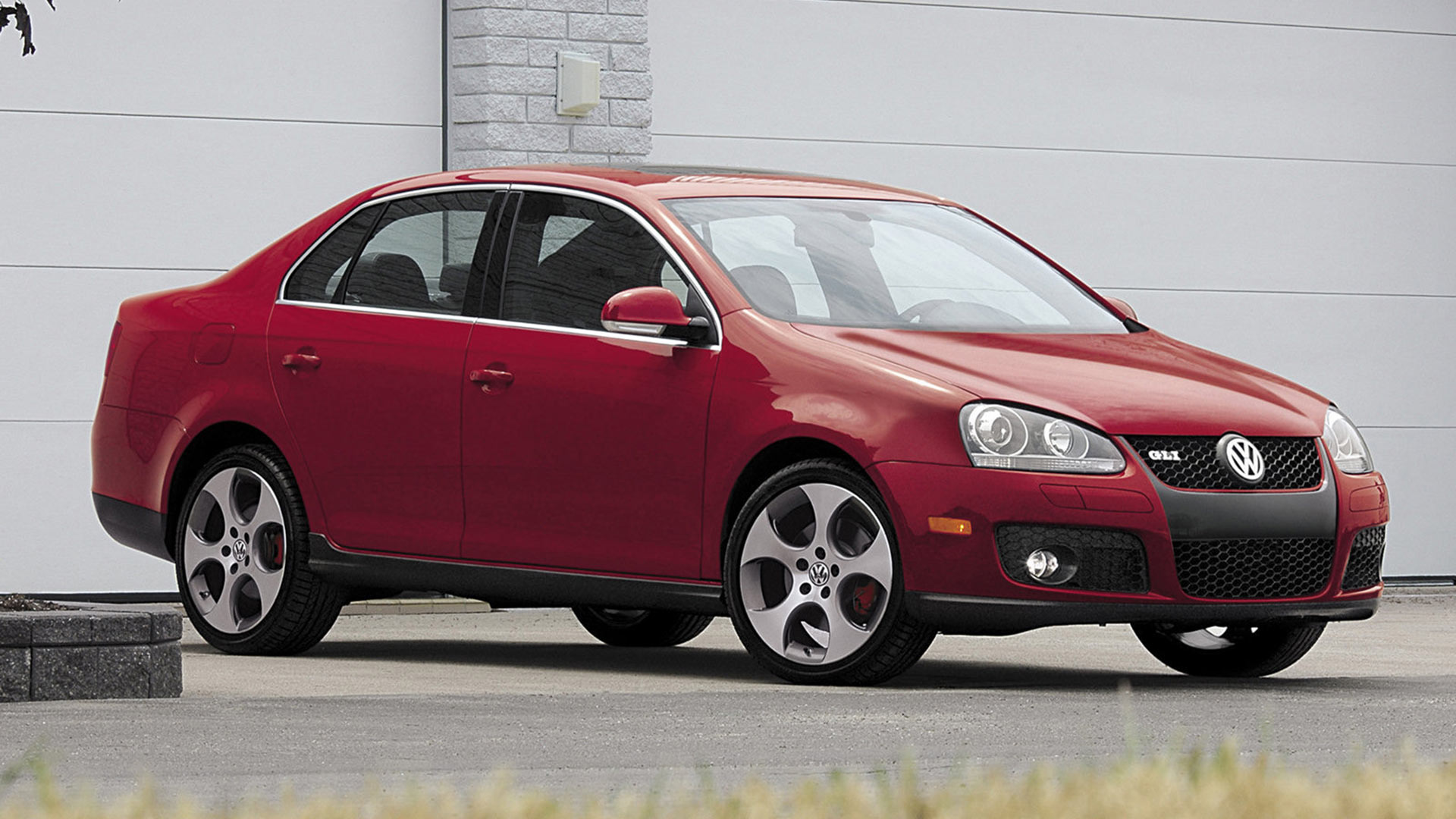
2006 Volkswagen Jetta GLI
North American Jetta fans did not have to wait long for a true performance version, with the GLI appearing in 2006.
Appearing much like a Mk5 Golf GTI, but with a huge boot grafted on the rear, the Jetta GLI made a serious effort at being a performance saloon. The bodykit mimicked the Golf, even down to the red trim in the honeycomb grille, whilst the distinctive Monza alloy wheels also made an appearance.
Under the bonnet was the same 2.0-litre TFSI petrol engine as the Golf GTI, producing 197hp and 210lb-ft of torque. A six-speed manual gearbox was standard, with a DSG dual-clutch optional.
European buyers were denied the full-fat GLI, but did at least get a ‘Sport’ trimmed car powered by the same 2.0-litre TSFI engine. But, being the mid-2000s, these would be extremely rare against a sea of 2.0-litre TDI diesel models.
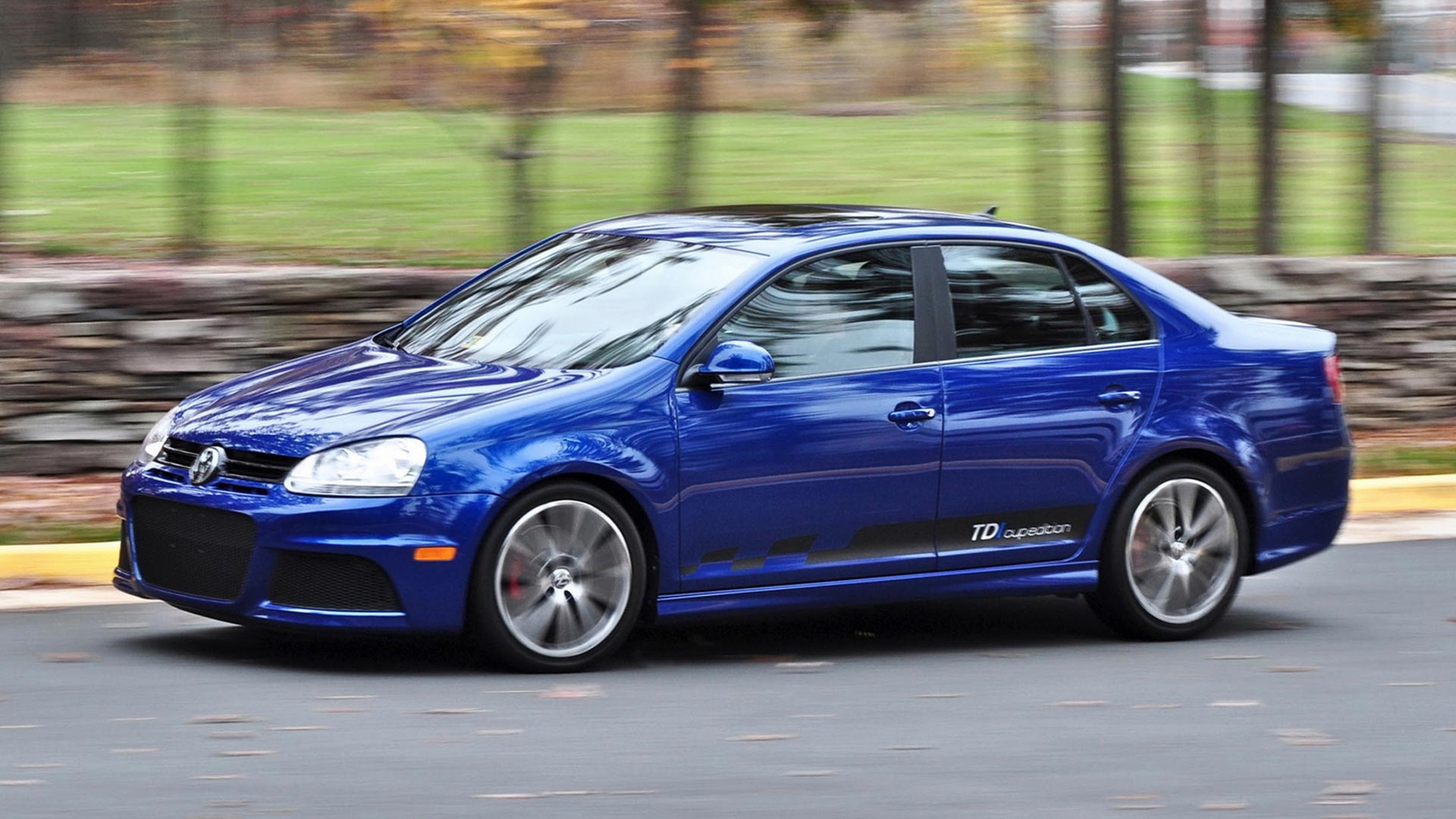
2010 Volkswagen Jetta TDI Cup ‘Street’ Edition
Despite the popularity of the GLI, Volkswagen was engaged in trying to win over American consumers to the idea of ‘clean diesel’ power. This was before the Jetta TDI would go on to be one of the cars implicated in the dieselgate scandal.
Between 2008 and 2010, Volkswagen ran a single-make championship, using a field of 2.0 TDI-powered Jetta racers. To celebrate the success of the TDI Cup, Volkswagen USA produced 1,500 TDI Cup ‘Street’ Editions. These wore a special bodykit, external graphics, and 18-inch alloy wheels.
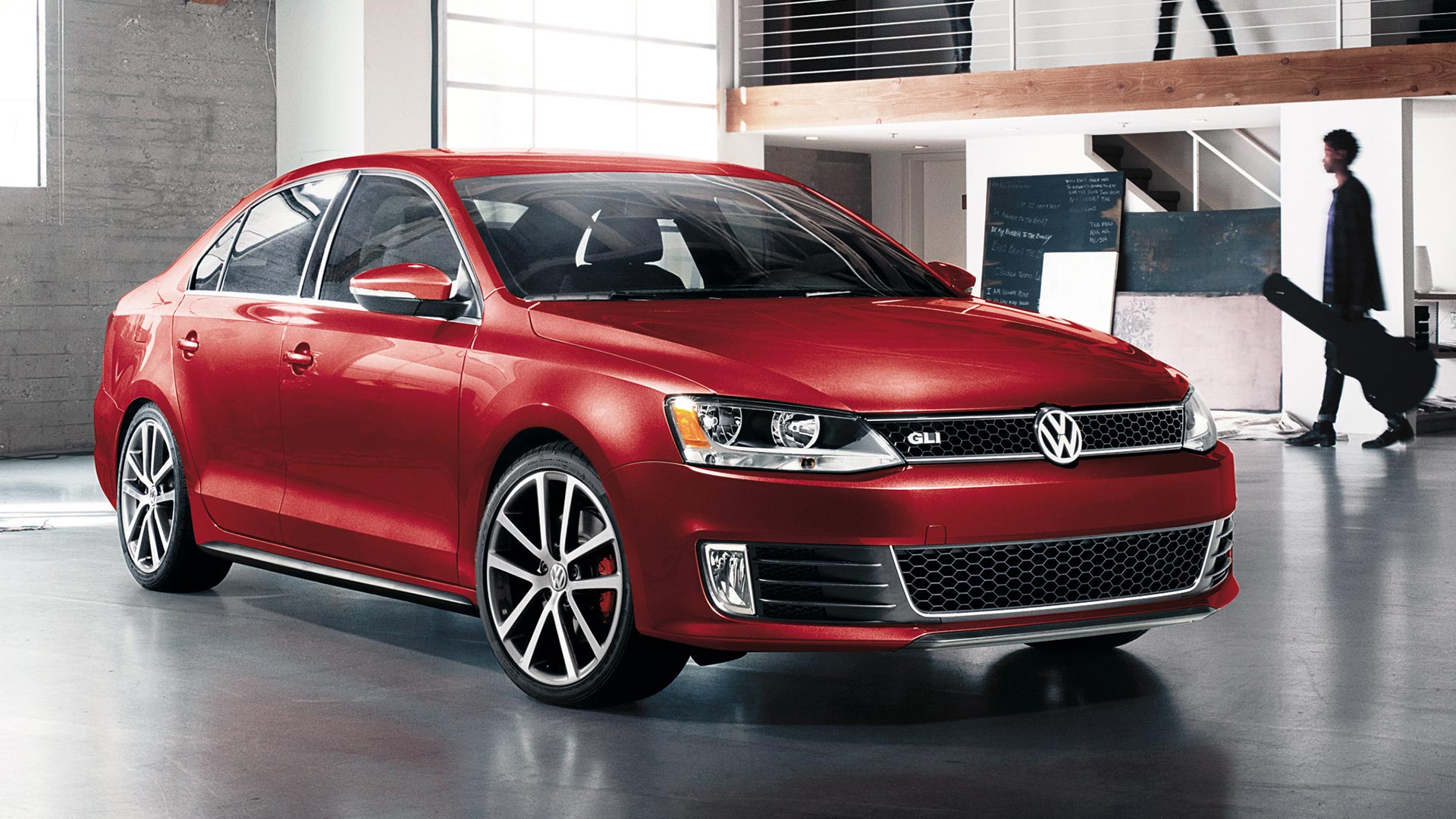
2011 Volkswagen Jetta GLI
The sixth-generation Jetta ditched any family resemblance to the Golf, and started out on a separate path towards North American success. Whilst Europe and other markets ditched saloons in favour of SUVs and crossovers, the compact four-door would continue unabated in the US and Canada.
Subtler than the previous Jetta GLI, the Mk6 used a 200hp 2.0-litre turbocharged petrol engine, with the choice of six-speed manual or DSG dual-clutch gearboxes. Independent rear suspension was retained for the GLI – something ditched on lesser Jettas.
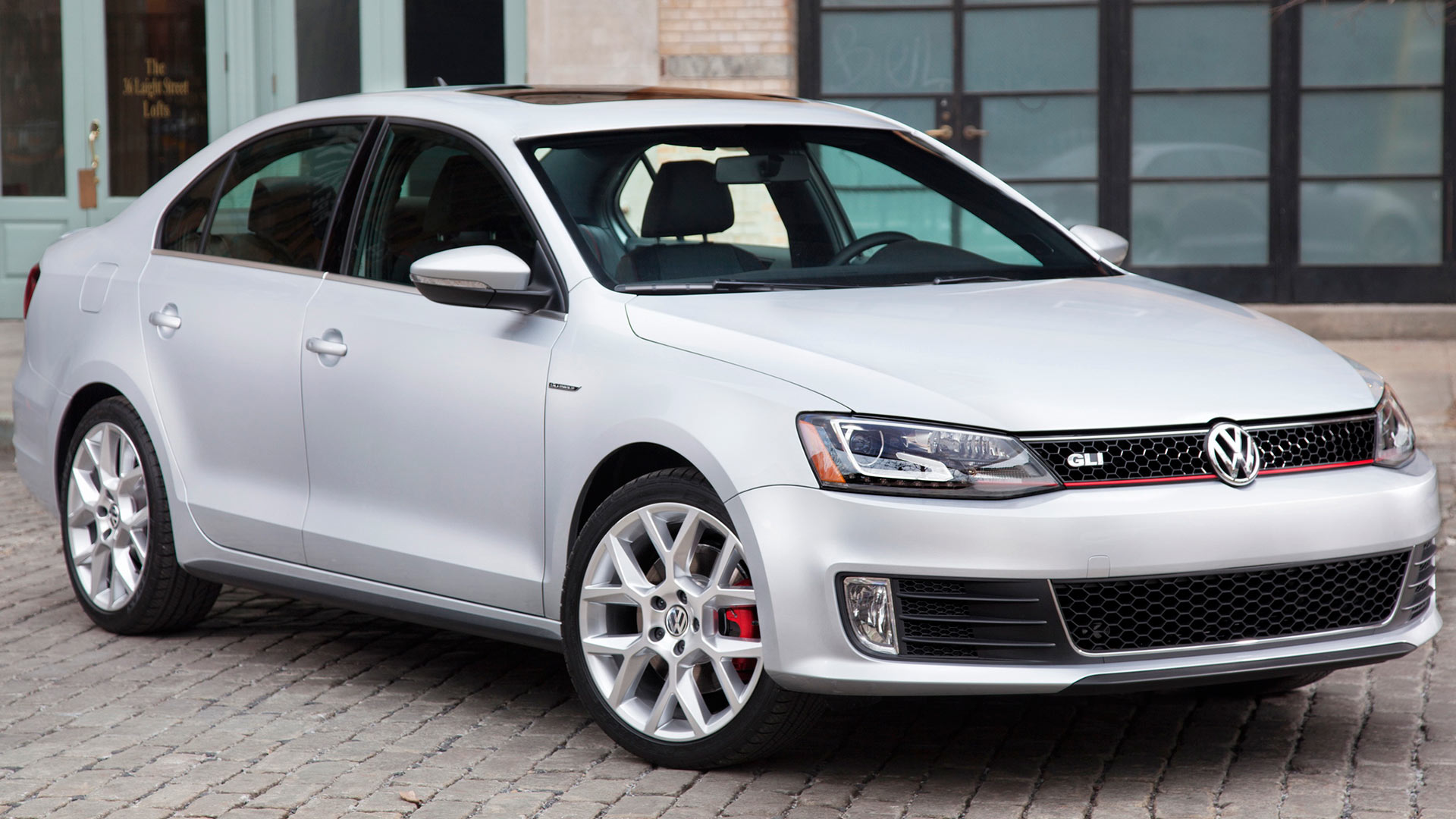
2014 Volkswagen Jetta GLI Edition 30
Although the rest of the world might have forgotten about the Jetta GLI, in North America the quick four-door celebrated an anniversary in 2014. Marking 30 years since the original 90hp Jetta GLI had hit the market, Volkswagen introduced a commemorative edition.
Red trim was back on the honeycomb front grille, with 18-inch alloy wheels beefing up the exterior. Inside was a riot of leather trim, red stitching, carbon fibre details, and special Edition 30 badging, of course.
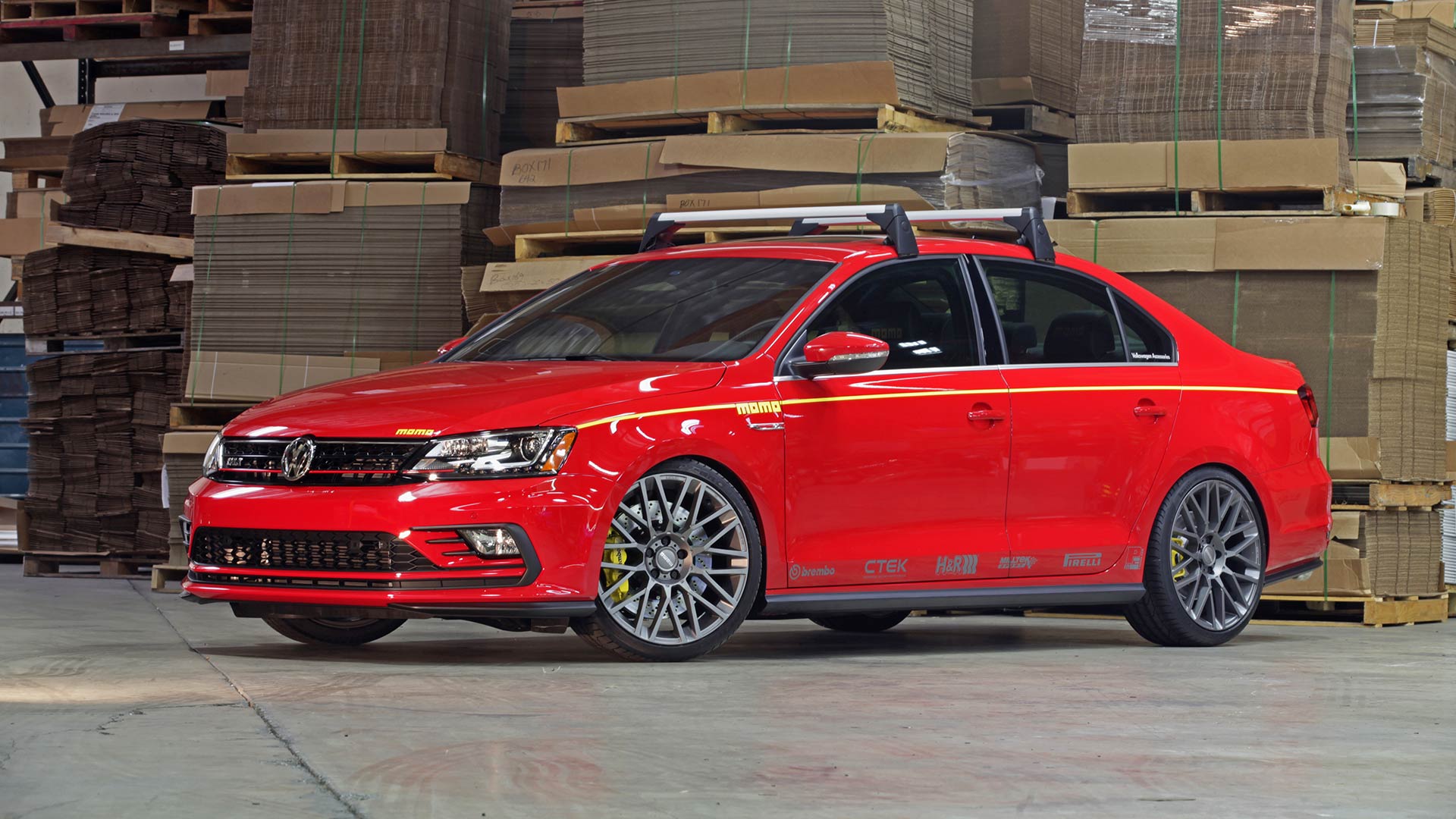
2016 Volkswagen Jetta GLI Momo Edition
Maybe to divert attention away from dieselgate, Volkswagen displayed an impressive modified Jetta GLI at the 2016 SEMA Show. Slammed to the ground on adjustable coilover suspension, and wearing 19-inch alloy wheels, the tuning makeover was done by Italian aftermarket firm Momo.
Sadly, the Momo Edition was just a one-off show car, albeit one meant to demonstrate what the Jetta could achieve. Meanwhile, across the Atlantic, the Jetta was slowly being removed from model ranges across Europe.
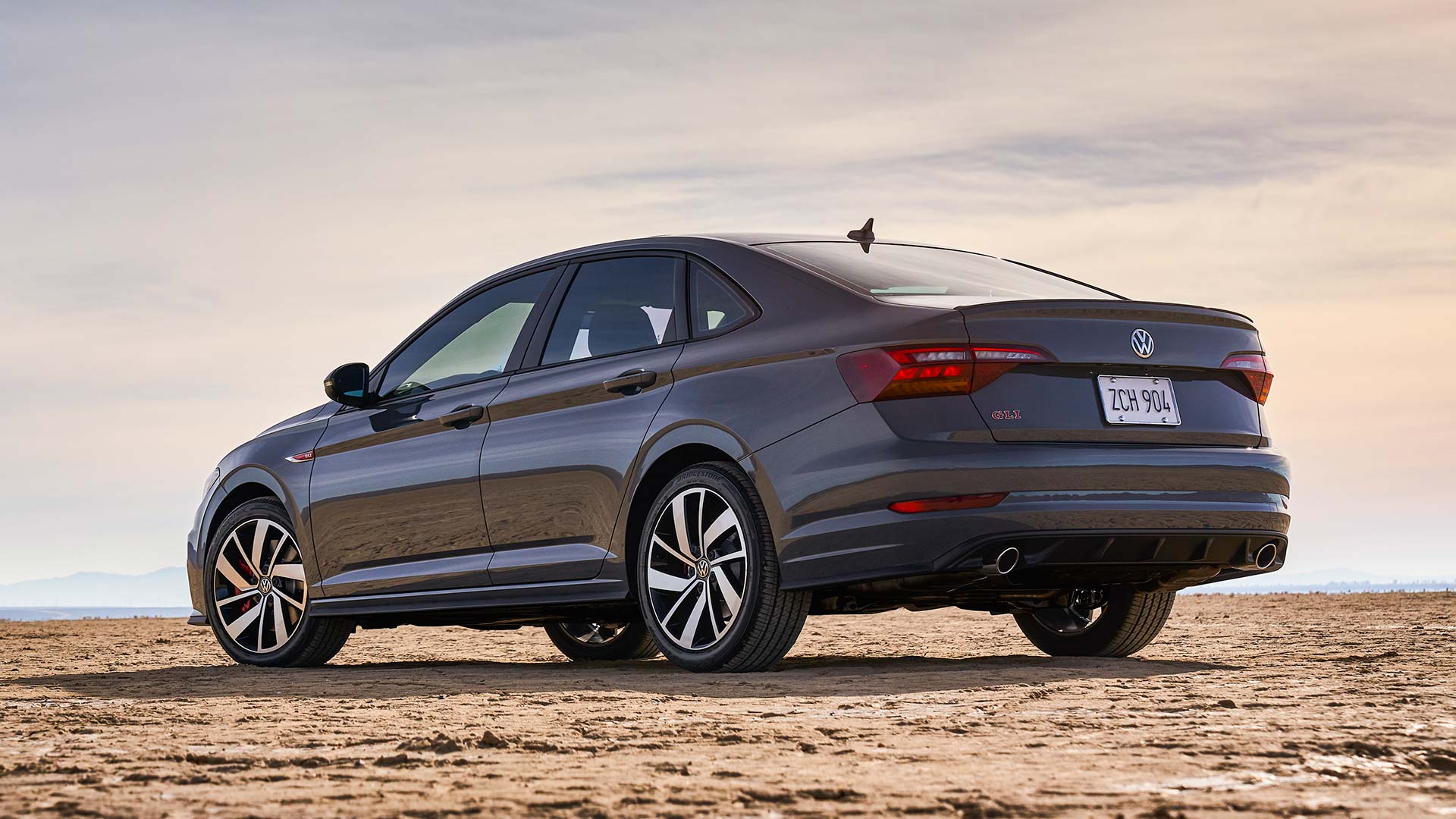
2019 Volkswagen Jetta GLI
Whilst the fast Jetta may be dead to European buyers, in America it is still as popular as ever. Following the launch of the seventh-generation Jetta in 2018, Volkswagen USA unveiled the all-new Jetta GLI at the 2019 Chicago Auto Show.
As the most powerful production Jetta GLI yet, the 2.0-litre TSI engine produces 228hp and 258lb-ft of torque. A limited-slip differential is standard, as is a six-speed manual gearbox. 18-inch alloy wheels, aggressively designed bumpers, and lowered suspension give it a serious stance.
A 35th Anniversary Edition will also be available, celebrating the continued success of the hot Jetta. If only we European buyers had kept in touch, look what we could have had…
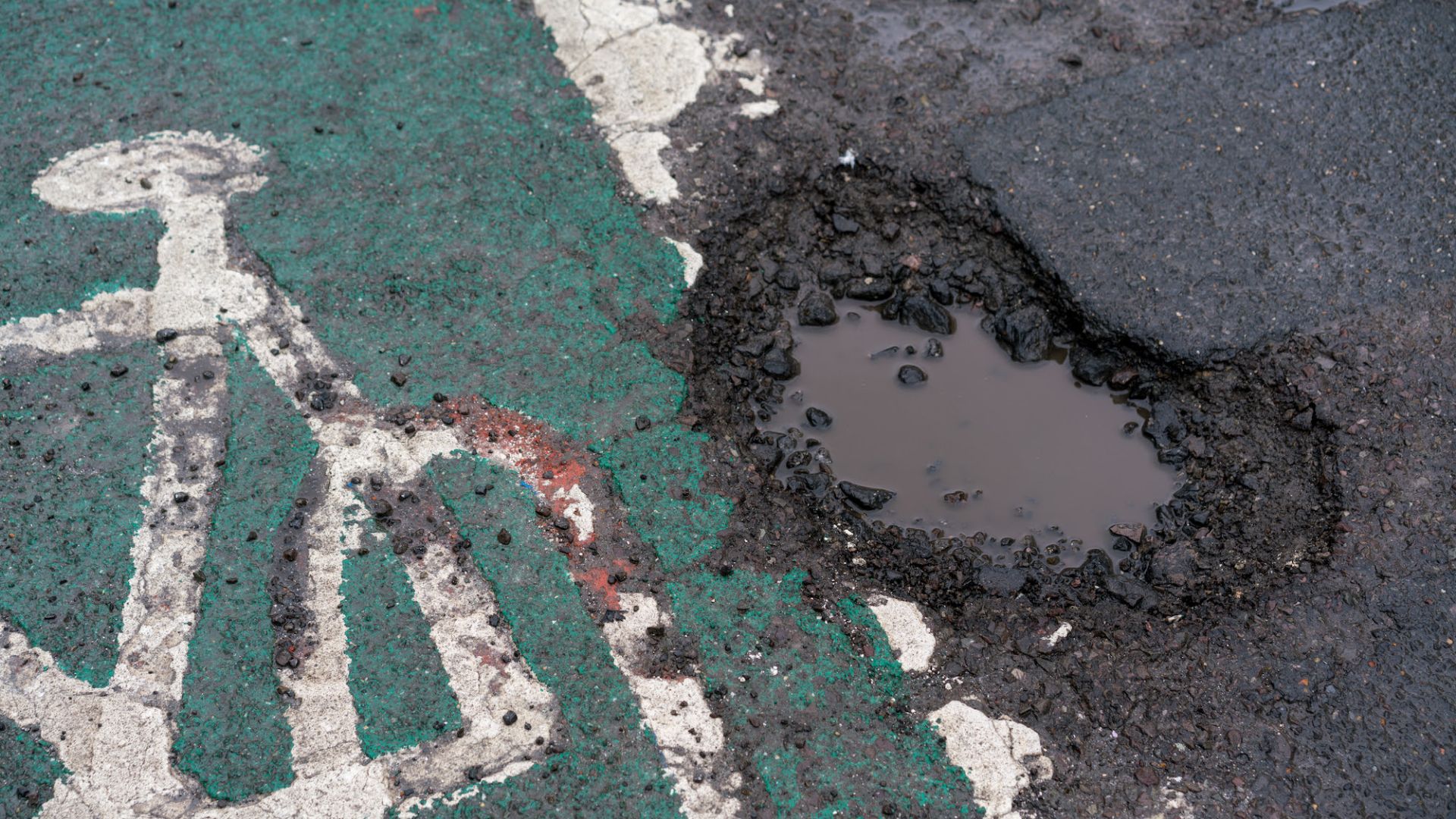
The Asphalt Industry Alliance (AIA) has estimated that road maintenance funding needs to rise by £1.5billion per year to get the UK’s highways up to a maintainable standard. Even then, clearing the backlog would take a decade.
A longer-term approach to funding is needed, says the AIA, to prevent a ‘cycle of patch and mend due to the long-term underfunding of local roads’.
Local authorities have spent as much as £1 billion over the past 10 years simply filling in potholes, barely maintaining and certainly not improving road standards.
The time and money spent patching roads is deducted from planned maintenance and upgrades that could see the pothole become almost extinct, it says.
In October, there was a £420 million pledge to local authorities to help mend the UK’s shattered roads. Since then, we’ve had a significant cold snap, meaning that the UK’s pothole epidemic is only likely only to get worse.
The UK has hovered around 1,000,000-pothole mark for the past three years, according to surveys by local authorities.
“While the additional funding announced by Government has been well received, it’s a fraction of the £1.5 billion extra a year – for 10 years – that we believe is needed to bring roads back up to target conditions,” said Rick Green, chairman of the AIA.
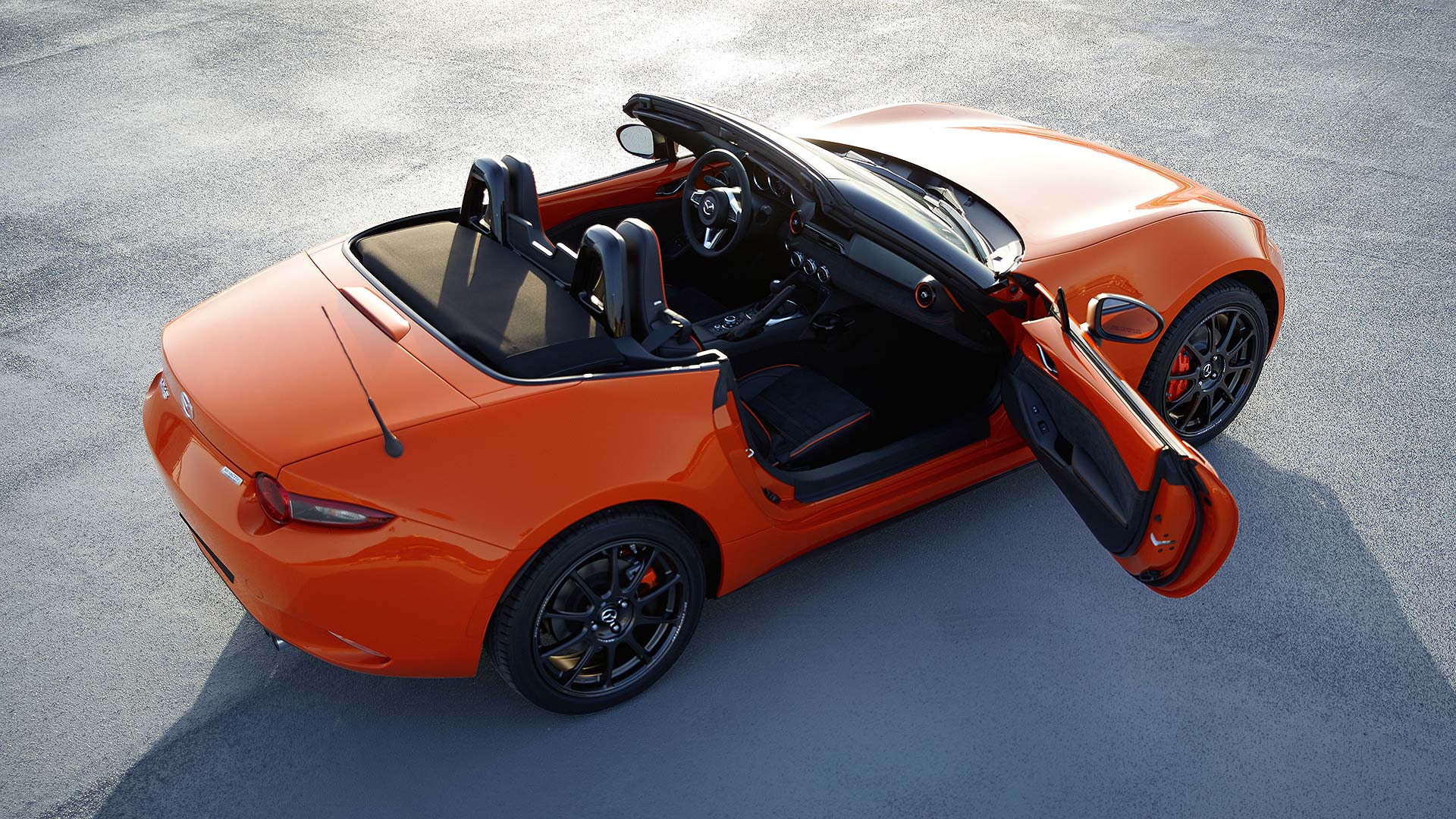
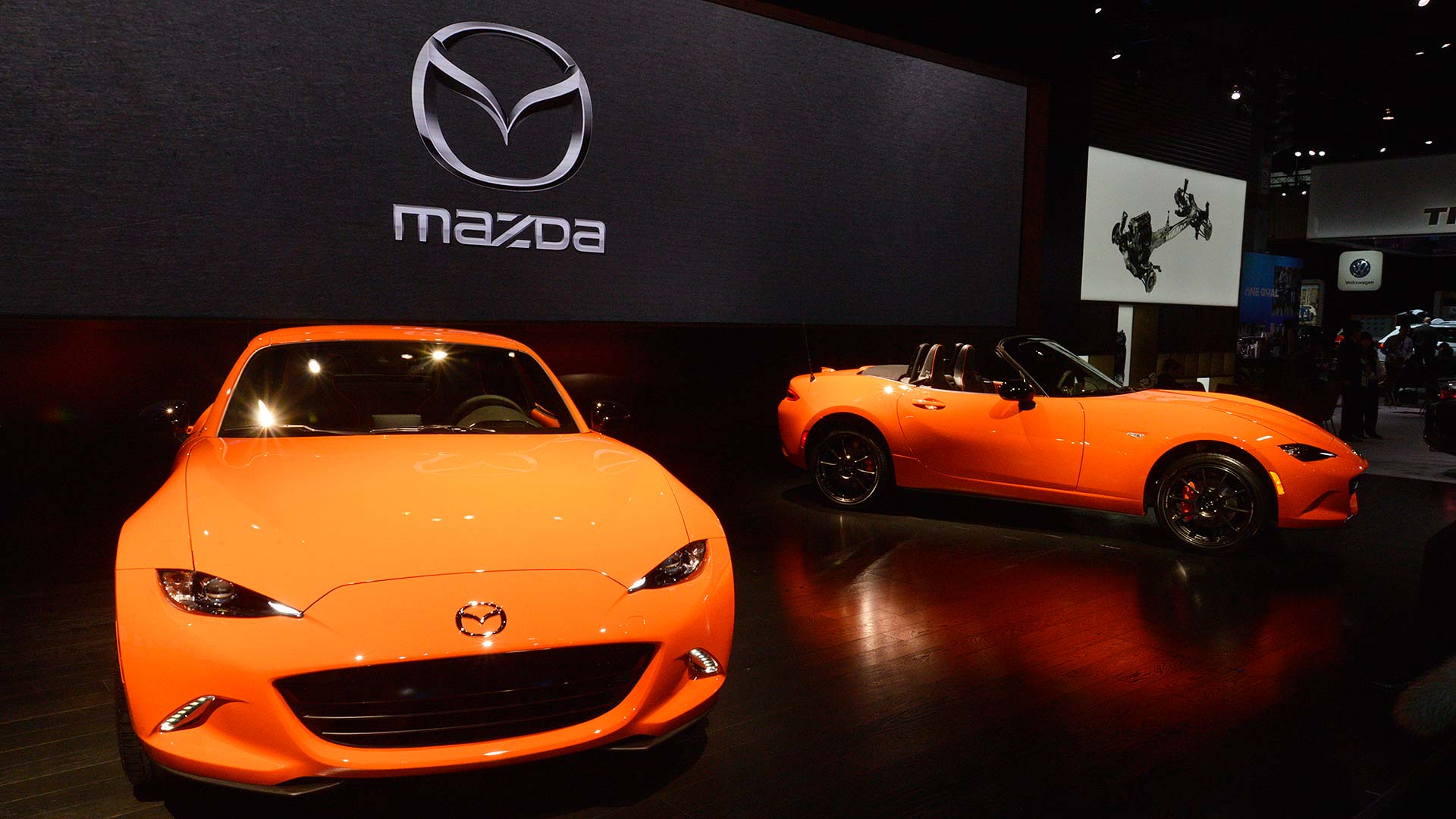
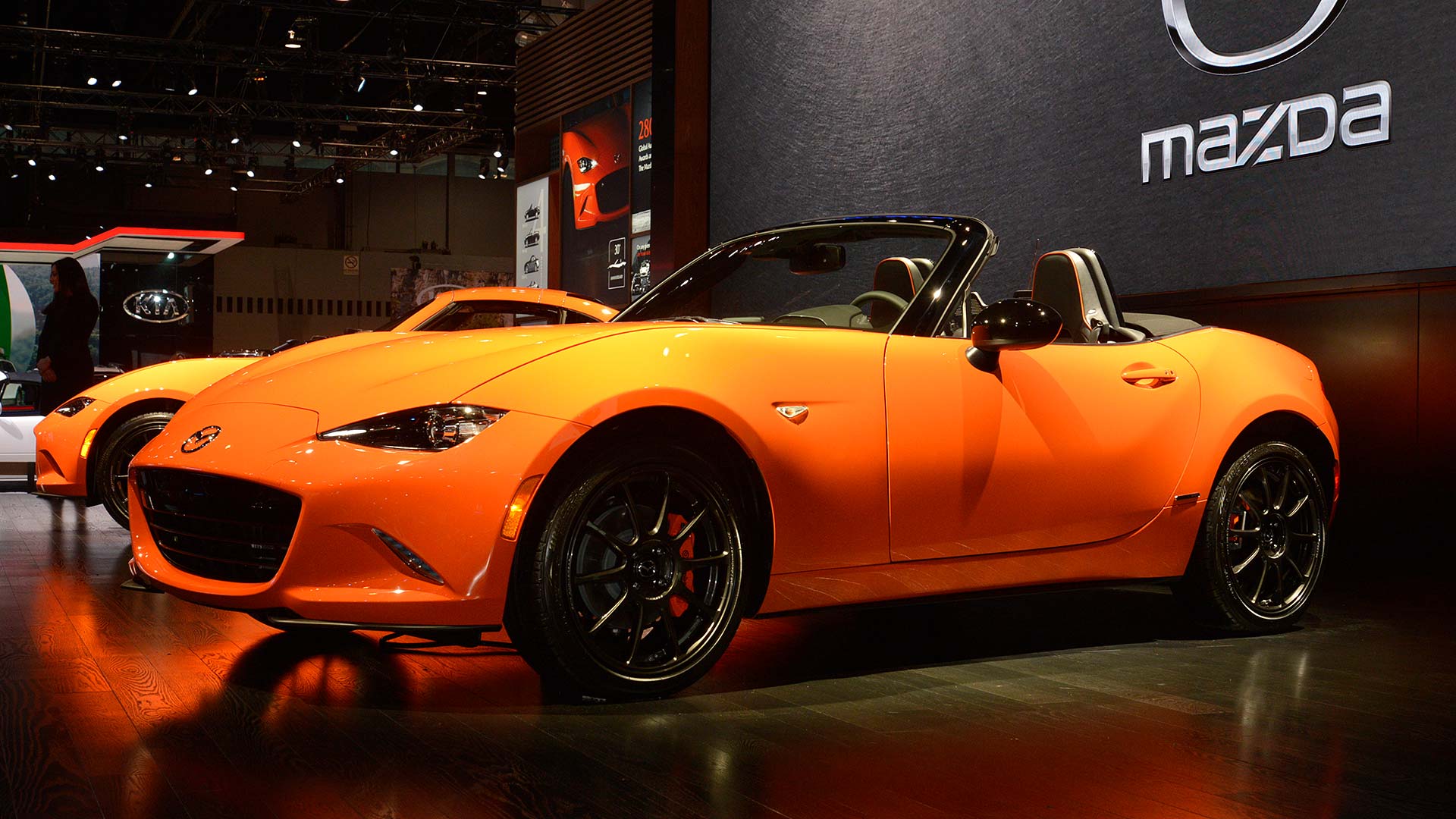
The Mazda MX-5 was launched 30 years ago at the 1989 Chicago Motor Show. Three decades on, the firm is back in the Windy City to roll out a special 30th Anniversary Edition collector’s special.
Just 3,000 30th Anniversary Edition MX-5 will be sold globally, all finished in the same vivid Racing Orange paint. The UK has been given a generous 600-car allocation from this total, and it’s on sale now.
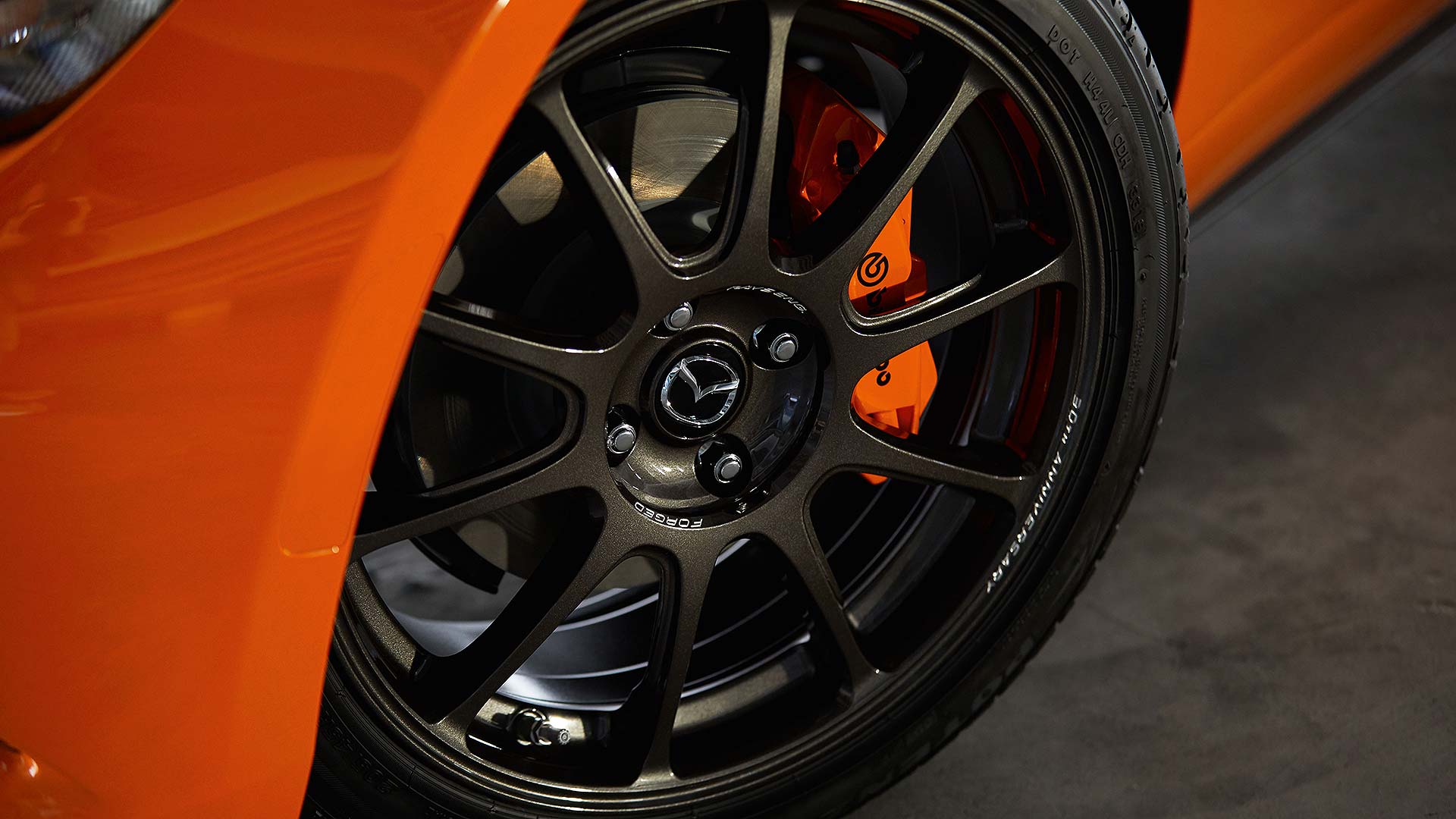
The Racing Orange paint is a brand new colour and has been developed exclusively for the 30th Anniversary Edition. Mazda has also teamed up with wheel manufacturers Rays Co Ltd to create a bespoke set of forged alloy wheels.
Behind them hide orange brake calipers and, for the first time, uprated Brembo brakes.
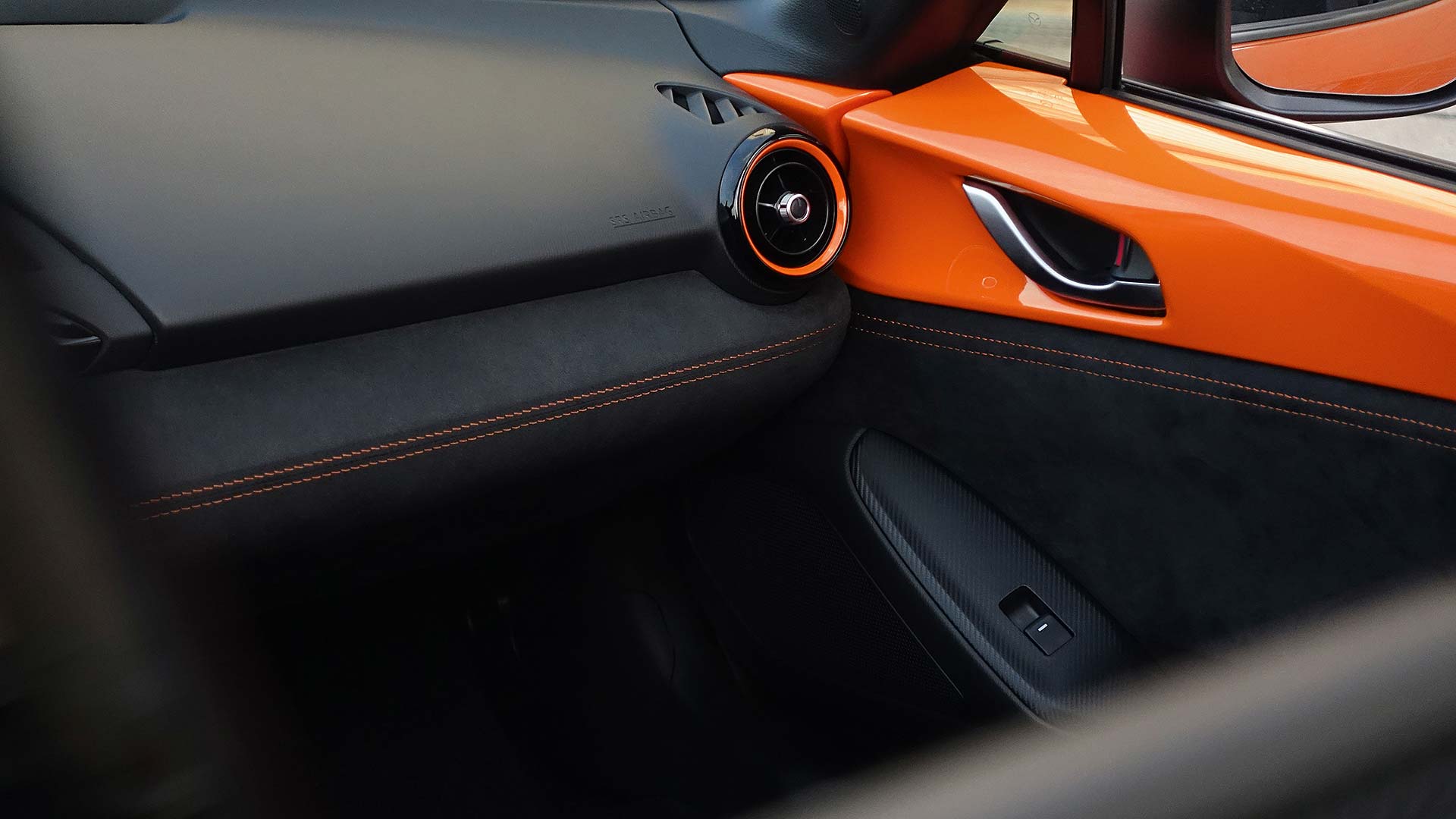
Inside, there’s more orange detailing, with accented panels on the dashboard and doors, orange details for the seats and steering wheel, air vents and gearlever. Recaro seats are standard, as is Alcantara trim. Mazda points out both Apple CarPlay and Android Auto are also standard.
Each 30th Anniversary Edition gets a unique numbered badge on the outside; of the UK’s 600-car allocation, 400 will be convertibles and 200 will be the folding hard top RF.
The Mazda MX-5 30th Anniversary Edition convertible costs £28,095; the RF is priced at £29,895. They all use the new high-revving 184hp 2.0-litre Skyactiv-G engine, plus Bilstein dampers, strut brace and limited-slip differential.
Since its launch in 1989, the MX-5 has become the world’s best-selling roadster, with more than 1 million models delivered to customers. Mazda UK MD Jeremy Thomson added that 130,000 of them have come to the UK.
“This is a sports car that has resonated with enthusiastic British drivers ever since its debut and four generations on it’s as popular as ever,” he said. “Along the way, it has remained true to the original principle of being an affordable, lightweight and above all fun-to-drive roadster.”
Ordering for the MX-5 30th Anniversary Edition is open now and deliveries begin in the summer.
New data from the specialist insurer shows that it received the fewest amount of claims from drivers in the Scottish coastal city of Dundee, with the Welsh resort of Llandudno finishing a close second. Other locations appearing in the top ten include Blackpool and Aberdeen.
Predictably, London is the place to avoid if you fancy a stress-free driving experience – six of the capital’s districts appeared in the bottom ten, with NW and N the most accident-prone postcodes.
‘Something in the sea air’
Ian Fray, managing director at ClassicLine Insurance, said: “Our snapshot of UK motoring indicates that drivers in Dundee are the safest behind the wheel, whereas Londoners are most likely to be in a motoring prang.
“It also highlights that there must be something in the sea air which makes drivers more chilled out. Perhaps living near the coast makes people more relaxed and also more laid back in their driving habits.”
Ian added: “London is one of the most congested cities in the world and presents its very own stresses and unique driving challenges, which might explain why so many areas around the capital have increased accident driving claims with us.
“Given this scenario, our advice is to head to the seaside this weekend!”
The top ten tables in full
Ten postcode areas with the lowest accident claim frequency
Ten postcode areas with the highest accident claim frequency
Around 10 percent of young driver car insurance policies are ‘fronted’, putting parents at risk of a trip to court and a criminal record.
This is according to research conducted by GoCompare, which also found that the average cost of car insurance for a 17-year-old now sits at a staggering £1,964. Little wonder so many parents are ‘fronting’ their child’s policy to save money.
Young drivers save £50 million with insurance black boxes
‘Fronting’ is a term used to describe an older driver – usually a parent – claiming they’re the main driver of a vehicle that’s actually driven by a high-risk motorist, usually a young driver. Around 34 percent of the motorists surveyed said they would consider ‘fronting’ if it could save their child money.
Unfortunately for the parents, ‘fronting’ is technically insurance fraud and, if discovered, the policy becomes null and void and the policyholder could end up with a criminal record.
In the event of an accident, although the insurance provider will settle the third party claim, they will usually seek to reclaim the costs from the policyholder. In serious cases involving a personal injury claim, the insurer may pursue the parent for hundreds of thousands of pounds.
Twice as likely to make a claim
Lee Griffin, founding member at GoCompare said: “Unfortunately, many parents are putting themselves at risk of picking up a criminal record for the sake of reducing their child’s car insurance premiums. There may not appear to be any harm in insuring a child’s car in a parent’s name, but ‘fronting’ is illegal nonetheless.
“Car insurance premiums for new drivers can be high compared to those offered to more experienced drivers but there’s a good reason why. According to the ABI, drivers aged between 17 and 20 are twice as likely to make an insurance claim as other drivers and the cost of their claims can be up to three times higher than the average.”
GoCompare points out that while ‘fronting’ is illegal, it’s perfectly acceptable to add another person to a policy as a named driver. If they have a good driving record, the premium could be reduced by around £200.
Motorists can also save up to £268 a year by shopping around, while a telematics policy can help young drivers accumulate a no claims discount to further reduce their annual premium.
Collecting Cars is a new online auction platform for collectable cars, freshly launched at the 2019 Retromobile classic car show in Paris. With names like Chris Harris on the team, it sounds like the real deal for enthusiastic buyers and collectors.
The online classic car auction startup is described as the only platform of its kind to reach across Europe, consigning and marketing cars for clients across the continent.
It’s high-tech and safe, too, with ‘industry-leading identity verification and payment security’. This all sounds good, but music to buyer’s and seller’s ears alike will be that ‘premiums and fees are also set significantly lower than at conventional auctions’.
Comprising Collecting Cars is, according to director Edward Lovett, “a team of people who are – first and foremost – dyed-in-the-wool car enthusiasts”. It doesn’t sound like cut and dry sales platform, judging by the stated core ethos of the new venture; to ‘be immersive, with multi-platform storytelling that takes its audience behind the scenes with fascinating cars, personalities and master craftspeople’.
While trading cars is the bread and butter, it sounds like a platform fuelled by passion.
And who is more passionate about buying, owning and using cars than Top Gear’s resident tyre delaminator, Chris Harris?
“Grazing classifieds has been my passion for more than 20 years,” said Harris. “I can’t wait to see the fascinating machinery that will appear on Collecting Cars.”
When can we expect to see the first sales from Collecting Cars, then? As soon as Spring 2019, and consignments can be placed now.
We’ll always welcome a new way of speculatively browsing motorised metal…
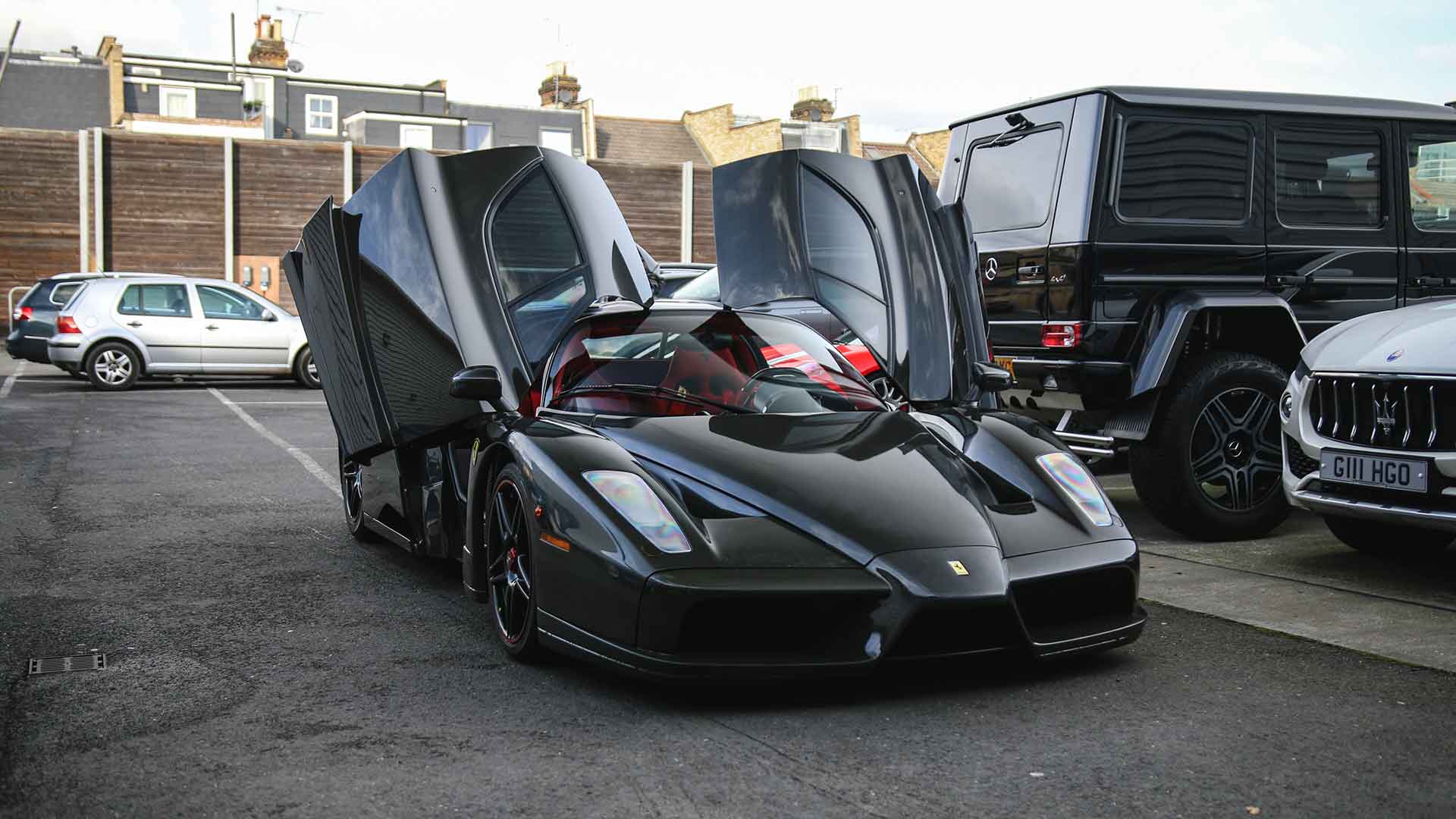
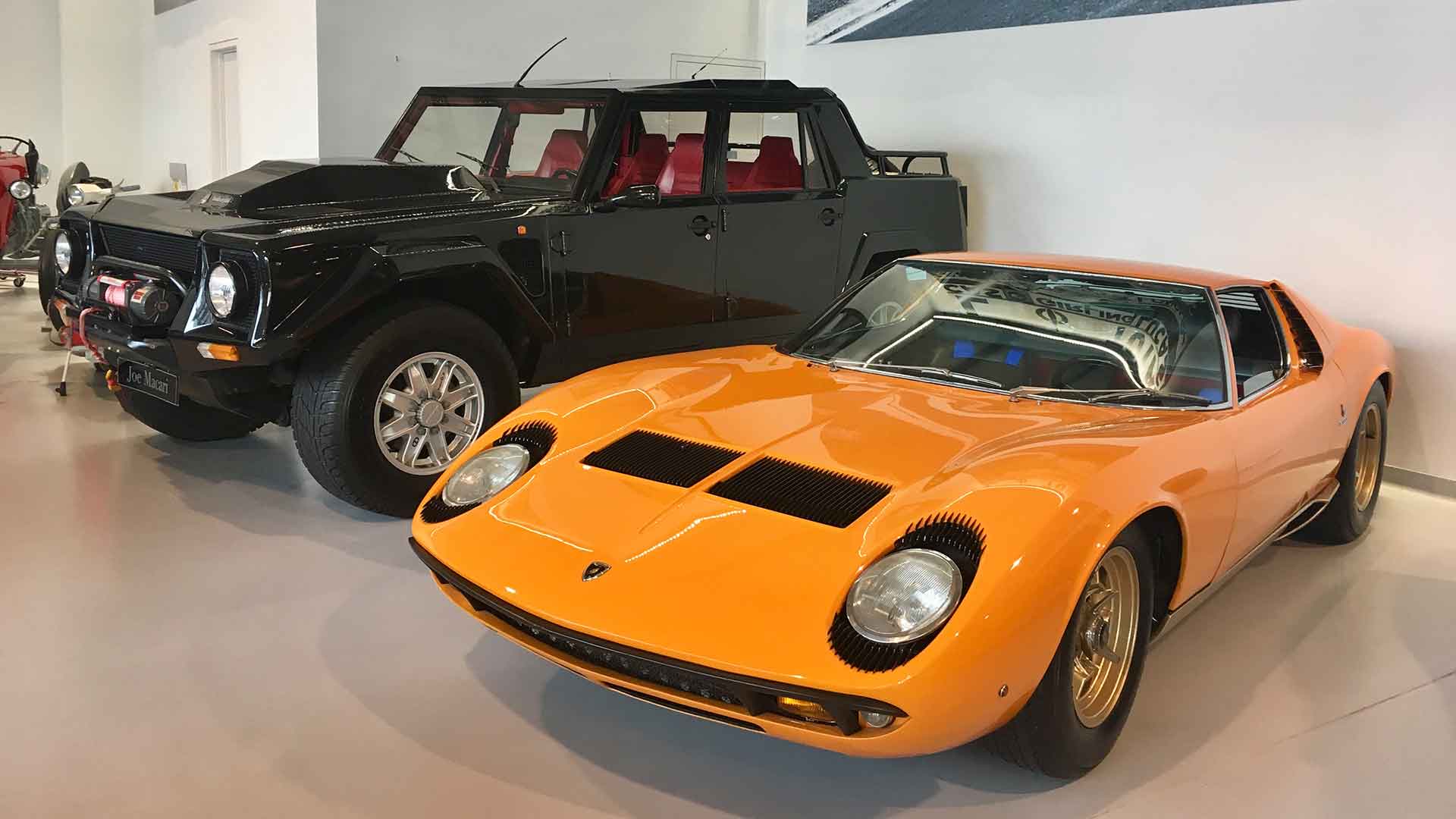
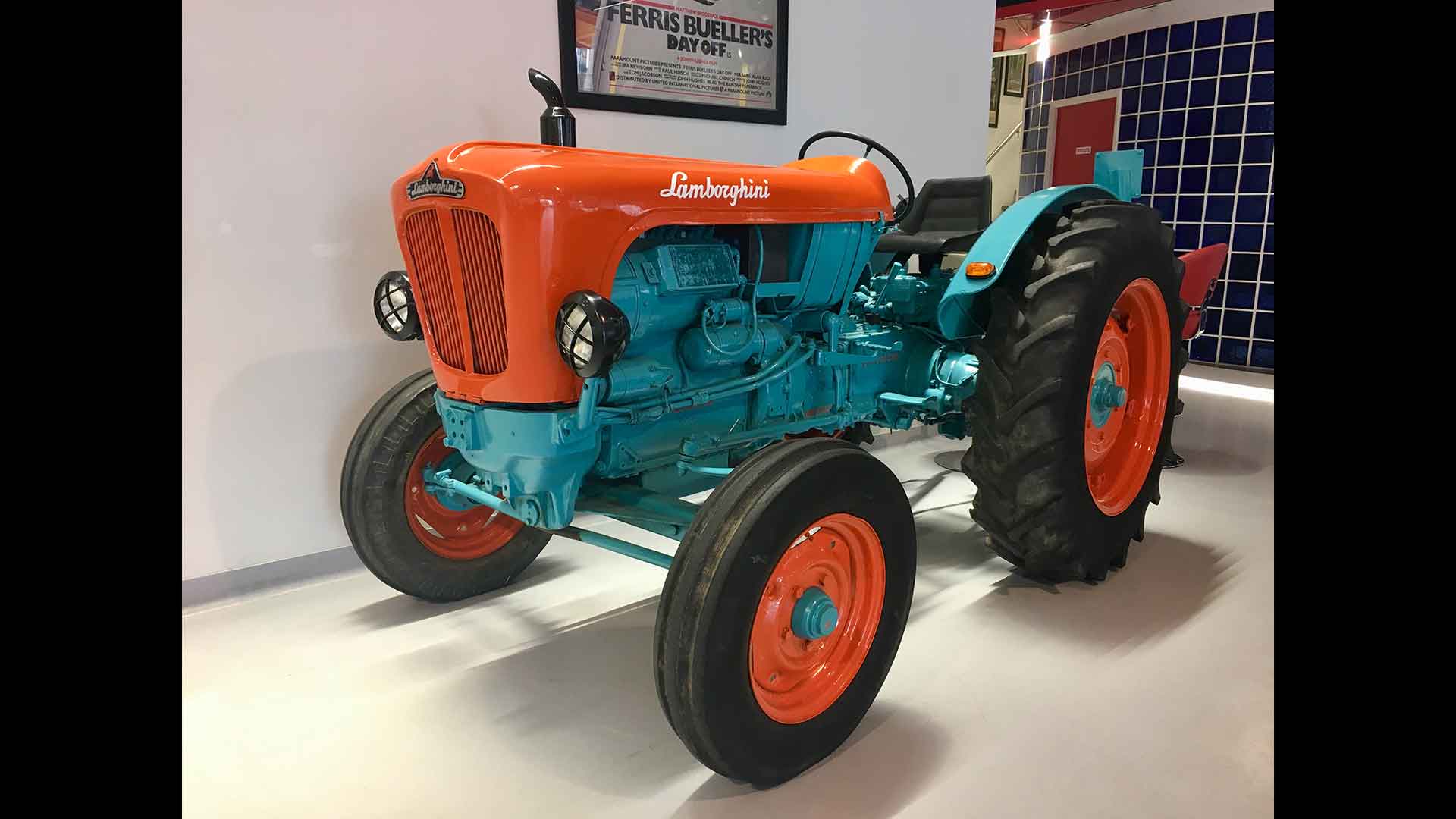
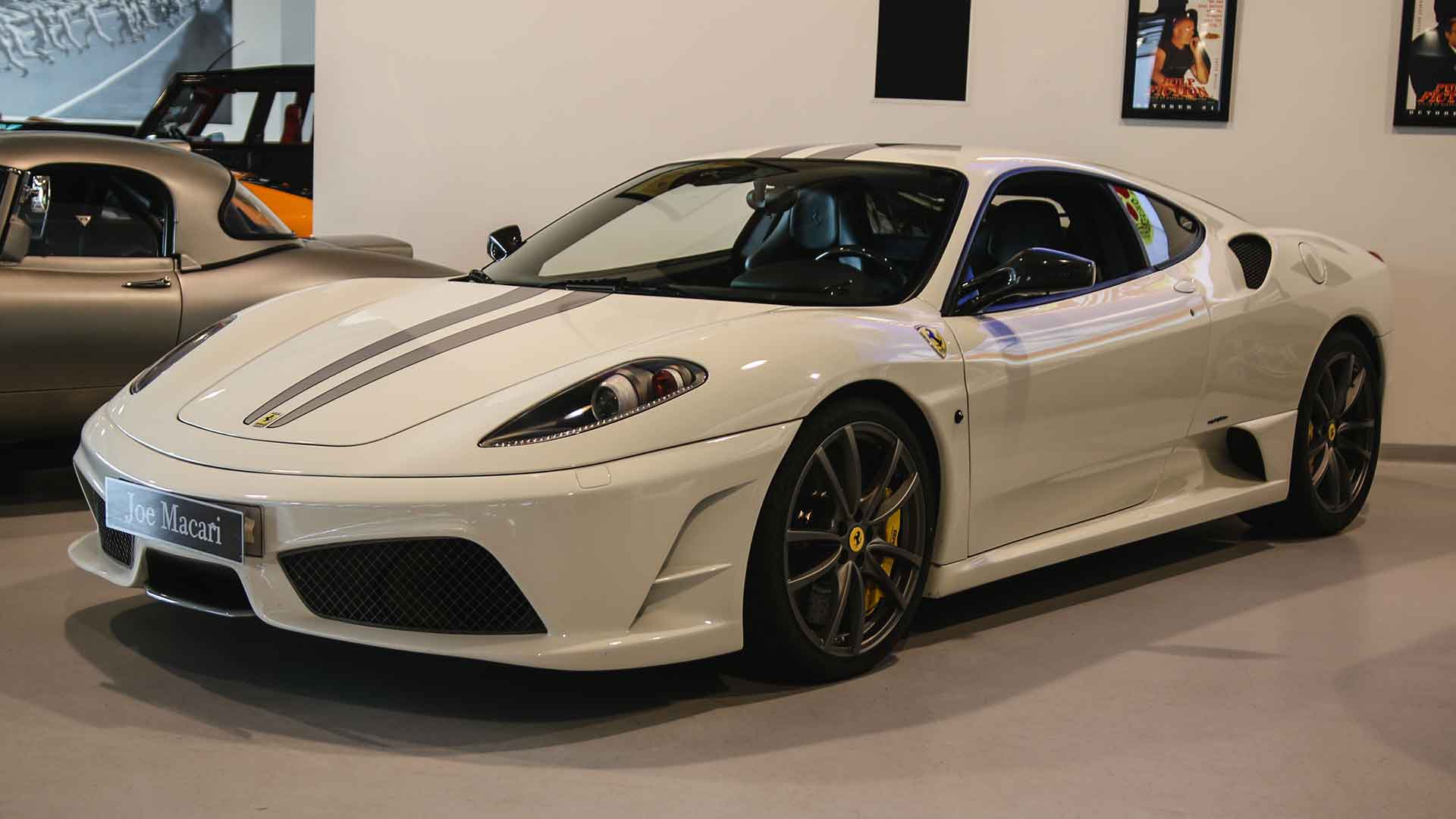
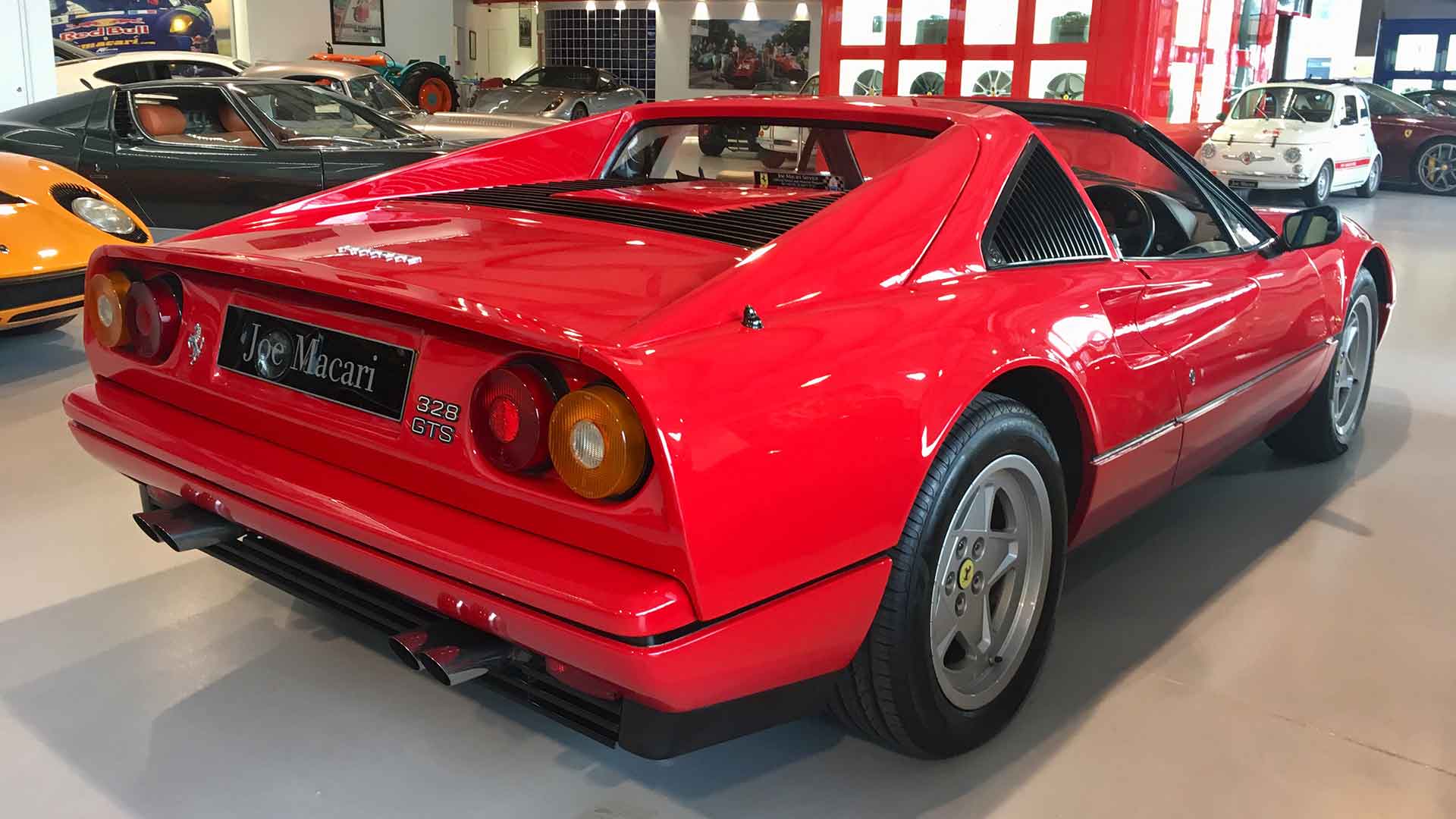
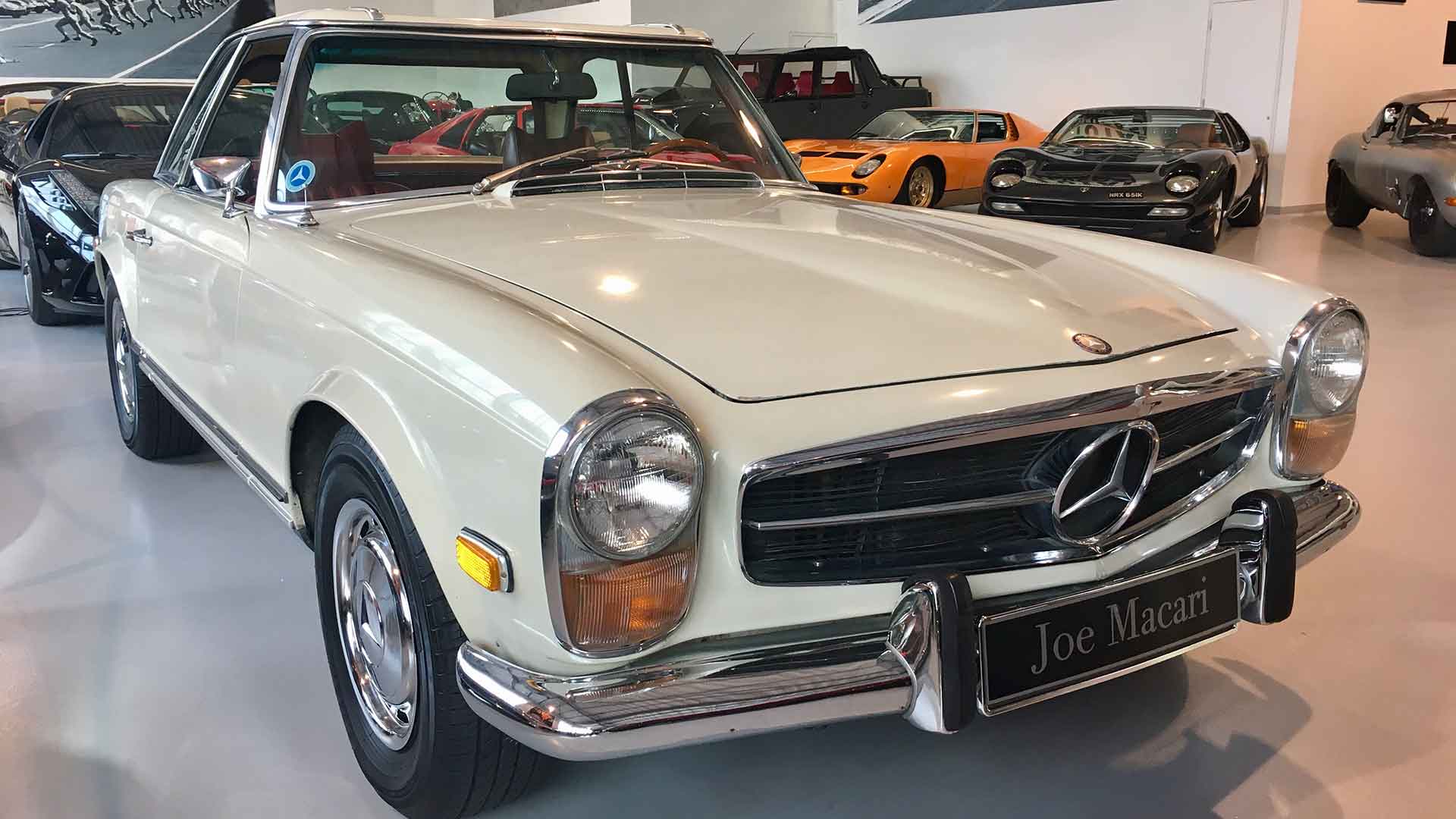
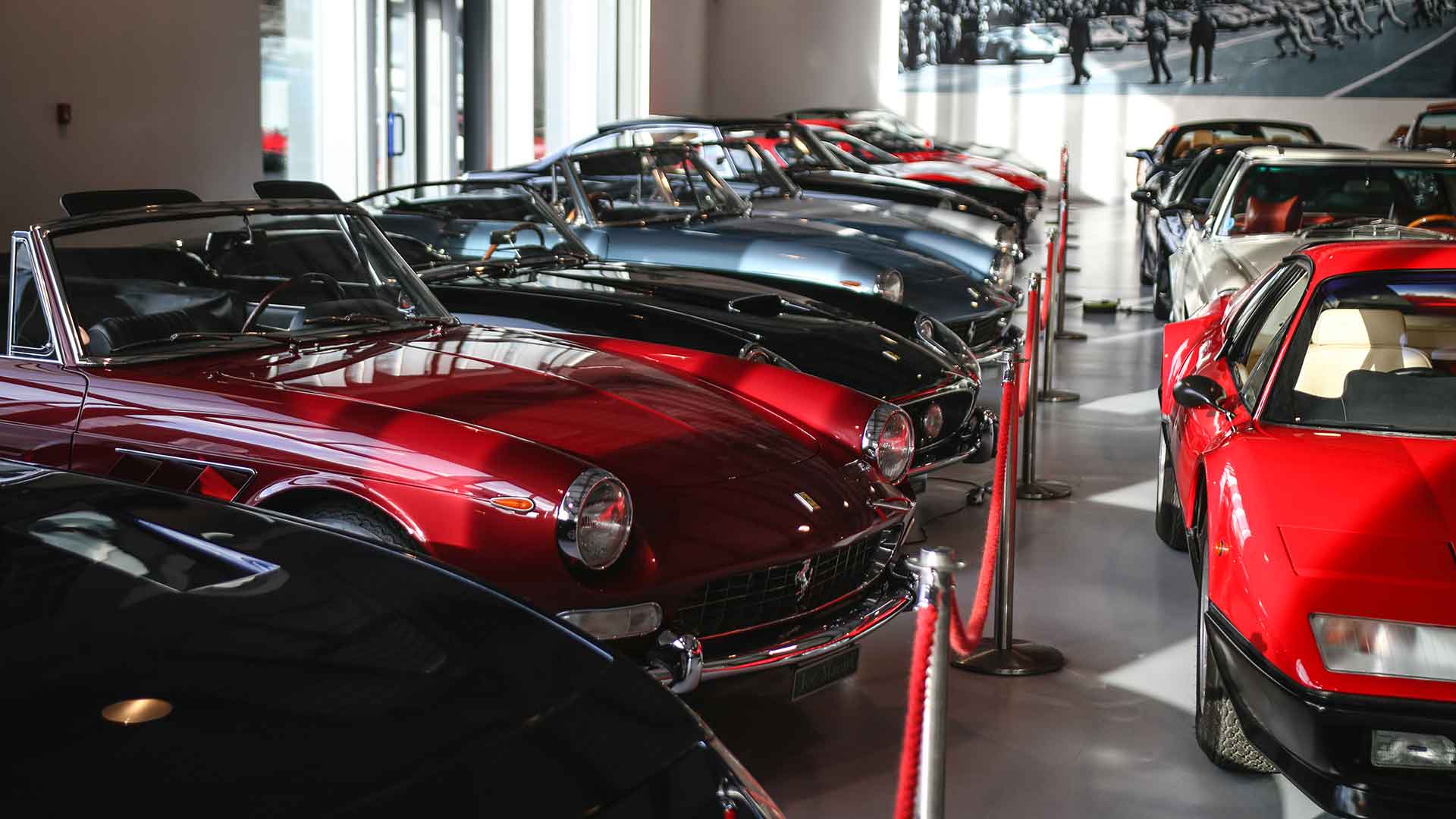
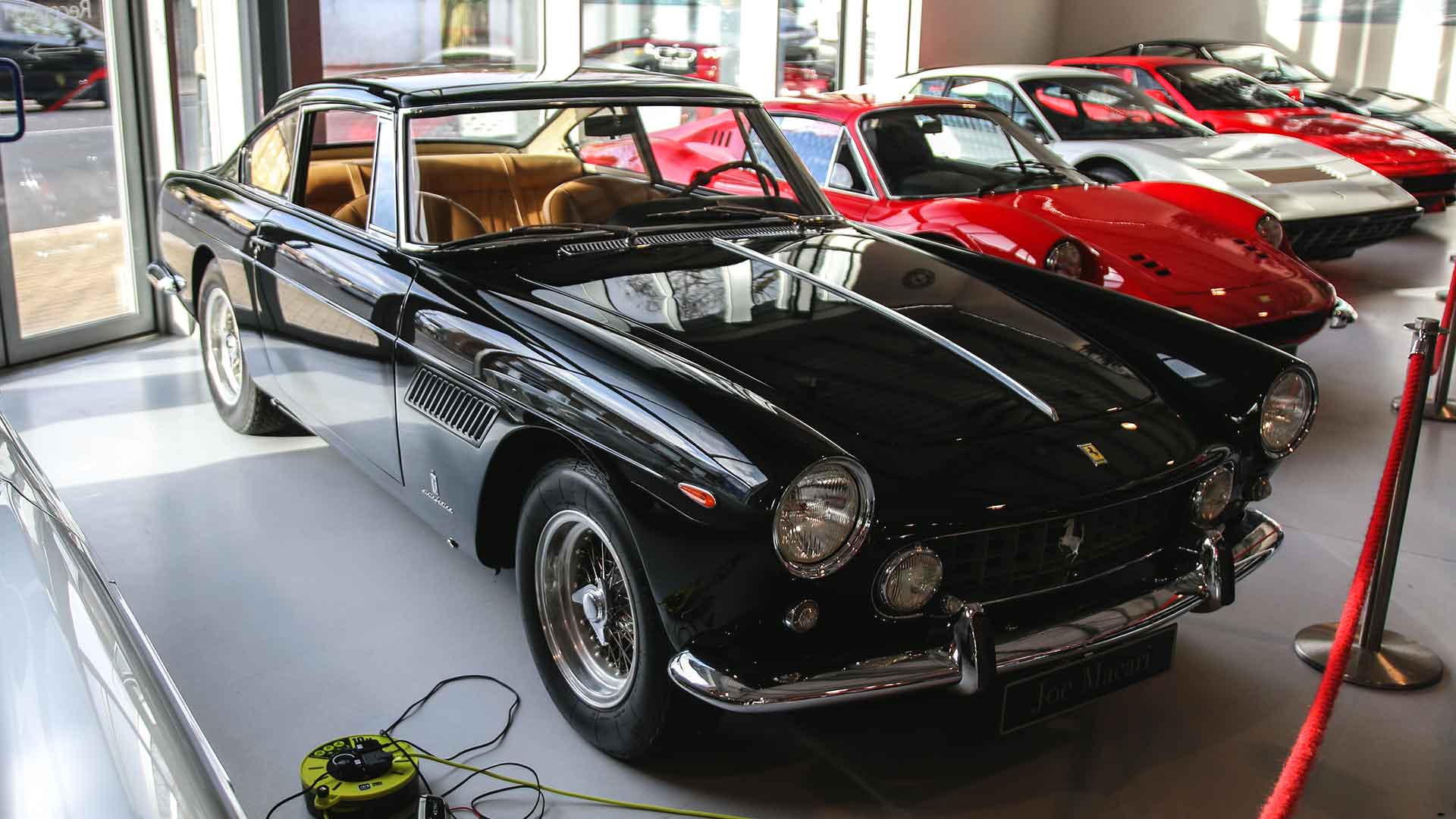
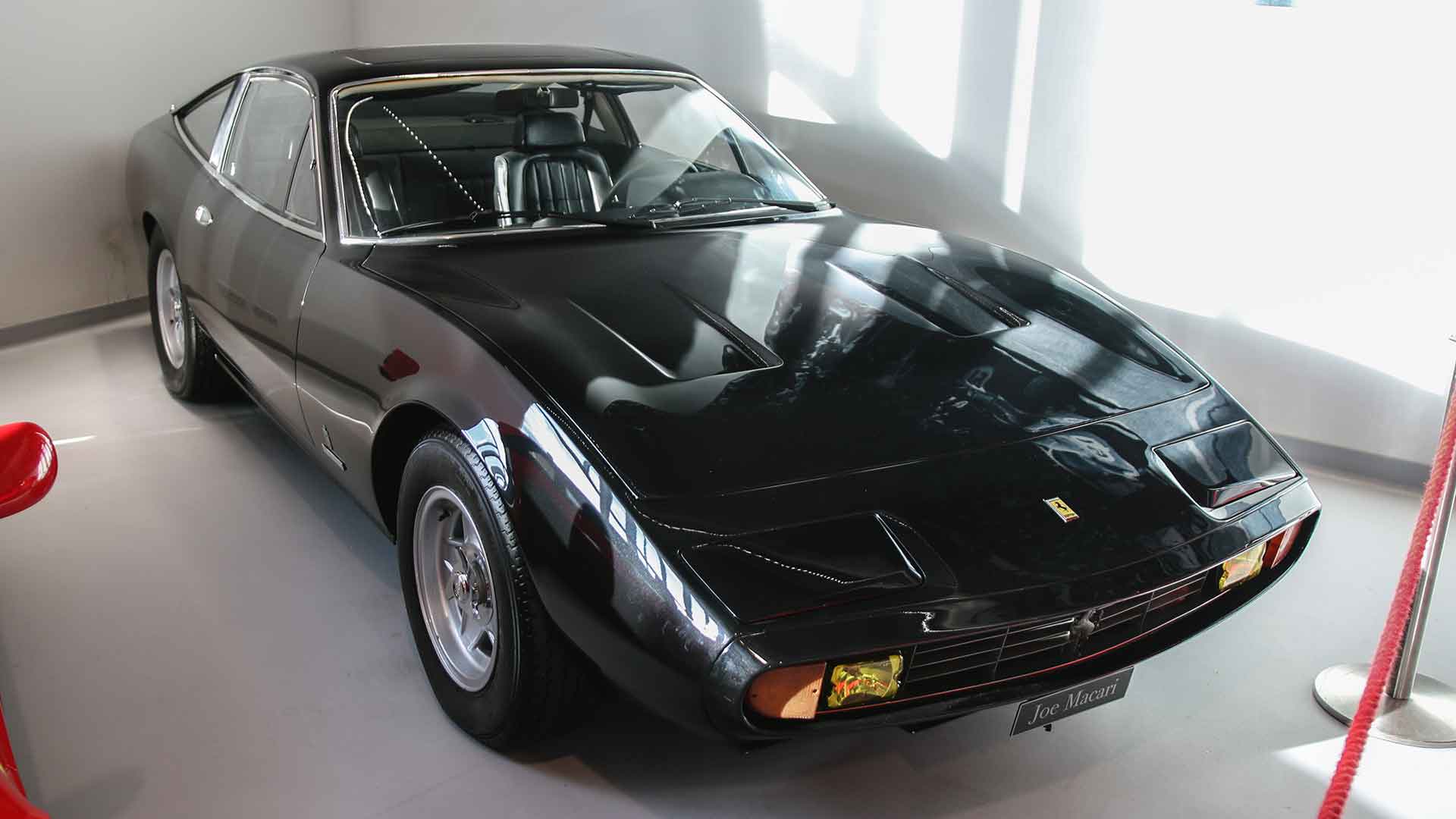
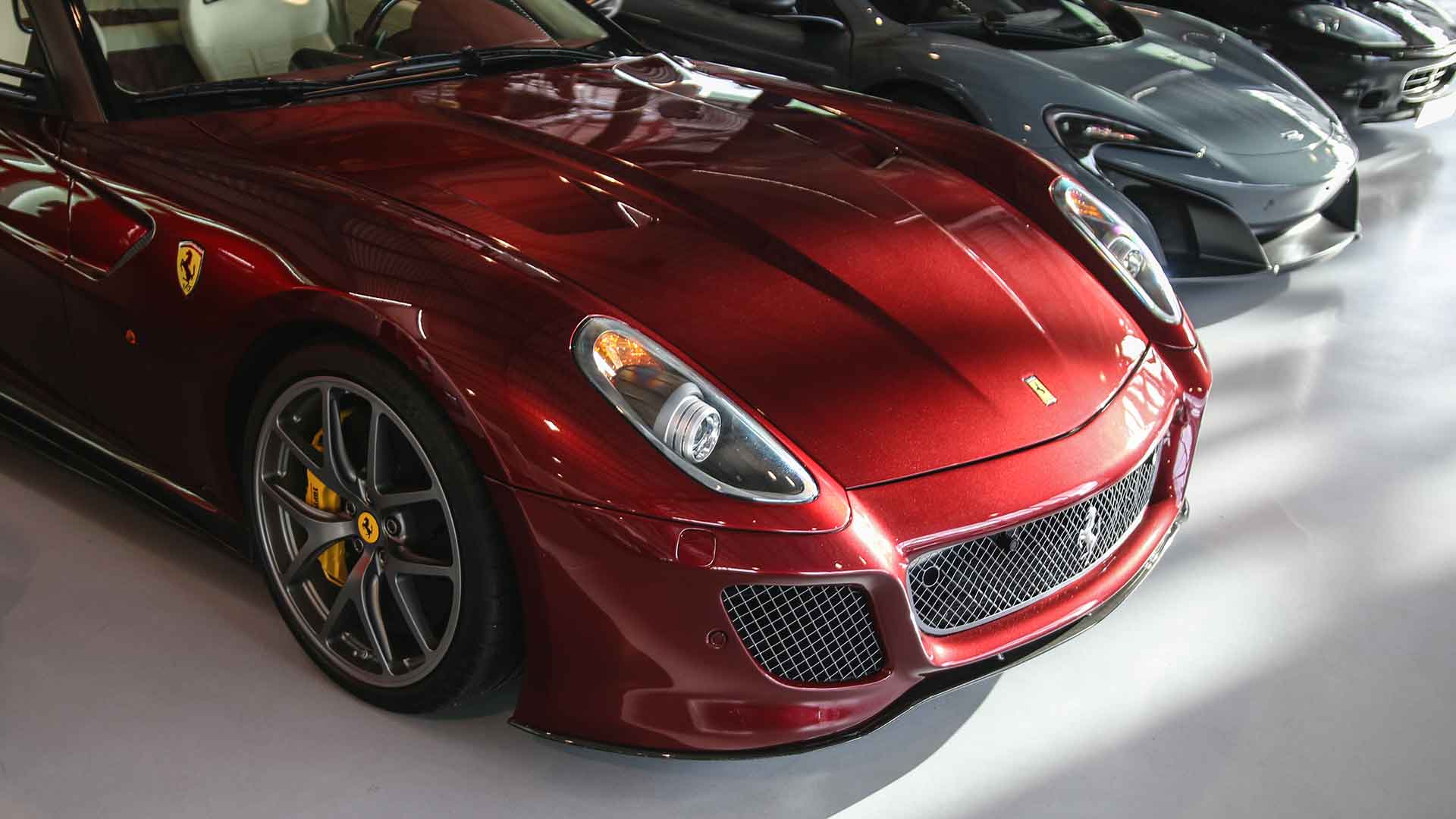
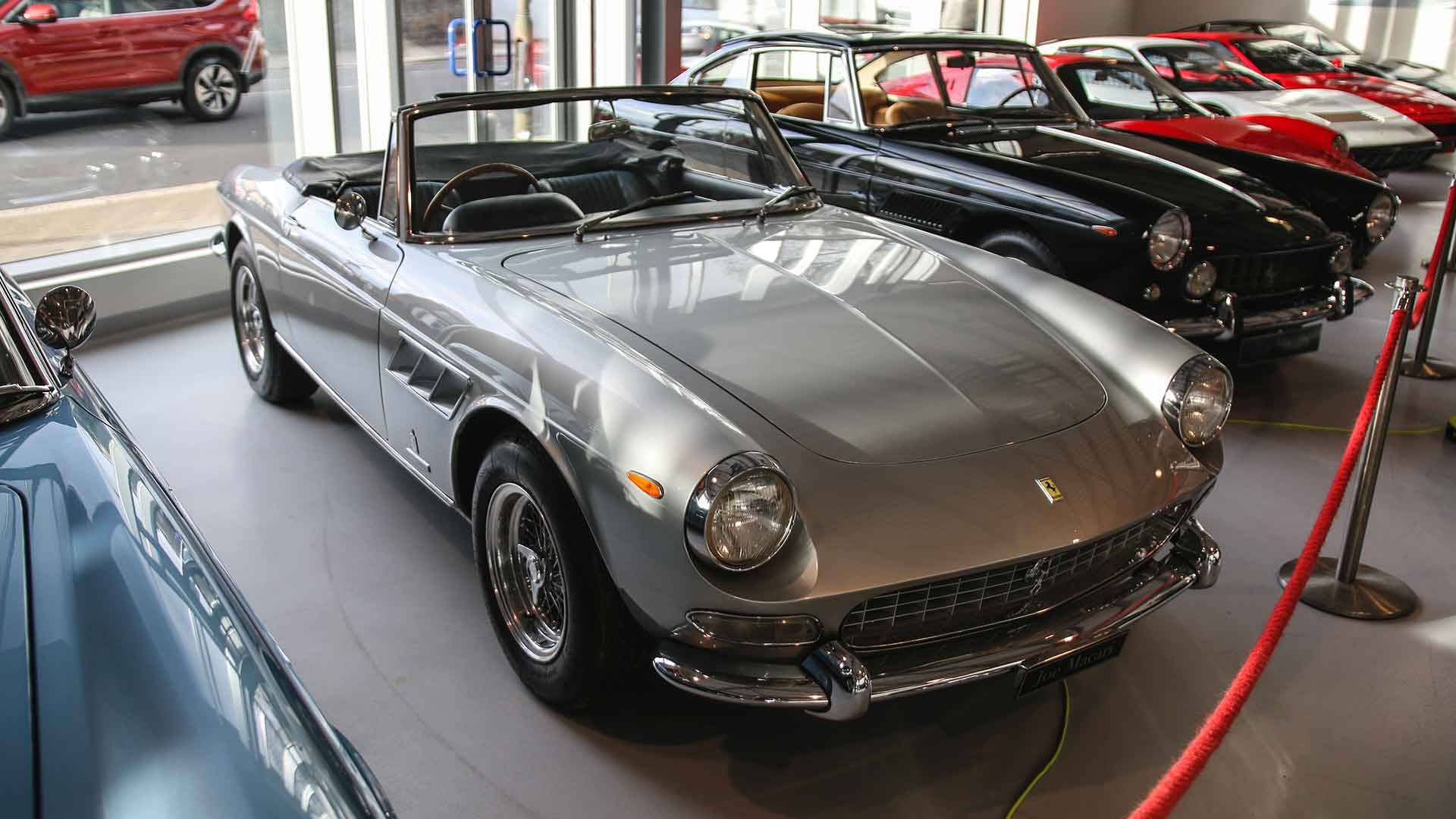
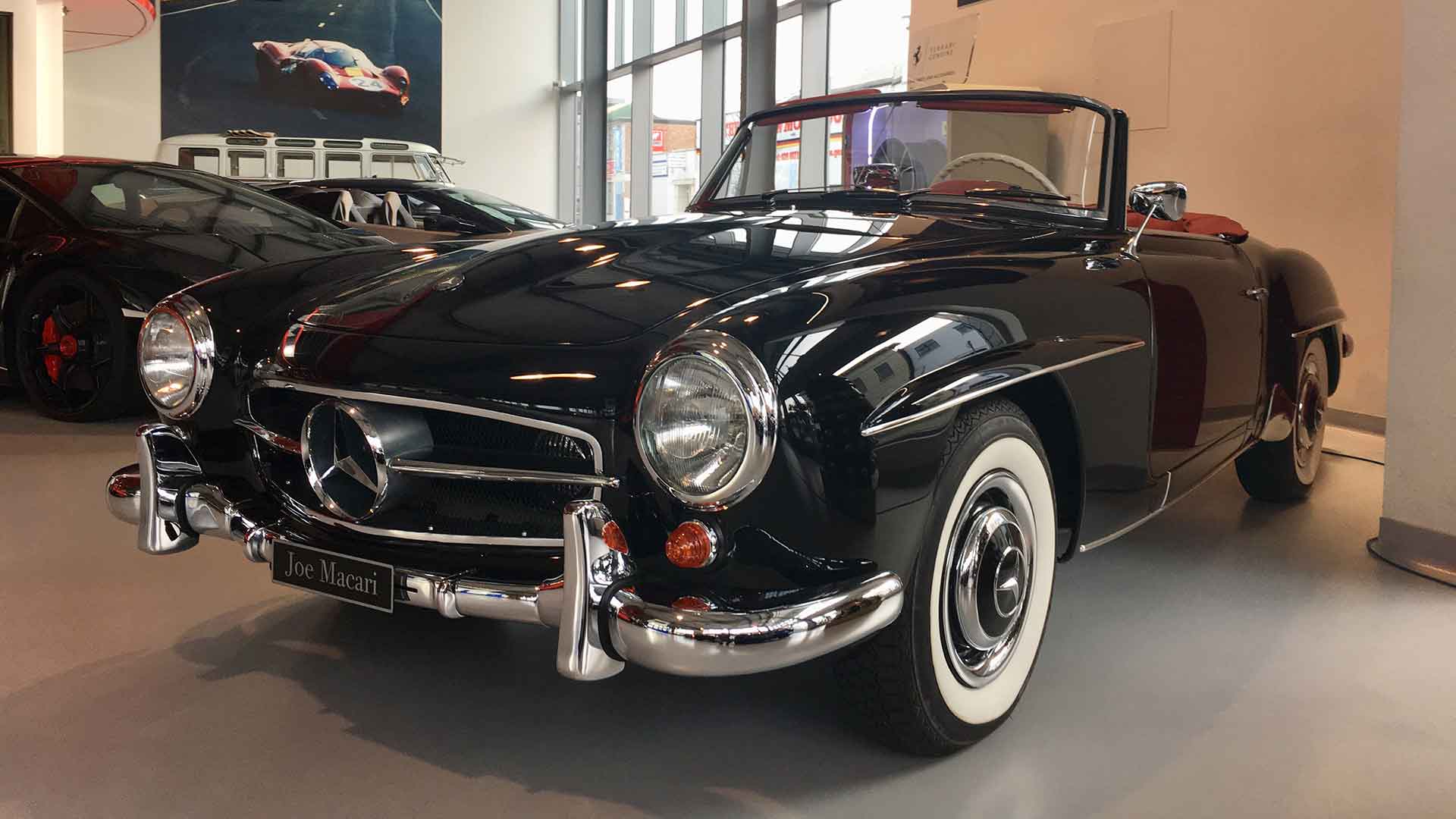
Nestled in a nondescript corner of south London, Joe Macari is a haven for supercar spotters. From blue-chip classics to seven-figure hypercars – oh, and a Lamborghini tractor – the showroom is crammed with automotive exotica.
Owner Joe set up his business servicing Ferraris and Maseratis in 1988, and it’s been an official aftersales centre for both brands since 2007. He’s also a talented racer, with Le Mans and FIA GT1 on his CV.
Video: a tour of the Joe Macari showroom
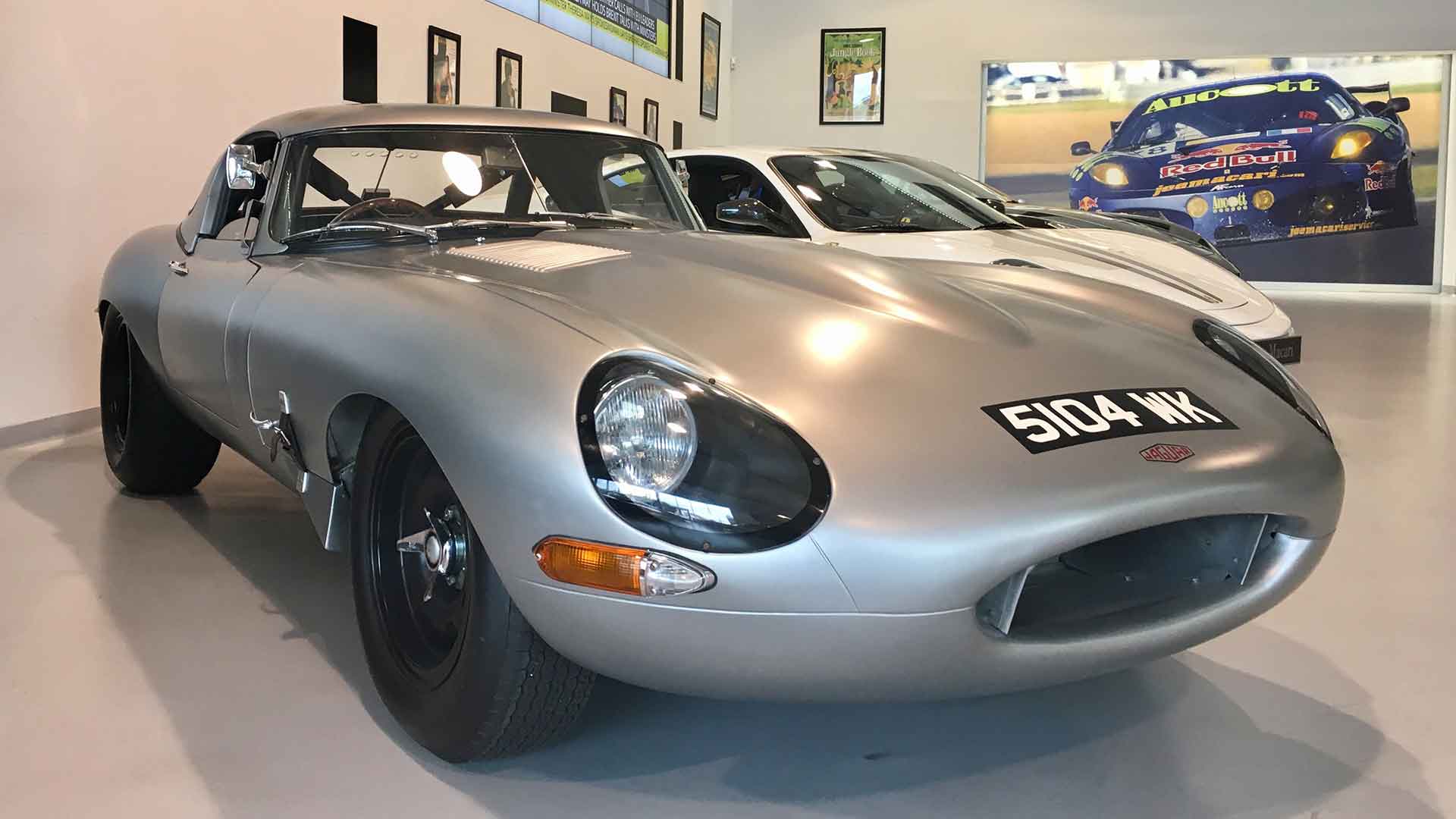
Today, Joe Macari continues to specialise in high-end Italian cars; we counted upwards of 20 Ferraris at the time of our visit. Other nationalities are represented by Bugatti, McLaren, Porsche, Shelby, Jaguar, Mercedes-Benz and more.
Watch our video for an immersive showroom tour, then read on to discover our personal favourite cars.
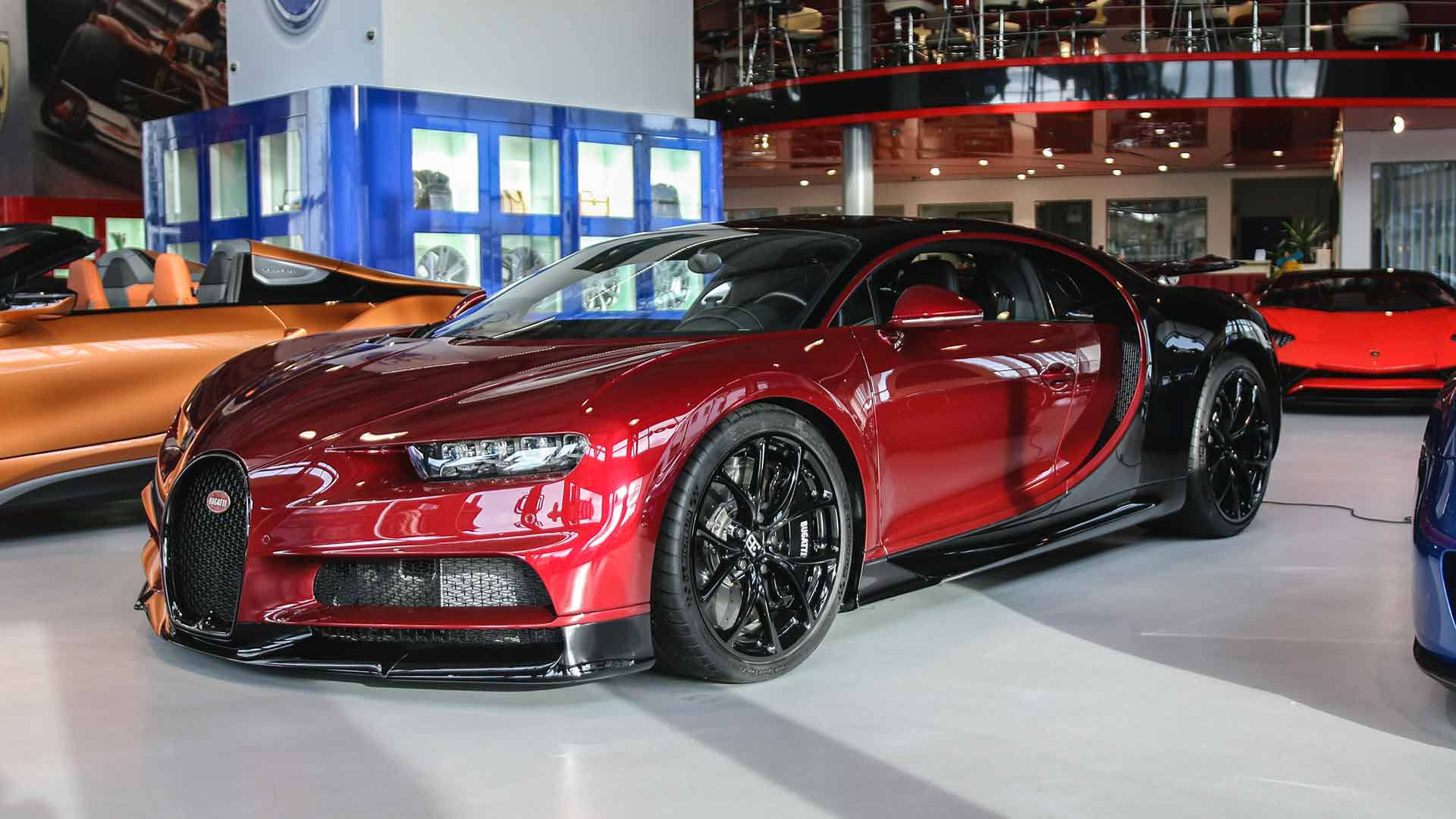
Bugatti Chiron
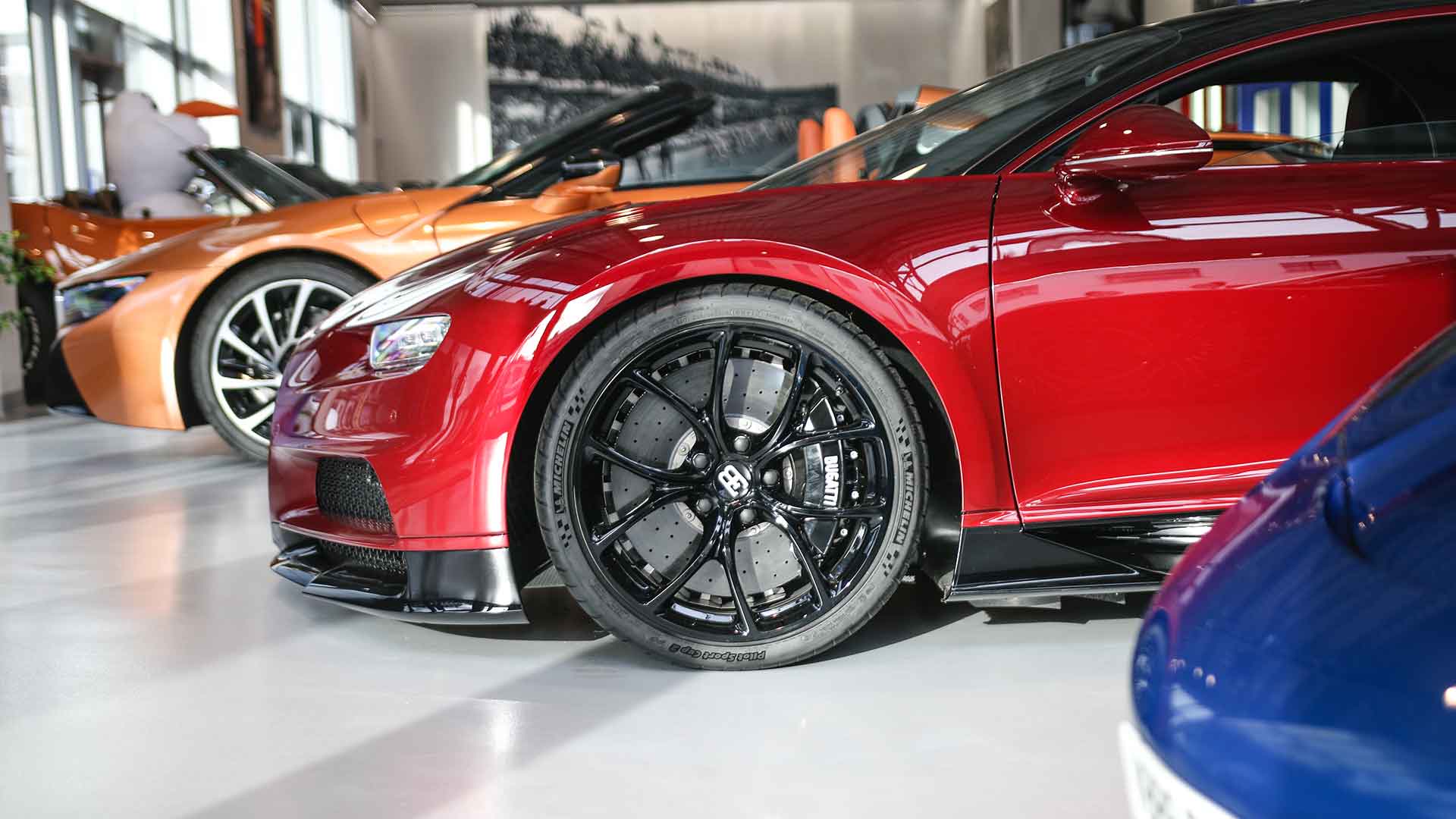
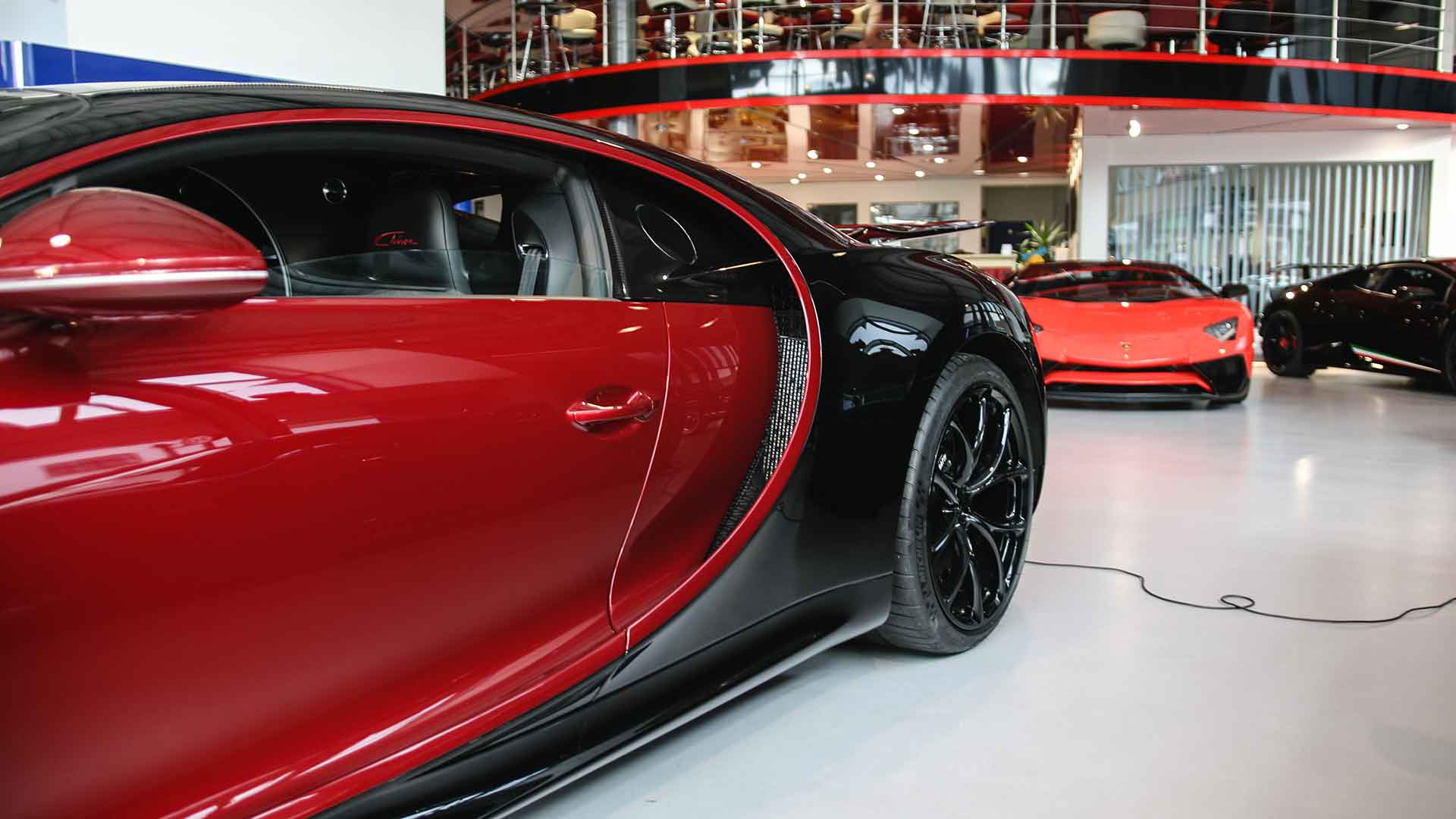
Front-and-centre in the showroom, what else but the world’s fastest hypercar? The Bugatti Chiron’s 8.0-litre quad-turbo W16 develops 1,500hp and 1,180lb ft of torque. Zero to 60mph takes 2.4 seconds and VMax is electronically limited – yes, limited – to 261mph. No road-legal tyres are safe beyond that speed, apparently.
This Ruby Red/Nocturne Black Chiron has covered just 400 miles from new. Options fitted include a carbon fibre steering wheel and Comfort seats. Yours for a mere €2,825,000 (£2,447,000).
Lamborghini Miura
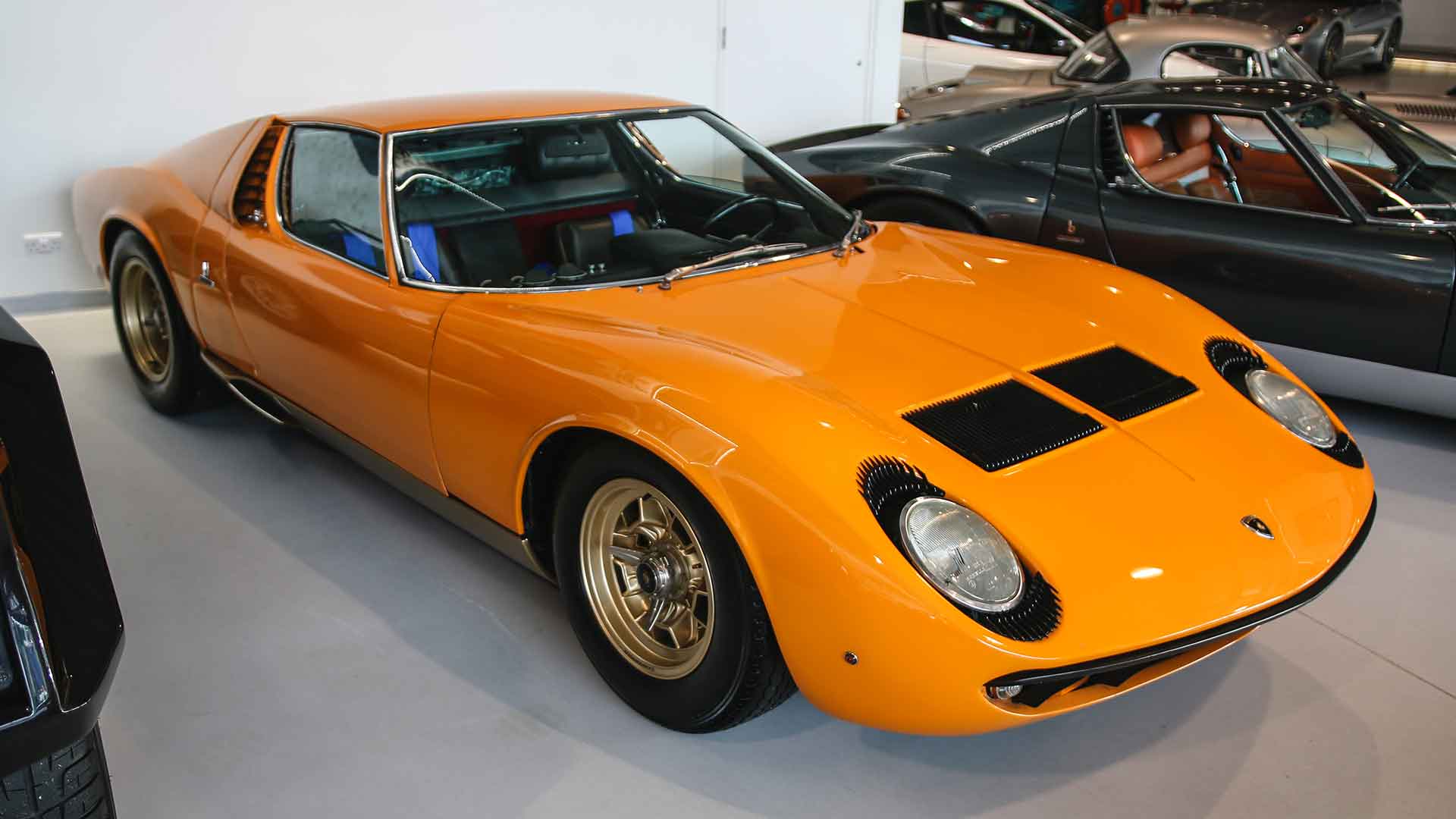
To paraphrase Prince, ‘Could you be… the most beautiful car in the world?”. The voluptuous Lamborghini Miura is certainly at the top table, battling the Jaguar E-Type, Ferrari Dino and Peugeot 406 Coupe for all-time catwalk kudos. Just us on the Pug? Right, moving on…
This 1969 Miura S featured in the film Road Hard and has rare factory-fitted air conditioning. It’s advertised at £1,349,950 – around half the price of the low-mileage, ex-Saudi royal family Miura SV in the background.
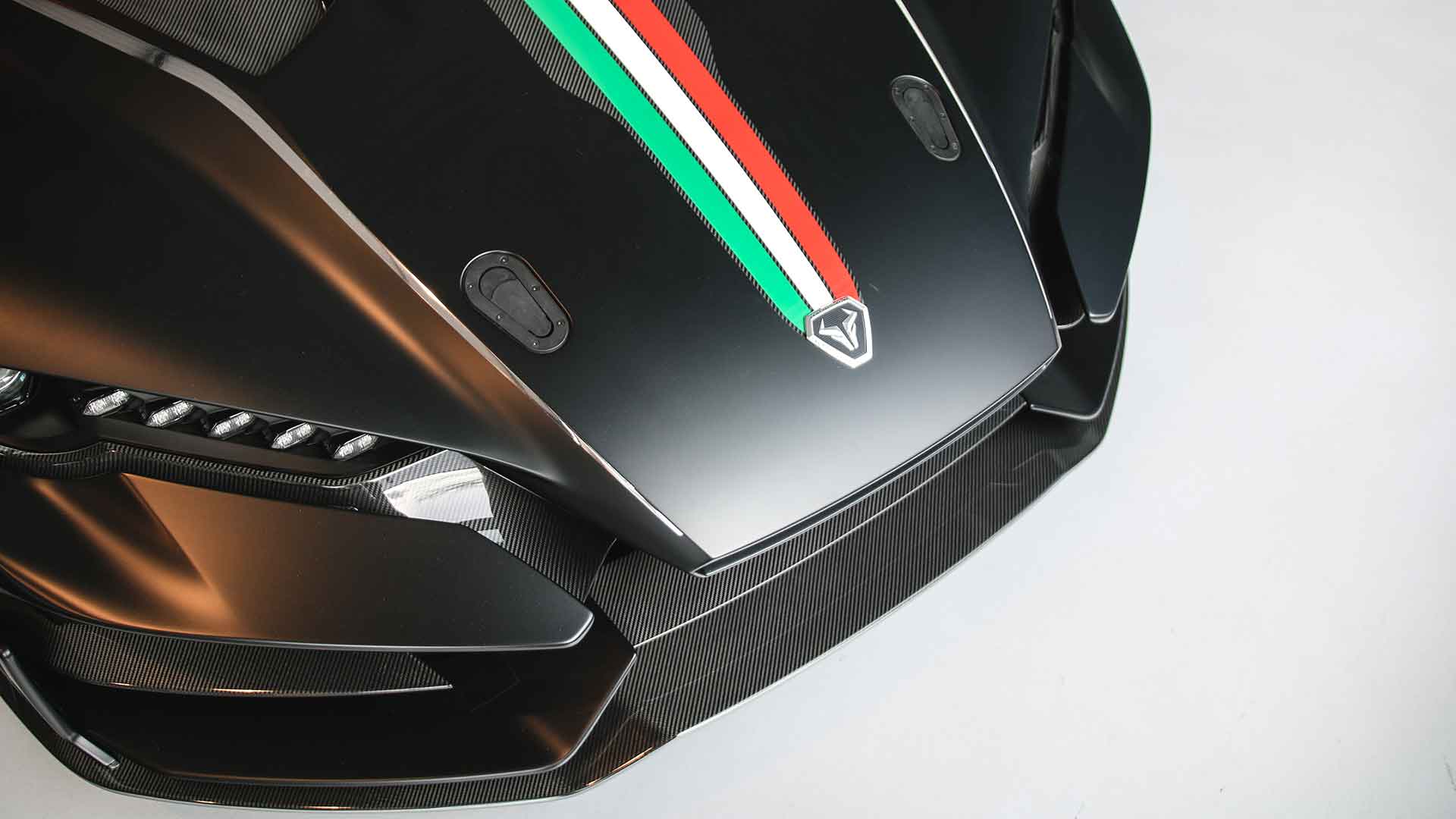
Italdesign Zerouno
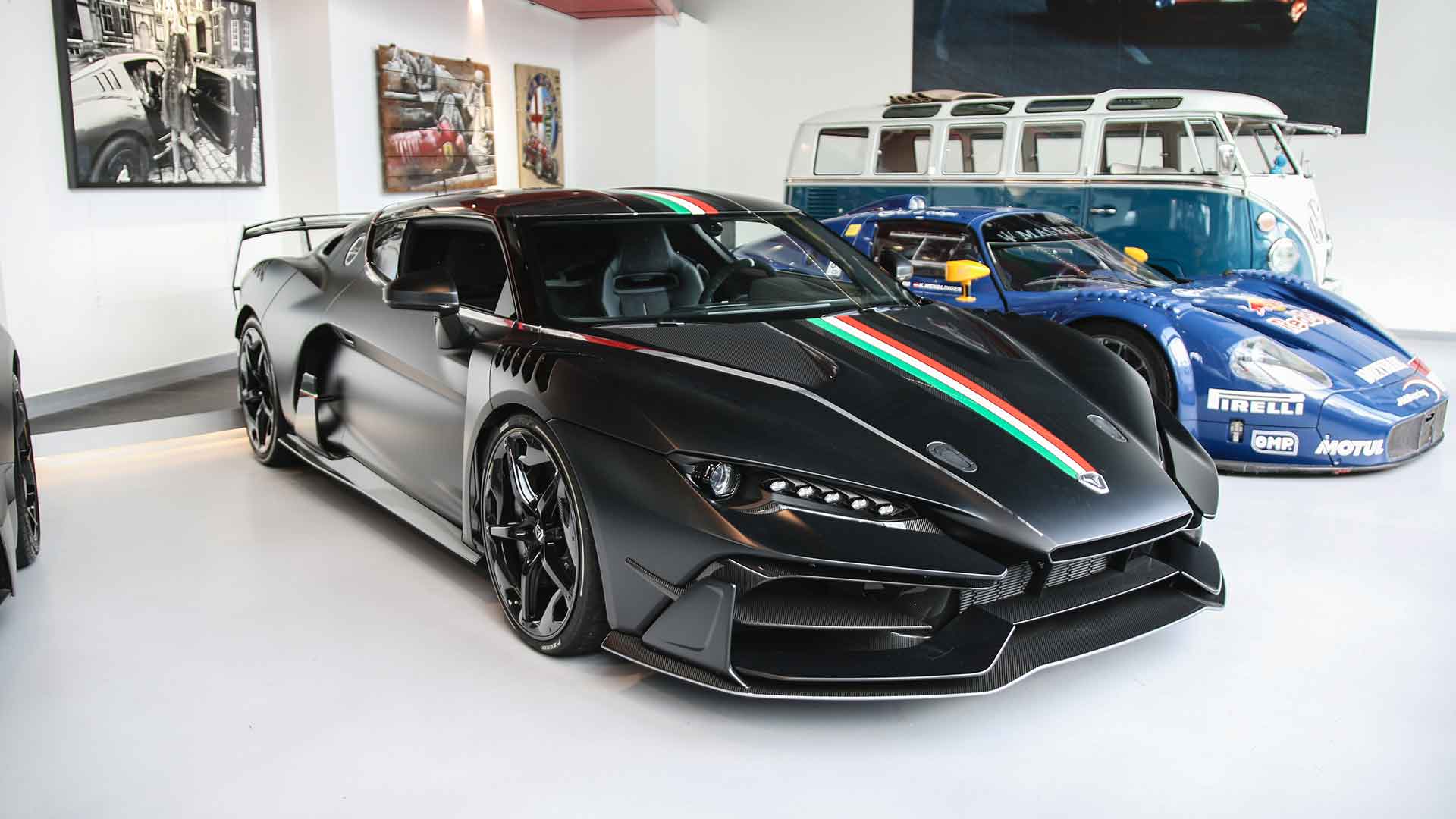
Italdesign was founded 50 years ago by Giorgetto Giugiaro, the man who penned the BMW M1, Alfasud, Lotus Esprit, Mk1 Volkswagen Golf and more. The Zerouno is his company’s first own-brand supercar: ultra-rare and ultra-expensive. Only five were built, at €1.5 million (£1.3 million) apiece.
Powering the Zerouno is the naturally aspirated 610hp V10 from the Lamborghini Huracan – truly one of great road car engines. With lightweight, all-carbon fibre bodywork, suffice to say it’s no slouch. This particular car wasn’t for sale at the time we visited.
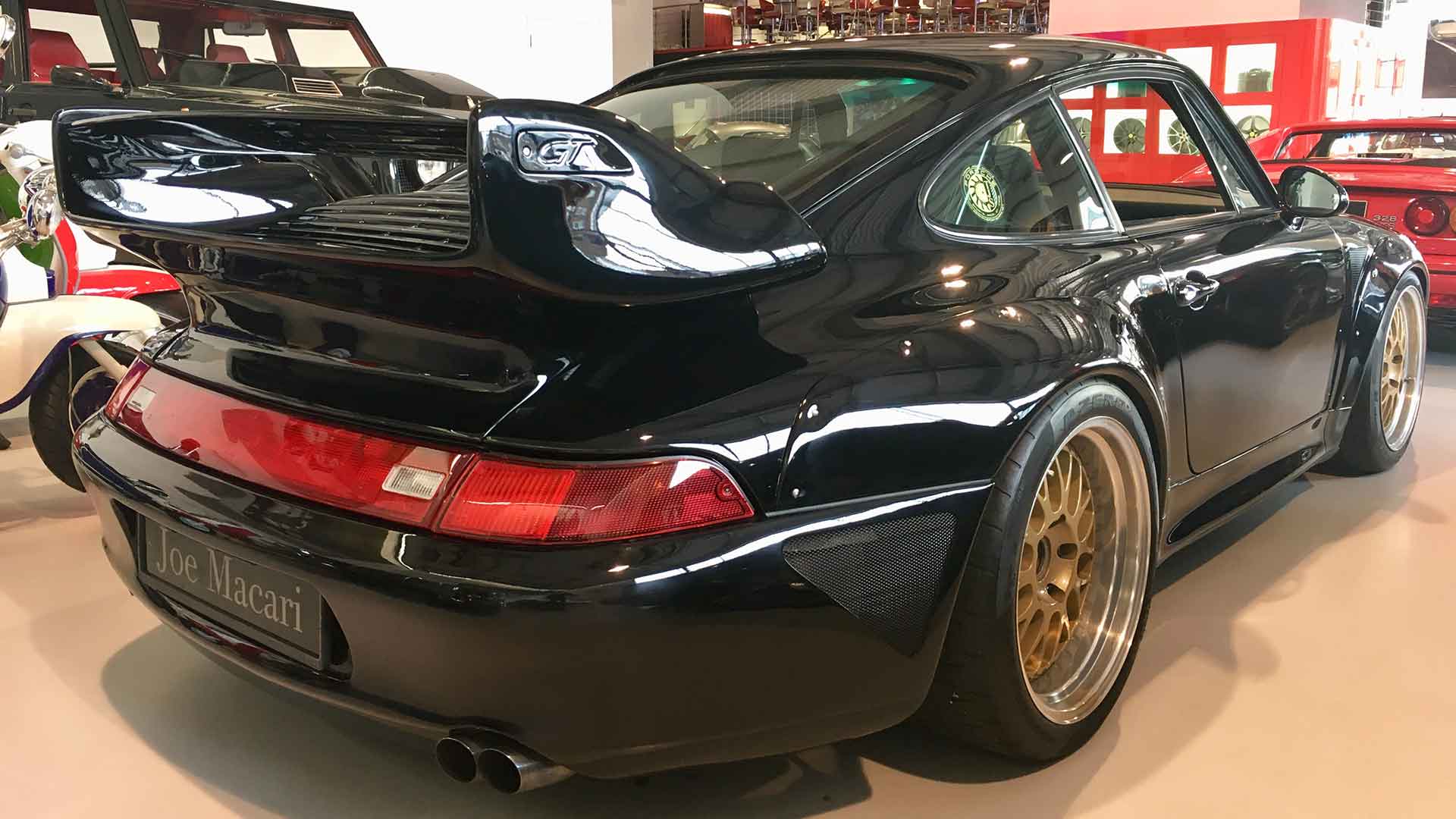
Porsche 993 Carrera RS ‘Black Snake’
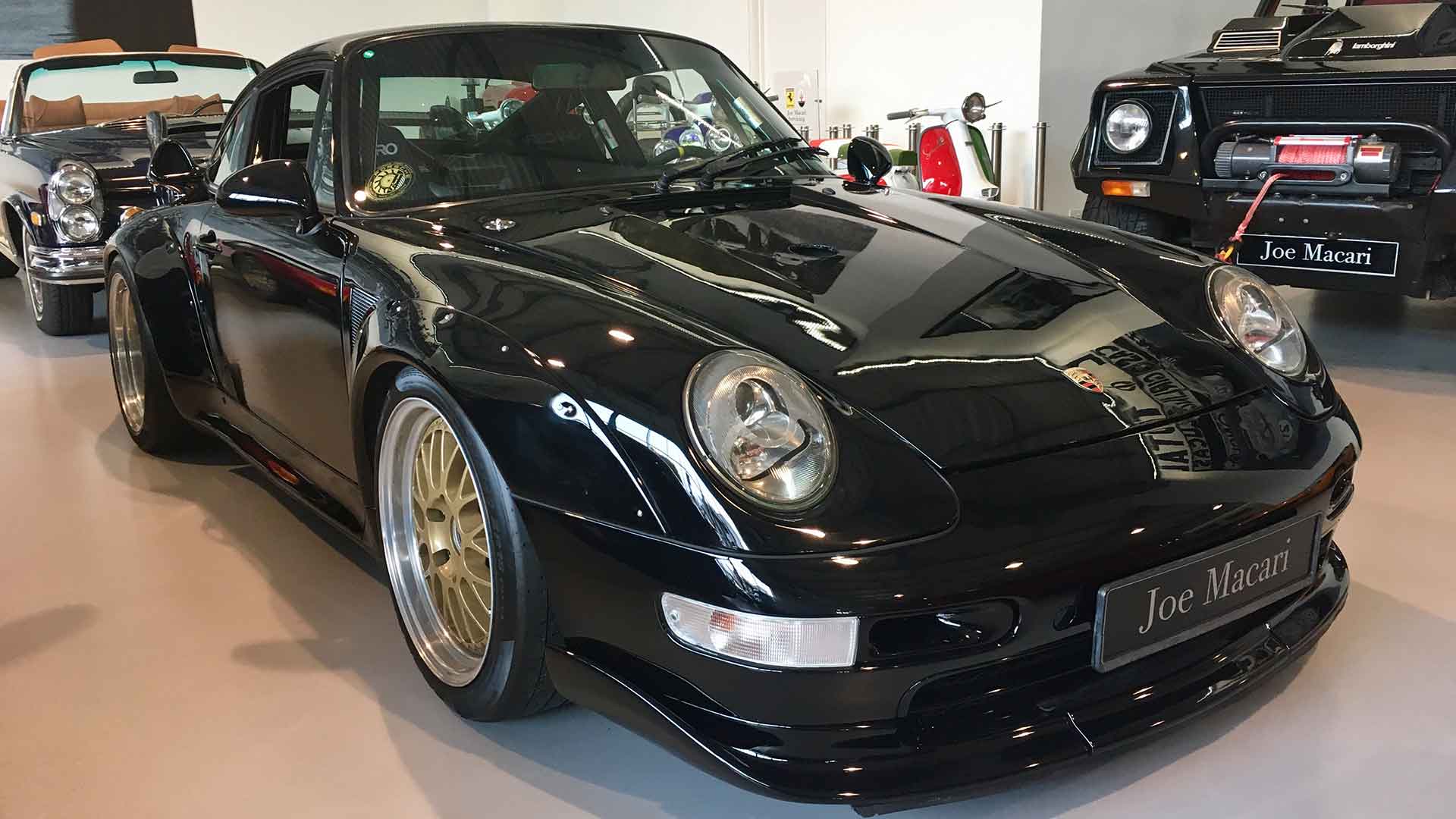
This modified Porsche 911 Carrera RS is a far cry from the Zuffenhausen original, but nobody could doubt its performance or pedigree. In 1998, driven by Horst von Saurma, it lapped the Nurburgring in 7min 46sec, setting a new road-car record.
Externally, the Porsche has the bolt-on wheelarches and monster rear wing from a 993 GT2. Its flat-six engine is boosted to 530hp by two turbochargers, while its four-wheel-drive system comes from a 993 Turbo. You’ll need £244,950 to drive home in this former Lord of the ‘Ring.
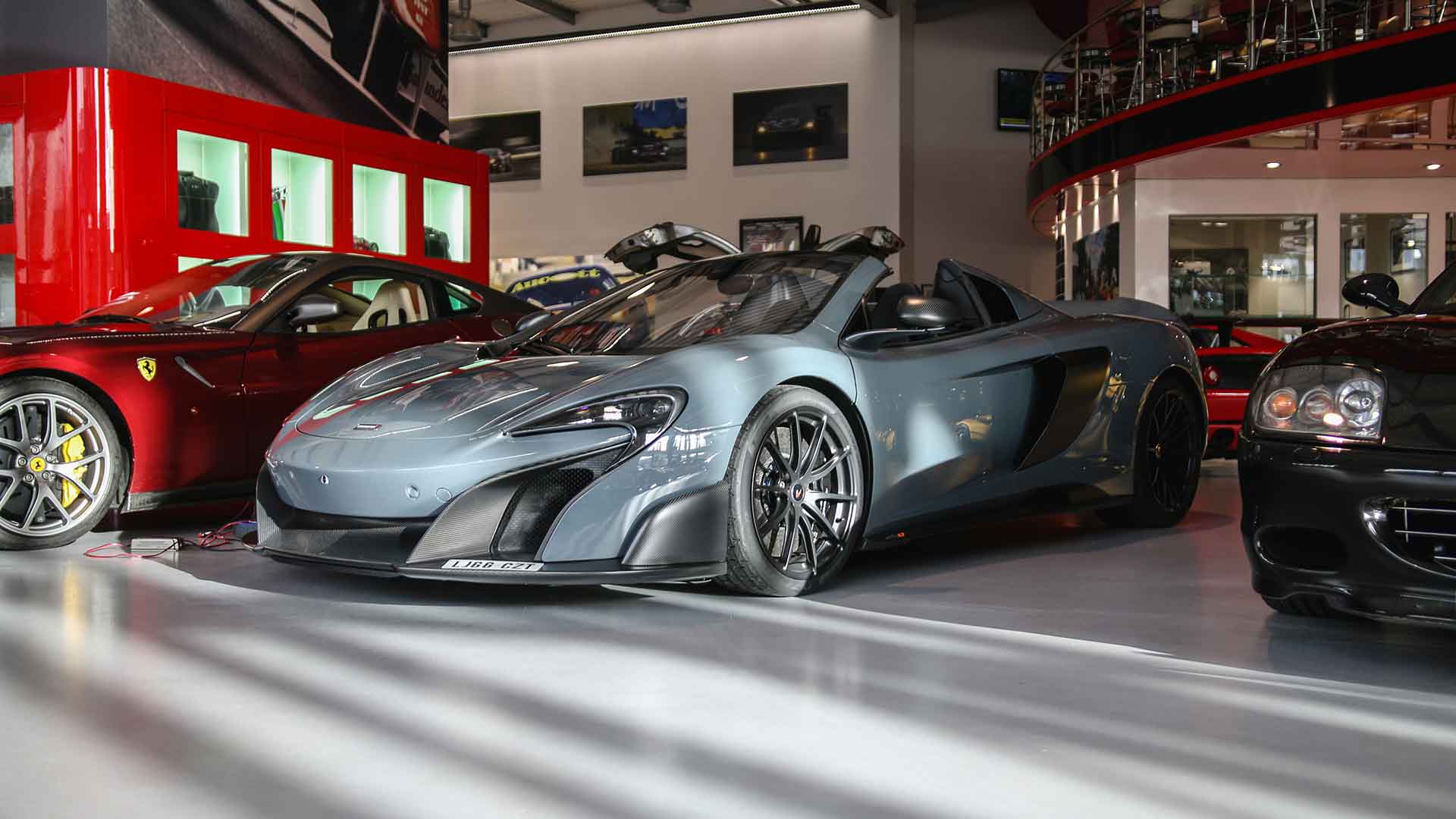
McLaren 675LT
A meaner, leaner version of the 650S, the McLaren 675LT remains one of the finest supercars we’ve driven. In 2016, we said: “The 675LT hurls you towards the horizon with a ferocity that’s intoxicating, addictive and mildly terrifying… Its chassis is so intuitive, its responses so immediate, that it feels hard-wired into your brain”.
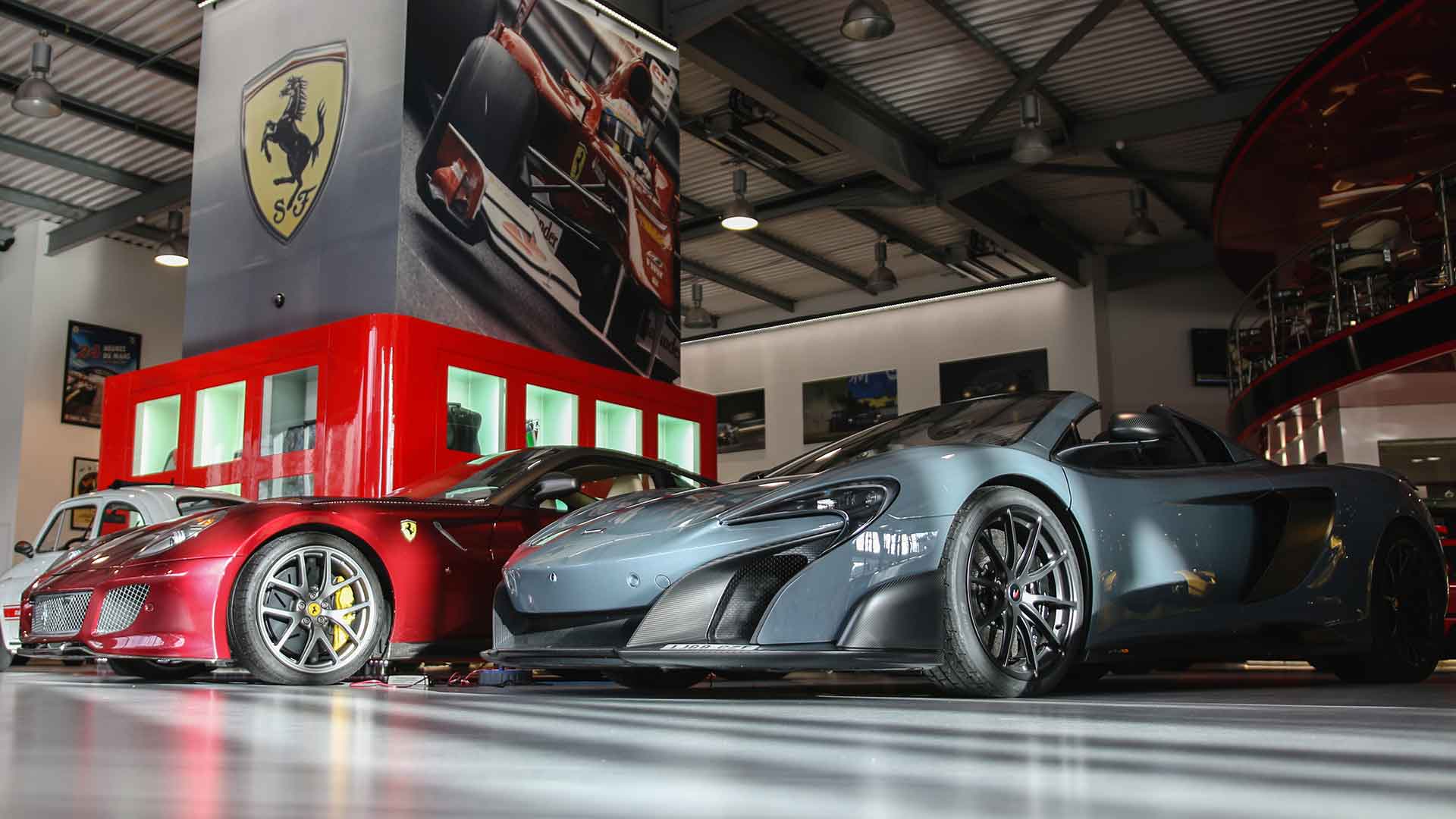
This car is the drop-top Spider version – one of 500 made. Finished in stealthy Chicane Grey with acres of exposed carbon fibre, it’s offered at £249,950.
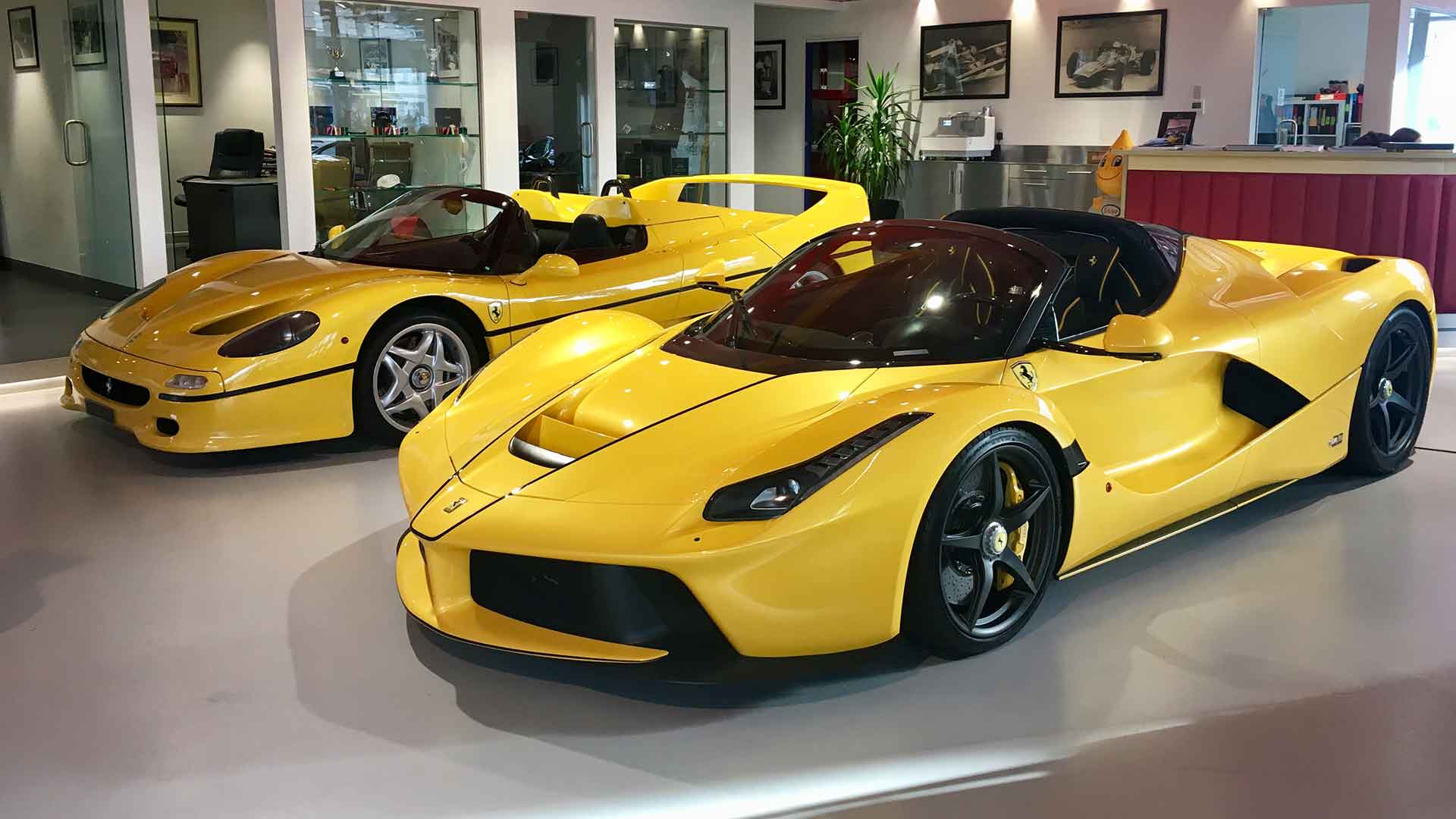
LaFerrari and Ferrari F50
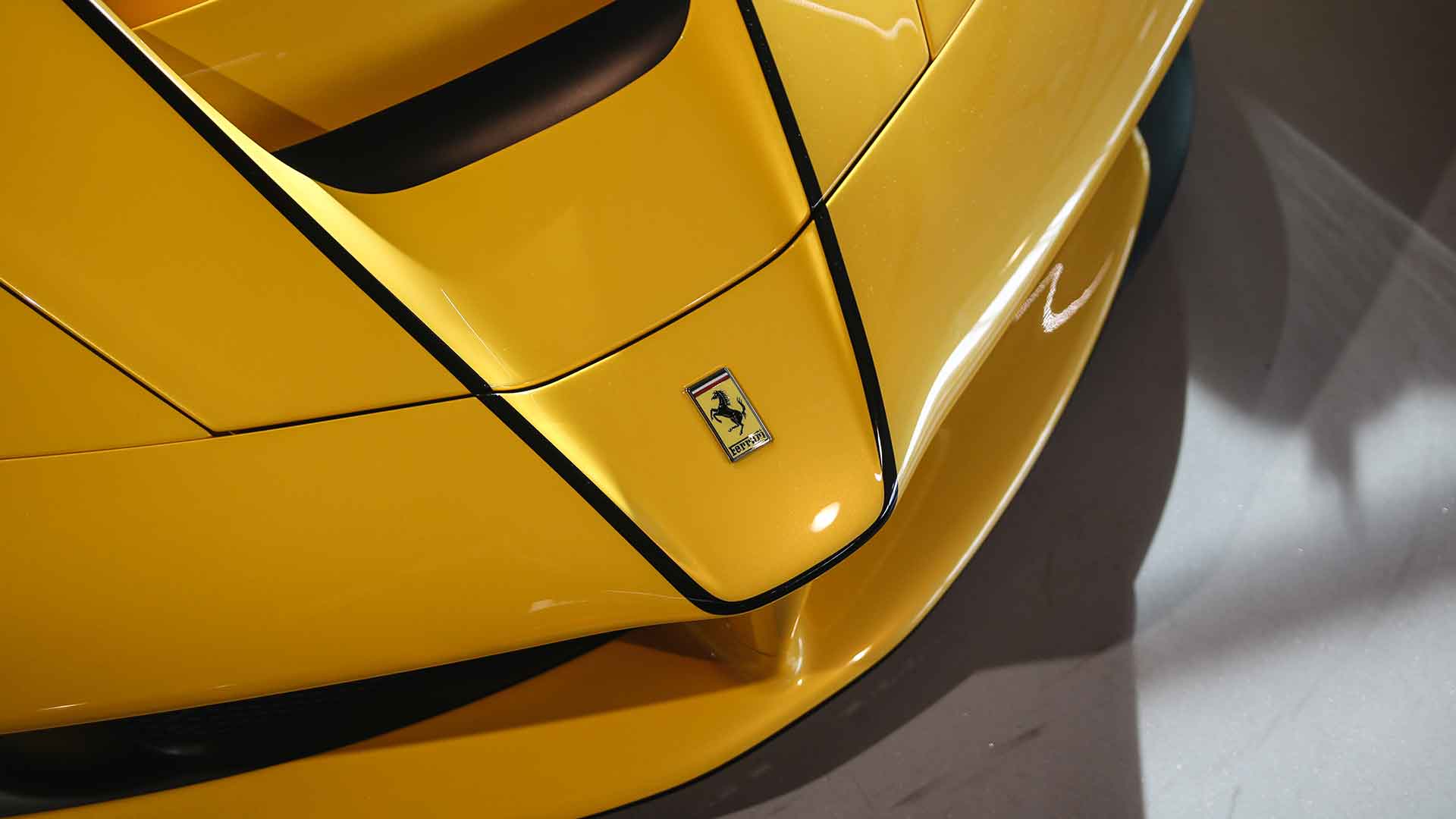
Take your pick from two of Ferrari’s finest: the LaFerrari Aperta in the foreground or F50 behind. We sense that banana in the background is struggling to make up his mind…
The F50 has a carbon chassis tub and racing-style rose-jointed suspension, plus the small matter of a 519hp F1-derived V12. The LaFerrari ups the stakes with an 800hp V12 and 163hp electric motor (963hp total). The price, if you’re interested, is ‘on application’.
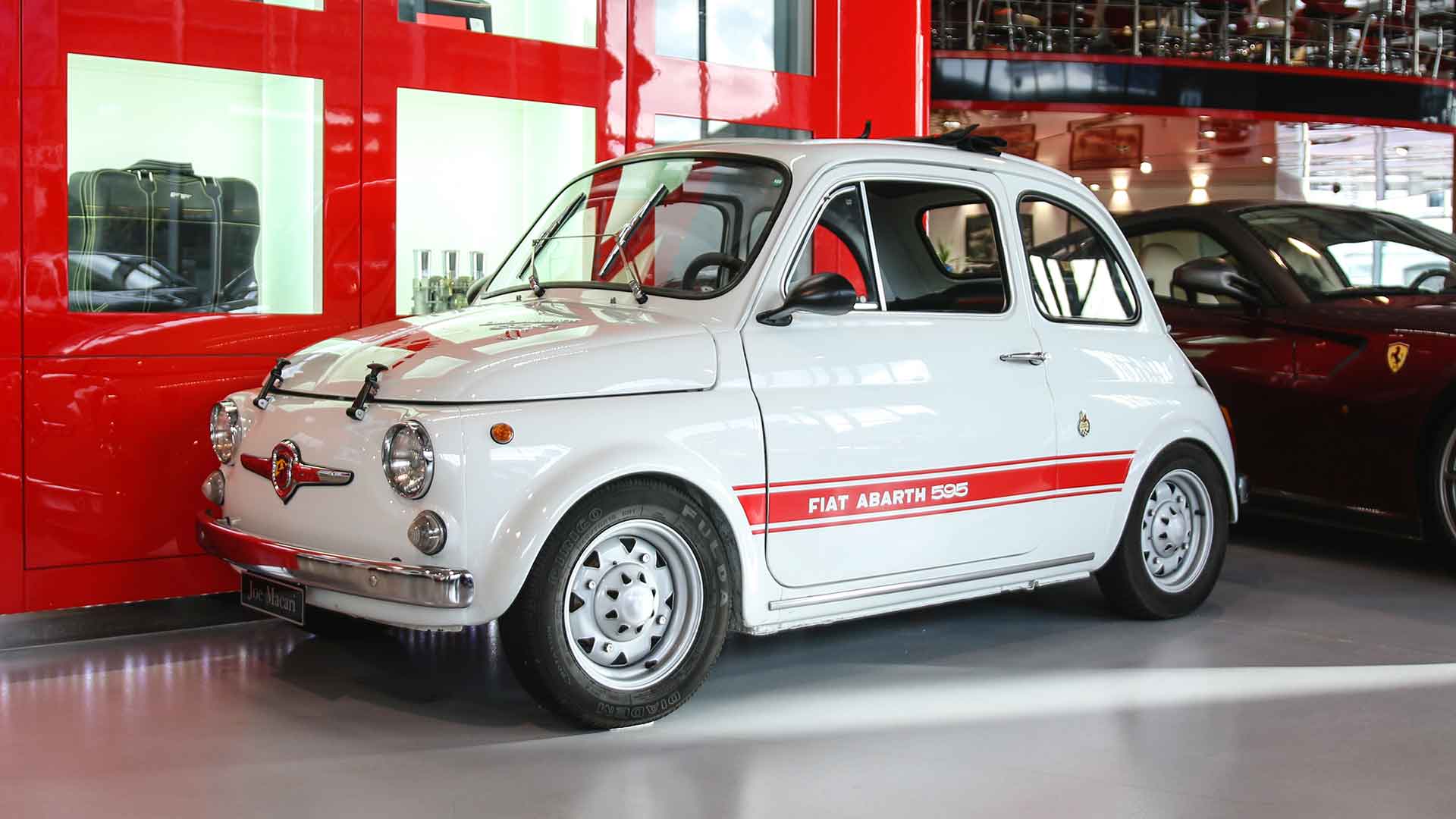
Fiat Abarth 595 SS
There have been many replicas, but you’re looking at the real thing. One of Joe Macari’s personal collection, this Fiat Abarth 595 SS is permanently on display in the showroom – and worth around £60,000.
Abarth tuned the Cinquecento’s two-cylinder engine to a mighty 34hp, fitting new pistons, an uprated oil pump and a spikier cam. The engine lid was permanently propped open to aid cooling. It’s no Ferrari, but probably offers a similar quota of smiles per mile.
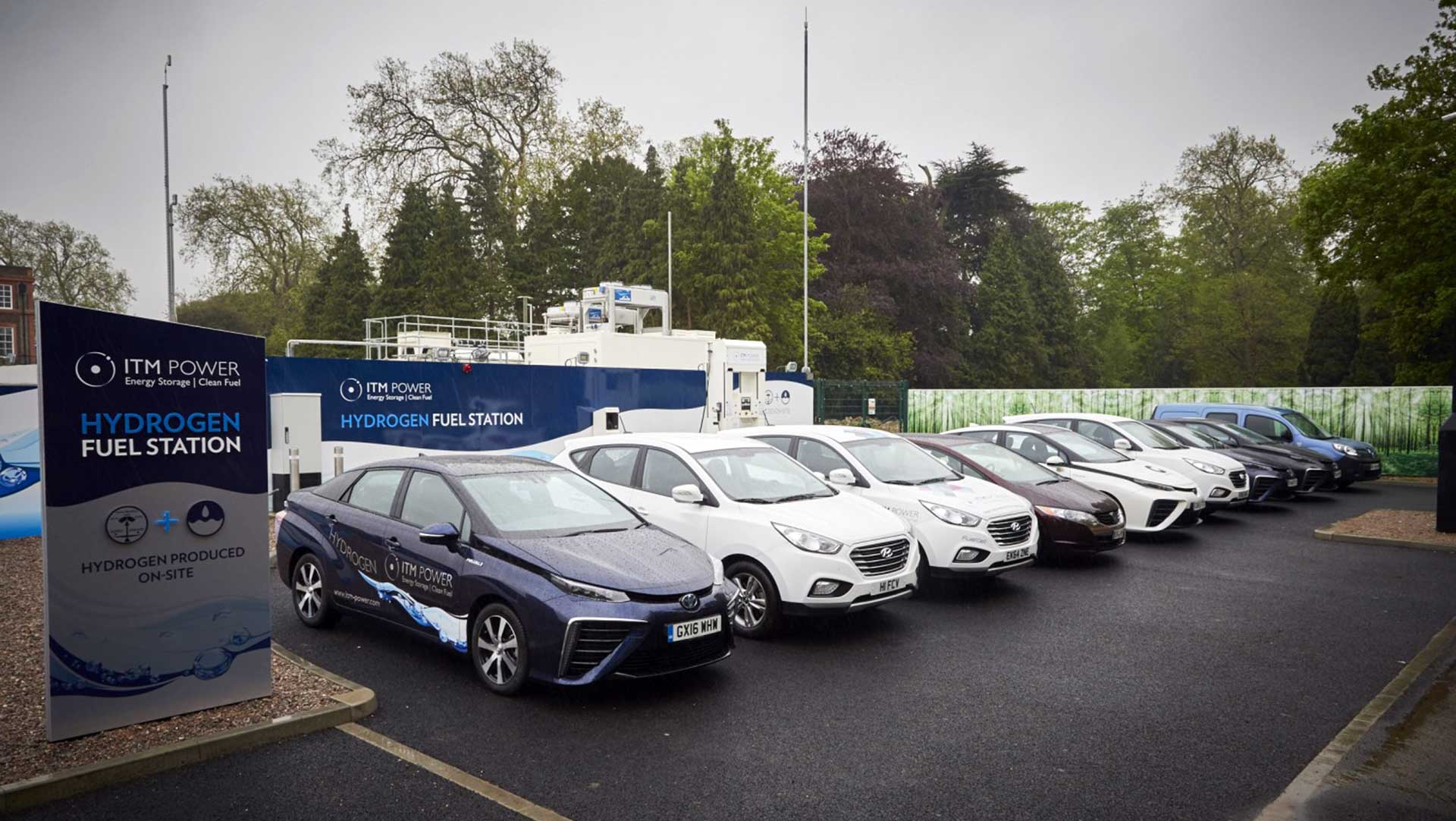
 Of the five hydrogen fuelling stations revealed as part of the £14million programme, two will be sited in the Tees Valley.
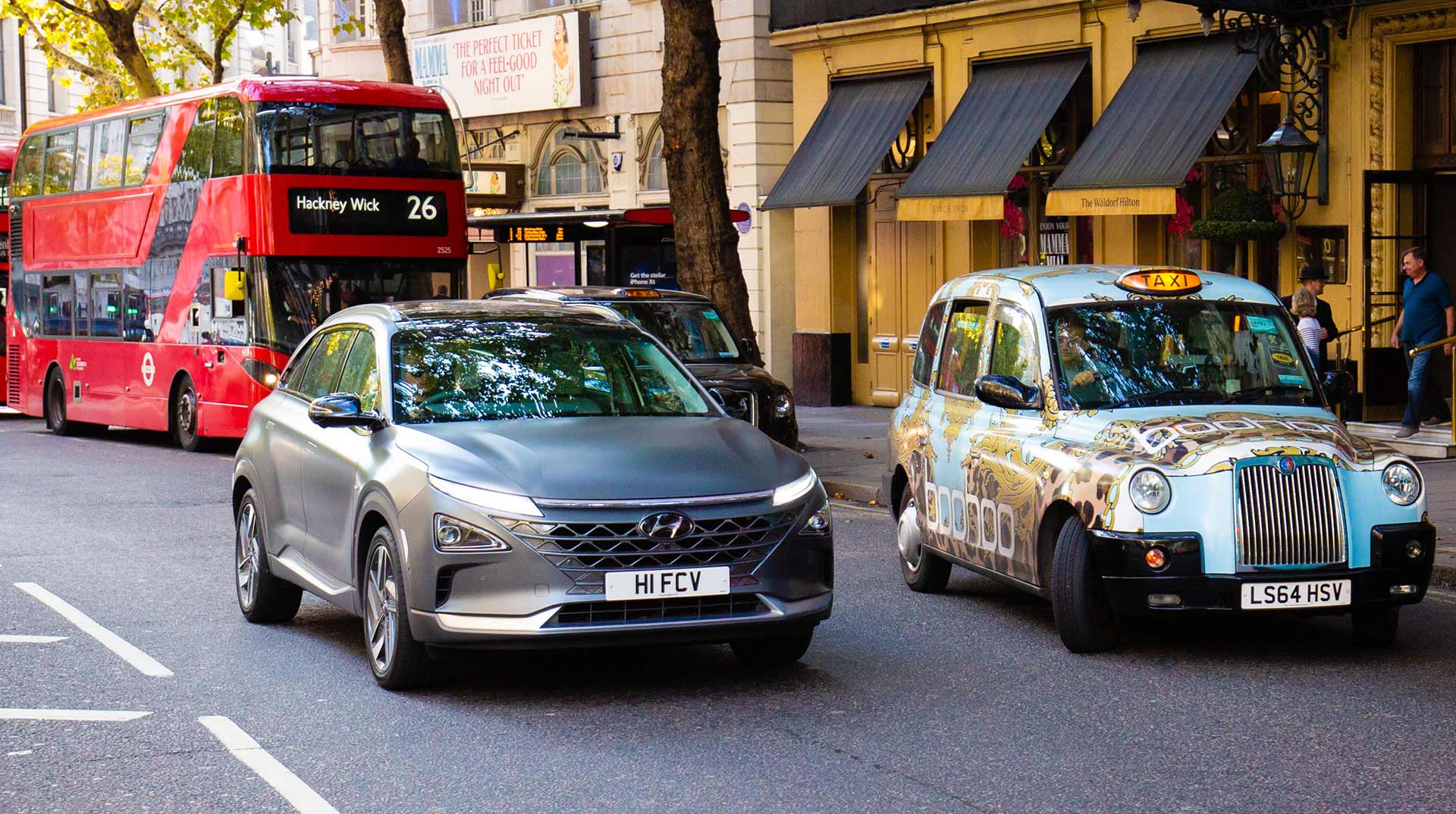 The overall funding will see more than 100 hydrogen fuel cell cars and buses delivered across the UK, helping push forward the development of the zero-emissions technology.
 John Harold Haynes OBE, the father of the
 Launch Edition cars will be identifiable by the black styling pack applied to the front grille and exterior window trim. Most noticeable will be the fancy door-mounted
  Volkswagen has unveiled an all-new version of the Volkswagen Jetta GLI at the 2019 Chicago Auto Show. Completely overhauled to cater to the North American market, it marks the sixth-generation of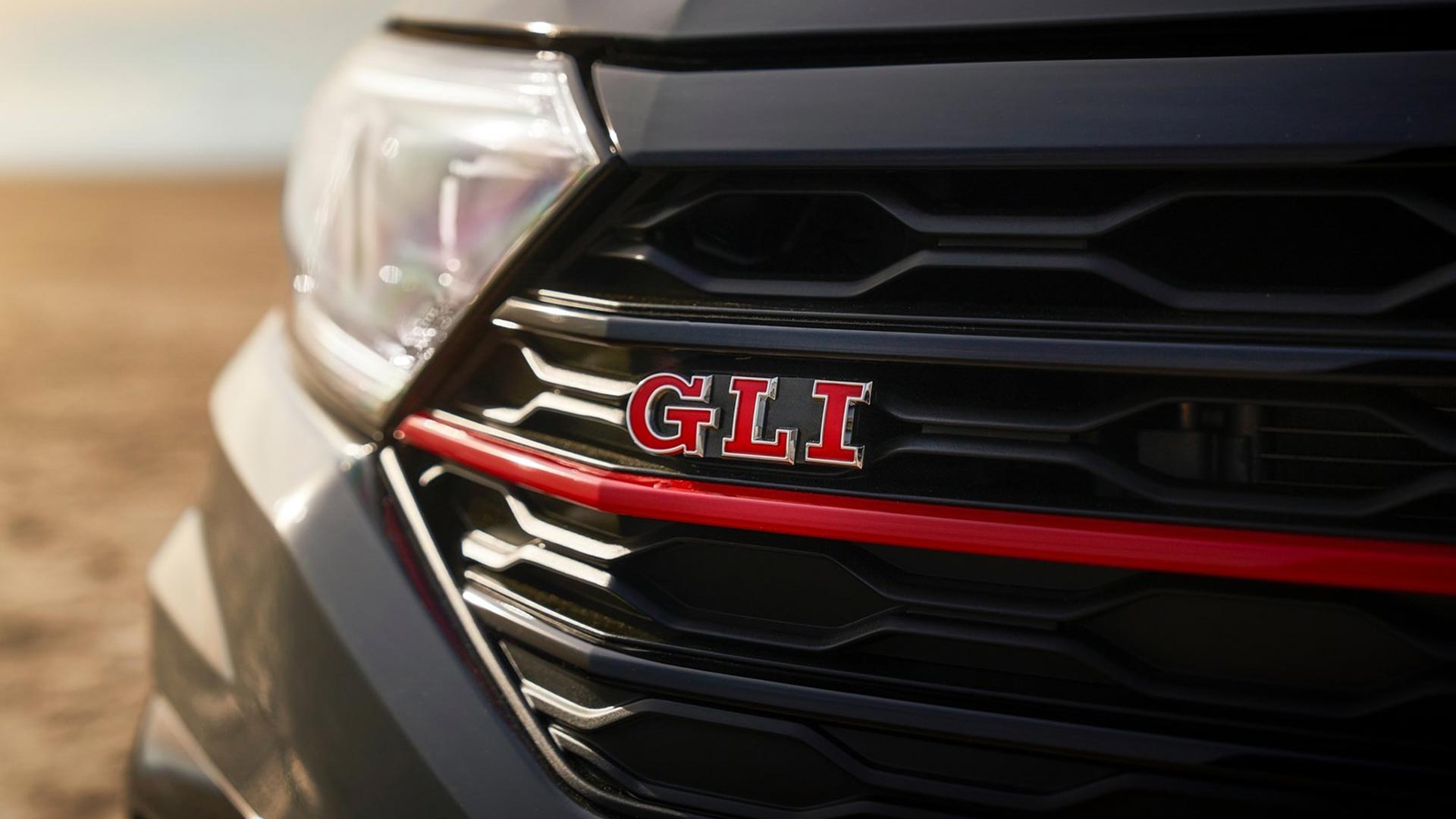



 The
The