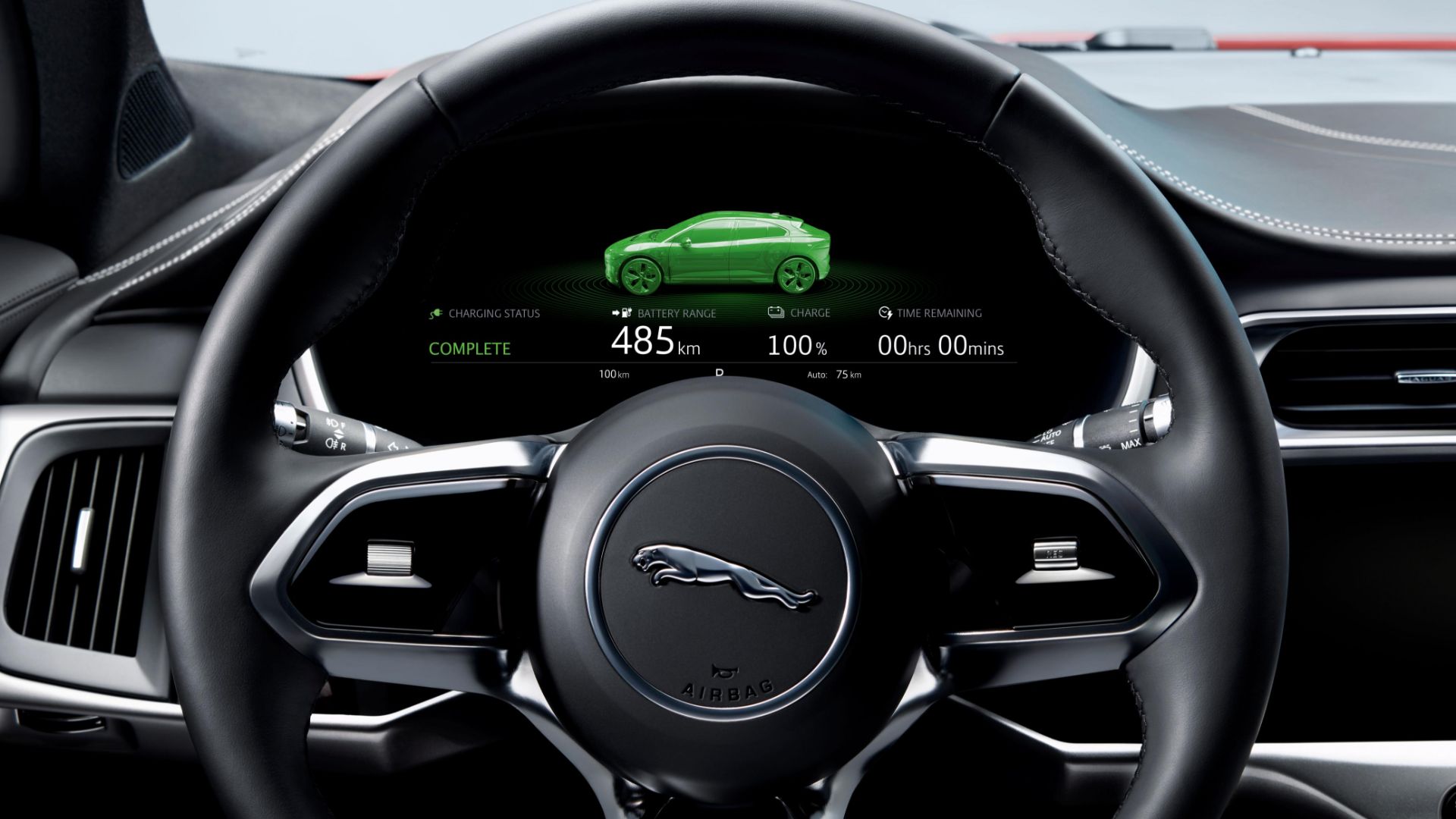
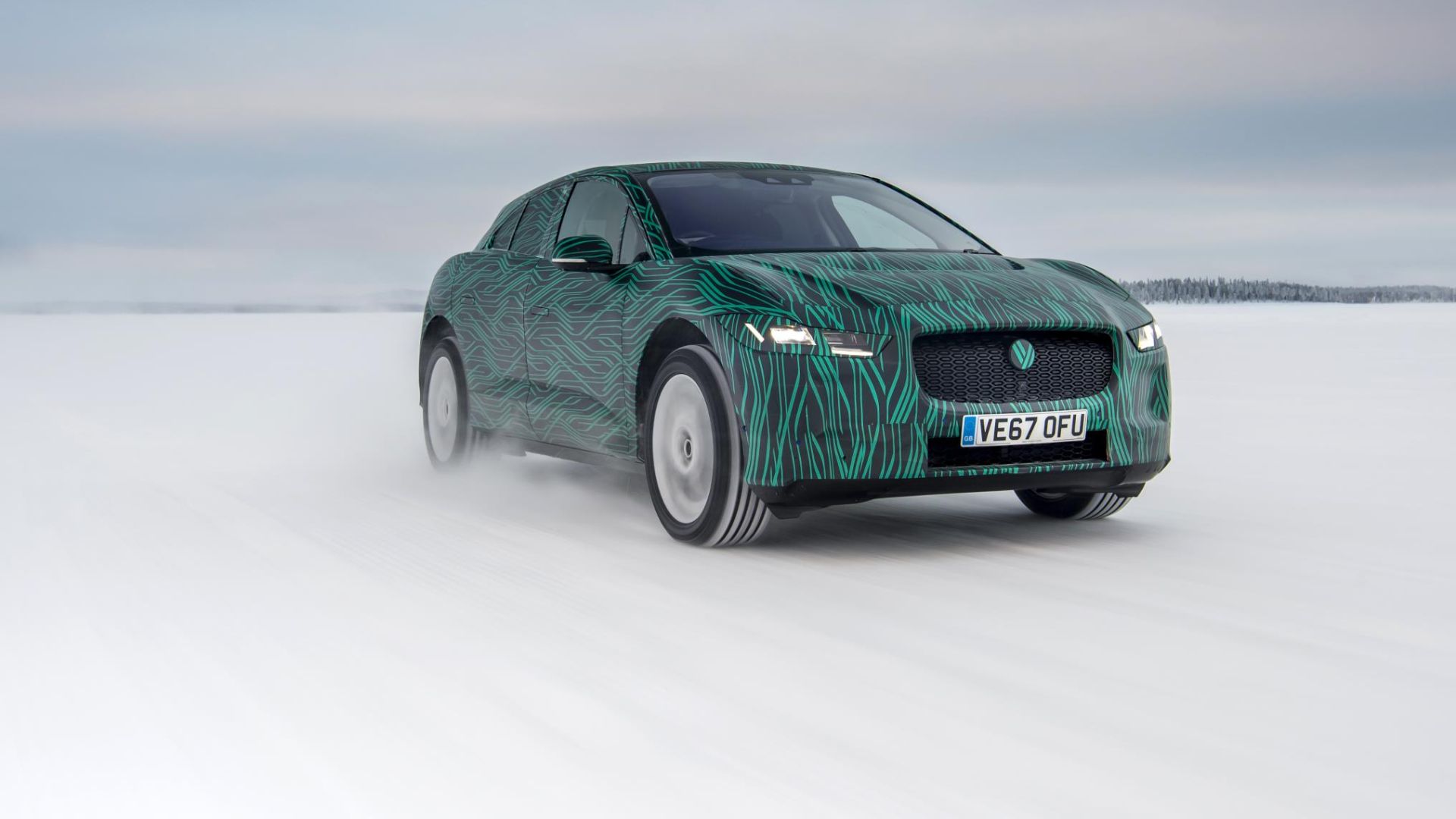
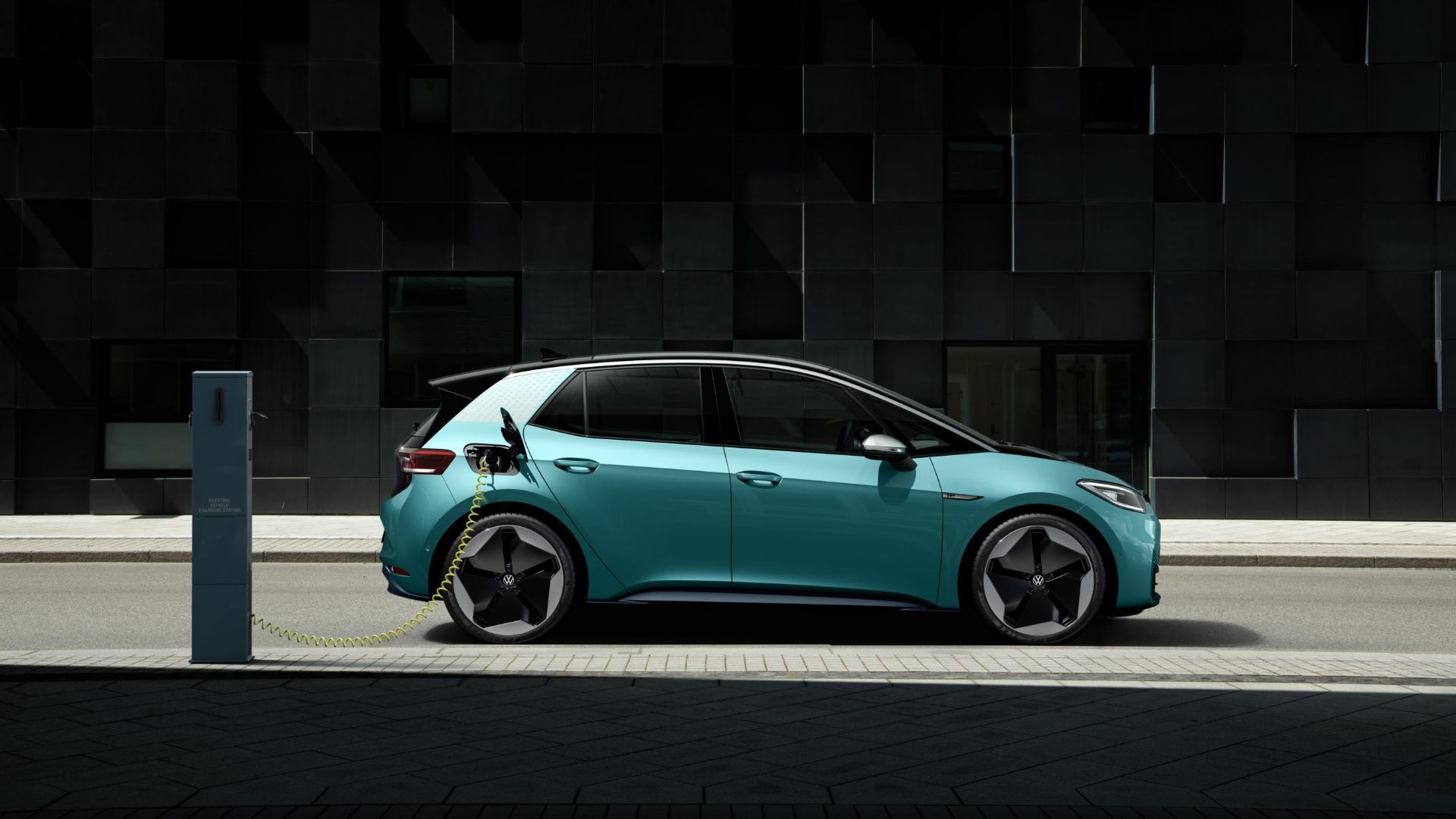
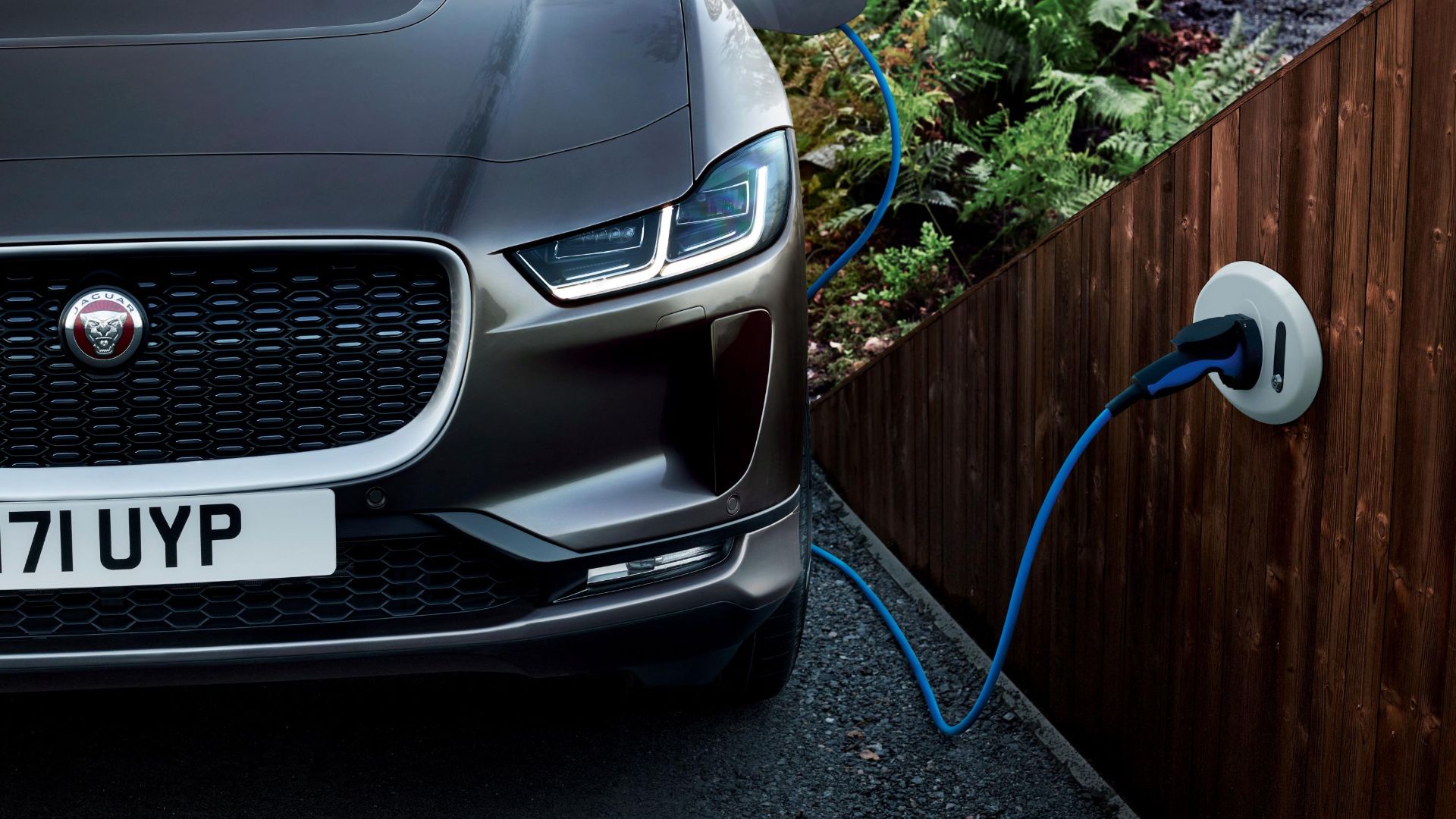
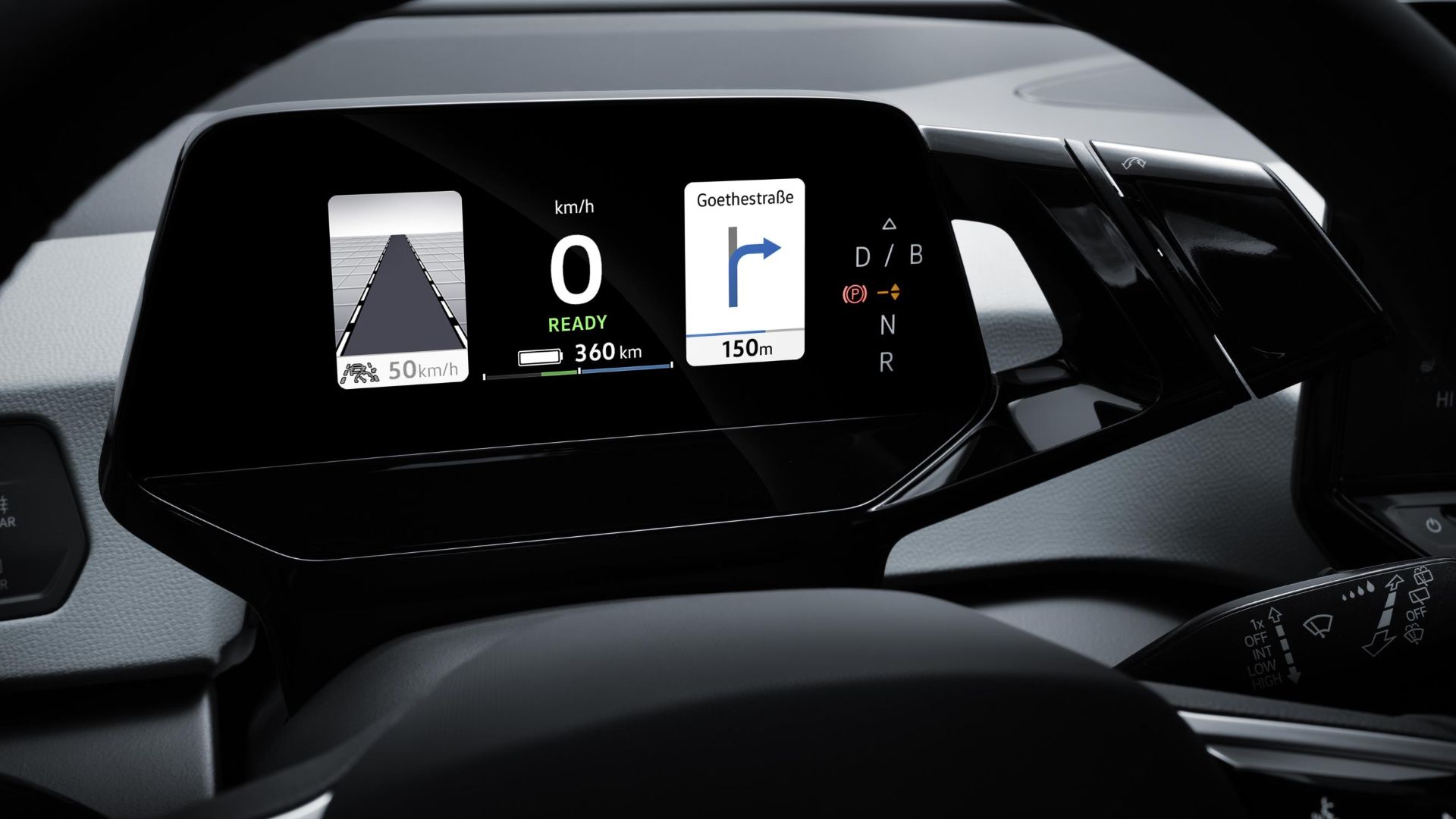
So-called ‘range anxiety’ remains foremost in the minds of many electric car buyers. To help, engineering and testing consultancy Horiba Mira reckons an overhaul of how range is calculated is urgently needed, with more realistic figures the intended goal.
“Increasing the number of people willing to switch to EVs will largely depend on a positive change in customer perceptions; particularly in tackling ‘range anxiety’,” said Ben Gale of Horiba Mira.
“It is therefore imperative that government and EV manufacturers respond accordingly, to accelerate EV adoption.”
A report by the company says conventional ways of testing how far a charged EV will travel need to be reviewed. At the moment, a car that is claimed to have a 300-mile range might manage 250 miles in the ‘real world’.
Horiba Mira considers current testing conditions to be unrealistic. Temperature, driving style, the type of journey and other factors all have a dramatic effect on range. Jaguar has recognised this with its online tool for I-Pace owners, which helps estimate range in varying conditions.
“At present, the use of insufficient range data in real-world conditions is playing a part in fuelling range anxiety, putting many motorists off making the switch to EVs,” Ben added.
“Globally, vehicles are tested at just one temperature – one that is considered the ‘optimum’ for vehicle comfort and lithium-ion batteries – but when you add in air conditioning or heating requirements, additional battery power is required, depleting the published range of an EV at an alarming rate.”
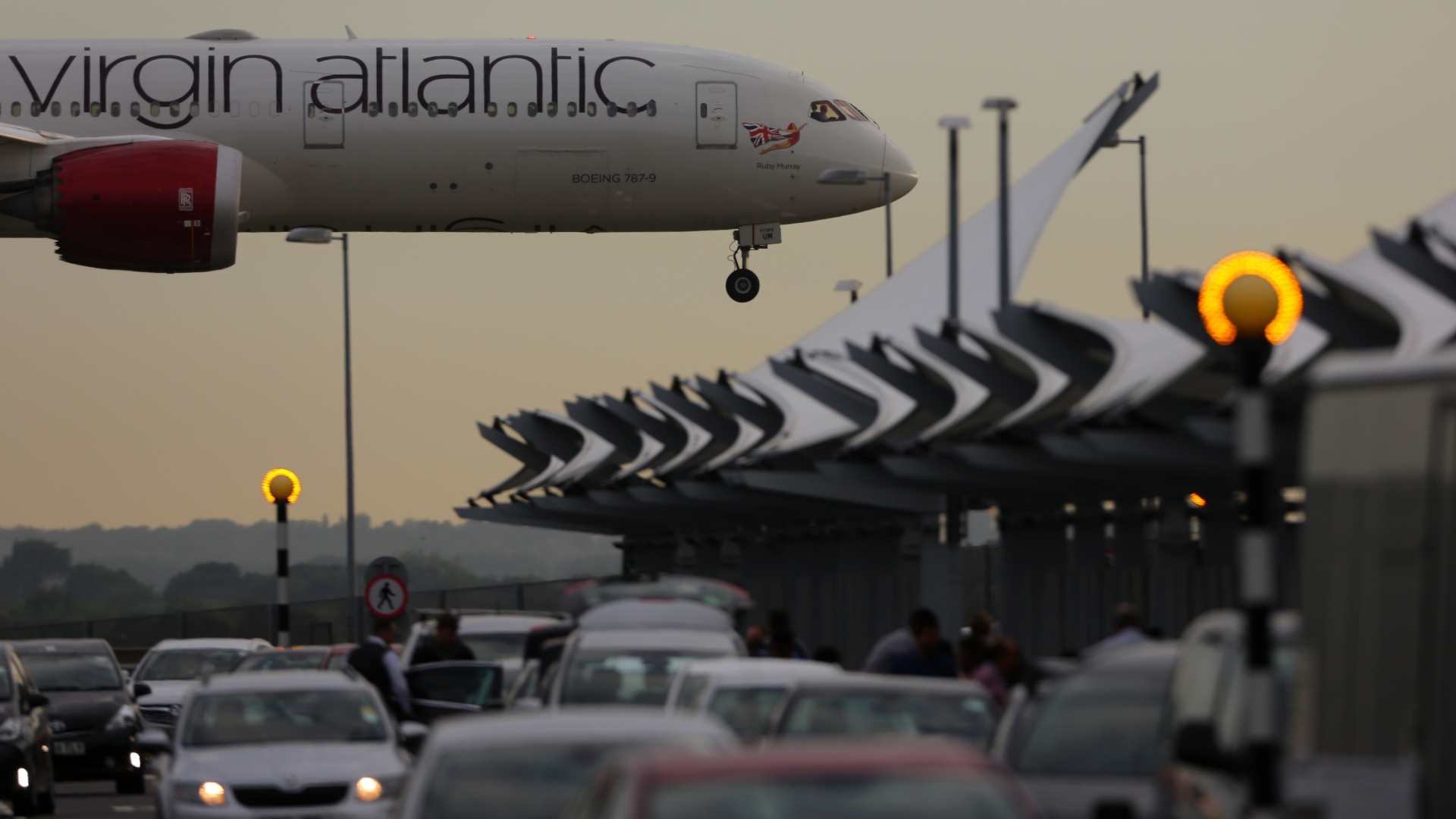
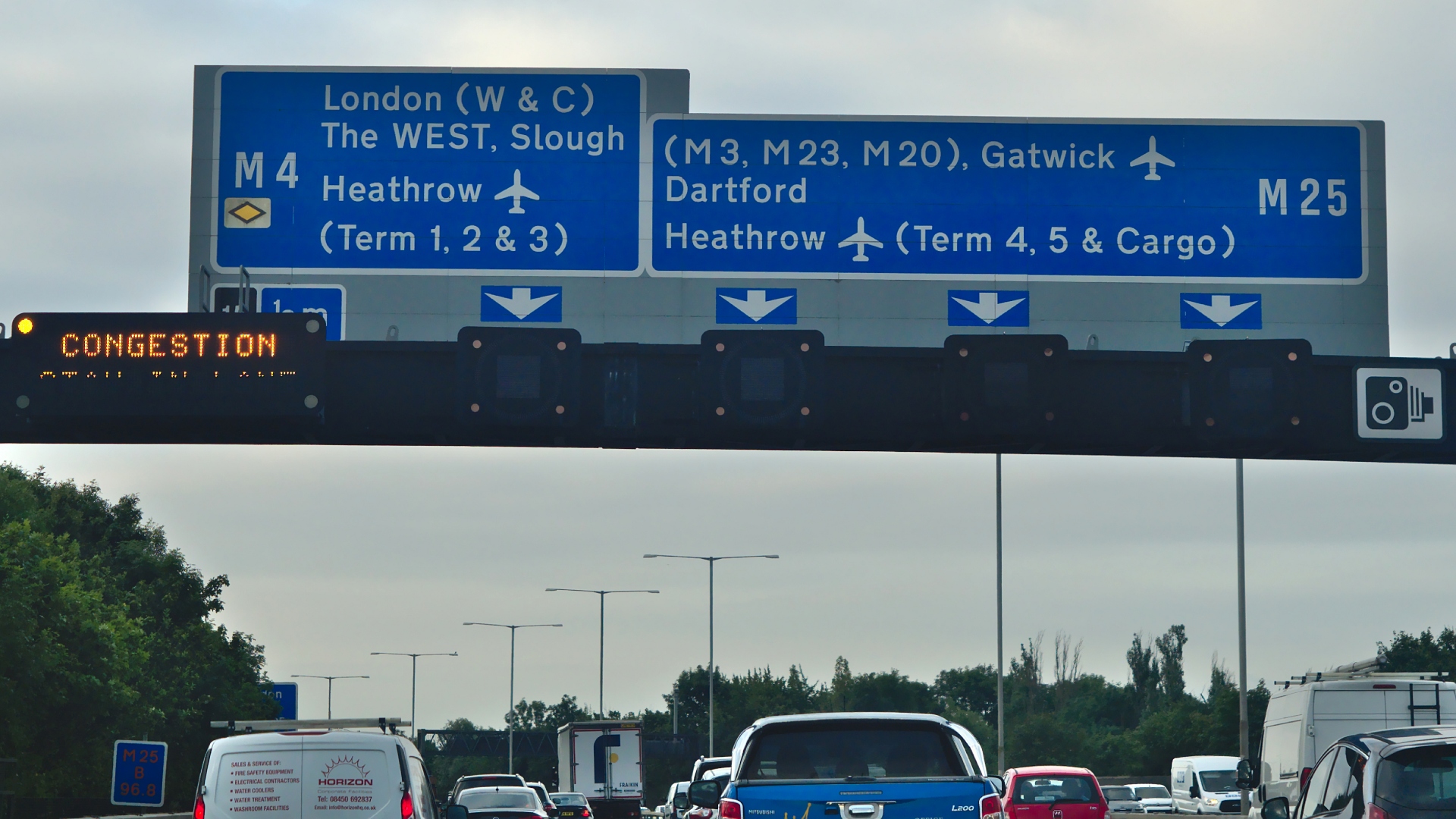
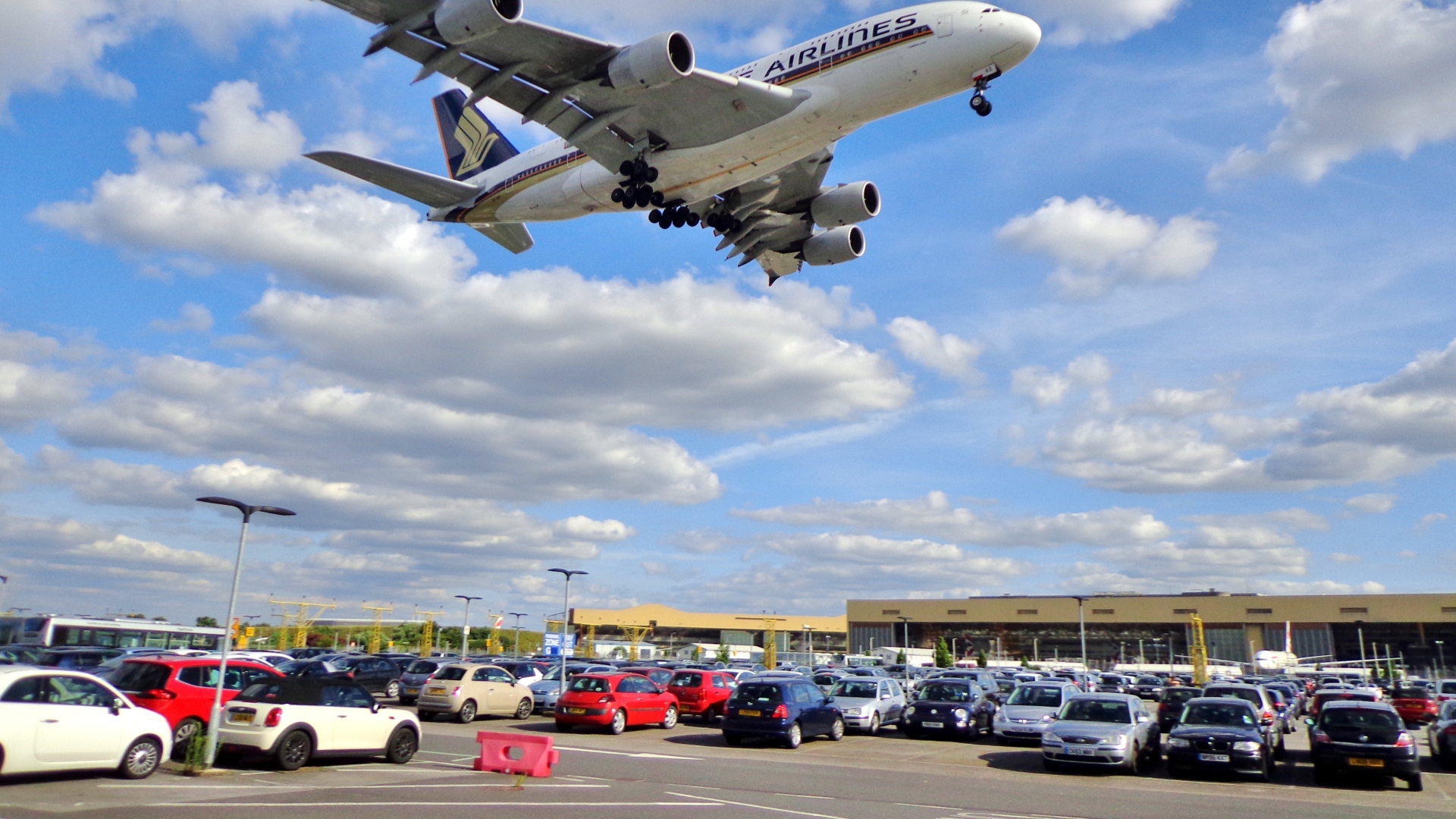
A new penalty system for drivers will be introduced at Heathrow Airport to coincide with the opening of the third runway in 2026. This, to an end of getting its third runway operating at capacity, without adding any cars to the road.
The charge is expected to yield around £1.2 billion a year. That’s if the expected 65,000 vehicles a day pay the predicted £50 daily charge (accounting for inflation) by 2040.
The charge is to be levied on all cars, from hulking gas guzzlers to whisper-quiet electric cars – Heathrow’s congestion charge will not discriminate. The aim is to incentivise the use of public transport by those wanting to fly from Heathrow.
Thus the amount of Heathrow-related traffic will remain the same at the very least, or decrease. It expects 55 percent of passengers will use public transport to get to the airport by 2050. This, by comparison to the 40 percent that did so in 2015.
Can Heathrow’s public transport links cope?
There are worries, however, that public transport links would not be able to cope as drivers try to escape charges. Even without the extra 756,000 flights per year that the new runway will allow. A new east-west Crossrail line is planned, along with an upgrade of the Tube’s Piccadilly Line and improved bus services, to handle to extra passenger volume.
In addition, Heathrow Southern Railway is pitching to build an eight-mile link from Waterloo. There are also plans to increase train infrastructure between Reading and Heathrow.
More than 360,000 driving licences withdrawn on medical grounds
Given that the two lines are to be confirmed, with a decision ‘yet to be made’ by the Heathrow consultation, speculation is rife on whether the current infrastructure will cope.
For the moment, then, travellers could be faced with little choice than to drive and swallow the charges. Heathrow Southern Railway warns that “this will cause resentment as there will be no practicable way for people in this area of the country to avoid the charge”.
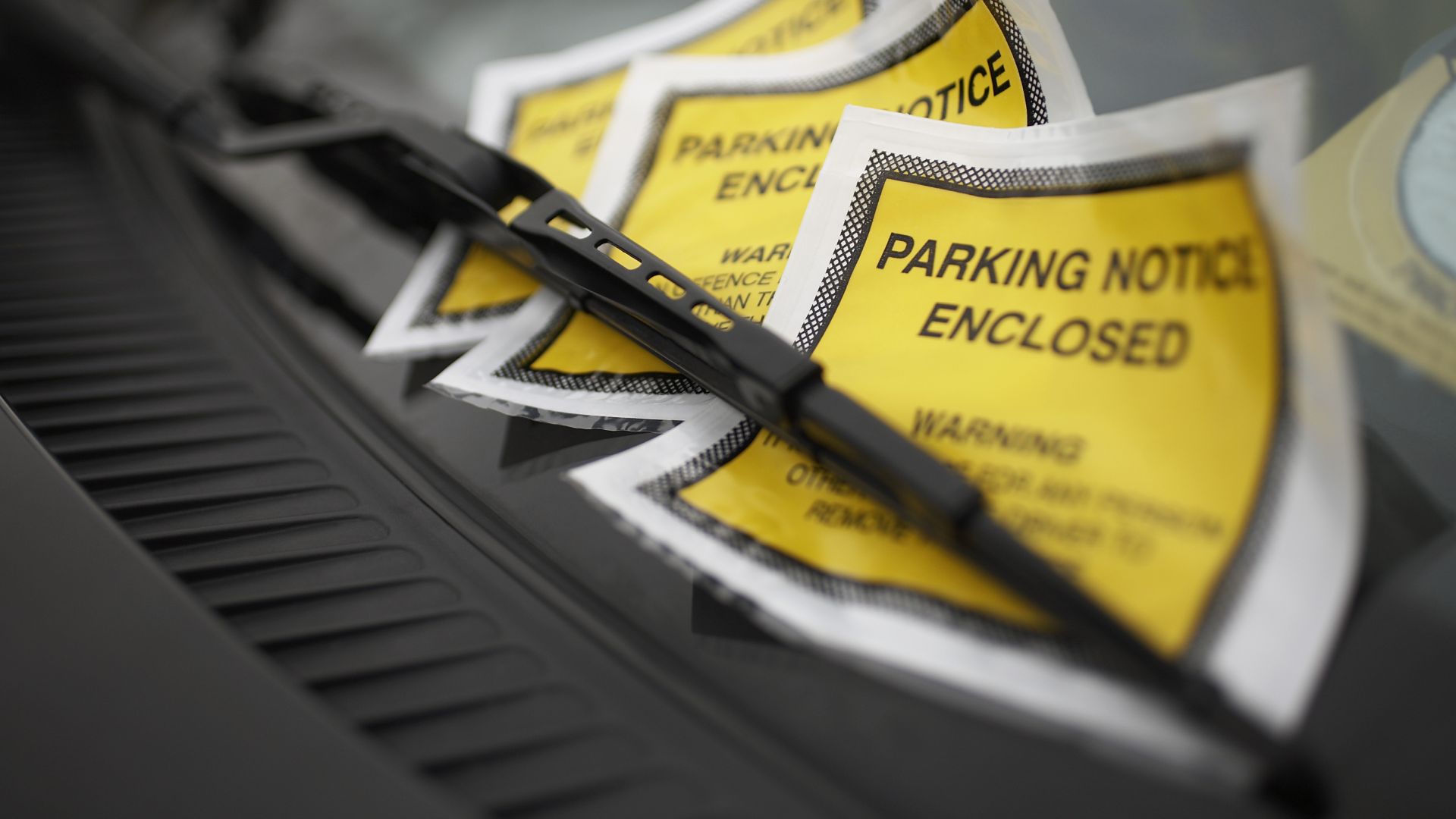
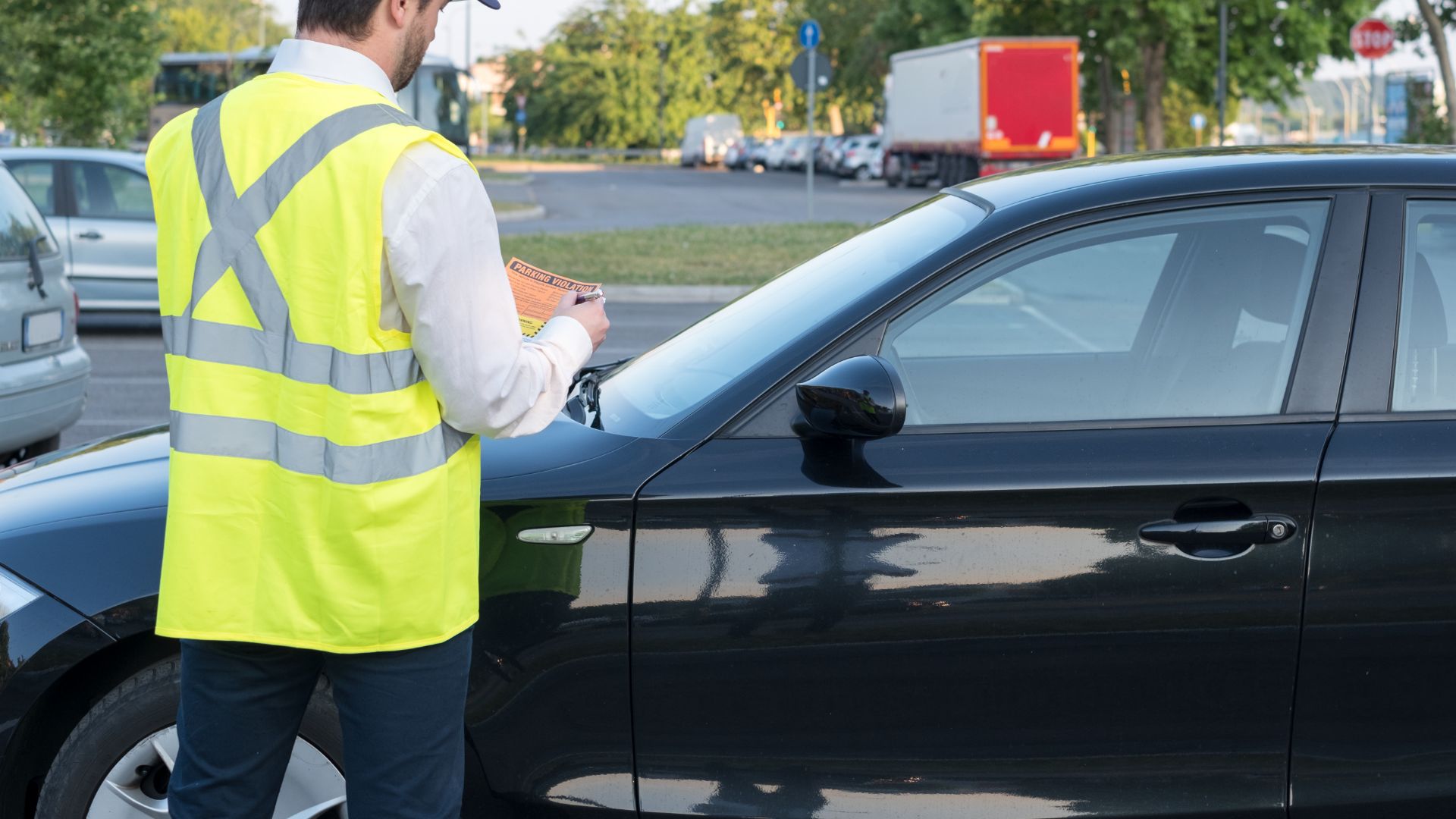
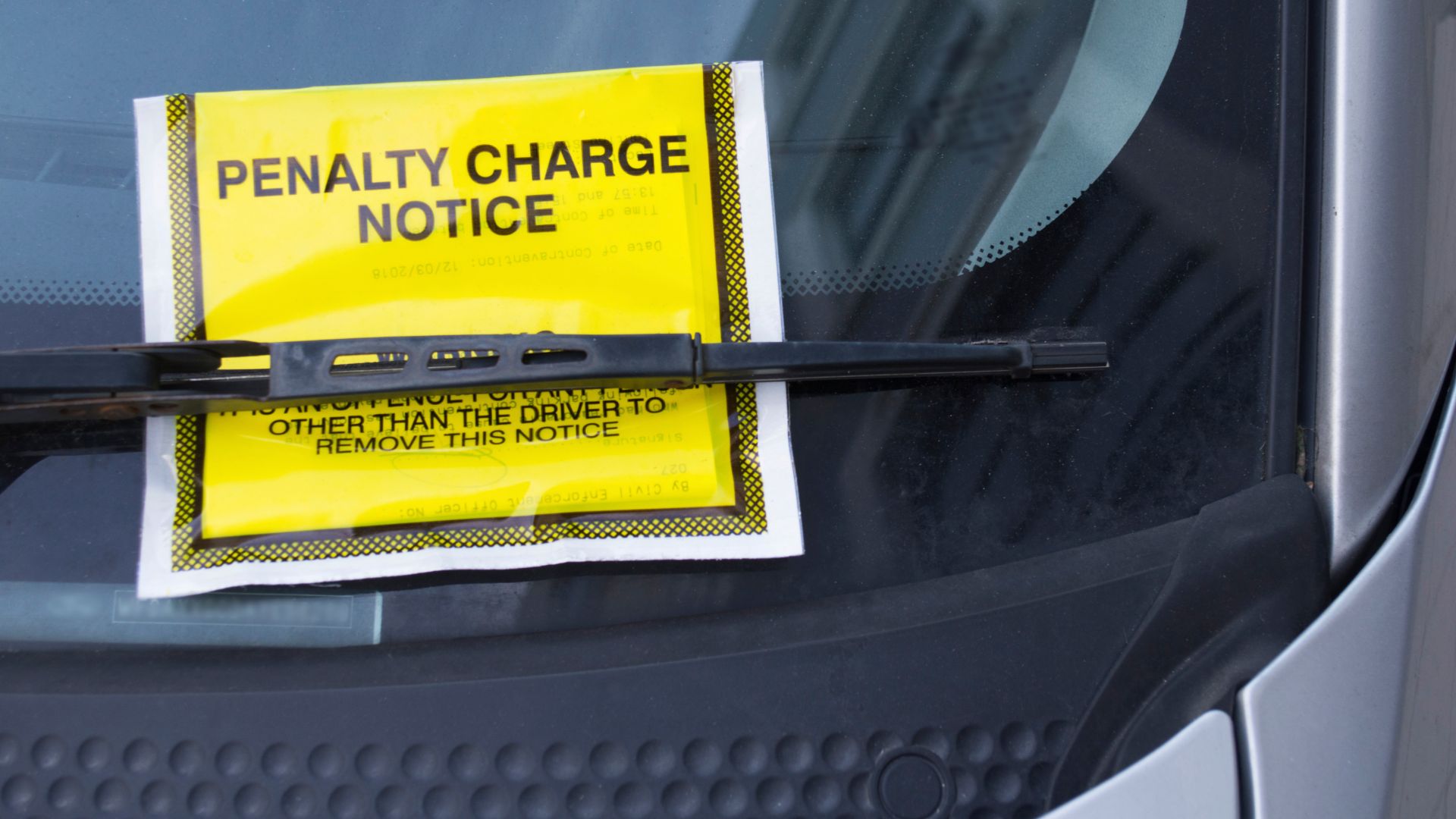
A freedom of information (FOI) request has revealed exactly what local authorities make out of parking tickets, as well as how many fines are issued.
Here, we reveal the councils that are making the most money from your parking tickets.
The £5 million parking profit club
The FOI data found that Leeds, Edinburgh, Manchester, Glasgow and Birmingham lead the country in terms of parking ticket revenue for the most recent financial year, outside of London at least.
Each earns over £5 million in the process of fining those parking where they shouldn’t, or for longer than they should.
Leeds leads, with a £6.17 million take, while Edinburgh isn’t far behind on £5.9 million. Manchester and Glasgow make £5.3 million and £5 million respectively. Birmingham just misses out on membership, taking £4.915 million, to be exact.
Overall, 24 of the listed areas earned comfortably over £1 million in parking fines. The top 10 earned a minimum of £2.5 million, each.
Which city makes the least from parking fines? It’s lowly Derby, making ‘just’ £844,907 in the most recent financial year.
Dishing out the fines
1 in 5 motorists find parking a struggle
In terms of the number of fines, it stands to reason that those in the top five for revenue would have to work for their take. All but leader Leeds feature, with Manchester in the lead having given out 545,314 fines. Leeds actually made its £6.1 million dishing out one fourth of the fines in Manchester.
Nottingham joins at the bottom of the top five, with 137,623 fines dished out. Bottom overall is Bolton, issuing just 27,787 parking fines. That’s around 5,000 fewer fines than the loser in terms of profit, Derby. In spite of this, Bolton made £1.2 million in the last financial year from parking fines. A ticket must be expensive in Bolton…
Manchester – 545,314 fines
Edinburgh – 191,563 fines
Glasgow – 147,945 fines
Birmingham – 141,687 fines
Nottingham – 137,623 fines
The freedom of information request was submitted by CompareTheMarket.
Labour has announced plans for a ‘green industrial revolution’ with an enormous focus on automotive.
If elected, Labour will introduce interest-free loans for prospective electric car buyers and billions of pounds worth of charging points to support them.
On top of that, it wants to team up with car manufacturers to build battery ‘gigafactories’. Finally, to power it all, it wants to commit a massive investment for a fleet of wind turbines at sea.
The long and the short? More electric cars, more places to charge them, cheaper batteries and renewable power to keep them going. From the top…
Labour’s £60bn interest-free loans on electric cars
Labour wants two thirds of cars on sale to be electric by 2030. To support the necessary growth in popularity, it wants to offer 2.5 million prospective buyers of electric cars interest-free loans of up to £33,000. That’s a total investment of up to £60 billion during its first parliamentary term.
These loans would be for low-income households, small businesses and sole traders specifically. In theory, they would get the last people that would ordinarily have the capacity to make the change, to the front of the queue.
The scheme would come with a caveat for those taking advantage of the scheme. They’re to take a more active part in Britain’s ‘green industrial revolution’ beyond buying the car – owners will be required to take part in a mass trial of Vehicle-2-Grid technology.
Britain is one of the CHEAPEST places in Europe to own an electric car
It allows electric cars to effectively be a part of the grid, when they’re plugged in, storing excess energy. This, to an end of smoothing supply from renewable sources. It would ease the mass requirement for power banks, at least in the short term.
Roughly £3.5 billion would be lost in interest profits. However, a would-be Labour government reckons it will save, at least in part, on easing a steep immediate requirement for behind-the-scenes infrastructure. Funding for the loans would come from a £250 billion ‘national transformation fund’.
£3.6billion on charging points
With 2.5 million electric cars set to hit the road, Labour will need a charging infrastructure that can support them. It plans to invest £3.6 billion in the rollout of rapid-charging stations, with the ability to support the anticipated 21 million electrified car population on the road by the end of the next decade.
The investment would create 3,000 skilled jobs for electricians and engineers, and the result would be an answer to the question of infrastructure that’s supposedly stopping so many from making the change.
£5.8billion investment in electric cars and ‘gigafactories’
The shadow business secretary Rebecca Long-Bailey revealed Labour’s intention to invest £5.8 billion in the motor industry to assist an acceleration in the development and production of electric cars. How? State-controlled ‘gigafactories’ and metal reprocessing plants, and a stake in the manufacturers of electric cars.
Around £3 billion of the above figure would go toward assisting the development of new models and technology. In return, Labour wants shares in the business.
“If we want our automotive sector to flourish, we need a government that is not afraid to intervene,” and intervene it plans to. Long-Bailey cites France as an example with its 13 percent stake in the home-based Peugeot Citroen PSA group.
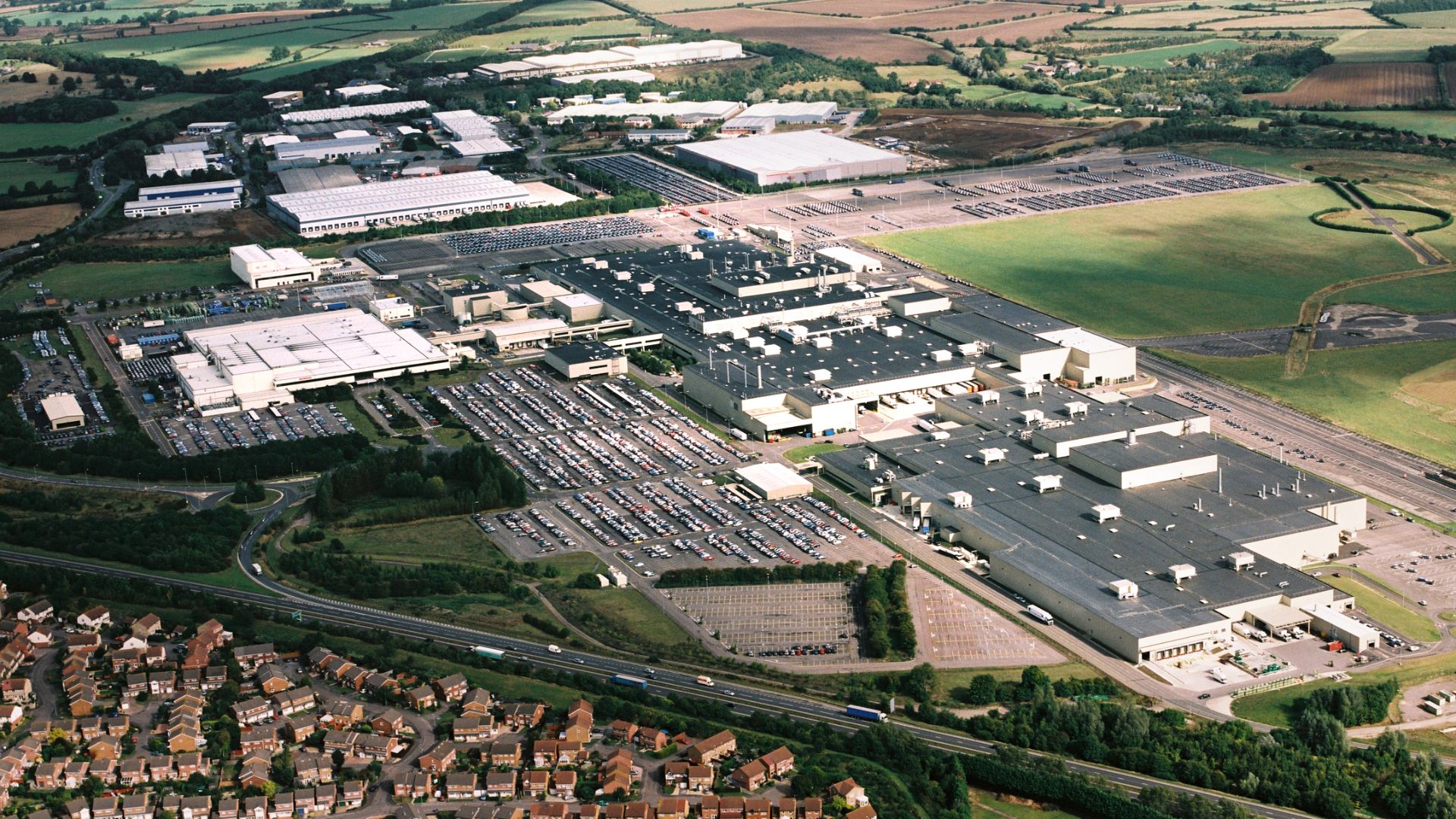
Around £2.3 billion is to go towards the so-called ‘gigafactories’, with the government owning a 51 percent stake in each one. They would create 3,000 jobs, with sites planned in Swindon (think the to-be ditched Honda plant), Stoke and South Wales.
“We need to accelerate the shift away from fossil-powered cars if we are to tackle the climate emergency. Labour’s support package will offer a lifeline for a new clean era of manufacturing.”
The elephant in the electric car room is batteries. The production of them is addressed above, but the disposal of them is a point of contention. Labour wants the remaining £500 million to go towards four plants for the reprocessing of batteries for their rare metals and minerals.
Labour’s renewable power for an EV-driving Britain
So we’ve got the electric cars, the capacity to produce the batteries within them, the incentive to buy them and the infrastructure to charge them. Now we need to power it all.
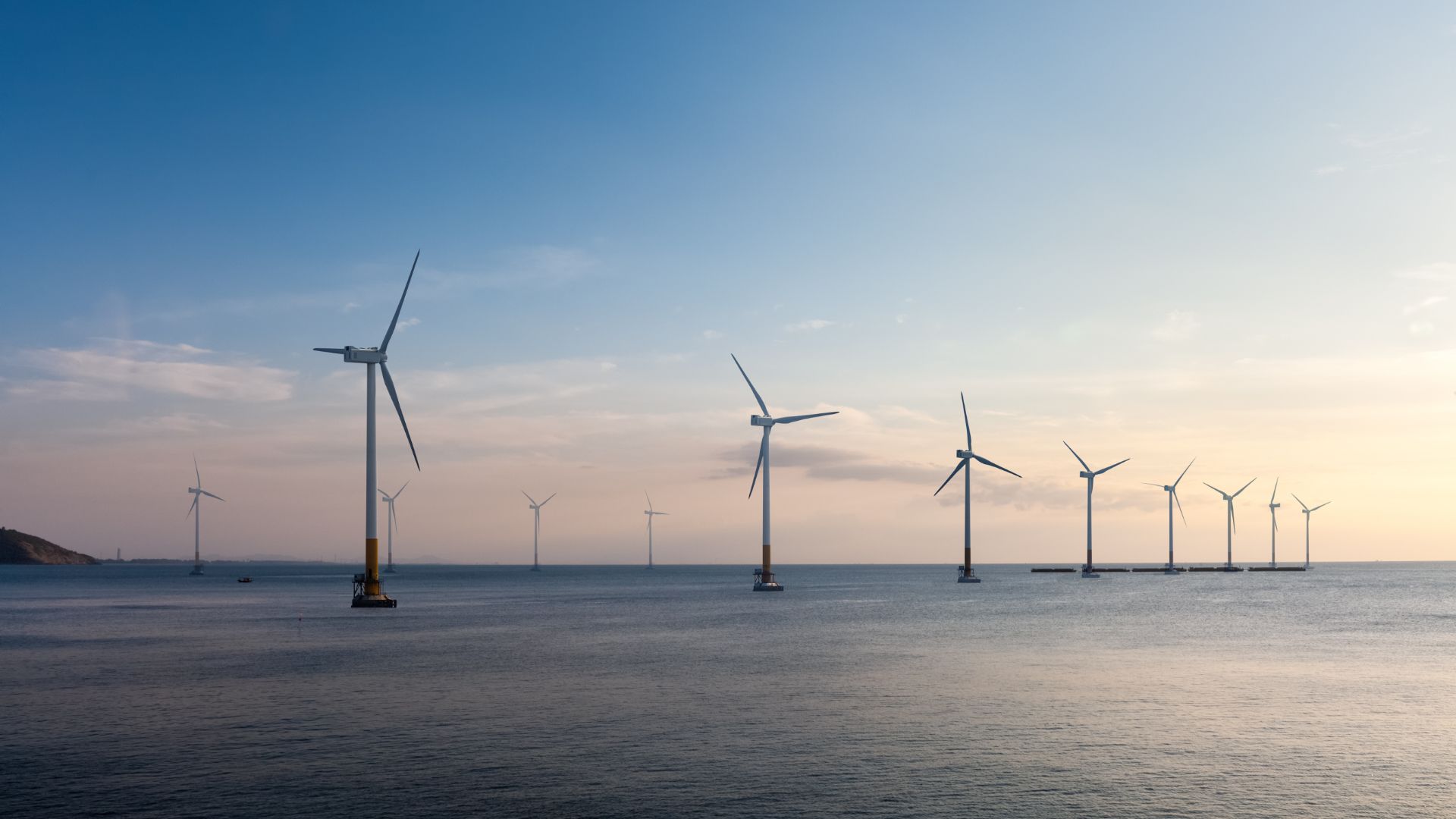
To that end, Labour wants to build 37 new offshore wind farms via a new public-private venture, in which it would have a 51 percent stake, generating power for 57 million homes. It wants to shake our reliance on foreign firms for wind power. Labour says the venture would create 67,000 jobs in East Anglia, Scotland, Yorkshire and the North East.
The ‘people’s power fund’ will be the result of profits taken from the energy harnessed and sold with the new facilities. This would allow £1 billion every year to be invested in struggling seaside communities.
When you add up the cost of fuel, insurance, road tax, MOTs and cleaning, along with extra outlays like parking tickets and road tolls, how much does your car really cost to run? These are the top 12 most expensive brands, according to a survey by MoneySupermarket. Some of these might surprise you.
12. Hyundai
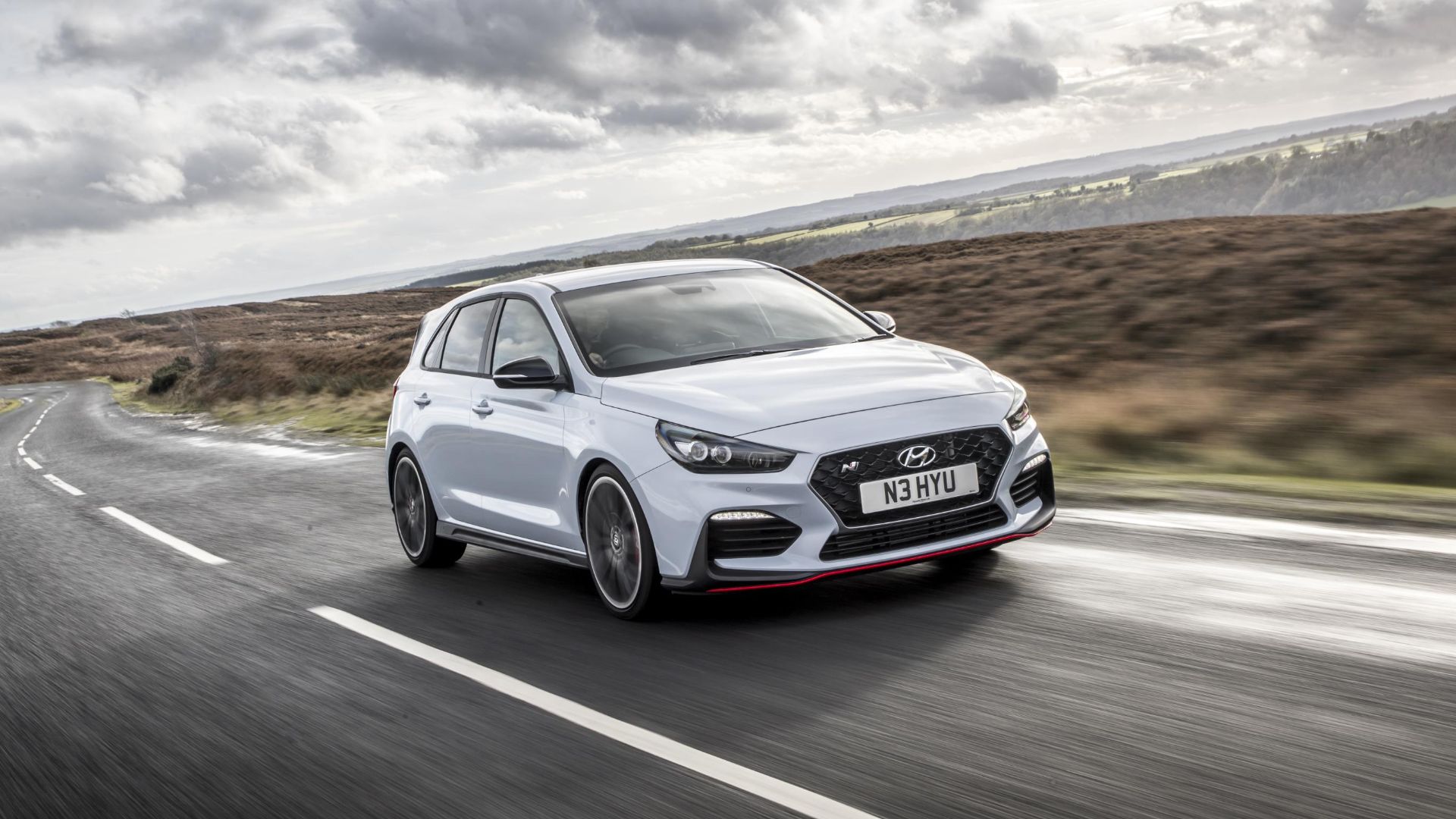
This might come as a shock, but one of the greatest proprietors of value on four wheels isn’t so cheap when it comes to running costs. Hyundai kicks off our list with a typical £1,592 annual bill. Over the 326 times an average Hyundai is driven per year, that equates to £4.88 per journey.
11. Nissan
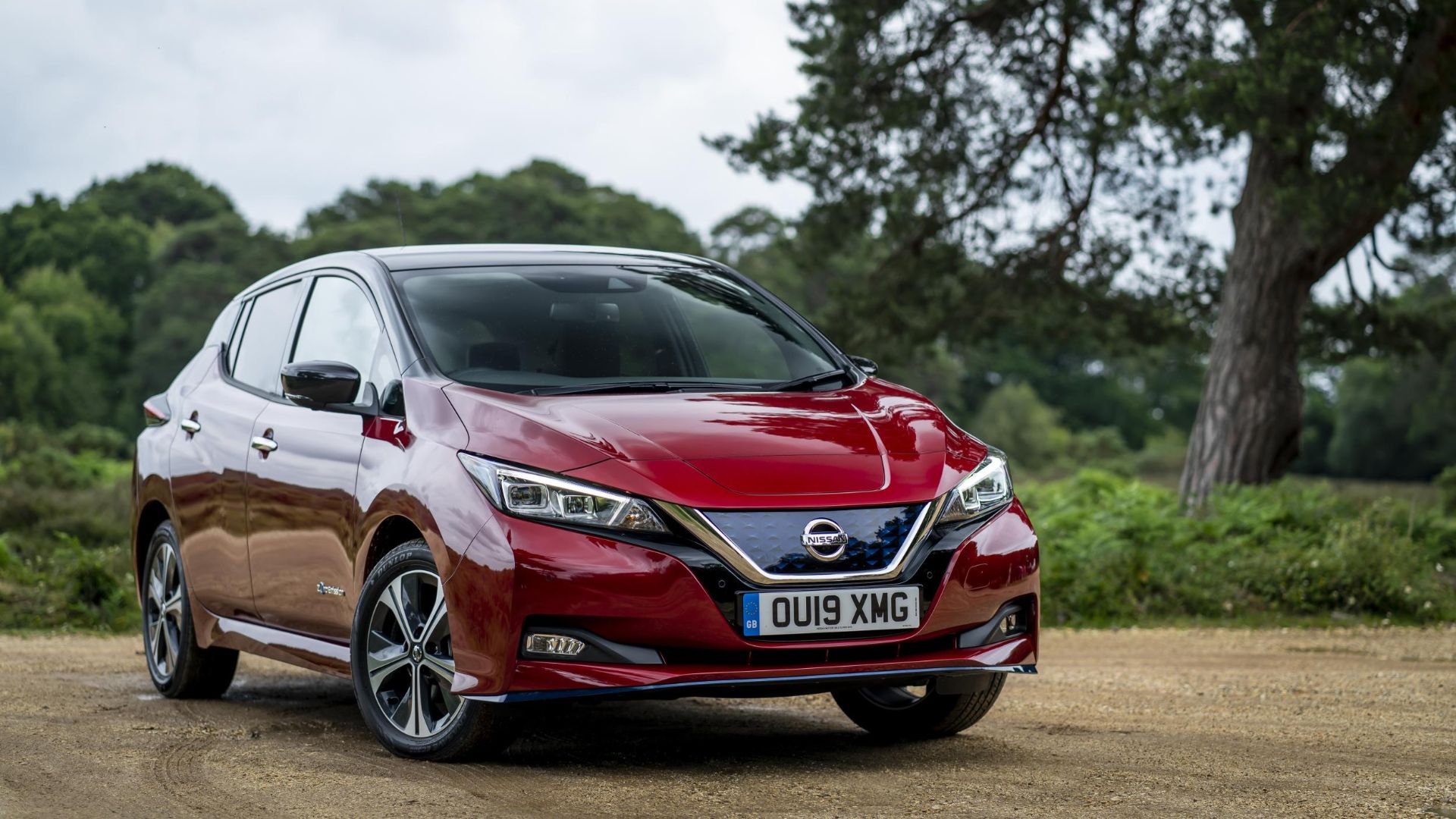
Nissan is next, with an average £1,622 annual bill. What’s interesting is that, on average, a Nissan is driven 288 times a year – nearly 40 times less than a Hyundai. That ups the per-drive cost to £5.63.
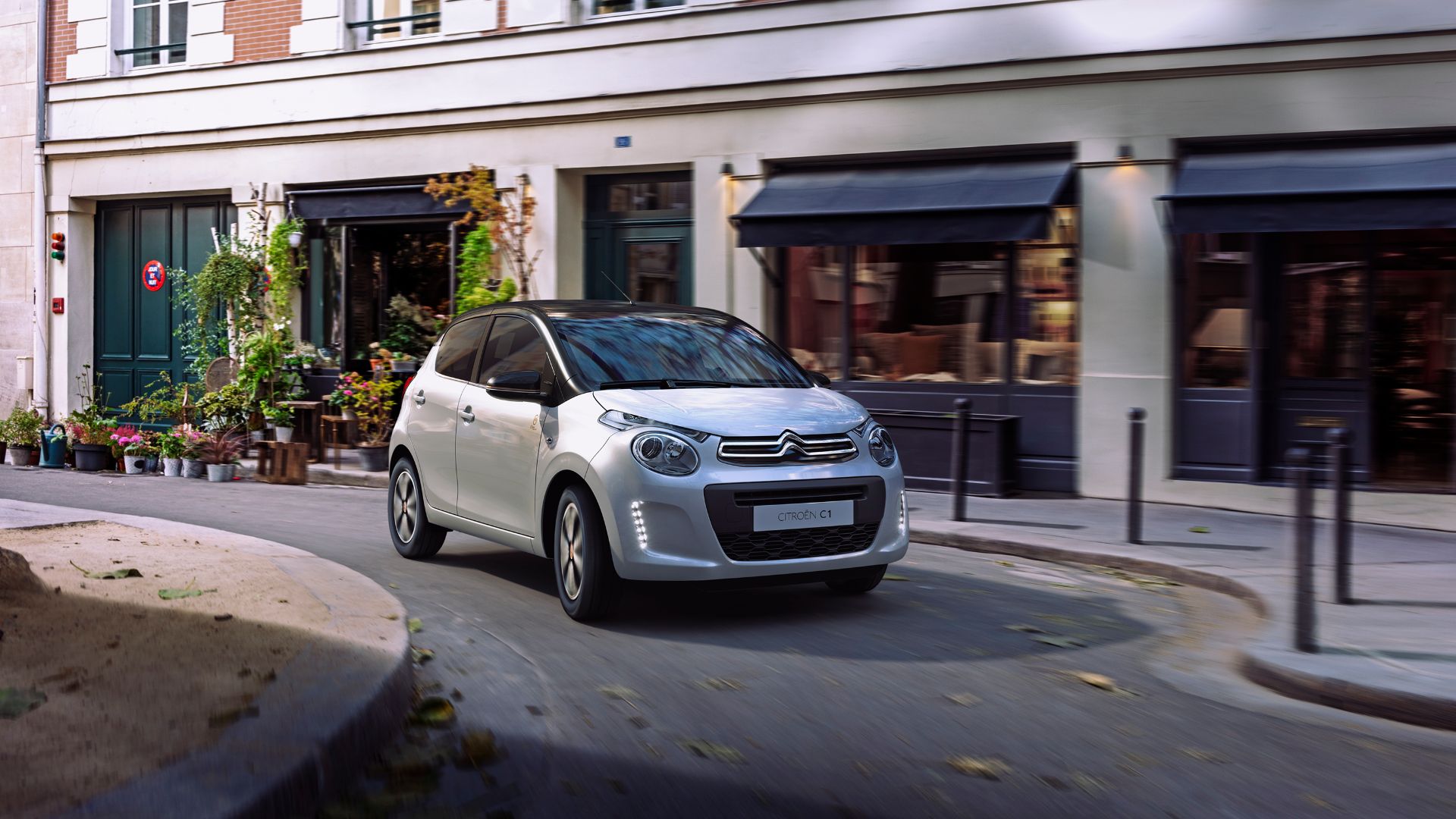
10. Citroen
It’s £25 a year more expensive, typically, to run a Citroen for a year than a Nissan, at £1,647. Although Citroens are used 30 times more per year, making the per-drive cost £5.18.
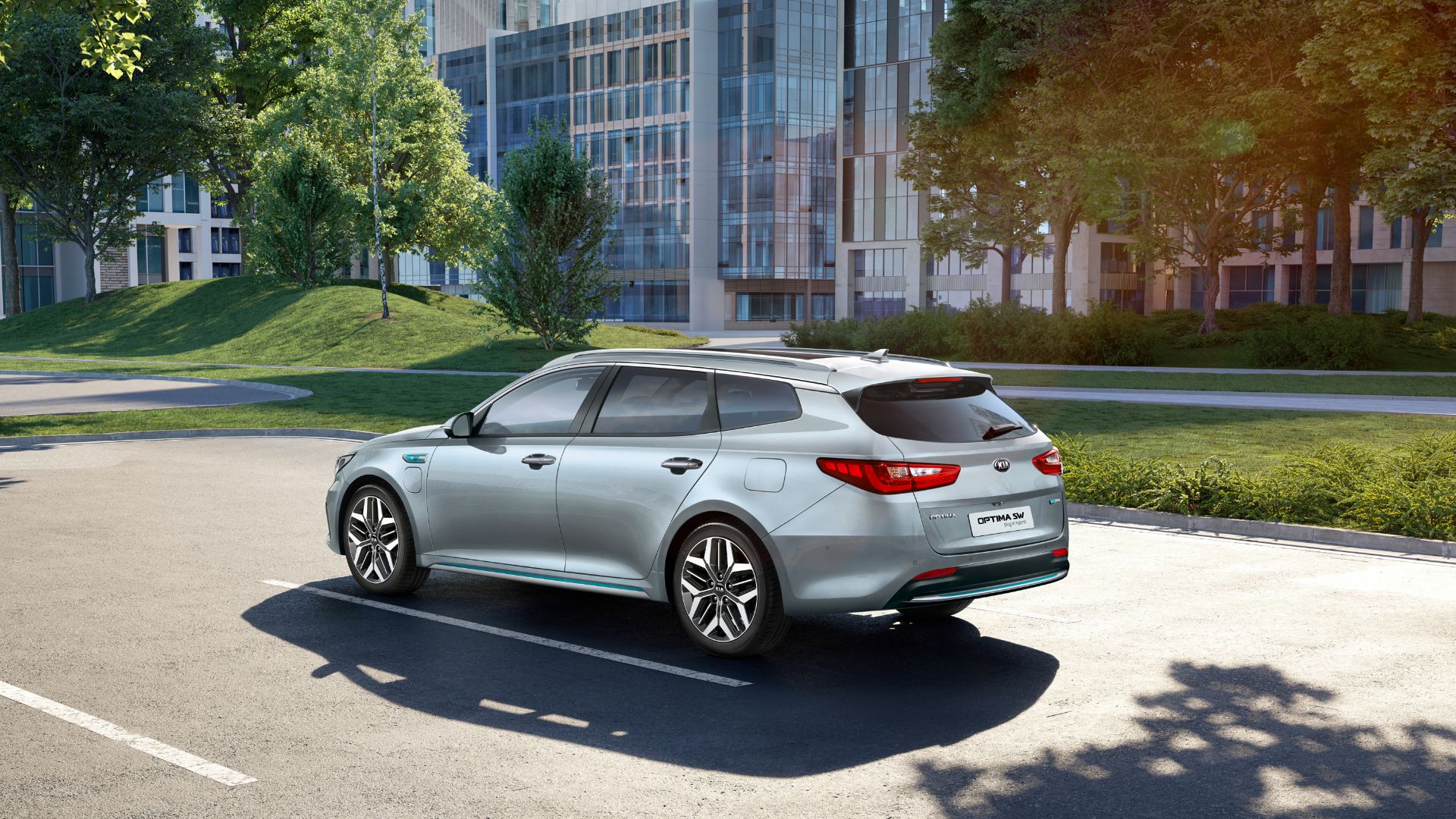
9. Kia
Another shocker as Hyundai’s good-value Korean stablemate is even further up the list in ninth. Costing £1,755 a year to run, it’s significantly more expensive, too. With 300 uses per year on average, a single journey has an average cost of £5.85.
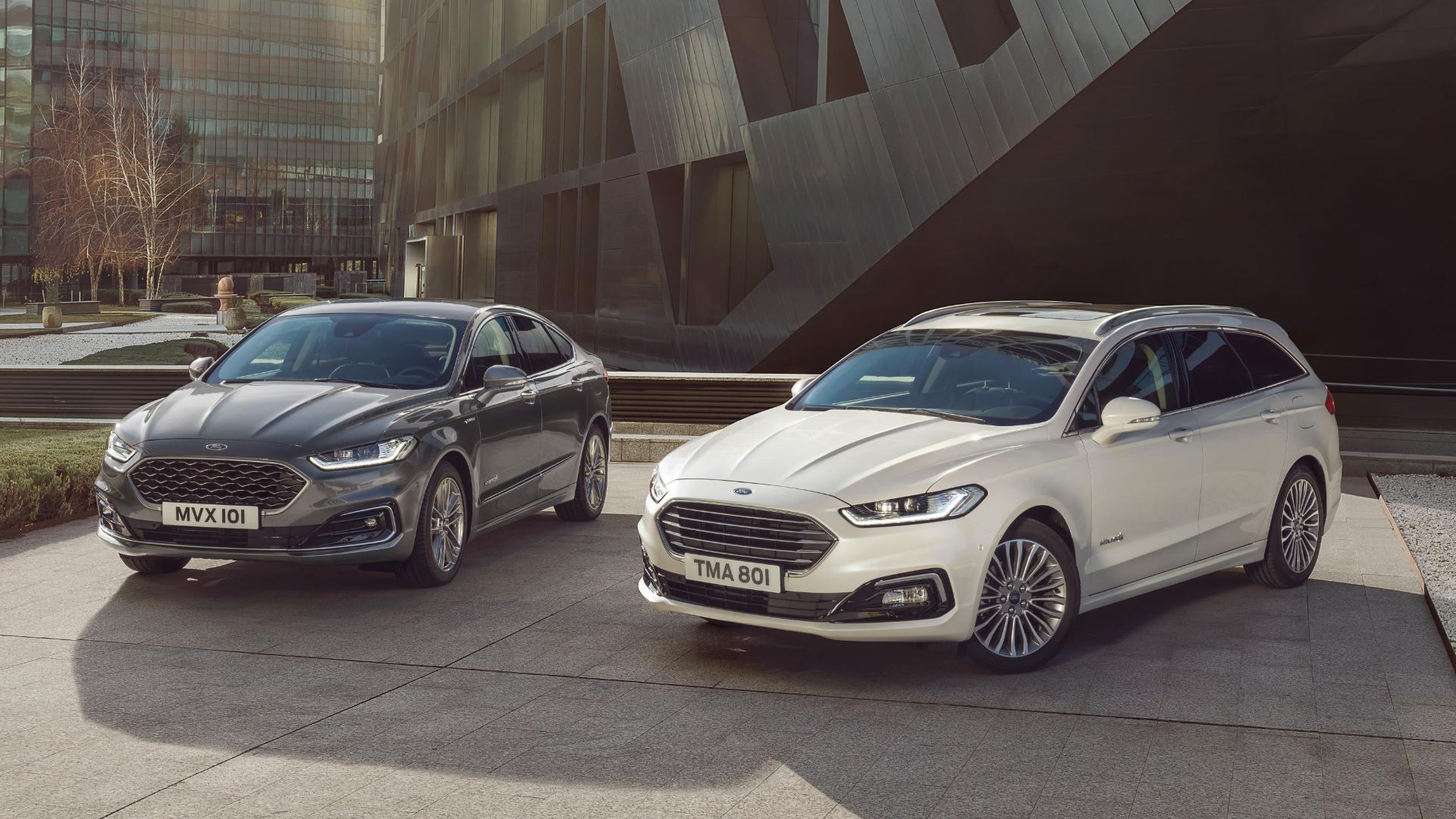
8. Ford
Another mainstream brand finds itself on the most-expensive list. A Ford costs just £1 a year more than Kia to run, however, at £1,756. Being used 31 times more on average, the per-use cost is much lower, at £5.30.
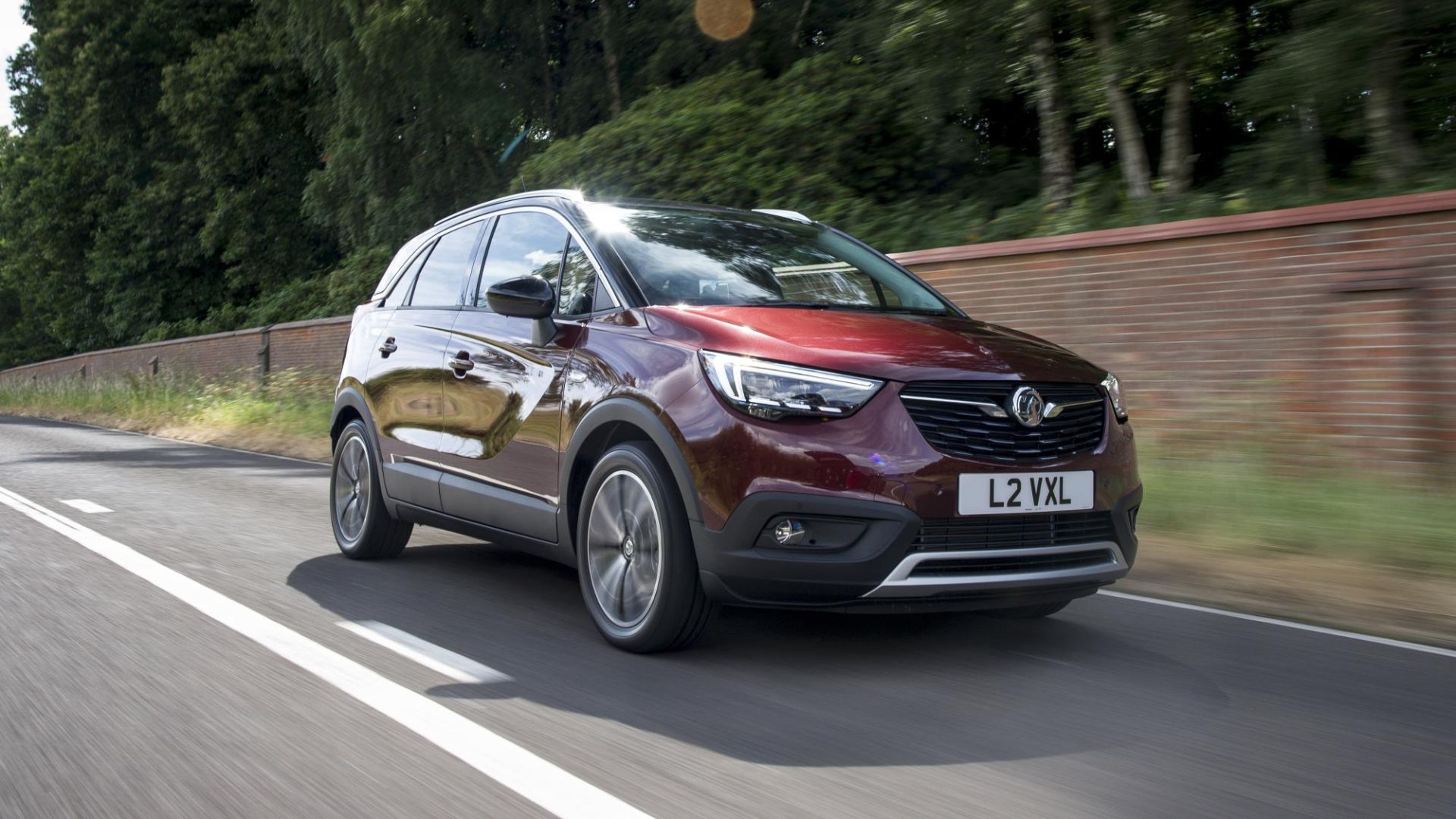
7. Vauxhall
Ford’s arch-rival Vauxhall is up there, too, with a yearly cost of ownership of £1,779. Being the third most frequently used marque on the list, that cost is spread over 346 journeys, for a per-drive cost of £5.15.
6. Peugeot
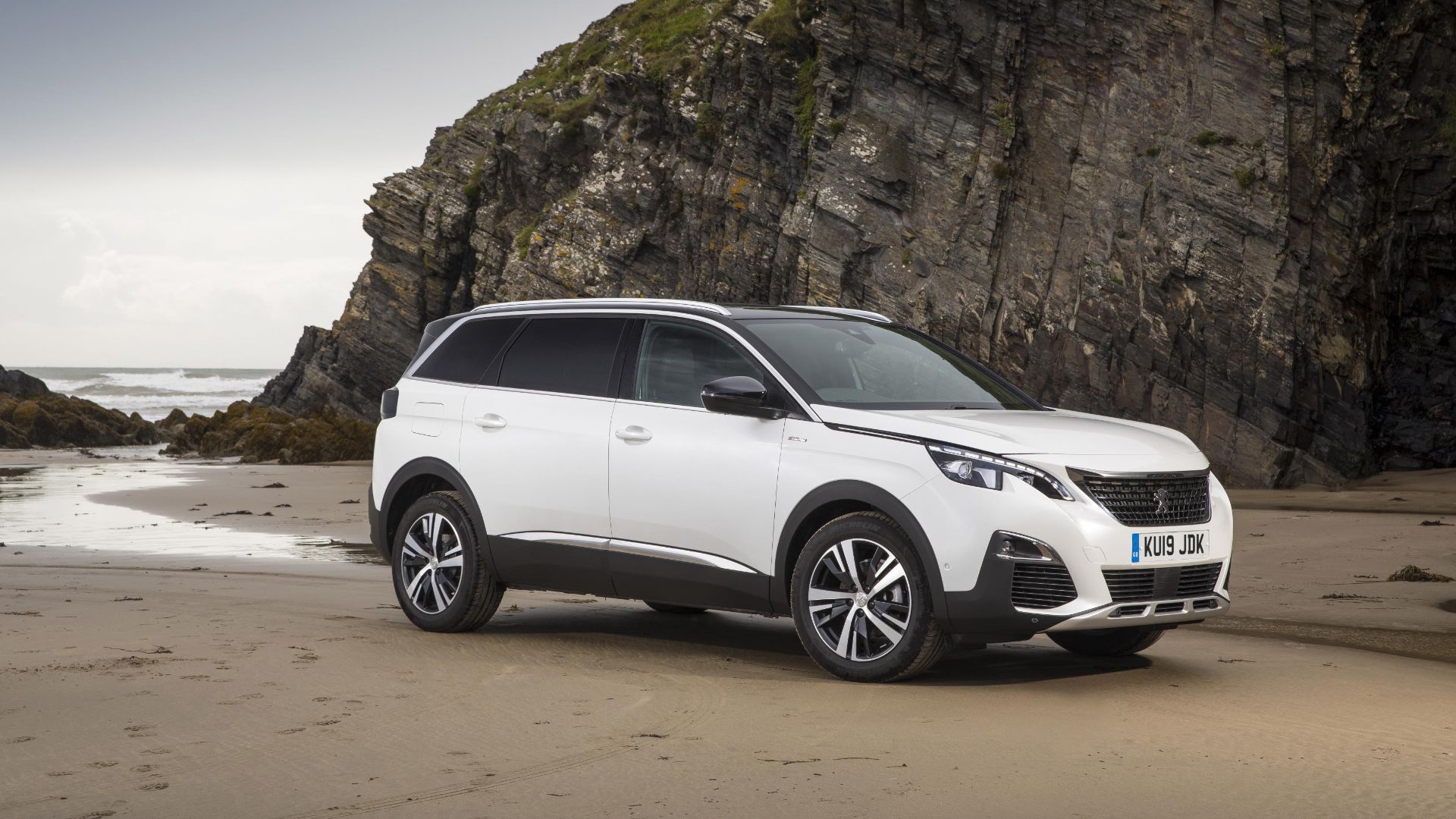
But Vauxhall loses out to Peugeot on per-use value. Even though it costs £1,785 every year, on average, to own a Peugeot, that is spread over 374 journeys. That makes the per-use cost an impressive £4.77.
5. Renault
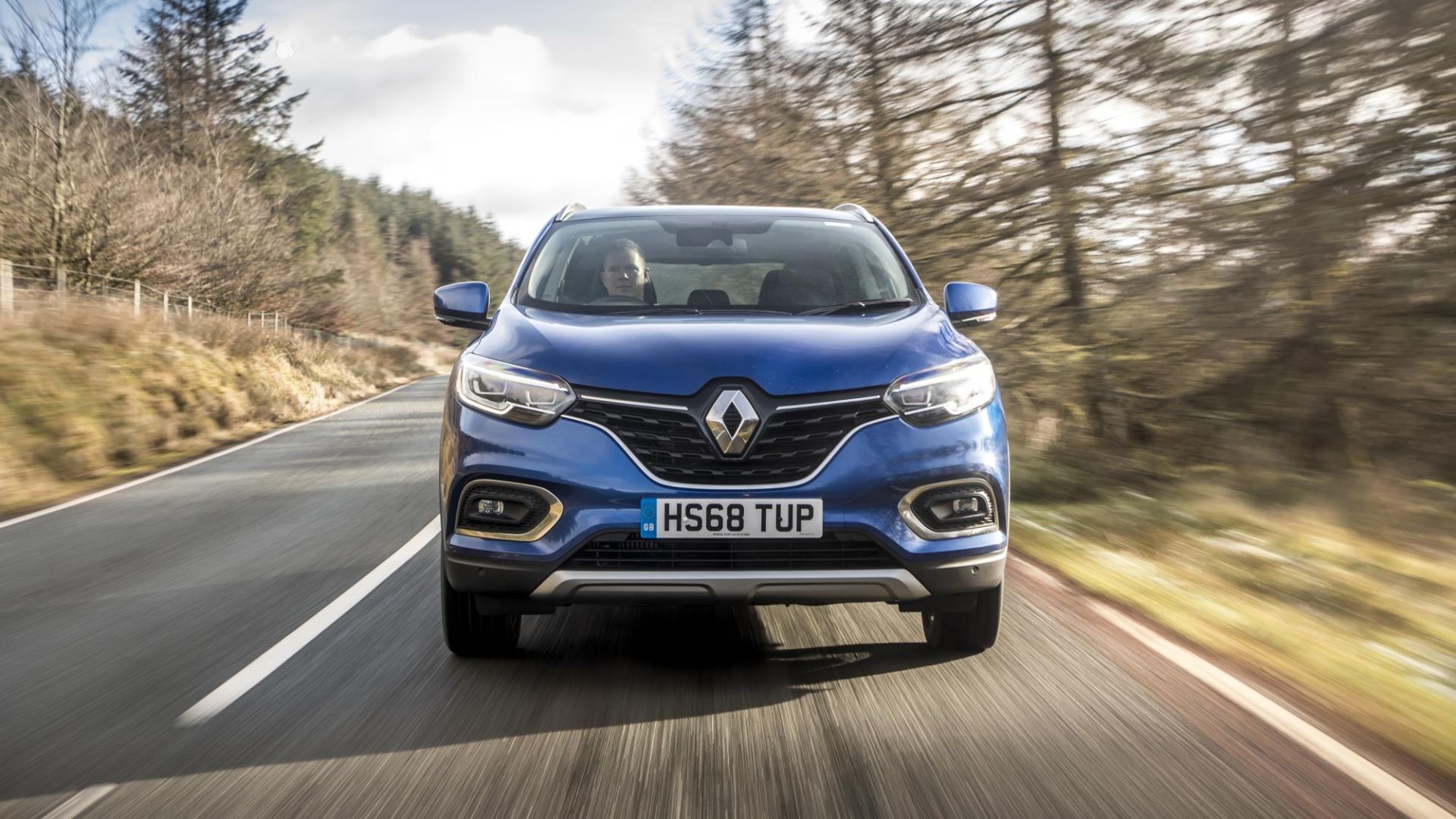
Renault opens the top five (or should that be the bottom five?), with a £1,834 per-year cost of ownership. It comes second to its fellow French marque in terms of usage, though. With 355 drives, Renaults have a £5.17 per-use cost.
4. Volkswagen
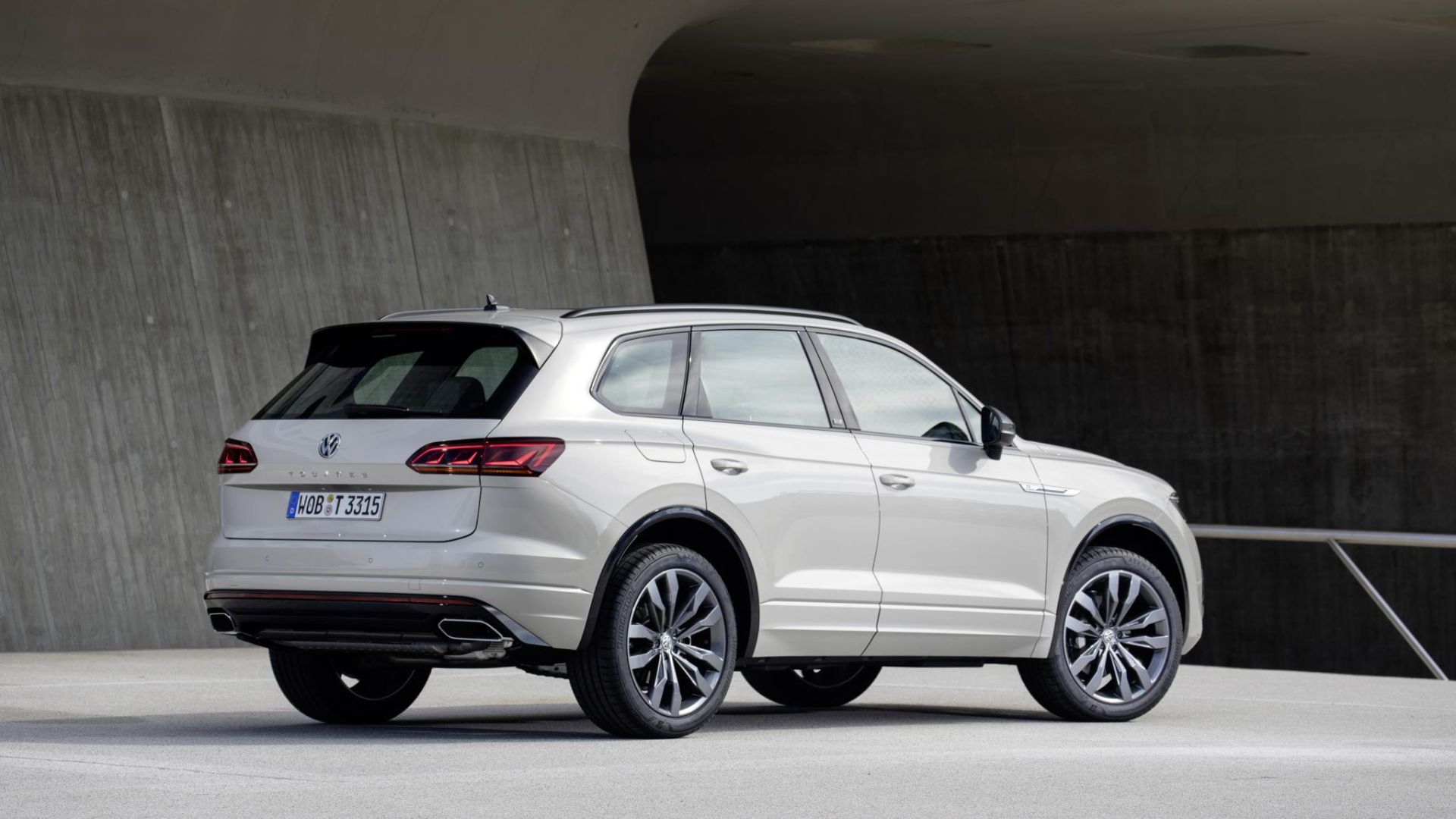
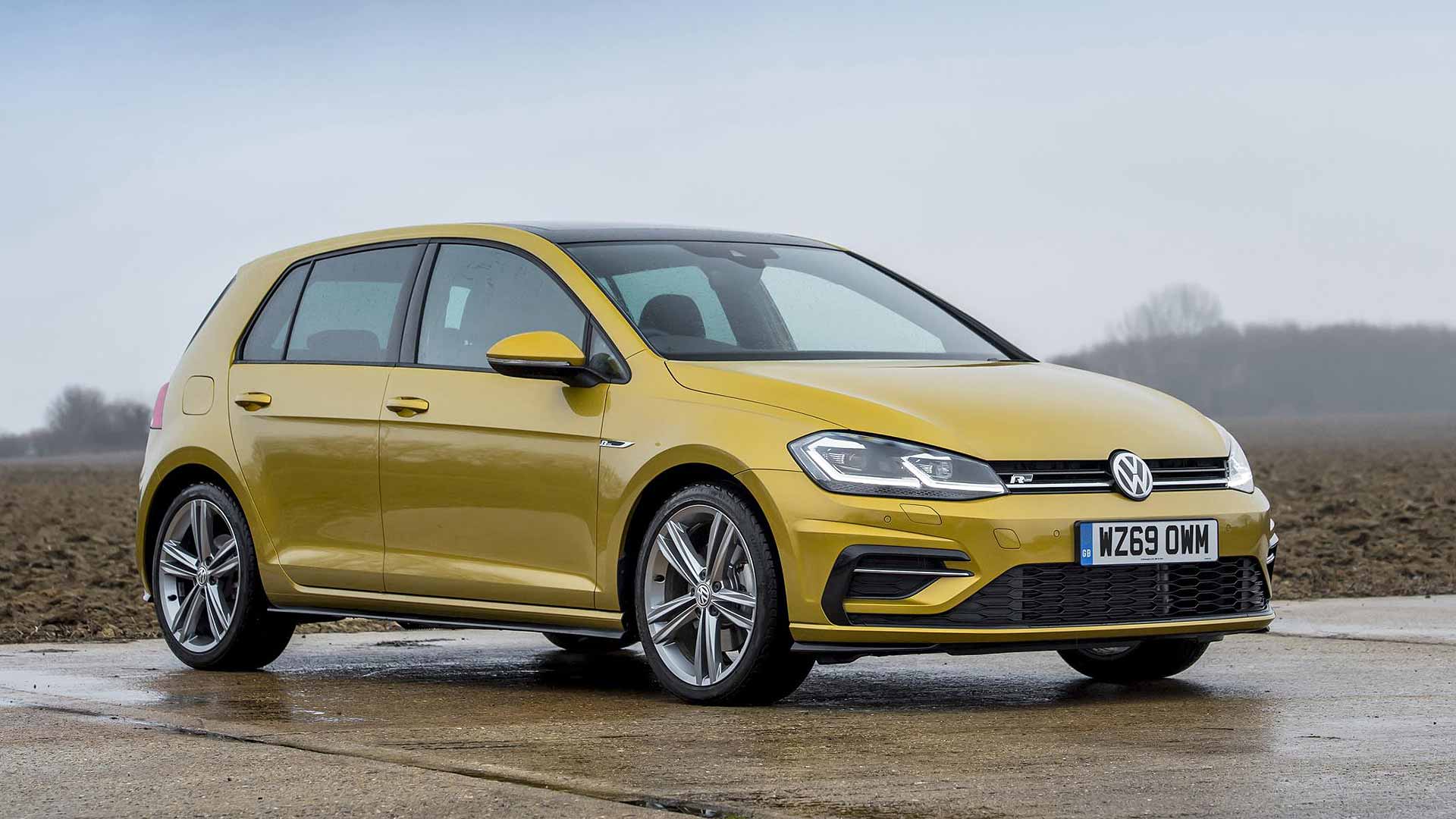
German cars are often pricier to buy, so it stands to reason they’d be pricier to own. Volkswagens, on average, cost £1,900 to own a year, with a £5.92 per-use cost.
3. Toyota
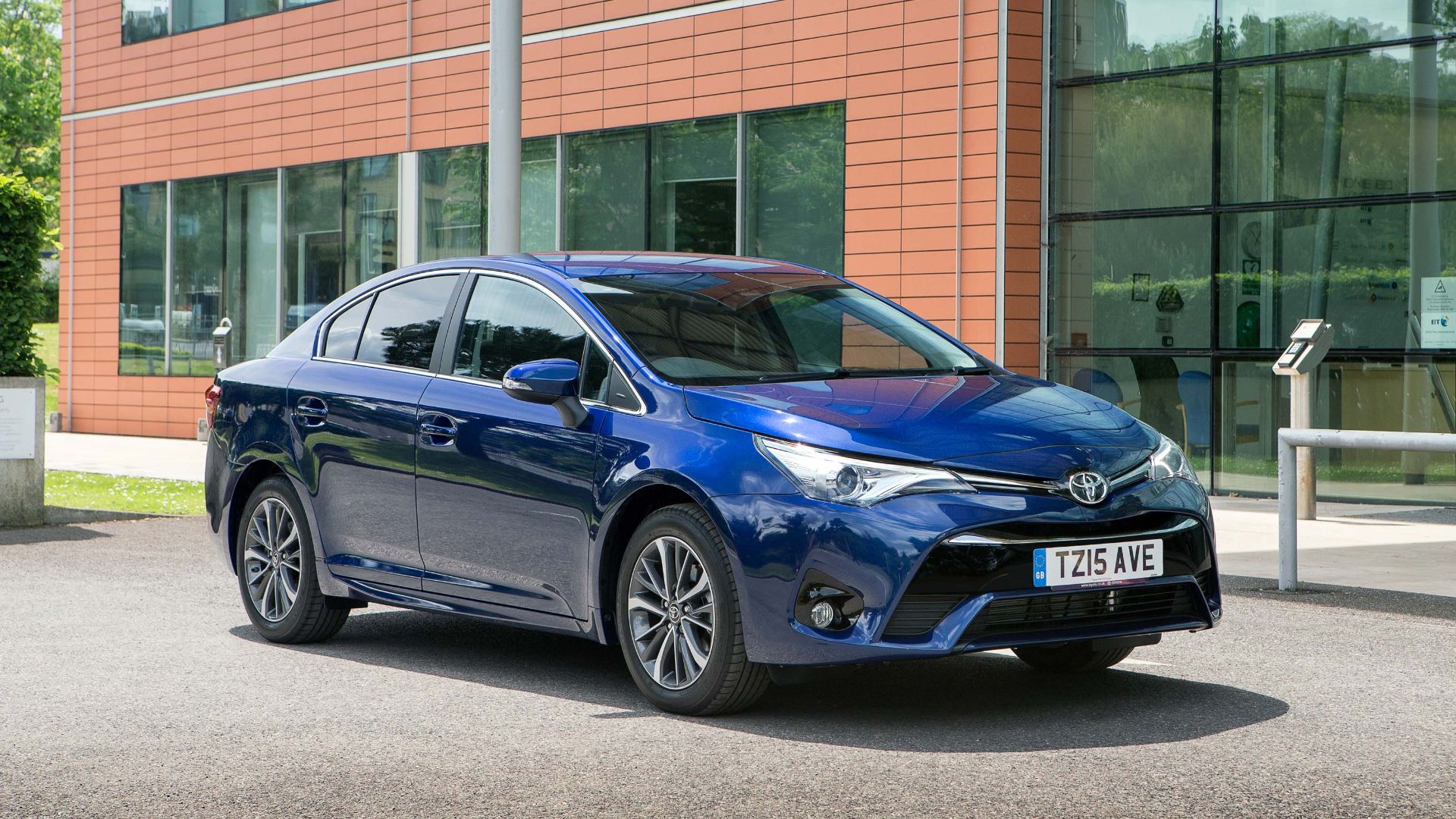
Another surprise, sandwiched between the Germans. Where’s Mercedes-Benz? Nope, in its place comes Toyota. It’s the first marque on the list to exceed £2,000 per-year to own, at £2,085. It costs £6.26 over each of the average 333 drives.
2. Audi
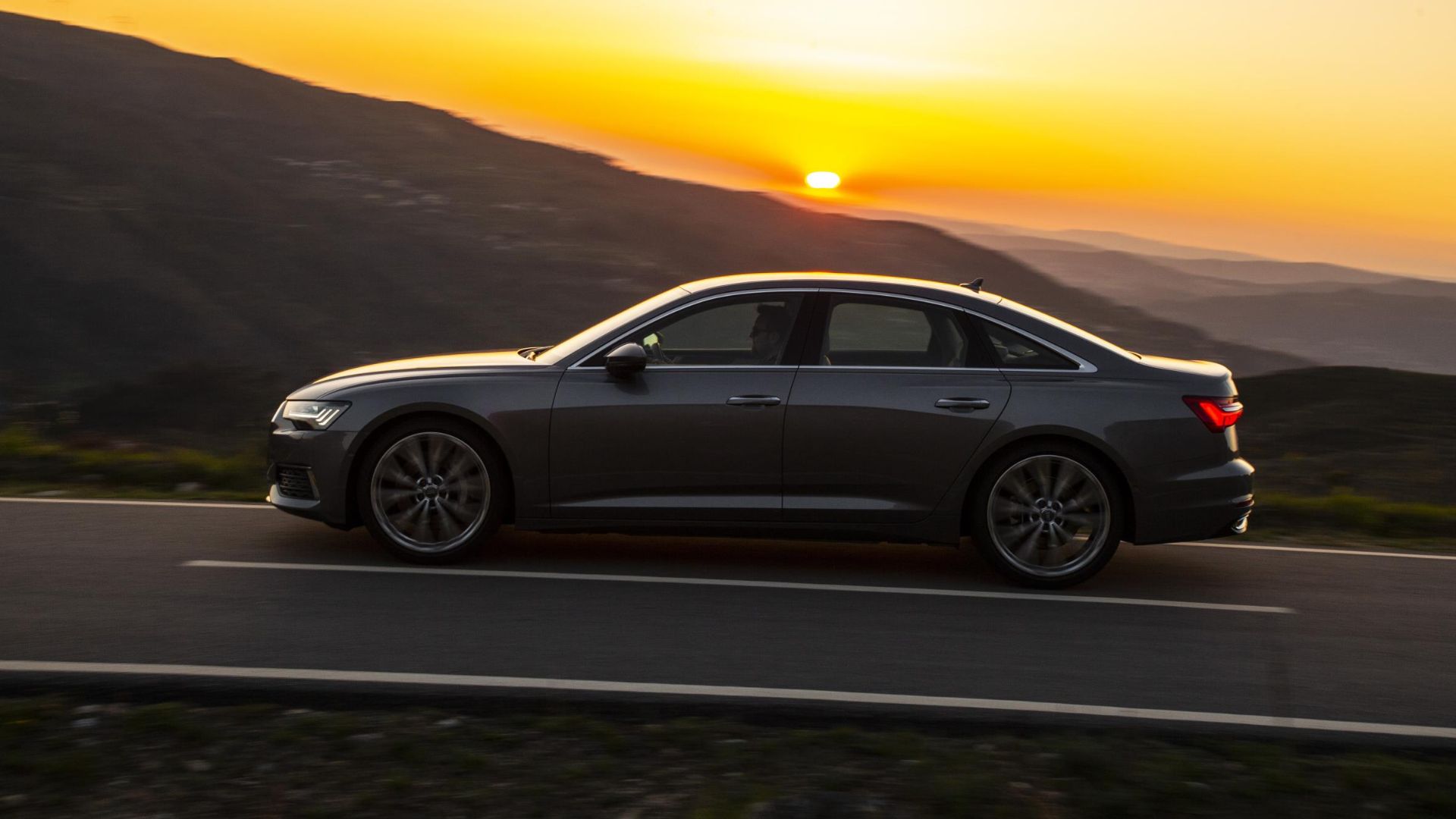
Vorsprung durch expensive, Audis cost £2,214 per year to own on average. Over just 264 uses every year, each journey costs £8.39. It’s the most expensive car per-use to own. You can bet fuel, insurance, tax and cleaning play all play a big part.
1. BMW
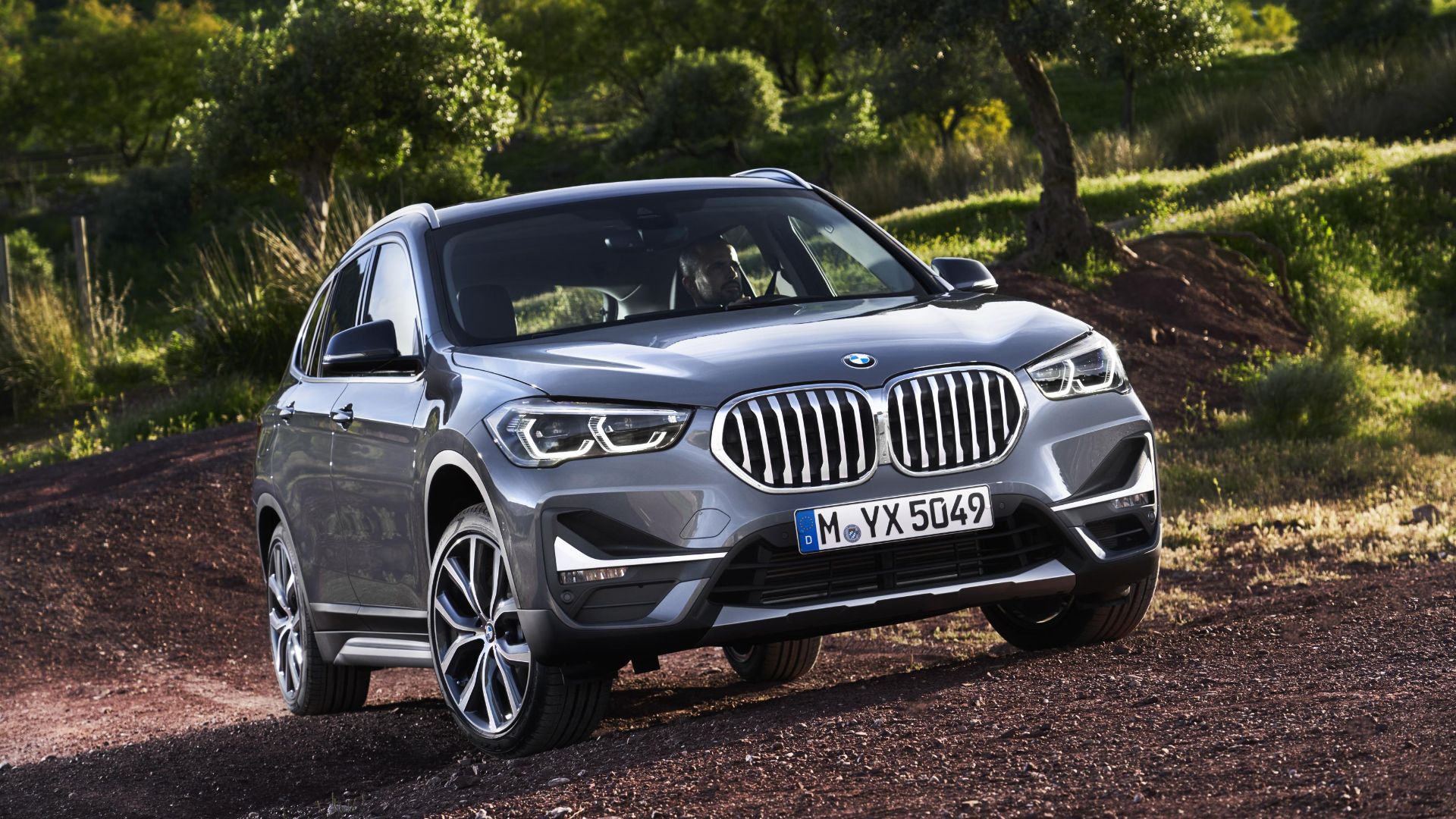
Overall, however, BMW is the most expensive brand to own, at £2,411 per year. Over 292 uses, each drive costs £8.26. It’s not all servicing, fuel and tax, however. BMW owners spend an average of £136 a year on cleaning alone. According to MoneySupermarket, that’s 127 percent more than drivers of other cars.
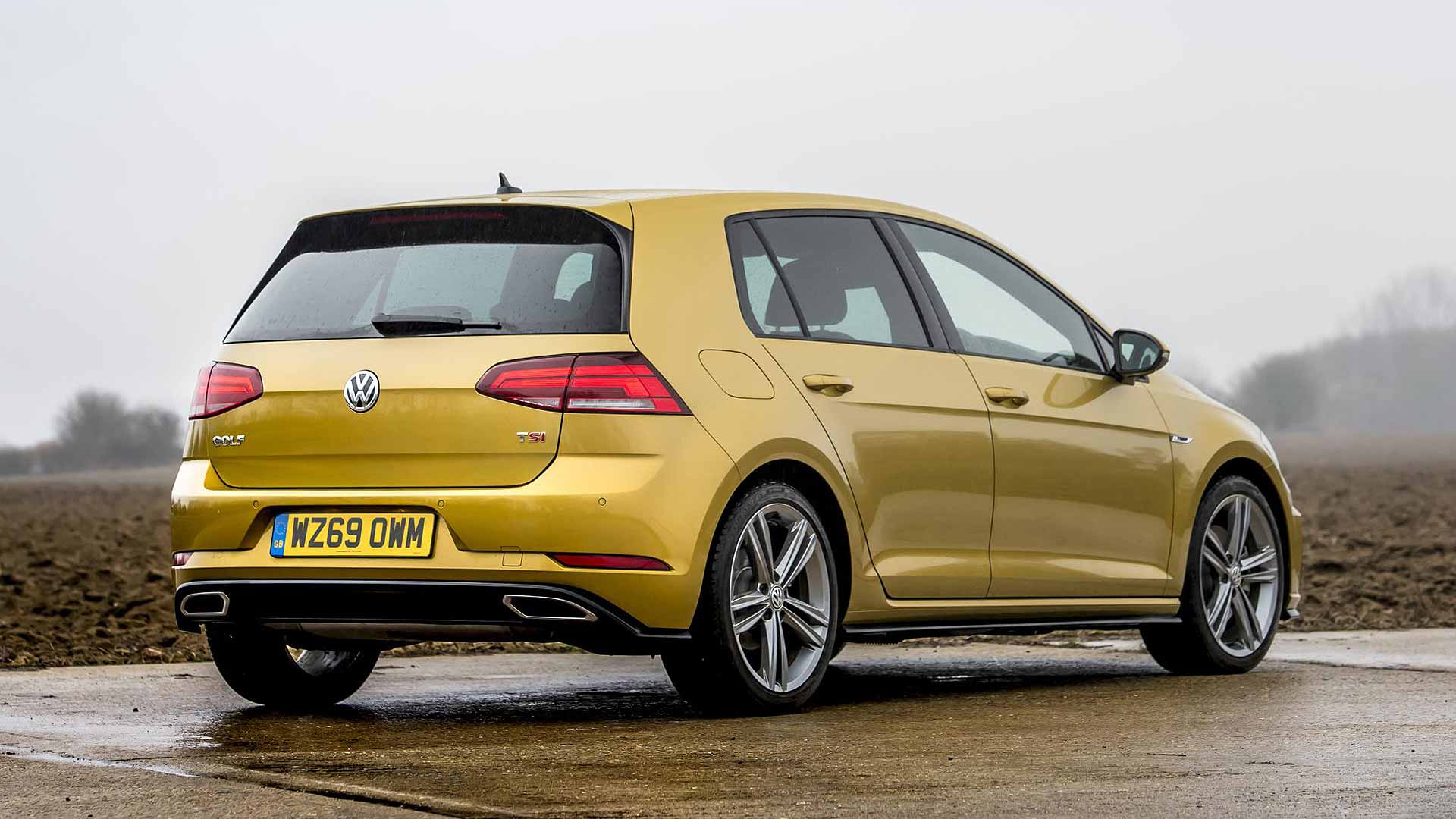
The new Volkswagen Golf Mk8 will be revealed in a matter of weeks. To make sure the current car keeps selling as it enters its runout phase, VW has boosted features even further with three new ‘Edition’ trims.
Match Edition, GT Edition and R-Line Edition variants replace respective non-edition versions. They cost £400 more than the outgoing models – but add equipment worth £1,910.
Call it a £1,500 boost in value, for what remains Volkswagen’s best-selling car in the UK “by a comfortable margin”.
Each now comes as standard with dual-zone climate control, LED headlights, heated front seats, headlight washers and a low washer fluid level warning light (every little helps).
Deliveries of the new Edition models will begin in October – and everyone who ordered a Match, GT or R-Line after 16 September will automatically be upgraded to the new Edition variants.
Volkswagen also reminds us the value boost isn’t just for these three cars. Earlier in the month, it chipped £2,765 off the price of the all-electric e-Golf, for those eager to get into an electric VW ahead of the ID.3’s arrival.
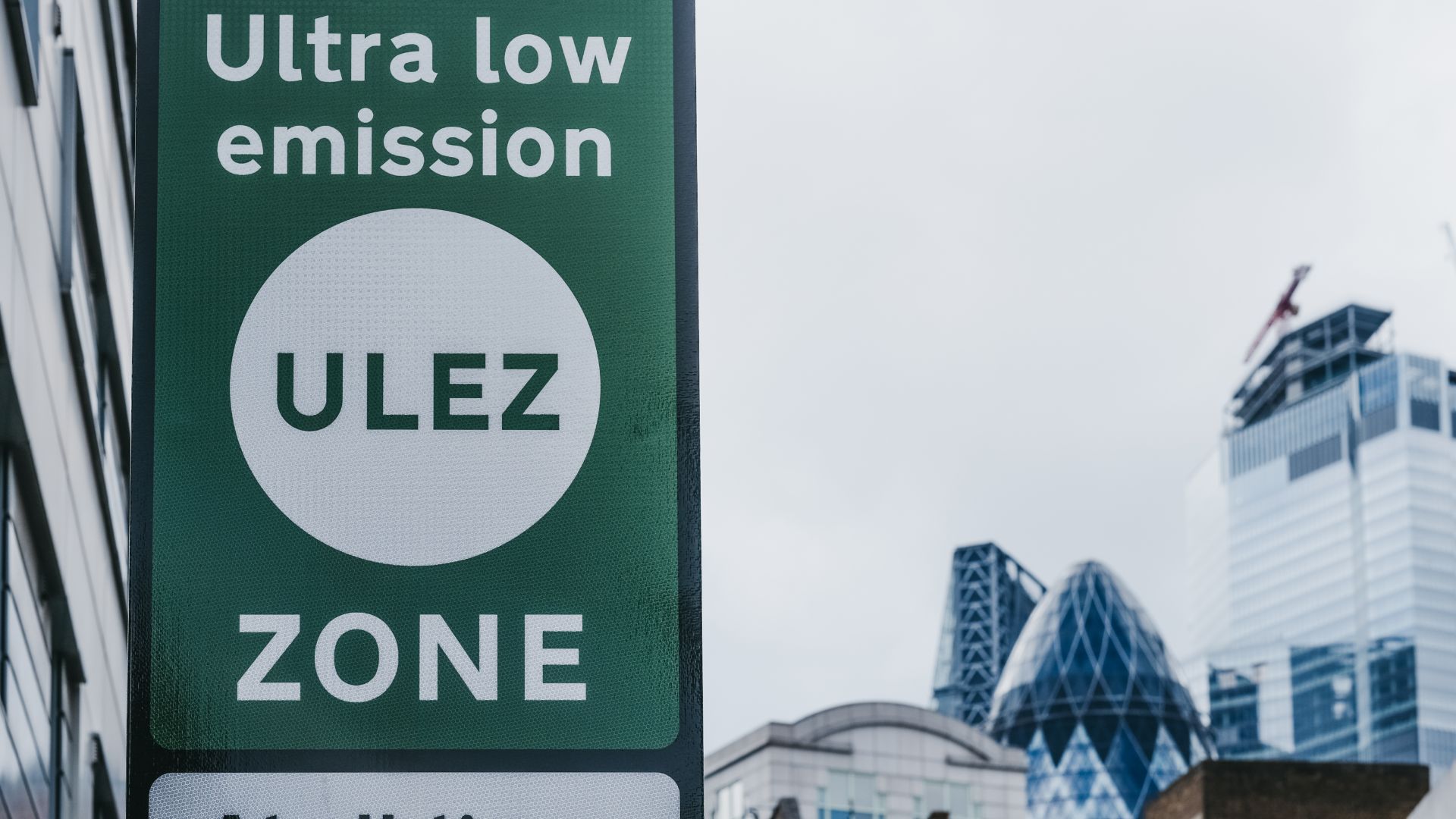
Nearly half a million drivers could be priced out of their cars and off the roads. The warning from the AA comes in relation to ‘eco taxes’ such as London’s new Ultra Low Emission Zone (ULEZ) charge.
The ULEZ costs drivers of non-compliant vehicles £12.50 to enter the zone, and applies 24 hours a day, seven days a week. It also elapses at midnight, so somebody working a night shift could incur a fee of £25.
With the ULEZ set to expand in October 2021, and similar pay-to-drive low emission zones being proposed for urban areas across the country, hundreds of thousands of drivers face higher costs for the privilege of staying on the road.
Birmingham, Glasgow, Edinburgh and Newcastle may all emulate London’s ULEZ scheme. The former could hit a further 100,000 drivers, according to the AA. When the ULEZ does expand, it’s expected that more than 300,000 drivers will be affected.
The ULEZ targets older cars that do not meet with certain emissions criteria: Euro 4 for petrol and Euro 6 for diesel. There are even worries that some Euro 6 vehicles will fail road-side emissions tests.
After just three months of operation, the London ULEZ has seen upwards of 100,000 drivers hit with charges. And the AA reckons 40 percent of these are some of the worst-off drivers.
ULEZ life hack: Londoners are renting out their driveways for parking
“[Drivers] are being run off the road,” said AA president Edmund King. “It is wrong to discriminate against one section of the community”.
The AA is urging local councils to divert revenues from motoring convictions towards subsidising the move to compliant vehicles for those who can’t ordinarily afford it, but rely on their cars.
SUVs are the bread and butter of the car market, even for many sports car makers. Porsche, Bentley, Lamborghini – and now Aston Martin and even Ferrari – are building off-roaders. The reason? Sports cars don’t sell. We reveal the extent of the sports car sales famine, with figures from CarIndustryAnalysis.
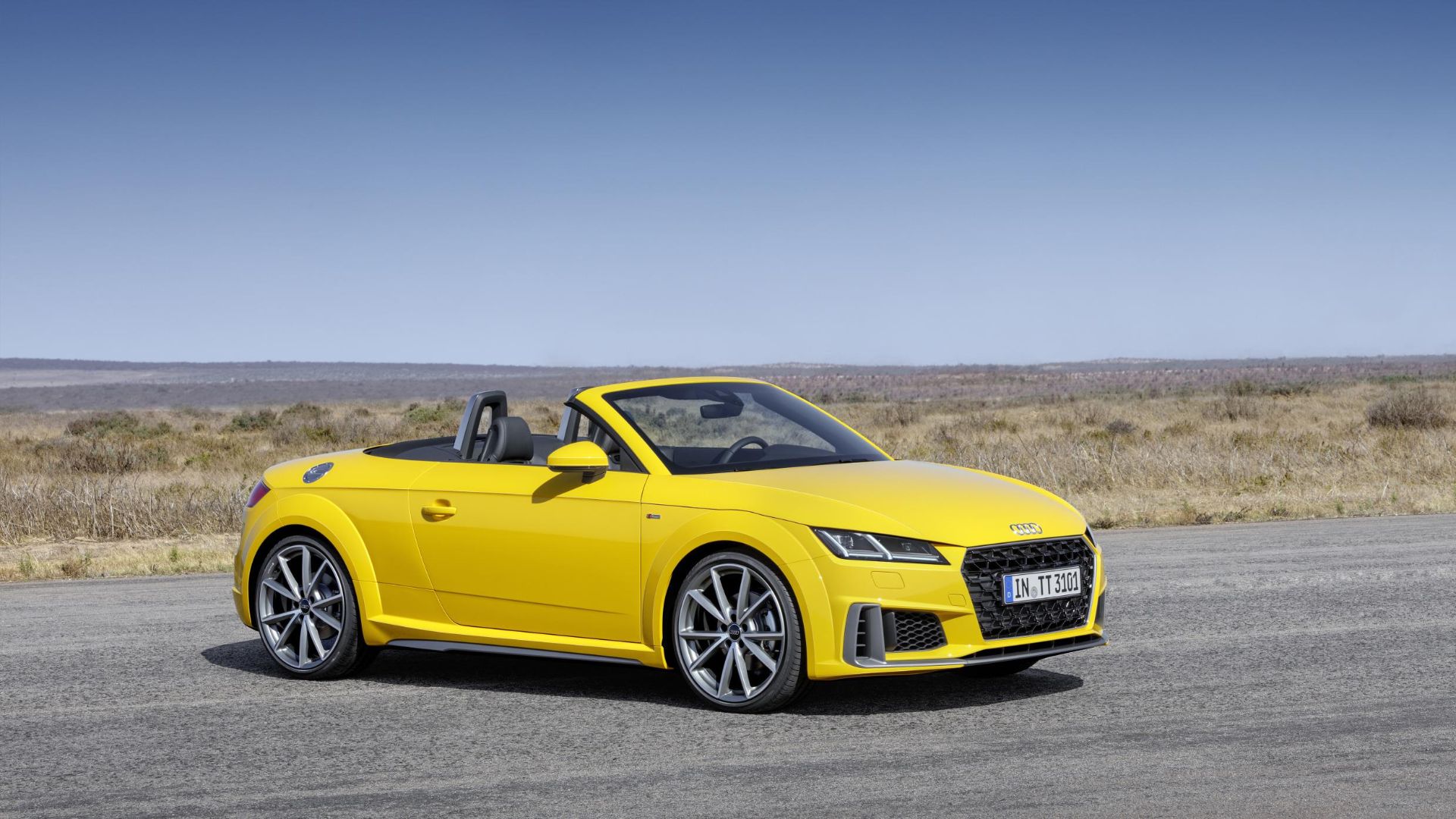
Audi TT Roadster -3 percent
We start with the mildest of sales drops, but make no mistake, things will get a lot worse. The TT Roadster has seen a three percent downturn, selling 1,918 in the first half of 2019.
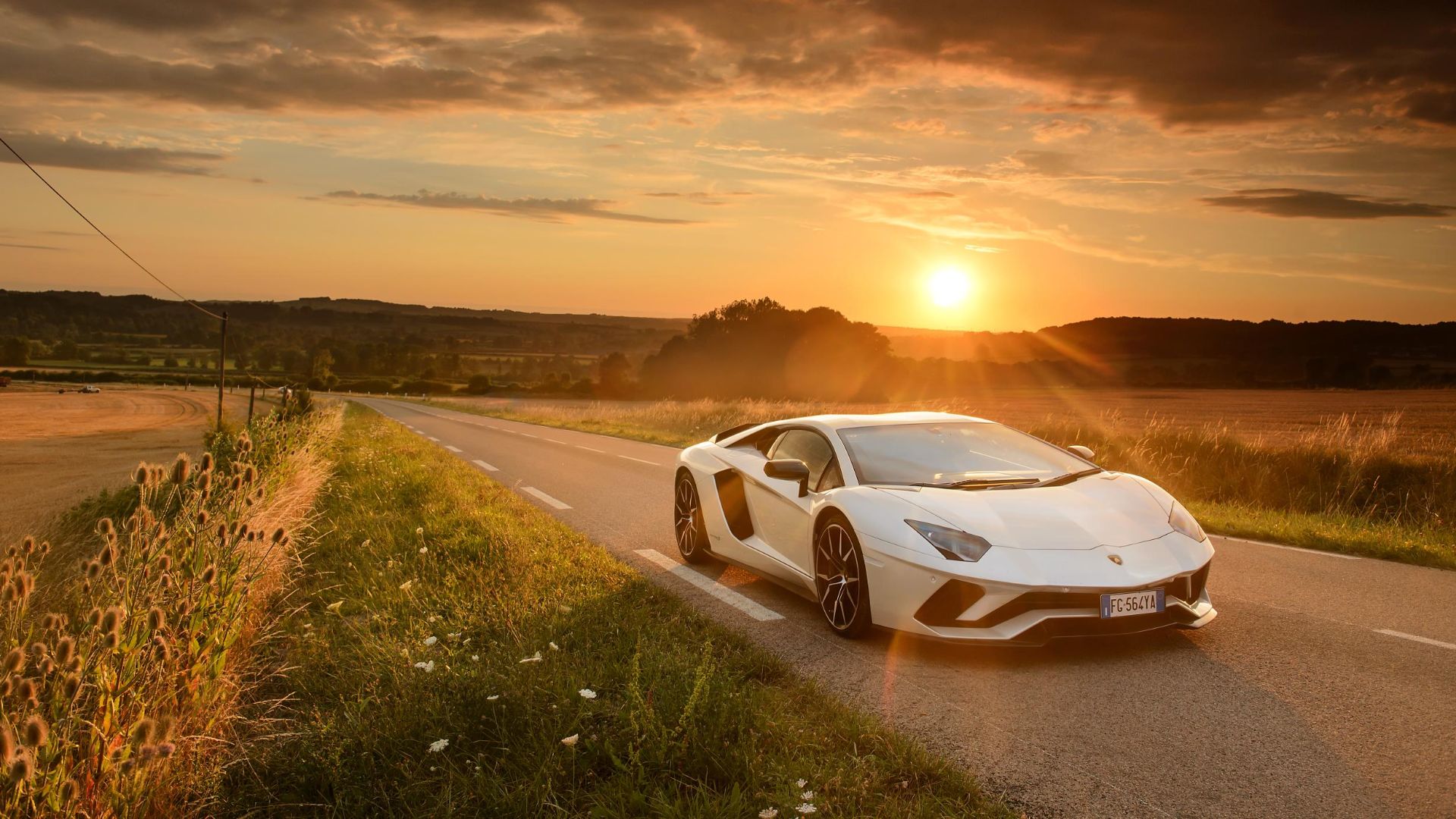
Lamborghini Aventador -5 percent
On the other end of the sports car spectrum, Aventador sales are also a little down: five percent, with 165 cars sold so far this year. Not terrible, given this model is on its way out.
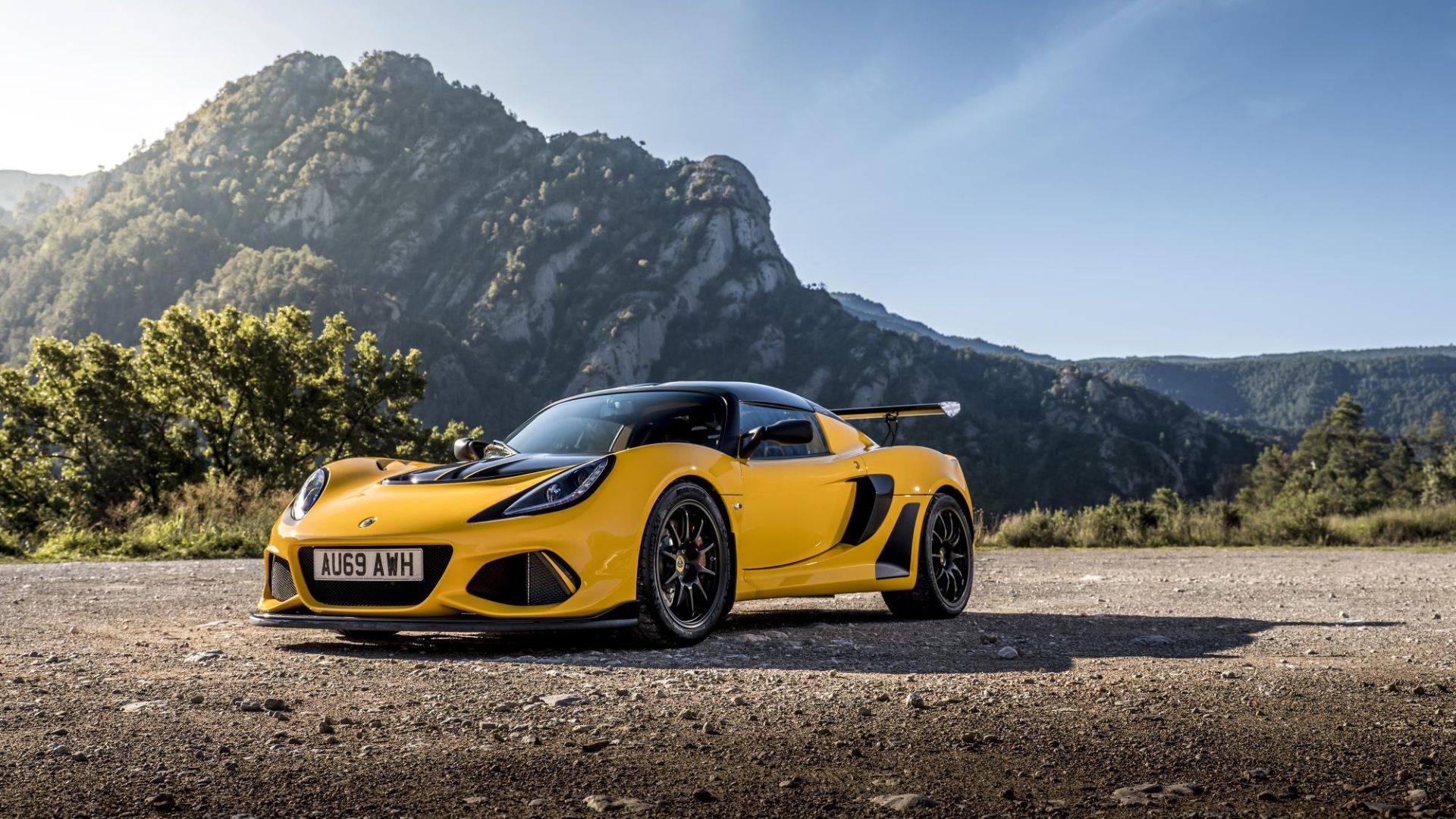
Lotus Exige -7 percent
The Exige isn’t faring too badly either, and you’d be right to assume other Lotuses are further down this list. It’s seven percent down, with 150 units sold so far.
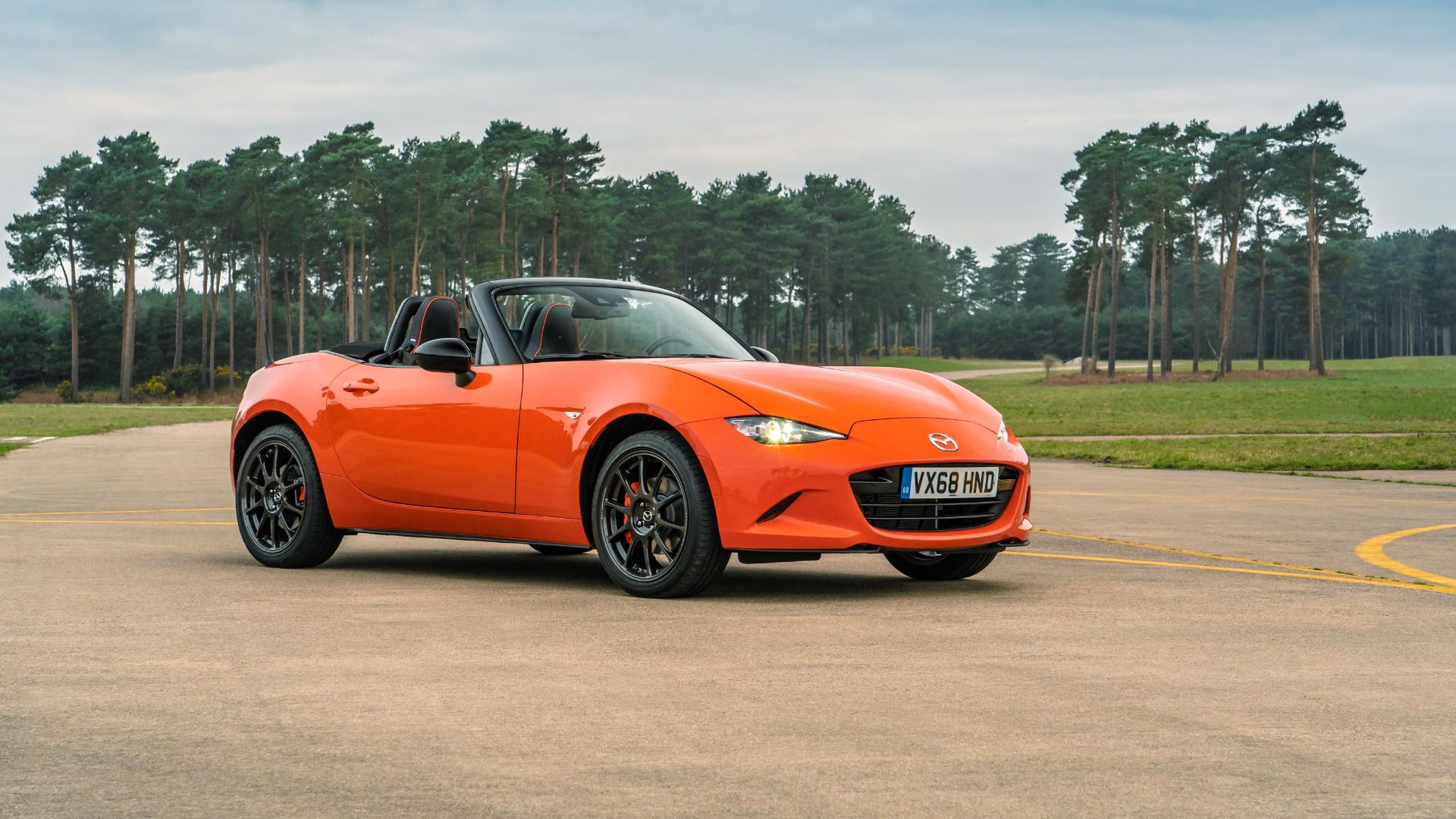
Mazda MX-5 -9 percent
Even the king of affordable sports cars, the Mazda MX-5, is suffering in the downturn. Being nine percent down is more serious when your sales volume is nearly 10,000 for 2019 to date.
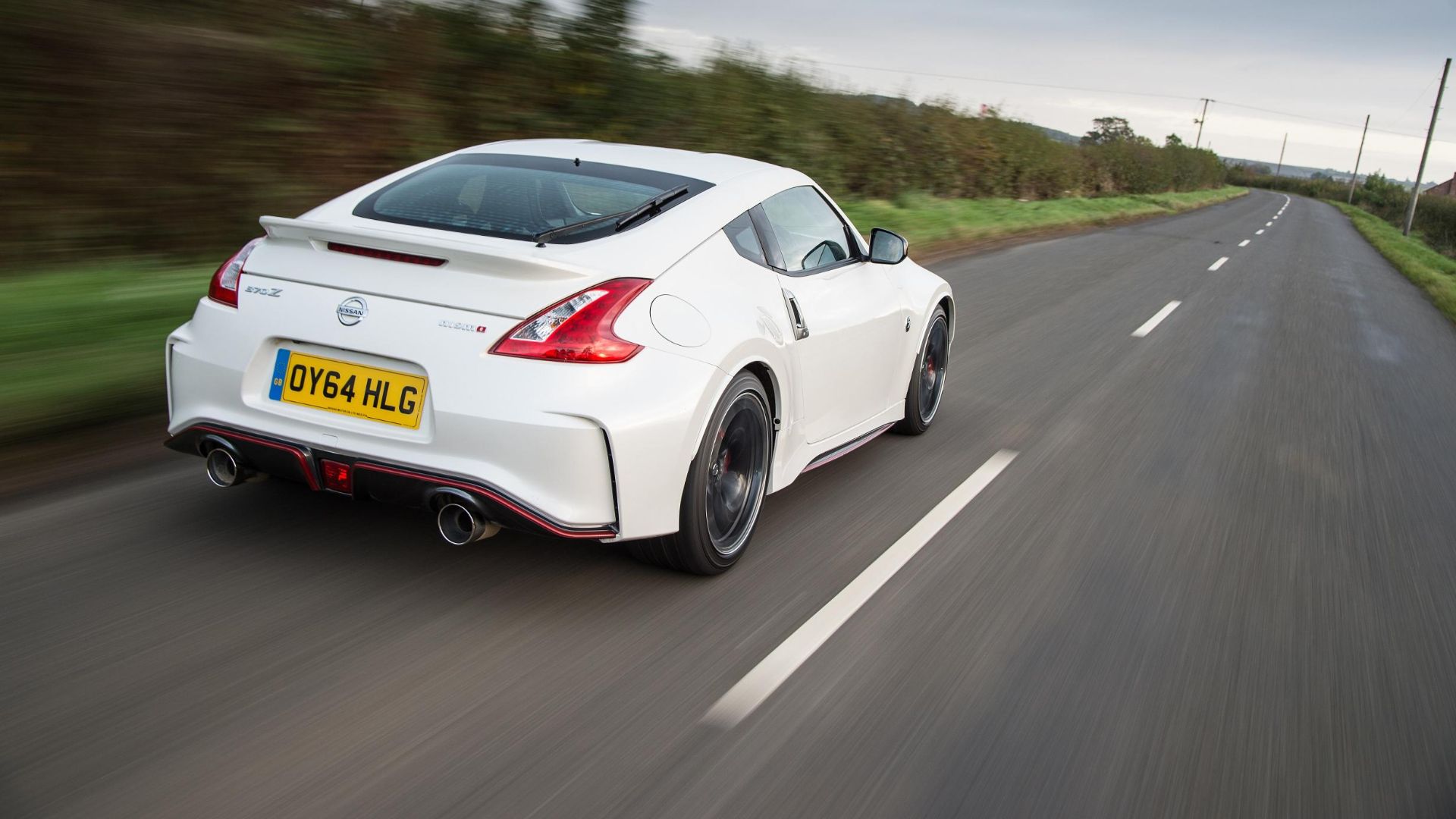
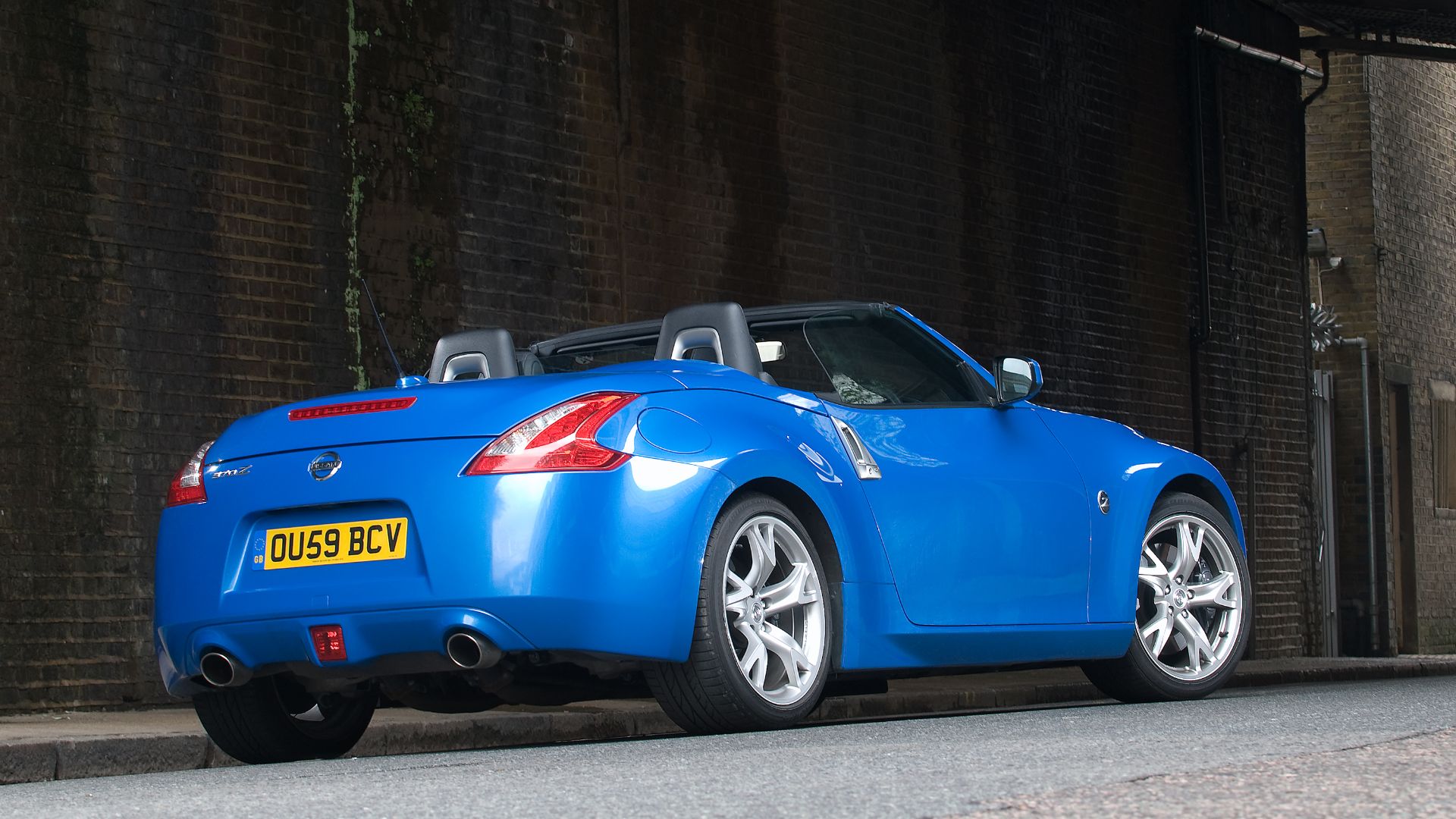
Nissan 370Z Roadster -10 percent
Another aging beast in its dying moments, the 370Z Roadster is 10 percent down, with 102 units shifted.
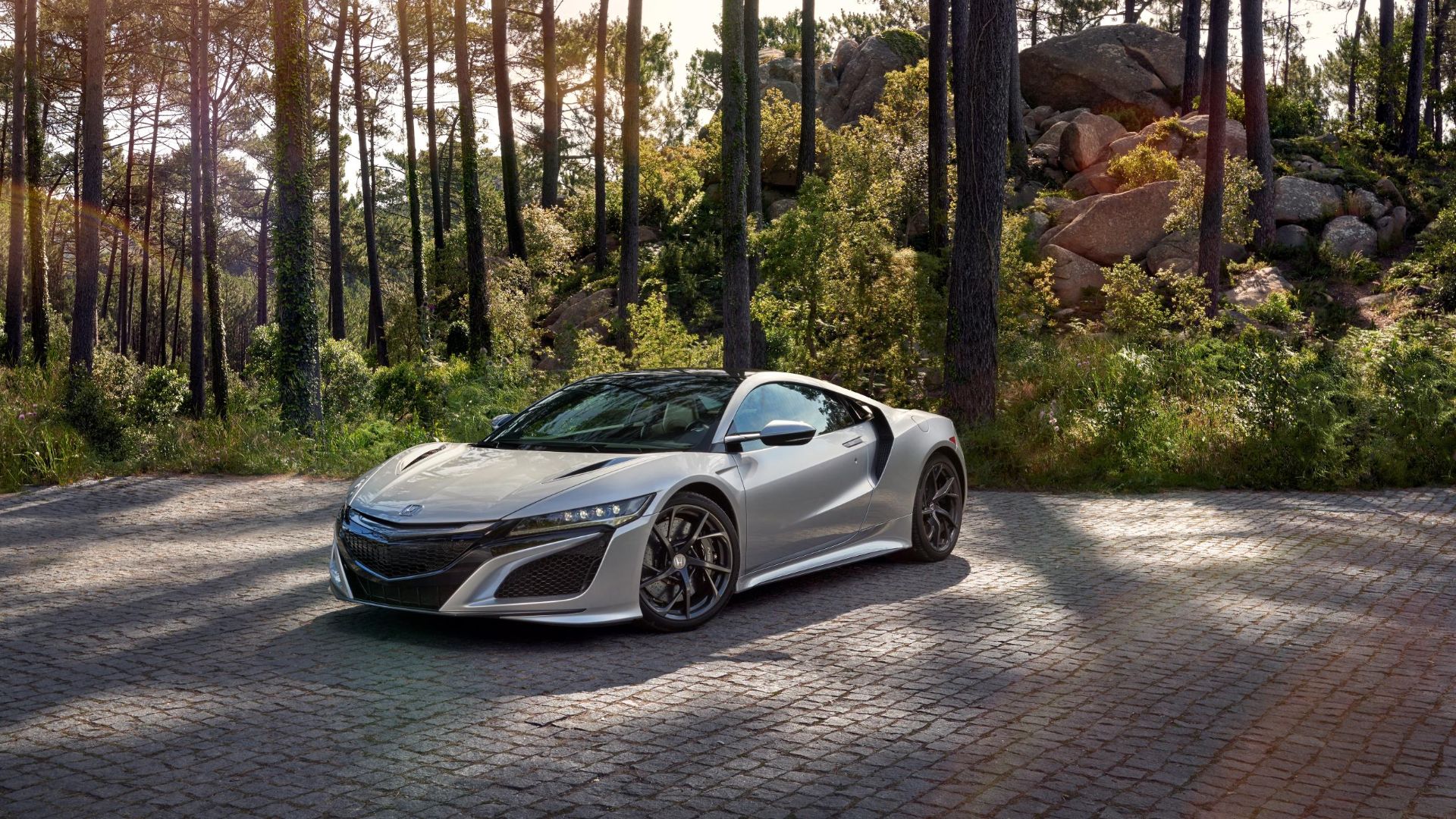
Honda NSX – 10 percent
The NSX is 10 percent down, albeit on what was already a fairly measly sales figure. It shifted just 28 units.
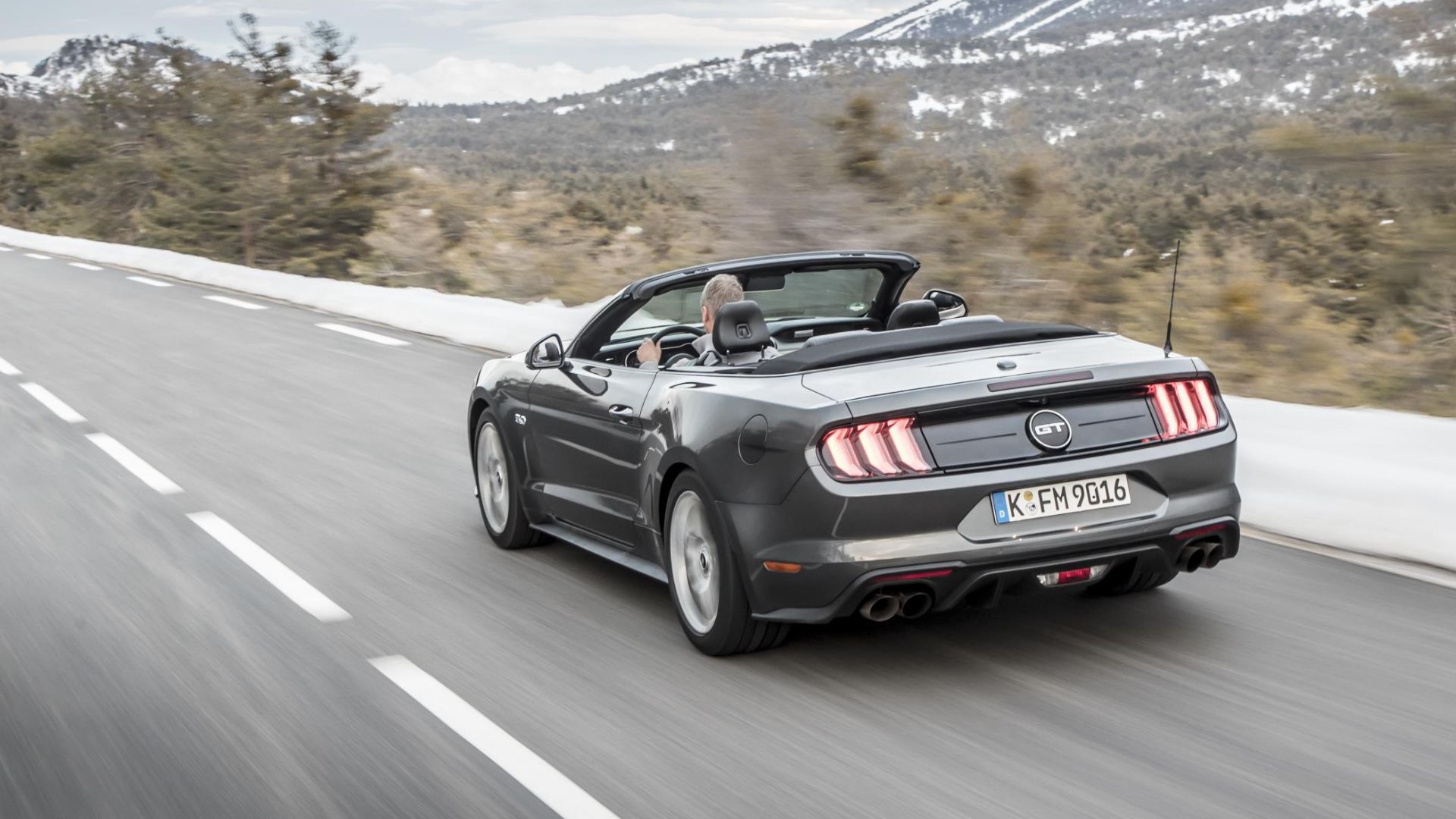
Ford Mustang convertible -12 percent
The Mustang, meanwhile, is selling in four figures. It’s still, however, 12 percent down for the convertible model.
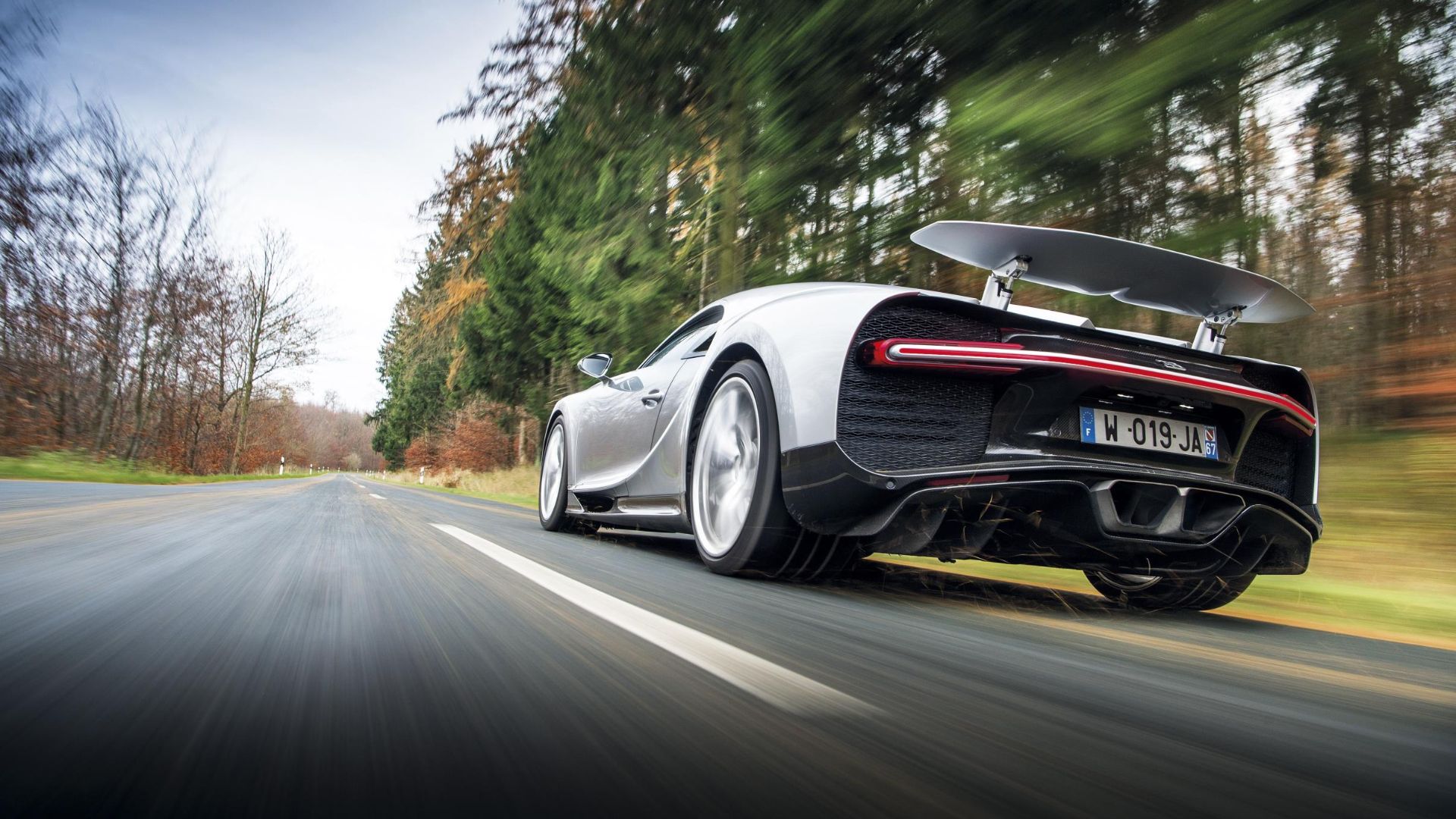
Bugatti Chiron -14 percent
Chiron percentages will shift if Bugatti sells one or two cars less or more than it did last year. Still, it’s 14 percent down, with 12 cars delivered.
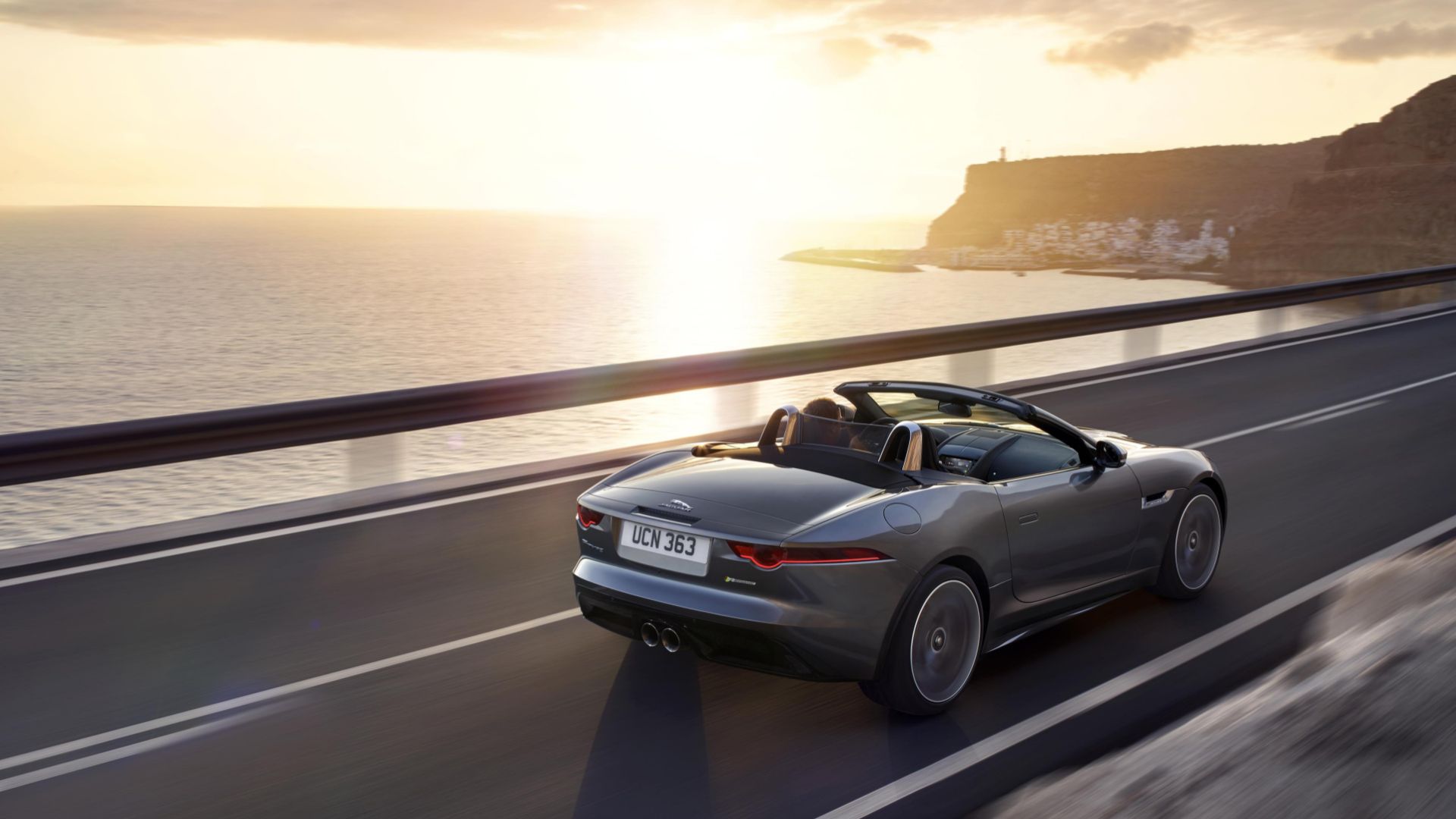
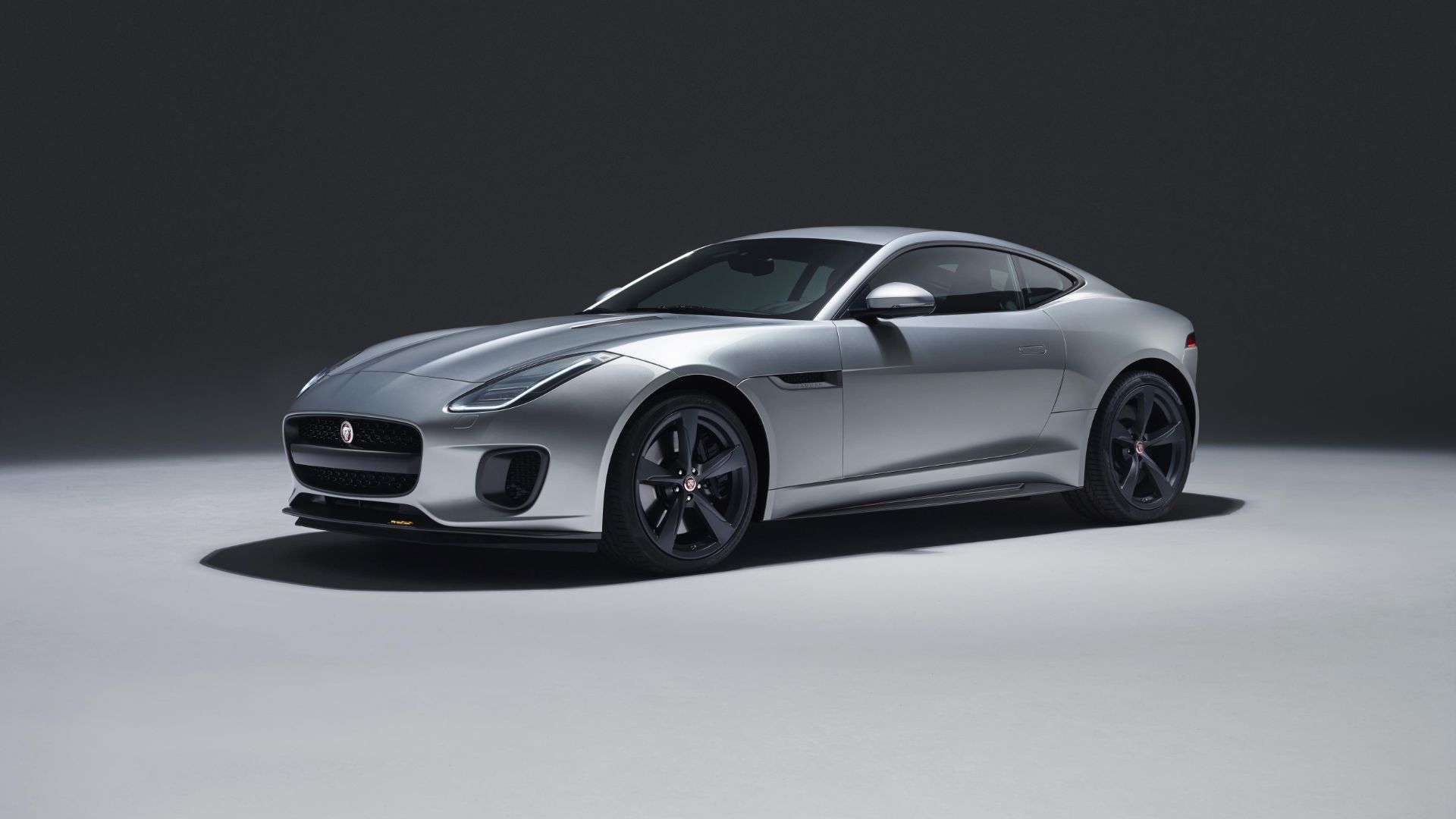
Jaguar F-Type Roadster -15 percent
Jaguar’s ageing convertible is 15 percent down for the first half of 2019, with 773 cars sold. The F-Type Roadster has always been less popular than the coupe.
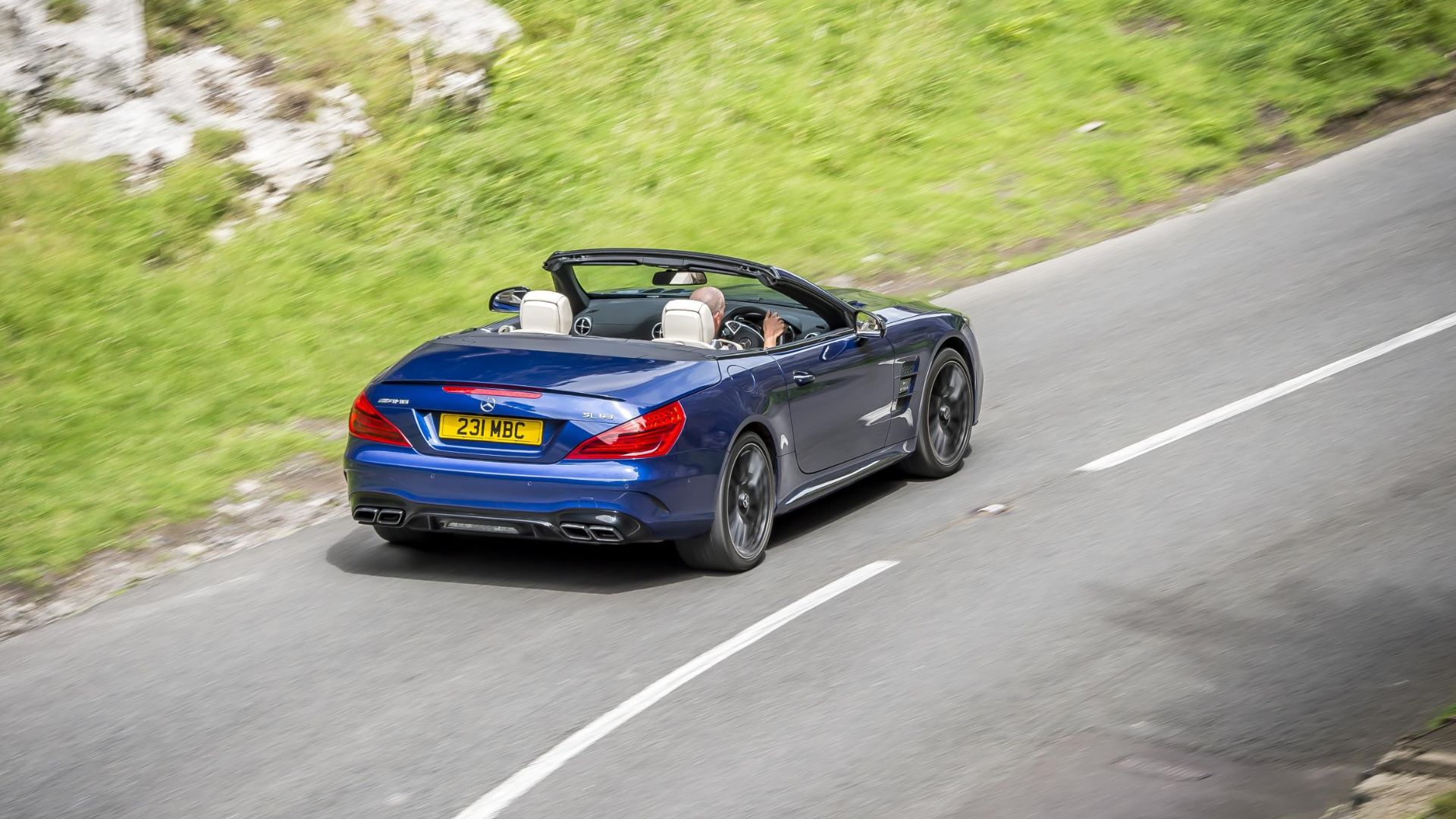
Mercedes-Benz SL -16 percent
Mercedes-Benz once did very well with the SL. But with the current generation in its dying months, the three-pointed star is slipping. It’s 16 percent down, with 488 units sold in the first six months of this year.
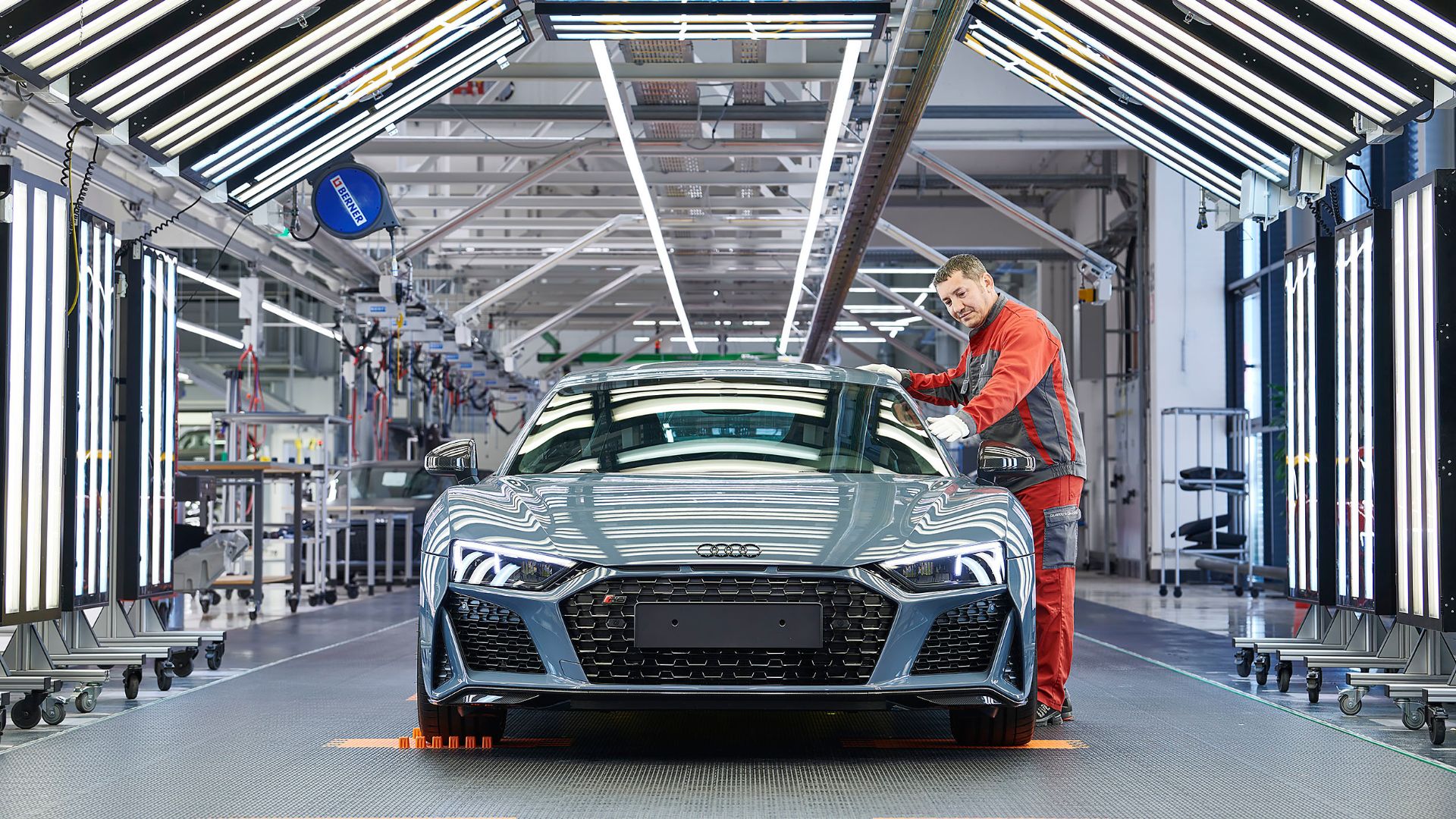
Audi R8 -16 percent
Even the Audi R8, perhaps the original ‘volume’ supercar, is dropping off somewhat. It’s down to 351 units sold within the first six months of this year: a drop of 16 percent on the same period in 2018.
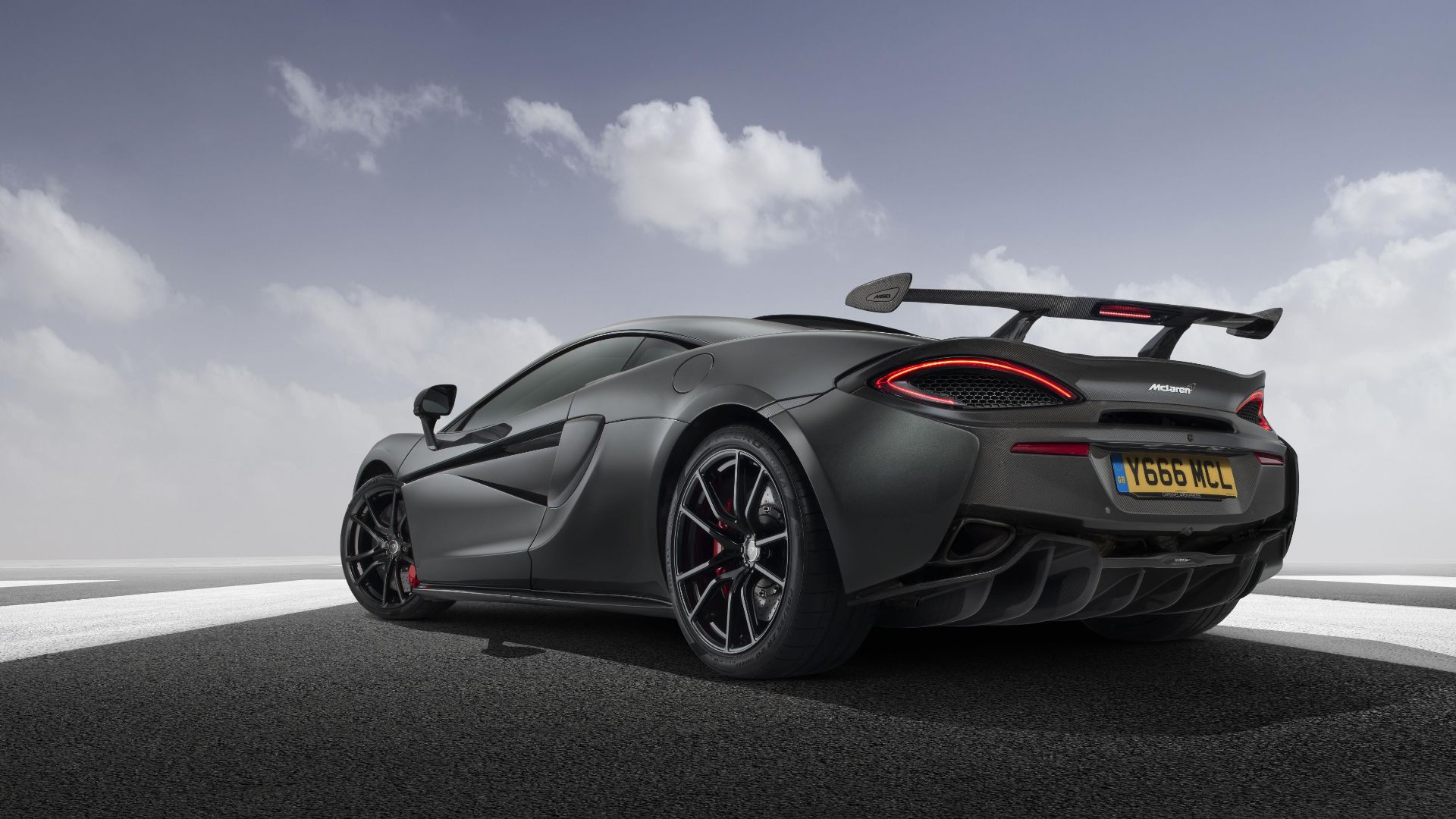
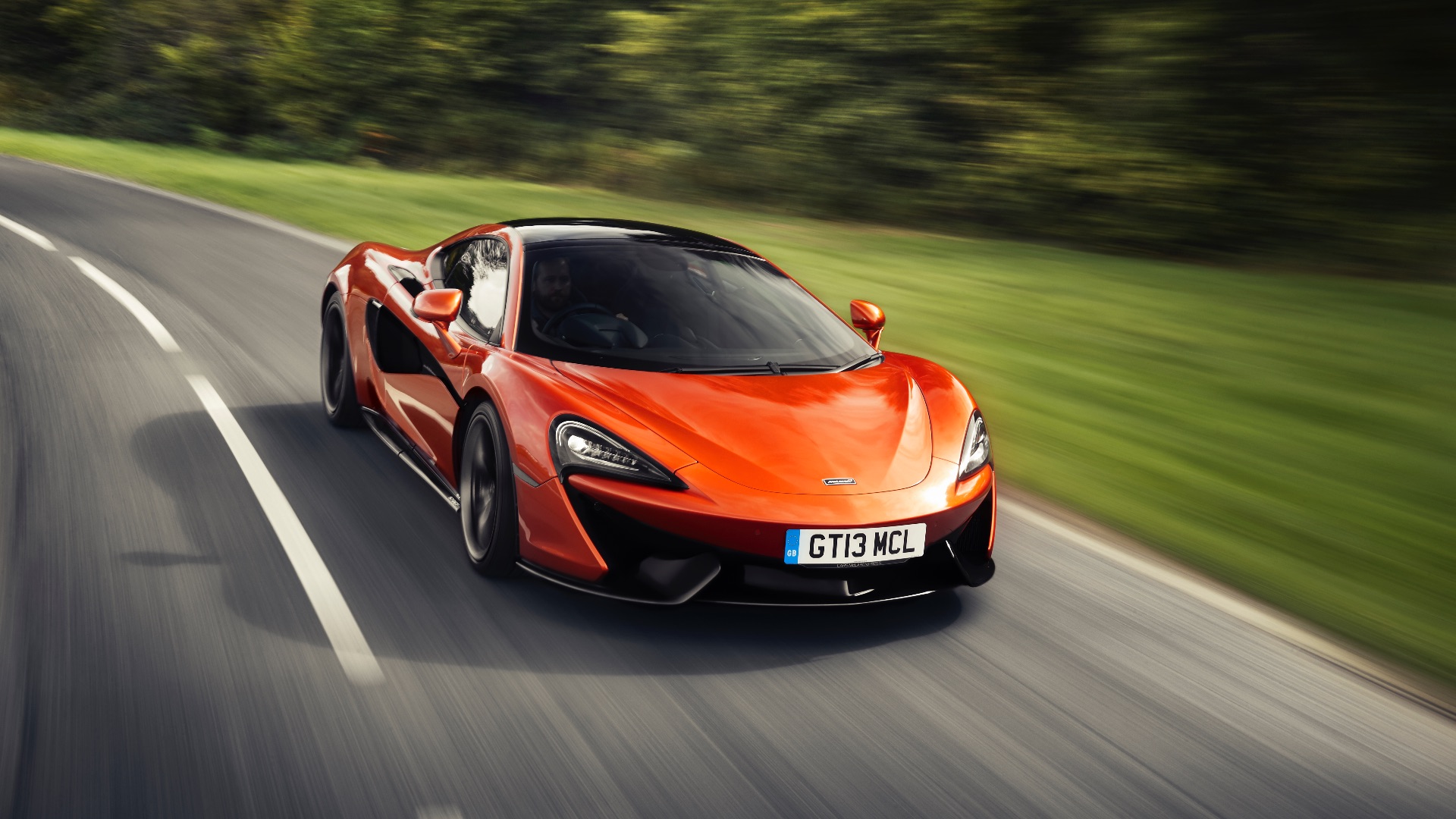
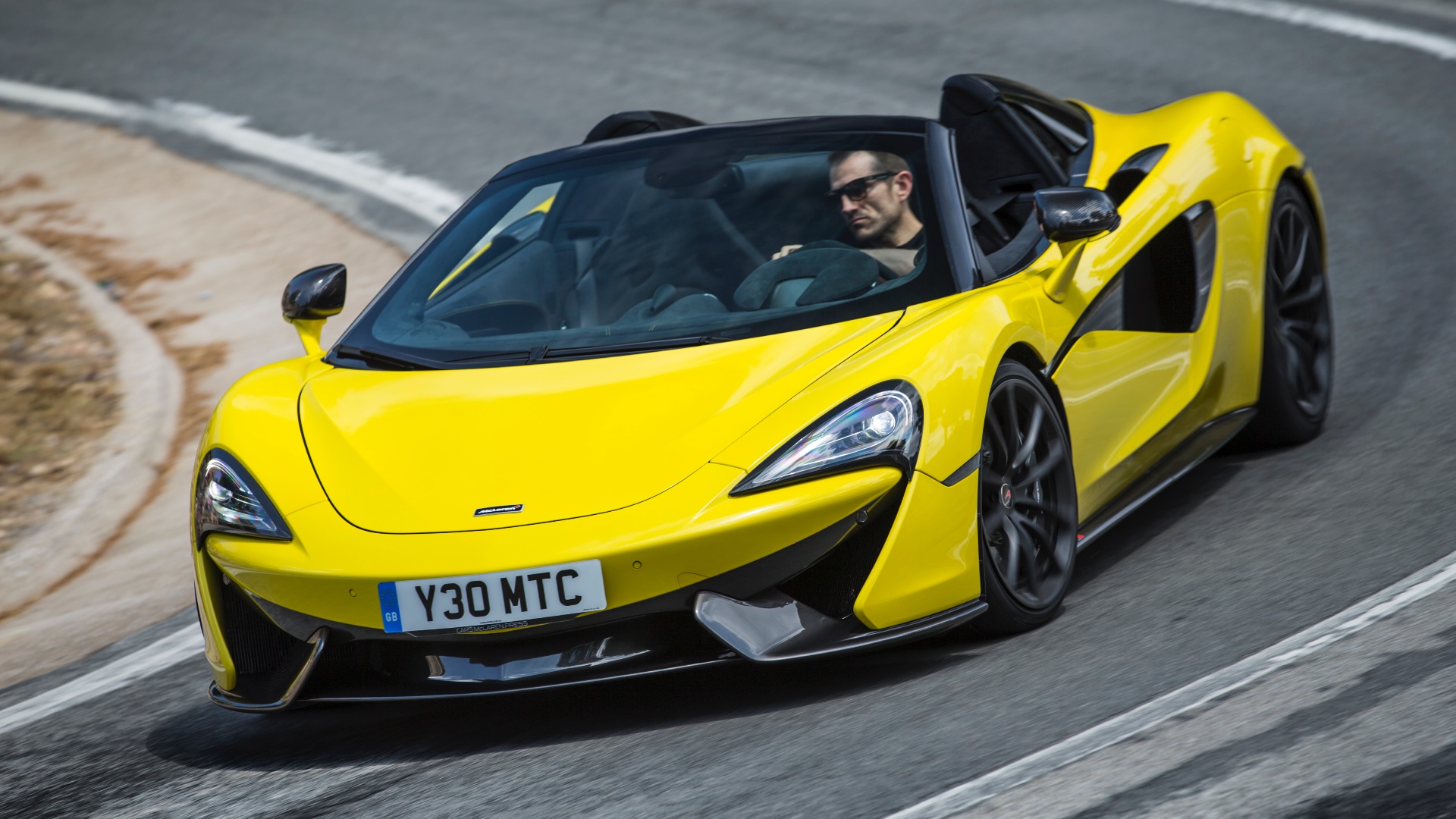
McLaren 570S -17 percent
The 570S was McLaren’s foray into a similar baby supercar market. It’s not having a great time either, with just 50 sold in the past six months. That’s down 17 percent on the same period last year.
Jaguar F-Type -19 percent
The coupe variant of the F-Type doubles the Roadster’s numbers. It’s still a full 19 percent down on last year’s figures, though. No small pickings when sales are in four figures.
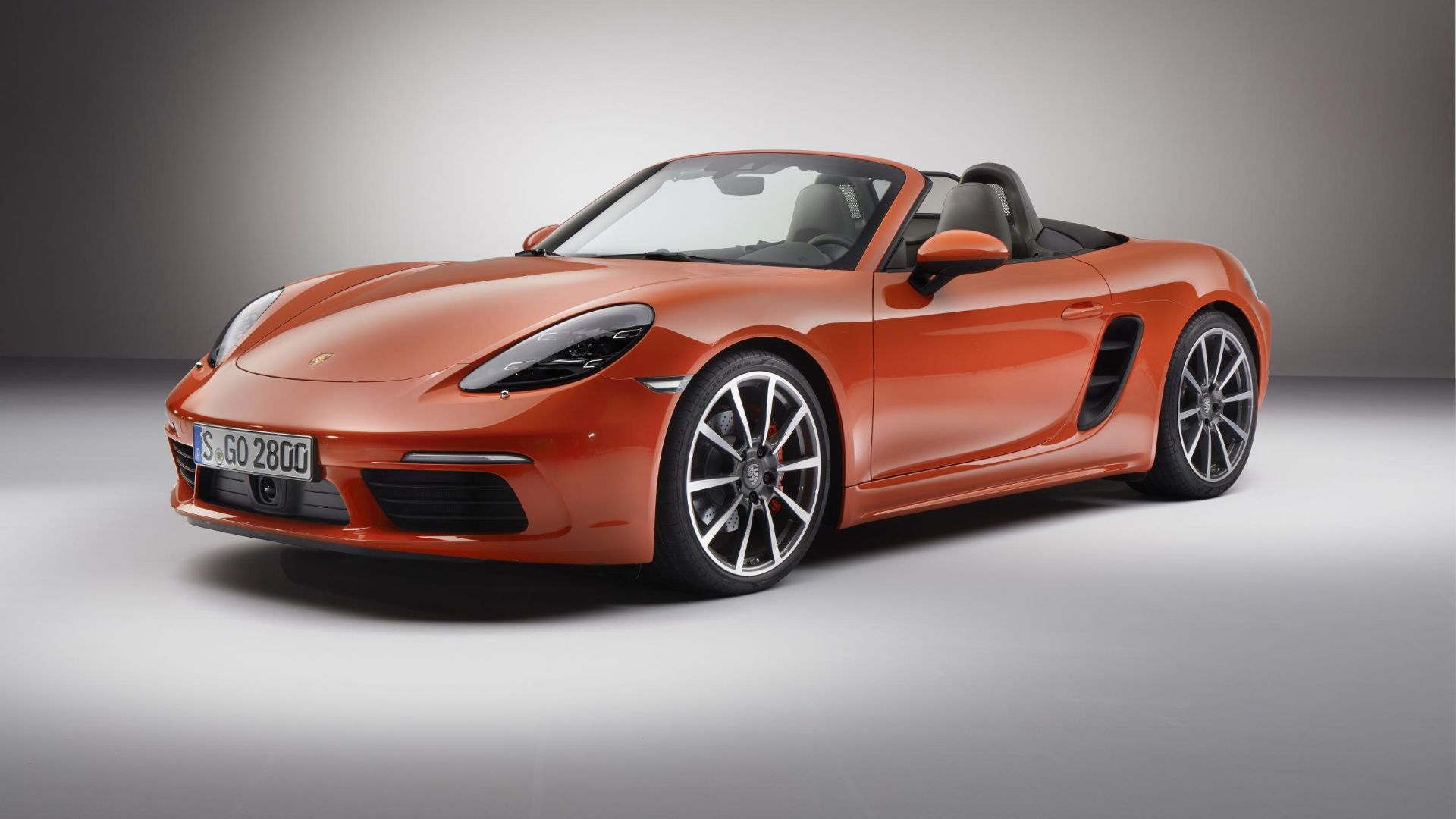
Porsche 718 Boxster -23 percent
That’s not as bad as the 718 Boxster’s situation. At 2,065 units sold during the first half of 2019, it’s 23 percent down on the same period in 2018. That’s nearly 700 fewer cars versus the year before.
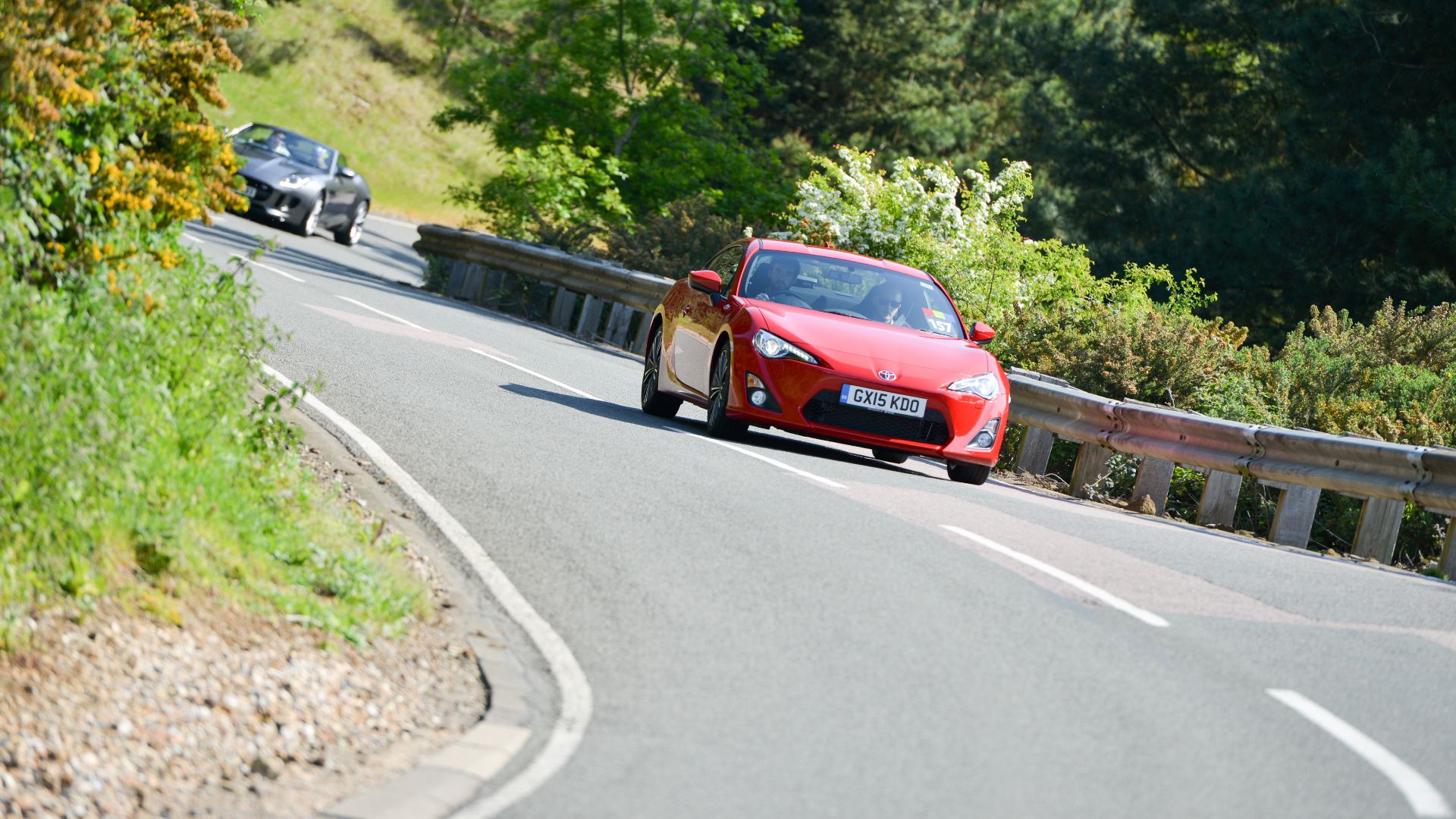
Toyota GT86 -24 percent
The Toyota GT86 is perhaps the poster child for the peaks and troughs a sports car can go through. On its debut, it was loved. It sold well for a brief while, and ever since, it’s been more or less fallow. A 24 percent drop on 2018’s first half leaves it at 531 units sold in the first six months of 2019.
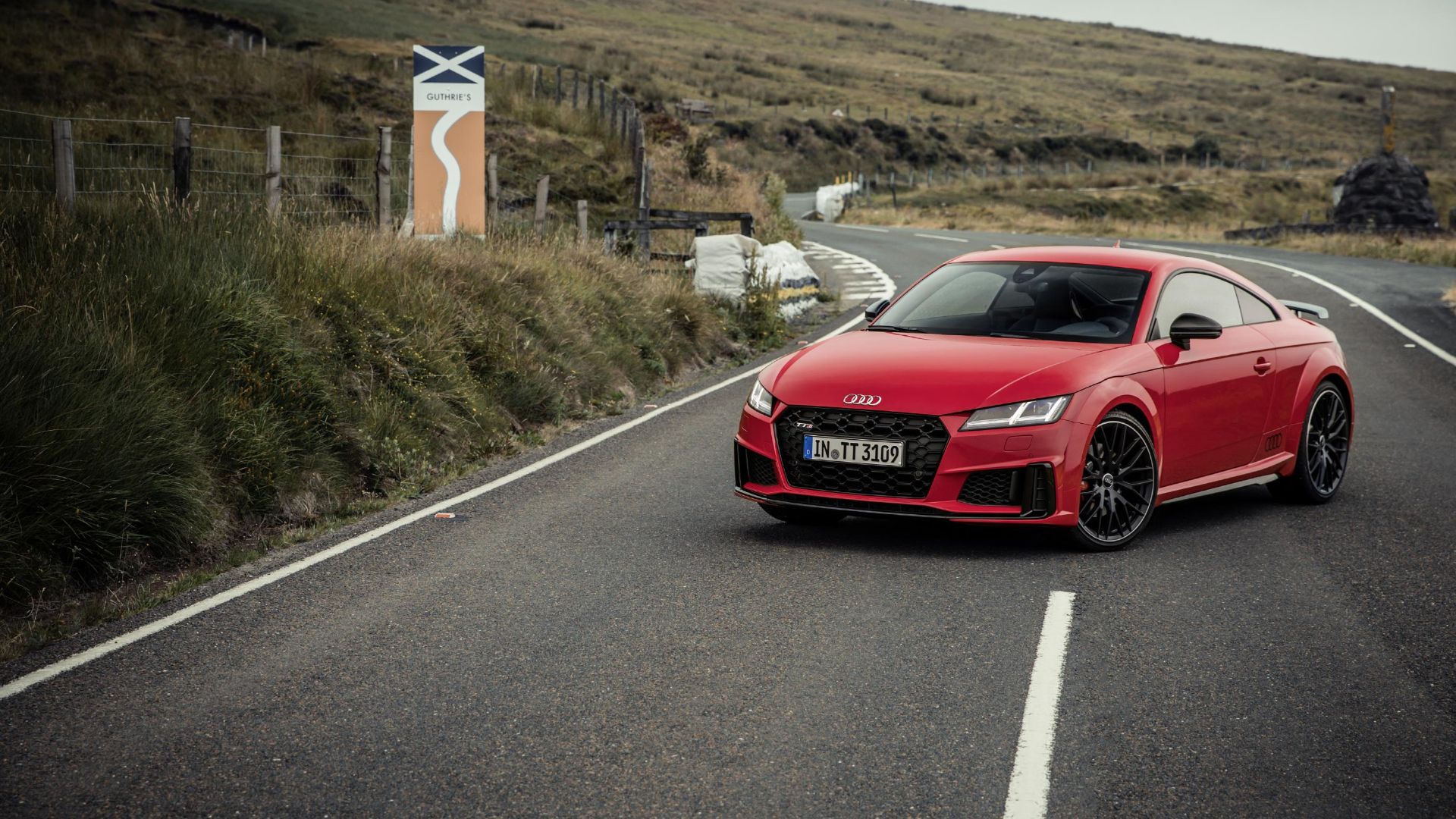
Audi TT -29 percent
The Audi TT coupe is a volume seller by comparison, so a 29 percent drop is no joke. For the first six months of 2019, it shifted 4,318 units. That’s more than 1,000 fewer cars than in 2018.
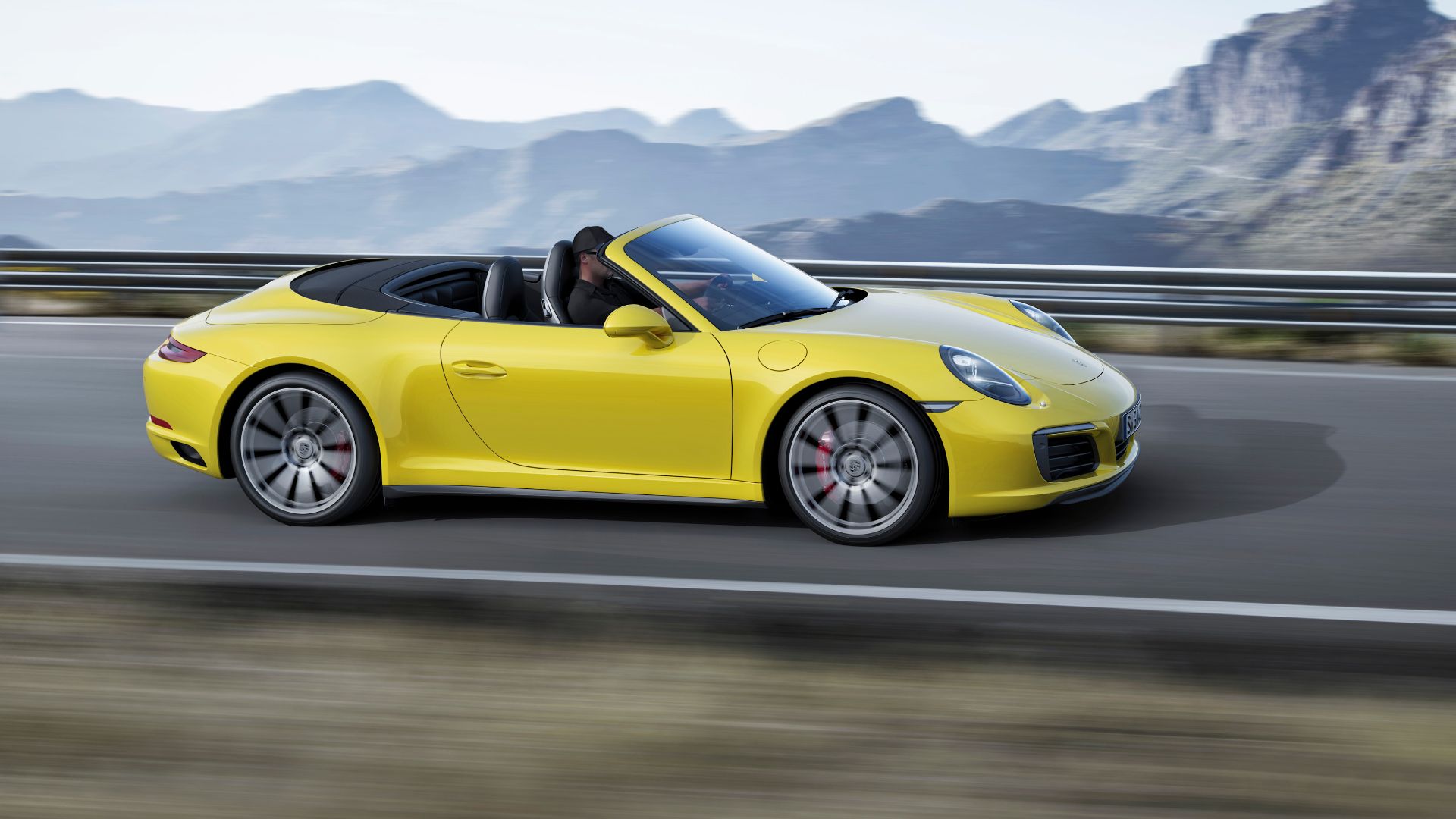
Porsche 911 Cabriolet -30 percent
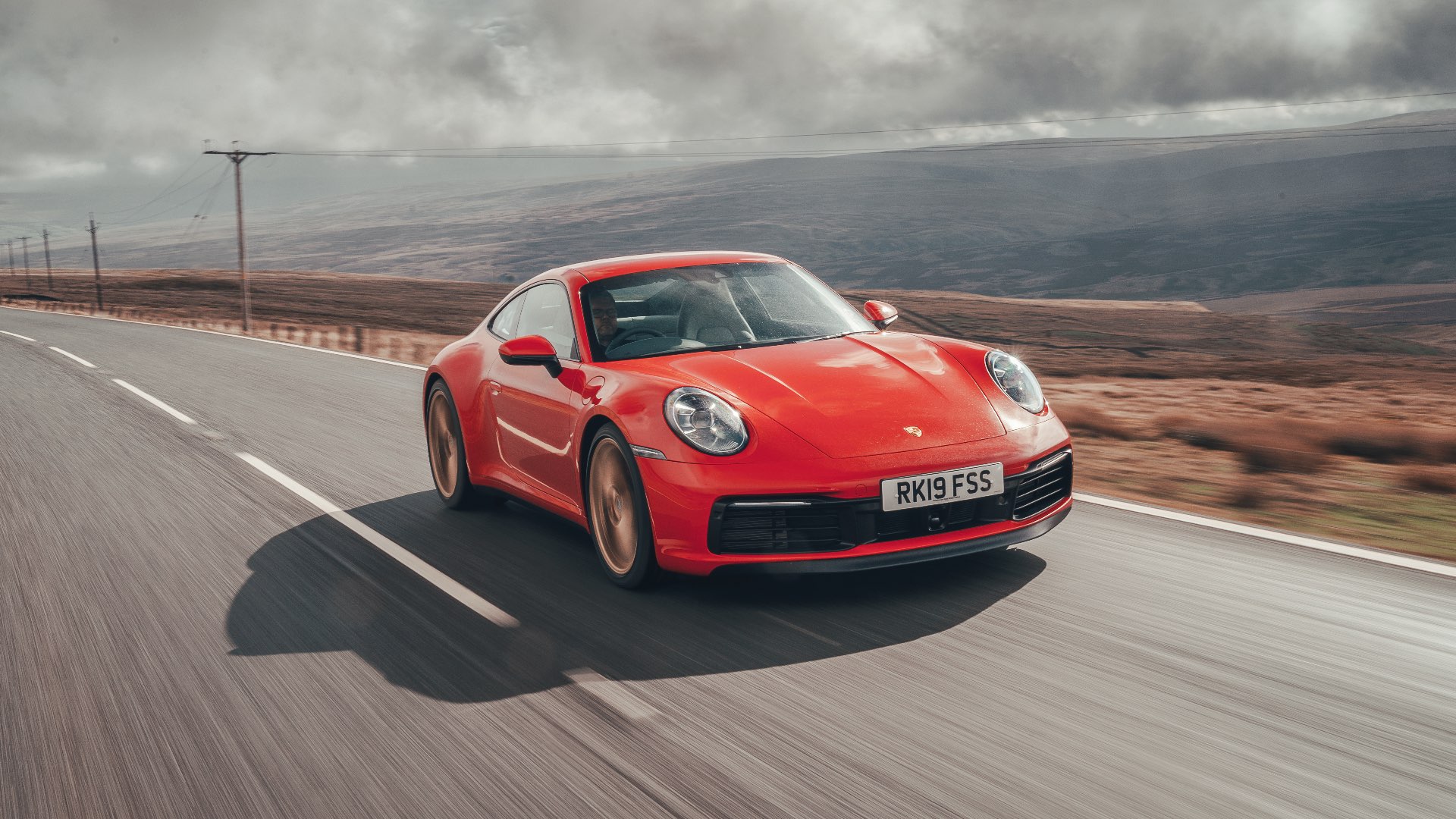
In fairness to the 911, it has an excuse. Call the transition to a new generation a speed bump for sales. The Cabriolet variant was down 30 percent for the first six months of 2019, with 2,841 sold.
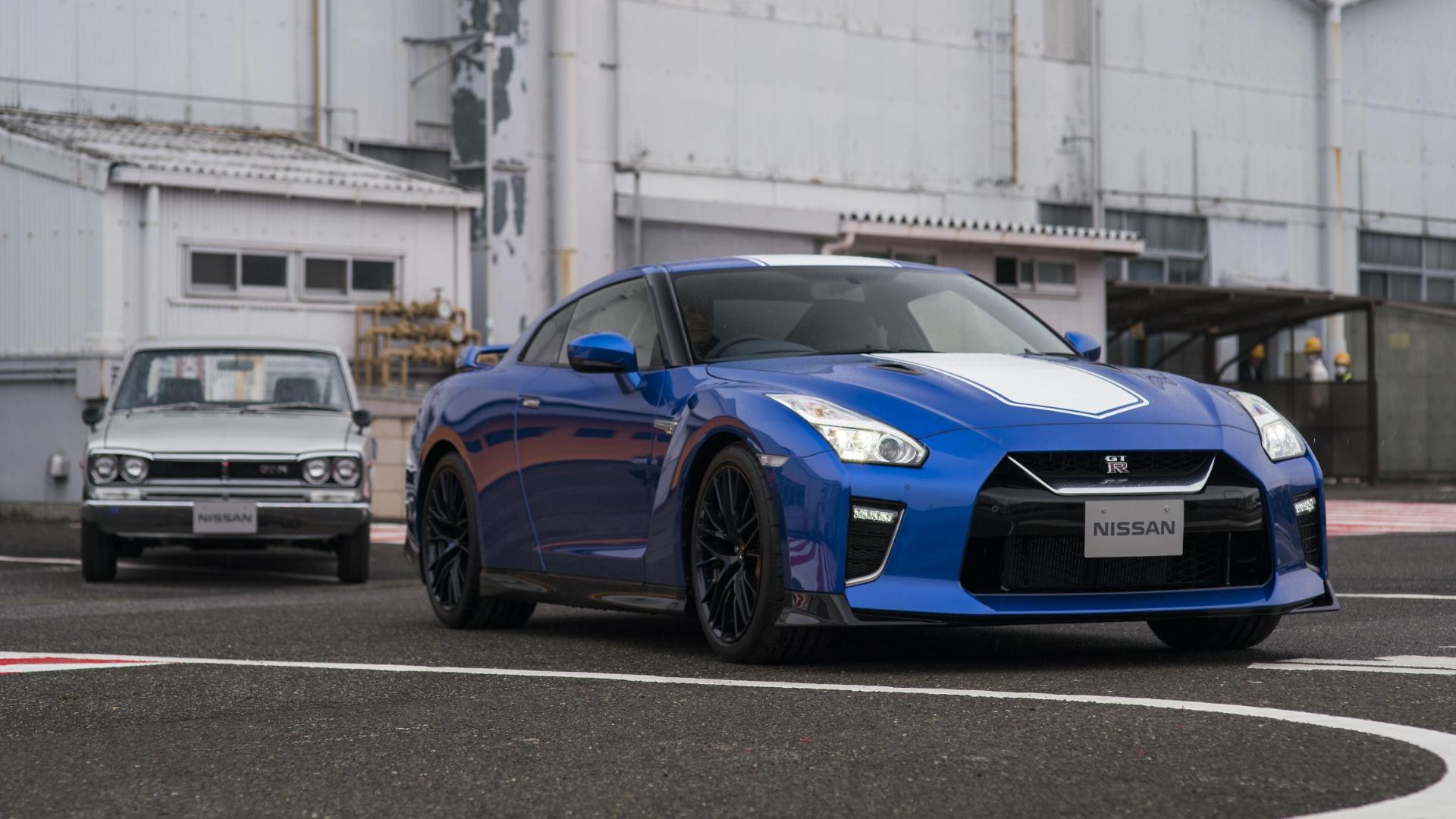
Nissan GT-R -31 percent
The Nissan GT-R is more of a niche creation, but a 31 percent drop is not insignificant. It’s down to 239 units for the first six months of 2019.
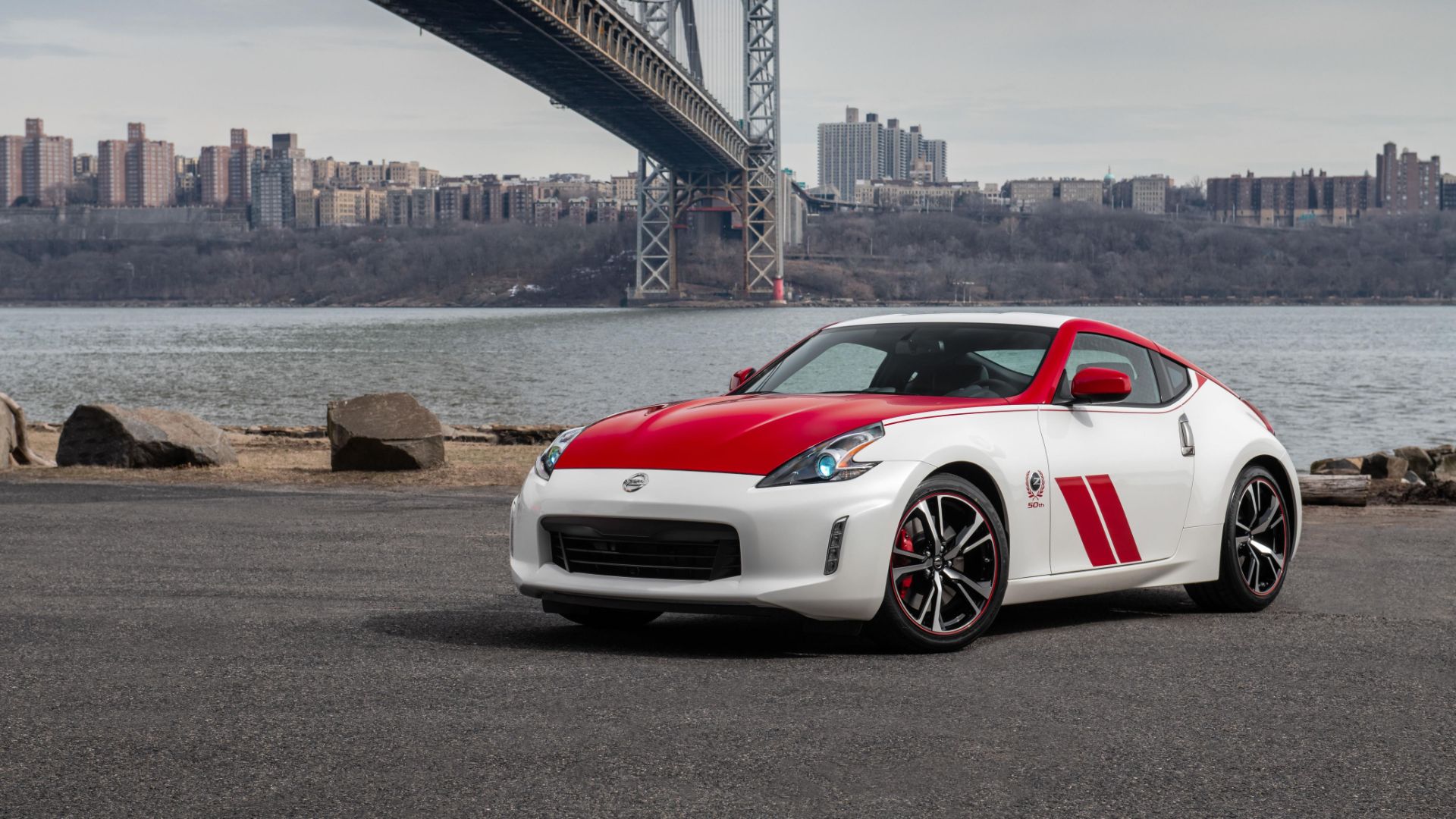
Nissan 370Z -32 percent
Nissan’s other ageing coupe is feeling a similar drop, at 32 percent. It’s down to 199 units sold over the first six months of 2019.
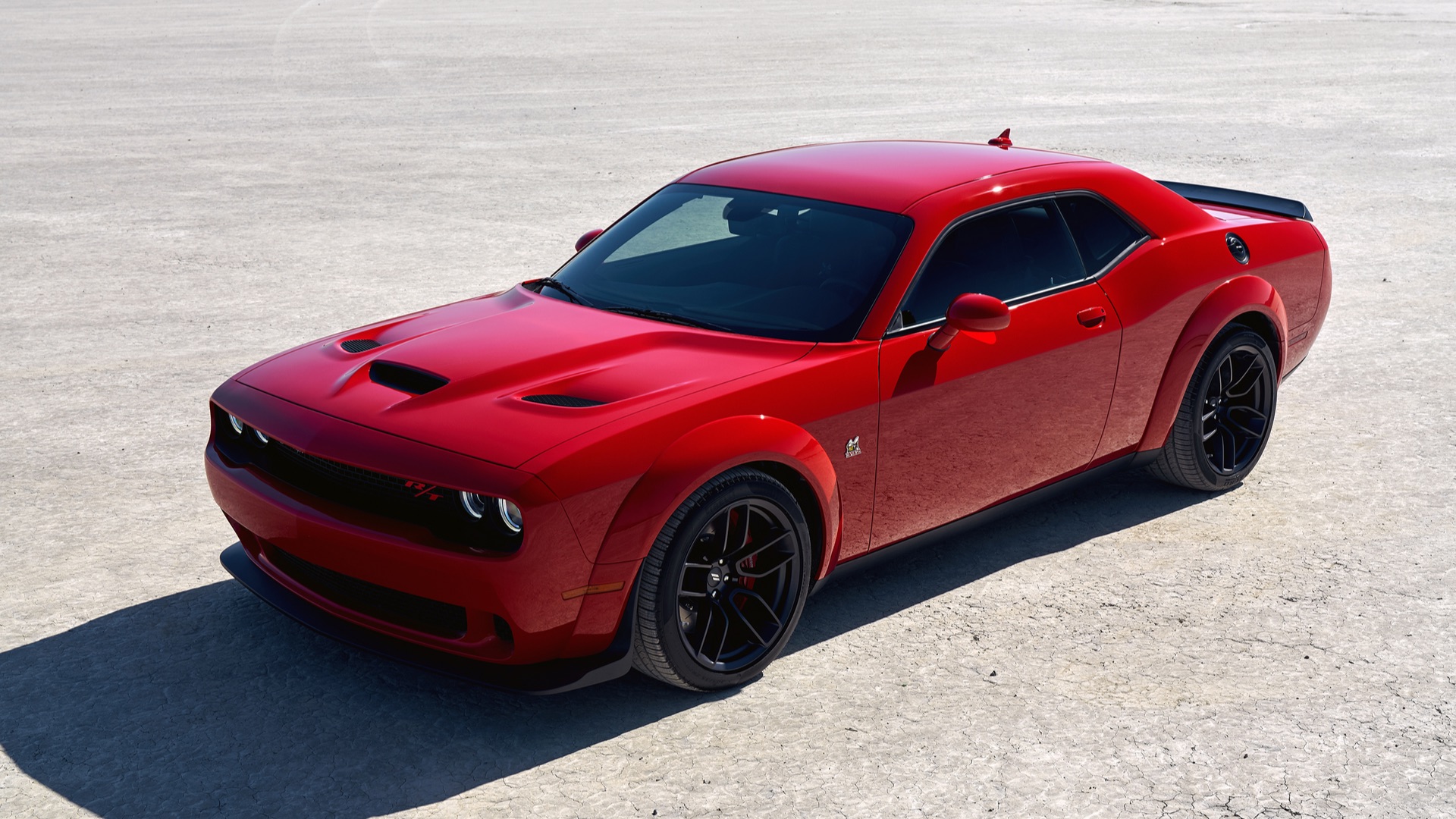
Dodge Challenger -32 percent
Dodge’s muscle car might not be a European native, but it still sells in limited numbers. Although it’s down 32 percent on last year, it still sold 279 units on our side of the pond.
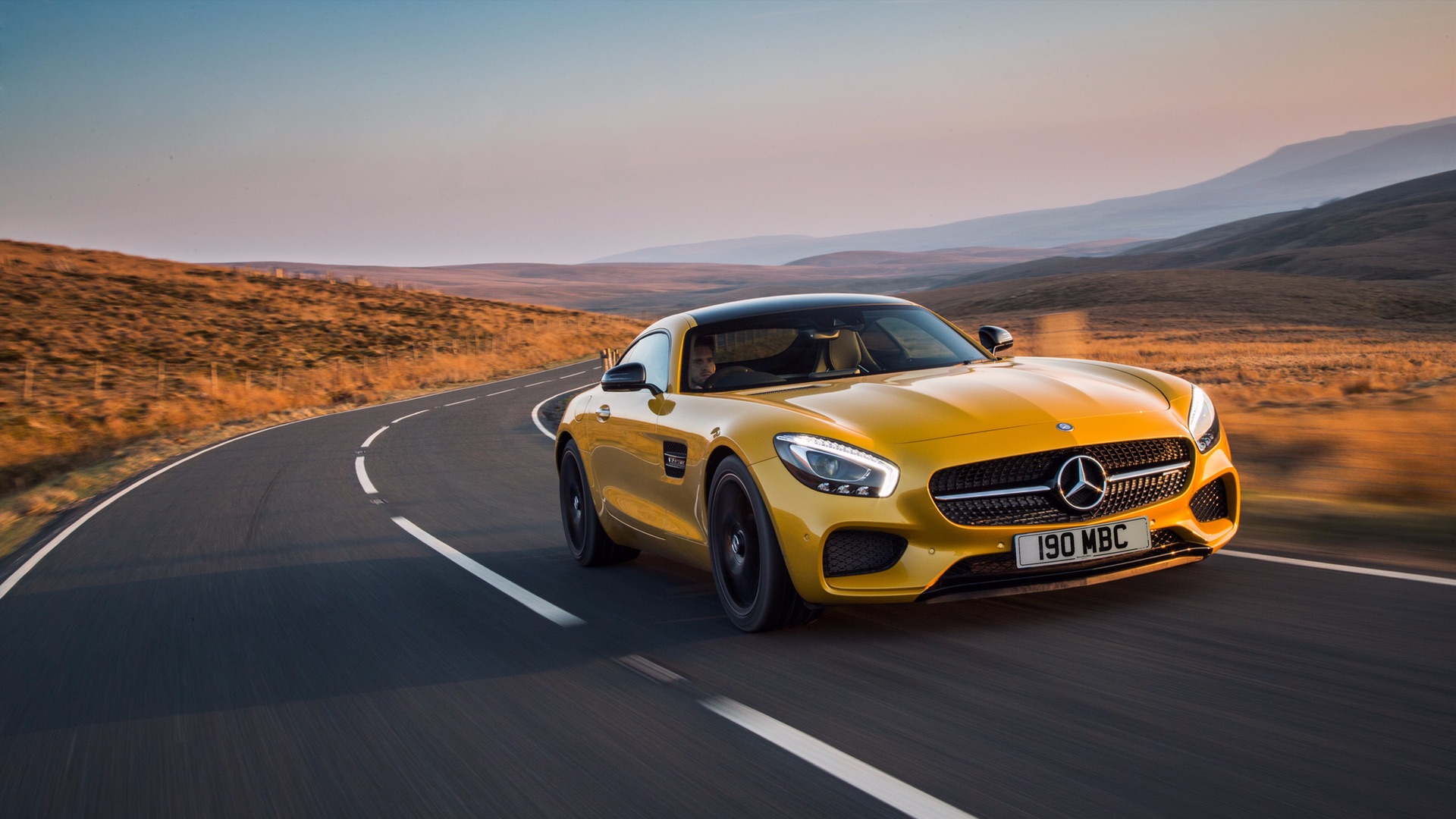
Mercedes-AMG GT -34 percent
Mercedes downsized its flagship for the AMG GT, to try and cash in on some of the 911’s sales volume. That plan seems to be backfiring now, with the GT down 34 percent in sales. Merc has shifted 693 of them in the first six months of 2019.
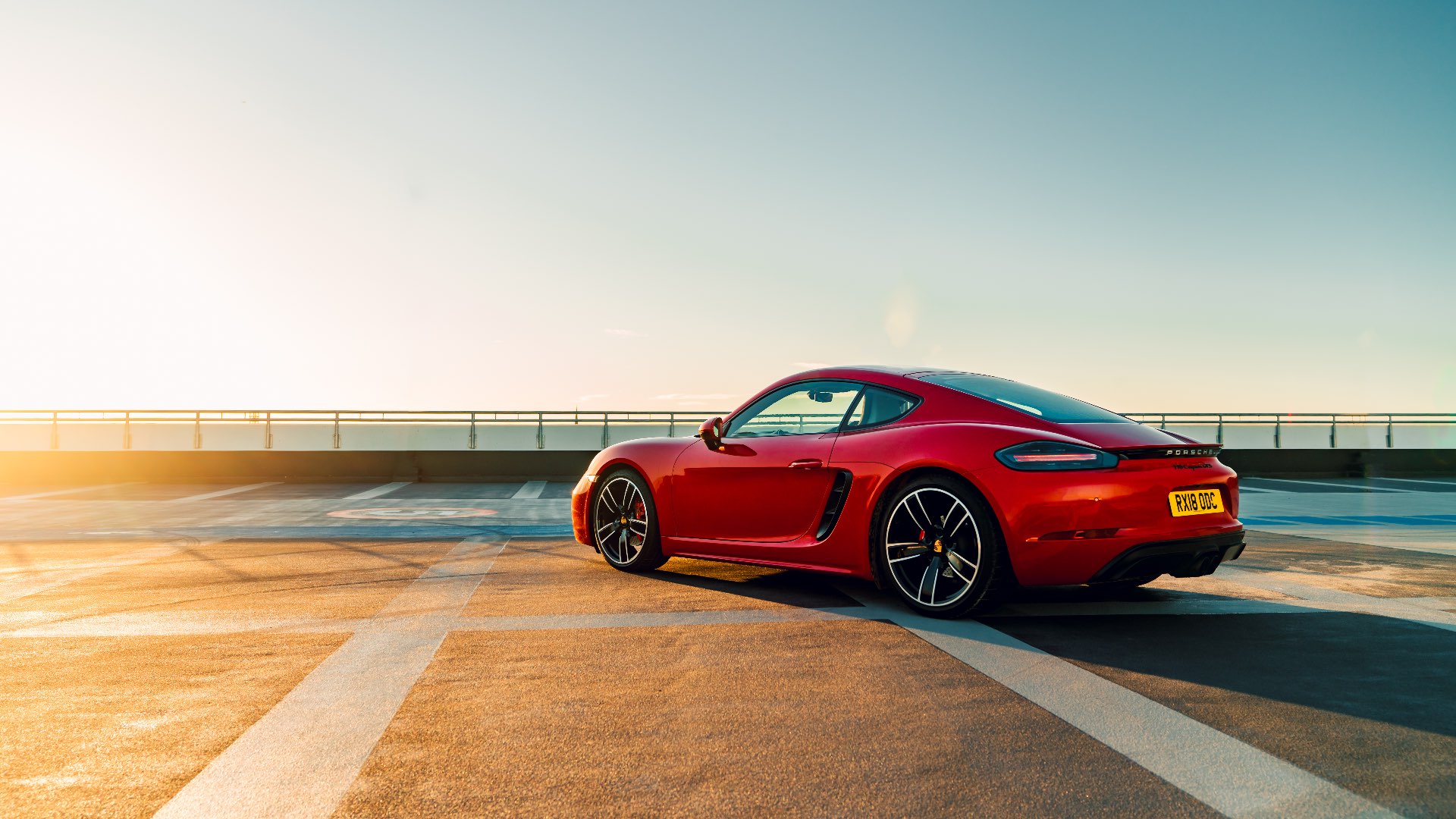
Porsche 718 Cayman -40 percent
The Cayman is really taking a hit this year. A 40 percent drop on 2018 is a serious hit. At 1,601 units sold, it’s down 1,000 cars on the same period last year.
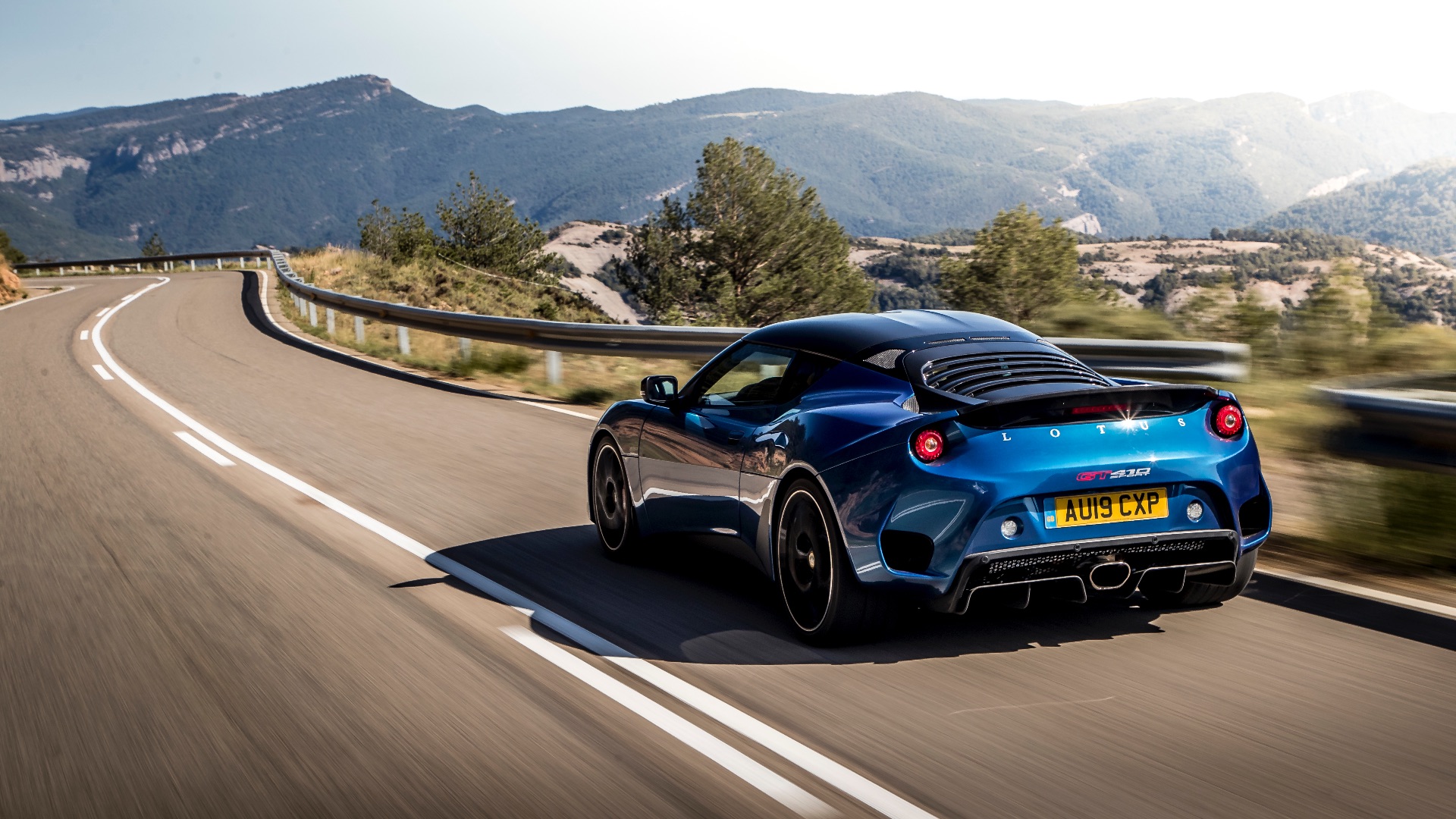
Lotus Evora -40 percent
The Evora is down 40 percent, too, although not on quite the same scale. Lotus shifted just 53 cars in the first six months of this year.
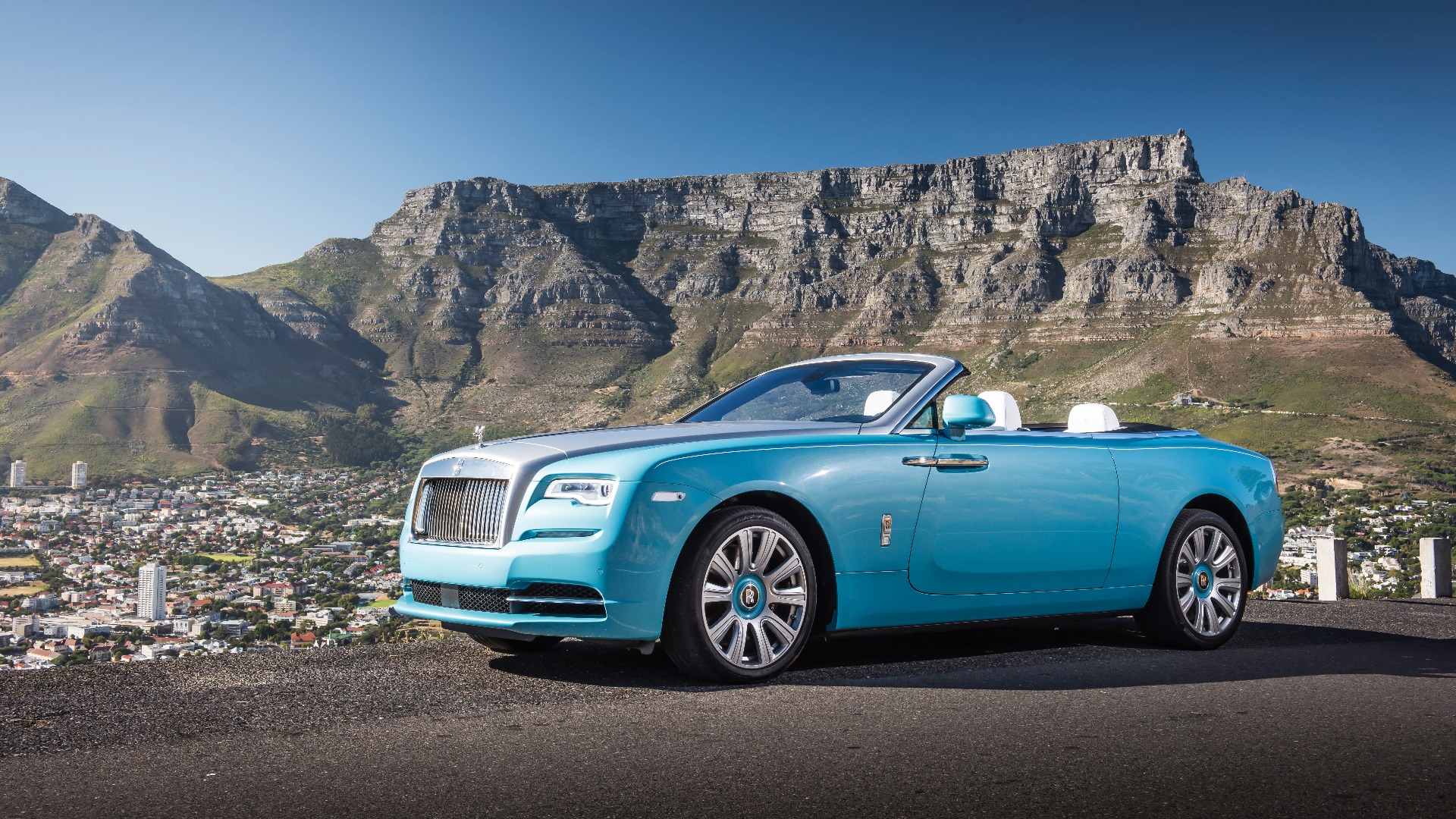
Rolls-Royce Dawn -40 percent
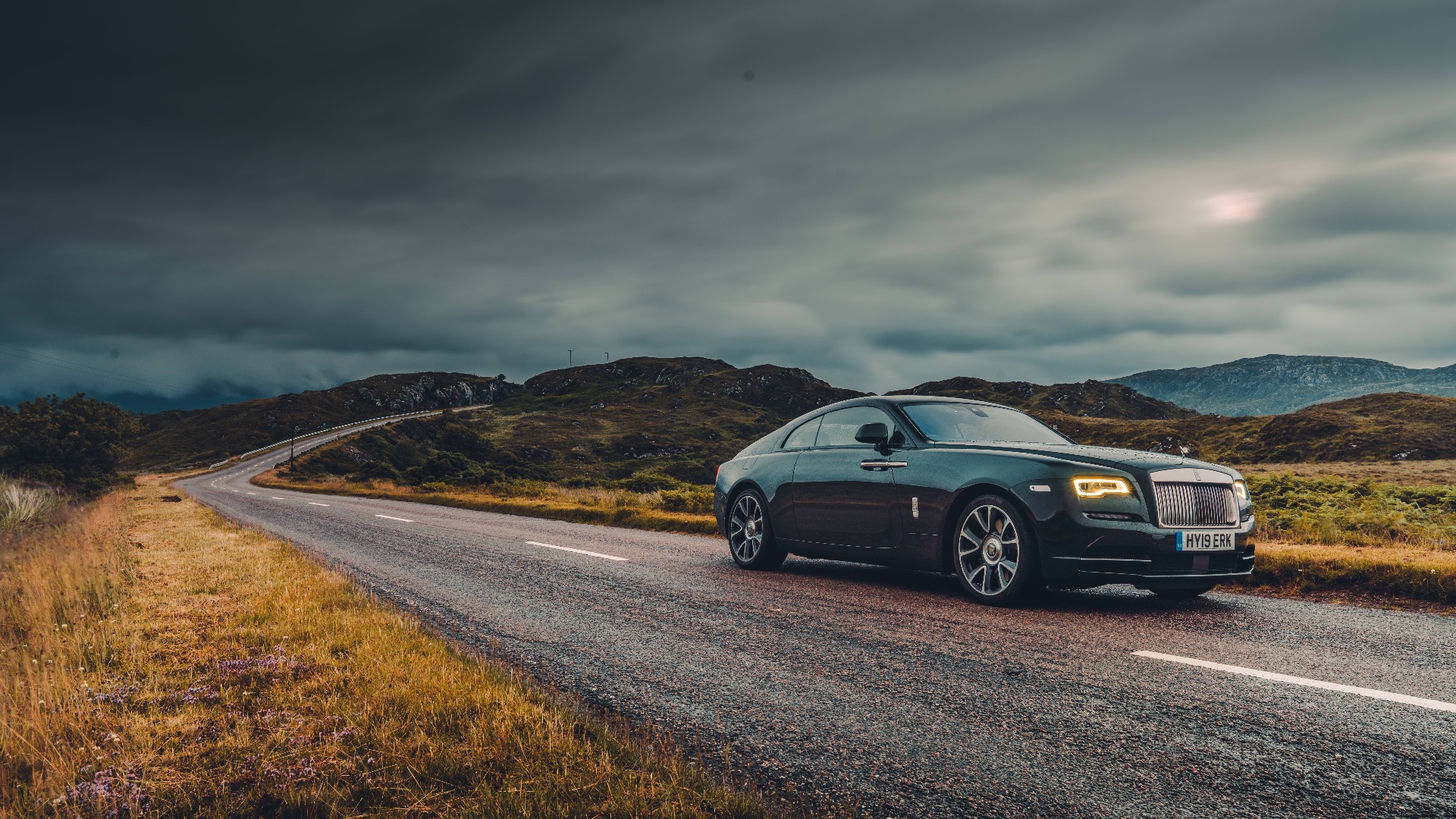
OK, it’s not really a sports car, but the Dawn is feeling the downturn. A 40 percent drop ought to be concerning for Rolls-Royce’s BMW overlords, with just 83 sold in the first six months of 2019.
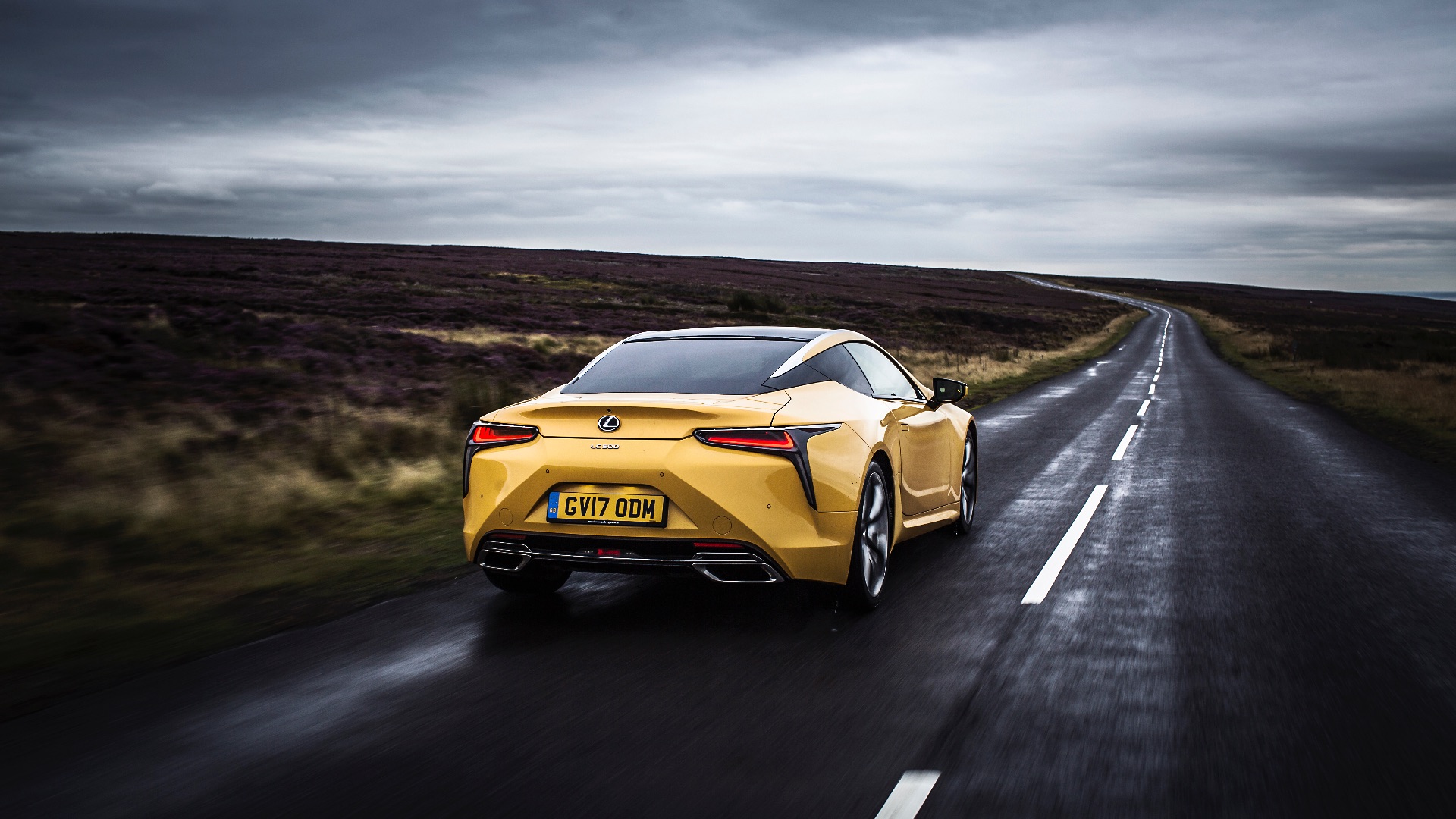
Lexus LC -44 percent
Lexus’ BMW 8 Series rival deserves to be doing better than it is. Having shifted just 217 units in the first six months of this year, it’s down 44 percent.
McLaren 570GT -44 percent
This model surprised McLaren with its success such that it greenlit a dedicated GT car. Now the 570GT is 44 percent down for the first six months of 2019. What does that say about how the GT is going to fare?
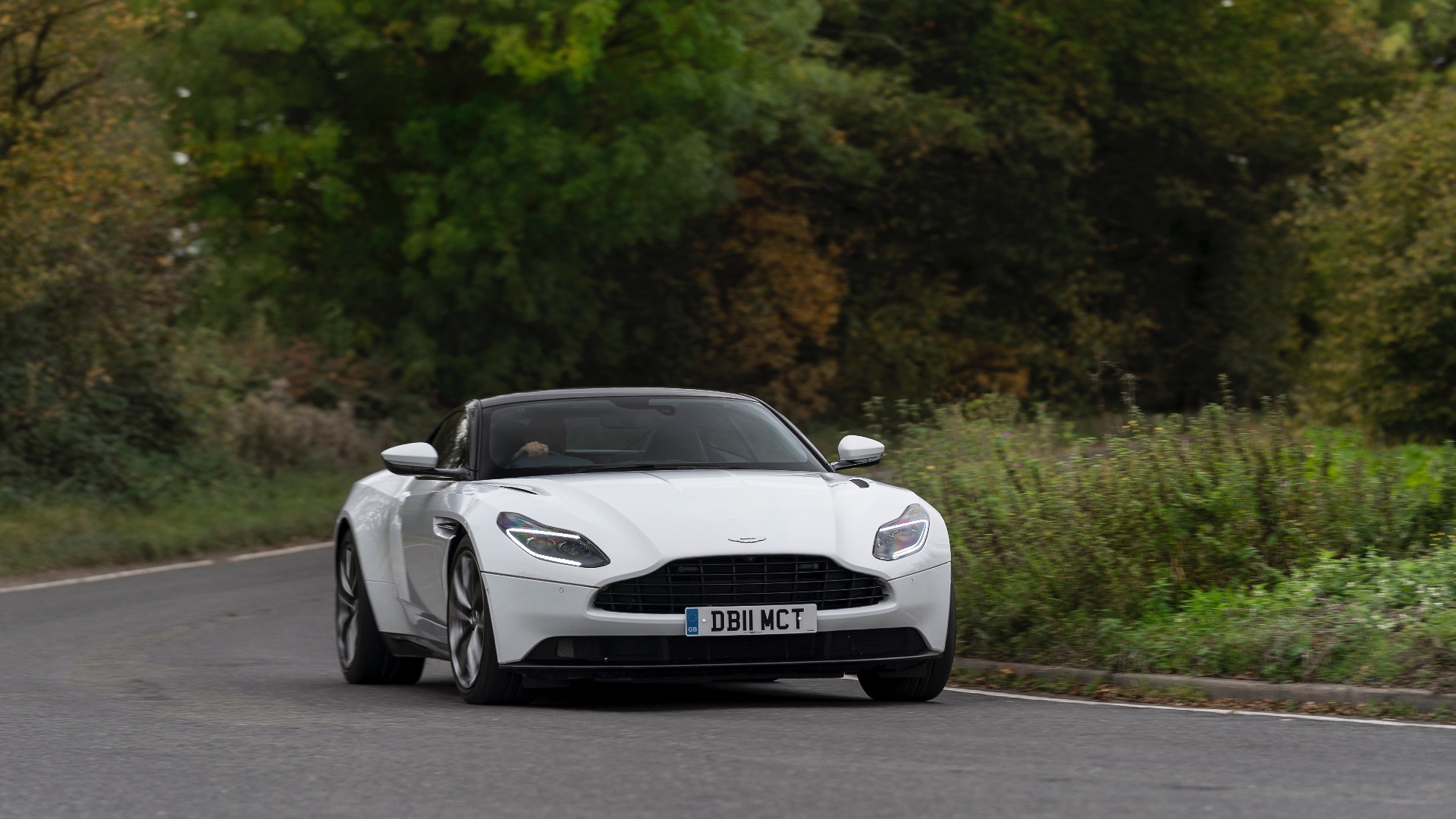
Aston Martin DB11 -46 percent
The successor to the car that arguably saved Aston Martin is falling by the wayside – and in favour of an SUV. Aston’s former volume champion is down 46 percent for 2019, with just 256 units sold.
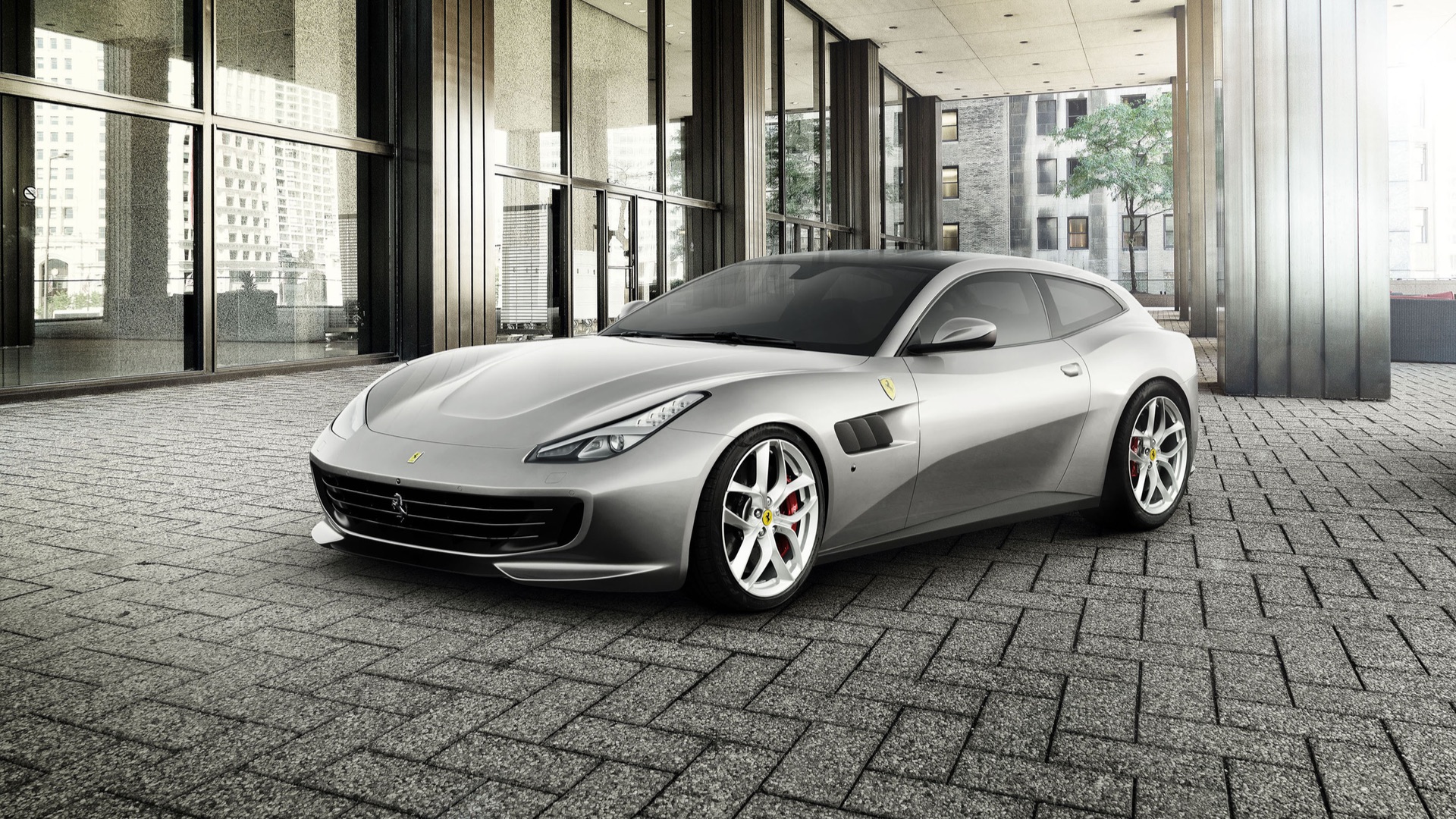
Ferrari GTC4Lusso -46 percent
The same is the case for one of the Aston’s big Italian rivals. The Lusso is the most practical Ferrari, but that still doesn’t seem to help sales. It’s also 46 percent down in 2019, with 164 sold.
Porsche 911 -48 percent
The 911 coupe is down significantly, by 48 percent, but that still means 4,533 sold in the first six months of 2019. Again, perhaps blame the ‘991’ to ‘992’ model changeover.
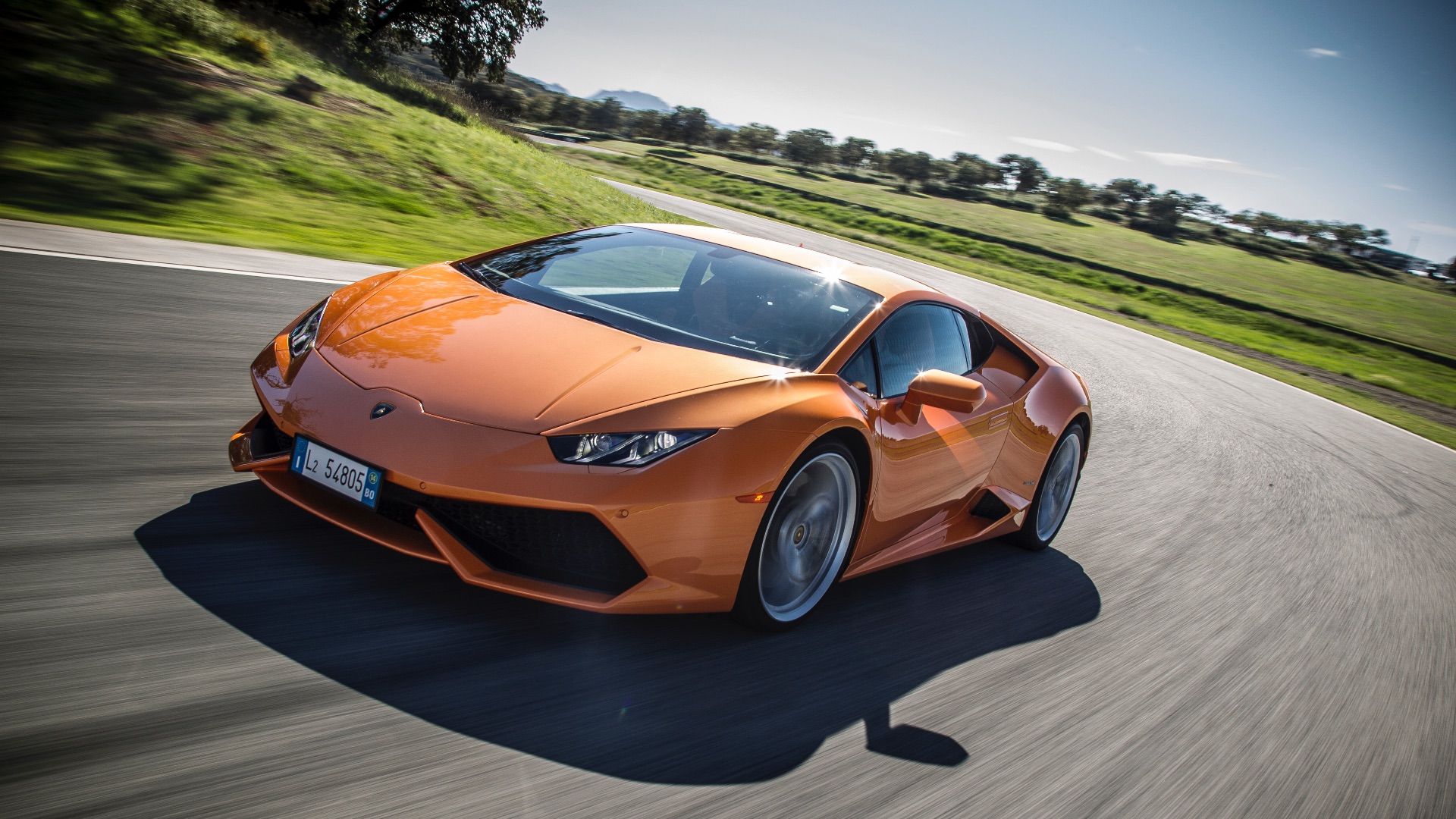
Lamborghini Huracan -49 percent
The Gallardo was the car that sold more units than all the Lamborghinis ever made previously. Its successor, the Huracan, isn’t doing so well. It’s down 49 percent, with just 192 sold in the first half of 2019.
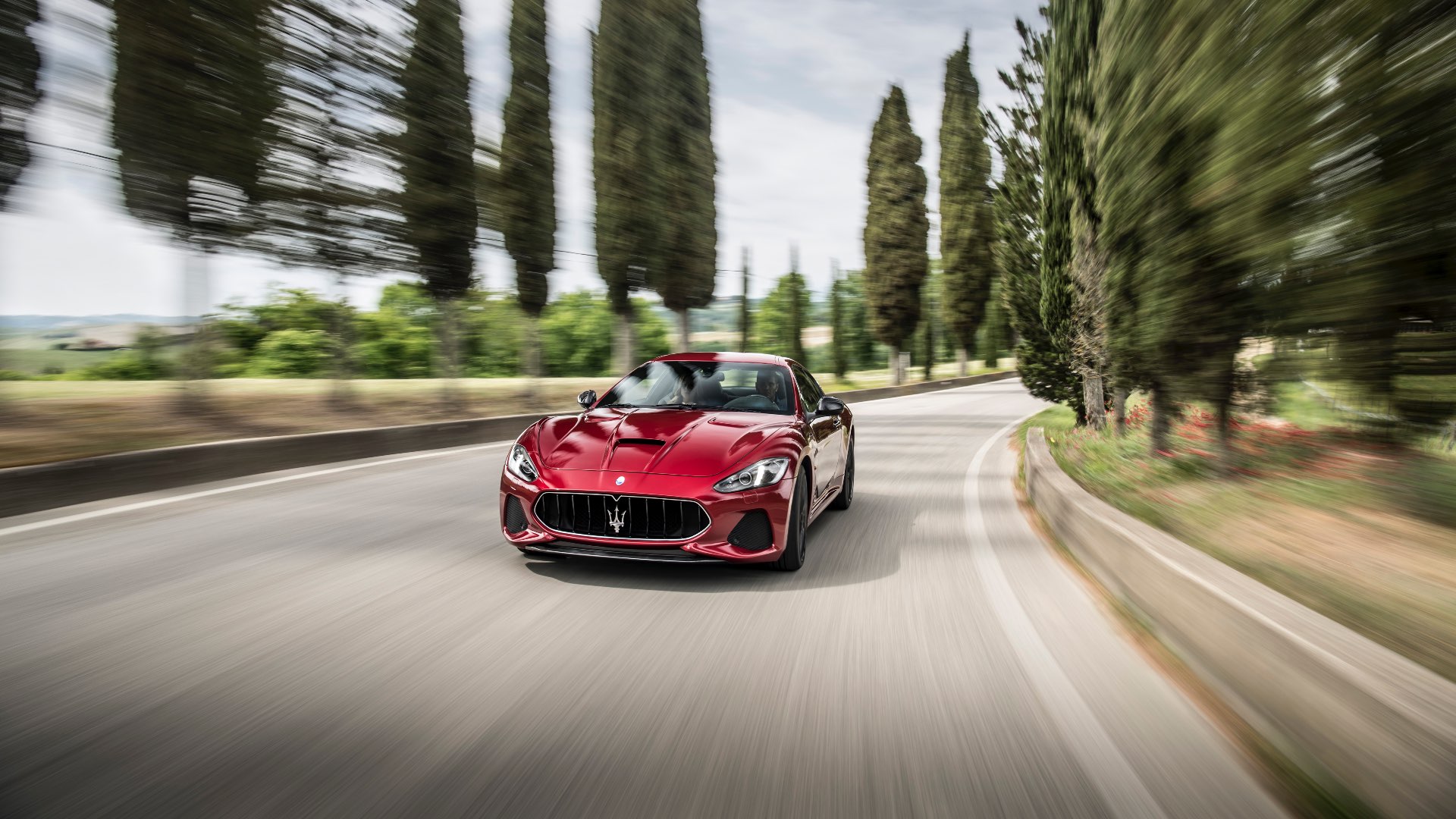
Maserati GranTurismo -52 percent
If there’s a car on this list that you shouldn’t be surprised is doing poorly, it’s the GranTurismo. It’s probably the oldest car here, first appearing more than 12 years ago. It’s down 52 percent and 100 units, with just 97 sold in the first six months of 2019.
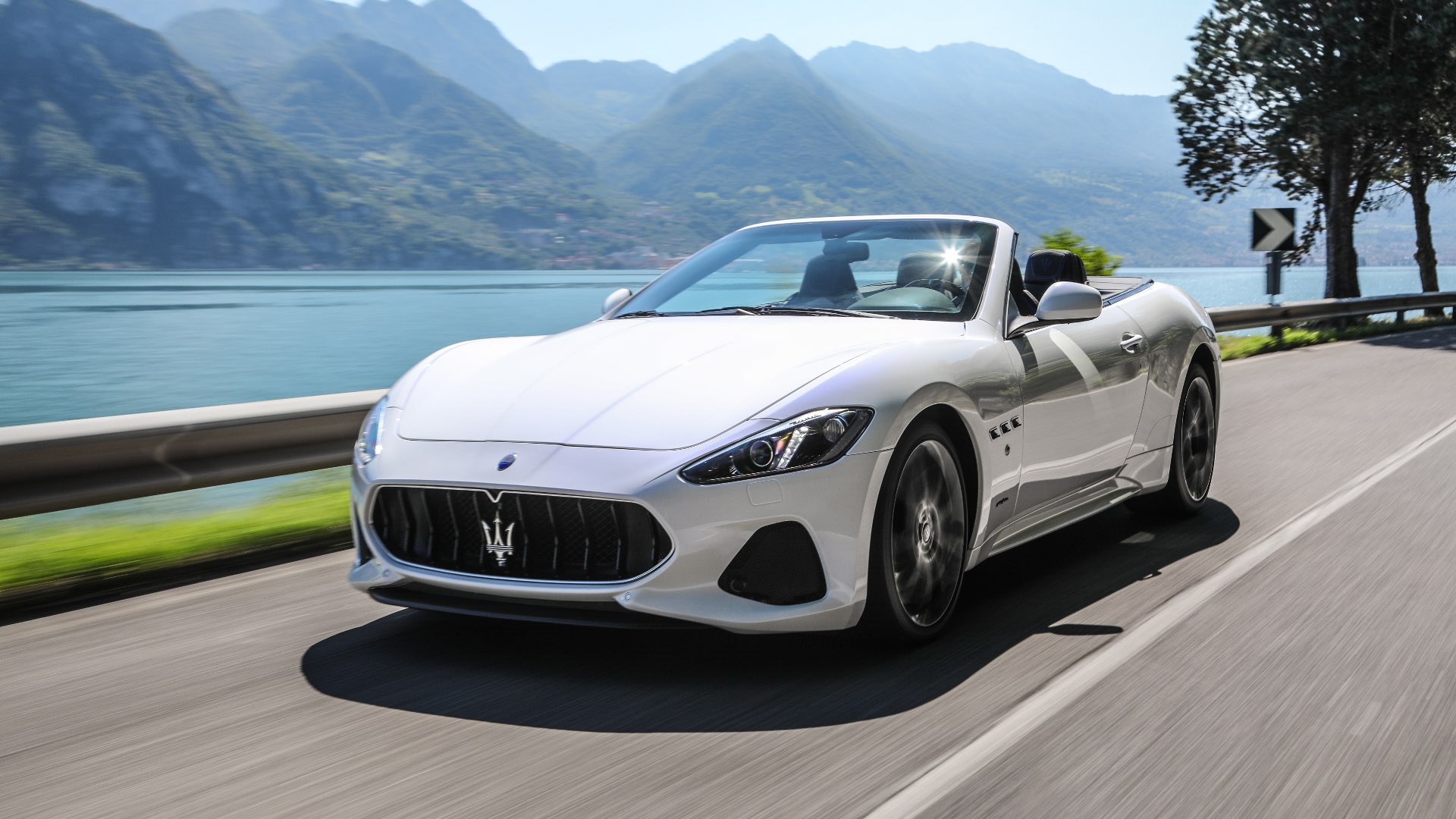
Maserati GranCabrio -52 percent
It’s the same with the GranCabrio. It is also 52 percent down, with just 86 cars sold in the first half of 2019.
Rolls-Royce Wraith -54 percent
The Wraith is doing even worse than the Dawn. Rolls-Royce sold a good number when new, but now it’s 54 percent down. Just 41 were sold in the first half of 2019.
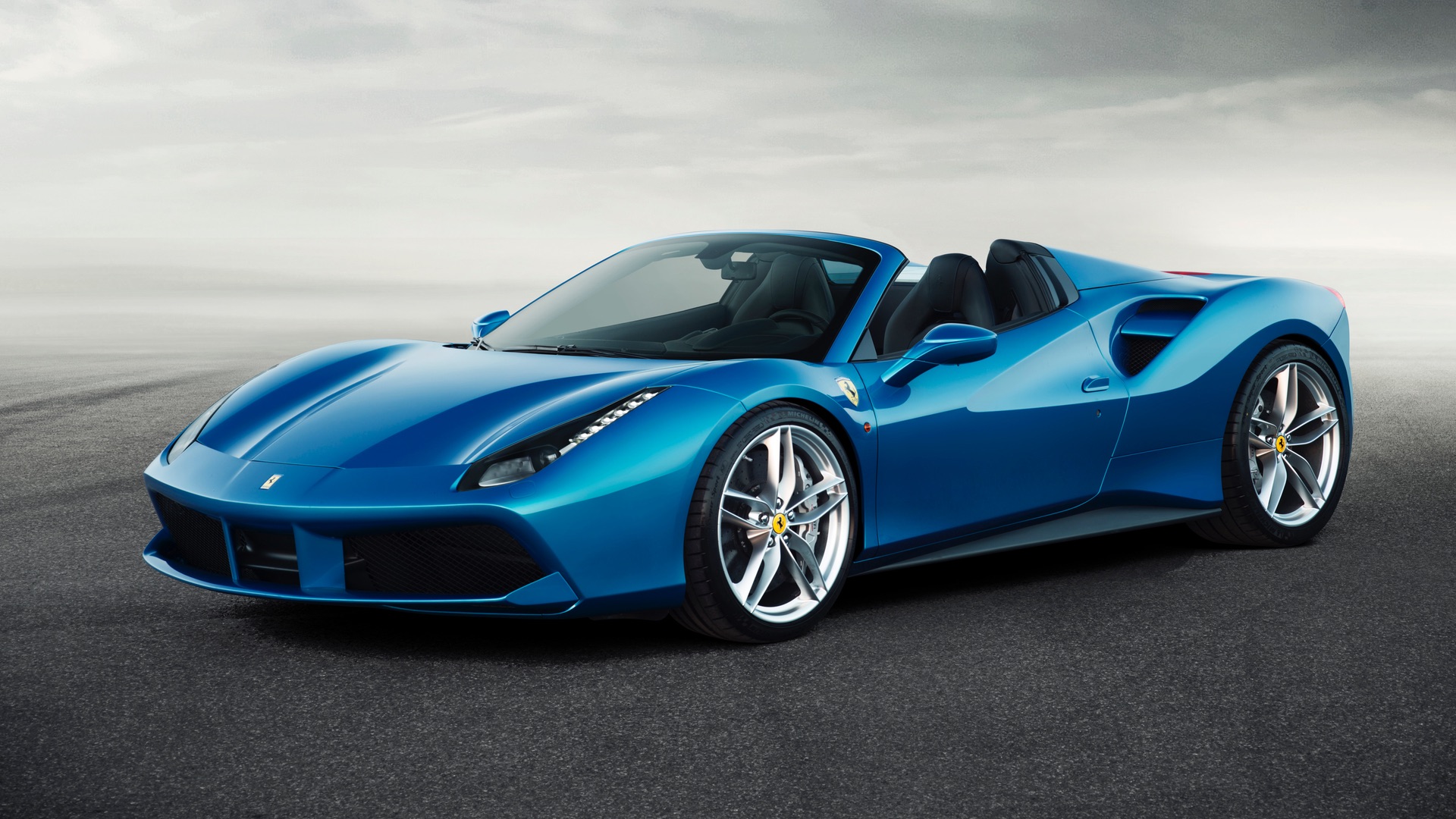
Ferrari 488 Spider -57 percent
The 488 is winding down, so perhaps Ferrari merely isn’t making as many of them. Nevertheless, it’s 57 percent down compared to the same period in 2018.
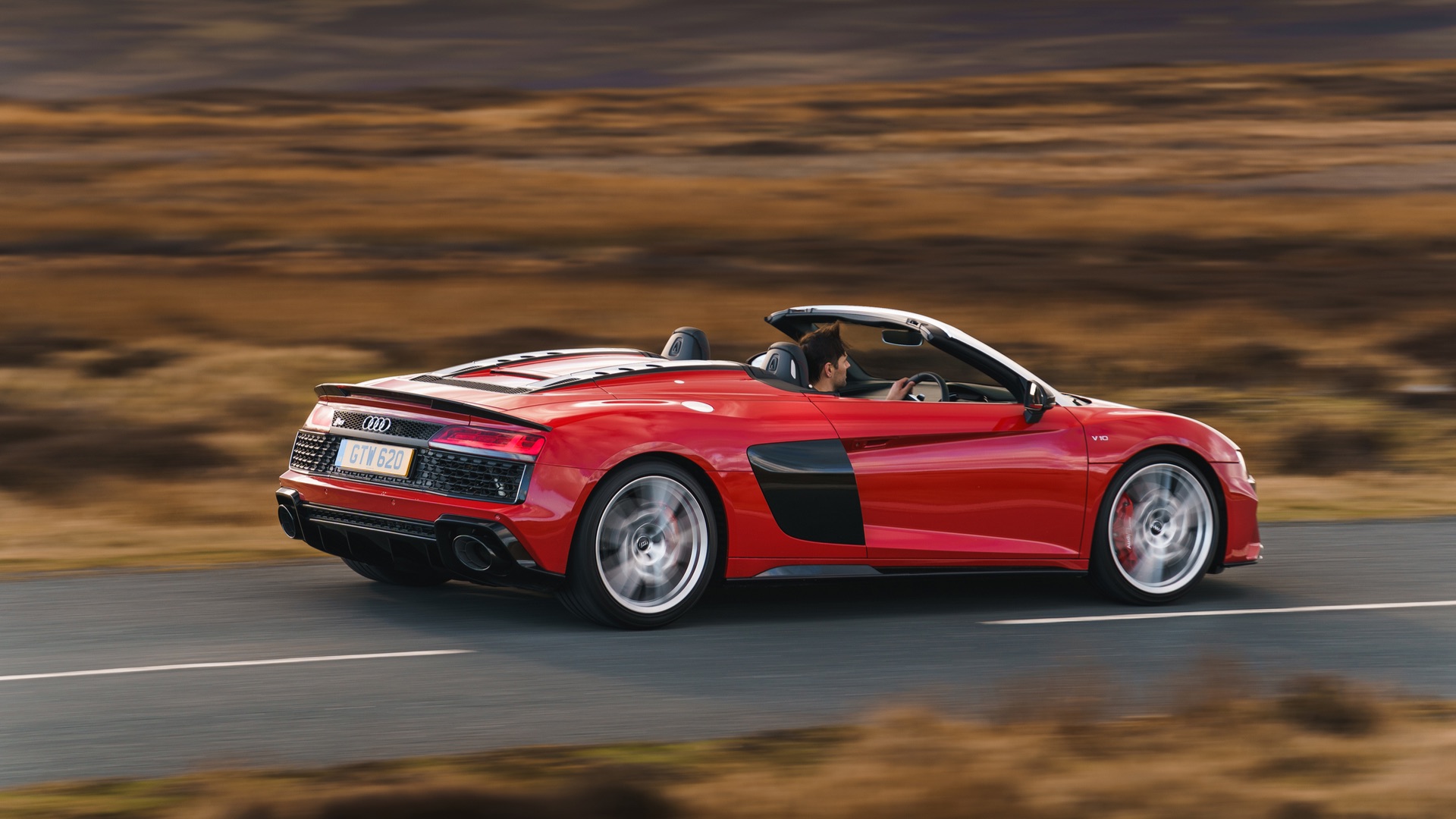
Audi R8 Spyder -61 percent
The R8 Spyder is down, too. And a fairly catastrophic 61 percent on 2018’s sales figures, at 162 units sold.
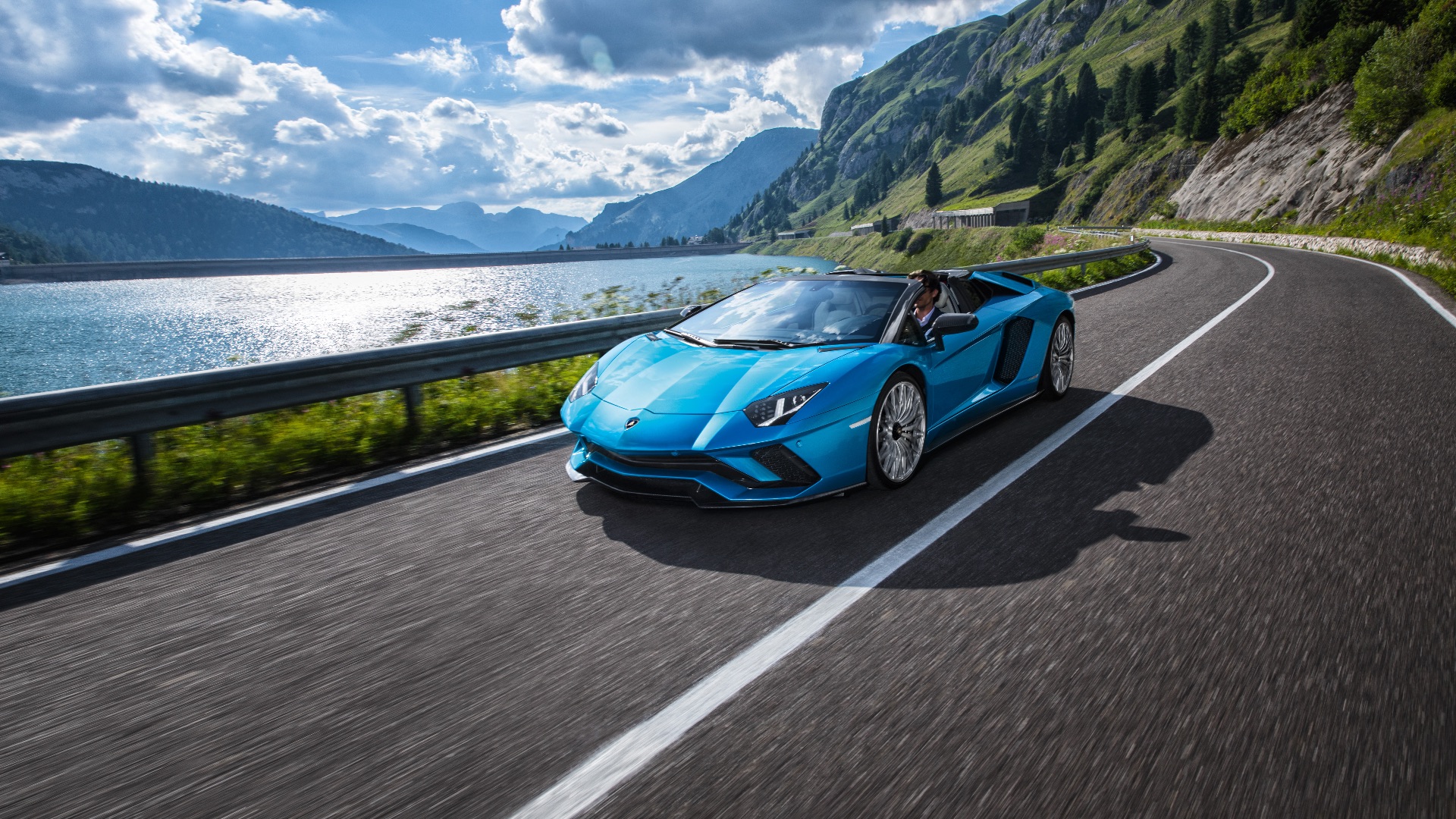
Lamborghini Aventador Roadster -62 percent
There’s suffering at the upper end of the spectrum, too. The Aventador Roadster is also 62 percent down, although we’re unsure whether that’s winding down production, too. Just 39 were sold in the first six months of this year.
McLaren 570S Spider -62 percent
McLaren’s baby Spider isn’t having a good time. It’s 62 percent down, with 66 sold in the first six months of 2019.
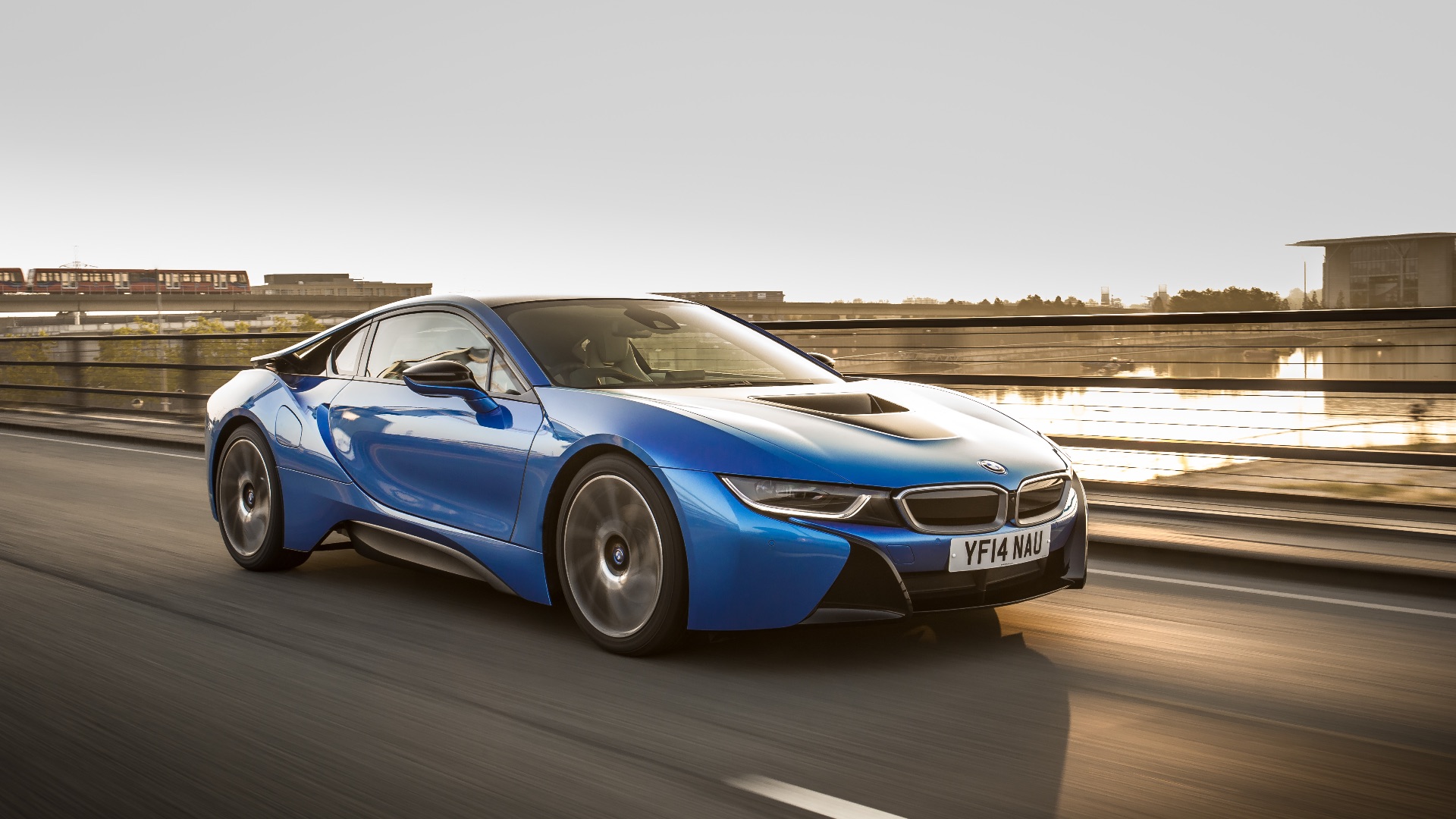
BMW i8 -64 percent
Talking of winding down, BMW’s futuristic hybrid isn’t long for this world. It’s 64 percent down this year, with just 171 sold.
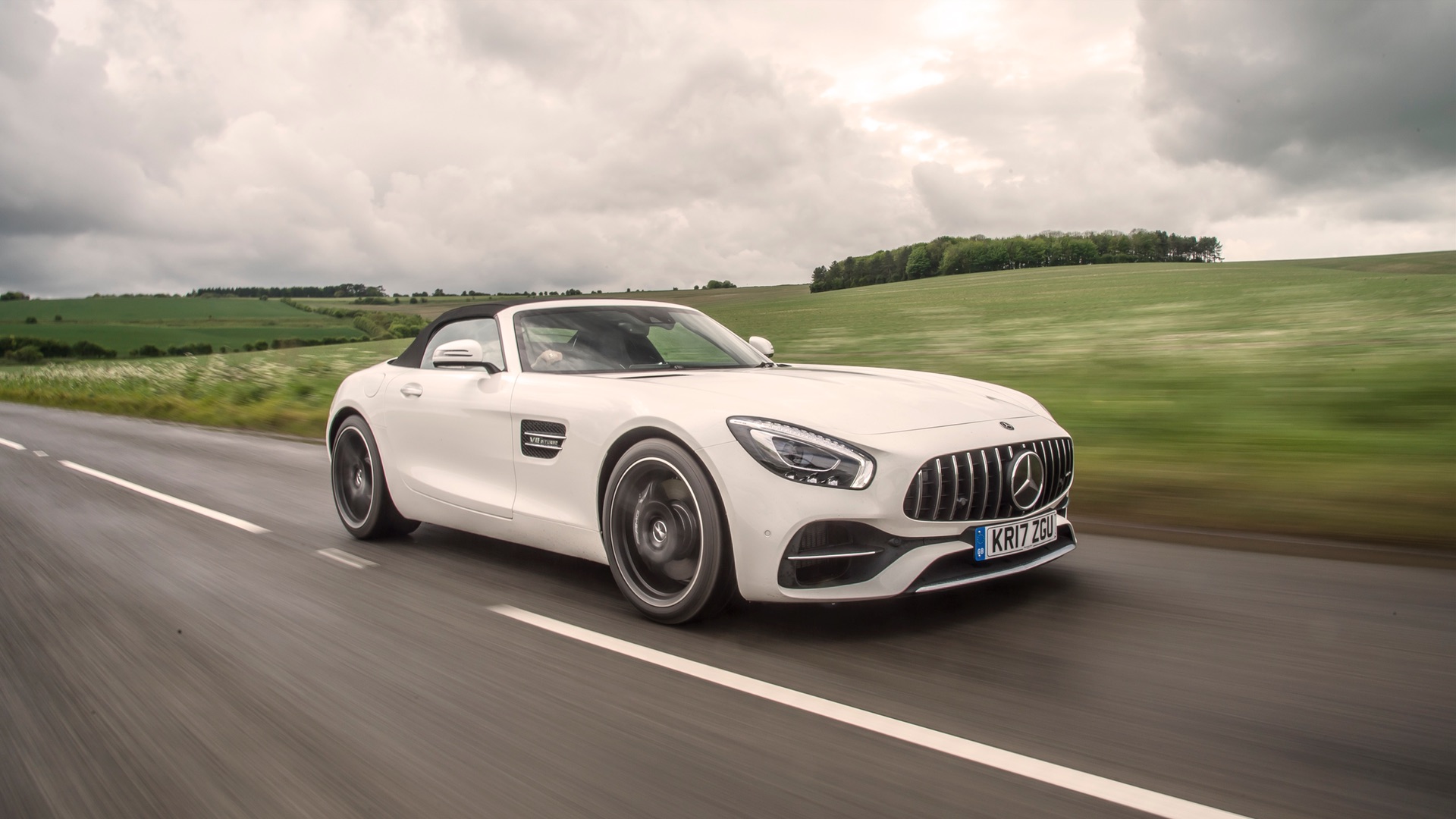
Mercedes-AMG GT Roadster -66 percent
Merc’s GT Roadster is doing even worse. It’s the second-worst drop here, at 66 percent down. It sold 415 cars in the first six months of this year. In the same period in 2018, it would have shifted circa. 1,000 units.
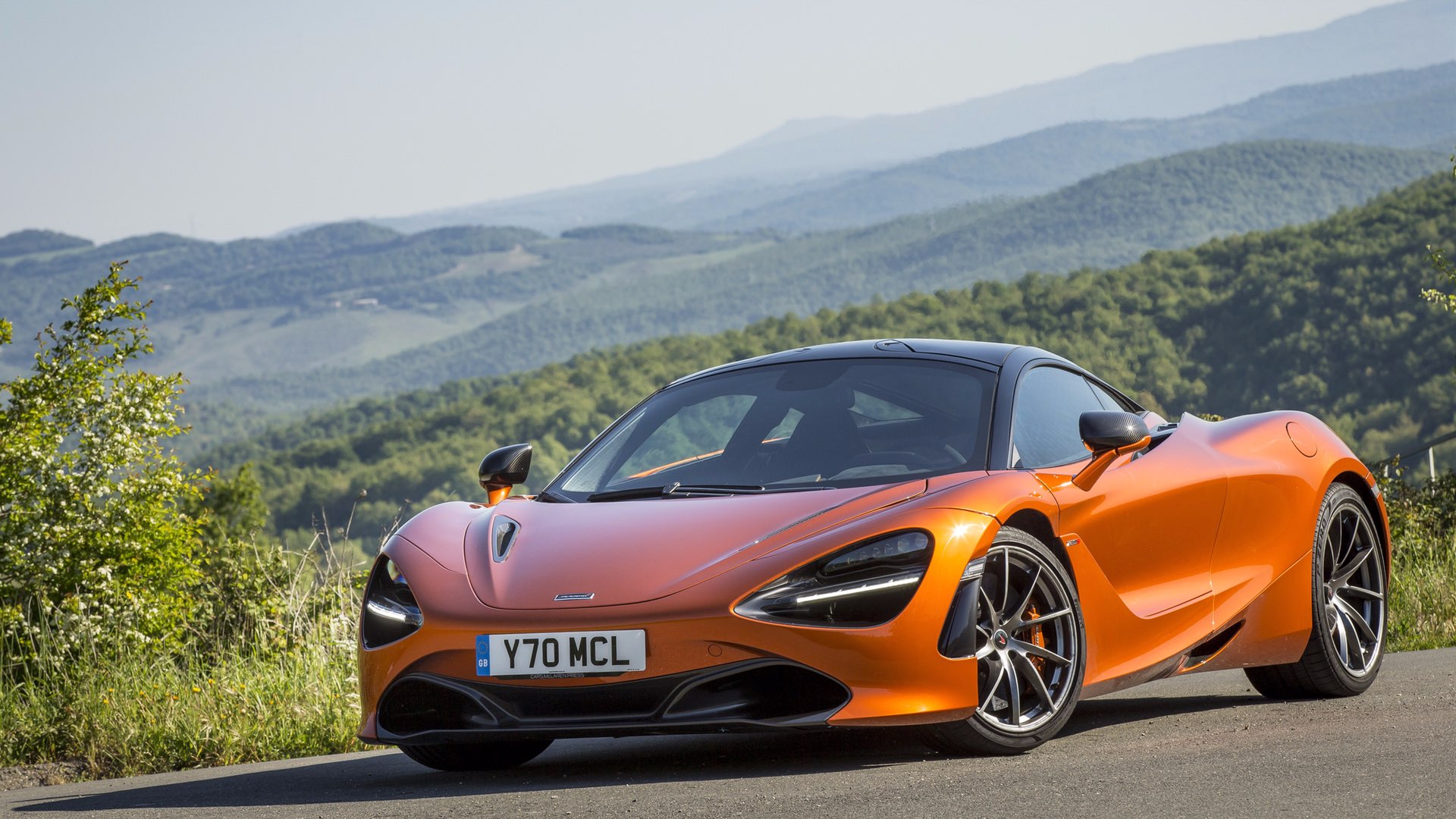
McLaren 720S -74 percent
Surprising perhaps is the shocking performance of one of the best supercars on sale. The McLaren 720S takes the cake for the steepest drop, at 74 percent. It sold just 92 cars in the first six months of this year, compared with more than 350 for last year.
New cameras designed specifically to catch drivers using hand-held mobile phones will be permanently installed for the first time. The announcement follows a successful six-month trial.
The two fixed cameras caught more than 100,000 drivers using phones during the test period.
UK drivers won’t be seeing them yet, unless they take a driving holiday to Australia. That’s because New South Wales (NSW) is the first state in the world to install the technology.
“Unfortunately some people haven’t received the message and think they can continue to put the safety of themselves, their passengers and the community at risk without consequence,” said NSW roads minister Andrew Constance.
“We have to, unfortunately, use the element of surprise to get people to think ‘well, I could get caught at any time’.
“There is strong community support for more enforcement to stop illegal mobile phone use with 80 per cent of people we surveyed supporting use of the mobile phone detection cameras.”
The cameras will be installed from December, with both fixed and mobile (van-mounted) systems being used. A total of 45 locations across NSW have been proposed initially.
The Australian government will invest £47.7million ($88 million AUD) in the project – but judging by the number caught by the trial, it won’t take long to make its money back.
There’s no word yet on whether this type of enforcement will be used elsewhere. You can bet the UK Department for Transport will be watching closely.
A ‘no deal’ Brexit would have an “immediate and devastating impact” on the European automotive industry and Brexit negotiators “have a responsibility” to agree a deal.
In an unprecedented joint statement, car industry leaders from across Europe have united to warn of the “catastrophic consequences” of a no-deal Brexit.
No-deal should be ruled out or, they say, the future of European automotive will be at risk.
The pan-European trade associations and 21 national associations, including the UK’s Society of Motor Manufacturers and Traders (SMMT), have illustrated the severe impact of no-deal on a sector that employs one in 16 of the EU workforce.
No-deal Brexit risks disrupting the deeply integrated nature of the car industry, the statement explains. Just-in-time production would be affected and WTO tariffs on cars and vans would add £5 billion to the EU-UK trade bill.
Car prices for customers would rise as a result.
‘Not just a British problem’
“We regret Brexit,” said Bernhard Mattes, president of German automotive trade body VDA. “The EU and UK automotive industry need frictionless trade… the UK and the EU should undertake all necessary steps to avoid a no-deal Brexit.”
“Brexit is not just a British problem,” said Christian Peugeot, president of French trade body CCFA. “We it as exporters to the UK market or producers locally, we will inevitably be negatively affected.”
The SMMT’s Mike Hawes said the risk was stark. “A ‘no deal’ Brexit would have an immediate and devastating impact on the industry, undermining competitiveness and causing irreversible and severe damage.
“UK and EU negotiators have a responsibility to work together to agree a deal or risk destroying this vital pillar of our economies.”
Erik Jonnaert, secretary general of European auto maker association ACEA, said the signatories wanted “all sides to rule out a ‘no deal’ scenario as soon as possible”.
What would a no-deal Brexit mean to the car industry?
A single car is made from around 30,000 parts, many of which cross European borders many times during production. Frictionless and tariff-free trade, and regulatory certainty, are therefore vital.
A no-deal Brexit would threaten this, and would also immediately result in the UK no longer benefitting from EU trade agreements and preferential treatment to 30 countries – including Canada, Japan, South Korea, Turkey and South Africa.
No-deal Brexit would make the overall EU market smaller, adds the SMMT, “and potentially less attractive to international trade partners”.
Britain is the second-largest new car market in the EU, behind Germany but ahead of France.
“With so much at stake, it is in the interest of all parties to avoid a ‘no deal’ Brexit and deliver a managed withdrawal of the UK from the EU.”
 So-called ‘range anxiety’ remains foremost in the minds of many electric car buyers. To help, engineering and testing consultancy Horiba Mira reckons an overhaul of how range is calculated is urgently needed, with more realistic figures the intended goal.