Home Blog Page 177

Half of drivers have NEVER parked in their garage

0
Garage

Just over half of the UK’s 11 million garages are not used to park cars, new research shows.

According to a survey, 53 percent of drivers have never put their car in their garage, with only 40 percent doing so on a regular basis. Eight percent use their garage for parking on an occasional basis.

Conversely, 70 percent said they usually put their car on the drive, while 18 percent leave their car in the street, said the RAC poll.

The main reason given for not parking in garages is that they have too much already stored inside them. This is the case for 68 percent of drivers with garages that they don’t park inside.

Among the items most commonly kept in UK garages are DIY tools and materials (90 percent), gardening tools and garden furniture (74 percent), bicycles and scooters (55 percent), wellington boots and shoes (36 percent), and camping equipment (24 percent).

House and garage

Garage

The RAC says more than eight in 10 drivers (83 percent) use their garage as a place to store additional stuff. Nearly half (47 percent) use it as a workshop or DIY space, nine percent as a home gym or exercise space, while eight percent say they have converted theirs into another room.

“Our findings show the vast majority of UK garages aren’t used for the purpose they were intended. At best, 40 percent of those with garages park their cars in them on a regular basis,” said RAC spokesman Simon Williams.

“It seems most garages are nothing more than additional storage, perhaps because many houses don’t have enough easily accessible space to store lots of household items. But in fairness to many people with garages, some just aren’t big enough to get a modern car in. And then there are some that you can drive into, but are then too small to comfortably get in and out of your car.”

ALSO READ:

Why the days of parking kindness could soon be over

Government to launch car parking consultation

Labour warns of EV ‘two-tier transport’ risk
Advertisement

Labour warns of EV ‘two-tier transport’ risk
0
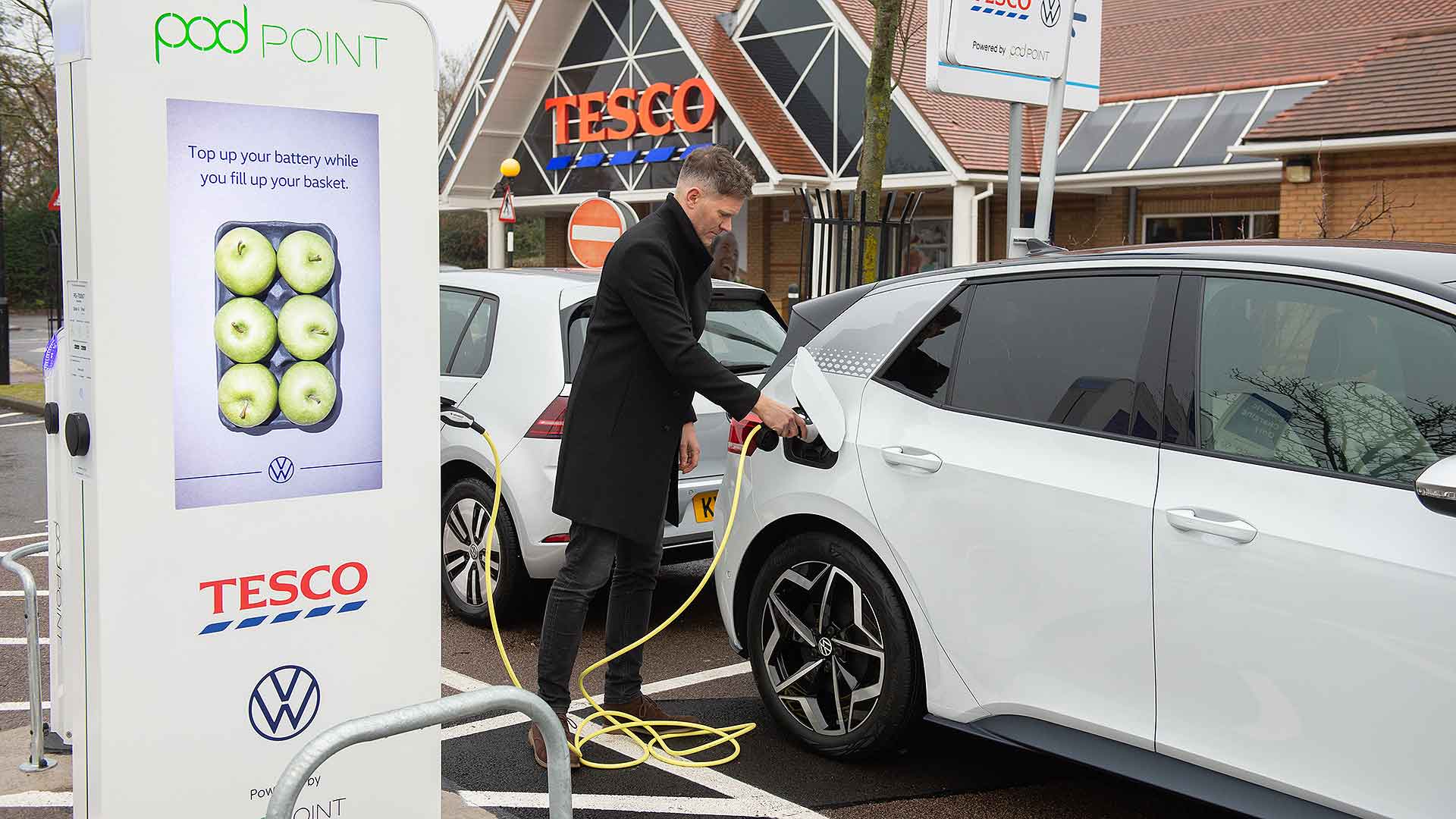
Tesco EV charging

Britain only has 15 percent of the electric car chargepoints needed to meet net zero and there is the risk of a ‘two-tier transport’ system with those who cannot charge or afford EVs being locked out, warns Labour.

Chargepoint access across Britain is patchy, with those in the North and the Midlands facing far more challenges in living with an electric car than London or the South.

This is due to the “serious disparity” in the number of charging pints.

EV drivers are four times more likely to find a charging point in London than in Yorkshire.

Currently, there are just under 23,000 public charging points across the UK – compared to the 150,000 required by 2025 according to the Committee on Climate Change.

What’s more, Labour says the controversial decision to cut plug-in car grants risks pricing some families out of future car ownership.

Labour says it would offer long-term interest-free loads to those on low and middle incomes to buy new and used electric cars.

It would also trial a national scrappage scheme.  

‘Baked in unfairness’

“It’s right to be setting 2030 as the phase-out date for new petrol and diesel cars,” said Labour shadow business secretary Ed Miliband, “but government is just not providing the support, strategy and leadership to make this transition.

“Government rhetoric is simply not matched by action and delivery.”

Mr Miliband warned the failure to roll out charging points across the UK – coupled with the cut in plug-in car grants – “risks baking in unfairness in our country as we move towards a zero-emission future”.

He called on the government to step up support for new gigafactories, help those on lower and middle incomes afford EVs and ensure charging points roll out across the country.

Labour would part-finance three new, additional gigafactories by 2025 and treat chargepoint delivery as a national infrastructure project led by the government.

Ed Miliband will be among the speakers at today’s SMMT International Automotive Summit in London. Motoring Research is attending the event and will report throughout the day.  

ALSO READ

Welsh government suspends all future road building plans

Manchester Clean Air Zone to launch in May 2022

Electric Jaguar E-type offers up to 402hp

Advertisement

Welsh government suspends all future road building plans

0
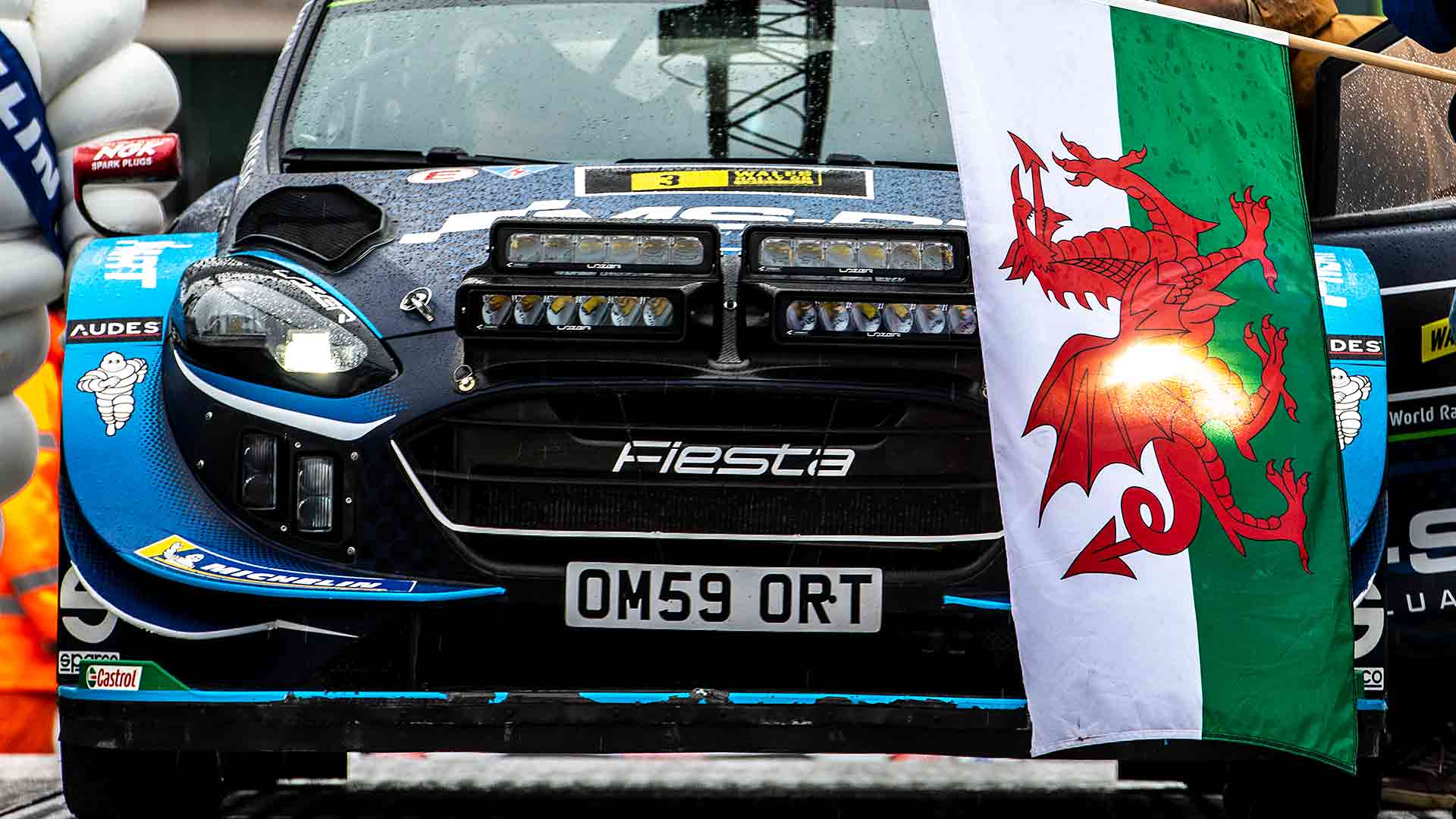
Wales Rally GB

The Welsh government has suspended future road building projects as part of a bid to reduce pollution.

An external panel will review all proposed schemes going forwards.

Money saved from not building new roads will instead be used to upgrade existing roads, including creating new cycle and bus lanes, and infrastructure for sustainable transport.

Explaining the rationale behind the new policy, deputy minister for climate change, Lee Waters, told the Welsh parliament: “Since 1990, Welsh emissions have fallen by 31 percent. But to reach our statutory target of net zero emissions by 2050, we need to do much more.

“In the next 10 years, we are going to need to more than double all the cuts we have managed over the last 30 years if we are going to keep temperature rises within safe limits. That means changes in all parts of our lives. Transport makes up some 17 percent of our total emissions and so must play its part.”

Welcome to Wales

Waters added: “We need a shift away from spending money on projects that encourage more people to drive, and spend more money on maintaining our roads and investing in real alternatives that give people a meaningful choice.”

However, Waters also said the government may be open to building new roads that could improve air quality or provide access to new industrial estates.

Sophie Howe, the future generations commissioner for Wales, welcomed the decision: “Wales has for too long been prioritising cars over people. I’m hopeful that this new decision signals more of the radical action that will be taken by the Welsh government’s new climate change ministry.

“An overreliance on the car has led to increased noise, poorer air quality, time wasted in traffic and an unacceptable burden on communities living near our most congested roads, often in areas where fewer people drive a car.”

ALSO READ:

Severn heaven: more people are driving to Wales

Bentleys to play music that adapts to your driving style

Advertisement

Official: Manchester Clean Air Zone to launch in May 2022

0
Manchester Clean Air Zone

The Manchester Clean Air Zone is to launch on 30 May 2022, after plans were approved by Transport for Greater Manchester (TfGM).

Under the plans, drivers of highly polluting heavy goods vehicles, buses and coaches will be charged £60 a day. For non-compliant vans and taxis, the costs are £10 and £7.50 a day respectively. Private cars are exempt from the charge.

Ahead of the Clean Air Zone roll-out, TfGM says it has secured £120 million from the government to help impacted businesses buy compliant vehicles. Van owners will be able to access up to £4,500 towards a new vehicle, while hackney cab owners get up to £10,000 to upgrade. Applications open in November.

A Clean Air Greater Manchester report said that while the Covid-19 pandemic ‘led to brief air quality improvements’, modelling showed it would not reduce long-term roadside pollution without the implementation of a Clean Air Zone.

Transport for Greater Manchester says it has secured government funding to install 30 taxi-only electric vehicle charging points across the city. It will also publish an Electric Vehicle Charging Infrastructure Strategy next month.

According to TfGM, this document ‘will set out ambitious plans, so that by 2030 anyone who chooses to travel by car or van will be able to confidently drive an EV knowing that they can recharge it quickly and conveniently across the region’. No further details have been announced at this stage, however. At present, there are around 360 public charging points located in the city.

‘Leading the green revolution’

Manchester Clean Air Zone

“Greater Manchester were the pioneers of the industrial revolution, now we are leading a green revolution, backed with over £120 million that we’ve secured to hand over to businesses to support making their vehicles compliant,” said Mayor of Greater Manchester, Andy Burnham.

“The fact is that air pollution is not a problem that is going to go away on its own. Not only has our plan been directed by the national government, we’ve taken this seriously and fought to get a plan which has the right funding support for residents and to protect those most vulnerable as well as our trade and businesses. This plan will also have major health and wellbeing benefits for people living near motorways or major roads as there will be fewer polluting vehicles and HGVs using them.”

ALSO READ:

Ford claims pay-per-mile car insurance saves £300 a year

Dacia Duster facelift boosts infotainment, cuts CO2

New Porsche 911 GTS revealed with 408hp, £108k price

Advertisement

Track-only Aston Martin Valkyrie AMR Pro unveiled

0
Aston Martin Valkyrie AMR Pro

Aston Martin has unveiled the Valkyrie AMR Pro, a track-only version of its hypercar which is based on development work carried out for an axed Le Mans project.

Aston Martin claims the AMR Pro can lap the 8.5-mile Le Mans 24 Hours circuit in 3mins 20secs – that’s as quick as the projected times for the LMP1 cars that will contest this year’s event.

Although the design of the AMR Pro takes inspiration from the mothballed project to contest the famous endurance race, Aston Martin said it was able to push the envelope of development yet further as the car does not need to meet any regulations.

Aston Martin Valkyrie AMR Pro

For instance, the wheelbase has been extended by 380mm and the chassis track by 96mm at the front and 115mm at the back, while the aerodynamic package extends of the car by 260mm.

Aston Martin said the AMR Pro can offer more than twice the downforce of the road car.

The AMR Pro uses the road car’s 6.5-litre Cosworth V12 engine, although to save weight and improve performance, the hybrid system has been removed and the engine now revs to 11,000rom. By the time production begins, the unit should be able to produce 1,000hp.

A 40-car production run is planned, with all cars being produced in left-hand drive, and the first deliveries are expected to commence in the fourth quarter of this year.

Pricing has not been announced.

Aston Martin Valkyrie AMR Pro

“The entire Aston Martin Valkyrie programme has been an extraordinary adventure in engineering,” said Tobias Moers, Aston Martin CEO.

“As an expression of the passion and expertise that can be found within Aston Martin and its closest technical partners, Valkyrie AMR Pro is a project beyond compare, a true ‘no rules’ track-only version.

“The Valkyrie AMR Pro is testament to Aston Martin’s commitment to pure performance and this performance DNA will be evident in our future product portfolio. Nothing else looks like it, nothing else sounds like it, and I am absolutely certain nothing else will drive like it.”

ALSO READ:

Hyper drive: Aston Martin Valkyrie hits the road

From Valkyrie to Valhalla: Aston Martin’s hypercars come to life

Aston Martin Callum Vanquish 25 2021 review

Advertisement

Bentleys to play music that adapts to your driving style

0
Bentley Flying Spur

Bentley is trialling a system that can ‘compose a soundtrack’ to a journey, based on the driver’s inputs and driving style.

The Crewe-based manufacturer has partnered with adaptive music company Life Score to create music that ‘adapts to the ever-changing driving conditions… from relaxed grand touring to energetic, spirited driving on dynamic roads’.

The music comes from a sound bank library that contains audio data and recordings, allowing more than 100 billion unique music tracks to be composed for a 60-minute drive. Bentley said the chance of repetition is minimal, as the raw music is added to sequences and layers to create the final piece.

‘The algorithms are designed to produce compositions that flow through themes and variations achieved by maximizing coherence, minimising repetition of cells and other AI-techniques. Therefore, one hour’s worth of human composed cells will generate practically unlimited hours of music,’ says Bentley.

‘A high-intensity audio experience’

Bentley music

It added that when the vehicle is travelling through a town, the music will build and evolve slowly, while at cruising speed the music is sustained and deeply calming.

When a driver is driving in a sporty manner, the music is ‘highly reactive and more exciting, sensing transmission changes, acceleration and torque, resulting in a high-intensity audio experience where driving style and sound are inextricably linked’.

The system is not yet available on production cars – but is being worked on for the launch of Bentley’s first EV.

ALSO READ:

Most over-70s now renew driving licences online

How to buy your very own monster truck

Lead from petrol still in London’s air 22 years after ban

Advertisement

Build-your-own 1950s racer is based on Mazda MX-5

0

A build-your-own racing car kit inspired by the Alfa Romeo 158 has been revealed this week.

The 158 was raced by Juan-Manuel Fangio in the 1950s and won 47 of the 54 races it entered. That made it one of the most successful grand prix racers ever – and genuine examples sell for millions.

If you don’t have seven figures in your bank account, however, the vehicle seen here is perhaps the closest you’ll get to owning the legendary car. Called the Tipo184, it is priced from £16,700 plus VAT.

The catch? You have to build it yourself, which takes around 150 hours – although the option to have one built for you is available – and underneath the bodywork is a second-generation Mazda MX-5. Which you also have to source yourself.

TV’s Ant Anstead on board

Tipo184 racing car

The Tipo184 is the brainchild of engineering company Dowsetts – which is part-owned by TV presenter Ant Anstead – and an official British Racing & Sports Car Club series will run from next year. The firm claims it is one of the most affordable single-seat racing series in the world. 

This isn’t a track-only car, either. IVA (Individual Vehicle Approval) is possible and Dowsetts Classic Cars ‘will support the builder wishing to get IVA compliance with a Tipo Road Kit at a later date’, a spokesman told Motoring Research.

“The Tipo184 provides those looking to enter into race car ownership with an affordable and fun option and the Dowsetts team is looking forward to the Tipo184 taking its place amongst some of the finest vehicles in motoring history,” said Jeremy McNamara, CEO of Dowsetts Classic Cars.

ALSO READ:

Ultimate BAC Mono One is the single-seat supercar’s sign-off

The best mobile racing games for iOS and Android in 2021

All you need to know about Formula E

Advertisement

Ford claims pay-per-mile car insurance saves £300 a year

0
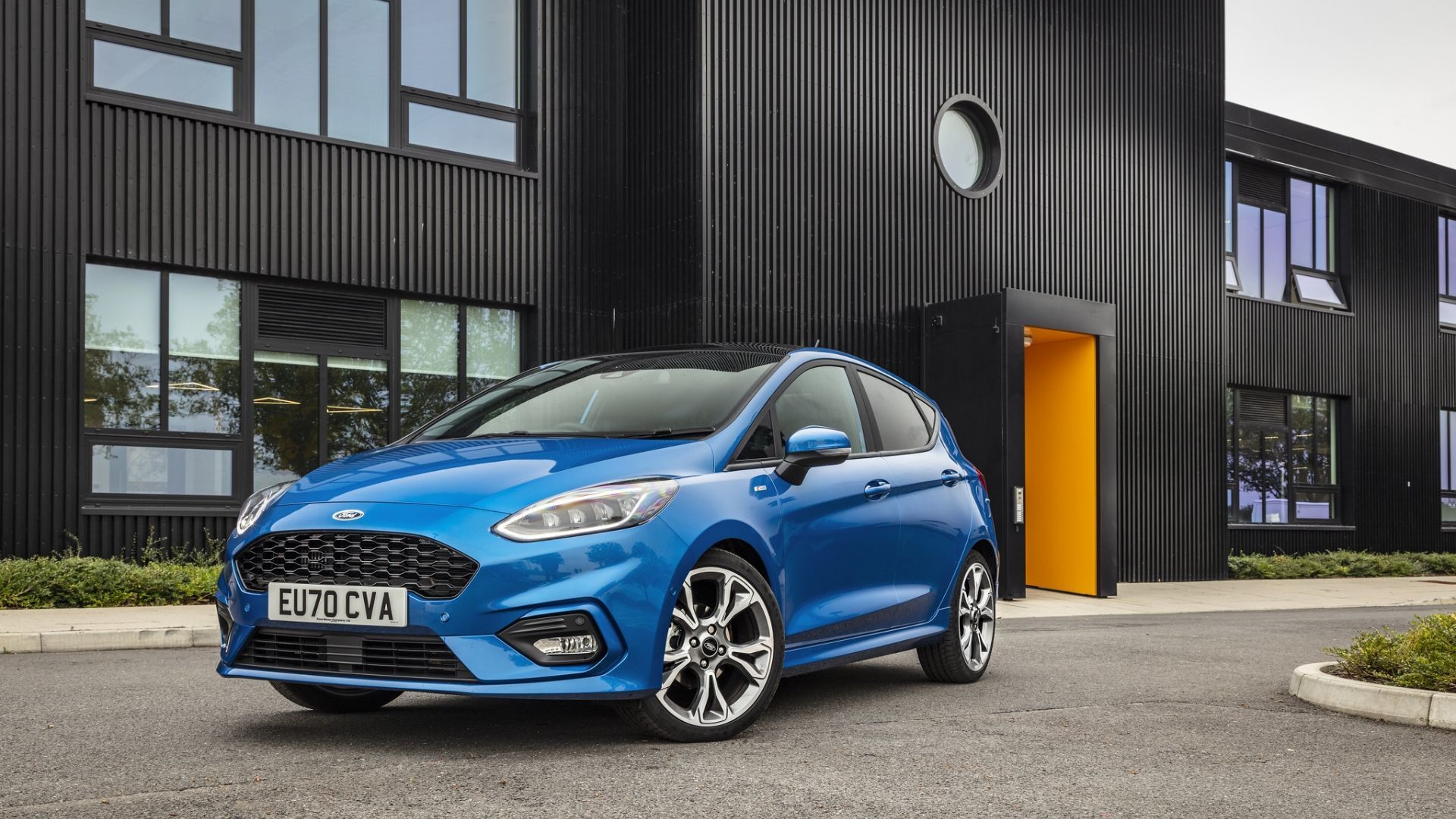
Ford Fiesta

Ford has partnered with pay-per-mile insurance provider By Miles to reduce the cost of car insurance for ad-hoc car users.

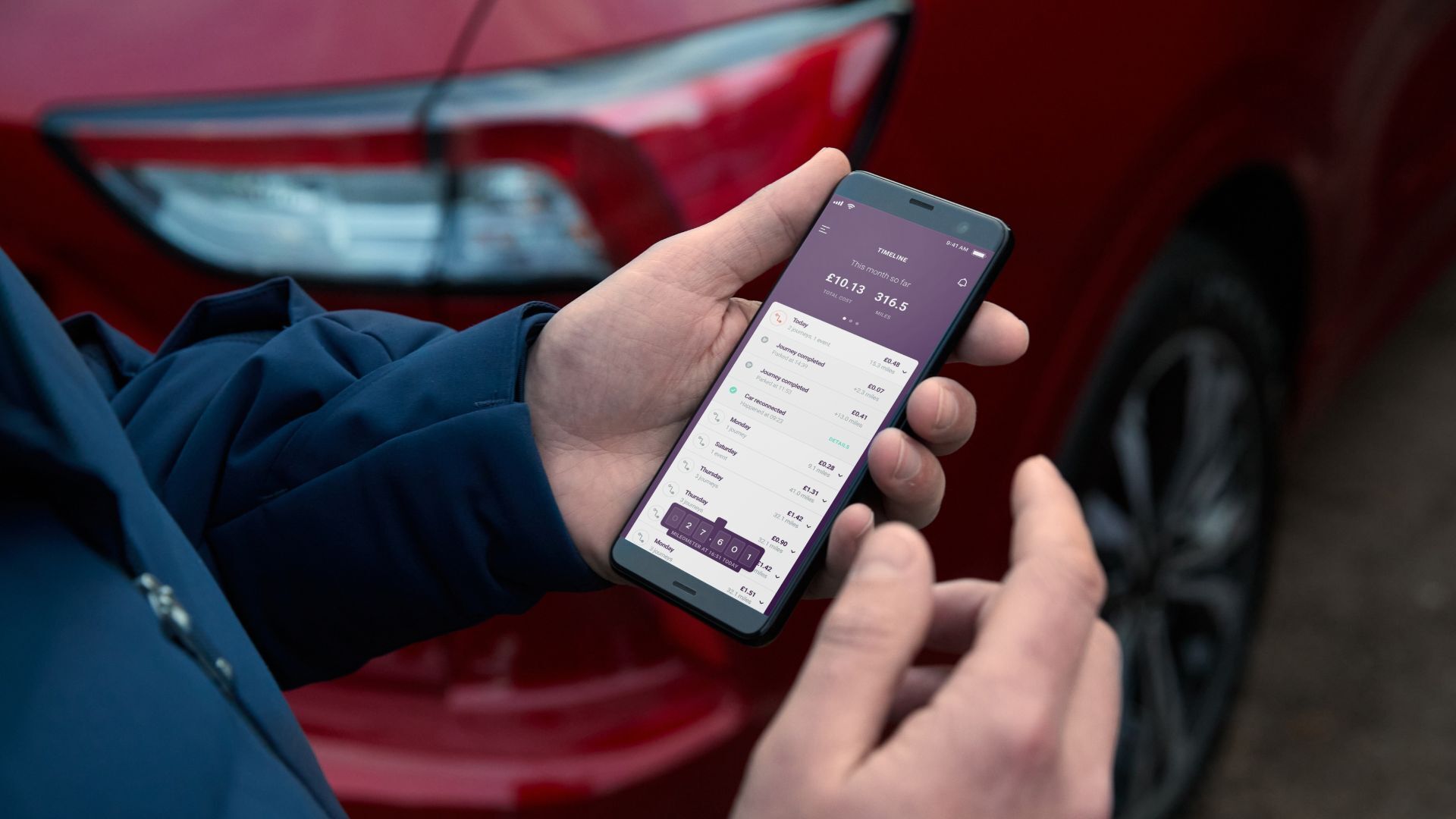
Rather than basing its premium on a projected mileage figure, By Miles charges based on the actual distance covered by a motorist, with the data coming from the car’s in-built FordPass Connect modem.

Ford cited research from financial review website Finder that said 51 percent of motorists could save £297 a year on insurance if they use By Miles. It added that a policy is activated once the driver accepts a prompt on the vehicle’s screen to share distance data after signing up online.

‘The new normal’

Car insurance

“The way we travel has undergone a huge shift that could well have a long-lasting impact. We want to champion the changing needs of drivers who continue to work from home,” said Mark Harvey, director of enterprise connectivity at Ford of Europe. 

“Working with By Miles, we aim to use connected vehicle data to help deliver a full suite of innovative new products and services for our customers.”

James Blackham, CEO and founder of By Miles, added: “The way insurance used to work may not work for everybody. Whatever the new normal looks like, it’s clear that drivers’ needs are changing quickly – and people want fairer, more flexible cover that reflects that. 

“We’re delighted that our pay-by-mile collaboration with Ford will offer drivers a seamless, connected alternative to traditional car insurance.”

ALSO READ:

Free car insurance for motorists getting their Covid jab

New car insurance policy caters for low-mileage drivers

Covid sees car insurance prices plunge to seven-year low

Advertisement

Electric Jaguar E-Type offers up to 402hp

0
Electrogenic Jaguar E-Type

Electric classic car conversion specialist Electrogenic has unveiled a battery-powered E-Type.

The Oxford-based firm is offering three zero-emission powertrain choices for Jaguar E-Type owners. Prices start from £54,000, excluding the cost of a donor car.

The entry-level ‘Tourer’ option uses the car’s original gearbox ‘in order to retain the feel of classic driving’. It has a top speed of 100mph.

Electrogenic Jaguar E-Type

The mid-tier option, called Sprint, offers an uprated electric powertrain with 347lb ft of torque going to the rear wheels. Electrogenic claims this conversion exceeds the original E-Type’s performance figures.

The top-of-the-range Grand Tourer disposes of the gearbox entirely and instead focuses on performance. The electric powertrain is said to deliver 402hp.  

The Tourer and Sprint options offer an approximate electric range of 150 miles, although an optional range-extender increases that to 200 miles. The Grand Tourer has a claimed range of 250 miles between charges.

Electrogenic Jaguar E-Type

The E-Type’s interior maintains the factory dashboard, with switches and dials repurposed ‘where appropriate’. For instance, the fuel gauge displays the state of electric charge. 

No modifications are required to the engine mounts or bodywork, and the company says it is possible to reverse the conversion if required.

Electrifying an icon is always going to be a challenge, and because of that we’ve put a great deal of thought and research into the options that we will provide for customers. Each vehicle we re-create is customised, but engineering three distinct motor options gives our customers a clear starting point for the conversion,” said Steve Drummond, director and co-founder of Electrogenic.

“Each of the motor systems complements our battery and power electronics module that bolts directly to the original engine mounts, and which is designed to accommodate both left- and right-hand drive.”

ALSO READ:

Electrogenic Volkswagen Beetle EV (2020) review

Happy birthday Jaguar E-Type: the 60-year story in pictures

Jaguar Future-Type is the autonomous Jag EV for 2040

Advertisement

Lead from petrol still in London’s air 22 years after ban

0
Leaded petrol pollution

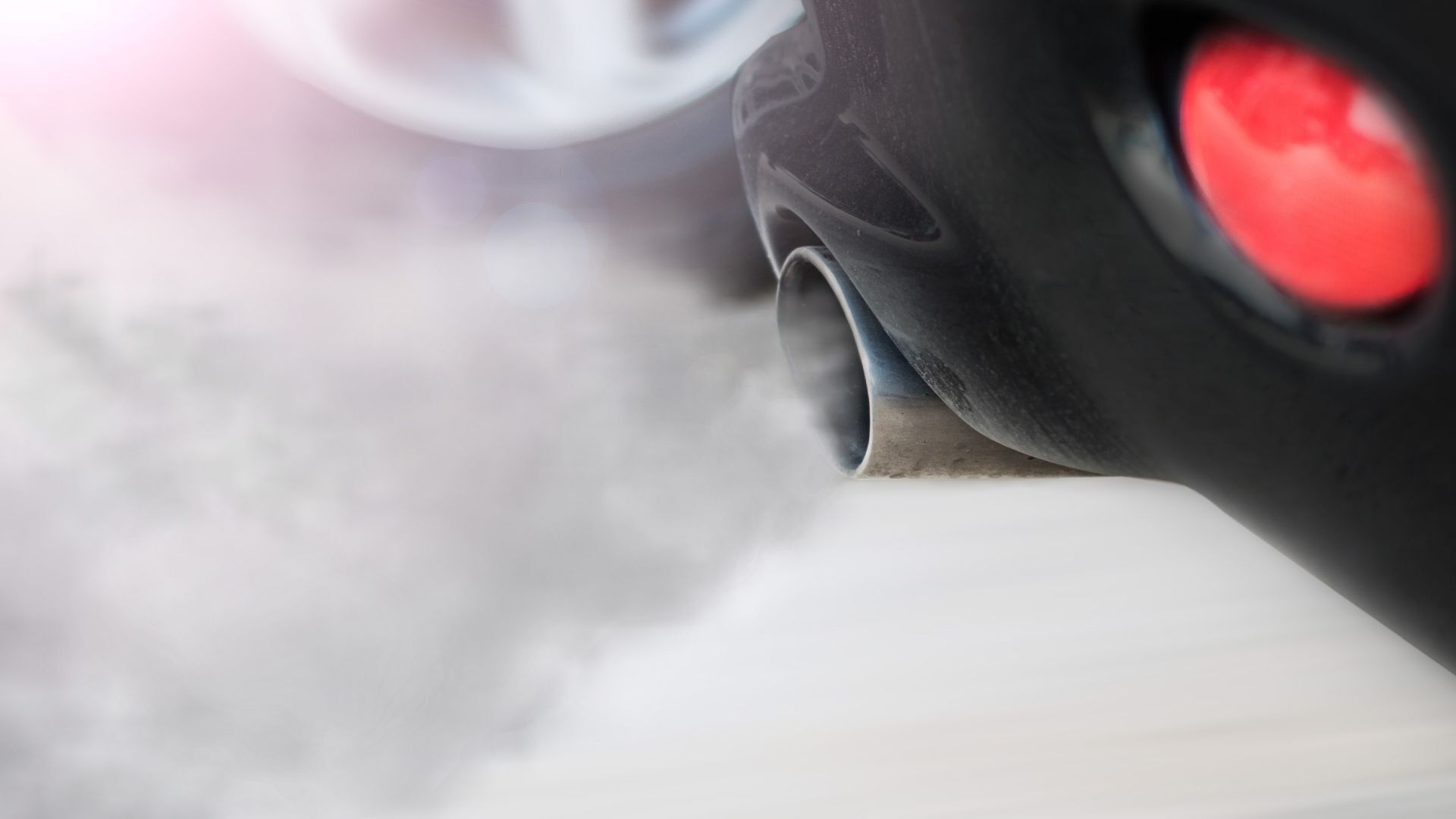
Lead from leaded petrol is still present in London’s air, despite the fuel being banned in 1999, new research has claimed.

According to a study by Imperial College London, up to 40 percent of the lead in airborne particles today is a legacy of leaded petrol. The researchers said this ‘highlights the long-term persistence of contaminants introduced by human activities in the environment’.

The Imperial College team compared the chemical and isotopic composition of particulate matter in the air with samples of road dust and urban soil. This confirmed the presence of dust contaminated from leaded petrol in London today.

As part of the study, the researchers took 18 samples of airborne particles at street level in Marylebone in the summer of 2018, plus 20 samples on a 24-metre-high rooftop at Imperial’s South Kensington campus between 2014 and 2018.

By comparing historical data of the isotopic composition of air particles in London, they discovered that lead sources have remained unchanged over the past decade.

‘Detrimental effects on health’

Leaded petrol pollution

“Petrol-derived lead from decades ago remains an important pollutant in London. Despite the leaded petrol ban, historically combusted lead is still present in London’s air more than 20 years later,” said Eleonore Resongles, who helped conduct the work at Imperial College’s Department of Earth Science and Engineering.

“Long-term low-level exposure to lead can adversely affect health and, while we don’t yet know the health implications of our findings, they suggest that leaded petrol might still be providing low-level exposure, which can have detrimental effects on health.”

ALSO READ:

Petrol prices rise for 7th month in a row

E10 petrol set for September 2021 filling station launch

Independent petrol stations face fight for survival

Advertisement