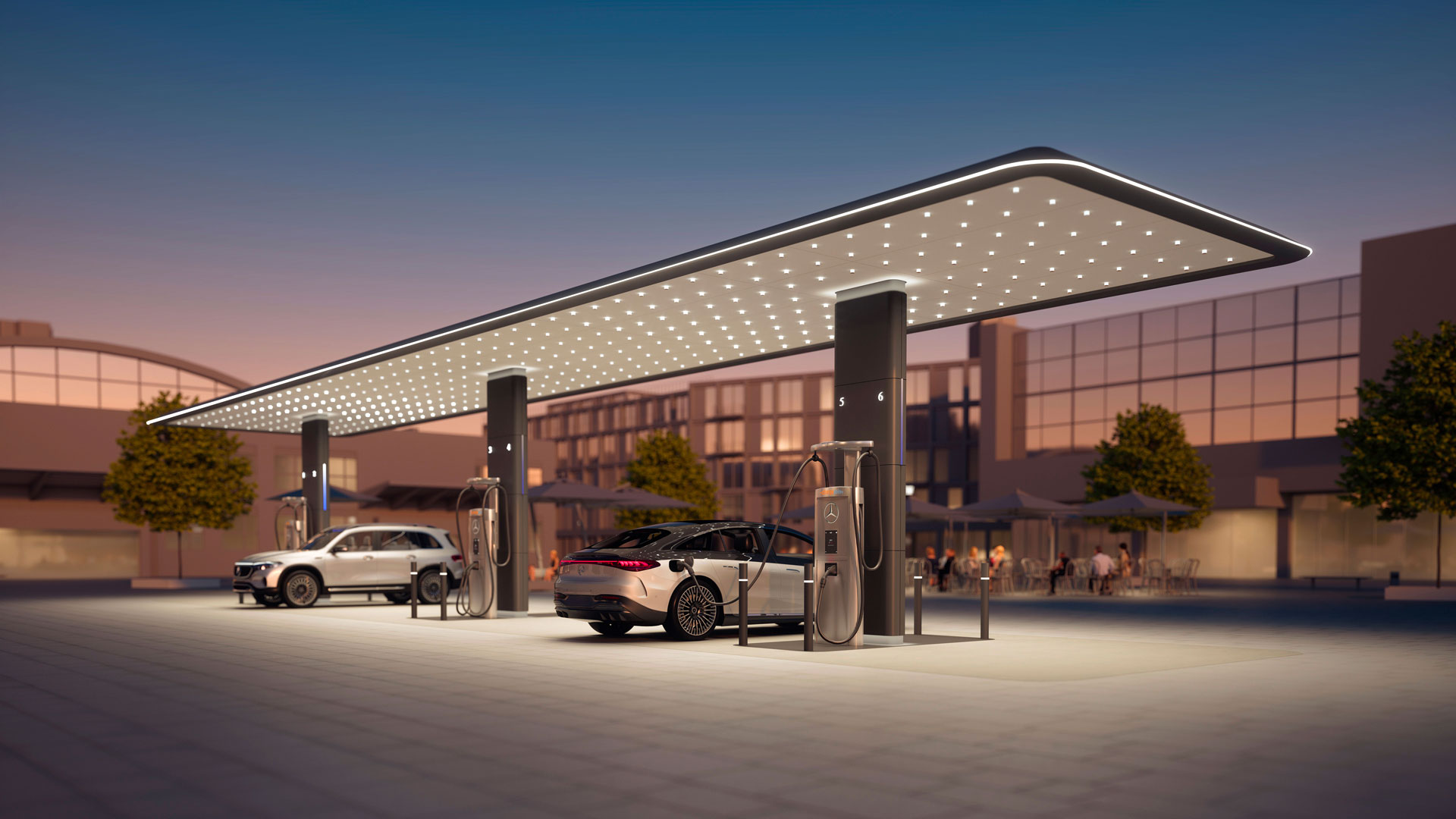
Set to span the globe, including North America, China and Europe, the company wants to have its bespoke electric vehicle infrastructure in place before the end of the decade.
The venture will help Mercedes-Benz to go all-electric in as many markets as possible by 2030.
Mercedes-Benz drivers already have access to selected charging networks via the Mercedes Me ownership app. However, a Mercedes-branded network should make life easier.
A global network by 2030
Work on building the network begins later this year, with the United States and Canada the first region to be targeted.
Mercedes-Benz will collaborate with MN8 Energy, one of the largest solar energy and battery storage companies in the United States. ChargePoint, a major EV charging tech supplier, will also contribute its own expertise.
By 2027, Mercedes-Benz hopes to have a network of more than 400 charging hubs across the US and Canada. This will include 2,500 high-power devices with charging capability of up to 350kW.
Hubs will be placed in key cities, and close to main arterial routes and destinations. Selected Mercedes-Benz dealerships will also have on-site chargers.
‘A compelling charging experience‘
Mercedes-Benz EV owners will be able to reserve a charger directly from their car, with no need to queue. Devices will offer ‘plug and charge’ capability, with payment and authorisation handled simply by connecting to the charging cable.
Although aimed at Mercedes owners, the company’s EV network will be open to all electric cars. This is done with a view to increasing the overall level of EV ownership.
Ola Källenius, Mercedes-Benz chairman, said: “Mercedes-Benz already offers what we believe to be the finest EVs in the market. But to accelerate the electric transformation, we need to ensure that the charging experience keeps pace as well.
“Our customers deserve a compelling charging experience that makes electric vehicle ownership and long-distance travel effortless. We won’t take a wait-and-see approach for this to be built. That’s why we are launching a global high-end charging network. It’s designed to become another differentiator of Mercedes-Benz ownership for our customers and an asset with value creation potential for our company.”
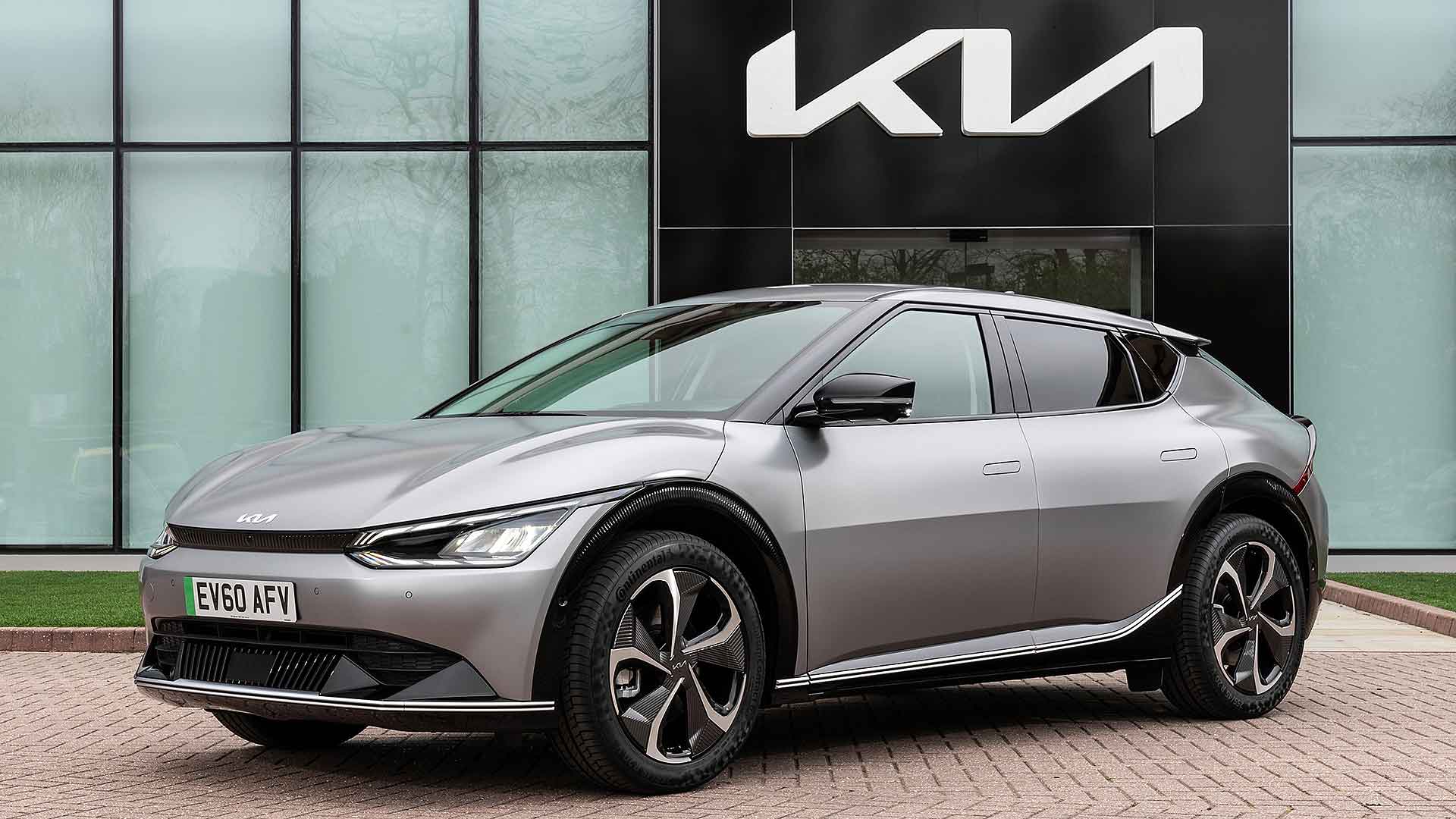
Kia sold more than 100,000 cars in the UK for the first time during 2022, achieving its best-ever market share in the process.
The success means the UK becomes Kia’s fifth global market to reach the 100,000 sales landmark – ahead of other European countries such as Germany and France.
The only other places Kia has sold more than 100,000 cars in a single year are the USA, China, South Korea and Russia.
Since it arrived in the UK back in 1991, Kia has sold almost 1.4 million cars here.
It now commands a 6.2 percent share of the UK marketplace, making it the sixth biggest car brand in terms of sales volume.
Kia electrified
Kia’s mix of car sales in the UK is increasingly electrified. In 2022, 42.9 percent of cars sold here were either fully electric, plug-in hybrid or hybrid.
Its pure EV mix was 16.3 percent – and could have been higher still had it been able to secure greater supplies of electric cars.
The waiting list for the range-topping Kia EV6 is currently around a year, revealed the company – and a fifth of its forward order bank is for electric cars.
Between now and 2027, as part of its Plan S strategy, Kia will launch nine new electric cars in the UK.
One of these will be the range-topping Kia EV9 SUV, which will be revealed in early 2023.
‘Feels momentous’
Kia UK president and CEO Paul Philpott told Motoring Research that achieving the firm’s long-term goal of 100,000 sales “feels momentous”.
He continued: “At the end of scrappage 15 years ago, we were on 30,000 sales a year, which quickly grew to 50,000.
“We set out the vision of 100,000 sales as a motivator – without putting a year on it.
“To have got here, after having got so close in 2019, is a huge achievement. Kia HQ in Korea is already sending us positive messages.”
Kia is not going to rest on its laurels either, said Philpott. The company is planning to grow sales by another five percent in 2023 – with “profitable and sustainable” volumes.
After launching new Sportage and Niro models in 2022, plus facelifting the XCeed (the three cars comprise 70 percent of Kia UK sales), the focus for 2023 will be on preparing for the launch of the EV9 later this year.
“It will be our biggest car ever, at our highest price point. But thanks to plenty of investment in training, knowledge and technical support, our retailers are ready for it.”
New car registrations fell two percent to 1.61 million units in 2022, a level last seen back in 1992 – although electric cars were a rare bright spot in a year impacted by supply shortages.
EVs are now second only to petrol cars in terms of popularity, easing past diesel with a healthy 16.6 percent market share.
Diesel, by contrast, commanded less than 10 percent of new car sales.
Indeed, plug-in vehicles overall comprised almost one in five new car sales last year, while hybrid vehicles took a further 11.6 percent market share.
This helped average UK new car CO2 emissions fall by another 6.9 percent, to just 111.4g/km – the lowest level in history.
Britain is no. 2
Although overall new car sales in 2022 remain around 700,000 units below 2019 pre-Covid levels, Britain still emerged as the second-largest new car market in Europe.
The UK regained second place from France; Germany remains the largest new car market in Europe by a clear margin.
What’s more, Britain is also the second-largest market for plug-in cars, in terms of overall volume. This is important in helping secure future supplies of electric cars.
However, the SMMT did point out the UK is only 13th in terms of plug-in market share – our 22.8 percent is dwarfed by Norway on 78.3 percent, with the Netherlands on 28.7 percent and Germany on 23.5 percent.
2023 leap forecast
Although 2022 new car sales were subdued, the SMMT is much more positive for 2023.
“The automotive market remains adrift of its pre-pandemic performance but could well buck wider economic trends by delivering significant growth in 2023,” said SMMT chief executive Mike Hawes.
New car registrations are predicted to be up 15 percent this year, to around 1.8 million units, thanks to improved new car supply.
The SMMT admits this may appear countercyclical, as the UK enters a recession, but car manufacturers are sitting on huge order banks and better supplies will help address them.
The key, said Mike Hawes, will be ensuring future order banks are filled, so new car sales can continue to build in future years.
The usual run-rate of UK new car registrations, he added, is around 2.25 million units. Even at 1.8 million cars in 2023, sales will remain some way adrift of this.
Chargepoint crisis
Mike Hawes said growth in 2023 hinges on the shortage of electric car chargepoints. Last year, chargepoint locator app Zap-Map revealed that the number of new chargers is not keeping pace with the growing number of EVs on the road.
“To secure that growth – which is increasingly zero-emission growth – government must help all drivers go electric and compel others to invest more rapidly in nationwide charging infrastructure,” said Hawes.
The government has forecast that the UK needs between 300,000 and 720,000 chargepoints by 2030.
Meeting just the 300,000 target requires more than 100 new chargers to be installed each day. The current rate is 23 per day.
It is imperative the rollout of new public EV chargers is sped up, he said. Manufacturers have done their bit in rolling out new EVs and “that must be matched with policies and investment that remove consumer uncertainly over switching, not least over where drivers can charge their vehicles”.
Best-selling cars 2022
The Nissan Qashqai was Britain’s best-selling car in 2022, easing past the Vauxhall Corsa that took the 2021 honours.
It means the Nissan Qashqai is the first British-built car to top the UK sales charts since the Ford Escort back in the 1990s. The Qashqai is also designed and engineered here in the UK.
In surely a welcome piece of good news for Elon Musk, the Tesla Model Y was Britain’s third best-selling car in 2022, ahead of the Ford Puma and Mini.
Naturally, the Tesla Model Y led the EV charts too – with the Tesla Model 3 in second place. A huge leap in December deliveries helped Tesla rocket up the sales charts.
Back to the overall rankings and the Kia Sportage was sixth, crowning a super year for Kia, with its sister car the Hyundai Tucson in seventh place.
And what about the UK’s former best-selling car, the Ford Fiesta? It could only scrape into 10th place – and 2023 will be its final year, as Ford has announced that production will cease this summer.
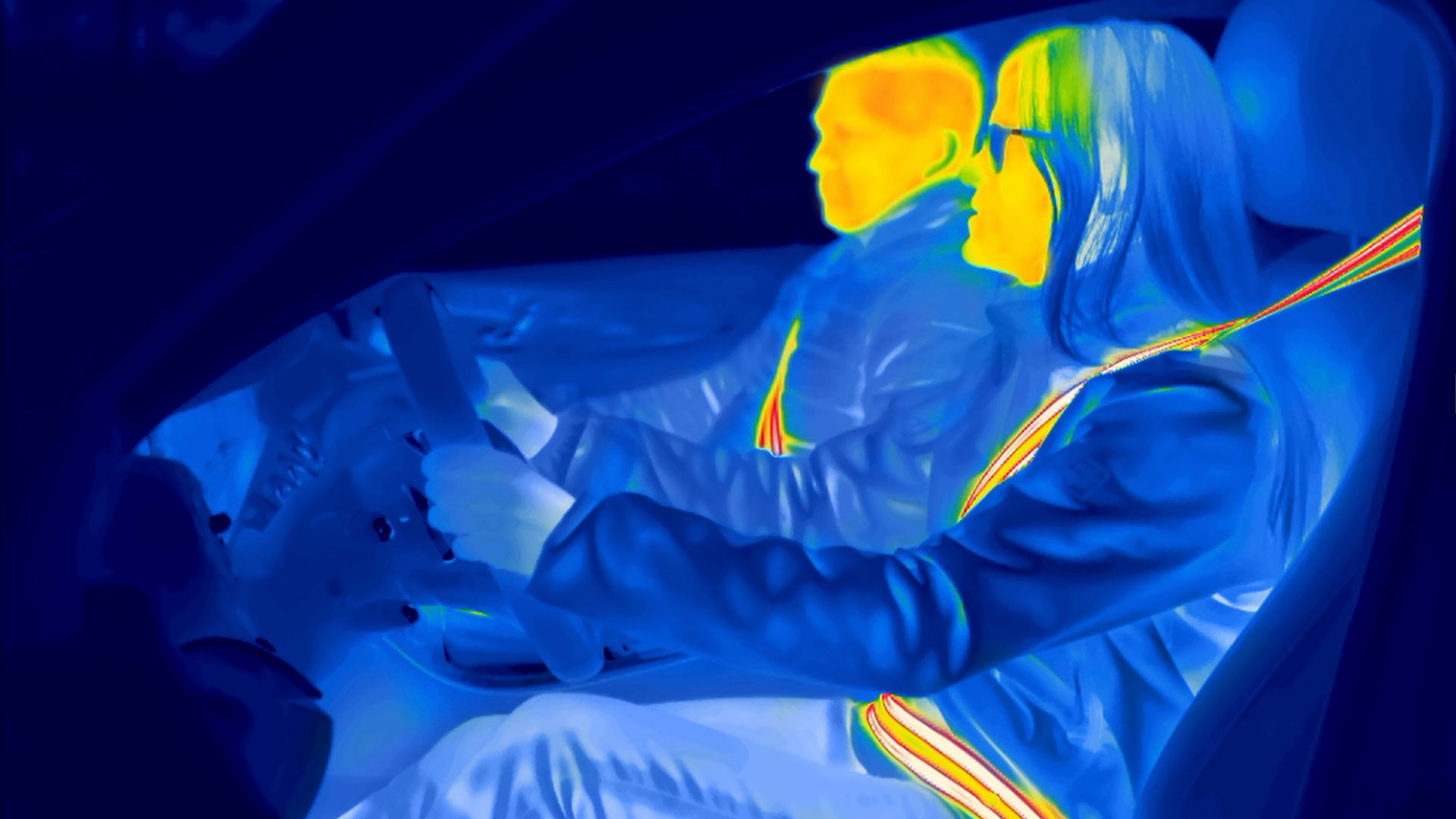
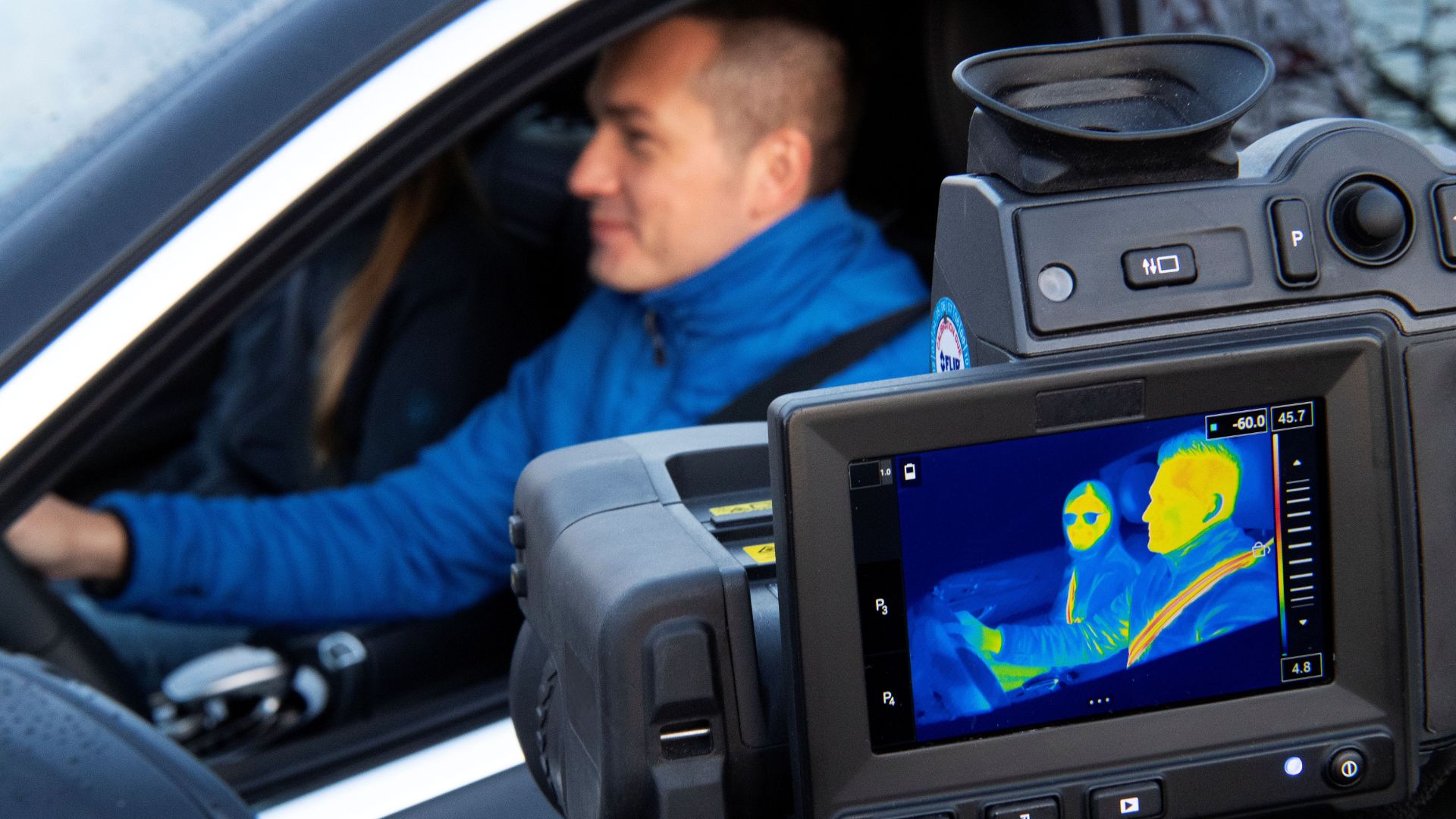
Heated seat belts are the latest innovation designed to boost the driving range of electric cars.
Revealed at the Consumer Electronics Show (CES) in Las Vegas, the Heat Belt from ZF is claimed to increase EV range by up to 15 percent in cold weather. The idea is to use it in combination with a heated seat, rather than switching on the car’s (energy-sapping and relatively inefficient) heating and ventilation system.
For an electric car with a 300-mile range, doing so could mean additional 45 miles between recharging stops.
The heat is on
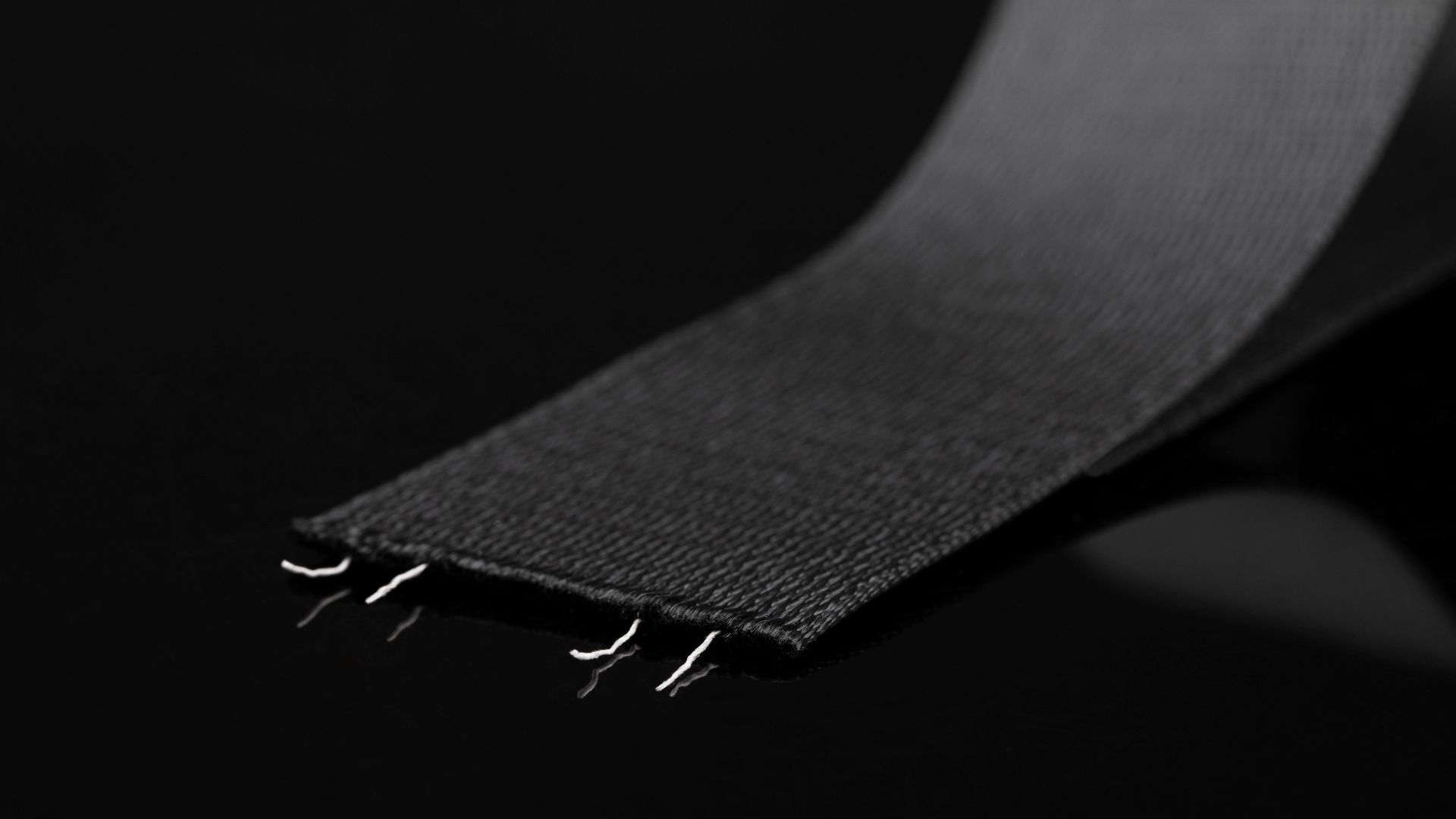
The Heat Belt uses heating conductors woven into the belt itself. The webbing is only fractionally thicker than a standard seat belt, so its operation is identical – and no changes are needed to the car’s interior.
Heated to between 36 and 40 degrees C, the belt warms up almost instantly, providing uniform warmth close to the body.
ZF says the heated belt is ‘in no way inferior to its conventional counterparts in terms of occupant protection’. Indeed, by reducing the need for bulky clothing, such as a winter coat, the belt can lie flatter and closer to the occupant’s chest, making it more effective in an impact.
Some like it hot
ZF is a global automotive technology company, best known for its automatic gearboxes and electronic safety systems. The Heat Belt will be offered to car manufacturers, particularly with EVs in mind, as a factory-fit replacement for standard seat belts.
It’s not clear yet whether Heat Belts will be available as an aftermarket accessory for older cars.
Looking for more electric car news and advice? Visit our dedicated Motoring Electric website.
Performance tuner Hennessey has revealed plans to make the new Ford F-150 Raptor R pickup truck even more powerful.
Following the mantra that everything is bigger in Texas, Hennessey will push the Raptor R to deliver almost 1,000hp.
The VelociRaptoR 1000 represents a power increase of more than 40 percent for the flagship Ford F-150, creating ‘supertruck’ levels of performance.
Ultimate pickup performance
The F-150 Raptor R is already substantially quicker than the regular Raptor, by virtue of using a supercharged 5.2-litre Predator V8 engine, instead of a twin-turbocharged V6. The result is 700hp, instead of ‘just’ 450hp.
Hennessey take the Raptor R to the next level with the VelociRaptoR 1000 package, however. Currently in development, an output of almost 1,000hp, along with 850lb ft of torque, is anticipated.
A key change is swapping the standard 2.65-litre supercharger for a 3.8-litre device. Supporting the bigger blower will be a high-flow induction kit, larger fuel injectors and upgraded fuel lines.
An unbeatable package
Hennessey will equip each VelociRaptoR 1000 with bespoke front and rear bumpers, an LED front light bar and a set of 20-inch alloy wheels with 37-inch off-road tyres. The VelociRaptor R will come with a standard two-year or 24,000-mile warranty.
Extensive on- and off-road testing will contribute to the development of the VelociRaptoR 1000, along with calibration on in-house dynamometers. Customers can place orders via authorised Ford dealerships, with production set to start in 2023.
John Hennessey, company founder and CEO, said: “The Hennessey VelociRaptor is the world’s best-selling modified performance truck, of which we’ve built thousands for customers all around the globe. The VelociRaptoR 1000 raises the performance bar significantly in terms of sheer power. Add in the characteristic supercharger whine and the distinctive exhaust note from the unique cross-plane V8, and the package is unbeatable.”
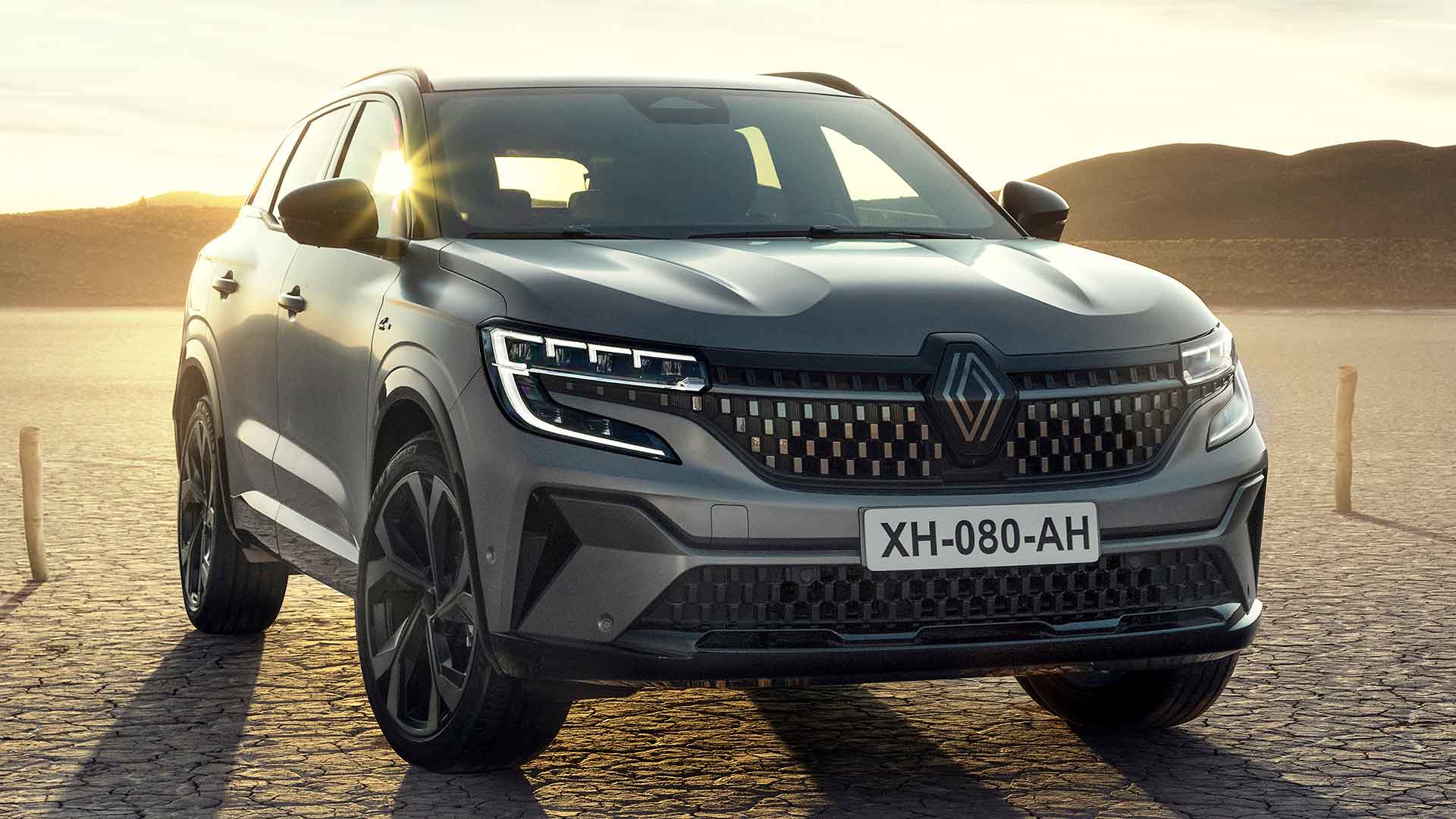
The new Renault Austral has been named AUTOBEST Best Buy Car of Europe 2023 after winning top marks from motoring journalists across Europe.
With a total of 14,937 points from the 31 AUTOBEST jurors, the Renault Austral scooped the Best Buy Car of Europe 2023 prize by a clear margin.
In second place was the new Vauxhall / Opel Astra, on 13,986 points. It was closely followed by the new Peugeot 308, just 53 points behind.
Each AUTOBEST juror has a total of 2,500 points to distribute across the finalists, which this year also include the Dacia Jogger, Honda Civic and Toyota Aygo X.
“Our winner represents the next level of the Renault brand,” said AUTOBEST founder and chairman Dan Vardie.
“It is the best product yet of the French maker, with high-end materials, high perceived quality, superb driving dynamics, an impressive design and probably the best-connected onboard technology of any new car today.
“Austral managed to impress jurors of the largest European motoring media jury, with many placing it as their top vote. With this victory, Renault is making a great comeback to the top of our competition.”
Renault COO Fabrice Cambolive said the award is “a great pride and recognition for all the Renault teams who worked on the project.”
Hyundai Ioniq 6 wins ECOBEST 2023 award
The electric Hyundai Ioniq 6 was also named winner of the ECOBEST 2023 award.
The sleek streamliner-look EV saloon arrives in early 2023 to take on rivals such as the Tesla Model 3 with a concept car look and impressive range of almost 340 miles.
“The ultra-aerodynamic philosophy takes low-drag ideals to a new level,” said the AUTOBEST jury, “a concept that only offer a generous electric range, but also delivers striking streamliner styling that is guaranteed to stand out.
“This bold, intelligent new Hyundai is an authentic piece of technology and a fully deserving ECOBEST 2023 winner.”
Award winners will be presented with their gongs at the 22nd AUTOBEST Awards Gala in Rotterdam, Netherlands on May 11 2023.
All-terrain sports cars are like buses; you wait ages for one, then two arrive at once. Yes, just weeks after the debut of the Porsche 911 Dakar, Lamborghini has revealed the production-spec Huracan Sterrato. The two coolest new cars of 2023? Bring on the twin-test…
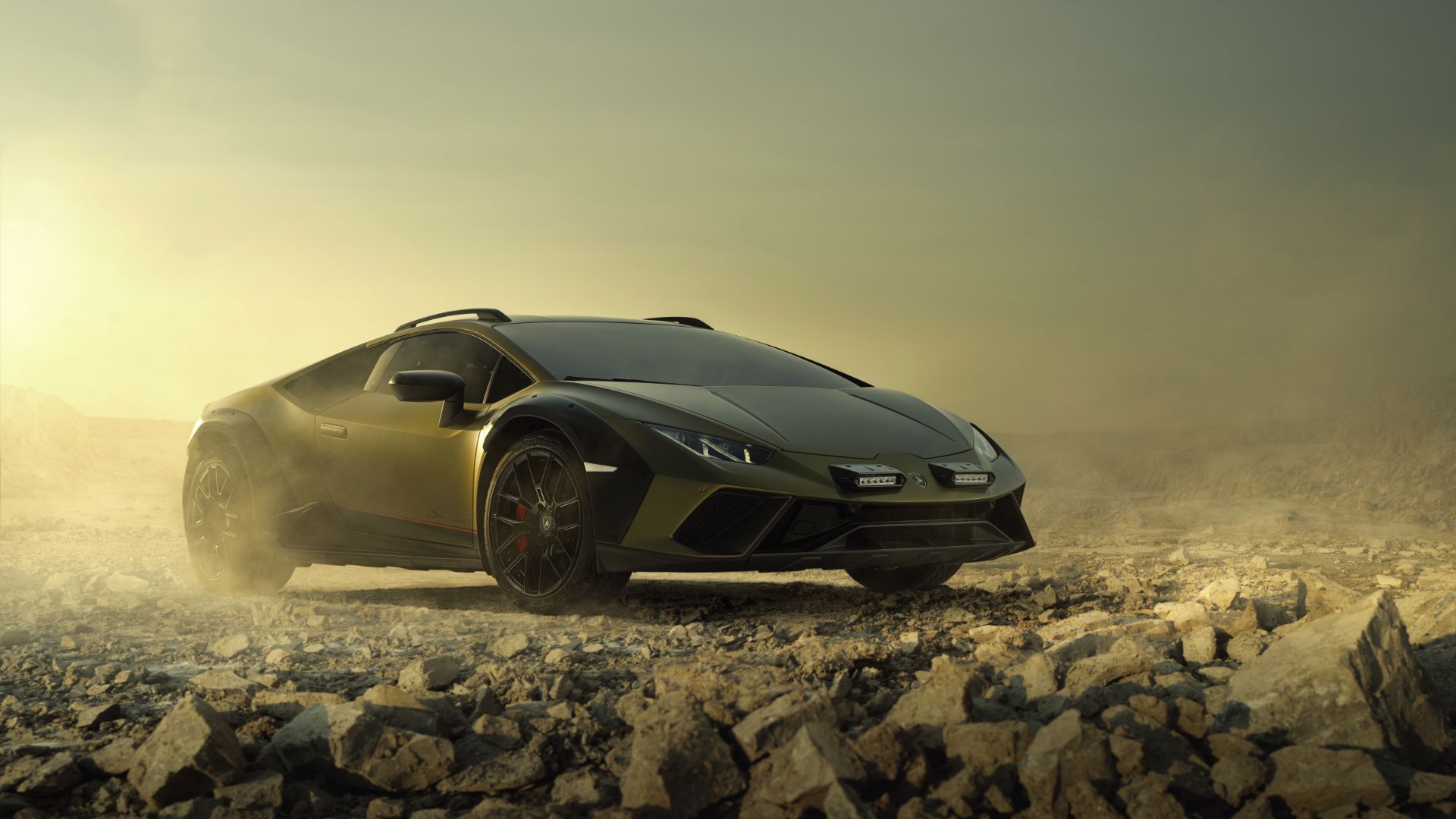
Unveiled at an exclusive event in Copenhagen, the Sterrato resembles the mutant offspring of the Huracan supercar and Urus SUV. Rugged styling and raised ground clearance mean it can venture off-piste into‘the world’s most exciting driving environments’.
This is the final derivative of the Huracan after eight years on sale – and also the last Lamborghini with a naturally aspirated engine. Only 1,499 examples will be made (there’s no forthcoming Spyder version, we’re assured), at a likely price of around £270,000.
Off the beaten track
The new Huracan’s pounding heart is the familiar – and utterly glorious – 5.2-litre V10, shared with the Audi R8. Here, it develops 610hp: good for 0-62mph in 3.4 seconds and a top speed of 162mph.
That’s slower than the 3.0sec and 190mph of the hardcore Huracan STO, of course, but the Sterrato can take a short-cut across the fields to catch up.
Along with 44mm of extra ground clearance, the car has a wider track and up to 35 percent more wheel travel. It also features an aluminium front skidplate, reinforced sills and a new rear diffuser, plus a roof scoop to feed that ravenous V10 with clean air when the Bridgestone all-terrain tyres are churning up dust.
External add-ons include fixed front driving lights and integrated roof rails (Lamborghini is working on a range of ‘lifestyle’ accessories, such as snowboards), while the digital dashboard now offers an inclinometer, compass and a readout of your geographic coordinates. You’ll never get lost in Knightsbridge again.
Engage Rally mode
While it won’t cause sleepless nights in Solihull, the Sterrato should be brilliant fun on gravel tracks, sand, snow and other loose ground. In addition to the usual Strada and Sport, a new Rally driving mode, selected via toggle on the steering wheel, is optimised for low-grip surfaces.
“It makes you feel like the best driver in the world,” says Luca Pacini, Lamborghini’s head of R&D. “You just want to keep having fun until the fuel tank is empty”
This last-hurrah Huracan rounds off a year of record sales and record profits for Lamborghini. The company is now looking ahead to 2023 and the replacement for the Aventador, due in March. You’ll read about it first here.
The Toyota BZ4X electric SUV has had a troubled start to life. It was launched to much fanfare in May 2022 – yet just a month later, production of Toyota’s first EV had halted, and a global recall was issued.
The problem? The wheels could come loose. Toyota also discovered a second issue, regarding the car’s airbags. Around 2,700 customer cars were taken off the road while a fix was developed – something that took four months to arrive.
When deliveries finally started again, press car loans could also recommence. As a juror for World Car Awards, the largest automotive awards initiative on the planet, I was eager to drive the new BZ4X, as it is one of the cars on the 2023 longlist.
The car duly arrived on 21 November. The driver kindly delivered it with around 80 percent charge showing – but I was puzzled to read this meant a range of only around 140 miles.
This, remember, is an EV with a large 71.4kWh battery. The usable capacity will be less, but surely it’s still carrying enough charge to serve up a better range than that?
Indeed, my test car, a Toyota BZ4X Vision AWD, should do 260 miles between charges, according to the official WLTP test cycle. Now, nobody gets close to the WLTP figures, as it’s still on the lenient side – particularly for those of us in chilly Britain (the test is conducted at 23 deg C) – but surely the total mileage must be better than this?
I didn’t think too much of it, as the car had just been delivered, and maybe the range was factoring in things I wasn’t aware of. I vowed to fully charge it and see if that helped.
Alas, a troublesome long-term Volvo XC40 Recharge test car – also an EV – was blocking my driveway. It had broken down for the third time over the weekend, and the recovery truck brought it back with zero percent charge. So, as that was trickling on the home charger to try and breathe some life back into it, I went to the local Morrisons instead.
Oddly, this public charger refused to work with the Toyota BZ4X, despite numerous attempts. This wasn’t going well. And I had a jaunt to Heathrow planned for early the next day. There was only one thing for it: use my own petrol-powered BMW 330i and review the Toyota situation on my return.
When I eventually got back home, it was Friday. I had an important event to attend, and the car was still showing a meagre charge, so I decided to leave early and charge it en route at Rugby motorway services. And try to work out what was going on.
After waiting 15 minutes for a Gridserve charger to become free, I zipped into a gap and prepared to plug in. “That one’s broken, mate,” said the person who’d been there previously, and was now plugging into the only other free charger. “It might work for you. It didn’t for us.”
It didn’t for me, either.
I was now at risk of being late, so had to depart with no charge. Of course, this wasn’t the car’s fault. I made it to the event, but couldn’t then continue to the other event I was due to attend, because of the risk of running out of charge.
There was only one thing for it: go back to Rugby services with crossed fingers. I got there in power-saving mode, with 15 miles of range remaining.
I charged up to 89 percent. Which gave me… 147 miles of range. That’s around 160-165 miles on a full charge. Somewhat below the claimed 260 miles the BZ4X is meant to do. Remember, this is a £52,000 EV.
I was then reminded of the funny little fan symbol next to the range indicator. ‘A ha!’, I thought and turned off the climate control. As if by magic, 40 miles of range was added. I flicked it back on, then it instantly dropped right back down.
So, you have to drive the Toyota BZ4X around with the air-con turned off in order to get anything like a usable range? Crazy.
It’s not just me
When I got back home, I did some reading around it. Turns out some testers in Norway have discovered the same thing. Their feature is headlined:‘Toyota BZ4X range disappoints’.
“I can reveal that this is the first time we’ve had to run our tests multiple times, as we were scarcely able to believe the first results we got,” the writer said.
Their front-wheel drive car was meant to return 292 miles, according to the WLTP test. They were promised just 184 miles, with the climate control turned on. They tested it from a full battery to, literally, zero percent charge. Total range: 190 miles.
Toyota makes brilliant hybrids. They have globally cut an incredible amount of CO2 emissions. But its move into the world of electric cars is proving decidedly lumpy so far.
The real-world range of my test Toyota BZ4X was little short of appalling, and way off the standards expected. My Volvo may have broken down multiple times, but it is still able to consistently serve up a real-world range of 230 miles from a 78kWh battery (and other cars do much better even than this).
I can also use the climate control when doing so.
I’ve asked Toyota to check if there’s a problem with my test BZ4X. I’ll report back when they respond, and let you know if the troubled story of the Toyota BZ4X continues.
Renault has become the world’s first car brand to offer built-in Waze sat nav directly through a car’s infotainment system.
Instead of using Waze directly on a smartphone, or either Apple CarPlay or Android Auto connection, Waze is now integrated into the OpenR Link multimedia system of the new Renault Megane E-Tech Electric and Renault Austral E-Tech hybrid SUVs.
It means drivers can, for the first time, use Waze through the large-format infotainment screen of the new Renaults, rather than their smartphones.
Owners therefore don’t have to worry about smartphone or USB cables in order to use Waze.
Waze is a popular sat nav app that is used by millions of motorists around the world. It provides real-time routes, advanced navigation and a unique array of Waze alerts, all sourced from the Waze community.
‘Wazers’ earn points for notifying others of traffic jams or other road hazards.
We have Waze
Integrating Waze into the large-format Renault infotainment systems means users will be able to contribute more easily – and, importantly, more safely.
Renault has been able to integrate Waze directly into its OpenR Link multimedia system thanks to it being based on the Google Android Automotive OS platform.
This futuristic system “redefines the in-car experience,” says the firm, as it is “intuitive, immersive and connected”.
Given the popularity of Waze, building it into its cars’ infotainment systems is a real coup for Renault.
The Waze app is rolling out now in the Google Play store for all new Renault Megane E-Tech Electric, along with the upcoming Renault Austral E-Tech hybrid family SUV which arrives in 2023.
A bespoke 1972 Porsche 911 Targa will be auctioned this month to celebrate the 50th anniversary of Porsche Design.
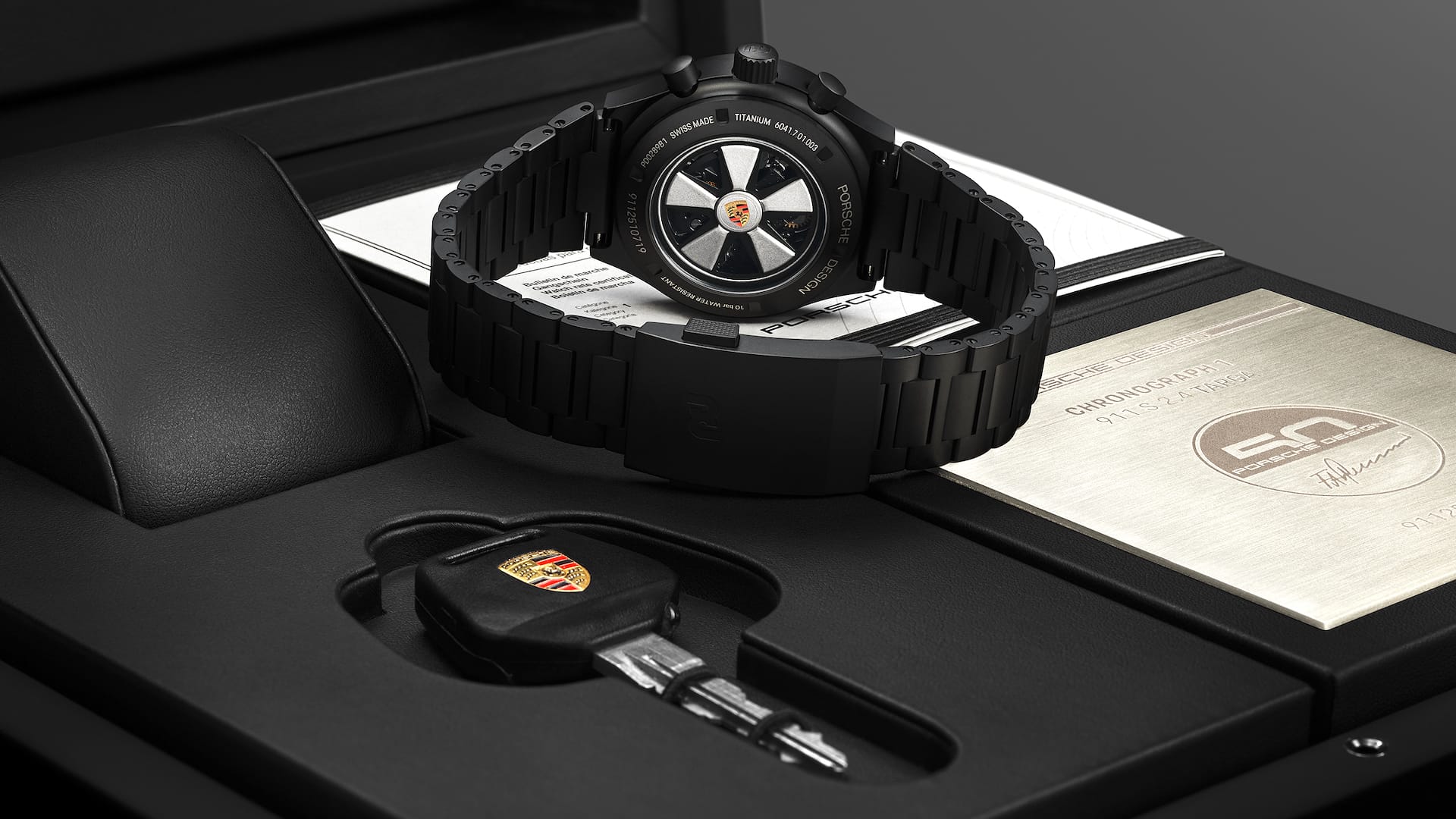
The 911 is being sold as part of Sotheby’s Luxury Week in New York. The winning bidder will also receive a one-of-a-kind wrist watch: the Chronograph I – 911S 2.4 Targa.
Both the car and watch pay tribute to the work of F.A. Porsche, who founded Porsche Design in 1972.
Five decades of design
While other members of the Porsche family had an engineering focus, Ferdinand Anton Porsche had a particular interest in product design and craftsmanship. His early work included styling the original Porsche 911, along with the 904 racing car.
A change in management policy led F.A. Porsche to create Porsche Design Studio in 1972. He was later joined by his brother, Hans-Peter Porsche.
Porsche Design’s first product was the Chronograph I wristwatch, featuring a radical matte black steel finish. The company has since designed everything from sunglasses to luggage, and kettles to toasters.
Back in black
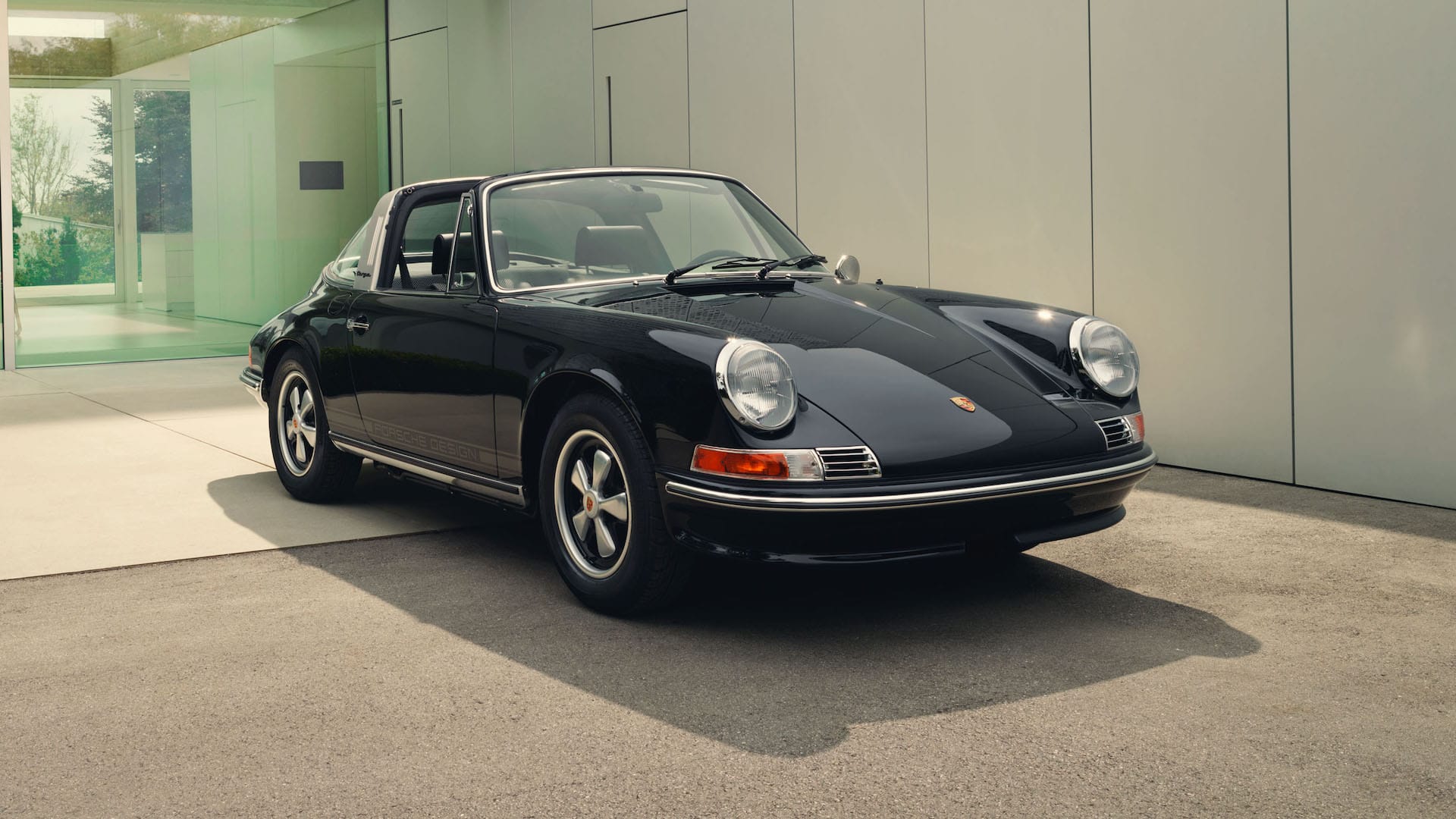
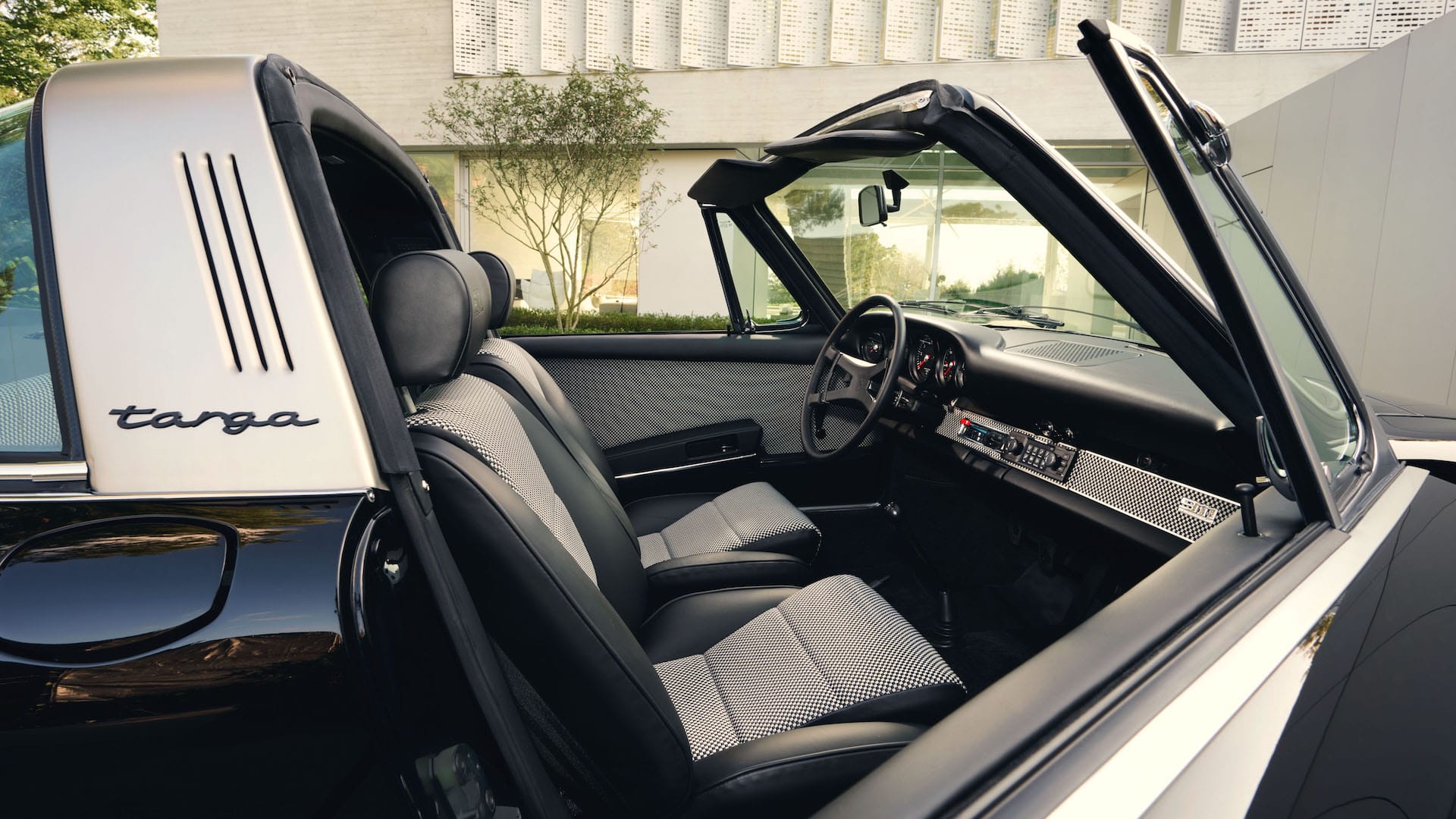
Star of the auction is the 1972 Porsche 911S 2.4 Targa, thoroughly restored and refurbished by experts at Porsche Classic over a period of two years. The Sonderwunsch (special request) scheme was used to access a wider range of custom finishes.
Components from the higher-specification ‘S’ version include a 190hp engine, replacing the Targa’s original 130hp flat-six. Chassis and brake upgrades were fitted, too.
Solid black paint, the preferred choice of F.A. Porsche, is used for the exterior. The classic Fuchs wheels have an anodised finish, with a platinum satin effect for the Targa roll bar and other exterior details. ‘Porsche Design’ lettering is on the sill stripes.
Inside, the Targa has black leather seats with retro-styled Sport-Tex fabric inserts. This trim can also be found on the dashboard and door cards.
Bid for Porsche Design history
The Chronograph I – 911S 2.4 Targa watch has a unique winding rotor on the back of its case. Echoing the shape of Fuchs wheels, it was developed by Porsche Design’s in-house watchmakers.
Both the 911 Targa and Chronograph I watch have spent much of 2022 on display, acting as central exhibits for the ‘50 Years of Porsche Design’ show at the Porsche Museum in Stuttgart.
As part of Sotheby’s Luxury Week 2022, both items will be auctioned online between 29 November and 14 December 2022.
A pre-sale estimate of £240,000 to £330,000 has been suggested for this desirable Porsche car and watch combo.