Home Blog Page 100

Auto Trader reveals the fastest – and slowest – selling used cars

0

Petrol-powered examples of the Peugeot 208 are currently the UK’s fastest-selling used cars. According to data from online marketplace Auto Trader, these vehicles take an average of 11 days to find a new home.

By contrast, the BMW M2 has the dubious honour of being the UK’s slowest-selling second-hand car, with an average sale taking 104 days. The overall UK average is 28 days.

Auto Trader says May 2024 is the second consecutive month a Peugeot has taken the top spot. In April, the larger Peugeot 3008 took an average of just 12 days to sell.

Toyota Prius

Only one diesel car, the Mercedes-Benz GLA,made it into the top 10 this month, while three alternative-fuel vehicles – the Seat Leon, Toyota Prius and Jaguar I-Pace – also made the fastest-sellers list.

Auto Trader said the fact that just one electric car is included reflects the wider market, where petrol models sell faster than any other type of car. On average, a petrol-engined vehicle needs 27 days to sell, compared with 29 days for hybrids and diesel cars.

However, Auto Trader said demand growth for used electric cars is ‘soaring way ahead of their petrol counterparts’, increasing by up to 54.9 percent year-on-year.

BMW M2

The UK’s fastest selling used cars

Here are the top 10 fastest selling used cars, according to data from Auto Trader.

  • Peugeot 208 petrol – 11 days to sell
  • Toyota Prius hybrid – 12.5 days
  • Seat Leon petrol plug-in (3-5 years old) – 13 days
  • Volvo XC40 petrol – 13 days
  • Jaguar I-Pace – 13 days
  • Seat Leon petrol plug-in (1-3 years old) – 13.5 days
  • Citroen C4 petrol – 13.5 days
  • Mercedes-Benz GLB petrol – 14 days
  • Mercedes-Benz GLA diesel – 14 days
  • Ford Kuga petrol – 14 days

The UK’s slowest-selling used cars

Own one of the 10 cars below? Then you could be waiting a long time before it sells…

  • BMW M2 petrol – 104 days to sell
  • Fiat 500e – 95 days
  • Volkswagen ID.3 – 90 days
  • BMW 2 Series Active Tourer plug-in – 89 days
  • Volkswagen ID.5 – 84 days
  • Audi Q5 plug-in hybrid – 80 days
  • Range Rover Sport petrol – 79 days
  • MG HS plug-in hybrid – 78 days
  • Ford Mondeo petrol – 73 days
  • Mercedes-Benz V-Class – 70 days

ALSO READ:

22 great used cars for £1,500

How to write a perfect used car advert

How to get the best price for your PCP trade-in car

Advertisement

New Volkswagen California camper revealed, now with hybrid tech

0
2024 Volkswagen New California

The latest model in Volkswagen’s long-running and much-loved camper van range has been announced. 

Called the New California, the 2024 model uses the impressive Volkswagen Multivan MPV as its starting point for a camper conversion.

The Multivan platform brings new powertrains, including a plug-in hybrid option, and the promise of greater versatility inside the vehicle.

Given the cult following the Volkswagen California enjoys, getting this model right is clearly important for the German company.

A bigger, better California

2024 Volkswagen New California

The New California is longer and wider than its predecessor but, importantly, no taller. Interior space has increased, and all models now come with sliding doors on both sides. Previously, twin sliding doors were reserved for the range-topping California Ocean.

As before, the New California range starts with Beach trim, before progressing to Coast and Ocean models. All come with a pop-up roof as standard, which acts as a sleeping space.

In entry-level Beach guise, the New California can seat six people inside and comes with car type approval. Moving up to the Coast and Ocean versions sees a reduction in seating capacity, and the California becomes officially classed as a camper van.

Now with plug-in power

2024 Volkswagen New California

Every Volkswagen New California will come equipped with a dual-clutch automatic transmission as standard. Engine options mirror those available for the Volkswagen Multivan, meaning there are three distinct powertrains. 

Buyers can choose a 2.0-litre diesel with 150hp, a 2.0-litre petrol with 204hp or the new-for-2024 eHybrid PHEV version.

Volkswagen’s first plug-in hybrid camper van combines a 1.5-litre turbocharged petrol engine with an electric motor, for a total output of 245hp. It also brings 4Motion all-wheel drive to the party. An electric mode allows the VW to travel small distances on battery power alone.  

Keeping things more traditional, two-tone paintwork remains an option, with three combinations to choose from. That’s in addition to 11 single-tone paint hues, plus three different pop-up roof colours.

Glamping in style

2024 Volkswagen New California

The level of camper van equipment is seemingly endless. The top Ocean model, for example, comes with heated seats, climate control and ambient lighting for the kitchenette area.

A 5.0-inch touchscreen is included on all models, acting as the van control unit. This includes information on water levels, battery charge and even the status of the refrigerator. A dedicated Volkswagen California smartphone app can be used to control the interior functions, too.

Pre-orders for the Volkswagen New California open in June 2024, with the first completed vehicles due for delivery by the end of this year. UK prices and specifications will be announced soon.

ALSO READ:

Volkswagen Grand California 2023 review

Volkswagen ID. Buzz 2023 review

GTI goes electric! Volkswagen reveals ID. GTI hot hatch concept

Advertisement

Half of motorists admit to using washing-up liquid to clean their car

0
Car cleaning

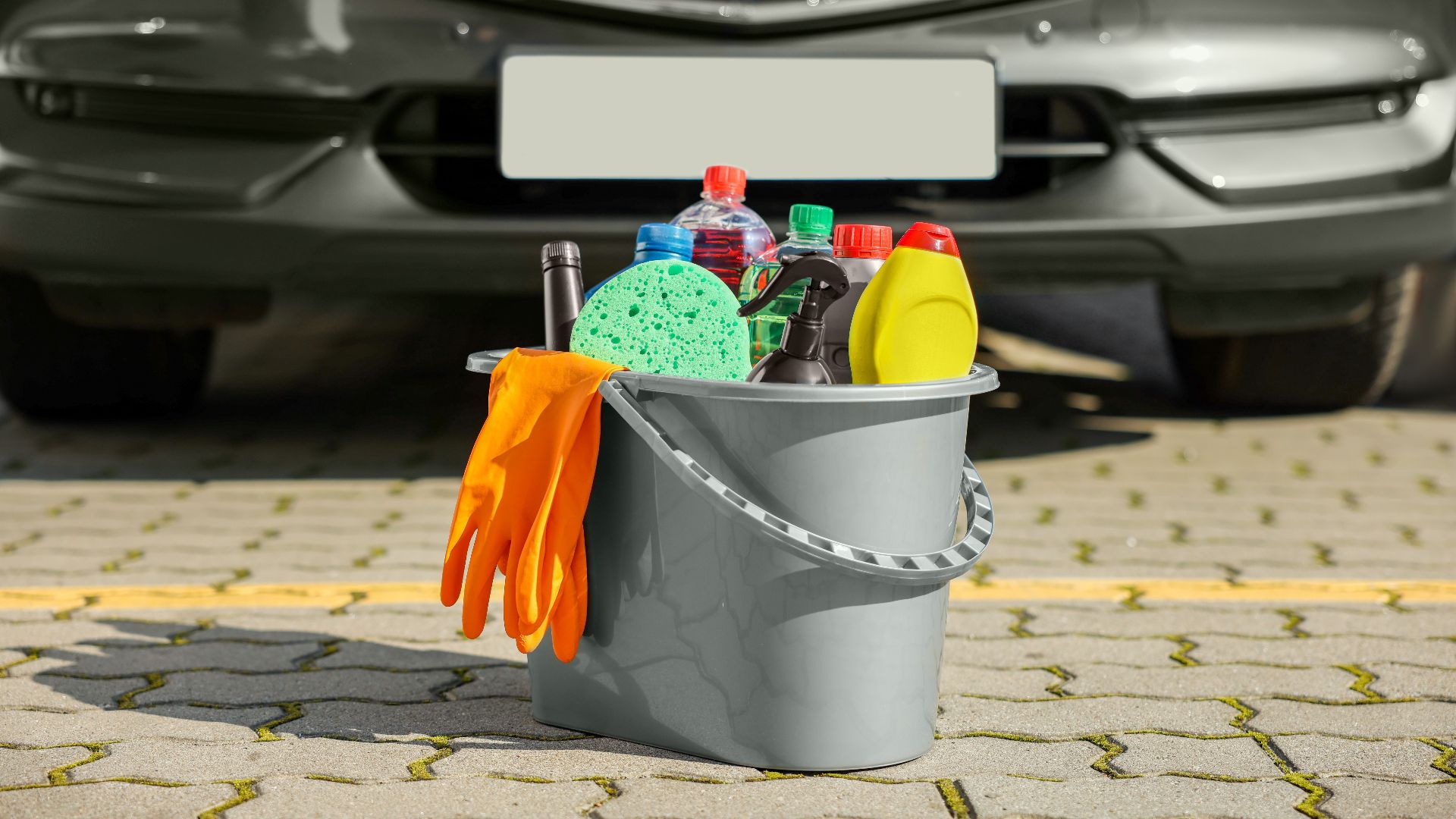
Half of all motorists admit to using washing-up liquid to clean their car – a potentially costly shortcut that could cause thousands of pounds of damage to paintwork.

While washing-up liquid is ideal for removing grease and burnt-on food, it strips away the protective layers of paint on a car’s body panels. This leaves it vulnerable to airborne and waterborne contaminants, along with damage from ultraviolet light.

According to a survey by Autoglym, 48 percent of drivers have used washing-up liquid to clean their vehicle, rising to 56 percent among those aged between 55 and 64 years old.

A third (34 percent) also admitted they have used dishcloths, which can leave behind minor scratches due to their tough fibres. And 12 percent have used a scrubbing brush for car cleaning, while 19 percent have simply used an item of clothing.

A costly error to repair

Car cleaning

According to Autoglym, repainting a family car can cost up to £5,000, so only use dedicated car care products to wash or polish your vehicle. 

“None of these household products have been developed with car cleaning in mind, and some of the scouring pads and brushes could even be causing lasting damage. The good news is that consumers can quickly rebuild essential layers of protection by using products specially formulated to be used on cars,” said Laura Fippen, head of technical services at Autoglym. 

Of course there’s an agenda here, given what Autoglym sells, but Fippen has a point – and now that the weather is (finally) warming up, it now might be time to give your car a spring clean.

Tips for cleaning your car

Car cleaning

Start by using a hose or pressure washer to remove the grime and salt from the underside of the car. Road salt will have a corrosive effect, so should be removed as soon as possible.

Use the pressure washer to blast away all the mud and salt that will have built up under the wheelarches, along with in the sills and around the bumpers.

Clean the alloy wheels using a specialist wheel cleaner, removing the build-up of brake dust with the help of a wheel brush or even a soft-bristle toothbrush. Once clean and dry, adding a layer of wax will help keep your wheels cleaner for longer – and make them easier to wash in the future. 

Taking note of the following points will help make your car look beautiful again, too:

1. Don’t use washing-up liquid. This contains a small amount of salt, which can damage your car’s paintwork.

2. Use a car shampoo. This comes down to personal preference, but a car shampoo will always be preferable to washing-up liquid.

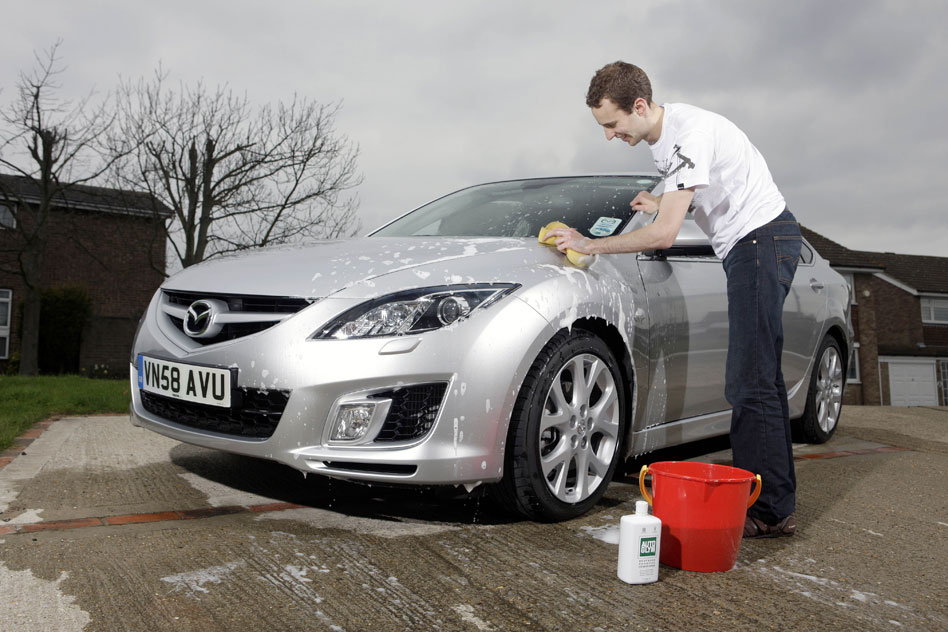
3. Avoid using a traditional sponge. Tiny pieces of dirt and grit will get stuck in the sponge, which will be spread across the paint as you wash it. This will leave little scratches and swirl marks.

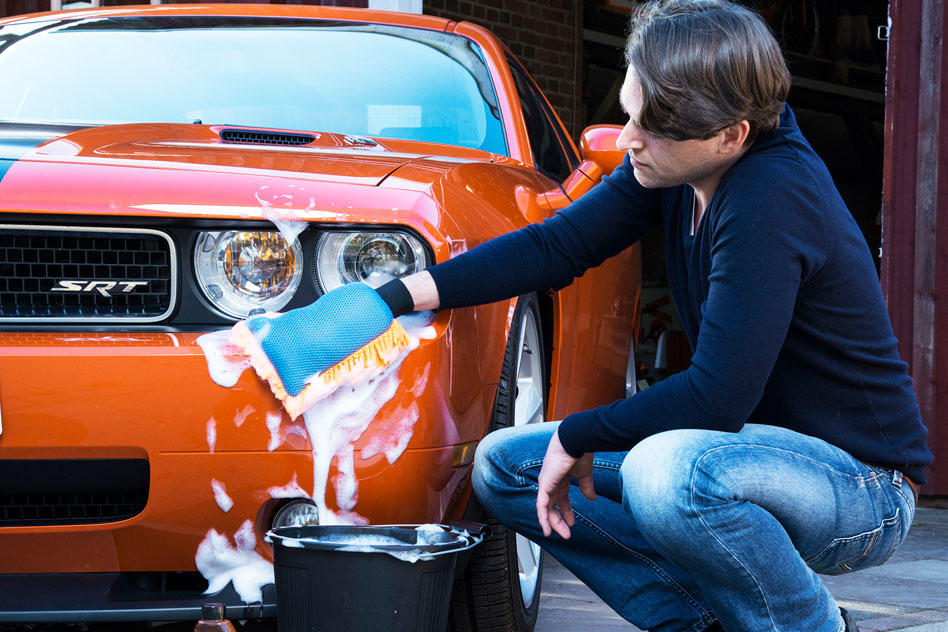
4. Use a wash mitt. These have been specifically developed to get around the problem associated with sponges by absorbing the pieces of grit, keeping them away from the paintwork.

5. Use the two-bucket method. Sorry, but you’re going to need a second bucket. One bucket should contain the washing solution, and the other only fresh water. Soak the mitt in the first bucket and wash the car. Then rinse it out in the fresh water, before dunking it in the wash liquid again.

Motoring Research has compiled a seven-step guide on how to clean the interior of your car, which can be found can be found here

To give your car a thorough interior valet, you’ll need a free afternoon, plus the following products: a vacuum cleaner (with the appropriate nozzles), quality microfibre cloths (ideally 300g/m), an all-purpose cleaner spray, plastic brushes, window cleaning fluid and plastic cleaning liquid.

If your car has leather seats, a pH-neutral leather cleaner and leather feed will also help. Good luck!

ALSO READ:

How to give your car a spring clean

How to deep-clean the inside of your car

The best new cars to buy in 2024

Advertisement

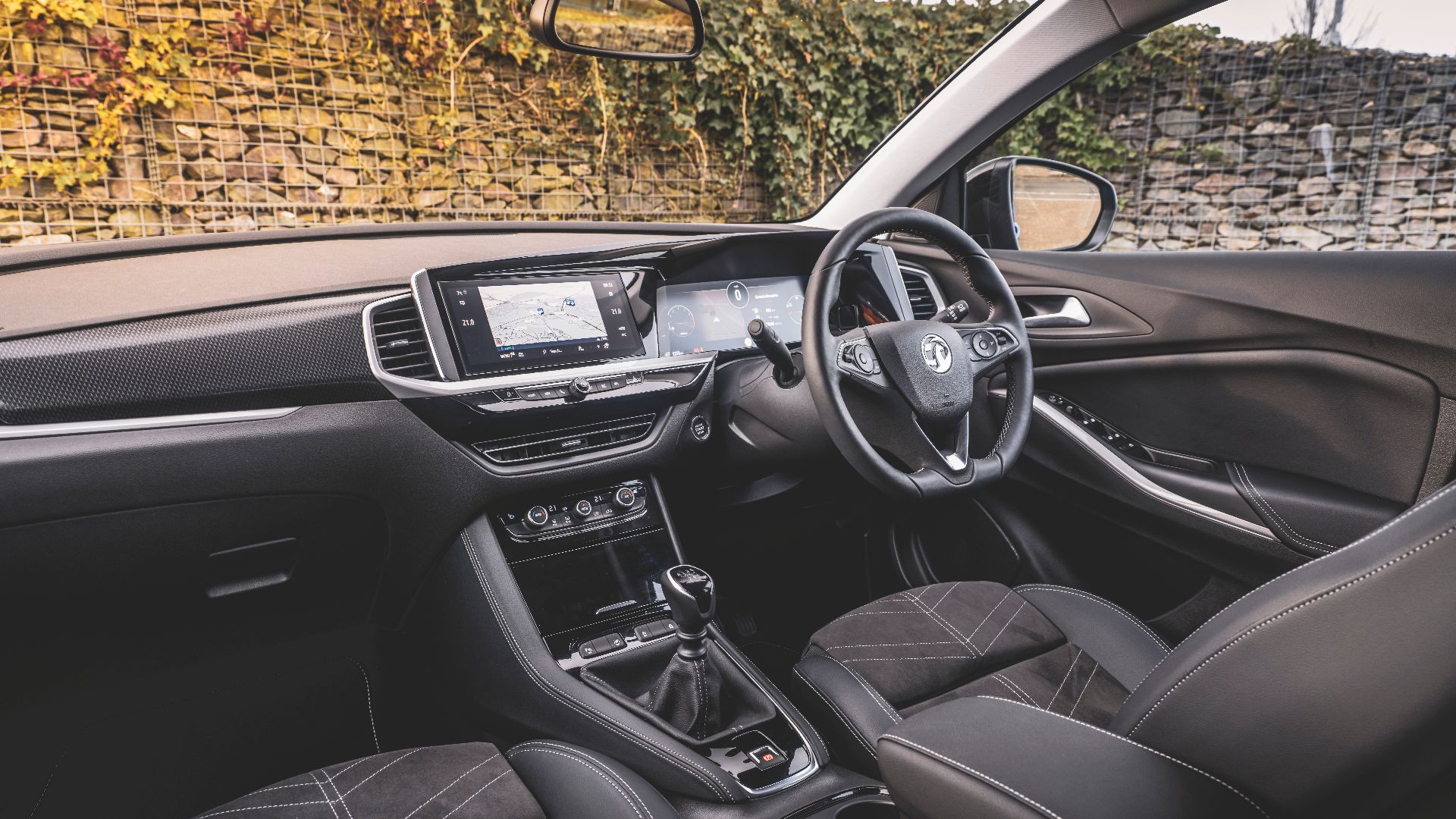
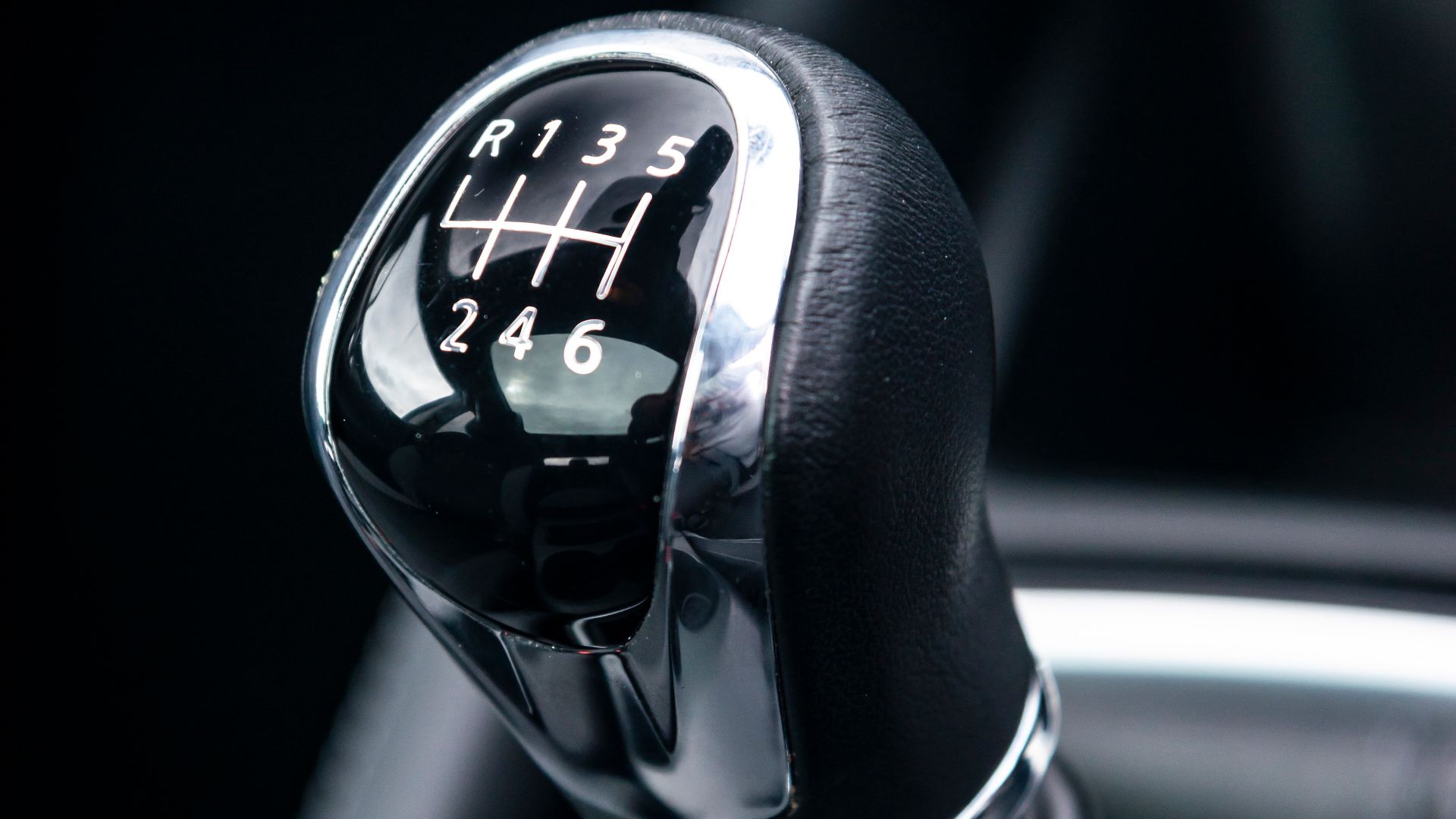
Number of cars with a manual gearbox HALVES in last decade 

0
Manual gearbox

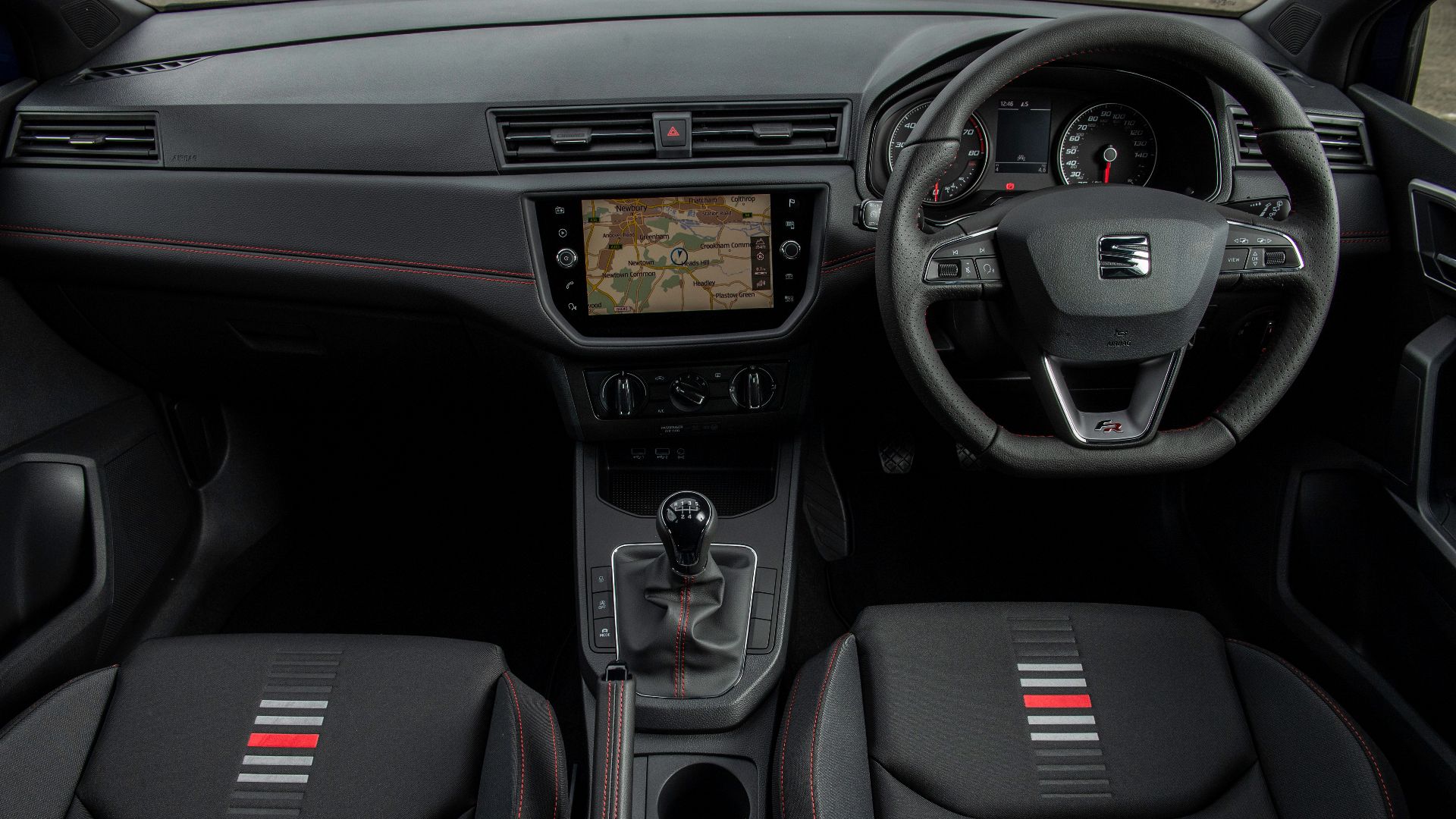
As drivers increasingly opt for automatic gearboxes, the number of new cars available with three pedals has decreased dramatically. 

Could manual gearboxes become extinct in the coming years? That question has been posed after research found the number of new cars available with a stick shift has more than halved in the past decade.

According to used car marketplace CarGurus, which analysed data from the leading 30 car brands in the UK, 89 new models are available with a manual gearbox in 2024. That is down from 197 cars in 2016.

A rapid decline for manual

Manual gearbox

Interestingly, the number of new cars with a manual transmission remained virtually constant between 2014 and 2018, varying by no more than four percent.

However, the decline became noticeable after 2018. And in the past year alone, there has been an 18 percent decrease in new models available with a manual ‘box

Among the manufacturers who no longer offer any new cars with a manual gearbox are Volvo, Mercedes, Jaguar, and Lexus.

New drivers switch to automatics

Manual gearbox

It seems car makers are merely following market trends. There has been a large increase in the number of UK drivers taking automatic-only driving tests, according to Driver and Vehicle Standards Agency (DVSA) data.

During the 2012-2013 period, there were 87,844 automatic-only driving tests. A decade later in 2022-2023, this had increased to 324,064.

However, drivers taking automatic-only tests are ‘potentially missing out on opportunities for savings,’ said CarGurus. It claims buyers can save £3,466 on average if they choose a used car with a manual gearbox over an automatic option.

“Between the increasing consumer demand for cars with an automatic gearbox and the rapid expansion of new EV models coming to market, we could be approaching the end of the road for the manual gearbox,” said Chris Knapman, editorial director at CarGurus UK. 

ALSO READ:

The sports cars still available with a manual transmission

Shift to EVs means manual driving test could be obsolete by 2040

13 easy ways to save money on fuel

Advertisement

Expert explains why so many lorries hit railway bridges

0
Railway bridge strike

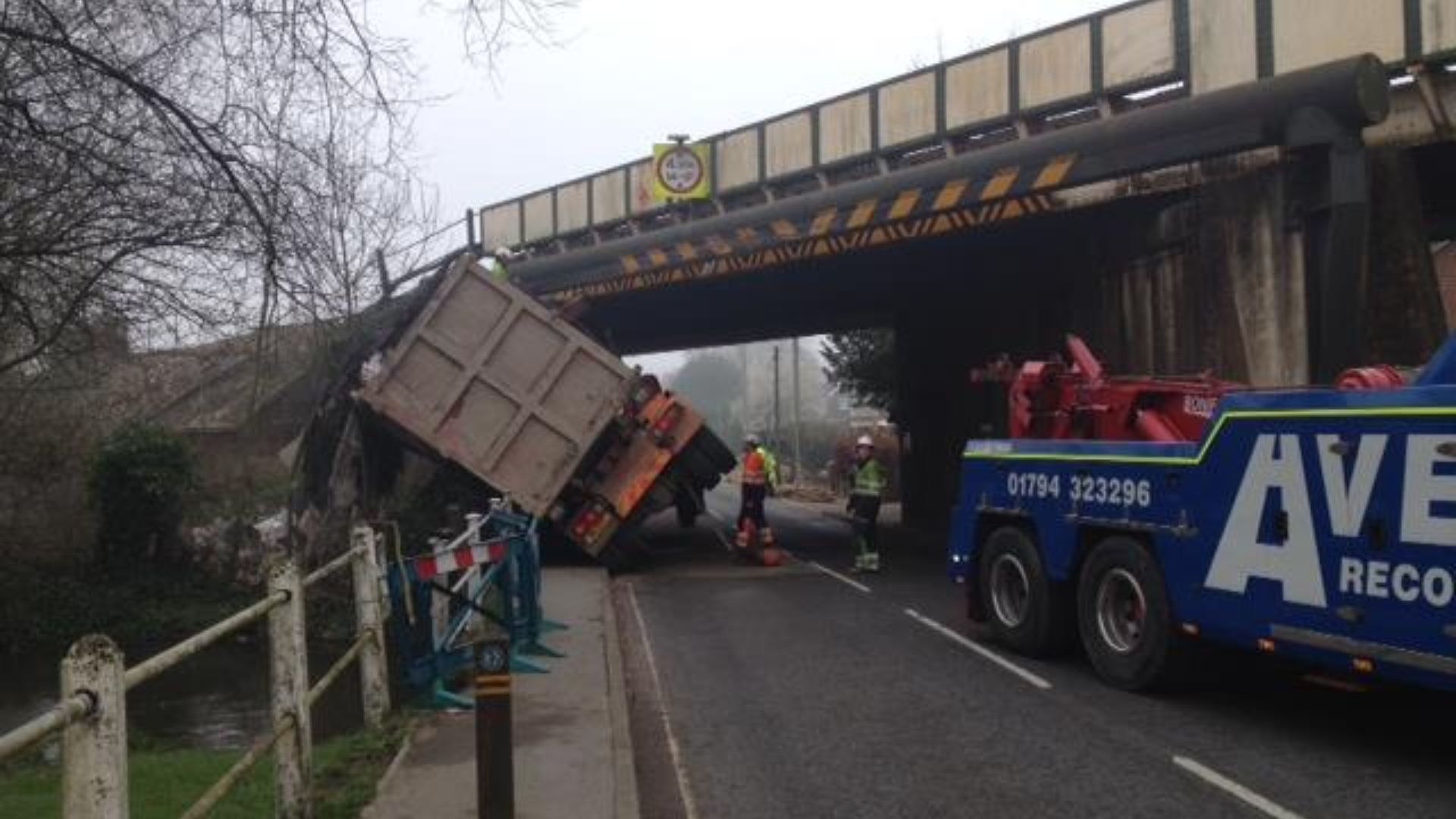
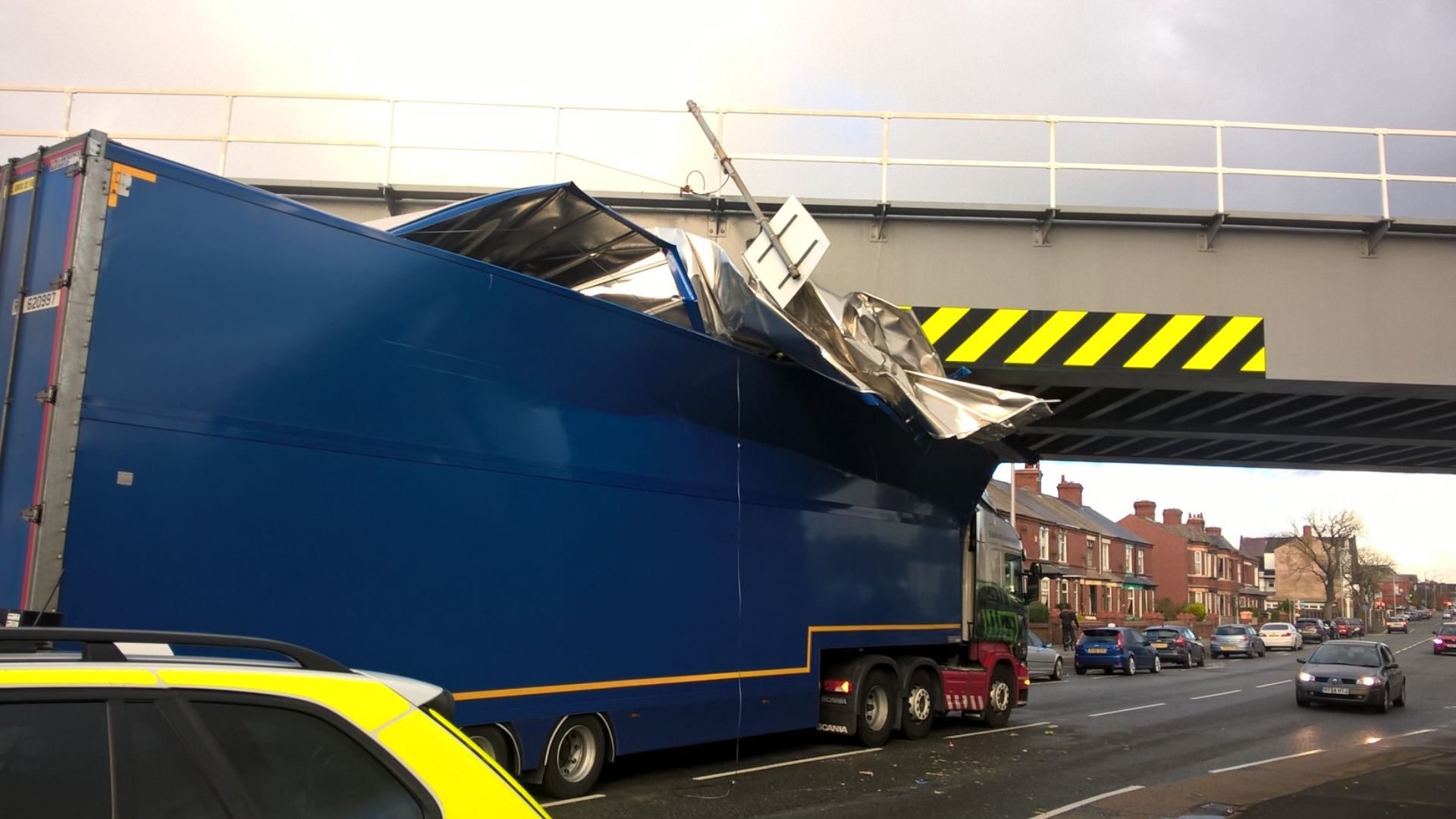
Why do lorries collide with railway bridges? The reasons include the UK not imposing height restrictions, bridge heights being displayed in imperial units, and a lack of cheaply available data displaying how tall structures are.

That’s according to transport consultant, Tom Reddy. In a widely-shared post on X (the social network formerly known as Twitter), Reddy pointed out several flaws in the law and driver training protocols that lead to lorries damaging railway infrastructure on a daily basis.

“There is no legal maximum height in the UK. You can run as high as you like, just don’t hit anything,” he explained. “So we got greedy with height. Europe has a four-metre maximum.” 

£12 million cost of rail delays

Railway bridge strike

Network Rail data shows that in the 2021-2022 financial year, a total of 1,833 bridge strikes were recorded, costing the publicly-owned infrastructure firm £12 million in delay and cancellation fees alone.

Reddy said there is a legal requirement for all vehicles over three metres tall to have a sign in the cab displaying the vehicle height, but “most drivers don’t adjust it.”

The Stonea Road bridge on the B1098 in Cambridgeshire has the unflattering title of the most bashed bridge in Britain. Drivers struck it 33 times in the year ending March 2022. This amounted to £10,526 in ‘unnecessary train delay and cancellation costs’, said Network Rail.

“Legally speaking, in the UK, it is only a requirement to display the bridge height in feet and inches. In reality, most bridges will now display both, but it is not unusual to find imperial only” Reddy said. Potentially, this could cause conversion problems for overseas drivers.

Don’t be a bridge basher

Railway bridge strike

Reddy also blamed the demise of truck-specific maps and the rise of sat-navs for drivers hitting bridges.

“Know your height? Plan your route. But few do that because for the last 20 years, sat-nav has been doing that for us. Paper maps are gone. They saw this coming of course and designed HGV sat-navs, but they are still prohibitively expensive (£300+) so most drivers don’t use them,” Reddy claimed.

Network Rail chairman Lord Hendy of Richmond Hill said: “Bridge bashers cause serious safety issues on the transport network, for both road and rail users. Every incident can delay tens of thousands of passengers while we inspect the bridge and repair any damage – creating a huge cost from public funds.”

ALSO READ:

How to report an unsafe lorry, bus or coach driver

13 easy ways to save money on fuel

What causes potholes on the roads?

Advertisement

Tesla is cheapest car brand for servicing – but most expensive for tyres

0
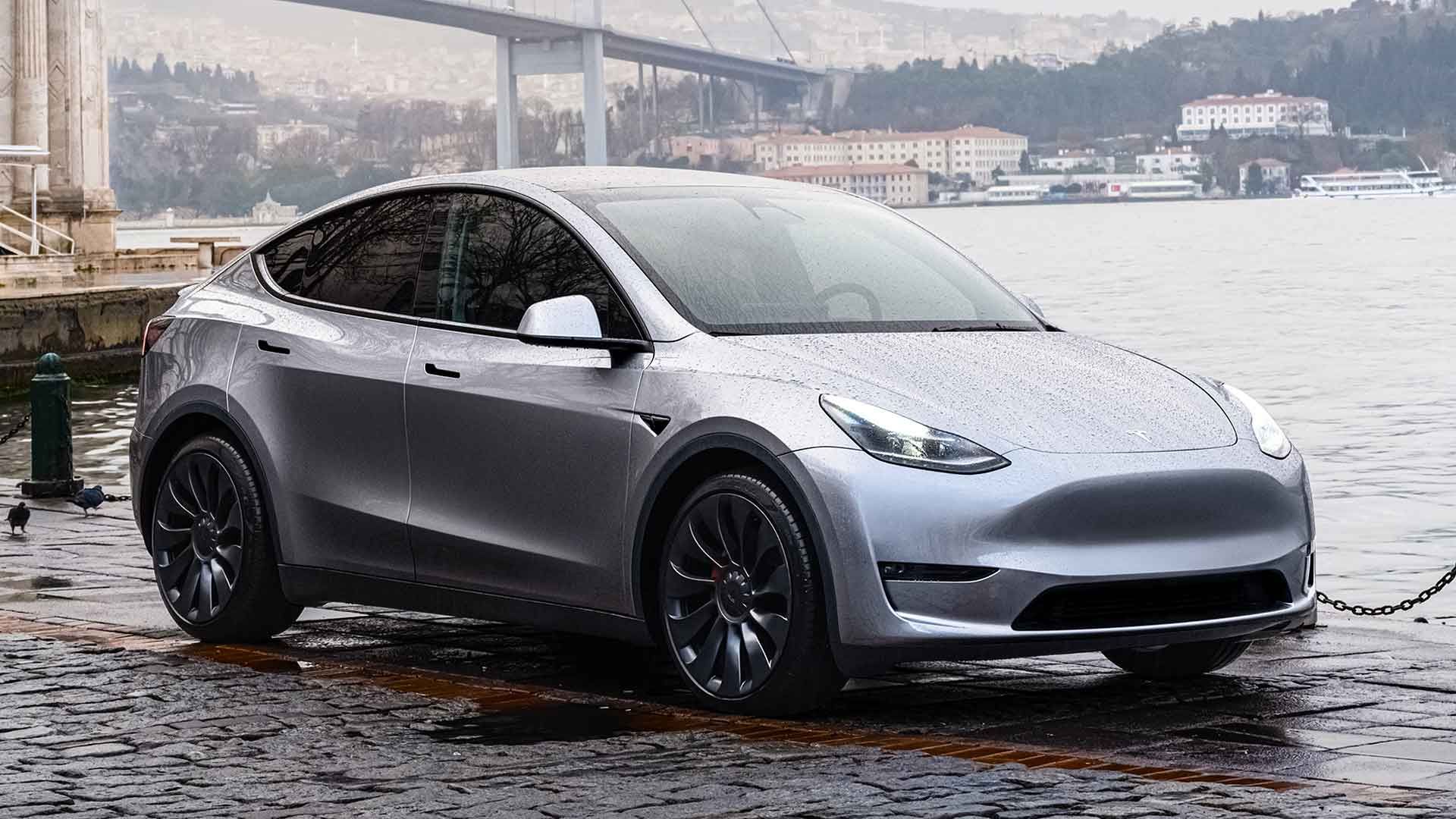
Tesla Model Y

The car manufacturer with the lowest servicing bills is Tesla, according to a new analysis of the top 20 companies’ running costs.

Automotive data provider Cap HPI says that, over a period of three years and 60,000 miles, servicing a Tesla will cost an average of £338. This makes it the cheapest of the 20 best-selling car manufacturers, at £143 less than second-placed Skoda, £195 less than Renault and £217 less than Honda.

However, Tesla finishes in 20th and last place when it comes to tyre costs, dropping the American marque down to 16th for total service, maintenance and repair (SMR) bills.

Tesla also ranks first for brakes, with an average cost of £113. That compares with £916 for Land Rover in 20th place.

Hyundai is the most expensive of the 20 brands analysed for servicing, at £1,122 on average.

Renault is cheapest to run overall

Car servicing

Overall, the manufacturer ranking first for total service, maintenance and repair costs – including servicing, tyres and brakes – is Renault, at £1,883. 

The French firm is followed by Honda (£1,902), Seat (£1,933), MG Motor (£1,999) and Peugeot (£2,039). Tesla comes 16th overall, with a total SMR cost of £2,946. BMW ranks 20th and last, with an SMR figure of £3,944.

“Outside of servicing, tyres are the main cost consideration for EV drivers. These are typically more expensive as they become worn sooner… mainly due to vehicle weight,” said Andrew Turner, senior product specialist at Cap HPI.

Turner said electric cars tend to “have larger or less common tyre sizes that are more expensive”, which could also explain Tesla’s poor showing in this area.

“Fundamentally, when it comes to basic service costs, EV models do cost less to run,” Turner added.

ALSO READ:

Millennials more likely to repair their cars than any other generation

2024 Tesla Model 3 Performance revealed… and it’s even faster

Your EV questions answered on Motoring Electric

Advertisement

Ineos Grenadier expands into a tax-saving van version

0
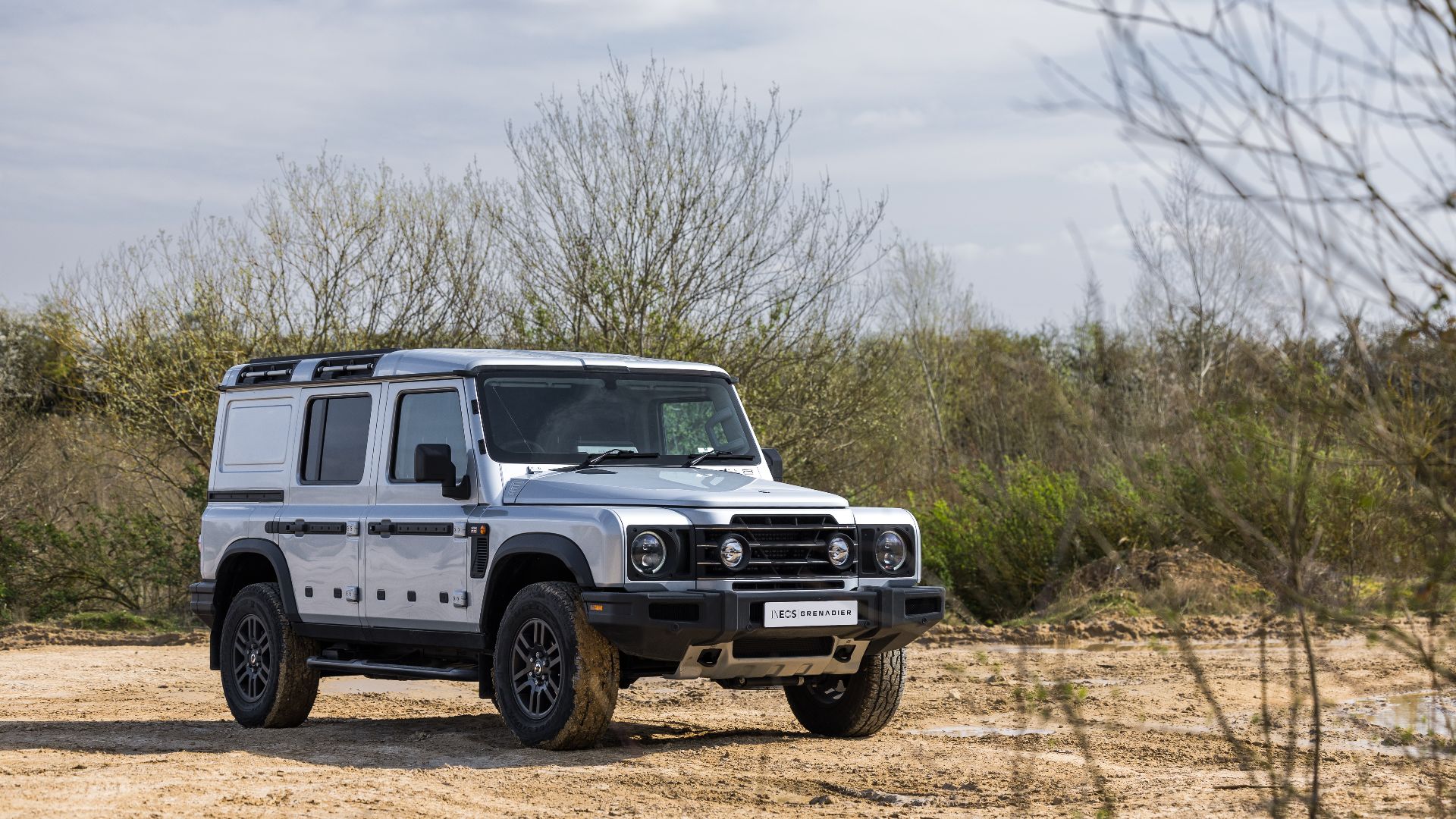
Ineos Grenadier Commercial

Ineos has launched a van derivative of its rugged Grenadier 4×4, designed for those who need an off-roader for work purposes.

Unlike the regular version of the vehicle – and the previous Grenadier Utility Wagon – the Grenadier Commercial allows business buyers to reclaim VAT and receive lower Benefit-in-Kind (BiK) tax rates compared with the standard SUV.

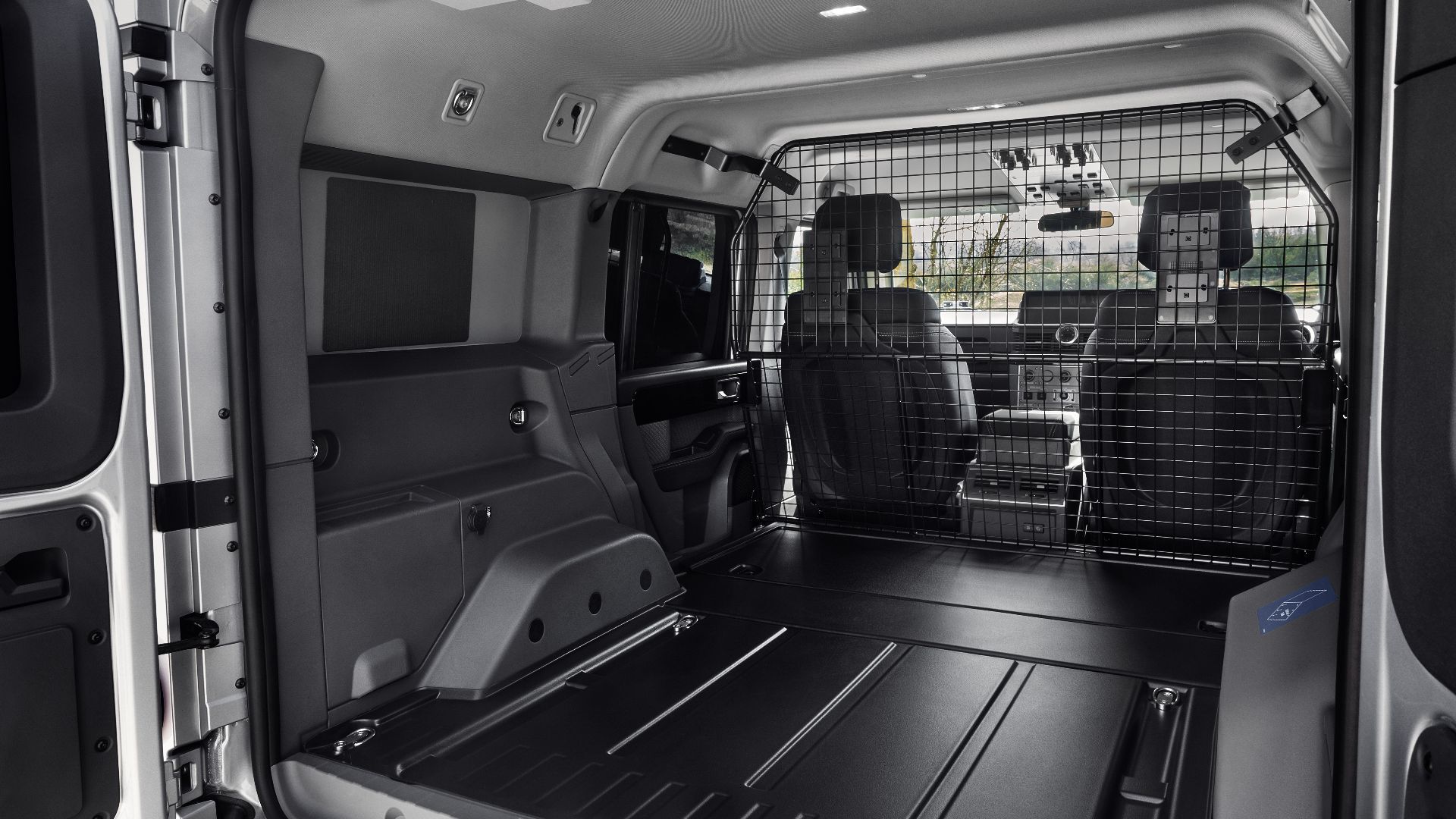
It features a full-length flat floor with a full-height cargo barrier behind the two front seats, and can carry a standard 1,200mm x 800mm Euro pallet. 

The Commercial also has a braked 3.5-tonne towing capacity, more than 2,000 litres of load space and 5.5 tonnes of winching power – the latter useful to potentially recover other, less capable cars.

No rear seats for Grenadier LCV

Ineos Grenadier Commercial

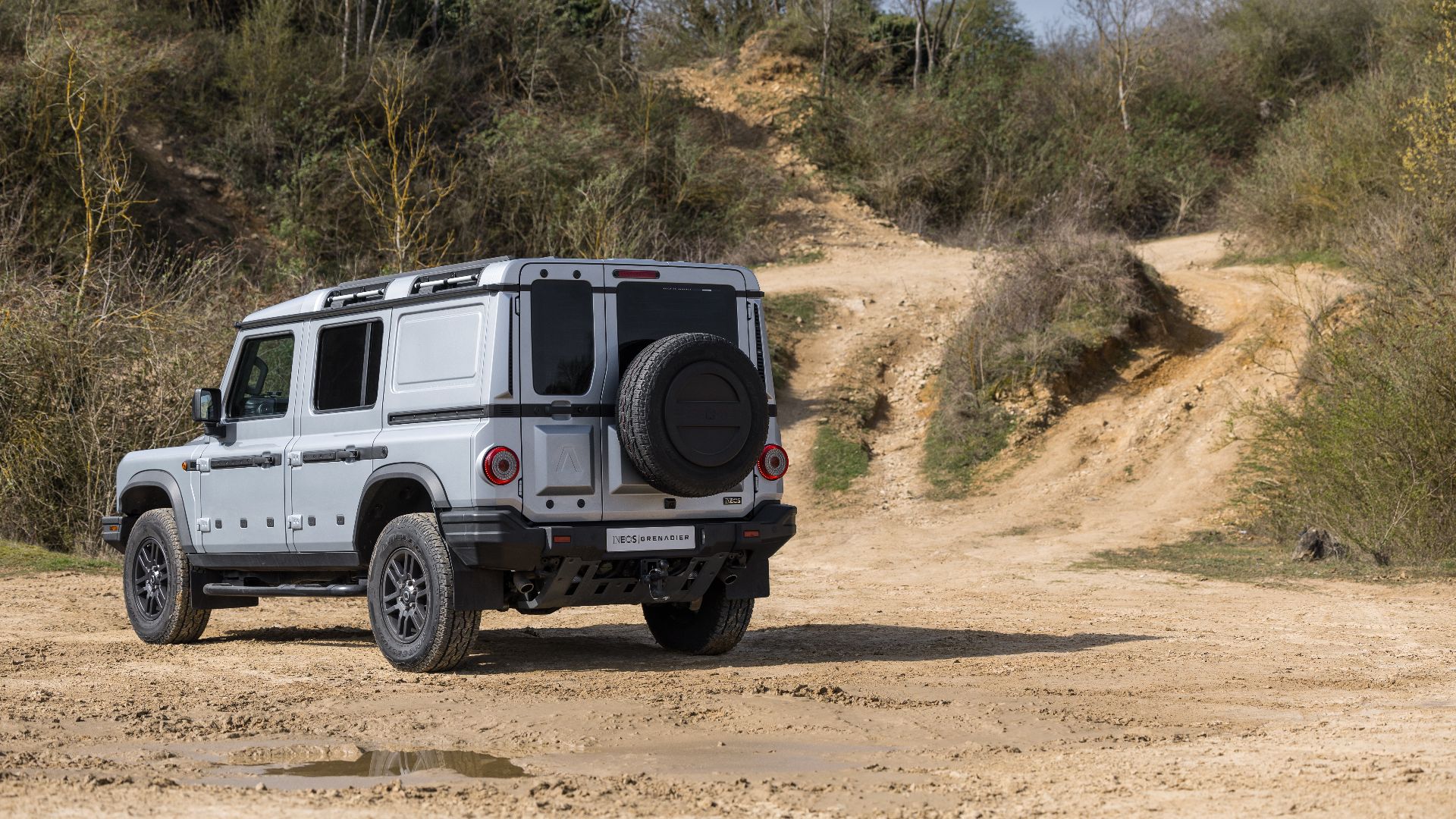
The Grenadier Commercial is only available in the UK. As part of the modifications to make it VAT-exempt, Ineos has removed the chassis mounting points to prevent a second row of seats being added. 

The rear passenger windows have also been replaced with aluminium panels, plus there is blacked-out glazing on the 30:70 split rear doors.

Like its five-seat counterpart, the Commercial is powered by a 3.0-litre turbocharged BMW straight-six engine in petrol or diesel guises.

VAT-free prices from £51,931

Ineos Grenadier Commercial

“Customers in the UK have been asking for this addition to our model line-up since we launched in 2022, so we’re pleased to make this available,” said George Ratcliffe, commercial director at Ineos Automotive. 

“The versatility of the Grenadier platform allows this level of modification without any compromise to the driving dynamics or off-road capabilities.” 

The Grenadier Commercial is priced from £51,931 excluding VAT and is available to order now.

ALSO READ:

Ineos Grenadier 2023 review

Slinging mud: passing judgement on the Ineos Grenadier

Yorkshire-built Twisted 4x4s head for Japan in new export deal

Advertisement

RAC calls for government intervention on fuel prices

0
Petrol station

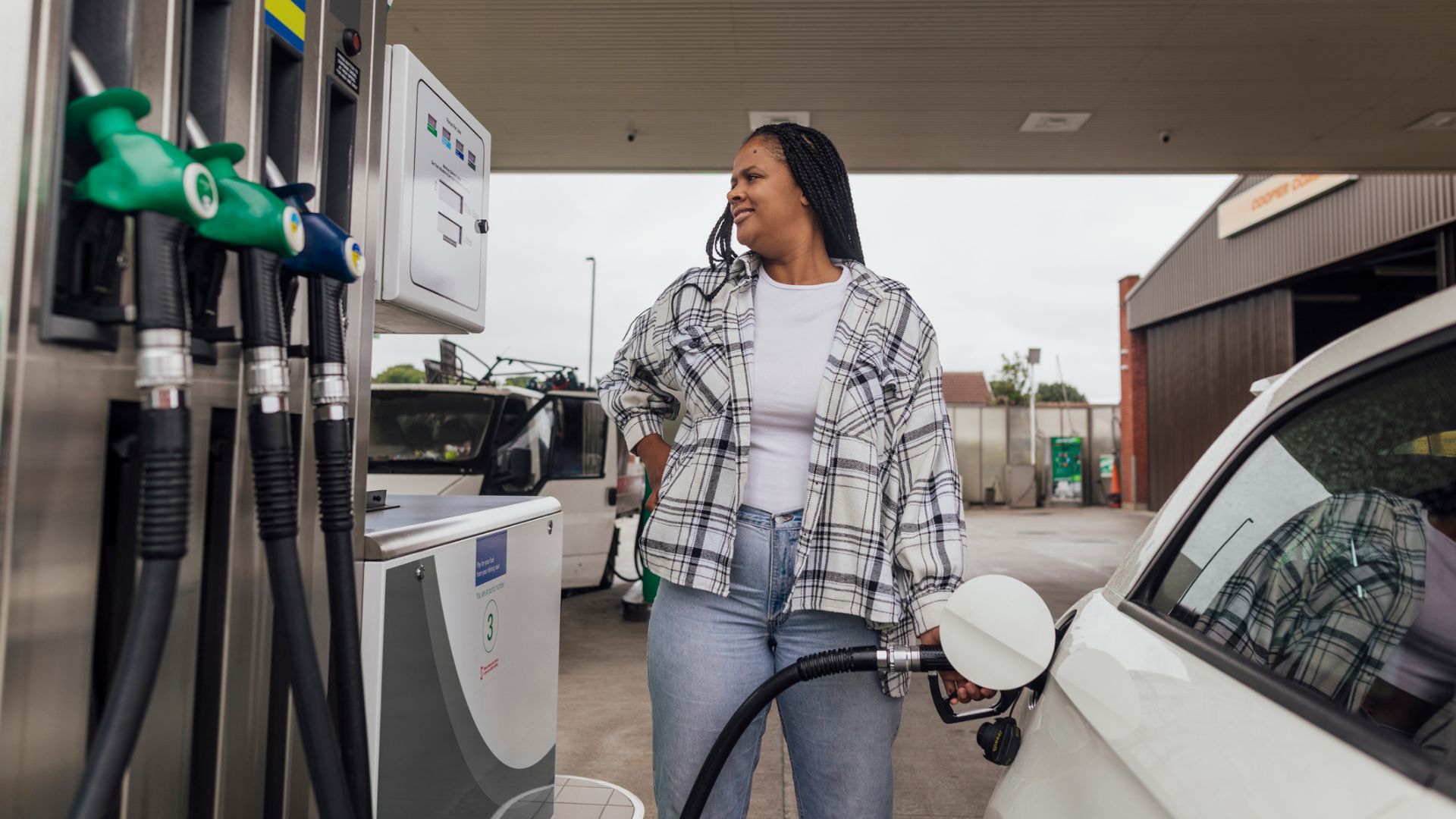
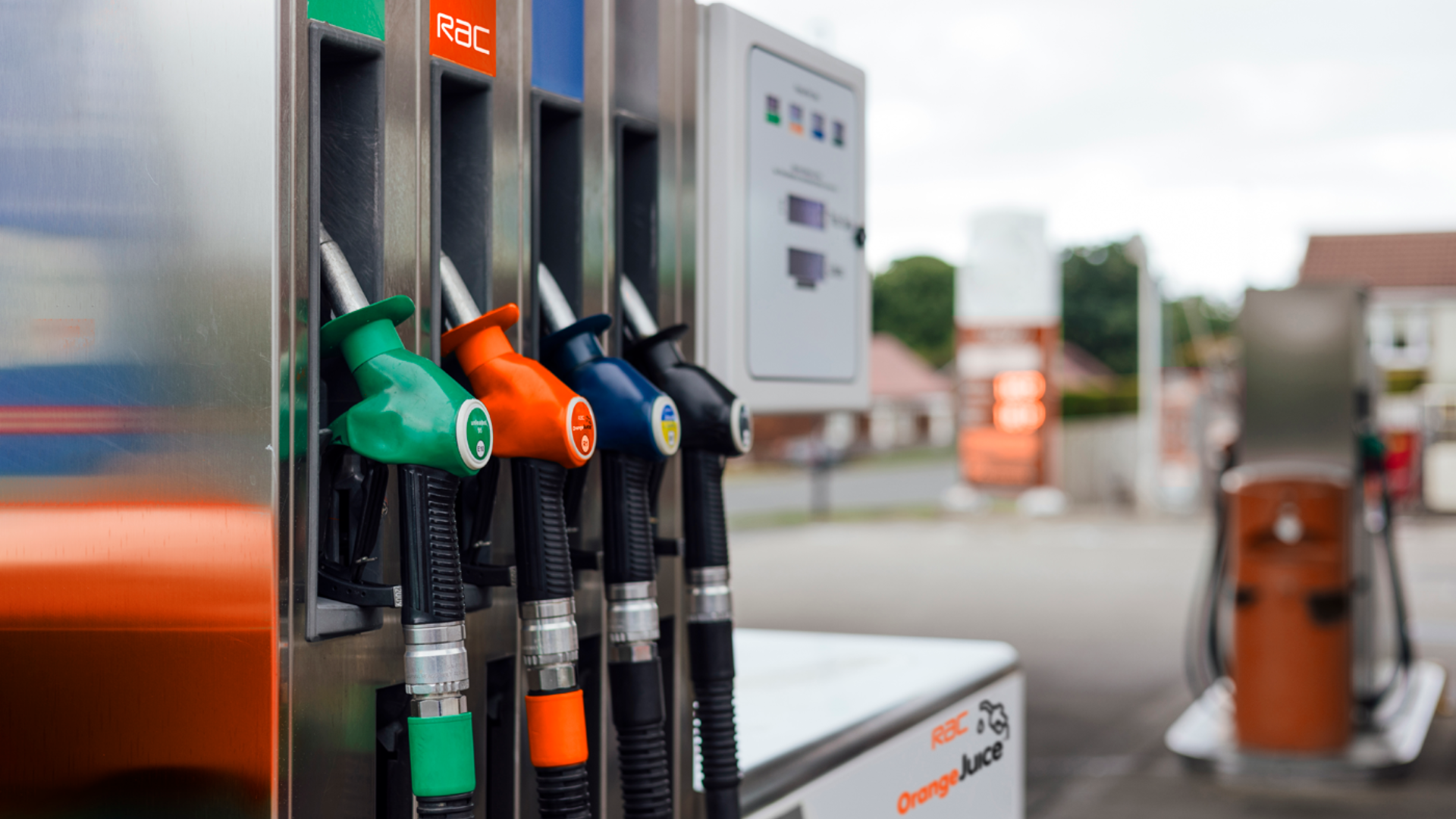
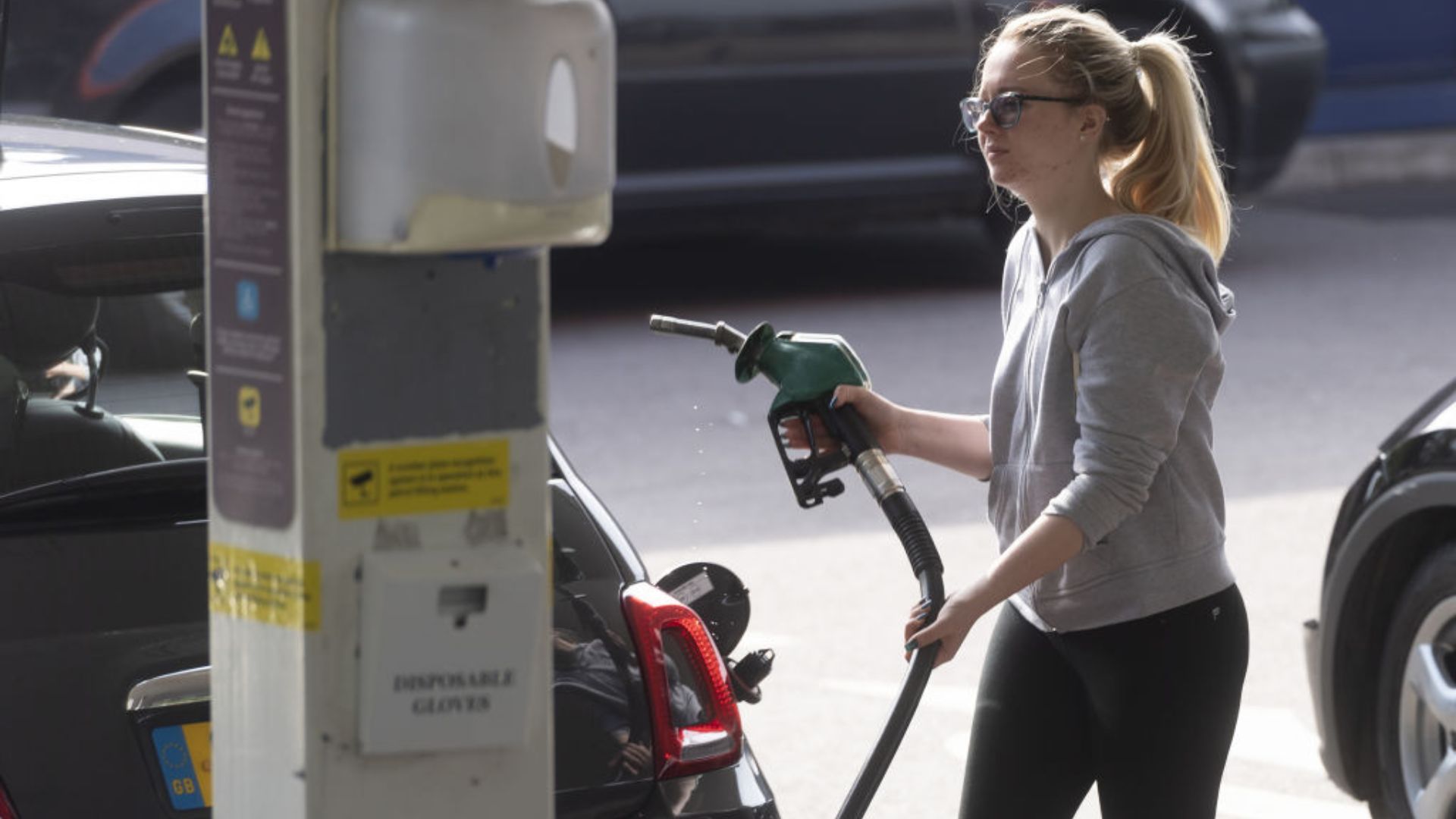
Petrol and diesel prices have risen by 10p a litre since the start of 2024 – typically adding £5.50 to the cost of a tank of fuel.

That’s according to the RAC, which said the cost of unleaded petrol and diesel increased by 3p and 2p per litre respectively in April. The breakdown organisation also said filling a typical petrol car with a 55-litre tank now costs £82.47. The cost for a similar diesel vehicle is £86.77.

The lowest prices for petrol and diesel in 2024 so far were both recorded on 16 January.

Calling for government intervention

Petrol station

The RAC claims the increase in fuel prices at the pump is ‘weighing heavily on household budgets’ and it called on the Competition and Markets Authority (CMA) to help motorists save money.

According to the RAC, fuel retailers have ‘unfair margins’ that ‘lead to drivers getting a raw deal’. The CMA estimates that UK drivers were effectively overcharged by around £900 million in 2022.

Diesel profit margins increased by 6p last month to 18p per litre, says the RAC, while the average margin now stands at 9.5p per litre.

Responding to this claim, Gordon Balmer, executive director of the Petrol Retailers Association, said fuel stations are “operating on razor-thin margins” and are doing “all they can to keep prices low for their customers”.

RAC versus the fuel industry

Petrol station

Taking aim at the RAC, Balmer added: “It is disappointing that we are constantly having to devote time and resources to correcting the inaccurate narrative offered by some commentators about pump price increases. We are doing all we can through the appropriate policy channels to address this issue, while others would prefer to offer criticism without taking the time to understand how the industry works.”

If the CMA and government were to intervene as requested, the RAC says fuel prices across the UK mainland could come down to match those charged in Northern Ireland, which are ‘consistently 5p a litre (£2.50 a tank) lower’. It also blamed higher diesel prices on retailers using larger margins to subsidise the cost of unleaded.

“It is very apparent that retailers are making massive margins on diesel. To put this into perspective, the wholesale price of diesel has been lower than petrol since the middle of April, yet diesel is nearly 8p a litre dearer at the pump,” said RAC fuel spokesperson, Simon Williams. “If retailers were treating drivers fairly, this gap would be starting to close instead of getting wider.” 

The CMA declined to comment when approached by Motoring Research. However, in late March it issued a report stating that high fuel margins are ‘concerning’ for motorists and ‘indicated weakened competition.’

“We’ve been clear that retailers must pass fuel savings to drivers – and that’s why we are making sure there is no place to hide for anyone found to be unfairly hiking up their pump prices,” a Department for Energy Security and Net Zero spokesperson told us. 

“Our new Pumpwatch scheme will help drivers find the best deal at the pump, by making real-time price sharing mandatory. We’re also taking action to bring competition back to the forecourts with new powers for the CMA to shine a light on any attempt to overcharge UK drivers.”

ALSO READ:

How to find the cheapest petrol and diesel

What will the 2035 petrol and diesel car ban mean for you?

Your EV questions answered on Motoring Electric

Advertisement

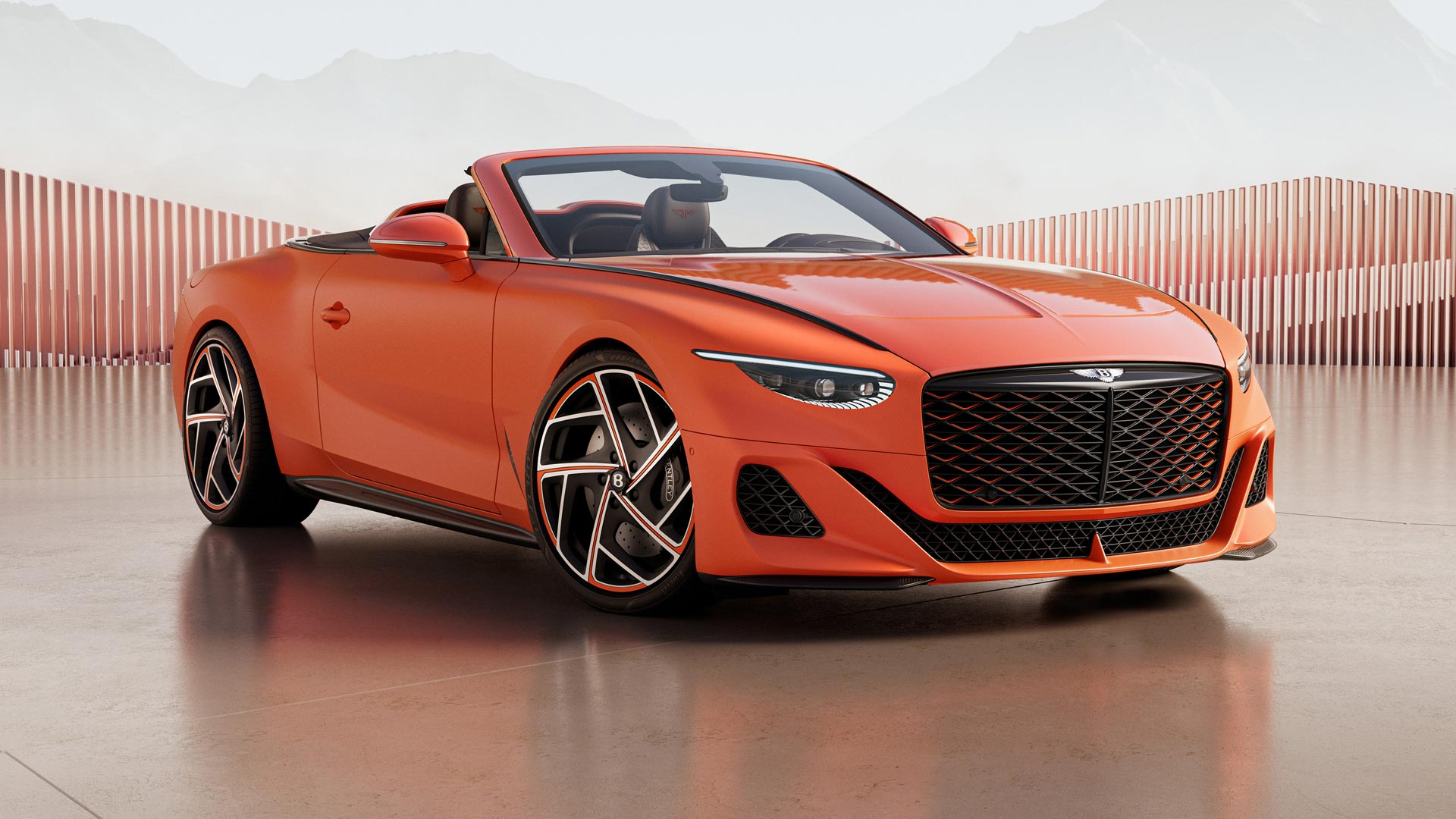
Bentley unwraps ultra-exclusive 750hp Batur Convertible

0
Bentley Batur Convertible by Mulliner

A new coachbuilt Bentley by Mulliner has been revealed, with plans for a very limited production run.

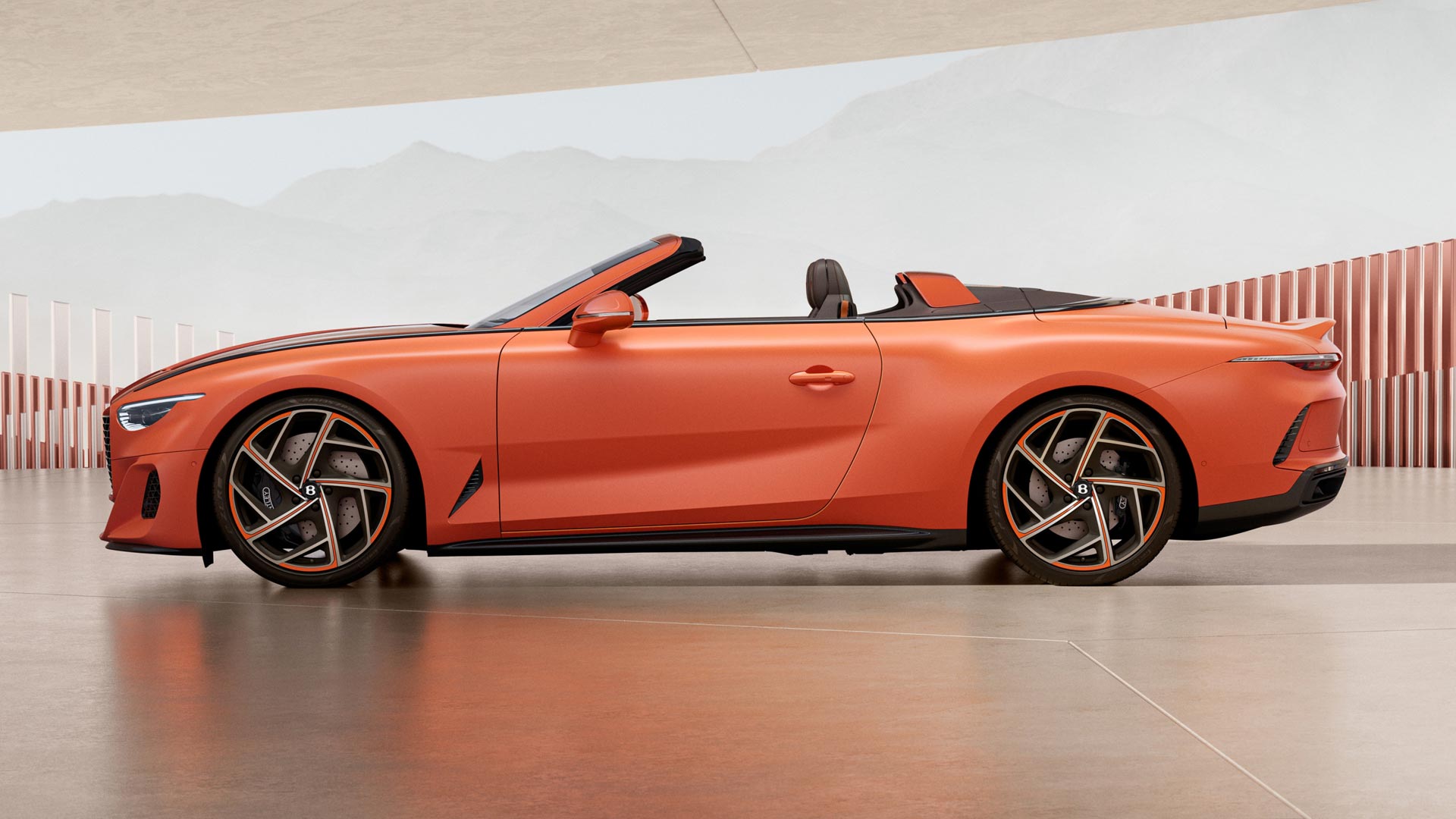
The latest bespoke Bentley is the Batur Convertible, a open-air derivative of the Batur coupe launched in 2023.

It joins the Mulliner-designed Bacalar as the third coachbuilt model based on the current Bentley Continental GT platform.

Coachbuilt glamour

Bentley Batur Convertible by Mulliner

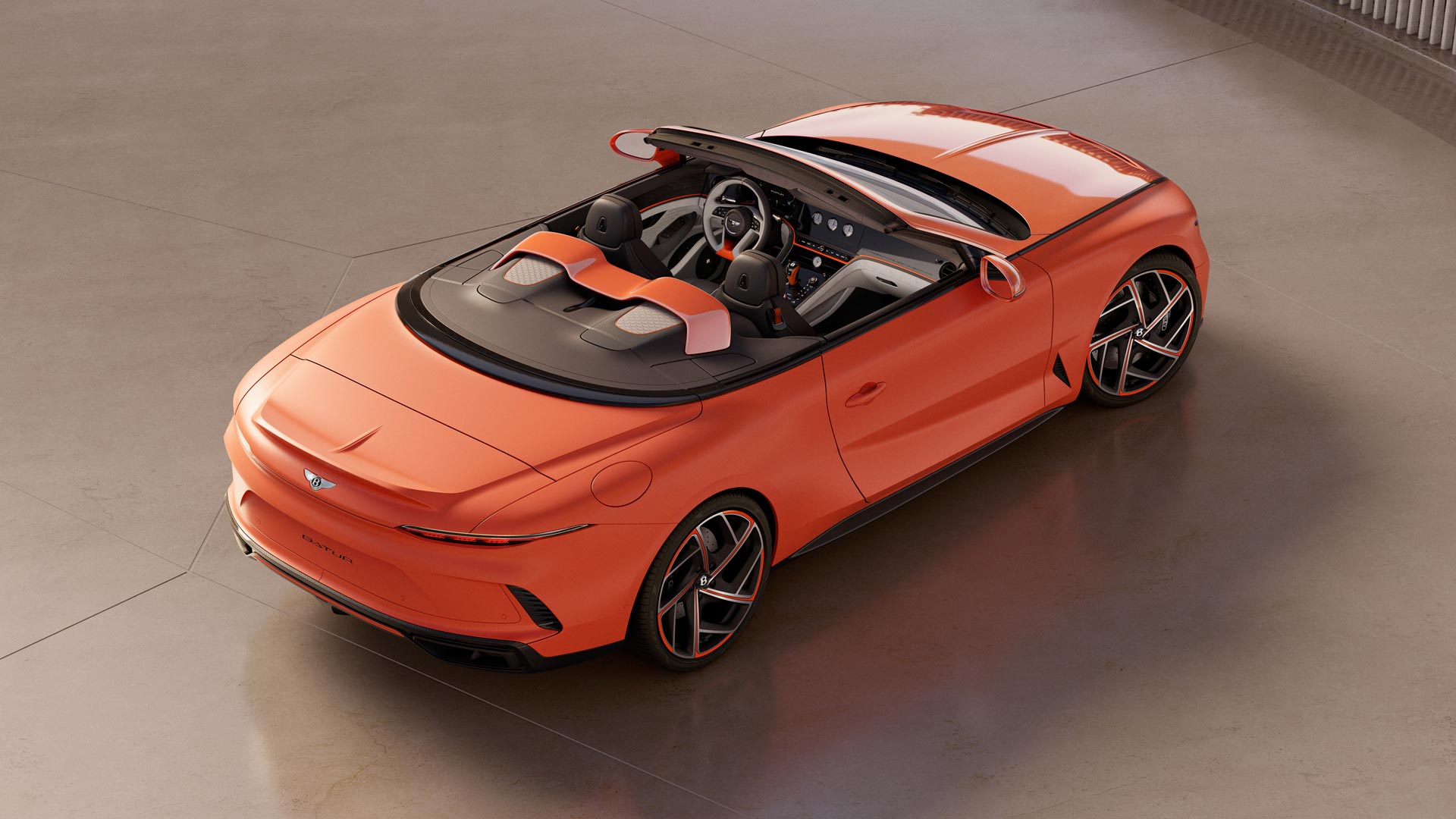
The Batur Convertible is a true roadster, with only two seats and a retractable fabric roof. Bentley says the roof can be opened in 19 seconds, and at speeds up to 30mph.

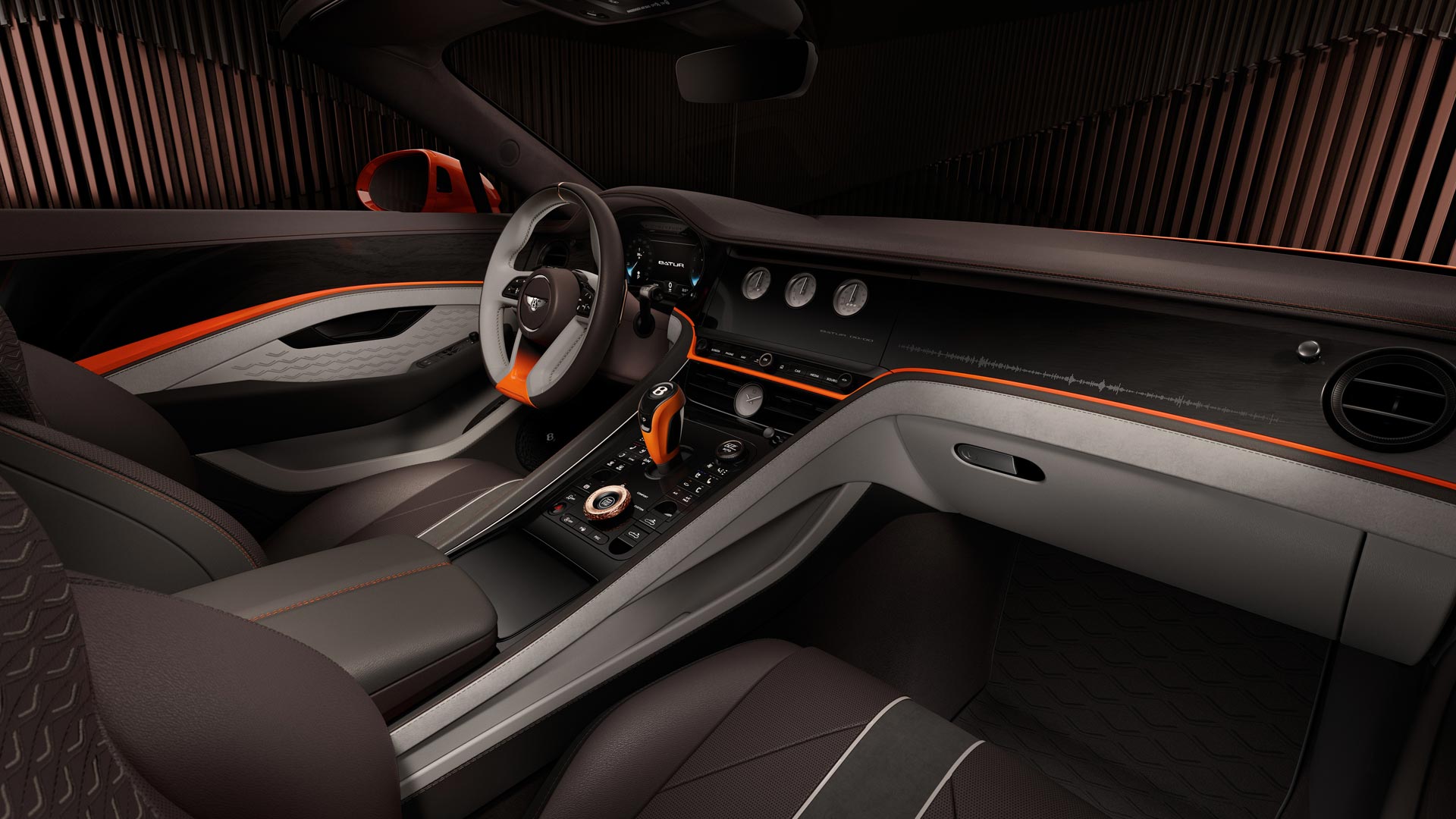
Mulliner’s designers have opted for a wraparound cockpit layout, emphasising the two-seat nature of the Batur Convertible.

A dramatic ‘airbridge’ sits behind the driver and passenger, along with barchetta-style humps on the rear deck. The latter offer a practical purpose, too, with luggage space available underneath.

Infinite options for personalisation

Bentley Batur Convertible by Mulliner

Production of the Batur Convertible will be limited to just 16 examples. The Mulliner design team will work with customers to ensure each car is unique.

Bentley says paint colour choices are infinite, with custom graphics also available. Exterior details such as the front grille can be finished in light or dark trim, along with titanium. 

Inside, customers can specify even more personalisation, including the exclusive option of 3D-printed rose gold. The material can be used for the engine start button and drive mode selector, with both parts hand-crafted by goldsmiths in the historic Jewellery Quarter of Birmingham.

Celebrating the W12 engine

Bentley Batur Convertible by Mulliner

Powering the Batur Convertible will be a 6.0-liter twin-turbocharged W12 – one of the final outings for this long-serving engine. 

Assembled by hand, it produces 750hp and 738lb ft of torque, and is matched with an eight-speed dual-clutch automatic transmission.

As a crowning glory, the Bentley’s entire sports exhaust system is 3D-printed from titanium.

Bentley has not revealed prices for the Batur Convertible. However, the coupe version of the Batur started from £2 million, so expect this open model to be even pricier.

ALSO READ:

Bentley Bentayga Apex Edition stakes claim as the ultimate SUV

Rolls-Royce Cullinan Series II: super-luxury SUV gets a new look

Bentley Batur 2023 review

Advertisement

Beautiful Mercedes-Benz SL ‘Pagoda’ goes electric for £400k

0
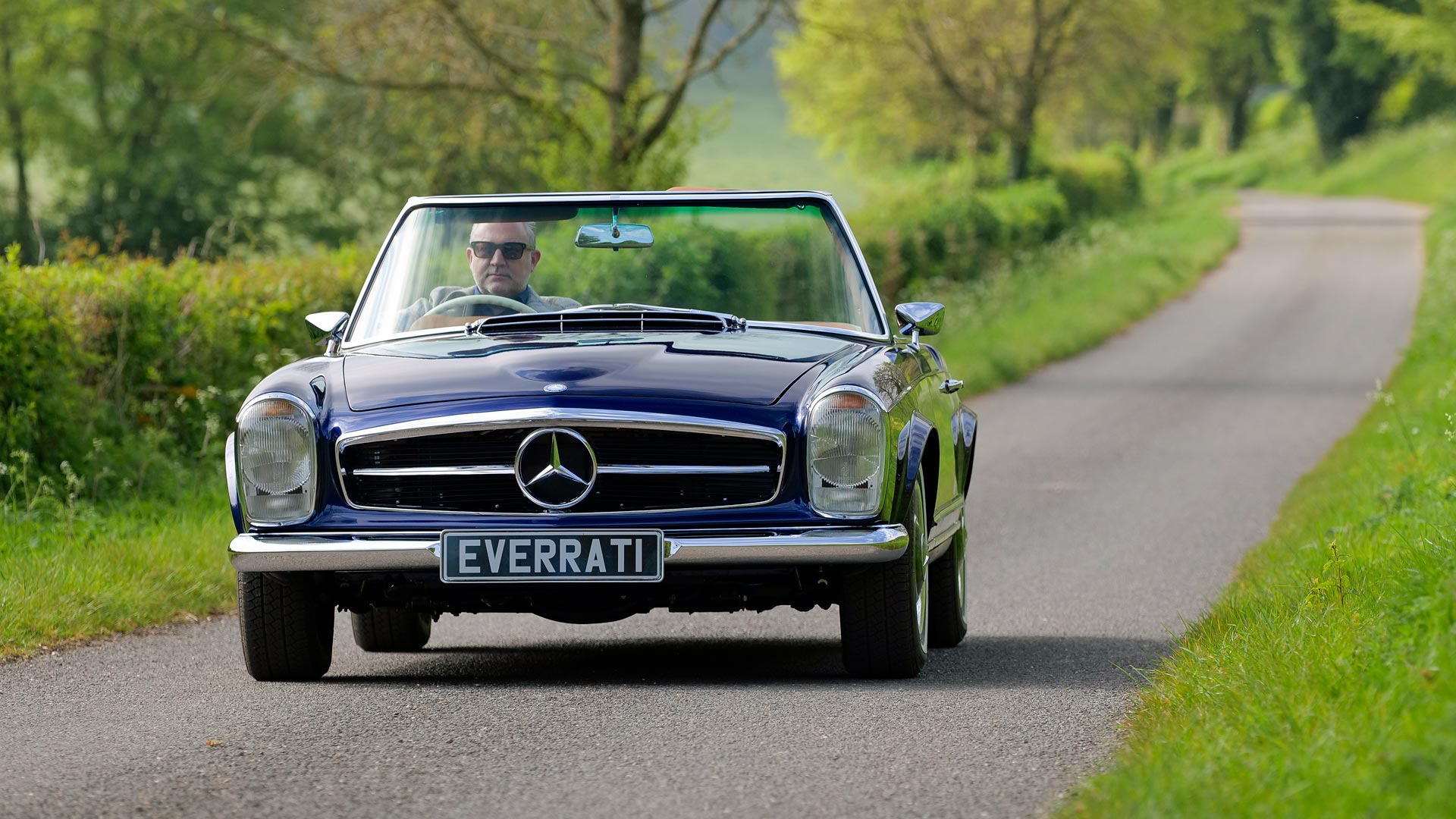
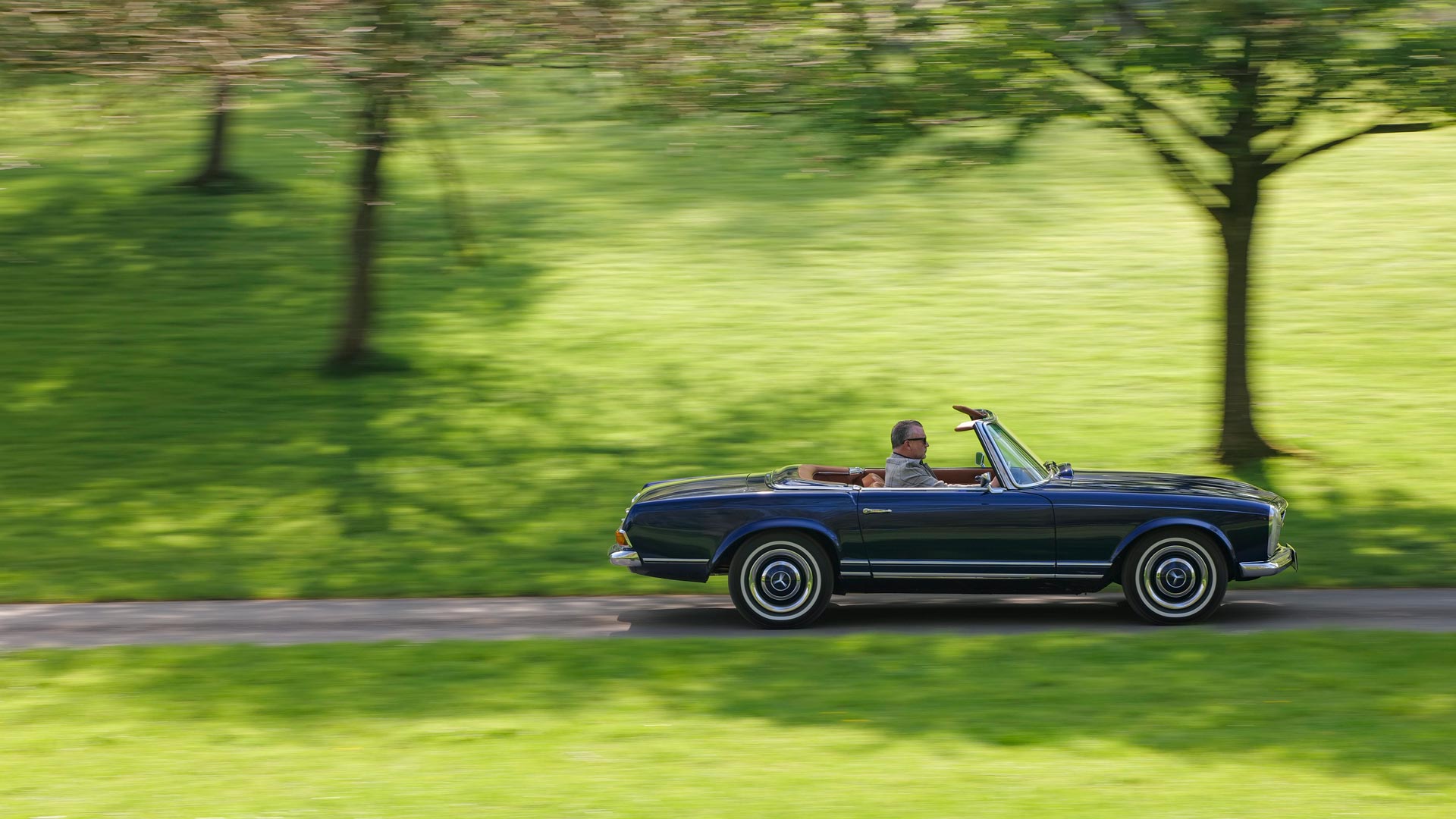
Everrati W113 Pagoda

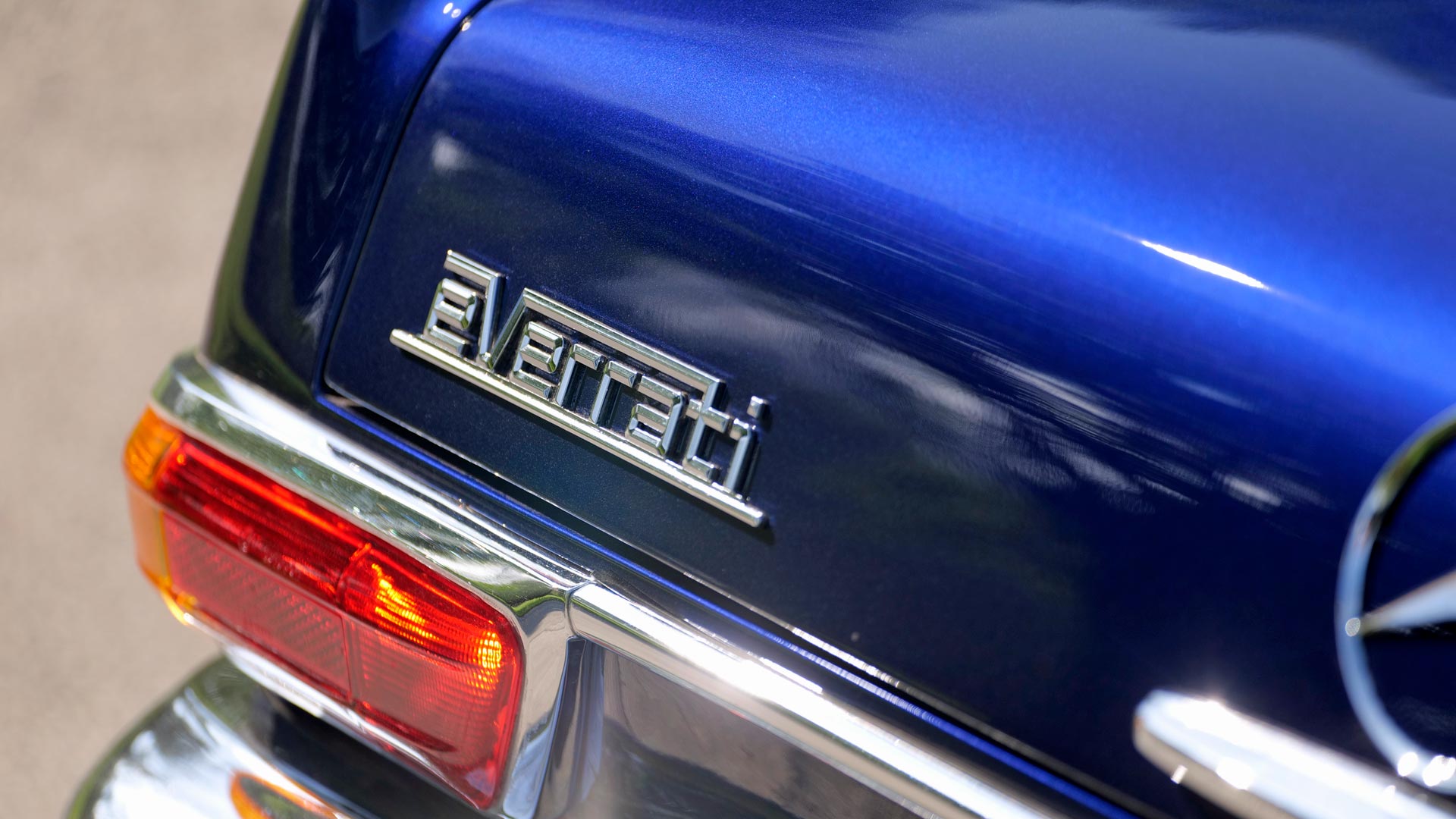
Meet the latest classic car to go electric. Best known for converting the Porsche 911 to battery power, Everrati has turned its attention to the ‘W113’ Mercedes-Benz SL.

Known as the ‘Pagoda’ due to the shape of its hard-top roof, the W113 was built between 1963 and 1971, and attracted a host of celebrity owners. The late Sir Stirling Moss was a fan, clearly drawn to the SL’s timeless styling and effortless performance.

Now, Everrati has given the classic Mercedes a modern makeover, with two electric powertrain options on offer, plus the potential for extensive customisation.

A concours-standard restoration 

Everrati W113 Pagoda

Everrati starts by comprehensively restoring an SL Pagoda to concours standard, with all work undertaken by hand. 

The British company has aimed to keep overall weight and weight distribution as close to the original car as possible. The electric conversion is also completely reversible, should the owner change his or her mind in future.

Standard versions of the Everrati Pagoda come equipped with a 54.4kWh battery pack, allowing a range of 160 miles when fully charged. Accelerating from 0-60mph takes less than 8.0 seconds.

For maximum performance, a larger 68kWh battery can be specified. This boosts the maximum range to more than 200 miles, also cutting the 0-60mph time to less than 7.0 seconds.

Driving with one pedal

Everrati W113 Pagoda

Maximum power peaks at 300hp regardless of battery option chosen, with a limited-slip differential fitted as standard. The OEM-standard electric powertrain supports AC and DC fast charging, while one-pedal driving provides a modern EV experience. 

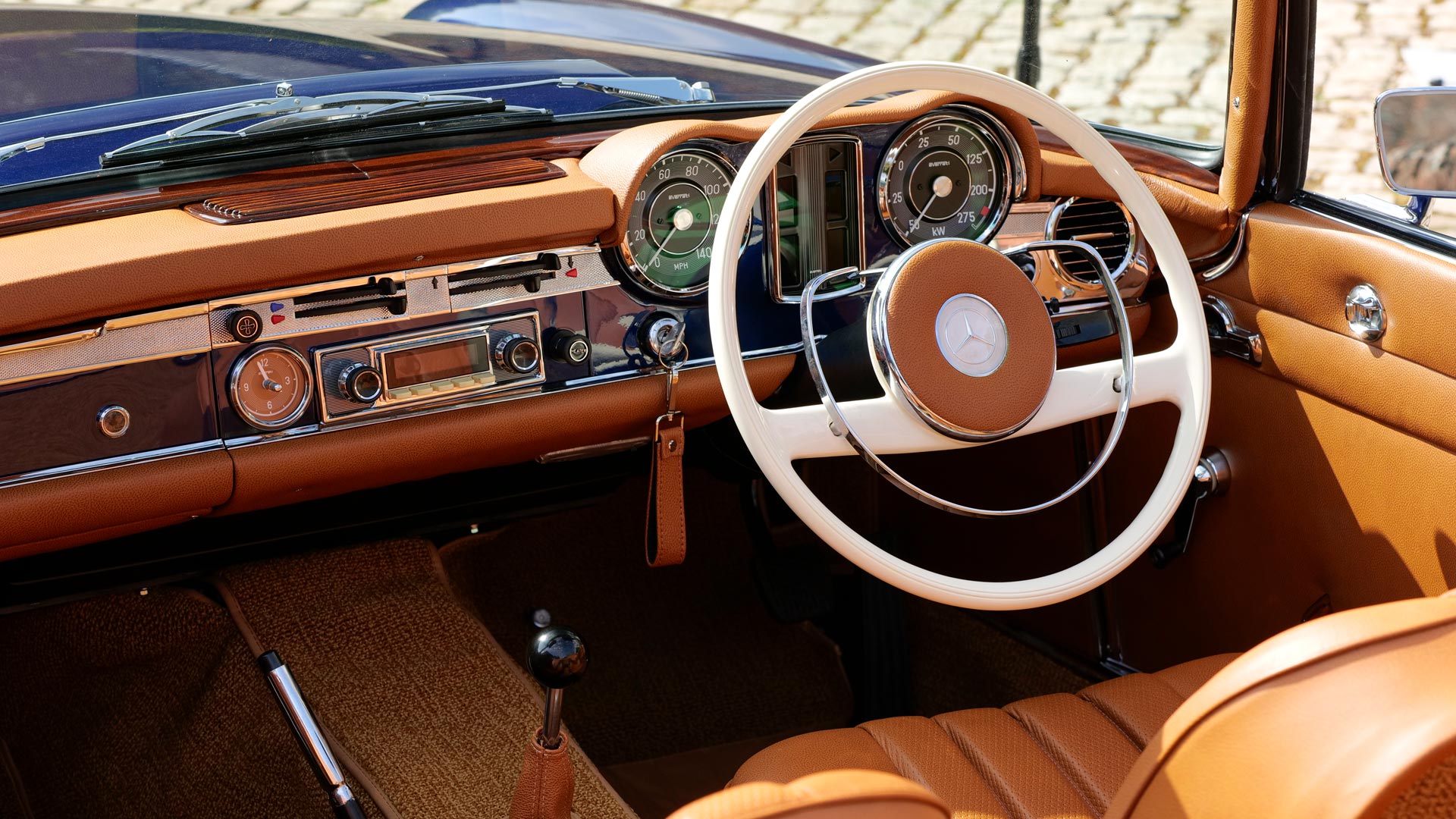
The interior of the Everrati Pagoda can be finished in low-carbon leather supplied by Bridge of Weir. Buyers can also choose leather hides similar to those used when the SL was first launched.

Custom designed dials are found on the dashboard, with options including a Bluetooth audio system and heated seats.

A future-proofed classic car

Everrati W113 Pagoda

Prices to commission an Everrati Pagoda SL start from £330,000 plus taxes (£399,600 including VAT), with the donor car at extra cost.

Everrati CEO Justin Lunny said: “Our redefined electric Mercedes-Benz SL ‘Pagoda’ is the new benchmark for understated, sustainable luxury. This meticulously restored and redefined car is the ultimate two-seater electric luxury grand tourer, a unique proposition that pays homage to the history of the legendary SL, yet is fully future-proofed, enabling it to be enjoyed today – and in the hands of the next generation tomorrow.”

Motoring Research will be driving the electrified Everrati Pagoda soon, so watch this space.

ALSO READ:

Everrati creates electric homage to ultra-rare Porsche 911 3.8 RS

Everrati electric Land Rover Series llA 2021 review

Mercedes-Benz SL SportLine restomod review

Advertisement