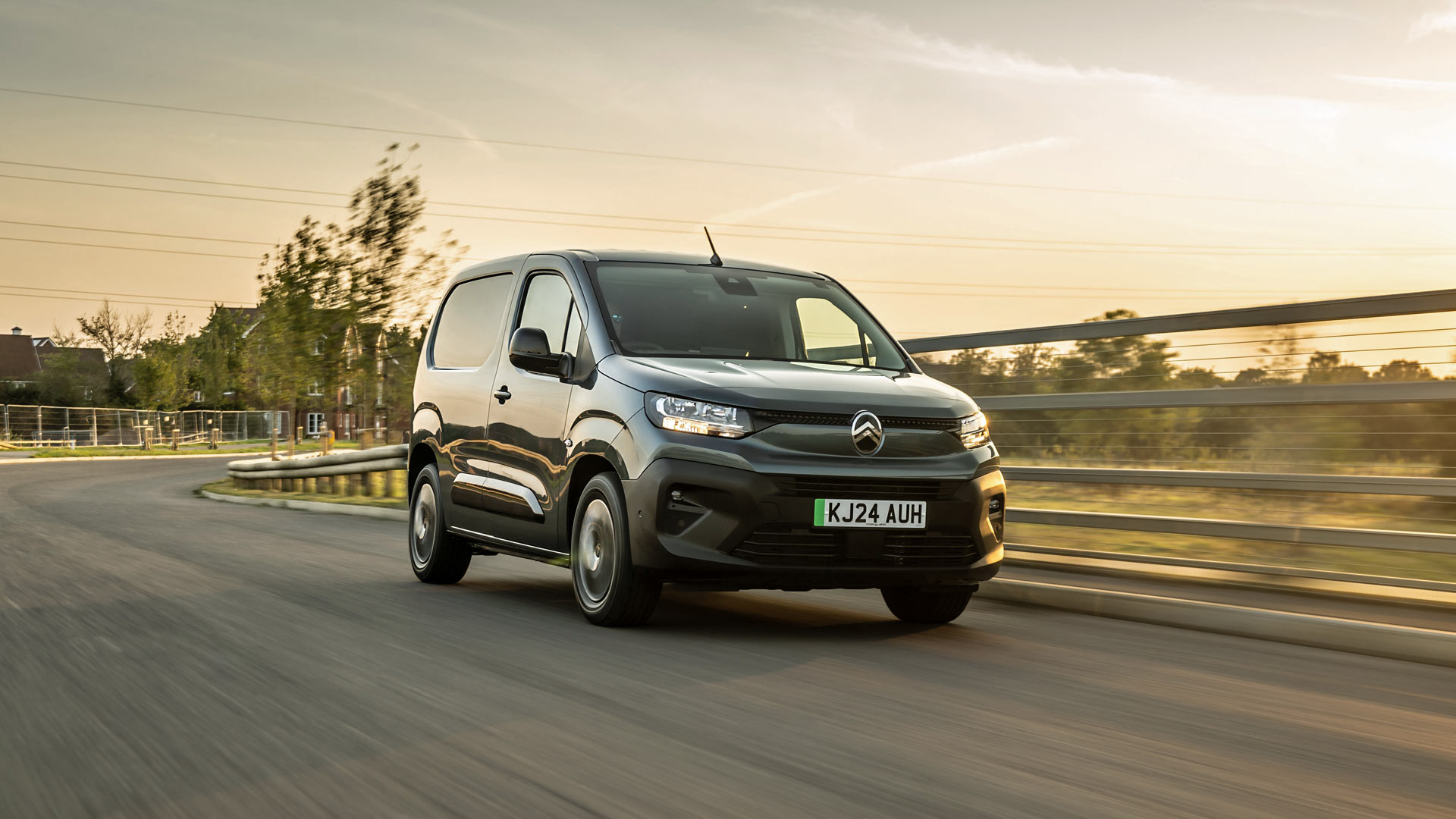
Business users can now choose an electric Citroen or Peugeot van without having to pay extra for the privilege.
The two French manufacturers, both part of the Stellantis conglomerate, have launched a series of finance offers across their light commercial vehicle (LCV) ranges, aimed at ensuring cost parity between electric and diesel vans.
The incentives are designed to rule out monthly finance costs as a reason to avoid switching to an electric van, removing the financial penalty for choosing one over a diesel-powered LCV.
Both Citroen and Peugeot offer various funding options for their electric van ranges, including conditional sale, finance lease and business contract hire via Stellantis Financial Services.
The models within the business finance offer include the compact Citroen e-Berlingo and Peugeot E-Partner vans, both of which are manufactured at Ellesmere Port in the UK.
British-built electric vans included
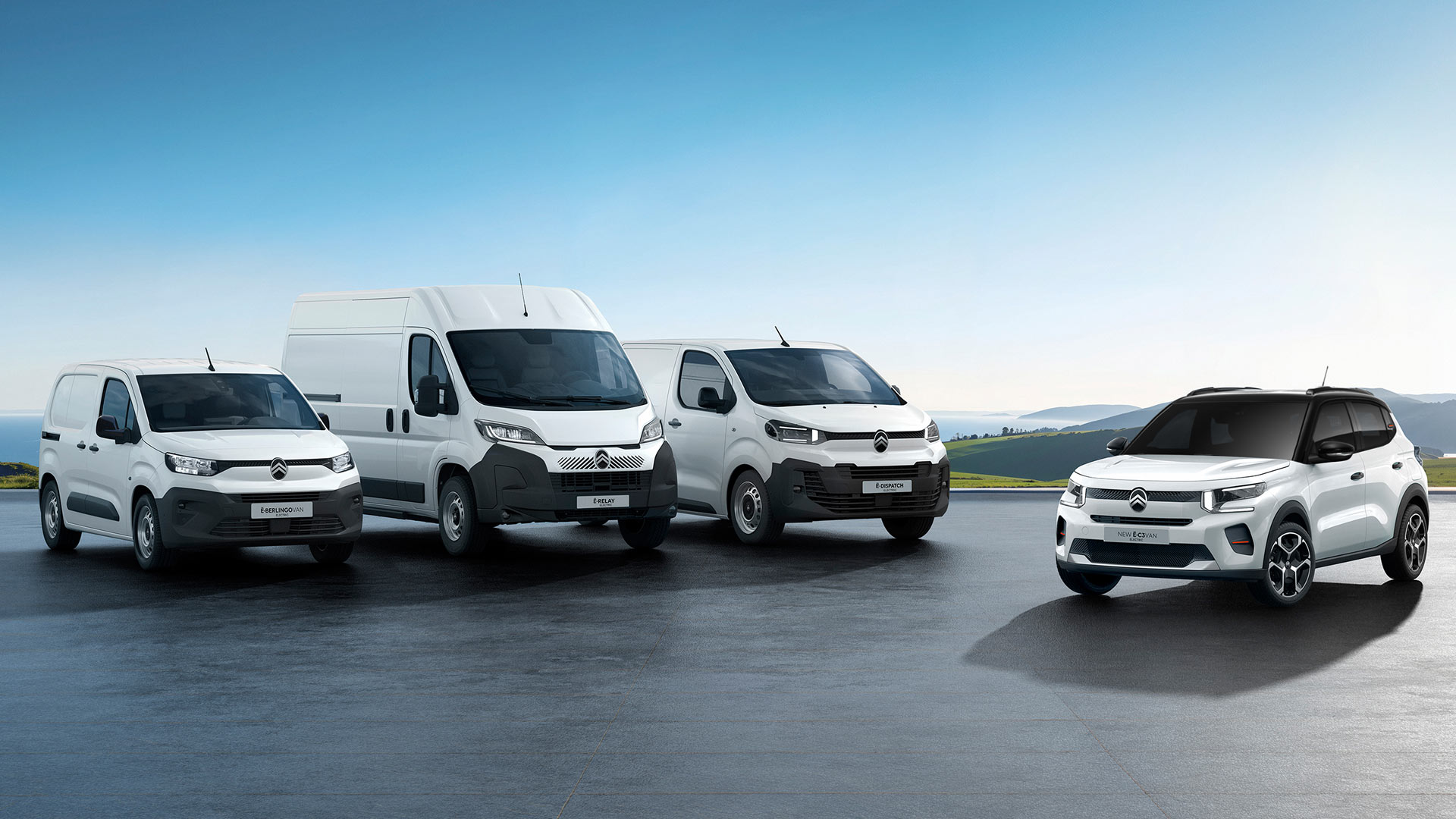
For Citroen, the e‑Berlingo and e‑Dispatch vans are covered by the monthly price parity offers, giving business users a choice between two of the marque’s most popular LCVs .
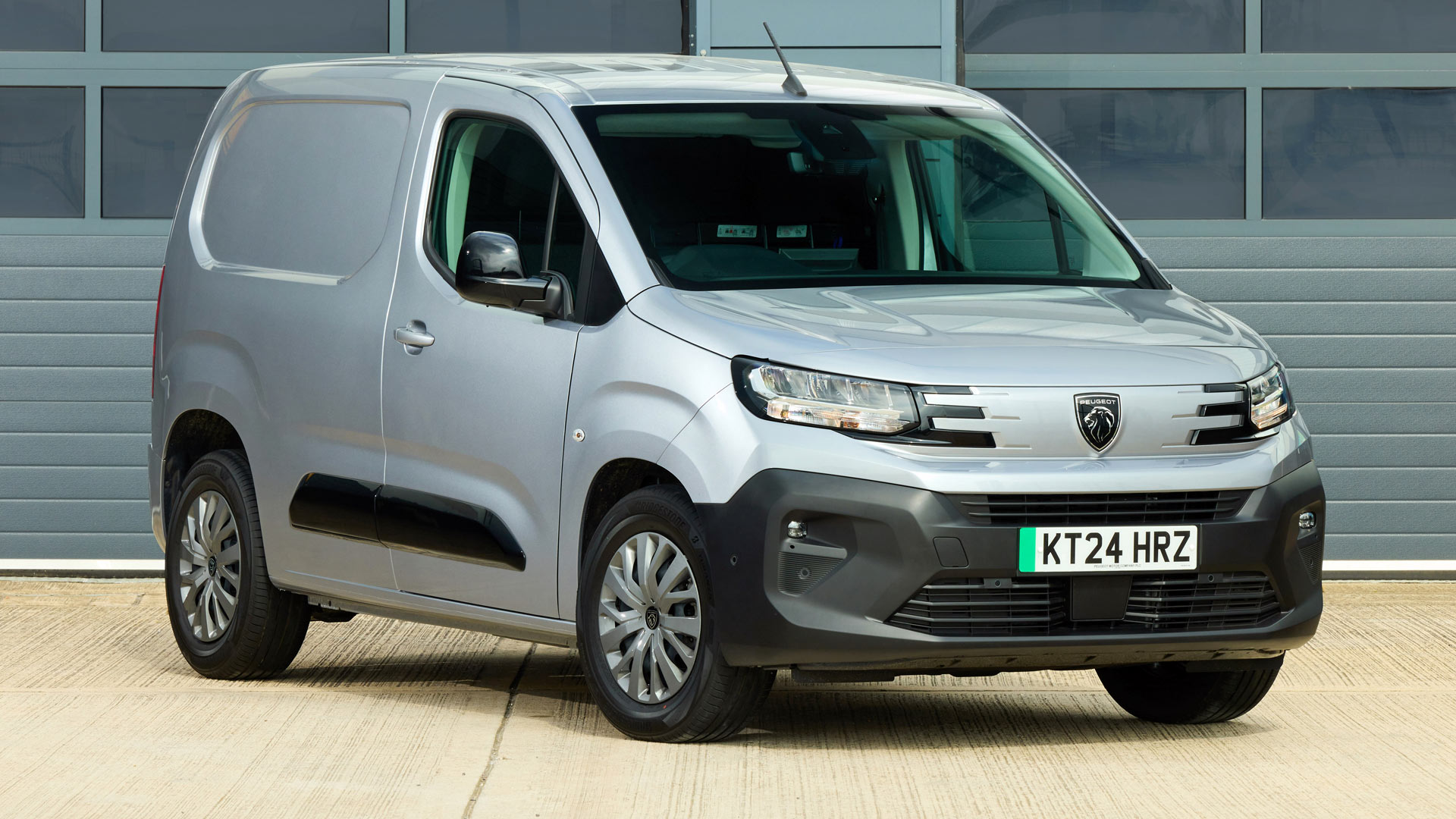
Peugeot has also included the sister E-Partner and E-Expert models in its new finance offers, along with the larger E-Boxer van.
Citroen highlights that the e-Berlingo is now available via business contract hire for £315 per month excluding VAT, with an initial upfront cost of £1,890.
This 36-month contract includes an allowance of 10,000 miles per year, and comes with a free home EV charging device. There is no penalty for choosing the Peugeot-badged E-Partner, which costs exactly the same.
‘Making electrification more accessible’
Nicola Dobson, managing director at Peugeot UK, said: “Price parity represents an important step forward for fleet electrification. By removing the upfront monthly cost barrier, we’re enabling businesses to switch to electric vans while strengthening their total cost position from day one.
“With our fully electric LCV range and dedicated fleet support, Peugeot is ready to help national operators transition at scale.”
Greg Taylor, managing Director at Citroen UK, added: “Small businesses are at the heart of the Citroen brand, and we understand that cost is the deciding factor for many when considering electric.
“By bringing electric vans in line with diesel on monthly price, we’re making electrification more accessible and realistic for SMEs. Combined with lower running costs, it means going electric now makes strong business sense.”
The electric LCV market has been turbulent in recent months, although figures for April 2026 from the Society of Motor Manufacturers and Traders (SMMT) show a 44.7 percent increase in registrations versus the same month in 2025.
Even so, electric vans only account for 9.4 percent of the LCV market so far in 2026 – well below the UK Government-mandated figure of 24 percent.
ALSO READ:
Ford Explorer EV is now available as a van
Kia PV5 and Ford Ranger named van and pickup of the year
Better than diesel? Would an electric van work for your business?