
New research has uncovered that thousands of British drivers are still paying VED (road tax) on their classic cars.
Every 1 April, another year’s worth of retro vehicles gain historic status, meaning they are classified as exempt from VED.
UK legislation treats any car that is more than 40 years old as a historic vehicle. From 1 April 2026, all vehicles made before 1 January 1986 have gained this special status.
However, eligibility for historic VED status is not granted to classic cars automatically.
Instead, owners have to apply to the Driver and Vehicle Licensing Agency (DVLA) to have their vehicle reclassified as historic.
Millions of pounds being paid in VED
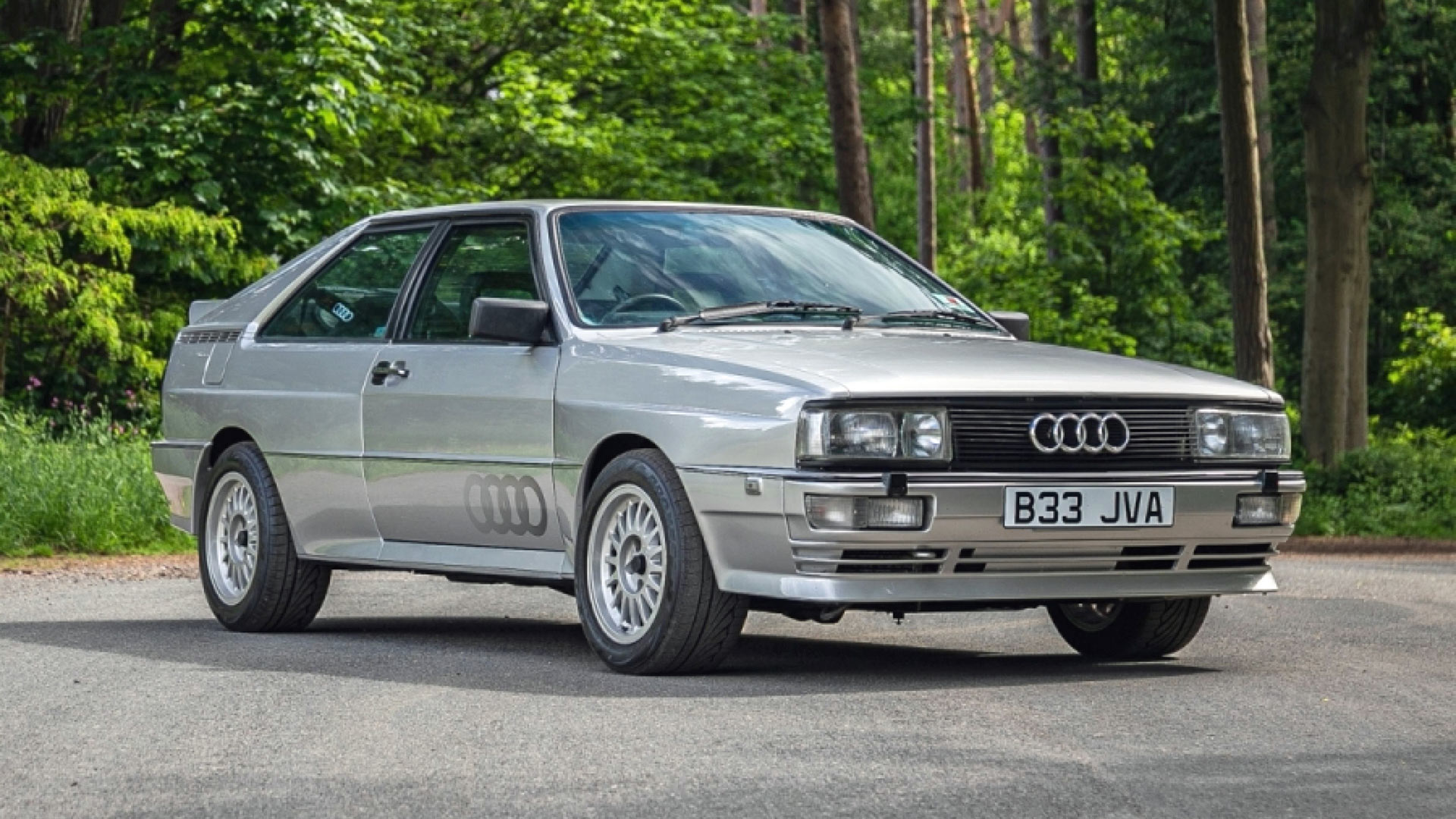
The need to manually apply to have a car reclassified by the DVLA means many drivers are unaware of the VED saving they could make.
Research by Heritage Car Insurance found that 18,040 vehicles built in 1985, along with 5,869 made in 1984, are still recorded by the DVLA as being taxed.
Based upon the DVLA’s pre-2001 VED rates, this combined total of 23,909 vehicles means there is a potential £9 million being paid unnecessarily.
This includes up to £375 a year being paid by drivers of cars with engines larger than 1,549cc. Smaller-engined models are charged £230 annually.
Once a vehicle has been reclassified as exempt, owners still need to renew their car’s historic status each year, with nothing to be paid.
A quick trip to save hundreds each year
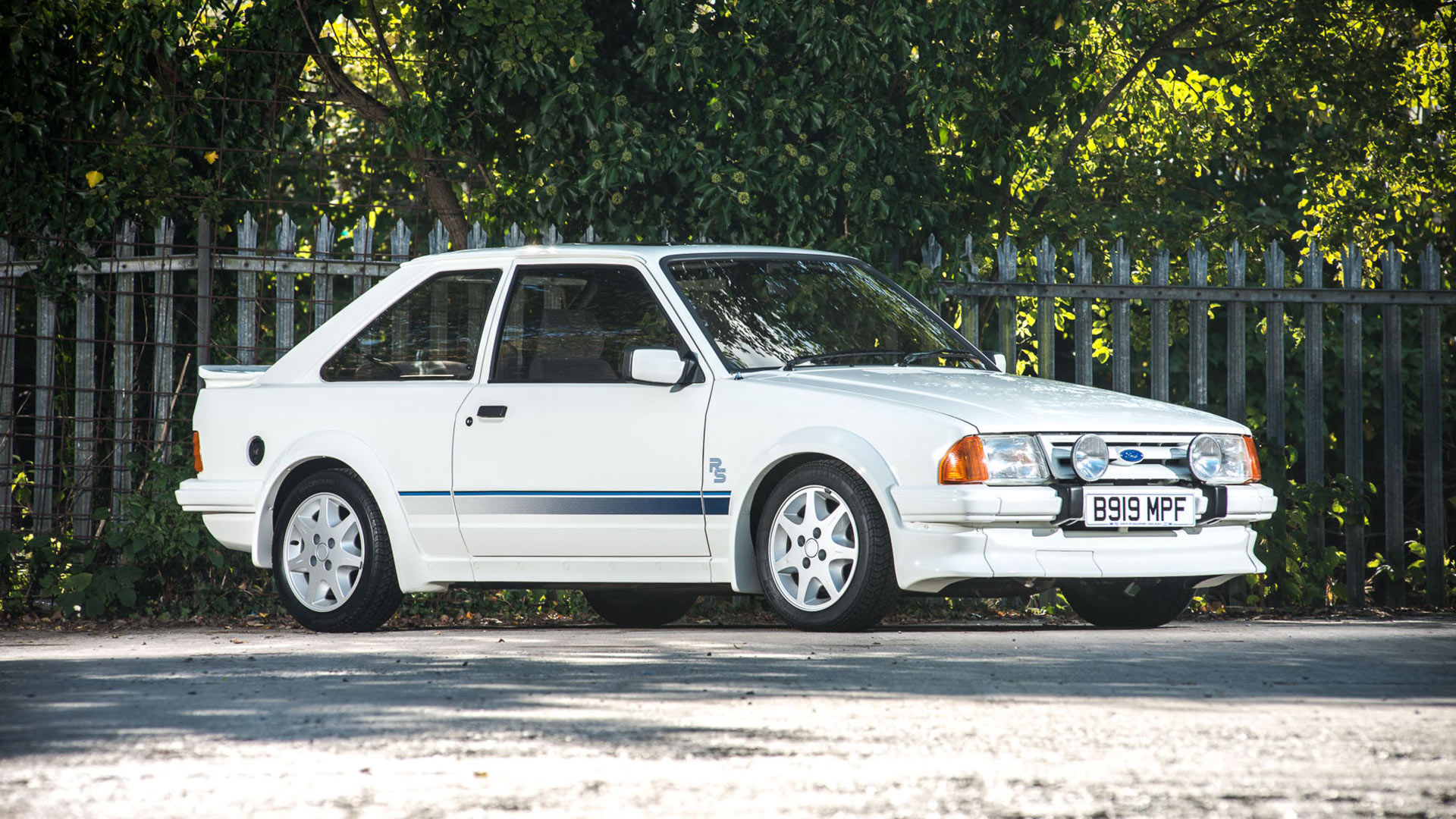
Further analysis of DVLA data found that some 8,303 examples of the 10 most popular cars from the 1980s are among those still registered to pay tax.
This includes 932 owners of the highly collectible Ford Escort RS Turbo paying VED unnecessarily, and 1,032 drivers of the Austin Mini.
Mark Wilkinson, managing director at Heritage Car Insurance, said: “We were surprised by just how many owners of 1984 and 1985 cars are still being taxed as though their vehicles were brand new”.
“The historic tax class exists precisely for cars like these, but it isn’t applied automatically, so if you don’t know to ask, you keep paying. Given the sums involved, a five-minute trip to the Post Office could be one of the most valuable things a classic car owner does all year.”
ALSO READ:
What is a historic vehicle – and what are the benefits?