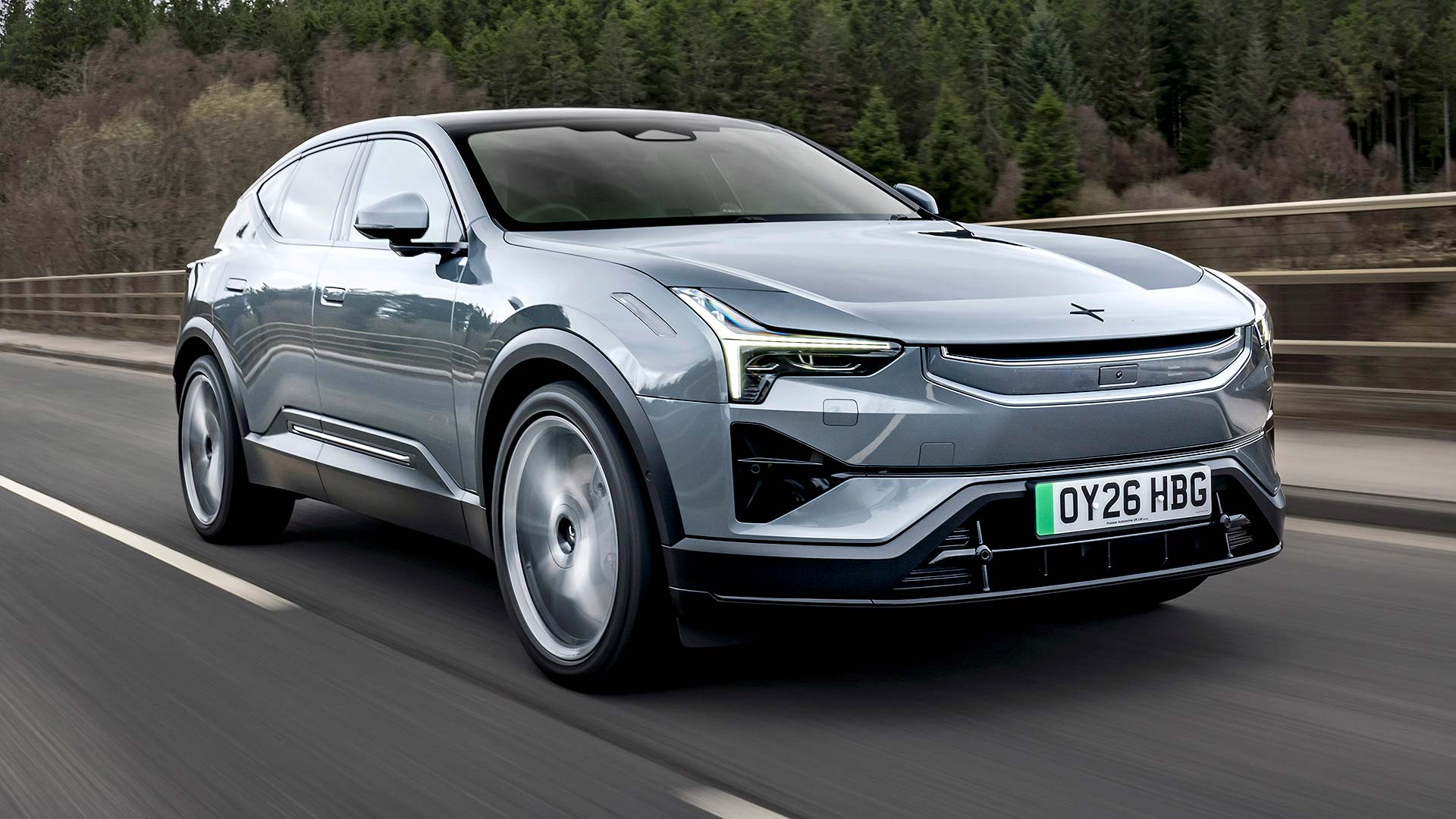
I’ve driven the new 2026 Polestar 3. If you think it looks rather like the existing Polestar 3, launched in 2024, you’d be right. On the surface, almost everything is the same – and it looks the same inside, too. Even a much-heralded upgrade for its infotainment doesn’t serve up any obvious visual changes.
No, the latest Polestar 3 is all about what’s new below the surface. And, believe me, there is plenty. Take the new 800-volt electrical architecture, for example. Or a brand new Nvidia core computing chip. New motors, even new batteries – by EV standards, that’s a completely fresh heart. Now priced from £69,990, is this the car it should have been from the start? Let’s find out…
Certainly, the Polestar 3’s raw figures impress. The 800V architecture means faster DC rapid charging at a rate of up to 350kW. Going from 10-80 percent charge can take just 22 minutes, some 25 percent quicker than before. The Rear motor version now has a 92kWh battery, while Dual motor and Performance models use a 106kWh pack.
Polestar has also developed a new rear axle motor, which boosts power to 333hp in entry-level Rear guise. Power swells to 544hp in the Dual, or a wild 680hp in the Performance. Zero to 62mph times – 6.5 seconds, 4.7 seconds and 3.9 seconds respectively – are all reduced. In fact, the new Polestar 3 Dual motor is as quick as the old Performance. And the latter? It’s now as quick as a Porsche 911 Carrera.
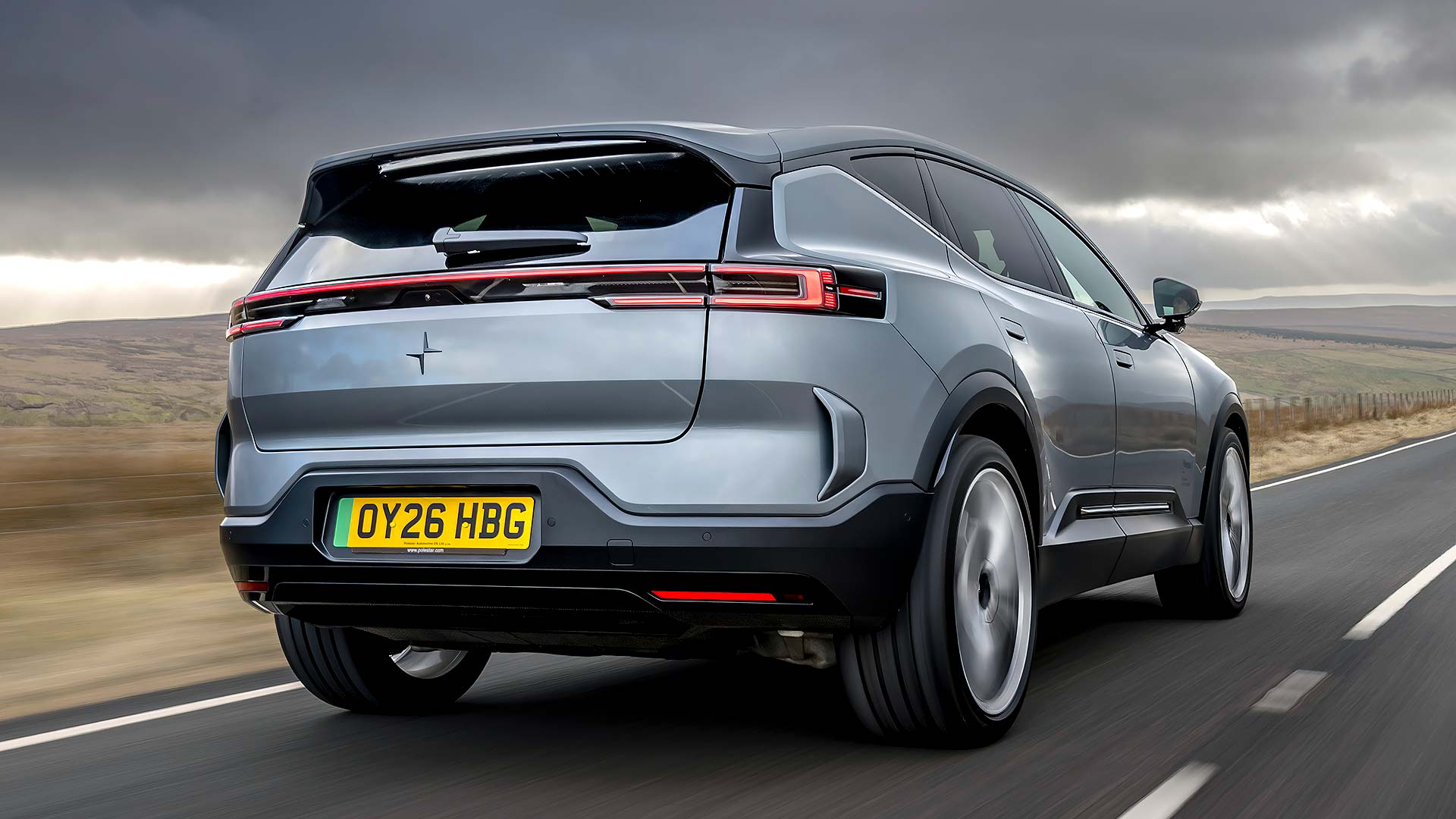
The all-important EV ranges are 375 miles, 394 miles and 368 miles for the three-model lineup. Impressive – and remember, even the old version was a range record-breaker. Helping boost these figures is a new asynchronous front motor, which can now be disconnected when not needed.
The Polestar 3 Dual motor, priced from £77,990, is forecast to be the best-seller, although my first drive concentrated on the bookends: Rear motor and Performance.
Driving the Polestar 3
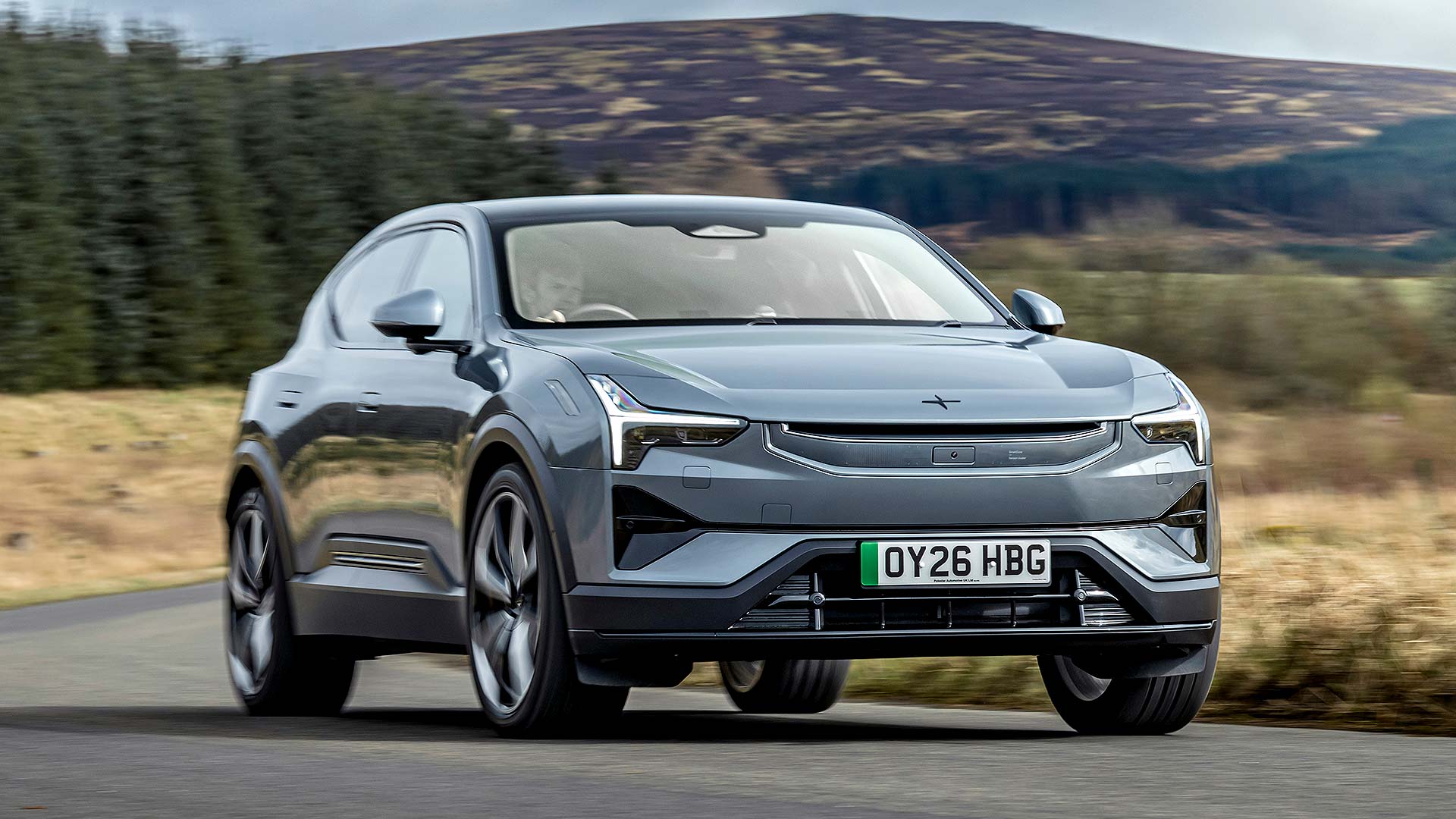
Mirroring my recent drive of the Porsche Cayenne Electric, Polestar started me off in the hottest Performance version. As standard, this has dual-chamber active air suspension, plus a Polestar Engineered chassis setup. There are also 22-inch forged alloy wheels and custom Pirelli P Zero tyres, plus the Brembo brakes shared with other Polestar 3s.
An engineer told me Polestar has slightly softened the front suspension and firmed up the anti-roll bars to help with turn-in, while the steering software has been revised to provide a more dynamic feel. It certainly felt immediately ‘dynamic’ in terms of ride quality, with an unnecessarily stiff jiggle that seemed at odds with Polestar’s promise of sophisticated refinement.
However, it turned out the previous driver had left the car in ‘firm’ mode. Choosing ‘soft’ introduced a cushioned sportiness much more in keeping with the Polestar’s performance potential. For extra tidiness in corners, so-called ‘nimble’ mode strikes a nice balance between the two.
It’s a pity the mode menu is three jabs of the touchscreen away, as are other everyday tasks such as tailoring the ADAS driver assistance settings. Polestar needs to make smarter use of contextual shortcuts here. Or, dare I suggest, add a few physical buttons.
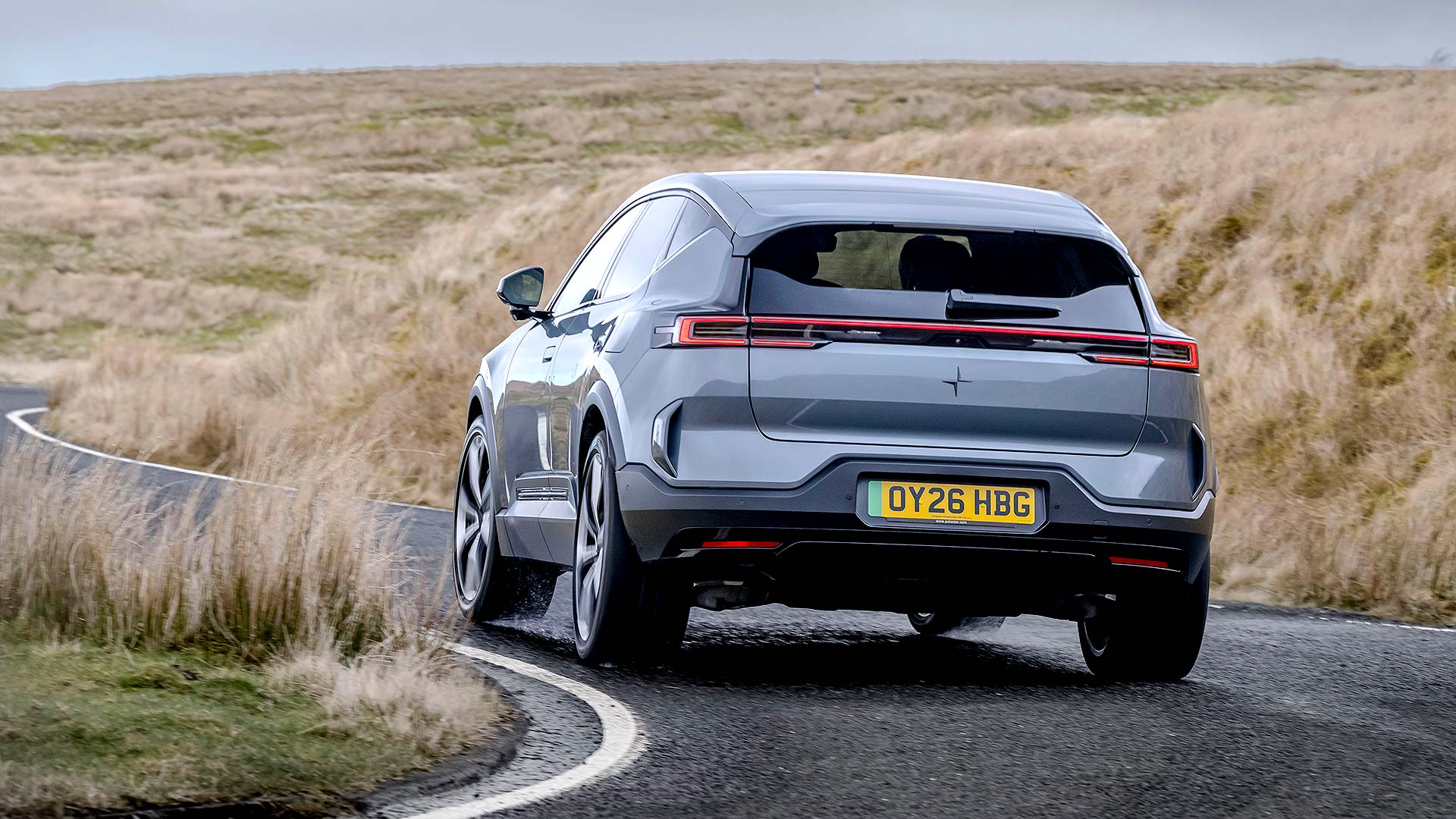
The Polestar 3 Performance has impressive poise and agility for its size and heft. Its responsive steering is well-weighted, with decent feedback, helping settle it neatly into corners. Body control and composure are excellent, there’s no crashing over aggressive surfaces, and the hint of power oversteer from the rear-biased powertrain in tight corners is very satisfying.
What about all that power? There are two settings for the accelerator, either ‘performance’ or ‘range’. The former is a bit much, making the pedal feel a bit grabby (not unsurprising if unleashing the full 680hp), so I preferred the latter. Unsurprisingly, the Performance never felt short of power, even at higher speeds.
Again, as with the Cayenne Electric, the entry-level Rear motor version was much less dramatic; it has less than half the power, after all. But that wasn’t the biggest takeaway – its stiff, jostling ride was. Unlike the Performance (and the Dual motor version), the Rear lacks air suspension, using so-called passive dampers instead. Furthermore, my test car was fitted with the optional 21-inch alloy wheels, further energising the ride over bumps.
It was unsettled at low speeds, bouncy in urban environments and much less proficient at smoothing away potholes and other intrusions. It did settle down at speed, but still lacked the refinement of the Performance’s air-suspended ride. The Dual motor costs £8,000 more and, crucially, one of its benefits is standard air suspension. If you can’t stretch to that, think carefully before spending £750 on the 21-inch wheel upgrade.
Inside the Polestar 3
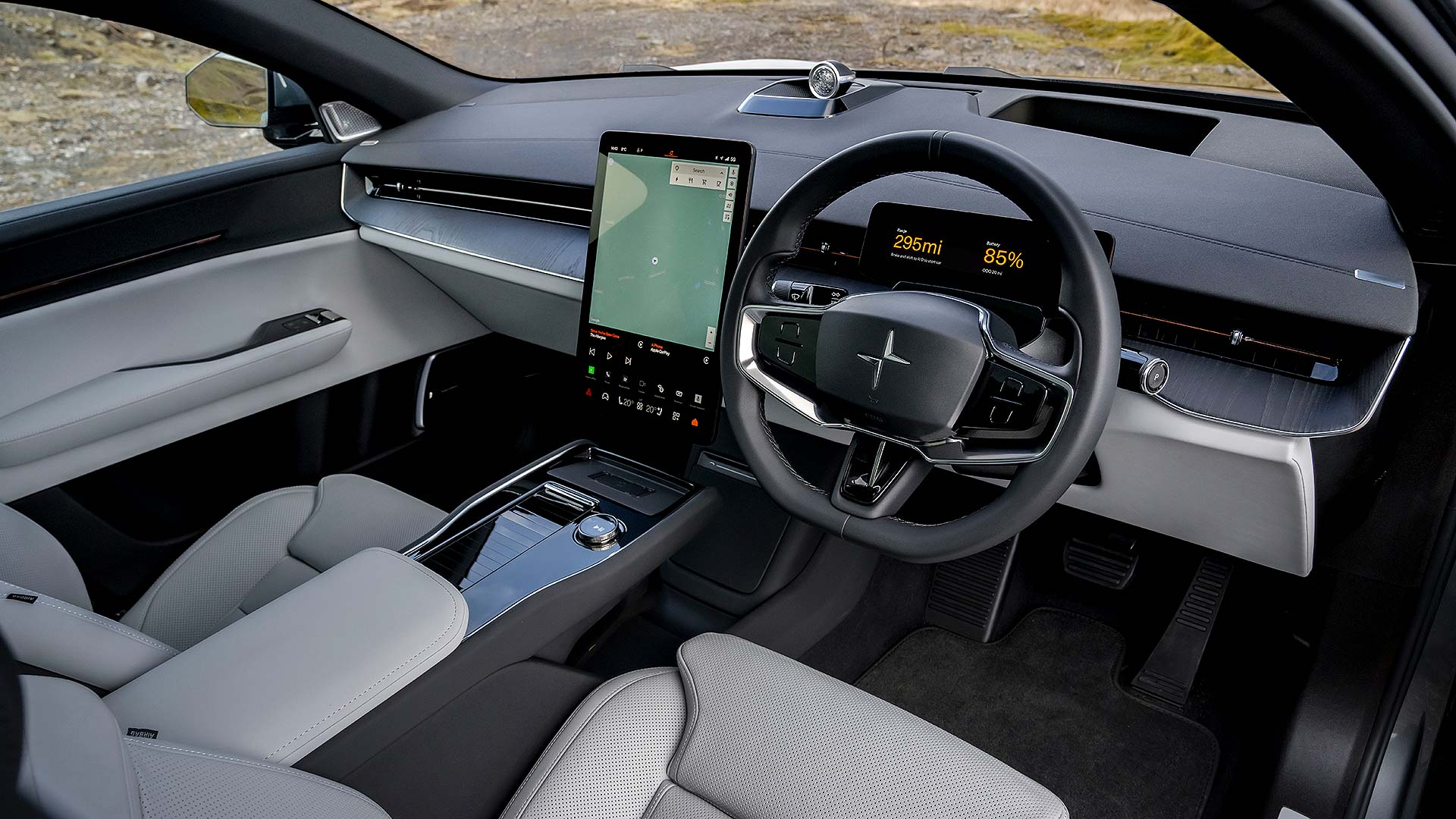
Just as the large yet low-slung Polestar 3 has changed little from the outside, so its interior is much the same. Even the infotainment looks identical, despite all its extra processing ability. The new Nvidia core computing system is more than eight times more powerful, but a drive of a few hours wasn’t enough to uncover its benefits. I suspect the key advantages will be in future-proofing it and getting it ready for AI.
The button-lite layout isn’t the most user-friendly setup, proving heavily reliant on menus. A lot of reading and jabbing at the screen is involved. Perhaps it reflects the feature-packed nature of the Polestar, but I couldn’t help thinking the similar system in my old Volvo EX30 long-termer was more straightforward, not least thanks to smart shortcuts on the home screen. Why take up precious real estate with a digital hazard warning switch, for example, when there’s a rare physical button in the roof?
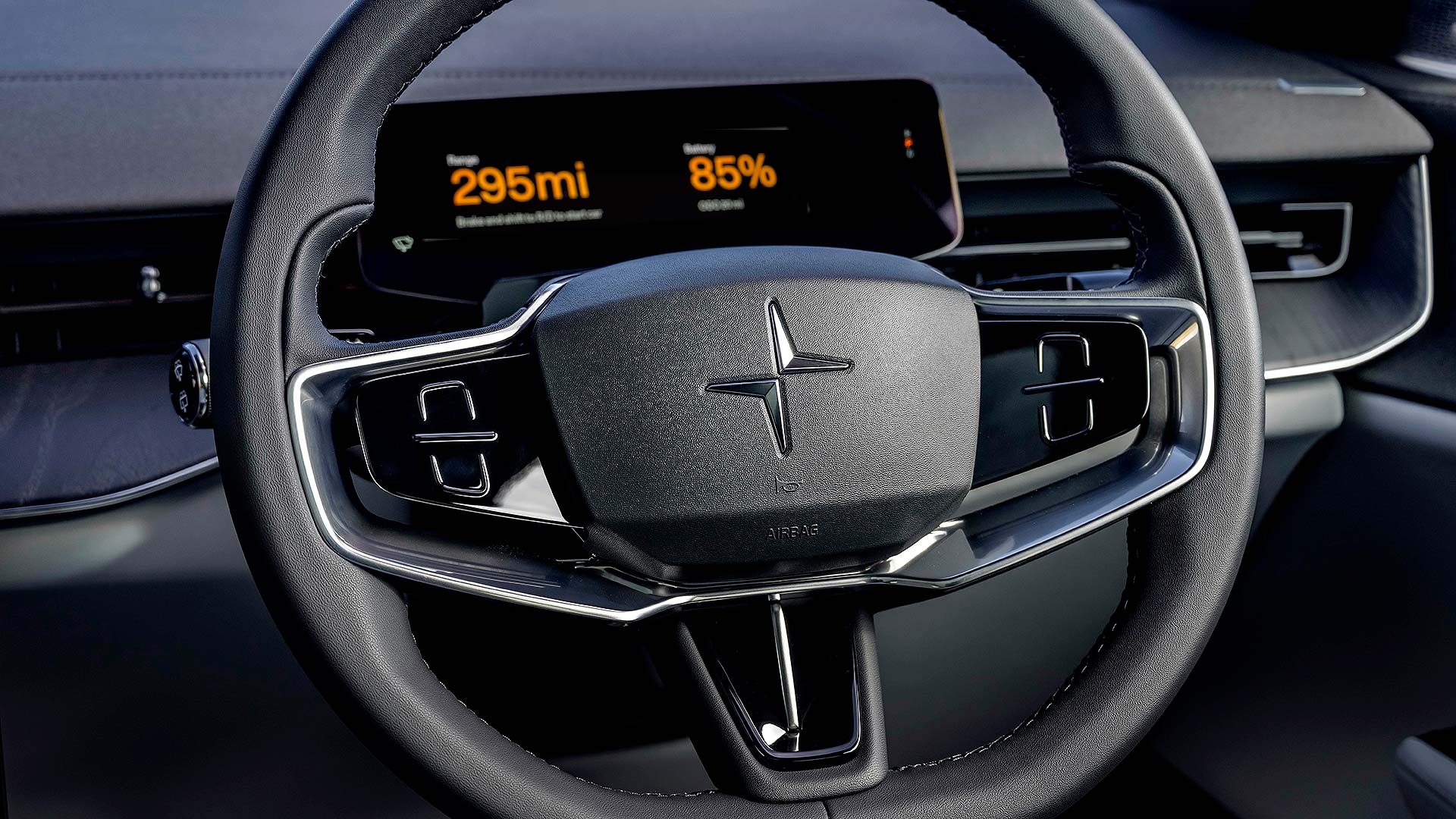
At least the Polestar 3 is soon to get proper illuminated steering wheel buttons, rather than the dark ‘guess and press’ setup of the current car. It will fix an example of design trumping common sense.
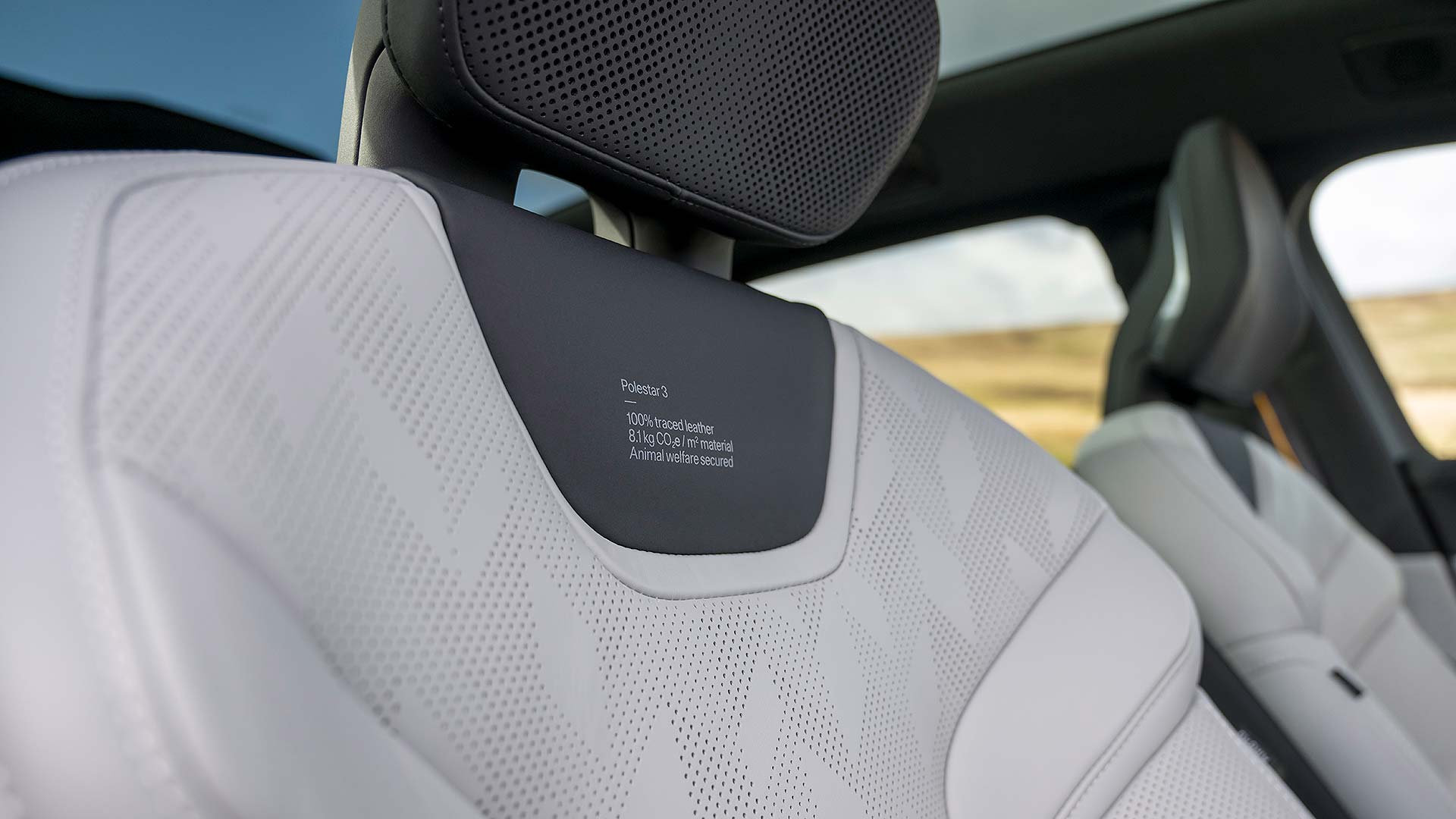
The firm seats are positioned quite high and are lavish to sit in – these are really high-end chairs. Again, though, they’re a pain to adjust, as it’s all done through the infotainment screen and steering wheel buttons. Bring back physical controls on the side of the seat.
Adjusting the steering wheel and door mirrors is done in a similar way. If someone’s moved your settings, I bet you’ll sigh deeply before diving into the touchscreen to reset them.
On the move, the Polestar 3 is whisper-quiet, save for a bit of surface-sensitivity from the tyres – road roar is more intrusive on certain surfaces.
Wind noise is generally kept at bay too, with just a bit of rustle at motorway speeds. This might be more noticeable simply because the rest of the car is so hushed. The Polestar 3 feels every inch the cultured, premium product.
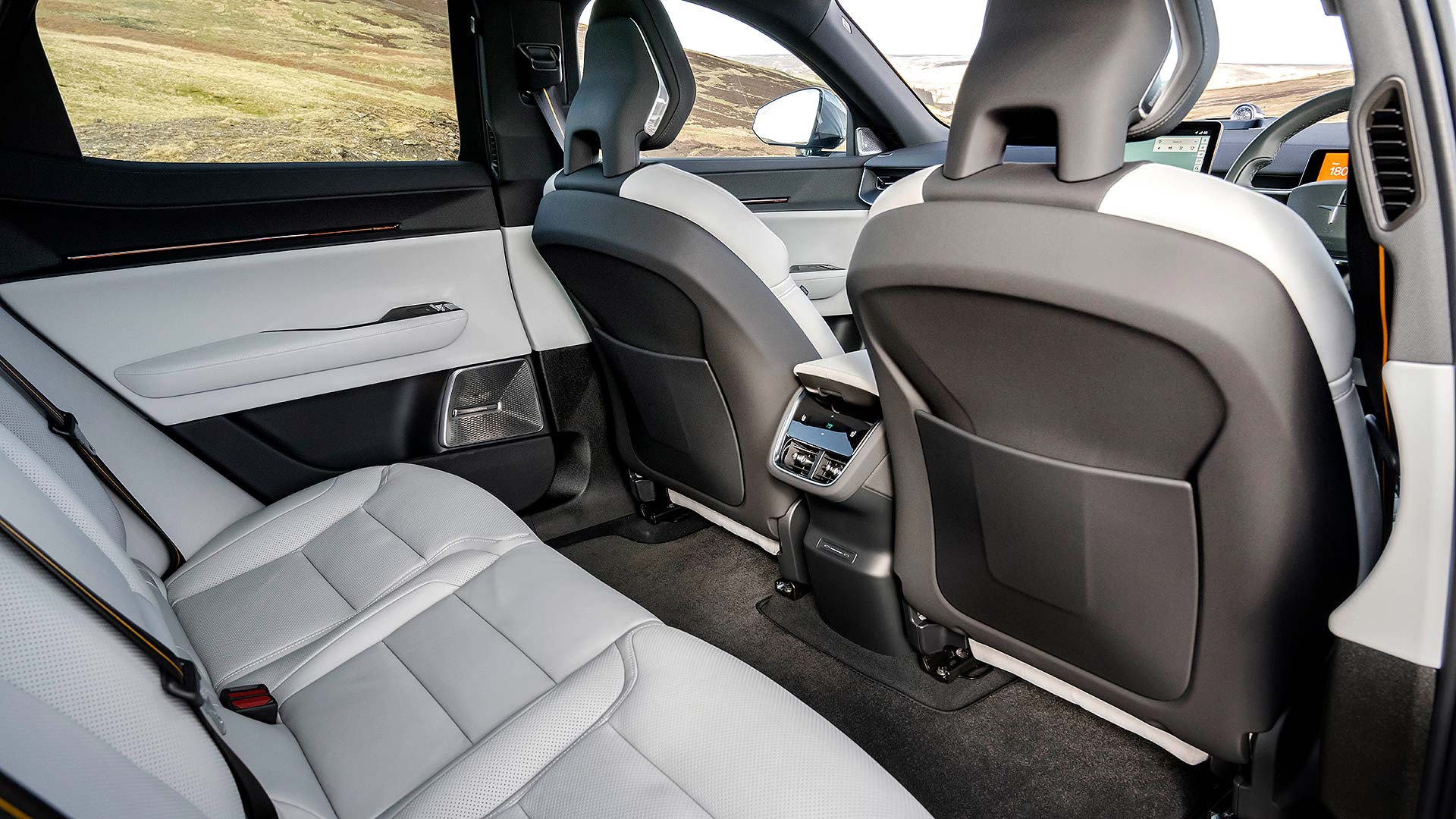
Of course, rear-seat space is abundant, and it’s flooded with light back there thanks to the standard panoramic roof.
A decent 484-litre boot is augmented by a handy 32-litre ‘frunk’ for storing charging cables. If, like many, you forget it’s there, there’s an ample 90 litres of space beneath the boot floor to tuck cables out of sight.
Verdict: Polestar 3
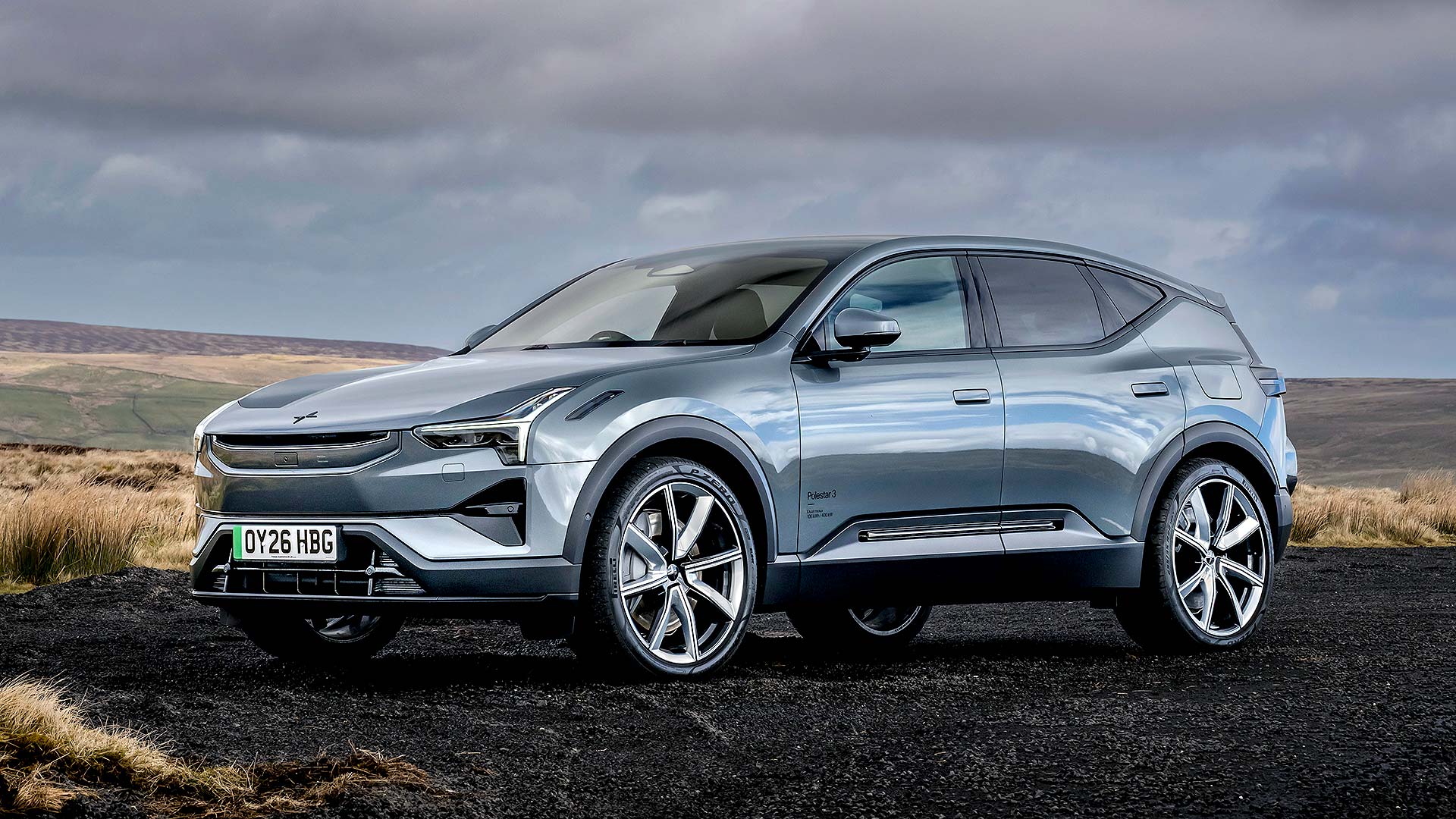
Updates to the Polestar 3 are significant. Range is improved, charging is quicker, the infotainment is future-proofed and having more power across the range makes it more fun. It’s even more sophisticated to drive, while existing attributes such as the distinctive styling, welcoming and practical interior, good refinement and sense of composed comfort are retained.
The pick of the range is likely to be the Dual motor. It’s £8,000 more than the Rear version, but has a bigger battery, 394 miles of range, 211hp more power and that all-important air suspension.
Why wouldn’t you make the jump? We’ll be able to tell you for sure when we drive it this summer.
ALSO READ:
Why ‘pump anxiety’ is boosting EV car company Polestar
