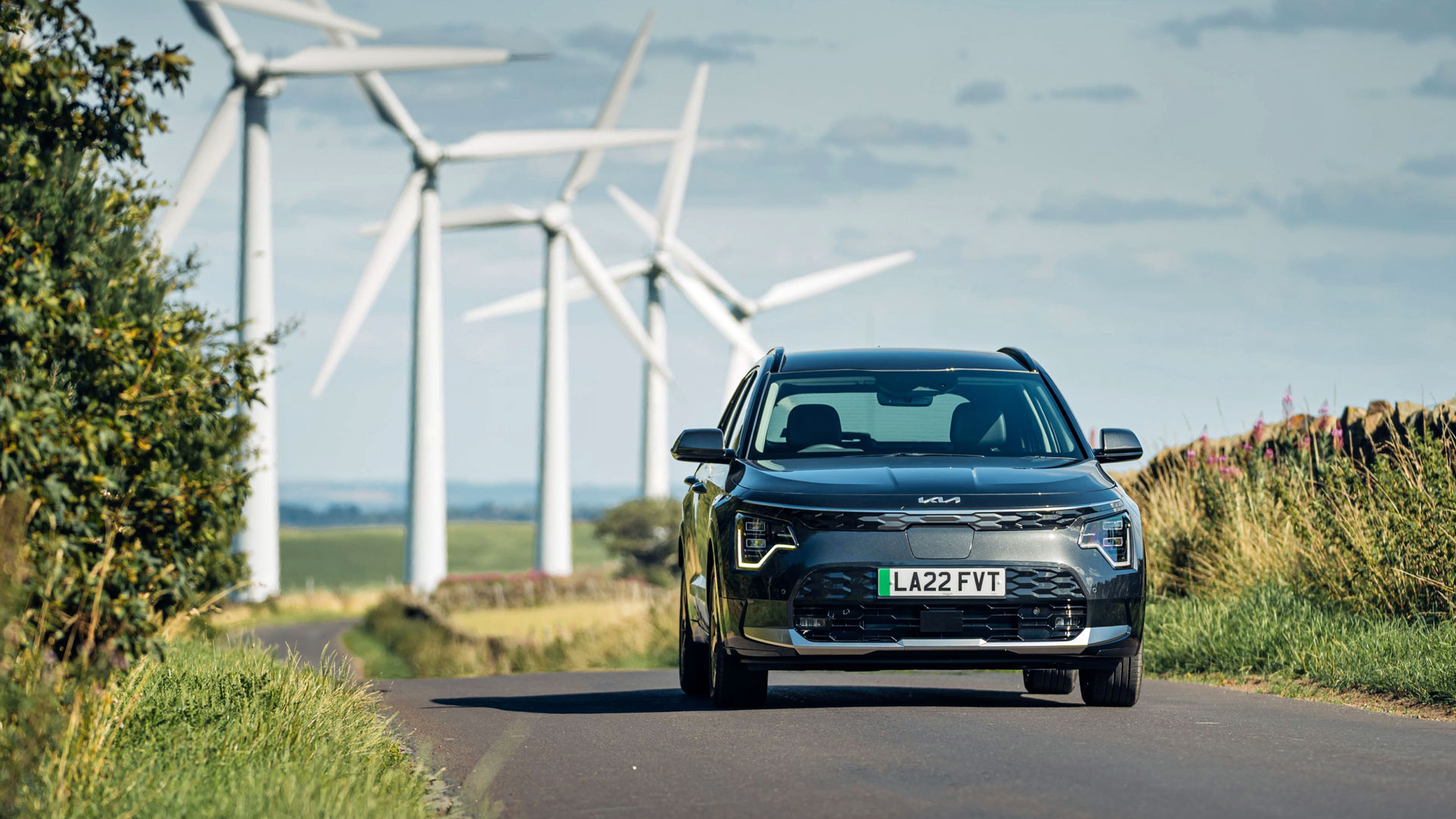
As fuel prices reach record-breaking levels across the UK, drivers are increasingly looking towards used electric cars.
Research by Snows Motor Group reveals a substantial rise in enquiries submitted about electric vehicles in recent months, as drivers contend with high petrol and diesel costs.
Year-on-year, the dealership group has witnessed a 58 percent leap in the volume of customers making enquiries about a used EV.
These peaked following the rapid rise in fuel prices in March 2026 – and have remained elevated as ongoing global conflicts keep pump prices high.
Along with the increased interest in electric cars, certain EV models have also achieved stronger residual values.
Depreciation-busting electric cars
Analysing 50 leading electric cars, certain models emerged as the standout winners to minimise depreciation.
Comparing multiple age groups from one to four years old, Snows Motor Group discovered the Kia Niro was a consistent top performer.
The compact Kia SUV depreciated by 22.6 percent during its first year, placing it among the top three models researched. It also topped the rankings for residual value at three years old, having lost 41.3 percent of its new value at this juncture.
Another Kia topped the rankings for year-one depreciation. The award-winning Kia EV3 typically lost just 16.8 percent of its value after 12 months.
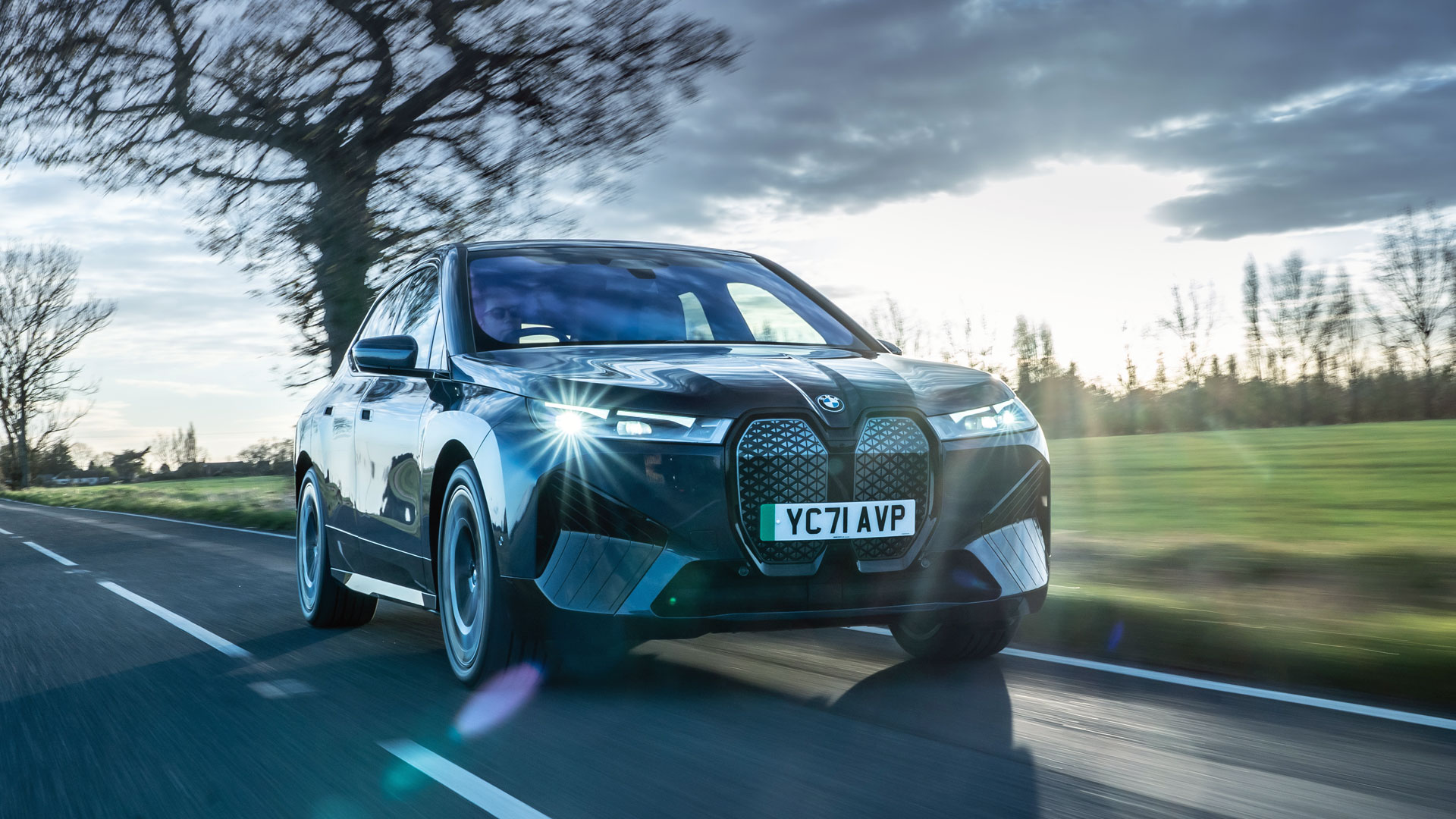
Electric BMWs were also consistent top performers, with the i4 coupe shedding 46 percent of its original value after three years.
Even the BMW iX SUV’s polarising styling doesn’t seem to have impacted demand, with 44.7 percent lost by the time it reaches four years old.
Used EVs make sense for UK drivers
Tom Price, communications director at Snows Motor Group, said, “For buyers considering a used EV, cars between one and three years old have already gone through a significant part of their initial depreciation, while many will still have battery warranties remaining.
“Battery cover varies between manufacturers, but seven or eight years, or around 100,000 miles, is common.
“Used EVs can therefore offer a way to access relatively recent technology at a lower upfront cost, whilst also benefiting from the lower running costs associated with EVs.
“Electric cars have fewer moving parts than petrol or diesel vehicles and use regenerative braking, which can reduce the mechanical wear and maintenance needs, although routine items such as tyres will still need replacing as they wear.”
ALSO READ:
14 easy ways to save money on fuel