The continuing conflict between the United States and Iran is pushing diesel pump prices in the UK to a potential new high.
According to the RAC, the cost of diesel is already on course to surpass the previous nationwide peak of 199.09p per litre, reached during the summer of 2022.
Last week, an attack on Saudi Arabia’s strategic east-west fuel pipeline saw crude oil exports suspended from its important Red Sea port of Yanbu.
This brought 4-5 percent of global oil supplies to a halt, triggering a jump in prices – with diesel the most affected.
RAC head of policy Simon Williams said: “The price of diesel continues to move steadily towards a new all-time high. A litre now averages 197.31p across the country, meaning it’s just under 2p (1.78p) from surpassing the 199.09p record set on 25 June 2022, although we’re aware of many forecourts already charging in excess of this”.
Both petrol and diesel prices rising
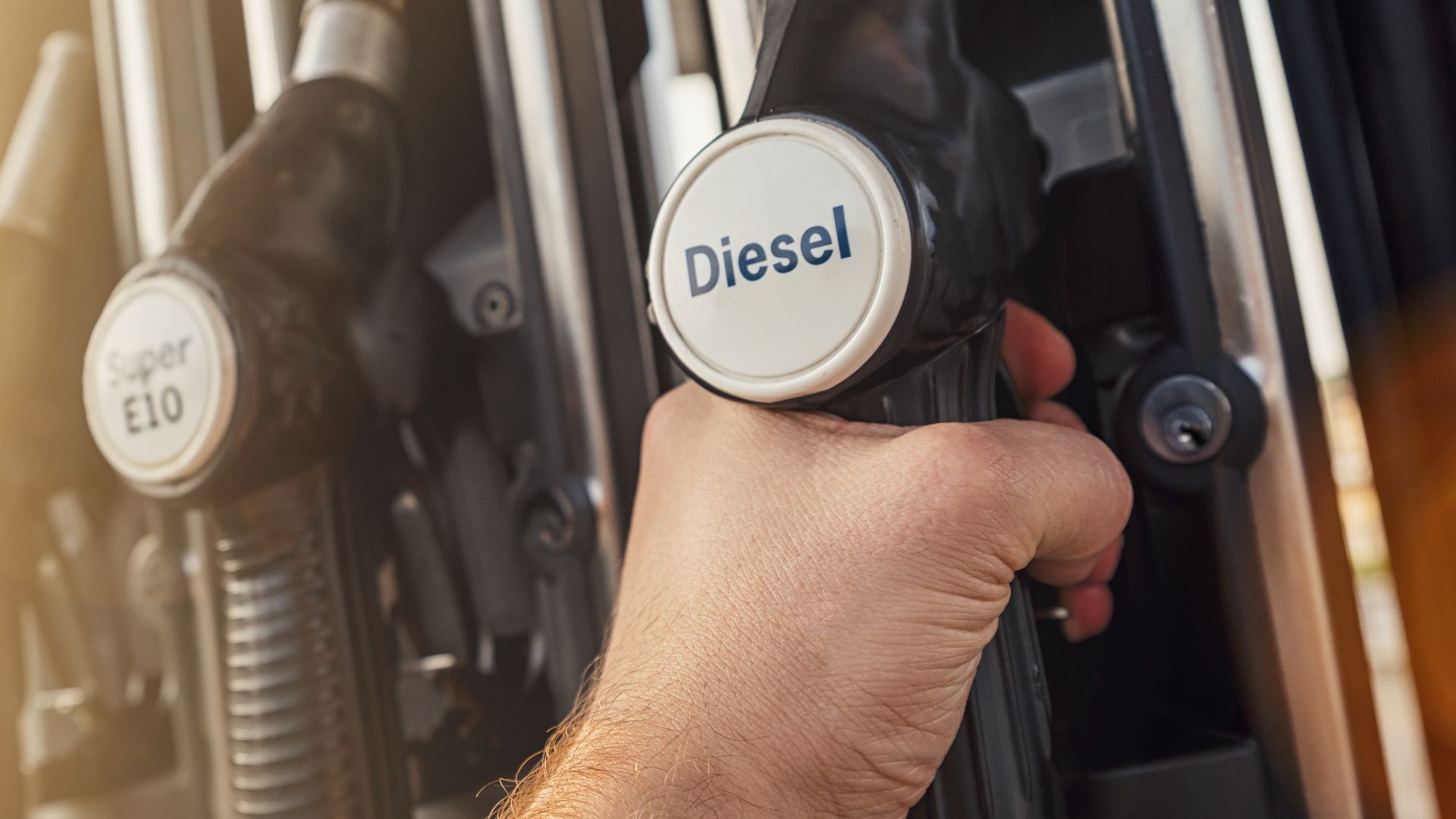
Williams added: “With concerns over the global supply of wholesale diesel, the question facing drivers is no longer ‘when will the average price exceed 199.09p?’ but ‘how far above £2 a litre will it climb?’.
“Only a sudden and sustained drop in the cost of oil can prevent an average diesel pump price of over £2 a litre happening, which sadly appears highly unlikely.
“Filling up a 55-litre family car with diesel costs £30 more than it did at the start of the US/Iran war, at £108.52.”
Owners of petrol-powered cars are also suffering from the effects of the latest Middle East conflict, although not to the same degree.
“Petrol has also hit a new Iran War high by tipping over 173p (173.08p), although it’s fortunately a long way away from the record high of 191.54p from early July 2022. A petrol fill-up costs £95 – £22 more than it did prior to the conflict,” noted Williams.
Continuing the decline of diesel

The impact of the ‘Dieselgate’ scandal in 2015, combined with an increase in the choice of electric and hybrid vehicles, has seen car buyers move away from diesel engines.
In the decade following Dieselgate, the market share of diesel vehicle registrations declined by a staggering 87 percent, accounting for only six percent of new models in 2024.
This has continued to fall year-on-year, with 5.6 percent of new vehicles using diesel in 2025. The latest year-to-date figures for 2026 show that diesel is now down to only 4.6 percent, with 63,222 cars registered thus far.
By contrast, electric vehicle registrations have grown by 28.6 percent in 2026, although this is likely to be scant consolation to diesel drivers feeling the pain at the pumps.
ALSO READ:
14 easy ways to save money on fuel