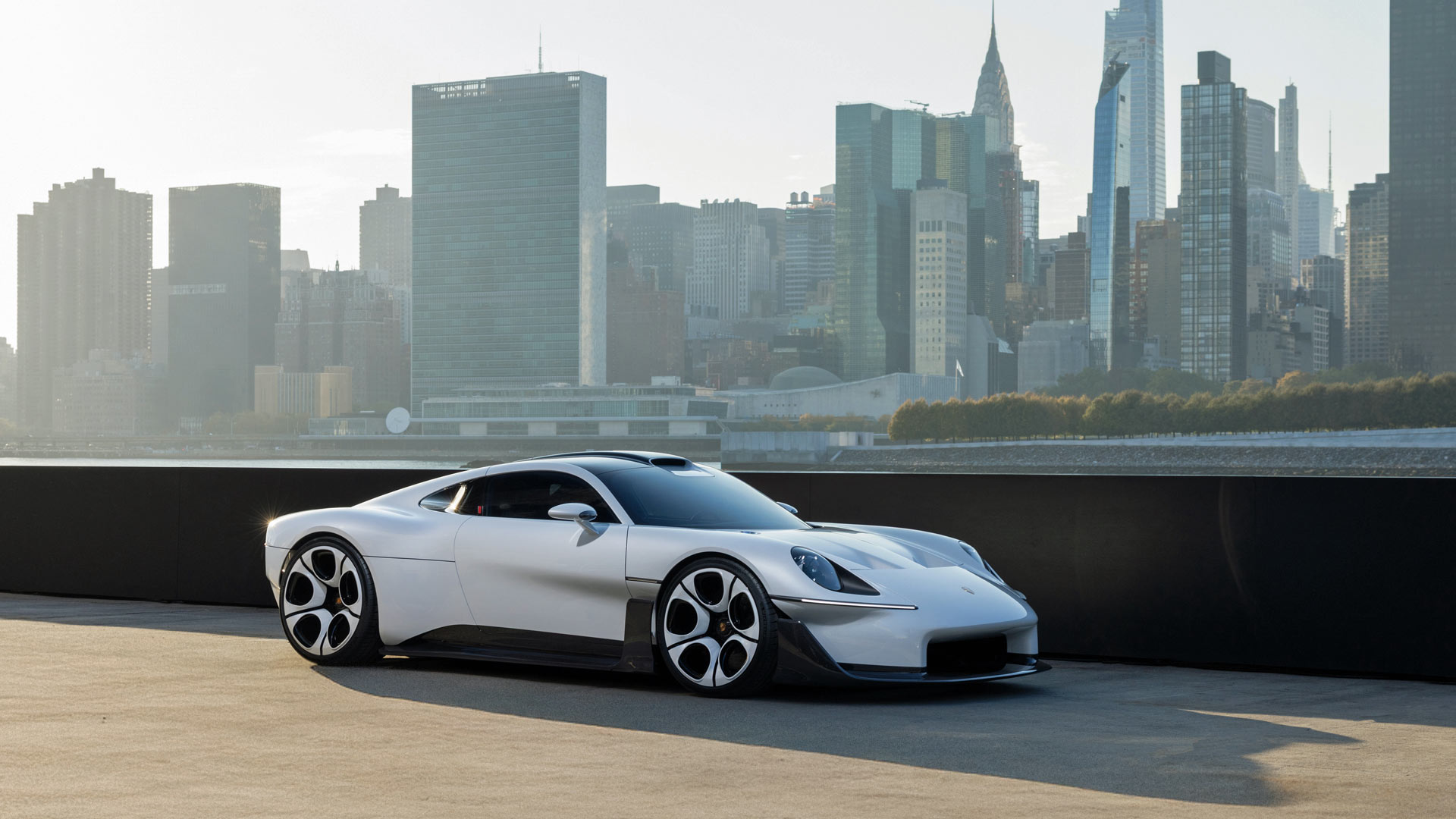
Porsche has revealed a dramatic new mid-engined concept, which signposts the direction for a new flagship supercar.
Launched in New York City, Porsche Mission S shows how a new addition to the German marque’s lineup could look, and is positioned above the legendary 911 sports car.
What makes the Mission S most intriguing, perhaps, is the fact that a battery electric powertrain does not seem to be on the agenda.
Although there are no details yet on what powers Porsche’s new supercar, the company’s references to a mid-engined layout are a tacit acknowledgement of internal combustion power playing a part – as is a prominent rev counter on the dashboard.
This contrasts with the previous electric Mission X supercar concept, also initially seen as a successor to the Porsche 918 Spyder.
A tribute to Porsche icons
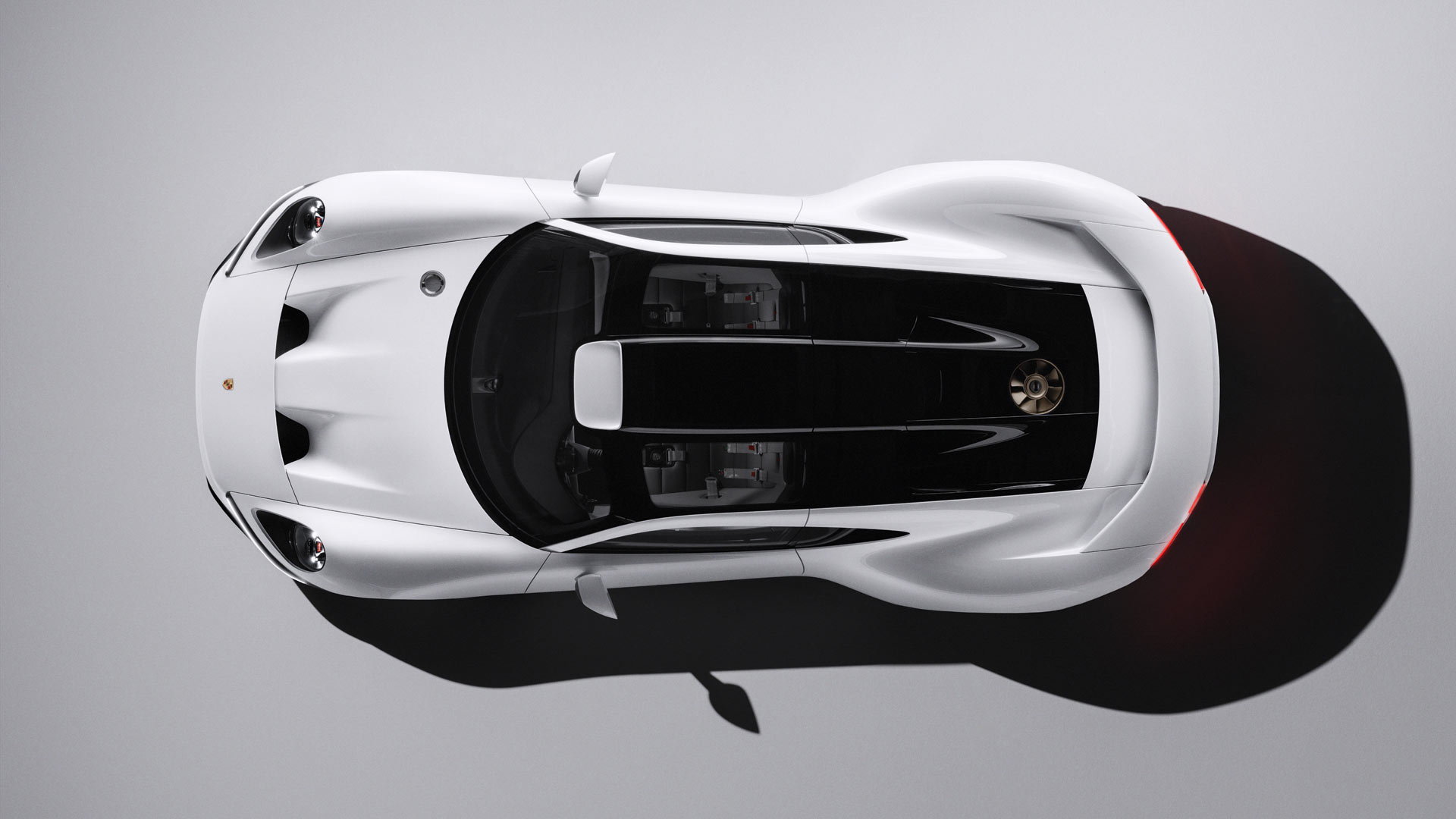
“The Mission S is the result of a forward-looking, holistic design strategy,” said Tobias Sühlmann, head of Style Porsche. “This vision model illustrates a fundamental strategic direction that we will soon be translating into our future product portfolio.”
When shaping the Mission S, Porsche’s design team delved into its back catalogue to source inspiration from the marque’s greatest hits.
The round headlights and torpedo-shaped front wheelarches are obvious nods to several generations of the classic 911.
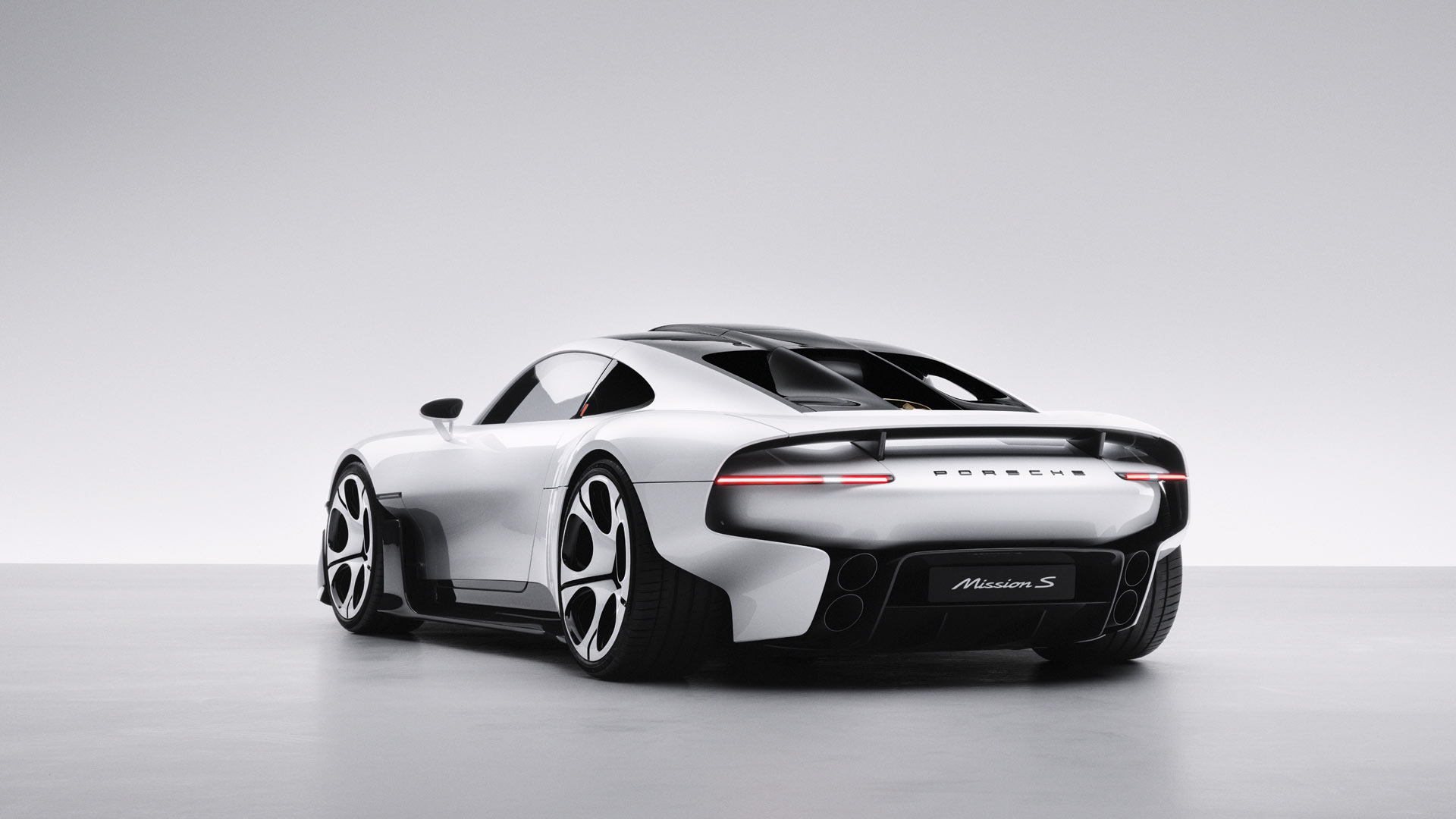
A wide rectangular front air intake and flat front end are homages to the 911 GT1 Le Mans racer, as is the ‘car-in-car’ shape of the rear end.
The Porsche 959 ‘Gruppe B’ homologation special lends the Mission S a roofline that extends beneath the rear wing, too.
Classic design and no touchscreen
The cooling fan atop the mid-mounted engine, visible only from above, is a direct reference to the Porsche 917 prototype racing car from the late 1960s.
Finally, the alloy wheels were inspired by the front-engined Porsche 928. Its famed ‘teledial’ rims have since become a staple of the modified Volkswagen scene.
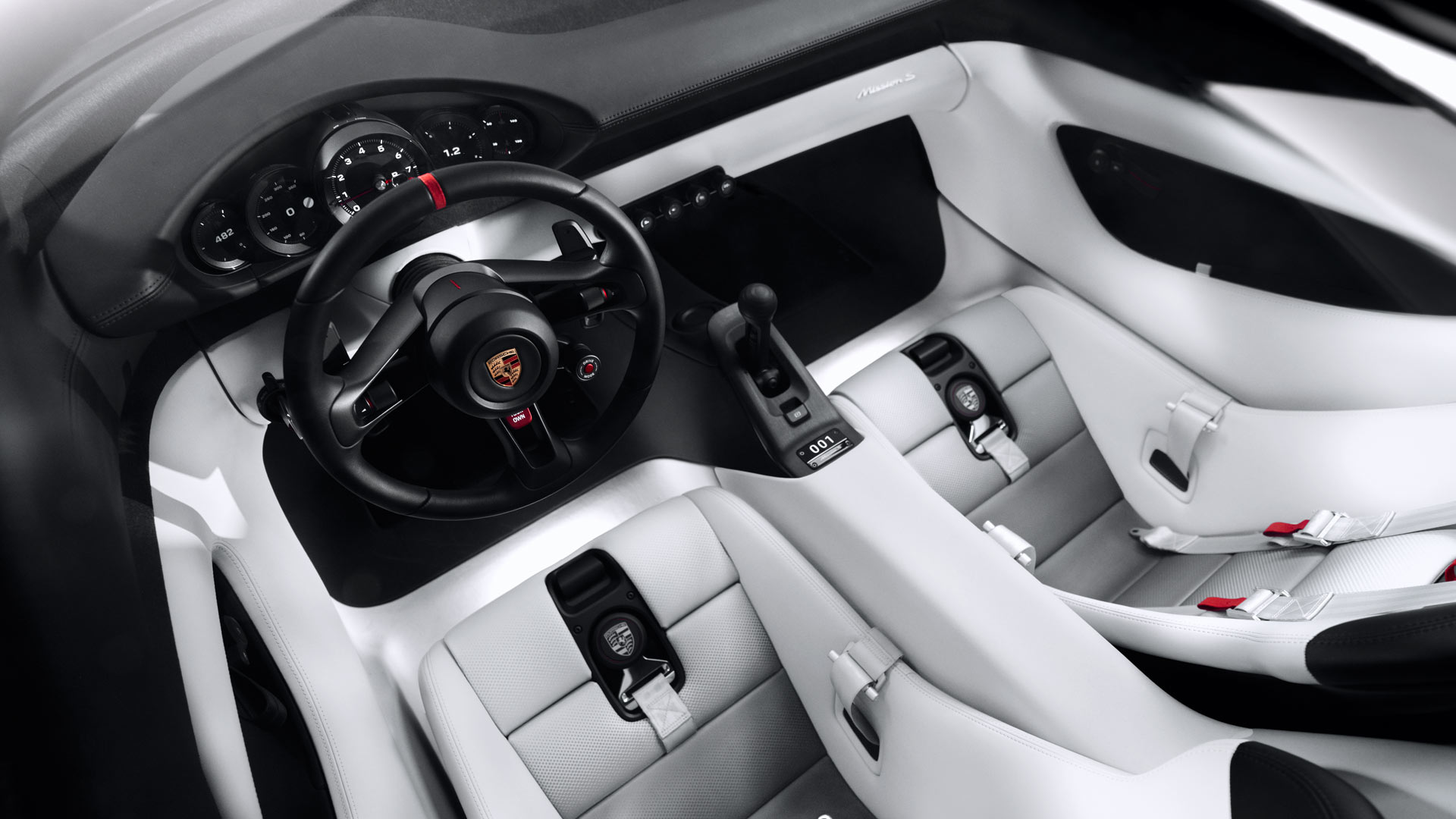
There is no shortage of classic Porsche design on the inside, either. The overall interior architecture is intended to create a feeling of sitting ‘deep inside’ the cabin, just like a classic 356 or 550 Spyder.
A traditional Porsche five-dial instrument panel combines analogue and digital layouts, with a large rev counter positioned front-and-centre. Depending on the drive mode selected, the latter can also move closer to the driver, placing it ahead of the other gauges.
Physical buttons are found on the dashboard, as Porsche rejected the idea of a large central touchscreen for the Mission S. Instead, a retractable MagSafe smartphone holder is fitted, similar to that used on the Hennessey Blackbird.
Back to the mid-engined Porsche future
Porsche’s decision to reveal the Mission S in New York City was no accident; the Big Apple was also the venue for launching the 550 Spyder back in 1953.
The concept car was even photographed on the same pier in Queens, overlooking the Manhattan skyline, as the German marque’s first mid-engined model.
With the Mission S, however, Porsche is firmly looking to the future. Dr Michael Leiters, chairman of the executive board of Porsche AG, commented: “The Mission S provides a glimpse of the ideas and design features that will shape Porsche in the coming years.
“At the same time, the Mission S represents a mid-engined super sports car platform positioned above the 911 – not as a one-off hypercar, but as a permanent and versatile addition to our customer offering.”
ALSO READ:
Porsche 911 GT3 S/C 2026 review