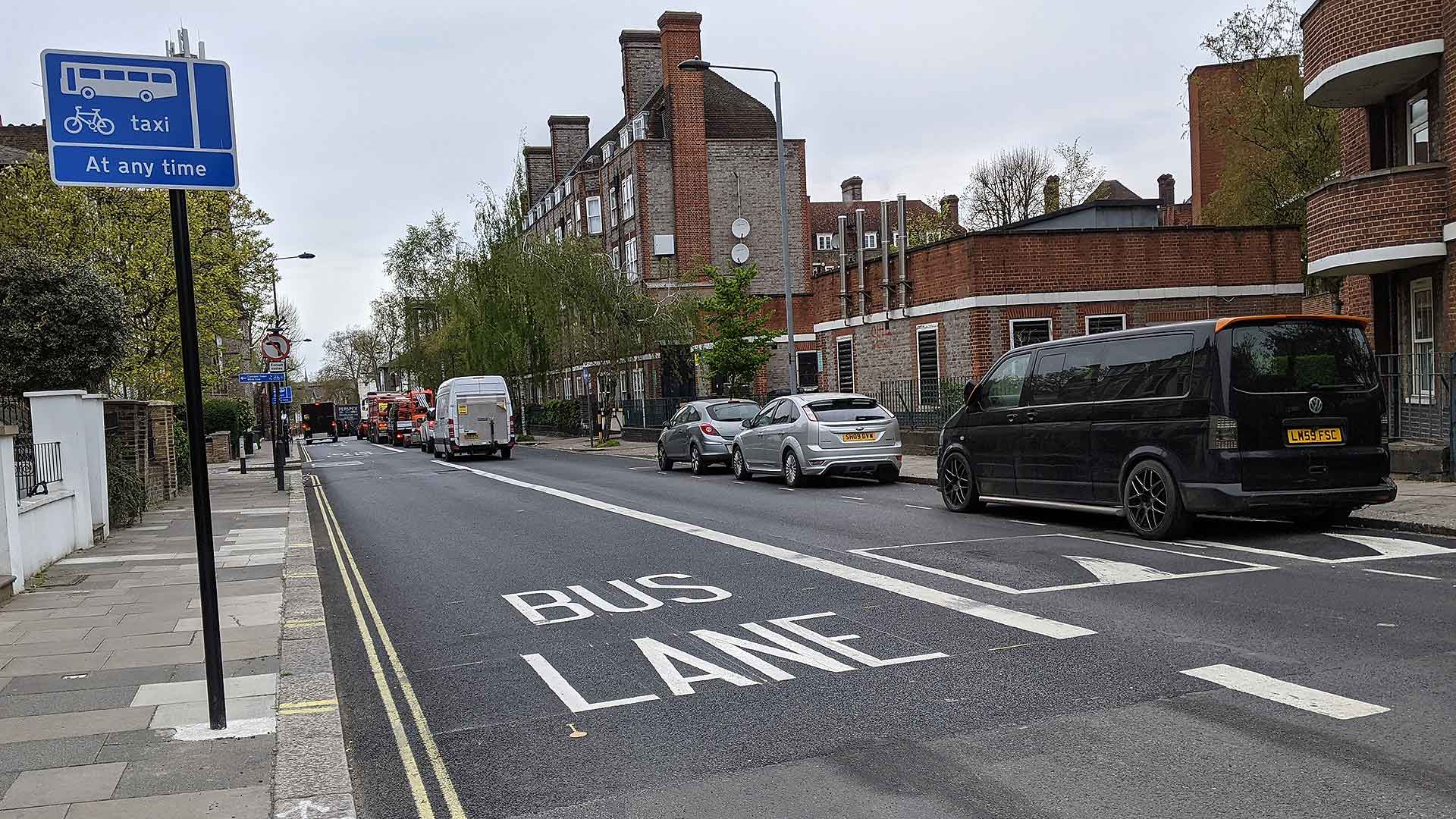
More than a third of motorists have accidentally driven in a bus lane due to confusing signs, road markings or operating times.
Alarmingly, 42 percent of these drivers said they were caught on camera and subsequently fined.
As a result, some 85 percent of drivers now want councils to issue a warning letter for first-time offenders driving in a bus lane – rather than progressing straight to an instant fine.
The RAC is backing up this call to councils. It points out the research shows only four percent of motorists admit to deliberately choosing to drive in a bus lane.
In contrast, 28 percent say they never drive in bus lanes, regardless of whether they are only operational at certain times. In most cases, drivers have been caught out either by missing the signs or being confused by them.
Signs are ‘difficult to understand’
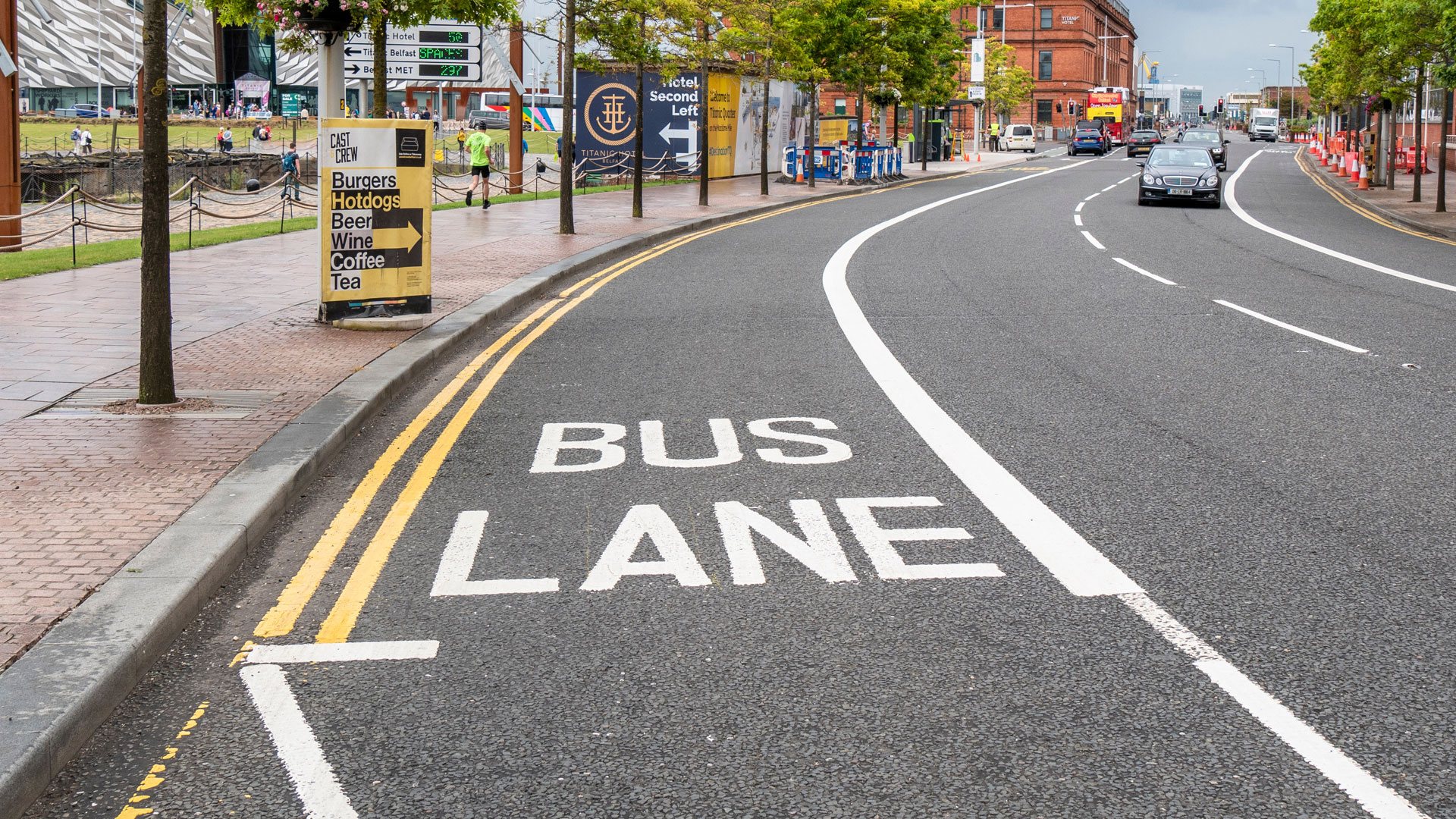
More than half of motorists think that signs for bus lanes operating at certain times of the day are inadequate. Concerns include signs carrying too much information to read and take in while also trying to drive safely. Drivers also feel there aren’t enough signs to warn of bus lanes, along with the signs being too small.
“We have always maintained that the majority of drivers don’t deliberately set out to drive in bus lanes, so it’s good to see this research confirming that,” said RAC head of policy, Simon Williams.
Drivers are expressing “considerable concerns about signs often being hard to spot and difficult to understand,” Williams added.
“Bus lanes are more common in urban environments where the driver’s job in spotting and comprehending bus lane signage is arguably even harder. There is so much else to take in, from vehicles and other road users, to traffic lights and warning signs.”
The RAC has renewed its call for councils to write to drivers who stray into bus lanes for the first time. “Our research shows that far too many drivers end up driving in bus lanes unwittingly, most probably because the signage really isn’t good enough. We therefore feel there’s a good case for this guidance to be updated.”
The irony, Williams adds, is that with so many motorists are avoiding bus lanes altogether due to the fear of being caught out, road space is not being used to its full capacity, with a detrimental impact on traffic flow and local air quality.
ALSO READ:
JLR invests £65m in custom paint factory
Driving abroad? Why GB number plates and stickers now risk a fine