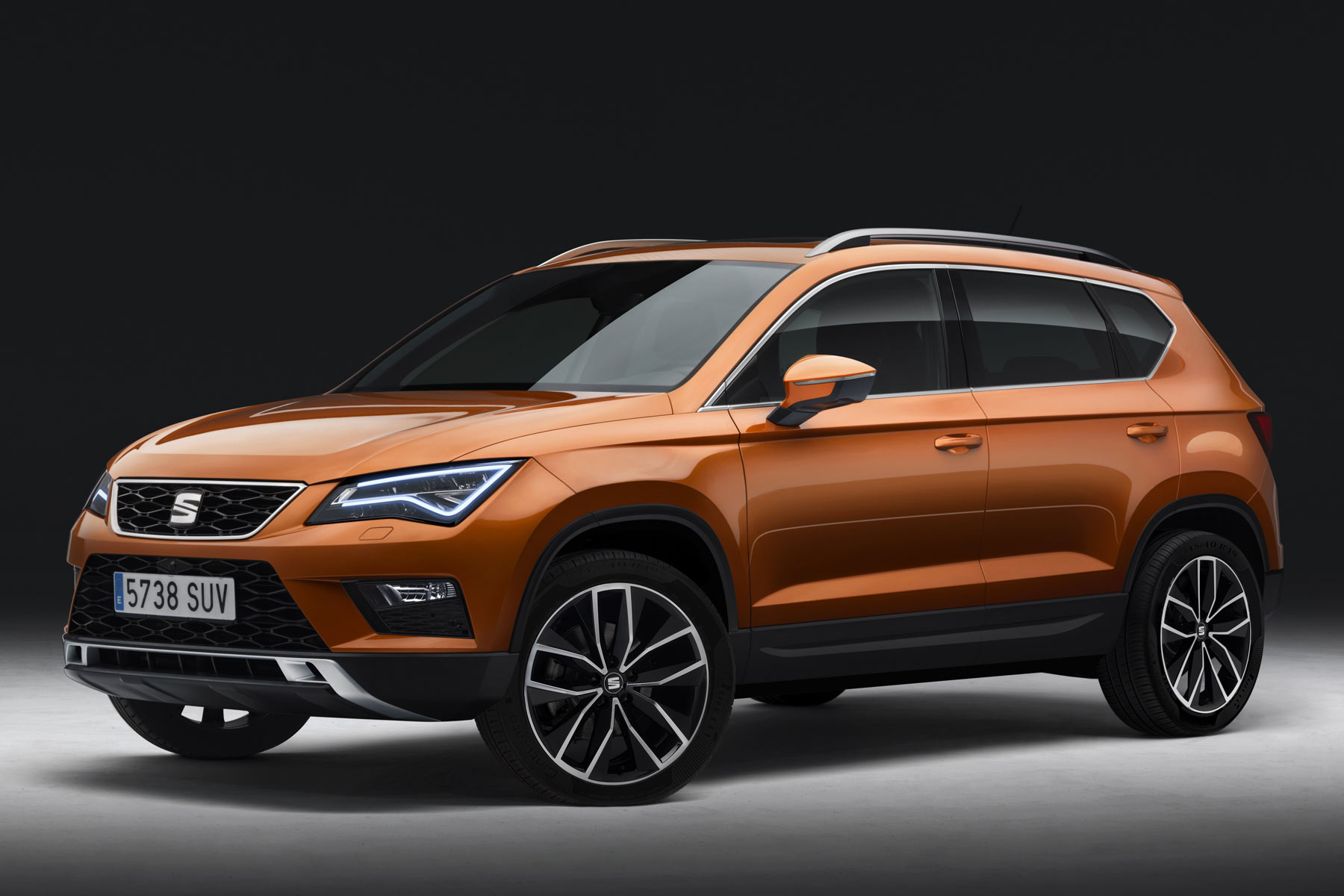
Meet the SEAT Ateca: the Spanish firm’s first serious attempt at a SUV, unveiled at an exclusive event ahead of its public debut at the 2016 Geneva Motor Show.
Sharing a platform with the new Volkswagen Tiguan (unveiled at last year’s Frankfurt Motor Show), the Ateca will go on sale from September, priced from around £18,000.
It features clear styling cues from elsewhere in the SEAT range, such as the front end from a Leon, while the interior will be very familiar to current SEAT drivers. Highlights include a start button which ‘pulsates like a heartbeat, indicating the Ateca is all set for its next adventure’.
More convincing is the Ateca’s interior space. At 4.36m long, it’s a similar size to the Nissan Qashqai, but boasts 510 litres in boot space (in two-wheel-drive guise) – over 80 litres more than the Nissan.
Engine choices will range from a 1.0-litre three-cylinder petrol turbo producing 115hp, to a 2.0-litre diesel offered with 150hp and 190hp. The diesels are likely to be more popular in the UK, with a smaller 1.6-litre turbodiesel also offered, producing 115hp. Fuel consumption and CO2 emissions range from between 46 and 53mpg and 112 to 131g/km.
The company is somewhat the black sheep of Volkswagen Group. It registered less than 48,000 new cars last year, a drop of 11% compared to 2014 – and significantly below fellow VW budget brand Skoda, which registered nearly 75,000 cars.
But SEAT will be hoping the Ateca has the ‘Qashqai effect’, appealing to the buyers in the booming crossover sector, and helping the brand appear as a more trendy alternative to budget-conscious Skoda.
The European Parliament has voted not to block the introduction of Real Driving Emissions testing from 2017, meaning that new cars will be tested for emissions such as NOx in real life conditions, not in regulated labs.
And who was trying to block this apparent good move for air quality? Not the car makers, but MEPs – because they think the exemptions car makers have been granted are too generous.
Huh?
In 2007, it was agreed that European regulations would demand cars emit no more than 80mg/km of NOx under the Euro 6 limit currently in force.
Vehicles are homologated in laboratory conditions to prove that they meet this limit, as part of the NEDC fuel consumption test.
However, on-road testing has found that many vehicles exceed this NOx limit in real world use, sometimes by 4-500% or more. The Real Driving Emissions test – RDE – has been under development for several years to try and overcome this.
And then came dieselgate
The Volkswagen emissions scandal accelerated its rollout: it was agreed in October 2015 that it would come into force from 2017 – first for all newly-introduced models, and then for all new cars sold.
There’s a ‘but’, though. Because car makers were basing their developments on the existing lab test – which critics argue is easier to fool (indeed, this is exactly what Volkswagen’s ‘dieselgate’ cheat was based upon) – they sought an exemption that would relax the limits for a couple of years.
They won one.
In September 2017, new models to market would be allowed to emit up to 2.1 times (110%) the 80mg/km limit, which would extend to all cars on sale by September 2019.
This discrepancy would be reduced to 1.5 times (50%) by January 2020 for new models, and by January 2021 for all cars sold. This leniency would remain in place going forward – to account for margins of error in the testing kit (called Portable Emissions Measurement Systems, or PEMS).
A date when the variance from the norm will become zero – meaning vehicles would have to emit the 80mg/km limit set back in 2007 – has not yet been agreed.
‘Good day for dirty deals’?
Still with us? Good – because today’s vote was one of the final hurdles against the introduction of this. MEPs were trying to block the introduction of RDE because they argue these exemptions are too kind on car makers – particularly the 50% margin of error. They say the actual margin of error is more like 20%.
“Today was a good day for dirty deals but a bad day for cleaner air,” said Liberal Democrat MEP Catherine Bearder.
However, the RAC’s Steve Gooding said the vote was “a step in the right direction” as it would cut NOx from today’s spiralling emissions to two times the limit, and then 1.5 times – without delay.
A rejection of the decision already made by EU member states “would delay improvements to air quality, particularly in cities,” said European automotive industry body the ACEA.
The car makers say…
RDE will introduce a completely new testing method for vehicles on the road. Europe is the first and only region in the world to introduce such a system, which will lead to major progress in improving air quality.
While the current proposal takes into account error margins in the new measuring equipment, vehicle manufacturers will have to aim well below the legal limit to ensure compliance. Moreover, the error margin will be reviewed and, as the equipment improves in precision, the conformity factor will be tightened.
– ACEA
The environmental campaigners say…
The European Parliament today caved in to pressure from car-producing countries and agreed to weaken the limits for nitrogen oxide (NOx) emissions from new diesel cars. The effective new ‘Euro 6’ limit, 168mg of NOx per km, is more than double that agreed in 2007 (80mg/km). From 2020, all new cars will still be allowed to emit 120mg/km.
Despite public outcry, EU governments have pressured national MEPs to accept the weakening of the legal limits that was agreed via the backdoor of comitology in October of last year. The decision will undermine efforts to clean up Europe’s air and improve public health.
– Transport & Environment
What do you think of today’s vote? Share your thoughts of which side you’re on below…
A man who wrote a blog post criticising Tesla boss Elon Musk and complaining about an event in which ‘no food was provided’ has had his order for a Model X cancelled by the firm.
Venture capitalist Stewart Alsop was one of the first to leave a deposit for the upcoming Model X electric SUV, and had been invited to a special launch event hosted by Musk himself.
In the original blog post, Alsop said: “Starting a 7:00pm event at 8:50pm is simply unacceptable, particularly when the invited guests are actually your customers! But for you to stand up at 8:52pm and not even acknowledge that you have wasted your own customers’ time was insensitive and poor judgement.
“You should have apologised right then, but you didn’t. You have our email addresses, since we’re all the people who put a $5,000 deposit on your new Model X. When I was invited to the launch event, I was excited to hear that I could drive to the factory and see and touch a new Model X, even if I’ll have to wait another 3–4 months to actually get mine.
“Instead, I drove 2.5 hours round trip. I arrived on time, waited around 30 minutes outside the building, got packed inside the building with 3,000 other people for another 60 minutes, got moved from one room inside the building to another to wait another 20 minutes with the same 3,000 people. And then, drum roll please, you shuffle out on stage and start with a slide show — an amateur slide show at that — all about how safe the Model X is.”
He went on to complain that he left feeling angry and hungry, as no food had been provided.
In a follow-up blog post, Alsop explains that he received a phone call saying that Musk didn’t ‘feel comfortable’ with him owning a Tesla, so was cancelling his order.
He added: “The end result is that you have decided that I can’t own one of your cars, and I am terribly disappointed. I had outlined in the original post how excited I was at the prospect of owning a Tesla, especially the Model X and especially the configuration I ultimately ordered — the P90D in red with black leather seats and the Ludicrous Speed option.”
The Tesla boss has since tweeted, describing Alsop as a ‘rude customer’.
Must be a slow news day if denying service to a super rude customer gets this much attention
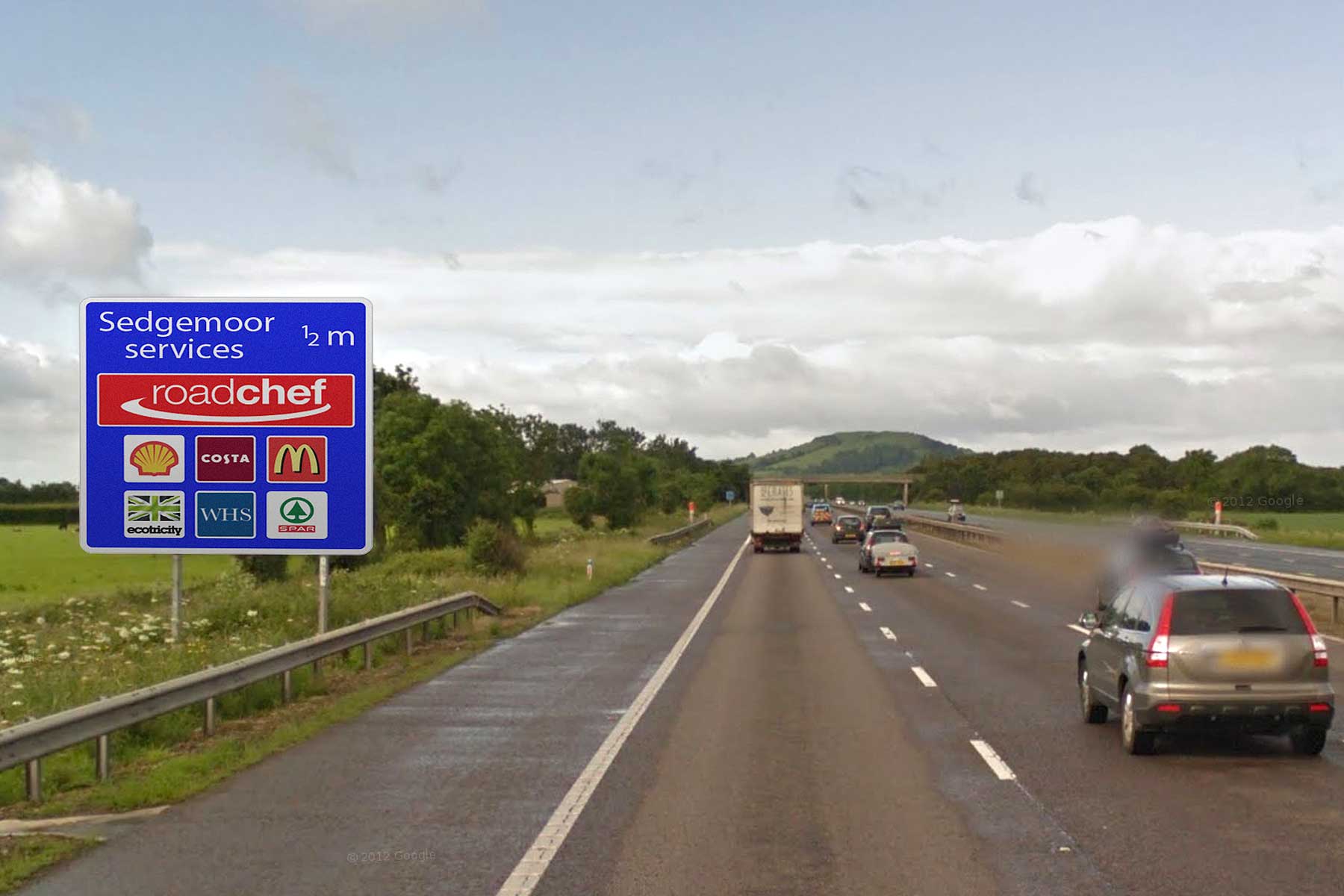
Electric car motorway recharge points are to feature on information signs for the first time, with charging company Ecotricity becoming the first to add its logos to the blue signs.
We may become rather familiar with them too: the company points out it now has 260 Ecotricity pumps that, it claims, cover almost the entire motorway network.
The first Ecotricity logo went up at Roadchef Sedgemoor last week and the firm plans to get them stuck on to all 28 Roadchef motorway signs as soon as possible: Hamilton and North Canes will be next.
It’s good news for Britain’s 50,000 electric car drivers, whose numbers have gone up 10 times in two years.
‘Ban non-EVs’
This, however, is not a fast enough pace of change from fossil fuels for Ecotricity founder Dale Vince. The firm, which generates all its power from renewables, believes every new car sold by 2030 should either be electric or a plug-in hybrid.
By 2040, they should be the only cars on the road.
“The revolution on Britain’s roads is a vital part of achieving the target the world agreed to at Paris last year,” said Vince.
“We have to stop burning fossil fuels by 2050 in order to limit a catastrophic temperature rise, and energy, transport and food are the biggest areas we need to tackle to get there.”
What the classic car scene will make of Vince’s thoughts remains to be seen…
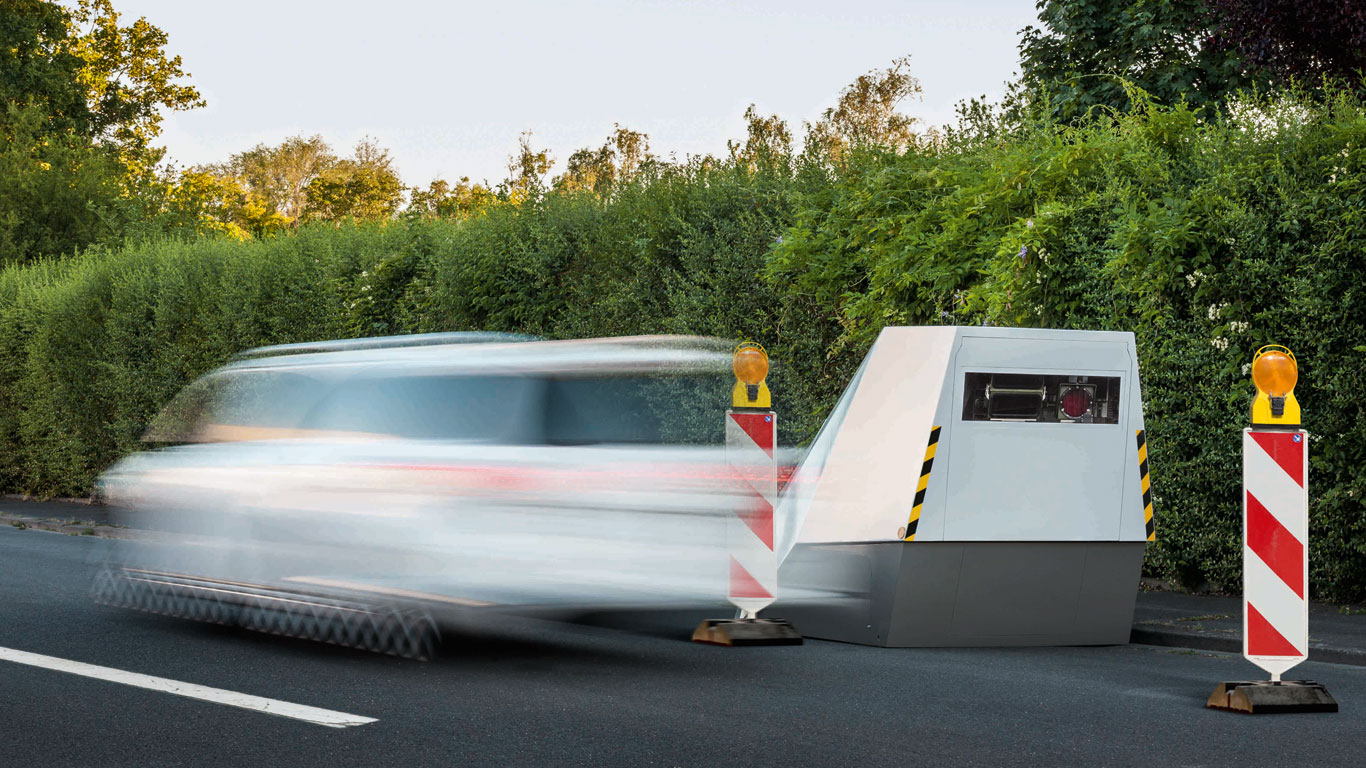
Be afraid. Be very afraid. If you thought you had the upper hand over average speed cameras, mobile safety cameras and fixed Gatsos, all that could be about to change. The Vitronic Enforcement Trailer is coming and it hasn’t had any dinner.
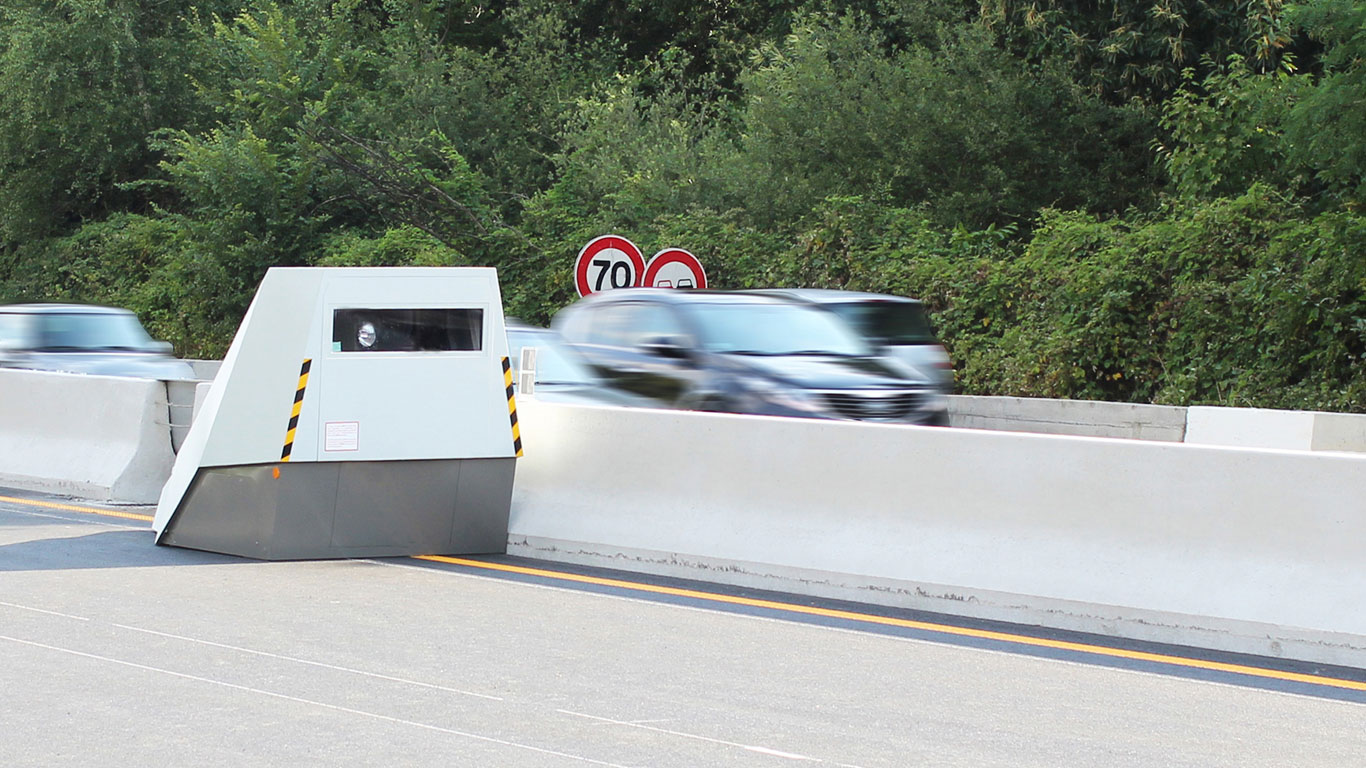
This autonomous speed enforcement system is able to reach parts other speed cameras cannot reach, including areas without power supply and in situations where it would be too hazardous for a human to set up a mobile device. With the Enforcement Trailer, there’s simply no hiding place.
The French Ministry has already purchased 150 of these menacing machines, with 50 already in operation in France. So you may have been caught by an Enforcement Trailer – you just don’t know it yet. And be warned: there’s every chance these Robocops of the roadside will venture across the English Channel and into the UK.
Vitronic is probably one of the biggest companies you’ve never heard of. From its Wiesbaden headquarters it specialises in industrial automation, logistics and traffic technology; supplying speed and red light enforcement systems and license plate readers to the public and private sectors. Many toll system operators use its TollChecker system to automate toll collection and enforcement.
Doesn’t eat, sleep or drink for five days
According to the German firm, the Enforcement Trailer makes “zero demands on the local infrastructure” and is ideal for rural roads, work zones and areas where it can be left unprotected for long periods of time. A long battery life and armoured shell ensures it can catch the maximum number of speeding drivers over the longest period of time.
Indeed, the Enforcement Trailer – a name that in itself sounds rather sinister – has an independent power supply based on high-performance batteries, enabling an uninterrupted operation for five days. Asking a safety camera operator to work for five days without a break would be unethical. Not to mention illegal.
[bctt tweet=”Asking a safety camera operator to work for five days without a break would be unethical. Not to mention illegal.” via=”no”]
Crucially, the light radar technology allows authorities to enforce speed limits of all vehicles across all lanes simultaneously. Variable speed limits and bans on through traffic specific to certain times, lanes and vehicle classes can also be monitored. In short, the Enforcement Trailer has got your number and if you’re up to no good, there’s simply no hiding place.
Hates humans, loves catching offenders
An integrated modem transfers case data wirelessly via GSM and enables remote access to the measuring system. This means no human intervention is required between the time of installation and removal. At which point the Enforcement Trailer is dragged away, kicking and screaming, pleading for more action.
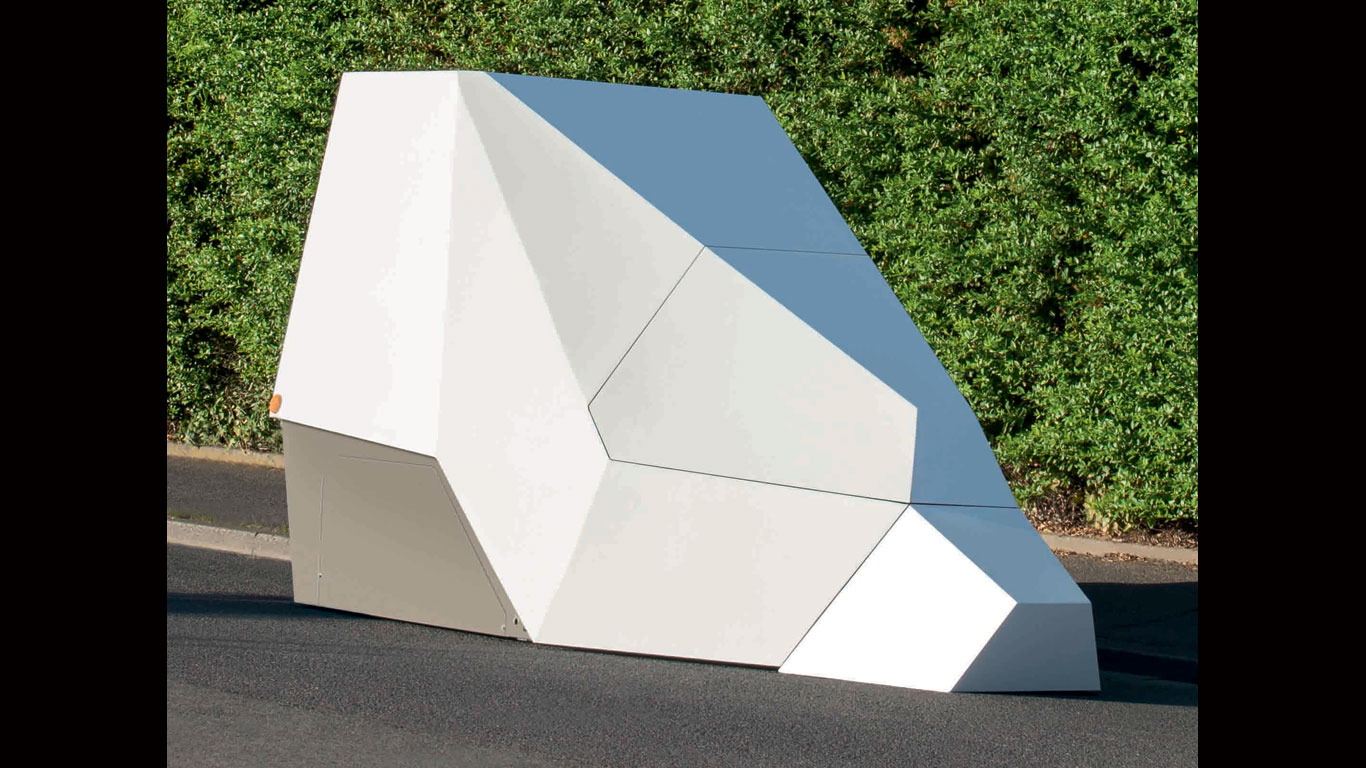
Vitronic claims it can be transported by virtually any vehicle that has a tow-bar and it even has its own remote-controlled engine for precise alignment. Once at ground level it’s extremely difficult for unauthorised parties to remove it, with the armoured shell and alarm system helping to protect it from anyone who may have been caught by the box that’s set to launch its own war on speed.
They may look like a cross between a cash machine and a recycling bin, but they could soon be coming to a roadside near you. We have just one question: assuming the Enforcement Trailer is not monitored by CCTV, what’s to stop someone sticking a blanket over the top, therefore rendering Robocop useless?
Answers on a postcard.
ALSO READ
Volkswagen loses £1.4bn in 2015 due to dieselgate emissions scandal
Citroen’s now stand-alone offshoot DS Automobiles has revealed its new DS3 supermini at an event in Paris.
It’s an important car for the premium brand as, when sold by Citroen, the DS3 was by far its biggest seller – especially in the UK, where more were sold than in France or any other market.
Read more:
Citroen DS3 (2015) first drive review
Frankfurt exclusive: no sales projections for Citroen’s DS brand
Why Citroen’s standalone DS brand should have VW worried
Since its launch in 2010, 390,000 DS3 hatch and cabrio models have been sold worldwide.
This new model is based on the same underpinnings as its predecessor, but has been blinged-up in a bid to take it further upmarket with the DS brand.
It now features the trademark DS grille (note the absence of any Citroen chevrons), along with ‘DS wings’ running around the grille and below the headlights.
The big news for hot hatch fans is the introduction of a new ‘Performance’ model, powered by a 208hp 1.6-litre turbocharged petrol engine, emitting 125g/km CO2. Performance figures are yet to be confirmed – but expect them to be similar to the previous limited edition DS3 Racing, which sported a £23,100 price tag and could hit 62mph in 6.5 seconds.
The Performance trim will come with a six-speed manual gearbox, as well as a Torsen limited slip diff. It’s been lowered, too – by 15mm, and its front and rear tracks have been widened. Larger brakes are fitted as standard (with Brembo calipers) and it’s available in four colours – and with special Performance graphics.
Other engines have been carried over from the previous model – ranging from a 1.2-litre 81hp three-cylinder petrol, to a 120hp BlueHDi diesel. For the first time, buyers can opt for a 130hp three-cylinder petrol, emitting 105g/km CO2 and returning a combined MPG figure of 62.8.
Inside will be familiar to anyone who’s driven the outgoing DS3, but with a new infotainment system to appeal to a young target market. It comprises a seven-inch touchscreen (replacing 20 buttons from its previously cluttered dash), including Apple CarPlay and MirrorLink connectivity.
Prices for the new DS3 are yet to be confirmed, but expect a small increase over the outgoing model – which currently starts at £13,295. The new range will arrive in dealerships from February, when prices will also be announced.
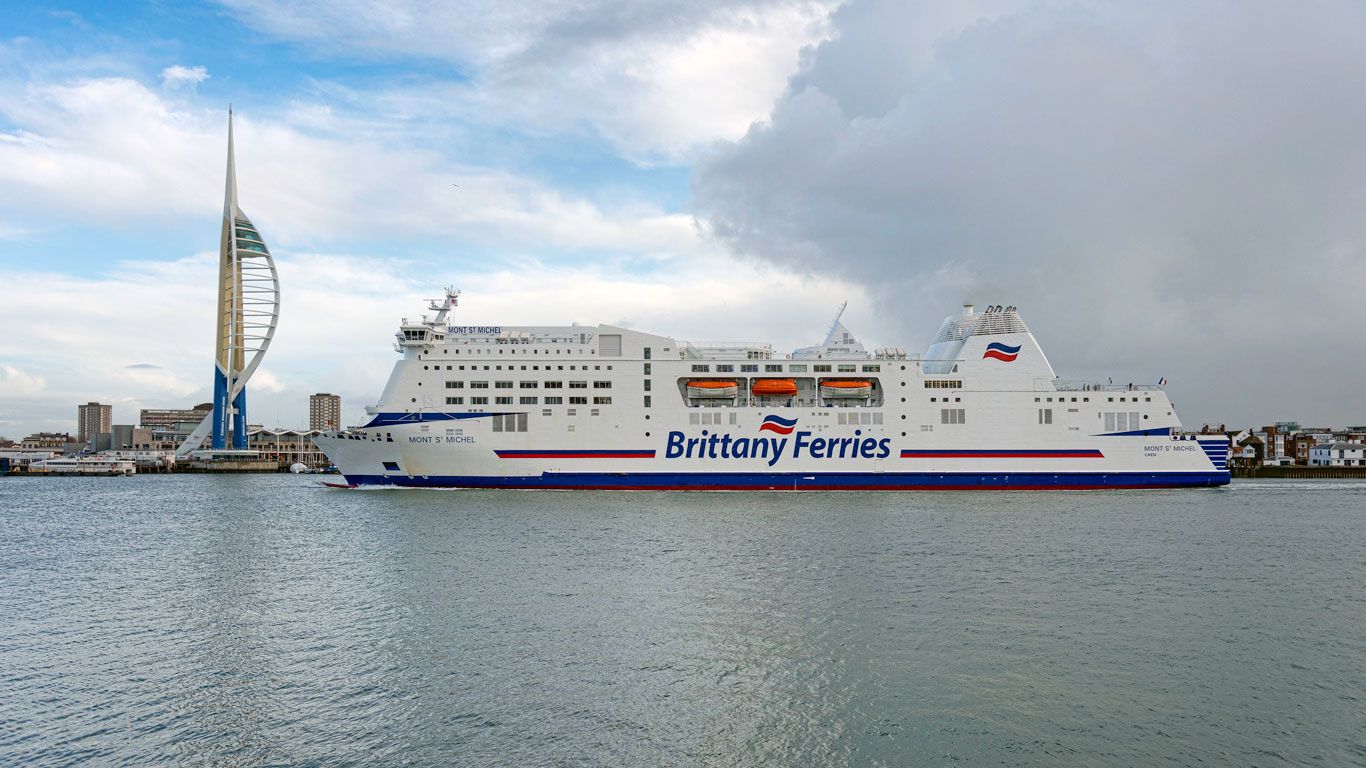
Why drive to Dover to cross the English Channel when you can sail from Portsmouth? That’s the question being asked by Brittany Ferries as it prepares for the 2016 holiday season.
This is, of course, a sales message for the ferry company, as it seeks to capitalise on the negative press associated with the Dover to Calais crossing. According to Brittany Ferries, if you’re west of Westminster, you’ll enjoy a smoother journey by heading to Portsmouth and crossing to either Le Havre, Caen, Cherbourg or St Malo.
The company may have a point. The opening of the Hindhead Tunnel on the A3 has shaved around 20 minutes off peak-time journeys, meaning it’s possible to drive – in traffic – from Westminster to Portsmouth in under two hours. Head to Dover and you’re likely to spend an extra 30 minutes in the car. It’s a similar story when travelling from other areas of west London.
Brittany Ferries then points to the journey times from the port of arrival to holiday destinations in France. Paris is one example, with the driving time from Le Havre some 34 minutes shorter than from Calais. Sail to Caen and you could be enjoying a drink by the trackside in Le Mans some two hours before your fellow travellers driving down from Calais.
What Brittany Ferries fails to mention is the length of time you’ll spend on one of their ferries. Leave Portsmouth at 9.30am and you’ll arrive in Le Havre at 4pm local time. With a bit of luck you’ll get to Paris in time for supper. Alternatively, leave Portsmouth at 8.15pm and you can expect to dock in St Malo at 8.15am local time.
[bctt tweet=”Wouldn’t you rather spend more time on a ferry than driving on Britain’s congested motorways?”]
But does this really matter? Wouldn’t you rather spend more time on a ferry than driving on Britain’s congested and nightmarish motorways? Have we reached a point where travelling between Dover and Calais is a game of chance?
Last year I blogged about the advantages of travelling between Plymouth and Roscoff, and while a London resident isn’t likely to venture across the whole of southern England to catch a ferry, the principle remains. More often than not, driving in France is far more pleasurable than driving in the UK, so this route suits me. And the Brittany Ferries fleet is well-equipped to make the sailing feel part of the holiday.
Sure, it won’t be for everyone. To some, the lure of a super-quick journey through the Channel Tunnel, or a short ferry crossing to Calais will be more appealing than a mini cruise. But it pays to know there is an alternative. Just because Dover to Calais is the shortest crossing, it doesn’t mean it’s the right one for you. Consider your options and go from there.
For me, the Plymouth to Roscoff crossing wins every time, not least because I treat it as part of the holiday. And I can recommend a delightful crêperie in Morlaix.
What’s your favourite route across the English Channel? Let us know.
One of the best premium SUVs you can buy just got better, with the news that Apple CarPlay has arrived on the Volvo XC90.
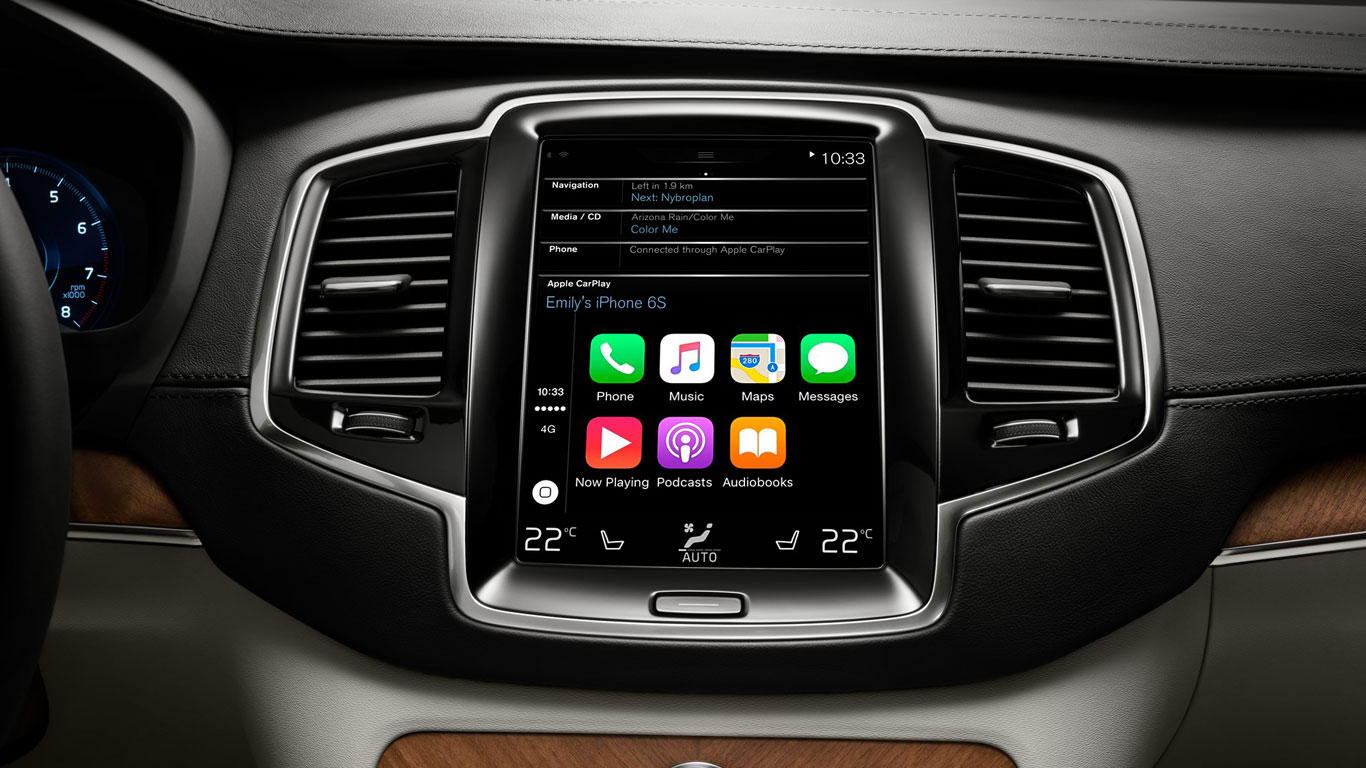
It means iPhone owners can connect to the XC90’s Sensus Connect infotainment system, which mirrors the smartphone’s functionality by replicating the familiar phone icons on the 9.5-inch screen. They can make and receive calls, send and receive messages, get directions and choose what music they listen to by using Siri’s voice control.
We’ve experienced Apple CarPlay on many cars – including the new Skoda Superb and Vauxhall Astra – and we find ourselves firmly in the impressed camp. Indeed, Apple CarPlay on the Volvo XC90 sees the marriage of two of our favourite things.
[bctt tweet=”Apple CarPlay on the Volvo XC90 sees the marriage of two of our favourite things.”]
In addition to the standard iPhone features and functions, Apple CarPlay provides access to apps such as Spotify, Beats Music, iHeartRadio and Stitcher. It also supports Volvo On Call, which allows owners to remotely control and check various functions of their car.
Nick Connor, managing director of Volvo Car UK, said: “Apple CarPlay is an exciting addition to our XC90 range. It brings cutting-edge functionality and integration for owners, allowing them to access their phone’s features any way they want – be that via voice control, the Sensus Connect touch screen or the buttons on the steering wheel.
“Not only does this enable them to stay connected, it means they can do so safely and simply from behind the wheel.”
Read more:
Volvo XC90 review: 2015 first drive
Volvo XC90 review: 2015 UK first drive
Inverness to Dartmoor in a Skoda Superb
Vauxhall Astra review: 2015 first drive
Apple CarPlay coming to 40 cars in 2015
Apple CarPlay will be available on all new Volvo XC90s, with existing owners needing to update the Sensus Connect software. They will be contacted by their Volvo dealer who will arrange for the update to be carried out. The updated Sensus Connect will also include improved speech functionality and enhanced satellite navigation features, including a map update.
Anyone who fancies Apple CarPlay will need to add £300 to the cost of their Volvo XC90, although the price is £50 lower on the T8 Twin Engine. It works on all iPhone models from iPhone 5 onwards running iOS 8. That said, for the best experience, iOS 9 is recommended.
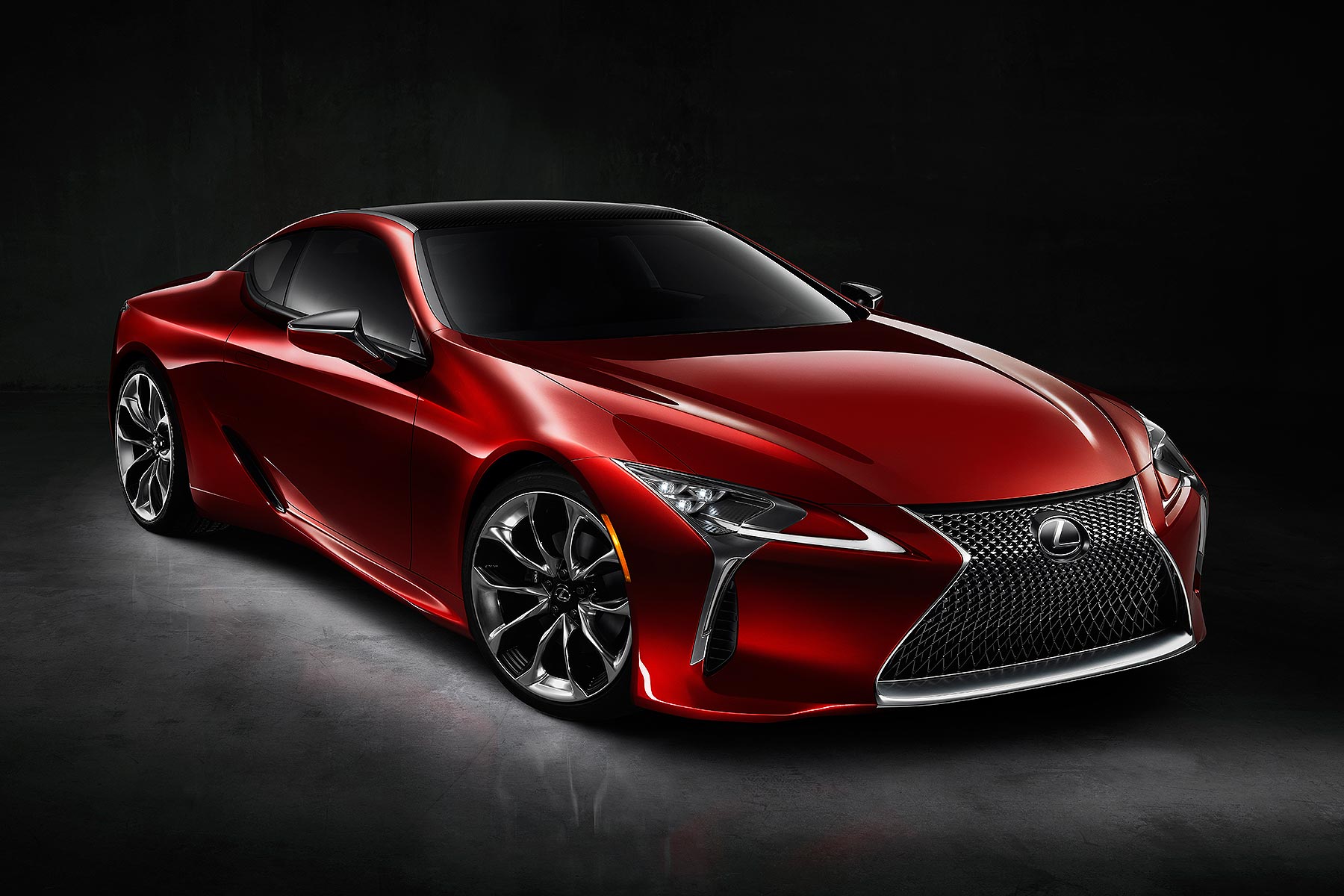
Lexus has revealed its new LC 500 2+2 luxury coupe at the 2016 Detroit Motor Show, the car with which it’s hoping to sway well-heeled Mercedes-Benz S-Class Coupe buyers.
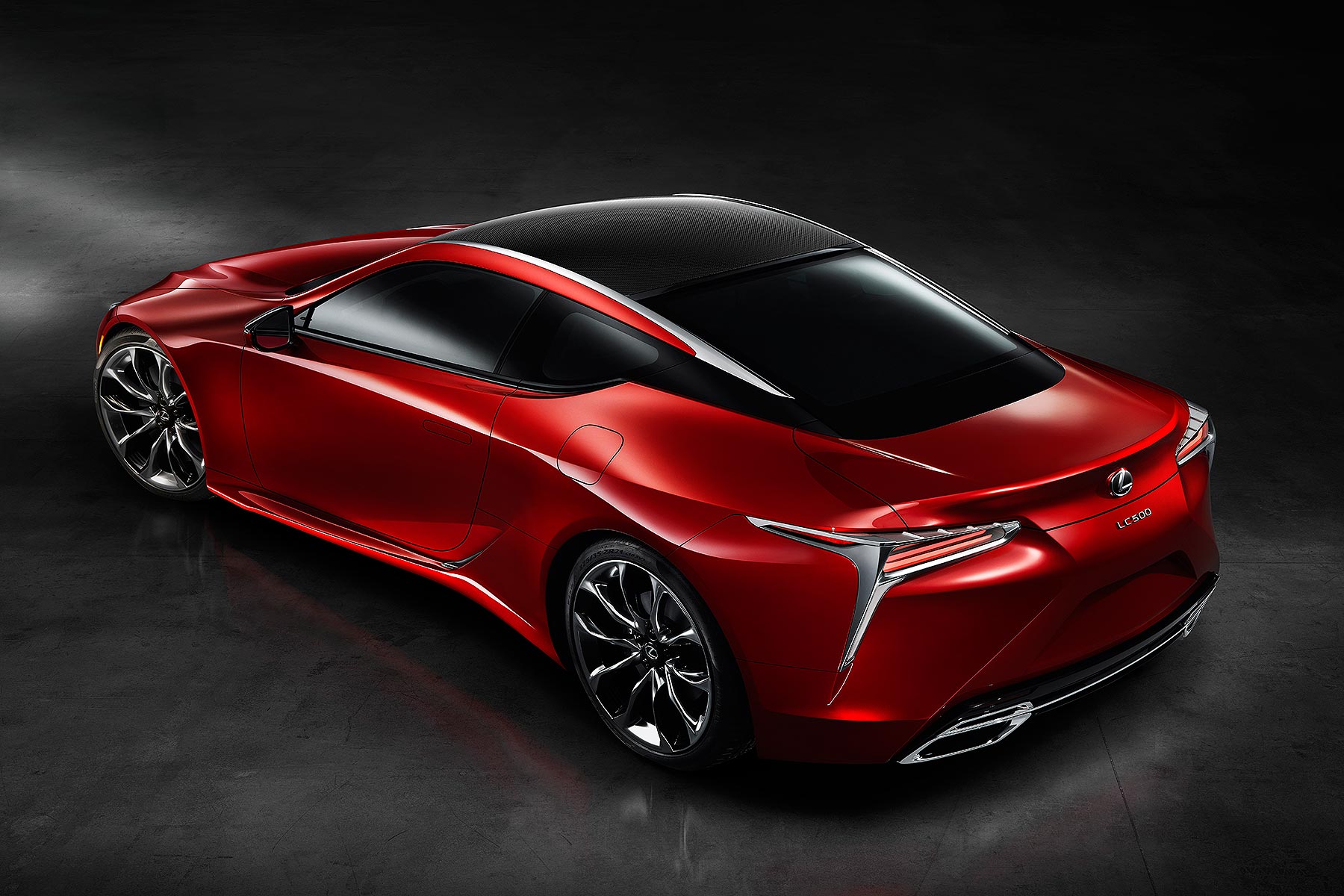
And on looks alone, Lexus could be onto a winner. The new LC is a very striking and shapely coupe that successfully brings to production the bold lines of Lexus’ well-received LF-LC Concept of 2012.
Lexus is betting big on it. No less than Akio Toyoda himself is banking on it: “The new LC 500 coupe’s proportions, stunning design and performance make a strong statement about our brand’s emotional direction and will increase Lexus’s global luxury appeal.”
New architecture
The LC 500 is based on Lexus’ new global architecture for luxury cars, dubbed GA-L. All future front-engine, rear-wheel drive Lexus will be based upon this.
It has a low centre of gravity, masses have been centralised and occupants’ hips and legs are lower than ever. Even the overhangs have been shortened – and Lexus says it’s used run-flat tyres to improve packaging (and make space for the battery that’s been relocated from the engine bay).
It doesn’t quite achieve perfect weight distribution, but 52/48 front/rear isn’t bad.
The familiar super-high-revving 5.0-litre V8 from the RC F and GS F is used here, in 467hp guise. Lexus is targeting 0-62mph in less than 4.5 seconds, aided by the first use of its all-new 10-speed automatic gearbox.
Yes, 10-speed.
Dynamic interior
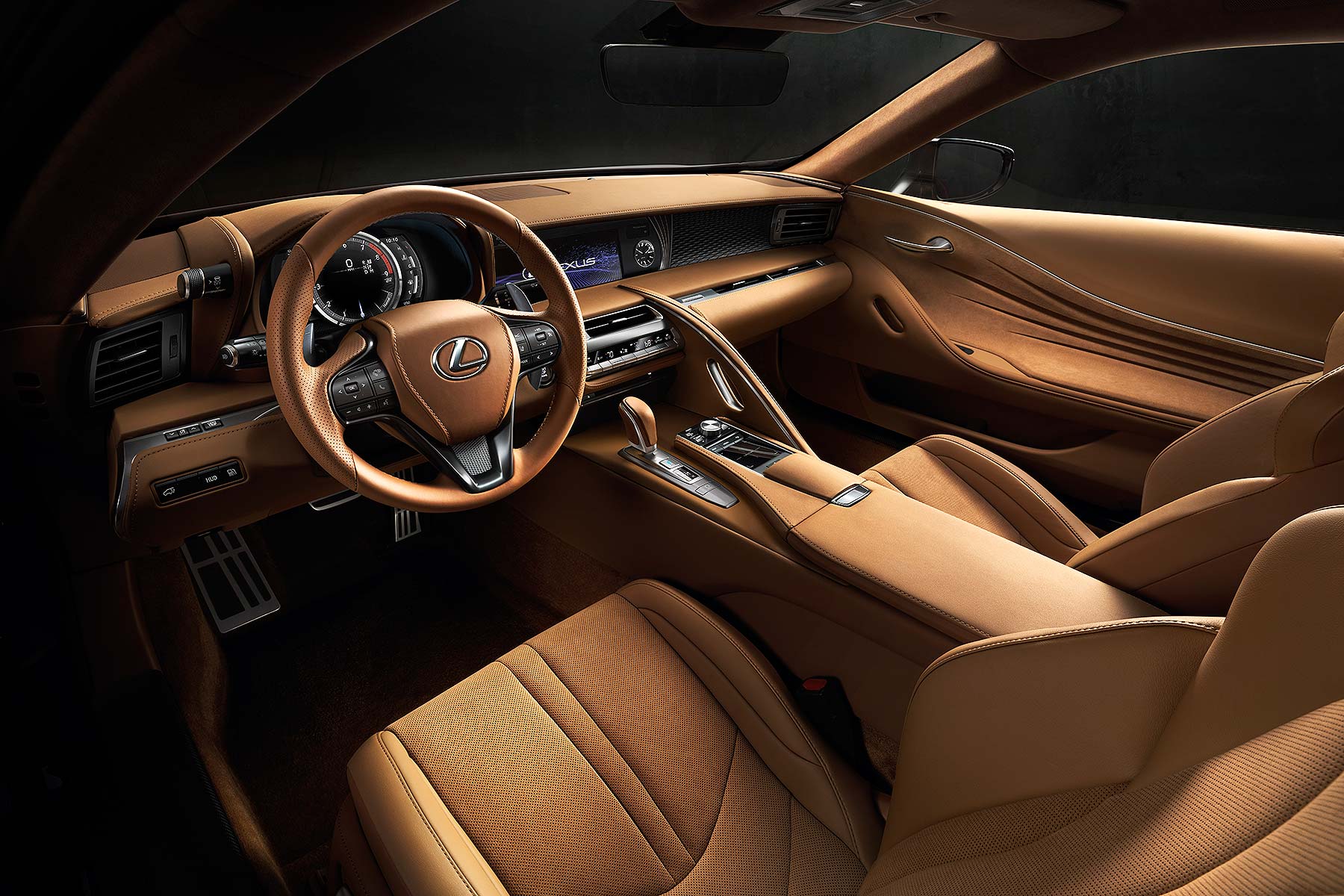
Inside, Lexus has poured over details such as the size and angle of the steering wheel, feel of the paddleshifters and detailing of the dashboard structure.
Tadao Mori, chief designer, said: “At an early stage, the designers worked with the engineers to understand their vision for the LC 500’s driving dynamics, and they incorporated this into the design.
“This was one of the first projects where designers were closely involved in the dynamic engineering development, so we could understand the driving goals and support them with the car’s design.”
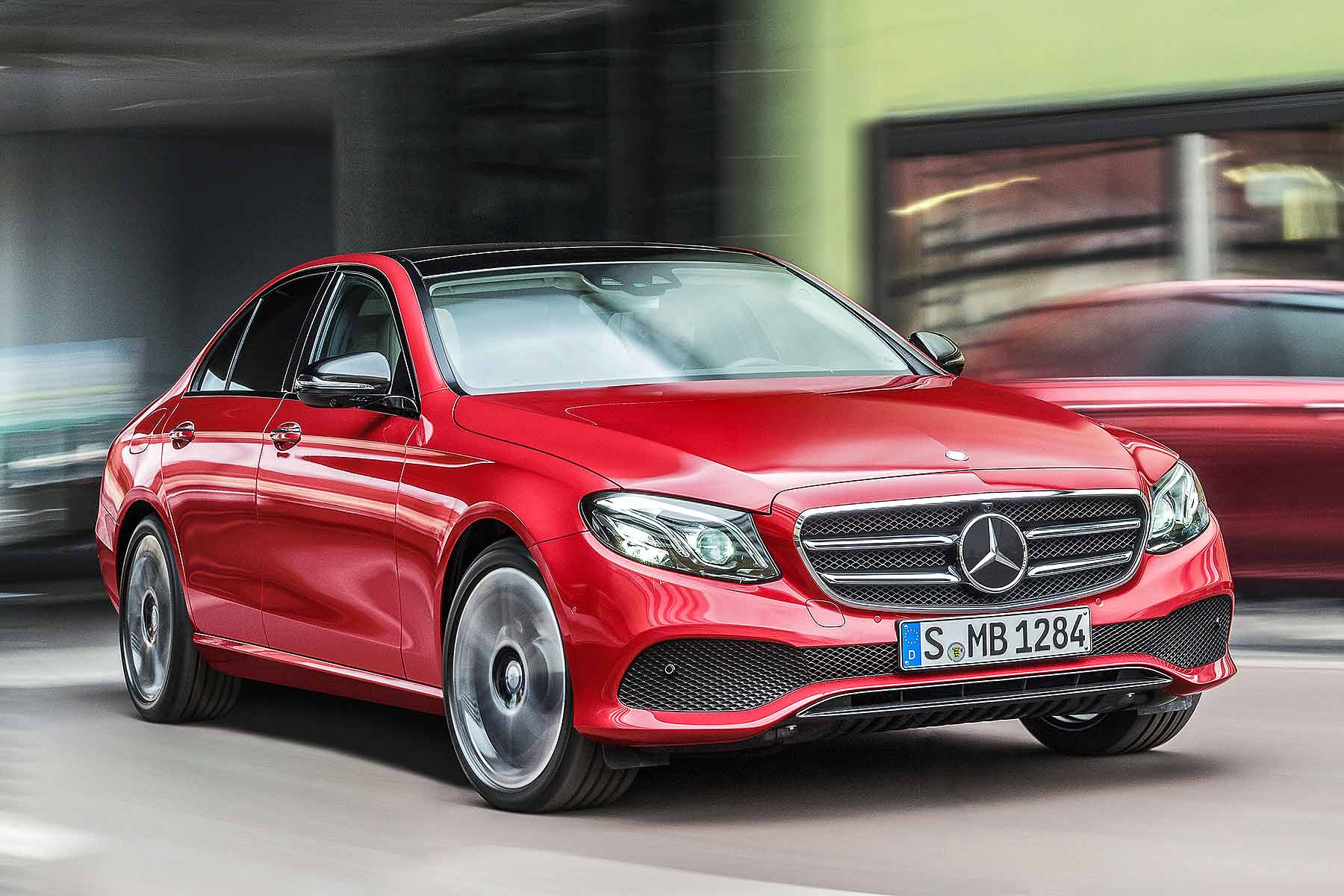
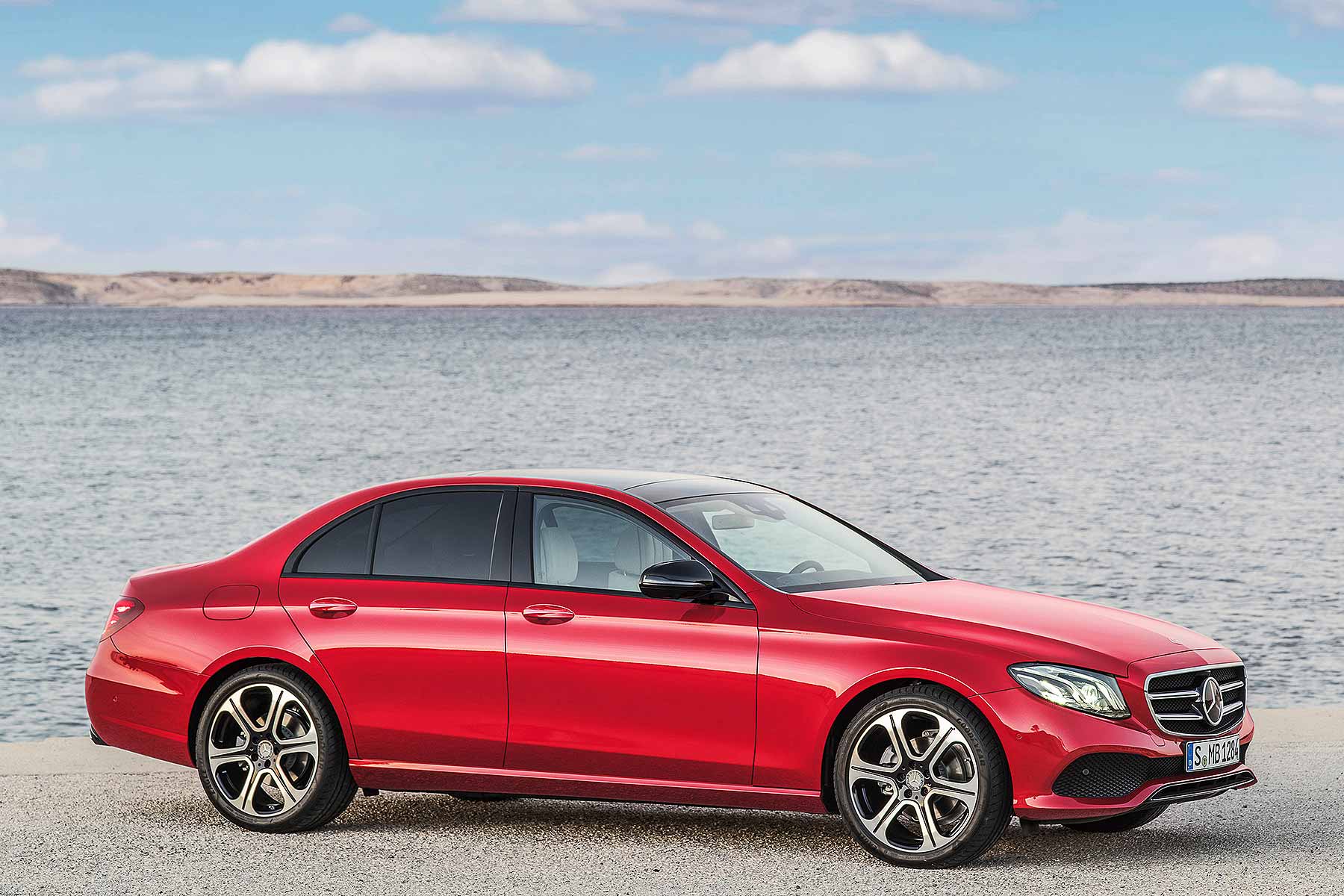
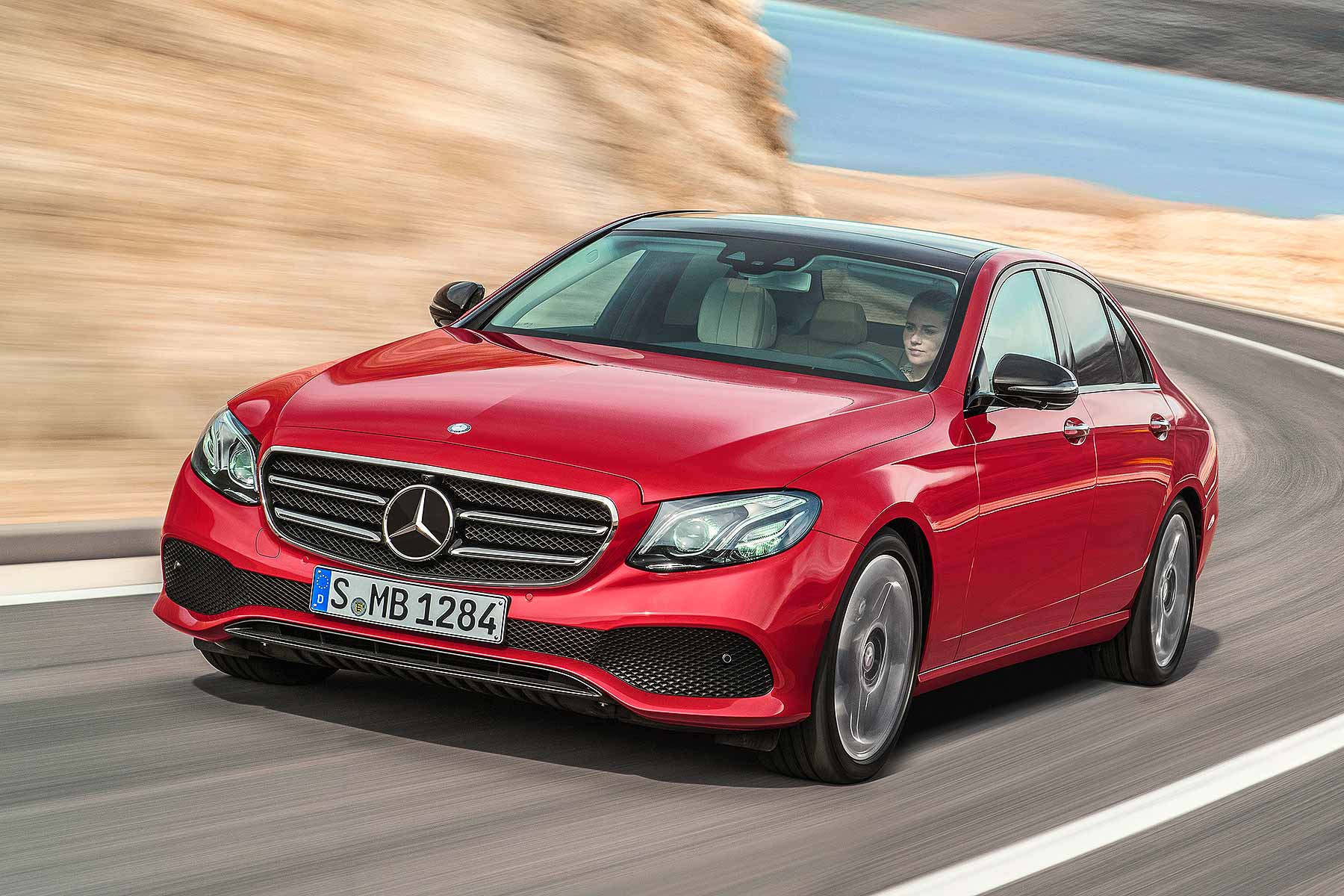
Mercedes-Benz has revealed the all-new E-Class ahead of the 2016 Detroit Motor Show, promising the 10th generation of its executive saloon will be “the most intelligent business saloon” of all.
Packing a plethora of technical innovations, the new E-Class is even ready for self-driving: research and development boss Prof Dr Thomas Weber said the new E-Class “takes another major step towards fully autonomous driving”.
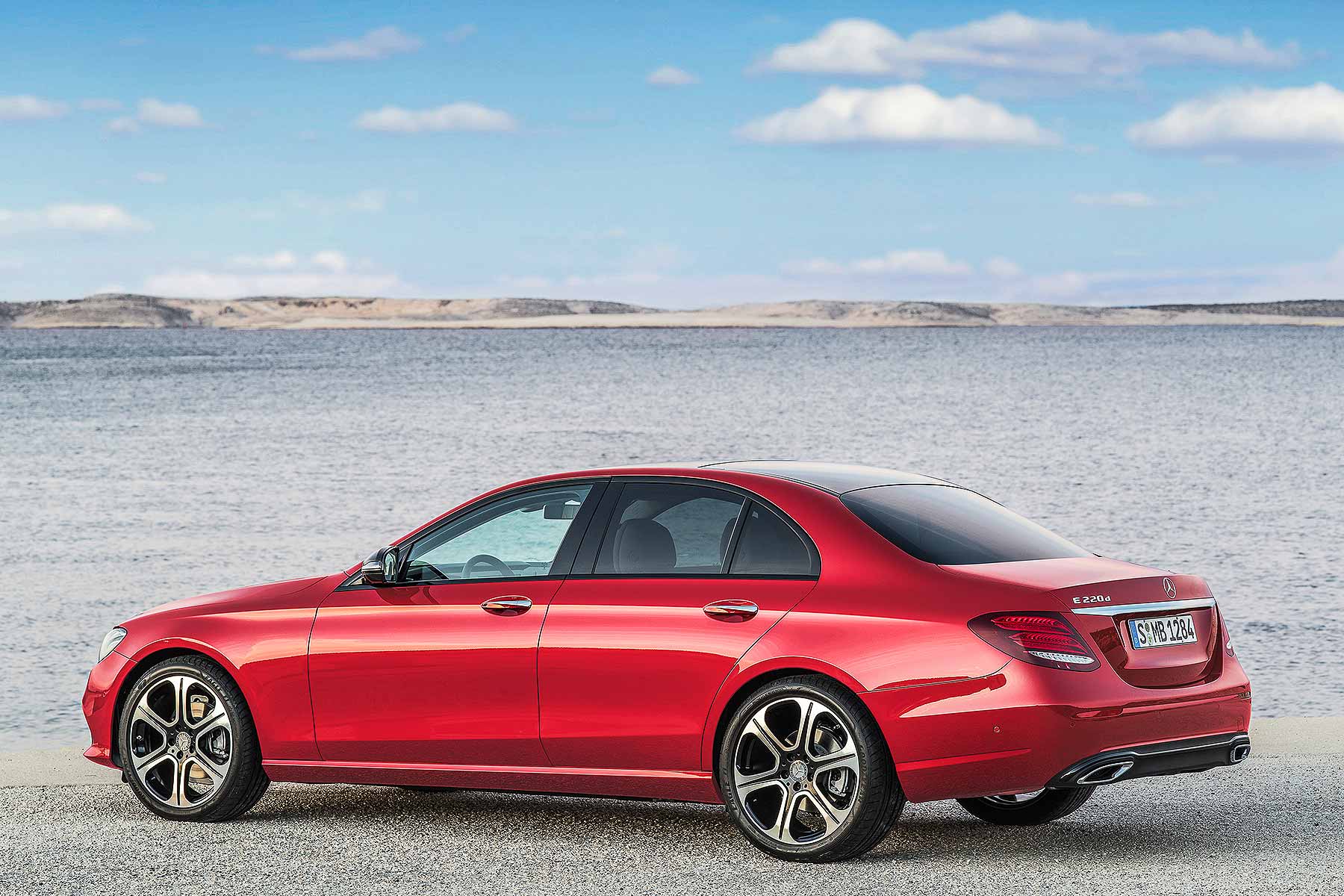
Carrying the latest smoother, sleeker Mercedes-Benz style created under design boss Gorden Wagener, the new E-Class contrasts with the boxy current-gen car and apes the larger S-Class with its family look.
Mercedes-Benz is particularly proud of the short overhangs, broad tail and (faintly) coupe-like roofline. A new option at the rear is ‘stardust effect’ tail lamps; at the front, there’s the choice of traditional or sport-style grilles (the latter will likely prove more popular).
To save weight, the bonnet, front wings, bootlid and key parts of the front and rear are made from aluminium. The aero drag factor also breaks records: the Cd value is just 0.23 (and such advanced aerodynamics mean the new E-Class is quieter than some rivals’ luxury models, claims Merc…).
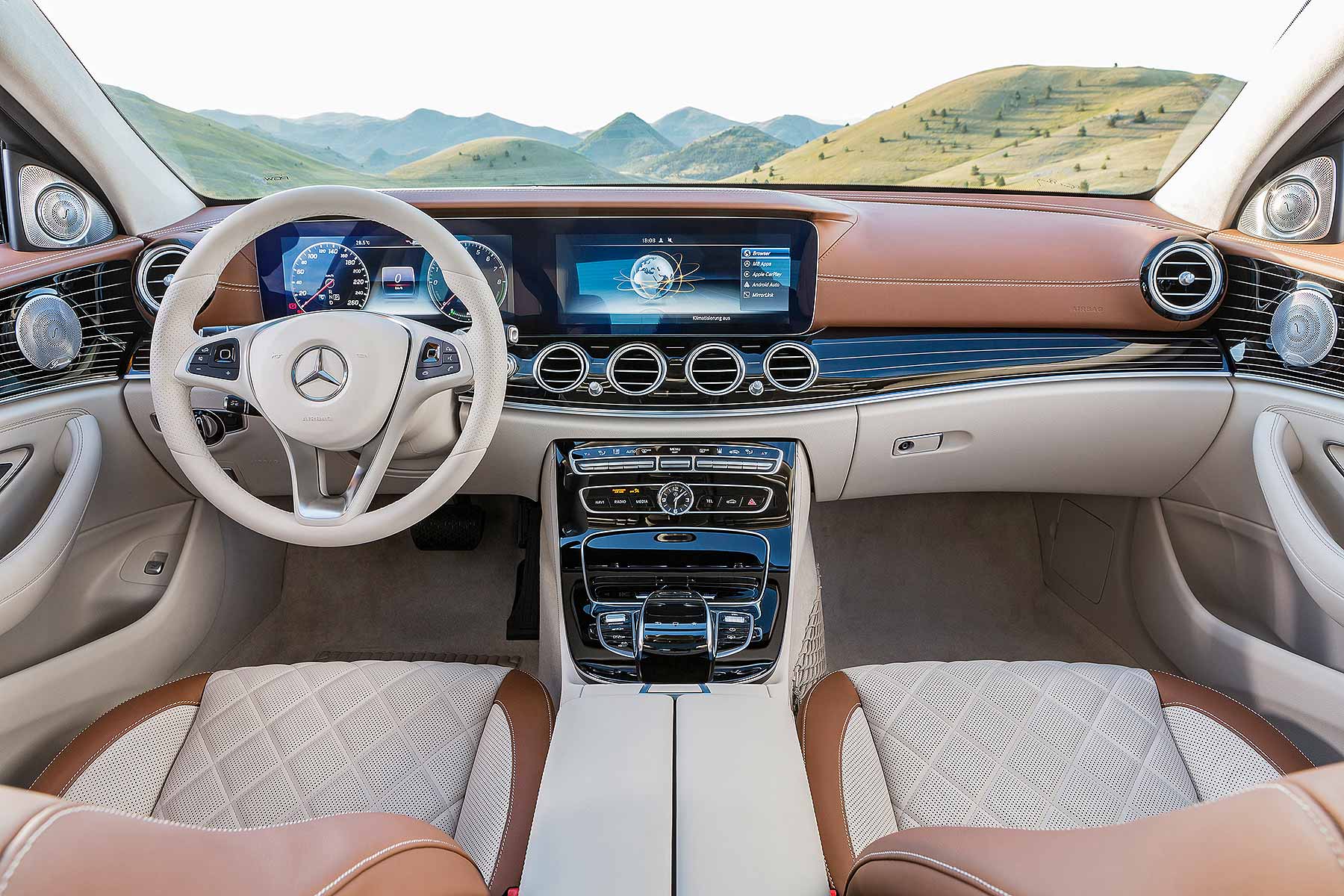
Inside, you can get a conventional dial setup, but Mercedes-Benz would rather customers go for the optional digital dash: two wide-screen 12.3-inch screens, one for the dials and one for infotainment. It’s a class-first, as are the touch-sensitive buttons on the steering wheel.
Some amazing colour and trim combinations have been created for the new E-Class, such as open-pore ‘yachting’ woods, nut and saddle brown colour options and real leather for the doors on upper-line models. The ambient LED lighting boasts 64 colour choices.
Engines
The new E-Class launches with just two engines: the E 200 2.0-litre four-cylinder turbo petrol and E 220 d 2.0-litre turbodiesel. The latter engine is exciting though: at last, it’s an all-new four-cylinder diesel for Mercedes-Benz.
Downsized from the ageing 2.1-litre, it produces 195hp and 295lb ft of torque; Merc’s quoting 102g/km CO2 and 72.4mpg, both extraordinary figures that will have Audi and BMW sitting up to take notice (particularly as this engine is likely to go into the smaller, lighter C-Class in time too…).
The spec sheet says it contains tech such as NANOSLIDE surface coating to reduce friction between cylinders and pistons; this version has single-stage turbocharging and we can expect variants with more turbos in due course.
Both launch engines come as standard with Mercedes’ nine-speed 9G-TRIONIC automatic gearbox.
Shortly after launch, an E 350 e plug-in hybrid will arrive (bank on around 18 miles’ full EV driving, plus claimed figures of 49g/k CO2 and 134.5mpg), as will the E 350 d 3.0-litre V6 turbodiesel. This will average 55.3mpg and emit 133g/km CO2: not bad, considering its 0-62mph time of 5.9 seconds.
Forthcoming engines include a 150hp version of the 2.0-litre diesel and four-cylinder petrol engines producing between 183hp and 245hp. A 333hp six-pot turbo petrol E 400 4MATIC will follow later too.
Technology
The might of Mercedes-Benz ensures the new E-Class is available with a wealth of new technology. A highlight is the Drive Pilot pack, which autonomously follows other cars on the motorway at speeds of up to 130mph (best not try that in the UK). It’ll work well in ‘swarms’ of traffic at speeds of up to 80mph.
It will help you change lanes too, assisting with steering if its safety systems detect the lane is clear.
Mercedes-Benz claims its updated Active Brake Assist system can also completely avoid accidents at speeds of up to 62mph, by detecting hazardous situations up ahead and autonomously braking far sooner than it otherwise might. There’s even Evasive Steering Assist, to help you steer around the pedestrian who’s just stepped out in front of you.
Other tech features include multibeam LED headlights, digital vehicle key using your smartphone and, get this, Pre-Safe Sound: if a collision risk is detected, it plays a noise through the stereo that can “prepare the occupants’ ears for the expected sound of the accident”.
“The E-Class is the core of the Mercedes-Benz brand and in the past has repeatedly redefined the standards in the business-class segment,” said Prof Dr Weber.
“Now it carries this tradition into the future with a wealth of top-class innovations.”
 Meet the SEAT Ateca: the Spanish firm’s first serious attempt at a SUV, unveiled at an exclusive event ahead of its public debut at the 2016 Geneva Motor Show.
 The European Parliament has voted not to block the introduction of Real Driving Emissions testing from 2017, meaning that new cars will be tested for emissions such as NOx in real life conditions, not in regulated labs.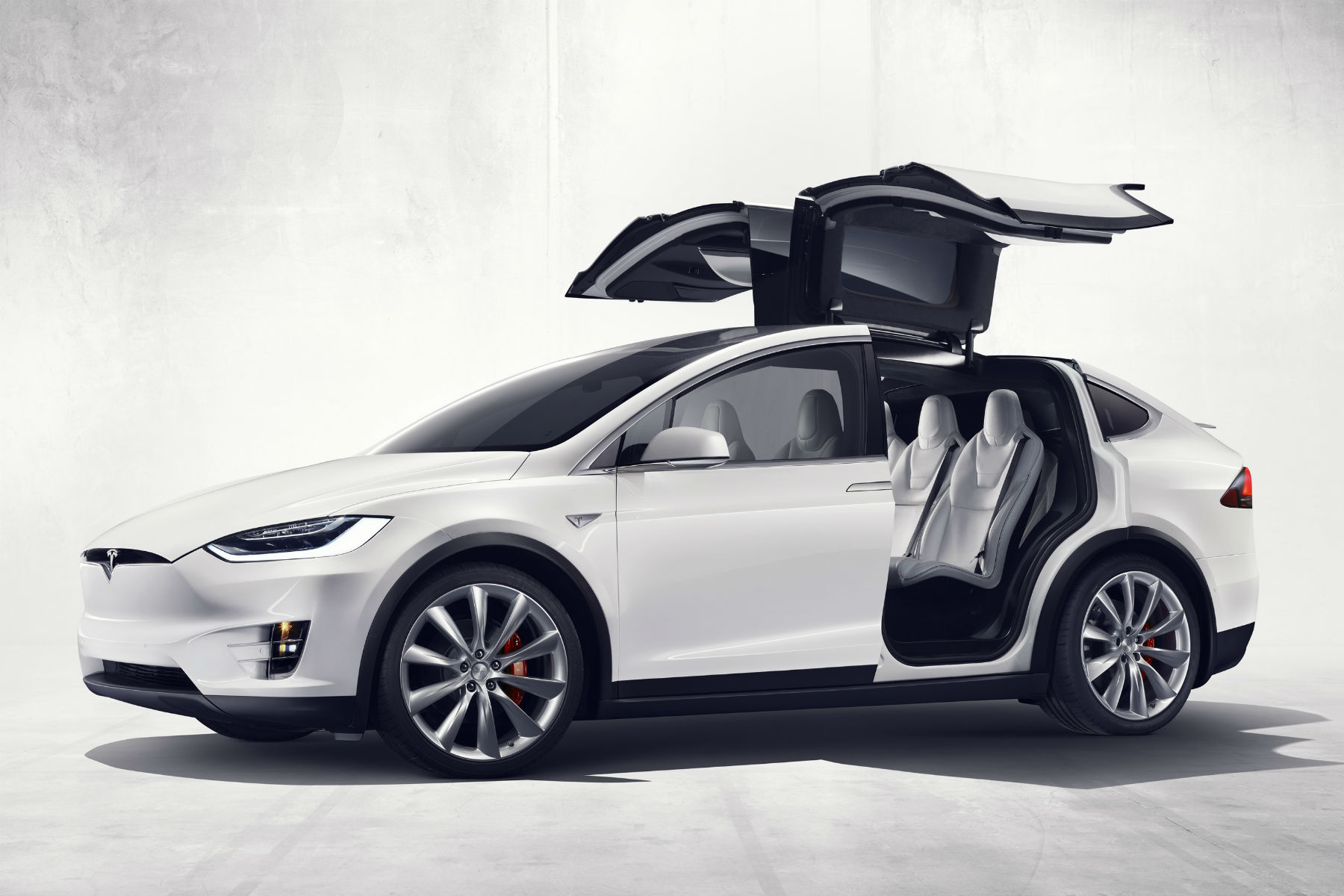
 Electric car motorway recharge points are to feature on information signs for the first time, with charging company Ecotricity becoming the first to add its logos to the blue signs.