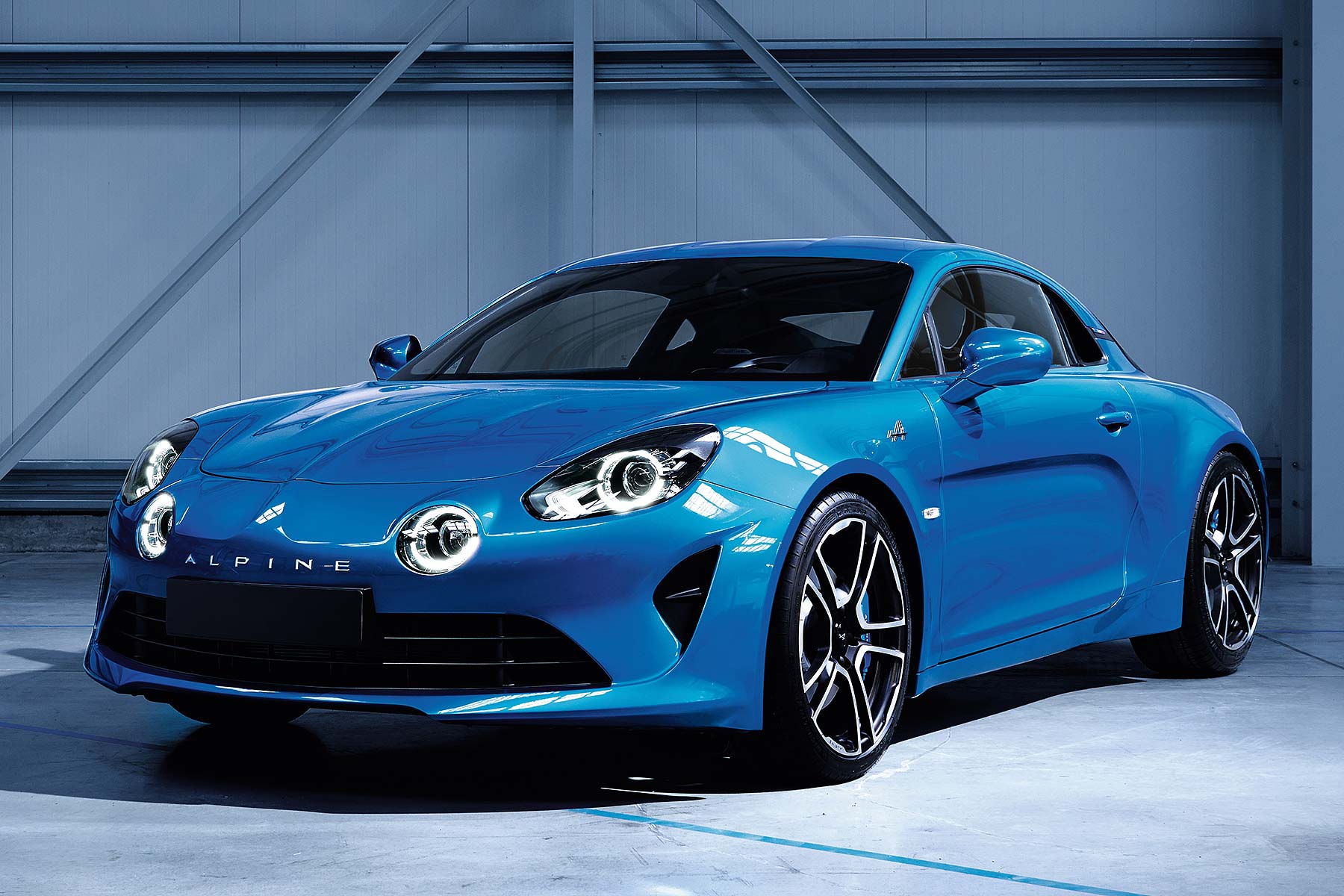
Renault has officially revealed the new Alpine A110 sports car, ahead of its global debut at the 2017 Geneva Motor Show next week. The new production car is the latest step in the rebirth of the famous Renault-owned Alpine brand.
In pictures: a brief history of Alpine
No technical details are being revealed at this stage, but Renault has confirmed the new Alpine A110 will be constricted fully from aluminium – both the platform and upper body are made from it, for “optimum weight saving and agility”. All part of being an authentic ‘Berlinette’, says the brand.
Alpine A110
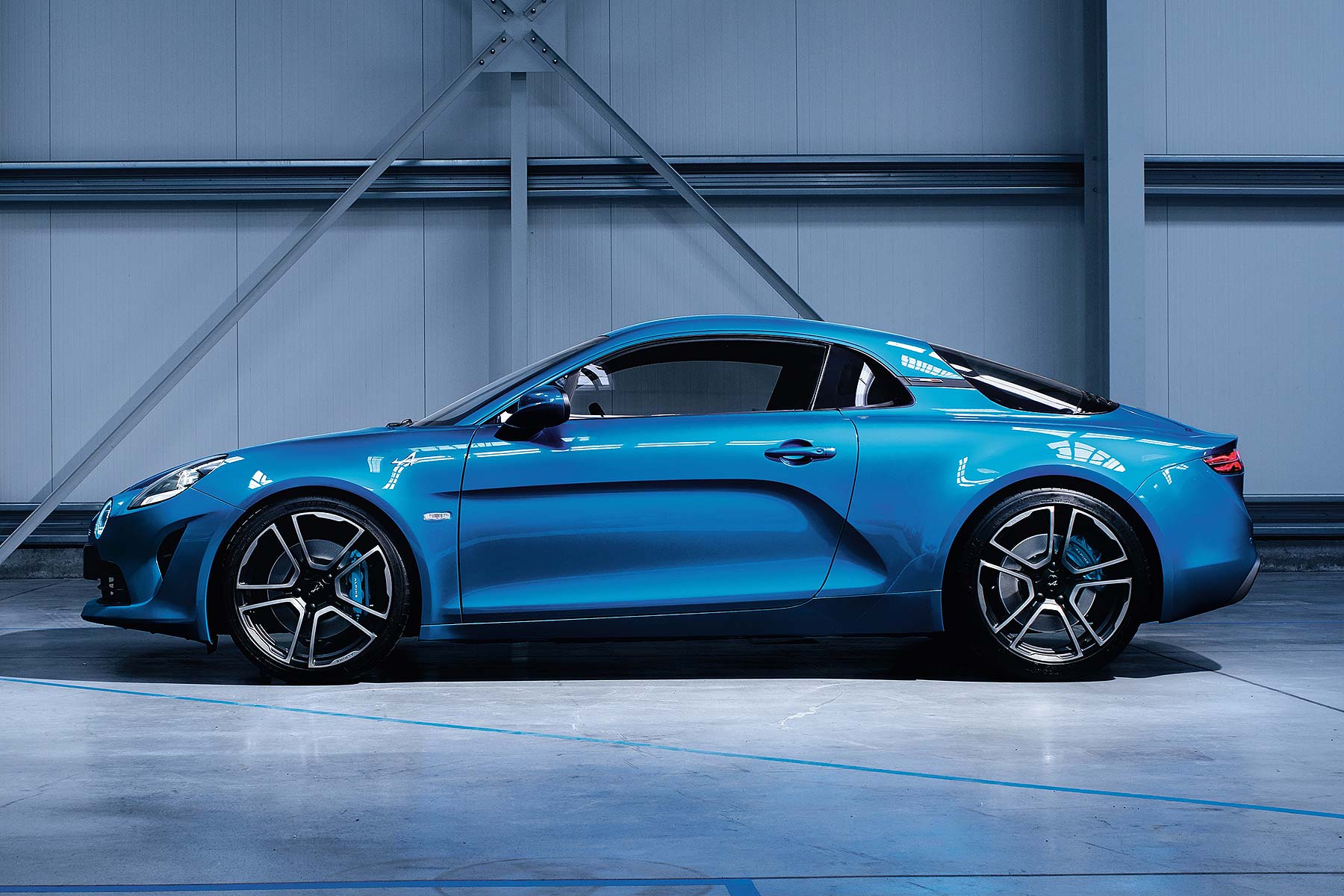
More specs will be revealed during the press conference at Geneva, scheduled for 1215h UK time on 7 March, meaning we can for now instead savour the images of Renault’s new sports car rival to the Porsche 718 Cayman and Audi TT. It’s clear from the images this is going to be a compact car; the front end has the classic Alpine face and its curves are a nice mix of modern and traditional: we love how the tail gently falls away, for example, and the wraparound rear screen is neat.
There’s some smart detailing at work. The classic Alpine round driving lamps have been reinterpreted with modern LEDs. The French flag in the rear pillar is cute and, behind it, cooling inlets for the engine reside. Also note the Alpine logo on the front wing and, at the rear, what looks like a substantial diffuser just poking out the bottom of the bumper.
As for its sports car credentials, it’ll be a mid-engined design, with a turbocharged four-cylinder engine, so hopes are high. There’s talk of 0-62mph in 4.5 seconds plus the sort of handling you expect from a Porsche rival – expect it to be more driver-focused than a TT, for example. Remember, the crack Renault Sport team will have been working hard on this…
We like the fact Renault has stuck with the traditional A110 name too, harking back to the 1961-1977 original. There was speculation this new car would carry the A120 name, but today’s announcement debunks that: A110 it is.
This car has had something of a complicated birth. It was back in 2012 when Renault first announced it was teaming up with British sports car maker Caterham to co-develop a new model. By 2014, Caterham was out, leaving Alpine to go it alone. In 2016, we saw the Alpine Vision concept, confirming they were making good progress: finally, at Geneva 2017, we’ll get to see the final production car.
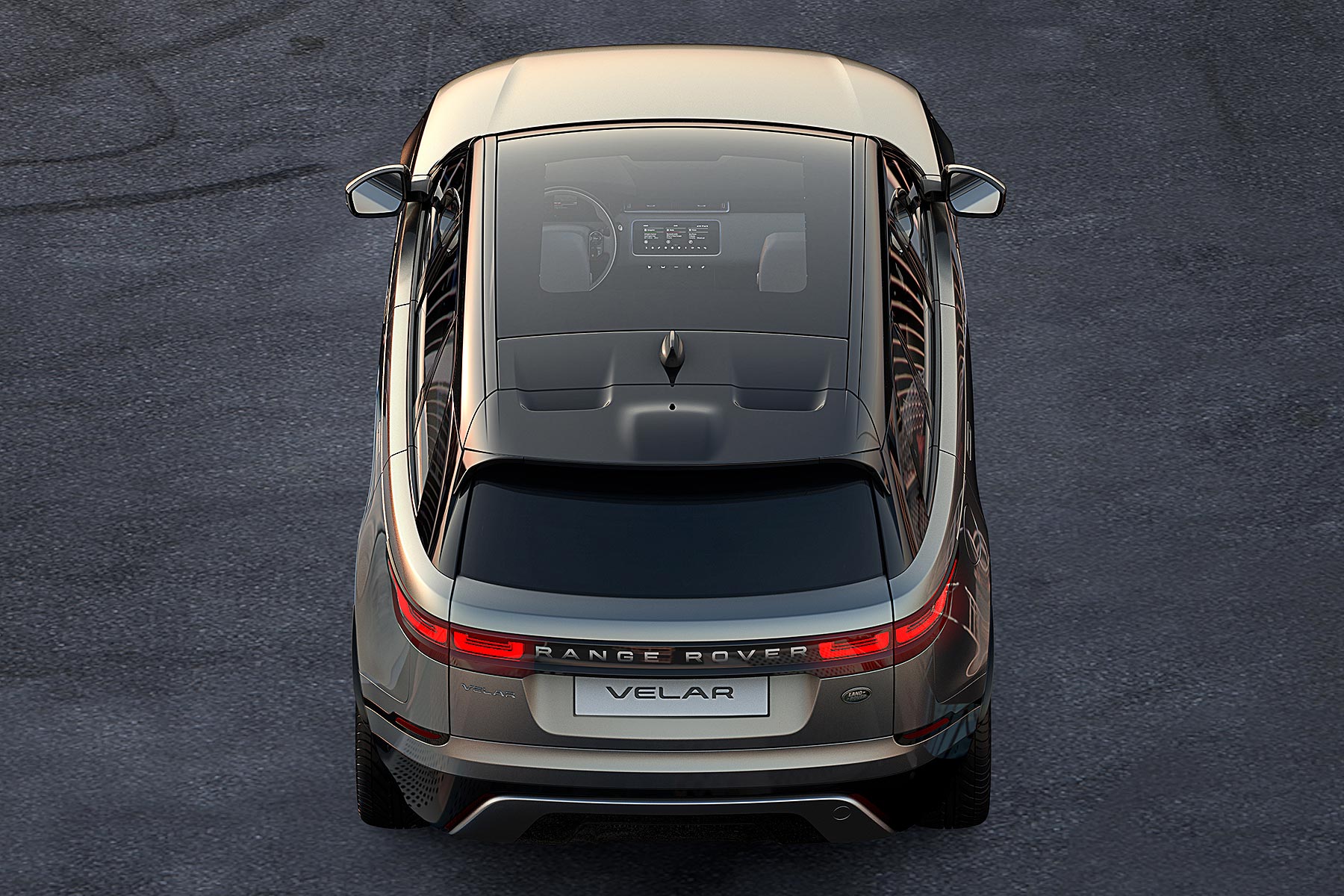
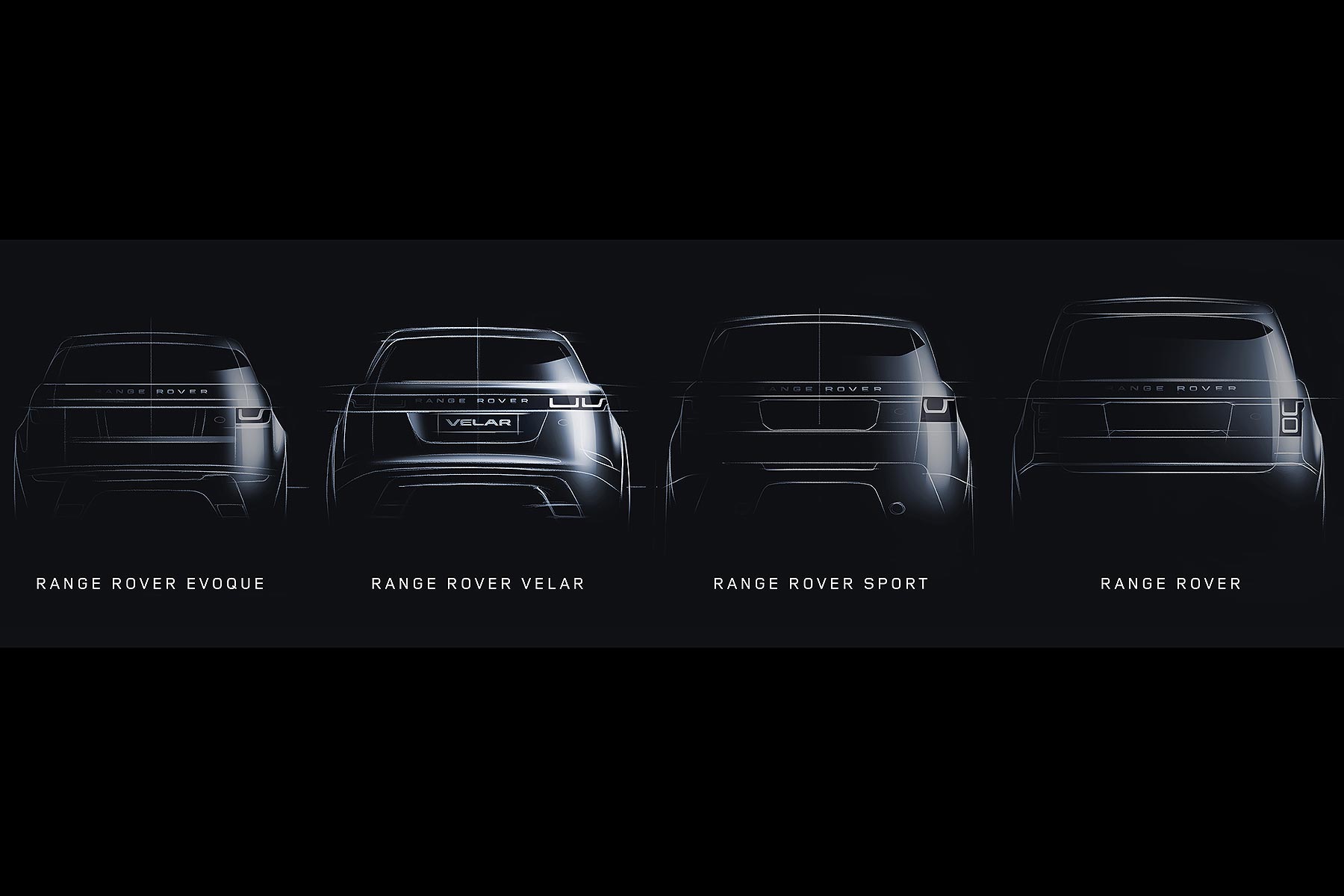
The new Range Rover Velar will go on sale later this year, Land Rover has confirmed, slotting into the gap between the Range Rover Evoque and Range Rover Sport, and finally giving the British firm a direct rival to the Porsche Macan.
Revealed in a teaser image, the new Range Rover Velar is being described boldly by Land Rover chief design officer Gerry McGovern. “We call the Velar the most avant garde Range Rover,” he says.
“It brings a new dimension of glamour, modernity and elegance to the brand. The Range Rover Velar changes everything.”
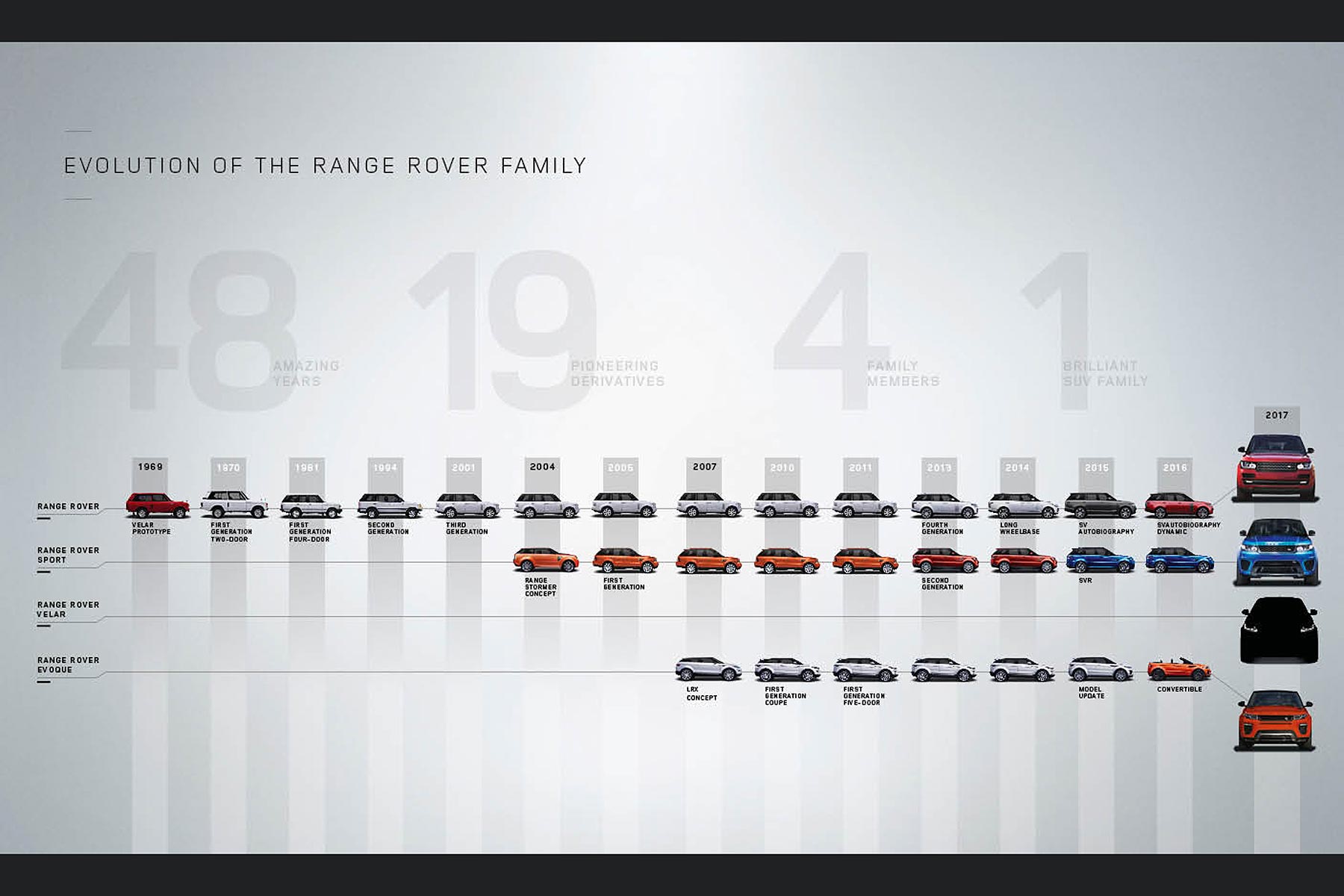
Range Rover family
Likely powered by the JLR 2.0-litre turbo petrol and turbodiesel engine range, plus the 3.0-litre supercharged V6 from the F-Type, Land Rover will be determined to give the Velar (pronounced ‘vel-ar’) a sporty on-road drive. Jaguar has proven this can be done with the F-Pace and Solihull will want to make a similar impact.
The teaser shot shows broad shoulders, an aero-tuned roof spoiler and what looks like a diffuser hidden in the rear metal kick plate. Inside, we can see the latest widescreen JLR InControl Touch Pro infotainment system, plus a configurable set of electronic instruments.
The full global debut of the new Range Rover Velar will take place on 1 March; it will later go on show at the 2017 Geneva Motor Show.
As for the Velar name, this is a nod to the firm’s heritage. Back in the 1960s, engineers concealed the first 26 Range Rover prototypes by sticking Velar badges on them. It comes from ‘velaris’ in Latin: to veil or cover.
A freedom of information investigation has revealed that 2.5 million vehicles failed their MOTs for illegal tyres last year – while police hit almost 9,000 drivers with fines for defective rubber.
If you’re caught driving with less than 1.6mm of tread, you could face a penalty of up to £2,500 and three points on your licence – per tyre.
Police chief fined £586 for driving police car with bald tyres
The Confused.com investigation found that 10,766 endorsements were handed out for defective tyres in 2016. Multiplying this by the maximum £2,500 penalty, motorists could be risking nearly £27 million in fines for not checking their tyres.
While driving with bald tyres can have a dangerous effect on a car’s handling and stopping distance, especially in the wet, the research also revealed that drivers often aren’t in a rush to get their tyres changed.
Out of those who were found to have illegal tyres, more than a third (34%) did not get their tyres replaced straight away because they didn’t have the time, while almost a quarter (24%) said they couldn’t afford new tyres.
A further quarter (23%) admitted to driving with dangerous tyres because the garage could not fit them in sooner.
Confused.com’s motoring editor, Amanda Stretton, said: “It’s pretty shocking to find out that 2.5 million drivers have failed their MOTs as a result of not checking their tyres regularly.
“We understand that arranging to have your tyres changed seems like a hassle, and we know some drivers are concerned about how big a hole it’s going to burn in their pockets. But motorists need to ask themselves if it’s really worth risking three points on their license and enormous fines of up to £2,500 per tyre.”
The website has launched a new tyre tool that lets drivers compare the cost of tyres.
“Confused.com’s tyre tool helps to lower the cost of buying new tyres by allowing you to compare prices in advance,” added Stretton, “so there are no nasty surprises once you get to the garage. Plus, you can pay on the day and the cost of fitting and disposal of your old tyres is completely included in the price.”
The World Car Awards is the largest automotive awards programme on the planet. Winning World Car of the Year is a big deal for auto manufacturers – so all eyes will be on the just-released list of finalists for the 2017 prize. Here, we’re revealing which 10 cars are in the running to be World Car of the Year 2017.
It’s not just the overall World Car of the Year finalists that we’re revealing here, either. The awards scheme, that’s been established for more than a decade, also includes prizes for World Luxury Car, World Performance Car, World Green Car and World Urban Car. There’s also a World Car Design of the Year prize.
Here, we’re running through the cars in the running for each award. And so without further ado…
2017 World Car of the Year finalists
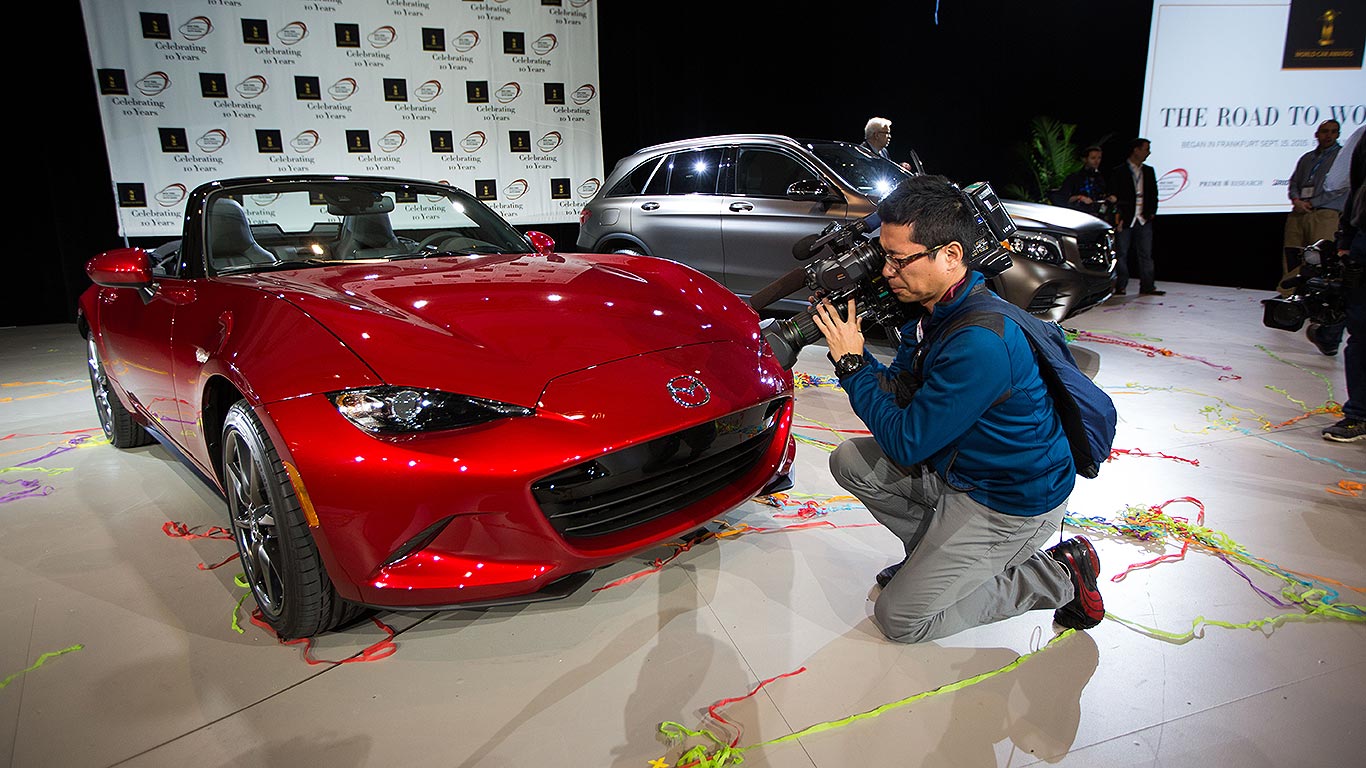
Last year, the Mazda MX-5 was awarded the overall World Car of the Year prize. This year, 75 judges from around the world have whittled the longlist down to 10 finalists. In alphabetical order, they are…
Audi A5 / S5 Coupe
The sleek new Audi A5 Coupe has been a bit of a slow-burner, but its elegant, curvaceous lines are now starting to find favour. The high-tech new chassis is excellent and shows off its high-performance side in the 354-horsepower S5.
Audi Q2
This is a new entrant for Audi – a small crossover SUV designed to compete with other tiddler machines such as the Renault Captur and Nissan Juke. Styling is a break from the Audi Q norm, and being based on the A3 hatch means it drives tidily.
Audi Q5
The new Q5 is another Audi that’s had a bit of a slow start. Again though, the stylish look is now winning friends, and the on-road drive is excellent. It makes it three Audis in the running for the World Car of the Year award – and remember, Audi is no stranger to this prize…
Fiat / Abarth 124 Spider
Last year, the Mazda MX-5 roadster won the overall World Car of the Year award. Can the Fiat/Abarth 124 Spider, which is based on the Mazda, do it again? It would cause quite a stir if it could…
Honda Civic
Honda’s 10th generation new Civic has recently been rolled out in hatchback guise, joining the sedan and coupe models already on sale. It’s a big step on from its predecessor – is it enough to earn it a World Car Award gong?
Jaguar F-Pace
The Jaguar F-Pace was a radical new model for the British sports car company – its first-ever SUV. The Ian Callum-designed lines have been very well received and the Jag also drives extremely well. Will you be placing a bet on it winning the World Car of the Year prize?
Mazda CX-9
Last year, Mazda won the World Car of the Year award. For 2017, it returns as a finalist, with the CX-9 large crossover SUV. Testing in LA last year proved its on-road abilities: now it’s up to the judges to decide…
Skoda Kodiaq
It’s safe to say the Skoda Kodiaq seven-seat SUV has been exceptionally well received in Europe. There’s even talk of it now going on sale in the United States. A landmark car from the Czech brand, it would be a very deserving victor.
Toyota C-HR
The most radical Toyota in years, there’s no missing the C-HR on the road. There’s a good car beneath the stylish lines as well – but will its weak engines let it down?
Volkswagen Tiguan
The old Tiguan twisted logic by selling in greater numbers the more it aged. Buyers love it – and they’ll find lots to like with this one, which cures all the grumbles with the old one and more. This could be a stealthy front-runner for the overall World Car of the Year prize…
2017 World Luxury Car
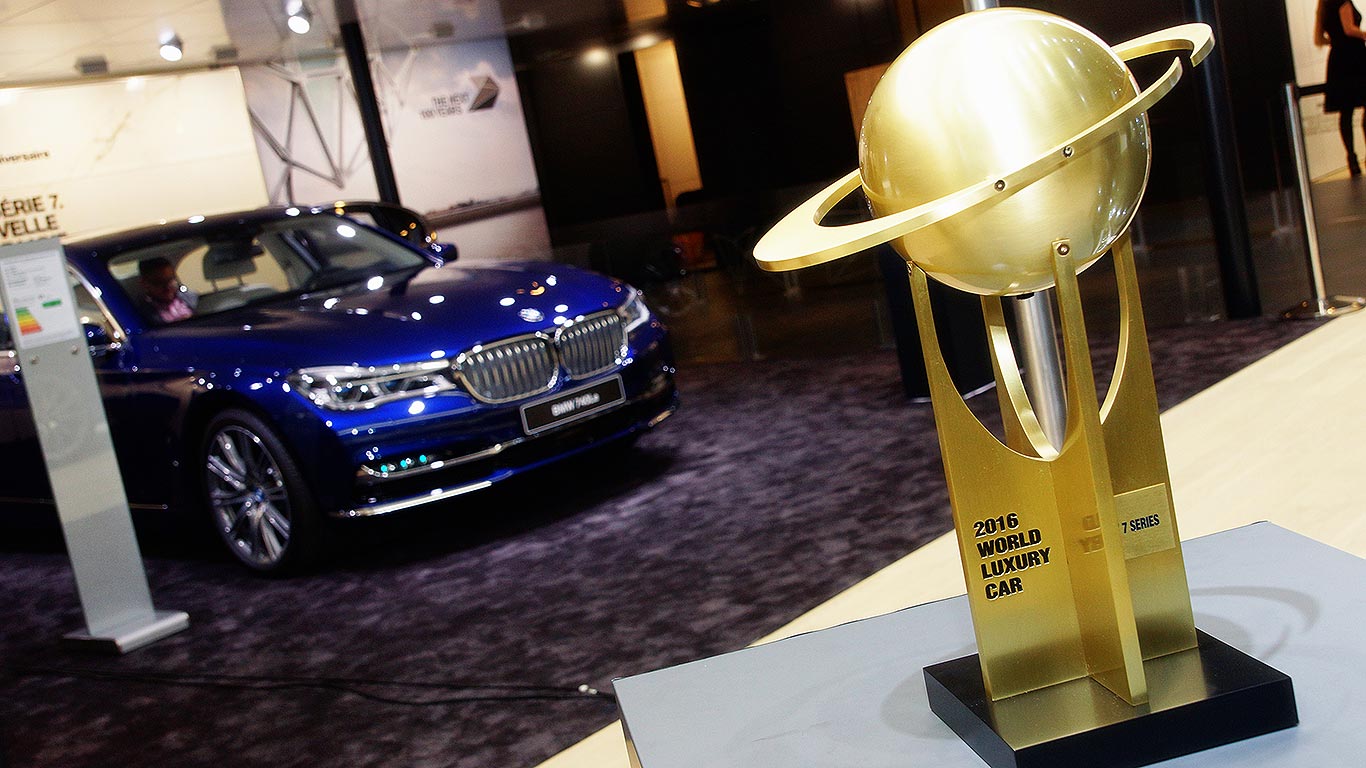
And now to the individual categories for the World Car Awards 2017. The World Luxury Car prize features the best of the best luxo-machines. Last year’s winner was the BMW 7 Series: this year’s shortlist of five features some significant all-new models…
Bentley Bentayga
The first-ever Bentley SUV, the Bentayga remains controversial for some, but initial sales suggest rich buyers can’t get enough of it. Impeccably finished inside and supremely refined, it’s expensive, but you certainly get what you pay for.
BMW 5 Series
Is this the best new BMW there’s been in years? A brilliantly well-conceived machine, the latest 5 is peerless in almost every respect. The fact it’s a relatively attainable luxury car will also find favour with the judges. Certainly, one to watch.
Genesis G90
Hyundai has made its first-ever luxury car, and the Genesis G90 is as significant today as the launch of the original Lexus LS was back in 1989. Thoroughly convincing, it’s a superb luxury car with quality, refinement and the feel-good factor in abundance. This or a Mercedes-Benz S-Class? That’s a serious question.
Mercedes-Benz E-Class
Like BMW, Mercedes-Benz pushed the boat out in developing the new E-Class. It looks svelte, it’s good to drive and the high-tech interior impresses. Safety standards are also world-class: it’s truly the S-Class of executive cars.
Volvo S90 / V90
Volvo’s transformation continues. First the XC90 SUV, now the S90 sedan and V90 wagon. Both are wholly convincing luxury cars that can finally go eye-to-eye with BMW and Mercedes-Benz. But are they good enough to scoop the World Luxury Car gong?
2017 World Performance Car
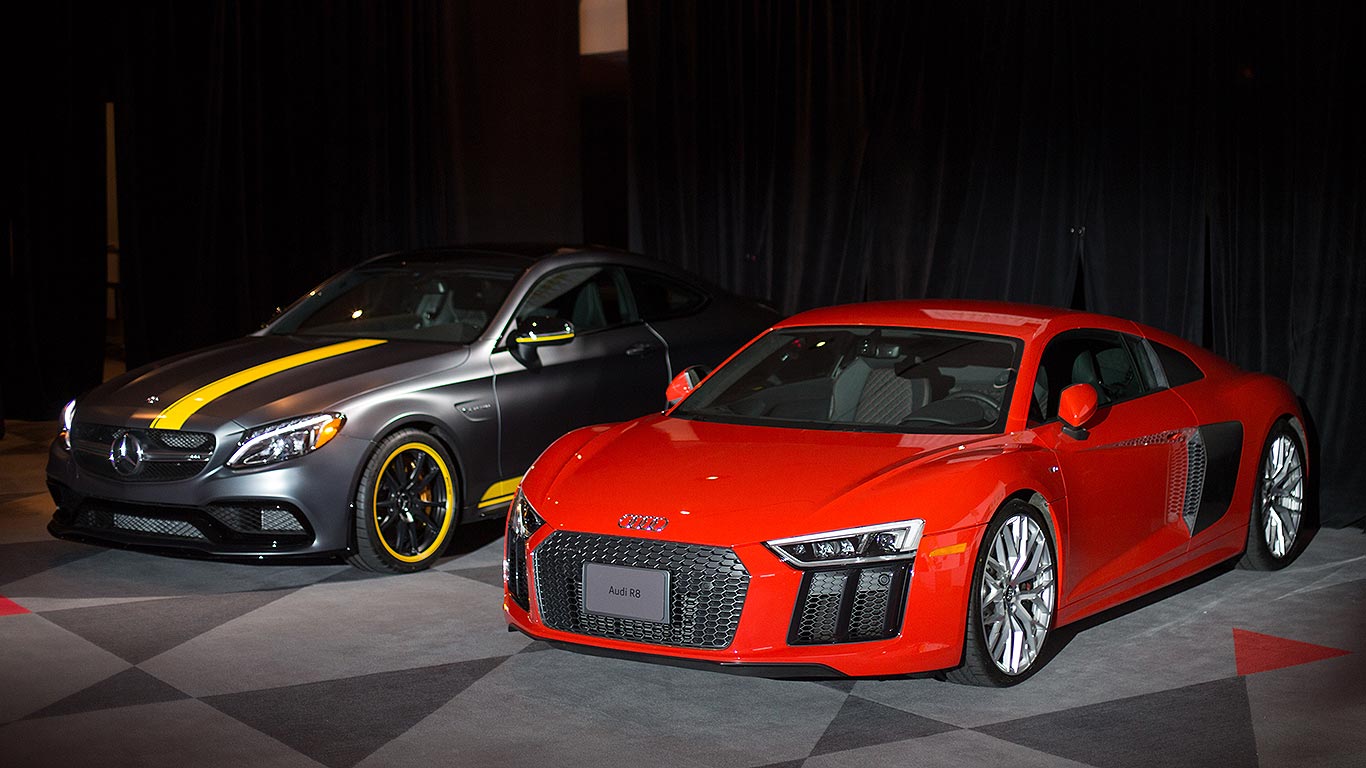
The World Performance Car category is always an exciting one. Needless to say, this year’s list of five finalists contains some thrillers – one of them will follow on from last year’s winner, the Audi R8.
Aston Martin DB11
Aston Martin has been reborn and the DB11 is the sports car that will take it into its ‘second century’. All-new from the ground up, it’s an outstanding performer, while Mercedes-Benz-sourced electronics bring the interior bang up to date as well.
Audi R8 Spyder
Can the open-top R8 Spyder follow on from last year’s victor, the Audi R8 coupe? It’s in a strong group of cars but the Spyder is an able machine in its own right. It also looks a million dollars…
Honda / Acura NSX
A long time in development, the Honda / Acura NSX is at last now available. And what a car it is, all high-tech thrills and super-clever abilities. It may not move things on in quite the same way as the original, but it’s nevertheless a significant achievement from Honda.
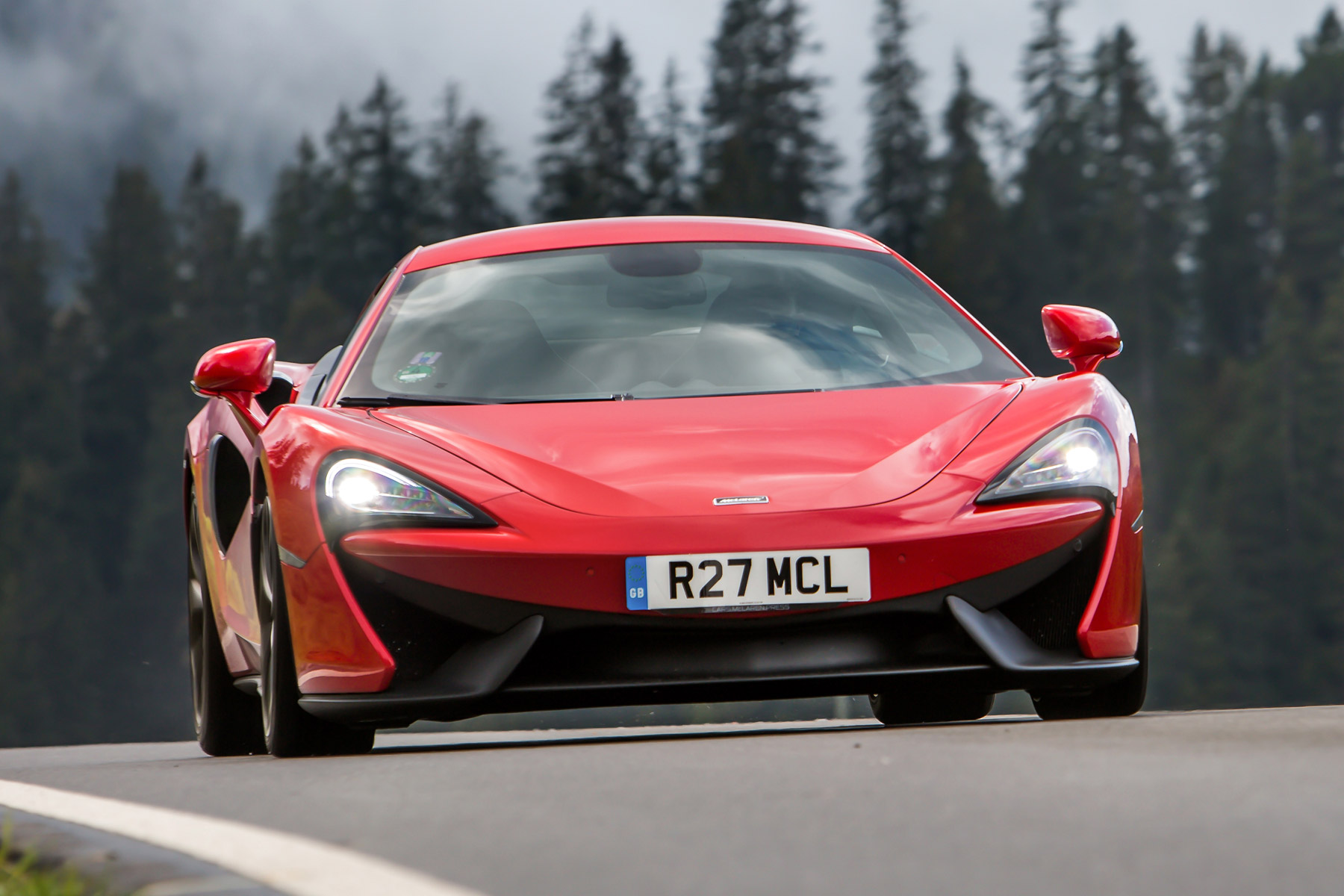
McLaren 570S
The McLaren 570S is such a thriller, it raises serious questions as to why you should spend extra on the larger 650S. Performance is staggering, the drive is other-worldly and, both outside and in, it looks fantastic. It’s expensive, but you still question how they can sell such an amazing car for so little…
Porsche 718 Boxster / Cayman
Two controversial cars, because they replaced six-cylinder engines with four-cylinder turbo motors. But also, two fantastic cars that built upon already-brilliant models and made them even better still. This creates a very interesting conundrum for the World Car Awards judges…
2017 World Green Car
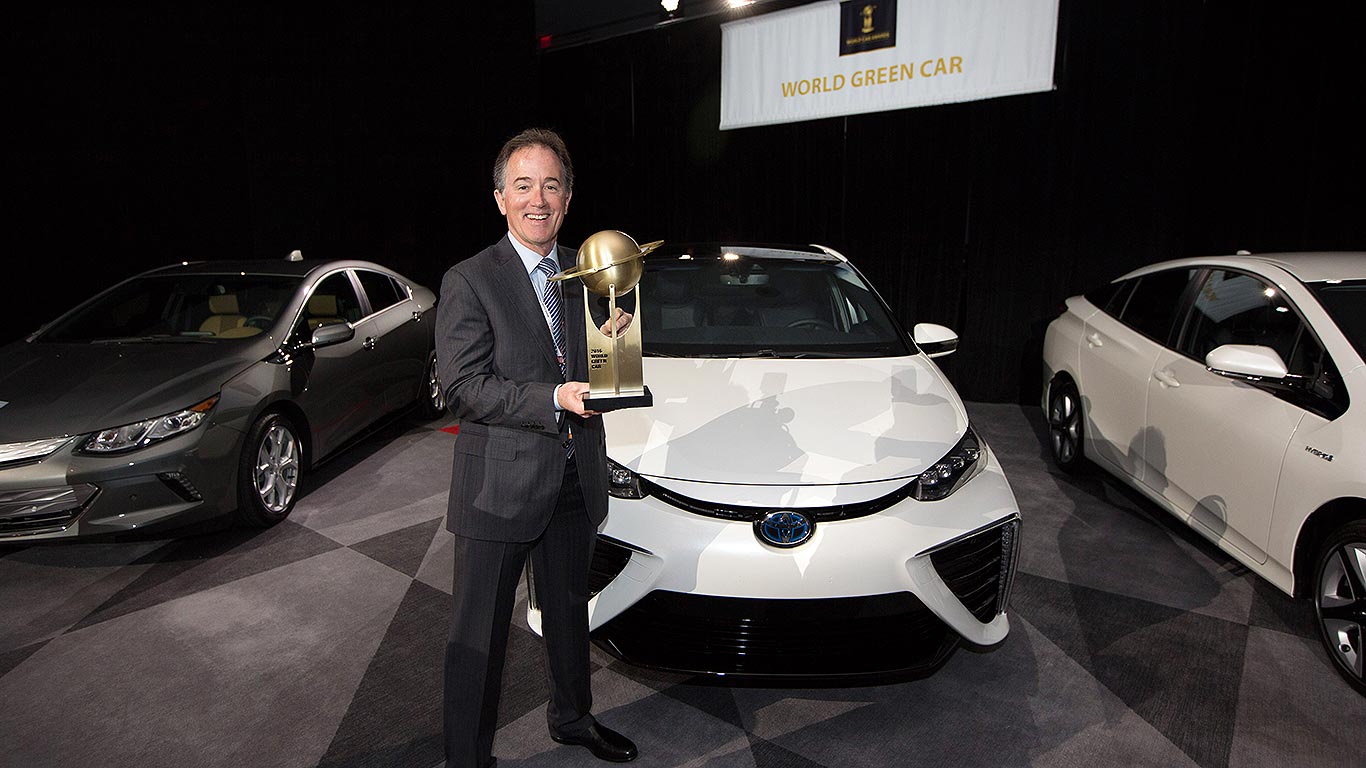
The World Green Car prize is back once again for 2017. Last year, the Toyota Mirai aced it. Who’s in the running this year?
Chevrolet Bolt
In almost every respect, we’d say the Chevrolet Bolt electric car is odds-on to win the World Green Car prize. It has a Tesla-matching range for a decidedly Chevy-level price tag, it looks good and it drives nicely. What’s not to like? The fact you can’t buy a version in Europe’s second-largest new car market, the UK, that’s what…
Honda Clarity Fuel-Cell Car
The hydrogen fuel cell Honda Clarity has been a long time coming but finally it’s on sale in North America. It rolls out in Europe soon too. Is this the future of zero-emissions electric-drive motoring?
Hyundai Ioniq
Hyundai has created a very clever range of green cars with the Ioniq range. Hybrid, plug-in hybrid and full electric are all offered, in the same five-door bodyshell. This keeps costs affordable and ensures eco buyers can choose exactly the right model for their driving style. Will this earn it World Green Car-winning points in 2017?
Tesla Model X
With the Model X, Tesla aims to do in the SUV sector what the Model S has done in the luxury car sector. Proving you can have an all-electric SUV with a long range and supercar performance, it’s another striking model from the cool premium car firm.
Toyota Prius Prime
Last year, the Toyota Mirai fuel cell car won the World Green Car prize. Can its plug-in hybrid sibling, the Prius Prime, do the same in 2017? One thing’s for sure – the styling is certainly finding more friends.
2017 World Urban Car
This is a new category for 2017, introduced because more than half the world’s population lives in towns and cities – a figure that’s set only to grow. Cars must be under 4 metres long and be “safe, quiet, clean, driver-, pedestrian- and cyclist-friendly, comfortable, affordable, flexible and to be capable of reaching motorway speeds”.
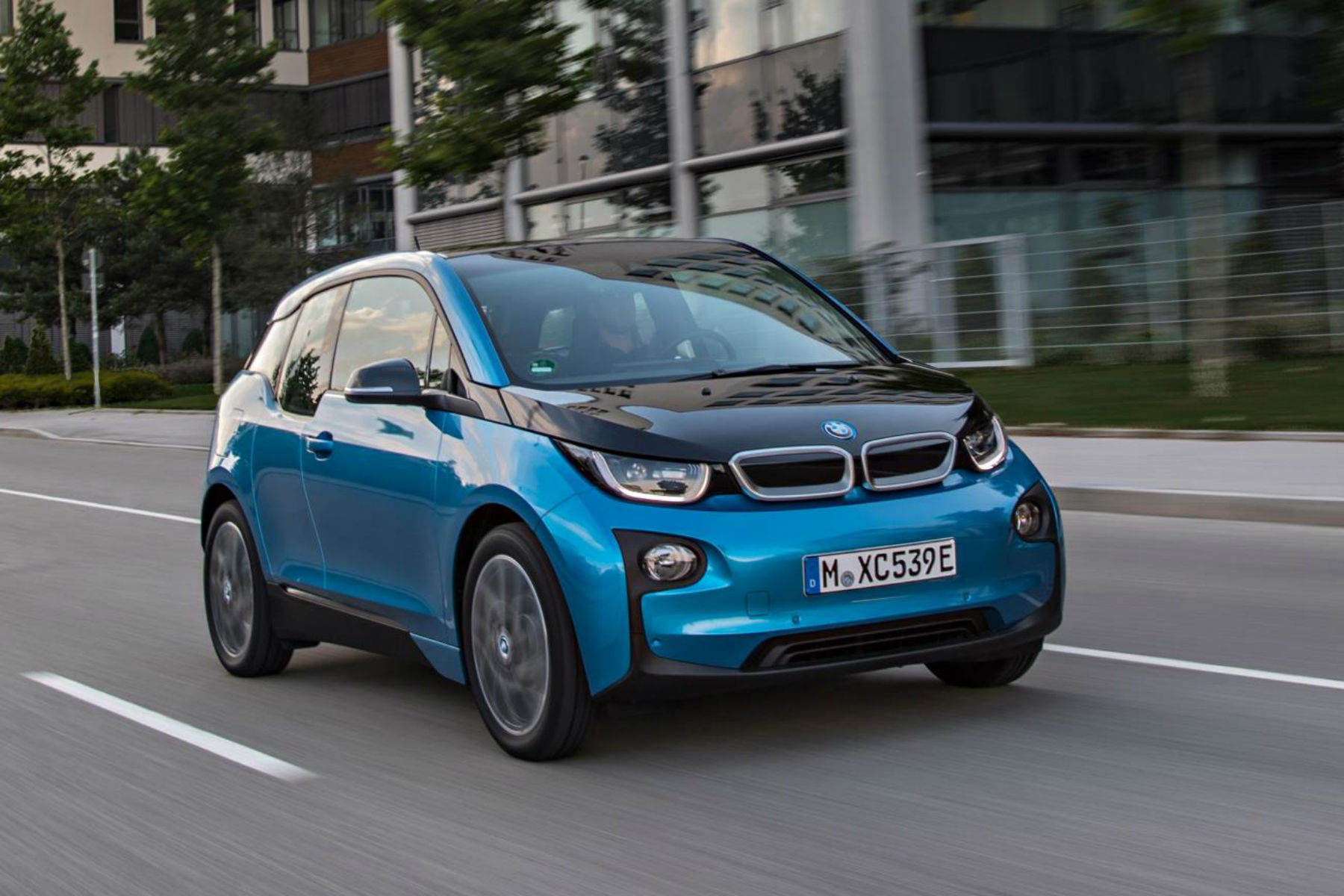
BMW i3 (94Ah)
BMW’s ingenious and fantastically clever carbon-fibre i3 has been upgraded with a big new battery. Dubbed 94Ah, the extra capacity gives it a range of almost 200 miles. Is this enough to tip the little i3 over onto car-buyer consideration lists?
Citroen C3
The old Citroen C3 supermini was a dreary and slightly dreadful machine. What a turnaround there’s been with this all-new one. Inspired by the modernist C4 Cactus, it looks delightful and the fresh-faced image carries through into a clean, crisp on-road drive. You can even get onboard tech that takes selfies as you drive – ingenious.
Ford KA+
Another model that’s been transformed. The old Ford Ka was woeful, a pale imitation of the original. Ford has rethought things with this model, which gets five doors for the first time. Derived from the top-notch Fiesta platform once again, it’s well-priced and, while not as radical as the original, is nevertheless a well thought out new city car entrant.
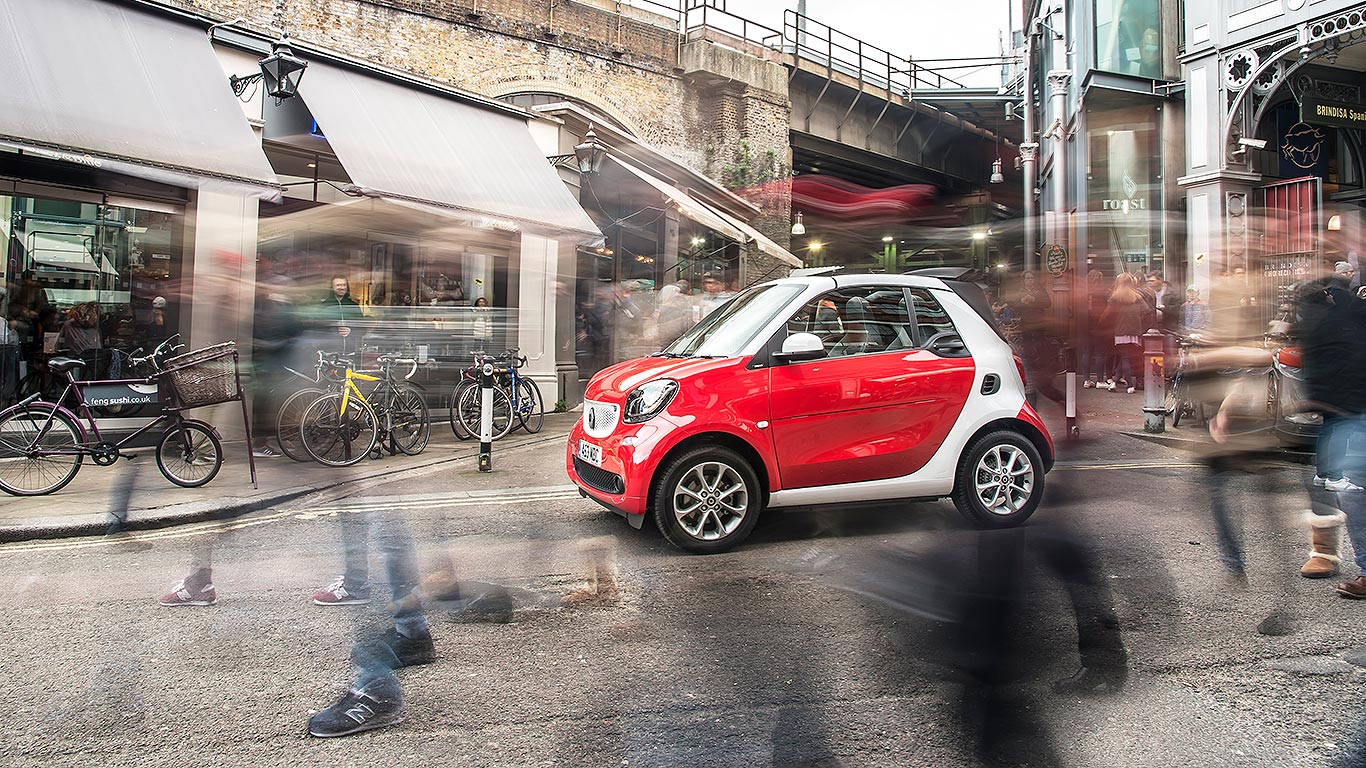
Smart Cabriolet
The Smart Fortwo remains one of the most authentic city cars on sale. Super-short, with a turning circle the equal of a London black cab, this cabriolet model brings open-air satisfaction to the table. Daimler integrity costs money but brings further feel-good reassurance.
Suzuki Ignis
Small car master Suzuki has done it again with the Ignis. A city car infused with crossover styling and even some cues from the original Suzuki Whizzkid, it’s another perfectly-conceived city star that is affordable to buy and well in with a shot of winning the inaugural World Urban Car prize.
2017 World Car Design of the Year
A committee of top car designers has drawn up the shortlist for the 2017 World Car Design of the Year award. Now it’s up to the jurors to select which they think is the finest. Once again, there’s a five-car group to choose from: which will follow the 2016 winner, Mazda’s MX-5?
Audi A5 / S5 Coupe
The designer of this car’s predecessor reckoned it was the most beautiful car he had ever created. Will the World Car Design of the Year judges agree that its successor is also worthy of such high praise?
Jaguar F-Pace
Ian Callum proved that you can make a convincing Jaguar SUV with the F-Pace. It’s classy, cohesive and exciting, and as authentically Jaguar as the F-Type coupe it references in its name. This is why we think it’s in with a good chance of winning.
Mazda CX-9
Mazda has given the SUV sector a subtle dose of sports car excitement with the CX-9. It’s an elegant, understated vehicle, whose crossover looks grow on you, not least because they lack the dumpiness of previous large Mazda crossovers.
Mercedes S-Class Cabriolet
Over the years, large two-door coupe versions of the S-Class saloon have proven unconvincing. Mercedes-Benz finally nailed it with the S-Class Coupe, and now it’s followed it up with the glorious S-Class Cabriolet. Our design experts have ensured it’s one to watch in 2017.
Toyota C-HR
The car design community has rewarded Toyota’s brave styling approach with the radical C-HR by giving it a chance of winning the 2017 World Car Design of the Year award. Like it or loathe it, you can’t deny it’s a blindingly stand-out model from a traditionally conservative company. Will the judges feel this is worthy of a world car design gong? Stay tuned…
The popular Volkswagen Golf has been updated for 2017 – bringing with it new infotainment systems, more comprehensive safety systems, an all-new TSI petrol engine and DSG gearboxes with more gears. Styling has also been tweaked, but you’ll be hard pushed to notice: the most standout visual update is a vivid new metallic yellow colour.
The Volkswagen Golf was the second best-selling car in May
Trailed by Volkswagen for weeks, the revisions to the Golf are detailed but not earth-shattering. It’s the upgraded infotainment systems that the firm’s keenest to stress – every unit in the range is new.
Basic Golfs get a higher-res 6.5in colour touchscreen instead of the old black and white system. The next level up now uses an 8.0in screen, and there’s now an even larger 9.2in ‘Discover Pro’ system with a super-high-res screen and, for the first time in this sector, gesture control.
Spot this new high-end Discover Pro system from its Apple-like full-width glass surface.
On the safety front, traffic jam assist allows the Golf to semi-autonomously drive itself in traffic (so long as you have all the options necessary, including a DSG gearbox). Emergency assist can spot if the driver has blacked out or fallen asleep and, if they don’t respond, will emergency-stop the car. The city emergency braking system also now detects pedestrians as well as other cars.
Those who tow will like the new Golf: it’s the first family hatch to have trailer assist, that semi-autonomously reverses a car hitched to a trailer. Park assist is also more intelligent and offers more driverless functionality.
Volkswagen is very proud of the ignition key now saving settings for individual drivers, including preferred climate control settings, instrument setups and driver’s seat adjustments. The fancy fully-electronic instruments first seen in the Audi TT are now offered in the Golf as well.
From the outside, new Golfs are not immediately apparent. The bumpers have been redesigned, full LED tail lamps are standard and xenon headlights have been junked in favour of full LED units. The front wings are new, there are fresh wheel choices and, inside, new trims and fabrics.
It’s the Golf GTI that’s perhaps the most visually evolved. The red bits in its headlights have been revised, and those units are now standard dual LED lamps. The Golf GTI has more power as well: 230hp as standard, 245hp for the GTI performance.
There’s no mention of the dreaded TDI diesels in the 2017 Golf press kit, but a new 1.5-litre TSI ‘Evo’ engine is highlighted. In regular guise, this engine has 150hp and is fitted with ACT cylinder deactivation so turns into a two-cylinder during light loads. This helps trim fuel consumption to 57.6mpg combined, and CO2 goes down to 110g/km.
A 1.5 TSI Evo Bluemotion has a power chop to 130hp, but CO2 also falls to 104g/km: it averages 61.4mpg. The engine also has a variable geometry turbo – an impressive addition for a petrol car – and runs on a new combustion cycle similar to the eco-focused Miller Cycle. Oh, and when the driver releases the accelerator, the engine shuts down, as part of an extended coasting function. Previously, only hybrids have been able to do this: the real-world economy gains will be significant, promises Volkswagen.
Ageing six-speed DSG gearboxes will also be replaced by seven-speed units, further cutting CO2.
2017 Volkswagen Golf: prices and on-sale date
The Mk7.5 Golf is set to go on sale in March, with prices on average £650 less than its predecessor across the range. That’s despite the higher levels of standard kit, including improved infotainment systems on all models, and LED rear lights.
The entry-level 1.0-litre Golf S 85hp three-door retains its £17,625 starting price – making it cheaper than the entry-level Honda Civic (£18,235) but more expensive than the Ford Focus (£16,445).
Volkswagen’s diesel hot hatch, the Golf GTD, starts at £28,480 – an increase of more than £1,500 over the outgoing model, while the GTI rises to £27,865 (a small rise from £27,495). The flagship Golf R remains at £31,865.
Driving impressions
We’ve driven the 2017 Volkswagen Golf at its European launch event in Majorca, and can confirm the minor changes have secured its place amongst the best in class. The new 1.5-litre TSI engine in particular is a gem, with 150hp on tap and a 130hp Bluemotion version available for extra green credentials (and none of the nastiness associated with VW diesels).
Even combining the 1.4’s replacement with a seven-speed DSG gearbox, it packs a punch and is fun to drive without the ‘thrumminess’ of the three-cylinder 1.0-litre. It’s a really likeable engine that might make some think again about defaulting to a diesel Golf.
The new infotainment system is easy to use, while the minor changes to the Golf’s design mean it stills looks fresh (if not exciting). We even like the new Turmeric Yellow colour…
New Turmeric Yellow colour for the Golf. I like it. I like the new 1.5-litre TSI, too. pic.twitter.com/NUo9j5Vs7j
Electric car sales are growing year-on-year, by double-digit amounts. As concerns over city centre emissions grow, and the threat of penalties for combustion engines grows (diesel cars are particularly vulnerable here), many are now looking at electric vehicles (EVs) in a new light.
Road tax 2017: how much more will Britain’s best-selling cars cost?
Revealed: the European Car of the Year finalists of 2017
Honda Insight review: Retro Road Test
So is this the year to go electric?
Of course, traditionally, high-tech electric cars have not been cheap. Enter the government’s Plug-in-Car Grant. On electric cars with a range of at least 70 miles, this is worth £4,500 off the recommended retail price (the prices listed here are all pre-Plug-in Car Grant). List prices themselves are also becoming more affordable as sales gain critical mass.
Incremental improvements in battery technology are also stretching the range enough to make them a genuine option for most people. In the early days of EVs, you’d struggle to get 100 miles from a full charge. Now, you can get well over 150 miles from some models, and one real-world choice now claims a 250-mile range. The compromise-free EV is almost here.
In such a fast-growing sector, which are the models you should be looking at? Here, we’ve picked out 10 of the most significant EVs, and ranked them. We’ve also included key specs for driving range, battery size and price. All have their zero-emissions strengths, but some are better than others – particularly when you factor in range and price.
Hyundai Ioniq
Range: 174 miles
Battery size: 28kWh
Price: £28,995 (Premium)
The fresh-faced Hyundai Ioniq is a car available in three flavours: hybrid, plug-in hybrid and full EV. Here, we’re looking at the pure electric Ioniq, which is priced from an affordable £28,995. The claimed range is up to 174 miles, which is more than the class-leading Nissan Leaf. Hyundai’s five-year, unlimited-mileage warranty is extended further for the electric bits here – they’re covered for eight years and 125,000 miles.
Renault Zoe
Range: 250 miles
Battery size: 41kWh
Price: £28,695 (i-Dynamique Nav Rapid Charge)
The Renault Zoe is a supermini electric car that’s both brilliant and badly flawed in equal measure. The brilliant bit is the stupendous range of this Z.E.40 model – a new 41kWh battery has stretched it to a Tesla-like 250 miles. But then, Renault has long eradicated the consumer appeal of this with its silly battery hire scheme, meaning you have to fork out £70 a month on top of the list price (or finance cost). The i-branded models cure this by including the battery in the asking price. Trouble is, they mean the asking price of this small EV is the same as the more-family-sized Ioniq EV…
Nissan Leaf
Range: 155 miles
Battery size: 30kWh
Price: £30,290 (Acenta 30kWh)
The first mass-market electric car on sale in Britain is getting on a bit these days, but is a deservedly familiar sight. It was enhanced a little while ago with a larger-capacity 30kWh battery, taking the range up to 155 miles. That’s an improvement on the old 24kWh car, and will give existing owners a nice upgrade come trade-in time. It’s also built in Britain, for patriotic appeal. These days, it’s not the class-leader in terms of range or ability, but it’s still competitive.
BMW i3
Range: 195 miles
Battery size: 33kWh
Price: £32,330 (94Ah)
The ultra-clever BMW i3 looks like nothing else, is made from lightweight carbon fibre and is a Tardis-like car that still drives like a real BMW. Trouble is, it’s perhaps a bit too quirky for some; what works in trendy parts of London might not quite be so appealing in rural Dorset. This 2017 model does have a big new battery, though – taking the range up to nearly 200 miles. And the car’s clever engineering means you stand a decent chance of achieving that, too.
Volkswagen e-Golf
Range: 118 miles
Battery size: 24.2kWh
Price: £31,680
There’s a facelifted Volkswagen e-Golf coming soon, but we’re still recommending this one if you’re able to strike a sharp deal with a retailer. It doesn’t have the biggest battery or the largest range in the family class, but it’s still a Golf, and that counts for a lot. It’s nice to drive and will always sell on for decent money. A few thousand pounds off will solve the issue of that list price, too…
Kia Soul EV
Range: 132 miles
Battery size: 27kWh
Price: £29,995
The quirky Kia Soul EV is an electric car that’s a bit different. Probably too different for many, but early adopters who like to stand out might love it. The range is decent and it’s extremely practical inside for five, while a fulsome level of standard kit means you shouldn’t feel short-changed by the sub-£30k list price.
Tesla Model S 60
Range: 253 miles
Battery size: 60kWh
Price: £65,680 (Model S 60)
We have to include the mighty Tesla Model S here, despite even the basic car costing a whopping £65,000. That’s because it’s a genuine luxury car that’s shaken up the electric car market ever since its launch. The range is long, performance is stupendous and the interior, dominated by that famous touchscreen, is superb. Pity new car buyers no longer get free charges from the ever-growing Supercharger network.
Volkswagen e-Up
Range: 99 miles
Battery size: 18.7kWh
Price: £25,280
Volkswagen has recently facelifted the little e-Up. Frankly, while able, it’s a bit too expensive for what it is: a tiny city car with a sub-100-mile range. The Plug-in Car Grant helps, but it’s still more than £20k – you can get a petrol-engined Up for less than £10k. Despite this, it’s a likeable and able car that drives well and serves as a nice introduction to electric motoring.
Renault Twizy
Range: 62 miles
Battery size: 6.1kWh
Price: £6,895 (Expression)
One of the cheapest cars on sale in Britain is also a fully-electric one. The Twizy is rather compromised, of course: it’s a quadricycle, so doesn’t meet the same standards of refinement (or, as Euro NCAP pointed out, crash safety) as a normal car. The range is also just 62 miles, and it’s so slow, it can’t even clock a 0-60mph time because it can’t reach 60mph. Still, for those who want a cheap electric car runabout they can park anywhere, it’s still worth a look.
Smart ed
Range: 99 miles
Battery size: 17.2kWh
Price: TBC
One of the freshest EVs on the UK new car market is the soon-to-be-launched Smart ed range. Because we don’t yet have prices, we can’t yet fully judge its competitiveness – but the range is looking OK for a city car and the manoeuvrability of the Fortwo two-seater is peerless. There’s now even a Forfour ed for those who need a city-friendly five-door four-seater.
British supercar manufacturer McLaren has announced plans to work with BMW to develop its next generation of powertrains.
In a statement, McLaren said “the project will develop new combustion technology that will deliver a higher output per capacity than currently possible.”
2016 McLaren 570GT review: the people’s McLaren
There isn’t going to be a new McLaren F1… is there?
More car news on Motoring Research
The new engines will be more efficient, with lower CO2 emissions and improved fuel economy, despite higher headline power figures. The obvious way of doing this is to follow the hybrid route set by the P1.
McLaren has previously revealed that it plans to offer at least half of its cars with hybrid powertrains by 2022.
“This is an exciting project that plays to the strengths of all partners,” said McLaren CEO Mike Flewitt.
“McLaren Automotive has an exceptional reputation for building the world’s finest engines, as showcased by our M838T and its previous category wins in the International Engine of the Year awards.
“We will continue to independently design and build our own engines, and the benefits of this project will help us accelerate the development of our next generation of powertrains, as confirmed in our recently-announced Track22 business plan.”
The collaboration has been supported and part-funded by the UK government through the Advanced Propulsion Centre (APC). In total, the project will cost £28 million, with half of that coming from the APC.
Details of what exactly BMW and McLaren are planning are being kept quiet, but McLaren says it will improve the UK’s development and production capabilities of low-CO2 internal combustion engines.
The project, led by McLaren, will involve its existing engine manufacturing partner, Ricardo, as well as various suppliers including Lentus Composites and Grainger & Worrall.
The University of Bath will also be contributing to the research and development of the future powertrains.
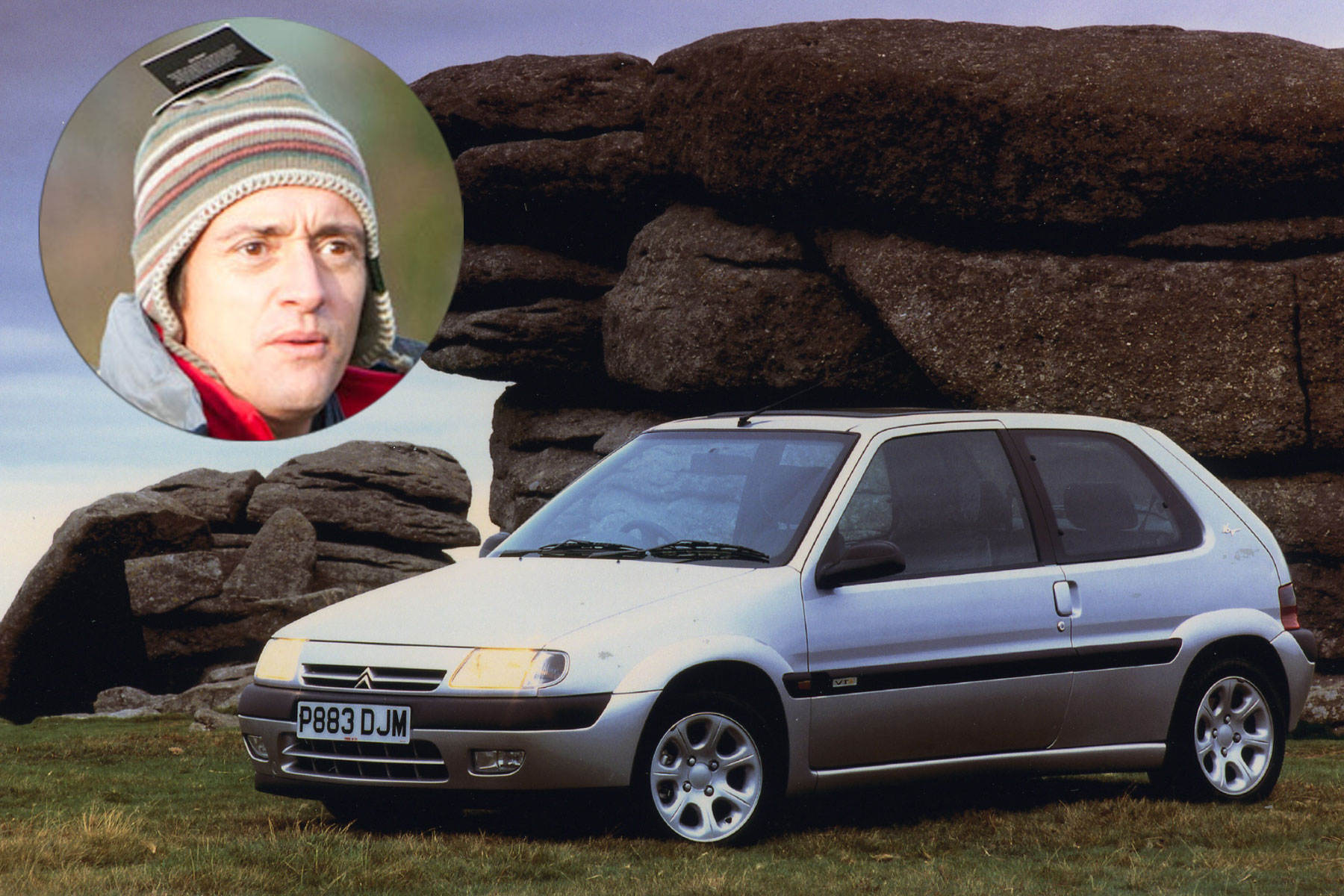
If the current episode of The Grand Tour is anything to go by, Richard Hammond is about to nip out and steal a chainsaw… in a Citroen Saxo VTS.
According to Amazon Prime’s clever X-Ray feature – which provides extra information about what you’re watching on screen – Hammond loves the Saxo VTS so much that, after the show was filmed, he went out and bought one. The lucky so-and-so.
Top Gear vs. The Grand Tour: which presenters had the best cars?
Richard Hammond’s £750 Porsche up for auction
More opinions on Motoring Research
During ‘Conversation Street’, the presenters were charting the rapid fall in numbers of Citroen’s hot hatch, which had dropped from around 4,500 in 2008 to 491 when the episode was filmed. We’ve just checked the latest figures, and they show that the number on the road has now fallen to 464 –with 946 declared as off the road.
Fabulous, proper and fizzy
“By 2019 they’ll all have gone,” said the ‘Hamster’, which was enough to see him off to the classifieds in an attempt to save the “fabulous, proper, fizzy little hatchback” from extinction. Good man.
That he loves the Citroen Saxo VTS so much should come as no surprise. In his days as a presenter on Men & Motors, Hammond pitched the French tearaway against a Caterham Super 7 Sprint, before driving home in the Citroen.
Weirdly, in a different episode, former radio presenter and drag racer, Dave Lee Travis – aka the ‘Hairy Cornflake’ – proclaimed the Saxo VTS to be “the closest you can get to an old-school GTI”. High praise indeed.
Later, in 2008, Hammond named the Saxo VTS as one of the ‘best second-hand boy-racer bargains’, saying it’s “another belter from Les Francais. The Saxo VTS is virtually a cult car among the young and to see why, you only need to drive one.
“It looks cute, with reasonable performance and good handling.”
This isn’t the first time Richard Hammond has bought a Saxo VTS. In series 18 of Top Gear, he paid £550 for a 1999 model and went racing against Clarkson and May. Sadly, the car’s MOT expired in 2012, so we can only assume that it has gone to the great rallycross track in the sky.
The Price is right
The hot Saxo’s fall from grace is hardly surprising. The Saxo VTS, with its 120hp 1.6-litre 16v engine, developed a bit of an image problem: a kind of hot Nova for a new generation. Lads believed that a Saxo VTS and a pumping stereo was the key to getting a girl undressed.
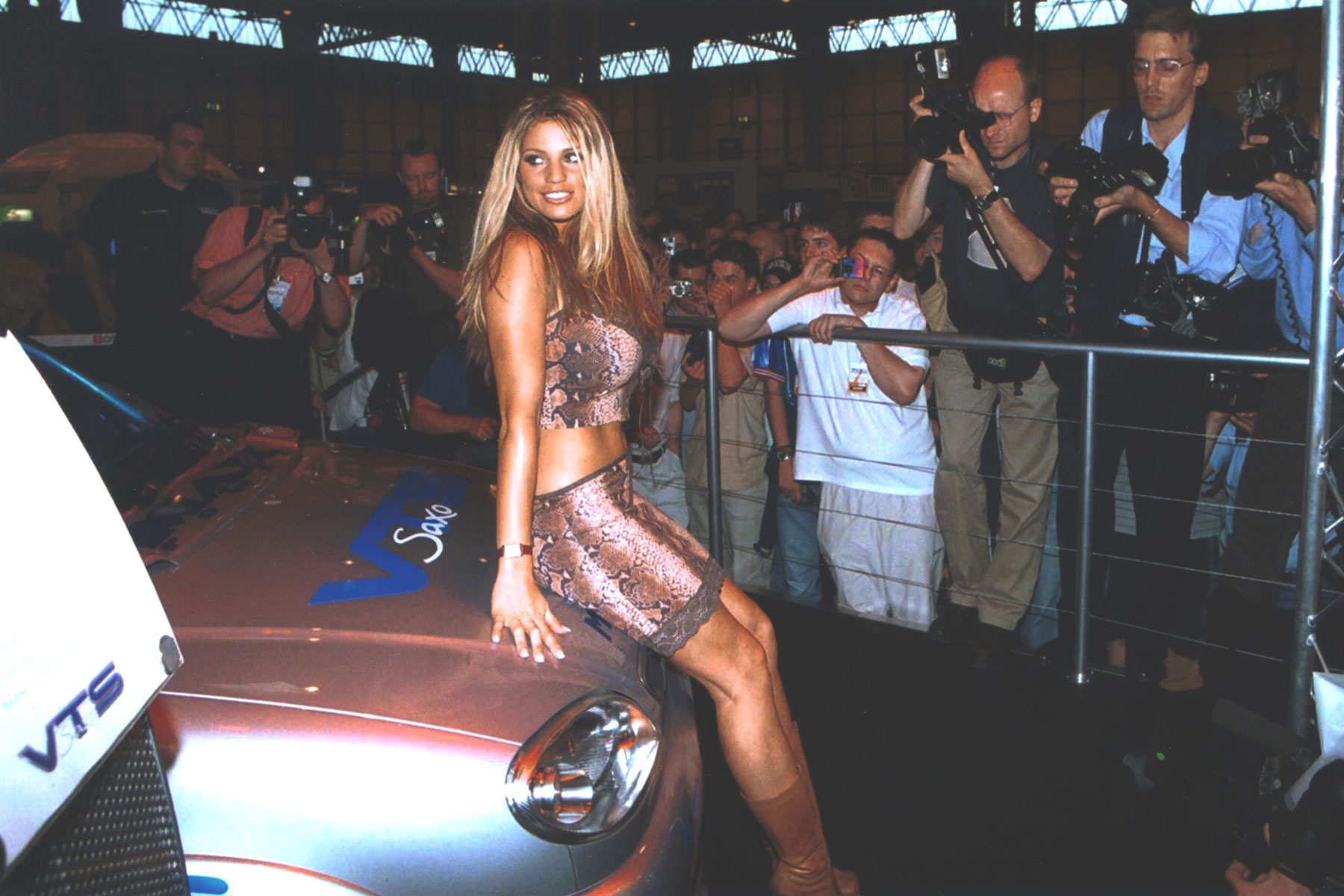
Citroen didn’t help matters when it asked Katie Price, AKA Jordan, to perch on the bonnet of its four-wheeled bra remover.
It meant that – for all of its qualities as a typically French hot hatch – polite, gentle folk stayed away from the Saxo VTS, allowing it to spiral into the abyss. On the flip-side, this means values are stupidly low, so you needn’t spend more than £1,000 to secure a good one.
Compare and contrast with the values of other French heroes – most notably the Peugeot 205 GTi, Renault 5 GT Turbo and Peugeot 106 Rallye – and the Saxo VTS looks a bit of a bargain. Prices won’t stay this low forever.
Take a leaf out of Hammond’s book: rescue a Citroen Saxo VTS today. You won’t regret it. Just don’t let a girl called Katie sit on the bonnet.
In 1947, just eight years after leaving Alfa Romeo, Enzo Ferrari built the first car to wear a Ferrari badge. Now, 70 years later, it’s left to us to select the cars that define the history of the Prancing Horse.
“The best Ferrari is the next one,” as Enzo Ferrari famously said, so on that basis the best is yet to come. But how did we go about selecting the greatest Ferraris from the past 70 years?
It’s a highly subjective opinion, of course, but by selecting two from each decade, it focused our minds on choosing the very best. This means that some Ferraris that might have made an overall list of the top 10 will have missed out.
Justin Bieber is selling his modified Ferrari 458
Ferrari 328 GTS review: Retro Road Test
More car news on Motoring Research
1940s: Ferrari 125 S
Enzo Ferrari worked at Alfa Romeo for ten years, heading up the Scuderia Ferrari racing department. He left in 1939 and – cutting a long story short – formed a company called Auto Avio Costruzioni, developing a car at a workshop in Modena. But this wasn’t the first car to wear a Ferrari badge. No, that honour belongs to the 125 S.
By Enzo’s own admission, the 125 S’s racing debut was “a promising failure”, but it laid the foundations for the next 70 years. After just five months, the 125 S had achieved six wins from 14 races.
1940s: Ferrari 166 MM
Enzo’s first car – the Auto Avio Costruzioni 815 – was designed by Carrozzeria Touring of Milan and, eight years later, Ferrari returned to the coachbuilder to pen the body of the 166 MM (Mille Miglia). It wasn’t the first Ferrari, but it was arguably the most significant to date, becoming a dominant force in motorsport and setting a trend for a succession of barchettas and spiders.
It made its debut at the 1948 Turin Motor Show, with the show car sprayed red and featuring a real leather interior. Significantly, the 166 MM enjoyed success at Le Mans, Spa and the Mille Miglia.
1950s: Ferrari 250 GT California Spider
Selecting the two greatest Ferraris from the 1950s is slightly trickier. The 250 GT California Spider makes the cut, but not because of its role in Ferris Bueller’s Day Off. This is one of the most beautiful cars ever built and ranks amongst the most expensive cars ever sold at auction. Indeed, a barn-find 250 GT SWB California Spider sold for $18.5m in 2015.
The LWB (long-wheelbase) version was built between 1958 and 1960, while the SWB (short wheelbase) was in production from 1960 to 1962. It’s the SWB that’s the more valuable of the two and as such it should slot into the 1960s category. But when you discover what we’ve chosen for the 60s, you’ll understand why we’re including the 250 GT California Spider under the banner of the 1950s.
1950s: Ferrari 250 Testa Rossa
Our second choice is the 250 Testa Rossa, so called because of its red valve covers. It became one of the most successful cars in Ferrari’s history, but this was no track-only special. These 3.0-litre V12-engined cars were road legal, despite looking like Formula One race cars.
The 300hp 250 TR could reach speeds of up to 170mph, propelling it to victory in the 1957 World Sports Car Championship, Ferrari’s third consecutive win. In 2014, chassis 0704 sold for a record £24 million. Historian Marcel Massini described that car as one of the top five Ferraris on the planet. Just one reason why we’ve included the 250 Testa Rossa on our list of true greats.
1960s: Ferrari 250 GTO
The first name down on the team sheet and the reason why there’s only one berth available in the 1960s category. It is, of course, the 250 GTO, probably the best Ferrari… in the world. Formidable on the track, and just as good on the road, Ferrari managed to dodge homologation rules by building just 36 cars.
A prototype was tested by Stirling Moss, before being unveiled to the public in February 1962. A year earlier, Enzo Ferrari had described the Jaguar E-Type as the most beautiful car ever made. With its long bonnet, ‘droop snoot’ nose and stubby tail, the 250 GTO could rival the E-Type in the beauty stakes. A star was born.
1960s: Ferrari 365 GTB4 ‘Daytona’
The 50s and 60s were a golden era for Ferrari, so much so that we’ve been forced to leave out cars that could otherwise have beaten Ferraris from different decades. The 365 GTB4 was unveiled at the 1968 Paris Motor Show, and was immediately christened the ‘Daytona’, in honour of Ferrari’s 1-2-3 victory at the 24-hour race in 1967.
This was the last 12-cylinder Ferrari announced before Fiat took control in 1969, with Maranello sticking to the front-engine layout, at a time when mid-engined cars were in fashion. Early cars featured a strip of Plexiglass in front of the lights, but this was replaced by pop-up units to comply with US safety legislations. In 1969, Ferrari launched a spider version, which accounted for 10% of sales. Either way, the ‘Daytona’ is arguably the coolest Ferrari ever built.
1970s: Ferrari 308 GTB/GTS
And so to the 1970s, where we start with the Ferrari 308 GTB and GTS. These were hugely significant cars for the marque, delivering sales success previously unknown to Ferrari. The 308 GTB came first, at the 1975 Paris Motor Show, and was the first Ferrari to feature a fibreglass body.
Later, Ferrari returned to traditional pressed steel and aluminium, before the arrival of the 308 GTS in 1977. The most famous targa-topped model is arguably the 1984 car, driven by Tom Selleck in the Magnum P.I. TV series. In January 2017, it sold at auction for £144,150.
1970s: Ferrari Berlinetta Boxer
Leaving aside the Dino-badged models for a moment, the Berlinetta Boxer (BB) represented a turning point for Ferrari. Launched in prototype form at the 1971 Turin Motor Show, the 365 GT4 BB was powered by a central-longitudinally mounted V12 engine, enveloped in a body designed by Pininfarina.
In 1976, the 365 GT4 BB evolved into the BB and later into the BBi, complete with Bosch fuel injection. Eric Clapton is a fan, so much so that he commissioned Ferrari to build a tribute to the BB using a Ferrari 458 Italia. The result was a one-off SP-12, which cost ‘Slowhand’ a cool £3m.
Ferrari 288 GTO
Selecting two Ferraris to represent the 1980s was an easy task. The Ferrari GTO – commonly referred to as the 288 GTO – was built to compete in Group B rallying, but when the FIA pulled the plug, the GTO was left without a party to attend. As a result, the GTO never raced, leaving all 272 units to fall into private hands.
As you’d expect from a race-bred, 400hp twin-turbocharged V8 supercar, demand was high, so much so that Ferrari sold each one to order, before the car went into production. In any other company, this would have been the greatest car of the decade. But Ferrari had another ace up its sleeve…
1980s: Ferrari F40
The 250 GTO might be the purists’ choice as the greatest Ferrari of all time, but the F40 would win if judged on universal appeal. It’s the poster star for a generation; the supercar we grew up wanting.
It was the last new-car presentation attended by Enzo Ferrari before his death in 1988, and built to celebrate the 40th anniversary of the marque. Like the 250 GTO, it felt like a race car for the road, with extensive use of composite materials for the chassis, a glassfibre body and a stripped-back interior. Such was the demand, Ferrari built 1,311 F40s between 1987 and 1992.
1990s: Ferrari 456 GT Venice
For the first time since the 365 GTB4, Ferrari returned to a front-engine layout for the launch of the 456 GT. It was the ultimate GT car, featuring a 5.5-litre V12 engine and a sumptuous interior with space for four. Good enough to make our list of greatest Ferraris? Not quite…
If you’ve got the funds, anything is possible, as demonstrated by the sublime 456 GT Venice. Prince Jefri Bolkiah of Brunei liked the idea of a 456 GT wagon so much, he ordered seven units from Pininfarina. He purchased six of them, each one costing a cool $1.5m.
1990s: Ferrari F355
Beautiful, isn’t it? On looks alone, the F355 is worthy of consideration when producing a list of great Ferraris. Although the shape was inspired by the 348, Pininfarina spent a huge amount of time perfecting the aerodynamics of the F355, moving the game on considerably.
Note the air intakes, which you can see, and the flat bottom, which you can’t: two factors that optimised airflow distribution. The aerodynamics helped the F355 to achieve a top speed of around 183mph, while a later car – called the F1 – featured Formula One style paddles behind the steering wheel.
2000s: Ferrari Enzo
In 2002, the Ferrari Enzo represented the very pinnacle of supercar development. It was, almost quite literally, a Formula One car for the road, right down to its use of composite materials, advanced aerodynamics and top speed of 350km/h (217mph). It was a fitting tribute the company’s founder, who had died 14 years earlier.
Ferrari built 400 units, each one featuring a chassis made entirely from carbon-fibre and aluminium honeycomb sandwich panels. It was also the first Ferrari road car to feature carbon-ceramic disc brakes.
2000s: Ferrari 430 Scuderia
None other than Michael Schumacher helped develop the Ferrari 430 Scuderia, with the F1 driver completing lap after lap on the Nürburgring in an attempt to hone the car to within a millimetre of perfection. The result was a car with 510hp, a top speed of 198mph and a 0-62mph time of 3.6 seconds. But while these figures might be good for Top Trumps, they only tell half the story.
It’s not that the standard 430 wasn’t a great car, it’s just that the ‘Scud’ took things to an entirely new level. The F1-SuperFast2 gearbox reduced shifts to a 60 thousandths of a second, the F1-Trac differential was straight out a Grand Prix car, while other details included a new rear diffuser and a specific Gurney flap on the engine cover.
2010s: Ferrari FF
One car is a shoe-in for the current decade, but what of the other choice? We’ve opted for the Ferrari FF, on the basis that it took the marque in a new direction. When it was unveiled in 2011, the motoring world looked on with amazement. Here was Ferrari’s first four-wheel-drive car, with enough space to seat four people in total comfort.
It was a clever move by Ferrari, not least because it allowed the brand to expand into new markets, such as China, where supercar owners like to take their family along for the ride. It was also the first time a V12 engine had been mated to a seven-speed dual-clutch F1 gearbox.
2010s: Ferrari LaFerrari
Ferrari built 500 LaFerraris, 499 of which were sold on an invite-only basis. The remaining car was sold at auction to raise money for the Italian earthquake disaster. It raised £5.5 million, five times more than the cost when new.
That it’s one of the greatest Ferraris of all-time is in no doubt. Indeed, Ferrari liked it so much, it decided to christen it ‘The Ferrari’.
Ferrari J50
What about the cars that got away? We could make a strong case for the 458 Italia, which straddles two decades. Then there’s the F12 Berlinetta, the F12tdf, the Dino 246, 250 GT Lusso, 330 GTS, 488 Spider… the list could go on.
But what of the present and the future? In December 2016, Ferrari unveiled the J50, another limited edition built to celebrate the 50th anniversary of Ferrari in Japan. Only 10 will be built.
Ferrari 70th Anniversary
In 2017, Ferrari will celebrate 70 years in the business by creating 70 bespoke cars. Seventy liveries will be rolled out, each one created just the once for every car in the current range.
All the cars will come complete with a 70th anniversary logo, along with a plate stating the name of the model that inspired it. Of course, you’ll already know this, as you will have received an invitation to place an order. Here’s to the next 70 years.
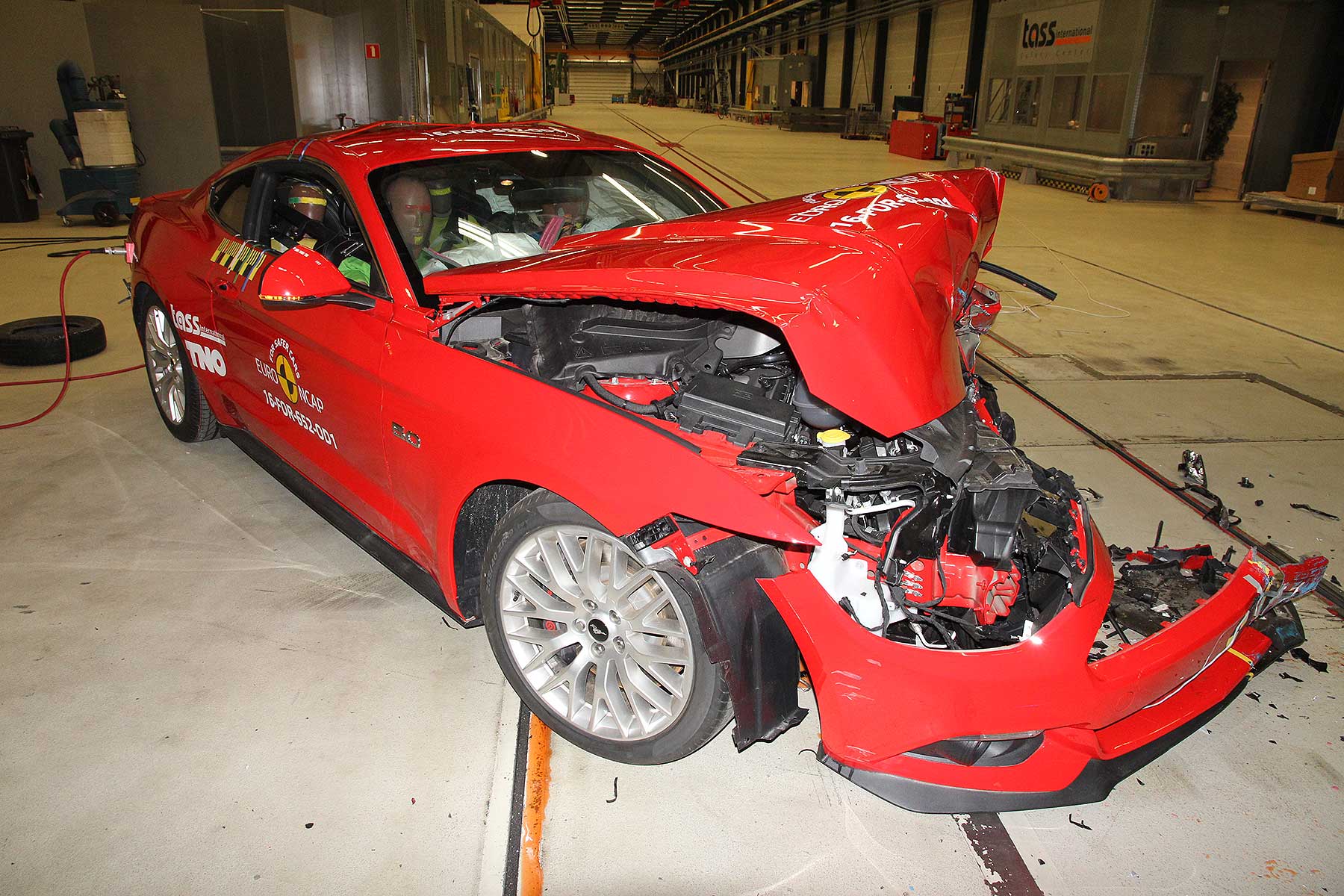
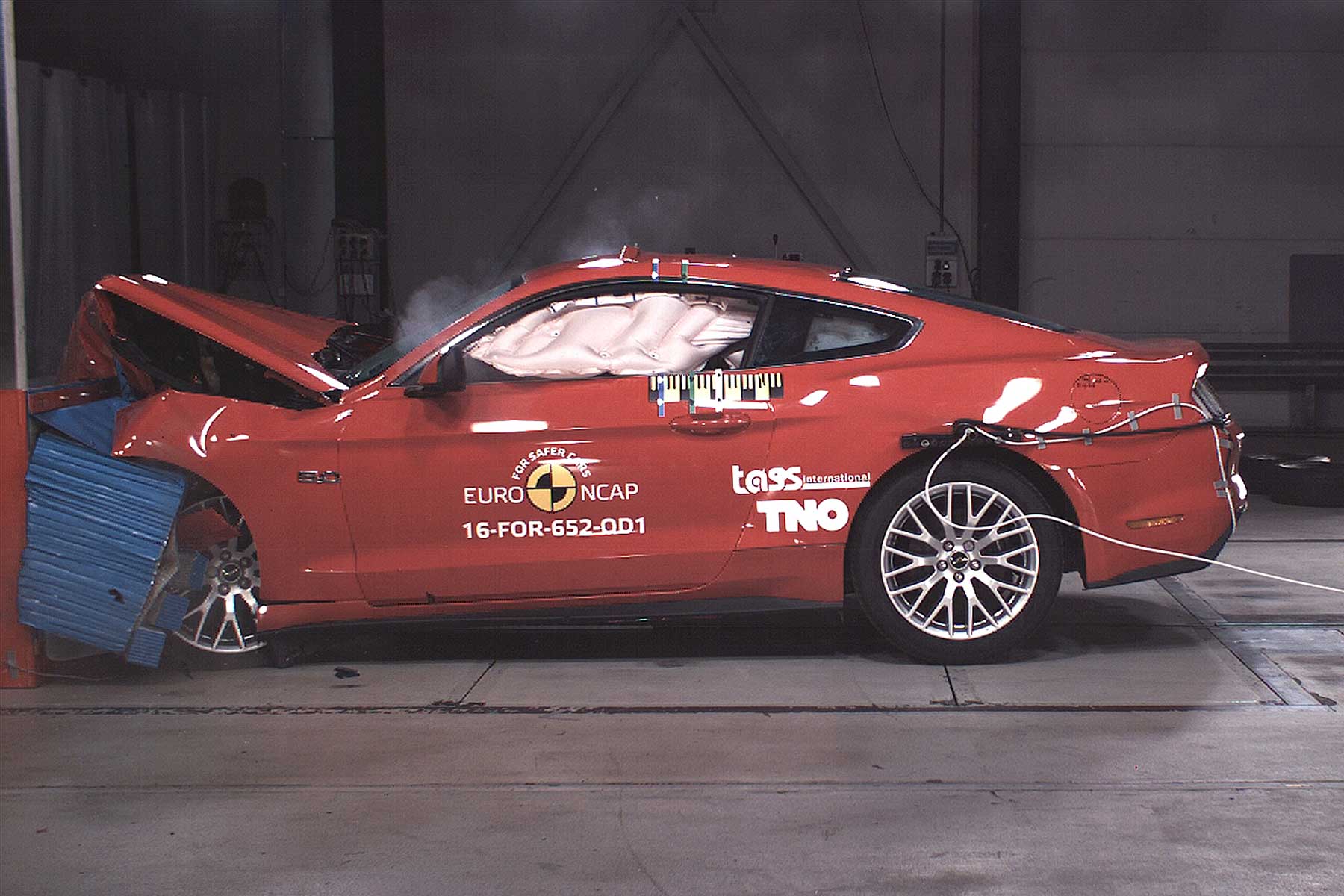
The Ford Mustang has become the first car from a mainstream car manufacturer to be given a two-star Euro NCAP safety rating since 2008.
Thatcham, the company that oversees the official NCAP crash test, has criticised Ford for selling the Mustang in the UK without important safety technology that’s available in the USA.
“Ford has made a deliberate choice,” explains Thatcham Research’s director of research, Matthew Avery.
“The car has been designed to score well in less wide-ranging US consumer safety tests and only minor updates have been made to meet required European (pedestrian) safety regulations.
“This has resulted in poor adult and child protection scores and the high-tech radar collision warning system that is available to US consumers not being available here in the UK. The two-star Euro NCAP rating is the consequence.”
During the test, the driver and passenger airbags failed to inflate sufficiently in an offset front collision.
In the full-width front impact test, a rear passenger was found to slide under their seatbelt. Rear seatbelt pre-tensioners and load-limiters would prevent this, Thatcham says.
A facelift for the Mustang, due to go on sale in September 2017, will have extra safety technology as standard, Ford says, including pre-collision assist and lane-keep assist. This could result in a higher NCAP score when re-tested.
“This really bucks the trend,” adds Avery. “Car buyers are increasingly benefiting from improved safety functionality and features, and this applies equally to cars in the sports roadster category as to family cars.
“We have concerns about the Ford Mustang’s crash protection of adults and children which also makes it unsuitable for having rear passengers. On top this, it does not have basic life-saving technology like autonomous emergency braking that is available even on the Ford Fiesta, and the recently-launched Ford Edge.”
Ford has hit back, telling Motoring Research the Mustang is “fundamentally a safe car,” achieving five stars for pedestrian safety, four for front occupants and three for child occupants. Despite this, a spokesman admitted they found the overall result “disappointing”.
NCAP has also tested the new Volvo S90 and V90 – both of which have been awarded five stars and praised for their “class-leading safety”.
“It does make you wonder if anything rubbed off on Ford from the Volvo/Ford partnership,” concludes Avery.
 The World Car Awards is the largest automotive awards programme on the planet. Winning World Car of the Year is a big deal for auto manufacturers – so all eyes will be on the just-released list of finalists for the 2017 prize. Here, we’re revealing which 10 cars are in the running to be World Car of the Year 2017.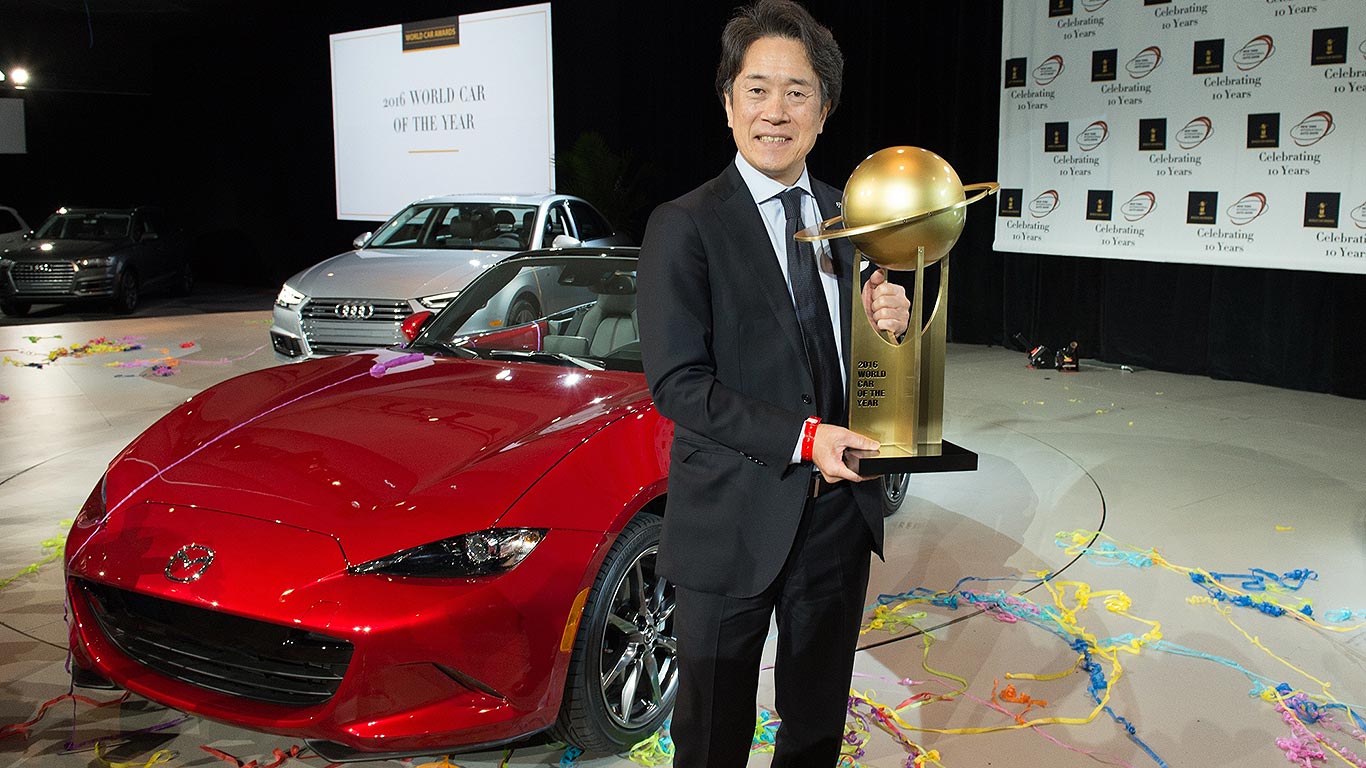



 Electric car sales are growing year-on-year, by double-digit amounts. As concerns over city centre emissions grow, and the threat of penalties for combustion engines grows (diesel cars are particularly vulnerable here), many are now looking at electric vehicles (EVs) in a new light.


 In 1947, just eight years after leaving Alfa Romeo, Enzo Ferrari built the first car to wear a Ferrari badge. Now, 70 years later, it’s left to us to select the cars that define the history of the Prancing Horse.