Home Blog Page 505

Wild and wonderful on display at the 2018 Detroit Auto Show

0

Wild and wonderful on display at the 2018 Detroit Auto Show

Detroit 2018 kicked off the best year for American truck fans since the invention of Bigfoot. Ford, Chevy, and Ram all debuted brilliant new models, while gorgeous SUVs from Mercedes, Lexus, and Nissan wowed our senses.

More correctly the North American International Auto Show, Detroit showcased the best of automotive design, engineering, and passion. Concept vehicles raised the bar for years to come in terms of beauty. Efficiency, never a buzzword, nonetheless continues to improve year after year.

These are a few of our favourite vehicles on display at the Detroit motor show.

Lexus LF-1 Limitless
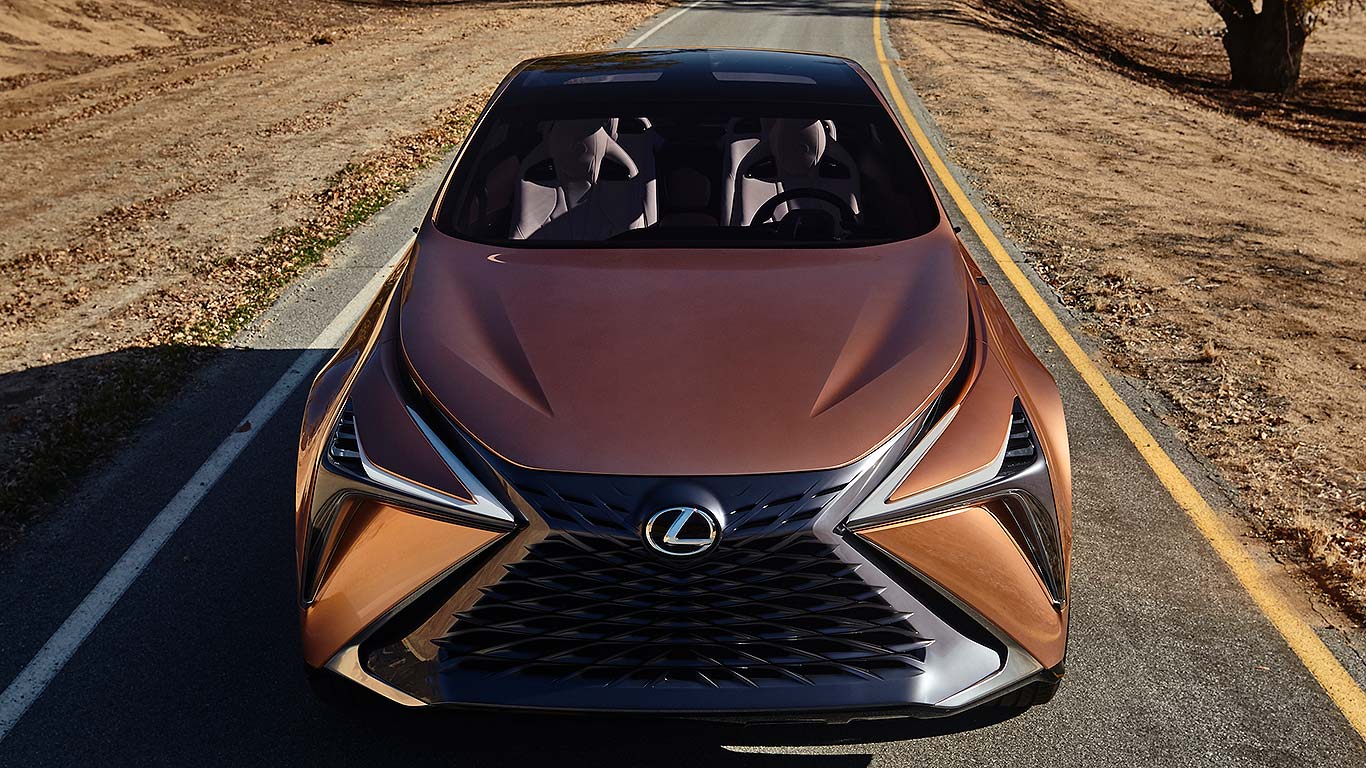
Lexus LF-1 Limitless

The design of Lexus’s flagship LF-1 Limitless concept is governed by a “molten katana” language, that of liquid metal fusing to a traditional Japanese sword. From almost any angle, it’s easy to imagine a master swordsman shaping the crossover out of soft metal. So yes, we get it completely.

The Limitless is named for the limitless powertrains it could possibly use, like hybrid, plug-in hybrid, petrol, all-electric, or even a fuel cell. By 2025, Lexus wants to have an electric version of every one of its models.

The interior is a minimalist, button-free zone, as befits the future. Lexus has further cleaned up the cockpit by placing all vehicle controls on the steering wheel: paddles for acceleration and braking, and buttons for park and reverse.

Nissan Xmotion interior
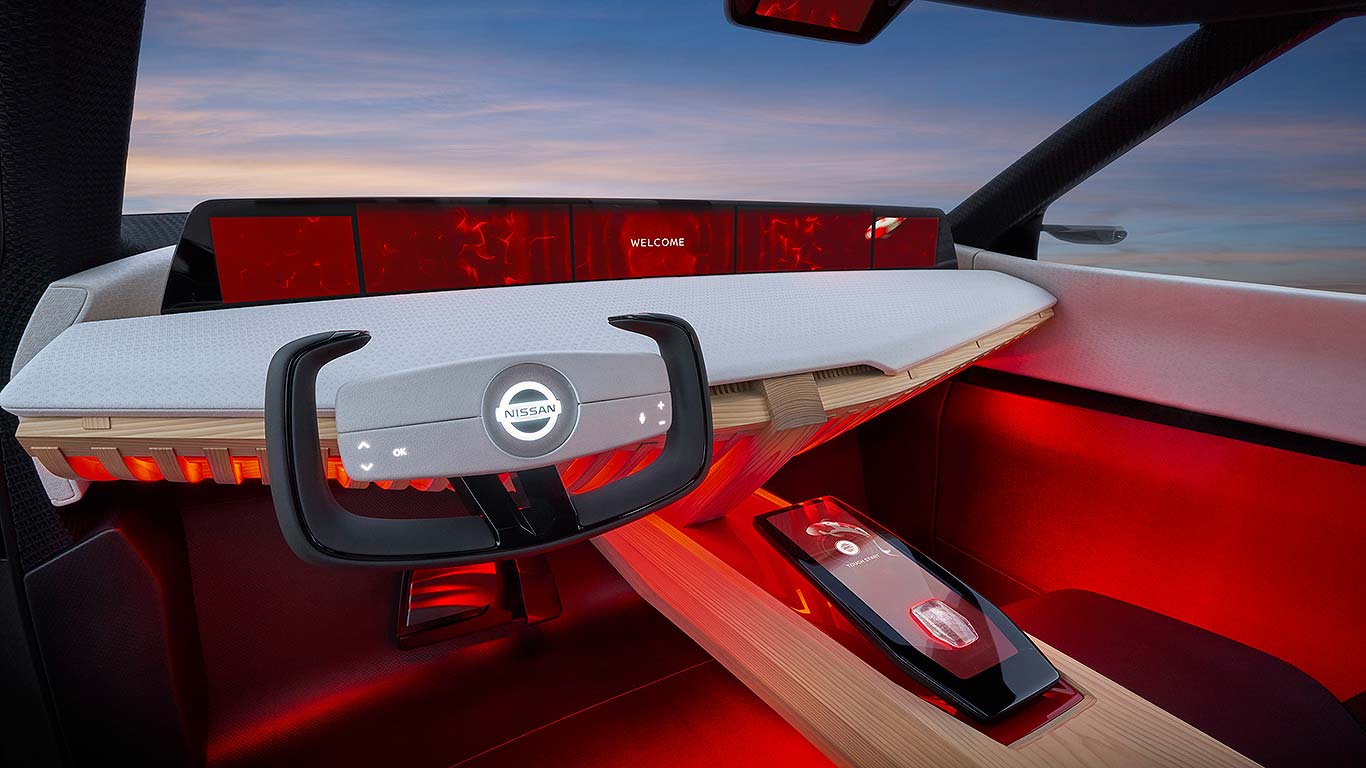
Nissan Xmotion interior

The exterior of Nissan’s latest concept vehicle is striking enough, but the interior could very well be a work of future art.

The six-passenger, three-row SUV is called Xmotion (pronounced “cross motion”), and Nissan says that it was inspired by the way that traditional and modern Japan live together as one. It may sound like a heady concept, but Nissan has fully expressed it.

The cabin is meant to evoke a river and is awash in scarlet, the colour of energy; white, the colour of purity; and black, the colour of contrast. A hand-crafted centre console runs the length of the cockpit, constructed of wood using methods usually reserved for building temples. The under-dash is wood as well, slatted to let ambient light waft through.

In the console, a touchscreen display contains the vehicle controls. Occasionally, koi will swim across the screen. The dash-mounted display runs almost the full width of the cabin and displays relevant data and nav information. Delightfully, the koi swim there, too.

Brilliant.

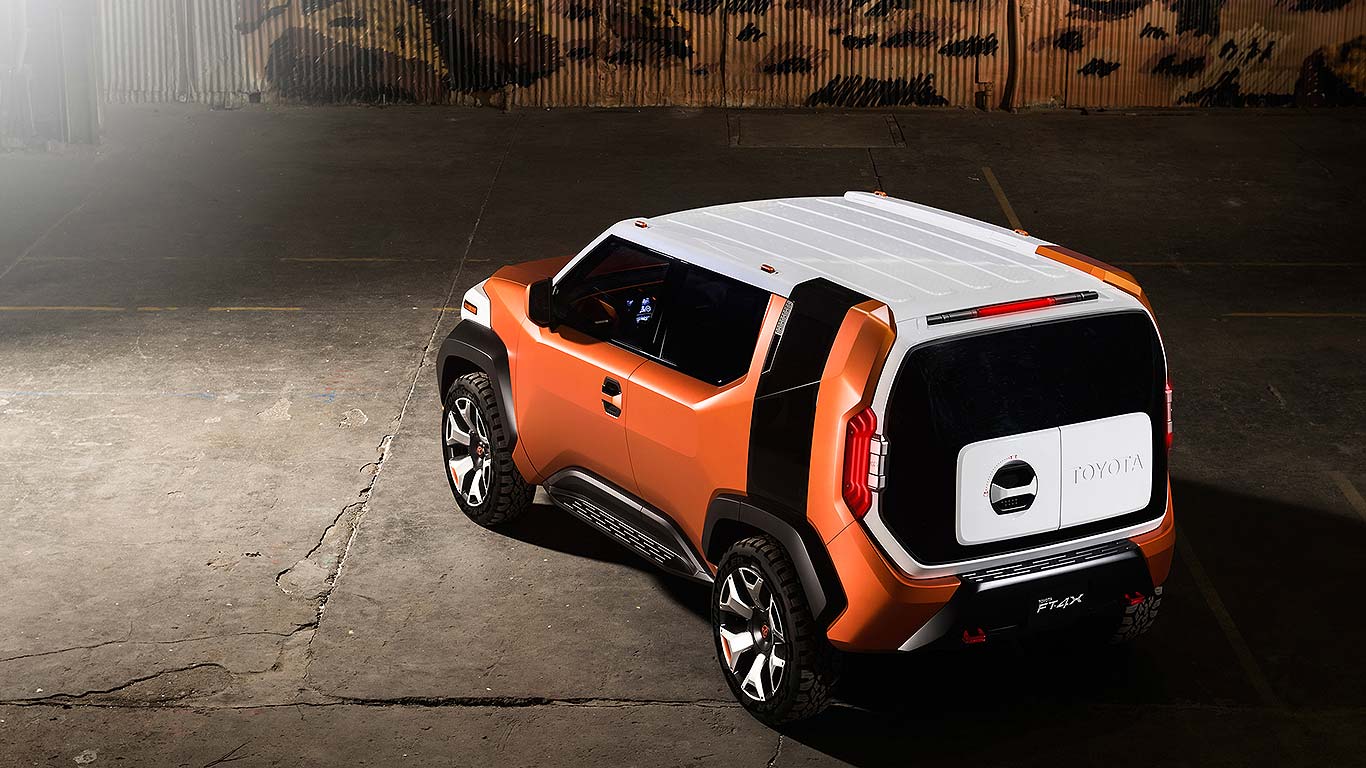
Toyota FT-4X Concept
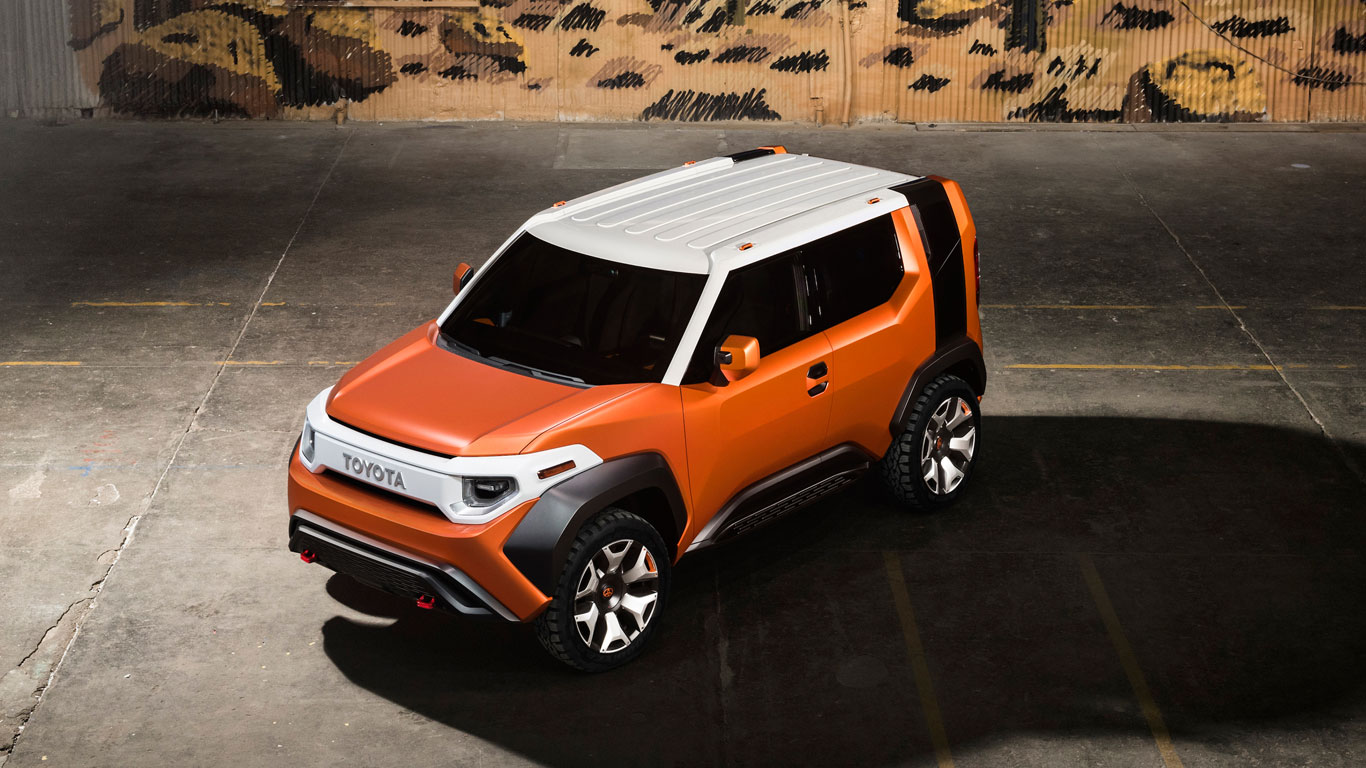
Across the board, the new direction of Japanese SUV design is exhilarating. Toyota is finding its voice and personality with its small SUV concepts, the FT-AC that debuted in L.A. and the new FT-4X, of “Future Toyota, four-wheel drive crossover,” shown here.

The four-door, all-terrain ute has big tyres, big arches, big approach and crossover angles, and absolutely giant style. Designed to be a casual, everyday vehicle rather than a serious off-roader, the FT-4X nonetheless looks adventure-ready. Toyota calls the style “Rugged Charm,” and emphasises that it “places value on simplicity, capability, durability and Toyota lineage.”

In the cabin, door handles double as water bottles, armrests proffer USB connectivity, and there’s even a compact sleeping bag that hides between the front passenger seats.
We absolutely love it.

Hyundai Veloster N
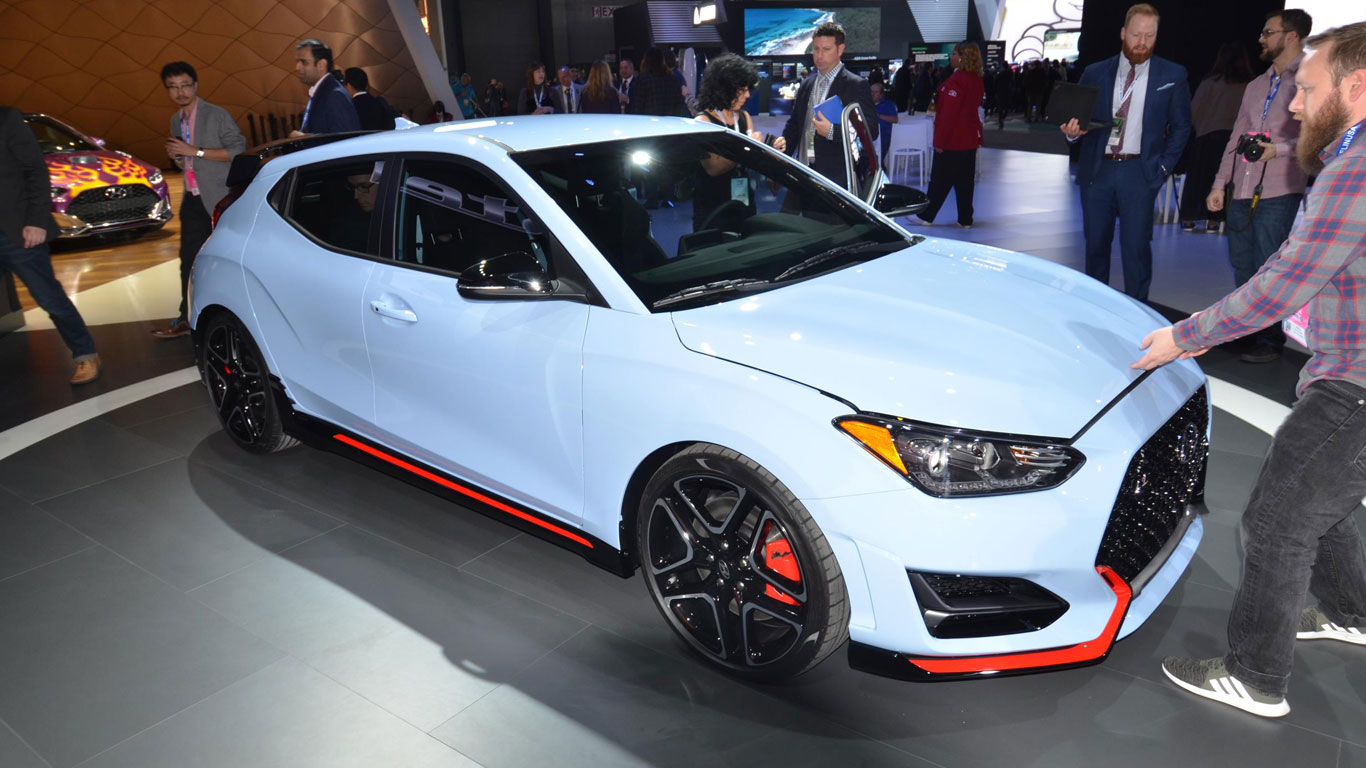
Hyundai Veloster N

Hyundai’s delightfully weird Veloster is all-new for 2019, and it with it comes an evil twin: the Veloster N. This is, if you like, the i30 N for America.

We are fans of the build quality, fun personality, and value for money that Hyundai packs into its vehicles, and we genuinely liked the previous Veloster as a car. Not necessarily as a sports car, but still.

Now, with the N, we may just get to see what Hyundai can really do in the performance world.

Under the bonnet is a much hotter version of the 2.0-litre found in lesser Velosters, packing 275 horsepower and 260 lb-ft of torque. The suspension has been reworked and features fancy electronic bits. The whole kit and kaboodle was honed to perfection at the Nurburgring.

Sadly, there are no plans to sell the Veloster in the UK.

Hyundai Ant Man Veloster
Hyundai Ant Man Veloster

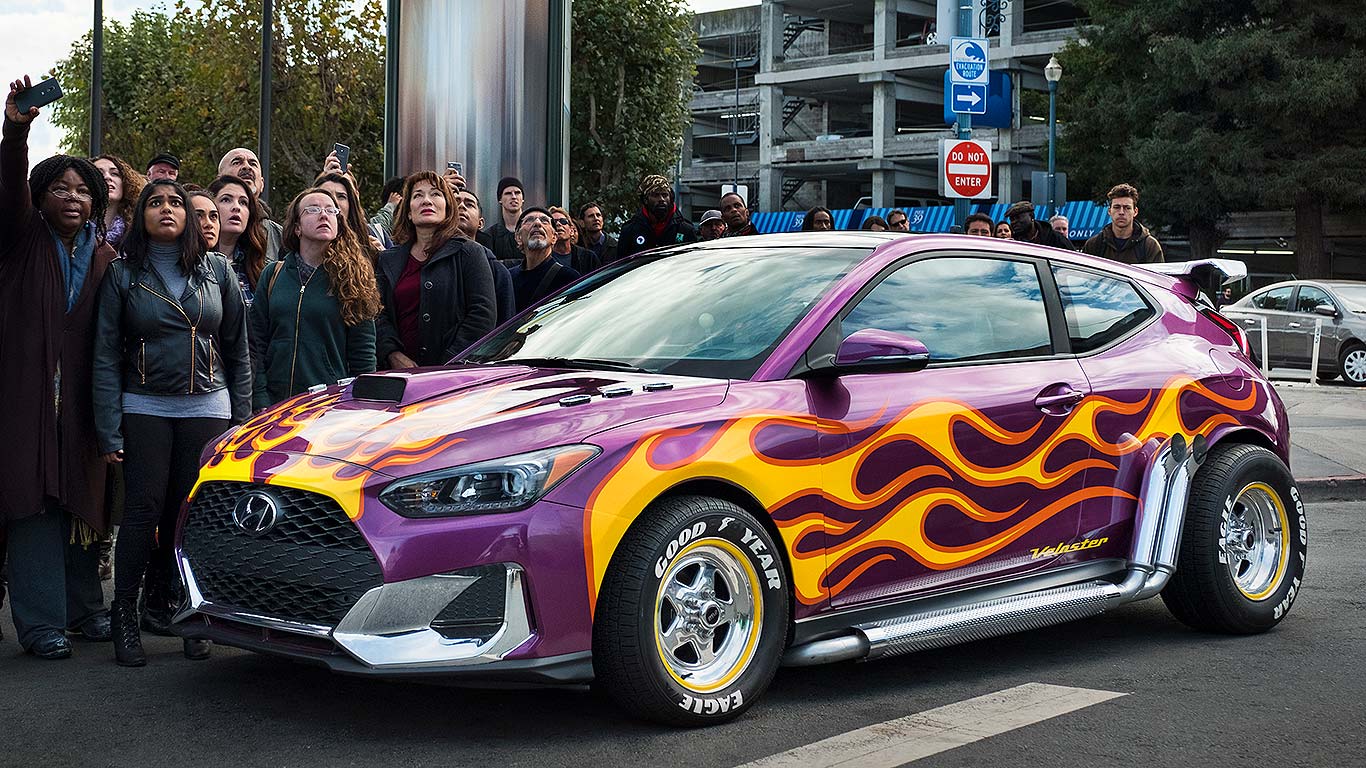
This spectacular bit of purple wonderful is the latest Hyundai Veloster all dolled up for its starring role in the upcoming Marvel feature, Ant Man and the Wasp. While unfamiliar with the comic book it’s based on, we’ll go just to see more of this wild Hyundai.

While the flames, side pipes, and wide stance may all just be for show, the Korean manufacturer is hoping the chase scenes in the film will highlight the all-new vehicle’s speed and handling, as well as bring it into view of a new segment of car buyers.

We have a sneaking suspicion that Hyundai would make even more noise by offering the Ant Man styling package on new Velosters. We would certainly buy one.

Other Hyundai vehicles will be making their Hollywood debut in Marvel Studios’ Ant-Man and the Wasp, which will be released in US theatres on July 6, before landing in the UK on August 3.

Infiniti Q Inspiration
Infiniti Q Inspiration

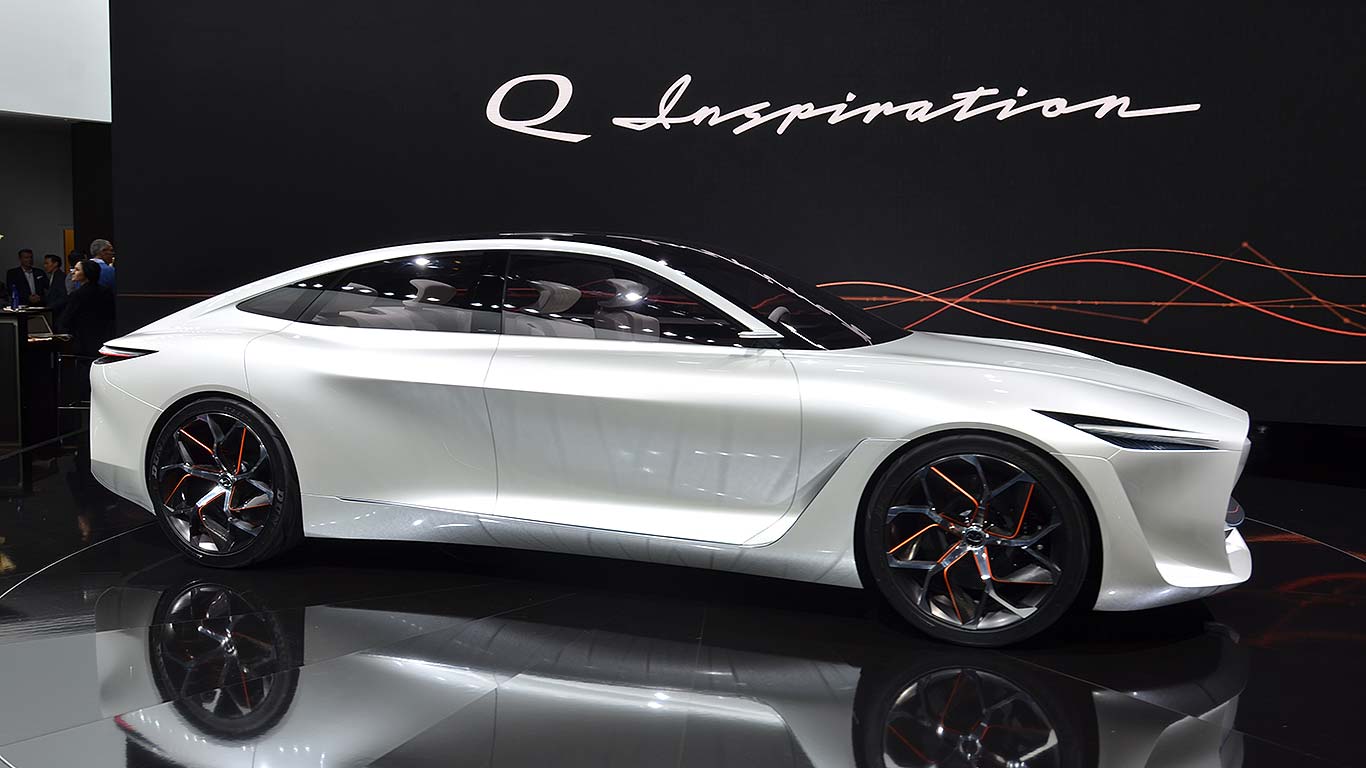
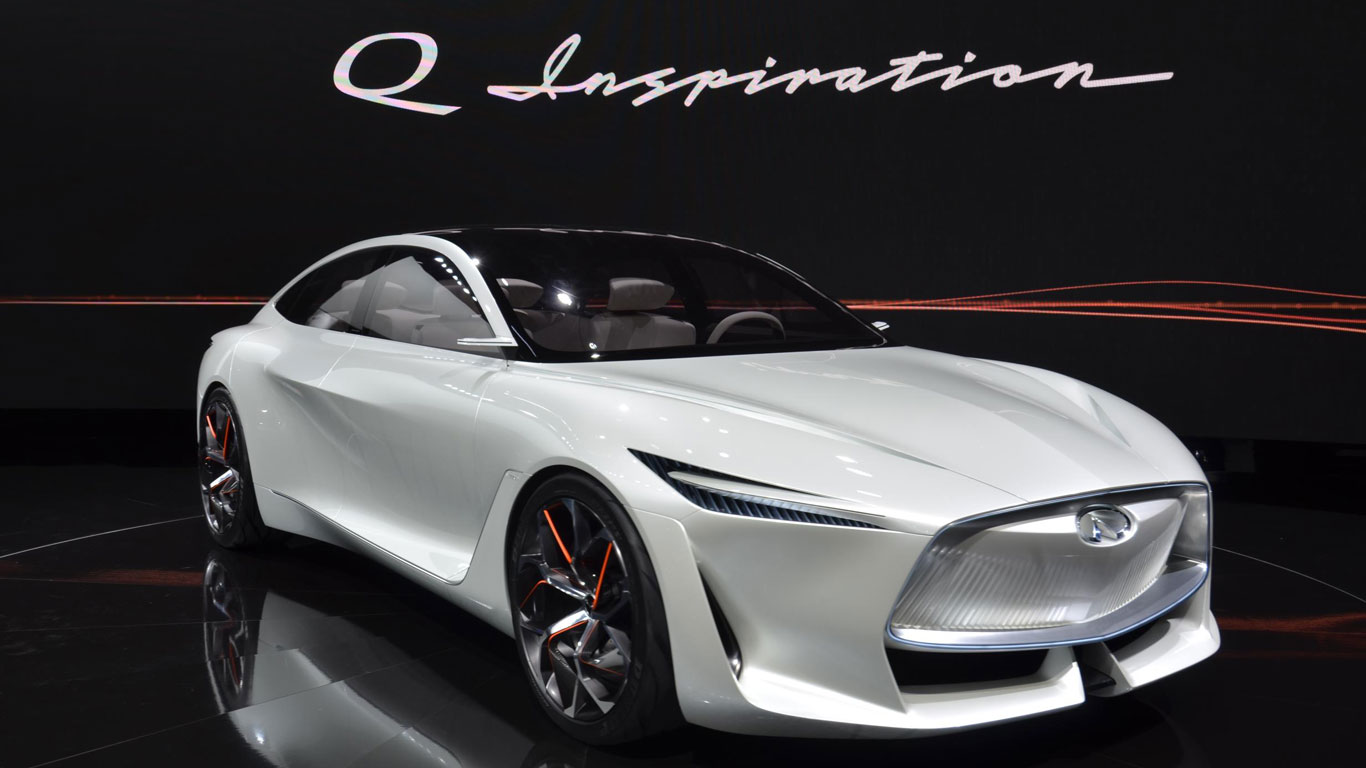
The new Infiniti Q inspiration concept vehicle is gorgeous to look at both inside and out. Relatively minimalist, the vehicle is meant to announce the manufacturer’s new design language for advanced powertrains.

Infiniti’s version of the future involves a clean, clutter-free interior that allows the driver to focus on the task of driving, but also showcases advanced, nearly-autonomous technologies that delegate the more mundane piloting tasks to the car.

Under the bonnet is Infiniti’s production-ready variable-compression-ratio four-cylinder engine, tightly packaged to liberate designers “from the constraints of powertrain architecture to realise a spacious interior.” The new engine technology is said to combine the power of a turbo with the efficiency of a diesel.

1979 G-Class cast in amber
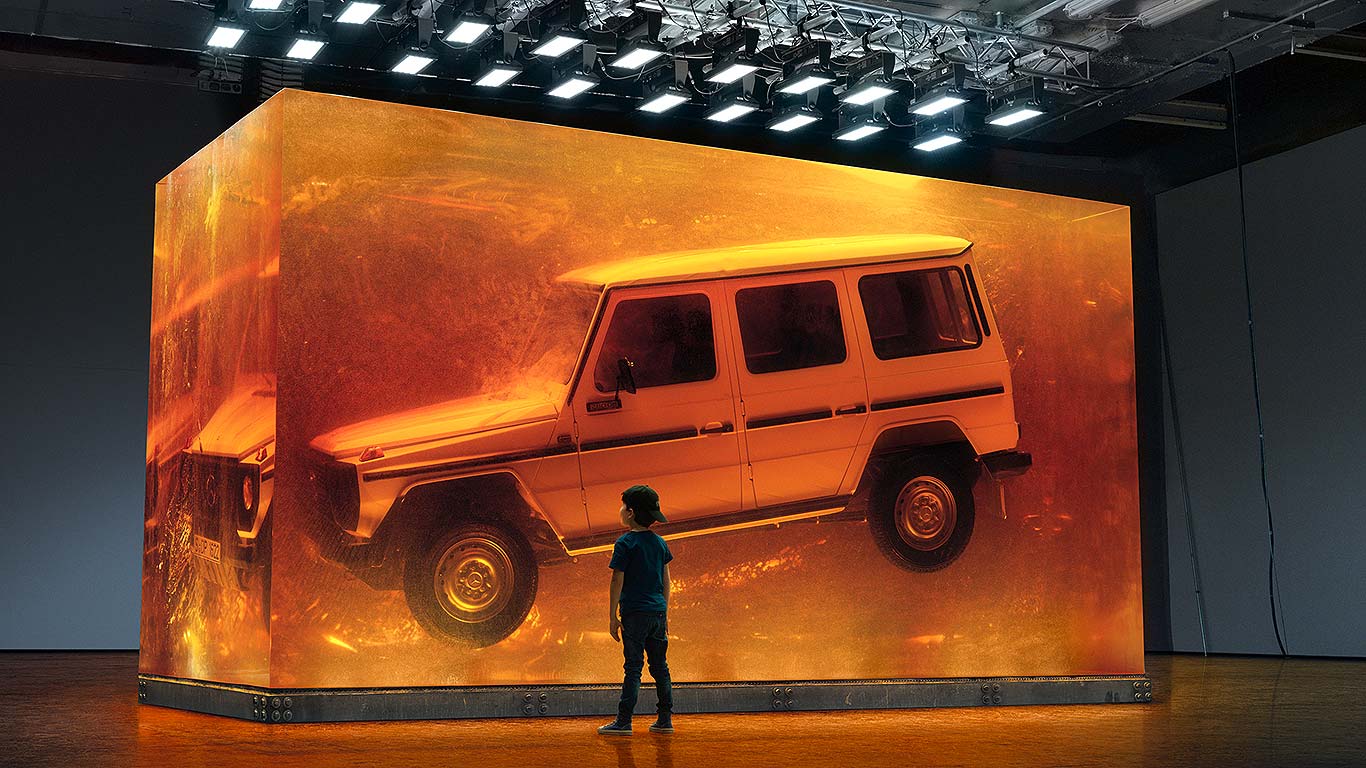
The Jurassic nature of the original G-Wagen was proudly on display as Mercedes-Benz celebrated the release of the all-new 2019 G-Class.

The display is made of 44 tons of resin cast around an honest-to-goodness 1979 Geländewagen inside, the first year of the civilian model. The block was cast over a 90-day period and gained about three centimetres a day in height. The final dimensions: 10 feet high, 18 feet long and 8 feet deep.

After Detroit, the cuboid will be displayed in other markets in step with the new G-Class launch. After that, we hope it finds a permanent home in our offices.

In the meantime, we’re off to watch Jurassic Park… again. No idea what provided the inspiration…

Ram 1500
Ram 1500

Does this truck look like a hippy to you?

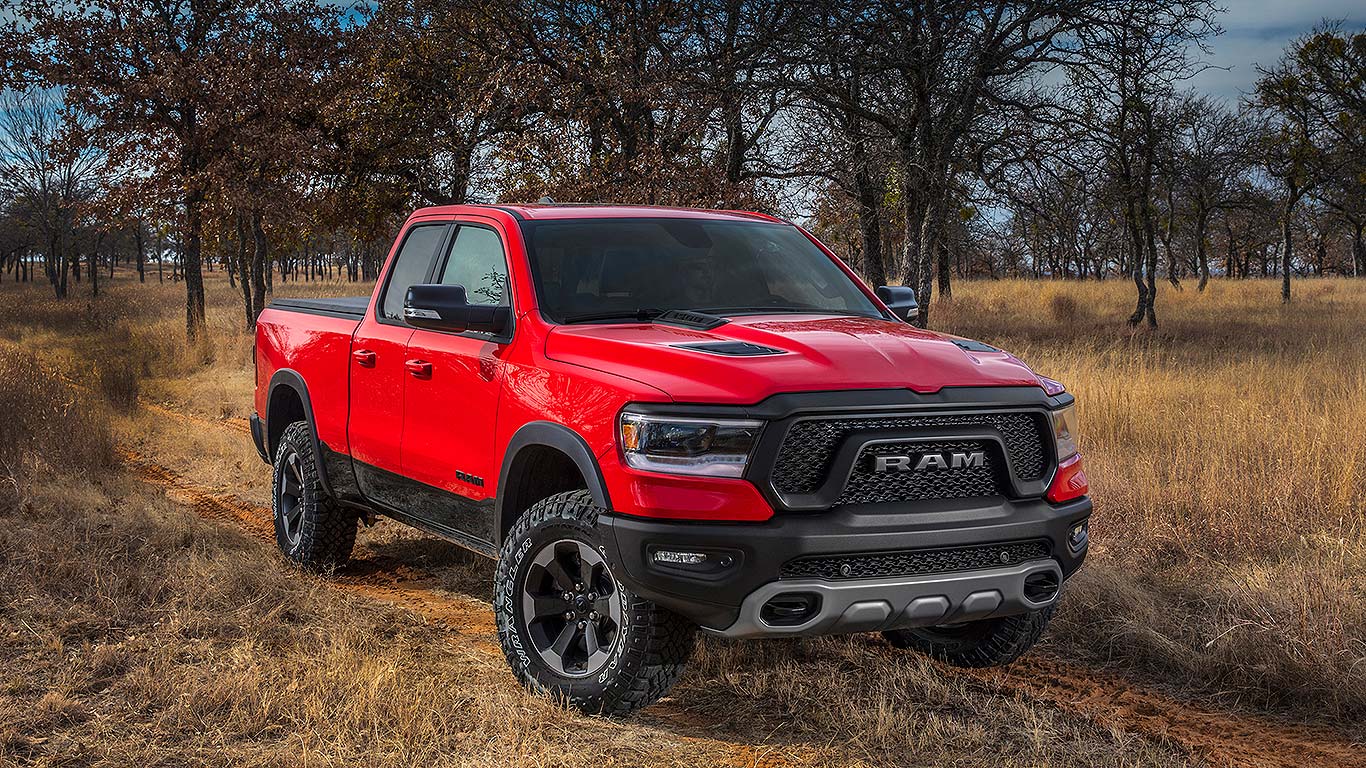
The latest Ram 1500 is a technological marvel, reaping the rewards of advances in engineering and materials science. The new models are lighter, stronger, and more capable than ever. They’re shockingly aerodynamic, slipperier than a Ferrari F50 thanks to active airflow management and exhaustive wind tunnel testing.

Perhaps most the most amazing thing, though, about the rugged big trucks is that they are hybrids. Yes, that’s right, like a Toyota Prius. Well, they’re mild hybrids, technically, and the system is called eTorque.

The standard V6 engine benefits from a motor generator in place of the traditional alternator and stores energy in a suitcase-sized, 300-watt-hour battery pack. The system provides extra torque during acceleration, up to 90 lb-ft at low engine speeds. The extra power provides invisible operation of the automatic stop/start system. The batteries also charge during regenerative braking, even further advancing efficiency.

In Hemi V8 form, eTorque is optional but adds a gargantuan 130 lb-ft of twist. The system works in tandem with cylinder deactivation to conserve even more fuel.

The best part of the system is, though, is what it represents: hybrid drives being used for the best of all possible purposes: more power in big trucks. And that makes hybrids cool enough to finally lose the last of their hippie reputation.

Original Mustang Bullitt
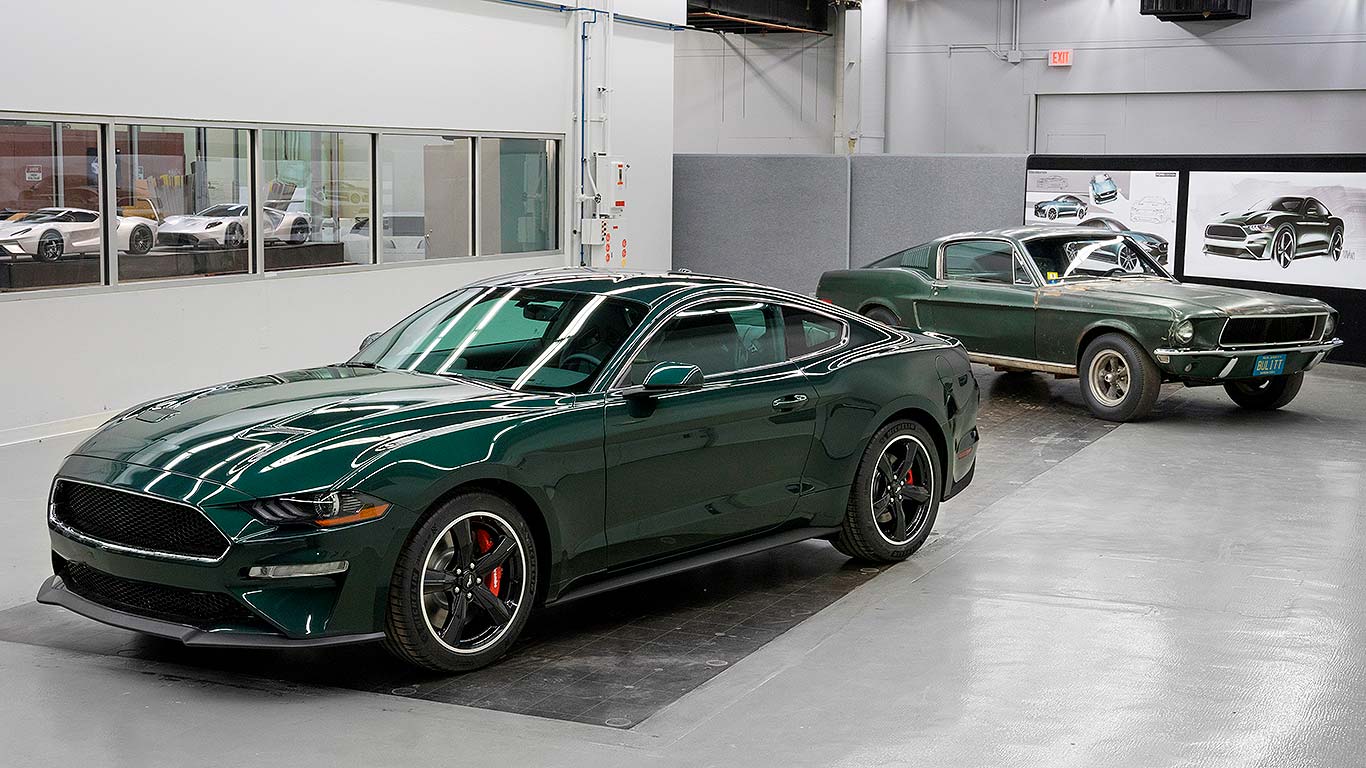
Original Mustang Bullitt

As the story goes, the 1968 Mustang GT390 with a VIN number ending in 559 starred in the movie Bullitt. It was one of two immortal muscle car icons to take place in the greatest car chase ever filmed. Steve McQueen, the King of Cool, drove the car himself during shooting.

After movie life, 559 changed hands a few times before finally falling off the radar in the late 1970s.

As the 50th anniversary of the movie Bullitt drew near, interest in the car waxed and it finally surfaced, perfectly unrestored and unmolested, with every scrape and bruise intact.

As part of the release hype surrounding the 2019 Mustang Bullitt, itself one of the hottest and most desirable cars we hope to drive this year, Ford displayed both vehicles together. If you are not tearing up at the thought of this, you are simply not a car person.

Don’t miss the chance to see this truly one-of-a-kind piece of American history.

GAC Enverge Concept
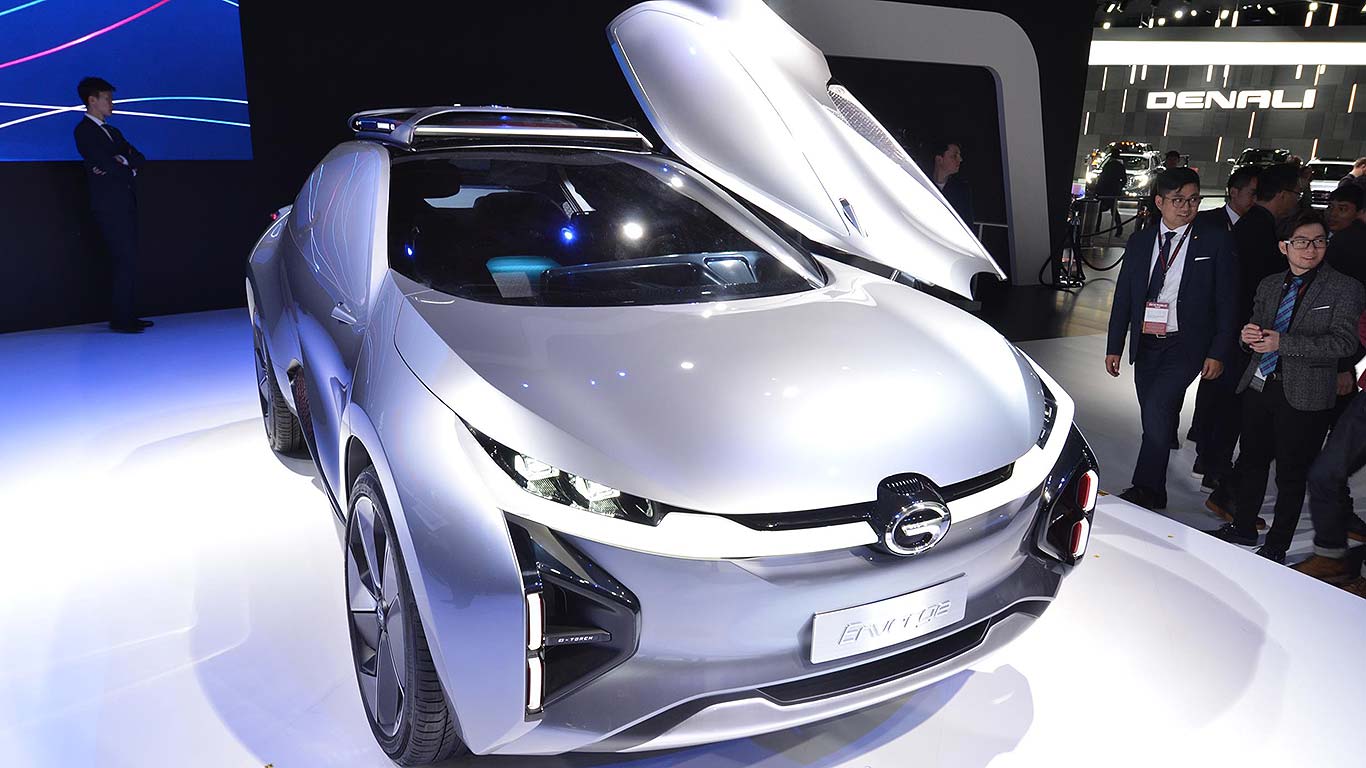
GAC Enverge Concept

The biggest surprise of the show was the Enverge concept vehicle from Chinese manufacturer GAC. The electric vehicle is loaded with what software developers call “vapourware”, such as a battery pack capable of propelling the vehicle 370 miles between charges, and wireless charging that restores 60 percent of the car’s range in just 10 minutes. For comparison, a Tesla Model S, the most advanced electric car on sale today, has a range of 265 miles and takes 20 minutes to recharge to 50 percent.

Nonetheless, the Enverge is wildly futuristic and endlessly entertaining. There are interesting details all over the vehicle, such as headlights that pop out to become floodlights and side windows that are actually virtual reality screens.

The most important detail of the Enverge, however, is what it represents. While vehicles built in China have been quietly on sale in the States for awhile now, GAC will be the first manufacturer to sell Chinese-branded cars in the US.

The manufacturer is working towards an agreement with Fiat-Chrysler to begin selling its vehicles through their dealer network. Sales are expected in 2019.

Read more:

Advertisement

This Land Rover Defender V8 will cost you £150,000

0

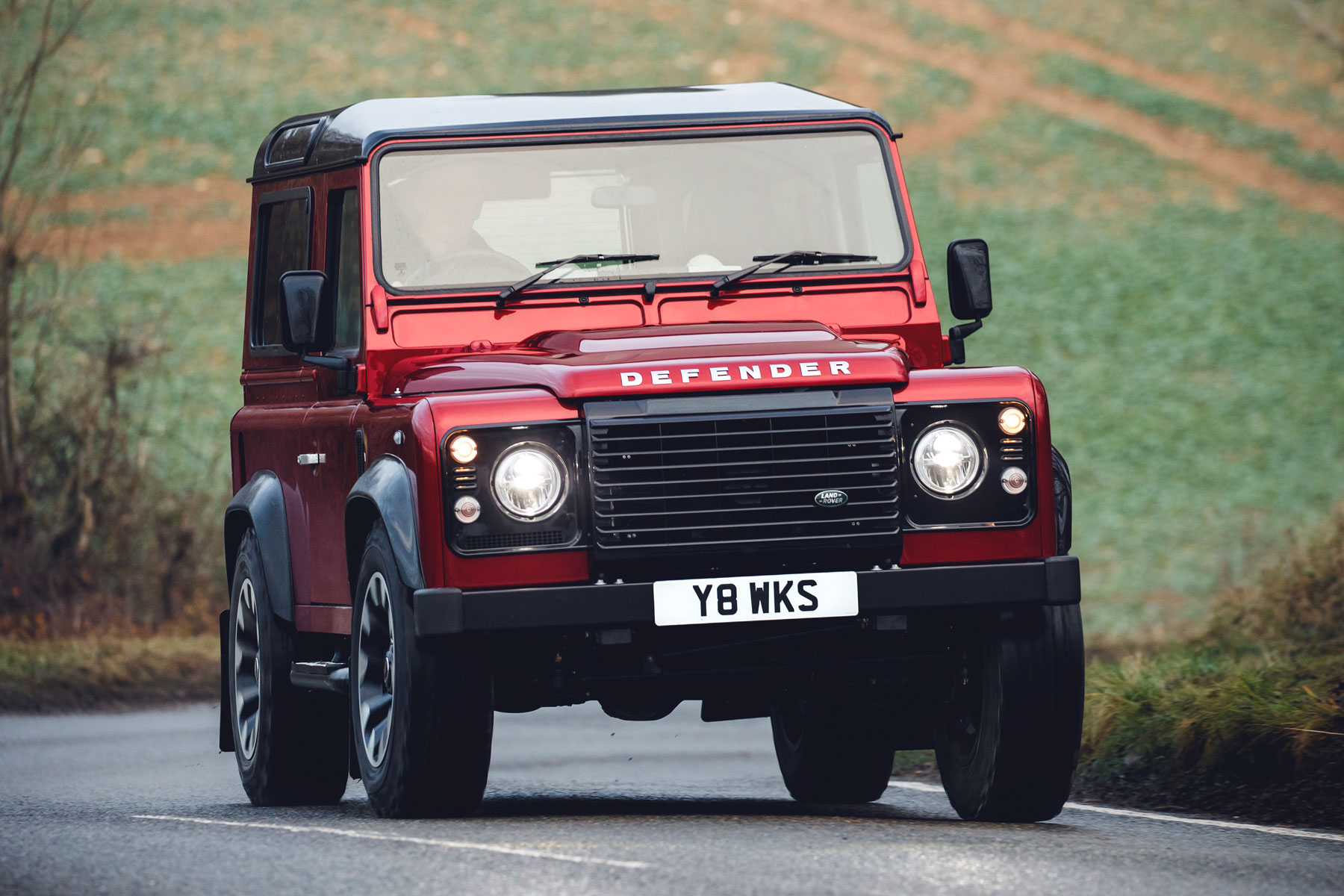
Land Rover Defender V8 Works

Please Land Rover. Show us the new Defender already. Or, er, don’t. Show us a special edition of the old model with the Range Rover’s 5.0-litre V8 wedged into the engine bay. We’re cool with that.

OK, some context. Land Rover is celebrating its 70th anniversary in 2018, and seeing as a special edition Velar or Discovery 5 would make Maurice Wilks turn in his grave, the firm’s brought back the Defender for a limited-run 70th anniversary model.

Land Rover aficionados will tell you that this isn’t the first Defender anniversary special edition. There was the 40th anniversary model, which was axed after just two were built (blame strike action at Solihull). Then there was the epic V8-powered 50th anniversary. And then there was the 60th anniversary SVX, which featured all of the cosmetic upgrades but no extra power for the 2.4-litre diesel Transit engine.

Land Rover’s Classic division has been to work on the 70th anniversary model, finding 150 Defenders sitting around (whether Land Rover had the foresight to hang onto them when production ended or someone’s been raiding the classifieds, we don’t know). Each of them get a naturally-aspirated version of JLR’s 5.0-litre petrol V8 producing 405hp, along with an eight-speed ZF auto gearbox and various no-doubt much-needed upgrades to go with the power boost: upgraded suspension, beefier brakes and the like.

As a result, the Defender Works V8 (to give it its official title) has 380lb ft of torque and will hit 60mph in 5.6 seconds. Top speed? 106mph.

Various aftermarket firms have tweaked the Defender, but this is the most powerful ‘official’ model ever produced.

“It’s fitting that we’ve been able to release the full potential of the iconic Defender, whose much-loved shape remains synonymous with Land Rover, 70 years since it was seen in public for the first time,” said JLR Classic’s director, Tim Hannig.

“The idea of reintroducing a V8 Defender was something we were discussing as far back as 2014, when we were still building the Defender in Solihull. We knew the demand was there for a powerful and fast Defender; the Land Rover authenticity is the ultimate finishing touch for discerning clients purchasing these collectors’ edition Defenders.”

Buyers get a choice of 90 or 110 wheelbases, with the former starting at a whopping £150,000. They can also pick from eight standard body colours, while the interior has been upgraded with full Windsor leather trim, Recaro sports seats and an infotainment system. Yes, in a Defender.

If you can’t afford the full Works V8, Land Rover Classic will be offering a number of performance upgrades for lesser models inspired by the V8, including fast-road suspension, braking kits and power upgrades for the TDCi diesel engine.

Read more:

Advertisement

Mustang showdown: behind the scenes at the Velgen Society UK

0

Velgen Society UK

Fitting aftermarket wheels is an easy way of giving your car’s appearance a boost. The process is usually fairly simple: go to an alloy wheel supplier of your choice, pick a set that fit your motor and hand over some money. Obviously, you’ll want some tyres to go with them, but once they’re on that’s the buying process pretty much complete.

Things are different if you’re a) in the States and b) buy Velgen wheels. Popular with Mustang owners, fitting a set of Velgens to your ‘Stang automatically enrolls you into the Velgen Society. This gives you access to exclusive meet-ups with fellow modified Mustang owners – and, in the US, they get quite the turn out.

Video: modified Mustangs in action

The Velgen Society has finally crossed the pond. With the new Mustang proving a hit in the UK, aftermarket tuner Steeda is fuelling a growing market for custom performance parts. You may be familiar with Steeda, as the firm revealed its Q500 Mustang at this weekend’s Autosport International Show.

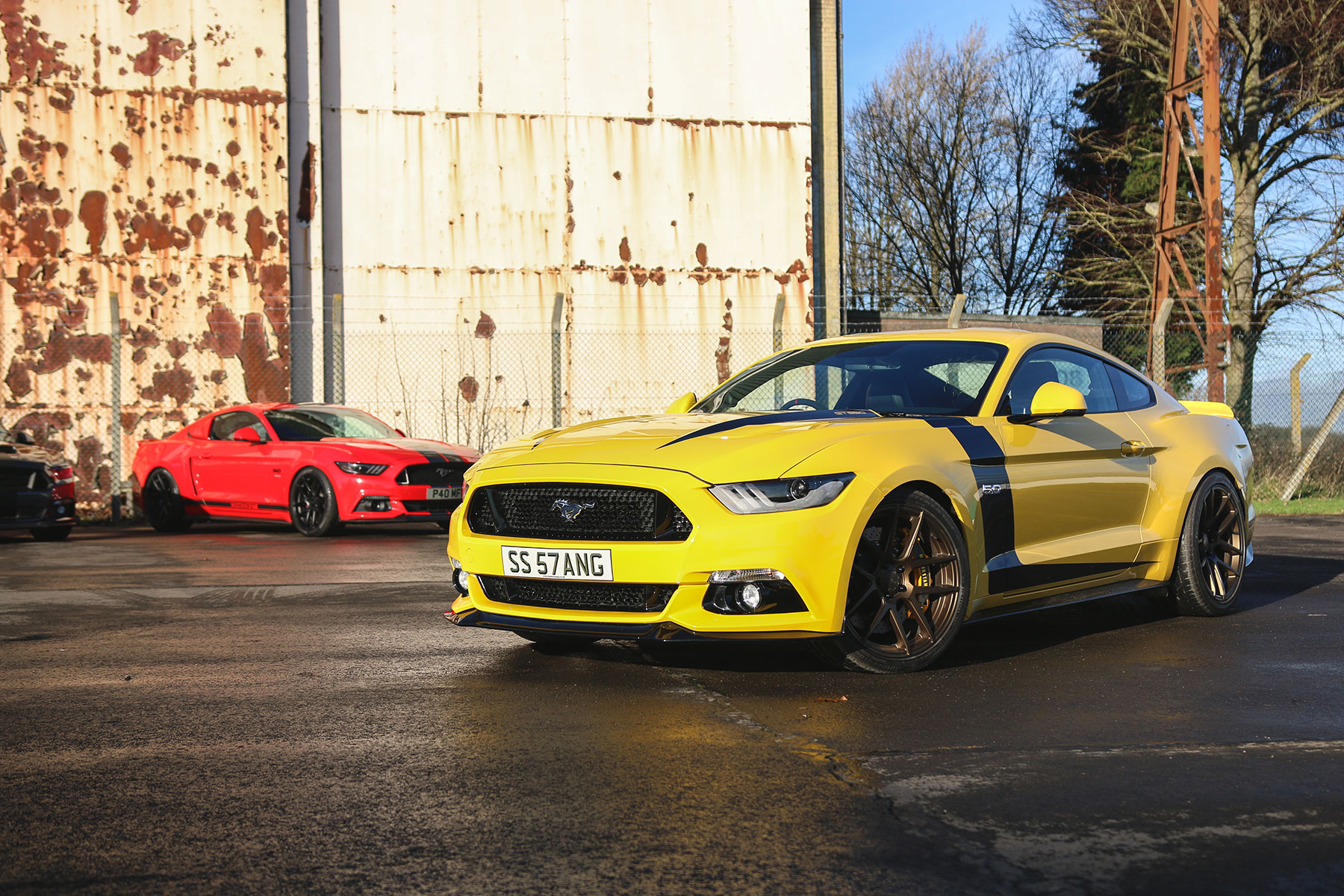
Steeda is the UK’s only official distributor for Velgen and, ahead of the Q500’s official debut at the NEC, put on the first ever UK Velgen Society meet at Bicester Heritage in Oxfordshire. On a dreary January day, 10 modified Mustang owners travelled from far and wide to show off their cars and find out a bit more about Steeda and Velgen (not to mention getting an exclusive early peek at the Steeda Q500).

Dave Rogerson owns a Magnetic Grey Mustang that he’s modified using Steeda parts, as well as a supercharger – meaning it now produces more than 700hp. Far from standard. He travelled up from Devon for the event – a round trip of more than 300 miles.

Having previously owned a Range Rover, Dave likes the value for money offered by the Mustang. “All in, I don’t think I’ve spent more than £70,000 on this,” he says. “You could spend that on a BMW M4.”

Velgen boss Scott Gibson flew from Miami for the event. He never turns down the opportunity to meet owners, he explains.

“I try to run things differently. I’m always hopping on a plane to meet the people who buy our wheels. When I’m in the office, I’m usually on the phone talking to our customers.”

He likes to make them feel appreciated, too, handing out free merchandise and doing whatever he can to promote the Velgen brand. And, it appears, nothing gets Mustang owners quite as excited as Scott lifting a few shiny new wheels out of a box.

“Where’s my credit card?” pipes up one voice. “Will you take my current wheels in part-ex?” asks another. While a dank warehouse in Bicester might not seem the most glamorous location, there’s nowhere these Mustang fans would rather be.

Advertisement

Original ‘Bullitt’ movie Mustang saved from life on the scrapheap

0

Ford Mustang Bullitt

It featured in one of the most iconic movie car chases of all time, but then appears to have ended up living in a Mexican junkyard before being discovered. This 1968 Ford Mustang has certainly taken a fall from movie stardom to being down and out, in a way that might be more familiar to actors than film props.

Two 1968 Highland Green Mustang GT fastbacks were used in the production of Bullitt, each featuring a 6.4-litre V8 engine and manual four-speed transmission. However, one of the cars disappeared shortly after filming concluded, despite the best efforts of star actor Steve McQueen to track it down and add it to his personal collection.

Now it appears the Mustang had been living undercover in Mexico for the past three decades, before being discovered by Hugo Sanchez. Ironically, Sanchez bought the rotten bodyshell with the intention of turning it into a replica of another famous movie Mustang: ‘Eleanor’, from the 2000 remake of Gone In 60 Seconds.

Bullitt Ford Mustang

Having delivered the Mustang to a body shop run by Ralph Garcia Jr., Sanchez was shocked to hear that the car had previously starred on the silver screen. Sanchez and Garcia Jr. made contact with two renowned Ford Mustang experts, who were able to verify that the vehicle identification number (VIN) matched with those held in the archives. Garcia also discovered additional strengthening for the suspension, along with preparation for the car to hold a generator, which confirmed the on-screen history of the Mustang.

Sanchez and Garcia Jr. now plan to restore the ’68 Mustang to its former glory, with the potential to then auction the car. Undoubtedly, it would attract the attention of Mustang fans and movie memorabilia collectors.

Ford has previously released special ‘Bullitt edition’ versions of later Mustang models, painted in the same Highland Green, doing so in 2001, 2008 and 2009. Rumours have also circulated that Ford is planning a Bullitt edition of the current, sixth-generation Mustang, to coincide with the 50th anniversary of the film in 2018.


UPDATED: The other original ‘Bullitt’ Mustang has also been rediscovered, with Ford revealing it at the 2018 Detroit Auto Show alongside a new 50th anniversary special 2019 Mustang. See the new car here and read about the history of the two Mustangs personally chosen by Steve McQueen for Bullitt.

Advertisement

Autosport International 2018: in pictures

0

The motorsport season always starts at Autosport International in January. The huge racing show always attracts the cream of the world’s racing drivers and teams, with legions of petrolheads all jostling to get up close to them for a selfie, scribbled autograph or simply a shot they can put on social media.
Last year’s race-winning Ferrari F1 racer was just one of hundreds of top-level racing cars fans can ogle: join us for a few hot laps of the Birmingham NEC spectacular.

Also be sure to check out the Ferrari-filled Autosport International Coys auction that will run during the show.

F1 star Fernando Alonso is taking another busman’s holiday this January by taking part in the Detroit 24 Hours. He’s driving a United Autosports Ligier JS P217, an example of which is on show at Autosport International. It takes pride of place near the main show entrance, so there’s no missing it, particularly as it’s a stunning-looking IMSA-spec racing car in its own right.

There’s added UK interest too – both of his teammates are Brits: rising stars Lando Norris is from Bristol and Phil Hanson is from Berkshire.

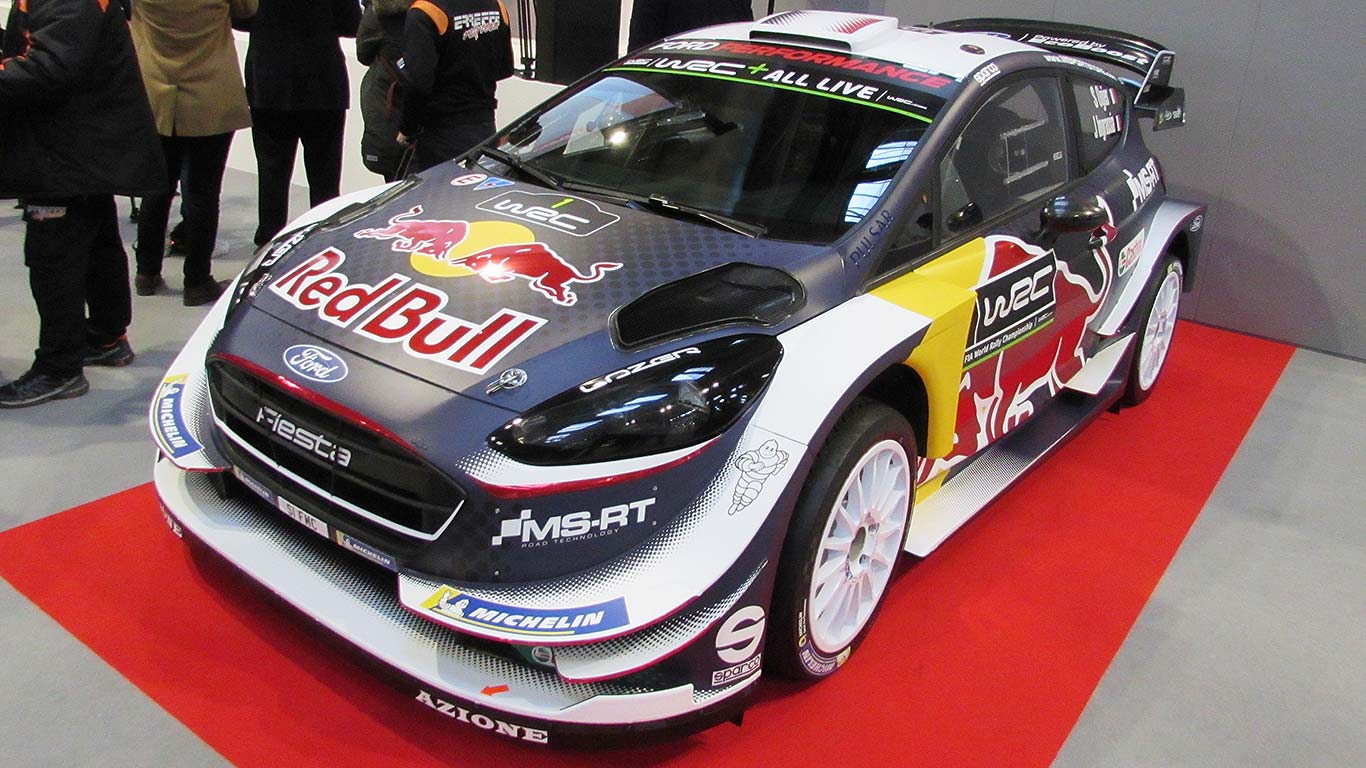
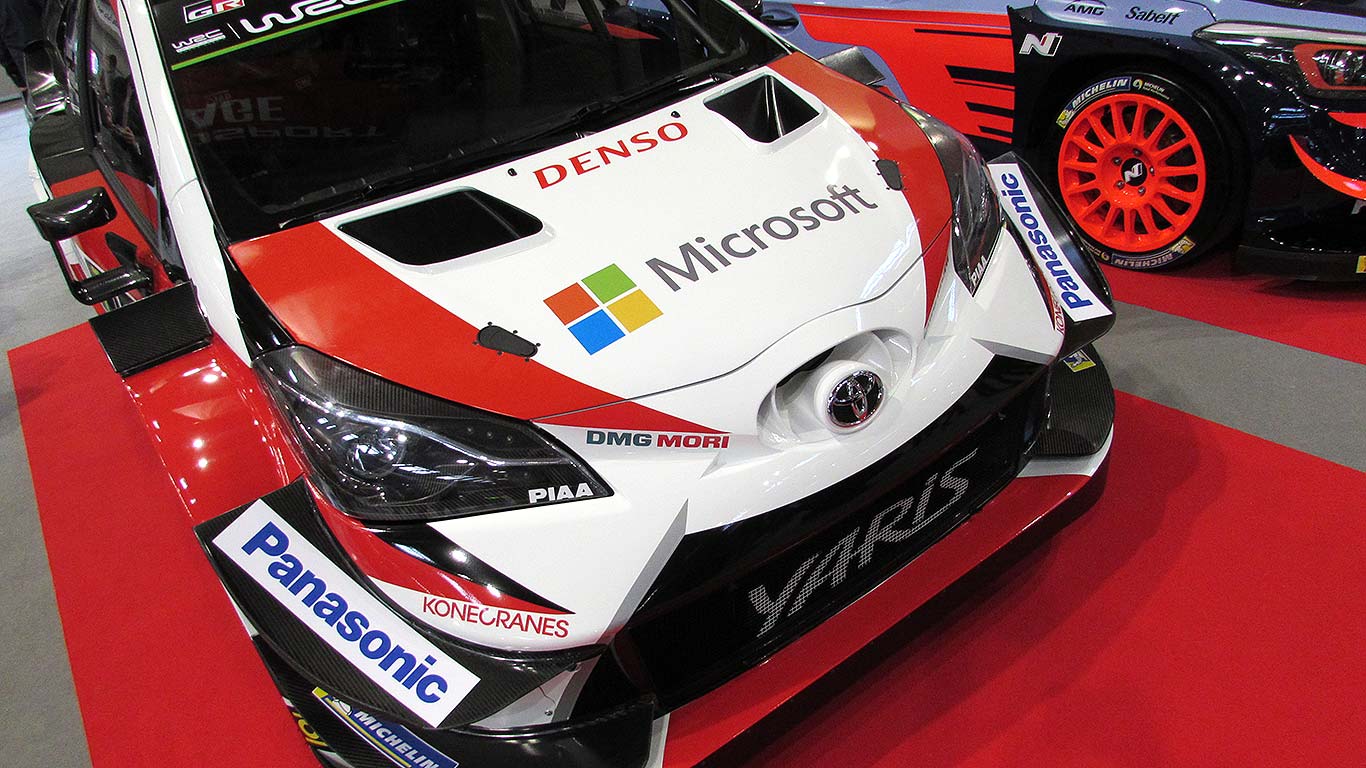
Rallying fans should be chuffed to bits – all the major 2018 WRC cars were uncovered at Autosport International this year. The reigning title-winner is the British-built M-Sport Ford Fiesta of Sebastien Ogier, and fans can also see new metal from Citroen, Hyundai and Toyota.

Just to underline how far removed these cars are from road-going machines, here’s the front of Toyota’s WRC-spec Yaris. It’s just a little bit more extreme than your stock Yaris Hybrid…

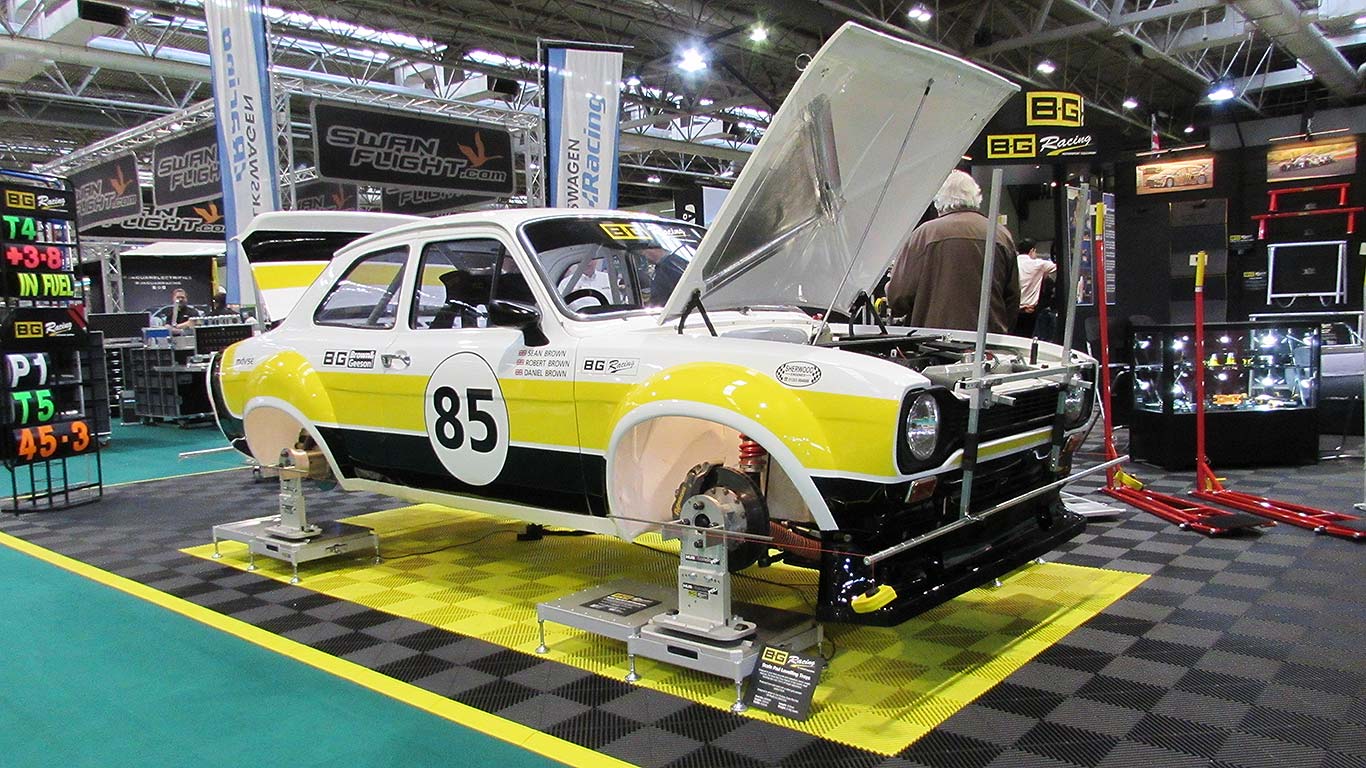
But it’s not just new cars on show. This immaculate Ford Escort Mk1 shows how things used to be done, albeit updated with modern-spec componentry. Rally engineers in the 1970s could only dream of working on a car in such comfort…

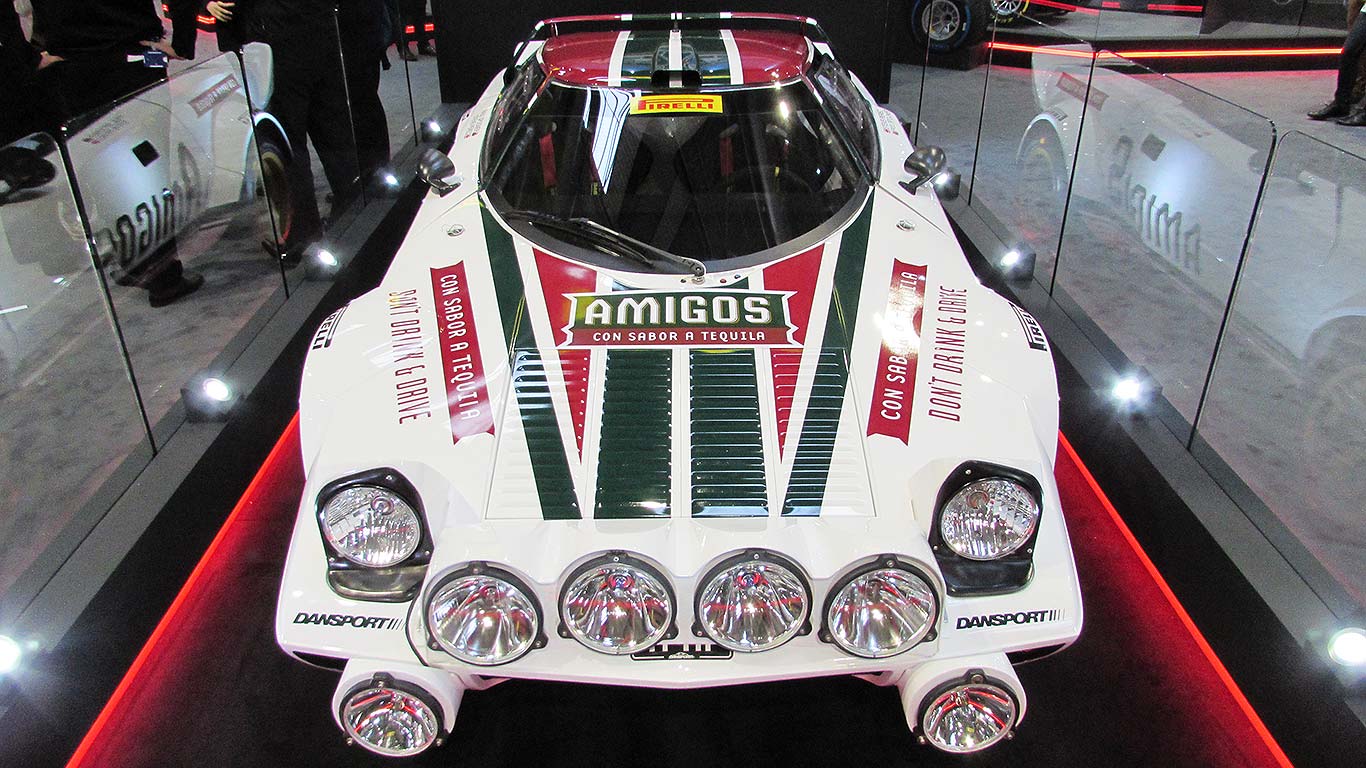
The Lancia Stratos was a relatively short-lived rally car that still has grown men go weak at the knees. Tales abound of those who actually saw it in action in the 1970s, going misty-eyed at the noise and the drama.

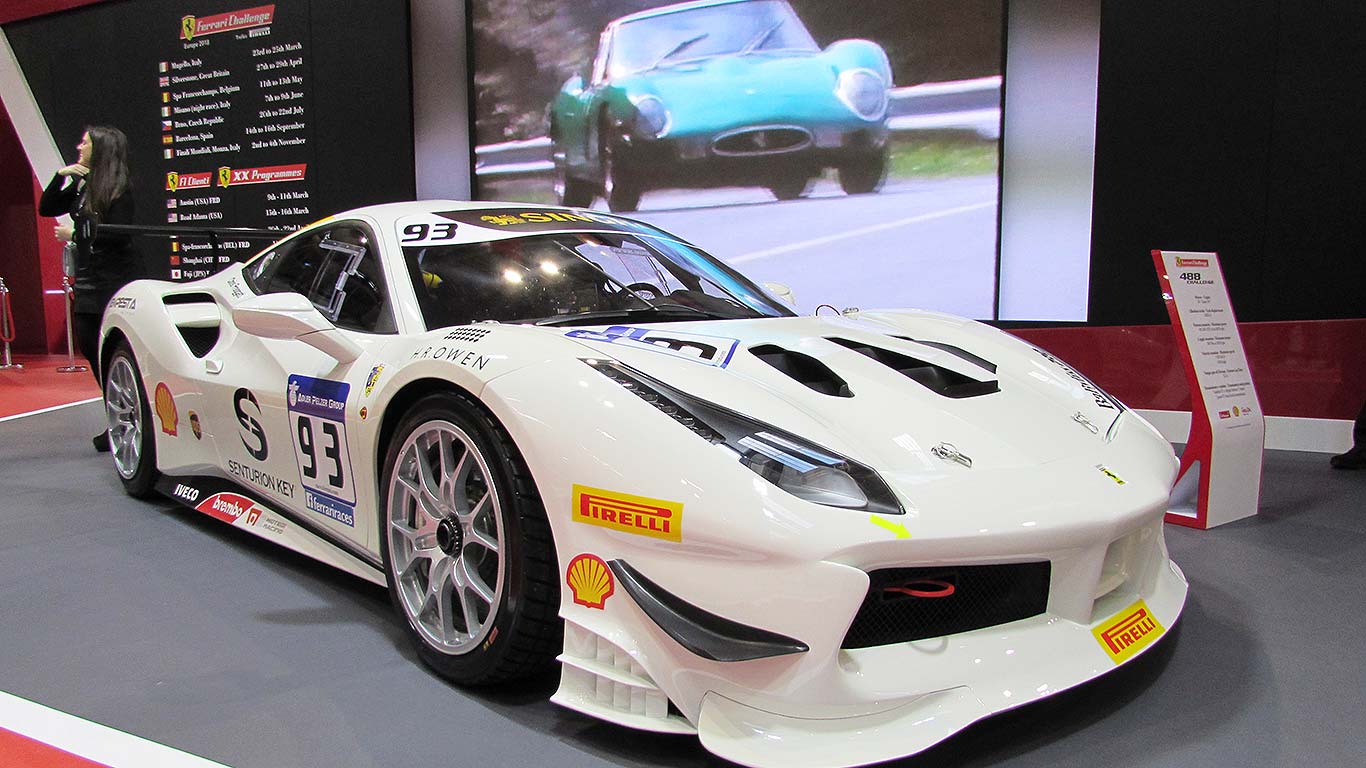
Ferrari has a 488 Challenge car on its stand. Why? Because it’s proposing a UK-specific series for people who may like the idea of owning and racing one, but not the time commitment dictated by taking part in the current European series.

If there’s sufficient interest, Ferrari may confirm a 2019 UK Challenge series in the next couple of months. If you’ve always dreamed of being the next Sebastien Vettel, and have the means to do so, this could be your first step on the ladder.

Porsche, of course, offers its own UK racing series, the Porsche Carrera Cup, and this is a support race on the prestigious BTCC calendar. It shows what could become of any fledgling Ferrari series – and, as a spokesman pointed out…

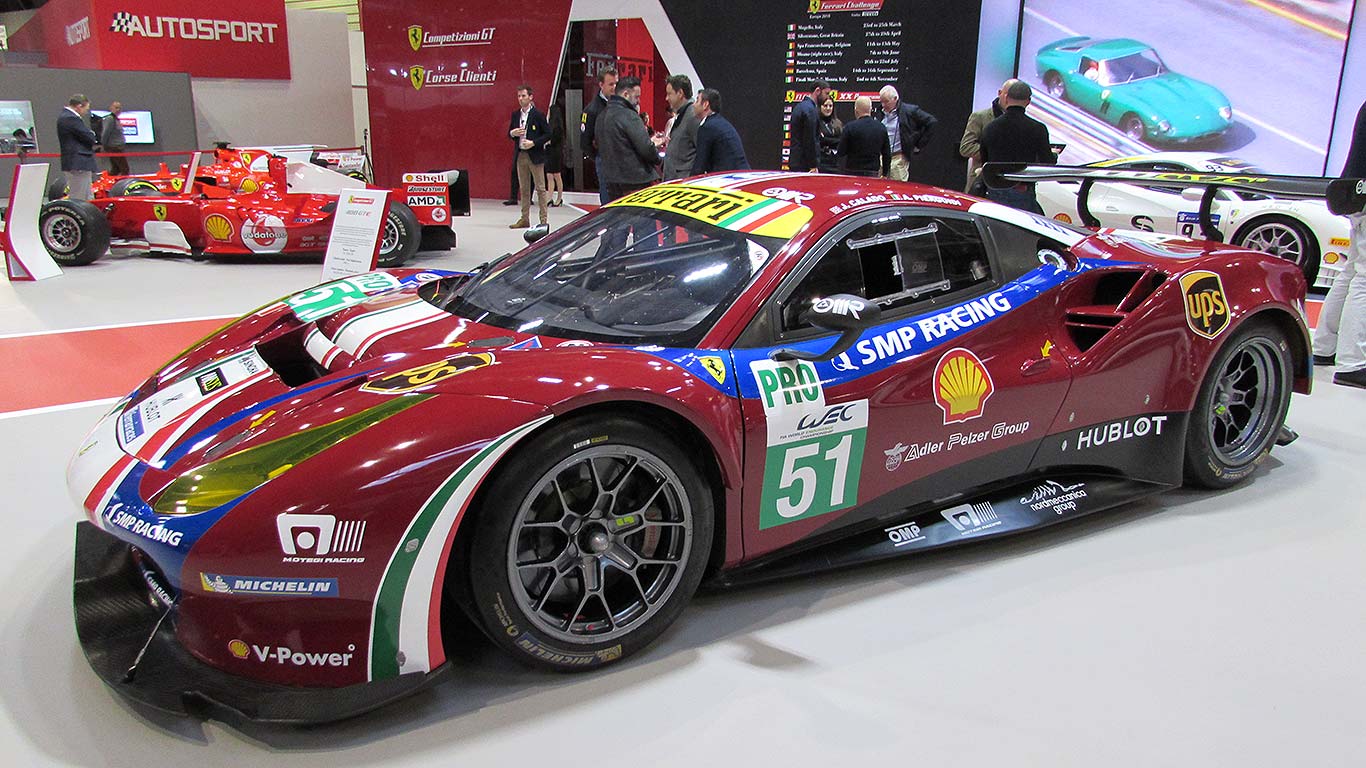
… Once you’re in the Ferrari racing family, the sky’s the limit. Maybe you might step up into a GTE-spec car such as this 458 and then go enter the Le Mans 24 Hours. Maybe you might buy an old factory F1 racer and drive it in the famous Ferrari Racing Days events. More than a few well-heeled Ferrari fans will be dreaming of what could be in Birmingham this weekend.

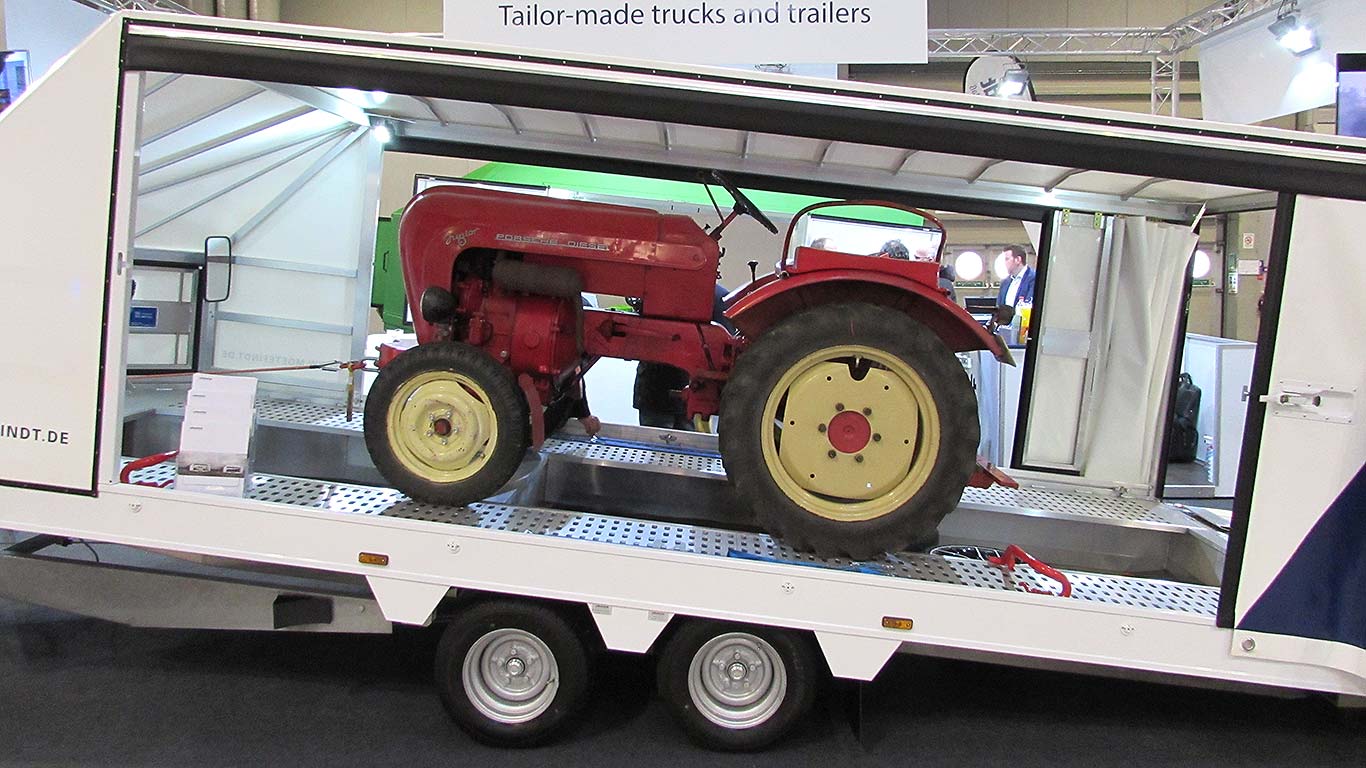
Autosport isn’t just about racing cars, though. It’s about everything else you need to engineer and run them – such as car trailers, of which the robustness of one was demonstrated here by parking an old Porsche Diesel tractor in the back.

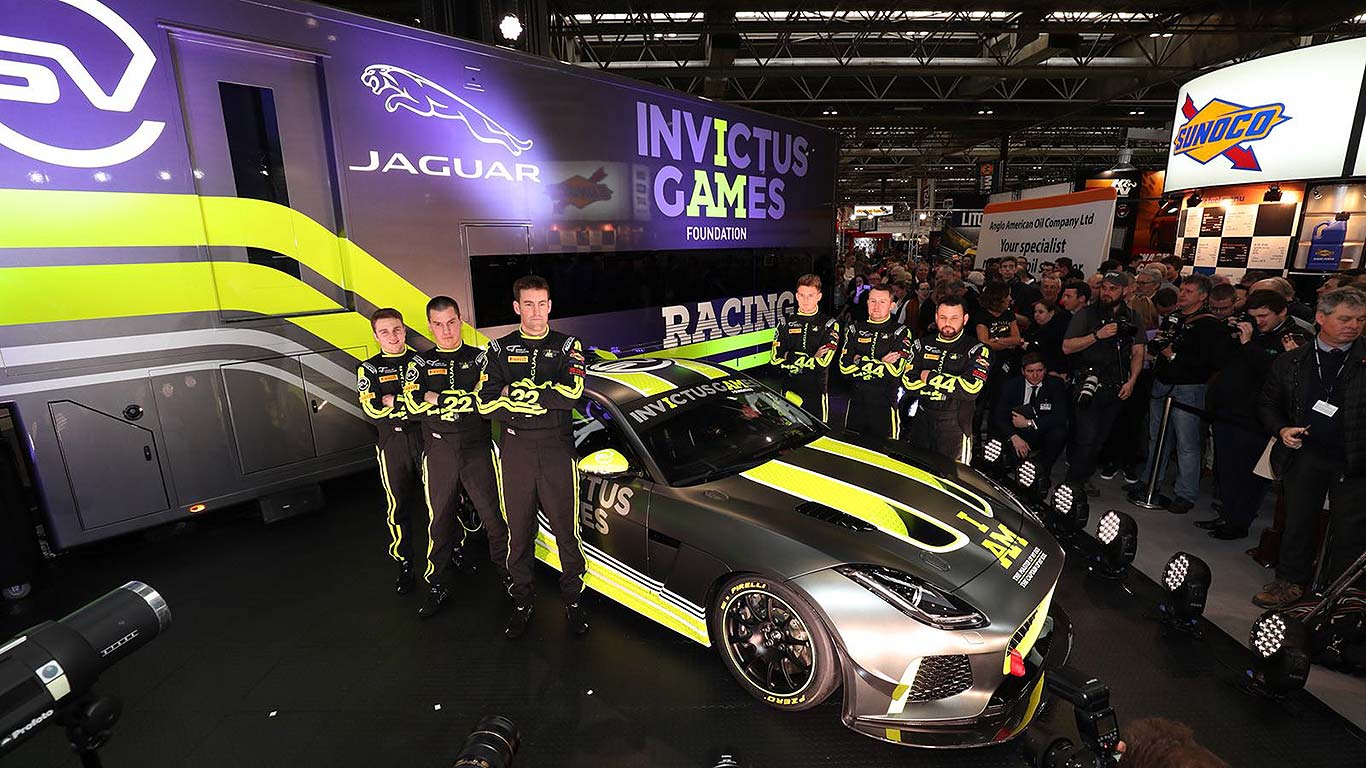
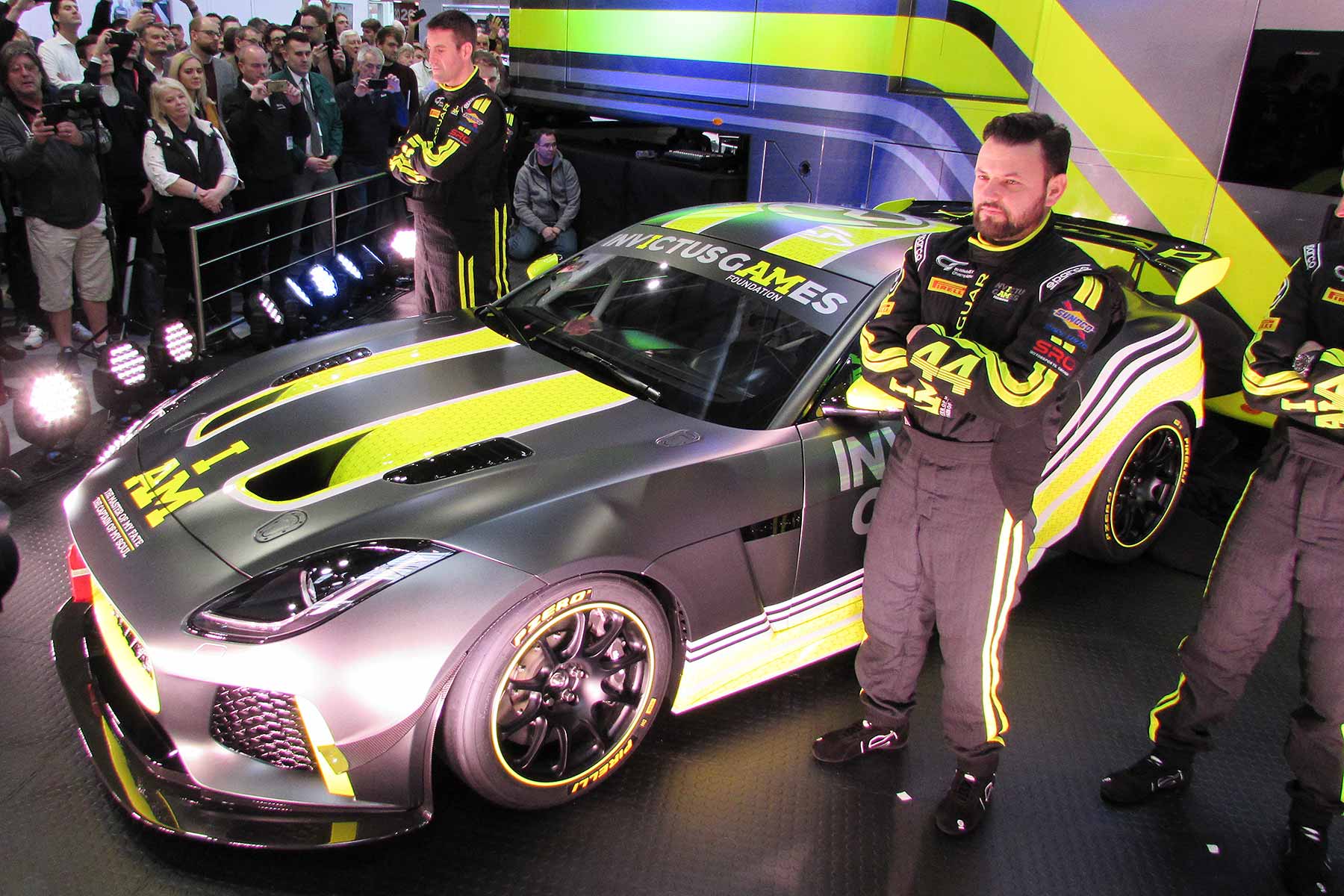
The new Invictus Games Racing team was launched at the show. It’s fielding two cars in the top-level British GT Championship – and the cars are custom-built Jaguar F-Type GT4 sportscars custom-built by Jaguar’s specialist SVR division.

The first race is at Oulton Park during the Easter weekend; each car will be piloted by a professional racing driver and two injured ex-servicemen from the Armed Forces. It’s a high-profile campaign with serious intent: they might start off slowly, say team bosses, but the ultimate goal is to win races.

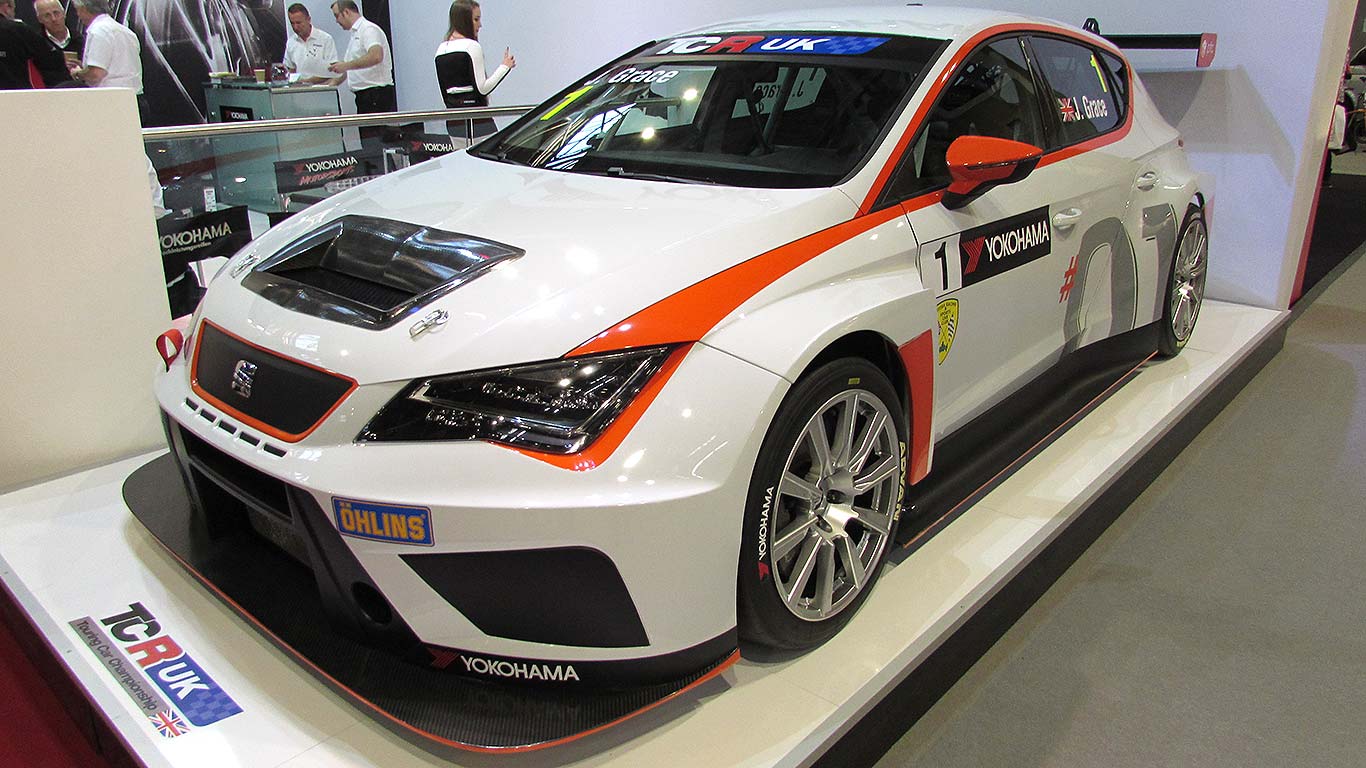
New to the UK racing scene in 2018 is the TCR UK Championship. Already running in Europe, it’s an alternative to the British Touring Car Championship, and includes cool cars such as the Seat Leon Cupra and Hyundai i30N. If it takes off in the UK, how will the BTCC respond?

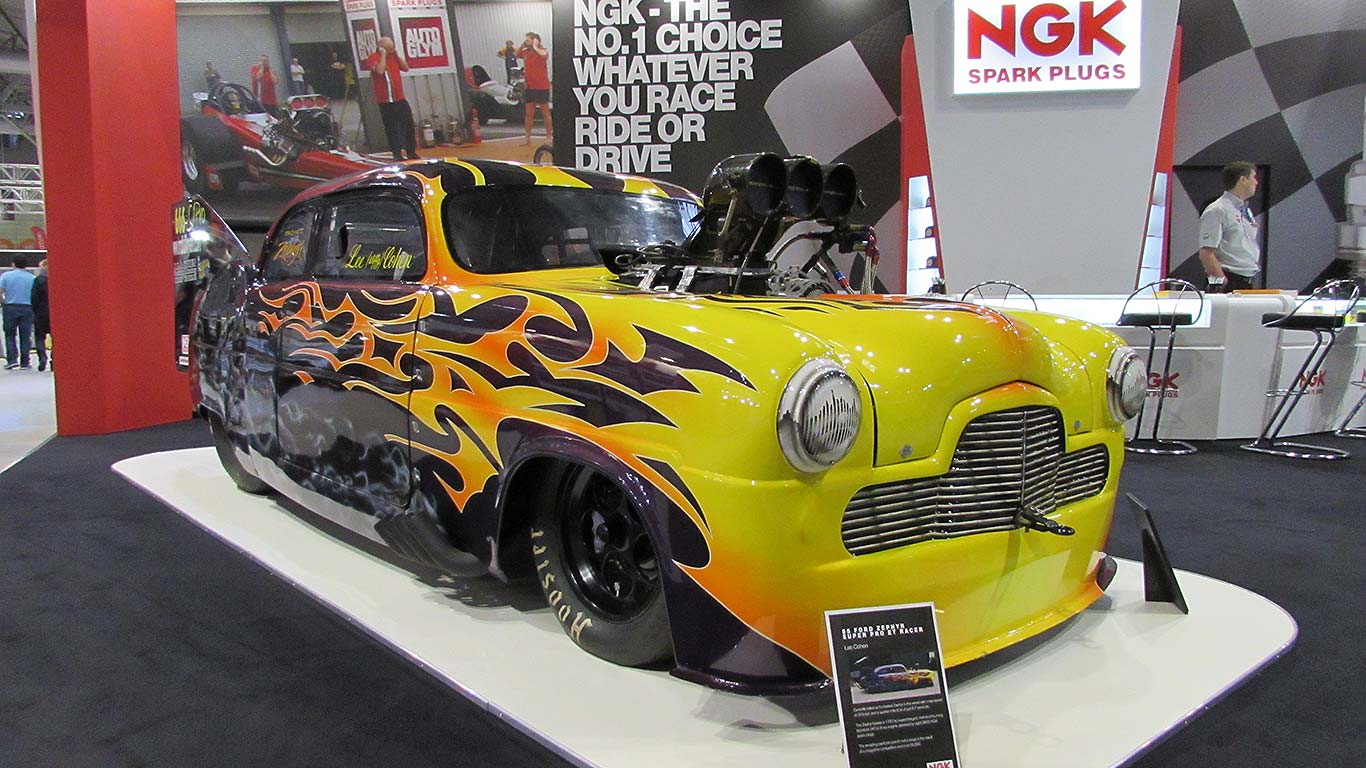
Motorsport suppliers are always looking for cool ways to liven up their stands. Cue one 55 Ford Zephyr Super Pro racer – which, of course, uses NGK spark plugs…

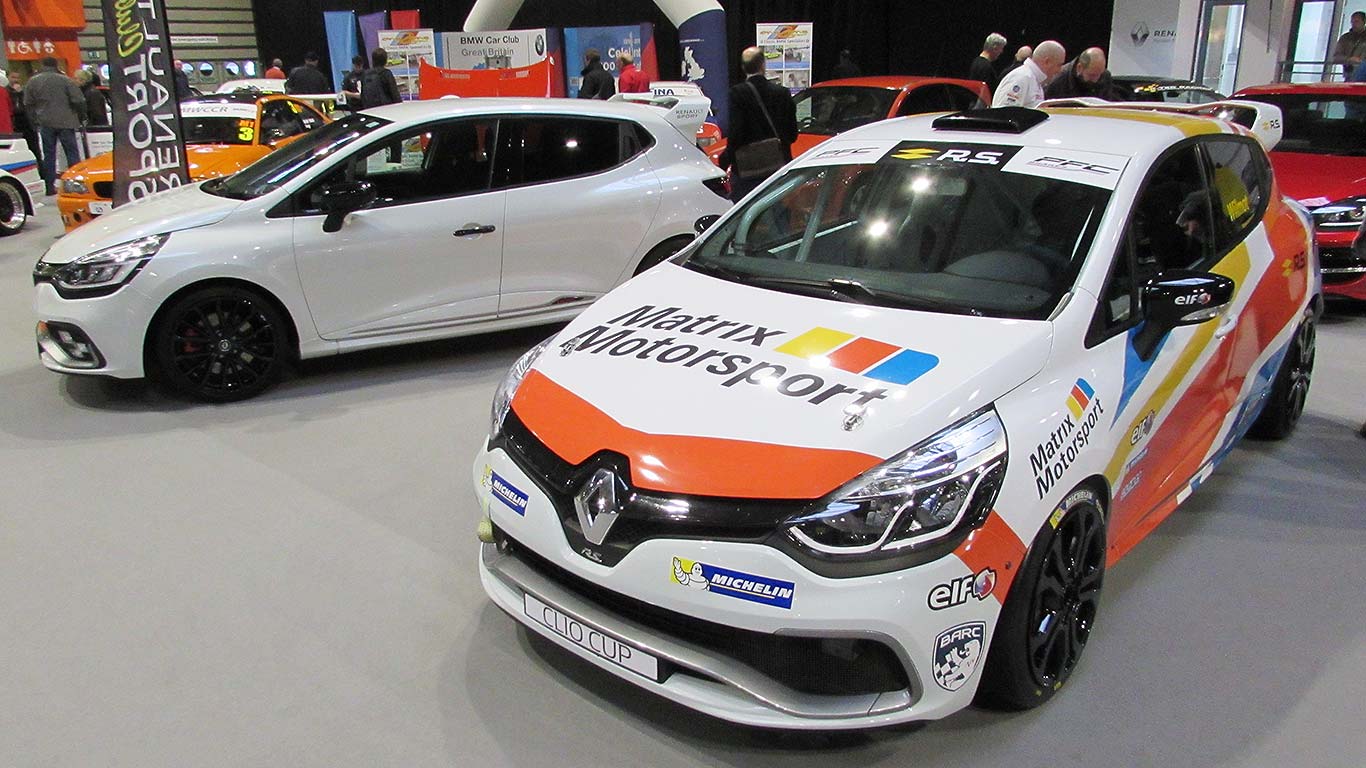
Others like to draw the parallels between their road cars and racers – here’s a Renaultsport Clio Trophy alongside its racing equivalent. We don’t think we need to point out which is which…

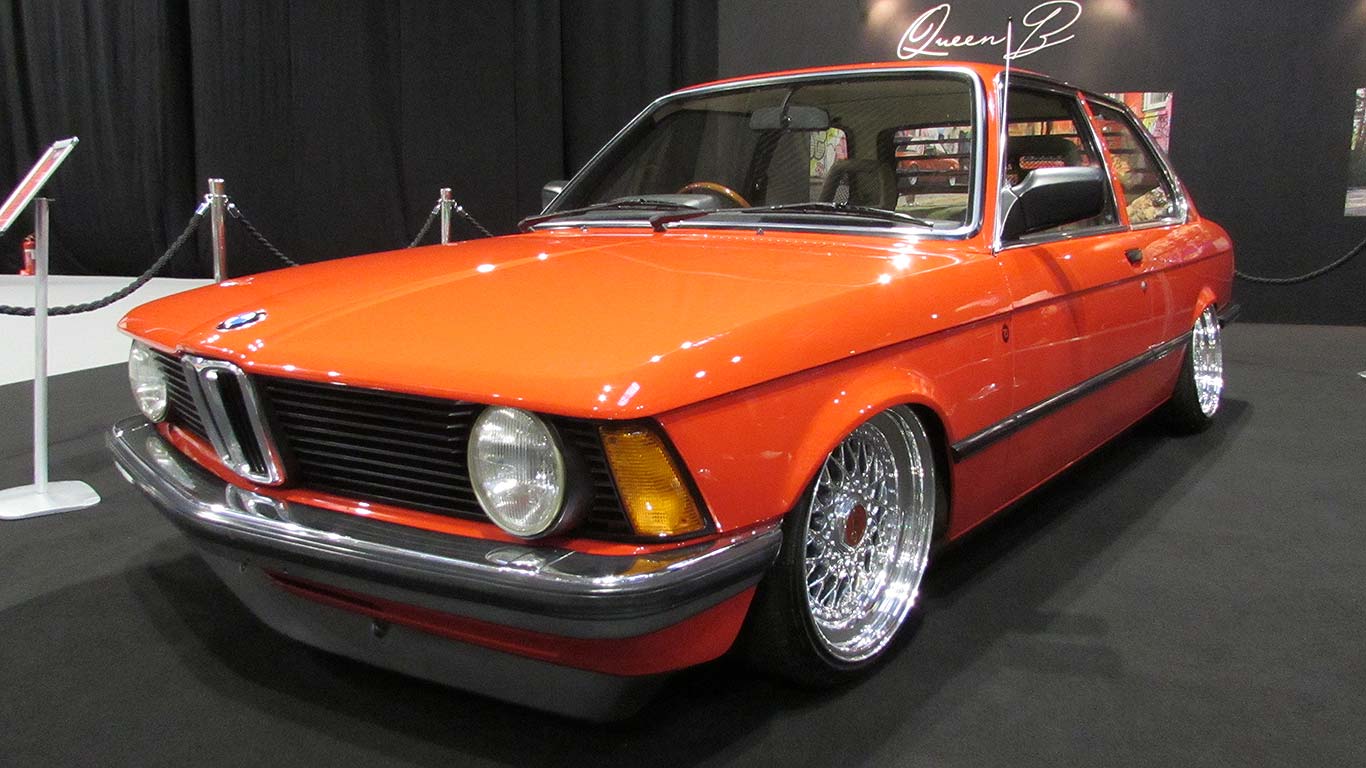
New for Autosport International this year is a social influencers ‘corner’. Shmee150 is perhaps the most well-known of them, but we do rather like the look of Queen B’s gorgeous modified BMW E21 3 Series. Respect!

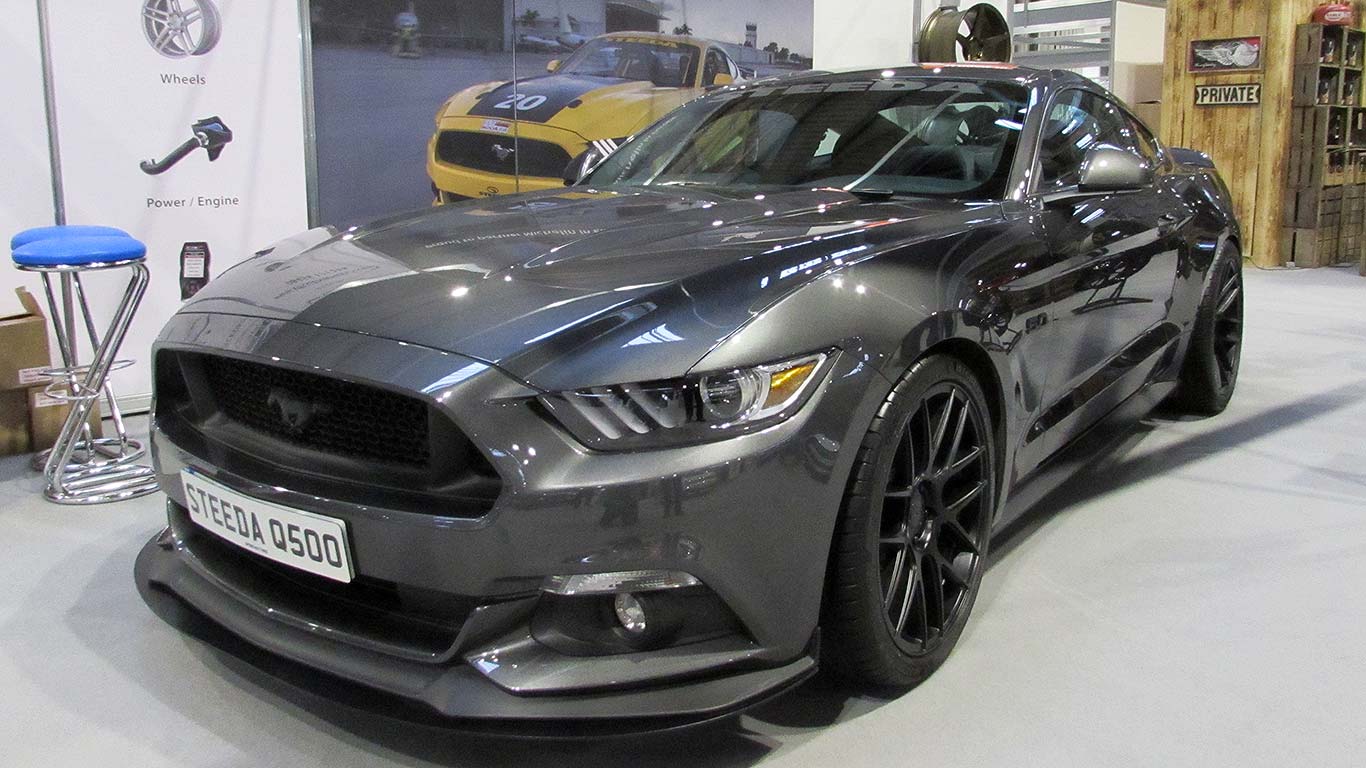
Ever heard of Steeda? It’s billed as the best Ford tuner you’ve never heard of: Steeda is massive in America and is now entering the UK to help spice up Mustangs, Fiestas and Focus over here. This Steeda Q500 is a package of parts highly rated even by those within Ford itself.

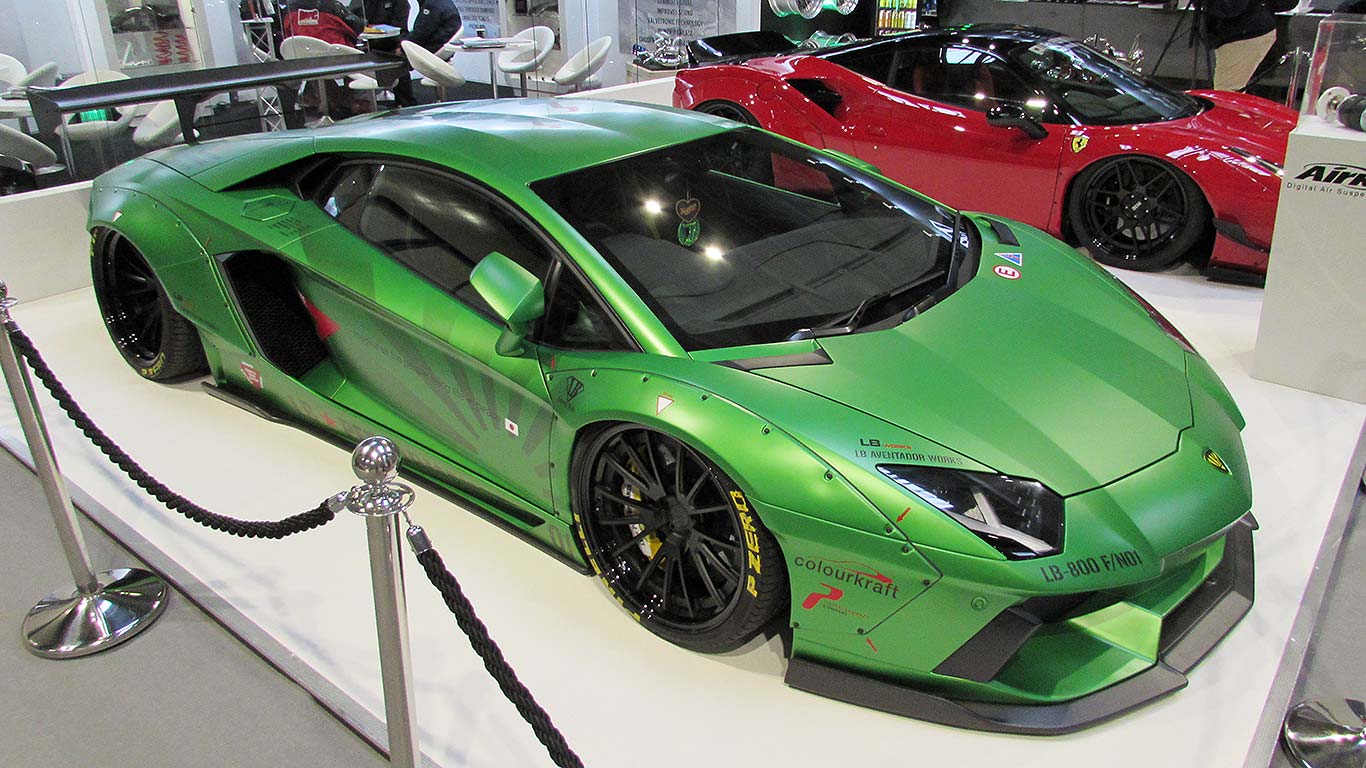
How to make a Lamborghini Aventador even more standout? Treat it to a makeover by premium vehicle stylists Liberty Walk. Price? On application…

The new TVR Griffith is at the show; you’ll find it at the Rimstock Team Dynamics stand. It’s been treated to a flashy new wrap, meaning we’ll no longer need to grumble about the poor paint match on the doors.

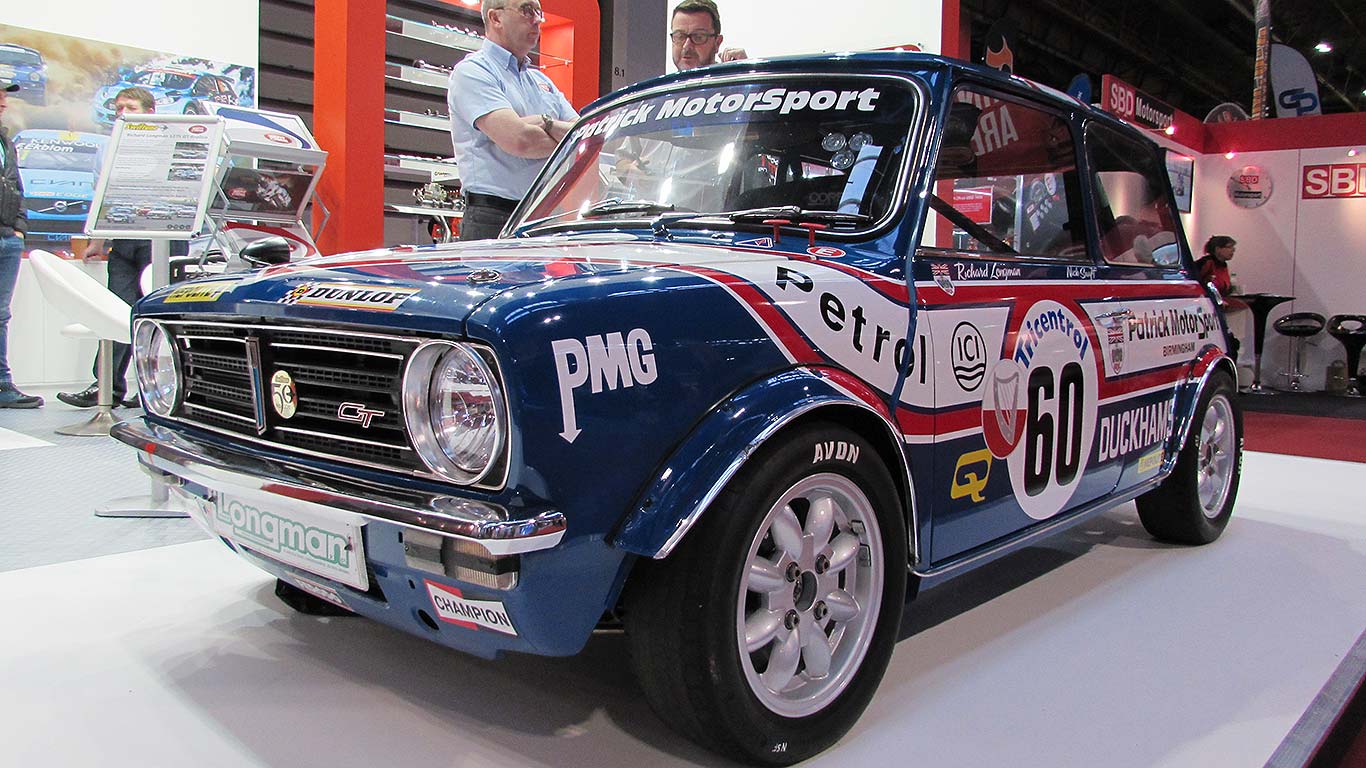
How motorsport used to be done in the 1970s. This Richard Longman Mini 1275GT used to terrorise much bigger and brawnier machines in the British Touring Car Championship. On occasion, its nimbleness and agility used to beat them, too: Longman actually won the 1978 BTCC title outright in this plucky little Mini.

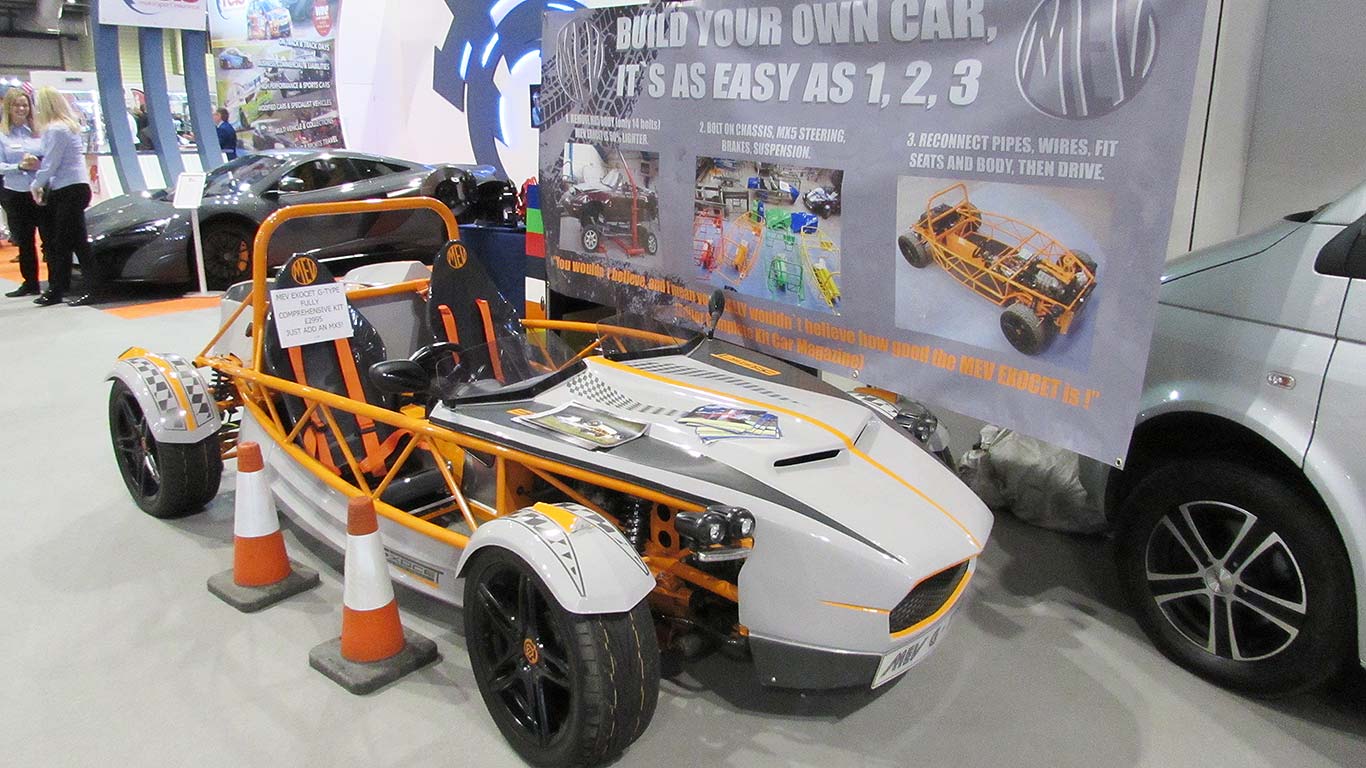
Do you have a rough old Mazda MX-5 that stands no chance of passing its next MOT? You could scrap it… or you could fork out £2,995 for this kit of parts and use the Mazda as a donor car. Hands up, who fancies a MEV Exocet?   

We’ll leave you with a tour of the 2017 F1 grid. This is the highlight of Autosport International for many – an unparalleled opportunity to get right up close to the world’s best racing cars.

Naturally, Lewis Hamilton’s Mercedes-AMG title-winning machine takes pride of place, but Williams, McLaren, Renault, Sauber and, of course, Ferrari fans are not left short-changed, either.

Advertisement

Buy a bespoke ‘McLaren F1’ for just £150,000

0

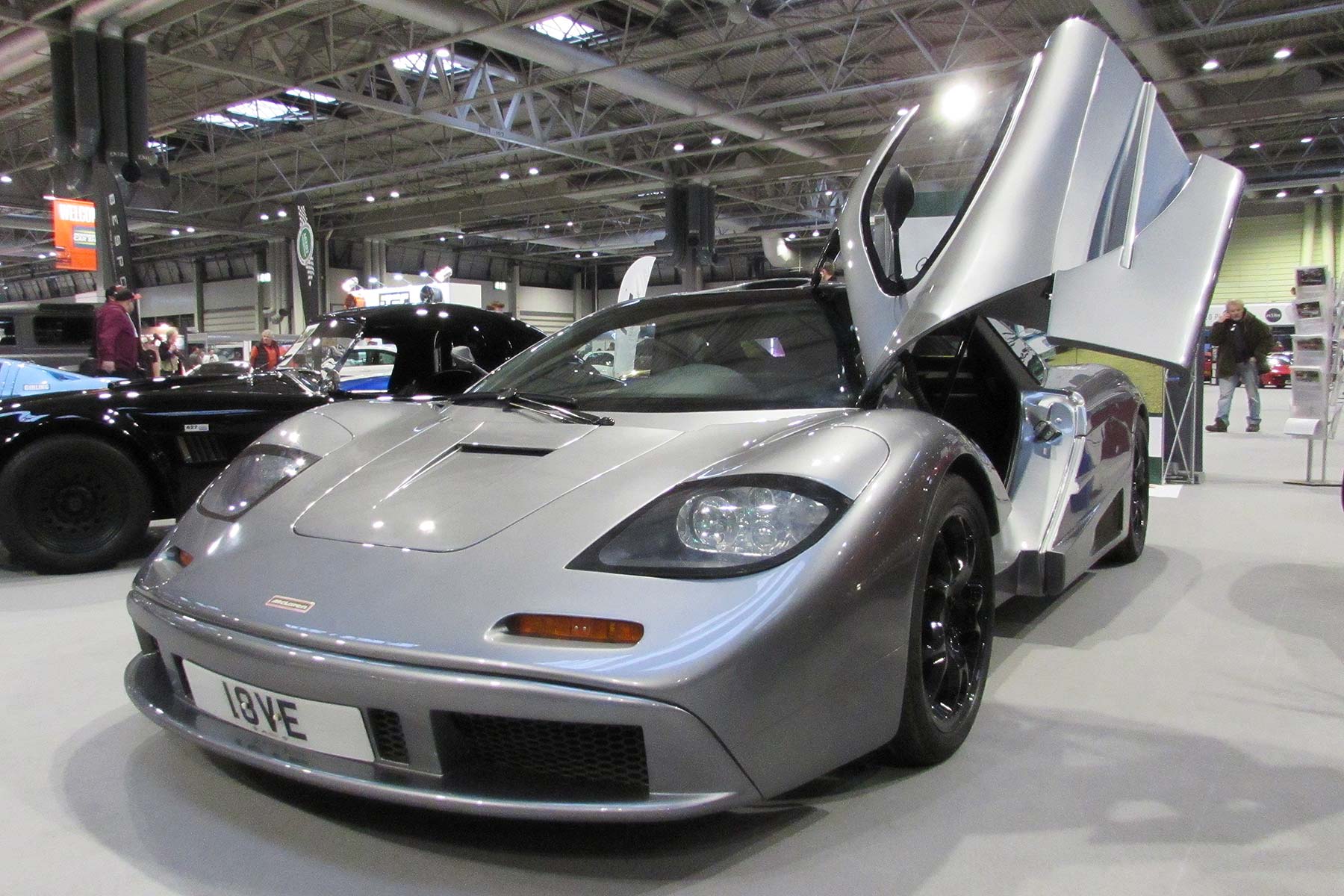
McLaren F1 replicaThe McLaren F1 is famously rather expensive. Last year, a pristine one sold for £11.5 million. Rowan Atkinson’s many-times-crashed car sold for £8 million back in 2015. Basically, if you don’t have a bank balance with seven, preferably eight figures in it, your luck’s out. 

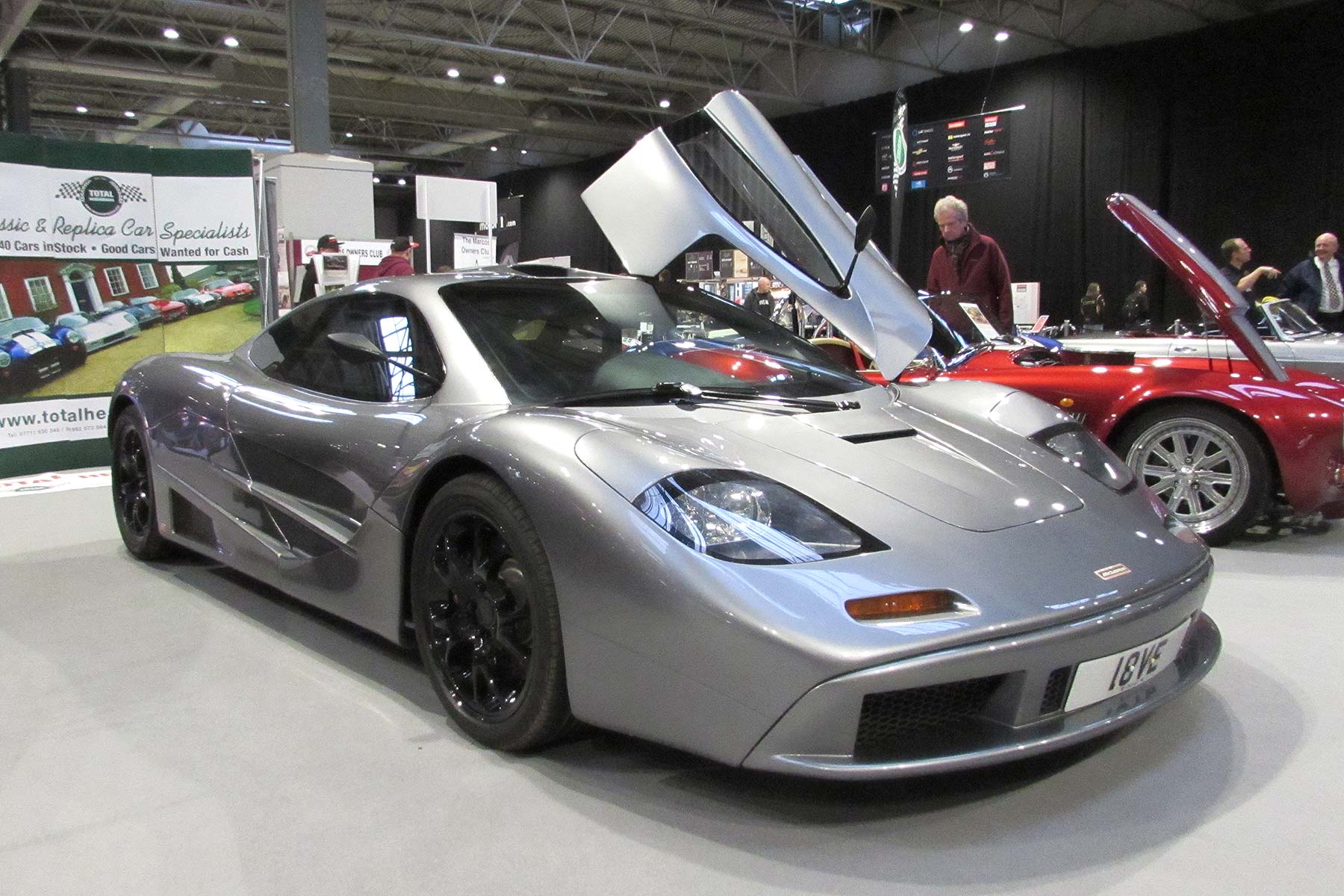
Or is it? See the F1 above? That car’s up for sale for a ‘mere’ £150,000. And if you’re quick, you could do the deal this weekend at the NEC’s Autosport International, where it’s currently on display.

Just one catch. It’s not a real McLaren F1. It’s a replica. But how many of you realised that, at a glance? 

The company selling it is called Total Headturners, a firm that specialises in classics and replicas. A spokesman there said that when they were offered the F1 replica, they jumped at the chance. “It’s a really good job – we reckon the guy who had it done must’ve had a mate who owned a real one, because some of the shapes are very accurate.”

It’s not a kit car, he added. “It’s a scratchbuilt car, a custom-built one-of-one. It’s based on a spaceframe chassis, has race-derived suspension… and the engine, gearbox and brakes are all from an Audi R8 V8.” This is far from your Mazda MX-5-derived look-alike special.

McLaren F1 replica

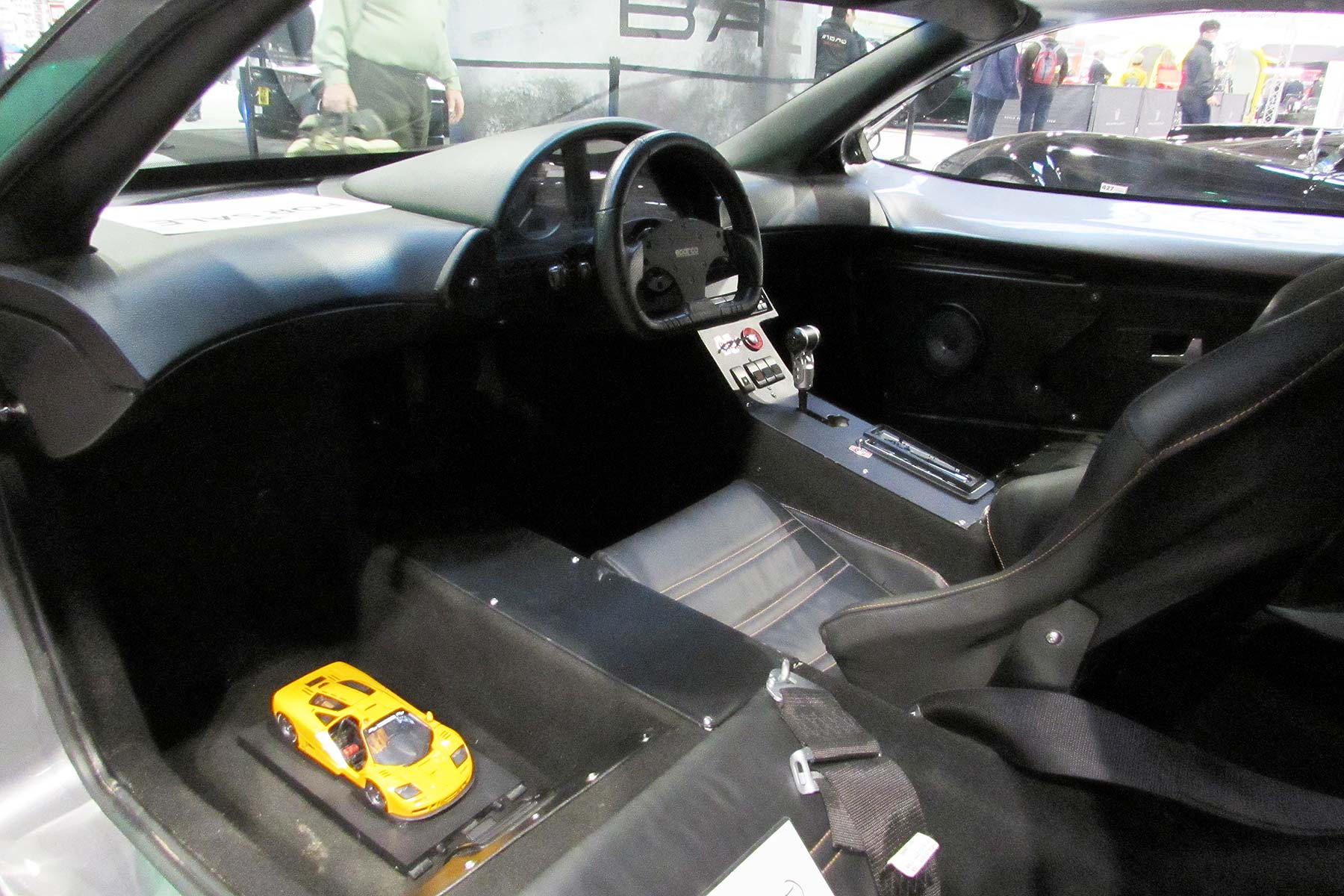
It even has a central driving position. Admittedly, the interior is not a well-formed as the exterior, but it still has high-end details such as Audi R8 instrumentation. And you can’t really see the interior from outside, so it’s not likely to be a dealbreaker. 

Creating it wasn’t cheap, and took a full seven years to complete. It used to be painted a garish orange, but Total Headturners had it repainted a more authentic gunmetal grey. Even in this more subtle hue, “it gets Top Trumps at any car show”. 

McLaren F1 replica

It won’t be for everyone. It’s not a real F1, and you can of course pick holes in it if you look more closely (or, more starkly, park it next to the real thing). But it nevertheless has a drivetrain with supercar kudos, is said to drive better than you may fear a look-alike might and, according to the company’s calculations, costs less than 1 percent of the real thing.

Given all that, surely it’s got to be worth a punt for someone looking out for something a bit different..?

Advertisement

Ex-servicemen to race Jaguar F-Type GT4 in British GT Championship

0

Jaguar F-Type GT4A crack team of wounded ex-servicemen from the British Armed Forces are to race two custom-designed GT4-spec Jaguar F-Type SVR sportscars in the 2018 and 2019 British GT Championship. The new team is called Invictus Games Racing.
The car becomes the first ever Jaguar Special Vehicle Operations-branded racer to run in an official motorsport series and, while it’s not an official factory racing programme, input from the JLR engineers has been considerable.

Indeed, it’s Jaguar’s first factory-built GT racing car in 50 years.

Jaguar’s Special Vehicle Operations (SVO) division has spent the past year secretly creating the two new F-Type racers, which have been designed to accommodate each of the driver’s needs. Mission Motorsport, which helps wounded servicemen forge new careers in professional motorsport, conducted six months of trials to find and train four drivers from the Armed Forces to compete.

They will be partnered by two professional British GT Championship drivers: former DTM driver Jason Wolfe will mentor Ben Norfolk and Basil Rawlinson in Car 22, and British GT racer Matthew George will mentor Steve McCulley and Paul Vice.

Their first race will be at Oulton Park on 31 March 2018.

The founder of clothing brand Superdry, James Holder, commissioned Jaguar to build the two GT4-spec F-Types, and has funded the entire project himself. “Our drivers have overcome adversity in the face of injury, shown fierce ambitions in life and possess an incredible drive to succeed,” he said. 

“They are perfectly suited for this sport which gives them an outlet for their ambitions. As well as racing against the other GT teams, they will also battle against each other for position and personal pride – like any other racing team.

“We are not under any illusions. Our shared desire and goal is to ultimately win races. This dream won’t happen overnight but during the journey I can promise fans that we will have inspirational drivers, great stories, innovative technology and the coolest looking and sounding cars on the circuit.”

The new racing team is also eager to stress that the wounded servicemen will be competing equally with their fellow British GT rivals – because the cars have been bespoke-built to accommodate them, the series has not had to give any special dispensations.  

That’s despite the scale of their in-service injuries; Paul, for example, encountered an Improvised Explosive Device (IED) during service; he had 400 pieces of shrapnel removed from his body, and a below-knee amputation. Steve also encountered an IED, which put him in a coma for three weeks. He then had a two-year physical rehabilitation programme to follow.

John Edwards, MD of Jaguar Land Rover Special Operations, said: It’s appropriate that this specially-commissioned F-Type SVR will be the first SVO-designed race car to hit the track. 

“While the F-Type SVR is all about duality – the 200mph all-weather supercar that you can drive every day – this bespoke commission is 100% competition focused.”

Advertisement

You can now use Waze via your Ford’s infotainment system

0

You can now use Waze via your Ford's infotainment system

Waze is the navigation app that’s proving a hit with drivers keen to beat the traffic. However, car manufacturers continue to give it the cold shoulder in favour of their own in-built nav systems. Until now.

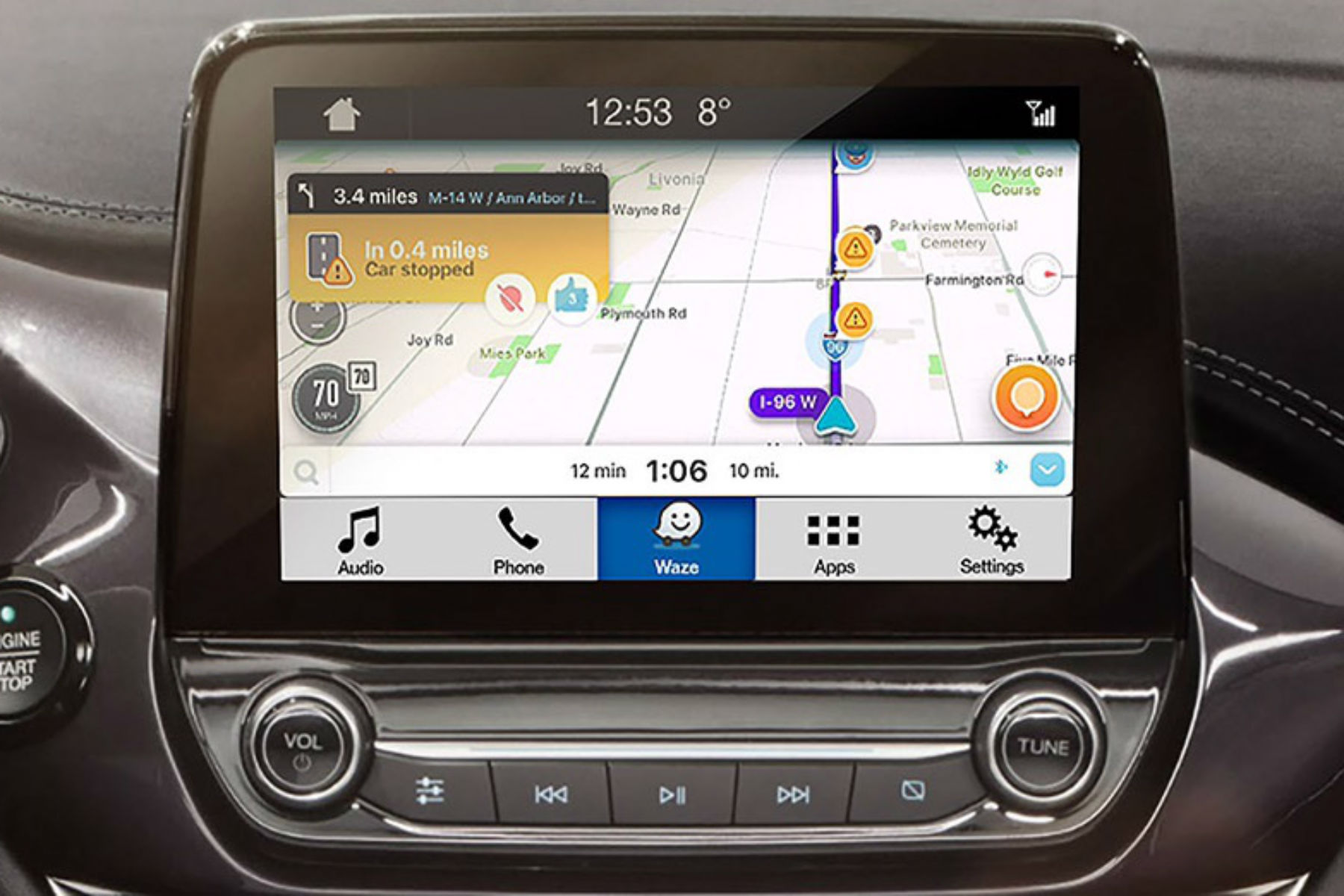
At this week’s CES tech show in Las Vegas, Ford has announced the integration of Waze with Ford’s SYNC AppLink system. That means anyone buying a 2018 Ford equipped with the SYNC 3 infotainment system will be able to view the app through the car’s built-in touchscreen display.

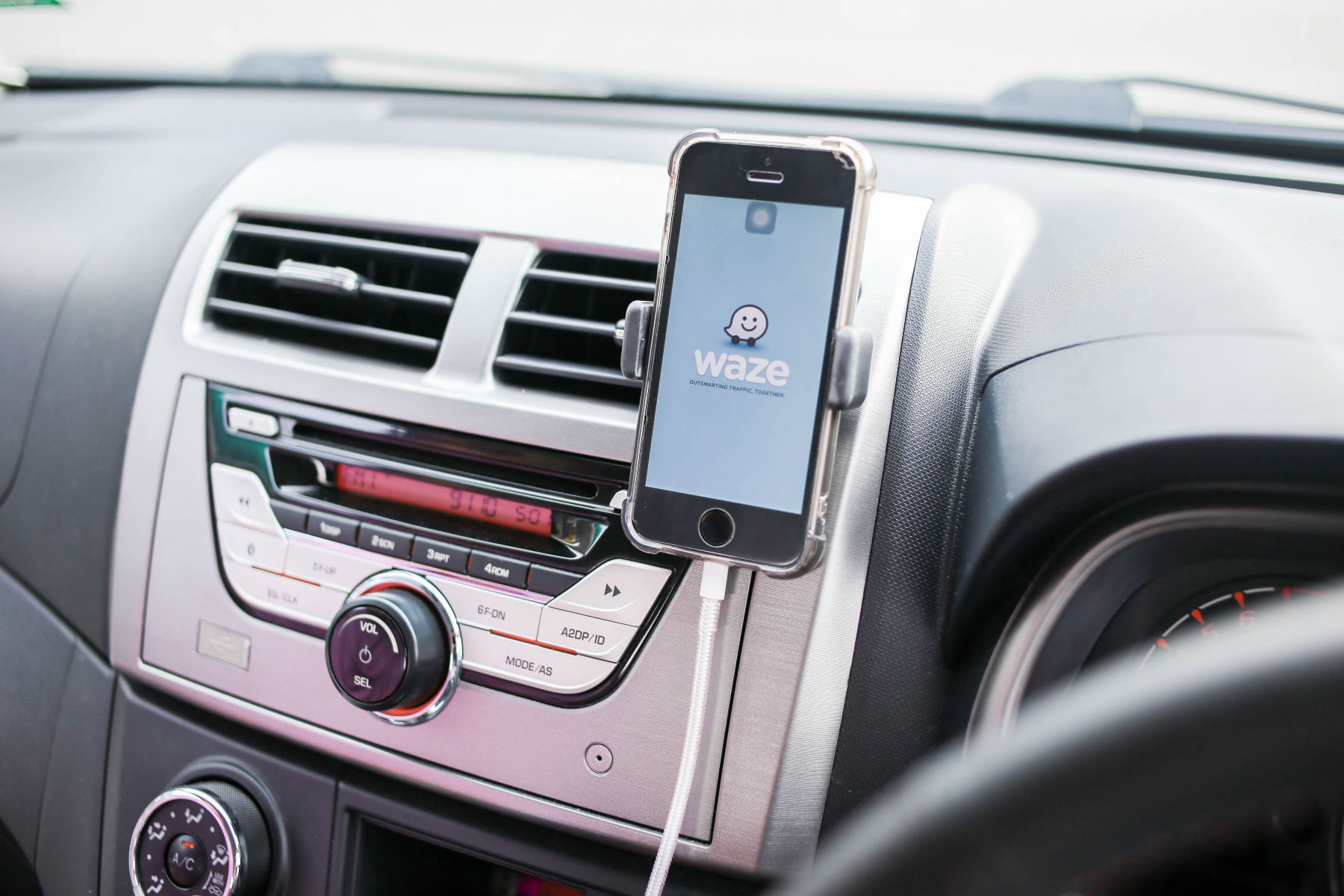
All you’ll need to do is plug your smartphone into the car via its USB socket and Waze will be projected onto the car’s display screen. This will allow you to view real-time traffic information and control the app using voice commands.

Last year, Waze was launched for Android Auto, but iPhone users haven’t been able to use the app through their car’s touchscreen as it isn’t CarPlay compatible.

If you already own a SYNC 3-equipped Ford, you’ll be able to install an over-the-air update to enable Waze compatibility.

“Our goal is to bring a human-centered approach to technology in the vehicle, making it as easy as possible for people to integrate the tools that matter most to them,” said Ford’s executive director, connected vehicle and services, Don Butler. “With the flexibility of our SYNC 3 software and AppLink, customers can easily use Waze to get all the traffic and navigation help they need – on a big screen and without having to fiddle around with their phones while driving.”

How does Waze work?

You can now use Waze via your Ford's infotainment system

Waze uses crowd-sourced data to provide optimal driving directions and traffic updates, helping you avoid traffic where possible. Simply input your destination and drive with the app open and you’ll be contributing to Waze’s community of users – and benefit by receiving real-time updates of traffic and incidents ahead, allowing you to alter your route if necessary.

The app provides a realistic arrival time as soon as you plan a route, and keeps this updated throughout the journey. It’s free to download and is compatible with most smartphones, including Android and Apple.

More than 100 million motorists use Waze worldwide, providing information on incidents, closed roads and traffic – helping each other to save time.

Read more:

Advertisement

Cool car tech at CES 2018

0

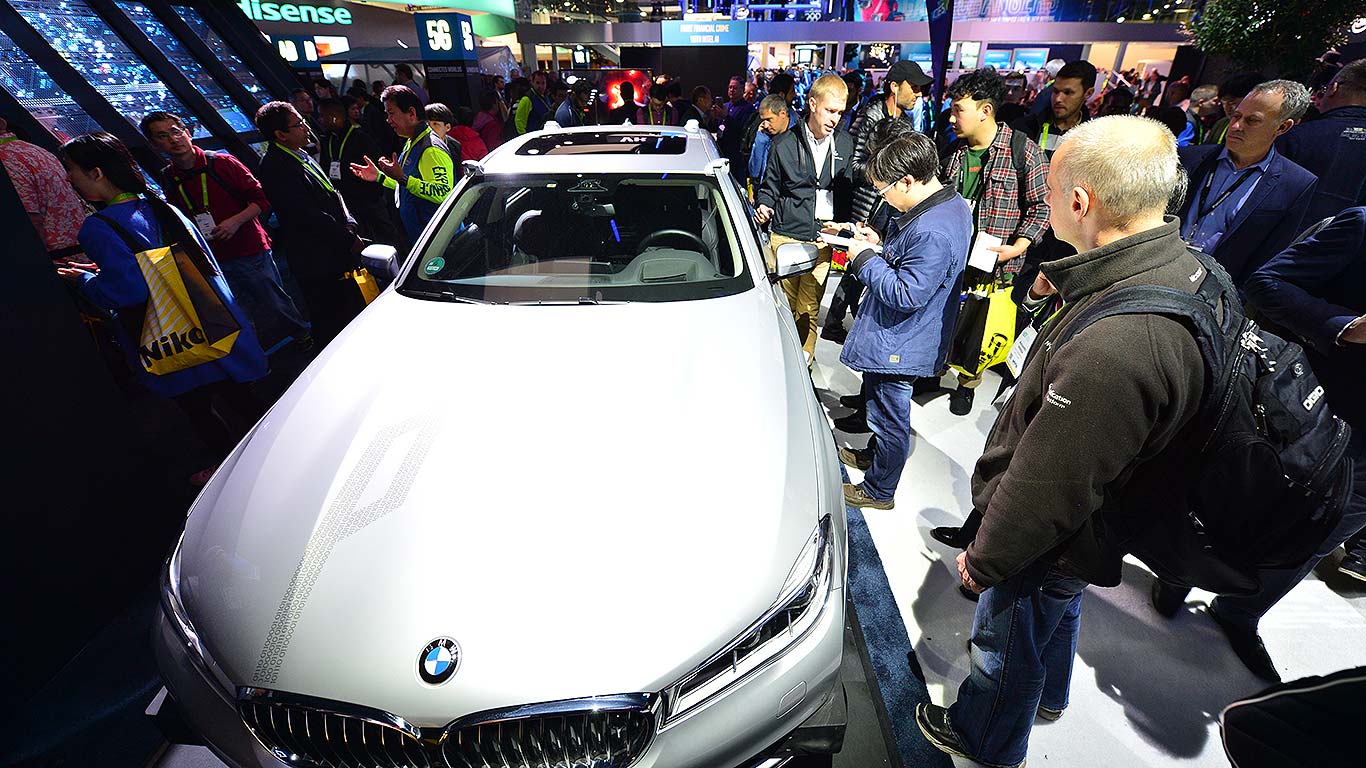
One of the most important auto shows of the world isn’t actually a pure motor show, but try telling that to all the automotive firms and tech suppliers showing their latest at CES 2018 in Las Vegas.
CES is where future trends are first revealed, and where deals to create the high-tech cars of the future are made. Tomorrow’s cars are going to be high-tech showcases on wheels: here’s our first look at the cool car tech coming to showrooms soon.

Level 4 cars by 2021

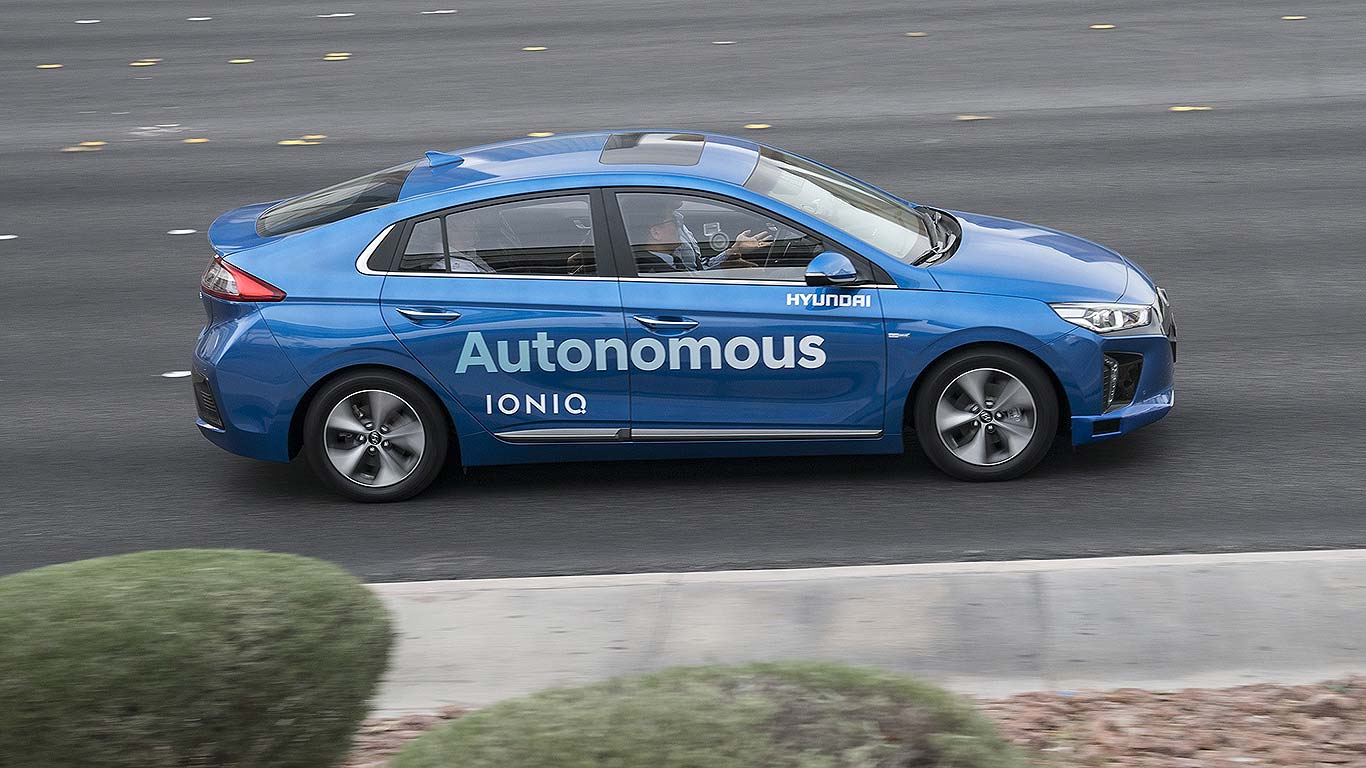
Big news: the general consensus from CES 2018 is that 2021 will be the year of the Level 4 autonomous car. These will be better than today’s Level 3 cars, which require the driver to be alert and ready to take over at any point. You can’t relax in a Level 3 car. You will be able to sit back and chill in a Level 4 car.

They’ll only be allowed to operate in selected areas and on certain roads, but the cars will then fully run without human input or oversight. The scenario is, say, driving yourself to the motorway, then letting the car take over until you reach your exit junction. Many big brands promised at CES 2018 to commercialize Level 4 cars in key large cities from 2021: in other words, in just three years’ time, the truly autonomous car might, in its earliest form, finally be here.

Instead of filling this review with promises from brands such as Hyundai, Kia, Volkswagen and others about their Level 4 self-driving cars, we’re instead going to look at the cool cars and the tech themselves. Starting with, what else, an electric SUV.

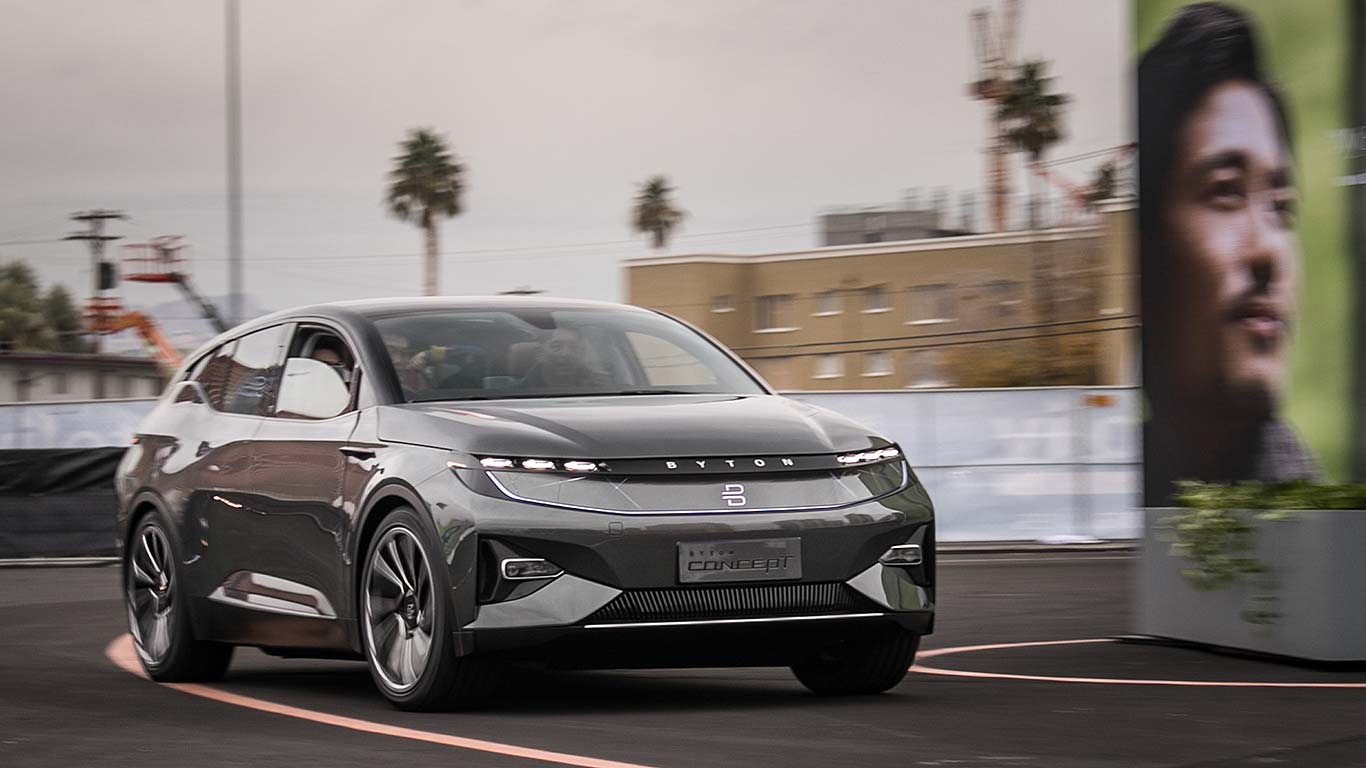
Byton SUV concept

A brand-new car from an all-new automaker was revealed at CES 2018. Chinese startup Byton debuted a new all-electric SUV that it estimates will cost from $45,000 (that’s just over £33,000), will roll out in China in late 2019 and both Europe and the U.S. from 2020, and is promising to ‘redefine’ the SUV in the upcoming era of autonomous cars.

Two models will be offered, a 268 horsepower rear-wheel drive model, and a 469 hp dual-motor all-wheel drive version. Byton is promising a range of over 380 miles on a single charge of the mid-size SUV’s top-spec 95 kWh battery pack (cheaper rear-drive cars offer a 71 kWh battery and a 295-mile range). In time, an SUV and MPV will be derived from the SUV’s flexible platform.

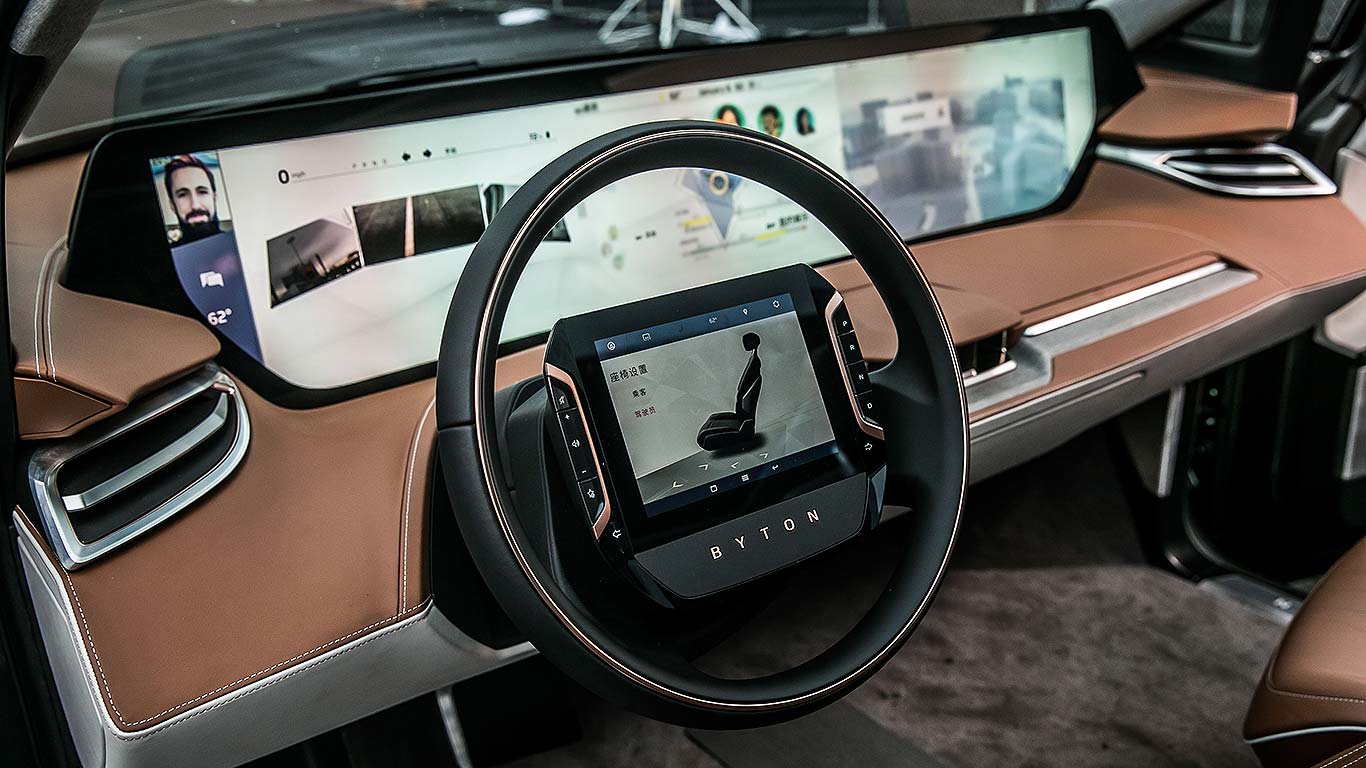
The standout is its massive infotainment screen inside. Measuring 125 cm x 25 cm (that’s 49 inches x 9.8 inches), the whopping screen is called the ‘Shared Experience Display’ and is augmented by a further three additional display screens, one of them mounted in the steering wheel itself.

There are new ways of interacting with it, including biometrics and gesture control, and Byton’s built in Amazon Alexa for intelligent voice control. Other smart details include a facial recognition entry system, 5G-ready onboard hardware, machine learning functionality and multiple user profiles which are automatically downloaded from the cloud. But it’s not all future-focused: we love the optional wooden floor…

Fisker eMotion

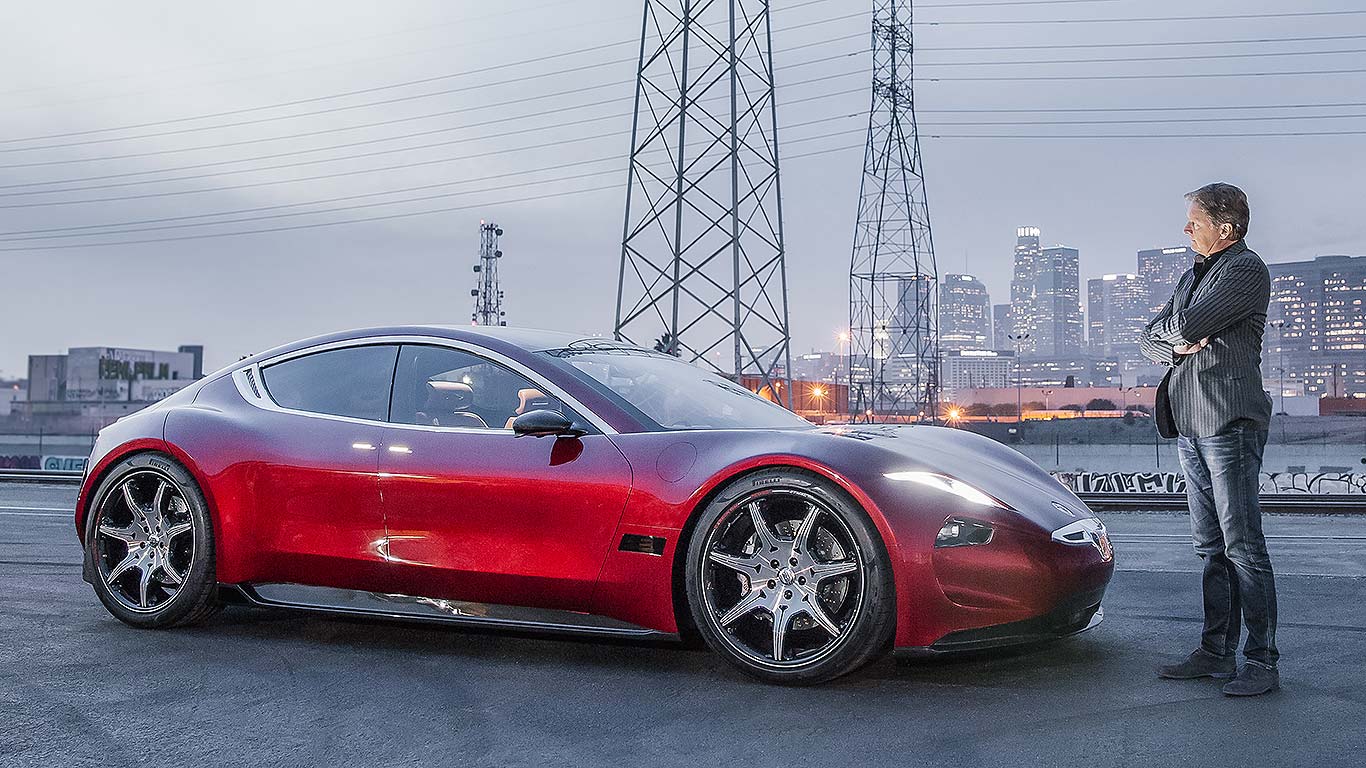
Former Aston Martin designer Henrik Fisker is back, with the latest car from his eponymous auto firm. It’s called eMotion and, as the name suggests, it’s a full EV with groundbreaking (and patent-pending) flexible solid-state batteries.

Considered the holy grail of EVs, solid-state batteries boast 2.5 times the energy density of today’s lithium ion cells, “shattering conventional thought on EV range and charge times”, says Fisker. There’s talk of the 160mph eMotion offering electric drive ranges of over 500 miles on a single charge – with charging times “as low as one minute”. Exciting stuff, which could be ready to go into cars from 2020.

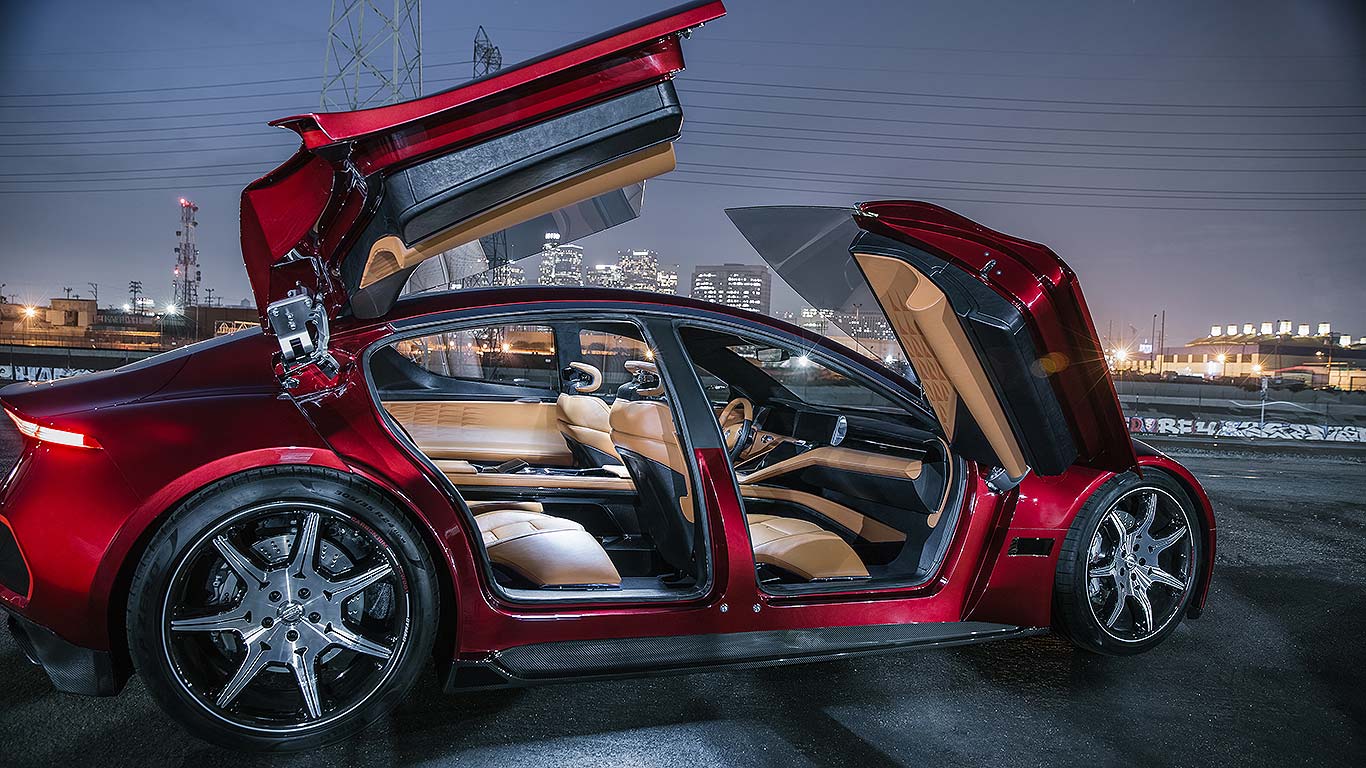
But its batteries are not the only reason to get excited about the eMotion. Just look at it. Svelte and sexy, huh? Hard to believe it’s being pitched as a five-seat alternative to a luxury car, one still offering five seats within those amazing butterfly doors, and a lavish interior fully future-proofed with next-gen tech.

It’s naturally going to be autonomous. Five fully-integrated LIDAR sensors take it up to Level 4 autonomy, and these too are packed with patents. Fisker himself feels the eMotion places the firm “clearly at the forefront” of a revolutionary new era in automobiles. A new era that will be here sooner than we think, too: production of the eMotion is confirmed, will be in the U.S., the location of which will be announced later in 2018. Prices? Yours from $129,000.

Hyundai FCEV Nexo

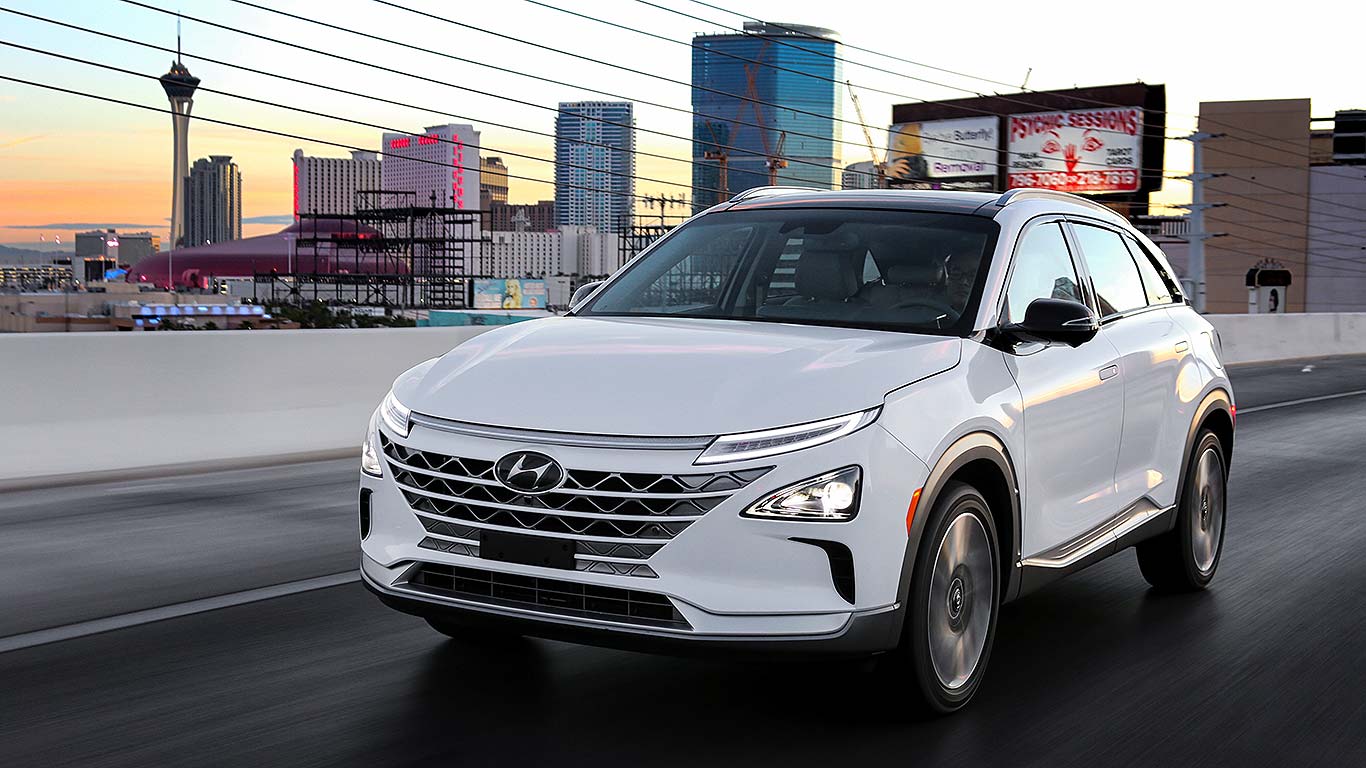
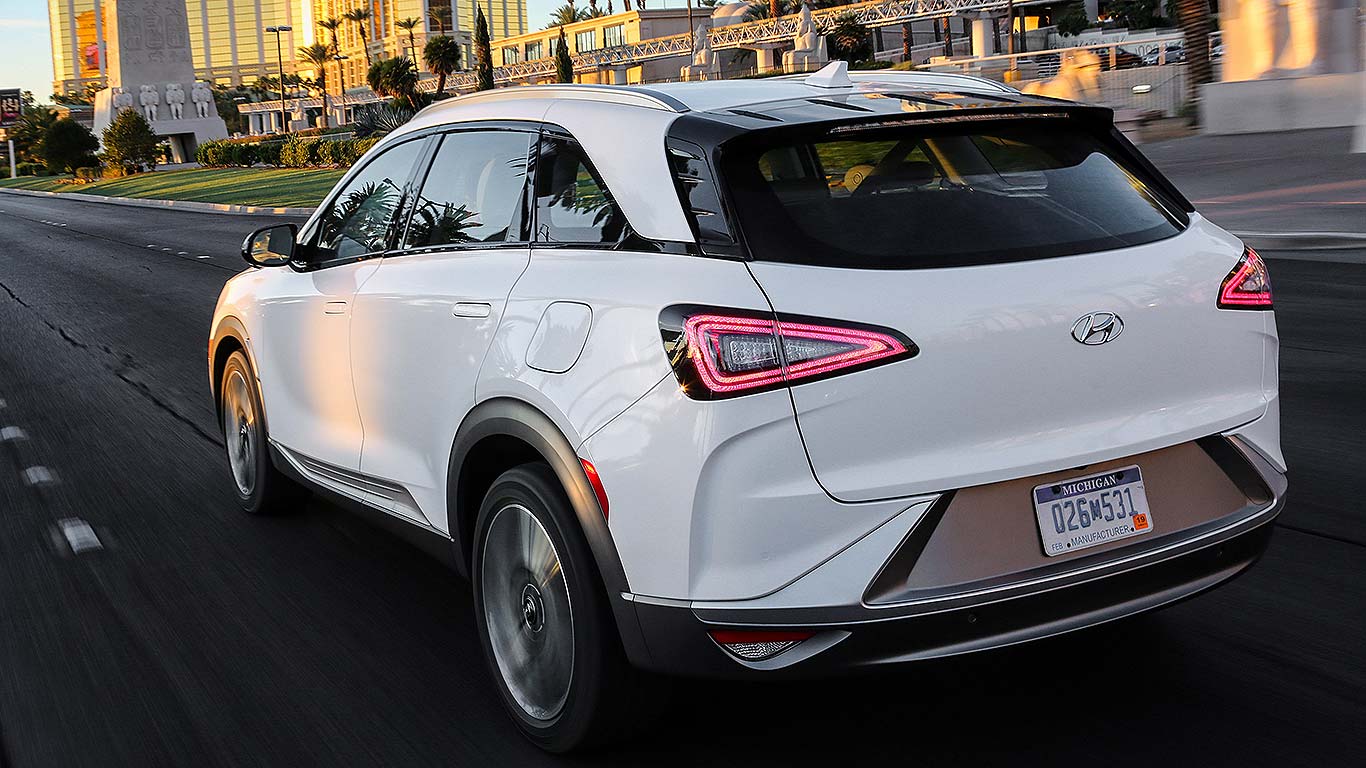
Hyundai had a new concept car for CES 2018 too. Called FCEV Nexo, it’s the firm’s latest fuel cell car, and the first bespoke-designed one. We should rightly be rather excited by this one: Hyundai confirmed a production version will be on sale later in 2018. What we see here is thus a thinly-disguised showroom-ready model.

It follows on from Hyundai’s pioneering ix35 hydrogen fuel cell car, of which it has produced several thousand, many of which remain in active service. The lessons learnt from that car have all gone into the new Hyundai Nexo.

A smart, modern-looking SUV, Hyundai’s promising a driving range of 500 miles on a full tank of hydrogen, plus faster acceleration and shorter refuelling times. It will also include autonomous driving functionality and an industry-first blind spot view monitor: it shows the rear and side view when changing lanes, so the driver can keep their eyes forward.

The FCEV will be one of 18 so-called ‘eco-friendly’ vehicles Hyundai is promising to launch by 2025. Along with the Honda Clarity, Hyundai’s leadership in the production-spec hydrogen fuel cell sector continues to stretch ahead of rivals. How valuable may this competitive advantage be in the future, we wonder?

Toyota e-Palette Alliance

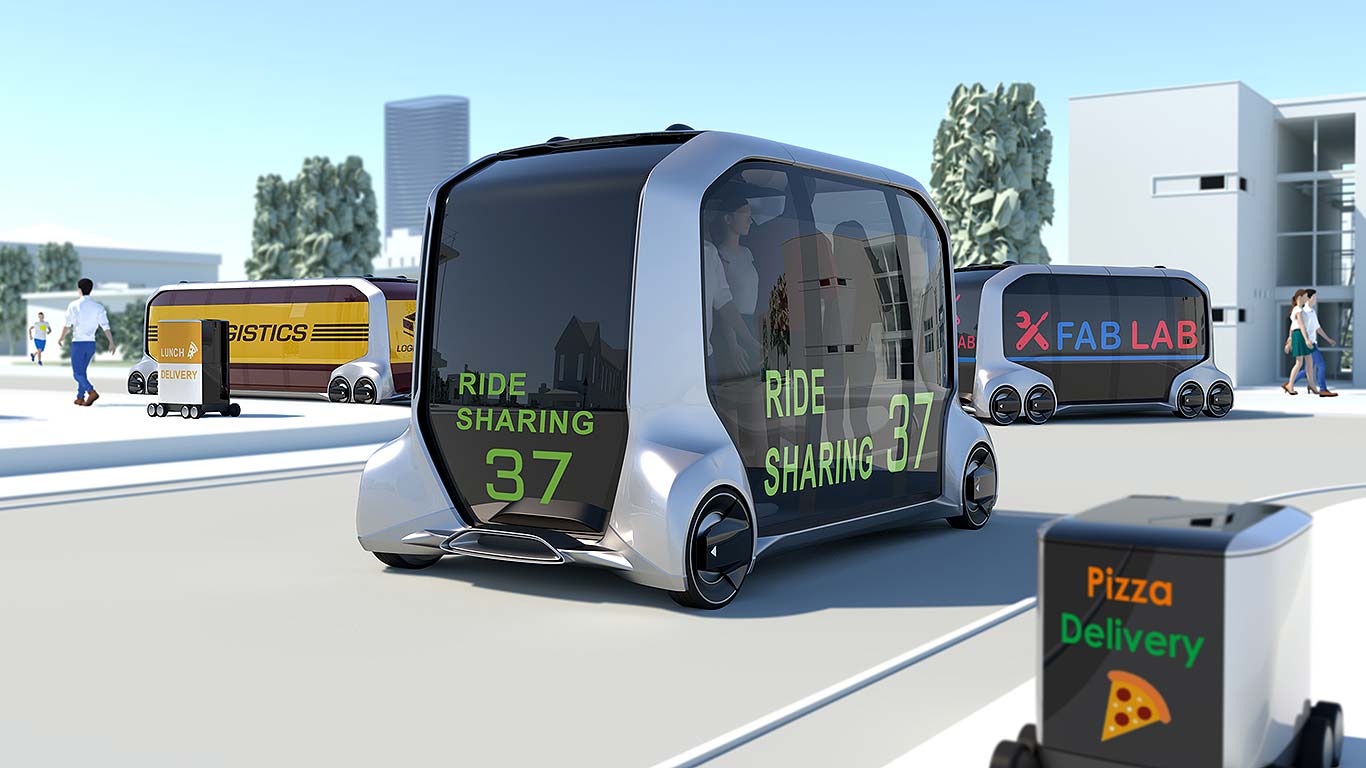
There’s a new automotive term we need to get familiar with: Mobility as a Service, or ‘MaaS’. This is where companies such as Uber, Amazon and even Pizza Hut will transport goods, people or take away pizzas via autonomous cars – and Toyota wants to be a car company offering them a basic vehicle which they can then develop and customise (a bit like a van is today, but far, far more technologically advanced and open).

The e-Palette Concept Vehicle is its idea of a fully-flexible purpose-built autonomous electric vehicle, into which those companies can add their own tech to better serve their customers. Fully scalable and customisable, even down to open source software, Toyota’s offering it as part of a new e-Palette Alliance that will collaborate to make the mobility ecosystem concept a reality.

Suddenly, the idea of an autonomous vehicle delivering your pizza, or your purchases from Amazon, or even picking you up for a ride, seems a little less far-fetched than it was…

Toyota automated driving vehicle 3.0

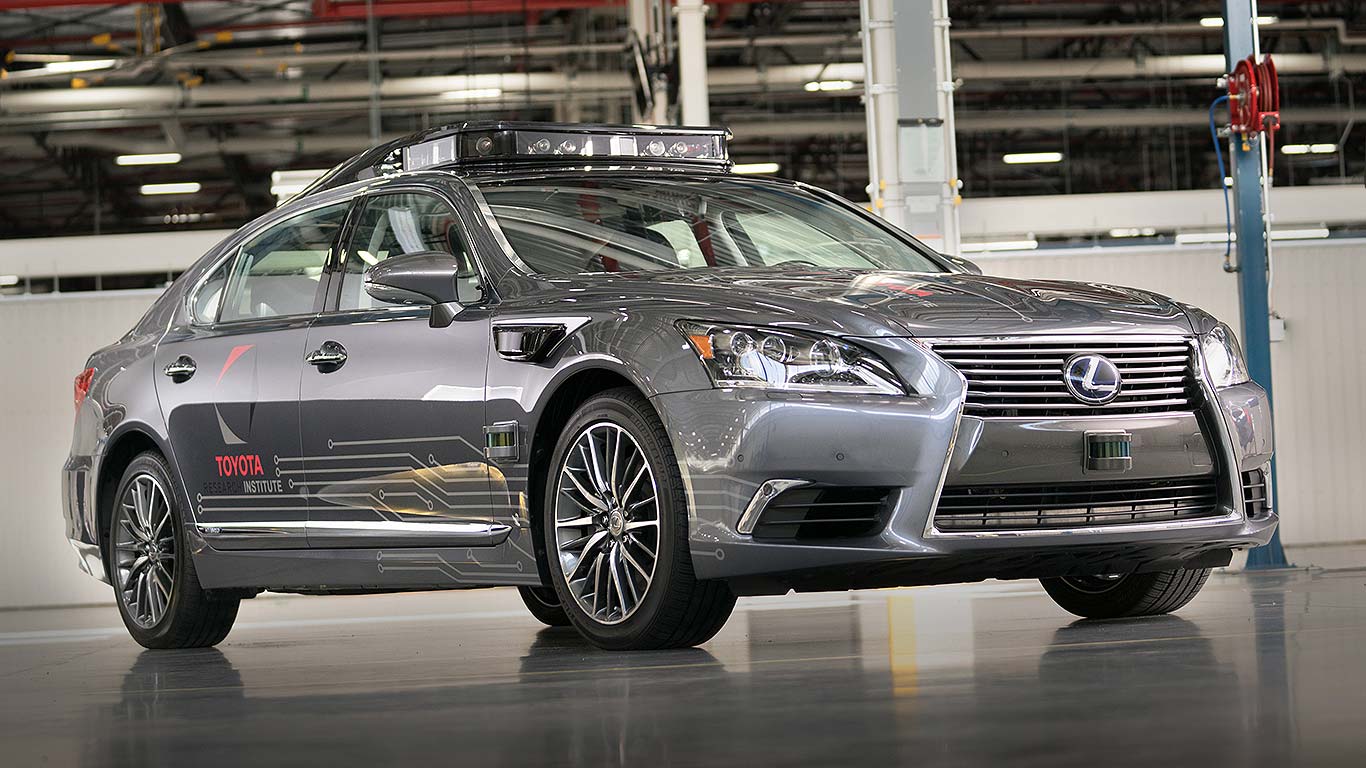
This is the reality of today’s autonomous cars, though. Toyota showed off its latest autonomous driving research vehicle, called Platform 3.0, at CES 2018, based on a Lexus LS 600h L.

It’s a highly accomplished autonomous research vehicle, one that offers ‘pace-setting’ perception capabilities and even better packaging that should allow the firm to easily build a large fleet of autonomous cars. However, the firm also insists the sensing equipment is blended into the vehicle to make it appear “sleek and elegant”. Sure, it’s better than the bolt-on tech and ‘spinning’ LIDAR sensors we’ve seen to date, but it’s still a long way from being smart enough to go onto a production car.

Fisker Orbit

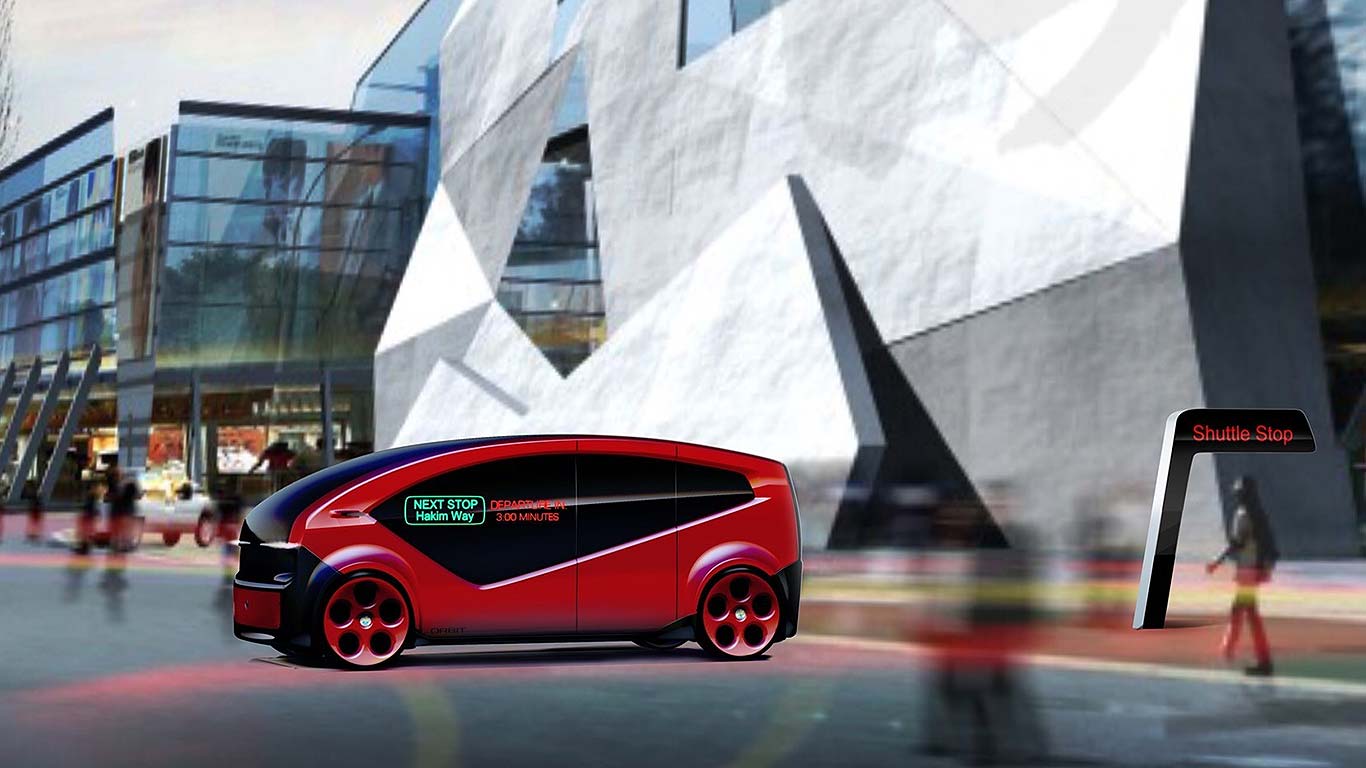
Fisker has a ‘Maas’ autonomous shuttle too – and this one, it says, will be in production by the end of the year. The body, passenger-centric machine shows off departure times and details of the next stop on its side window, and Fisker reckons it’s tailor-made for use on university campuses, business parks and research sites.

It’s being developed in association with Chinese firm Hakim Unique Group and already has its first application confirmed: the giant Chinese city of Hangzhou.

Mercedes-Benz MBUX

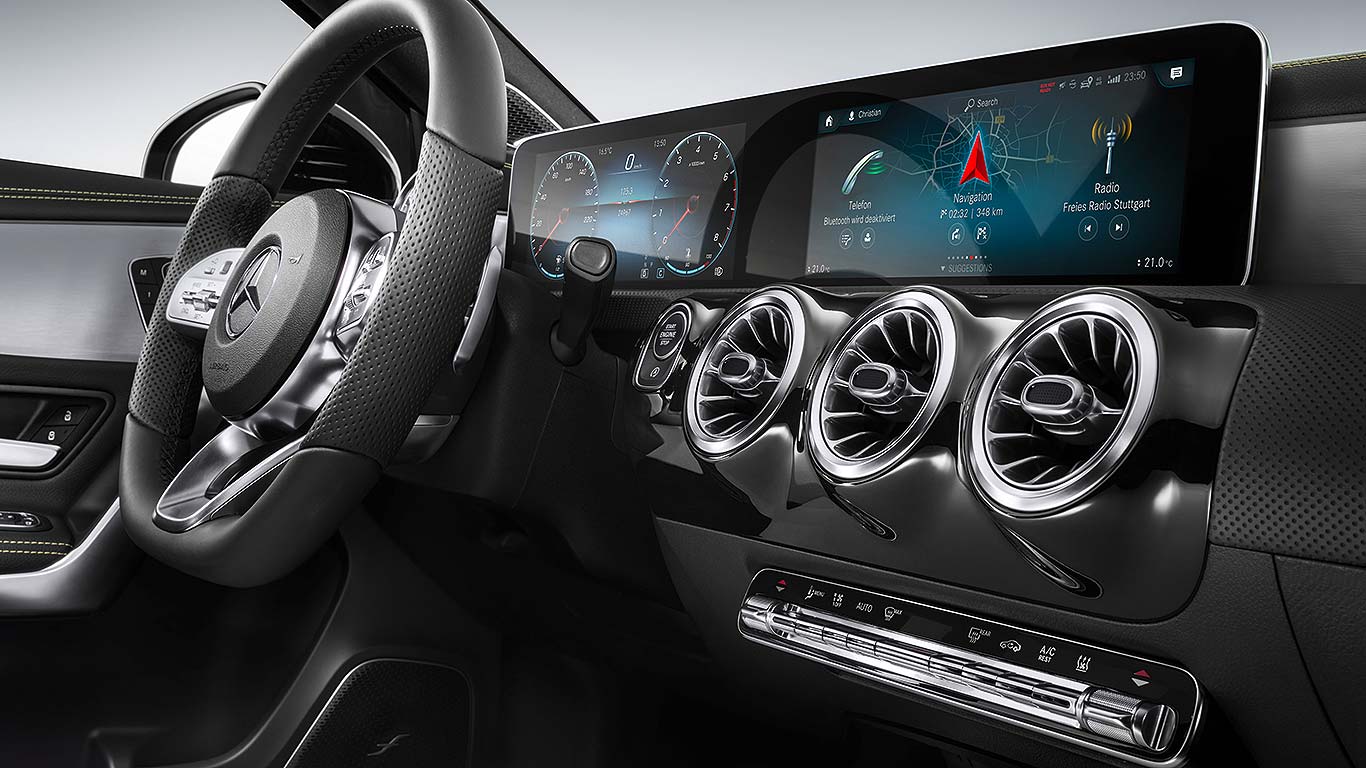
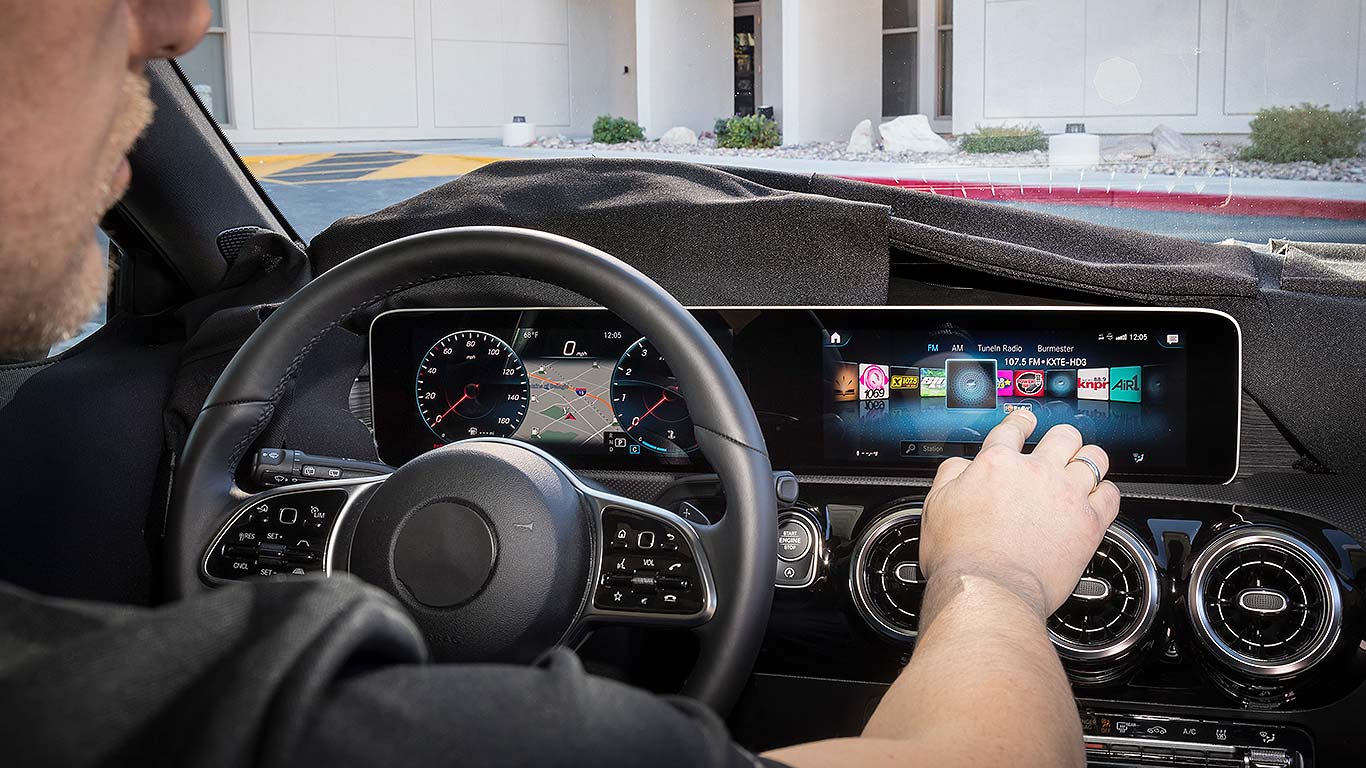
There’s a new Mercedes-Benz A-Class due in 2018, and it’s set to be the first Merc to get the firm’s all-new interior user interface, which it’s calling MBUX – Mercedes-Benz User Experience. This, along with some of the new car’s interior, was revealed at CES 2018.

Dominated by a widescreen cockpit layout, it offers over-the-air updates and artificial intelligence. The navigation has augmented reality functionality and intelligent voice control features natural speech recognition.

How to activate this? Say, “Hey Mercedes”.

Mercedes-Benz engineers are bullish. The new system, powered by NVIDIA chipset and graphics, will turn the new A-Class into a genuine mobile assistant, and its ability to learn “is spectacular, and unique to date in the car industry. We are using artificial intelligence to give the user individual suggestions based on their habits.

“The algorithm we use for this is optimised for on-board use in the vehicle and exploits the opportunities afforded by the latest chip generation.” But it won’t be overwhelming, adds the firm. It offers flexible interaction via touchscreen, rotary controller or voice, and there are three different levels of information density: Homescreen, Basescreen and Submenu. Hopefully proving easier to use than today’s rather complex Merc infotainment system…

BMW drifting and refuelling

What’s CES got to do with BMW breaking its own Guinness World Records title for longest twin vehicle drift, with a 232.5-mile run in the new BMW M5? Because it was tech that made it possible.

The only way to raise the bar further was to find a way of refuelling the M5 mid-drift – otherwise, you’d simply be limited to the range of the tank. Enter North Carolina’s Detroit Speed, which designed a high-tech dry break fuel system based on the principles of mid-air fighter jet refuelling. Result? One single drift for the entire eight-hour run allocated by Guinness World Records. And, at CES 2018, one title-setting vehicle on display in the Las Vegas Convention Center, plus on-the-hour drifting demos in the parking lot by title holders Johan Schwartz and Matt Mullins.

Nissan brain-to-vehicle technology

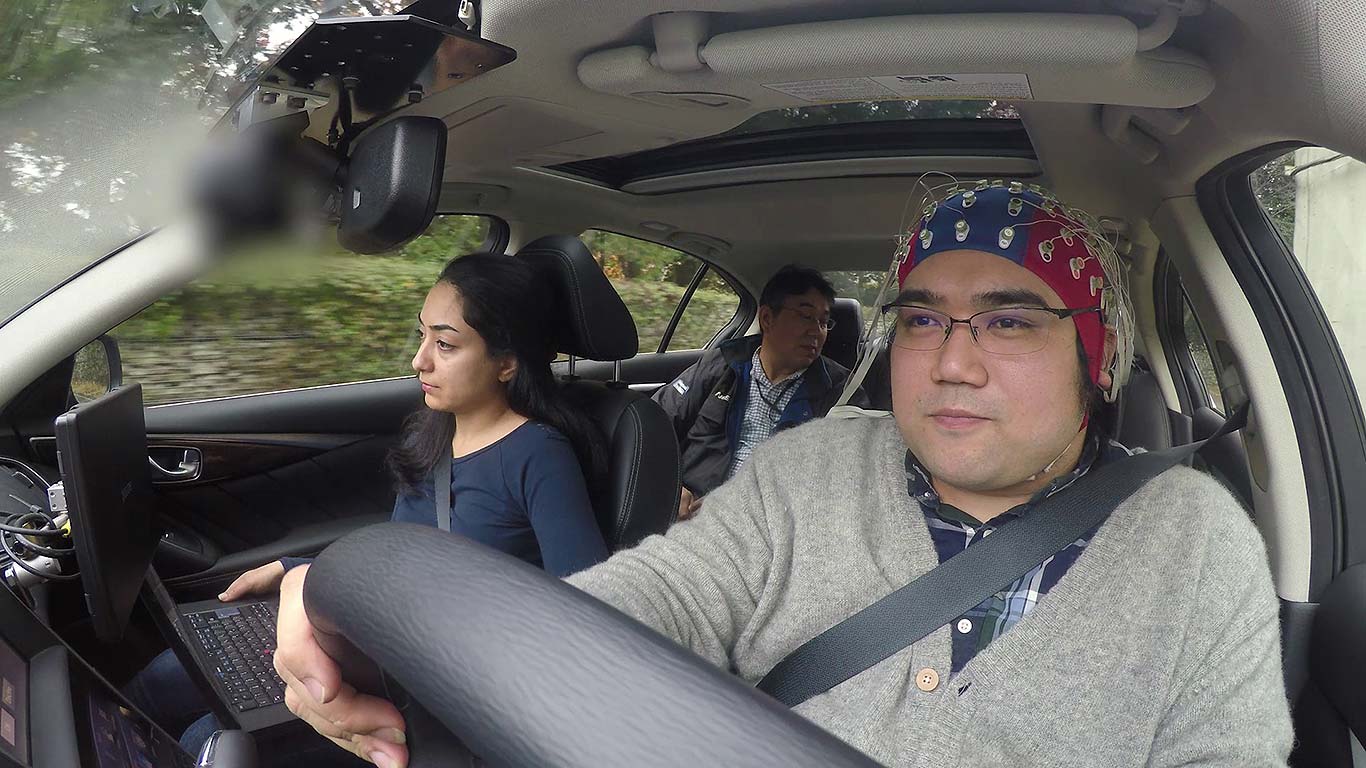
It’s called Brain-to-Vehicle technology, or B2V. Ignore the bizarre contraption this guy’s wearing on his head, and listen to Nissan’s explanation of why it’s developing it: by interpreting signals from the driver’s brain, reaction times will be speeded up (by up to half a second, says the firm) and, in time, cars will even be able to auto-adapt to the driver’s mood, “redefining how people interact with their cars”.

It’s a system that both predicts and adapts: when the car is in autonomous mode, for example, any driver discomfort could be sensed and the vehicle altered accordingly. “The potential applications of the technology are incredible” reckons Nissan. If, that is, it can make the B2V hat a little less scarily sci-fi…

Uber self-driving cars

Uber is quickly stepping up its test fleet of self-driving vehicles, using modified Volvo XC90s. At CES 2018, it announced that NVIDIA technology will now power the crucial Artificial Intelligence computing system. The ever-growing tech supplier is a big name in computing but is increasingly becoming a key automotive supplier. The latest Uber deal is thus significant.

NVIDIA AI tech will allow the Uber self-driving vehicles to “perceived the world, predict what will happen next and quickly choose the best course of action”. The AI tech will complement NVIDIA processors already used in the self-driving Uber Volvo XC90s, which have already autonomously driven more than 2 million miles.

NVIDIA, and Intel, and Qualcomm

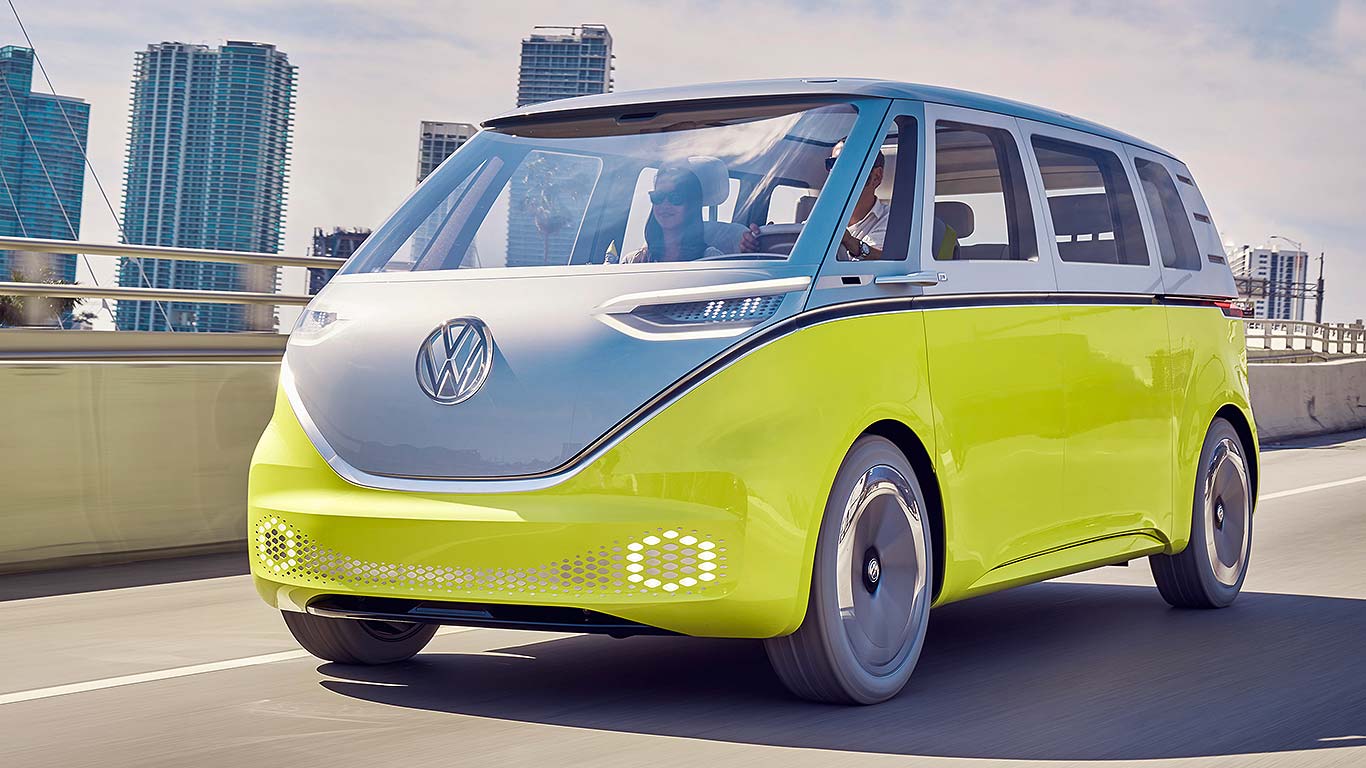
It’s not just Uber. NVIDIA is also supplying AI tech to Volkswagen, for use on its future electric cars including the I.D. Buzz. A combination of AI and deep learning will help power the cars’ self-driving functionality, but also many of the onboard functions such as voice, gesture and facial recognition.

Volkswagen will use the NVIDIA Drive IX Intelligent Experience platform to give the new cars auto-unlock by facial recognition, natural language voice control, gesture control and other neat capabilities it’s dubbing ‘Intelligent Co-Pilot’. “In just a few years, every new vehicle should have AI assistant for voice, gesture and facial recognition as well as augmented reality,” said charismatic NVIDIA founder and CEO Jensen Huang.

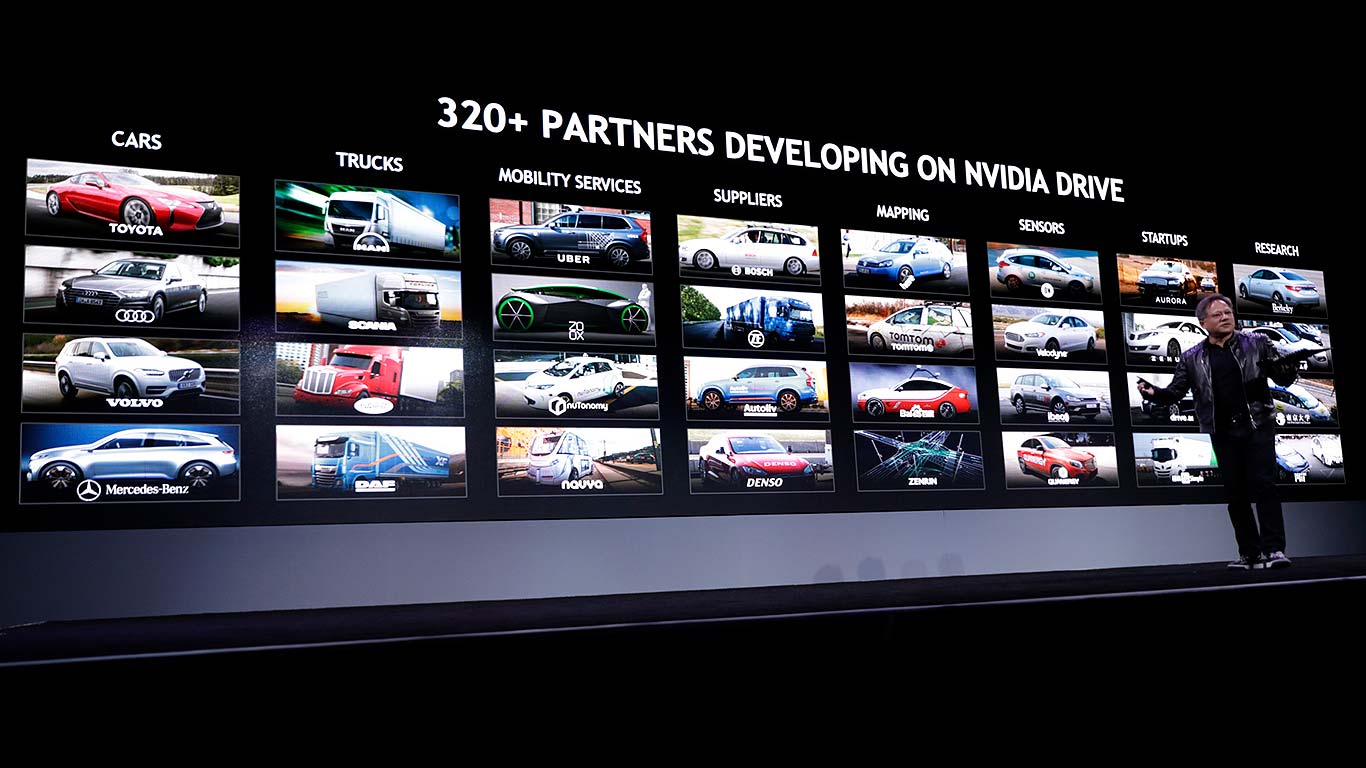
Here, incidentally, are some of the people NVIDIA is currently supplying its latest NVIDIA DRIVE AI car computer tech to. Think of it as the chipset and software equivalent of Bosch, Continental, ZF or GKN.

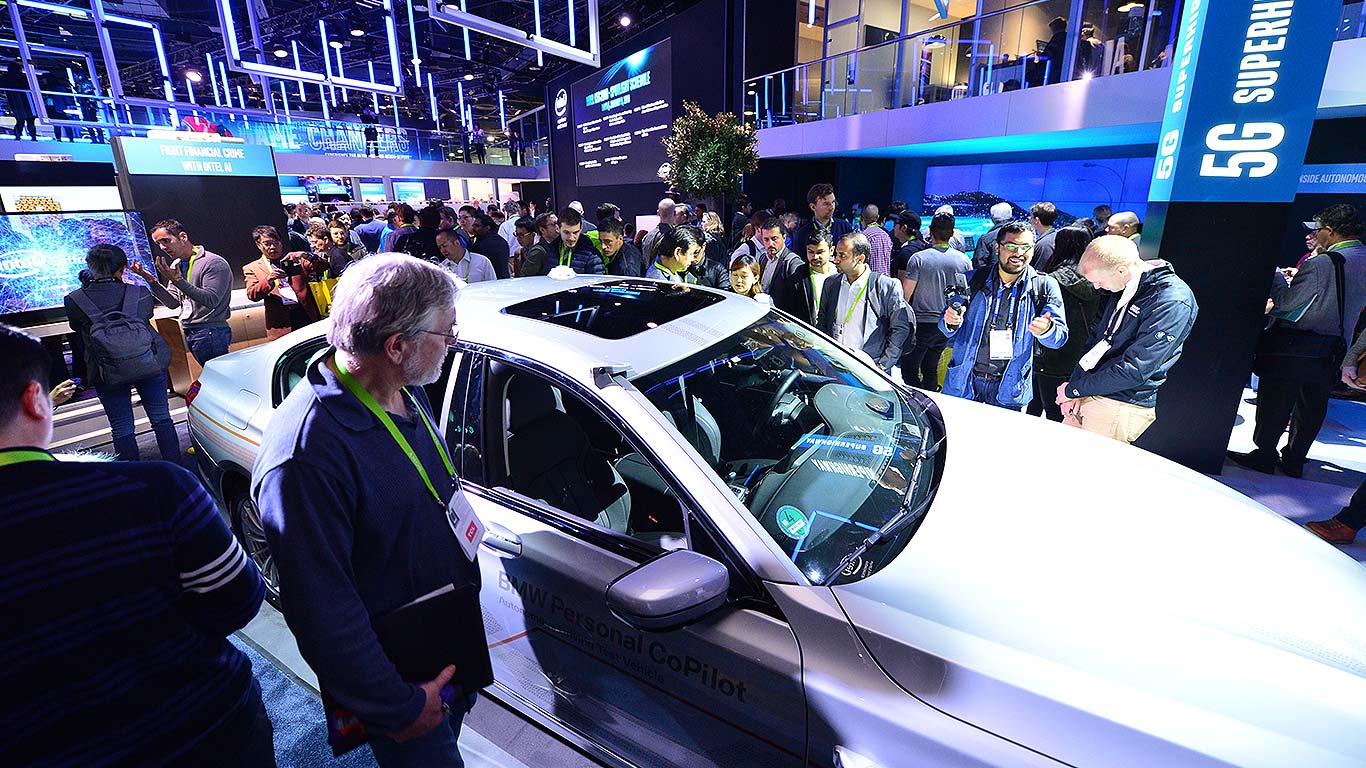
But it’s not just NVIDIA that’s amongst the new wave of automotive suppliers. Intel, for example, is stepping up shipping its Mobileye tech to brands such as BMW, Nissan and Volkswagen. This crowdsources data to rapidly build high-definition maps, of which the accuracy, detail and currency will be absolutely critical to self-driving cars. Already, Mobileye has over 2 million applications, claims Intel.

Qualcomm is yet another automotive tech supplier. Future Jaguar Land Rovers will use its latest Snapdragon 820Am Automotive platform, giving fast connectivity, Tesla-style over-the-air updates and “limitless in-car entertainment”. It will also help bring 5G tech to future models. The new relationship should accelerate the rapid gains JLR’s making with its cars’ infotainment systems, an area in which it for years lagged its premium rivals.

5G telematics in cars

How do you fancy 5G automotive telematics with a whopping bandwidth of 1 Gb per second? Thanks to Harman and Samsung, it may be coming soon: the automotive supplier is the first to produce an automotive-grade 5G-ready telematics system that it says is 100 times faster than today’s 4G solutions.

This is set to deliver faster streaming, fully-immersive virtual- and augmented-reality features, plus reliable cloud-based automotive functionality and storage for tomorrow’s data-hungry autonomous cars. Who will get it first? “A leading European automotive manufacturer” says the firm. Any guesses as to who that will be?

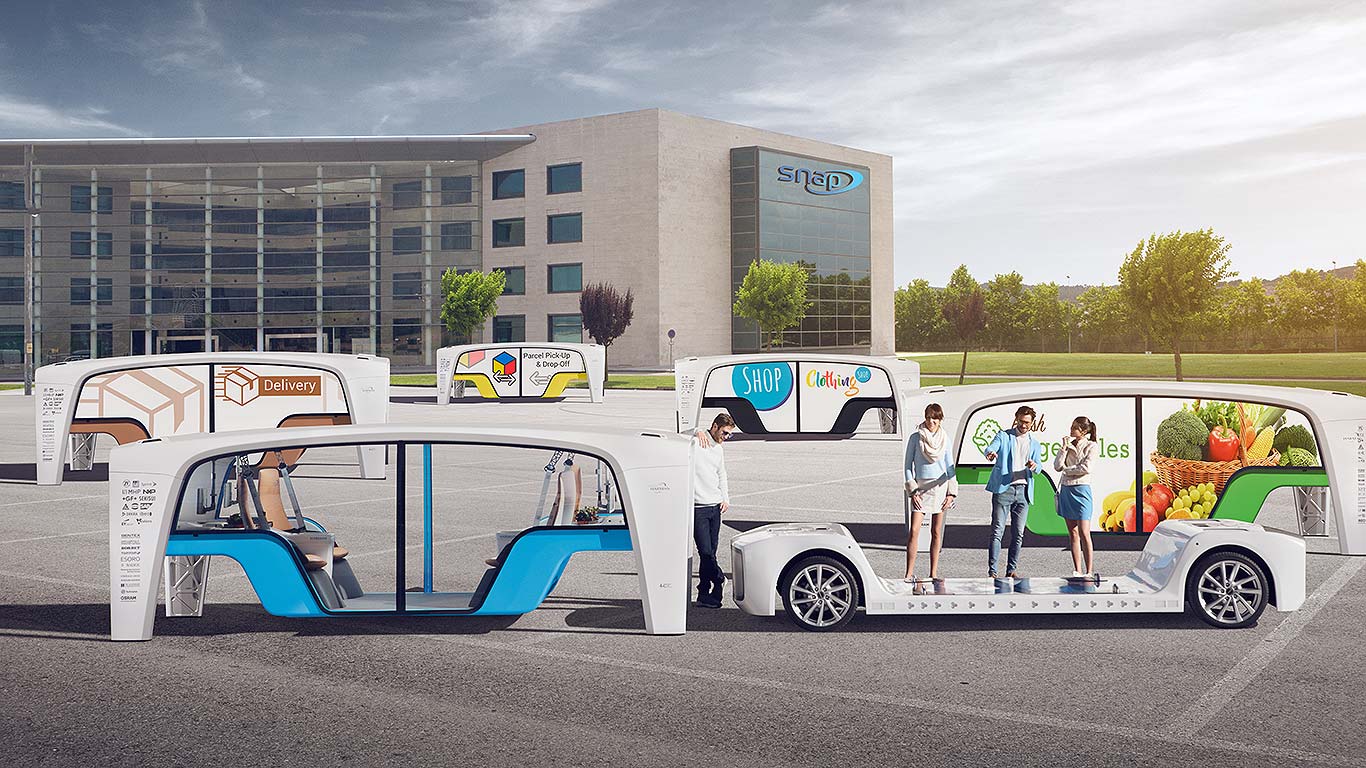
Rinspeed Snap

The car of the future will have expensive hardware and software built into a ‘skateboard’ chassis, upon which a removable passenger ‘pod’ will be mounted. So believes Rinspeed, which says it’s the obvious way to build cars in the future – swap the expensive, fast-dating software when new tech comes along, but keep the flexible passenger pod on top which you can customise as you wish.

The Rinspeed Snap is an attention-grabbing way of demonstrating this. The IT stuff below is recycled after a few years, while the pod on top is kept for much longer. This is greener, enables faster throughput of new technology, and offers the automotive industry an intriguing vision of how to solve the conundrum of different parts of tech-packed cars having different life cycles. If only we could do the same with the infotainment systems of our middle-aged motors today…

Ford ‘Cellular Vehicle-to-Everything’

C-V2X. What does that even mean? Ford and Qualcomm are proud of it, announcing at CES 2018 they’re to collaborate on it, and will launch trials of C-V2X cars in San Diego and Detroit later in 2018.

And what is it? A means of connecting cars to their surroundings: that’s other cars, roadside infrastructure, pedestrian’s devices, even traffic signals. Robust V2X comms are going to be crucial for autonomous cars, helping them ‘see’ things that are out of view, particularly when augmented by ultra-fast 5G cellular data transfer. Ford’s already working hard on autonomous cars: it will be hoping this announcement can help it gain an advantage in smart connected cars as well.

Honda robotics

Automotive technology needn’t just be about self-driving cars and fancy infotainment systems. Honda is a famous champion of robotics and announced its new 3E Robotics Concept as CES 2018.

The three ‘Es’ are Empower, Experience and Empathy. Honda reckons robotics and AI will in the future assist people and “expand their life’s potential”. Helpful, empathetic, friendly robots, that work together as a system. ASIMO’s family is set to grow.

Hyundai ethernet in cars

Isn’t ethernet technology something that’s already been and gone on personal computers? Maybe, but most cars today use even older CAN bus technology, which was hot back in the 1990s, but is alarmingly laggy once you start loading it with today’s data-heavy tech.

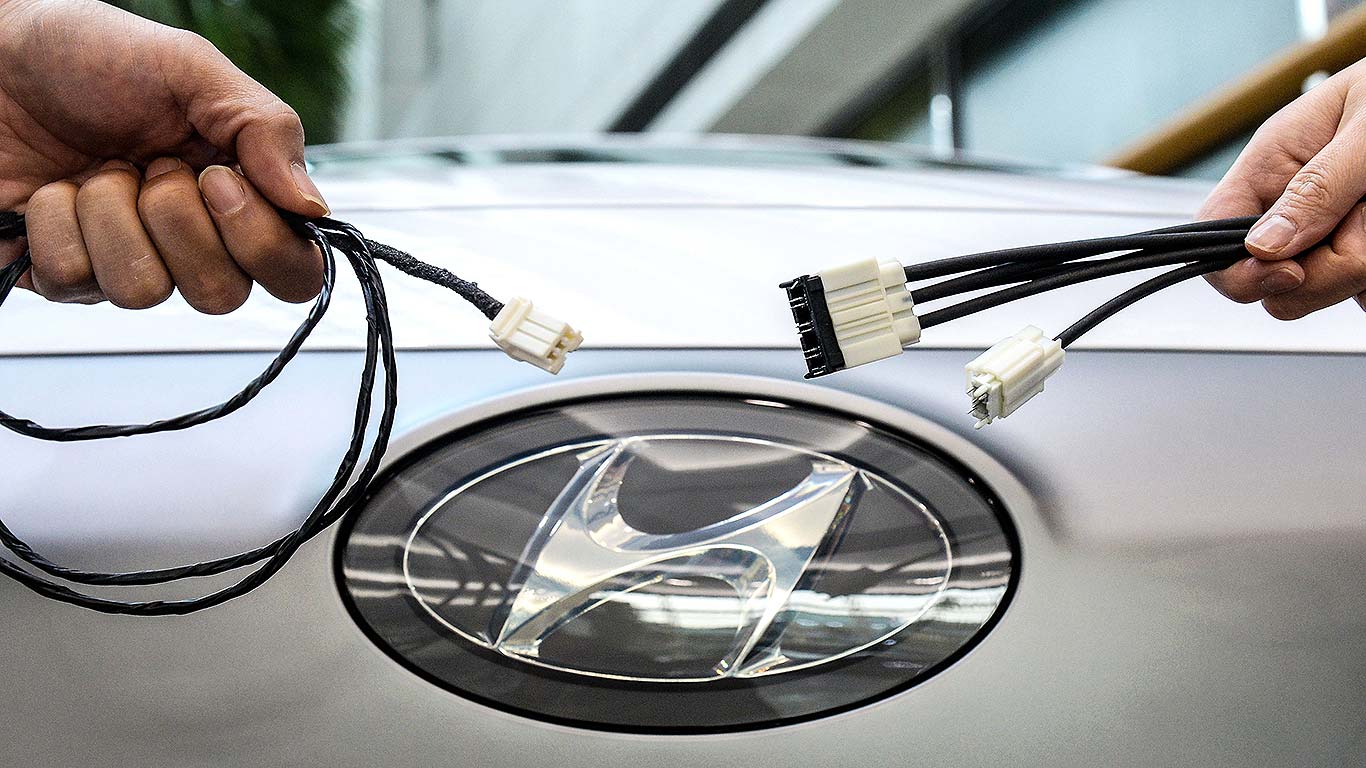
The answer is in-car ethernet, and Hyundai is bringing this to production cars from 2019. Capable of processing 1 Gb per second, Hyundai’s teamed up with Cisco to deliver it, giving its future cars the broadest possible bandwidth for the expected ultra-large datasets that will be used in tomorrow’s cars.

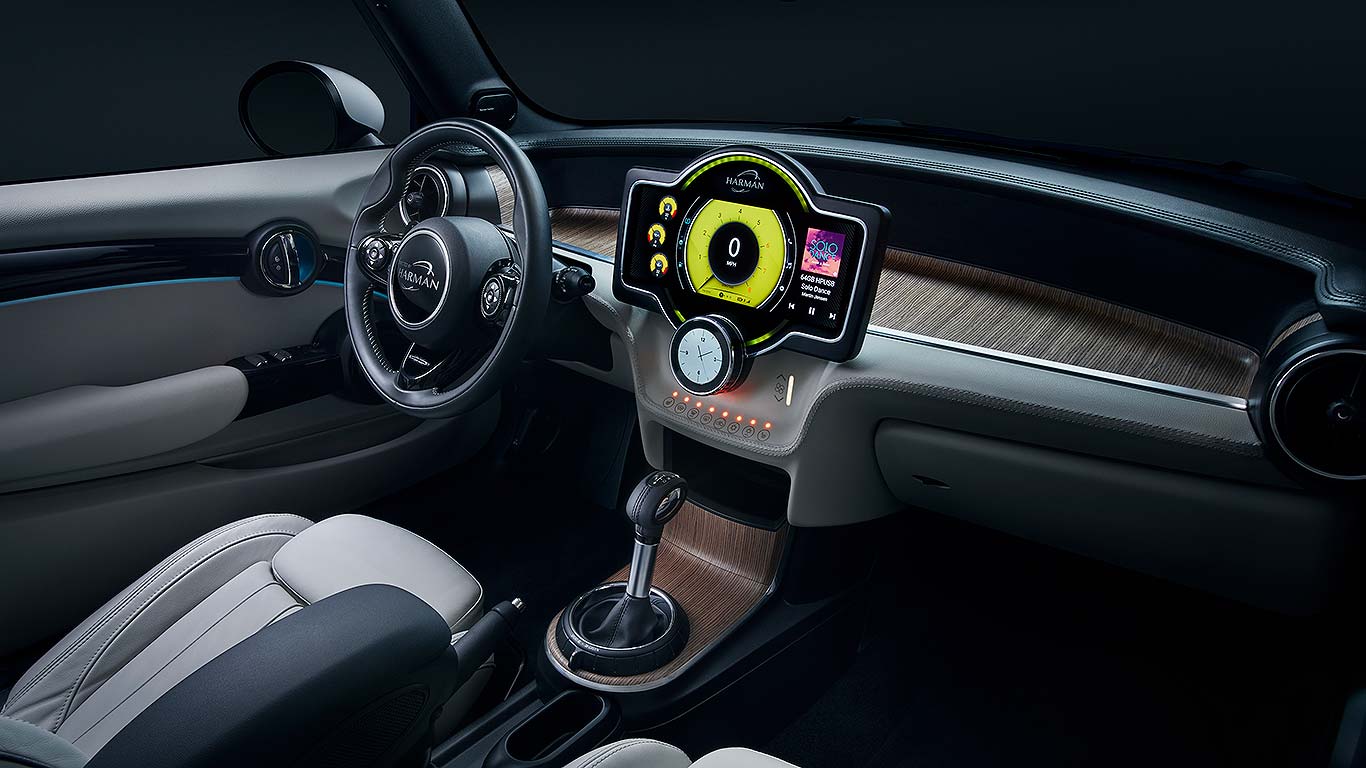
Harman QLED interior display

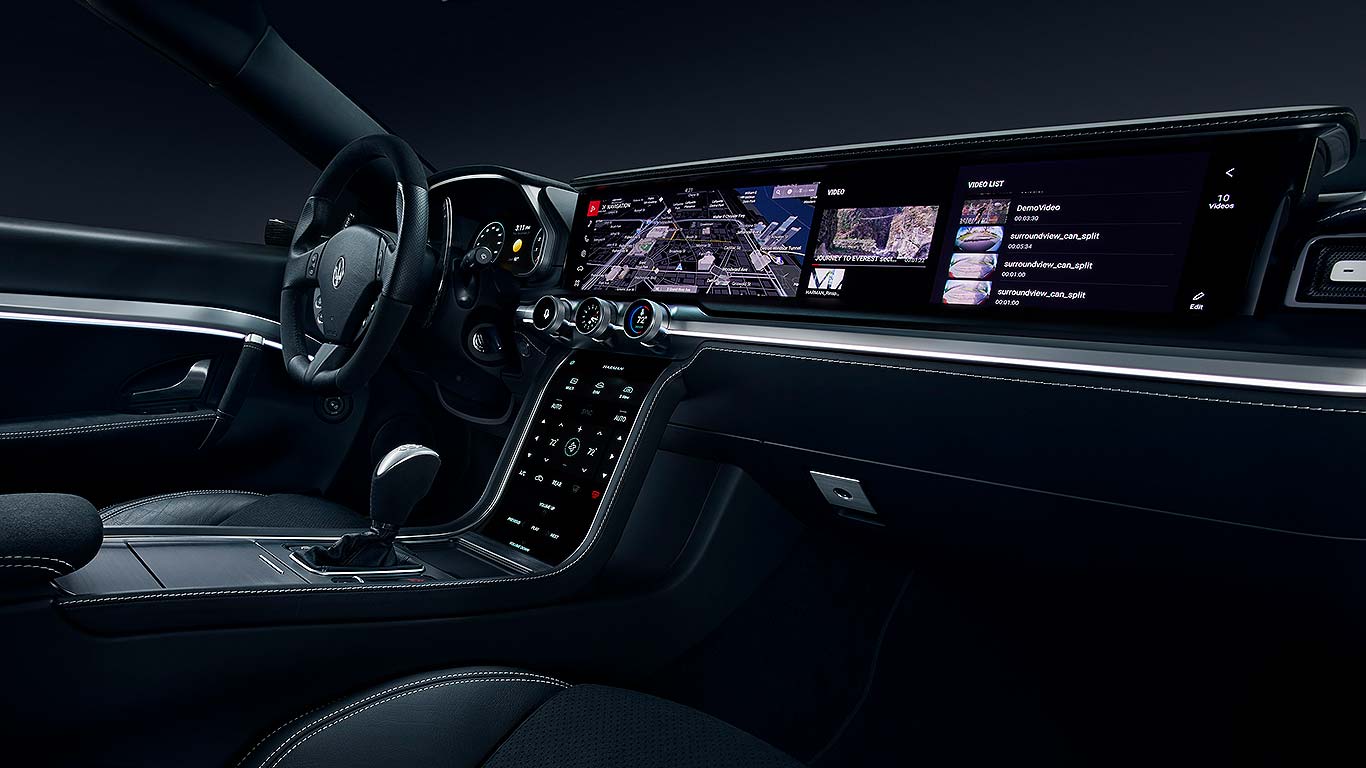
Feast your eyes on this deliciously rich display. Starring in a converted Maserati Levante, it’s Harman’s world-first automotive-grade QLED display – that stands for Quantum Dot Light-Emitting Diode, and is new tech that’s even better than today’s in-demand Organic Light-Emitting Diode (OLED) displays.

QLED is crisper, sharper, more flexible, more efficient and fully scalable. It’s so advanced, it can produce a range greater than 100 percent colour volume (more than the eye can see, in other words) and is tech that’s fully comparable with the latest, greatest personal electronics. It’s coming soon and will help carmakers integrate even more screens and displays into multiple interior surfaces, without having to charge car buyers a fortune.

Panasonic’s JLR Touch Pro Duo

Panasonic demonstrates the key role tech suppliers play in automotive these days. Remember the buzz around the Range Rover Velar’s amazing Touch Pro Duo infotainment system? Turns out that’s Panasonic technology, using cutting production technologies. The screens comprise multiple layers of touch foils, prints, tint and optical resins, bonded and mounted in flowing polycarbonate.

The lower 2K display even has solid aluminium dials, which use Panasonic Magic Ring Control tech, and both screens are anti–scratch, fingerprint-resistant and display information almost as if it’s floating above the display surface. Just another example of what tech firms are doing to make even the cars of today more alluring.

Harman AudioworX

Premium automotive audio is big business. The latest development is Harman’s AudioworX, a new open audio platform that will make it easier for sound engineers to create innovative new in-car sound experiences. Harman, like many rivals, already does hardware really well: that area, largely, is cracked. Today’s big gains will come in honing the software, and this is what Audioworx allows.

It’s hoping this new platform will “redefine” in-car sound in the future, and also allow carmakers to better differentiate different brands through in-car audio. “In standardizing the audio operating system, Harm is opening up the world of lifestyle autonomous audio to the creativity of all OEMs, audio engineers and enthusiasts alike,” says Harman president Michael Mauser. It will “push the boundaries of what’s possible in vehicles”.

Kia Niro EV Concept

The rather disappointing Kia Niro hybrid is set to become a bit more relevant in the future when it goes all-electric – and the concept version was showcased at CES 2018. It’s Kia’s EV equivalent to the Hyundai Ioniq Electric, and Kia’s talking of a 238-mile range from the 64 kWh battery pack, and decent performance from a 150 kW electric motor.

It’s fitted with a new Active Pedestrian Warning System, which uses front cameras, front speakers and object recognition technology. When it senses, say, a pedestrian or cyclist, it sounds a warning directed at them, and also flashes the light in a “highly intuitive” way so they know what the car’s up to. Just what’s needed, given how silent and surprising electric cars can be…

Advertisement

Euro NCAP reveals 2017’s best-in-class cars for safety

0

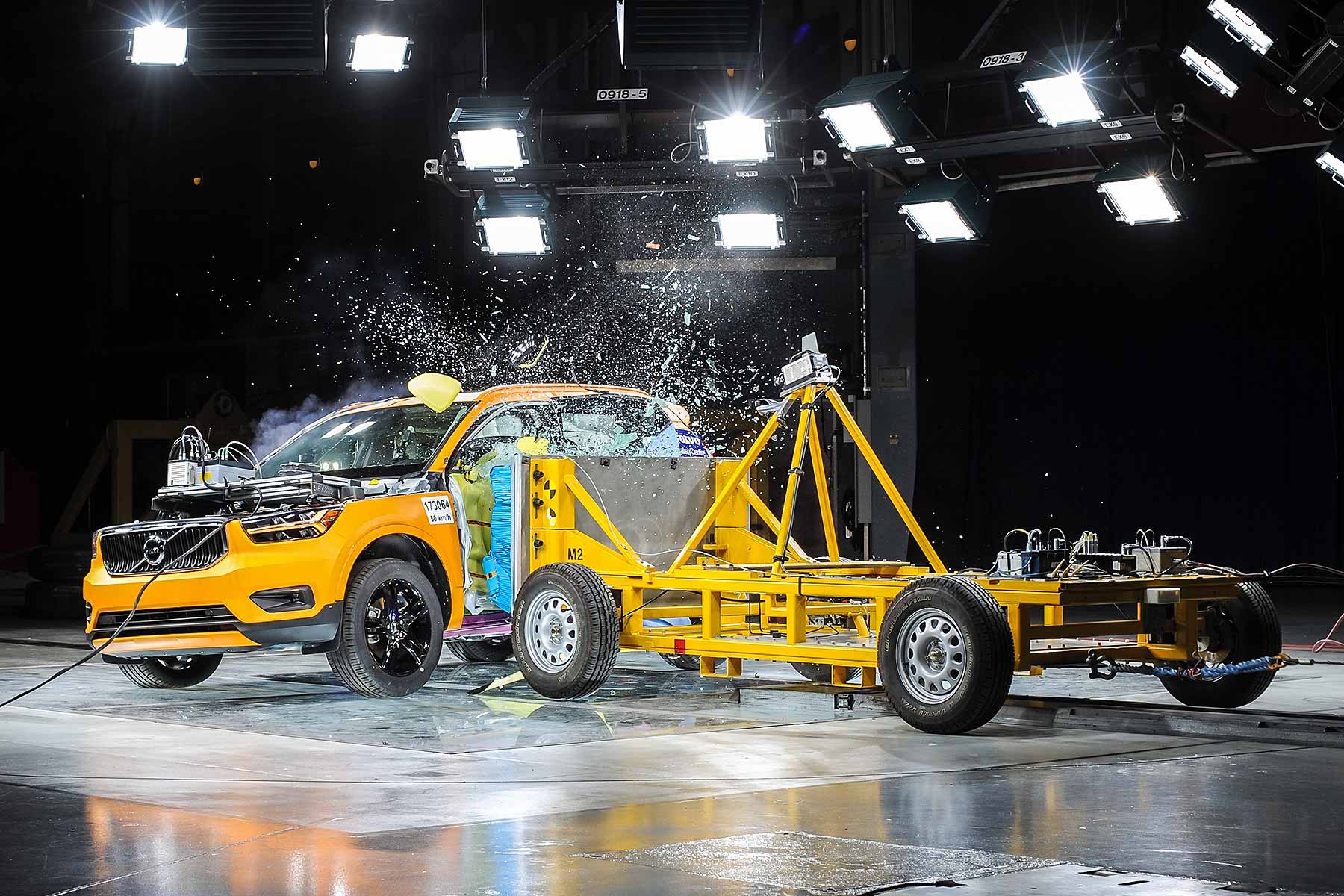
Euro NCAP's best-in-class cars for safety 2017Volkswagen currently produces some of Europe’s safest new cars with its models leading three of Euro NCAP’s six key categories for crash test safety during 2017.

The safety organisation’s annual ‘best in class’ cars lists the Volkswagen Polo as the safest supermini it tested during 2017, the Volkswagen T-Roc as the safest small off-road SUV, and the Volkswagen Arteon as the safest executive car.

Other victors include the Subaru XV and related Subaru Impreza being labelled safest small family cars, the Vauxhall Crossland X emerging as the safest small MPV, and the Volvo XC60 scooping the safest large off-road SUV honour.

The winners come from a haul of nearly 70 models put through the ever-stricter Euro NCAP crash test safety regime. The organisation says 2017 was its busiest-ever year, meaning the victors in each sector are particularly deserving.

Indeed, add officials, not all car categories are listed in the overall safest cars 2017 rankings because not enough models were tested to give a realistic weighted average. This adds further integrity to the cars listed here, it reckons.

Michiel van Ratingen, the secretary general of Euro NCAP, praised Volkswagen. “To win best-in-class in three different categories is a great achievement and underlines the company’s commitment to providing the highest levels of safety to its customers. 

“Subaru and Vauxhall-Opel are also offering class-leading products while Volvo continues to underline its reputation for safety.  More broadly, though, it is encouraging to see so many new cars performing so well in all areas of safety, and being equipped with greater and greater levels of life-saving technology.”

Assessments are made across four areas: Adult Occupant, Child Occupant, Pedestrian and Safety Assist. There’s no swaying the results with extra safety equipment, either – although some cars come with optional safety kit, only cars in their base guise are eligible for the ‘best in class’ stamp of approval.

Euro NCAP also points out that, despite its tests becoming ever-stricter every year, most of the new cars it tested in 2017 achieved a full five-star rating. To prove just how much car makers have improved vehicle safety in recent years, it adds that older, facelifted models generally performed much less well, particularly in the area of driver assistance tech.

Euro NCAP 2017 safety test: the best-in-class cars

  • Supermini: Volkswagen Polo
  • Small family car: Subaru Impreza and Subaru XV
  • Executive car: Volkswagen Arteon
  • Small MPV: Vauxhall Crossland X
  • Small SUV: Volkswagen T-Roc
  • Large SUV: Volvo XC60

Euro NCAP 2017 crash tests: in numbers

  • 82% of cars were offered with pedestrian-detecting autonomous emergency braking
  • 62% of cars had autonomous emergency braking as standard
  • 92% of cars offered speed assistance
  • 82% of cars had speed assistance as standard
  • 96% of cars had two or more seats compatible with i-Size child restraints
  • 94% of cars had standard rear seat load limiters and belt tensioners

More car safety news: 

Advertisement