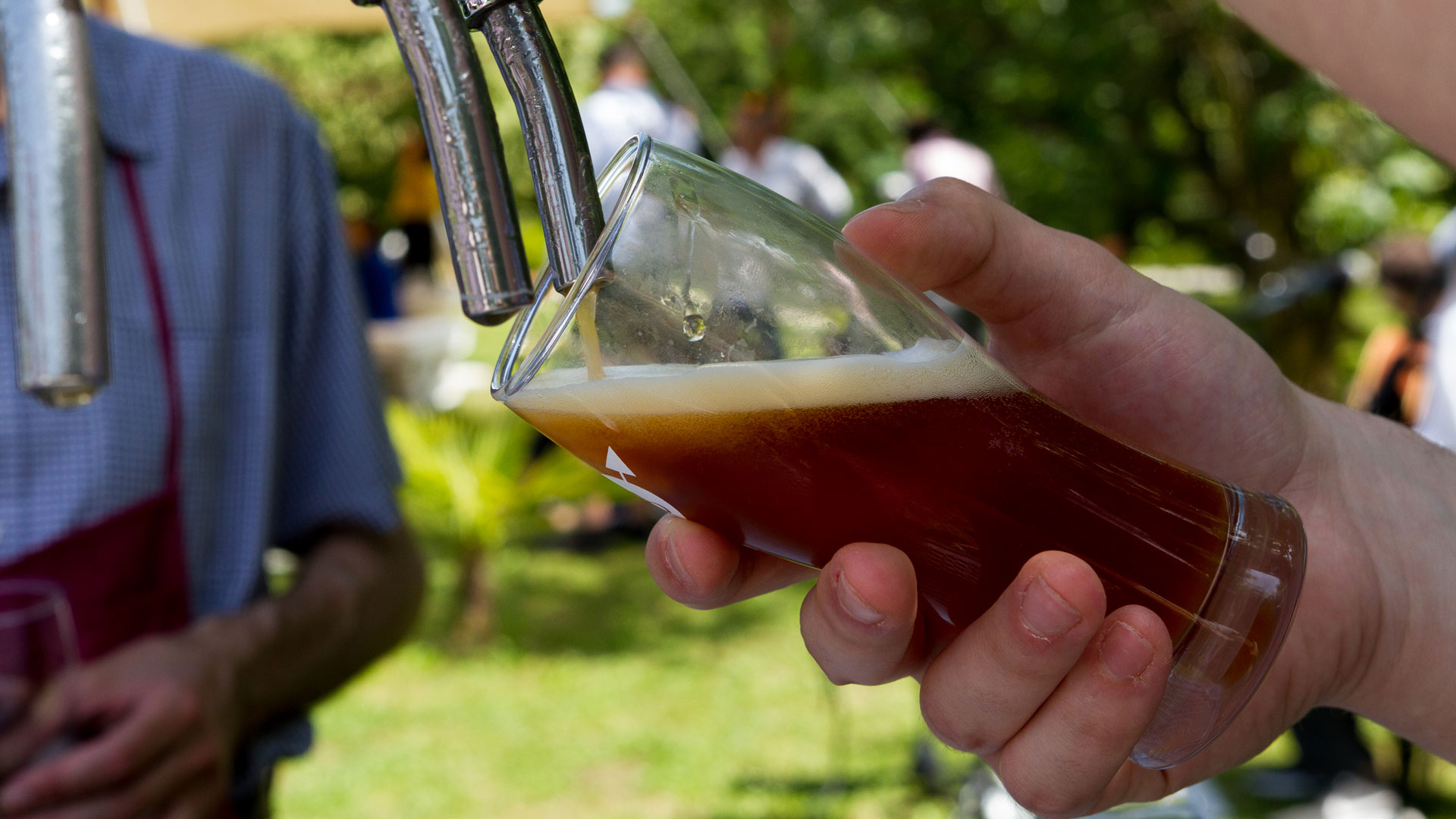
Experts working on the upgrade of the A14 in Cambridgeshire have uncovered what is believed to be evidence of the first beer brewed in the UK.
Signs of the Iron Age brew, dating back more than 2,000 years, were uncovered in tiny fragments of charred residues from the beer making process from earth excavated as part of the £1.5bn A14 Cambridge to Huntingdon improvement scheme.
The beer follows woolly mammoths, abandoned villages and burials in a series of fascinating discoveries made during the four-year scheme.
Dr Steve Sherlock, Highways England archaeology lead for the A14, said: “The work we are doing on the A14 continues to unearth incredible discoveries that are helping to shape our understanding of how life in Cambridgeshire, and beyond, has developed through history.
“It’s a well-known fact that ancient populations used the beer making process to purify water and create a safe source of hydration, but this is potentially the earliest physical evidence of that process taking place in the UK.”
A team of 250 archaeologists have been working on the project, investigating sites across 360 hectares. This latest discovery also revealed that the locals, dating back as far as 400 BC, also had a taste for porridge and bread.
‘Needle in a haystack’
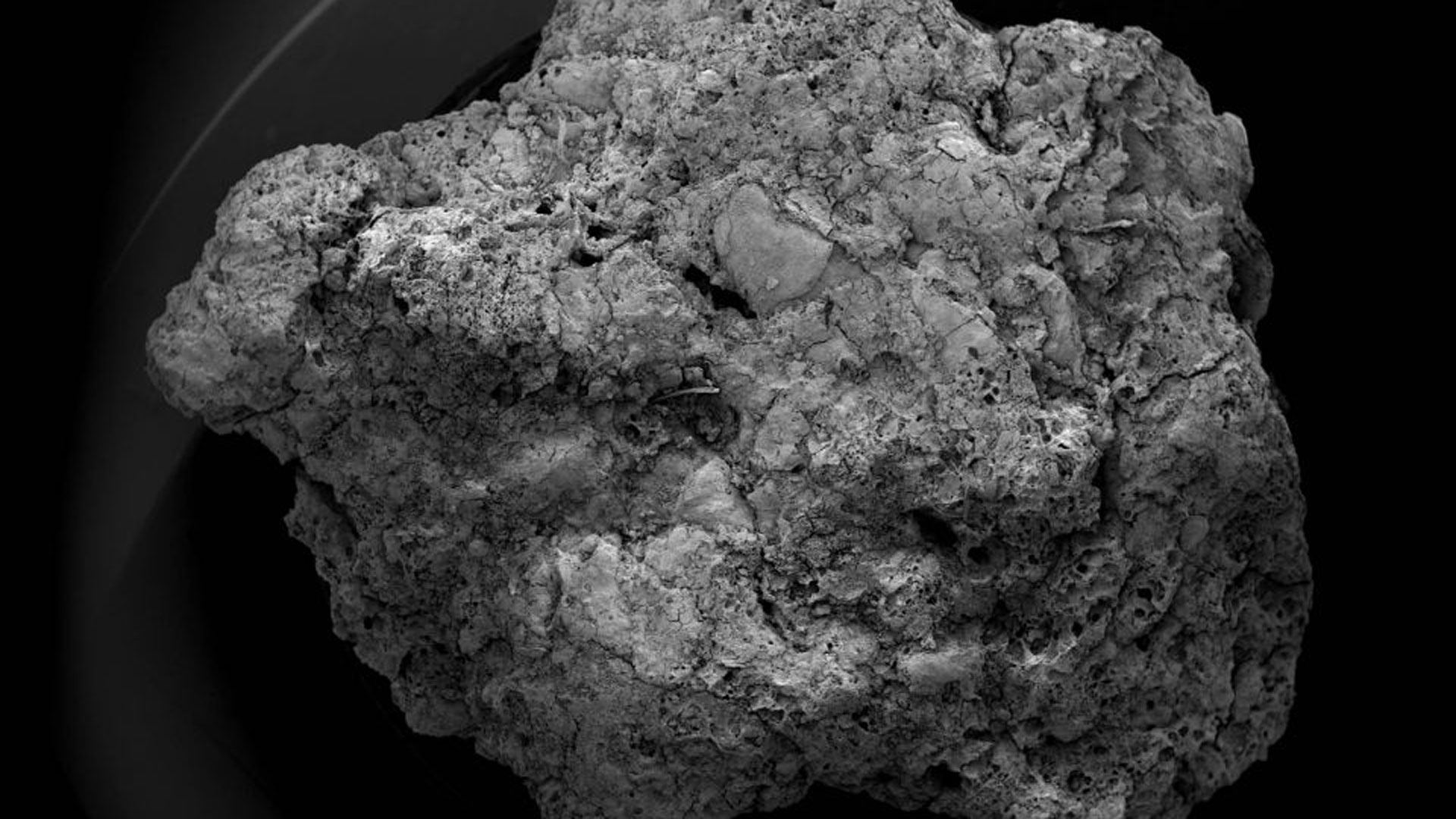
Archaeobotanist Lara Gonzalez, who discovered the beer, said: “I knew when I looked at these tiny fragments under the microscope that I had something special. The microstructure of these remains had clearly changed through the fermentation process and air bubbles typical of those formed in the boiling and mashing process of brewing.
“It’s like looking for a needle in a haystack but as an archaeobotanist, it’s incredibly exciting to identify remains of this significance and to play a part in uncovering the fascinating history of the Cambridgeshire landscape.
“The porous structures of these fragments are quite similar to bread, but through microscopic study, it’s possible to see that this residue is from the beer-making process as it shows evidence of fermentation and contains larger pieces of cracked grains and bran but no fine flour.”
Work on the £1.5bn A14 improvement scheme started in November 2016 and includes a new bypass to the south of Huntingdon. The new road is expected to open to the traffic by the end of 2020.
 Skoda has launched a new range-topping version of the performance
  With 245hp and 273lb-ft of torque, the vRS Challenge accelerate from 0-62mph in 6.6 seconds. Opting for the cavernous estate version drops that slightly to 6.7 seconds – an acceptable debit for 1,740 litres of luggage space.
 Standard vRS Challenge specification closely mirrors that of the previous vRS 245 version. That means 19-inch ‘Xtreme’ alloy wheels, a sports exhaust with black tailpipes, and black vRS badging front and rear.
 The man who helped create landmark Jaguars such as the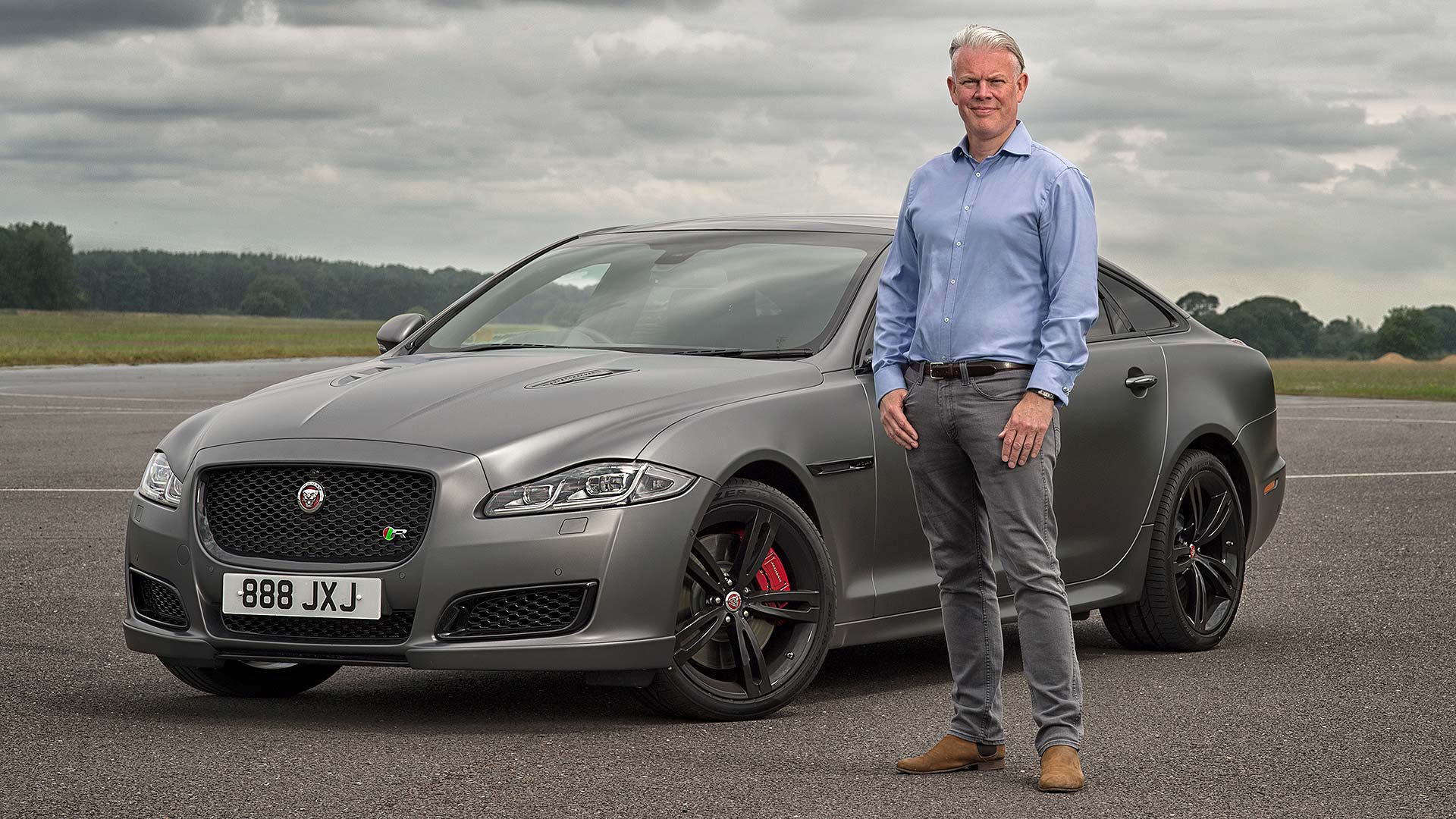






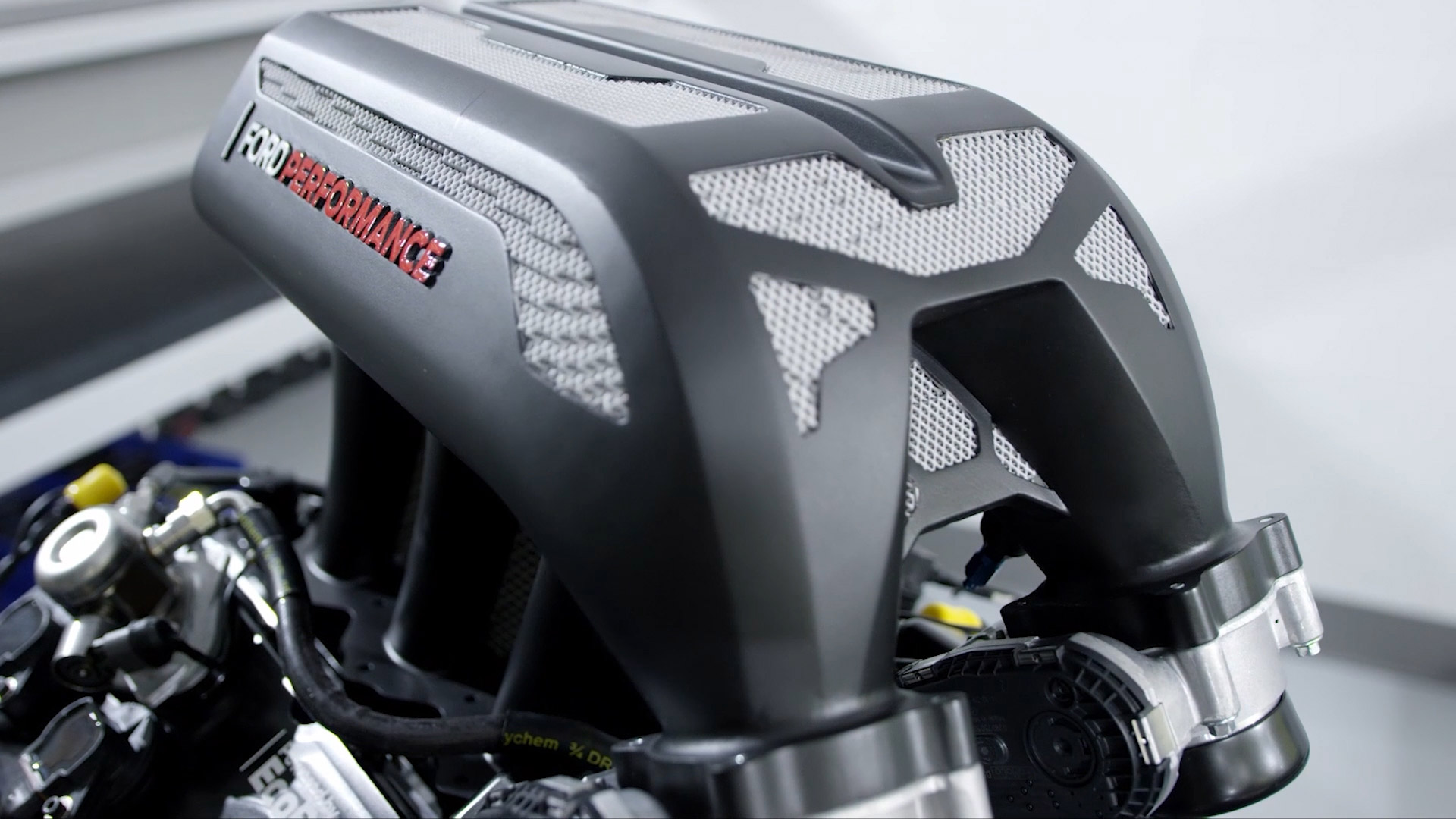 Powering the Hoonitruck is the same 3.5-liter V6 Ford EcoBoost engine as found in the
  Weighing almost 6 kilos (13 pounds), and having taken some five days to print, the special manifold is genuinely one of a kind. Creating the complex shapes in one smooth piece would have been impossible without 3D printing, according to

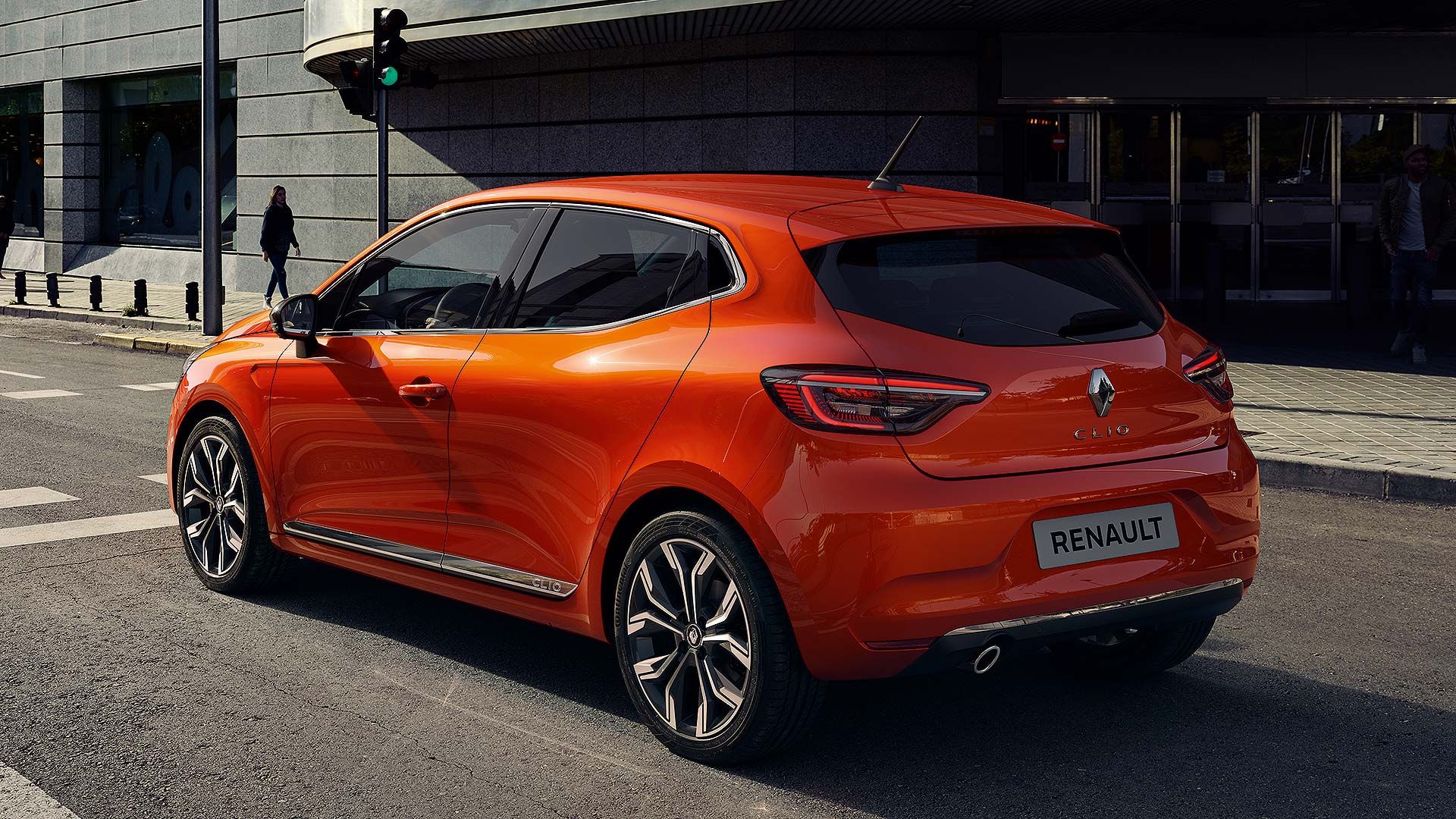
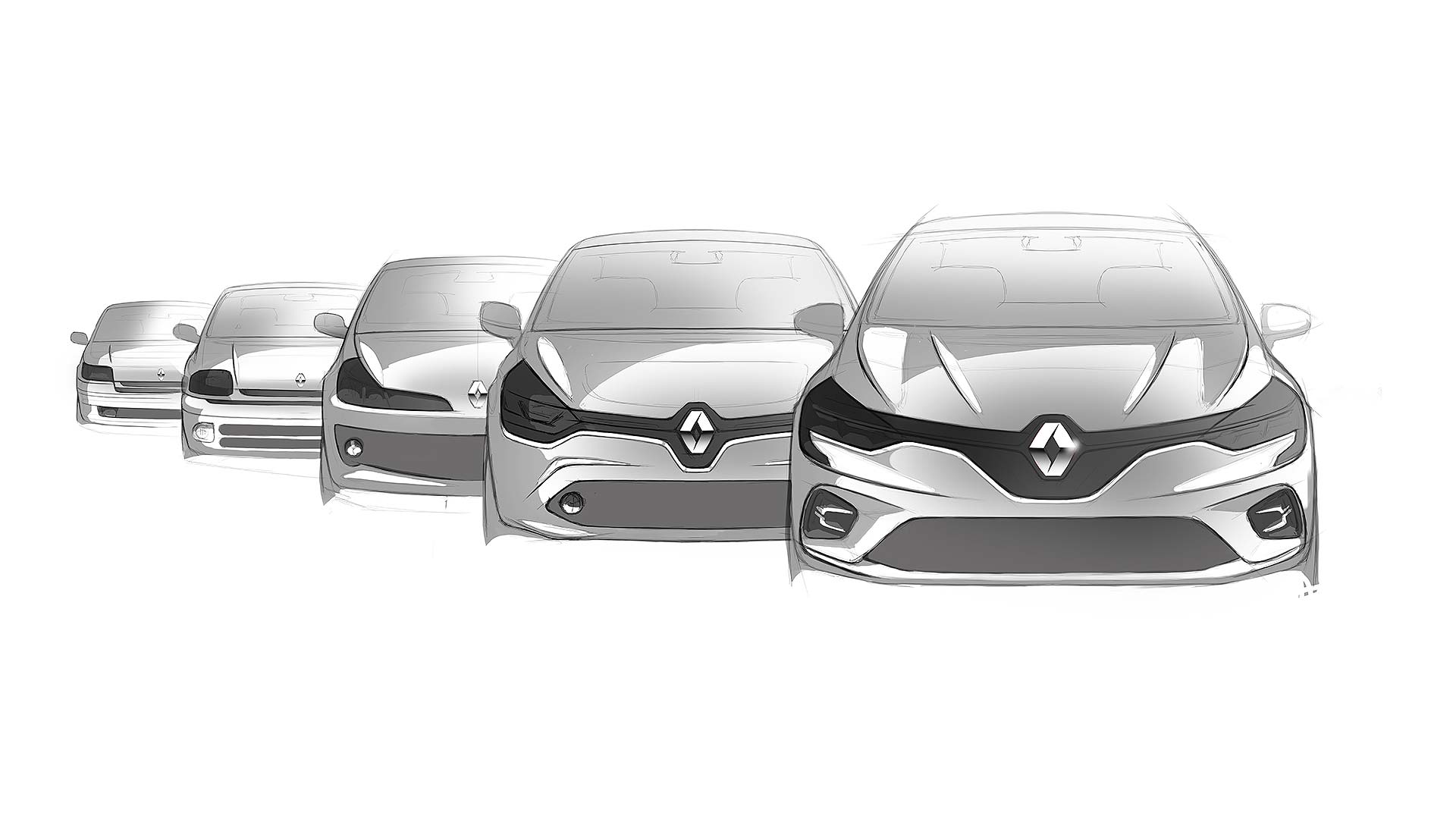
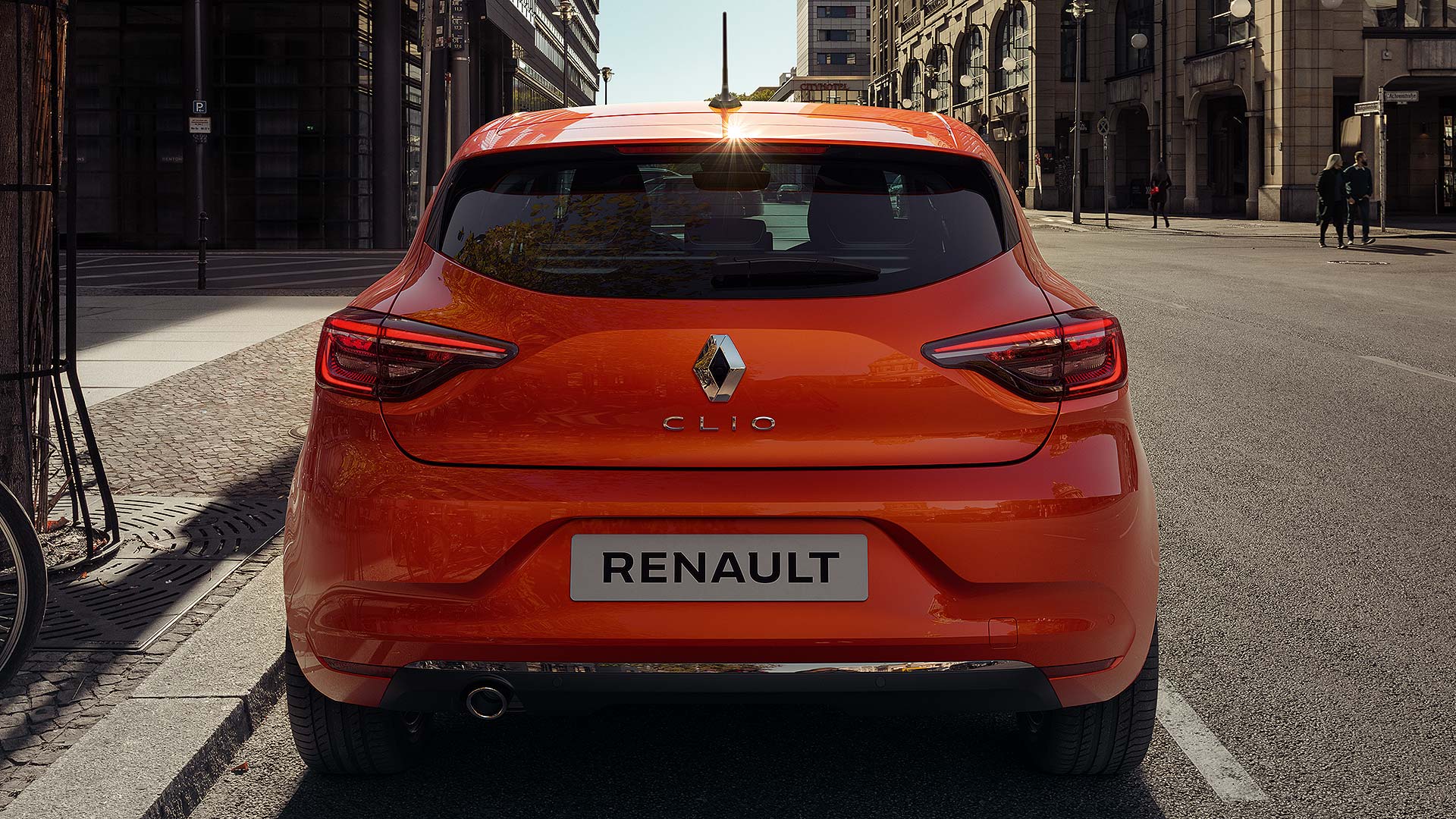
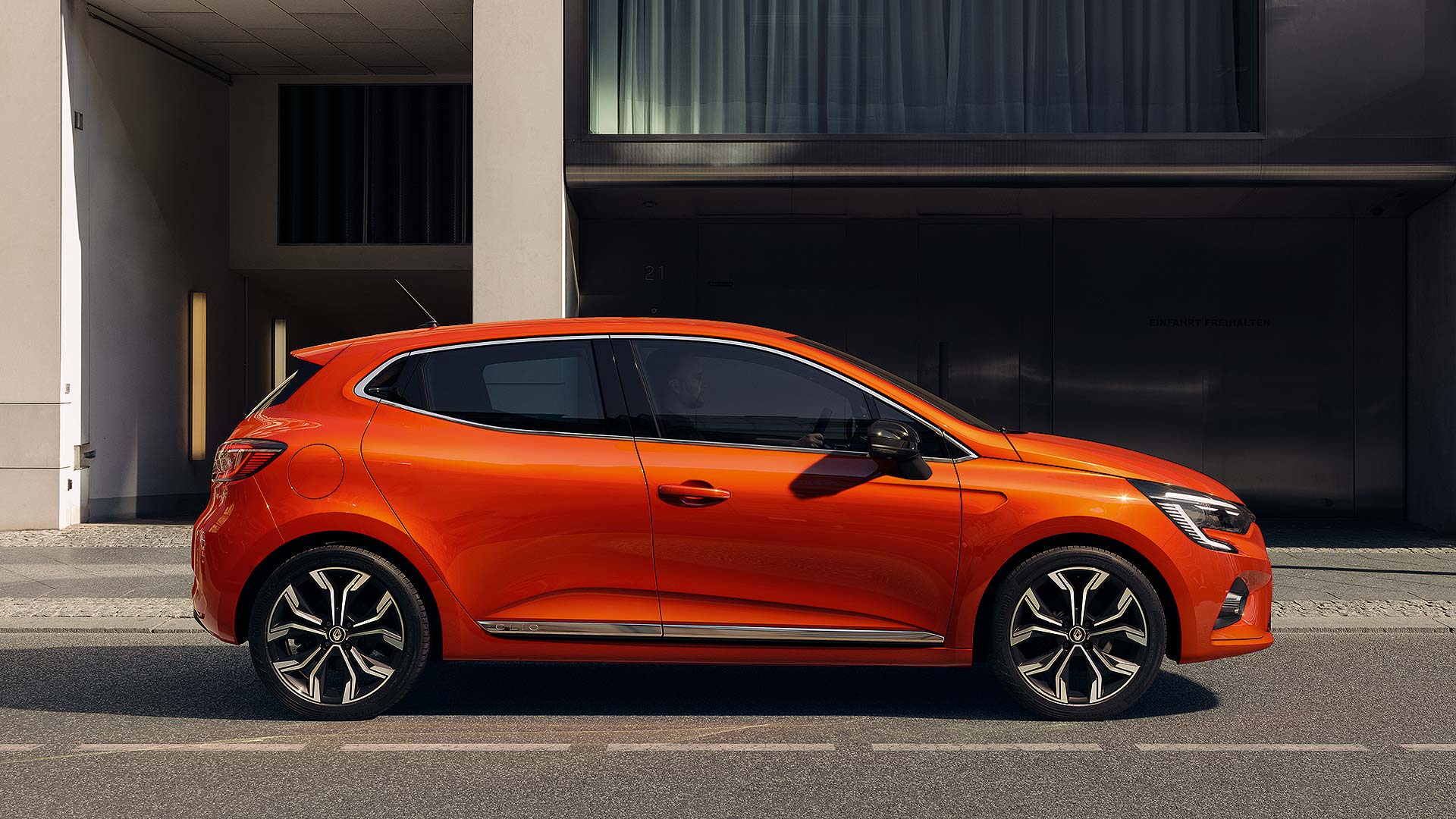
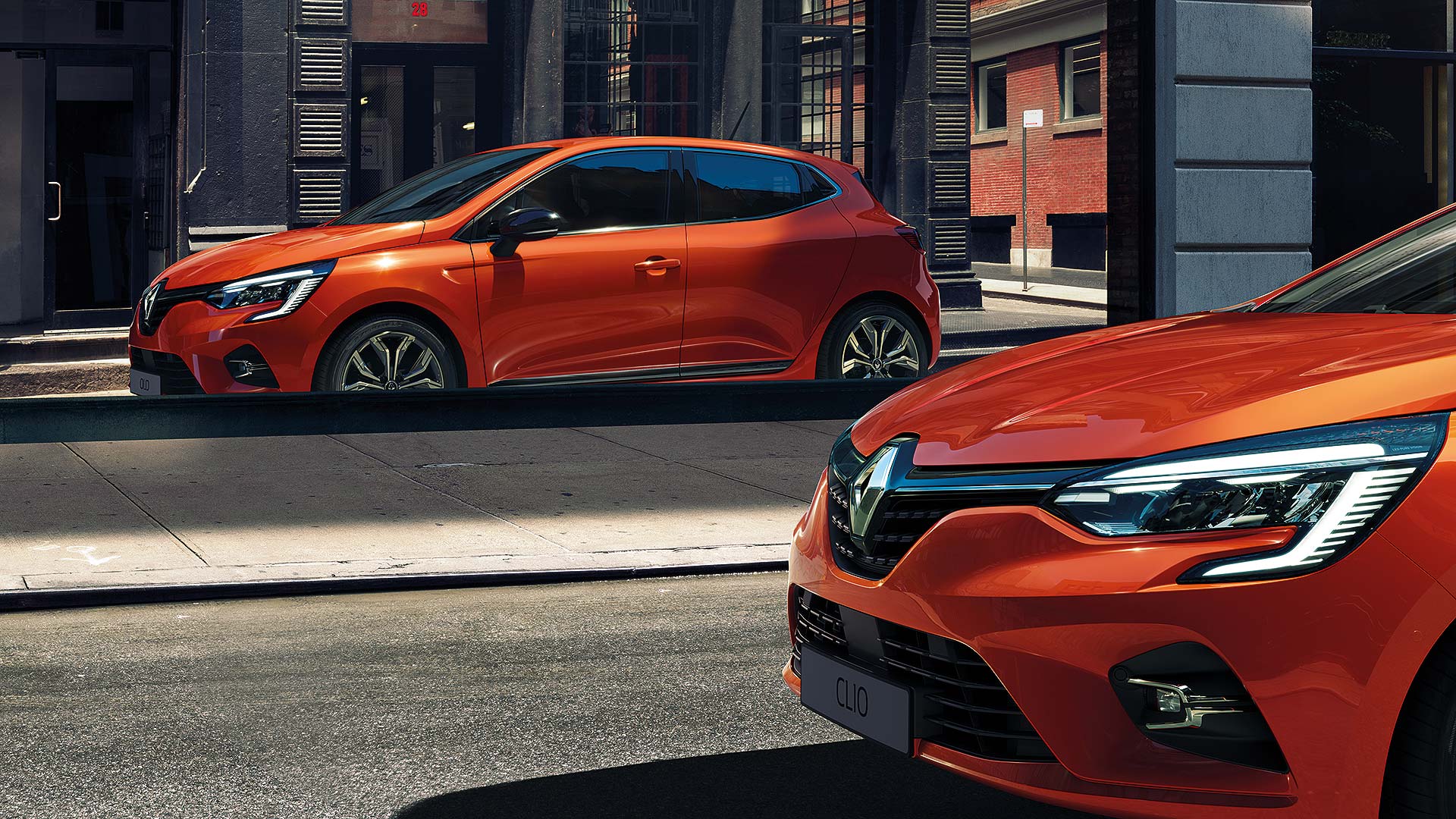
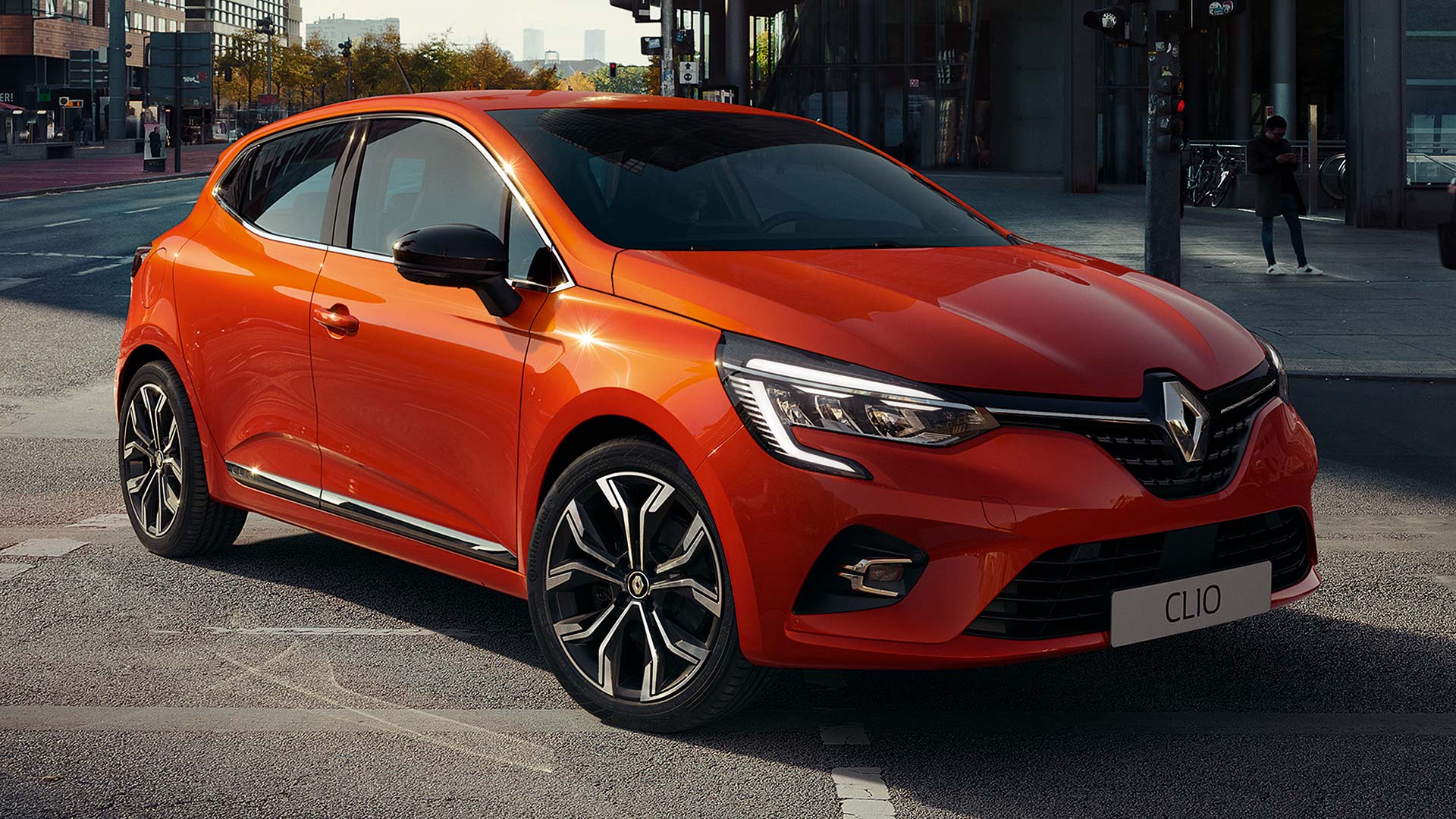 The new Renault Clio’s interior was revealed yesterday (28 January) and now, just 24 hours later, the exterior has been shown for the first time, ahead of the car’s public debut at the 2019 Geneva Motor Show.