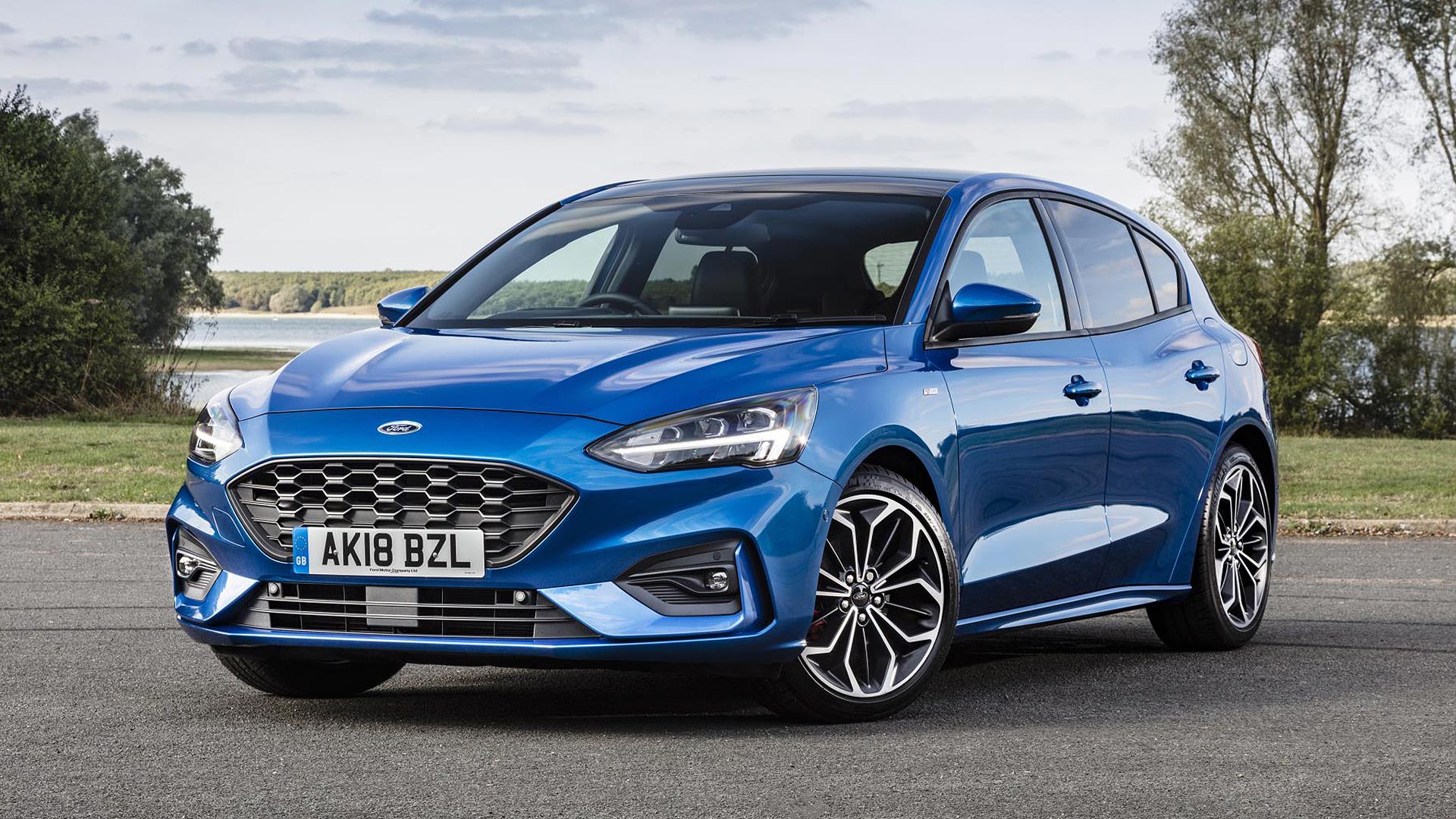
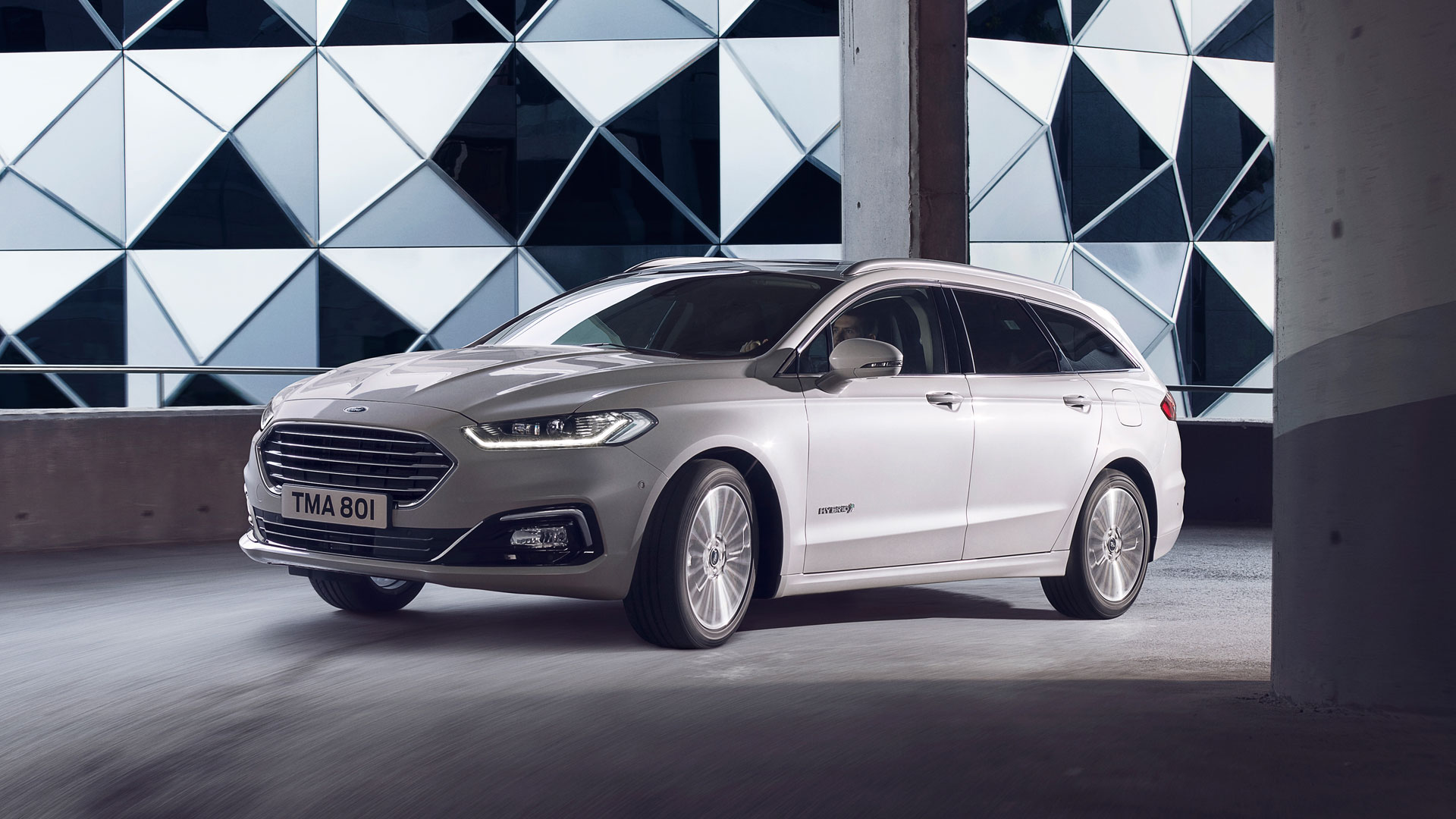
Ford is celebrating a commanding sales win in January 2019 with a one-two result in the UK new car registrations chart.
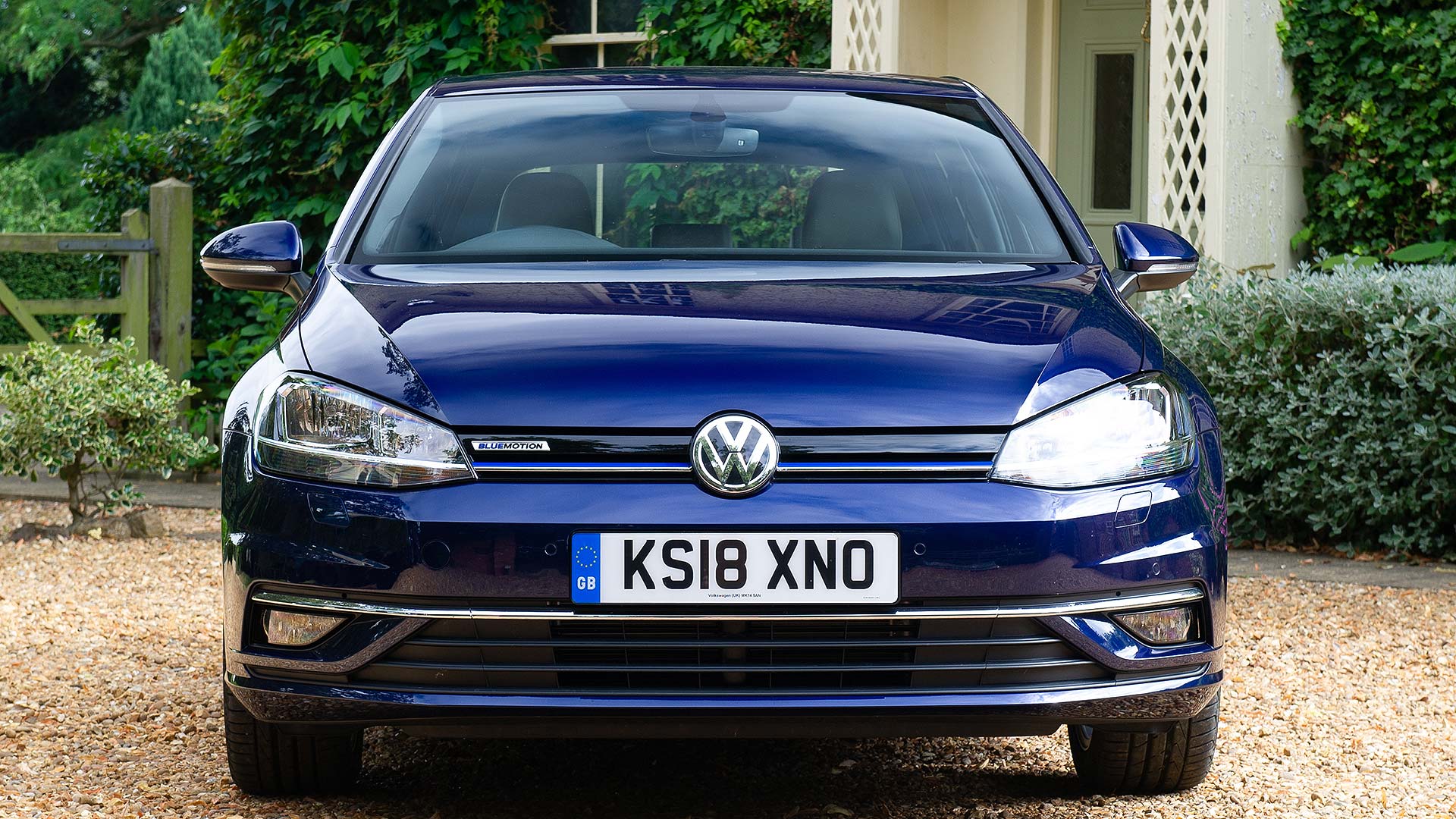
As always, the Fiesta was number one, but the latest Ford Focus made it into second place – beating its perennial arch-rival, the Volkswagen Golf.
Indeed, the Nissan Qashqai also outsold the Golf, and was only narrowly behind the Focus in third place. The new Mercedes-Benz A-Class rounded out the top five in the data released by the Society of Motor Manufacturers and Traders (SMMT).
Overall, new car registrations dipped 1.6 percent in January 2019, the fifth consecutive month of decline. SMMT chief executive Mike Hawes said it was still a decent performance, with sales roughly on a par with a year ago “as the latest high tech models and deals attracted buyers into showrooms”.
However, he said, “to restore momentum, we need supportive policies, not least on vehicle taxation, to encourage buyers to invest in new, cleaner vehicles that best suit their driving needs – from the latest petrols and diesels to an ever growing range of exciting electrified vehicles.”
Diesel down… again
For now, diesels continue to dramatically decline. Registrations were down 20.3 percent, taking the diesel new car share of the market to less than 30 percent.
Alternatively fuelled vehicle sales were, however, up 26.3 percent, giving them a 6.8 percent market share. Yet this is still at the lower end of government targets, added the SMMT, “underlining the need for greater purchase incentives and investment in charging infrastructure”.
Some brand also suffered significant individual declines, the SMMT figures also revealed. Audi was down 26.9 percent in January, while Porsche was down 41.5 percent.
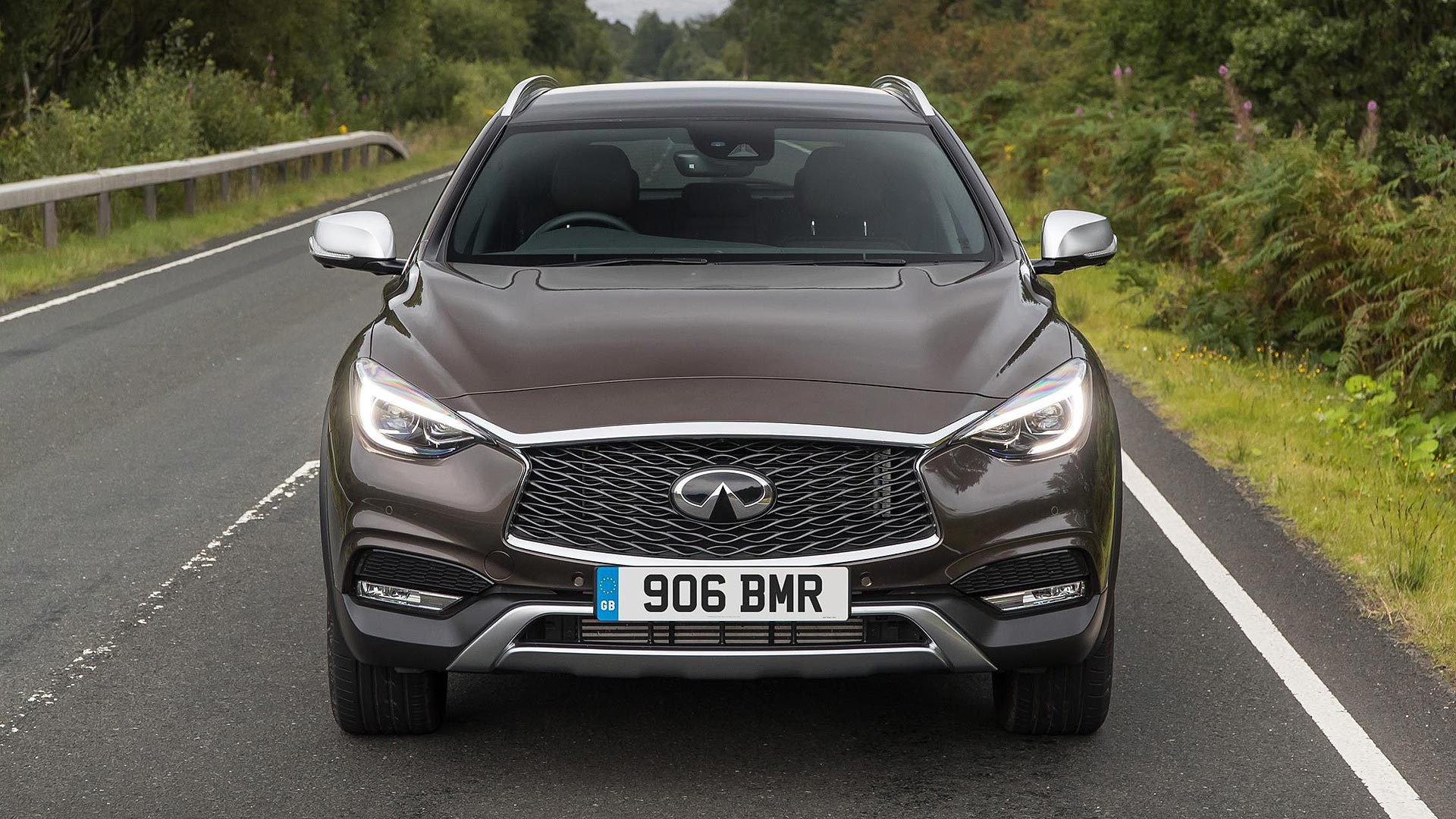
Infiniti sales plunged by a dramatic 67 percent to just 32 new cars – giving it a tiny 0.02 percent market share. Volvo registrations, by contrast, grew by a massive 79.7 percent, taking its market share up to 2.5 percent.
Ian Plummer is director at new and used car marketplace Auto Trader. He said the SMMT figures showed some brands were still suffering from stocking effects due to the new WLTP fuel economy rules, “placing real strain on retailers.
“However, we can see for some brands such as Volvo and some of the Korean and Japanese marques, supply seems to be in good shape and has helped them to record a great start ot the year.”
Plummer added that in the run-up to the March registration plate change, there should be some good deals in showrooms, particularly in the run-up to Brexit on 29 March.
“The outlook for the industry in 2019 remains relatively positive.”
With over 800 million Instagram users, it’s easy to see why car manufacturers value the social platform for marketing and engagement. But which brands are doing their best to win followers amongst the memes and celebrities on Instagram? We’ve crunched the numbers and, at the time of publishing, these are the top 28 in ascending order.
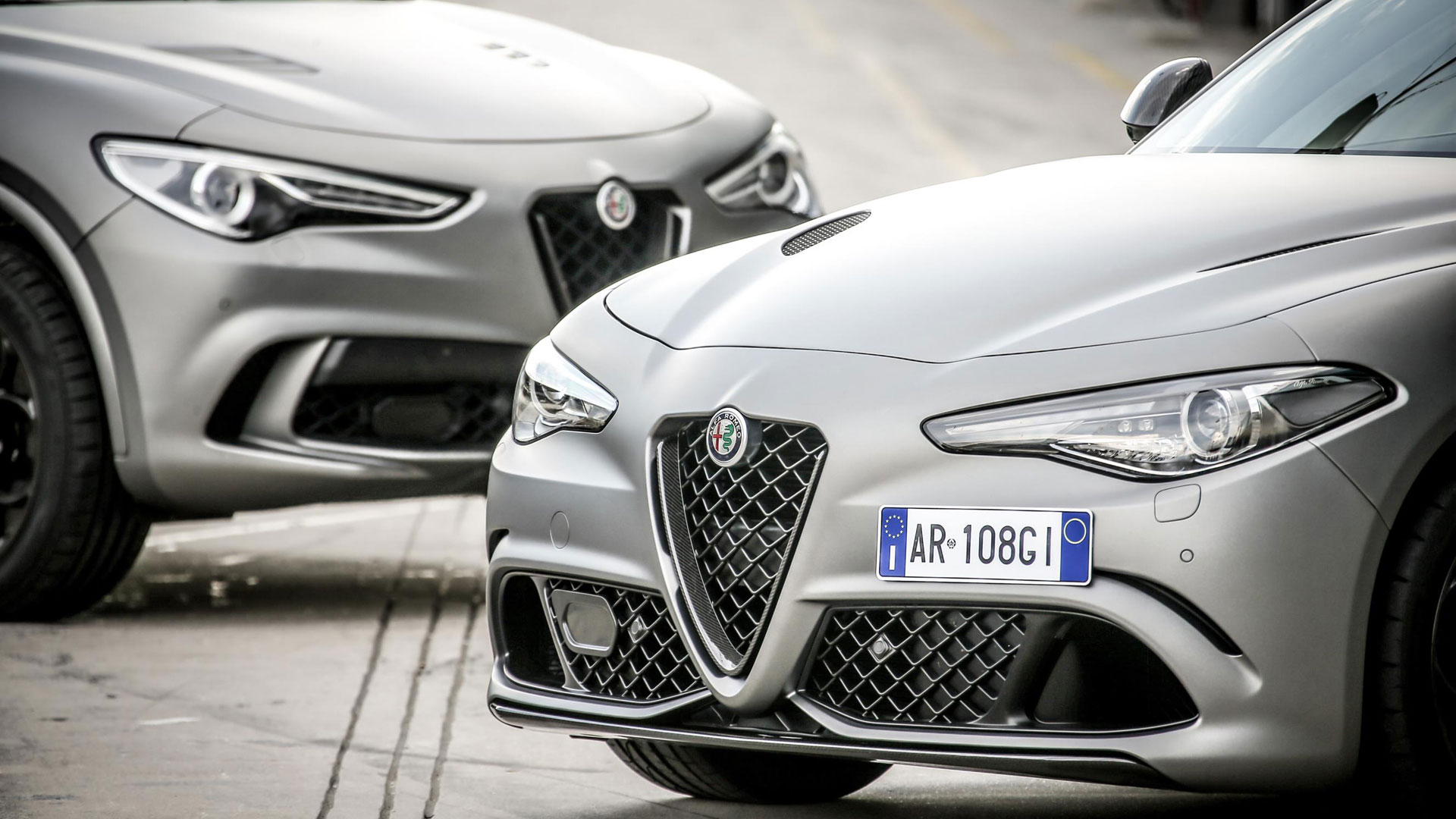
28. Alfa Romeo – @alfaromeoofficial – 1.2m
According to the old adage, you’re not a true petrolhead until you’ve owned an Alfa Romeo. Today, following Alfa on Instagram might not be enough to earn you a petrolhead badge, but it’s a good starting point. As you’d expect, the feed is a blend of Alfas old and new, along with annoyingly good looking people staring into the middle distance.
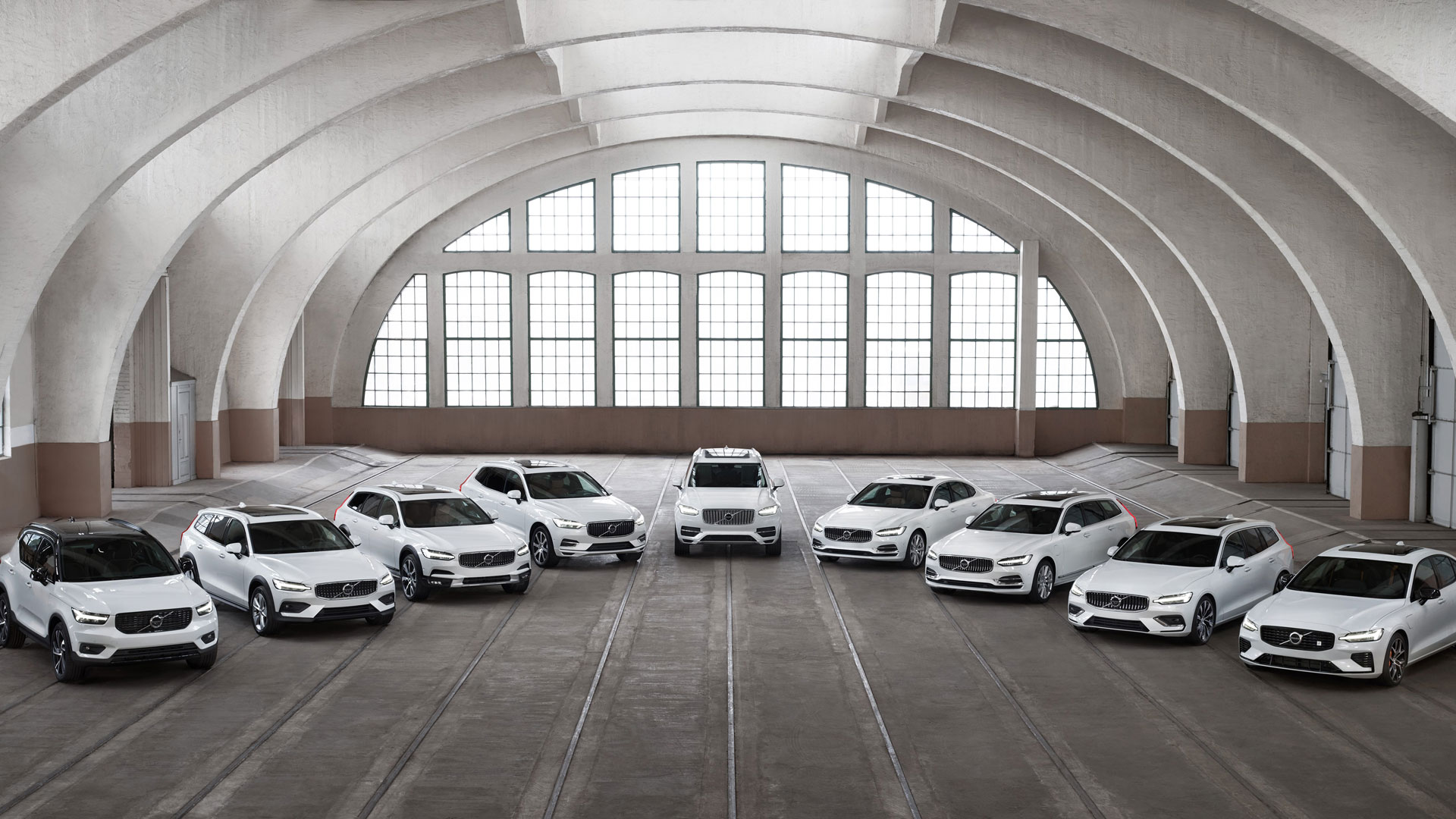
Volvo’s Instagram feed couldn’t be more Scandinavian if it changed its name to Bjorn, wrapped itself in a hygge sweater and disappeared to a log cabin for a weekend of playing board games and drinking hot chocolate in front of a log fire. The photos have a moody Scandi-noir vibe, with the occasional classic car chucked in for good measure. The humble Volvo 440 received 22,500 likes and 306 comments.
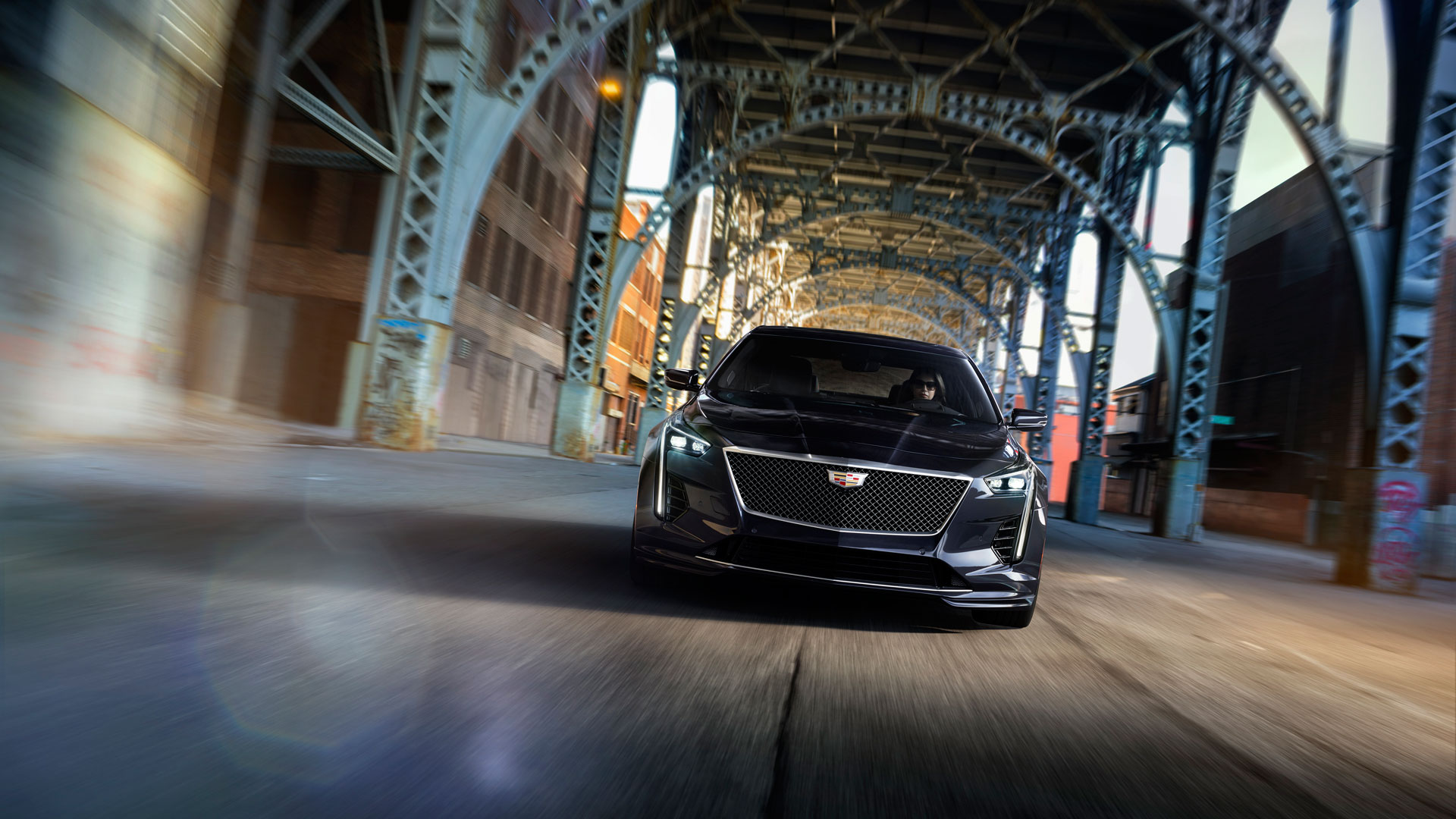
Cadillac’s feed is filled with SUVs and crossovers, peppered with the occasional gem from yesteryear. Scroll back to July 2018 and you’ll find images of the stunning Cyclone concept car of 1959, complete with jet age styling and a bubble-top canopy.
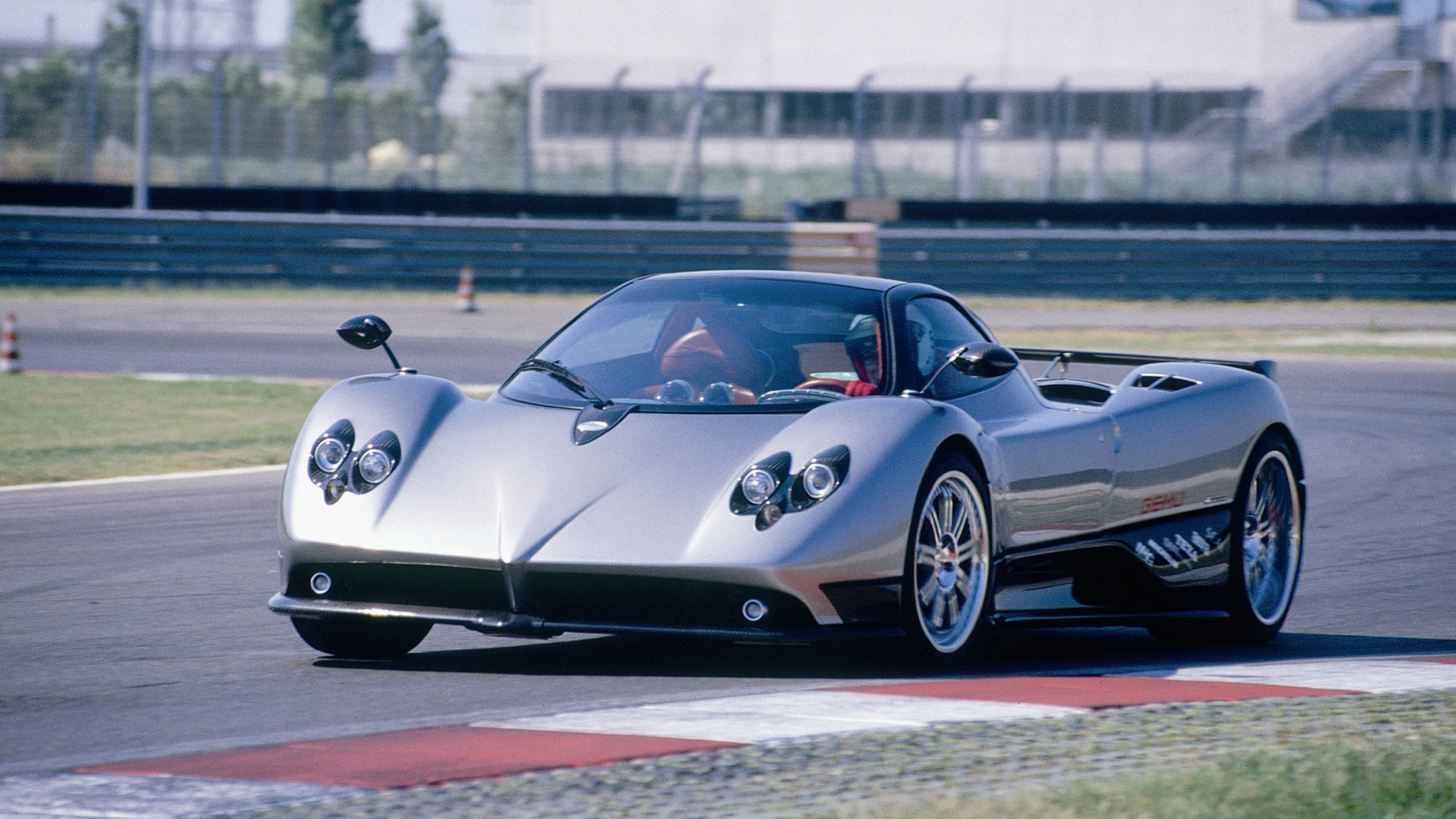
Who could really say no to the idea of an exotic Italian supercar, pictured against a stunning backdrop? As such, Pagani seems a natural fit for a social media channel that centres on the aesthetically pleasing, so its inclusion on this list shouldn’t be a surprise. The Huayra Roadster steals a lot of the limelight, but epic road trips have provided video snapshots, too. You’ll need to be a real fan of carbon fibre though.
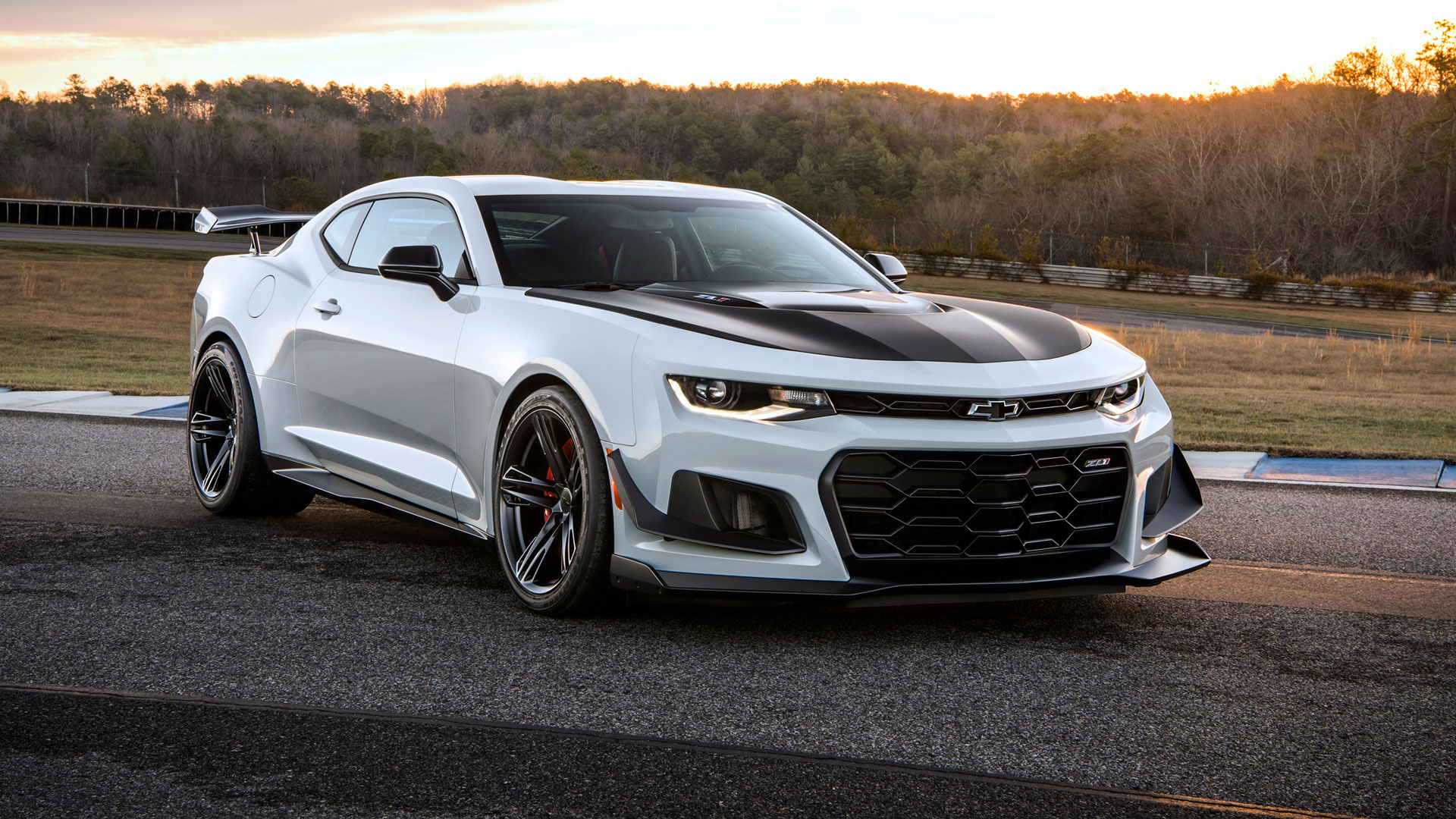
It might be one of the biggest car brands in the USA, but the bowtie-wearing Chevrolet loses out on Instagram followers to other American companies. It is, at least, the most-followed of all General Motors manufacturers, beating Cadillac and Buick. However, Chevrolet’s feed is more business, less fun, with slick and polished press office photography the order of the day. Corvettes, Camaros and the Silverado garner the most likes, while the Spark city car gets a less favourable reception.
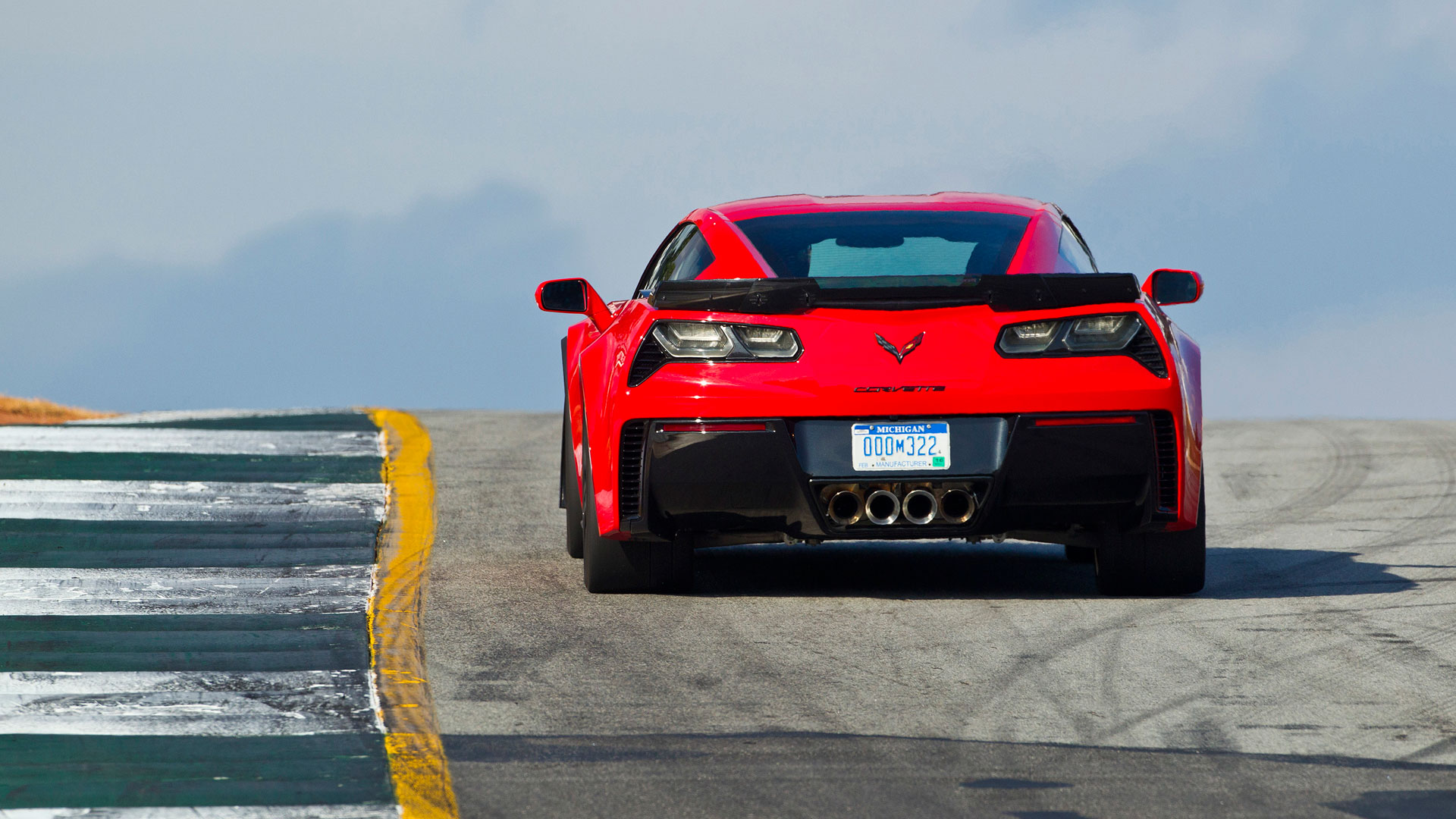
When the sub-brand upstages the mother brand. Corvette has 200,000 more followers than Chevrolet, despite posting half as many updates as its parent. While this is unusual in the automotive world, it’s more common in other forms of life. For example, Cristiano Ronaldo has a staggering 153 million followers on Instagram, while his club, Juventus, has ‘just’ 21.9 million.
The Instagram account for Honda USA is predominantly corporate, majoring on official press images and marketing videos. Being American-orientated, images abound of US products like the Passport SUV, although the new CR-V makes regular appearances, too. For comparison, the Honda UK account boasts just 40,000 followers, while Honda Japan has 64,000.
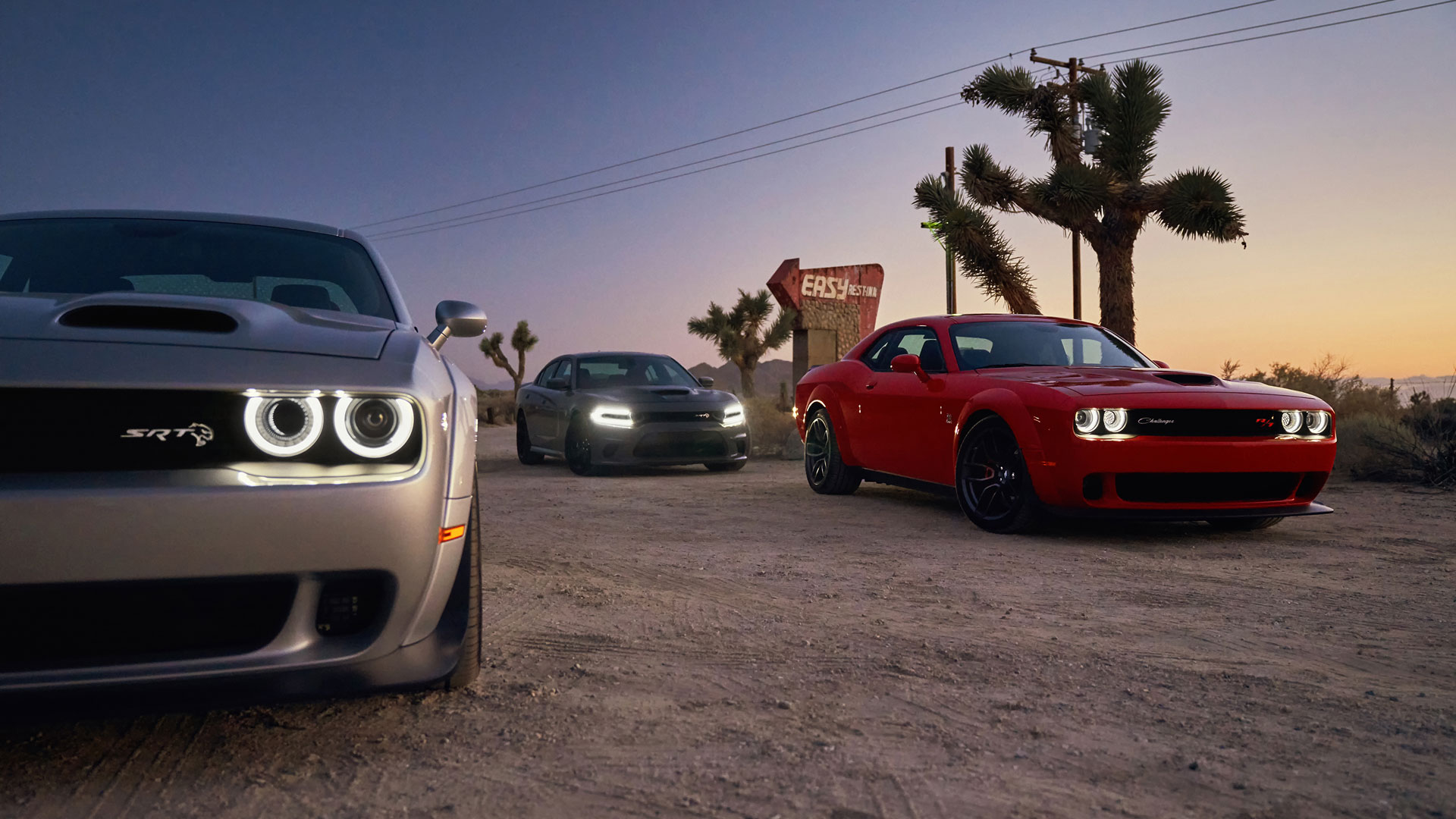
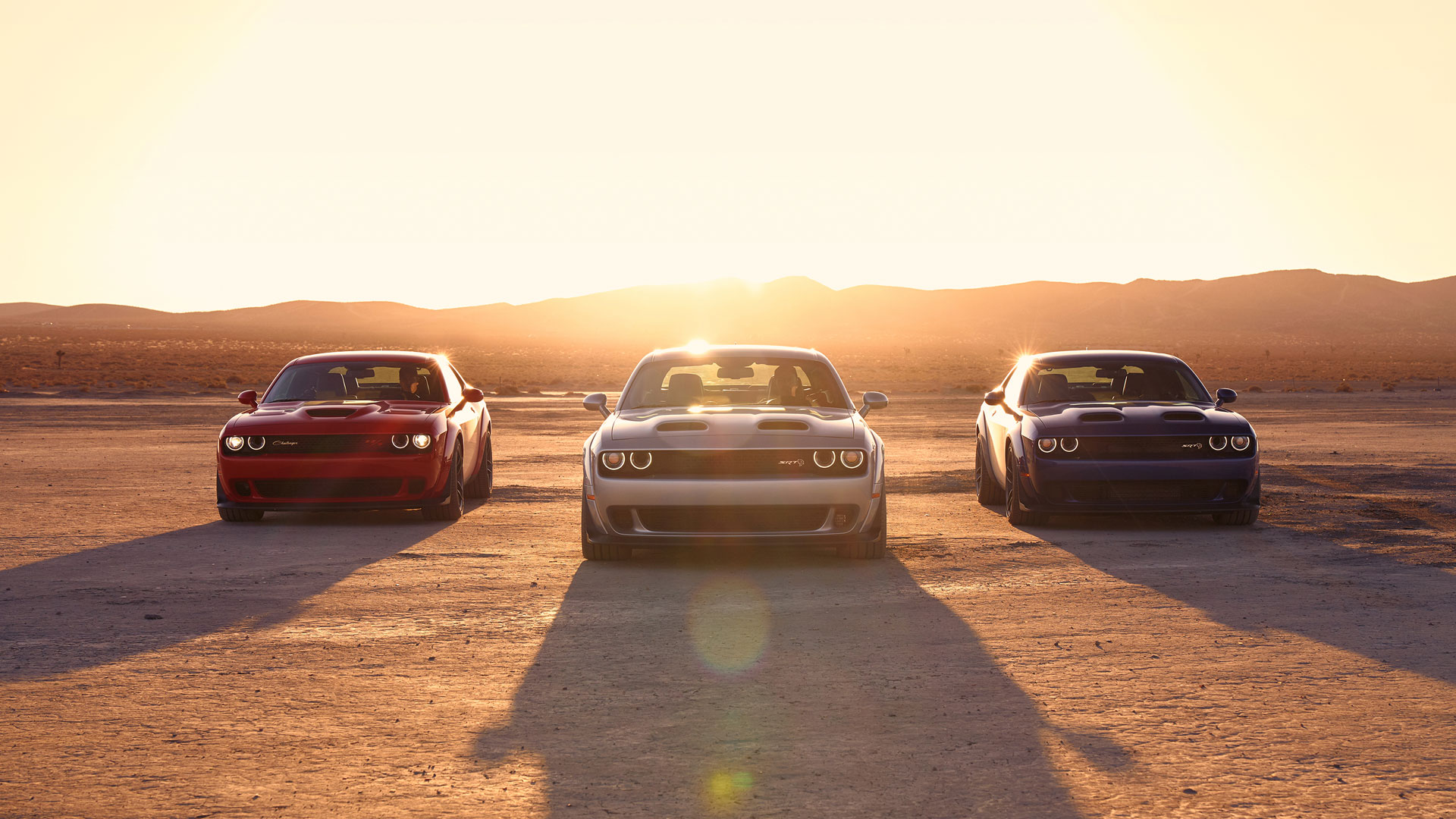
With a current image built almost entirely on muscle cars, you can guarantee a plentiful supply of Chargers, Challengers and Vipers on the official Dodge Instagram feed. Mixing Dodge’s own photography with user-submitted content strikes a balance between being engaging, but also on-message. If you get bored of seeing Challenger Hellcats doing smokey burnouts, you can count on retro Mopar images to break things up.
No prizes for predicting that the Mustang makes a significant contribution to the images on the Blue Oval’s feed. From the new Mustang, all the way back the original first-generation pony car, there is plenty of ‘Stang love here. As an American account, the F-150 pickup truck is prominently on display, but there are also pics of the Focus and Fiesta ST models. Ford’s UK Instagram profile has attracted a more modest 56,500 followers.
Nissan’s global Instagram page focusses on user-created content, encouraging submissions directly to them. It clearly works, with over 3.6m followers wanting to see what’s next. Predictably there is little evidence of more everyday Nissan products like the Micra or Qashqai here. It’s more about the GT-R and 370Z – especially if they’re heavily modified, and spitting flames from their exhausts – although retro Datsuns do also get a look in.
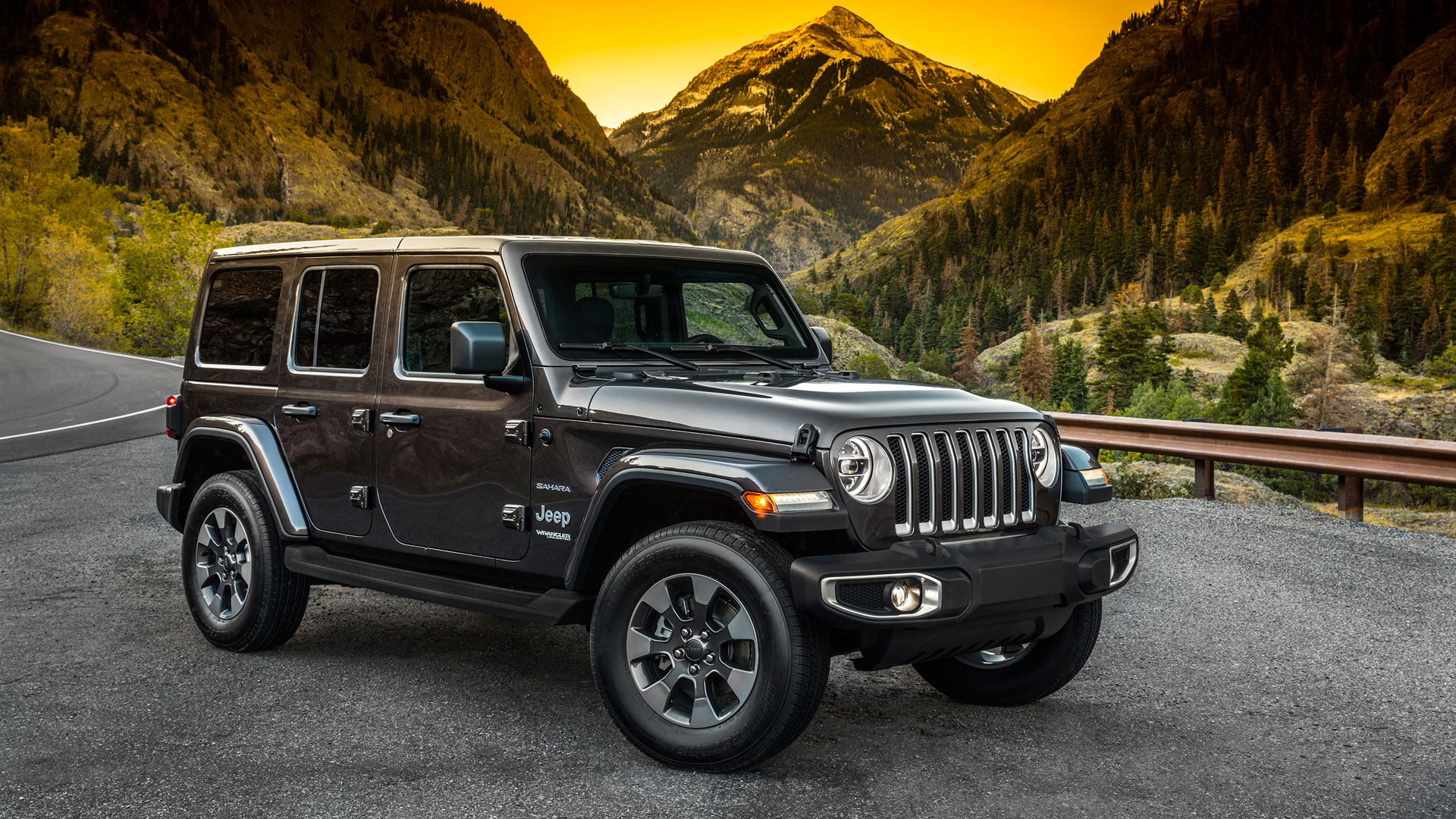
Jeep’s Instagram account has a heavy Wrangler bias, which is hardly surprising given its iconic status. Backdrops range from snow-capped mountains to vast desert plains, and it’s good to see the Grand Wagoneer making the occasional appearance. There’s plenty of user-generated content, with photos of dogs receiving the most likes.
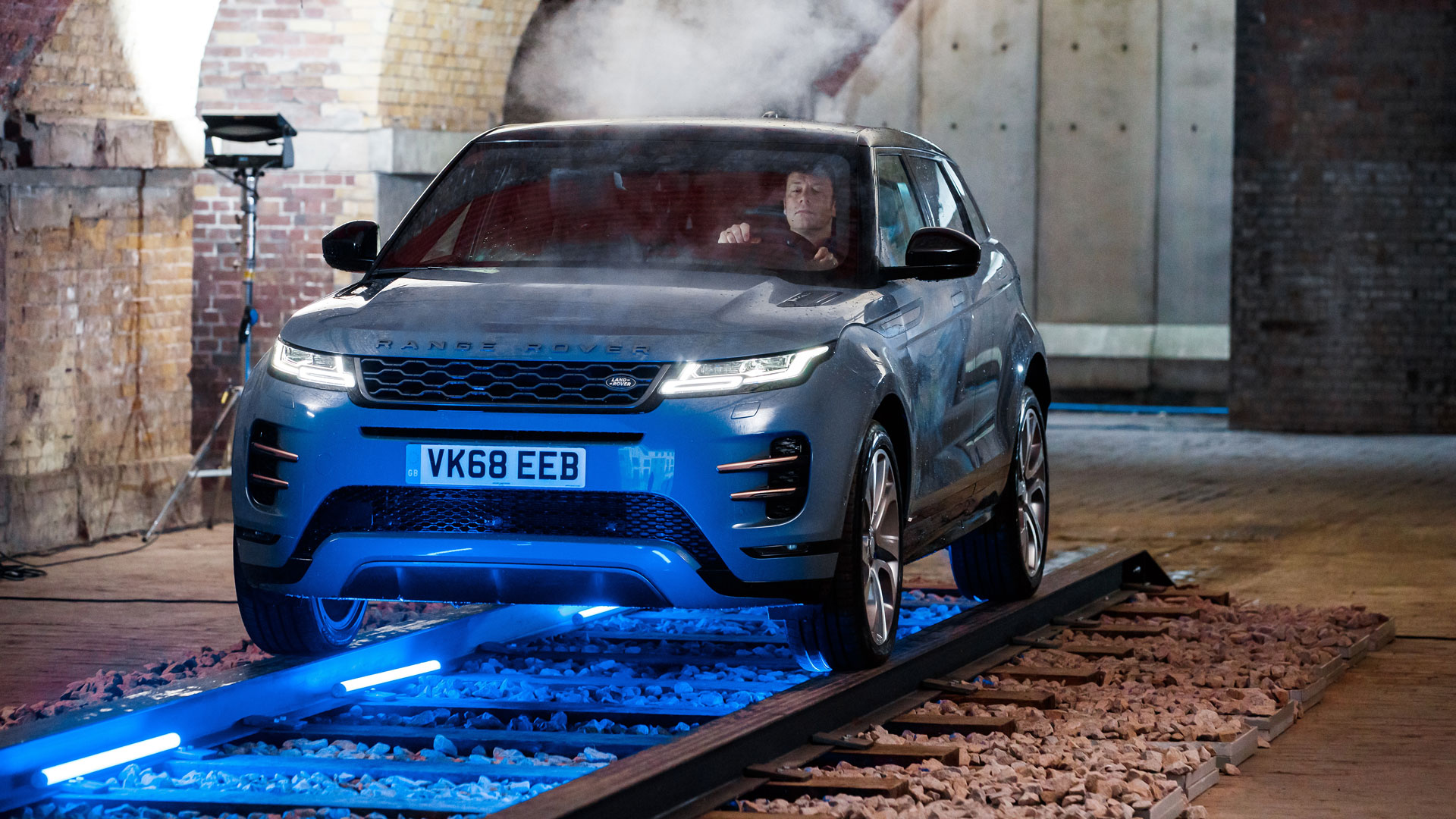
Glance quickly at the global Instagram page for Land Rover and you could be mistaken for thinking the company produces nothing but Range Rovers these days. From Evoque to Velar and Sport, the premium off-roader makes up the bulk of the content, meaning you’ll have to watch carefully to spot a Discovery or Defender making an appearance. Land Rover UK’s own Instagram page has 127,000 followers alone, and packs in the retro archive images to good effect.
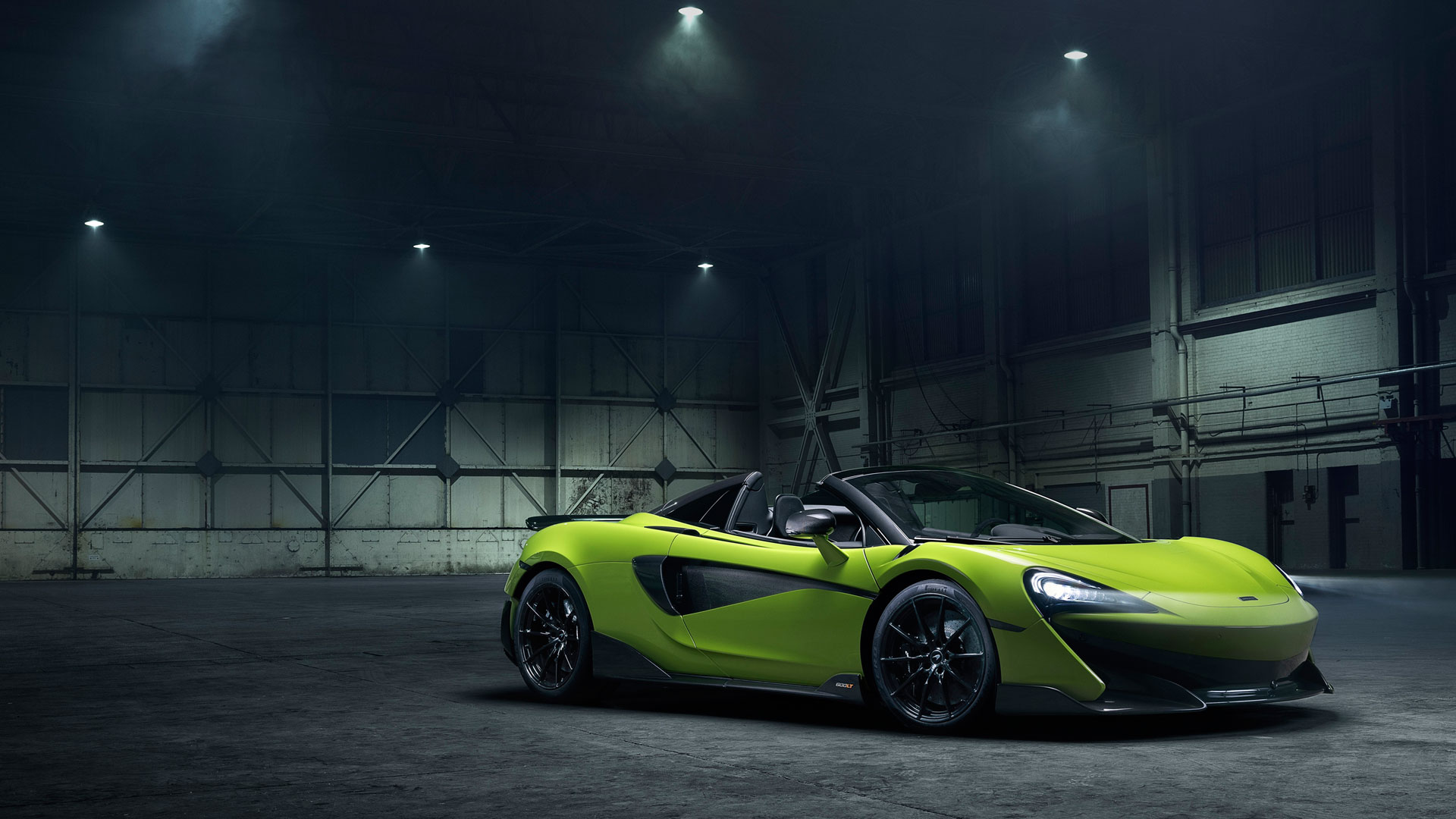
Boasting 1.7 million more followers than that of the McLaren F1 team, the Instagram account perhaps proves that supercars have even more appeal than Lando Norris and Carlos Sainz. With more posts in the first four days of February than Tesla has managed this year, you can be sure of a contribution from McLaren cropping up in your feed most days. The 720S accounts for many of the latest images, but there are also archive pictures like the P1 featured here.
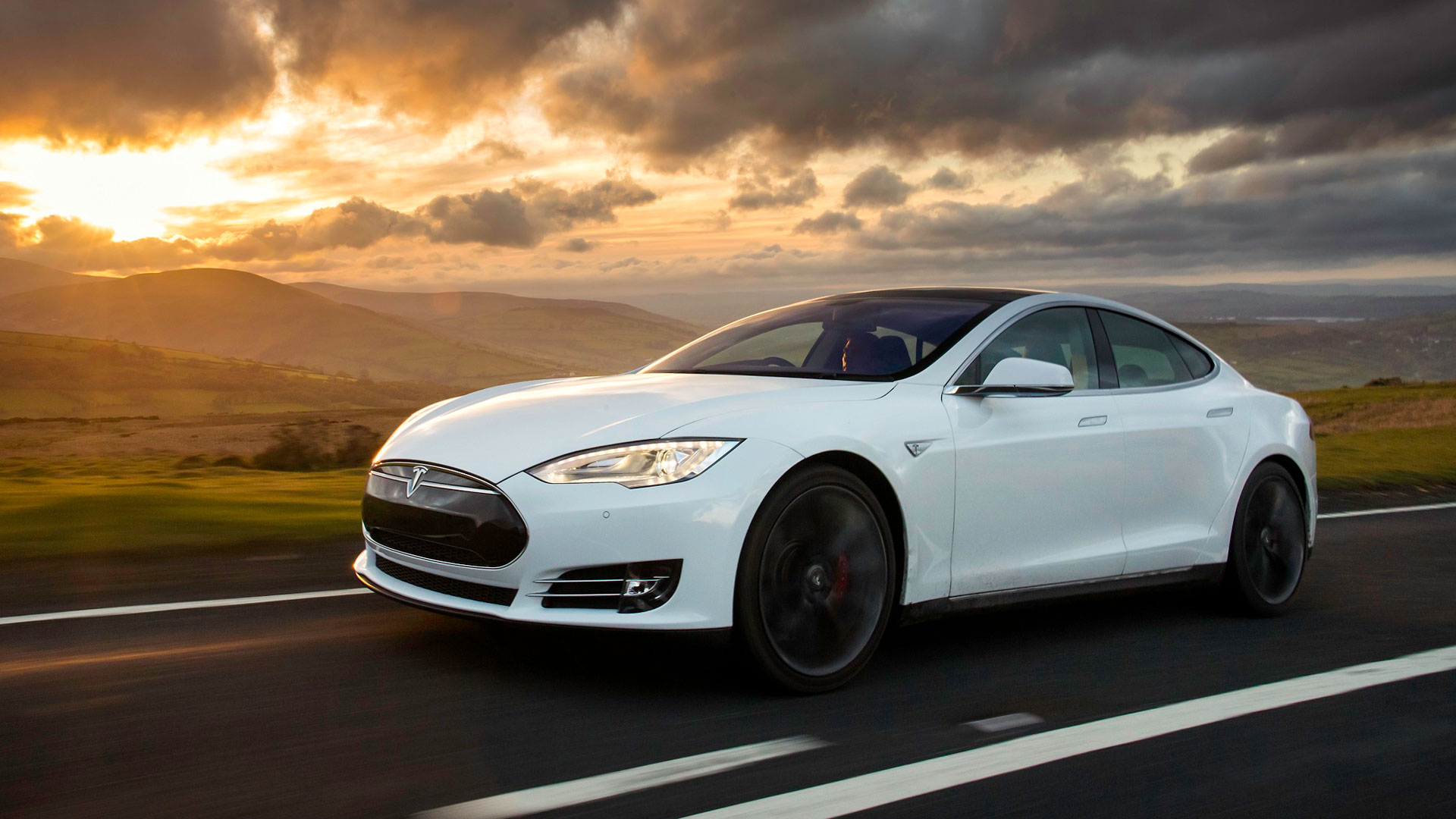
Despite having posted just a dozen updates since the beginning of this year, Tesla still proves to be a popular attraction on Instagram. Perhaps there is only so many times you can post pictures of the Model S and Model X, although the new Model 3 does offer some alternatives. Much to the dismay of his eight million followers, Elon Musk deleted his Instagram account in 2018.
On the face of it, the Volkswagen account is a typical corporate affair, but the feed is interspersed with more lighthearted images. For example, hands-free parking is demonstrated with the help of a hamster emoji, while a cat in a Santa hat was on hand to showcase the benefits of a heated steering wheel.
13. Rolls-Royce Motor Cars – @rollsroycecars – 5.8m
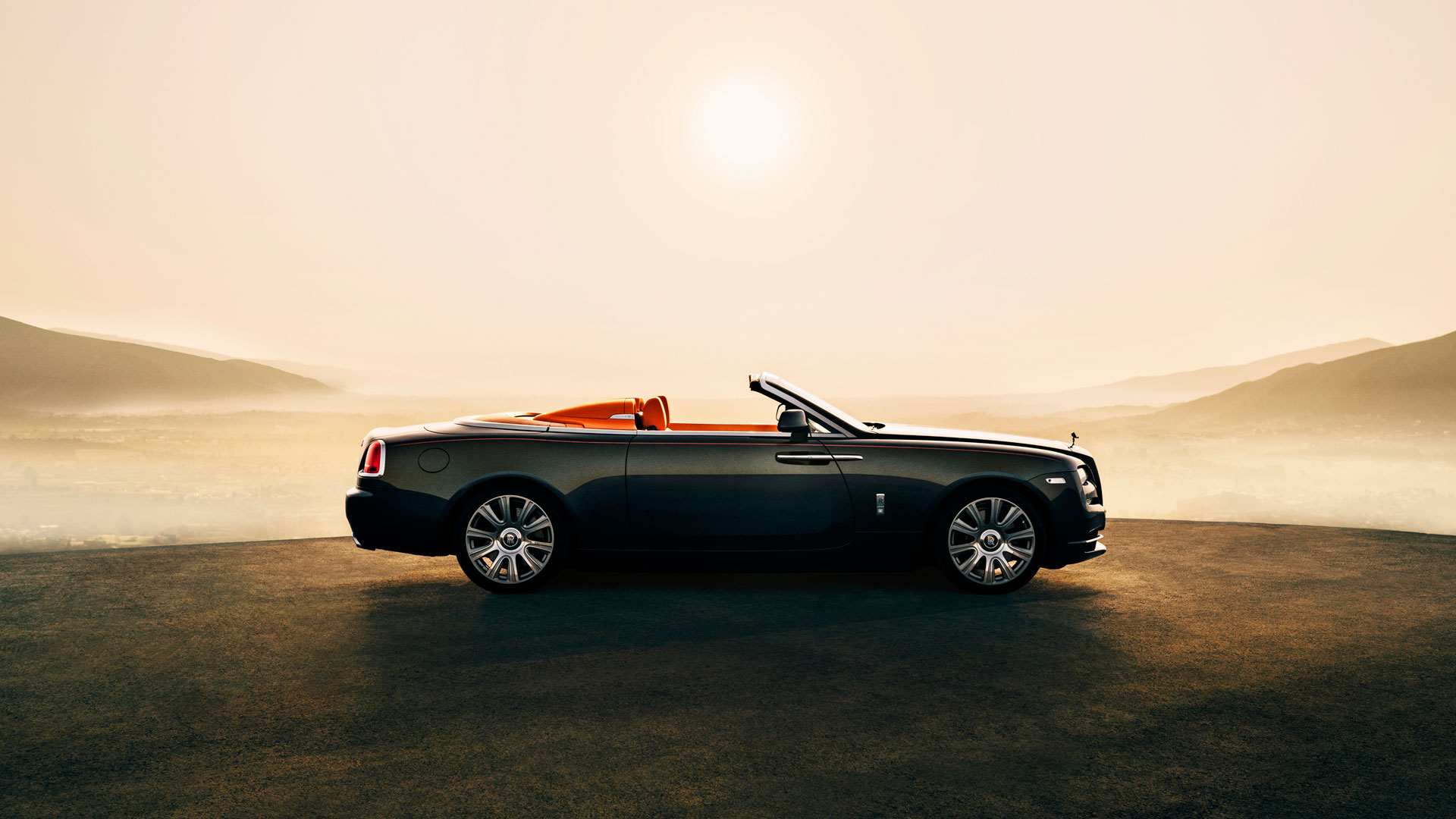
Just looking at the Rolls-Royce Instagram page feels expensive. Recent posts include the Faberge egg and images highlighting the company’s Bespoke programme, but it won’t be long before you find a series of Cullinan photos and videos.
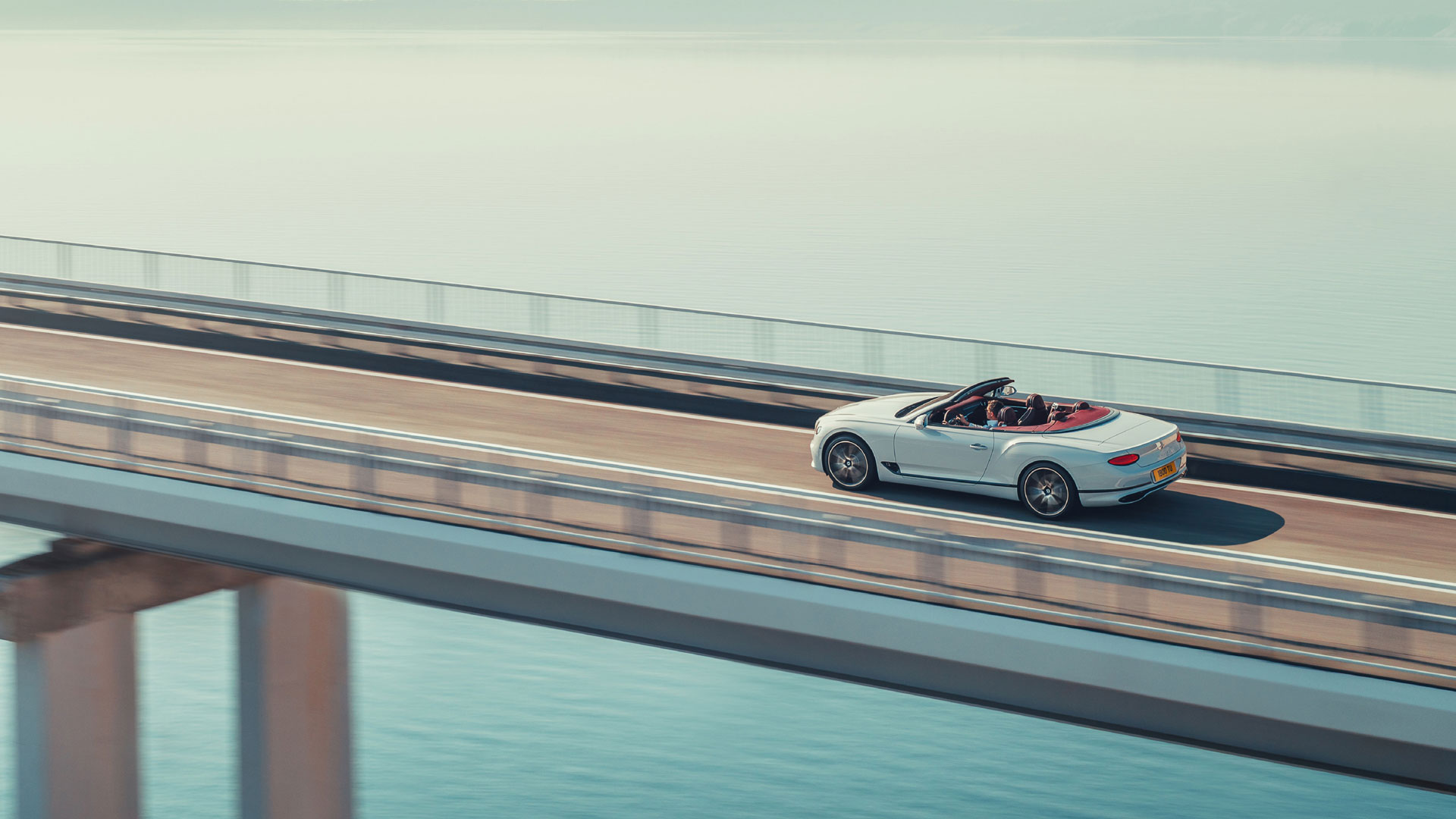
We’re sure Rolls-Royce won’t be too bitter about losing out to former stablemates, Bentley. With an emphasis placed more on ‘lifestyle’ than products alone, the Bentley Motors feed includes images of fashion and fishing along with the usual pictures of cars. Motorsport gets an occasional look in, with the GT3-spec Continental race cars appearing – especially when they win.
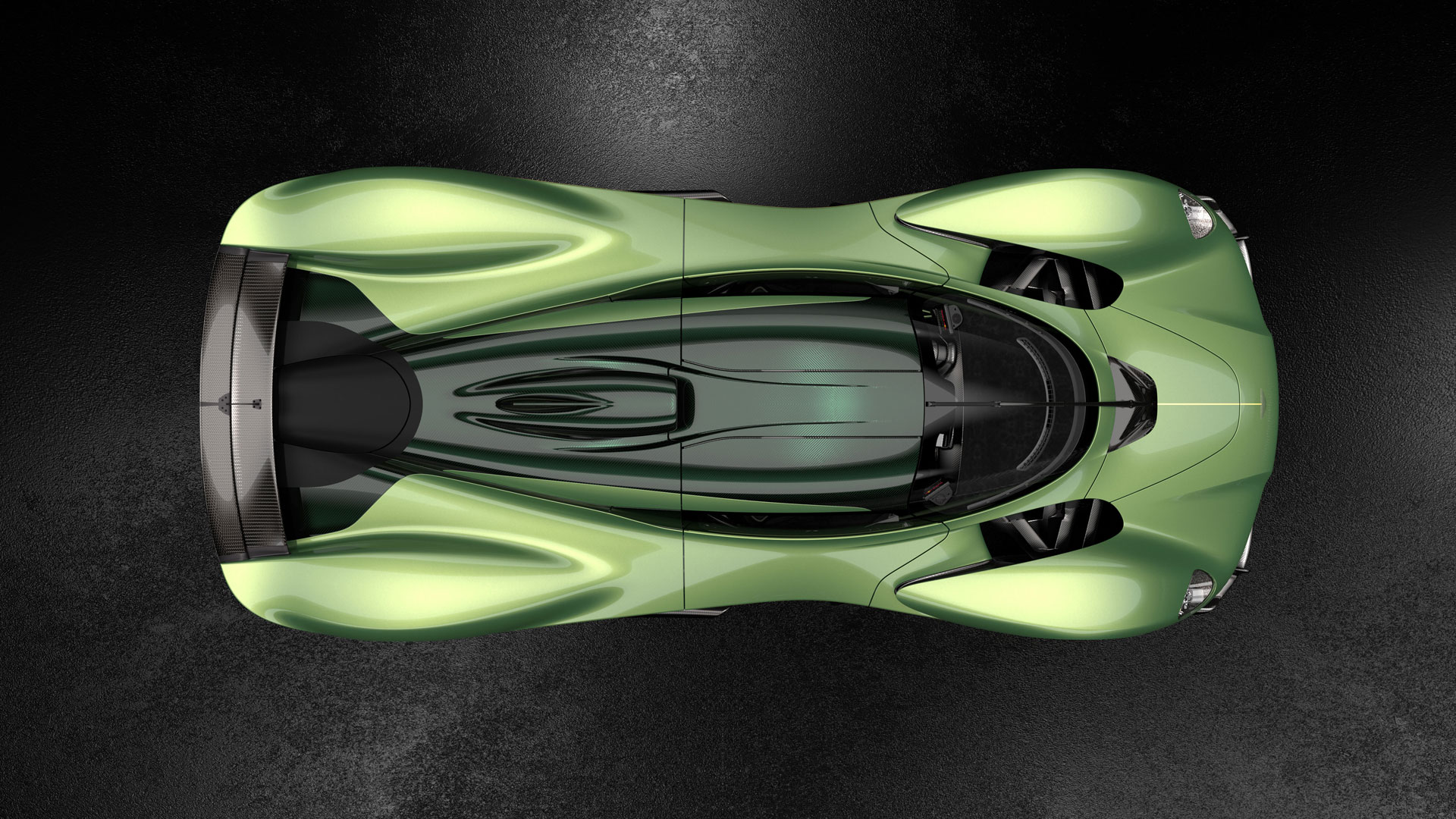
Aston Martin is probably quite satisfied to have edged out Bentley in this Instagram battle. Although mostly filled with official press photography, the Aston Martin feed also features and encourages fans and owners to submit their own images. An easy task, given how naturally photogenic the brand’s products are.
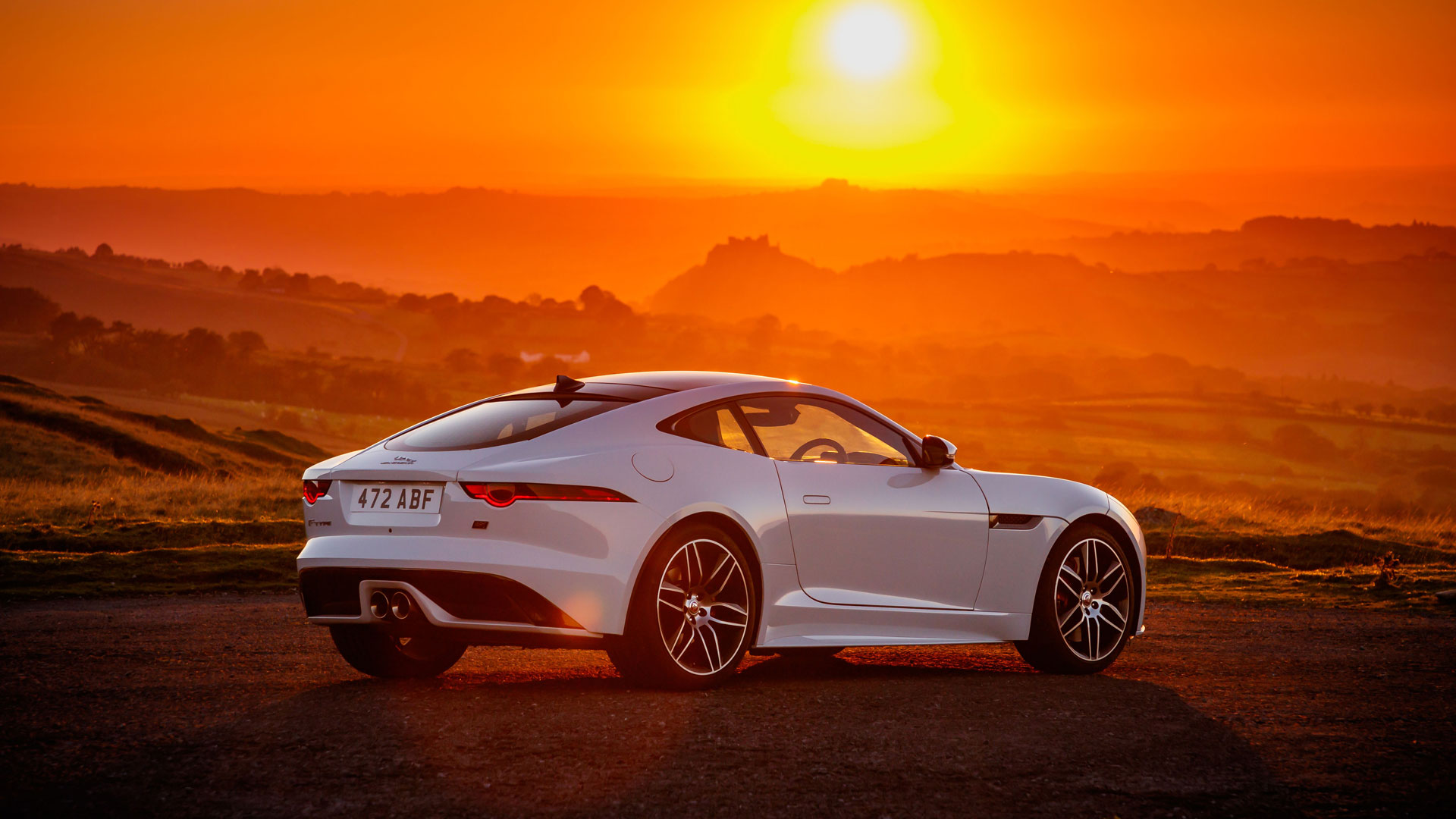
Jaguar Land Rover can congratulate themselves on building a strong social media following, adding an additional 3.7 million Jaguar fans to those following Land Rover. Most of the images come from Jaguar direct, although some are user contributions, covering the full range of products, including the E-Pace compact SUV and I-Pace. Photo highlights from the Formula E Jaguar Racing team can also be found, serving as a reminder for where the brand is going.
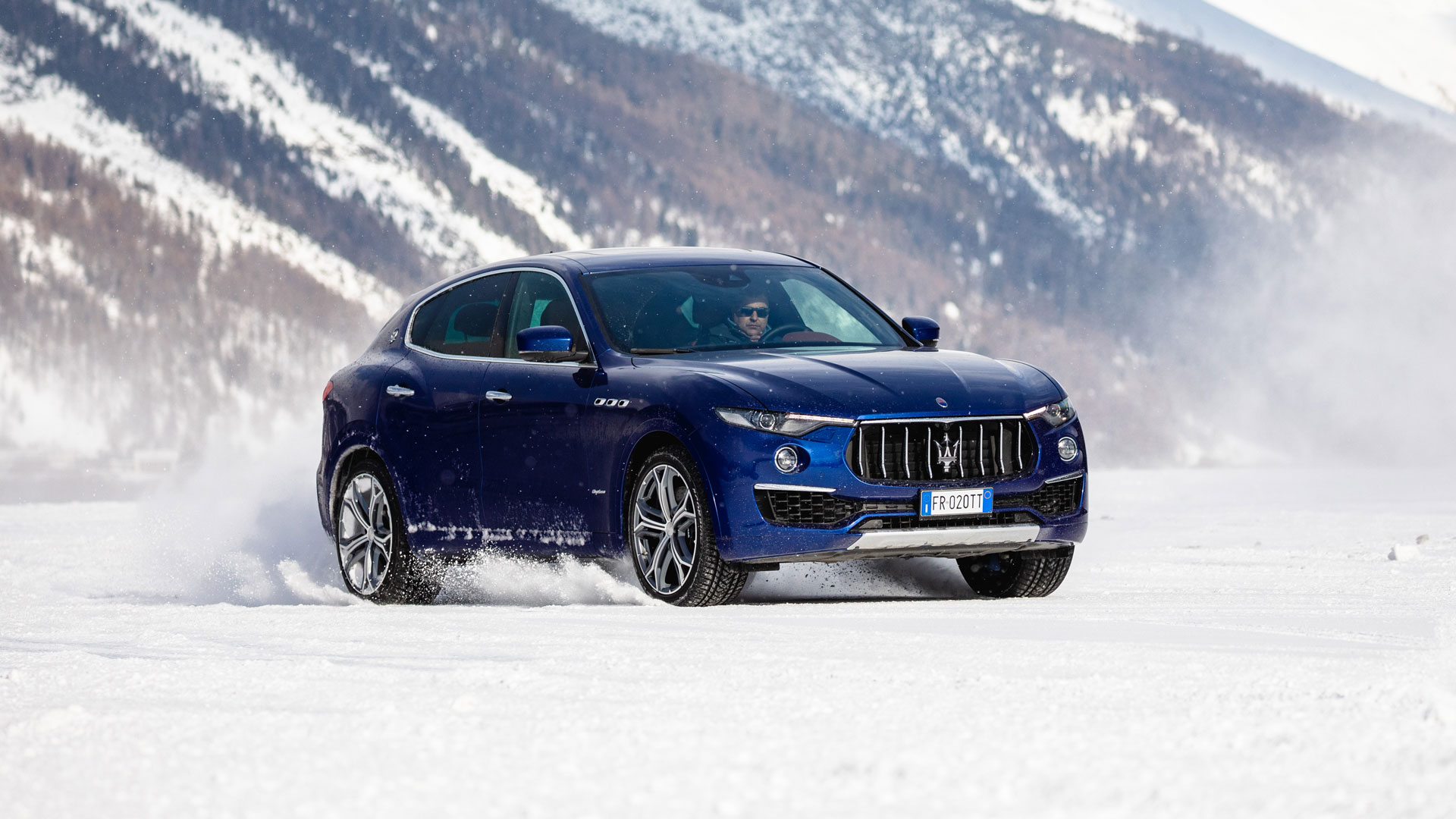
Maserati offers up photographs that the company believes capture timeless elegance and sporting prowess. It also means featuring photos of Maserati cars next to polo horses and players, given that the company is the title sponsor for a number of major polo tournaments. It’s clearly a strategy that works, along with pictures of the Levante and Maserati-branded merchandise. In case you’re wondering, yes you can buy a Maserati polo shirt…
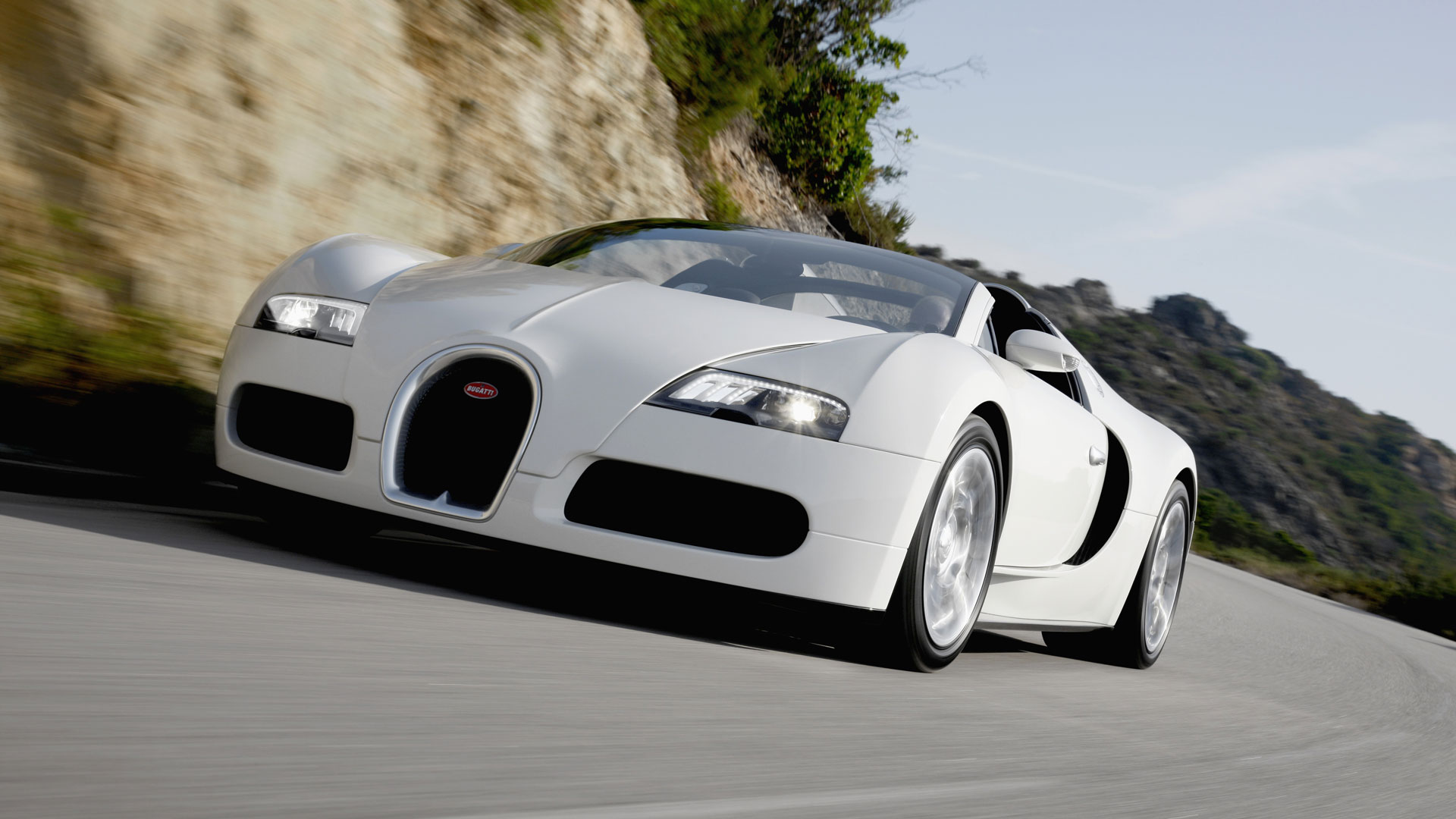
Bugatti has released two cars in a decade but has managed to amass going on for nine million followers. It helps that the cars in question are powered by quad-turbocharged W16 engines and are capable of more than 240mph. As the newest of the two, the Chiron garners most of the attention on the Bugatti feed, but occasional pictures of the previous Veyron also make appearances.
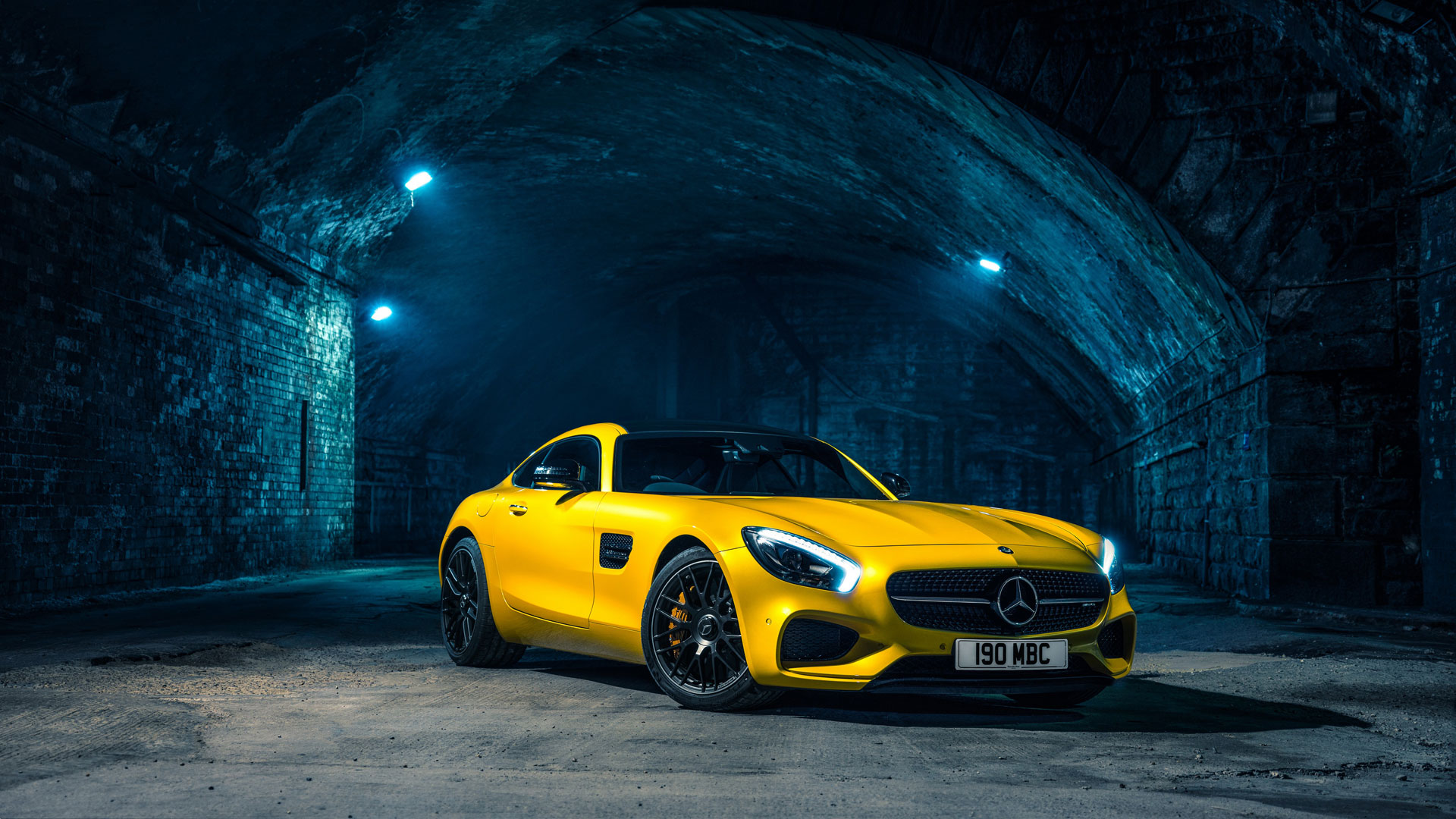
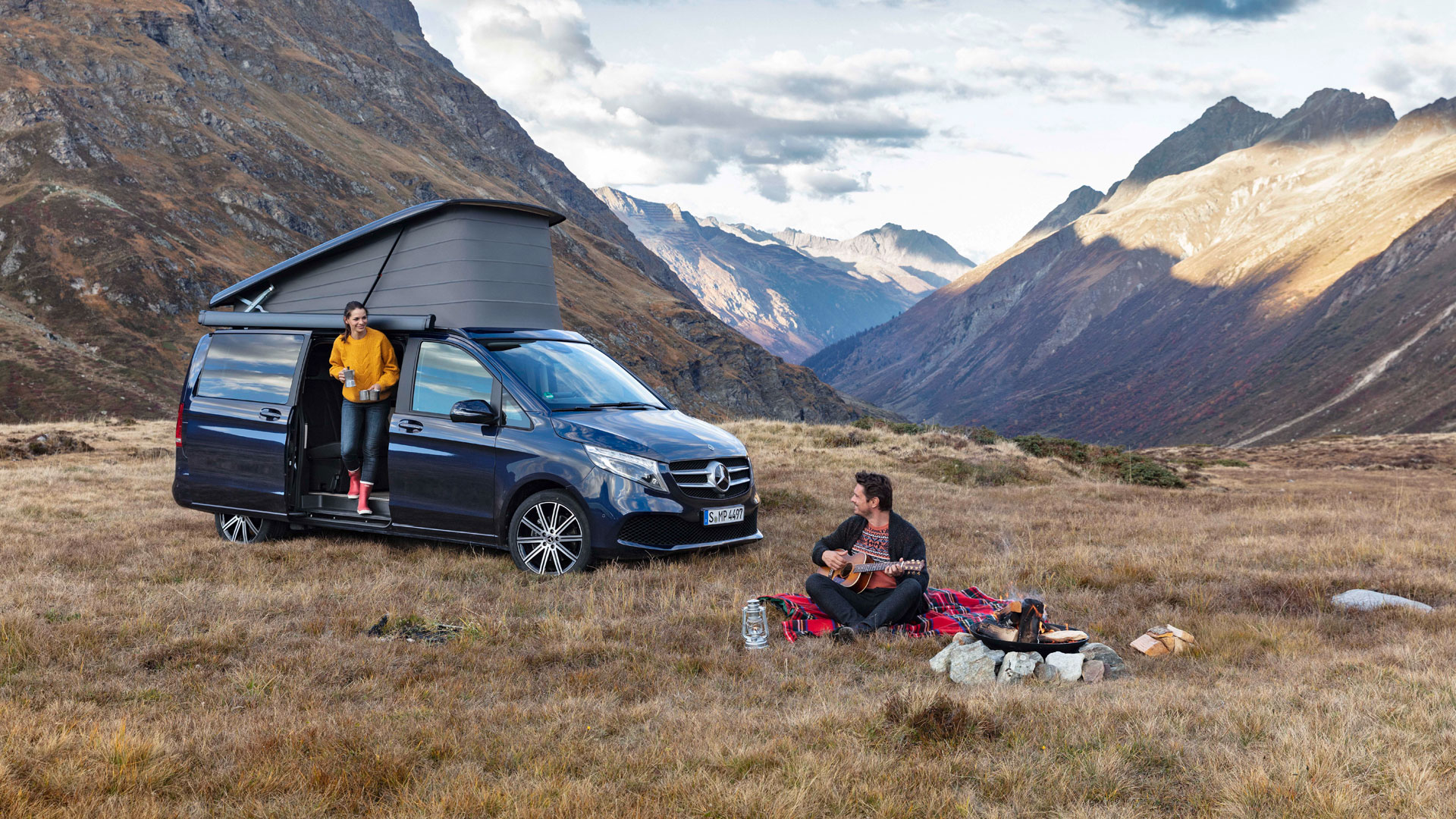
This is impressive – the official Instagram account of Mercedes-AMG has amassed 8.8 million followers, which is in addition to the soon-to-be-revealed follower count of Mercedes-Benz. The feed offers a blend of road and track action, along with the obligatory lifestyle images designed to tempt you into emptying your wallet for some branded gear.
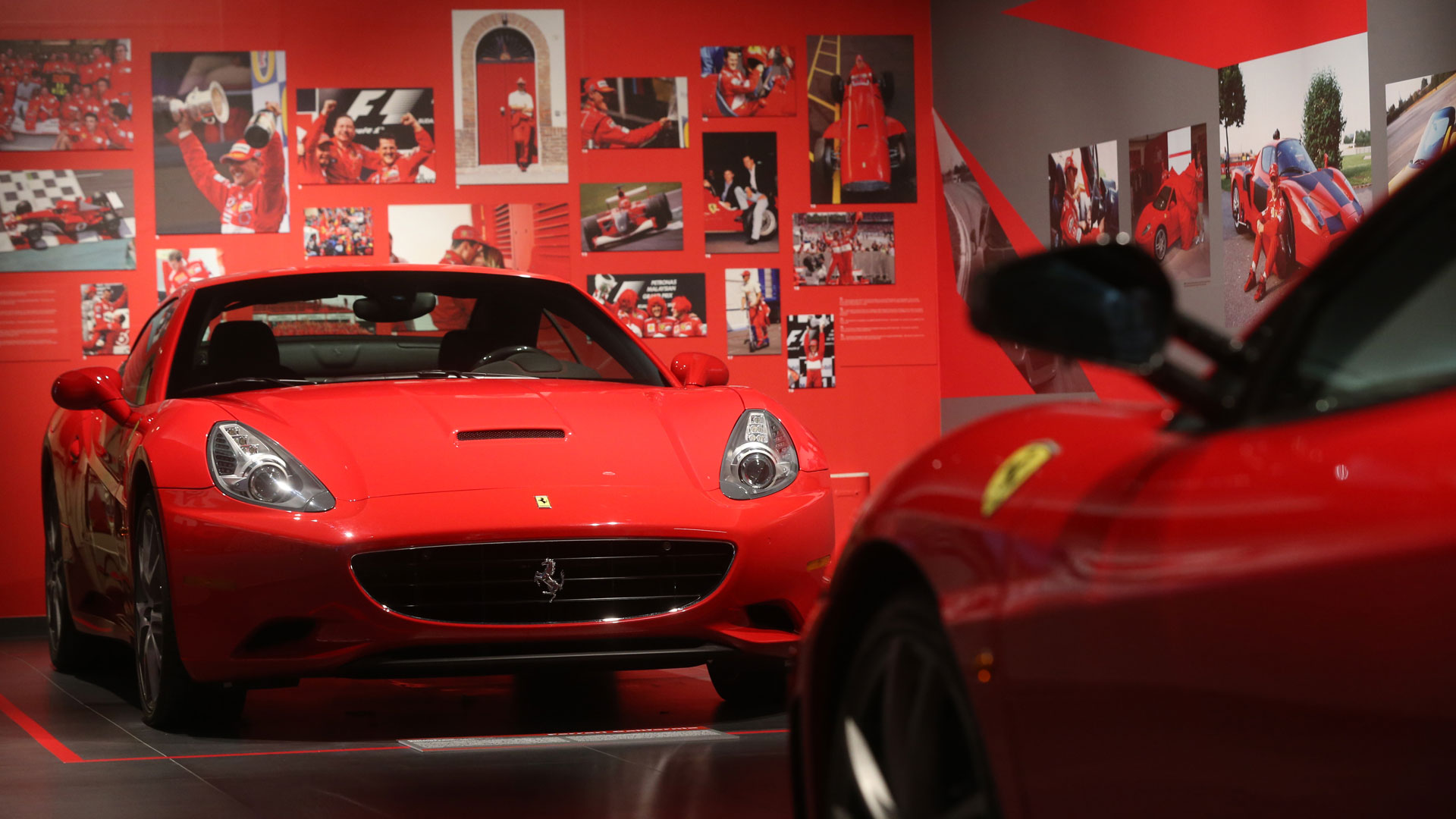
The profile for the Italian supercar maker is only able to claim sixth place on our list. Notably, Ferrari only follows just two accounts on Instagram, one of which is that of the Scuderia Ferrari F1 team, which attracts 2.7 million followers alone. For those solely interested in road cars, Ferrari posts numerous pictures of the latest machinery mixed with highlights from a back catalogue spanning seven decades.
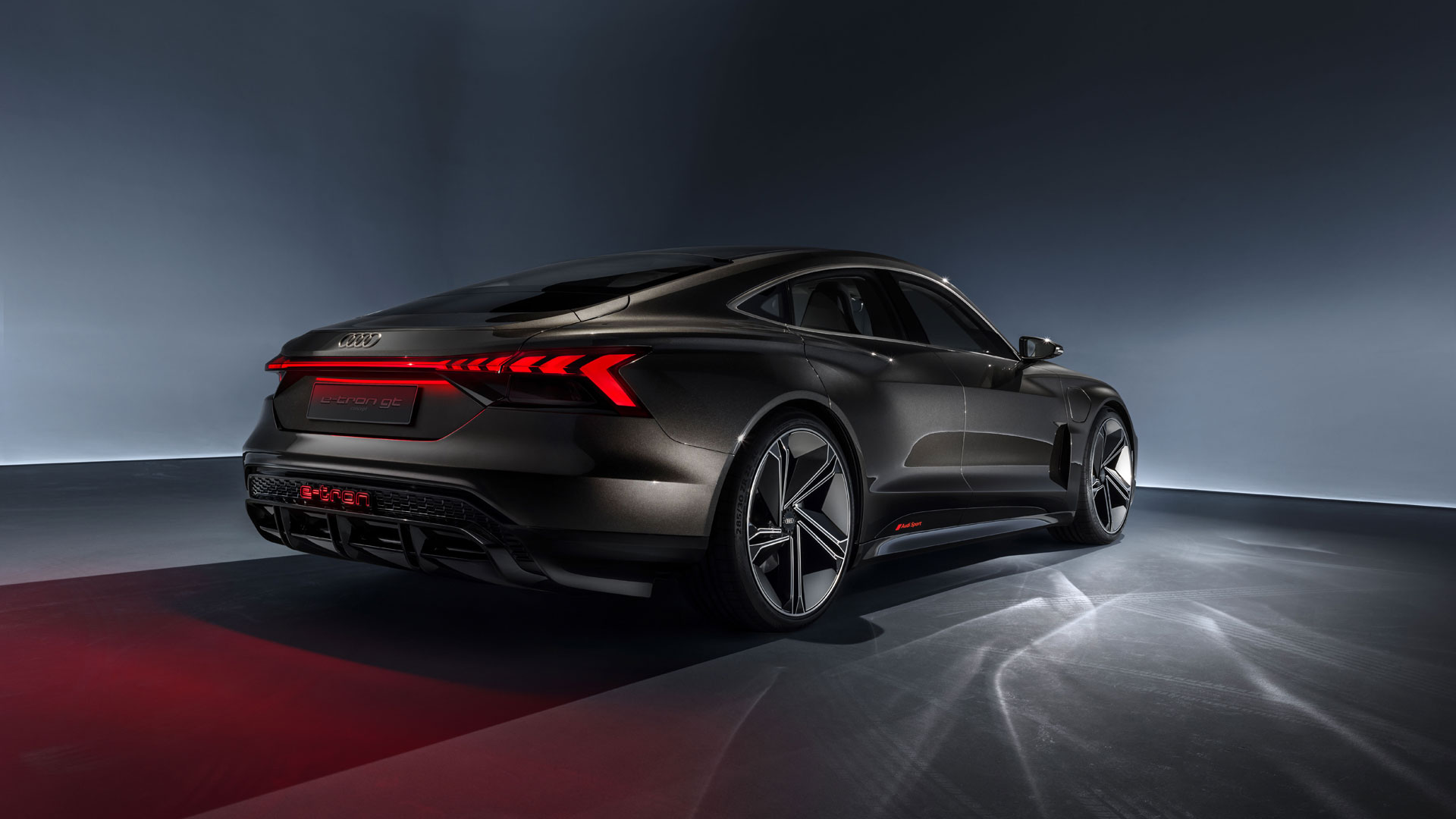
Another North American profile that acts as an Instagram brand beacon, especially when the official Audi account attracts just 443,000 followers. Audi North America keeps things firmly on one side of the Atlantic, with photos and videos of Audi models in virtually every state throughout the country. User submissions are also encouraged and feature alongside professional photography. Despite all this, Audi UK’s own Instagram page boasts a healthy following of over 123,000.
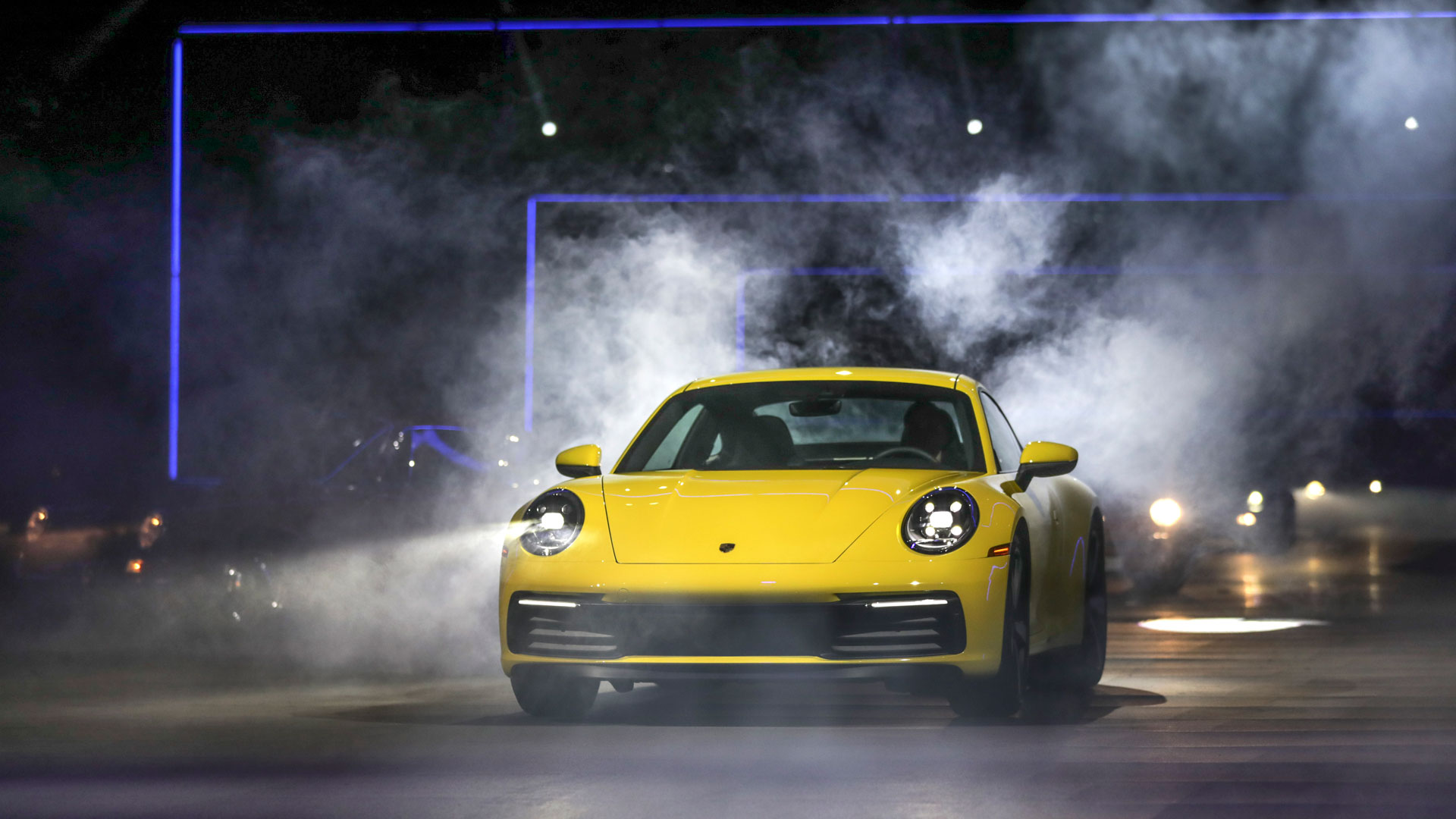
This may be the Instagram account for Porsche Cars North America, but it has become the top destination for followers of the Stuttgart marque. Encouraging user contributions through the #PorscheMoment tag, there is an international flavour to the feed despite the American origins. The Porsche GB account has amassed 148,000 followers.
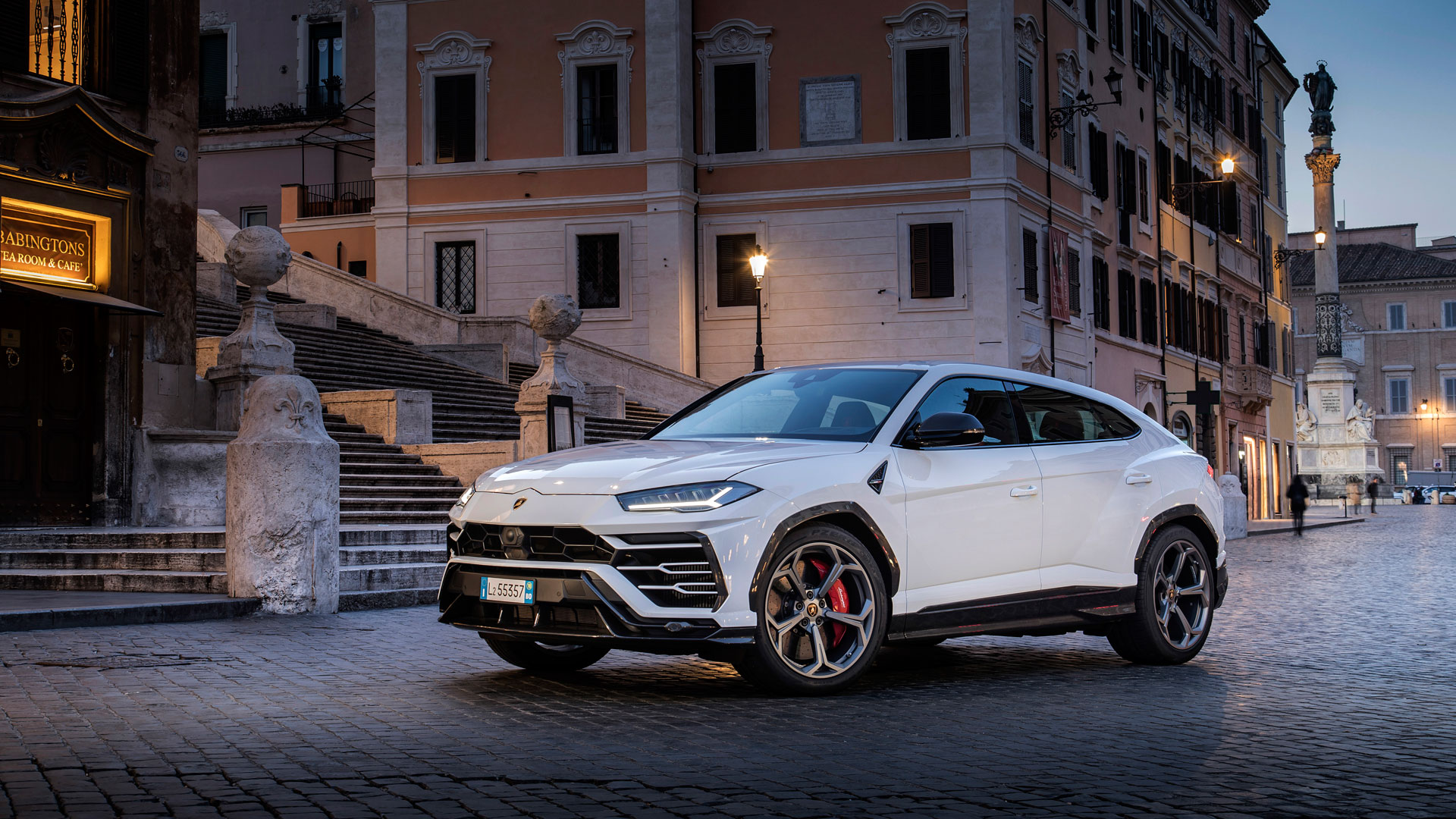
Claiming top position in the battle of the Italian supercar manufacturers, and sneaking into the top three ahead of the other companies in the Volkswagen Group, is Lamborghini. The featured photography is as eclectic as you would probably expect from the Sant’Agata brand, mixing modern work with retro goodness.
With almost 12,000 photos and videos shared, Mercedes-Benz goes big when it comes to Instagram. As a result, the Stuttgart brand boasts nearly 18 million avid followers and encourages numerous submissions by Mercedes-Benz fans and owners from across the globe. With such an extensive history, the Mercedes account includes a plentiful supply of retro images.
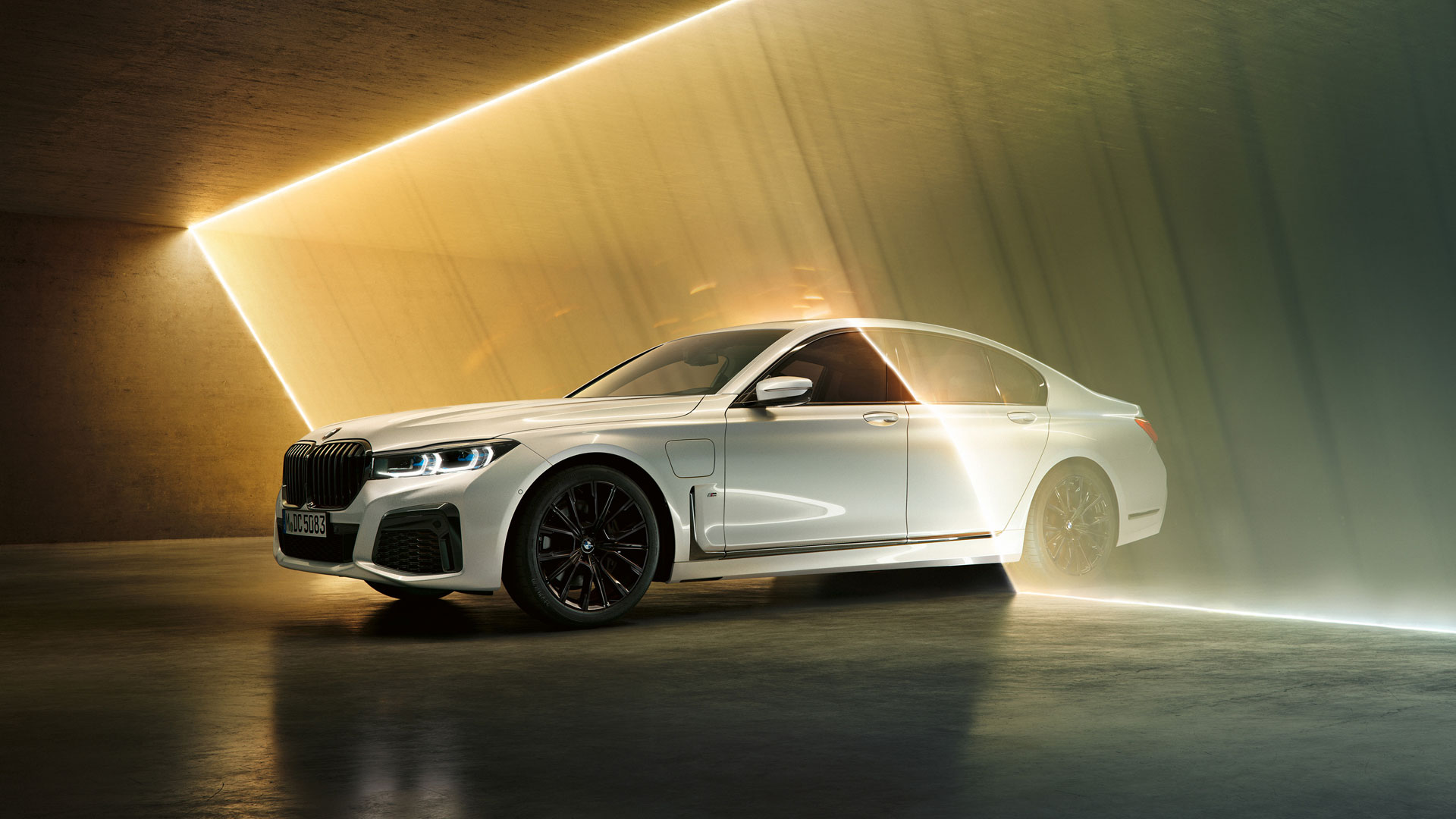
This is it, the peak of the Instagram car brands, and by the time you read this BMW will may have increased its follower count to 20 million. That’s equivalent to the entire population of Romania eagerly awaiting new photos that capture the ideas of ‘sheer driving pleasure’ on Instagram. As impressive as BMW’s Insta achievement might be, it’s still a long way from brands like Nike (84.3m) and National Geographic (99.2m), which truly dominate the platform.
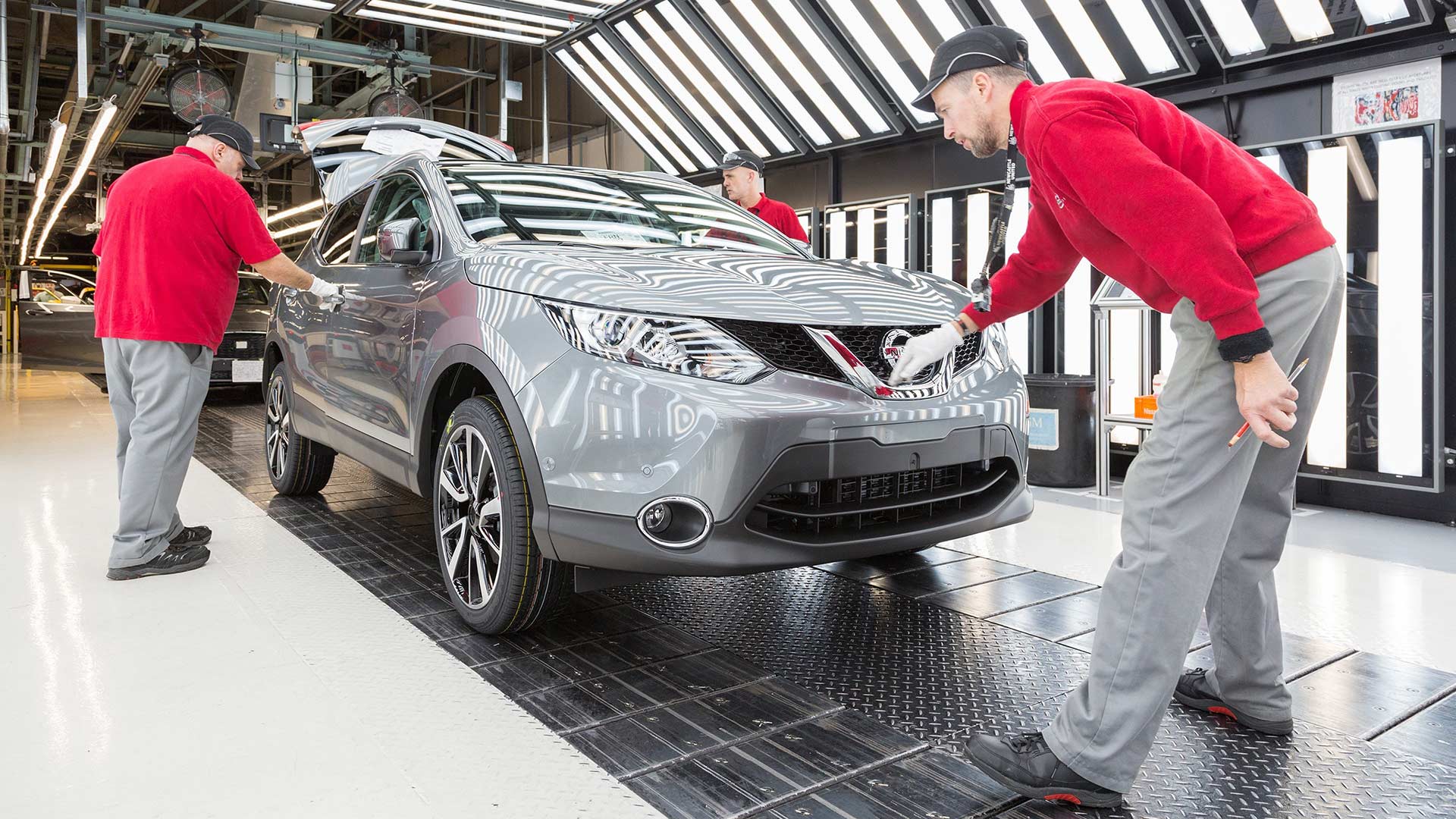
Following feverous online speculation over the weekend, Nissan has officially confirmed that the next X-Trail model will not be built at the Sunderland plant in the UK.
Former Nissan chairman Carlos Ghosn previously announced in October 2016 that the next-generation X-Trail would be built in Sunderland, following talks with prime minister Theresa May.
The news will come as a major blow to the Wearside site, even if Nissan has made clear that future planned investment for the Qashqai, and replacement Juke, are unaffected by this shock announcement. No job losses from the 7,000 workers employed at the Sunderland factory will arise from this decision.
Brexit uncertainty has played a part
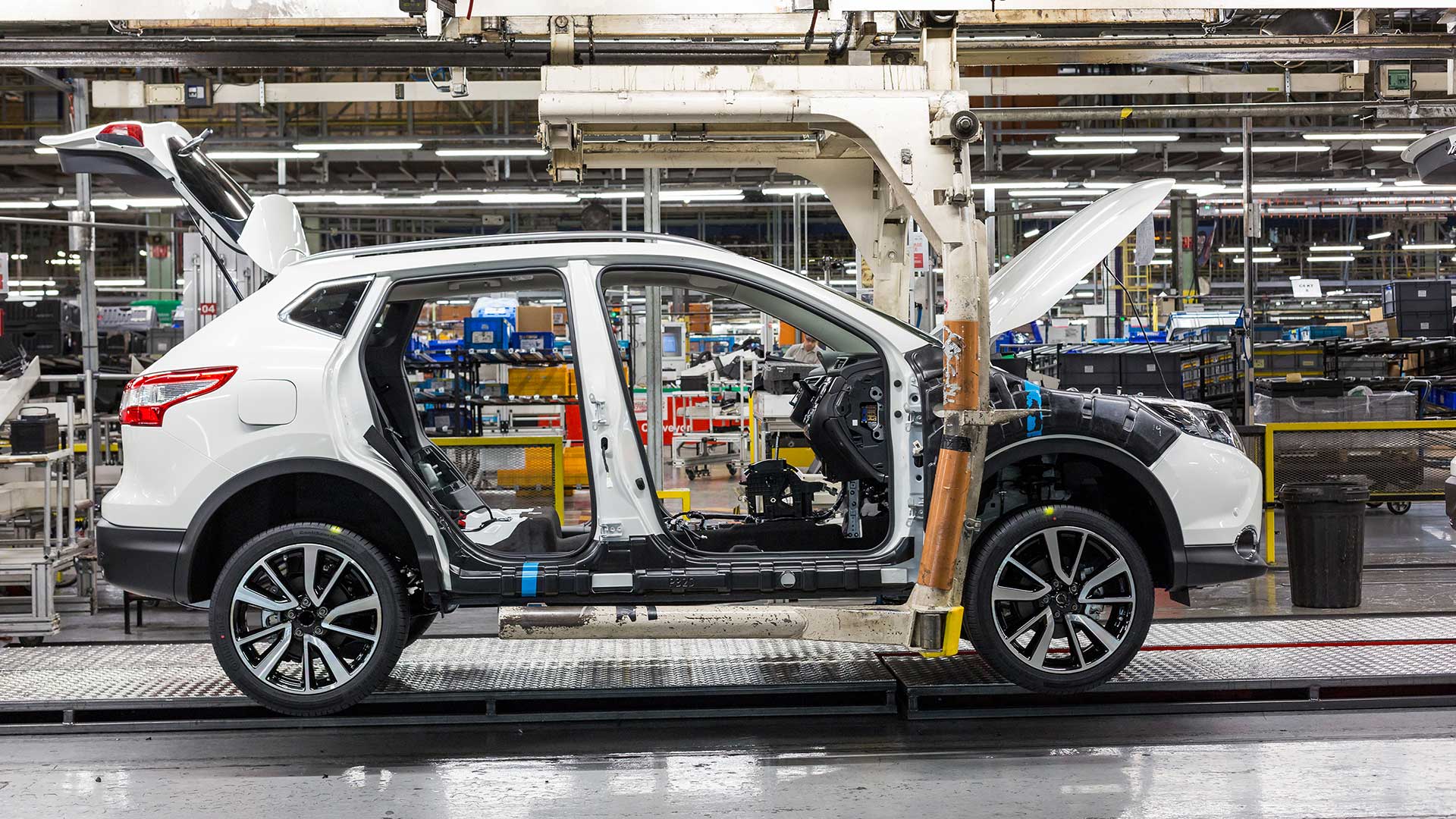
Nissan has cited a number of key factors in choosing to keep production of the European-specification X-Trail in Japan.
The current X-Trail has been produced at the Kanda factory in Kyushu since 2013, with Nissan stating that retaining the model there will reduce the need for further investment. The decline in the demand for diesel-engined vehicles is also likely to be a major reason.
However, whilst Nissan notes to have “taken this decision for business reasons”, it also adds that the “continued uncertainty around the UK’s future relationship with the EU is not helping companies like ours to plan for the future.”
Nissan’s announcement comes just days after Mike Hawes, Society of Motor Manufacturers and Traders Chief Executive, stated: “With fewer than 60 days before we leave the EU and the risk of crashing out without a deal looking increasingly real, UK Automotive is on red alert. Brexit uncertainty has already done enormous damage to output, investment and jobs.”
Clear and present danger
Business secretary Greg Clark described Nissan’s decision as a “blow to the sector and the region” given the introduction of the X-Trail would have been a “significant expansion of the site and workforce.”
Clark also underlined the importance of the car industry in the UK, describing it as “a vital sector for the British economy which draws on our combination of rich automotive heritage and cutting edge innovation.”
With more than 850,000 jobs dependent upon the automotive sector across the UK, the stakes at play are high. Nissan’s latest announcement is based upon a number of financial reasons, but the worry about the effects of Brexit are clearly present in the decision to curtail further investment.
The Times has also reported that Nissan could stand to lose a £60million support package from the government. Business minister Richard Harrington has rebutted the claims, saying the funding “still stands”, but conceding that Nissan’s decision was a “disaster” when speaking to BBC Newcastle.
The European new car market stablised in 2018, with registrations up by 346 units (yes, just three hundred and forty six cars!).
According to JATO Dynamics, a total of 15.6 million vehicles were registered, making it the market’s best result since 2017, but consumer confidence was hit by the aftereffects of dieselgate, WLTP and Brexit.
Here, we reveal the top 25 best-selling cars of 2018, with the results presented in reverse order.
Also be sure to check out our British top 20 best-sellers of 2018, to see how we compare with the rest of Europe; we have more in common than you may think…
25: Ford Kuga – 154,125 registrations
Change 2017 vs 2018: up 1%
The Ford Kuga creeps into the top 25, with a slight increase in registrations in 2018. Four cars slipped out of the top 25: Audi A3, Renault Megane, Vauxhall Mokka and Mercedes-Benz C-Class.
Commenting on the results, Felipe Munoz, global analyst at JATO Dynamics said: “The effects of WLTP and the lack of availability of many key versions affected registrations in Q4, which is not surprising given that by late November less than two in three versions in Europe were homologated.”
24: Peugeot 308 – 155,925 registrations
Change 2017 vs 2018: down 2%
“Throughout 2018 we continued to see the effects of the diesel crisis, as announcements of policy changes by governments led to confusion and panic among consumers,” continued Munoz. Meanwhile, Peugeot 308 registrations were down in 2018.
23: Mercedes-Benz A-Class – 156,020 registrations
Change 2017 vs 2018: up 8%
Fresh from its launch at the 2018 Geneva Motor Show, the Mercedes A-Class has cemented its position as Europe’s most popular premium car. Highlights include a much-improved interior and a new MBUX infotainment system.
22: Volkswagen Passat – 157,986 registrations
Change 2017 vs 2018: down 14%
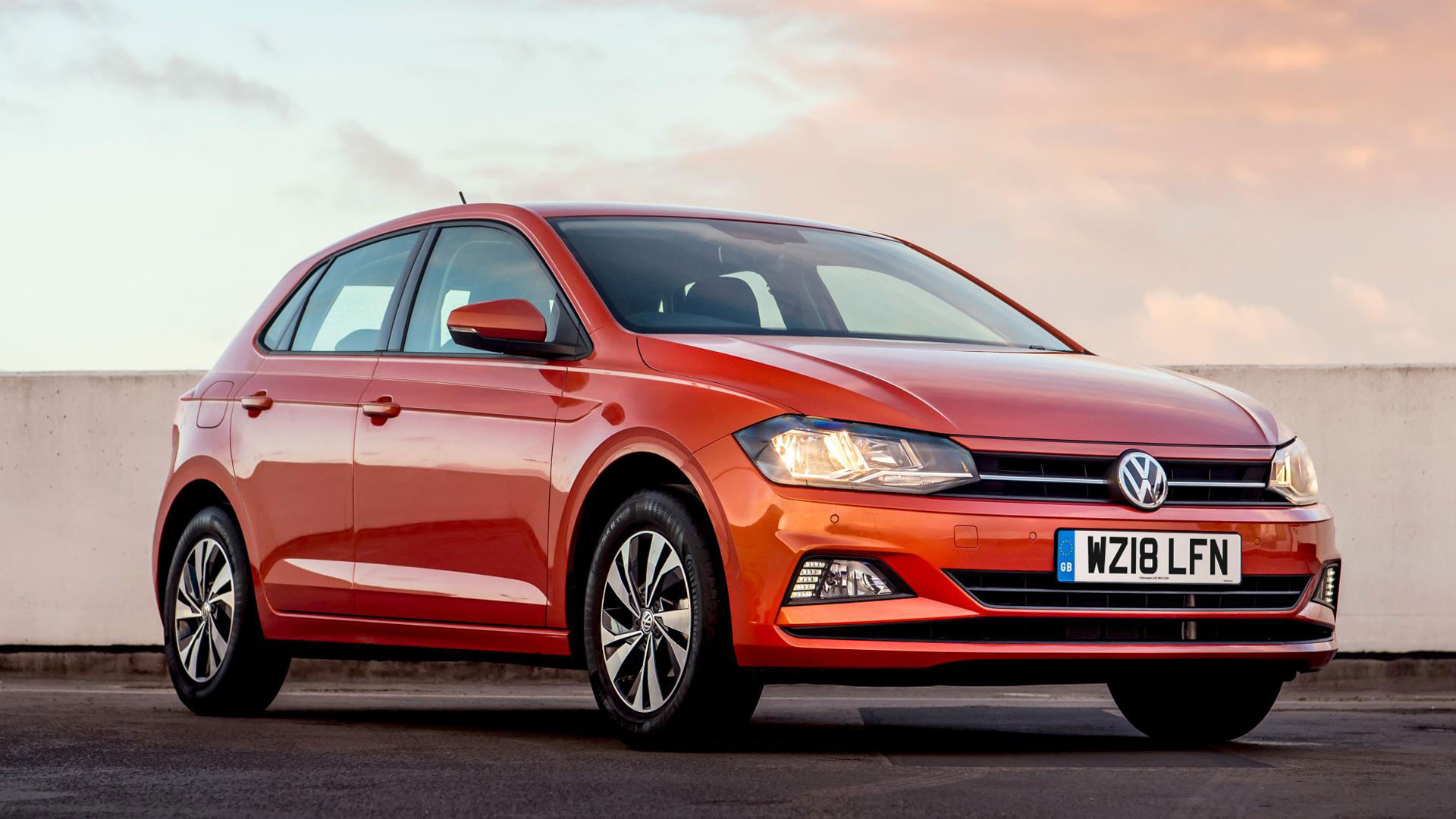
Sales of the Volkswagen Passat continue to fall, which is hardly surprising for a car that dates back to 2014 in Europe. The slump was offset by strong performances from the Polo and the new T-Roc.
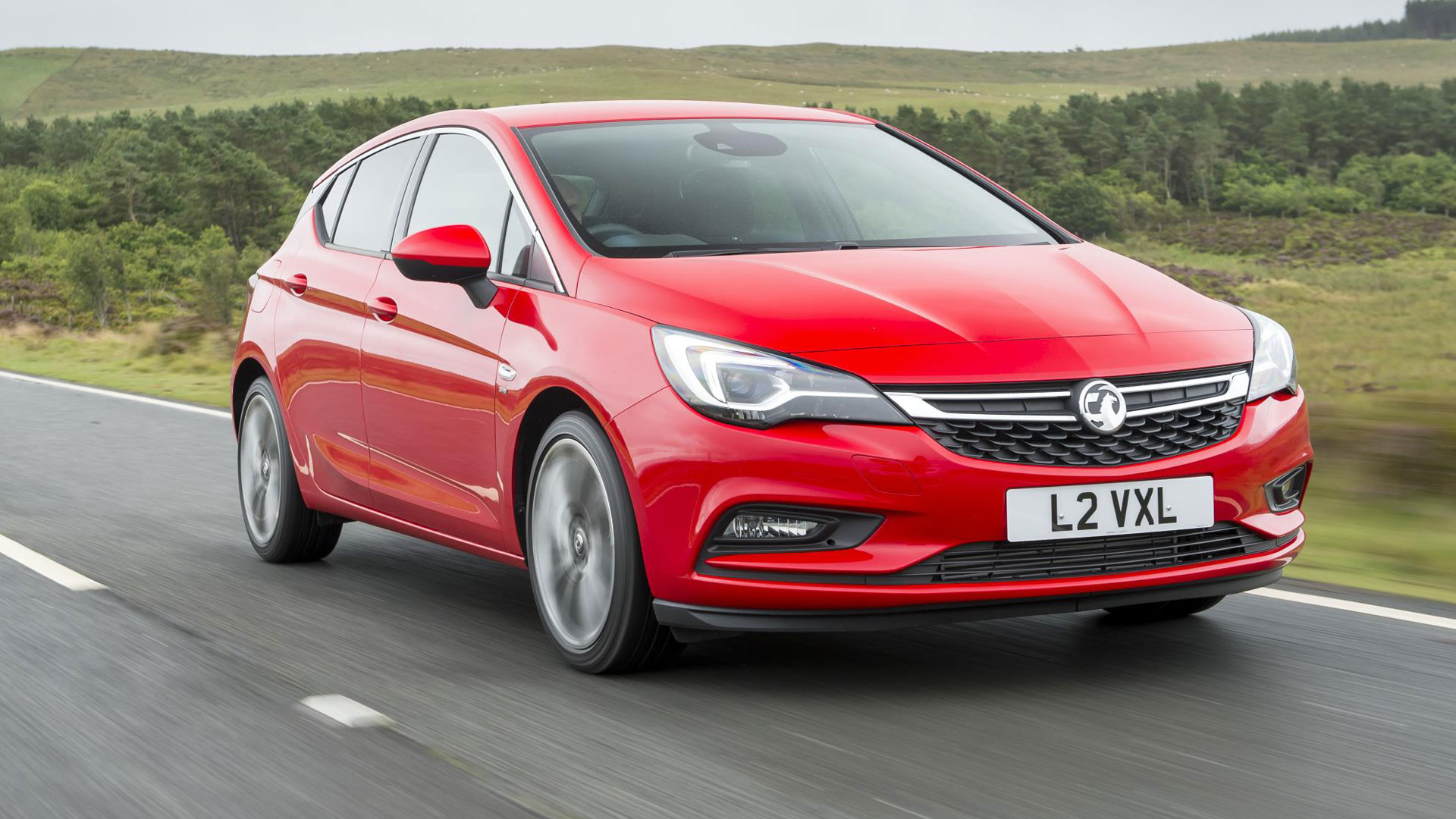
21: Vauxhall Astra – 160,275 registrations
Change 2017 vs 2018: down 27%
This is another wretched performance for the Astra, with registrations down 27 percent. This time last year, registrations were down 13.8 percent, as the Astra just managed to hold on to a top ten slot. It might even struggle to secure a place in the top 25 in 2019.
20: Fiat Panda – 168,697 registrations
Change 2017 vs 2018: down 10%
If Fiat wasn’t aware of the desperate need for a Panda replacement, the city car’s zero-star Euro NCAP crash test rating should have rammed the message home.
19: Skoda Fabia – 172,511 registrations
Change 2017 vs 2018: down 5%
The Skoda Fabia has been on sale a while, but a raft of revisions in 2018 delivered a much-needed refresh. The Fabia still offers excellent value for money, but has been left behind the likes of the Polo and Ibiza. Which means it’s no surprise to see registrations down in 2018.
18: Peugeot 2008 – 180,204 registrations
Change 2017 vs 2018: no change
The Peugeot 2008 was launched in 2013 and given a mid-life facelift in 2016. Sales remained static in 2018, but the 2020 version of this popular compact SUV is required to avoid a sales slump in 2019.
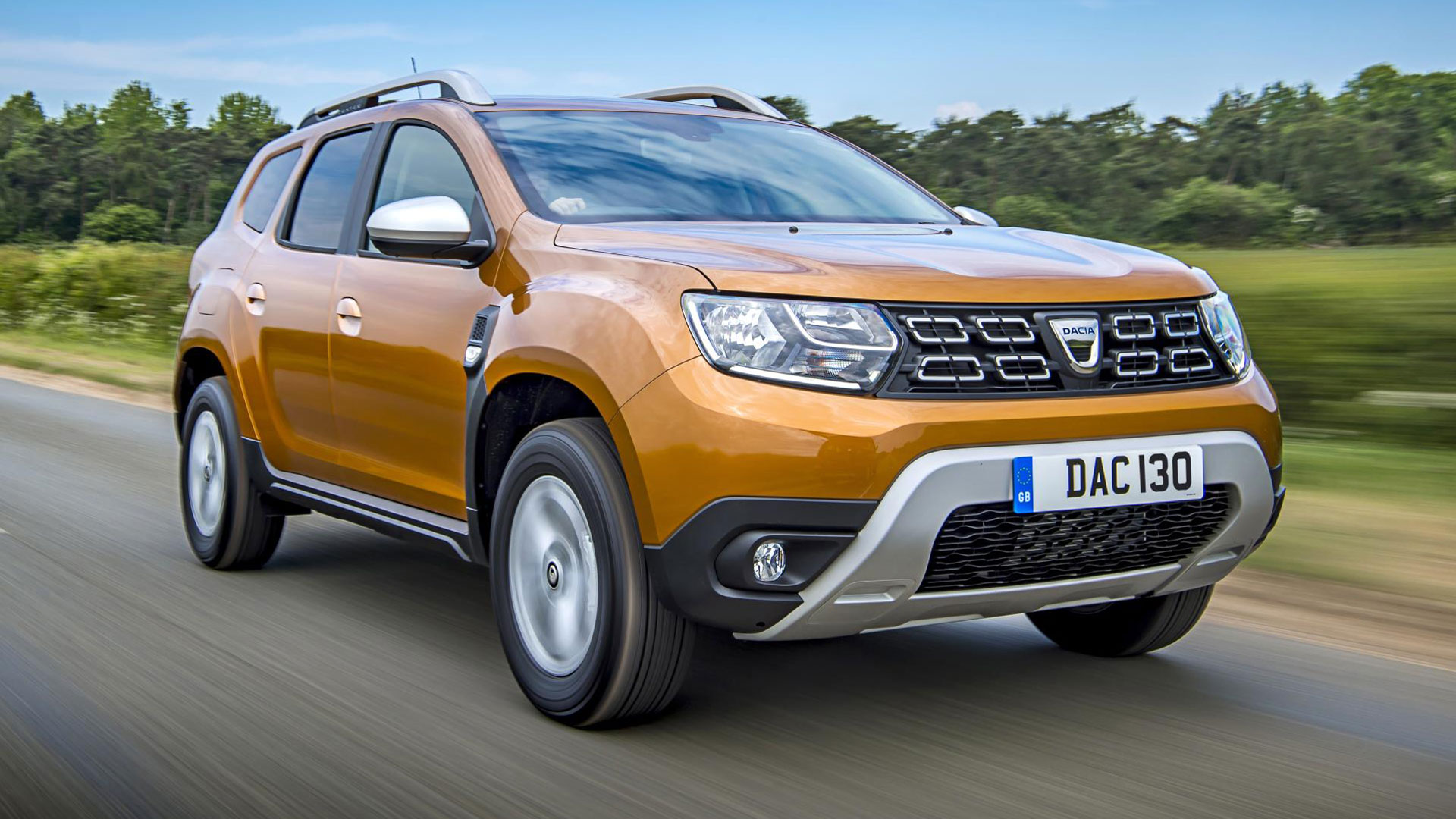
17: Dacia Duster – 182,100 registrations
Change 2017 vs 2018: up 22%
Go Duster! Or something. From outside the top 25 in 2017, the Dacia Duster catapults itself to 17th in 2018, with registrations up 22 percent. The new version has been improved in a number of areas, including more comfortable seats and more efficient engines.
16: Fiat 500 – 191,205 registrations
Change 2017 vs 2018: up 1%
The Fiat 500 is a non-mover at number 16, with registrations up once again. Since it went on sale way back in 2007, the 500 has remained one of the most fashionable cars you can buy, with recent sales assisted by a 2016 facelift.
15: Ford Focus – 196,583 registrations
Change 2017 vs 2018: down 9%
Sales of the new Ford Focus are down from 214,661 in 2017 to 196,583 in 2018. Blame disruption from the switchover to the new model. Ford registered just over a million new cars in 2018, placing it third overall on the list of manufacturers behind Renault in second and Volkswagen at the top.
14: Peugeot 3008 – 204,197 registrations
Change 2017 vs 2018: up 26%
It has been a good couple of years for the Peugeot 3008, with this performance following a huge increase of 554.9 percent in 2017. This is the largest increase in the top 25, with Peugeot registering just shy of a million cars in 2018.
13: Citroen C3 – 210,082 registrations
Change 2017 vs 2018: up 1%
Launched in January 2017, the Citroen C3 remains in 13th place for the second successive year. UK prices start from just shy of £12,000, with top-spec models weighing in at around £16,000.
12: Renault Captur – 214,720 registrations
Change 2017 vs 2018: no change
The Renault Captur is another non-mover, with registrations remaining static in 2018. With overall registrations of 1.1 million, Renault is the second biggest brand in Europe.
11: Dacia Sandero – 216,306 registrations
Change 2017 vs 2018: up 8%
It’s another good year for the Dacia Sandero, with this performance following an increase of 15.6 percent this time last year. It also sees the Sandero climbing from 15th to 11th place. Another 731 registrations and it would have made the top ten.
10: Vauxhall Corsa – 217,036 registrations
Change 2017 vs 2018: down 7%
The Vauxhall Corsa is left clinging on to a place in the top ten, with registrations falling from 232,738 to 217,036. It means that the 2020 Corsa is long overdue – the new car will use the same platform as the next-generation Peugeot 208.
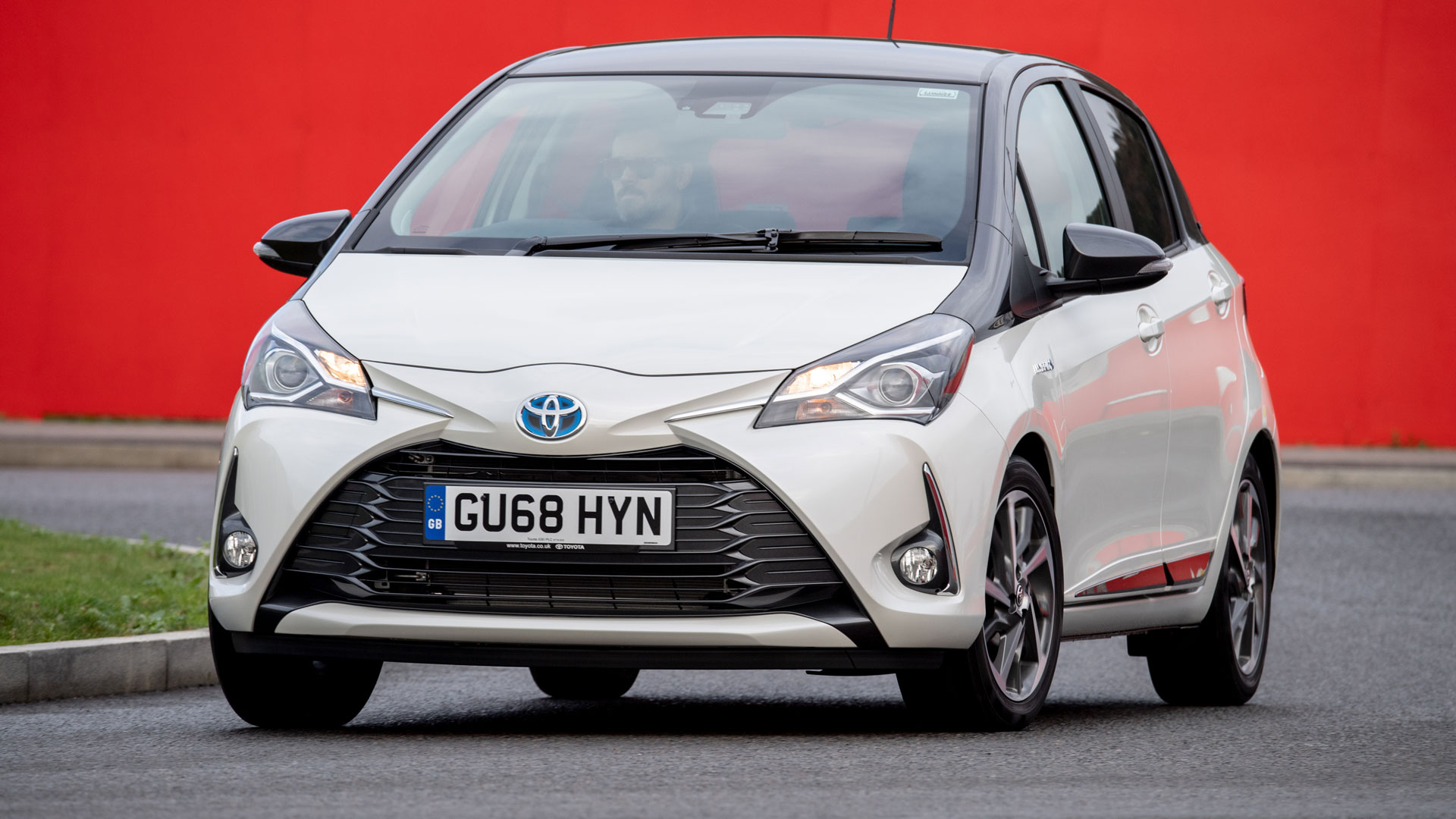
9: Toyota Yaris – 217,642 registrations
Change 2017 vs 2018: up 9%
From 14th place in 2017, the Toyota Yaris has broken the 200k mark to finish above the Corsa. Amazingly, this is the only Toyota to feature in the top 25, although the company made the top ten on the list of manufacturers.
8: Skoda Octavia – 223,352 registrations
Change 2017 vs 2018: down 3%
With more than six million Octavias of all generations sold, this is by far the best-seller in the Skoda range. Registrations might have been down in 2018, but this is around 50,000 more units than the Fabia.
7: Volkswagen Tiguan – 224,788 registrations
Change 2017 vs 2018: down 5%
With three models in the top ten, Volkswagen recorded a 3 percent increase in registrations, with sales totalling 1.75 million. As an aside, the majority of vehicles registered in 2018 were powered by petrol engines, with the fuel type making up 57 percent of all registrations.
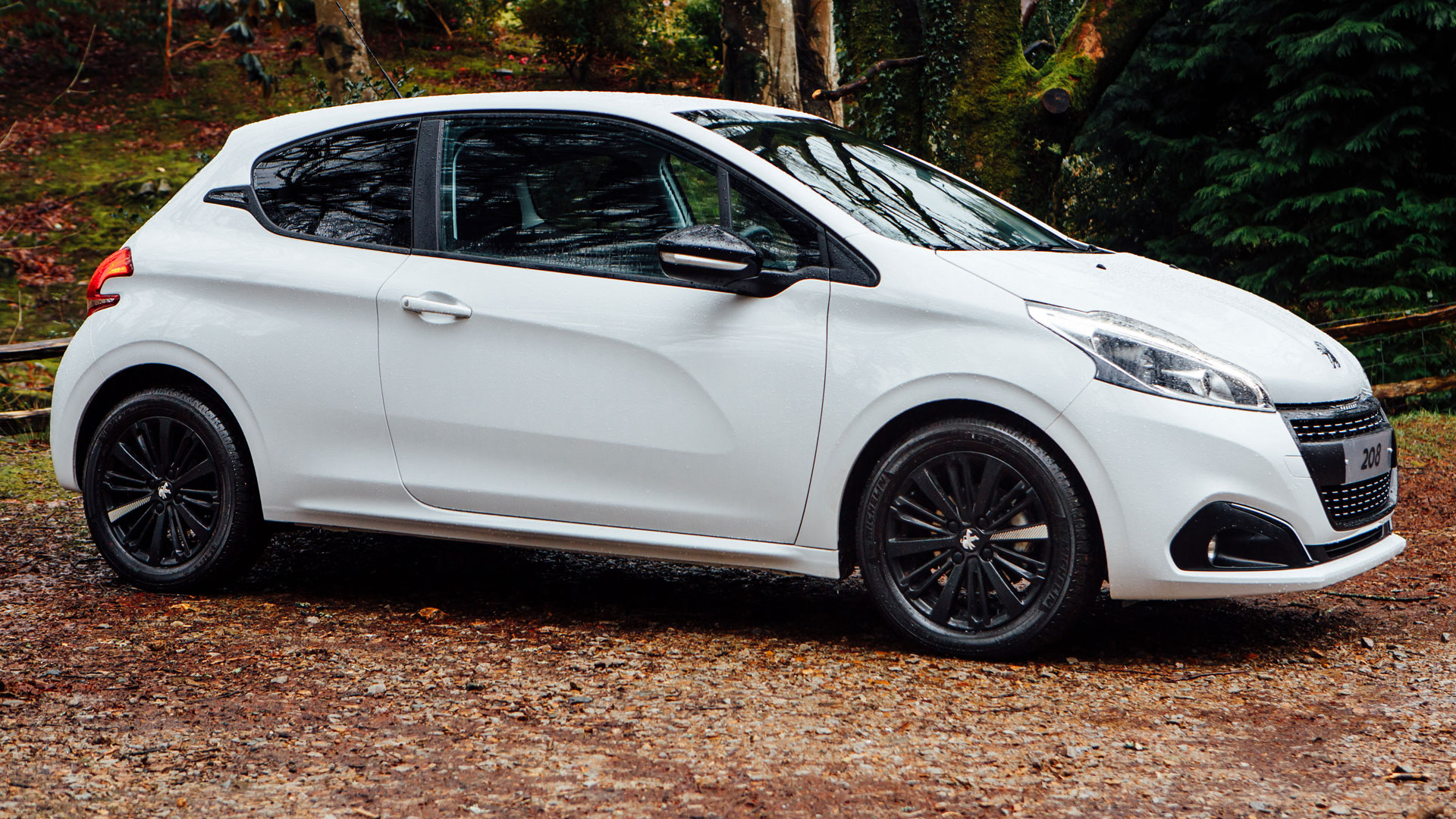
6: Peugeot 208 – 230,026 registrations
Change 2017 vs 2018: down 6%
Interestingly, the top seven cars have all retained their places in 2018, which proves that European consumers are a predictable bunch.
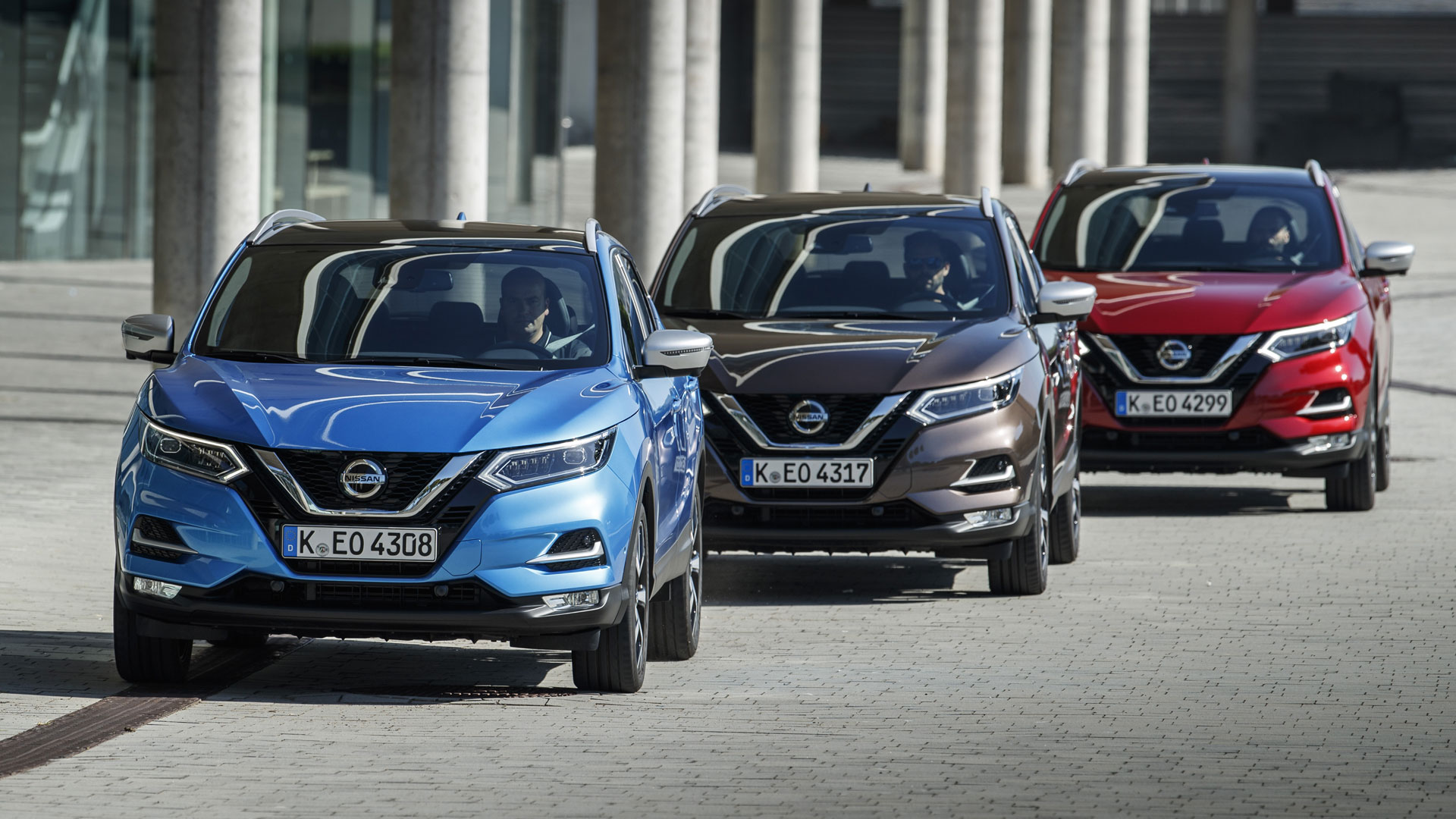
5: Nissan Qashqai – 233,026 registrations
Change 2017 vs 2018: down 6%
The Nissan Qashqai remains Europe’s most popular crossover, although the Volkswagen Tiguan is closing in.
4: Ford Fiesta – 270,738 registrations
Change 2017 vs 2018: up 6%
Britain’s best-selling car is Europe’s fourth-best, with registrations up from 254,539 to 270,738. The new Fiesta is available in a range of flavours, including hot ST, posh Vignale (pictured) and semi-rugged Active.
3: Volkswagen Polo – 299,920 registrations
Change 2017 vs 2018: down 10%
It was another good year for the Volkswagen Polo, although the premium supermini fell agonisingly short of the 300,000 mark. Just 80 more units would have made all the difference.
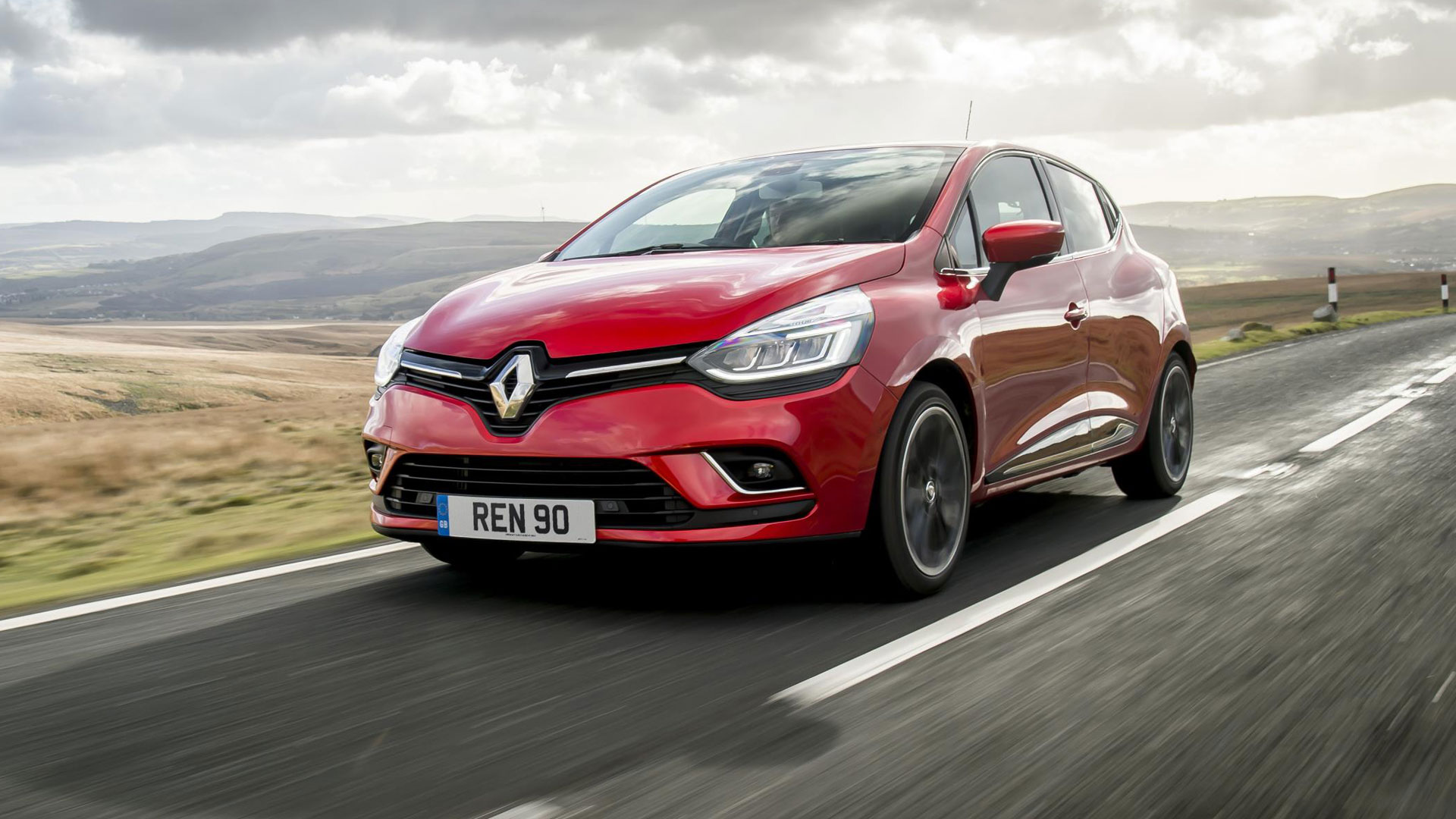
2: Renault Clio – 336,268 registrations
Change 2017 vs 2018: up 2%
A new Renault Clio will be shown at the 2019 Geneva Motor Show, but sales of the outgoing model are showing no signs of slowing up. Good work, Renault.
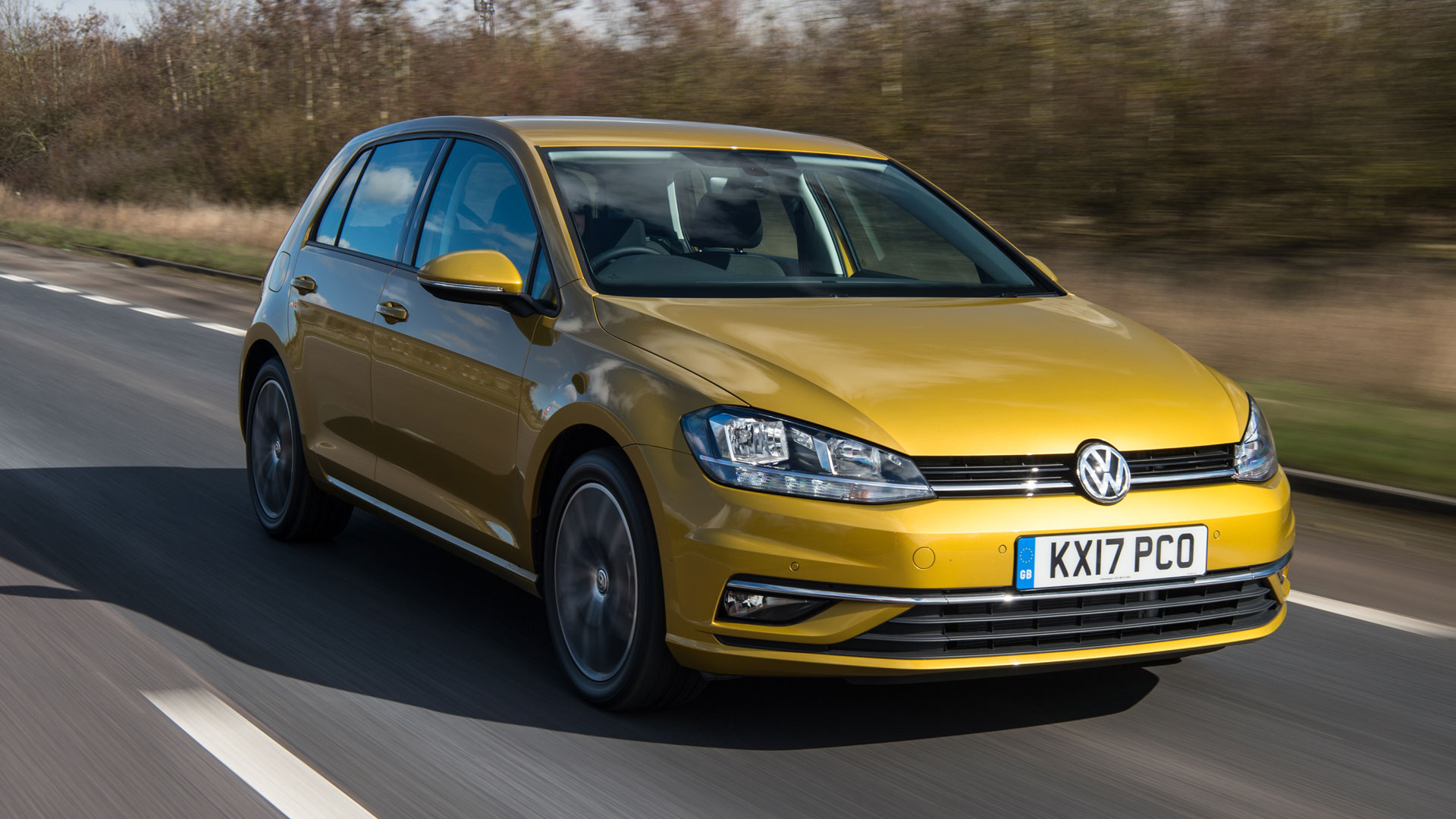
1: Volkswagen Golf – 445,754 registrations
Change 2017 vs 2018: down 8%
Even with an 8 percent fall in registrations, the Volkswagen Golf remains the best-selling car in Europe. Sales of diesel models were down by a massive 30 percent. Still, there’s little chance of anything catching the Golf in 2019.
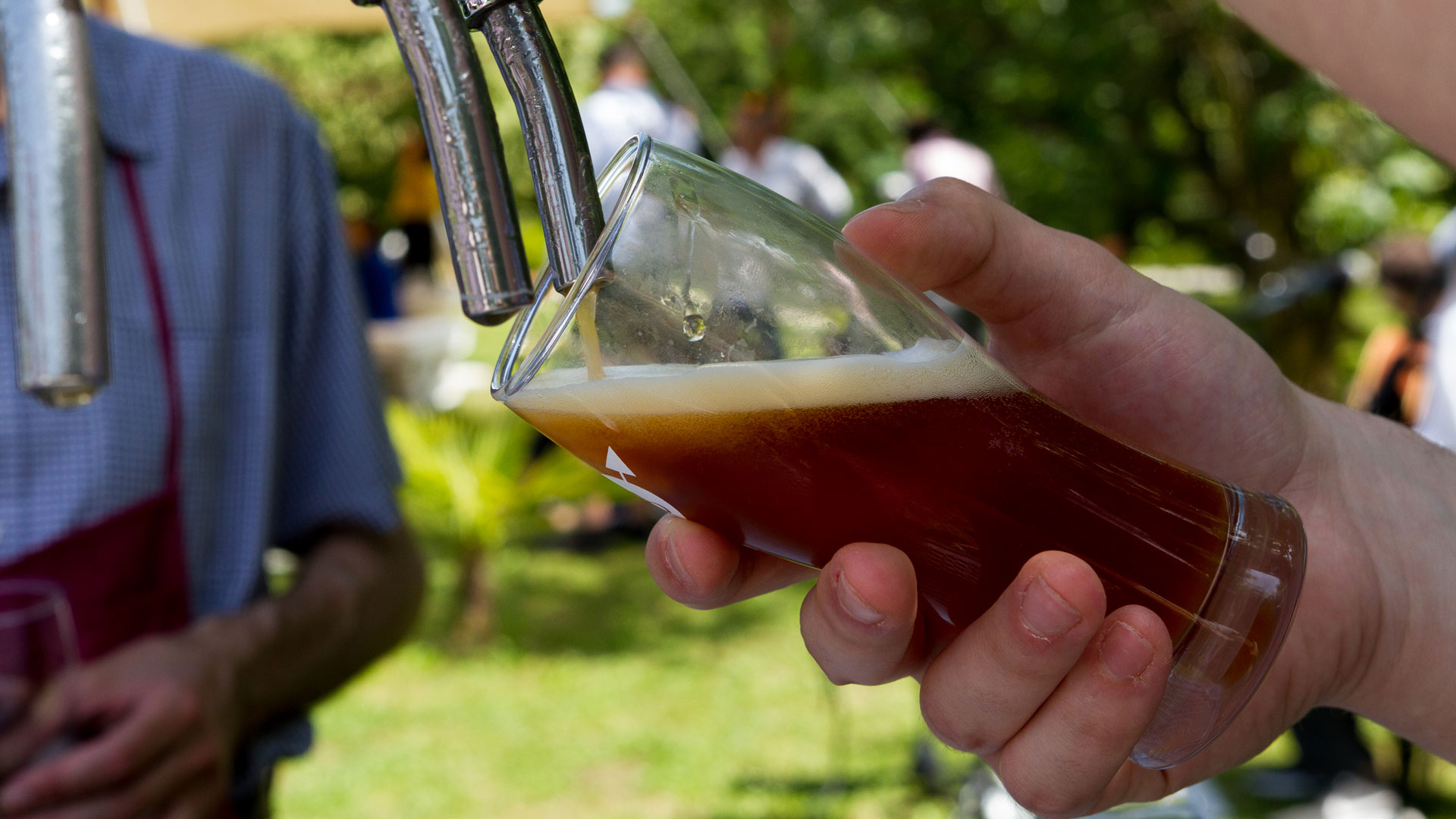
Experts working on the upgrade of the A14 in Cambridgeshire have uncovered what is believed to be evidence of the first beer brewed in the UK.
Signs of the Iron Age brew, dating back more than 2,000 years, were uncovered in tiny fragments of charred residues from the beer making process from earth excavated as part of the £1.5bn A14 Cambridge to Huntingdon improvement scheme.
The beer follows woolly mammoths, abandoned villages and burials in a series of fascinating discoveries made during the four-year scheme.
Dr Steve Sherlock, Highways England archaeology lead for the A14, said: “The work we are doing on the A14 continues to unearth incredible discoveries that are helping to shape our understanding of how life in Cambridgeshire, and beyond, has developed through history.
“It’s a well-known fact that ancient populations used the beer making process to purify water and create a safe source of hydration, but this is potentially the earliest physical evidence of that process taking place in the UK.”
A team of 250 archaeologists have been working on the project, investigating sites across 360 hectares. This latest discovery also revealed that the locals, dating back as far as 400 BC, also had a taste for porridge and bread.
‘Needle in a haystack’
Archaeobotanist Lara Gonzalez, who discovered the beer, said: “I knew when I looked at these tiny fragments under the microscope that I had something special. The microstructure of these remains had clearly changed through the fermentation process and air bubbles typical of those formed in the boiling and mashing process of brewing.
“It’s like looking for a needle in a haystack but as an archaeobotanist, it’s incredibly exciting to identify remains of this significance and to play a part in uncovering the fascinating history of the Cambridgeshire landscape.
“The porous structures of these fragments are quite similar to bread, but through microscopic study, it’s possible to see that this residue is from the beer-making process as it shows evidence of fermentation and contains larger pieces of cracked grains and bran but no fine flour.”
Work on the £1.5bn A14 improvement scheme started in November 2016 and includes a new bypass to the south of Huntingdon. The new road is expected to open to the traffic by the end of 2020.
Skoda has launched a new range-topping version of the performance Octavia vRS, featuring more power and extra standard equipment.
Proving that practicality can still be fun, the Octavia vRS Challenge packs more than £4,500 worth of extra goodies, for only a £2,460 premium compared to the regular vRS version.
Key to the vRS Challenge is the use of the enhanced 2.0-litre TSI petrol engine, previously used in the vRS 245 model.
For those who missed out to buy that particular version, this is a second chance opportunity for an extra 15hp over the normal vRS.
What, no diesel?
With 245hp and 273lb-ft of torque, the vRS Challenge accelerate from 0-62mph in 6.6 seconds. Opting for the cavernous estate version drops that slightly to 6.7 seconds – an acceptable debit for 1,740 litres of luggage space.
A six-speed manual gearbox is standard, with a seven-speed DSG dual-clutch on the options list. Whatever transmission choice, the vRS Challenge comes fitted with an electronically controlled limited-slip differential to help transfer power to the road more effectively.
Sadly for fans of long-range cruising, the vRS Challenge trim won’t be offered with the 2.0-litre diesel engine.
Fully loaded for the challenge
Standard vRS Challenge specification closely mirrors that of the previous vRS 245 version. That means 19-inch ‘Xtreme’ alloy wheels, a sports exhaust with black tailpipes, and black vRS badging front and rear.
Inside, the sports seats are finished in grippy Alcantara trim, and can be adjusted electronically. Front and rear parking sensors, folding and automatically dimming exterior mirrors, and keyless entry are also notable upgraded compared to the standard vRS.
Dynamic Chassis Control is also fitted to the vRS Challenge, featuring electronically regulated suspension dampers. Engaging vRS mode sees the dampers stiffen, along with adding extra weight to the steering. For the really committed, there is even a lap timer function for the colour trip computer.
Available to order right now, prices start at £30,085 for the hatchback, with the estate beginning from £31,285.
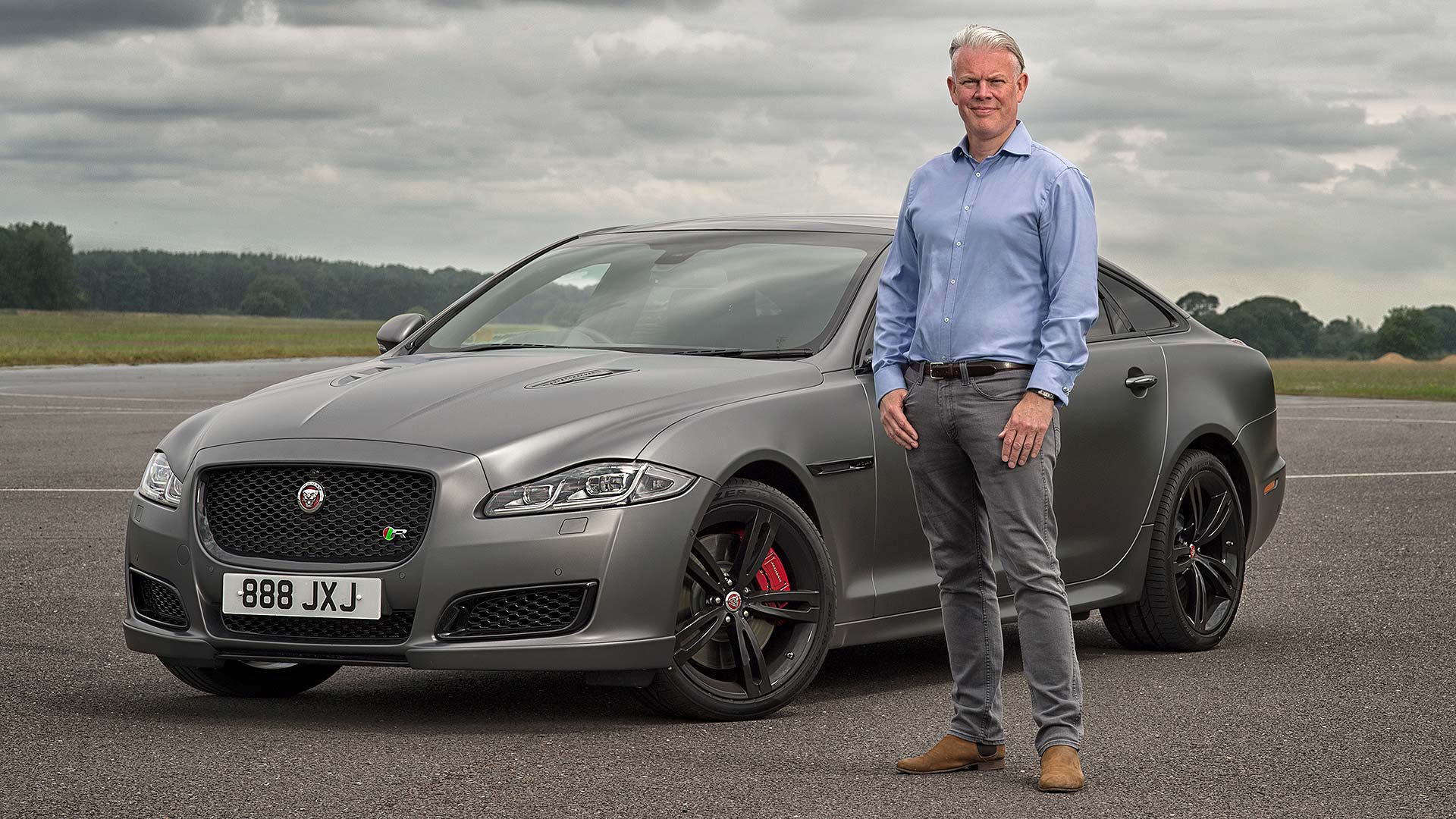
The man who helped create landmark Jaguars such as the F-Type sports car and F-Pace SUV has, after 17 years, left the firm to set up a new UK design centre for Chinese giant Geely Auto Group.
Wayne Burgess, formerly chief designer and design director at Jaguar Cars, is now vice president of Geely Design UK.
The brand new UK design centre will be based in Coventry – where, for years, Burgess worked for Jaguar.
There are already plans for the new Geely Design UK centre to quickly expand, growing to a staff of around 100 designers. It is being set up to expand the design base of Geely’s in-house brands: these include Geely Auto, Lynk & Co, Proton, Lotus and LEVC, the London Electric Vehicle Company taxi brand.
The new UK design and innovation centre will complement other Geely design studios in Shanghai, Gothenburg, Barcelona and California.
Speaking of his new role, Burgess said: “Geely Design has moved quickly to establish itself over the past five years, growing to become one of the strongest teams in the automotive design field.”
His new boss, Peter Horbury, said: “The addition of Geely Design UK showcases Geely’s commitment to the UK and also shows Britain’s leading position in the areas of creativity and design.
“Wayne brings with him a wealth of experience in premium car design which will help us develop our brands.”
Citroen is paying homage to 100 years of ‘creativity and boldness‘ with help from a new range of Origins limited edition cars.
Sadly, this doesn’t mean we can look forward to a Citroen AX GT ‘restomod’, a CX for a new-generation or a modern-day 2CV – although we can dream. Instead, it’s a range of limited-run specials based on some of Citroen’s most popular models.
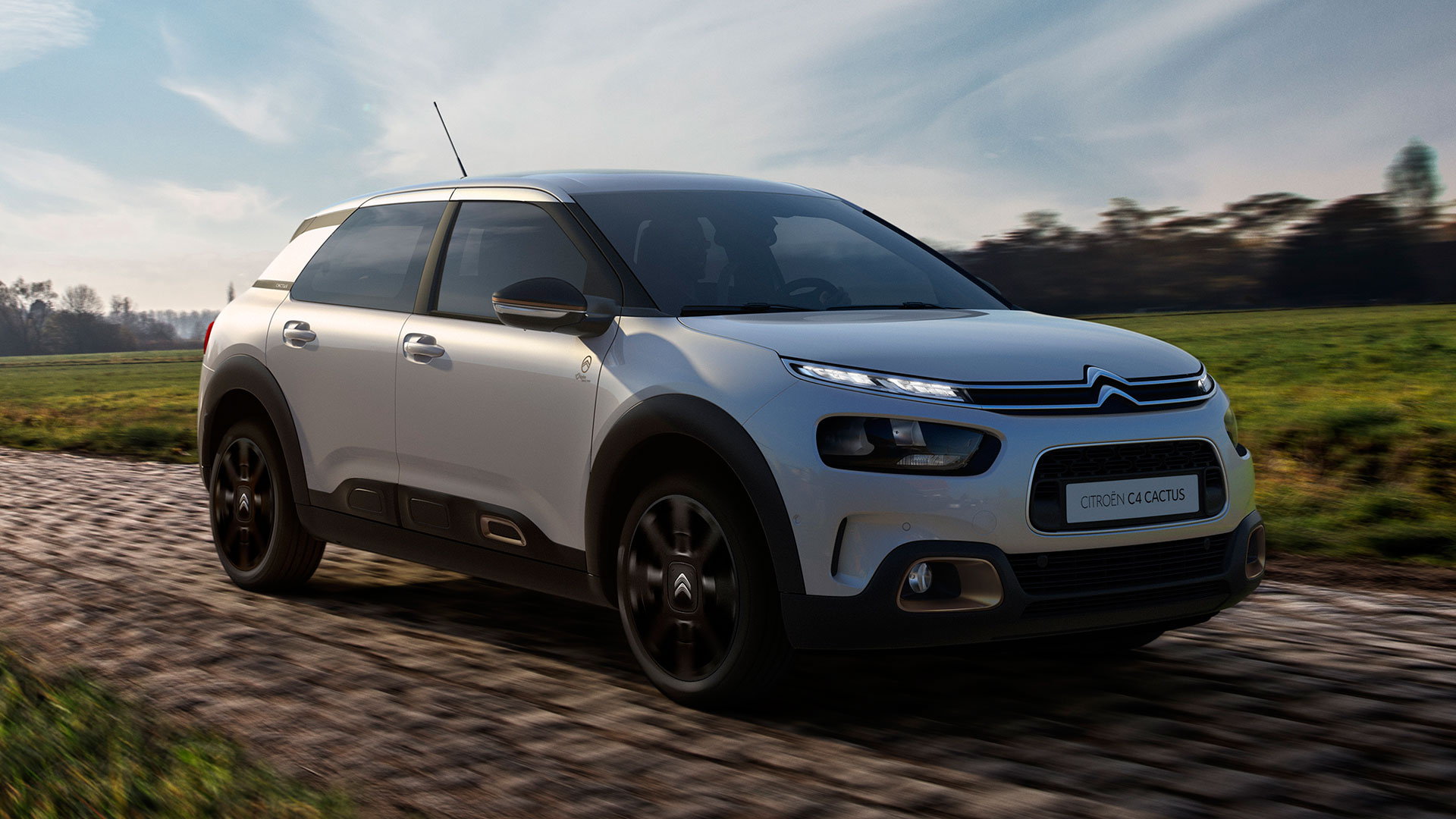
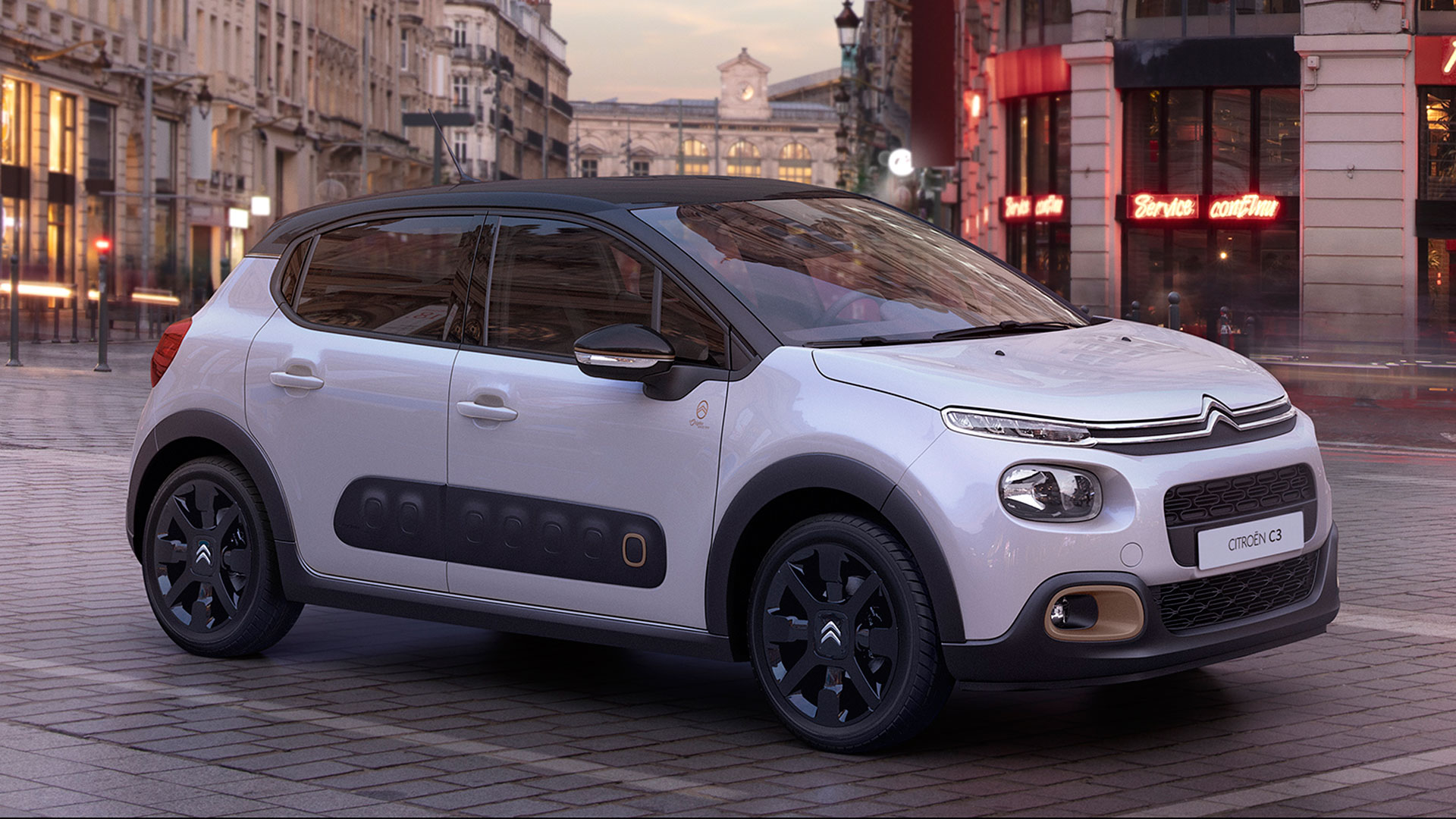
The first two vehicles in the UK are the C3 Origins and the C4 Cactus Origins. Later this year, Origins versions of the C1 and C3 Aircross will be available to order.
All feature bronze highlights and a nod to the original Citroen chevron logo.
The C3 Origins is available in a choice of Polar White, Cumulus Grey, Platinum Grey or Perla Black body colours, paired with a black roof and 17-inch black alloy wheels.
A special Origins colour pack features bronze fog lights and Airbump panel surrounds, along with the Origins logo on the door mirrors and roof pillars. Inside, the C3 Origins features Heather Grey and black seat upholstery, and a soft-touch dashboard trim with a bronze surround.
The C3 Origins is available with a choice of two 1.2-litre engines – a PureTech 82 and PureTech 110 – with the latter equipped with a six-speed automatic transmission. Prices range from £16,585 for the PureTech 82, to £19,005 for the PureTech 110.
The C4 Cactus Origins is largely the same as the C3 Origins, although Pearl White paint is also available, while Perla Nera is substituted for Obsidian Black. Only one powertrain is offered: a 1.2-litre PureTech 110 with a six-speed manual gearbox. The price is £20,215.
Customers can place orders now, with deliveries expected in March 2019. Origins versions of the C1 and C3 Aircross will be available to order in March for delivery in June.
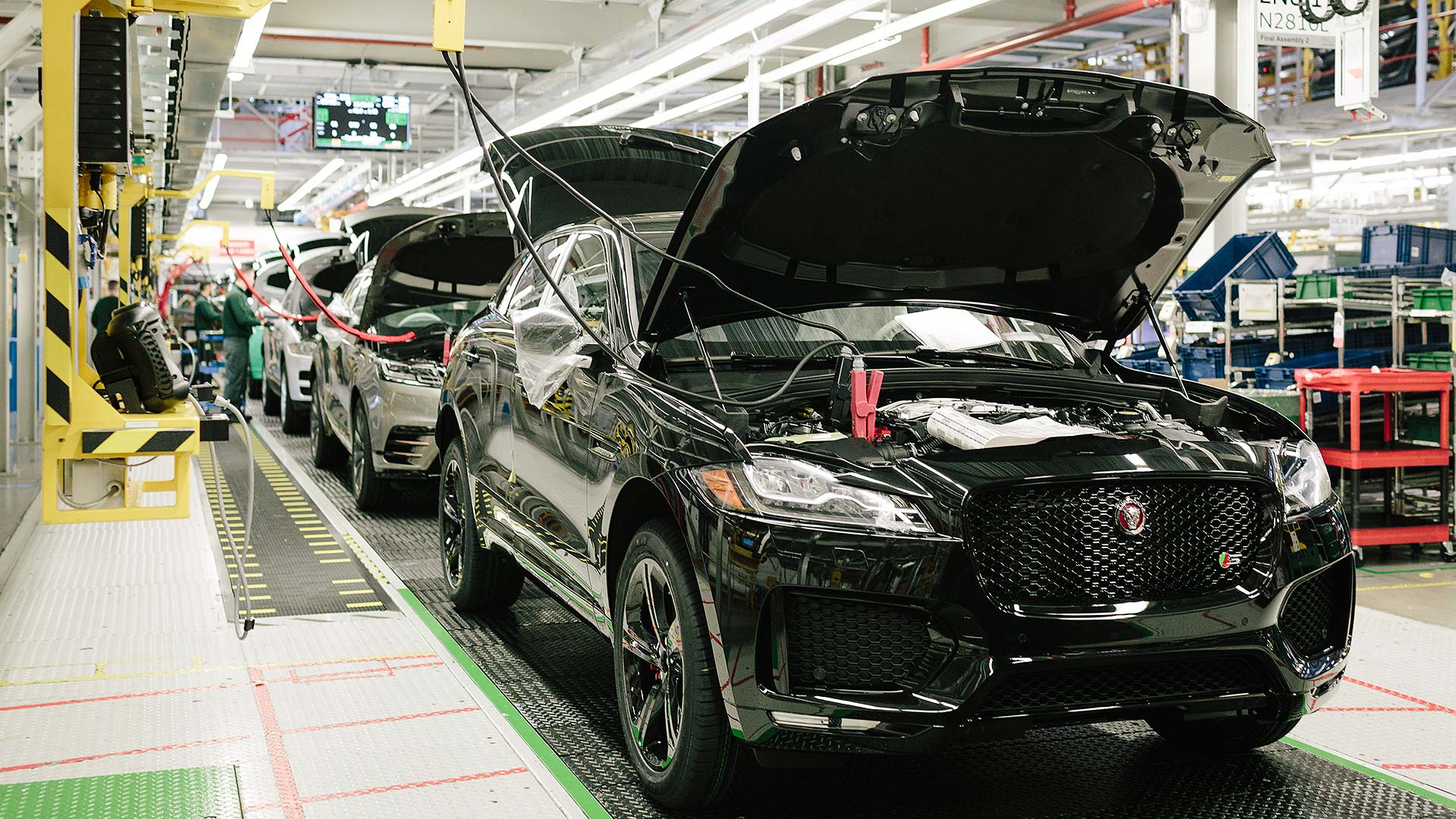
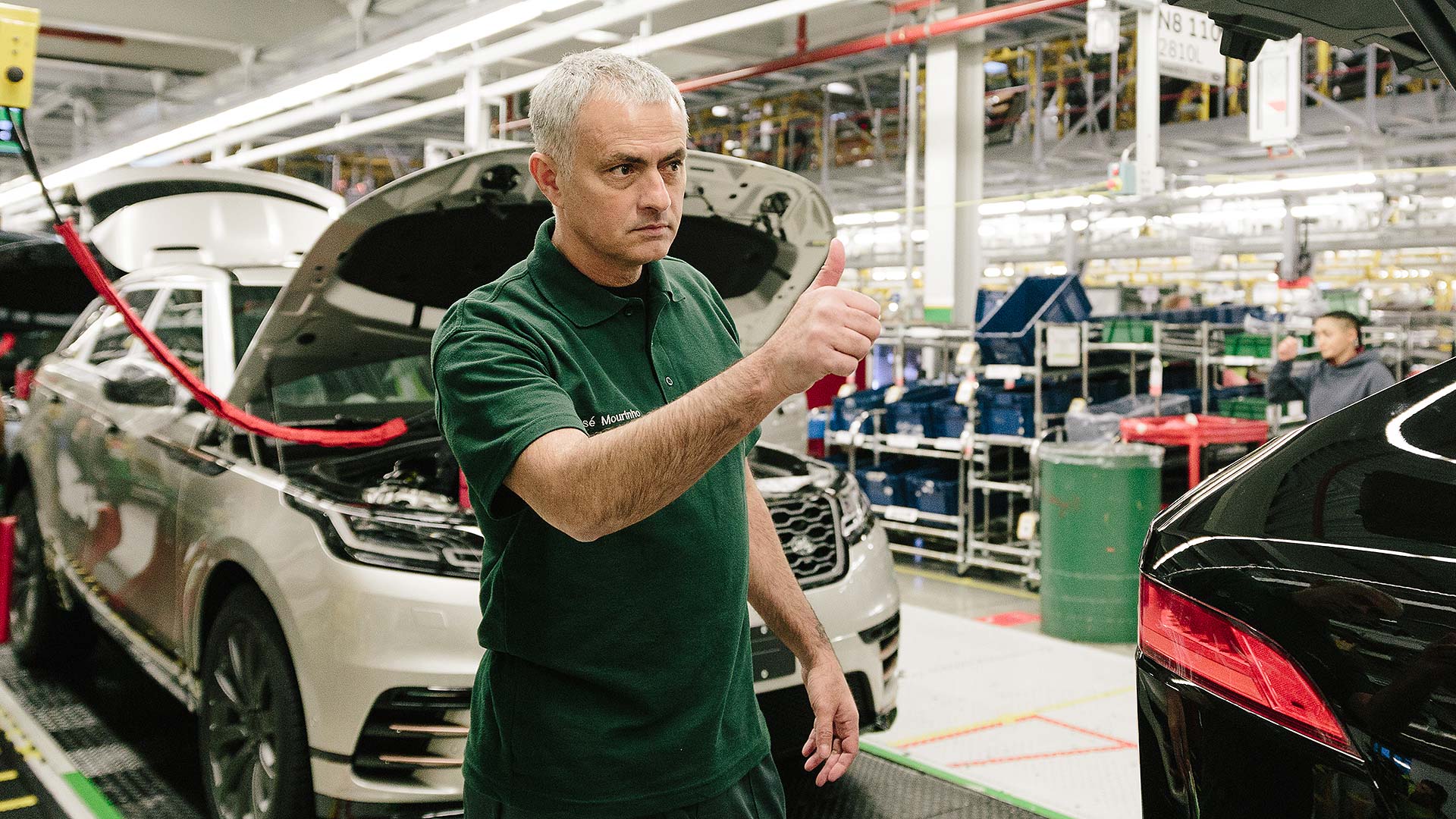
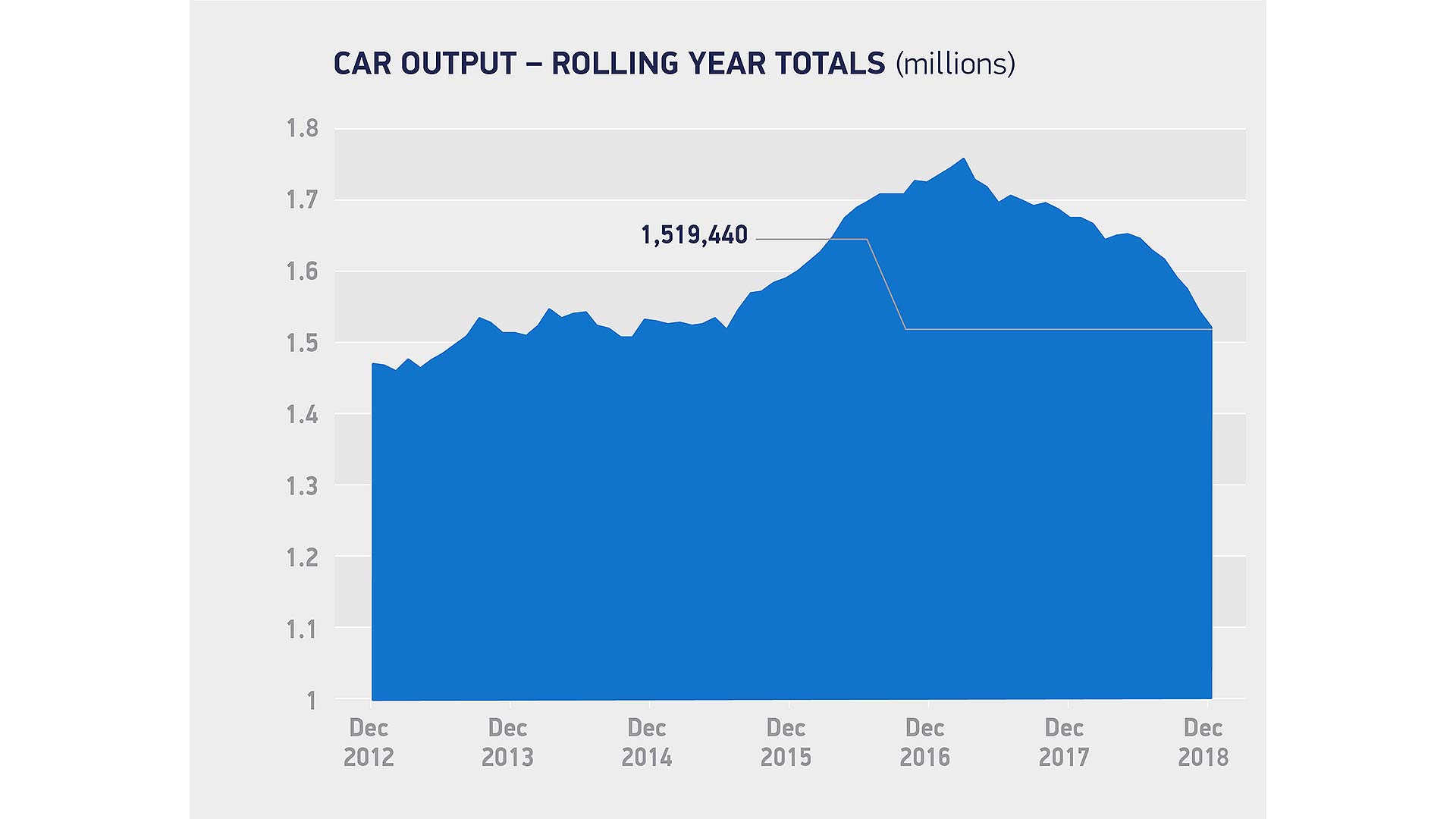
Brexit has already done ‘enormous damage’ to the British car industry as new figures show 2018 production figures fell by 9.1 percent.
Overall investment in the UK car industry also halved in 2018, according to new figures from the Society of Motor Manufacturers and Traders (SMMT).
Total 2018 car production of 1.52 million cars was a six-year low for the British automotive industry.
“UK automotive is on red alert,” said SMMT chief executive Mike Hawes. “Brexit uncertainty has already done enormous damage to output, investment and jobs.” New investment of less than £600 million in 2018 was 46.5 percent below 2017 levels.
“Yet this is nothing compared with the permanent devastation caused by severing our frictionless trade links overnight, not just with the EU but with the many other global markets with which we currently trade freely.
UK demand for British-built cars fell 16.3 percent, while exports dropped 7.3 percent. 80 percent of new cars built in Britain (that’s 1.24 million cars) are exported – the majority of then to the EU.
10 percent of all cars sold in the European Union are built in Britain.
Overseas demand from China fell 24.5 percent, but exports to the United States actually grew 5.3 percent. The U.S. is now the second largest export market for UK automotive, behind the EU.
Exports to Japan also grew, by 26 percent, and South Korea grew 23.5 percent.
As the SMMT pointed out, both markets, along with Canada and Turkey, are “subject to preferential EU trade agreements, from which the UK benefits.
“Time has almost run out to guarantee continuity of any of these arrangements before Brexit, and ‘no deal’ could therefore put more than two thirds of UK automotive’s global trade under threat.”
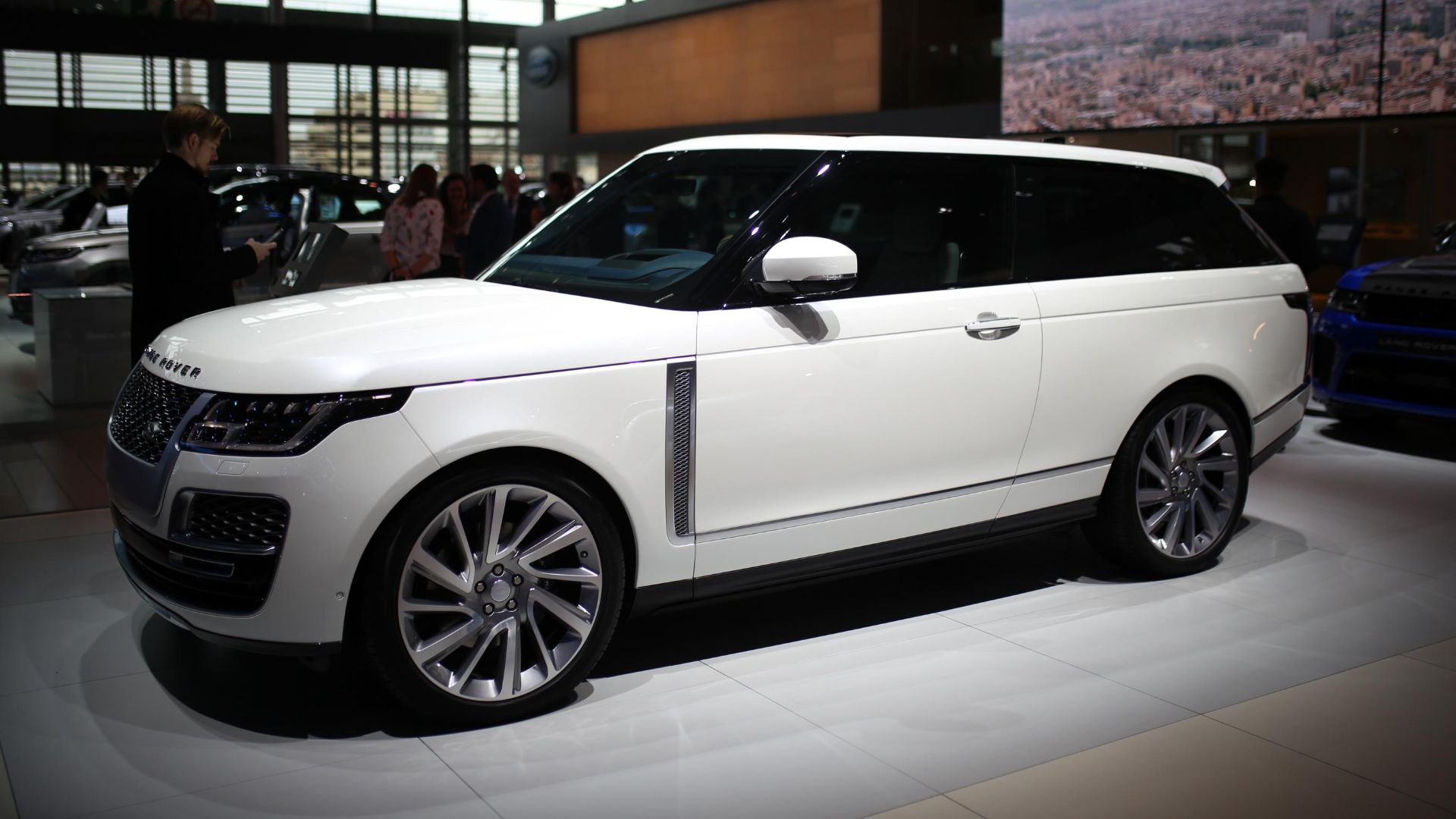
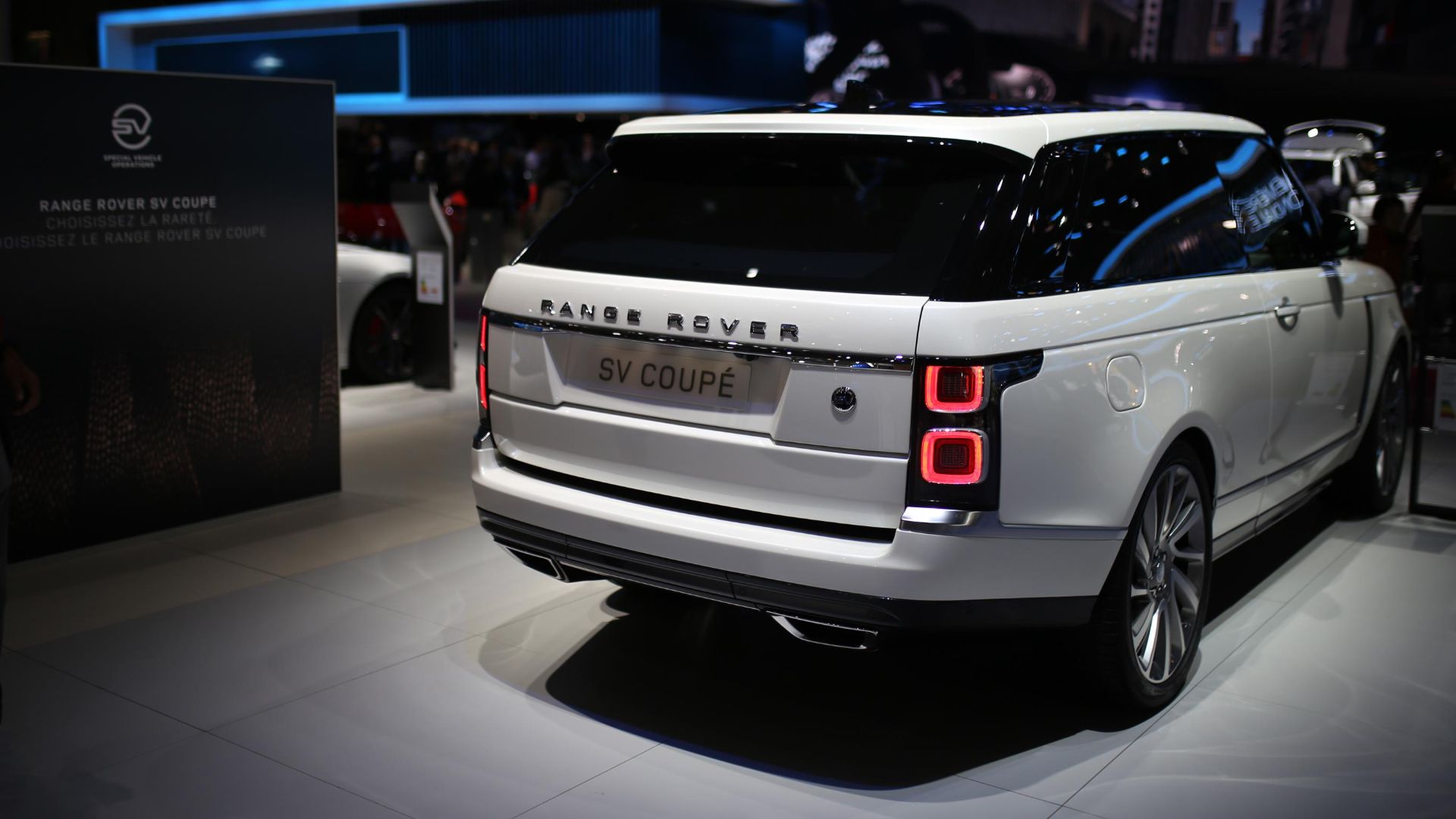
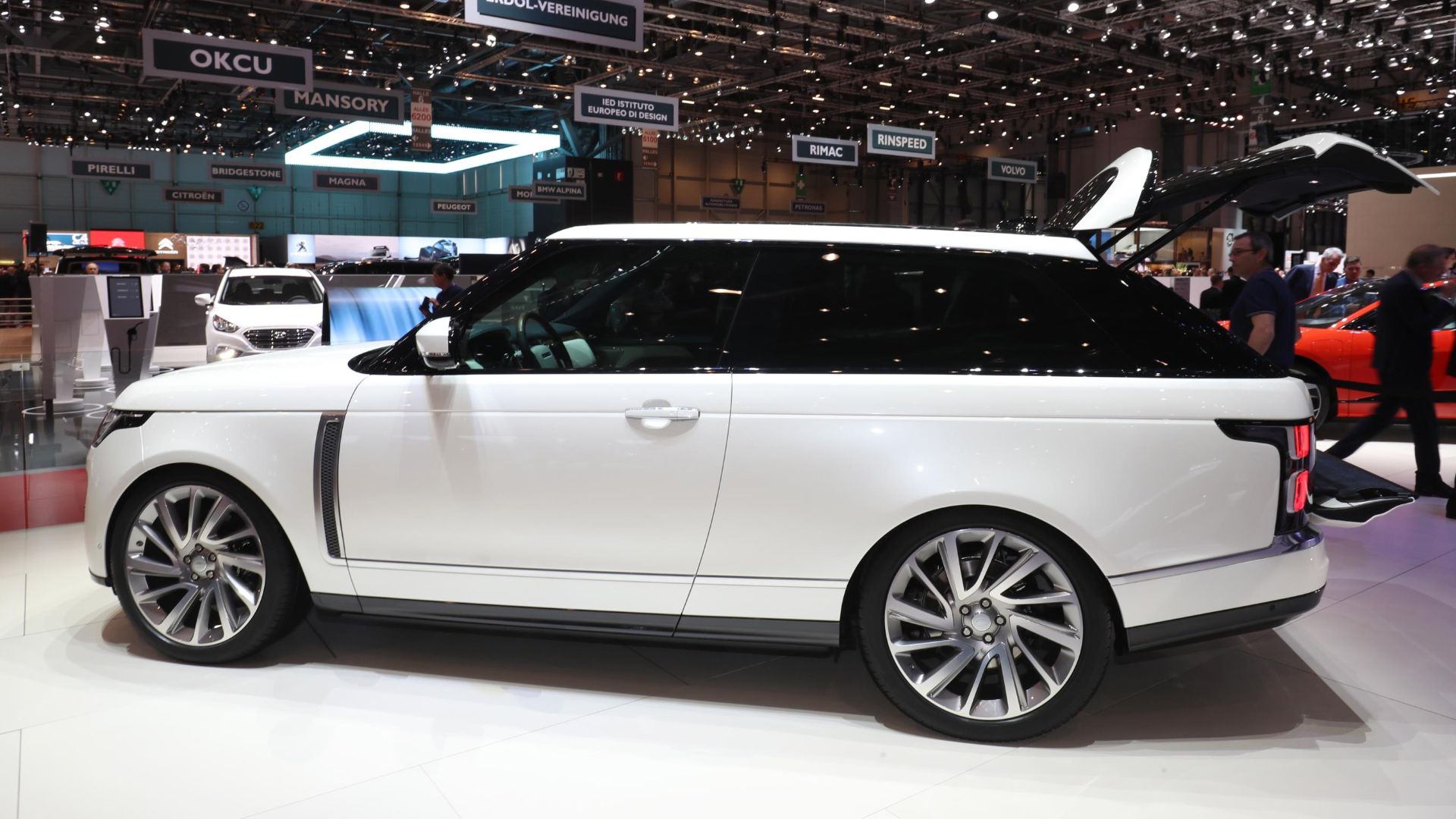
Today, Land Rover confirmed the news, saying “the Range Rover SV Coupe will not proceed into production”. Although there was allegedly plenty of demand for this most decadent of Range Rover variants, not a single car has been built and delivered to a customer.
Land Rover insists that demand was healthy for the 999 cars that were to be made. While sales are reportedly nothing to do with the cancellation, Land Rover has declined to disclose exactly how many were spoken for.
In reality, the SV Coupe, like the C-X75 hypercar of five years ago, is likely a victim of JLR cost-cutting and belt-tightening. The ‘big cat’ was cancelled too, in favour of a focus on volume and profit margins rather than these more expensive (to develop and buy) models.
At present, JLR is gearing up for a £2.5billion saving over the next year and a half. As well as cancelled fancy models, as many as 4,500 redundancies are expected to contribute to the savings.
You’d imagine the big Rangie to cost much less development-wise than something like the C-X75. You’d be wrong, given that all but two of the body pieces are changed over the standard car. The bonnet and the bottom of the tailgate, if you were wondering.
Pushing the boundaries
That doesn’t mean it’s the end for JLR Special Vehicle Operations. Many more cars are said to be in the pipeline.
“Our Special Vehicle Operations division is continuing to develop exciting cars that push the boundaries of luxury, performance and capability… we have many more new models in development,” said a spokesperson.
We wonder whether they will be quite as gratuitous as the two-door Rangie. We hate to say it, but…
 Ford is celebrating a commanding sales win in January 2019 with a one-two result in the UK new car registrations chart.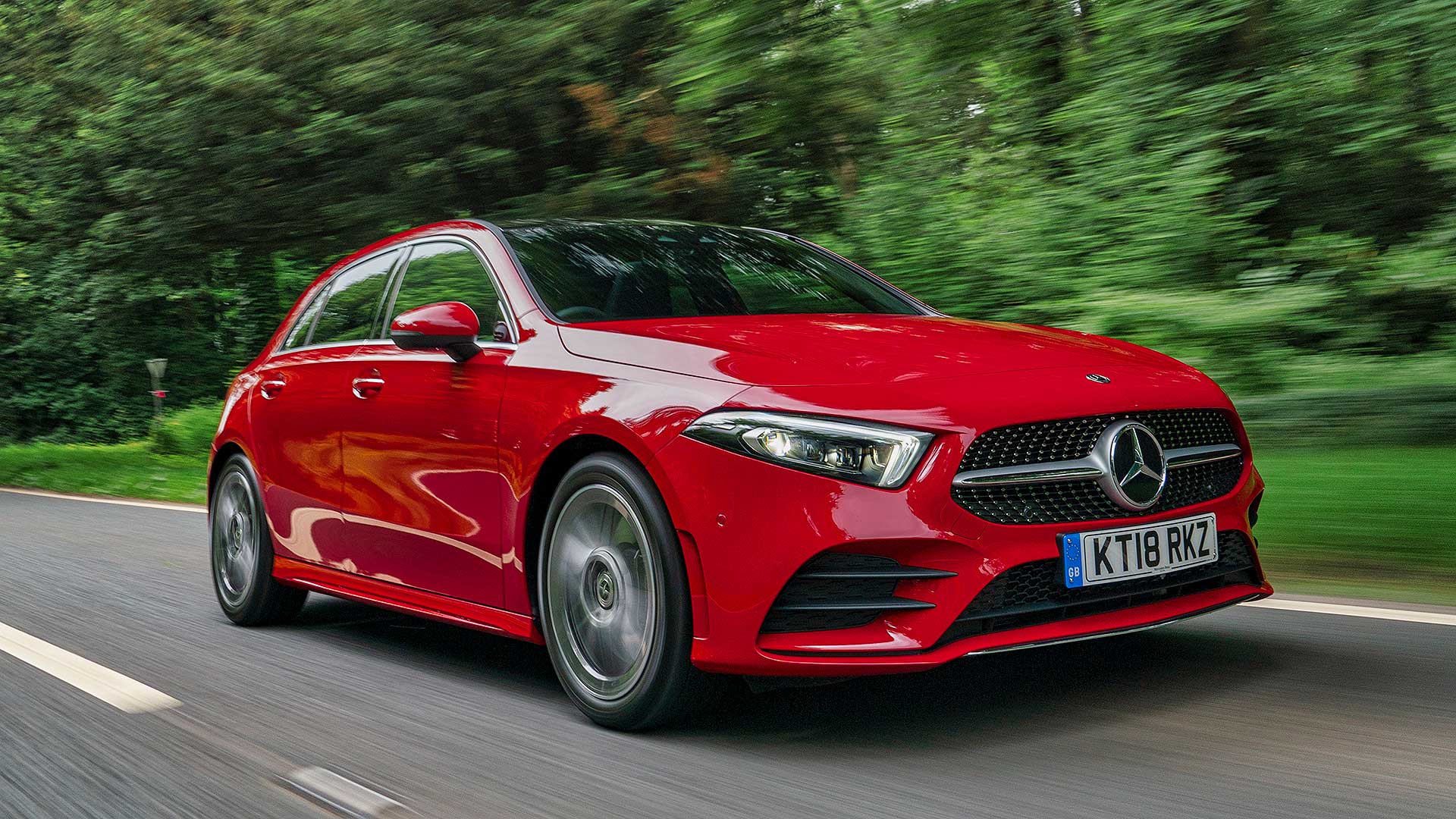
 Following feverous online speculation over the weekend, Nissan has officially confirmed that the
  Nissan has cited a number of key factors in choosing to keep production of the European-specification X-Trail in Japan.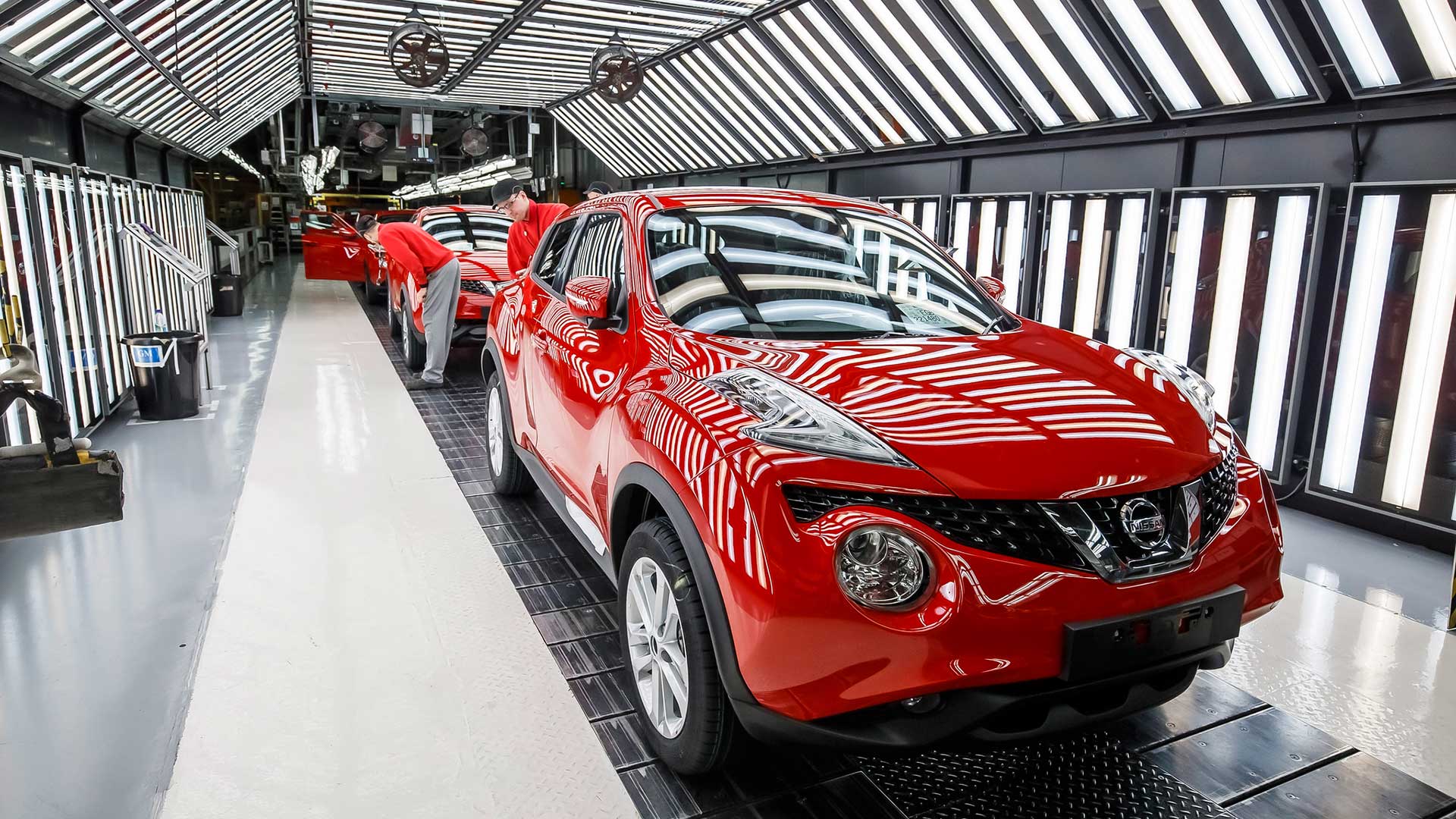
 The
The 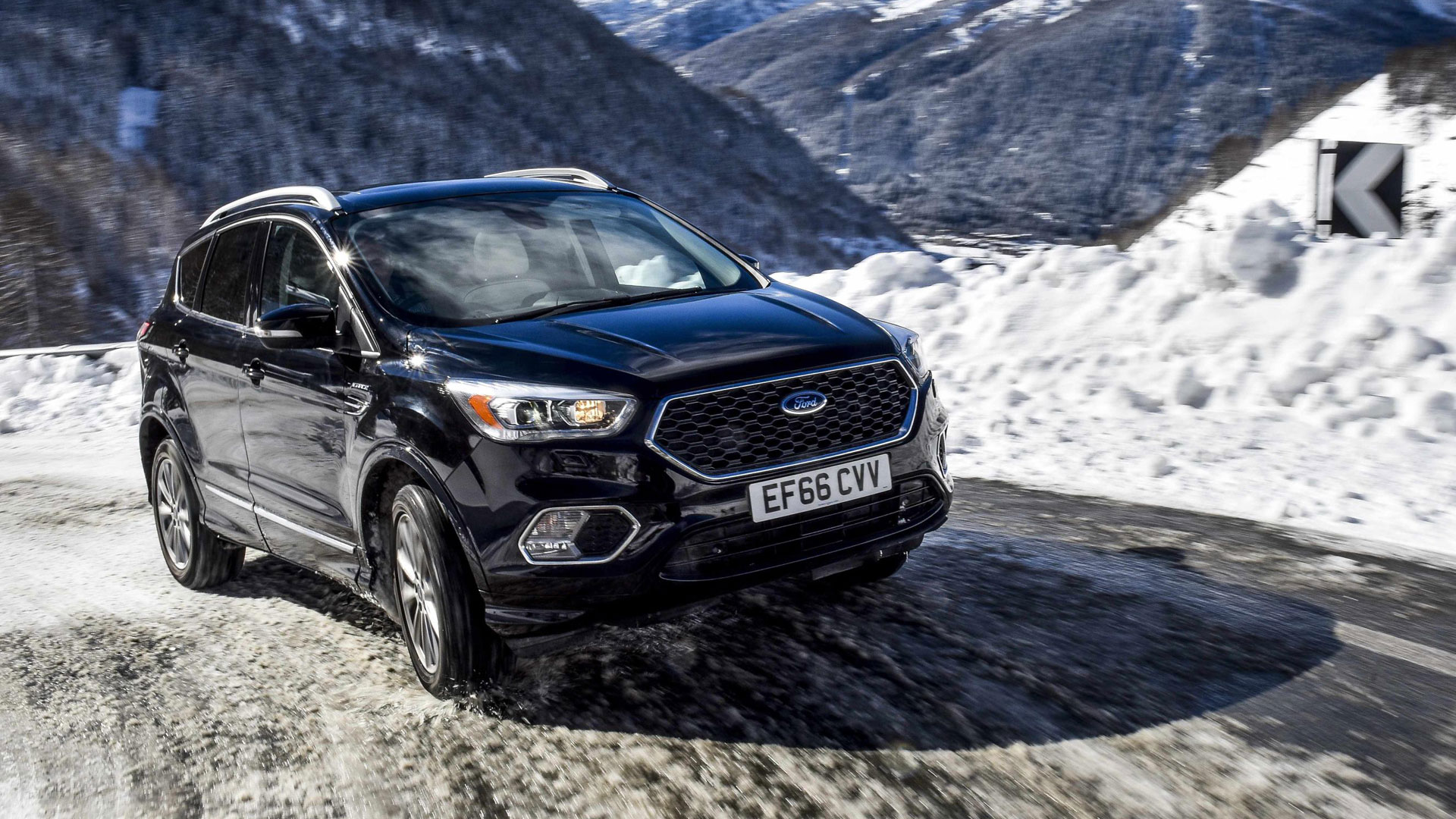



 Skoda has launched a new range-topping version of the performance
  With 245hp and 273lb-ft of torque, the vRS Challenge accelerate from 0-62mph in 6.6 seconds. Opting for the cavernous estate version drops that slightly to 6.7 seconds – an acceptable debit for 1,740 litres of luggage space.
 Standard vRS Challenge specification closely mirrors that of the previous vRS 245 version. That means 19-inch ‘Xtreme’ alloy wheels, a sports exhaust with black tailpipes, and black vRS badging front and rear.
 The man who helped create landmark Jaguars such as the