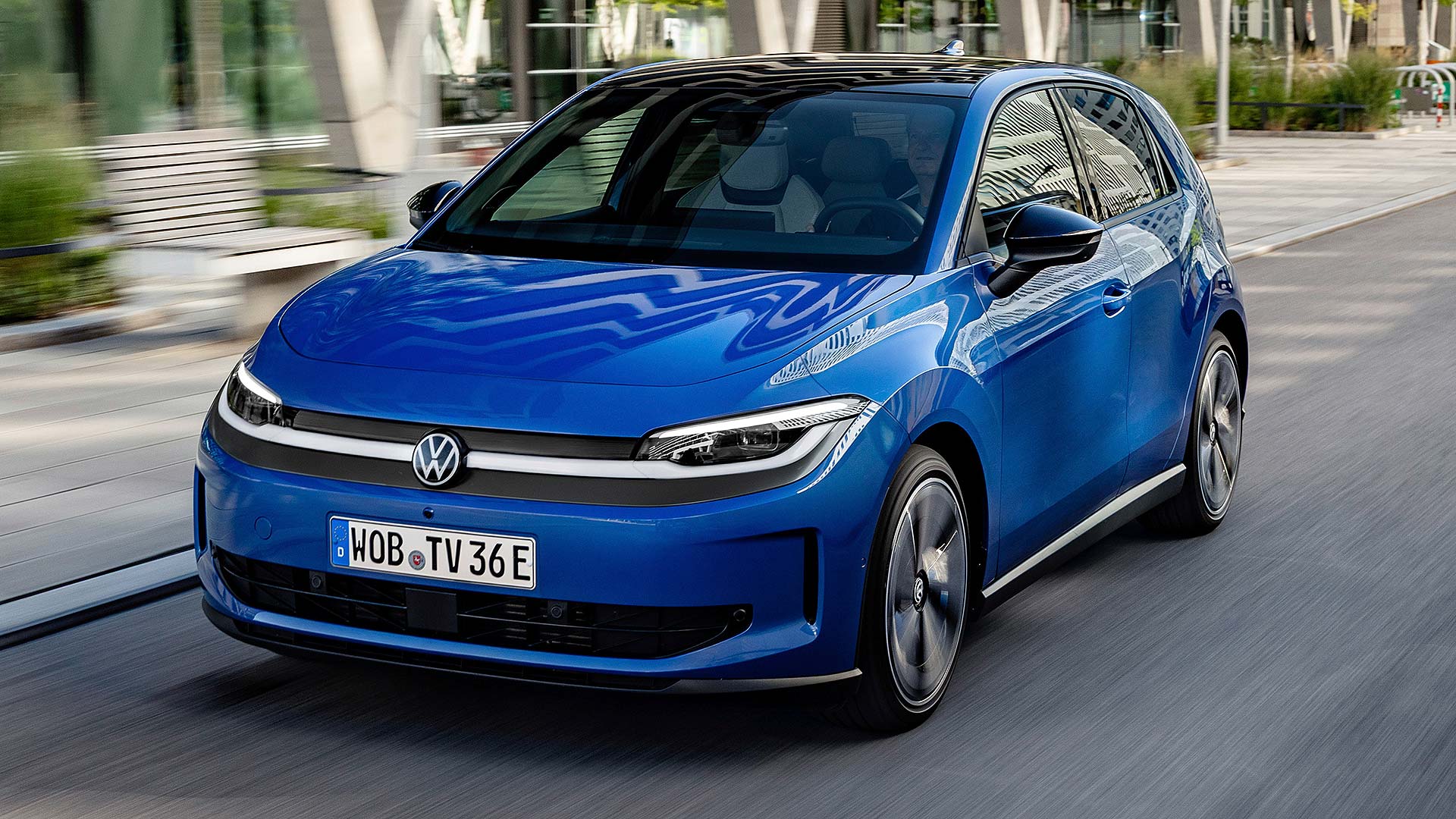
The Volkswagen ID. Polo heralds a new era for the electric VW. Instead of futuristic-looking standalone models such as the ID.3, this is the first time a Volkswagen EV has used one of its established brand names.
The petrol-powered Volkswagen Polo will continue to be sold. However, like the Renault 5, the ID. Polo is a dedicated electric car, designed from scratch around battery power, rather than forcing the engineers to think about a petrol engine as well. The aim is to make it the most optimised small EV yet.
It still looks like a Volkswagen, though. Intentionally so, says the brand’s head of design, Andreas Mindt. The ID design theme was a flop, so it’s back to the clean and bold lines, flared wheelarches and friendly front ends we know and love from the best VWs. In the metal, it works really well, looking both contemporary and likeable.
Volkswagen ID. Polo spec and prices
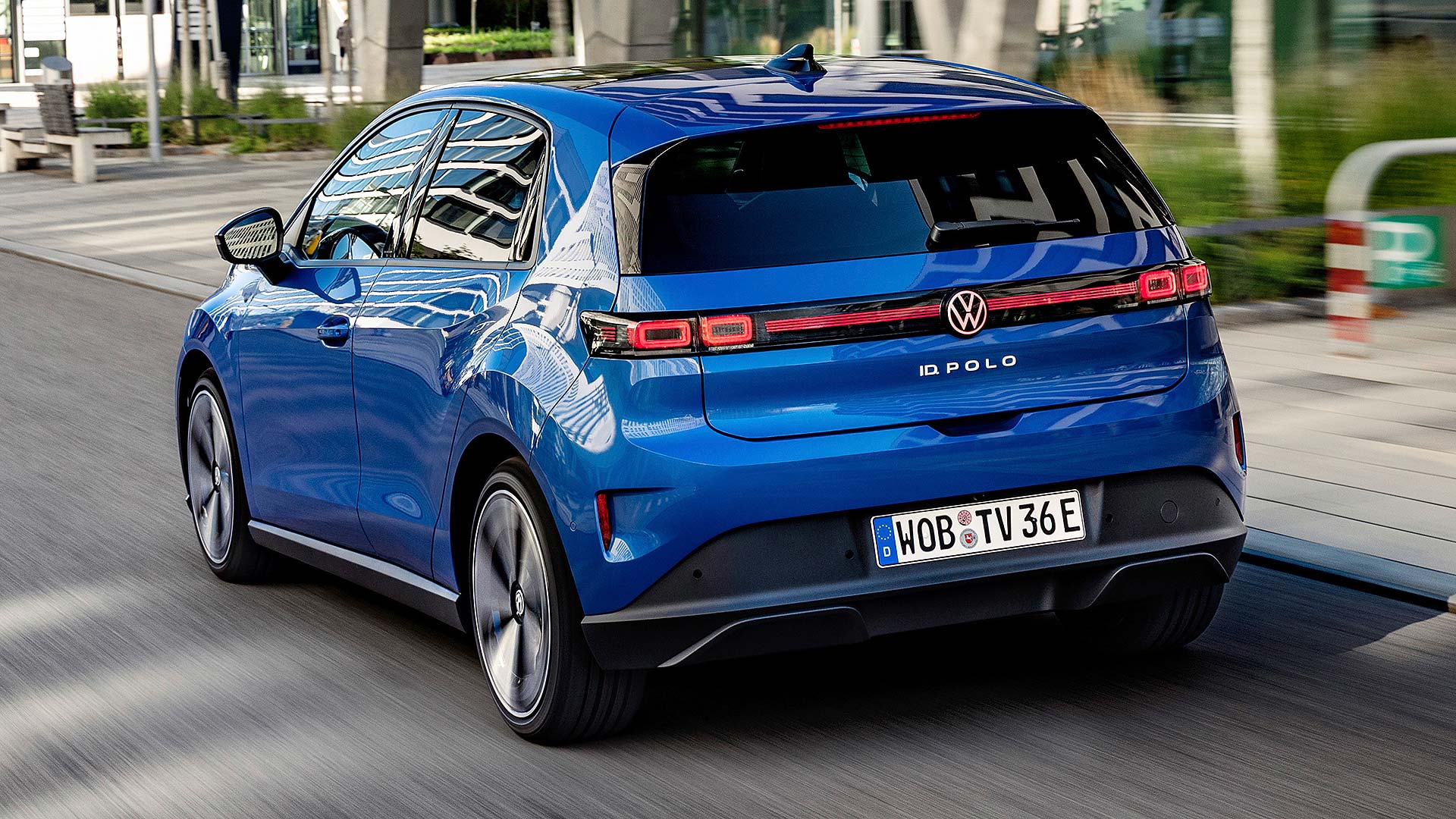
There are two battery choices with the Volkswagen ID. Polo: either a 37kWh unit with a 205-mile range, or a 52kWh battery with a range of up to 281 miles. The latter is, unsurprisingly, expected to sell more. There are three choices of front-wheel-drive motor, too: a base 116hp unit, the mid-range 135hp version and a 211hp range-topper.
Volkswagen ID. Polo prices start from £23,945 for the 37kWh 116hp Life model – but more representative is the £25,055 asked for the 135hp 37kWh Life. The jump to the bigger 52kWh battery comes with a step up to the 211hp motor, priced from £28,330. So it costs £3,275 for the additional power and range.
There is a ‘but’, though – namely that the 52kWh battery is eligible for a £1,500 Electric Car Grant from the UK Government, which reduces that difference in price to just £1,775. Making the upgrade almost a no-brainer, we think.
Inside the Volkswagen ID. Polo
I duly flew to Austria for the world debut of the Volkswagen ID. Polo, where I got to spend a full day behind the wheel of a 52kWh 211hp version. Is it the electric car Volkswagen has long been waiting for?
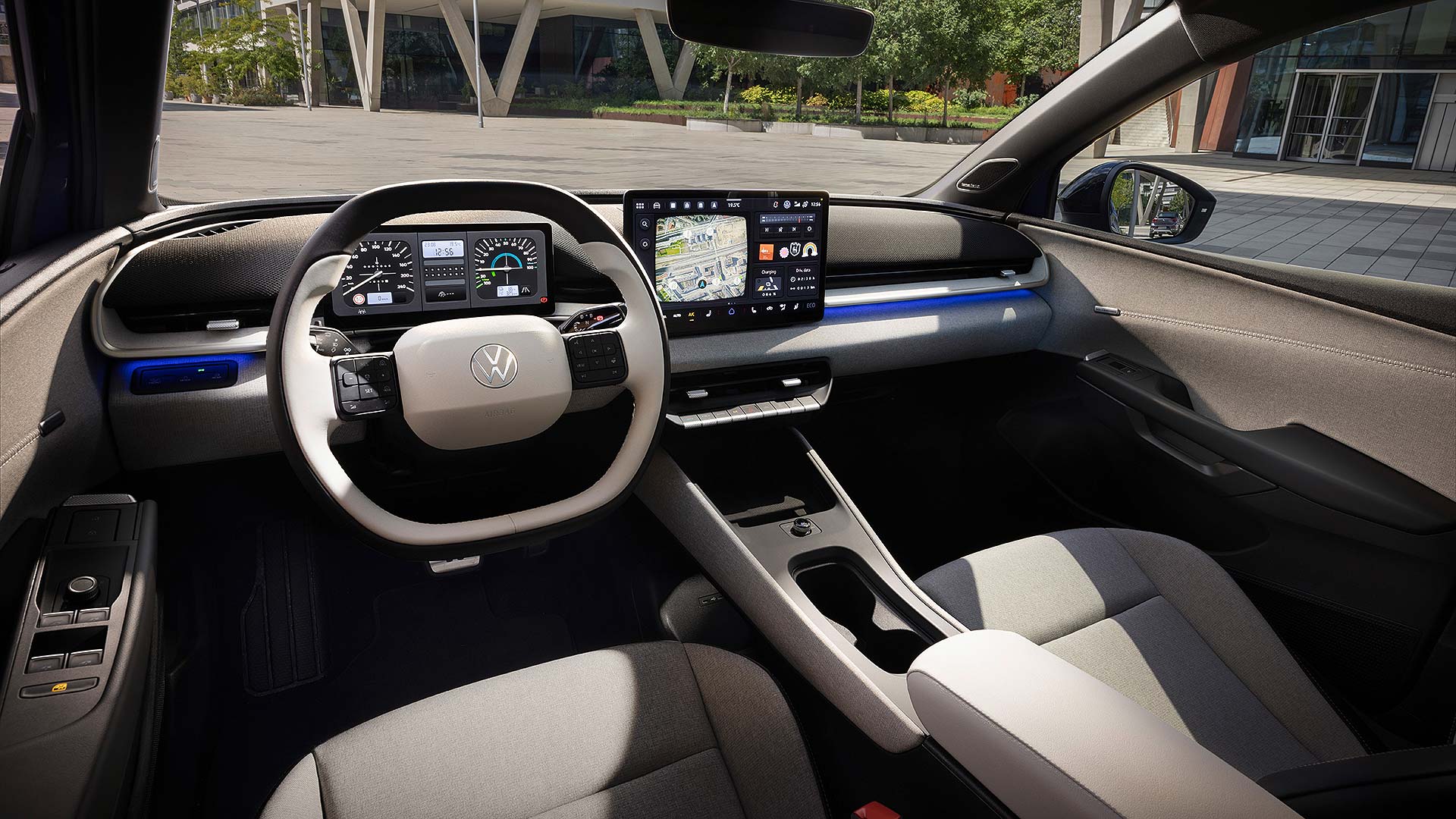
Right away, it feels good to sit in. The interior is a marked step on for VW, with a quality and tactility that are way beyond the Polo’s price point. Instead of acres of hard plastic, there’s soft-touch fabric with Savile Row stitching, plus convincing metal-look trim. Even the plastics themselves are of a higher-grade than inside some recent Volkswagens.
The ID. Polo has a modern interface, with a 10.0-inch digital driver’s display and 12.9-inch touchscreen. It’s not overbearing to look at, while thoughtful, Apple-like design makes it easy to use and interact with. Full marks for the slick-clicking physical climate controls on the centre console, too – they are lovely to use.
There are proper buttons (rather than haptic touchpads) on the steering wheel as well, plus four electric window switches on the door panel, alongside proper door-mirror controls. There’s even a volume knob on the centre console, although I found it far too easy to knock when making use of the (standard) wireless phone charger, turning the stereo up from silent to screeching in an instant.
Retro display mimics the classic Golf
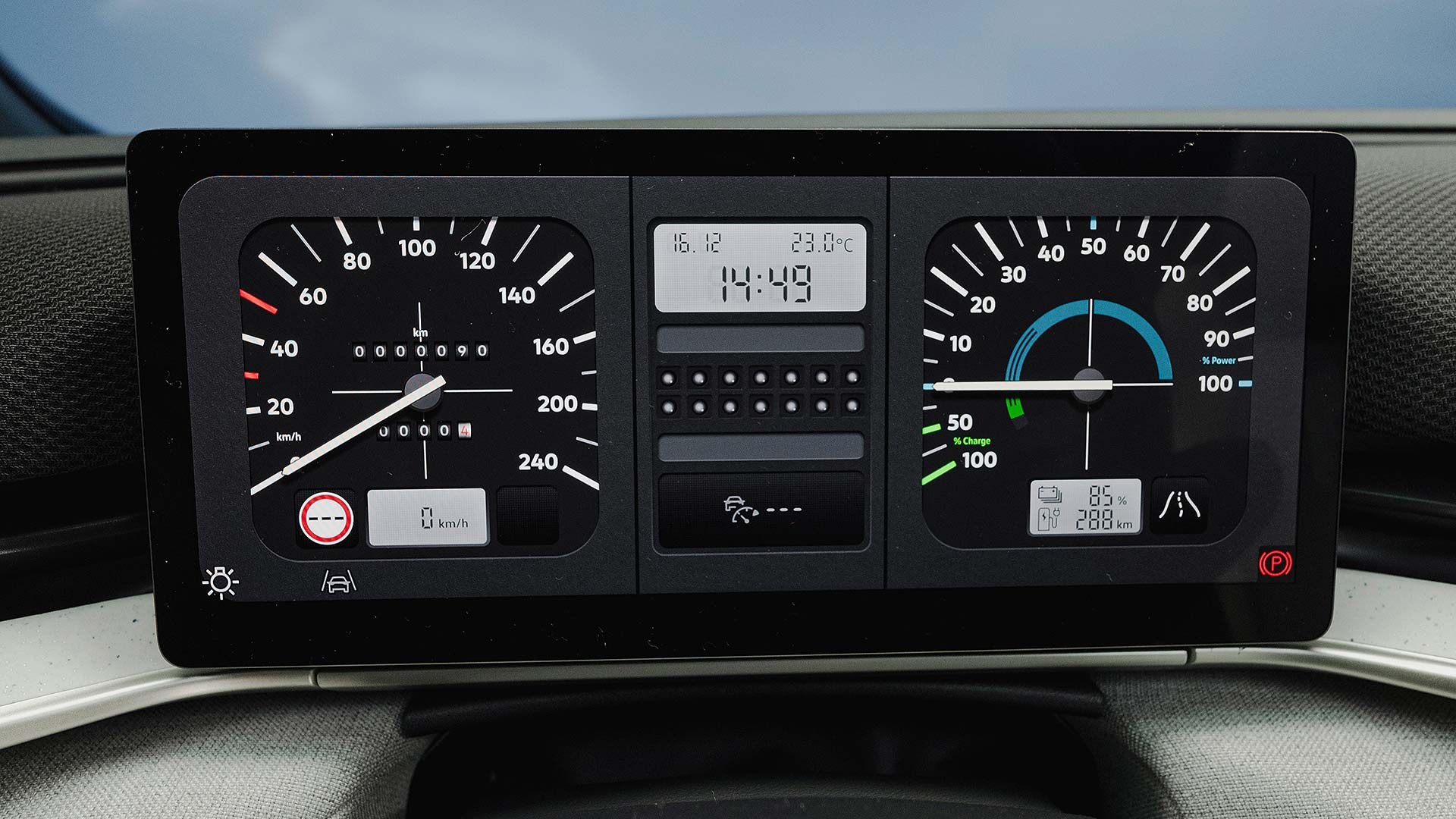
One of the ‘secret sauce’ features Volkswagen is rightly proud of is a retro setting for the driver display. Toggle the ‘view’ button on the steering wheel and you can call up a screen that mimics the Mk2 Volkswagen Golf – complete with LCD-style displays that have ‘burnt in’ shadows. It’s a lovely detail that draws on VW’s heritage in a cheery rather than forced way.
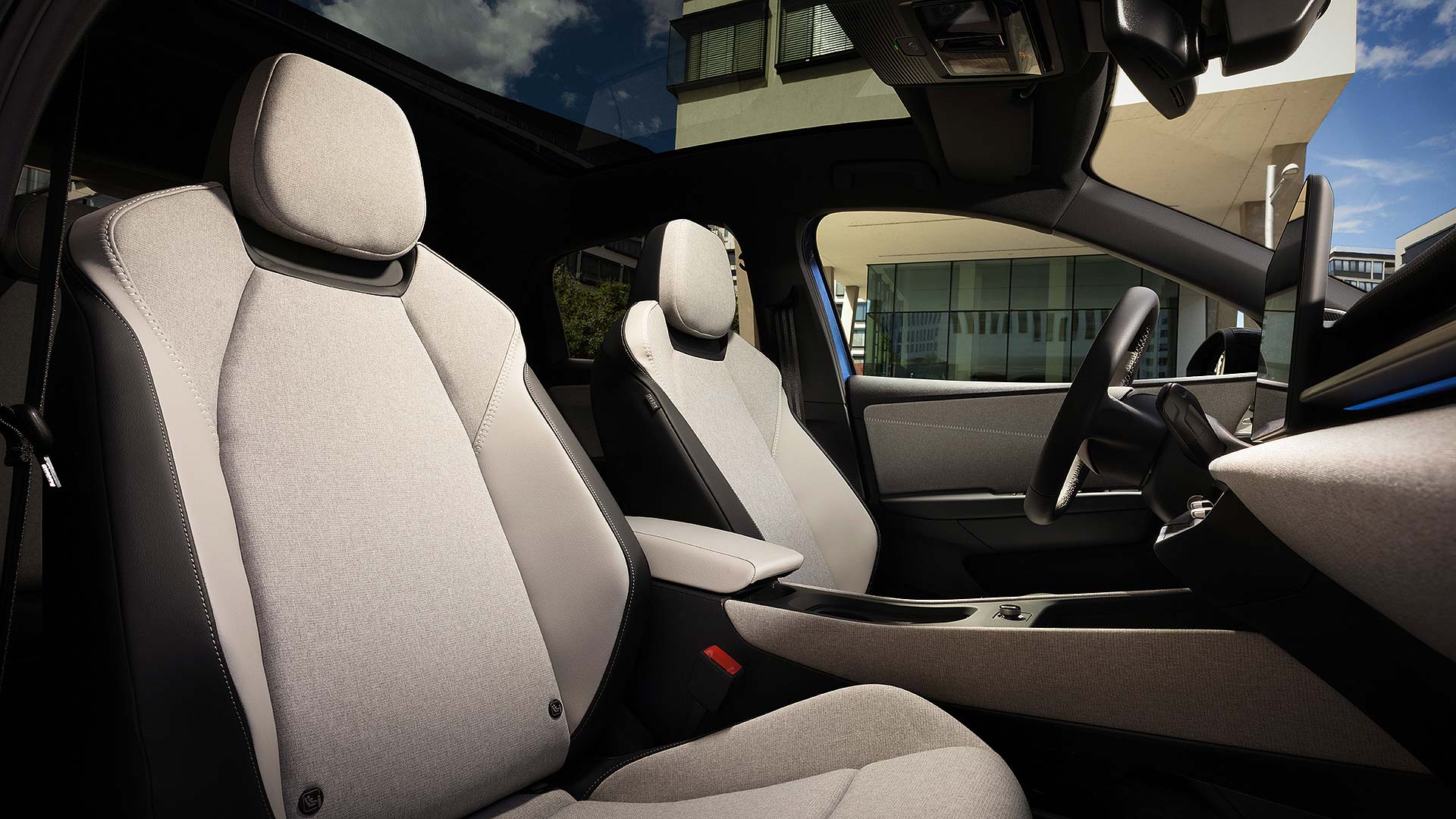
With a deep windscreen, low dash and high-set seats, the Volkswagen ID. Polo feels spacious and assertive from behind the wheel. The sports seats of the Style-spec model I drove were superb, with plenty of adjustability. It felt more grown-up than the rather cramped environment of a Renault 5 or Mini Cooper Electric.
It’s less good in the back, where small door openings (with fiddly ‘hidden’ handles) reveal a rear seat that’s rather tight on legroom. By supermini standards, it’s fine, but the lavish front seats leave you expecting more. At least the boot is enormous; a total of 441 litres gives it 60 litres more space than the class-above Volkswagen Golf.
Driving the Volkswagen ID. Polo
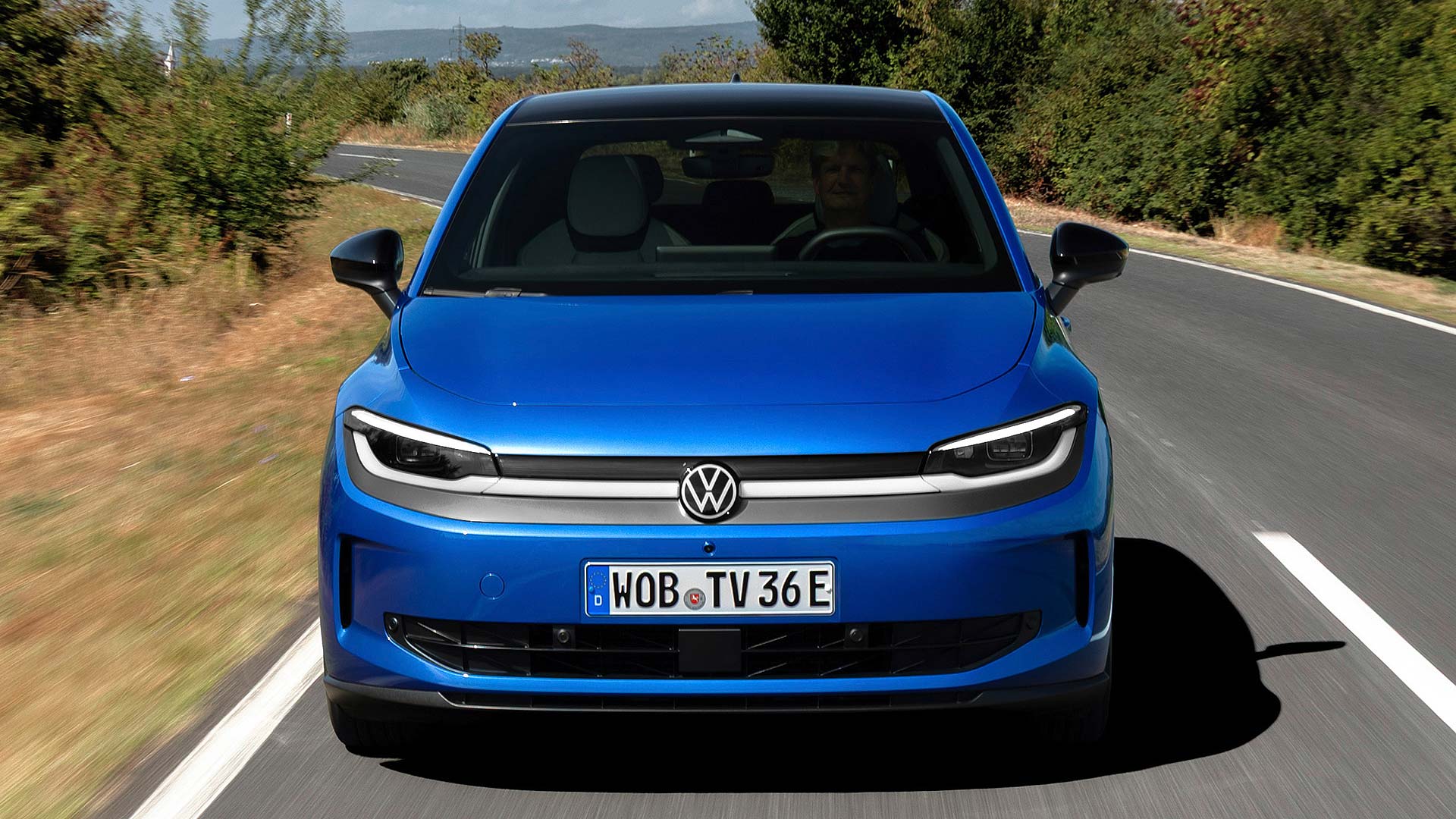
This sense of quality continues on the move. The Volkswagen ID. Polo is super-refined for starters, with minimal noise at city speeds. Its electric motor is subdued and road noise is kept at bay. It feels like it has been honed to capitalise on its EV underpinnings, giving a luxurious feel that petrol-powered small cars simply can’t match.
I found the ride impressive, too. My test car was running on 19-inch wheels – basic Life models have 17-inch rims and the Style wears 18s – but apart from a bit of stiffness over expansion joints, it proved cushioned and absorbent. Again, it feels grown up and mature – a cut above the supermini norm.
The Polo isn’t setting out to be a sports car – the upcoming Volkswagen ID. Polo GTI plays that role – but its handling is still capable and confident. There’s a touch of softness into bends, but it turns in eagerly and settles nicely, while the clean, well-judged steering is nice and linear. The same goes for the beautifully weighted brakes.
Confident and efficient on the road
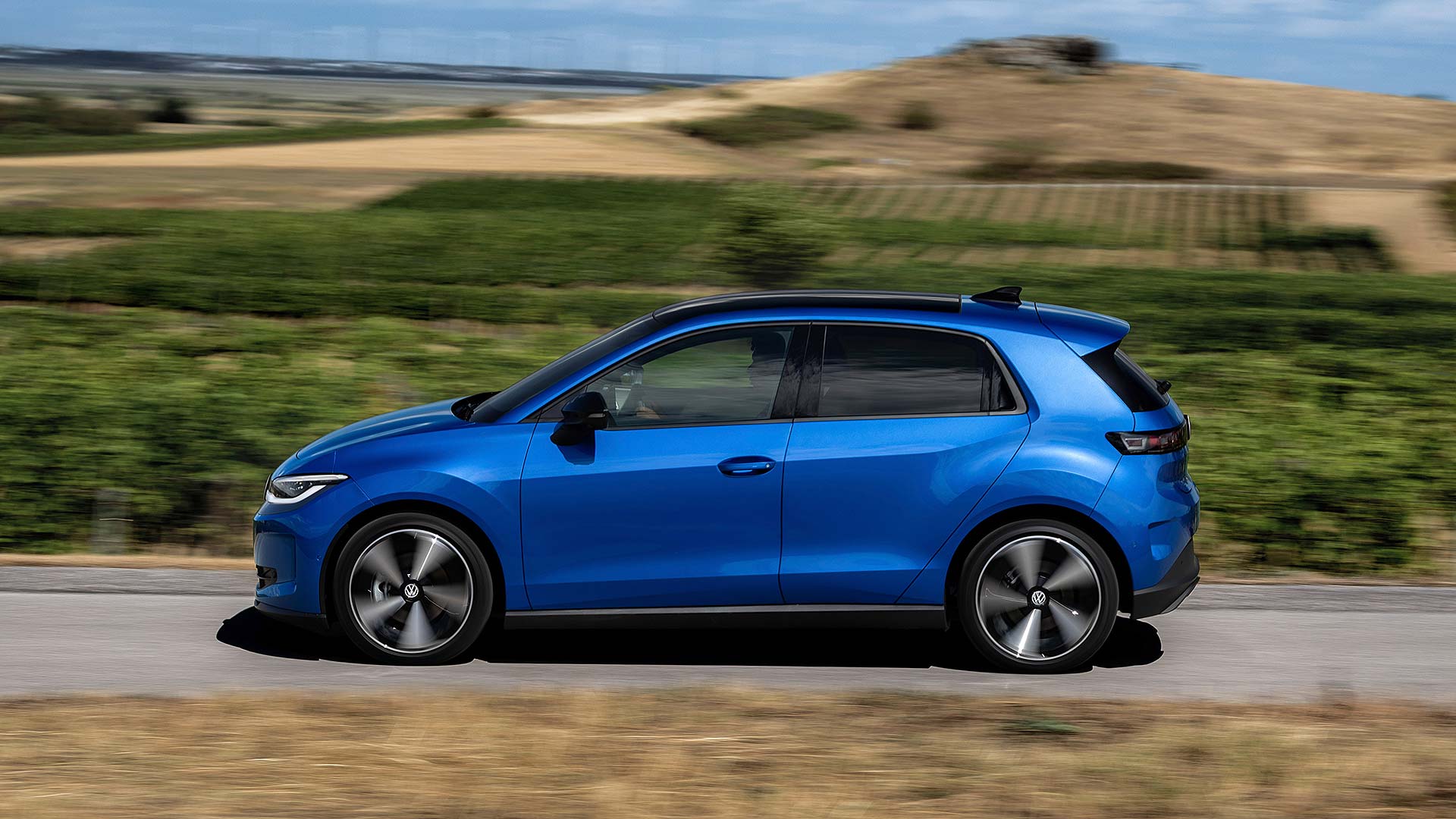
With 211hp, the Volkswagen ID. Polo is capable of 0-62mph in a sparky 7.1 seconds. Sometimes out of junctions, there’s too much power for the front wheels, but the traction control works smartly enough to reign things in without making itself too obvious. It’s far better than the inert systems found on some Chinese new-entrant vehicles.
On the move, power delivery is well measured, with plenty of oomph and high-speed pull. It feels confident on the motorway, where the solid chassis settles maturely. Only some high-speed wind rustle around the windscreen pillars chips away at the refinement.
What about efficiency? After a day’s driving, my average of 4.8 miles per kWh surprised me, given the mixed conditions and speeds I’d experienced. Indeed, it was even better than the 4.6 miles per kWh Volkswagen quotes. So there’s potential, which we’ll have to explore when the first cars arrive in the UK.
Verdict: Volkswagen ID. Polo
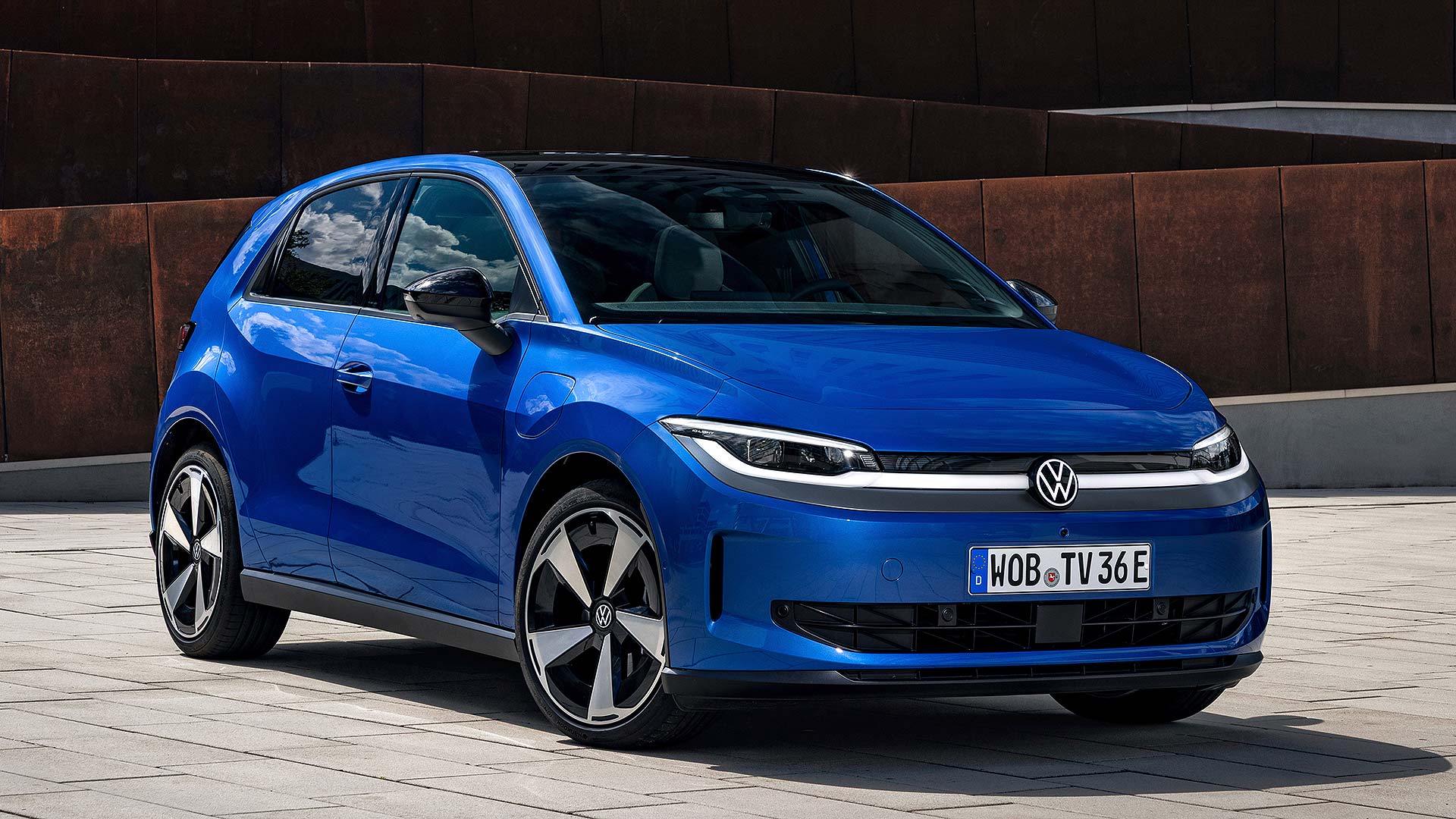
I’m looking forward to it. First impressions of the Volkswagen ID. Polo are pleasingly positive, particularly its refinement, big-car feel and easy-to-use technology. It looks and feels like a VW, and has that deep-down VW integrity we have known and loved over the years.
With prices reduced by the Electric Car Grant, the new era promised by the Volkswagen ID. Polo is a promising one. Based on recent news from Wolfsburg, it can’t come a moment too soon.
ALSO READ:
Volkswagen Golf voted top used car of the decade
