
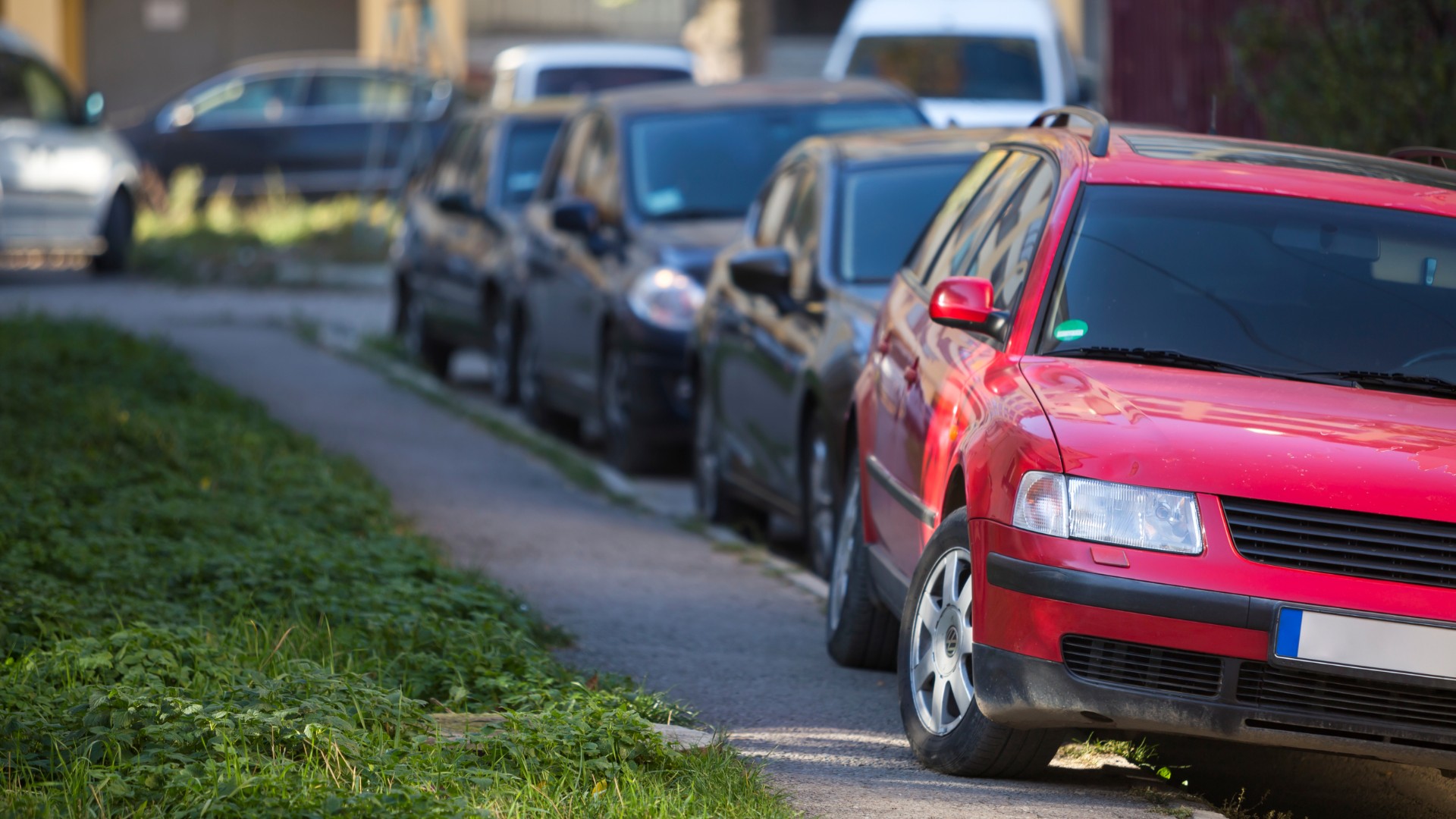
Critics of a total ban on pavement car parking suggest urban areas will not be able to cope with the increased need for spaces.
The warning comes from IAM RoadSmart, as the House of Commons Transport Committee takes comments on the subject of pavement parking, with one suggestion being a complete ban.
Localised bans could work, says IAM
IAM RoadSmart isn’t suggesting that localised solutions shouldn’t be levied. “Where data has been collated, the problems appear to be localised, ” said a spokeperson.
“Where pedestrians are being put in danger or denied access by inconsiderate pavement parking, or if costly long-term damage is being done, then we have no problem with local solutions being implemented for local problems.
“Local councils should be encouraged to use their existing powers to sign, define, review and enforce local bans as required.”
Councils can’t provide more parking
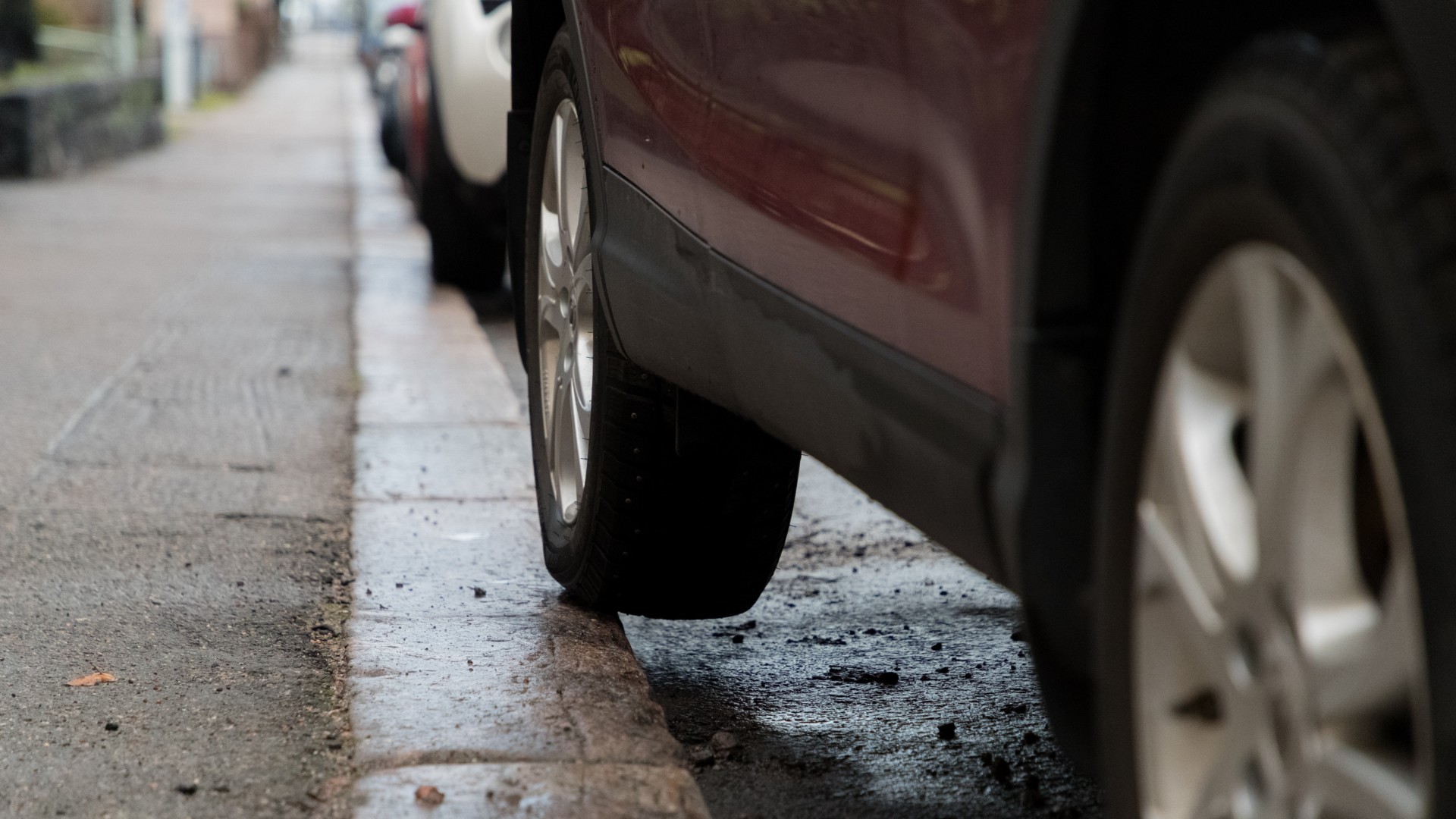
It has warned, however, that many local councils do not have the funding or real estate to accommodate all the cars that would be displaced by a pavement parking ban.
“New traffic orders, new signposting, new road markings and new enforcement administration will all be required at extra cost if a blanket ban is introduced. Councils are already struggling to implement… a host of other transport measures against a background of budget cuts and dwindling resources,” warns the IAM.
A duty to provide parking, with fines to fund them
The charity also suggests that if a ban is enforced, it should be the council’s duty to provide alternative parking that is safe, secure and affordable. Fines and penalties should be used to encourage the use of alternatives where they are available, while revenue should go exclusively towards providing those alternatives.
“If enforcement is going to be applied rigorously then councils should be forced to provide safe and secure alternative parking arrangements in those areas where pavement parking has been banned but worked perfectly well before.”
“If a blanket ban is to go ahead, despite our and other organisations’ recommendations, the income from fines should be ring-fenced to improve parking facilities in the worst affected areas.”
More research is required

Overall, it is suggested that more research and individual case studies are needed. While pavement parking is considered an issue in some areas, it’s actively encouraged in others, with signs and road markings actively directing drivers to pavement spaces.
A blanket ban, while helping those areas with a pavement parking problem, would hamstring regions that have incorporated it into existing systems.
