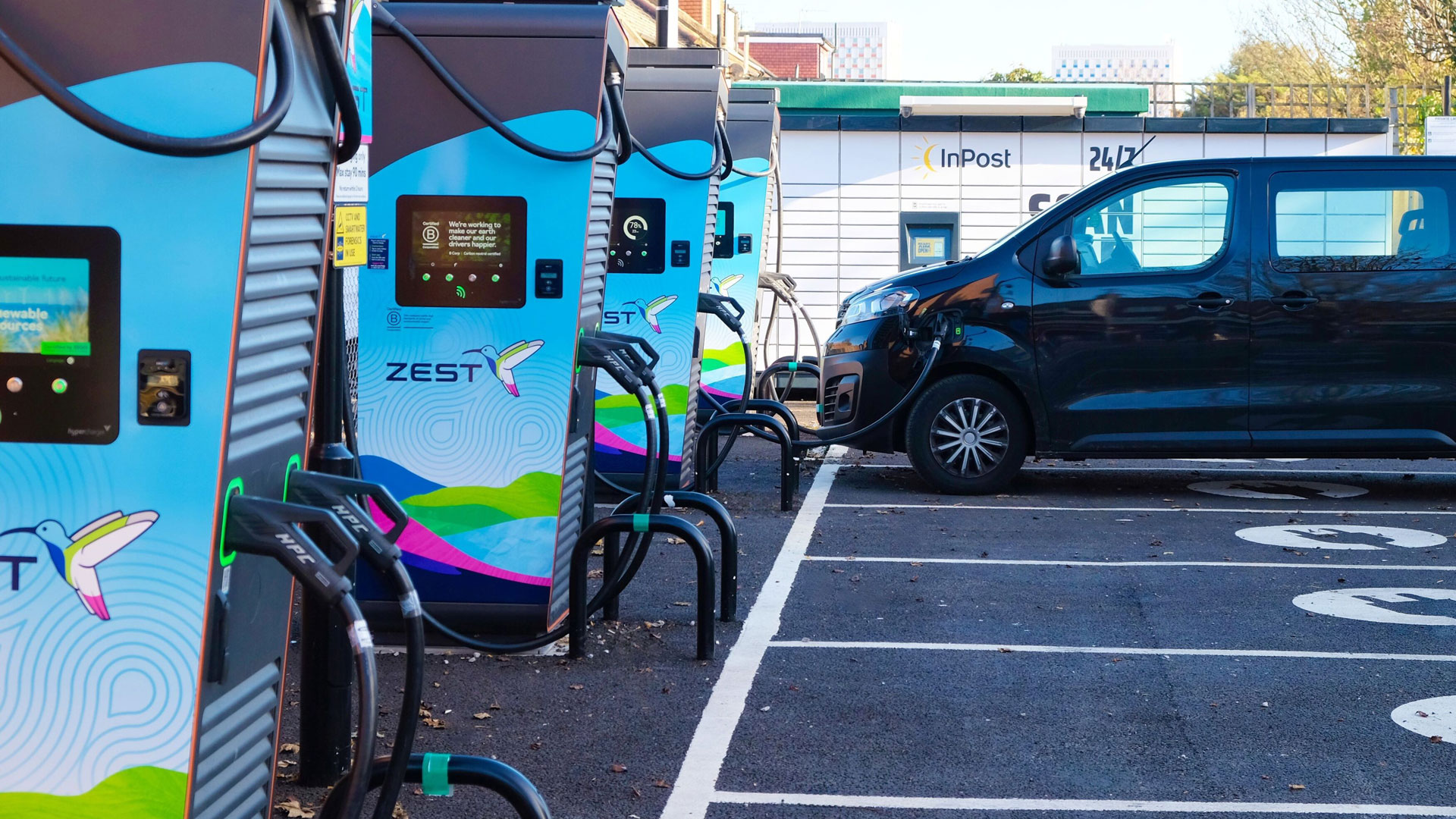
The cost of using public electric vehicle rapid chargers could reach more than £1 per kWh next year, according to new research.
At present, the average price paid for a public rapid charger across the UK is 79p per kWh, when used on a pay-as-you-go basis.
However, the Reverse the Charge assessment by EV newsletter The Fast Charge, conducted in partnership with EV charge point operator Zest, predicts this figure will increase dramatically over the next 12 months.
The increase is blamed primarily on a decision taken by Ofgem, the UK’s energy regulator, which aimed to spread the cost of maintaining the country’s power network.
Ofgem’s Targeted Charging Review (TCR) found some companies were deliberately shifting their energy consumption away from peak times, allowing them to pay lower electricity rates.
Following the TCR, Ofgem opted to allow energy networks to bill some business customers based on the energy they could use, rather than simply paying for the amount consumed.
The rising cost of providing power
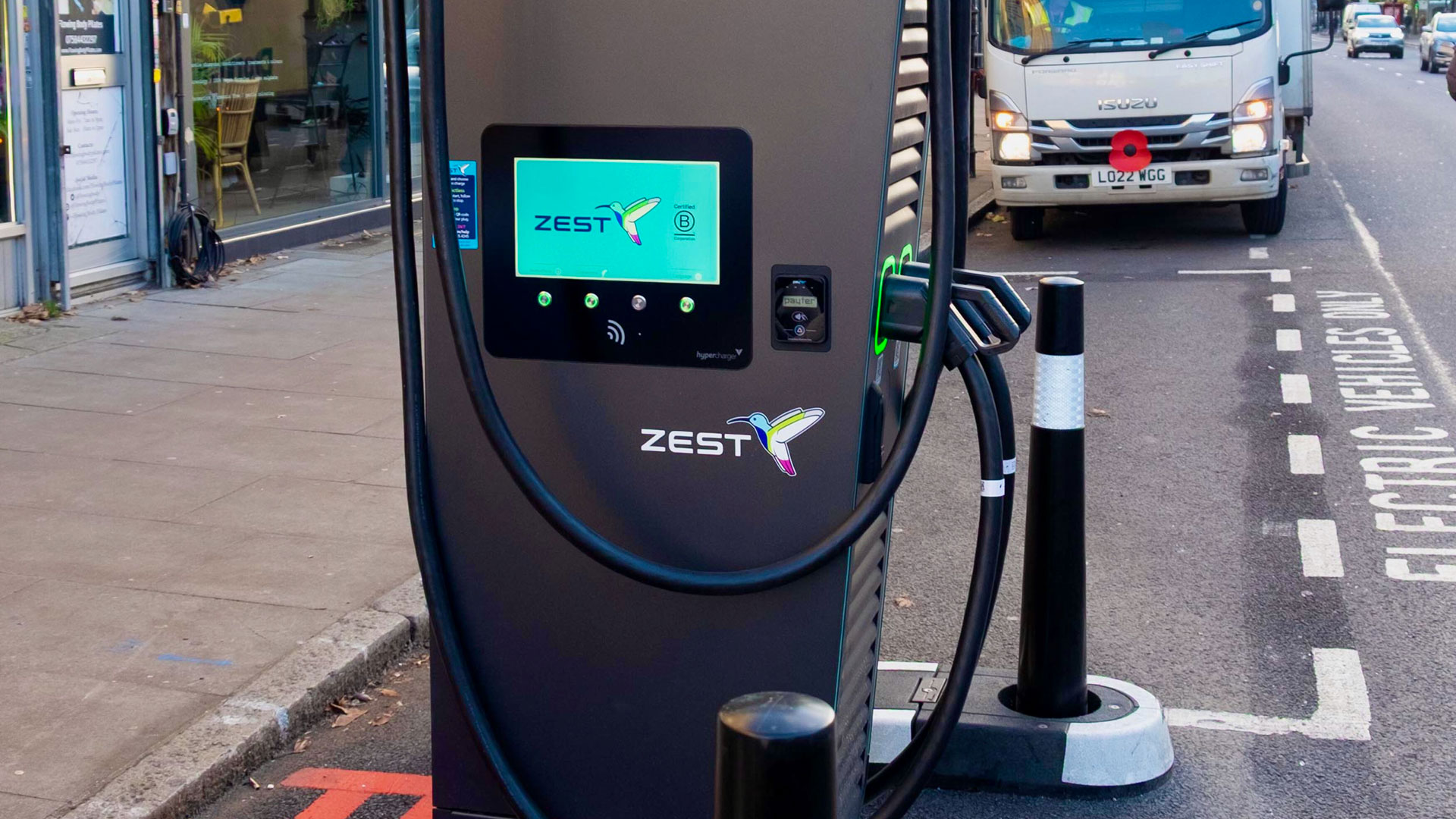
As The Fast Charge’s report notes, EV charging providers are in the business of selling electricity to motorists, meaning Ofgem’s changes will directly impact drivers.
This is also noted in the government’s recently published Cost of Public Electric Vehicle Charging Review, which found that ‘increasing network charges particularly impact the costs of operating rapid and ultra-rapid chargers’.
Following the implementation of Ofgem’s new business standing charges in 2022, the grid costs set by the UK’s energy network operators have rocketed by up to 616 percent.
The average fixed grid charge for a standard rapid charger has also increased from £61.47 a week in 2021 to £440.13 per week in 2026.
These charges have to be paid by operators, regardless of whether a vehicle has actually made use of the charging device. Based on tariffs set for 2027, the average grid charge will increase to more than £540 per week.
Call for government intervention on EVs
Such tariffs are likely to mean rapid-charging point operators pay an additional £77 million in grid charges, taking their annual total to £413 million in 2027.
And the higher cost of electricity tariffs and grid charges could mean the price of using a public rapid charger reaches £1.03 per kWh.
Tom Riley, author of the Reverse the Charge impact assessment, and editor of The Fast Charge, commented: “Grid standing charges are effectively a feudal tax, enabled by Ofgem without proper thought, with money going from a driver’s pocket straight to the energy networks.
“At a time when the cost of running non-EVs is near a record high, the government must do all it can to provide relief for people wanting to go electric so they can save money. At present, the UK is allowing a situation where going electric, especially if you don’t have a driveway, could be more expensive than sticking with a banger.
“The government’s own review has confirmed what charging networks have been warning about. Ofgem has known about this problem for at least a year. It’s time to fix it.”
ALSO READ:
Slow, fast and rapid: electric car charging speeds explained