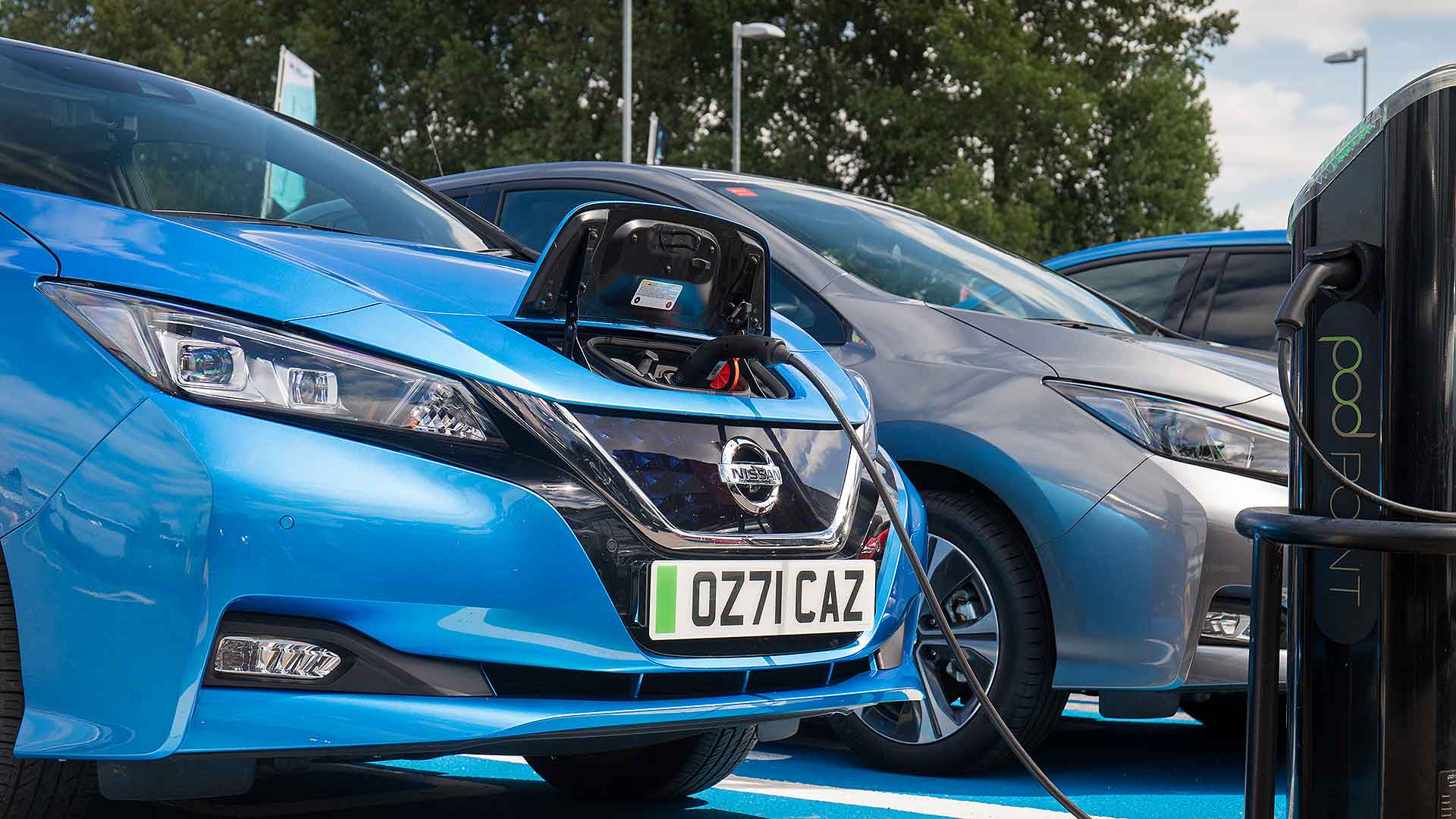
Used electric car batteries are proving the doubters wrong, with research showing them to be far more long-lasting than many people expected.
The UK’s largest used EV battery report to date tested thousands of vehicles, discovering that average battery health stands at an impressive 95.15 percent of ‘new’ range.
Even older EVs are holding up well, with eight- and nine-year-old vehicles retaining an 85 percent state of health – well above the 70 percent guaranteed by many EV battery warranties.
High mileages are not proving a hurdle either, with 100,000-mile-plus EVs frequently returning 88-95 percent battery health.
The Generational 2025 Battery Performance Index, which analysed more than 8,000 electric cars and vans, “definitely shows that EV batteries are performing far better than many consumers have been led to believe,” said Generational CEO Oliver Phillpott.
“With an average state of health of over 95 percent, and even older vehicles comfortably exceeding warranty thresholds, the underlying fundamentals are extremely strong.”
Clear benchmarks for batteries

The Generational report aims to establish new benchmarks for used EV battery health. Via extensive battery testing, above average, typical and underperforming battery degradation can be highlighted. For example:
- Among four- to five-year-old vehicles, bottom-performing percentile battery health sits at 91.64 percent, compared to a median of 93.53 percent and a top-performing percentile of 96.49 percent
- For eight- to 12-year-old vehicles, the bottom, median and top are 82 percent, 85.04 percent and 90 percent respectively
The spread clearly widens with age, showing that while averages remain strong, “variance increases materially over time – creating a growing performance gap between well-maintained vehicles and underperformers”.
In other words, battery degradation is not the systematic risk once assumed. Rather, it’s uncertainty around condition that is the key factor in used EV confidence, performance, risk and residual values.
It means that a three-year-old fleet vehicle with 90,000 miles may have better battery health than a six-year-old car with 30,000 miles, depending on usage and charging behaviour.
“By establishing clear benchmarks for what is typical, above and below average… we are giving the market the reference points it needs to price risk accurately, strengthen residual values and accelerate adoption,” said Phillpott.
What it means for used EV buyers

The Generational Battery Performance Index provides clear evidence that, in most cases, EV batteries are likely to exceed the lifespan of the car itself.
The key to unlocking this information is robust used EV battery health testing, as “battery transparency is fast becoming as fundamental as service history or mileage verification”.
In other words, if you are shopping for a used EV, look out for a battery health report as part of each car’s sale description. It’s a useful way to compare and contrast used EVs – and may even help you pick out a high-mileage, above-average battery health bargain.
ALSO READ:
Charging an electric car: what you need to know