Home Blog Page 566

2017 real-world emissions mpg test approved by EU

0

Filling station pumpsThe European Commission has approved a new Real Driving Emission (RDE) test in response to criticisms the current NEDC fuel economy test is outdated and misleading.

From 2017, the RDE test will become part of the type approval process for all cars sold in Europe. It will include an element of ‘real world’ driving using a portable emissions measurement system.

This means that emissions testing will move outside the laboratory for the first time, enabling real-world driving emissions to be compared with laboratory-tested results.

The news comes after The Sunday Times and testing company Emissions Analytics discovered that many Euro 6 diesel cars far exceeded lab-tested results in real-world driving.

The average variance was a hefty 4.4 times the legislated limit but some cars were far worse, particularly in terms of NOx emissions.

The firm did, however, report improvements over outgoing Euro 5 emissions of nearly 50%; “We believe the manufacturers, anticipating this legislative change, have really stepped up their game and the results are encouraging, although still mixed,” said Emissions Analytics CEO Nick Molden.

Car makers agree – but are concerned

European car manufacturers have agreed that “a new and fully updated Real Driving Emissions test is needed to better measure NOx emissions”.

The European car makers association, ACEA, did however add that “the decision is by no means the end of the discussion on RDE, as what was greed is just a partial set of evaluation conditions for real driving emissions”.

Mr Jonnaert, Secretary General of ACEA said: “ACEA calls on the Commission to urgently deliver a complete proposal for Real Driving Emissions by June or July at the latest for a positive decision in the regulatory committee. We need to make more progress on clarifying all testing conditions to ensure a robust RDE regulation could commence from September 2017.”

He did add that car makers are worried. “Automobile manufacturers remain concerned about the piecemeal approach the Commission is taking in preparing this proposal.

“This is not smart regulation. We need clarity in advance so that we can plan the development and design of vehicles in line with the new requirements.”
Advertisement

Automatic emergency call for ALL new cars sold from 2018

0

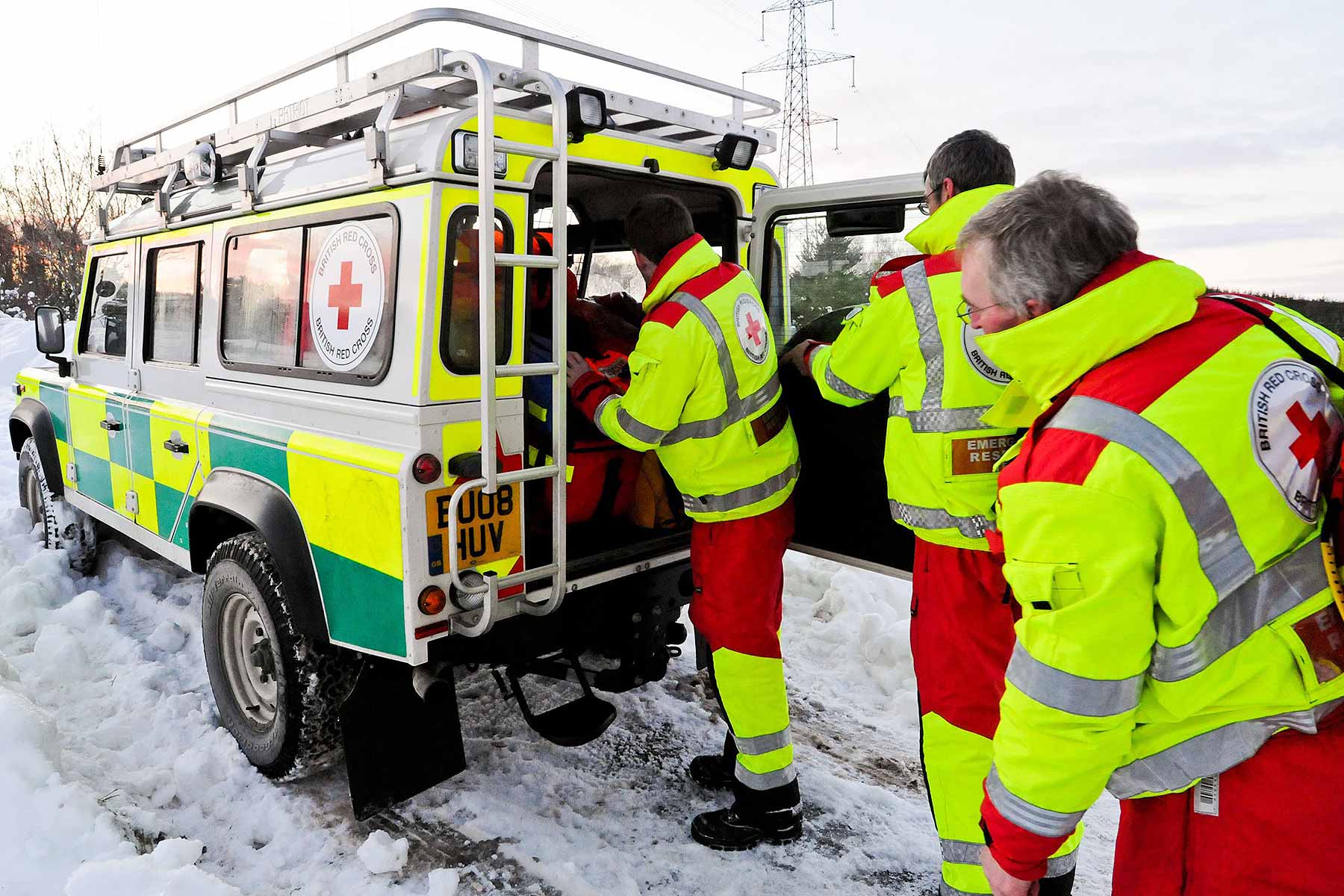
Land Rover emergency servicesAutomatic emergency call – or eCall – will be fitted as standard to every new car sold in the EU from 2018 following a vote today by the European Parliament.
This will potentially save over 2,500 lives in the EU in one year alone, estimate politicians.

eCall is technology built into cars that can detect the severity of a crash and automatically dial the emergency services. Using speakers and microphones, it can connect occupants with an operator even if they’re trapped within the car.

The system will automatically send information on the type of vehicle, the fuel used and the time of the accident. Crucially, it will also send the location of the crash, potentially cutting minutes or even hours from the time it takes emergency services to reach an accident.

“The European Parliament has repeatedly stressed that reducing deaths and the severity of injuries on the roads is its priority,” said rapporteur Olga Sehnalova from the Czech Republic, speaking on behalf of politicians.

“eCall as a public service, free of charge for all citizens, irrespective of the type of vehicle or its purchase price, will contribute to that common goal.”

Road accidents in the EU cost 25,700 lives in 2014. eCall could cut that by an estimated 10% a year.

Advertisement

BMW makes sat nav standard on ALL new cars

0

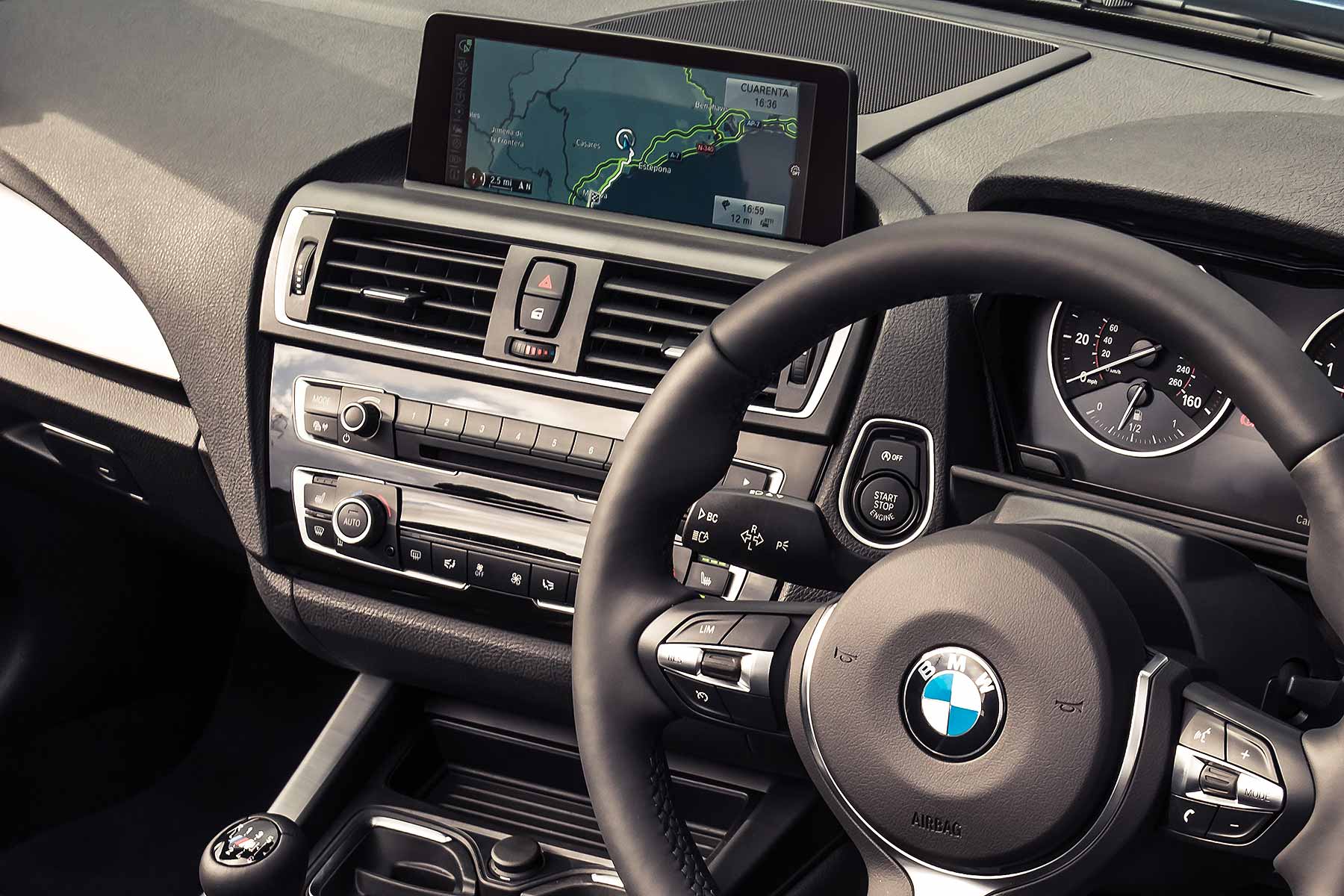
BMW sat navBMW is to become the first volume premium car brand in the UK to fit satellite navigation as standard on all new models from September 2015.
Starting with the new generation 1 Series, now arriving in UK dealers, the firm will move to include sat nav on all new cars where it isn’t already standard – beating premium rivals Audi and Mercedes-Benz which currently charge for the feature on key affordable-price variants.

The newly standardised BMW Navigation system won’t be a stripped-back system either; it will have the latest generation graphics and processors, 3D city modes and a fuel-saving Eco Pro routing algorithm to choose the greenest route.

It will also offer the full range of BMW ConnectedDrive services, including three years’ free concierge access, real-time traffic information and even wireless sat nav updates – with three years’ subscription to ongoing updates included in the car’s list price.

BMW claims the move is a market-first: no other car brand offers sat nav included in the list price of such a broad range of cars – from £20,000 to £120,000, says the firm.

It’s set to benefit secondhand values too, used value experts CAP has confirmed. Cars forecasting editor Jeff Knight said: “BMW introducing navigation across its entire model range is a first for any mainstream manufacturer in the UK and will inevitably pave the way for others to follow.

“On-board navigation systems now offer so much more technology than previously seen with the likes of 2D & 3D navigation map displays, traffic information and particularly with BMW standard e-call functionality which is a key safety feature.

“As well as having standard navigation across the range all BMW models will see an improvement on their residual value from between £300 to £600 (model dependant) so this is good news all round for the customer.”

Advertisement

James May orders Ferrari 458 Speciale – then Clarkson punches a producer

0

James May orders Ferrari 458 Speciale – then Clarkson punches a producer

James May has revealed that he ordered a Ferrari 458 Speciale to celebrate being on the brink of a new three-year contract with the BBC, before Jeremy Clarkson’s ‘fracas’ ruined it all.

In his column for the Sunday Times, May said the Top Gear trio were about to sign a new contract with a handsome salary, so he decided to treat himself to a new Ferrari.

The star has previously owned two Ferraris, but both were bought secondhand, and this time he wanted to buy brand new, in his specification.

In his column, May said order books for the last naturally-aspirated mid-engined V8 Ferrari were now closed, but the manufacturer agreed to build one more for the Top Gear presenter.

After agreeing to buy one of the last models of the 458, which is soon to be replaced by the turbocharged 488 GTB, May went to Yorkshire to film the last episode of the latest Top Gear series – and ‘everything in the future shattered like the mishandled Christmas bauble’.

Following the incident, May headed to Ferrari’s Maranello factory to specify his dream car. Concerned they might smell a rat following talks of a ‘tastefully austere 458 Speciale’, he opted for a stripe that ‘costs almost exactly the same as a basic Dacia Sandero’, along with luxuries including sat nav, reversing camera and a nose-lift system for speed bumps.

Admitting ‘there’s a cash-flow issue’, May said his order for an exotic Ferrari worth over £200,000 wasn’t a ‘financial disaster’ – more an ‘investment’.

He said: “I could resell it immediately and get my money back, maybe even more.”

The unemployed ex-Top Gear presenter quashed rumours that he, Hammond and Clarkson along with producer Andy Wilman were in talks over a new car show on a different channel.

May added: “Nobody yet knows what is going to happen in the future of Top Gear or its three former presenters. That is the honest truth, despite what you may have read elsewhere. No one has even arrived at a definitive pronunciation of “fracas” yet, so what chance is there that we’d have rescued our careers?”

Advertisement

Ferdinand Piech resigns as Volkswagen Group chairman

0

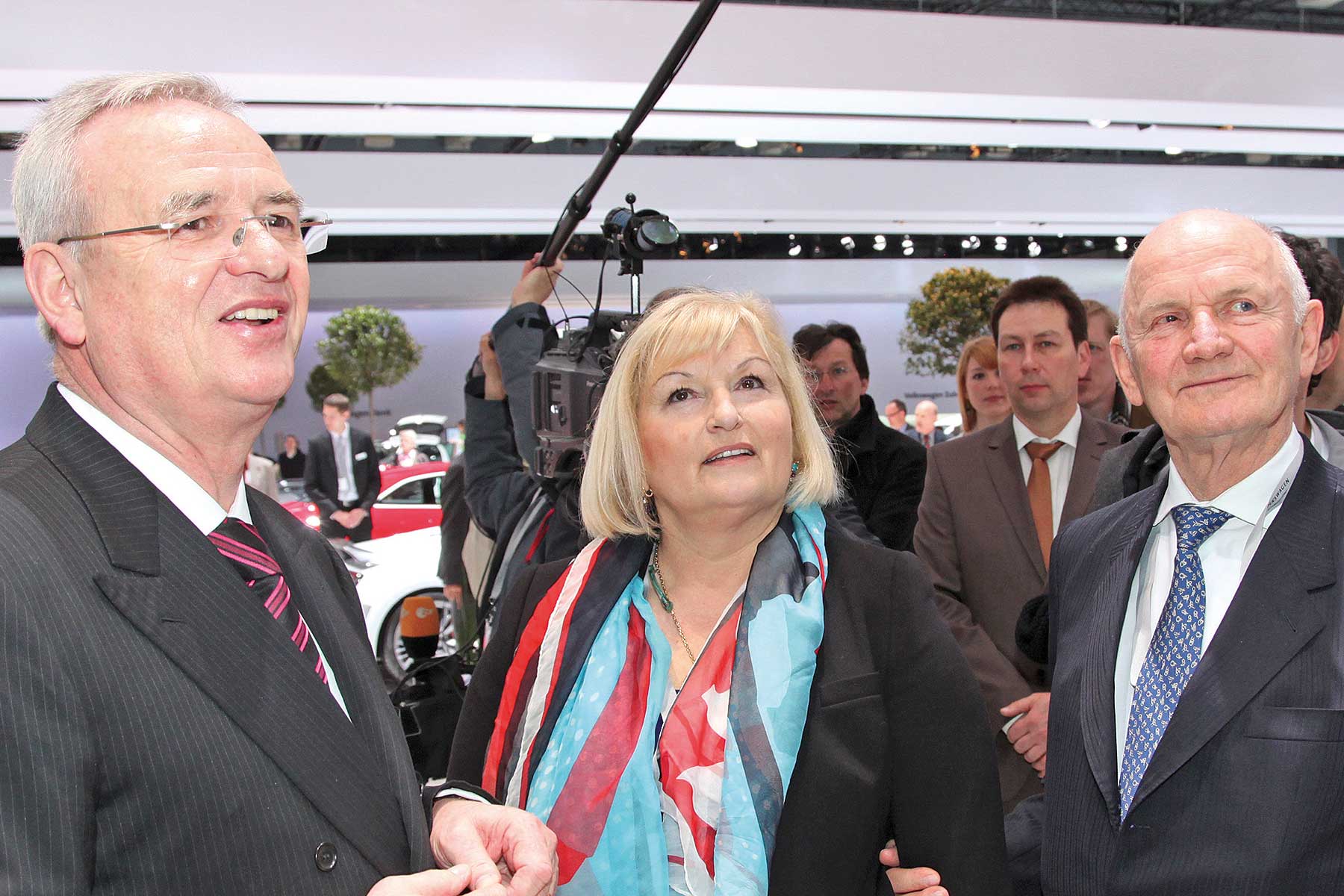
Martin Winterkorn and Ferdinand PiechFerdinand Piech has abruptly resigned as chairman of the Volkswagen Group after openly criticising his CEO Martin Winterkorn.

In a Volkswagen Group statement, it was announced that “Professor Dr. Ferdinand K. Piëch has resigned with immediate effect from his position as Chairman of the Supervisory Board and from all his mandates as a Supervisory Board member within the Volkswagen Group”.

His wife Ursula has also resigned.

The executive committee of the supervisory board of Volkswagen Group – which, as per German business practice, oversees the main management board – today met to discuss what it described as “the situation”.

Its conclusion? “The members of the Executive Committee have unanimously determined that in view of the background of the last weeks the mutual trust necessary for successful cooperation no longer exists.”

Deputy chairman Berthold Huber will temporarily assume Piech’s chairmanship.

Piech’s Porsche roots

Piech is the son of Louise, the daughter of Ferdinand Porsche. A brilliant engineer, he joined Porsche after studying mechanical engineering and, after designing a five-cylinder engine for Mercedes-Benz in the interim, moved to Audi and pushed through models such as the 80, 100 and Ur Quattro.

He succeeded Carl Hahn as chairman of Volkswagen AG, turning around the company and its constituent brands. Audi, for example, developed from a German curio into one of the world’s largest premium car brands under his leadership.

Piech also ‘engineered out’ executives that he deemed failures: Berndt Pischetsreider of Volkswagen and Wendelin Wiedeking of Porsche were all hugely successful industry leaders who nevertheless fell under Piech’s watch.

In a statement, Porsche holding company Porsche SE said: “We have full confidence in the board of management of Volkswagen Group and we deeply regret the developments of the last few days.

“We thank Ferdinand Piëch for his decades of extraordinary and highly successful service to the Volkswagen Group. Our great loyalty to the Volkswagen Group and its 600,000 employees remains unchanged and we assume our responsibility as a principal shareholder.”

ALSO READ

‘The Stig’ delivers Jeremy Clarkson petition to the BBC… in a tank

Official: Jeremy Clarkson dropped from Top Gear

Mitsubishi hits out at ‘irresponsible’ claims that MPG figures are misleading

Advertisement

Mitsubishi hits out at ‘irresponsible’ claims that MPG figures are misleading

0

Mitsubishi hits out at 'irresponsible' claims that MPG figures are misleading

Mitsubishi has responded to claims by Which? that manufacturers are misleading buyers with their MPG figures, admitting that the official test is ‘outdated’ and meant for ‘comparison purposes’ only.

Which? claimed that manufacturers use a number of loopholes that lead to unrealistic official MPG figures, with 98% of cars it tested failing to achieve the official fuel economy.

The organisation identified 17 cars that performed the worst compared to claimed figures – with the Mitsubishi Outlander PHEV apparently overstating its MPG by 120%.

But Mitsubishi Motors UK managing director Lance Bradley disputed the claims.

He said: “The current test regime for emissions and fuel consumption test is outdated and does the industry no favours but the suggestion that we in some way are misleading car buyers is well wide of the mark and irresponsible.”

All manufacturers are required to put their cars through a strict official test, called the NEDC (New European Drive Cycle). This has been around since the 1970s and, Mitsubishi says, makes no account of new plug-in hybrid technology.

As the Outlander PHEV can be driven under electric power alone, it can complete part of its journey (32.5 miles officially) without using any fuel. This affects the official fuel consumption tests.

If the vehicle is used mainly for lots of small journeys between charges it will use very little fuel, meaning it’ll be more efficient than the official 148mpg figure.

Alternatively, if it is used for long journeys without being charged, it’ll use considerably more fuel.

In a statement, the manufacturer said: “Even the 67.3 MPG suggested by Which? is good for a large 4×4 SUV like Outlander.

“Mitsubishi Motors UK has always made real life MPG very clear in its advertising and printed material. At the Outlander PHEV’s launch several top motoring magazines all reported on the ‘refreshing honesty’ with which the company had presented its real life MPG expectations.”

At last month’s Geneva Motor Show, Bradley told Motoring Research that the new ASX crossover, due next year, will be offered with a hybrid powertrain for the first time.

Advertisement

Vauxhall: ‘Most Corsa VXR buyers are under 30’

0

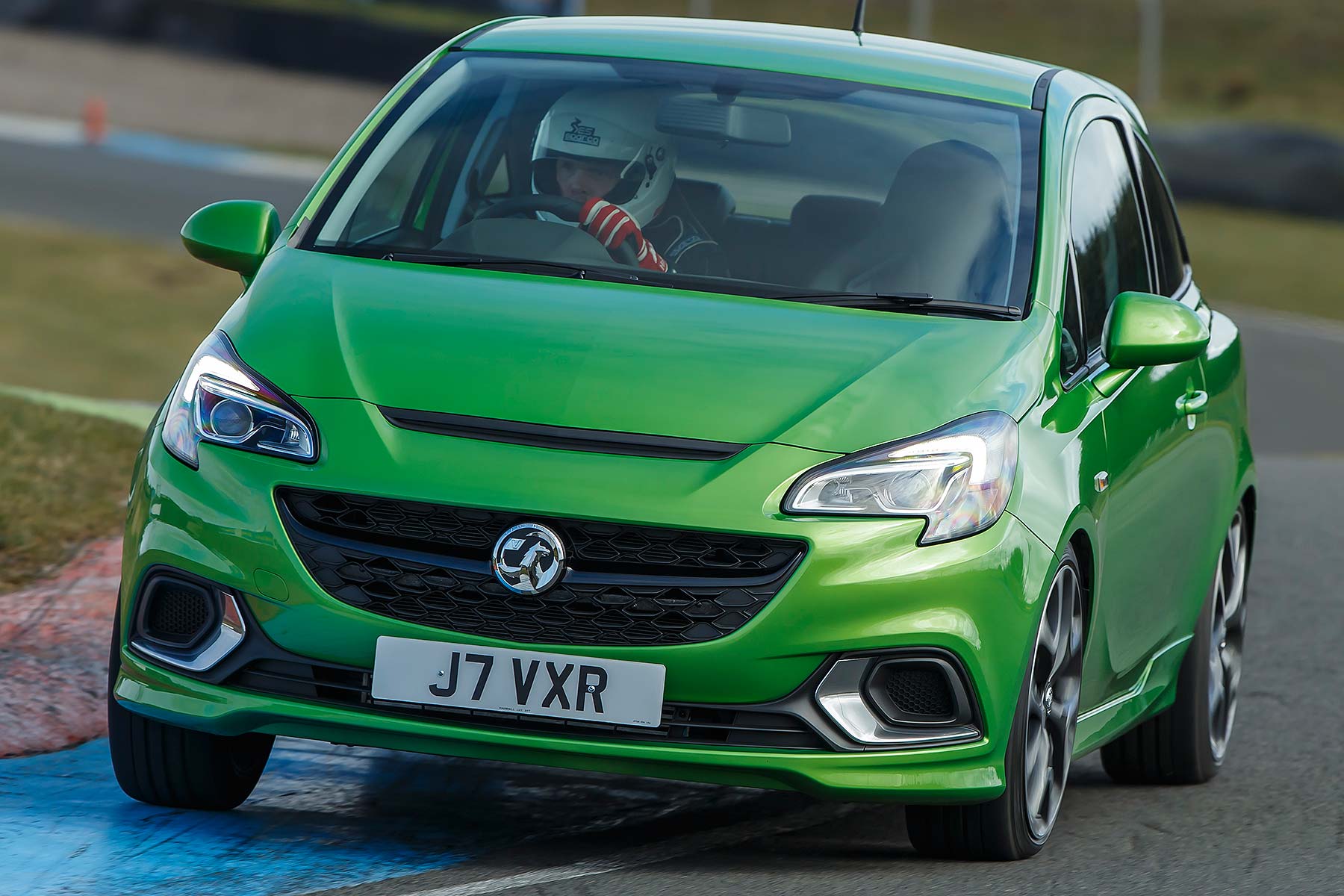
2015 Vauxhall Corsa VXRVauxhall has revealed nearly everyone who buys a new Corsa VXR is aged between 19-29 – and it’s new car finance that’s helping them ‘live their dream’.
Dougie McColm, brand manager for VXR, explained that such buyers – mainly male, likely to be living at home, “live for their car. They save hard, go without nights out and are dedicated to getting the car that they want.

“Cars like the Corsa VXR carry huge bragging rights with their mates and they want to be first in the neighbourhood with the latest model.”

And the fact list prices start at £17,995 for the new Corsa VXR – or £20,395 for the must-have VXR Performance Pack – is no barrier either, because of flexible PCP car finance.

“They work hard to pull the deposit together but then, so long as they have a few hundred pounds spare each month, they can easily cover the finance payments.”

Because it’s a modern car with ample stability control systems and theft protection, insurance isn’t as frightening as some may think, either: “It’s certainly attainable for most people in the market for one,” said McColm.

The firm will reveal what it describes as a ‘very competitive’ PCP package for the new Corsa VXR ahead of its showroom debut on 1 May. Because of the flexibility it offers, McColm predicts around half will upgrade to the track-focused Performance Pack, despite its added expense.

“£2,400 is a lot as a one-off payment, but on PCP, it’s £30 a month. For many buyers, it’s thus almost a no-brainer.”

ALSO READ

40 years of the Triumph TR7

Mercedes-AMG GT S (2015) road test review

Volvo V60 Polestar(2015) road test review

Advertisement

Drivers still confused about smart motorways

0

Smart-motorway-cropped

The smart motorway is celebrating its first birthday, yet evidence suggests drivers are confused about how to use them.

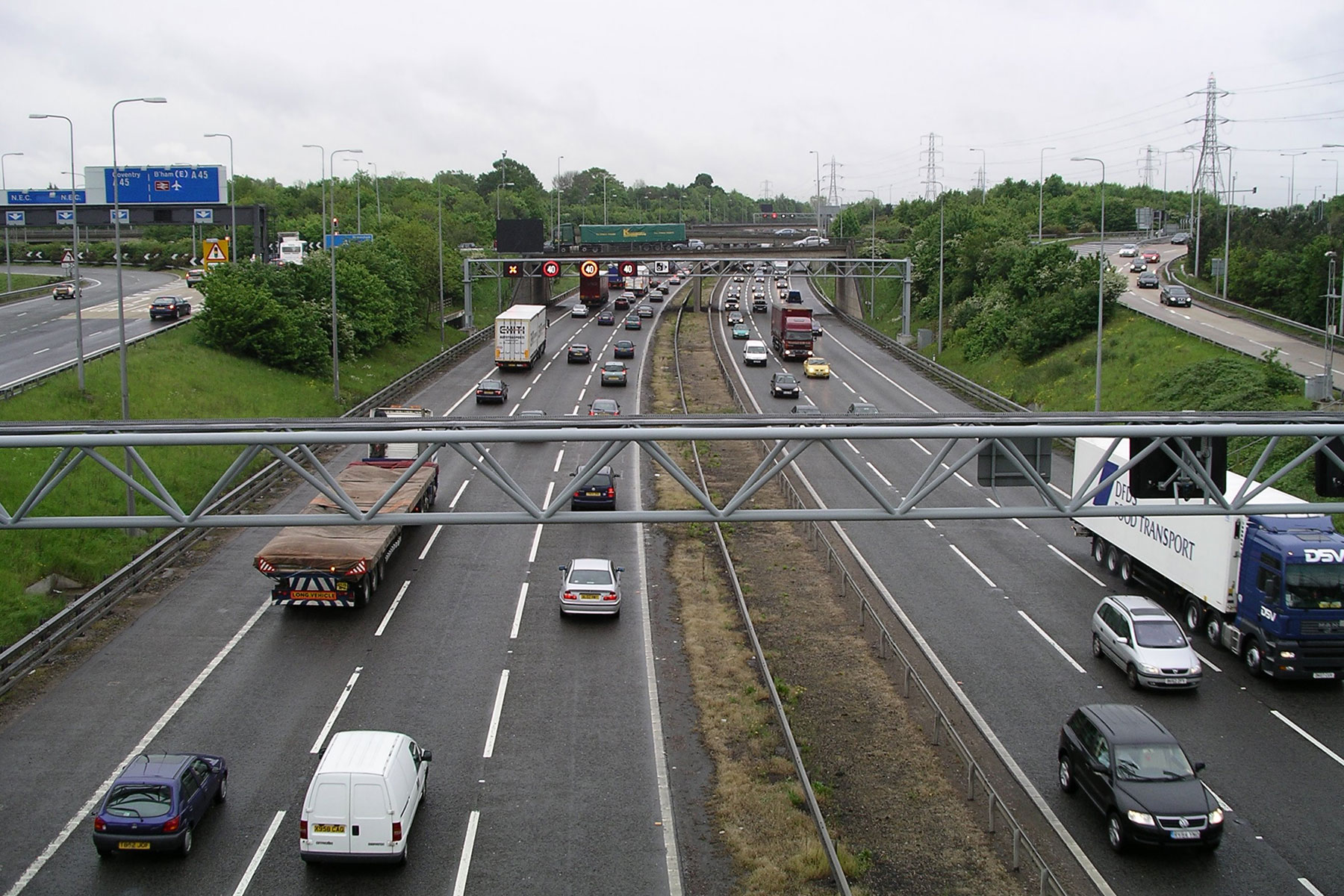
Smart motorways allow drivers to use the hard shoulder during busy periods. Electronic signs on the overhead gantries are used to warn of incidents ahead, plus there are refuge areas for emergencies.

However, a survey from the Institute of Advanced Motorists (IAM) found 71% per cent of drivers feel less safe on a motorway with no hard shoulder.

Equally, 40% were concerned about the ability of monitoring systems, such as traffic detectors and CCTV, to protect them if they needed to pull over and stop.

England’s first ‘all-lane running’ motorway was a stretch of the M25 between junctions 23 and 25, opened on 14 April 2014. Similar schemes are now in operation on the M1, M4, M5, M6, M42 and M62.

IAM chief exec, Sarah Sillars, said: “Some are still confused and nervous about using smart motorways – if they are aware of them at all.” The organisation has produced a set of tips explaining what the electronic signs mean on smart motorways:

  • Red cross without flashing beacons: hard shoulder only for use in an emergency or breakdown
  • Speed limit inside a red circle: a mandatory limit that may have cameras enforcing it
  • Blank signal: usual motorway rules apply
  • White arrow with flashing beacons: applies to all lanes and means you should move into the lane that the arrow points to
  • Red cross with flashing beacons: You should not continue to use the lane
  • National speed limit sign is shown: 70mph maximum speed limit, which applies to all lanes apart from the hard shoulder

According to Sillars, the best way to raise awareness of smart motorways is “to allow learner drivers to use motorways under expert supervision.”

Advertisement

HALF of vans on British roads officially deemed ‘unsafe’

0

Van safety needs to be addressed, warns SMMTThe SMMT has revealed shock figures that expose worryingly poor levels of safety among Britain’s van users.
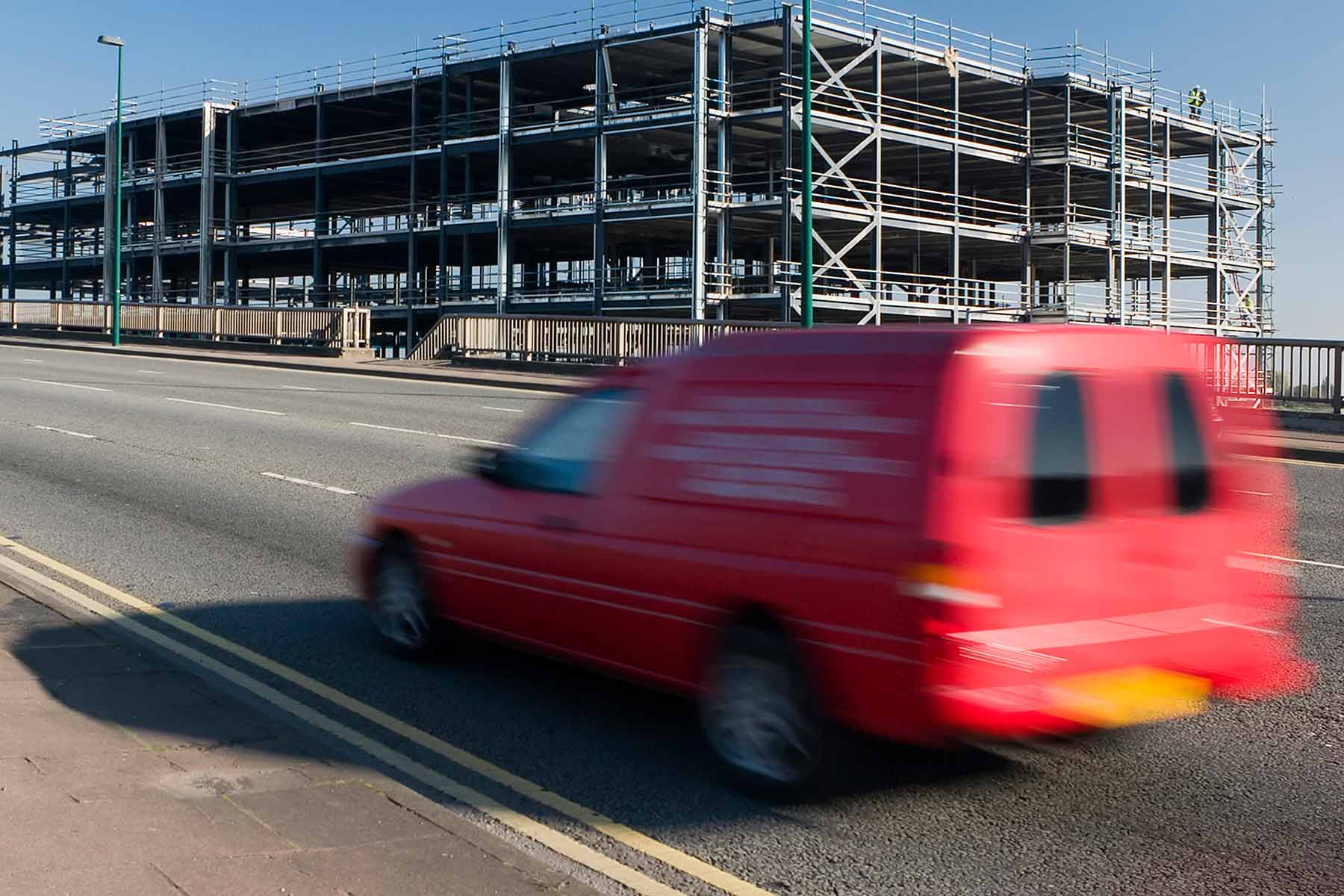
One in two vans will fail the annual MOT test due to a safety defect and, more worryingly, two in three vans stopped by the roadside by the DVSA each hear have a serious mechanical defect.

A staggering 9 in 10 vans were found to be overloaded.

The spiralling MOT safety defect record contrasts starkly with HGVs, says the SMMT – operators there have to follow strict licensing rules, which means just over one in five HGVs will fail the MOT first time round.

As vans weigh less than 3.5 tonnes, they’re exempt from this expensive Operator Licensing regime.

The SMMT is thus issuing a rallying call to van operators at the Commercial Vehicle Show in Birmingham this week: sort out your safety record or face billions in extra costs.

Safety record ‘a matter of concern’

“Britain’s 3.2 million vans are essential for the smooth running of the economy but their recent safety record is a matter of concern,” said SMMT chief executive Mike Hawes.

“Vans rack up huge distances and endure significant wear and tear on a daily basis so regular servicing is essential.” Van demand is also growing; over 34,000 were registered in March 2015 alone, a rise of nearly 24 per cent, as businesses move to vans for the greater efficiencies they offer.

But if operators don’t sort out their safety record, the DVSA and other stakeholders may take action and enforce expensive statutory licensing regulation – something the industry can avoid with effective self regulation.

“We’re launching a new campaign to promote maintenance so businesses can take the necessary steps to ensure their vehicles are safe, protecting their drivers and other road users without the need for further fines and regulations.”

The SMMT adds that “although there has been no move so far to make Operator Licensing rules apply to vans, the regulations and safety records around light goods vehicles are facing increased scrutiny”.

Over to you, van operators…

ALSO READ

HondaJet in public flight – and it’s coming to Britain

Police warn drivers playing football on the M25

Lotus Elise 20th Anniversary special edition launched

Advertisement

HondaJet in public flight debut – and it’s coming to Britain

0

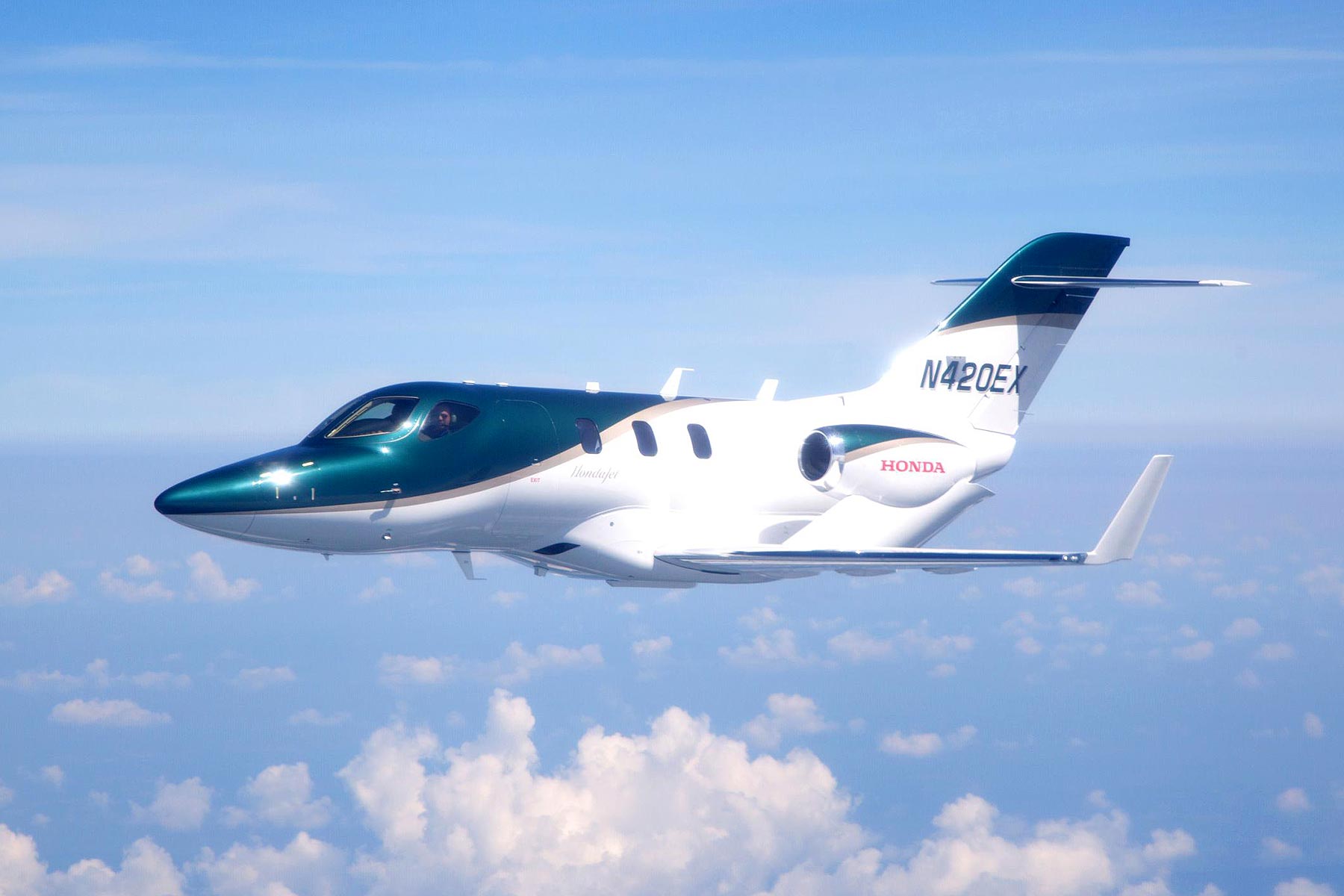
HondaJetThe HondaJet aircraft will make its first public appearances in Japan and Europe later this month as it begins a 26,000 nautical mile, 13-country world debut flight tour.

What’s more, the HondaJet is coming to Britain – it’s set to appear in both Farnborough and Birmingham, following its world public in Japan on April 25th.

The advanced light jet will fly from Japan to the European Business Aviation Conference and Exhibition – EBACE – in Geneva on May 19th, before then commencing a demonstration tour with HondaJet dealers in six countries.

Birmingham and Farnborough are confirmed stops on this tour, along with Geneva, Antwerp, Paris, Munich, Hamburg, Munich and Warsaw.

The fastest, highest-flying, quietest and most fuel efficient jet in its class, the HondaJet realises a dream of Honda founder Soichiro Honda. “The HondaJet world tour is a tribute to Honda’s challenging spirit to bring something truly innovative to business aviation,” said Honda Aircraft Company President and CEO Michimasa Fujino.

“The HondaJet has broad appeal in this region with its speed, superior efficiency, and a range that connects most of the major cities in Europe and the United Kingdom.”

Advertisement