Home Blog Page 559

Brexit: Nissan, Toyota want Britain to remain in EU

0

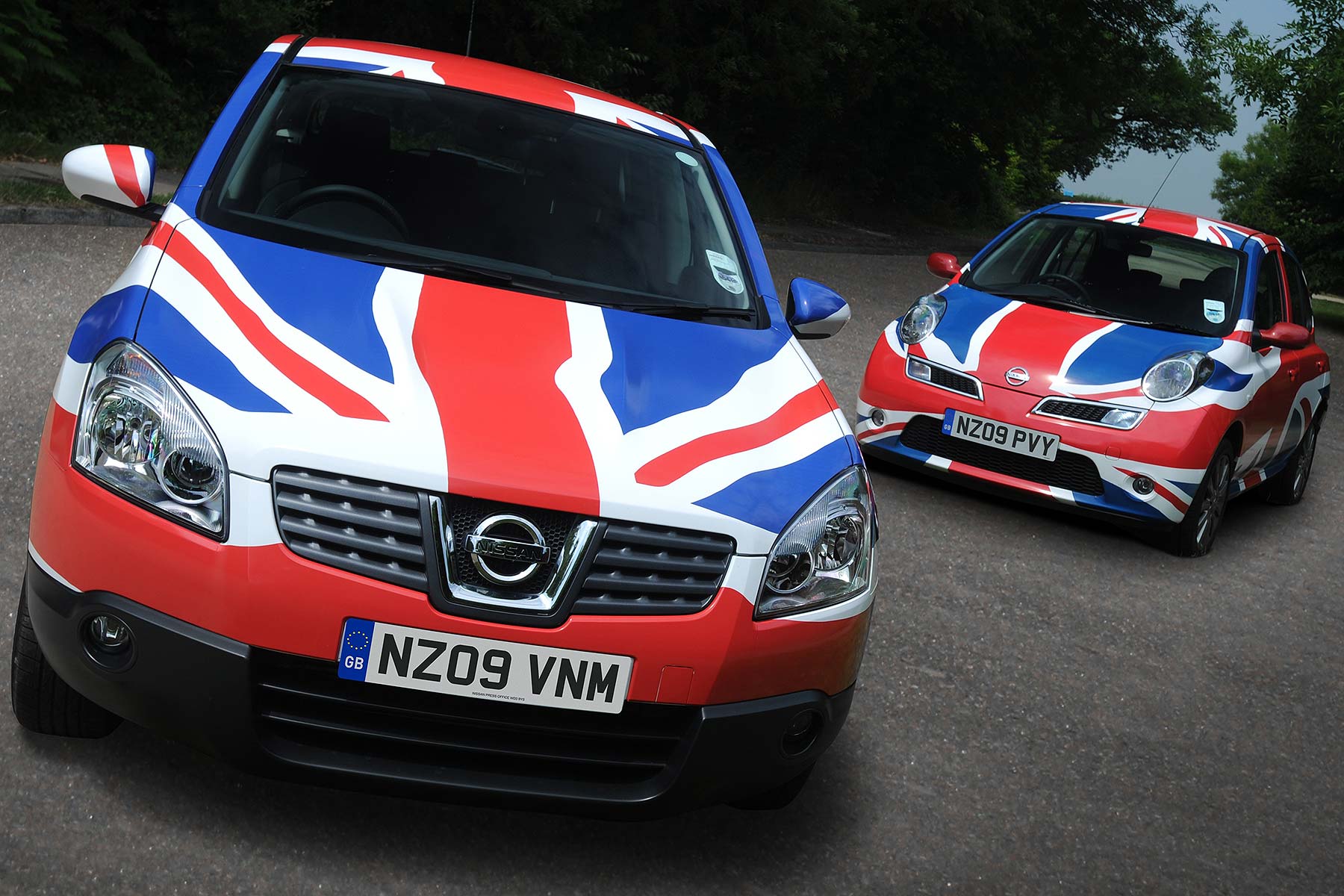
Nissan Union FlagNissan and Toyota have both expressed their preference for Britain remaining in the UK – although neither plans to pro-actively support any political campaign ahead of the EU referendum on 23 June.

They are the first major overseas car manufacturers based in the UK to formally comment on Brexit since the date of the referendum was announced.

“This is ultimately a matter for the British people to decide,” said Nissan chairman and CEO Carlos Ghosn in a statement.

“We respect that the UK’s future relationship with the European Union is a matter for the British people to decide, and it is not our intention to participate in the campaign,” said Toyota Motor Europe president and CEO John van Zyl.

But both firms are quite clear in the facts they present – and both agree that it makes the most sense for jobs, trade and costs for the UK to remain within Europe.

“For us, a position of stability is more positive than a collection of unknowns,” said Ghosn; “We are concerned that leaving would create additional business challenges,” added van Zyl.

And while current UK-based operations for Nissan and Toyota are not under threat, future investments in the UK could be at risk should Britons vote for Brexit. “While we remain committed to our existing investment decision,” said Ghosn, “we will not speculate on the outcome nor what would happen in either scenario.

“We obviously want the Nissan UK plant and engineering centre to remain as competitive as possible when compared with other global entities,” he added. “Each future investment opportunity will be taken on a case by case basis, just as it is now.

Nissan directly employs 8,000 people at its sites in London, Cranfield and Sunderland, plus a further 32,000 people indirectly. Toyota’s manufacturing site at Burnaston employs 3,800.

Toyota admits key reasons for choosing Britain over the rest of Europe when it chose Derby the plant in 1992 was “the open and free access to the European market, (and) the free access of a skilled workforce”. Today, Burnaston is wholly integrated into Toyota’s European operations.

8 in 10 Nissans are exported and 9 in 10 Toyota are exported out of the UK – with Europe being the biggest market for both brand’s vehicles.
Advertisement

Jeremy Clarkson pays more than £100,000 to producer he punched in ‘fracas’

0

Jeremy Clarkson

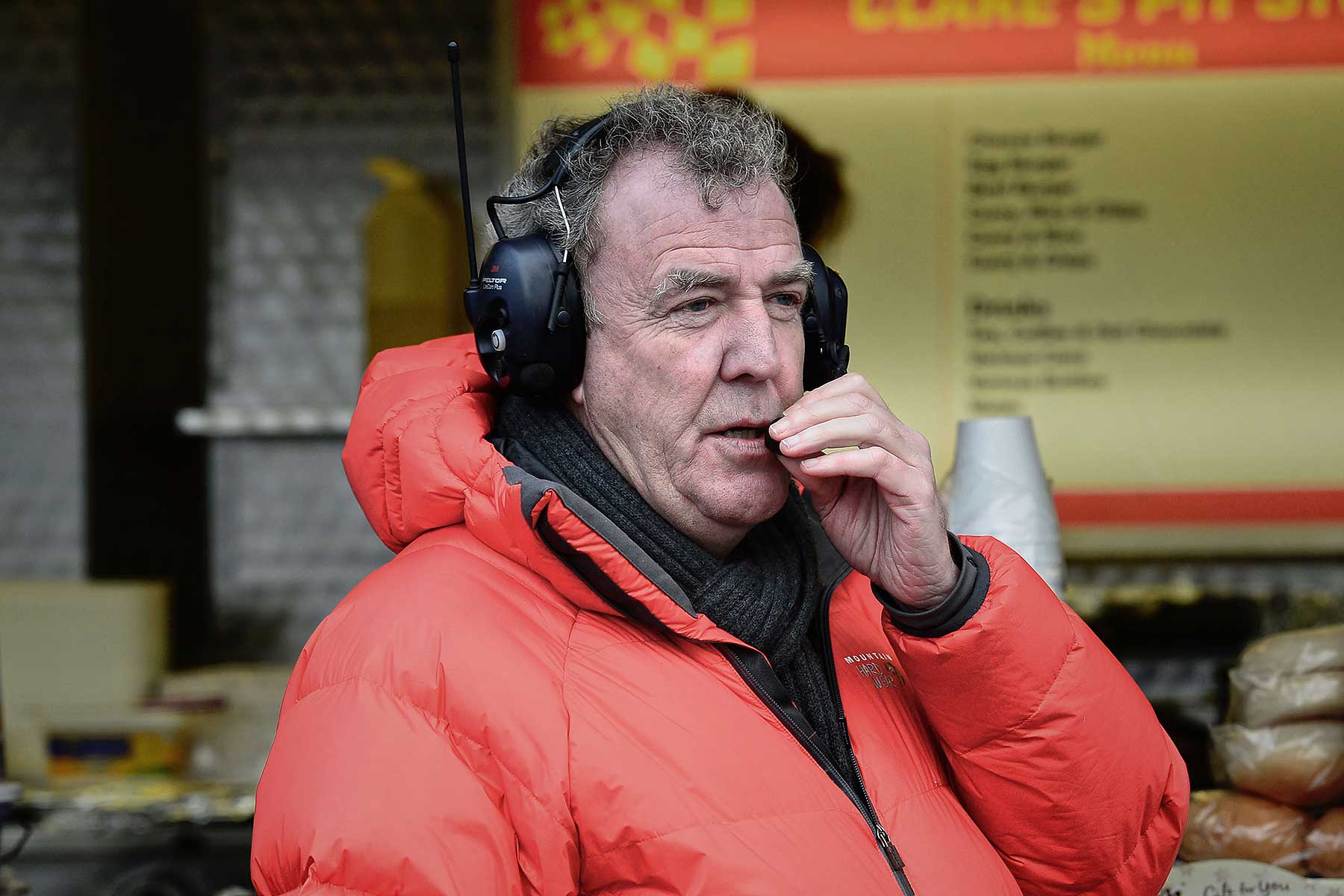
Ex-Top Gear presenter Jeremy Clarkson has paid out in excess of £100,000 and apologised to the producer he punched in a ‘fracas’ that led to him being sacked from the BBC.

Oisin Tymon, who was attacked by Clarkson in a row over a steak dinner, brought legal proceedings against the TV celebrity in November.

The producer, who suffered a split lip following the incident, pursued his case in the Central London Employment Tribunal, in Holborn.

However, it’s believed the pair have now settled the case, with Clarkson paying £100,000 to Tymon, who he described Tymon as a “lazy, Irish, c**t”.

In a statement issued through his lawyers, Slater and Gordon, Clarkson said: “I would like to say sorry, once again, to Oisin Tymon for the incident and its regrettable aftermath. I want to reiterate that none of this was in any way his fault.

“I would also like to make it clear that the abuse he has suffered since the incident is unwarranted and I am sorry too that he has had to go through that.”

Jeremy Clarkson has since found a job with fellow ex-Top Gear presenters Richard Hammond and James May, presenting a new, as-yet-unnamed car programme on Amazon Prime. The series is set to make its debut later in the spring.

Advertisement

Aston Martin picks Wales for new car plant

0

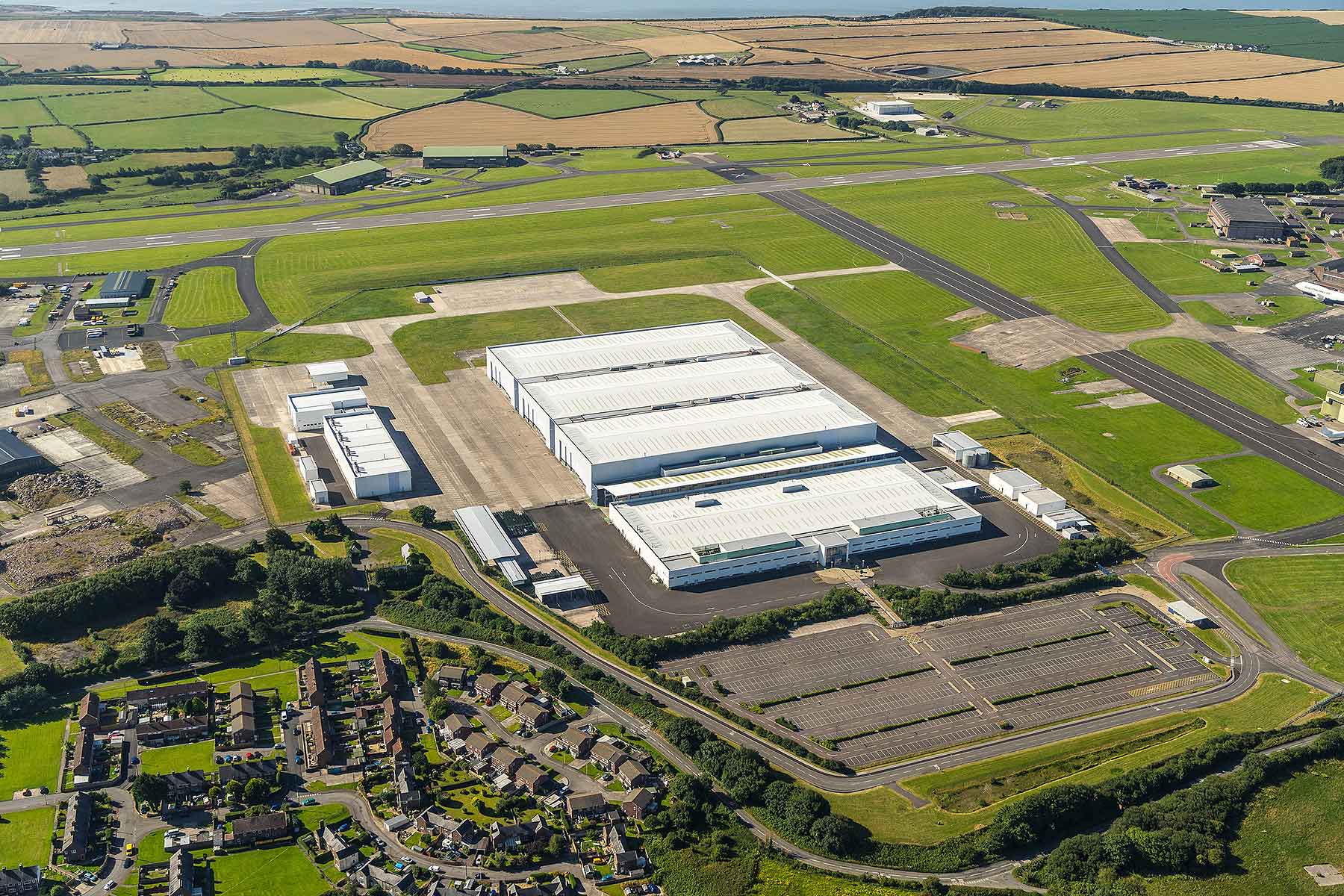
Aston Martin St AthanAston Martin will build its its vital new DBX crossover at an all-new car plant at St Athan, Wales – meaning the UK has won the fight to host the sports car firm’s second car factory.
Beating numerous other sites worldwide, construction work will begin at the new site in Glamorgan next year, with full vehicle production targeted to being in 2020.

Part of a planned £200 million Aston Martin investment drive, the 90-acre facility (located around 15 miles west of Cardiff) will repurpose what’s currently a Ministry of Defence base: three ‘super-hangers’ will be turned into a modern car factory building the production version of the 2015 DBX crossover concept.

The decision to choose Wales was celebrated by the First Minister of Wales, Carwyn Jones. “I am delighted to officially welcome Aston Martin to Wales,” he said.

“We have been working closely with the company for almost two years in the face of fierce competition from other potential sites across the world.

“Today is the start of a long-term relationship between Wales and Aston Martin.”

Gaydon also boosted

Aston Martin isn’t forgetting its HQ at Gaydon, Warwickshire though. Now the home of its next generation of sports cars, Gaydon is also to build the all-electric RapidE from 2018: by 2020, Gaydon will have expanded to a planned maximum volume of 7,000 sports cars. St Athan will be incremental crossover volume on top of that.

There’s a jobs boost too: between the the sites in England and Wales, up to 1,000 new Aston Martin jobs will be created by 2020.

3,000 more jobs will be created in the supply chain and local businesses.

It’s even good news for UK plc: Aston Martin believes 9 in 10 vehicles produced at St Athan will be exported – something that’s delighted Prime Minister David Cameron: “Aston Martin is an iconic British brand and the decision to invest here shows real confidence in our economy,” he said.

Aston Martin CEO Dr. Andrew Palmer added: “During our 103-year history, Aston Martin has become famous for making beautiful hand-crafted cars in England.

“Through a detailed evaluation of over 20 potential global locations for this new manufacturing facility, we were consistently impressed with the focus on quality, cost and speed from the Welsh Government team.

“As a great British company, we look forward to St Athan joining Gaydon as our second centre of hand-crafted manufacturing excellence.”

Advertisement

New Renault Scenic revealed ahead of Geneva 2016 debut

0

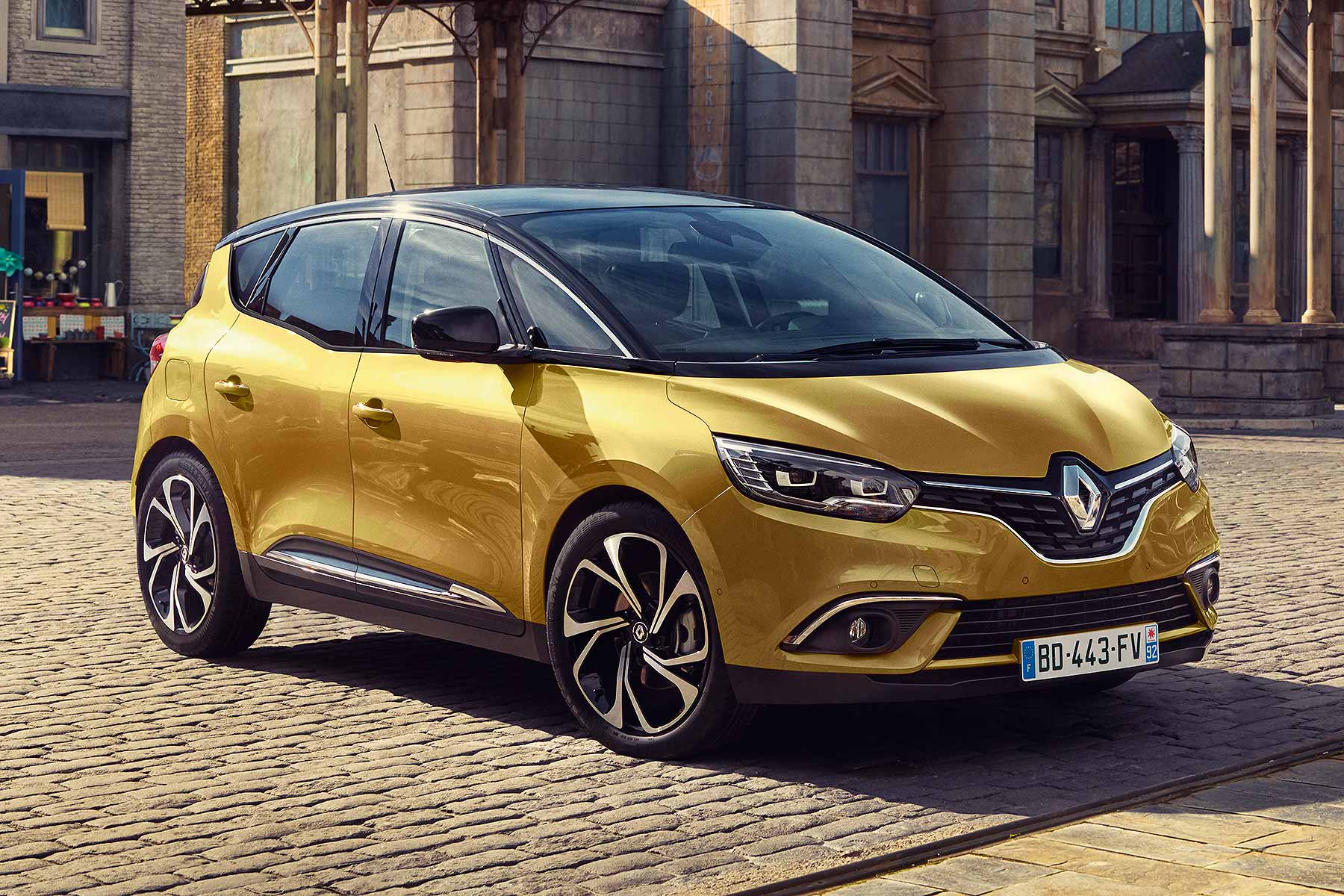
Renault Scenic 2016Renault has revealed first images of its all-new Scenic, ahead of its world debut at the 2016 Geneva Motor Show next week.
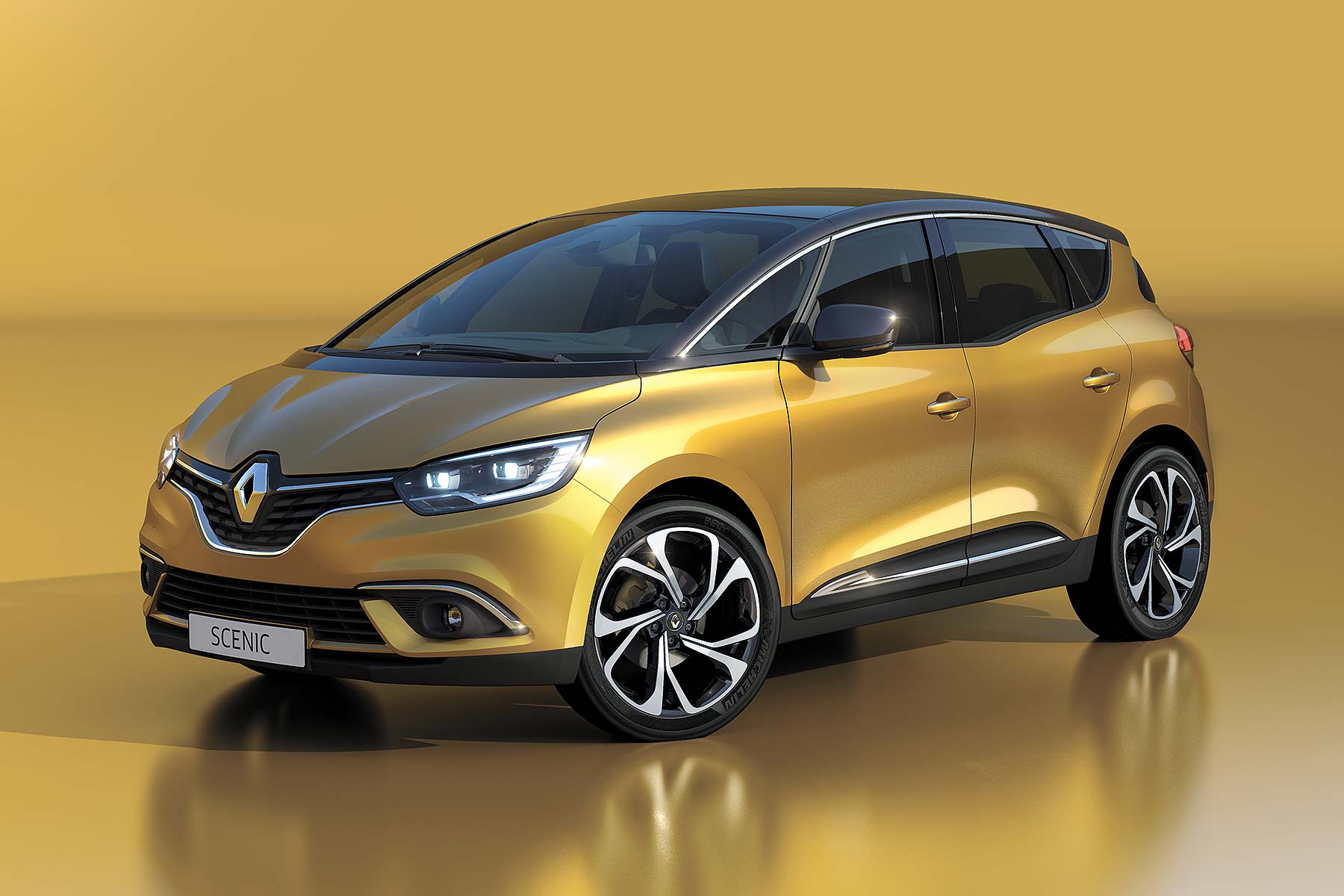
The fourth generation Scenic compact MPV arrives two decades after Renault invented the downsized people carrier segment back in 1996 – and while sales of MPVs may be slipping, nearly five million Scenic sales to date suggest it’s still a significant segment for Renault.

Renault Scenic 2016

The new Scenic is the first to benefit from design guru Laurens van den Acker’s influence and, like so many modern Renaults, is significantly more stylish and appealing than the boxy vehicle it replaces.

It has a higher ground clearance and shorter rear overhang, while wider tracks front and rear give it a tougher, more planted stance. Like the new Megane, it has distinctive headlights including LED Pure Vision technology.

This is the first Scenic to feature a three-part panoramic windscreen, following the lead of the larger (and sadly not-for-UK) Espace.

Renault says it’s a “completely fresh take on the compact MPV”. We can see if we agree at the 2016 Geneva Motor Show next week: doors open on 1 March.

ALSO READ

EU agrees to cut real-world car emissions – but green groups are not happy

Motorway electric car recharge logos bring relief to range anxiety

New 2016 Mercedes-Benz E-Class revealed in Detroit

Advertisement

Volvo’s new models will have built-in Spotify

0

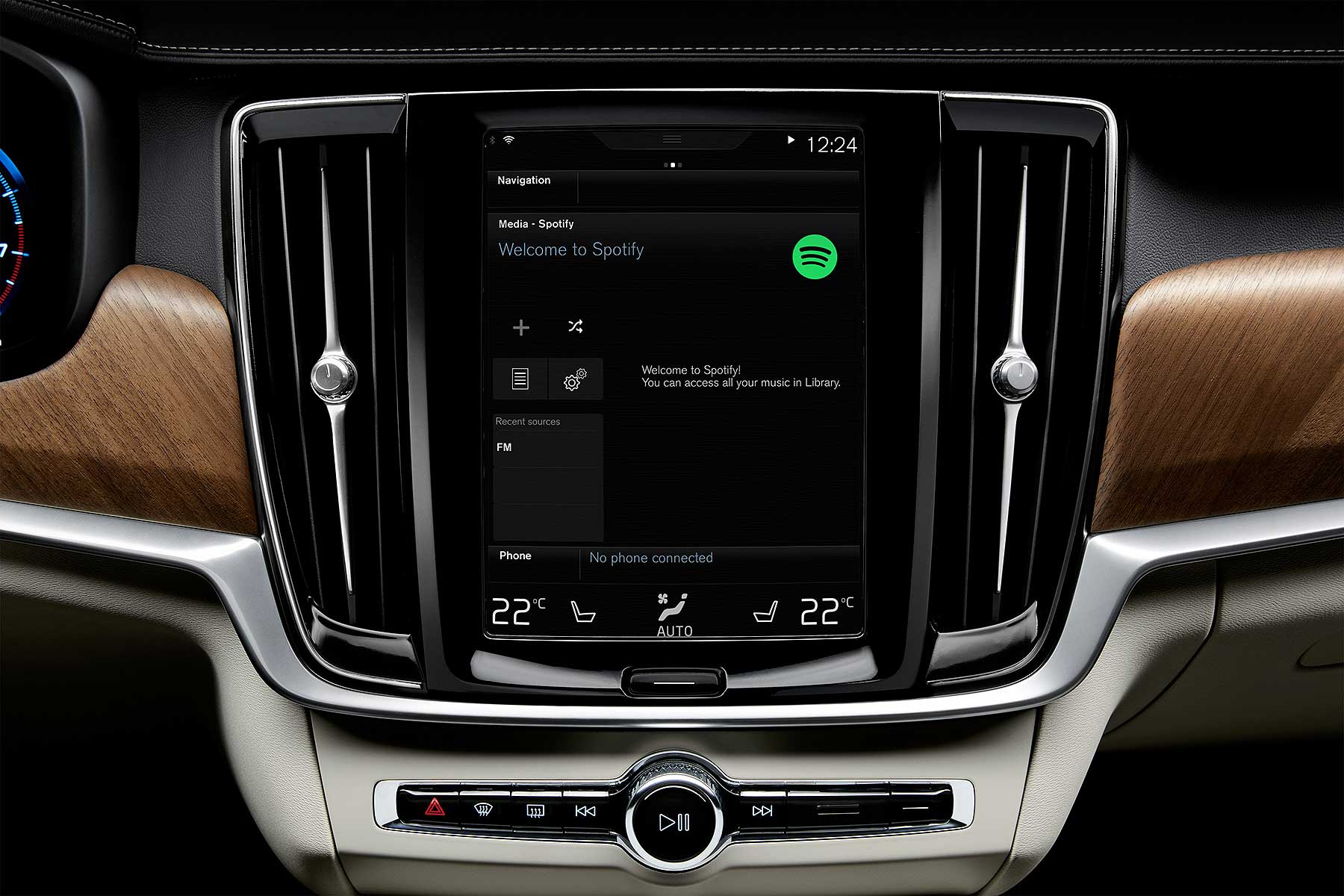
Volvo Spotify appVolvo will be the first car company to fully integrate the Spotify music streaming service into all of its models without the use of a smartphone.
Making the announcement at Mobile World Congress 2016, Volvo said its new S90 and V90 models, which are both due to be released in the spring, will be the first to receive the service, along with the XC90 SUV.

Volvo has worked closely with the popular music streaming service to design a useable interface that does not require the use of a smartphone.

Currently, Spotify is only available by using Apple’s CarPlay and Bluetooth, both of which are available on newer Volvo models: the new service means music streaming even if (shock) you leave the smartphone at home.

Volvo announced that this feature will be available in all countries where Spotify is currently offered.

Advertisement

Ford’s SYNC 3 will be ‘very similar to a smartphone’

0

Ford’s SYNC 3 will be ‘very similar to a smartphone’

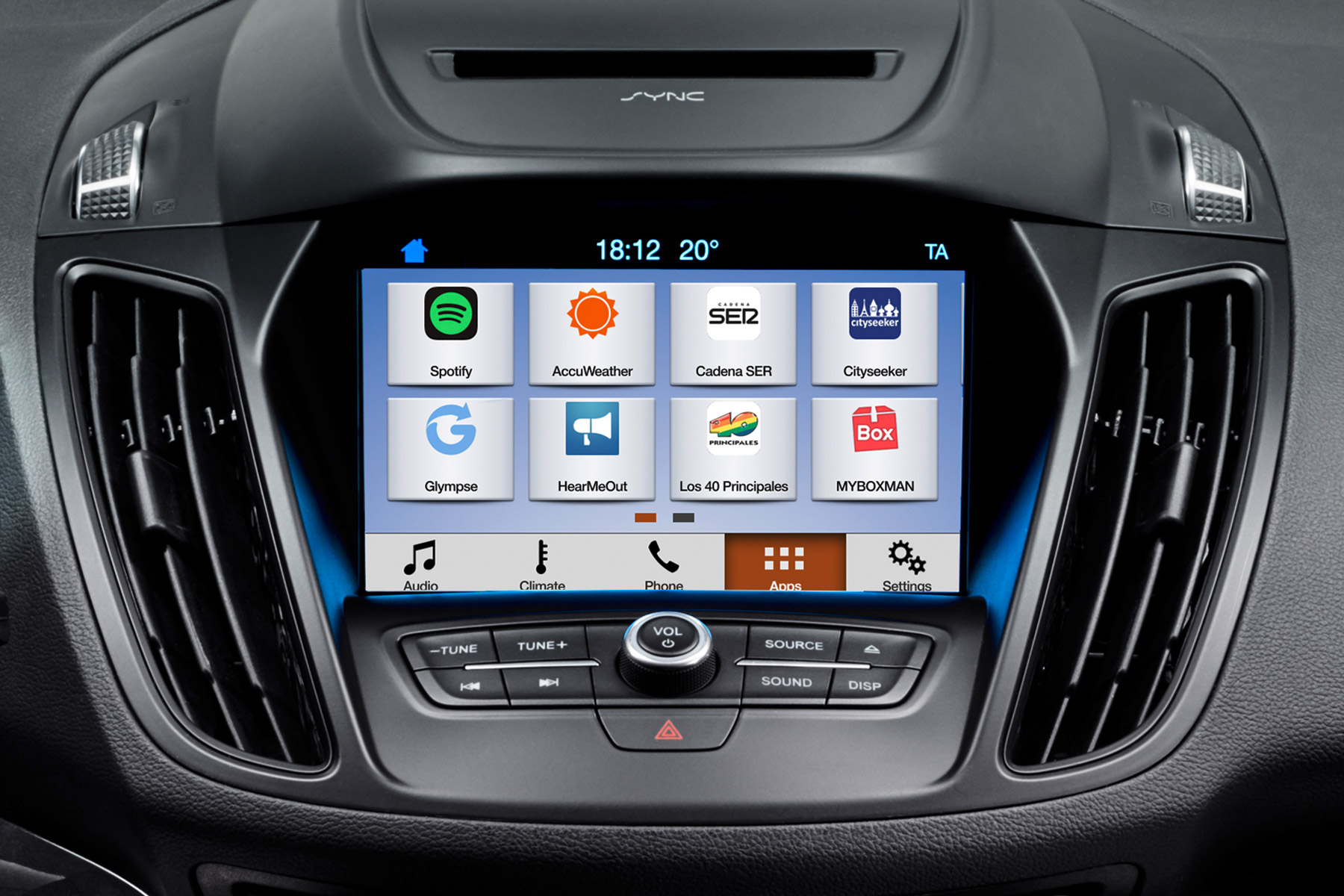
Ford will be revealing its third-generation SYNC communications system at next week’s Mobile World Congress in Barcelona – and it’ll let you check the weather on the move, find the nearest coffee shop, and even earn money by delivering packages.

Using an 8-inch touchscreen, SYNC 3 uses ‘conversational’ voice commands to provide assistance while driving. For example, the driver would just need to press a button and say ‘I need a coffee’ for the navigation to reset to a nearby coffee shop.

This could also be used to find petrol stations, car parks, airports and hotels.

Further features, such as the ability to record and share audio clips as well as check the weather on the move and earn money by delivering packages will be accessible via SYNC’s AppLink.

Ford of Europe’s Electronic and Electrical Systems Engineering chief engineer, Christof Kellerwessel, said: “With pinch-­to-­zoom and swipe gestures, plus the familiar one­-box­-search we know from internet search engines, SYNC 3 provides customers with an experience on the vehicle screen very similar to smartphone screens, and is easier and more intuitive.”

Drivers of 15 million vehicles worldwide already use Ford SYNC’s in-car features – and the company says it’s drawn on more than 22,000 comments to make SYNC 3 more user-friendly.

The process has been simplified, with navigation, audio and phone all easier to access with fewer steps required for each command. This will be welcome news to users of its current SYNC 2 system.

Kellerwessel added: “Whether you are craving your morning cappuccino on your daily commute or covering the cost of a journey by transporting a package, SYNC 3 brings to life innovative new ways of staying connected on the move.

“Designed to complement modern smartphones, with an intuitive touch screen, SYNC 3 understands more conversational speech, is faster, and offers an easier­-to­-read graphical interface.”

SYNC 3 will be compatible with both Android Auto and Apple CarPlay – and will be capable of automatically receiving updates via your home’s WiFi network when your car’s parked in the garage.

The system will make its debut in the new Ford Kuga at MWC2016, with European launches taking place as soon as summer across Mondeo, S-Max and Galaxy models.

ALSO READ

The Wraith is on: it’s Rolls-Royce versus the train

Police forced to respond to 999 calls in Vauxhall Corsas without sirens

Son accidentally buys Saab sold by his dad 43 years earlier

Advertisement

SEAT Ateca SUV revealed – can it take on the Qashqai?

0

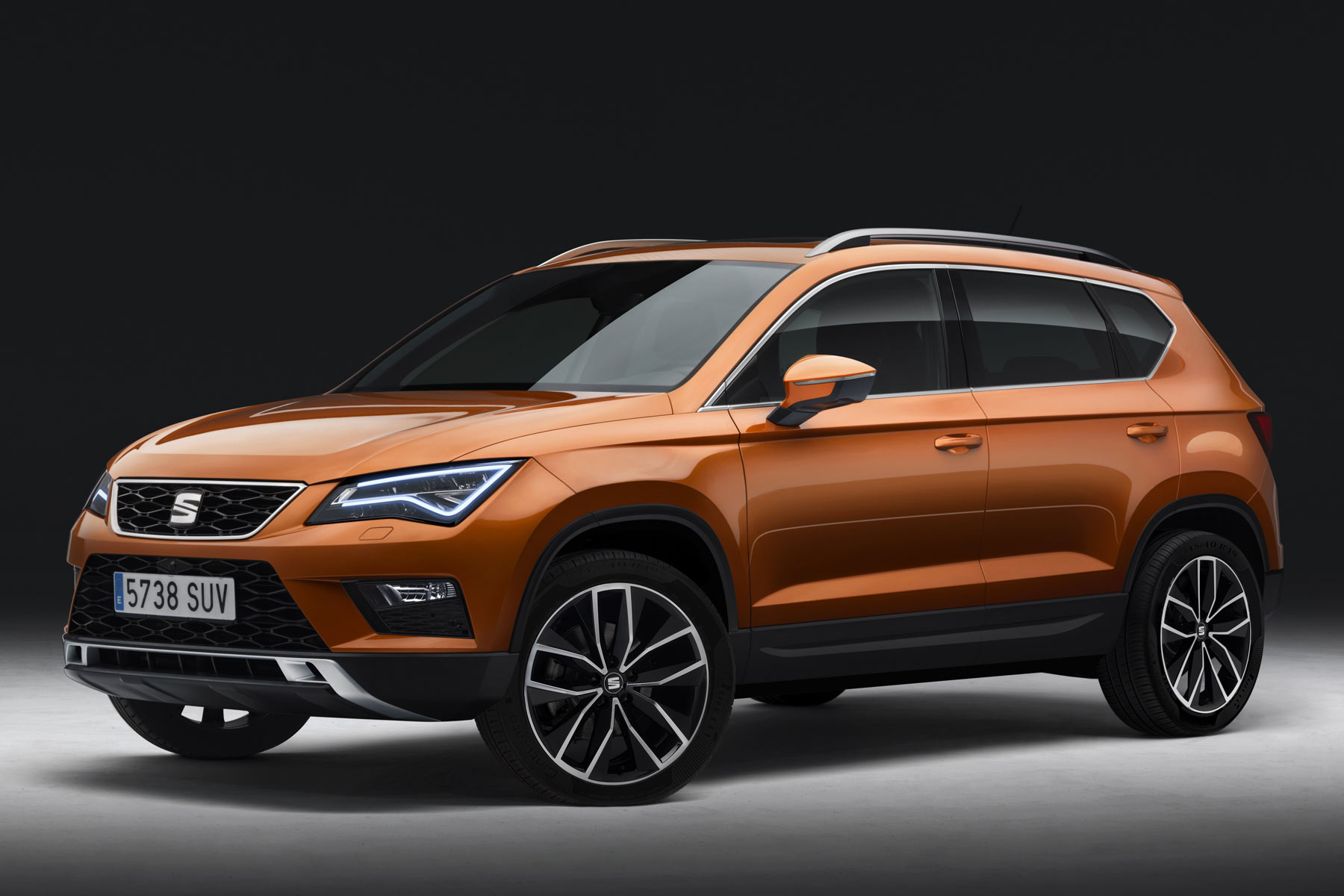
SEAT AtecaMeet the SEAT Ateca: the Spanish firm’s first serious attempt at a SUV, unveiled at an exclusive event ahead of its public debut at the 2016 Geneva Motor Show.

Sharing a platform with the new Volkswagen Tiguan (unveiled at last year’s Frankfurt Motor Show), the Ateca will go on sale from September, priced from around £18,000.

It features clear styling cues from elsewhere in the SEAT range, such as the front end from a Leon, while the interior will be very familiar to current SEAT drivers. Highlights include a start button which ‘pulsates like a heartbeat, indicating the Ateca is all set for its next adventure’.

More convincing is the Ateca’s interior space. At 4.36m long, it’s a similar size to the Nissan Qashqai, but boasts 510 litres in boot space (in two-wheel-drive guise) – over 80 litres more than the Nissan.

Engine choices will range from a 1.0-litre three-cylinder petrol turbo producing 115hp, to a 2.0-litre diesel offered with 150hp and 190hp. The diesels are likely to be more popular in the UK, with a smaller 1.6-litre turbodiesel also offered, producing 115hp. Fuel consumption and CO2 emissions range from between 46 and 53mpg and 112 to 131g/km.

The company is somewhat the black sheep of Volkswagen Group. It registered less than 48,000 new cars last year, a drop of 11% compared to 2014 – and significantly below fellow VW budget brand Skoda, which registered nearly 75,000 cars.

But SEAT will be hoping the Ateca has the ‘Qashqai effect’, appealing to the buyers in the booming crossover sector, and helping the brand appear as a more trendy alternative to budget-conscious Skoda.

Advertisement

EU agrees to cut real-world car emissions – but green groups are not happy

0

MPs call for Low Emission Zones in citiesThe European Parliament has voted not to block the introduction of Real Driving Emissions testing from 2017, meaning that new cars will be tested for emissions such as NOx in real life conditions, not in regulated labs.
And who was trying to block this apparent good move for air quality? Not the car makers, but MEPs – because they think the exemptions car makers have been granted are too generous.

Huh?

In 2007, it was agreed that European regulations would demand cars emit no more than 80mg/km of NOx under the Euro 6 limit currently in force.

Vehicles are homologated in laboratory conditions to prove that they meet this limit, as part of the NEDC fuel consumption test.

However, on-road testing has found that many vehicles exceed this NOx limit in real world use, sometimes by 4-500% or more. The Real Driving Emissions test – RDE – has been under development for several years to try and overcome this.

And then came dieselgate

The Volkswagen emissions scandal accelerated its rollout: it was agreed in October 2015 that it would come into force from 2017 – first for all newly-introduced models, and then for all new cars sold.

There’s a ‘but’, though. Because car makers were basing their developments on the existing lab test – which critics argue is easier to fool (indeed, this is exactly what Volkswagen’s ‘dieselgate’ cheat was based upon) – they sought an exemption that would relax the limits for a couple of years.

They won one.

In September 2017, new models to market would be allowed to emit up to 2.1 times (110%) the 80mg/km limit, which would extend to all cars on sale by September 2019.

This discrepancy would be reduced to 1.5 times (50%) by January 2020 for new models, and by January 2021 for all cars sold. This leniency would remain in place going forward – to account for margins of error in the testing kit (called Portable Emissions Measurement Systems, or PEMS).

A date when the variance from the norm will become zero – meaning vehicles would have to emit the 80mg/km limit set back in 2007 – has not yet been agreed.

‘Good day for dirty deals’?

Still with us? Good – because today’s vote was one of the final hurdles against the introduction of this. MEPs were trying to block the introduction of RDE because they argue these exemptions are too kind on car makers – particularly the 50% margin of error. They say the actual margin of error is more like 20%.

“Today was a good day for dirty deals but a bad day for cleaner air,” said Liberal Democrat MEP Catherine Bearder.

However, the RAC’s Steve Gooding said the vote was “a step in the right direction” as it would cut NOx from today’s spiralling emissions to two times the limit, and then 1.5 times – without delay.

A rejection of the decision already made by EU member states “would delay improvements to air quality, particularly in cities,” said European automotive industry body the ACEA.

The car makers say…

RDE will introduce a completely new testing method for vehicles on the road. Europe is the first and only region in the world to introduce such a system, which will lead to major progress in improving air quality.

While the current proposal takes into account error margins in the new measuring equipment, vehicle manufacturers will have to aim well below the legal limit to ensure compliance. Moreover, the error margin will be reviewed and, as the equipment improves in precision, the conformity factor will be tightened.

– ACEA

The environmental campaigners say…

The European Parliament today caved in to pressure from car-producing countries and agreed to weaken the limits for nitrogen oxide (NOx) emissions from new diesel cars. The effective new ‘Euro 6’ limit, 168mg of NOx per km, is more than double that agreed in 2007 (80mg/km). From 2020, all new cars will still be allowed to emit 120mg/km.

Despite public outcry, EU governments have pressured national MEPs to accept the weakening of the legal limits that was agreed via the backdoor of comitology in October of last year. The decision will undermine efforts to clean up Europe’s air and improve public health.

– Transport & Environment

What do you think of today’s vote? Share your thoughts of which side you’re on below…

Advertisement

Man criticises Elon Musk – Tesla cancels his order

0

Man criticises Elon Musk – gets Tesla order cancelled

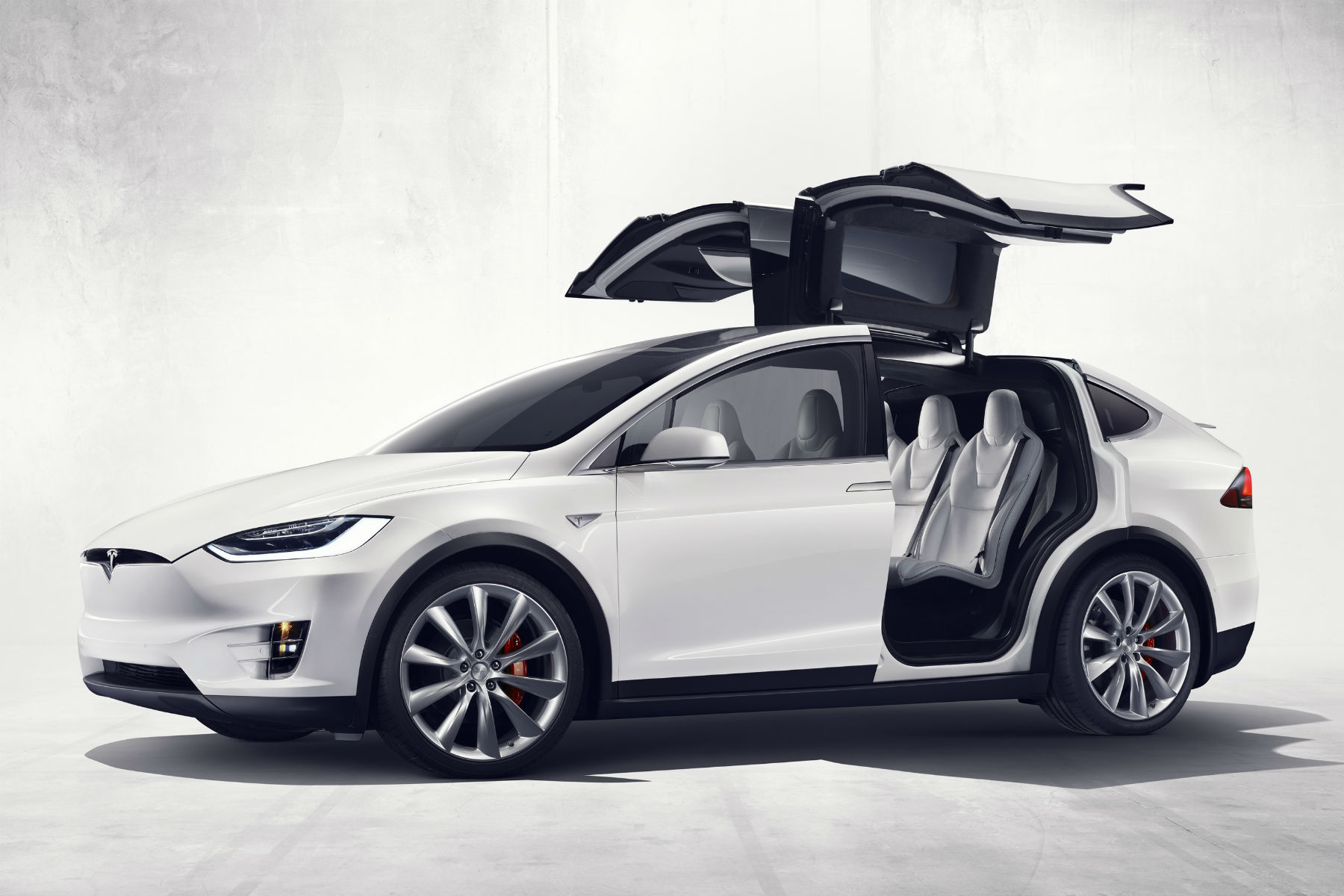
A man who wrote a blog post criticising Tesla boss Elon Musk and complaining about an event in which ‘no food was provided’ has had his order for a Model X cancelled by the firm.

Venture capitalist Stewart Alsop was one of the first to leave a deposit for the upcoming Model X electric SUV, and had been invited to a special launch event hosted by Musk himself.

In the original blog post, Alsop said: “Starting a 7:00pm event at 8:50pm is simply unacceptable, particularly when the invited guests are actually your customers! But for you to stand up at 8:52pm and not even acknowledge that you have wasted your own customers’ time was insensitive and poor judgement.

“You should have apologised right then, but you didn’t. You have our email addresses, since we’re all the people who put a $5,000 deposit on your new Model X. When I was invited to the launch event, I was excited to hear that I could drive to the factory and see and touch a new Model X, even if I’ll have to wait another 3–4 months to actually get mine.

“Instead, I drove 2.5 hours round trip. I arrived on time, waited around 30 minutes outside the building, got packed inside the building with 3,000 other people for another 60 minutes, got moved from one room inside the building to another to wait another 20 minutes with the same 3,000 people. And then, drum roll please, you shuffle out on stage and start with a slide show — an amateur slide show at that — all about how safe the Model X is.”

He went on to complain that he left feeling angry and hungry, as no food had been provided.

In a follow-up blog post, Alsop explains that he received a phone call saying that Musk didn’t ‘feel comfortable’ with him owning a Tesla, so was cancelling his order.

He added: “The end result is that you have decided that I can’t own one of your cars, and I am terribly disappointed. I had outlined in the original post how excited I was at the prospect of owning a Tesla, especially the Model X and especially the configuration I ultimately ordered — the P90D in red with black leather seats and the Ludicrous Speed option.”

The Tesla boss has since tweeted, describing Alsop as a ‘rude customer’.

Advertisement

Motorway electric car recharge logos bring relief to range anxiety

0

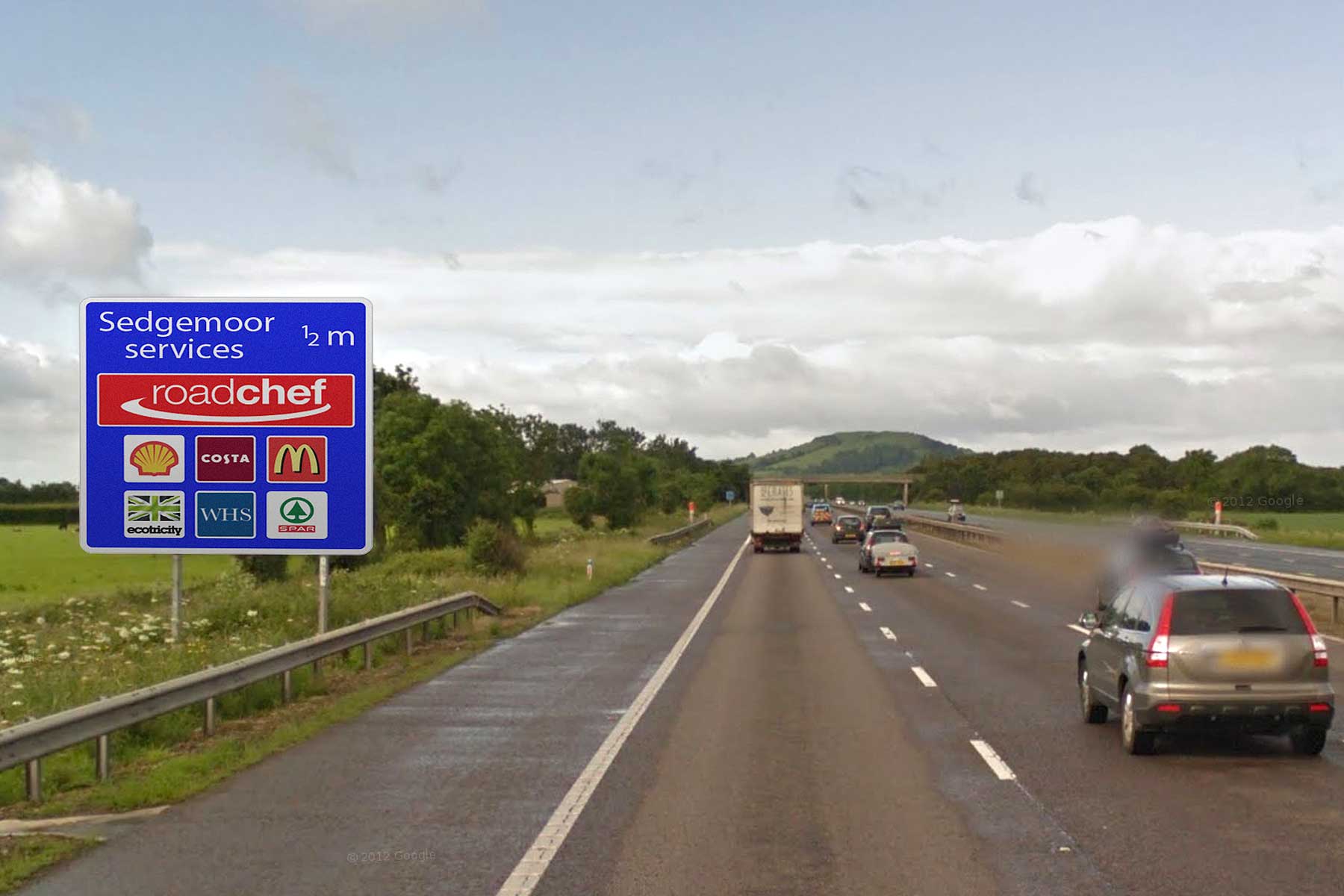
Ecotricity SedgemoorElectric car motorway recharge points are to feature on information signs for the first time, with charging company Ecotricity becoming the first to add its logos to the blue signs.

We may become rather familiar with them too: the company points out it now has 260 Ecotricity pumps that, it claims, cover almost the entire motorway network.

The first Ecotricity logo went up at Roadchef Sedgemoor last week and the firm plans to get them stuck on to all 28 Roadchef motorway signs as soon as possible: Hamilton and North Canes will be next.

It’s good news for Britain’s 50,000 electric car drivers, whose numbers have gone up 10 times in two years.

‘Ban non-EVs’

This, however, is not a fast enough pace of change from fossil fuels for Ecotricity founder Dale Vince. The firm, which generates all its power from renewables, believes every new car sold by 2030 should either be electric or a plug-in hybrid.

By 2040, they should be the only cars on the road.

“The revolution on Britain’s roads is a vital part of achieving the target the world agreed to at Paris last year,” said Vince.

“We have to stop burning fossil fuels by 2050 in order to limit a catastrophic temperature rise, and energy, transport and food are the biggest areas we need to tackle to get there.”

What the classic car scene will make of Vince’s thoughts remains to be seen…

ALSO READ

BMW 225xe (2016) road test review

Kia Procee’d GT (2016) road test review

2016 Porsche 911 Carrera 4S first drive review

Advertisement