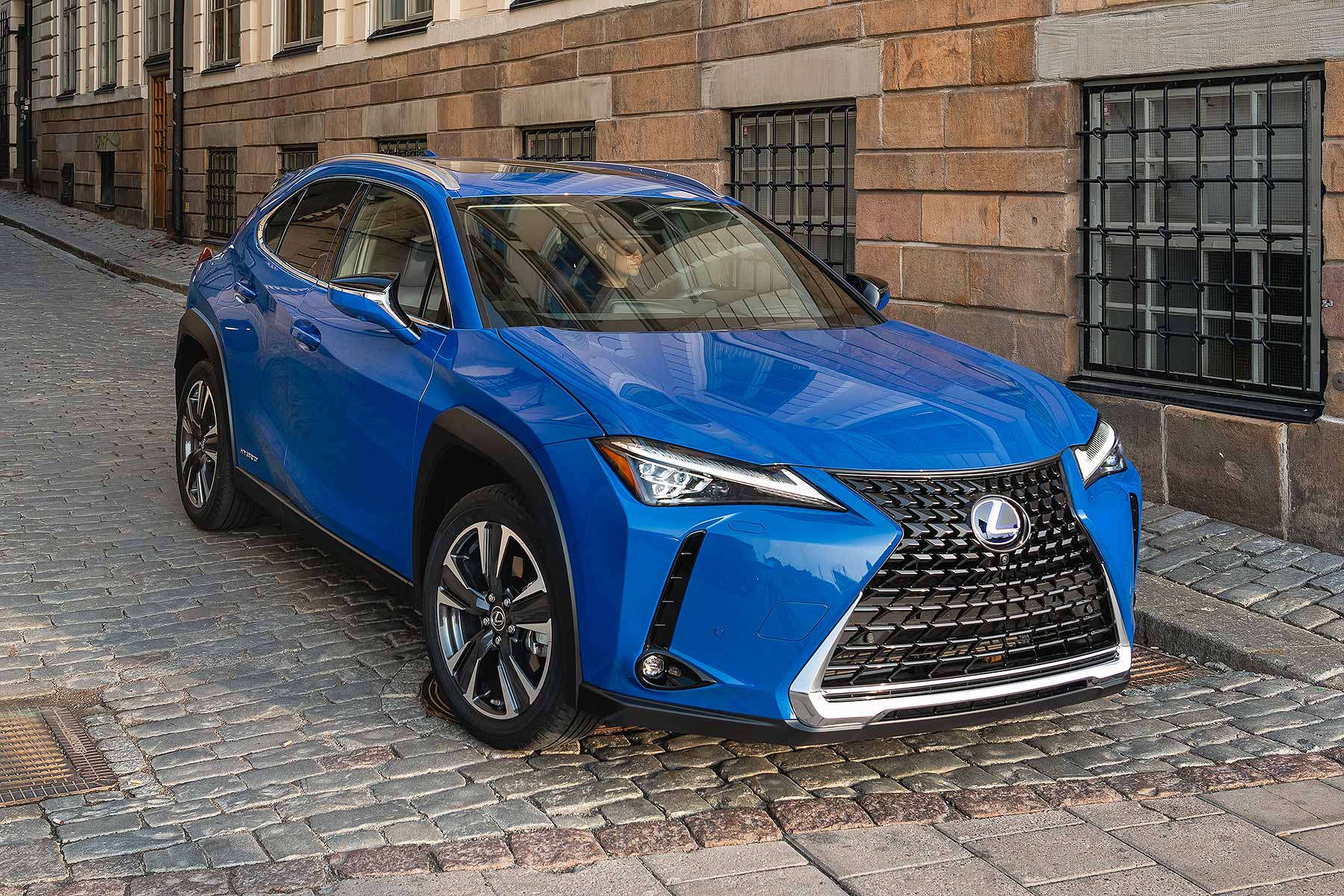
The new Lexus UX compact SUV crossover arrives in the UK in March 2019 and the firm has announced prices will start from £29,900.
A rival to the Audi Q3, BMW X1 and Jaguar E-Pace, the long-awaited junior Lexus SUV will offer an all-hybrid line-up, based around a 2.0-litre UX 250h petrol motor.
The firm is continuing with its rather ambitious ‘self-charging hybrid’ phrase for the conventional hybrid system.
Base models will be front-wheel drive, with the E-Four all-wheel drive system offered for £1,250 extra: it is standard on the top-spec version. The UX is the first Lexus to be based on the firm’s new C-platform global architecture, called Lexus GA-C.
Lexus will be hoping the UX proves considerably more successful than its current compact offering, the Lexus CT200h.
There will be three variants – the base UX, F Sport and Takumi. All models feature climate control, sat nav and the Lexus Safety System+.
F Sport upgrades base 17-inch alloys to 18-inch, and adds an F Sport spindle grille and sports seats, rear privacy glass, electric heated front seats and a heated steering wheel.
Then there’s a big jump in price up to the Takumi, with the haul of equipment to match: ventilated ‘smooth leather’ seats, 13-speaker Mark Levinson stereo, 10-inch infotainment display, head-up display, sunroof and various other gadgets. Five options packs are offered, for UX and F Sport: the Takumi gets it all as standard.
A combination of hybrid technology as standard and strong equipment levels means the Lexus UX seems fairly competitively priced alongside rivals. The outgoing Audi Q3 starts from £27,915, the BMW X1 is priced from £28,930 and a Jaguar E-Pace costs from £29,280
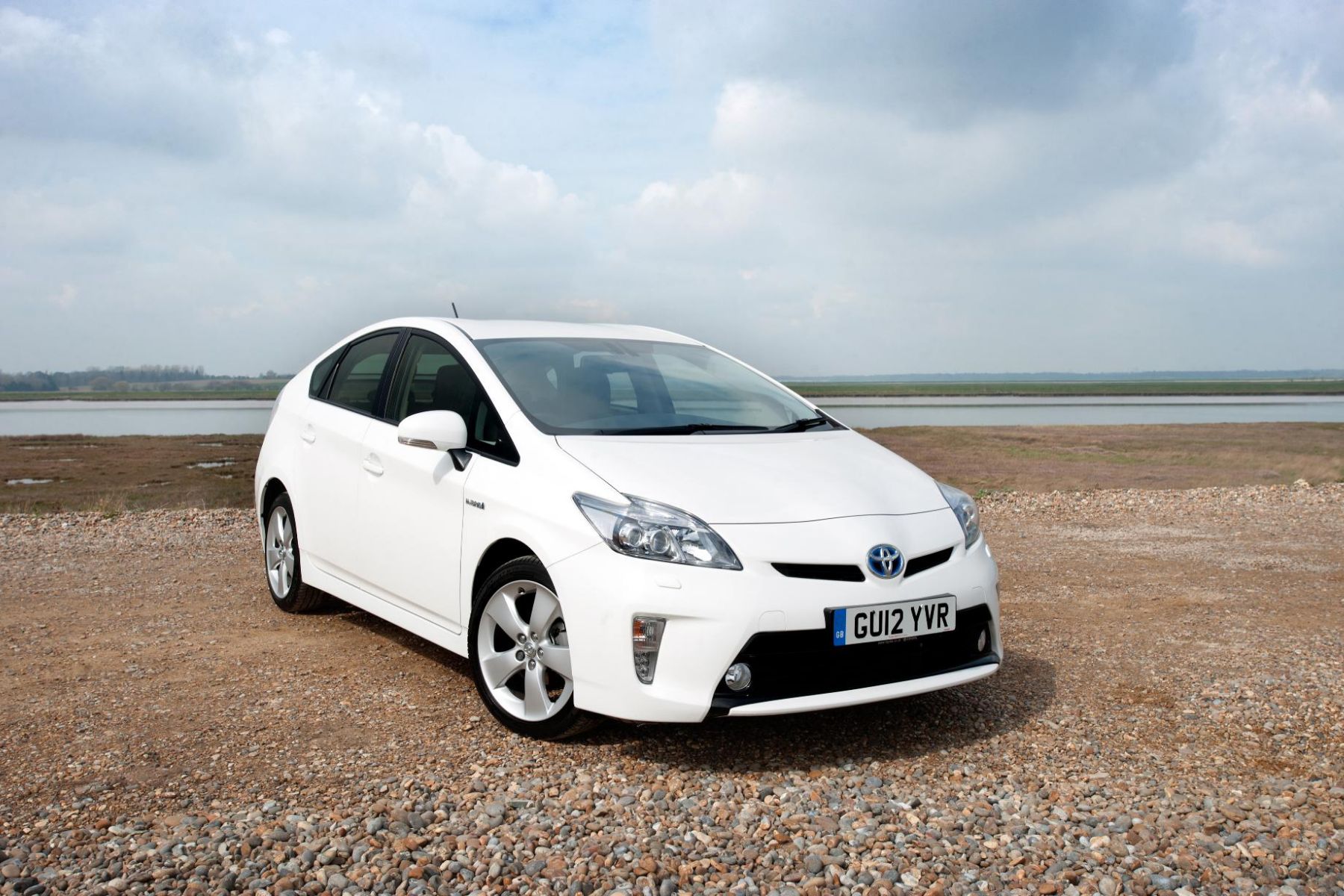
It’s time for yet another Toyota hybrid recall. The news follows the announcement last month that a selection of hybrid vehicles were to be recalled for fire risk.
What’s the matter this time? Well, more than 2.4 million hybrids manufactured between October 2008 and November 2014 are being recalled due to a fault that could cause power loss.
The problem can occur in situations where the car needs to enter fail-safe modes due to issues with the hybrid systems – but subsequently can’t. Toyota says “while power steering and braking would remain operational, a vehicle stall while driving at higher speeds could increase the risk of a crash.”
There are no accidents attributed to the fault, and it’s only said to occur in “rare situations”. The marque will contact customers to visit dealers for free software upgrades as soon as possible.
Of more than two million cars affected globally, roughly 800,000 are thought to be US-based, with around 55,000 in the UK.
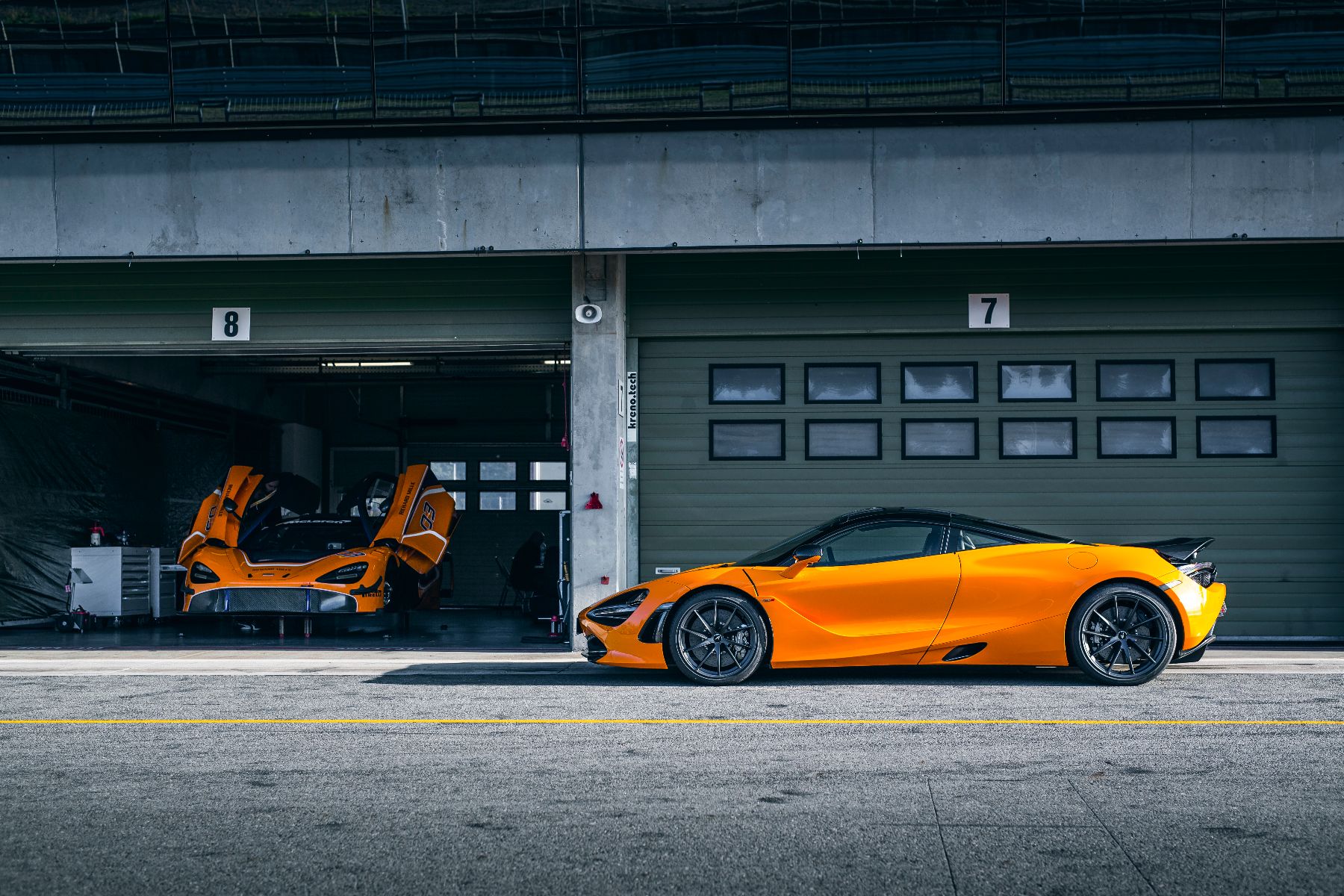
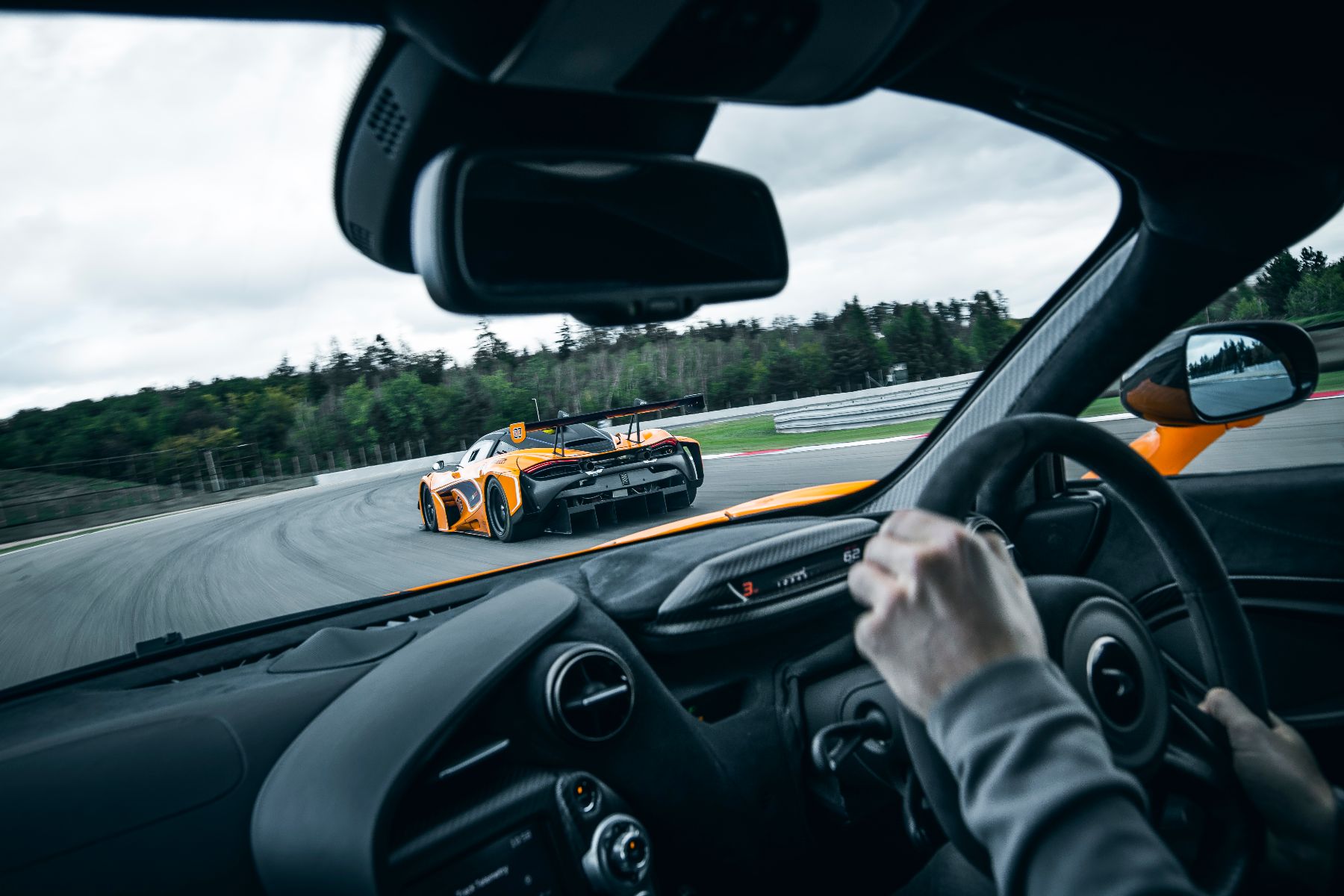
Couldn’t get on that oh-so-exclusive list of buyers laying out £750,000 on a McLaren Senna? Few had a chance, frankly: the track-focused hypercar was virtually sold out on arrival. Fear not, though, as McLaren is now offering an alternative of sorts. Meet the 720S Track Pack.
No, it’s not the full aero-splattered monster the Senna is. Nor does it have that car’s 800hp power figure. But the 720S isn’t exactly a slouch. It might be a third of the price, but it’s certainly not a third of the car.
What is the McLaren 720S Track Pack?
The Track Pack puts a bit of circuit-focused garnish on what is an already prodigiously capable supercar.
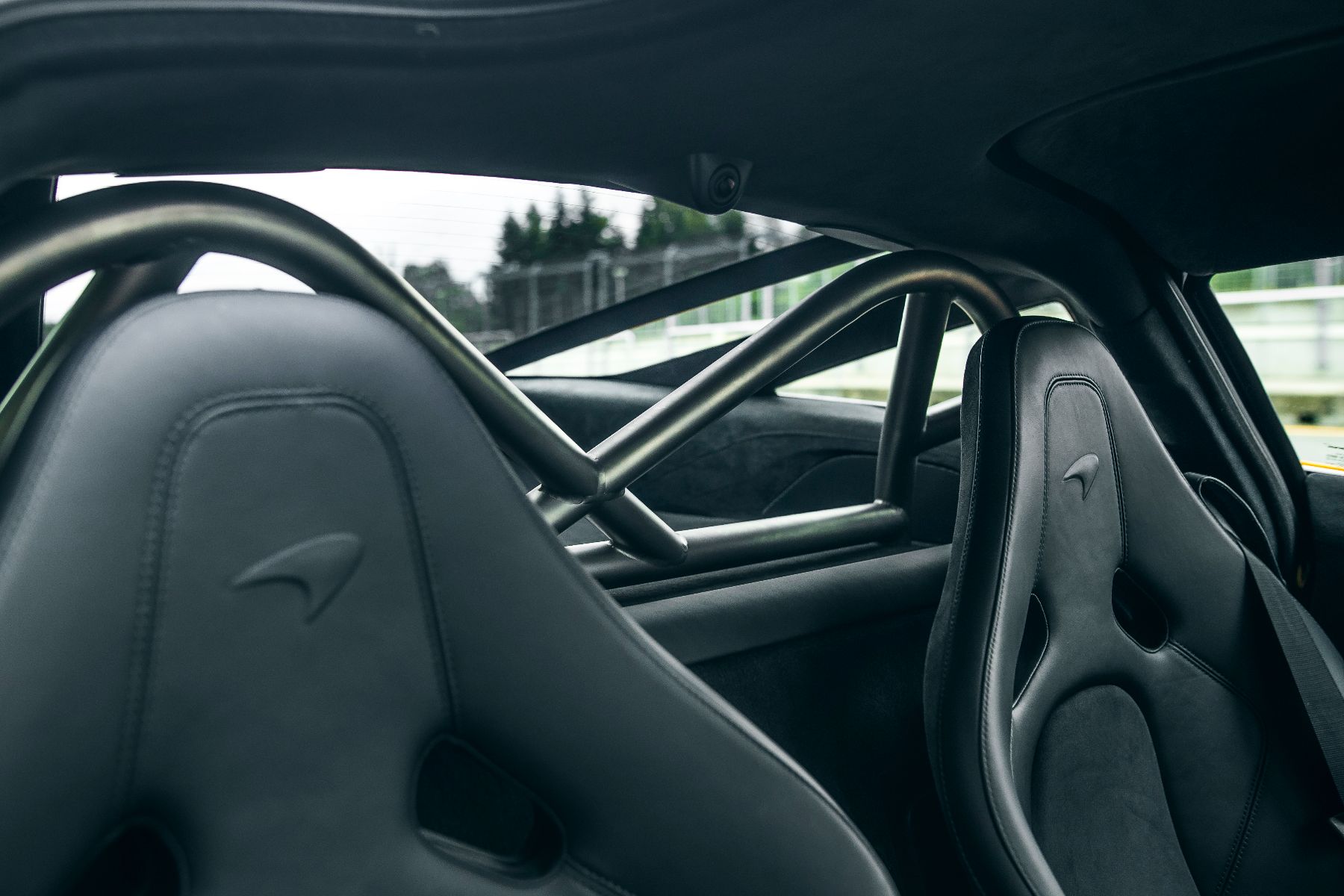
Weight loss comes first, with a 24kg saving versus the standard 720S. It achieves this with a carbon rear spoiler, carbon race seats, super-lightweight forged alloys and a sports exhaust.
Inside, you’ll find extended gearshift paddles, an Alcantara-wrapped steering wheel, a six-point harness mounted to a titanium bar and those race seats. The McLaren Track Telemetry system uses three cameras and data-logging to monitor driving performance and identify how you can improve.
All of that together represents a bit of bang for your buck versus buying the pieces individually. Nevertheless, £28,360 on top of the cost of a 720S is no small outlay.
The release of the 720S Track Pack comes as McLaren progresses with its development of the 720S GT3. This customer racing car goes into production next year, with prices starting from around £440,000.
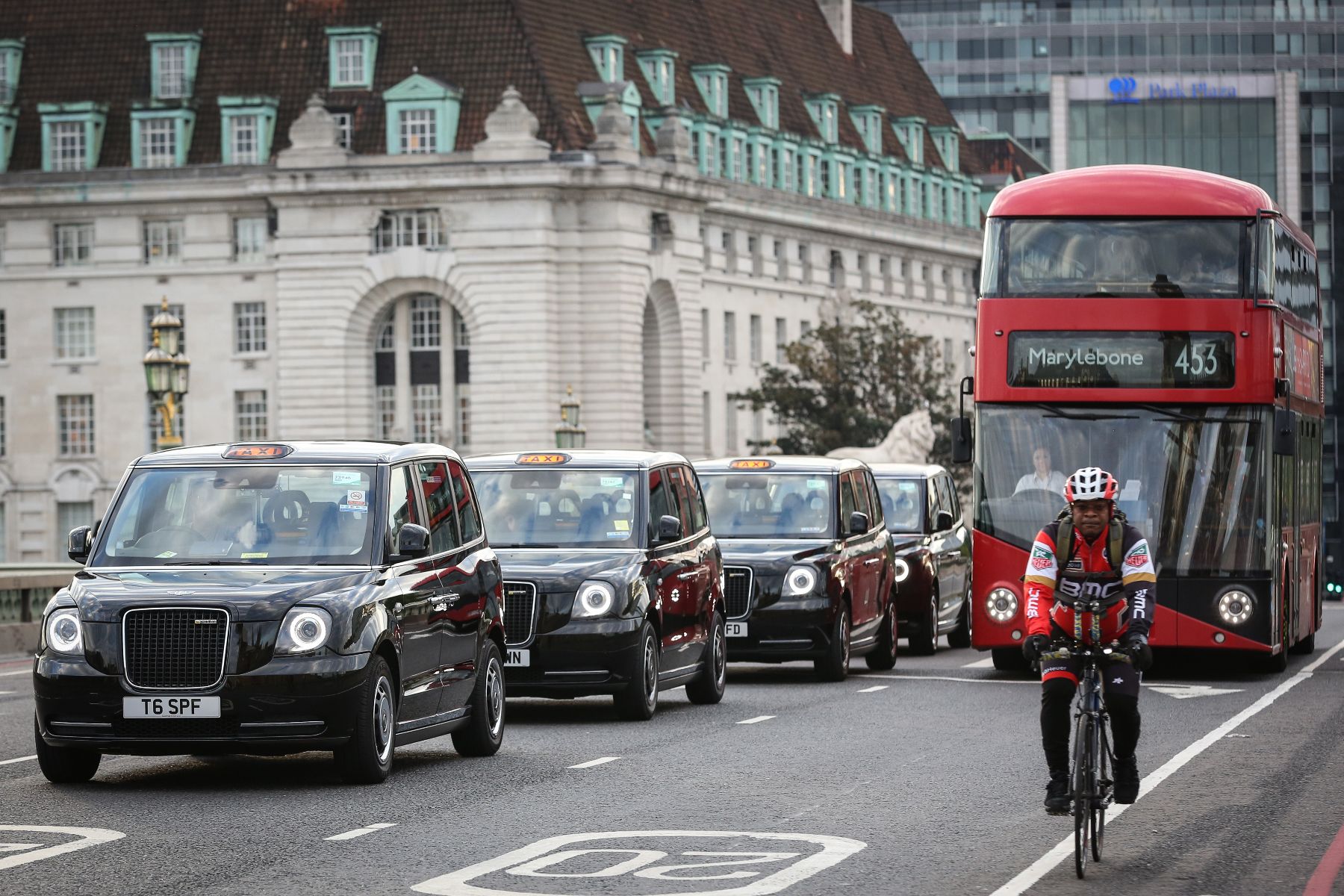
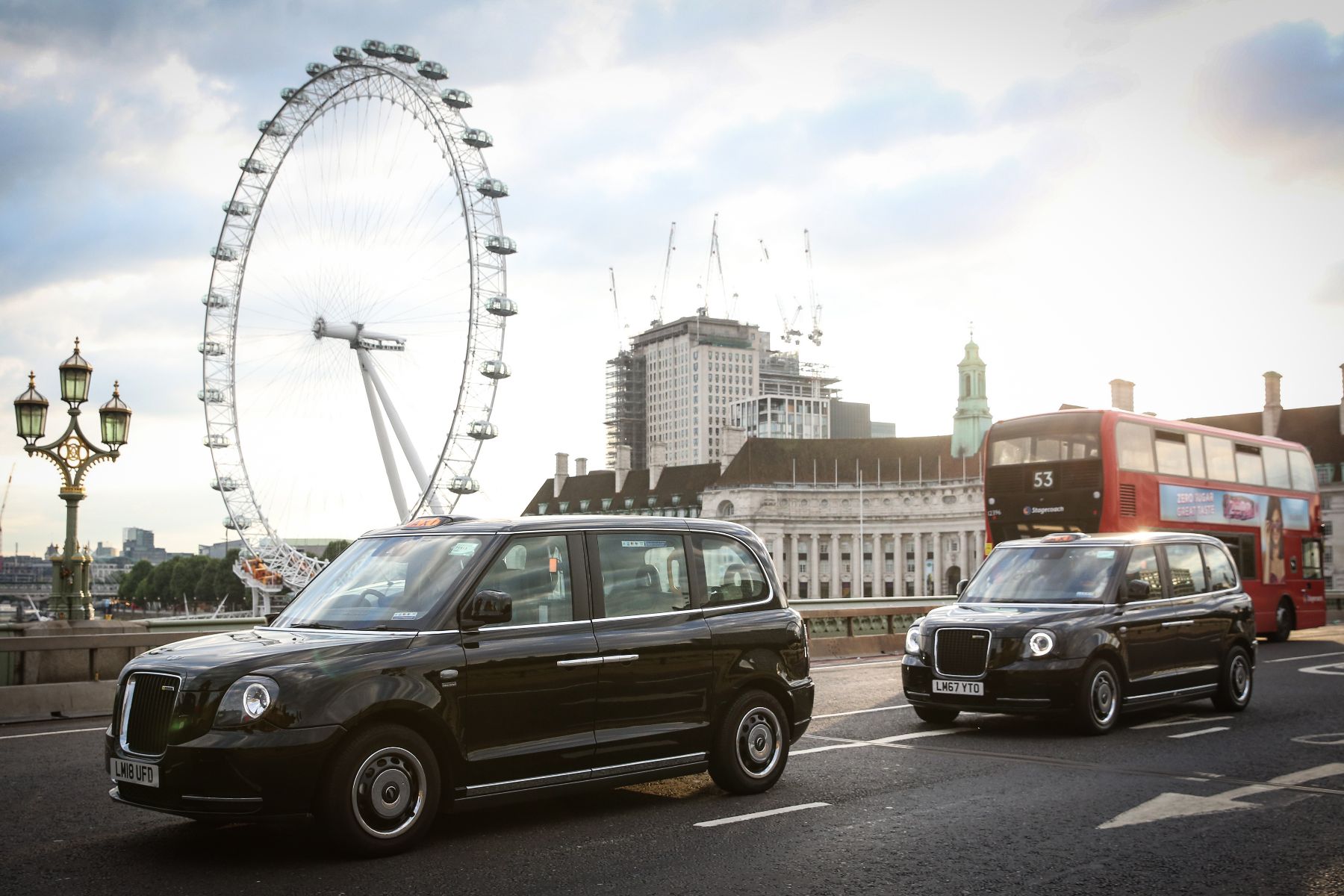
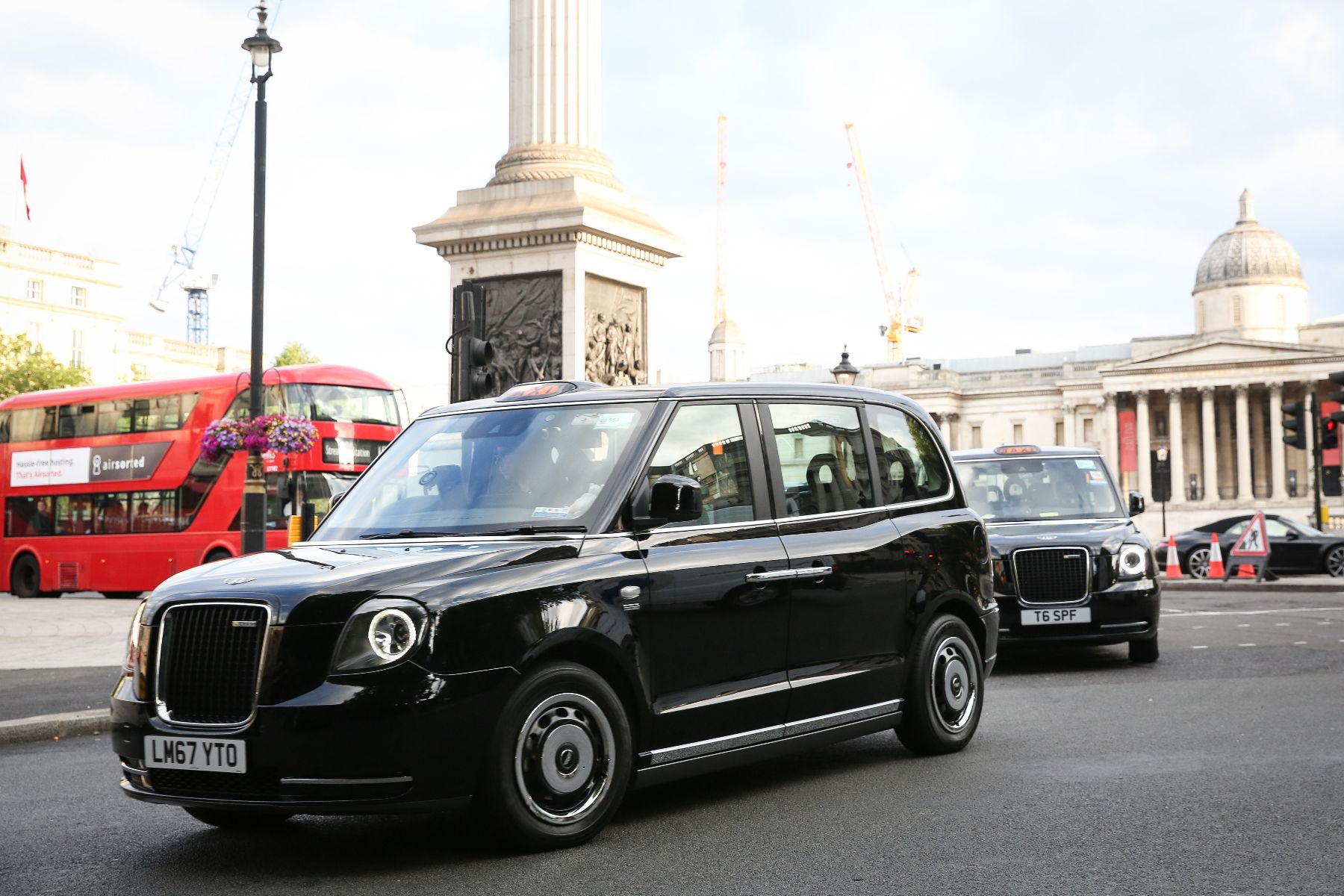
The new hybrid LEVC black cab is making a positive difference to air quality and the health of drivers, a study shows.
The King’s College London Environmental Research Group study looked at working drivers’ exposure to diesel emissions. Particulates and nitrogen dioxide levels were measured, with levels taken for drivers both inside and outside of their working environments.
The results for drivers of the new LEVC cab versus those in traditional, diesel-engined TX4 taxis are shocking.
For starters, London taxi drivers experience up to twice as much air pollution when working as off-duty. But diesel drivers suffer levels of pollution to up to 1.8 times higher than those in the LEVC. The new range-extender petrol/electric made for significantly lower pollutant exposure, no matter what time of day or location.
The study found that with windows closed and the recirculate climate setting activated, pollutant exposure could be reduced by up to 67 percent. Even the tighter shut-lines of the new car are thought to contribute to better cabin air quality.
The new electric cabs and other low-emission vehicles exist to serve a long-term environmental goal. However, there will be near-instant positive effects for black cab drivers and passengers.
“London’s taxi drivers know all too well how crucial it is we tackle air pollution. One of the worst places to breathe in the city’s dirty air is stuck in traffic, behind the wheel of a cab” said Steve McNamara, General Secretary of the Licensed Taxi Drivers’ Association.
“LEVC’s new electric taxi is a game-changer for us and we’re proud to be leading the charge towards a cleaner, greener London. The new taxi is not only helping us cut emissions; it is helping protect cabbies against the health risks of being exposed to pollution.”
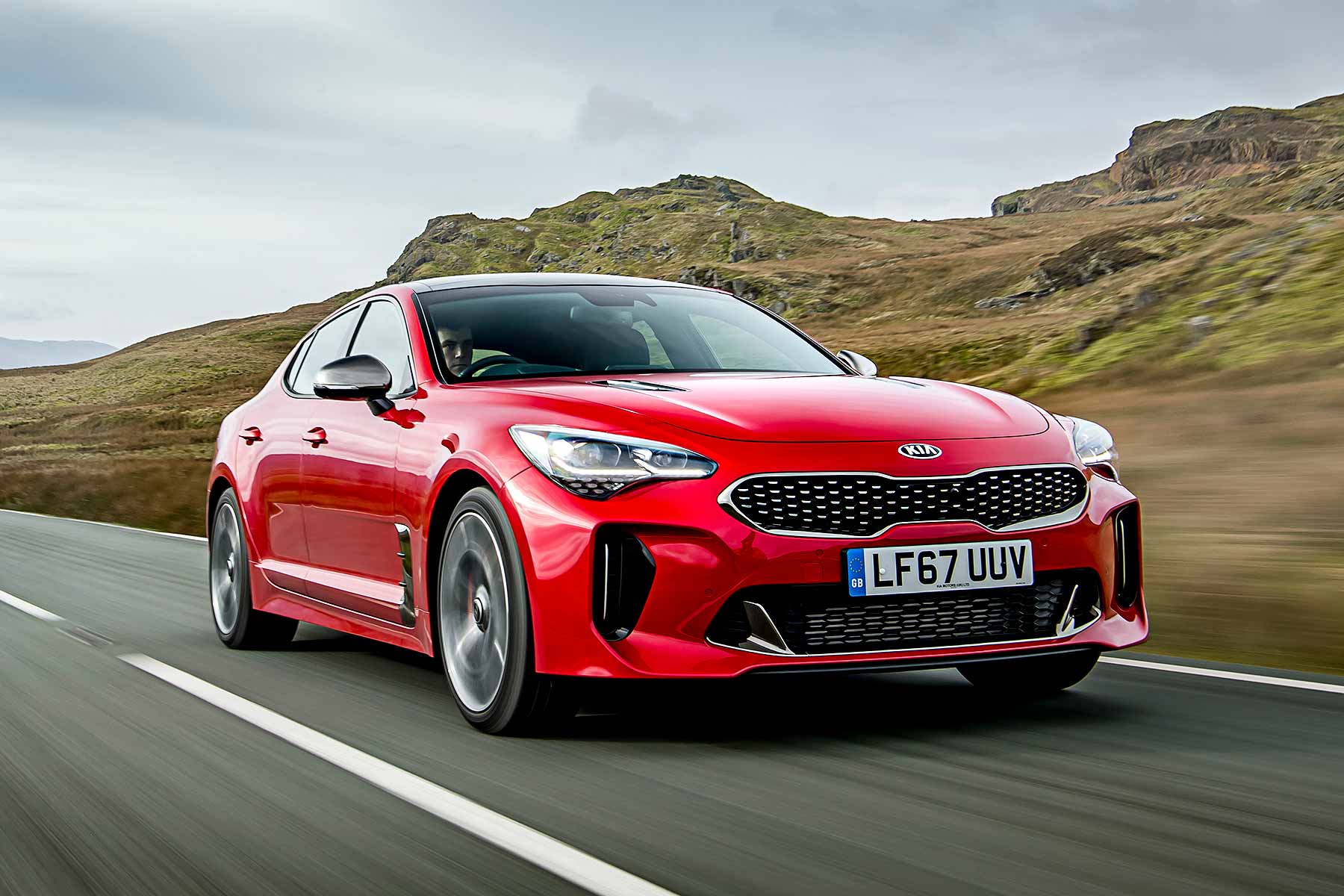
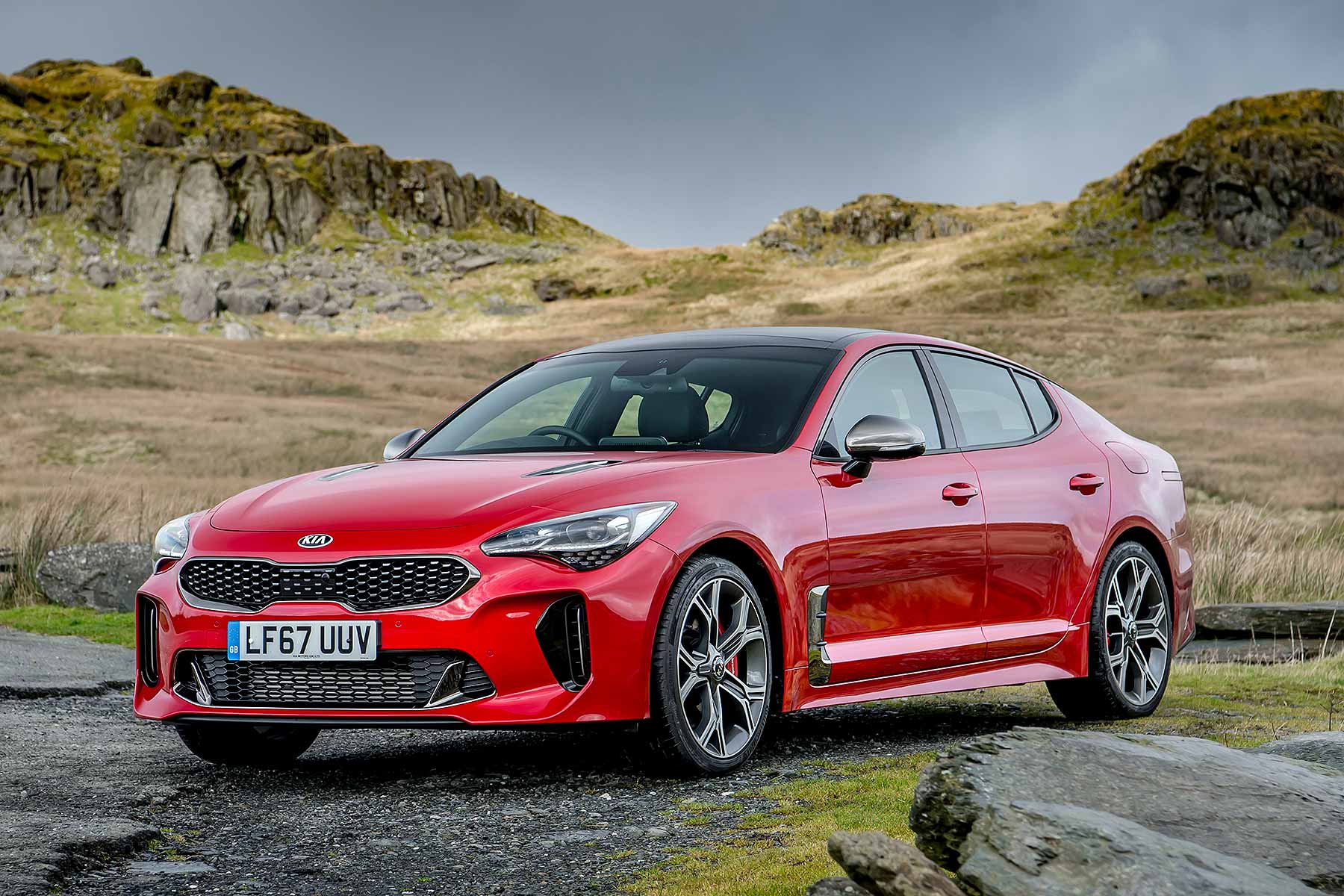
British car buyers choosing a new Kia Stinger are raising eyebrows at the firm’s UK HQ: although the range includes both diesel and 2.0-litre turbo petrol enginse, the best-selling version is actually the range-topping V6 turbo.
Kia UK president and CEO Paul Philpott told Motoring Research that the take-rate for the 365hp 3.3-litre Stinger GT-S is currently around 50 percent. “It’s taken us a little by surprise, but customers are clamouring for the V6.”
And the next most popular? Surprisingly, the 2.0-litre turbo petrol, rather than the diesel. Indeed, so out of favour is the 2.2-litre CRDi, it’s currently accounting for just 10 percent of sales.
“Buyers seem to be matching the Stinger’s distinctive styling with an equally bold engine. We’d expected the mix to be different, and more weighted to the cheaper versions, but we’re certainly not complaining…”
The Stinger GT-S V6’s popularity comes despite a list price of more than £40,000. Admittedly, it’s a niche seller, but Kia’s still delighted it’s achieving such a rich mix.
An entry-level 2.0 T-GDi GT-Line costs from £32,205, over £8,500 cheaper than the GT-S; the comparable diesel costs £2,200 more. This also means the diesel has a higher company car tax bill than the petrol, despite its lower CO2 emissions.
Even 48.7mpg combined fuel economy, compared to the petrol’s 33.6mpg, isn’t swaying people to diesel. Indeed, as the best-selling Stinger is one that averages 28.5mpg, it seems fuel efficiency isn’t at all high on the priority list for buyers of Kia’s sleek saloon.
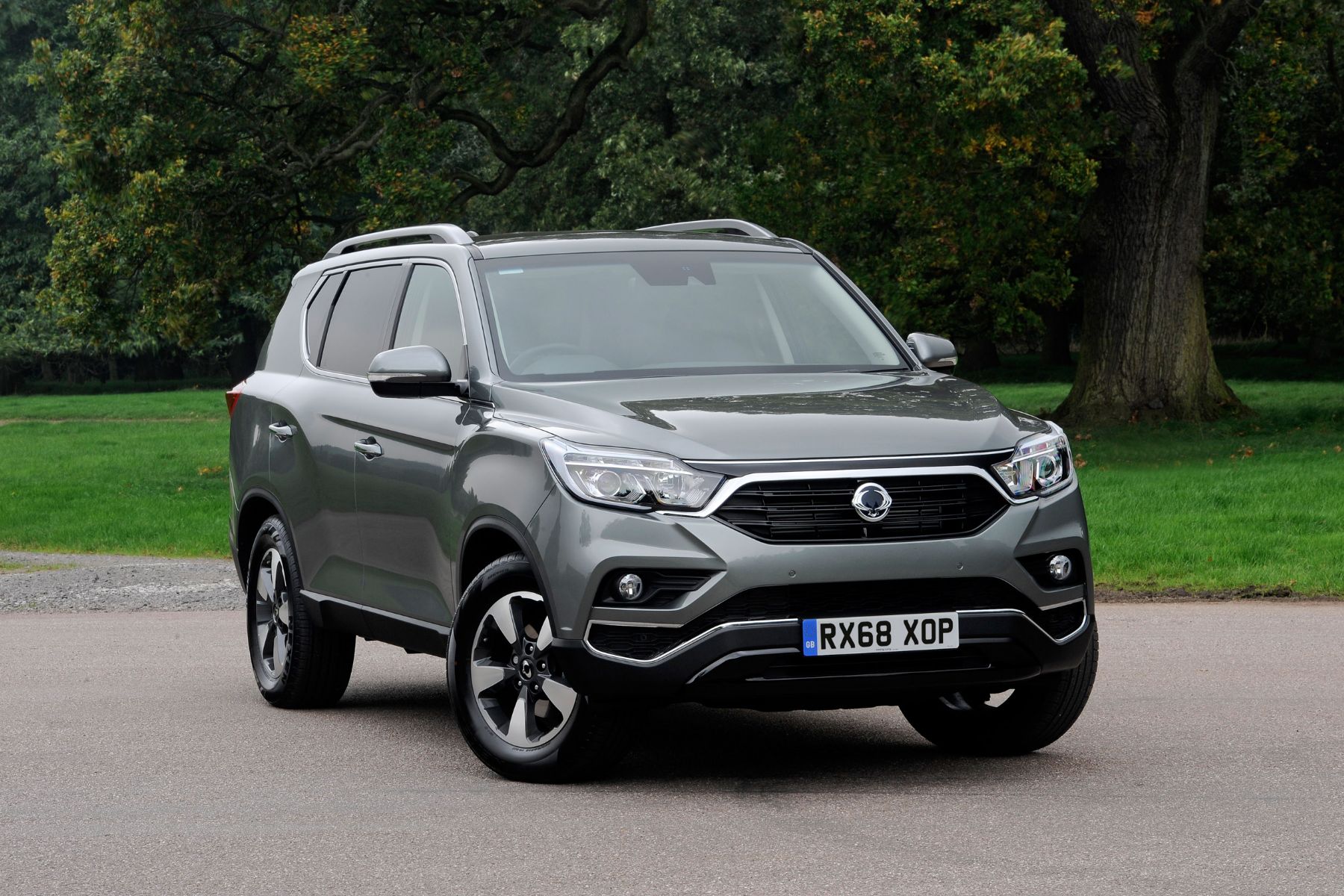
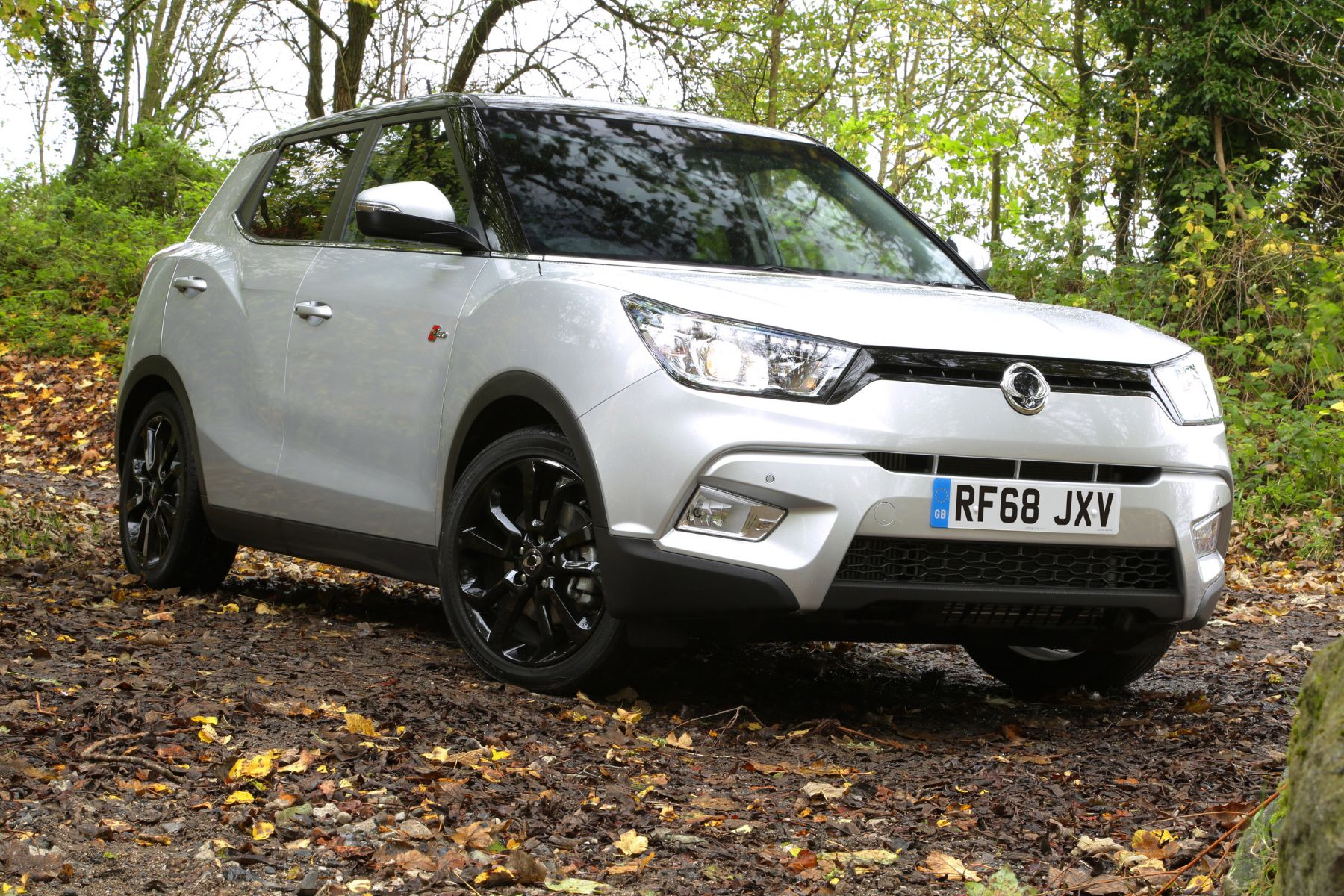
A long warranty can be one of the biggest deciding factors when it comes to buying a car. Kia and Hyundai have led the charge for some time, with seven-year/100,000-mile and five-year/unlimited-mileage deals respectively. Now fellow Korean carmaker Ssangyong has upstaged them.
The SsangYong seven-year/150,000-mile warranty
You can now buy any new Ssangyong and have seven years and/or 150,000 miles of warrantied motoring. And that’s not all: the warranty also applies retrospectively. Any new Rexton bought since its launch in October 2017 gets the same cover. For £500, it can also apply to any Ssangyong sold between January and September last year.
The warranty includes most of the oily bits. Wheel bearings, suspension joints, bushes, steering joints and shock absorbers are also covered. Clutch discs and brake discs and pads are warrantied for just one year or 12,500 miles, however, while the battery and paintwork are covered for three years.
“We want our customers to feel that by choosing a SsangYong, they will be looked after the best,” said Nick Laird, MD of Ssangyong UK.
“Well engineered, extremely well-built in South Korea and consequently very reliable, we are backing our faith in the range by introducing the best and longest warranty available to all models.
“No other vehicle on sale today comes with such comprehensive reassurance, and without the small-print of so many other manufacturer warranties.”
Could new car technology increase the chance of your car being stolen? According to a study by MoneySupermarket, it may already be having an effect. Apparently, 99 percent of motorists aren’t actually aware of car hacking threats.
There has been a marked surge in vehicle crimes and crimes related to vehicle tampering since 2014, with 19 and 29 percent rises respectively. This bucks an overall trend of car-related offences falling since 2002. The proliferation of car technology is thought to be directly related to recent increases.
How can thieves hack your car?
Keyless go
Just as thieves clone contactless cards, so too can they replicate ‘keyless go’ car keys, either via direct contact or by highjacking the signal. There are 110 different car models that have keyless go – and all are potentially at risk from key jamming or phishing scams.
Phishing
These kinds of scams aren’t uncommon, and can also be used to hack your car. Malicious links in emails can be used to hack a into car via its built-in wi-fi .
Local remote control apps
Apps used to control cars are becoming increasingly popular. You’d be hard pressed to get the most from Tesla ownership without the app, for example. Hackers can potentially manipulate such systems to take control of a vehicle. Locate, unlock, warm it up before they get in… the world is potentially their oyster.
Tyre pressure monitoring systems
If your car has a tyre pressure monitoring system, a hacker can use the valves in your tyres to track it. They can even manipulate the system to display false readings.
What are drivers concerned about?
There is a level of awareness around crimes related to keyless go. Around 50 percent of motorists with cars thus-equipped are concerned about them being stolen. Indeed, 16 percent of UK drivers have experienced car hacking themselves or know someone who has.
The proliferation of new technologies such as app-based control of cars, electric powertrains and autonomous driving also raises worries among drivers about the dangers of car hacking in the future.
New car supply issues caused by strict new WLTP fuel economy and emissions regulations are behind a whopping 20 percent fall in new car registrations during the key month of September, the Society of Motor Manufacturers and Traders (SMMT) today reports.
Overall, around 87,000 fewer cars were sold than in the same month in 2017 – and for some brands, the picture was particularly bad, with registrations HALVING.
A lack of consumer confidence also contributed to the decline in what’s typically the best month of the year for new car sales, said SMMT chief executive Mike Hawes.
“With the industry given barely a year to reapprove the entire model line-up, it’s no surprise that we’ve seen bottlenecks and a squeeze on supply. These are exceptional circumstances with similar declines seen in other European markets.”
Hawes did, however, say that bottlenecks are expected to soon clear, with momentum expected to recover towards the end of the year. UK registrations are currently 7.5 percent behind 2017, and the SMMT expects this gap to narrow as 2018 draws to a close.
338,834 new cars were registered in September 2018, compared to more than 425,000 last year.
Big fallers
Among the most striking declines seen in September was a massive 55.1 percent decline in Volkswagen car registrations. This equates to more than 20,000 fewer VW registrations in September, leading to the brand’s market share halving to less than 5 percent.
Premium sister brand Audi was also hit hard, with a 53 percent decline in new car sales.
The results for Volkswagen contrast with June, July and August, where it was actually the top-performing brand in the UK. Its overall figureas are, however, still up on 2017, with an 8.25 percent market share making it the second-biggest car brand in the UK.
“We are expecting the WLTP testing process to have a temporary effect on our vehicle registration figures,” said the firm in a statement, “but believe that the Volkswagen Group brands will recover and continue making progress in the UK market during 2019.”
Infiniti suffered one of the biggest declines, with an 89 percent fall: it registered just 42 cars in September. DS was down 77 percent, recording 416 sales compared to 1,850 in 2017. Suzuki was another surprise casualty of production bottlenecks, falling 58 percent.
Dacia, Alfa Romeo, Nissan, Seat and Skoda also suffered above-average declines.
Other brands took the opportunity to capitalise on the supply issues of others. Kia enjoyed an excellent month, for example, with the Sportage becoming the seventh best selling car in the UK.
In September, Kia actually matched Volkswagen for UK market share. Jaguar, Volvo, Mitsubishi and Subaru also enjoyed significant sales gains: Jaguar’s market share improved to more than 2 percent, and Volvo took a 2.5 percent market share.
The Vauxhall Corsa also staged an overdue recovery, while the premium Mercedes-Benz A-Class took the unlikely honour of becoming the UK’s third best-selling car.
Diesel doom
The picture for diesel in the UK continues to worsen. In September 2017, the fuel took a 40 percent market share. Last month, this dropped to just 29 percent: more than 87,000 fewer diesel cars were registered compared to 2017.
That’s equal to a 42.5 percent fall in sales – more than double the overall market decline. Petrol sales, in contrast, were down just 6.7 percent.
Petrol cars now comprise 64 percent of overall registrations, while alternative fuel vehicles (electric cars and hybrids) also benefitted, enjoying 3.9 percent growth to record an overall market share of almost 7 percent.
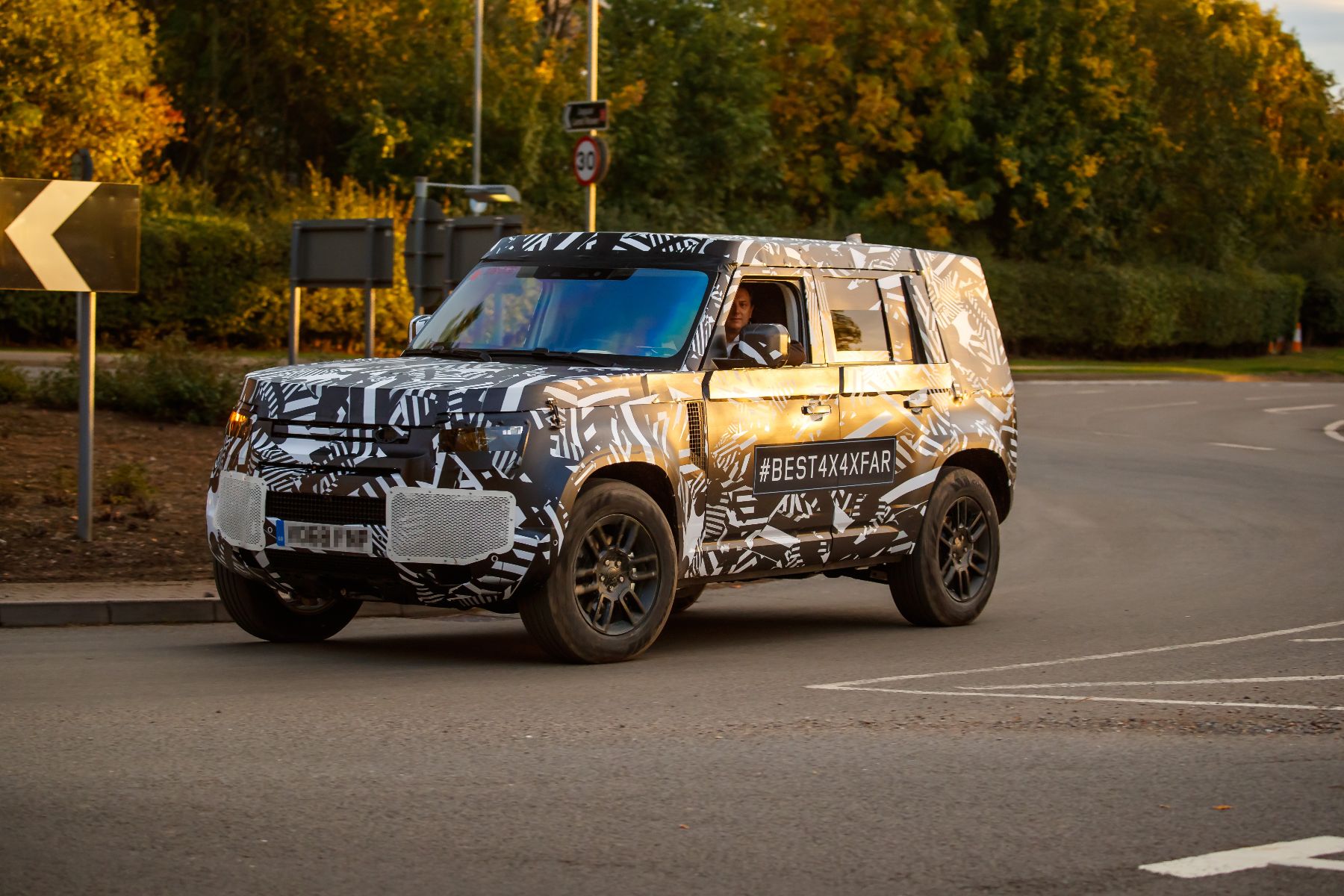
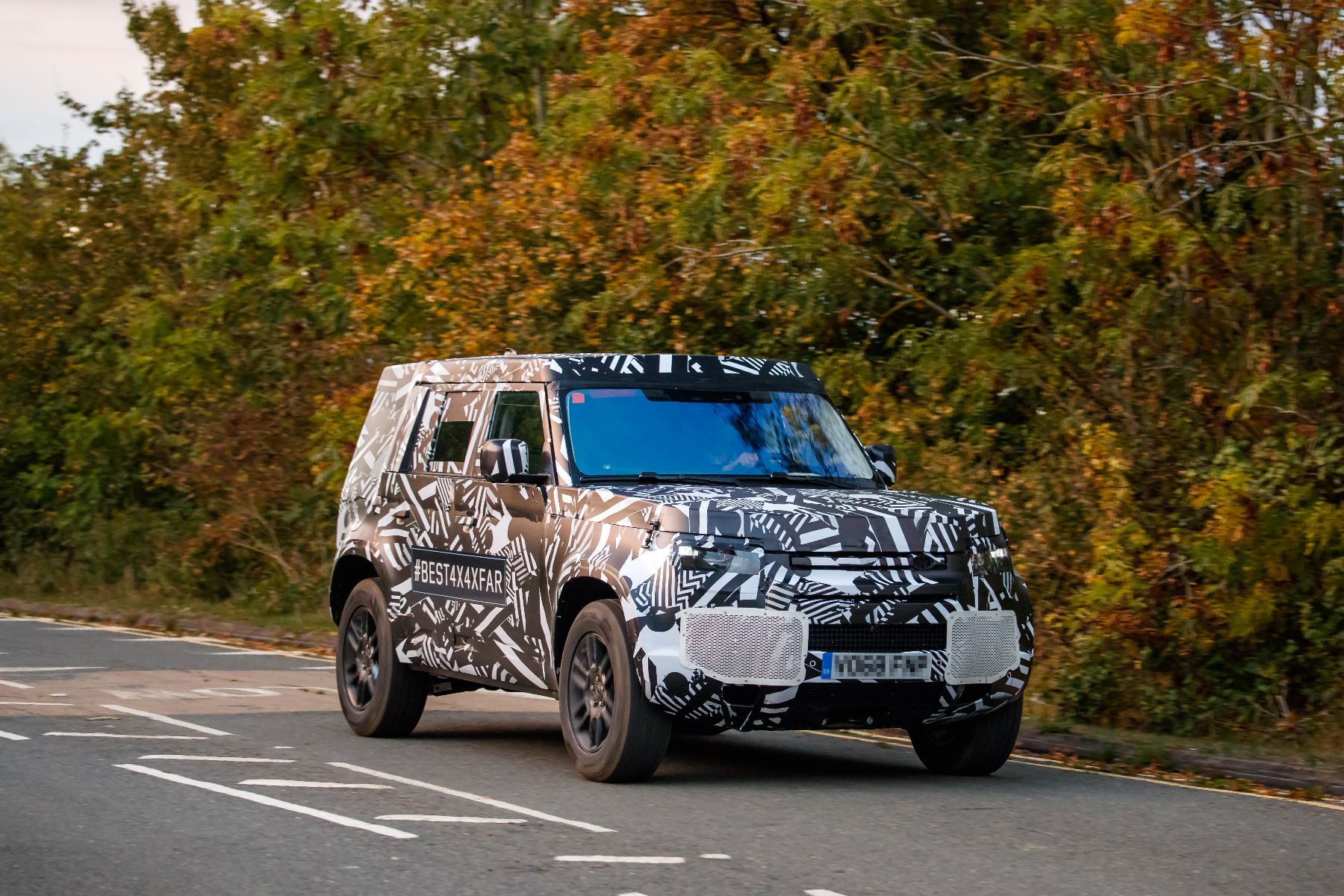
It’s the return of an icon. The next generation Land Rover Defender has been spotted – in heavy camouflage – testing on public roads. Three years after the original model was discontinued, we finally get some clues to how the next Defender may look.
In recent years, the Defender never flew out of showrooms like the Evoque, Freelander or even Discovery. Then again, it has become something of a hipster fashion accessory.
In terms of brand identity, though, the Defender is Land Rover. The lack of one in the current line-up is only tolerated, we suspect, because it’s common knowledge that a successor is on the way. Land Rover began by simply building the Land Rover. It was both model and marque, and the 2020 Defender is the direct descendant of that first machine.
What do we know about the new Defender?
In terms of aesthetics, it’s as you’d expect. We don’t need to whip the camo off to deduce that the new car maintains the boxy silhouette of the originals, with some 21st-century LR styling tropes and modern garnish for good measure. Short overhangs, blistered wheelarches and thick tyre sidewalls are already good signs to us.
It’ll be somewhat different on the inside, however – rugged and functional, but identifiably a Land Rover for the modern age.
From the spy shots, we can deduce the new car will have a more sophisticated suspension set-up. Blasphemy to the LR faithful, perhaps, but you can bet your bottom dollar it’ll deliver the off-road goods unlike anything else. We can also expect a range of wheelbases and body styles, just like the old model. Pick-ups, three-doors, four-doors – the lot.
Engine-wise, there won’t be any surprises to anyone familiar with JLR’s current lineup. A stellar range of 2.0-litre petrols and diesels will doubtless make their way beneath the bonnet. Don’t rule out hybridisation or even full electrification, either.
Land Rover says…
LR itself hasn’t offered any comment on the photos, but it’s made no secret of its determination to write a worthy new chapter in the 70-year-long story of the original Land Rover.
“Jaguar Land Rover runs a wide range of engineering and technology development programmes” said a Land Rover spokesperson.
“We are unable to comment on the specific nature of these programmes. However, we can confirm that the Defender programme is progressing well and has reached an exciting stage of its development.”
What is exciting is that new Defenders should be on customers’ driveways by 2020. We imagine a reveal deep into next year is on the cards.
“We can confirm that customers around the world will be taking delivery of and enjoying Defender again from 2020,” said a spokesman.
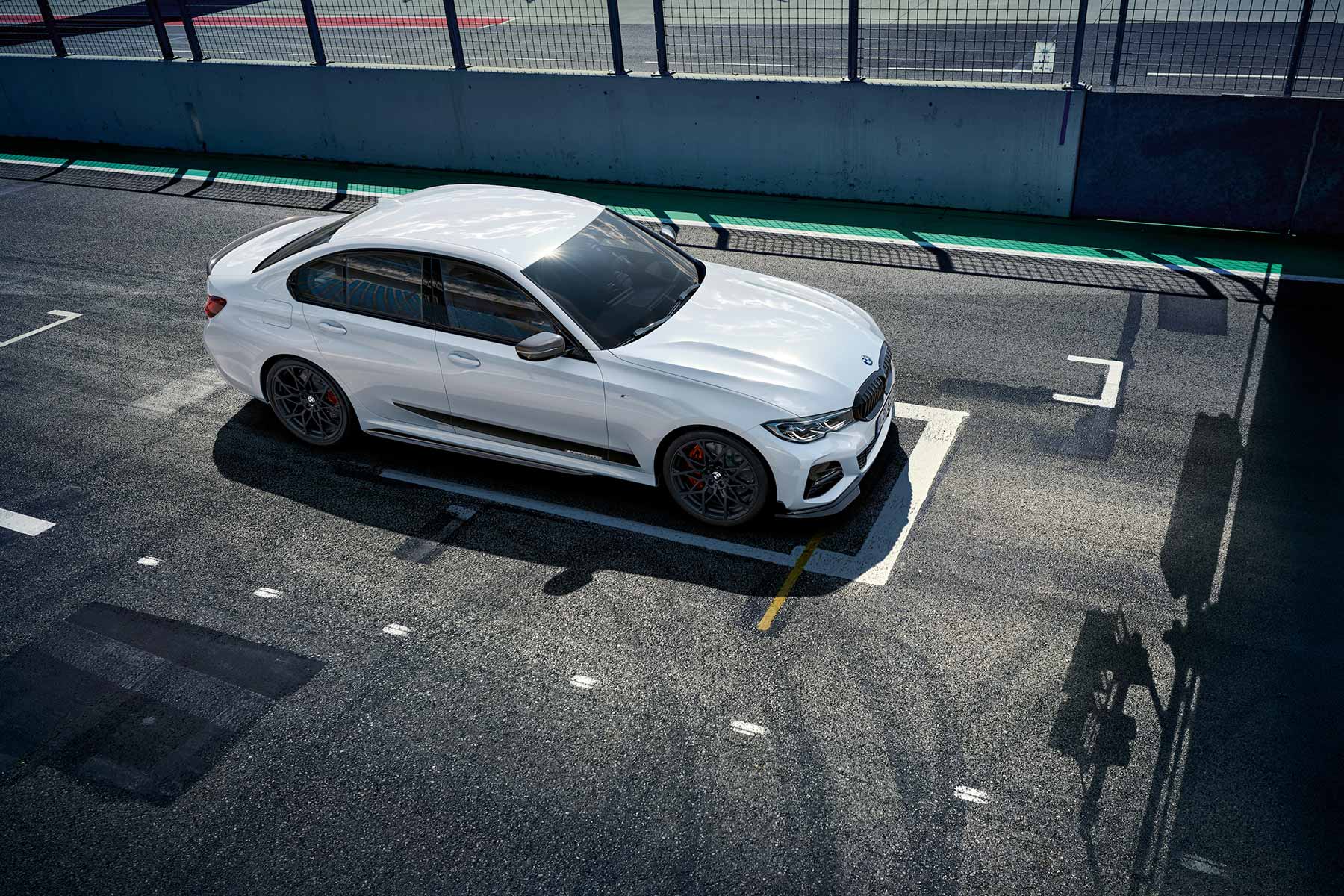
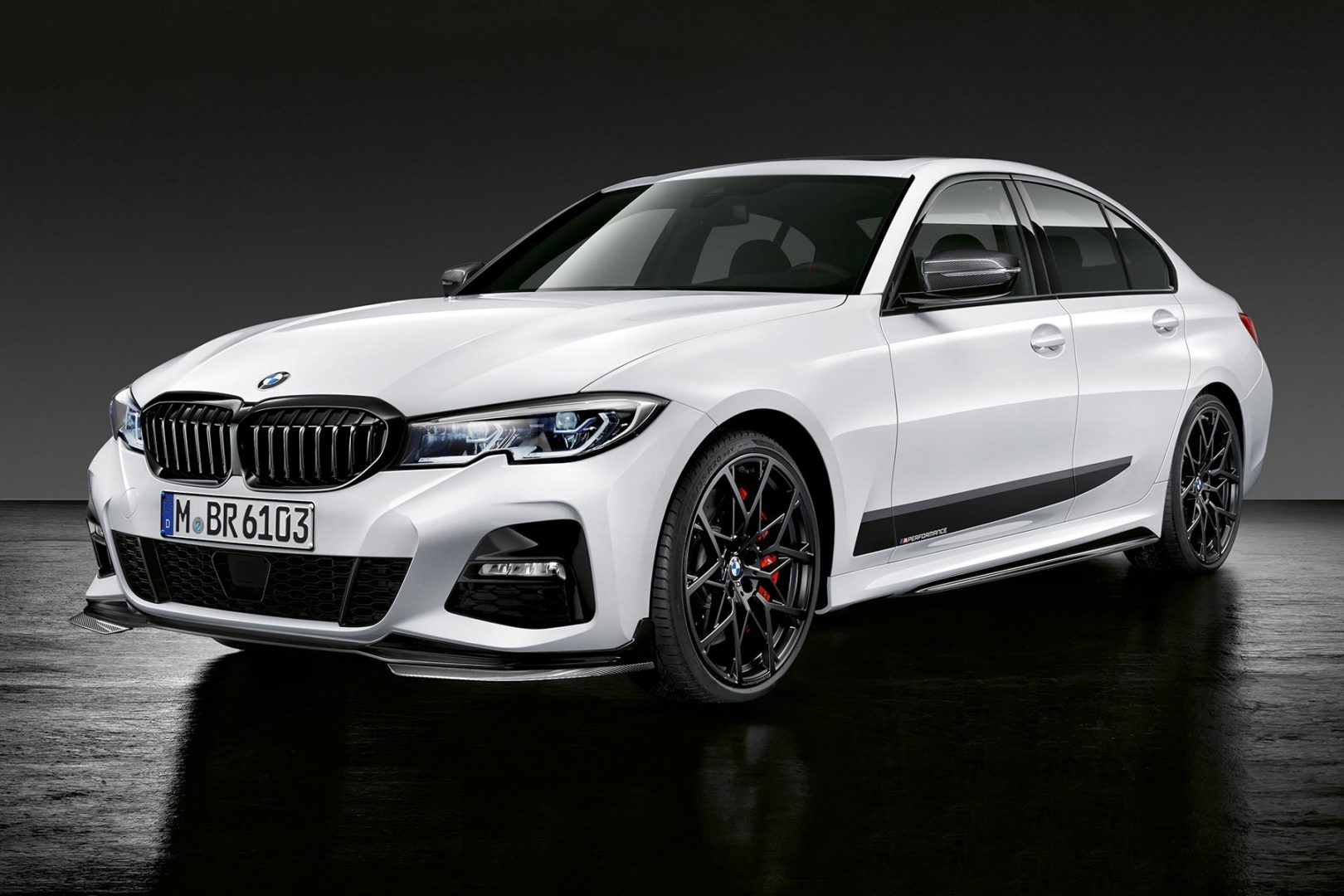
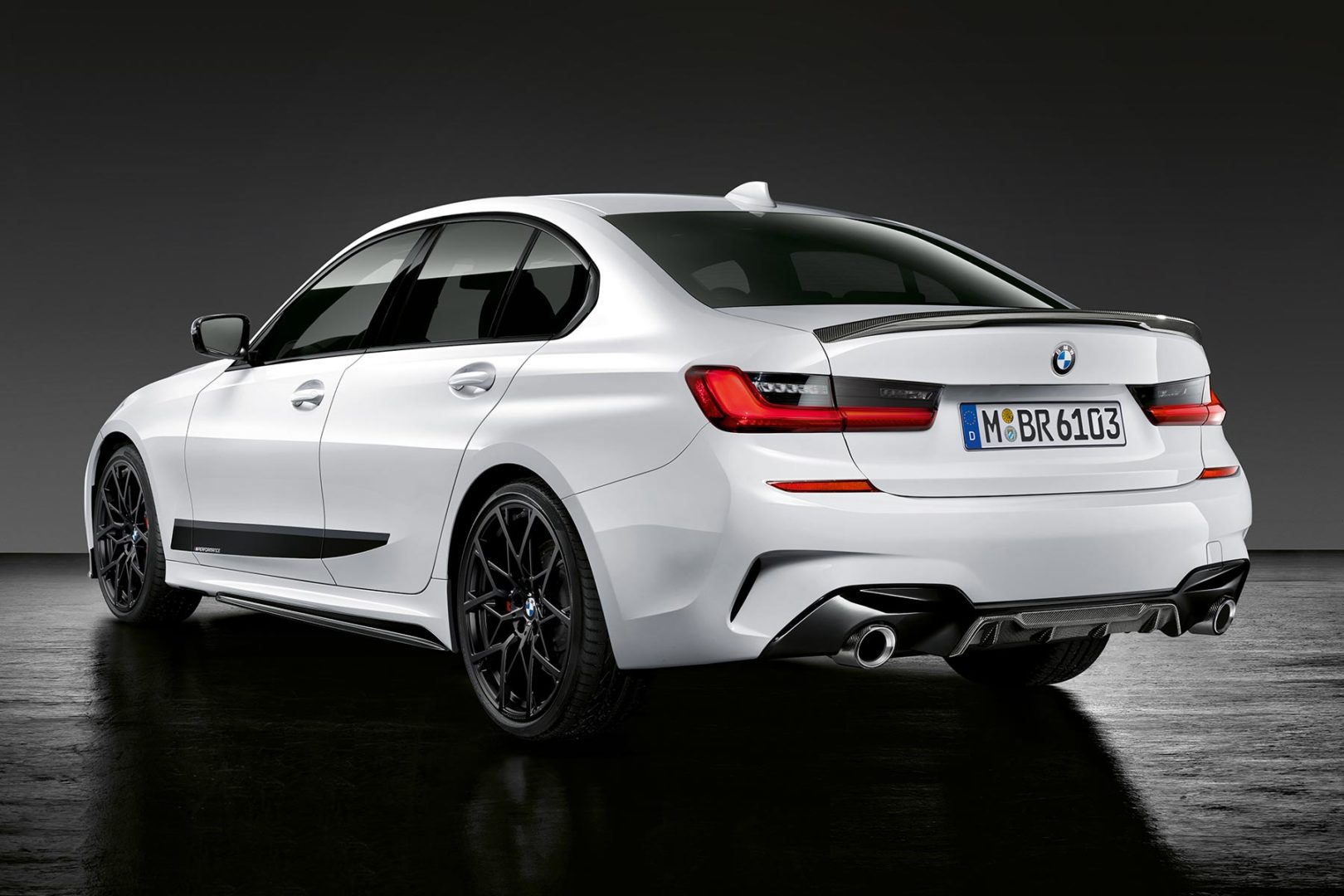
The new 2019 BMW 3 Series has only just made its debut at the Paris Motor Show, but BMW has a range of M Performance parts available from launch.
BMW has developed the M Performance range to be integral with its new cars, and the latest 3 Series is no exception. Buyers can now accessorise their 3er to their heart’s content. Or simply to cause their fleet manager endless headaches.
There are 10 exterior adornments alone for the new 3 Series. These range from a choice of two splitters for the front bumper to a carbon fibre diffuser, and even grey-tinted tail lights. Side sills, a rear spoiler and wing mirror caps can all be had in lightweight carbon fibre, too.
Carbon even forms part of the sports exhaust system, wrapping around the titanium tailpipes to give a true motorsport flavour to your morning commute.
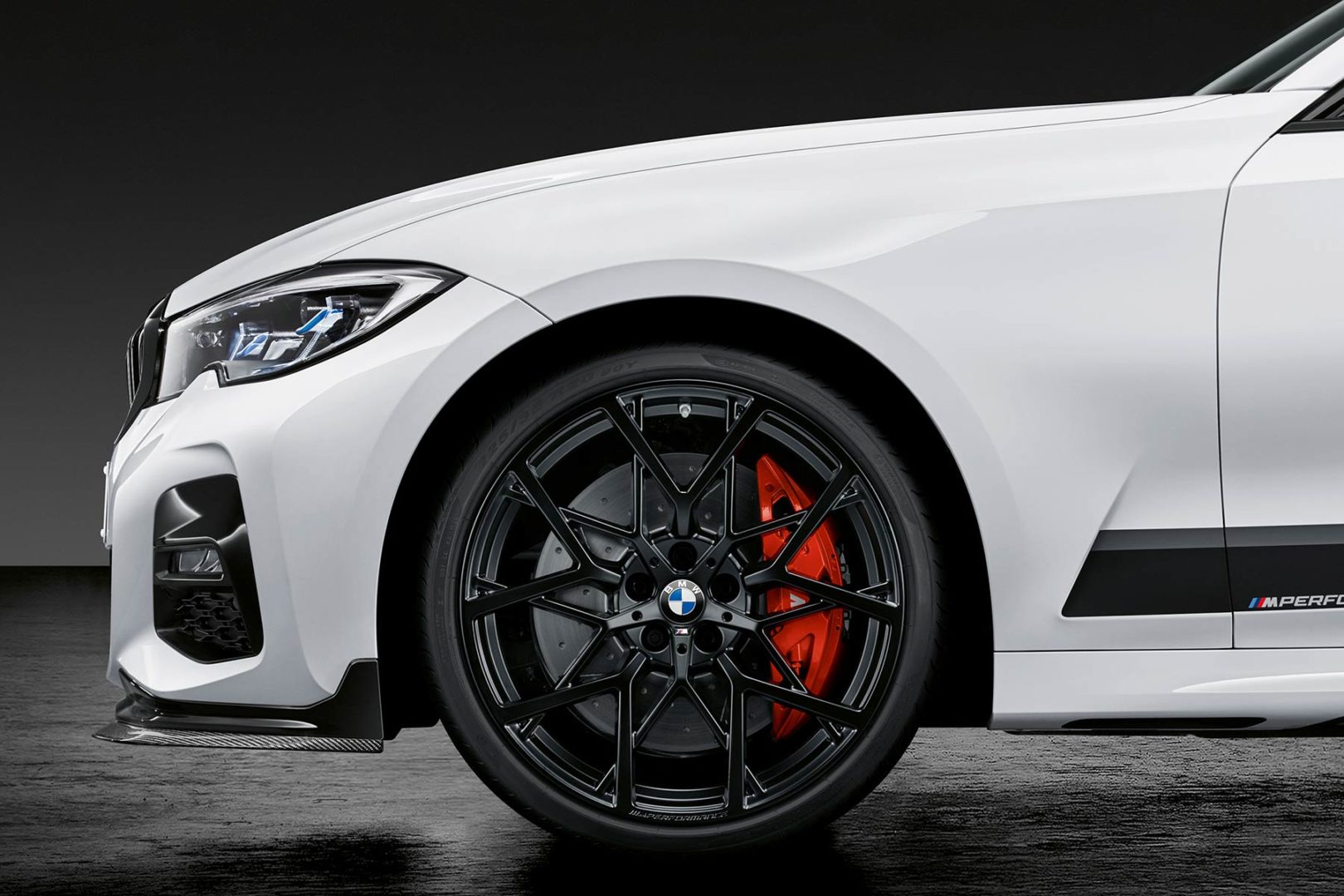
However, this is not just mere trinketry. BMW will also sell you a substantial M Performance brake upgrade for the new 3 Series. The bigger 18-inch discs have with a drilled and grooved finish, and are matched with giant red calipers. They are said to offer a noticeable improvement in stopping power over the regular set-up.
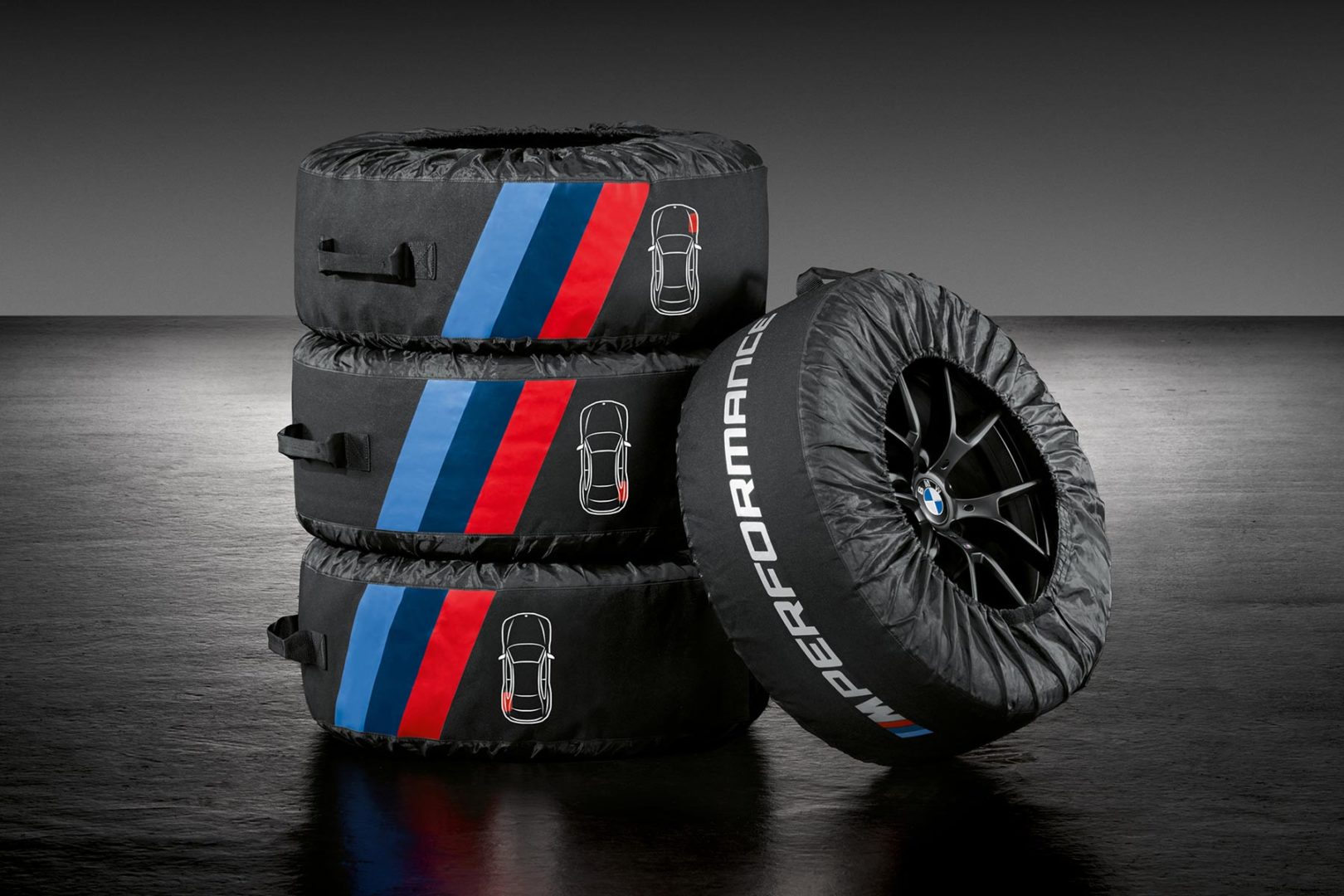
Complementing the bigger brakes are M Performance alloy wheels: larger 20-inch items offered in a choice of styles and colours. BMW even offers a set of special M-branded bags to keep your spare wheels and tyres in. That they look like heated tyre blankets used by race teams is an added bonus.
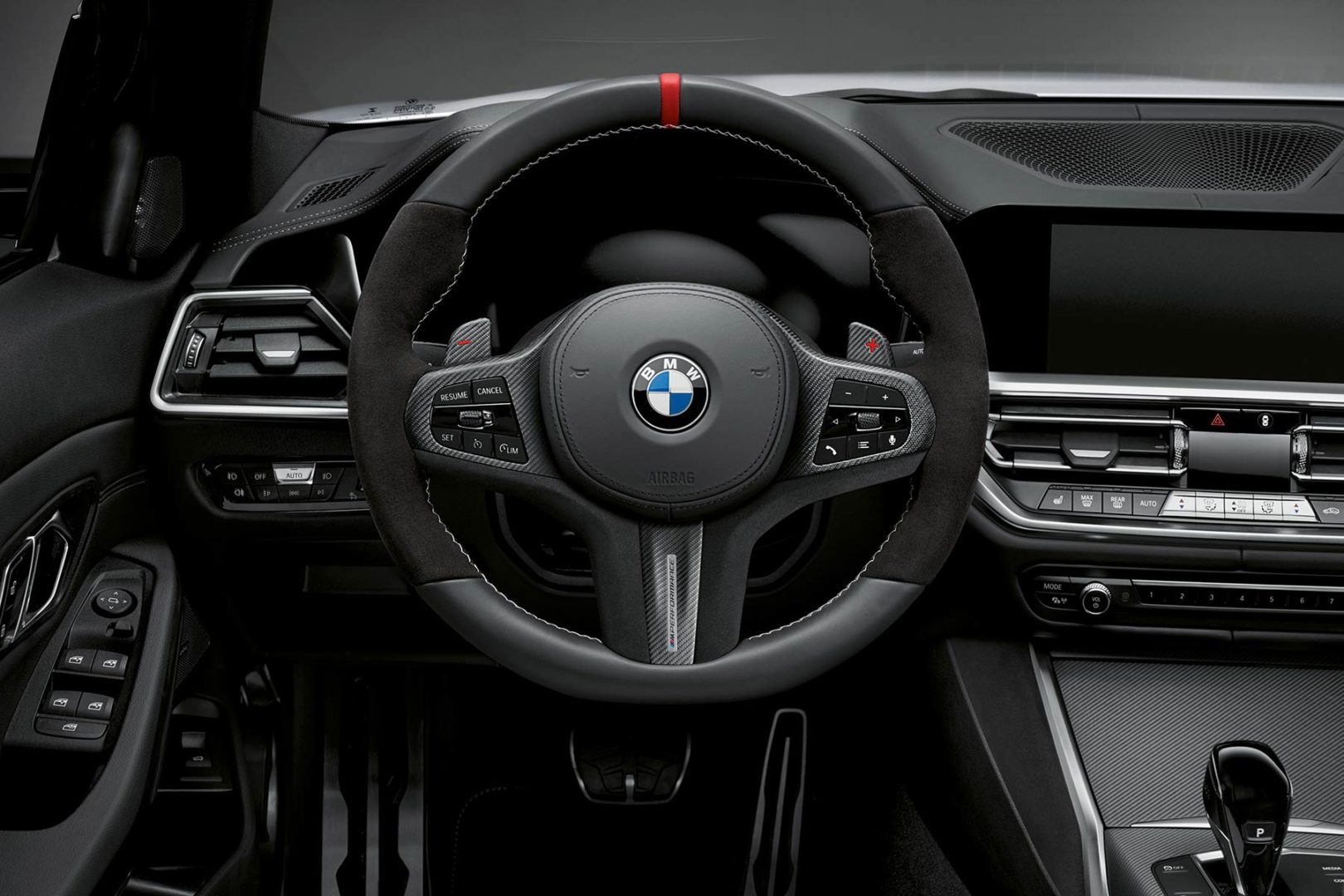
Although the standard steering wheel for the new 3 Series already looks racy, upgrades are on offer. A chunkier wheel, finished in grippy Alcantara, can be matched with carbon fibre paddles for cars with an automatic gearbox.
In fact, you can cover most of the interior in a combination of carbon fibre and Alcantara, depending on how far your budget will stretch. Leather trimmed floor mats can also be added, and even is even a special carbon fibre wallet available to hold your car key.
Prices are yet to be announced for the M Performance range. For now, the only question is how much carbon fibre can one executive saloon handle?
 The new Lexus UX compact SUV crossover arrives in the UK in March 2019 and the firm has announced prices will start from £29,900.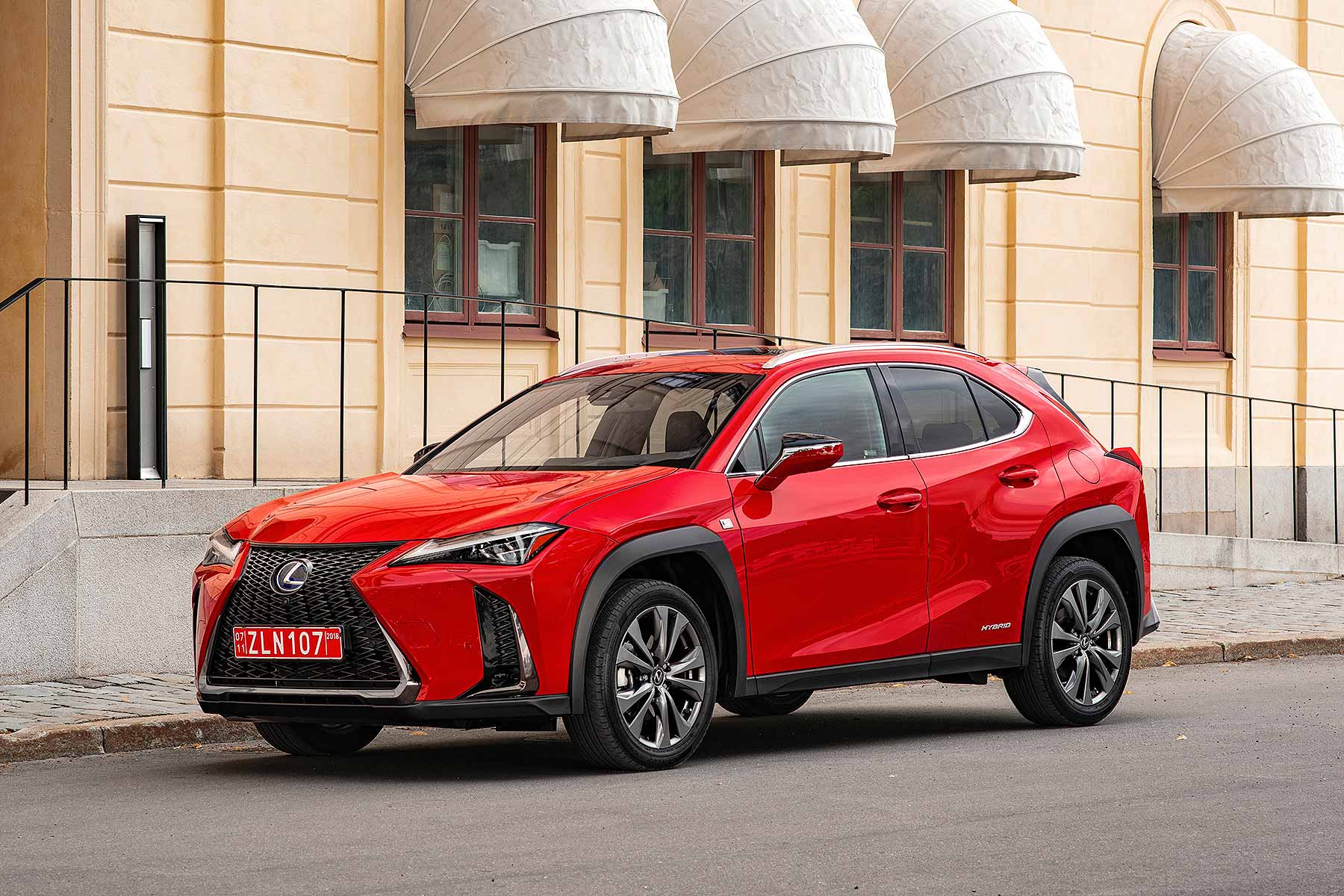
 British car buyers choosing a new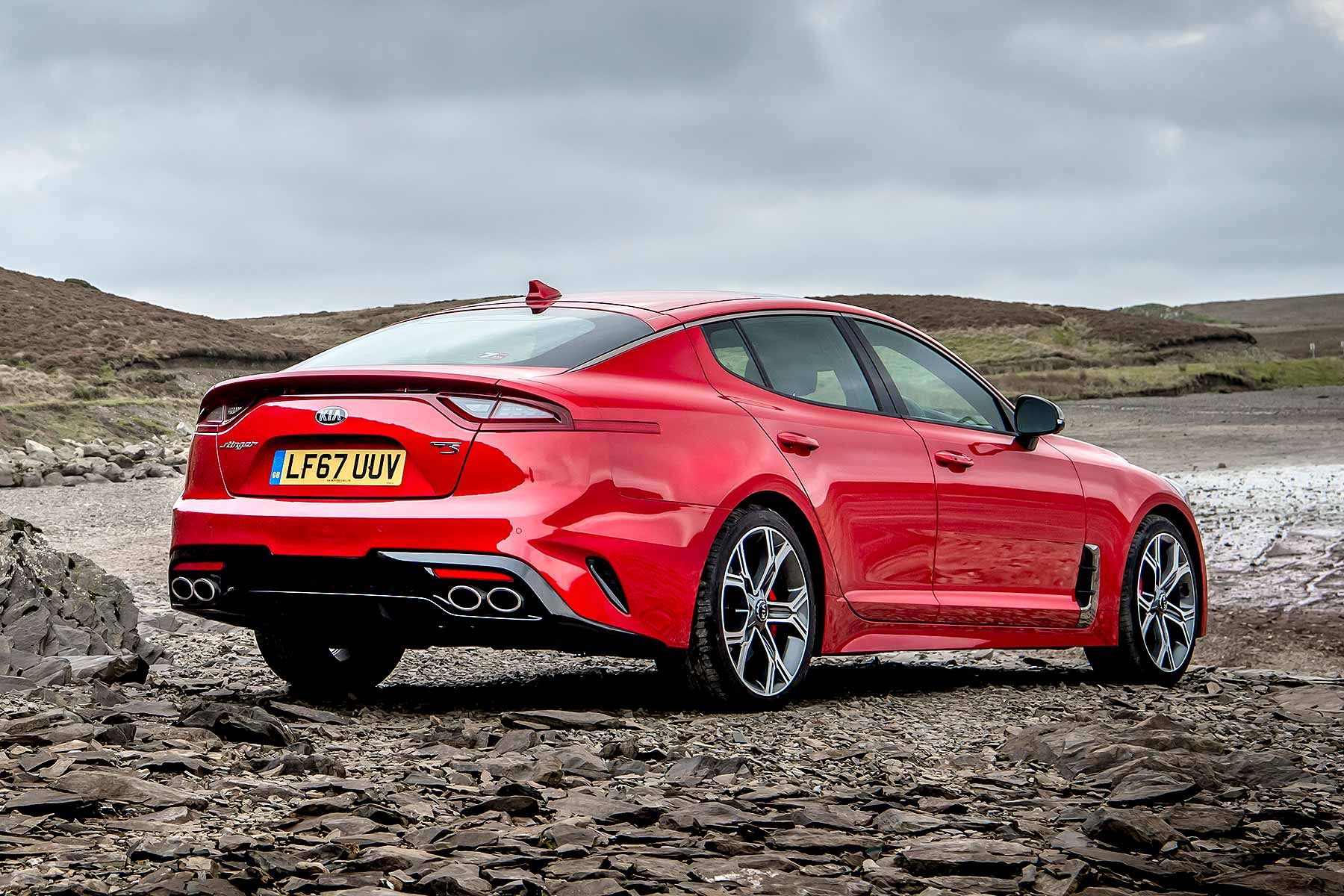



 New car supply issues caused by