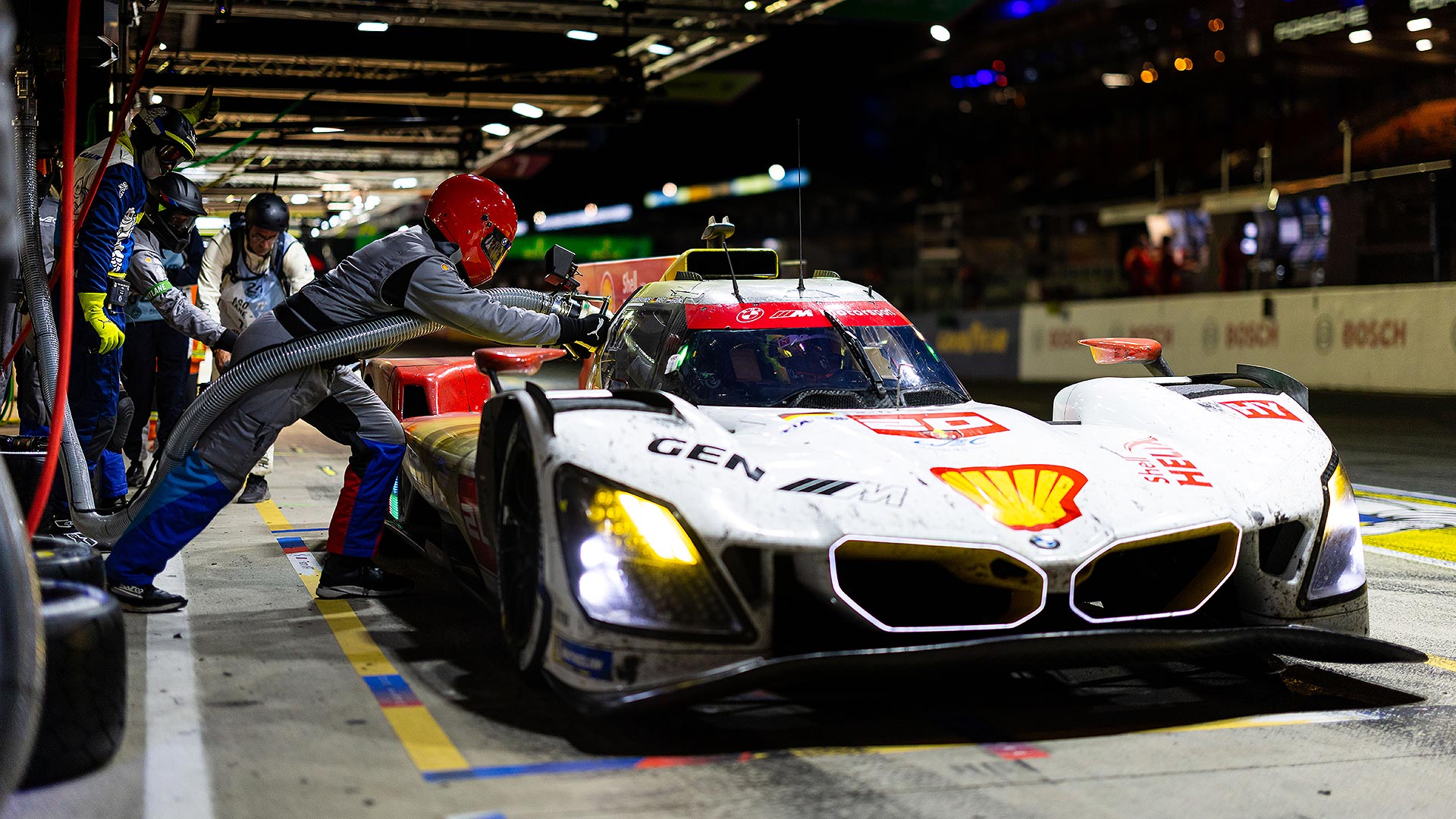
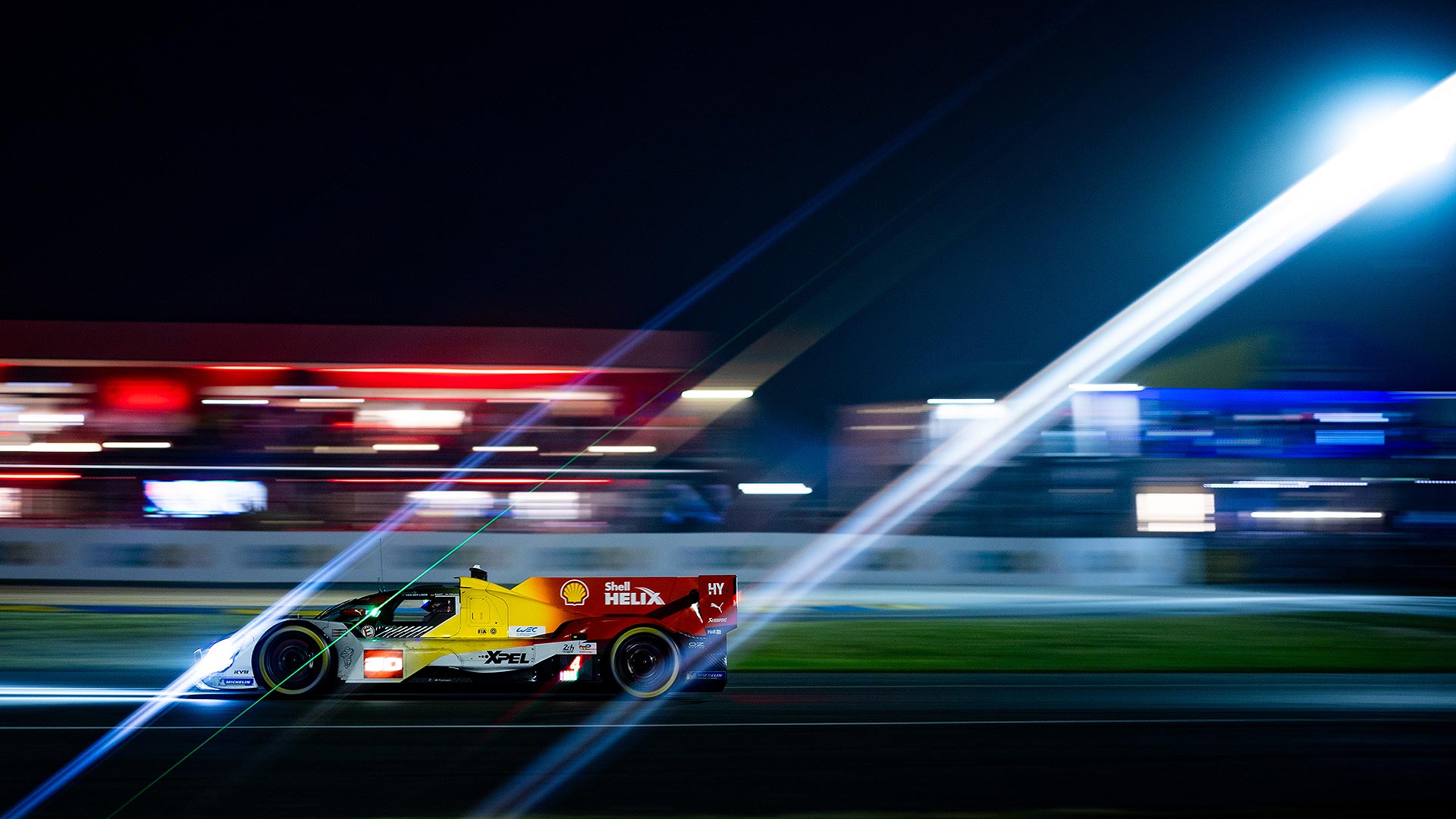
If you’re a motorsport fan, you won’t have failed to notice the #20 Shell BMW that raced at this year’s 24 Hours of Le Mans.
Wearing a distinctive new livery even more impactful than the 1988 Porsche 962 C, it scored a popular pole position and, after a bit of squabbling at the start, soon established itself in the lead of the race.
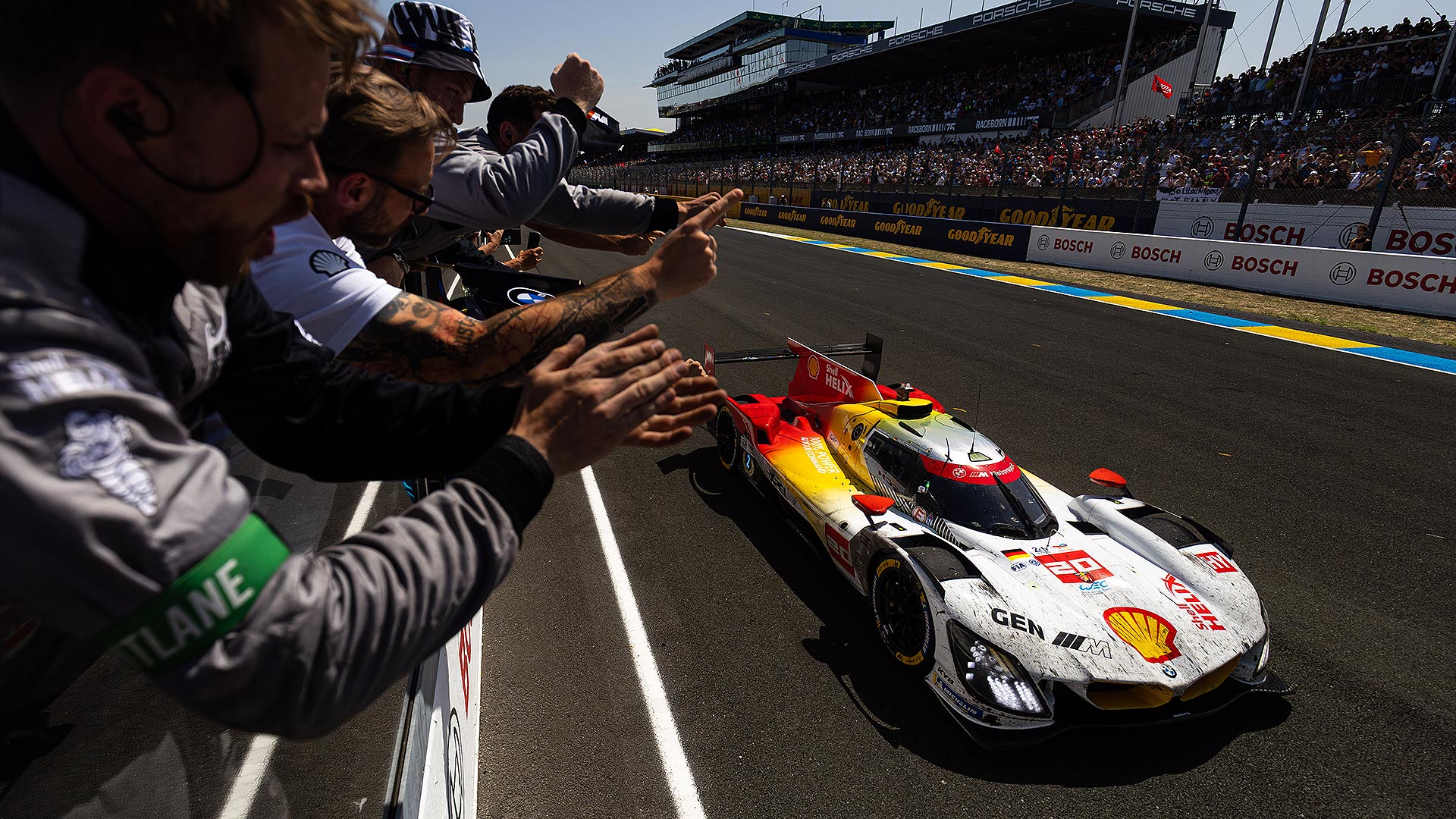
Ultimately, it didn’t quite snare the top spot, but second place was still a headline result. During the race, Shell and BMW M Motorsport renewed their partnership – and a victory at the Le Mans 24 Hours in 2027 will undoubtedly form part of the plan.

So too will further developing a partnership that sees the race cars running on what’s called re-refined base oil, or RRBO. Essentially this is, fresh high-performance oil made from used oil, as part of a ‘circular economy’ approach.
Recycling has made it to the highest level of motorsport, it seems – but, as I discovered, achieving such sustainability doesn’t come easily.
Sustainable Shell oil
It sounds like the panacea for petrolheads, of course. Making engine oil by recycling what already exists is a serious green step forward. Add in sustainable fuel (cars in the 24 Hours of Le Mans already use 100 percent renewable fuel) and the carbon-neutral racer becomes one step closer.
It’s the engine oil part that is particularly challenging, explains Jason Wong, global EVP of Shell Lubricants. A 24-hour race is one of motorsport’s ultimate tests of reliability, particularly now that competition is so tight and drivers genuinely sprint through each stint.
To make re-refined base oil, Shell takes used motor oil and reprocesses it in a similar way to virgin oil. With its processing magic and trick additives, the aim is to create an oil no different to a traditional lubricant. And then, working with BMW M engineers, fine-tune it further to work perfectly with the V8 lapping the world’s racing circuits, including Le Mans.
“Sustainability is an objective, but performance can’t suffer as a result,” says Wong. Which is why Shell is so keen to prove its credentials on the racetrack.
An on-track laboratory
We move across to an area normally out of bounds during a race weekend – Shell’s on-site laboratory. Here, engine oil samples taken directly from the racing cars are constantly analysed for any early warning signs of problems. The engineers can detect any trace metals in the oil that shouldn’t be there, and pinpoint them back to the individual engine internals they may come from.
It’s a window into the science of motorsport – engineers hidden in trucks behind the pit garages, studying computer screens for the earliest signs of issues. Of course, the aim is for there to be none, and so it proved in Le Mans, with the #20 car racing right to the finish line and its podium place.
Proof, I was told, of how the re-refined engine oil can perform exactly the same as non-recycled oil. And the fine-tuning of processes, additives and other oil engineering magic continues here too, pulling all the data from the race cars to make the oil for the next race even better.
Road car crossover
There’s crossover to the road car division too, says Wong. Motorsport is not split off from the rest of Shell’s lubricant activities, meaning road car products benefit from the same learnings.
“I call it an ecosystem, rather than separate activities,” says Wong. “Racing is a testbed for the future products we are developing… working with BMW M gives us more confidence to launch these innovative, sustainable new products.”
And it’s something that’s set to build further with Shell and BMW M Motorsport renewing their partnership at Le Mans, and with an enhanced focus on research and development. The aim is to boost development of sustainable fluids, including those from used oil streams, both for motorsport and road cars.
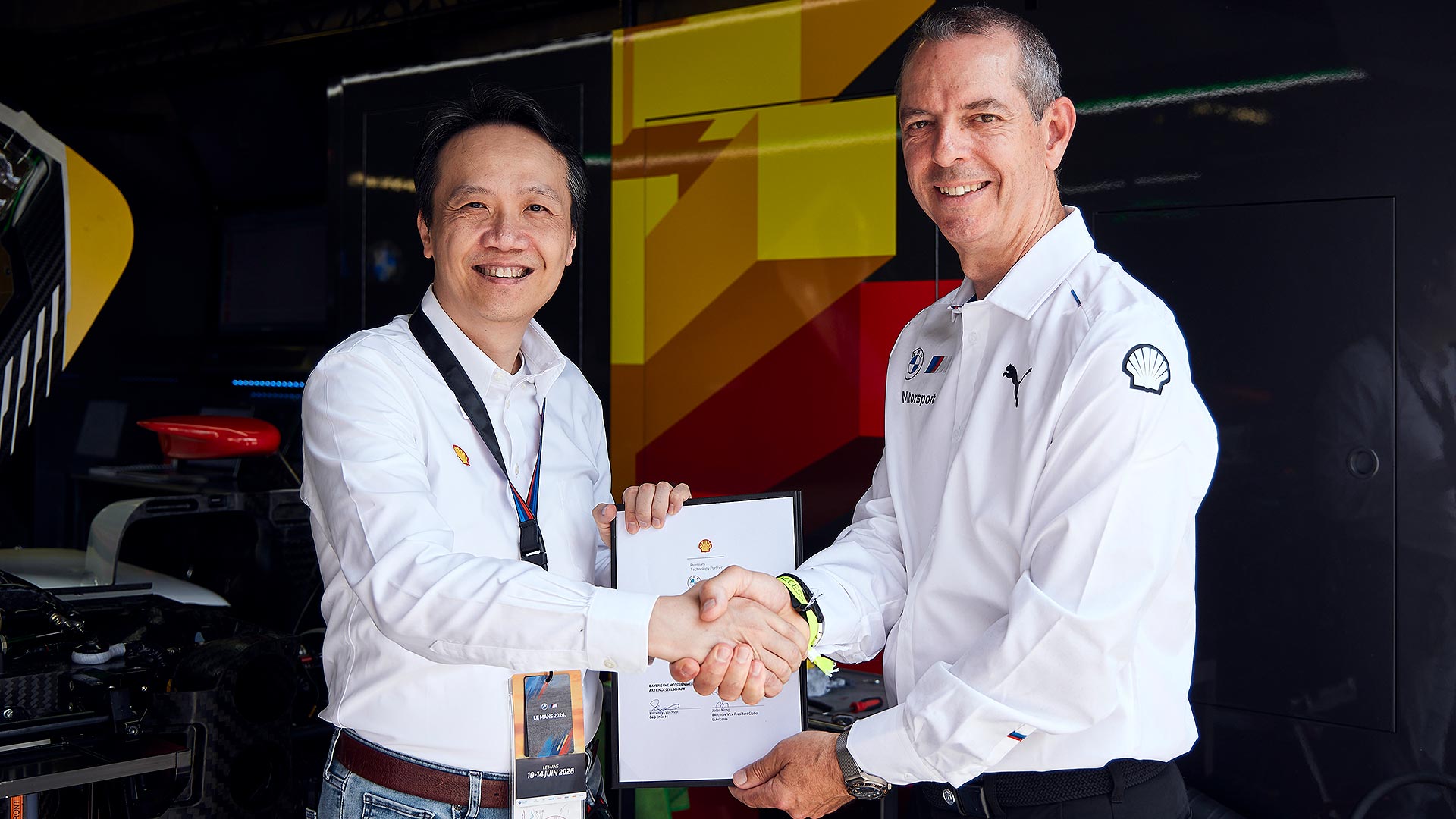
Extending the partnership, which has already run for more than a decade, heralds a shift in focus, said Wong. “A new era is emerging, where speed and sustainability are no longer mutually exclusive… With the successful deployment of our new engine oil formulated with re-refined base oils, the Le Mans weekend marks an important milestone.”
BMW M GmbH CEO Frank van Meel agreed, calling Le Mans “the ultimate test of engineering, performance and reliability. The data and insights gathered this weekend will shape the products our customer experience on the road for years to come”.
All of which points to Shell’s re-refined base oil products expanding to its road car offerings in time, too.
That is the real secret behind the livery, then – helping create a more sustainable engine oil reliant on circular economy principles, rather than extracting fresh oil out of the ground. Another example of how technology can transfer from the racetrack to the road.
ALSO READ:
Goodwood to launch Road Racing Club of America in 2027