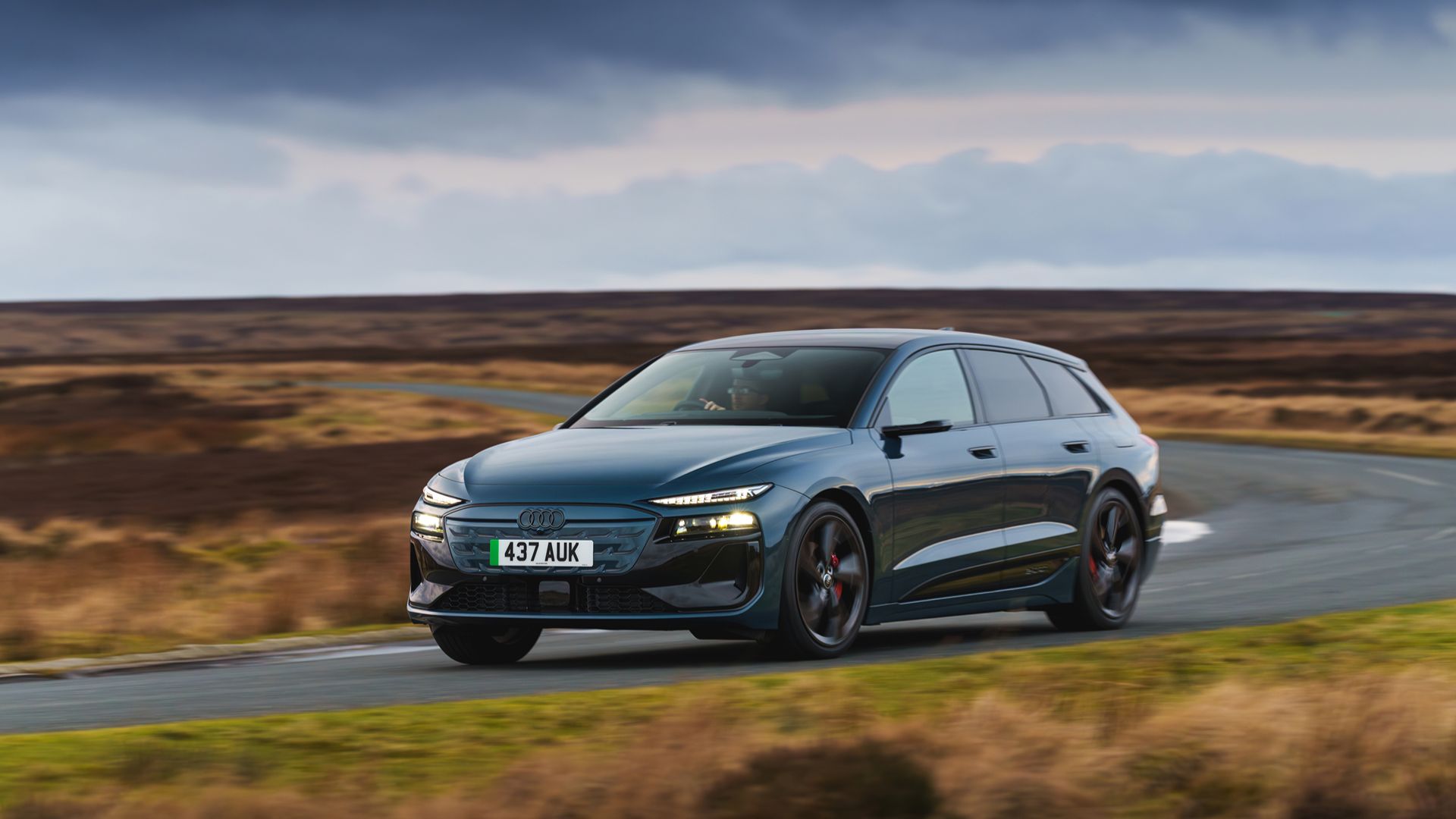
The Audi A6 Avant E-Tron has a lot to unpack. Literally, because we have just taken it on a camping trip and filled its 502-litre boot to the brim. And figuratively, because this electric estate is chock-full of clever technology.
The E-Tron’s ‘numerous technological advances’ range from the ingenious (a foot-operated boot release with its own puddle lamp showing you where to ‘kick’) to the inconsequential (a choice of eight LED ‘signatures’ for the daytime running lights). Still, there is no shortage of Technik, as they say in Ingolstadt.
I won’t dwell on our holiday under canvas (it rained), but before we delve into more detail, allow me to put the A6 E-Tron into some context. After all, this is a complicated car.
A standalone electric A6
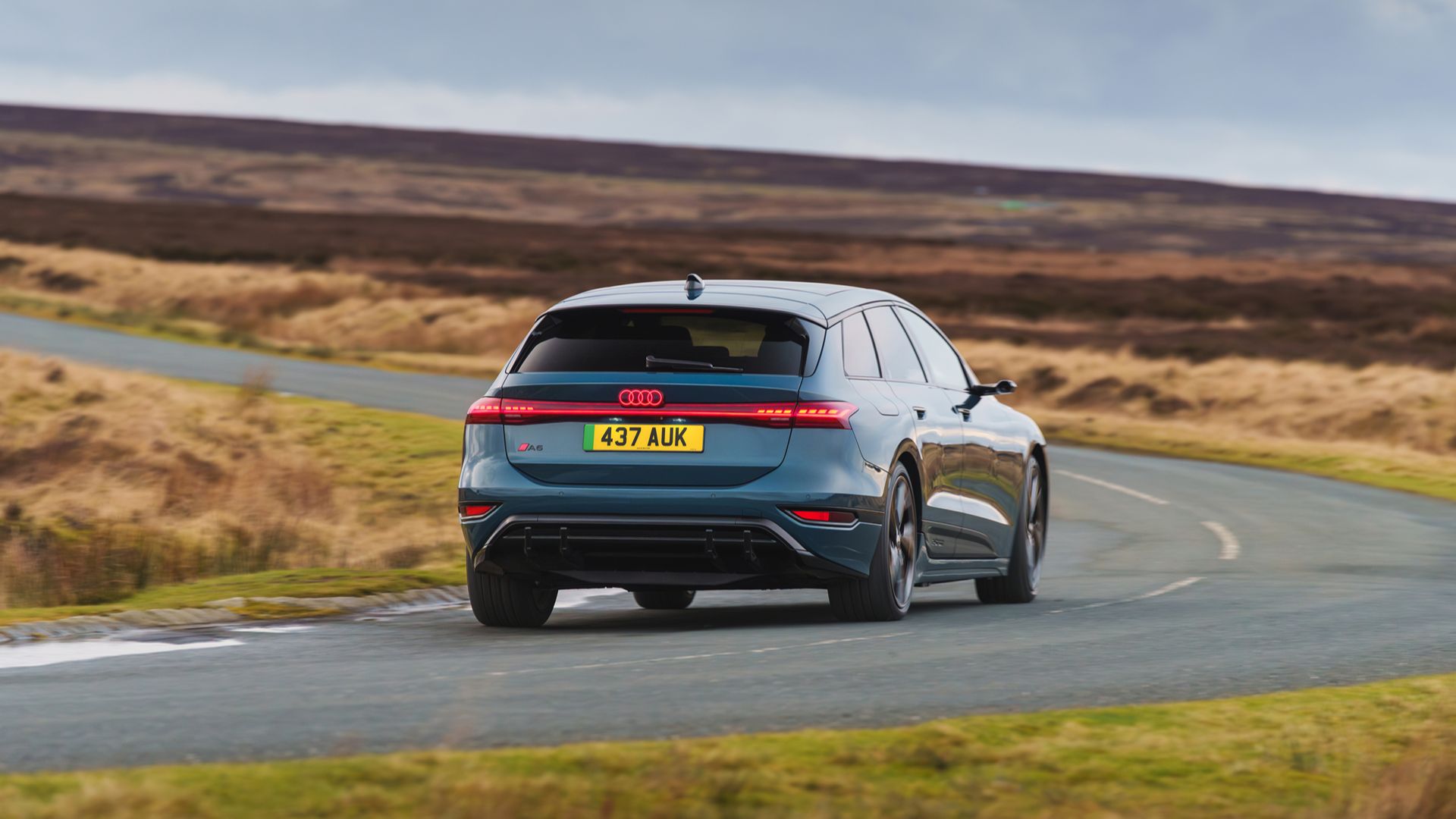
The A6 is Audi’s long-serving executive saloon, positioned between the smaller A5 (which used to be called the A4, confusingly) and the A8 limousine. A competitor for the BMW 5 Series and Mercedes-Benz E-Class, buyers can choose petrol, diesel, hybrid or electric drivetrains – with the latter labelled E-Tron.
More specifically, the A6 E-Tron’s rivals are the electric BMW i5 and Mercedes-Benz EQE. And while both combustion- and battery-powered versions of the Audi wear an A6 badge, they are entirely different vehicles under the skin.
The A6 E-Tron shares its 800-volt Premium Platform Electric (PPE) architecture with the Audi Q6 E-Tron SUV and the latest Porsche Macan. It comes in Sportback (five-door hatchback) and Avant (estate) guises, with prices from £62,590. Choosing the more practical Avant will set you back an extra £1,800.
Audi offers two battery packs: 83kWh (75.8kWh usable) in the base 326hp A6 E-Tron and 100kWh (94.9kWh) for the 380hp Performance and 462hp Quattro models. There’s also a flagship 550hp S6, available in both body styles, if you want the maximum Vorsprung to accompany your Technik.
Bringing up the rear
My test A6 Avant is Performance spec, priced at £75,075 before options. Its punchy 417lb ft of instant electric torque can propel this 2,260kg heavyweight to 62mph in 5.4 seconds and a 130mph maximum. Hardly scorching by EV standards, then, but plenty quick enough.
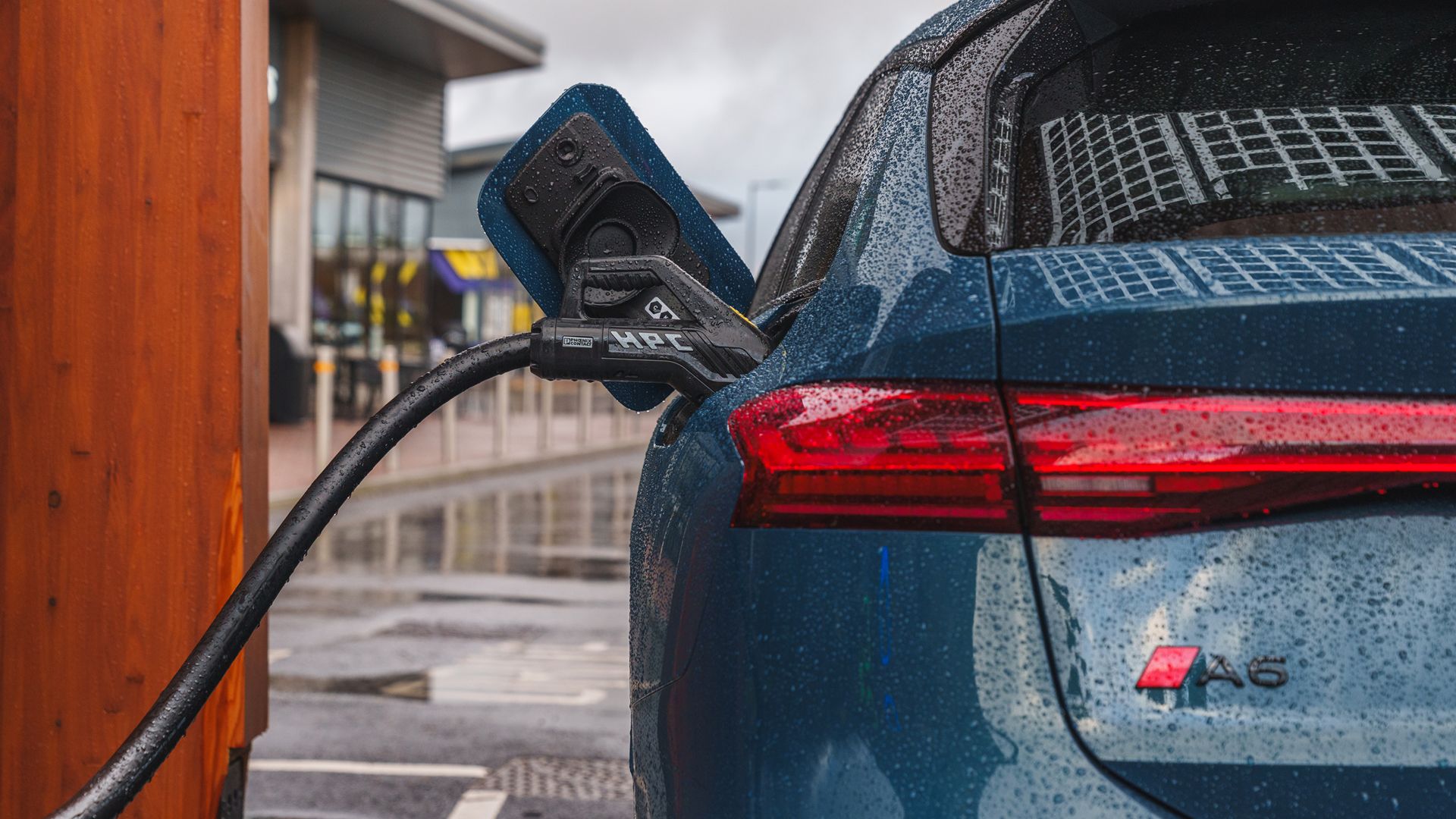
Audi’s quoted efficiency figure of 4.0-4.2 miles per kWh equates to between 428 and 443 miles of range. And the lithium-ion battery’s maximum charging speed of 270kW means you could see a 10-80 percent fill-up in 21 minutes – if you find a suitably rapid EV chargepoint.
Interestingly, unless you go for the Quattro or S6, the A6 E-Tron is an oddity among Audis for being rear-wheel drive. The last (and only) other rear-driven Audi I have tested was the R8 supercar in ultimate, all-guns-blazing V10 GT RWD guise. It’s safe to assume the electric A6 will be a smidgen more sedate…
One very aerodynamic Audi
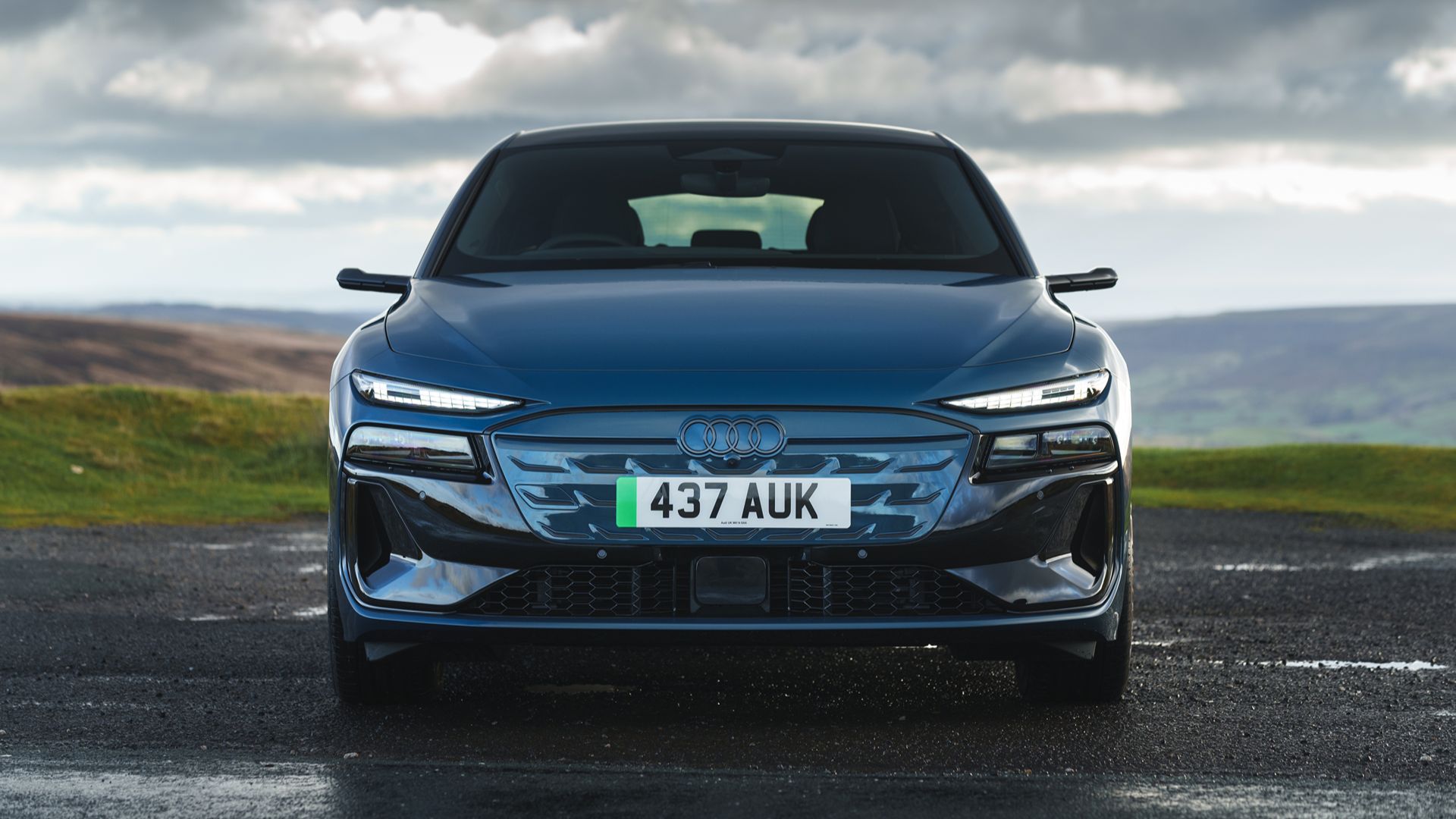
The A6 E-Tron was first shown as a concept at the Auto Shanghai show in 2021. And to Audi’s credit, the production car launched three years later looked almost identical. With a body-coloured grille and a ‘black mask’ that partially hides the main headlights – positioned beneath glittery LED eyebrows – its design is more distinctive than a regular A6. I reckon it looks best as an Avant, too.
Audi has also paid attention to airflow, with details such as a completely flat underside helping the Avant achieve a drag coefficient (Cd) of 0.24. The A6 E-Tron Sportback is even slipperier: a Cd of just 0.21 making it one of the most aerodynamic cars on sale.
If you want to cut drag to an absolute minimum, you’ll need the slimline, camera-based ‘virtual’ door mirrors pictured above, which project a video feed onto screens either side of the dashboard. These weren’t fitted to my test car, but based on previous experience they are rather unintuitive, forcing your eyes to refocus more than a conventional mirror might. They’re also a pricey option, at £1,495, and limited to top-spec Vorsprung models only.
Inside the Audi A6 E-Tron
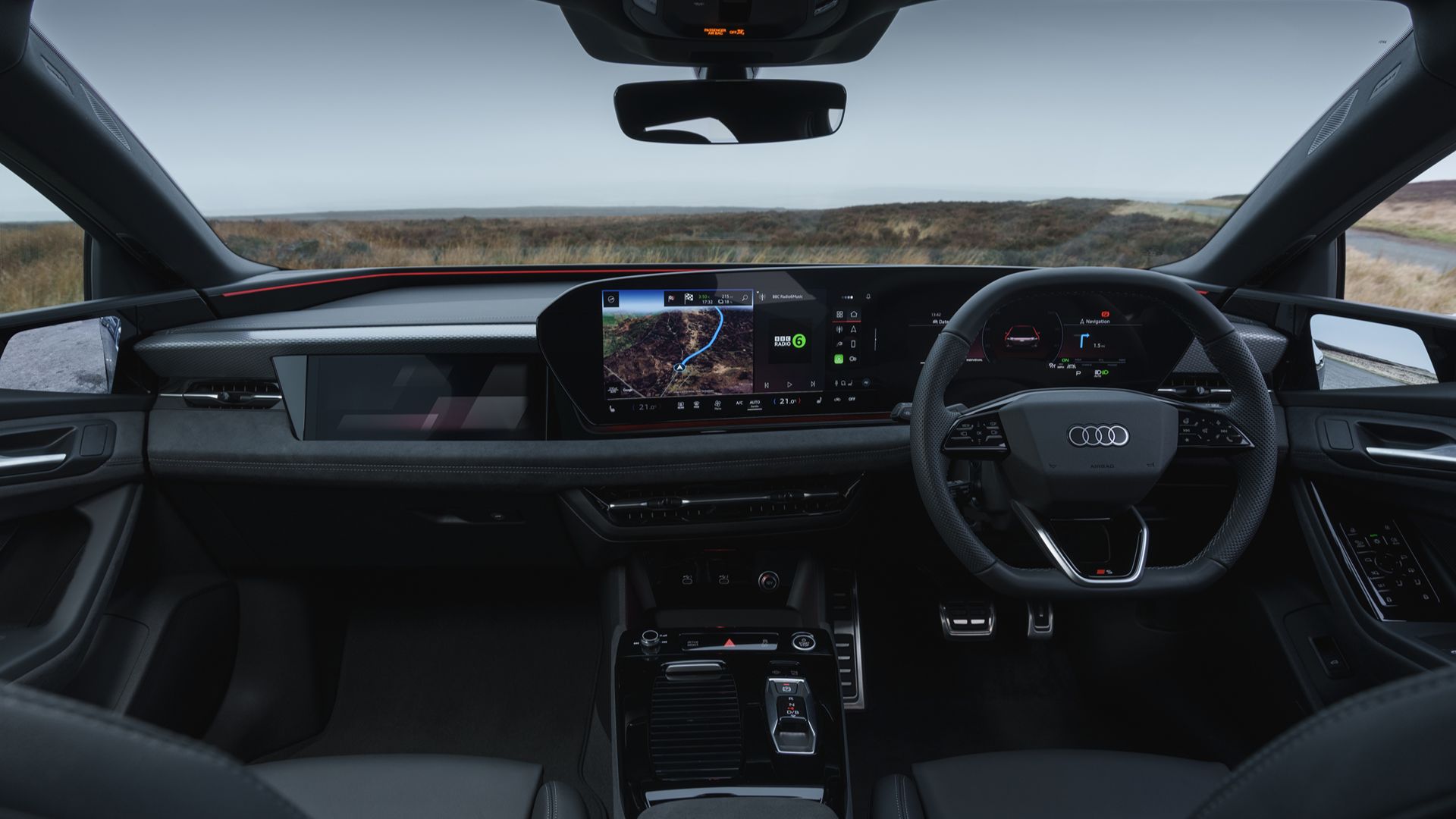
Inside, the A6 E-Tron manifests the modern obsession with digital displays at the expense of ‘proper’ tactile controls. As you can tell, I prefer the old-fashioned way of doing things. All those screens and shiny black surfaces soon get smeared with fingerprints, too. And the quality of materials doesn’t feel as ‘premium’ as Audis of old. If you have just spent north of £64k, you might hope for better.
On the plus side, Audi no longer proffers an options list longer than a Dickensian novel. The base-spec A6 Sport has a heat pump for added efficiency, 20-inch alloy wheels, three-zone climate control, an MMI media system, ambient interior lighting and an electric tailgate. The S-Line and Black Edition both add sportier styling, while the fully loaded Vorsprung comes with matrix LED headlights, surround-view parking cameras, a display for the front passenger, a Bang & Olufsen 3D audio system and a panoramic glass roof with switchable transparency (you might recall the ‘I like to move it’ TV ad).
You sit high, almost at crossover altitude, because of the batteries beneath the E-Tron’s floor, but there is plenty of headroom (40mm more in the Avant than the Sportback), with acceptable space for three adults to travel in the back. Fold down the rear seats and the useful 502-litre boot swells to 1,422 litres – ideal for those Sunday morning trips to the tip. The charging cable fits in the 27-litre ‘frunk’.
Electric driving with one pedal
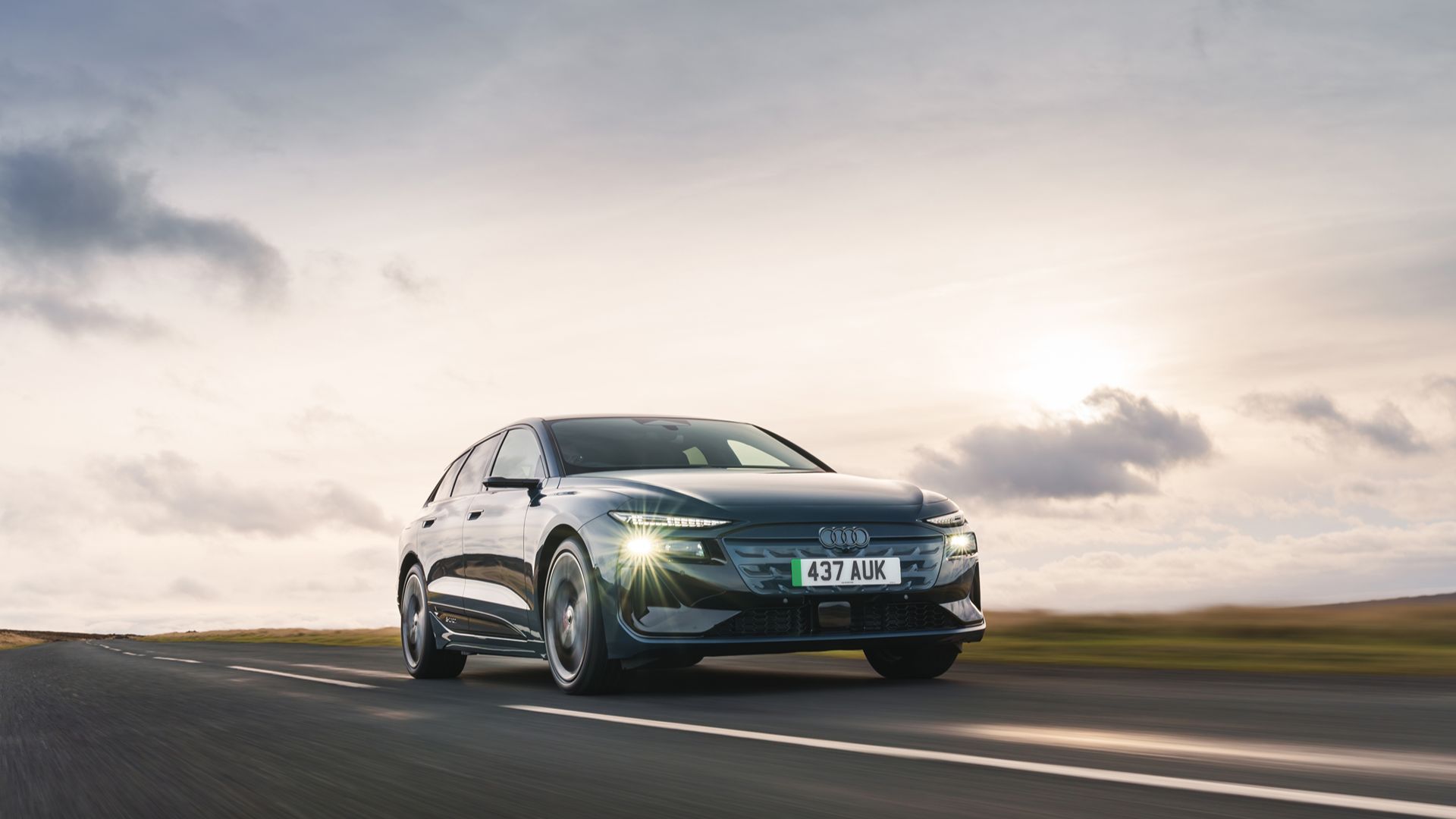
Despite the ‘Performance’ in its name, this middling A6 E-Tron feels brisk rather than explicitly quick. Unless you use launch control (pointless on a family estate car, quite frankly) it gathers speed in a progressive and determined manner, rather than the whack-in-the-back delivered by some powerful EVs.
There are no gears to shift, of course; simply select Drive using a toggle on the centre console and off you go. There is ample shove for overtaking and the ever-present torque of the rear axle motor makes the car feel alert and eager.
Like many EVs, there are paddles behind the steering wheel to adjust the level of regenerative braking. Set it to maximum and you can drive with one pedal much of the time, boosting the batteries whenever you ease off the throttle. It’s a process that encourages you to make smooth inputs and anticipate hazards early. Who knows, it might even make you a safer driver.
A smooth operator
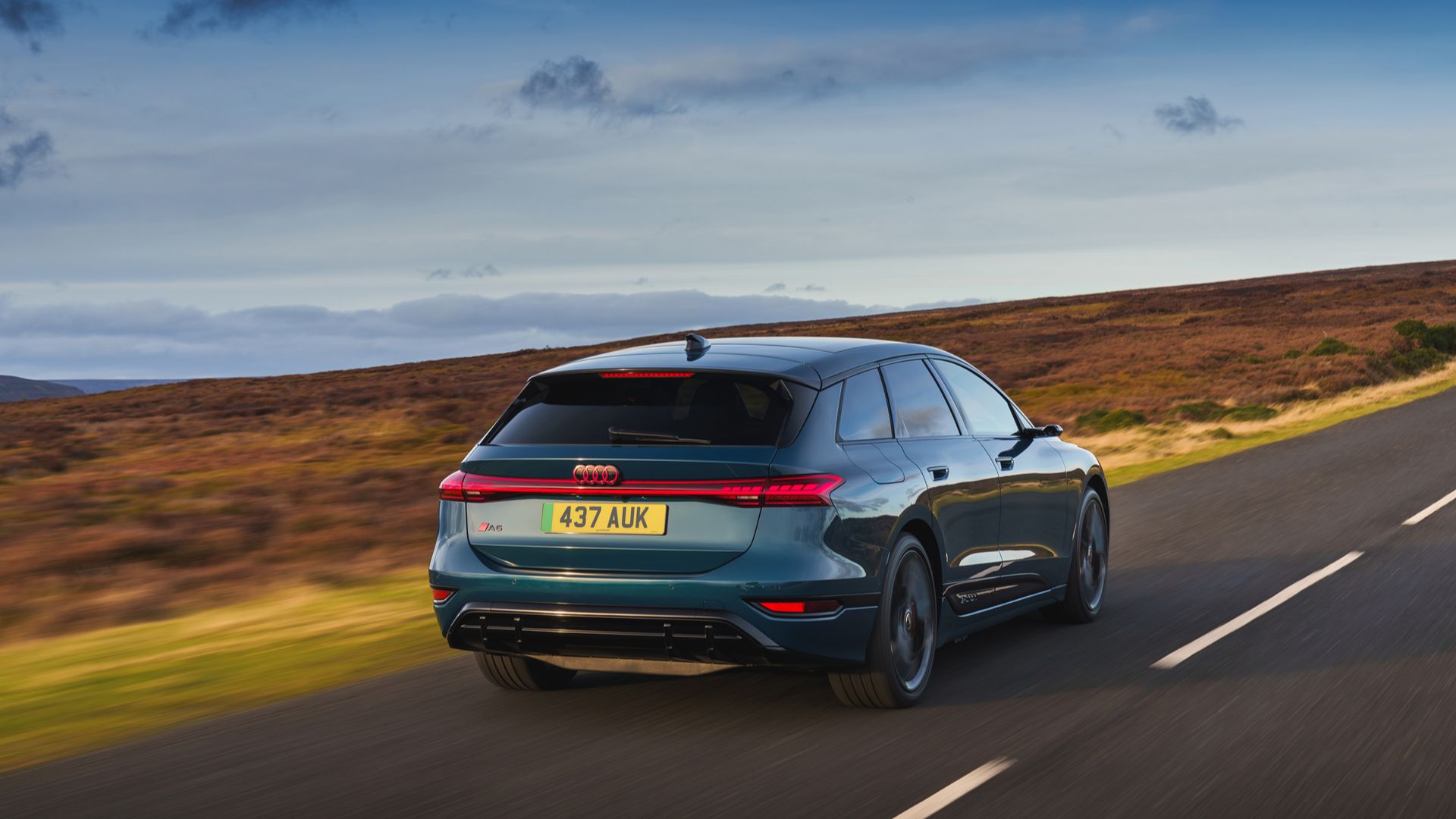
The S6 E-Tron has air suspension, but the A6 managed just fine without it, even when loaded up with two tents, two children and seemingly most of our worldly goods. Indeed, anyone expecting the traditional Audi recipe of stodgy, flat-footed handling will be pleasantly surprised. In terms of handling balance and poise, the E-Tron feels closer to a BMW i5 than the Mercedes EQE or Lexus ES.
OK, so it’s enjoyable in a calm and nicely calibrated kind of way, rather than feeling overtly sporty. The over-assisted steering could also do with some tuning, while the ride – even on the smaller 20-inch rims fitted here – is on the firm side for a family car.
Annoyances? Well, the piece of silver, Bang and Olufsen-branded trim atop the dashboard reflects in the windscreen and the flat capacitive switches on the door panel mean diverting your eyes from the road. Also, the Efficiency Assist system – which uses sat-nav data to brake the car for bends and junctions isn’t reliable in its responses. Thankfully, you can turn it off.
Verdict: Audi A6 Avant E-Tron
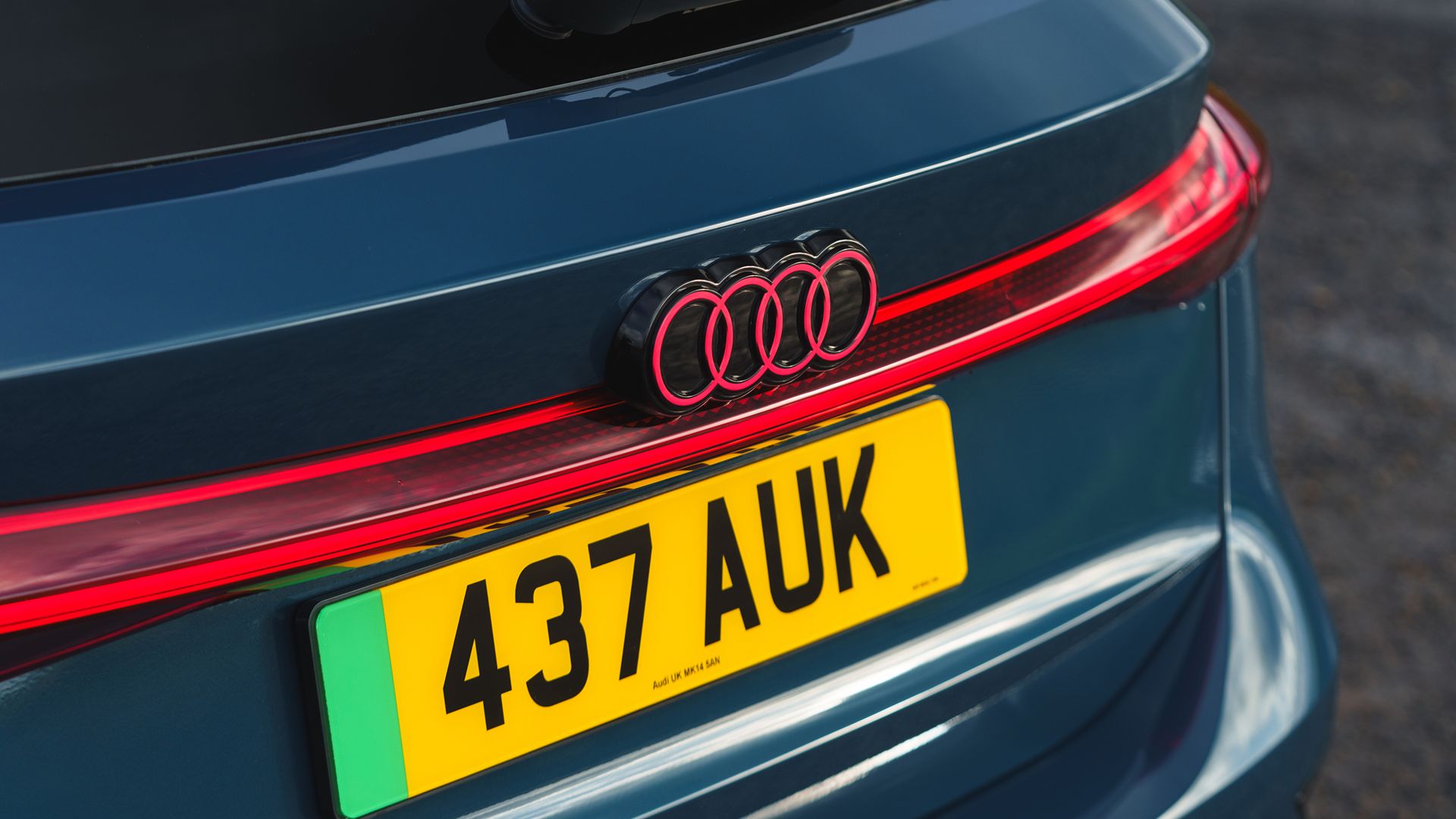
If you are interested in an A6 E-tron, go for the Avant body and Performance specification – as tested here. It feels like the sweet spot of the range, with maximum practicality, plentiful get-up-and-go and all the equipment you’re likely to need. Plus, even after a few options are added, the price doesn’t get perilouslyclose to six figures.
Many people in this market will follow fashion and choose an electric SUV instead. However, little beats a wagon for sheer versatility – and they are generally better to drive, lighter, more efficient and less ostentatious, too.
For me, it would be a close call between the A6 E-Tron Avant and BMW i5 Touring, possibly decided by which one had the most tempting finance deal. Then I’d have an R8 V10 GT RWD for weekends, leaving the tent (and the kids) behind. Bliss.
ALSO READ:
Audi RS E-Tron GT Performance 2024 review
