The story of the Audi R8 – and the new Nuvolari supercar
-
Mid-engined marvels: The Audi supercar story
© AudiThe R8 was a revelation for Audi, transforming it from being known for quirky performance estates into a genuine supercar manufacturer.
Inspired by a highly successful Le Mans racer, and refined to become an everyday sports car to rival the Porsche 911, the R8 served as Audi’s halo model for almost two decades.
Through two generations it brought Audi great credibility on the road, and also on the race track, before being discontinued in 2024.
Now, Audi has announced plans for how it intends to follow-up the R8, revealing the Formula 1-inspired Nuvolari that should act as its performance flagship for the coming few years.
Join us for the story of how Audi created its first supercar, and how it plans to emulate that success with the mid-engined Nuvolari.
-
2000 Audi Rosemeyer Concept
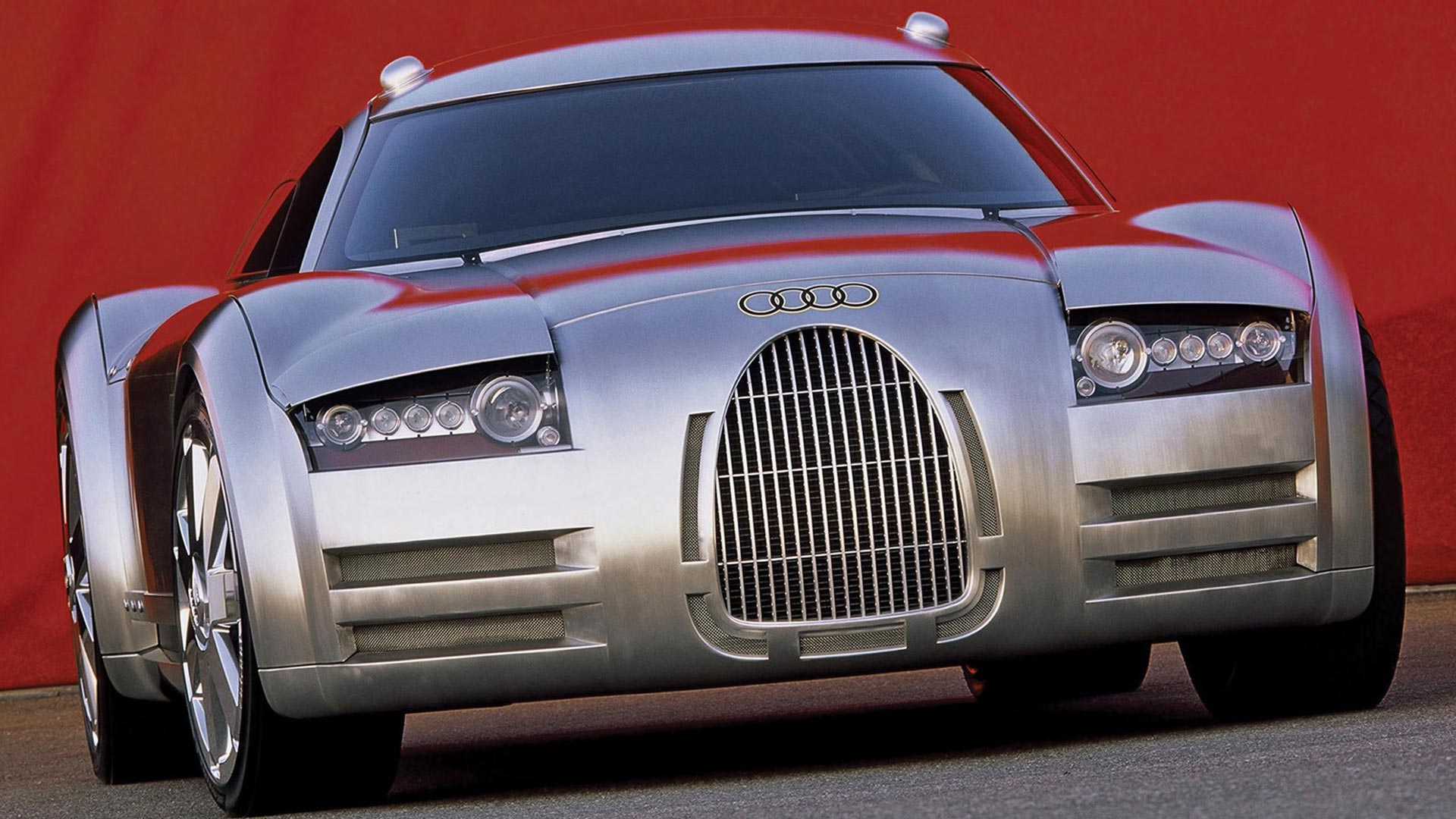
© AudiAudi had created mid-engined concept cars during the 1990s, with the Avus Concept pioneering the brand’s use of lightweight aluminium for chassis construction. However, the Rosemeyer Concept of 2000 pointed towards Audi’s interest in developing its own supercar.
Styling inspiration came from Auto Union racers of the 1930s, with the concept itself named after Bernd Rosemeyer. An 8.0-litre W16 engine was a nod to the V16 powering the original Auto Union.
Despite generating plenty of interest, the Rosemeyer never came close to making production.
-
2000 Audi R8 LMP Race Car
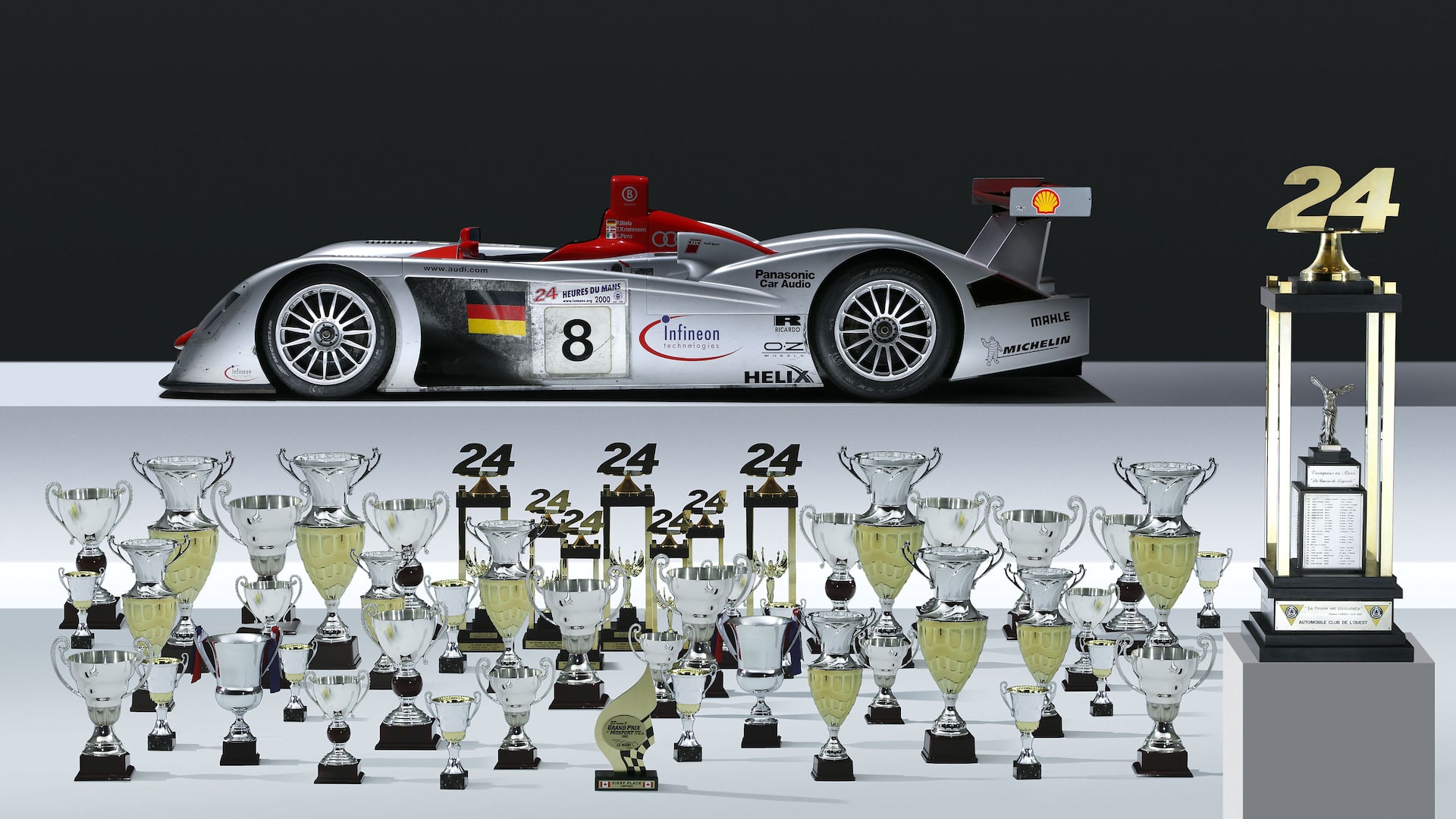
© AudiAt the same time as building concept cars, Audi was embarking on an unprecedented period of dominance in endurance racing. Launched for 2000, the Audi R8 Le Mans Prototype became one of the most successful racing cars ever made.
Winning 63 races out of 79 entries, the R8 LMP claimed victory in the 24 Hours of Le Mans five times. It also contributed to Audi’s seven wins in the American Le Mans Series.
Such success, involving a mid-engined V8 machine, laid the groundwork for an R8 road car.
-
2003 Lamborghini Gallardo
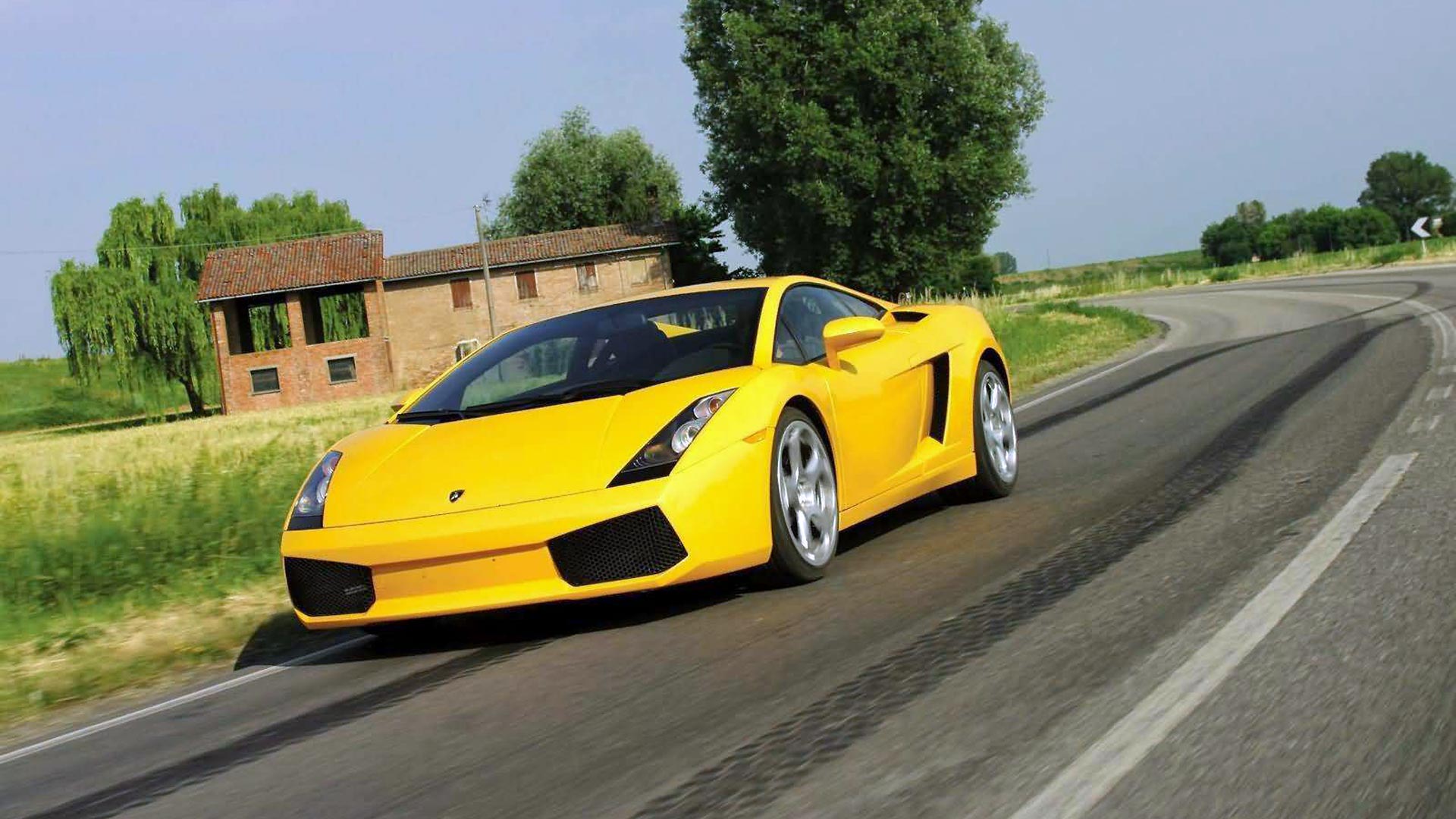
© LamborghiniFollowing the sale of Lamborghini to the Volkswagen Group in 1998, the Italian manufacturer was placed under the control of Audi.
After the Murcielago, the Gallardo became the second Lamborghini model released with Audi’s influence. Using an aluminium spaceframe chassis, the original Gallardo was powered by 5.0-litre V10 engine, with all-wheel drive as standard.
-
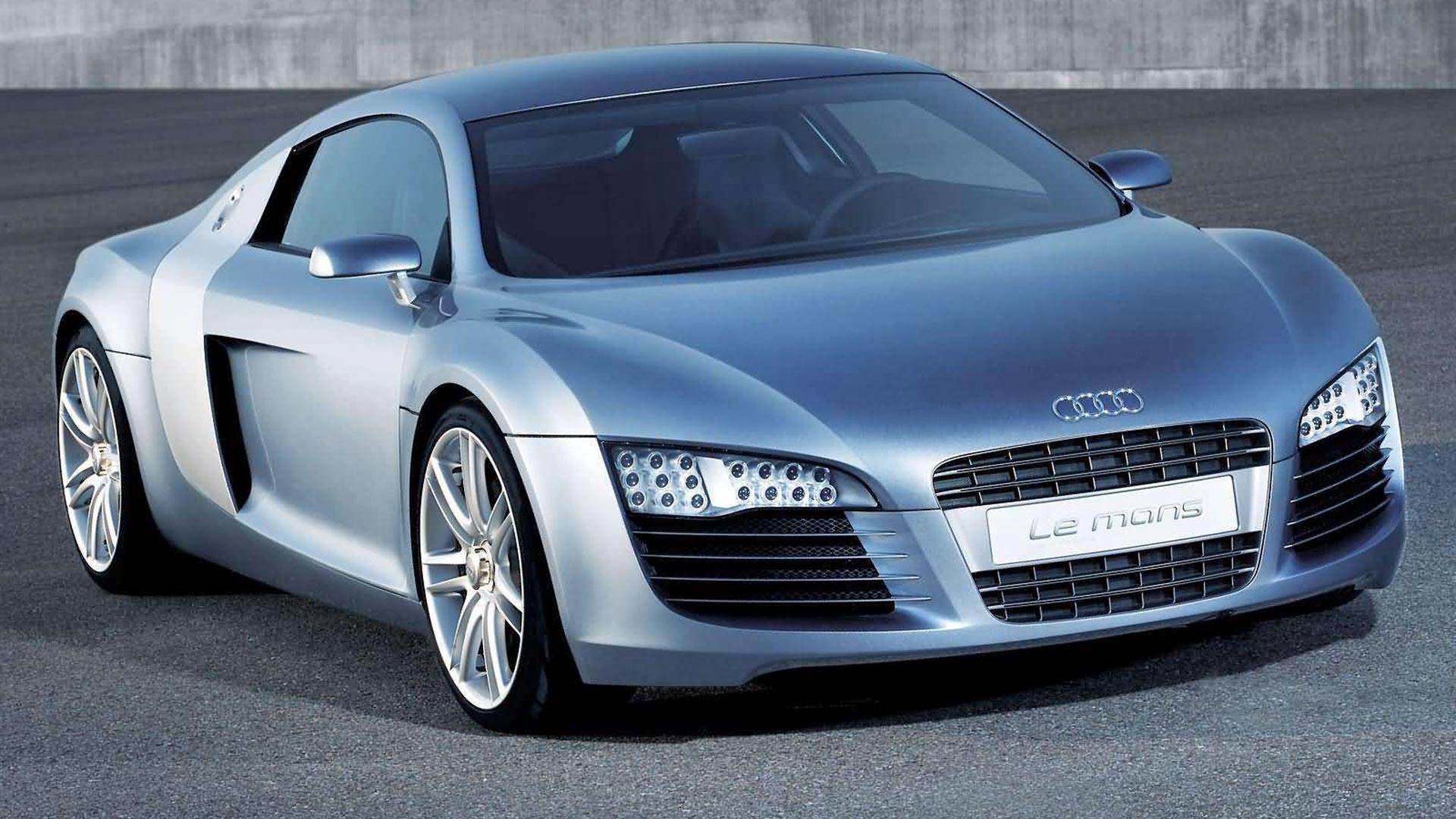
2003 Audi Le Mans Quattro Concept
© AudiThe Audi Le Mans Quattro was the third in a series of concept models designed during 2003. Revealed at the 2003 Frankfurt Motor Show, the Le Mans Quattro celebrated Audi’s three successive wins at the 24 Hours of Le Mans race.
An aluminium Audi Space Frame chassis was used, as found in the Lamborghini Gallardo, with a mid-mounted 5.0-litre V10 engine. Although this was the same powerplant as found in the Gallardo, twin turbochargers pushed output to 610hp.
Other key features included the use of LED headlights, magnetically adjustable suspension dampers and Audi’s trademark Quattro all-wheel-drive system.
-
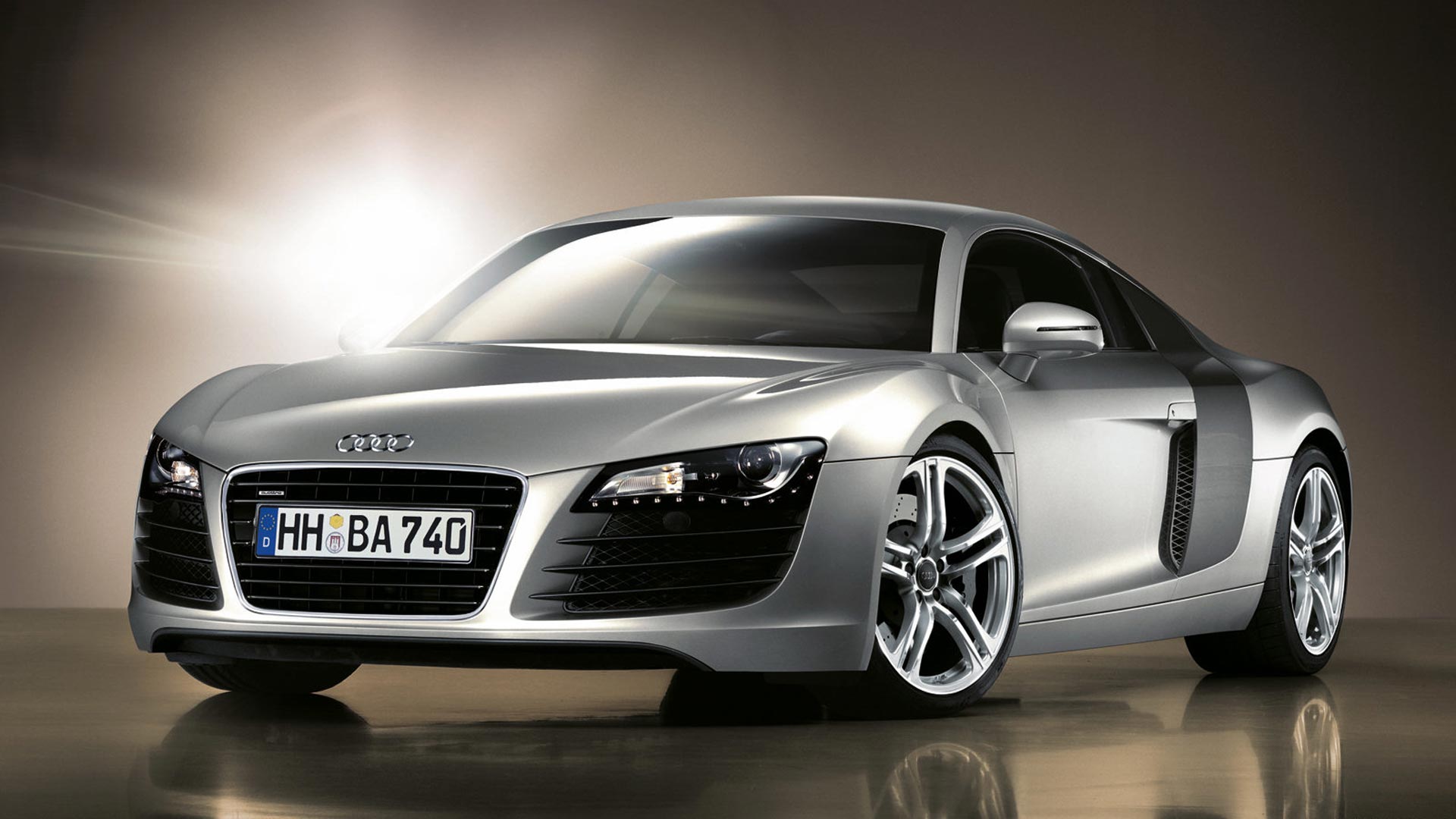
2006 Audi R8 Coupe 4.2 FSI V8
© AudiThe successful reaction to the Le Mans Quattro Concept saw Audi push ahead with the idea of putting a mid-engined sports car into production. Named in honour of the R8 LMP race car, the road-going R8 made its official debut at the 2006 Paris Motor Show.
Styling for the Audi R8 was a mild development of the Le Mans Quattro, including the single-piece front grille and distinctive ‘sideblade’ element. The R8 would also become the first production car to be offered with the option of LED headlights.
As with the Lamborghini Gallardo, the original R8 made use of the Audi Space Frame aluminium monocoque chassis.
-
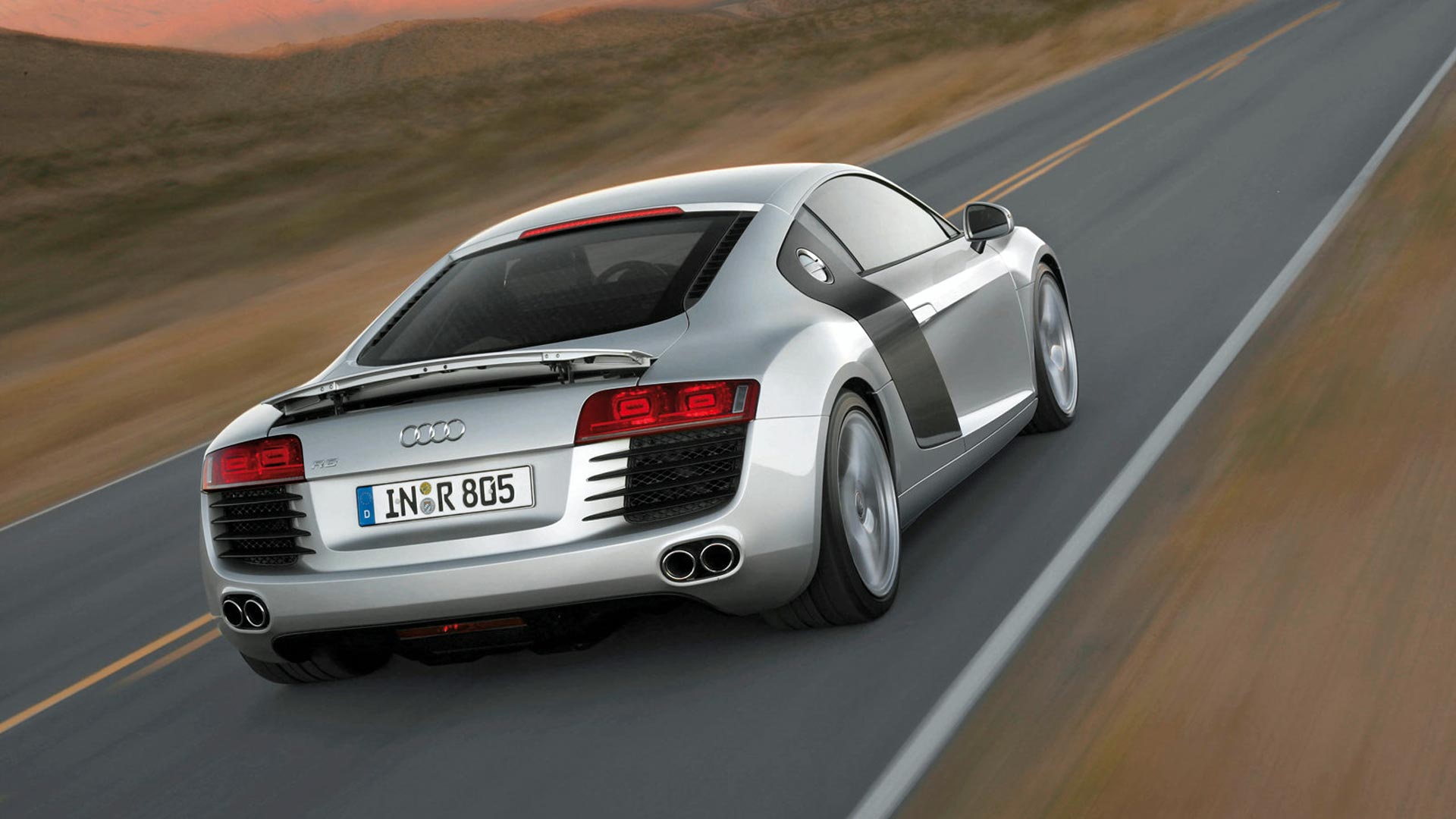
2006 Audi R8 Coupe 4.2 FSI V8
© AudiMounted in the middle of the Audi R8 at launch was the company’s 4.2-litre V8 engine. Shared with the contemporary Audi RS4, Fuel Stratified Injection resulted in an output of 420hp with an accompanying 317lb ft of torque.
Quattro all-wheel drive was standard across the range. Buyers would be able to pick from a six-speed manual gearbox or a six-speed R-Tronic automated manual transmission.
Able to accelerate from 0-62mph in 4.6 seconds, the R8 initially offered a top speed of 187mph.
-
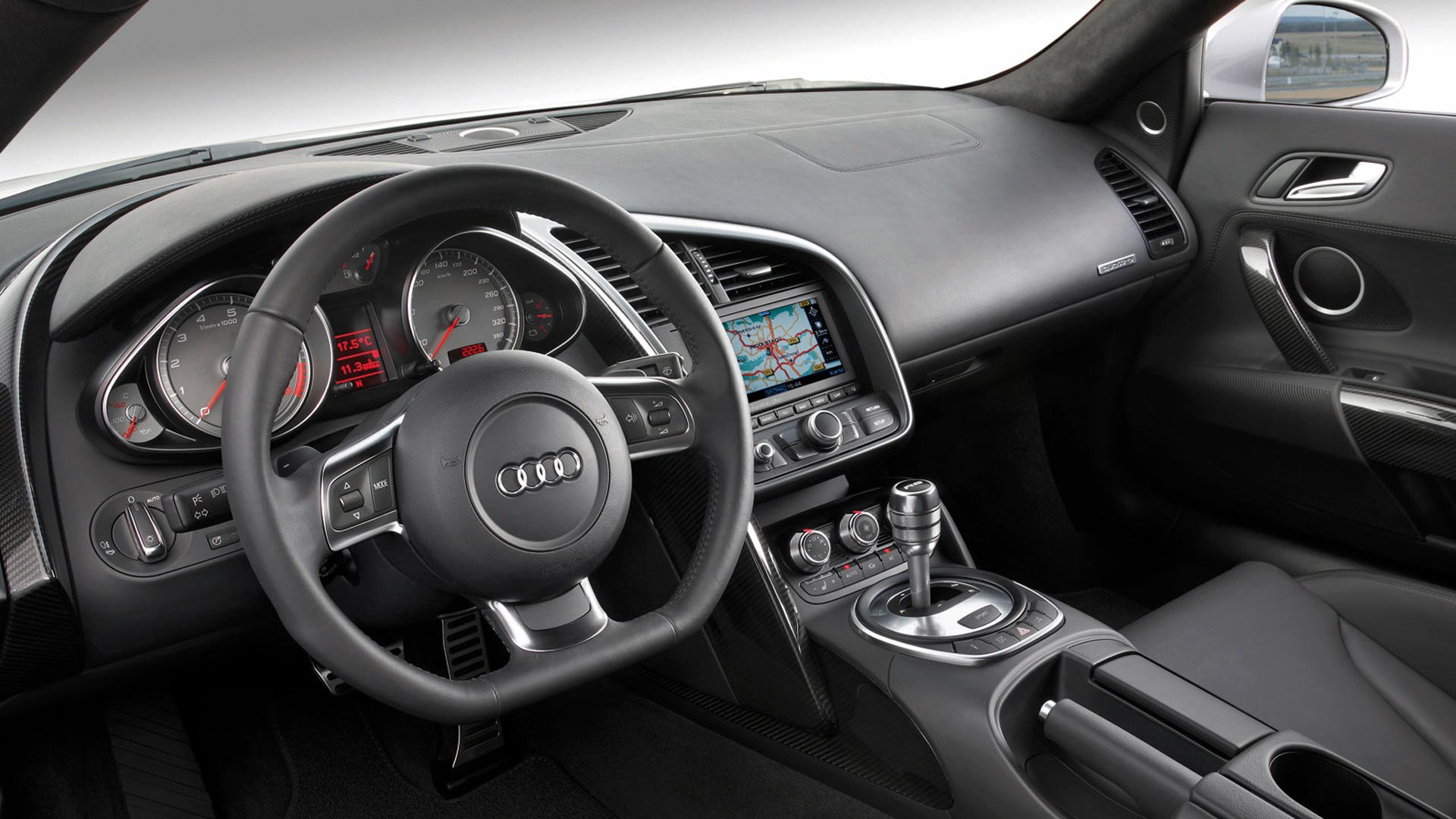
2006 Audi R8 Coupe 4.2 FSI V8
© AudiFor the interior of the original R8, Audi opted for a minimalist layout, with a ‘monoposto’ design element running around the instrument panel and down the centre console.
Audi wanted the R8 to be a sports car in the style of the Porsche 911, with a focus on everyday usability. A sizable wheelbase meant interior space was generous for a mid-engined coupe, with the ability to store two golf bags behind the front seats.
-
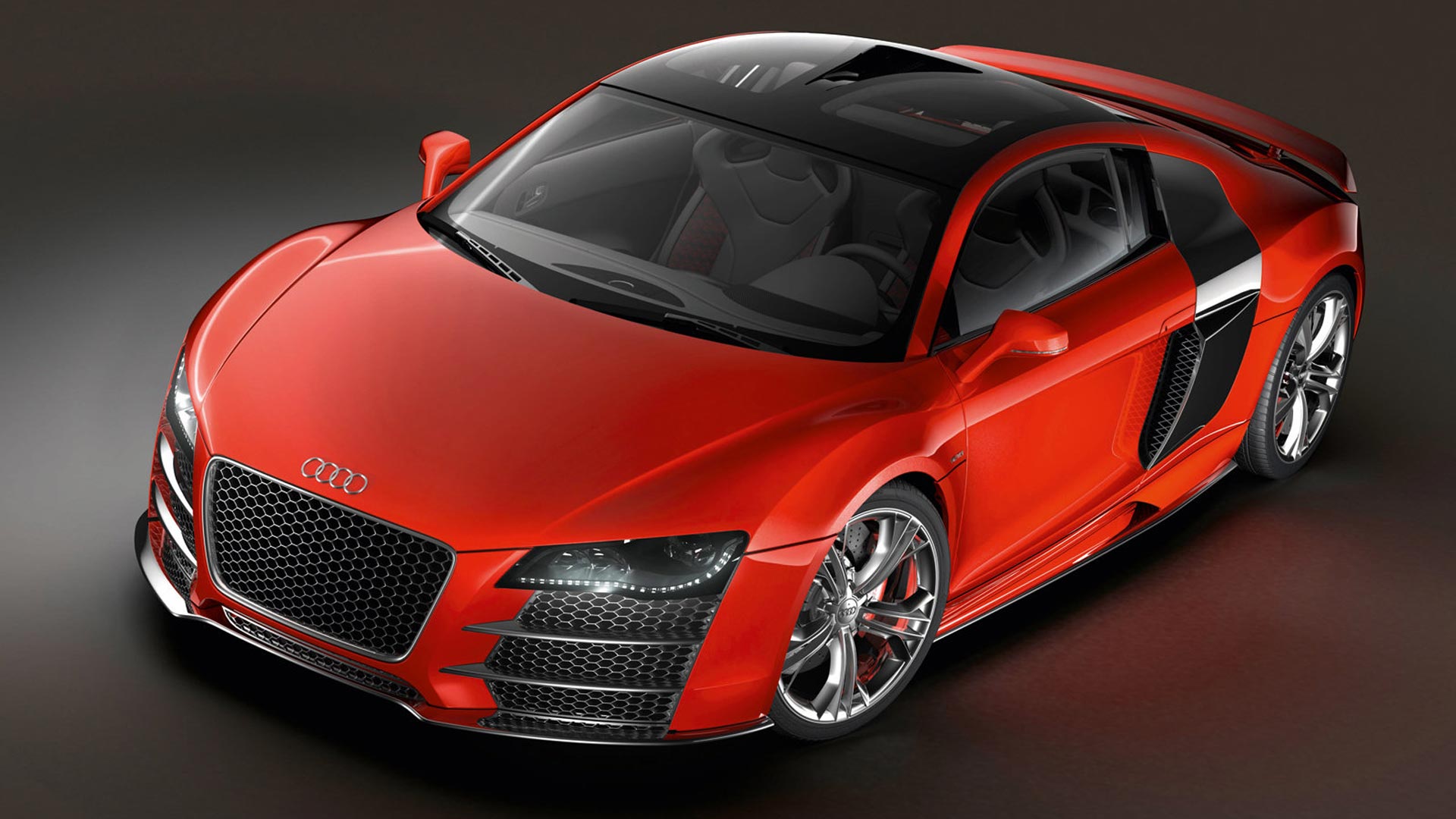
2008 Audi R8 TDI Le Mans Concept
© AudiWith Audi having switched to diesel for its Le Mans motorsport project, the company began evaluating the idea of a diesel-powered R8 model.
First appearing at the 2008 Detroit Auto Show, a twin-turbocharged 6.0-litre V12 TDI diesel engine replaced the regular V8. With 500hp and a huge 738lb ft of torque, performance was estimated to be even better than the petrol-powered R8.
Sadly, the cost of engineering the R8 to accommodate such a large engine and its cooling needs proved to be uneconomical.
-
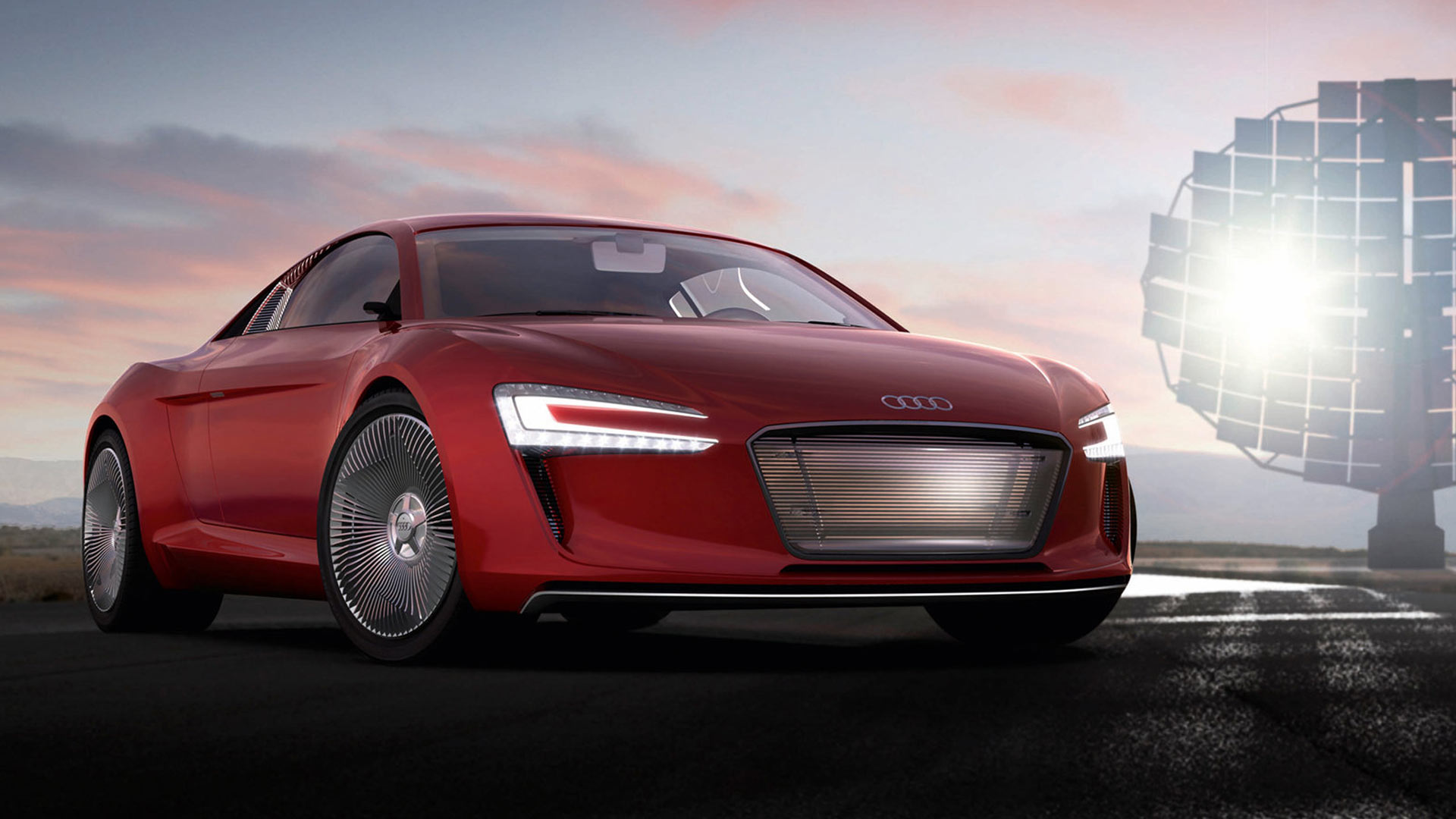
2009 Audi e-tron Concept
© AudiAudi was seemingly keen to experiment with alternative powertrain ideas for the R8, with an all-electric concept appearing at the 2009 Frankfurt Motor Show.
Using four electric motors, the e-tron Concept could generate up to 313hp and accelerate from 0-62mph in 4.8 seconds. With a 42.4kWh lithium-ion battery pack, it also offered a potential range of up to 154 miles.
A second electric R8 concept followed in 2011, with Audi ultimately deciding against a full production version.
-
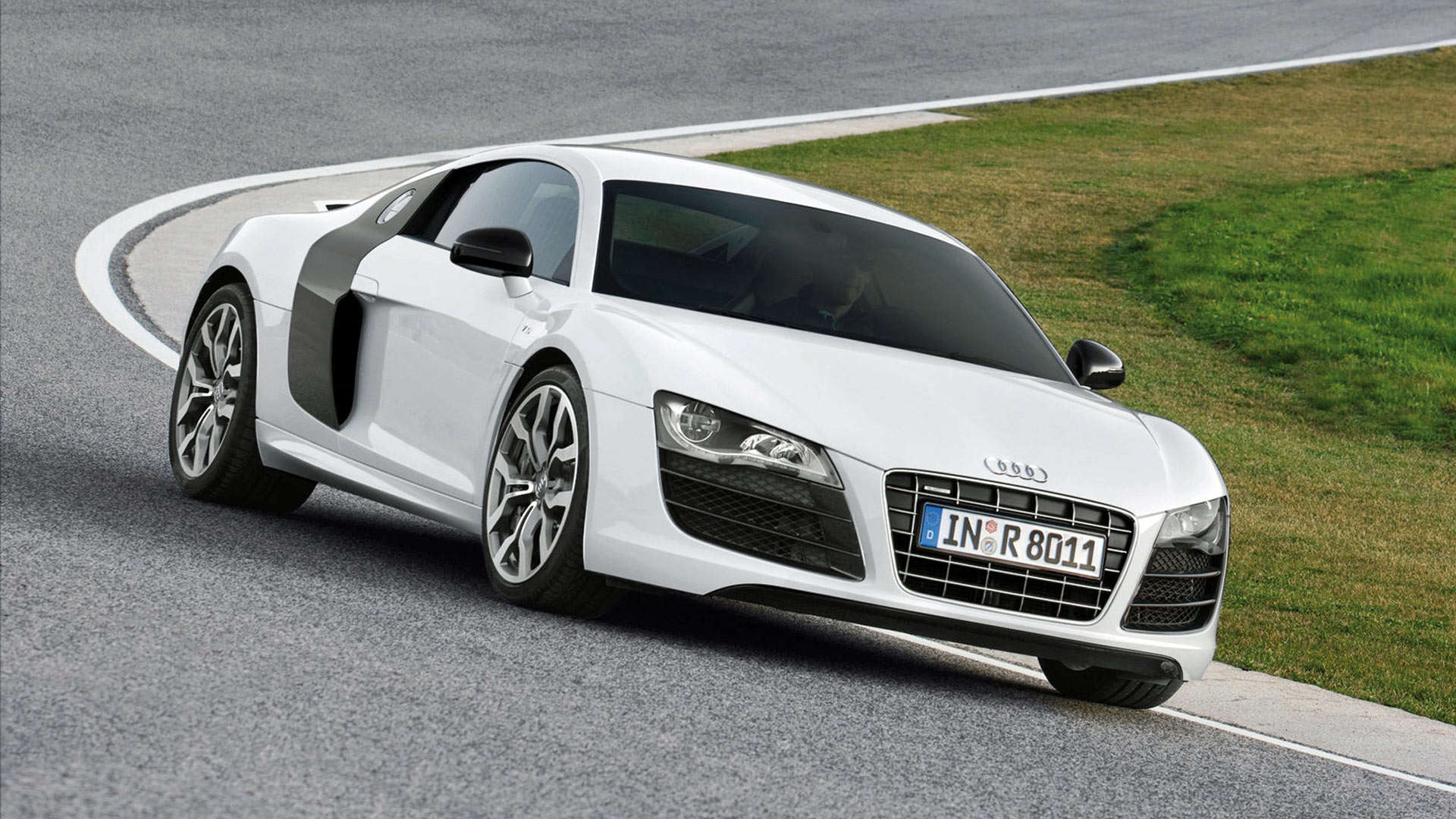
2009 Audi R8 Coupe 5.2 FSI V10
© AudiThere may have been no electric first-generation R8, but Audi upped the performance to true supercar levels by adding a V10-powered version in 2009.
The 5.2-litre V10 engine was a close relative of the one found in the Lamborghini Gallardo, producing 525hp and 391lb ft of torque. Performance reached another level, with the 0-62mph sprint taking just 3.9 seconds. Top speed was increased to 197mph, too.
-
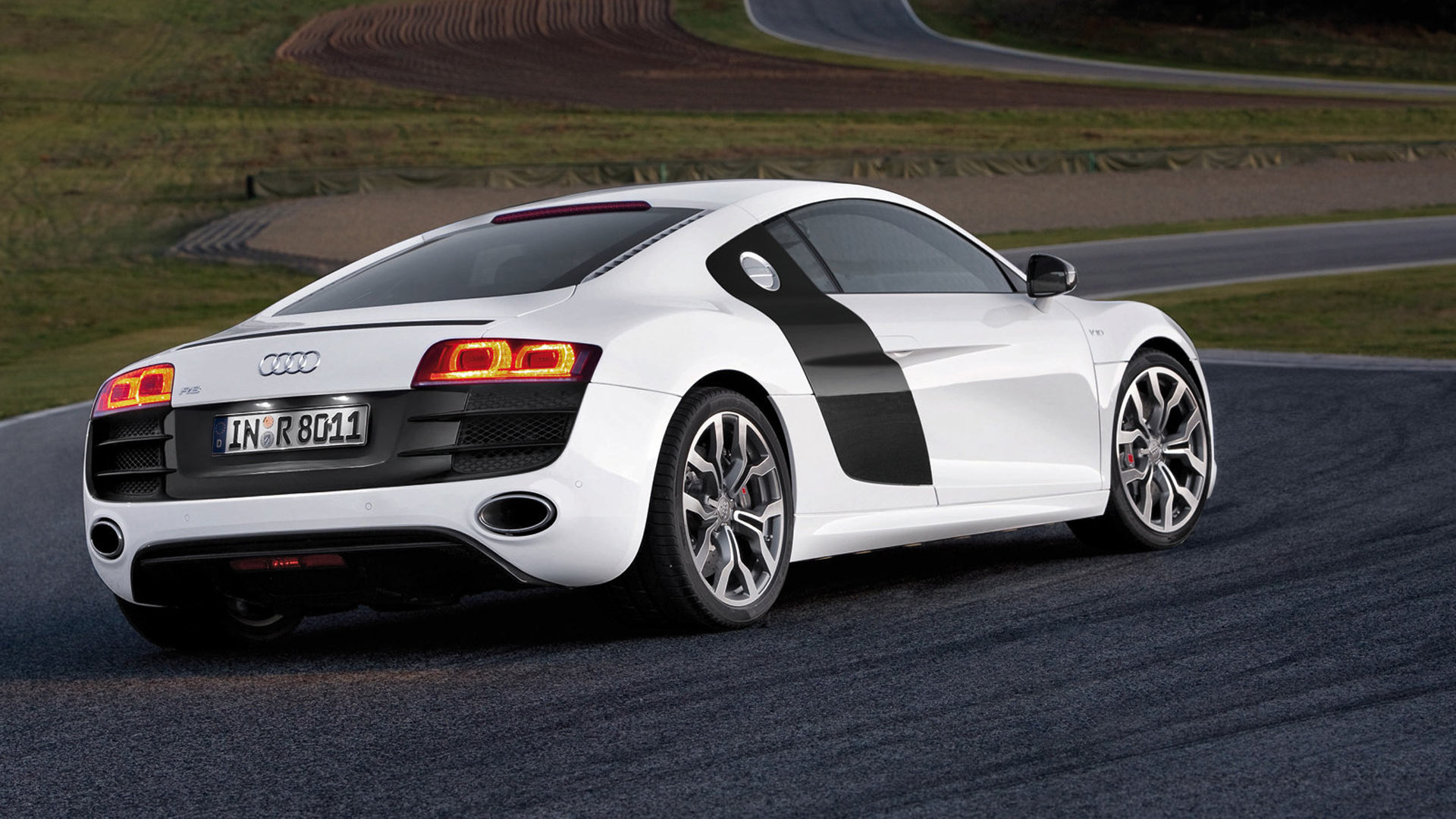
2009 Audi R8 Coupe 5.2 FSI V10
© AudiAdding the V10 engine to the Audi R8 saw a number of changes to the exterior of the mid-engined coupe. The most obvious difference was a widened side blade, helping channel more air to cool the big 10-cylinder engine. LED headlights were fitted as standard, too.
At the rear, gloss black trim was added between the tail lights, while the exhaust tailpipes became two large oval items. New alloy wheels were used, and there was extra ‘V10’ badging fitted for those who needed a reminder.
-
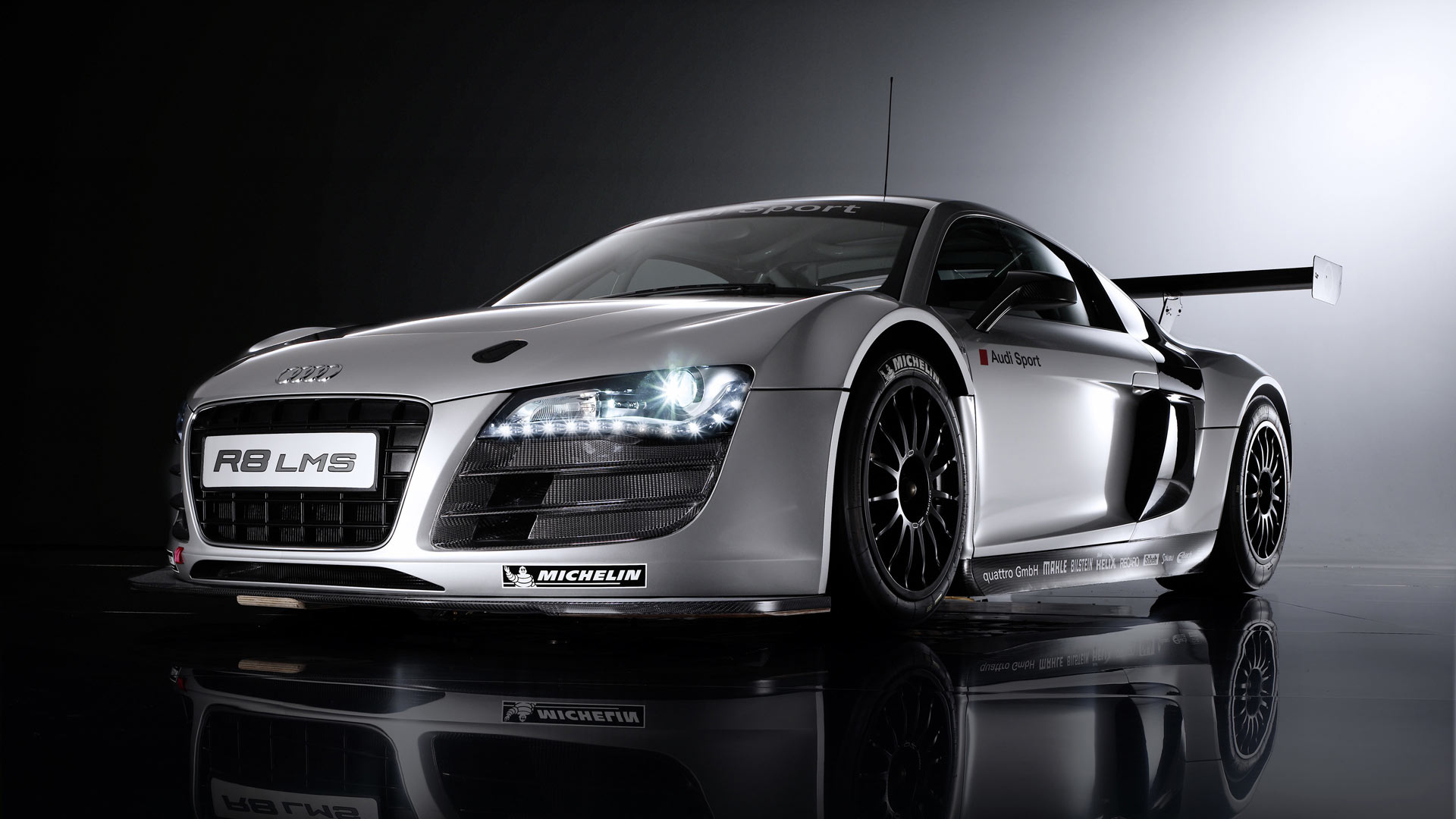
2009 Audi R8 LMS
© AudiJust like its Le Mans Prototype namesake, the Audi R8 sports car has become a formidable racing machine in its own right. This started with the R8 LMS, released in 2009, and designed to meet the requirements of the FIA GT3 European Championship.
Built by Audi Sport, the first R8 LMS models made use of the 5.2-litre V10 engine, producing 500hp. Regulations required that Audi drop the Quattro all-wheel-drive system, with the R8 racers becoming rear-driven as a result.
-
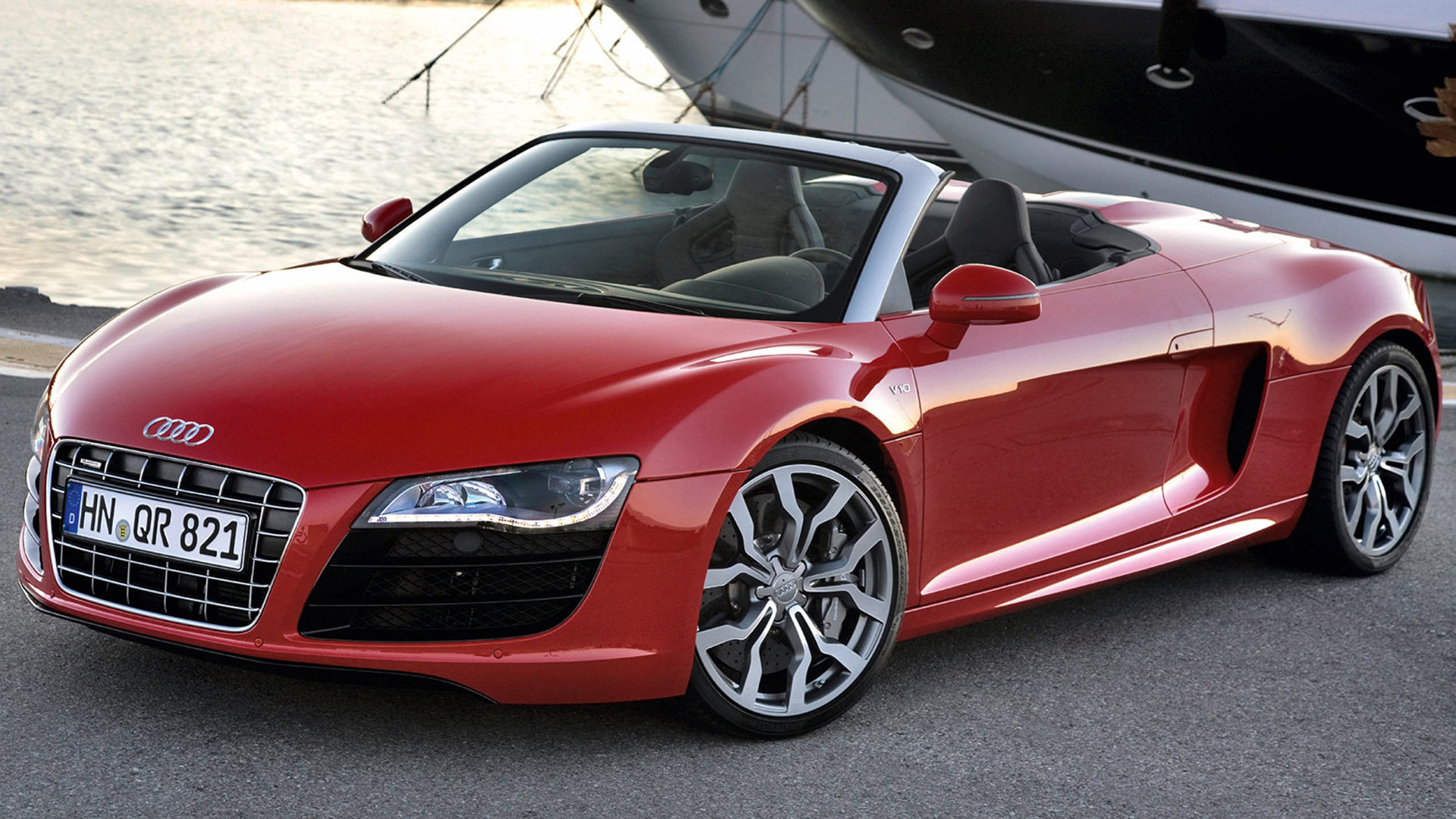
2010 Audi R8 Spyder 5.2 FSI V10
© AudiOfficially unveiled at the 2009 Frankfurt Motor Show, the first open-top version of the Audi R8 went on sale for 2010. The modest changes included extra body strengthening and new roll bars.
Impressively, the transformation to a Spyder saw just 6kg added to the R8’s overall weight. Performance for the V10 model did still suffer, however, with the 0-62mph time increased to 4.1 seconds. Top speed was still a considerable 194mph.
-
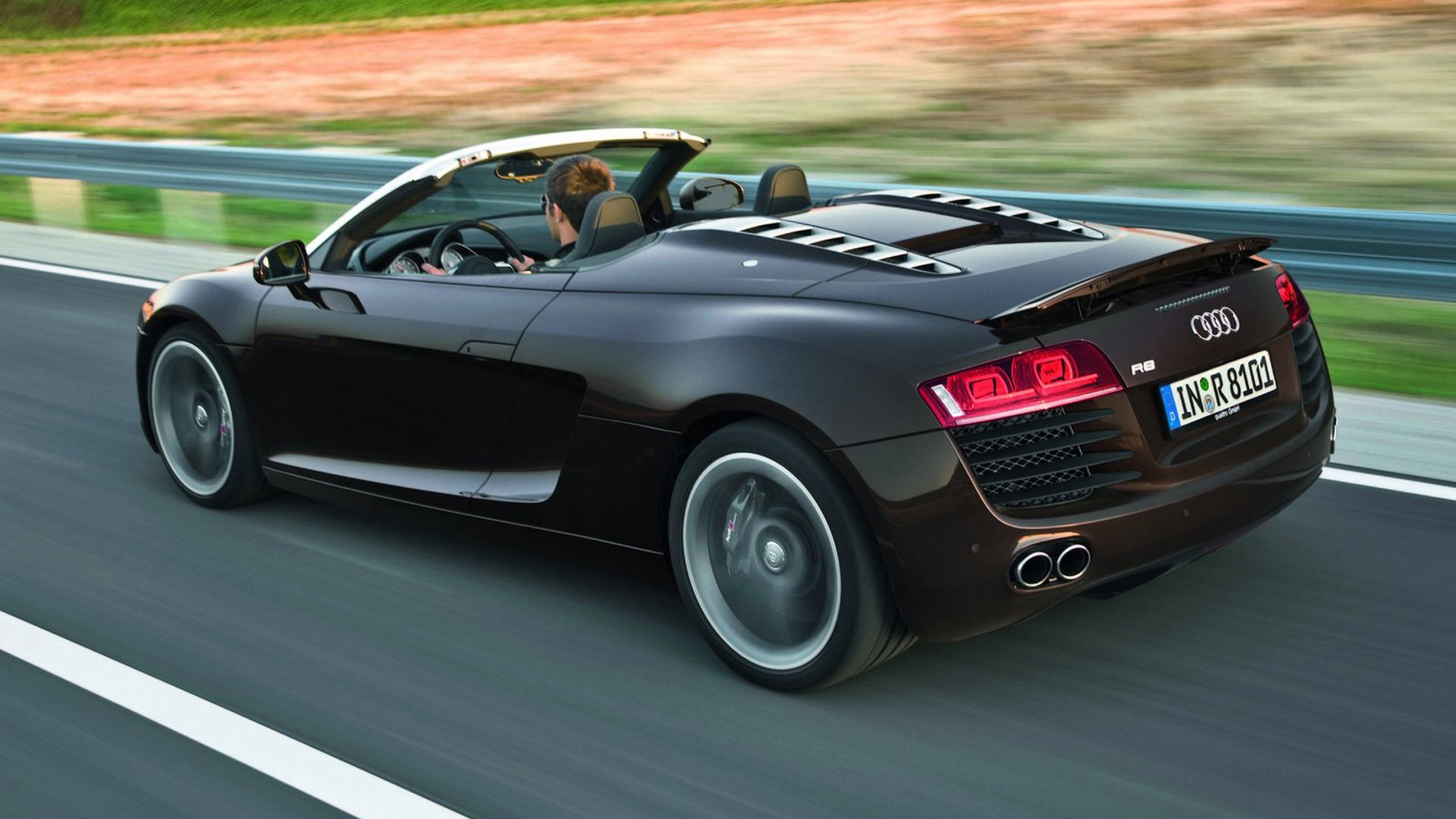
2011 Audi R8 Spyder 4.2 FSI V8
© AudiA year after the V10-powered R8 Spyder was released, Audi added a V8 version of the open-top sports car to its range. Like the V10 model, changes were minimal, although the aluminium windscreen surround was a noticeable change compared to the regular coupe.
With the 430hp V8 engine, the R8 Spyder accelerated from 0-62mph in 4.8 seconds, with a top speed of 186mph.
-
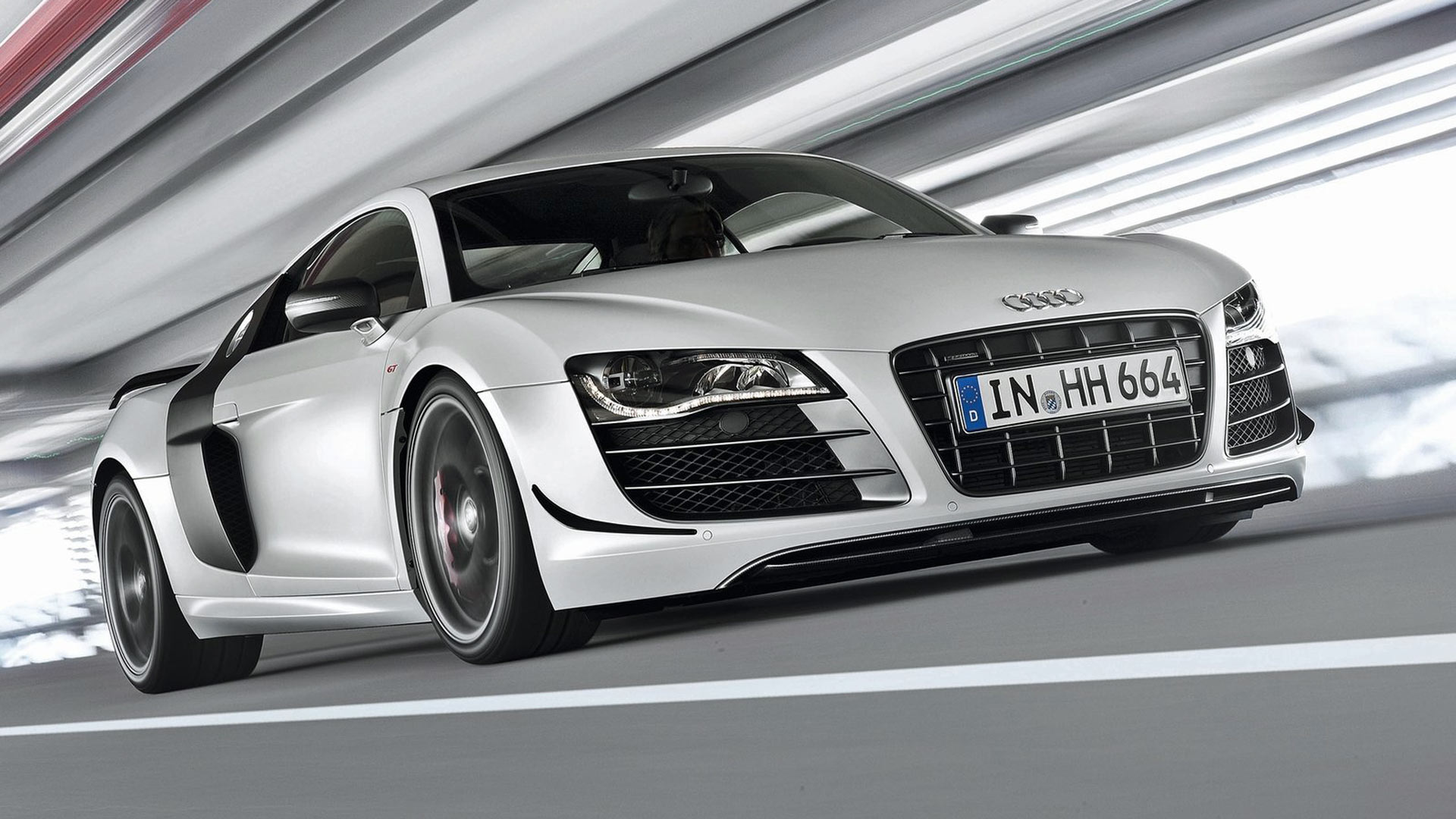
2011 Audi R8 GT
© AudiWith the Audi R8 LMS proving an impressive race car soon after being launched, a special edition R8 GT was displayed at the 2010 Worthersee Tour event in Austria. Production was limited to just 333 examples worldwide.
Based upon the R8 V10 Coupe, Audi managed to remove a considerable 100kg in weight, and increased engine output to 560hp. A larger fixed rear wing was used, instead of the usual pop-up spoiler, along with winglets on the front bumper.
The extensive application of carbon fibre continued inside, including for the bucket seats included. Combined solely with the R-Tronic transmission, the R8’s 0-62mph time fell to 3.6 seconds, with a top speed of 199mph.
-
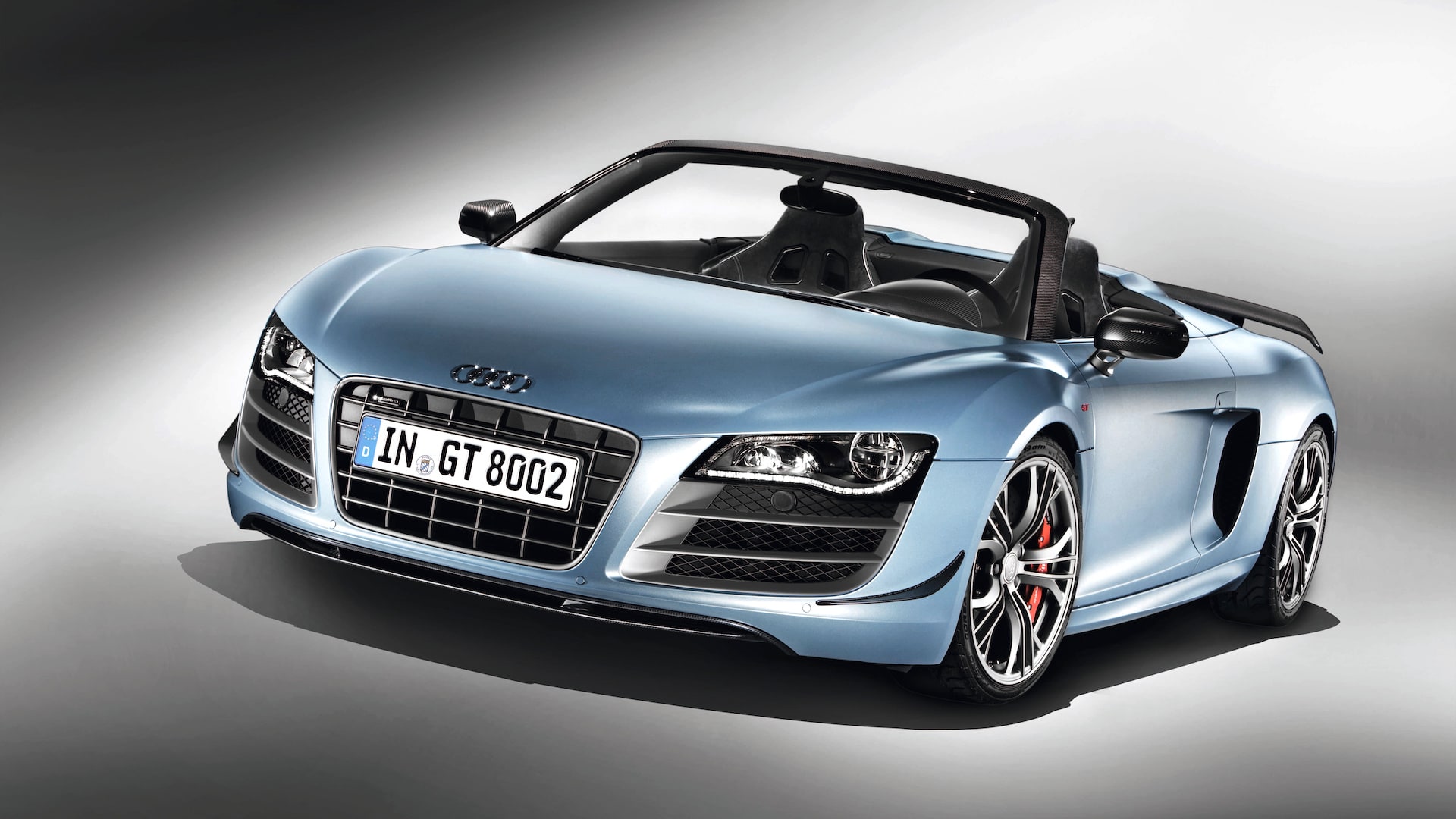
2012 Audi R8 GT Spyder
© AudiA year later, the Audi R8 Spyder received the same GT treatment, with production also limited to 333 cars for the global market.
Like its Coupe brother, the R8 GT Spyder was based on the V10-powered model, with 560hp on tap. Lightweight magnesium was used for the engine frame, with the soft top cover made from carbon fibre. Despite this, the GT Spyder version shaved only 85kg off the kerb weight of the regular open-top V10.
Performance remained suitably impressive, with 0-62mph taking 3.8 seconds and a 197mph top speed.
-
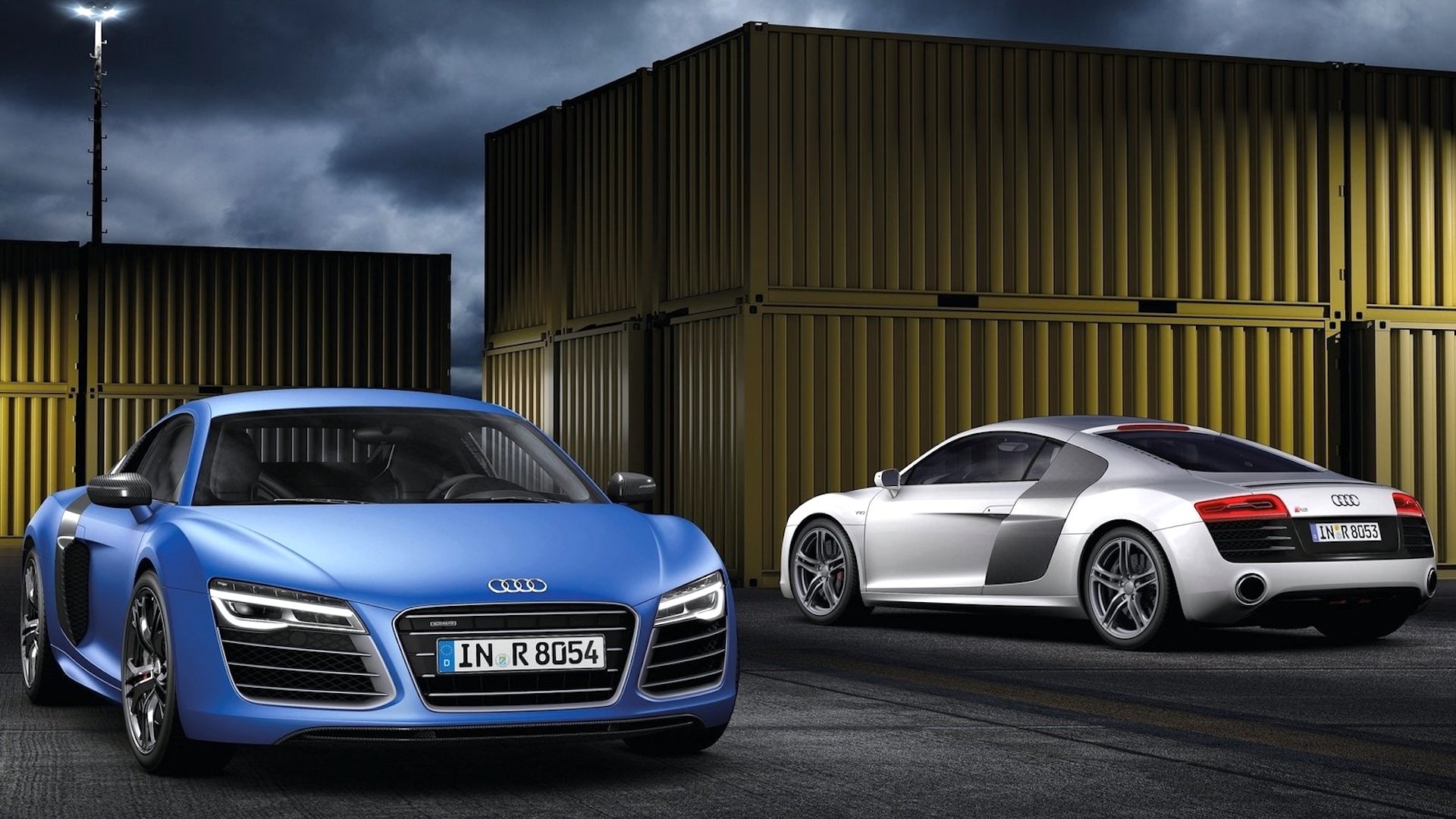
2013 Audi R8 V10 Plus
© AudiAudi launched a facelifted R8 at the end of 2012, with an extensive range of enhancements across the range. Significantly, the R-Tronic automated manual transmission was replaced with a slicker seven-speed S-Tronic dual-clutch gearbox.
A new R8 V10 Plus became the flagship model in the range, boasting an output of 550hp. Experience from the R8 GT was used to save 50kg from the weight of the V10 Plus, aiding performance. With the six-speed manual gearbox, the R8 V10 Plus could sprint from 0-62mph in 3.8 seconds.
Separate to the addition of the V10 Plus, Audi treated the V8-powered R8 with a boost to 430hp.
-
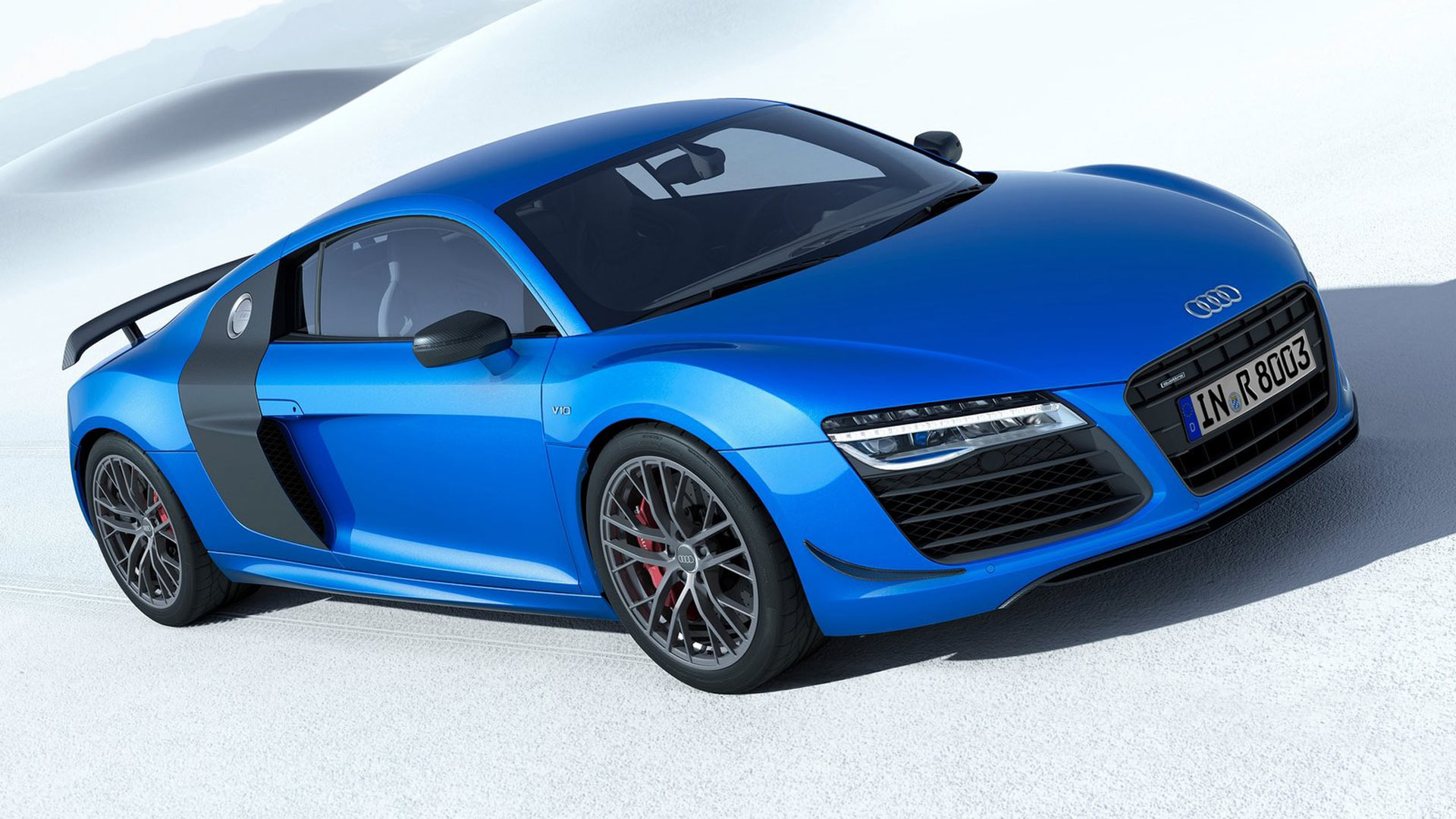
2014 Audi R8 LMX
© AudiAudi’s continuing success at the 24 Hours of Le Mans resulted in another special edition R8 in 2014. Its laser headlight technology was taken directly from the Audi R18 e-tron prototype race car.
This made the R8 LMX the first production car to feature laser lighting as standard, with the benefit of improved visibility at high speed. Audi limited production of the LMX to 99 examples, all wearing exclusive Ara Blue paintwork and a matching interior.
Offered solely with the 5.2-litre V10 engine, output was upped to 570hp, with carbon ceramic brakes fitted as standard. More power meant a 0-62mph time of just 3.4 seconds.
-
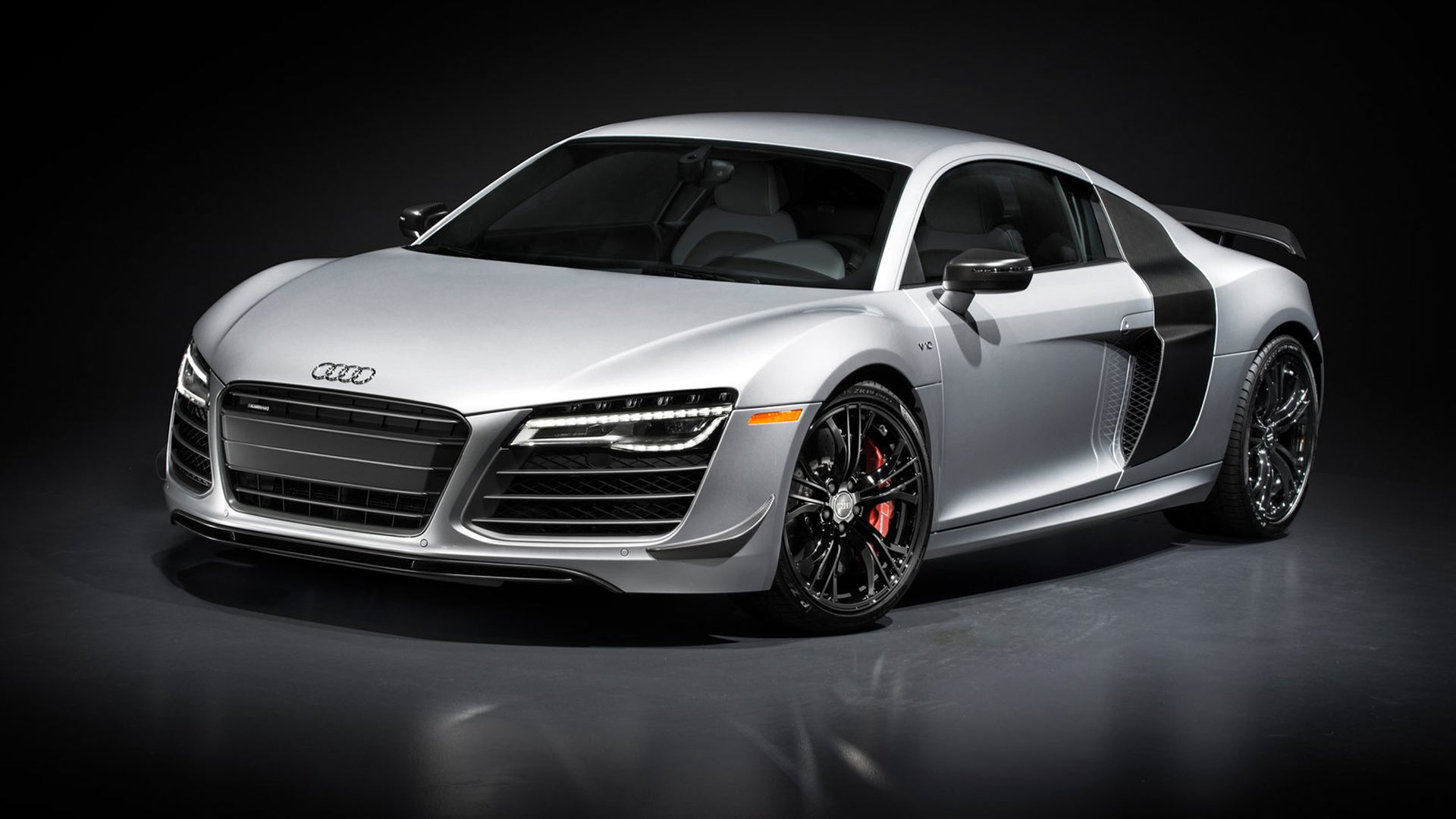
2014 Audi R8 Competition
© AudiAs a finale for the first-generation Audi R8 in North America, Audi introduced the R8 Competition at the 2014 Los Angeles Auto Show. Like the LMX, it made use of a 570hp version of the 5.2-litre V10 engine, combined with styling enhancements inspired by the previous R8 GT model.
Only 60 examples were made, with all fitted with the seven-speed S-Tronic dual-clutch transmission as standard. An official top speed of 199mph made it the fastest Audi R8 to date.
-
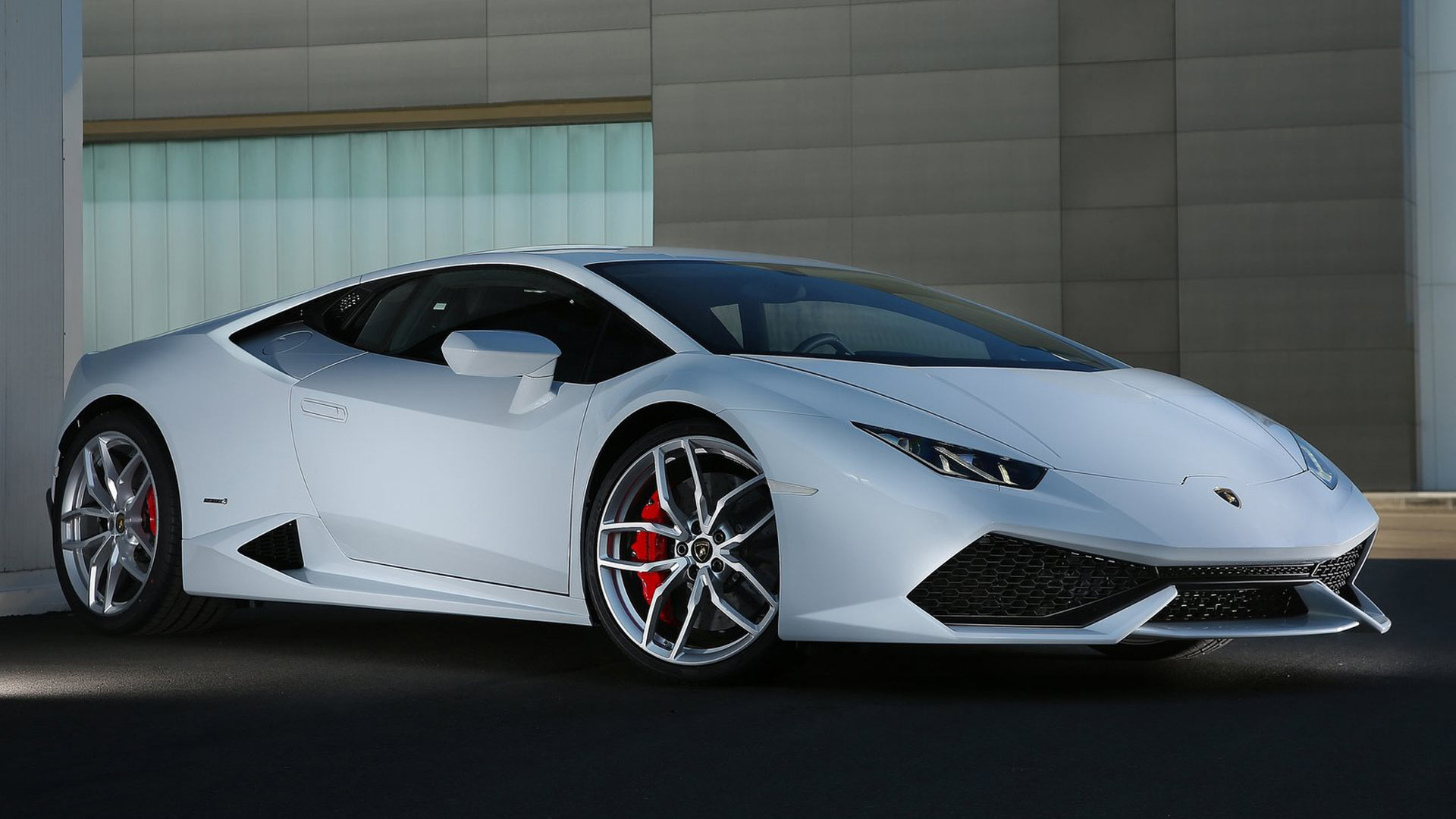
2014 Lamborghini Huracan
© AudiMaking its public debut at the 2014 Geneva Motor Show, the Lamborghini Huracan was revealed as the replacement for the Gallardo supercar. Compared to its predecessor, the new Huracan was a notable leap forward in terms of technology and performance.
The 5.2-litre naturally aspirated V10 engine came with 610PS as standard, plus a seven-speed dual-clutch transmission. Its electronically controlled all-wheel-drive system was optimised to increase traction, helping towards a 0-62mph time of just 3.1 seconds.
-
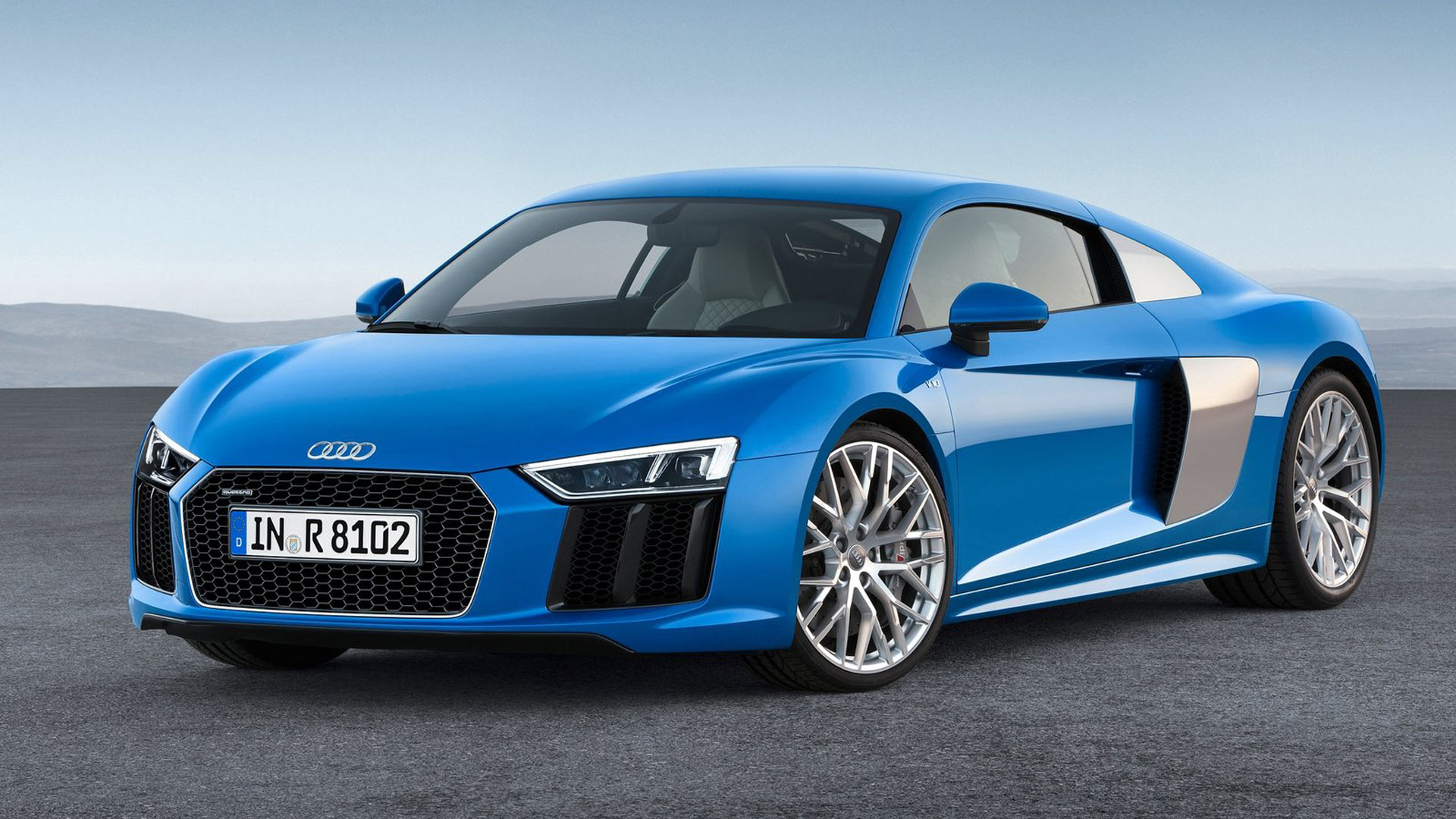
2015 Audi R8 Coupe V10
© AudiAudi unveiled the second-generation R8 at the 2015 Geneva Motor Show, with the all-new model sharing a platform with the Lamborghini Huracan. Styling was an evolution of that seen on the first-generation car, but with sharper lines and angles bringing a dose of extra visual aggression.
On the inside, the R8’s interior was also a development of that seen in the original model, but with Audi’s new Virtual Cockpit digital instrument panel added.
-
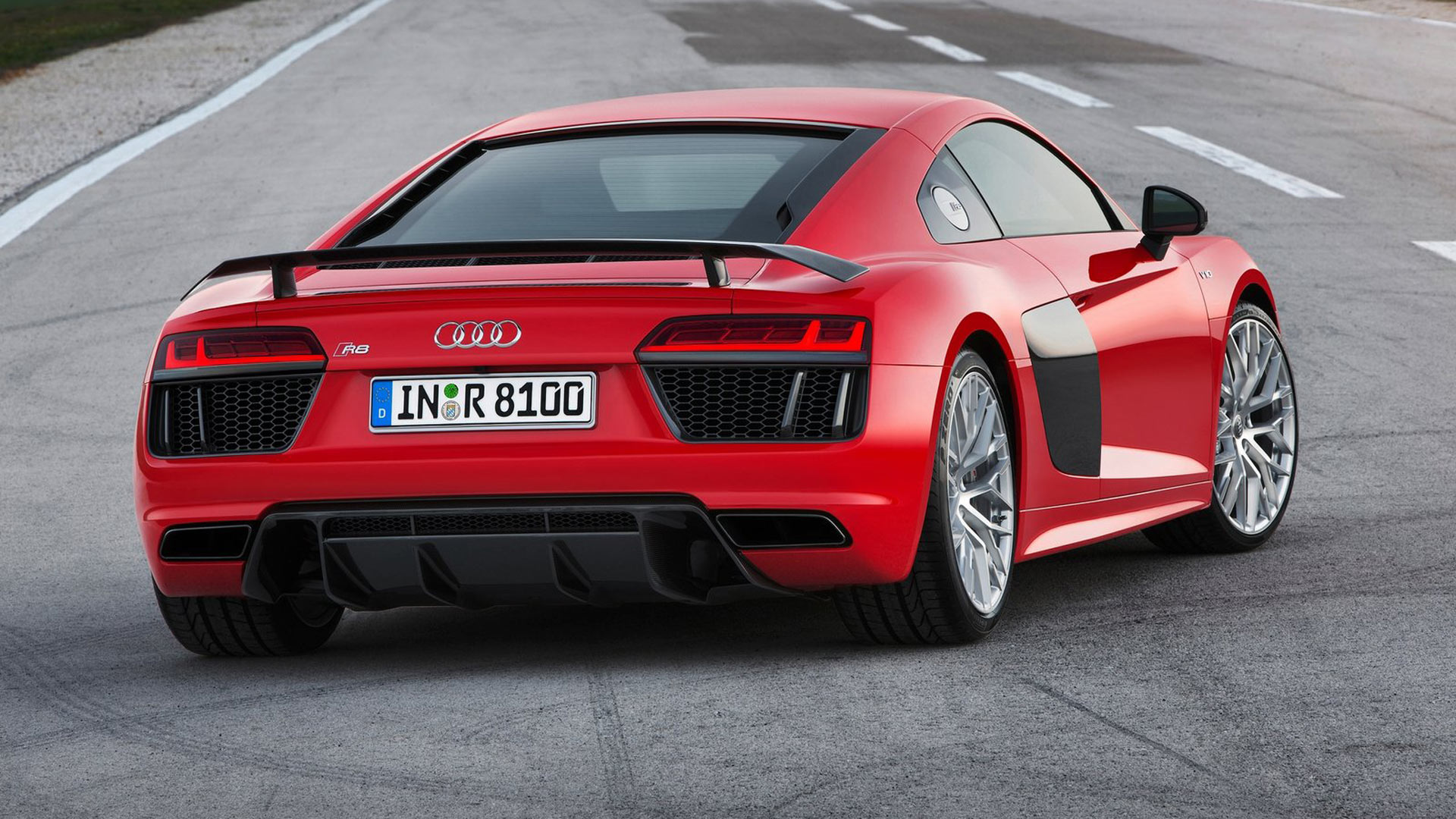
2015 Audi R8 Coupe V10 Plus
© AudiThe biggest change for the second-generation Audi R8 came in the form of engine options. Audi ditched the V8, making the V10 the only engine available for its mid-engined supercar. The seven-speed S-Tronic dual clutch transmission also consigned the manual gearbox to the history books, but Quattro all-wheel drive remained.
In base form, the 5.2-litre V10 produced 540hp with 398lb ft of torque. This was good for 0-62mph in 3.5 seconds, plus a top speed of 198mph.
Topping the range was the V10 Plus, with the same 610hp output as the Lamborghini Huracan. This cut the 0-62mph time to 3.2 seconds, and took the R8 above 200mph for the first time, with a 205mph top speed.
-
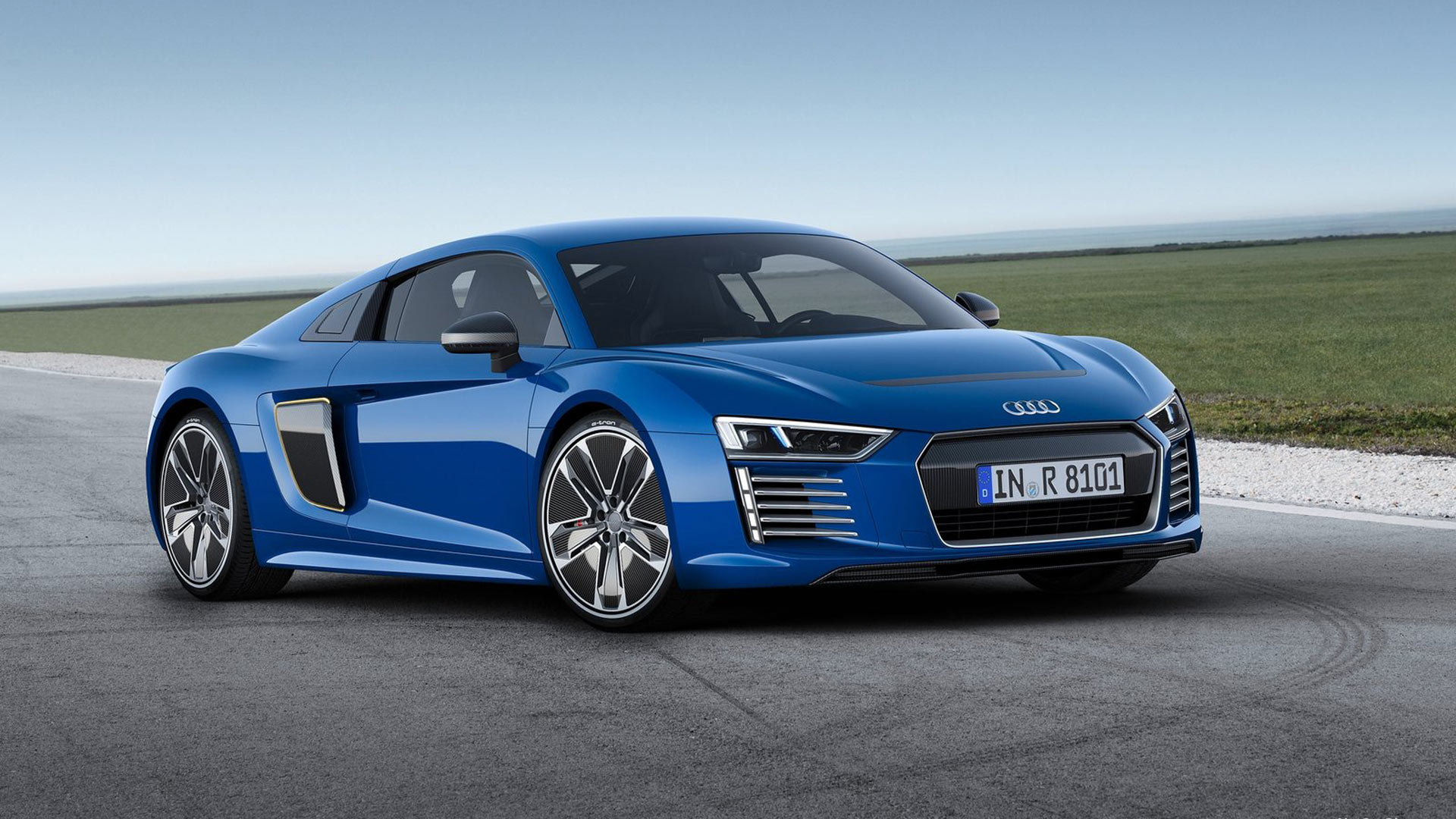
2015 Audi R8 e-tron
© AudiLaunched alongside the regular petrol-powered R8 was a production version of the electric e-tron. A pair of electric motors made for up to 462hp, with a 0-62mph time of 3.9 seconds and a 155mph top speed. A 92kWh lithium-ion battery pack was designed to give a potential range of up to 280 miles when fully charged.
Production lasted for just one year, with Audi pitching the R8 e-tron as a rolling test bed.
A seven-figure price tag did not help with demand for the electric R8, with fewer than 100 examples believed to have been sold in its short lifetime. Having to purchase the car directly from Audi’s headquarters in Germany did not help matters, either.
-
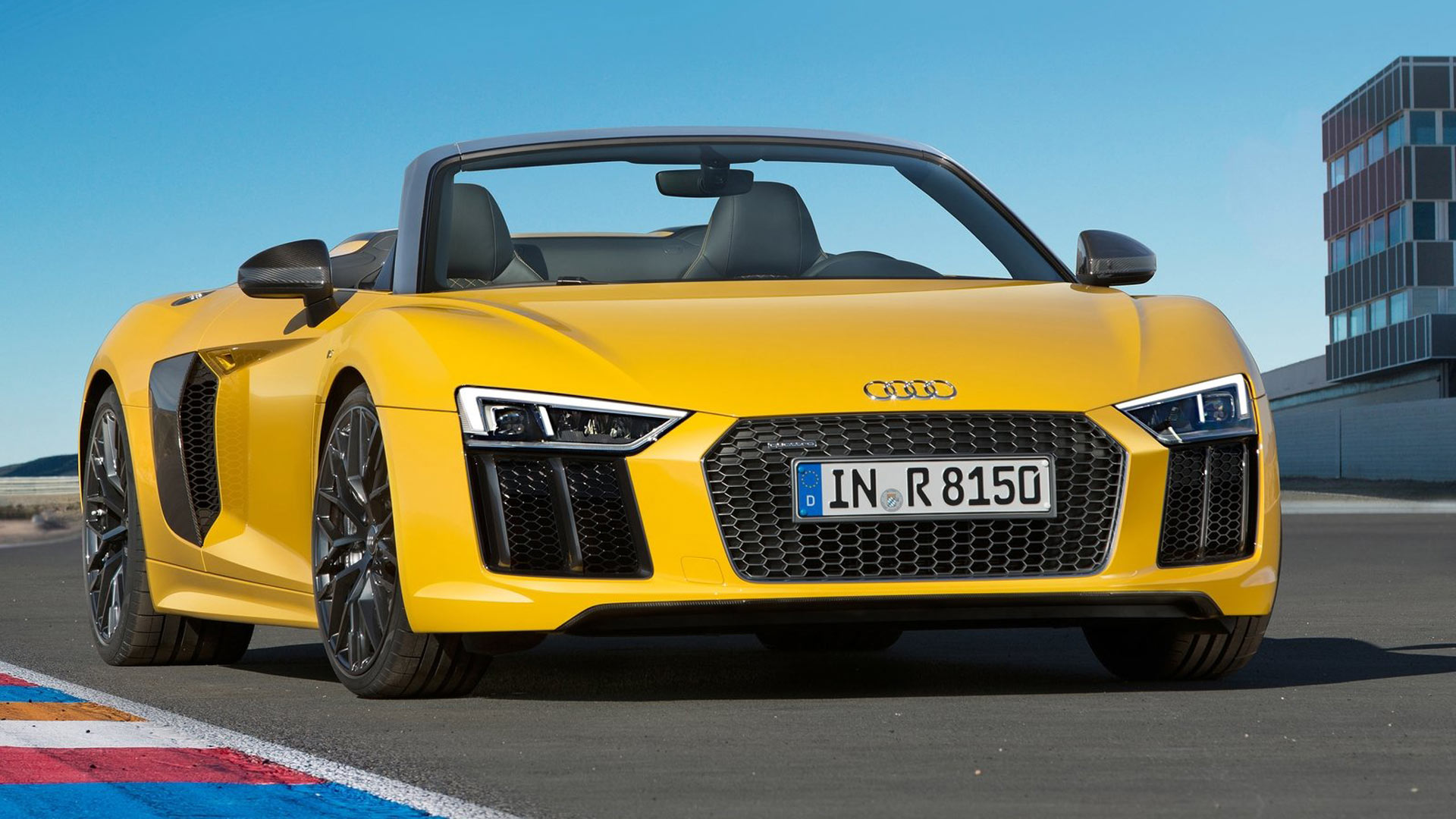
2016 Audi R8 Spyder V10
© AudiAudi was quicker to launch an open-top Spyder version of the second-generation R8. The new car made its debut at the 2016 New York Auto Show, featuring the advanced Audi Aluminium Space Frame chassis combined with carbon fibre material.
Shorter but wider than its predecessor, the second-generation R8 Spyder also boasted 50 percent greater rigidity, with the promise of improved handling. The folding fabric soft-top roof could be operated at up to 31mph.
Like the R8 Coupe, the Spyder came equipped with the 5.2-litre V10 engine. Initially offered solely in base 540hp format, the R8 Spyder could accelerate from 0-62mph in 3.6 seconds, with a 197mph top speed.
-
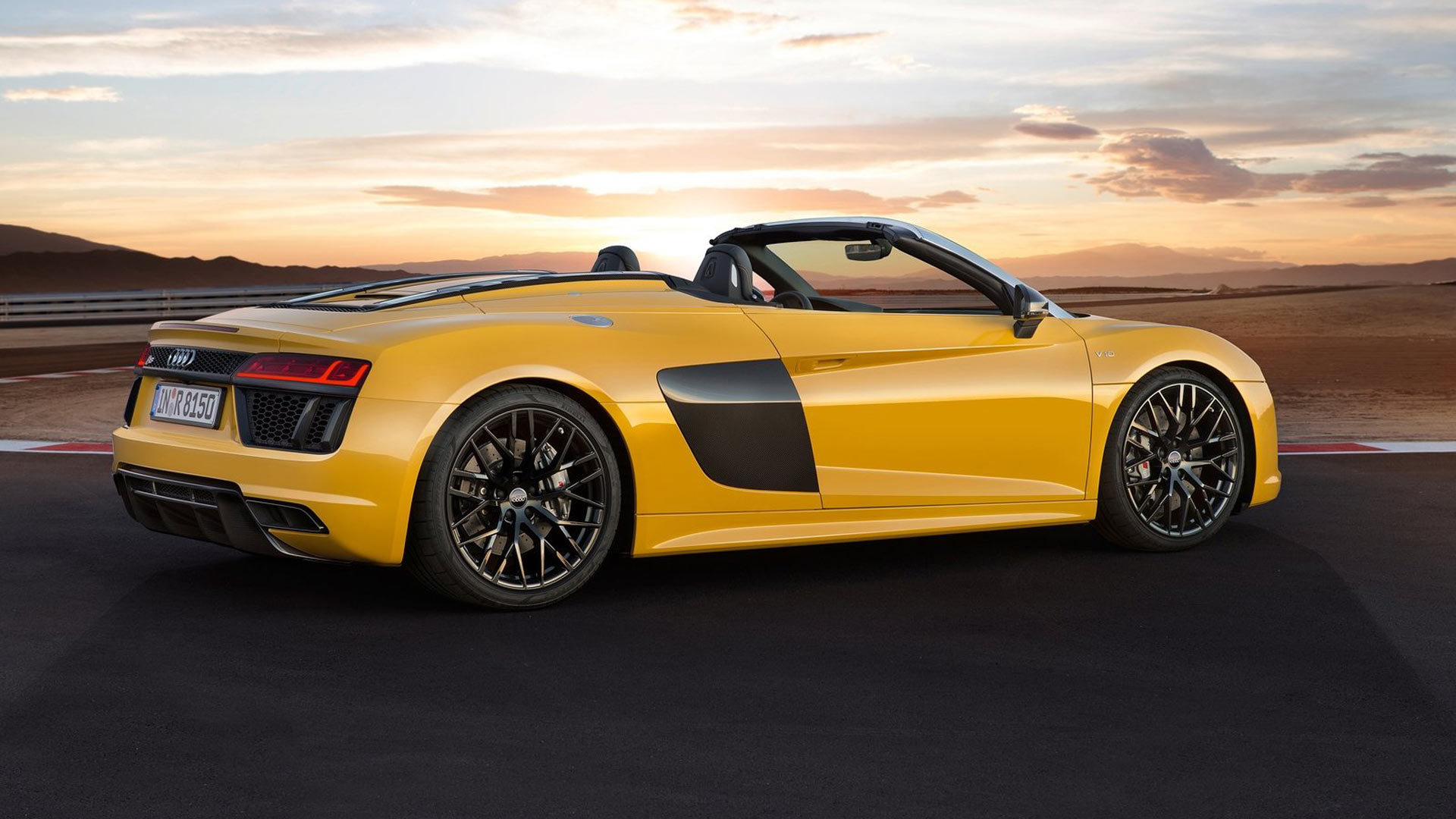
2017 Audi R8 Spyder V10 Plus
© AudiAudi made enthusiasts wait to get their hands upon a V10 Plus version of the R8 Spyder. Added to the range in 2017, the higher-performance version had the same 610hp output as the R8 Coupe.
In Plus format, the Audi R8 Spyder was capable of 0-62mph in just 3.3 seconds. Compared with the hard-top model, top speed fell only marginally to 204mph.
-
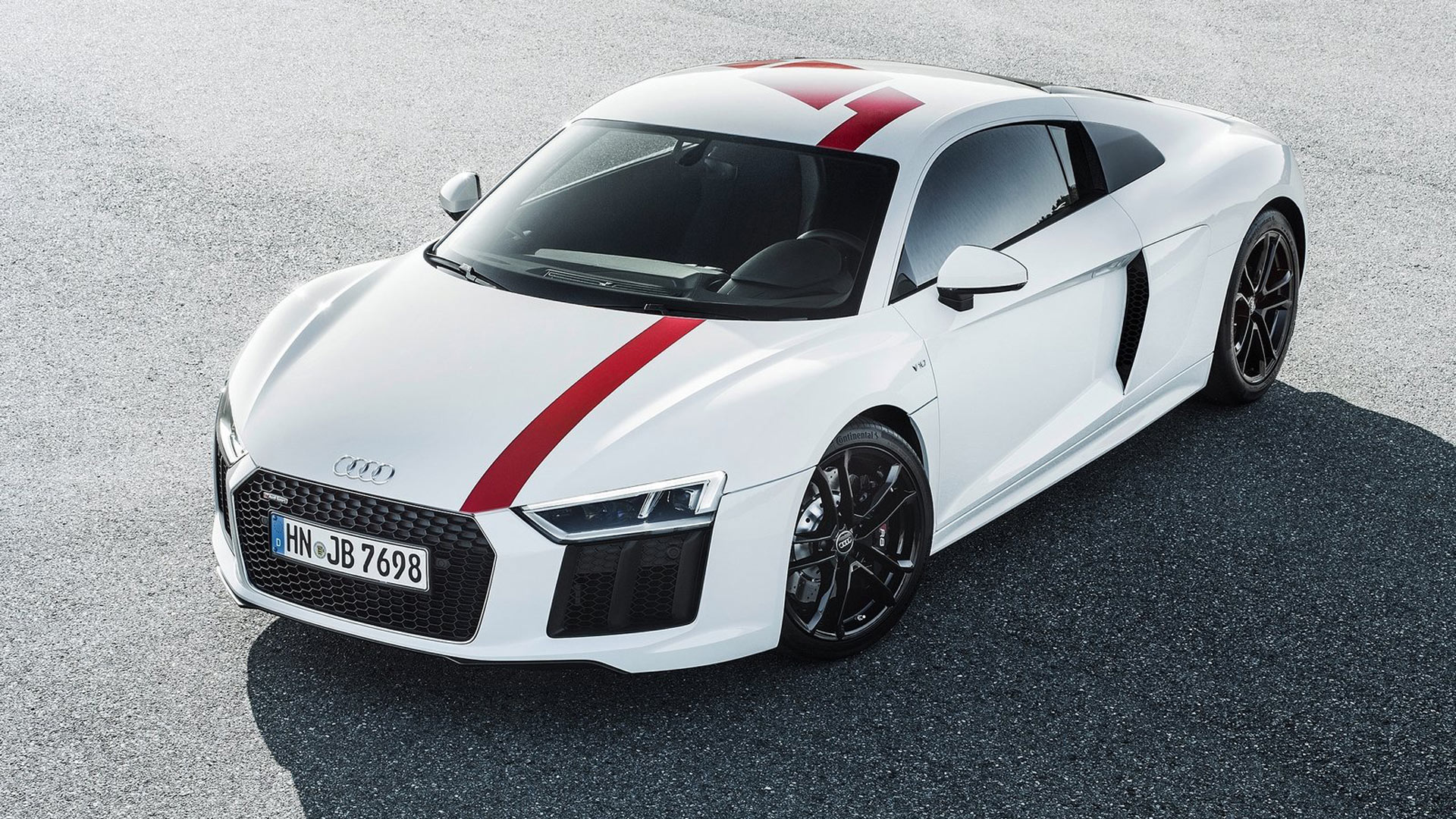
2017 Audi R8 V10 RWS
© AudiAlthough Quattro all-wheel drive had been part of the Audi R8 story from the beginning, 2017 saw the release of a rear-wheel-drive special edition. Known as the RWS, for Rear Wheel Series, production would be limited to 999 units.
Removing the all-wheel-drive system saw a weight reduction of 50kg in the R8 Coupe, and 40kg for the R8 Spyder. With a focus on more precise driving dynamics, the RWS only came with the base 540hp V10 engine.
RWS models are identified by a numbered plaque on the dashboard. A red stripe, inspired by the R8 LMS GT4 racer, could be added as an optional extra.
-
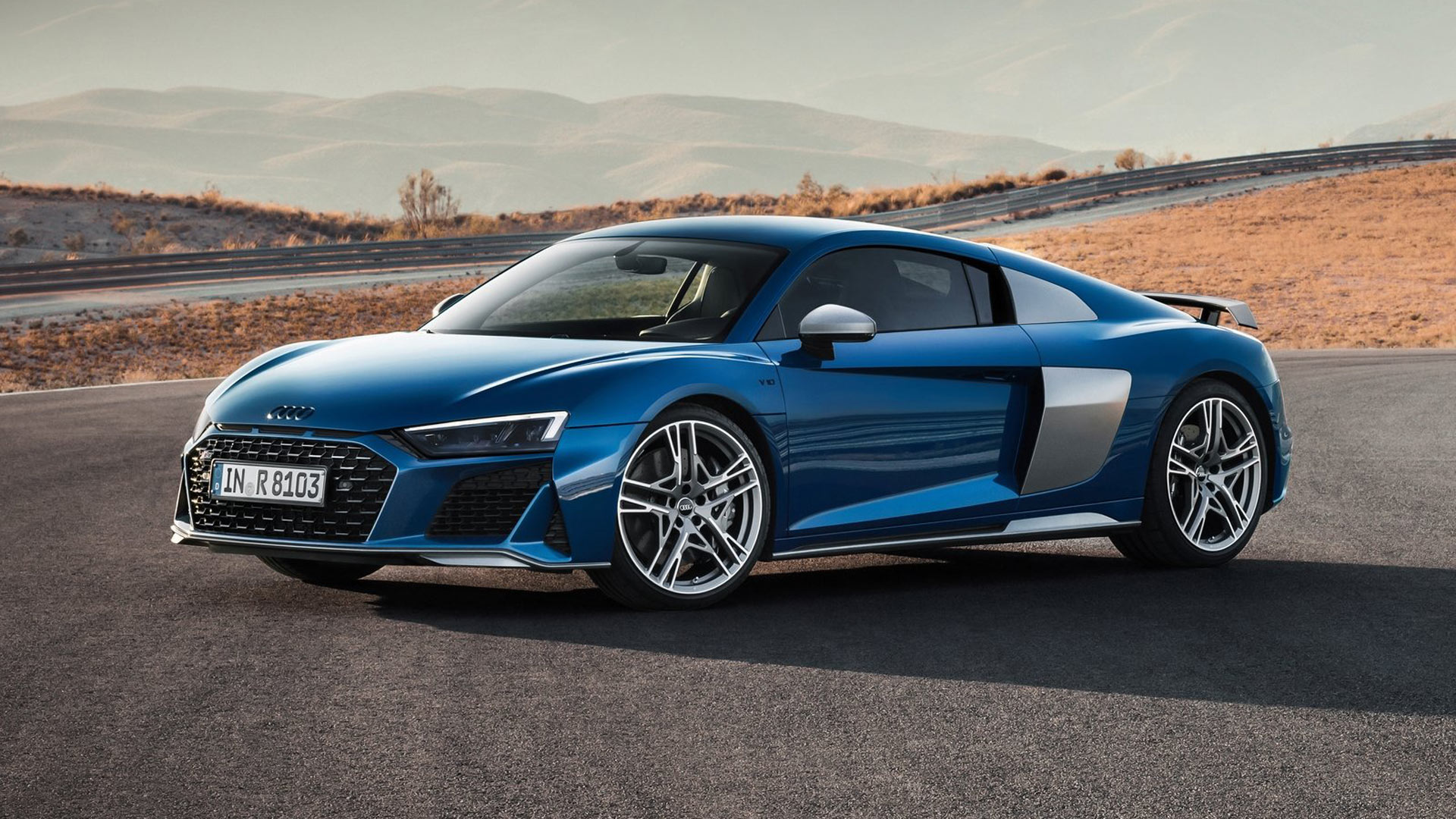
2018 Audi R8 Coupe V10 Performance
© AudiAudi treated the second-generation R8 to a mid-life facelift in late 2018, with styling updates and extra power across the range. The most obvious exterior change was a larger front grille, with three horizontal intakes above it. Intended to improve airflow, the latter were also a nod to the original Audi Quattro from the 1980s.
The base R8 was renamed as the Quattro, with an increase in power to 570hp. Likewise, the V10 Plus became the R8 V10 Performance, with this top model now benefiting from 620hp.
Choosing the most powerful version in Coupe form could see the R8 accelerate from 0-62mph in just 3.1 seconds.
-
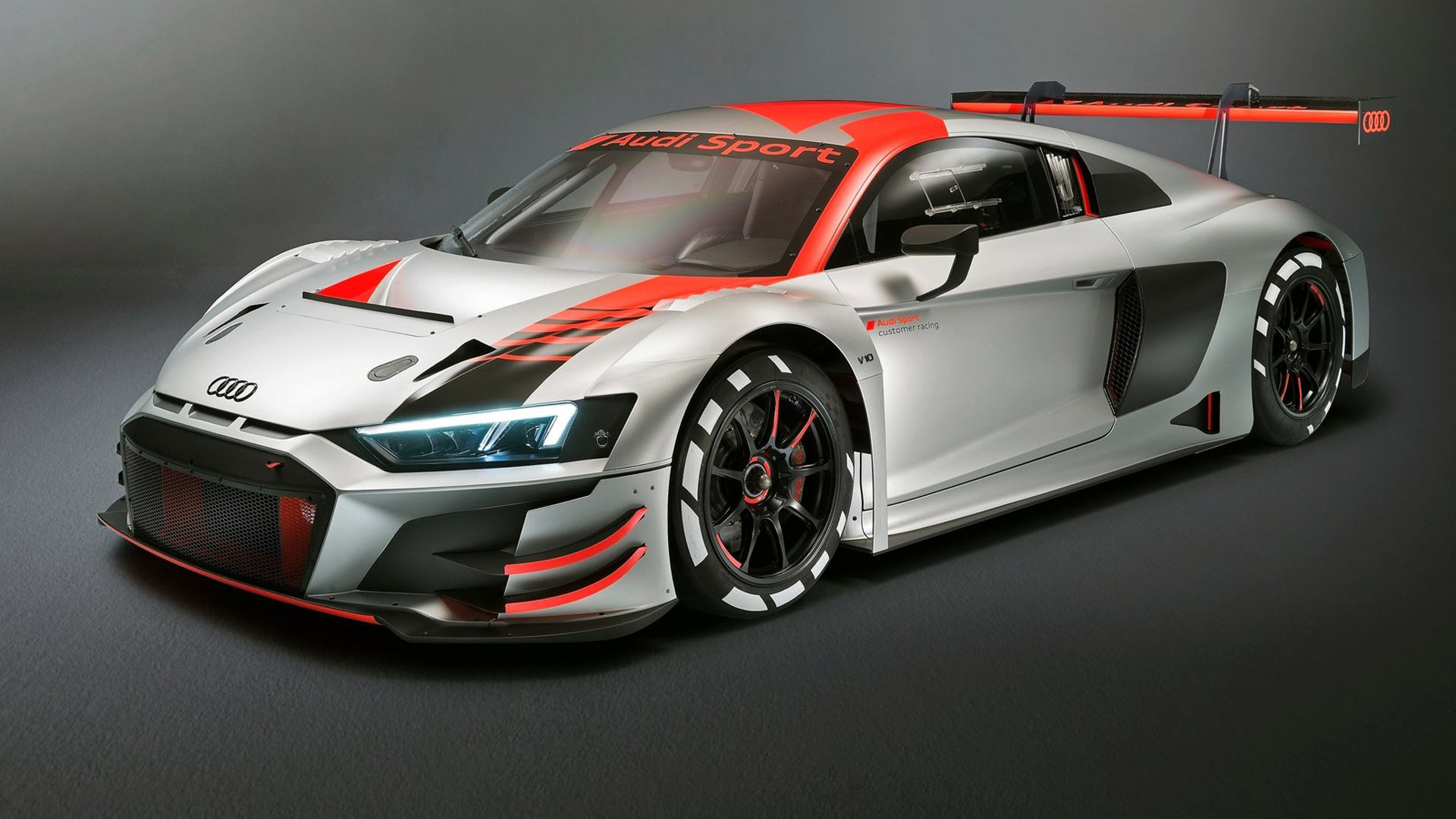
2018 Audi R8 LMS GT3
© AudiFollowing on from the launch of a second-generation R8 LMS race car, Audi Sport released an updated GT3 model in 2018. Revealed at the 2018 Paris Motor Show, the LMS GT3 gained the styling updates of the road car.
The LMS GT3 version of the second-generation R8, along with its Evolution models, proved itself a highly successful endurance racer. Major wins included the Bathurst 12 Hours, along with the Nurburgring 24 Hours and Spa 24 Hours.
-
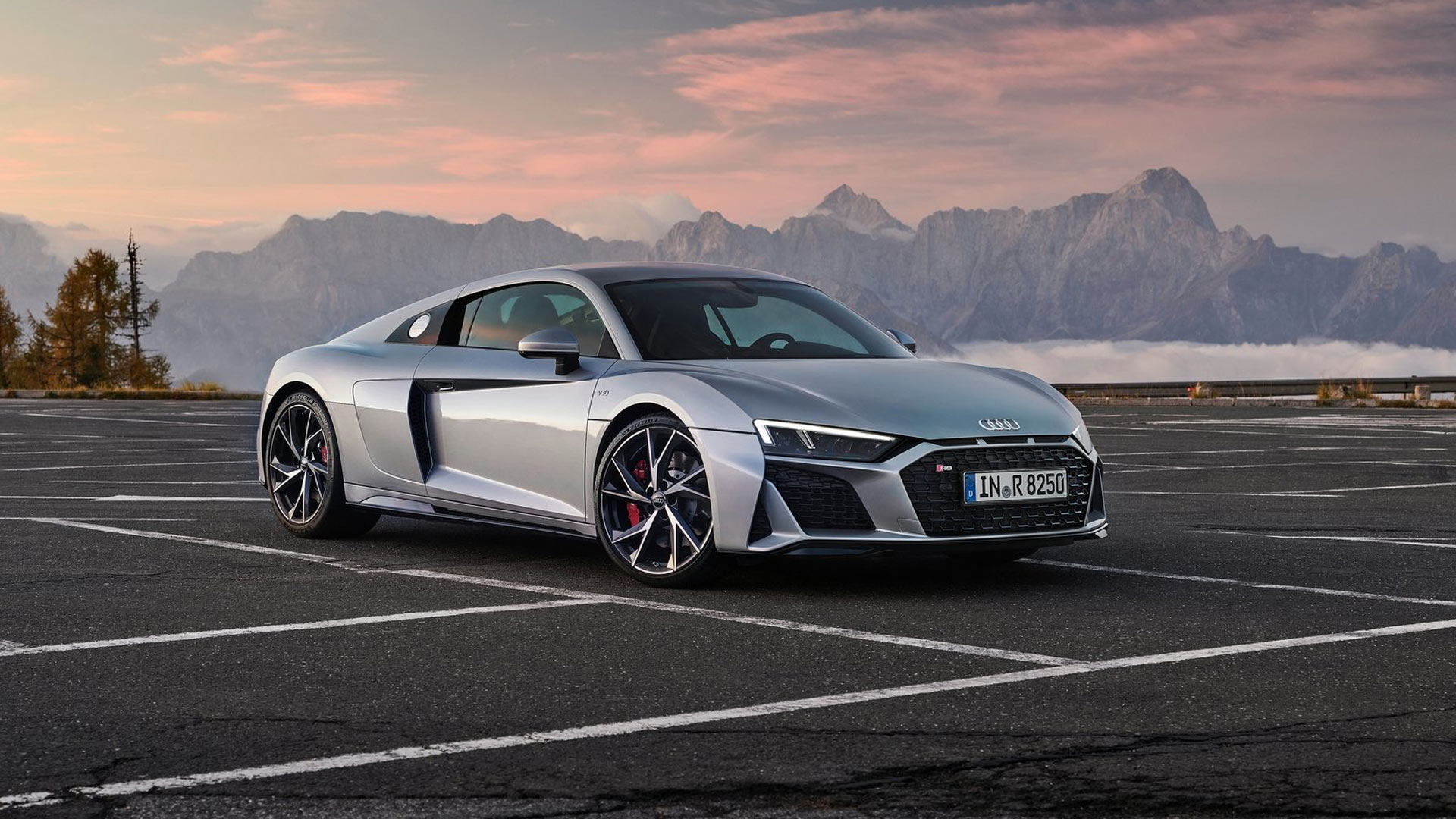
2019 Audi R8 V10 RWD
© AudiFollowing the success of the special edition RWS, Audi opted to make a rear-wheel-drive option a permanent fixture as part of the R8 model range. Available in both Coupe and Spyder body styles, the RWD version initially came equipped with the 540hp engine, as used in the RWS.
-
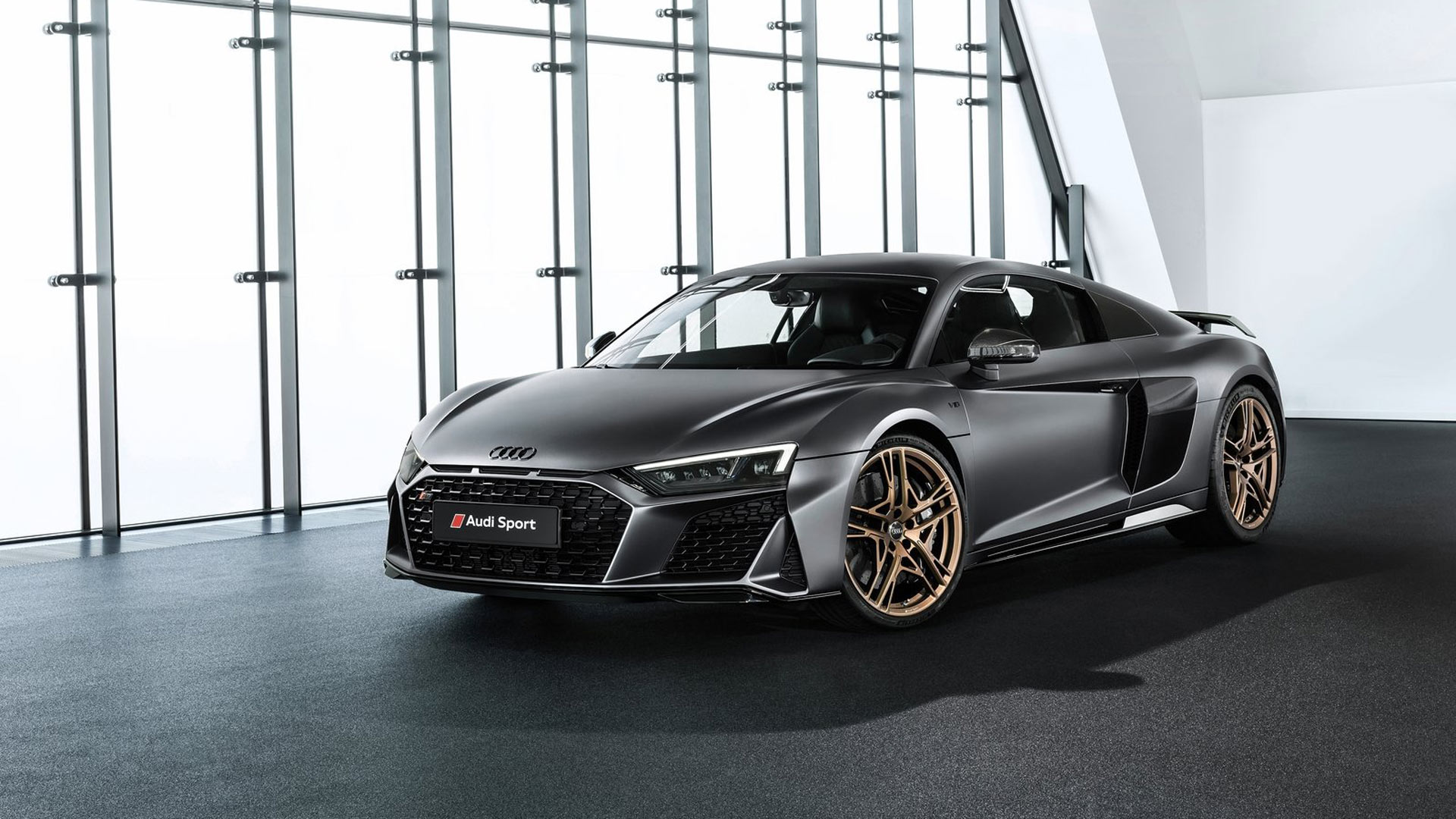
2019 Audi R8 V10 Decennium
© AudiAfter 10 years of producing R8 models powered by V10 engines, Audi unveiled a special celebratory edition at the 2019 Geneva Motor Show. Branded the ‘Decennium’, taken from the Latin for decade, production would be limited to 222 examples across the world.
Key changes included 20-inch alloy wheels with a matt bronze finish, with the air intake manifold receiving the same treatment. The front spoiler, side sills and rear diffuser gained a gloss black look, with the option of a new matt Daytona Gray body colour.
The interior of the Decennium was finished completely in black, other than the contrasting copper stitching. A Decennium logo was attached to the centre console, with carbon fibre trim used.
-
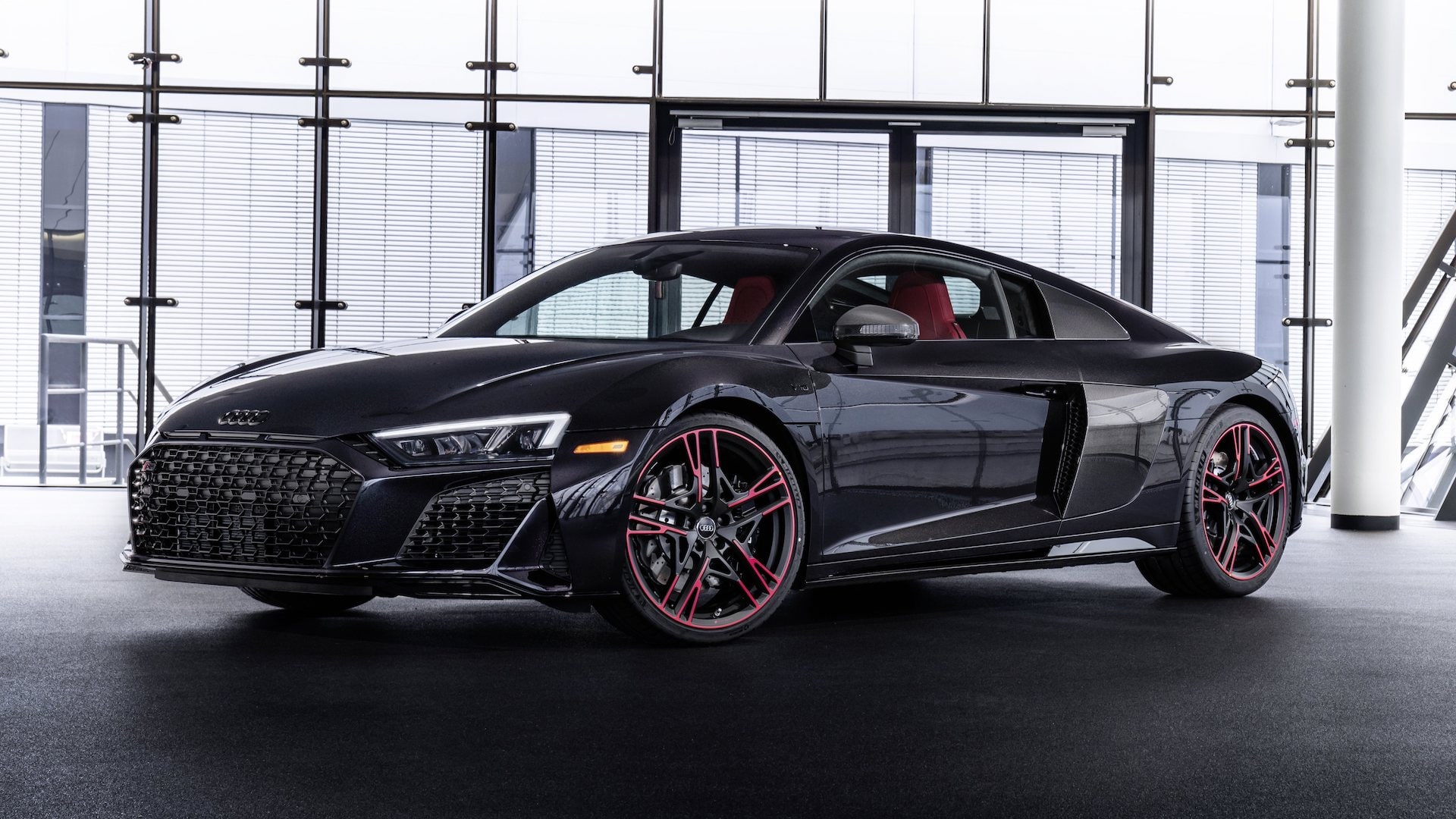
2021 Audi R8 Panther Edition
© AudiTo celebrate the launch of the RWD versions of the R8 in North America, Audi USA unveiled the limited-production Panther Edition in late 2021. Capped at just 30 examples, all came with the 540hp 5.2-litre V10 engine.
The name was taken from the Panther Black crystal effect paintwork, which Audi paired with carbon fibre wing mirror caps. A set of 20-inch matte black alloy wheels was added, with red detailing.
More red could be found inside, with a bold choice of Crimson Red Nappa leather to cover the sports seats. Audi also added a sports exhaust system and a Bang & Olufsen stereo.
-
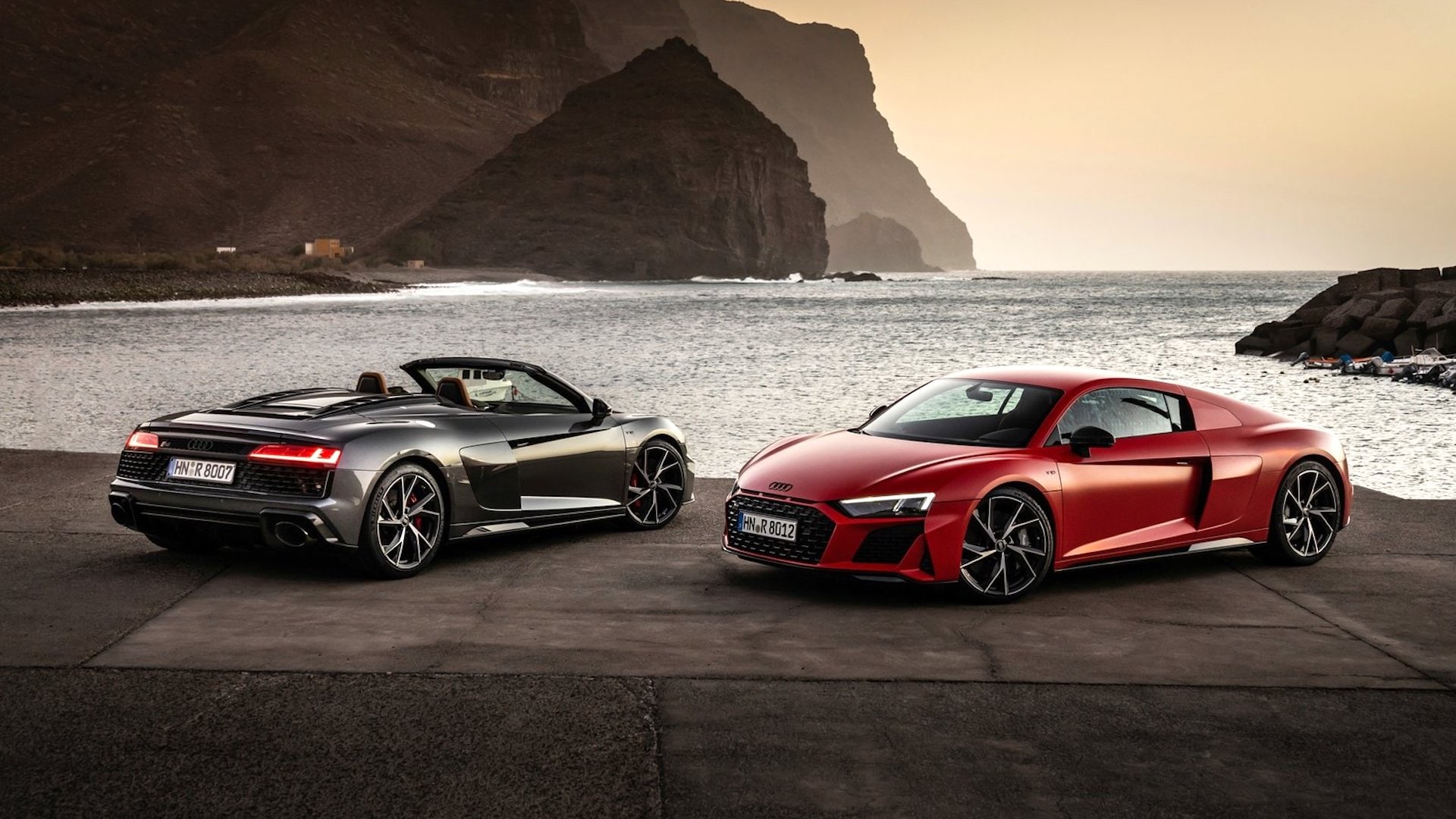
2022 Audi R8 V10 Performance RWD
© AudiEven with the R8 approaching the end of its supercar career, Audi has continued to keep the updates coming. This included upgrading the RWD versions with extra power, bringing them closer to their Quattro counterparts.
For 2022, this meant the introduction of a new V10 Performance RWD version. The revised 570hp output was matched with 406lb ft of torque, and available in both Coupe and Spyder formats.
The 30hp hike came with the potential for drift action, when engaging Sport mode for the R8’s Electronic Stability Control. The V10 Performance RWD could also accelerate from 0-62mph in 3.7 seconds.
-
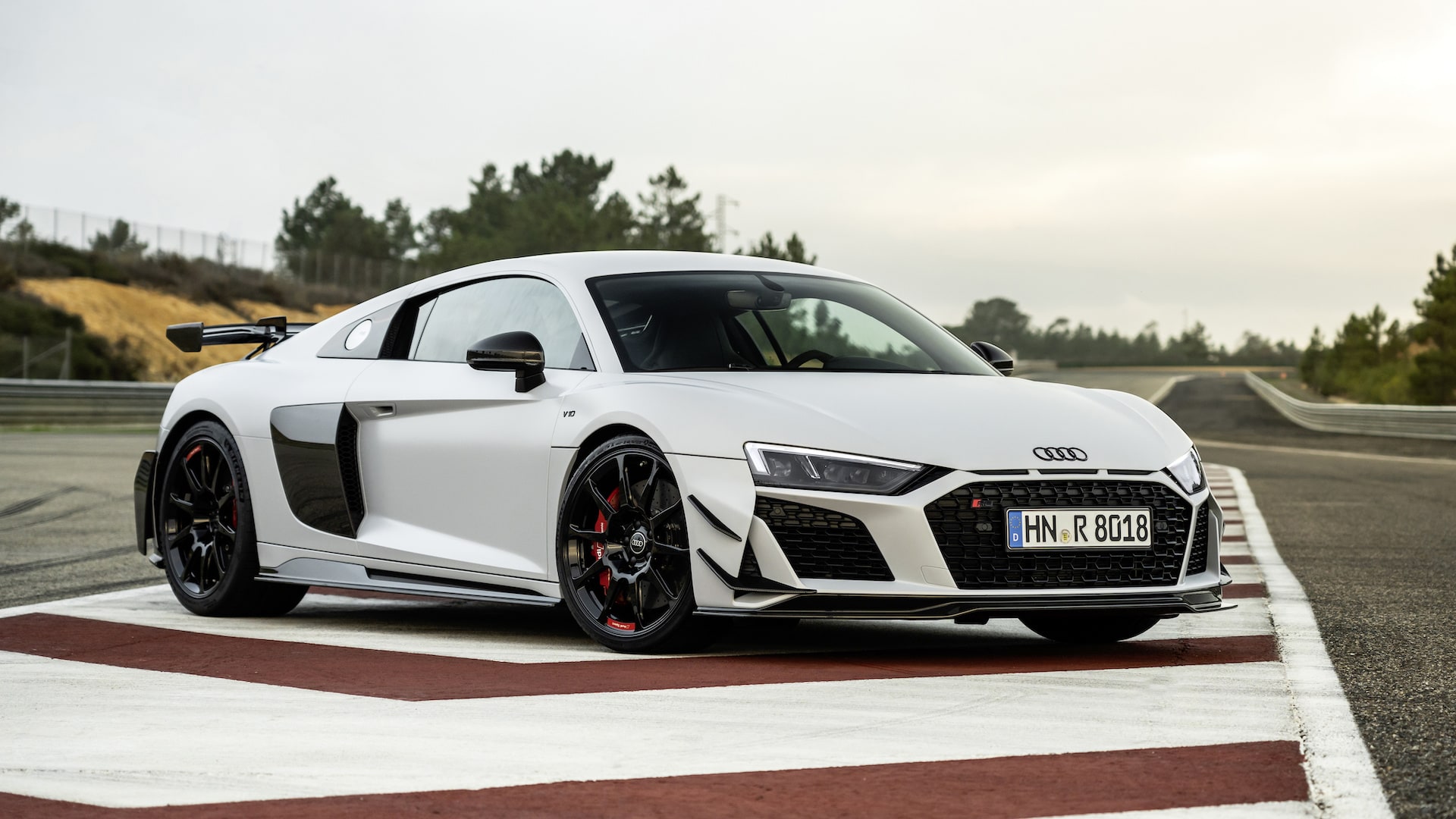
2023 Audi R8 V10 GT RWD
© AudiTwelve years after the GT version of the first-generation R8, Audi opted to bring the name back for a special finale edition of its mid-engined supercar.
Limited to 333 examples worldwide, just like the 2011 version, Audi promises that the V10 GT RWD is ‘high performance in its purest form’. Unlike its predecessor, this GT comes with rear-wheel drive, and without the hint of a Spyder version.
The big change for the second-generation GT is a rear-wheel-drive R8 finally given the same amount of horsepower as the Quattro models. That means the full 620hp and 413lb ft of torque being delivered to just the back wheels.
-
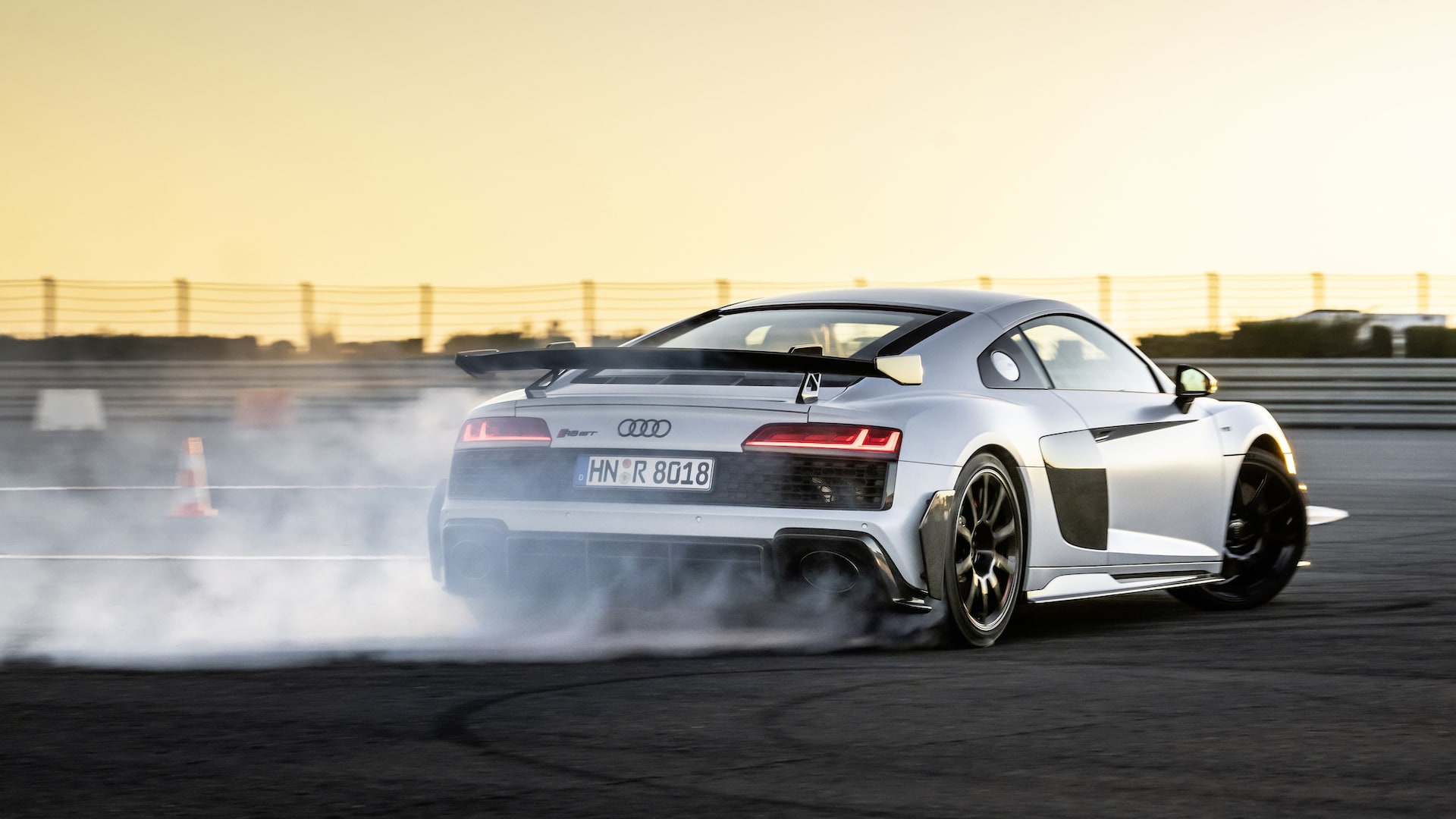
2023 Audi R8 V10 GT RWD
© AudiIn true Audi R8 GT fashion, an element of weight saving was also included – albeit just 20kg. Bespoke forged 20-inch alloy wheels and standard carbon ceramic brakes play a key part in the GT’s diet.
For even more drift action, Audi Sport added a new Torque Rear mode, offering seven different levels of slippage. This adapts to speed and throttle levels to help create impressive slides.
A bold carbon fibre aero kit includes a huge ‘gooseneck’ rear wing, front bumper winglets and a deeper front splitter. On the inside, red seat belts are another throwback to the original R8 GT.
-
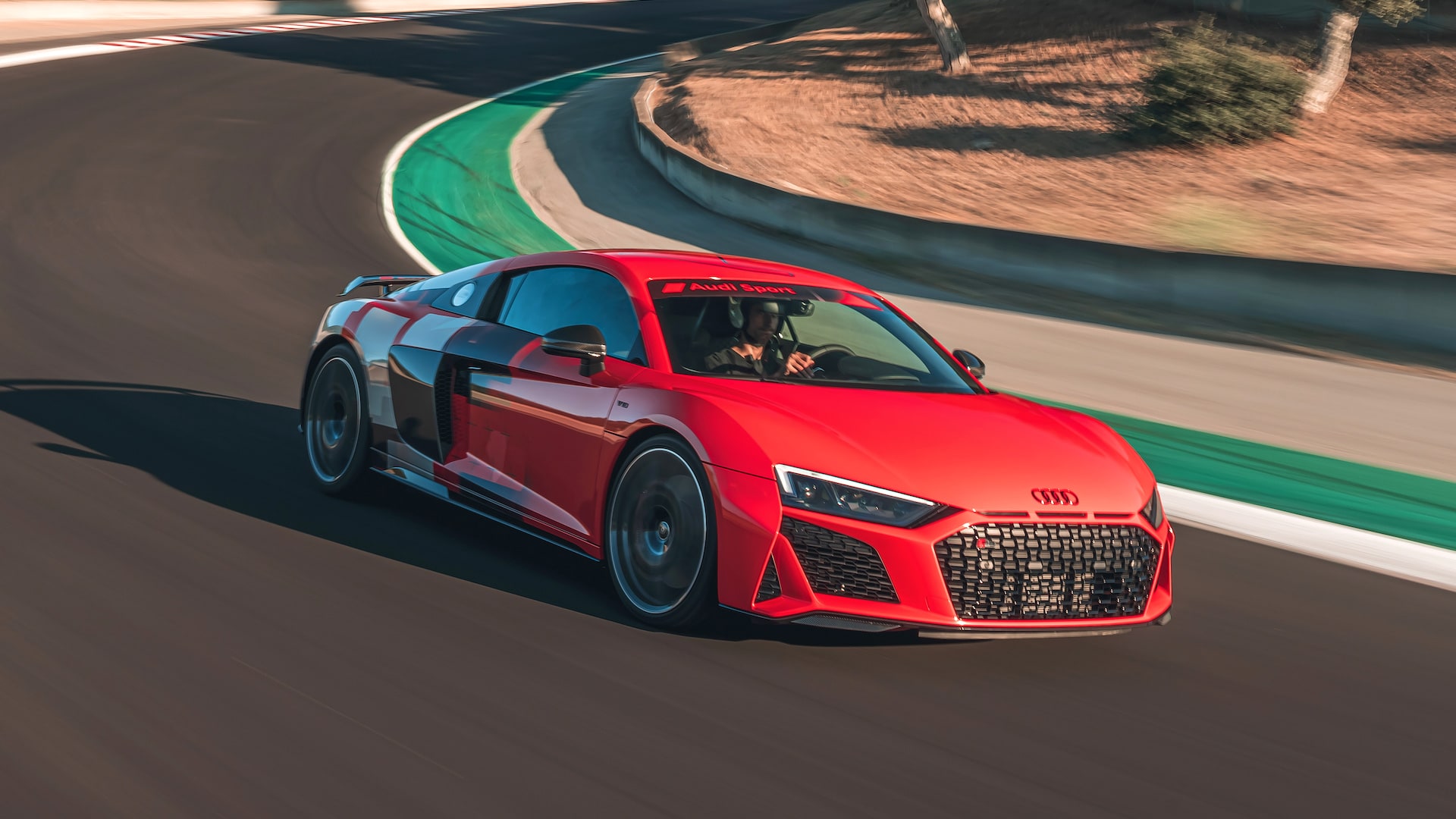
2023 Audi R8 Last Lap
© AudiIn 2023, Audi confirmed that production of its mid-engined supercar would come to a close.
As part of the 2023 Monterey Car Week, Audi used the Rolex Monterey Motorsports Reunion to take the R8 on its final laps of the Laguna Seca race track.
Leading the R8 around the circuit was nine-time Le Mans winner, Tom Kristensen, driving an Audi RS E-tron GT pace car.
-
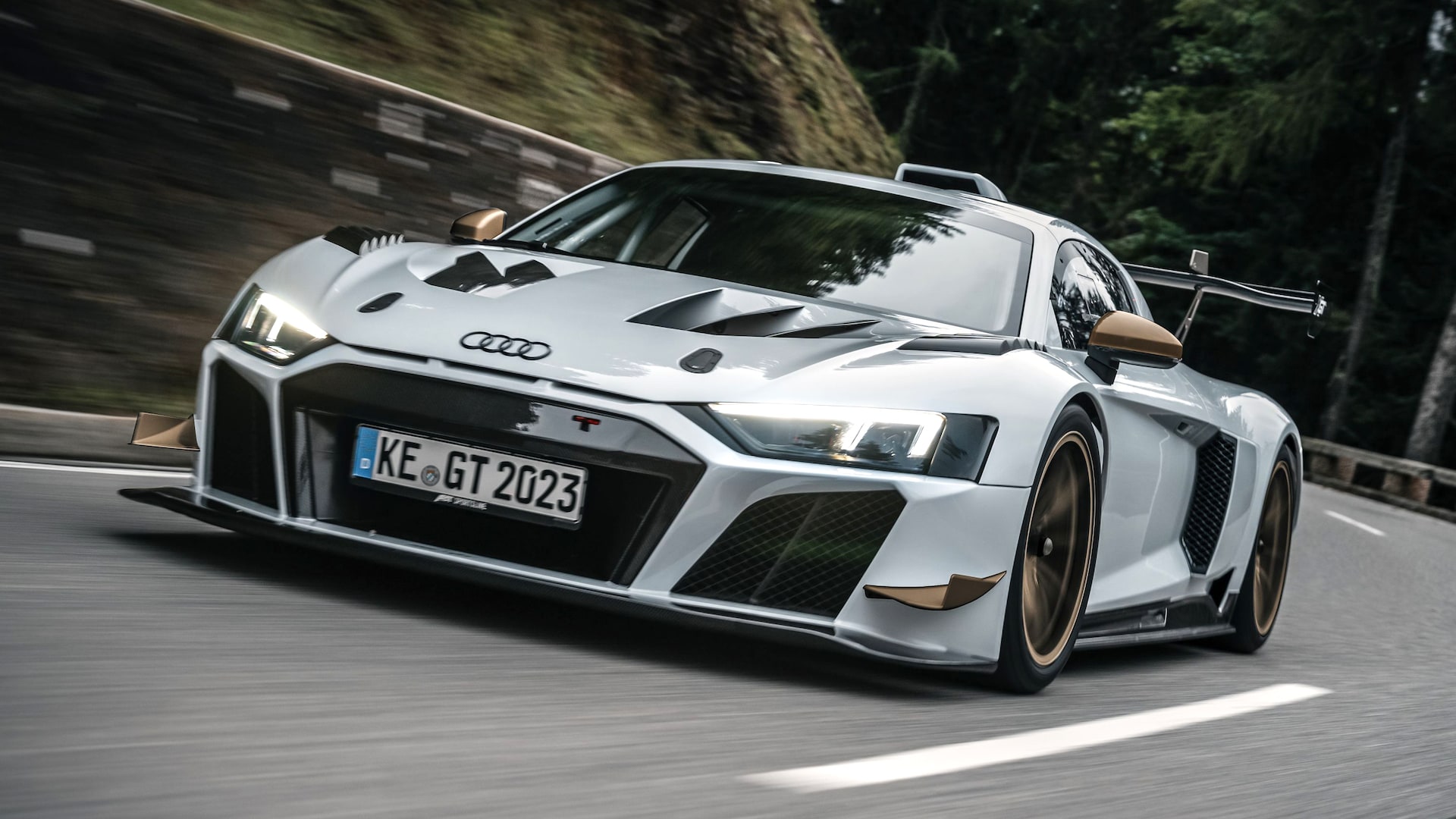
2023 Abt XGT
© AudiGerman tuning company Abt created its own unofficial tribute to the Audi R8, with a road-legal version of the GT2-specification Deutsche Tourenwagen Masters (DTM) racer.
This was not simply a case of adding an aero kit to a regular Audi R8. Instead, Abt spent two years exploring how an actual DTM race car could be registered for the road.
Abt had to fabricate more than 40 bespoke parts, and even submit the XGT for crash testing, to make this extreme supercar happen.
-
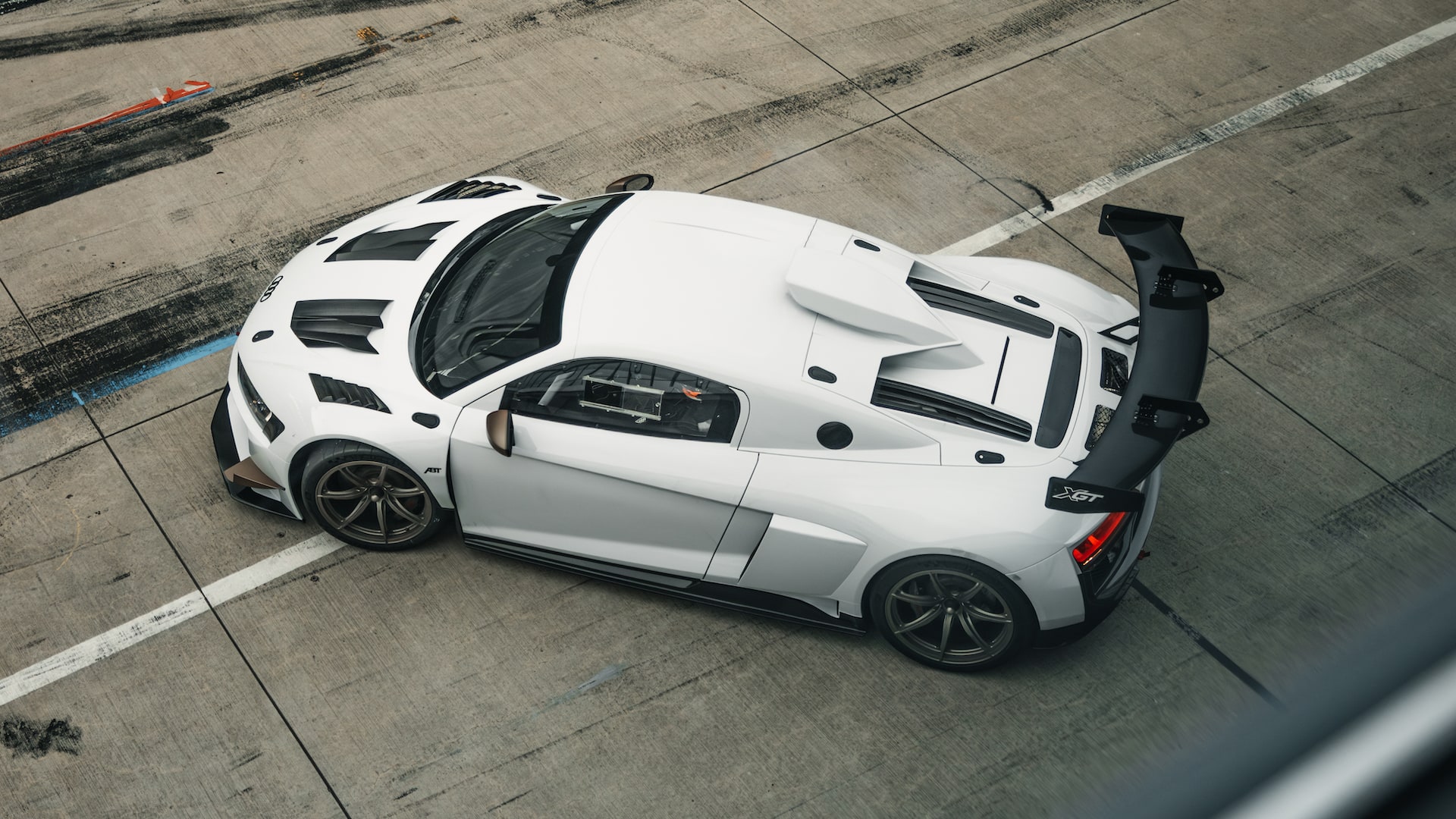
2023 Abt XGT
© AudiThe Abt XGT used a modified version of Audi’s 5.2-litre V10 engine. Here, it produces 640hp and 405lb ft of torque, with power going to the rear wheels only.
Depending on the setting chosen for the gigantic rear wing, the car is able to reach a top speed of 190mph.
-
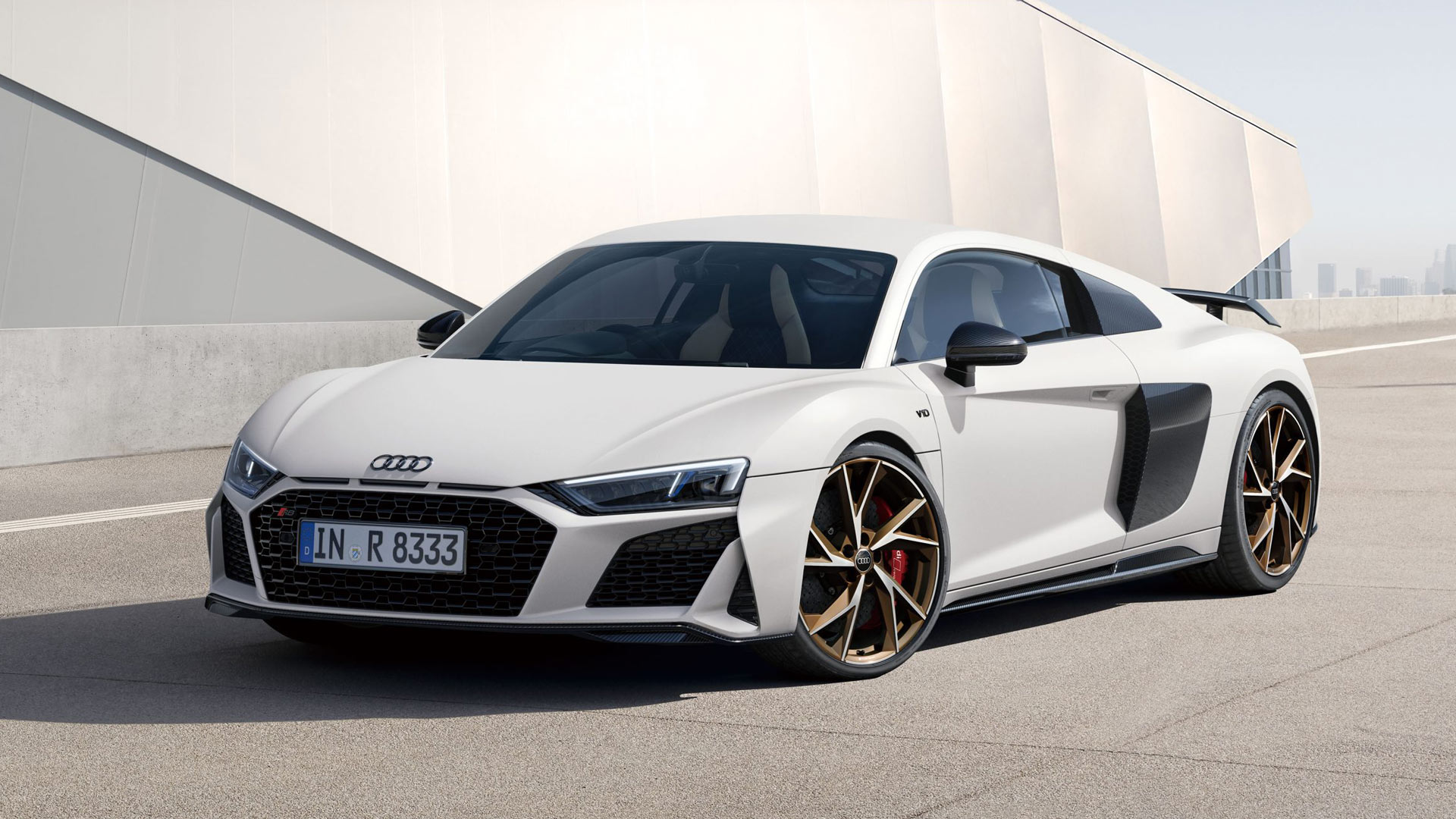
2023 Audi R8 Coupe Japan Final Edition
© AudiAs part of the R8’s farewell tour, Audi released a limited-edition model for the Japanese market.
Eight examples of the R8 Coupe Japan Final Edition were offered for sale, all painted in matte Ibis White paint with matte bronze alloy wheels. On the inside, there is a combination of black and white Nappa leather, along with Alcantara detailing.
All of the eight cars came in V10 Quattro guise, and featured individually numbered door sill plaques.
-
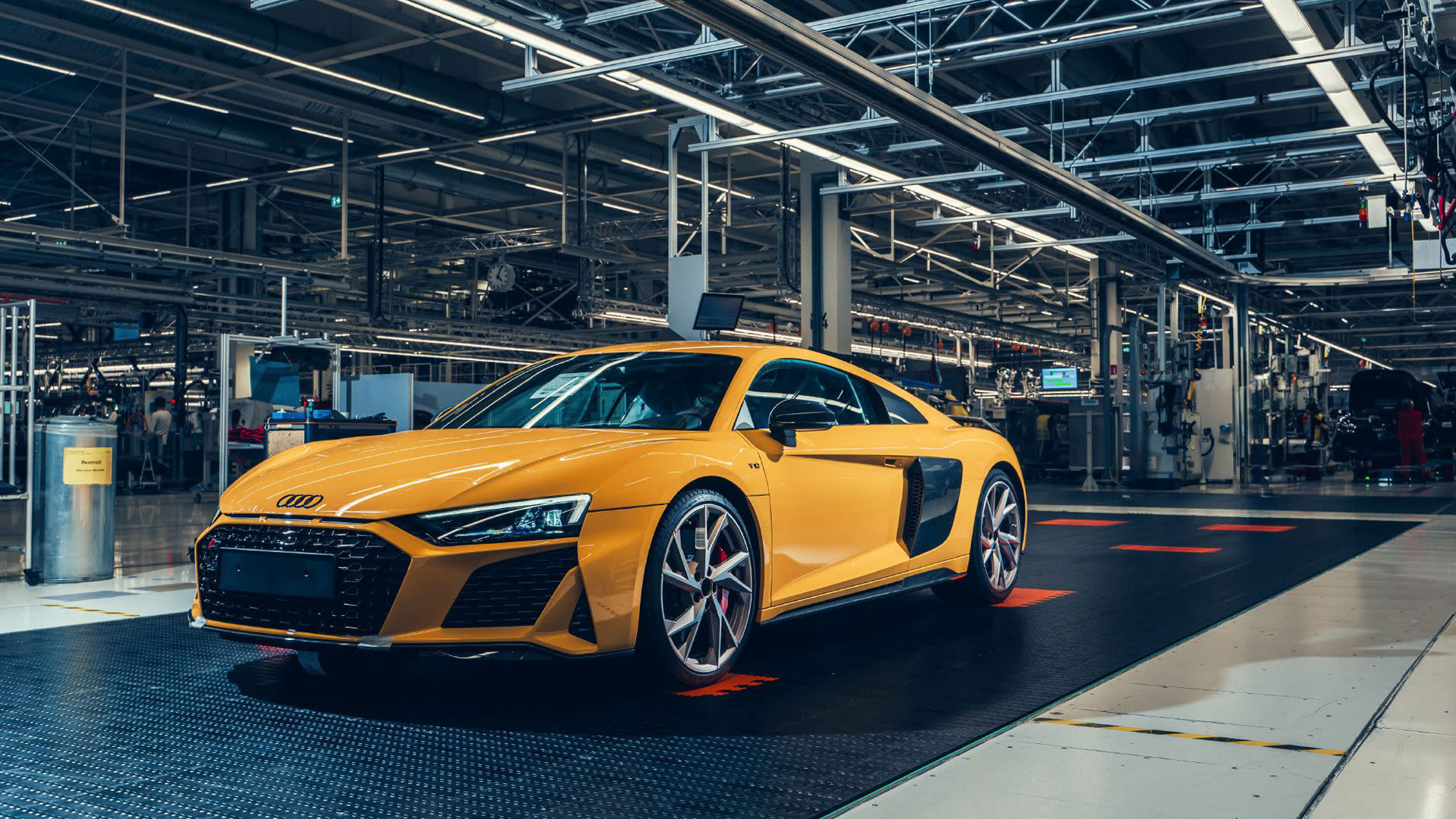
The final Audi R8
© AudiAudi confirmed that the very last R8 left the Bollinger Hofe production line at the end of March 2024.
Painted in Vegas Yellow, the coupe model was built in V10 Performance specification, with matte bronze alloy wheels.
Instead of a life on the road, the last car will spend its life in a museum. The Audi Tradition centre will be the new home for this special R8.
-
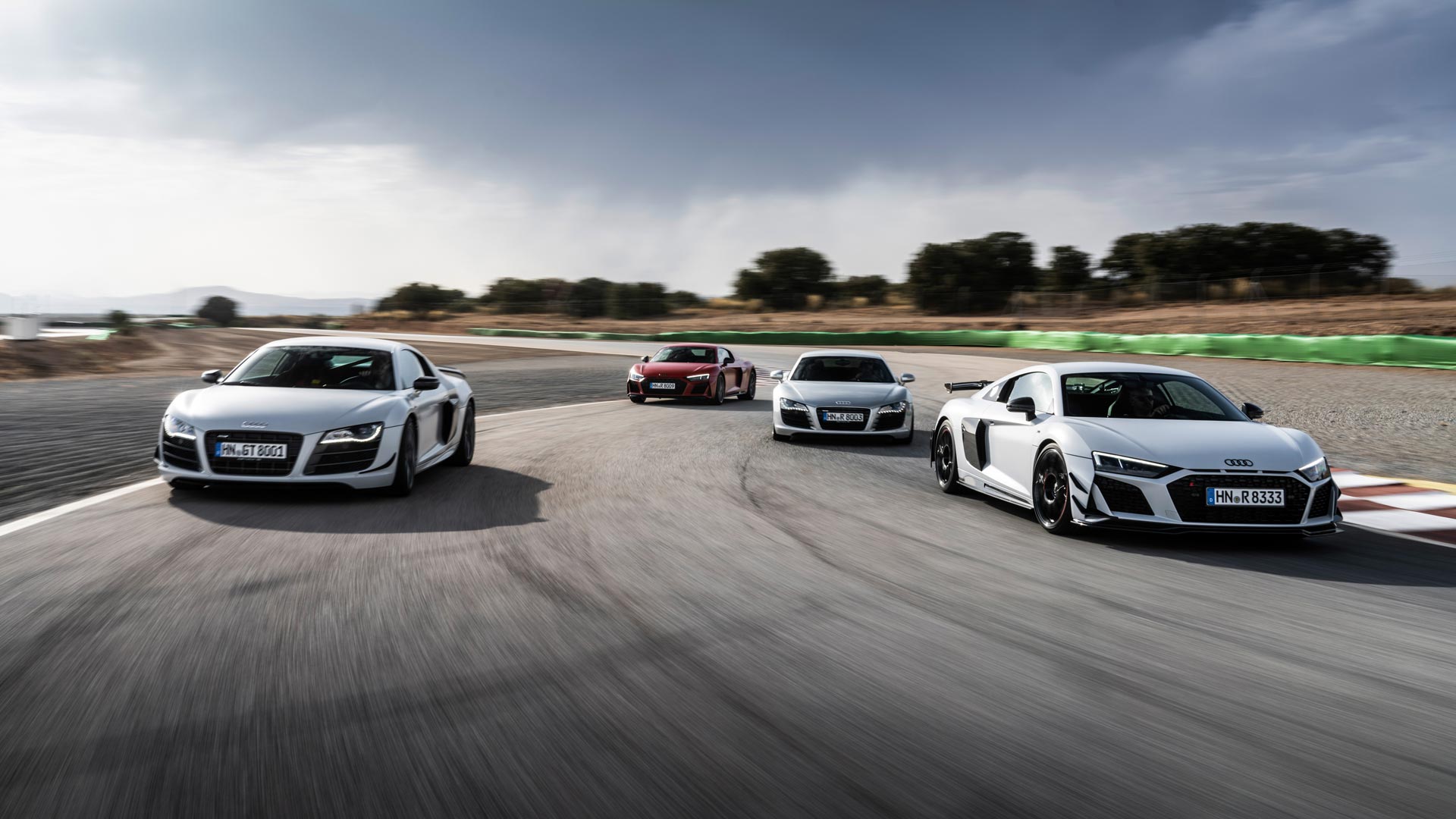
The end of an era
© AudiAcross two generations and two decades of production, the R8 helped elevate Audi into a performance car brand known for more than just Quattro all-wheel drive.
However, in the face of growing environmental restrictions and a shift to electrification, a V10-powered supercar is a difficult thing for any manufacturer to justify.
Despite this, it did not take Audi long to begin considering a replacement for the R8, especially with the marque also making a move into Formula 1 racing.
-
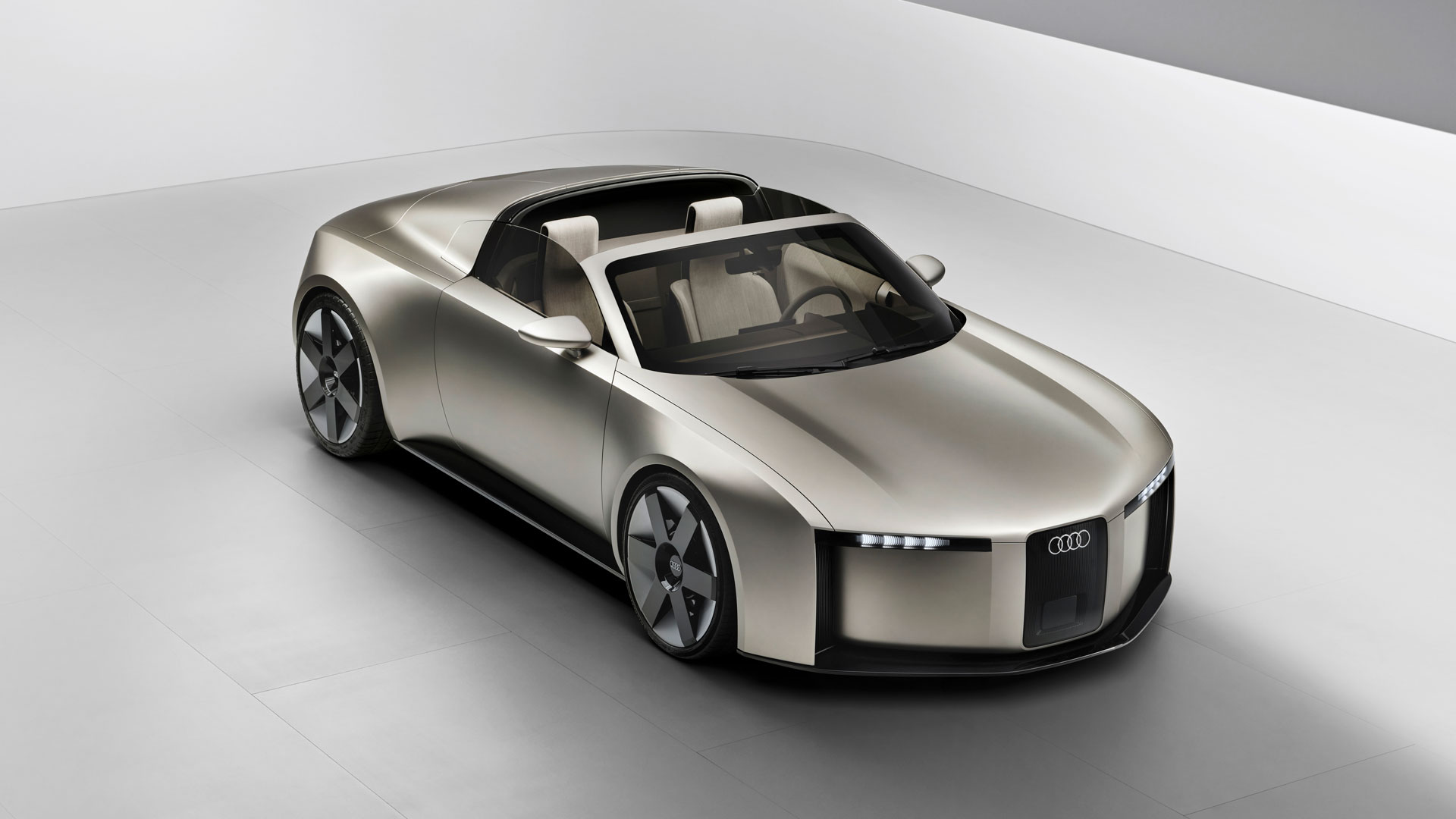
2025 Audi Concept C
© AudiIn September 2025, Audi used the Munich Motor Show to reveal a dramatic new concept car, pointing to the marque’s design future.
Much like the Rosemeyer Concept some 25 years earlier, the Concept C took inspiration from the classic Auto Union racers from the 1930s. A small front grille was the most obvious change in direction compared to decades of gigantic goatee beard-style openings.
Although no technical information was revealed, the Concept C was assumed to preview an battery-powered replacement for the Audi TT.
-
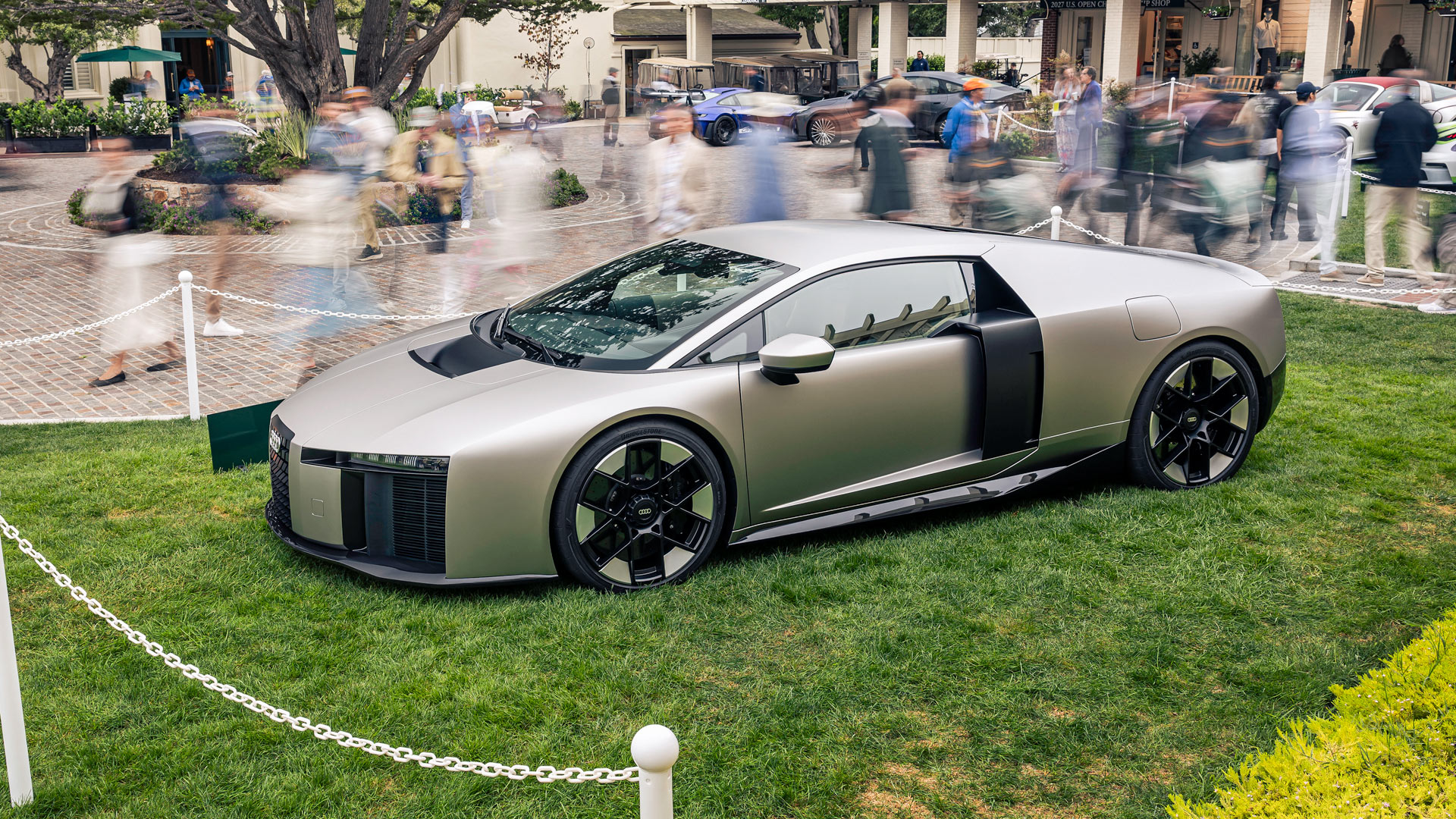
2026 Audi Nuvolari
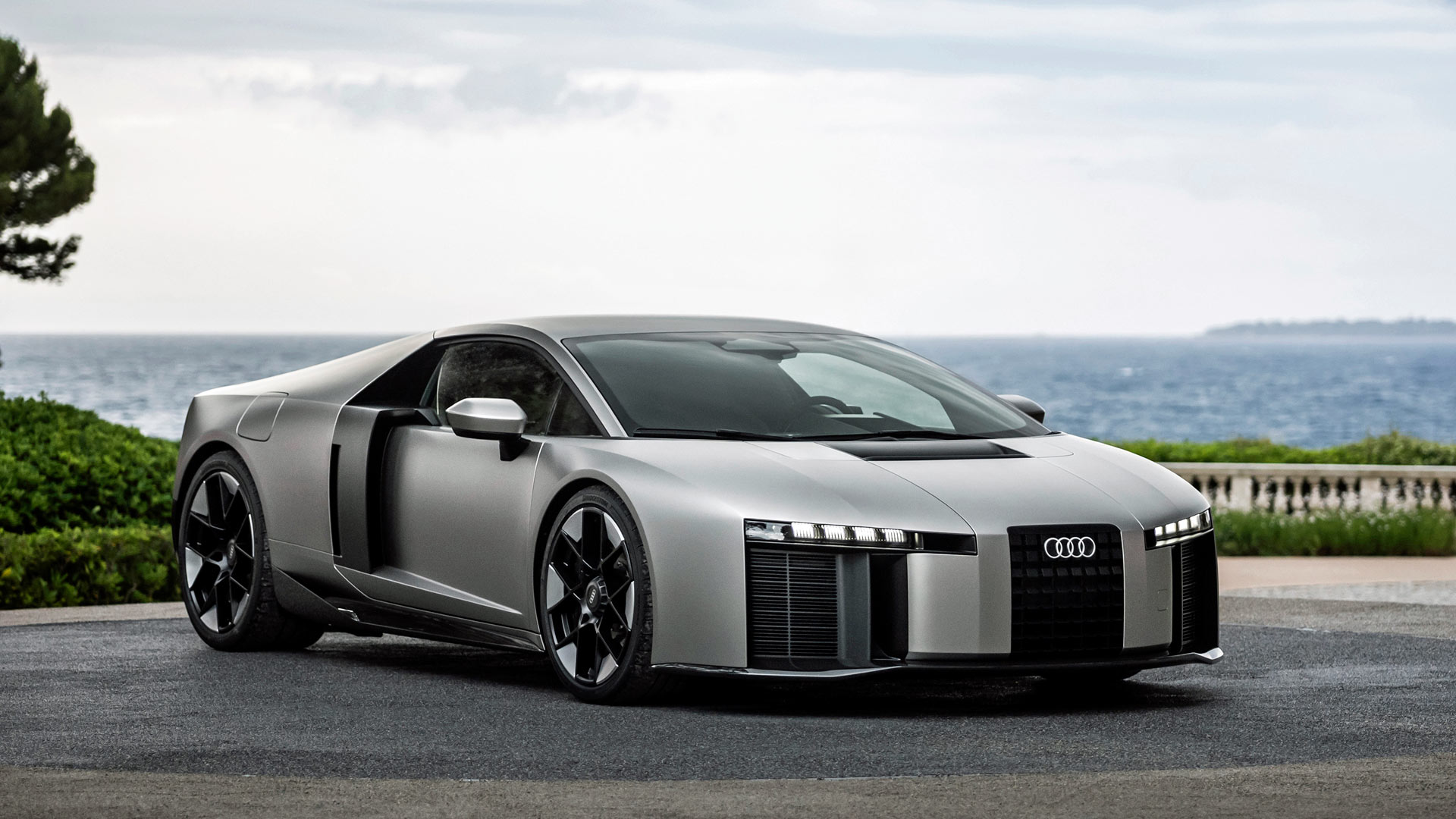
© AudiIf the Concept C was a surprise, the reveal of the Audi Nuvolari supercar before the 2026 Monaco Grand Prix was a shock.
Channelling design elements from the Concept C, including that smaller front grille, the Nuvolari continued the Auto Union racer theme into a mid-engined supercar. The Nuvolari is also named after Tazio Nuvolari, who drove for Auto Union during the 1930s.
There is more than a hint of Lamborghini Temerario in the overall shape of the Nuvolari. That seems unsurprising, given that they share many components – including an engine.
The ‘Titanium’ paint is another carryover from the Concept C. The hue is also found on Audi’s Formula 1 race cars.
-
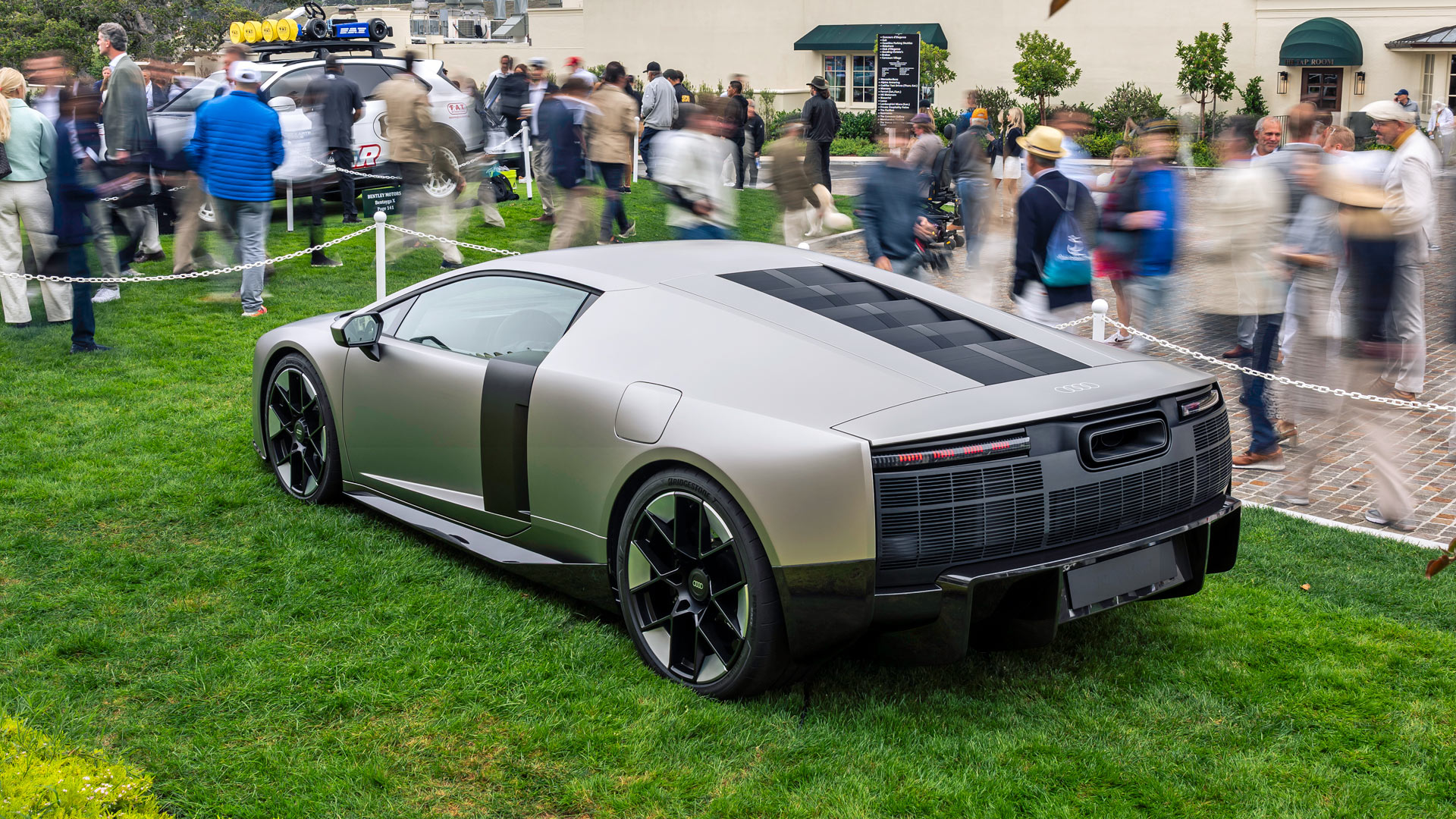
2026 Audi Nuvolari
© AudiDespite some suggestions that any Audi R8 replacement would need to be fully electric, the Nuvolari boasts a twin-turbocharged 4.0-litre V8 engine – sourced from Lamborghini – and a trio of axial flux electric motors.
Revving all the way to 10,000rpm, the V8 engine generates 800hp alone, with the plug-in hybrid system taking the total to a colossal 1,001hp
Two of the electric motors send their power to the front axle, creating an electrified version of Quattro all-wheel drive.
All of this should allow the Nuvolari to accelerate from 0-62mph in 2.5 seconds, becoming the fastest production Audi to date.
-
2026 Audi Nuvolari
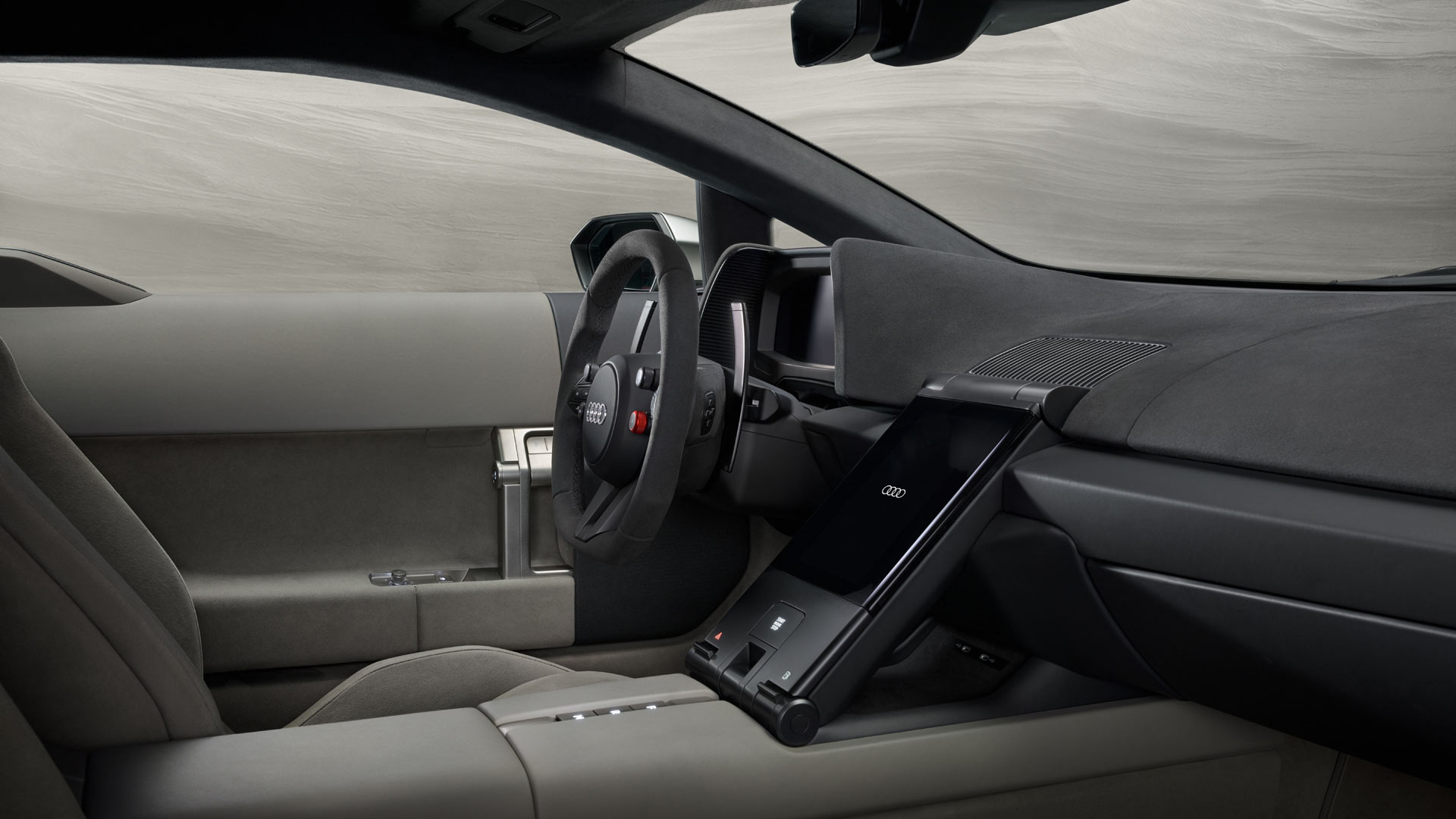
© AudiDevelopment of the Nuvolari took only 14 months, following a reversal of Audi’s previous plans to phase out new combustion-powered models.
Production will begin before the end of 2026, with deliveries to customers in early 2027. Audi plans to manufacture just 499 examples.
Being priced from £500,000, the Nuvolari will be substantially rarer, and pricier, than any version of its R8 predecessor, – and far quicker, too.
Just as the R8 brought Audi into the world of supercar performance, the Nuvolari will propel the German marque into the hypercar realm.
