
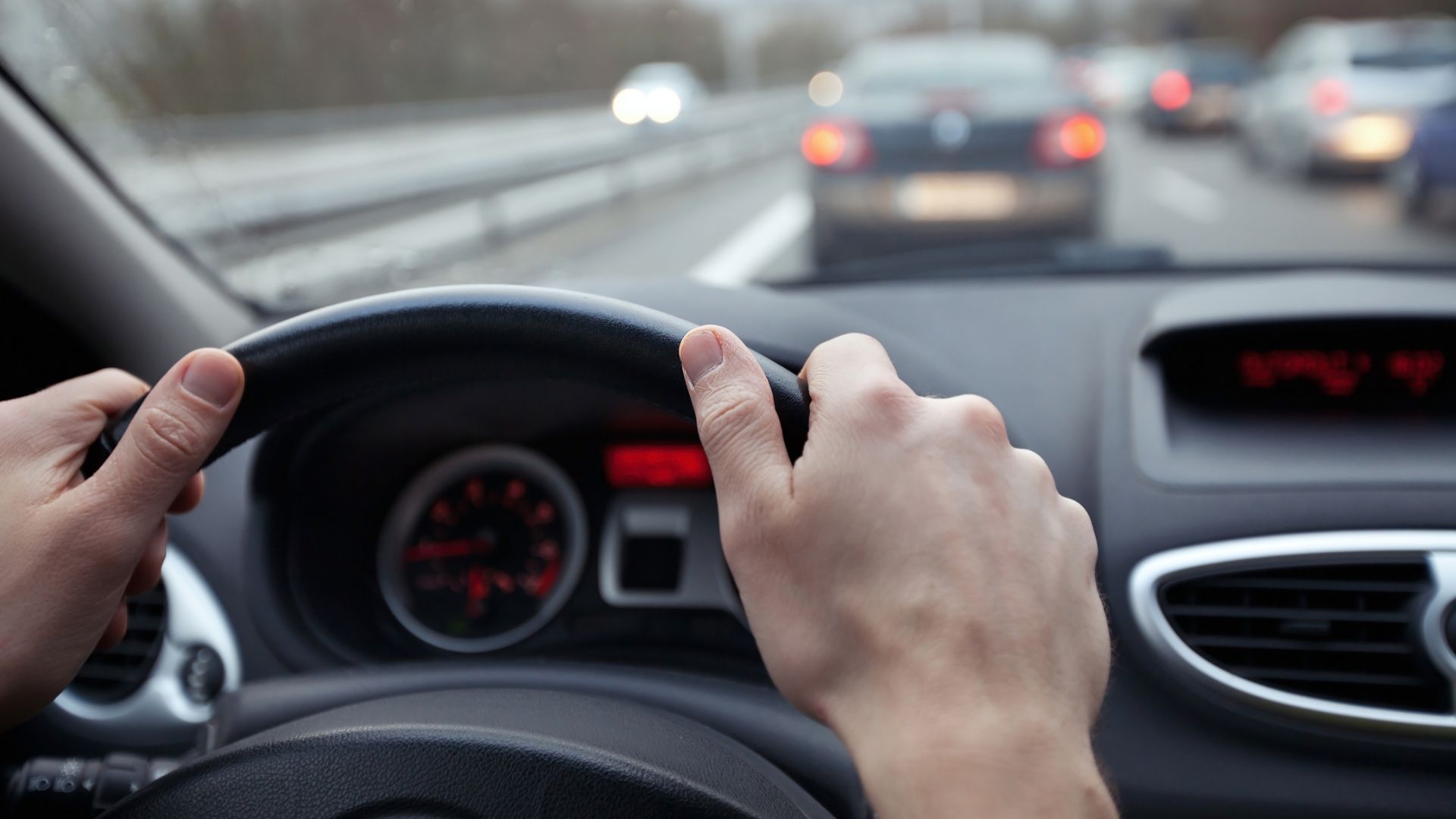
The Department for Transport (DfT) says the number of road deaths in the UK directly related to slow driving is on the up.
According to DfT figures, 26 people were seriously injured and two were killed in 2019, in incidents where slow driving was a contributing factor. And 132 more sustained less severe injuries in slow driving incidents.
Slow driving itself is rarely the direct cause of incidents or injuries. However, there are behaviours associated with it that are dangerous. Over-ambitious overtakes, undertaking on the motorway, tailbacks and road rage can all be directly related to slow driving. Those who incorrectly merge on motorways, coming to a stop on slip roads, for example, find themselves facing cars passing by at 70mph.

Although punishments are normally associated with excessive speed, you can face a fine and points for driving too slowly. In the UK, the punishment is similar to low-level speeding: three points and a £100 fine. Whether a speed awareness course is an option for motorists caught driving too slowly is unclear.
Minimum speed limits are a rarity in the UK, though some high-risk areas do have them, where it’s important to avoid tailbacks. Some tunnels will have a minimum and maximum speed limit. Mersey Tunnel, for instance, has signs to tell drivers the minimum speed limit. The only difference is the number will have a red line through it.
Minimum speed limits are more common in certain parts of Europe.
- Doctors and priests among most dangerous drivers

“I’m not in the least bit surprised by these worrying statistics,” said Hugh Bladon, a founding member of the Alliance of British Drivers.
“I have advocated for a long time that driving too slowly causes frustration for other people and can cause them to attempt an overtaking manoeuvre, which is the most dangerous thing you can do on the roads.”
