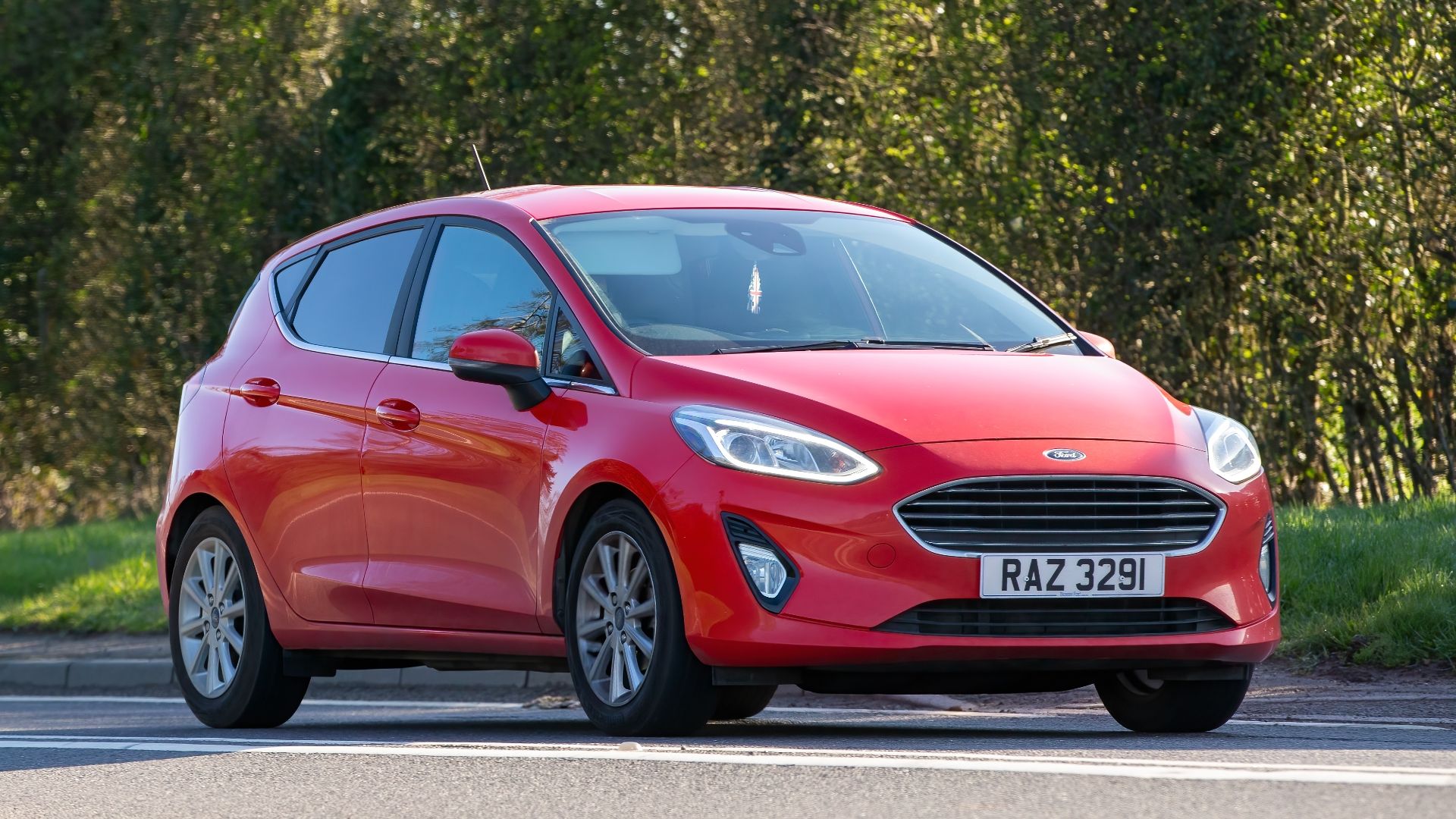
Are you planning to buy a used car? Read this guide first to make sure you purchase the right vehicle at the right price.
With help from Limvirak Chea, CEO of car maintenance and MOT booking service Fixter, we have pulled together 10 tips for purchasing a second-hand vehicle, from servicing to shopping around, and timing to tyres.
If you have any further questions about buying a used car, please let us know in the comments and we’ll do our best to answer them.
Table of contents
- 1. Check the car’s mileage
- 2. Shop around before you buy
- 3. Go for a test drive
- 4. Check the dashboard for warning lights
- 5. Check the tyres
- 6. Make sure the car has been serviced correctly
- 7. Check the car’s history
- 8. Work out insurance costs
- 9. Think about the purpose of the car
- 10. Buy at the right time for the best deals
1. Check the car’s mileage

Before buying a second-hand car, you need to know how many miles the vehicle has done during its lifetime. This will likely impact the amount of maintenance work needed in the future.
As a rule of thumb, a used car with a high mileage should have a lower price tag than a similar used car with fewer miles on the clock.
2. Shop around before you buy

Shopping around different car dealerships and online marketplaces before you buy a used car is essential. You wouldn’t just buy the first house you see, so why buy the first car?
Searching for the best deals can take time, but by looking in multiple places you can make price comparisons and check vehicle conditions to ensure you are choosing the best used car for you. Moreover, having knowledge of the used car market gives you better negotiating skills on the final price, which could save you serious money.
3. Go for a test drive
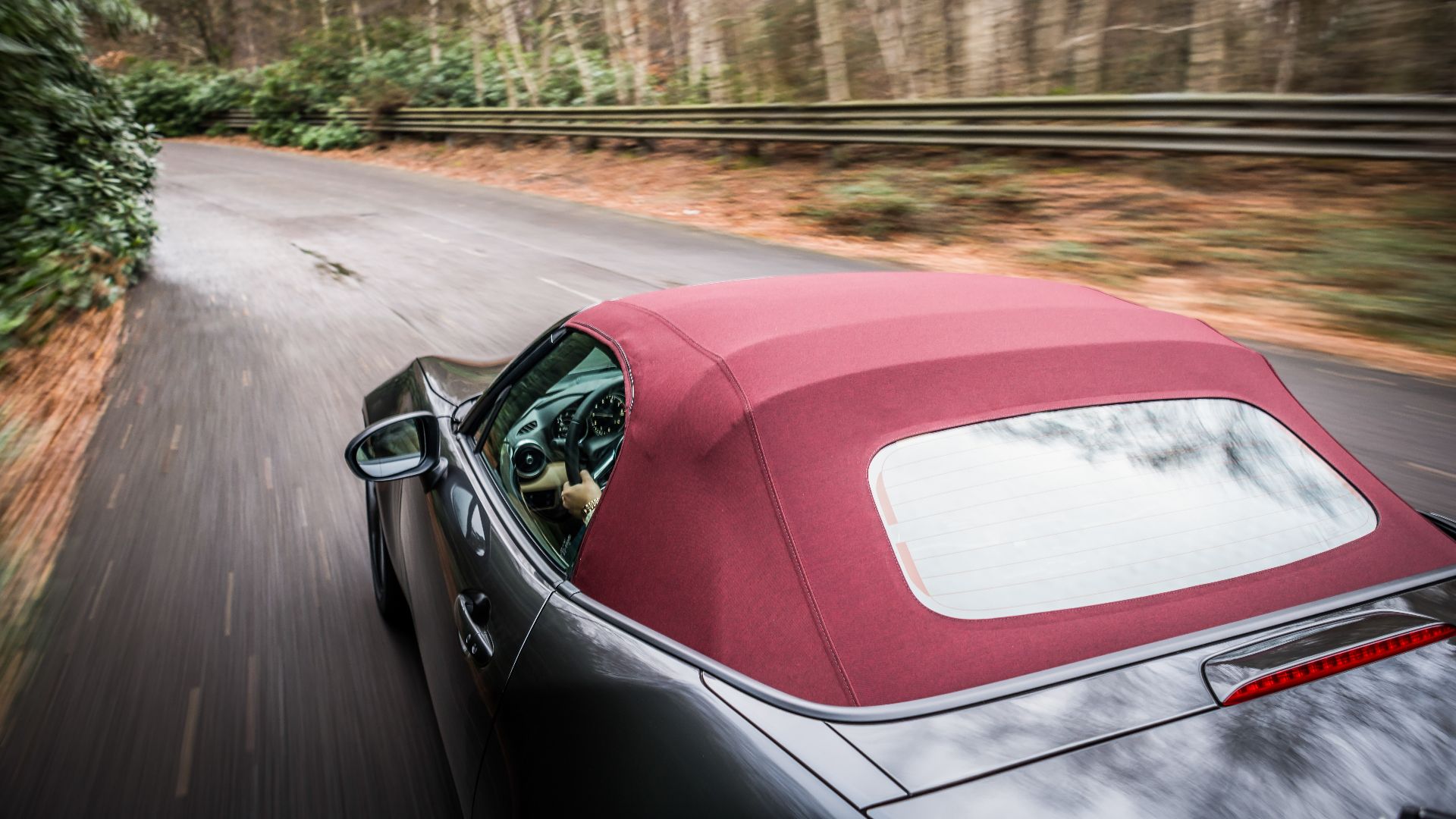
Being able to test drive your secondhand car before purchasing is also imperative. Some issues might not become apparent until you start the engine and hit the road.
Taking a test drive also allows you to compare the car’s performance to other vehicles – and gives you a general feel for the car before you hand over any money.
4. Check the dashboard for warning lights

Dashboard warning lights are intended to highlight potential problems. They are a key indicator that something might be wrong with a car before you buy.
Warning lights can also flag up potential repairs needed in the future, so they may be useful when it comes to negotiating the final cost of the car. Alternatively, you could ask the current owner to fix any issues with the car before the sale, then reflect this in the price paid.
5. Check the tyres

Used cars with a higher mileage will usually display more wear and tear. To avoid extra costs, it is worth checking the tyres are in good condition and do not have a tread depth below 3mm.
A quick method is to insert a 20p coin into the grooves in your tyre. If you can’t see the outside band on the coin, your tyres are within the legal limit. If the outside band is visible, the tyres need to be replaced soon after purchasing the vehicle. You may be able to negotiate a discount to cover this.
6. Make sure the car has been serviced correctly
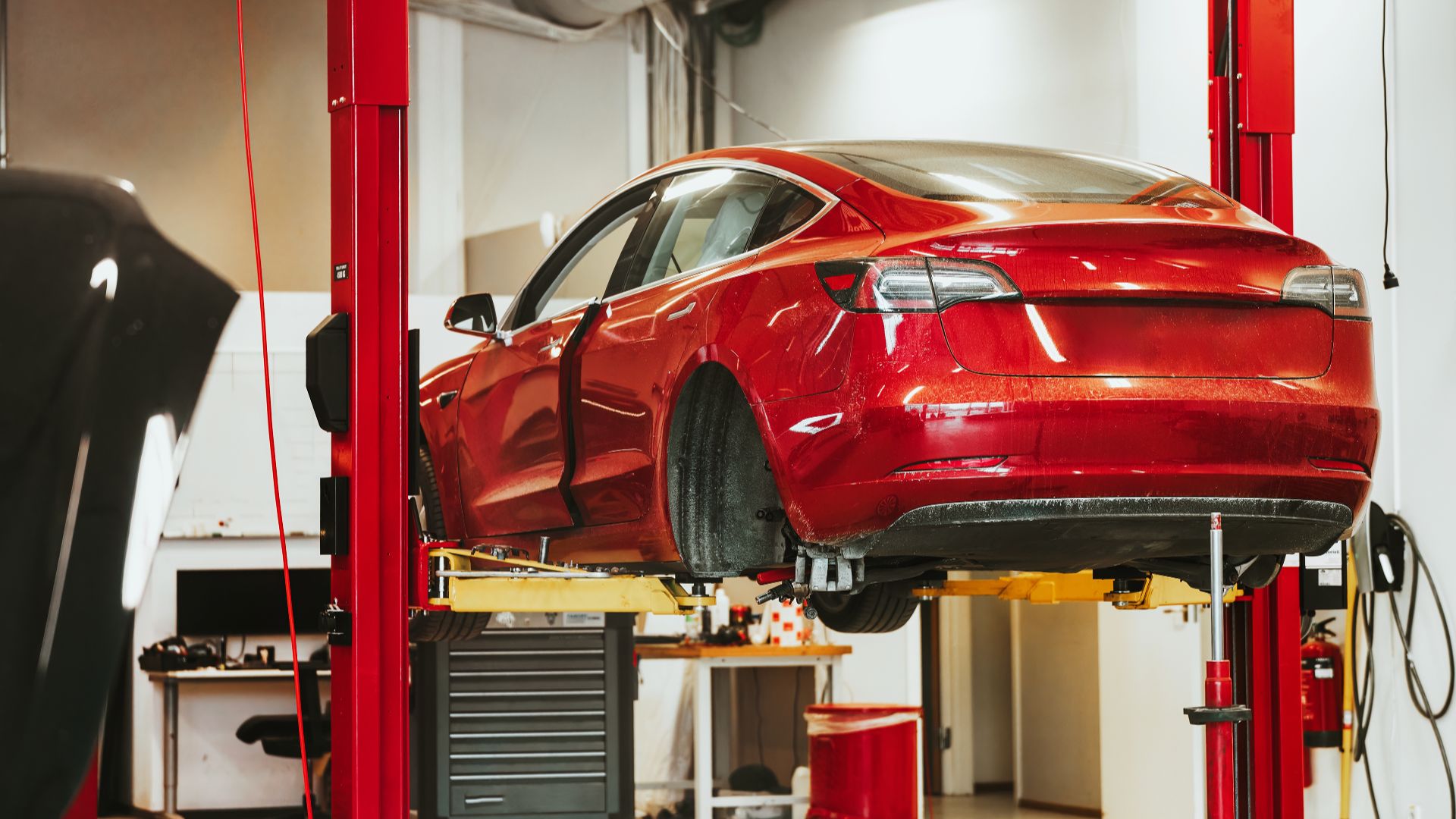
Before purchasing a used car, it is important to ask the seller for the vehicle’s service history. A lack of service records could indicate neglect by previous owners, meaning more maintenance – and expense – will be needed in the future.
If you have already purchased a second-hand car, you should keep it serviced according to the manufacturer’s schedule. This could be through a franchised dealer or, as the car gets older and outside its warranty period, an independent garage.
7. Check the car’s history

A vehicle’s MOT history is easy to check online for free simply by using the registration plate. This gives you insight into maintenance that might be due soon (check if there were any advisories at the previous MOT) and the number of previous owners.
The MOT history can also reveal past accidents that may have caused structural damage to the car, and can help you to evaluate general wear and tear.
8. Work out insurance costs

Insurance quotes are based on a number of factors, including where you live, your profession and the performance of the car in question. So checking the cost of cover before you purchase could save an unpleasant surprise later on.
For example, where older cars may have a lower cost of repair, they could also be considered a higher risk – all of which feeds into your annual insurance premium. Read our guide to saving money on car insurance for further advice.
9. Think about the purpose of the car
When most people think of buying a new car, their mind automatically wanders to their ideal set of wheels. As nice as it would be to own a sports car, can you really afford it? And will it actually suit your lifestyle?
Before splurging on the car you think you want, take a step back and pull together your list of ‘must haves’. What is essential in your new car? And what will you use it for?
For example, larger cars come at a higher cost, including for fuel and maintenance, so choosing the correct car for your needs can save you money.
10. Buy at the right time for the best deals

If you are purchasing a used car from a private seller, there is not necessarily a ‘right’ time to buy. However, the start of each quarter (March, June, September and December) is usually a good time to shop around for second-hand vehicles at dealerships, as car dealers aren’t worried about hitting their sales quota for the quarter. This means they are less likely to rush your deal, giving you more time to negotiate a fair price.
You’re also far better off shopping at a dealership during the working week, rather than at weekends, as fewer customers means fewer deals being made, giving you more haggling power.
Lastly, it is worth noting that if a dealer-owned car has been on the market for between 60 and 90 days, it will probably be sent to auction soon – giving you the chance to grab a better deal.
ALSO READ: