Awesome 2000-Era Cars You Can Finally Bring to the U.S.
-
Heading back to the turn of the millennium
© NewspressThe year 2000 ushered in a new century, along with plenty of exciting new cars around the globe. Many of these were denied to American consumers, but those who waited patiently are now in luck.
Administered by the National Highway Traffic Safety Administration (NHTSA), the ‘25-year rule’ allows American enthusiasts to import cars that were not originally sold in the United States.
As a result, vehicles from the year 2000 are now eligible for import. Here, we have taken a look at some of the coolest cars you could now bring legally into the USA.
-
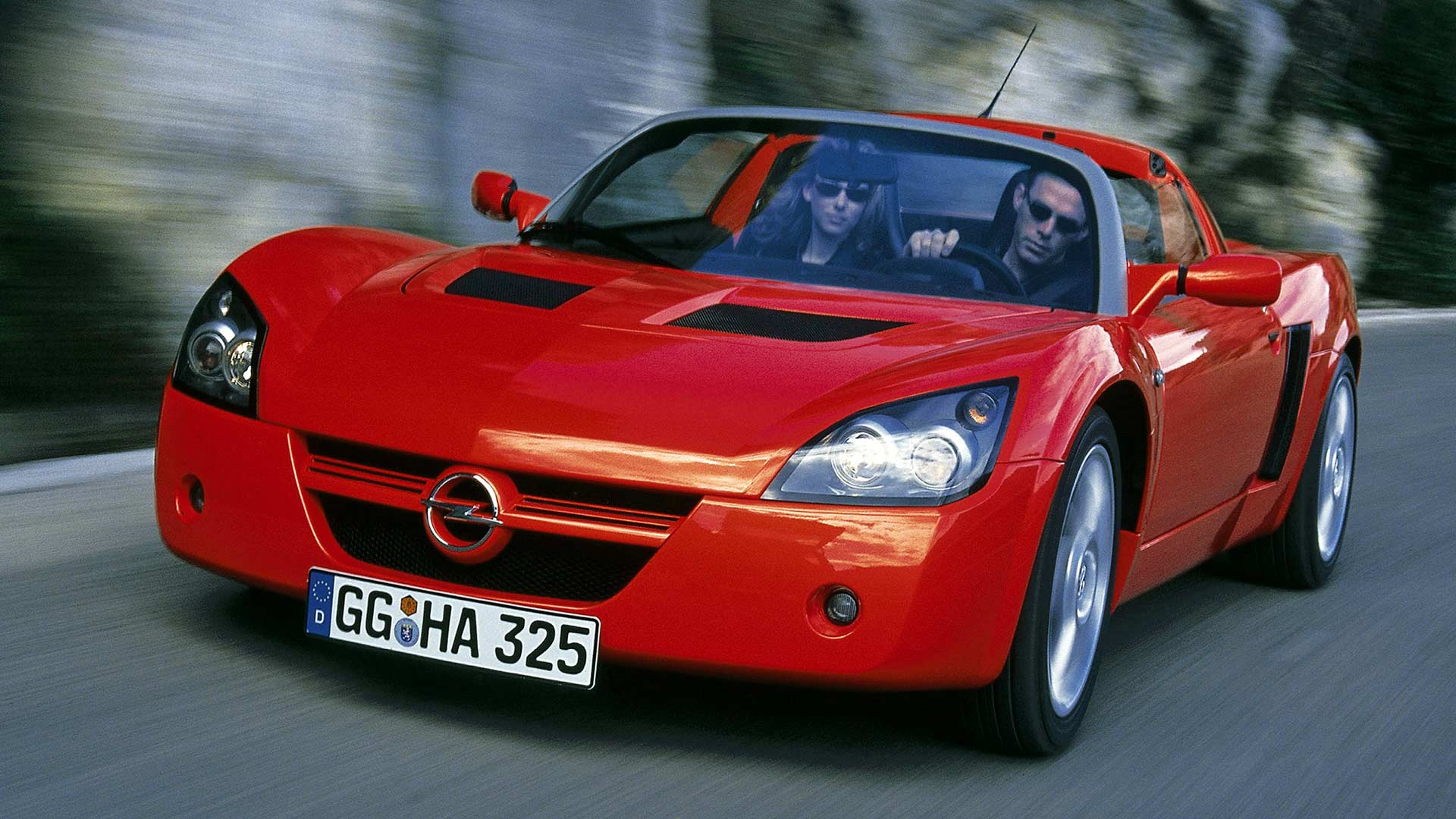
2000 Opel Speedster
© GMWhere better to start than with a two-seat, mid-engined roadster? The Opel Speedster (sold in the UK as the Vauxhall VX220), was a joint project between General Motors and Lotus.
The original Lotus Elise did not comply with new crash regulations, due to apply from 2000 onwards, but the sports car company lacked the money to develop a new version.
Enter GM, which agreed to help fund the Elise Series II, on the basis that the Opel Speedster was created alongside it.
-
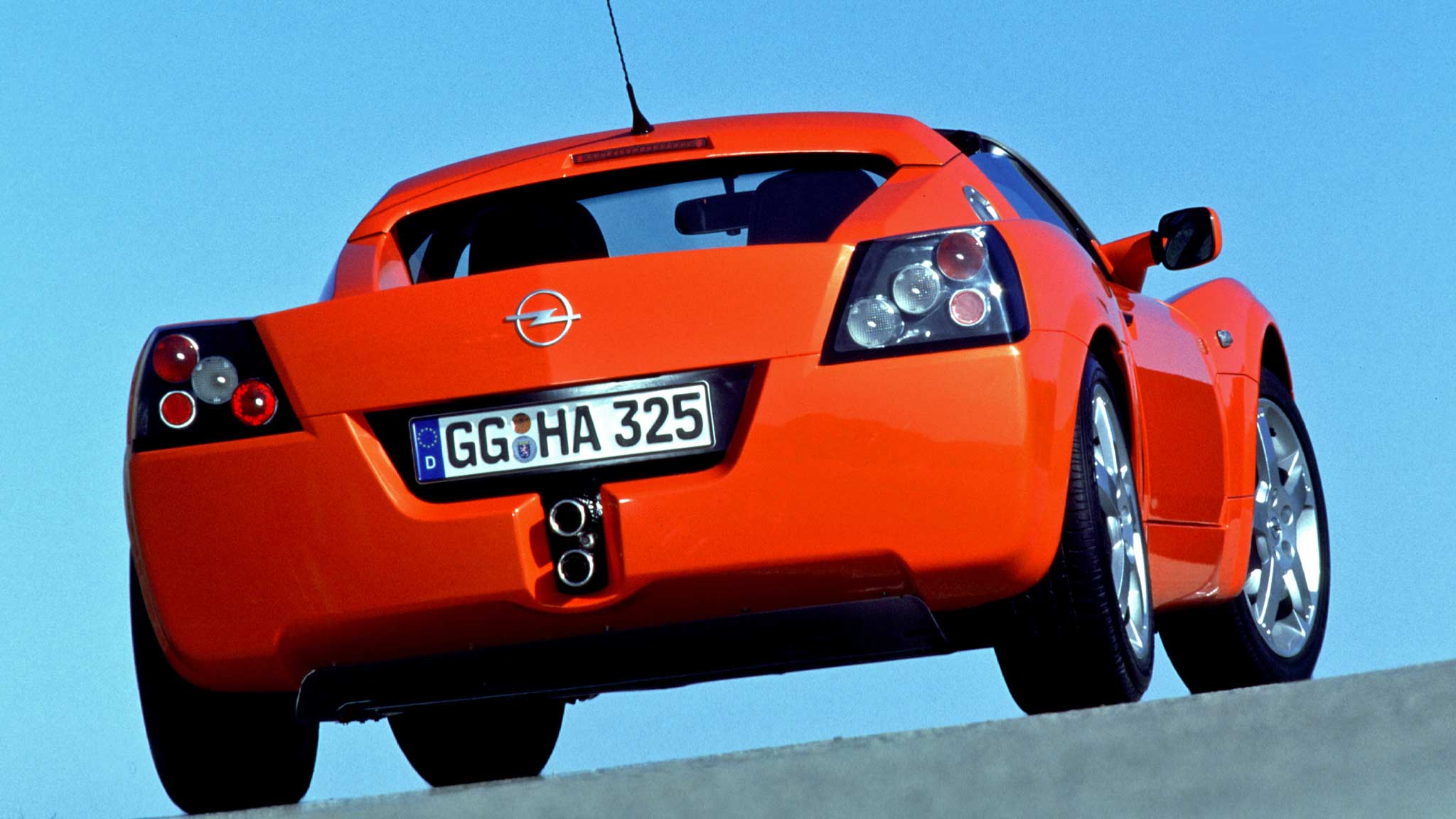
2000 Opel Speedster
© GMProduction of the Opel Speedster began in July 2000, although Lotus was at pains to note that it shared little with the Elise.
The Speedster benefitted from a longer wheelbase, and made use of a GM-supplied 2.2-liter four-cylinder engine with 147 hp. A five-speed manual transmission was standard, and the Speedster tipped the scales at just 1,918 lb.
As impressive as the base Speedster was, you ideally need to wait another few years. Why? Because in 2029, the 200 hp Speedster Turbo will become eligible for import to the United States.
-
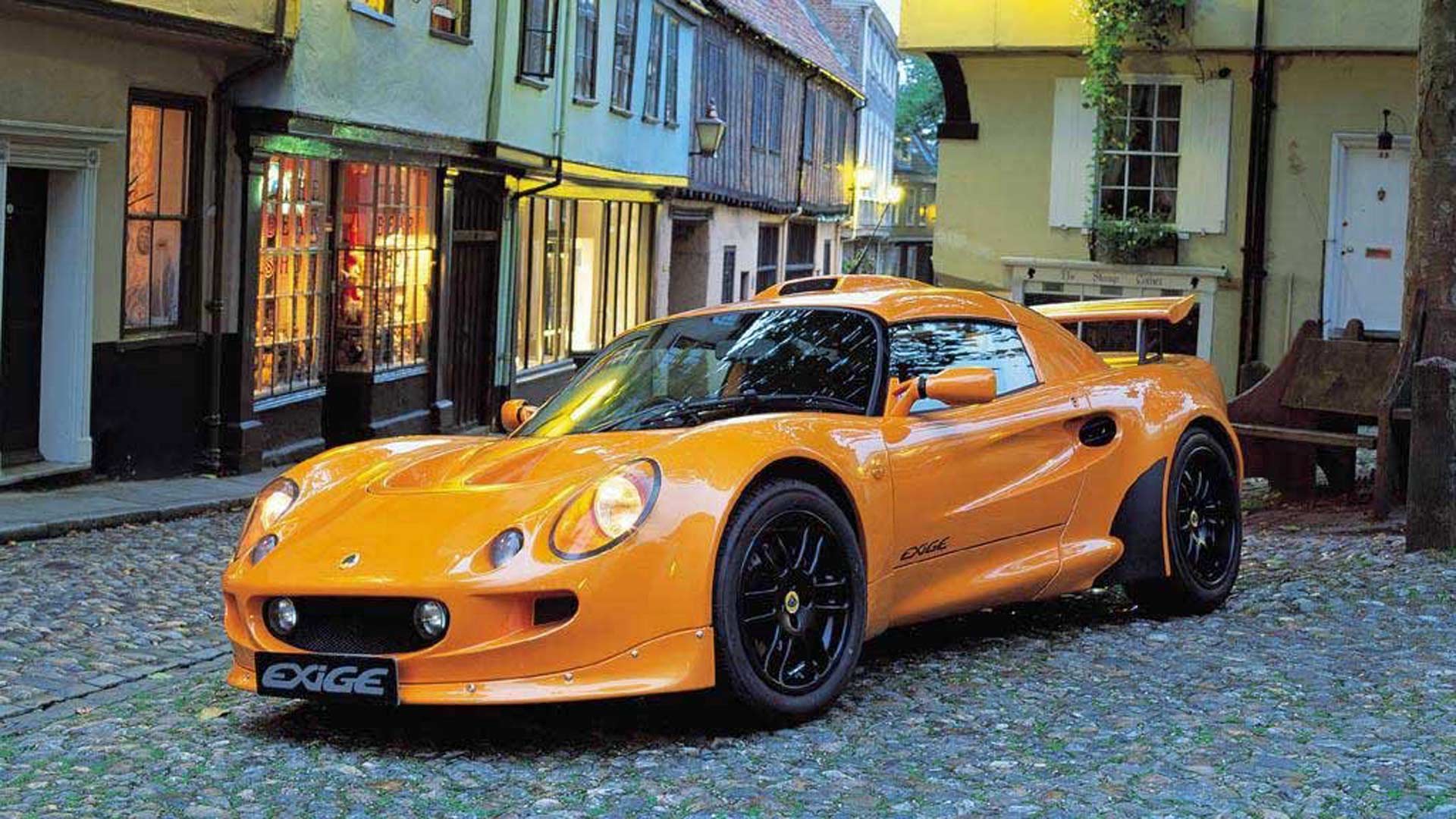
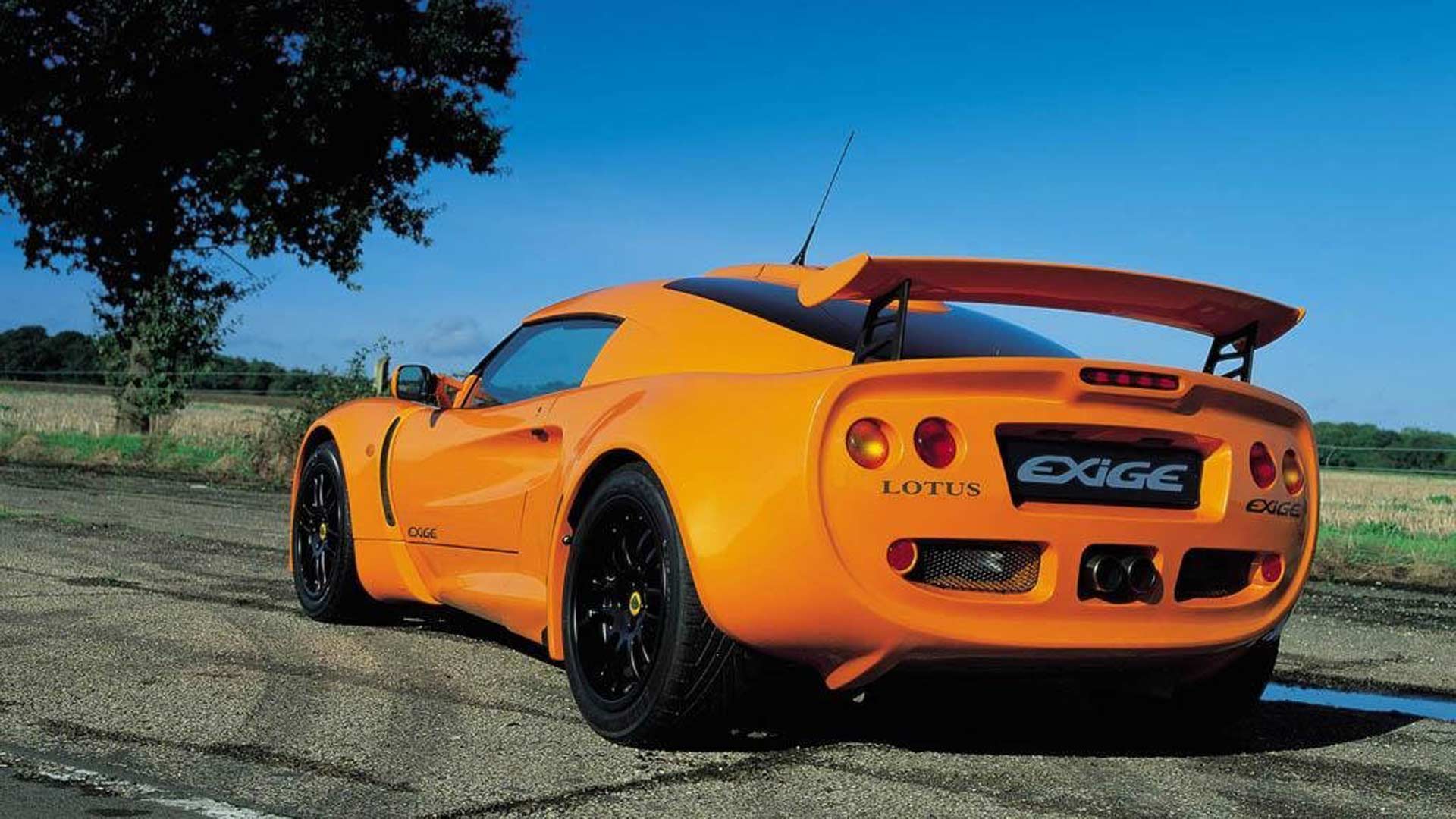
2000 Lotus Exige S1
© LotusThe Lotus factory was a busy one during 2000, with the unveiling of the first-generation Exige sports car.
Based on the original Elise roadster, the Exige added a fixed hardtop roof, deeper front splitter, and a large rear wing. The result was a scaled-down interpretation of a GT1 Le Mans racer.
Enhancing the car’s motorsport image was a roof-mounted air intake for its four-cylinder engine.
-
2000 Lotus Exige S1
© LotusThe base Lotus Exige came equipped with a 1.8-liter engine developing 177 hp, although a tuned version was available with 190 hp.
Despite not being hugely powerful, the Exige’s 1,720 lb weight ensured performance was lively, especially on a race track.
Lotus would import the second-generation Exige to the United States in 2006. However, the 804 examples of the original car arguably offer a purer, more visceral driving experience.
-
2000 Lotus 340R
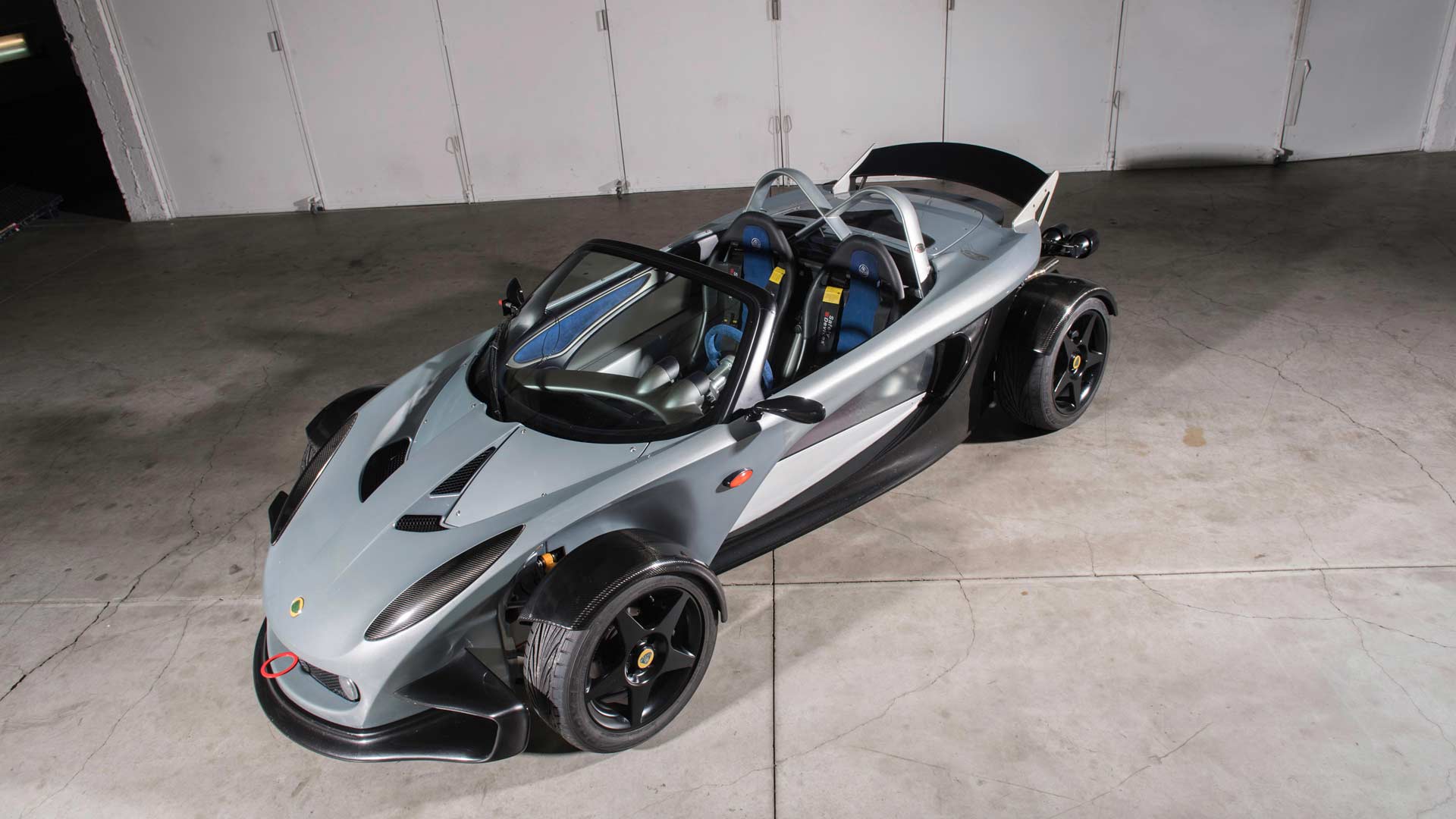
© LotusOur final year 2000 model from Lotus is the limited edition 340R, designed as an extreme interpretation of what an Elise could be.
There was no roof, doors, or side windows, with all superfluous equipment removed in the quest for light weight. Although built with track use in mind, the 340R was actually street-legal.
The completed 340R weighed in at a mere 1,545 lb. For context, that’s roughly one-quarter of the weight of a Cadillac Escalade V.
-
2000 Lotus 340R
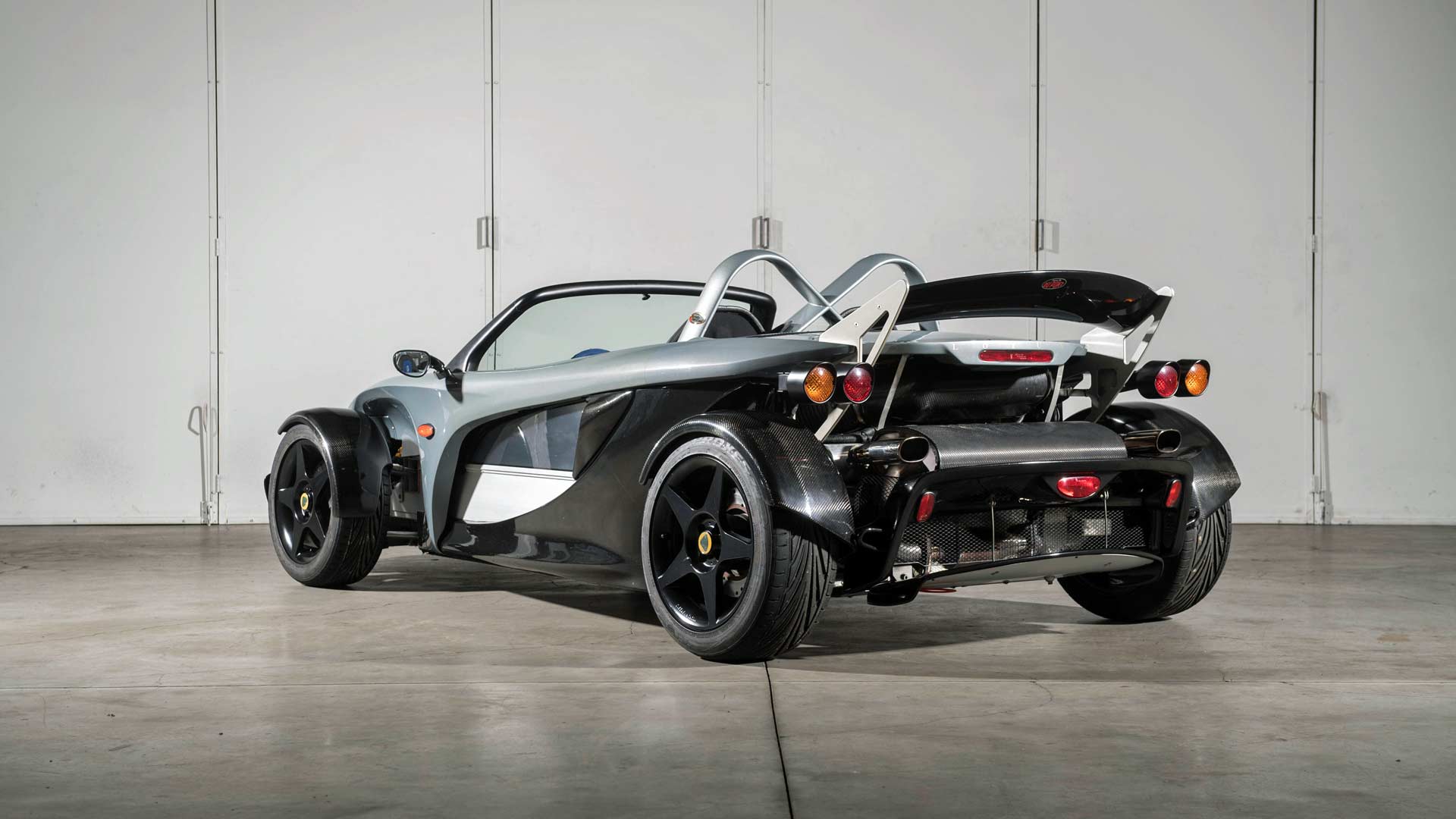
© LotusAs with the Exige, engine options were 177 hp and 190 hp flavors of the K-Series 1.8-liter four-cylinder unit. Most of which was left on display to the outside world…
Production was limited to 340 examples, built in both right- and left-hand drive layouts. Lotus did officially import eight cars to the United States, but these were strictly for track use.
Locating a Lotus 340R may take some time, but they do appear at auctions in Europe. The example pictured was sold by Bonhams, achieving €80,500 ($83,500) on the block.
-
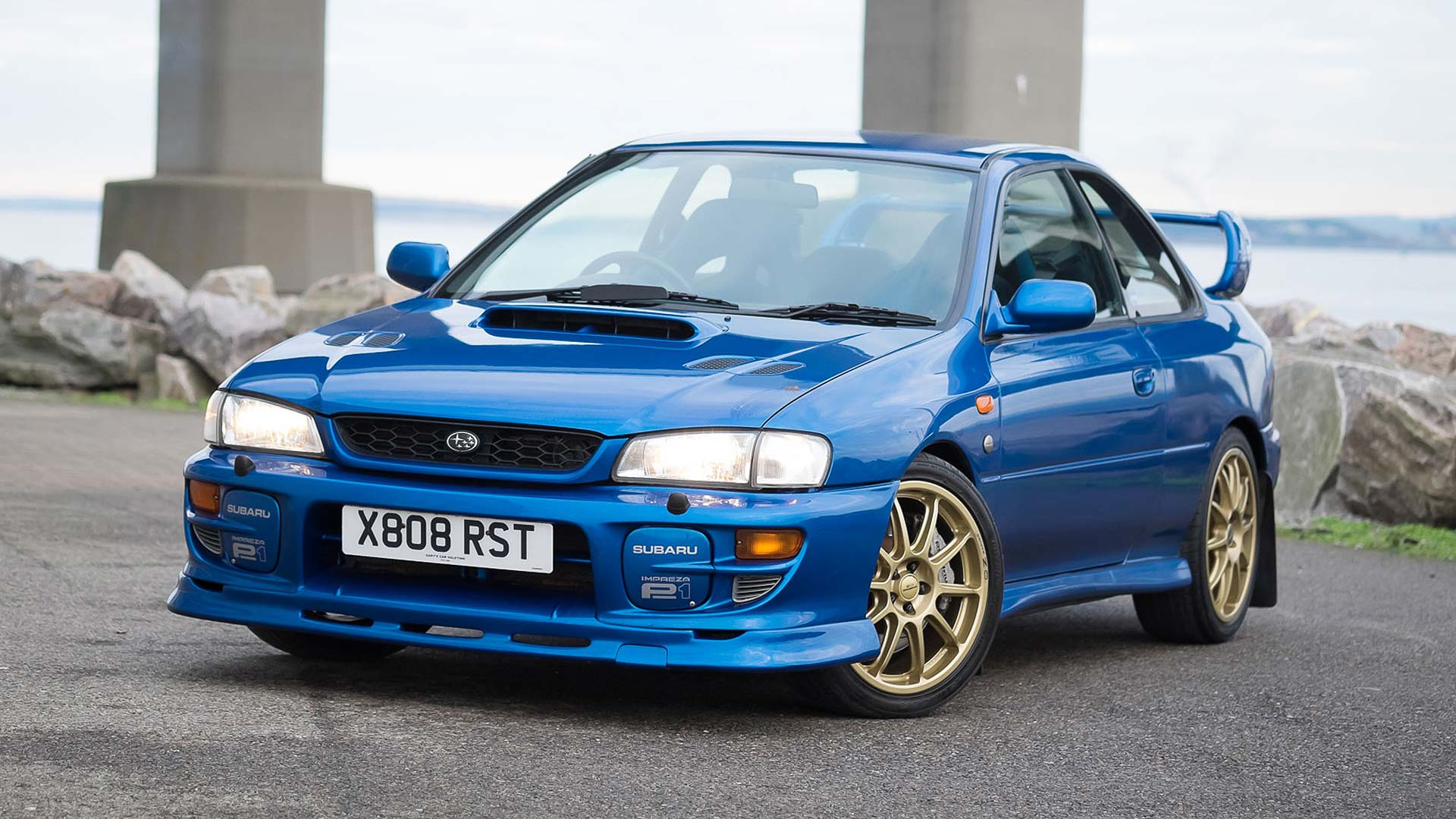
2000 Subaru Impreza P1
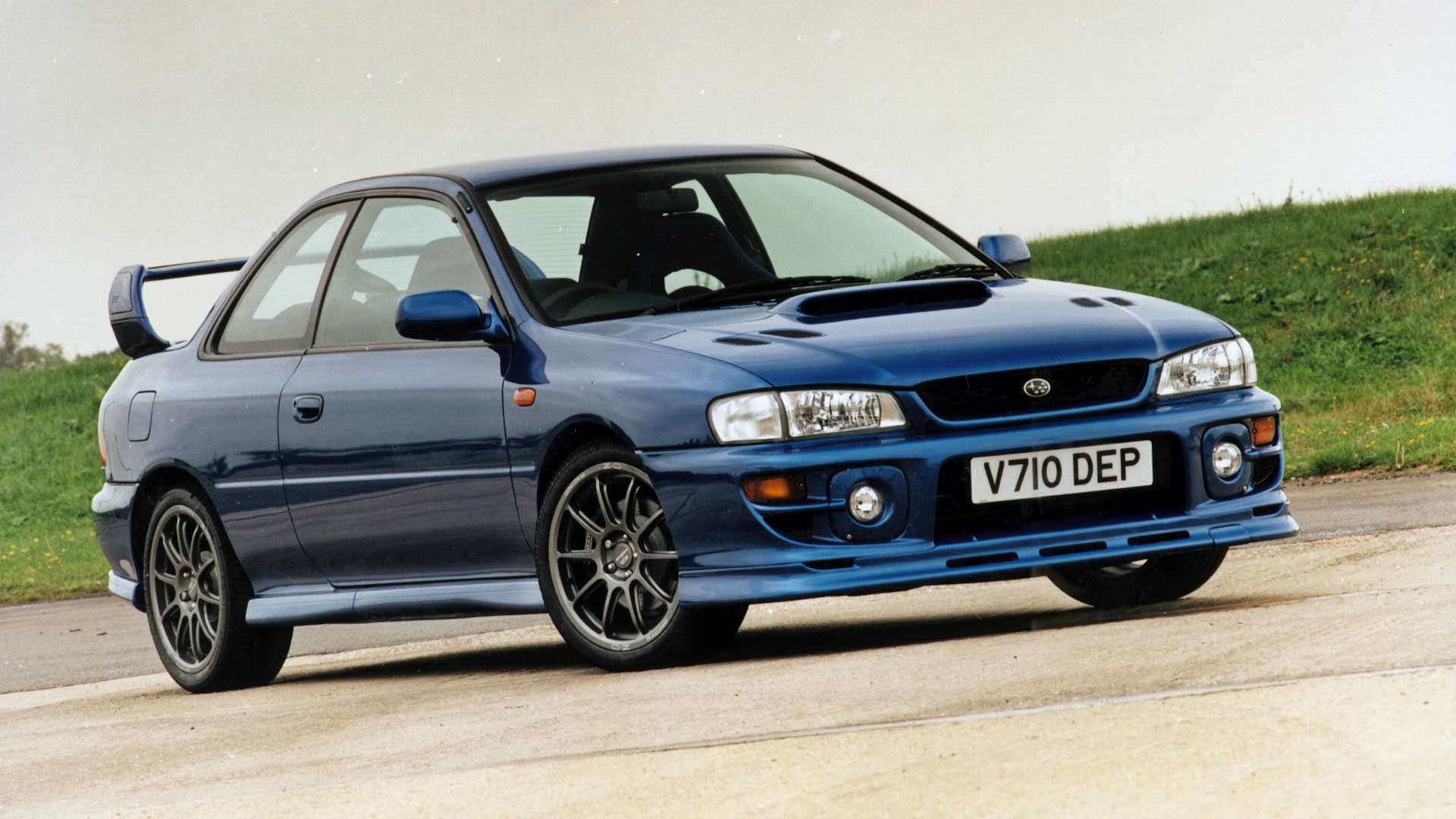
© Subaru UKDuring the later 1990s, the popularity of the Impreza meant that importers such as Subaru UK were being undermined by customers who were unofficially importing Japanese-spec STi models.
UK rally car specialist Prodrive was called upon to help stem the tide. The plan was to offer an Impreza that matched the performance of the JDM machines, but could still be sold legally in the United Kingdom.
The Impreza P1 was the answer, with the name standing for “Prodrive One” in honor of the company that made it happen.
-
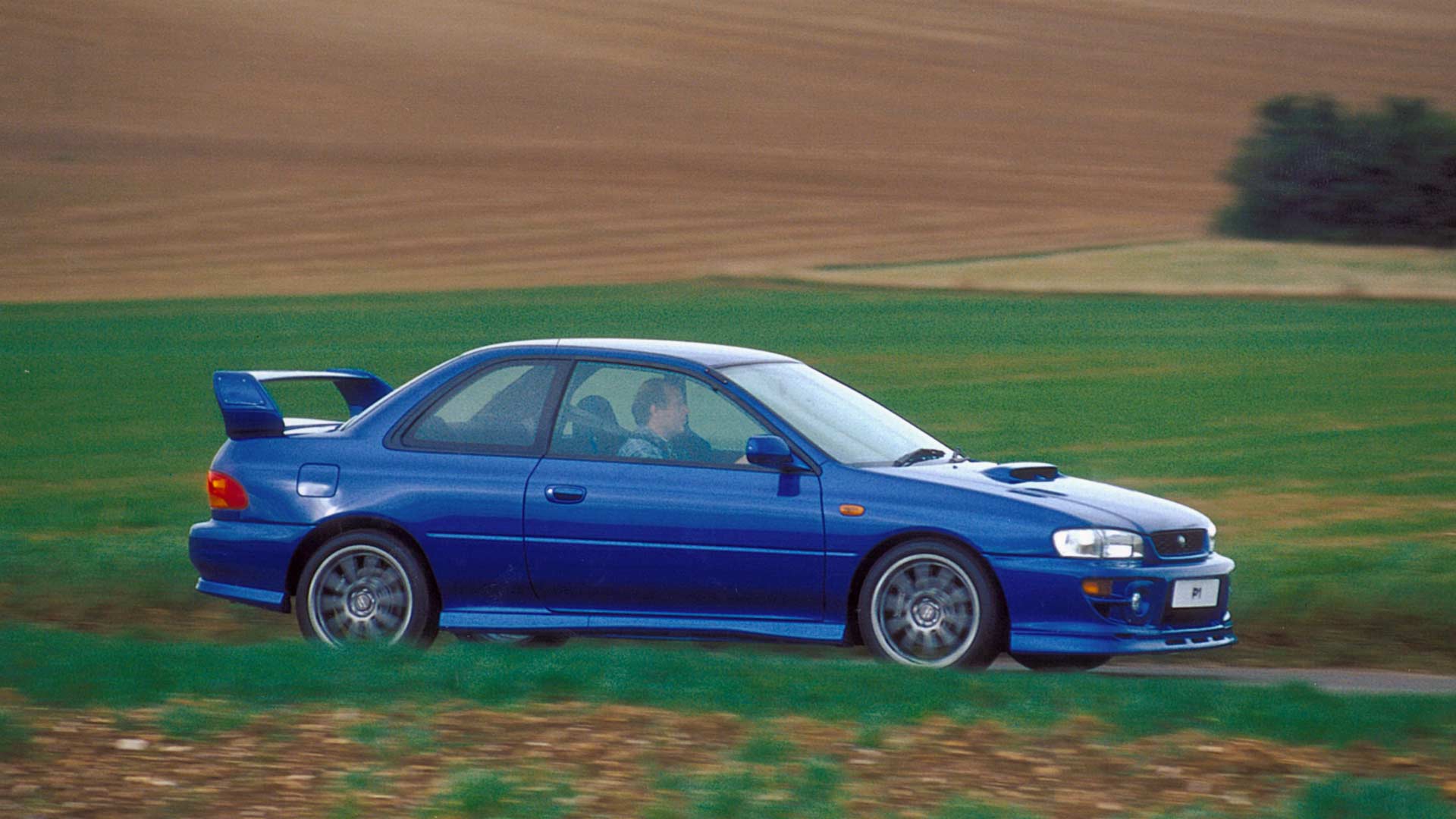
2000 Subaru Impreza P1
© Subaru UKOne of the biggest facets of the P1’s appeal was the use of a two-door body shell. UK enthusiasts had been denied this, other than on the ultra-limited Impreza 22B STi.
A new Peter Stevens-designed aero kit was added to the P1, with each of the 1,000 examples fitted with 17-inch OZ Racing wheels and painted in Sonic Blue.
Providing JDM-specification power was a 276 hp version of the 2.0-liter turbocharged ‘boxer’ engine, with the P1’s suspension tuned to suit bumpy British roads.
-

2000 Holden VX Commodore
© HoldenThe Holden Commodore was a motoring icon in its native Australia, being the perennial rival to the Ford Falcon. Sold between 1978 and 2020, the Commodore was a staple of Australian life, as at home on the race track as it was on the street.
For the year 2000, GM’s Australian outpost launched the VX-generation Commodore. A heavily updated version of Holden’s third-generation model, the VX model brought revised styling and more luxurious trim options.
Engines ranged from a 3.8-liter Ecotec V-6 with 204 hp, through to a 5.7-liter LS1 V-8 producing 302 hp and 339 lb-ft of torque. Rear-wheel drive was the only layout on offer, offering truly old-school dynamics.
-

2000 Holden VX Commodore
© HoldenThe Holden VX Commodore lineup was extensive in 2000, ranging from the entry-level Executive model, favored by fleet users, through to the flagship Calais with woodgrain interior trim and a bespoke chrome grille.
Along with the four-door sedan, Holden also offered the VX Commodore in station wagon form. A related “ute” pickup truck was available, too.
For those looking to import a Commodore, the export version sold in the Middle East may be a better choice. Badged as a Chevrolet Lumina, it featured left-hand drive and the option of a performance SS model.
-
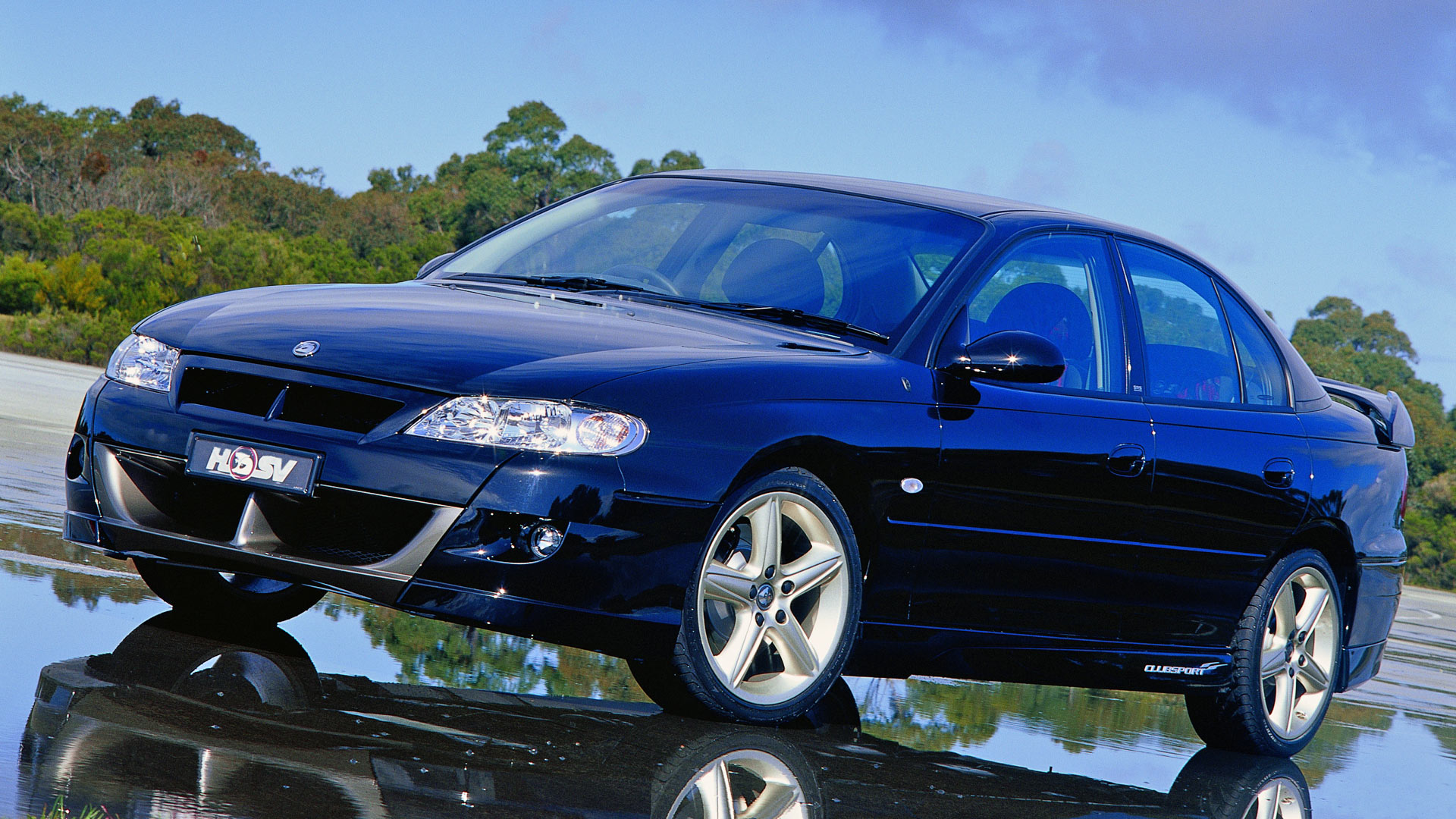
2000 HSV VX Clubsport
© HoldenFor the coolest Commodores, however, the HSV range is your only option. Holden Special Vehicles was responsible for creating the Australian brand’s dedicated performance models, and it did a top job with the VX Commodore.
The HSV Clubsport came equipped with a 342 hp version of the 5.7-liter LS1 V-8.
In response to demand from customers, HSV made the car’s bodywork more dramatic, adding a bespoke aero kit to ensure the Clubsport stood out from regular Commodores.
-
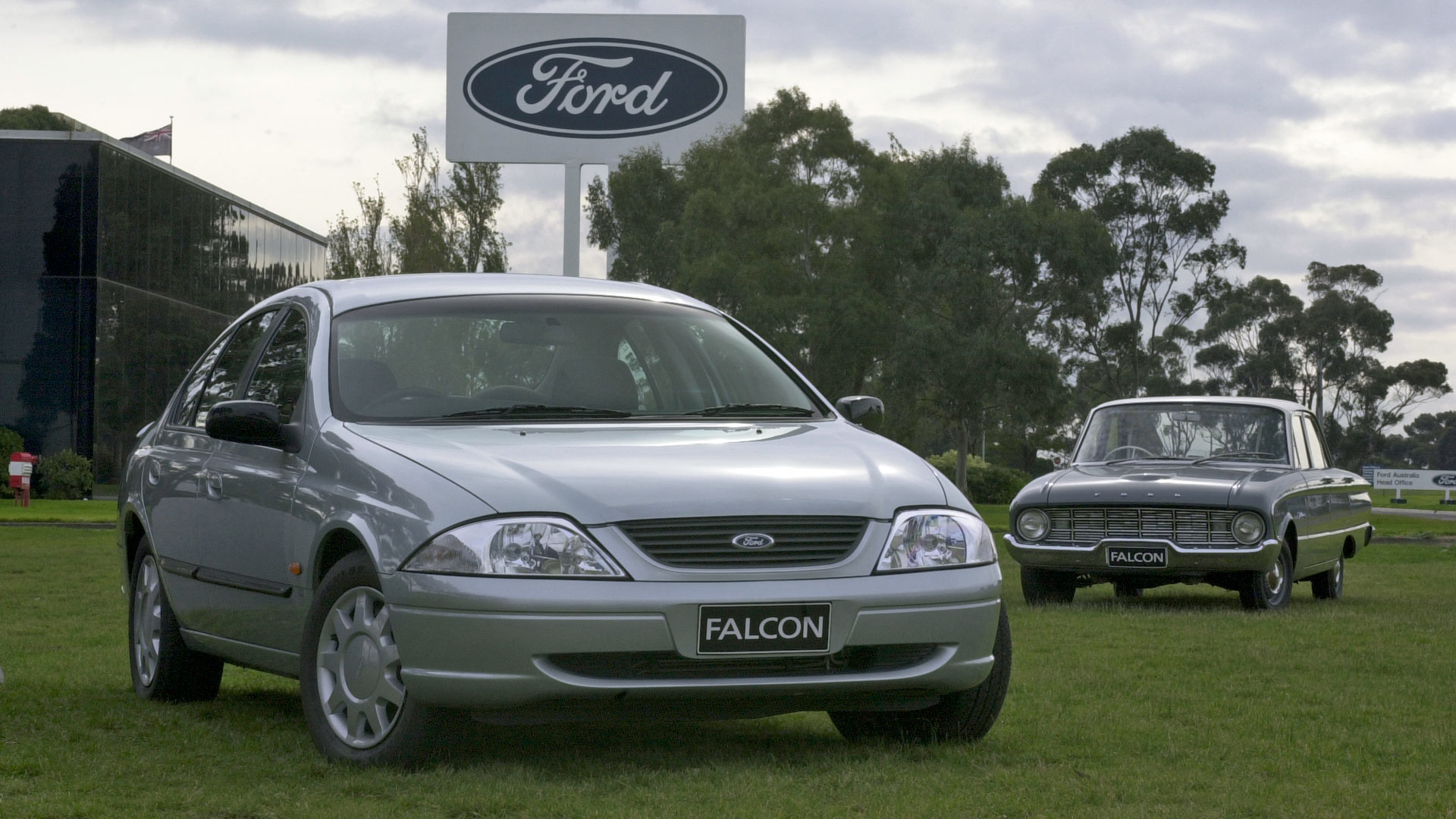
2000 Ford Falcon AU II
© FordInitially derived from the all-American Falcon, Ford Australia started building its own version from 1972 onwards. Produced “Down Under” until 2016, the Falcon was a consistent challenger to the Holden Commodore.
The sixth-generation (AU) Falcon was launched in September 1998, making use of Ford’s “New Edge” design language. Its looks proved divisive, especially alongside the more conservatively styled Holden Commodore.
In response to this criticism, Ford revealed the updated AU II model in 2000, with refreshed styling – including a more conventional front grille.
-
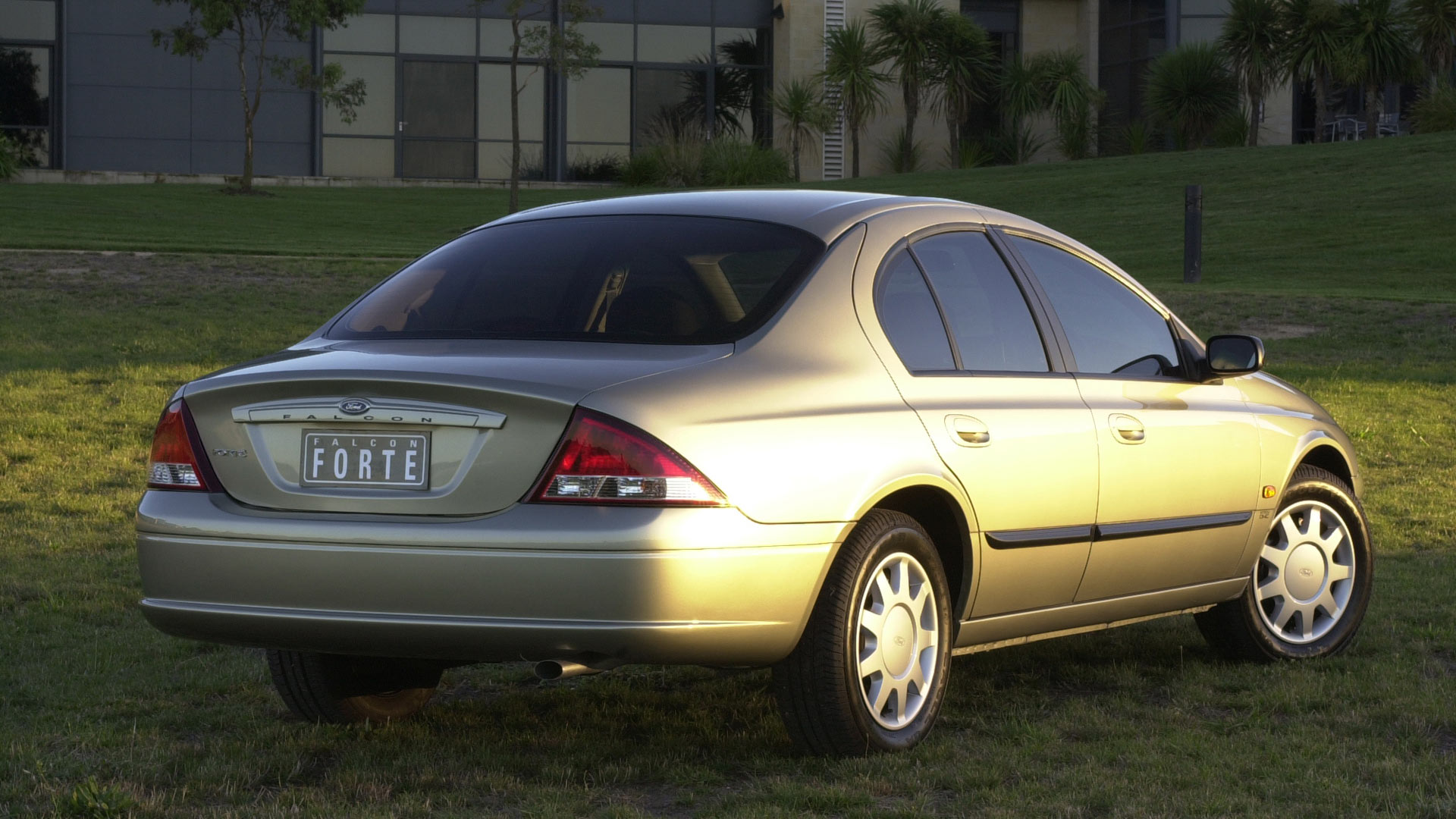
2000 Ford Falcon AU II
© FordRegardless of the design, beneath the metal the 2000 Ford Falcon remained a traditional rear-wheel-drive sedan.
The engine range for the AU II model began with a 211 hp 4.0-liter straight-six, with a 5.0-liter “Windsor” V-8 on the options list.
Perhaps not as intriguing as the Holden VX Commodore, this version of the Falcon could hold appeal for the Blue Oval fan who wants something different to drive to their next car meet.
-
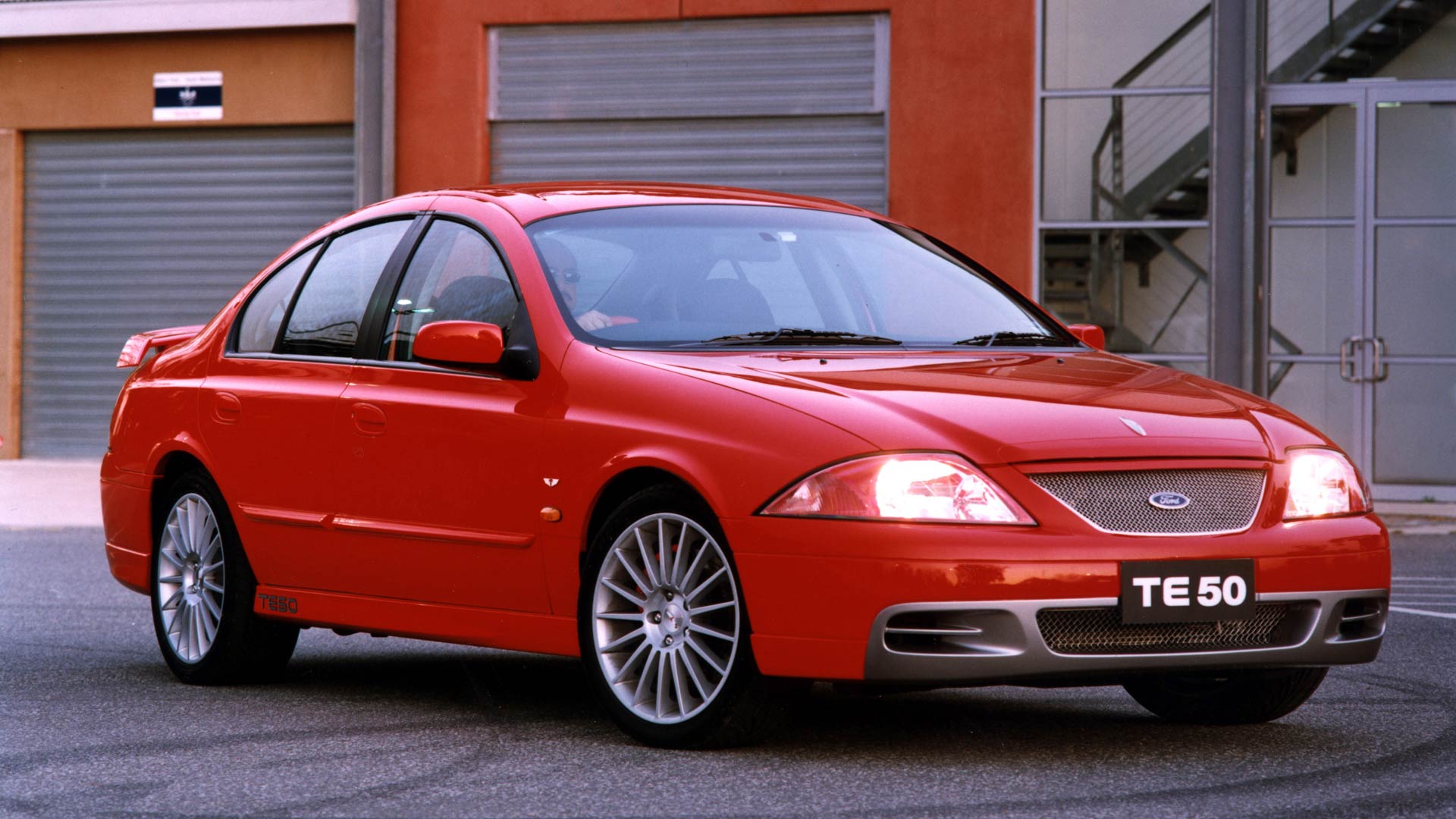
2000 Ford Tickford Experience TE50 T2
© FordTo take the fight to the HSV Clubsport, Ford asked Tickford Vehicle Engineering to develop a range of high-performance models based on the Falcon.
The result was the Ford Tickford Experience (FTE) lineup, beginning with the TE50 version of the Falcon. For 2000, an updated T2 model was launched, powered by a 5.0-liter “Synergy 5000” V-8 that developed 300 hp.
Exterior tweaks, a luxurious cabin with a Momo steering wheel, revised brakes and new suspension were all part of the package. Production numbers were low, so this really is one for the most ardent Ford enthusiast.
-

2000 Ford Mondeo MkII
© FordThe original Ford Mondeo was a cultural icon for the European automotive world, proving that a large family car could be affordable, stylish, and fun to drive.
For the more challenging sophomore effort, Ford made the Mondeo larger, and gave it a more mature look both inside and out.
Unlike the first-generation Mondeo, sold in the United States as the Contour, the second Mondeo did not reach American dealerships. However, Ford did sell a mildly modified version in Mexico, meaning a chance to own this Euro-oriented Ford could be closer than you think.
-
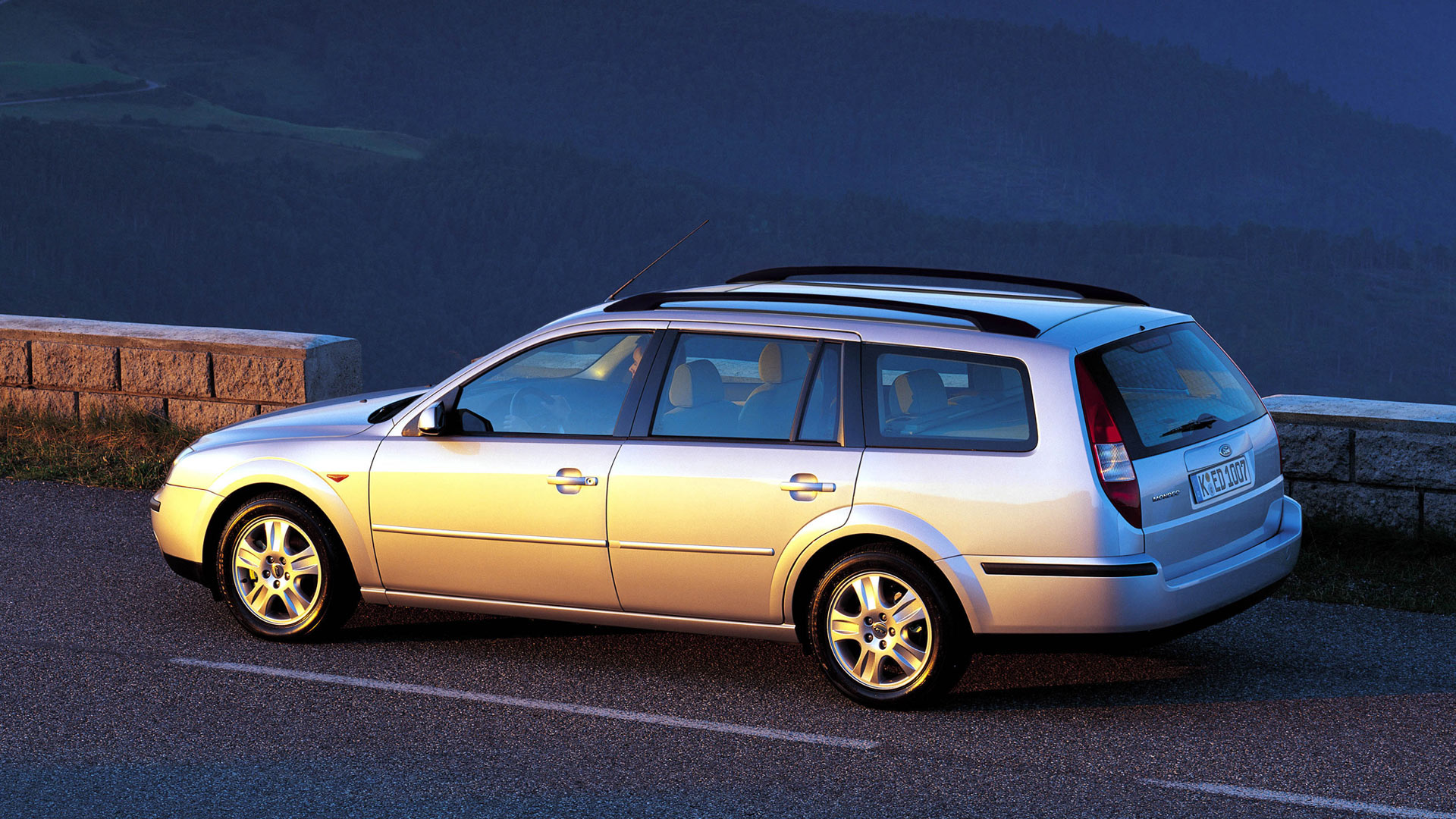
2000 Ford Mondeo MkII
© FordThe second-generation Mondeo built on Ford’s reputation for fine handling, carrying over much of its suspension from the previous model.
From the initial launch offerings, the 2.5-liter V-6 with 168 hp was perhaps the most interesting engine available. At least until the addition of the 217 hp ST220 in 2002.
Once one of the best-selling cars in Europe, Mondeo numbers have declined rapidly in recent years. In fact, with Ford moving away from selling cars in favor of SUVs, this could be the right time to buy one.
-
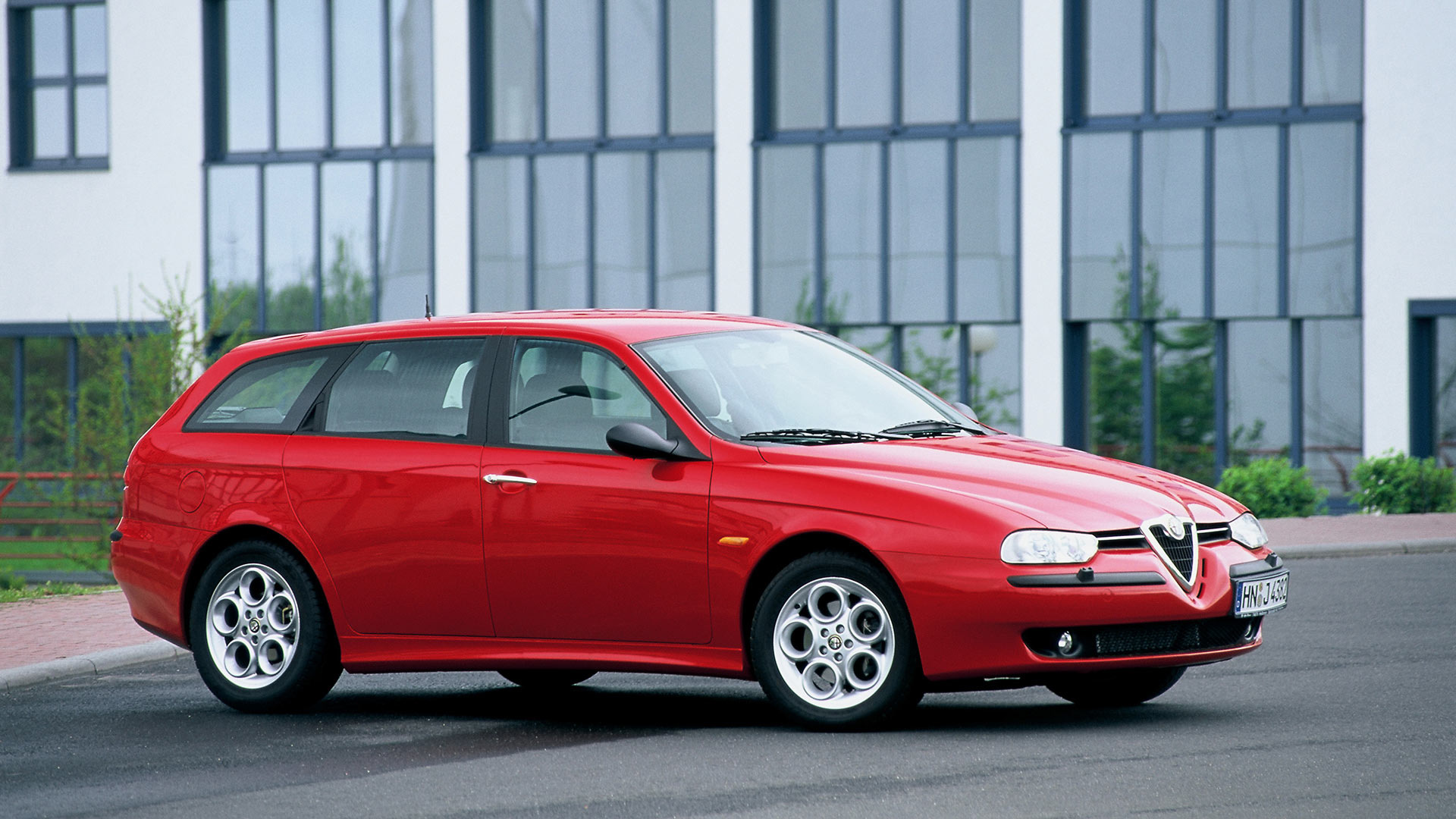
2000 Alfa Romeo 156 Sportwagon
© Alfa RomeoMaking an attractive station wagon is not an easy task, with the competing demands of practicality and style seemingly at odds with each other.
There were no such concerns for Walter de Silva when he designed the Alfa Romeo 156, though. Following the four-door sedan launched in 1997, Alfa Romeo added a Sportwagon estate model to its range in 2000.
Perhaps to highlight just how attractive the 156 Sportwagon was, Alfa Romeo used Catherine Zeta Jones to help promote its new longroof model.
-
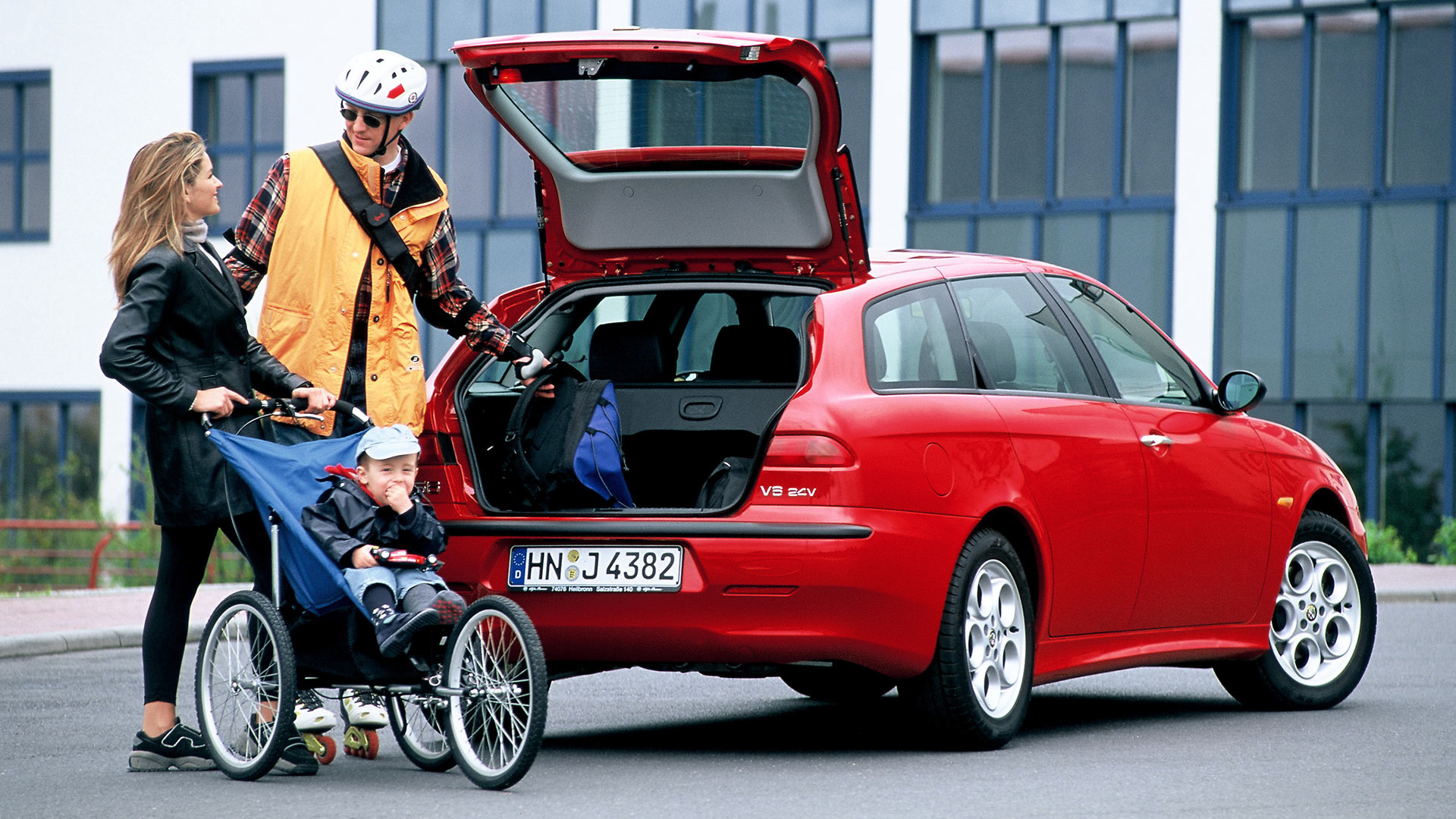
2000 Alfa Romeo 156 Sportwagon
© Alfa RomeoFrom its distinctive front grille to the hidden rear door handles, the Alfa 156 Sportwagon truly is a beautiful estate car.
Admittedly, the load capacity was aimed more at the lifestyle market than those in need of true practicality, but the design made that easy to overlook.
For true Alfisti, only the 2.5-liter “Busso” V-6 will suffice. Producing 189 hp, the 24-valve engine featured chrome inlet pipes, making for a rather special station wagon.
-
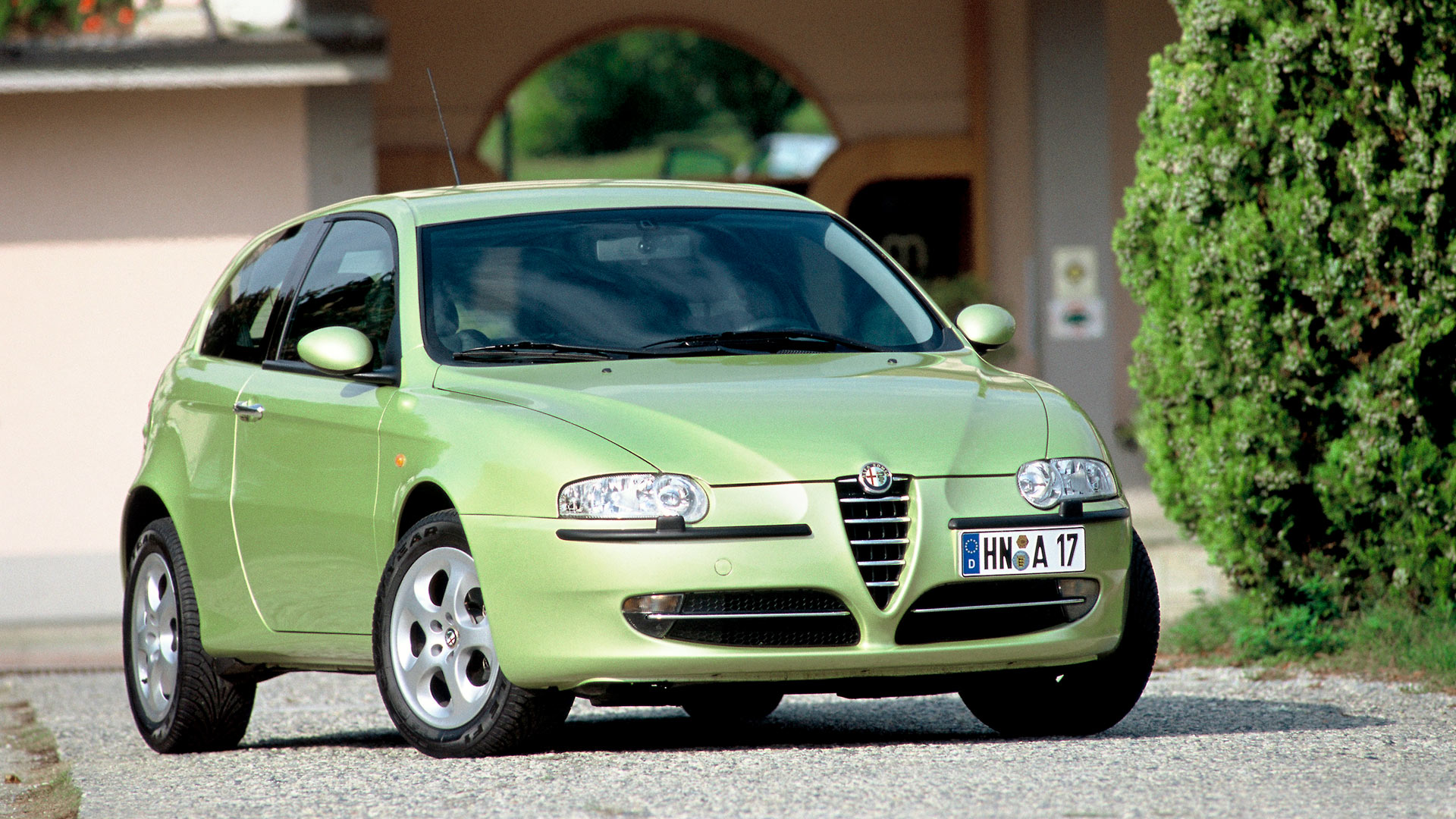
2000 Alfa Romeo 147
© Alfa RomeoAlfa Romeo was clearly a busy company during 2000. After the launch of the 156 Sportwagon, it added an all-new hatchback to its range.
The Alfa Romeo 147 was intended to compete with the Volkswagen Golf and Ford Focus, bringing some Italian style to the traditional compact car sector.
Awarded the European Car of the Year trophy in 2001, Alfa Romeo went on to sell more than 650,000 examples of the 147 during a 10-year production life.
-
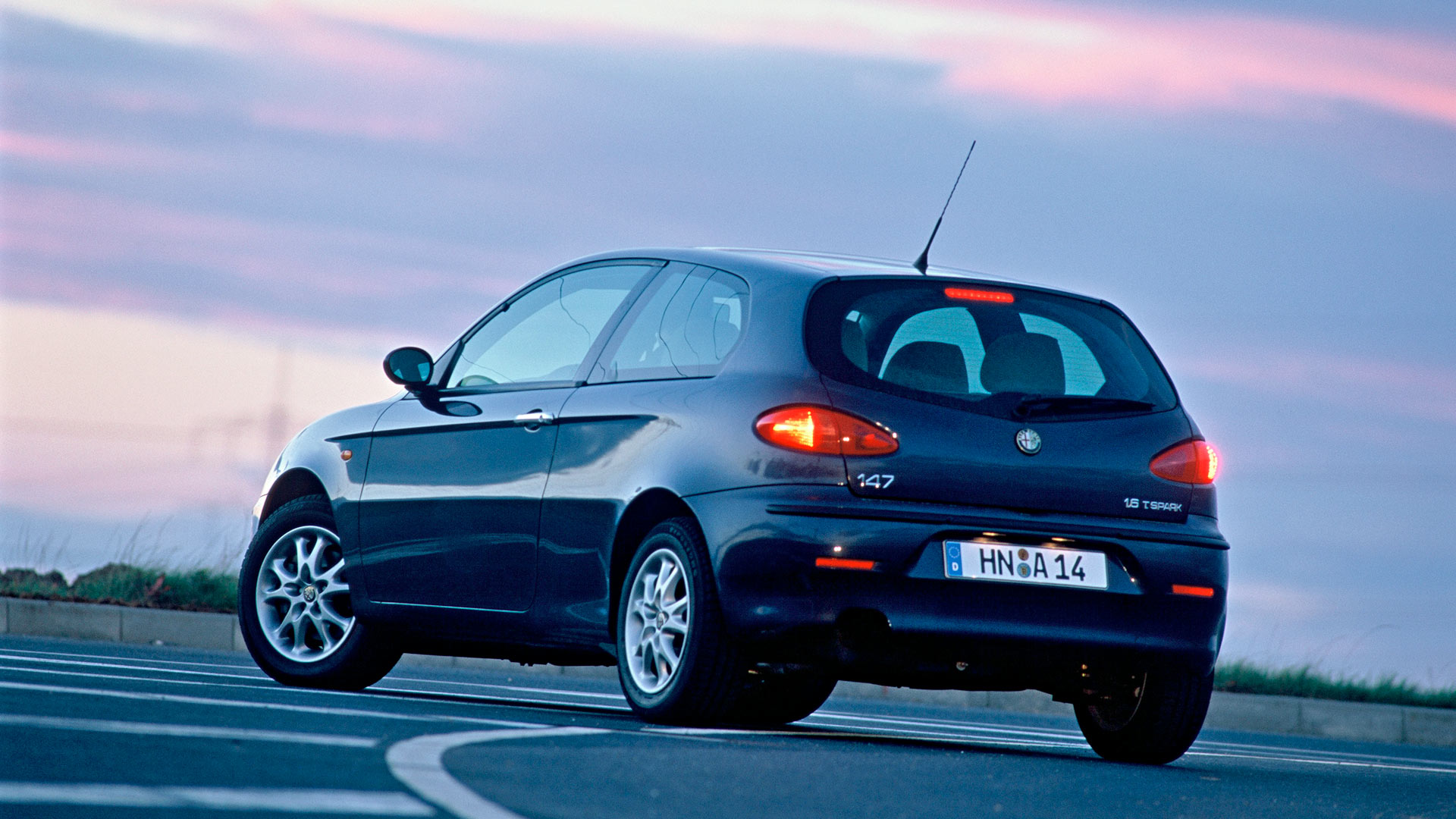
2000 Alfa Romeo 147
© Alfa RomeoSold in a front-wheel-drive layout, the top performance version of the early Alfa Romeo 147 was the 2.0-liter four-cylinder “Twin Spark”. With 148 hp and 133 lb-ft of torque, this revvy engine could propel the Alfa from 0-62 mph in 9.3 seconds.
Some criticized the 147 for limited steering feedback, plus there were concerns about interior quality and reliability. Still, at least this Alfa will look good if it breaks down…
For those who want the ultimate Alfa Romeo 147, be prepared to wait a little longer – until 2027, in fact. This will unlock the chance to own the GTA model, with its 247 hp 3.2-liter V-6.
-
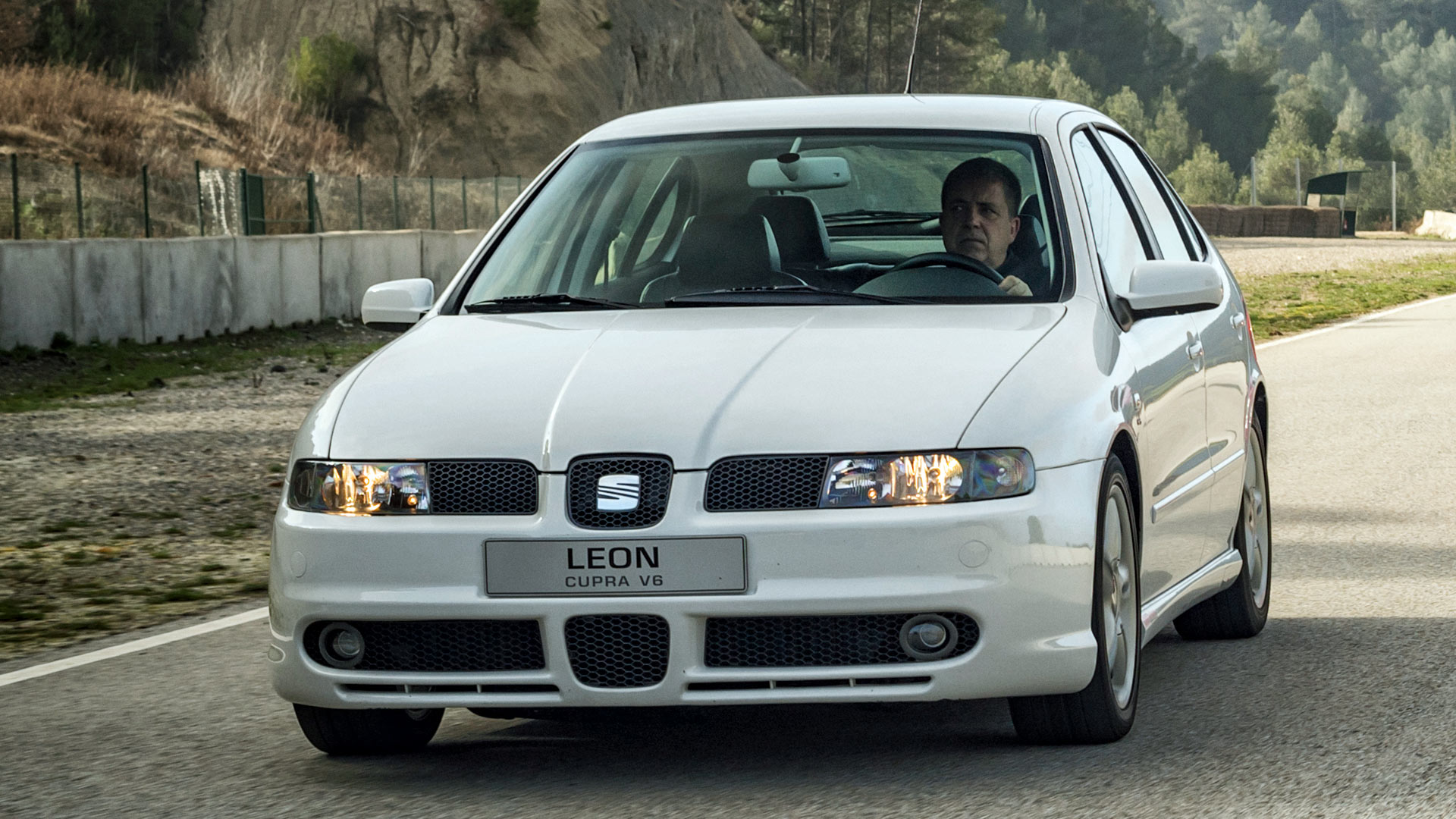
2000 SEAT Leon Cupra 4 V6
© SEATFor a V-6 powered European hot hatchback that is available right now, the SEAT Leon Cupra could be worth a look.
Indeed, with Cupra looking to enter the North American market in the near-future, this is your chance to get ahead of the curve with a rarity from the brand’s back catalogue.
Following the launch of the first-generation SEAT Leon in 1999, the company added an intriguing V-6 model the following year. The Cupra even boasted four-wheel drive, thanks to sharing a platform with the Volkswagen Golf V6 4Motion.
-
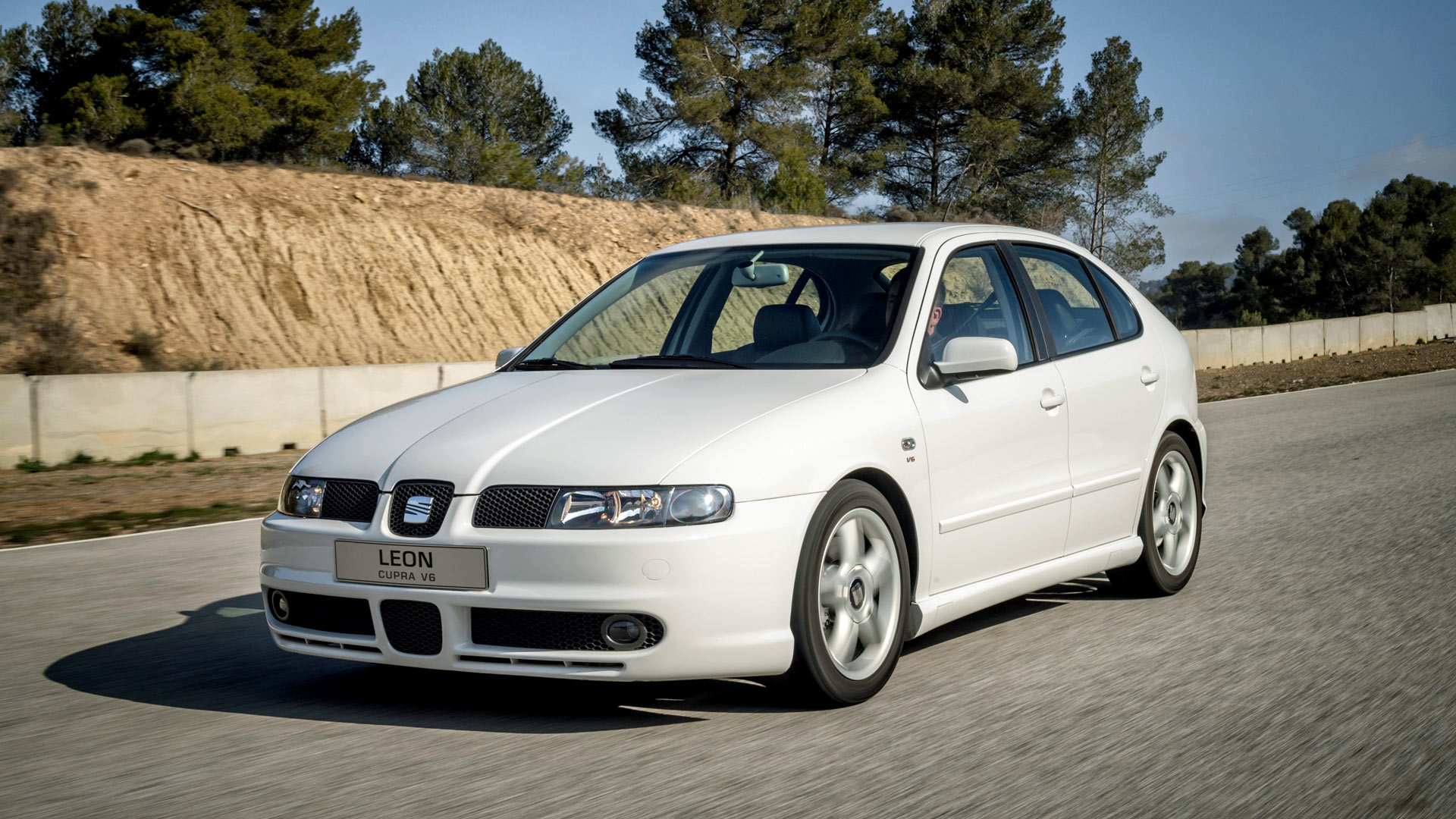
2000 SEAT Leon Cupra 4 V6
© SEATWith 201 hp and 199 lb-ft of torque, the Leon Cupra 4 V6 was the first SEAT to cross the 200 hp threshold.
The use of four-wheel drive aided acceleration off the line, and saw the Spanish hatchback capable of sprinting to 62 mph in 7.3 seconds.
SEAT only produced this particular model for four years, and it was hardly a big seller when new. It could take some effort to find one, but you are unlikely to see another in the United States any time soon.
-
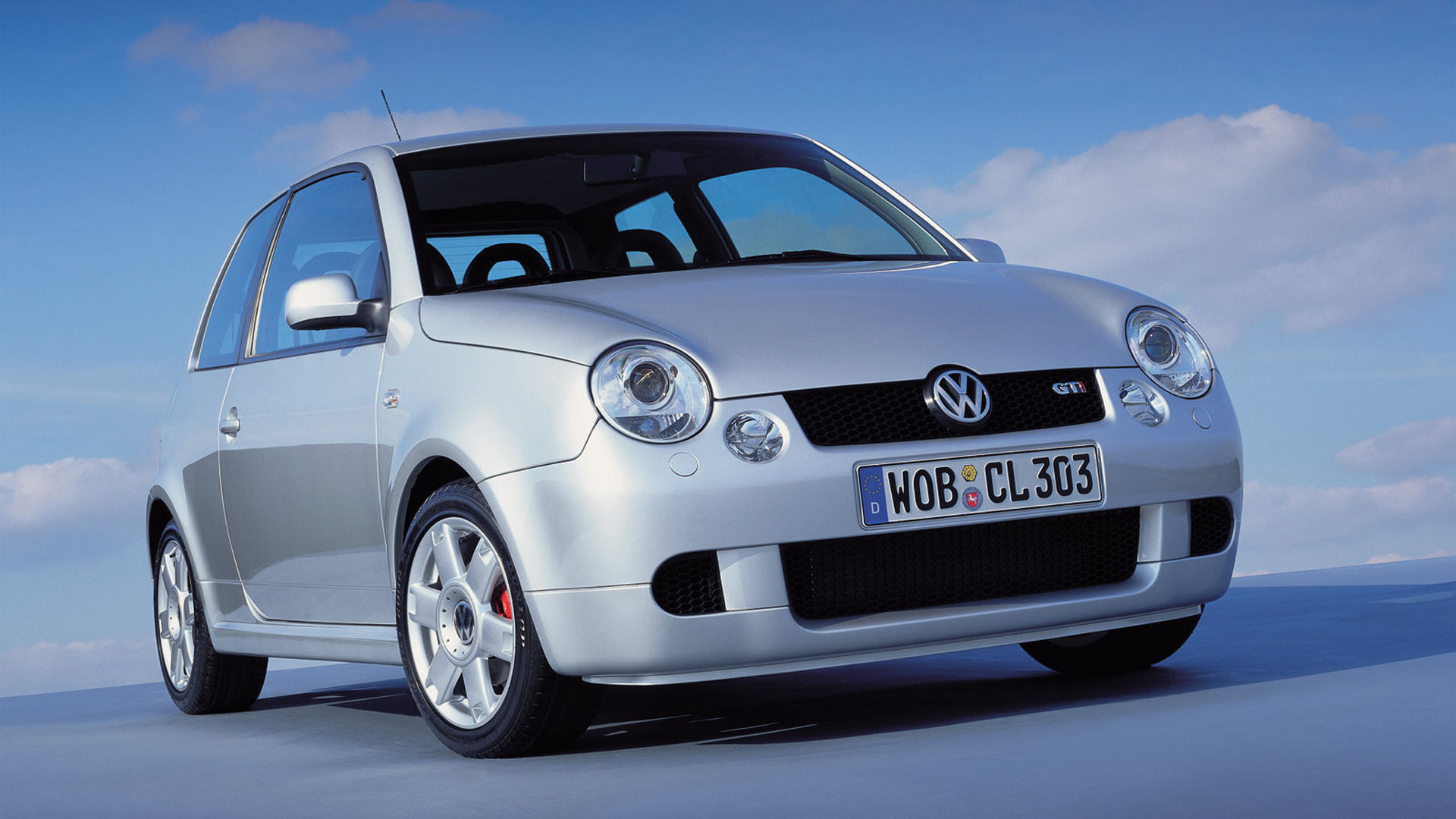
2000 Volkswagen Lupo GTI
© VWWe finish with a true millennium hero, one pegged by many as the true successor to the original Volkswagen Golf GTI.
The Lupo GTI was not just another city car with fancy wheels. Volkswagen gave its tiny hot hatchback aluminum body panels, ensuring its curb weight was just 2,156 lb
Such lightness, combined with a high-revving 1.6-liter four-cylinder engine, made for enthusiastic performance and a 0-62 mph time of 7.7 seconds. Oh, and the Lupo GTI’s handling made it the most fun Volkswagen to drive in a generation.
-
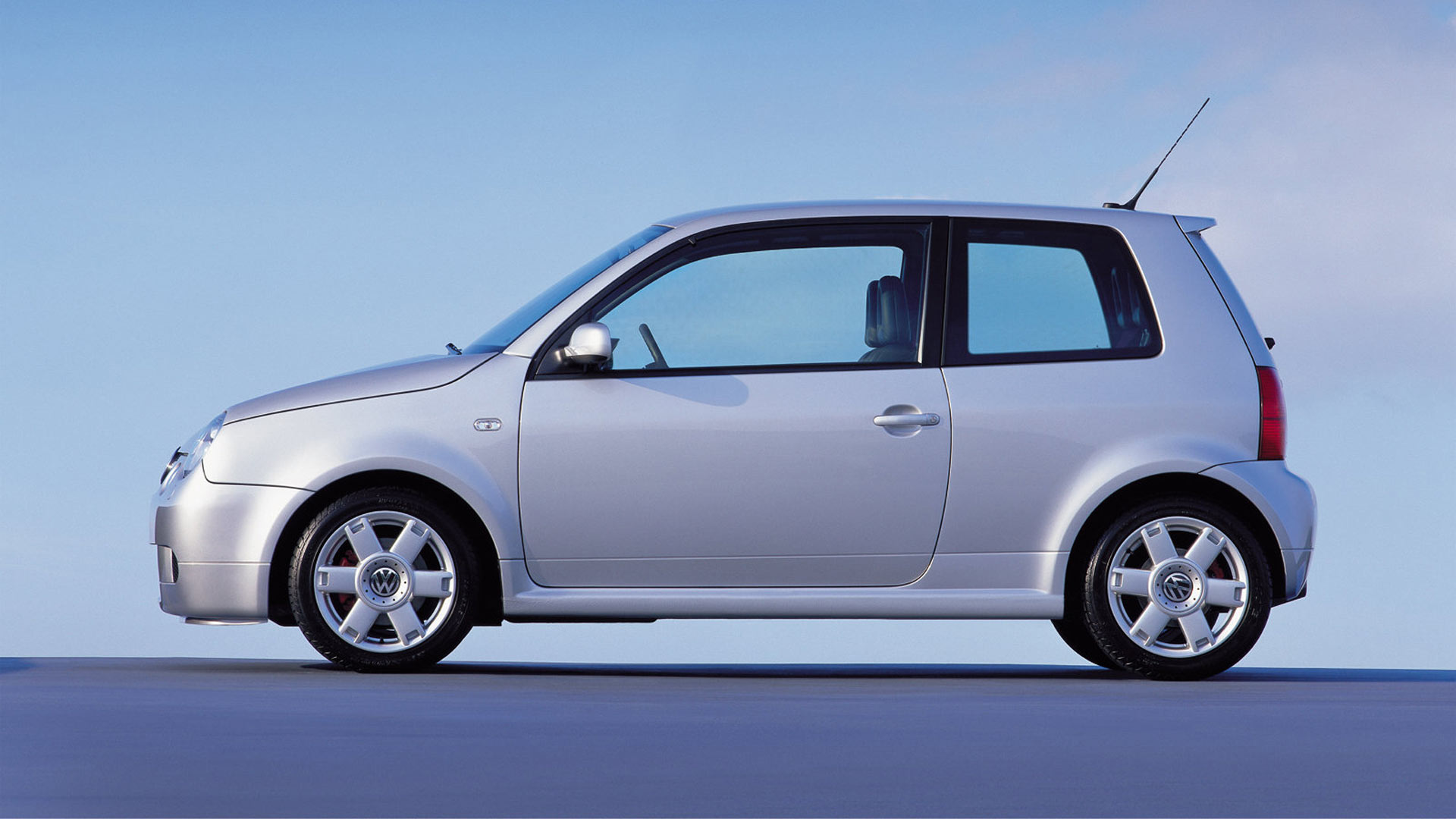
2000 Volkswagen Lupo GTI
© VWOther changes made by Volkswagen for the Lupo GTI included a bespoke aero kit, including twin exhaust tailpipes exiting from the center of the rear bumper. A set of 15-inch alloy wheels, red-painted brake calipers, and a rear spoiler completed the makeover.
On the inside, the Lupo GTI showcased the same level of quality that could be found in far more expensive Volkswagens. Chrome detailing and blue backlit dials, added to its upmarket image.
Such a premium finish came at a cost, and the Lupo GTI sold in modest numbers. Find one, though, and you’ll be in possession of a genuine classic Volkswagen.
