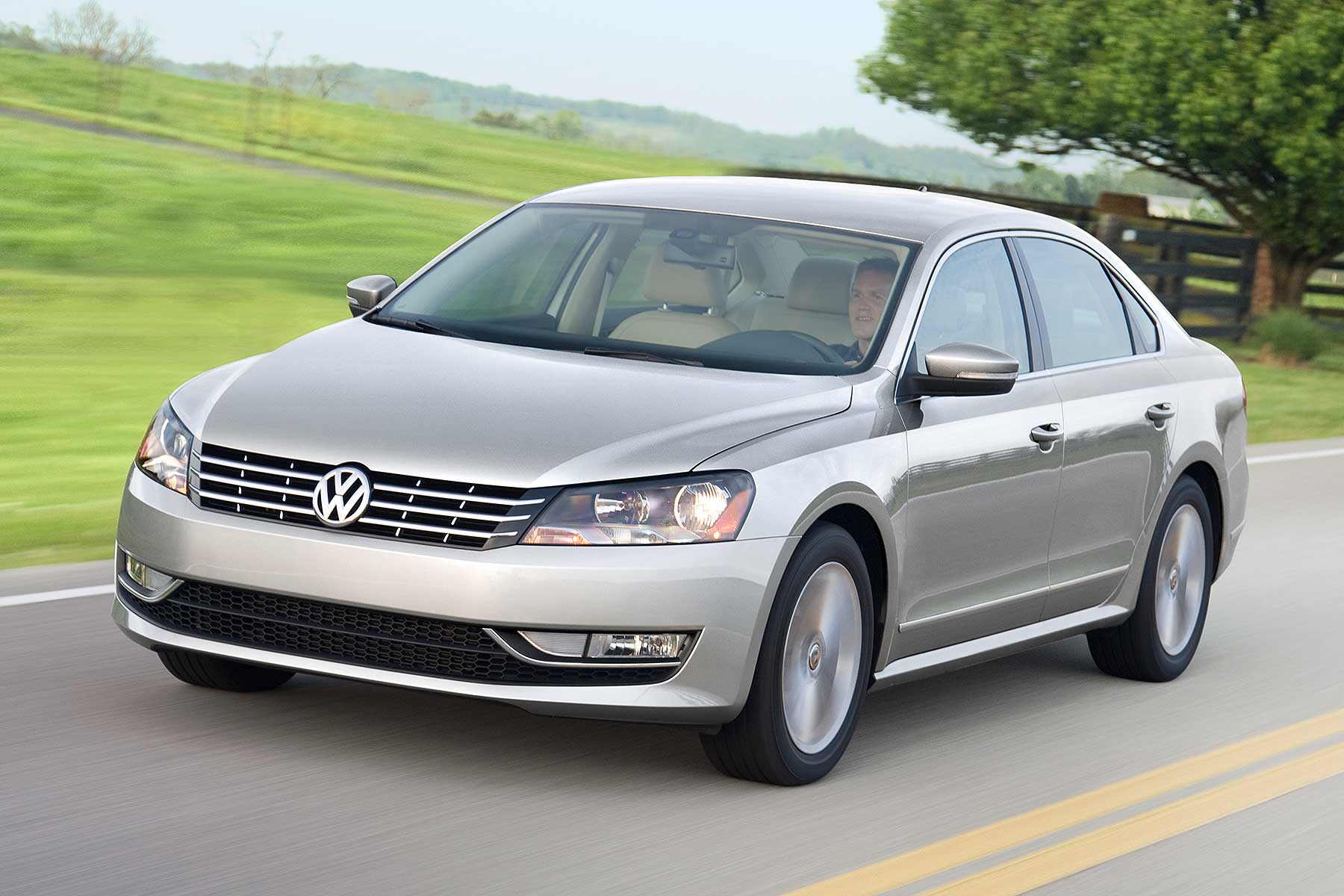
Volkswagen will offer to buy back diesel cars fitted with defeat device emissions cheat software as part of a deal agreed in principal with the US authorities.
The firm has reached the agreement with the US Department of Justice (DOJ), the Environmental Protection Agency (EPA) and the Californian Air Resources Board (CARB). The deal is expected to be made binding in the next few weeks.
The final terms of the deal have not been revealed – they’re still subject to negotiations with US authorities – but it is already believed to be significantly more costly to Volkswagen than the firm initially predicted when news of the ‘dieselgate’ defeat device scandal first emerged.
The initial €6.7 billion Volkswagen set aside has already risen to €15 billion.
“Volkswagen is committed to earning back the trust of its customers, dealers, regulators and the American public,” it said in a brief statement.
“These agreements in principal are an important step on the road to making things right.”
Emissions Analytics has launched the first fully independent index-based NOx emissions standard for cars and the UK firm claims the new EQUA Index provides a level playing field “to help clear the confusion over real world NOx emissions”.
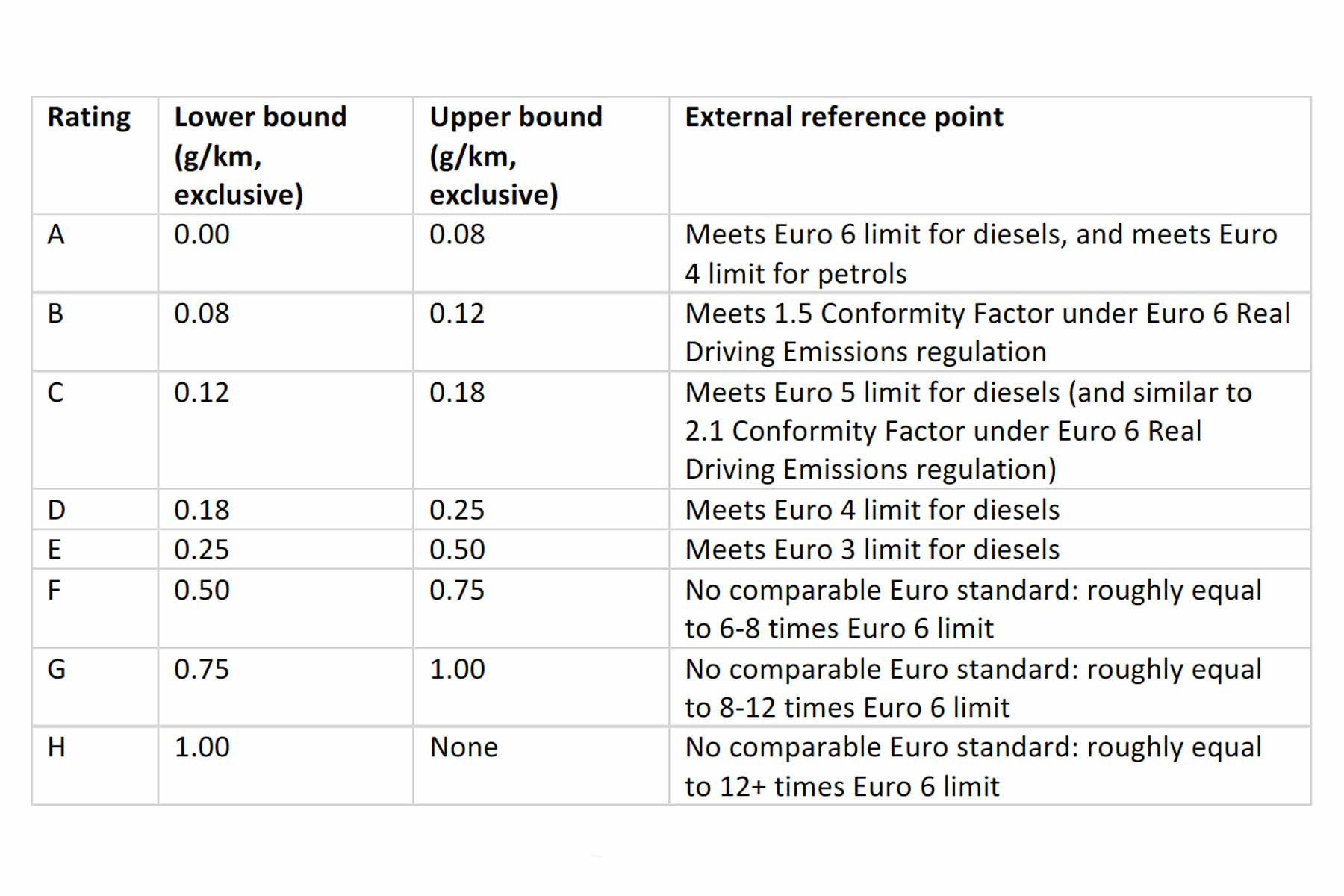
The new EQUA Air Quality Index has been developed from Emissions Analytics’ existing real-world car economy test. Purely assessing NOx (nitrogen oxide) emissions, it gives a simple score from A to H for all cars tested.
An A rating means a car meets current NOx limits for diesel and petrol cars: an H rating is worse than even the very oldest Euro emissions standard – equivalent to 12 times the current Euro 6 limit. The ratings are explained in full below.
Calls for 20mph speed limits to cut NOx emissions
New £800 tax for diesel cars proposed – plus diesel scrappage scheme
EU agrees to cut real-world car emission – but green groups are not happy
Alarmingly, more than 50 older Euro 5 diesels scored an ultra-dirty H rating, along with three current-standard Euro 6 cars – and a supposedly-green diesel-hybrid model, the Peugeot 3008 Hybrid4, was also given a worst-possible H rating.
The EQUA Air Quality Index has been launched with ratings for 440 vehicles and the firm has vowed to test 200-400 new cars each year to ensure the rankings are as up-to-date as possible.
> Search the EQUA Index database
Nick Molden, CEO and founder of Emissions Analytics, said: “There’s a great deal of confusion among car buyers on the subject of pollutant emissions, but we’re able to deliver impartial and precise information to help them buy better.
“We’re also looking forward to working with the industry as a whole to highlight the best vehicles available.”
EQUA Air Quality Index: the winners and losers
Volkswagen Group cars are the big winner of the EQUA Air Quality Index tests. A batch of its latest Euro 6 diesels have been tested – and of the six cars assessed, all six have achieved the very cleanest A-rating, suggesting tailpipe NOx emissions are exactly what Volkswagen claims in real-world use.
Proof that no defeat devices are active on the latest models..?
The BMW 3 Series also achieved an A-rating for real-world Euro 6 diesel emissions – the only other Euro 6 diesel to do so: of the 62 latest-spec cars tested, three scored B-ratings, 9 were rated C, 13 were rated D, a worrying 20 were rated E, five scored F, two G and three the very worst H rating.
These models were the Fiat 500X 1.6-litre diesel SsangYong Korando 2.2-litre diesel, plus the 2013 Audi A8 3.0-litre diesel that’s no longer on sale (an indication that defeat device systems could be active on in-market Volkswagen Group cars?).
In contrast, all but four of the 45 Euro 6 petrol cars tested were rated A, suggesting the latest diesel models in particular have an issue with hitting Euro 6 NOx targets in real world use. All diesels, that is, except Volkswagen Group diesels…
Every single Euro 6 hybrid vehicle also achieved an A-rating.
As for Euro 5 diesels (which were applicable for new cars in showrooms up until September 2014 for newly-launched models and September 2015 for existing on-sale in-market motors), things are far worse.
Not a single Euro 5 diesel car scored an A-rating, or a B-rating: the best model was the Skoda Octavia 1.6-litre TDI, with a C-rating. Then it was five D-rated cars (proving Euro 5 cars can only meet Euro 4 limits), followed by a staggering number of E, F, G and H-rated cars.
Such H-rated models include best-sellers such as the BMW 1 Series, Mercedes-Benz C-Class, Nissan Qashqai, Renault Clio, Vauxhall Corsa and, yes, the 1.6-litre Volkswagen Passat.
However, all but eight of more than 100 older Euro 5 petrol cars tested failed to score the very lowest A-rating for NOx emissions. Does this mean air quality campaigners are right to focus on getting older diesel models off Britain’s roads?
Mitsubishi has revealed details of misconduct in official fuel economy tests after some of its models were found to have failed part of the test.
The firm has admitted falsifying fuel economy data for 625,000 cars across four model lines: most of the cars were sold in Japan.
Audi developed Volkswagen defeat device software in 1999
Volkswagen’s UK reputation plunges following emissions scandal
Former Volkswagen CEO ‘told about emissions irregularities in 2014’
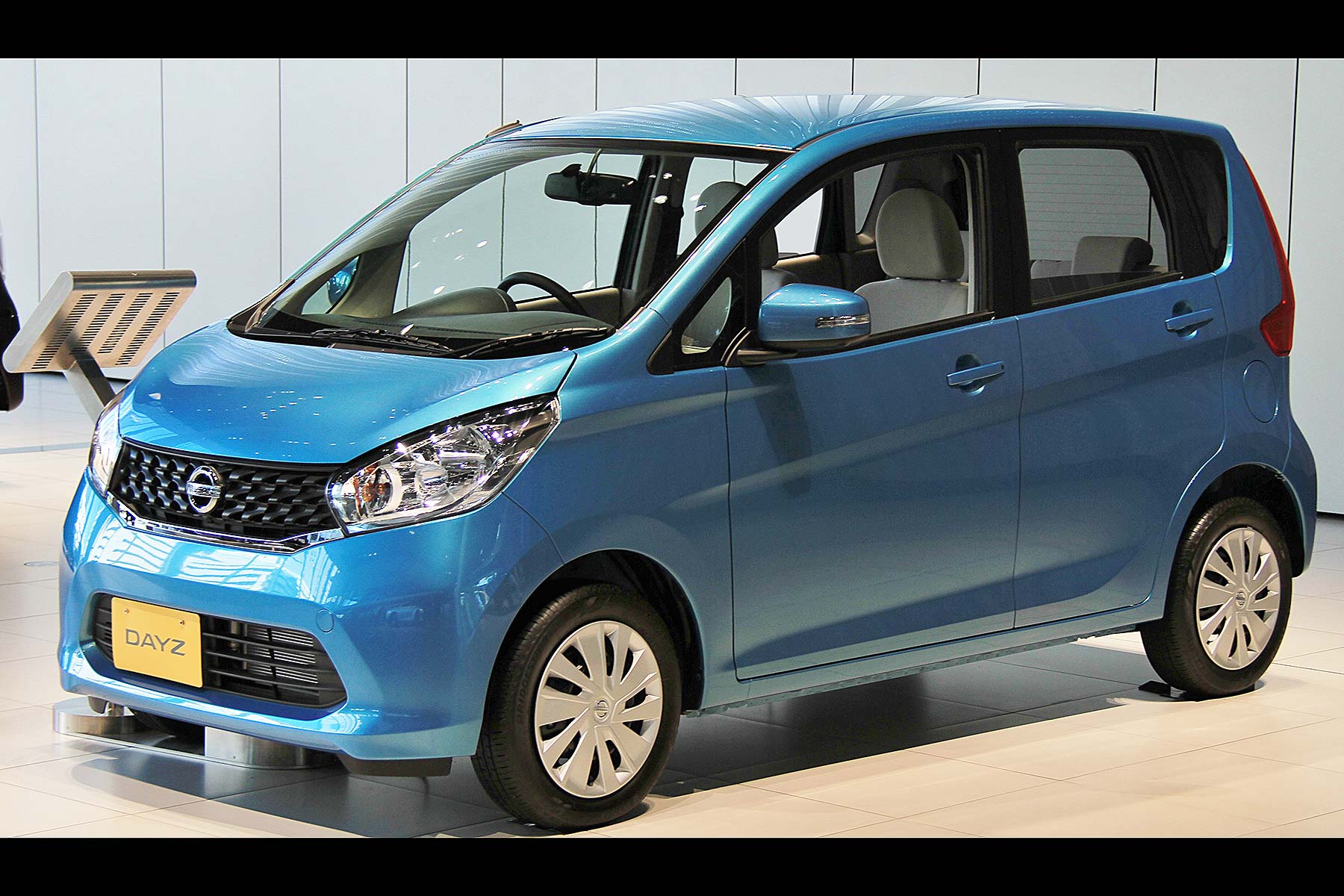
Rather embarrassingly, only 157,000 of the cars are branded Mitsubishi: Japan’s sixth-largest car company also built the models for Nissan, of which 468,000 cars are affected (the Nissan Dayz is pictured above).
What’s more, it was Nissan that discovered the fuel economy inconsistency and reported the problem to Mitsubishi…
The firm no longer builds the affected cars; Mitsubishi and Nissan are now in compensation talks.
Mitsubishi president Tetsuro Aikawa led company executives onto stage during the press conference this morning – and bowed deeply before revealing news of the economy misconduct.
The affected cars are:
Mitsubishi eK Wagon
Mitsubishi eK Space
Nissan Dayz
Nissan Dayz Roox
The firm held the press conference this morning – but stock markets already reacted with shares plunging 15% on news of the misconduct revelation.
This is the biggest one-day drop in Mitsubishi shares in more than a decade.
Bloomberg revealed the misconduct centred around loading on individual tyres during rig testing, to make fuel economy appear better than it would be in reality.
Mitsubishi’s revelation follows the huge Volkswagen emissions scandal, where pre-installed software detected when cars were being tested on rigs and altered vehicle emissions to ensure they passed the tests.
UPDATE: News has since emerged that Mitsubishi offices in Japan have been raided by officials. A government spokesman is quoted by BBC News saying they’re treating it as “a very serious case” and have given Mitsubishi until 27 April to respond.
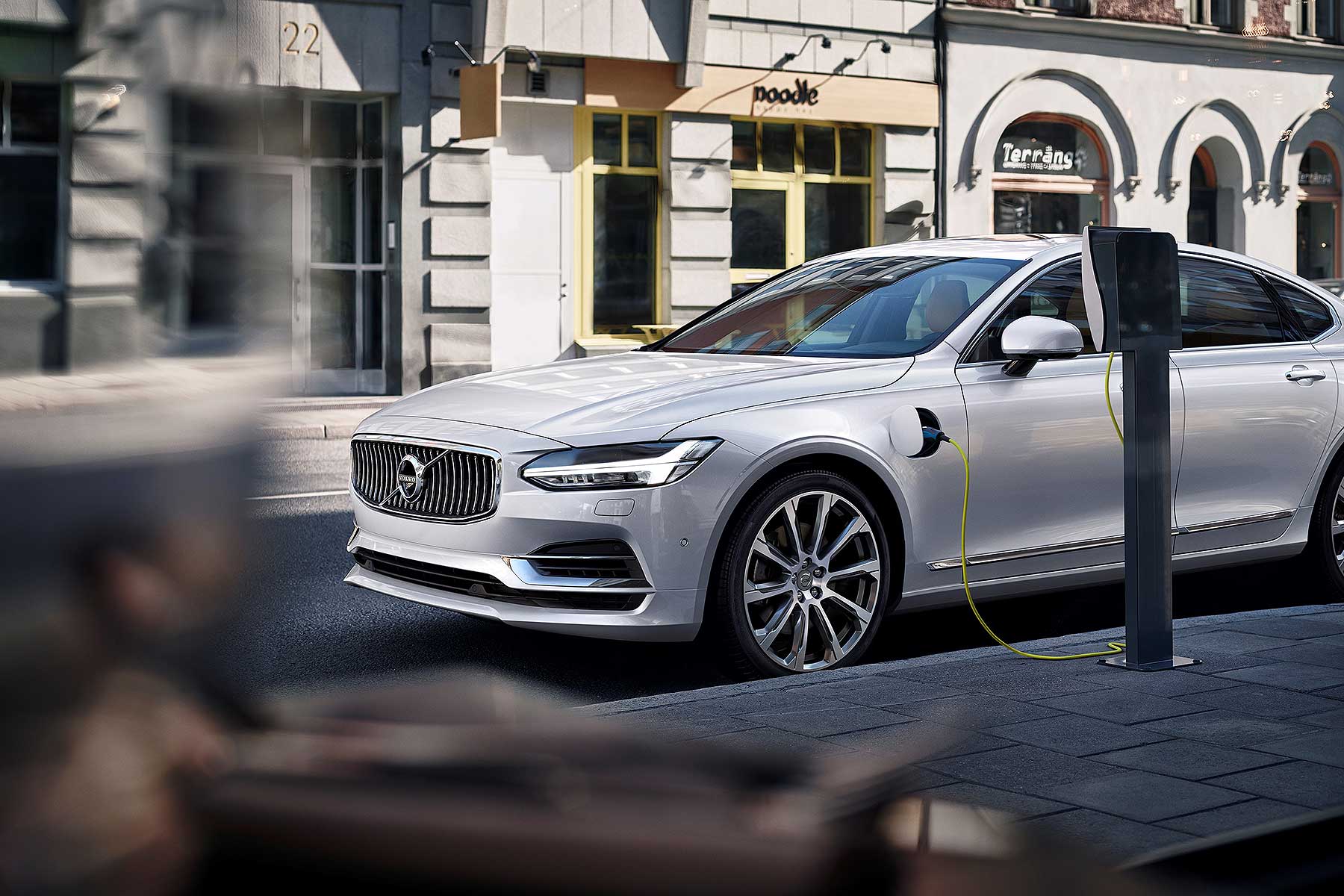
Volvo has set itself an ambitious sales target of hitting the 1 million electric, hybrid and plug-in hybrid cars by 2025 – and has vowed to offer at least two hybrid models of every single model in its range.
The Swedish firm will also release its first all-electric car in 2019, although it’s the hybrids that will play the biggest role in hitting its heady 1 million target.
Volvo president and chief executive Hakan Samuelsson admits “it is deliberately ambitious… it is going to be a challenge but Volvo wants to be at the forefront of this shift to electrification”.
Volvo’s new models will have built-in Spotify
Volvo to sell keyless cars by 2017
Swede dreams: the best Volvos of all time
The target is another bold aim by Volvo: it has also promised that, by 2020, nobody will be killed or injured in one of its new cars.
The key to Volvo’s electrification strategy is its new flexible platforms, dubbed SPA and CMA. These can easily take hybrid or full EV technology – some models, such as the plug-in hybrid Volvo XC90, are already on sale.
Volvo’s 1 million electrified cars promise is part of its ‘omtanke’ sustainability programme: this also dictates that operations will be climate-neutral by 2025.
The firm has also committed to having 35% of its leading positions held by women by 2020.
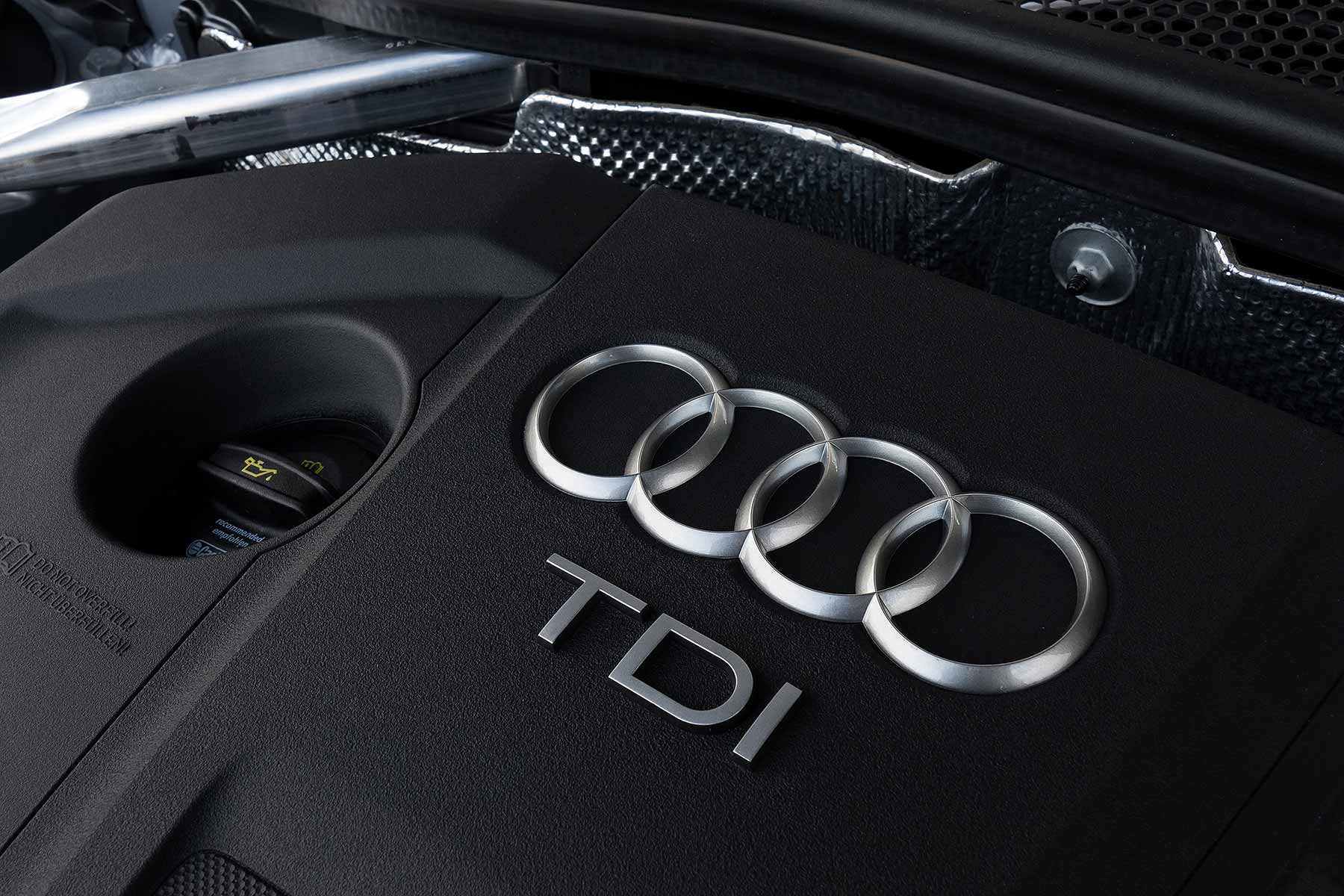
Audi engineers developed the Volkswagen defeat device software used by the firm to cheat official exhaust emissions tests back in 1999, reports German newspaper Handelsblatt today.
The Ingolstadt premium brand shelved the technology, however – only for Volkswagen engineers to dust off the software years later, reportedly as a solution to the U.S emissions tests they were struggling to pass.
Just a handful of Audi engineers were aware of the defeat device software’s existence, reports Handelsblatt, which cut off certain engine functions during defined parameters. The Volkswagen defeat device sensed when the car was running an official emissions test and altered engine settings to minimise the amount of NOx emissions.
11 million Volkswagen Group cars are involved in the defeat device scandal, including models from Volkswagen, Audi, SEAT, Skoda and Porsche.
Volkswagen and Audi have thus far declined to comment.
Volkswagen has suffered the biggest fall in reputation of any major consumer brand in the UK, following the emissions scandal that exposed ‘defeat device’ cheat software in diesel VW’s engine electronics.
In contrast, BMW Group has one of the best reputations in the UK, sitting third overall, behind Lego and IKEA – and ahead of firms such as Sony, Rolls-Royce Aerospace, Aston Martin, Samsung, Bosh and Kellogg’s.
The RepTrak study surveyed 50,000 Brits, ranking them out of 100. BMW Group is among the firms that scored more than 80% and were deemed “excellent”.
Jaguar Land Rover was also given an “excellent” rating thanks to an 80.4% brand reputation score.
Volkswagen, in contrast, had a miserable year. Whereas BMW was sitting third overall VW was way down in 267th place for brand reputation, following a staggering 27.4 points fall over the previous year.
This easily dwarfs other big fallers such as SABMiller (-7.9 points), Nestle (-7.7 points), Admiral (-7.3 points) and EDF Energy (-7.1 points).
Companies were assessed in seven areas: product and services, innovation, workplace, governance, citizenship, leadership and performance.
It’s easy to see where Volkswagen, currently facing the threat of significant U.S litigation and fines, stumbled.
Brits bash Brits
More generally, RepTrak co-founder Kasper Ulf Nielsen did warn UK firms that they are “losing out on reputation in their home market”. Just two of the top 10 firms are UK-based – one of them, Aston Martin, an automotive firm and the other, Rolls-Royce Aerospace, being equally engineering-led.
27 firms scored “poor”: all but two were UK or Ireland-based.
“This shows a lack of both emotional and rational connection that is unique to the UK.
“Across the world, home countries tend to have a stronger reputation , and this lack of reputation capital puts UK plc at a disadvantage in its home market.”
If you’re in the market for a new car, the message is clear. Let’s go buy British cars!
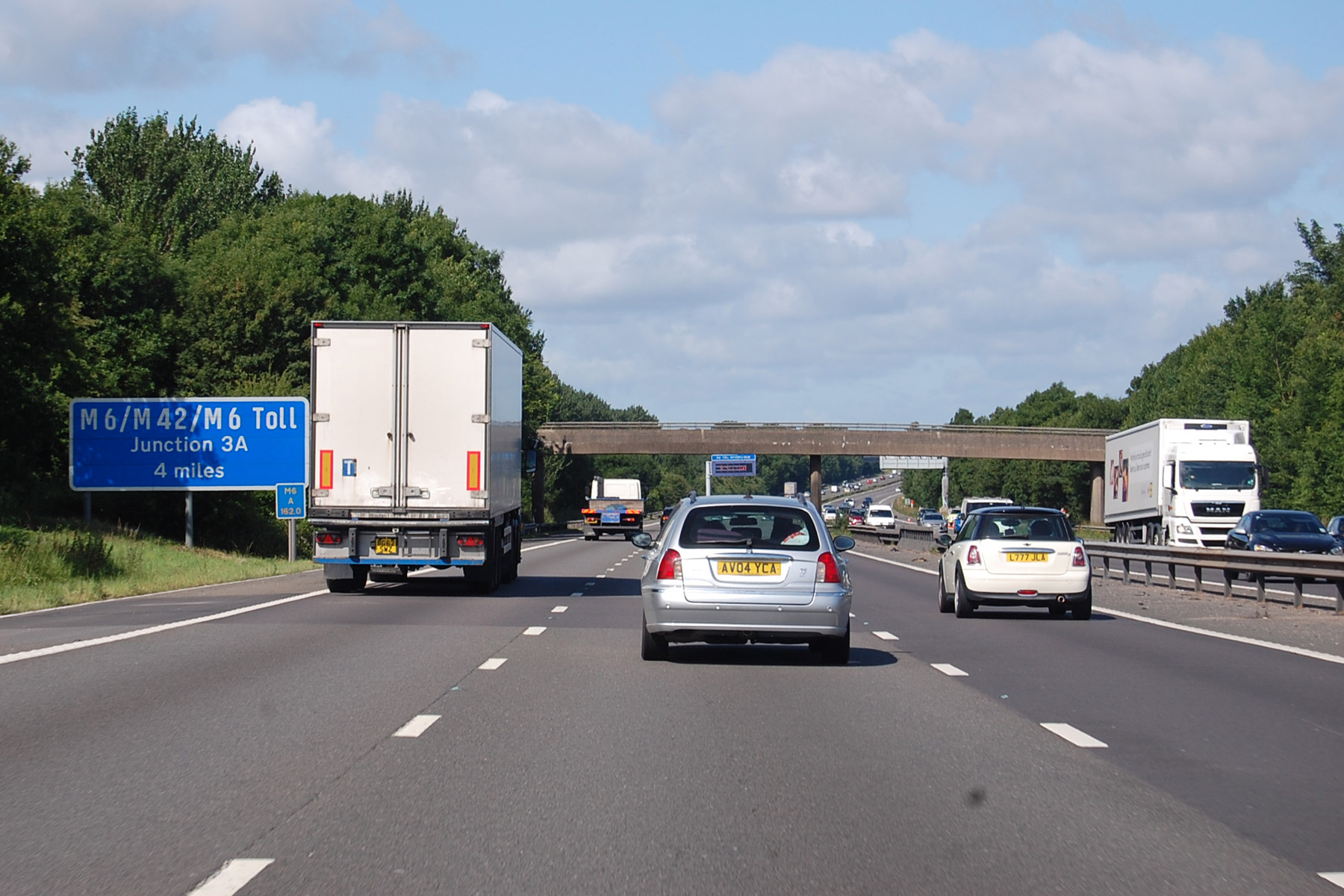
An MP has branded the M6 Toll a ‘rich person’s motorway’ in the House of Commons and called for charges to be dropped when required in a bid to reduce congestion on nearby motorways.
It comes after a serious crash in February left the M6 closed for 24 hours, resulting in chaos on nearby roads.
The issue was debated in the House of Commons after Solihull MP Julian Knight made the suggestion that toll charges should be dropped in situations like this.
M6 Toll for sale: should the government buy a motorway?
Motorway electric car recharging logos bring relief to range anxiety
Motorways are smart. Pity drivers aren’t
He said: “If the M6 toll is to serve the best interests of the West Midlands and our economy as it was built to, we must see fundamental reform of how it operates, especially during gridlock and crisis situations.”
It’s already possible for the M6 Toll to be opened to the public for free when required, but owner Midlands Expressway demands a payment of £300,000 per day plus VAT – meaning it’s never actually happened. The cost of the incident in February to the local economy caused by traffic issues was estimated to exceed £40 million.
The 27-mile stretch of motorway costs £5.50 for car drivers on weekdays, dropping to £4.80 at weekends and £3.80 at night.
Knight added: “We should also consider lowering the day-to-day costs of the M6 Toll.”
MPs recently called for the Government to buy the M6 Toll and reduce the fees faced by the 50,000 drivers who use it every year.
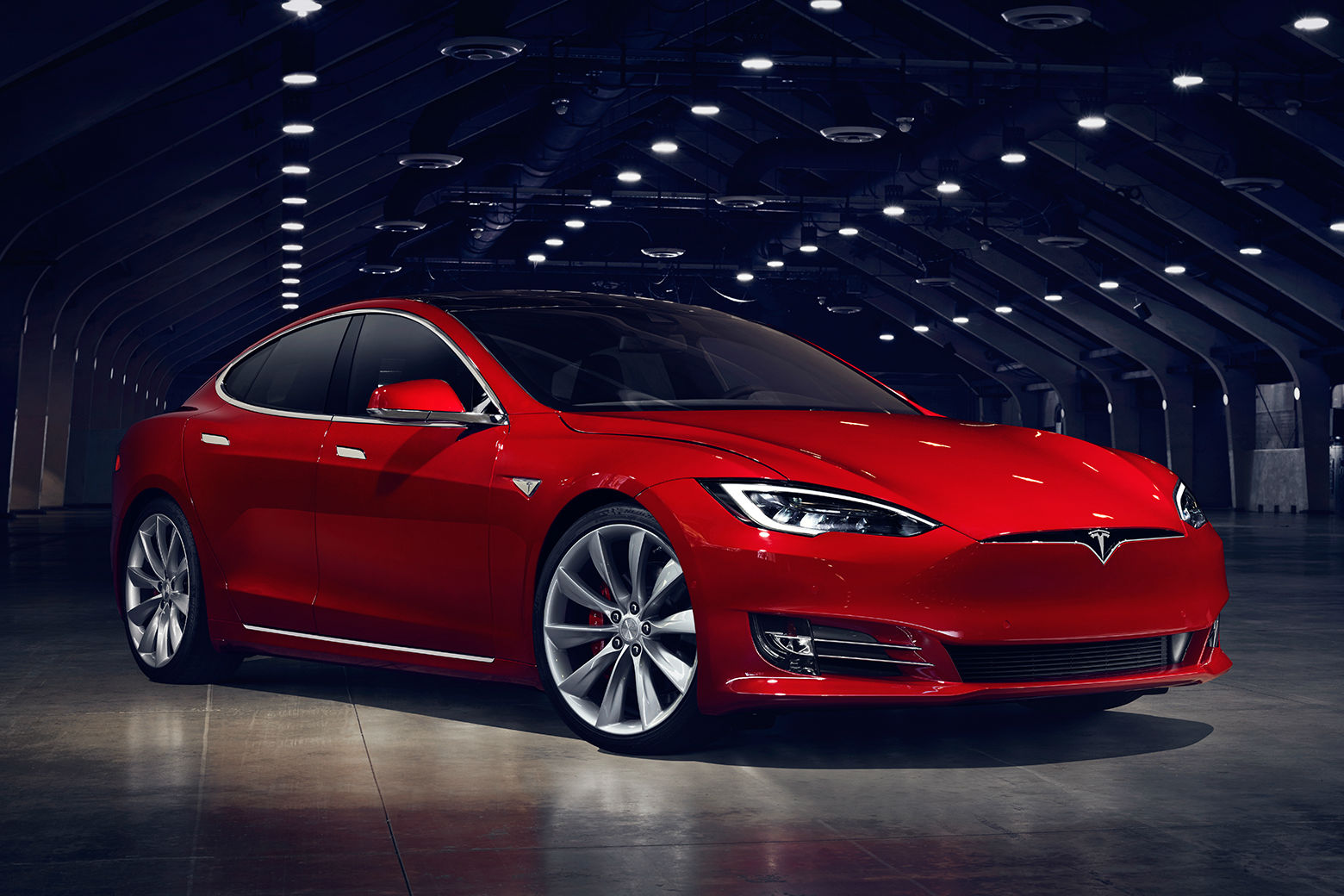
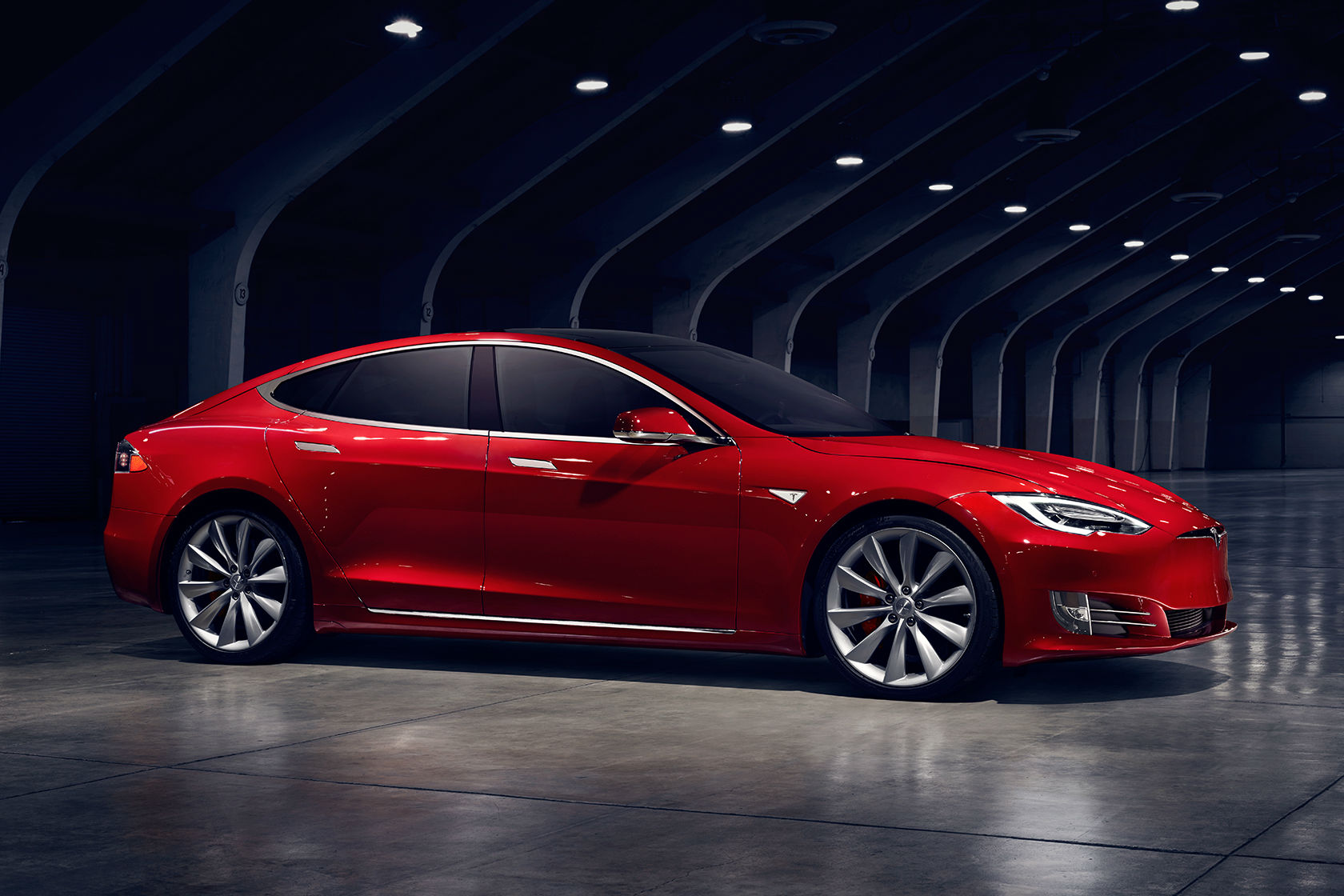
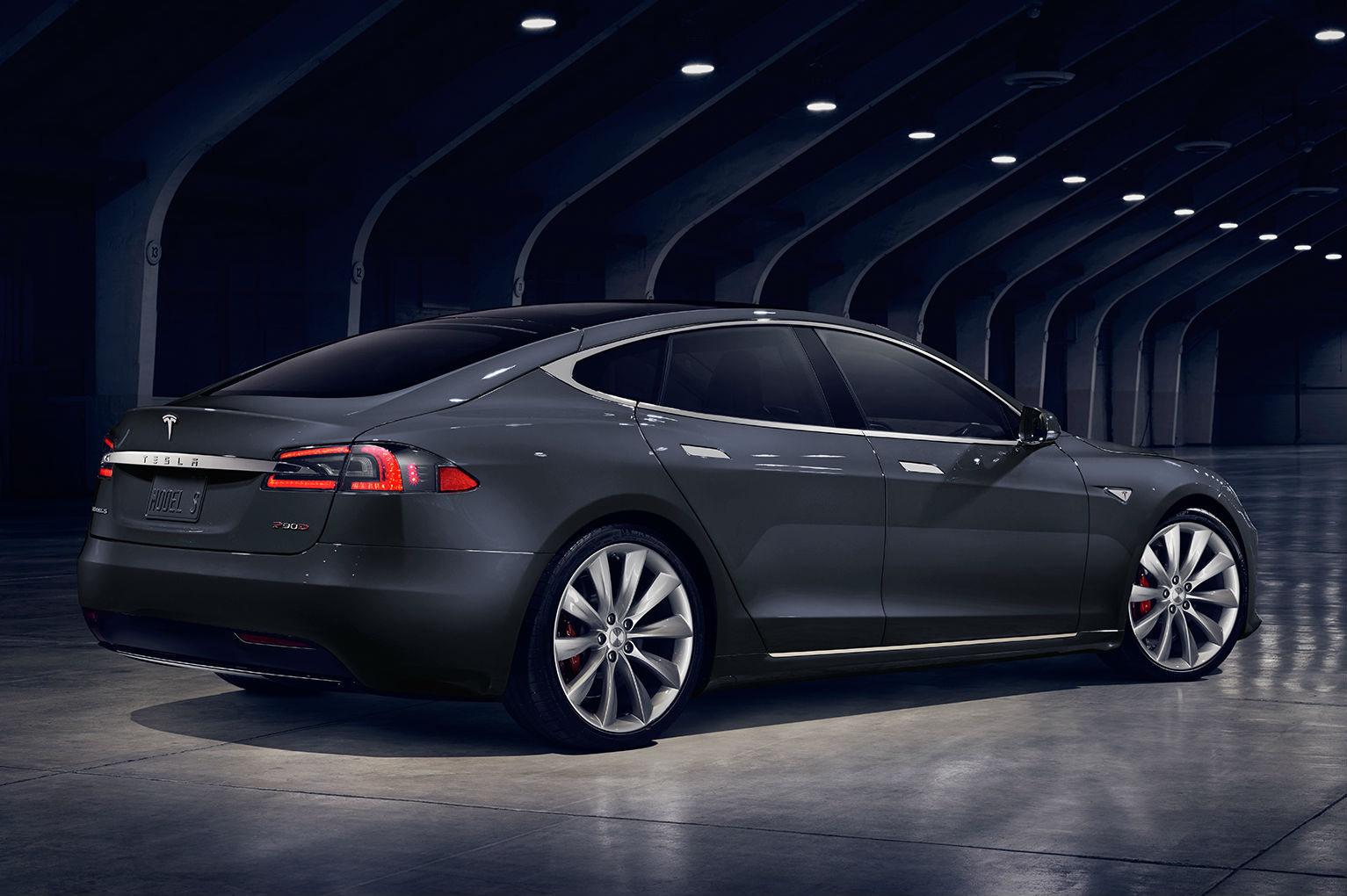
In a move that is most un-Tesla, the American car brand has released these pictures of its mid-life facelift for the Model S – and revealed that new interior trims will be available, featuring wood.
Yes, the interior will come with two new interior finishes – called Figured Ash Wood and Dark Ash Wood. Outside, the new Model S gets a grille-less front-end (just how will it look with a number plate?), as per the Model X and Model 3.
These pictures were leaked yesterday – Tesla responded by sneaking them onto its own press website and claimed that was its intention all along. As such, information is on the scarce side, but we do know the Model S will be getting yet more clever tech. Because Tesla.
This includes the ‘bioweapons defence mode’ which, unfortunately, isn’t quite as exciting as it sounds. It’s essentially a fancy air filtration system which, Tesla says, is 100 times more effective than a regular cabin filter at removing particulate exhaust pollution as well as allergens, bacteria and contaminants.
What could be exciting to existing owners is the faster charge time. Although the electric motor remains unchanged, the standard charger has been upgraded from 40A to 48A, meaning charging from Tesla’s Supercharger network will be even quicker.
Prices will start at £53,800 (post Government grant) for the entry-level 70D model, and American websites are speculating on a range-topping P100D model on its way. That’s yet to be confirmed – but the rest of the facelifted range is on sale now.
The hype around Tesla’s affordable electric car has been massive in recent weeks – and figures revealed today show that traffic on the firm’s website attracted an incredible seven million visits over the three days around the Model 3’s unveiling.
Reservations for the Model 3 opened on March 31, with traffic increasing by 798% the following day. US visits jumped from 220,000 on March 31 to a peak of 1.9 million on 1 April.
To put that into context, the data (revealed by digital market intelligence firm SimilarWeb) shows that Ford’s website received 358,000 US visits on 1 April, followed by Toyota (320,000) and 130,000 for Nissan.
Over 325k cars or ~$14B in preorders in first week. Only 5% ordered max of two, suggesting low levels of speculation.
Potential customers could register their interest in the $35,000 (£25,000) Model 3 by leaving a deposit of $1,000 (or £1,000 in the UK) online. Within 24 hours, 115,000 orders had been received – rising to 325,000 within the first week.
Nearly half (48%) of visitors to Tesla’s website during this period were from the US, followed by Canada (6.64%) and the UK (5.58%).
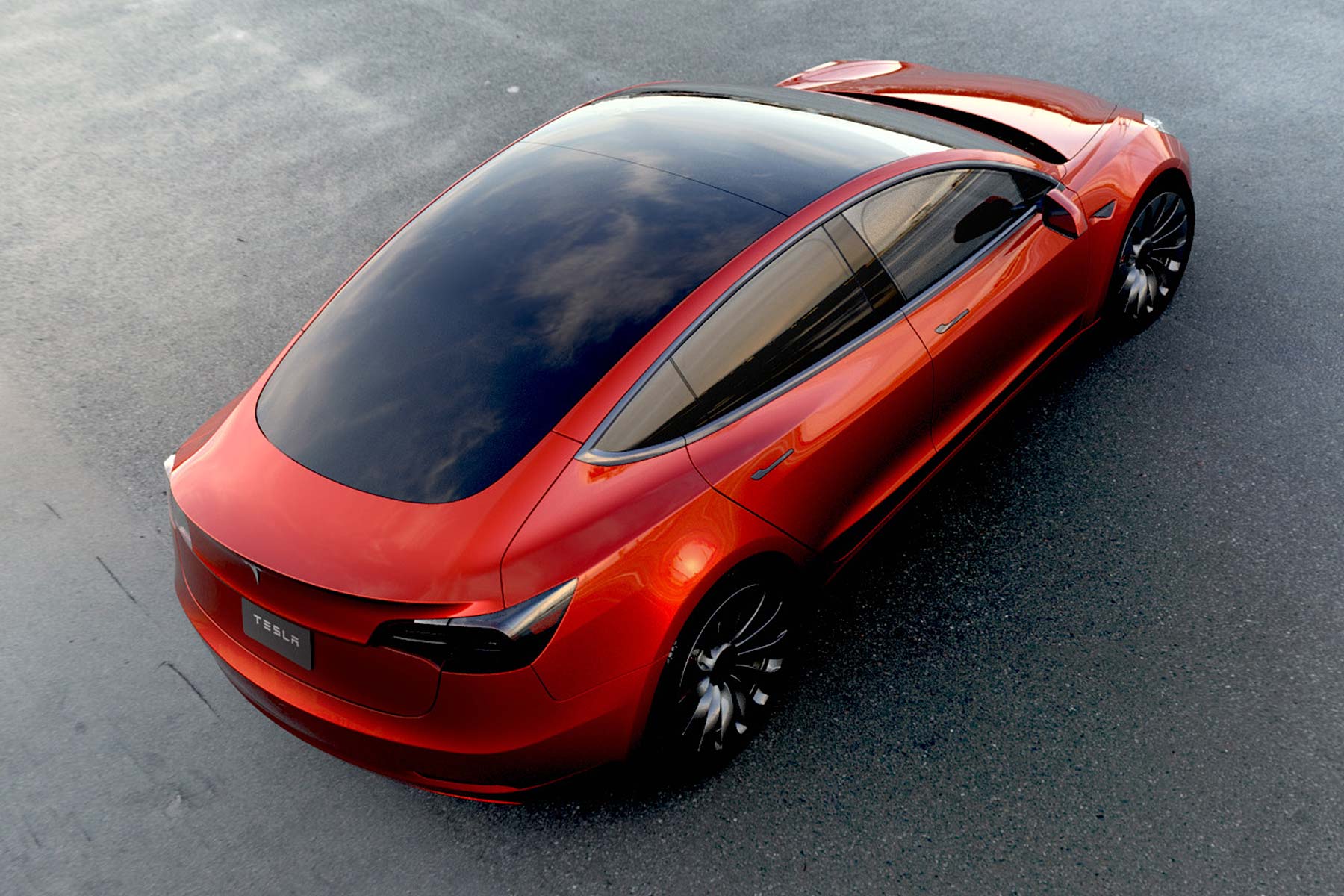
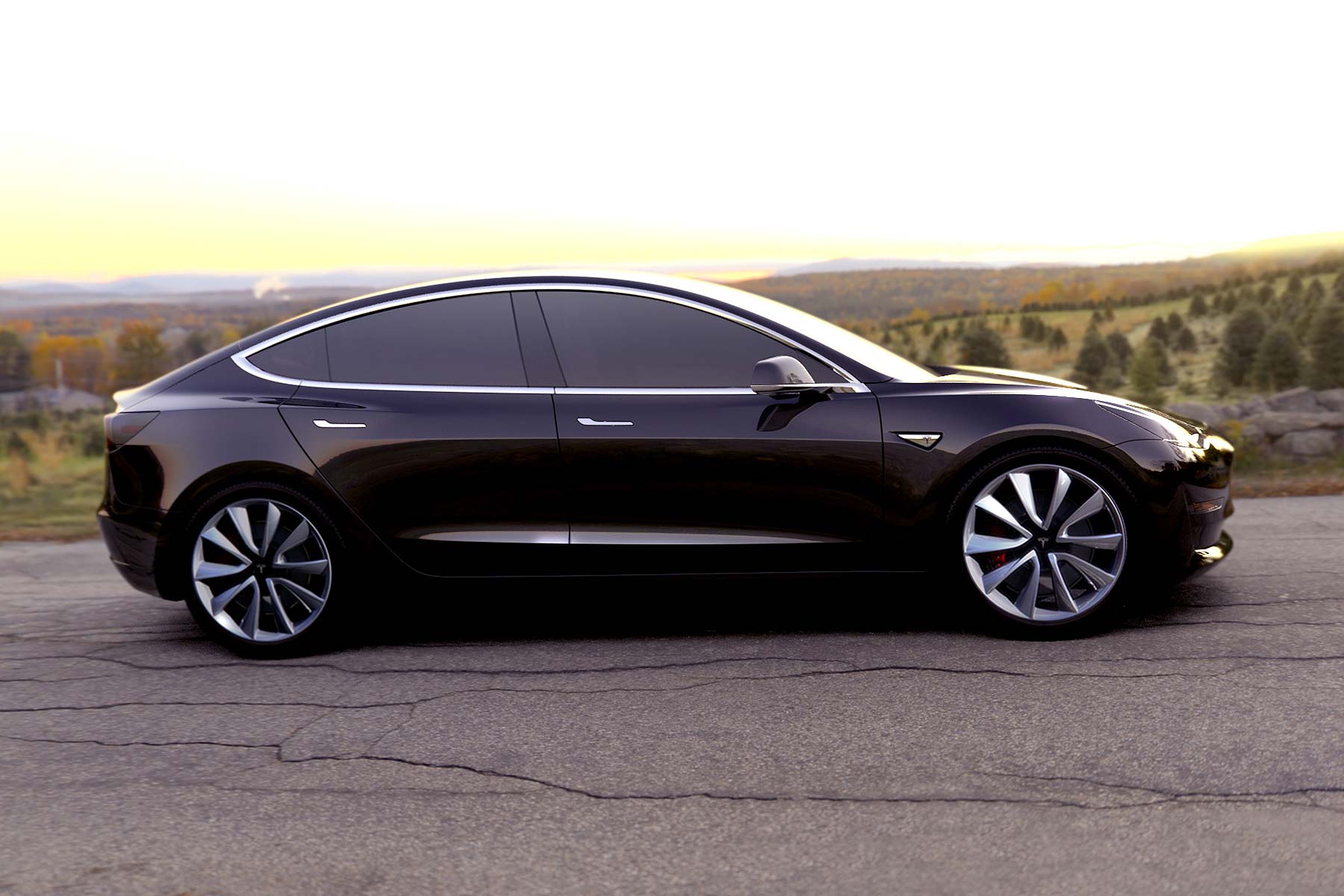
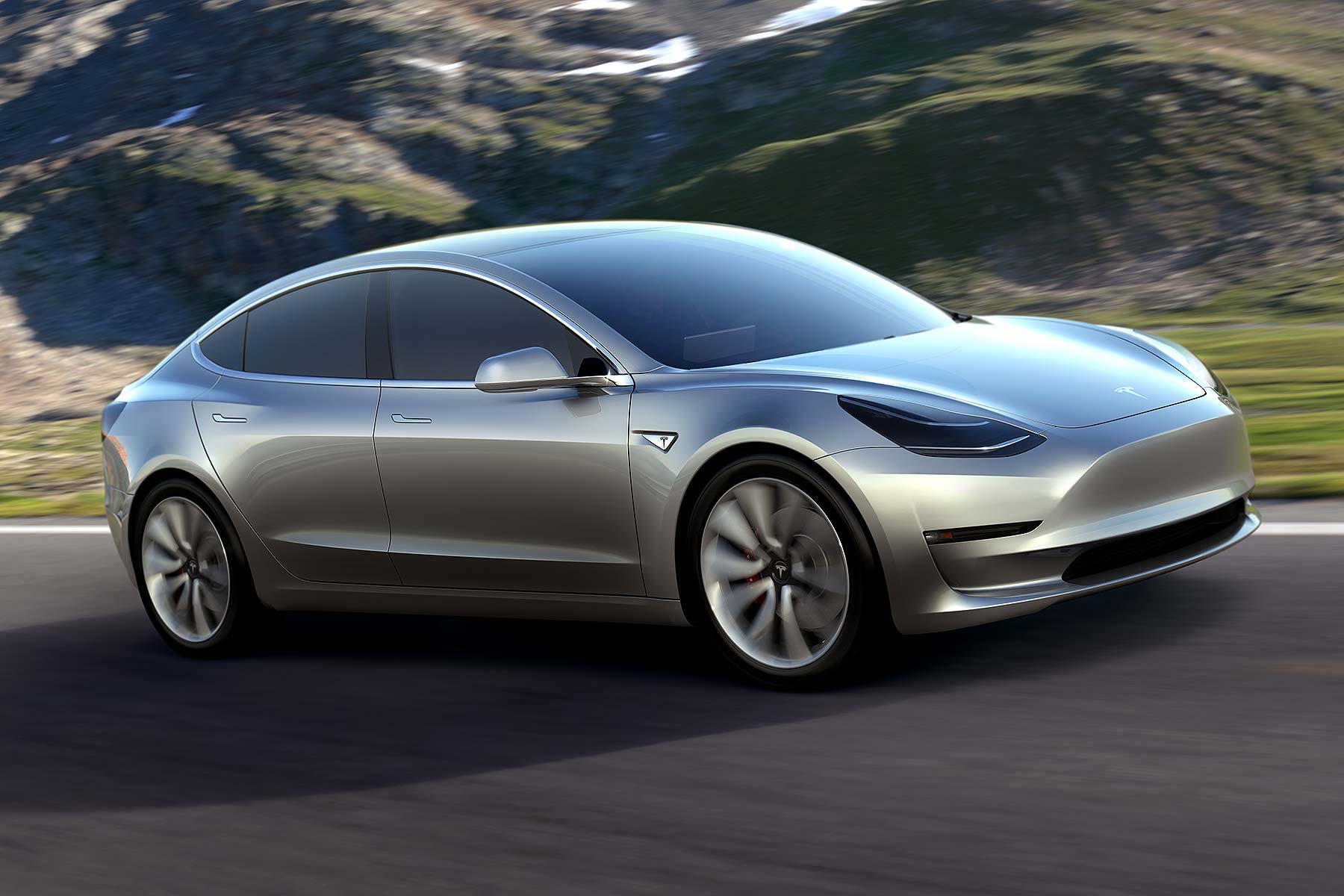
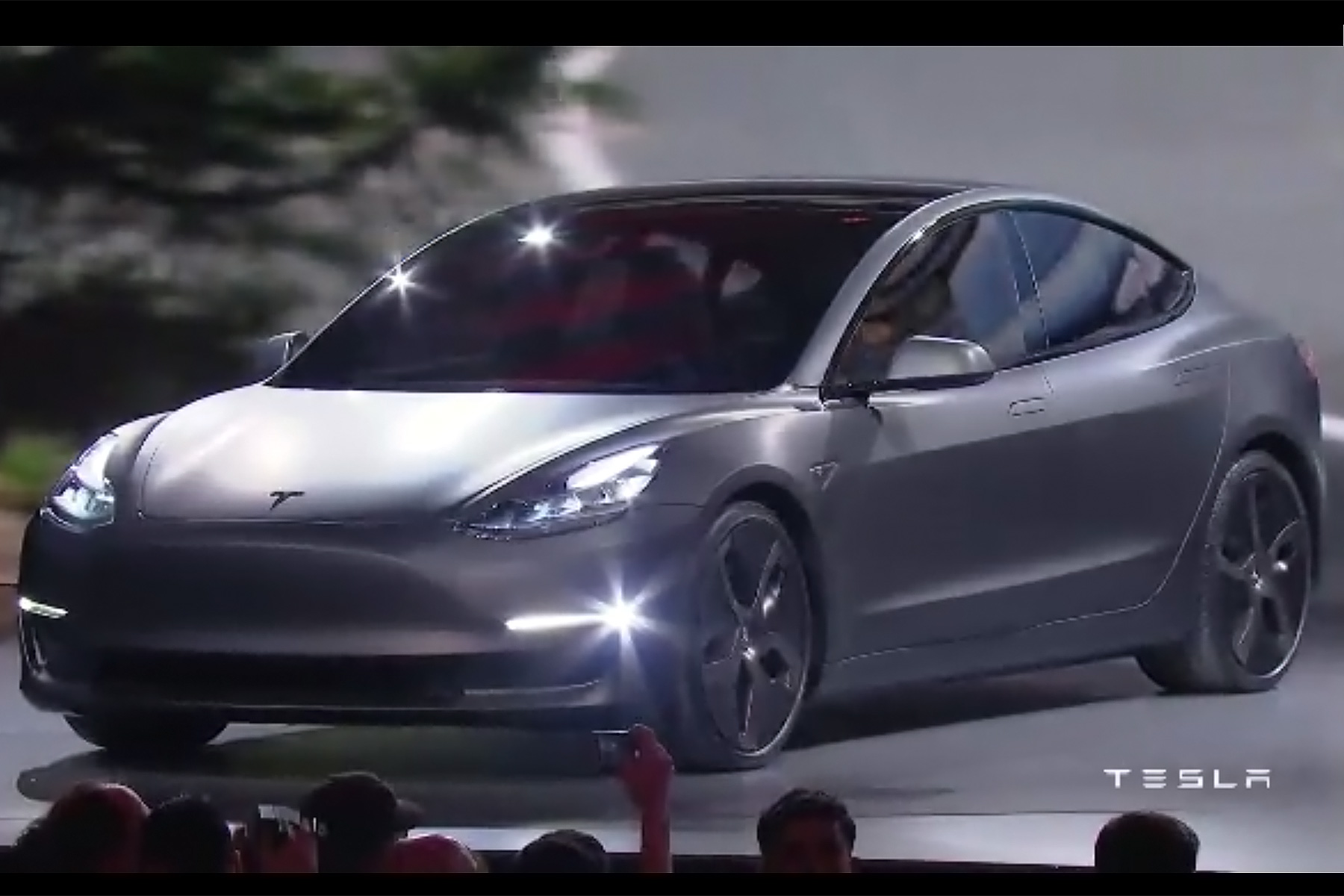
The waiting is over – Tesla has launched its $35,000 (£25,000) high-volume Model 3 electric car and the world is buzzing with excitement.
The firm is already accepting $1,000 (refundable) deposits – £1,000 in the UK – for the new Model 3 and during the launch event, Tesla chief Elon Musk revealed 115,000 orders had already been placed in the first 24 hours alone.
This figure currently appears to be rising by many hundreds every single minute…
Tesla Model 3: need to know
Price: From $35,000
Range: From 215 miles
0-62mph: Less than 6.0 seconds
Seats: 5
Delivery: 2017
Driverless functionality: Auto Pilot standard
Ordering: $1,000 (£1,000) refundable deposits taken from now
Target annual production: 500,000
Video: Tesla Model 3
Musk started the launch event by setting the scene for Tesla: record high global CO2, making it “very important to accelerate the transition to sustainable transport”. Enter the four-part ‘Tesla Secret Masterplan” that started with the Tesla Roadster, evolved to the Model S and Model X, and now takes in the Model 3.
GM’s Bob Lutz credited the Telsa Roadster with inspiring the Chevrolet Volt programme, which also led to the Nissan Leaf. Already, Tesla’s had a big effect on the auto industry. And now the Model 3 is set to take the next step.
What is the Tesla Model 3?
Tesla Model 3
The Tesla Model 3 is a mid-size model that will compete with models such as the BMW 3 Series and Audi A4. It is all-electric and Musk says the range will be a minimum of 215 miles on the U.S. EPA test cycle; all models will have Telsa Supercharger recharge functionality as standard (and the Supercharger network is set to double, to 441 global locations, by the end of next year).
It will be a fast car – even the ‘slowest’ model will do 0-62mph in less than 6.0 seconds. “At Tesla, we don’t make slow cars” says Musk. And there will, of course, be models that go much faster, he confirmed.
Both all-wheel drive and air suspension will be optional.
The Model 3 will be “an incredibly safe car” said Musk, with 5-star ratings in every category. “Safety has to come first” said the company founder. We can thus expect glittering Euro NCAP test results when the Model 3 is assessed in Europe.
Active safety will be boosted by the standard fitment of Tesla Auto Pilot, the autonomous ‘self-driving’ technology already seen on the Tesla Model S.
Tesla Model 3
Inside, the Model 3 is a full five-seater with the “best roominess of any car of this size”, promised Musk: five adults will fit comfortably and the cabin will fully swallow a 7-foot surfboard. As with the Model S, there are luggage compartments both front and rear, offering class-leading capacity “and more cargo space than any same-size gas car”.
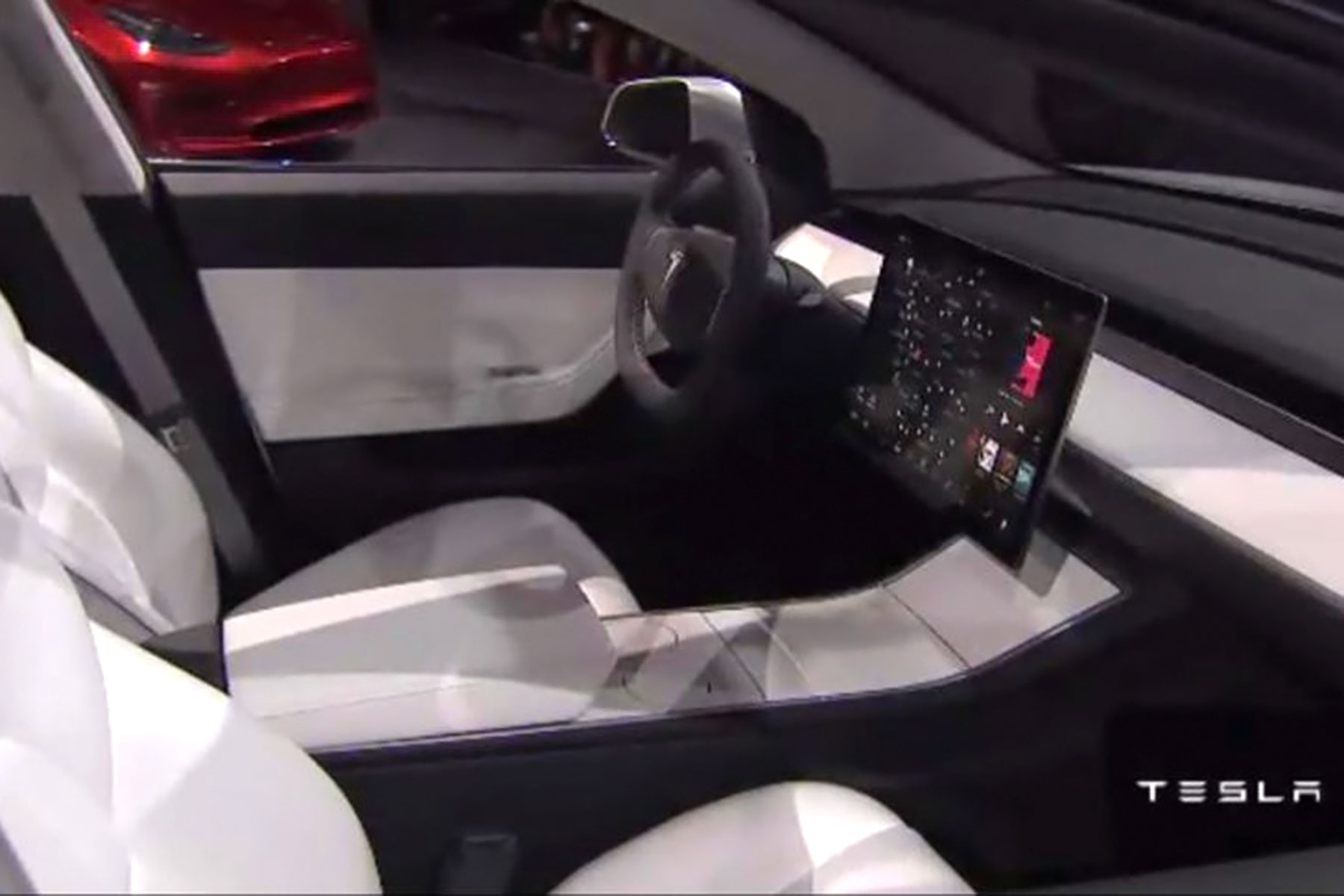
The cabin incorporates the familiar oversize touchscreen in the centre of the dash – although this time it’s mounted horizontally rather than portrait-style. There’s also no traditional instrument panel dashboard – the designers have instead shifted the cabin layout, seating those in the front much further forward than normal to maximise interior space.
As for the price, Musk was clear: it will “of course” cost from £35,000 – that’s around £24,500 in the UK, although it will likely rise to around £30,000 once it arrives in the UK.
The base model won’t be a stripped-out, featureless machine though, promised Musk. All the key features of the Model 3 will be standard across the range.
And when will deliveries begin? Next year, he said: a 2017 delivery date is something he’s “fairly confident” of (although Tesla perhaps doesn’t have the best track record of meeting delivery date targets…).
Tesla Model 3: a high-volume EV
Tesla wants to significantly ramp up its global volumes with the Model 3. This is its mainstream model, the car that should take it from 50,000 units to 500,000 units per year.
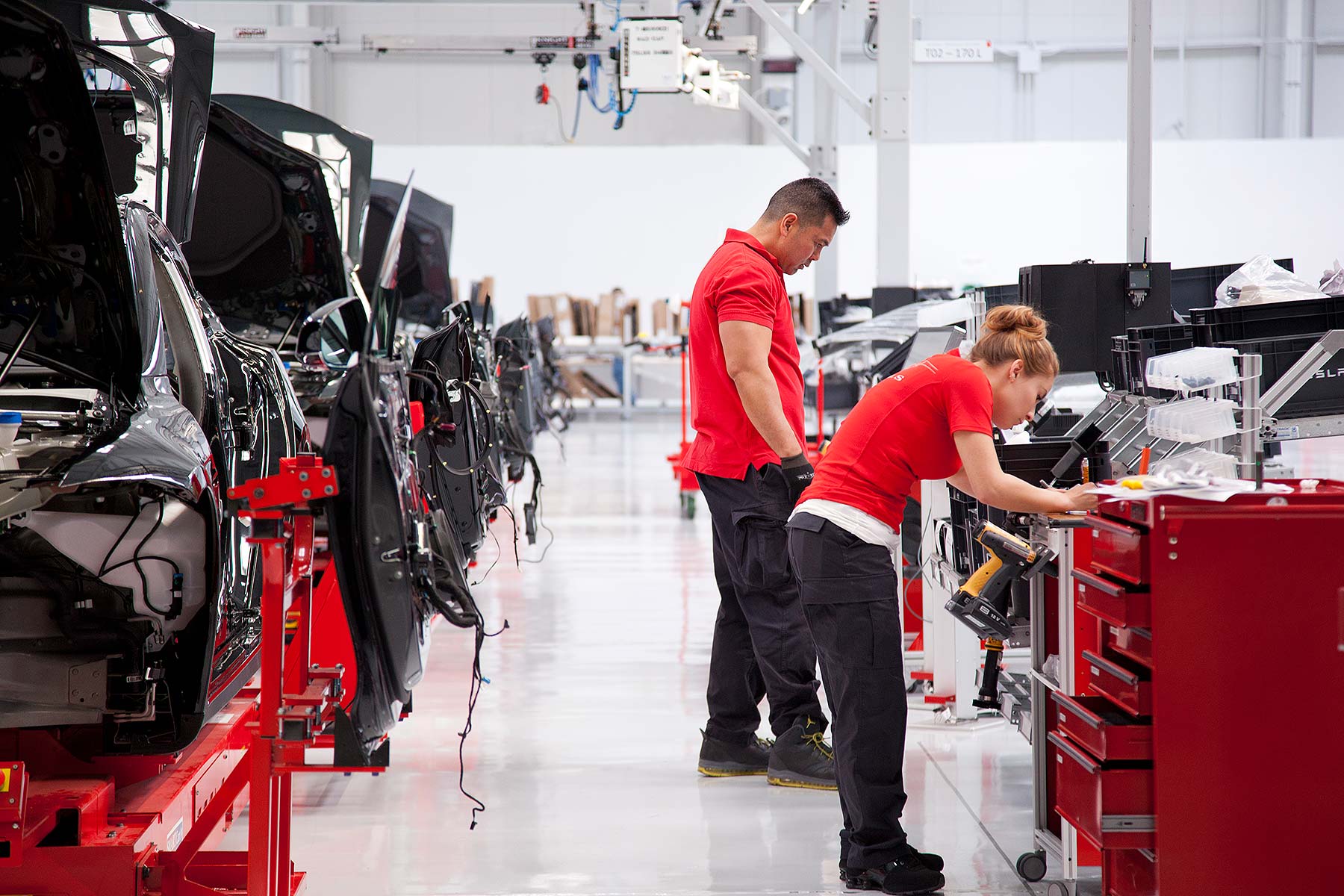
The Freemont factory – a former GM/Toyota joint venture called NUMMI – already has the capacity to make half a million cars a year, said Musk: the challenge is the batteries. 500,000 batteries a year represents the world’s current total lithium ion production!
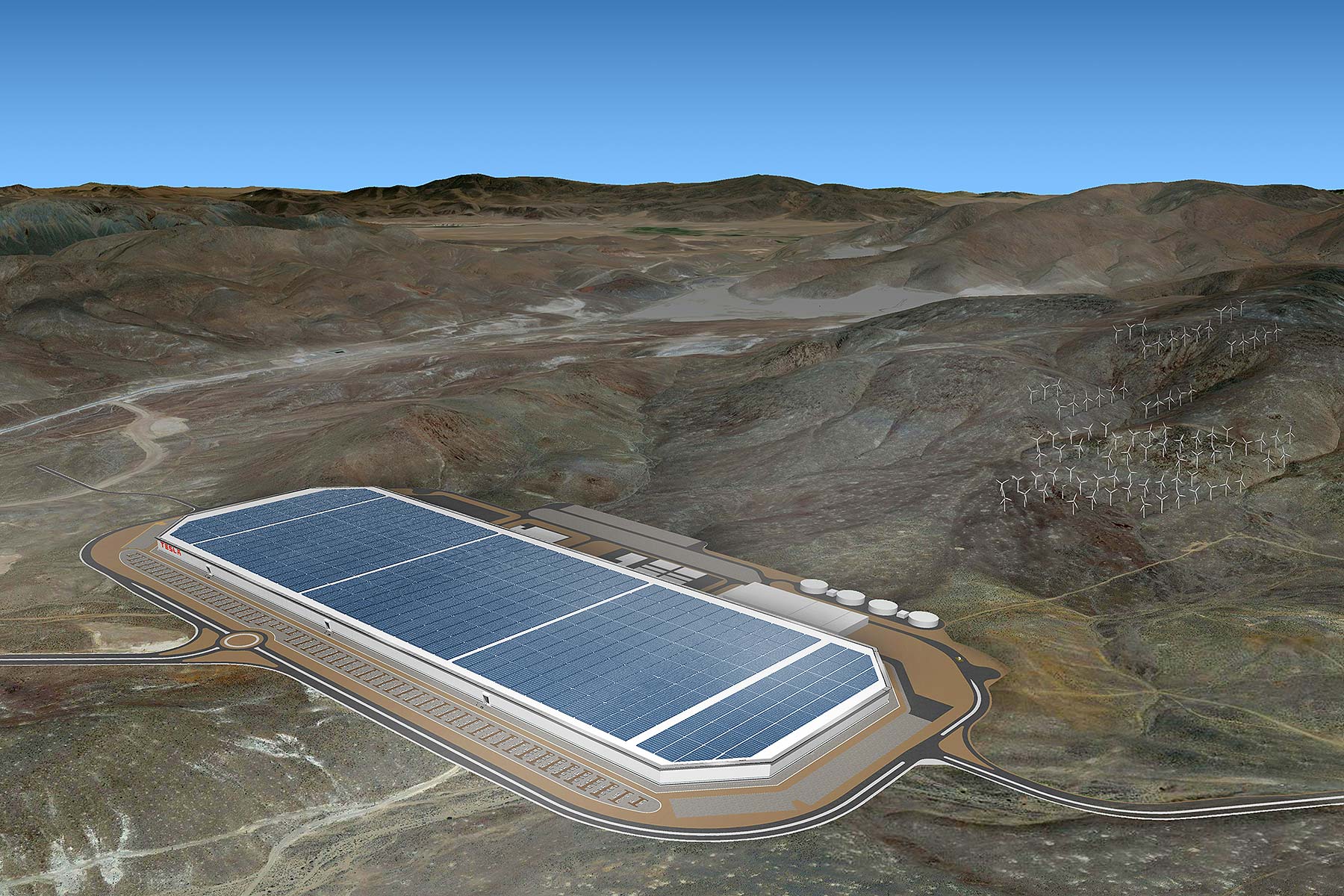
Hence Tesla building a new battery factory, the Gigafactory (pictured above). This will boast the largest footprint of any building in the world and be second in overall size only to the Boeing factory in Washington. It’s enormous – and its success is essential to the Model 3’s viability.
Video: watch the Tesla Model 3 launch
What are the rivals to the Tesla Model 3?
The Model 3 is a revolution for Tesla but it’s not a car without rival. Here are the established contenders and ambitious newcomers set to go up against the new Model 3
Chevrolet Bolt
Similar price, all-electric ability, similarly ambitious goals: GM’s first modern EV is being pitched as the real world alternative to the fancy Tesla Model 3 and will be a fierce competitor to Elon’s baby. But is it a bit too real world?
Nissan LEAF
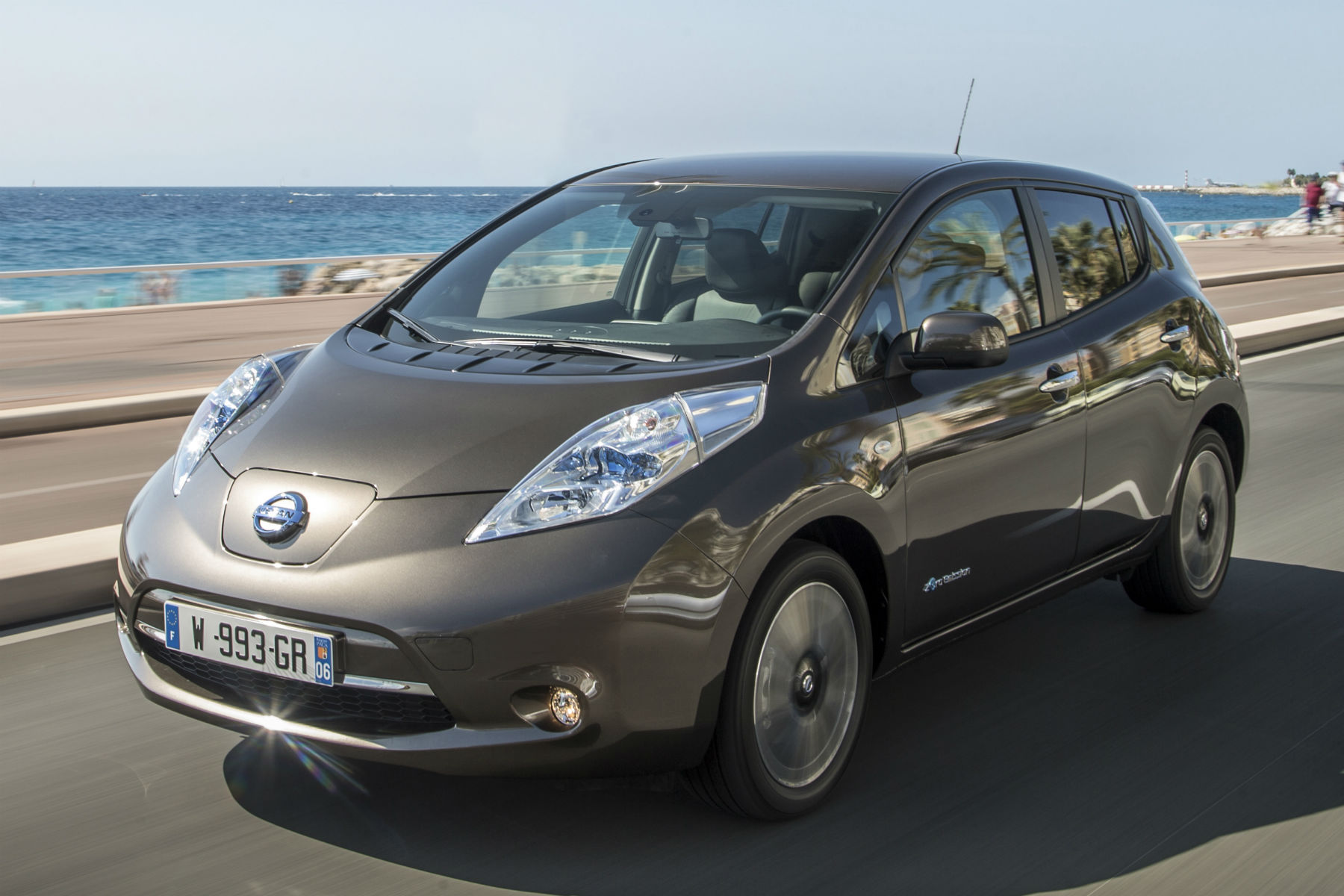
Musk namechecked the Nissan LEAF during the reveal of the Model 3: the original Tesla Roadster led directly to its development, he said (which may be news to Nissan chief Carlos Ghosn). Today the world’s most successful fully electric car, it’s a groundbreaker that will become even more formidable in next-gen form that’s likely due around the time of the Model 3’s launch…
BMW 3 Series
Tesla aims to make a full EV that can challenge the compact executive hierarchy with the Model 3, and there’s no finer example of this than the BMW 3 Series (a car we’ve been living with for the past few months). Most are sold with conventional petrol or diesel engines but there’s also now a plug-in hybrid. BMW also offers…
BMW i3
… The brilliantly ingenious i3, which has ingenious construction, brilliant driving manners and all the reliability, solidity and cut-above feel you’d expect of a BMW. If a full EV is a step too far, there’s even a range extender version with a tiny motorbike engine in the back
Toyota Prius Prime
Revealed at the 2016 New York Auto Show, Toyota has added extended-range plug-in hybrid capability to the established, multi-million-selling Prius hybrid. But what if buyers truly want zero emissions? Toyota has an answer there too…
Toyota Mirai
… With the brilliant Mirai, an all-electric car powered by a hydrogen fuel cell rather than the Tesla’s plug-in batteries. It’s the first volume fuel cell car on sale and as much of a ground-breaker as anything Tesla’s done. Could this be the one the Model 3 must really watch?
 Volkswagen will offer to buy back diesel cars fitted with defeat device emissions cheat software as part of a deal agreed in principal with the US authorities.
 The waiting is over – Tesla has launched its $35,000 (£25,000) high-volume Model 3 electric car and the world is