Home Blog Page 555

Mitsubishi fuel economy test scandal – Q and A

1

Mitsubishi carsMitsubishi has admitted cheating fuel economy tests dating back to 1991 and the Japanese car company has now set up an independent investigation committee to establish just what’s been going on.

Since the news broke that 625,000 Kei cars had been given falsified fuel economy figures, Mitsubishi has lost around half the market value. It seems more bad news is likely to emerge in coming days too as attention focuses on the sixth-largest Japanese car company’s fuel economy test procedures.

Here’s what we know so far about the Mitsubishi fuel economy test cheat crisis.

What has Mitsubishi done?

Mitsubishi has overstated fuel economy figures of four cars sold on the Japanese market: the Mitsubishi eK Wagon and eK Space, and the Nissan Dayz and Dayz Roox.

Not only has testing not been conducted correctly, it was also done in a way different to that required by Japanese law – something that has infuriated Japanese ministers who have said such manipulation is “extremely serious”.

How did Mitsubishi cheat the test?

It seems misconduct centred around the running resistance value test cars were subjected to. This rolling road resistance mimics two things – the rolling resistance, largely from the tyres, and the effect of air resistance when vehicles are moving: cars are tested stationary in labs where there’s no wind resistance, so it has to artificially be applied.

An analyst put it more bluntly: Mitsubishi appears to have over-inflated the tyres to cut rolling resistance and thus artificially inflate fuel economy.

What effect would this have had on official figures?

Experts say this practice may have artificially inflated Mitsubishi fuel economy figures by around 5-10%.

Are the cars with dodgy fuel economy figures still on sale?

No – when news of the scandal broke, Mitsubishi immediately stopped production and sales of the eK models. Nissan has also stopped selling the Dayz models (and is now in discussions with Mitsubishi over compensation).

Who discovered the fuel economy test cheat?

Ironically, it was Nissan that discovered the fuel economy test misconduct, during initial development for the successor to these cars. It took evidence of the deviations to Mitsubishi, which discovered things were amiss.

Is anything else amiss with Mitsubishi’s fuel economy test procedures?

Separate to this misconduct, further revelations about how Mitsubishi carries out fuel economy testing in Japan have emerged.

Japanese fuel economy test regulations are configured differently to tests in other parts of the world to better reflect the stop-start city-style driving commonplace in Japanese driving. Remarkably, when they changed, Mitsubishi admits it did not follow this rule change.

So how long has Mitsubishi been doing this?

Alarmingly then, Mitsubishi has admitted it’s been testing fuel economy this way for a quarter of a century. “For the domestic market, we have been using that method since 1991,” said Mitsubishi vice-president Ryugo Nakao at a press conference. The regulations changed: Mitsubishi testing did not change to reflect it.

Are other Mitsubishis affected?

Mitsubishi says it’s thus likely other Japanese market cars are affected: “During our internal investigation, we have found the testing method which was different from the one required by Japanese law has been applied to other models manufactured by Mitsubishi for the Japanese domestic market.”


Does it involve emissions cheating like the Volkswagen scandal?

This is an issue related to fuel economy test figures, not emissions. While any official emissions figures may well be different once fuel economy is restated, this will be an incremental addition – unlike Volkswagen, Mitsubishi has not been employing ‘cheat’ devices that alter the engine to get back emissions regulations.

Thus far, the Mitsubishi scandal is also related to petrol cars, not diesels – and petrol cars generally meet emissions regulations with ease.


So if Japanese cars are affected, do UK Mitsubishis have dodgy fuel economy figures?

Mitsubishi says this issue is restricted to the Japanese market: there is no evidence cars sold in Europe and the U.S. are affected.

European cars are tested according to the NEDC fuel economy test cycle, which itself is largely agreed to be outdated – but it is an independent test that all cars sold in Europe must pass. Manufacturers cannot overstate fuel economy: when they do, as Volkswagen discovered last year, clarifications must be issued when it is discovered.

What is Mitsubishi doing about it?

Mitsubishi, after expressing “its most sincere apologies to all of our customers, shareholders, and stakeholders,” has set up a special investigation committee that’s fully independent from the company itself.

It will have three members – all attorneys of law – who will fully investigate the matter, see if there’s any other improper conduct at play within Mitsubishi, and then reveal both the cause and suggested remedial action to prevent it happening again.

They’ll report back in three months’ time.
Advertisement

Mitsubishi fuel economy tests have been incorrect since 1991 – report

0

Mitsubishi logoMitsubishi fuel economy test procedures have not been compliant with Japanese regulations since 1991, an unnamed source has revealed.

Reuters says the leaked news was first reported to Japanese business title Nikkei: Mitsubishi is to hold a press conference briefing on the matter later today.

  • Top 10 most economical cars – spring 2016
  • Mitsubishi reveals fuel economy test misconduct
  • Europe’s car makers admit fuel economy test is obsolete

It is said the firm compiled its fuel economy data using U.S. standards, which involves more high-speed driving, rather than Japanese standards which demand more stop-start inner-city driving. Japanese standards generally deliver worse economy figures than U.S. standards.

The latest Mitsubishi revelation follows last week’s admission that it overstated the fuel economy of four city cars, sold under both the Mitsubishi and Nissan brands.

Since then, the firm – Japan’s sixth-largest vehicle manufacturer – has lost half its market value.

Manipulation of fuel-efficiency tests is “extremely serious,” Japanese transport minister Keiichi Ishii told reporters yesterday after a cabinet meeting, reports Bloomberg.

ALSO READ

Europe’s car makers concede: ‘We know the fuel economy test is obsolete’

New EQUA ‘NCAP for NOx emissions’ test ranks real-world car pollution

Mitsubshi reveals fuel economy test misconduct involving 625,000 cars

Advertisement

‘The Stig’ buys a car tuning company… called Topgear Tuning

0

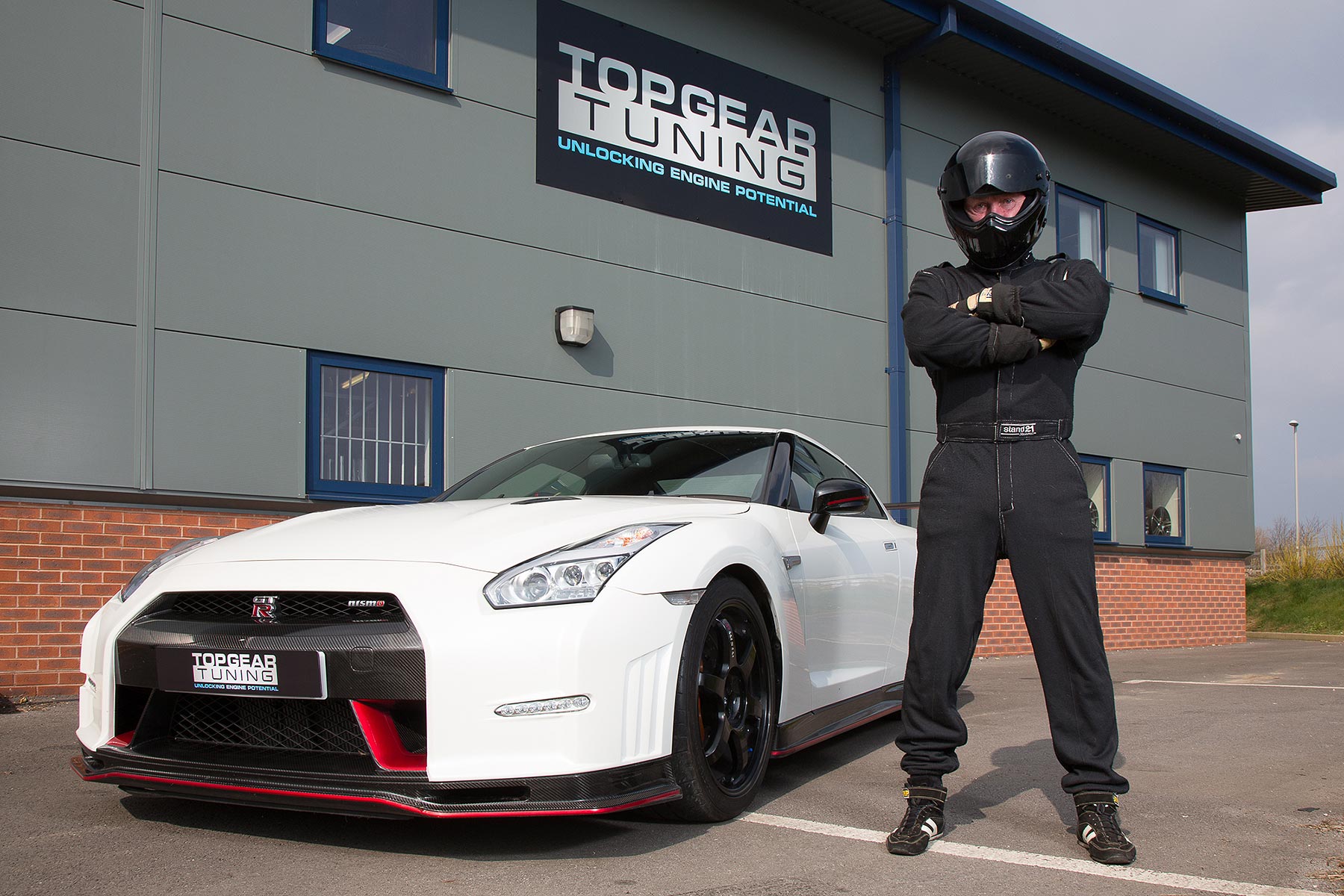
Topgear TuningTop Gear’s original ‘Stig’ liked what he saw at car tuning firm TopGear Tuning so much, he bought the company – and now ex-racer Perry McCarthy is revealing his plans for expansion.

The former F1 driver has just launched a new website for the ECU remapping firm based in Bridport, Dorset, with the aim of rapidly growing the number of dealers and garages its systems are offered in.

  • The Stig has driven a Forza Ford Focus RS to Gamescom
  • ‘The Stig’ delivers Jeremy Clarkson petition to the BBC in a tank
  • This is what the new Top Gear line-up looks like

To date, 20,000 cars have been remapped by the tuning firm, via 270 dealers nationwide. McCarthy wants to quickly ramp that up and hopes his profile and former career as The Stig will help the company gain traction.

“I was invited by the owner of Topgear Tuning, Steve Kilcoyne, to visit their head office,” he said. “Steve thought I may be interested in the process of ECU remapping and his team’s approach to it.

“I agreed but after arriving, what was scheduled as a one-hour meeting turned in to five hours… my initial curiosity quickly changed to recognising a great business opportunity within my home ground of the automotive industry.”

Why has The Stig bought a car tuning company?

McCarthy believes the remapping sector as a whole is a growth market in the UK – largely driven by consumers becoming more aware of the performance and economy gains claimed.

Performance improvements from remapping are well known, of course: it’s the economy improvements that’s a particularly interesting growth area, given the ongoing fuss over Europe’s outdated economy test cycle…

The B2B firm is now “offering independent and larger service centres the same opportunity to take commercial advantage of increased public awareness of remaps.

“With its experience, expertise and unique brand marketing, it can deliver, manage and support existing tuners or new entrants in to the remapping trade.”

Naturally, McCarthy can’t resist reminding us of his Top Gear days either. “If only some of those reasonably priced cars that we raced around the Top Gear track had been remapped, I’m sure the leader board would’ve looked very different.” Quite.

Advertisement

Europe’s car makers concede: ‘We know the fuel economy test is obsolete’

0

Opel Vauxhall AstraEuropean car manufacturers have responded to recent tests by the British and German transport authorities by saying they know the test cycle is outdated – and for them, the new, more real-world test can’t come soon enough.

Representing Europe’s 15 vehicle makers, The European Automobile Manufacturers’ Association said it’s actually “been advocating for many years an updated laboratory test… as well as an additional new test to measure pollutant emissions on the road”, according to ACEA secretary general Erik Jonnaert.

  • Mitsubishi reveals fuel economy test misconduct
  • Real world fuel economy: there is a limit
  • BMW 320D ED Plus review: long-term test

Both are coming. A new, more representative fuel economy test called WLTP – World Harmonized Light Test Cycle and Procedures – is due to take force next year, replacing the current outdated NEDC test.

The second real-world test, called Real Driving Emissions (RDE), is due to arrive then too, although the European Commission is taking a step-by-step approach in approving it – and two key packages to help car makers start preparing for RDE are still missing and “urgently needed to complete the legislation”.

As it stands, the EC aims to present the third package in October 2016 and the fourth, final package by early 2017. Car makers, it seems, want confirmation to come sooner: the legislation is due to go live for all newly-launched cars by September 2017, and all vehicles on sale by 2019.

A few campaign groups have already speculated that delays in gaining approval could see the WLTP and RDE tests delayed.

When they go live, car makers will have to minimise the discrepancy between WLTP lab test figures and RDE real-world figures to a maximum of 110%, which will fall to a maximum of 50% by January 2020. Currently, the discrepancy can be as much as 400%.

“These results show again that we now need to move forward with the new testing conditions in order to bridge the gap with the lab test,” said Jonnaert.

“RDE represents a tremendous effort for Europe’s car manufacturers, both in terms of investments and production, but our industry will take up this challenge.”

Advertisement

Volkswagen to buy back half a million dieselgate cars

0

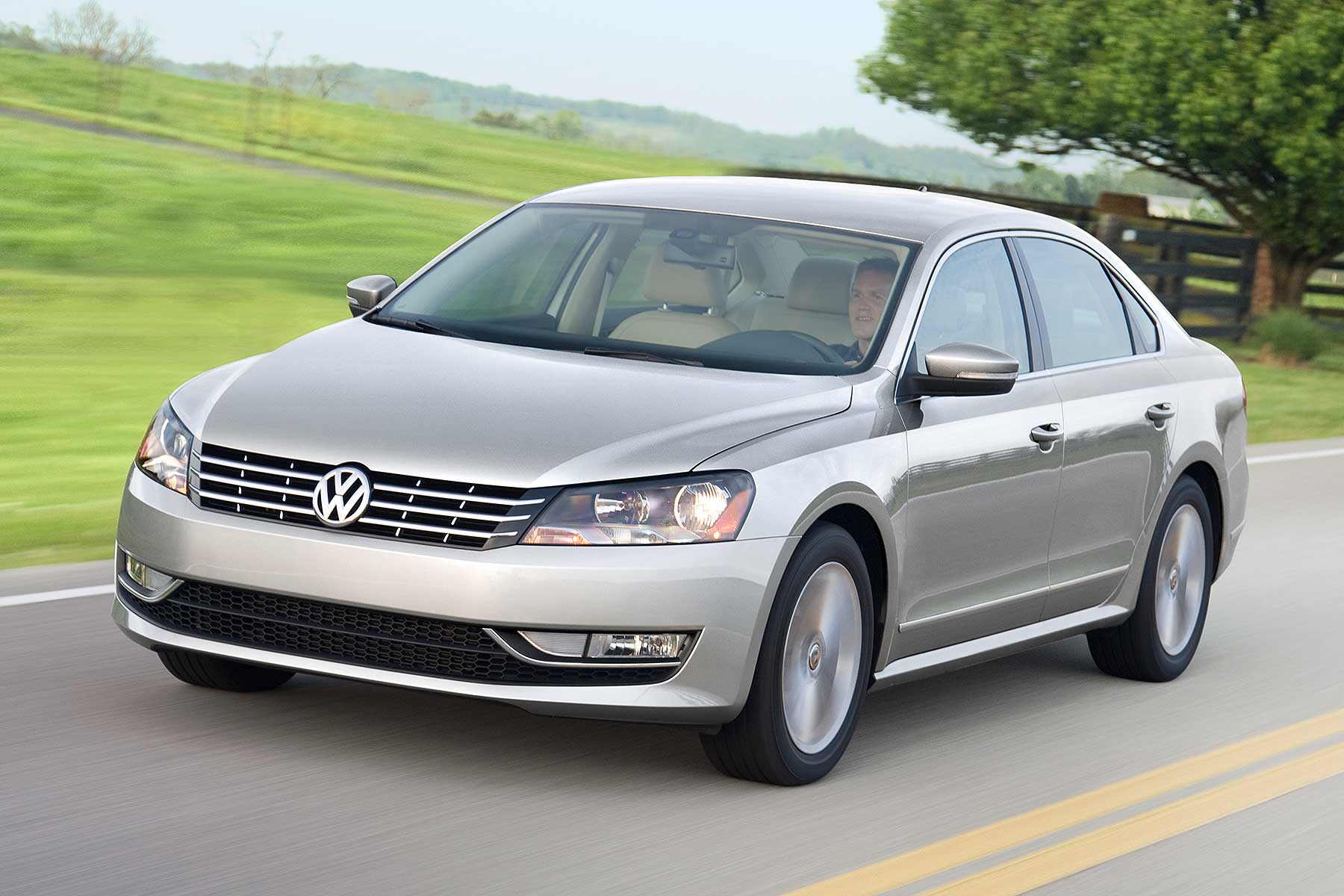
Volkswagen Passat dieselVolkswagen will offer to buy back diesel cars fitted with defeat device emissions cheat software as part of a deal agreed in principal with the US authorities.

The firm has reached the agreement with the US Department of Justice (DOJ), the Environmental Protection Agency (EPA) and the Californian Air Resources Board (CARB). The deal is expected to be made binding in the next few weeks.

The final terms of the deal have not been revealed – they’re still subject to negotiations with US authorities – but it is already believed to be significantly more costly to Volkswagen than the firm initially predicted when news of the ‘dieselgate’ defeat device scandal first emerged.

The initial €6.7 billion Volkswagen set aside has already risen to €15 billion.

“Volkswagen is committed to earning back the trust of its customers, dealers, regulators and the American public,” it said in a brief statement.

“These agreements in principal are an important step on the road to making things right.”

ALSO READ

Are Brits proud enough of Jaguar Land Rover?

Chris Evans apologies for ‘disrespectful’ Top Gear scenes

BMW Vision Next 100 concept revealed on 100th anniversary

Advertisement

New EQUA ‘NCAP for NOx emissions’ test ranks real-world car pollution

0

EQUA Air Quality Index Audi A3Emissions Analytics has launched the first fully independent index-based NOx emissions standard for cars and the UK firm claims the new EQUA Index provides a level playing field “to help clear the confusion over real world NOx emissions”.

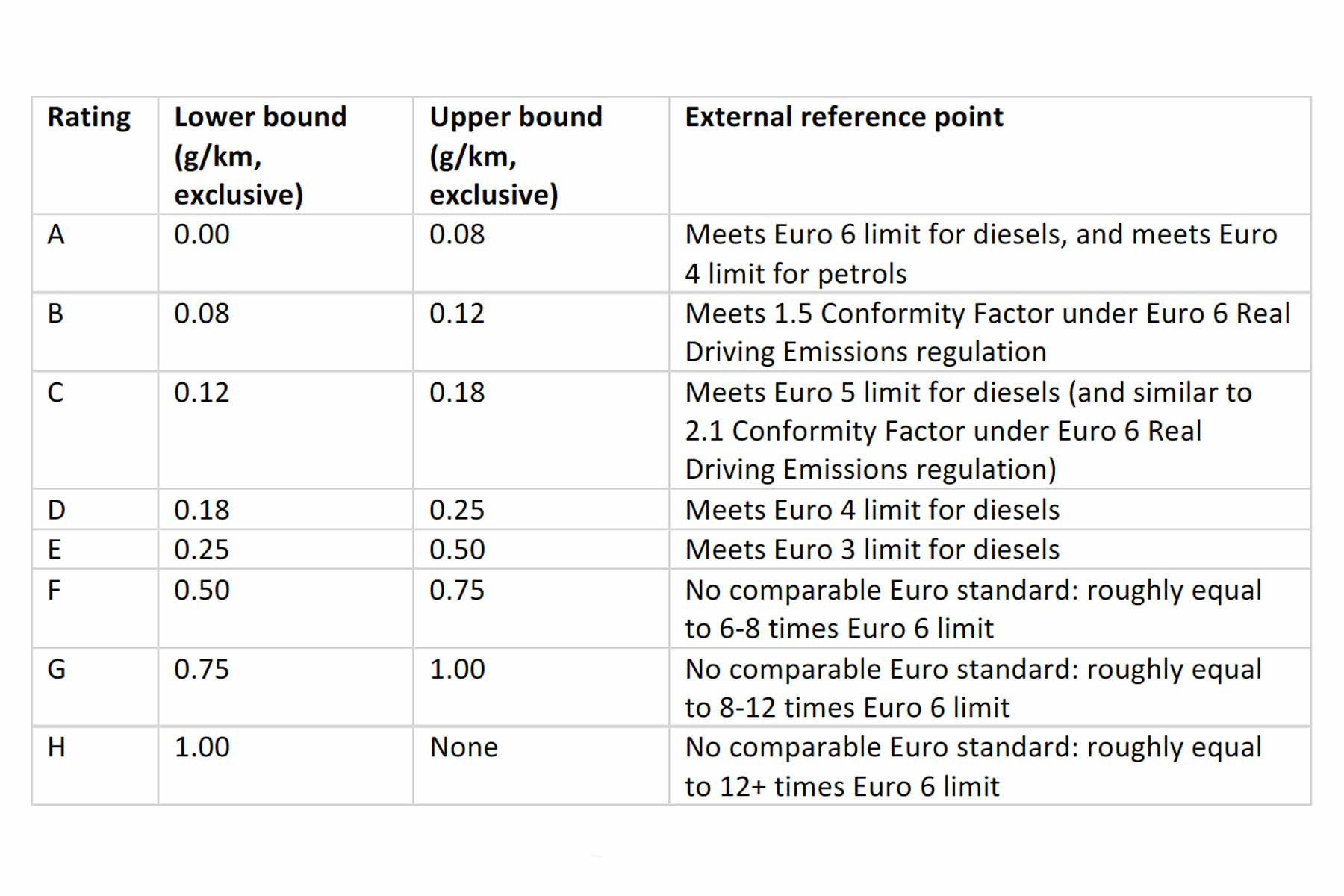
The new EQUA Air Quality Index has been developed from Emissions Analytics’ existing real-world car economy test. Purely assessing NOx (nitrogen oxide) emissions, it gives a simple score from A to H for all cars tested.

An A rating means a car meets current NOx limits for diesel and petrol cars: an H rating is worse than even the very oldest Euro emissions standard – equivalent to 12 times the current Euro 6 limit. The ratings are explained in full below.

  • Calls for 20mph speed limits to cut NOx emissions
  • New £800 tax for diesel cars proposed – plus diesel scrappage scheme
  • EU agrees to cut real-world car emission – but green groups are not happy

Alarmingly, more than 50 older Euro 5 diesels scored an ultra-dirty H rating, along with three current-standard Euro 6 cars – and a supposedly-green diesel-hybrid model, the Peugeot 3008 Hybrid4, was also given a worst-possible H rating.

The EQUA Air Quality Index has been launched with ratings for 440 vehicles and the firm has vowed to test 200-400 new cars each year to ensure the rankings are as up-to-date as possible.

> Search the EQUA Index database

Nick Molden, CEO and founder of Emissions Analytics, said: “There’s a great deal of confusion among car buyers on the subject of pollutant emissions, but we’re able to deliver impartial and precise information to help them buy better.

“We’re also looking forward to working with the industry as a whole to highlight the best vehicles available.”

EQUA Air Quality Index: the winners and losers

Volkswagen Group cars are the big winner of the EQUA Air Quality Index tests. A batch of its latest Euro 6 diesels have been tested – and of the six cars assessed, all six have achieved the very cleanest A-rating, suggesting tailpipe NOx emissions are exactly what Volkswagen claims in real-world use.

Proof that no defeat devices are active on the latest models..?

The BMW 3 Series also achieved an A-rating for real-world Euro 6 diesel emissions – the only other Euro 6 diesel to do so: of the 62 latest-spec cars tested, three scored B-ratings, 9 were rated C, 13 were rated D, a worrying 20 were rated E, five scored F, two G and three the very worst H rating.

These models were the Fiat 500X 1.6-litre diesel SsangYong Korando 2.2-litre diesel, plus the 2013 Audi A8 3.0-litre diesel that’s no longer on sale (an indication that defeat device systems could be active on in-market Volkswagen Group cars?).

In contrast, all but four of the 45 Euro 6 petrol cars tested were rated A, suggesting the latest diesel models in particular have an issue with hitting Euro 6 NOx targets in real world use. All diesels, that is, except Volkswagen Group diesels…

Every single Euro 6 hybrid vehicle also achieved an A-rating.

As for Euro 5 diesels (which were applicable for new cars in showrooms up until September 2014 for newly-launched models and September 2015 for existing on-sale in-market motors), things are far worse.

Not a single Euro 5 diesel car scored an A-rating, or a B-rating: the best model was the Skoda Octavia 1.6-litre TDI, with a C-rating. Then it was five D-rated cars (proving Euro 5 cars can only meet Euro 4 limits), followed by a staggering number of E, F, G and H-rated cars.

Such H-rated models include best-sellers such as the BMW 1 Series, Mercedes-Benz C-Class, Nissan Qashqai, Renault Clio, Vauxhall Corsa and, yes, the 1.6-litre Volkswagen Passat.

However, all but eight of more than 100 older Euro 5 petrol cars tested failed to score the very lowest A-rating for NOx emissions. Does this mean air quality campaigners are right to focus on getting older diesel models off Britain’s roads?

EQUA Air Quality Index table

Advertisement

Mitsubishi reveals fuel economy test misconduct involving 625,000 cars

0

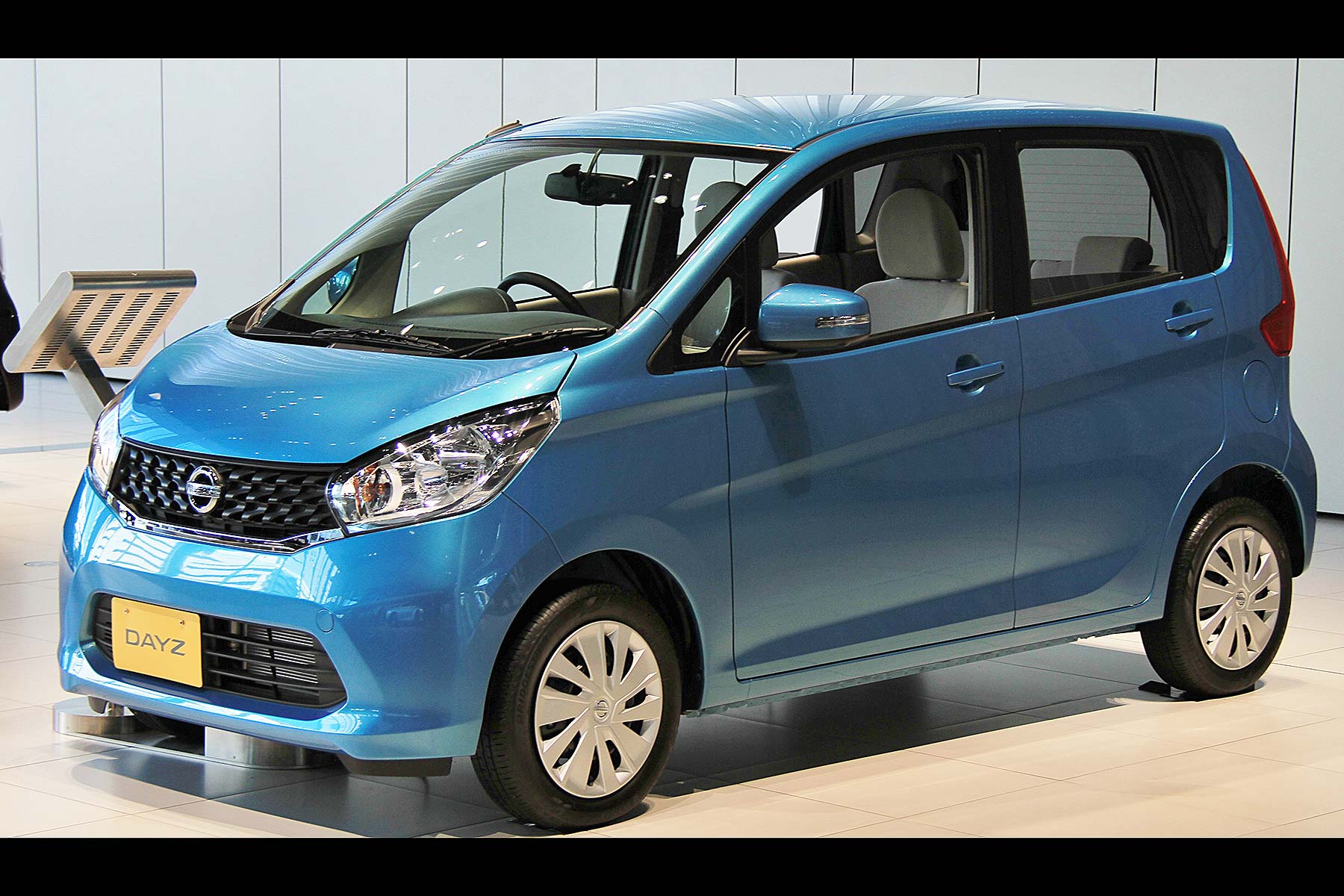
Nissan DayzMitsubishi has revealed details of misconduct in official fuel economy tests after some of its models were found to have failed part of the test.

The firm has admitted falsifying fuel economy data for 625,000 cars across four model lines: most of the cars were sold in Japan.

  • Audi developed Volkswagen defeat device software in 1999
  • Volkswagen’s UK reputation plunges following emissions scandal
  • Former Volkswagen CEO ‘told about emissions irregularities in 2014’

Rather embarrassingly, only 157,000 of the cars are branded Mitsubishi: Japan’s sixth-largest car company also built the models for Nissan, of which 468,000 cars are affected (the Nissan Dayz is pictured above).

What’s more, it was Nissan that discovered the fuel economy inconsistency and reported the problem to Mitsubishi…

The firm no longer builds the affected cars; Mitsubishi and Nissan are now in compensation talks.

Mitsubishi president Tetsuro Aikawa led company executives onto stage during the press conference this morning – and bowed deeply before revealing news of the economy misconduct.

The affected cars are: 

  • Mitsubishi eK Wagon
  • Mitsubishi eK Space
  • Nissan Dayz
  • Nissan Dayz Roox

The firm held the press conference this morning – but stock markets already reacted with shares plunging 15% on news of the misconduct revelation.

This is the biggest one-day drop in Mitsubishi shares in more than a decade.

Bloomberg revealed the misconduct centred around loading on individual tyres during rig testing, to make fuel economy appear better than it would be in reality.

Mitsubishi’s revelation follows the huge Volkswagen emissions scandal, where pre-installed software detected when cars were being tested on rigs and altered vehicle emissions to ensure they passed the tests.

UPDATE: News has since emerged that Mitsubishi offices in Japan have been raided by officials. A government spokesman is quoted by BBC News saying they’re treating it as “a very serious case” and have given Mitsubishi until 27 April to respond. 

ALSO READ

Volkswagen UK’s reputation plunges following emissions scandal

2016 BMW M2 review

Hyundai i20 Active 2016 road test review

Advertisement

Volvo targets 1 million electrified cars sold by 2025

0

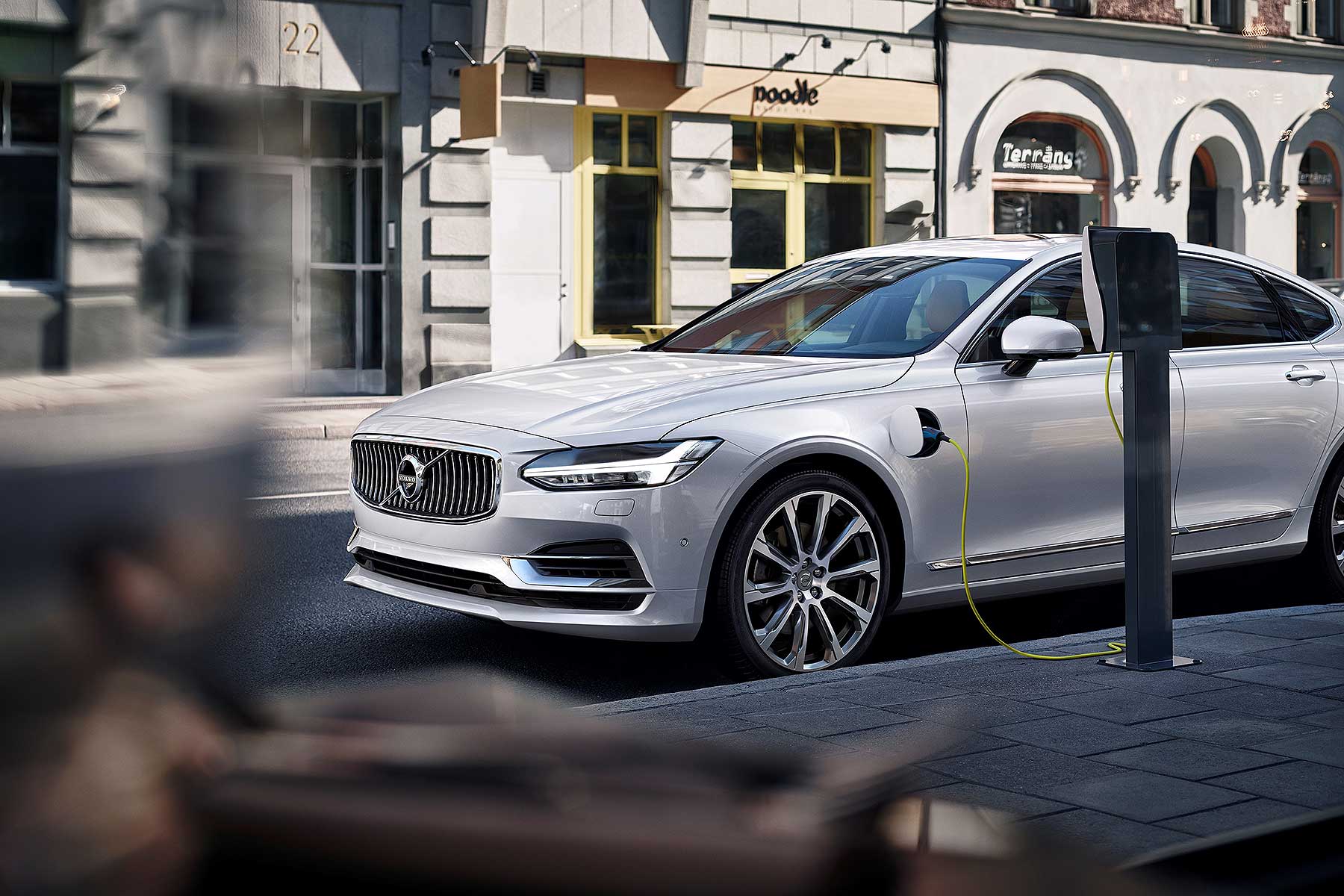
Volvo S90Volvo has set itself an ambitious sales target of hitting the 1 million electric, hybrid and plug-in hybrid cars by 2025 – and has vowed to offer at least two hybrid models of every single model in its range.

The Swedish firm will also release its first all-electric car in 2019, although it’s the hybrids that will play the biggest role in hitting its heady 1 million target.

Volvo president and chief executive Hakan Samuelsson admits “it is deliberately ambitious… it is going to be a challenge but Volvo wants to be at the forefront of this shift to electrification”.

  • Volvo’s new models will have built-in Spotify
  • Volvo to sell keyless cars by 2017
  • Swede dreams: the best Volvos of all time

The target is another bold aim by Volvo: it has also promised that, by 2020, nobody will be killed or injured in one of its new cars.

The key to Volvo’s electrification strategy is its new flexible platforms, dubbed SPA and CMA. These can easily take hybrid or full EV technology – some models, such as the plug-in hybrid Volvo XC90, are already on sale.

Volvo’s 1 million electrified cars promise is part of its ‘omtanke’ sustainability programme: this also dictates that operations will be climate-neutral by 2025.

The firm has also committed to having 35% of its leading positions held by women by 2020.

Advertisement

Audi developed Volkswagen defeat device software in 1999

0

Audi TDI engineAudi engineers developed the Volkswagen defeat device software used by the firm to cheat official exhaust emissions tests back in 1999, reports German newspaper Handelsblatt today.

The Ingolstadt premium brand shelved the technology, however – only for Volkswagen engineers to dust off the software years later, reportedly as a solution to the U.S emissions tests they were struggling to pass.

Just a handful of Audi engineers were aware of the defeat device software’s existence, reports Handelsblatt, which cut off certain engine functions during defined parameters. The Volkswagen defeat device sensed when the car was running an official emissions test and altered engine settings to minimise the amount of NOx emissions.

11 million Volkswagen Group cars are involved in the defeat device scandal, including models from Volkswagen, Audi, SEAT, Skoda and Porsche.

Volkswagen and Audi have thus far declined to comment.

Advertisement

Volkswagen’s UK reputation plunges following emissions scandal

0

Volkswagen logoVolkswagen has suffered the biggest fall in reputation of any major consumer brand in the UK, following the emissions scandal that exposed ‘defeat device’ cheat software in diesel VW’s engine electronics.

In contrast, BMW Group has one of the best reputations in the UK, sitting third overall, behind Lego and IKEA – and ahead of firms such as Sony, Rolls-Royce Aerospace, Aston Martin, Samsung, Bosh and Kellogg’s.

The RepTrak study surveyed 50,000 Brits, ranking them out of 100. BMW Group is among the firms that scored more than 80% and were deemed “excellent”.

Jaguar Land Rover was also given an “excellent” rating thanks to an 80.4% brand reputation score.

Volkswagen, in contrast, had a miserable year. Whereas BMW was sitting third overall VW was way down in 267th place for brand reputation, following a staggering 27.4 points fall over the previous year.

This easily dwarfs other big fallers such as SABMiller (-7.9 points), Nestle (-7.7 points), Admiral (-7.3 points) and EDF Energy (-7.1 points).

Companies were assessed in seven areas: product and services, innovation, workplace, governance, citizenship, leadership and performance.

It’s easy to see where Volkswagen, currently facing the threat of significant U.S litigation and fines, stumbled.

Brits bash Brits

More generally, RepTrak co-founder Kasper Ulf Nielsen did warn UK firms that they are “losing out on reputation in their home market”. Just two of the top 10 firms are UK-based – one of them, Aston Martin, an automotive firm and the other, Rolls-Royce Aerospace, being equally engineering-led.

27 firms scored “poor”: all but two were UK or Ireland-based.

“This shows a lack of both emotional and rational connection that is unique to the UK.

“Across the world, home countries tend to have a stronger reputation , and this lack of reputation capital puts UK plc at a disadvantage in its home market.”

If you’re in the market for a new car, the message is clear. Let’s go buy British cars!

Advertisement