Who better to break the two-wheeled world land speed record than plucky northerner, Guy Martin? The motorbike racer, truck mechanic and TV presenter escaped uninjured this weekend when his Triumph Infor Rocket Streamliner lost control after hitting a patch of damp salt during a 300mph test-run.
Martin has a history of bad luck. He was meant to attempt to break the 376mph world record last year but, in a perhaps unsurprising move, had to bail when he lost control of his BMW motorbike during a race and was catapulted through the air, fracturing vertebrae, his sternum and a number of ribs.
Guy Martin and Triumph in world speed record attempt
Great British Bake Off’s Paul Hollywood to race Aston Martin
Top Gear vs. The Grand Tour: which presenters have the best cars?
He was taking part in a test run when the latest incident took place. Regulations state that he must ride the motorcycle at 300mph before being allowed to take on the full land speed record – so the incident will have set the record run back yet again.
In typical Guy Martin fashion, the experience racer commented: “It’s all part the job, boy, isn’t it? Feeling our way. I guess if it was an easy thing to do everyone would have done it by now. So we’ll get a plan sorted and get on with the next go at it as soon as we get the chance.”
Apparently taking it “steady” following his crash last year, Martin successfully reached 198mph during an earlier run.
The crash wasn’t the only hiccup, however. While being towed to the start line, the bike toppled over, causing minor damage. This delayed Martin’s final attempt, which led to him losing control.
Bit slushy at Bonneville..she tipped over being towed out..only a scratch boy. We’re on it today. pic.twitter.com/PBa4B6b4vL
Triumph Motorcycles, who built the bike, put the later incident down to the ‘unpredictable’ surface.
The Infor Rocket Streamliner’s designer, Matt Markstaller, said: “It’s one of the challenges of land speed racing – the salt surface can be so unpredictable. We’ll fully inspect the streamliner and get ready for the next phase of our attempt.”
It might not be that simple. Bad weather as winter arrives could mean that the world record attempt has to be postponed by yet another year.
Uber has deployed a fleet of mapping cars on the capital’s streets in a bid to create its own Google Street View – allowing drivers and users to find the best pick-up and drop-off points as well as the best routes to avoid congestion.
The controversial transportation firm has already been mapping US roads in a similar way to Apple and Tomtom, it says, and is now looking to map London’s streets – with other UK towns and cities to follow in the coming weeks and months.
Volvo’s partnered with Uber to create a driverless car
Your Uber cab is most likely to be a Toyota Prius – and why that’s a good thing
More car news on Motoring Research
Writing in a blog post, Uber’s Brian McClendon, formerly head of maps at Google, said: “Behind every successful Uber ride is a technology many of us take for granted: maps. Mobile maps and GPS allow us to match you with the closest available driver, navigate the fastest path to your destination, and give you an accurate ETA. Accurate maps are at the heart of our service and the backbone of our business.
“Existing maps are a good starting point,” McClendon explains. “But some information isn’t that relevant to Uber, like ocean topography. There are other things we need to know a lot more about, like traffic patterns and precise pick-up and drop-off locations. Moreover, we need to be able to provide a seamless experience in parts of the world where there aren’t detailed maps — or street signs.”
The move could also help Uber’s fleet of driverless cars, which are already being trialled on public roads in Pennsylvania. A fleet of four autonomous Ford Fusions have been giving rides to customers with technicians on-hand to monitor the car’s behaviour and take over when required.
Experts have said that Uber’s ability to crunch huge amounts of data collected from the millions of miles covered by Uber drivers have helped put it ahead of carmakers in the race to launch the driverless car.
“Over the past decade mapping innovation has disrupted industries and changed daily life in ways I couldn’t have imagined when I started,” added McClendon. “That progress will only accelerate in the coming years especially with technologies like self-driving cars. I remain excited by the prospect of how maps can put the world at our fingertips, improve everyday life, impact billions of people and enable innovations we can’t even imagine today.”
Uber is also working with Volvo to launch a new autonomous car based on the same SPA platform as the XC90 and S90.
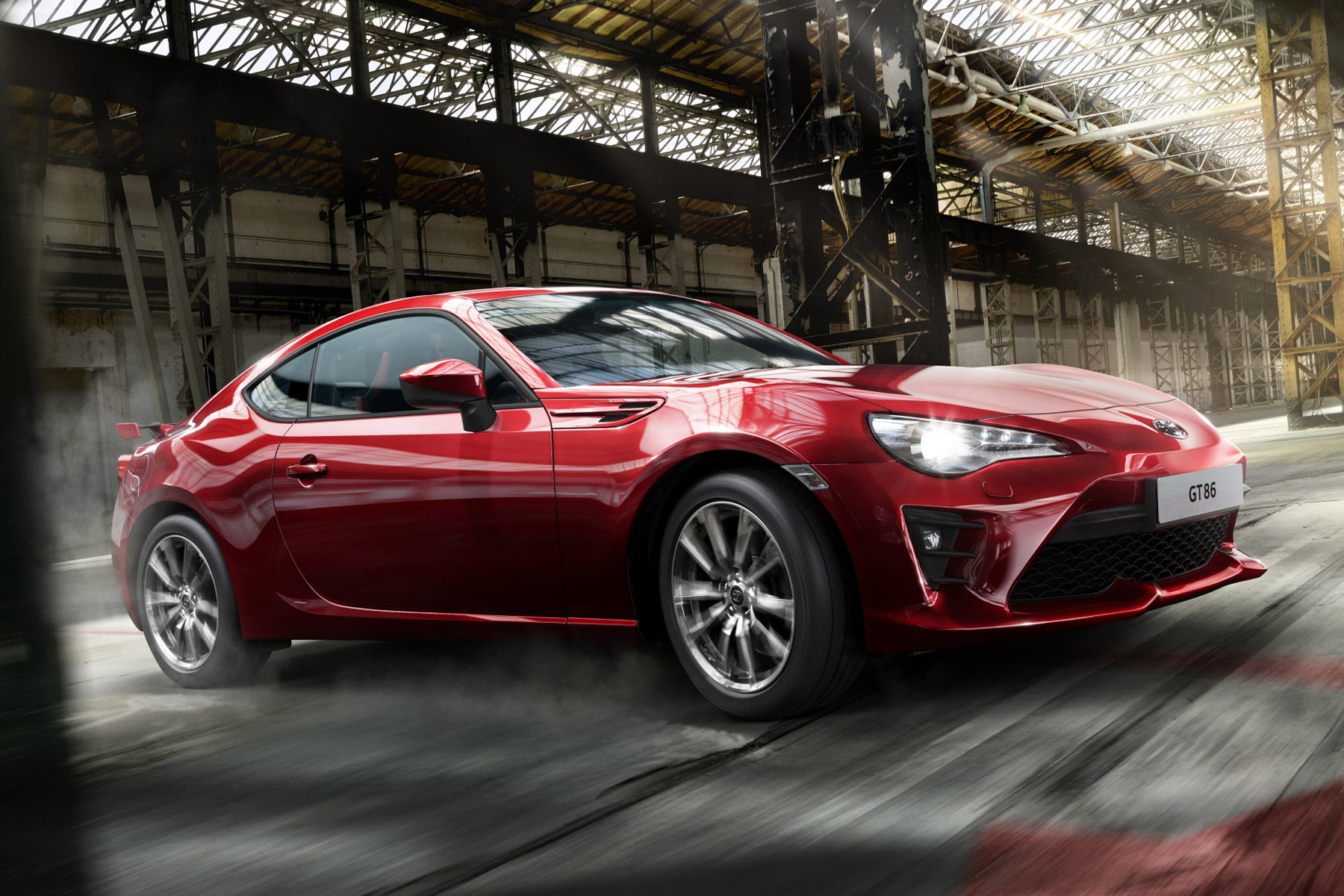
It’s arguably the best-handling car this side of £30,000 (emphasis on ‘arguably’, MX-5 fans) – but Toyota is giving its GT86 a revamp for 2017, with changes focussed on improving its already excellent chassis rather than cosmetics.
The electronic control systems have been tweaked, resulting in a selectable ‘track’ mode which allows the GT86’s stability and traction control systems to be turned off fully – great news for wannabe drifters.
Mazda MX-5 vs Toyota GT86: 2015 twin test
More car news on Motoring Research
“The biggest point I wanted to improve was the car’s responsiveness – on and off acceleration, turning in and turning out, and the speed and naturalness of its reactions,” explained chief designer Tetsuya Tada.
“This has partly come from modifying the dampers and springs, but the biggest point of influence has been in aerodynamics and the way this affects the suspension.”
Additional spot welds have been introduced to the rear to make the car stiffer, while the Showa dampers have been revised for a better combination of handling and comfort.
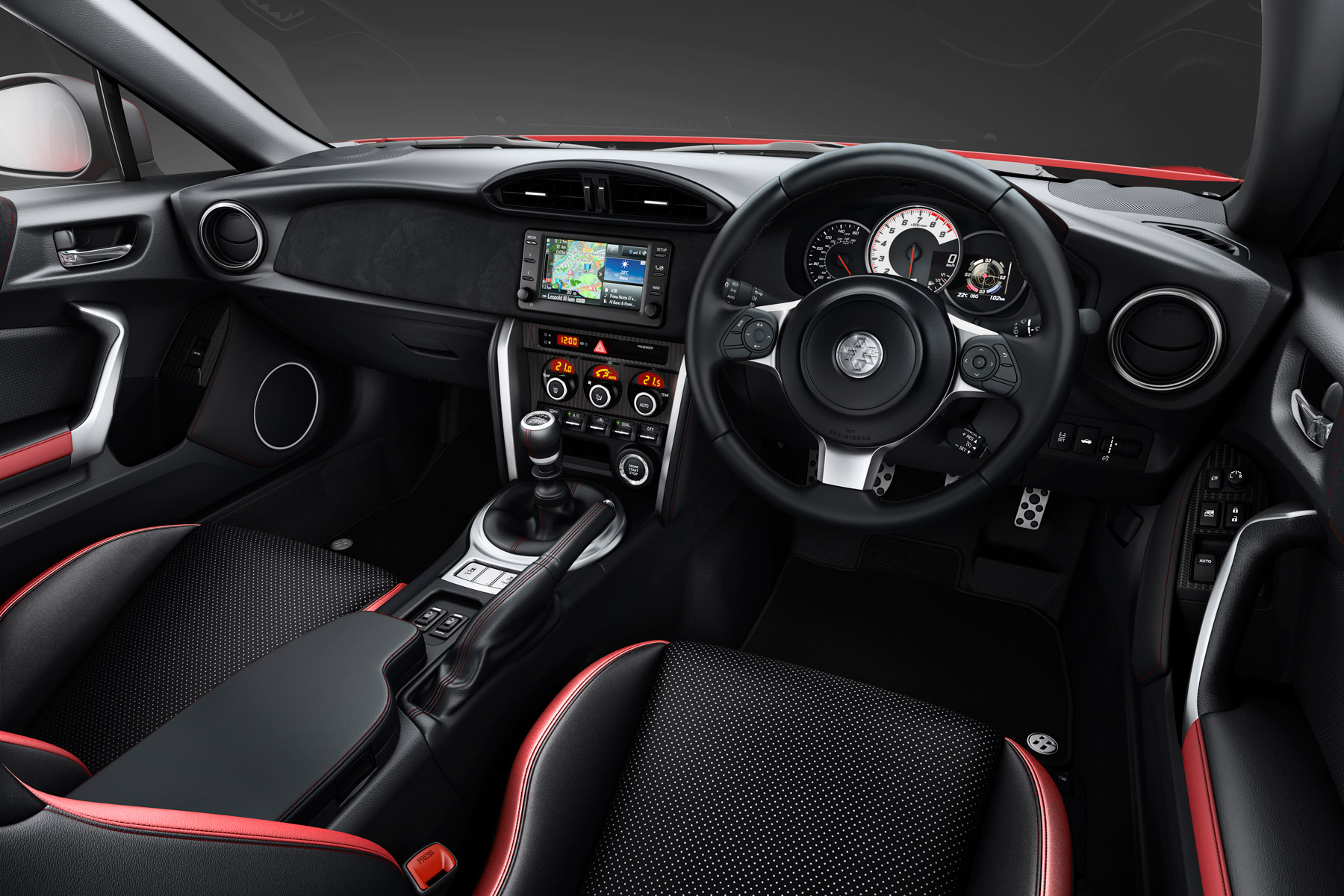
It’s also got a smaller 362mm diameter three-spoke steering wheel, allowing drivers to wind on lock quicker than you can say ‘dab of oppo’. A fancy new 4.2-inch TFT screen located in the carbonfibre-wrapped instrument binnacle tells you crucial G-force data alongside more mundane info such as how many MPGs you’re getting.
Although cosmetically little has changed, a few minor adjustments have been made to improve the car’s performance. The GT86’s nose section has been revised, with new ‘teeth’ along the bottom edge of the lower grille introduced to aid airflow.
The GT86’s front and rear lights have also been revised with LEDs used for high and low beam. The indicators have been relocated from the front bumper to within the lights themselves.
There’s some new 17-inch alloys, too – ‘slim’, helping out the performance/grip ratio, and you can still buy one with an automatic gearbox if you really want.
The range has been revised so buyers only get a choice of two versions. There’s the entry-level £25,945 GT86, with cruise control, DAB radio and the like – while the £27,095 GT86 Pro comes with heated front seats, leather and Alcantara upholstery, a leather driver’s armrest and a suede-effect finish for the dashboard and door trims. It also gains a matt grey rear spoiler.
Little else has changed – the 2.0-litre ‘boxer’ engine still produces 200hp, meaning it still won’t win any Top Trumps competitions, taking 7.6 seconds to hit 62mph.
Want a new car but don’t want to spend more than £1,500? We’ve assembled a list of budget cars that won’t break the bank. In fact, they cost less than a typical downpayment on a PCP deal. Ever helpful, we’ve selected two cars from each class, kicking off with a pair of bargain MPVs.
10 brilliant cars and their bargain alternatives
Revealed: Britain’s favourite used cars and colours in 2016
More car features on Motoring Research
MPV: Vauxhall Zafira
Why you want it: the innovative ‘Flex 7’ seating is brilliant; prices start from £500; it’s based on the Astra, giving it compact dimensions.
Why you don’t: it’s about as cool as a centre crease on a pair of jeans; the rearmost seats are suitable for small children only; it will look and feel very tired.
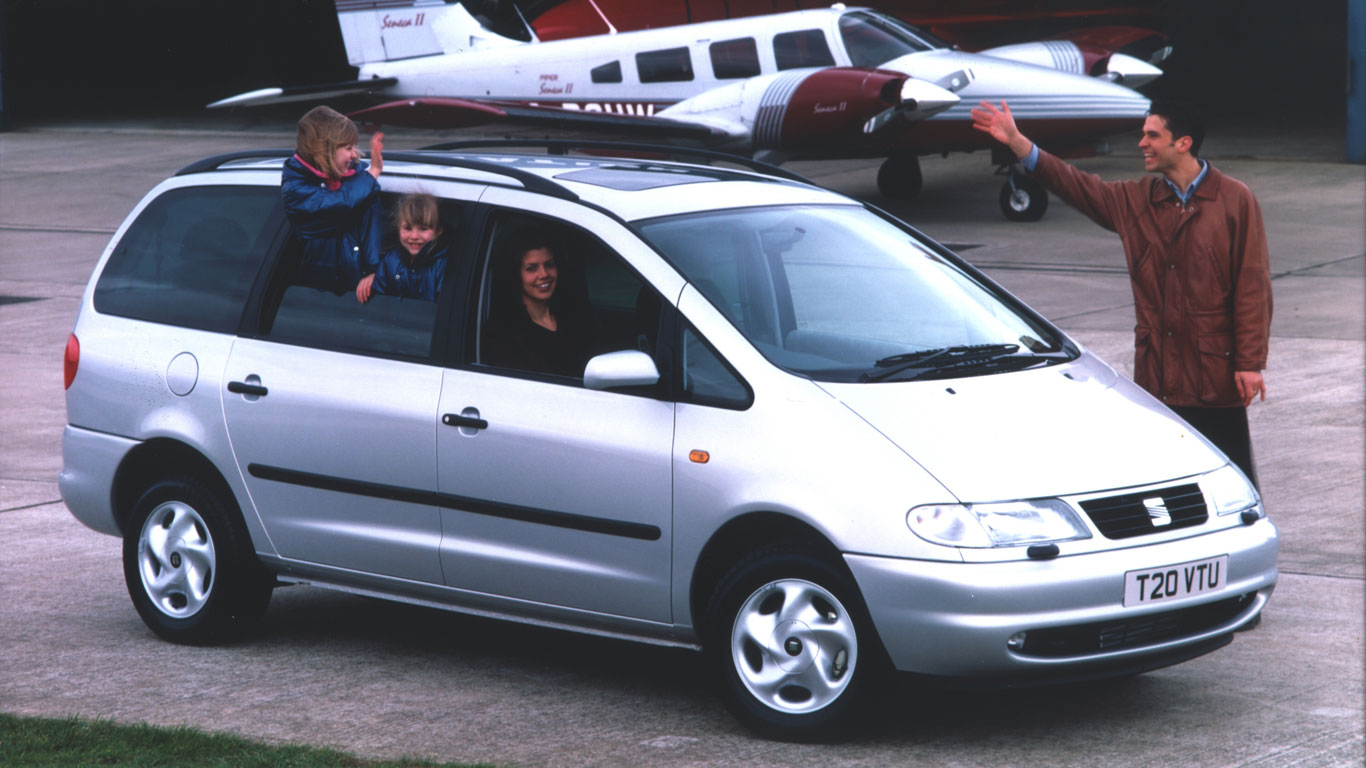
MPV: SEAT Alhambra
Why you want it: it’s a proper seven-seater, feels like a car to drive; cheaper than the Volkswagen Sharan and Ford Galaxy.
Why you don’t: you might have to live with a few battle scars; not immune to mechanical problems; feeling dated now.
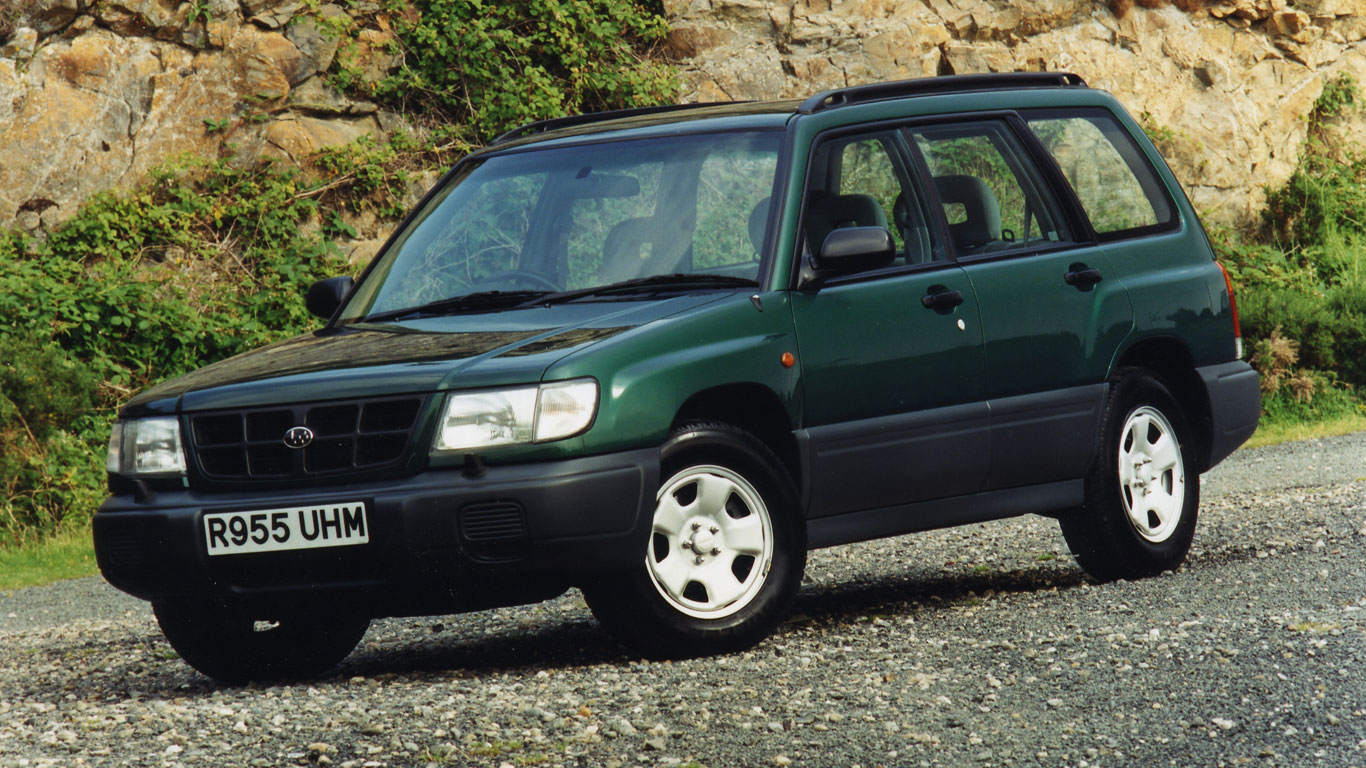
SUV: Subaru Forester
Why you want it: part estate, part SUV; superb on-road manners; great for light off-roading; excellent reliability; flat-four engine.
Why you don’t: not exactly cheap to run; styling is a little oddball for some; may have led a tough life.
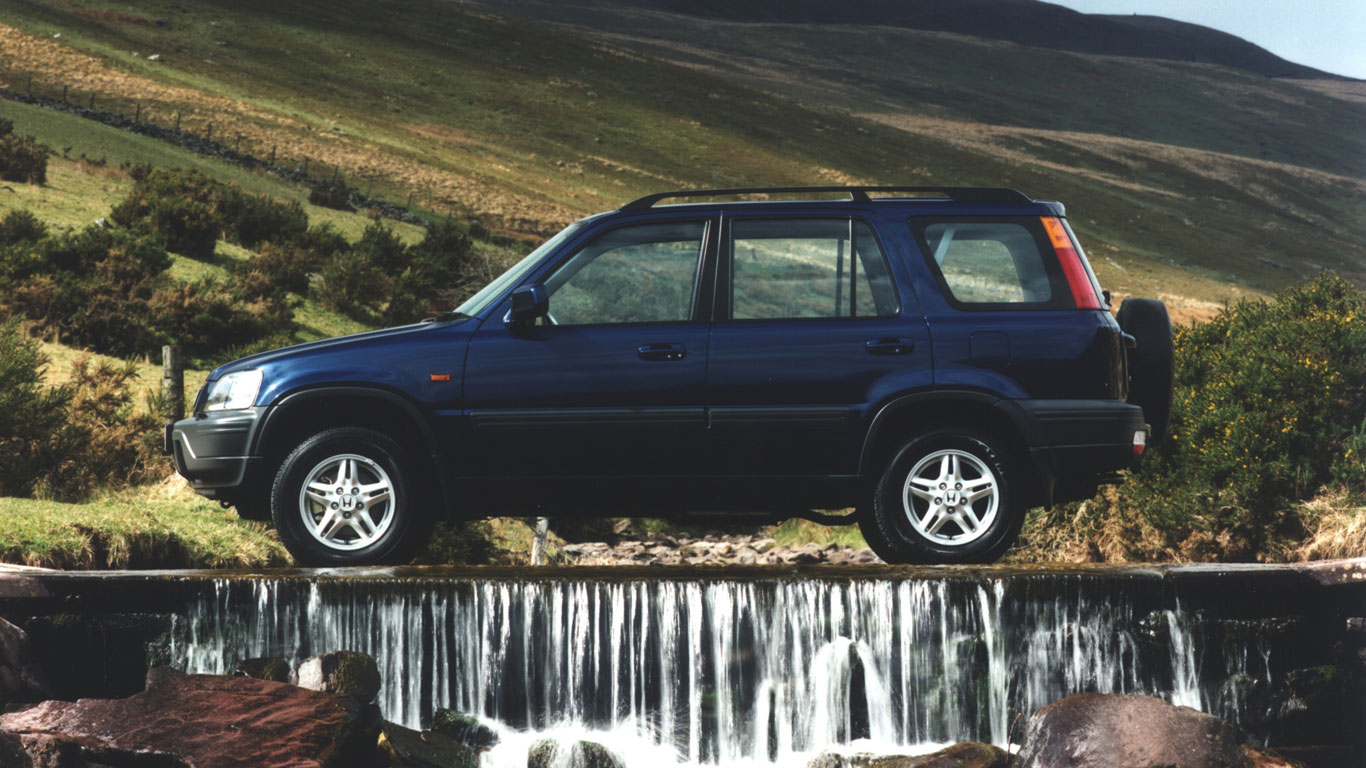
SUV: Honda CR-V
Why you want it: two decades on, it retains a strong image; one of the original crossovers; typical Honda reliability; good value for money.
Why you don’t: original CR-V was petrol only; not exactly cheap to run; not a true off-roader.
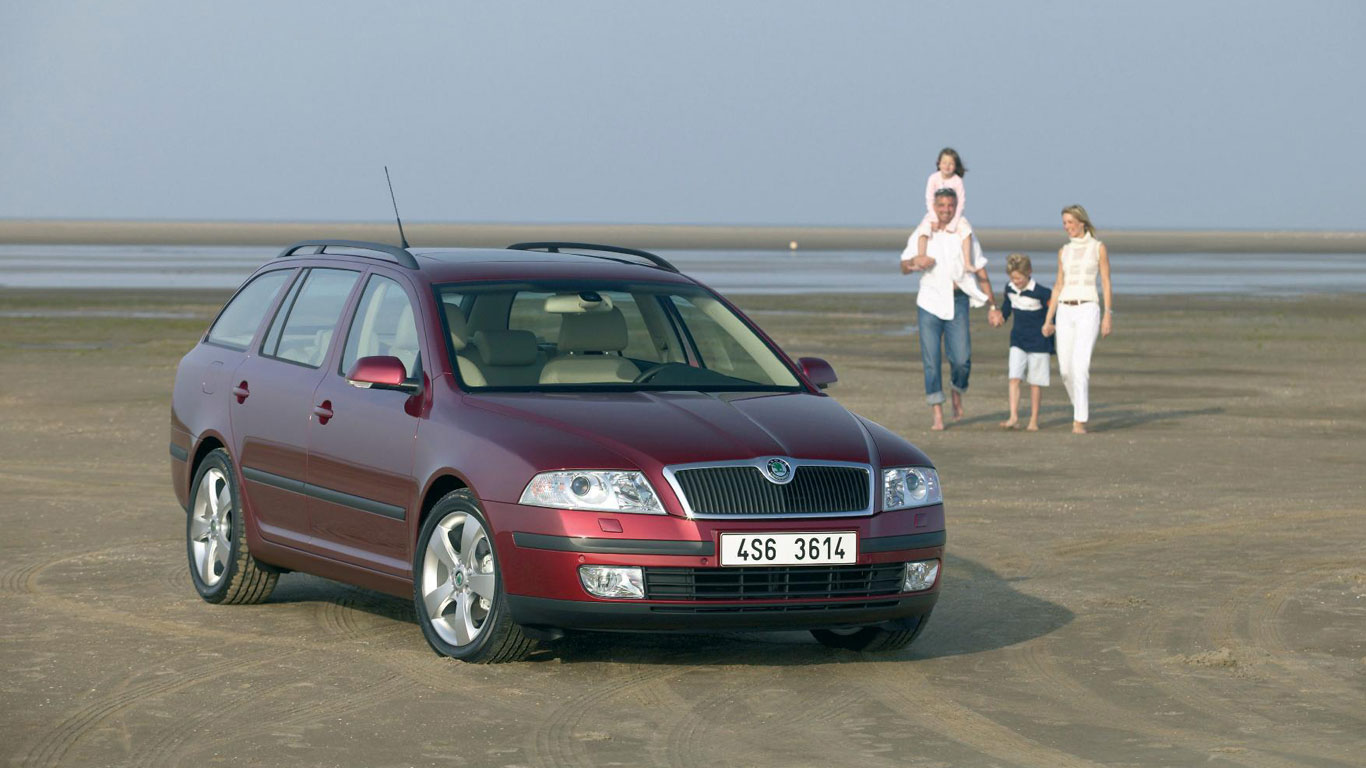
Estate: Skoda Octavia
Why you want it: massive 580-litre load space; cheaper to buy than a Golf estate; excellent range of engines and specs; people love Skoda dealers.
Why you don’t: more mechanical gremlins than you might think; interior is showing its age; to some, the badge is still a problem, which is their loss.
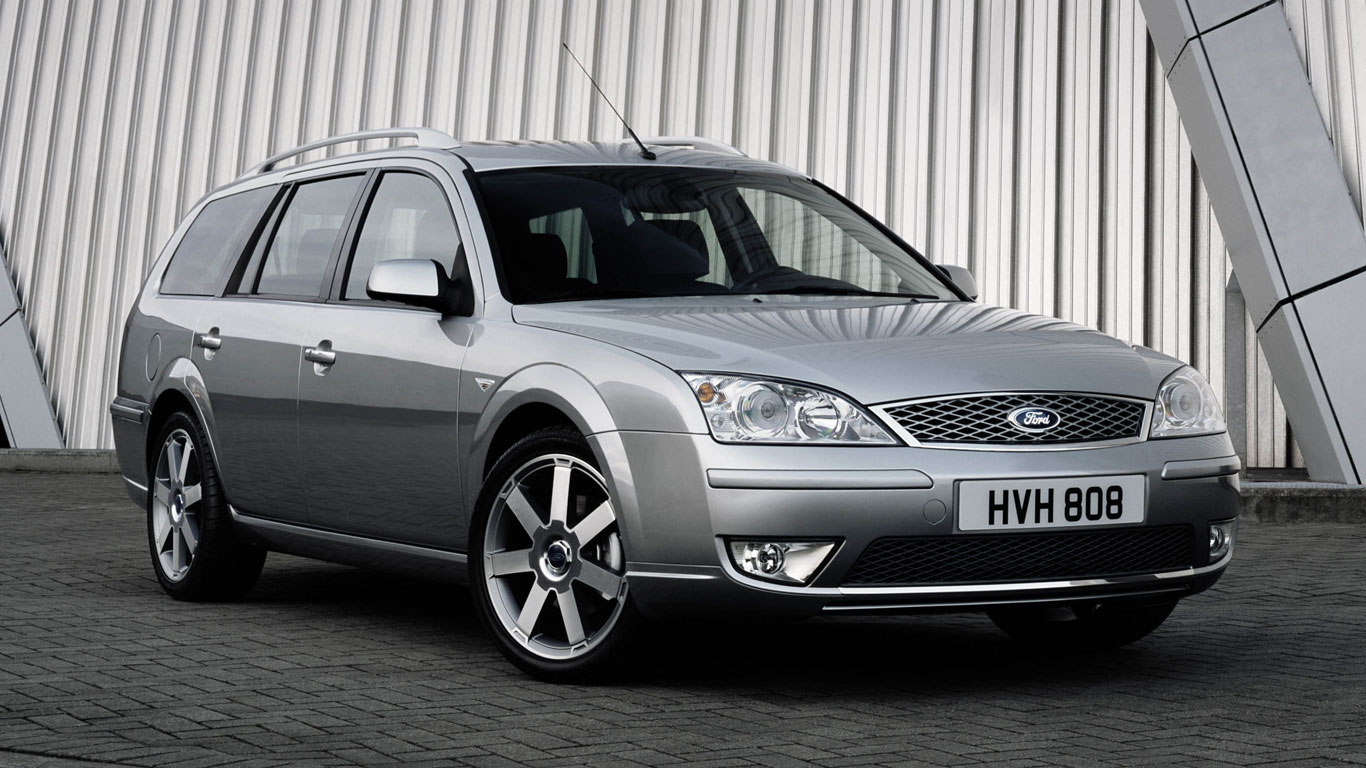
Estate: Ford Mondeo
Why you want it: brilliant to drive; cavernous boot; cheap to buy; plenty of choice; TDCi engines blend performance with economy.
Why you don’t: that TDCi engine can be troublesome; many will have been run on a budget.
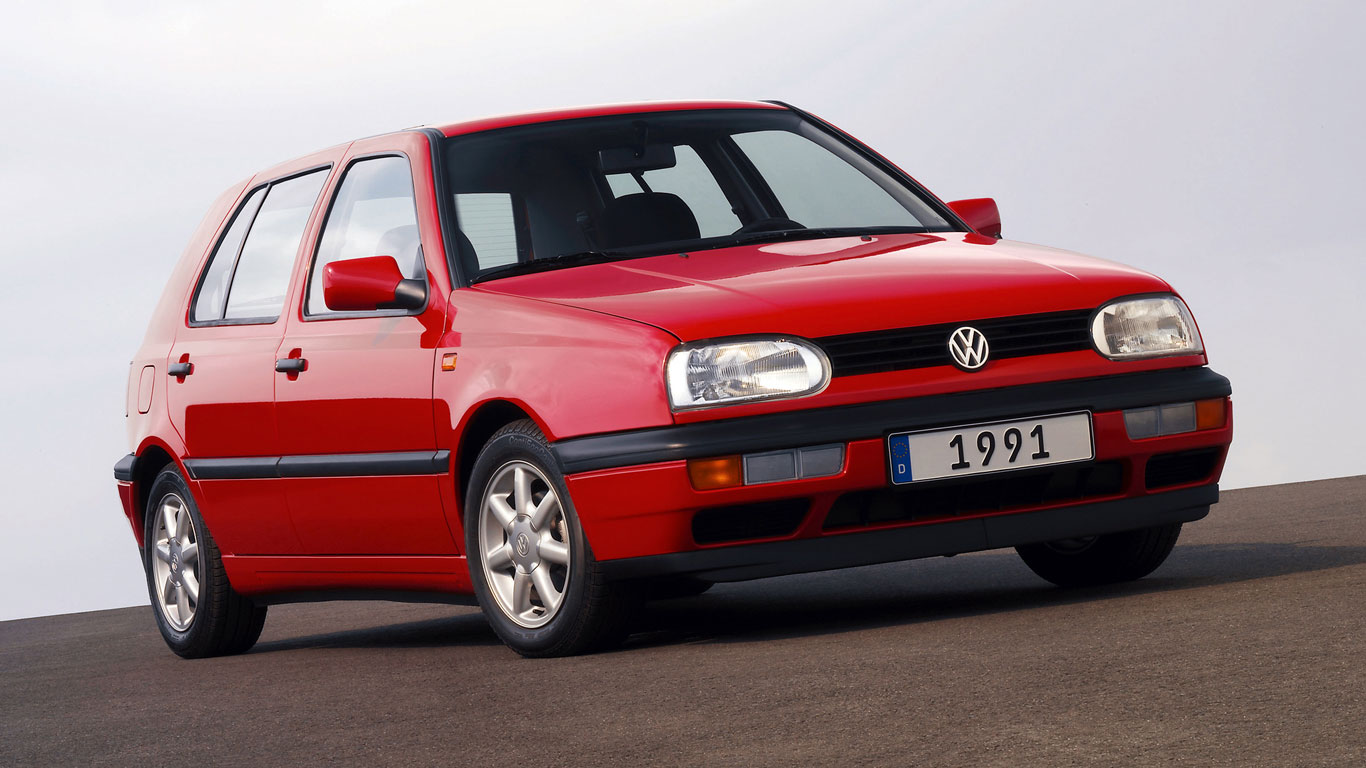
Family hatchback: Volkswagen Golf
Why you want it: it’s a Golf; for this budget you can buy a Mk3 or a Mk4; solid build quality, plenty of choice; excellent interior; strong image.
Why you don’t: not as reliable as the image makes out; Mk3 and Mk4 are stodgy and not that great to drive; image keeps prices relatively high.
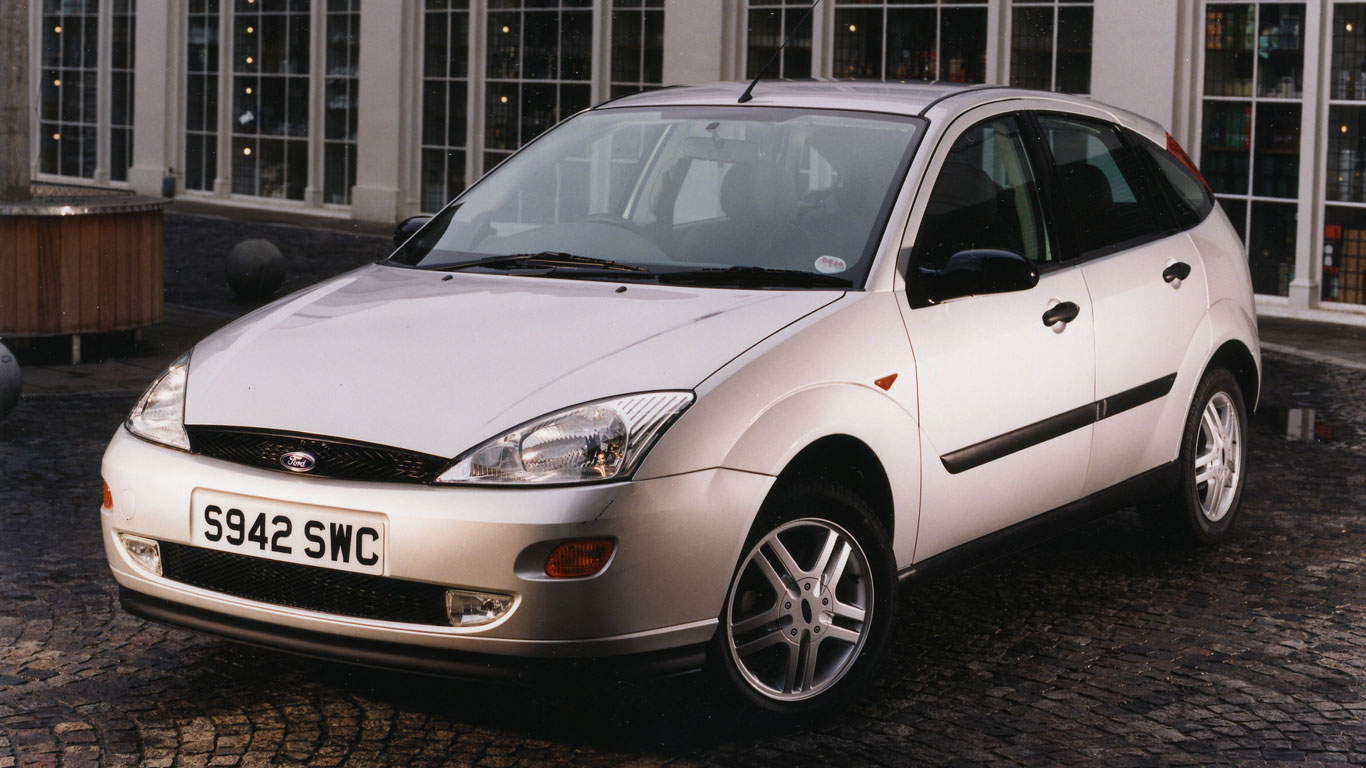
Family hatchback: Ford Focus
Why you want it: still looks great today; brilliant to drive; 1.6 and 2.0 Zetec are terrific drivers’ cars; plenty of choice; cheap to run.
Why you don’t: many tired examples out there; lacks the image of the Golf, although this could be a positive.
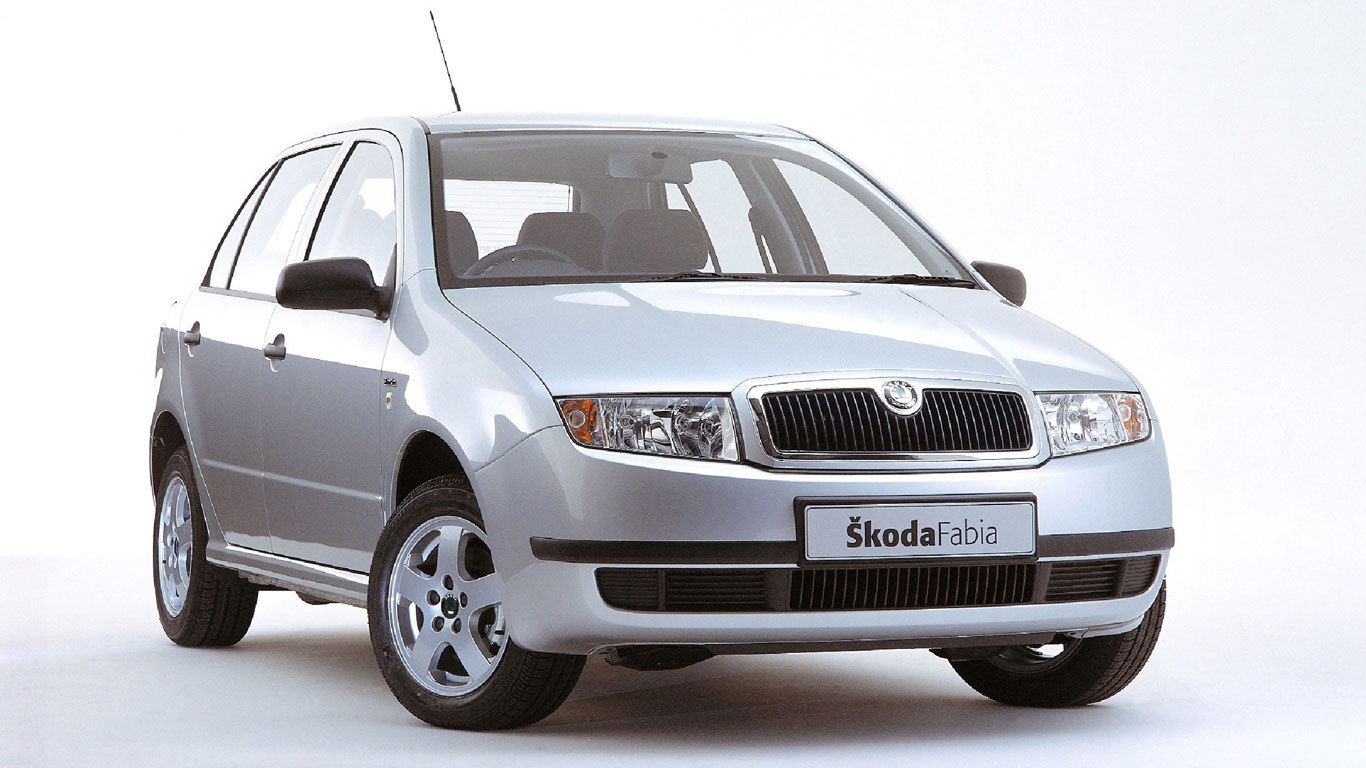
Supermini: Skoda Fabia
Why you want it: it’s a Volkswagen Polo in a cheaper suit; well built; good range of engines and specs; vRS is a fast and frugal hot hatch.
Why you don’t: dull styling; interior is showing its age; Volkswagen Polo will look better on your driveway, if that kind of thing matters to you.
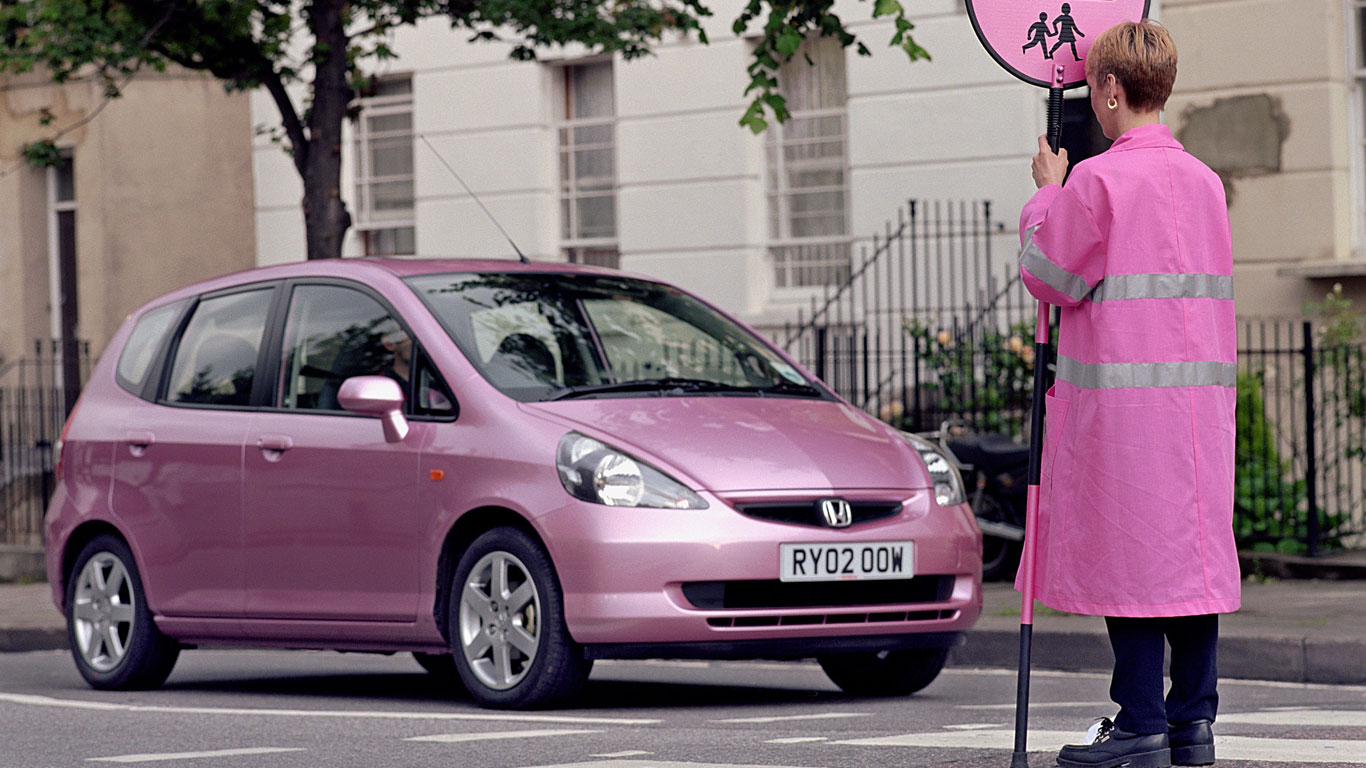
Supermini: Honda Jazz
Why you want it: innovative and spacious interior; many will have led an easy life; cheap to run; utterly reliable if well maintained.
Why you don’t: people will think you’ve given up on life; pint-size MPV styling; ride is a little unforgiving; incapable of travelling at more than 42mph on a B-road, probably.
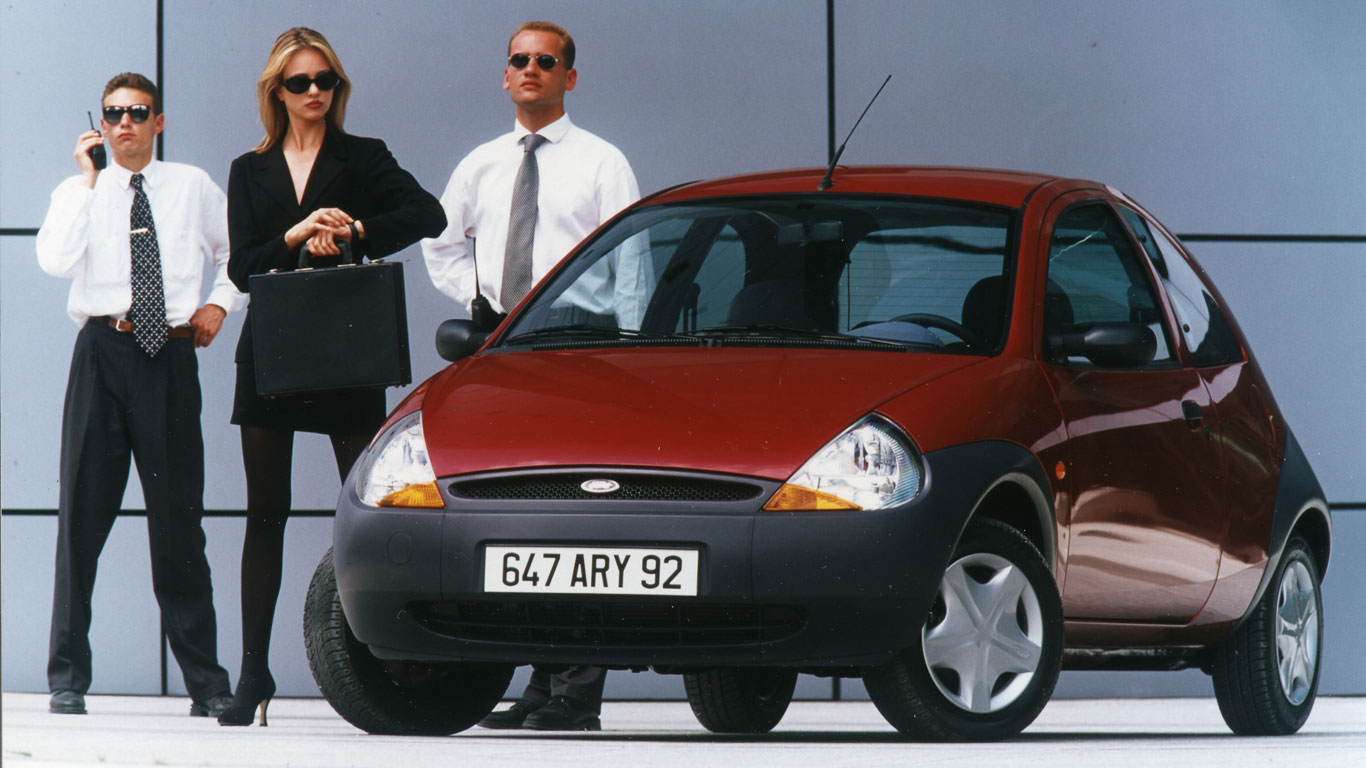
City car: Ford Ka
Why you want it: one of the greatest city cars ever built; brilliant fun to drive; cute styling; cheap to buy and run; plenty of choice.
Why you don’t: rust is a menace, rendering some cars beyond economical repair; original 1.3-litre not without issues; dated interior; cheap build, and it shows.
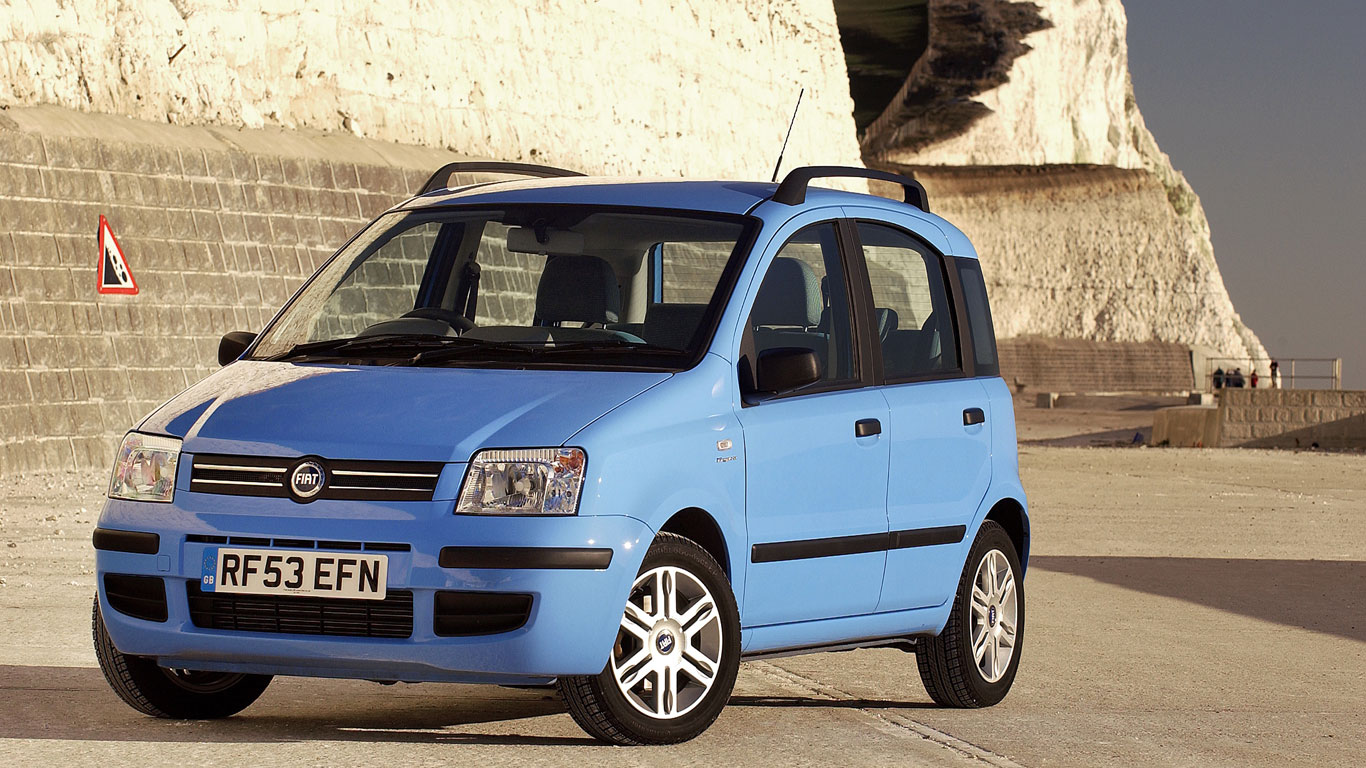
City car: Fiat Panda
Why you want it: a few million Italians can’t be wrong; fun to drive; narrow dimensions make it brilliant in the city; good size cabin; chic styling.
Why you don’t: not the biggest boot in the world; interior might be showing its age; split-folding rear seats aren’t standard.
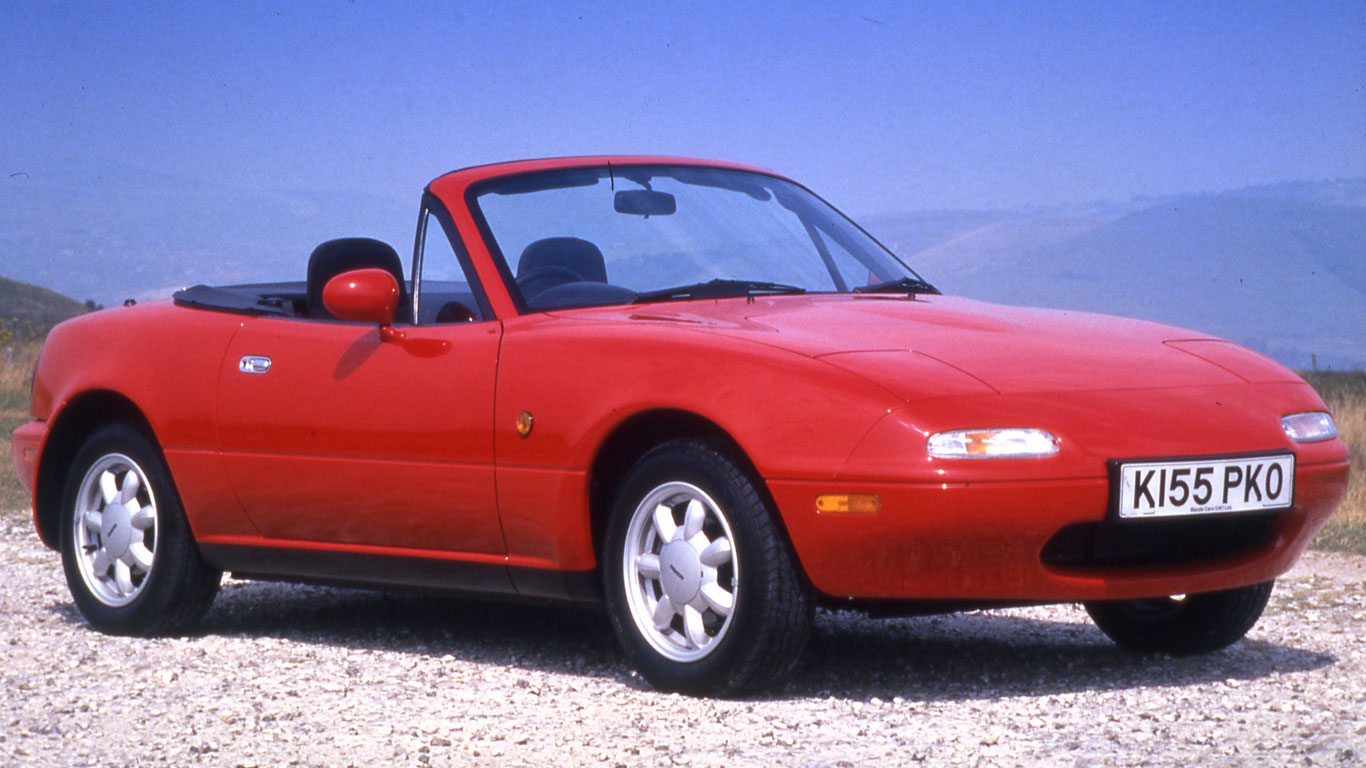
Sports car: Mazda MX-5
Why you want it: because it’s the definitive affordable sports car; Lotus Elan for a new generation; choice; value for money.
Why you don’t: beware of imports without history; hardly exclusive; rust is a big issue; taller drivers might struggle to get comfortable.
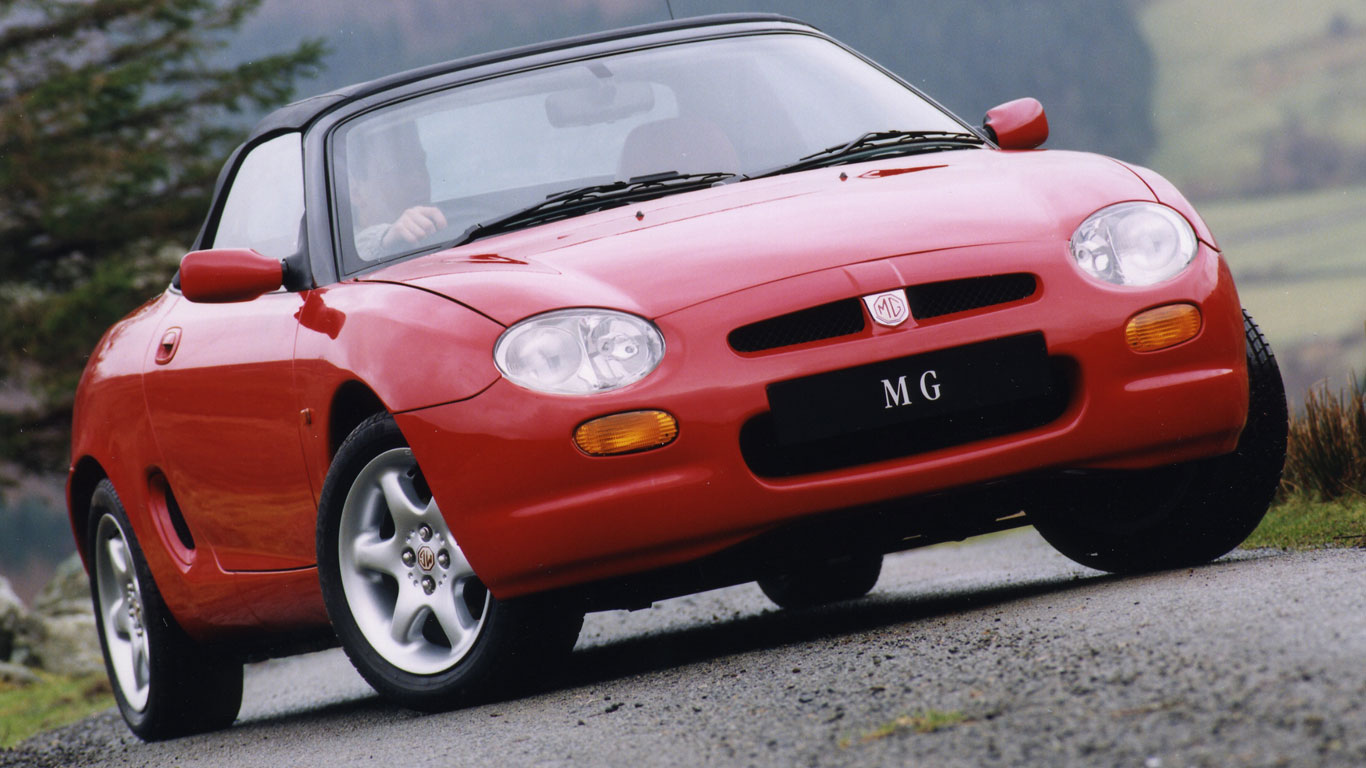
Sports car: MG F
Why you want it: more practical than an MX-5; mid-engined, plenty of choice; far better to drive than it’s given credit for; excellent parts and specialist support.
Why you don’t: sorry, MG owners, but we have to mention head gasket failure; build quality is patchy; you might wish you had bought a Mazda MX-5.
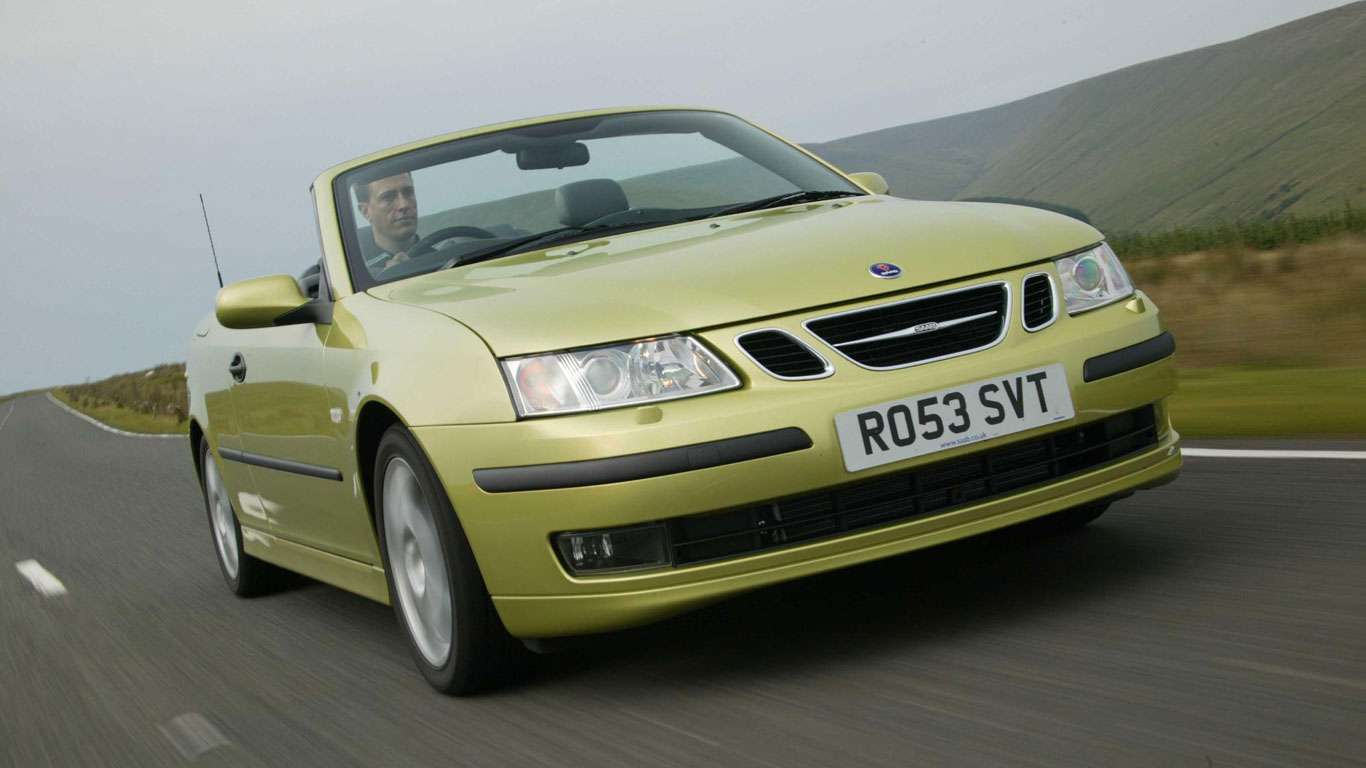
Convertible: Saab 9-3
Why you want it: gilt-edged image; solid build quality; supremely comfortable; Saab’s demise means prices remain depressed; it’s a Saab, so safety is guaranteed.
Why you don’t: not particularly great to drive; lack of specialist support; parts and servicing can be expensive.
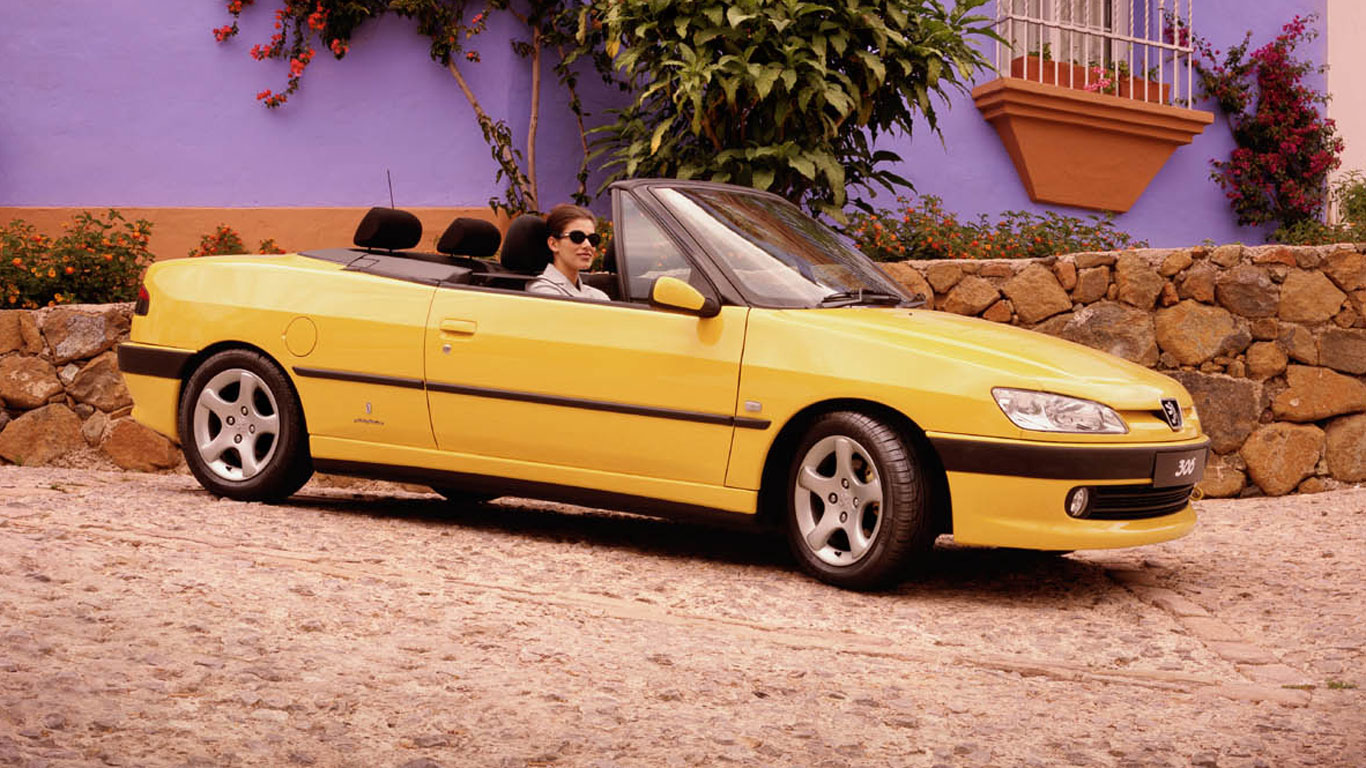
Convertible: Peugeot 306
Why you want it: just look at it, the Pininfarina-styled 306 has aged beautifully; surprisingly practical; excellent ride quality; good value for money.
Why you don’t: some of the electrics might not work; interior won’t have aged well; some tatty examples out there.
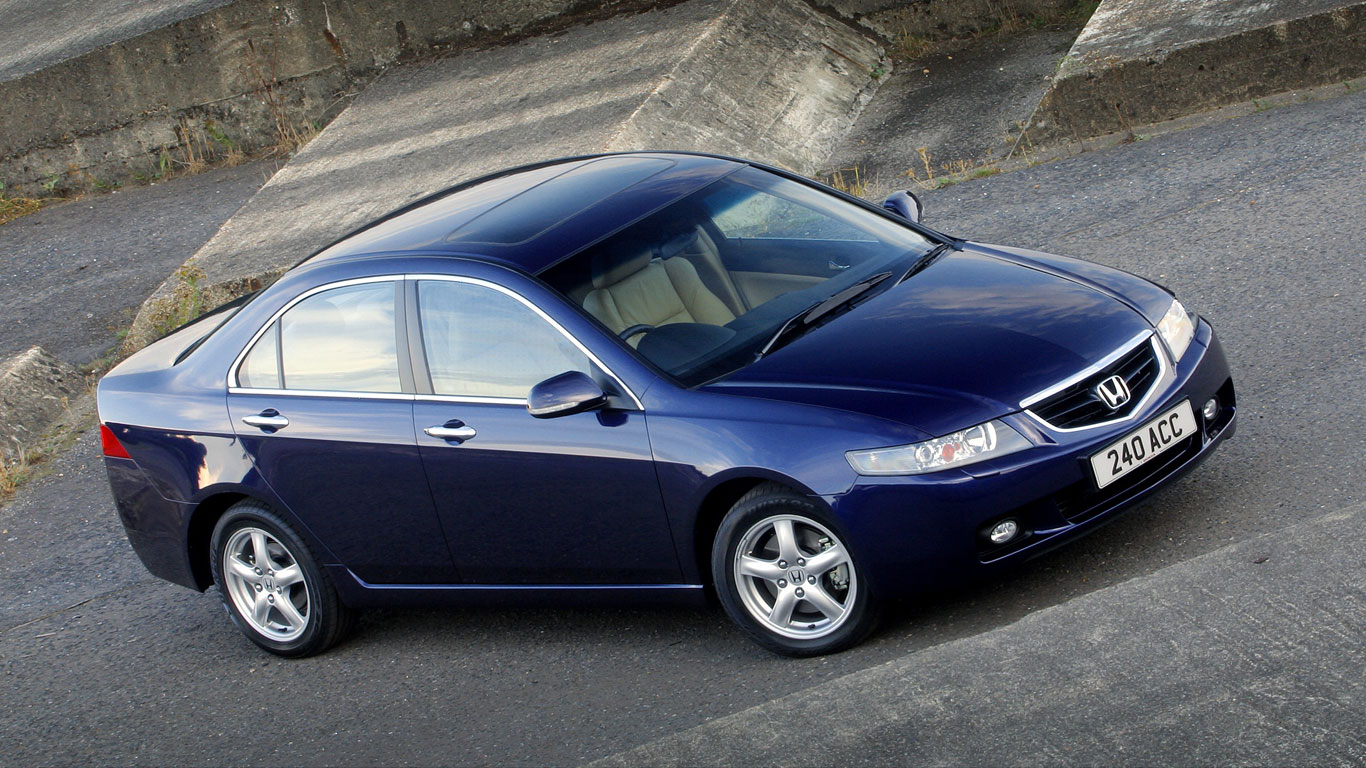
Saloon: Honda Accord
Why you want it: because it’s probably the most reliable car in the world; even older Accords offer total reliability; many cars will have led an easy life; premium feel.
Why you don’t: high-mileage diesel engines could be troublesome; not the biggest boot in the world; firm ride, especially when on larger alloy wheels.
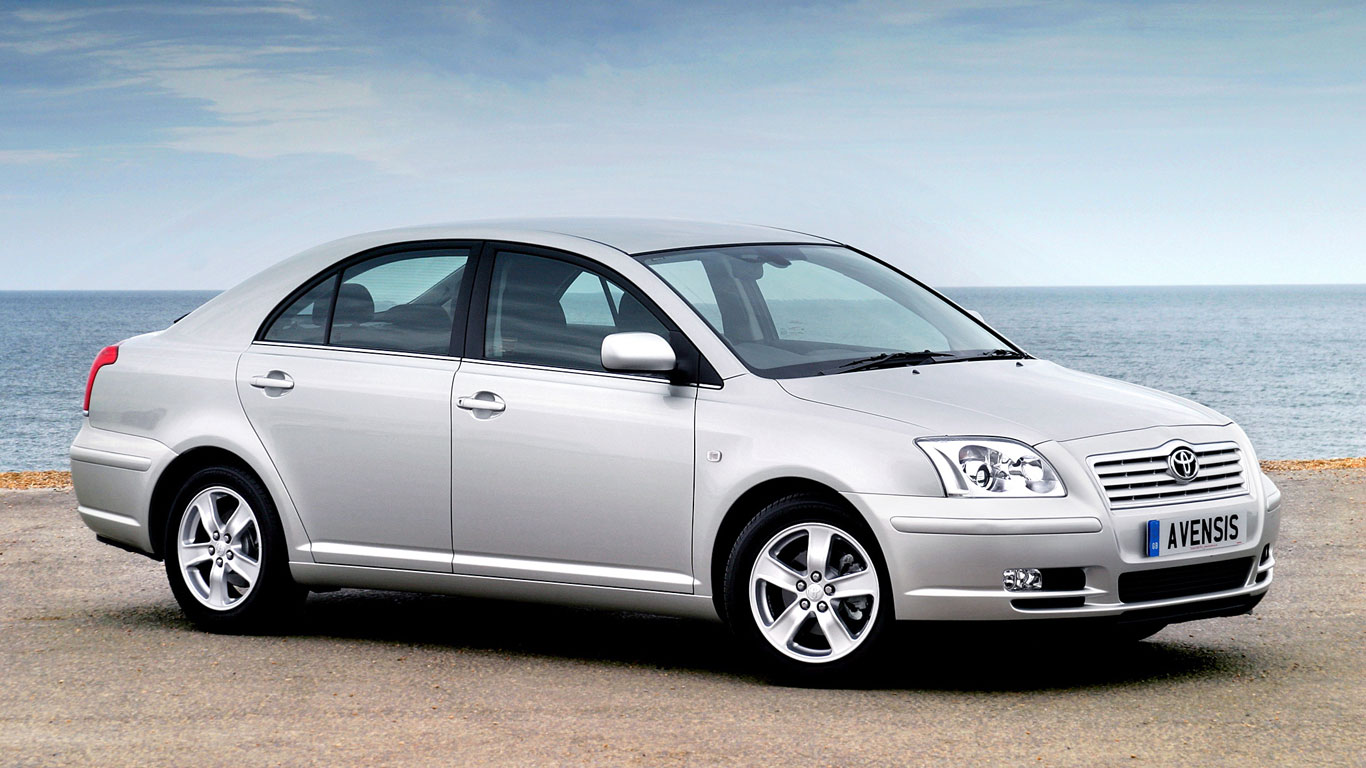
Saloon: Toyota Avensis
Why you want it: because Colin in accounts drives one.
Why you don’t: because Colin in accounts drives one.
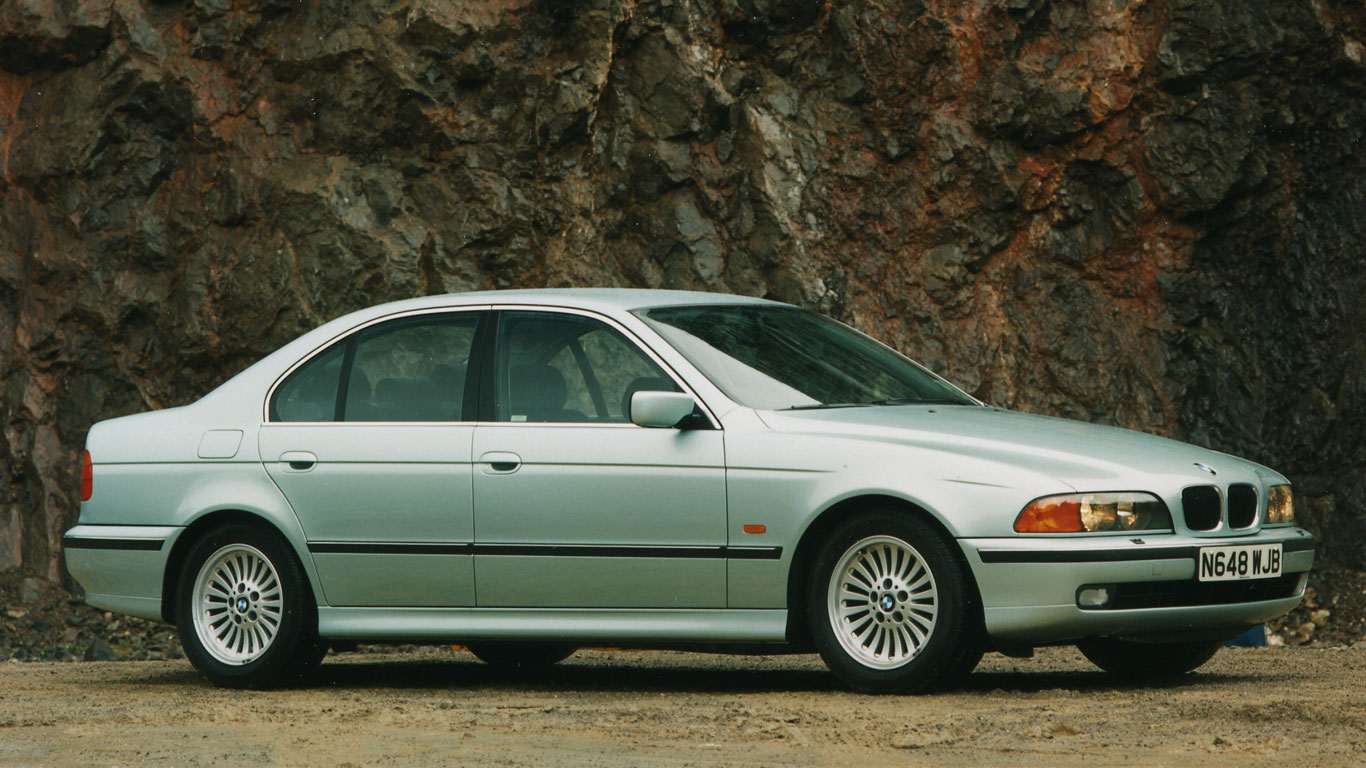
Executive: BMW 5 Series
Why you want it: strong image; superb to drive; has aged beautifully; a range of brilliant engines.
Why you don’t: some quality issues; hold their value extremely well, so prices are relatively high; parts and servicing can be expensive.
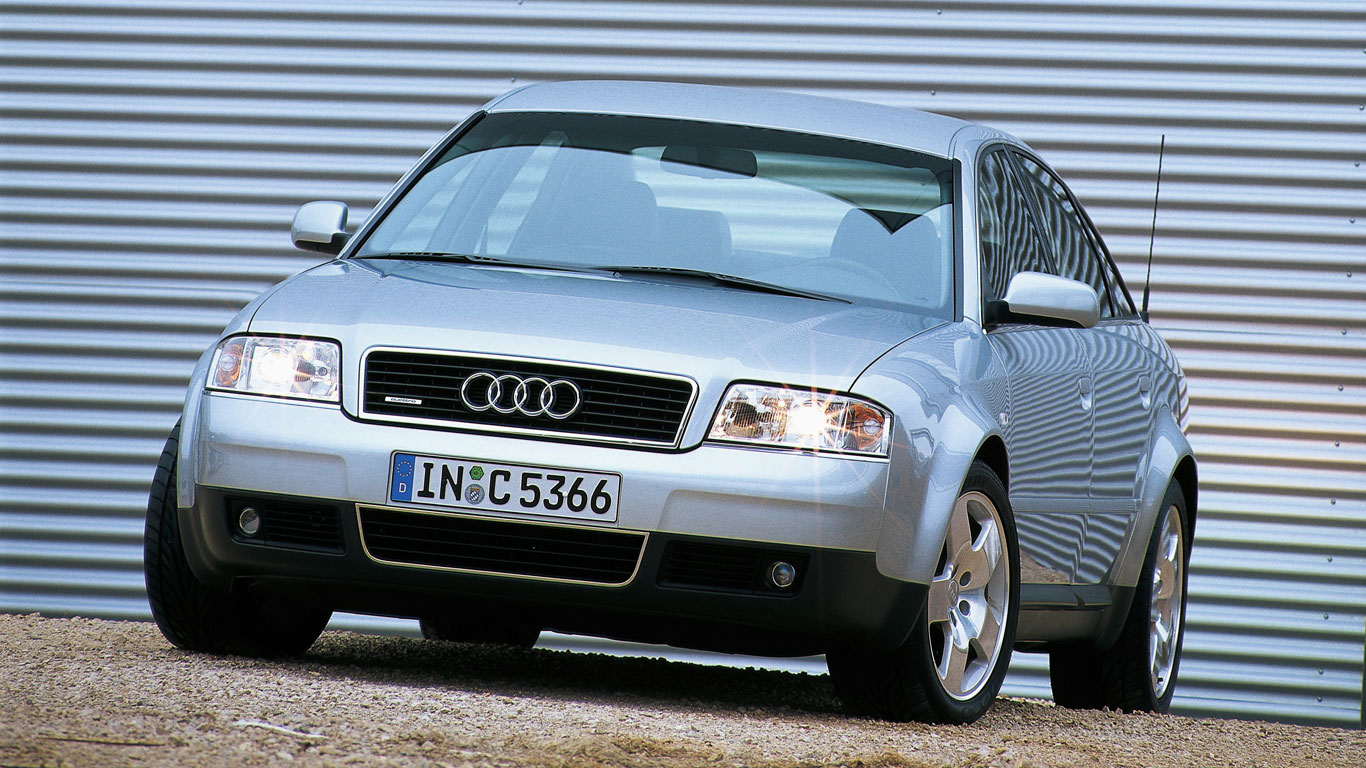
Executive: Audi A6
Why you want it: superb build quality; currently the best badge in the business; superb interior; classy styling.
Why you don’t: not as great to drive as a 5 Series; even more sought-after than a 5 Series, so prices are high.
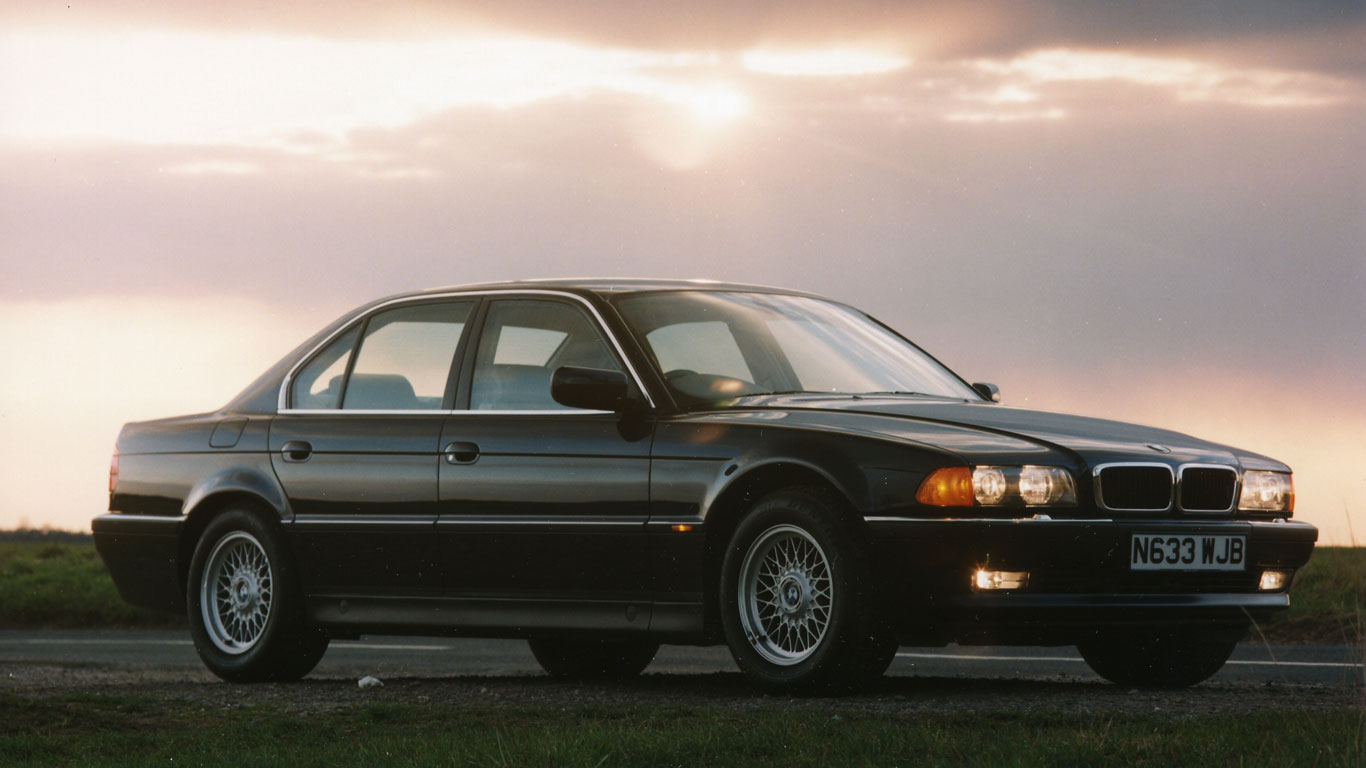
Luxury: BMW 7 Series
Why you want it: because the godfather of Bangernomics, James Ruppert, owned one; you can pretend to be James Bond; sense of genuine luxury; great to look at.
Why you don’t: because you’re not James Bond; you can’t control it via your Sony Ericsson brick-phone; there’s a lot to go wrong.
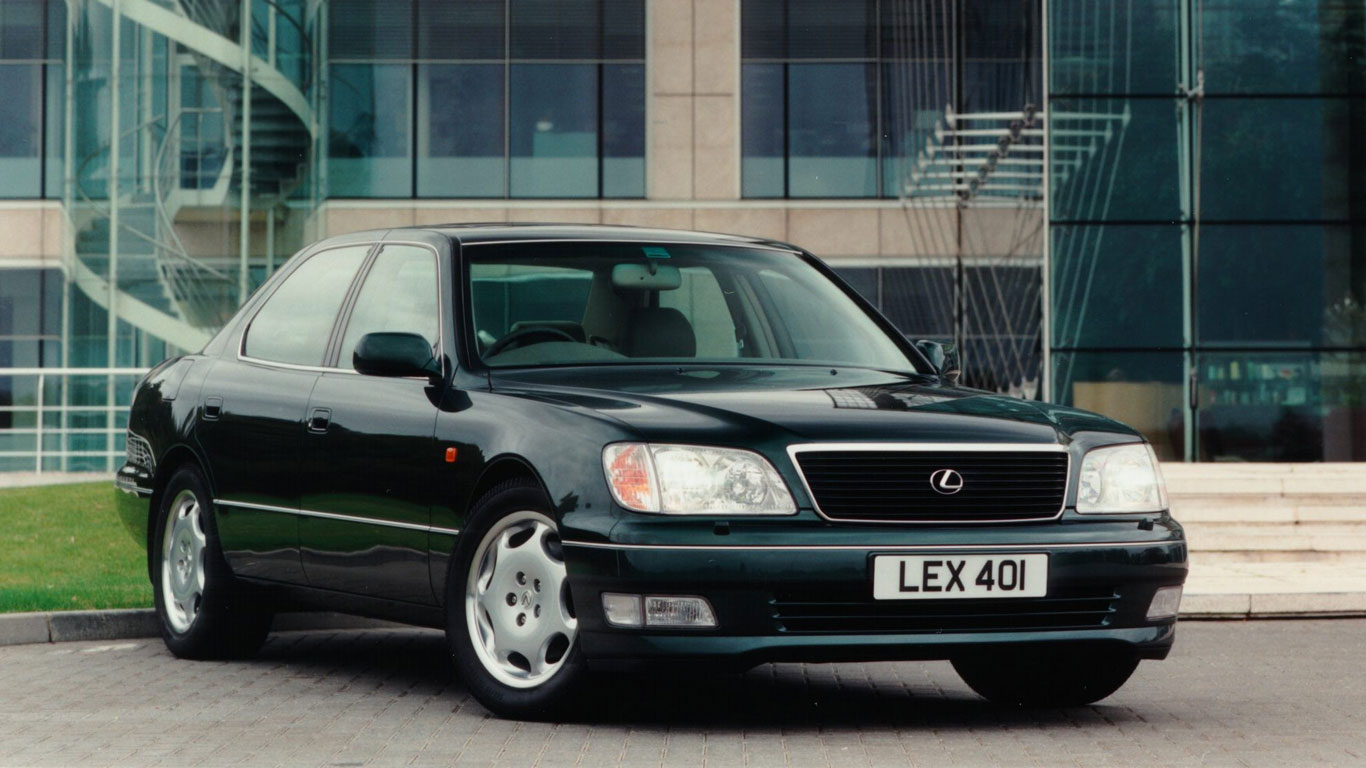
Luxury: Lexus LS400
Why you want it: it’s a “Japanese Mercedes”, Lynn.
Why you don’t: it’s a “Japanese Mercedes”, Lynn.
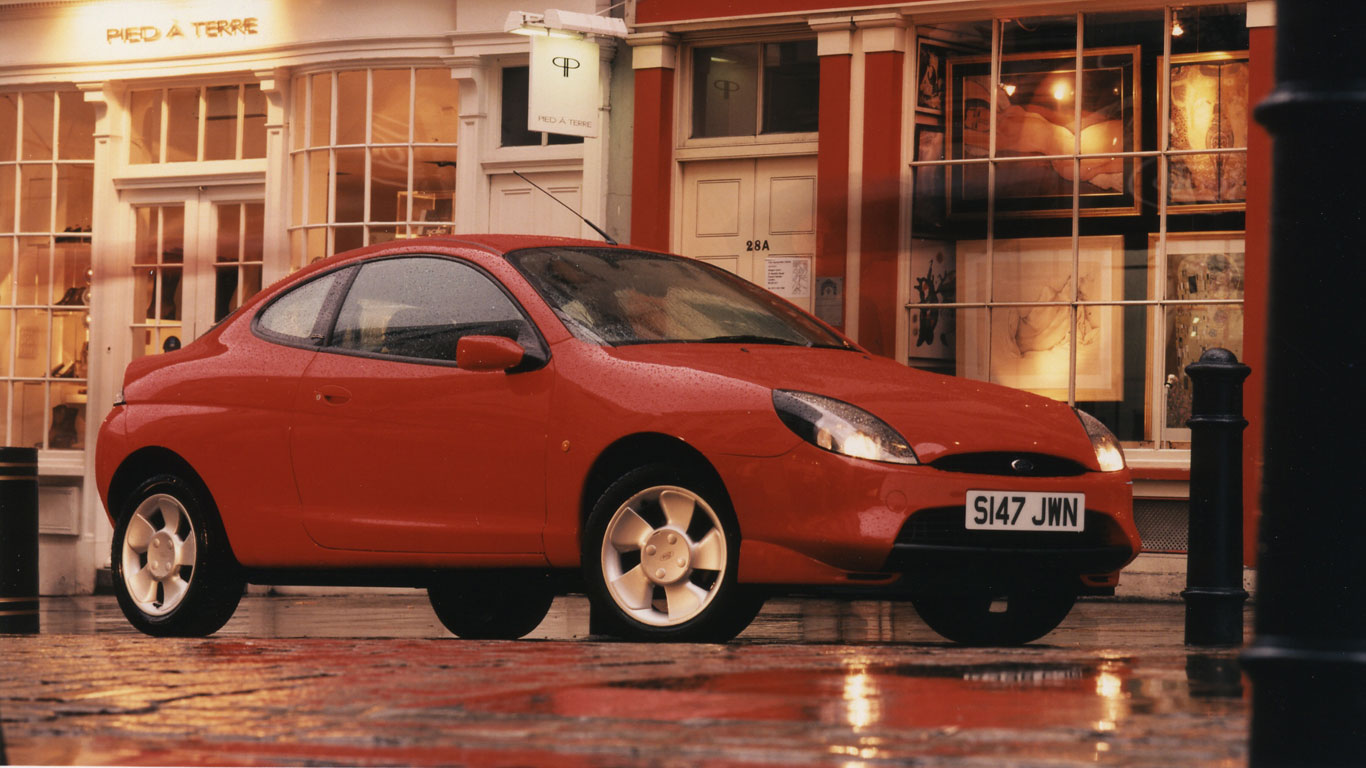
Coupe: Ford Puma
Why you want it: one of the best small coupes ever built; it’s based on a Fiesta, so parts and servicing are cheap; Steve McQueen drove one, of sorts; cheap as chips.
Why you don’t: rust; some flaky examples in the classifieds; 1.4 and 1.6 not as good as the 1.7.
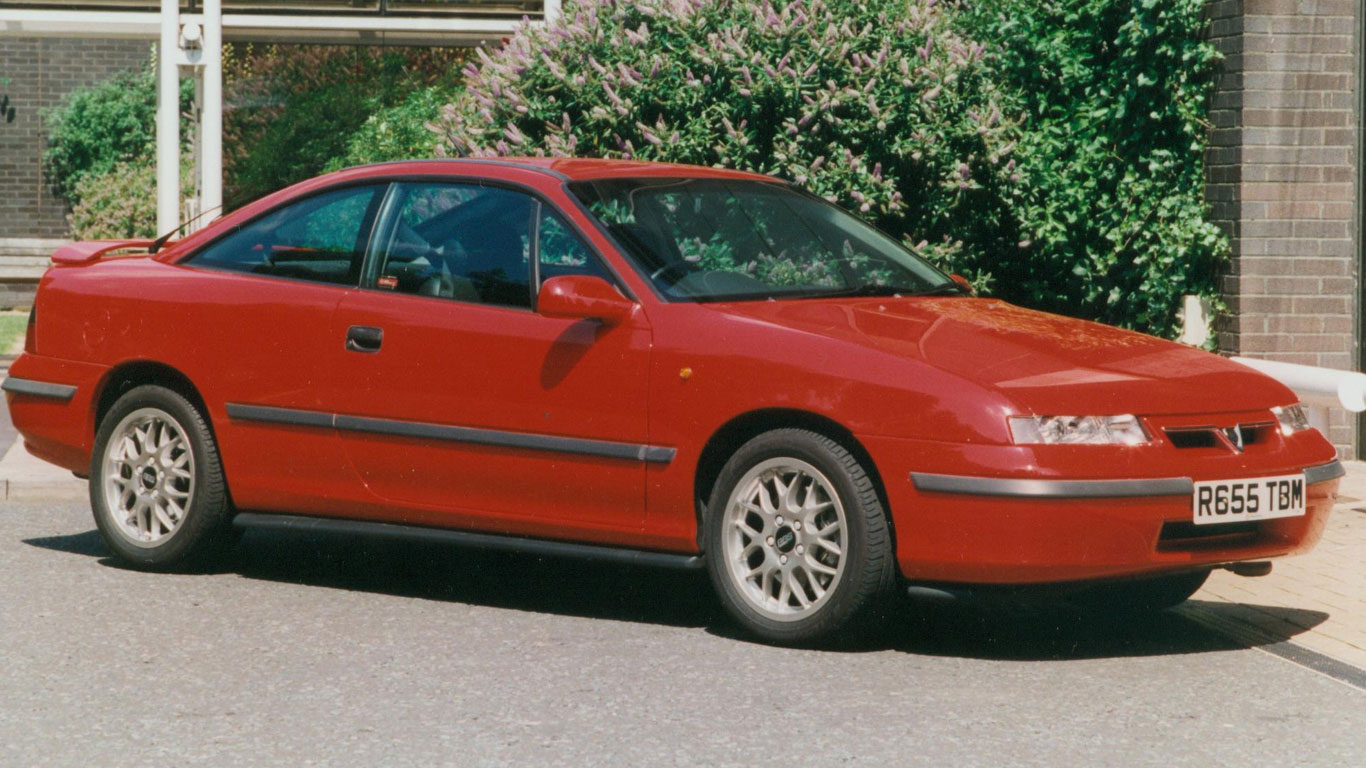
Coupe: Vauxhall Calibra
Why you want it: excellent styling; four-seat practicality; on the verge of classic status?
Why you don’t: prices appear to be on the up; it’s a Vauxhall; other 90s coupes are sharper to drive.
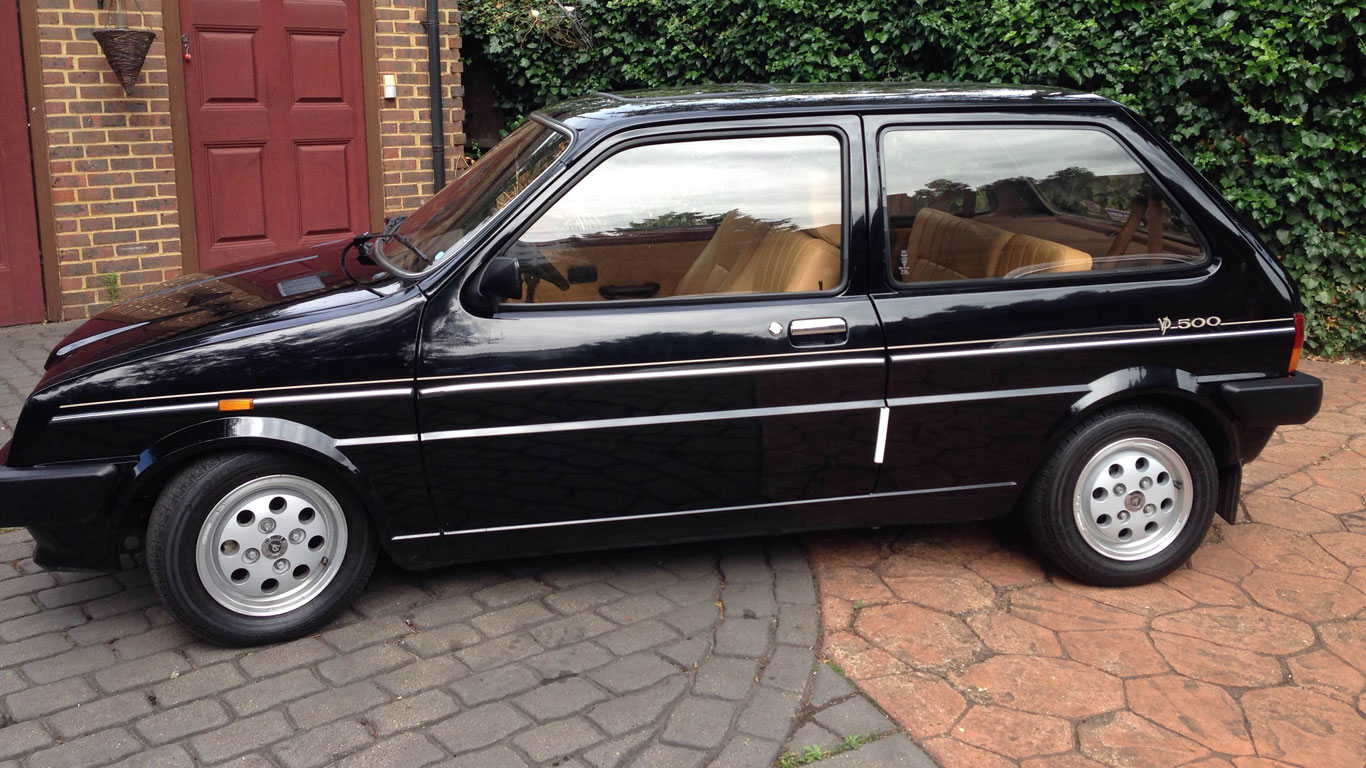
Classic: Austin Metro
Why you want it: undervalued part of British motoring history; cheap to buy; excellent starter classic; Princess Diana owned one; full of character.
Why you don’t: rust is a big issue; potential issues with the Hydragas suspension; the looming cloud of head gasket failure; gearbox problems.
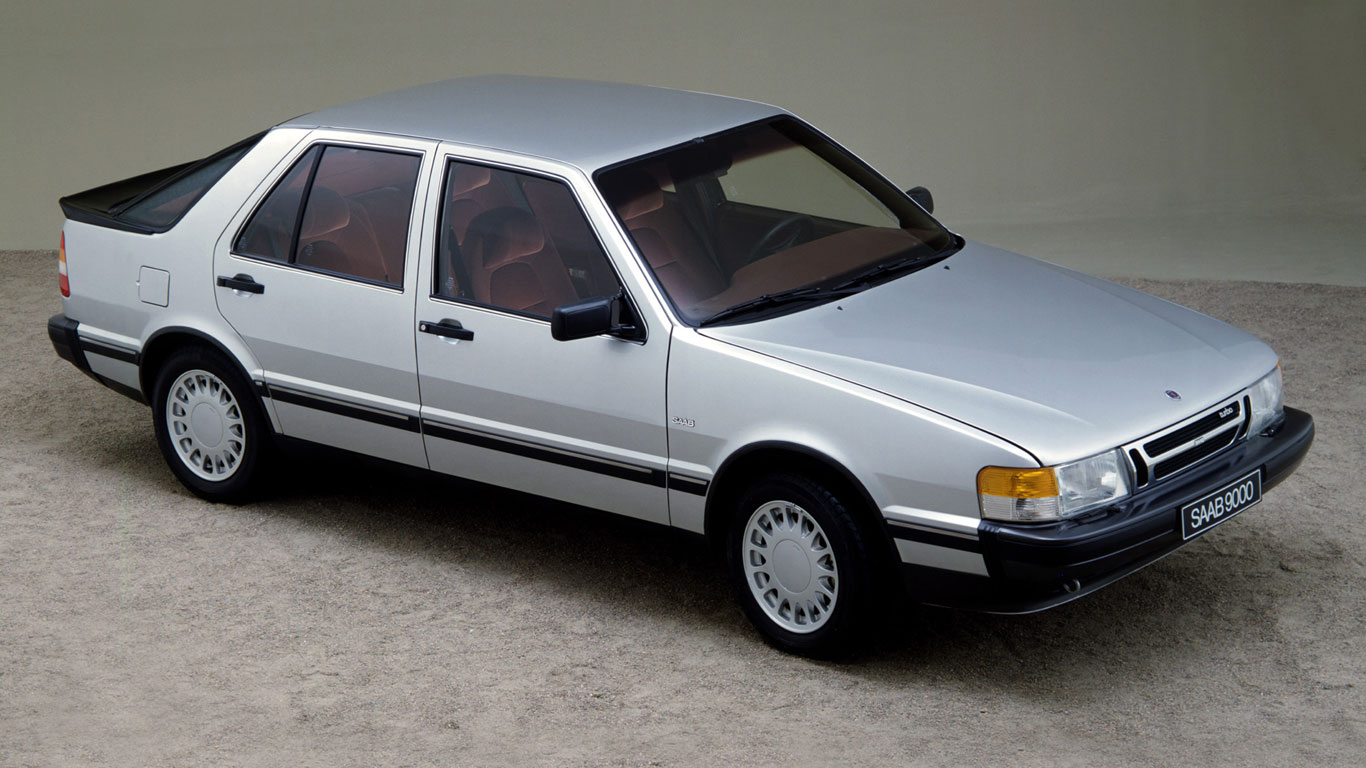
Classic: Saab 9000
Why you want it: supremely comfortable; extremely well built, non-turbo versions are very cheap to buy; everyday classic.
Why you don’t: parts can be expensive; non-turbo versions are rather sluggish; not exactly cheap to run.
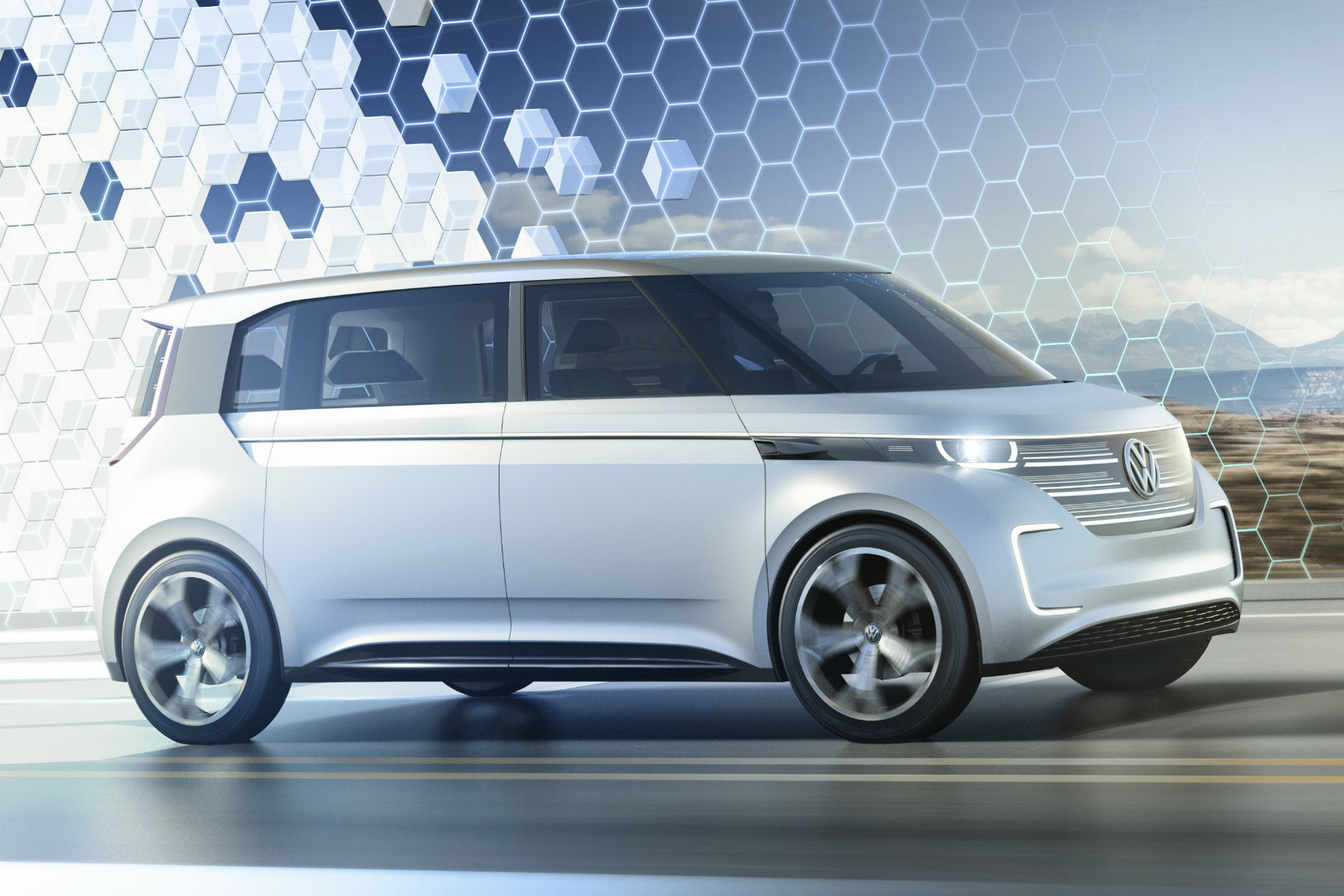
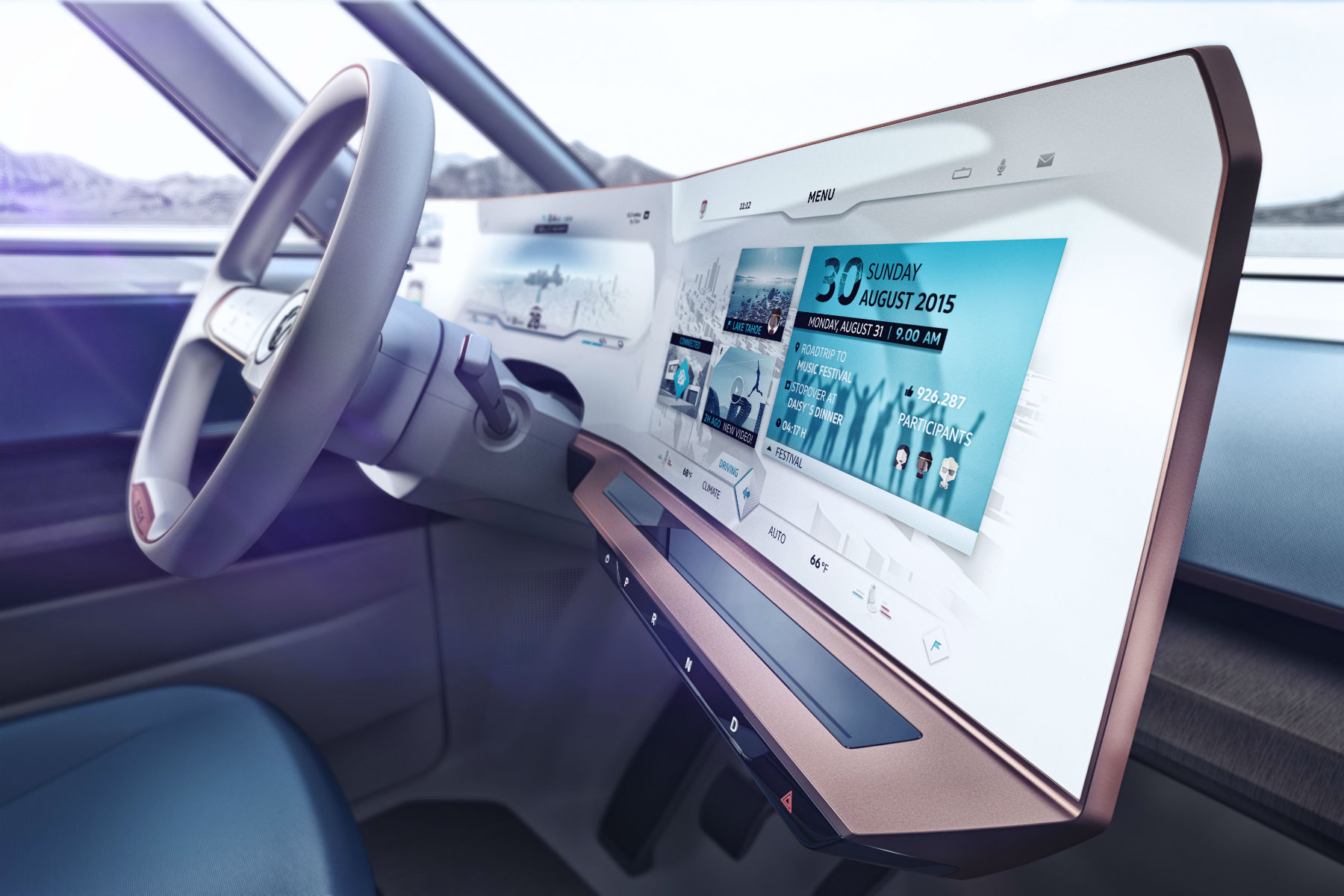
Volkswagen bosses have said that stage-five autonomous cars are unlikely to happen for a number of years – and confirmed its concept car at this month’s Paris Motor Show will have a steering wheel.
“We are talking about autonomous driving in the future, with the end state of level-five autonomous driving, which might be happening in some years to come,” VW’s sales and marketing chief Jürgen Stackmann told Motoring Research.
Volkswagen Budd-e concept teased ahead of CES 2016 debut
Plug-in hybrid orders CANCELLED as carmakers fail to meet demand
More dieselgate news on Motoring Research
“That’s a vision. That’s a dream that the car will do whatever it wants to do in any environment. But we all know there are several stages to get that far.”
He added that, while stage-five autonomous driving is “a nice vision”, lesser levels of automation, such as self-parking, will be helpful to customers and are more achievable in the near future.
Level five autonomous driving is generally considered to be entirely driverless – with no inputs needed from the driver/passenger, and usually without a steering wheel or the option to take over control if required.
Talking of the Paris concept, Senger added: “You will have manual-driven cars for sure, as the standard option. But the architecture will be qualified for the highest levels of automation.
“That means looking into the steering system… it will be done in a way that all these kinds [of automation] are possible. Obviously, we think that the car will be highly automated, but in the first case, people want to have the driving controls available. So yes, physically connected from the first day.”
Would you trust Volkswagen with your connected data?
As connected car technology advances, it could easily change how car manufacturers interact with their customers.
“After 27 hours [going along the production line], the car leaves the gate and that was the end of technology updates for those cars,” explains Stackmann. In the future, however, customers will be able to constantly update their cars – something Tesla is already trialling, issuing regular software updates for its models.
“It’s a new wave of thinking,” Stackmann adds. “The customer will actually feel that ‘my car gets better every day’.”
But connected cars bring their own concerns. In the future, your car could learn a great deal about you, from simple stuff such as when and where you go to work, to what music you like to listen to – even when and how often you break speed limits.
Some are concerned about how this data is stored and whether it could be hacked, or even sold to third parties.
“Our plan is focusing more on how we offer mobility services for our customers and not how to sell data,” Senger explains.
“We are very aware that customers of Volkswagen trust the brand. And so we will be very careful when it comes to usage of data and we really differentiate between data sources that are related to vehicle, and which are related to your personal data.
“And then we will be really careful about how we touch this and what we need to do just to enable a service. The planning is not finally done there, but be sure that we want it to be done differently… we want to have a trusting customer.”
Bosses also confirmed that this approach to continually improving the car won’t extend as far as replacing the batteries once newer tech comes available.
“Technically, this is possible,” explains Senger. “Financially, it’s not super-simple. I always compare this to… is it possible to install a newer version of a combustion engine into a conventional car? It is possible, but nobody’s doing it.
“I don’t expect it as a standard business because the financial impact is huge. There may be a game-changer with the second use of batteries, so conceptually we are open to this. But it’s not the core of our plan.”
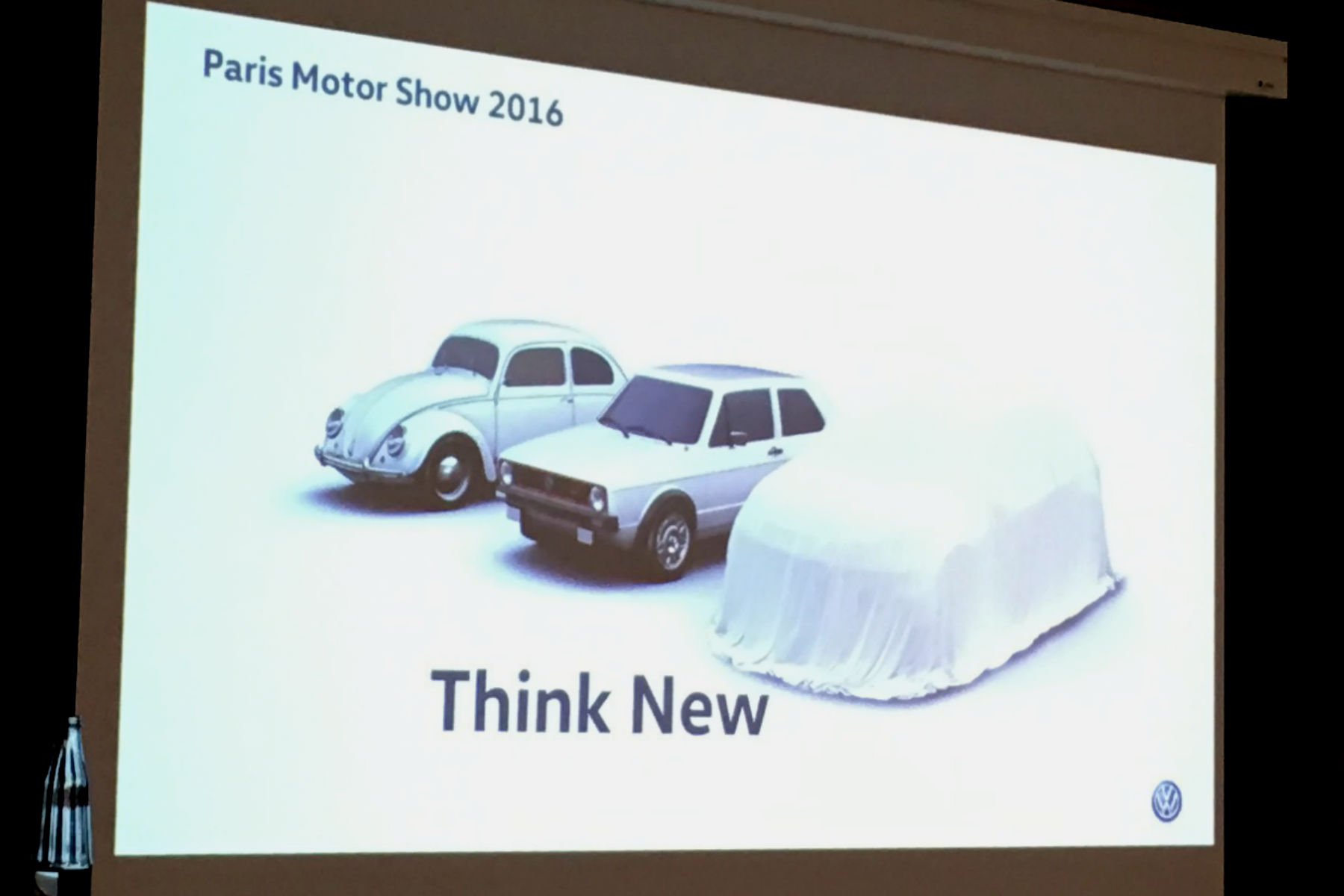
VW customers urged to ‘think new’ with Paris concept
Almost a year to the day since the Volkswagen ‘dieselgate’ emissions scandal broke, the company has revealed it will be attempting to move on with a ‘think new’ campaign and a Tesla-rivalling electric concept car at this year’s Paris Motor Show.
The new car will be based on the firm’s new ‘MEB’ platform (which also underpinned the Budd-e concept at CES), designed from the ground-up as an electric vehicle, and featuring a floor-mounted battery pack, short front and rear overhangs and a spacious interior.
Teased during a press presentation at the firm’s Wolfsburg HQ, VW chiefs wouldn’t be pressed about the technical aspects of the MEB platform, but suggested it would be used across the entire Volkswagen Group range.
“We will always offer options for our customers and market interests that the MEB is prepared to deliver… from basic needs up to premium needs,” explained Volkswagen’s battery electric vehicles (BEV) boss Christian Senger.
“This is also very understandable when you want to a platform being used by all brands – even the Audi brand… you can imagine what this means,” he hinted.
Bosses suggested the Paris concept would be close to the Golf in size, and will be revolutionary in the same way as the original ‘people’s car’, the Beetle, and the first-generation Golf.
It will have a range of 400km (248 miles), although a ‘scalable’ range of 600km (372 miles) should be possible from other models based on the platform. A slide used in the presentation made no bones about the company targeting ultra-modern Tesla. Its Model X and Model 3 are capable of covering 289 and 215 miles respectively, while the Model S 90D is good for 366 miles.
So far, Volkswagen has sold around 100,000 hybrid and electric cars and is aiming to double its volume every year.
Models such as the e-Golf, which is based on the regular Golf, can be built ‘bumper to bumper’ with the combustion-engined models at the firm’s existing plants. However, it’s not confirmed whether that will be the case for the new electric car.
The firm’s first ground-up electric car, based on this year’s Paris concept, is set to go into production in 2019 ready for deliveries early in 2020.
We will find out more about Volkswagen’s new electric car (and its plans for the future) at this year’s Paris Motor Show, where Motoring Research will be reporting live.
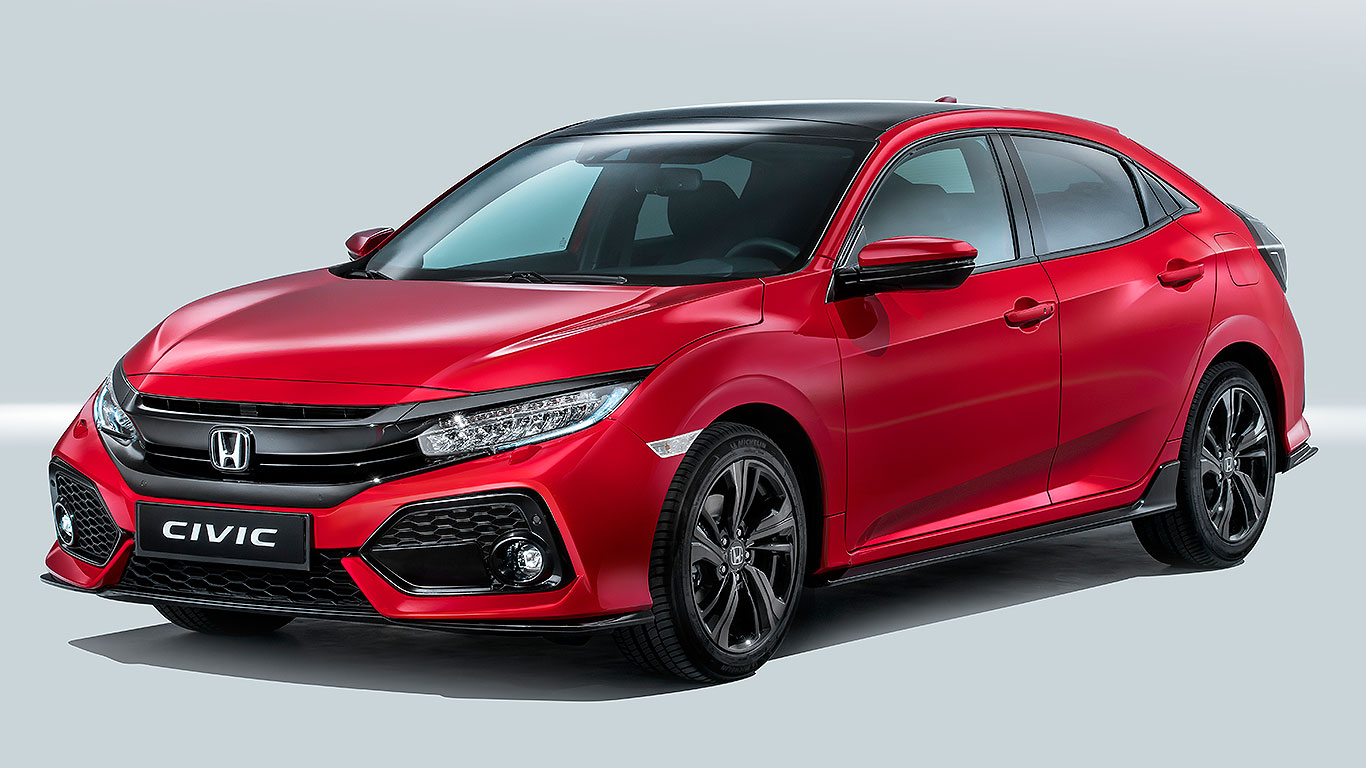
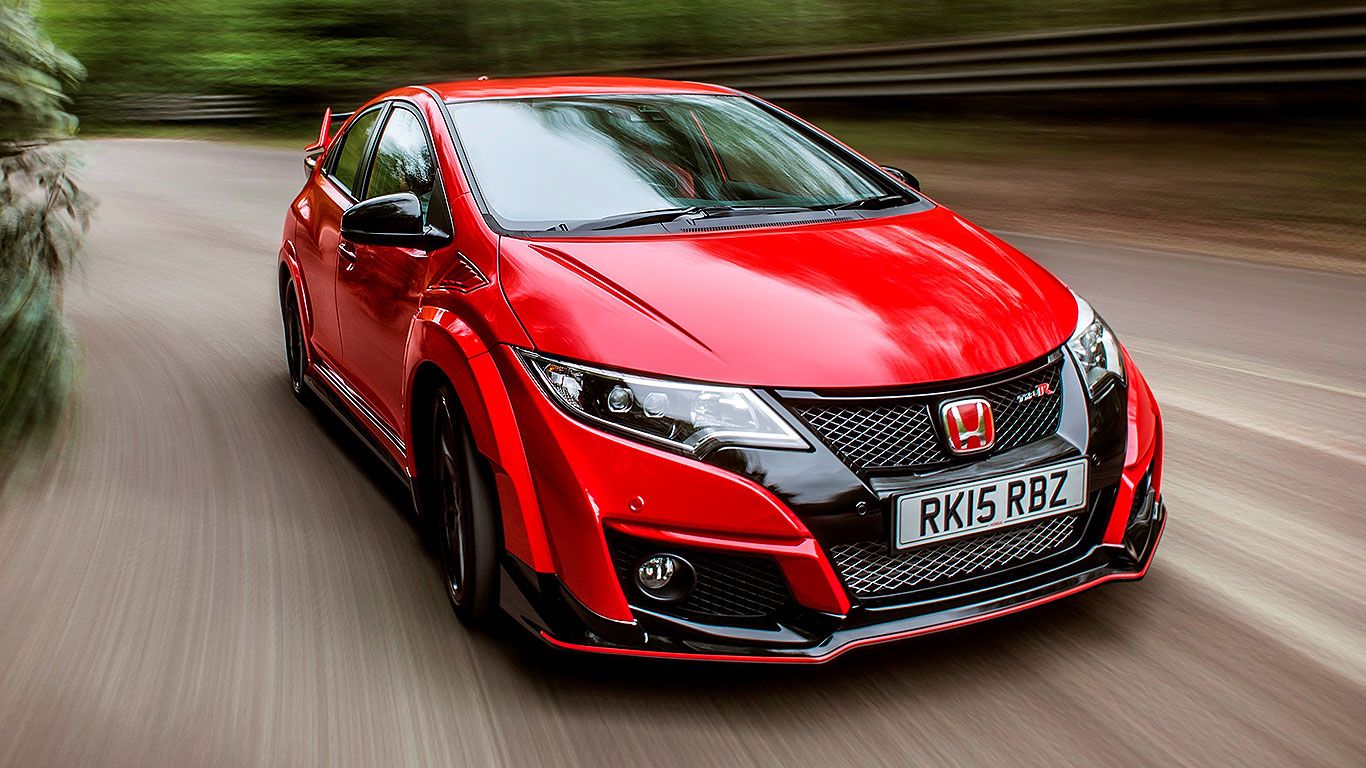
Honda IS Civic. And the current Civic is, admits the firm, not good enough. Enter an all-new one for 2017: the 10th generation car, which represents the single biggest development leap for any Civic generation, ever. Honda means business, people.
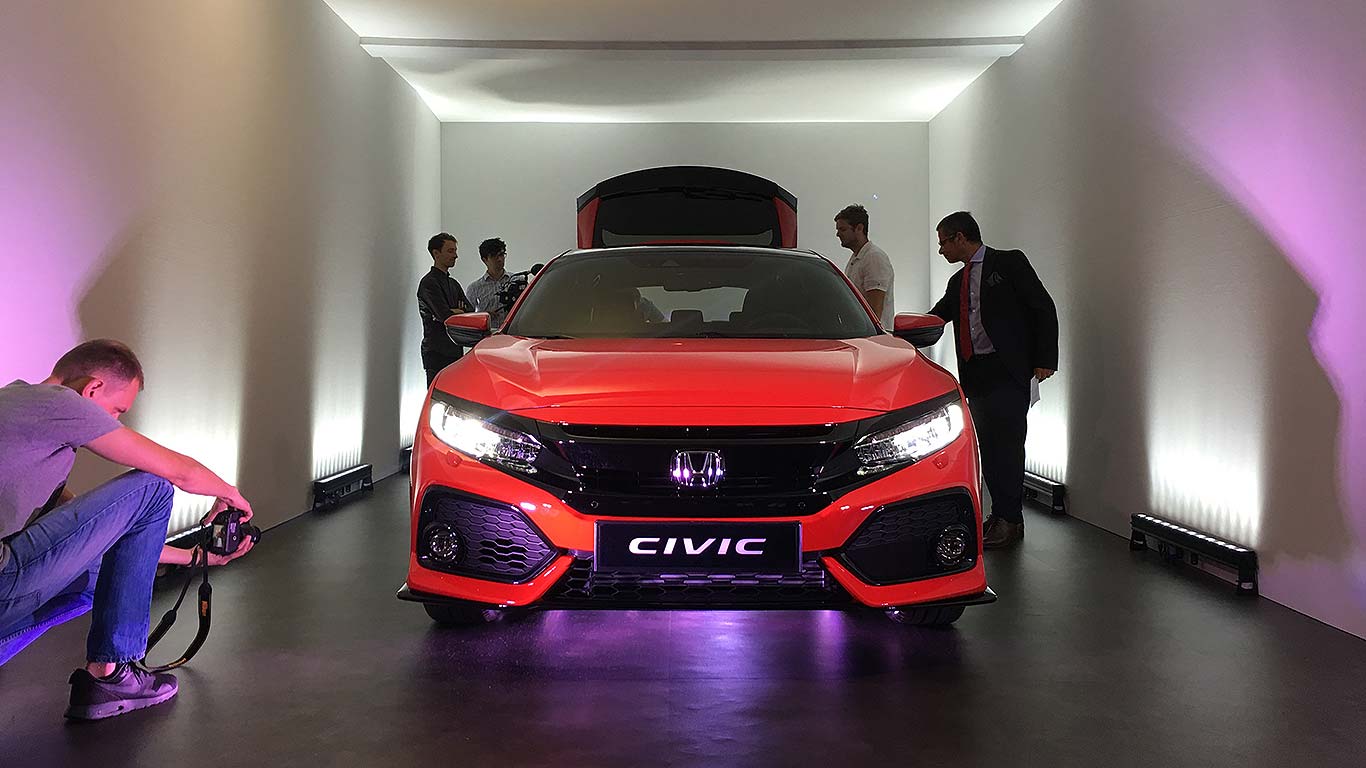
Even better news for Britain, the all-new Civic hatch is a UK-built car – and the Swindon factory is the world production hub for the new five-door model. 160,000 or more will annually be built there and sent all around the world, including to North America. So the new Civic hatch is a hugely significant car. And we’ve seen it, and sat in it, and ridden in it: here’s what you need to know.
What’s the big news?
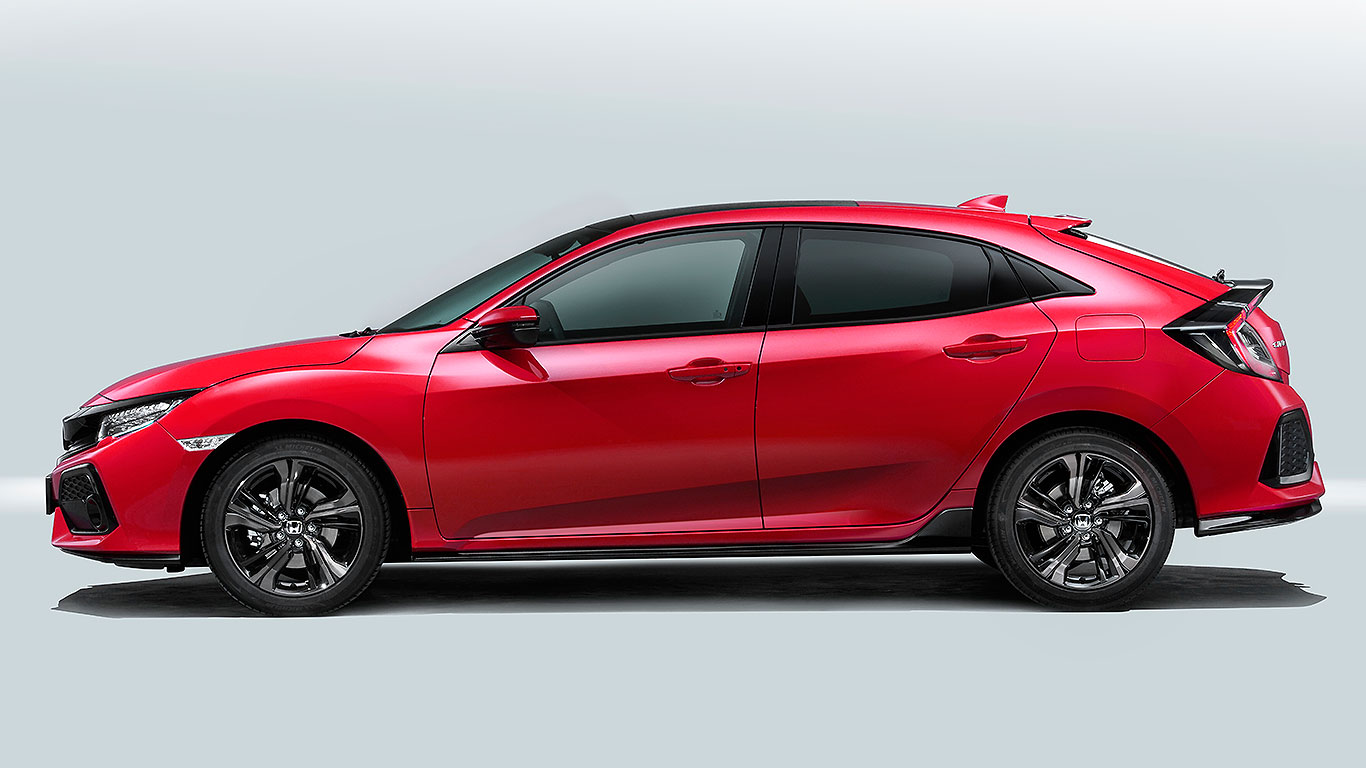
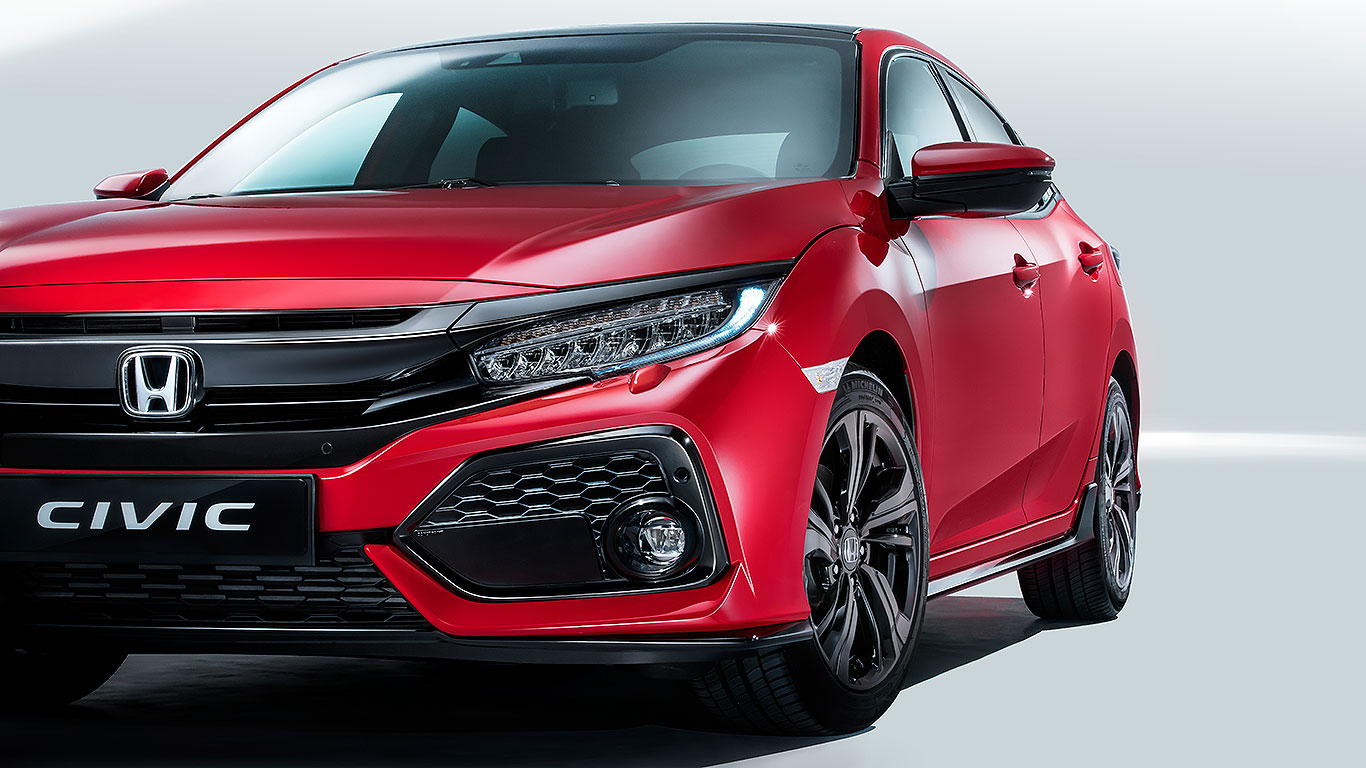
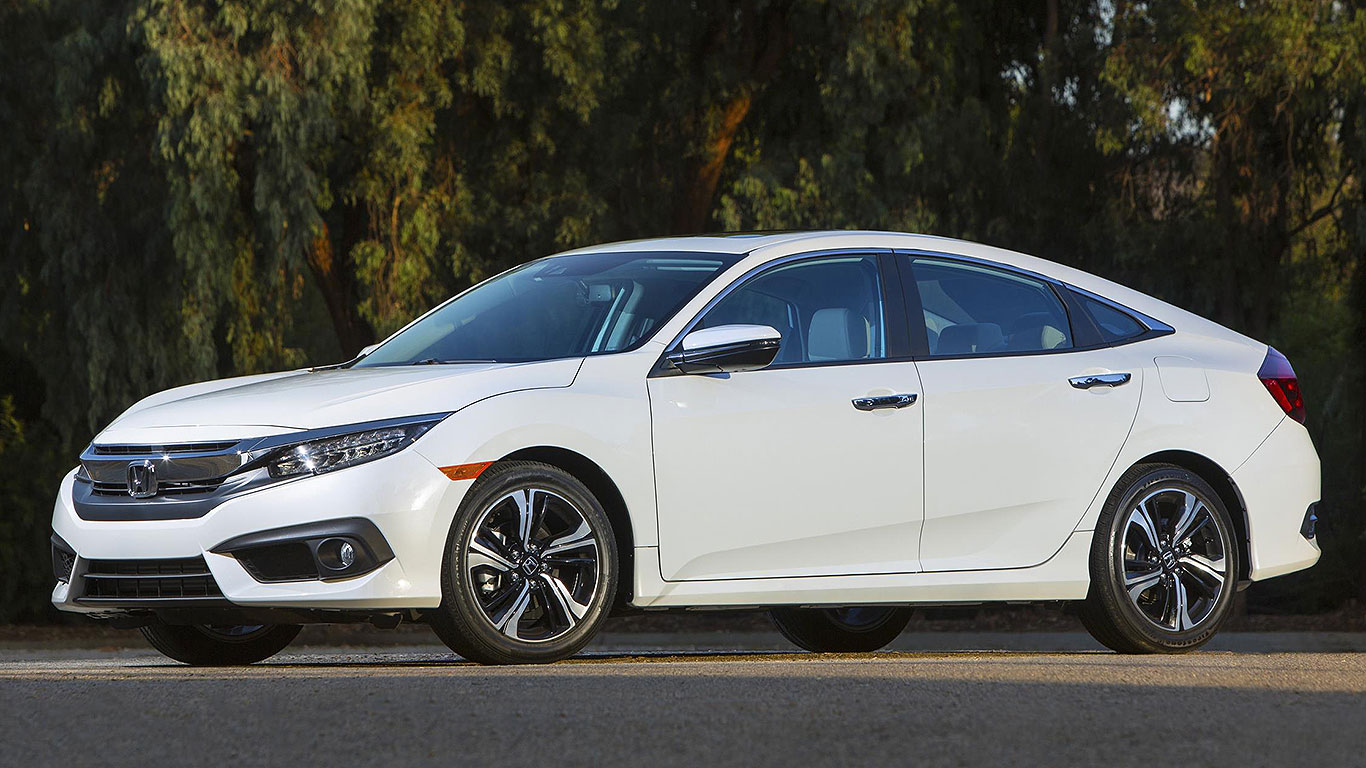
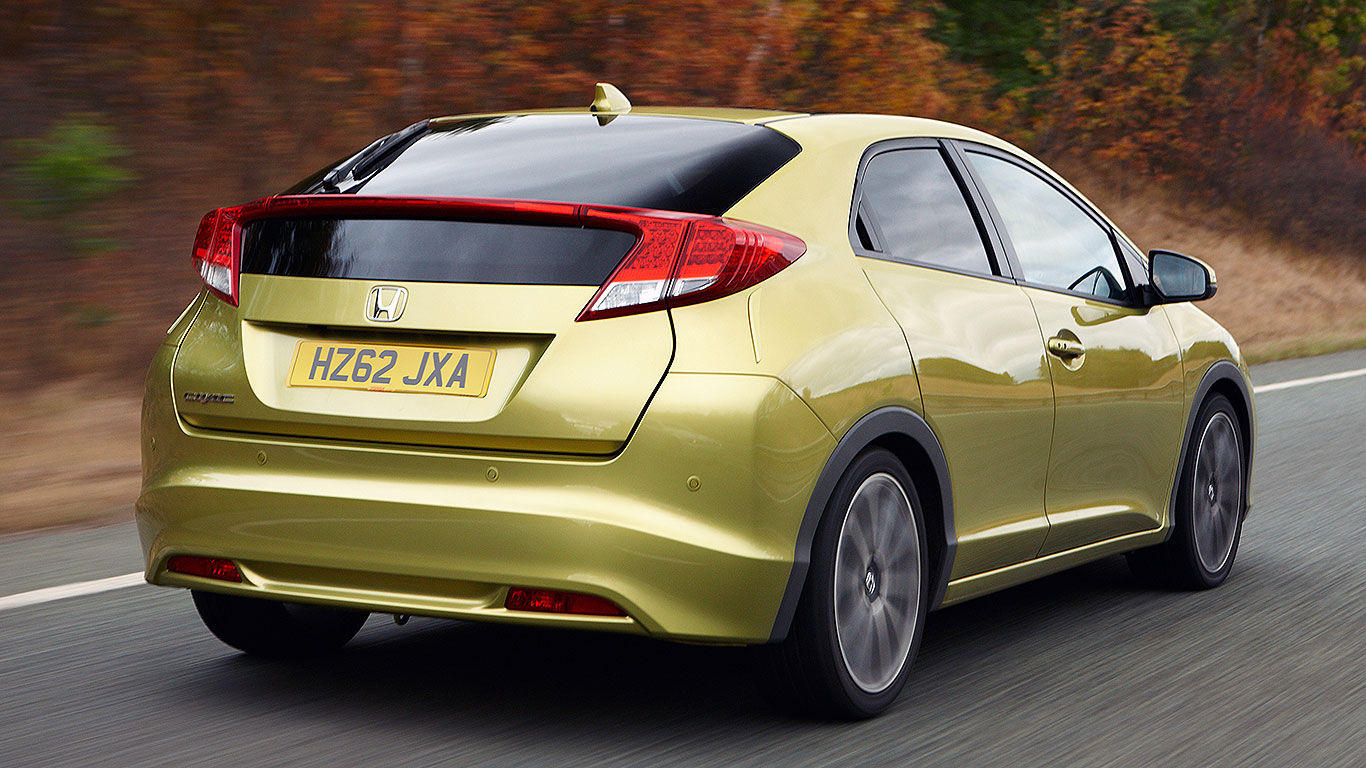
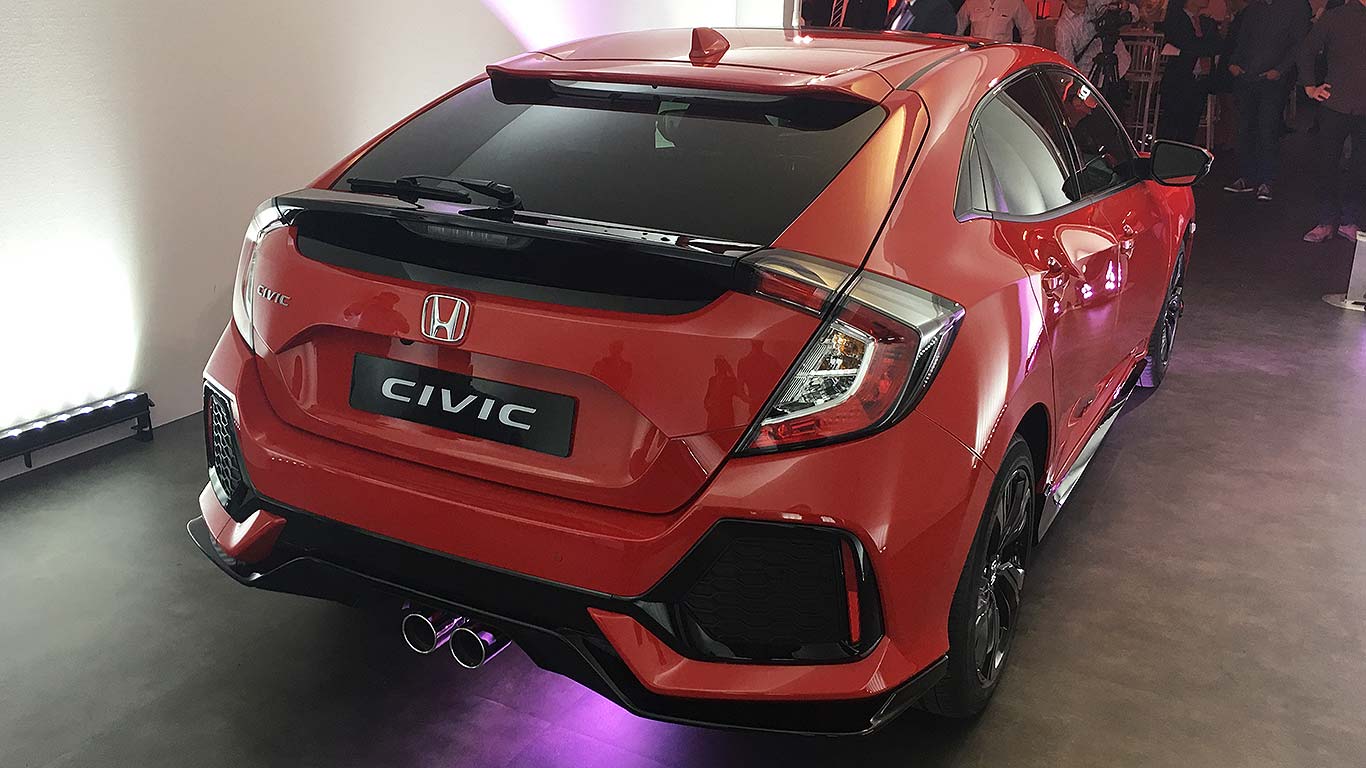
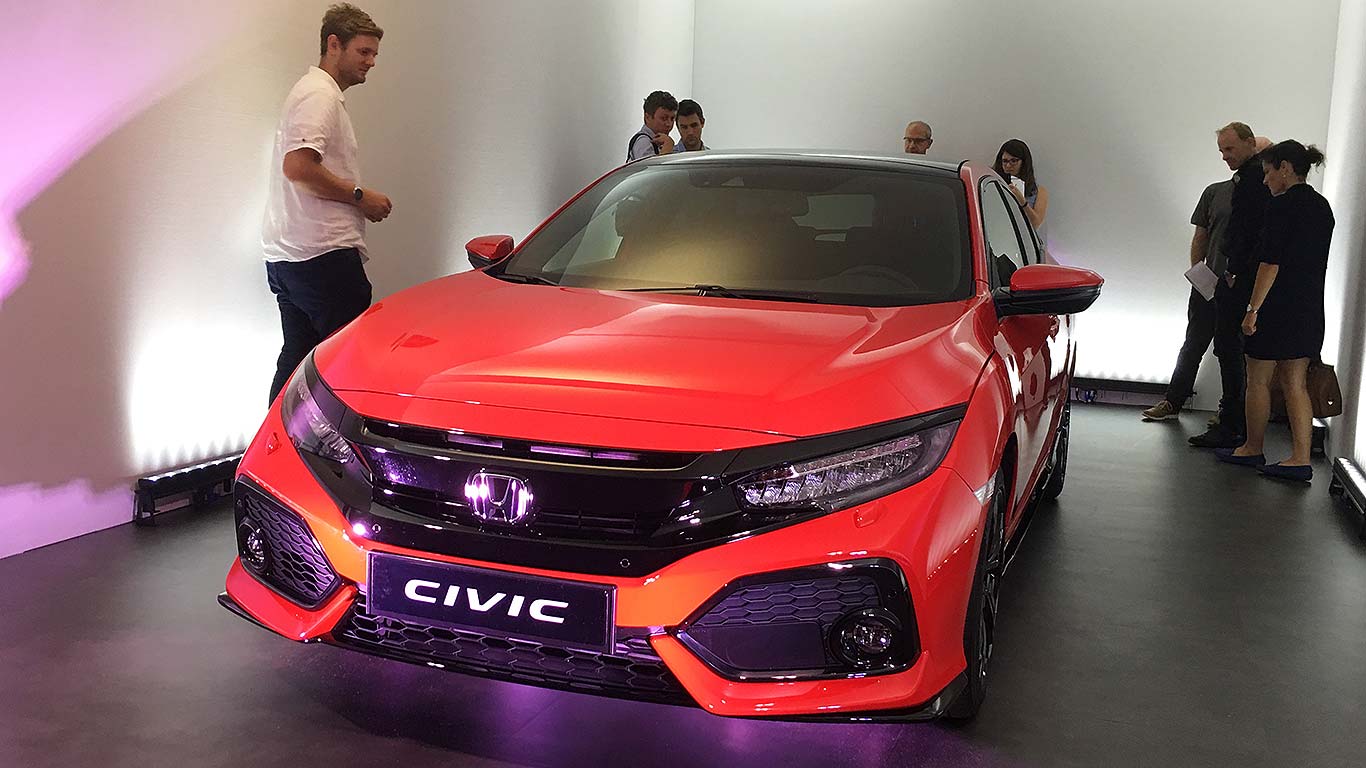
Isn’t the new 2017 Civic far prettier, sportier and stylish? Honda knew today’s upright, gawky model needed to change: the new Civic is thus lower, longer, wider, has a longer wheelbase, shorter overhangs. Visually, it’s a completely different proposition to the current model.
Honda says three keywords were tattooed onto the eyelids of everyone involved with the project: make the new Civic more distinctive, more exciting, more refined. “The last generation lost the essence of Civic,” admits global project leader Mitsuru Kariya. “It was too conservative, and our competitors got better. Civic was under pressure.” This is Honda’s response.
Civic sport
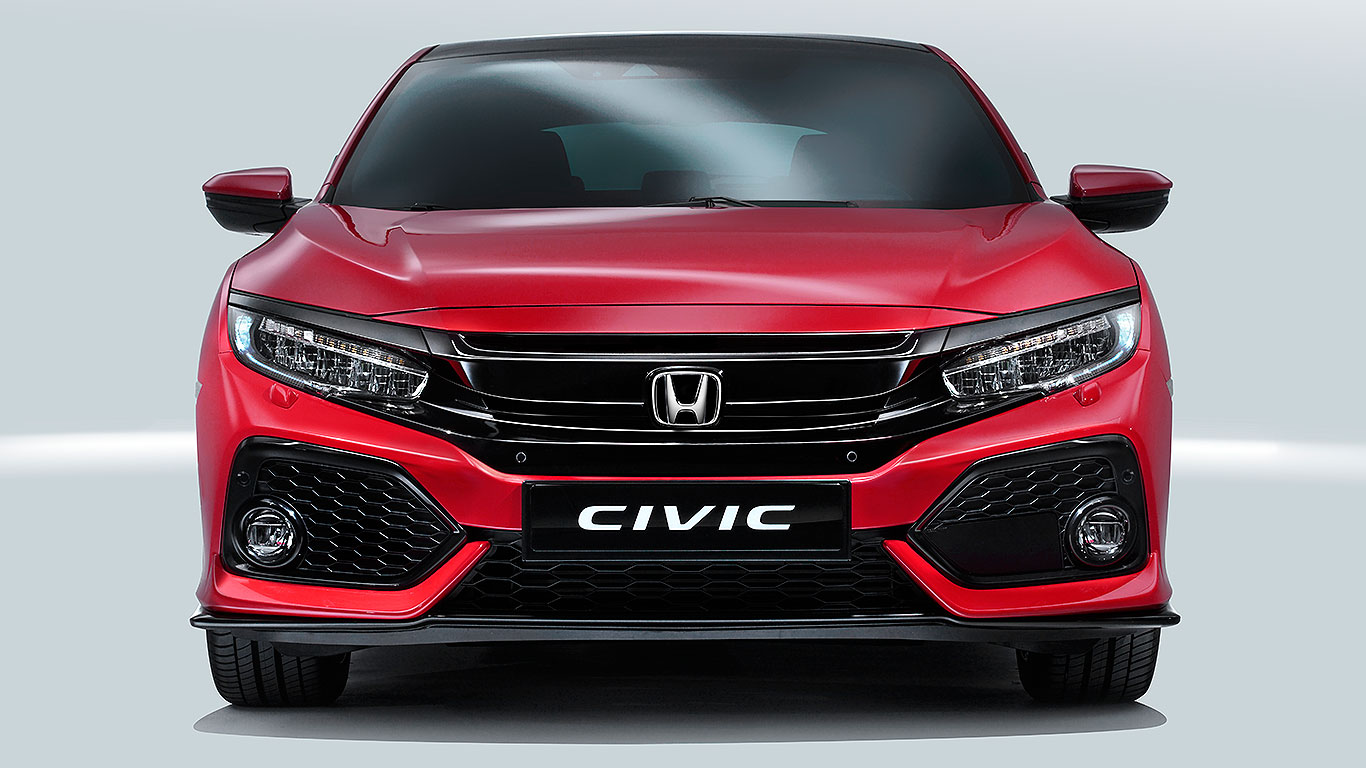
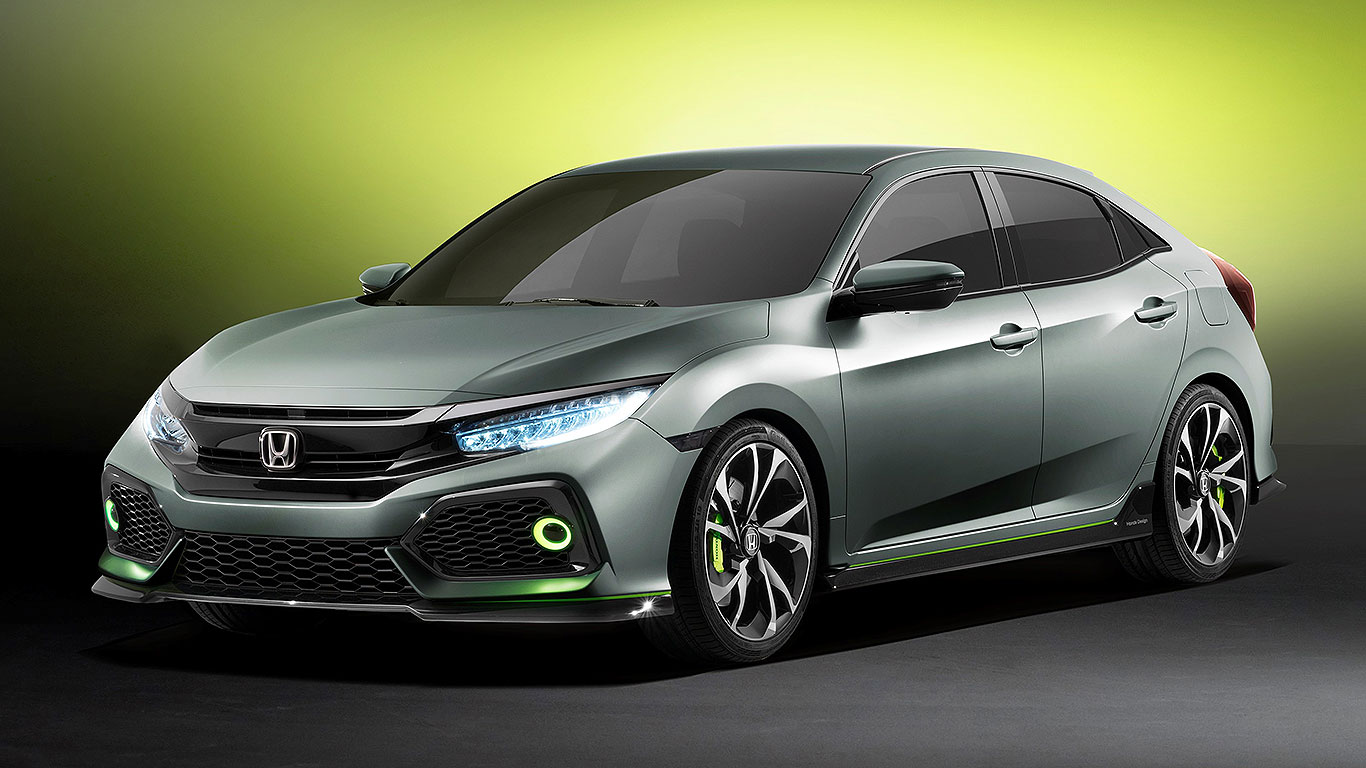
Some previous Civics were sportier than others: Honda wants this one to be the sportiest-looking yet, to move it on from the current car. Taking some of the boldness of today’s Civic Type R, the new model looks the business even in mainstream grades. You’ll spot it coming from a distance: all models feature hockey stick-shaped LED running lights, and full LED lights are available.
Sleeker Civic
Sleek, isn’t it? The new Civic is wider, longer and lower than any of the nine Civics before it, impressively – and a hefty 130mm longer, 30mm wider and 20mm lower than today’s car. Wheels are bigger, overhangs smaller and there’s more than a trace of new NSX supercar in the details and features throughout. Beneath, the platform is 16kg lighter and, more significantly, 52% stiffer, which promises great things for the on-the-road drive.
New engines…
Under the bonnet are two brand new turbo petrol VTEC engines; a 1.0-litre three-cylinder (replacing today’s 1.4) producing 129hp and a 1.5-litre four-cylinder (replacing the current 1.8) producing 182hp – both very punchy power figures indeed. Choose either with a snappy six-speed manual or a CVT automatic that Honda promises us won’t be horrible. A few months after launch, the third Civic engine choice will arrive: an updated version of today’s 120hp 1.6-litre turbodiesel.
… And new chassis
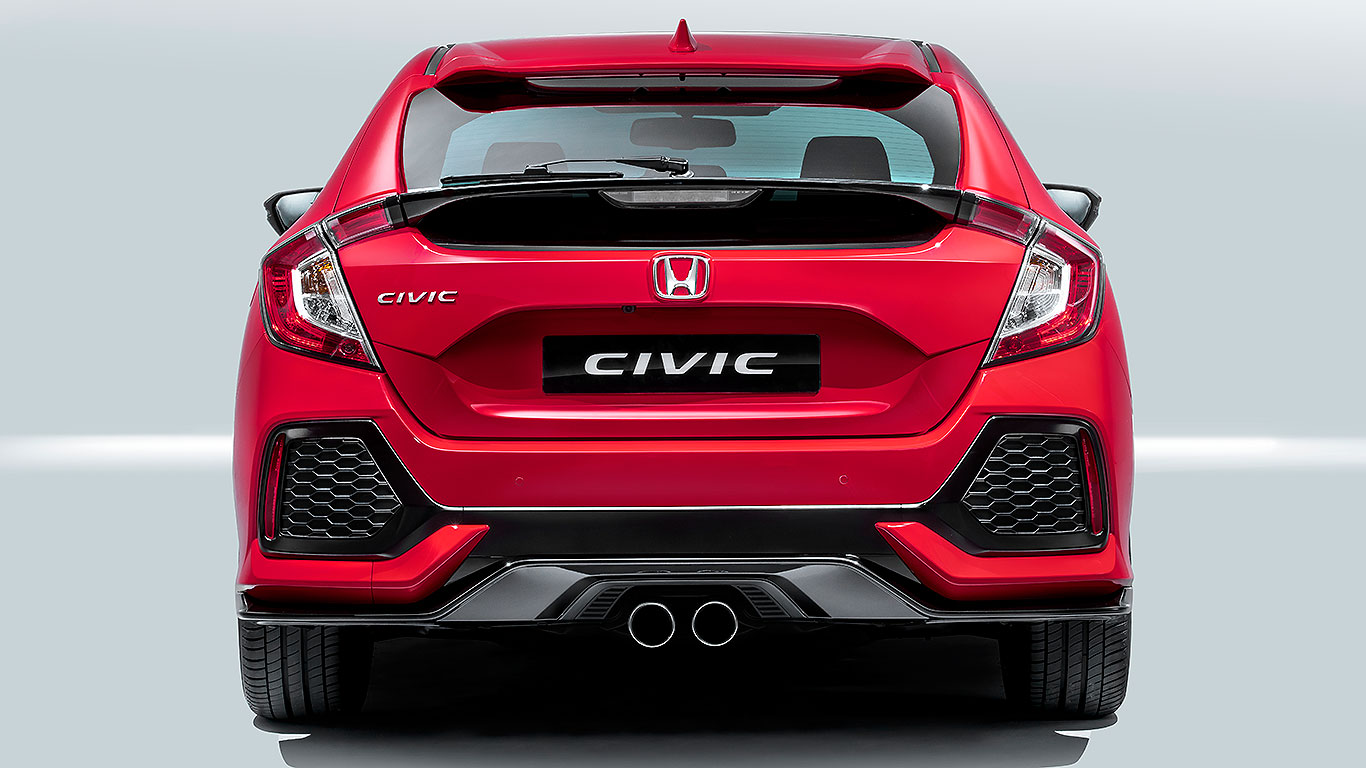
Hidden below the cool twin centre-exit exhausts that sports-grade new Civics get is an all-new suspension setup – that includes, pleasingly, a multi-link rear end. Honda got rid of this expensive suspension type on the current Civic, but has bought it back on the 10th generation car. Not only that, you can also get optional adaptive suspension, which Kariya-san told us he’s very excited about.
Interior revolution
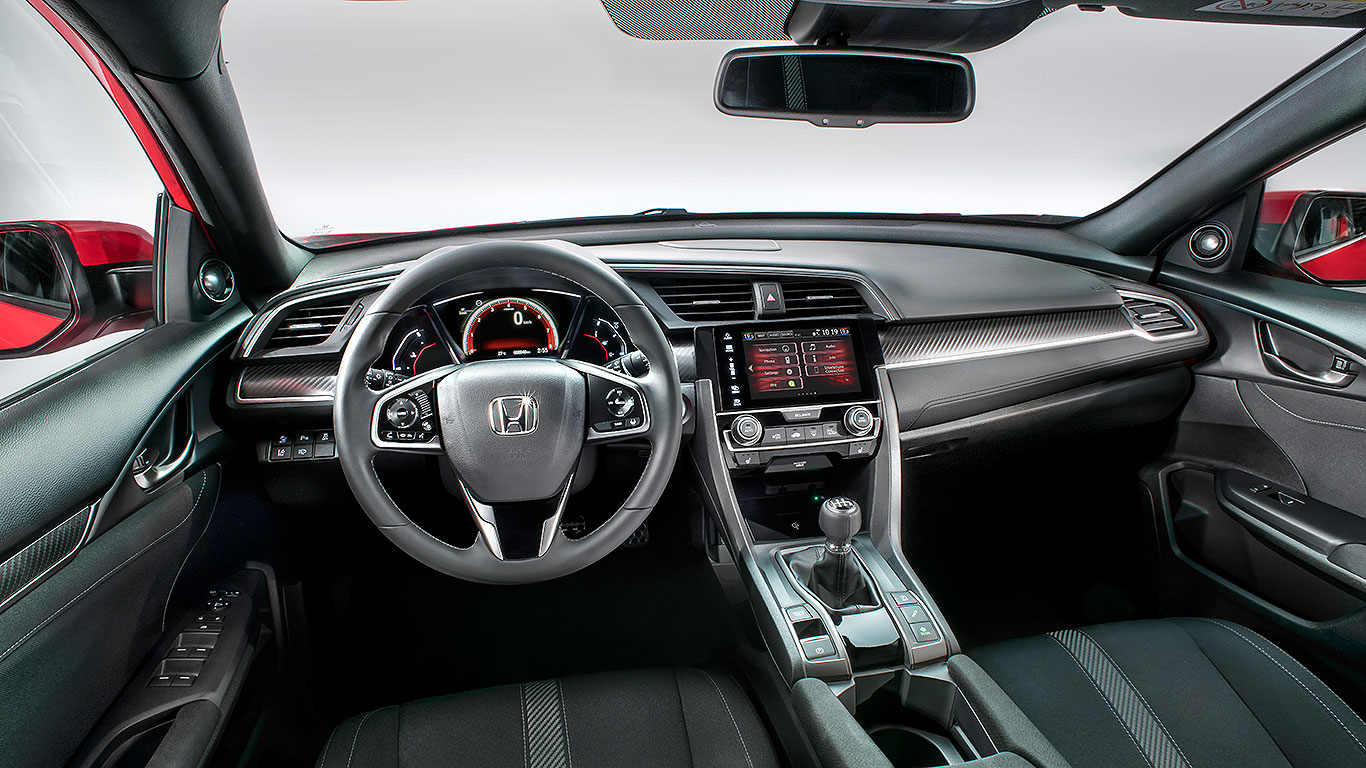
If you thought the outside of the new Civic was a leap on, wait until you step inside. Gone is the low-rent, plasticky feel of today’s model and in comes a cockpit far more premium, upmarket and good quality. It’s a massive step forward for the Civic; sitting within it, you’ll think Germanic and upmarket rather than cheap and not particularly cheerful.
Infotainment upgrade
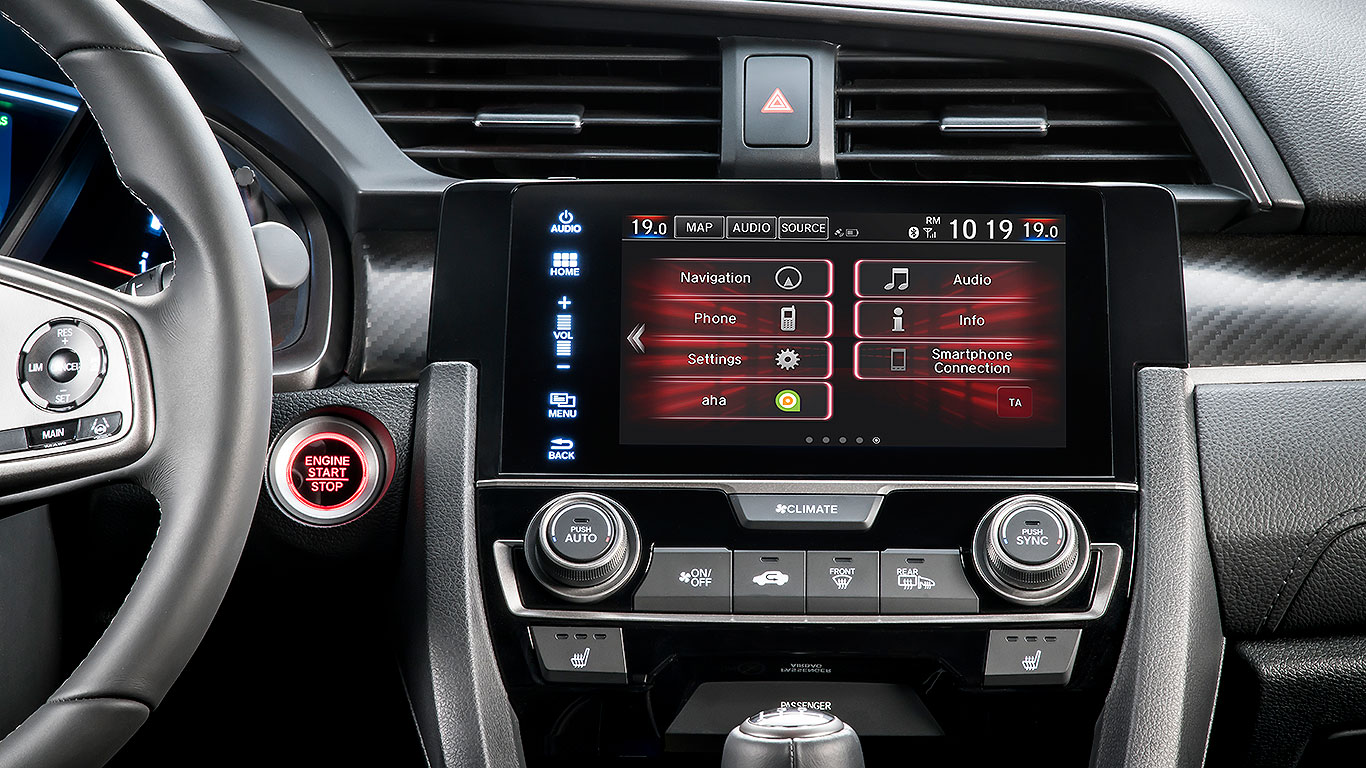
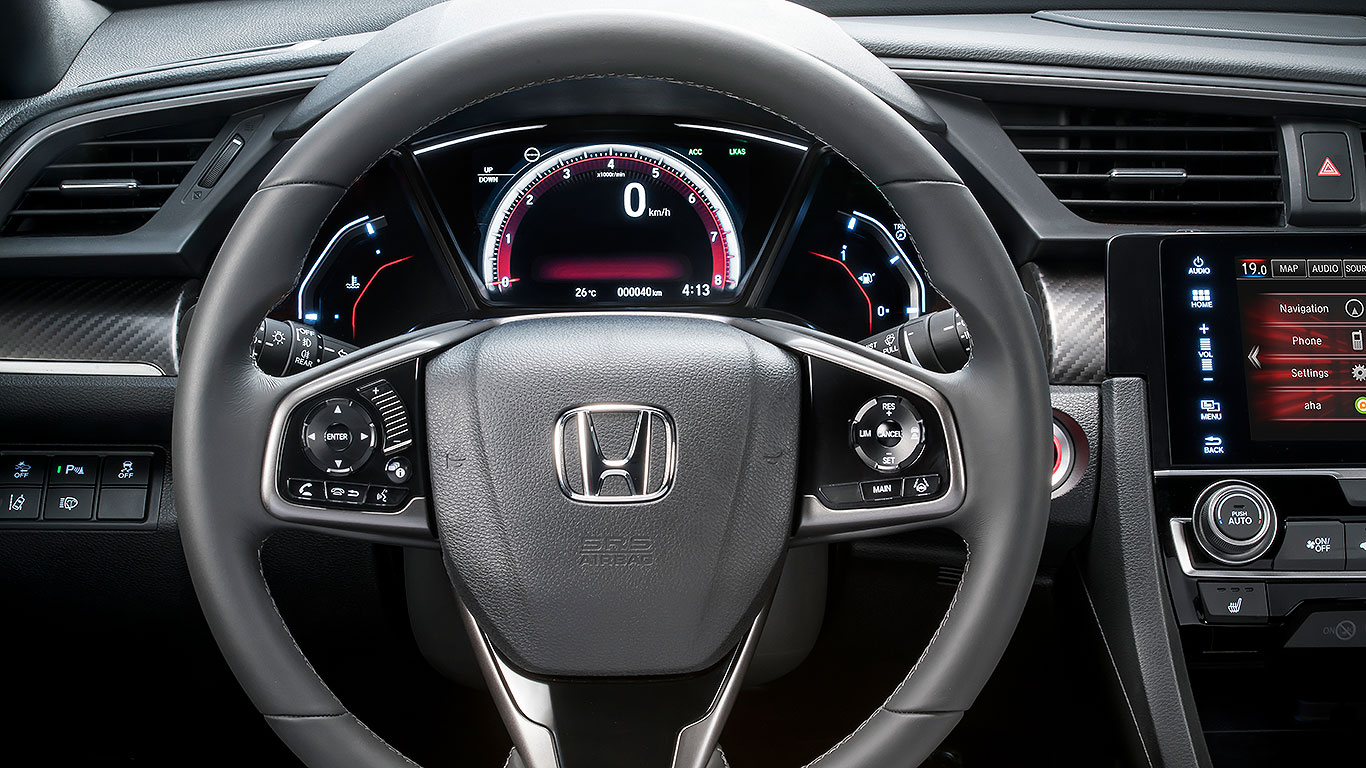
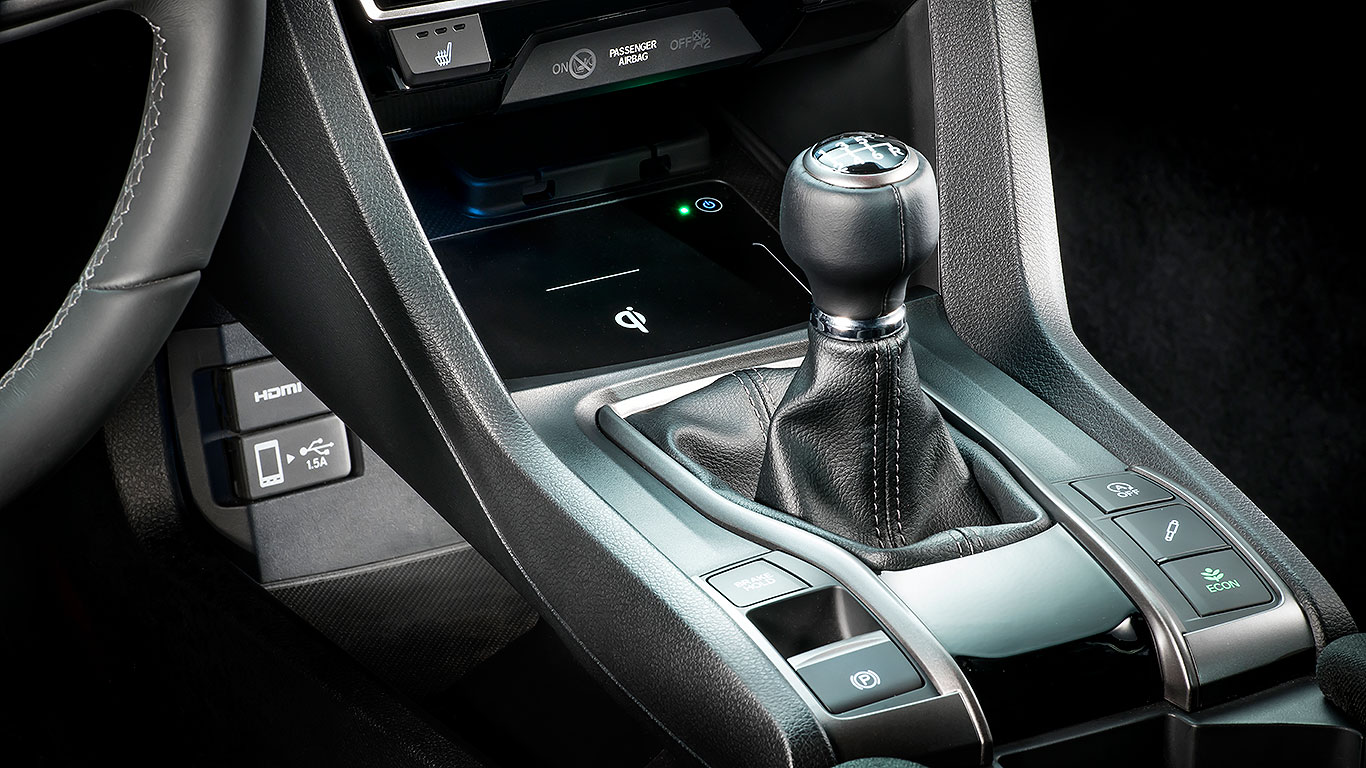
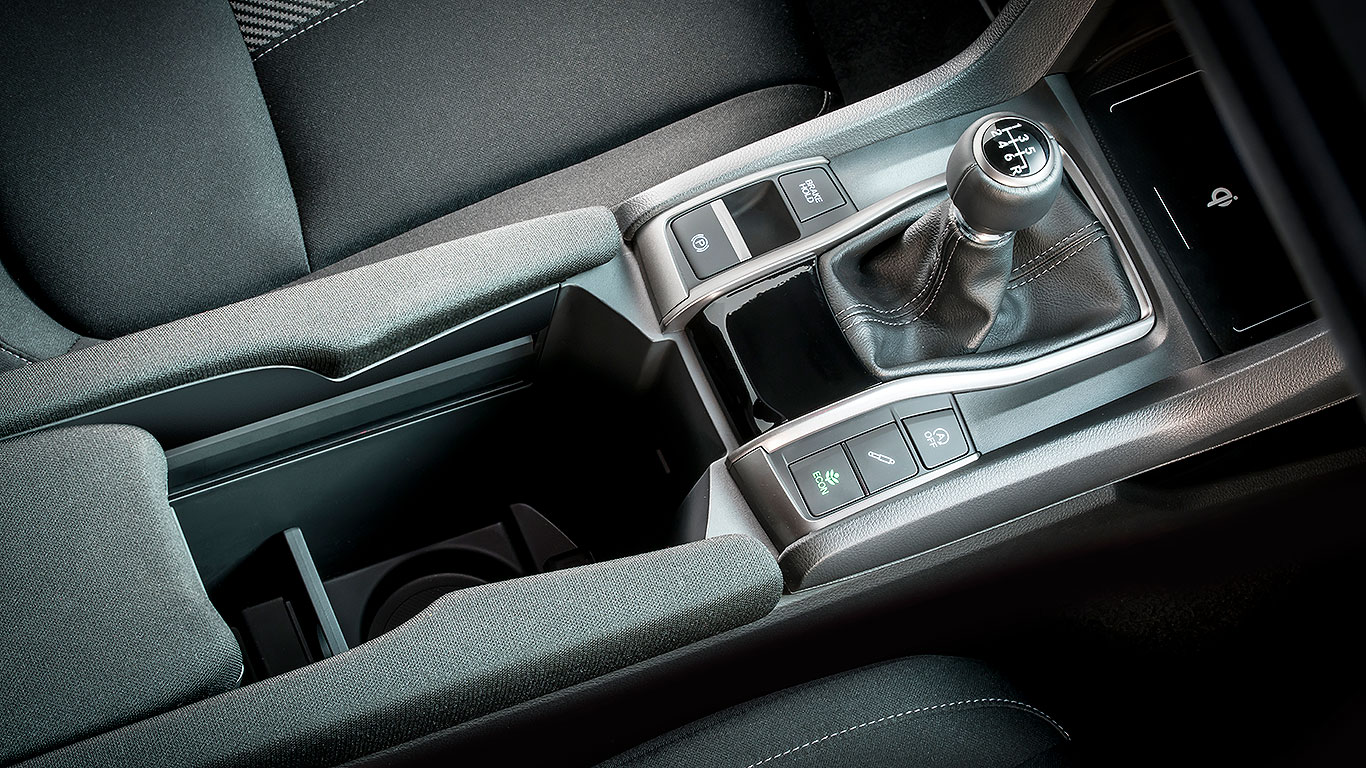
A semi-freestanding infotainment system is as modern as the current system is unpleasant. The Honda Connect system has a fast new processor, and combines Apple CarPlay and Android Auto functionality. Below it are good-to-push buttons, a typically-lovely Honda gearshift and, throughout, assembly standards that define precision.
Grown-up toys
The nasty, garish split-screen instrument panel of the current Civic has been ditched for a modern TFT configurable display screen. This looks super-smart and is hooked up to the infotainment system so it can show full-colour mapping right ahead of the driver. It’s considerably more sophisticated and good-looking.
Better driving position
The driving position of the new Civic is much-improved. We sat behind the wheel of a prototype and found the bigger seats much lower and more comfortable, the controls layout more natural, the gearstick positioned in a better place to make best use of its quick-fire nature. The current car feels a bit like an MPV: this one is much more like a sporty, low-slung family hatch, and customers are more likely to find it appealing as a result.
Concept teaser
Honda first teased the new British-built Civic hatch at the 2016 Geneva Motor Show earlier this year, and we’re pleased to discover just how much like it the production model looks. The showroom car IS this car, minus the lime green detailing and matt paint.
From America to England
The new Civic hatch is the third model in the new line to be launched: over in America, the Civic sedan and coupe have already scooped the North American Car of the Year prize. Honda engineered all three in Japan at the same time, pouring huge resources into creating the all-new platform that will help make all three ultra-competitive.
But what about the Type R?
You can’t go too far into discussing a new Honda Civic before the question of a new Type R comes up. Officially, the firm is saying nothing. Unofficially, we’d put good money on a new Type R coming sooner rather than later, perhaps using a further-upgraded version of today’s engine. All the ingredients – the multi-link rear suspension, the adaptive damper technology, the already-stylish looks – are in place to potentially make it truly heroic.
Goodbye, current Civic hatch
The arrival of the new Civic hatch means goodbye to the current ninth generation car. Developed during the global economic crisis, this was a cautious Honda developing a conservative car seemingly on a tight budget. It was worthy but simply wasn’t good enough to take on the best. It’s taught Honda a lesson, alright.
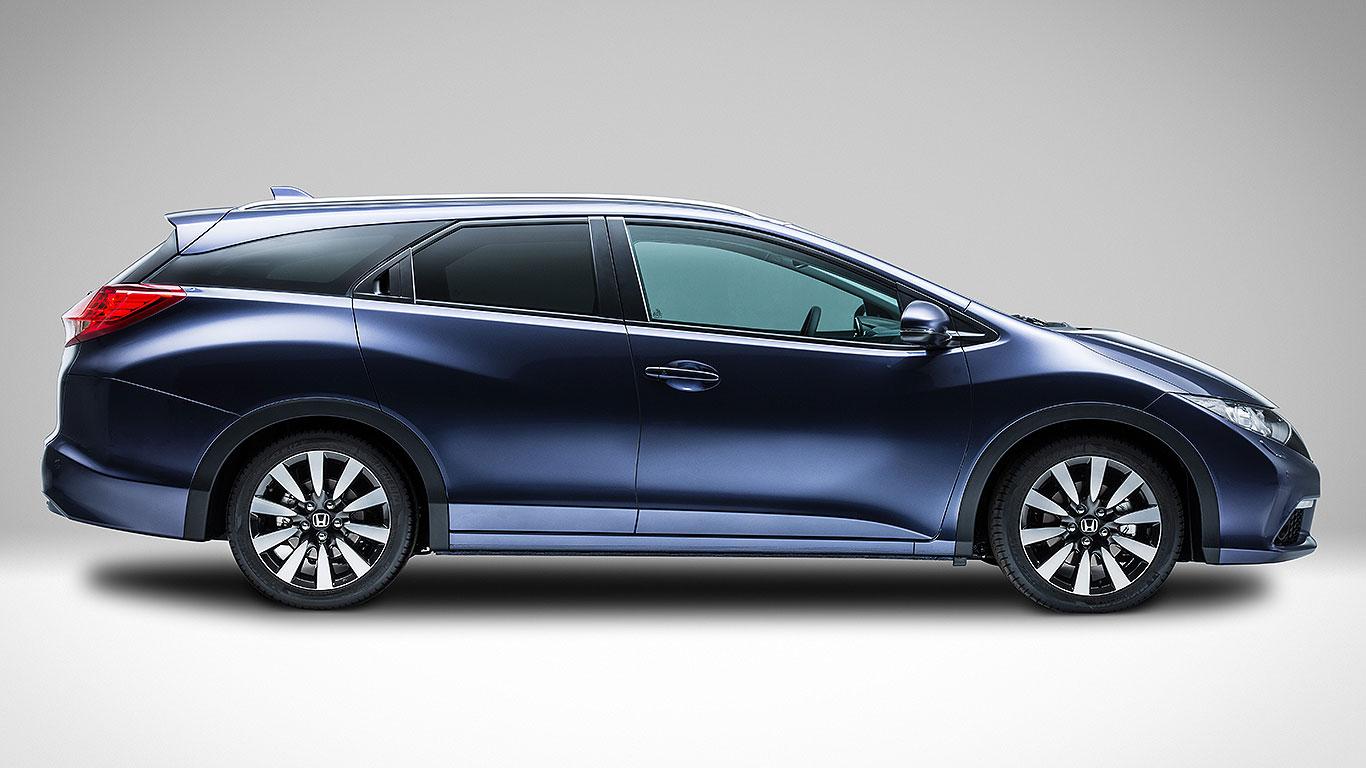
Current Tourer tours on
But the arrival of the new Civic does not mean the end of the current car. It will live on for a few more years in Tourer estate guise: Honda’s huge Swindon factory is flexible enough to allow both cars to coexist on the same line. In time, of course, you’d have to assume a new Civic Tourer would arrive… unless Honda’s decided the limited Euro-centric sales potential of the new car simply doesn’t justify its development?
Hands on: new Honda Civic
We had the chance to have a thorough rummage around the new Civic. And we were impressed. It looks really good, with crisp and distinctive lines dominated by that bold front end. It even looks more premium: Honda’s installed a new paint facility that applies a glossy, shiny clearcoat to give it a more sparking appearance.
Blobby to bold
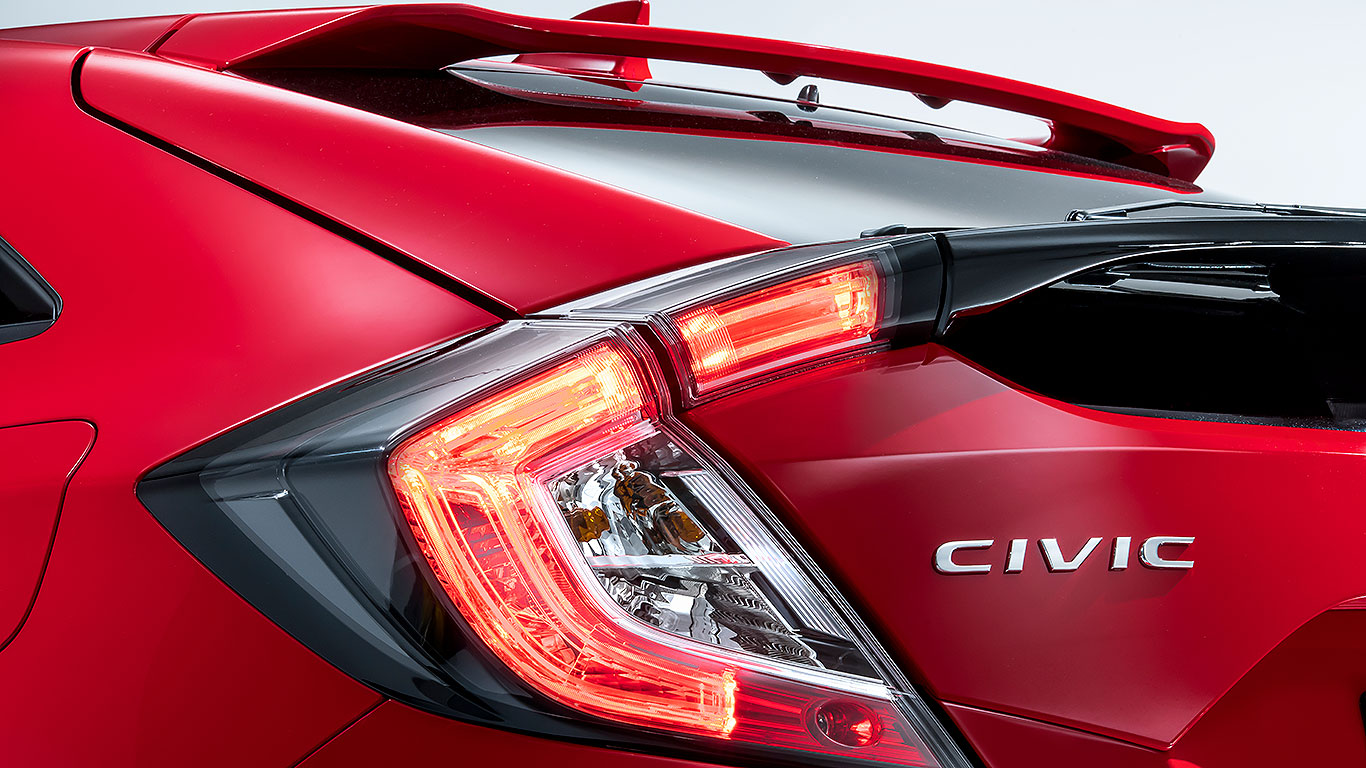
The current Civic is a pretty blobby thing. The new one has a swooper, more coupe-like rear, enhanced by contoured rear wheelarches and cool wrap-around tail lights. The bold black insets are part of the sport-grade Civic, but all will share the same distinctive lines. Pride of place sit those great centre-exit tailpipes.
Actively safe
Visibility seems better in the new Civic, not least because the front end is lower. The windscreen is much deeper, so you don’t feel so perched when sitting inside it. This more panoramic visibility is a famed feature of the Honda NSX and it’s nice to see the company carry it over to here. It’ll be safe, too: all UK Civics, impressively, get Honda Sensing active safety as standard, a camera- and radar-based system that includes active city braking, active cruise control and traffic sign recognition.
Stowage aplenty
The current Civic is curiously both practical and frustrating. The new one demonstrates much clearer thinking and more intelligent ergonomic planning: the centre console is deep (and has a sliding cover, facilitated by an electronic parking brake), there’s not only space for a smartphone but an integrated wireless phone charger to juice it up, and even the door pockets are more cleverly designed than the current car.
Big boot remains
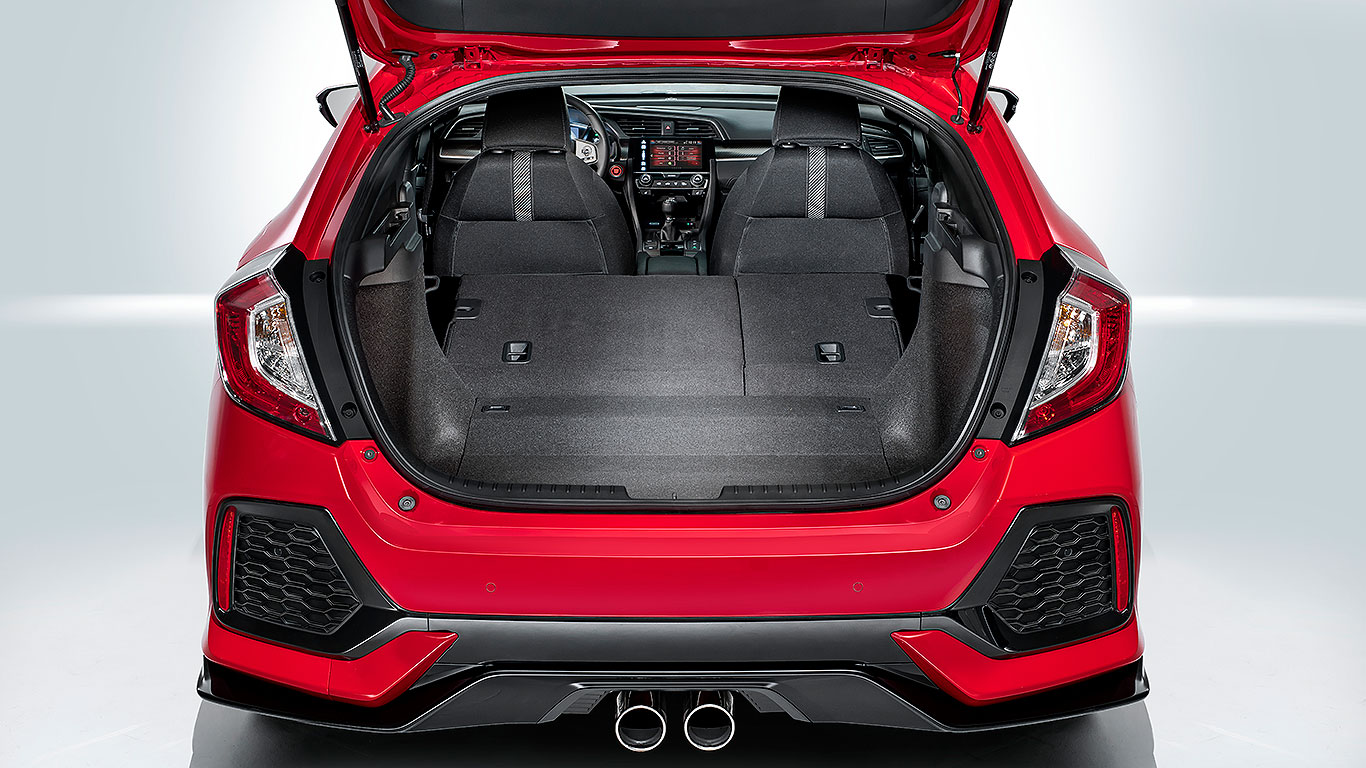
The current Civic has a massive boot, over 470 litres compared to a Golf’s 380 litres. The new one is bigger still: 478 litres, with a wide opening, flat load bay and, brilliantly, the most ingenious side-retract load bay cover you’ve ever seen. Folded up, it’s tiny: showroom appeal overload.
What next for the new Honda Civic?
So there it is, the new British-built Honda Civic hatch in all its glory. It’s already being shipped over to the United States and, next in the story is the Paris Motor Show public debut of the European one. Sales here will start in Q1 2016, with the diesel arriving later in the year, and we for one can’t wait. The new Civic looks good, feels great and has the mechanical promise to be a huge leap on from today’s car. Do we have a new class front-runner on our hands? The signs are good…
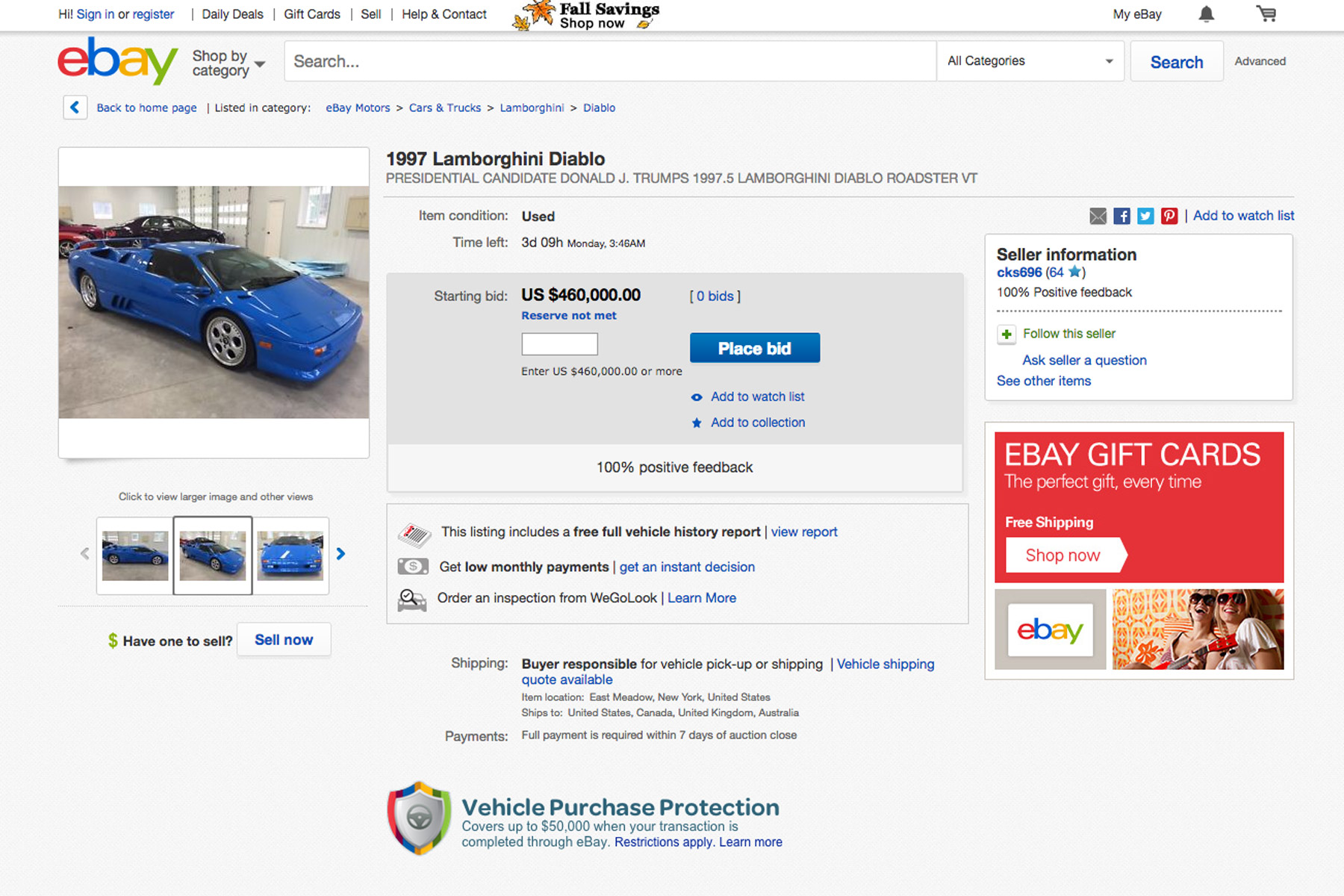
American presidential hopeful Donald Trump’s old Lamborghini has been advertised on eBay with a whopping $460,000 (£347,000) start price – and that’s before the reserve has been met.
Colin McRae’s Metro on eBay for £350,000
More car news on Motoring Research
It suggests the seller is making a significant profit on the Lambo, as he reportedly paid $299,000 (£226,000) for it last year.
Classic cars can be a solid investment, however, so don’t let us put you off bidding for the 1997 Diablo VT. Just think, if Trump wins in November, you’ll own the president’s old Lamborghini. Now there’s something that could get you rooting for Trump.
Finished in one-off Le Mans blue, the Diablo VT even features a Trump 2016 decal emblazoned across the tiny rear window.
The controversial right-wing presidential candidate made his millions as a successful businessman, gaining notoriety by appearing on the American version of The Apprentice.
Despite travelling around the world in his own private plane, Trump is a huge petrolhead – with a Rolls-Royce Phantom, McLaren SLR and Maybach in his garage.
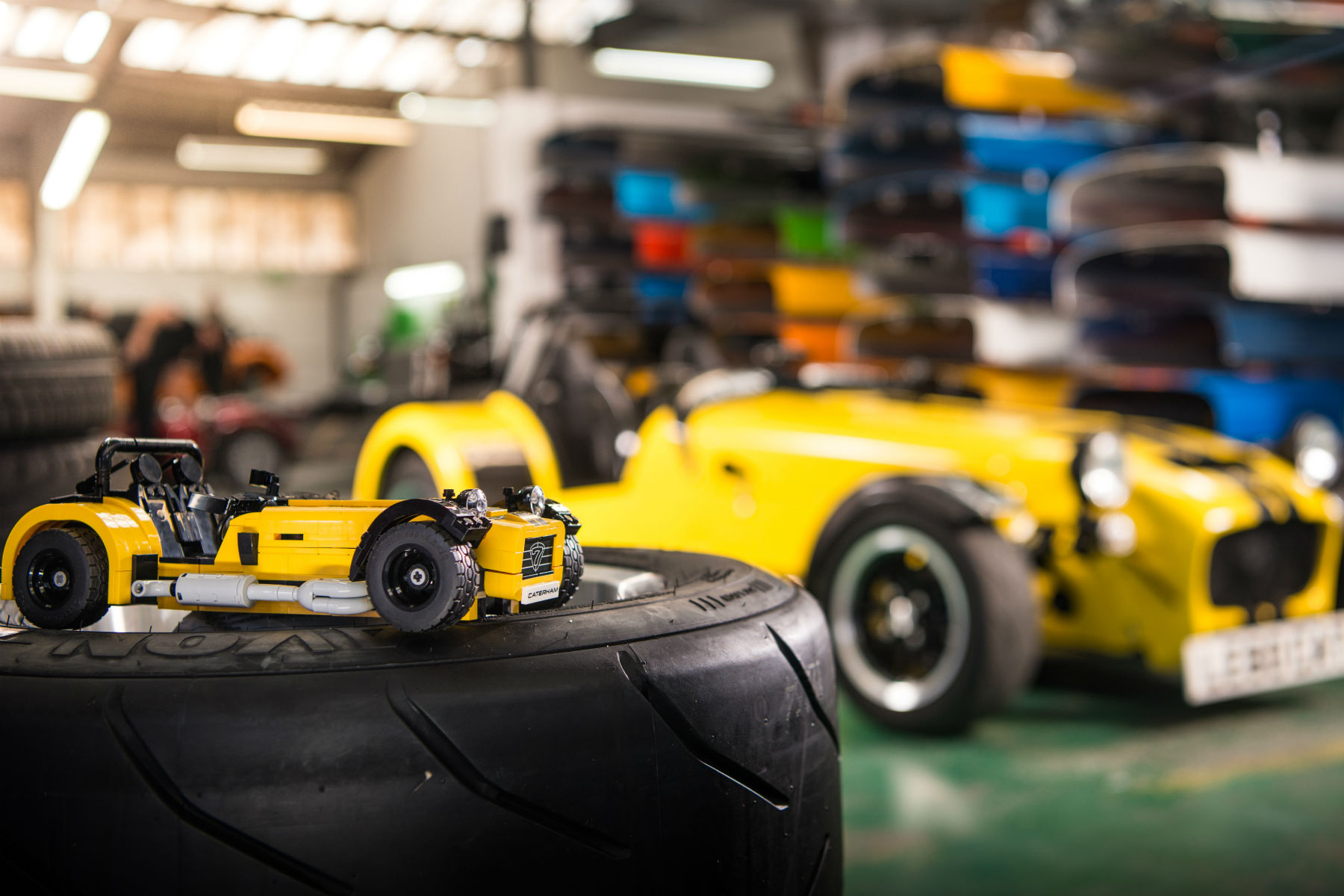
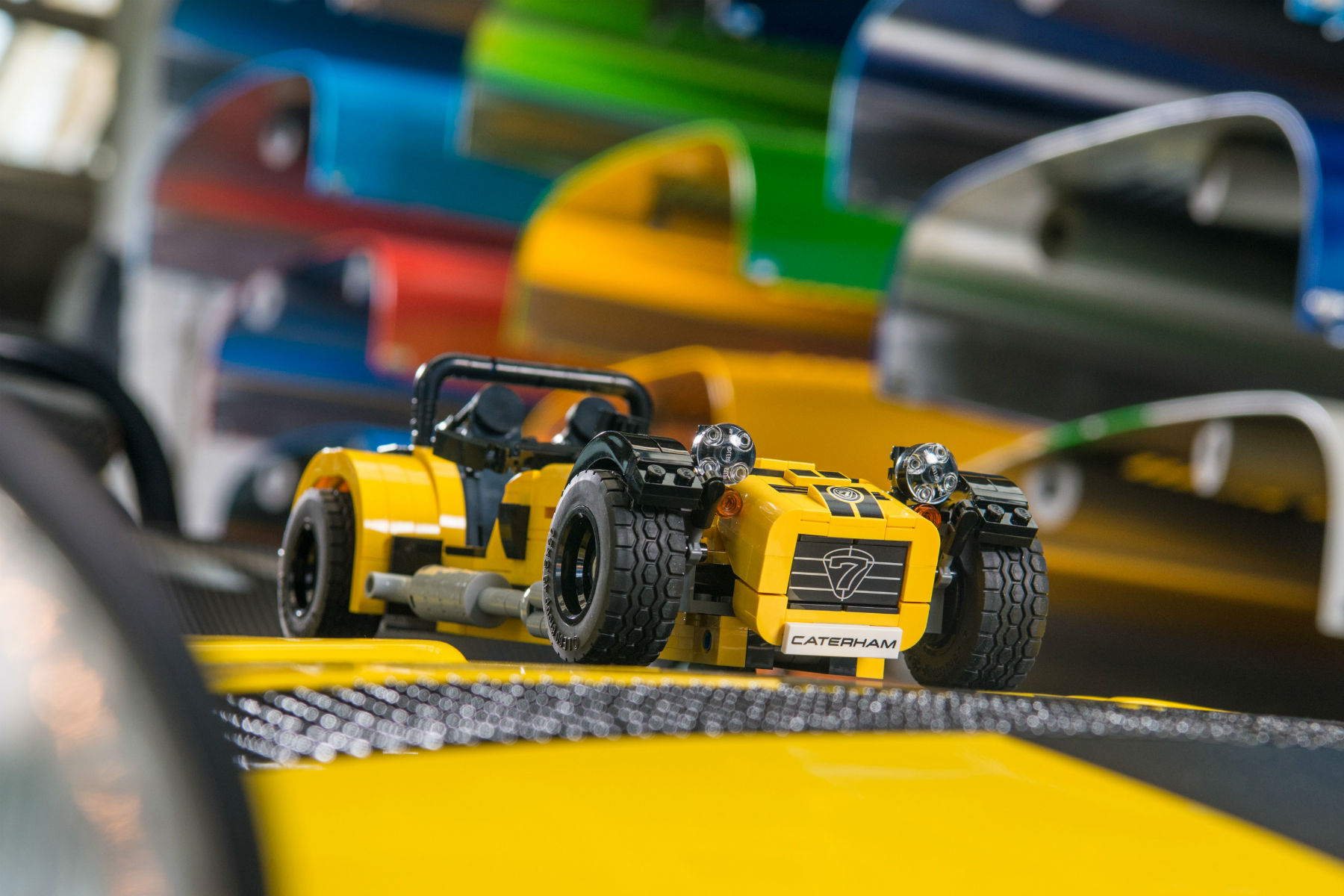
Ever fancied building your own Caterham? The British sports cars are still available in do-it-yourself kit form. However, for a slightly easier challenge, how about the new Lego Caterham Seven 620R?
We say ‘slightly’ because the latest Lego kit consists of 770 pieces, including a fully-detailed replica engine, removable nosecose, opening boot and axle stands that allow the wheels to be removed. Should keep you busy on Christmas morning…
Buy a DIY Caterham Seven for £65 a week
Hardcore luxury: Caterham Seven 620S
More car news on Motoring Research
The model Seven was suggested to the Lego Ideas platform – where fans can submit proposals for new Lego sets – by Caterham fanatic, Carl Greatrix. Having gained the requisite 10,000 votes, it was then approved for production.
Caterham claims the Lego 620R has a top speed of 6mph, although it admits this figure is “not scientifically proven”. That compares to 155mph in the real 620R, which also hits 60mph in just 2.79 seconds. Eek.
Caterham Chief Commercial Officer, David Ridley, said: “Our army of fans who build their own Caterham Sevens are equally discerning when it comes to the detail and craftsmanship which is central to Caterham, and we worked closely with the Lego team to ensure the model replicated that. It’s really satisfying to know that fans can recreate and build their own 620R with Lego bricks.”
The Caterham Lego 620R is available to buy from October 1st, priced £69. Want a proper 620R instead? That’ll be £49,995.
Mobile phone use while driving has reached ‘epidemic’ proportions, says the RAC, as tens of millions of drivers admit they reach for their smartphones while behind the wheel.
A staggering 11 million drivers have taken or received a call on a handheld mobile in the past year; even more worryingly, 5 million have taken photos or videos while driving. Some even admit to making video calls when driving.
1 in 5 drivers feel it is safe to check social media updates while waiting at traffic lights, and 44% of younger drivers aged 17 to 24 admit they have taken photos or videos when stationary behind the wheel.
Young drivers aren’t bothered about £150 spot fines for mobile phone use
95% of drivers ‘regularly see others using mobile phones’
More car news on Motoring Research
In 2014, just 8% of motorists admitted they used a handheld mobile phone behind the wheel: this year, it’s shot up to 31%, with the proportion of drivers saying it’s not acceptable to take a quick call at the wheel actually falling by 6% – in other words, more and more drivers think it’s now acceptable to take a use a smartphone while driving.
RAC road safety spokesman Pete Williams said there is now clear evidence the use of handheld phones behind the wheel is on the increase. “The fact that drivers have little or no confidence that they will be caught when braking these laws is a likely contributor,” he said. “Every day, most road users see other drivers brazenly using their handheld phones – a sight which should be a thing of the past.
“The use of handheld mobile phones is the biggest road safety concern among motorists today: we call on all stakeholders to step up efforts to shift cultural attitudes and make the use of handheld mobile phones as socially unacceptable as drink driving.”
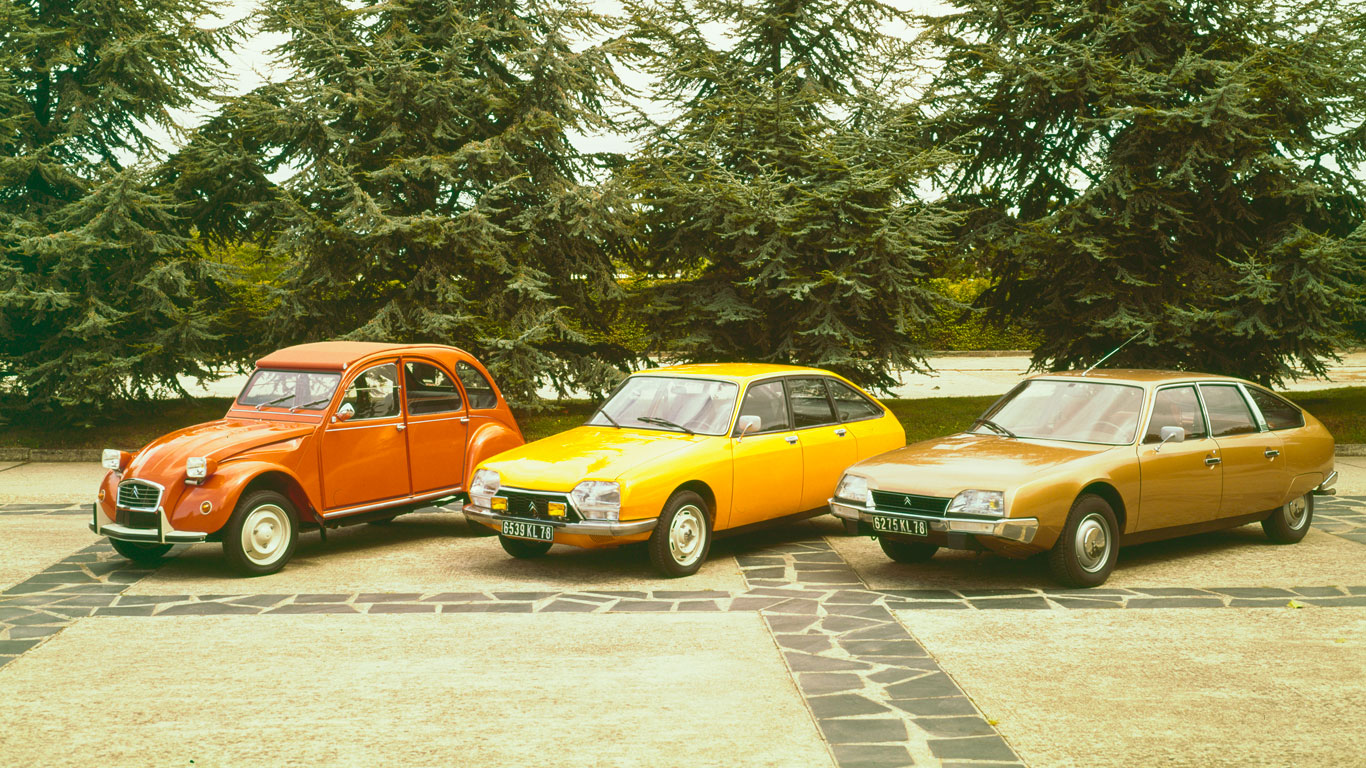
The Citroen Type A of 1919 was Europe’s first mass-produced car and the brainchild of the obsessive innovator Andre Citroen. The French company went on to build some of the 20th century’s most iconic and important vehicles, including the Traction Avant, 2CV and DS. As Citroen prepares to launch the new C3, we take a look back at some of its greatest hits.
Citroen DS
Arguably the greatest Citroen ever made and certainly the most iconic: the DS was a technical tour de force when it was launched in 1955. It featured hydropneumatic self-levelling suspension and hydraulic brakes, steering and transmission, and was the first mass-production car to offer disc brakes. Little wonder that Citroen received 12,000 orders on the first day of the Paris Motor Show. Over 20 years the ‘Goddess’ continued to evolve, cementing itself as one of the most important cars of the 20th century.
Citroen 2CV
From a ‘Goddess’ to a ‘Tin Snail’, the 2CV couldn’t be more different to the DS. But don’t let the rudimentary appearance fool you, because the 2CV was no less innovative than its illustrious cousin. Launched in 1948, but developed before World War 2, the 2CV was designed to provide cheap and reliable transport for an entire nation. At its heart was a trick suspension set-up, an air-cooled engine and a raised ride height, which famously meant that you could carry eggs across a ploughed field without breaking them.
Citroen SM
The Citroen SM was a victim of circumstances beyond its control, but that doesn’t mean it shouldn’t be labelled as one of Citroen’s true greats. Think of the SM as a sporting version of the DS, offering a hydropneumatic suspension, powered brakes and self-levelling headlights, yet powered by a Maserati V6 engine. In terms of cross-continental performance it was almost without peers, but the fuel crisis and Peugeot’s takeover of Citroen led to its premature demise.
Citroen Traction Avant
The Traction Avant – introduced in 1934 – is accepted as the godfather of the modern family car. This was the first mass-produced car to feature front-wheel drive, an automatic transmission, independent front and rear suspension, hydraulic brakes and a monocoque chassis. Andre Citroen, the company’s founder, was an obsessive innovator, and the Traction Avant was a reflection of his genius.
Citroen GS
So often overlooked, the Citroen GS is one of the most important cars in the firm’s brilliant history. Amazingly, it was launched a mere six months after the SM, making this a golden era for Citroen. The GS brought all-round powered disc brakes and hydropneumatic suspension to the family man; indeed, this was the smallest car to feature hydraulic suspension. In 1971, the GS deservedly scooped the European Car of the Year award, beating the Range Rover, Volkswagen K70 and Citroen SM. Nearly 1.9 million GS/GSA models were built between 1970 and 1986.
Citroen Type A
The Type A of 1919 represents the very genesis of Citroen – Europe’s first mass-produced car and, unlike other cars of the era, delivered ready for the road. It was also the first French car to feature a driver’s seat on the left-hand side, setting a trend that other manufacturers would follow. Features included fabric upholstery, cushions, spring-loaded seatbacks and interior lights.
Citroen Mehari
The French Mini Moke? Perhaps, but unlike the Moke, the Citroen Mehari was a runaway success, with a production life spanning two decades. It was a replacement for the four-wheel-drive 2CV Sahara and based on the chassis of the Dyane 6. Launched in 1968, a 4×4 version wouldn’t arrive until 1980, by which time the Mehari had established itself as crossover before the crossover was a thing. Useful as a recreational car and a utility truck, the Mehari featured an Acrylonitrile Butadiene Styrene (ABS) body that could be spray-washed inside and out, and wouldn’t rust.
Citroen C4 Cactus
The C4 Cactus, launched in 2014, was a sign that Citroen had rediscovered its mojo. The Airbumps – available in four different colours – ensured the Cactus stood out in a fiercely competitive sector, while protecting the body from car park scrapes and dents. Other features include the roof-mounted passenger airbag and Magic Wash system, with wiper-mounted washer jets. Best served with a petrol engine, which seems to suit the Cactus’ lightness and joie de vivre.
Citroen CX
How do you follow an icon like the Citroen DS? The CX of 1974 had the unenviable task of replacing the ‘Goddess’ and is considered by many to be the last true Citroen. Vari-Power steering was available as standard from 1975, with the C-Matic semi-automatic transmission also introduced as an option. With a top speed of 137mph, the CX-25 GTi Turbo-2 was the fastest French car of its day, while the Safari (estate) and eight-seat Familiale were the ultimate family cars.
Citroen XM
The CX was replaced in 1989 by the Citroen XM – the company’s first luxury hatchback. Its standout feature was the new computer-controlled Hydractive suspension, although early cars were dogged with electrical issues that dented the XM’s reputation. Note the so-called ‘13th window’ between the cabin and the boot, designed to protect passengers from the wind when the tailgate was open.
Citroen M35
In 1969, Citroen toyed with the idea of using a rotary engine to power its cars. The result was the Ami 8-based M35, of which 267 were built and given to high-mileage customers. Each car was individually numbered, as can be seen on the front wing of this original press photo. The project ended with Citroen giving owners the option to keep the car, although any that were returned were destroyed. It was left to NSU and Mazda to persevere with the Wankel rotary engine.
Citroen ZX Volcane
It might upset the purists, but the ZX was an important car for Citroen. Here was a family car with mass market appeal, good enough to convince over 2.1 million people to part with their cash. It also spawned the ZX Volcane turbodiesel, which could claim to be the world’s first diesel hot hatch. Oh, and if you want innovation, consider the passive rear-steer axle and the sliding rear seat.
Citroen Xantia Activa
Launched in 1996 – three years after the arrival of the Xantia – the amazing Xantia Activa established itself as the flagship of the range. It featured an active anti-roll system that was able to detect lateral inclination and immediately firm up the suspension, eliminating body lean. Not only could the Xantia Activa corner with remarkable poise, it also offered outstanding ride quality.
Citroen B2/Normande
The B2 was Citroen’s second car and built between 1921 and 1926. The Normande – derived from the B2 pictured – was France’s first real utility vehicle, while Andre Citroen also developed a half-track version, which was the first vehicle of its kind to cross the Sahara Desert.
Citroen H Van
Many people will have encountered a Citroen H Van without even knowing it, as a larger number have been converted into trendy takeaways for use at festivals or in city centres. Launched in 1948, the H Van featured a cab-forward design, backbone-type frame in corrugated steel and front-wheel drive. It remained in production until 1981, by which time 473,289 had been built.
Citroen AX
On the face of it, the AX might not seem that radical and innovative, but Citroen went to great lengths to ensure its first genuine supermini hit the ground running. Superb aerodynamics and lightweight construction ensured the AX cost pennies to run, which is why some 2.5 million were produced. The AX GT is regarded as one of the definitive hot hatches of the era.
Citroen C3 Pluriel
Proof that not everything Citroen touches turns to gold. Based on the Pluriel Concept of 1999, the C3 Pluriel was designed to be four cars in one: supermini, cabriolet, spider and pick-up. There were one or two problems, including the fact that there was nowhere to store the bits of roof when they weren’t in use. Also, in pick-up mode, the number plate was no longer on show, making it illegal to drive in the UK. The C3 Pluriel: good in theory, not so great in practice.
Citroen C6 (original)
The C6 of 1928 was the first Citroen to be powered by a six-cylinder engine and designed to appeal to more affluent motorists. To this end it was more lavishly equipped than the C4, while the C6G MFP adopted ‘Floating Power’, using an engine secured with rubber mounts, instead of being bolted to the chassis. It used a Chrysler patent and helped to eliminate engine vibrations.
Citroen C6
The C6 of 2005 was the spiritual successor to the C6 of the 1920s and, as you’d expect, it was loaded with gadgets. It featured the Hydractive III suspension system, first seen on the Mk1 Citroen C5, while other options included directional xenon headlights, semi-reclining rear seats, lane departure warning, voice control and a head up display. Other features included frameless doors, a concave rear window and an air deflector that deployed at speed.
Citroen Berlingo Multispace
Citroen’s unsung hero, the Berlingo Multispace was genuinely innovative. Here was a van-based compact MPV that offered flexibility and versatility in abundance, whilst offering space for five adults and their luggage. Options included a full-length electric sunroof, while the huge tailgate and low floor made it ideal for carrying bikes or incredibly large dogs. Citroen claims to have invented the ‘leisure activity vehicle’ with the first generation Berlingo.
Citroen C5
Citroen entered the new millennium with the C5 – a replacement for the Xantia. The new car featured Hydractive III, the latest version of Citroen’s self-levelling suspension, which went one step further than before by being able to adjust the ride height according to speed and the condition of the road.
Citroen BX
The BX was a game-changer for Citroen, enabling the company to establish a firm foothold in the lucrative fleet and company car sectors. The diesel versions in particular became firm favourites, while sporting, estate and 4×4 models ensured there was a BX for all. Over 2.3 million cars were produced between 1982 and 1994.
Citroen e-Mehari
A Citroen Mehari for a new generation – where do we sign? Sadly, the e-Mehari is unlikely to be sold in the UK, but this is one car to hunt down at the holiday rental desk. This is a four-seat electric vehicle offering a top speed of 70mph and a range of 125 miles. We want one.
Citroen Dyane
Robert Opron and Jacques Charreton were asked to revamp the 2CV, conserve its qualities, dress it in a new body and add a few more luxuries. The result was the Dyane – a car with a large tailgate and a full-length canvas roof. Though it was designed to replace the 2CV, the Dyane was pulled from production in 1983, by which time an impressive 1.4 million units had rolled out of the factory. Meanwhile, the 2CV soldiered on until 1990.
Citroen Visa
By Citroen’s standards, the Visa was relatively conventional, but scratch beneath the surface and you’ll find some interesting features. Take the integrated energy-absorbing polypropylene grille and bumpers of the original car – something that led to it being christened ‘pig snout’. The single wiper and ‘satellite’ control unit were also innovative features for the time. The Visa II was a more conservative affair, although the car did live on in the form of the C15 van.
Citroen DS3
The DS3 was an important car for Citroen, representing the first step on a journey that would lead to the creation of DS Automobiles and a divorce from the mothership. Back in 2010 we were still permitted to call the DS3 a Citroen, and it was a terrific car. Not only did it look good, buyers could choose from a huge range of personalisation options.
Citroen Ami 6
Launched in 1961, the Ami 6 was designed to fill a gap between the ID19 and the 2CV. The most striking feature was the inverted rear window – the first time Citroen had adopted this design. The Ami 6 was the first car to be fitted with rectangular headlights. An estate version looked more conventional, and therefore sold in good numbers, before Citroen replaced the 6 with the Ami 8.
Citroen Bijou
When Citroen is compiling a list of its greatest hits, the Bijou is unlikely to get a mention. Indeed, the 2CV-based oddity might be filed under ‘Now That’s What I Call Weird’. Designed and built in Britain (the only Citroen to be designed outside France), the Bijou was created for the Commonwealth. Anglicising the 2CV was not Citroen’s best move, especially as the Bijou turned out to be heavier and slower than the Tin Snail. Oh dear.
Citroen C4
The Citroen C4 is perhaps best remembered for its fixed hub steering wheel, with the major buttons used to control the main display staying fixed, even when turning the wheel. The C4 introduced lane-departure warning, while buyers could also take advantage of a scented air freshener.
Citroen C3
All of which brings us right up-to-date with the all-new Citroen C3. The supermini will introduce ConnectedCAM – a fully integrated camera, located behind the rear-view mirror, to capture images and videos that can be shared via social media. Note the Airbumps, first seen on the C4 Cactus. Will the C3 be able to take its place as one of Citroen’s most innovative cars? We’ll find out in the autumn.



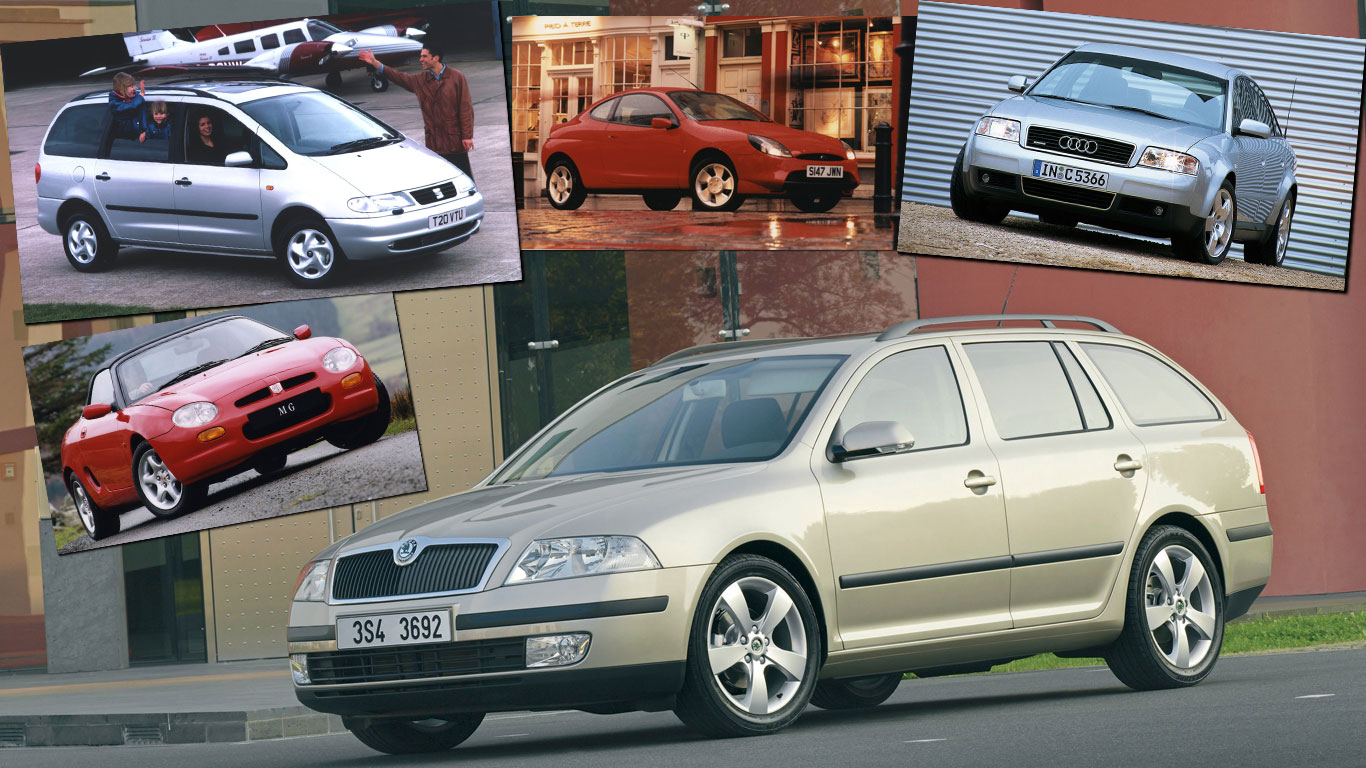 Want a new car but don’t want to spend more than £1,500? We’ve assembled a list of budget cars that won’t break the bank. In fact, they cost less than a typical downpayment on a PCP deal. Ever helpful, we’ve selected two cars from each class, kicking off with a pair of bargain MPVs.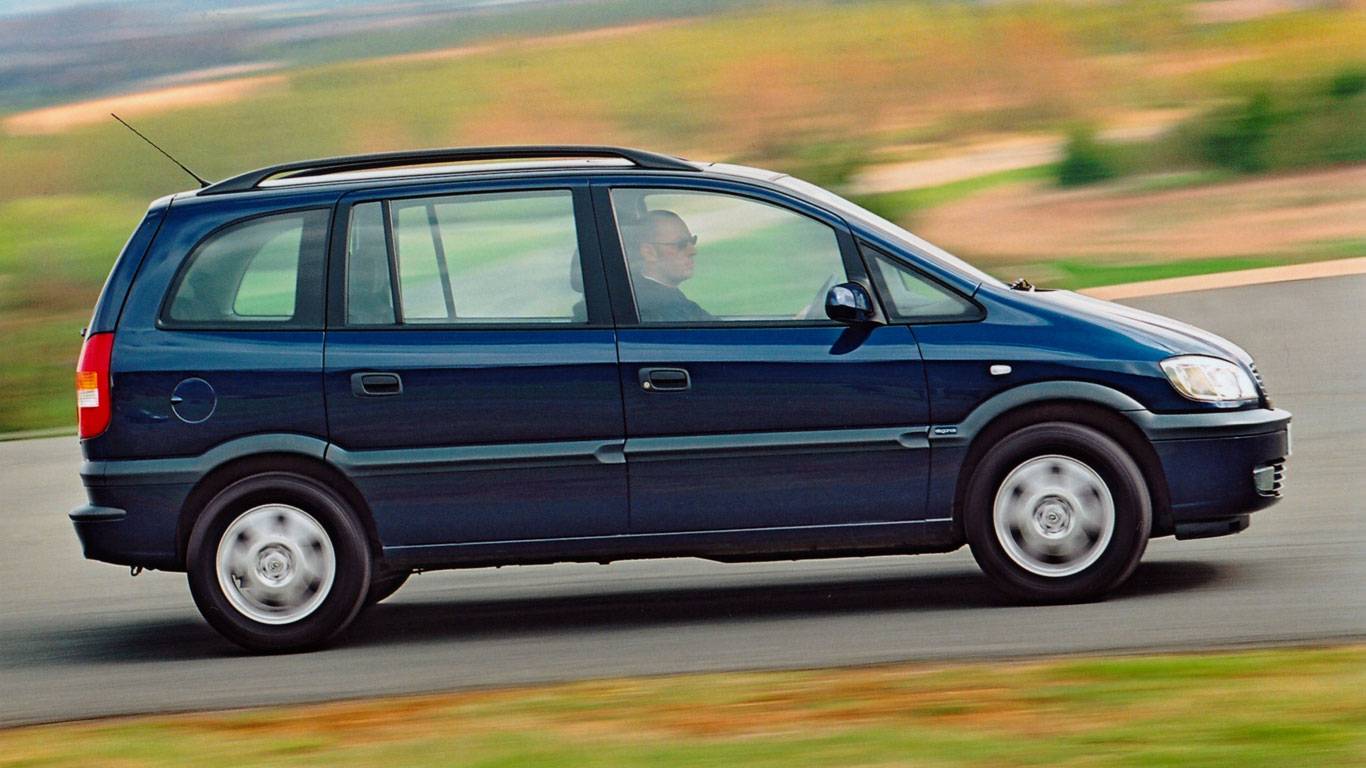
 Honda IS Civic. And the current Civic is, admits the firm, not good enough. Enter an all-new one for 2017: the 10th generation car, which represents the single biggest development leap for any Civic generation, ever. Honda means business, people.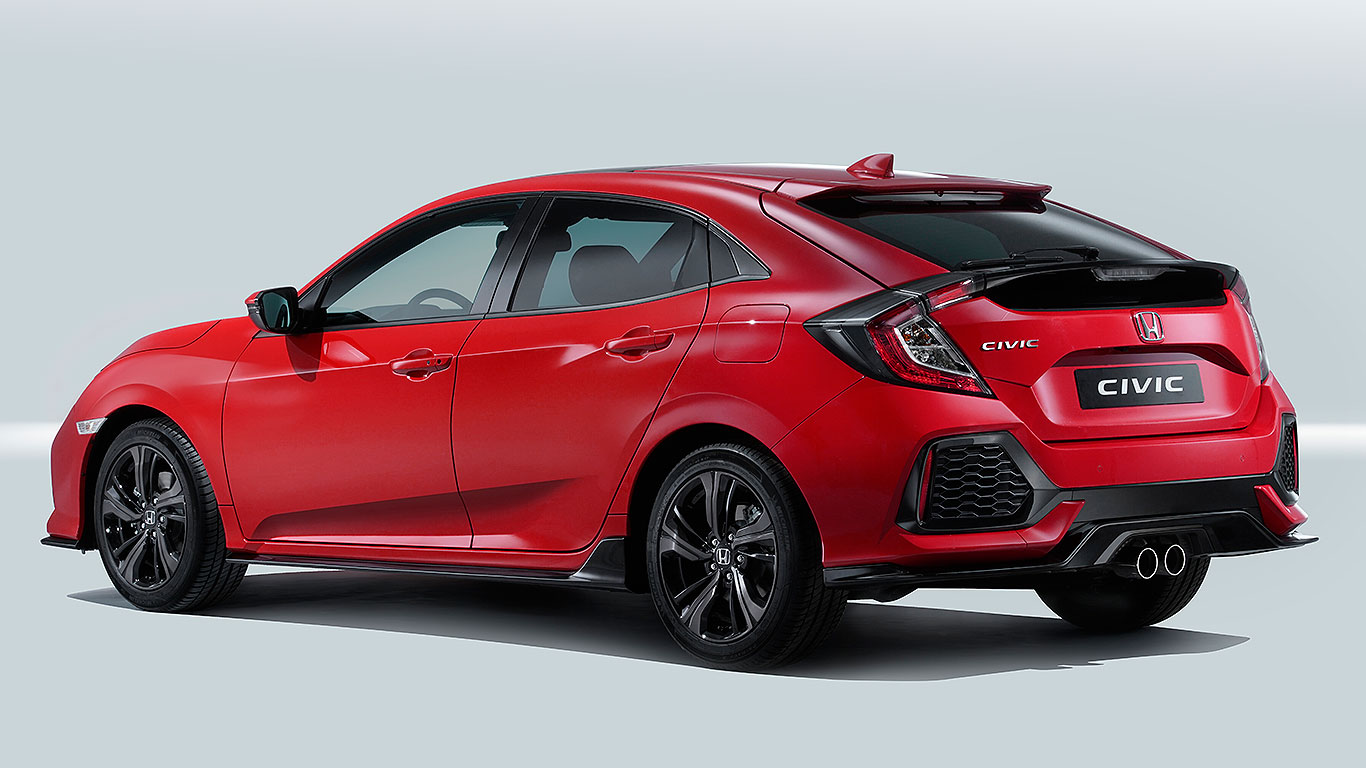
 Mobile phone use while driving has reached ‘epidemic’ proportions, says the RAC, as tens of millions of drivers admit they reach for their smartphones while behind the wheel.
 The Citroen Type A of 1919 was Europe’s first mass-produced car and the brainchild of the obsessive innovator Andre Citroen. The French company went on to build some of the 20th century’s most iconic and important vehicles, including the Traction Avant, 2CV and DS. As Citroen prepares to launch the new C3, we take a look back at some of its greatest hits.


