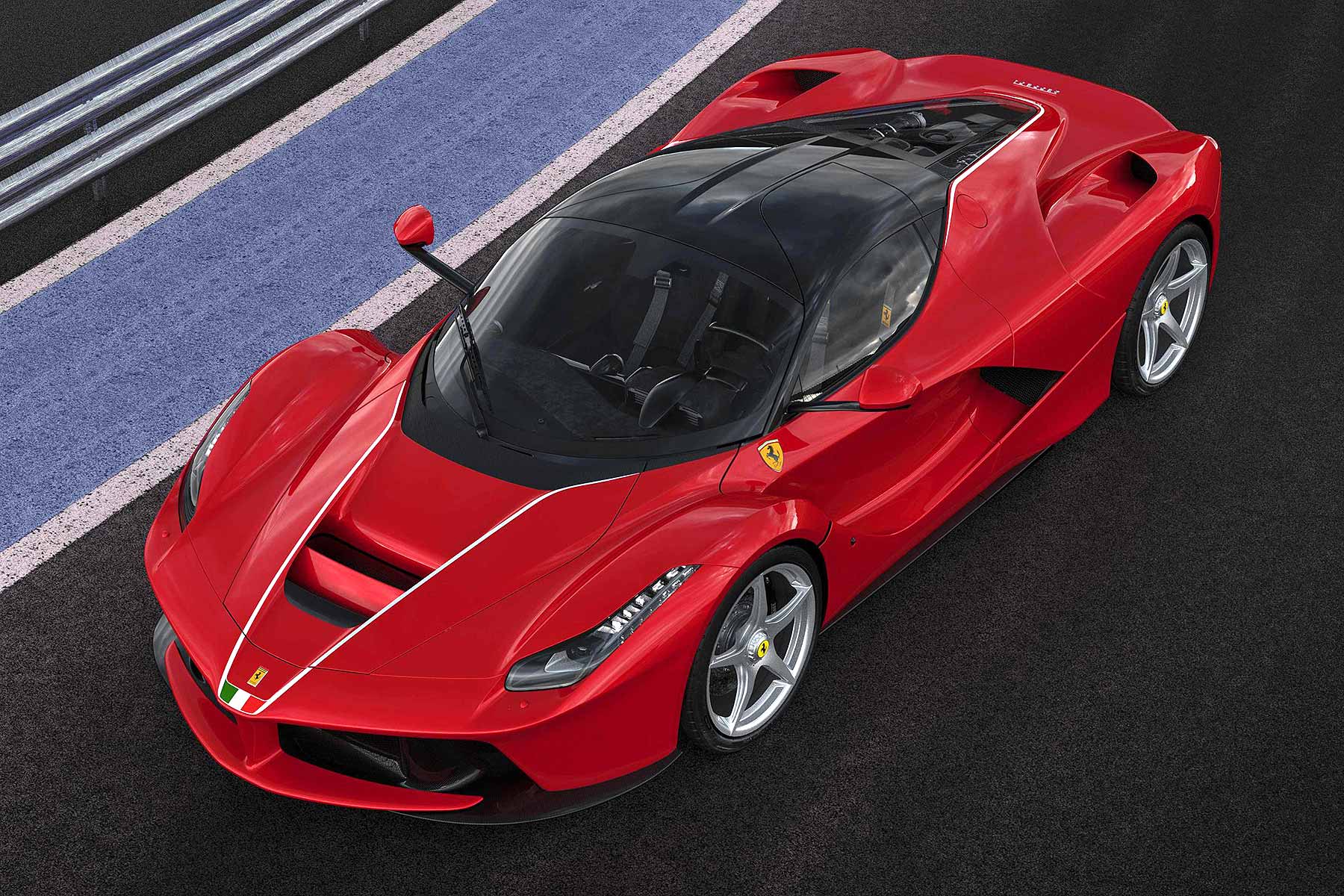
The 500th and final LaFerrari ever to be built has sold for a staggering £5.5 million at an auction in Daytona Beach, Florida – with all proceeds going to help reconstruct the Central Italy region devastated by 2016’s earthquakes.
That’s five times more than the other 499 LaFerraris cost when new.
Ferrari worked with RM Sotheby’s in the auction, and the two partnered with the National Italian American Foundation’s Earthquake Relief Fund.
The Italian firm announced back in August that it would donate the LaFerrari, previously part of its own collection, to the cause. RM Sotheby’s subsequently donated its services to sell the car for the highest possible price.
It’s a LaFerrari finished in a unique specification, too. It has a red exterior with white featureline, an Italian flag on the nose and, as a result of making so much for the earthquake relief fund in the special sale, will now have a commemorative plaque installed.
In selling for $7 million, it has become the most valuable 21st century car yet sold at auction.
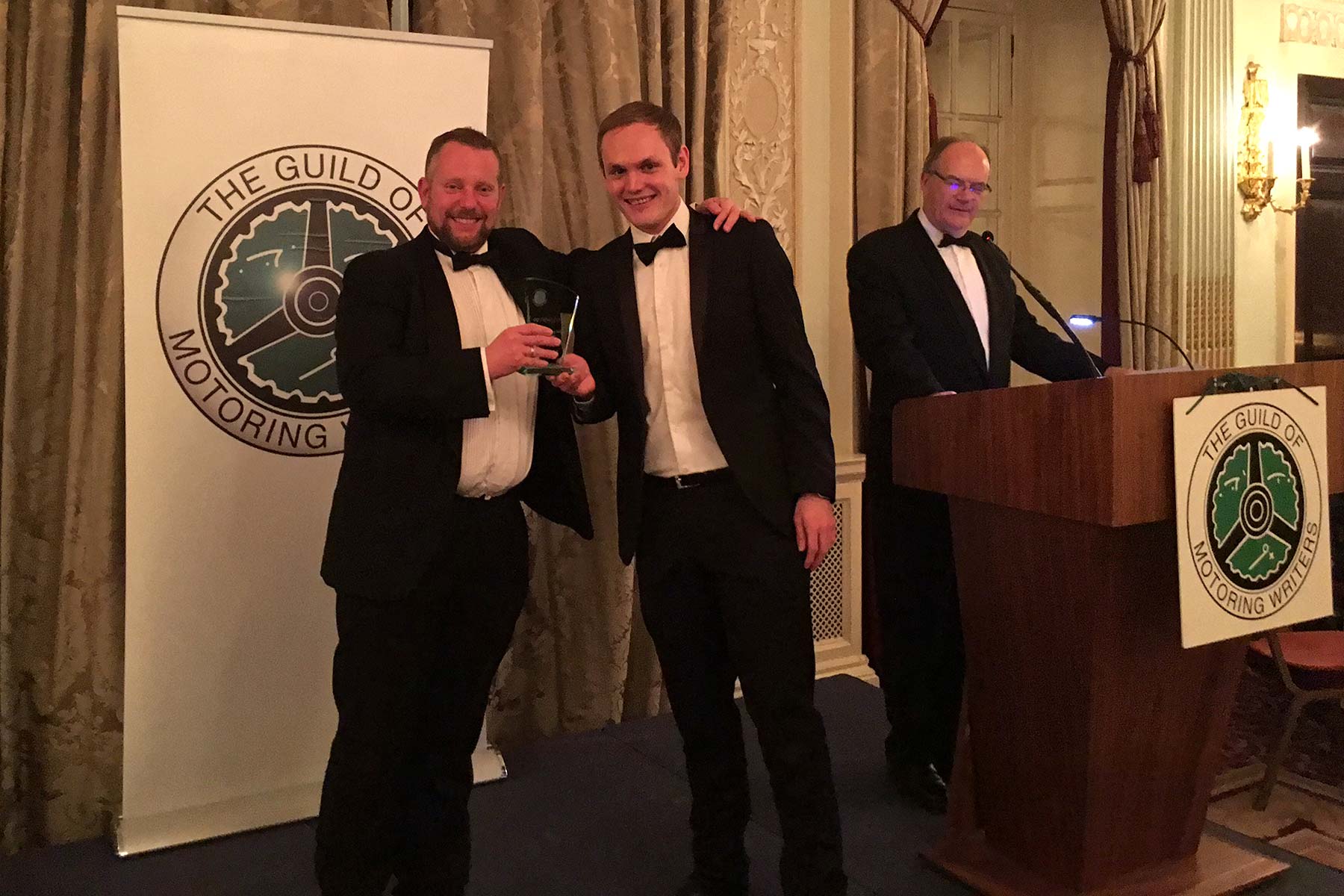
Motoring Research online editor Andrew Brady has been honoured with a major automotive journalism prize after winning the 2016 GoMW Newspress Young Journalist of the Year Award.
The prize, awarded by the Guild of Motoring Writers to recognise motoring journalism talent from those aged 30 or under, is a highly regarded award that rewards rising stars.
Andrew won for a series of features written for Motoring Research, including an exclusive news report on Ecotricity, an interview piece with Volkswagen’s marketing boss – and an expose on the Instagrammers who love rubbish cars.
In a shortlist of very talented writers, Andrew emerged as the winner thanks to his journalistic nous, engaging writing style and sharp focus on delivering what the reader wants.
It’s not the first time Andrew has won a prestigious Guild Award, either: in 2012, he won the Sir William Lyons Award for aspiring motoring journalists.
This long-running award celebrates its 50th anniversary in 2016.
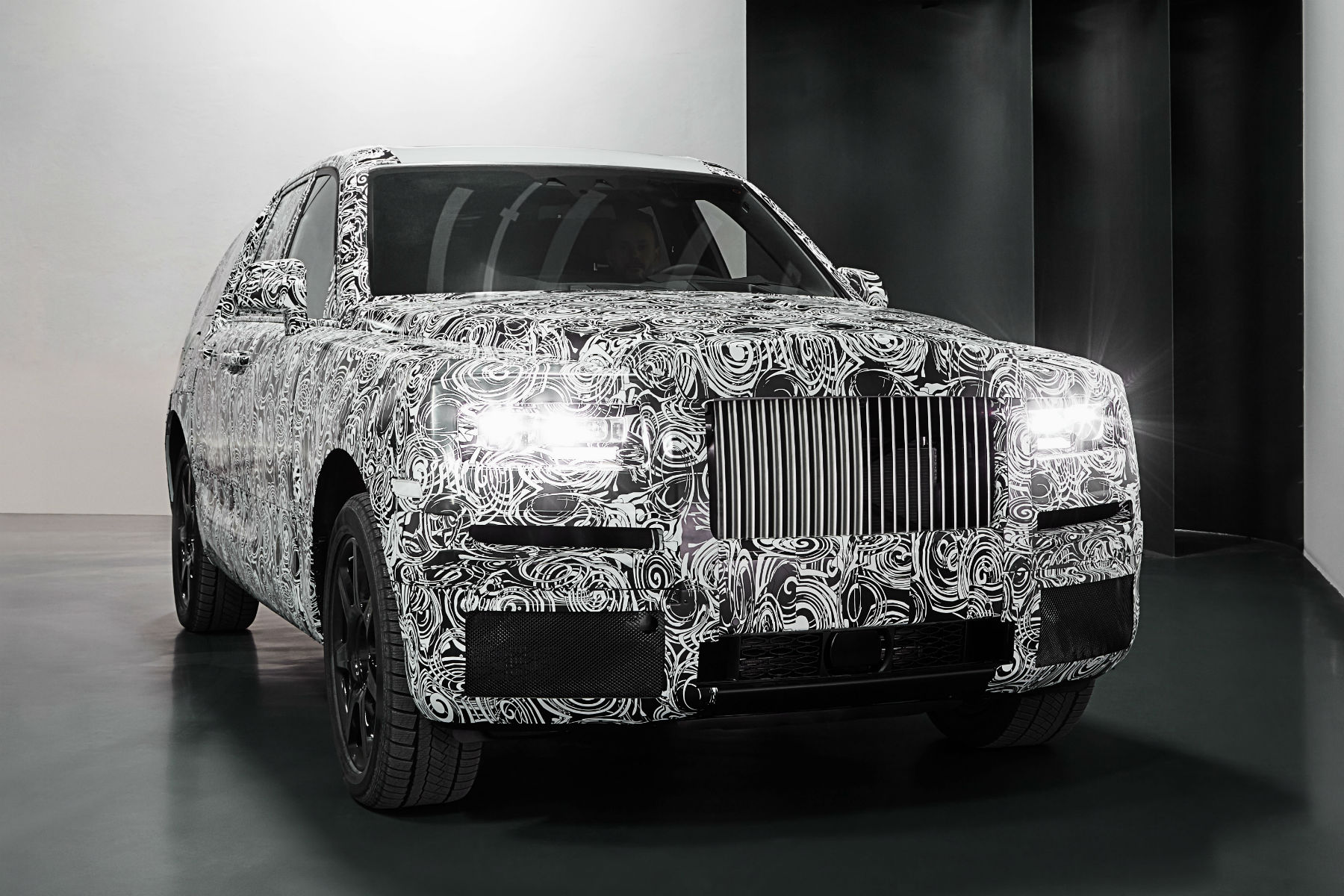
Rolls-Royce is to begin testing of its new SUV this week ahead of its 2018 launch – with the luxury car manufacturer releasing these pictures of a camouflaged prototype model.
In a statement released today, Rolls-Royce says testing will begin on Friday, with the “Project Cullinan” SUV undergoing cold weather durability and traction testing in the Arctic Circle from early next year.
Rolls-Royce: we’re building an SUV!
Rolls-Royce reveals shock SUV test mule
More car news on Motoring Research
It will then head to the Middle East later in 2017 for testing in high temperatures and desert conditions.
“This is an incredibly exciting moment in the development of Project Cullinan both for Rolls-Royce and for the patrons of luxury that follow us around the world,” said Rolls-Royce’s CEO, Torsten Müller-Ötvös.
“Bringing together the new four-wheel drive system and the new ‘architecture of luxury’ for the first time sets us on the road to creating a truly authentic Rolls-Royce which, like its forebears, will reset the standard by which all other luxury goods are judged.”
The firm first announced its “all-terrain, high-sided vehicle” in February 2015, before releasing these pictures of a bizarre Phantom-based test mule.
Project Cullinan is’s expected to have genuine off-road ability to rival a Range Rover, while its price tag could make the £162,000 Bentley Bentayga W12 look affordable.
Underpinning the SUV is a new aluminium architecture which will be used across the entire Rolls-Royce range from 2018.
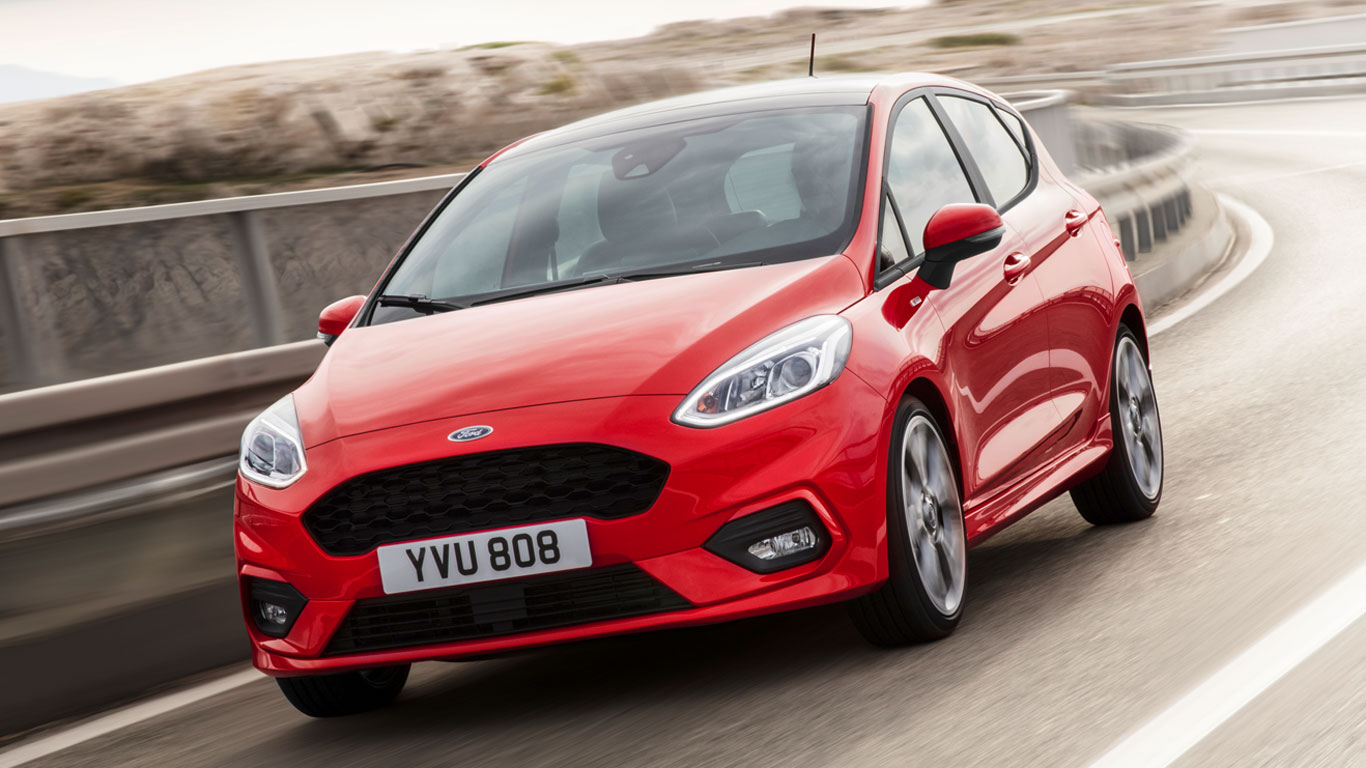
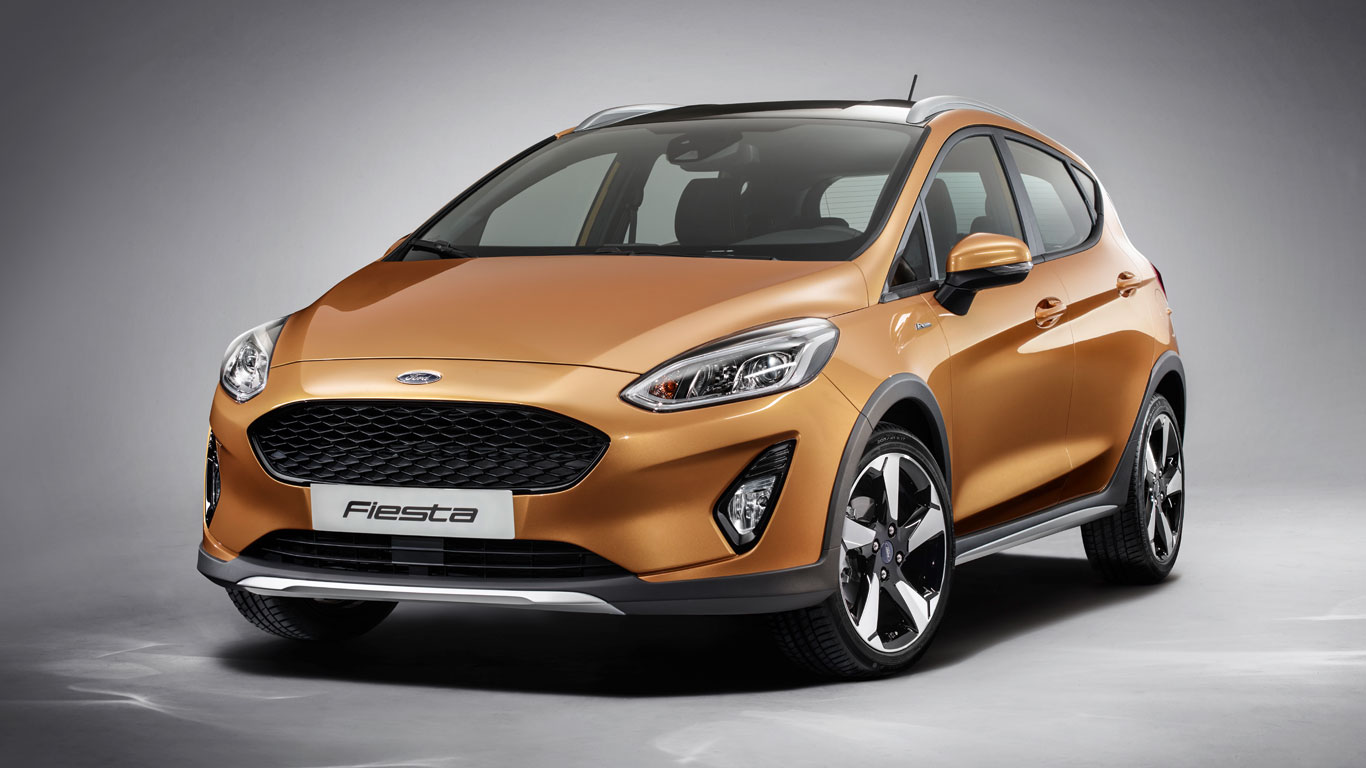
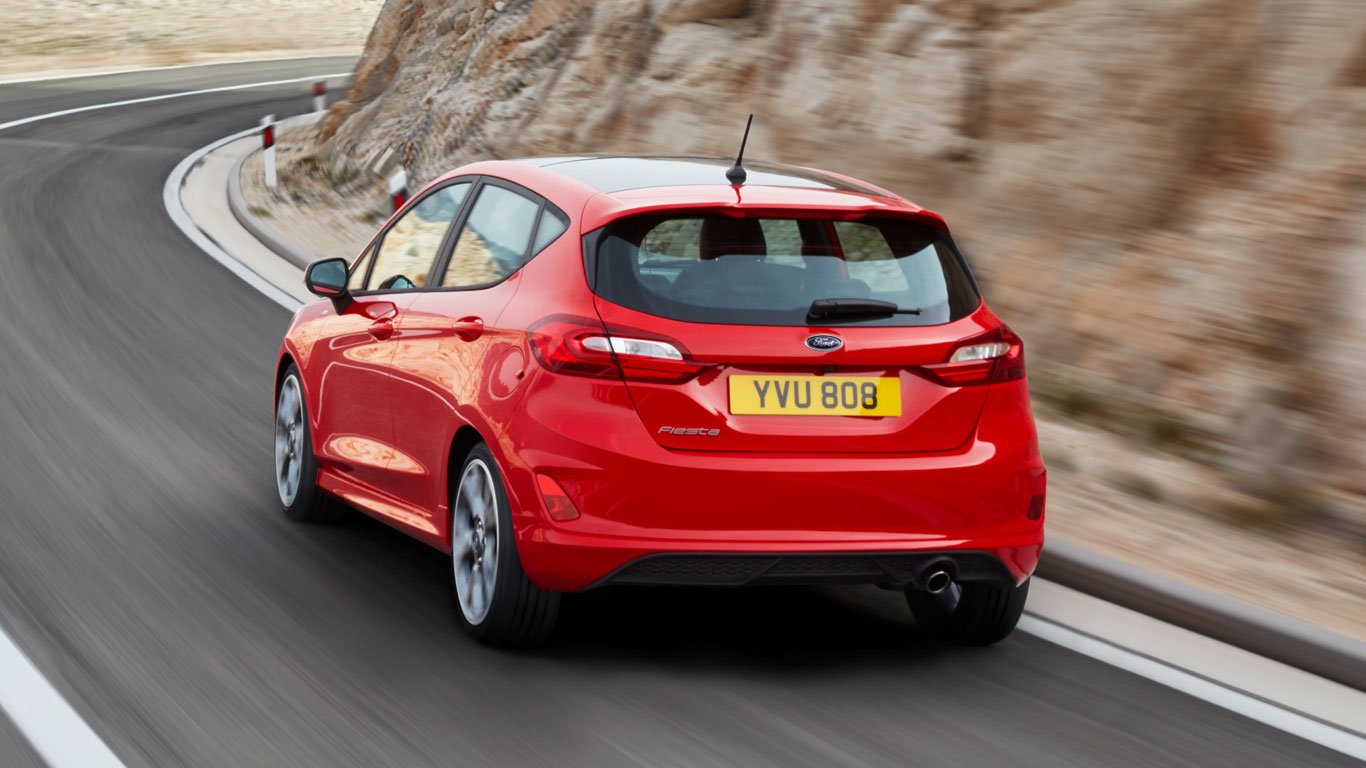
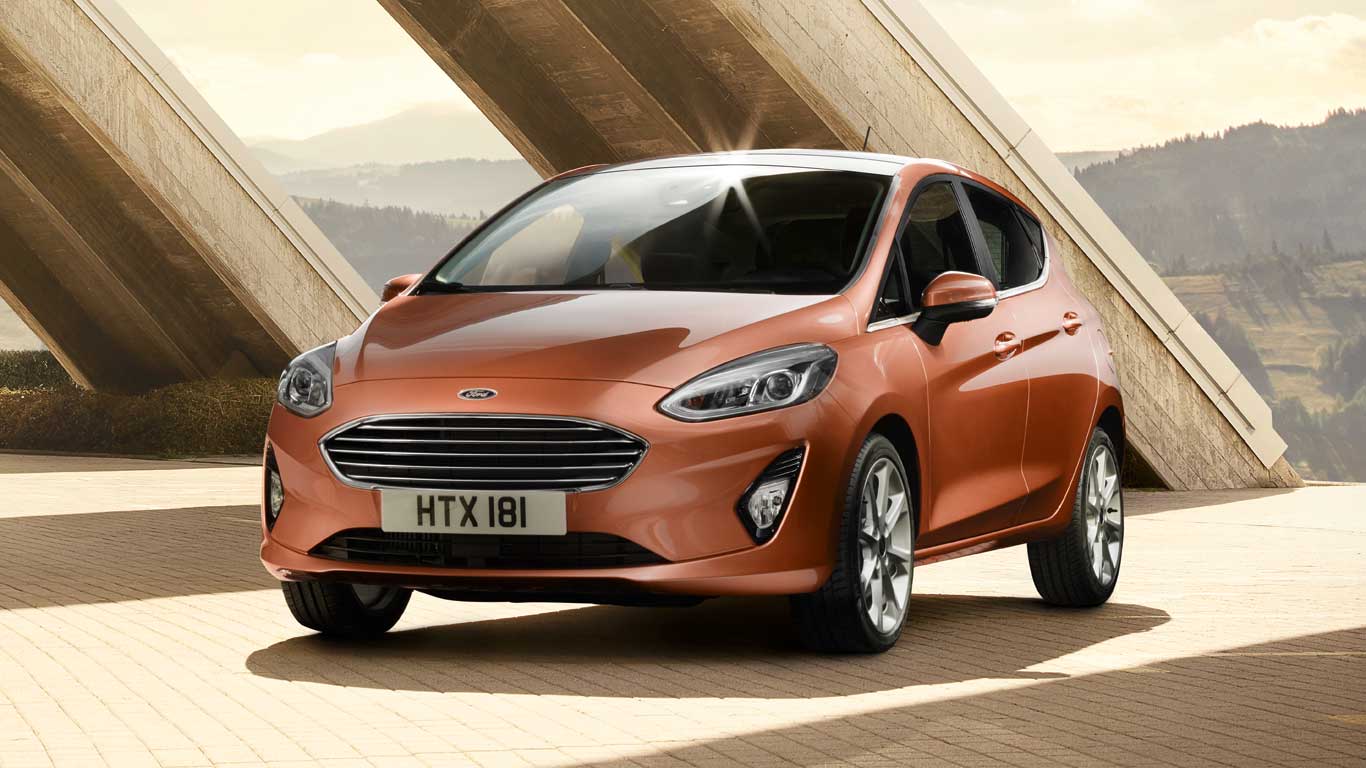
Ford has revealed its all-new 2017 Fiesta at a special event in Cologne. Despite remaining largely unchanged since 2008, the outgoing model had comfortably held its title of Britain’s best-selling car – so it’s important that Ford doesn’t mess up a winning formula.
Higher-spec Fiestas account for six in 10 sales. Indeed, the upscale Titanium alone accounts for one in every two Fiesta sales. Ford has therefore deliberately pushed the new one upmarket – and up in price. If it’s now too expensive, says the firm, take a look at the all-new, much-improved Ka+.
Ford Fiesta at 40: happy birthday to the UK’s favourite car
Revealed: the Ford Fiestas that never were
More car news on Motoring Research
There’ll be the usual ST-Line and Titanium trims…
Like the outgoing model, there’ll be the recently introduced ST-Line trim (replacing the old Zetec S), as well as classy Titanium.
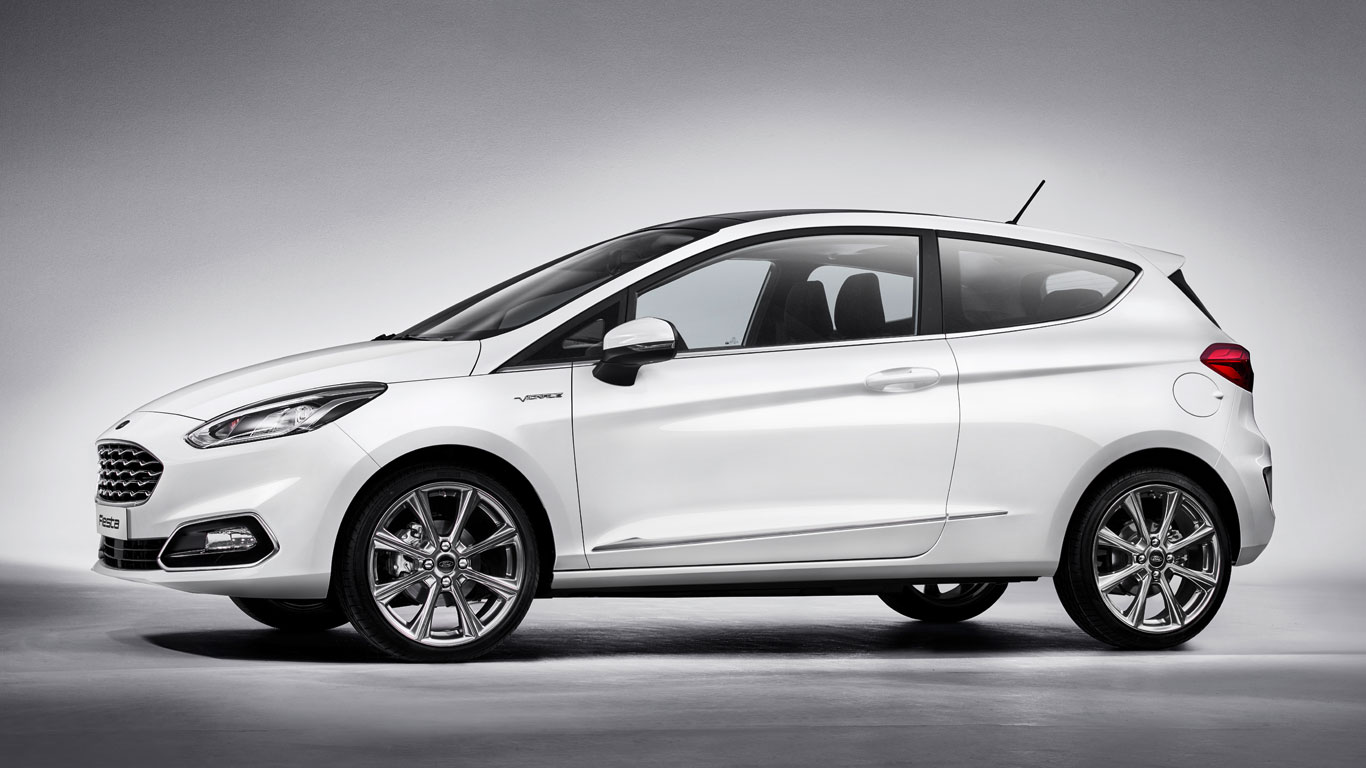
And there’ll be a posh Ford Fiesta Vignale
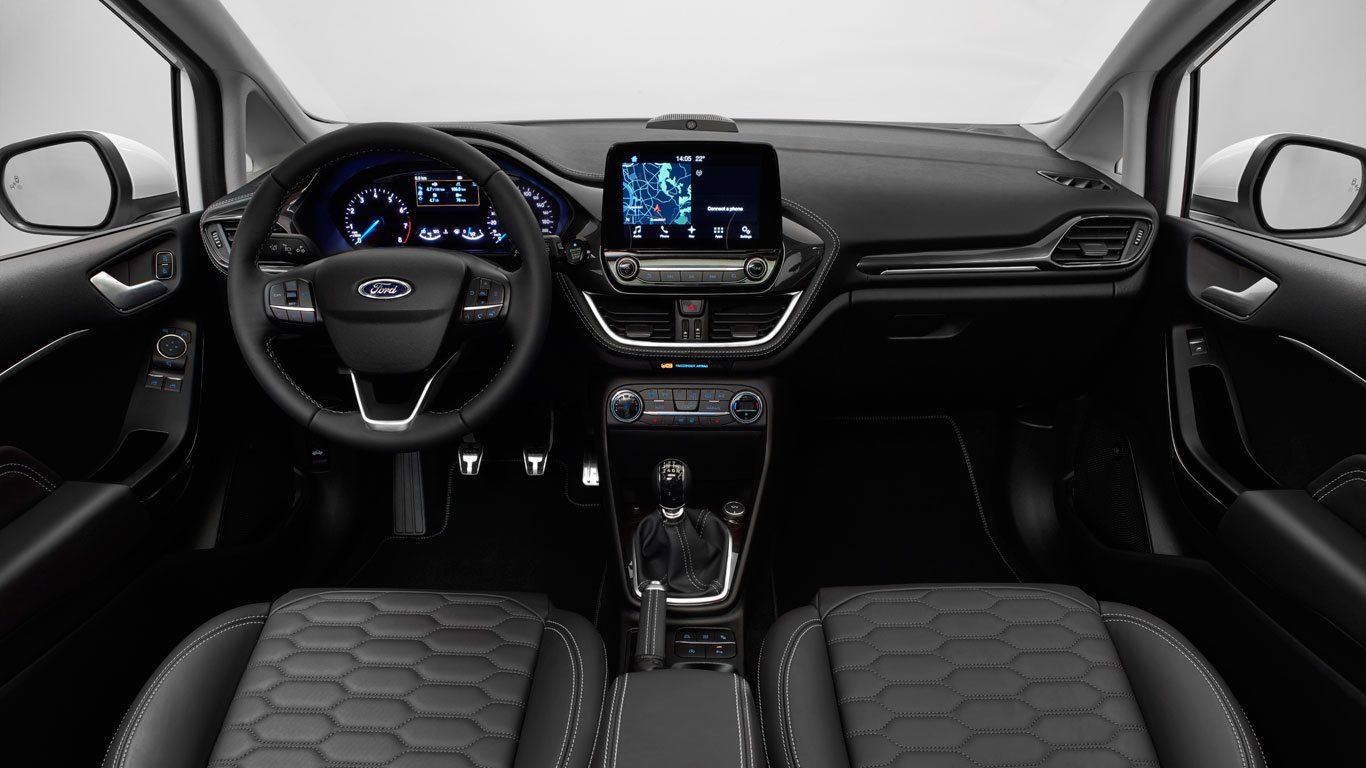
For the first time, the Ford Fiesta will be also available as a premium Vignale model, following in the footsteps of the Mondeo, Kuga, S-Max and Edge. Highlights of the Fiesta Vignale include bling 18-inch alloys, unique exterior detailing (we spy chrome) and quilted leather seats.
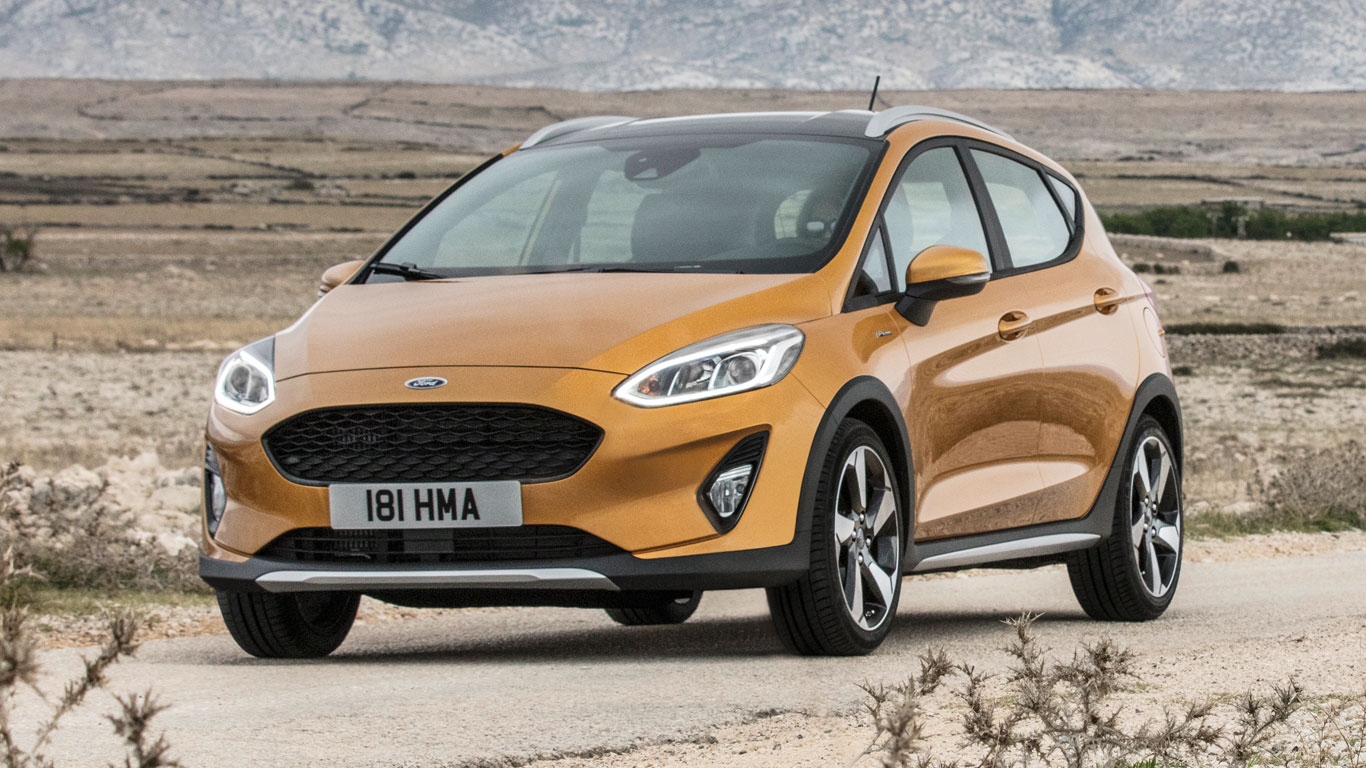
There’ll also be a jacked-up Ford Fiesta Active crossover
Remember the European Ford Fusion from 2002? Well it’s coming back… sort of. Ford’s launching a jacked-up crossover version of the Fiesta called the Active. It’ll be the first of a line of Active models being added to the range over the coming years, says the manufacturer.
Highlights include increased ground clearance, body cladding and a different coloured roof. Roof bars are fitted as standard, topping off the lifestyle look.
What engines are offered?
Buyers of the new Ford Fiesta wanting a petrol engine get the choice of the 1.0-litre Ecoboost petrol turbo from the outgoing model, in 100hp, 125hp and 140hp guises. There’s also a cheaper non-turbo three-cylinder 1.1-litre derived from the 1.0-litre Ecoboost.
Diesel fans can choose from the 1.5-litre TDCi in 85hp or 120hp guises. In the former, it’s expected to emit just 82g/km, while the latter is expected to emit 89g/km CO2.
Although ‘Eco’ buttons are commonplace on automatics, Ford’s adding one to the manual Fiesta. It adjusts engine and throttle settings to help drivers save fuel. There’s also stop/start offered on all engines, plus a clever active grille shutter fitted to the 1.0-litre Ecoboost and 85hp diesel engines.
A hot ST model will follow
If this all sounds a little sensible, don’t worry – a hot Fiesta ST is set to arrive later in 2017. It’s been spotted testing and is expected to use the same 1.6-litre petrol engine as its predecessor.
The Ford Fiesta has always been one of the best-handling cars in its class, and Ford says the new model will provide more grip, better performance and improved steering feel – not to mention improved ride quality and refinement.
The front track is 30mm wider, while the rear track has been widened by 10mm. The ground clearance is 4mm higher, meaning the suspension can cope with larger 18-inch alloys. A lighter front anti-roll bar improves steering feel, while steering friction is down by 20%. The gearbox also delivers smoother changes, says Ford.
It’s packed with tech
No fewer than two cameras, three radars and 12 ultrasonic sensors mean the Fiesta takes another step towards autonomous driving. Technology highlights include an enhanced version of Ford’s pre-collision assist with pedestrian detection. This can apply the brakes if it detects people in the dark who might be about to enter the road.
For the first time, the Fiesta will be offered with Ford’s self-parking system, including bay-parking. Usually it relies on the driver operating the pedals, but the car will now be able to apply the brakes if it detects an imminent collision.
Tech that’s trickled down from other models in the range also includes automatic high beam and traffic sign recognition. It will also offer cross-traffic alert, notifying the driver of approaching vehicles when reversing out of spaces.
Ford’s latest SYNC 3 infotainment system is being offered on the Fiesta for the first time. Using an eight-inch tablet-inspired touchscreen, SYNC 3 features DAB radio across the range, along with USB ports and Bluetooth connectivity as standard.
A B&O Play sound system uses 10 speakers to provide an ‘elevated audio experience’, says Ford. A CD player is optional, hipsters will be pleased to hear.
At last, the Fiesta offers the option of Apple CarPlay and Android Auto, as part of the SYNC 3 system. It will smoothly integrate with apps such as Spotify, so you can access almost every song and album in the world.
As part of its upmarket move, Ford says the Fiesta now delivers improved quality. Examples include parking sensors that are flush with the body panels, hidden windscreen washer nozzles and a tighter panel gap between the roof and the boot. Windscreen wipers now clean 13% more screen.
What about the Fiesta’s design?
We’ve got this far without discussing the Fiesta’s design. It’s certainly evolutionary in its approach, clearly a Fiesta, with headlights mimicking those of the Focus. It’s 71mm longer than its predecessor, and 12mm wider. The Fiesta has a more upmarket appearance, says Ford.
“Our customers’ ongoing overwhelmingly positive response to the dynamic design of today’s Fiesta is a significant factor in why Fiesta is still leading its segment, even after seven years,” said Ford of Europe’s design director, Joel Piaskowski.
“We evolved the design to make it more contemporary, yet not lose the ‘Fiesta-ness’ that the customers love. The next generation Fiesta is refined, yet much more sculpted with an equally emotional appeal. Fiesta’s exterior is visually simpler, allowing us to create stronger personalities within the expanded line-up, each with distinct fascias, grilles and details that will appeal to a much broader range of customers.”
For the first time ever, the Ford Fiesta is offered with a panoramic glass roof. The full-length roof is openable and stretches almost the entire width of the car.
Price and on-sale date
The Ford Fiesta will go on sale in the UK in June 2017. Prices are yet to be announced, but expect a small increase over the current £13,545 starting price.
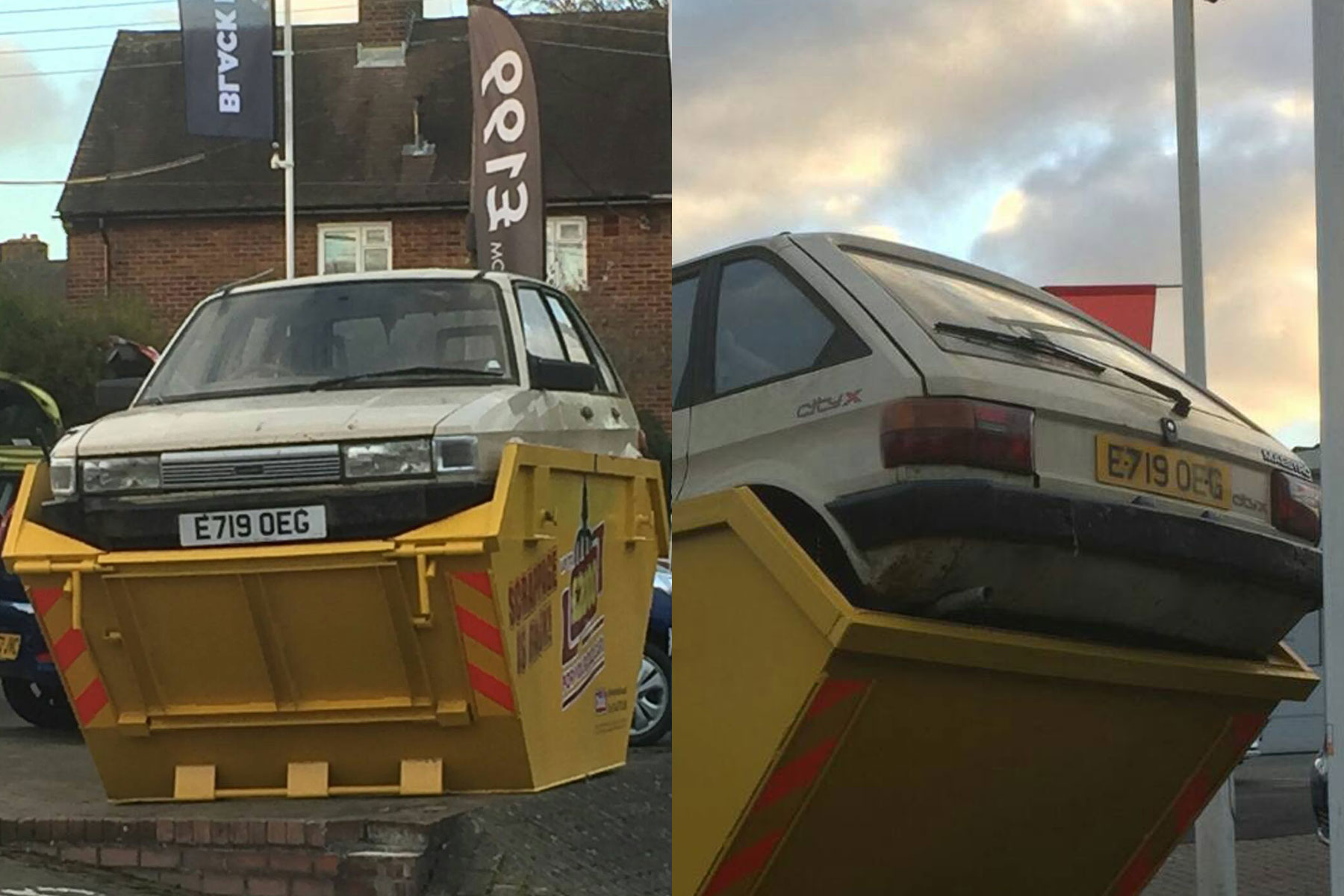
Angry classic car fans have taken to social media after a picture emerged of an Austin Maestro abandoned in a skip outside a Vauxhall dealer in Suffolk.
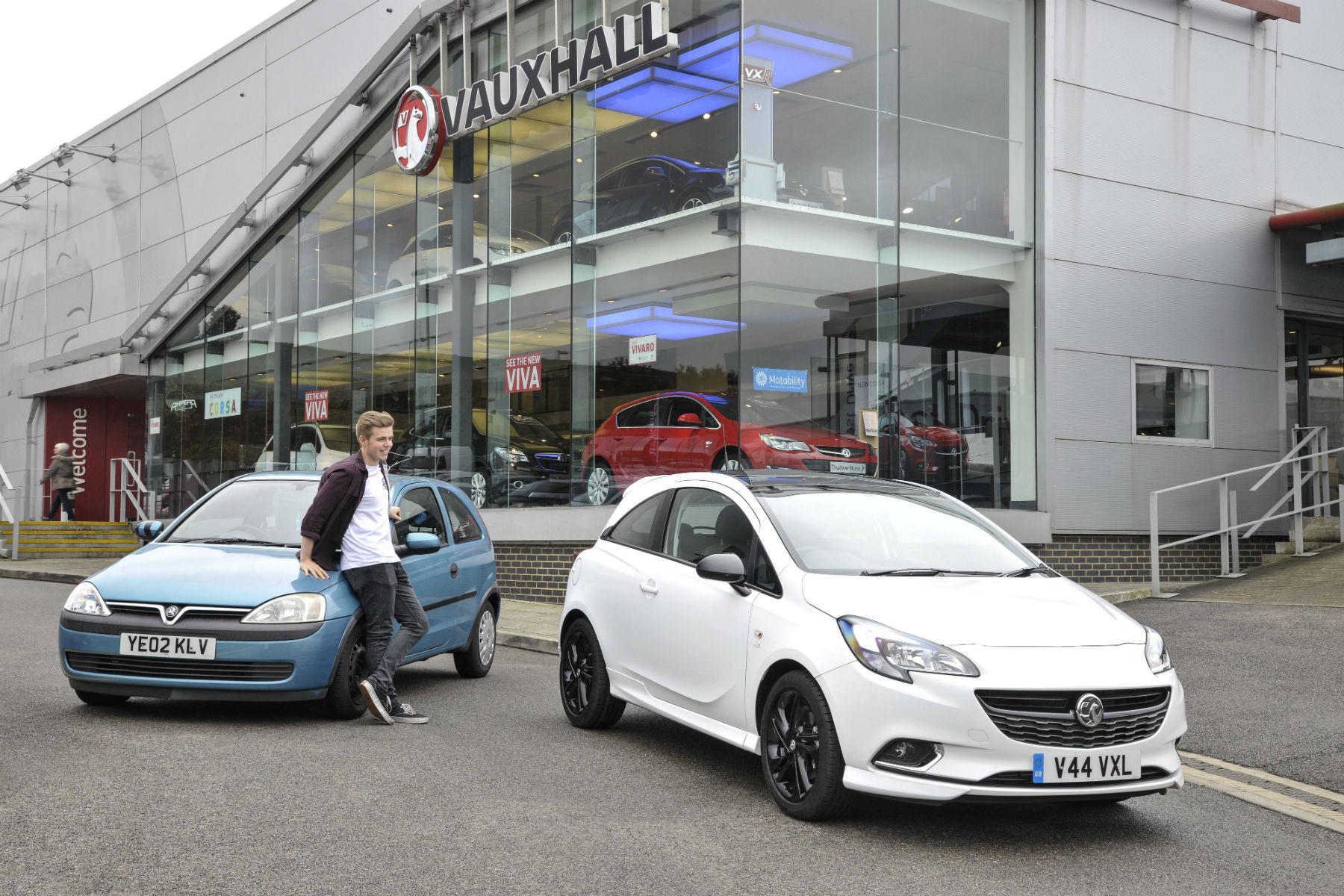
The advertising stunt is part of a promotion for the car manufacturer’s latest offer, which apes the controversial scrappage scheme introduced by the government in 2009.
Revealed: 14% drop in cars being scrapped as metal prices fall
Government urged to save cars traded in under scrappage scheme
More car news on Motoring Research
The official scheme saw nearly 4,000 old bangers scrapped when their owners part-exchanged them for a new model in return for £2,000 off the list price – causing outrage when rare or interesting cars were traded in as the rules said they could not remain on the road.
Vauxhall’s latest offer gives customers £2,000 off a new model whenever they part exchange their car – and, like the original scheme, dealers are being told that trade-ins must be scrapped.
However, in a move to keep classic car owners on side, the car company says it will flag up any cars made before 1991 before scrapping them.
“Vauxhall’s scrappage programme is not designed to rid the world of classic cars,” the car manufacturer said in a statement. “As a result, Autogreen, Vauxhall’s recycling partner, will identify any cars manufactured prior to 1991 that are presented through the scheme and inform Vauxhall’s Luton HQ.
“Relevant owners’ clubs will then be notified, giving them the opportunity to purchase parts through the Authorised Treatment Facility.”
Vauxhall’s product and heritage PR manager, Simon Hucknall, added: “Vauxhall has immense respect for the UK’s classic car groups, irrespective of what make or model they support.
“The Scrappage Allowance is designed to capture vehicles that are beyond economical repair, and given the low value of scrap metal, recycling of parts is vital to the scheme’s viability. We’re also confident that the number of genuine classics over 25 years old presented to the scheme will be minimal, especially given the steady rise in value of even the most mainstream collectors’ cars in recent years. But if we do see any, our ‘safety-net’ will ensure that classic car owners and clubs will benefit.”
UPDATE: On the Maestro itself, Hucknall has since contacted Motoring Research to add: “We have seen the picture of the Austin Maestro outside the Vauxhall dealership and would like to emphasise that this vehicle has not been presented as part of Vauxhall’s Scrappage Programme.
“The retailer concerned, which is an independently run business, has used the car to promote the scheme. Had this very car been presented as part of Vauxhall’s Scrappage programme, we would have been alerted by Autogreen, our recycling partner, due to its age and a relevant owners club would have been alerted, giving members the chance to purchase parts from the car.
“As a manufacturer that respects Britain’s motoring heritage, no matter what the make or model, we would make sure that this Maestro was treated with respect.”
But classic car enthusiasts aren’t satisfied – branding the stunt carried out at the Drive Vauxhall dealership in Haverhill, Suffolk, a “disgrace”.
Commenting on the photos, which showed a beige 1988 Austin Maestro City X in a skip and were posted in the Pride of Longbridge Facebook group, Chris Denyer said: “It’s worth saving… it’s a British 80’s retro car. It’s going to get valuable, mark my words!”
But others pointed out that the car – which hasn’t been MOTed since 2008 – could require a lot of work to make it roadworthy.
“Oh look, a skip in a skip,” commented Martin Burston.
In a joke about the ongoing Zafira fires issue, Andie Nelson said: “Well they’re not going to put a Zafira in it are they? All skips say ‘No Fires’ on them!”
A number of posters have said they have contacted the dealership asking if they can rescue the Maestro, but have so far not received a reply.
Vauxhall’s scrappage scheme is eligible on cars ordered before the 18th December which are then registered by 31st December 2016.
The rules says that cars being traded-in must be registered to the customer at least 90 days prior to the order date of the new vehicle – meaning you can’t buy an old banger just to save £2,000 on a new Vauxhall.
I’ve just written a rambling piece on the increasing popularity of the crossover, in which I challenge the misconception that the Nissan Qashqai was the first of its breed. In fairness, Sunderland’s finest export was the first car to be called a crossover, and it was – and still is – one of the most popular vehicles of recent times.
But what of the crossovers that were built before the crossover was a thing? Here’s a selection of just some of the cars that blurred the automotive lines before the Qashqai was a sketch in a Nissan design studio.
Opinion: crossovers are big, but they aren’t clever
Best used crossovers and SUVs for £10,000
More car features on Motoring Research
1: Matra Rancho
Much maligned when new, but with the benefit of hindsight, seriously cool, the Matra Rancho was a pioneering vehicle. That’s assuming your pioneering spirit didn’t take you too far off the beaten track, because despite the ‘Land Rover Discovery before its time’ styling, this French soft-roader was strictly two-wheel drive only.
Production ended in 1984, by which time Matra had shifted its focus to the original Renault Espace, itself another pioneering vehicle. But having arrived in 1977, the Rancho pre-dates the Qashqai by three decades.
2: Toyota RAV4
Toyota claims the RAV4 was the world’s first recreational compact SUV. Launched as a three-door in 1994, the RAV4 could boast permanent all-wheel drive and a 2.0-litre 16-valve petrol engine.
“The RAV4 (Recreational Active Vehicle with 4WD) sets new standards in the small four wheel drive or sport utility sector and is designed for those with active lifestyles, a sense of fun and who want to be just a little different,” said Toyota at the time. Two decades on, buying a crossover is the last thing you should do if you want to be different.
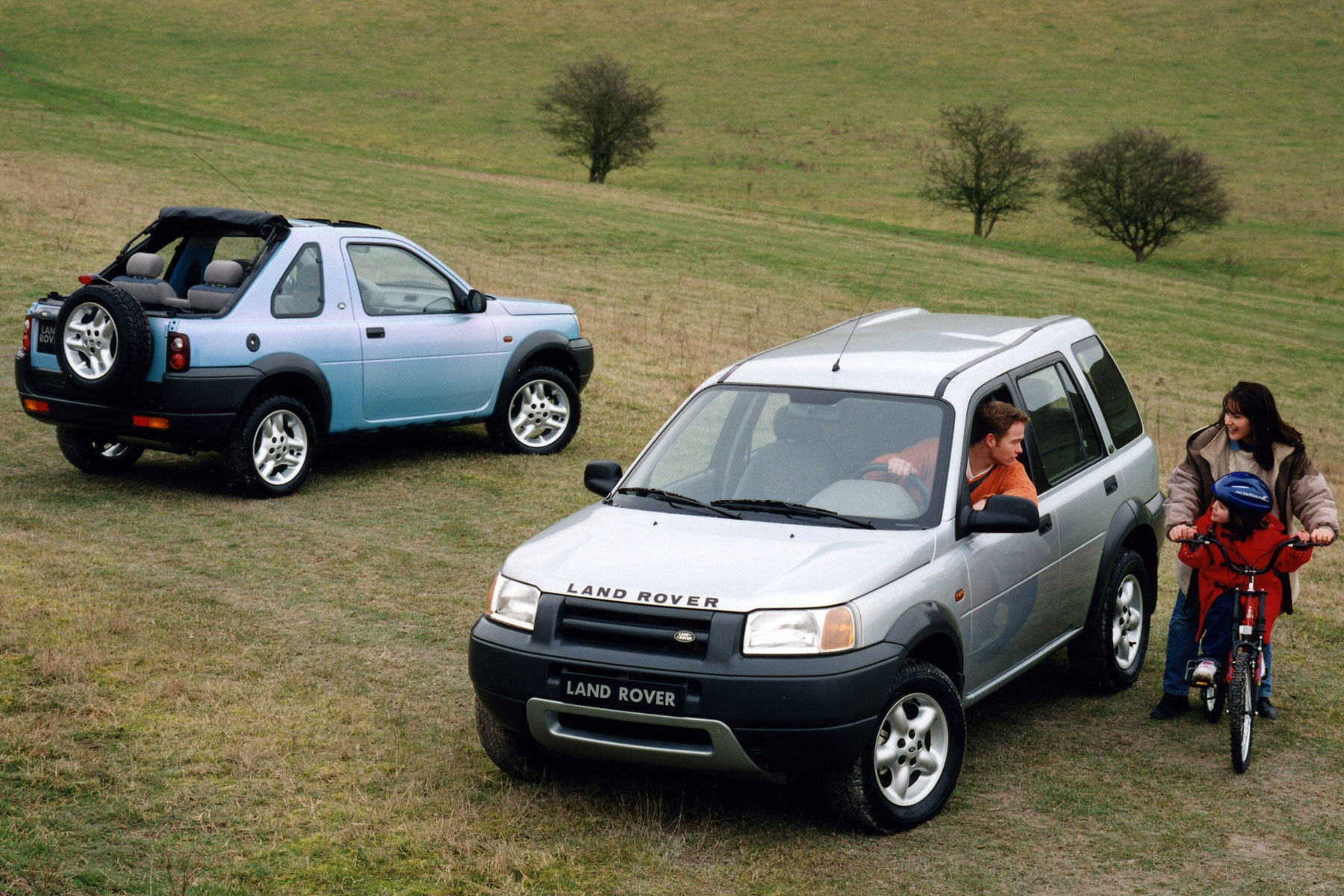
3: Land Rover Freelander
With a strong wind, Land Rover could have beaten the RAV4 to market by a good few years. The Freelander can trace its roots back to the late 1980s, when Land Rover began thinking about a smaller sibling for the Discovery. As it was, the Freelander launch in 1997 was perfectly timed to coincide with a new wave of lifestyle SUVs arriving from the Far East.
In truth, the Freelander was as much a full-fat SUV as it was a crossover – certainly when you consider what passes as a crossover today – but by positioning it as a lifestyle vehicle and keeping the price low, Land Rover hit the mark. It’s just a shame so many early cars were dogged by reliability and quality issues.
Honda HR-V
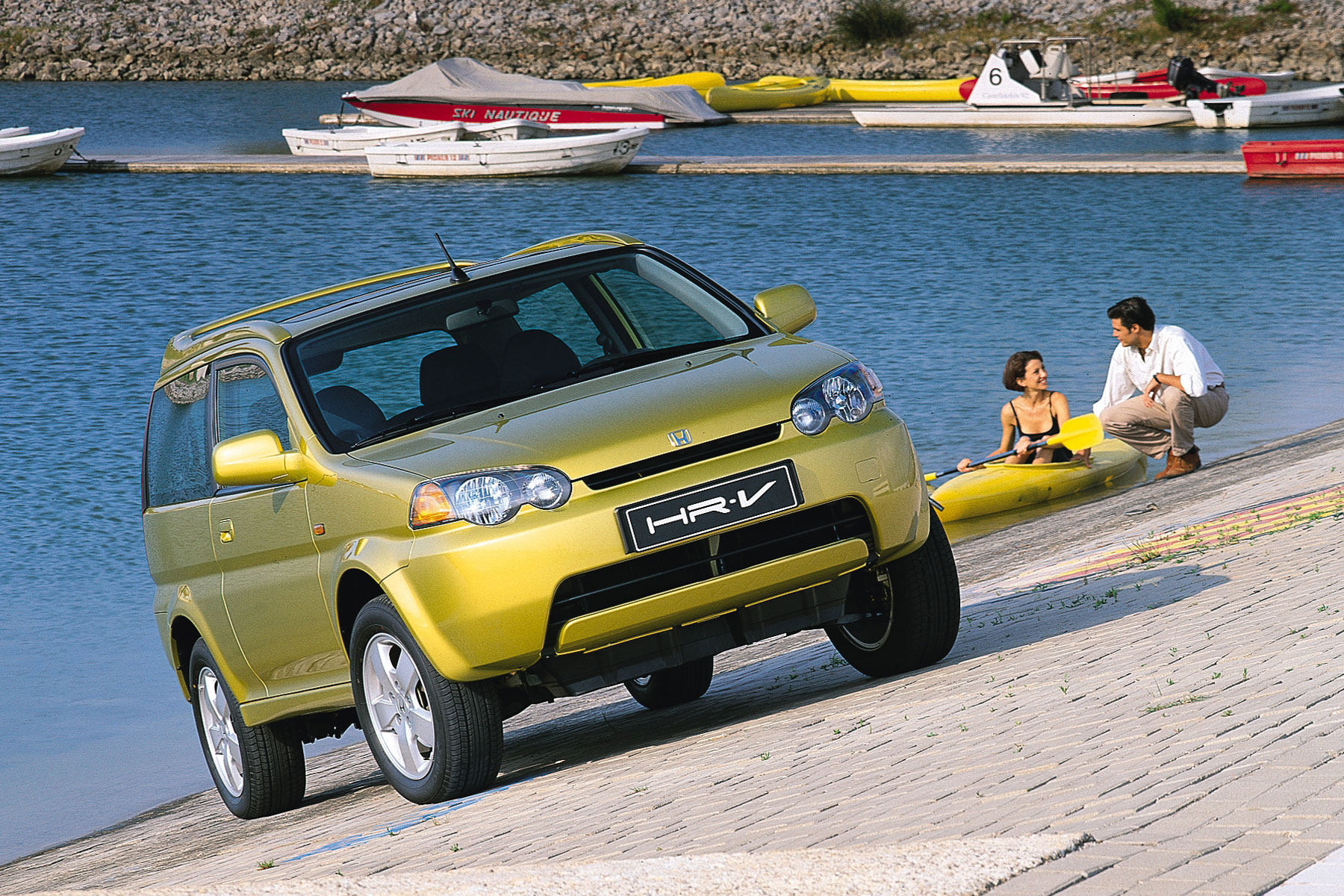
The Honda CR-V might have been the Freelander’s chief rival, but the original HR-V was the true crossover. Launched in 1999, the HR-V was part hot hatch, part estate car, part SUV, but also 100% joyous. The original three-door HRV was, after all, positioned as the ‘Joy Machine’.
It was positively dripping in lifestyle, with an achingly cool ‘shooting brake on stilts’ body, five cupholders, a storage net for your mobile phone and two gloveboxes. At the time, its ‘Dual Pump’ four-wheel drive system was properly innovative, too. In short: the HR-V was cool in a manner a modern crossover can only dream of.
AMC Eagle
If the HR-V was part hot hatch, part estate car and part SUV, the AMC Eagle was part car, part truck and part 4×4 – a proper crossover, then. Launched in the late 1970s, the Eagle was available in a number of different body styles, including a delightful two-door coupe.
In 1979, Popular Science likened the Eagle’s off-road ability to that of a mountain goat, while praising its on-road ride and handling. God bless America for building a proper crossover that was way ahead of the curve.
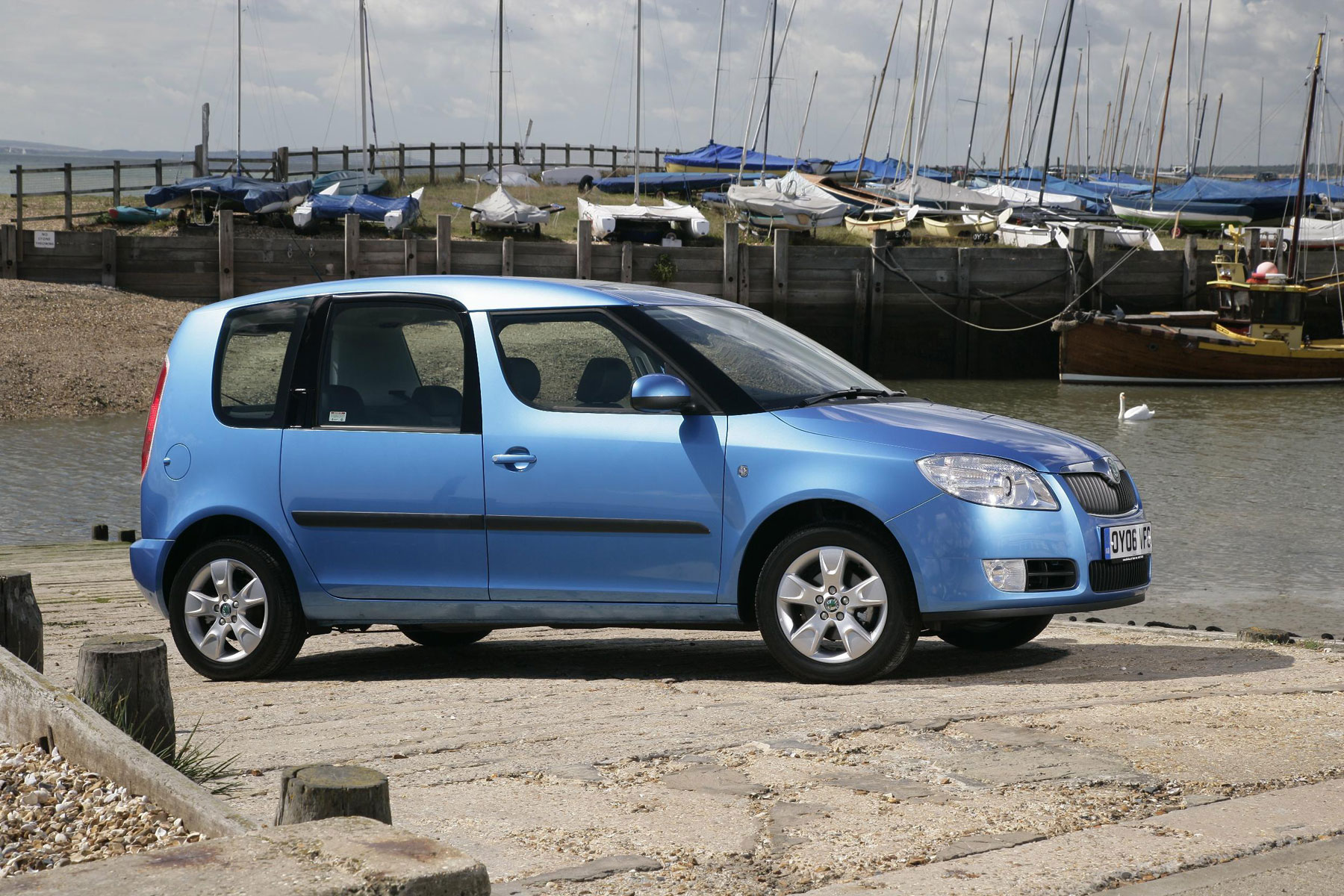
Skoda Roomster
You’ll need to adopt some leftfield thinking to allow the Skoda Roomster into a crossover gallery, but hear me out. Who said a crossover has to be part hatchback, part SUV? The Roomster – which was based on a concept car from 2003 – offered the practicality of a van with the dynamics of a car.
In many ways, it was the sensible alternative to the likes of the Citroen Berlingo and Renault Kangoo, boasting 450 litres of boot space. Note the ‘Popemobile’ styling, which helped to cement Skoda’s proud claim that it offered two distinct spaces – a ‘Living Room’ and a ‘Driving Room’. The Roomster is no-nonsense motoring at its finest.
Subaru Forester
In the Leone AWD, Subaru is able to claim the world’s first jacked-up off-road estate car, but the Forester was its first attempt at a true crossover. Launched in 1997, the original Forester was, according to Subaru, “SUV tough, car easy”, offering a near-perfect blend of on-road comfort and off-road ability.
It was based on the Impreza, which itself spawned the brilliantly-named Gravel Express.
Toyota Tercel
TV fans will recognise the Toyota Tercel as Jesse Pinkman’s vehicle of choice in Breaking Bad. It’s fair to say that Toyota didn’t have the transportation of illegal substances in its mind when it launched the Tercel back in 1983, but that large load area and ‘flick in, flick out’ four-wheel drive meant that it was an ideal winter wagon.
The styling was an acquired taste – not least the ‘greenhouse’ rear windows and ‘ATM machine’ on the tailgate – but by marketing the Tercel at folk who wanted to venture off the beaten track but didn’t want an SUV, Toyota was ahead of the game.
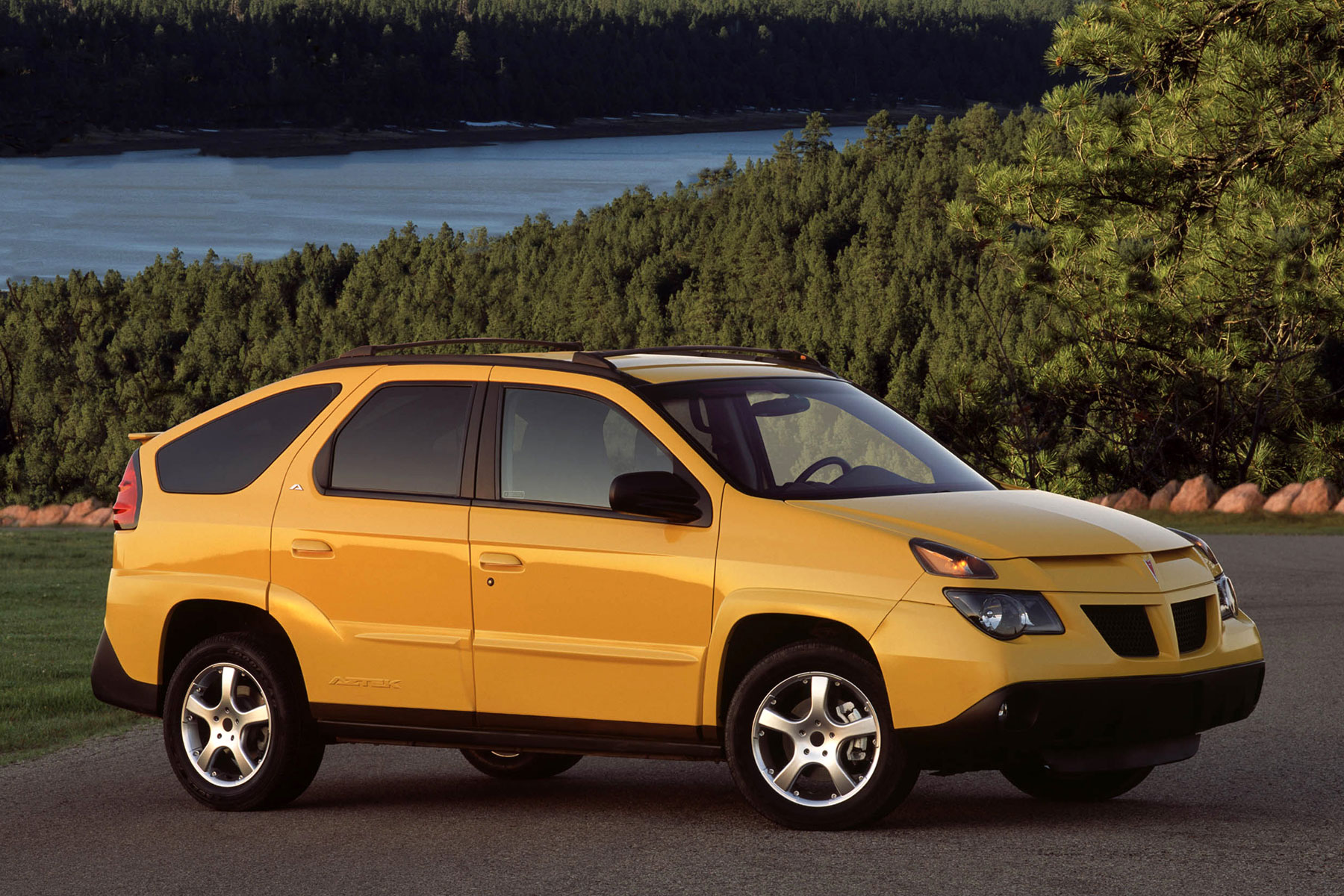
Pontiac Aztek
Yes, it’s another car that was thrust back into the limelight by a starring role in Breaking Bad. Casting the Pontiac Aztek as Walter White’s choice of wheels was a stroke of genius, as this much-maligned crossover is high on comedic value and intrigue.
That it often appears on lists of the ugliest and worst cars of all-time hides the fact that GM set out with the best intentions for the Aztek. It was versatile and could be accessorised with everything from a tent to racks for bikes, canoes and snowboards. Popular it might not be, but a crossover it most certainly was.
It’s ten years since the launch of the Nissan Qashqai – widely considered to be the world’s first crossover.
Sure, the Qashqai wasn’t really the first crossover to grace the tarmac driveways of suburbia – you can credit Nissan’s marketing team for its part in this common misconception – but it did shake things up a little. And by little, I mean a lot.
10 crossovers that beat the Nissan Qashqai to market
Best used crossovers and SUVs for £10,000
More opinion pieces on Motoring Research
Other carmakers had tried to convince Mr and Mrs Family that there was a crossover-shaped hole in their lives, but it wasn’t until the first Qashqai rolled off the Sunderland production line in December 2006 that this new segment finally took hold.
Simply by being the first out of the blocks, the Nissan Qashqai was able to steal a march over its competitors, quickly becoming the brand generic for what became known as a crossover. Three years later, Nissan gave birth to a smaller sibling in the shape of the Juke and the rest, as they say, is history.
In basic terms, defining a crossover is relatively simple. Combine hatchback dynamics and running costs with the practicality and high driving position of an SUV and, hey presto, a crossover is born.
But it’s not as straightforward as that. Many crossovers offer the option of four-wheel drive, taking them perilously close to what we would – in simpler times – have called an SUV. Actually, scrub that, we’d have called them a 4×4.
This blurring of the lines has resulted in SUVs becoming the dominant sector in Europe, with its market share growing from 19.8% to 22.5% in 2015. The star players: Renault Captur (small SUV), Nissan Qashqai (compact SUV), Volvo XC60 (mid-size SUV) and BMW X5 (large SUV).
The upward trend is set to continue, with JATO Dynamics reporting that SUVs and Vans were the only segments to grow their sales across the five big European markets in October 2016. Meanwhile, MPVs, city cars and medium saloons appear to be spiralling into the abyss.
Soon, the roads will be littered with these odd looking cars with equally odd sounding names. Estate cars, saloons, even hatchbacks will be confined to the history books as carmakers seek to quench our thirst for these high-riding hatchbacks.
Don’t get me wrong, I can see the appeal. We feel safer when perched high above the road, with a commanding view over the traffic ahead. No longer the preserve of the Range Rover driver, today you too can feel imperious at the wheel, and you need not remortgage the Victorian semi to be able to fund the experience.
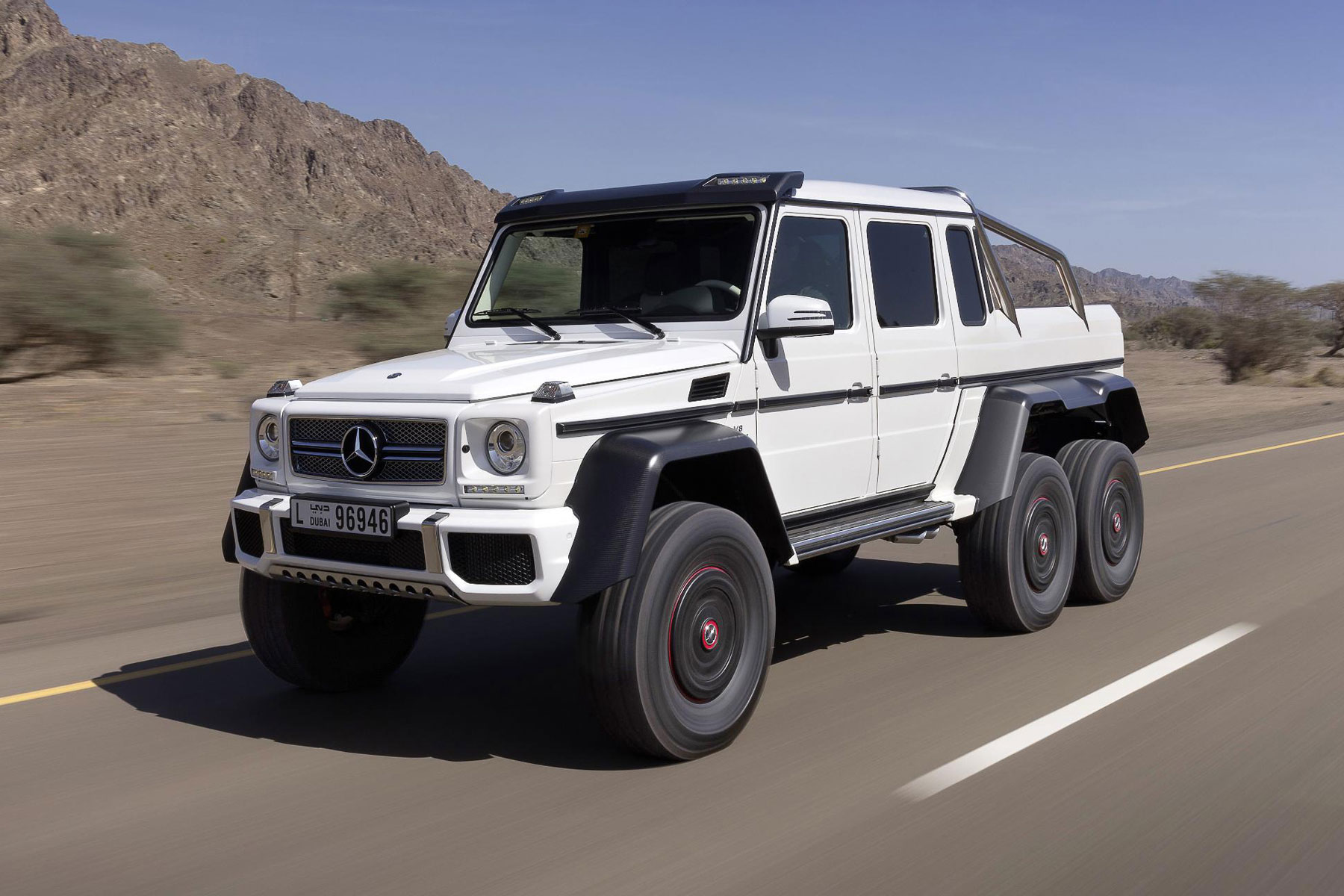
But answer me this: what happens when we’re all driving crossovers and SUVs? The commanding driving position will simply give you an elevated view of the equally tall car in front of you. You’ll need a six-wheeled Mercedes-AMG if you want to stay a cut above the rest.
Terror awaits in the retail shopping centre car park, too. According to a recent study, the average parking space is 4.8m long and 2.4m wide, which is too small for some large SUVs.
Our love of obese cars is being blamed by the increase in the number of car park accidents, which now account for a whopping 30% of all prangs in the UK.
In response, NCP told The Times that it intends to increase the size of its parking bays, as it recognises “that vehicles are growing in size, especially SUVs”. Good news? Perhaps not.
Something will have to give. At best, there will be fewer spaces to choose from, which might lead to more incidents of parking rage (if parking rage actually exists). At worst, parking operators will be encouraged to increase prices as it minimises the prospect of lost revenue from fewer bays.
And when you emerge from the shops, armed with bags for life packed with expensive gear you probably didn’t need, you’ll find the crossover isn’t quite as practical as you would have hoped. The Nissan Qashqai – Britain’s favourite crossover – offers 430 litres of boot space.
Not bad, you might think, especially when you consider the fact that the Ford Focus hatchback offers a paltry 316 litres of shopping capacity. But that’s not the end of the story.
Back in the day, motorists who demanded a little more practicality bought an estate car. And the Ford Focus estate offers 476 litres of boot space – 46 litres more than the Qashqai. It’s narrower, too, so you’ll have no problems exiting your car in a modern slim-size parking bay.
Not only that, the Focus will be better to drive and doesn’t have the appearance of a Tonka toy making its way out of Mothercare. And don’t get me started on the behaviour of some crossover drivers.
Ever since Nissan promoted the original Qashqai as “more tough” and “urbanproof”, some drivers have had the mistaken belief that they can charge about the streets as if they were pushing a Matchbox toy car along the living room floor.
Confession time: as my colleagues have told me, I have an “unconventional taste in cars” and have never been one to “follow the herd”.
I’m acutely aware that my tastes are of the acquired kind. I found love in a hopeless place (Nissan Pulsar 190) and would choose a Suzuki Swift Sport over any of the current breed of mega-horsepower hot hatches.
It’s just that I steadfastly refuse to accept that a crossover offers any tangible benefit over a decent estate car. I’d take a Subaru Outback, Audi Allroad or Volvo XC70 over any of the current breed of crossovers.
And don’t think for one minute that I’m not a fan of proper SUVs. Proper, authentic 4x4s remain joyous machines and I can certainly see the appeal of a Toyota Land Cruiser or Land Rover Discovery. If had to choose one car for the rest of my life, I’d have no hesitation in asking for a Volvo XC90 T8.
Does this make me a hypocrite? I don’t think so. There’s no mixed messaging with a proper SUV – it does exactly what it says in the brochure. Conversely, an extra large two-wheel drive hatchback with a styling bypass offers some of the looks with none of the talents.
Granted, a two-wheel drive crossover will be cheaper to run than a four-wheel drive SUV, but if efficiency tops your list of priorities, you can buy an even more practical diesel estate. It’ll be nicer to drive, easier to park and won’t give you the look of someone who has given up on life.
And while you might point to the raft of cutting edge technologies found in a modern crossover, I’d simply say they are also available in superminis, hatchbacks and saloons.
What we’ve got is a me-too culture in which crossovers have become the dominant force. It’s a little like the dawn of the hatchback, which led to the nation falling out of love with conventional family saloons.
But these hatchbacks used the same footprint as the cars they replaced and offered genuine ingenuity in terms of packaging. A modern crossover has got nothing on say the Renault 16.
No, the ingenuity of the crossover lies in the selling of a lifestyle. A crossover is positioned as the only car that can handle our active and hectic lives – other cars are simply not up to the task.
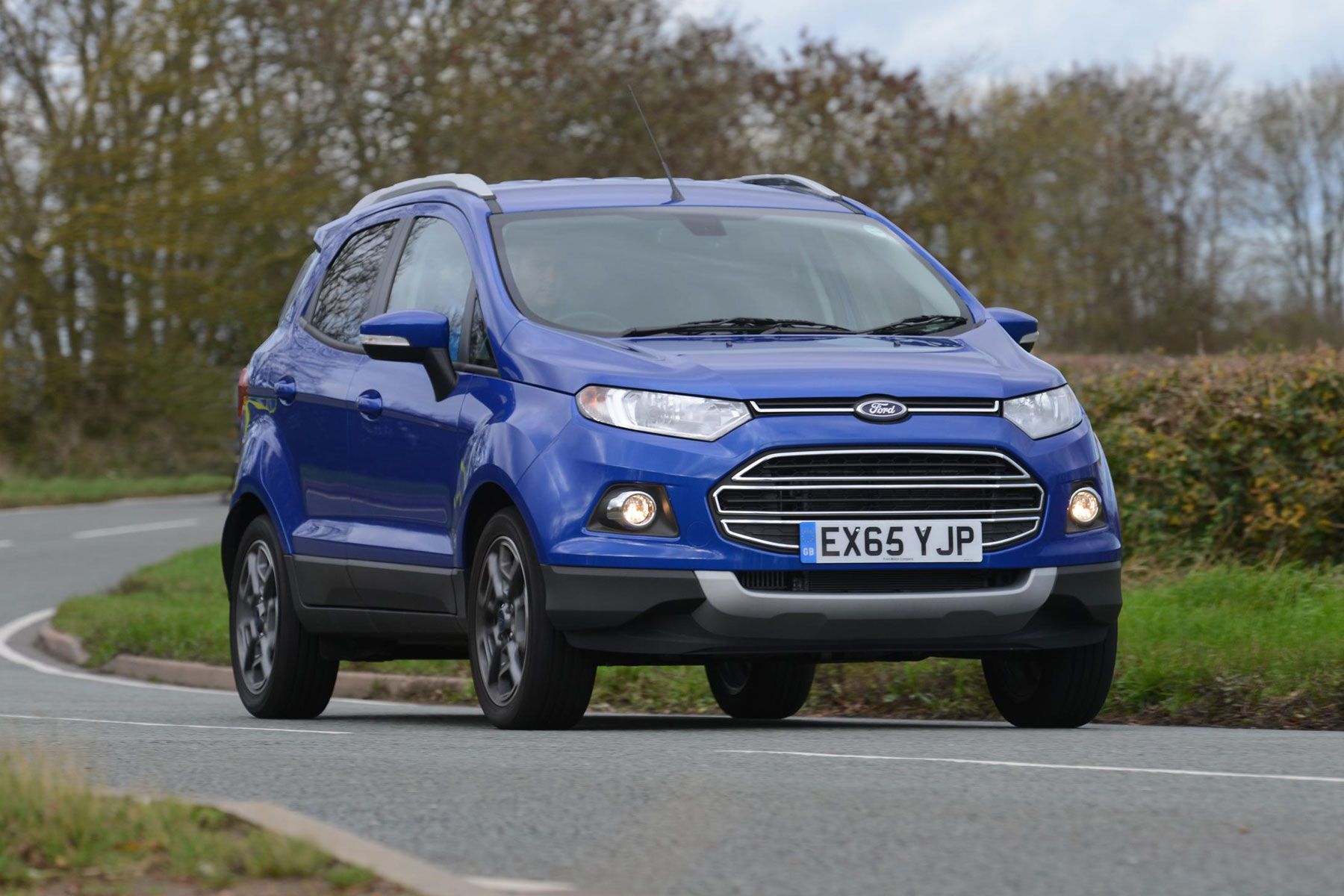
Our supposed need for more crossovers has resulted in carmakers building some of the most lacklustre and unappealing cars in recent memory. Do we really want our children’s memory of childhood blighted by trips to the seaside in a Ford EcoSport or Vauxhall Mokka?
And wouldn’t it be nice to see an end to the countless Qashqai references rolled out in the motoring press? ‘Qashqai killer’, ‘Qashqai rival’, ‘The car to beat the Qashqai’… enough already.
I’m prepared to accept my irrational dislike (not hatred) of crossovers puts me in a minority, and I’m fully aware that this ramble is dangerously close to becoming a rant. But for some balance, allow me to say this: clever crossovers do exist.
The Citroen C4 Cactus is a good case in point, offering something different in a crowded sector. I also like the influence it has had on the new C3, which stands a good chance of giving Citroen a much needed shot in the arm.
The Skoda Yeti, whilst long in the tooth, remains a fun and genuinely compelling proposition, even if I still haven’t forgiven the Czechs for doing away with its unique face. And, yes, the Nissan Qashqai is annoyingly competent in just about every area.
All I ask is that you look beyond the hype and marketing messages to see if there’s a better alternative to a crossover.
And if you – like many other motorists – haven’t got the foggiest idea what a crossover is, simply look across the fence at what your neighbour is driving. Then buy something totally different.
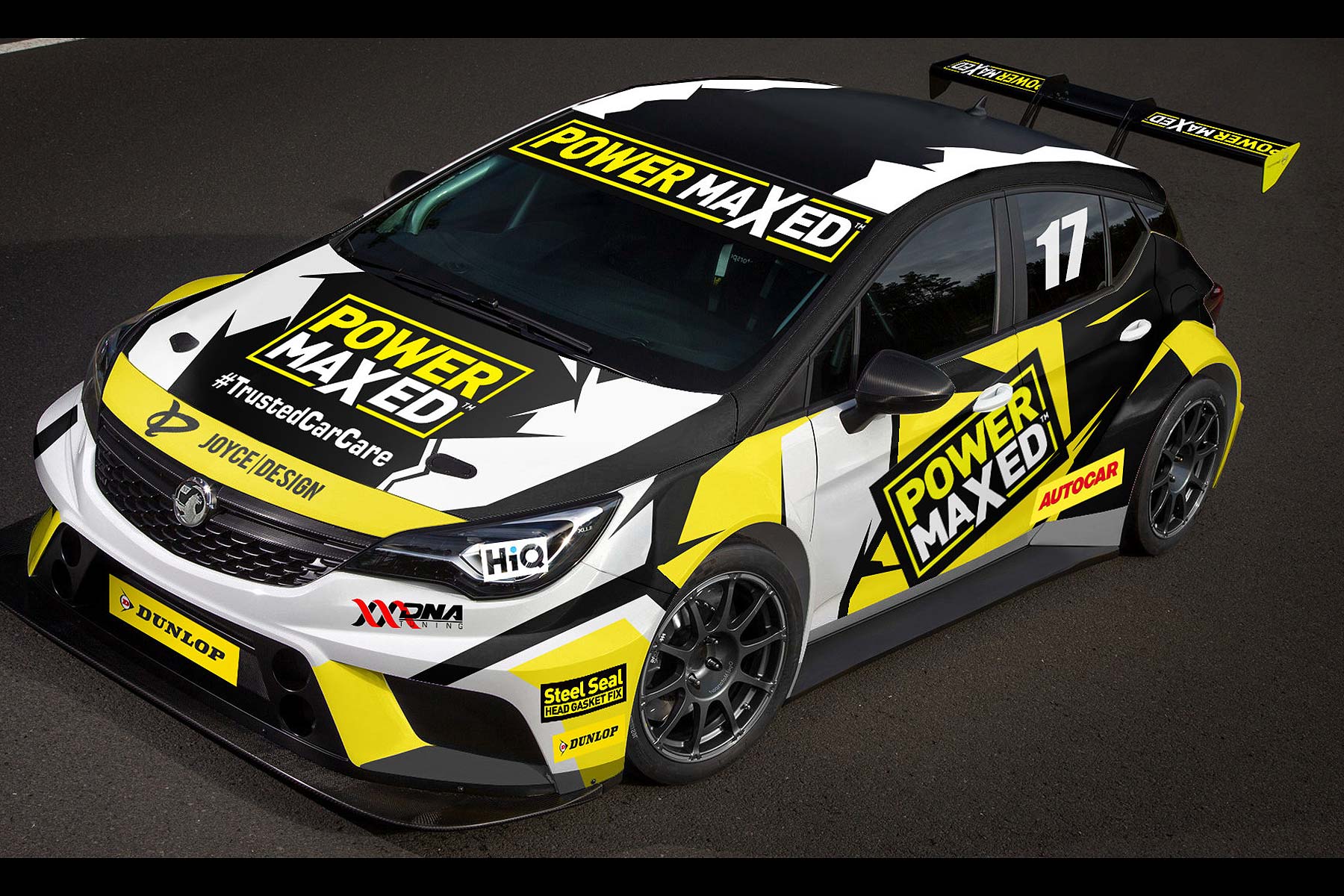
Vauxhall will once again race in the British Touring Car Championship (BTCC) in 2017 after signing a deal with upcoming team Power Maxed Racing.
The Bidford Upon Avon team will run two Vauxhall Astras as official manufacturer entries in 2017. The cars will be current-gen Astra hatch models – the reigning European Car of the Year.
BTCC to introduce breath tests for drivers
Top Gear’s Vauxhall Astra sells for a reasonably high price
Parliament to quiz Vauxhall on Zafira fires
Two Ellesmere Port-built shells have been supplied to the team and work is now underway building them into 2017 BTCC racers (and, if these digitisations are anything to go by, pretty awesome-looking 2017 racers at that).
Adam Weaver, team principal of Power Maxed Racing, said: “We are incredibly pleased and proud to be working with Vauxhall and to be the team that brings this iconic and highly successful brand back to the BTCC.”
Alan Gow, BTCC series director, added: “It is fantastic to be welcoming Vauxhall back to the BTCC as a manufacturer entry. Its history and pedigree is there for all to see and I have no doubt that the highly professional and experienced team at Power Maxed Racing will be great partners.”
The team has still to announce its driver line-up but promises more in the near future. This year, it ran Hunter Abbot, Emmerdale actor Kevin Fletcher plus a number of races for Dave Newsham – and also ran a successful test for ambitious Mini Challenge racer Rob Smith.
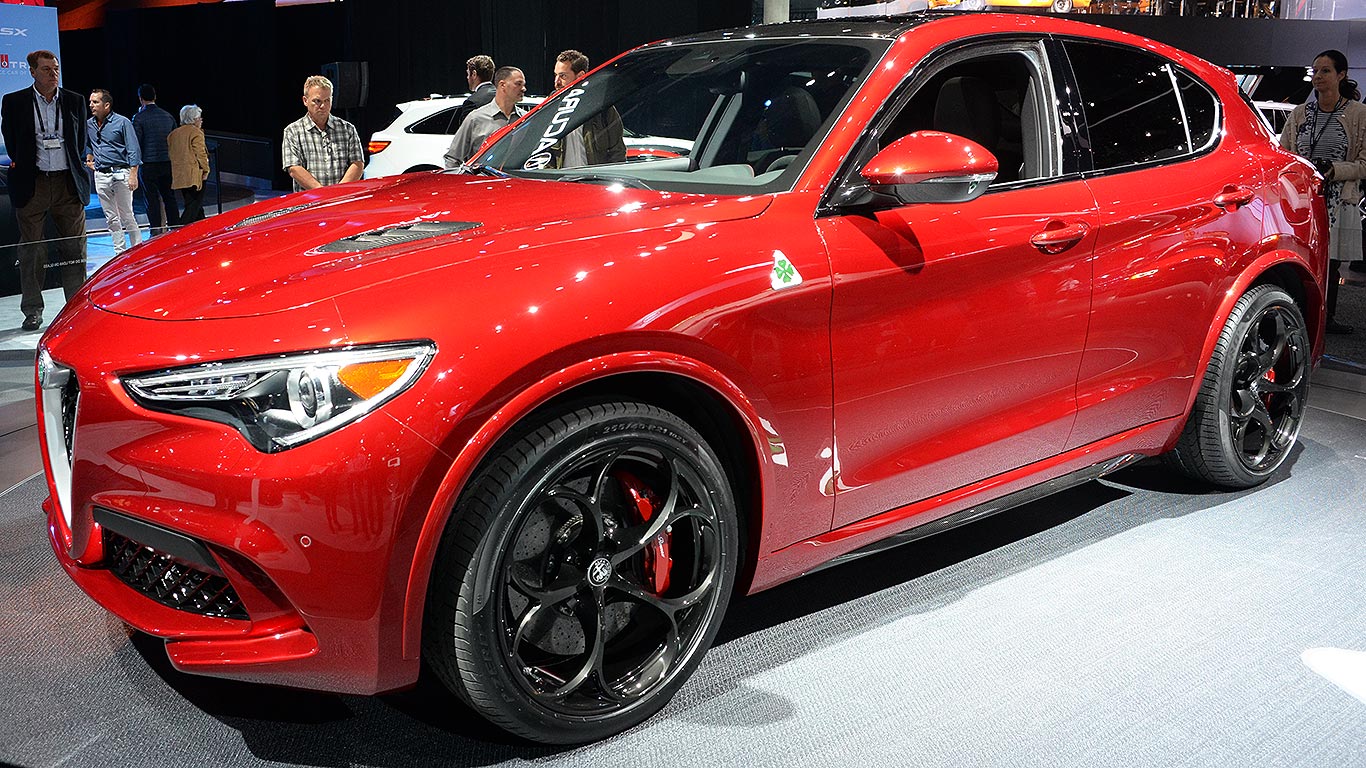
At long last, Alfa Romeo has revealed its first ever SUV, called Stelvio. Debuting at the 2016 Los Angeles Auto Show, the new Alfa Romeo Stelvio will in 2017 launch to take on the Porsche Macan and Jaguar F-Pace in the battle of the sporty premium SUVs.
And Alfa reckons it’s in the running with the first SUV it’s made in over 100 years of production. Read on to find out why…
The Alfa Romeo Stelvio is the next part of Alfa’s rebirth as a sporting premium alternative to BMW, Audi and Jaguar. The Giulia saloon set the ball rolling, but it’s the Stelvio SUV that’s the most important of the two. This is the model that should deliver the strong sales and fat profit margins necessary to make Alfa sustainable. There’s a lot riding on the Stelvio, alright – hence launching it in LA, one of the world’s key SUV markets.
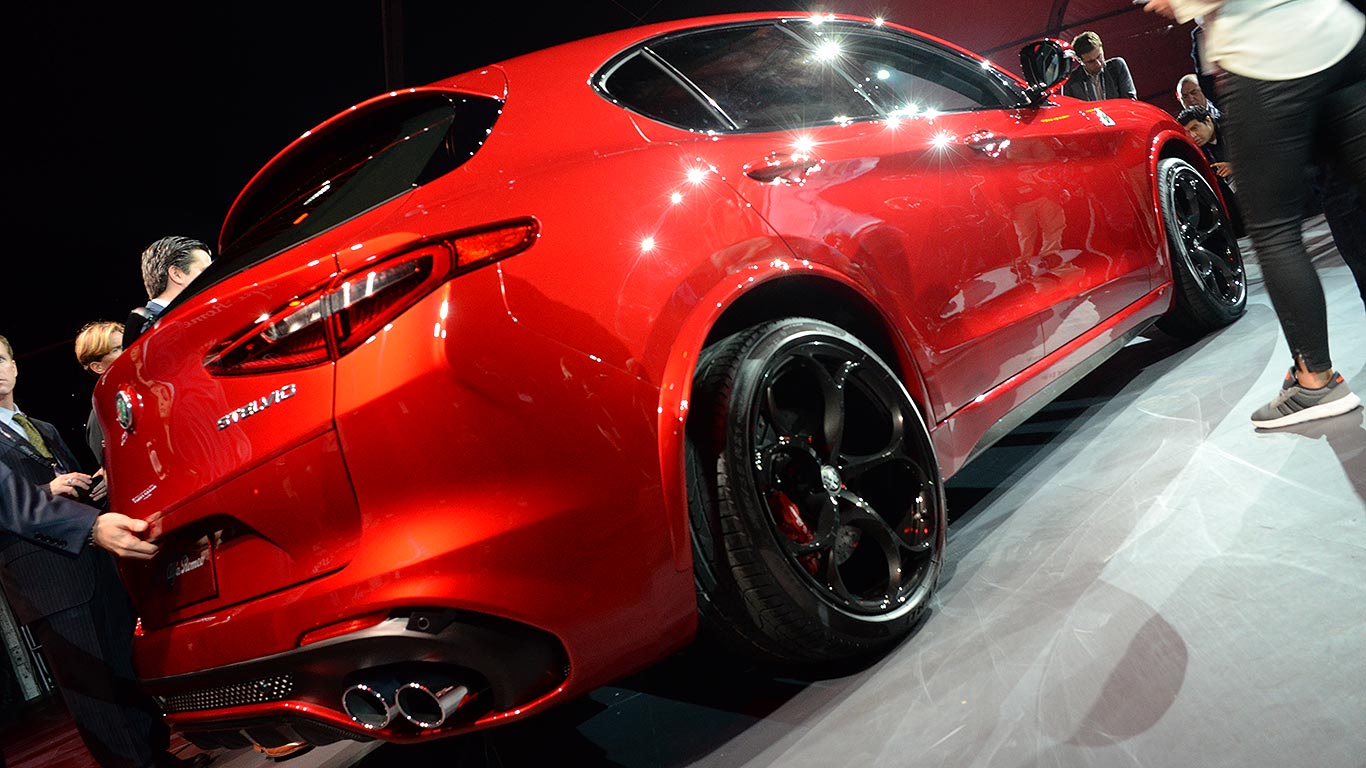
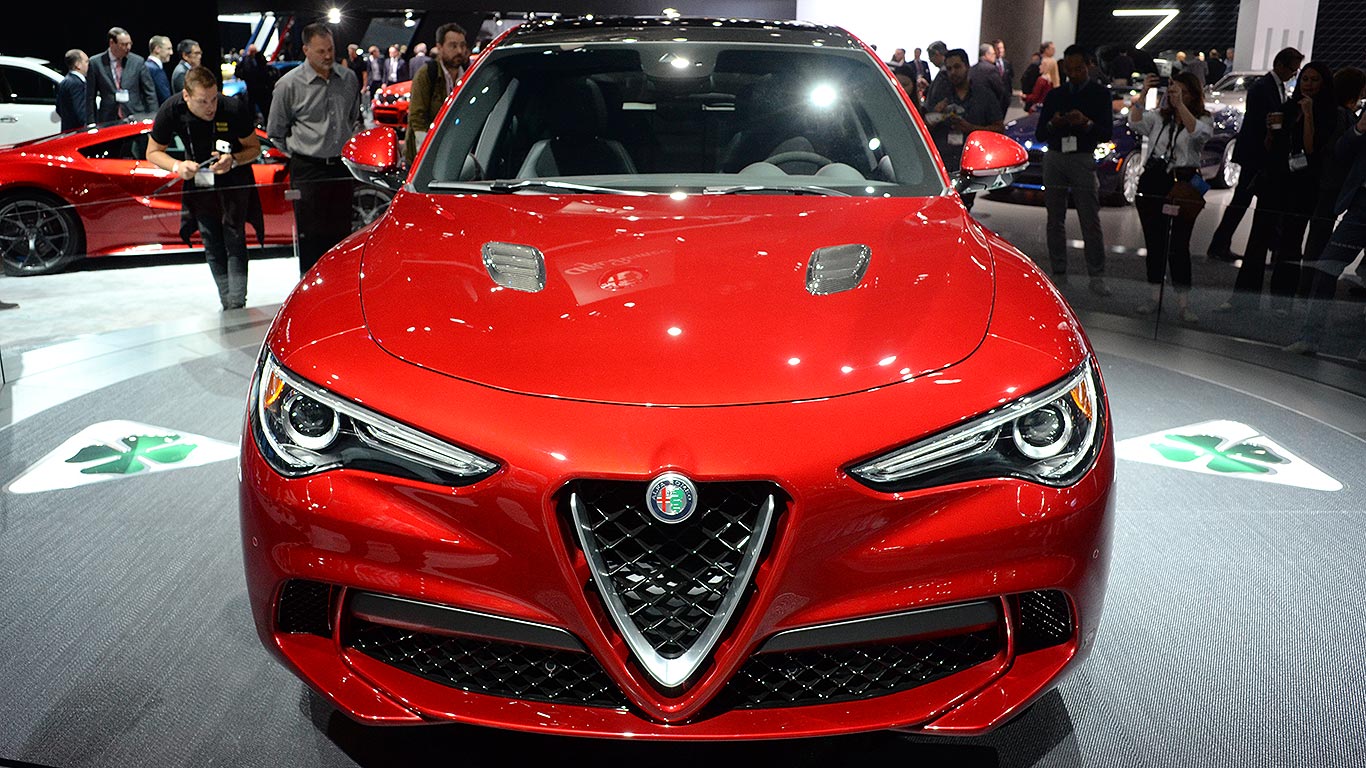
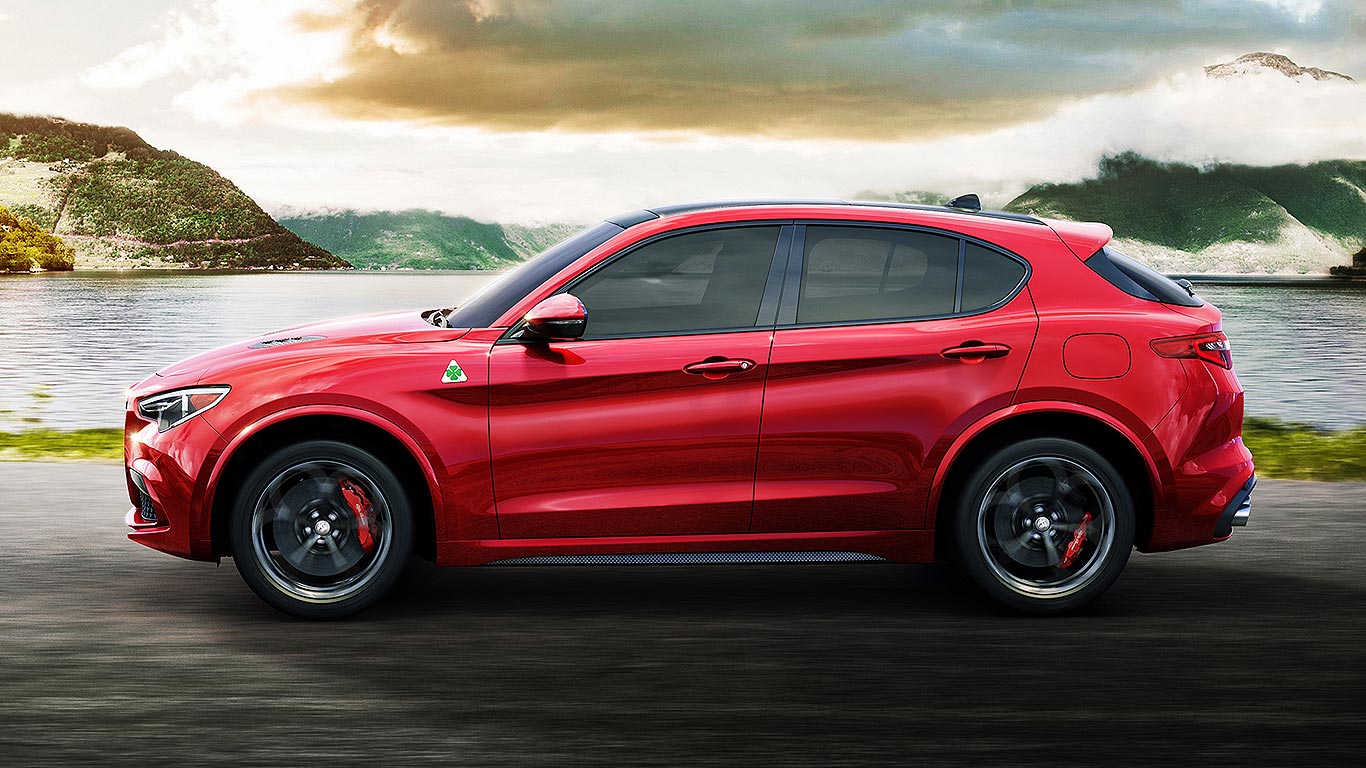
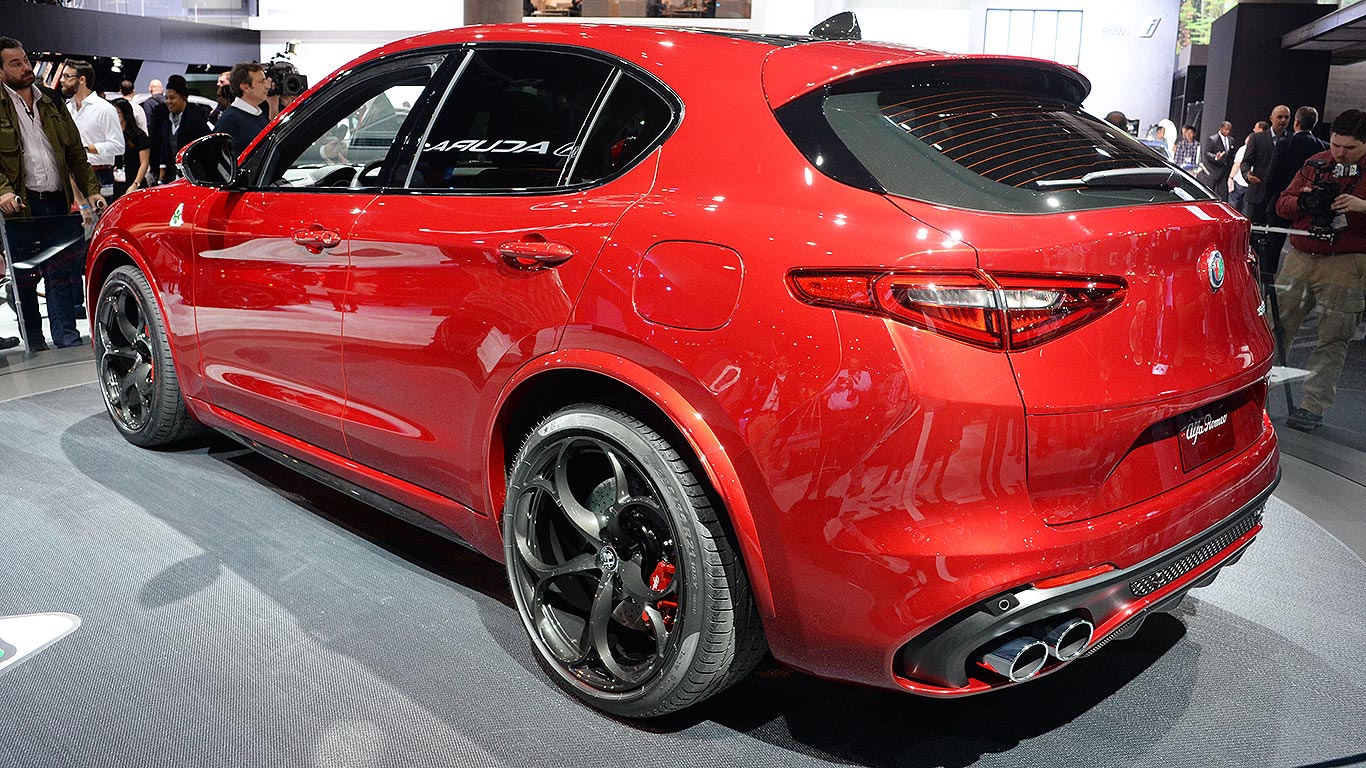
It certainly packs a visual punch, the Alfa Romeo Stelvio. Derived from the look of the Giulia saloon, this is much bolder and more substantial, particularly its prominent, huge Alfa grille and the inset bonnet shutline. Air intakes are suitably enormous on this Quadrifoglio variant too.
Cloverleaf crests feature on the front wings (that’s what Quadrifoglio means in Italian) and the extended wheelarches are colour-keyed, as are the side skirts. Carbon fibre trim features on this launch model too – more mainstream models will be toned down a bit. Even so, whereas many SUVs go for colour contrasts with the plastic bits to reinforce their tough off-road nature, Alfa’s instead given the Stelvio more of a performance car finish. Its intent is clear.
The rear hatch has a steep rake and a big roof spoiler, plus quad exhausts on this Quadrifoglio variant. The sculpting around the rear lights is smart and we like the ‘Kamm tail’ design of the tailgate itself. This crisp cut-off is likely to benefit high-speed aerodynamics. The rear haunches are powerful too, although from this angle it does also remind us a little of the Maserati Levante…
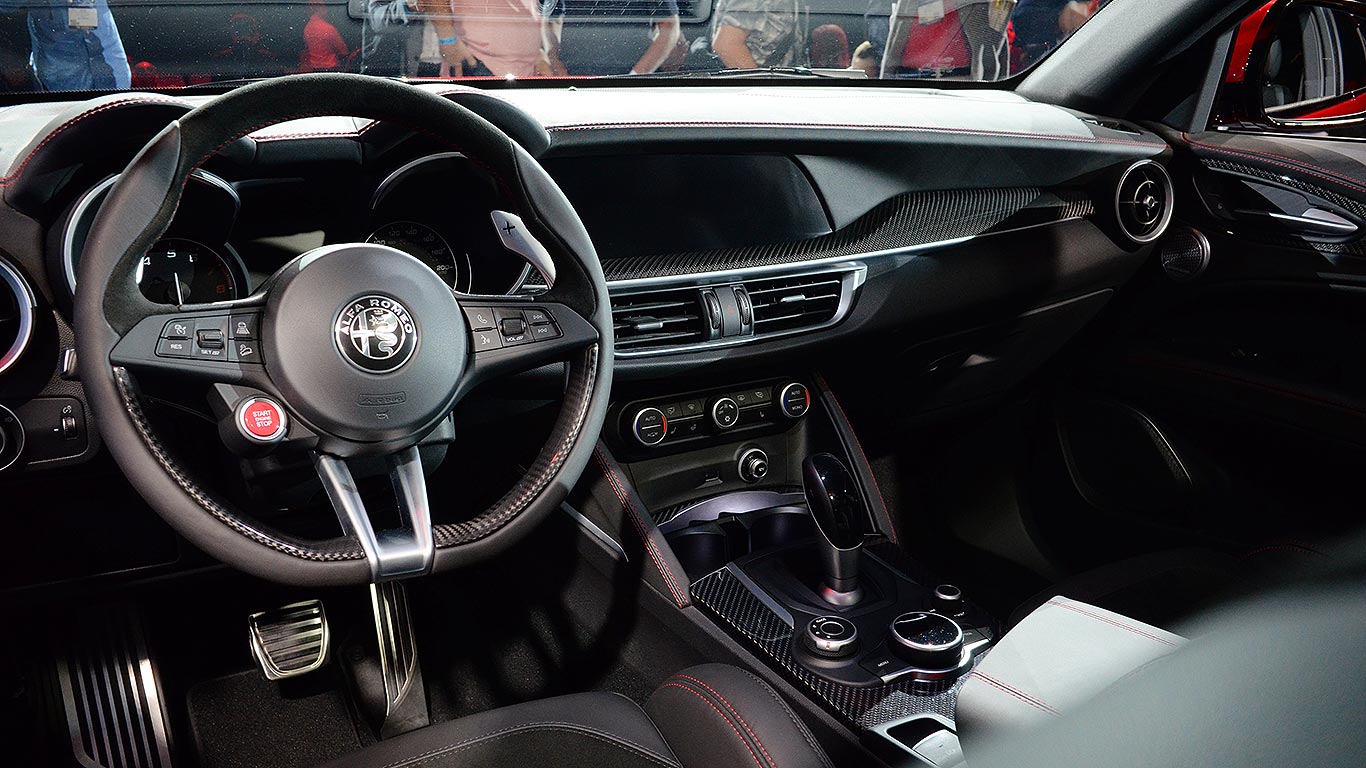
Inside, the command-like interior is familiar from the Giulia, but perhaps even more elegant and premium than that car. Alfa’s had a bit more time to work on the Stelvio dash, and it shows. The cowled dials, flat-bottom steering wheel and huge central screen dominate: also check details such as the Ferrari-like starter button on the steering wheel, and the Alcantara dash top with red stitching.
Underneath, the Stelvio is derived from the Alfa Romeo Giulia architecture. It’s built in Modena – famous for its Ferraris – and the brand insists the Stelvio name has been chosen to reinforce its sporty SUV focus. The Stelvio Pass is the highest mountain pass in Italy and packs 75 corners into 20km. If Jeeps are Trail Rated, it seems this Alfa Romeo is Stelvio Rated.
The engine is one of the most exciting bits. This is not quite a Ferrari engine in an Alfa, but it’s the next best thing, as the supercar maker has been heavily involved in its design. The 2.9-litre V6 twin-turbo engine produces 510-horsepower and, while performance figures haven’t been released, we’d suggest the Quadrifoglio will do 0-60mph in the fours, and top 175mph all-out.
If a 510-horsepower engine developed with Ferrari is too much, don’t worry. Alfa is also offering a 280-horsepower 2.0-litre turbo four-cylinder and, later, a suitable range of turbodiesels. All will be paired with an eight-speed automatic gearbox.
Of course, the Alfa Romeo Stelvio is all-wheel drive: the system is called Q4. But in normal driving, you’d never know it: 100% of drive is sent to the rear axle, to give it a suitably sporty feel. Only when the limits are reached is up to 50% of drive sent forwards. Response is rapid – indeed, the system even predicts loss of grip and will adjust drive before it actually happens.
Derived from the well-received Giulia saloon, the Stelvio has double wishbone front suspension and a patented ‘four-and-a-half’ link rear setup, called AlfaLink. Rear suspension innovation is where it’s at these days: also see Jaguar Integral Link. As for the steering, forget mud-plugging off-road stability – Alfa’s focused on maximising feel and feedback when cornering fast, by keeping loads on the tyres constant.
Active suspension, ESC and Q4 all-wheel drive are all coordinated by the Alfa Chassis Domain Control system. This adjusts the mapping in real time, says the firm, for super-fast adaptive changes during fast driving. Alfa Torque Vectoring is also combined with the Q4 system for the first time: clutches in the rear differential control individual drive delivery to each wheel.
Brakes are more track-speck than trail-spec: on the Quadrifoglio, Alfa Romeo is fitting carbon-ceramic discs to the Stelvio. It also has the same Integrated Brake System as on the Giulia, which pairs electronic aids with a traditional servo, upping response and cutting stopping distances. It’ll need a good set of anchors if it’s to grab a hot Nürburgring lap time…
We don’t yet know how heavy the new Alfa Romeo Stelvio is, but the firm says it’s tried to make it as light as possible. There’s a carbon fibre driveshaft and the doors, wings, bonnet and tailgate are aluminium, as are the engines, suspension and brakes. All the heavy stuff has been centralised as much as possible. If you’re naming a car after the most famous sequence of corners in the world, you don’t want to make it a bit of a boat through them, do you?
Size-wise, the Stelvio is 4.68 metres long, 1.65 metres high and a healthy 1.9 metres wide. By way of comparison, a Porsche Macan is 4.69 metres long, 1.62 metres high and 1.92 metres wide. Spot-on dimensions alongside its rivals, then.
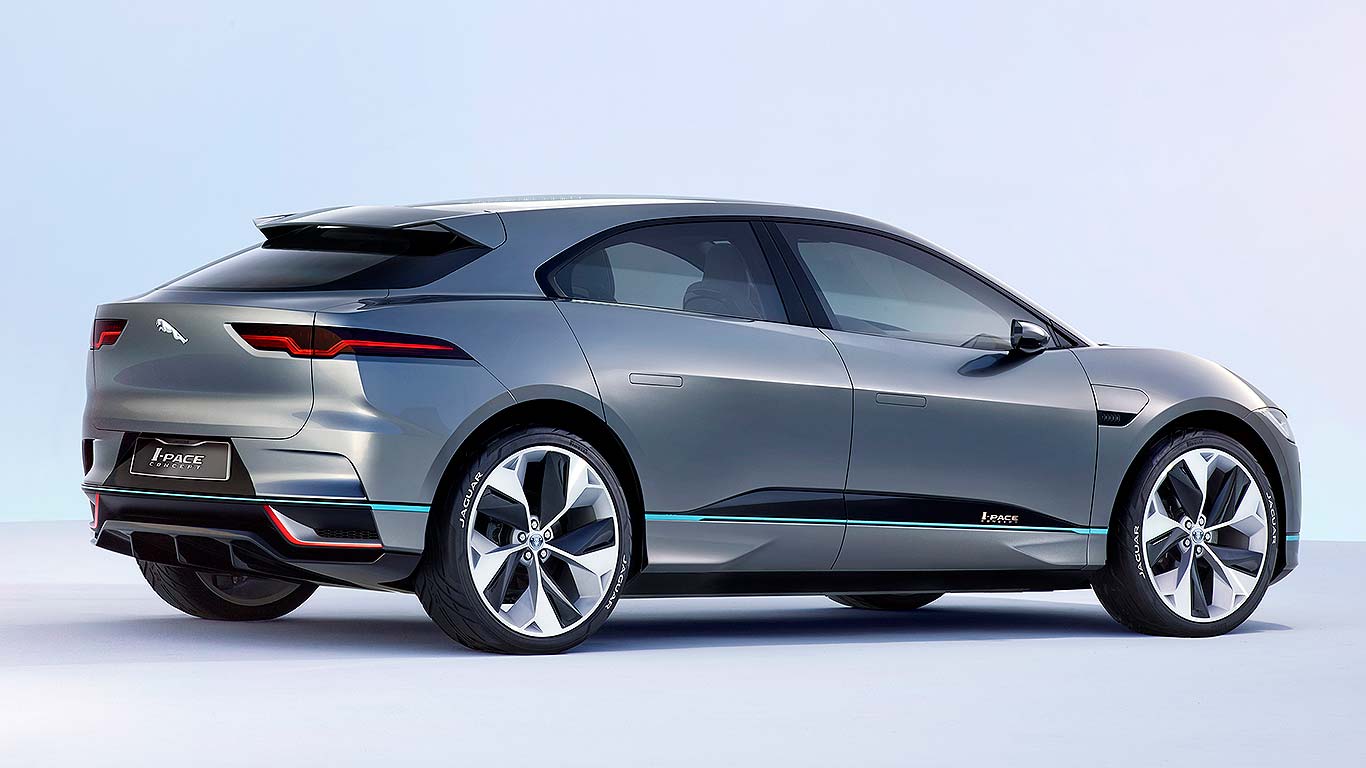
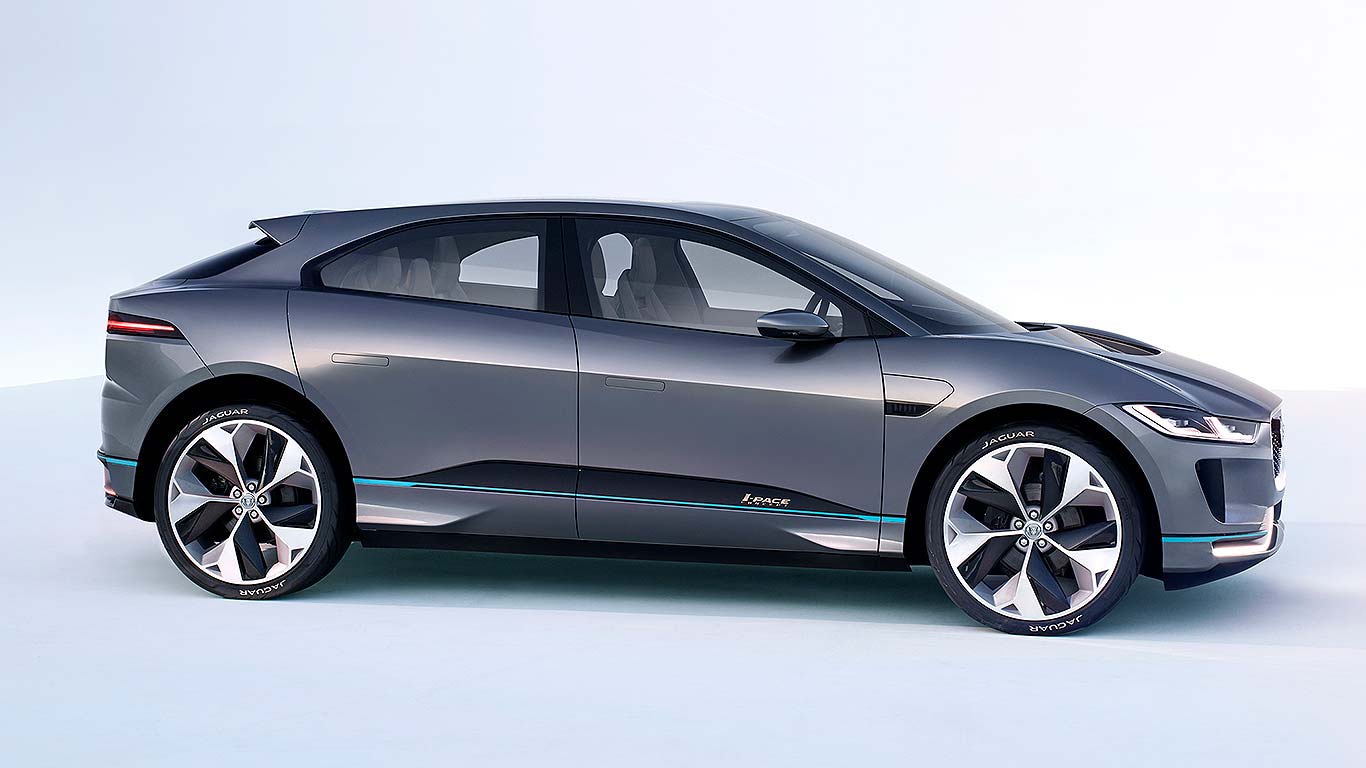
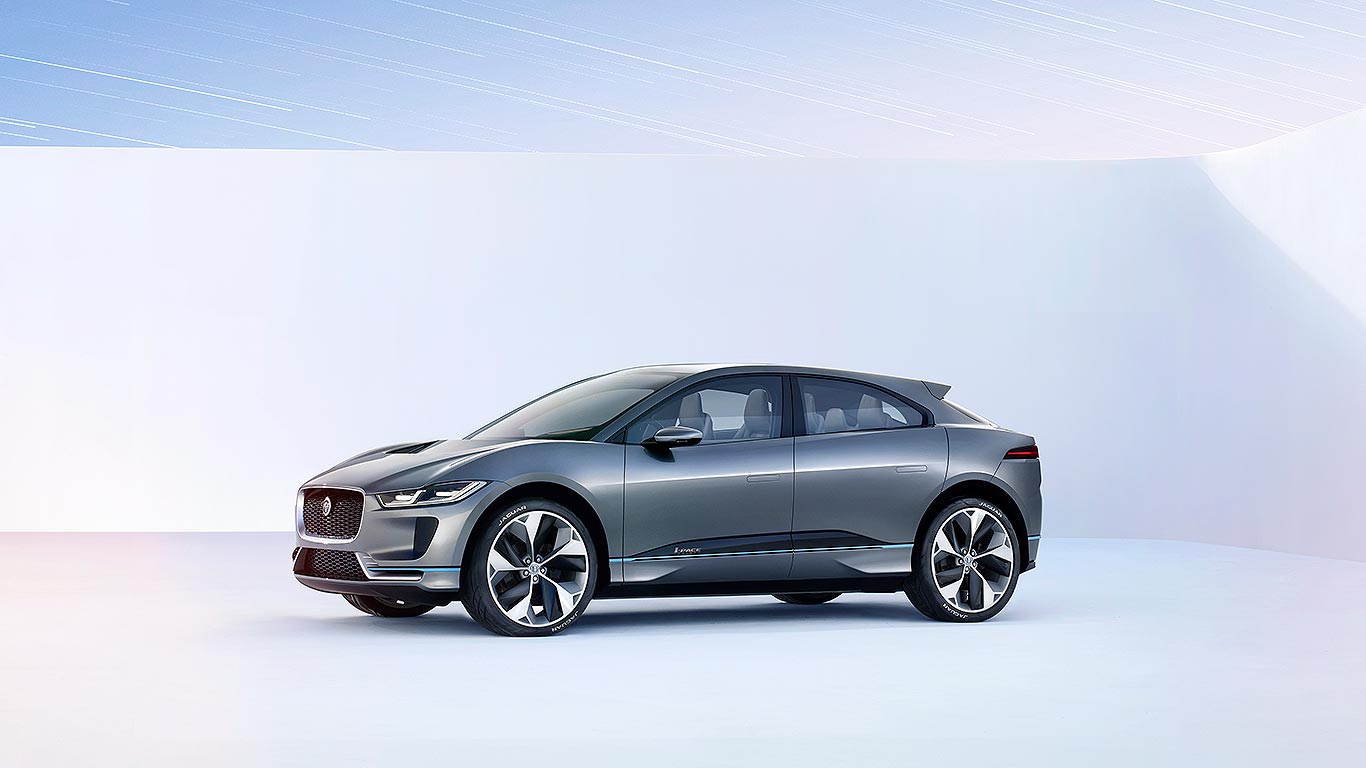
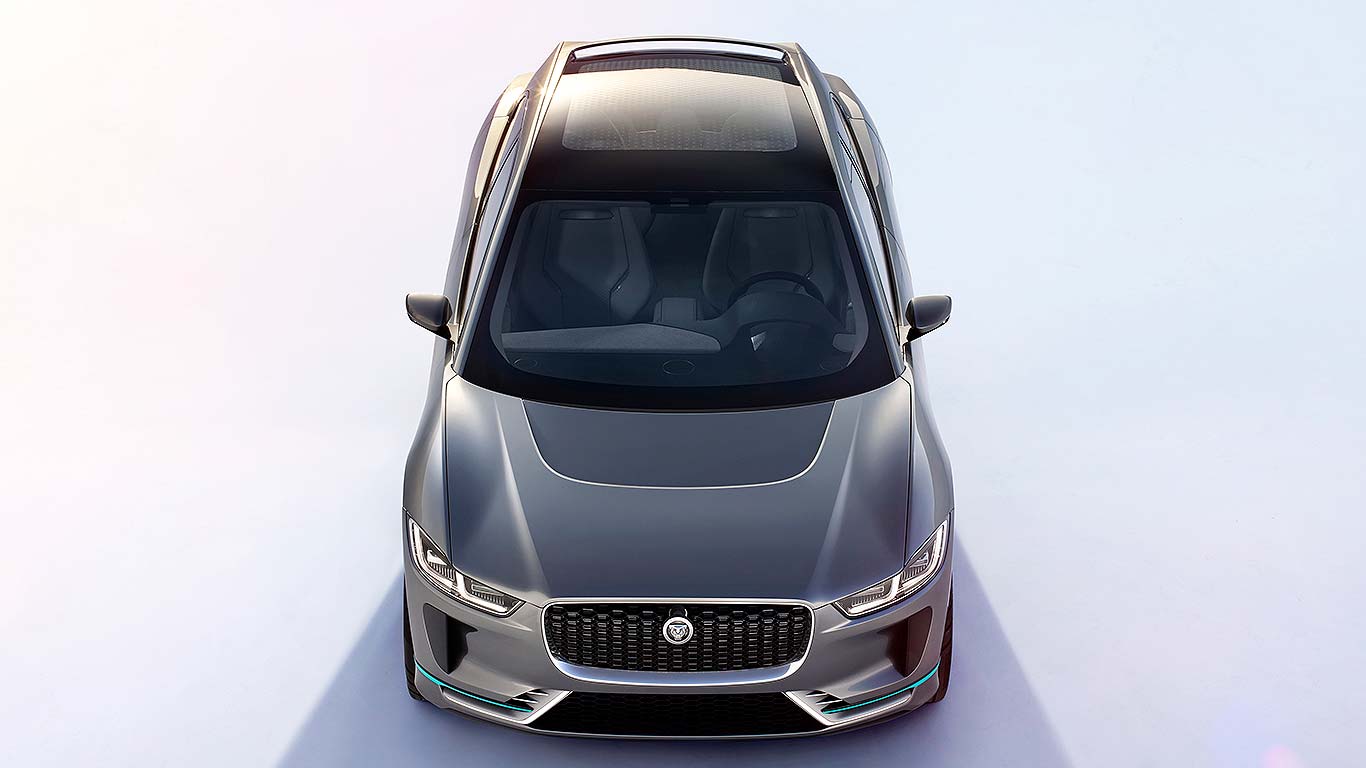
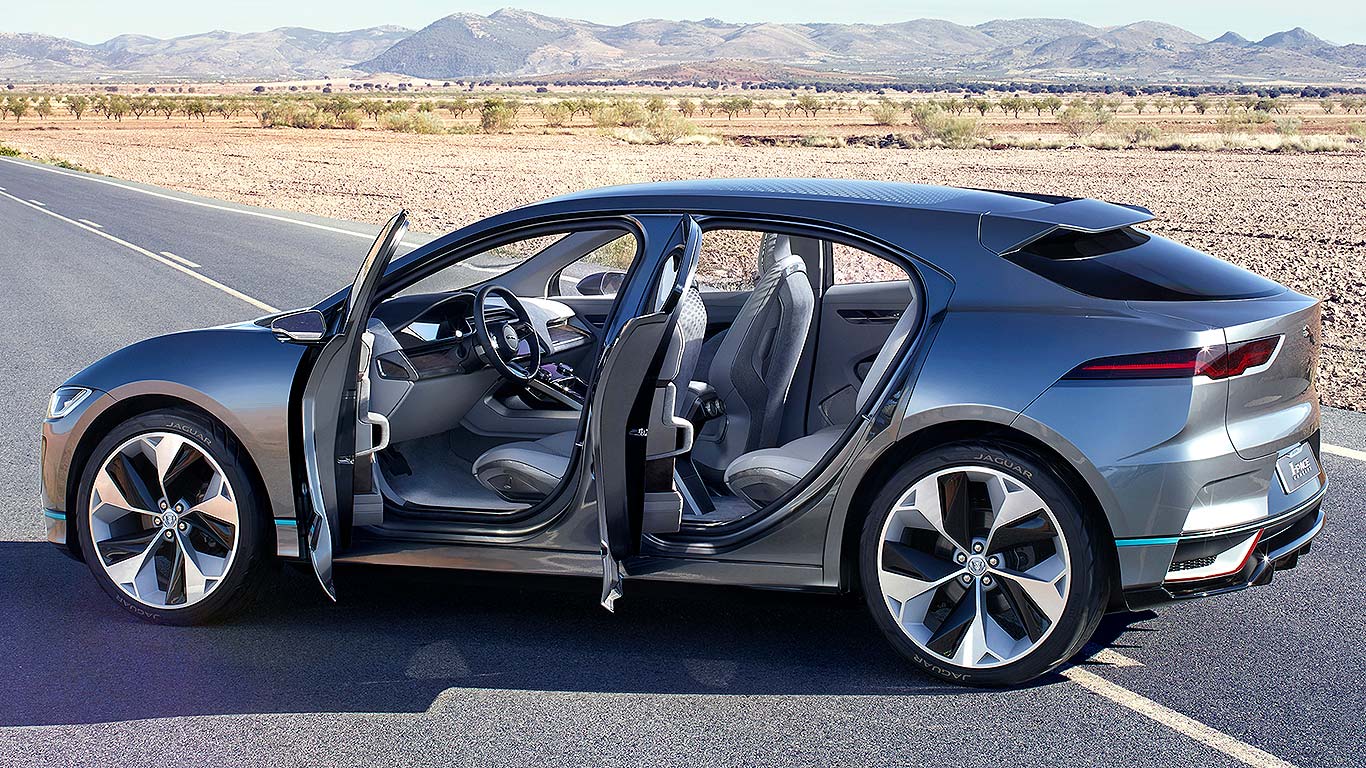
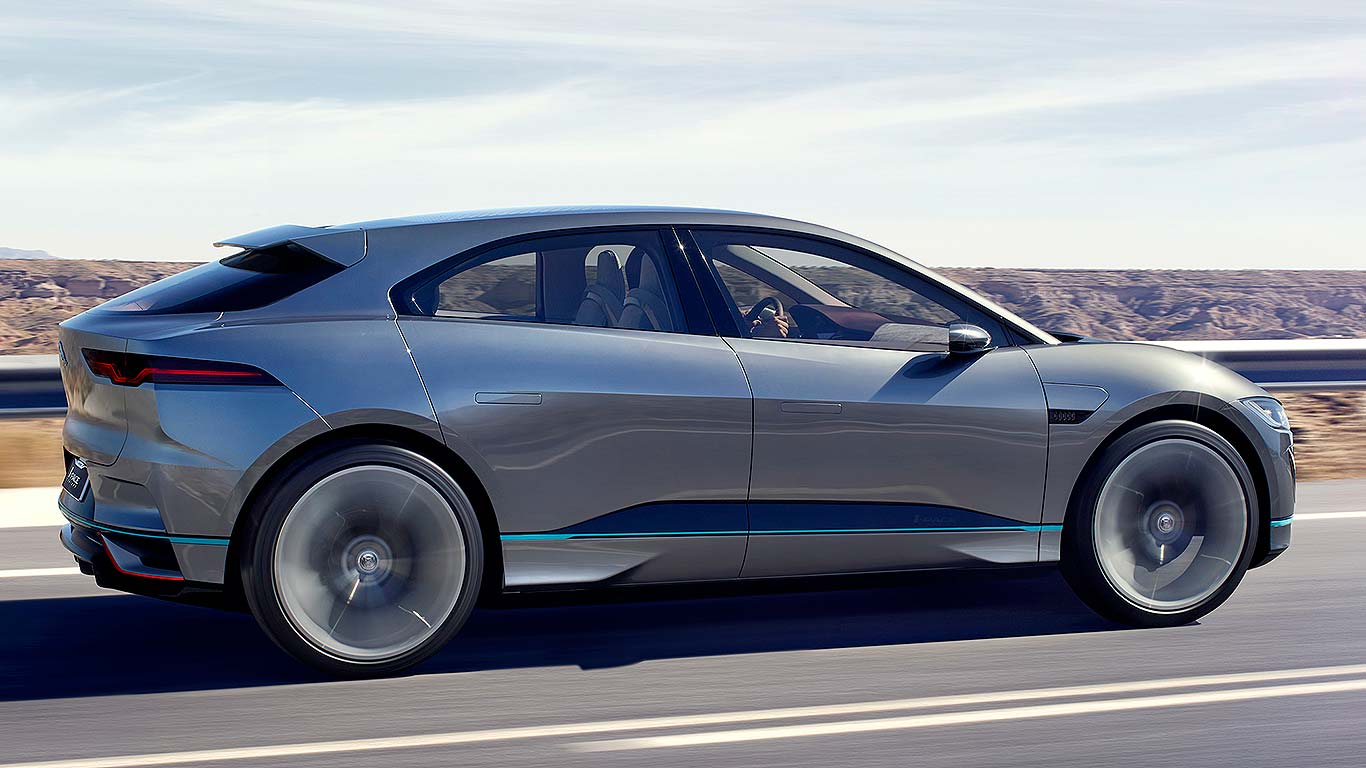
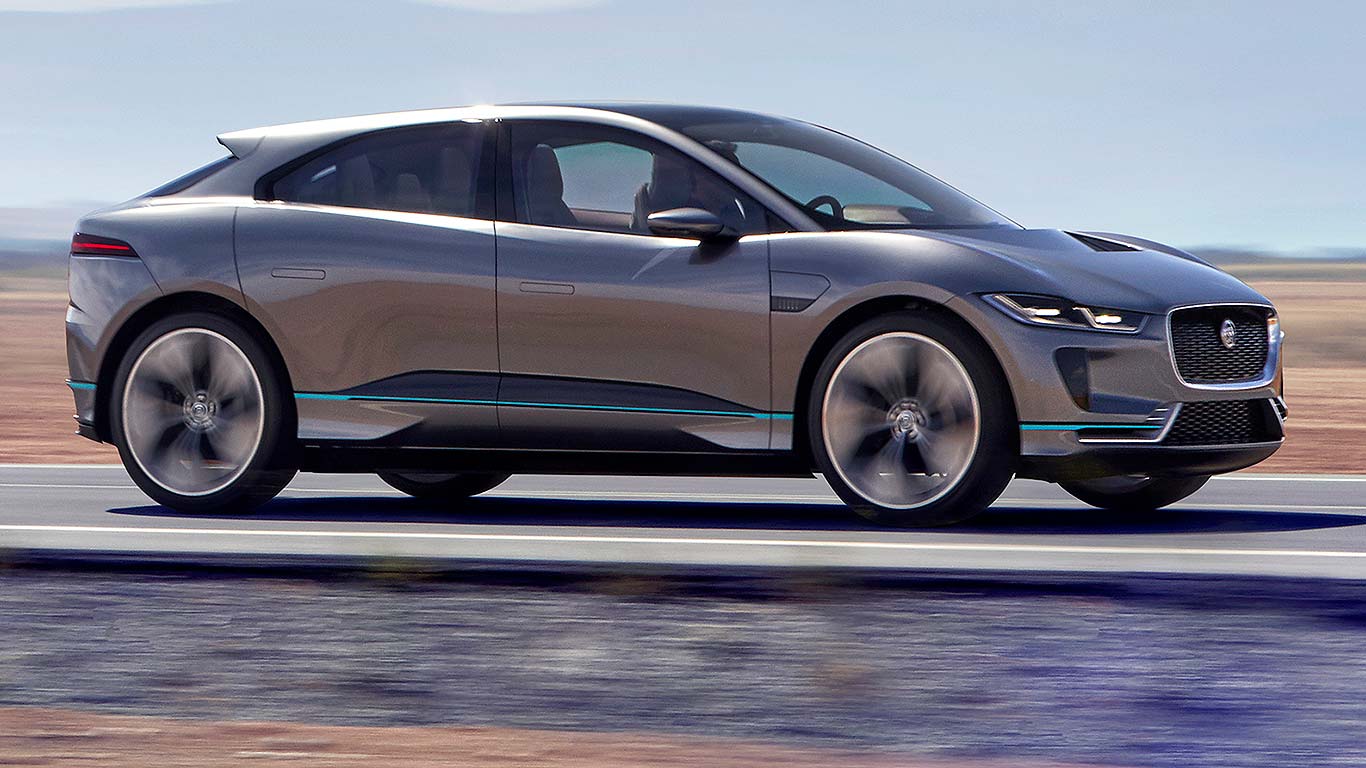
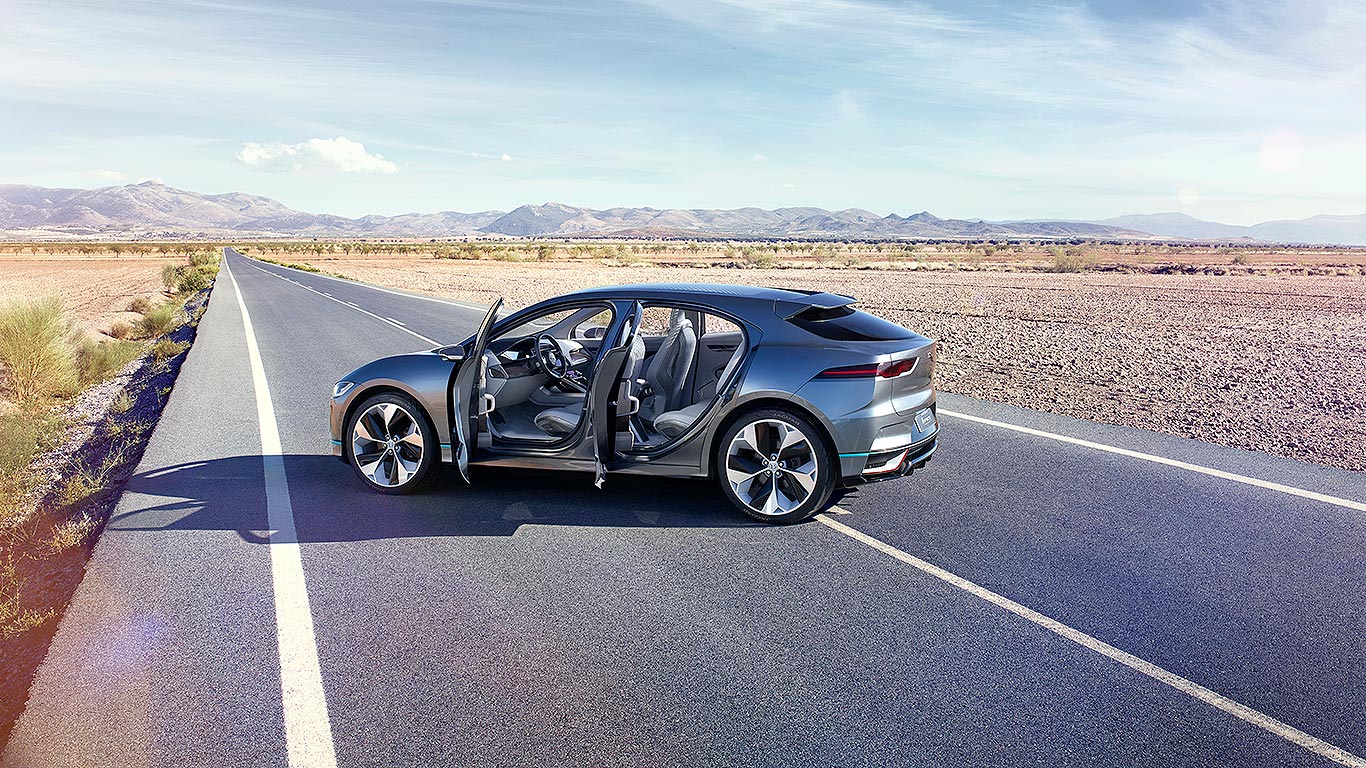
The Jaguar I-Pace Concept SUV is the British sports car firm’s first ever electric car – and if you already like the look of it, get ready: Jaguar will roll out the production version in 2017, and promises the new I-Pace will be on our roads by 2018.
In less than two years, this new zero-emissions Jaguar EV could be plugged in on your driveway. Read on to find out why it’s so electrifying…
Jaguar I-Pace Concept: revealed in LA
Jaguar has revealed the i-Pace Concept electric SUV ahead of the 2016 LA Auto Show: it will make the car the star of its show stand later this week. We reckon it’s already odds on to be the star of the show: with a 310-mile range, 0-60mph in 4.0 seconds, roomy and luxurious five-seat interior plus styling that’s a different take on a Jaguar, there’s lots to get excited about here.
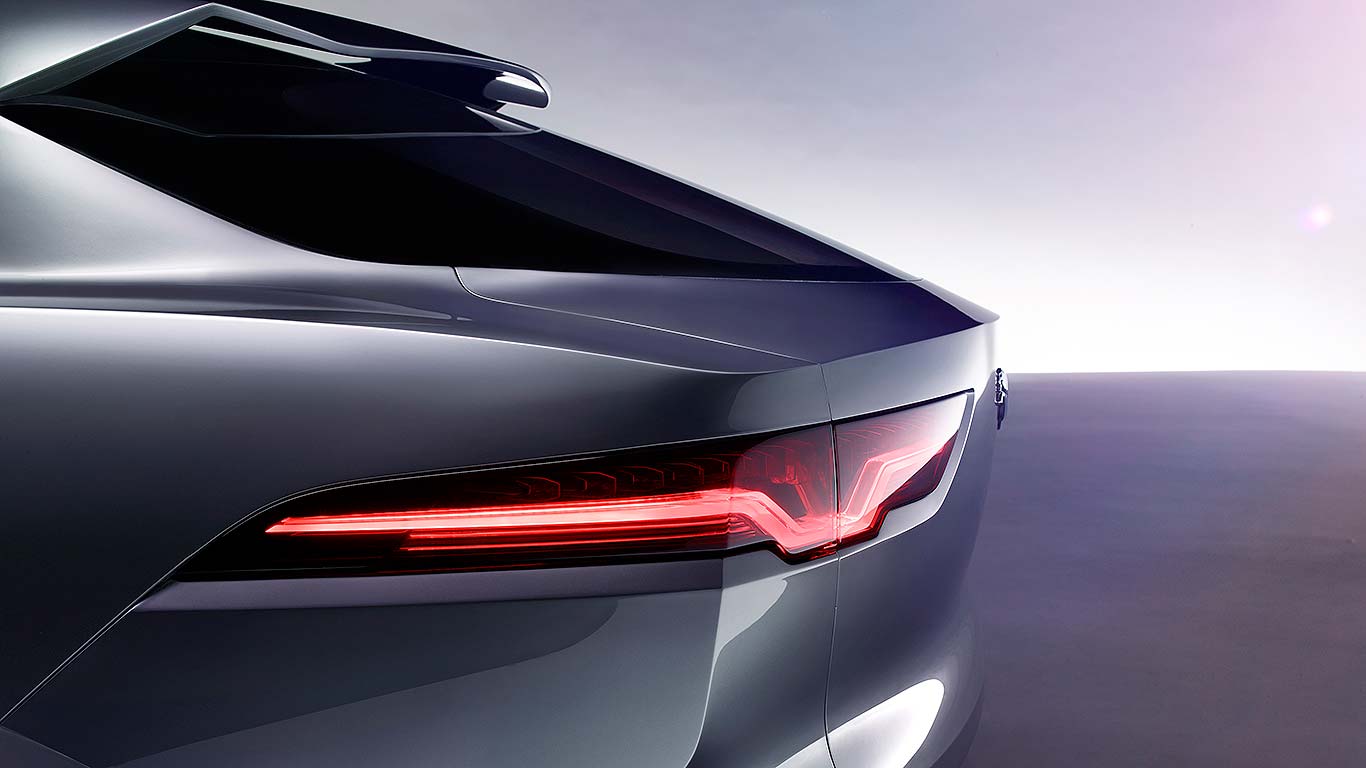
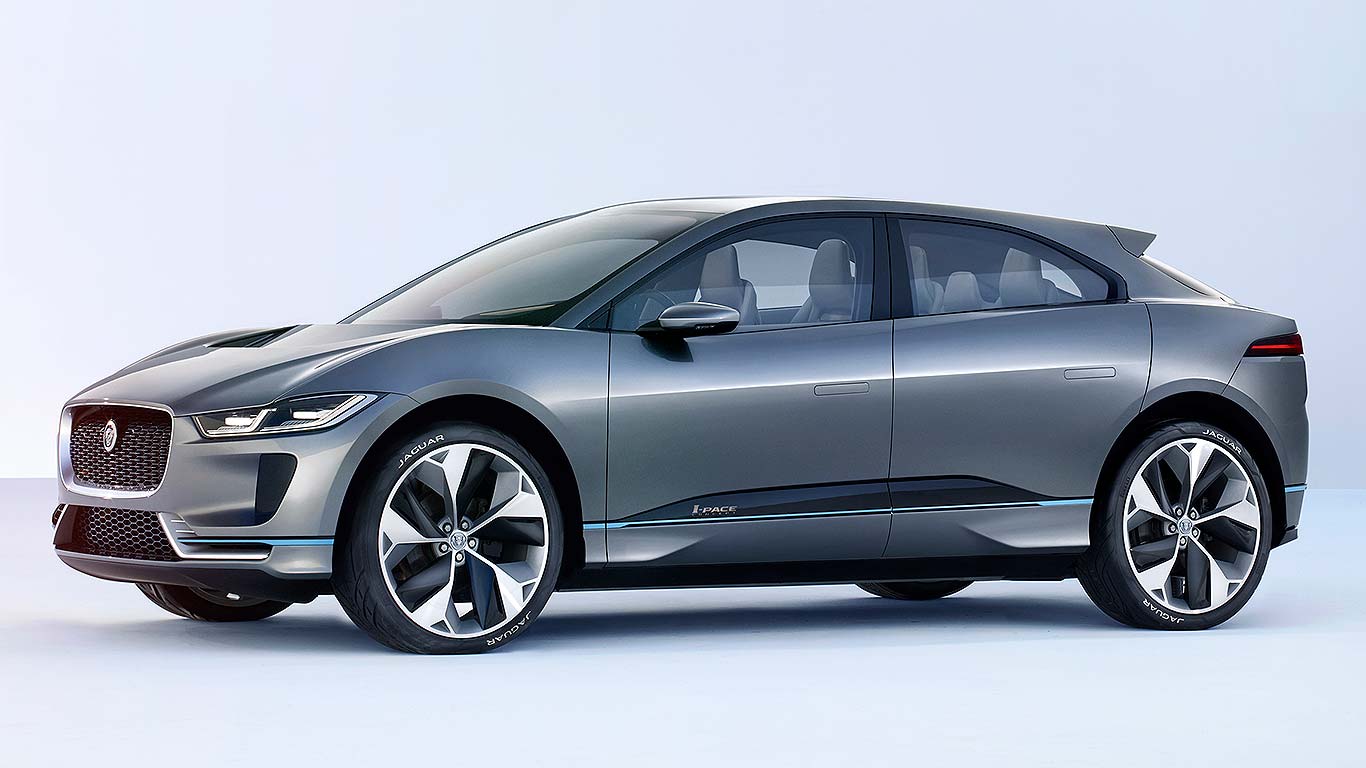
Jaguar reckons it has rethought the car with the I-Pace Concept. The cab-forward design references the C-X75 supercar (driven by baddie Franz Oberhauser in Bond’s Spectre), rather than being a conventional car with a bonnet. It’s tall, like an SUV, but has a silhouette more like a sports car. It seats five and is smaller on the outside than sector rivals such as the BNW X5, but bigger inside than all of them. And all because it’s electric.
New dimensions
Because there’s no combustion engine, the wheelbase can be longer (almost 3 metres, in fact – longer than a Smart Fortwo is overall!), the overhangs shorter. The rear haunches can be more aggressive. There’s more interior space, better visibility and improved aerodynamics. Jaguar says the exterior mimics mid-size SUVs, but rear legroom matches full-size SUVs and luxury cars.
A Jaguar like no other
The appearance of the Jaguar I-Pace Concept is intentionally different to, say, the Jaguar F-Pace SUV, despite the styling similarities. Designer Ian Callum said he was determined the look would reflect the change in mechanicals. “With the I-Pace Concept, the revolution is in the profile, not the design language,” he said. “The profile is possible because this car is electric. It’s not just that we wanted to create something that was very different from anything else we do: we wanted the design to celebrate the new battery electric technology.”
Detail differences
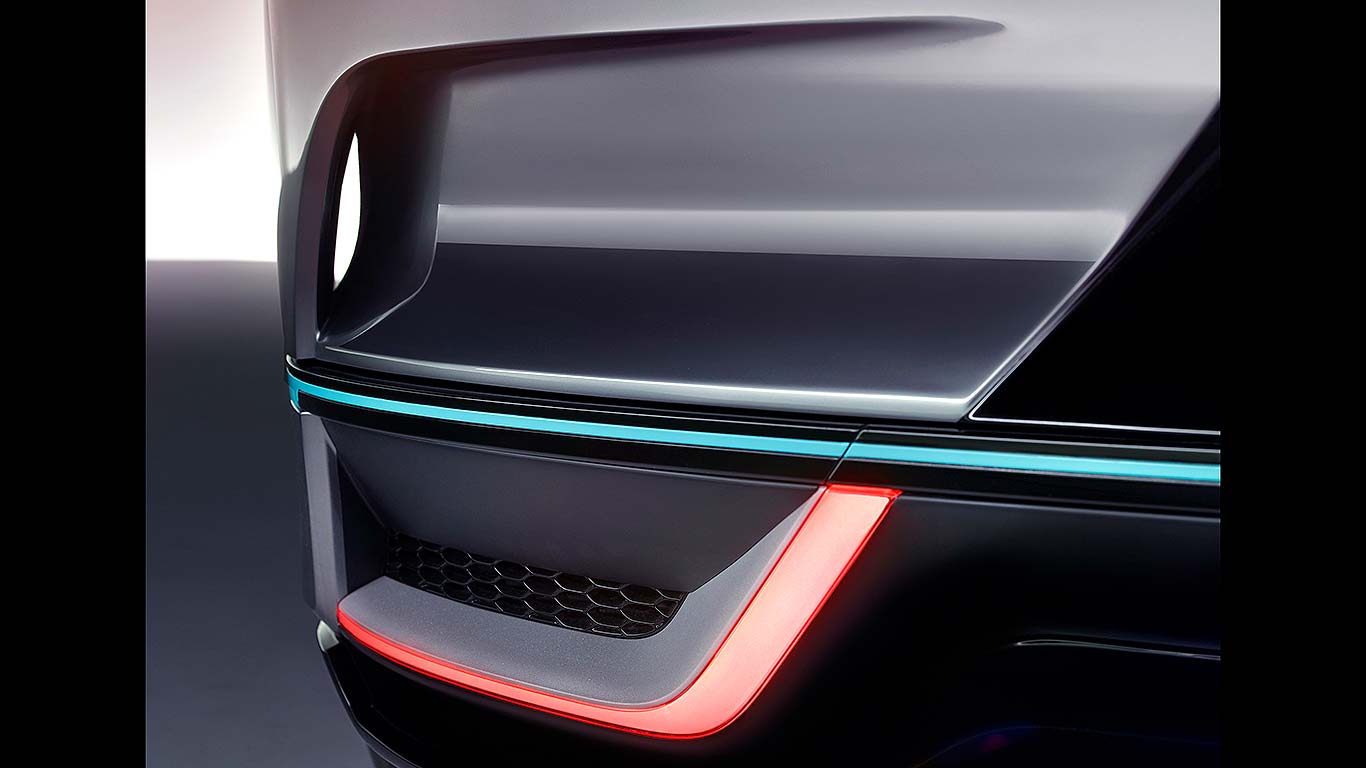
Design highlights of the Jaguar I-Pace Concept include the low cabin, sporty windowlines and heavily curved glass, the ultra-low (for an SUV) bonnet. It’s as aerodynamic as it looks: the Cd drag factor is just 0.29. At the front, the current Jaguar brand grille is retained, and there’s a C-X75-style bonnet scoop that cuts drag. At the rear, there’s no wiper, just a ‘fast’ tailgate shape and hydrophobic glass.
An interior Jaguar can be proud of, at last
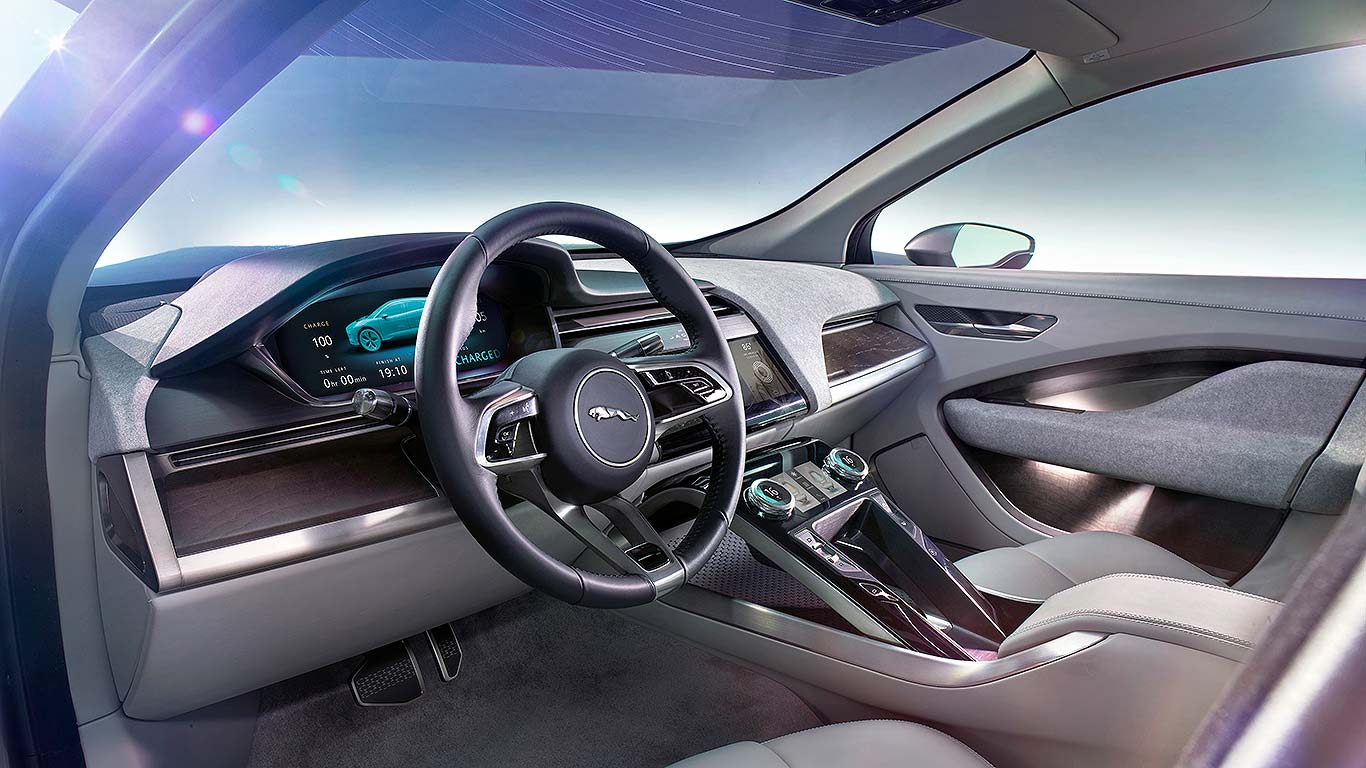
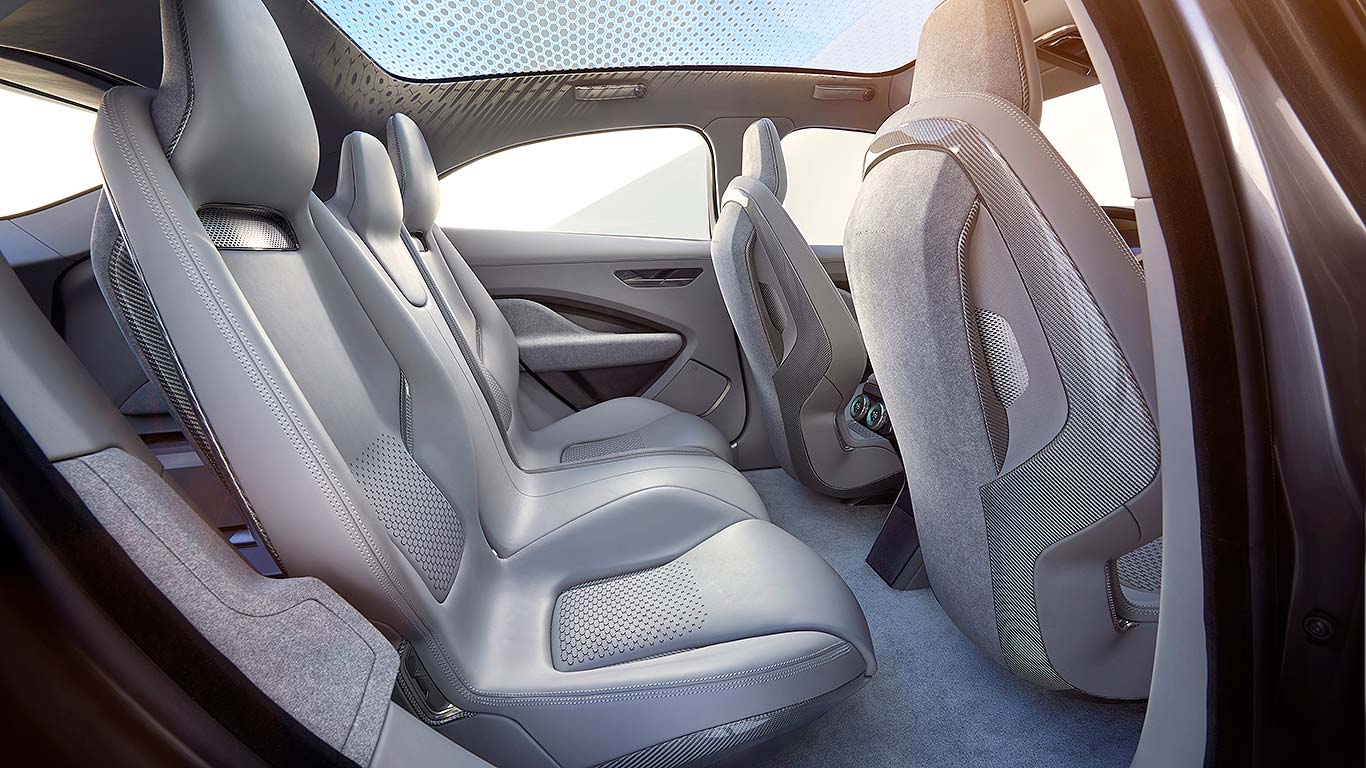
The I-Pace Concept seats five within a cabin that’s as futuristic-Jaguar as the outside. Interiors has been a weakness of the new-era of Jaguars up to now; only the F-Pace really passes muster. The I-Pace Concept is a massive leap forward and suggests future Jaguar interiors are going to be as appealing as the exteriors. Airy, sporty, contemporary and visually appealing, it’s a clever, warm cabin that Jaguar is rightly already chuffed with.
It has a flightdeck rather than a dashboard
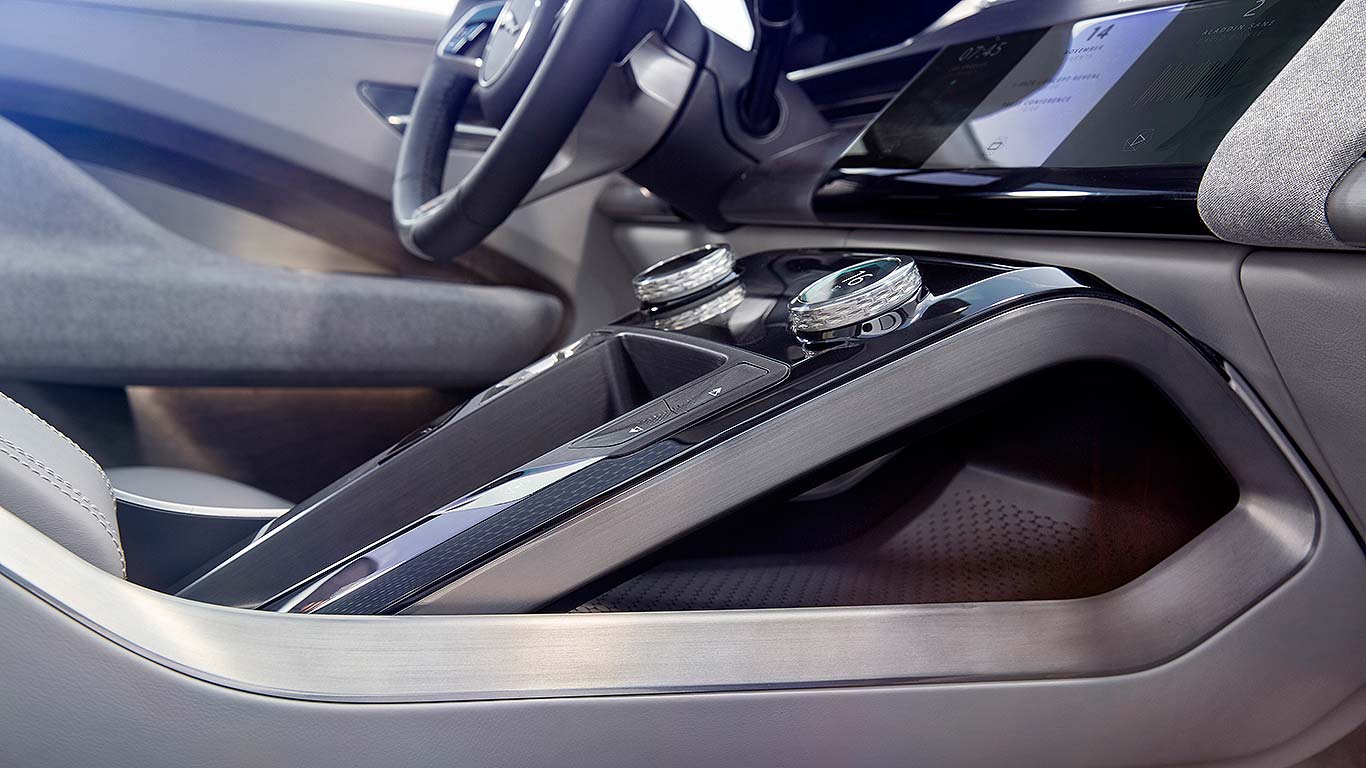
Jaguar says the I-Pace Concept launches its new ‘flightdeck’ interface for driver controls. There’s a floating centre console, simple and clear displays, plus a combination of touchscreens, rotary dials and multi-function buttons: Jaguar hasn’t gone fully-digital here. There are smart capacitive switches on the new-design steering wheel, invisible until activated, which respond to the driver with haptic ‘micro-clicks’ when pressed. A bit like an iPhone.
It has stowage boxes not gearboxes
Because there’s no transmission, there’s a clever 8-litre stowage area in the centre console. And no transmission means no traditional gearlever, so there’s an extra stowage area where that would normally sit. Jaguar calls the seats ‘luxury slimline’ pews and calls the driving position ‘sports command’. Higher than normal, but still sporty-feeling.
There are some beautiful design details
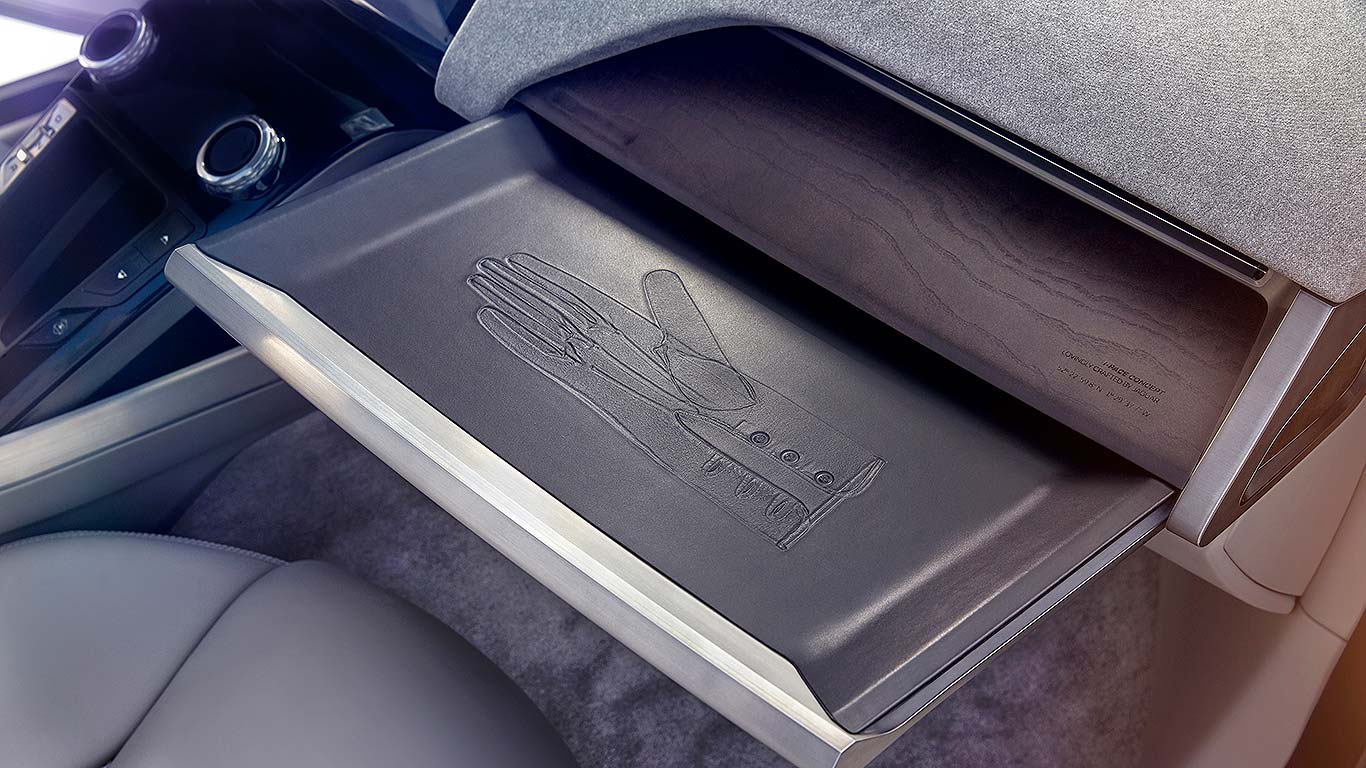
Jaguar’s using some gorgeous contemporary materials within the I-Pace Concept. The burl wood on the dash is laser-etched with the (slightly cheesy) words ‘Lovingly crafted by Jaguar Est. Coventry 1935’. Paw-print labels are stitched into the seat seams (Jaguar, geddit?). There are laser-etched driving gloves on the slide-out passenger shelf. The Jaguar lozenge pattern features throughout. It’s luxury, boutique-like attention to detail we hope carries through to production.
It’s sports car fast
The Jaguar I-Pace Concept uses dual 200hp electric motors, one on the front axle and one on the rear. That means a combined 400hp and 516lb ft of torque, sent to all four wheels. Jaguar says 0-60mph in 4.0 seconds, so faster than a cooking Porsche 911. There’s also no lag and no gearchanges, simply seamless surge. It’s going to be an exciting performer, alright.
It will handle like a sports car
Jaguar has fitted the same type of double wishbone front suspension as on the F-Type to the I-Pace Concept. Sports car suspension for a sports car SUV, it insists. With a low centre of gravity and centralised masses from having the batteries packed low within the wheelbase, chief engineer Mike Cross is promising “this will be the first electric vehicle developed for enthusiasts who love driving”.
It’s double-take roomy
The Jaguar I-Pace Concept, as mentioned, is a seriously roomy five-seat SUV, insists Jaguar. Moving the front-seat occupants forwards has created more space for those in the back. And in the boot: it’s a practical 530 litres with the seats up, despite the need to pack batteries in. And because the front electric motor is space-efficient, there’s even another small 28-litre boot in the front, a bit like a Porsche 911.
It has a Tesla-like electric range
Tesla’s electric cars set the benchmark for EV driving range. The Jaguar I-Pace Concept is able to measure up though. On the European NEDC cycle, the range between battery charges is over 310 miles; on the U.S. EPA cycle, it’s over 220 miles. For the average commuter, that means once-a-week recharges. A fast charge will top up the 90kWh lithium ion battery pack to 80% full in 90 minutes.
Ian Callum on Jaguar I-Pace Concept
“The I-Pace Concept is a radical departure for electric vehicles. It represents the next generation of battery electric vehicle design,” says Callum. “It’s a dramatic, future-facing design – the product of authentic Jaguar DNA matched with beautiful, premium details and British craftsmanship.”
And the best bit of all?
The Jaguar I-Pace Concept is not just a concept!
The Jaguar I-Pace isn’t some flight of fantasy either. “It is a preview of a five-seat production car that will be on the road in 2018,” confirms Jaguar. “This will be Jaguar’s first-ever battery-powered electric vehicle.” Yes, things are happening fast: so fast, the production version will be fully revealed before next year is out. The Jaguar I-Pace performance electric SUV is coming, soon. Want one yet?
 The 500th and final LaFerrari ever to be built has sold for a staggering £5.5 million at an auction in Daytona Beach, Florida – with all proceeds going to help reconstruct the Central Italy region devastated by 2016’s earthquakes.
  Motoring Research online editor Andrew Brady has been honoured with a major automotive journalism prize after winning the 2016 GoMW Newspress Young Journalist of the Year Award.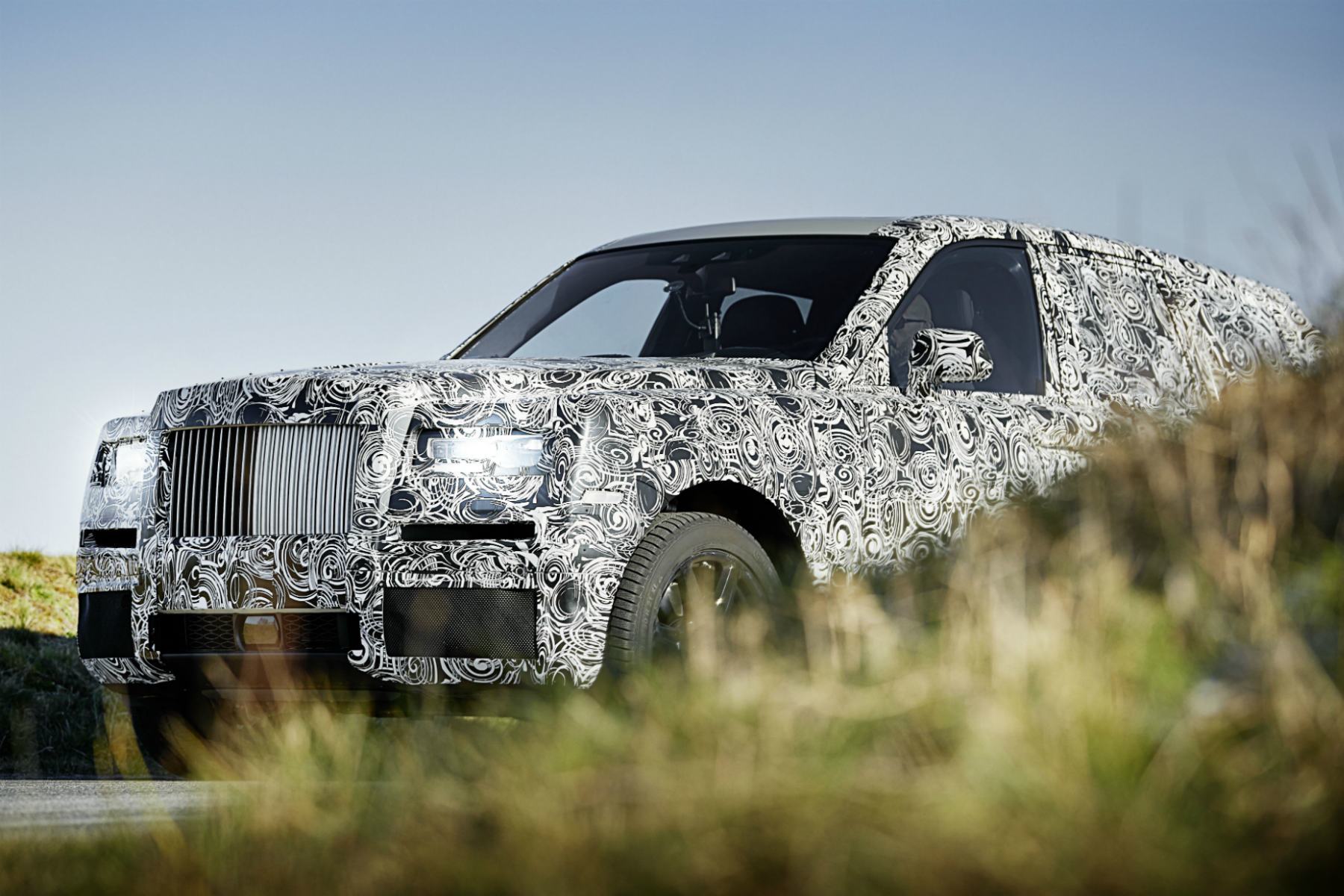
 Vauxhall will once again race in the British Touring Car Championship (BTCC) in 2017 after signing a deal with upcoming team Power Maxed Racing.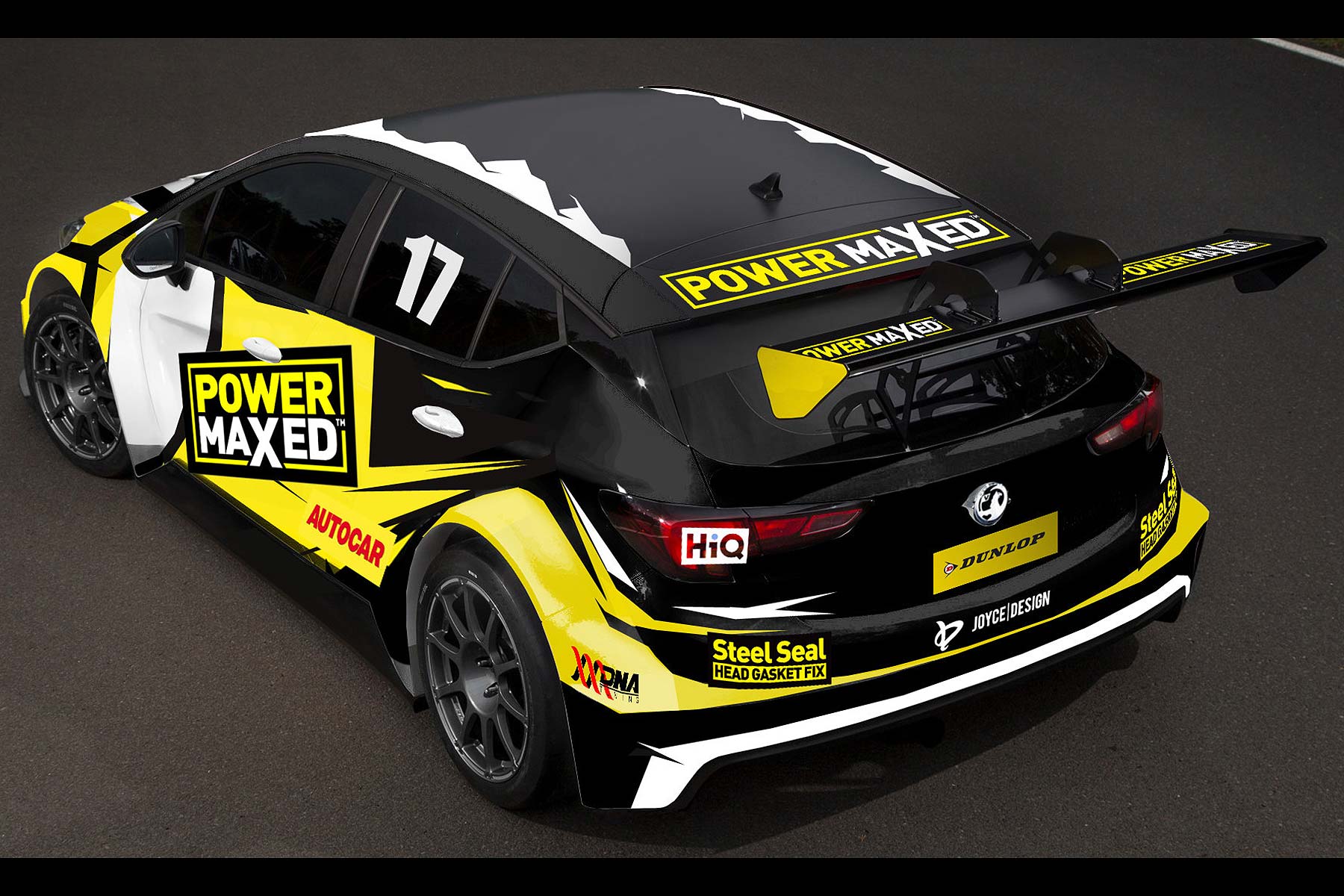
 At long last, Alfa Romeo has revealed its first ever SUV, called Stelvio. Debuting at the 2016 Los Angeles Auto Show, the new Alfa Romeo Stelvio will in 2017 launch to take on the Porsche Macan and Jaguar F-Pace in the battle of the sporty premium SUVs.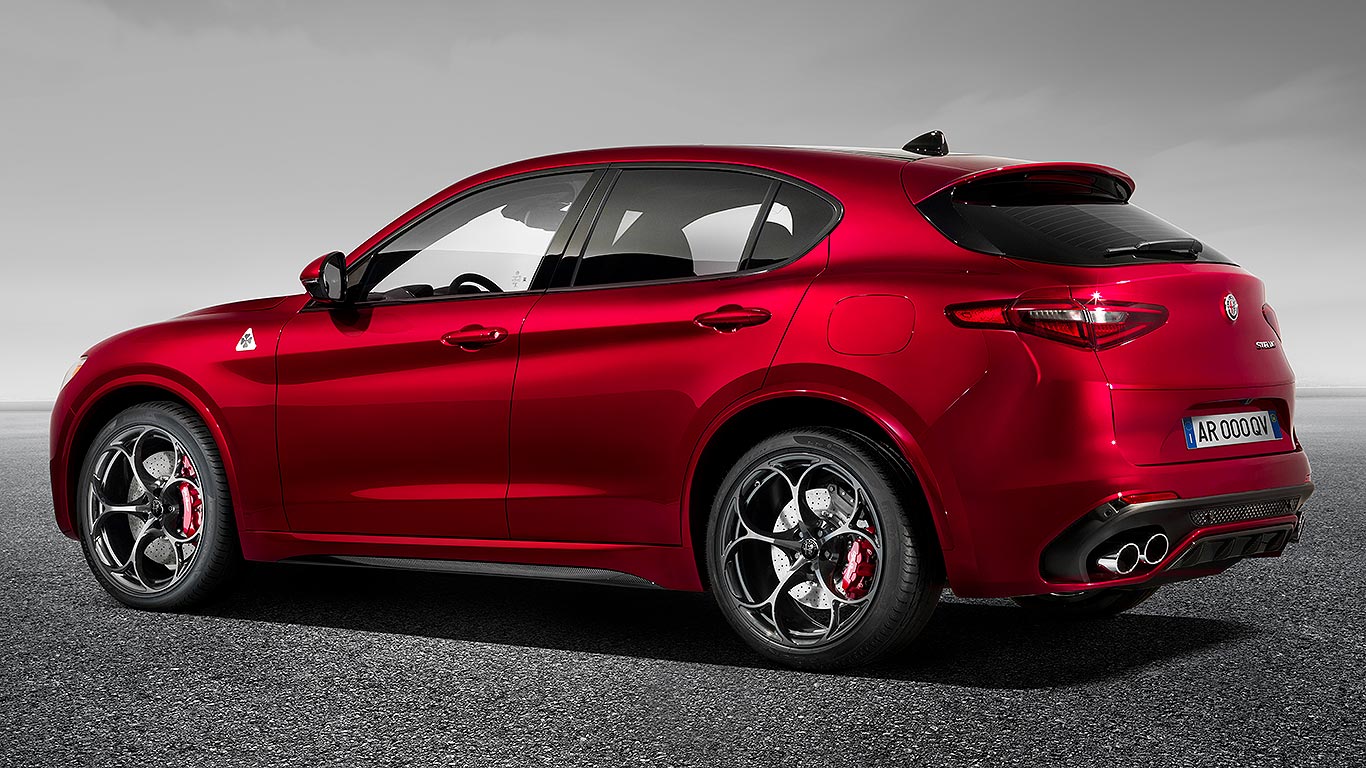


 The Jaguar I-Pace Concept SUV is the British sports car firm’s first ever electric car – and if you already like the look of it, get ready: Jaguar will roll out the production version in 2017, and promises the new I-Pace will be on our roads by 2018.