New car registrations plummeted by 19.8% in April as new car tax rates were introduced.
That’s according to data released this morning by the Society of Motor Manufacturers and Traders (SMMT) which shows 152,076 new cars were registered last month – making it the worst April since 2012.
The new VED rates, which were brought into force on on 1 April 2017, introduced a flat-rate of £140 for all petrol and diesel vehicles after the first year, compared to the CO2-based system used previously.
While electric cars continue to be tax-free, alternative-fuel vehicles including hybrid and plug-in hybrid models face a £130 yearly fee. This has resulted in the first downturn in alternatively-fuelled car registrations in nearly four years, as registrations dropped by 1.3% compared to April 2016.
“With the rush to register new cars and avoid VED tax rises before the end of March, as well as fewer selling days due to the later Easter, April was always going to be much slower,” said SMMT chief executive, Mike Hawes. “It’s important to note that the market remains at record levels as customers still see many benefits in purchasing a new car. We therefore expect demand to stabilise over the year as the turbulence created by these tax changes decreases.”
Registrations by private buyers were down by 28.4%, while businesses and large fleets also registered fewer cars (-21.0% and -12.3% respectively).
Despite the substantial hit in April, the SMMT says the overall new car market remains ‘strong’, with registrations over the first four months of 2017 up 1.1% compared to 2016.
Every year, the Federation of Historic British Vehicle Clubs holds Drive It Day, to raise awareness of everything that’s wonderful about old British cars and the clubs that support them. This year, we took part in a special run from Towcester Racecourse to Bicester Heritage, to join in the increasingly popular Sunday Scramble. Here’s how we got on.
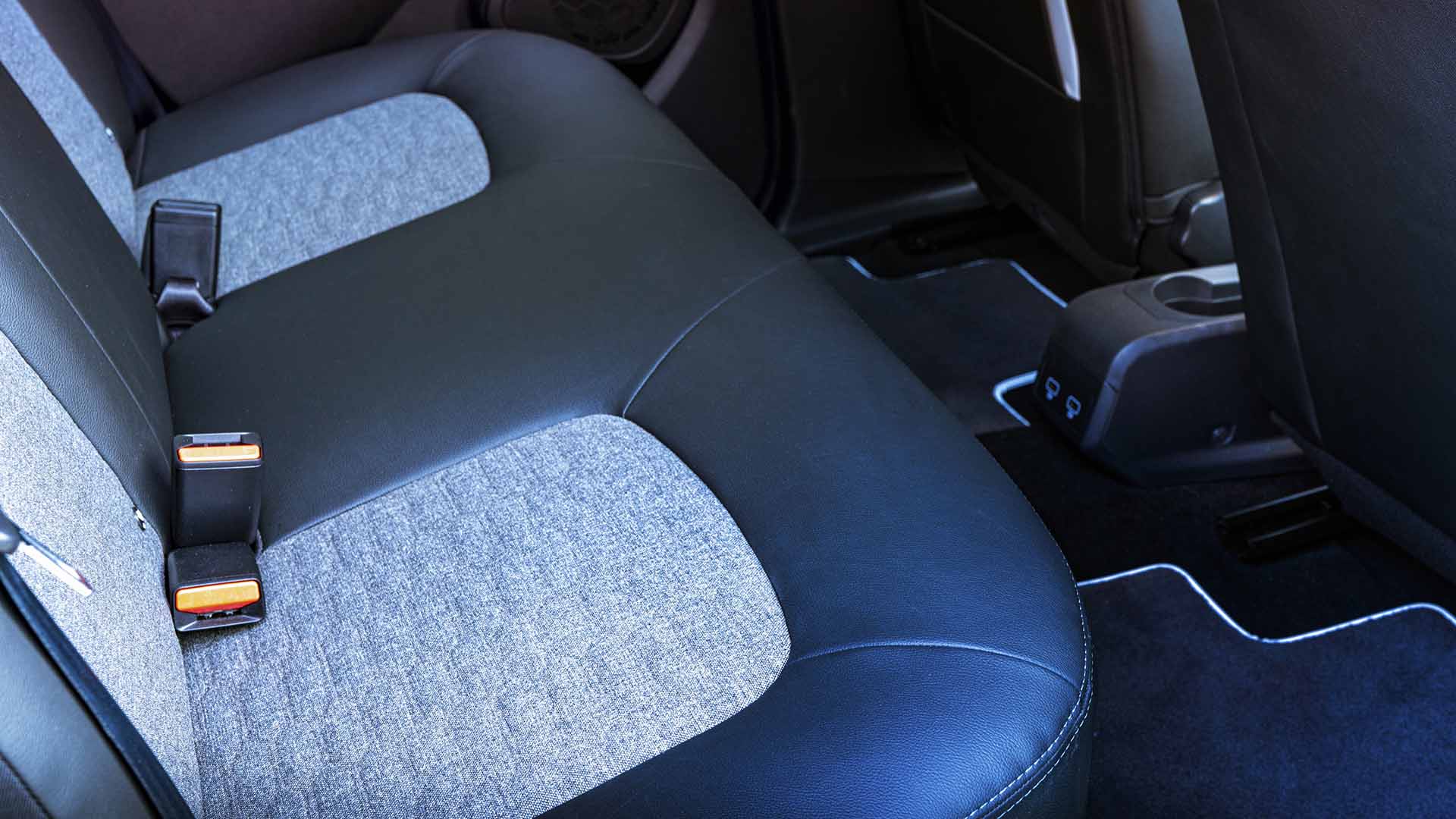
Isofix points are built into a car’s structure to provide the safest means of mounting a child car seat. They’ve been mandatory on all new cars sold in Europe since 2014, but you’ll find them on models dating back to 2006. Cars with two Isofix points are common, but what if you require three or more? We’ve put together a list of cars with at least three Isofix child seat points, either as standard or as an optional extra. It’s by no means an exhaustive list, but it should provide a good overview of your options.
Audi Q2
The Q2 is a compact SUV with an Audi badge, which makes it one of the most desirable cars you can buy. There are two Isofix points on the outer rear seats and one for the front passenger seat, with airbag deactivation. This means you can fit three child seats in the Q2, which makes it ideal for the school run. Prices start from £24,000, so it’s not the cheapest small SUV you can buy, but you get plenty of equipment as standard.
Audi Q7
The Q2’s big brother is larger in many ways, including the number of Isofix points. The Audi Q7 has six – yes, six – Isofix points, one for each passenger seat. Prices start from around £57,500, or a little over £9,500 per Isofix point. The entry-level Q7 Sport features Matrix LED headlights, 19-inch alloys, air suspension, two touchscreens, a digital instrument panel, climate control and leather seats.
BMW 2 Series Active Tourer / Gran Tourer
The idea of a front-wheel-drive MPV with a BMW badge might upset the purists, but the fact remains: these are two of the classiest options in their respective sectors. Both the 2 Series Active Tourer and the seven-seat Gran Tourer offer Isofix points on the two outer second row seats and one at the front. The middle rear seat might be a little cramped with two child seats either side, so the Gran Tourer could actually be the best option if you intend to carry five people.
Citroen Berlingo
The Citroen Berlingo offers the kind of practicality an SUV can only dream of. There are two versions: the five-seat M and the seven-seat XL, both of which offer Isofix points on each of the three rear seats. There’s enough room for child seats to be mounted three abreast. Both versions are extremely spacious, but the Berlingo XL gives you the choice of an extra two seats or boot space to rival an estate car.
Citroen Grand C4 SpaceTourer
Fitting child seats three abreast in a single row is the holy grail for some parents, which is why the Citroen Grand C4 SpaceTourer is so popular with families. All three seats in the middle row have Isofix points, plus you get the bonus of two Isofix points in the third row. Because all five seats can be moved independently, it means that you can carry five child seats in the back, making this a brilliant family car. Prices start from around £26,000.
Ford Galaxy
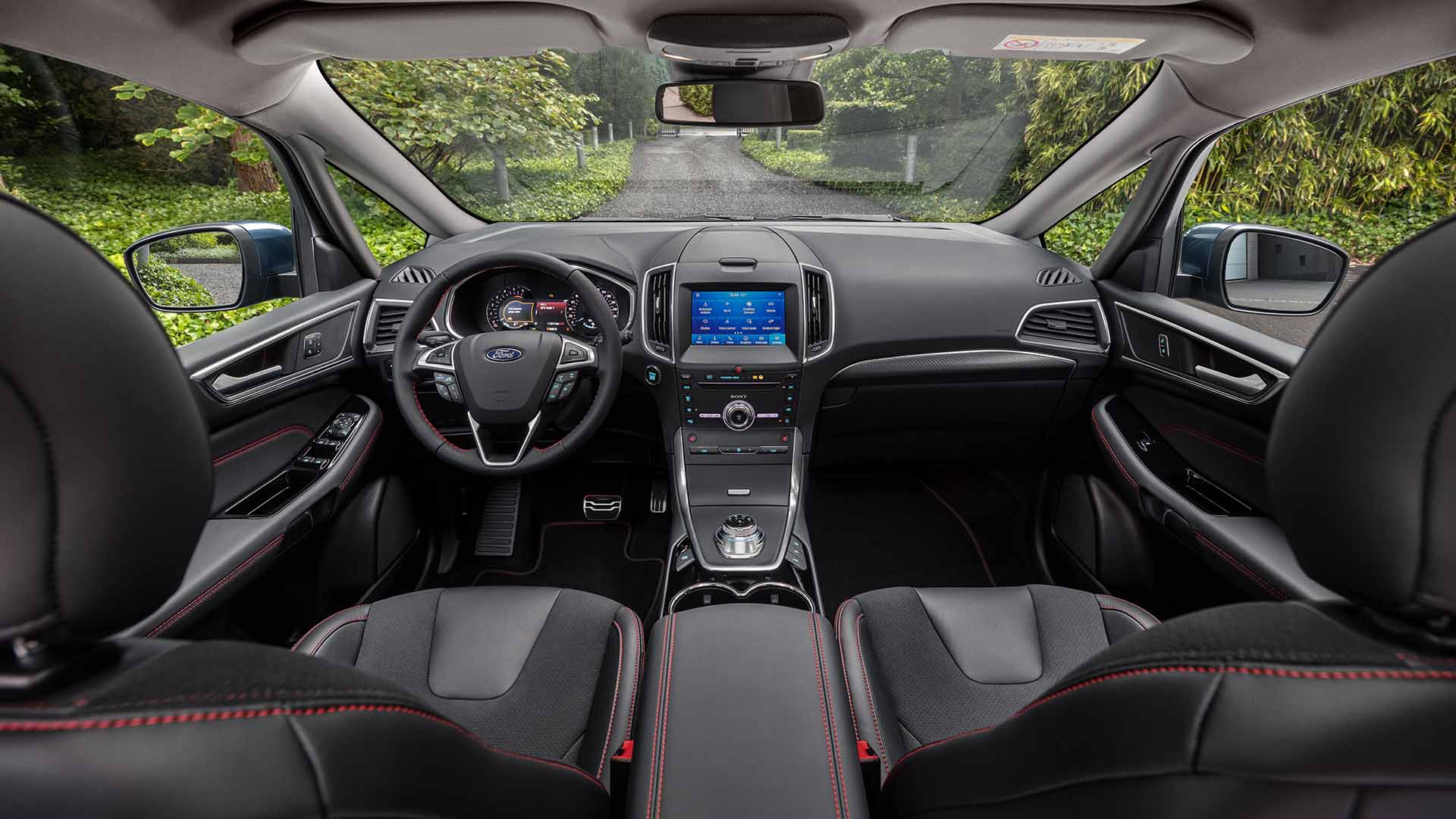
The Galaxy might feel like an ageing product in a market obsessed with crossovers and SUVs, but Ford’s practical seven-seater proves that there’s life in the MPV yet. There are three Isofix points on the middle row of seats, with enough space in the cabin for seven adults. It’s also nicer to drive than many SUVs, although your children won’t thank you for testing this theory on the school run. Prices start from £33,000.
Ford S-Max
The Ford S-Max is the Galaxy’s sportier cousin. This has always been the people carrier for parents who demand a decent driving experience to go with the practicality. The three Isofix points in the middle row will ensure your little ones stay locked tight if you’re a little too eager through the bends. Prices start from around £30,000, although you’ll pay closer to £40,000 for the plush Vignale model.
Land Rover Discovery
The Land Rover Discovery features seven adult-sized seats, including up to five Isofix points. These can be found on the front passenger seat, outer second row seats and both third row seats. This is one of the most versatile and spacious SUVs you can buy, with the added reassurance of a five-star Euro NCAP safety rating. Few cars are as accomplished as the Discovery, especially if you intend to venture off-road or tow anything heavy.
Mercedes-Benz GLB
The Mercedes-Benz GLB is a more family-friendly alternative to the larger and more expensive GLC. There are four Isofix points – two in the middle row and an extra pair in the third row. Although it’s slightly shorter and narrower than the GLC, the loftier stance creates an interior that’s spacious enough for five adults. Prices start from £37,000.
Mercedes-Benz Vito Tourer
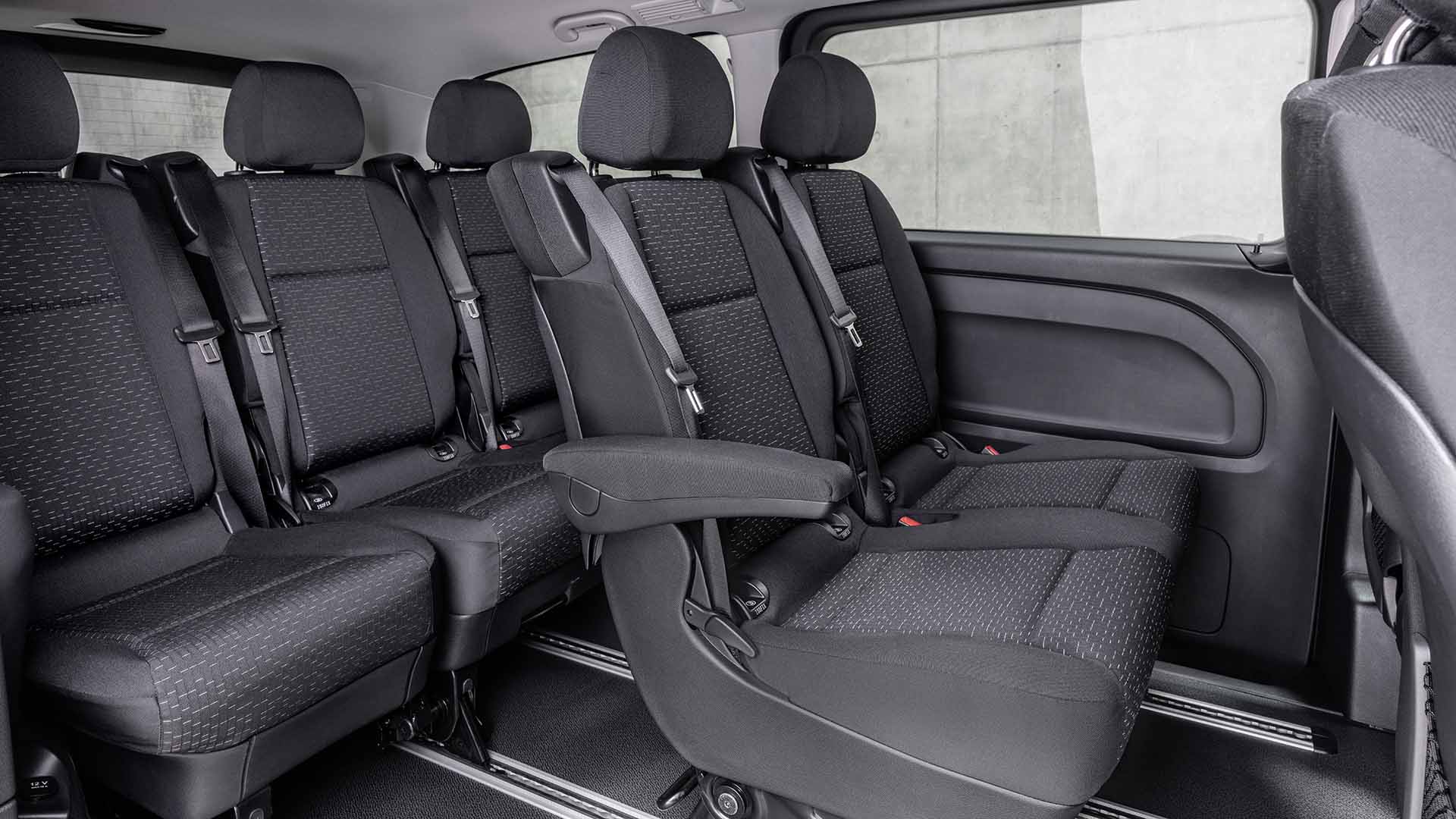
The passenger compartment of the Mercedes-Benz Vito Tourer can be configured according to requirements: for example with a two-seat bench in the first row and a three-seat bench in the second. In this guise, child seats with Isofix attachment points can be fitted to up to four seats. Upgrade to the Vito Tourer Pro and Isofix points are available on all seven seats.
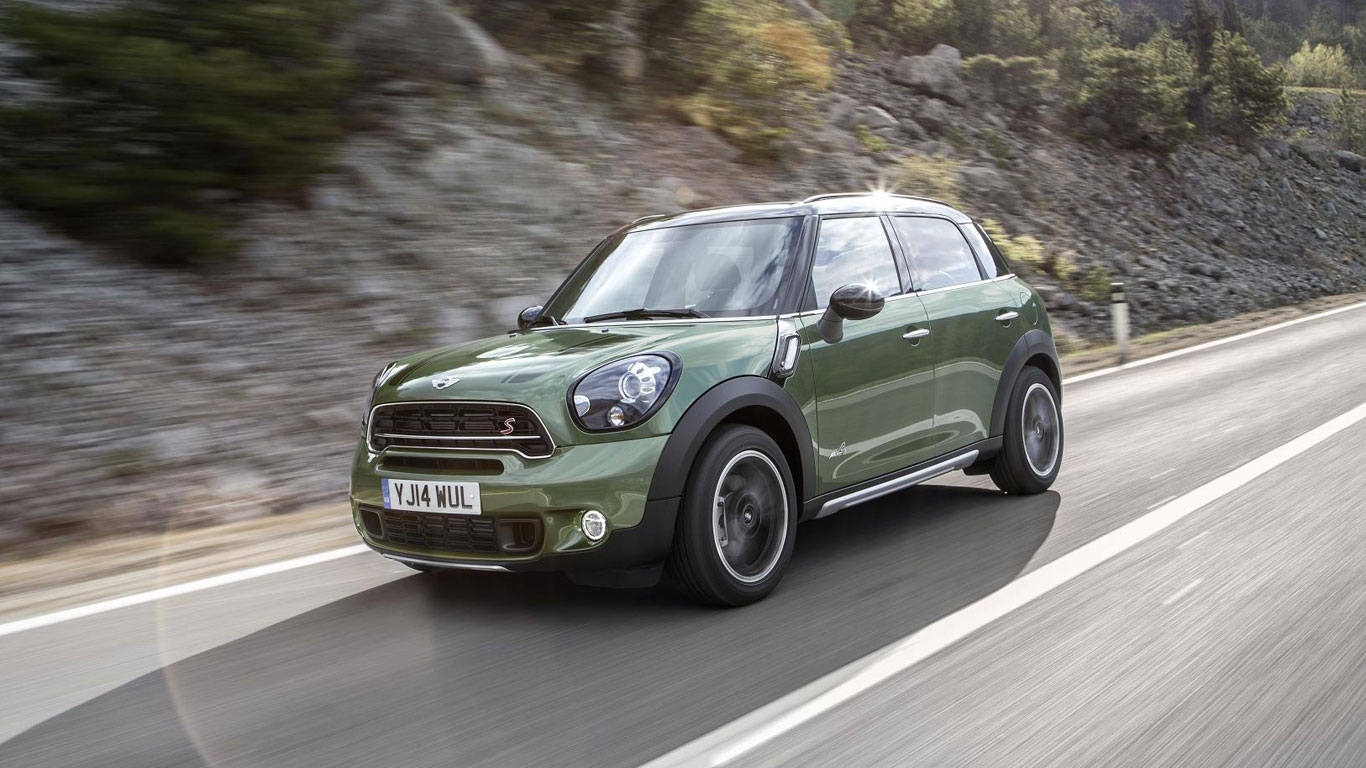
Mini Countryman
The Mini Countryman is bigger and more expensive than before, and is sure to divide opinion just like the original. In many ways, the latest model is far more convincing than the old one, and you’ll find two Isofix points in the back and an optional third Isofix point in the front. This costs £100 and comes with passenger airbag deactivation.
Nissan Micra
If you’ve got three children but you don’t want a large car, the Nissan Micra is an excellent choice. There are two Isofix points in the back, a third Isofix point in the front, plus a comprehensive suite of safety systems. The list includes emergency braking with pedestrian recognition, high beam assist, lane departure warning and intelligent lane intervention. All of this comes as standard, even on the £14,500 entry-level Micra.
Peugeot 3008
Nothing encapsulates the crossover boom quite like the Peugeot 3008, which has ditched the dowdy MPV styling of the old model, replacing it with something more akin to an SUV. A particular highlight is the well-made and clever interior, which just happens to include three Isofix points, one in the front and two in the back. A recent update makes it better than ever, with prices starting from £27,000.
Peugeot 5008
The 3008 is upstaged by its big brother, the Peugeot 5008, which manages to squeeze three Isofix points along the middle row of seats. You get an excellent level of standard equipment, including 17-inch alloy wheels, dual-zone climate control, LED headlights, LED rear lights, eight-inch touchscreen infotainment system, 12.3-inch digital instrument panel and seven seats.
Peugeot Rifter
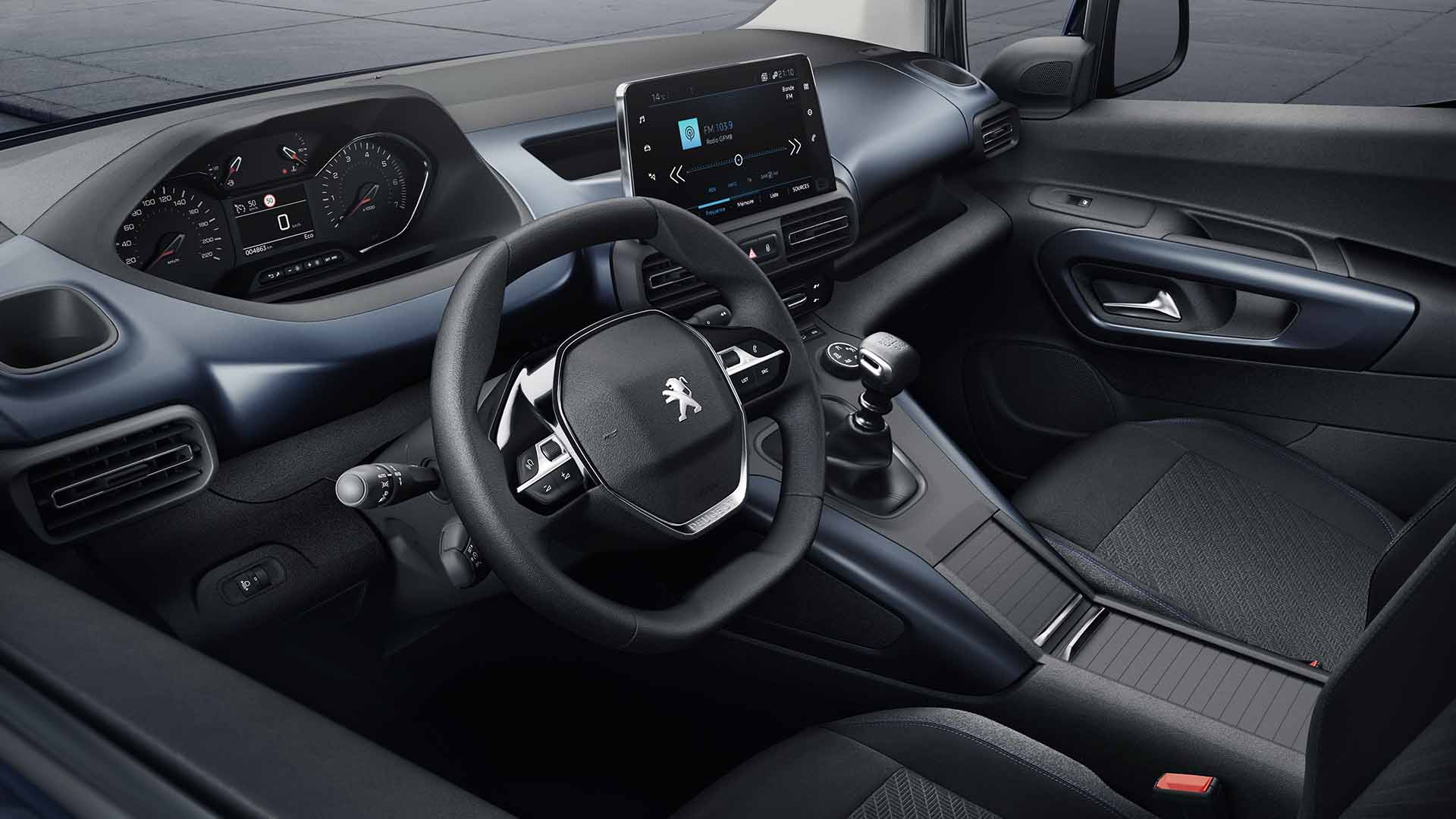
The Peugeot Rifter shares a platform and engines with the Citroen Berlingo, so you get the same level of versatility. It’s available as a five- or seven-seater, and in two lengths (standard and long). If anything, the Rifter feels a little more upmarket than the Berlingo, thanks to its SUV-like styling and classy interior.
Peugeot Traveller
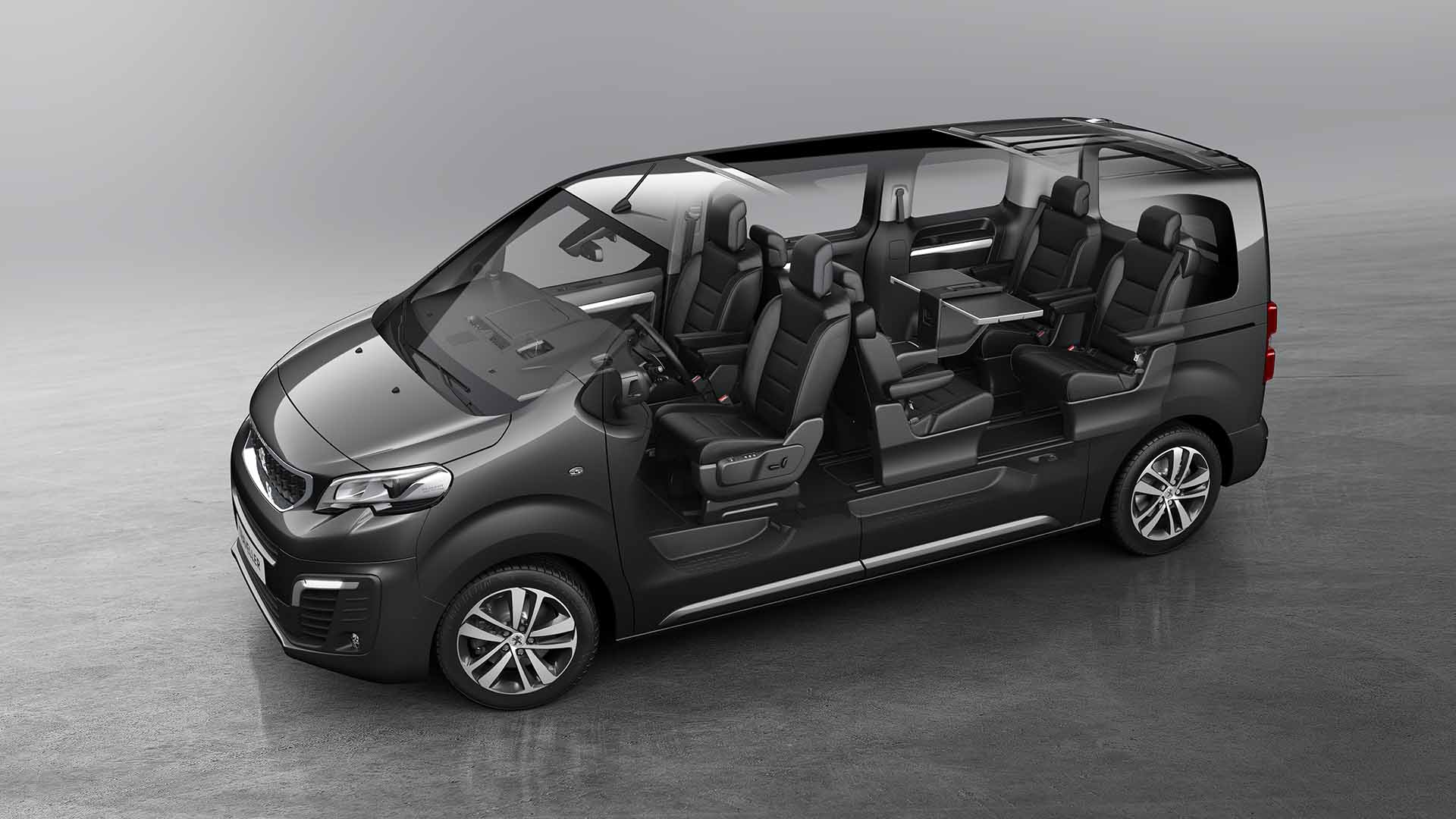
We didn’t include the Citroen SpaceTourer, but the specs are broadly similar to the Peugeot Traveller. Three Isofix points are fitted across the second row, but up to six Isofix points can be specified for larger families. The Traveller is available in standard or long length, with prices starting from £37,000. All-electric versions offer a range of 148 miles.
Renault Zoe
All versions of the Renault Zoe electric car come with three Isofix points: two in the back and one in the front. Standard features include LED headlights, air-conditioning, keyless start, cruise control, seven-inch touchscreen infotainment, Apple CarPlay, Android Auto and a free wallbox home charger.
Skoda Kodiaq
The Skoda Kodiaq is available as a five- or seven-seater and comes fitted with two Isofix points as standard. For a modest £45, you can equip the front passenger seat with an extra mounting point. The Kodiaq range starts from £26,500, with the cheapest seven-seater available for just under £28,000.
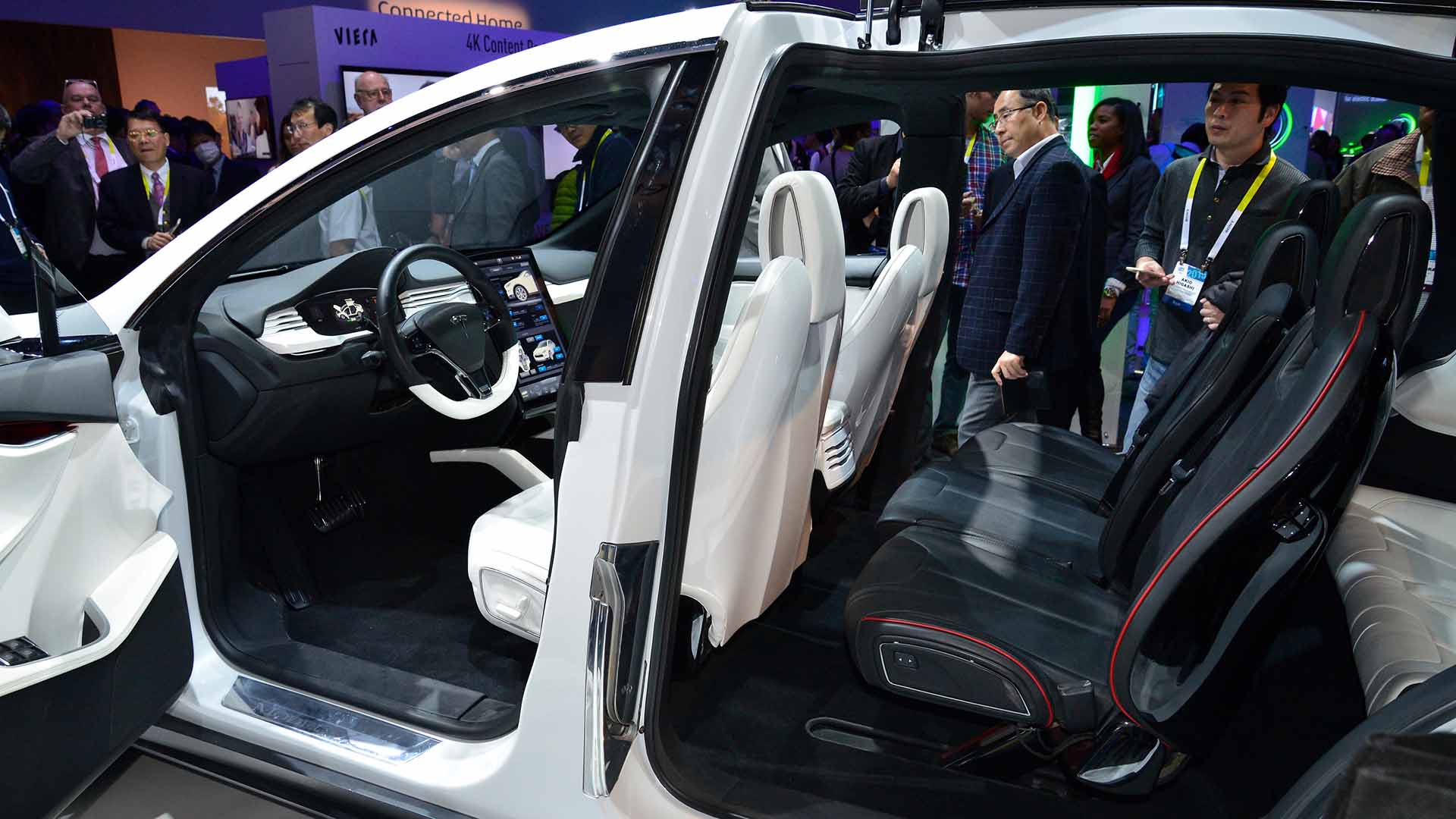
Tesla Model X
Tesla claims that the Model X is the safest SUV ever built, with a huge array of active and passive protection features. There are up to seven seats on board, four of which include Isofix mounting points. The middle seats are mounted on a single post and recline independently.
Toyota Proace Verso
The Toyota Proace Verso shares much in common with the Peugeot Traveller and Citroen SpaceTourer, but you get the added benefit of Toyota’s five-year warranty. You can select from three grades: seven-seat VIP, eight-seat Family or nine-seat Shuttle. The VIP model comes with a rail-mounted rear passenger lounge table, so your children can host their own meeting on the move.
Vauxhall Combo Life
The Vauxhall Combo Life is the less fancy alternative to the Peugeot Rifter and Citroen Berlingo. Edition and SE models come with a 60/40 split-folding rear seat in the middle row, but a three-person 33/33/33 layout is standard on the Elite and optional on the others. Even the seven-seat Combo Life Elite costs less than £29,000, which makes it a bit of a bargain.
Vauxhall Grandland X
The Vauxhall Grandland X is based on the Peugeot 3008, so it’s no surprise to discover that it offers the same number of Isofix points: two in the back and one in the front. The Peugeot in a Vauxhall frock is available from a little under £25,000. The Elite Nav Premium costs £30,000 and offers the kind of equipment you’d associate with a premium car.
Volkswagen Sharan
Although it’s no longer possible to buy a new Seat Alhambra, its platform-sharing Sharan sibling remains on sale. There are three Isofix points along the middle row, plus the benefit of two additional seats in the third row. The Sharan is showing its age, but few cars offer the same blend of quality and seven-seat space. Prices start from £33,500.
Volkswagen Touran
The Touran might be smaller and less practical than the Sharan, but it has one or two aces up its sleeve. Crucially, it offers five Isofix points, with anchor points on all second and third row seats. For many families, this will make it one of the best MPVs you can buy.
Being practical doesn’t necessarily mean having to give up your street cred. When the time comes to transport a growing family, there are ways and means to resist the slide into blandness. These 20 cars prove that you can achieve domestic bliss, yet still gain envious glances in the supermarket car park.
Porsche tops list of Europe’s most popular classics
No replacement for displacement: the 25 cars with the biggest engines
Classic Mini makes a £50,000 comeback
1982 Peugeot 505 Familiale
Notable for being Peugeot’s last rear-wheel-drive production car, the 505 was produced in various forms between 1978 and 1999. With more than 1.3 million sold, it must have done something right, but the version we’re interested in is the ‘Familiale’. Introduced at the 1982 Geneva Motor Show, this estate offered seating for up to eight thanks to a folding third-row bench. Oh, and the styling was a collaboration with Pininfarina, which clearly ratchets up the cool points.
1984 Renault Espace
Often cited as being the first real MPV, the original Espace landed in 1984 after a lengthy and tumultuous gestation period. Designed by Chrysler UK to replace the uncool Talbot Rancho, it then ended up in the hands of PSA Peugeot Citroen. Finally, via Matra, the Espace went on sale badged as a Renault. Its fibreglass body was novel, but customers took time to warm to the radical styling. Today, if you can find one, it would make a suitably leftfield family transporter.
1986 Mercedes-Benz W124 E-Class Estate
Get ready to tick off the typical Mercedes-Benz list of clichés with the W124 E-Class. Yes, this estate is from the time when Mercedes models were associated with ‘vault-like’ build quality and ‘bulletproof’ reliability. Most significant was the option of seven seats, courtesy of a rear-facing third row that folded flat into the boot floor. This combination of space, plus the ability to rack up galactic mileage, means the W124 wagon still commands strong prices.
1957 Chevrolet Nomad
Proving that family transportation was cool more than six decades ago, the Nomad was related to the iconic Chevy Bel Air. Featuring a two-door shooting brake design with a split two-piece tailgate, the Nomad offered practicality and good looks. For 1957, it gained the option of the wondrously named ‘Super Turbo Fire V8’ with 283hp from this cutting-edge fuel-injected engine. Only sold for three years, you’ll need at least $45,000 (£35,000) to rock this retro-cool look.
1959 Ford Country Squire
Proving that car manufacturers were doing ‘lifestyle’ photoshoots long before the Lycra-clad 1990s, it’s the 1959 Ford Country Squire. This particular car featured push-button lifestyle accessories, with a roof-mounted boat that flipped over to reveal a tent beneath. There was even an electric fridge in the boot. The Country Squire soldiered on as part of the Ford range until 1990 when America fell out of love with the station wagon. In case you’re wondering, the woodgrain trim was fake – and had been since 1953.
1991 Jeep Grand Wagoneer
Another car guilty of the fake veneer treatment was one that can legitimately claim to be the first premium SUV. Introduced in 1963 by the Kaiser Jeep Corporation, the Wagoneer had an upmarket interior that set it apart from other 4×4 models at the time. By 1991, and under the control of Chrysler, the last few Grand Wagoneers were even more luxurious and better equipped. Accordingly, they attract premium prices from collectors.
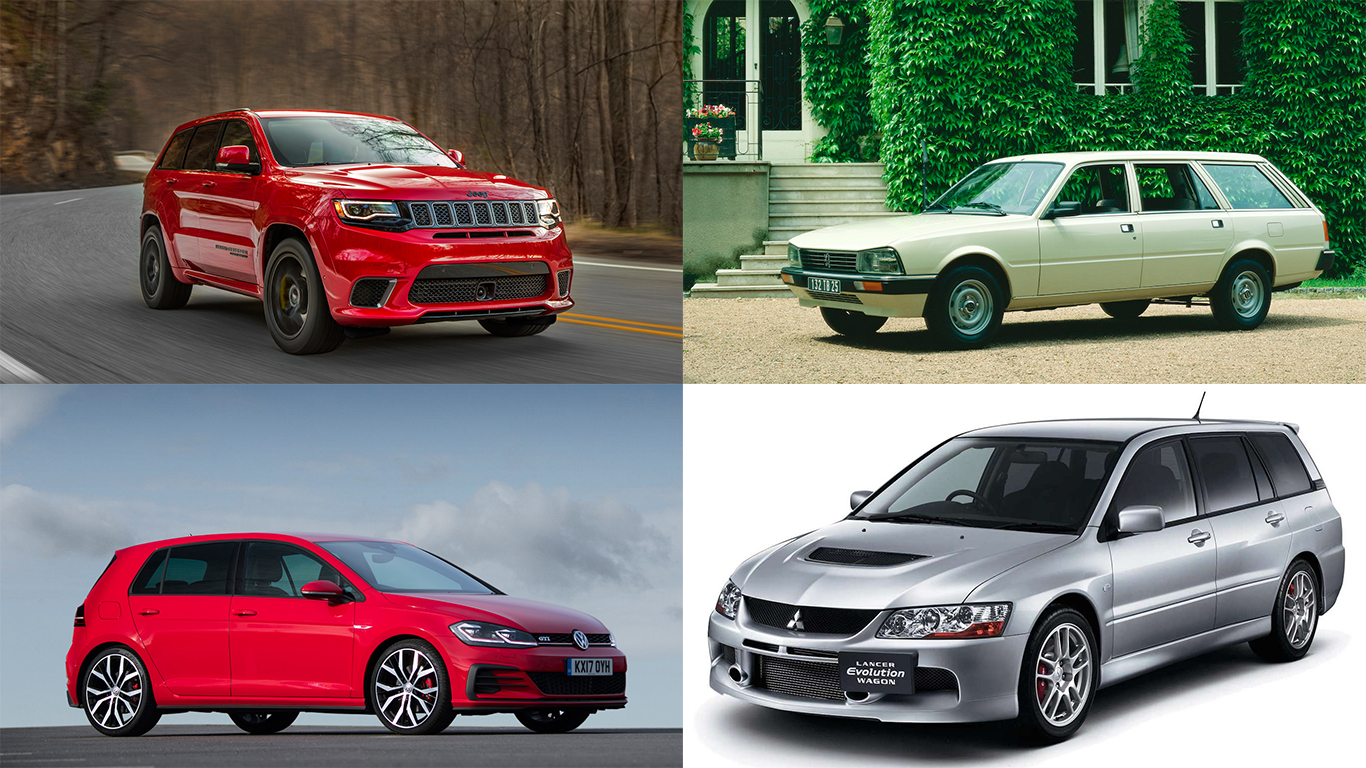
2018 Jeep Grand Cherokee Trackhawk
Jeep hasn’t forgotten how to produce cool family machines since the Wagoneer, although the brand-new Trackhawk is desirable for slightly different reasons. Taking the 707hp 6.2-litre supercharged V8 engine from the Dodge Challenger Hellcat and mating it to a 4WD system means 0-60mph in 3.5 seconds. Top speed is an equally ridiculous 180mph.Plus, you can set the suspension and gearbox to ‘Track mode’ should you want to get impress at the race circuit. Sick bags don’t appear on the options list, but at least the leather upholstery will be wipe-clean.
1998 Toyota Land Cruiser Amazon
Cool doesn’t necessarily mean fast or stylish. In fact, for family transport, automotive chic can be as simple as dependability in the most extreme situations. With a lineage that stretches back to 1951, the Land Cruiser has built a reputation for reliability and trustworthiness. Just ask Land Rover what it did for their export sales in places like Australia. The J100 Amazon, introduced in 1998, could be had with a 4.7-litre V8 engine, and offers a sense of quiet confidence when tackling the school run.
2000 Volkswagen Sharan 2.8 VR6
Much like this decade has been defined by the SUV, the 1990s were the era of the MPV. Offerings like the Sharan – and its Ford Galaxy/SEAT Alhambra sisters – were the answer to almost every family problem. Even the need to drive a seven-seater MPV, with a 2.8-litre 201hp narrow-angle V6 engine, was covered. Picking the VR6 still only meant 0-60mph in 10.6 seconds, but fuel economy dropped to a faintly ridiculous 22mpg. A small price to pay for transporting your kids with a six-cylinder soundtrack?
2001 Vauxhall Zafira GSi
The first-generation Zafira suffers from something of an image problem, perhaps not helped by Vauxhall’s TV adverts with Griff Rhys Jones. But in 2001, Vauxhall launched the sporty GSi version, with a 189hp turbocharged 2.0-litre engine from the Astra. A 0-60mph sprint of 7.5 seconds, combined with relatively subtle styling, make this something of a Q-car. If you can cope with the badge snobbery…
2006 SEAT Altea FR TFSI
Rarer and even more random than the Zafira, the Altea FR TFSI offers a fleeting chance that buying a compact MPV doesn’t mean giving up completely. Not only does it feature styling by Walter de Silva – he of Alfa Romeo 156 fame – but the FR had the option of a 197hp 2.0-litre TFSI engine. That’s the very same engine that powered the Mk5 Golf GTI, to much acclaim from journalists and enthusiasts alike. FR spec also means sports suspension, meaning this Altea handles better than you might imagine.
2006 Ford S-Max 2.5 Titanium
However, the title of ultimate performance MPV must go to the original Ford S-Max. Using the 2.5-litre five-cylinder engine from the Focus ST, its 216hp output means 0-60mph in 7.4 seconds and top speed of 143mph. Add a five-cylinder warble, seven seats and impressive handling, and the S-Max becomes quite a desirable package. It also proved popular with numerous police forces, adding an extra layer of coolness.
1995 Volvo 850 T-5R
Also beloved of the constabulary, the 850 T-5R was a worrying presence in the rear-view mirror of many motorway drivers. Created as Volvo went through a period of reinvention, the T-5R was a limited edition that used a 245hp 2.3-litre turbocharged engine. Although offered in estate and saloon body styles, the wagon was infinitely cooler – not least because of the 850 estate campaigned in the British Touring Car Championship.
2005 Mitsubishi Lancer Evolution IX Wagon
Not officially sold outside of Japan, and created in limited numbers, the Evo IX Wagon is an opportunity to transport your family in a unique machine. Only 2,500 were built, melding the Evo IX saloon chassis to bodywork from the regular Lancer estate, with extensive additional welding and strengthening. Power was unchanged at 276hp, as was the full-time 4WD system with active centre differential. Tracking down an import might not be easy, but will be worth it.
2006 Audi B7 RS4 Avant
Flared wheelarches, Audi build quality and a 4.2-litre V8 engine that also saw service in the original R8 supercar. Not a bad place to start for a five-door estate, and such qualities made the RS4 a genuine challenger to the BMW M3. A rear-biased Quattro drivetrain offered slip and security in equal measure, while 0-62mph in 4.9 seconds is more than fast enough for a family wagon.
2007 BMW E60 M5 Touring
In the early 2000s, BMW established a reputation for building the most powerful V10 engines in Formula 1. Although they never took a World Championship against a dominant Ferrari team, BMW still won plaudits for its 10-cylinder powerplant. Seeking to capitalise on this, it equipped the E60 M5 with a 5.0-litre V10 producing 500hp. A semi-automatic gearbox allowed drivers to live out their inner Juan Pablo Montoya fantasies, with launch control offering lightning-fast getaways from a standing start. Today it looks almost subtle but, to those in the know, this is an achingly cool machine.
2017 SEAT Leon ST Cupra 300
Despite the love for crossovers and SUVs, compact estate cars have seen a renaissance in recent years. The SEAT Leon ST has proven to be very popular, not least because of striking good looks, strong equipment levels and decent value. Top of the tree is the Cupra 300, which makes, as the name suggests, 300hp from its 2.0-litre turbo engine. Consider the Cupra 300 a cut-price version of the Golf R Estate and it makes a surprising amount of sense, with even the option of 4WD on the cards.
2004 Subaru Forester STi
If 4WD really is a necessity for your family needs, how about another import-only Japanese creation? With the 2.5-litre flat-four boxer engine from the Impreza WRX STi, this second-generation Forester made 265hp. That’s good enough for 0-62mph in around 5.0 seconds, with Brembo brakes and tuned suspension to keep everything in check. Fuel economy might not be family-friendly, at 25mpg or less, but just remind yourself that you’re buying a practical estate with rally pedigree.
2016 Audi RS Q3 Performance
Should you want retro-rally ancestry in your family car, the RS Q3 could be the choice for you. The five-cylinder turbocharged engine sounds like those used in the wild Group B Quattro rally cars of the 1980s, even if the RS Q3 has to make to do with only 362hp. Performance specification brings cool-looking titanium alloy wheels and blue Alcantara seats. But ultimately you’re buying it for the noise made by the giant oval tailpipe.
2017 Volkswagen Golf GTI five-door
If a hot hatch is meant to be all things to all people, the Golf GTI is surely the ultimate expression of that. It’s classless yet classy, desirable but affordable, and as practical as a regular Golf hatchback. Does family motoring get cooler than this? The latest GTI is an absolute corker, with 230hp on tap from its 2.0-litre turbo motor. Make sure you keep it five-door and you’ll have a car that’s as usable as any normal family hatchback, but with a badge that truly means something.
Unless you’ve been living under a rock for the past decade, you’ll know that SUVs are hotter than hot cakes right now. New car buyers simply cannot get enough of the high-ridin’ heroes of the high street.
The 2017 New York Auto Show offers everything from a supercar-taming Jeep to a crazy concept from Toyota. We check out 10 of the best SUVs on display.
Auction specialist names top 6 best-investment cars
Jeep’s claim that the Grand Cherokee Trackhawk is the “quickest SUV ever” might ruffle a few feathers at Tesla, but there’s no doubting its performance credentials. The supercharged 6.2-litre V8 engine delivers 707hp and 645lb ft, enough to keep that new Dodge Demon thingy on its toes.
The top speed is 180mph, while the 0-60mph time is polished off in 3.5 seconds. For reference, the Tesla Model X will sprint to 60mph in a claimed 2.9 seconds. But if the Tesla represents the future of the SUV, the Trackhawk is thoroughly old-school. A jackhammer to Tesla’s silent assassin.
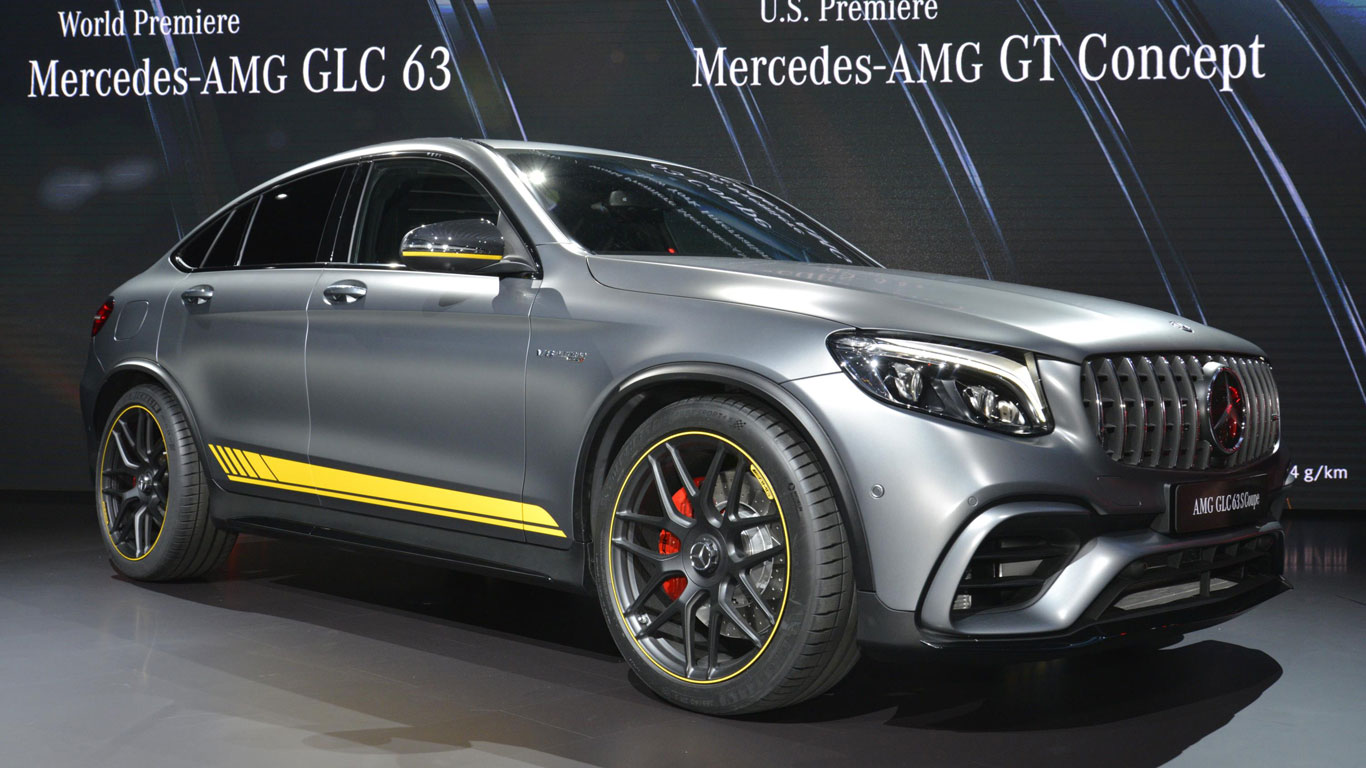
Mercedes-AMG GLC63 S Coupe
Nearly 50 years of AMG history has led us here: to the Mercedes-AMG GLC63 S Coupe. The 4.0-litre V8 biturbo produces 503hp and 516lb ft of torque, helping to propel the aesthetically-challenged SUV to 60mph in 3.7 seconds.
The Coupe shares many of its styling cues with the standard and more practical GL63 SUV, which means a bold AMG Panamericana grille at the front and an aggressive rear bumper featuring an integrated diffuser. The key difference is the sloping roofline, which gives it the look of a classic coupe. That’s if you squint. Like, really hard. No, harder than that.
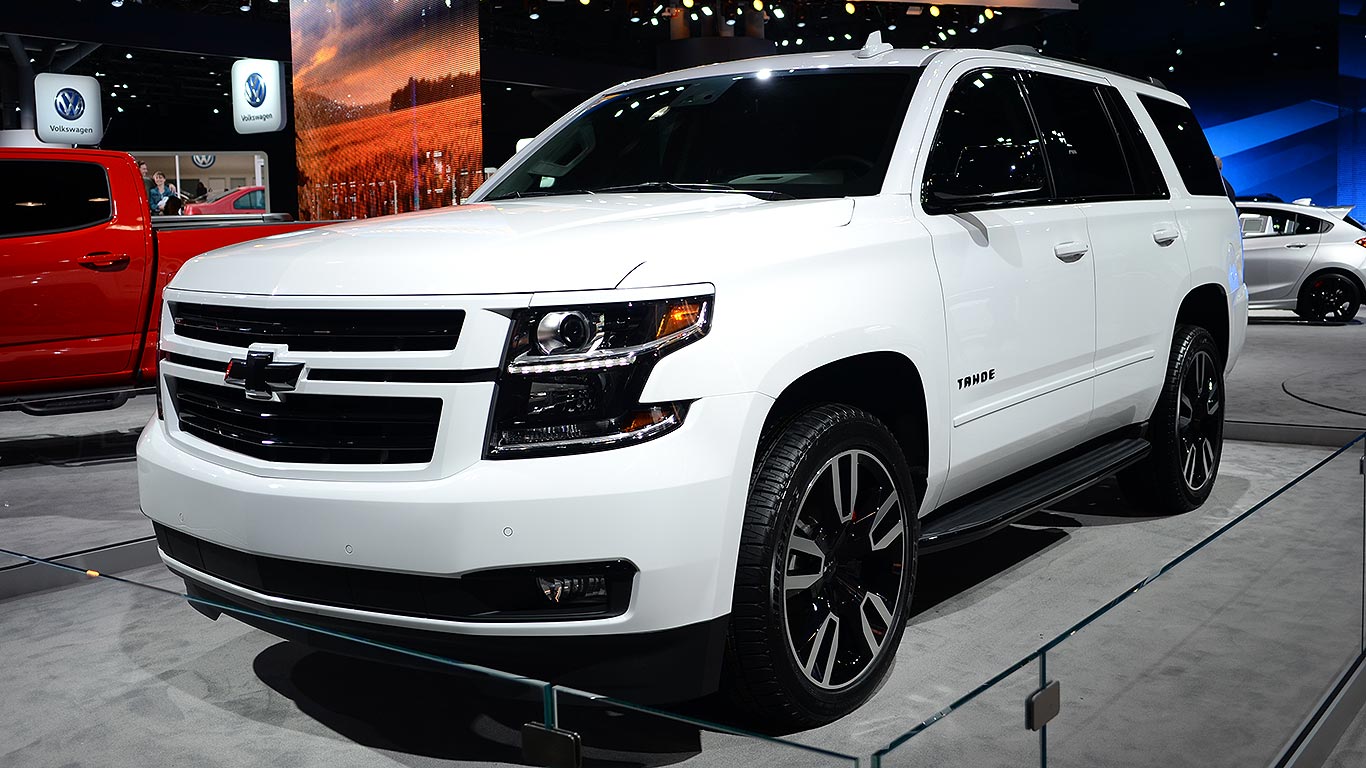
Chevrolet Tahoe RST
Keen not be left chasing shadows – or rather the Grand Cherokee Trackhawk – Chevrolet has released a Rally Sport Truck (RST) package for the Suburban and Tahoe. The RST delivers the obligatory styling upgrades and larger wheels, but it’s the Tahoe that has piqued our interest.
Tick the box marked ‘Performance’ and the Tahoe RST is treated to the 6.2-litre V8 engine lifted straight out of the Silverado. While 420hp and 460lb ft of torque might not seem like a big deal in a world where the Grand Cherokee Trackhawk exists, it certainly makes for an interesting SUV. The 0-60mph time of 5.7 seconds is more hot hatch than supercar, mind.
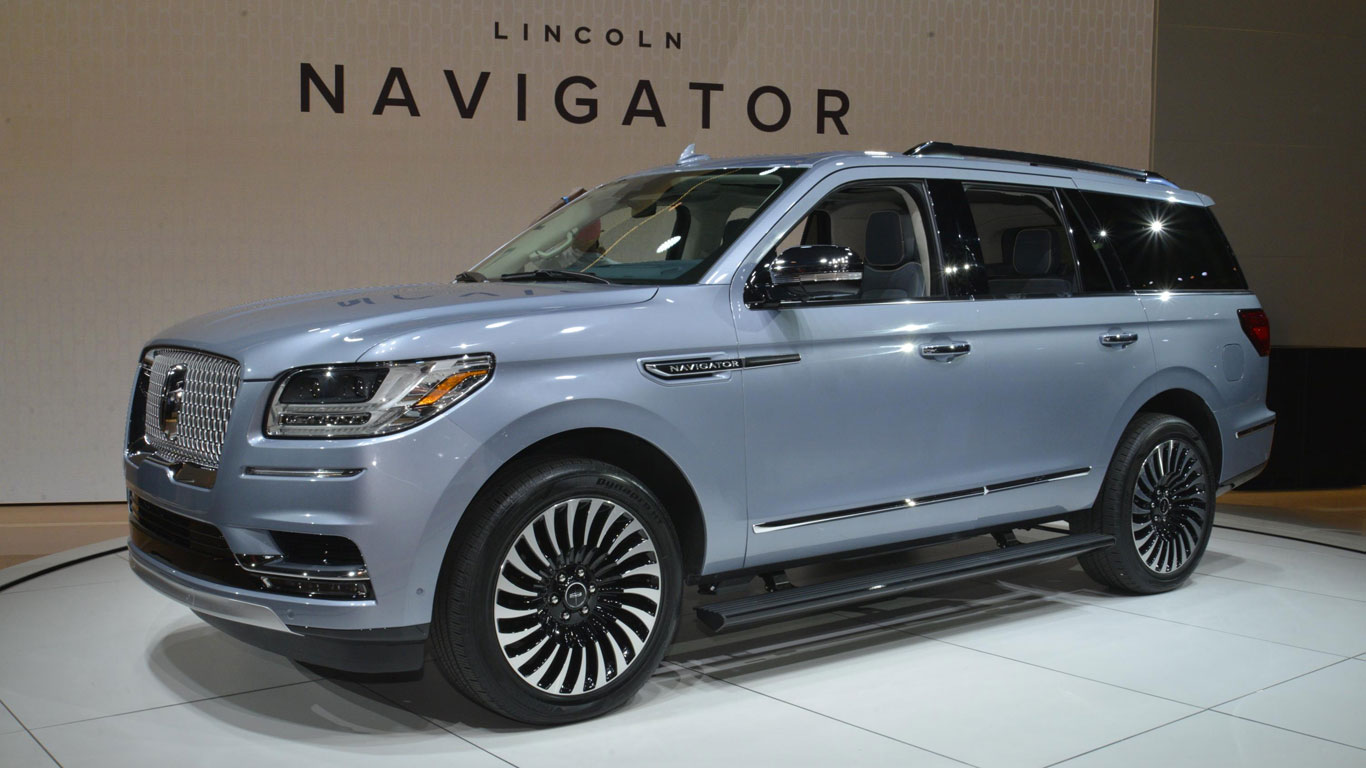
Lincoln Navigator
Nobody does supersize SUVs quite like the Americans, and the new Lincoln Navigator has the potential to be the best of the breed. Lincoln claims that it will elevate “family travel to first class” and it’s certainly large enough to rival an airliner, with enough comfort and convenience features to challenge a first class departure lounge.
It’s lighter, too, with a new aluminium-alloy helping the new Navigator to tip the scales some 200 pounds lighter than before. That said, it’ll still weigh the equivalent of an out-of-town supermarket. Power is sourced from a twin-turbocharged V6 engine producing 450hp.
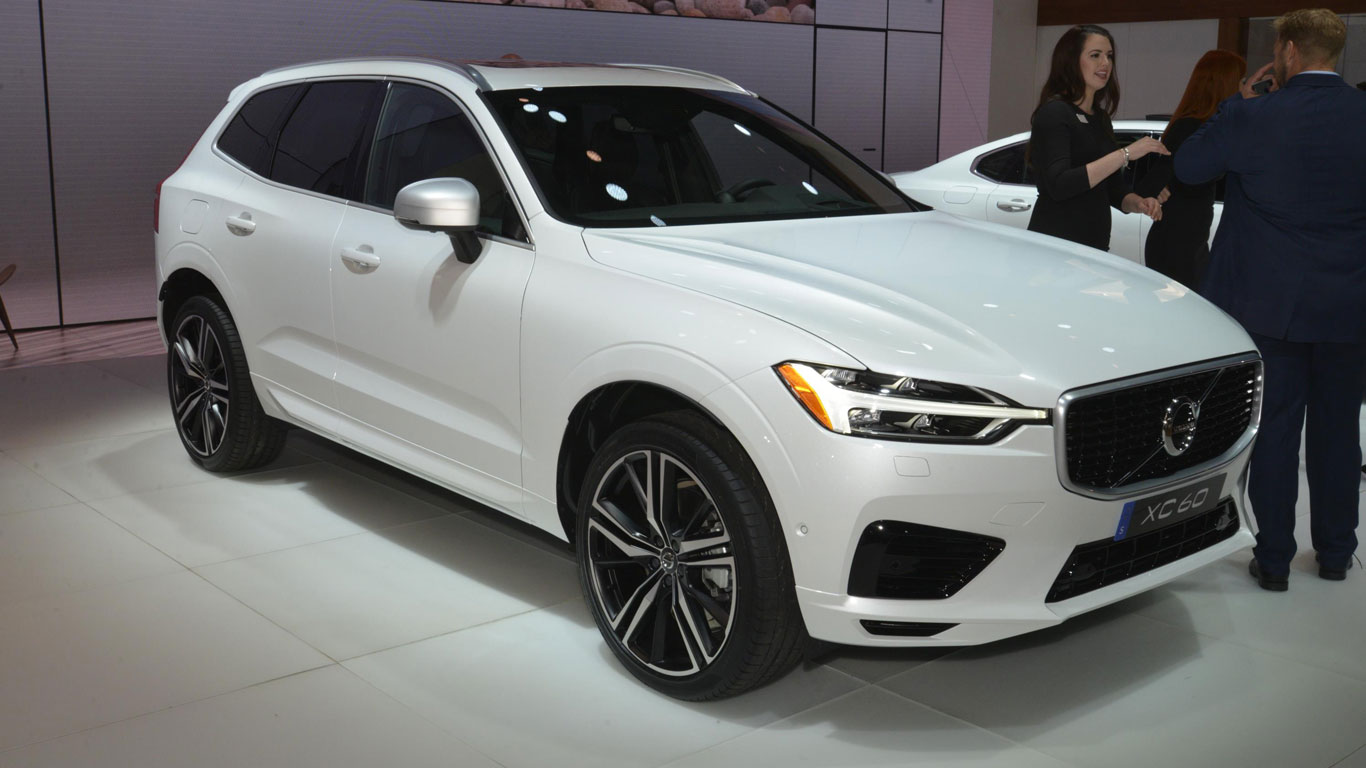
Volvo XC60
If the Lincoln Navigator and Cadillac Escalade are prime examples of all-American SUVs, the Volvo XC60 offers a more European flavour. Introduced at the 2007 North American International Auto Show, the XC60 muscled in on the US market, quickly establishing itself as Volvo’s best-selling vehicle.
More than a million XC60s have been sold, which represents 30% of Volvo’s global sales, so there’s a lot of pressure resting on the shoulders of this good looking SUV. If it’s as good as the XC90 – which we suspect it will be – it stands every chance of picking up where the old model left off.
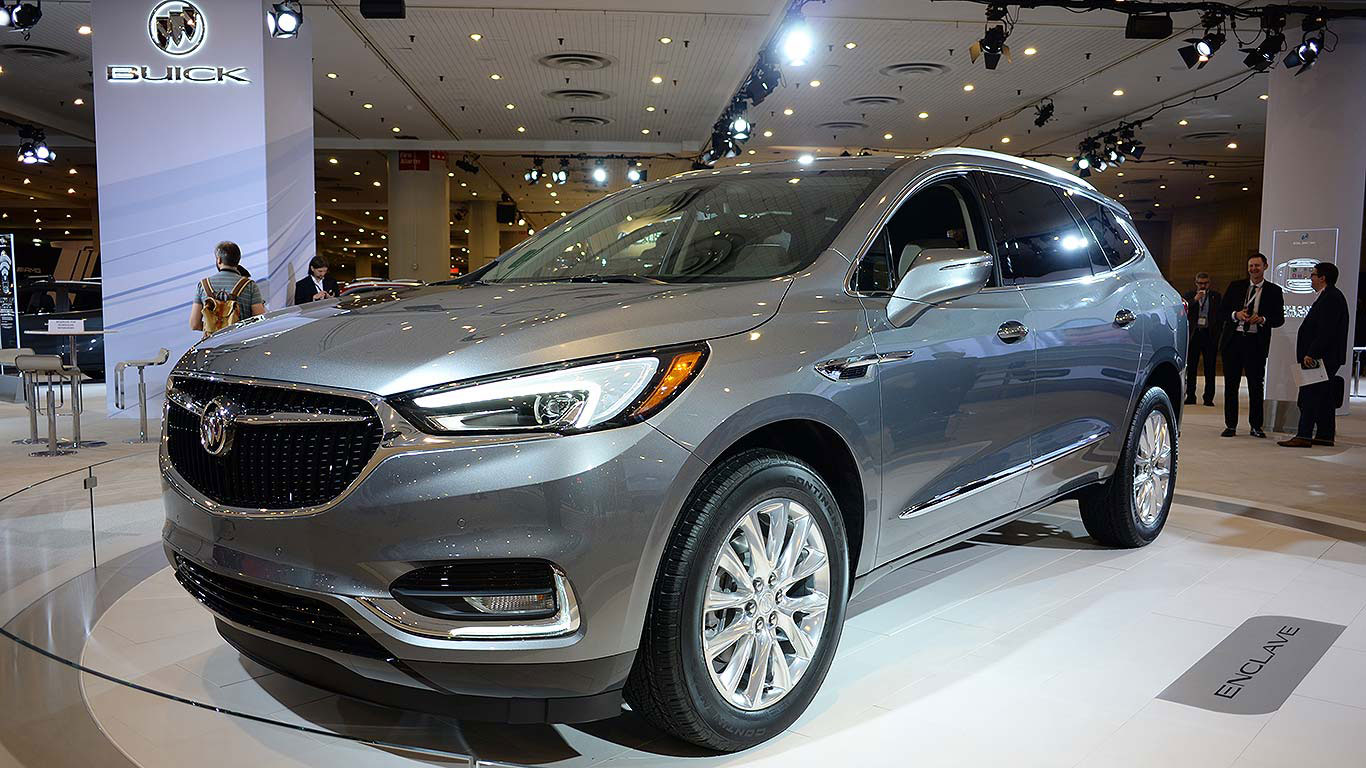
Buick Enclave
The Enclave is as important to Buick as the XC60 is to Volvo. Duncan Aldred, vice president of Global Buick and GMC, called the original model a “game-changer”: a reference to the fact that it arrived at a time when GM was in need of a hero. The outgoing model has been on sale for close to a decade: a testament to its success and popularity.
The new Enclave is bigger than before, but remains powered by a 3.6-litre V6 engine, with power increased to 302hp. Buick has used the new Enclave to launch the new Avenir sub-brand. Think along the lines of Ford’s Vignale, with plusher materials, improved tech and a higher price.
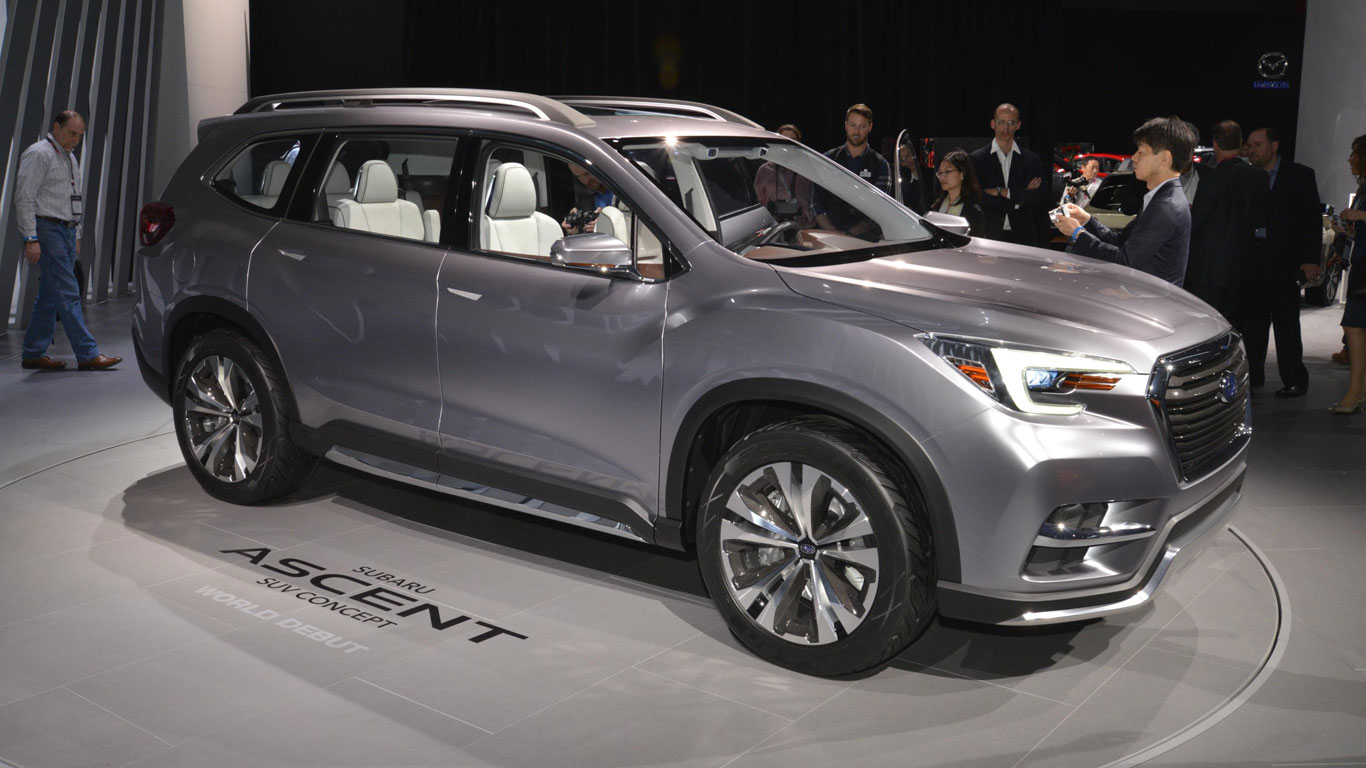
Subaru Ascent
If Subaru wants to mix it with the big boys, it needs an authentic SUV. Something larger than the Outback, tougher than the XV and less niche than the Forester. The Ascent concept previews a future three-row SUV that will be called the, er, Subaru Ascent.
The good news is that the interior looks superb, complete with middle-row captain’s chairs and three seats in the third row. You also know that it will be formidable off-road. The bad news is that the Ascent will be sold exclusively in North America.
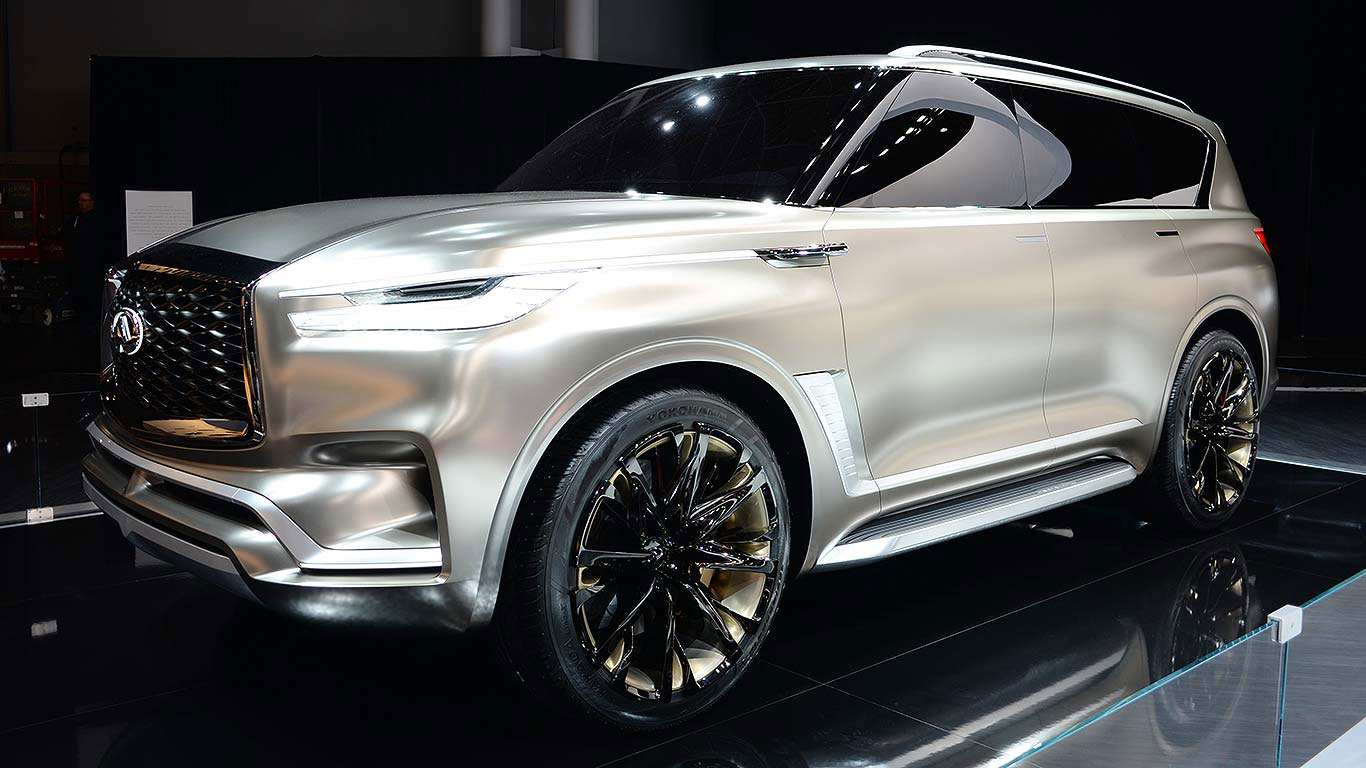
Infiniti QX80 Monograph
To say that the Infiniti QX80 Monograph is slightly less ugly than the current QX80 would be like saying Freddy Krueger is slightly less scary than Michael Myers. While it might be true, it’s still going to give you nightmares. But don’t worry, it’s just a design study, so there’s still time for Infiniti to have a rethink.
Infiniti has issued many words to promote the Monobrow – 1,224, to be precise – but doesn’t give too much away. The alloy wheels, in case you’re wondering, are 24-inch in diameter and overlap the tyres to present the appearance of 26-inch rims. An SUV for the Middle East, perhaps, but not one for Middle England.
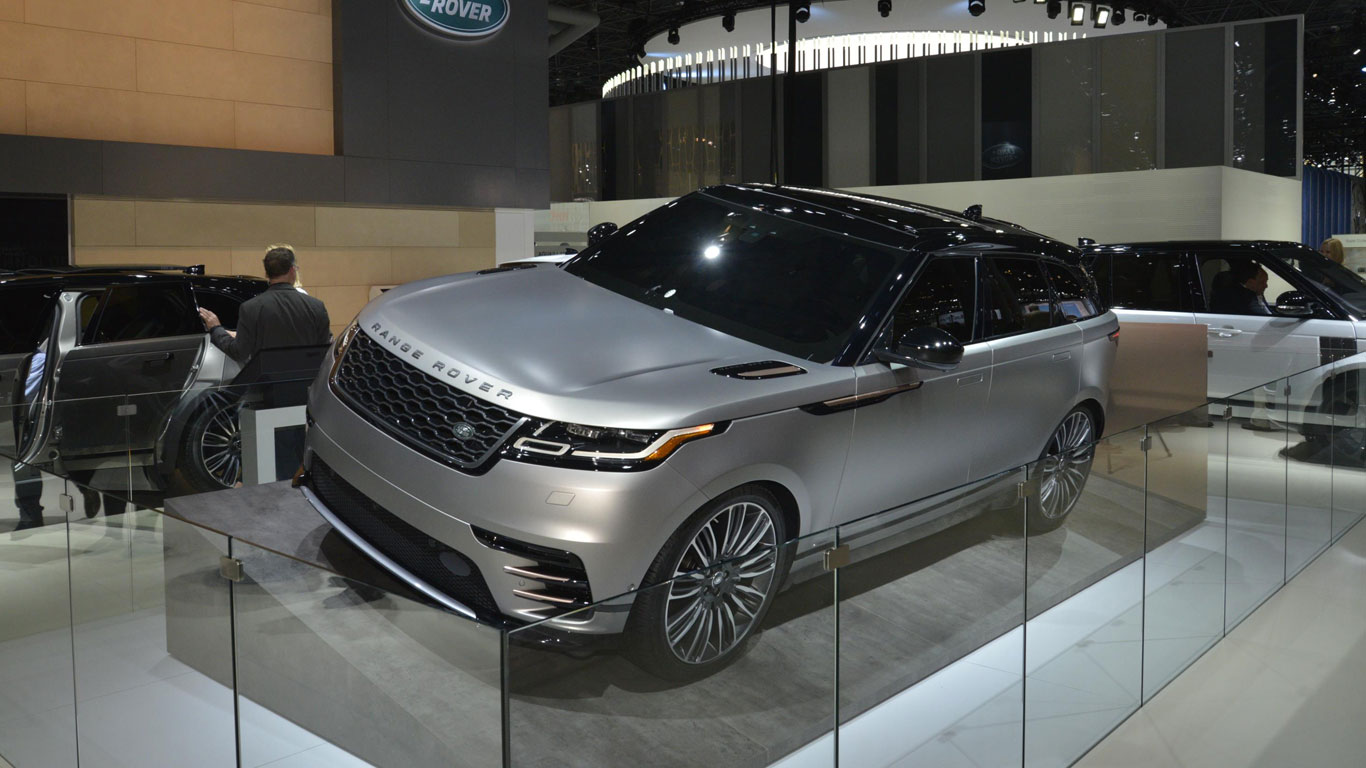
Range Rover Velar
The Range Rover Velar is old news. Fresh from its debut at the Geneva Motor Show, Ellie Goulding was invited to take a tour of New York in the SUV that will sit between the Evoque and Sport in the Range Rover range.
Three engine options will be offered in the US, including a 247hp 2.0-litre petrol, 180hp 2.0-litre diesel and 380hp supercharged V6 petrol. “I have always been a big Range Rover fan”, said a starry-eyed Ellie Goulding.
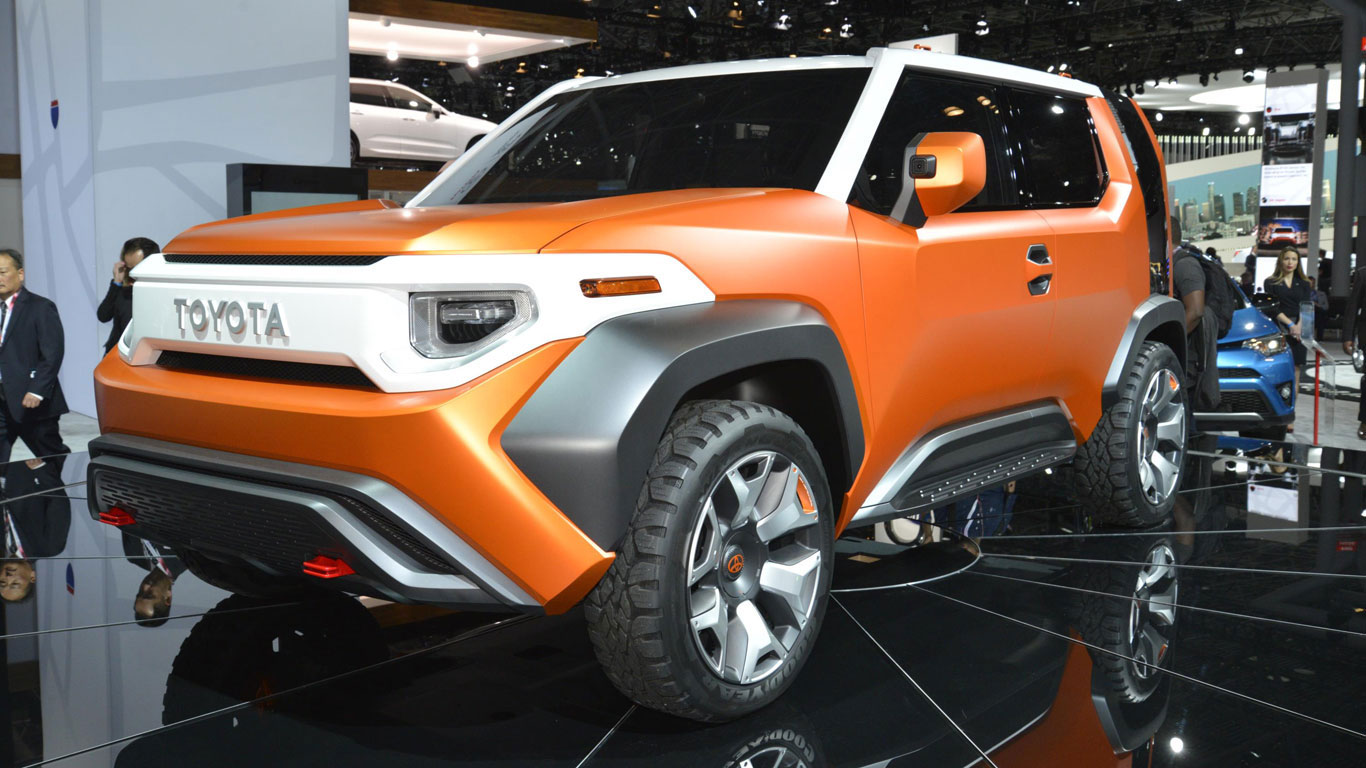
Toyota FT-4X
Half-Blade Runner escapee, half-lifestyle accessory, the Toyota FT-4X concept is based on the same platform as the new CH-R. That makes it a potential rival for the Jeep Renegade – if Toyota builds it.
Inside, there’s an instrument cluster that looks like a smartphone, a removable radio and door handles that double as water bottles. There’s also a GoPro camera mounted in the door mirror. Young, outdoorsy types will love it. If only they could afford to buy new cars…
The percentage of vehicles checked with at least one serious warning against them increased from 25.6% in 2015 to 28.5% in 2016. That’s the warning from used vehicle checker Mycarcheck.com, which has released write-off, finance and stolen risk data for its 10 most searched-for makes.
The most common serious risk, write-off, increased from 29% of all warnings in 2015 to 33.6% last year. It pays to approach with caution when buying a used car as doing a little pre-purchase research will reduce the risk of buying a pup. The question is: what cars are most likely to be written off?
There are four write-off categories, ranked in order of serious. In summary, these are: Category A – scrap only; Category B – car to be crushed, but parts can be salvaged; Category C – vehicle repairable but costs exceed market value; Category D – vehicle repairable, but repair costs are significant.
Taking this into consideration, a car declared a Category C or D write-off needn’t be a risky purchase, you simply need to do your homework.
9. MINI: 18.28%
It’s also worth bearing in mind that a Category C or D car will be worth less on the used car market. This should play a part in your negotiations.
MINI finished 9th with 18.28% of vehicles checked returning a write-off warning.
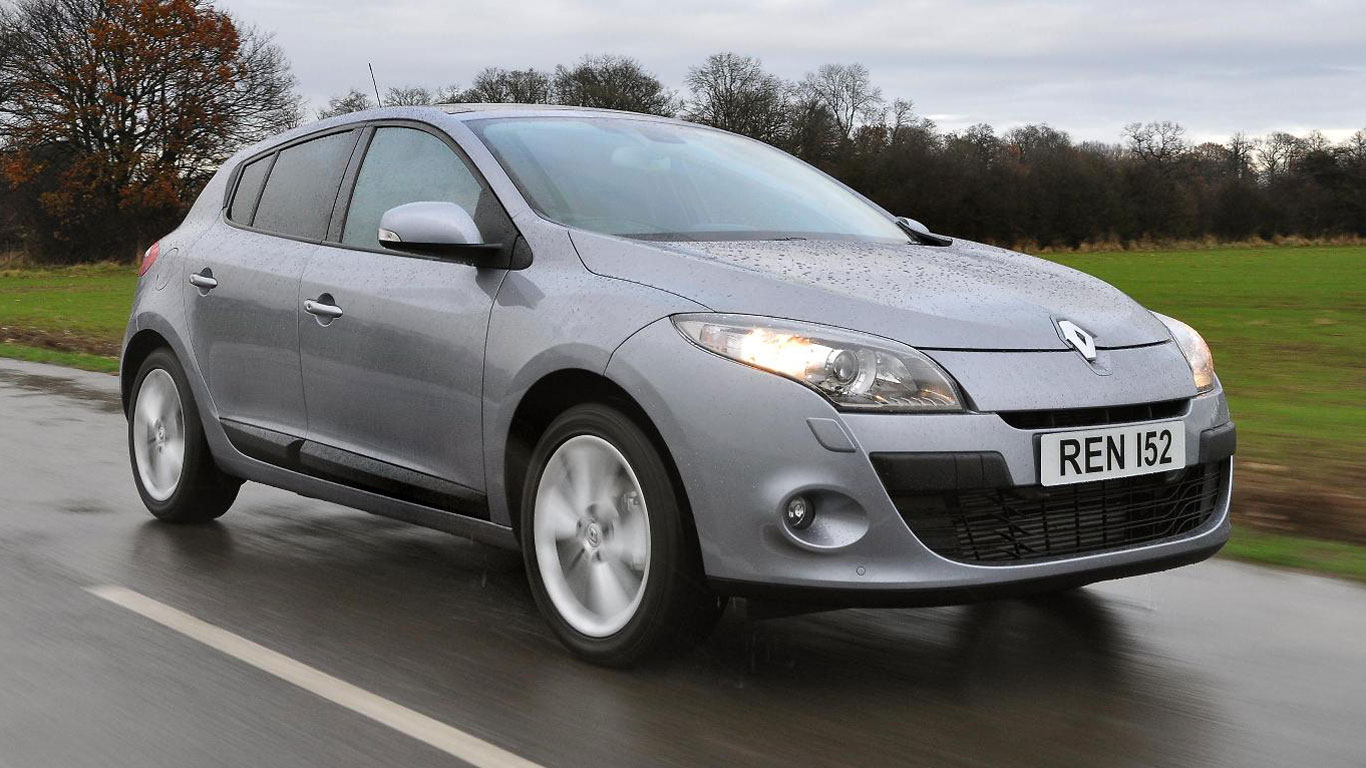
8. Renault: 18.59%
In June 2001, the Renault Laguna became the first car to be awarded a five-star Euro NCAP rating for occupant protection.
According to Mycarcheck.com, 18.59% of all Renault vehicles checked returned a write-off warning.
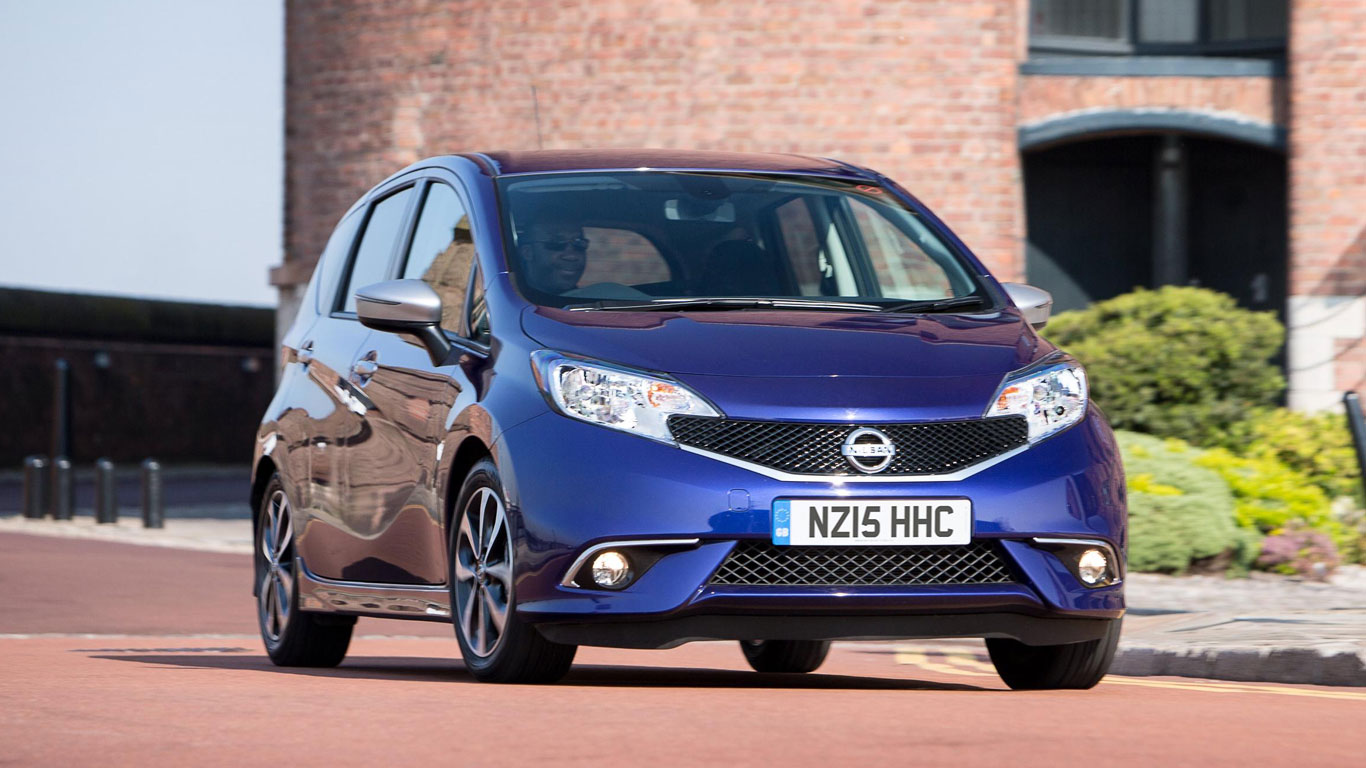
7. Nissan: 18.61%
If you want to keep a car declared as a Category C or D write-off, the insurance company will provide a payout and then sell the vehicle back to you. You must send the complete log book back to your insurance company before applying for a duplicate log book using a V62 form.
Around 18.6% of Nissan vehicles checked returned a write-off warning, according to the Mycarcheck.com figures.
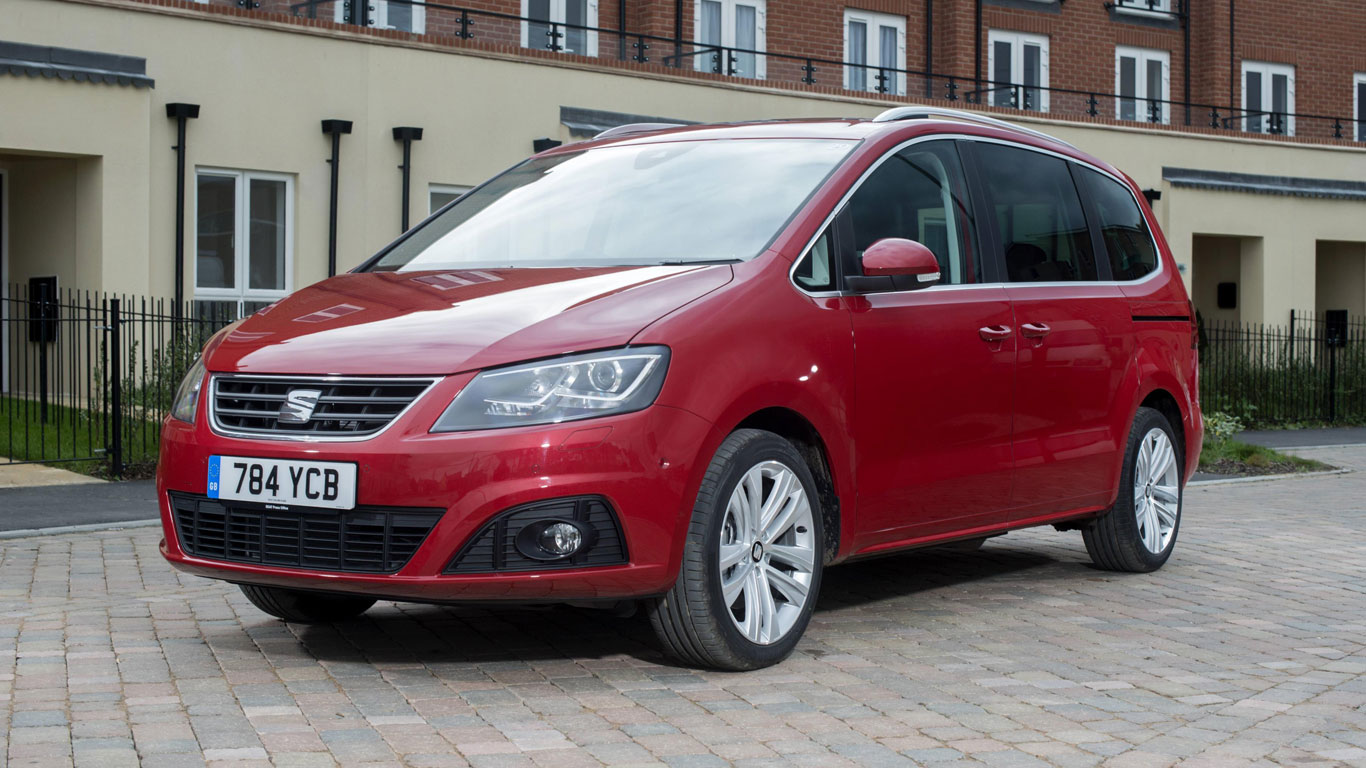
6. SEAT: 18.69%
Meanwhile, SEAT finished 6th with 18.69% of vehicles checked returning a write-off warning.
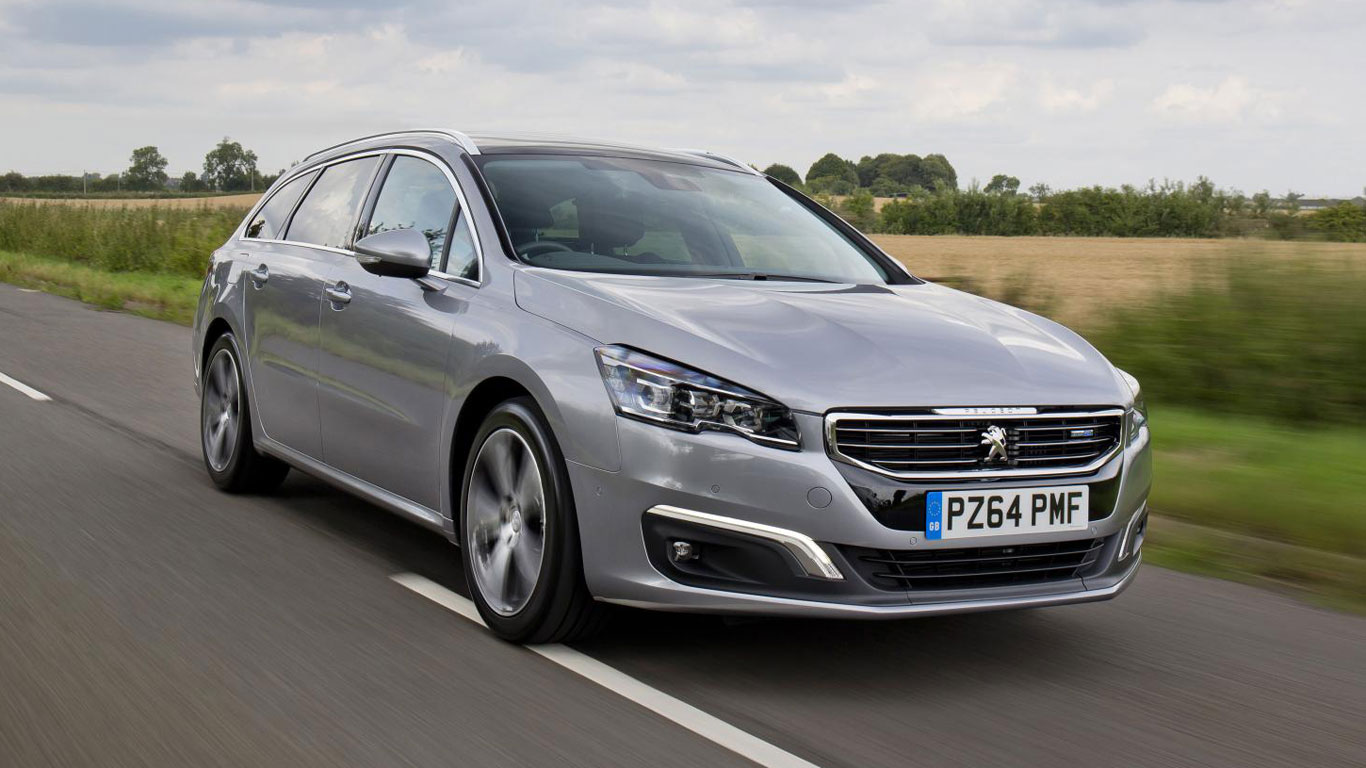
5. Peugeot: 18.81%
In September 2016, the Peugeot 208 Active was revealed to be the most written-off car in the UK, based on mycarcheck.com data collected between January and June 2016.
Nearly half of all 208 Active models checked were previously written off. Across the entire year, Peugeot finished fifth.
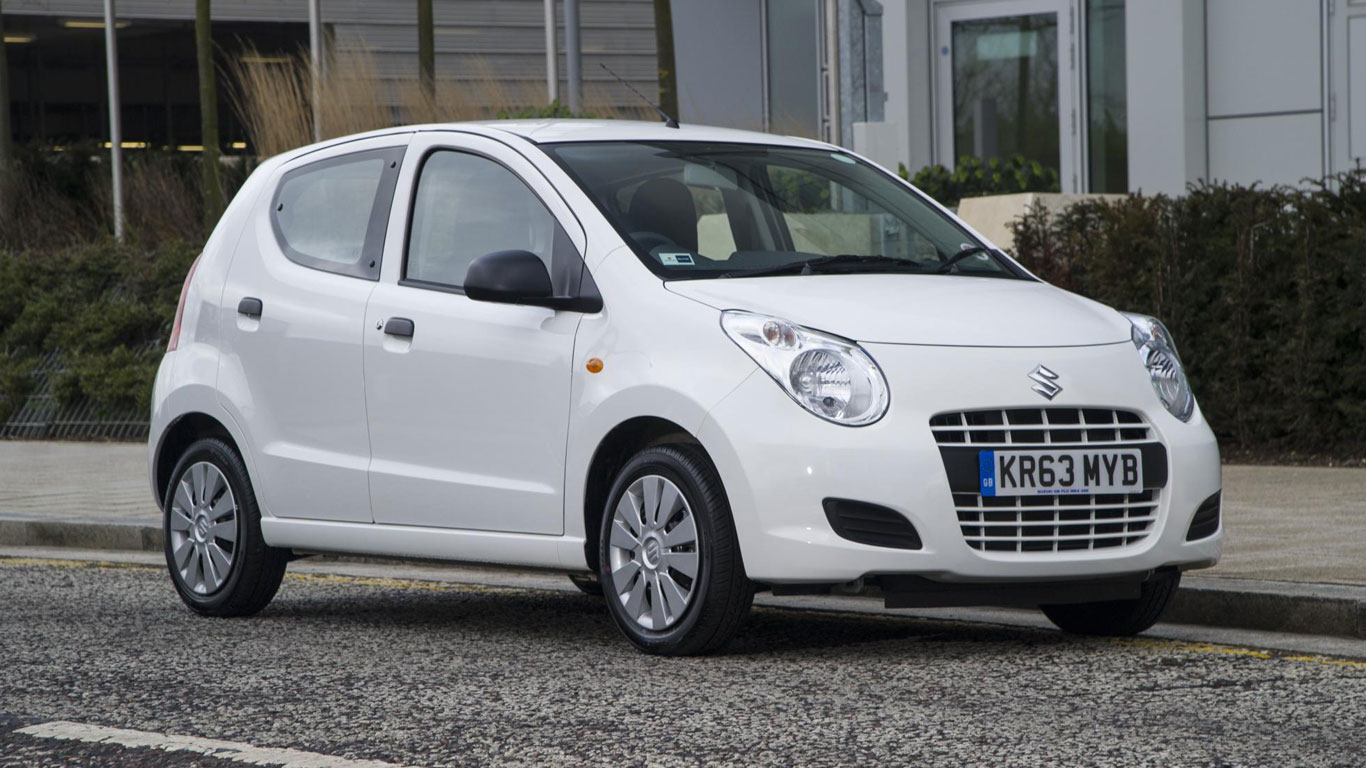
4. Suzuki: 19.09%
Roger Powell said: “Any previously written off vehicle must be viewed with caution, especially when inspecting the quality of repairs.
“The implications of being involved in a further accident in a car which has not been properly repaired don’t bear thinking about.”
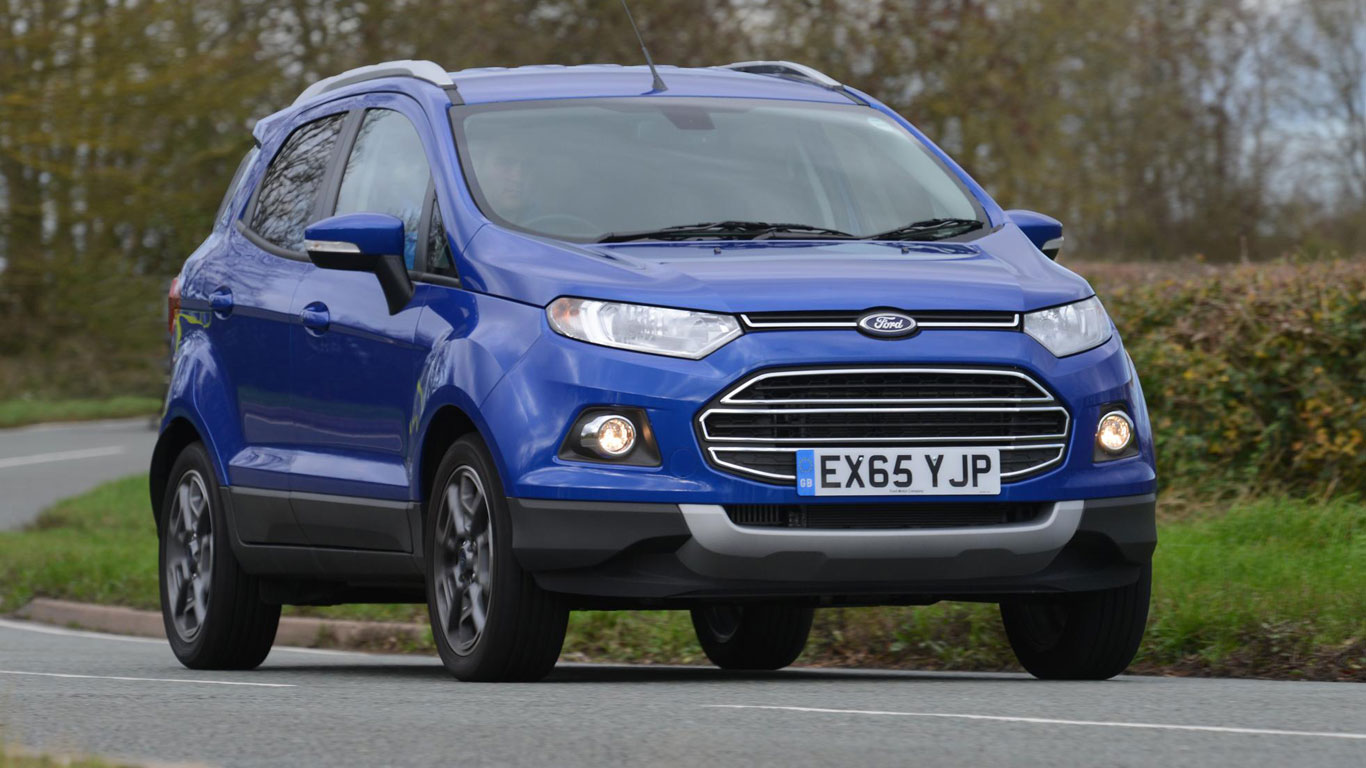
3. Ford: 19.21%
Powell continued: “In a survey a couple of years ago, 79% of mycarcheck.com customers said they wouldn’t buy one.
“The flipside is that some buyers are happy to look at Category C or D write-offs and use the data to push for a price reduction.”
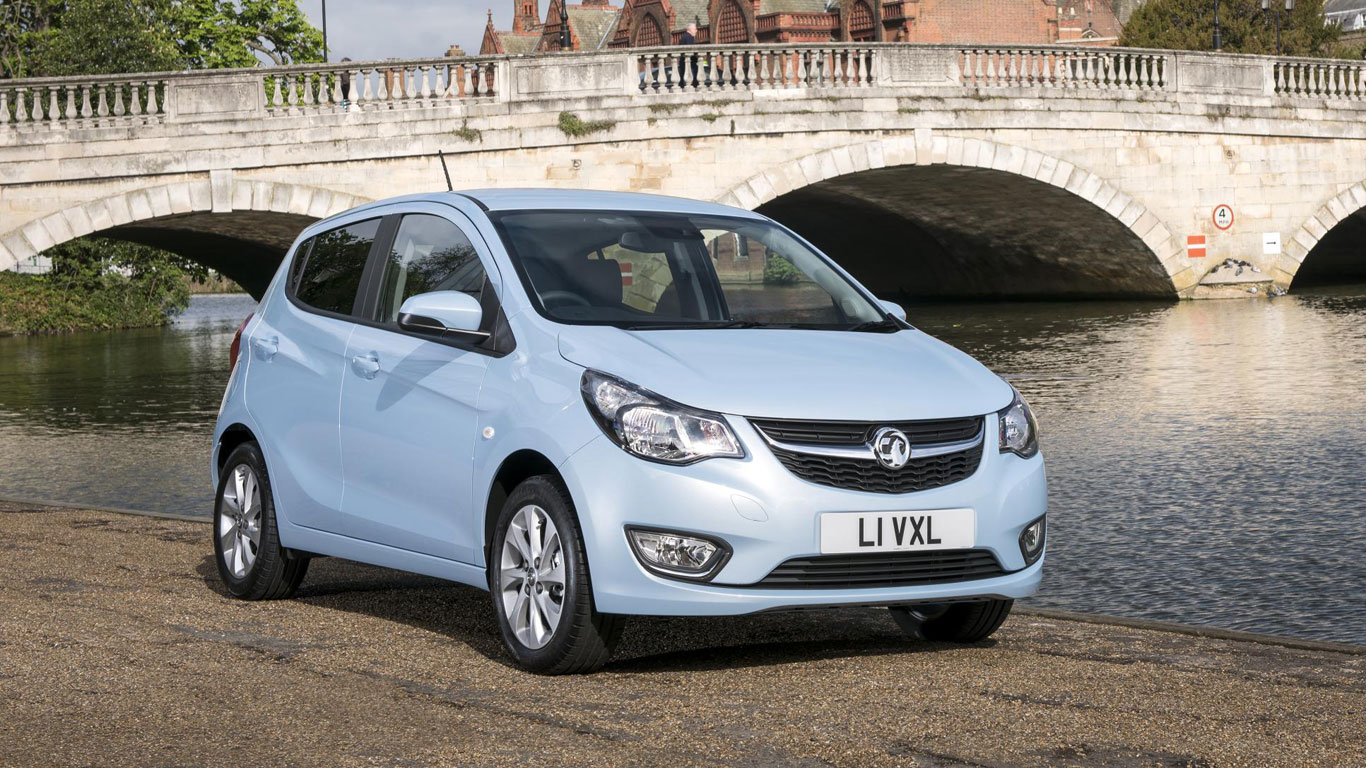
2. Vauxhall: 19.99%
In a previous Mycarcheck.com survey, three of the vehicles in the top 10 had a Vauxhall badge. More specifically, the Corsa Limited Edition, Corsa SRi and Corsa SXi.
Vauxhall finished second in the table of the most searched-for makes.
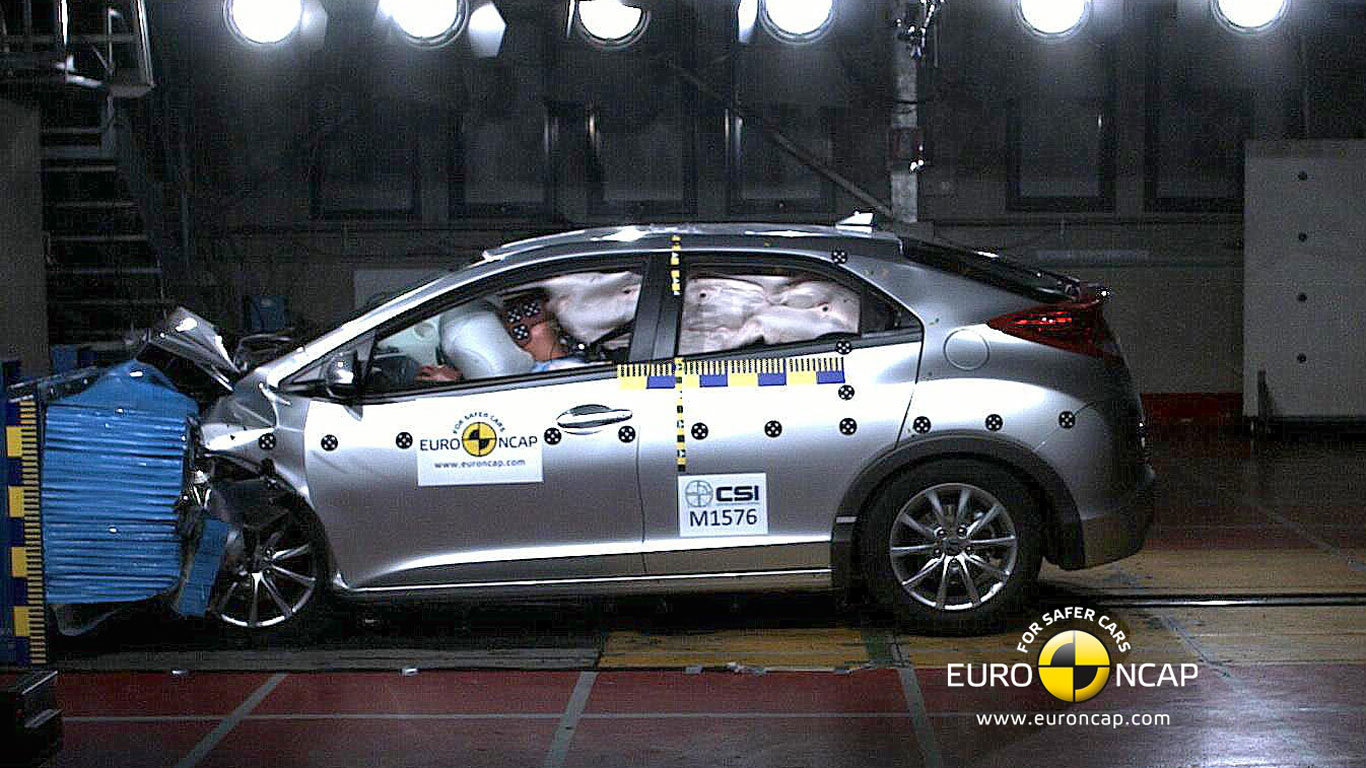
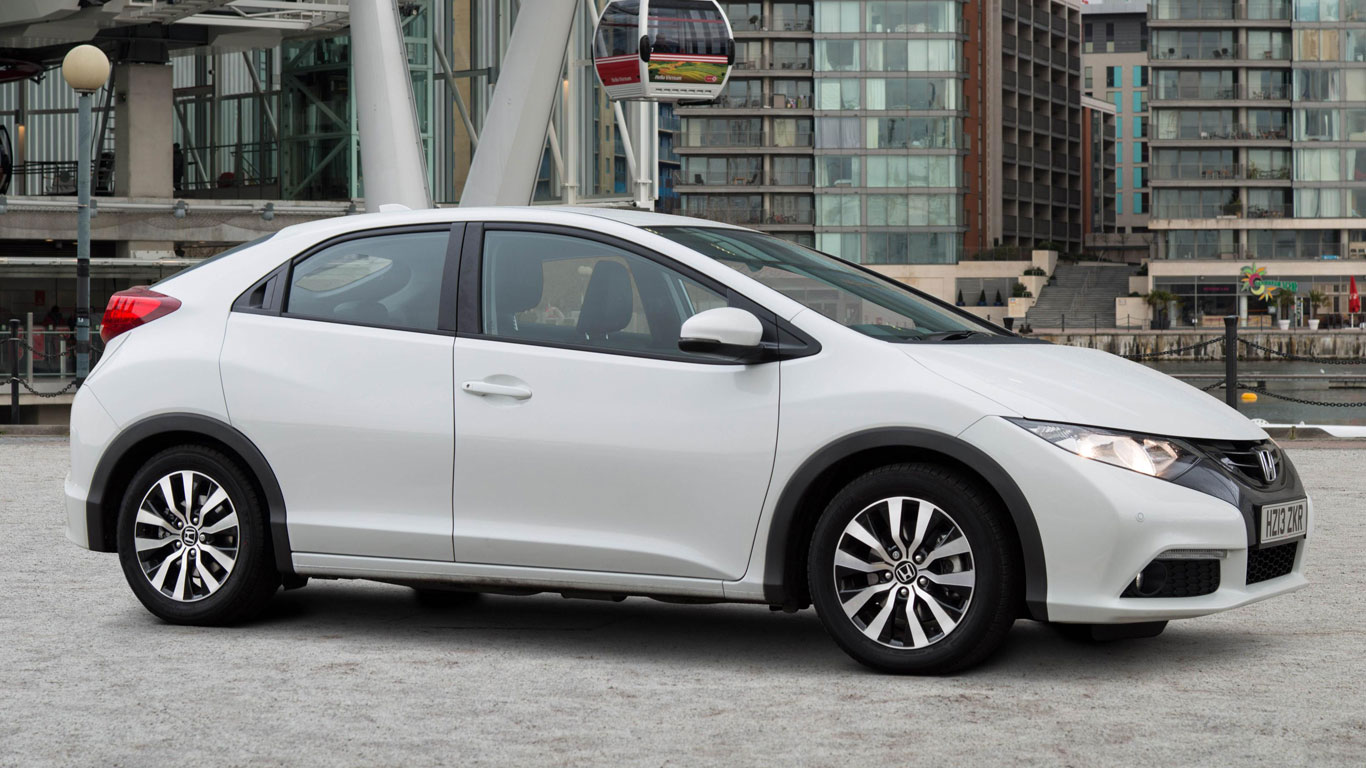
1. Honda: 21.65%
For the second year running, Honda was the worst for written-off cars, with 21.65% of all vehicles checked returning a warning.
If in doubt, get a used car check. If you’re still in doubt, walk away and look at something else. There are plenty more cars in the classifieds.
The World Car Awards this year had the honour of opening the New York Motor Show, revealing the 2017 winners at a big ceremony.
With the first all-SUV showdown for the overall World Car of the Year Award, plus intriguing big-brand battles in the other categories, it was guaranteed to be standing room only. And so, without further ado, the awards got underway…
The Jaguar F-Pace has triumphed in the 2017 competition, scooping the overall World Car Awards’ Car of the Year prize. In a resounding victory, Jaguar’s first-ever SUV beat the formidable pairing of the Audi Q5 and Volkswagen Tiguan.
Jaguar Land Rover CEO Dr Ralf Speth was on hand to collect the prize – and was absolutely delighted at beating the might of the Volkswagen Group. He made sure to send thanks back to the design and engineering teams back in the UK, and suggested that this success “gives me more energy to go and do more.”
The World Car Awards jury offers prizes for individual categories as well. It celebrates the finest luxury, performance and green cars in the world – plus, new for 2017, the best urban cars. A World Car Design of the Year Award is also given out. Let’s see which other brands triumphed.
World Luxury Car of the Year 2017: Mercedes-Benz E-Class
Runners-up: BMW 5 Series, Volvo S90/V90
The World Luxury Car prize is always hotly-fought. This year, the Mercedes-Benz E-Class took the prize – but it didn’t come without a fight…
The all-new BMW 5 Series is brilliantly capable: a driver’s delight and a luxury car star. The trouble is, the latest Mercedes E-Class is fantastic, too. Ultimately, the prize this year went to Stuttgart, not Munich.
Volvo was proud to make the top three with its groundbreaking new S90 saloon and V90 estate. They couldn’t quite beat the BMW or Mercedes-Benz, but going head-to-head with them in the run-off is nothing to be ashamed of.
World Performance Car of the Year 2017: Porsche 718 Boxster/Cayman
Runners up: McLaren 570 GT and Audi R8 Spyder
The latest Porsche 718 Cayman and Boxster have proven controversial new additions because of their four-cylinder turbo engines. It seems the WCOTY jurors looked past the shock of the new, though, and discovered just what brilliant performance cars this well-priced duo are.
Porsche beats McLaren – yes indeed! The 570S ‘Sports Series’ is a top-notch supercar, but it’s perhaps not quite the well-rounded package Porsche offers with its 718 range.
The Audi R8 is a former winner of the World Performance Car prize, but its Spyder soft-top sibling couldn’t quite nose over the line ahead this year. A finalist place is still commendable, though.
World Urban Car of the Year 2017: BMW i3 94Ah
Runners up: Citroen C3, Suzuki Ignis
This is a new category for 2017. The World Urban Car honours models that are small in size, but not in ability. The inaugural winner is the BMW i3 94Ah, with its extended EV battery finally making it the complete package in the judges’ eyes.
Citroen has rediscovered its mojo. The funky-looking C3 is a supermini that’s jumped from the bottom of the class to the top of its game. A very worthy finalist indeed.
The third World Urban Car finalist was the Suzuki Ignis, a radically-styled budget city car that’s charming and charismatic, but also well-designed and fun to drive. Throw in great-value prices and it’s easy to see why it was a top-three finalist.
World Green Car of the Year 2017: Toyota Prius Prime
Runners up: Chevrolet Bolt, Tesla Model X
The World Green Car award celebrates forward-looking green tech. This year, it seems the plug-in hybrid capabilities of the Toyota Prius Prime – known as the Prius Plug-In in the UK – impressed the judges most. All the usability of the best-selling Prius, but with added EV-running capabilities: what’s not to like?
The surprise of the World Car Awards 2017 was the Chevrolet Bolt not scooping the Green Car award. It seems the judges liked the all-round abilities of the Toyota more than they valued the innovative design of the Chevy Bolt. A bolt from the blue for GM?
Sorry, Elon Musk, the World Green Car of the Year prize was denied you. Your Model X is fantastic, but it’s just a bit too expensive and exotic to be a genuine real-world green car contender. Maybe the Model 3 will change things?
World Car Design of the Year 2017: Jaguar F-Pace
Runners up:Mercedes-Benz S-Class Cabriolet, Toyota C-HR
There was an added surprise for Jaguar – it also won the World Car Design of the Year, again for the F-Pace. “This one’s for you, Ian Callum,” said Dr Ralf Speth when accepting the prize. A fine tribute to the man who has done so much for Jaguar design, including overseeing the creation of a double World Car Awards-winner.
The fancy, fantastic S-Class Cabriolet is a luscious-looking thing, but the expert design panel felt it wasn’t quite innovative enough to topple the Jaguar.
And the Toyota C-HR is a futuristic design, all lines, creases, angles and slashes. But perhaps it’s just too radical for the 2017 WCOTY judges?
Drivers are paying £110 more on average for car insurance than they did just one year ago – and premiums could hit a record high of £1,000 by next year.
That’s according to the latest car insurance price index report from Confused.com, which reveals that the average fully-comp premium is a staggering £781 – 16% higher than in 2016, and just £77 less than the record highest average premium achieved in 2011.
Want to save money on your car insurance? Get haggling
The comparison website blames “pressures imposed on the insurance industry” for the price rises, and says premiums will continue their upward spiral into 2018. These pressures include a change in the way compensation for life-changing injuries is calculated, along with increases in Insurance Premium Tax (IPT).
“As the industry adapts to additional pressures, such as the drastic Ogden rate cut and the hike in IPT to 12% from June this year, we could be on course to drive past the £858 peak we saw in 2011,” said Confused.com’s motoring editor, Amanda Stretton. “As car insurance costs continue to climb, average premiums could even break the £1,000 barrier by next year.
“Thankfully, insurers are now required to show drivers their premium from the previous year at point of renewal. So being able to compare the amount they paid in the previous year and armed with the knowledge that prices are rising across the board, motorists should be more inclined to shop around.”
Data from the website reveals that there continues to be a disparity between how much male and female drivers pay for insurance, despite an EU gender directive that states gender cannot be taken into account when calculating car insurance prices.
It found that men spend £824 on average – £96 more than female drivers, who typically pay £728 for their car insurance. The gender gap is most noticeable for younger drivers, with males aged between 17 and 20 paying a hefty £2,363 on average, compared to the £1,746 paid by women.
In 2016, more than 200,000 visitors from around the world visited the Techno Classica car show in Essen, Germany. It’s considered to be Europe’s best classic car show, as demonstrated by these photos taken at this year’s event.
Auction specialist names top 6 best-investment cars
The Skoda Fabia or Octavia parked on your street can their roots back to Václav Laurin and Václav Klement and the founding of a bicycle factory in 1895. Laurin & Klement – as Skoda was formerly known – began building motorised bicycles in 1899 and cars in 1905.
Skoda looked back on 122 years of the history with the help of so-called “impressive milestones”, including the 935 Dynamic aerodynamic prototype, Popular Monte Carlo, Rapid Dalnice and a display of Favorit variants. The Favorit was the last car built by Skoda before it was swallowed by the Volkswagen Group.
Volkswagen Karmann-Ghia
If we were dishing out awards for the coolest car in Essen, the Volkswagen Karmann-Ghia would be in with a shout. The Beetle-based coupe may have flattered to deceive when it came to performance, but it oozed West Coast cool.
As the name suggests, the pretty 2+2 was styled by Ghia and built by Karmann, positioned as an affordable – and slower – alternative to the Porsche 356. The Karmann-Ghia was superseded by the Porsche 914, the bodies of which were built at the Karmann factory in Osnabrück.
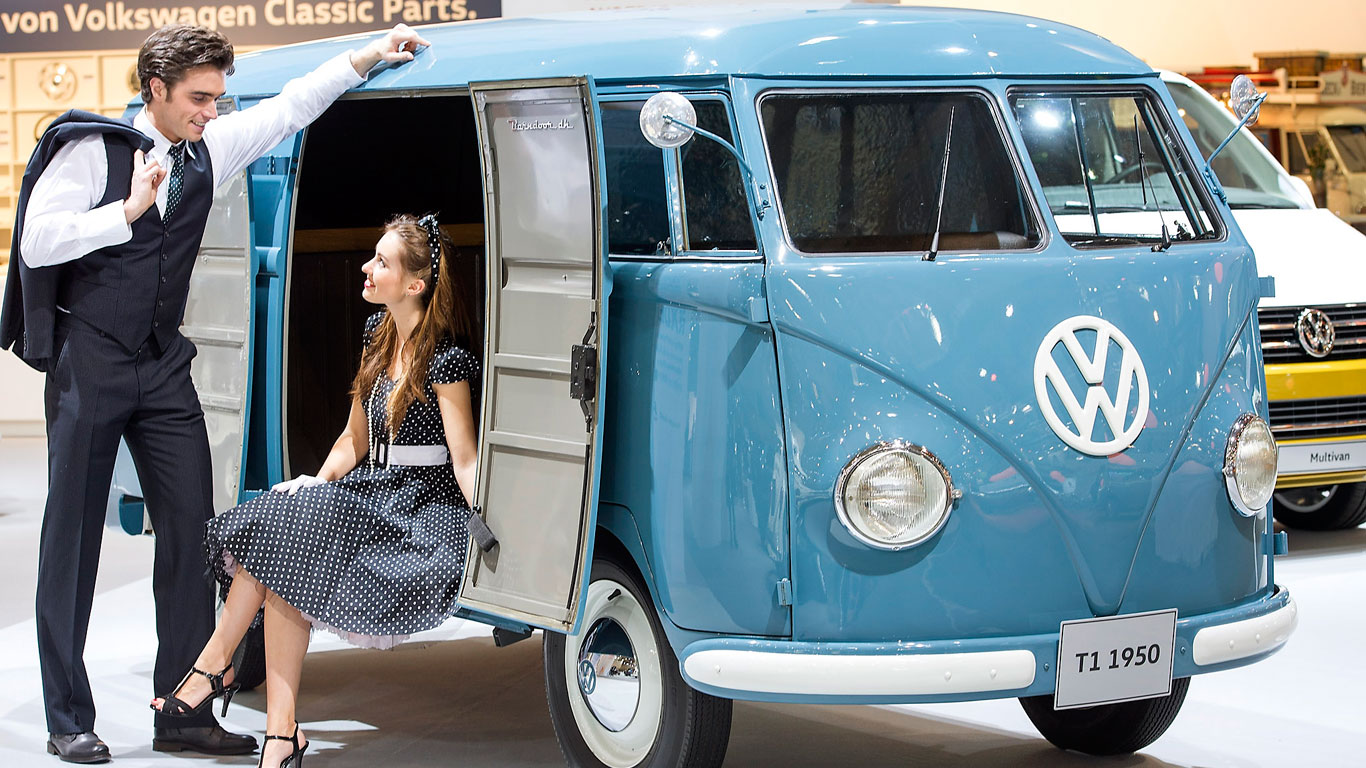
Volkswagen T1
The Type 2 was unveiled at the 1949 Geneva Motor Show and so-called because it was the German carmaker’s second model. The first generation models – built between 1950 and 1967 – retrospectively became known as the T1.
We suspect this 1950 model has never been stuck in a jam on the A303 or queued to get into a National Trust car park in Cornwall.
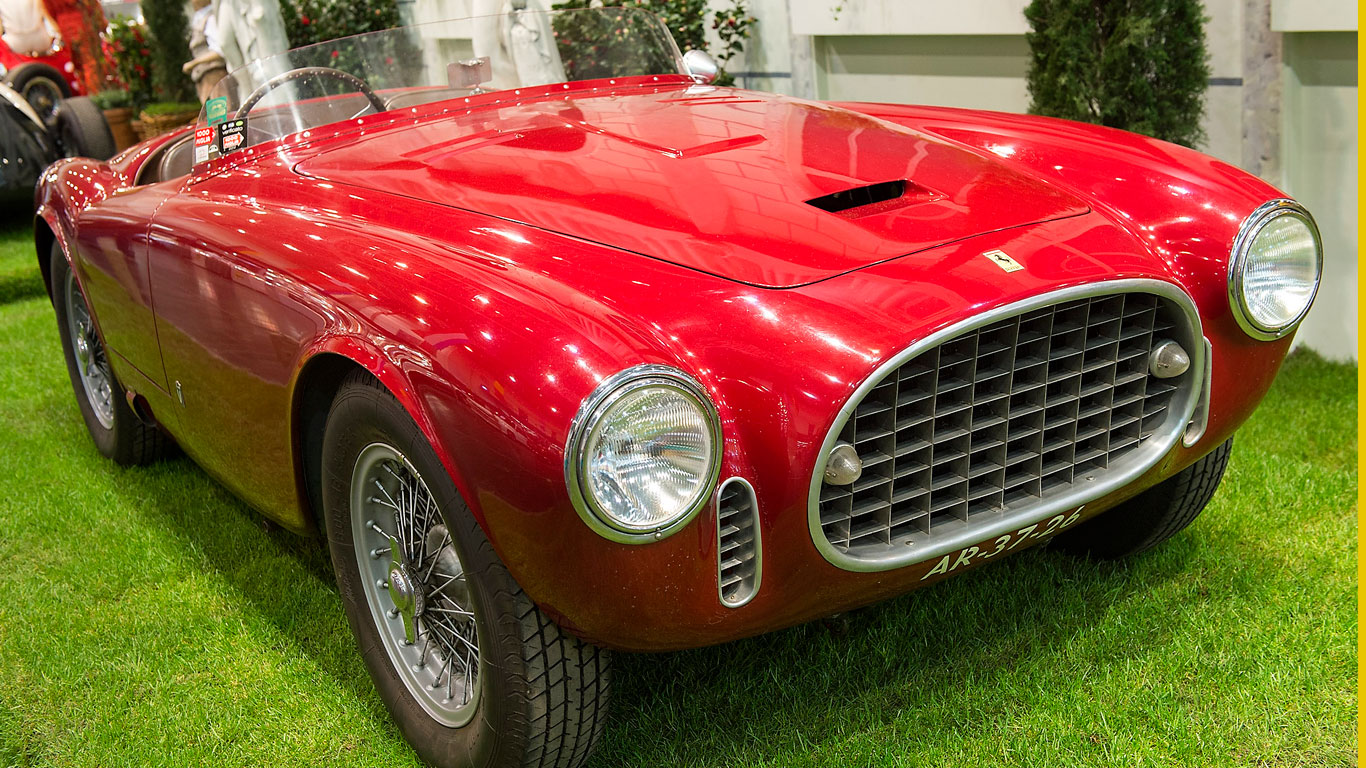
Ferrari 225 S
The Ferrari 225 S first appeared at the 1952 Giro di Sicilia and was powered by a V12 which was being continually developed at the time. In this race, both open and closed versions were on show, each one bodied by Vignale, as seen here.
The 225 S emerged victorious in the 1952 Monaco Grand Prix, with Italian Vittorio Marzotto at the wheel. In the book, Ferrari 70 Years by Dennis Adler, it is claimed that 20 were built and that all but one had coachwork by Vignale.
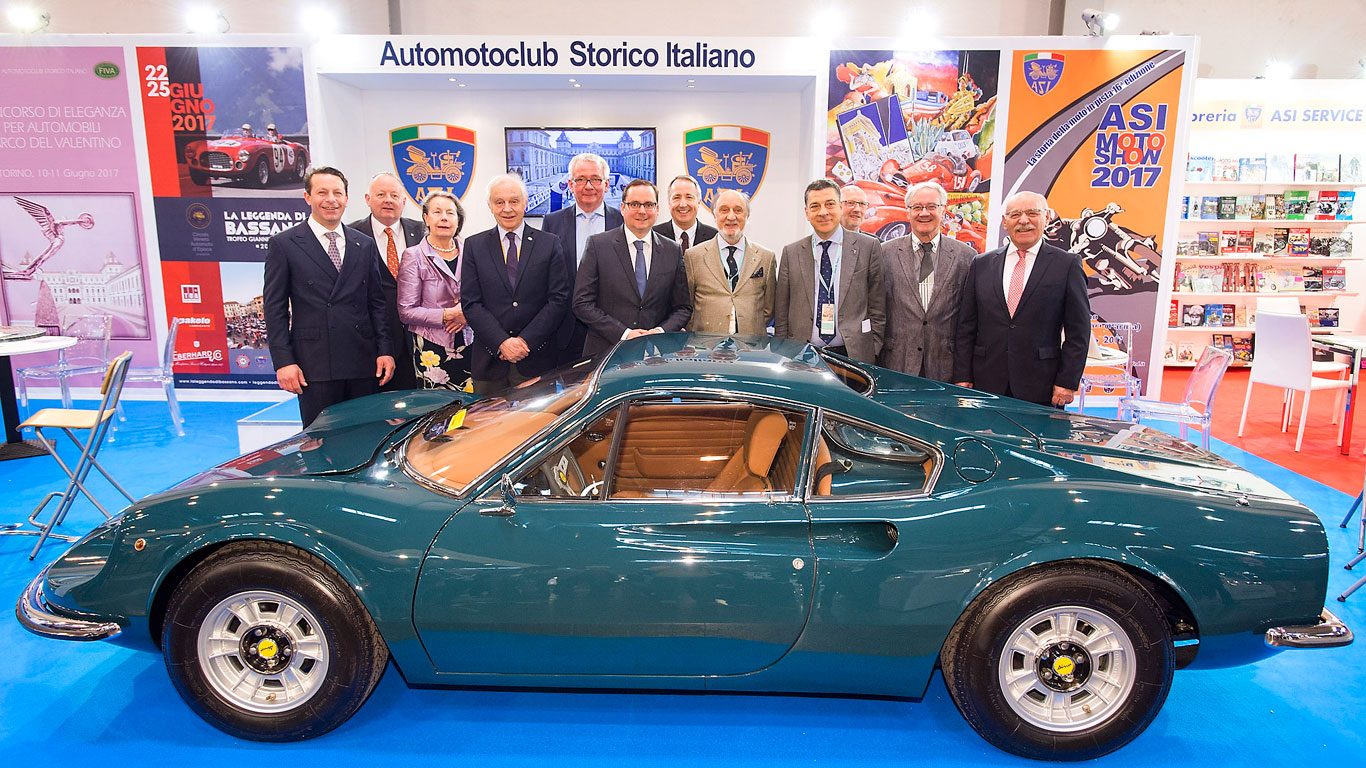
Dino 246 GT
Despite looking almost identical to the earlier 206 GT, the Dino 246 GT introduced a number of changes. Eagle-eyed Ferrari fans at the 1969 Turin Motor Show would have noticed a repositioned fuel filler cap, longer engine cover, larger exhausts and new alloy wheels.
The wheelbase was increased by 60mm, while the engine capacity was boosted from 2.0- to 2.4-litres. A total of 2,487 units were built between 1969 and 1974.
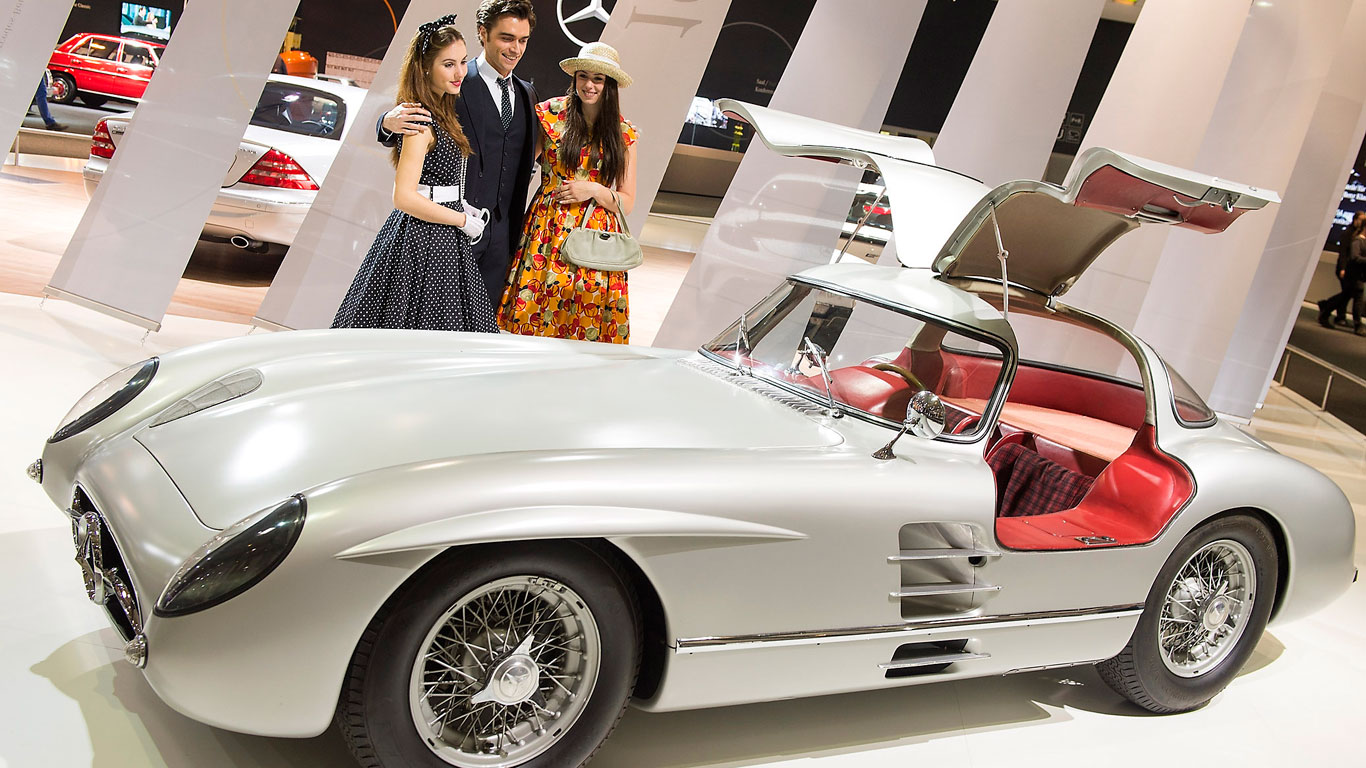
Mercedes-Benz 300 SLR ‘Uhlenhaut Coupe’
The hardtop version of the 300 SLR ‘Uhlenhaut Coupe’ was built to go racing in the 1956 season, but with Mercedes-Benz withdrawing from racing in 1955, it was left without a competition.
Instead, it provided transport for the head of the test department, Rudolf Uhlenhaut. Two were built, but while this one lives in the Mercedes museum, the whereabouts of the other model is unknown. Check your nearest barn…
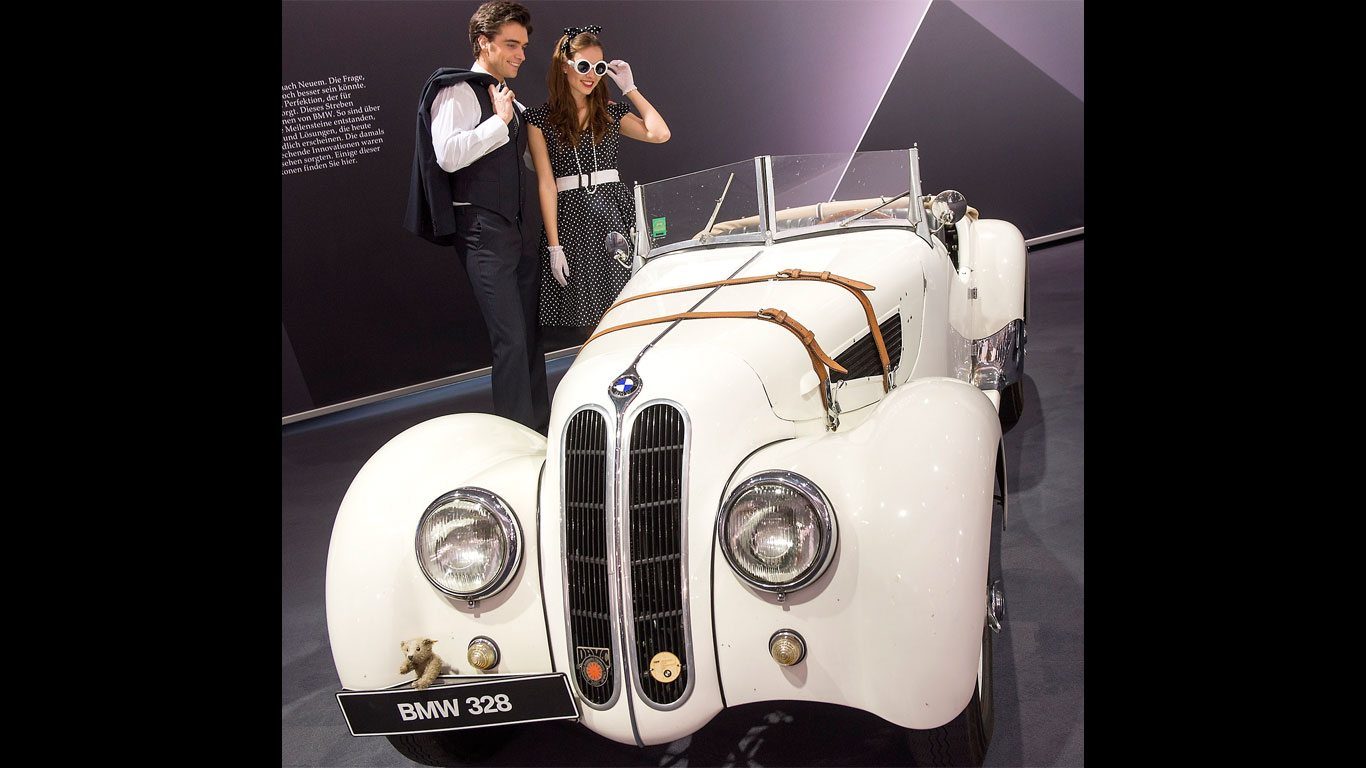
BMW 328
The BMW 328 was the car that put the Bavarian company on the map and would influence the styling of roadsters for years to come. Indeed, the 328 – introduced in 1936 – inspired elements of the Z3 and Z4.
It was hugely successful on the race track, too, notching up a win whilst still in prototype form at the Nurburgring, averaging 67mph over 70 miles. Only 462 units were built, making it one of the most prized sports cars of the pre-war era.
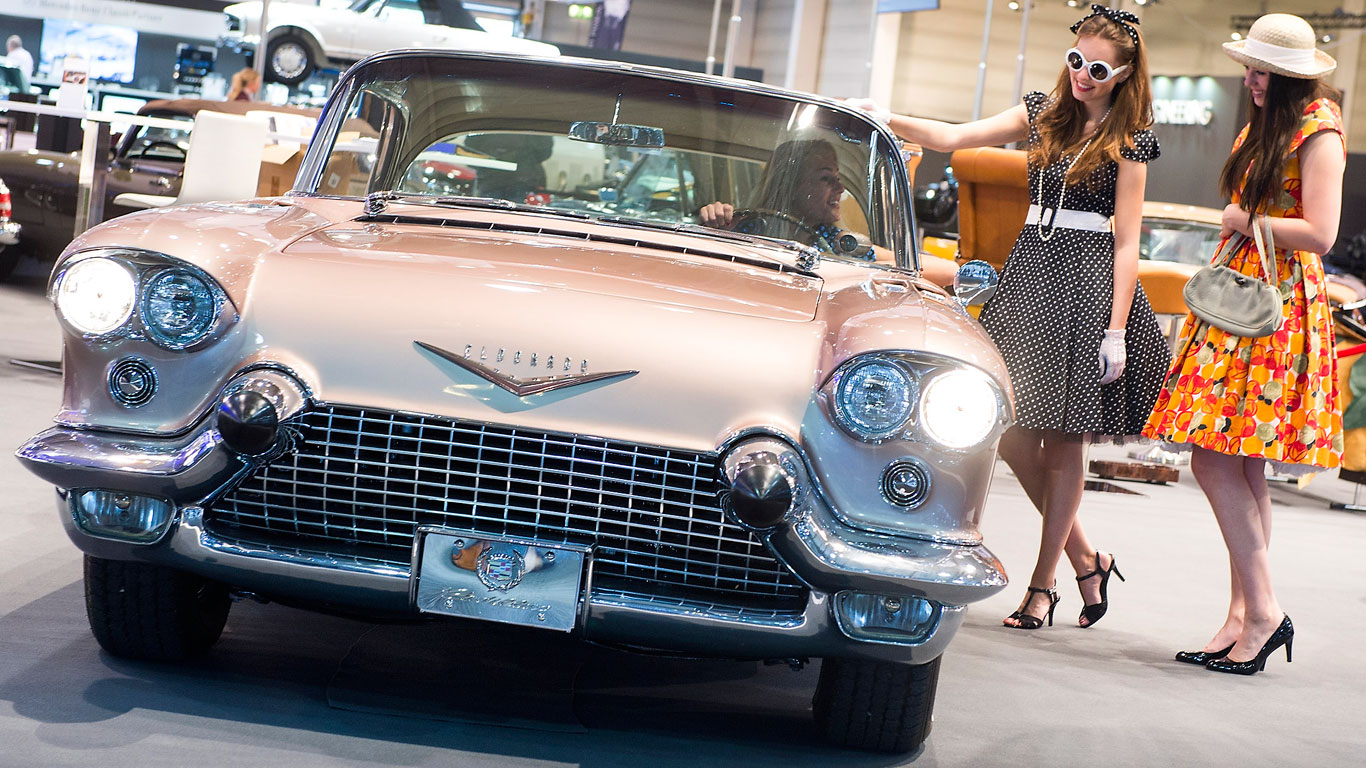
Cadillac Eldorado Brougham
The Cadillac Eldorado Brougham was one of the finest automobiles of the 1950s, driven exclusively by the rich and famous. None other than Frank Sinatra owned a third generation model, as seen here on display in Essen.
The Brougham cost a staggering $13,074 – more than double the price of a regular Eldorado – a price justified by opulent styling and lavish features. Air suspension, power seats, automatic boot opening, air conditioning and a perfume dispenser were just a few of the trinkets.
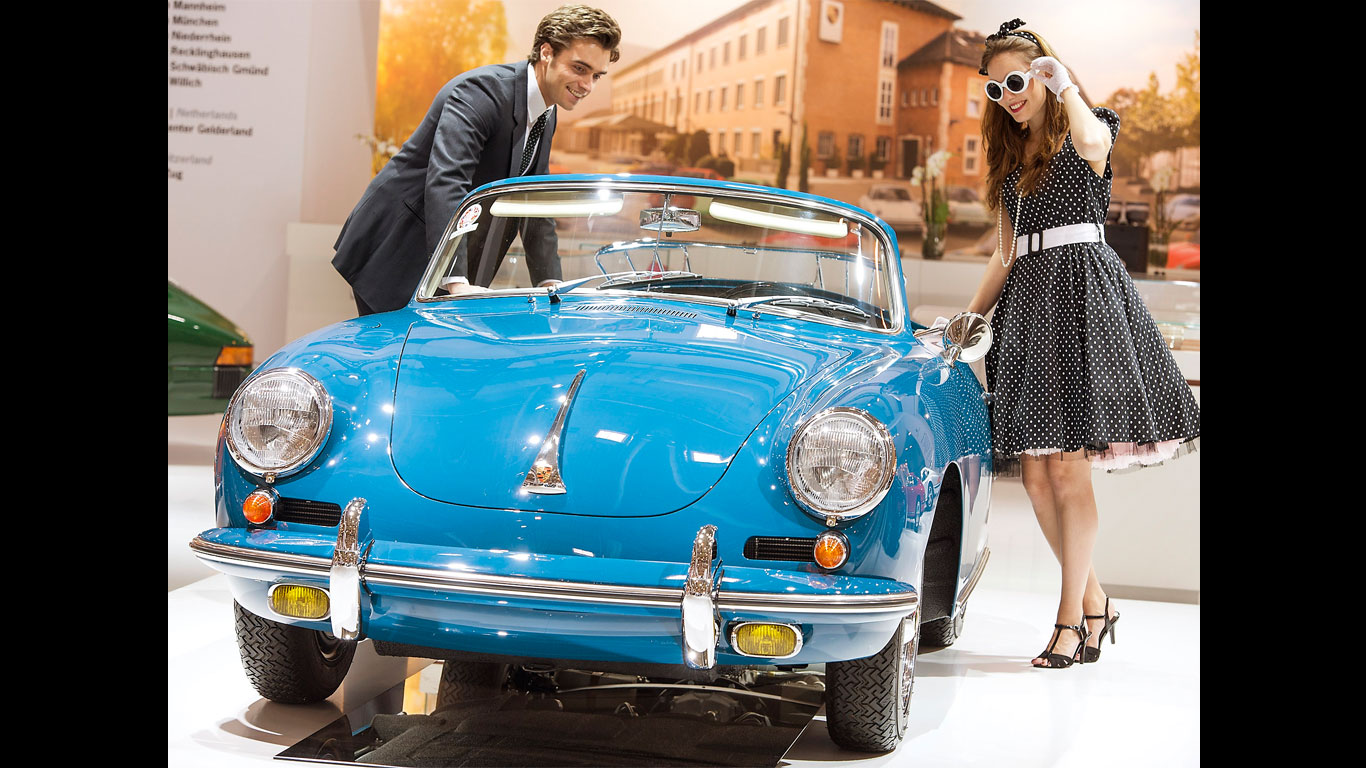
Porsche 356 B
The Porsche 356 B arrived in 1960 and introduced a number of styling changes to mark it out from the 356 A. The larger bumpers, increased amount of chrome and the repositioned headlights are just three of the distinguishing features.
Three body styles were available – Cabriolet, Roadster and Speedster – with power ranging from 60hp in the standard 1.6-litre 356 B to 140hp in the 2000 GS-GT Carrera 2.
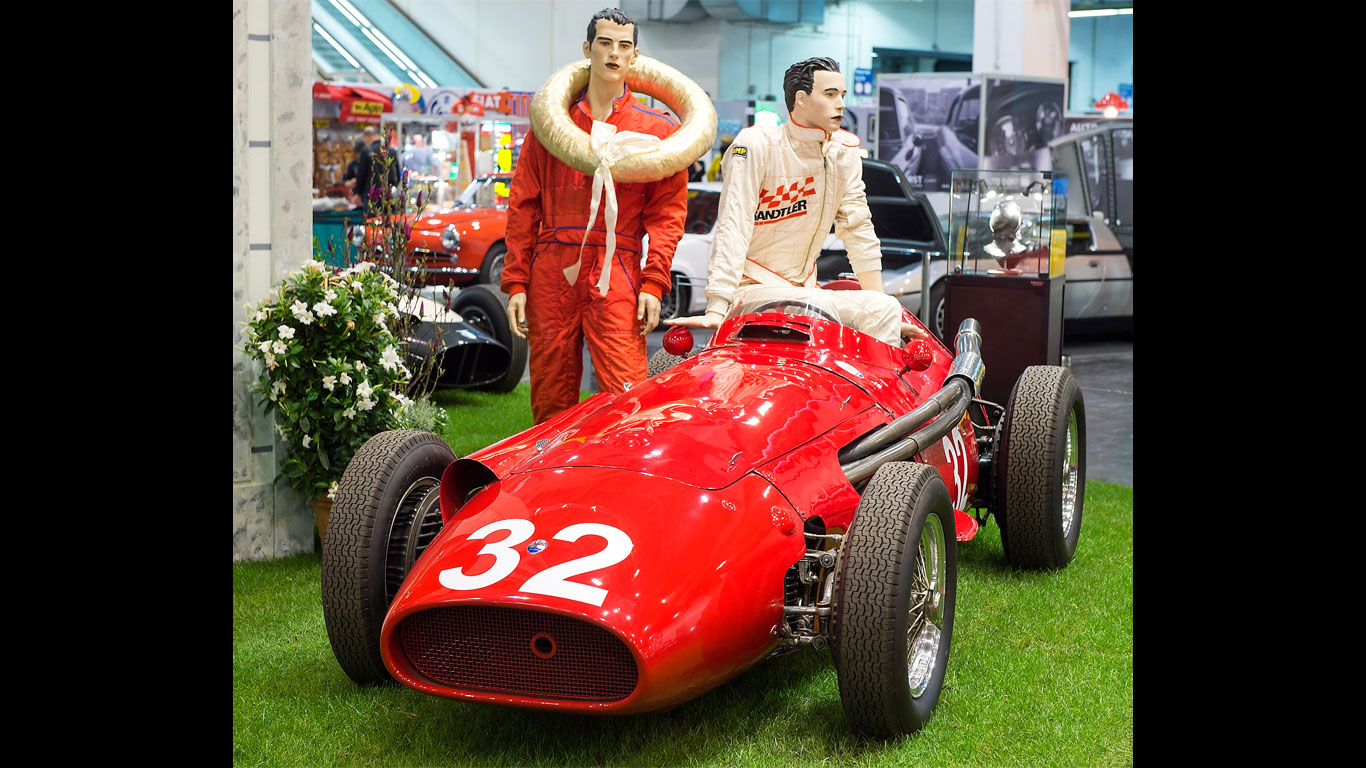
Maserati 250F
According to Sir Stirling Moss, the Maserati 250F was “probably, of its era, the nicest Formula One, front-engined car to drive”.
Others believe the 250F is the most beautiful single-seater racing car of the post-war era. Is it? One to discuss over dinner…
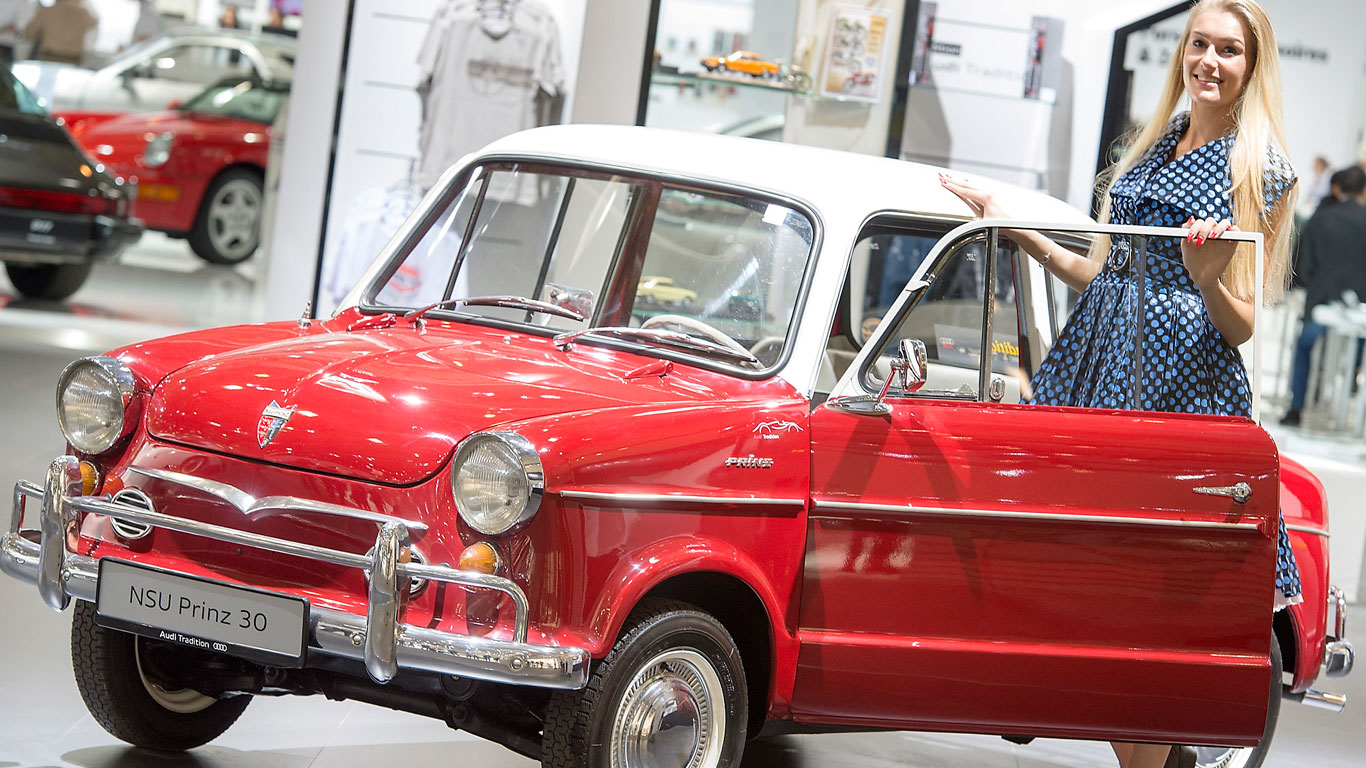
NSU Prinz 30
The Prinz 30 was launched at the 1957 Frankfurt Motor Show and was the German company’s first post-war vehicle. It was powered by a motorcycle engine and despite its diminutive size, there was enough room for four people. It was a bit of a tight squeeze, mind.
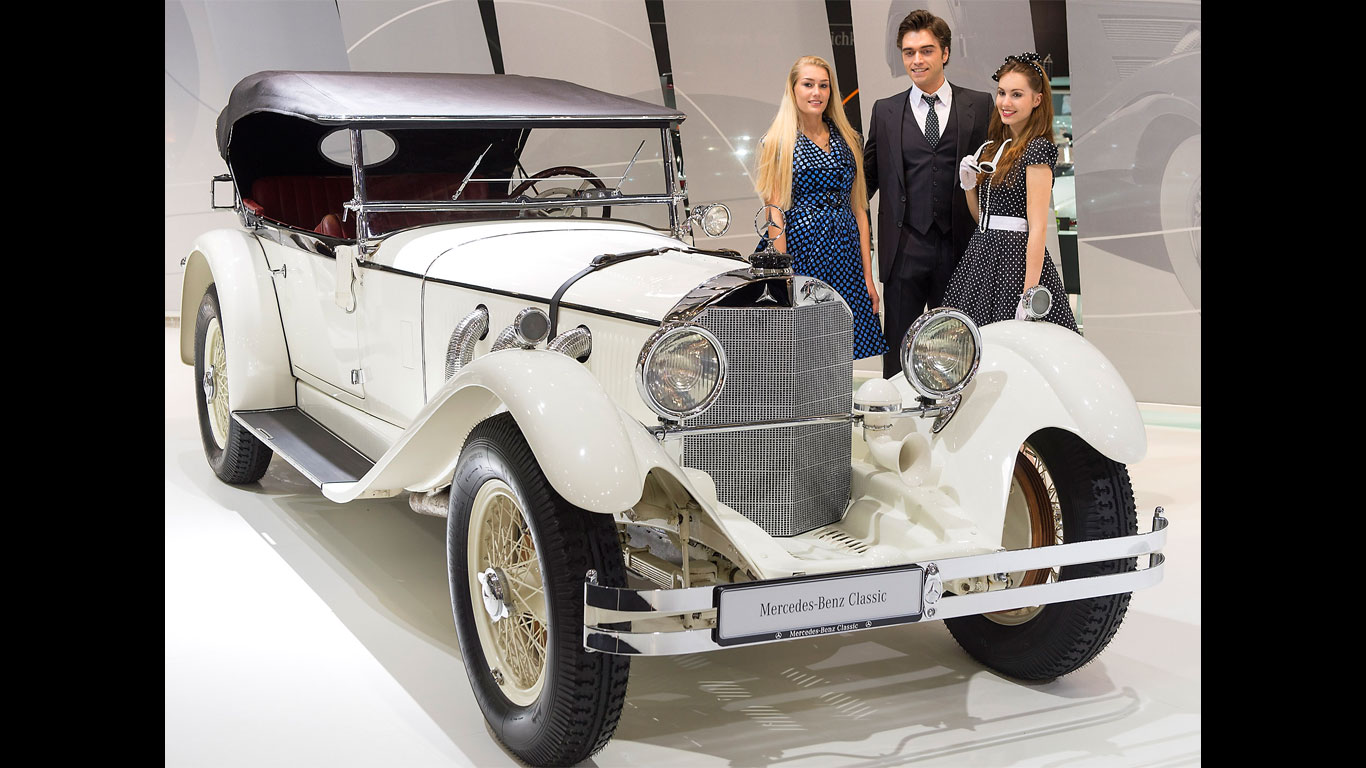
Mercedes-Benz Model S
The model S of 1927 was the first in a series of supercharged Mercedes-Benz sports cars nicknamed ‘White Elephants’. The ‘S’ stands for Sport and the Model S was victorious in its very first race at the Nurburgring.
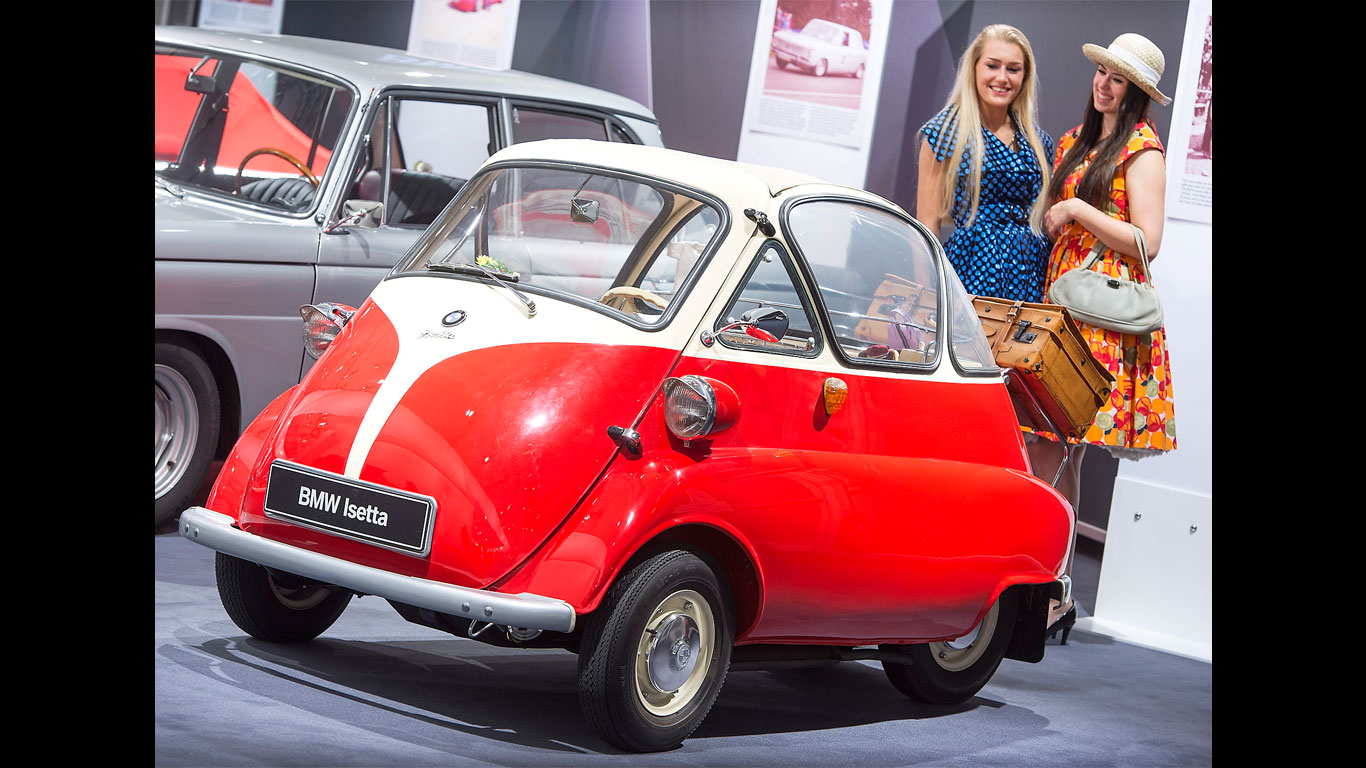
BMW Isetta
Until the Mini arrived, microcars such as the BMW Isetta were all the rage. They provided cheap and reliable transport for many, and were economical enough prove invaluable during the Suez Crisis.
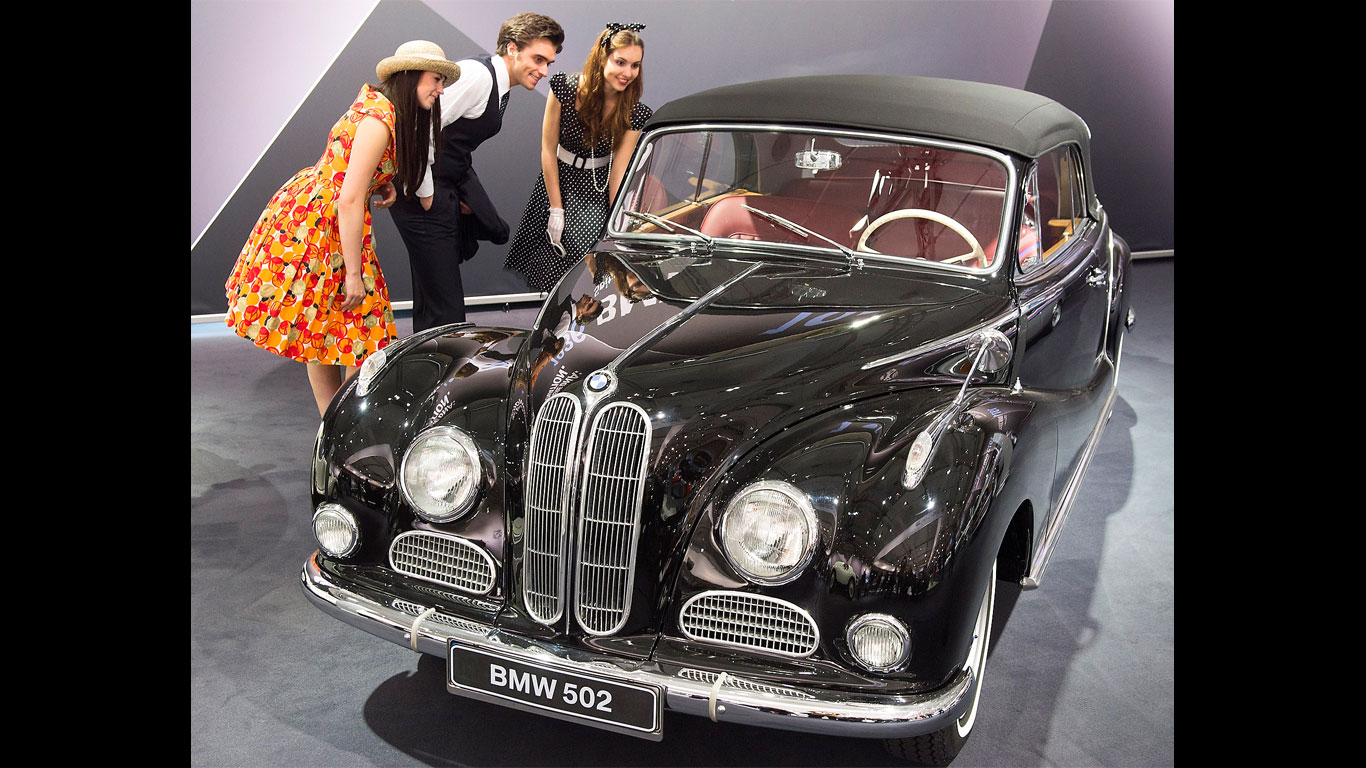
BMW 502
The 501 was the first car be produced by BMW after the Second World War and was nicknamed the ‘Baroque Angel’ by the German public. The 502 – which arrived in 1954 – was powered by a new V8 engine and was, at the time, the fastest saloon car in Germany.
Opel Kapitan
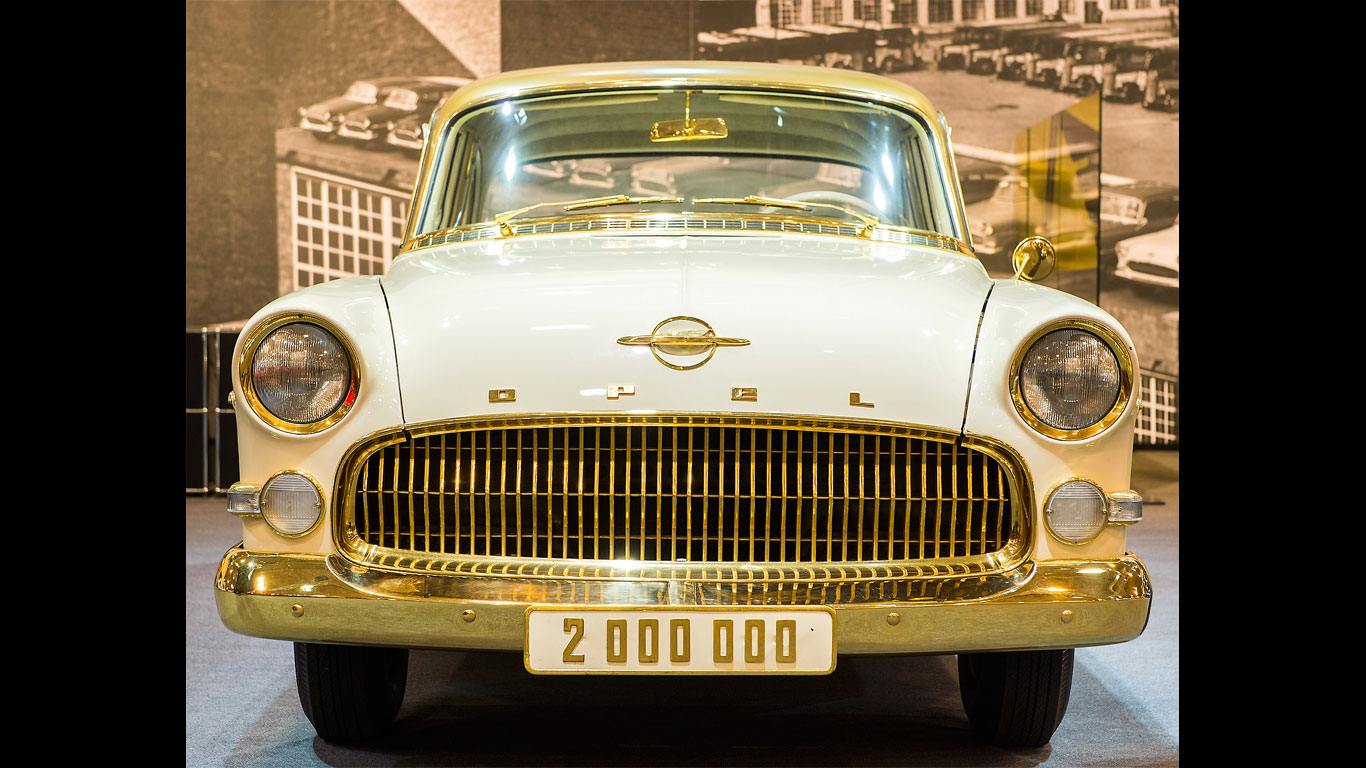
This Opel Kapitan rolled off the production line in 1956 and took the honour of being the two-millionth Opel vehicle ever built. Note the gold-plated fittings, which were also a feature of the cabin.
Mercedes-Benz 540 K Streamliner
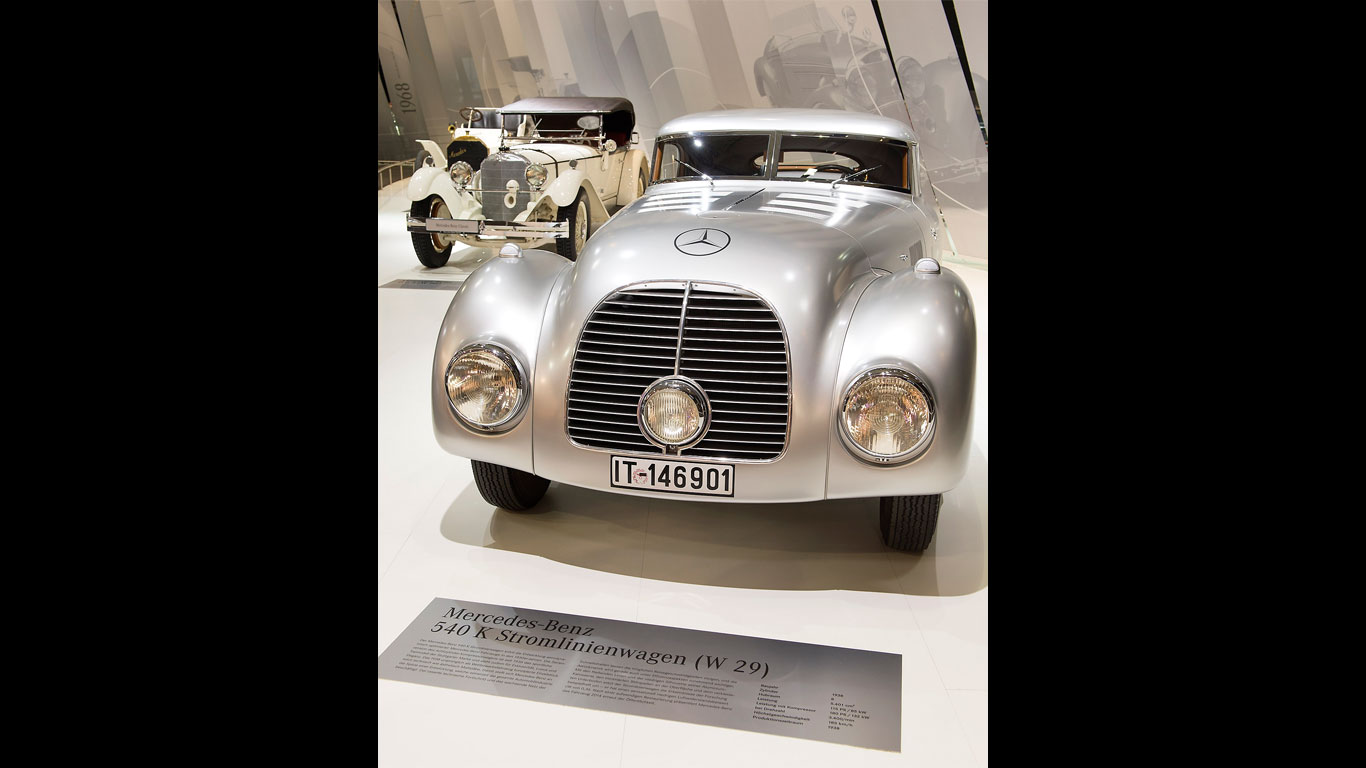
The one-off Mercedes-Benz 540 K Streamliner was designed as a vehicle for competition but became a test vehicle for aerodynamics and efficiency. The priceless car was put into storage in 1945 before being restored in time for the 2014 Pebble Beach Concours.
Skoda Popular Monte Carlo
Speaking of aerodynamics, the Skoda Popular Monte Carlo was at the forefront of research and development in this field. Only 72 coupe and cabriolet models were built between 1936 and 1938, each one marking the success of Skoda at the 1936 Monte Carlo Rally.
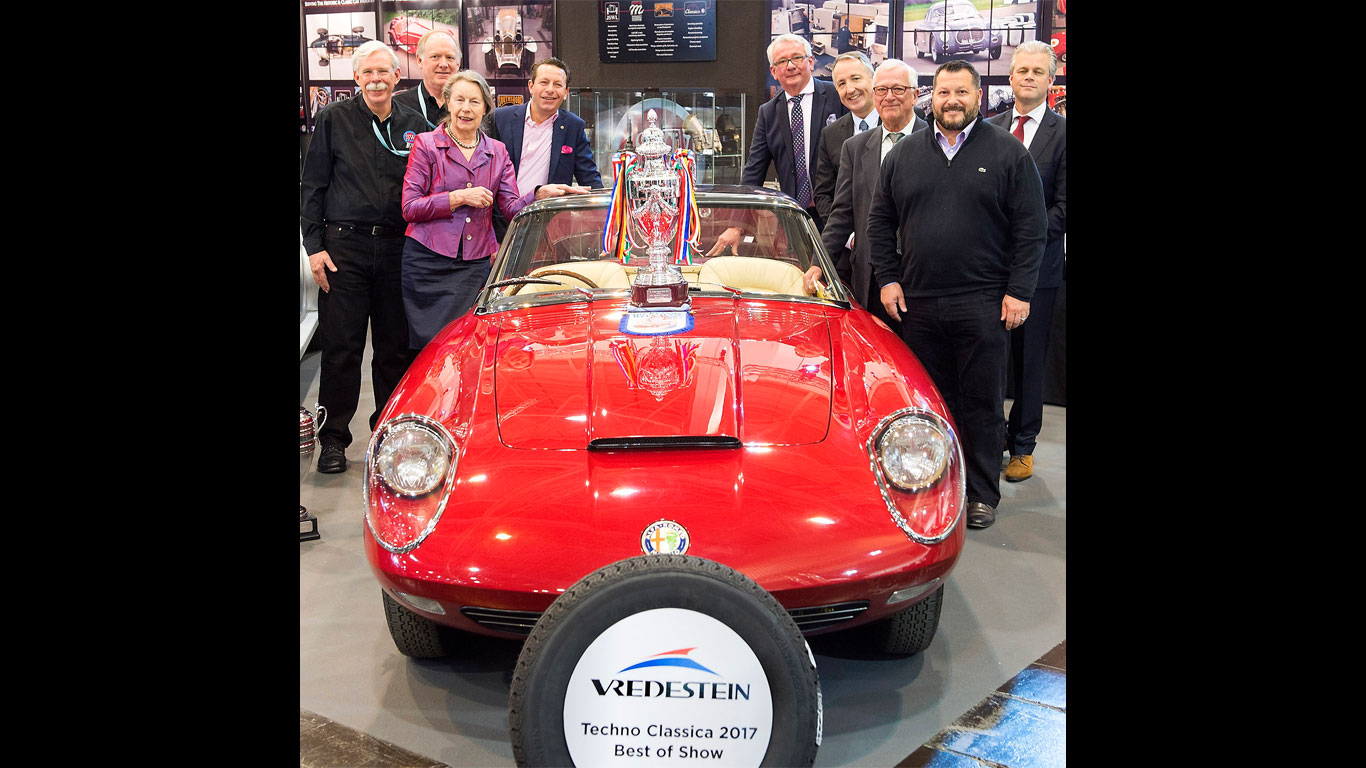
Best of Show: Alfa Romeo 3000 CM Superflow IV
This car was produced in four different body styles and had a clear influence on the original Alfa Romeo Spider. It was awarded ‘Best of Show’ at Techno Classica 2017.
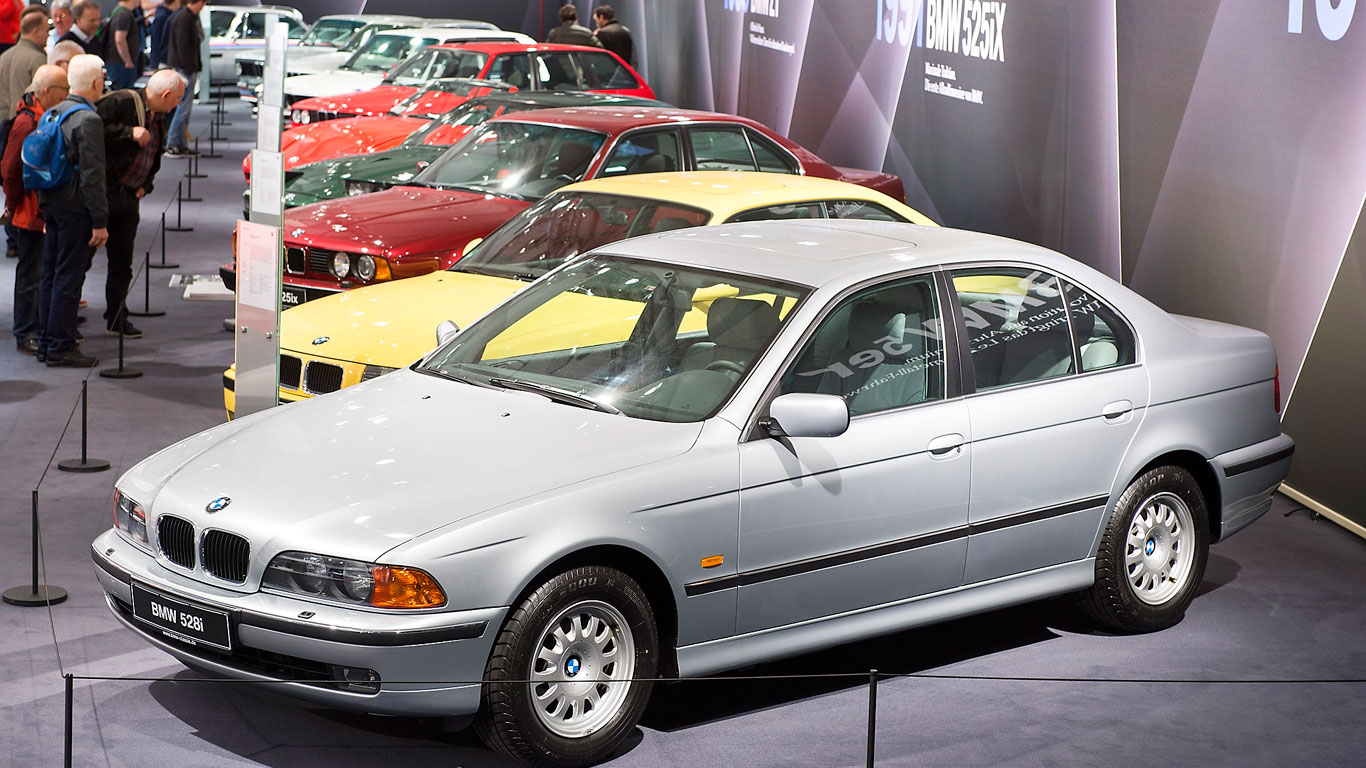
BMW
BMW put on quite a show in its home country, as demonstrated by this stunning line-up of vehicles.
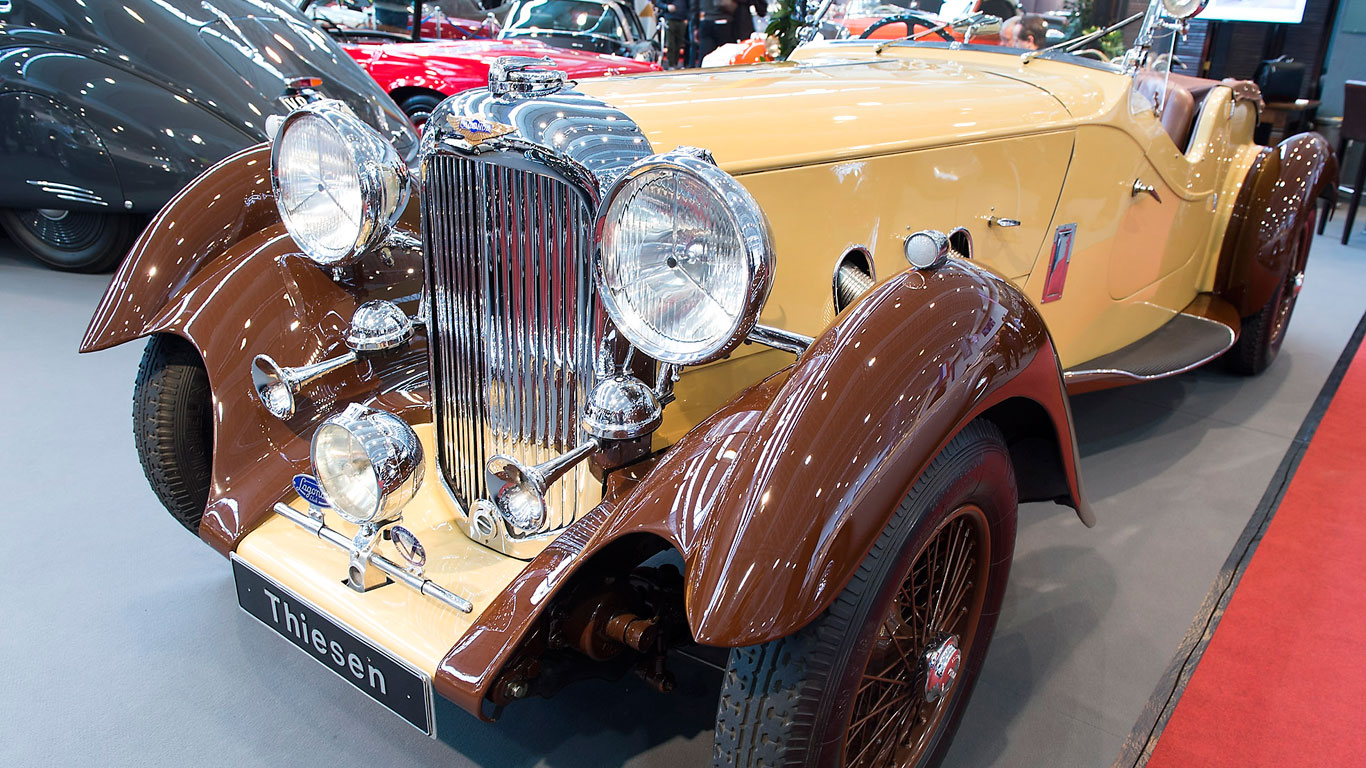
1937 Lagonda LG45 Rapide
The Lagonda LG45 Rapide can boast an enviable competition history, including victory at Le Mans in 1935. Designed to rival contemporary Bentley models, the Lagonda was enjoyed by wealthy motorists of the time. Only 25 were built.
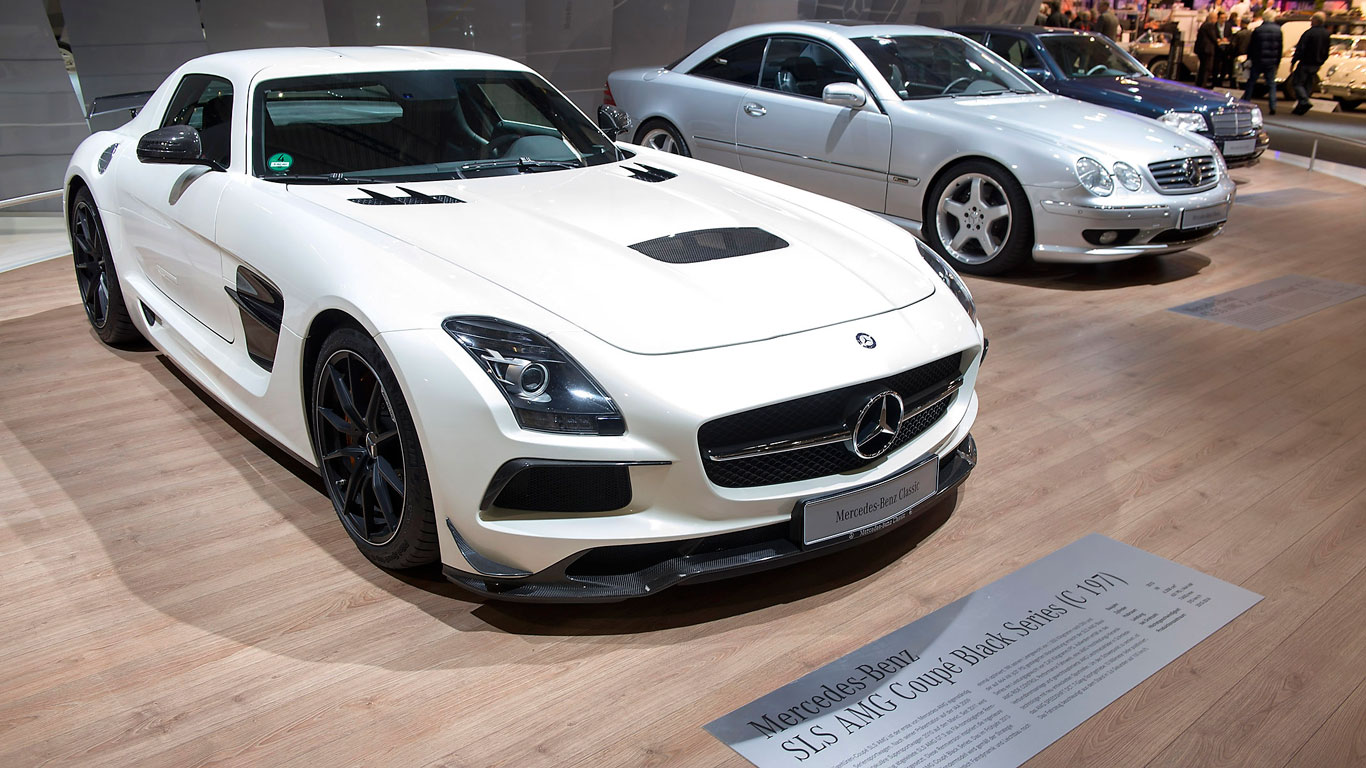
Mercedes-Benz SLS AMG Coupe Black Series
When new, the 6.2-litre V8 Mercedes-Benz SLS AMG Coupe Black Series – catchy name – cost around £230,000. Top speed is limited to 196mph and it’ll sprint to 62mph in 3.6 seconds.
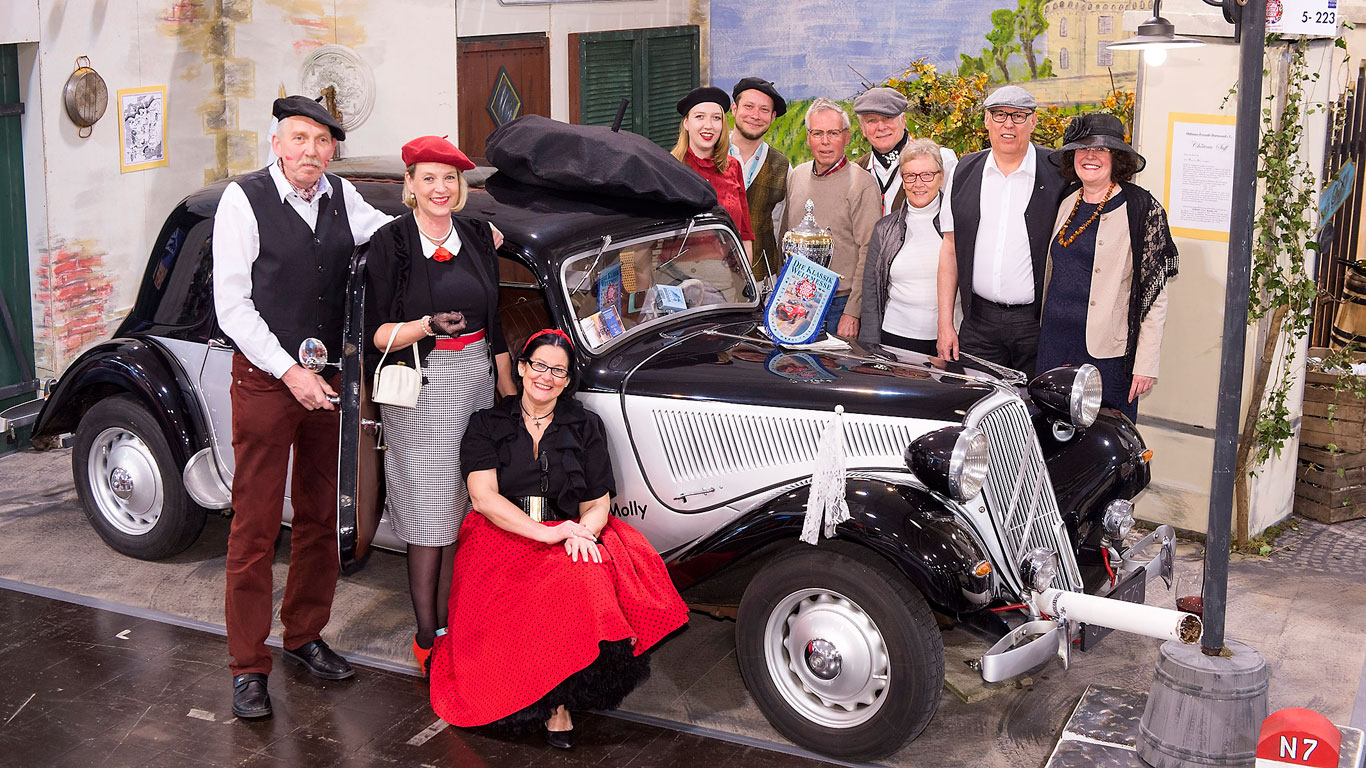
Citroen Traction Avant 11CV
The game-changing Citroen Traction Avant is the godfather of the modern motor car. It was the first front-wheel drive production car to boast a steel monocoque body, and also featured fully independent suspension.
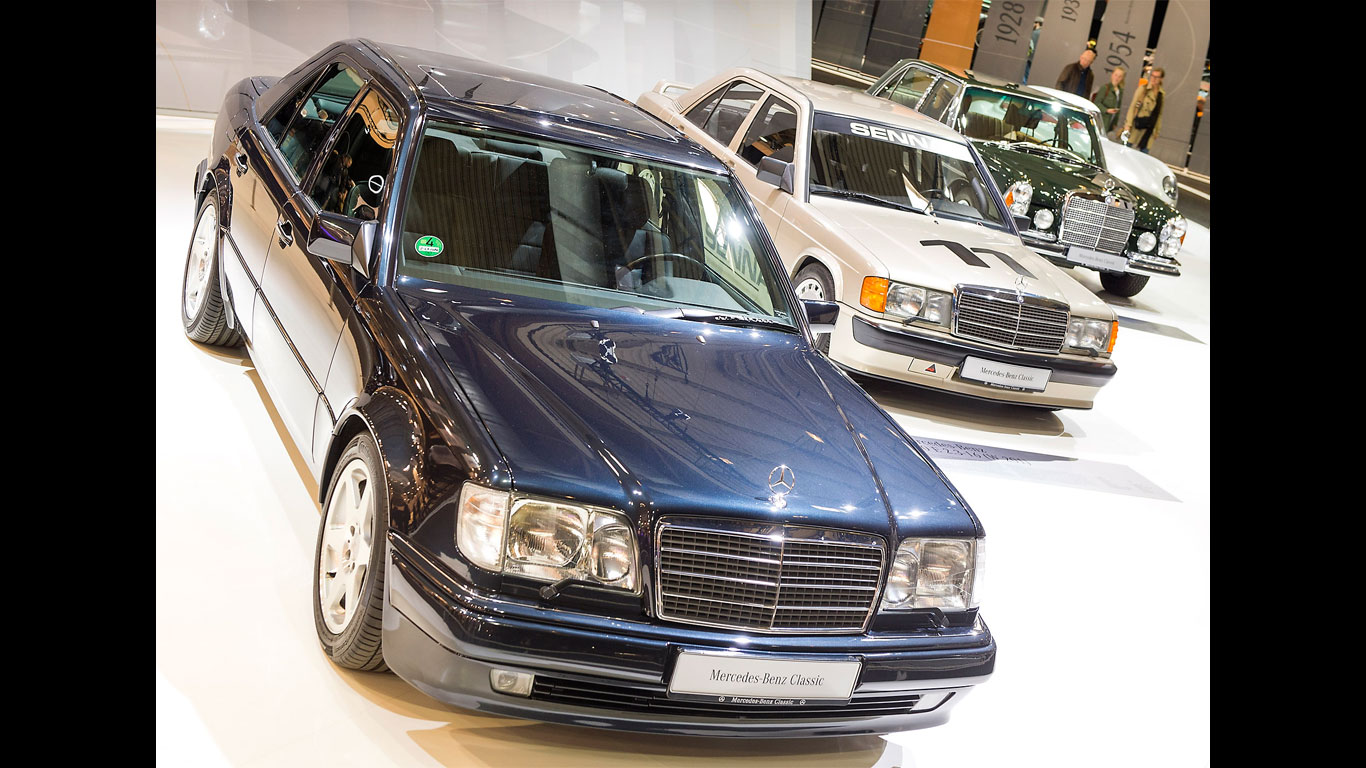
Mercedes-Benz E500 Limited
Given the popularity of the W124 in the early 90s, you’d have been forgiven for not spotting an E500 Limited looming into view. That’s until the Porsche-built, 5.0-litre V8 super-saloon breezed past you without breaking sweat.
We might be less than two decades into the new millennium, but automotive design has already moved on apace. We’ve picked out 21 cars that demonstrate truly great design since the year 2000. Not every car here is conventionally beautiful, but each showcases innovation, creativity, or the ability to tap into what buyers really desire. Of course, some are also here because they look too good to ignore.
Barn-find cars on show in Birmingham
You won’t believe how expensive these old cars are
Remember the year 2000? The future was here, everything seemed to be painted silver and BMW had rid itself of the Rover brand. But it kept hold of the jewel in the crown: MINI. Setting the scene for design trends to follow, the R50 MINI Cooper was unashamedly retro, taking elements of the Alec Issigonis original to create a bigger, more modern machine.
Frank Stephenson was responsible for the design, and used classic Mini features such as the chrome grille, white wheels and contrasting roof to make the new car instantly recognisable. A central speedometer, combined with toggle switches, ensured the interior was equally retro-influenced. Although it didn’t push packaging boundaries like the original, it did prove to be hugely successful (and profitable) for BMW.
2001 Renault Avantime
At the turn of the millennium, Renault was in a buoyant mood, pushing its brand towards cutting-edge modernism. Along with the slightly more conventional Vel Satis, the Avantime was Patrick Le Quément’s vision of where Renault should go. But buyers weren’t really interested in making that journey, and only 8,500 were willing to buy one.
With a name that means ‘ahead of time’ the Avantime was just too leftfield, and lasted less than three years in production. Yet its pillarless one-box construction was ingenious, with special double hinges for the giant doors and a button that would retract all the windows and sunroof at once. Good design pushes boundaries, and there is no denying the Avantime did that.
2002 Ford GT40 concept car
Current focus is on the new Ford GT, but travel back 15 years and the 2002 Detroit Auto Show saw the launch of a special GT40 concept car. Intended to celebrate Ford’s centenary, the design was slavish in recreating the GT40 racer from the 1960s, albeit taller than the 40-inch height of the original. Public reaction was overwhelming, and a production version was prepared virtually unaltered.
Ford was unable to agree terms with the owner of the GT40 name, meaning finished versions would simply be titled ‘GT’. Other changes for the production cars included the addition of a rear bumper to meet impact tests, plus only one fuel filler cap instead of two. While it may have borrowed wholesale from the original GT40, the 2002 concept was unquestionably beautiful.
2003 BMW E60 5 Series
It might seem a little hard to believe, but maybe we were all wrong about Chris Bangle and his tenure as BMW’s chief of design. The E60 5 Series was met with scorn and derision by many, appearing far too radical in looks compared to the previous E39 version. Sharp creases, wraparound headlights and that tailgate all seemed to be very un-BMW like.
But look at the E60 now. This design is almost 15 years old, yet still manages to look modern and, whisper it, actually quite handsome. Over 1.3 million examples were sold between 2003 and 2009, suggesting buyers couldn’t have hated it as much as we were led to believe. Chris Bangle, we’re sorry – you got this one right.
2003 Porsche Carrera GT
The Carrera GT was the fortunate by-product of Porsche finding itself with a race-spec V10 engine, but no suitable home for it. The motor made its way into the Carrera GT concept car, shown at the 2000 Paris Motor Show. Following a positive reception, Porsche planned a limited production run for the Carrera GT, featuring a 612hp version of the 5.7-litre V10.
With a monocoque chassis built from pure carbon fibre, carbon ceramic brake discs and carbon fibre body panels, the Carrera GT was primarily a lesson in lightweight construction. Styling was dictated by the need to resemble the rest of the Porsche model range, but also incorporate the cooling needs of the V10, along with aerodynamic stability and performance. The result was a hypercar that looks relatively subtle compared to more recent creations, but it was brutally effective.
2004 Alfa Romeo 159
Everyone remembers the Alfa 156. It won European Car of the Year in 1998, gained praise for the clever hidden rear door handle, and featured a distinctive off-centre number plate. This made life hard for the 159 that had to follow it in 2004. Famed Italian designer Giorgetto Giugiaro was the man tasked with the styling job, and he was clearly undaunted by the task at hand.
With direct influences from the Brera concept car of 2002, the 159 retained the central V-shaped grille and off-centre number plate from the 156. Giugiaro produced a cohesive and distinctly Alfa design, while also incorporating the need to make the car larger. Platform development squabbles between Fiat and General Motors would hamper the finished product, but the 159 remained an elegant saloon – on the outside at least.
2004 Aston Martin DB9
If you have ever complained that all new Aston Martins look the same, then the DB9 is the genesis of that design philosophy. Henrik Fisker’s work would go on to also inspire the V8 Vantage, Rapide, and various other cars also derived from the DB9. That the design was able to continue virtually unaltered until 2016 testament to how right Fisker was in the first place.
The DB9 did without aggressive spoilers and wings, reflecting its GT car nature. Classic Aston Martin elements like the front grille were incorporated into an elegant body. The car gained a unique ‘Sub Zero’ spot on the Top Gear ‘cool wall’, helping cement its place as a design icon.
2004 Chrysler 300C
Channelling the ‘Forward Look’ styling language of the Chrysler 300 range from the 1950s, the 300C was another unashamed retro recreation. A huge grille, shallow glasshouse and slab sides endowed the 300C with imposing street presence. More impressive was that it managed to be accepted on both sides of the Atlantic – something American cars have rarely achieved.
So popular was the 300C when launched that it racked up a range of celebrity endorsements. Famous 300C owners included Barack Obama, Snoop Dogg, Dr Dre and Ice Cube, and the car became a staple of hip-hop music videos. We’ll gloss over the trend for owners to replace the regular grille with a Bentley-badged one, however.
2004 Volkswagen Mk5 Golf GTI
After the criticism of the Mk3 and Mk4 versions of the Golf GTI, Wolfsburg hit back in 2004 with a car that truly lived up to the legacy of the original hot hatch. A comprehensive mechanical overhaul underneath the bodywork helped the Mk5 GTI drive as it should, but the intelligent design changes made it look like it belonged. Honeycomb mesh filled the bumper inserts, while a red stripe paid homage to the grille of the iconic Mk1.
Standard fit 17-inch Monza alloy wheels, along with black plastic side skirts, sharpened up the side profile, while the rear bumper featured twin exhaust tailpipes and a subtle spoiler. Inside, the return of tartan cloth trim made certain there was no confusing the GTI for a lesser Golf.
2006 Audi R8
What makes the Audi R8 an iconic design? The fact it shows the confidence of the brand to produce a mid-engined supercar, capable of taking the fight to established rivals like Ferrari and Porsche. The R8 borrowed heavily from the Audi RSQ concept, featured in the 2004 film I, Robot, although obviously it lacked the spherical wheels used in the movie…
Most notable in the design of the R8 were the ‘side blades’ fitted behind the trailing edge of the doors. Offered in a number of finishes, they broke up the flank of the supercar and stopped it appearing like a generic mid-engined machine. They also served a functional role as air intakes for the V8 or V10 engines. Now into its second-generation, the R8 cemented the premium market position of the Audi brand.
2006 Dodge Challenger concept
Many cars since the turn of the millennium have used retro touches and influences. However, for the Challenger concept, Dodge went all-out, recreating the classic 1970 R/T model in an almost exact likeness. From the overall shape of the body to details like the quad headlights and front indicators, this was a slavish reproduction. Yet reconstructing one of the most iconic muscle cars can hardly be considered a bad idea.
After being shown at the 2006 Detroit Auto Show, Dodge released the production Challenger in 2008, with minimal alterations from the concept machine. The Challenger Concept was also important for playing a part in the muscle car revival of the late 2000s. With Ford and Chevrolet releasing ‘retro-futuristic’ interpretations of classic muscle cars, a previously dormant segment was recreated for those who could previously only dream of owning an original from the 1960s.
2007 Alfa Romeo 8C Competizione
This may well be the most achingly beautiful car on our list. Long of nose, short of tail, and wearing a classic Alfa V-shaped grille, we’ll forgive you if you linger over images of the 8C Competizione for a little longer than most. Originally shown at the 2003 Geneva Motor Show, it took until 2007 for the 500 lucky customers to start receiving their completed cars.
Despite the Italian style, the 8C Competizione was actually created by a German designer – Wolfgang Egger. Under its lengthy bonnet was a Ferrari/Maserati 4.7-litre V8 engine, producing 450hp and an incredible sound. In all honesty, it could have been powered by a 1.0-litre diesel with 50hp and we’d still be begging to have one.
2007 Fiat 500
More than 1.5 million Fiat 500s have been sold globally, 250,000 of them in the UK alone. Yet dismissing the new 500 as an obvious choice ignores the fact it has been significantly responsible for propping up the Fiat brand, through faithfully copying the original 1957 car. It’s worth noting that Frank Stephenson, he of MINI Cooper fame, was responsible for creating the finished production version.
The design of the new 500 is not without merit, picking up the city car prize for the World’s Most Beautiful Automobile in 2007, along with the European Car of the Year award in 2008 and World Car Design of the Year in 2009. Whatever your opinion on the 500, that is a substantial set of awards for a car that shares underpinnings with the humble Fiat Panda. It does mean owners should probably stop adding eyelashes to the headlights, though.
2007 Maserati GranTurismo
The mid-2000s clearly experienced something of an Italian design renaissance, as we notch up another car from bel paese. Styled by American Jason Castriota while he was working for that most Italian of design houses, Pininfarina, the GranTurismo melded modern and classic styling features. Most notable is the gaping front grille, which wears the Maserati trident emblem.
Beneath a curvaceous design that hides the sheer size of the GranTurismo, the four-seater coupe shares many of its mechanical parts with the fifth-generation Quattroporte saloon. That includes its V8 engine and six-speed automatic transmission, helping the GranTurismo tip the scales at nearly 1,900kg.
2009 Ferrari 458 Italia
Following on from the F430, which looked a little soft, the 458 Italia was Ferrari at full modern aggression. With design elements like the extended headlights that appeared to take influence from Japanese machinery, the 458 Italia brought the mid-engined supercar bang up to date.
That said, features like the exhaust system with three tailpipes paid homage to the F40, while round taillights continued a mid-engined Ferrari styling feature present since the 1975 308 GTB. Unlike its historic predecessors, the 458 Italia also had to contend with the need for advanced aerodynamics. Deformable winglets inside the front bumper would reduce in size to cut drag at high speed, helping the 458 achieve more than 200mph.
2010 Lexus LFA
Created by a single-minded desire to produce a halo model to demonstrate the abilities of the Lexus brand, the LFA had free reign to achieve iconic status. Performance was the key factor in shaping it, but the devotion to speed created a car with uniquely stunning looks. Carbon fibre was used extensively, allowing shapes that would not have been possible with metal construction.
Like the Ferrari 458, the LFA also featured three exhaust tailpipes, but stacked vertically. Hidden door handles kept the sides smooth, while even the wing mirrors were designed for aerodynamic optimisation. Lexus admits that a replacement for the LFA is unlikely in the near future, cementing the uniqueness of it as a 21st century design.
2011 Range Rover Evoque
As the smallest model in the Range Rover line-up, the Evoque had a tough brief. It needed to appear a premium product, but be accessible and affordable for urban buyers. A clamshell bonnet and floating roof were key styling elements borrowed from the bigger Range Rover. The use of lightweight aluminium and composite construction helped the Evoque retain a respectable kerb weight for a crossover SUV.
Even before going on sale, Land Rover had attracted some 18,000 pre-orders for the Evoque. Being crowned ‘Best Production Car’ at the 2010 Car Design News awards, along with the 2012 World Car Design of the Year prize, demonstrates how the Evoque was loved by industry critics as well as customers. Despite being some six years old, the Evoque still looks cutting-edge. Although let’s not talk about the convertible version…
2011 Volkswagen Up
Volkswagen learned a hard lesson after replacing the much-loved Lupo with the Brazilian-built Fox. Whilst buyers might want a VW city car to be affordable, they also want it to at least look expensive. The Up achieved that, with strong lines and a tailgate made from a single piece of glass – a feature borrowed from the Up concept first shown in 2007. This would also mark the Up out against its badge-engineered SEAT and Skoda brethren.
In fact, the Up’s styling replicated the concept car almost unchanged. Underneath, however, it ditched the rear-mounted flat-four engine for a conventional front-wheel-drive setup. The finished Up would take the 2012 World Car of the Year prize, beating both the BMW 3 Series and Porsche 911 in the final round of voting.
2014 Citroen C4 Cactus
Ferdinand Alexander Porsche is quoted as saying that “design is not simply art, it is elegance of function” and as the man responsible for the shape of the 911, he knew a thing or two about styling. Such a notion also justifies the inclusion of the C4 Cactus on this list. No, it may not be the most conventionally attractive car here, but a devotion to practicality means it stands out in a crowded crossover market.
Cactus buyers are rewarded with clever features like the Airbumps found on the side panels, which not only look cool, but also absorb impacts from shopping trolleys and other car doors. Citroen has also built the Cactus with low weight in mind, making it more fun to drive than you might expect from a utilitarian family machine. It might upset your neighbours in some colour choices, but it lives up to the idea of being elegantly functional.
2015 Jaguar F-Pace
The lure of the SUV is inescapable for contemporary car manufacturers, but there is still a need to ensure it looks like it’s part of the family. Many have tried, but it isn’t an easy task. Just try recalling the first-generation Porsche Cayenne… Thankfully, Jaguar possesses a truly talented designer in Ian Callum, meaning the F-Pace had the best possible start in life. So not only does it look like a Jaguar, but it looks good full-stop.
Ian Callum has led the transition of Jaguar from stuffy traditionalism to contemporary modernism, being responsible for cars such as the XF, XE and the F-Type. The F-Pace borrows features from those three models, with rear lights inspired by the F-Type being the most obvious element used. Becoming the fastest selling car in the history of the Jaguar brand suggests Mr Callum got it right with this one.
2016 Volvo V90
In a world where everything seems to be an SUV or crossover, there is something reassuring about a big estate car. Combine that with ideas of Scandinavian cool and Volvo safety, and the V90 becomes really rather desirable. Having it on your drive means you can pretend to have watched Scandi-noir dramas like The Bridge and Wallander without suffering hours of subtitles.
The S90 saloon version came first, but that somehow isn’t as chic or stylish as the big wagon. The V90 isn’t, admittedly, as practical as previous giant Volvo estates, trading boot space for style. But that’s hardly a Scandinavian crime, and means the V90 can rightfully take its place here as truly great 21st century design.









 Being practical doesn’t necessarily mean having to give up your street cred. When the time comes to transport a growing family, there are ways and means to resist the slide into blandness. These 20 cars prove that you can achieve domestic bliss, yet still gain envious glances in the supermarket car park.


 Unless you’ve been living under a rock for the past decade, you’ll know that SUVs are hotter than hot cakes right now. New car buyers simply cannot get enough of the high-ridin’ heroes of the high street.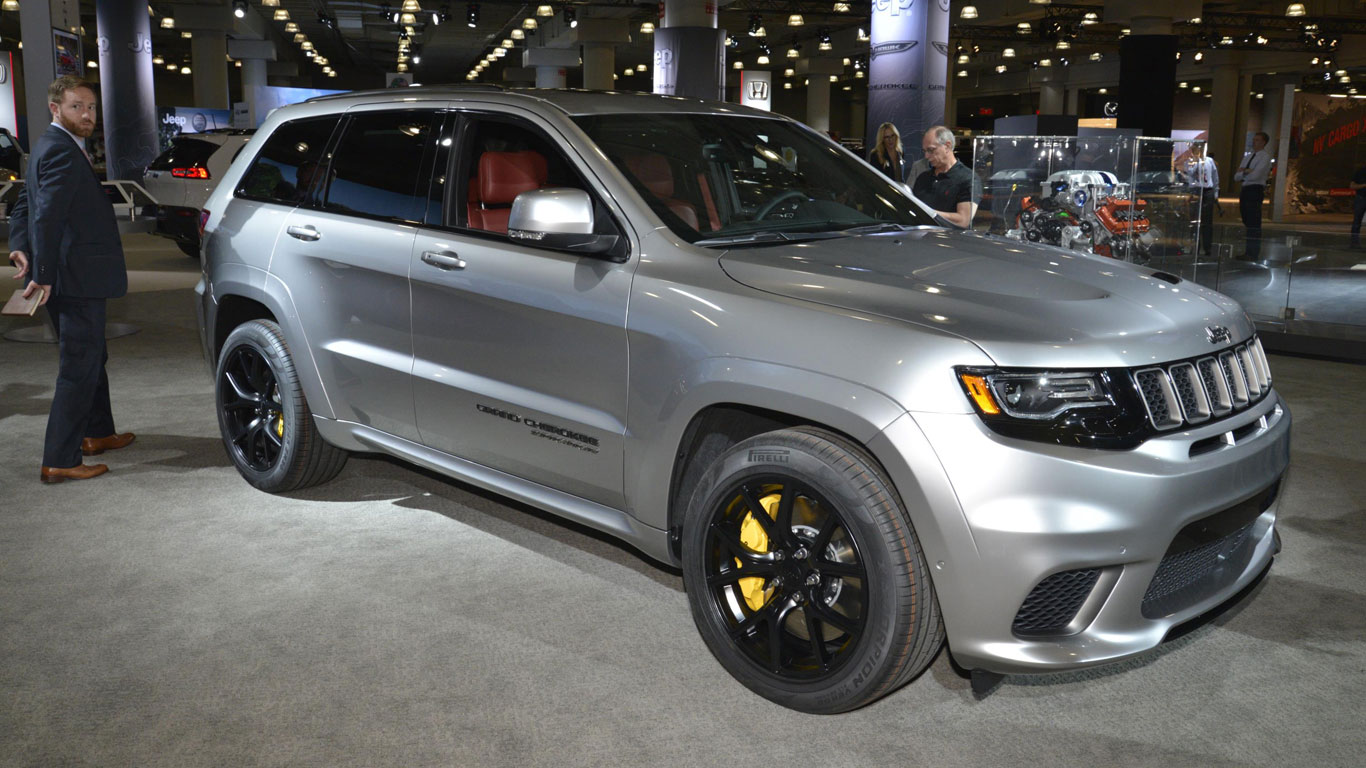
 The percentage of vehicles checked with at least one serious warning against them increased from 25.6% in 2015 to 28.5% in 2016. That’s the warning from used vehicle checker Mycarcheck.com, which has released write-off, finance and stolen risk data for its 10 most searched-for makes.
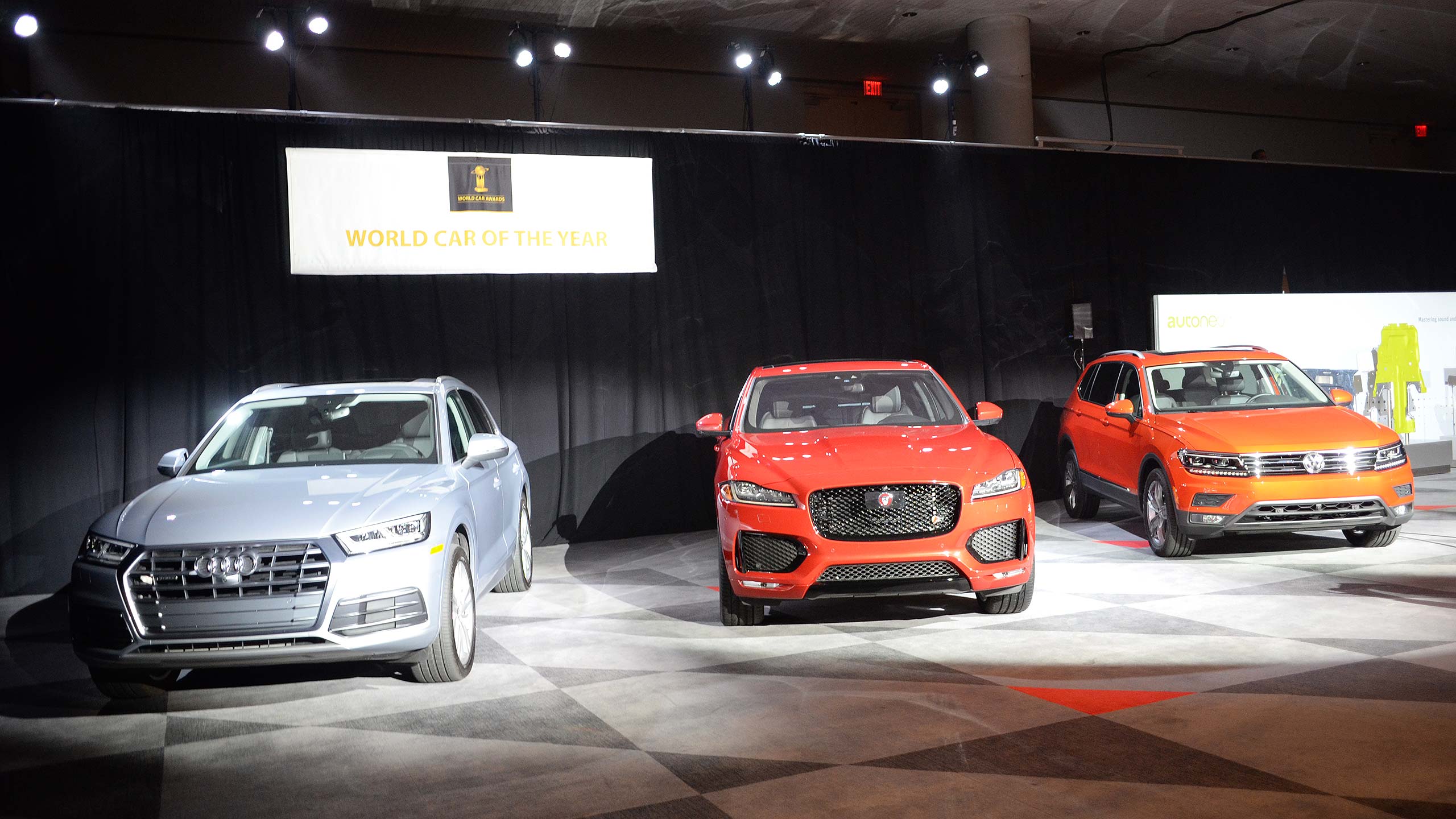 The World Car Awards this year had the honour of opening the New York Motor Show, revealing the 2017 winners at a big ceremony.
 Runners-up: BMW 5 Series, Volvo S90/V90



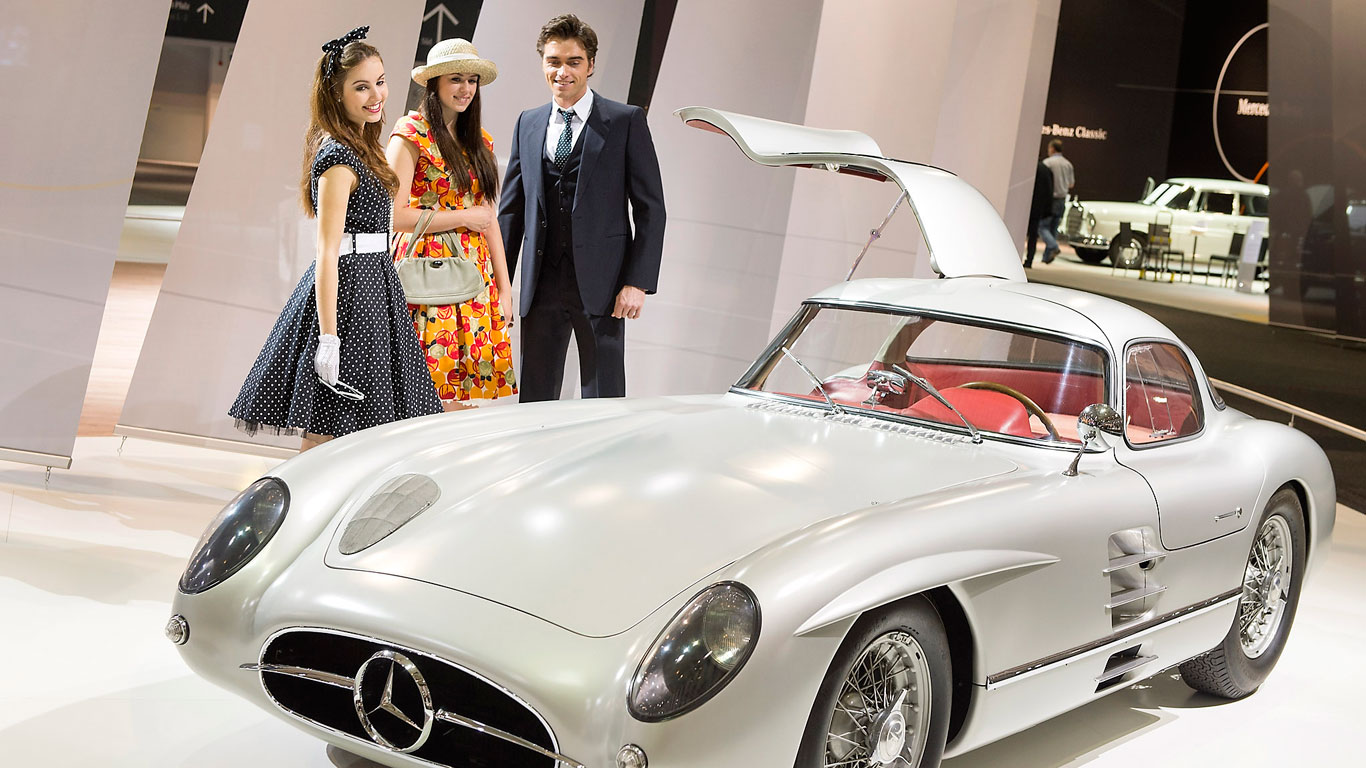 In 2016, more than 200,000 visitors from around the world visited the Techno Classica car show in Essen, Germany. It’s considered to be Europe’s best classic car show, as demonstrated by these photos taken at this year’s event.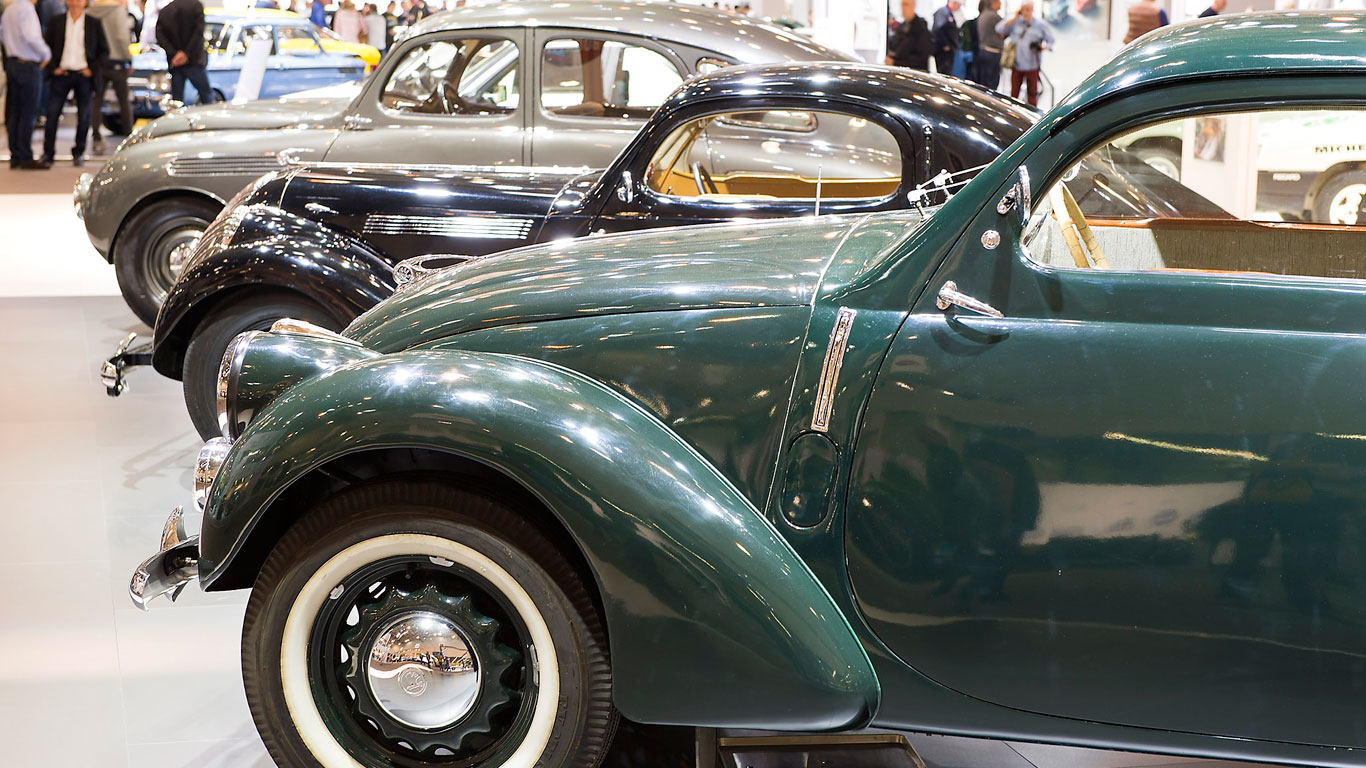
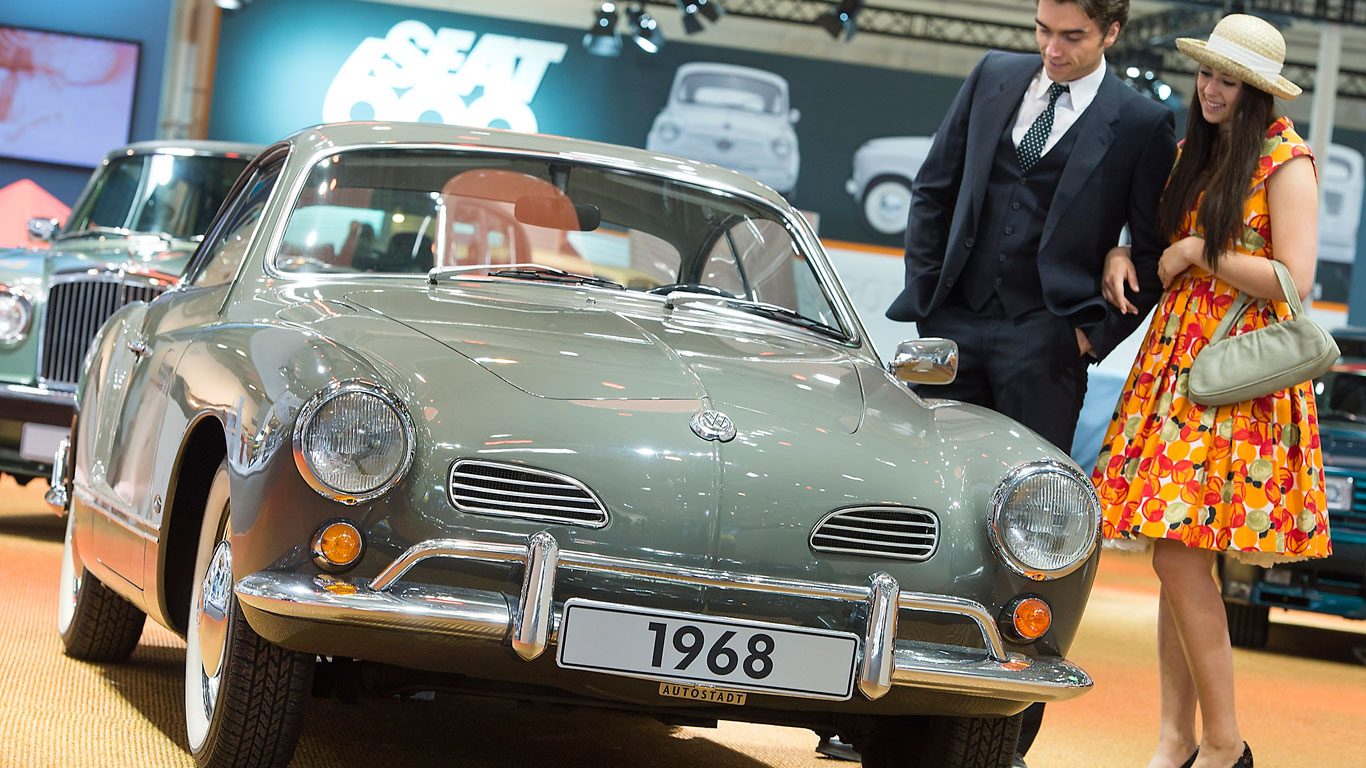
 We might be less than two decades into the new millennium, but automotive design has already moved on apace. We’ve picked out 21 cars that demonstrate truly great design since the year 2000. Not every car here is conventionally beautiful, but each showcases innovation, creativity, or the ability to tap into what buyers really desire. Of course, some are also here because they look too good to ignore.


