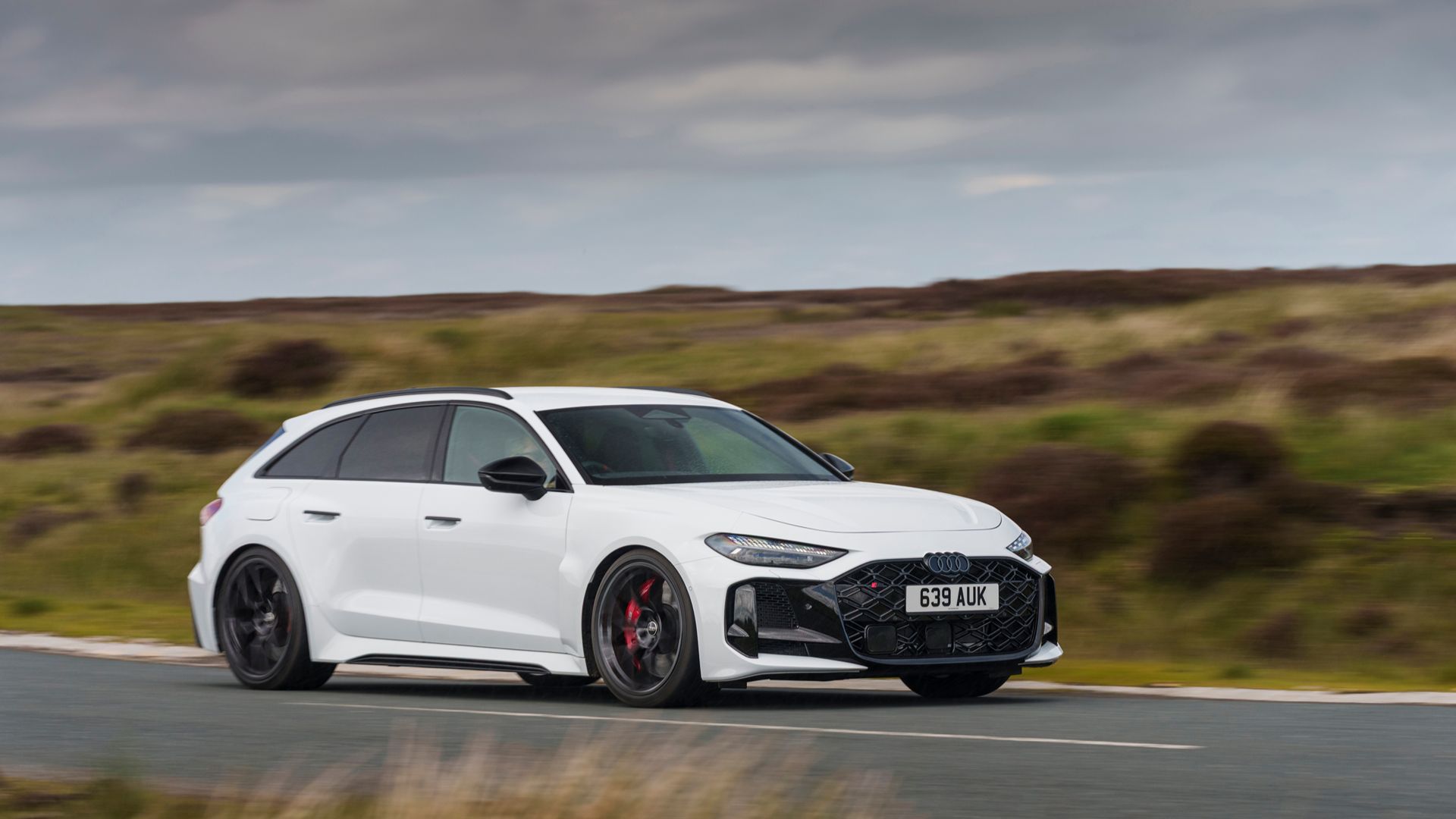
Vorsprung durch Technik. One of the most famous ad slogans of all time translates from the German as ‘Progress through Technology’. In the case of the new RS5, these are words that Audi engineers took very much to heart.
This is a complicated car. Its 2.9-litre V6 is bolstered by a 25.9kWh hybrid battery and 177hp electric motor inside the transmission. It also has variable geometry turbochargers, air-to-water intercoolers, adaptive twin-valve dampers, a Torsen limited-slip differential and electro-mechanical torque vectoring. Not forgetting Audi’s trademark Quattro four-wheel drive, of course.
So there is plenty of Technik, but does all this new-fangled hardware and software really feel like Vorsprung? Particularly when it results in a kerb weight of 2,370kg for the Avant (estate) tested here – around 500kg heavier than a BMW M3 Touring. I spent a week with the RS5 to find out.
Audi RS5: what’s in a name?
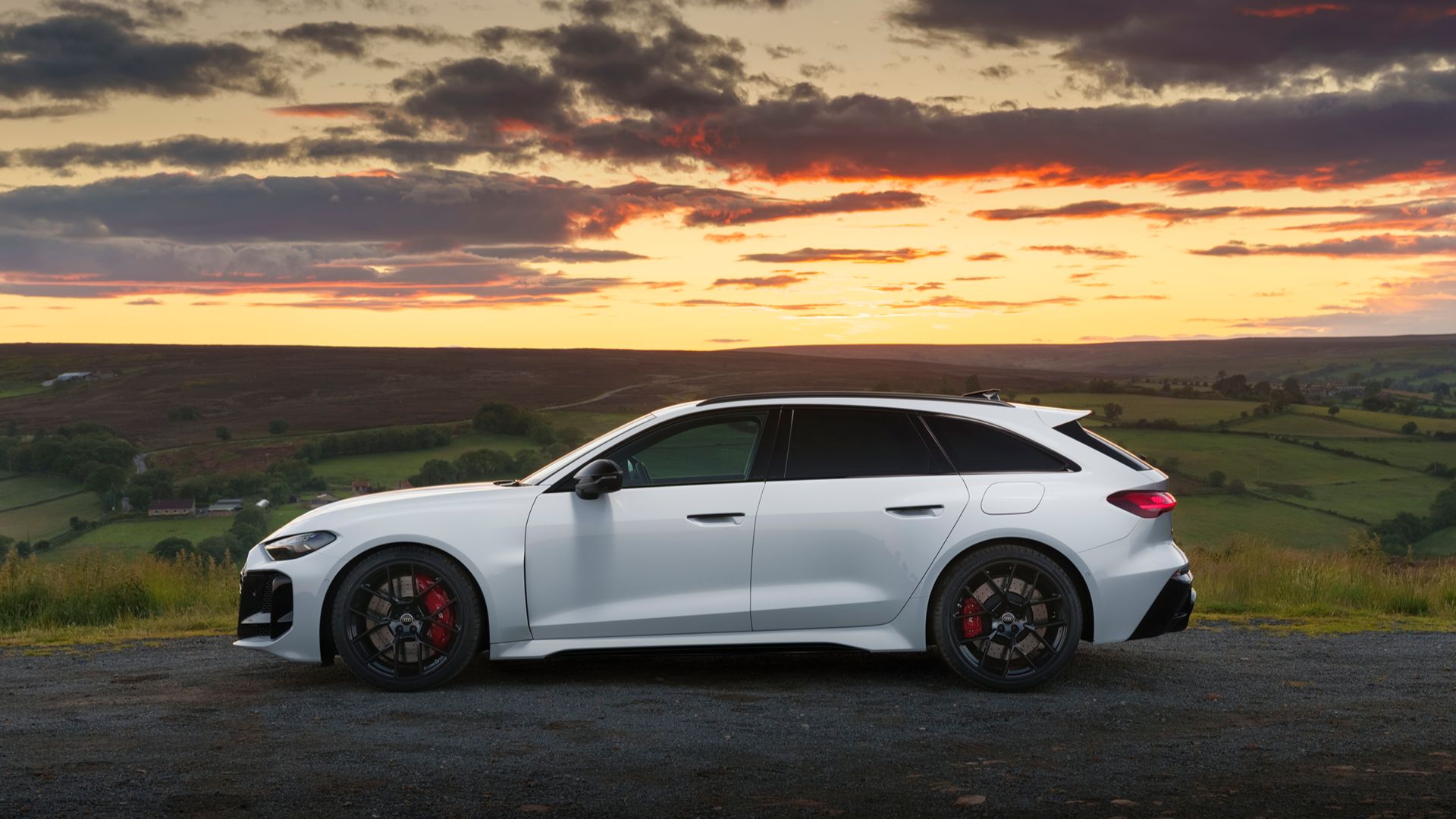
Before we go any further, it’s worth clarifying Audi’s naming strategy. Or lack of. This car would have been christened ‘RS4’, like the four generations of RS4 saloon and Avant that came before it, but Audi decided to reboot its nomenclature with odd numbers for combustion cars and even numbers for EVs. It soon became apparent that customers were confused, however, so Audi reversed its decision – albeit not before this RS5 was already out of the blocks. When it eventually arrives, its replacement will be called an RS4 again. Probably.
Like its predecessors, the RS5 is available with four or five doors. The saloon costs from £90,150, while the Avant is £92,050. Go for fully loaded Vorsprung spec and you’re looking at upwards of £107,485.
Want more big numbers? How about 639hp, 608lb ft of torque and a top speed of 177mph? As for smaller stats, try 0-62mph in 3.6 seconds and official CO2 emissions of just 89/km, helped by an electric-only range of 51 miles. First-year road tax is also on the small side, at £285. That compares to £4,850 for the (non-hybrid) M3.
Aside from the outgoing BMW, the RS5’s closest rivals include the Mercedes-AMG C63 and Alfa Romeo Giulia Quadrifoglio. Electric alternatives include the Polestar 5, Porsche Taycan and Audi’s own E-Tron GT.
Chairman of the broad
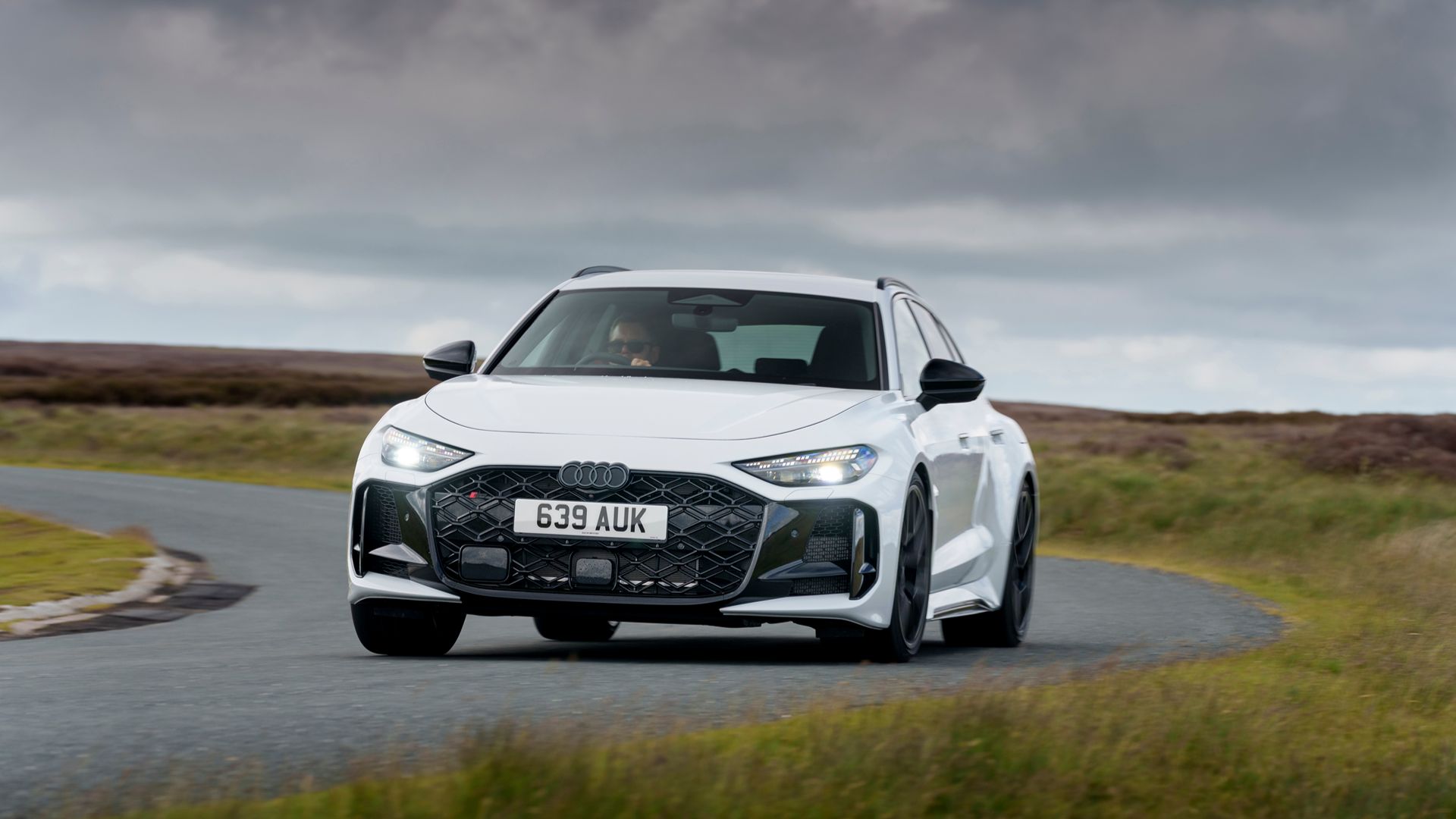
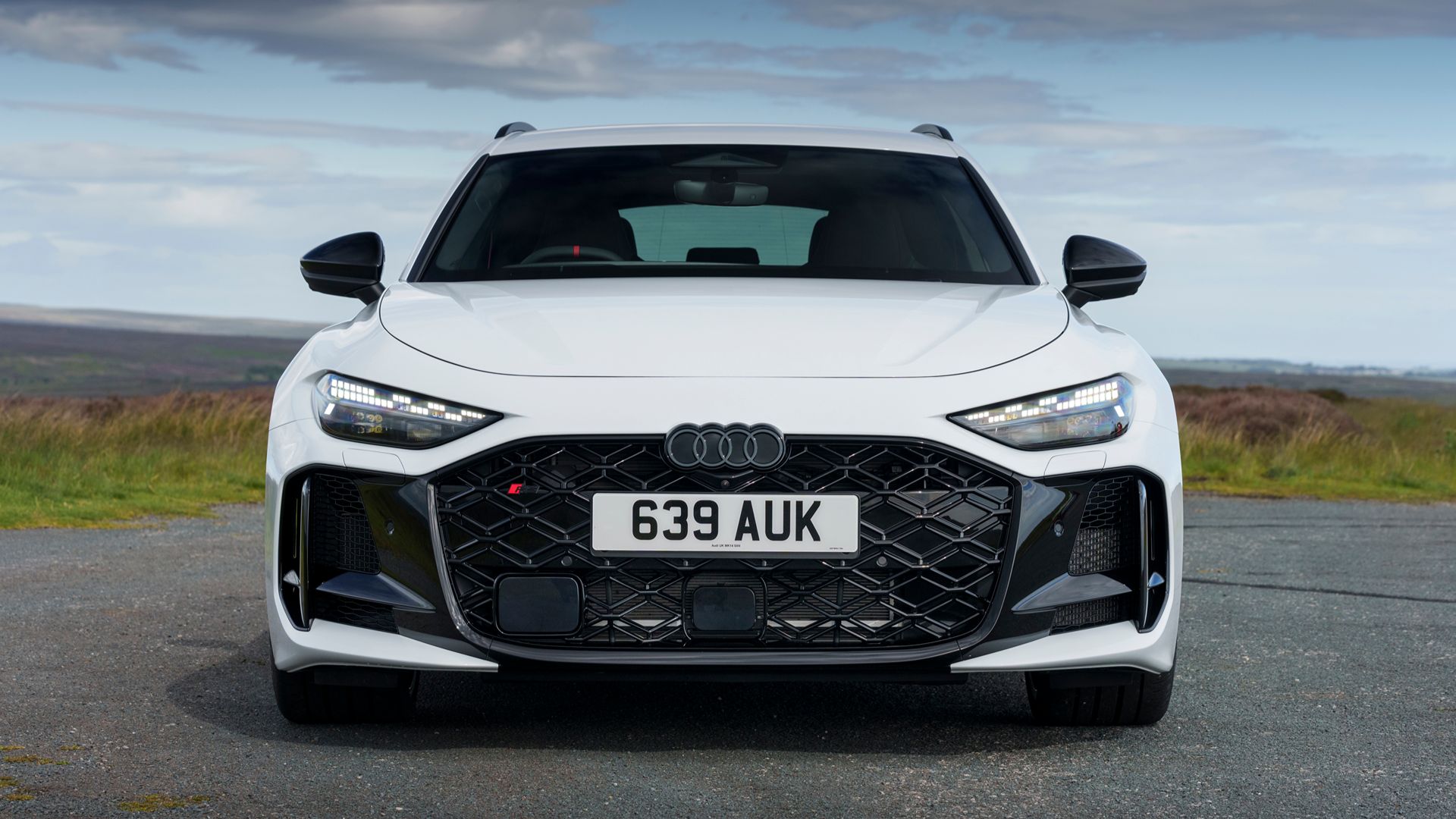
“Wow, is that the new RS5? It’s so sick.” The reaction of my son’s friends was fairly typical – everyone seems to love how the RS5 looks. As a child of the 1990s, raised on big wheels and bodykits, I can’t help loving it as well.
It’s those wheelarches that really pump up the visual volume. Stretched over rims up to 21 inches in diameter with bespoke 285/35 Pirelli tyres, they are cartoonishly muscular. The Audi’s grimacing black grille also lends it plenty of rear-view-mirror menace, while its enormous exhausts confirm this is a hybrid tuned for performance, not parsimony.
My test car was a high-spec Launch Edition, but in general there are three rungs on the RS5 ladder: standard, Carbon Black and Vorsprung. Equipment on the base model includes matrix LED headlights, a head-up display, a 10.9-inch screen for the passenger and sports seats with heating, ventilation and massage functions.
As per its name, the Carbon Black adds various bits of carbon fibre trim, such as a front spoiler and door mirror covers. And the flagship Vorsprung comes with unique ‘carbon camouflage’ trim, plus a panoramic sunroof with switchable transparency, 360-degree surround-view parking cameras, a Bang and Olufsen audio system, heated rear seats and an RS Sport exhaust.
Inside the Audi RS5
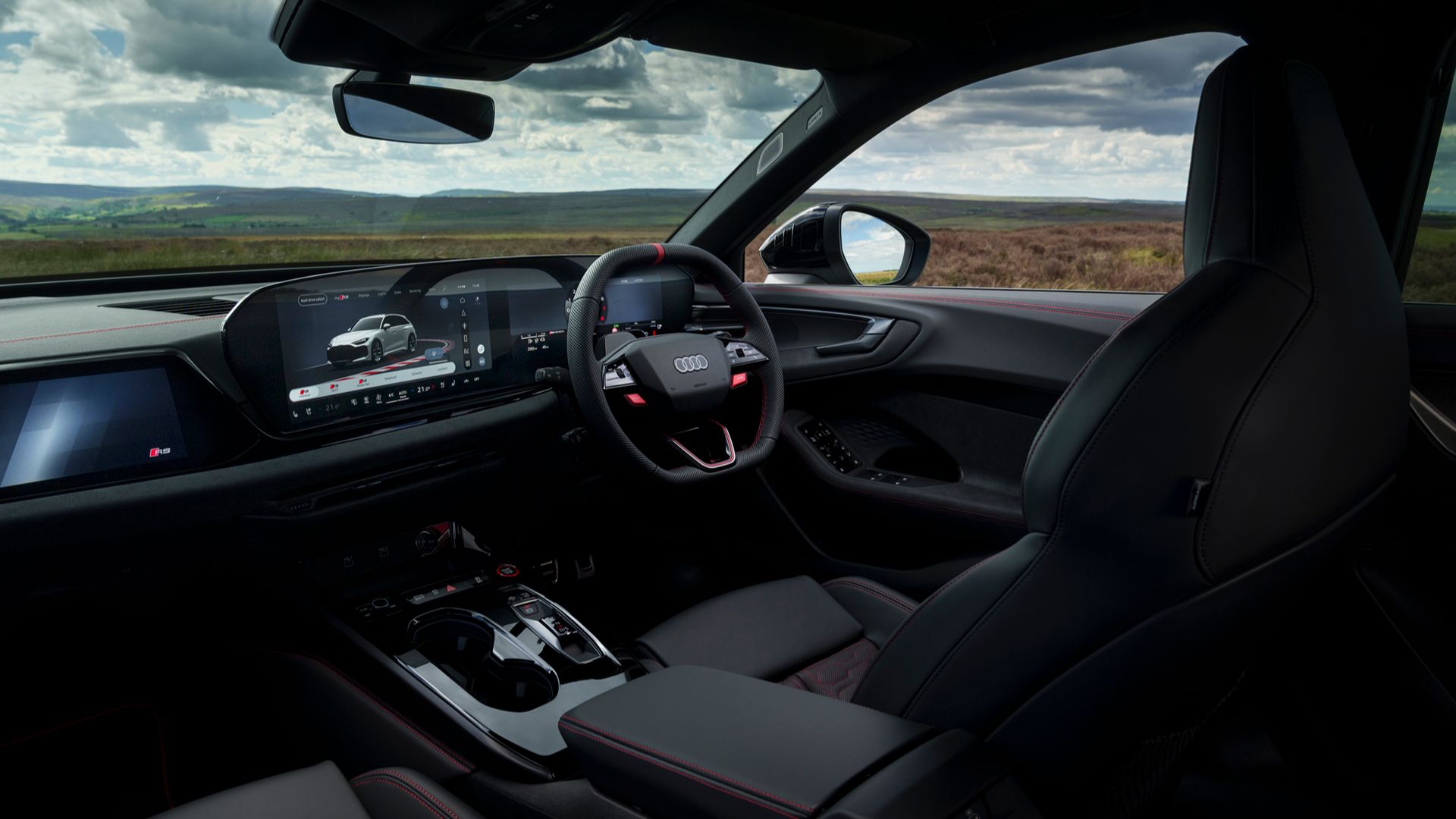
The Audi’s low-slung bucket seats are superb and catching sight of those huge haunches in the mirrors feels supercar-special. The 14.9-inch central touchscreen also looks crisp and is straightforward to use, with some neat animations of the car and plenty of RS-specific performance data. Keen to know your mid-corner G-force or individual tyre temperatures? The RS5 has you covered.
Sadly, there’s also a lot of shiny, piano-black plastic, which soon gets smeared with greasy fingerprints, and some of the materials don’t feel premium enough for a car knocking on the door of six figures. Audi used to be the benchmark for interior quality, so it can definitely do better.
Other grumbles include the fiddly haptic touchpads on the door panel (the Volkswagen Group has been busy phasing these out) and the general dearth of physical buttons. My biggest gripe, though, concerns luggage space: at 361 litres with the rear seats upright, the Avant offers less than many mid-sized hatchbacks.
The previous RS4 Avant, for comparison, could carry 495 litres, while a 2026 Volkswagen Golf Estate swallows 611 litres. Blame the RS5’s raked rear window and the hybrid batteries beneath its boot floor.
Drive modes and mixed messages
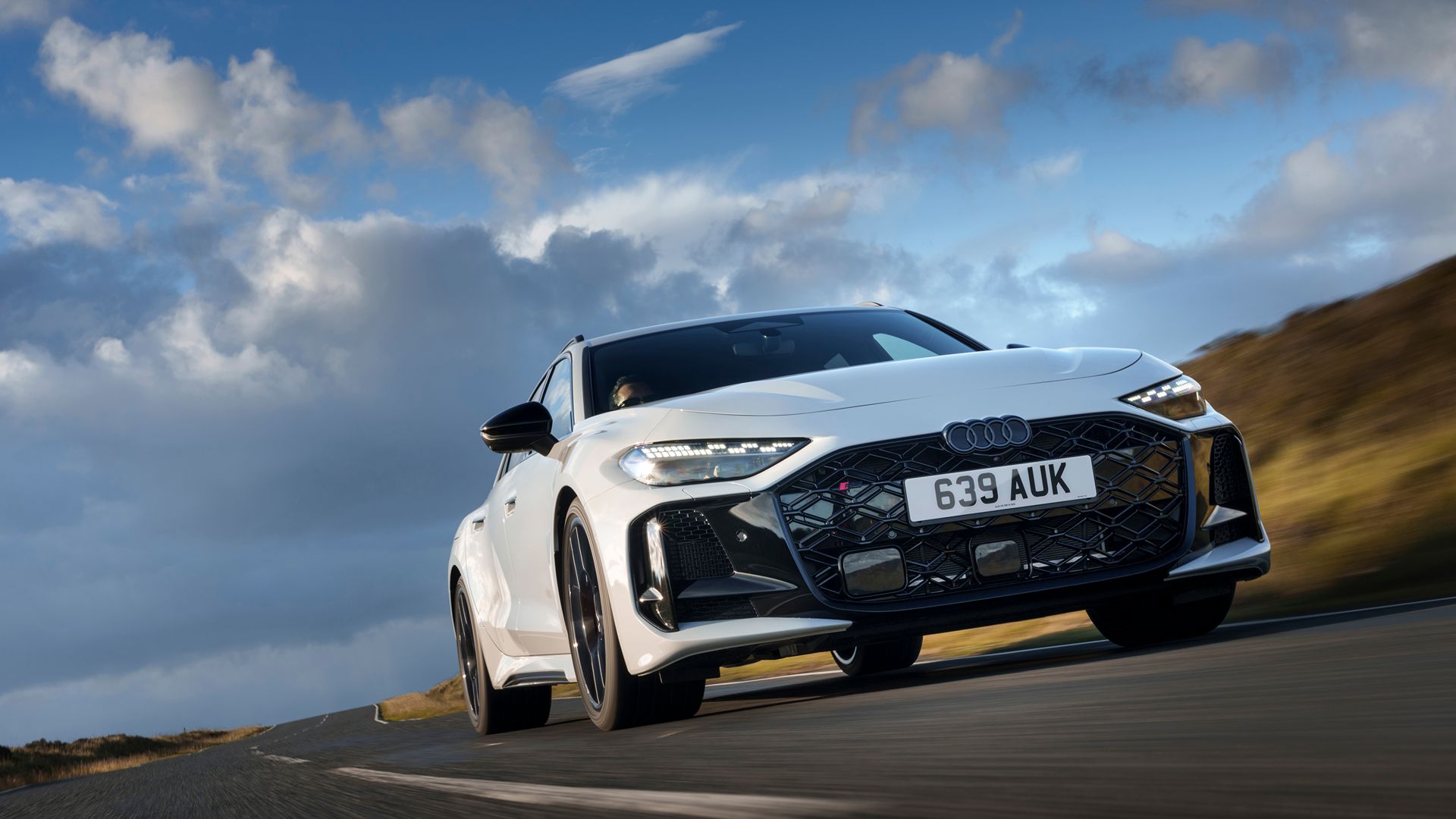
Remember what I said about the RS5 being a complicated car? Well, that is readily apparent when you climb behind the wheel and try to decipher all the drive modes. The adaptive Balanced setting is a good place to begin, but you can also select Comfort, Dynamic or a plethora of RS options such as Sport and Torque Rear. The latter is essentially a hooligan mode that diverts up to 80 percent of drive to the rear wheels, then uses its clever differential to enable long, smoky drifts. It’s for track use only, Audi is keen to point out…
While Torque Rear seems like a gimmick, the RS5’s torque vectoring system, which can slow down or accelerate each rear wheel individually using an 8kW electric motor, does give it an eagerness and agility at odds with its 2.4-tonne heft. Rather than simply understeering like many hot Audis of old, it bites hungrily into apexes then spits you out the other side.
This level of adjustability also applies to the RS5’s ride, which ranges from quite plush to taut and resolute – again, depending on the drive mode selected. It certainly copes with UK-spec potholes better than the squat stance and rubber-band tyres might lead you to expect.
Even so, you can never escape the feeling that electronics are doing the (literal) heavy lifting here. The sense of reciprocity between car and driver isn’t quite there, the messages muddied by overly light steering and the RS5’s rather binary, mild-or-wild character. Only when you drive fast does it truly come alive .
Plug in or pay for petrol
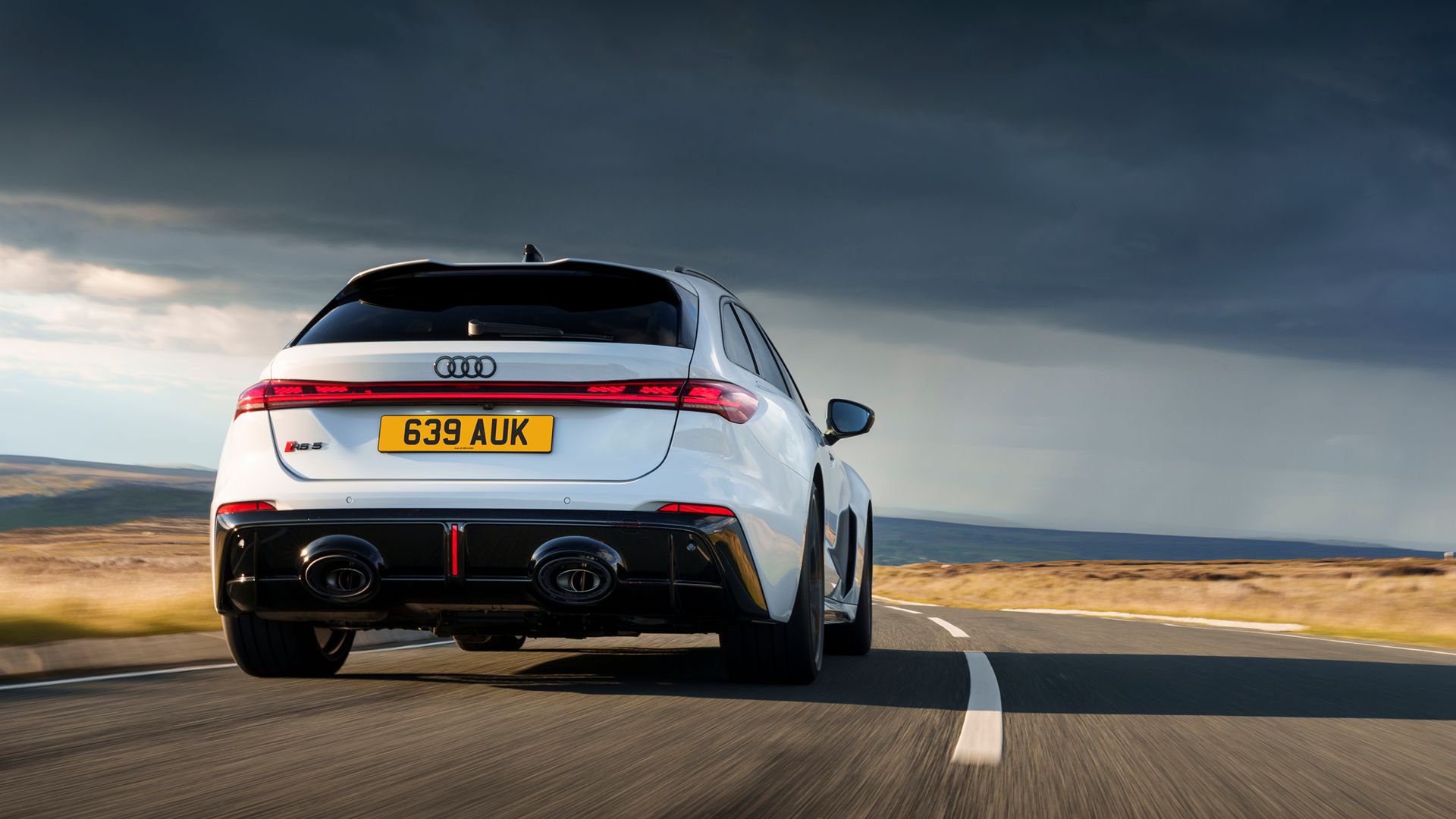
Not that going fast will be difficult. The V6 engine is surprisingly vocal, its bared-teeth snarl overlaid by crackles from the tailpipes. With the electric assistance wiping out any trace of turbo lag, it piles on speed ferociously, the eight-speed gearbox barely pausing between high-rev upshifts.
The problem is that using such extreme performance on the road is rarely ever possible. Especially when you live in the south-east of England. The rest of the time, the Audi feels a bit aloof – a bit ‘digital’, for want of a better word.
The hybrid system also has its limitations. Battery charge is held at 90 percent in the RS modes to ensure instant response, but in other settings the level of charge is quickly depleted, with seemingly little top-up from regenerative braking. This can leave you needlessly lugging around heavy batteries – and averaging a not-too-thrifty 29mpg.
Factor in a small 48-litre fuel tank (also downsized to create space for the batteries) and the RS5 has a disappointingly short range for a car that should, in theory, be capable of taking the whole family on a long holiday.
Verdict: Audi RS5 Avant
What we have, then, is a car with multiple personalities, a few major plus points and some not-insignificant flaws. Some folk will take one look at the RS5 and decide they want one. However, think carefully about how you will use the car before writing that cheque.
If much of your driving is short local trips where you can use the Audi’s 51-mile EV range, it makes more sense – then you can save the Mr Hyde side of its character for weekends. If you don’t have a charger at home or regularly tackle long journeys, though, all that extra weight won’t gain you much efficiency. And despite all the clever torque vectoring and other technologies, it inevitably makes the driving experience less nuanced and accessible.
I love a fast estate car – give me one over a performance SUV any day – but this isn’t the one I’d choose. Instead, the simpler charms of the BMW M3 Touring win out for me. The RS5 is, by all accounts, a better car than the current, lame-duck Mercedes-AMG C63, though, and with a new electric M3 arriving soon, perhaps the balance will tip back in Audi’s favour. Progress, then? Yes, although not all of it in the right direction.
ALSO READ:
Audi A6 Avant E-tron 2026 review
