Halloween horrors: the scariest cars ever sold
-
These cars are not your friends
© StellantisThe modern car has safety engineered in, with deformable crash structures and driver assistance systems to protect you from harm. However, it hasn’t always been this way. As Halloween approaches, we’ve rounded up 27 cars that could give you a scare – either through challenging dynamics, inherent safety flaws or sheer notoriety…
-
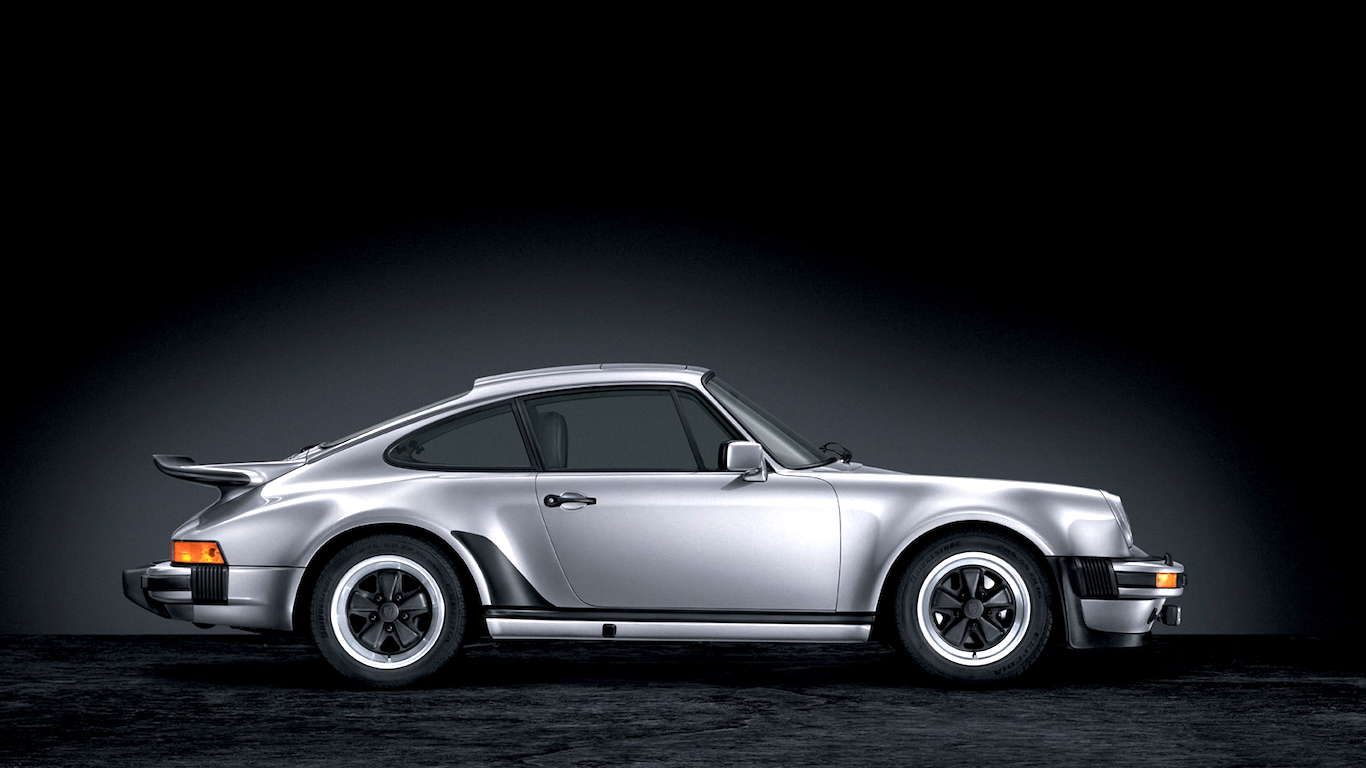
1975 Porsche 930 911 Turbo
© PorscheLet’s start with a car that is notorious for its on-the-limit handling. With an engine mounted behind the rear axle, the Porsche 911 already had a reputation for unexpected pendulum swings.
However, adding a 3.0-litre 256hp turbocharged engine, which delivered power in one solid hit, created the circumstances to easily catch out unwary drivers. Later versions had even more horsepower, and kept yuppie stockbrokers on edge throughout the 1980s.
-
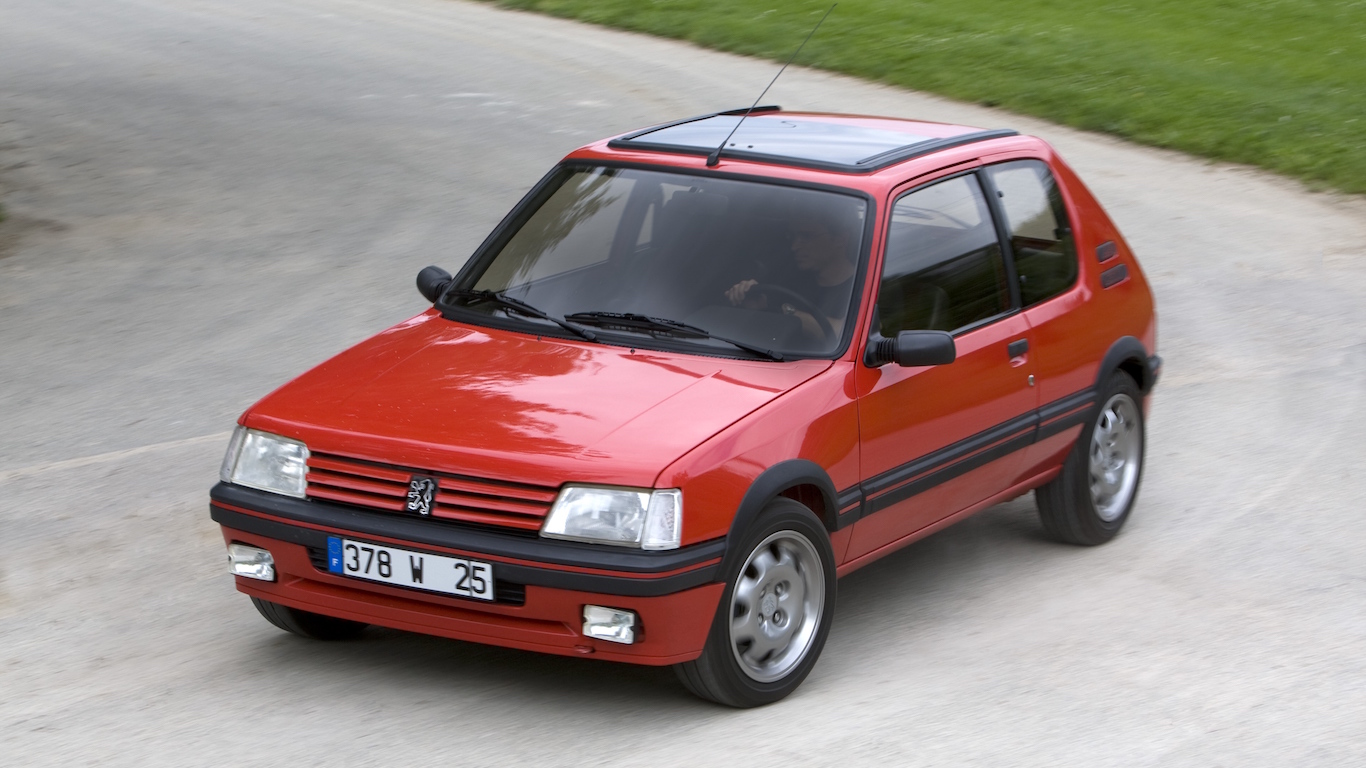
1984 Peugeot 205 GTI
© PeugeotAnother legend of the 1980s, but one that was slightly more affordable at the time. Today a cherished Peugeot 205 GTI will command a hefty sum at auction, and self-inflicted rarity may be partly responsible. Its front-wheel-drive layout, snappy throttle response and sports suspension created the perfect recipe for lift-off oversteer.
Although especially pronounced in the wet, even dry tarmac could see a clumsily driven 205 GTI disappear backwards through a hedge. They are still wonderful cars, though.
-
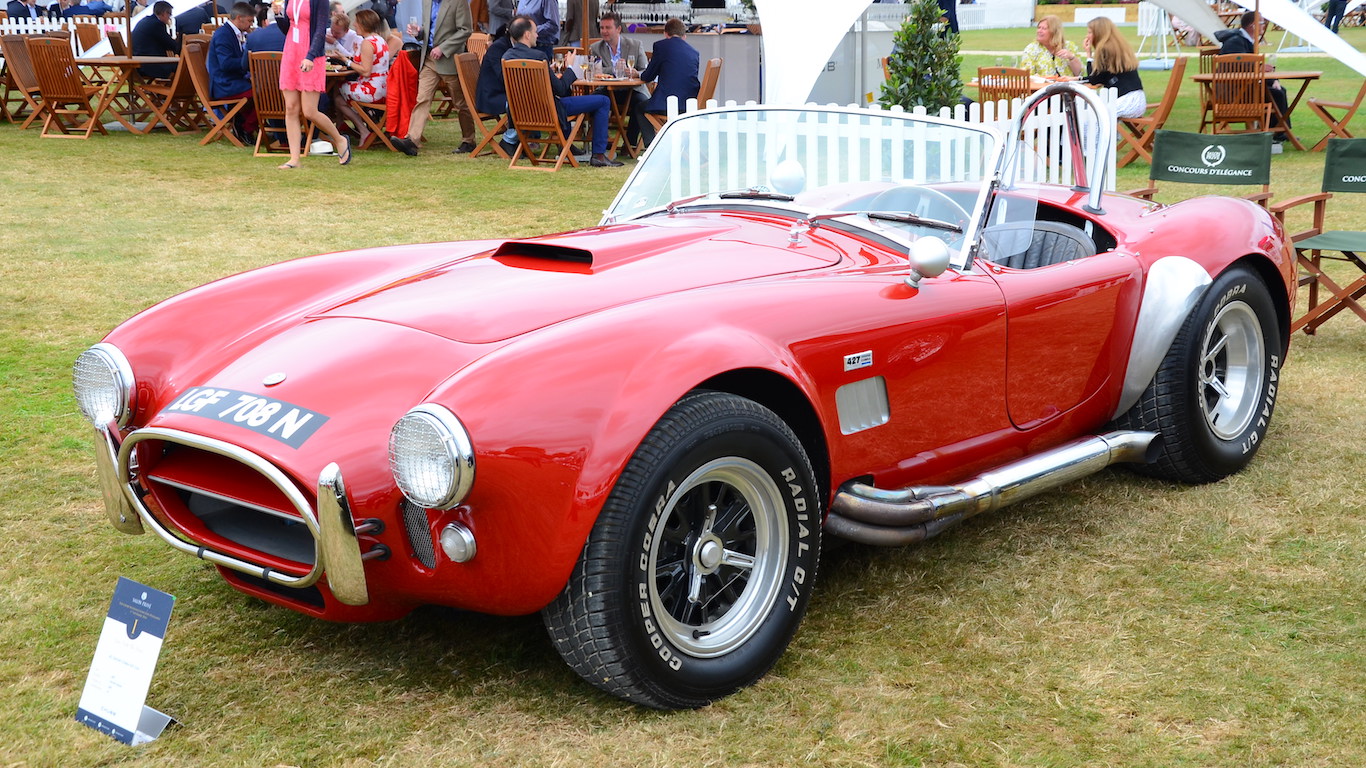
1965 Shelby 427 Cobra
© NewspressSome people live for a big adrenaline hit, which is perhaps why replicas of the Shelby Cobra continue to be popular. Mounting a 7.0-litre Ford V8, with 425hp and 480lb ft of torque, into a lightweight AC Ace chassis would always produce dramatic results. After all, this was little more than a race car for the road.
The most extreme version of the Cobra, the Super Snake, was supposedly so terrifying that Bill Cosby handed his back after driving it once. The next owner of that car would end up in the Pacific Ocean after plummeting off a cliff.
-
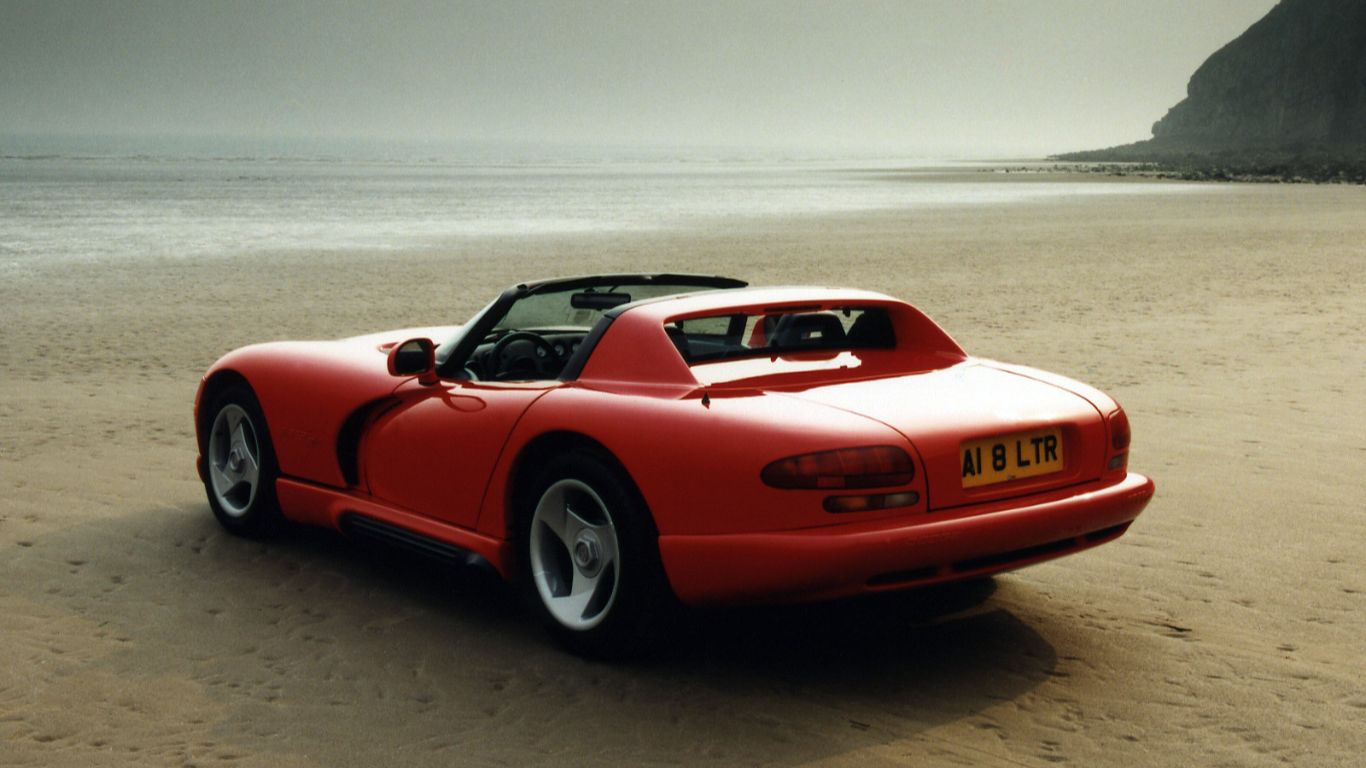
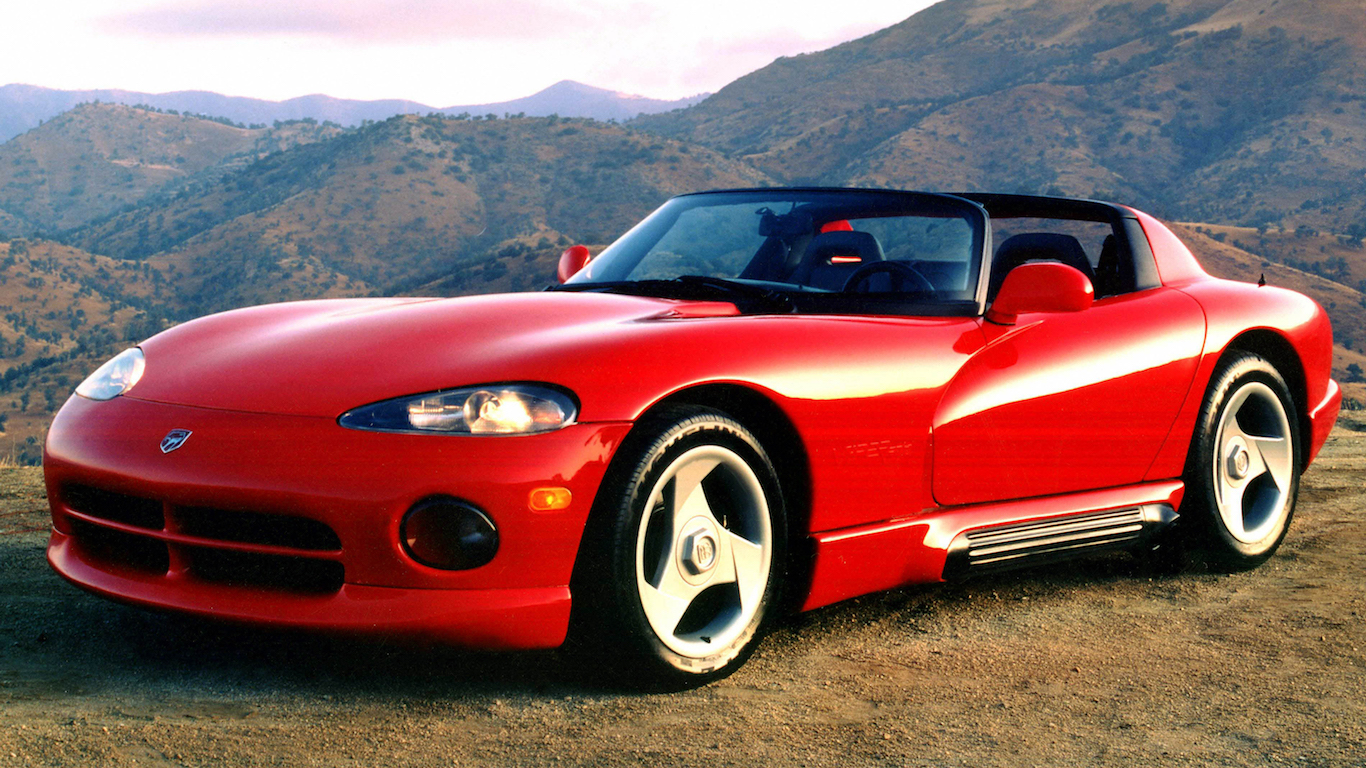
1992 Dodge Viper RT10
© StellantisSimilar in spirit to the Cobra, but emerging some thirty years later, the Dodge Viper maintained the large engine and lightweight car combination. The 8.0-litre V10 was the main event, producing 400hp and 465lb ft in the initial RT/10 roadster, and allowing for a top speed of over 165mph.
The rear wheels were at least equipped with wide 335/35 tyres, but there were no systems such as ABS or traction control to help out. With big grip and big speed on offer, the danger came from the fact that many drivers would be far beyond their own capabilities once the Viper tried to bite.
-
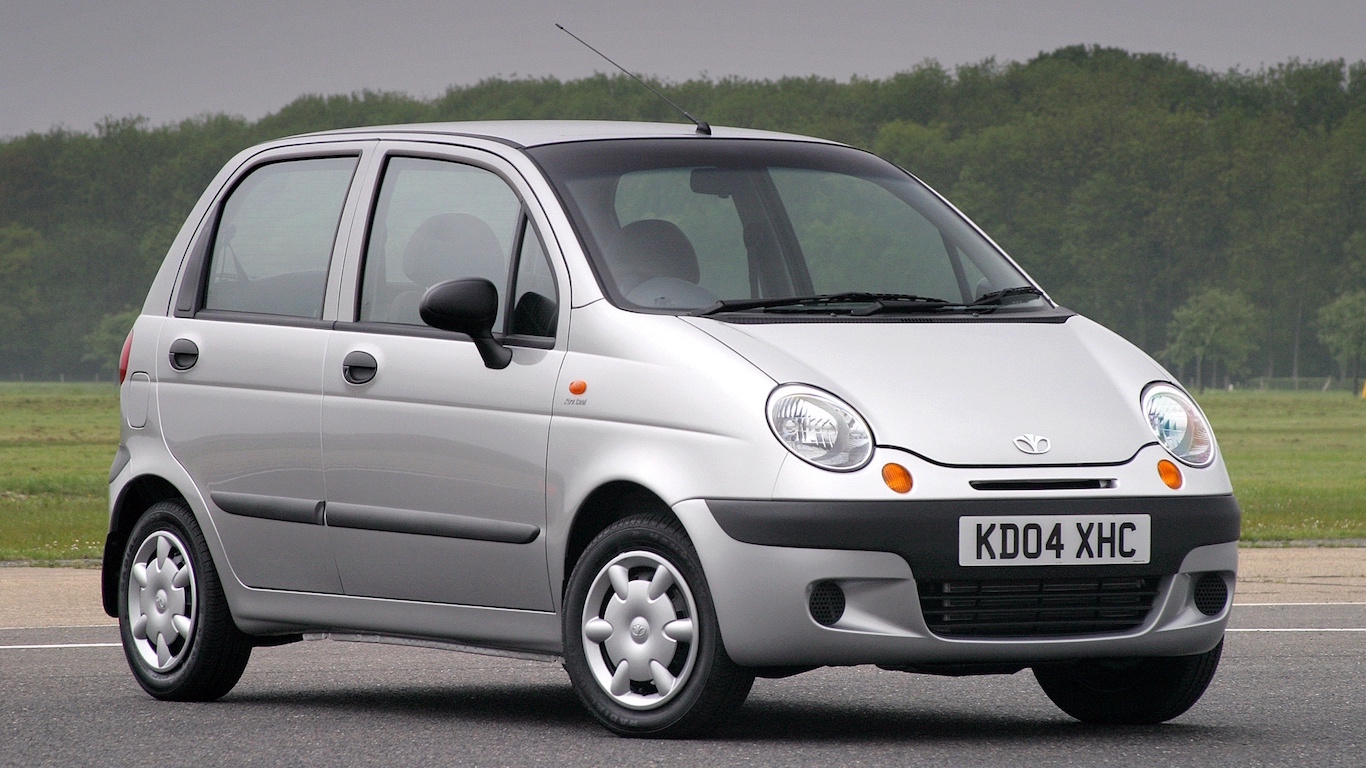
1998 Daewoo Matiz
© DaewooWith cute styling by Italdesign Giugiaro and engineering by Daewoo’s own technical centre in England, the Matiz was intended to become a big seller across Europe. Yet the brand didn’t count on a British motoring magazine testing the stability of the Matiz when reversing and turning at speed – and that the tall but narrow proportions would lead it to roll over. Despite the acrobatics, and the magazine’s refusal to give the Matiz a star rating, it still proved to be remarkably popular.
-
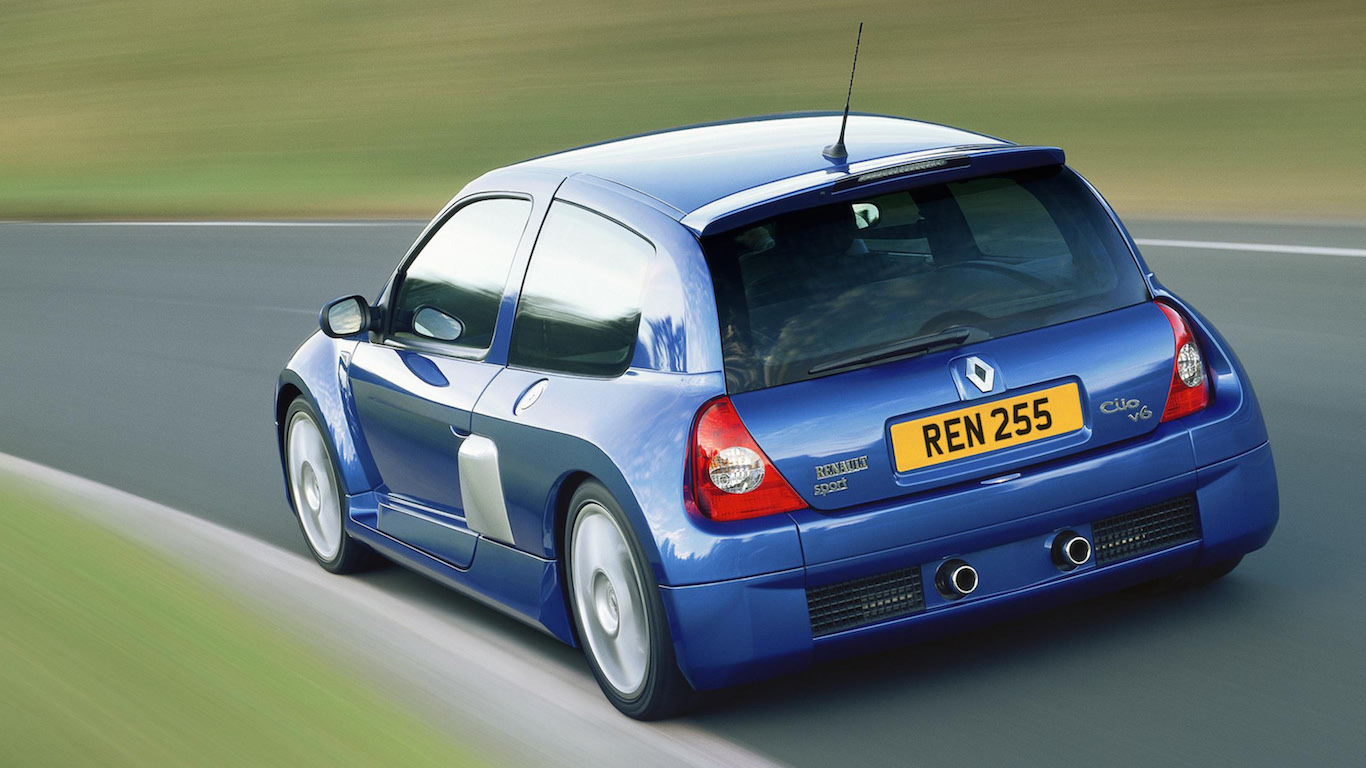
2001 Renault Sport Clio V6
© RenaultInstalling a 3.0-litre V6 engine in place of a hatchback’s rear seats is something few car manufacturers would attempt. But Renault occasionally has its mad moments. With the looks of a miniature supercar, the Mk1 Clio V6 inherited the knife-edge dynamics of an exotic machine, too.
A short wheelbase, with a relatively heavy V6 engine in the middle of it, meant the Clio V6 would happily swap ends mid-corner. The later Mk2 version was successful in addressing many of the issues, but still demands care in the wet.
-
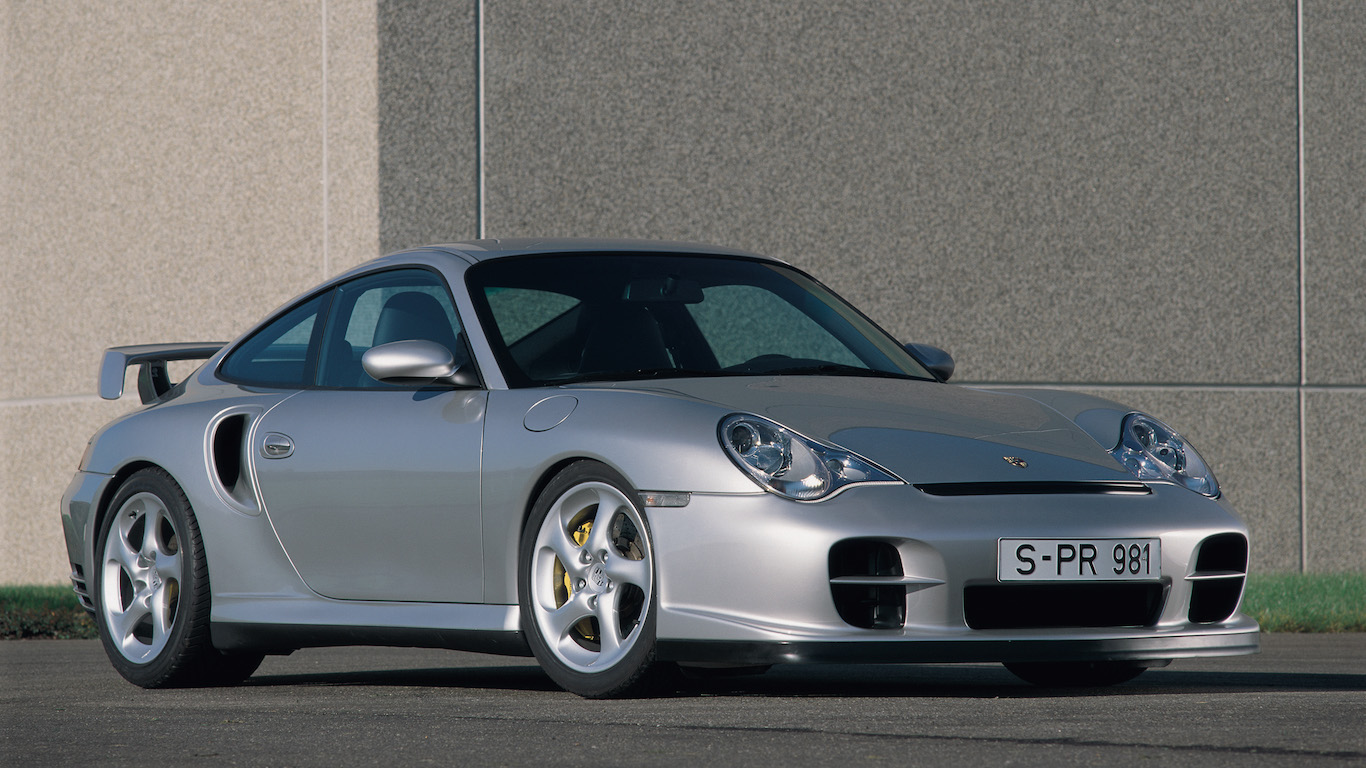
2002 Porsche 996 911 GT2
© PorscheIt may seem clichéd to brand a car as a ‘widowmaker’ yet that’s the label that has stuck to the 996 GT2. With 476hp of twin-turbocharged terror sent to its rear wheels, the GT2 had more than enough power to cause trouble.
However, it was the aggressive suspension geometry, and drivers out of their depth, which claimed the most victims. Surviving owners claim that adjusting the suspension setup to make it more progressive can help, but that the GT2 always requires a cool head and calm nerves.
-
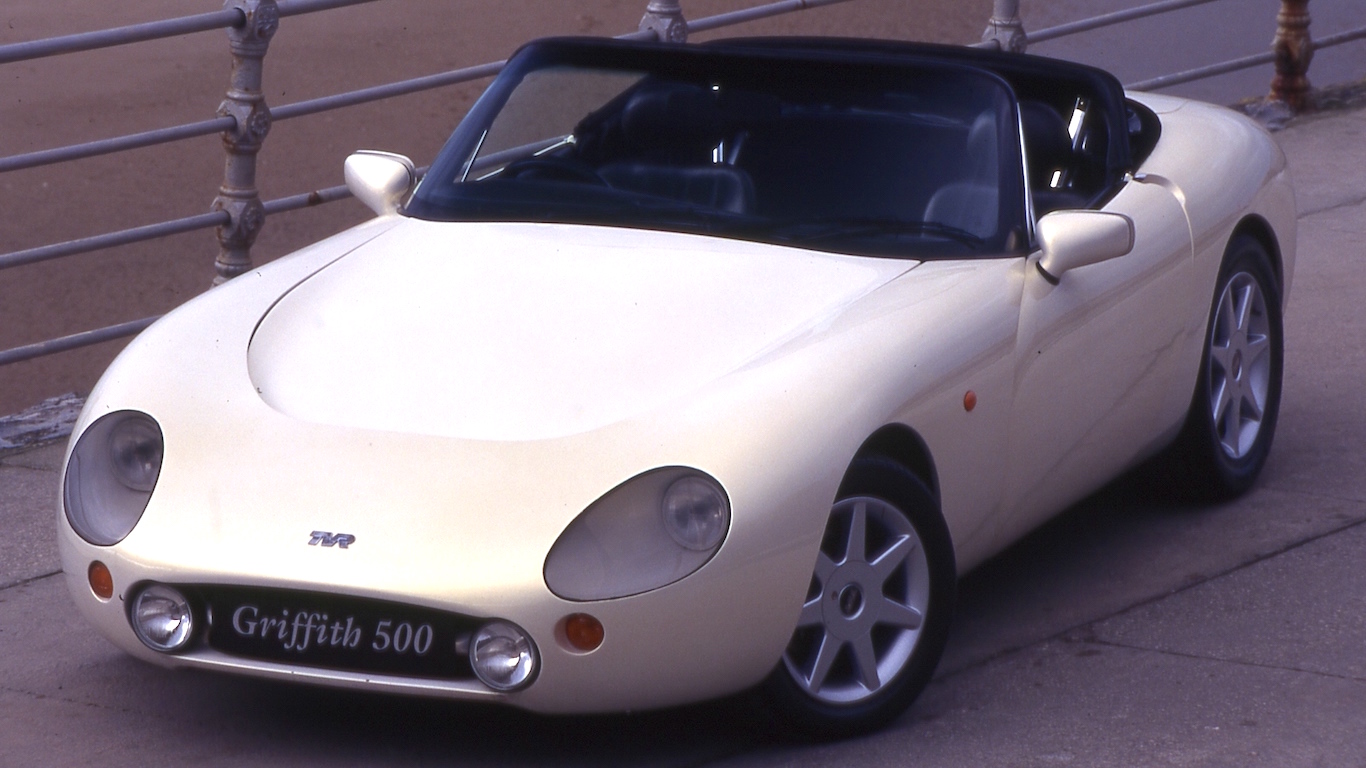
1993 TVR Griffith 500
© TVRRealistically we could have picked any TVR from the 1990s and early 2000s to go here. However, the cars created under the firm’s ownership by Peter Wheeler are most noteworthy, for the hint of danger that came as standard. Wheeler didn’t believe in electronic assistance, meaning no ABS, traction control or ESP.
His driver aids came in the form of a long-travel throttle pedal to modulate power delivery, and quick steering to help the driver catch slides. The latter could be expected in something like the Griffith 500, with a 340hp V8 engine and rear-wheel drive.
-
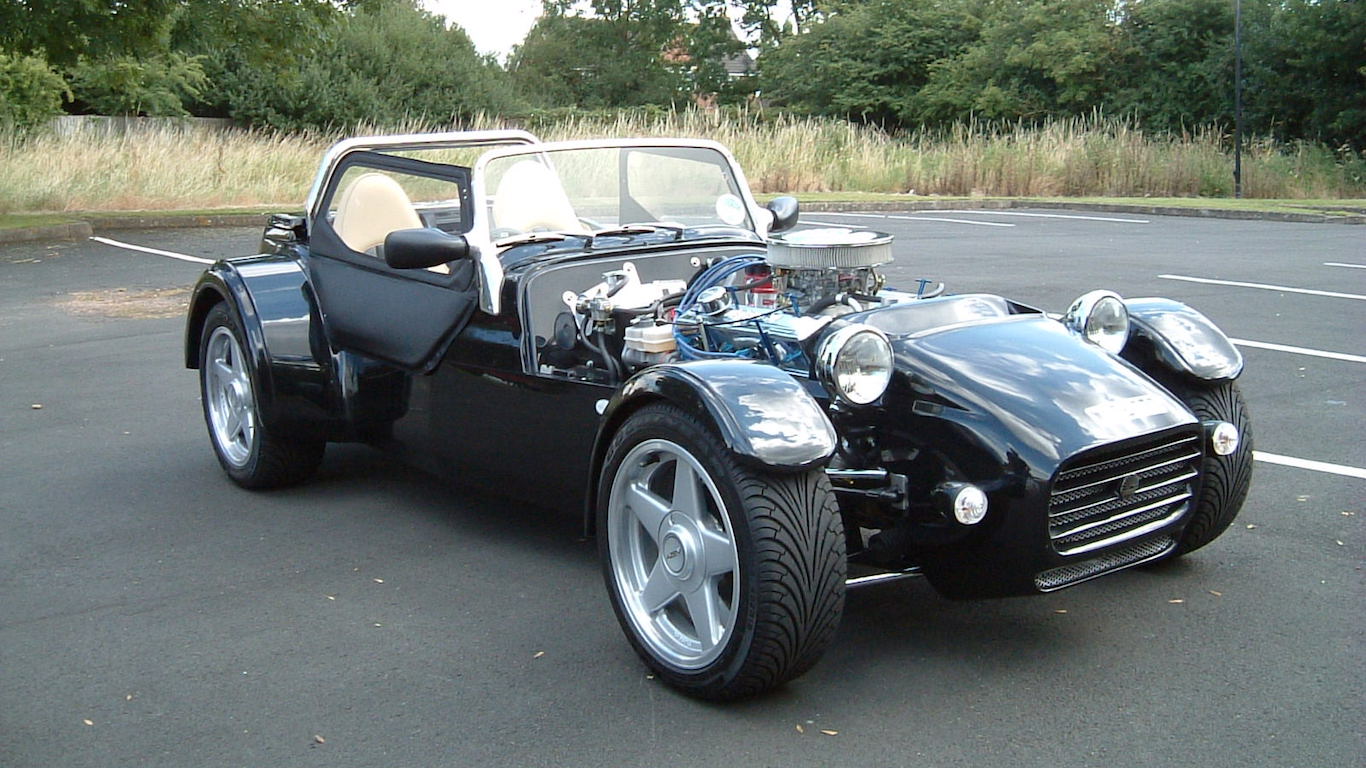
1991 Westfield SEiGHT
© Wikimedia – SeightwestyContinuing the less weight, more V8 theme is the Westfield SEiGHT. The Lotus Seven replica has always been popular, but placing a Rover V8 engine beneath the bonnet is a rather more niche application.
Weighing in at around 660kg, with the option for anywhere between 150hp and 400hp, the SEiGHT could prove to be an unpredictable handful. That’s before even considering that someone may have built it from a kit in their garage.
-
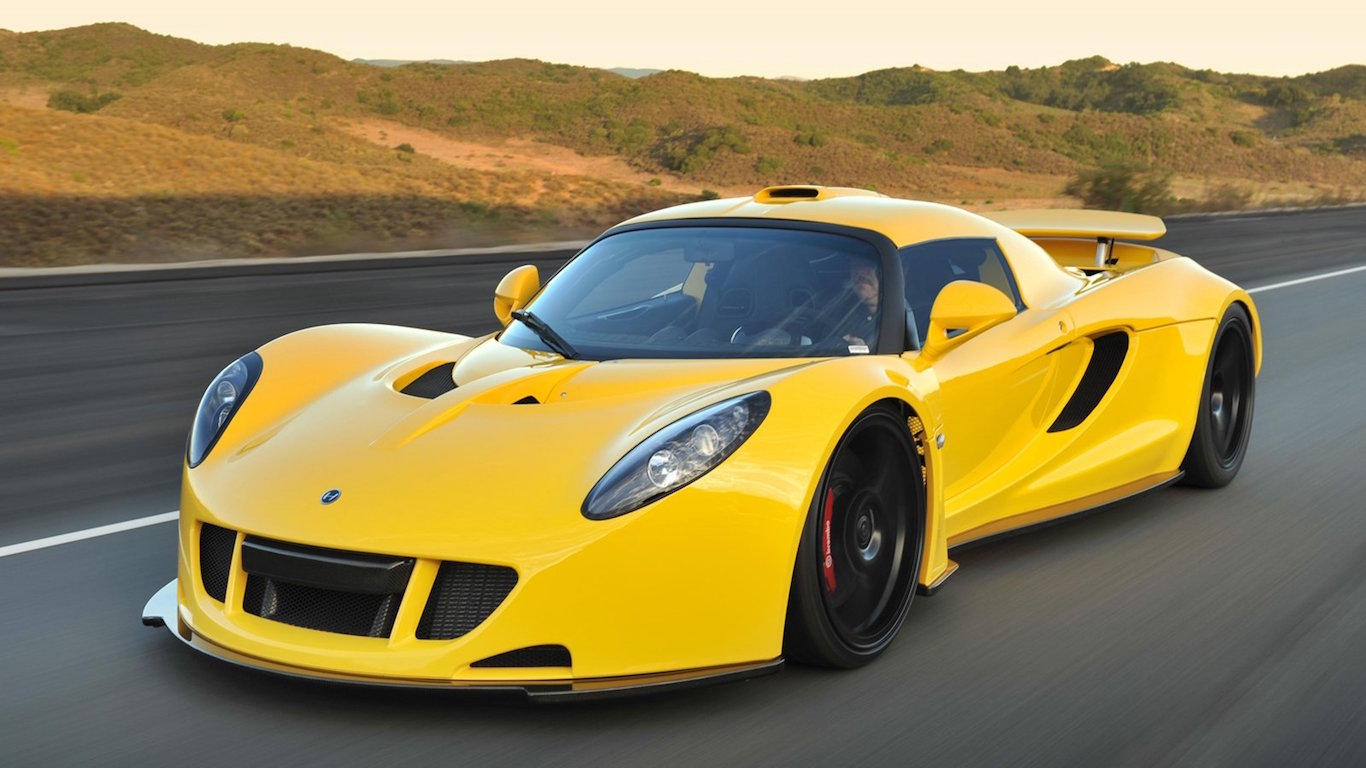
2011 Hennessy Venom GT
© HennesseyPick a number between 250 and 300 and that could be the potential top speed of a Hennessy Venom GT in miles per hour. In 2014, it recorded a speed of over 270mph, but could not be certified as an official production car record.
With a twin-turbocharged 7.0-litre V8, peak power for the original Venom GT was 1,244hp, rising to 1,451hp for later model-year cars. That’s rather a lot for a car based upon a lengthened Lotus Exige chassis, but it does at least have a GPS-based traction control system.
-
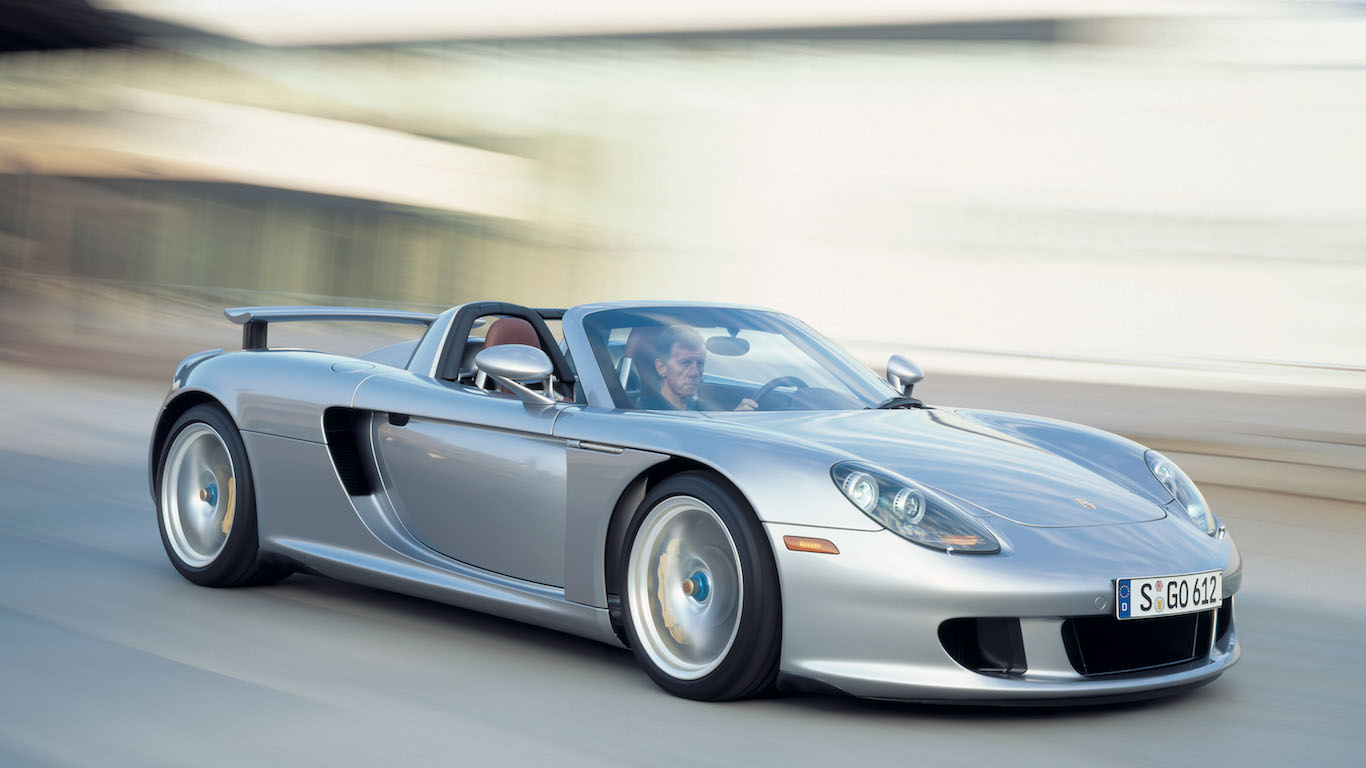
2003 Porsche Carrera GT
© PorscheEven before the tragic death of Fast And Furious star Paul Walker in a Carrera GT, this particular Porsche had already developed a fearsome reputation. Jay Leno, an owner of multitudes of powerful cars, once managed to spin his Carrera GT on a track.
It’s telling that Walter Rohrl, the famed Porsche test driver and Group B rally superstar, found it a tricky proposition at times. A mid-mounted 612hp 5.7-litre V10 engine endows the Carrera GT with serious speed, whilst the carbon fibre chassis and lack of electronic assistance have more in common with a race car.
-
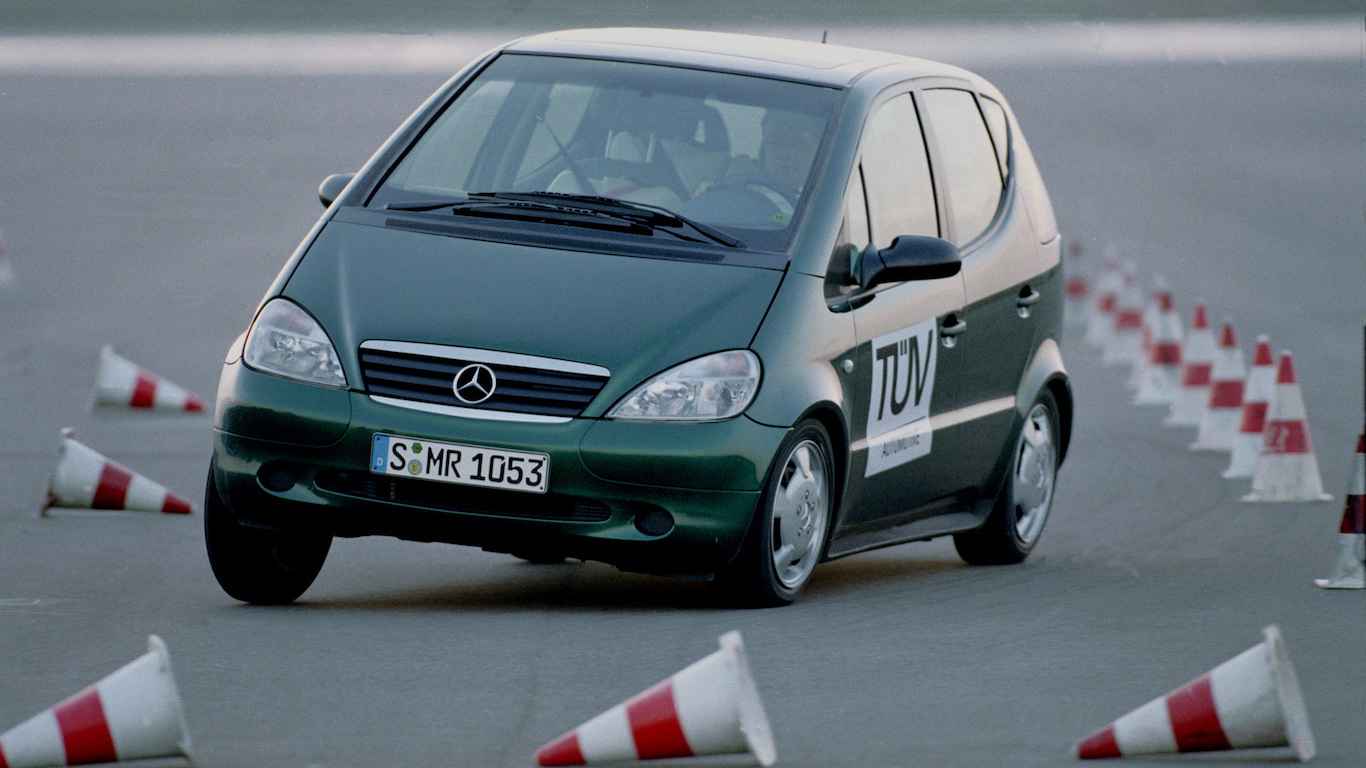
1997 Mercedes-Benz A-Class
© Mercedes-BenzA lack of electronic stability control was also the undoing of the innovative first-generation A-Class hatchback. Although it had a special ‘sandwich’ construction to improve safety in frontal impacts, the high-sided body fared less well at avoiding elk.
During testing by a Swedish car magazine, it was discovered that the A-Class had the potential to fall over whilst evading a hypothetical elk. Cue Mercedes-Benz recalling cars already sold and fitting them with a standard electronic stability control system to solve the problem.
-
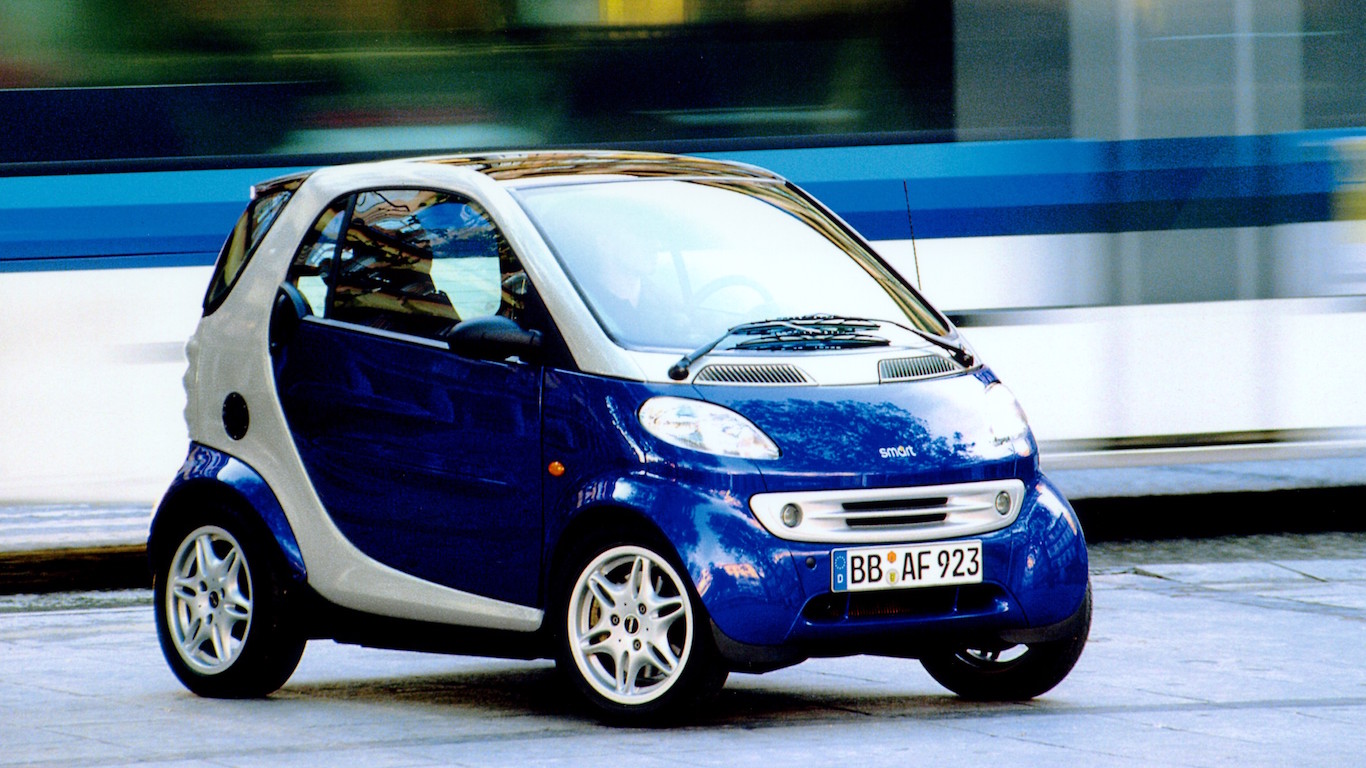
1998 Smart City Coupe
© SmartAnother victim of those pesky elk was the first-generation Smart car. Concerned that the tiny city car could meet the same fate as the larger A-Class, Mercedes-Benz changed the suspension settings, added ESP and fitted wider front tyres. The result was safe and predictable understeer.
But not all Smarts received this treatment, with some of the earliest pre-2000 cars escaping onto the roads unhindered.
-
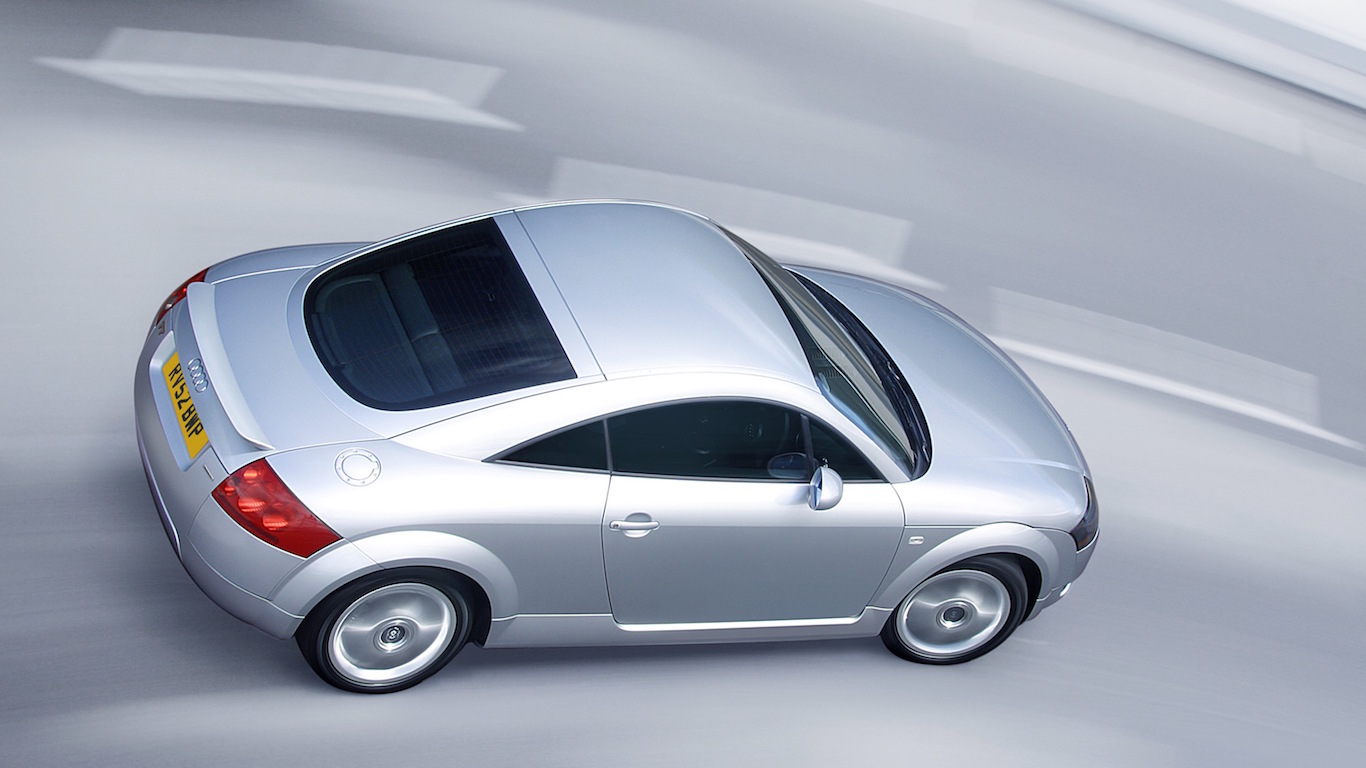
1998 Audi TT
© AudiThe late 1990s seemingly proved to be quite challenging for German car manufacturers, with the first-generation Audi TT also falling foul of safety concerns. Following a number of serious high-speed accidents on German autobahns, Audi was forced into action to add stability to its shapely coupe.
This resulted in the boot gaining a spoiler that, while disrupting the Bauhaus-inspired lines, did help keep the rear in touch with the tarmac. Suspension modifications, and the fitment of standard stability control, were also included with the aerodynamic appendage.
-
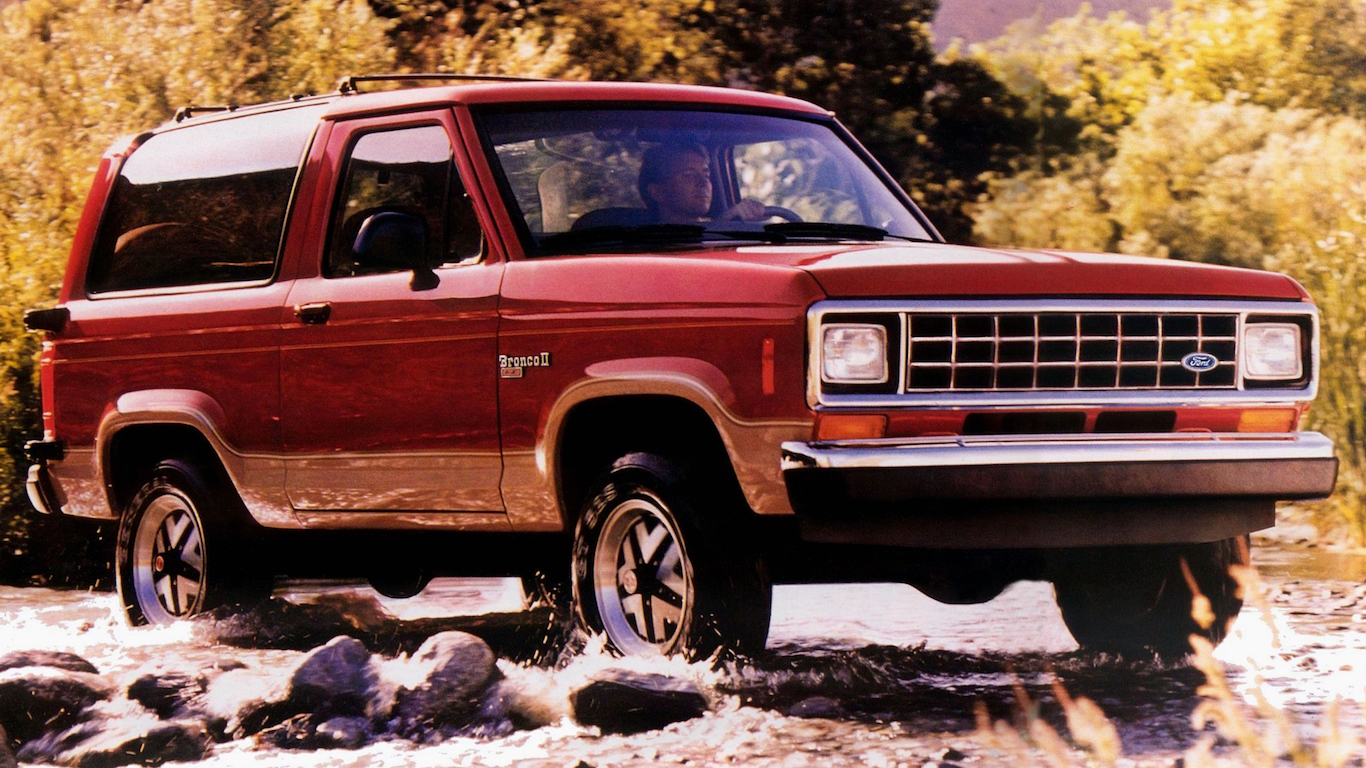
1983 Ford Bronco II
© FordAhead of the current compact SUV trend by some three decades, the Bronco II was intended to bring lifestyle fun to a wider audience. The fun was short-lived, with the Bronco II being subject to numerous lawsuits after an alleged ‘one in 500’ of all models produced were involved in fatal rollover accidents.
In one court case, the Bronco II was labelled ‘defective and unreasonably dangerous’ whilst others uncovered that Ford had been aware of the handling problems but rushed it to production regardless. Through the amassed litigation, Ford eventually paid out over $2.4bn in damages.
-
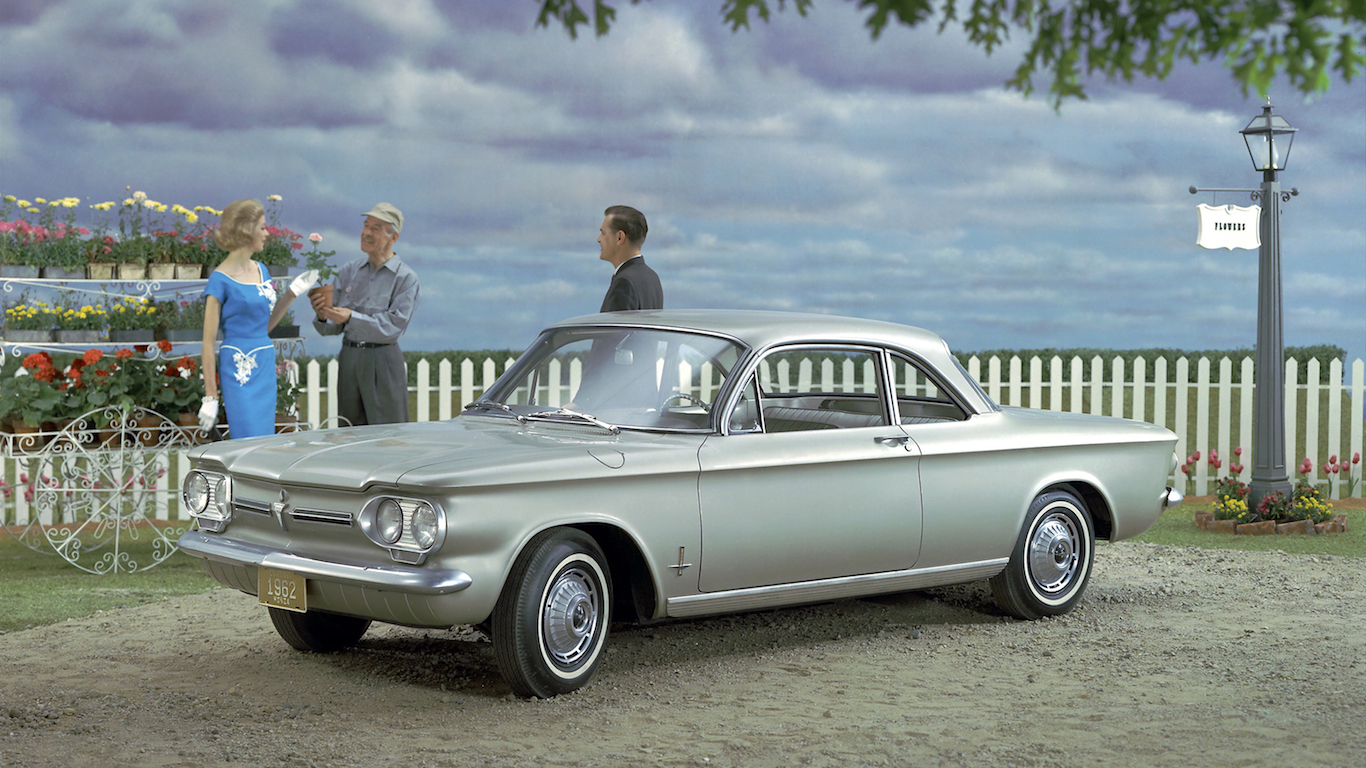
1962 Chevrolet Corvair
© GMLike the Bronco II, the Corvair attracted numerous lawsuits over the way it handled. It was also the subject of a famed book by US consumer advocate Ralph Nader, entitled Unsafe at Any Speed. Nader’s 1965 book detailed the numerous problems with the rear-engined and swing-axle setup of the Corvair, and how this contributed to drivers losing control.
General Motors would eventually make changes to the Corvair, including the fitment of a front anti-roll bar, to quell the controversial dynamics. Sales never recovered, despite independent studies showing the Corvair to be no more dangerous than other cars.
-
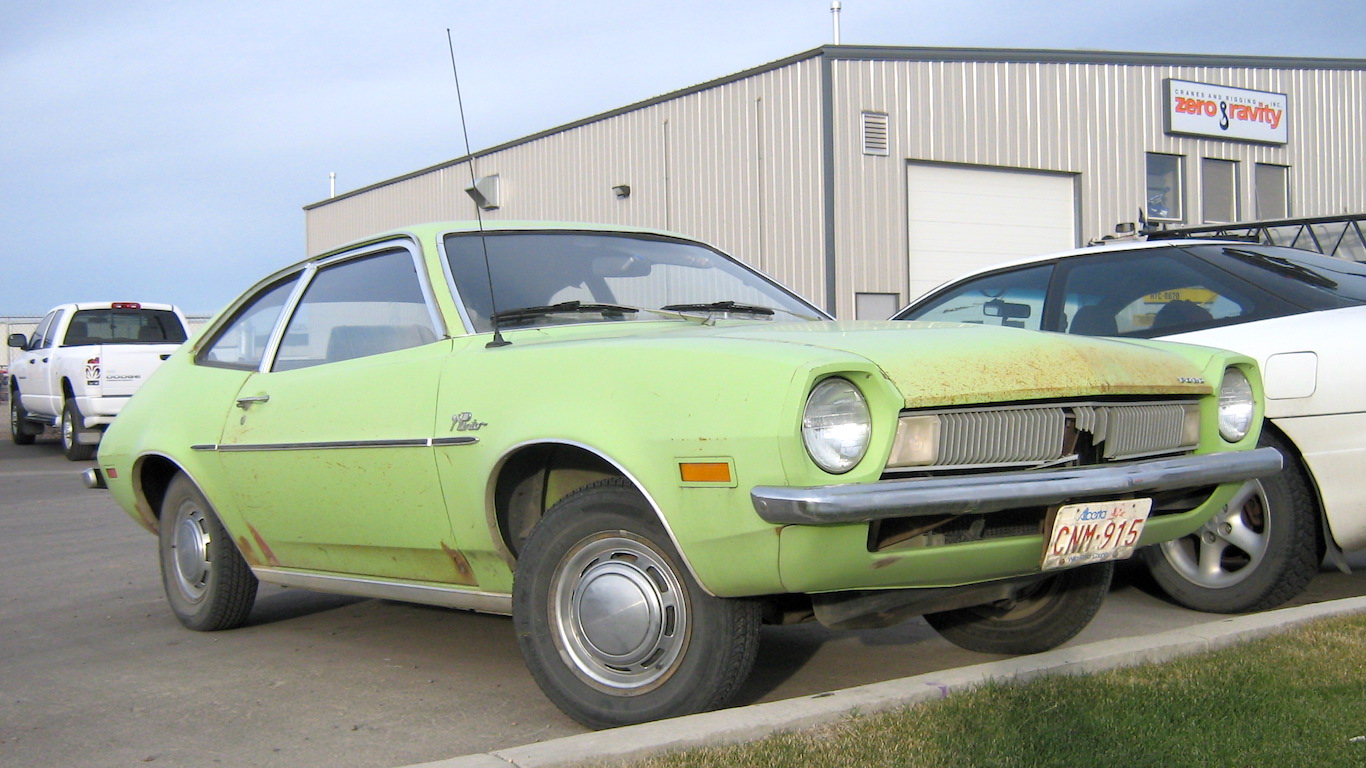
1971 Ford Pinto
© Wikimedia – dave_7Subject to a recall of over 1.5 million cars, the Pinto’s problem came in the form of a fuel tank prone to rupturing in the event of even minor rear-end impacts. The resulting fires, and deaths of drivers, prompted numerous lawsuits against Ford. The company refused to act, until mounting legal pressure made the recall unavoidable.
Most controversial was an internal memo that weighed up the cost-benefit analysis of making the vital changes to the Pinto’s fuel tank design. The memo argued that doing nothing would be more economically beneficial, despite the required modifications costing just $11 per car.
-
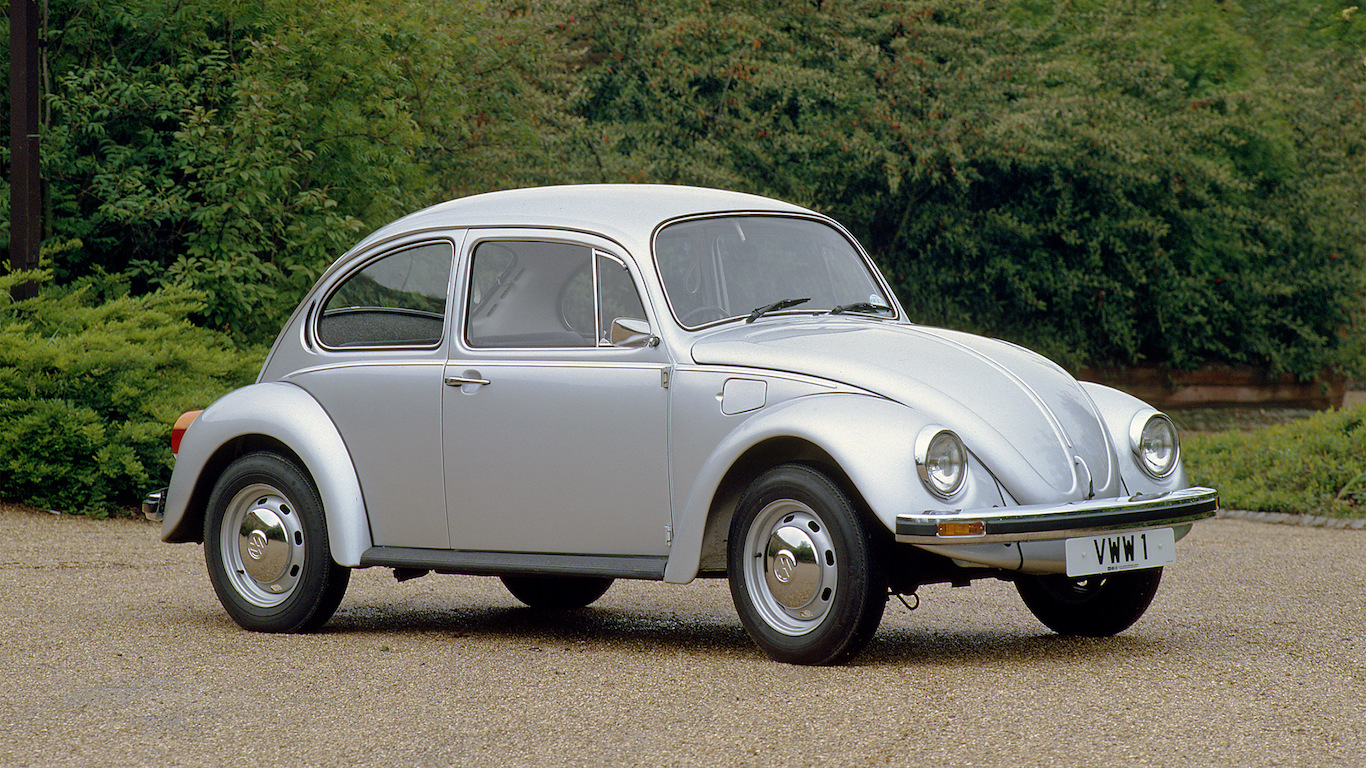
Volkswagen Beetle
© VWHaving dispatched the Chevrolet Corvair, in 1972 Ralph Nader turned his attention to highlighting the safety concerns with the original Volkswagen Beetle. Dedicating an entire book to his studies, Nader branded the Beetle as ‘the most hazardous vehicle used in significant numbers’ at that time.
Highlighting dynamic issues such as a lack of power and erratic handling, to faulty door latches and leaking fuel systems, Small – On Safety was a complete character assassination of the lovable Bug. Despite the criticism, the Beetle soldiered on until 2003, with over 21 million examples eventually built.
-
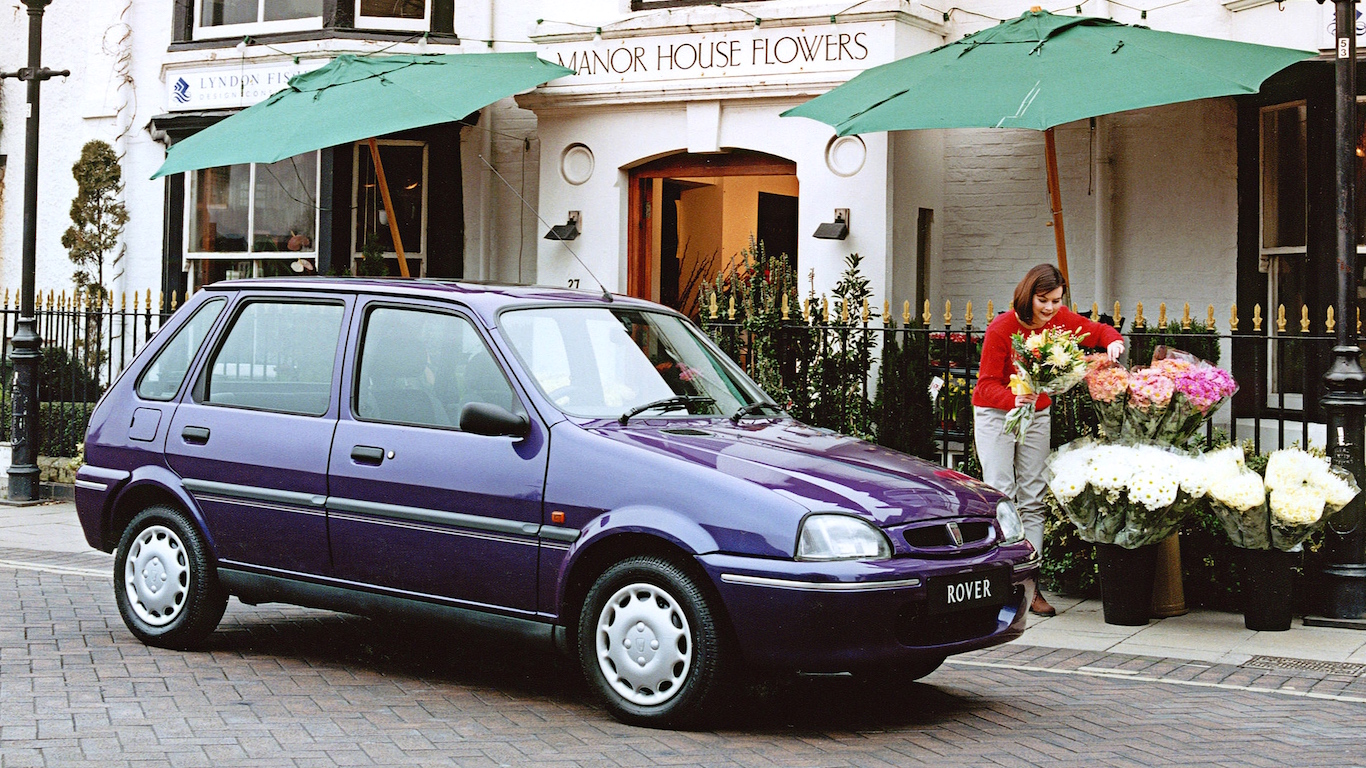
1994 Rover 100
© Rover GroupPity the Rover 100. Introduced by British Leyland as the Austin Metro in 1980, it was made to continue until 1998, fighting against more modern superminis and safety standards. It was the introduction of the Euro NCAP tests in 1997 that sounded the death knell for the plucky 100.
Being awarded just one star by Euro NCAP was seen as dismal, with a standard driver’s airbag doing little when the steering wheel was pushed back some 300mm in a frontal impact. Proof of how far technology had come, the 100 was quietly dropped in 1998.
-
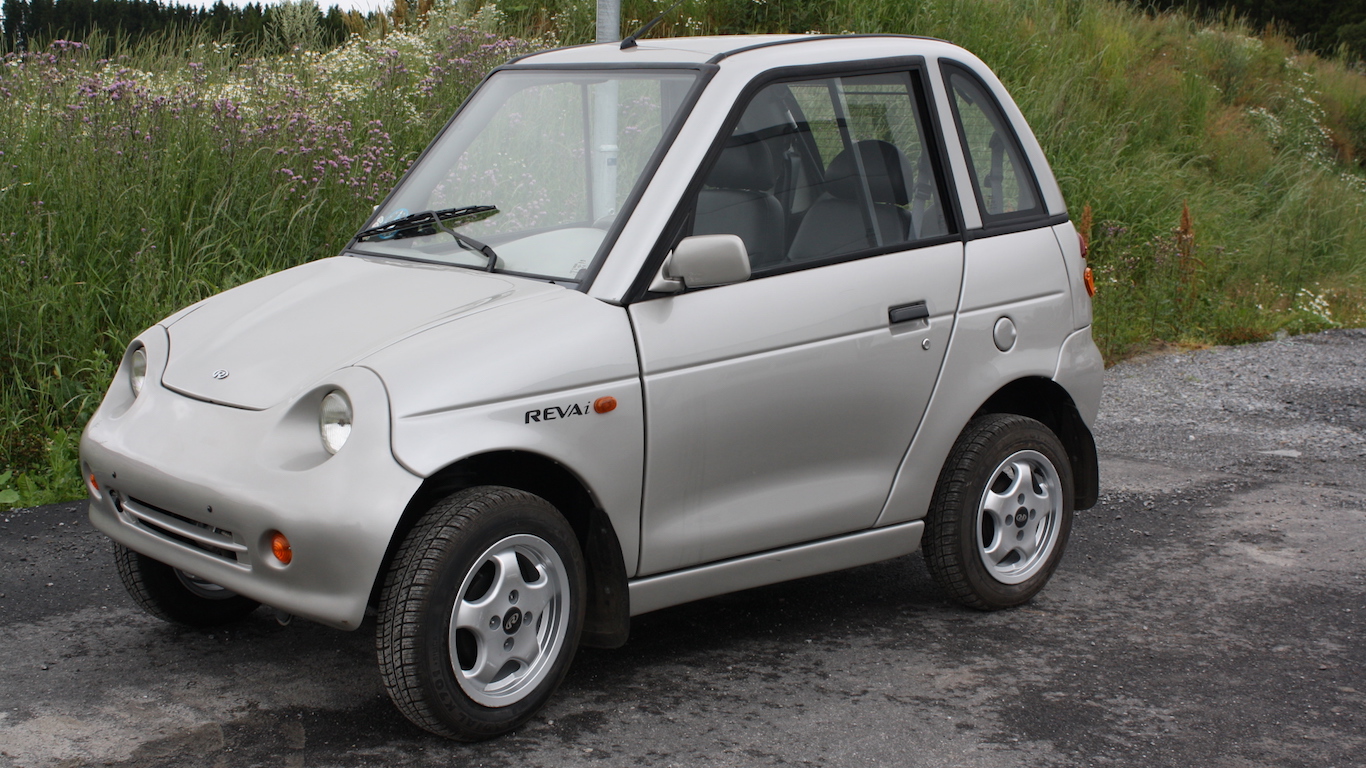
2001 REVA G-Wiz
© Wikimedia – RevaNorgeAt one point the G-Wiz was the best-selling electric car in the world, helped by low purchase prices and even lower running costs. However, being classed as a heavy quadricycle, rather than as a car, meant the G-Wiz could neatly sidestep safety legislation.
A crash test conducted by the Department for Transport found that drivers of the G-Wiz could suffer serious injuries at just 35mph. Top Gear undertook a separate similar test, finding major chances of severe or life-threatening injury at 40mph.
-
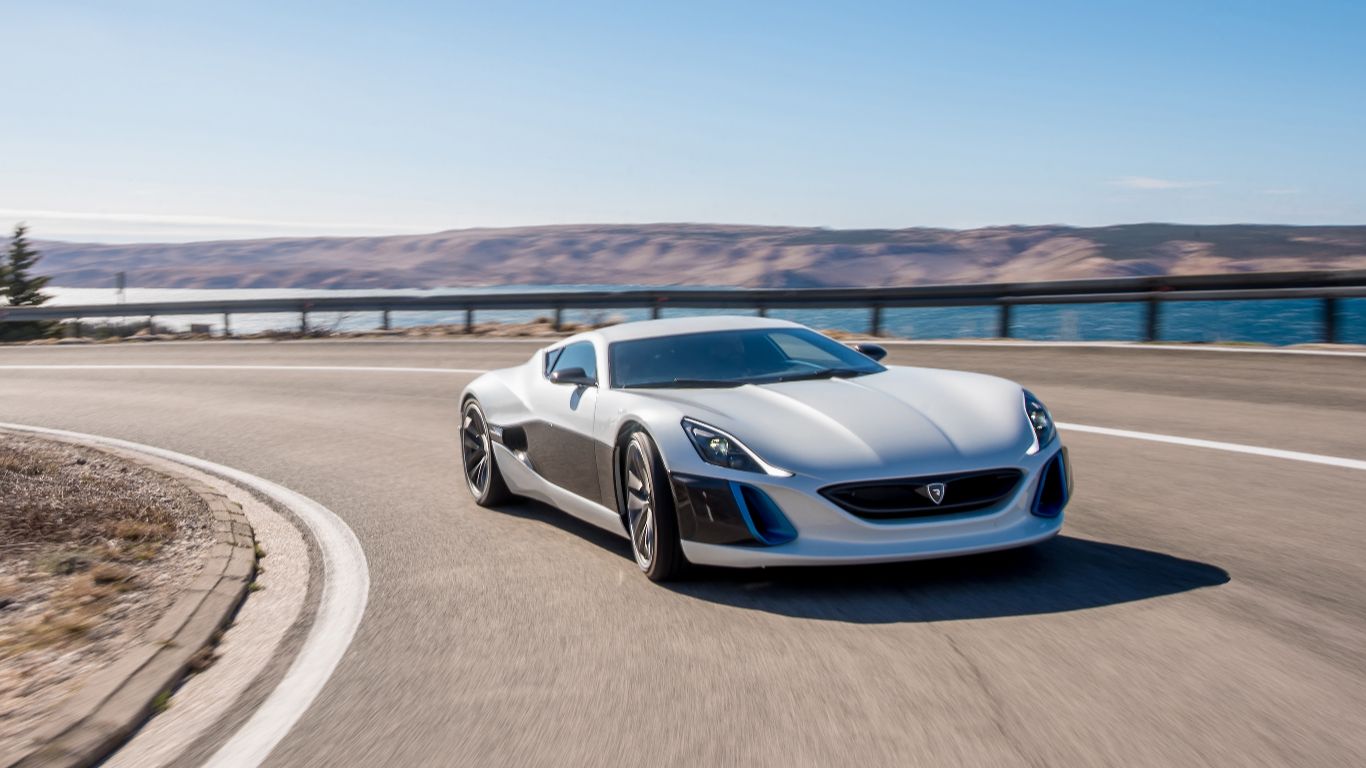
2013 Rimac Concept One
© RimacAt the opposite end of the EV spectrum, the Concept One was the first supercar from Croatian startup Rimac. Powered by a 92kWh battery and four electric motors – one for each wheel – the Concept One developed 1,241hp and could hit 62mph in 2.5 seconds.
That sounds scary enough, but in 2017 TV presenter Richard Hammond crashed the Rimac while filming for The Grand Tour. Having crossed the finish line at a Swiss hill climb event, the car left the road, rolled onto its roof and then caught fire. Thankfully, Hammond escaped with just a broken leg.
-
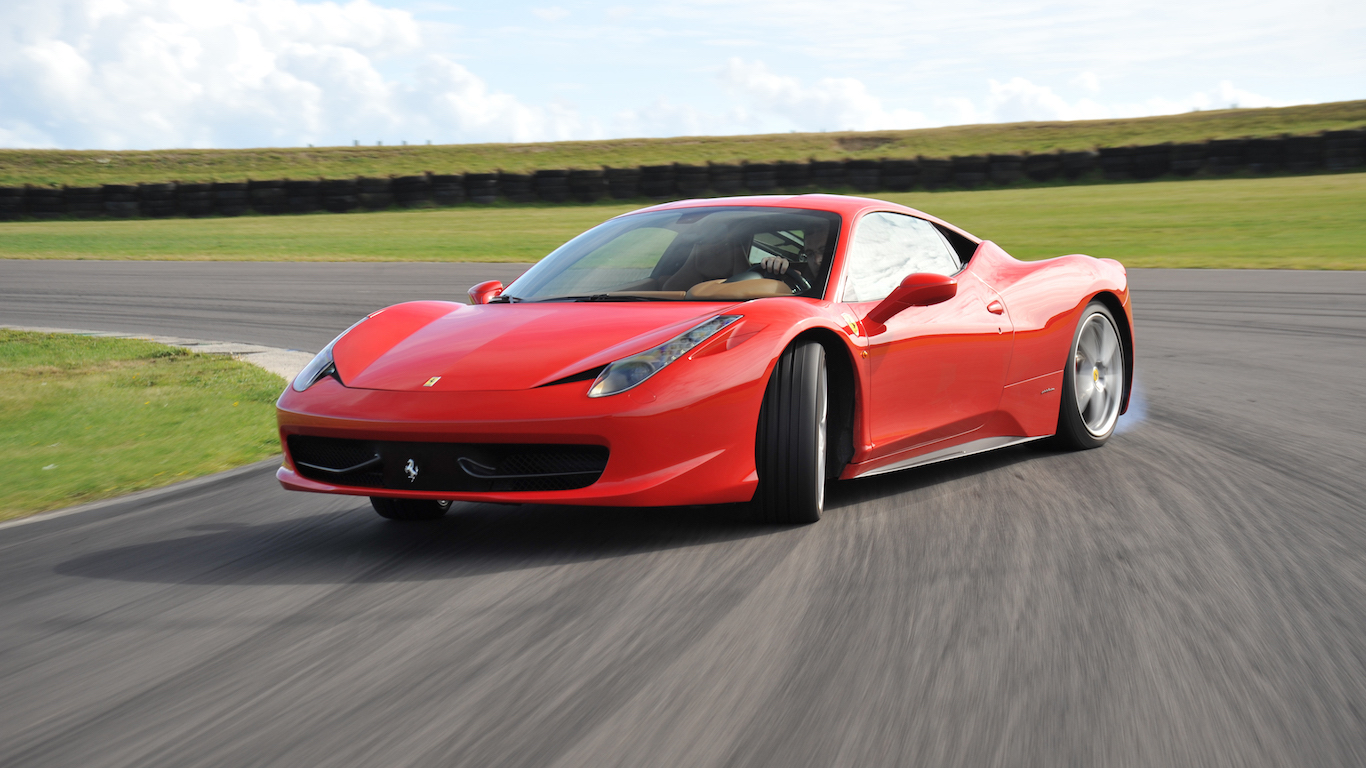
2010 Ferrari 458 Italia
© FerrariAn exotic supercar will always have some element of danger to it, being part of the attraction for many buyers. What they might not count on is the spontaneous combustion of it whilst driving along the road.
Yet this was exactly what happened to a number of early Ferrari 458 Italia models, with several completely destroyed by flames. Ferrari initiated a recall, and replaced faulty adhesives used in the rear wheelarch lining. These had allowed body parts to come into contact with the red-hot exhaust system, sparking the blazes.
-
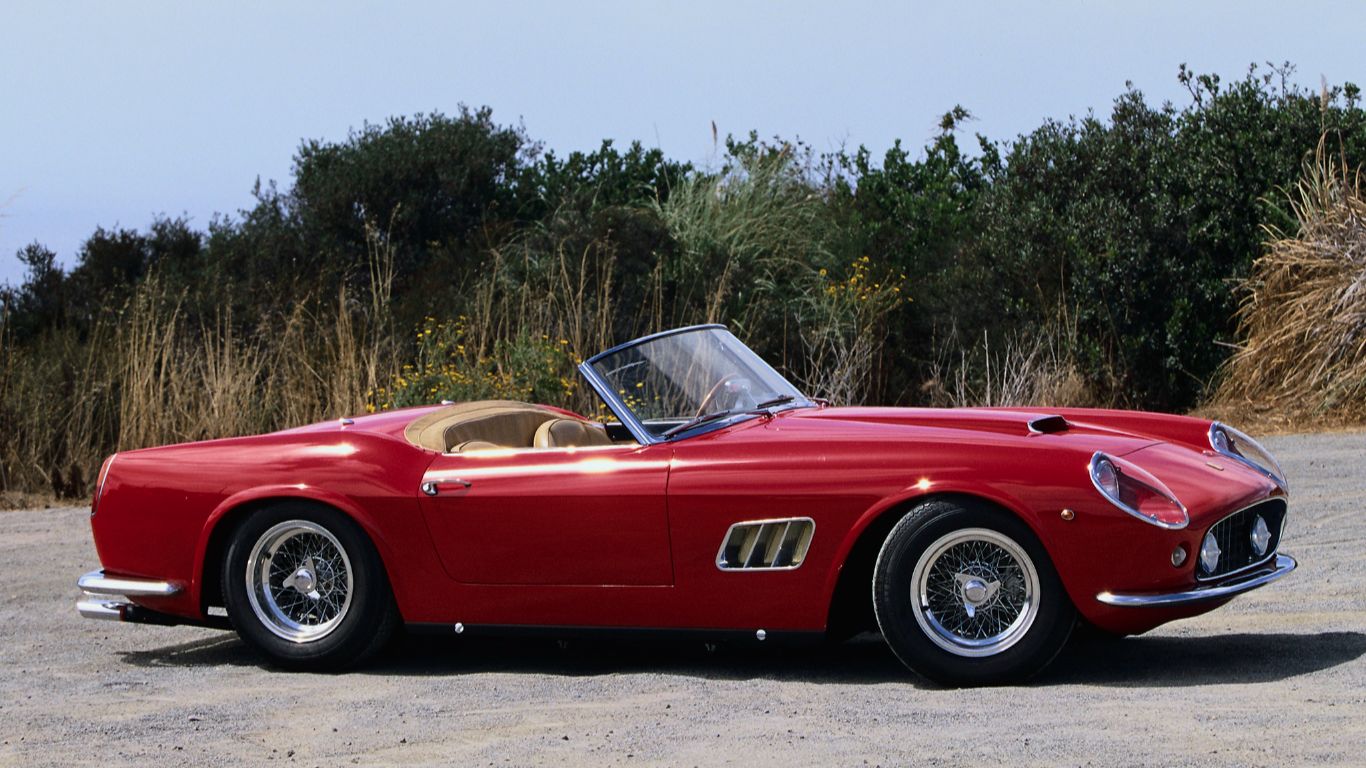
1961 Ferrari 250 GT California Spyder SWB
© NewspressAs anyone who has watched classic 1980s comedy Ferris Bueller’s Day Off knows, the 250 GT California Spyder is another Ferrari to be wary of. In the film, Ferris and his friend Cameron ‘borrow’ the prized classic, which belongs to Cameron’s father, and take it for a joy ride around Chicago.
The Ferrari makes it home safely, albeit with plenty more miles on the clock. Ferris attempts to wind back its odometer by jacking the car up and running it in reverse. However, an angry Cameron wrecks the car by launching it out of the garage window. The fate of Cameron is not revealed, but his strict father will surely have considered killing him…
-
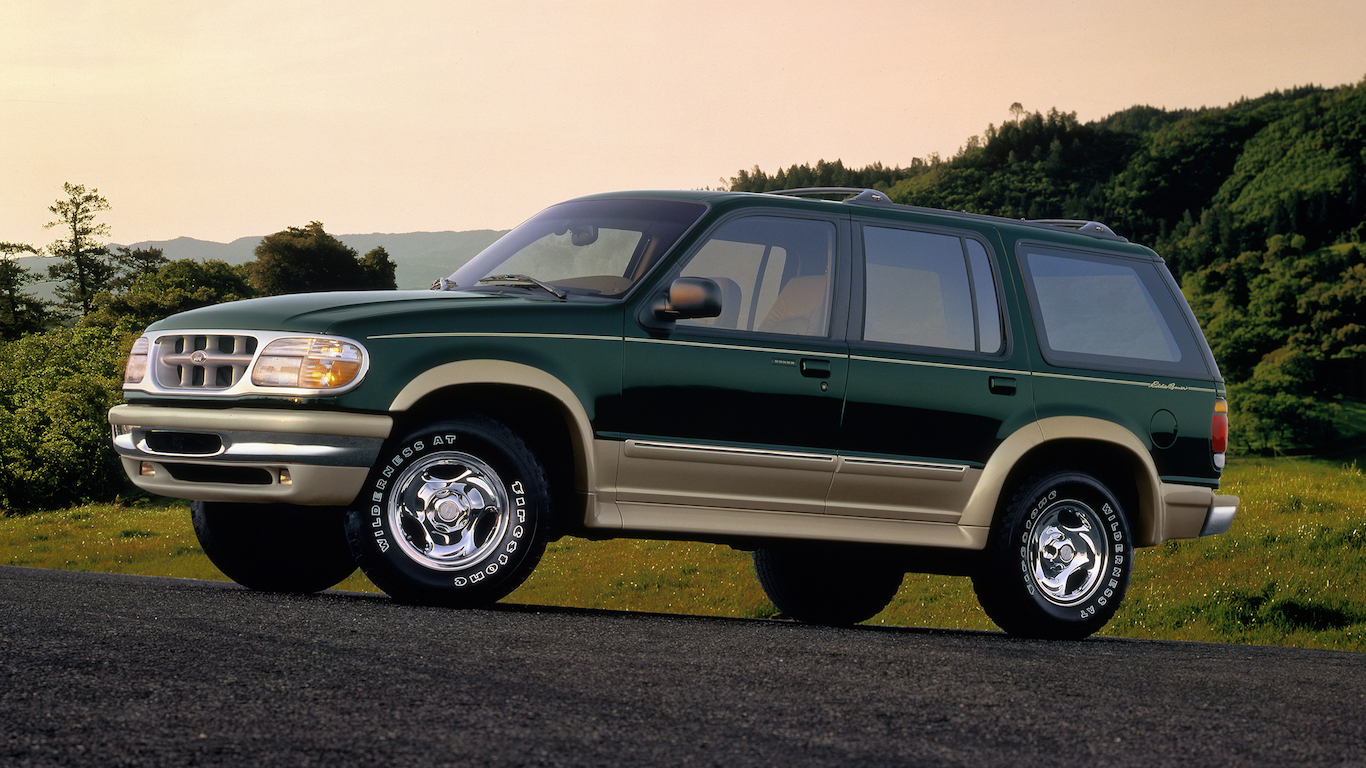
1997 Ford Explorer
© FordMuch like the earlier Bronco II, the Ford Explorer attracted unwanted attention from the potential for rollover accidents. This was complicated by the tendency for the standard-fit Firestone tyres to fail dramatically at speed, pitching the Explorer into an inevitable rollover situation.
Some 240 deaths were attributed to the Explorer and Firestone combination, with defective Firestone tyres being cited as a reason for the tread separation failures. The outcome was a mass recall of millions of tyres, the closure of one Firestone factory, and the end of a lengthy relationship between Ford and the tyre company.
-
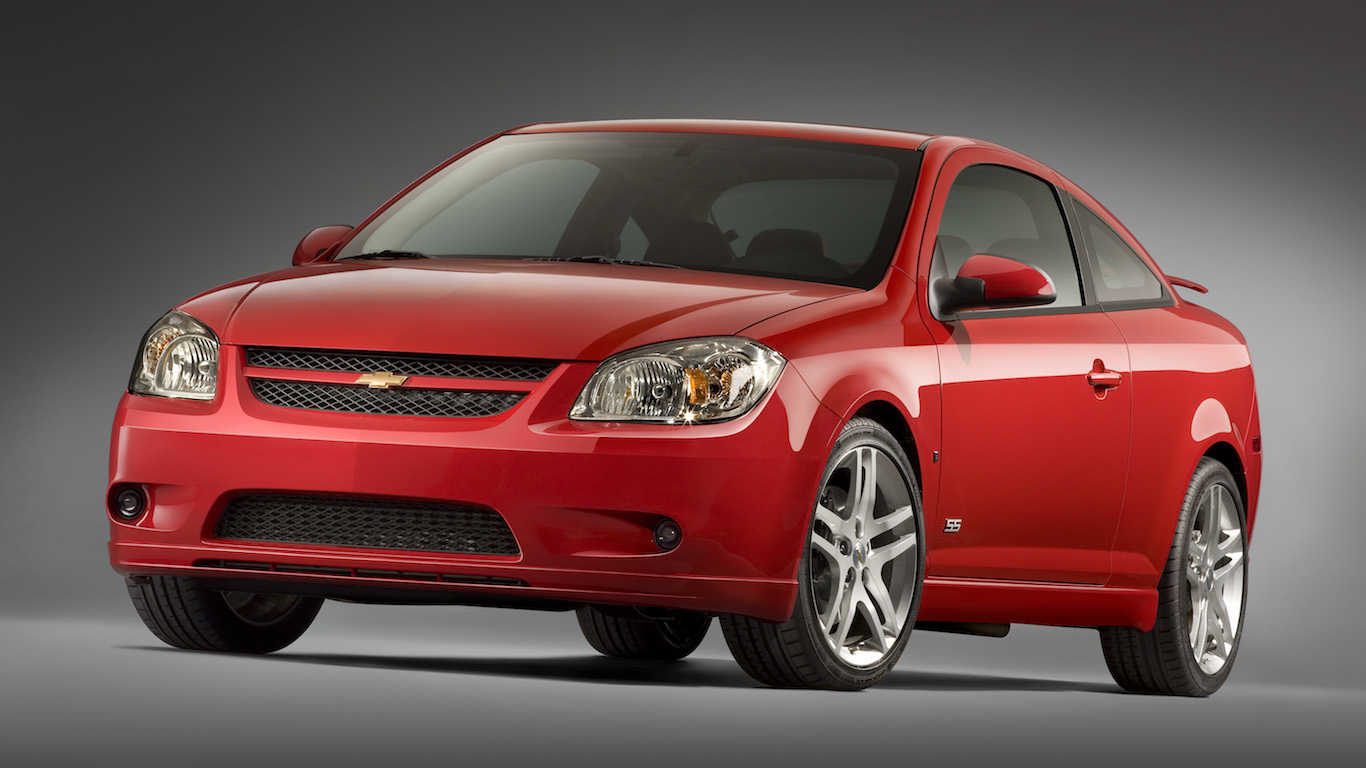
2008 Chevrolet Cobalt
© GMMarketed as an affordable compact car, the Chevy Cobalt attracted young buyers when new. This included one teenager who died when her Cobalt crashed into a tree in 2010. The source was eventually traced to an issue with the ignition switch, which caused the car to turn itself off without warning whilst in motion.
General Motors had been aware of the problem since 2004, but failed to act. Ultimately GM was forced to issue a recall of 778,000 cars and replace the parts, whilst also being fined $35m by the National Traffic Highway Safety Administration.
-
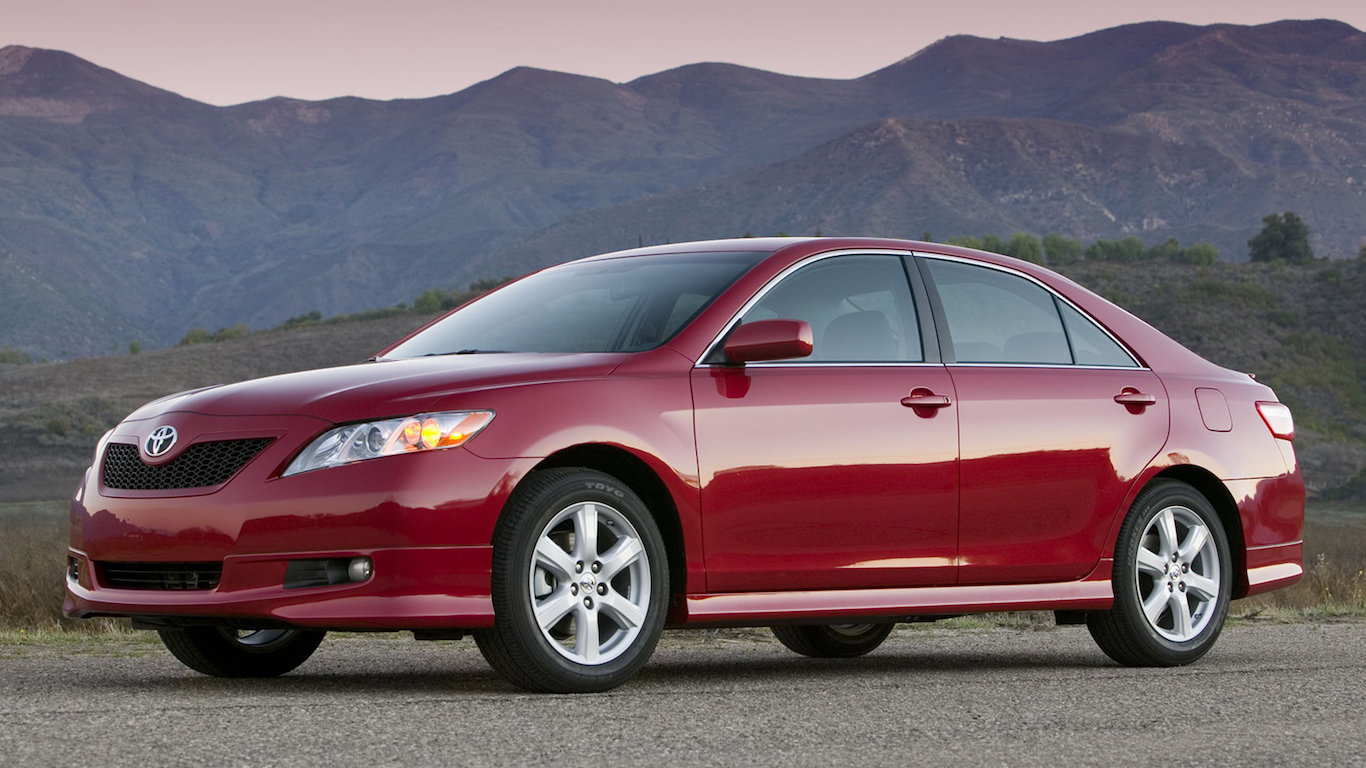
2007 Toyota Camry SE
© Toyota USAWe may have singled out the Camry, but this car was part of a wider safety issue that resulted in the recall of over nine million Toyota cars across the globe. The problem stemmed from two separate causes; the potential for floor mats to interfere with the throttle pedal, and for the fly-by-wire throttle to stick open.
Both situations could cause ‘sudden unintended acceleration’ and meant drivers could find themselves losing control at speed. Several fatal accidents were attributed to it, and Toyota was subject to various lawsuits. The company also paid a $1.2bn penalty to avoid further criminal investigation.
-
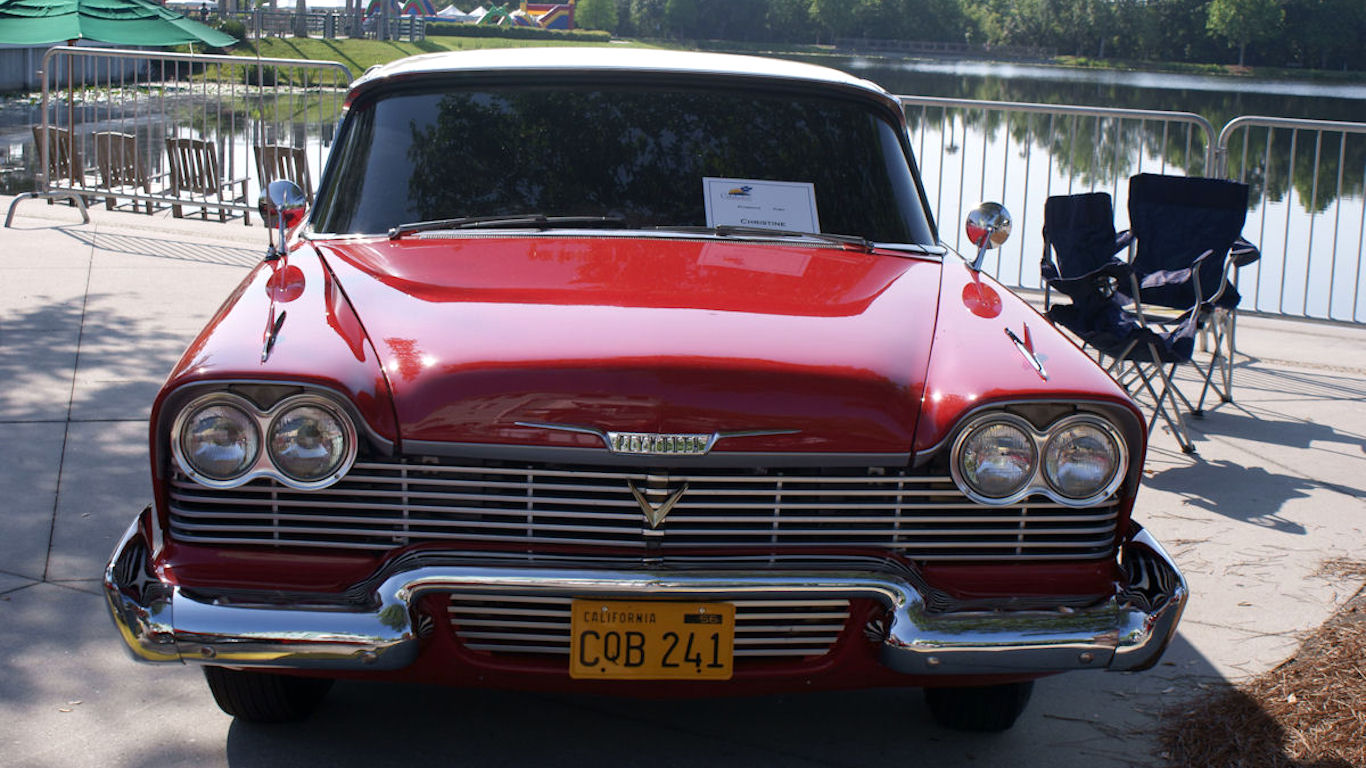
1958 Plymouth Fury ‘Christine’
© Wikimedia – Valder137Although many of the cars listed here might be considered scary, or have been involved in fatal accidents, at least none of them possessed murderous intent. Unlike the eponymous star of the Stephen King book, and subsequent film, Christine.
The showcased 1958 Plymouth Fury, with sentient ability and a violent streak, was responsible for carnage even when not being driven. It all makes concerns about autonomous cars seem slightly more pressing.
