The surprising EVs based on Volkswagen’s electric car platform
-
Together in electric dreams
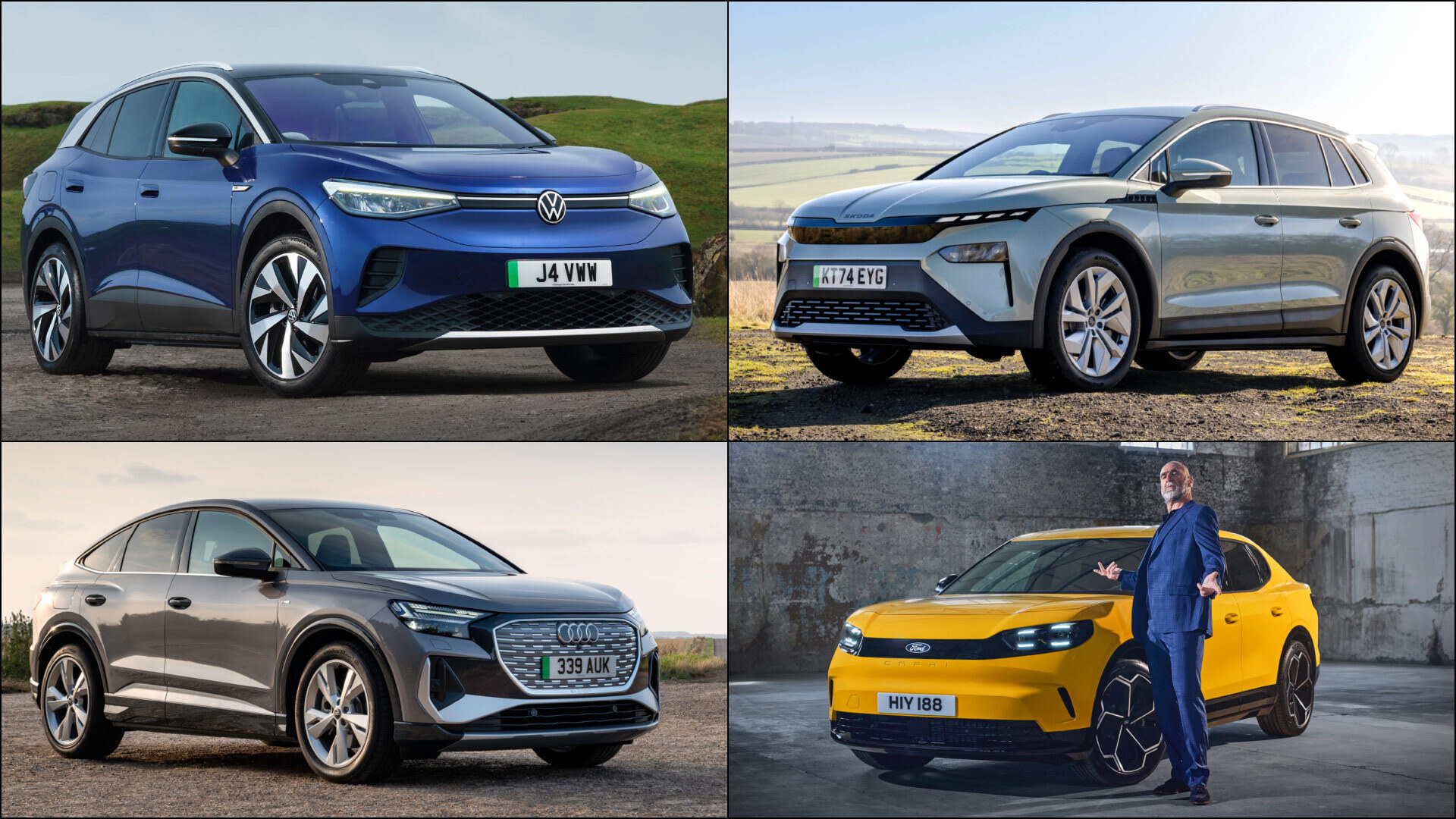
© VolkswagenThe Volkswagen Group’s MEB platform is the basis of the company’s global assault on the electric vehicle market, with a modular design able to underpin a range of cars and SUVs.
Standing for Modularer E-Antriebs Baukasten – translated into English as ‘modular electric-drive toolkit’ – the MEB setup is designed to maximise efficiency and ease of production.
When the MEB platform was first announced, the German company had bold expectations for its ‘electric skateboard’, anticipating that 10 million vehicles across 300 models in the Volkswagen Group would one day use it.
Although the numbers haven’t hit those dizzying heights just yet, join us for a look at all the models currently based on the Volkswagen MEB platform.
-
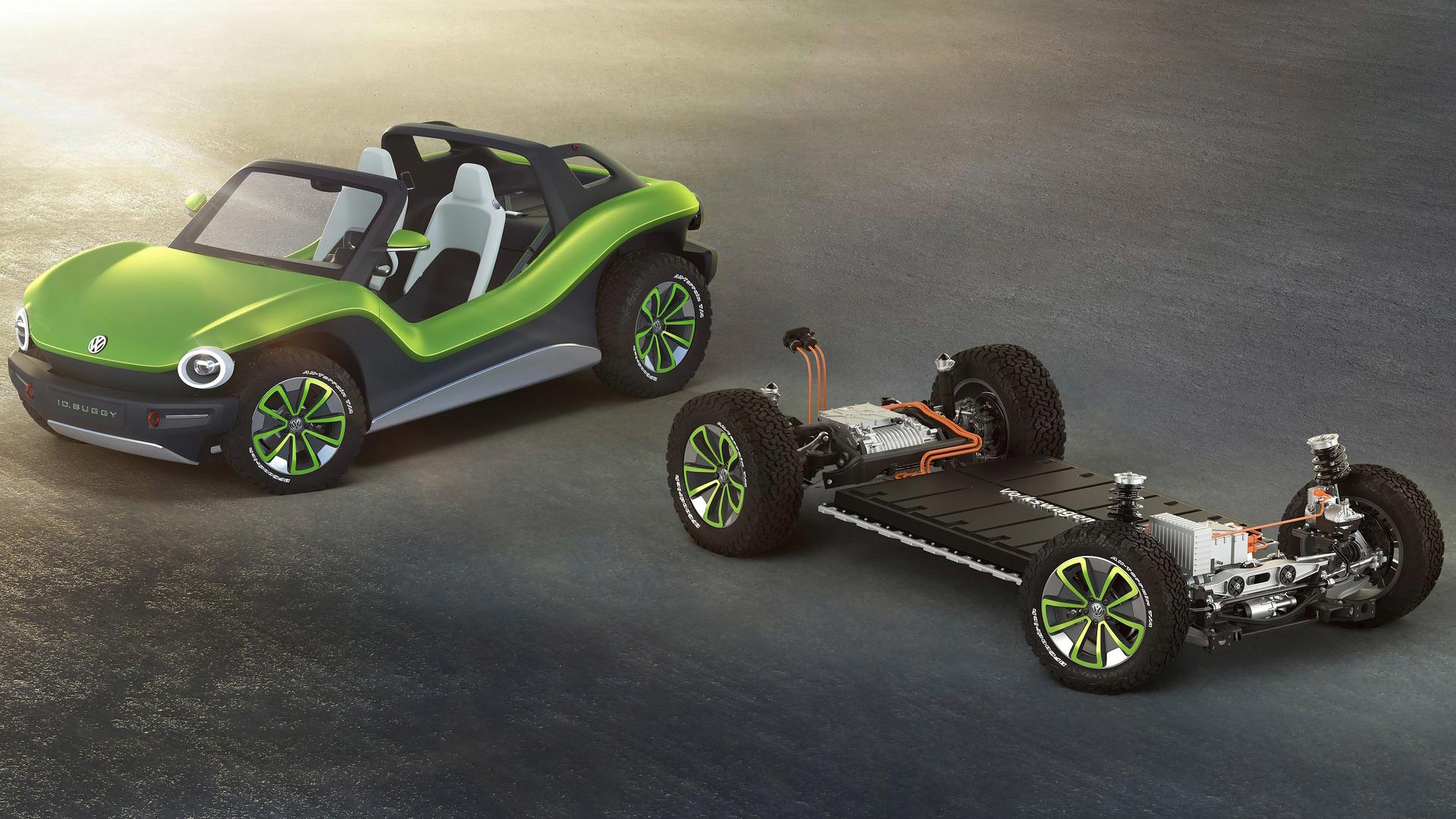
2019 Volkswagen ID. Buggy Concept
© VolkswagenVolkswagen teased its plans for an electrified future with a number of concept models. However, the one that really grabbed the attention of enthusiasts and journalists was the ID. Buggy.
Revealed at the 2019 Geneva Motor Show, the ID. Buggy demonstrated the flexibility of the MEB platform. It was a retro-styled electric throwback to the classic Volkswagen-engined dune buggies of the 1960s.
With all-wheel drive from a pair of electric motors, the ID. Buggy also featured BF Goodrich All-Terrain tyres and a waterproof interior. Sadly, it remained a one-off concept.
-

2019 Volkswagen ID.3
© VolkswagenThe first production model to use the MEB platform was the Volkswagen ID.3, revealed in its final guise at the 2019 Frankfurt Motor Show, following a series of concept cars.
Envisaged as the electric alternative to conventional family hatchbacks, the ID.3 was described as being the ‘third most important car’ ever launched by the German brand, following the Volkswagen Beetle and Golf.
With power outputs ranging from 150hp to 204hp, the rear-wheel-drive ID.3 offered a choice of three battery options. With capacities of 45, 58 and 77kWh, it offered a potential range of up to 341 miles.
-
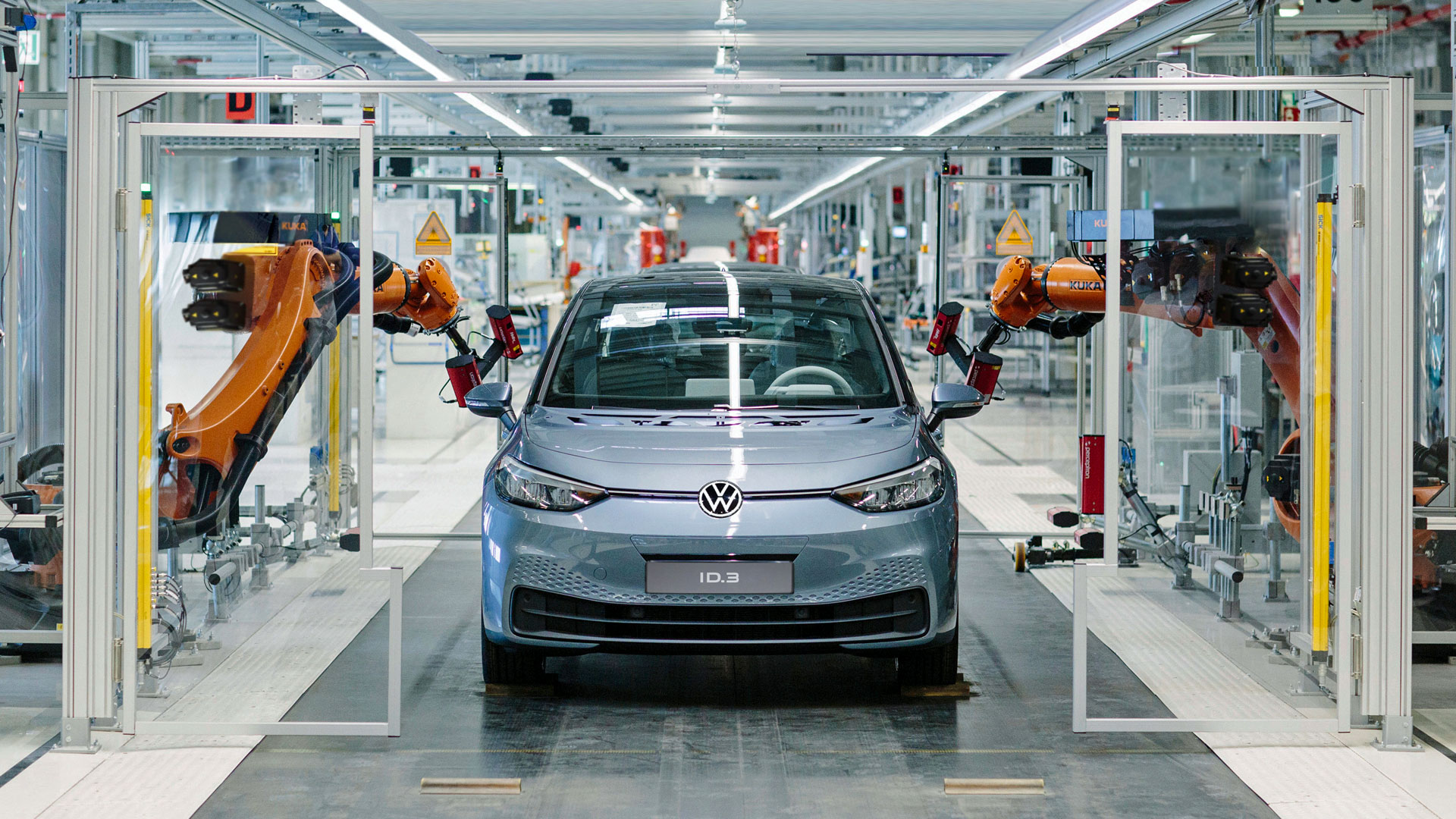
2019 Volkswagen ID.3
© VolkswagenHow seriously Volkswagen took the launch of the ID.3 can be seen in the fact that it repurposed its ‘Transparent Factory’ in Dresden – previously used to build the flagship Phaeton saloon.
Despite being launched with lofty ambitions, the ID.3 has yet to supplant the Golf as the family Volkswagen of choice when it comes to sales figures.
More than 500,000 examples have been delivered since 2019, but Volkswagen has needed to address various issues around build quality and software. A facelift in 2023, and the launch of a hot GTX version, have also helped the ID.3’s cause.
-
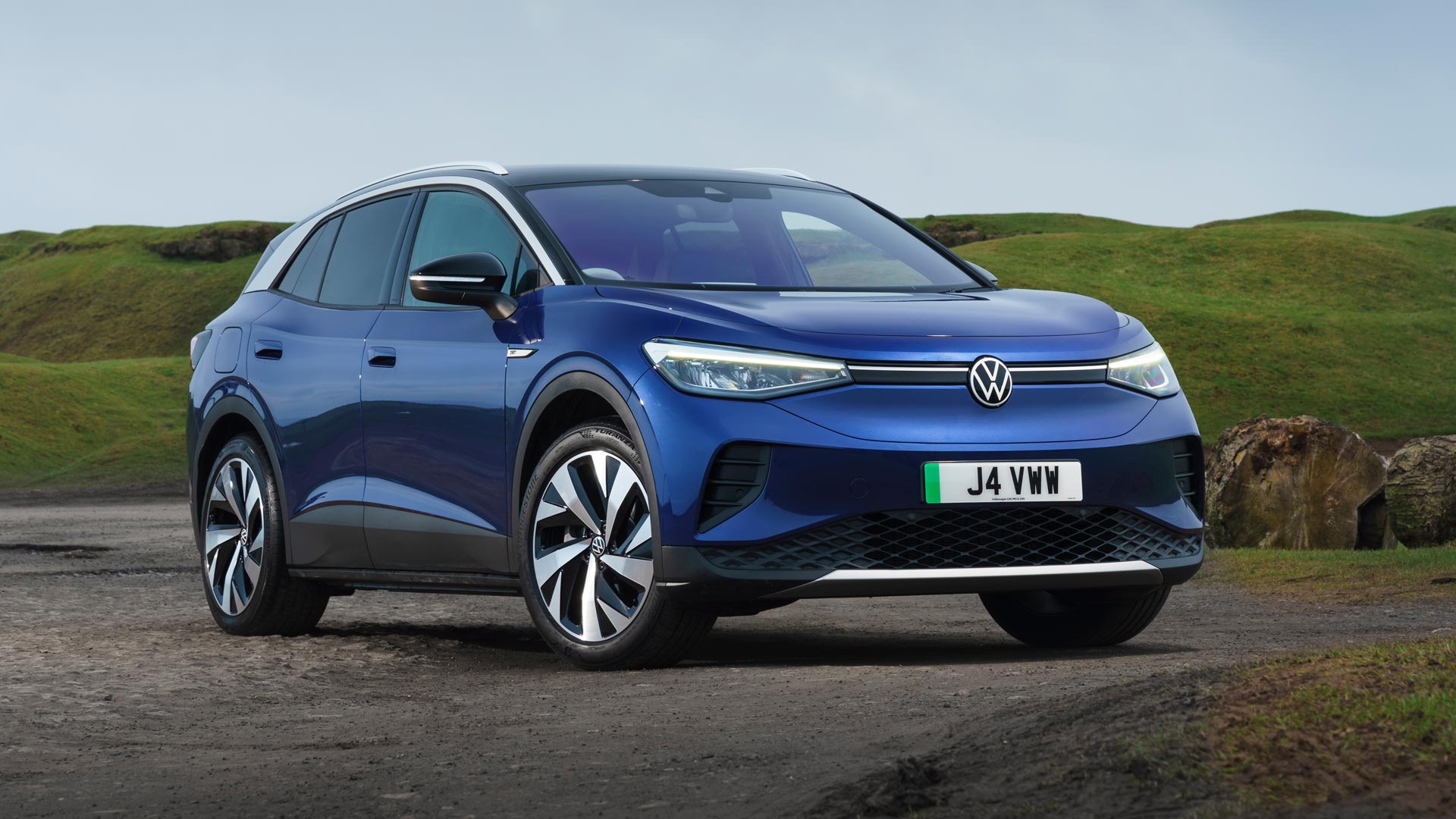
2020 Volkswagen ID.4
© VolkswagenThe next model to use the MEB platform was the Volkswagen ID.4. Positioned as a crossover SUV, it has similar exterior dimensions to a combustion-powered VW Tiguan.
The first all-electric SUV sold by Volkswagen, the ID.4 was notable for having the option of all-wheel drive. It was also the company’s first EV available with a tow bar.
The Volkswagen ID.4 collected the 2021 World Car of the Year Award, reflecting the global significance of this electric SUV.
-
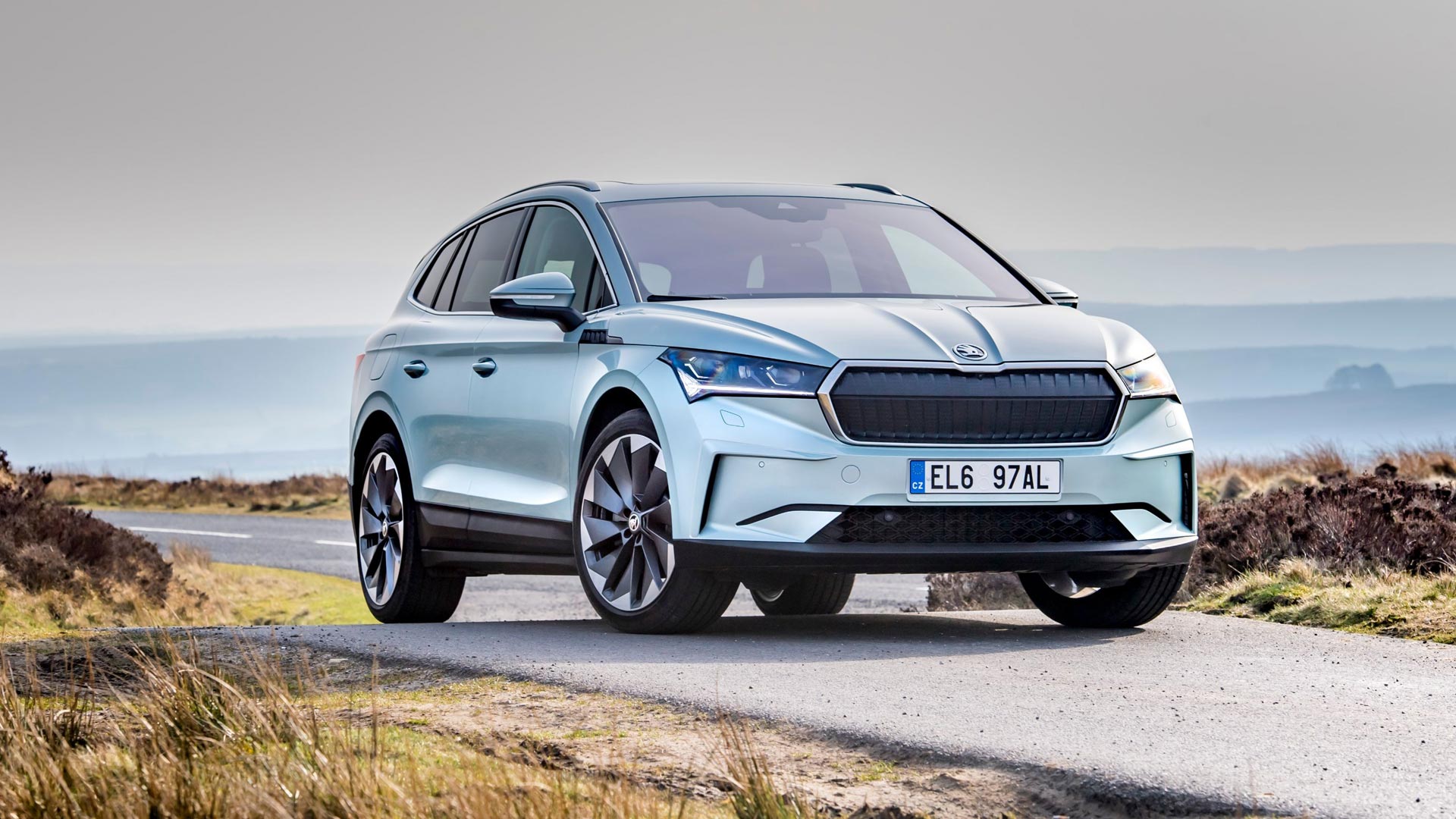
2020 Skoda Enyaq iV
© SkodaIt took the Volkswagen Group until 2020 to begin platform sharing with the MEB setup. The Skoda Enyaq iV was the first non-VW model to make use of this EV architecture.
In traditional Skoda style, the Enyaq was a practical electric SUV, with a strong emphasis on space and usability. Initial drivetrain options included power outputs between 150 and 204hp, with battery range of up to 320 miles.
A hot vRS model joined the Enyaq range in 2022, bringing 299hp to the party, along with standard all-wheel drive.
-
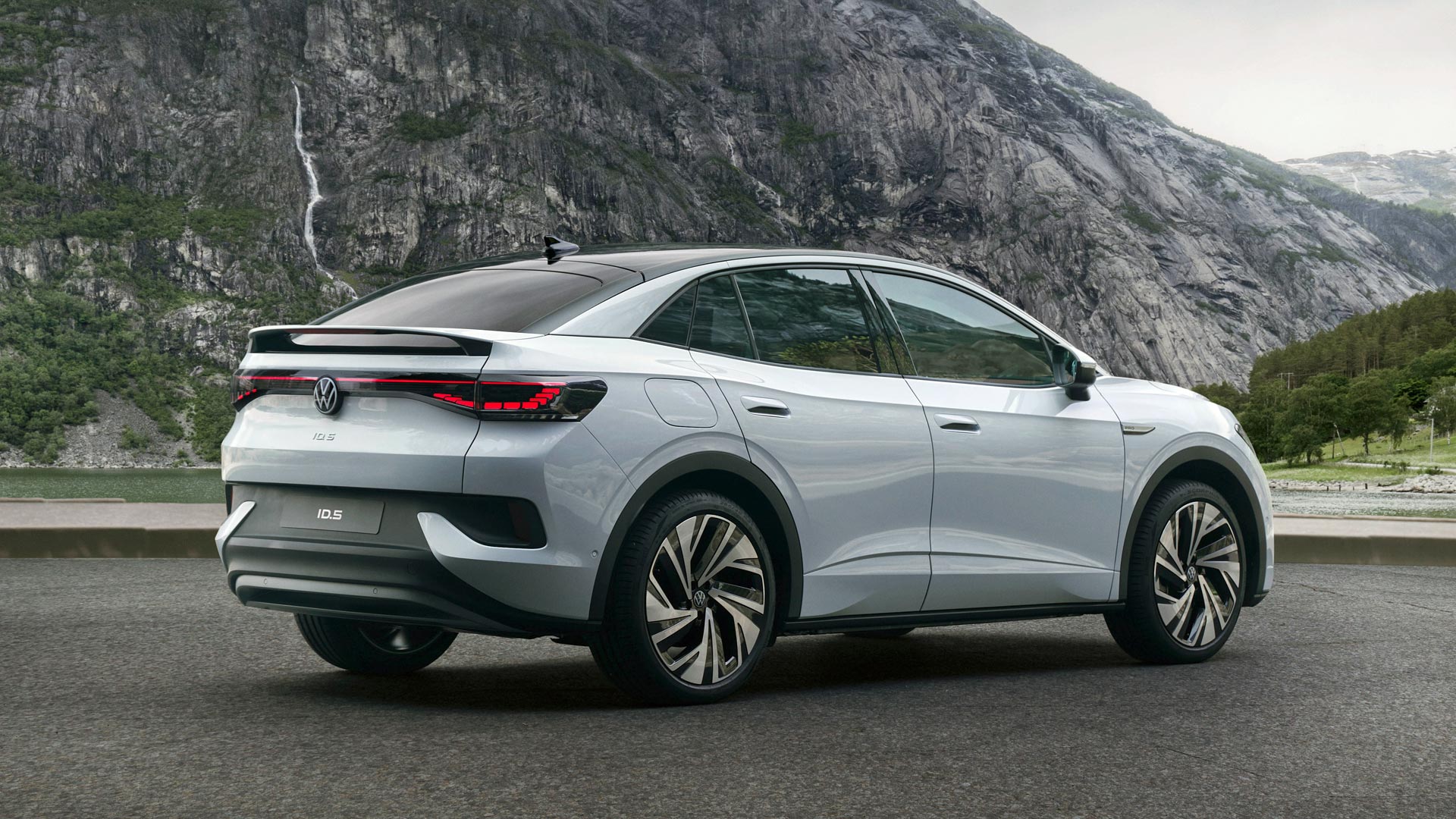
2021 Volkswagen ID.5
© VolkswagenCoupe versions of crossover SUVs are popular when fitted with an internal combustion engine, so Volkswagen decided to roll the dice with an electric alternative.
Revealed in 2021, the ID.5 swapped the ID.4’s more practical roofline for a curvier design. This did reduce luggage capacity, meaning you can perhaps put a price on style.
Launched with three electric powertrain options, all versions of the ID.5 came fitted with the larger 77kWh battery pack.
-
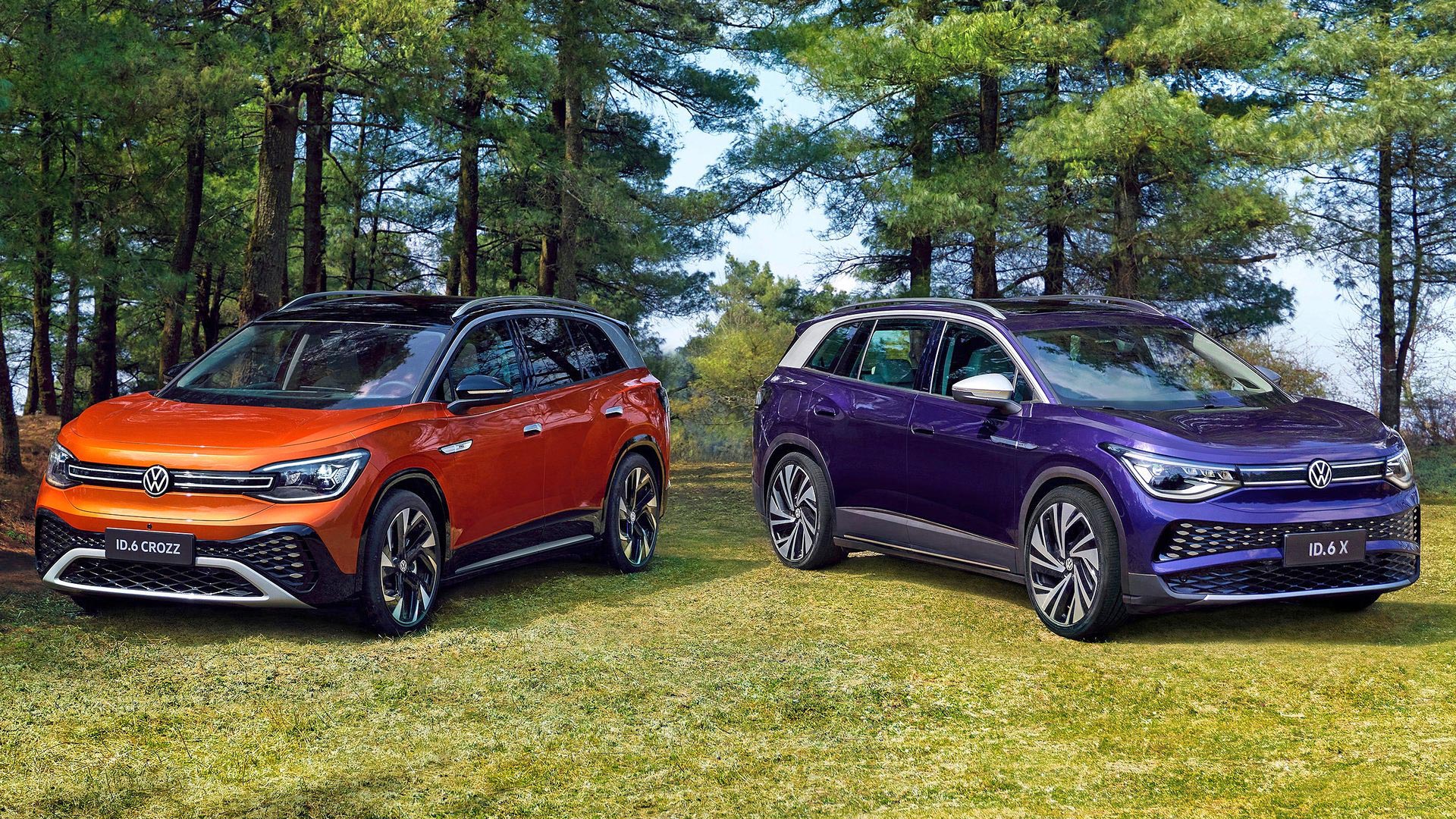
2021 Volkswagen ID.6
© VolkswagenVolkswagen intended the MEB platform to be a truly global offering, and the ID.6 was the first China-only vehicle to make use of it.
Developed from the ID. Roomzz concept displayed at the 2019 Shanghai Motor Show, the ID.6 became one of the largest models to use the MEB platform.
Some 300mm longer than an ID.4, the Chinese-market model accommodates a third row of seating. Notably, the ID.6 X and ID.6 Crozz have different styling, and are manufactured by different Volkswagen partners in China.
-
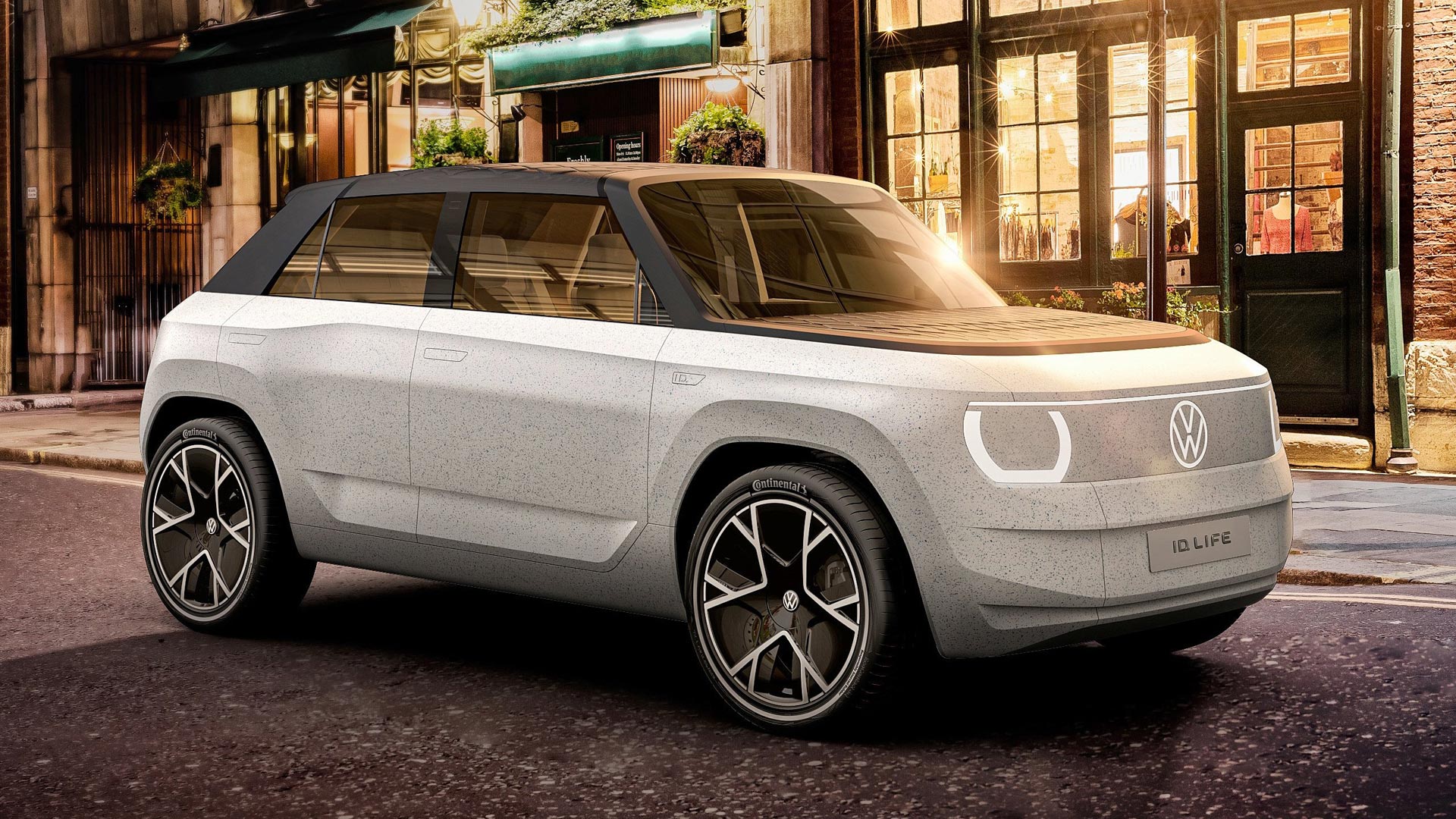
2021 Volkswagen ID. Life Concept
© VolkswagenAlthough the MEB platform had gained plenty of attention by 2021, Volkswagen used it to display a new concept car for that year’s Frankfurt Motor Show.
Designed as a retro-inspired compact SUV, the ID.Life was the first demonstration of using the MEB platform for a front-wheel-drive layout.
With recycled material inside, elements of the ID.Life can be seen in later electric concept cars created by Volkswagen.
-

2021 Audi Q4 E-Tron
© AudiAudi got in on the MEB action in 2021, making the Q4 E-Tron the fourth fully electric model offered by the premium German marque.
Unlike the earlier Q8 E-Tron and E-Tron GT, the Q4 electric SUV was intended to bring electrification to a much wider market. As a result, it was designed to feel familiar to existing Audi customers, easing them into EV life.
Naturally, an electric version of Audi’s famous Quattro all-wheel-drive system could be specified.
-
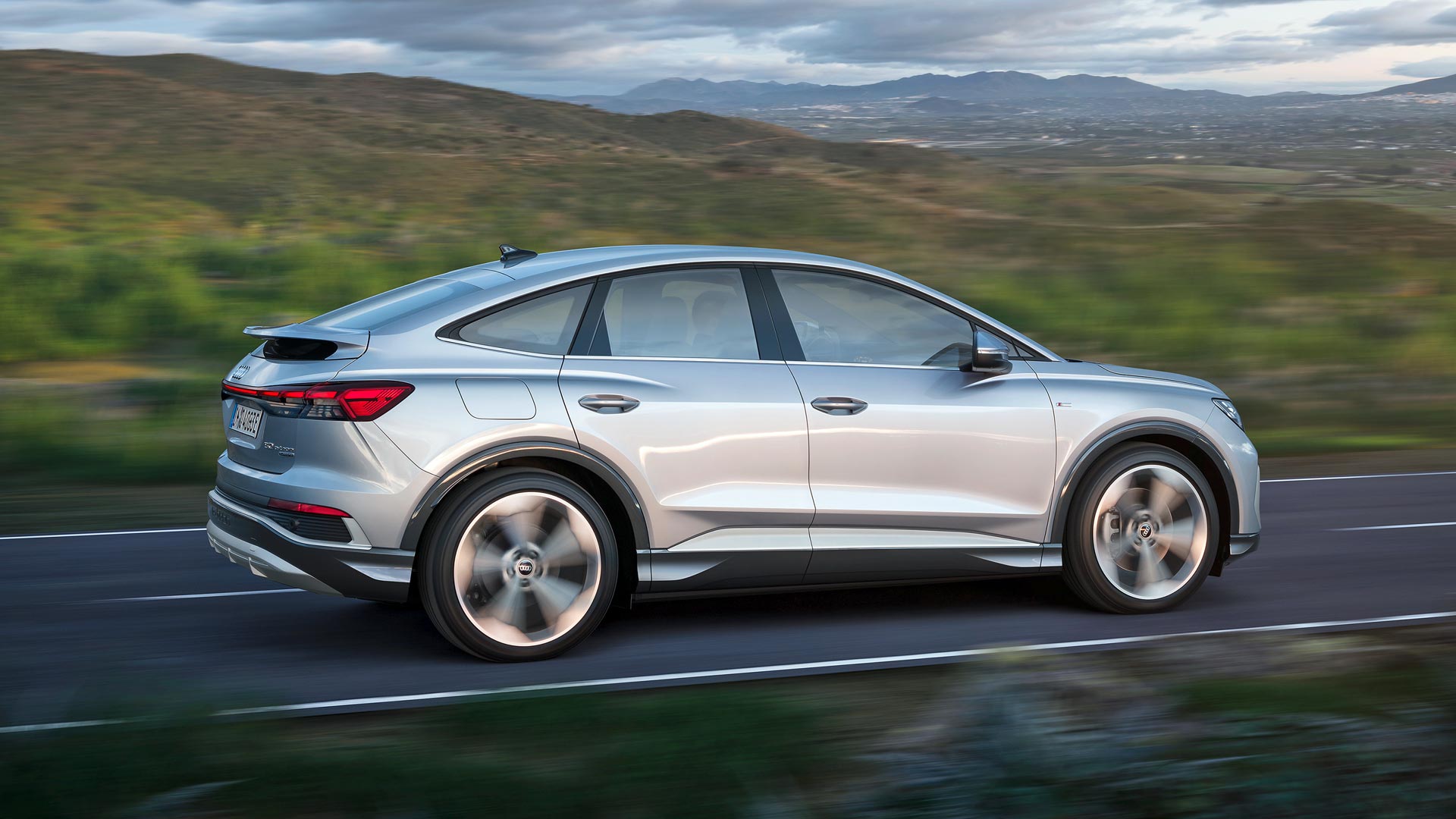
2021 Audi Q4 E-Tron Sportback
© Audi‘Sportback’ coupe SUVs have become a familiar part of the Audi range, so the decision to make a curvier version of the Q4 E-Tron came as no surprise.
-
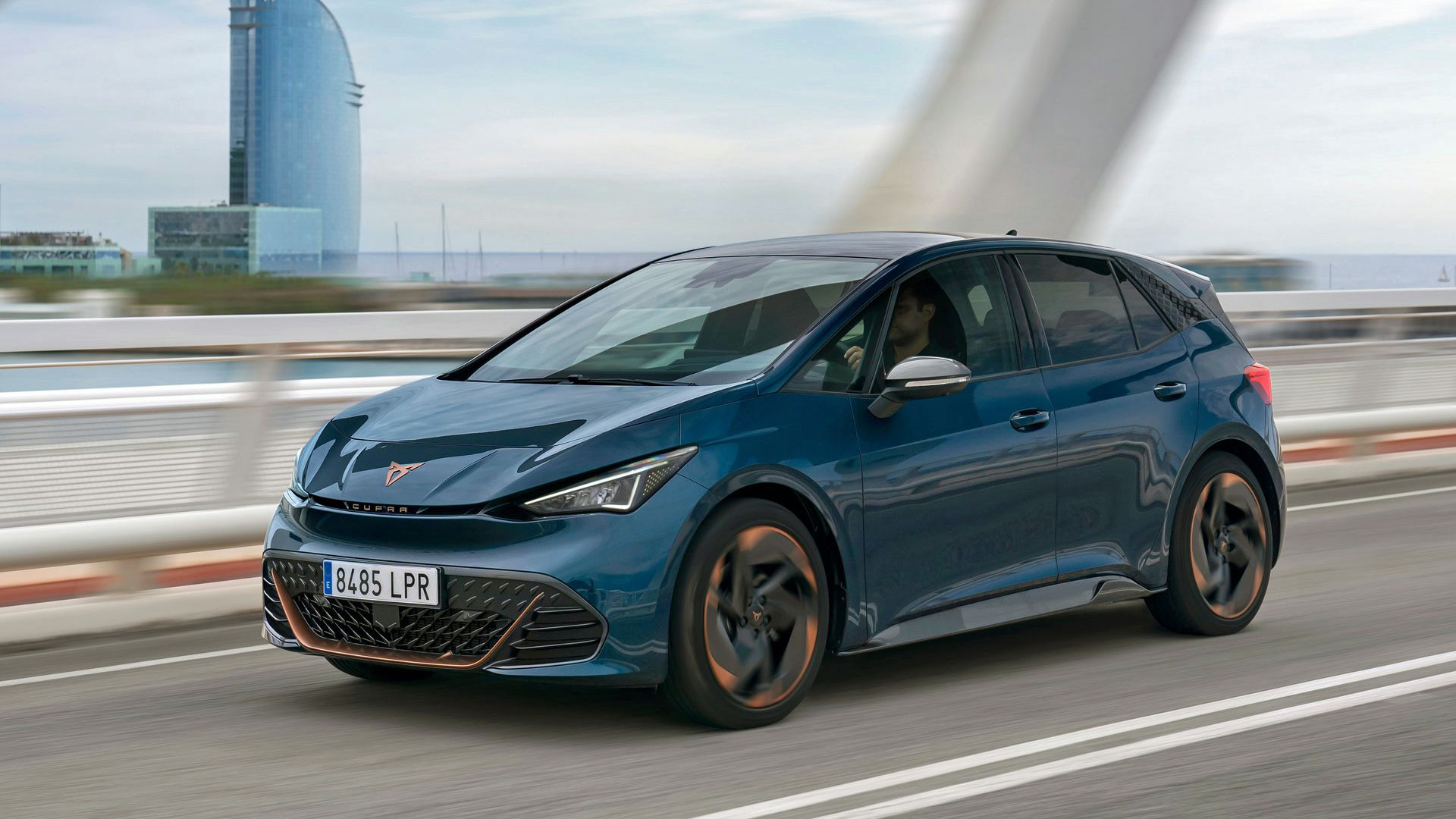
2021 Cupra Born
© CupraSpanish performance brand Cupra was the next Volkswagen Group marque to use the MEB platform, launching the Born in late 2021.
Initially developed as a Seat-badged concept, a decision was made to switch the family hatchback to Cupra branding instead. The similarities to the Volkswagen ID.3 were obvious, even with some additional Spanish styling flair.
Named after a suburb of Barcelona, the Cupra Born is built alongside the Volkswagen ID.3 in Zwickau, Germany.
-
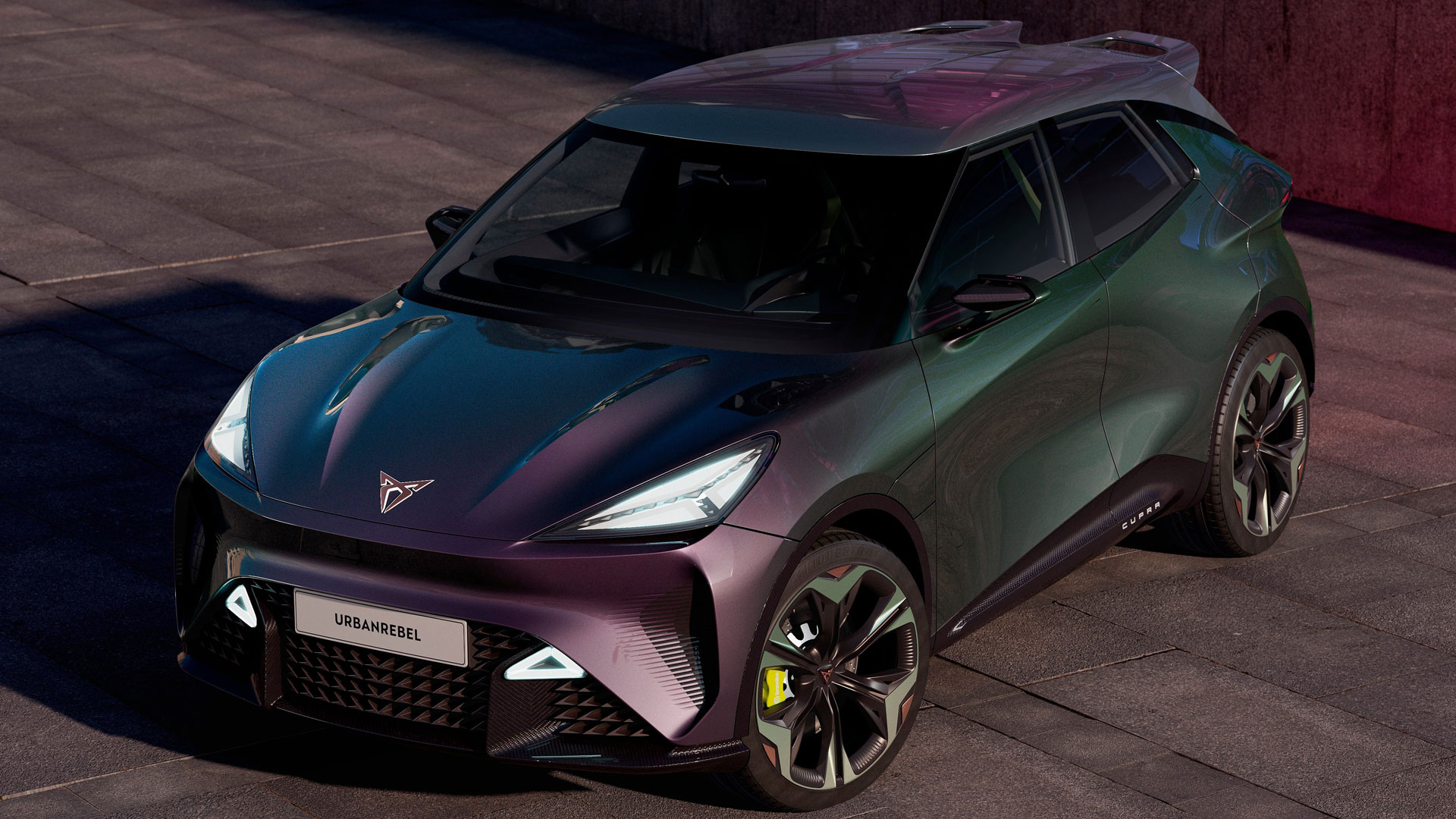
2021 Cupra UrbanRebel Concept
© CupraCupra wasted no time in getting onboard with the MEB platform, hinting at future plans with its sporty UrbanRebel concept car.
Originally shown at the 2021 Frankfurt Motor Show, the UrbanRebel later evolved to become the Raval concept in 2023.
A full production version of the Cupra Raval compact hatchback, smaller than the Born, is set to be launched in 2025.
-
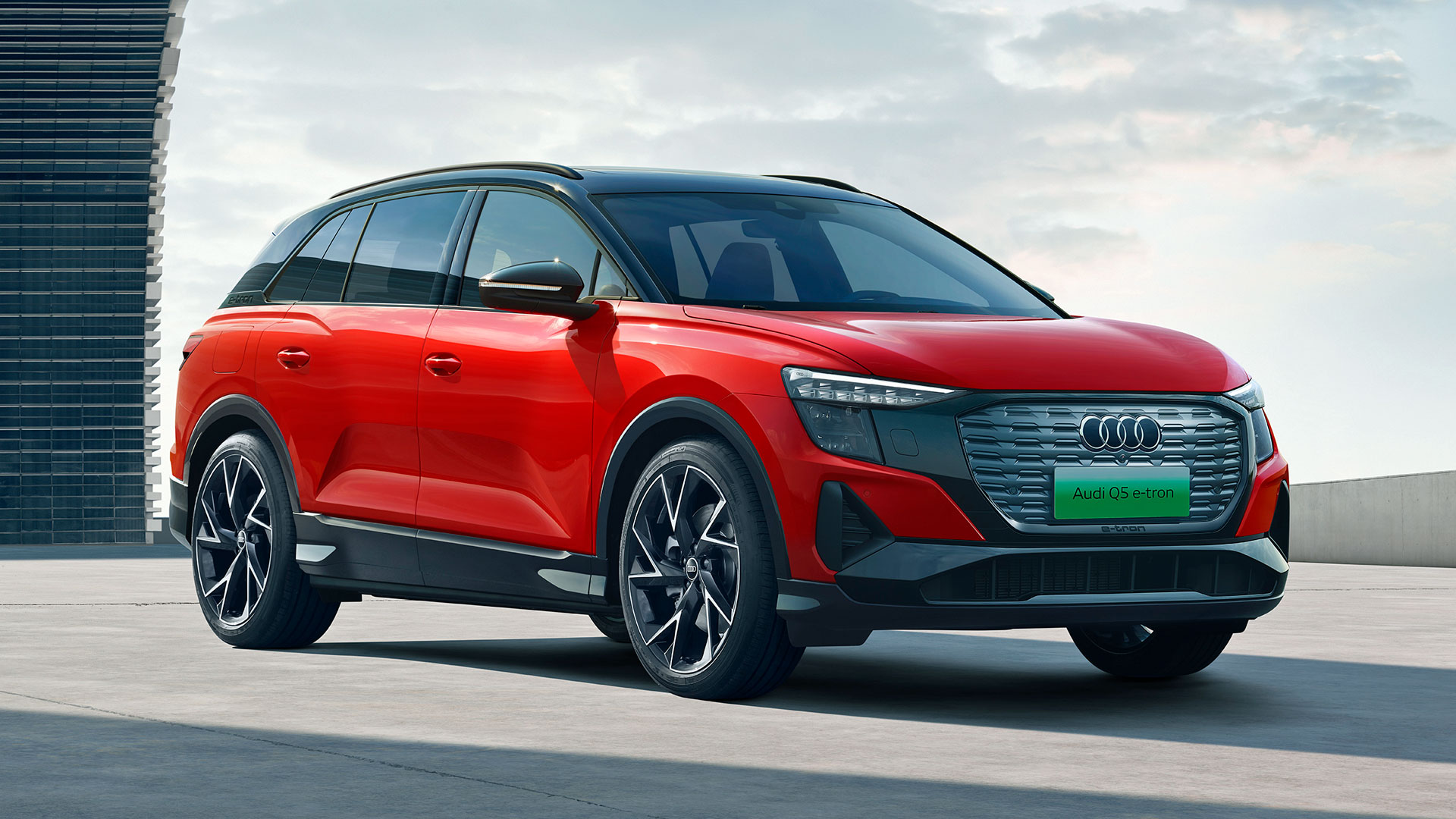
2022 Audi Q5 E-Tron
© AudiChina is hugely significant for Audi, being the marque’s single largest new car market. With EVs in demand, it makes sense that the next E-Tron model would be designed solely for Chinese customers.
Built on the MEB platform, of course, the Audi Q5 E-Tron is a close relative of the Volkswagen ID.6. It is manufactured by SAIC-VW in Anting, Shanghai.
Although the exterior design is bespoke, the Audi Q5 E-Tron’s interior closely resembles that of the Q4 E-Tron.
-
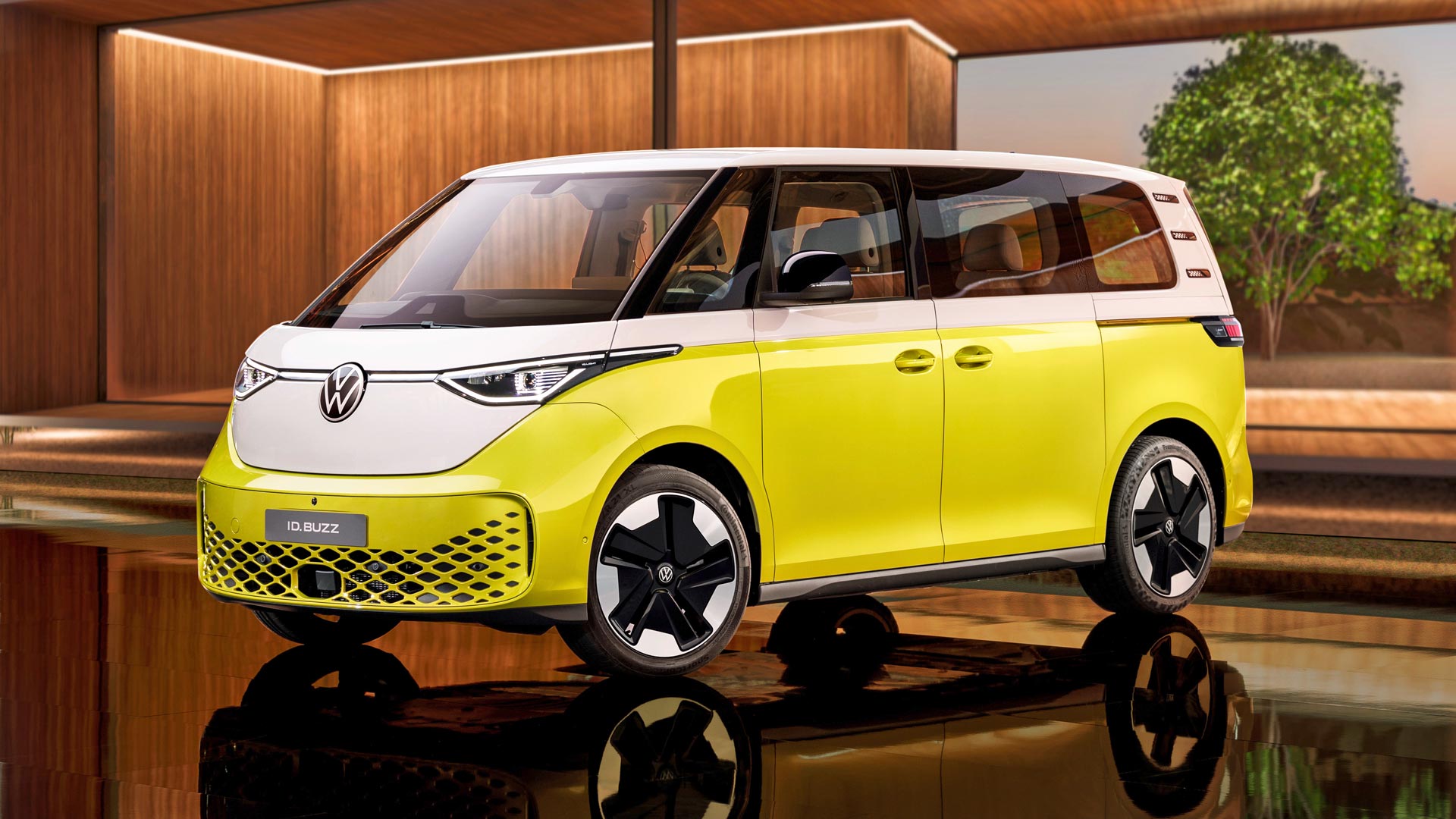
2022 Volkswagen ID. Buzz
© VolkswagenAfter teasing customers for more than two decades with the promise of a new Microbus, Volkswagen finally delivered the completed ID. Buzz in early 2022.
Launched as a five-seat electric MPV, the ID. Buzz demonstrated the versatility of designs possible with the MEB platform.
Most buyers were, naturally, interested in the retro-inspired looks, being happy to overlook the fact the ID. Buzz lacked much in the way of flexibility, or a continent-cruising battery range.
-
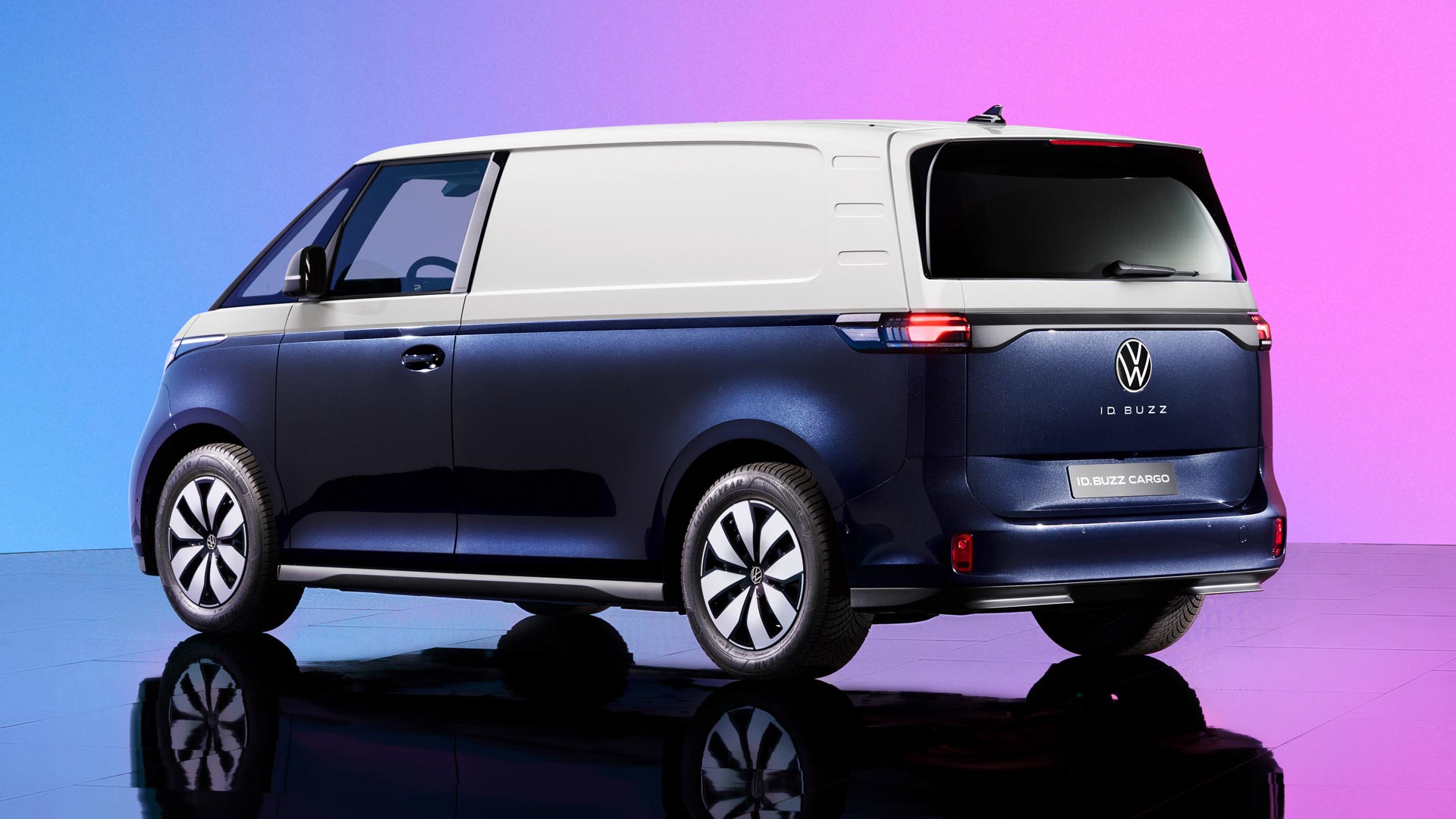
2022 Volkswagen ID. Buzz Cargo
© VolkswagenAs the first pure-electric model made by Volkswagen Commercial Vehicles, it made sense for a van version of the ID. Buzz to hit the streets.
Thanks to the compactness of the MEB platform, the ID. Buzz Cargo can accommodate two Euro-pallets, with a payload of up to 600kg.
As with the regular ID. Buzz people carrier, the big appeal of the Cargo is a retro-styled canvas for marketing your brand to customers.
-
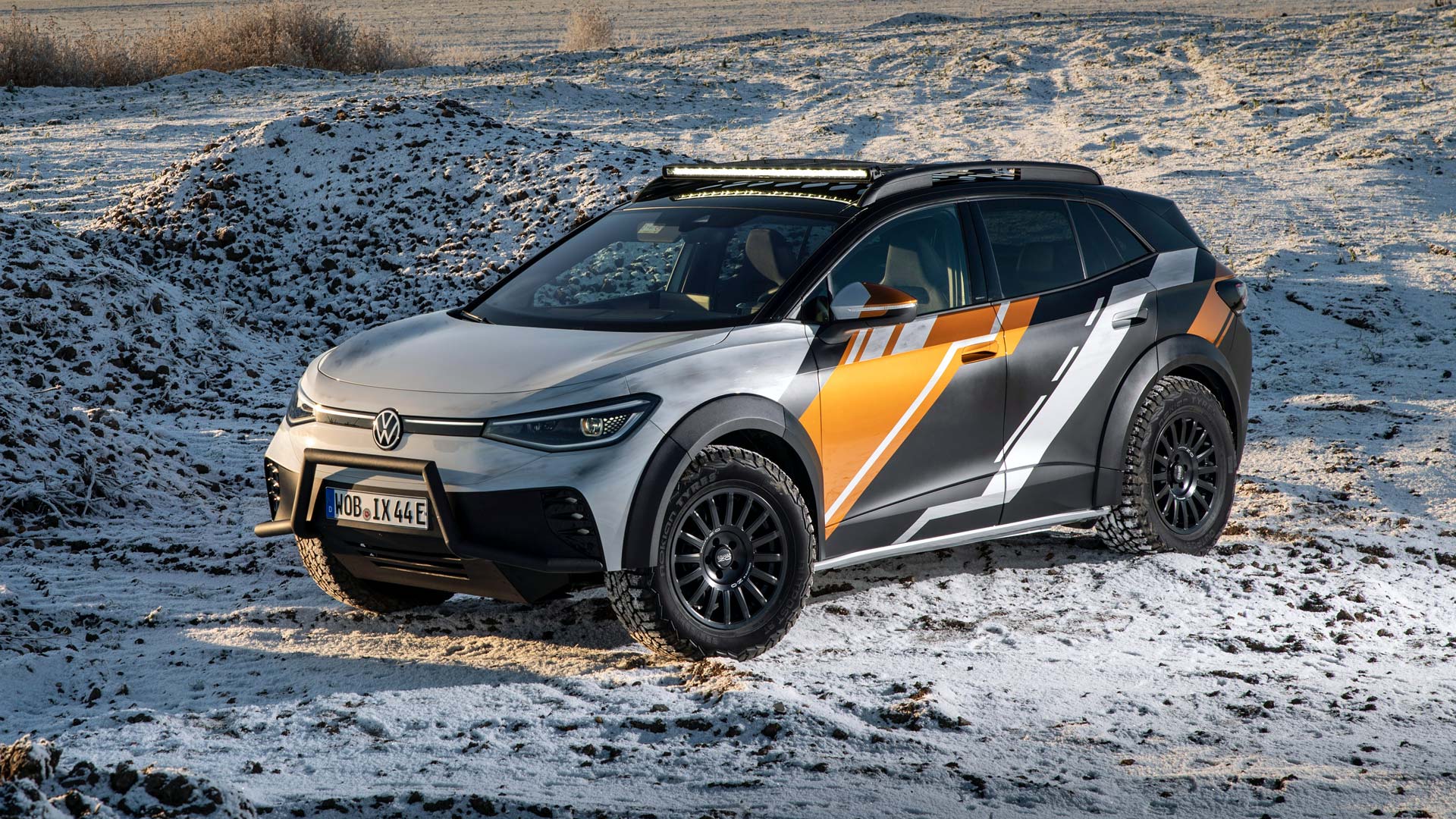
2022 Volkswagen ID. Xtreme Concept
© VolkswagenWanting to prove that the MEB platform could be used to make real off-roaders, Volkswagen revealed the ID. Xtreme concept during the 2022 ID. Treffen event.
Based on the quicker Volkswagen ID.4 GTX, the ID. Xtreme added a 3D-printed bodykit, raised suspension and chunky off-road rubber.
Volkswagen hinted that the ID. Xtreme could become a production reality with enough demand, but it remains absent from pricelists.
-
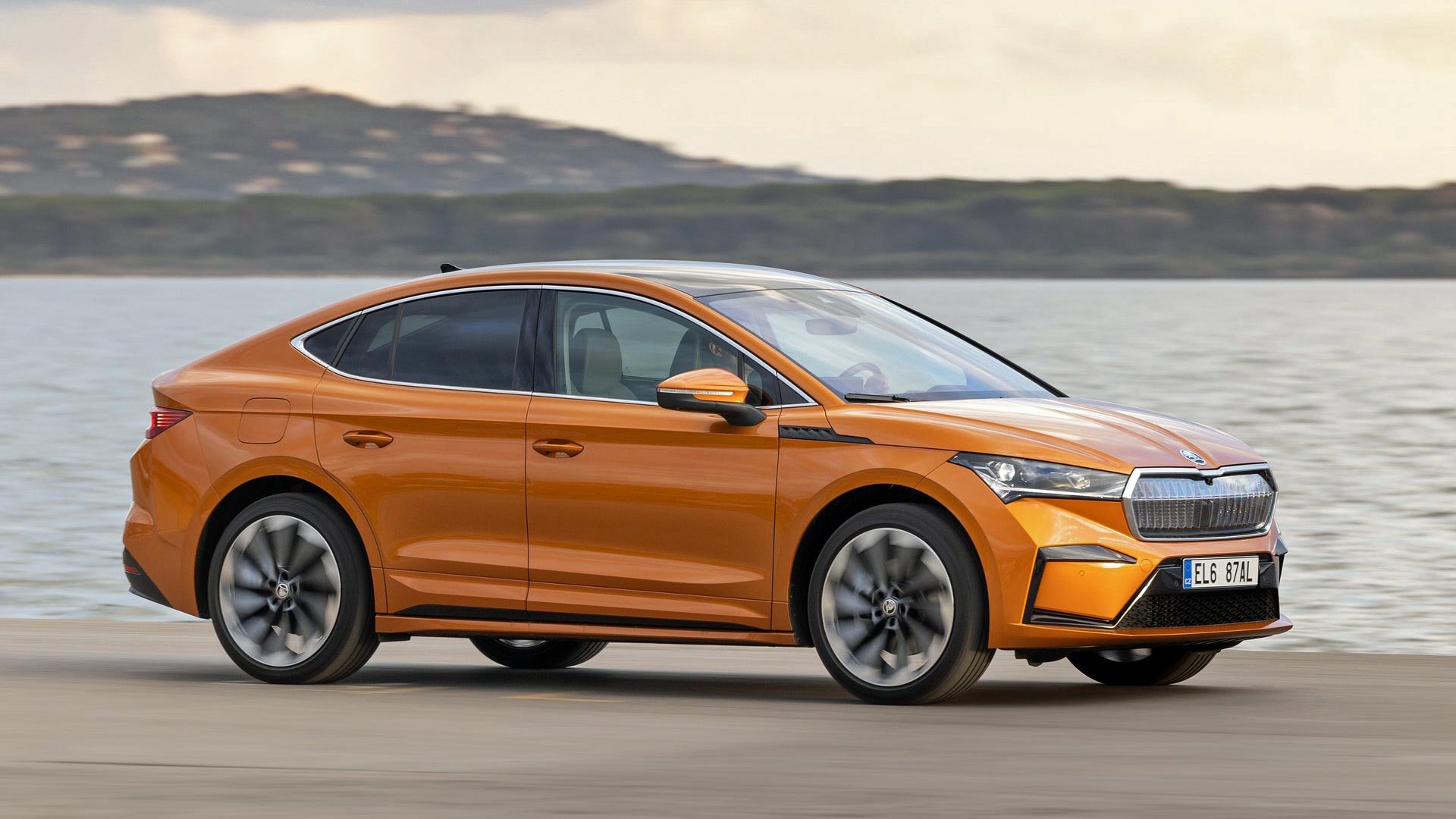
2022 Skoda Enyaq iV Coupe
© SkodaEven Skoda decided to get in on the coupe SUV action, with a more curvaceous version of the Enyaq arriving in 2022.
Slightly shorter in length, and with a reprofiled roofline, the Skoda Enyaq iV Coupe was the first time the performance vRS badge had appeared on an electric model.
-
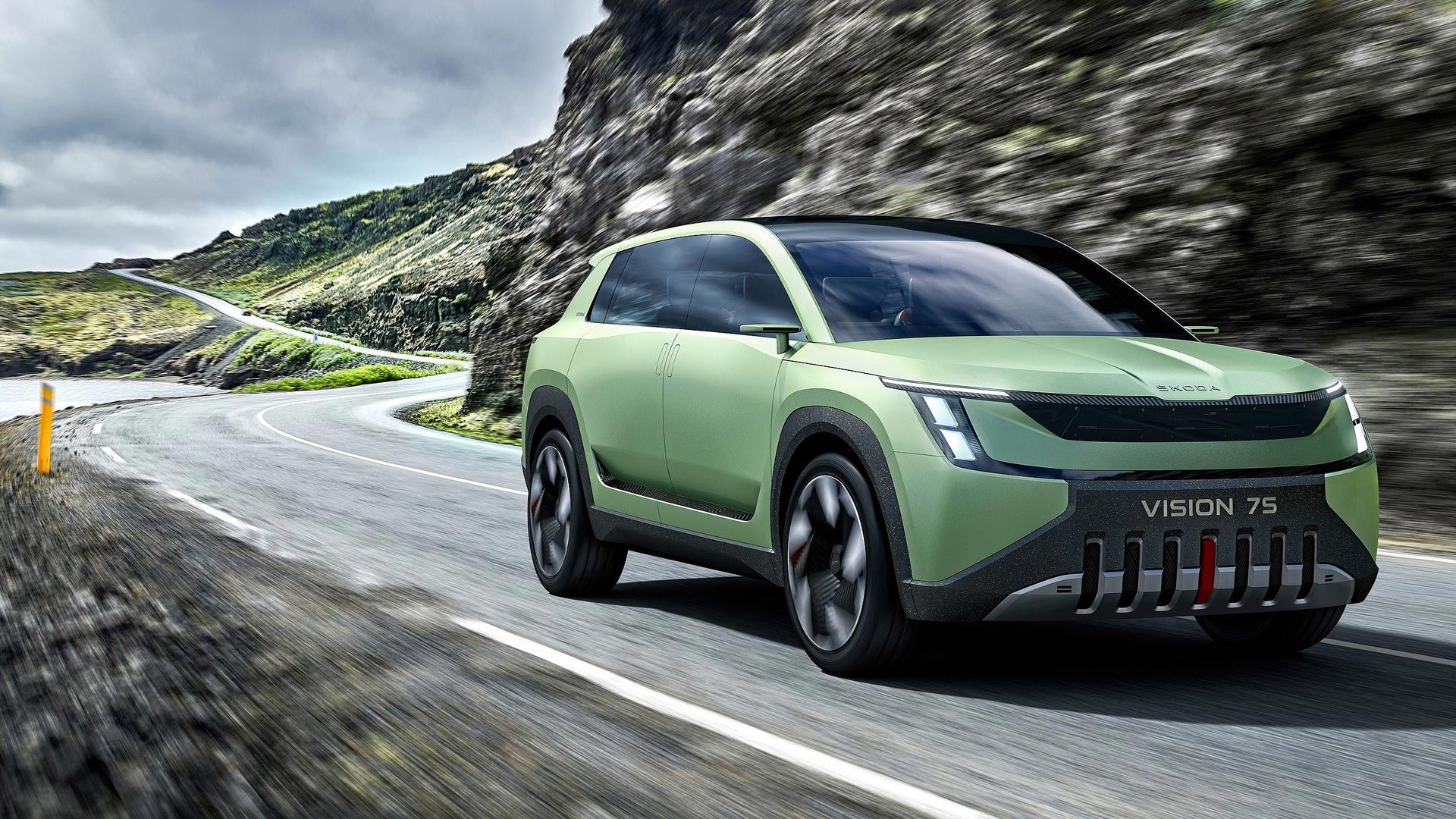
2022 Skoda Vision 7S Concept
© SkodaDuring 2022, Skoda also used the MEB platform to explore its potential future. In particular, an electric replacement for the seven-seat Kodiaq SUV was previewed by the Vision 7S concept.
Along with displaying Skoda’s new badge design, and the direction of its design language, the Vision 7S shows that electrification is hugely important to the Czech brand.
A production version of the Vision 7S is expected to appear in 2026.
-
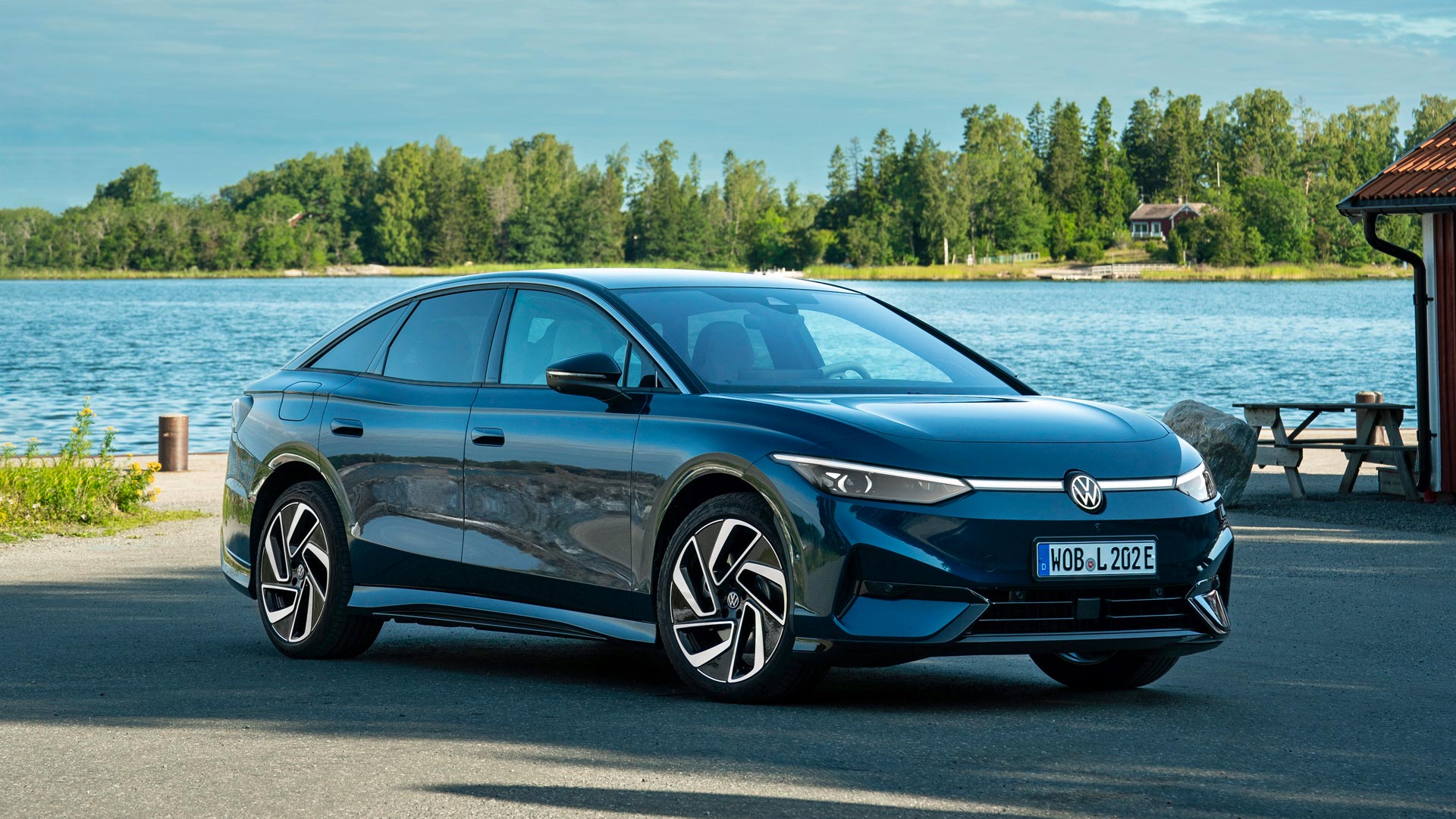
2023 Volkswagen ID.7
© VolkswagenThought that the move to electric power meant everything had to be SUV-shaped? Not so, says Volkswagen, with the ID.7 liftback having a more-than-passing resemblance to classic executive saloons.
One of the largest models to use the MEB platform, the five-door ID.7 followed several concept cars. A final production model made its debut in 2023.
The ID.7’s slippery aerodynamic shape helps it to achieve impressive battery range figures, including up to 585 miles on a single charge.
-
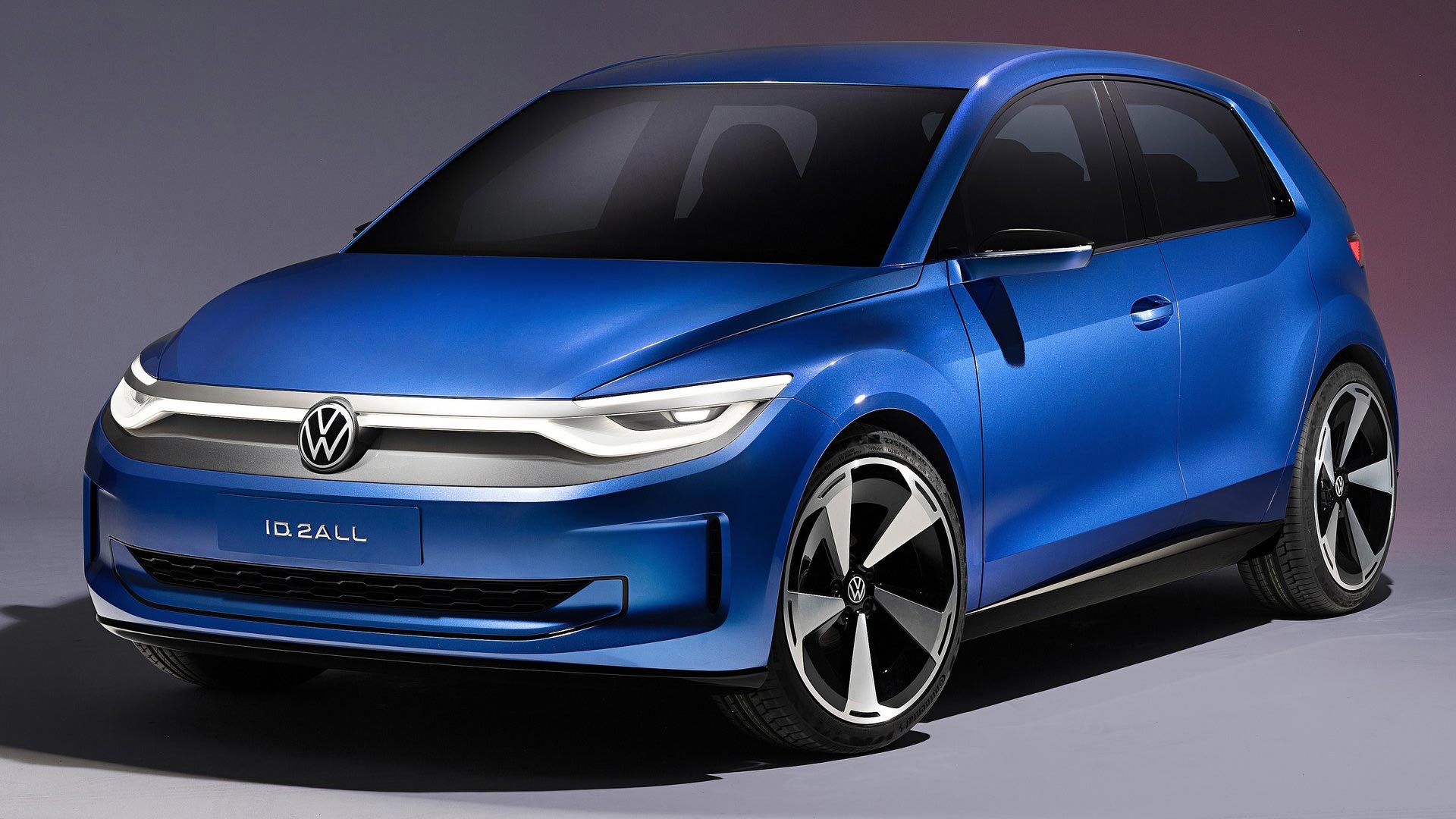
2023 Volkswagen ID. 2all Concept
© VolkswagenThe Polo supermini has been one of the stalwarts of the Volkswagen brand for 50 years, so producing an electric alternative is a significant move.
Designed to slot into Volkswagen’s electric range beneath the ID.3, the ID. 2all makes use of the ‘MEB Entry’ variant of the modular electric platform. Notably, the ID. 2all features front-wheel drive, just like the Polo supermini.
Expected to hit Volkswagen dealerships this year, the ID. 2all concept was close to being production-ready when displayed in 2023.
-
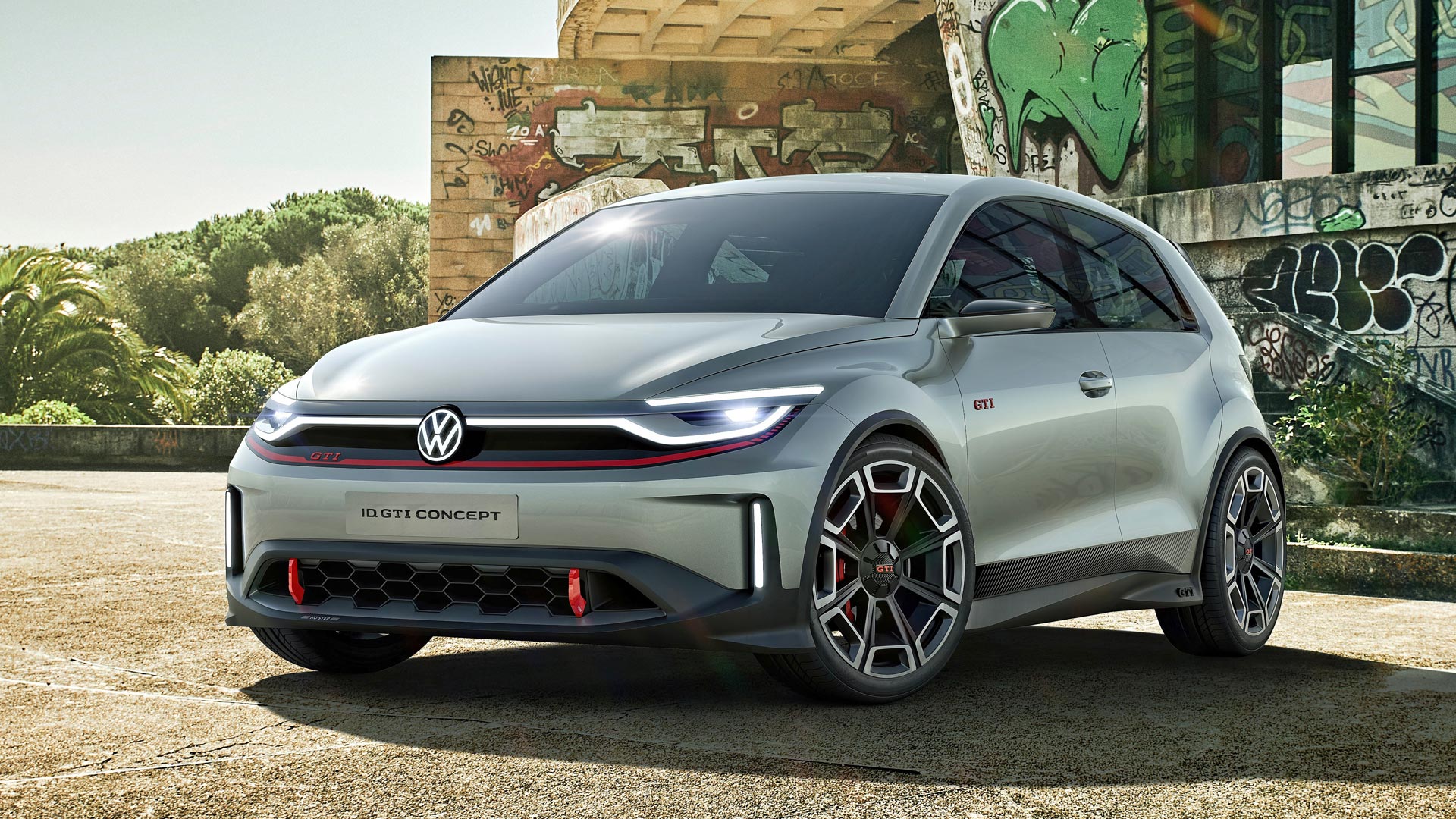
2023 Volkswagen ID. GTI Concept
© VolkswagenMoving to electric power does not mean that Volkswagen’s famous GTI badge will disappear, as the ID. GTI Concept made clear.
A variation of the ID. 2all, the GTI Concept should tick all the boxes for an electrified hot hatchback. These include an electronically controlled locking differential for the front wheels, and even red surround for the front grille.
Volkswagen has committed to putting the ID. GTI Concept into production by 2027.
-
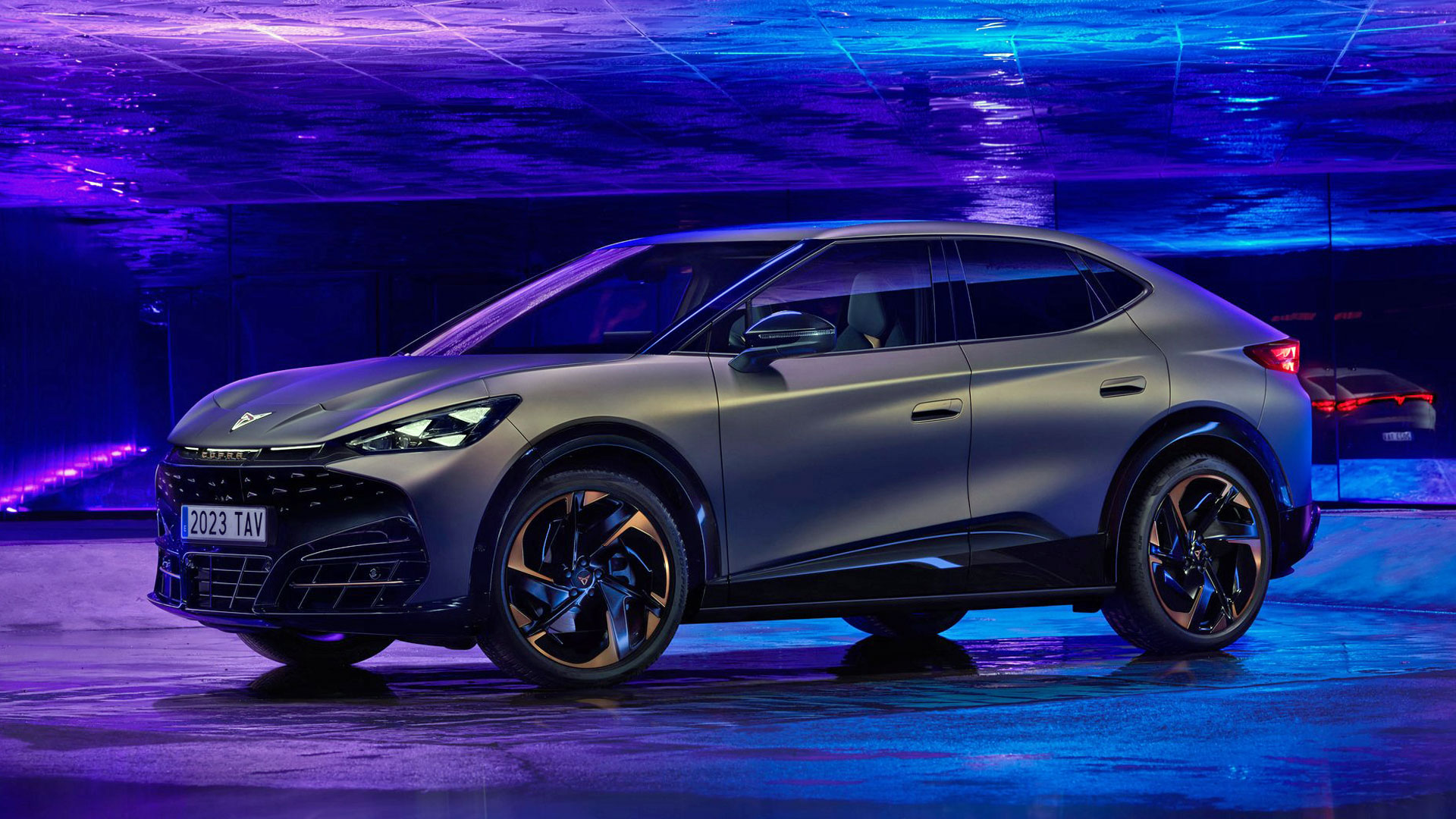
2023 Cupra Tavascan
© CupraIt took Cupra until 2023 to enter the coupe SUV game, when it launched the dramatic-looking Tavascan.
Essentially a Spanish take on the Volkswagen ID.5 or Skoda Enyaq iV Coupe, the Tavascan is offered in rear- or all-wheel-drive formats, with an 82kWh battery pack included.
Opting for the all-wheel-drive version gives the Tavascan an impressive 340hp: good for a 0-62mph time of just 5.5 seconds.
-
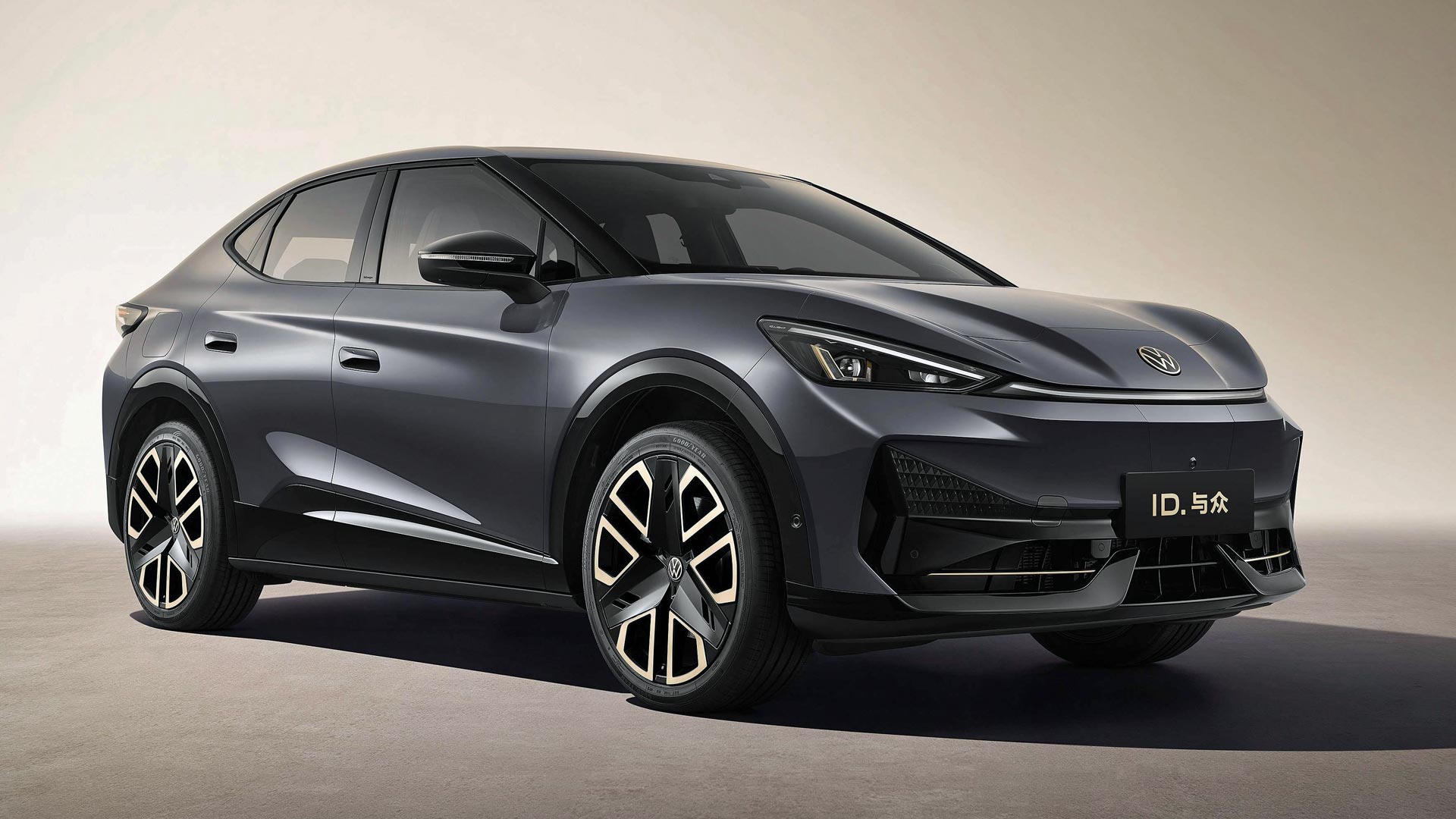
2024 Volkswagen ID. Unyx 06
© VolkswagenWhen it comes to the rarest models using the Volkswagen MEB platform, the ID. Unyx 06 is possibly the least known outside of China.
If it looks familiar, that is because the Volkswagen ID. Unyx 06 is essentially a Cupra Tavascan, but with minimal exterior styling changes.
However, it represents the first of several new China-only MEB platform models, with Volkswagen aiming for five new vehicles by the end of 2027.
-
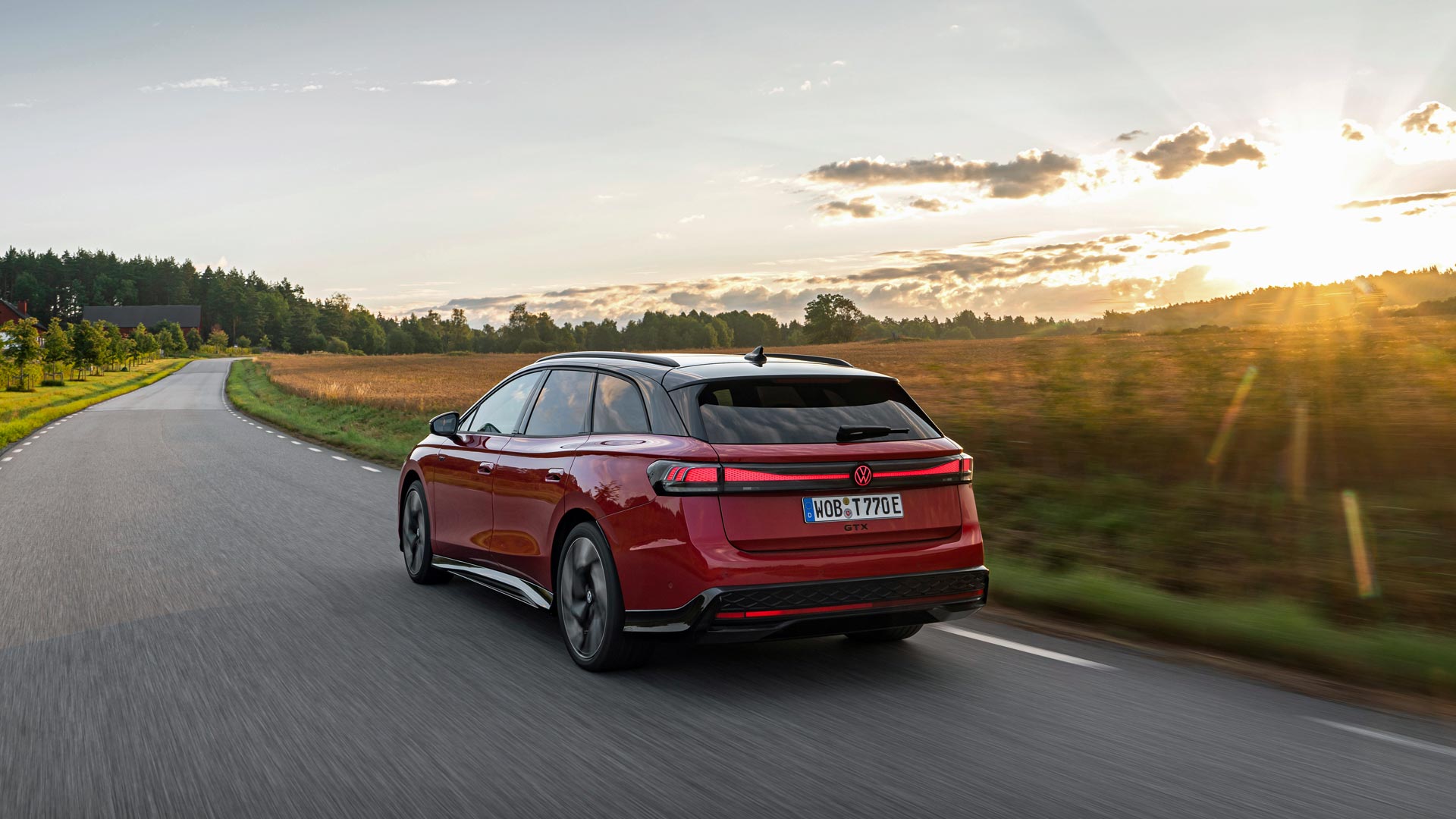
2024 Volkswagen ID.7 Tourer
© VolkswagenFollowing the launch of the Volkswagen ID.7, the Tourer was added to the lineup in 2024. It provides reassurance that, even as Volkswagen pivots towards electric power and SUVs, traditional estate cars are still part of the model mix.
Offering 605 litres of luggage capacity with the rear seats up, the ID.7 Tourer is a practical alternative to the endless array of SUVs built on the MEB platform.
-
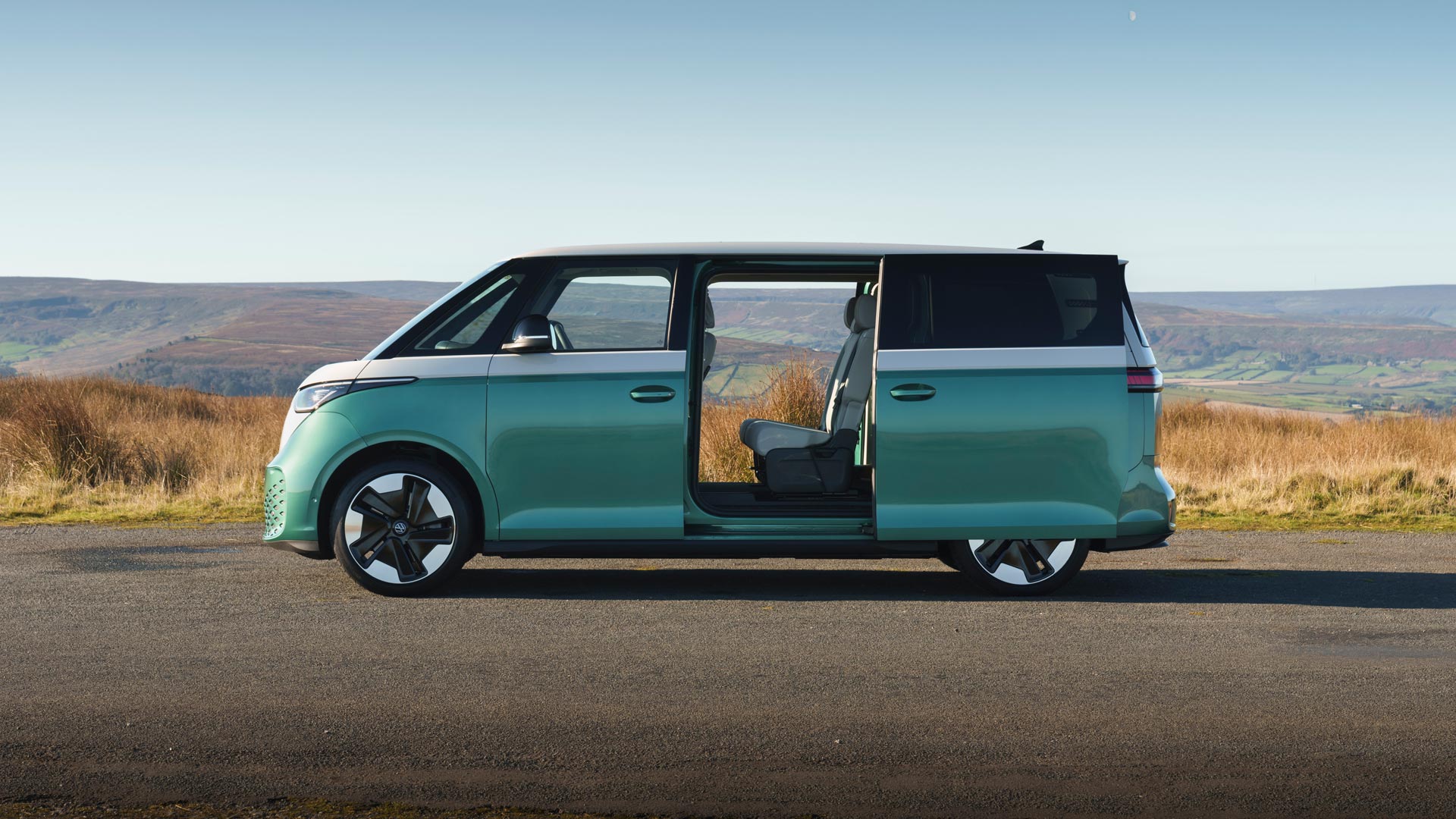
2024 Volkswagen ID. Buzz LWB
© VolkswagenWhen Volkswagen launched the original ID. Buzz, it was intended to be the beginning of a model range, with new versions to be added later.
In 2024, a long-wheelbase ID. Buzz joined the range, coming with seven seats as standard. Unlike the standard version, the stretched model allows the rearmost seats to be removed, aiding the flexibility of this electric MPV.
At the same time, Volkswagen launched a performance ID. Buzz GTX, complete with all-wheel drive and 340hp.
-

2024 Ford Explorer EV
© FordA technology sharing agreement between Volkswagen and Ford gave the American manufacturer access to the MEB platform. In exchange, Volkswagen was able to rebrand a version of the Ford Ranger pickup truck as the second-generation Amarok.
The Ford Explorer takes its name from the North American-market full-size SUV, but sits half-way between the Volkswagen ID.3 and ID.4 models in terms of size.
On the inside, the Explorer uses a mixture of Ford and Volkswagen technology, but the driving experience is tailored to reflect the Blue Oval’s priorities.
-
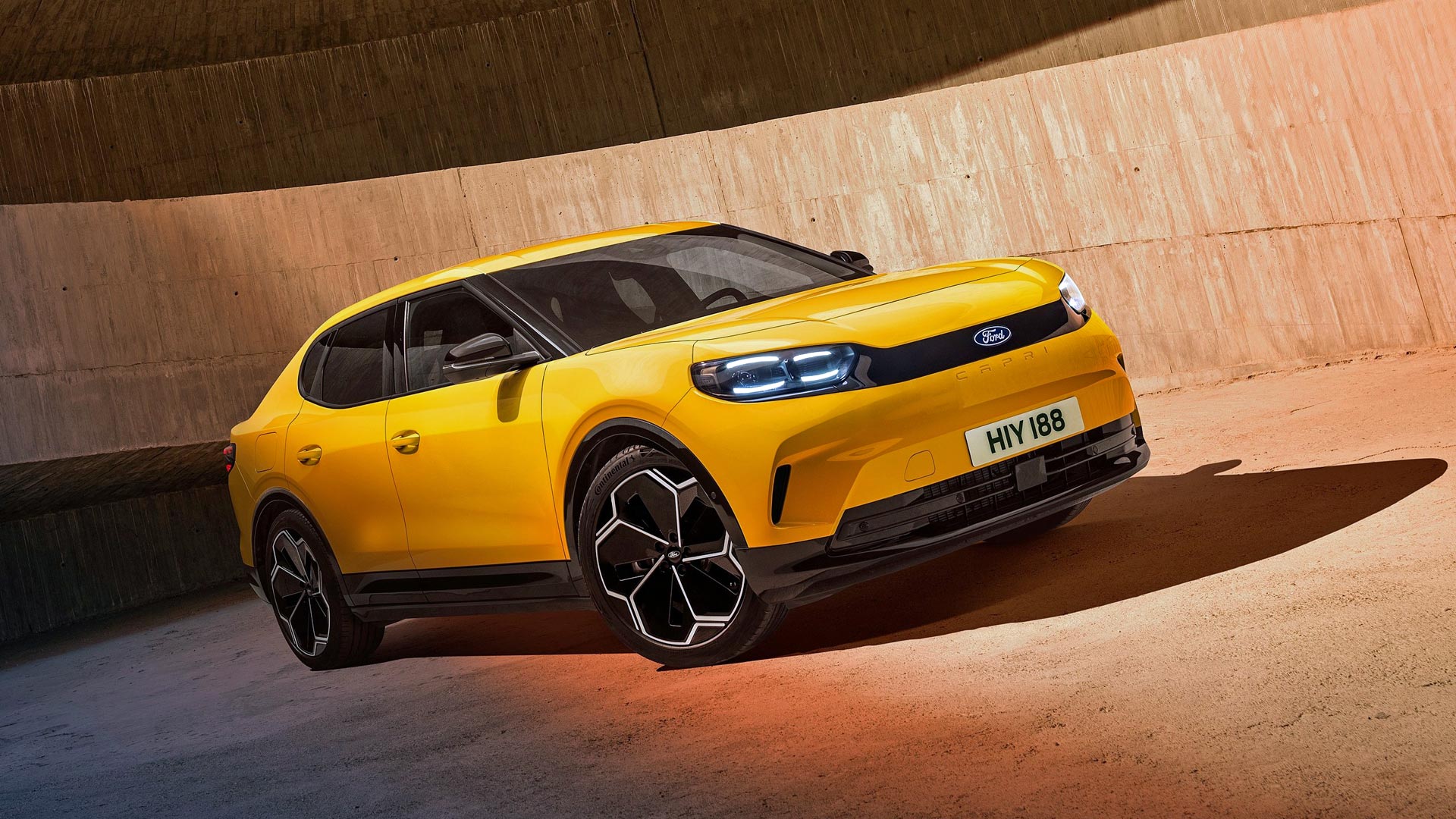
2024 Ford Capri EV
© FordThe electric Ford Capri is undoubtedly the most controversial car on this list, giving how little resemblance it pays to its legendary namesake.
Based on the MEB platform, this five-door electric SUV coupe has little in common with the previous three generations of Ford Capri. As a result, many purists were upset at Ford’s use of a historic badge.
Like the Volkswagen ID.5, the Capri EV comes with the choice of rear- or all-wheel drive. The latter features a 340hp dual-motor setup, so performance is swift. All it lacks is the V6 soundtrack of flagship Capris of the past.
-
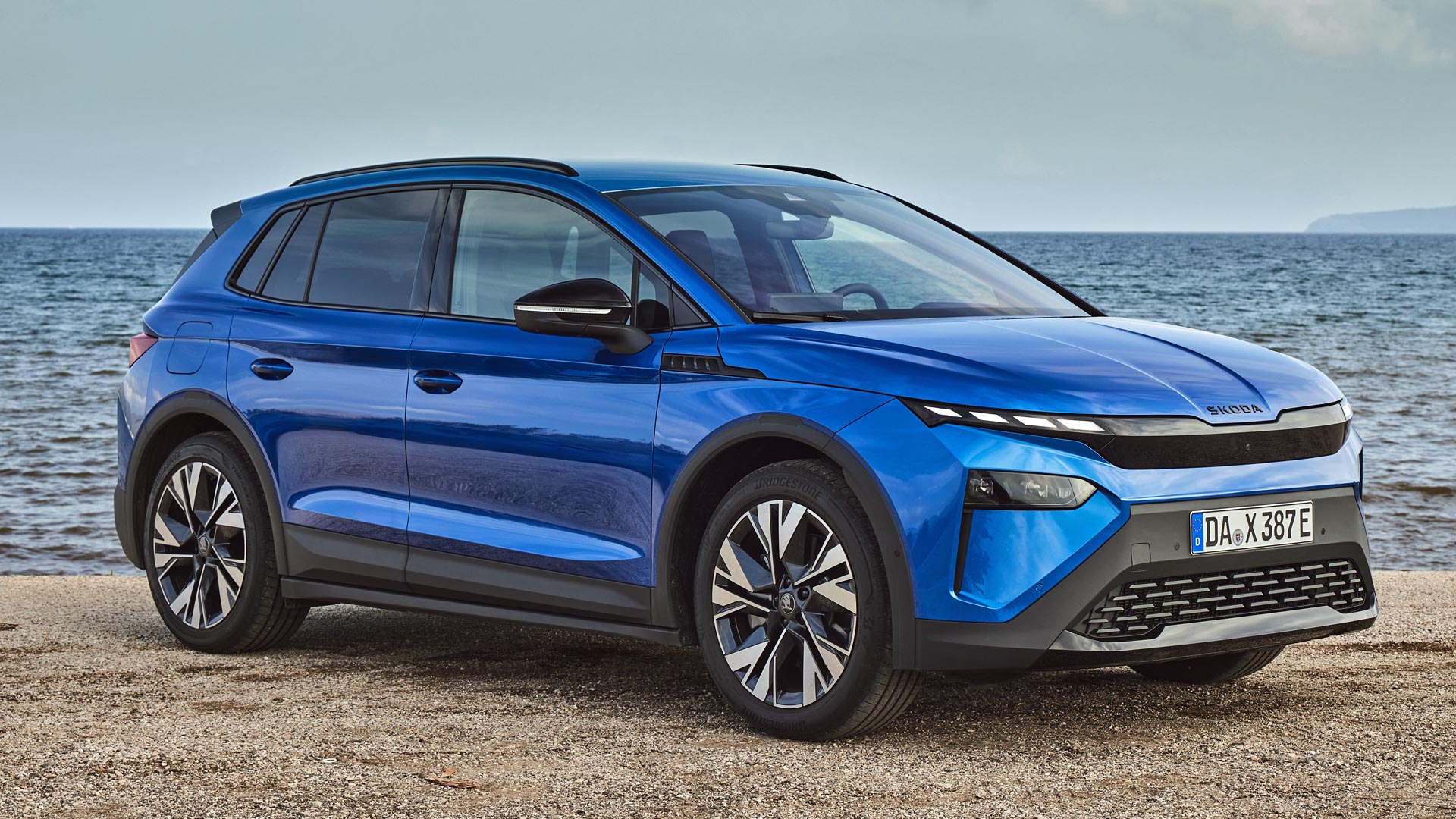
2025 Skoda Elroq
© SkodaThe latest production vehicle to use the MEB platform is the Skoda Elroq, which expands the range of electric SUVs offered by the Czech marque.
Similar in size to a combustion-powered Skoda Karoq SUV, the Elroq’s aerodynamic styling allows for a potential range of up to 361 miles with the largest 79kWh battery.
An Elroq vRS model, with 340hp, is the fastest-accelerating Skoda sold to date, with 0-62mph taking 5.4 seconds.
-

2025 Volkswagen ID.EVERY1 Concept
© VolkswagenVolkswagen is heavily committed to the MEB platform, with the new ID.EVERY1 concept also making use of it.
Slotting into the range between the discontinued Volkswagen Up city car and the electric ID. 2all, the ID.EVERY1 will be the smallest model in the German marque’s electric range.
Featuring a front-wheel-drive layout to maximise interior space, a production version of the ID.EVERY1 could cost less than £17,000 when it reaches showrooms in 2027.
