Cars named after the weather
-

Always take the weather with you
© VWWhen it comes to choosing names for cars, manufacturers have frequently found meteorology to be an inspiration.
Certain car brands in particular have made weather-related names a common theme, sticking with the same idea for decades.
We have chosen 35 cars from around the world that have looked to the skies when it comes to deciding their names:
-

1950 Ford Zephyr
© FordWe start with a quick lesson in ancient history. Zephyrus was a Greek god, said to personify the gentle westerly wind. In European tradition, it means that a zephyr represents a gentle breeze.
Almost as old as the Greek gods, the Ford Zephyr was introduced in 1950. Manufactured by Ford of Britain, the Zephyr was the company’s executive flagship until 1972.
Ford also used the Zephyr name for a range of engines. Confusingly, these included the 68hp six-cylinder unit used to power the saloon itself.
-

1963 Maserati Mistral
© MaseratiMaserati has made naming cars after the weather – and winds in particular – a theme across several decades. The Mistral, launched in 1963, kickstarted the trend for the Italian marque, acting as a successor to the 3500 GT.
The mistral itself is a strong and cold northwesterly wind. It blows from southern France into the northern Mediterranean sea, and is capable of sustaining speeds of up to 31mph.
More impressively, the Maserati Mistral could reach a top speed of up to 145mph.
-

1964 Mercury Comet Cyclone
© FordSold between 1964 and 1972, the Mercury brand made five generations of cars that wore the Cyclone name.
When revealed in 1964, the first-generation car wore the Comet Cyclone badge, intended as a link to its Mercury Comet predecessor.
By 1968, the Cyclone badge was established enough to become the standalone name for the range of coupe and convertible models.
-
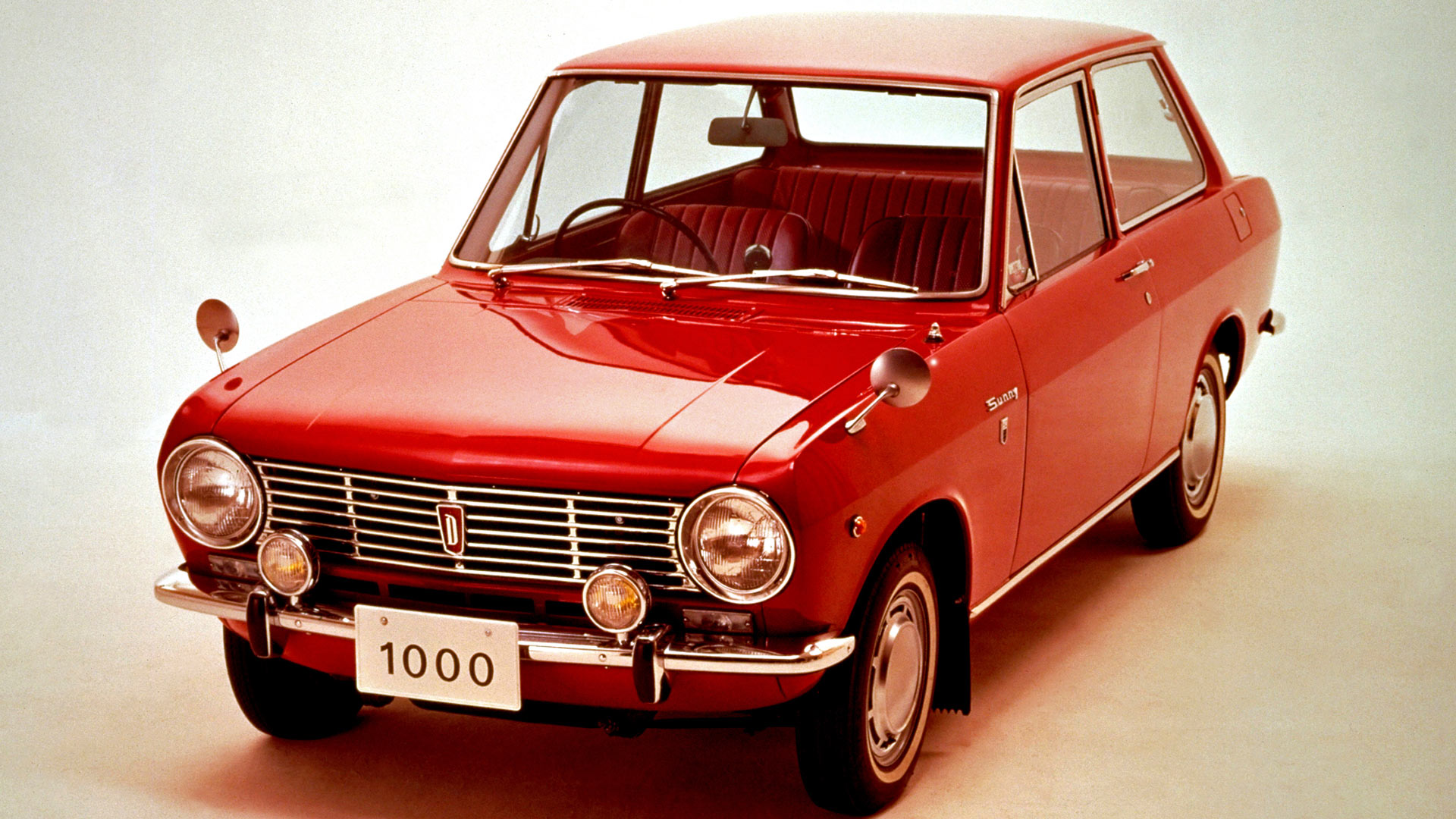
1966 Datsun Sunny
© NissanProving other meteorological factors than the wind exist when it comes to naming cars, here is the Datsun Sunny. Later badged as a Nissan, the Sunny nameplate was first seen in 1966.
Although the Datsun Sunny name was used in Japan, initially the ‘1000’ nomenclature was used for the range of compact cars outside of the domestic market.
It would take Nissan until the 1980s to start using the Sunny name in export markets such as the United Kingdom.
-
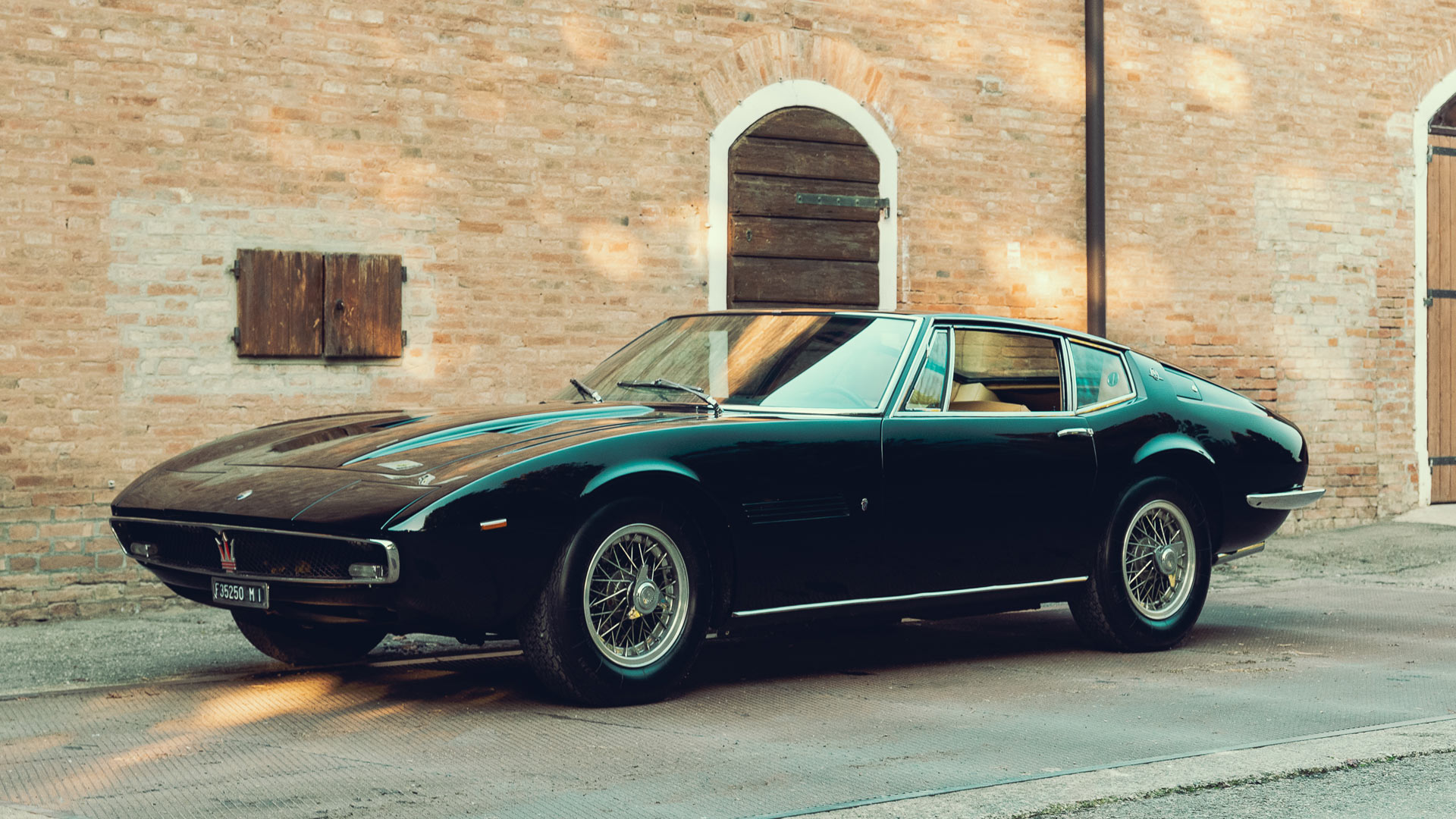
1967 Maserati Ghibli
© MaseratiWhen it came to replacing the Mistral in 1967, Maserati clearly still had big winds on the brain. Accordingly, its new coupe and roadster were called Ghibli.
Maserati has returned to the Ghibli name twice since, using it for a two-door coupe in 1992, then an executive saloon in 2013.
Ghibli is a word taken from the Libyan Arabic name for the hot dry south-westerly wind that blows across the Libyan desert.
-
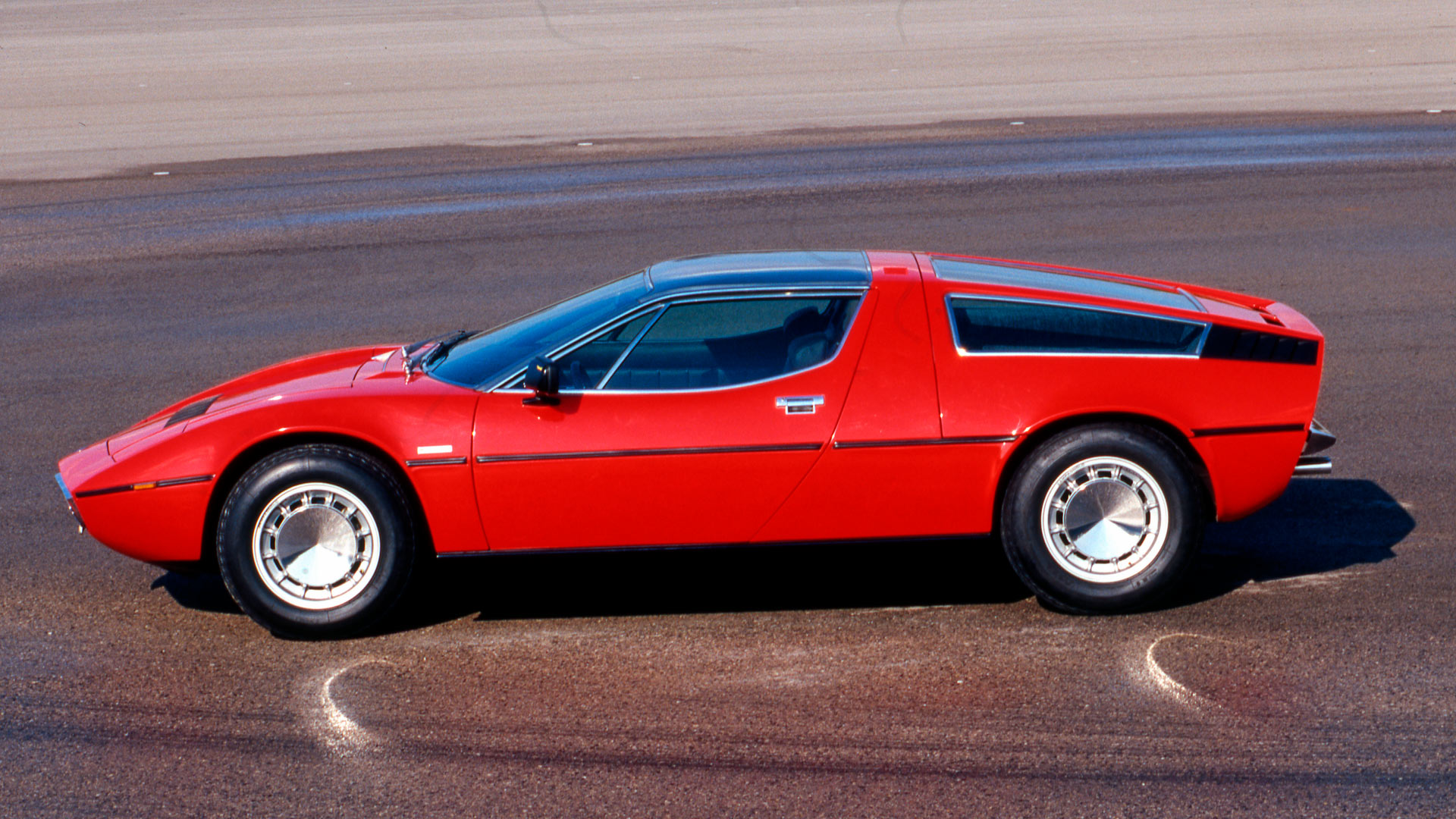
1971 Maserati Bora
© MaseratiMoving into the 1970s, Maserati continued with the wind-based naming theme for its sports cars. The Bora was the marque’s first mid-engined model, featuring rakish styling by Giorgetto Giugiaro, plus a V8 engine offering up to 325hp.
It was also the first Maserati to make use of four-wheel independent suspension, helping propel the brand into the modern age. All this technology made the Bora one of the most expensive cars sold during the 1970s.
The bora wind blows in a north to north-easterly direction, crossing areas around the Adriatic Sea.
-
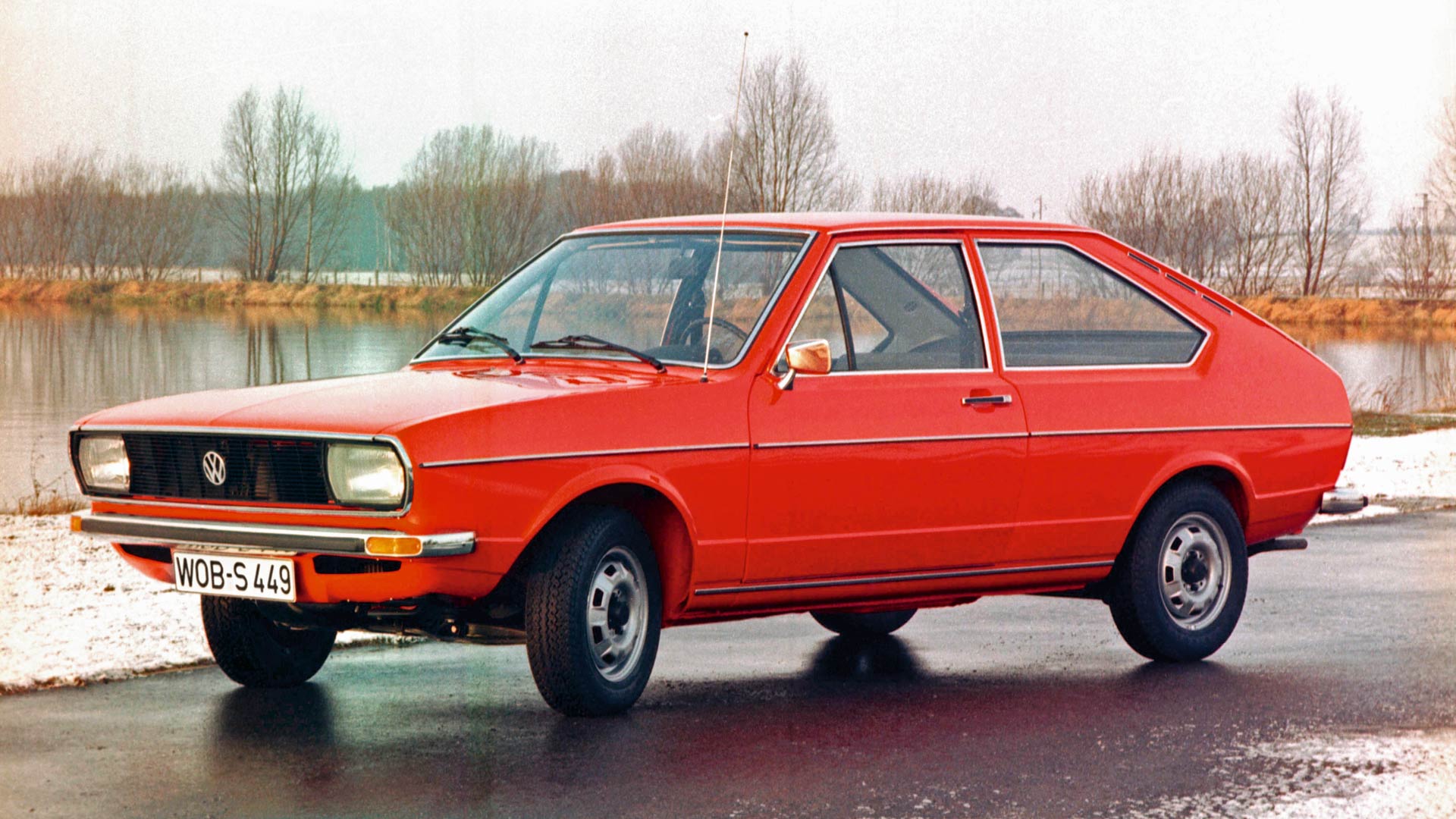
1973 Volkswagen Passat
© VWSimilar to Maserati, Volkswagen developed something of an obsession with naming cars after winds during the 1970s.
The first-generation Passat helped start the trend for VW, hitting the road in 1973. Its name comes from the German word used to describe the trade winds that blow east to west across the equator.
Now entering its seventh generation of production, the Passat remains a mainstay of the Volkswagen range.
-
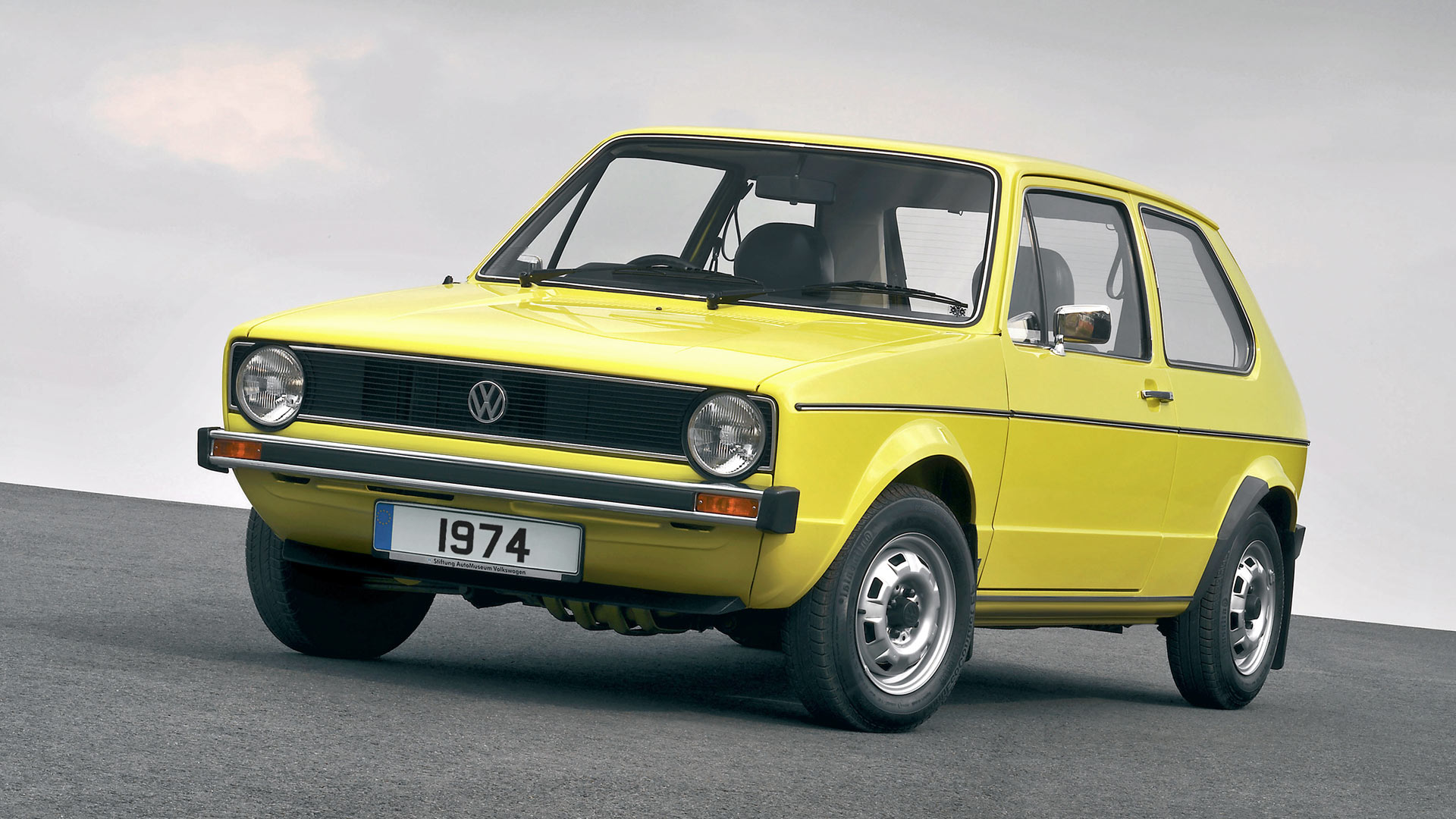
1974 Volkswagen Golf
© VWHands up if you thought that the Volkswagen Golf took its name from the sport?
In fact, the famous hatchback was actually christened after the German word ‘Golfstrom’, which translates into ‘gulf stream’.
It has been noted that ‘Golf’ was also the name of a horse owned by a senior Volkswagen executive, but being launched so close to other weather-related models makes the gulf stream inspiration seem more likely.
-
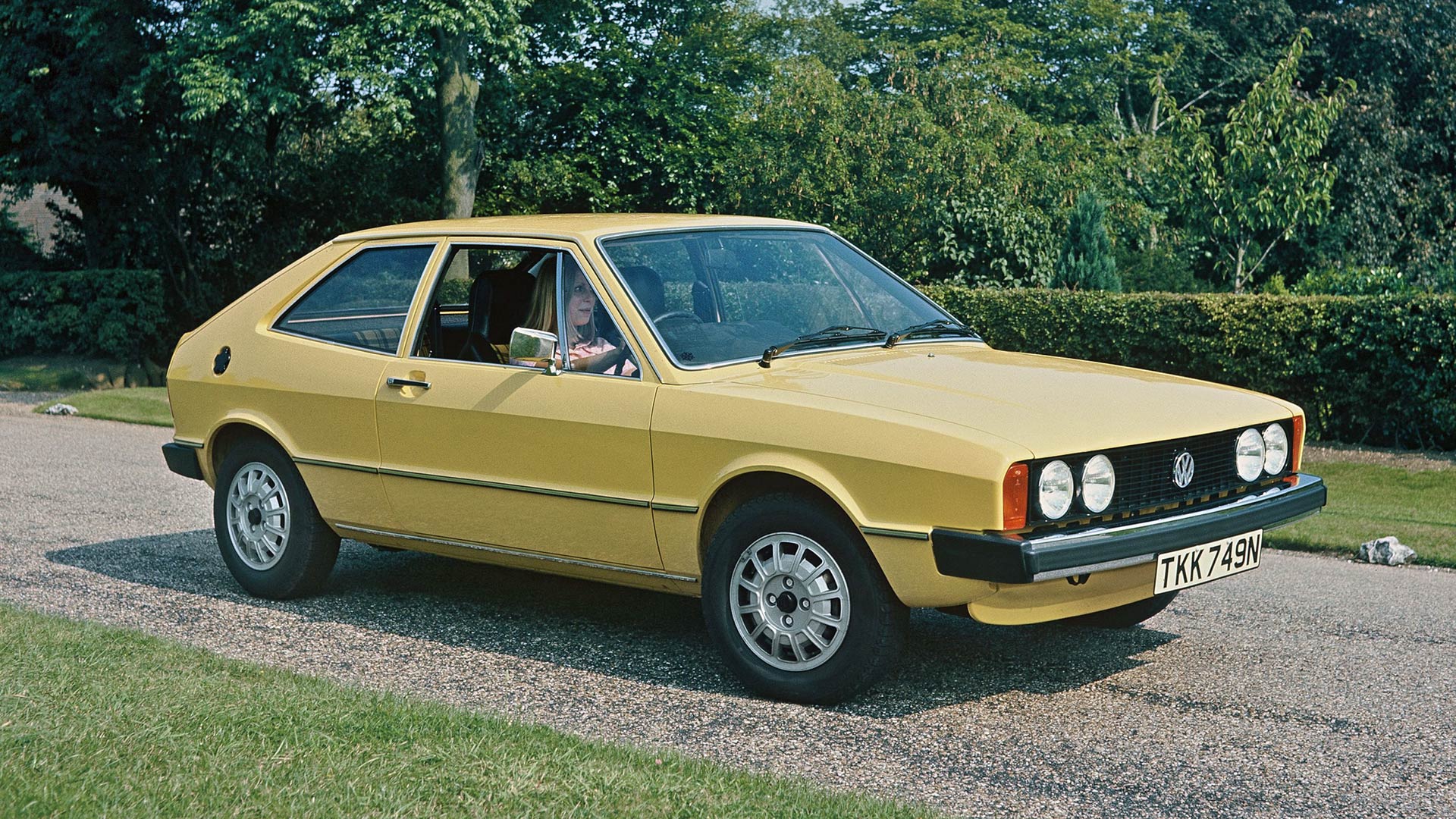
1974 Volkswagen Scirocco
© VWWe’re back to Mediterranean winds with the Volkswagen Scirocco. Known as the scirocco in Italian, or sirocco in French, it actually describes the same breeze that gives the Maserati Ghibli its name.
A sportier, coupe-bodied relative of the Volkswagen Golf, the Scirocco was launched in the same year as its hatchback cousin.
Along with having weather-related names, the Volkswagen Passat, Golf, and Scirocco are all linked through virtue of being designed by Giorgetto Giugiaro’s Italdesign.
-

1975 Volkswagen Polo
© VWThe Volkswagen Polo is celebrating its 50th anniversary in 2025, marking five decades and six generations of this classic supermini.
Much like the Golf, the Polo’s badge seems like it should come from the sport of the same name. However, it is another Volkswagen named after a wind.
This time, it happens to be polar vortexes, the large regions of cold and rotating air found at the Earth’s poles, that provided inspiration.
-
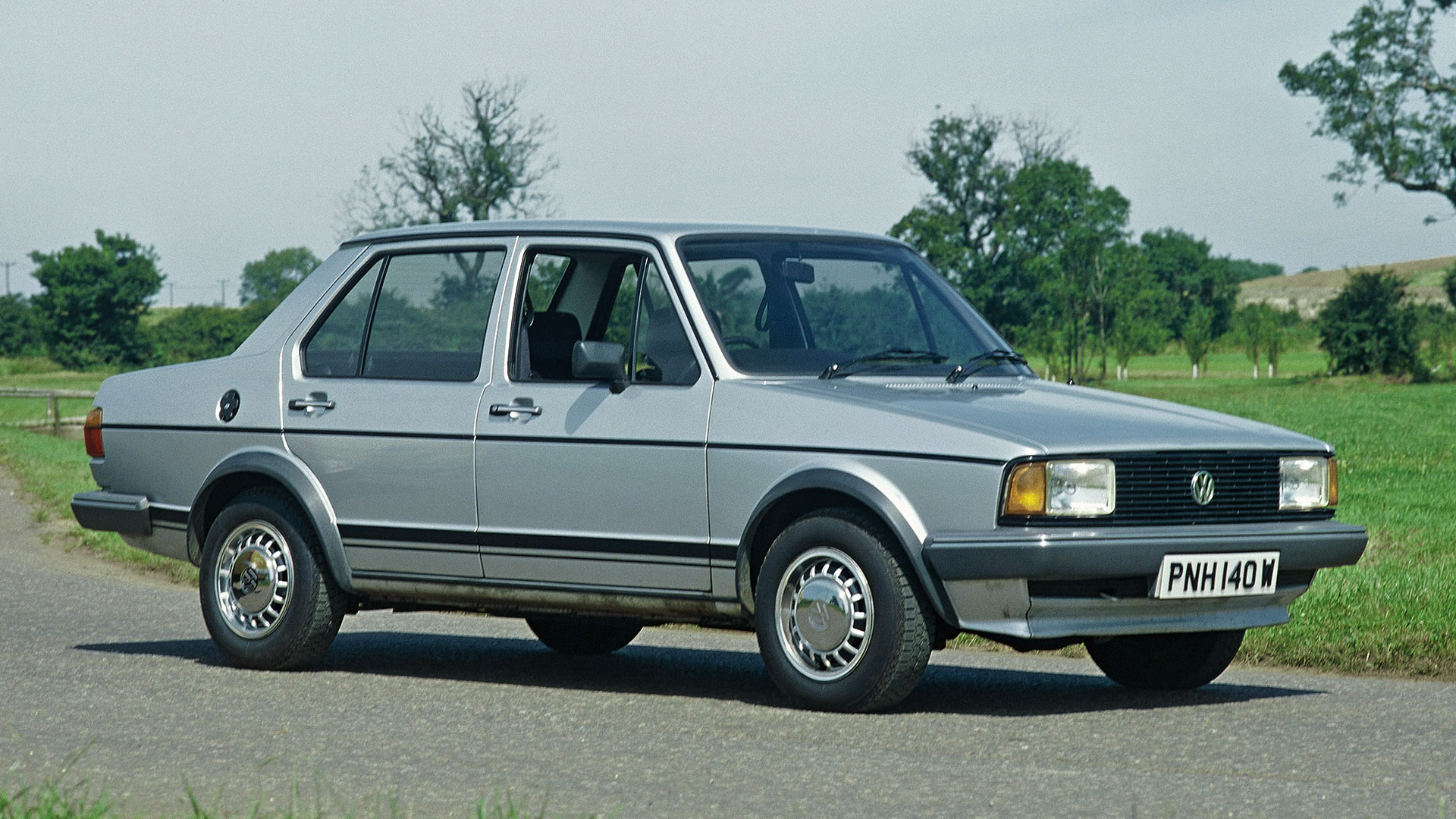
1979 Volkswagen Jetta
© VWBy now you should have figured out the theme to Volkswagen’s car naming system…
For its traditional four-door saloon alternative to the Golf, Volkswagen looked to the jet stream air currents that flow across the Atlantic.
-
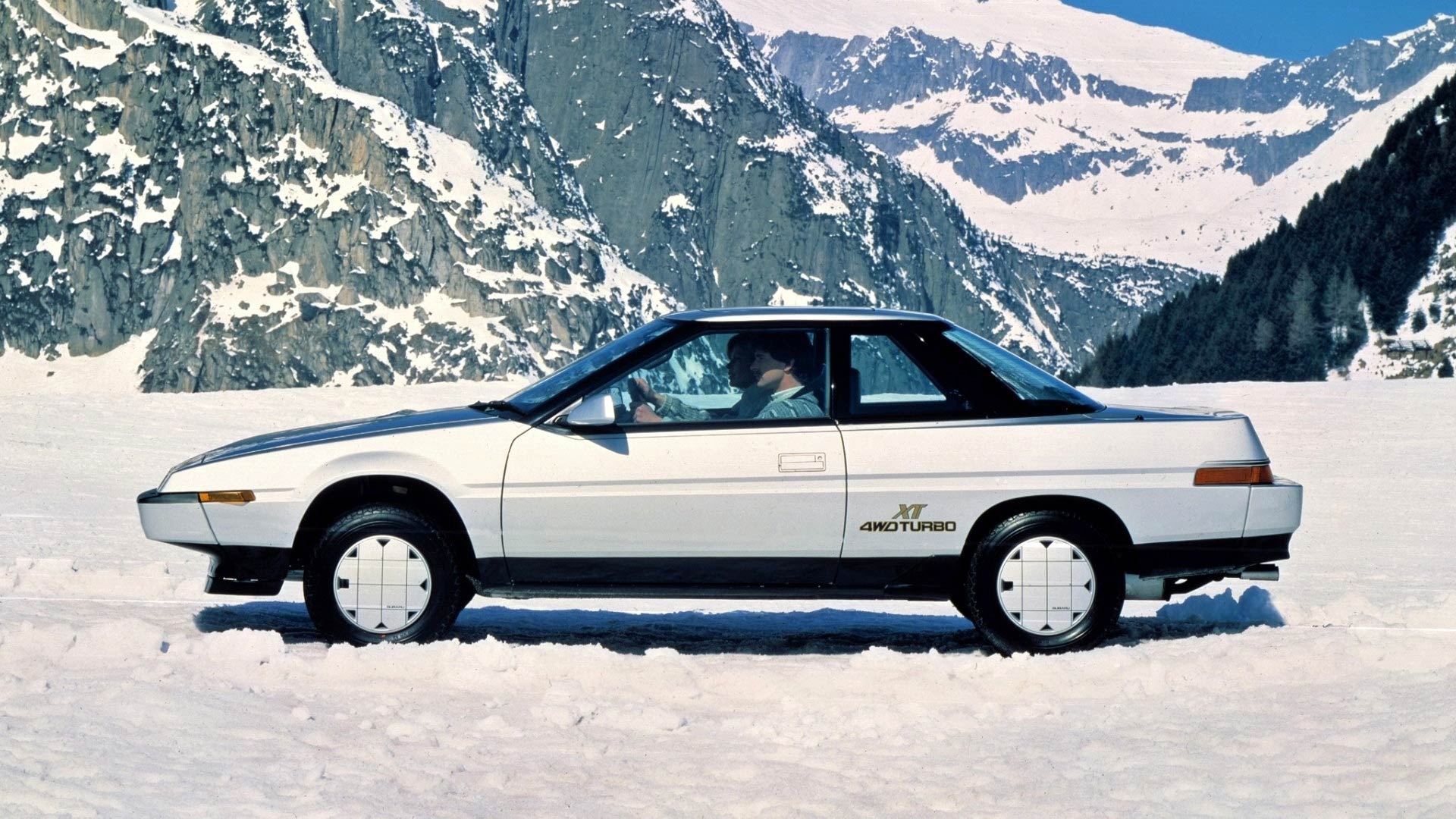
1985 Subaru Vortex
© SubaruWe might be stretching things a little with the Subaru Vortex. This name was only used for the angular-looking coupe when it was sold in Australia and New Zealand.
The Japanese domestic market saw it branded as the Alcyone, while North America and Europe got the compact wedge with the XT name instead.
When new, the Subaru was one of the most aerodynamic new cars on sale, making the Vortex name quite fitting.
-
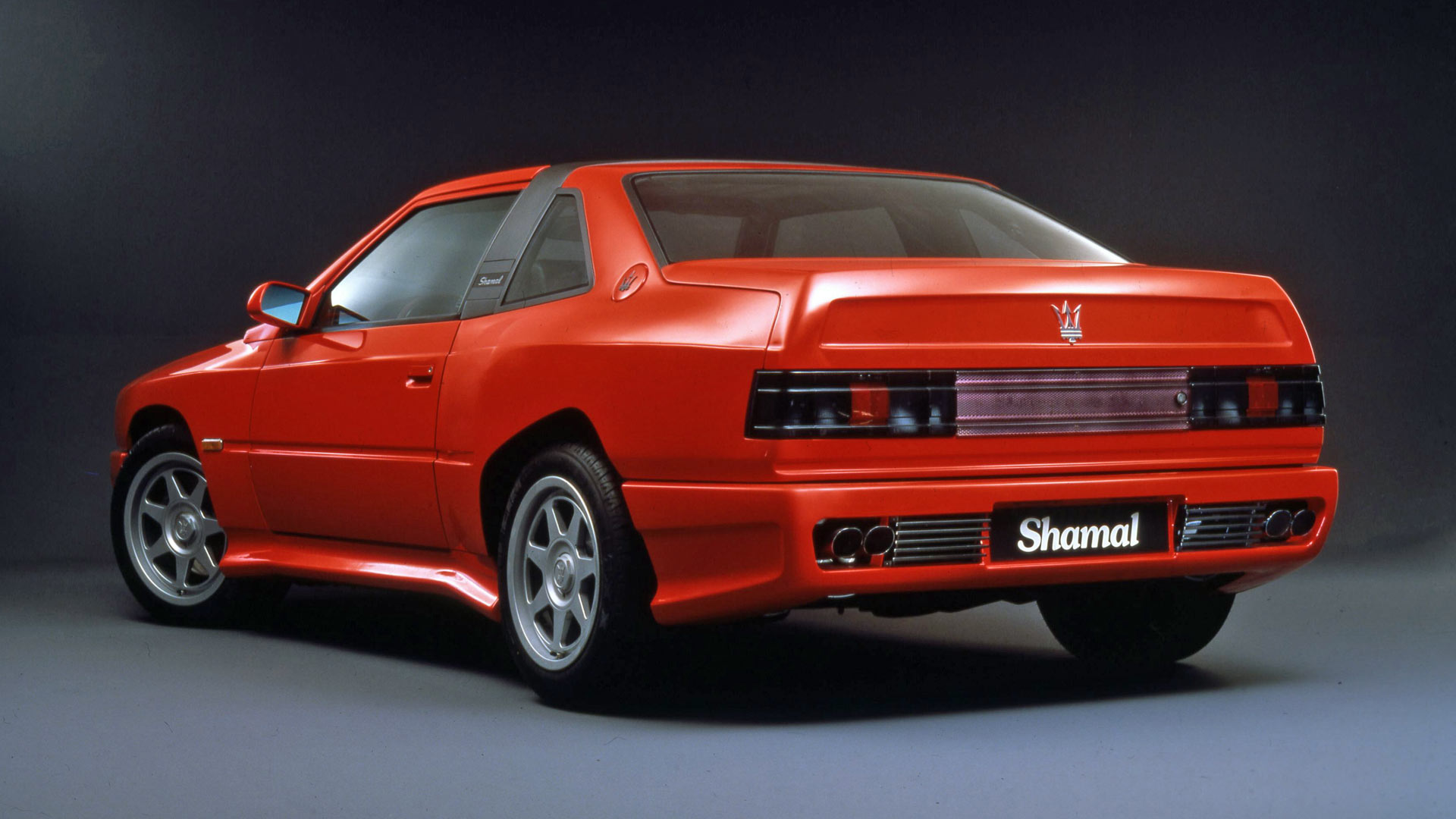
1990 Maserati Shamal
© MaseratiFortunately for Maserati, meteorological textbooks are packed with names for different winds, keeping the Italian marque well-stocked with inspiration.
The Shamal was the company’s first new car of the 1990s, the angular two-door coupe packing a 3.2-litre twin-turbocharged V8 beneath its bonnet. With 322hp, it could reach a top speed of 153mph.
Just as formidable, a shamal is a northwesterly wind that blows across Iraq and Kuwait, typically bringing large sandstorms with it.
-

1991 GMC Syclone
© GMCDuring the early 1990s, American manufacturers decided that heavily modifying pickup trucks and SUVs would be a novel idea. Although commonplace today, vehicles like the GMC Syclone were a genuine shock to the automotive establishment.
With a turbocharged 4.3-litre up front, the Syclone was endowed with 280hp and a considerable 350lb ft of torque. Thanks in part to standard all-wheel drive, it could accelerate from 0-60mph in just 5.3 seconds: on par with contemporary supercars.
Given the history of the Mercury brand using the Cyclone name, the deliberate misspelling for the GMC truck makes sense.
-
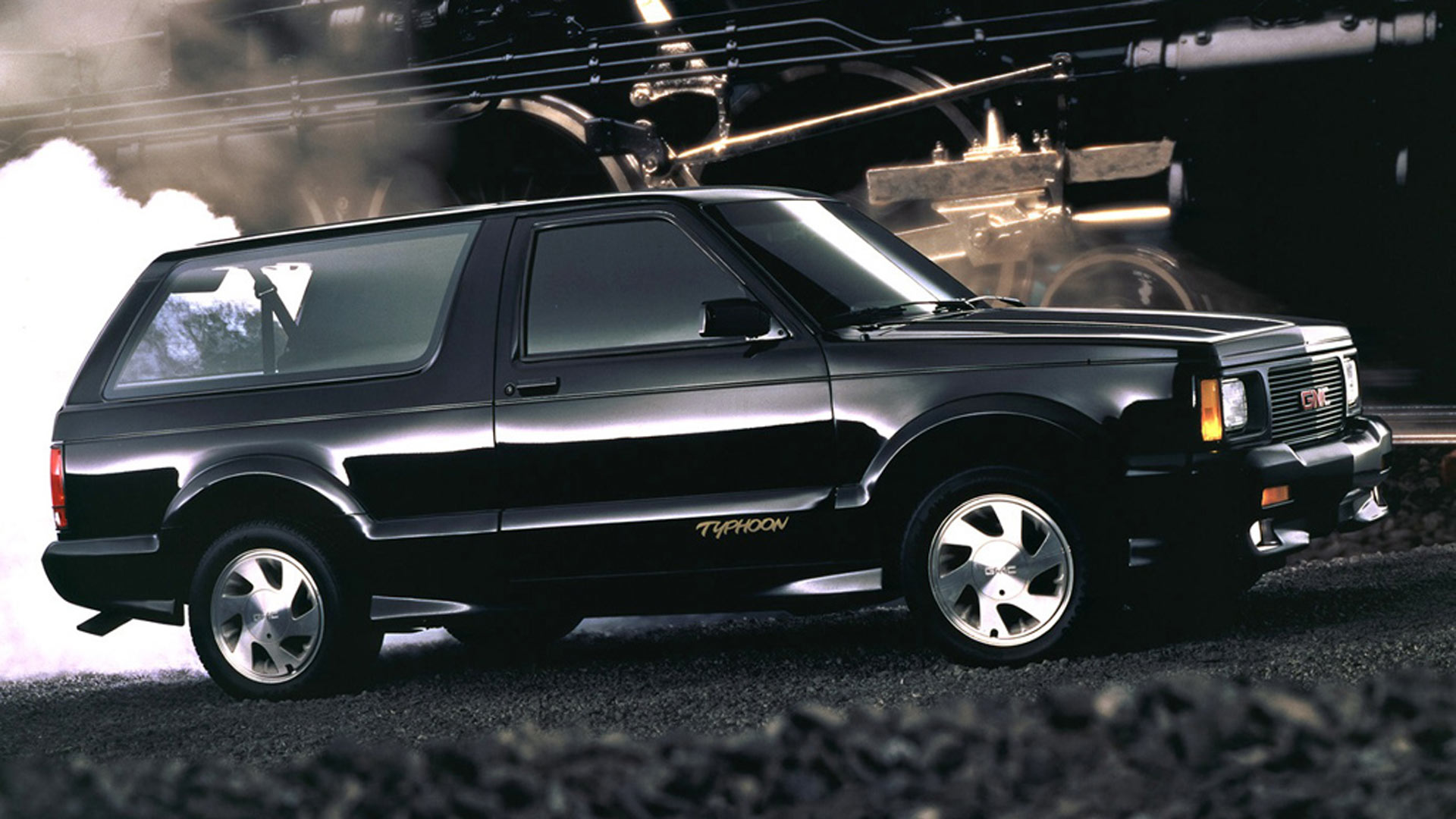
1992 GMC Typhoon
© GMCGMC’s follow-up to the Syclone involved transplanting the same turbocharged 4.3-litre V6 engine into an SUV body, then branding it as the Typhoon.
In fact, the Typhoon gained an extra 10lb ft of torque in the transition to SUV form, but performance remained basically the same.
-
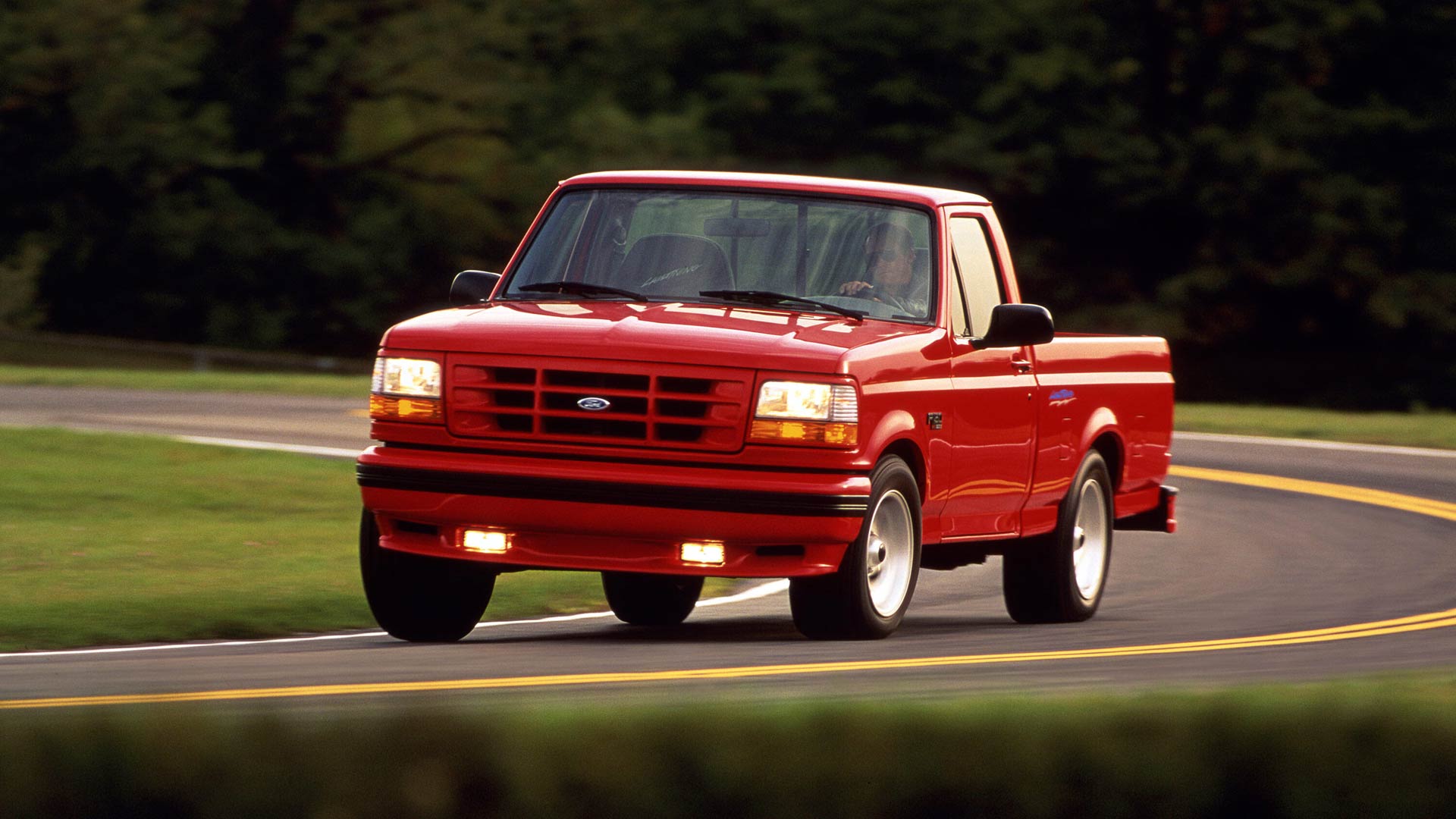
1992 Ford SVT F-150 Lightning
© FordRejoice: it’s a weather-related name not derived from a wind! Ford has become a big fan of the Lightning name, but its first outing was on a pickup truck developed to rival the GMC Syclone.
Developed by Ford’s Special Vehicles Team, the original F-150 Lightning was powered by a 5.8-litre V8 engine, offering 240hp and 340lb ft of torque. A sporty bodykit, along with handling refined by Formula One legend Jackie Stewart, added to its appeal.
Today, the F-150 Lightning name is affixed to Ford’s fully electric pickup truck.
-

1992 Volkswagen Vento
© VWIn the early 1990s, Volkswagen decided that European customers needed a new name for their Golf-based saloon, in the hope of attracting younger buyers.
A quick flick through the dictionary resulted in the choice of Vento – the Italian and Portuguese word for wind. North American customers retained the Jetta name, though, having become quite attached to it.
Although not the most attractive four-door model, the Vento’s big talking point was the option of a 2.8-litre VR6 engine.
-
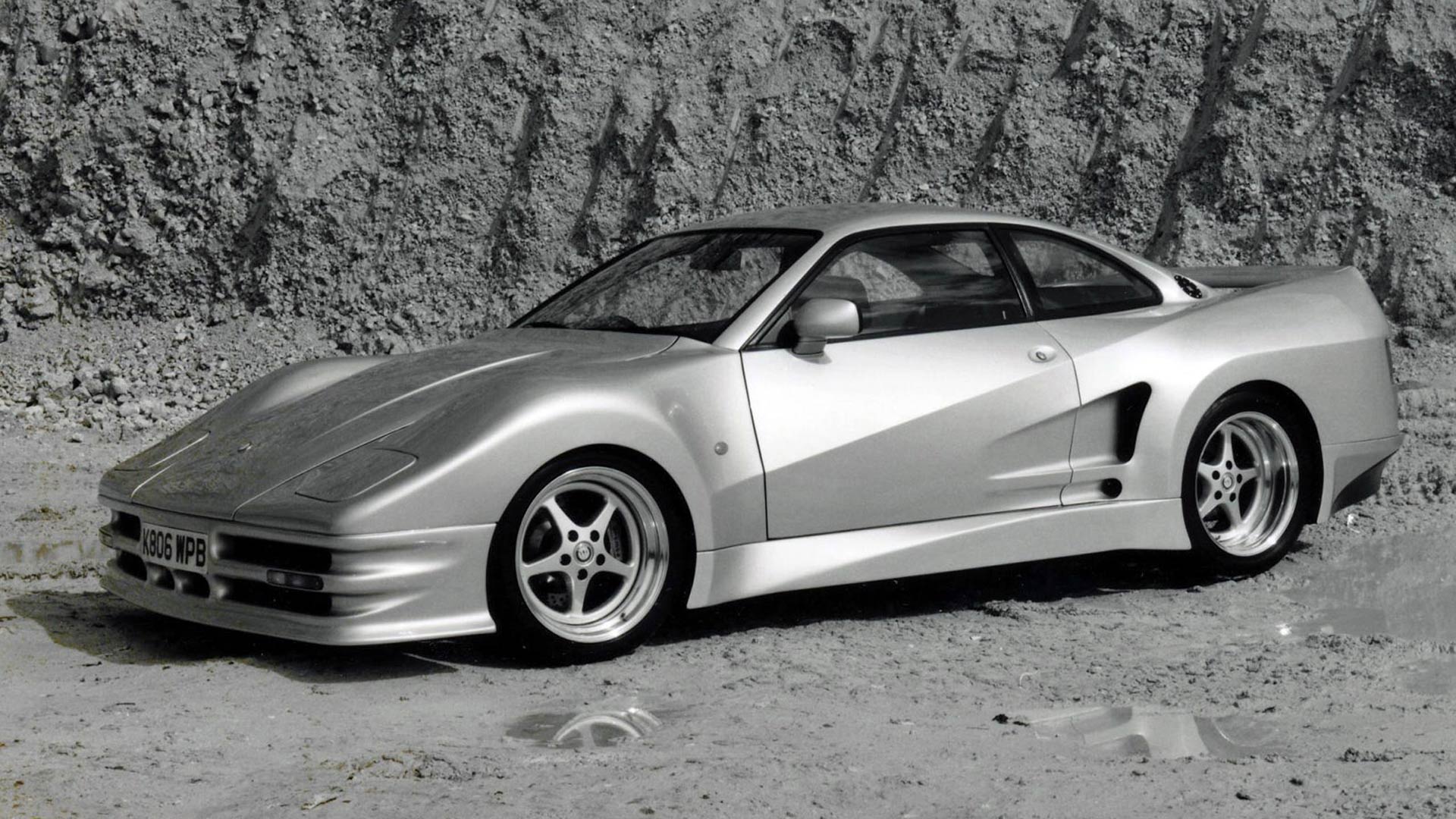
1993 Lister Storm
© ListerKnown for producing modified versions of the Jaguar XJS, Lister launched its very own low-volume sports car in 1993. Powered by a 7.0-litre Jaguar-sourced V12 engine, the 546hp Storm was capable of reaching more than 205mph.
A colossal price tag for the time meant only four road-going examples of the Storm were sold. Motorsport versions would find greater success, however, taking multiple wins in GT racing.
Intriguingly, the Lister Storm borrowed its doors and windows from the Volkswagen Corrado, which brings us neatly to our next car…
-

1995 Volkswagen Corrado Storm
© VWThe Volkswagen Corrado is a modern classic, with distinctive styling, engaging handling and a selection of engines that included the sonorous VR6.
First launched in 1988, as Volkswagen began bringing Corrado production to a close, it launched a special edition solely for the United Kingdom. Capped at 500 examples, 250 Corrado Storms were made in Classic Green, with the other 250 painted in exclusive Mystic Blue.
A smattering of discreet Storm badges, leather upholstery and 15-inch BBS ‘Solitude’ alloy wheels completed the desirable package.
-
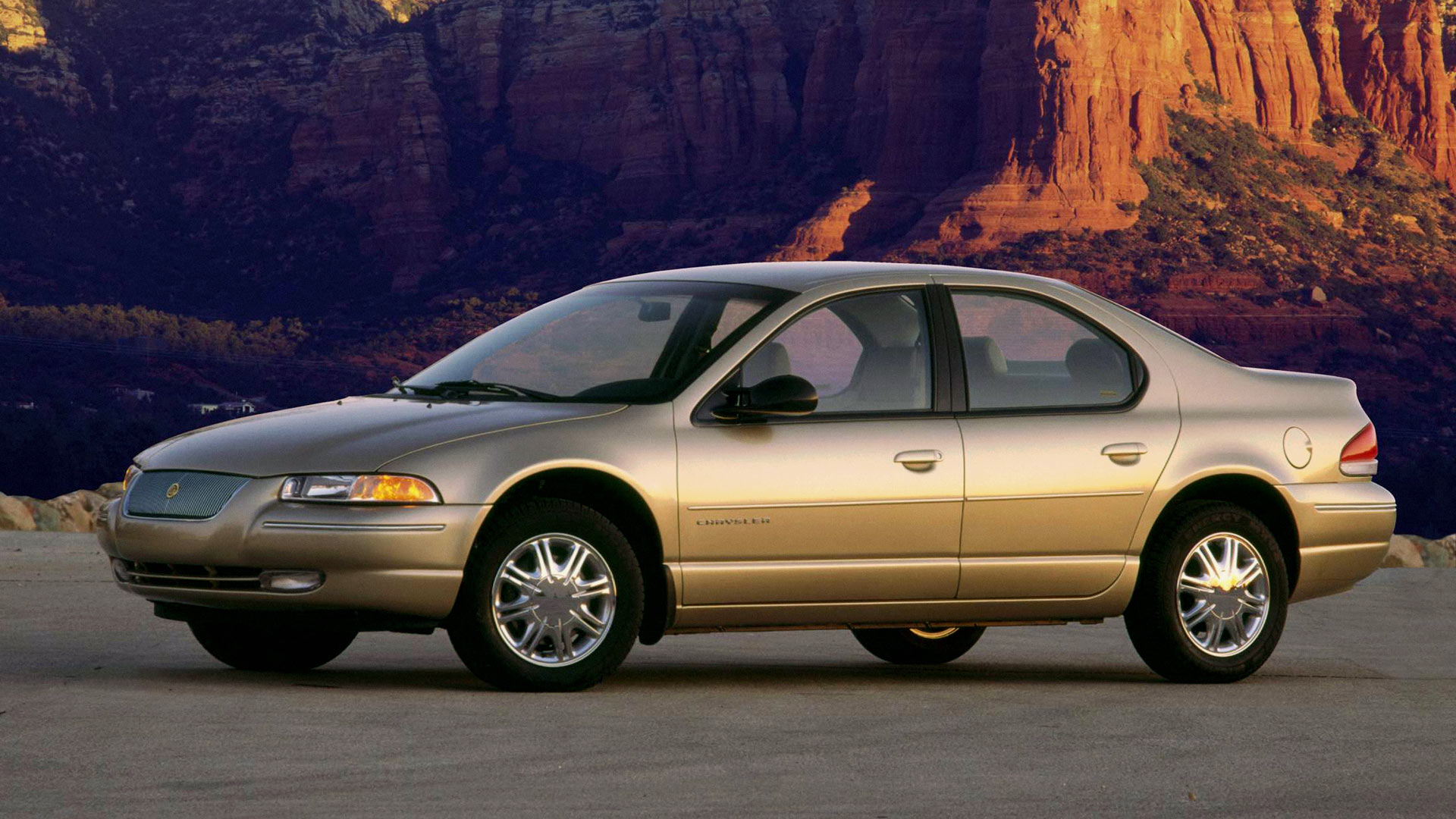
1995 Chrysler Cirrus
© ChryslerMeet the first of the three Chrysler Corporation ‘Cloud Cars’ launched in 1995, all making use of the same JA platform, and all taking their names from meteorological terms.
The Chrysler Cirrus, named after high-altitude clouds, was positioned as the slightly more luxurious model in the Cloud Car lineup, and the most expensive.
Like many Chrysler Corporation cars of the time, the Cirrus featured a bold ‘cab forward’ design, and flowing lines for the four-door saloon.
-
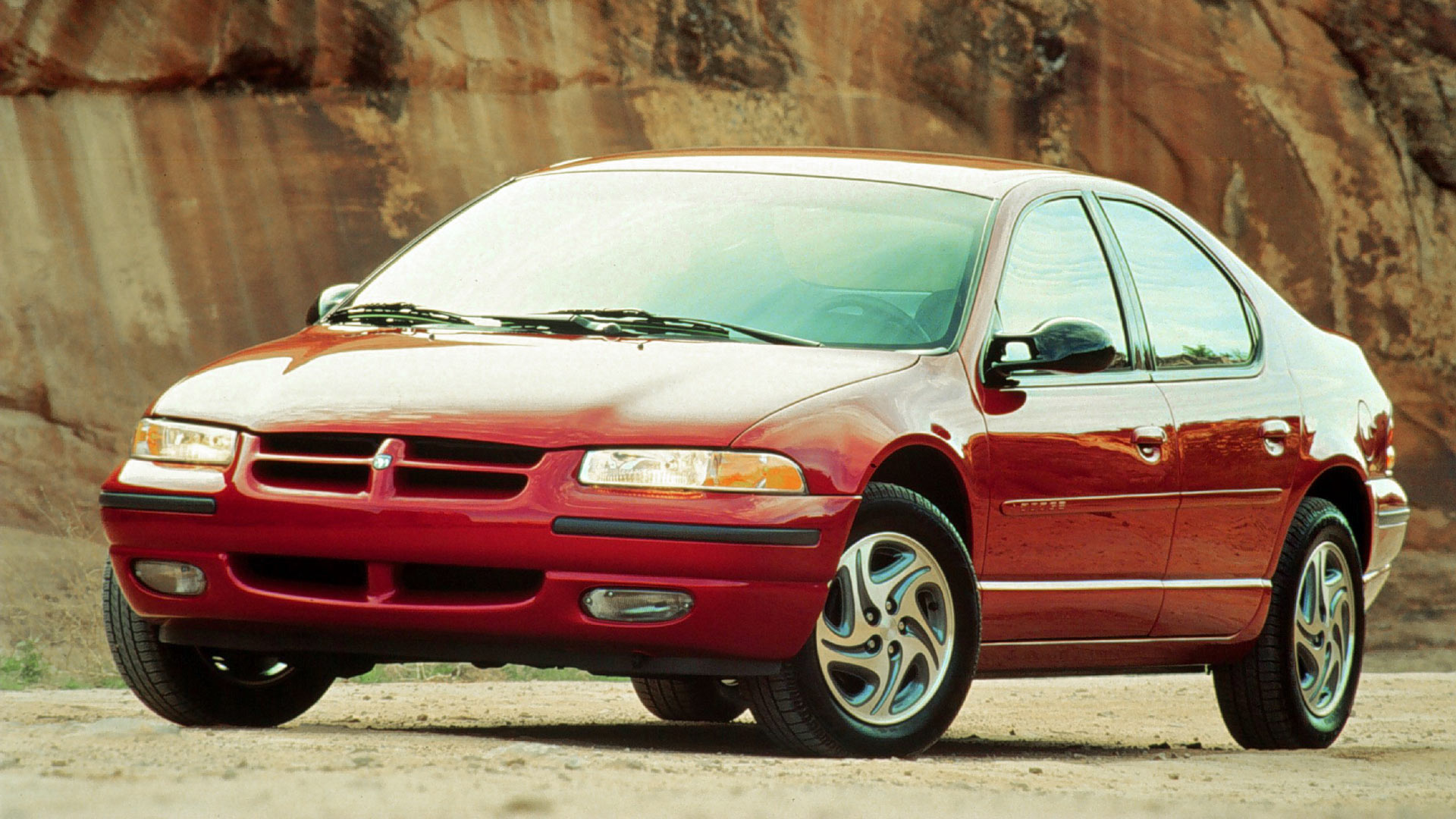
1995 Dodge Stratus
© DodgeThe Dodge-branded Cloud Car was the Stratus, paying homage to the low-level clouds often described as being flat and featureless.
That seems an unfair comparison for the Dodge Stratus, which introduced a slightly sportier take on Chrysler’s styling language.
Later versions of the Stratus wore Dodge’s performance R/T branding, and the car also spawned a coupe version. Compared to its Cloud Car relatives, the Stratus was the longest running name, surviving until 2006.
-

1995 Plymouth Breeze
© StellantisYou will be forgiven for forgetting the Plymouth brand ever existed if you happen to be below a certain age. Chrysler’s budget brand disappeared from sale in 2001, despite a storied history behind it.
The Plymouth Breeze, a name that perhaps needs no explanation, was the cheapest version of the Cloud Car trio. Early versions came without alloy wheels, front fog lights, and even body-coloured door handles – all to save money.
As Chrysler closed down the Plymouth brand, the Breeze was one of the final cars to wear the badge.
-
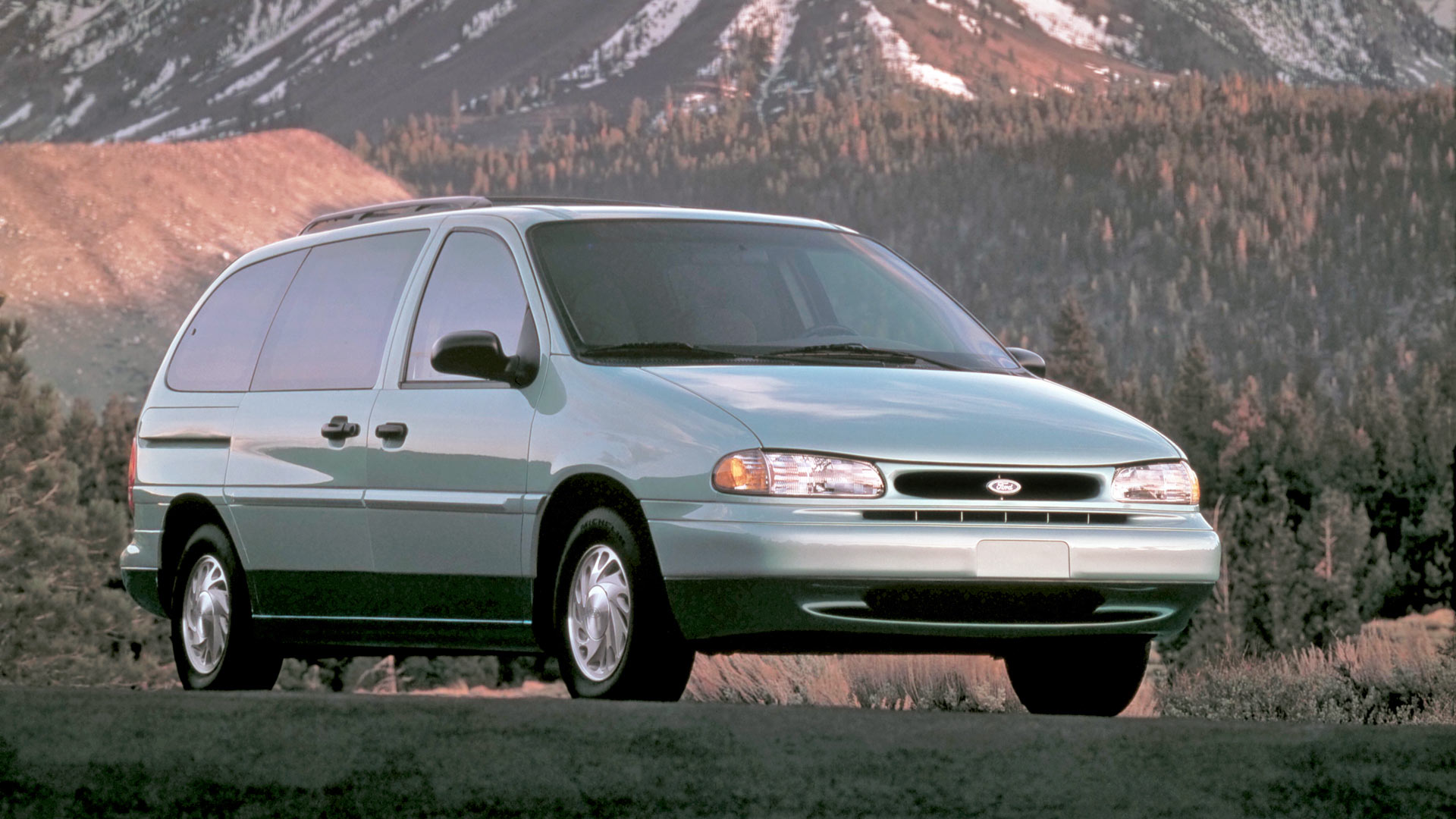
1995 Ford Windstar
© FordProduced at the peak of the MPV craze of the 1990s, the Ford Windstar was released as a replacement for the Blue Oval’s Aerostar range of minivans.
Perhaps the most notable feature about the Windstar was its switch from rear-wheel drive to front-wheel drive: a first for Ford’s flagship MPV.
-

1999 Pagani Zonda C12
© PaganiDelivering a little more excitement than the Ford Windstar, the Pagani Zonda was a stunning debut from the Italian sports car manufacturer.
Making its debut at the 1999 Geneva Motor Show, the Zonda shocked crowds with its dramatic styling. Power came from a mid-mounted Mercedes-Benz V12 engine.
The name is taken from the zonda winds, an Argentinian term for breezes that sweep down from the Andes mountain range.
-

1999 Volkswagen Bora
© VWAnother new version of Volkswagen’s Golf-based saloon meant another new wind-related name for the European market.
Rather than finding a new one, Volkswagen seemingly just borrowed ‘Bora’ – as used by Maserati several decades earlier.
As before, Volkswagen stuck with the Jetta name in North America, and returned to using it in most other markets for the Bora’s replacement in 2005.
-

2000 Ford Puma Thunder
© FordHow do you keep a compact coupe popular in a new millennium? With a host of special editions, of course. Following the initial success of the Ford Puma, the company released a number of limited-run versions in the early 2000s.
One of the most memorable was the Thunder, sold between 2000 and 2002. It accounted for many of the final Puma models made.
Buyers could choose between Moondust Silver or exclusive Magnum Grey paint, with a black leather interior also included as standard. A six-disc CD autochanger and multi-spoke alloy wheels were part of the package, too.
-
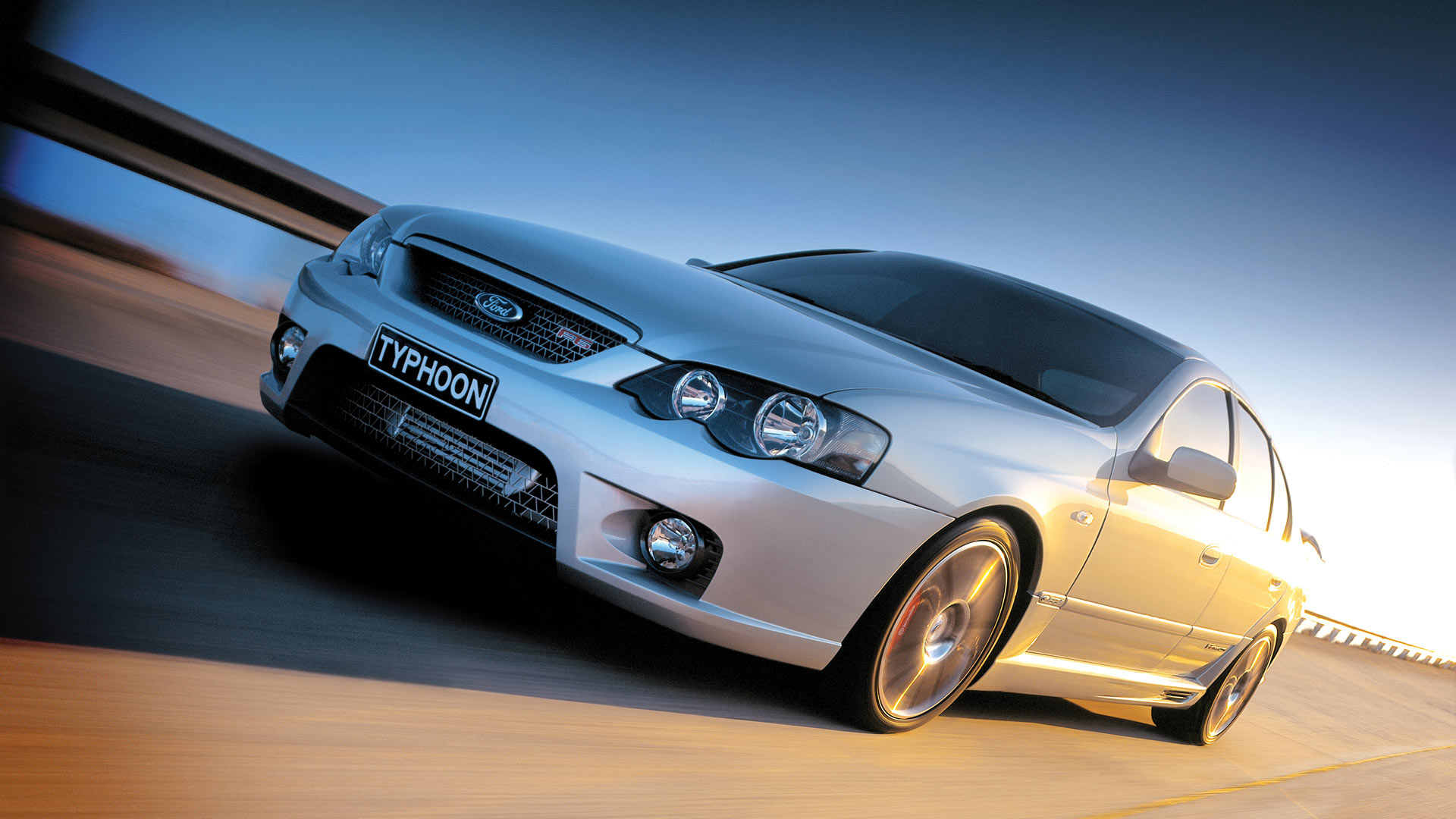
2004 FPV F6 Typhoon
© FordBetween 2002 and 2014, Ford Performance Vehicles was responsible for building modified versions of Ford Falcon for the Australian market.
These included the F6 Typhoon, based upon the BA MkII generation of the Falcon and featuring a turbocharged 4.0-litre straight-six engine. Producing 362hp and 406lb ft of torque, the Typhoon made for a seriously muscular saloon car.
-

2004 FPV F6 Tornado
© FordFor Australians who wanted a muscle car with extra practicality, this Falcon-based ‘ute’ also received the same FPV F6 makeover.
This meant a turbocharged 4.0-litre straight-six engine under the bonnet, but with a ‘Tornado’ name this time.
-
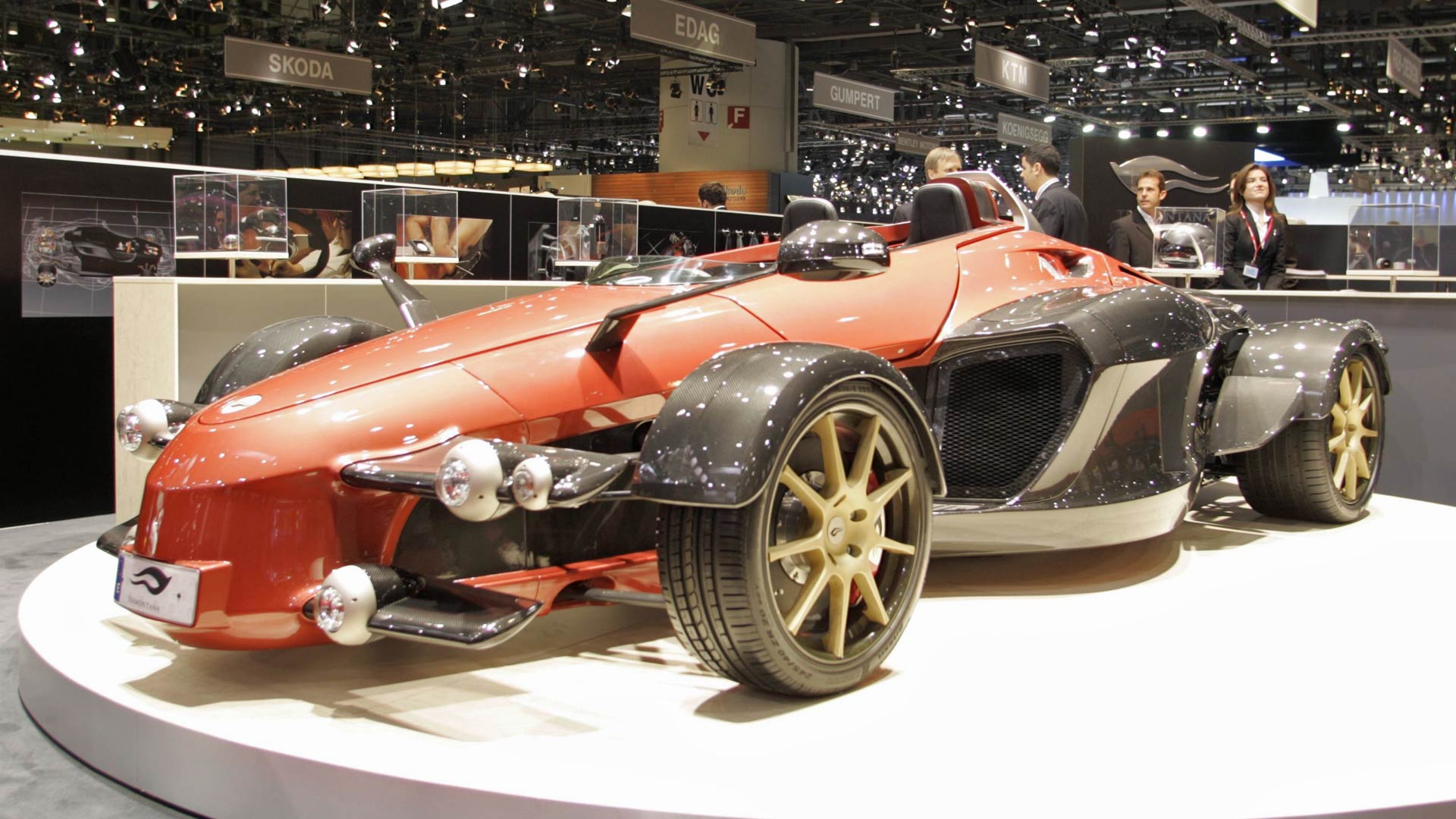
2007 Tramontana
© TramontanaSpanish sports car manufacturer Tramontana produces distinctive sports cars inspired by single-seat racers.
Revealed at the 2005 Geneva Motor Show, the radical-looking Tramontana made use of a 5.5-litre Mercedes-Benz V12 with 710hp. The Formula One-inspired design allows for a top speed of more than 200mph.
As for its name, ‘Tramontana’ is the Galician and Basque spelling of the tramontane, a northern wind that blows across Europe.
-
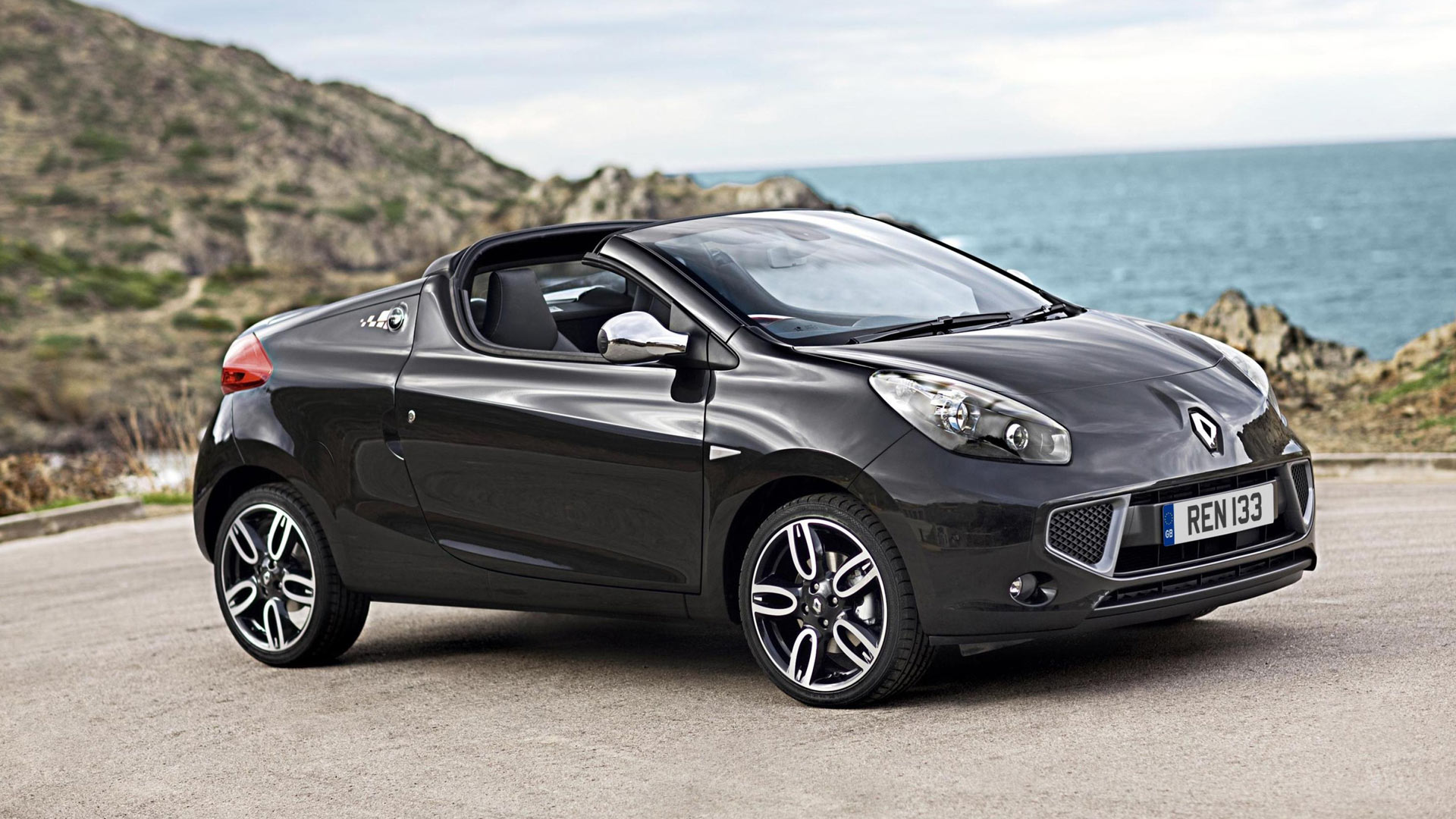
2010 Renault Wind
© RenaultRenault pulled no punches with the Wind convertible, making it abundantly clear what influenced its name.
First revealed as a concept at the 2004 Paris Motor Show, the production car was launched in 2010, and based upon the contemporary Renault Clio.
What made the Wind notable was its one-piece convertible roof, which rotated backwards through 180 degrees, similar to the design used on the 2005 Ferrari Superamerica.
-
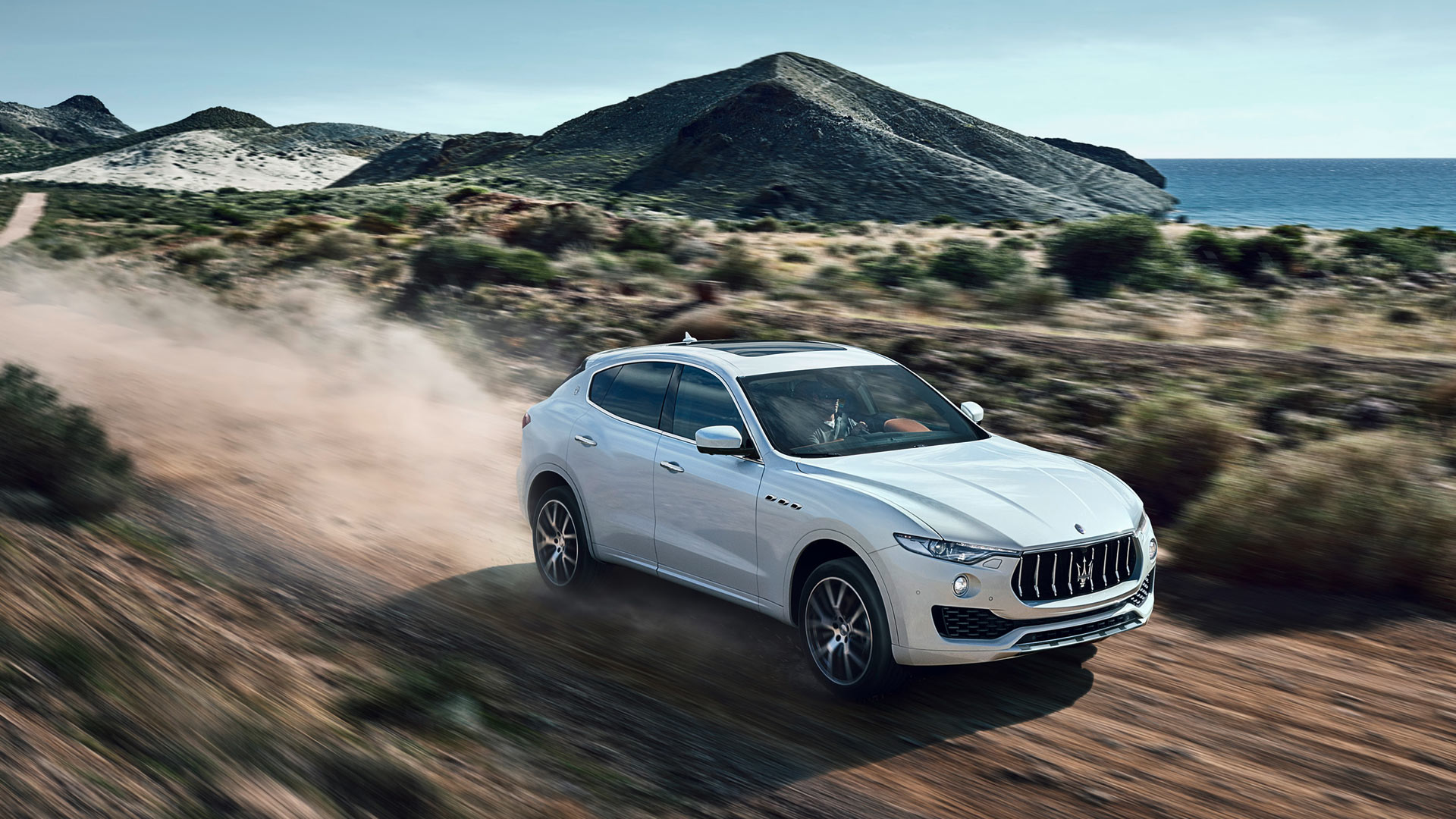
2016 Maserati Levante
© MaseratiMaserati’s first SUV may have been a shock to purists, but at least the Italian marque stuck to traditional naming conventions with the Levante.
Known as the levant, this is a warm easterly wind that blows across the western Mediterranean Sea, then into southern France.
-

2020 Hennessey Venom F5
© HennesseyTexas-based Hennessey has a reputation for producing extreme vehicles, including the Venom GT that set an unofficial speed record by exceeding 270mph.
For the follow-up model, Hennessey has even bigger plans, with the promise of its 1,817hp Venom F5 being able to exceed 300mph.
The name is a reference to the F5 rating on the Fujita tornado scale, noted for when wind speeds are between 261mph and 318mph.
-
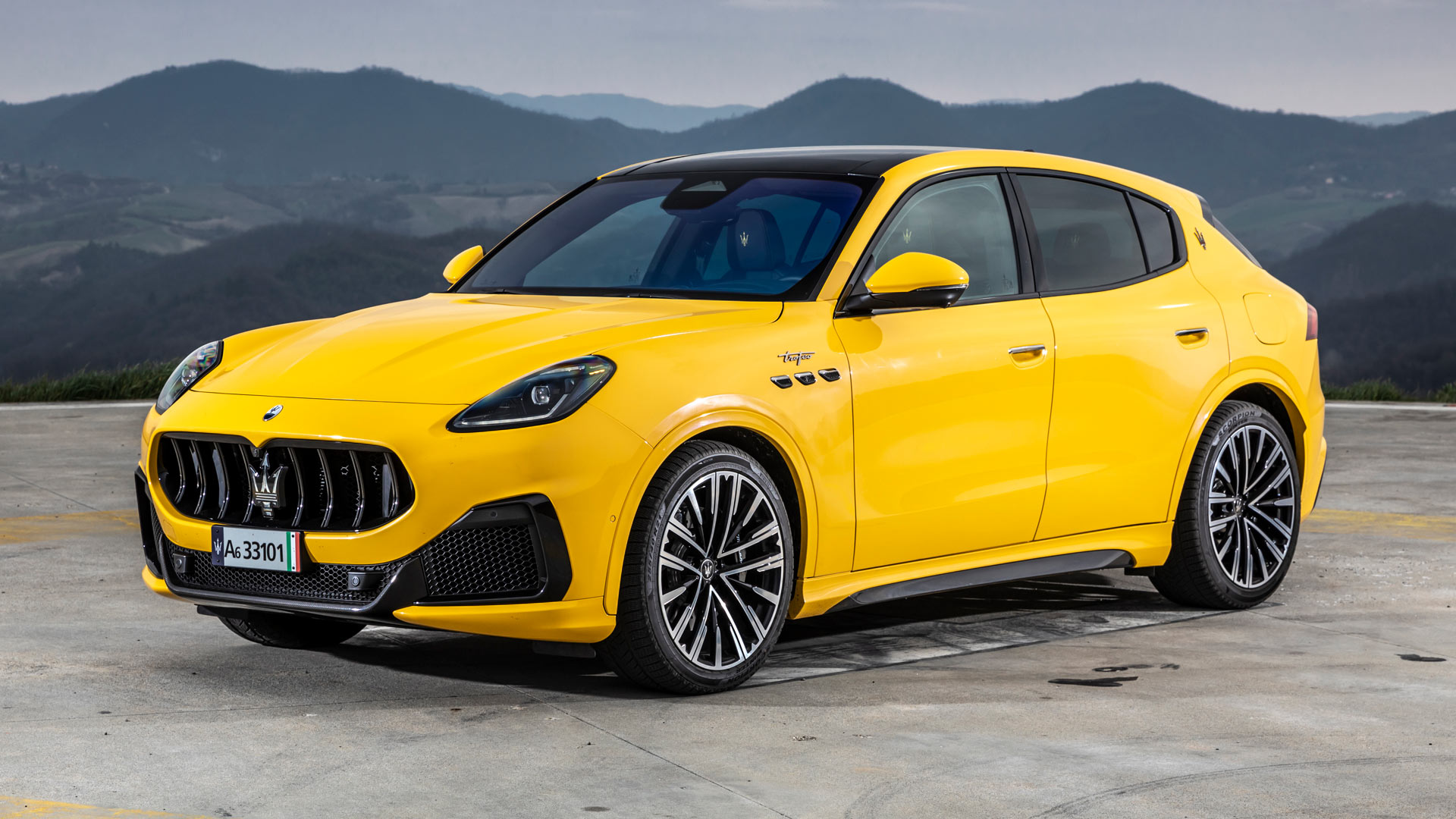
2022 Maserati Grecale
© MaseratiIn a surprise to no one, Maserati opted to give its compact SUV model a name inspired by a Mediterranean wind.
The Grecale represents the future path for Maserati, being developed to use both internal combustion engines and electric powertrains.
Grecale is the Italian name for the northeasterly gregale wind, which usually affects areas of the Mediterranean around Malta.
-
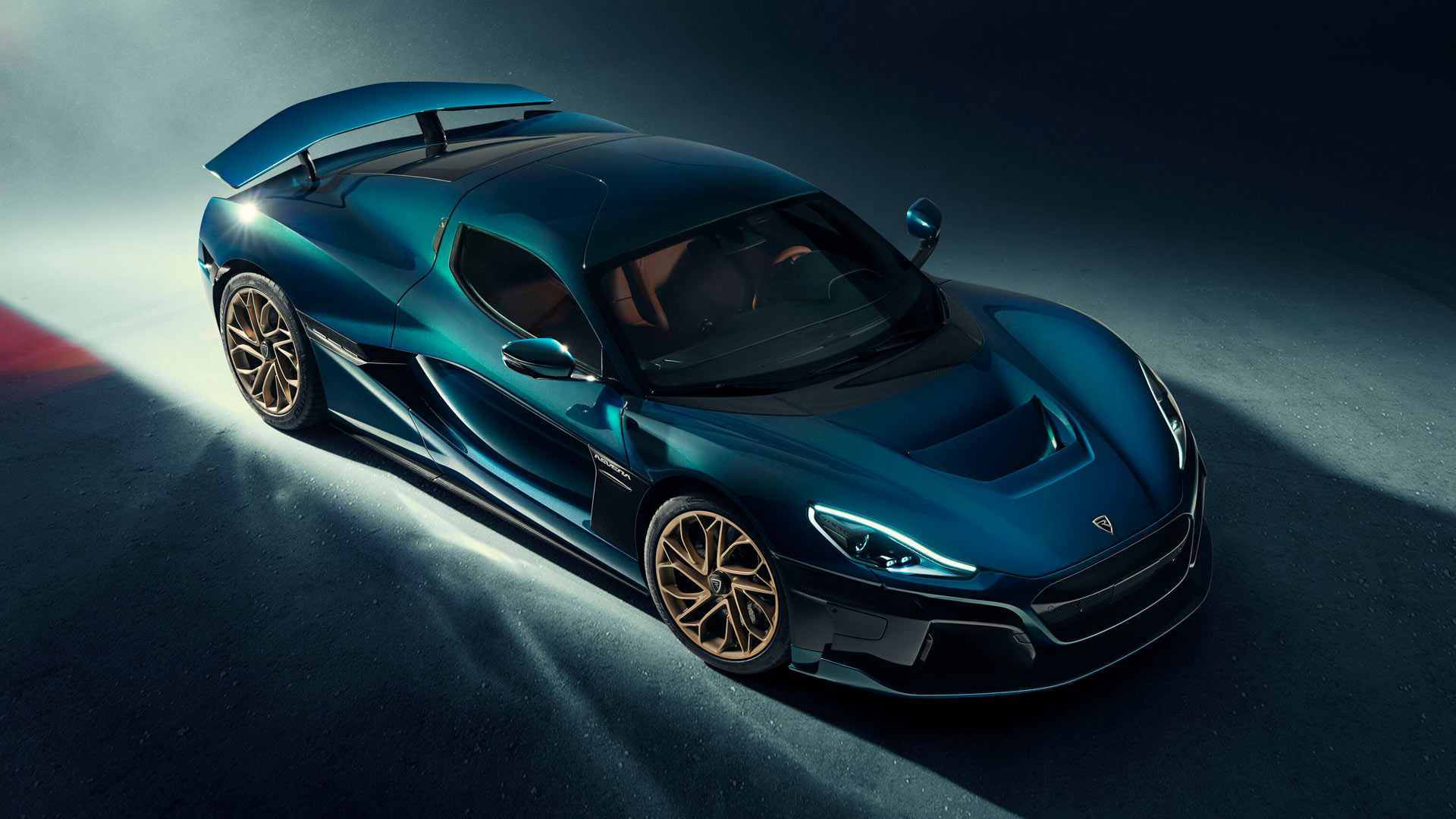
2022 Rimac Nevera
© RimacCroatian manufacturer Rimac Automobili has become one of the leading makers of electric hypercars, having first produced its low-volume Concept One model in 2013.
Entering production in 2022, the Nevera has a colossal 1,888hp, sent to the wheels via four electric motors. Such power allows for a 0-62mph time of less than 2.0 seconds, plus a top speed of 258mph.
The Nevera name is taken from the Croatian word for sudden violent storms that typically appear on the Adriatic coast.
-

2023 Bugatti W16 Mistral
© BugattiRimac Automobili is now a joint venture with Bugatti, helping to link the final two cars on our list.
With the launch of the open-top W16 Mistral, Bugatti borrowed from automotive history, choosing a name used by Maserati several decades earlier.
The first car launched under the Bugatti Rimac partnership, the W16 Mistral became the world’s fastest roadster in late 2024, reaching a verified top speed of 282mph.
Far quicker than the mistral wind, then – or the Maserati that first used its name.
