BMW 3 Series: Every generation from 1975 to today
-
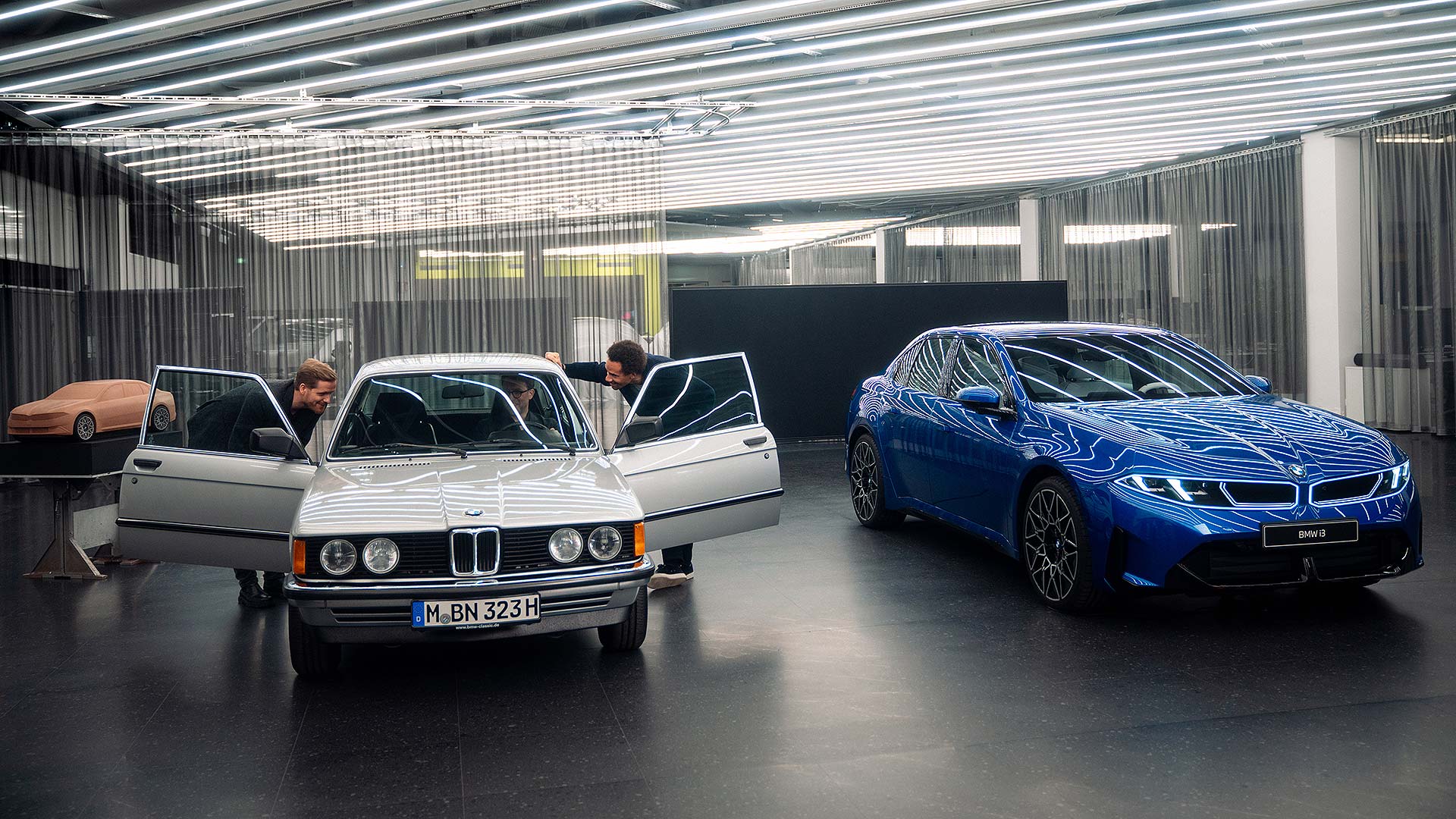
A global phenomenon – now electrified
© BMWThe BMW 3 Series is one of the most instantly recognisable cars in the world, with more than 20 million examples produced since it was first launched.
Last year saw the 3 Series celebrate its 50th anniversary. The original ‘E21’ model was launched in 1975.
Now, the German marque revealed a new electric compact saloon called the i3 – due to go on sale later this year. Although not intended to directly replace the 3 Series, it will give enthusiasts an EV alternative.
A compelling electric alternative too. Along with the ‘Neue Klasse’ styling and radical interior, the new BMW 3 Series will also offer an electric range of over 500 miles, well clear of any rival. If BMW’s promise of engaging driving dynamics holds true too, the latest 3 Series could be yet another winner for the firm.
We have told the complete story of this archetypal executive saloon, covering all seven generations, up to and including the new i3.
-
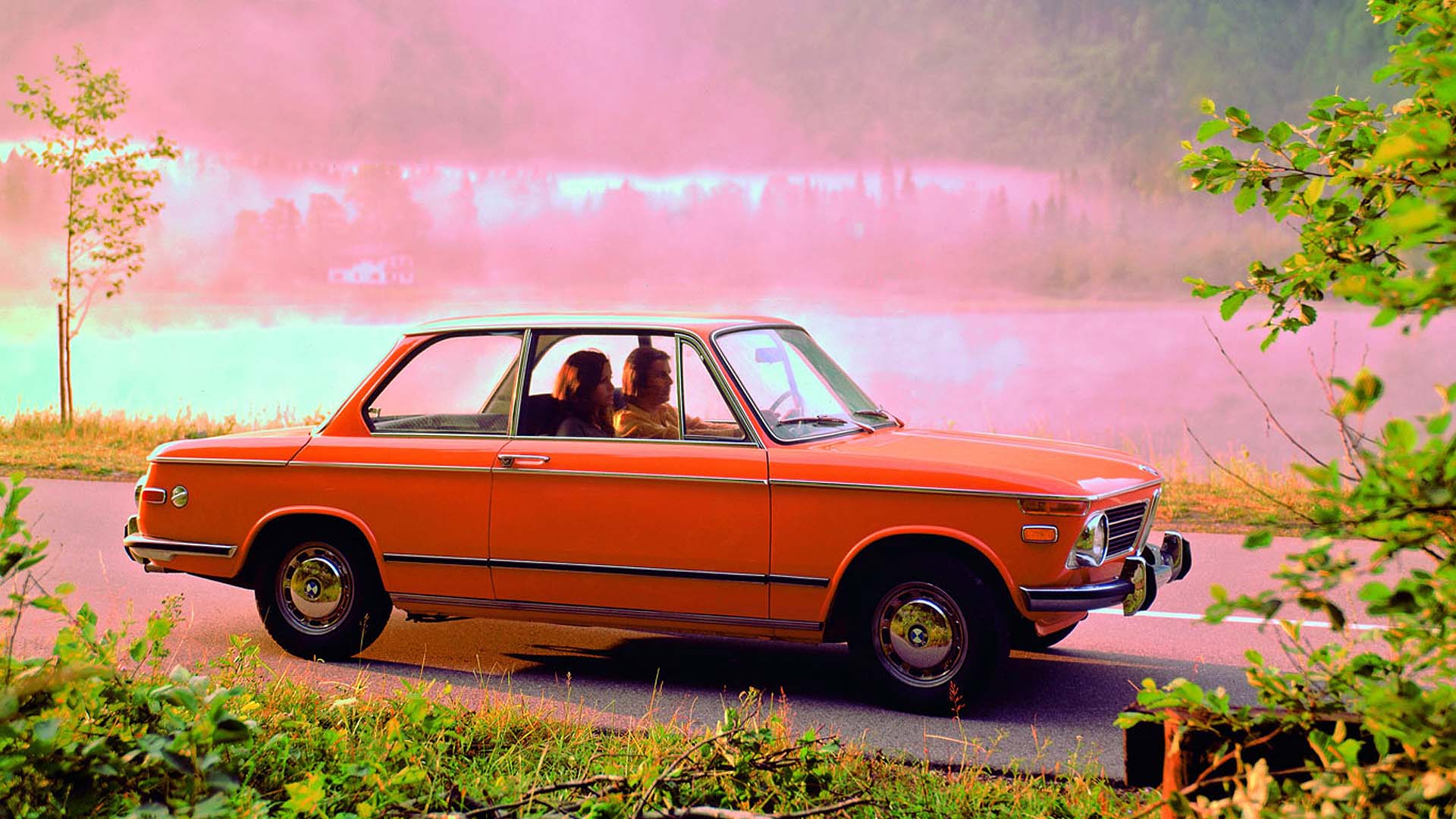
BMW 2002
© BMWNo history of the BMW 3 Series would be complete without first mentioning the BMW 2002. Introduced in the late 1960s, the 2002 laid the foundations for the 3 Series by forging a reputation for reliability and sharp dynamics.
The BMW 3 Series couldn’t have asked for better parentage, with the 2002 selling almost 340,000 examples during its seven-year production run.
-
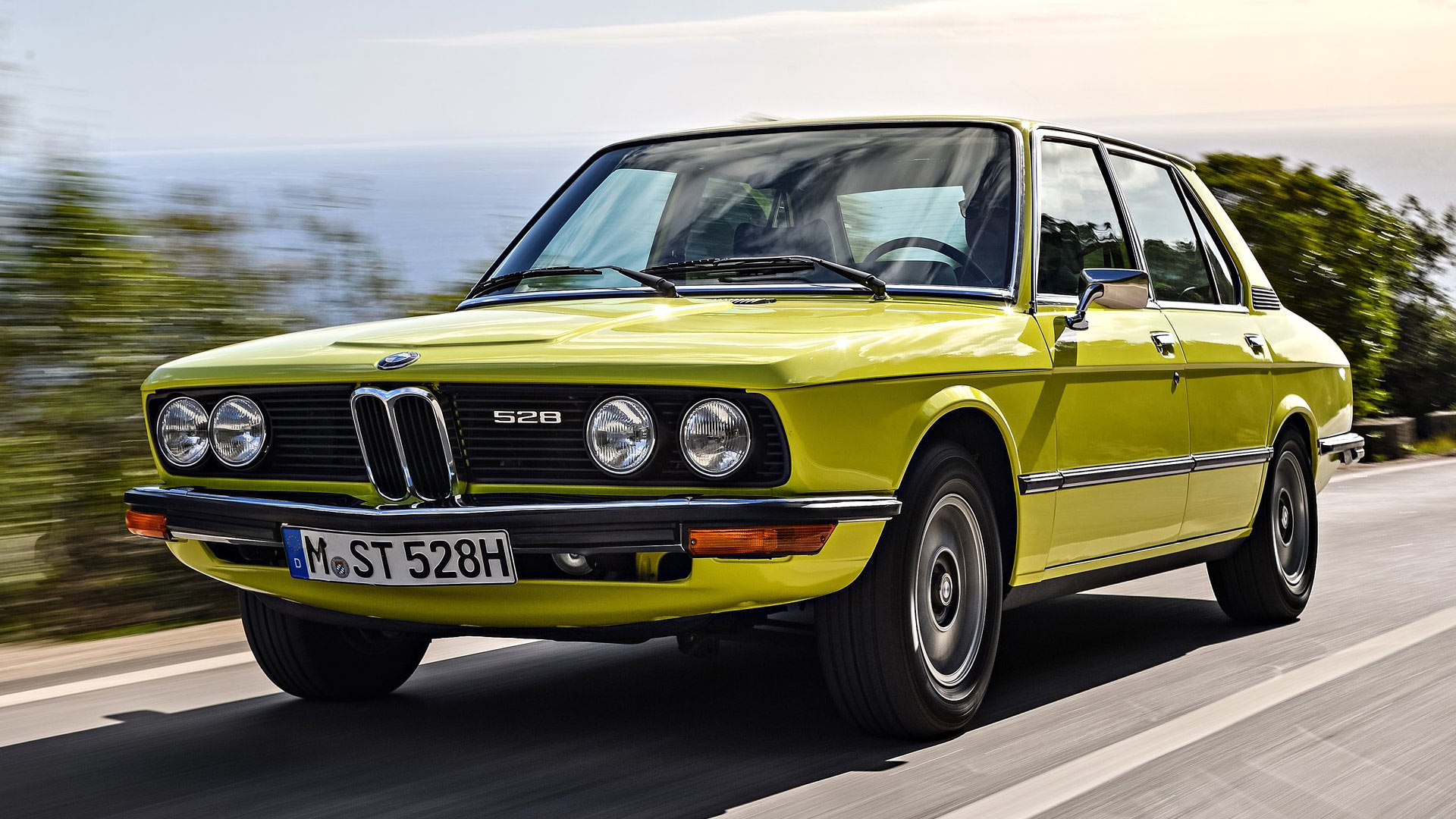
1972 BMW E12 5 Series
© BMWThe first 3 Series was designed to look like a smaller version of the BMW 5 Series (pictured here), which had been launched three years earlier in 1972.
Codenamed the E21, the first 3 Series remained in production until 1984, by which time nearly 700,000 cars had been built.
BMW design director Paul Bracq was responsible for shaping the E12 5 Series, and he went on to style the first 3 Series as well
-
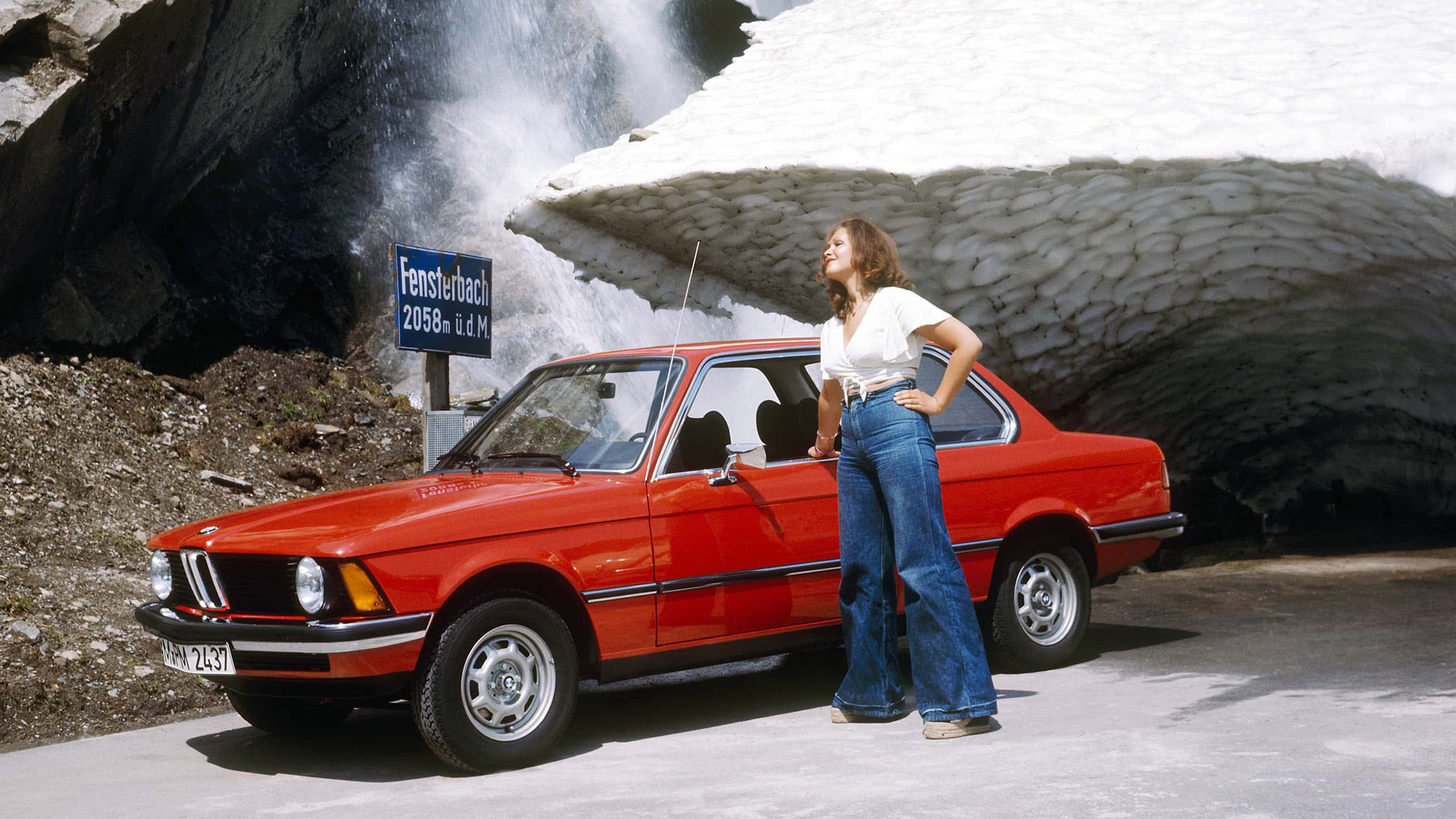
1975 BMW E21 3 Series
© BMWDeveloped over a five-year period and at a cost of 35 million Deutschmarks, the BMW 3 Series – codenamed E21 – was unveiled in July 1975.
At launch, it featured four different four-cylinder engines and was launched in the UK in October 1975. It was the smallest BMW ever developed and, at the time, the most comprehensively engineered.
-
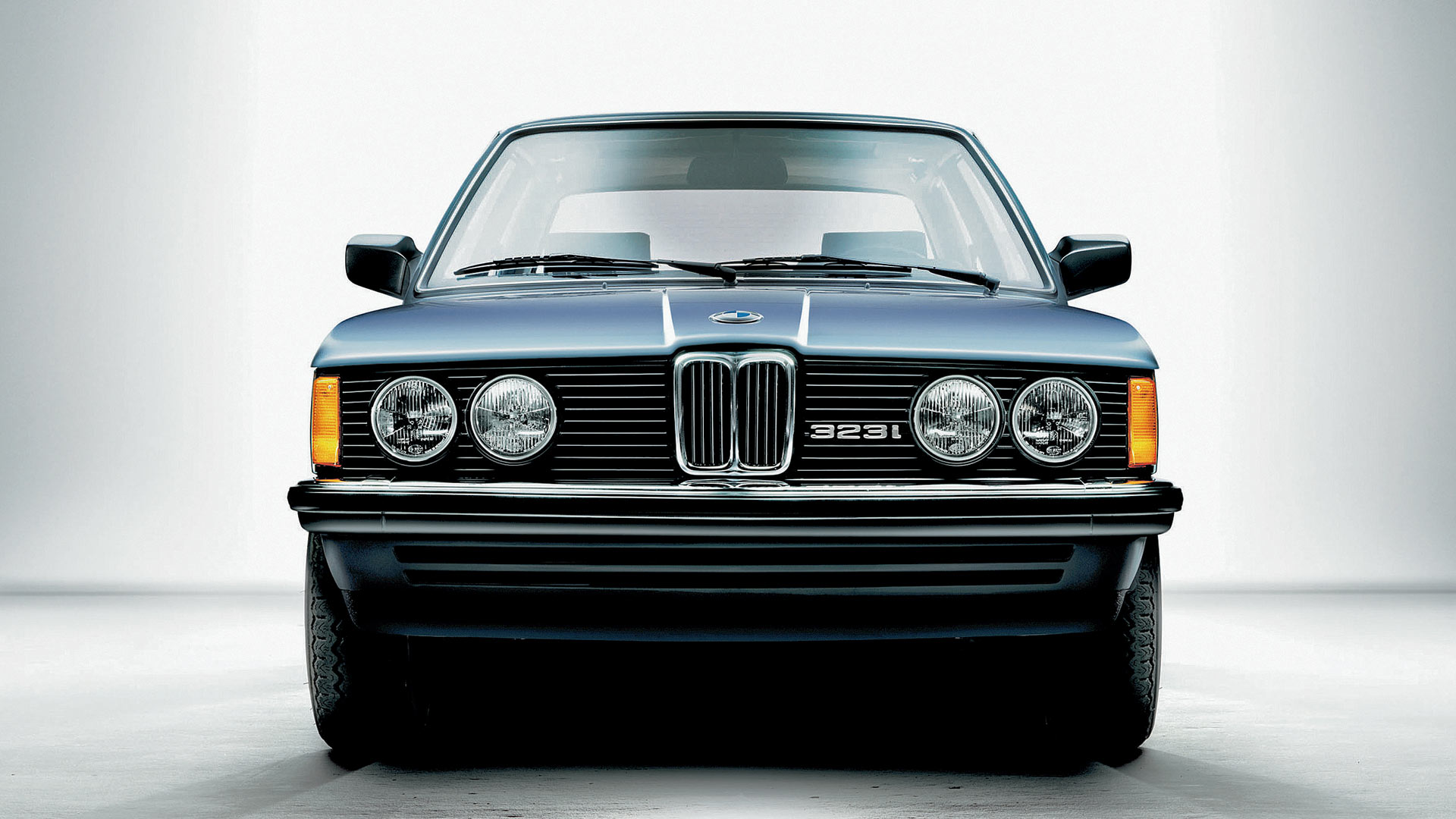
1977 BMW E21 323i
© BMWIn the early days, prospective BMW owners could choose from the entry-level 316, the 318, the 320 and the range-topping 320i, with the ‘i’ denoting fuel injection.
But in 1977, BMW unveiled a new range of six-cylinder engines for the 3 Series, the ultimate of which was the 323i, complete with a fuel-injected 2.3-litre engine.
-
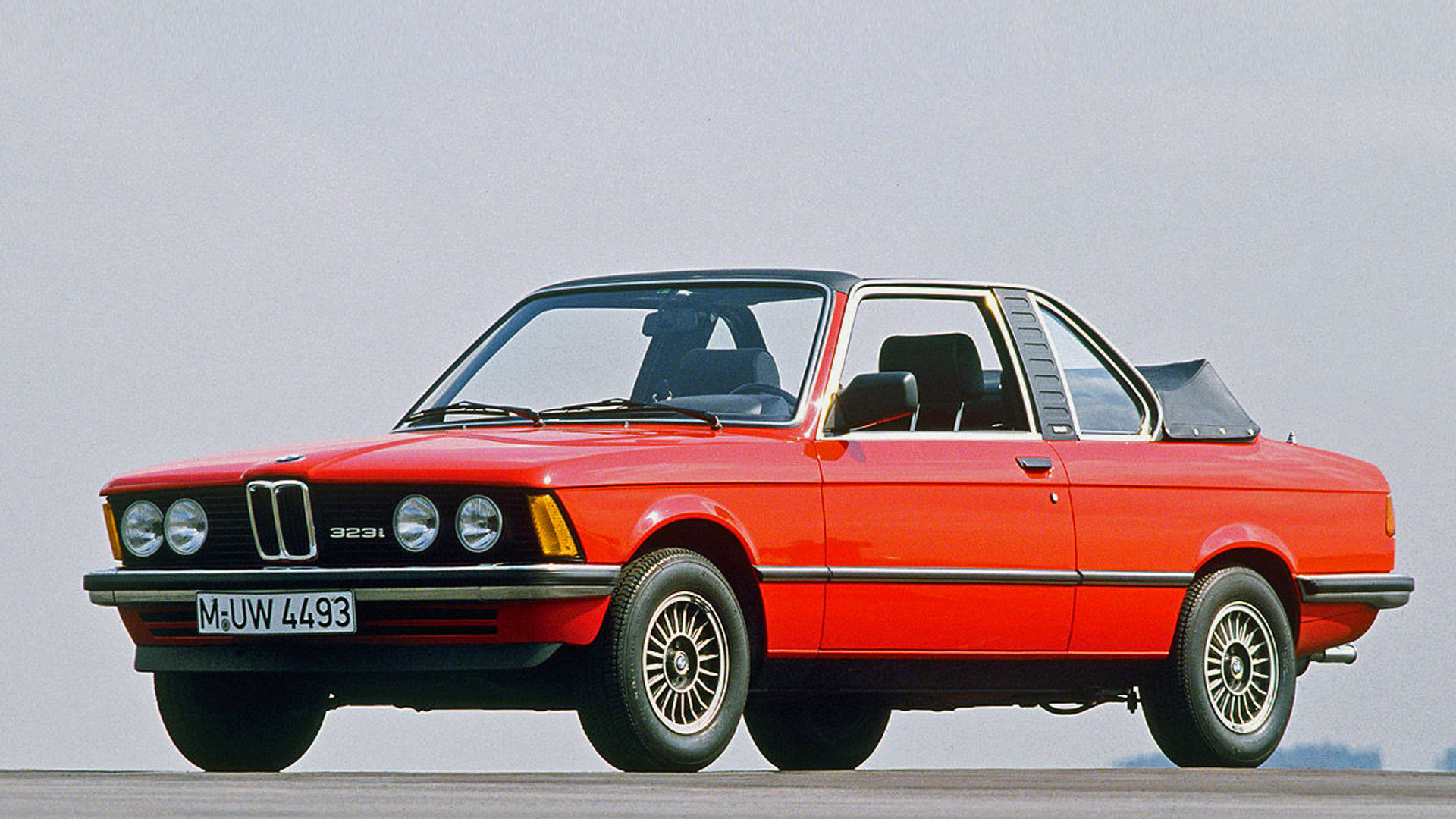
1977 BMW E21 3 Series Baur TopCabriolet
© BMWIn 1977, the first left-hand-drive BMW 3 Series convertible was launched in the form of the E21 Baur TopCabriolet
It harked back to the effortlessly pretty 2002 Baur cabriolet, combining a targa roof panel with a separate folding soft-top.
-
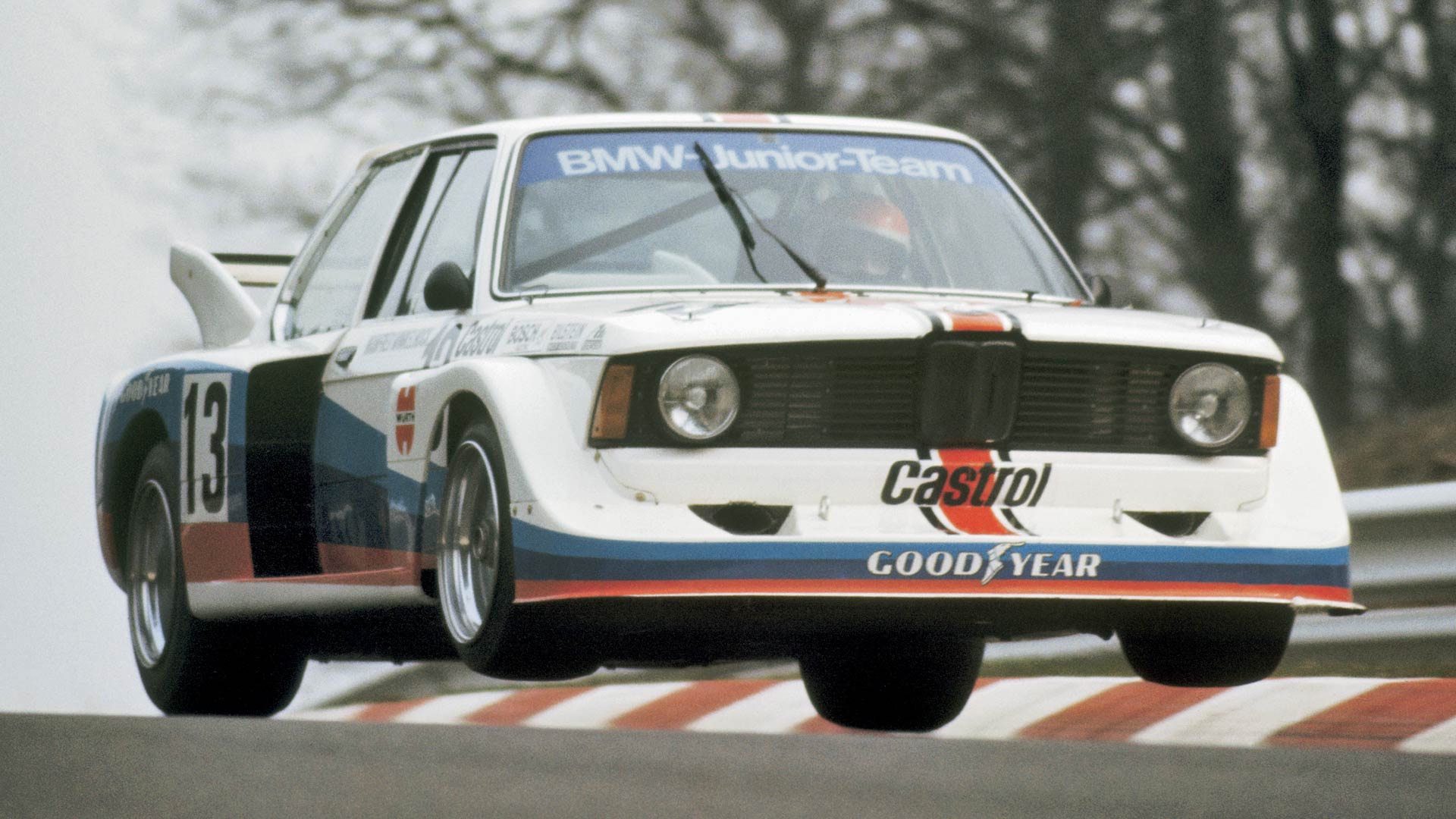
Motorsport debut 1977 – BMW Junior Team
© BMWThe 3 Series made its motorsport debut in 1977 when BMW Motorsport entered a BMW Junior Team in the 1977 German Championship.
Although early days, BMW – and in particular the 3 Series – would go on to develop a strong relationship with the track.
-
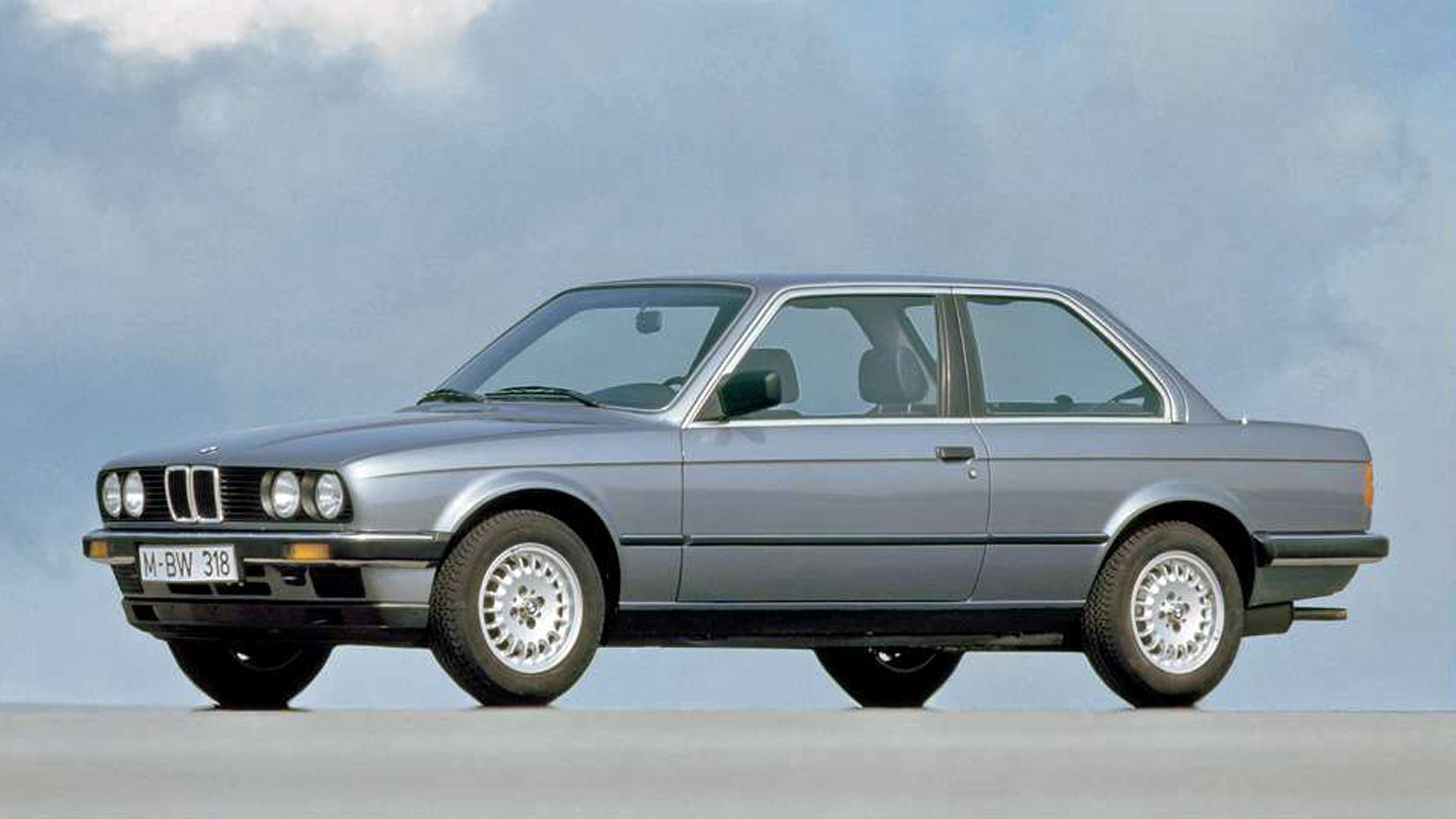
1982 BMW E30 3 Series
© BMWBMW sold 1.36 million E21s, making it a phenomenally successful car. But that’s nothing compared to the E30 3 Series of 1982. If ever a car put a company on the map, the E30 did so for BMW.
A stalwart of the 1980s, the E30 would shift 2.22 million units, helped in part by its Swiss Army Knife levels of versatility.
The E30 saw twin headlights made standard across the range, a 3 Series design feature that has continued with every model since.
-
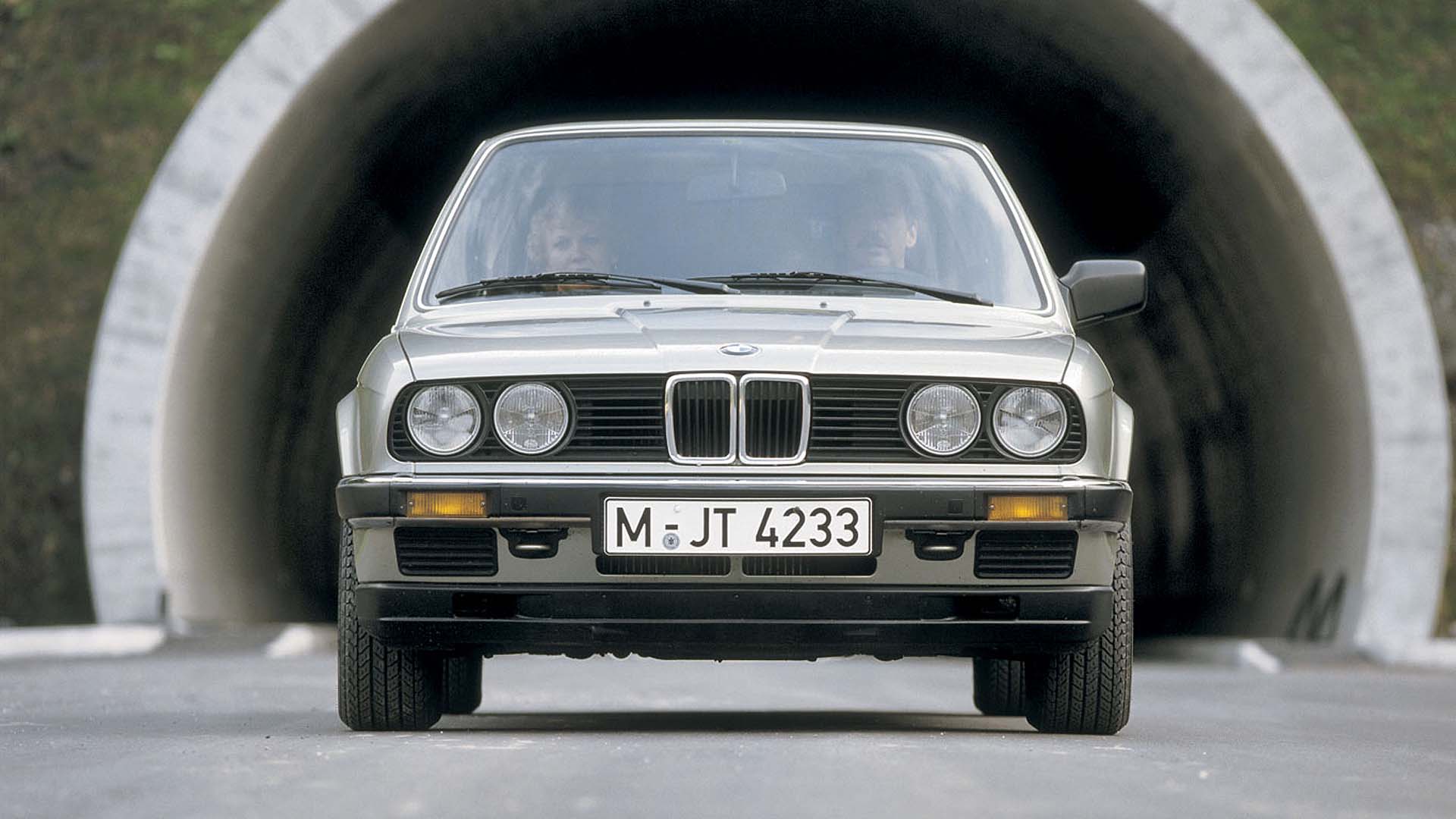
BMW E30 3 Series: Optional extras
© BMWAs it developed, the E30 would offer a bewildering array of options and accessories. Who else could offer a front-engined, rear-wheel-drive compact saloon powered by anything from a lowly diesel engine to a high-powered M3 version?
The E30 would also cement BMW’s relationship for being – how should we put it – a tad miserly with the spec sheet. A competitive screen price may have lured the punters into the showroom, but they soon found that many extras would need to be paid for.
-
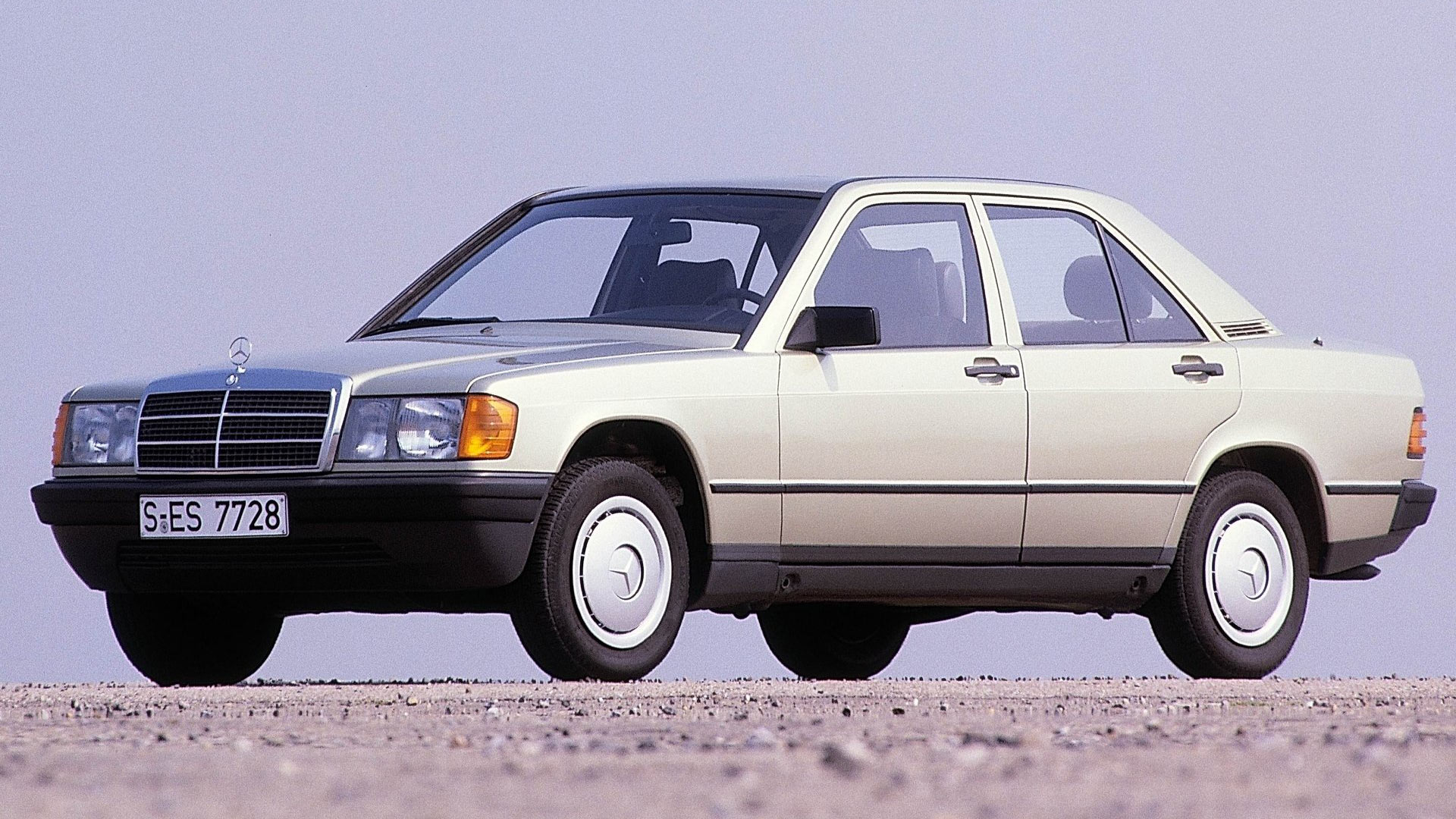
1982 Mercedes 190E
© Mercedes-BenzThe BMW 3 Series and Mercedes-Benz C-Class went on to become fierce rivals, but BMW did manage to draw first blood by getting the E21 to market first.
Competition for BMW’s junior model first appeared in 1982, when Mercedes-Benz revealed the 190 series of models – the forerunner to its modern C-Class range.
-
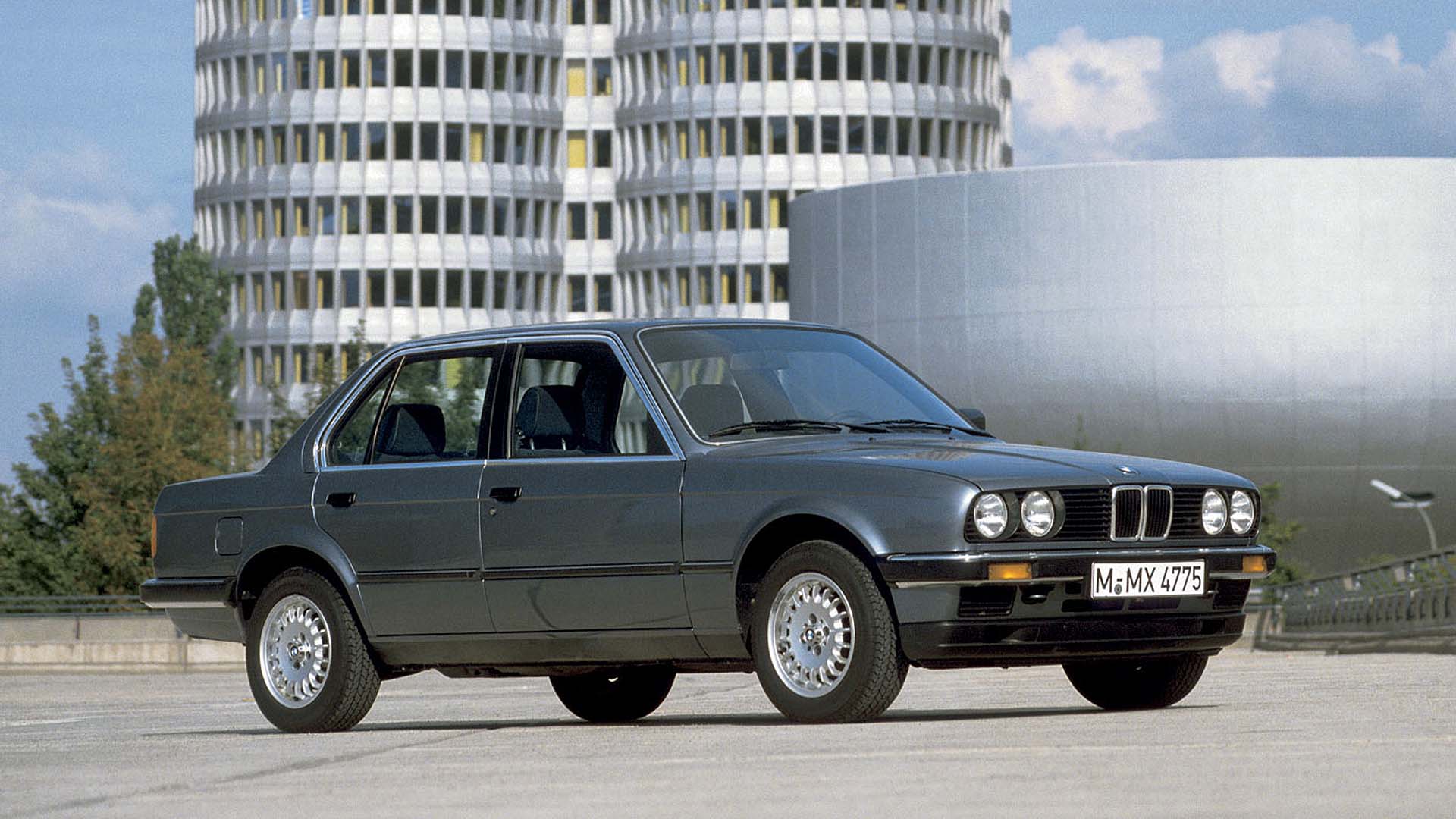
1983 BMW E30 3 Series: Four-door arrives
© BMWThe launch of the Mercedes-Benz 190 made it even more critical that BMW developed a 3 Series saloon.
In 1983, BMW launched the first four-door version of the 3 Series, a version that would be critical to the model’s long-term success. The B-pillar was pushed eight inches forward to make room for the extra door on each side.
-
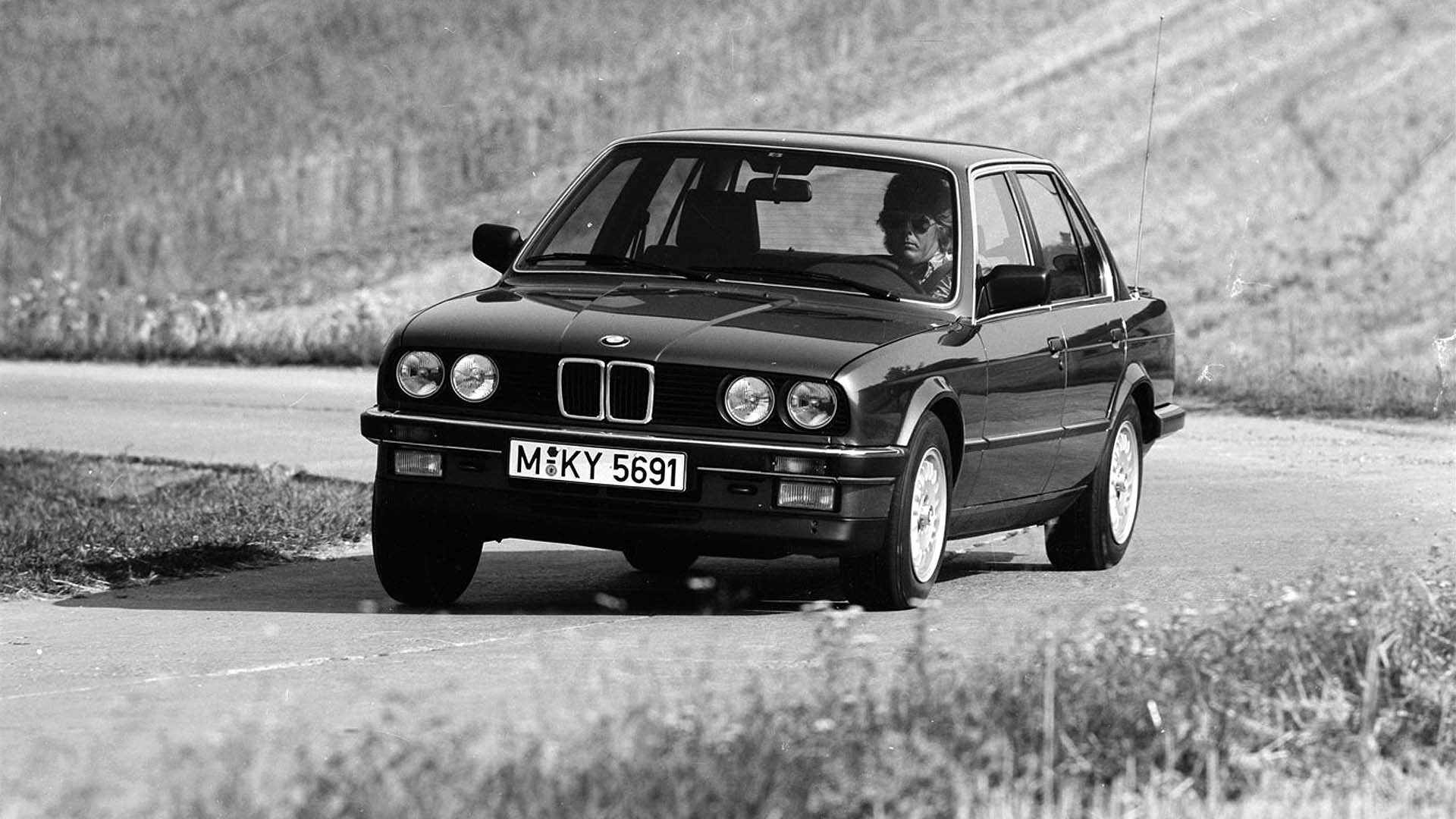
1985 BMW E30 325i
© BMWThe 3 Series gained a new flagship in September 1985 with the launch of the new 325i.
Thanks to its 2.5-litre engine, the 325i offered performance levels comparable to the likes of the Volkswagen Scirocco, Toyota Supra and Porsche 944, but in a more conservative and practical body.
-
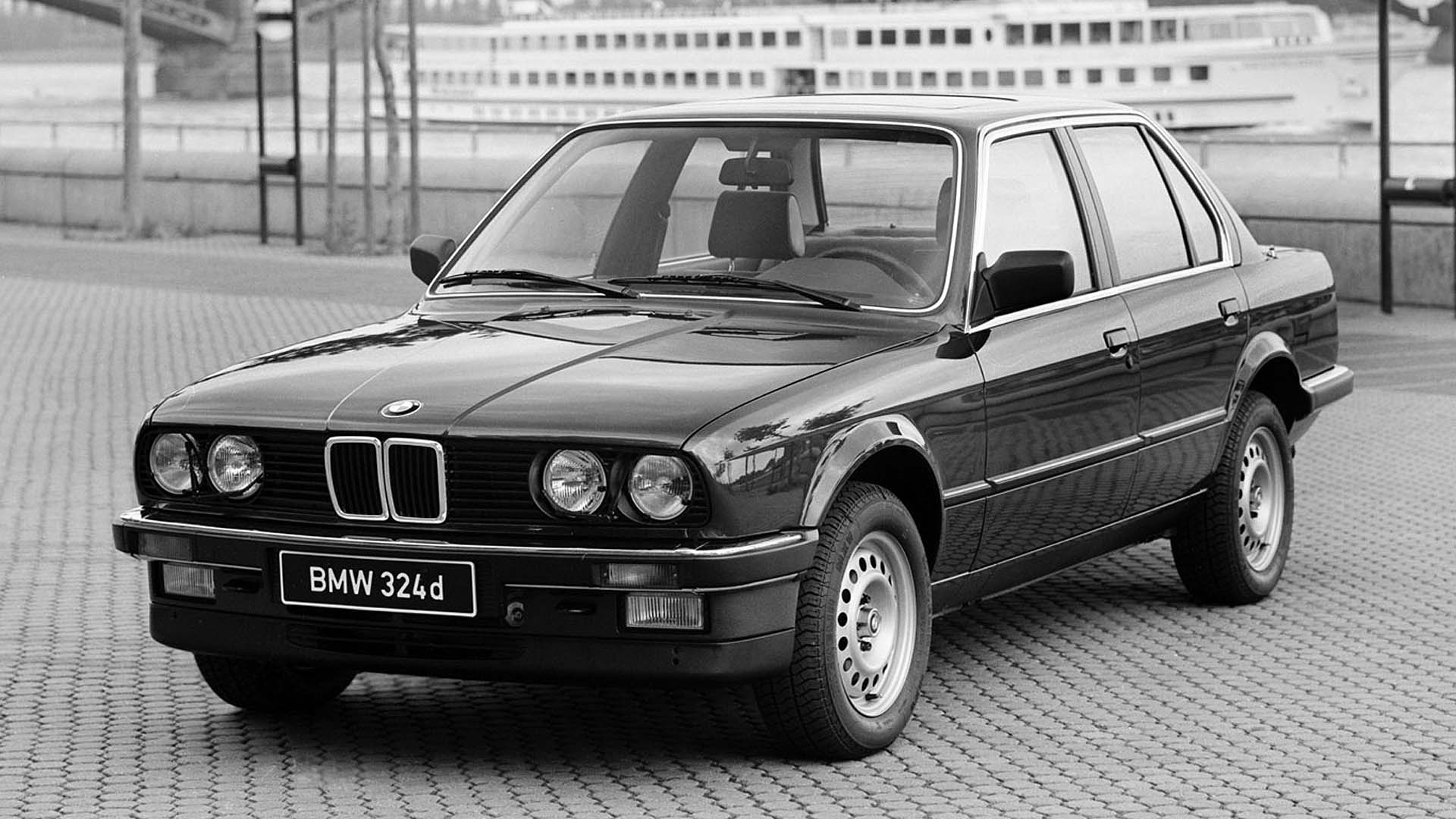
1985 BMW E30 324d
© BMWAt the opposite end of the spectrum was the 324d, the first diesel-powered BMW 3 Series, powered by a straight-six engine with 86hp.
A turbocharged version – the 324td – would arrive two years later, upping output to a healthier 115hp.
-
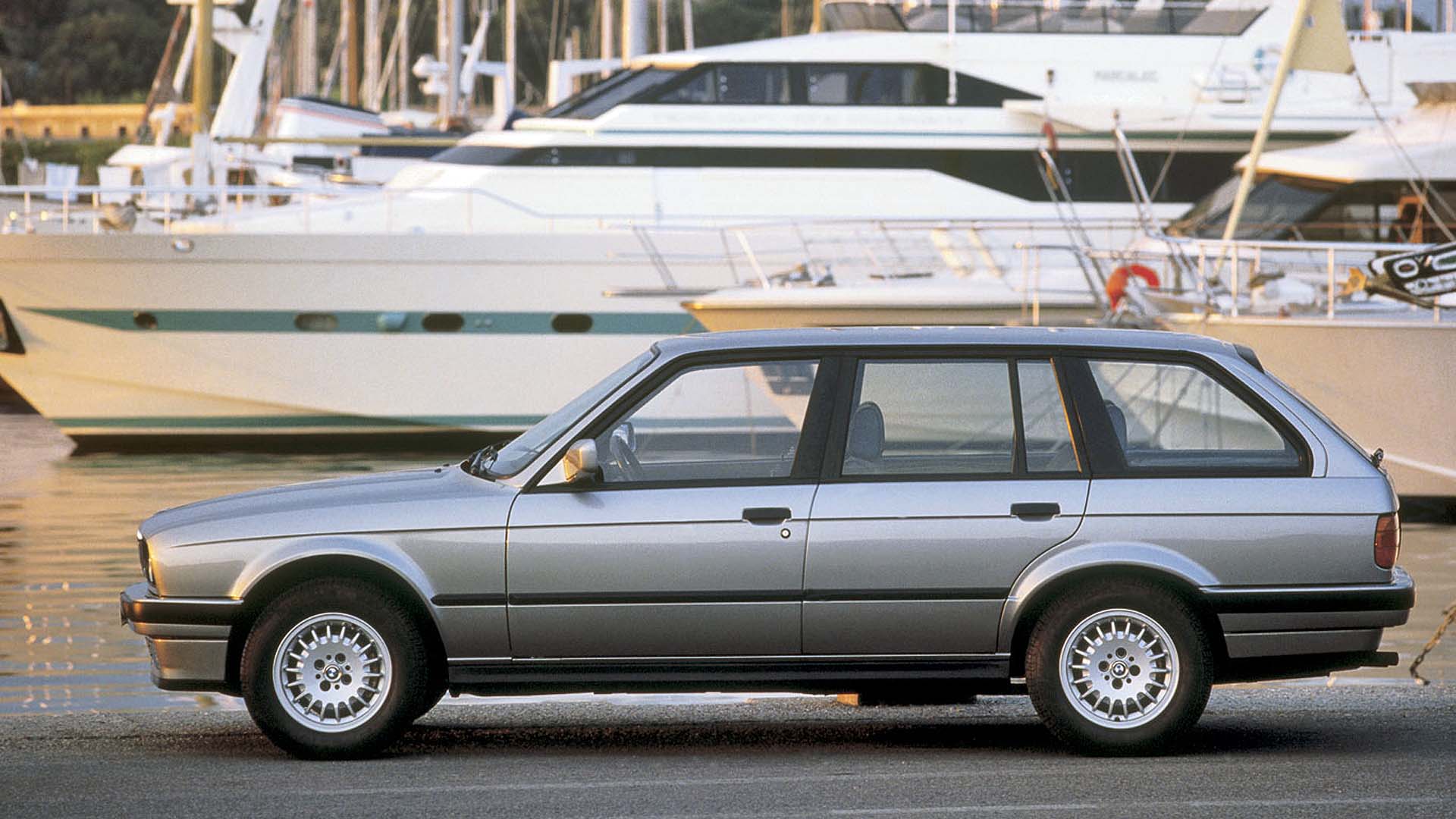
1987 BMW E30 Touring
© BMWThe original 3 Series Touring – or estate – wasn’t developed by BMW at all. Well, not as such. It was the work of Max Reisbock, a BMW engineer, who found the saloon version wasn’t practical enough for his growing family.
So, he bought a wrecked 323i and converted the car himself. BMW liked the design so much, a factory version was built with only minimal changes to Max’s original design.
-
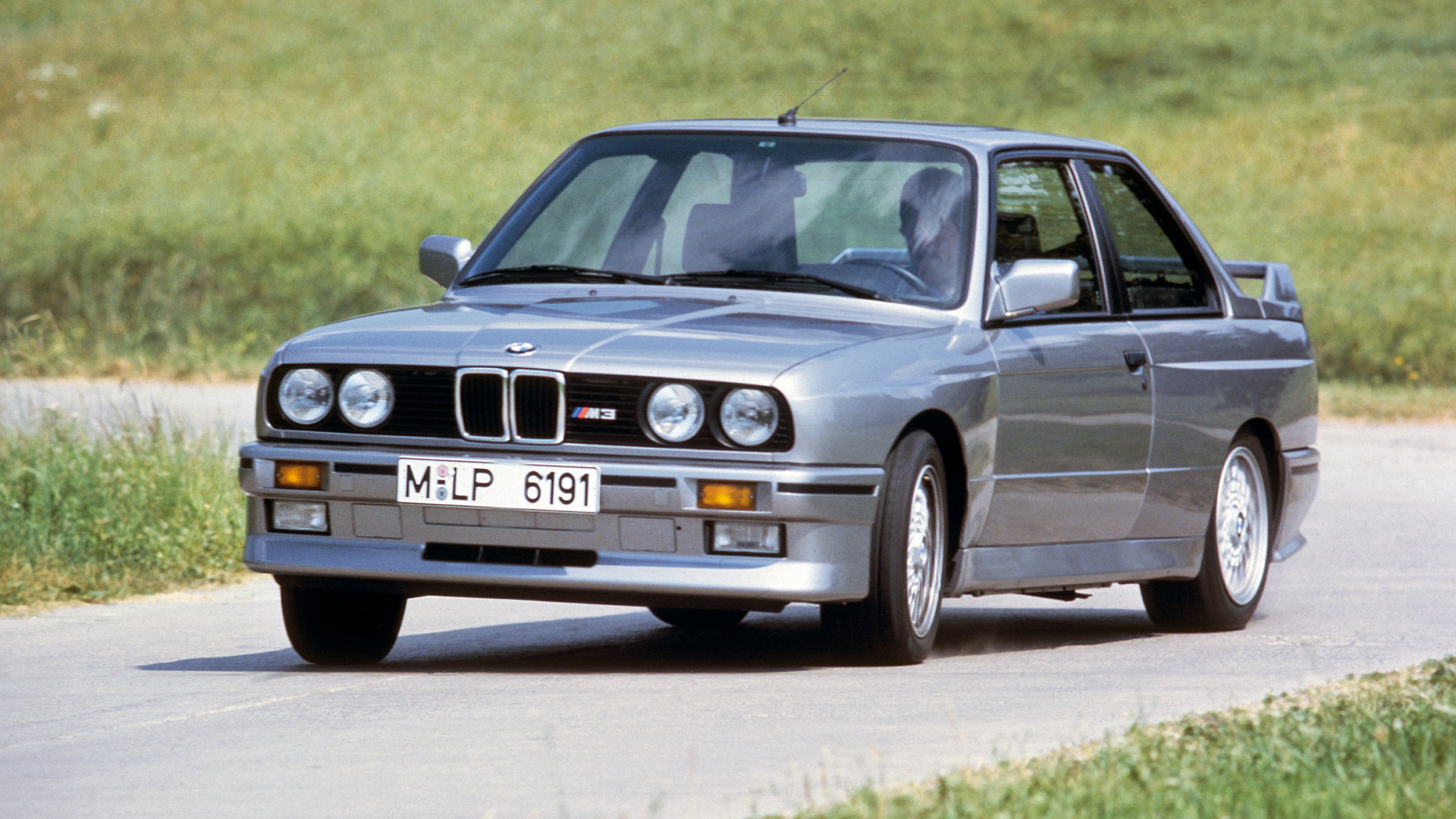
1985 BMW E30 M3
© BMWThe E30 M3 is quite simply one of the greatest performance cars of all time. Launched at the 1985 Frankfurt Motor Show, the first M3s would be unleashed in a cloud of tyre smoke a year later.
An output of 200hp may not seem like a great deal in an age when a hot hatch won’t get out of bed for less, but the M3 had rear-wheel drive and 50:50 weight distribution on its side.
-
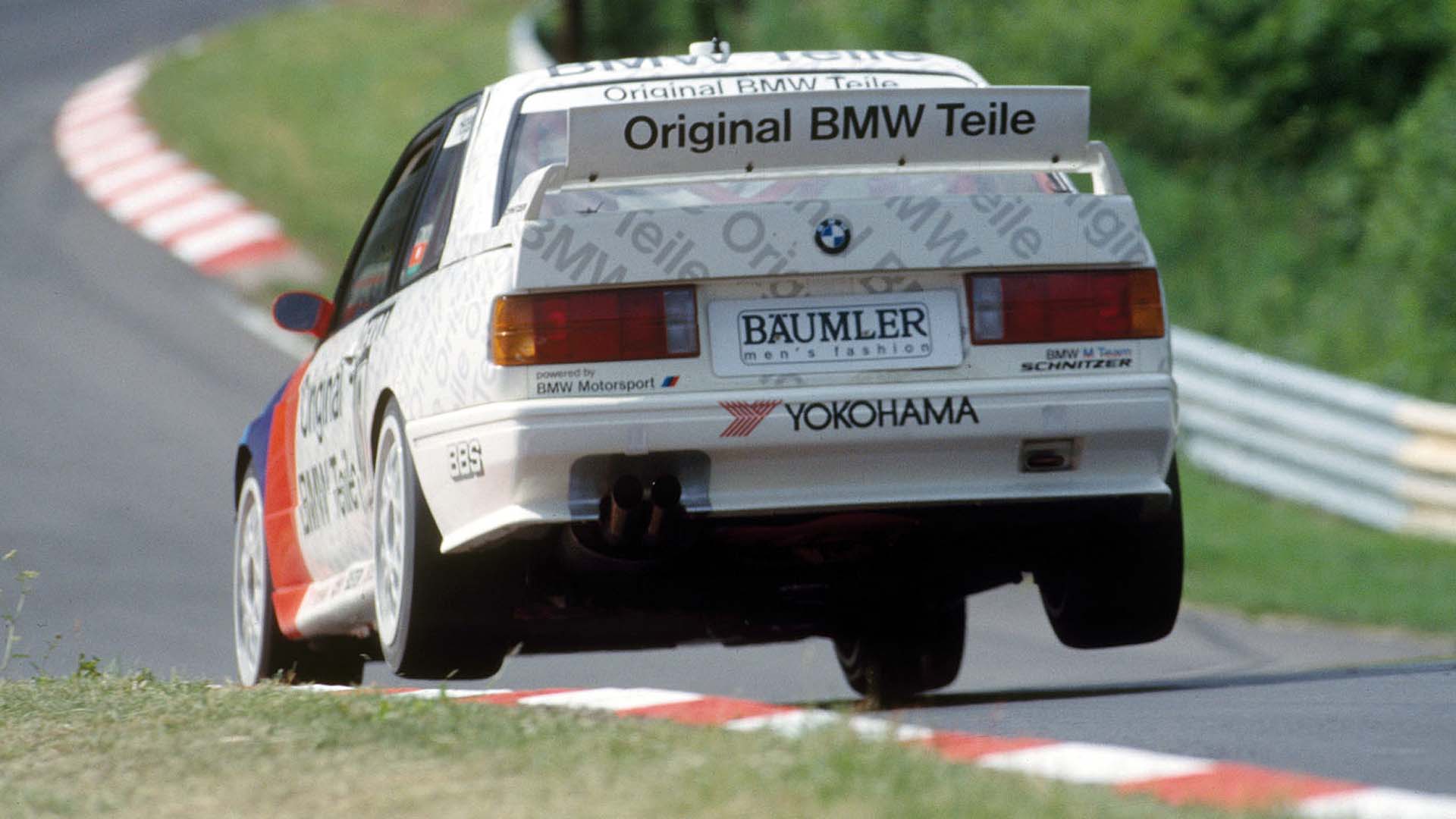
BMW E30 M3 Touring Car
© BMWOf course, the E30 M3 road car was developed for homologation purposes, allowing BMW Motorsport to go racing. And go racing it did, competing with great success in the British, French, Italian and German Touring Car Championships, as well as at the Nürburgring 24-Hour.
BMW needed to build 5,000 road cars. It actually built nearly 18,000. Enough said.
-
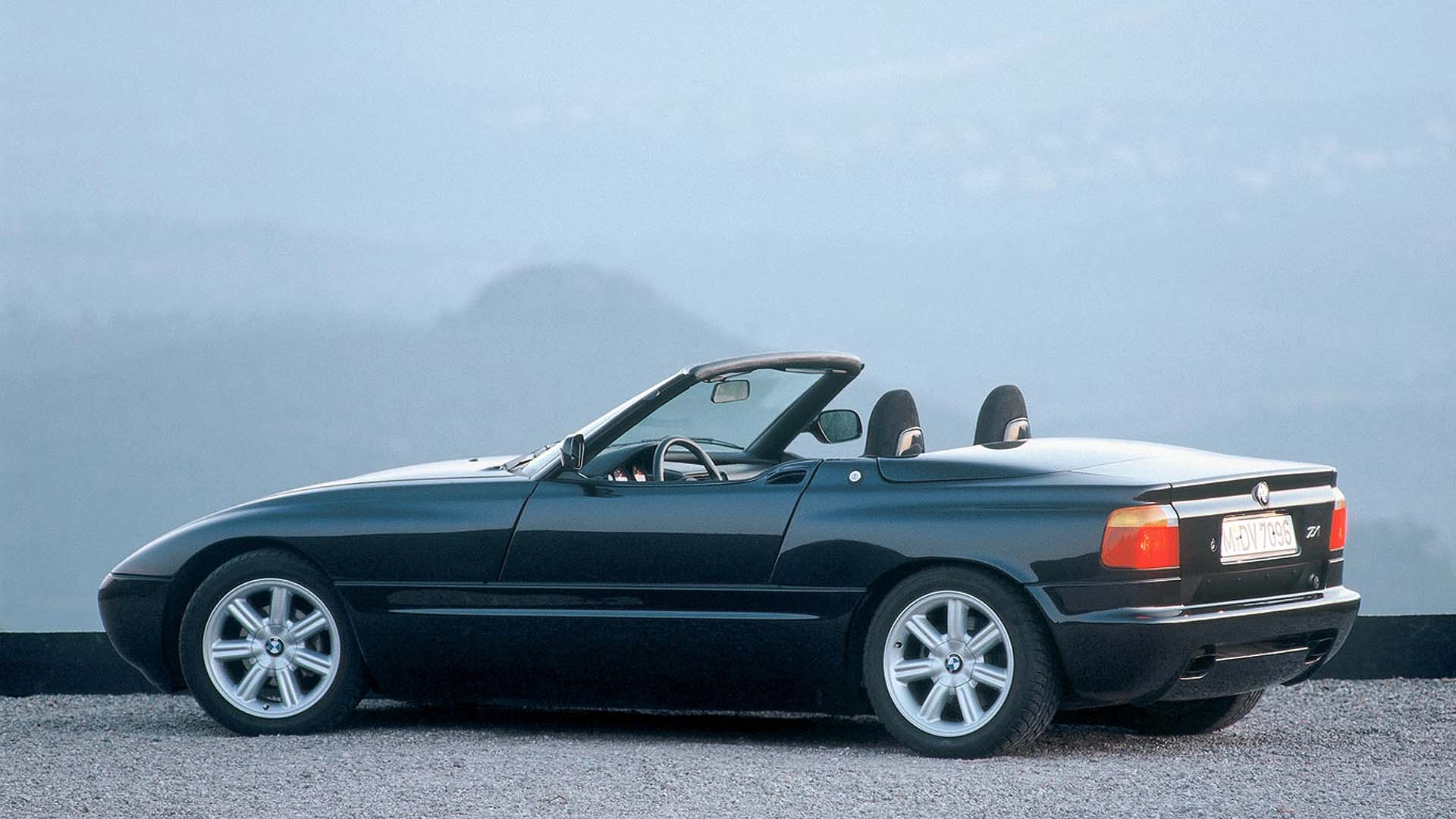
1989 BMW Z1
© BMWThe E30 3 Series also spawned one of the most striking sports cars of the era, the delightful BMW Z1.
It used the E30’s platform and the 2.5-litre engine from the 325i, plus it featured a pair of trick doors, which ‘disappeared’ into the door sills. It was the first BMW Z car.
-
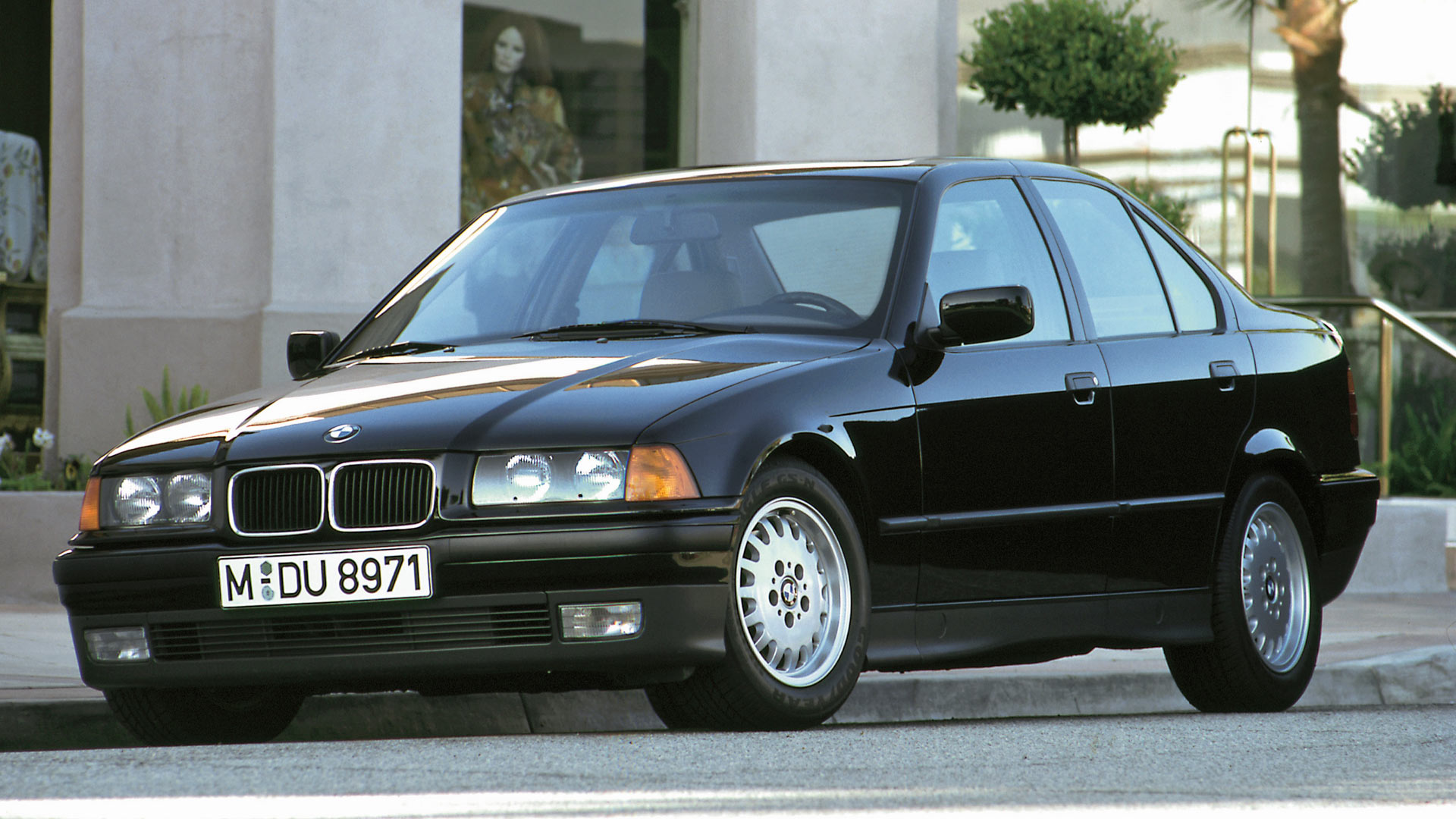
1990 BMW E36 3 Series
© BMWAs the 1980s gave way to the 1990s, BMW launched the third-generation 3 Series, otherwise known as the E36. It truly was a case of out with the old and in with the new as the E36 shared virtually nothing with its predecessor.
Noticeably bigger than before, the new 3 Series also featured a pair of trademark double headlights, now sat behind glass covers.
-
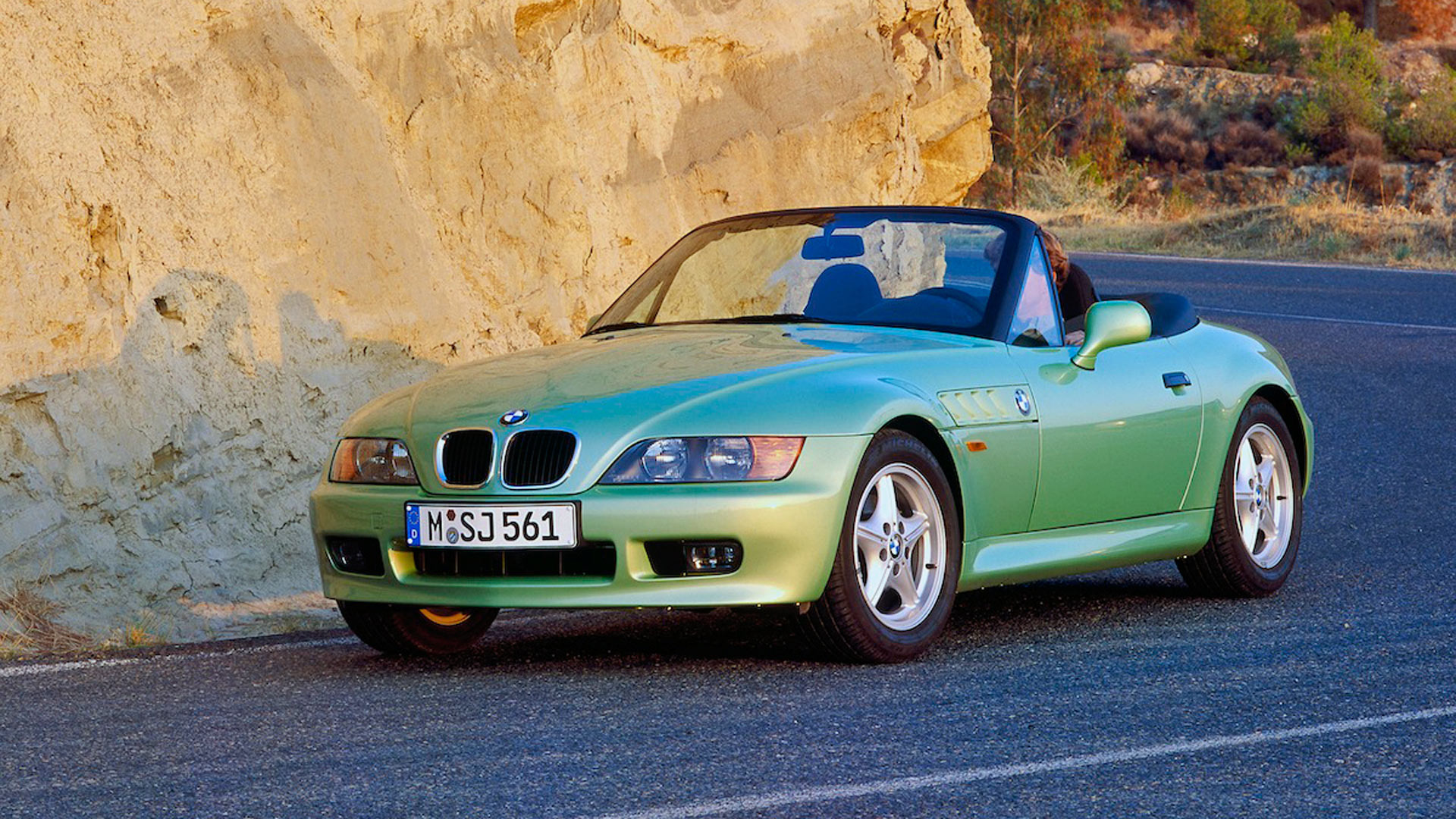
1995 BMW Z3
© BMWLike the E30 before it, the E36 spawned a sports car of its own, this time in the form of the BMW Z3. This was the first BMW to be built in the United States and it was propelled into the public eye by its appearance in the 1995 film, Goldeneye.
-
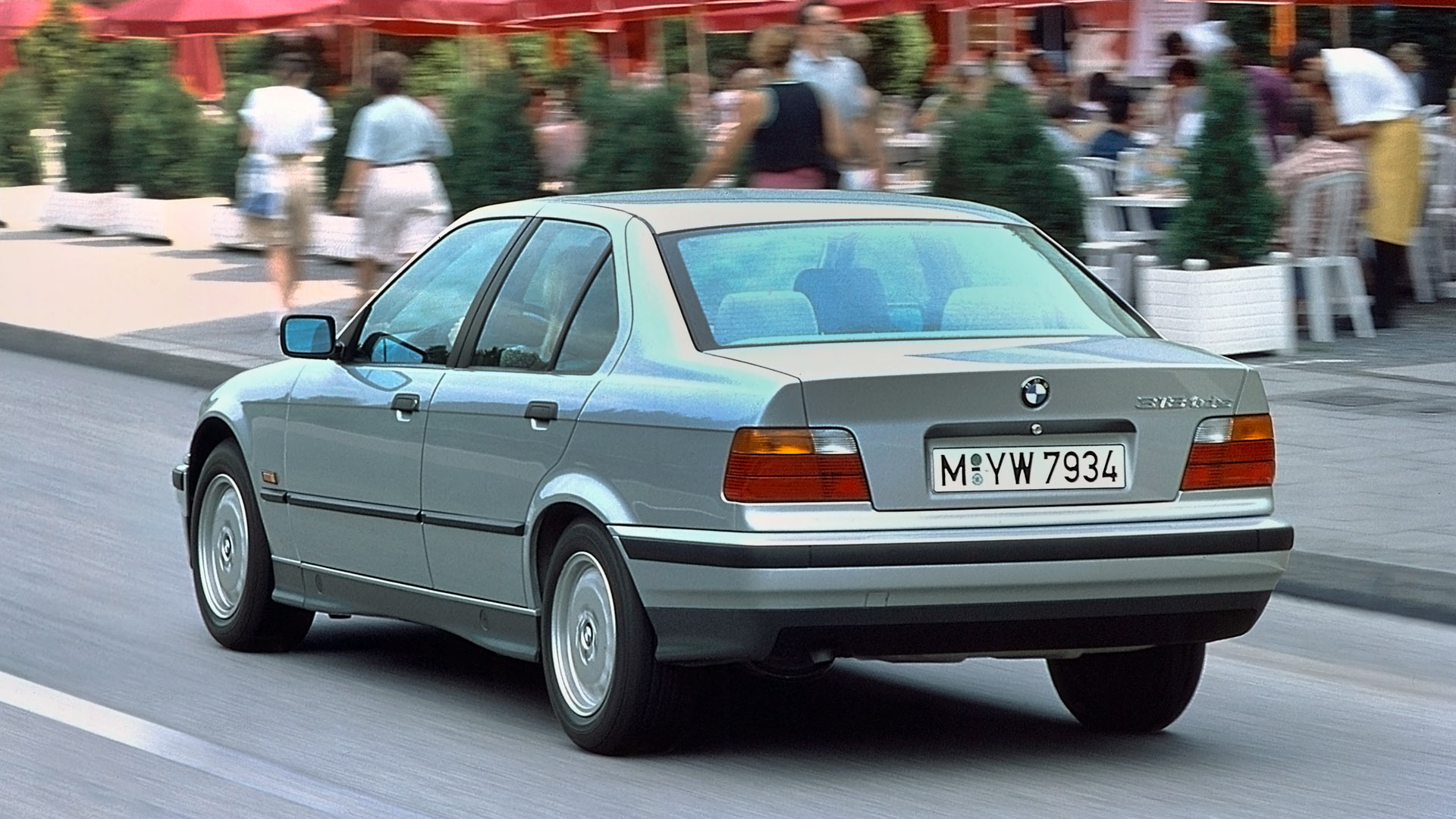
1994 BMW E36 318tds
© BMWAlthough far less glamorous than James Bond or a two-seat roadster, the BMW 318tds of 1994 represents another milestone in the model’s history.
It was the first four-cylinder diesel engine fitted to a BMW 3 Series, offering a modest 90hp and 140lb ft of torque.
-
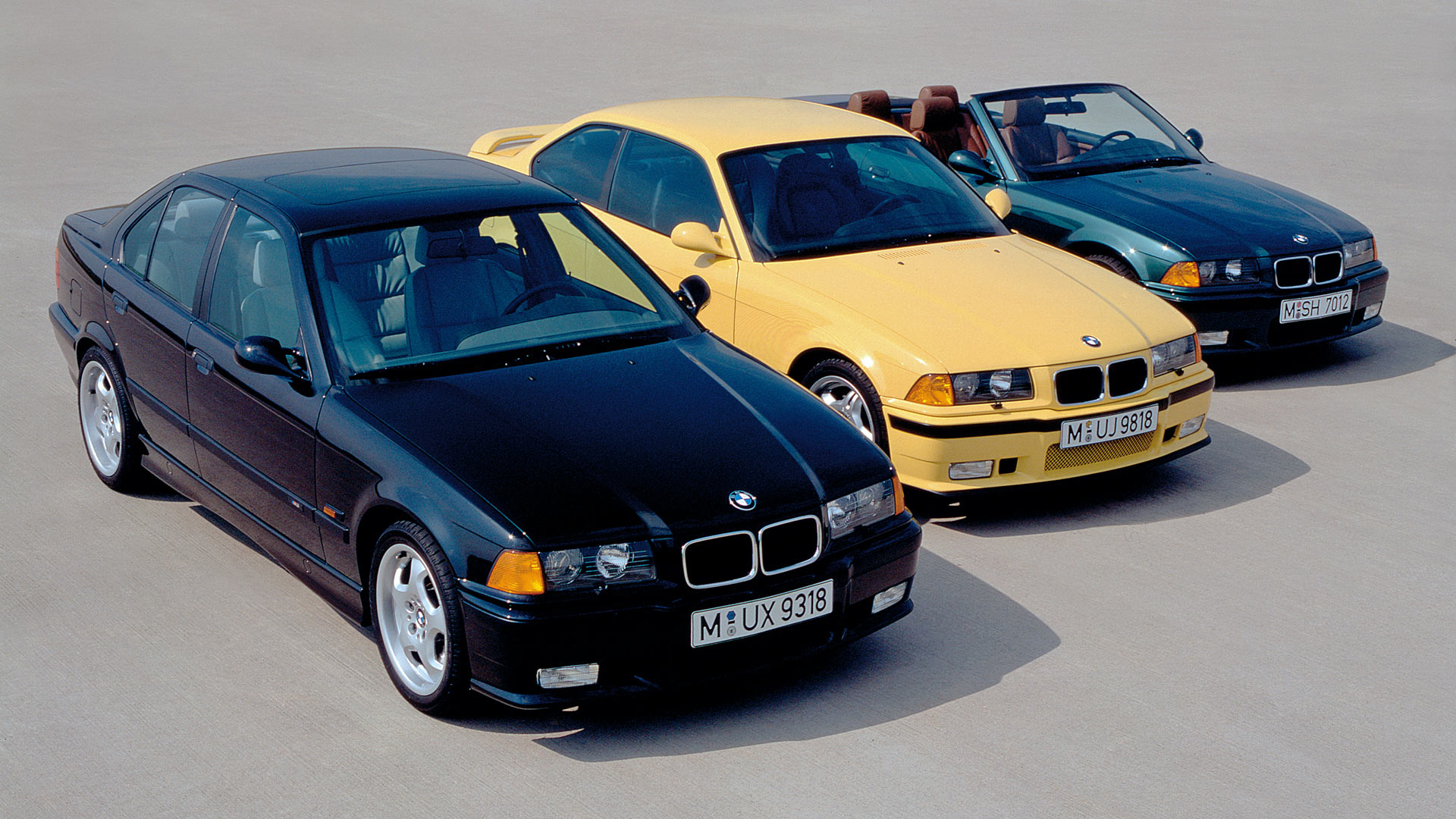
1992 BMW E36 M3
© BMWBut we don’t want to give you a four-cylinder diesel. Not when you can have a firecracker of a BMW M3. The E36 is rarely ranked alongside the best of the M3s, but the M3 Coupe remains a thing of beauty.
And the 3.0-litre straight-six engine represented a new era for the badge. Saloon and convertible versions would follow and BMW would shift over 71,000 units, making it hugely successful.
-
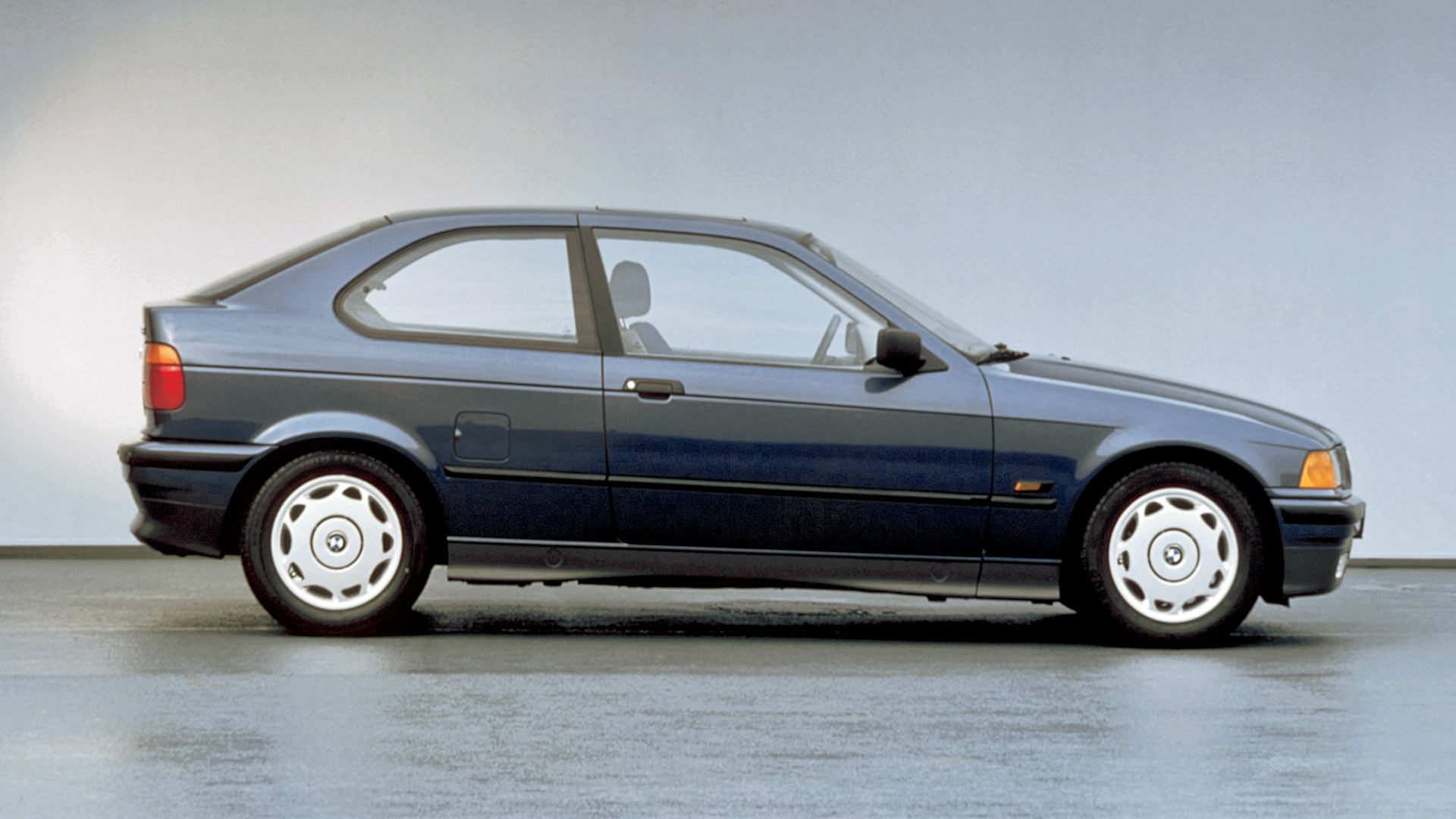
1994 BMW E36 3 Series Compact
© BMWA new addition for the E36 3 Series lineup was the Compact, launched in 1994. The purists weren’t impressed, but there was no doubting the business case for it.
Essentially it was a smaller, hatchback version of the E36 and it helped BMW to reach an entirely new audience. Think of it as a forerunner to the modern 1 Series.
-
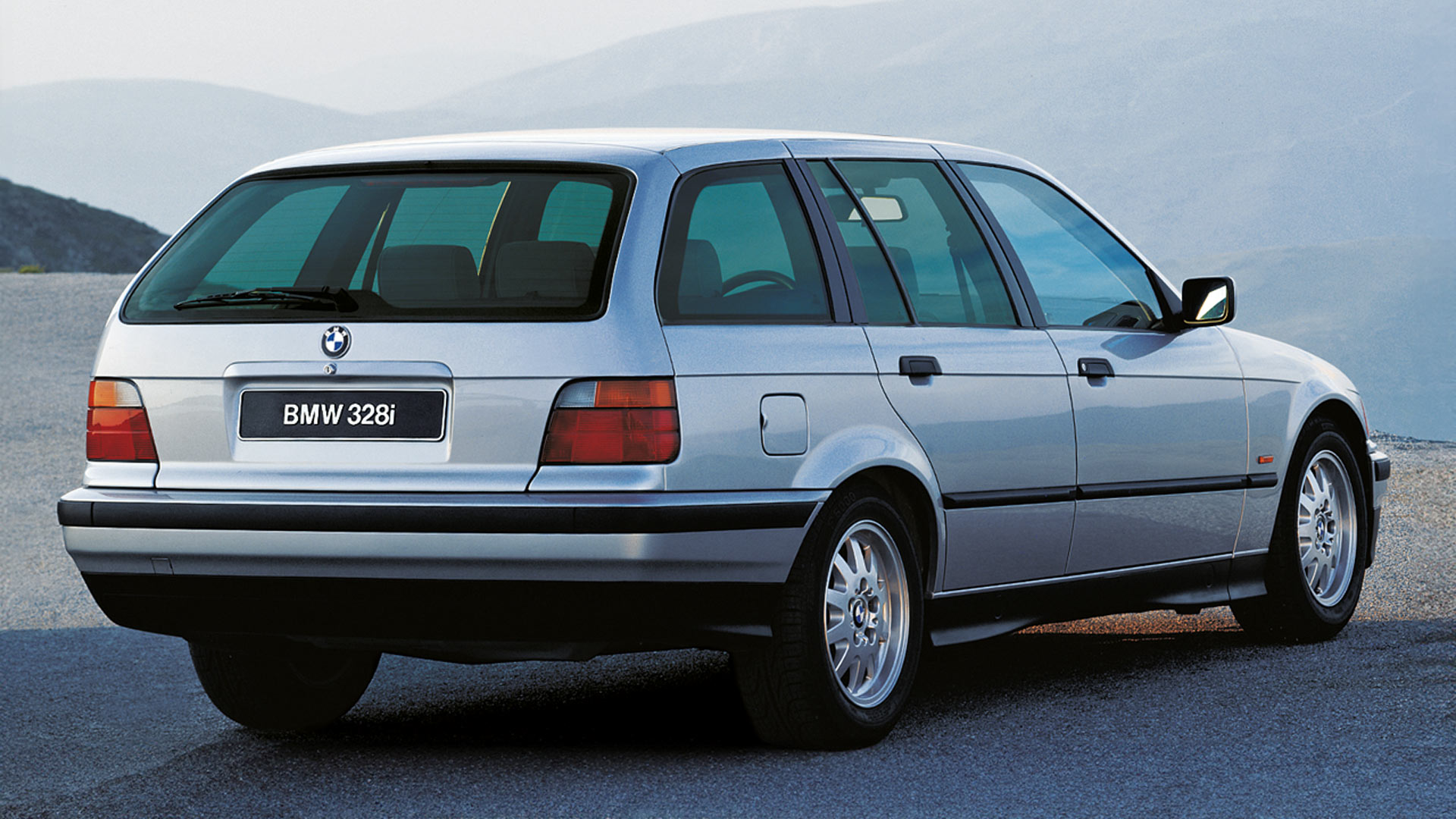
1994 BMW E36 3 Series Touring
© BMWBMW had planned to make an estate model part of the E36 lineup from the start, but it took until late 1994 for the new 3 Series Touring to make an appearance. The reason for the delay was because BMW opted to keep building the E30-generation Touring.
Launched with 320i and 328i petrol engines, plus 318tds and 325tds diesels, the 3 Series Touring range would expand even more in later years.
The E36 Touring was more a lifestyle estate than a true load-lugger, but it made for a family car that was good to drive.
-
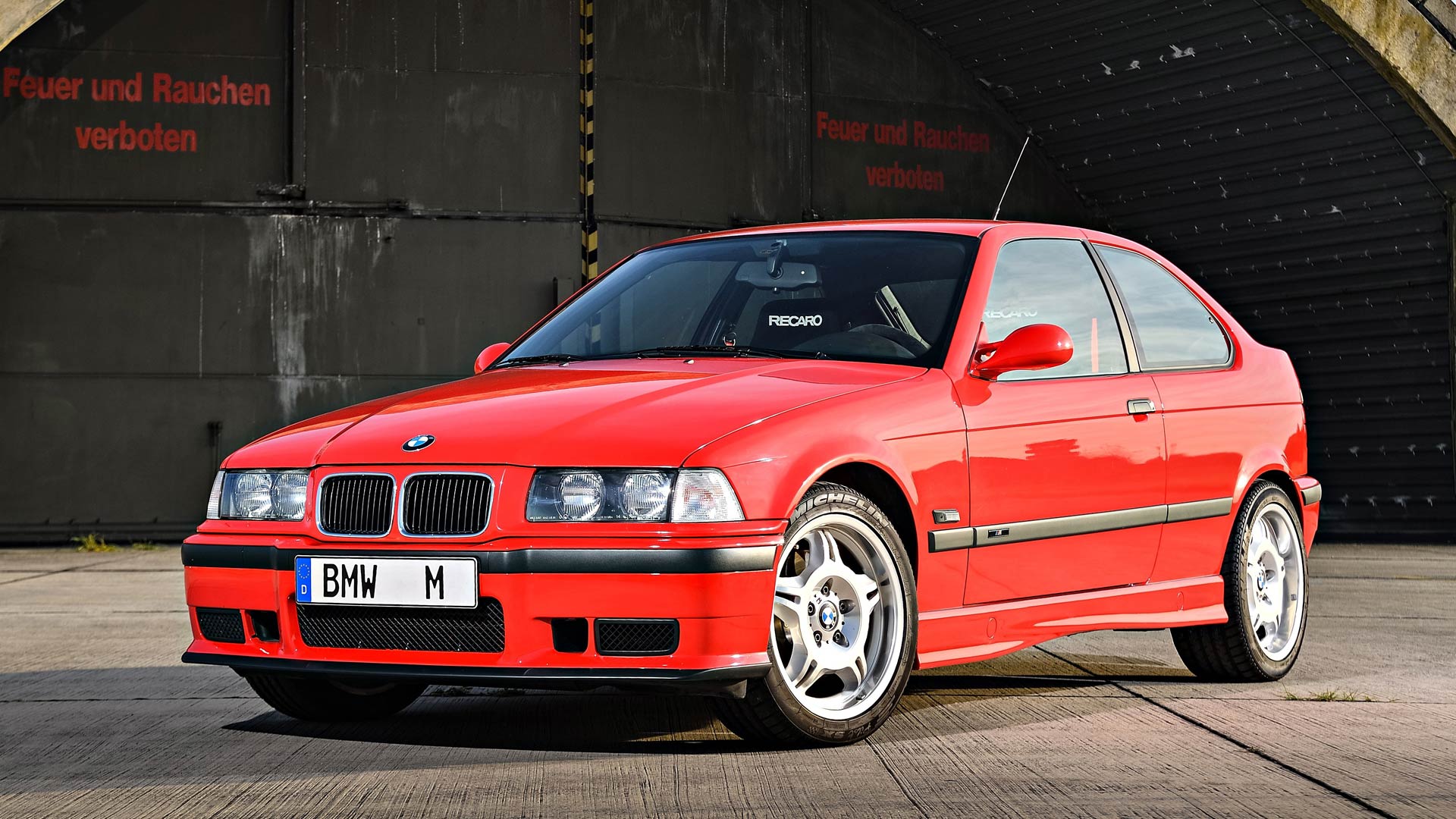
1996 BMW E36 M3 Compact Concept
© BMWBMW pushed things even further in 1996, shoehorning the 321hp engine from a contemporary M3 into the Compact hatchback.
Weighing substantially less than the M3, BMW’s development engineers concluded that the M-powered Compact was just too wild to be released for public consumption. Shame!
-
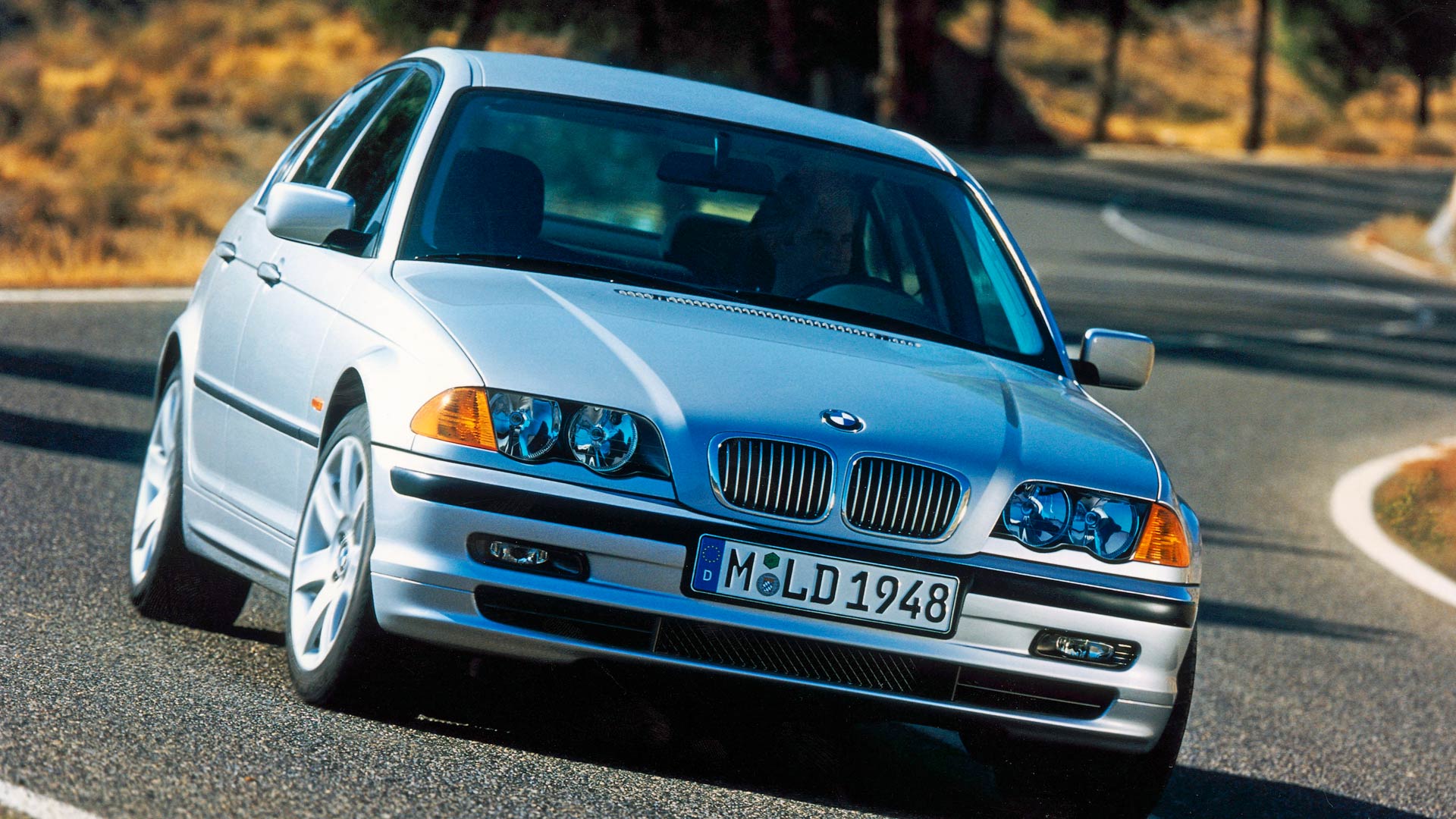
1998 BMW E46 3 Series
© BMWFast forward to 1998 and the launch of the fourth generation (E46) BMW 3 Series. From a sales perspective, the new 3 Series picked up where the old car left off, breaking the three million units mark for the first time. In total, 3.27 million E46s were built.
Coupe and Touring versions would be sold alongside the regular four-door saloon, along with a comprehensive engine lineup to suit almost every possible need.
-
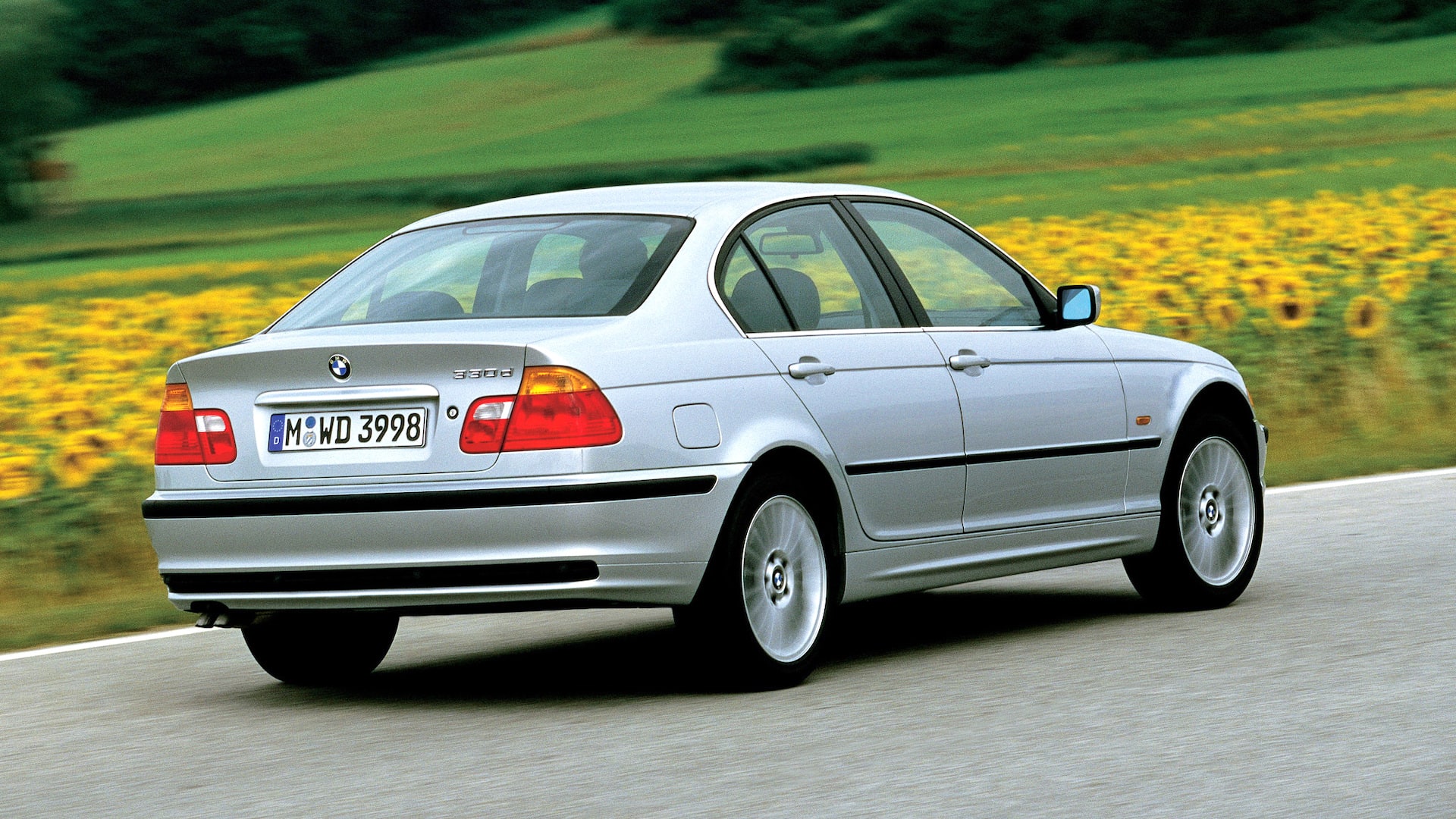
1999 BMW E46 330d
© BMWKing of the office car park during the late 1990s was the 330d version of the E46 3 Series. Adding the larger 2.9-litre six-cylinder turbodiesel from the 5 Series created a derv-burning hot saloon.
A combination of 184hp and 288lb ft of torque led to a 0-62mph time of 7.6 seconds and a 141mph top speed, but with 40mpg also achievable. It crowned the 330d as top of the pile for company car drivers.
-
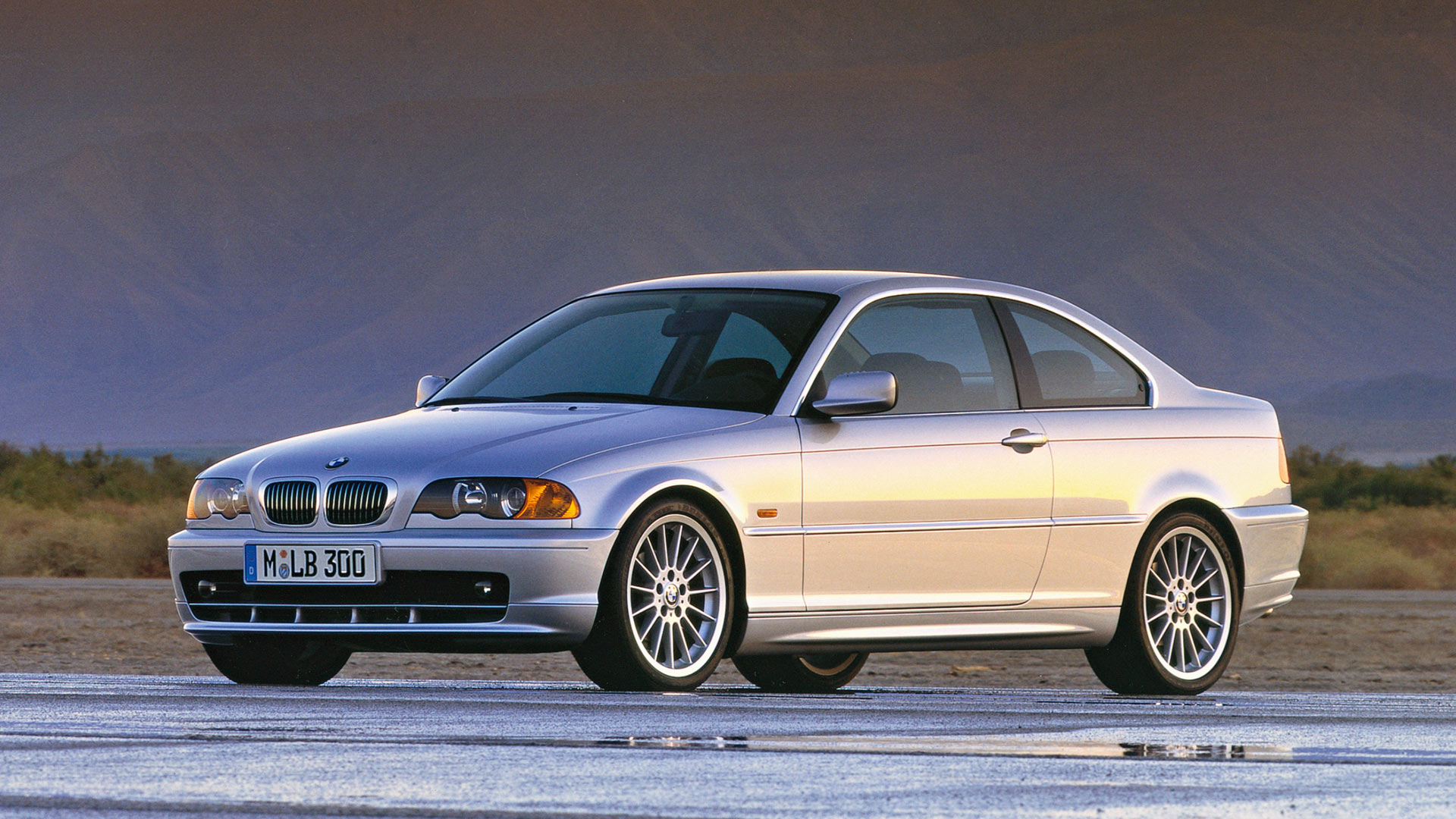
1999 BMW E46 3 Series Coupe
© BMWBMW quickly followed-up the E46 3 Series saloon with an all-new coupe variant launched in 1999.
It would be the most curvaceous 3 Series to date, with Erik Goplen’s styling giving the coupe its own unique appearance. Close to 450,000 examples were built in total, making it a great success.
-
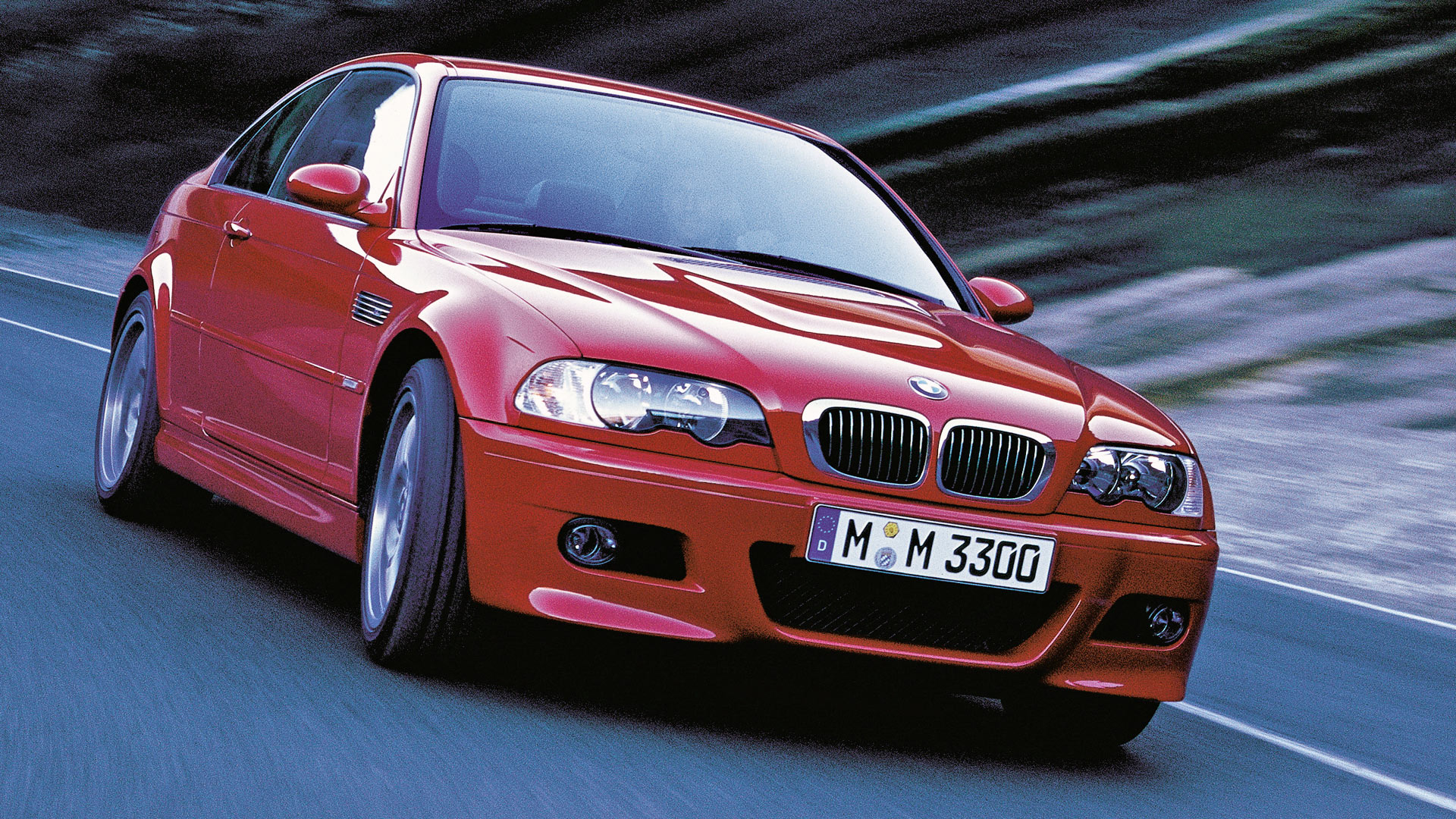
2000 BMW E46 M3
© BMWIf the E36 M3 was a little soft for some people, the E46 M3 was a welcome return to form in 2000.
Its 3.2-litre six-cylinder engine would propel the M3 to a top speed of 150mph, sprinting past 62mph in just 5.2 seconds. It was good. Like, really good. But it will forever live in the shadow of the ultimate E46 M3…
-
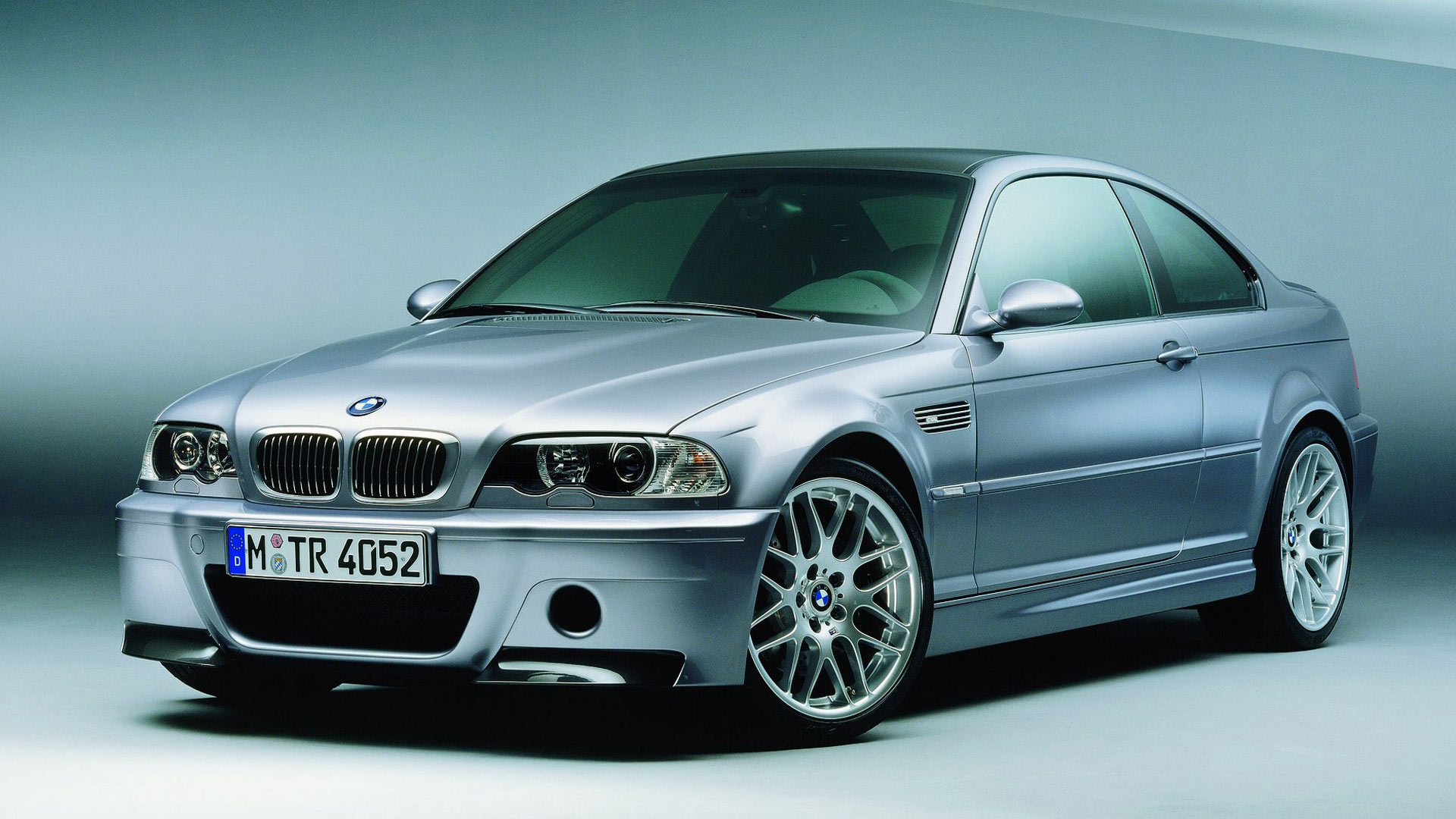
2003 BMW E46 M3 CSL
© BMWThe legendary E46 M3 CSL. By shedding 110kg of weight and upping the power, BMW created a performance icon. The 0-62-mph time now slipped under the 5.0-second mark.
The M3 CSL was quite simply one of the most driver-focused cars of its day. If you get the chance, you must drive one.
-
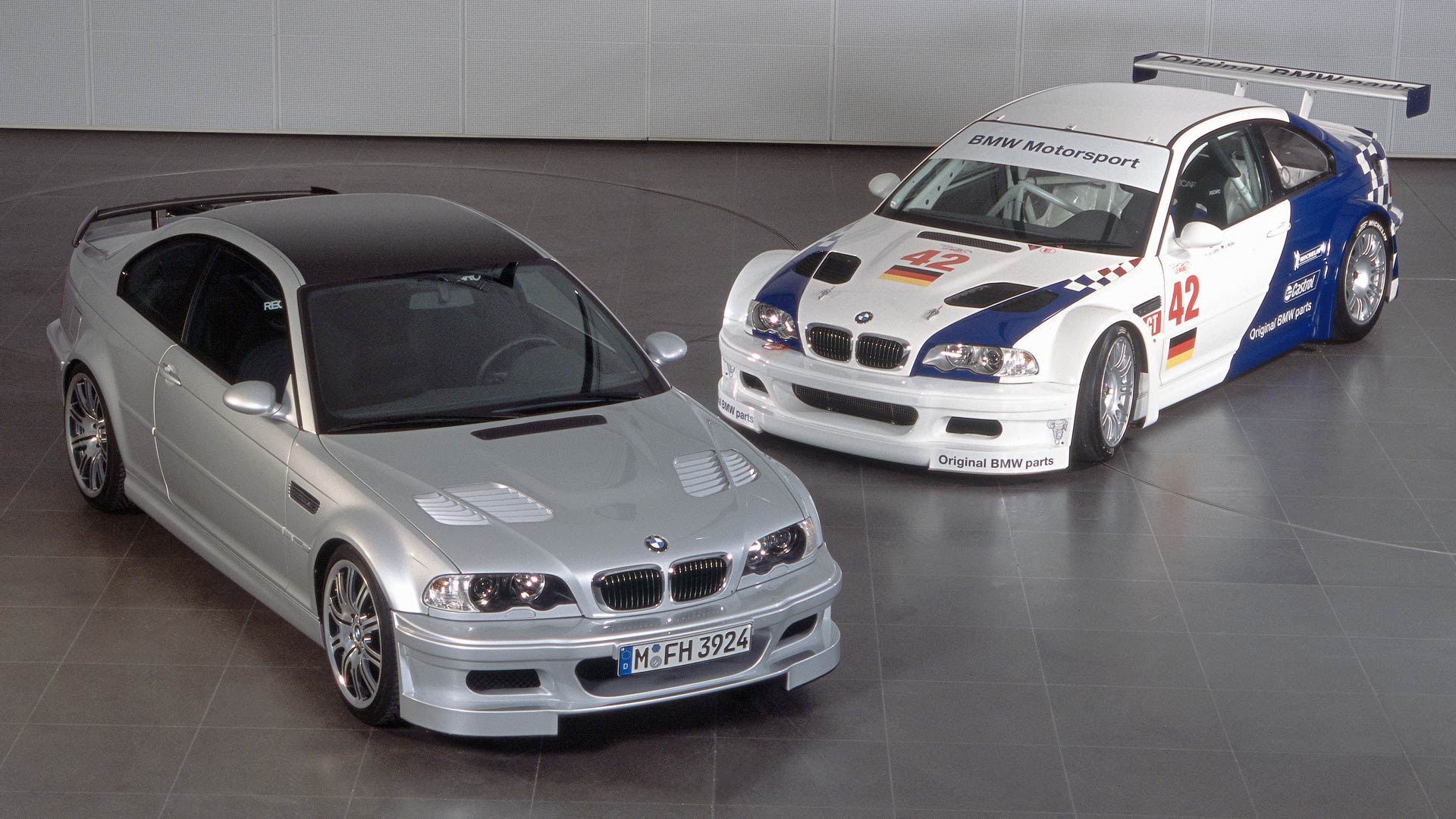
2001 BMW E46 M3 GTR
© BMWAs amazing as the CSL is, the E46 M3 had already witnessed an even more extreme creation in 2001.
BMW used the M3 GTR to dominate the American Le Mans Series that year, fitting a bespoke 4.0-litre V8 in place of the regular straight-six. To ensure homologation rules were met, BMW had to offer a handful of ‘Street’ versions of the fearsome M3 GTR.
With its 350hp V8, manual gearbox and pumped-up bodywork, this was a true road-racer. BMW also ditched the rear seats and even the air conditioning.
Only 10 examples were made, and not even BMW knows where they all ended up…
-
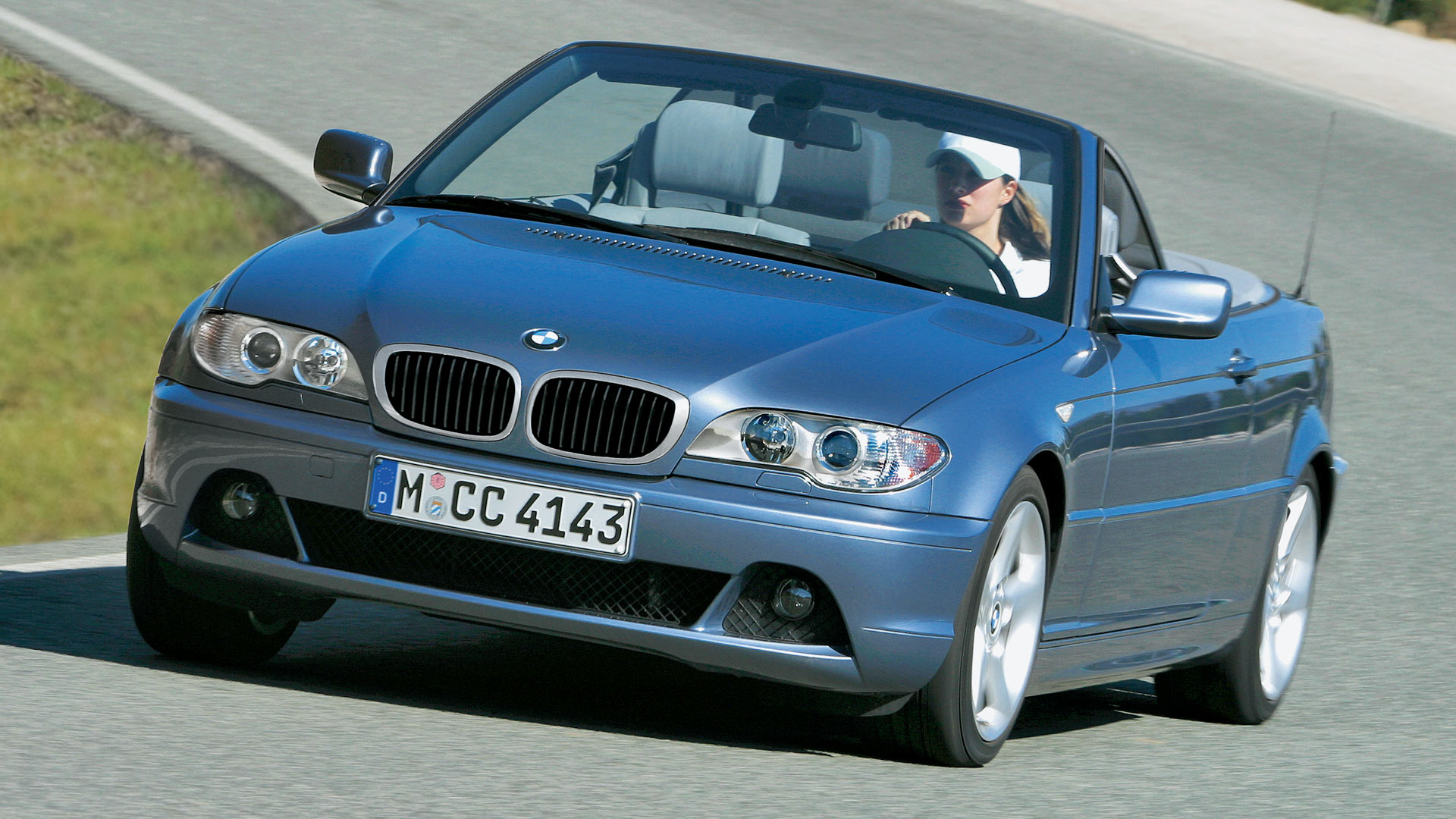
2004 BMW 320Cd Convertible
© BMWFor those who prefer boulevard cruising to kissing the apex, this 3 Series is perhaps more suitable. The BMW 320Cd Convertible of 2004 was the first open-top BMW to feature a diesel engine. Yes, we’d prefer a CSL or GTR, too.
This photo does at least demonstrate the subtle facelift (or Life Cycle Impulse, in BMW-speak) given to the E46 3 Series range earlier in 2002.
-
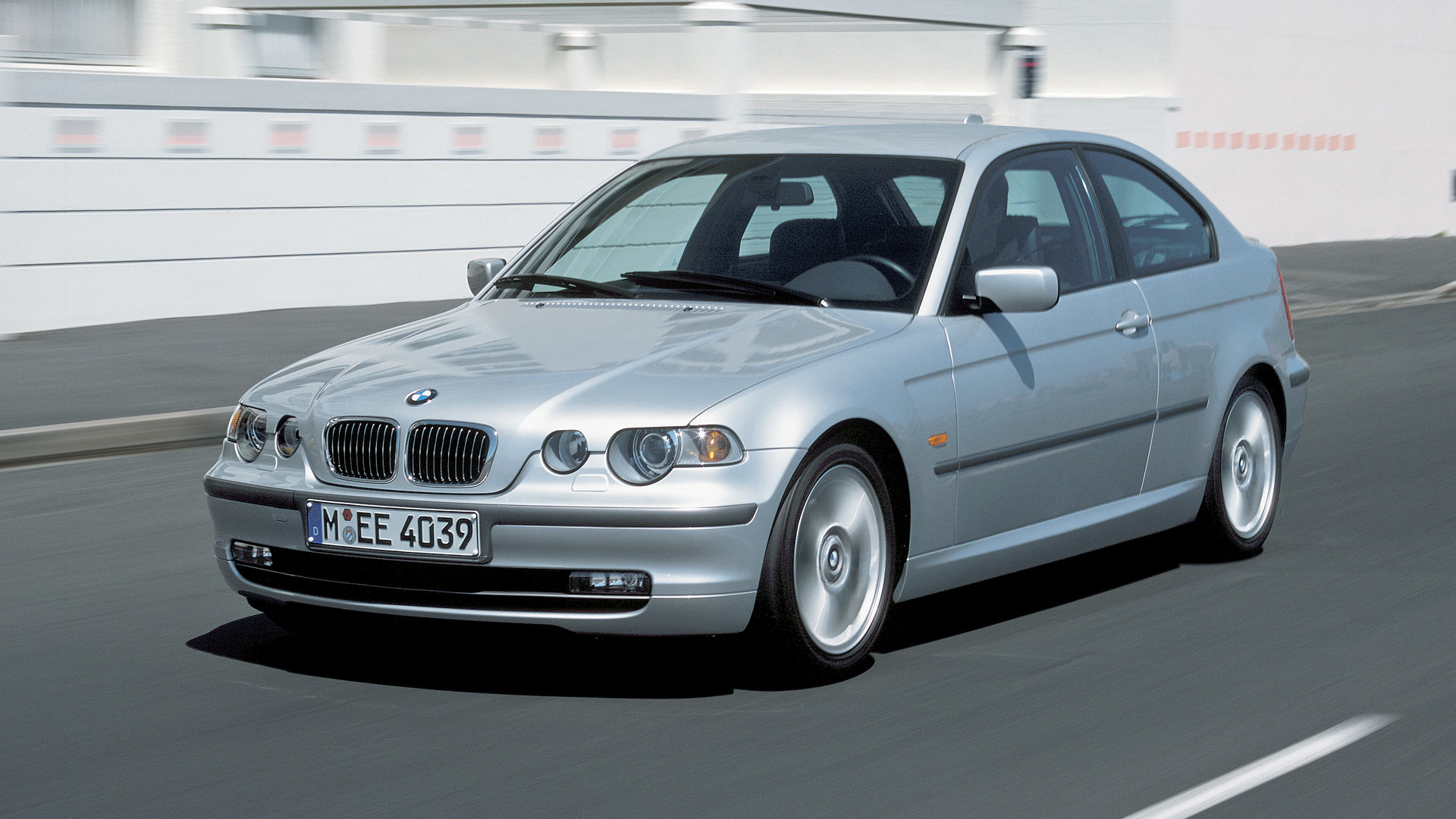
2001 BMW E46 3 Series Compact
© BMWThe 3 Series Compact returned for another outing in 2001, although the E46 version foreshadowed BMW’s divisive approach to styling that would soon follow
Even a performance 325ti model, powered by a 2.5-litre straight-six engine with 192hp, failed to overcome the effect of those headlights.
BMW sold only 200,000 examples of the E46 Compact, half the total achieved by the previous E36-based version.
-
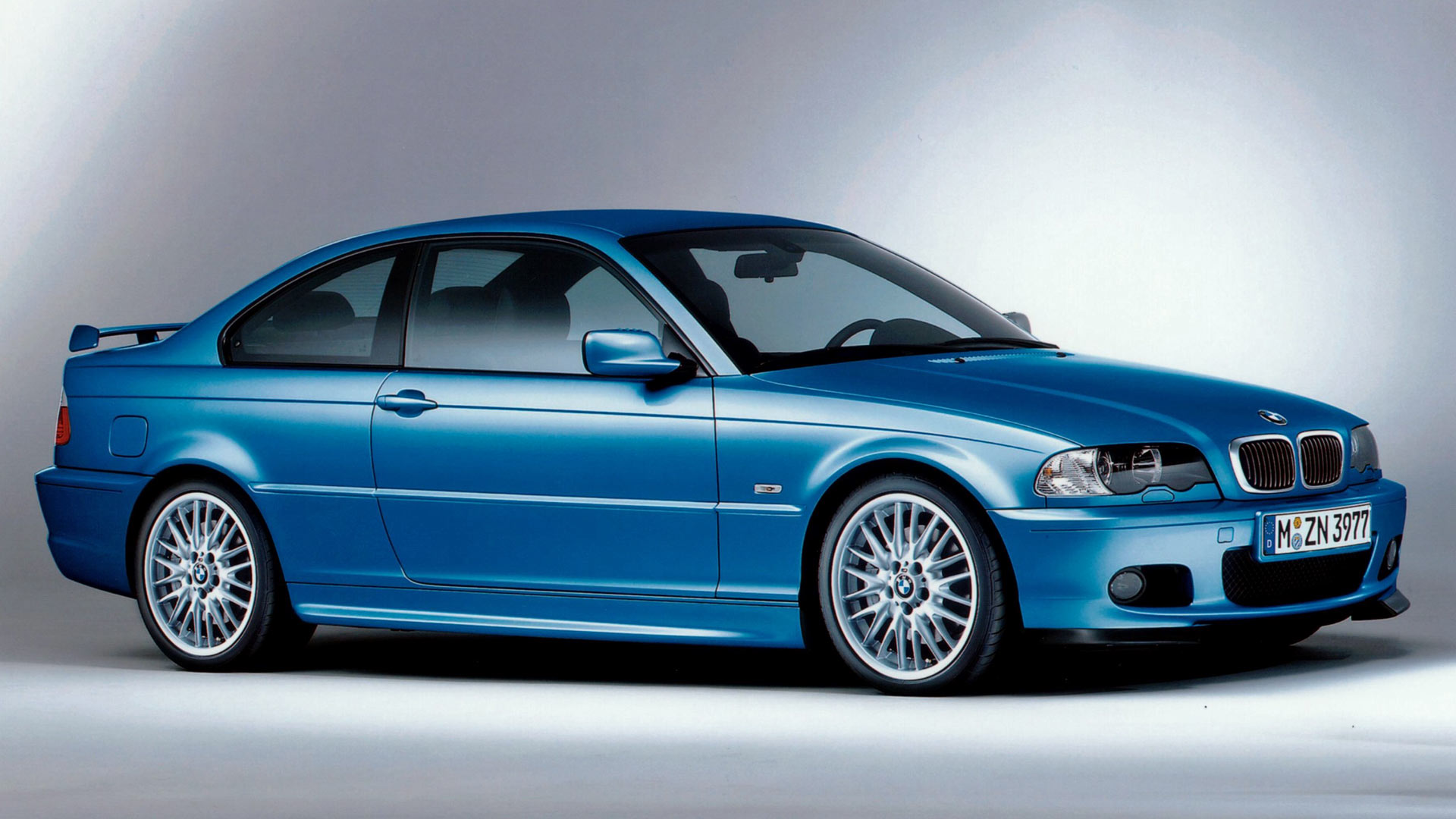
2002 BMW E46 330Ci Clubsport
© BMWAdded to the 3 Series Coupe range in 2002, the Clubsport package was designed to turn the two-door model into a junior M3.
Some 20kg of sound deadening was removed, with the exterior benefitting from a bespoke body kit. Sports suspension and a short-throw gear lever for manual-equipped cars were part of the package as well.
-
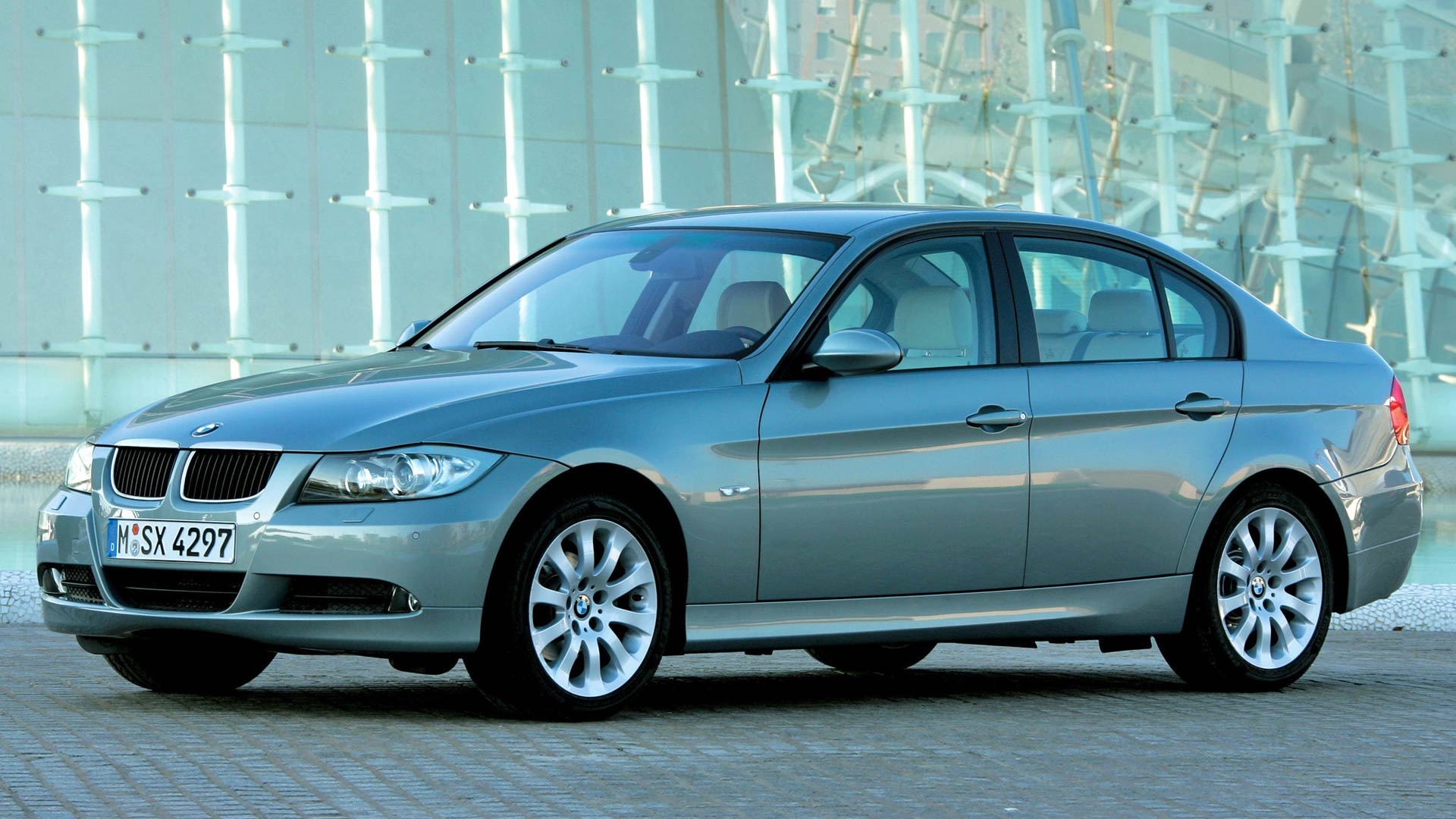
2005 BMW E90 3 Series
© BMWWe’re getting closer to the modern era now with the E90 3 Series of 2005. Now 20 years old, the E90 is still a familiar sight on Britain’s roads, especially on motorways and in office car parks.
The World Car of the Year judges clearly liked it, as it won the award in 2006. To confuse matters, the E90 was a saloon, E91 a Touring, E92 a coupe and E93 a convertible. Remember the days when BMW codenames and models were simple?
-
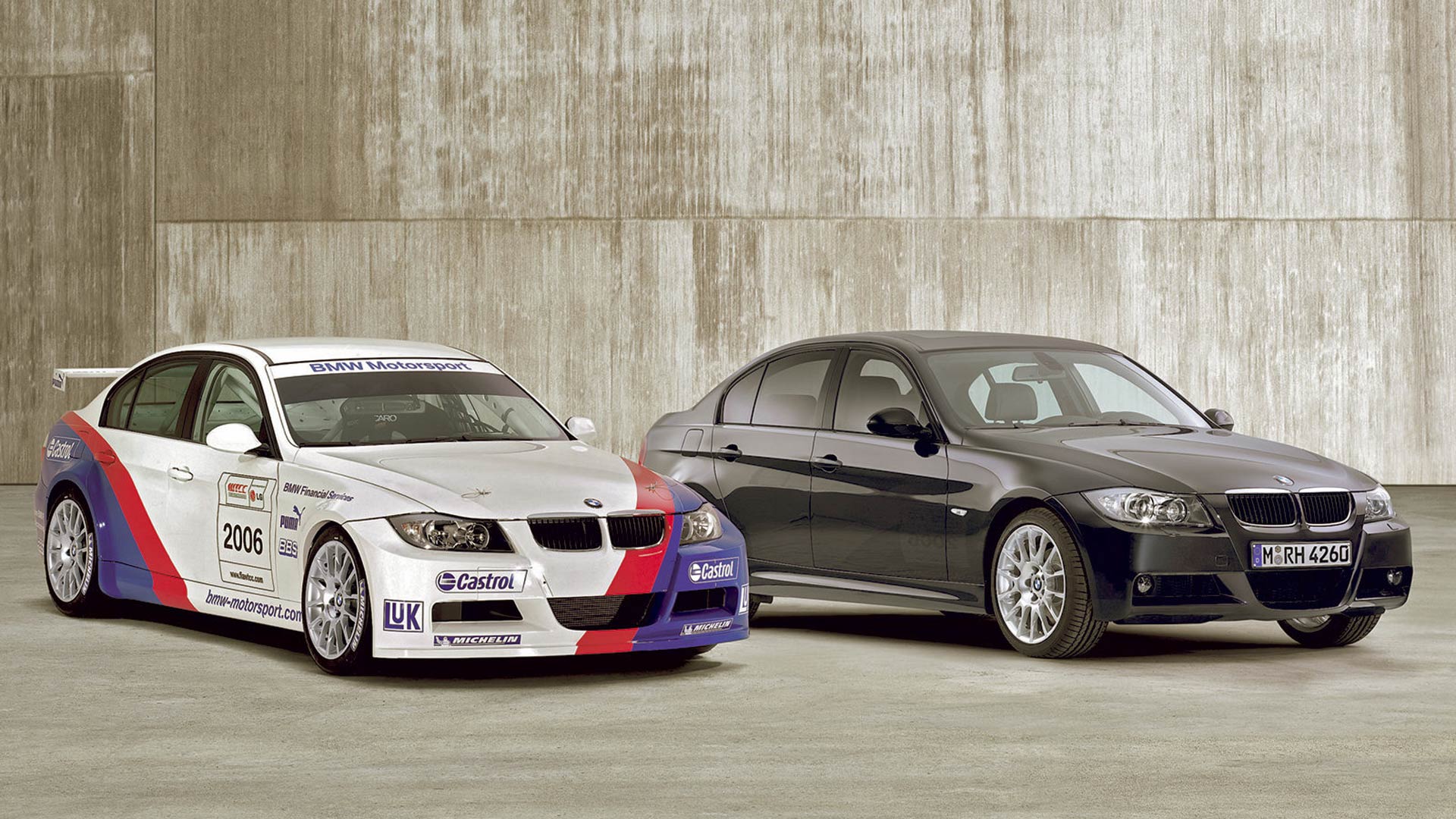
2006 BMW 320si
© BMWThe BMW 3 Series has been a dominant force in touring car racing from the start, and this continued with the E90 version.
To homologate the 320si for use in the World Touring Car Championship, BMW made 2,600 road-going examples. It remains one of the subtlest special editions.
The 2.0-litre engine gained 24hp (up to 174hp) thanks to revving higher, and came fitted with a cool carbon fibre cam cover. New wheels and a deeper front bumper were the only clues of something special going on.
-
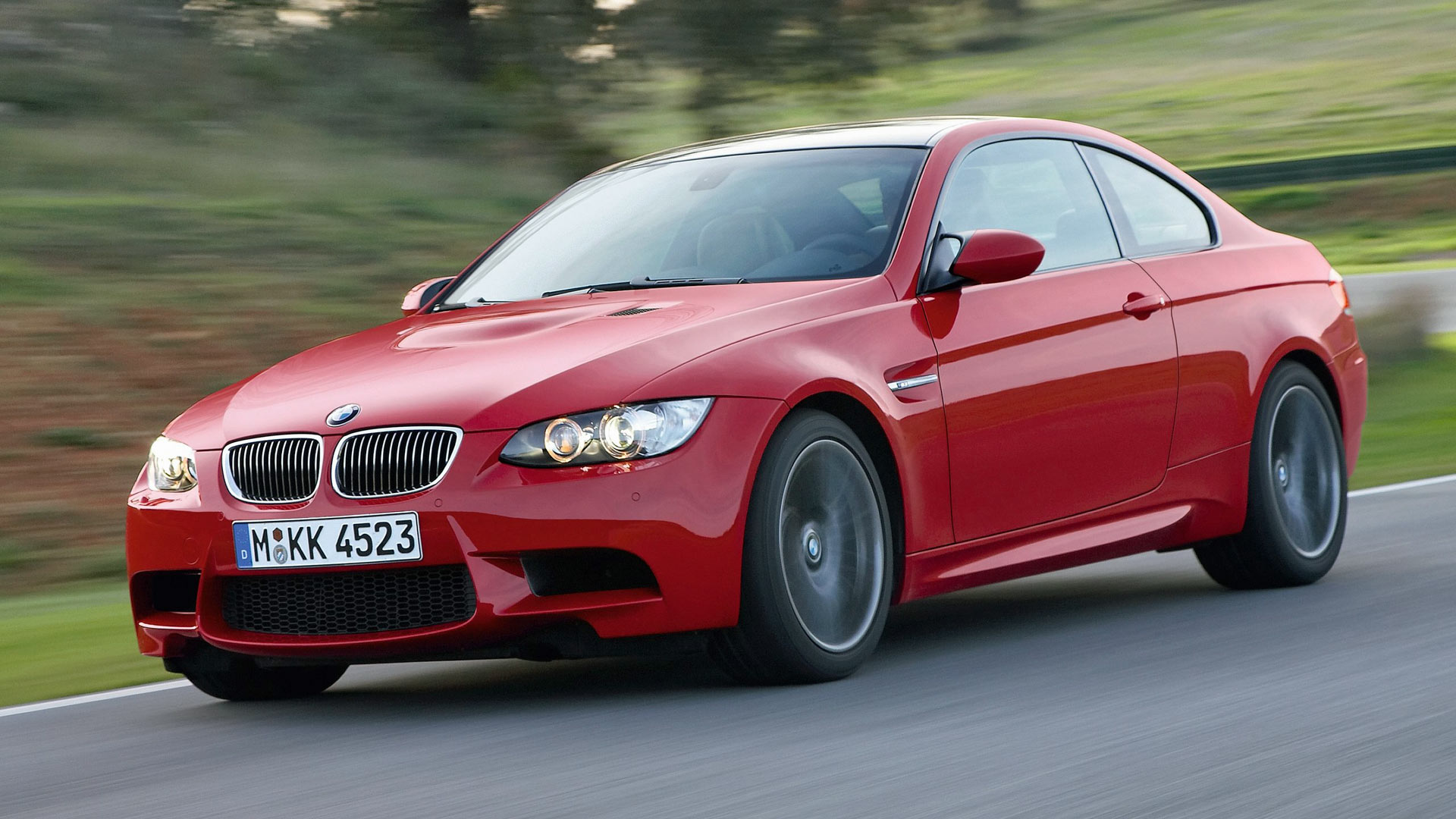
2007 BMW E90 M3
© BMWBreaking with tradition after years of straight-six power, the all-new E90-generation M3 now featured a high-revving V8 engine.
An output of 414hp and 295lb ft of torque made for a sizable increase compared to its predecessor, but the M3 was also heavier than before. Buyers could pick from a six-speed manual gearbox or a new seven-speed dual-clutch transmission.
The four-door M3 saloon did make a comeback, though, joining the regular coupe and convertible variants.
-
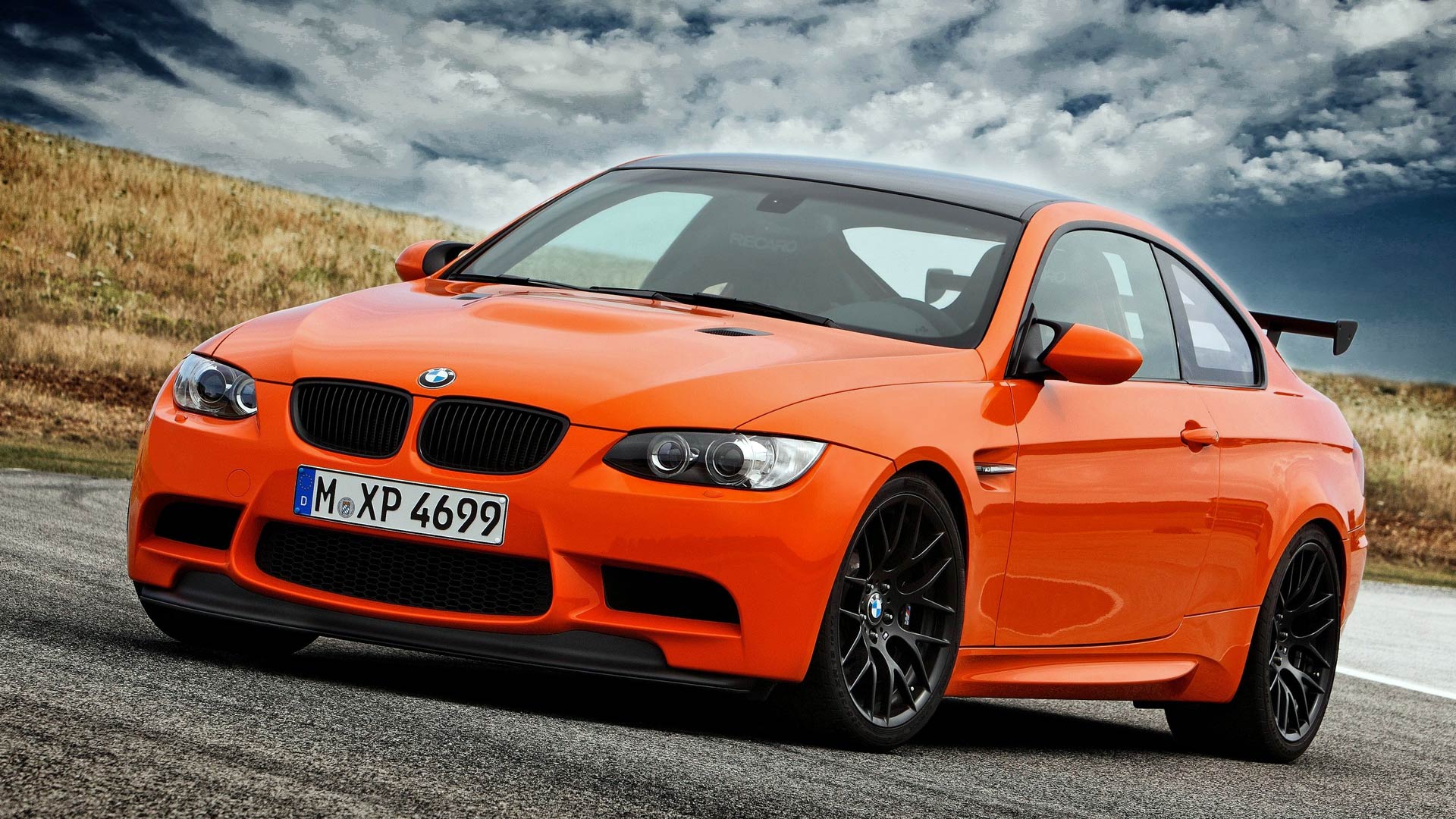
2010 BMW E92 M2 GTS
© BMWTopping the E92 range was the M3 GTS, designed as BMW’s riposte to trackday-focused Porsche models.
BMW modified the V8 engine to displace 4.4 litres, providing 444hp and 324lb ft in total. The seven-speed M-DCT dual-clutcher was the only transmission available, with 0-62mph taking 4.4 seconds and top speed an unrestricted 190mph.
Only 138 examples were made, all finished in eye-searing Fire Orange.
-
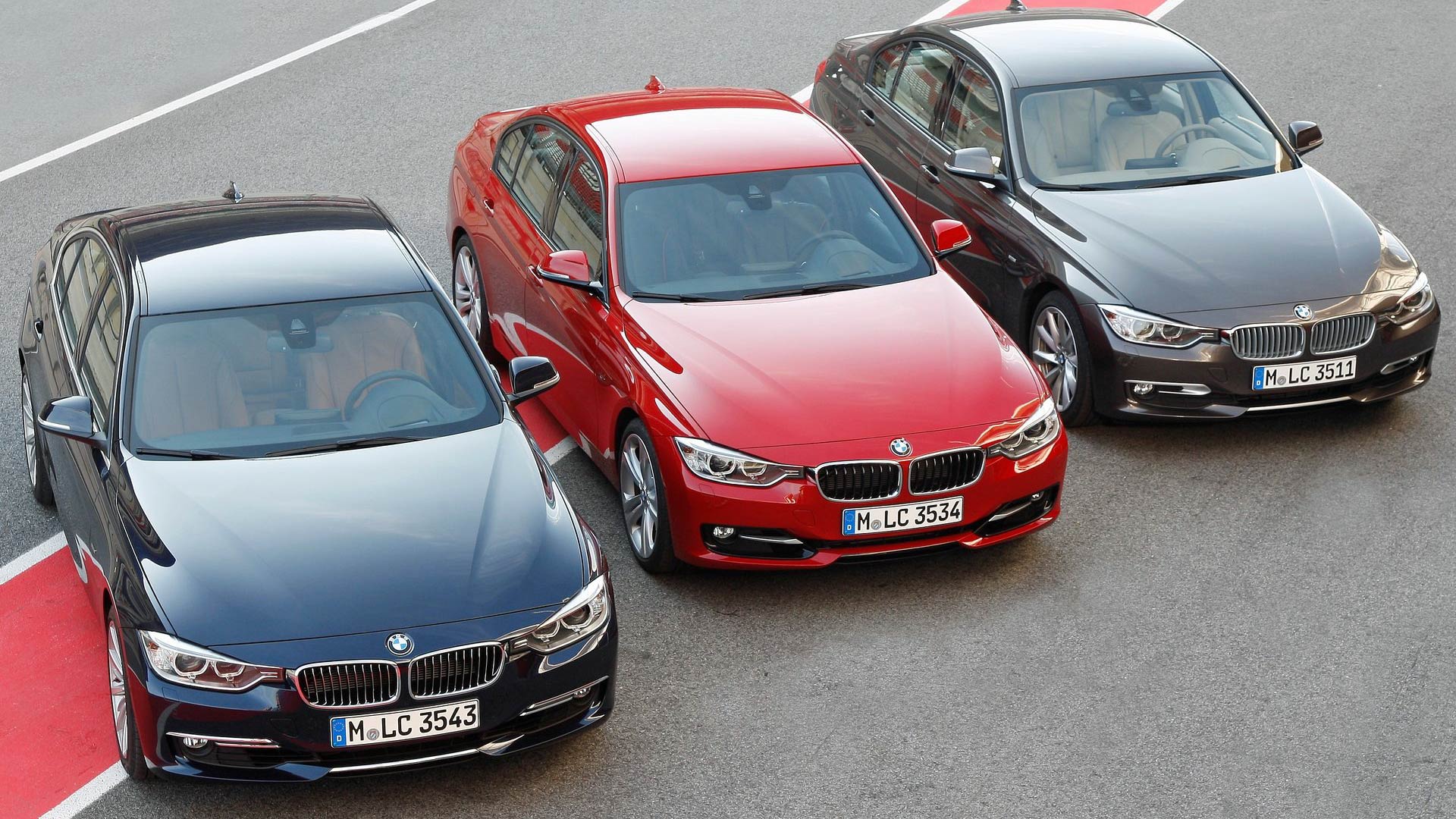
2011 BMW F30 3 Series
© BMWAfter the E90-generation of cars sold more than three million examples, BMW launched the all-new F30 version in late 2011.
Larger in all dimensions, the launch of the F30 3 Series marked the first time the entire engine range became turbocharged.
This spanned from the entry level 134hp petrol 316i, through to the 335d diesel with 308hp at launch.
-
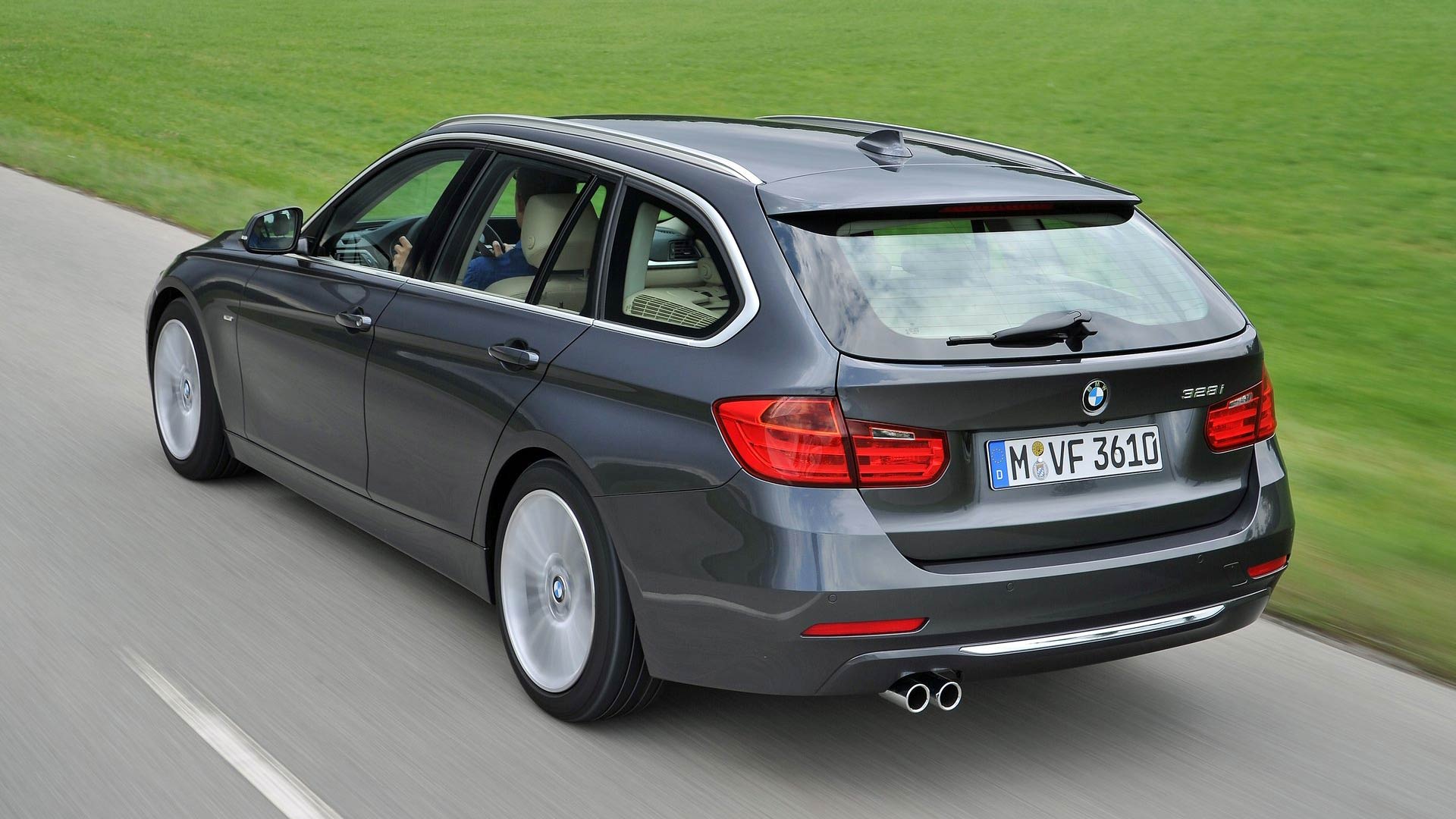
2012 BMW F31 3 Series Touring
© BMWDespite BMW pivoting ever more into the world of SUVs, the traditional 3 Series Touring estate remained an important part of the range.
It offered more space than ever found in a Touring model previously, with the ability to carry three bags of golf clubs.
-
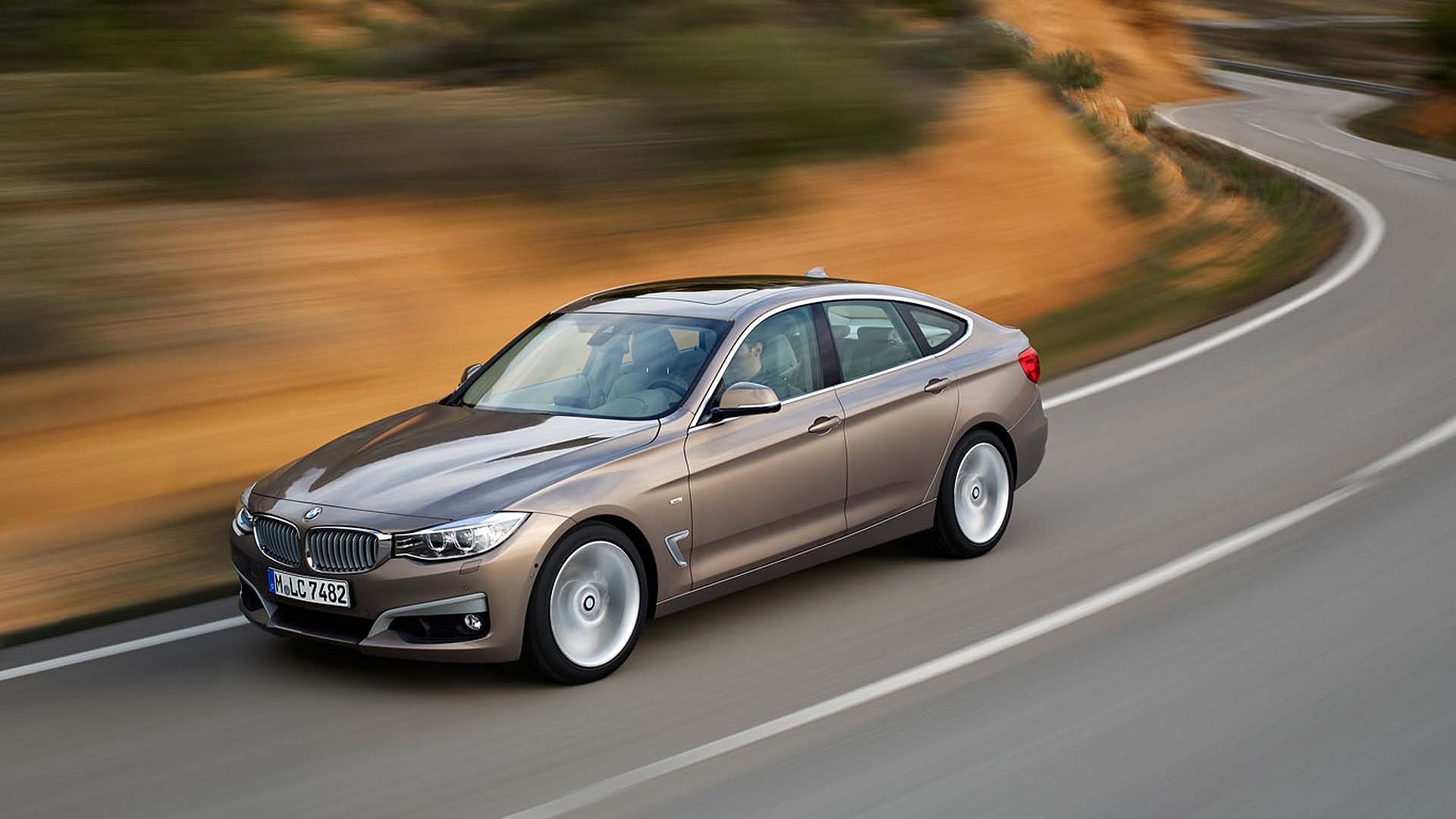
2013 BMW F34 3 Series Gran Turismo
© BMWBMW did create some shockwaves with the F30-generation 3 Series, launching the Gran Turismo version in 2013.
Inspired by the larger 5 Series Gran Turismo, BMW said the five-door fastback had more rear legroom than a contemporary 5 Series saloon, plus more luggage capacity than a 3 Series Touring.
Customers seemed unconvinced, however, with the 3 Series Gran Turismo dropped for the next generation.
-
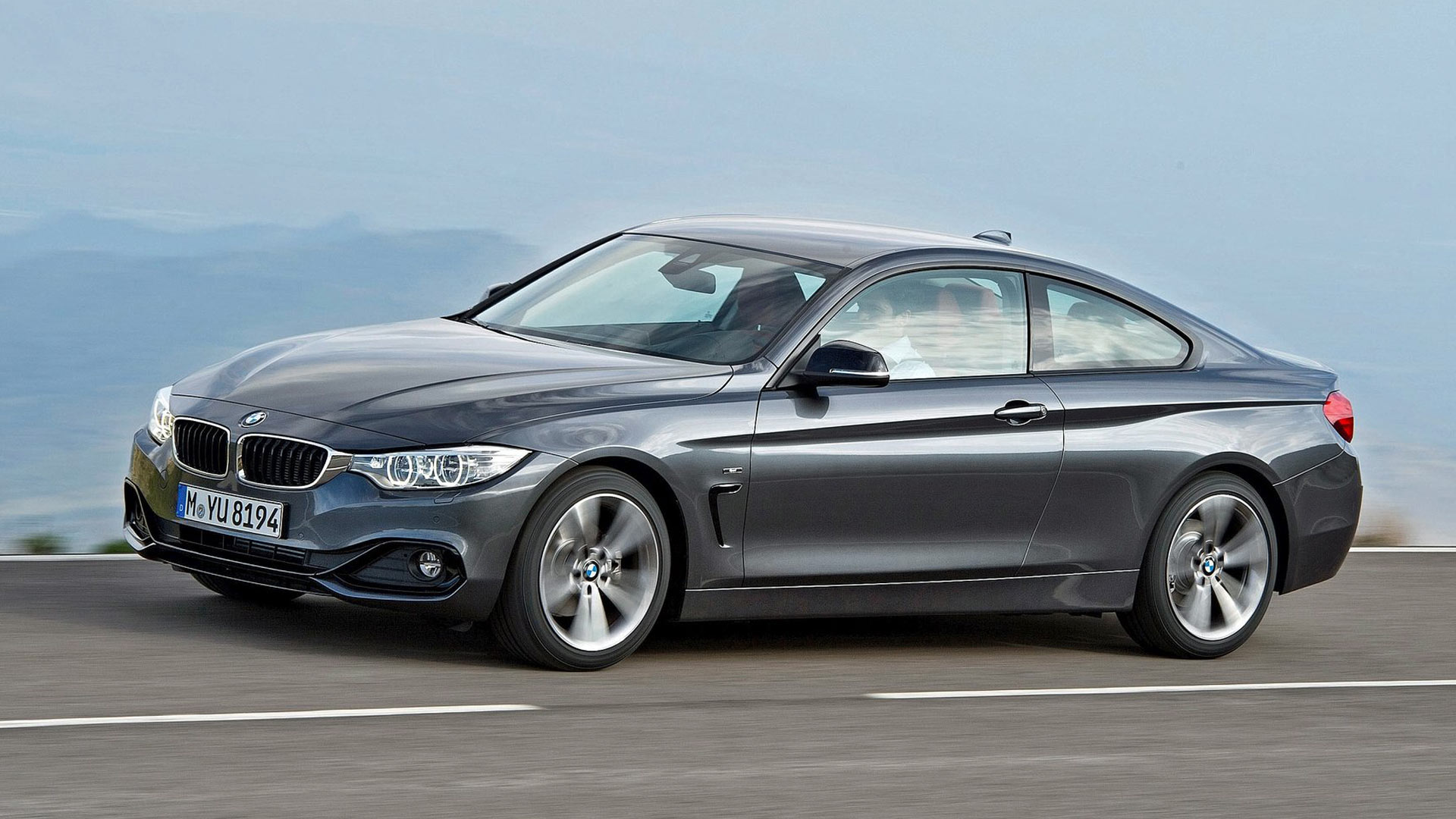
2014 BMW F32 4 Series
© BMWThe bigger shock announcement came with the news that the BMW 3 Series Coupe and Convertible were no more.
Instead, BMW chose to turn the two-door variants into a new 4 Series range, ending decades of history and upsetting quite a few purists along the way.
-
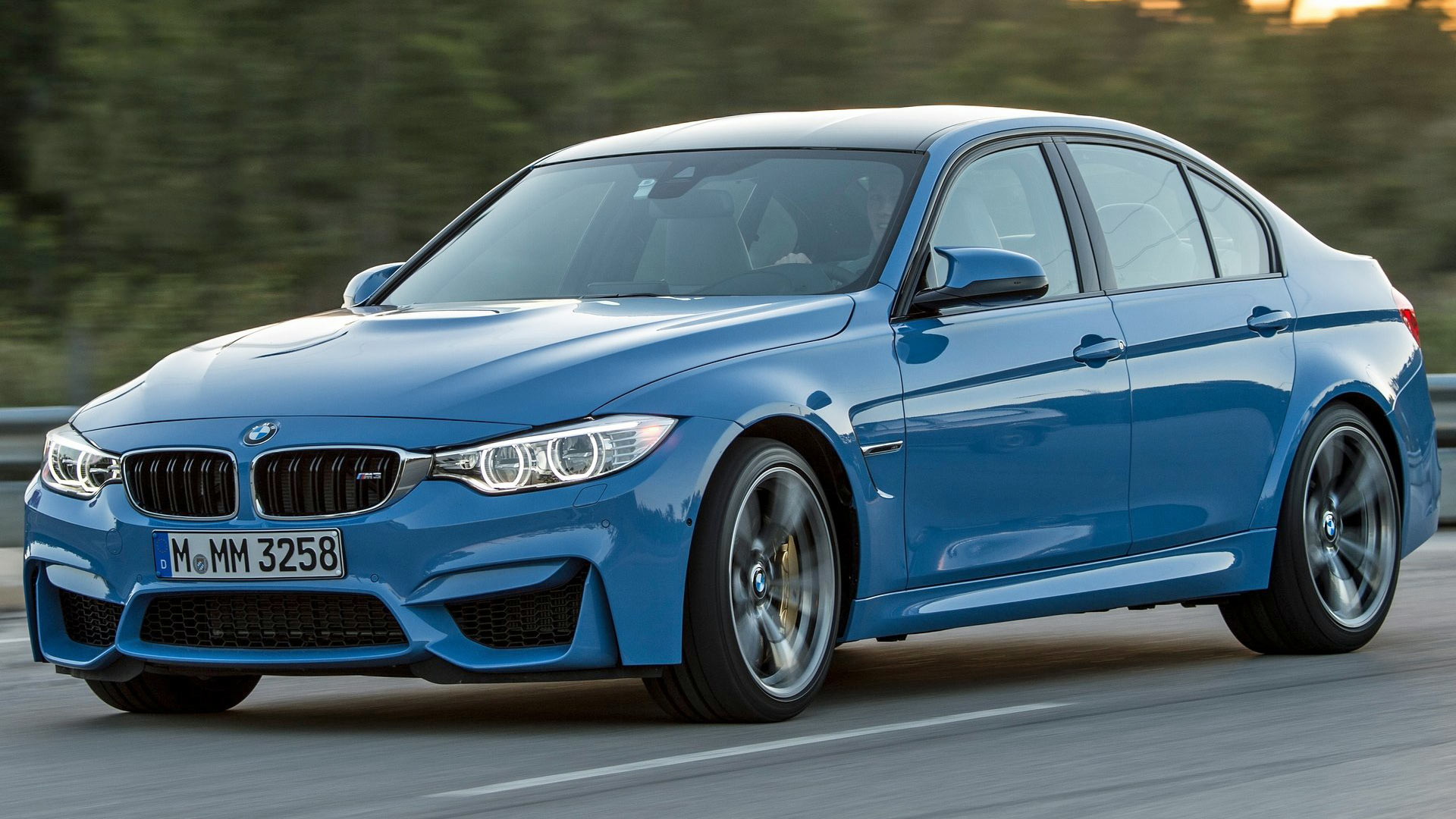
2015 BMW F80 M3
© BMWBMW’s decision to split the 3 Series range in two, sending its coupe and cabriolet versions in a new direction, also had an effect on the M3.
The new naming structure meant the M3 would be a four-door model only, ending three decades of history. BMW even gave the M3 its own separate F80 model number, too.
The new F80-generation M3 was not all bad news for enthusiasts, though, thanks to the return of a straight-six power. With twin turbochargers, the 3.0-litre engine developed a substantial 431hp and 406lb ft of torque.
-
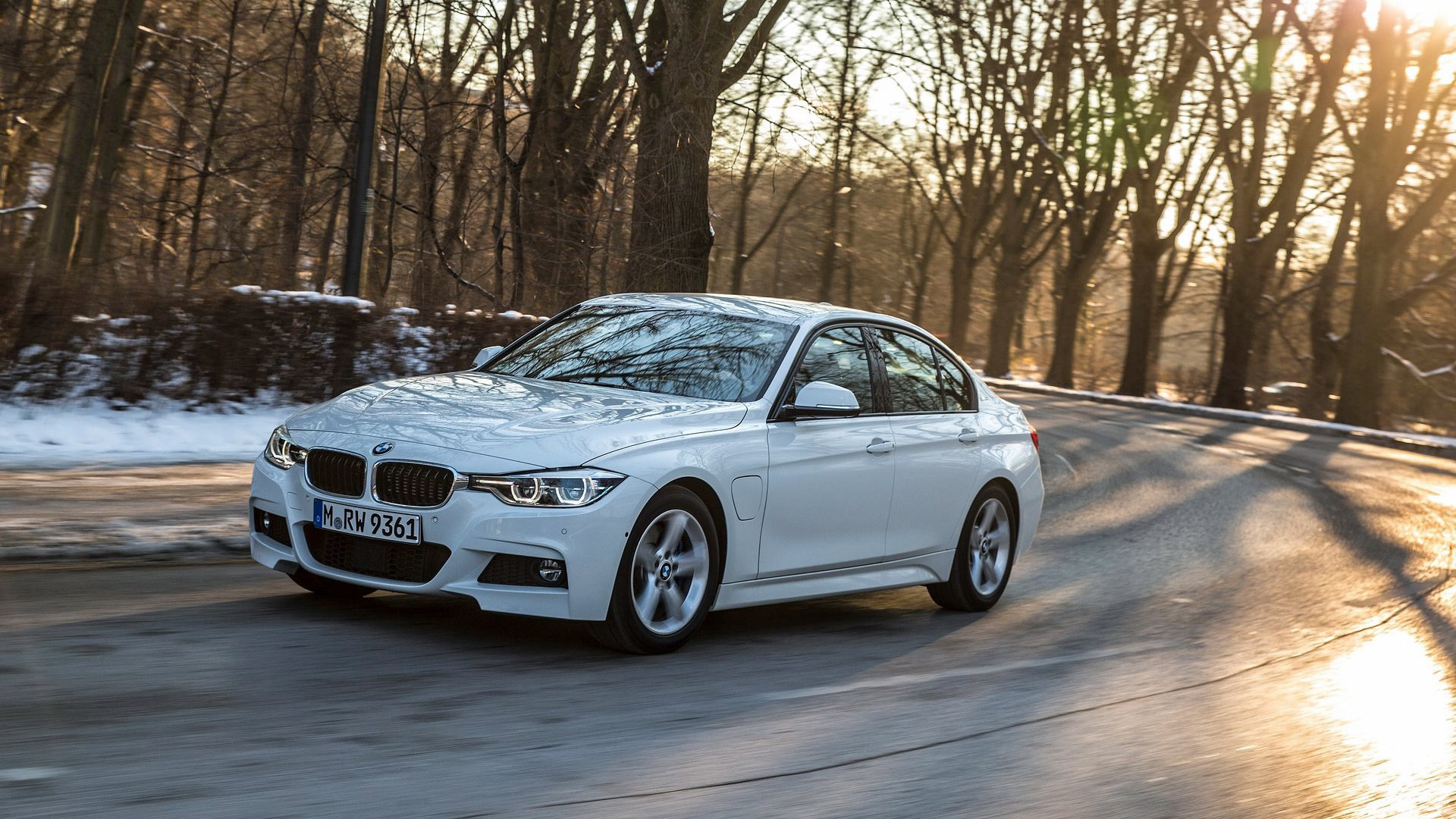
2015 BMW F30 330e iPerformance
© BMWNot even the BMW 3 Series could escape the lure of plug-in hybrid performance, with the F30 range gaining the 330e iPerformance model in 2015.
Combining a 2.0-litre petrol engine with an electric motor resulted in a total of 248hp, plus the ability to cover up to 25 miles on battery power alone.
-
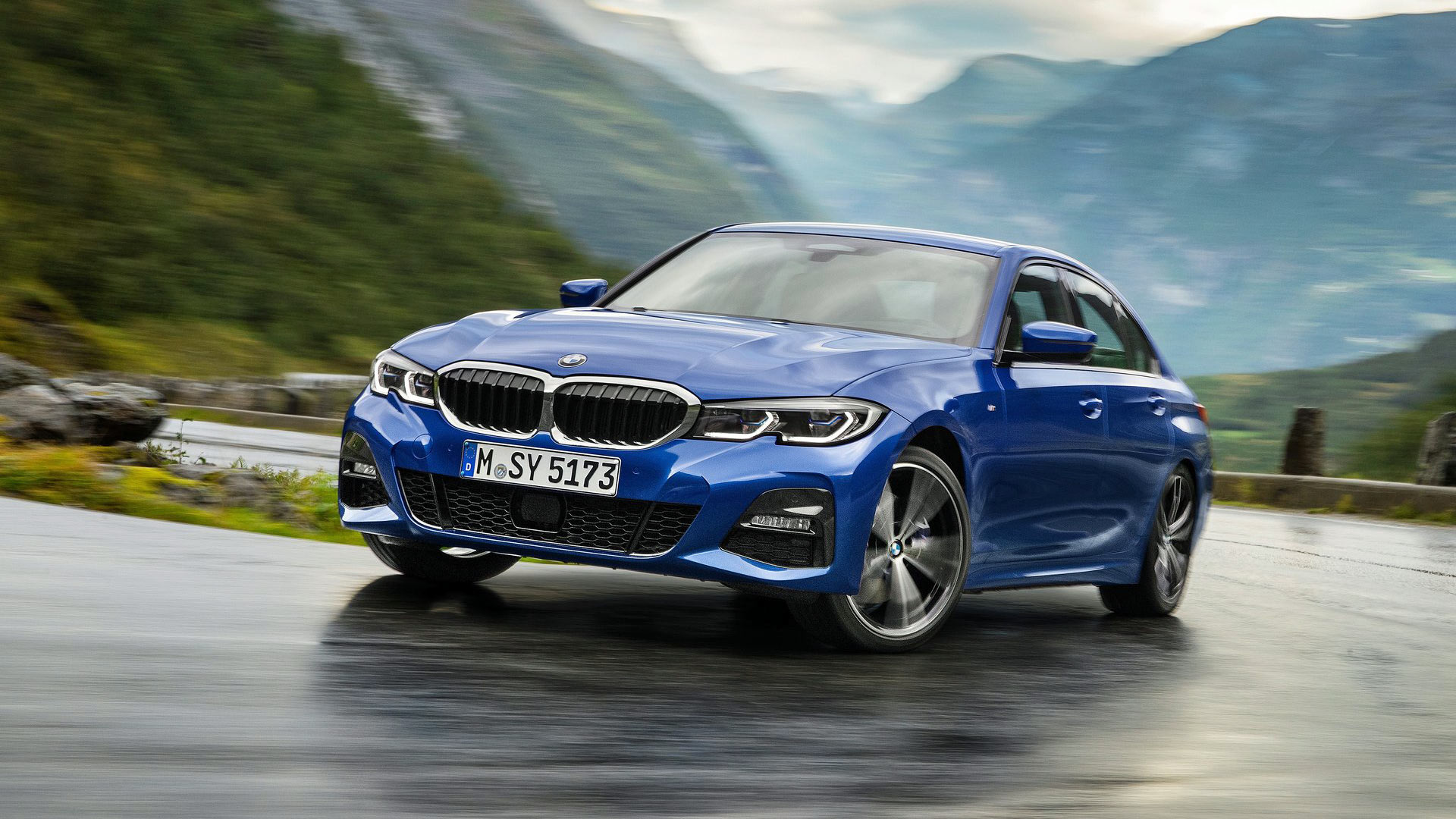
2019 BMW G20 3 Series
© BMWUnveiled at the 2018 Paris Motor Show, the seventh generation of the 3 Series brought a dramatic new look for BMW’s junior saloon, along with improved aerodynamics to boost efficiency.
Bigger and lighter than its predecessor, the G20-generation 3 Series also moved further up the premium ladder. A double-glazed windscreen, along with extra sound deadening around the A-pillars, was intended to reduce wind noise.
Engine options reflected the trend for downsizing, with most of the range based around 2.0-litre four-cylinder units.
-
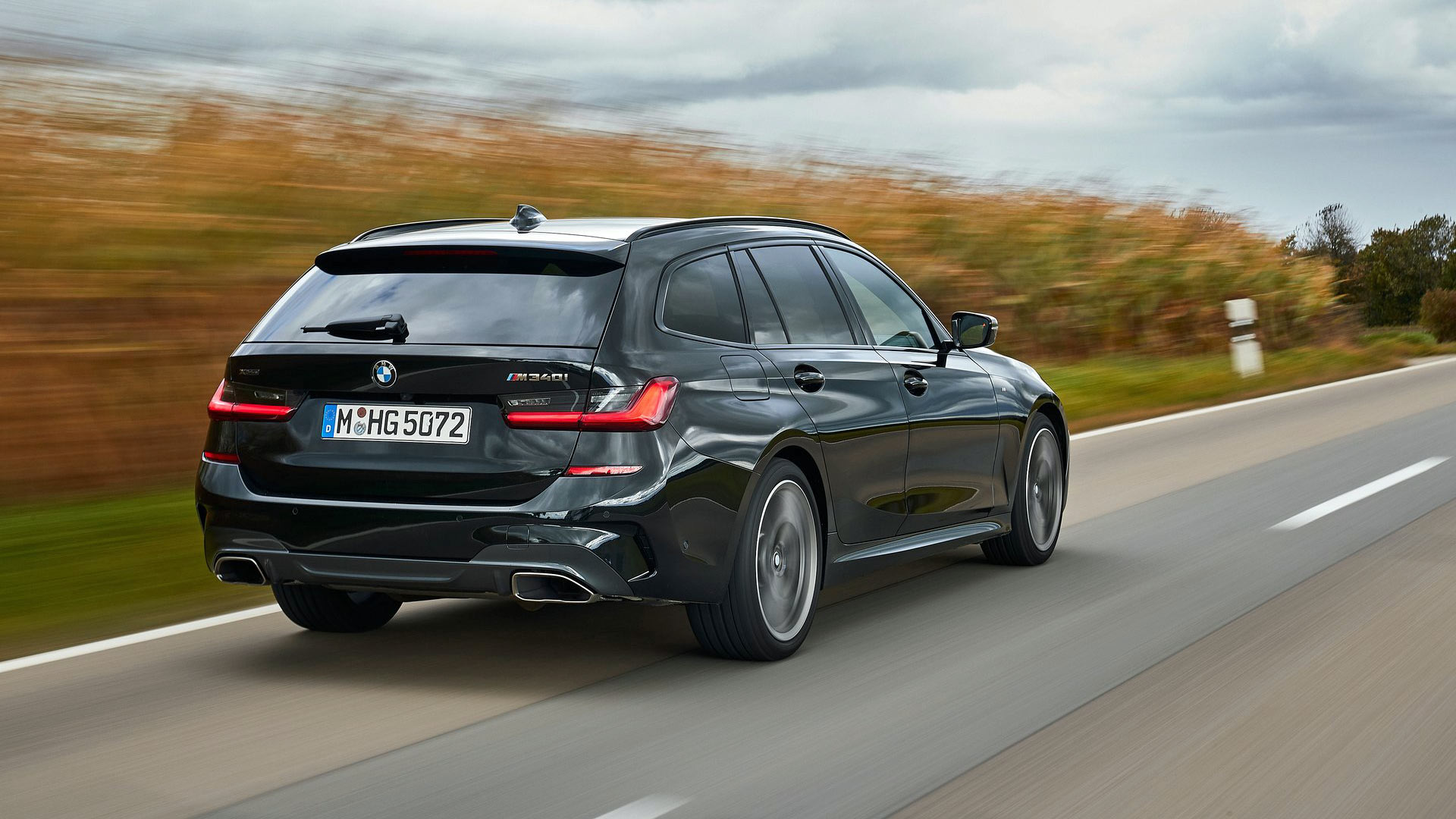
2019 BMW G21 3 Series Touring
© BMWBMW revealed the new G21 3 Series Touring in 2019, with a boot that had grown to 500 litres of luggage capacity with the rear seats in place. Dropping them flat increased this to a very useful 1,510 litres.
Fortunately, six-cylinder performance had not left the building with this new-generation 3 Series.
Buyers could opt for the 387hp petrol M340i or 340hp diesel M340d, both with turbocharged straight-six engines. BMW’s xDrive all-wheel setup helped to channel all that power to the road.
-
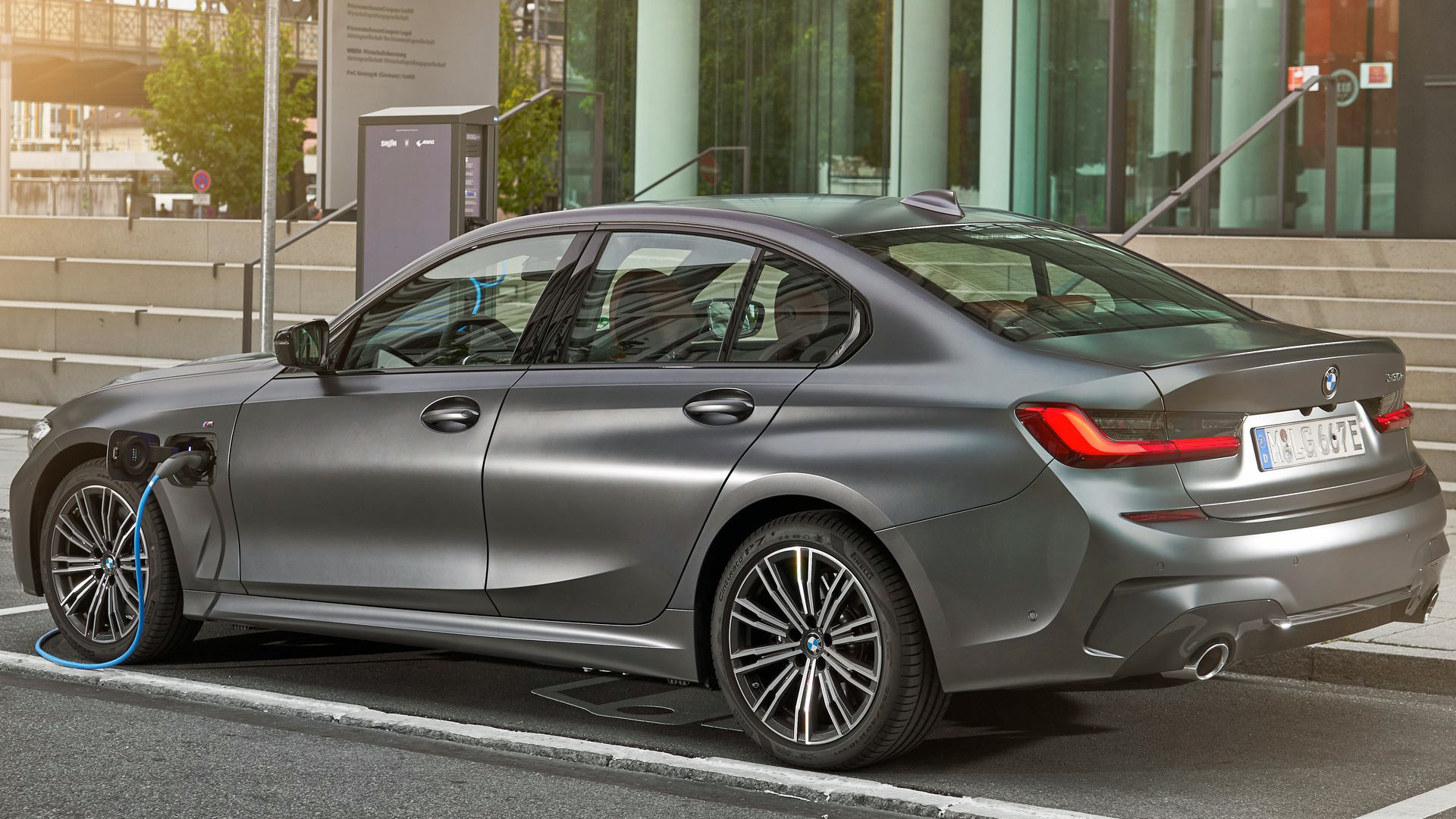
2019 BMW G20 330e
© BMWUnlike before, the plug-in hybrid BMW 330e was available right from the start of the G20-generation.
Output from its petrol engine and electric motor was increased to 292hp, including 41hp from an ‘XtraBoost mode’ to assist with overtaking.
Capable of reaching 68mph on battery power, the G20 330e also boasts a longer electric-only range of 37 miles.
-
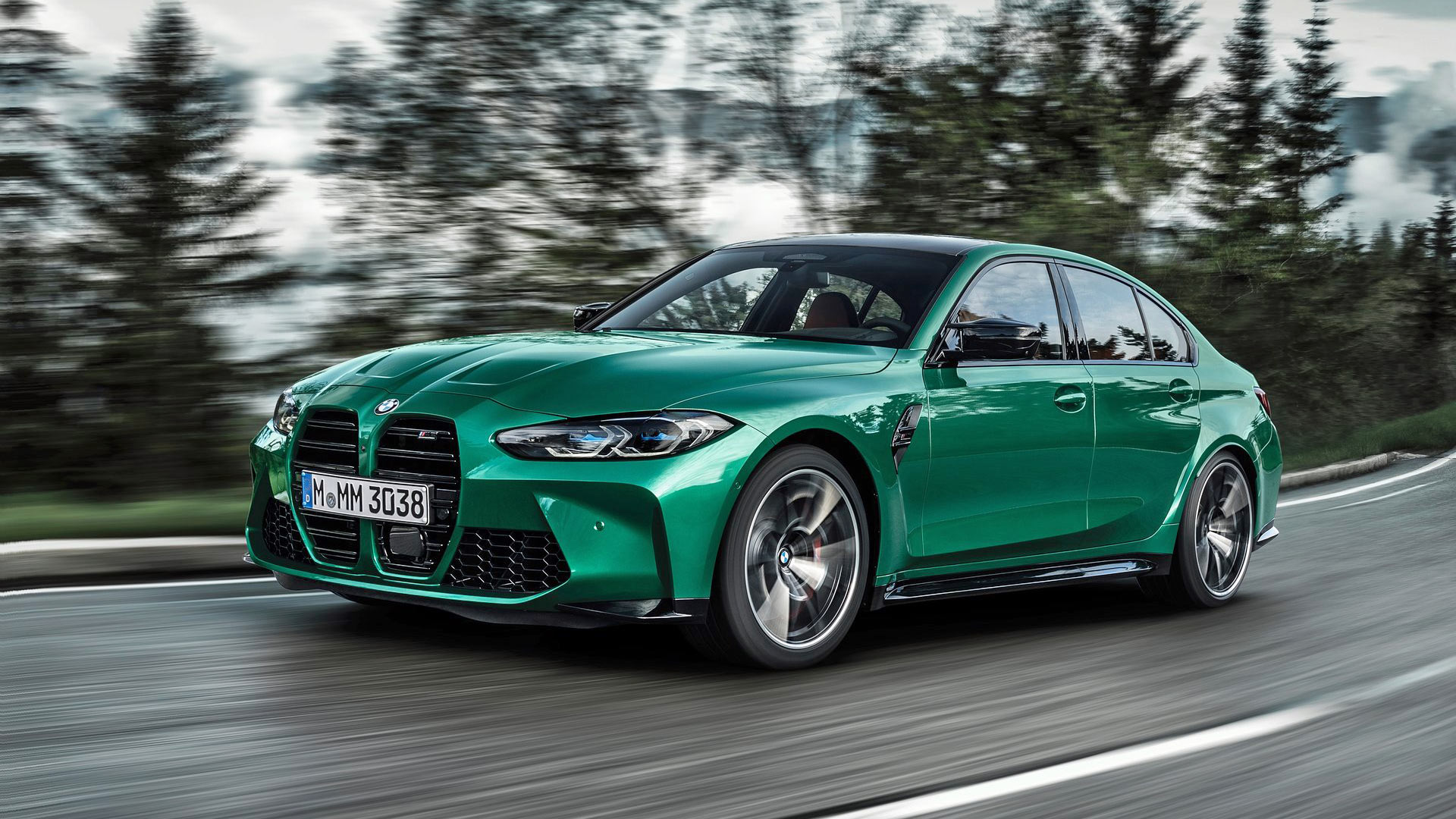
2020 BMW G80 M3
© BMWA new BMW 3 Series also resulted in a brand new M3, with the G80 version announced in 2020. For the first time in M3 history, the option of xDrive all-wheel drive meant the performance saloon was no longer exclusively rear-driven.
The extra traction was welcome, though, with the new M3 propelled by an upgraded twin-turbo 3.0-litre straight-six engine that generated 510hp in Competition trim. Later this was pushed to 551hp for the CS model.
We’ll let you form your own opinion on that front grille…
-
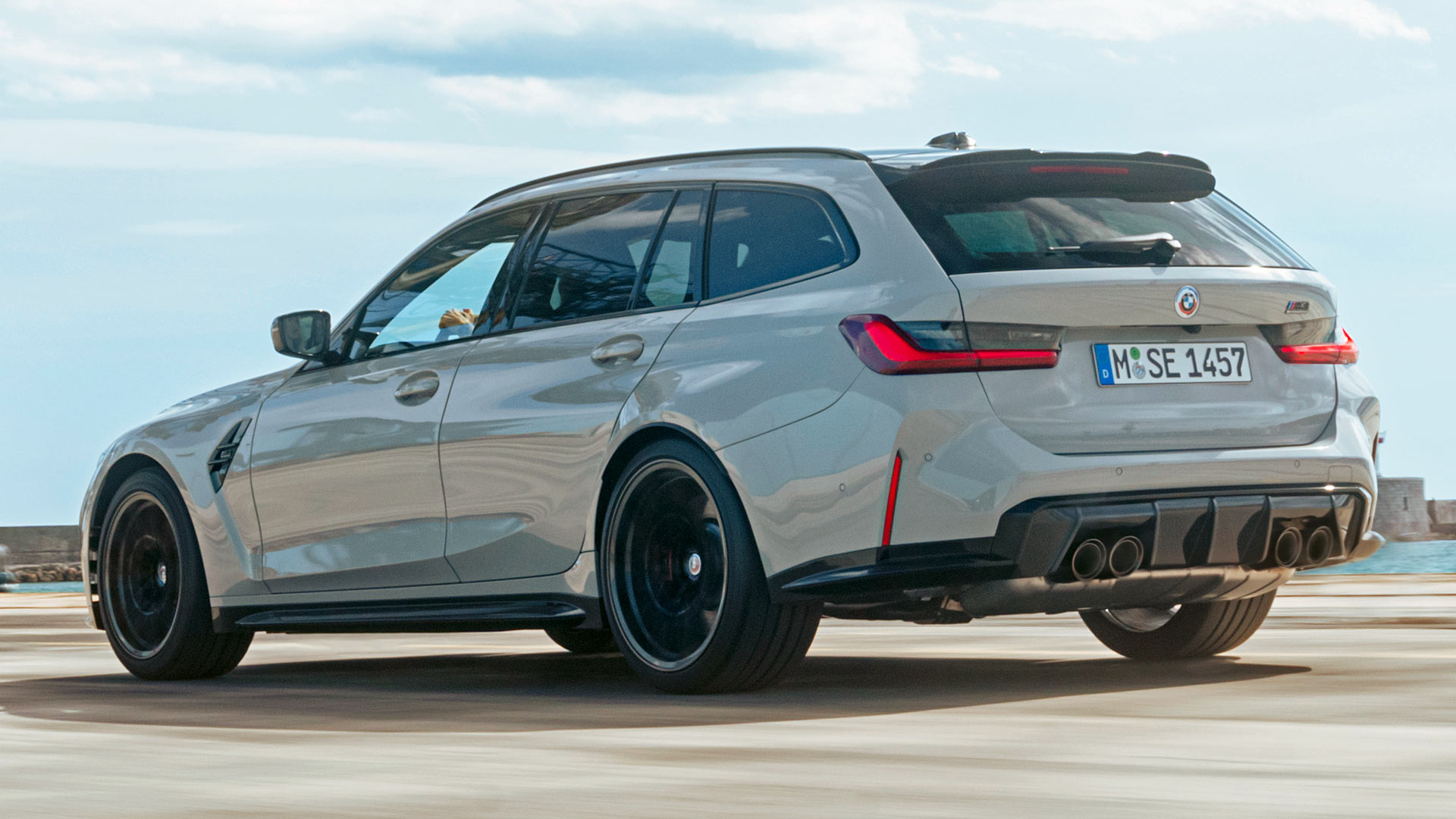
2022 BMW G81 M3 Competition Touring
© BMWFinally, after decades of enthusiasts asking for one, BMW relented and created an M3 Touring in 2022. Despite the brand offering a host of performance M-badged SUVs, the time was seemingly right for an M3 wagon.
Even with extra space for luggage, the Touring version delivers the same blend of excitement and engagement as the four-door saloon. What took you so long, Munich?
-
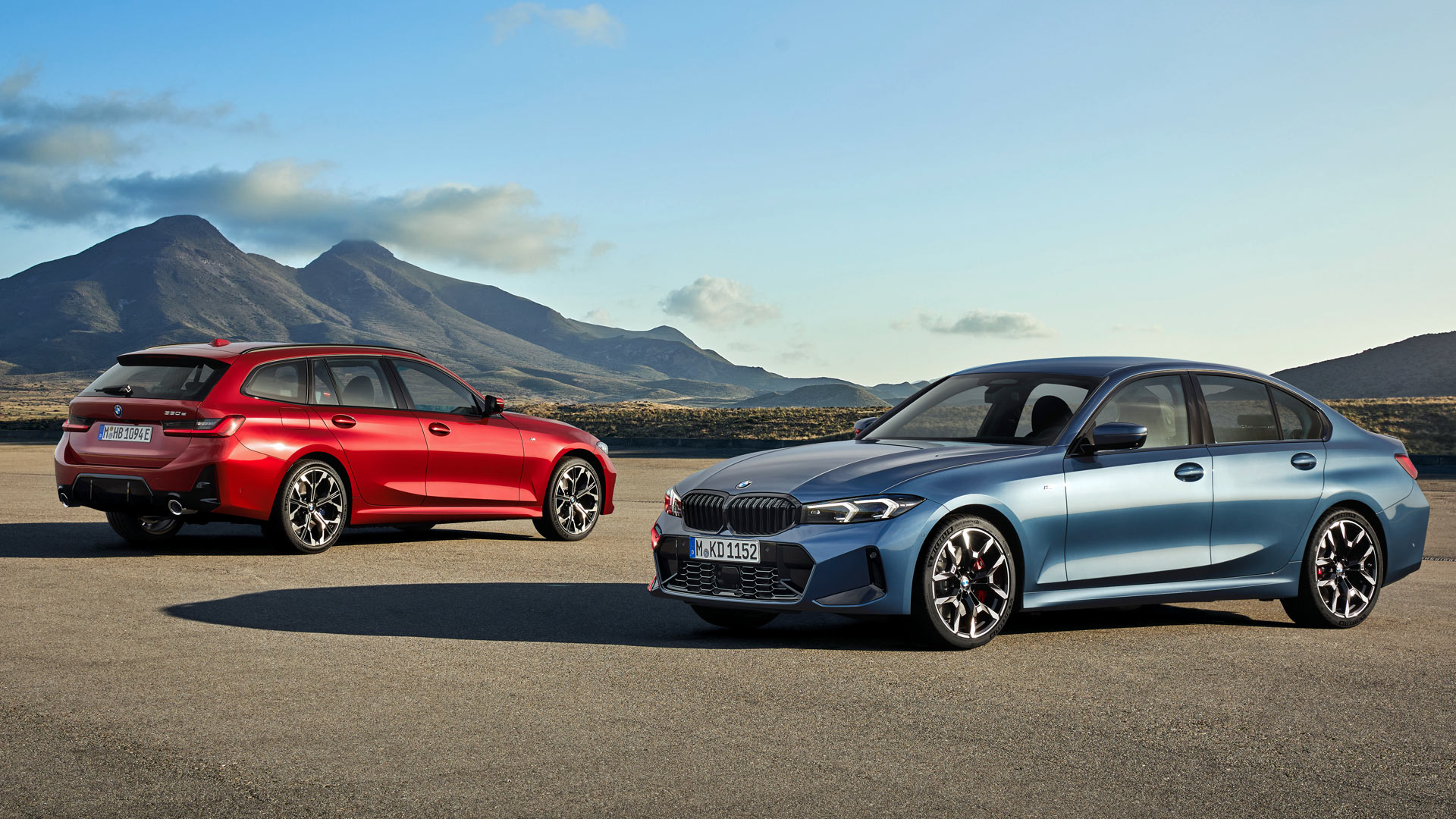
2024 BMW G20 3 Series
© BMWBMW treated the G20 3 Series to a Life Cycle Impulse (LCI) in 2022, but then opted to update its compact executive model again in 2024.
The latest LCI was very subtle on the outside, with only the most ardent BMW fans likely to spot the reshaped bumpers or updated alloy wheel designs.
More shockingly, diesel power was dropped for key markets such as the UK, ending a lineage stretching all the way back to 1985. However, a bigger battery for the 330e hybrid means up to 63 miles on electric power only.
Inside, BMW ditched almost all the remaining physical buttons on the dashboard, although the iDrive rotary controller remains.
-
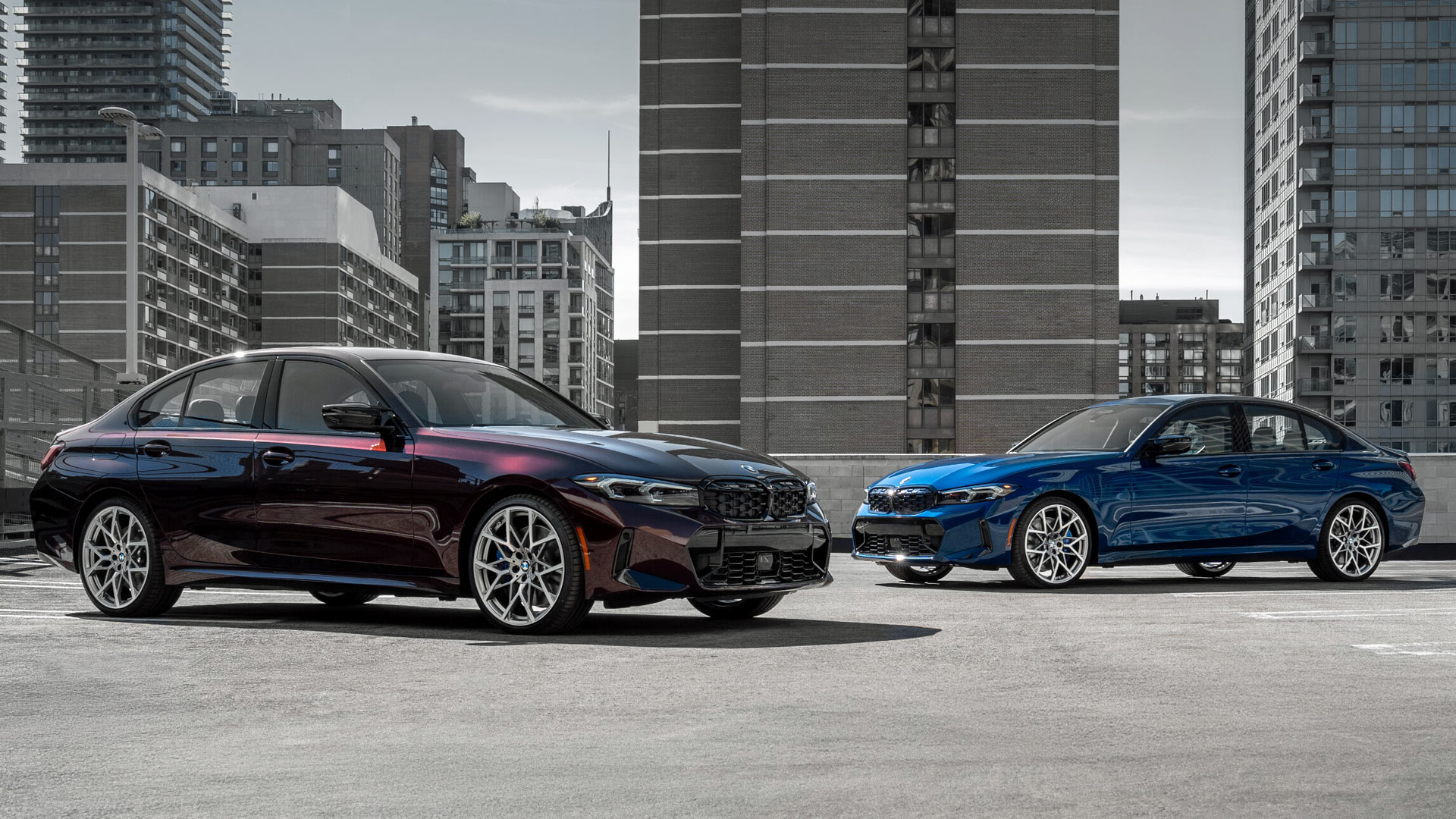
2025 BMW G20 M340i xDrive 50 Jahre Edition
© BMWTo celebrate the BMW 3 Series reaching its 50th birthday, certain markets across the globe offered a special edition version of the famous four-door saloon.
Sadly, the UK was denied a commemorative 3 Series, but enthusiasts in the United States and Canada were presented with the M340i xDrive 50 Jahre Edition in late 2025.
Features included a choice of BMW Individual paint colours inspired by the six previous generations of the 3 Series, along with a performance exhaust system and bespoke badging.
-
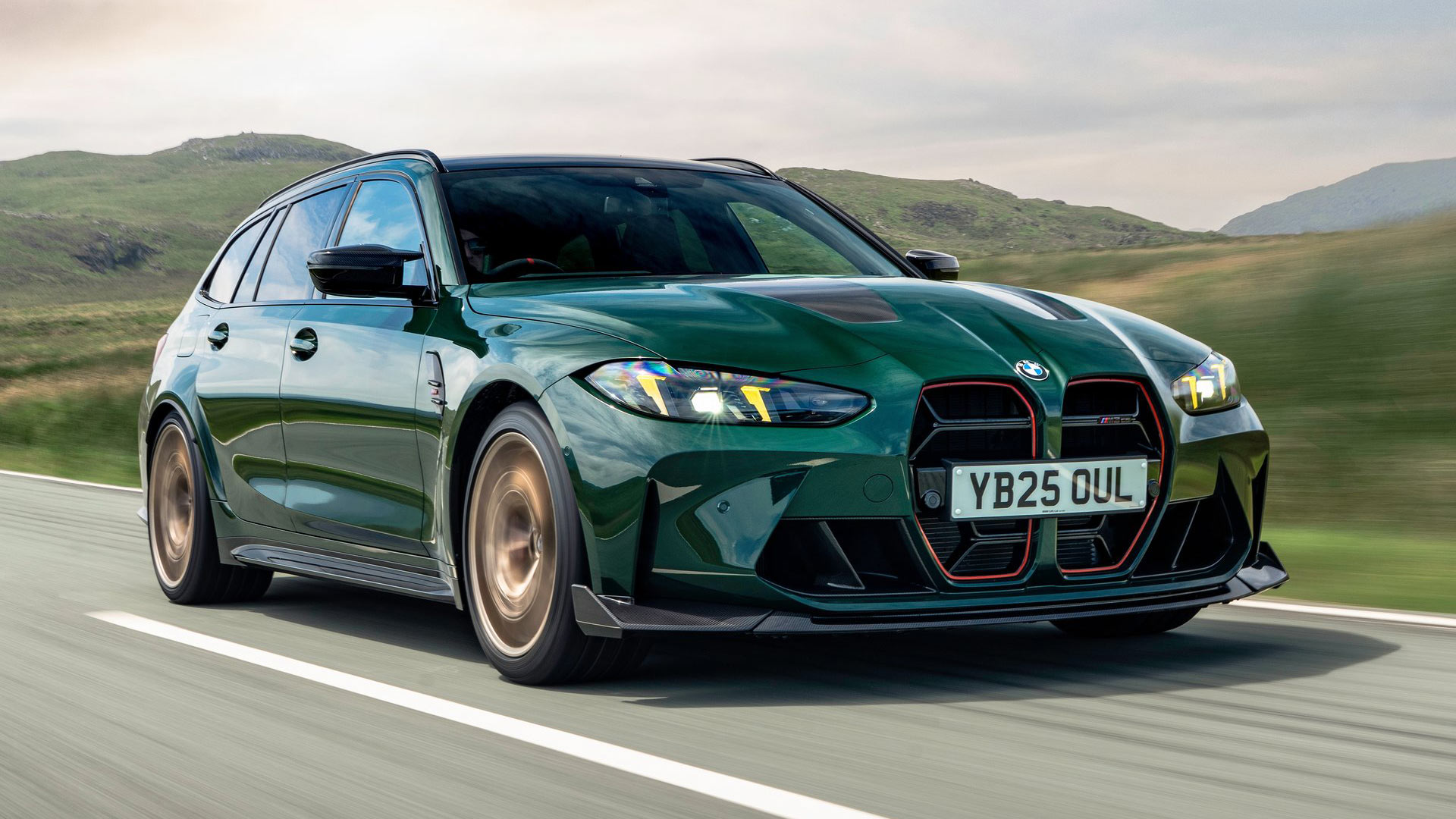
2025 BMW G81 M3 CS Touring
© BMWUK enthusiasts did have a reason to be cheerful during 2025, however, with BMW giving the already impressive M3 Touring the CS treatment.
Output was boosted from 510hp to 550hp, with a token 15kg shaved from the M3 Touring’s kerb weight through the use of lightweight materials.
Accelerating from 0-62mph requires just 3.5 seconds, with 0-124mph in 11.4 seconds. A top speed of 186mph seems more than sufficient for a family estate car, as does being able to lap the Nürburgring Nordschleife circuit in 7min 29.5sec. All with a practical 500 litres of luggage capacity.
-
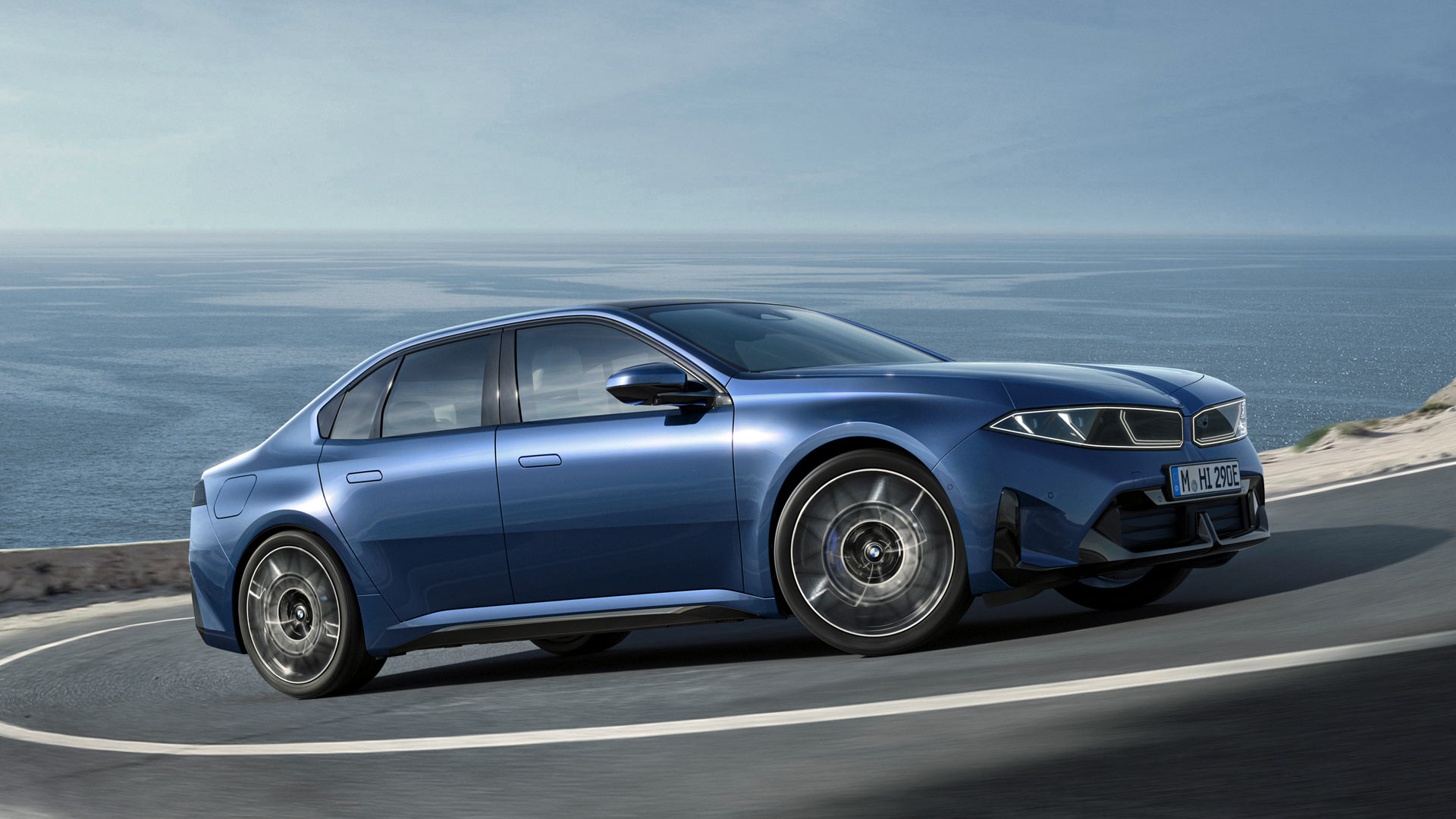
2026 BMW i3 50 xDrive
© BMWThe greatest strength of the BMW 3 Series has been its ability to adapt across five decades.
However, the arrival of a fully electric BMW i3 as the battery-powered counterpart to the conventional 3 Series is possibly the biggest development in the executive saloon’s long history.
BMW has been clear with its intentions for the i3, even down to the styling that includes classic 3 Series cues such as headlights that mimic the ‘four eyes’ found on previous models.
-
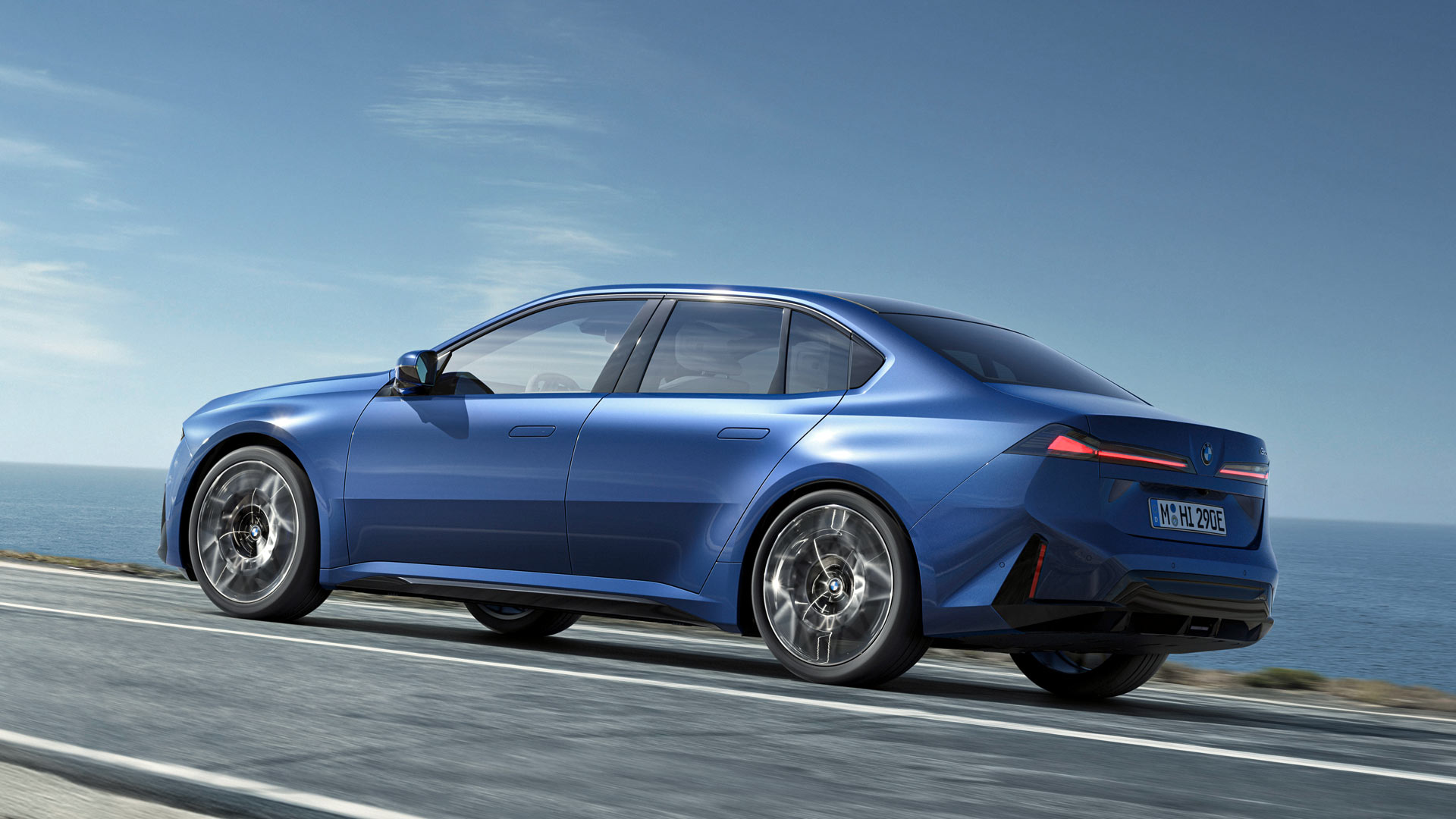
2026 BMW i3 50 xDrive
© BMWBeneath the 3 Series-inspired bodywork of the new BMW i3 is a platform and powertrain shared with the new iX3 electric SUV.
With a dual-motor setup, the i3 50 xDrive model boasts 469hp and 475lb ft of torque, with a 0-62mph time that will be comfortably under 5.0 seconds. A full M-badged version will offer even more performance.
However, the battery range of the i3 is likely to be the biggest factor in luring BMW drivers away from their petrol-powered saloons.
Fully charged, the i3 offers an officially tested range of up to 559 miles. This comfortably makes it the longest-range EV on sale anywhere in the world. Rapid charging technology could also see nearly 250 miles of range added in only 10 minutes.
-
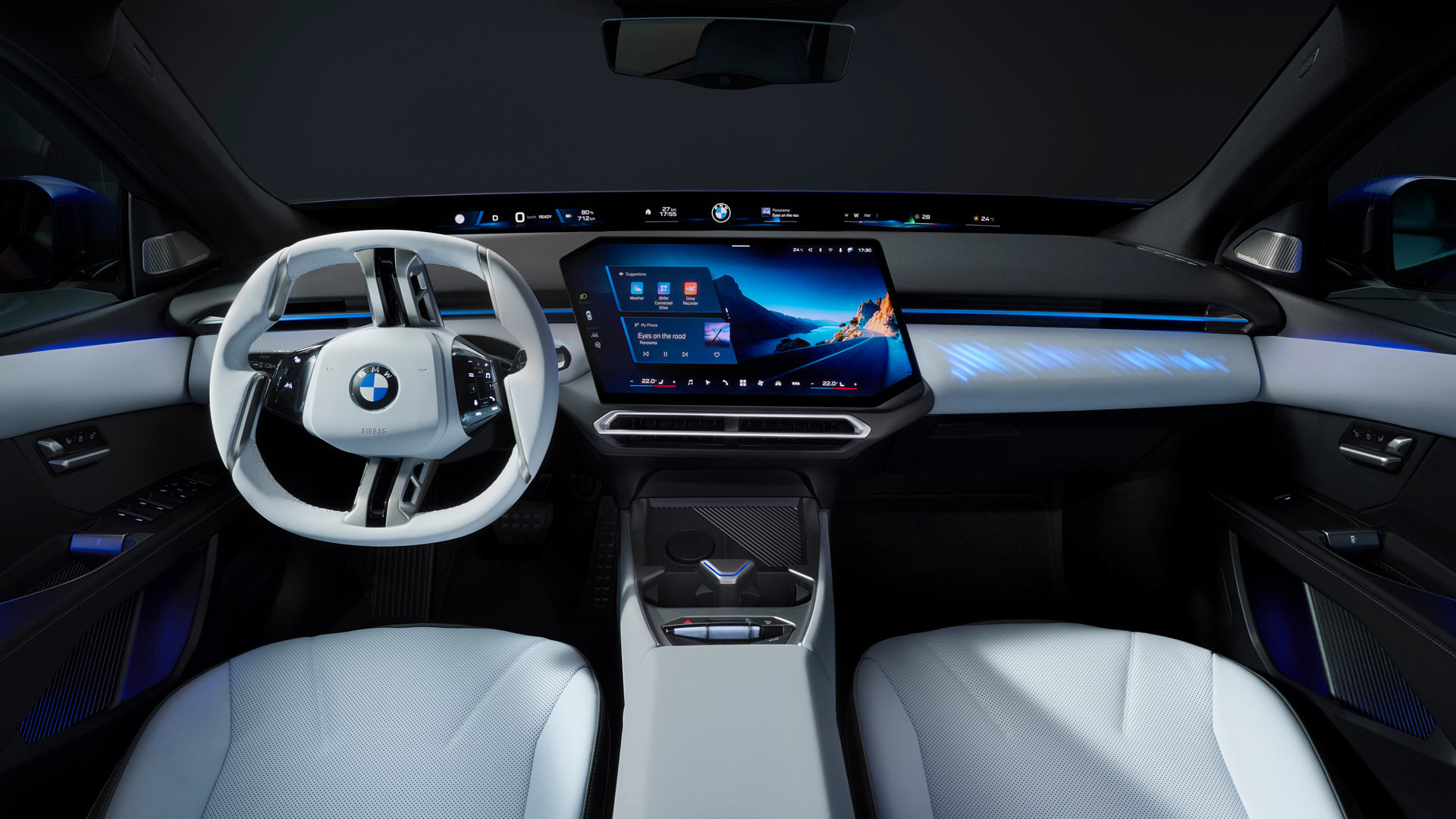
2026 BMW i3 50 xDrive
© BMWThe BMW i3 will also make use of the marque’s radical Panoramic iDrive system, with a digital display spanning the entire width of the dashboard just beneath the windscreen.
This means no more iDrive rotary controller on the centre console. Instead, the steering wheel features a host of buttons to operate the system, alongside a 17.9-inch central touchscreen.
BMW will also include its Intelligent Personal Assistant into the iDrive system, which will gain Amazon Alexa AI technology in the near-future.
It all makes for the most radical interpretation of the 3 Series concept to date.
-
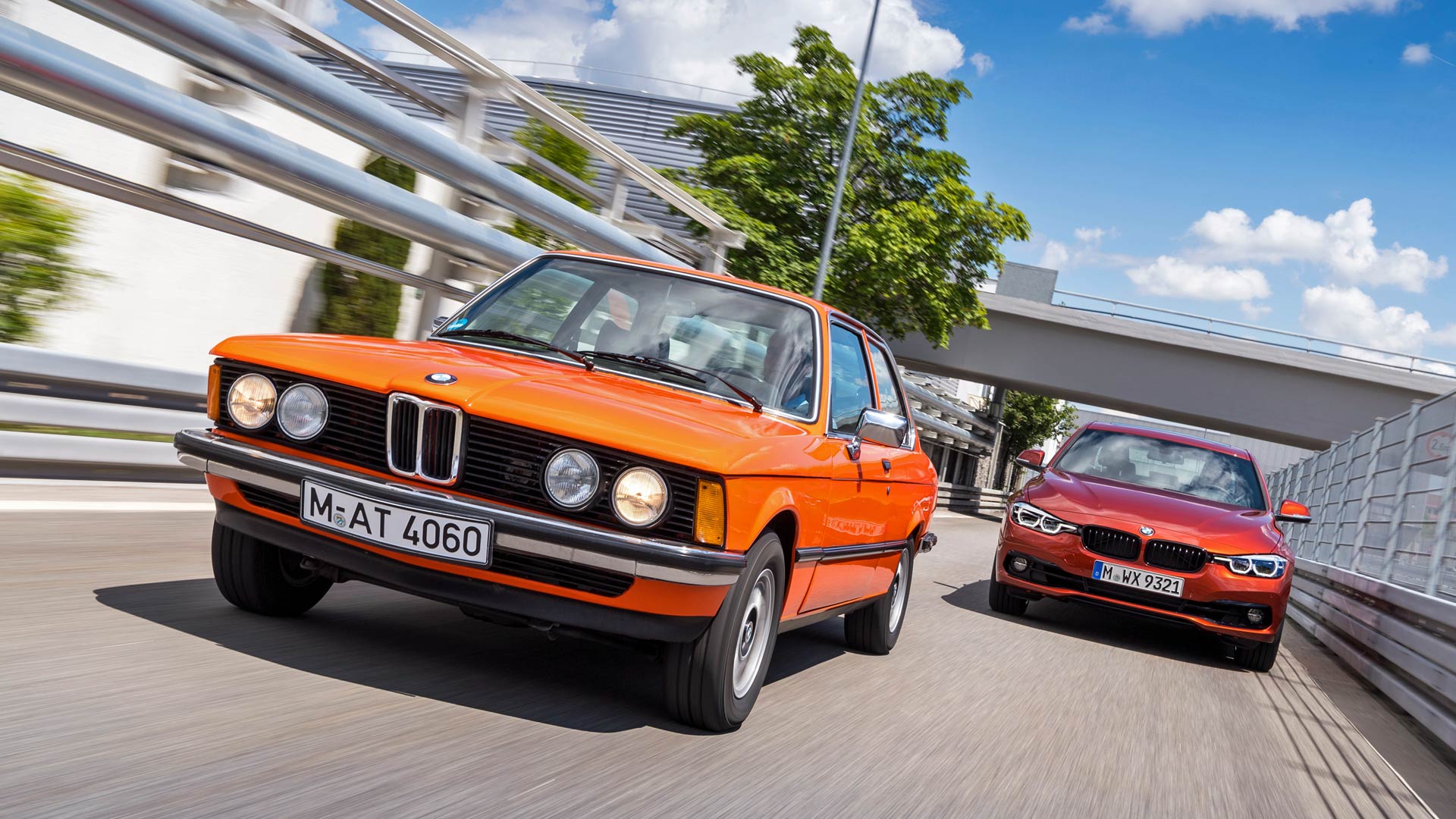
More than five decades of progress and evolution
© BMWThe changes to the 3 Series represent BMW’s constant commitment to keeping this car at the top of its game – something it has now been doing for five decades.
From diesel power to electrification, and cabriolets to hatchbacks, BMW has evolved the 3 Series to keep it relevant and desirable.
Today, the 3 Series is a global automotive icon, with more than 20 million examples built during the past 50 years. The launch of the i3 shows just how important this compact executive saloon remains to BMW, regardless of the powertrain found underneath.
