British F1 special: 8 ways Grand Prix racing is going green
-
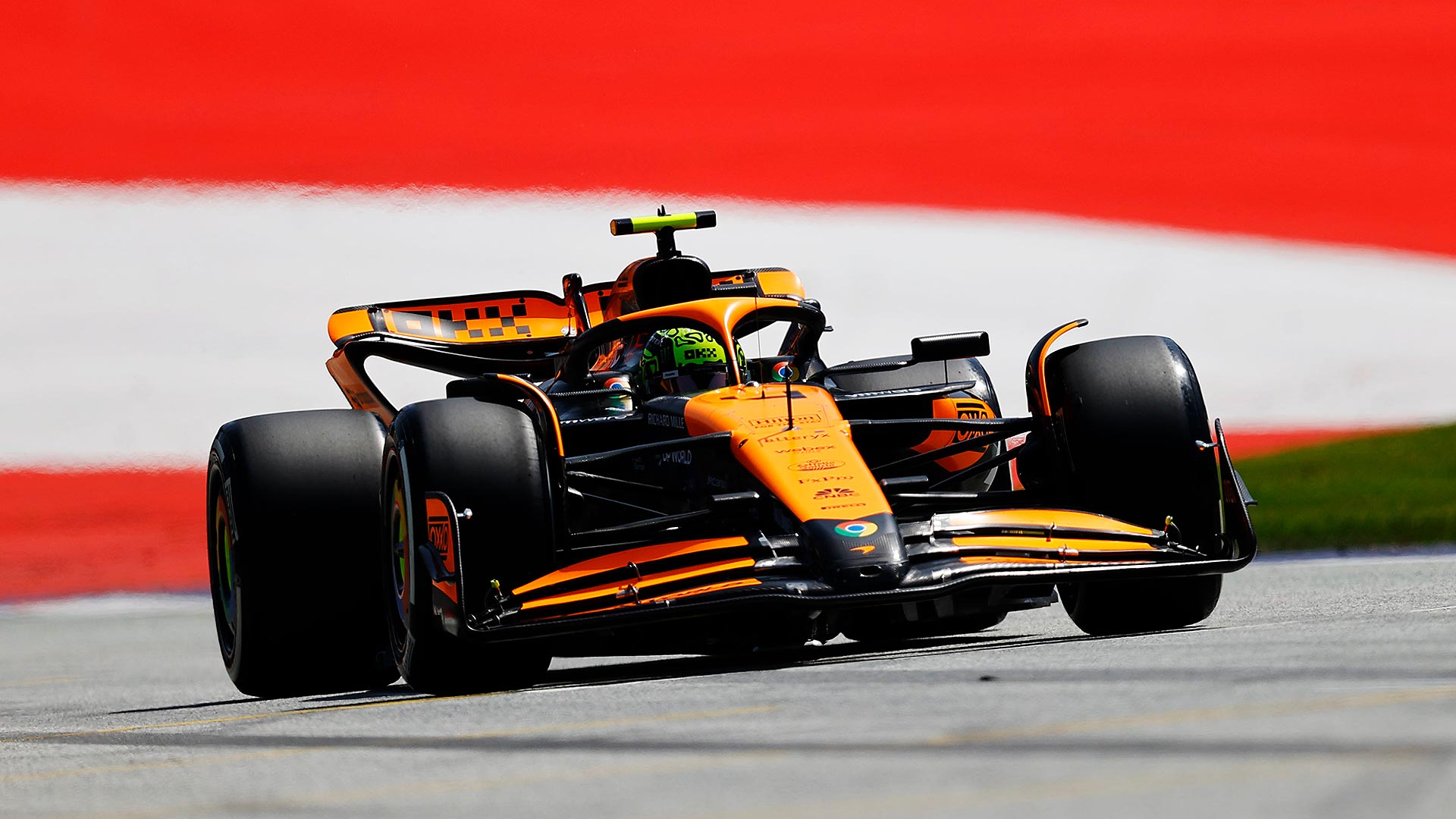
Making F1 more sustainable
© McLaren RacingNobody could call Formula One ‘green’ – at least, not yet – but this pinnacle of motorsport is making progress towards becoming more sustainable. Here, we explore how F1 is reducing its environmental impact, from hybrid technology to embracing social media.
-
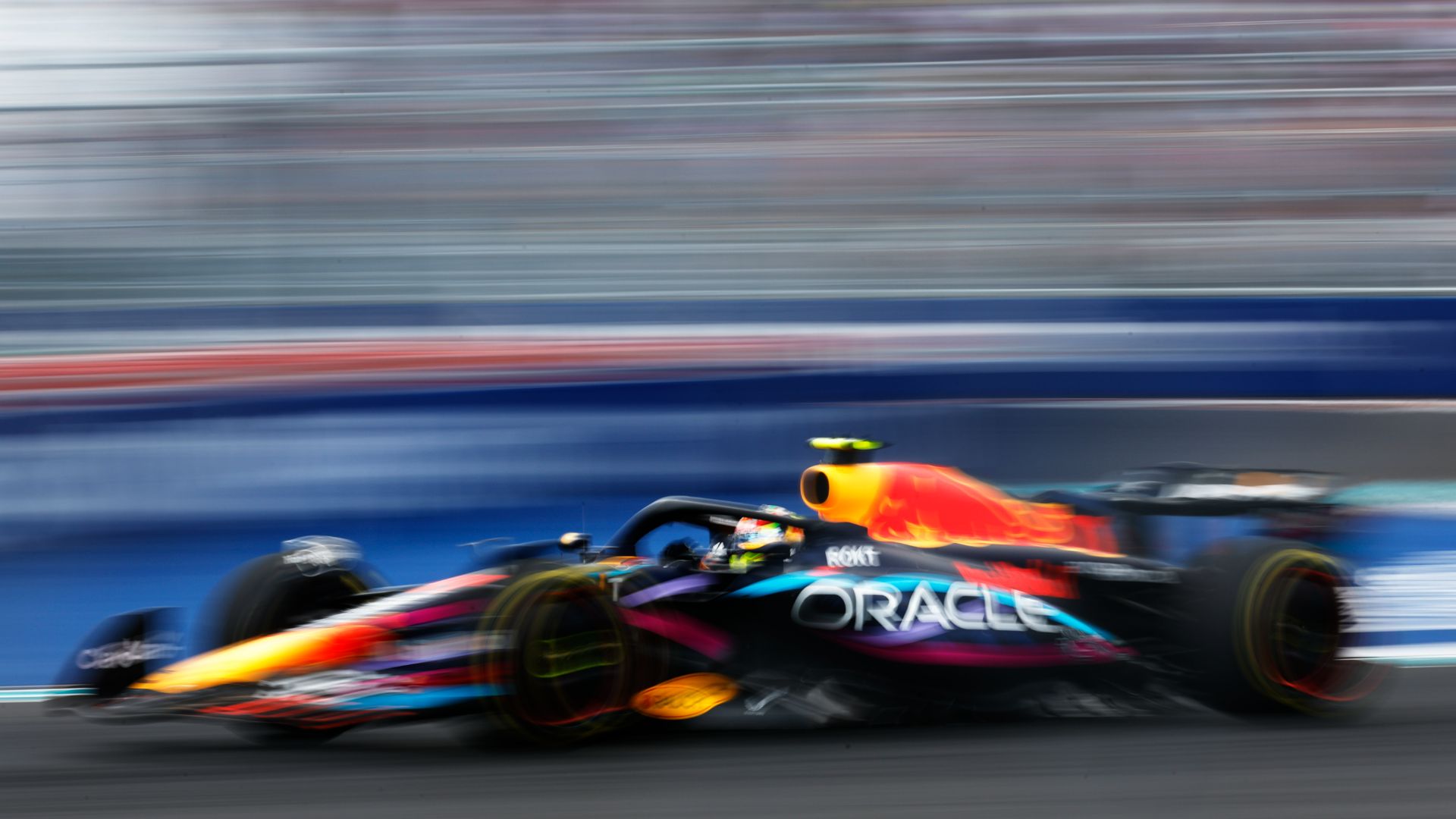
Using V6 hybrid engines
© Red Bull RacingFormula 1’s turbocharged hybrid era has introduced more efficient engines. Their hybrid batteries store energy that would otherwise be lost as heat when braking, then divert it to a generator to help drive the wheels. The F1 car’s tail lights will flash as it harvests energy to propel itself out of the next corner.
-
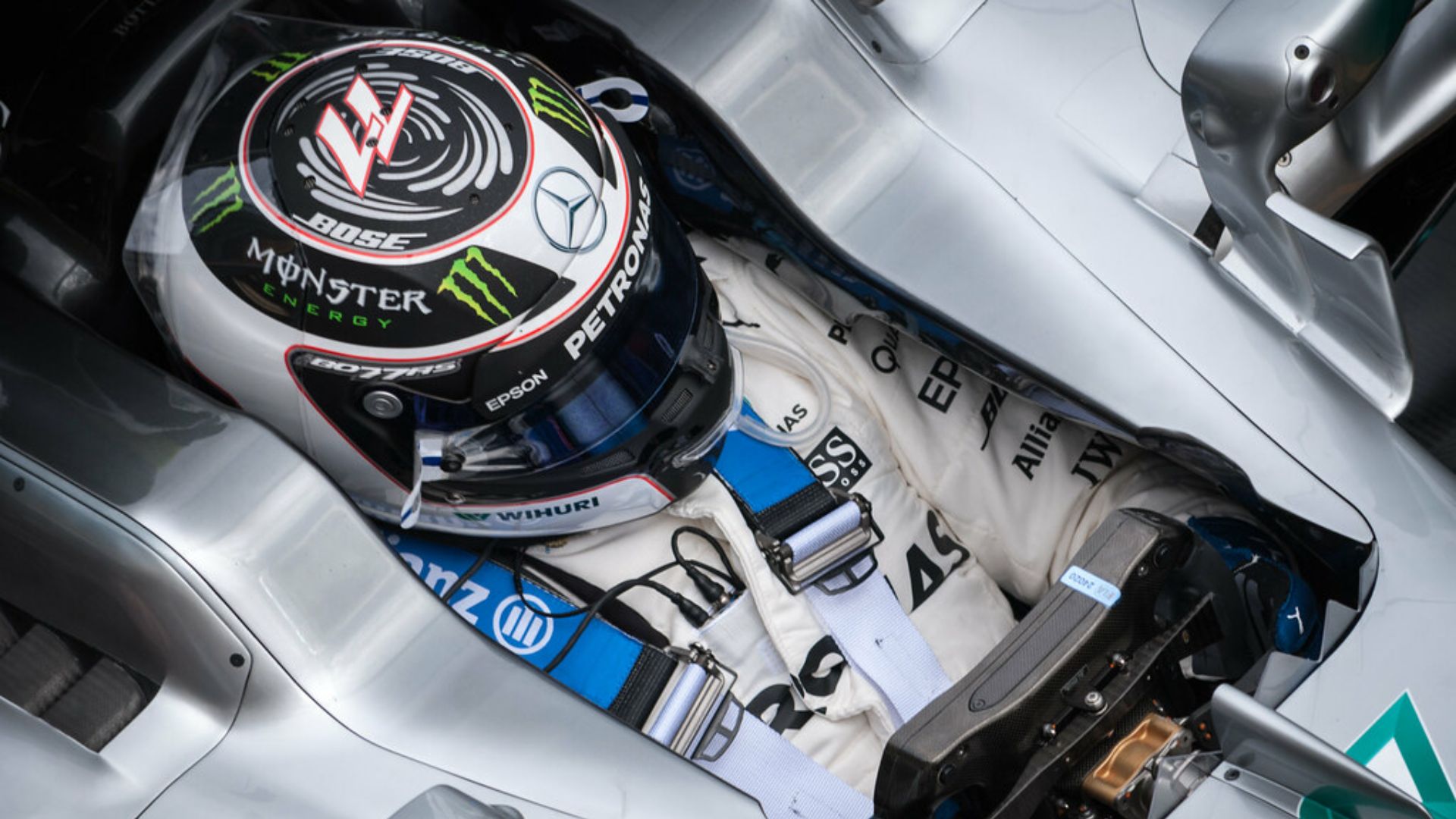
Using V6 hybrid engines
© Mercedes-AMG F1An F1 car has 52 percent thermal efficiency – 20 percent more than a typical road car. Amazingly, in one calendar year, all the cars on the F1 grid produce the same carbon emissions as a single 10-hour Boeing 747 flight.
-
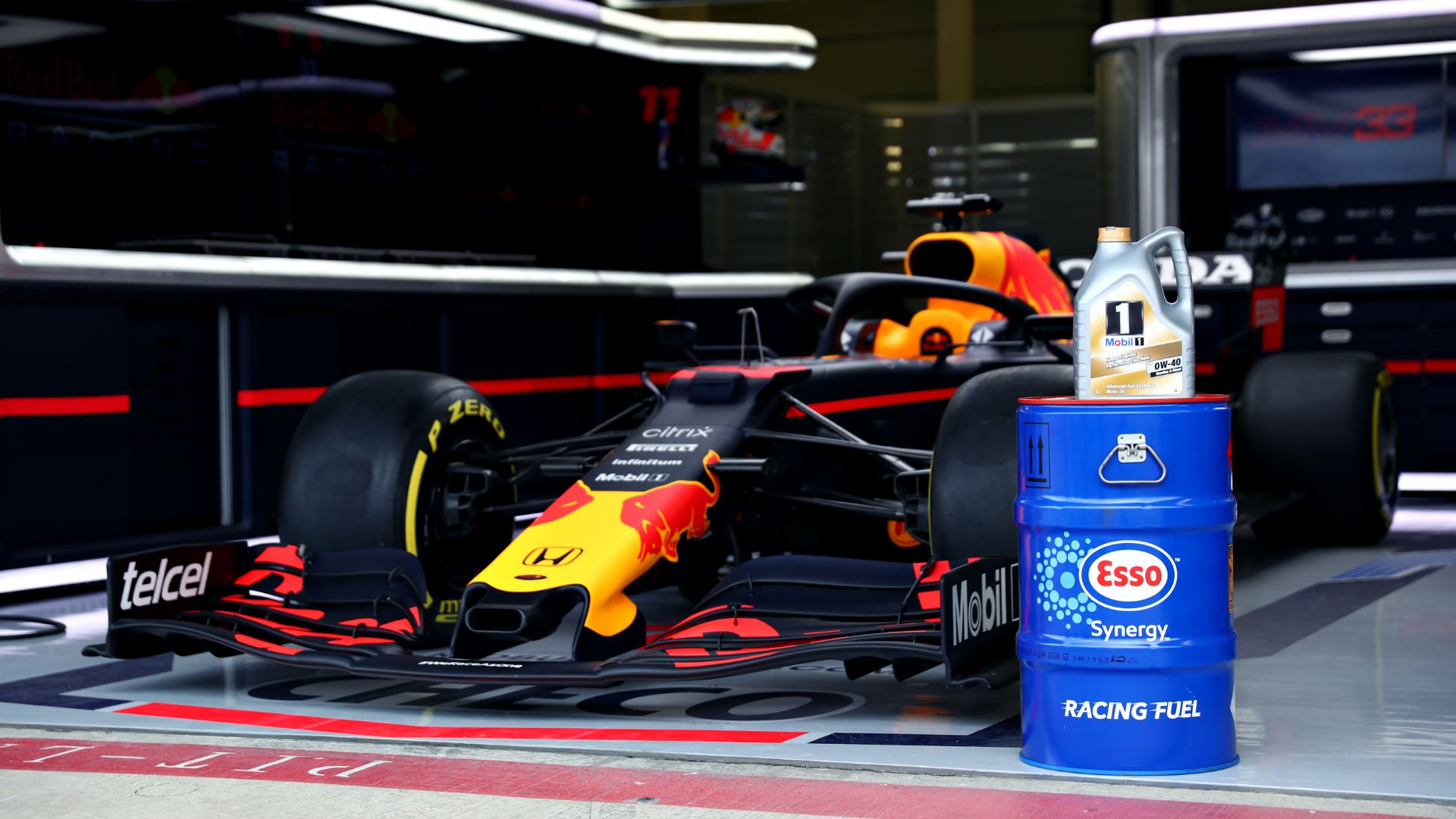
Filling up with E10 fuel
© EssoSince 2023, F1 has been powered by E10 fuel: a blend of 90 percent petrol and 10 percent renewable ethanol. However, it doesn’t stop there. Formula One and oil company Aramco pledge to change this to 100 percent renewable fuel by 2026.
-
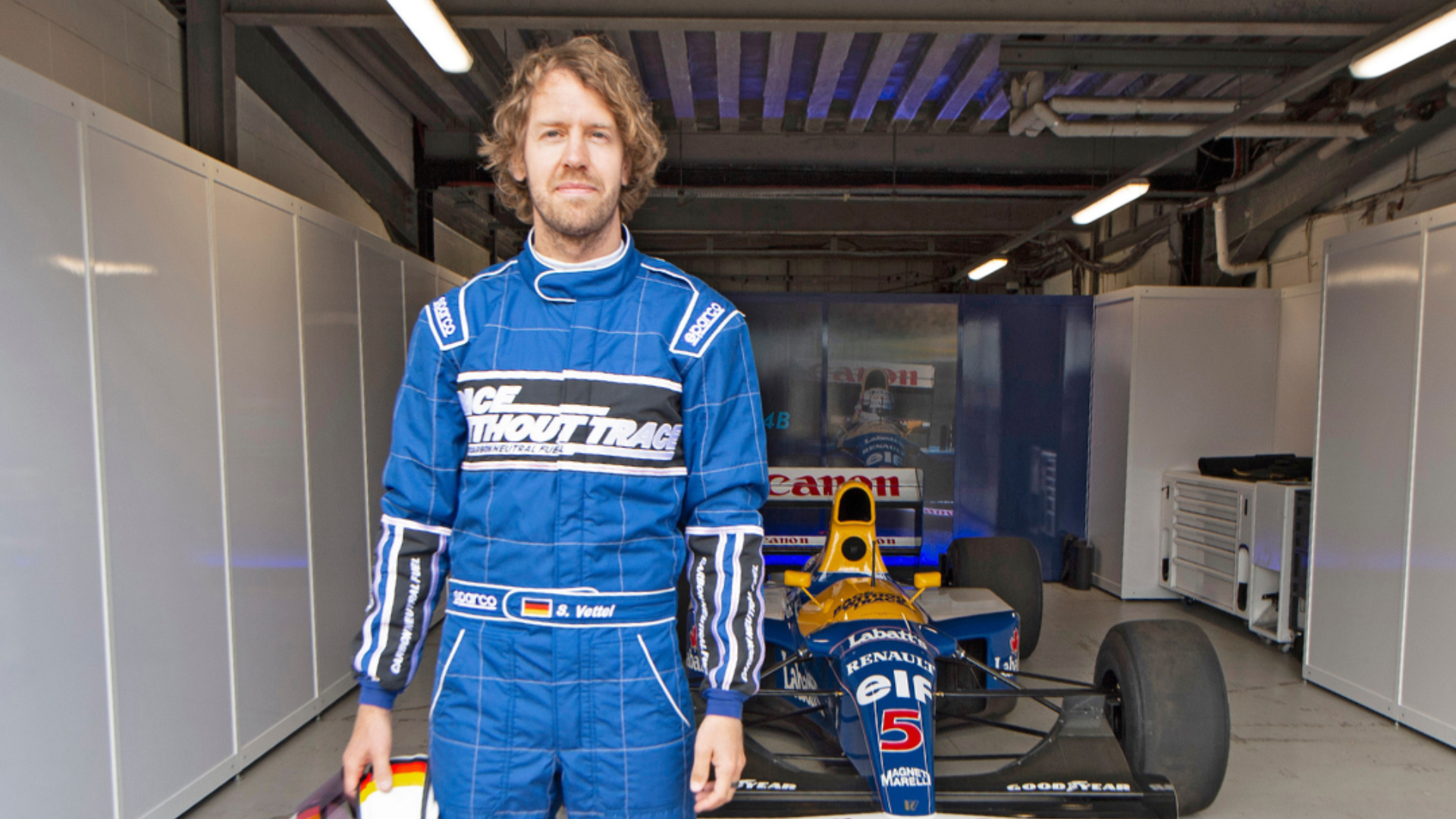
Filling up with E10 fuel
© GoodwoodAt last year’s British GP, we had a first glimpse of a fully renewable-powered F1 car. Driven around Silverstone by Sebastian Vettel before the race, the chosen car was the 1992 championship-winning Williams FW14B, originally driven by Nigel Mansell.
-
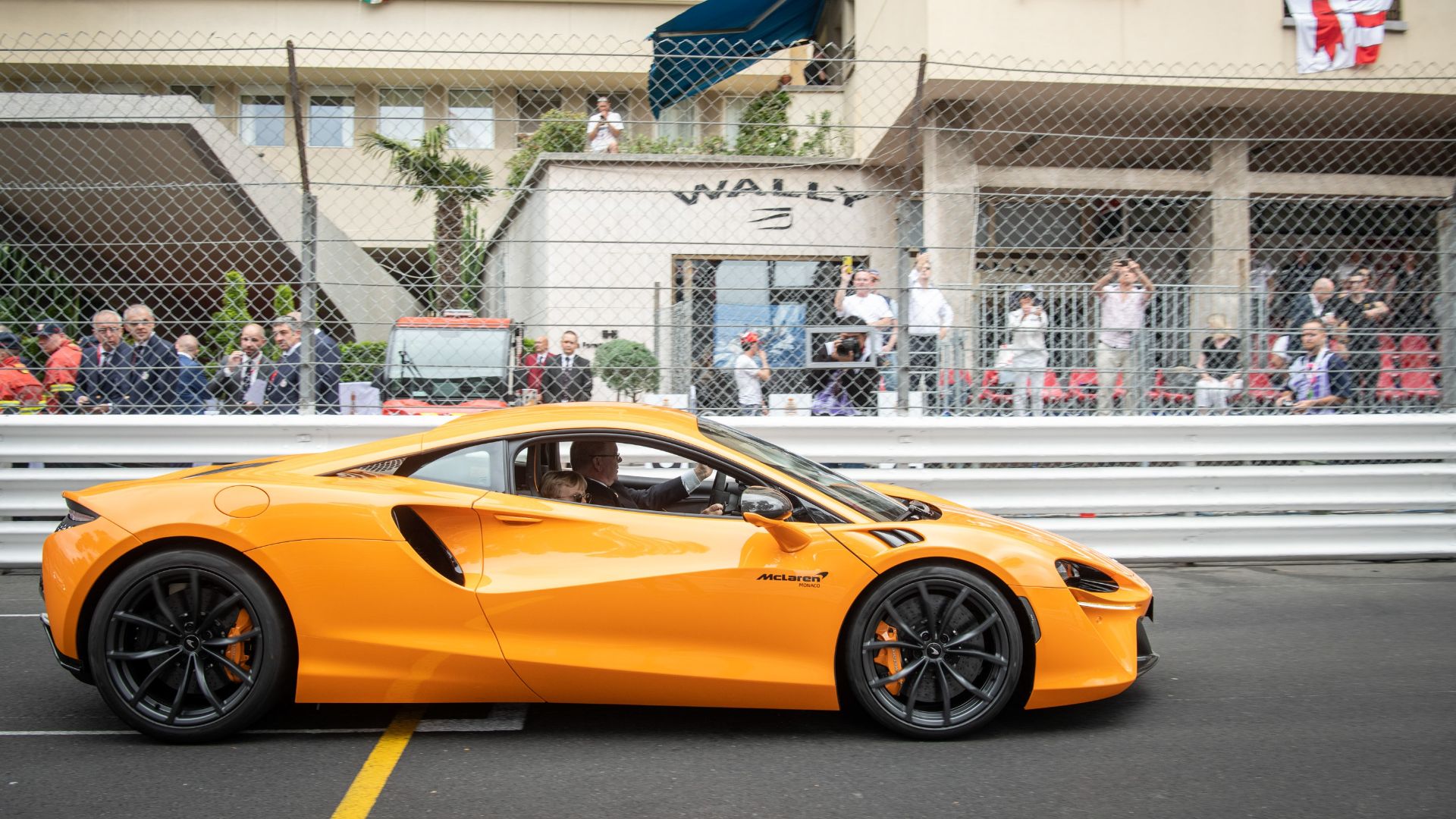
The trickle down of technology
© McLarenSince the days of mid-race refuelling are now over, teams have increasingly focused on aerodynamics to consume less fuel. The innovations developed in Formula One often trickle down to the consumers, making cars in general more efficient – and faster, too.
-
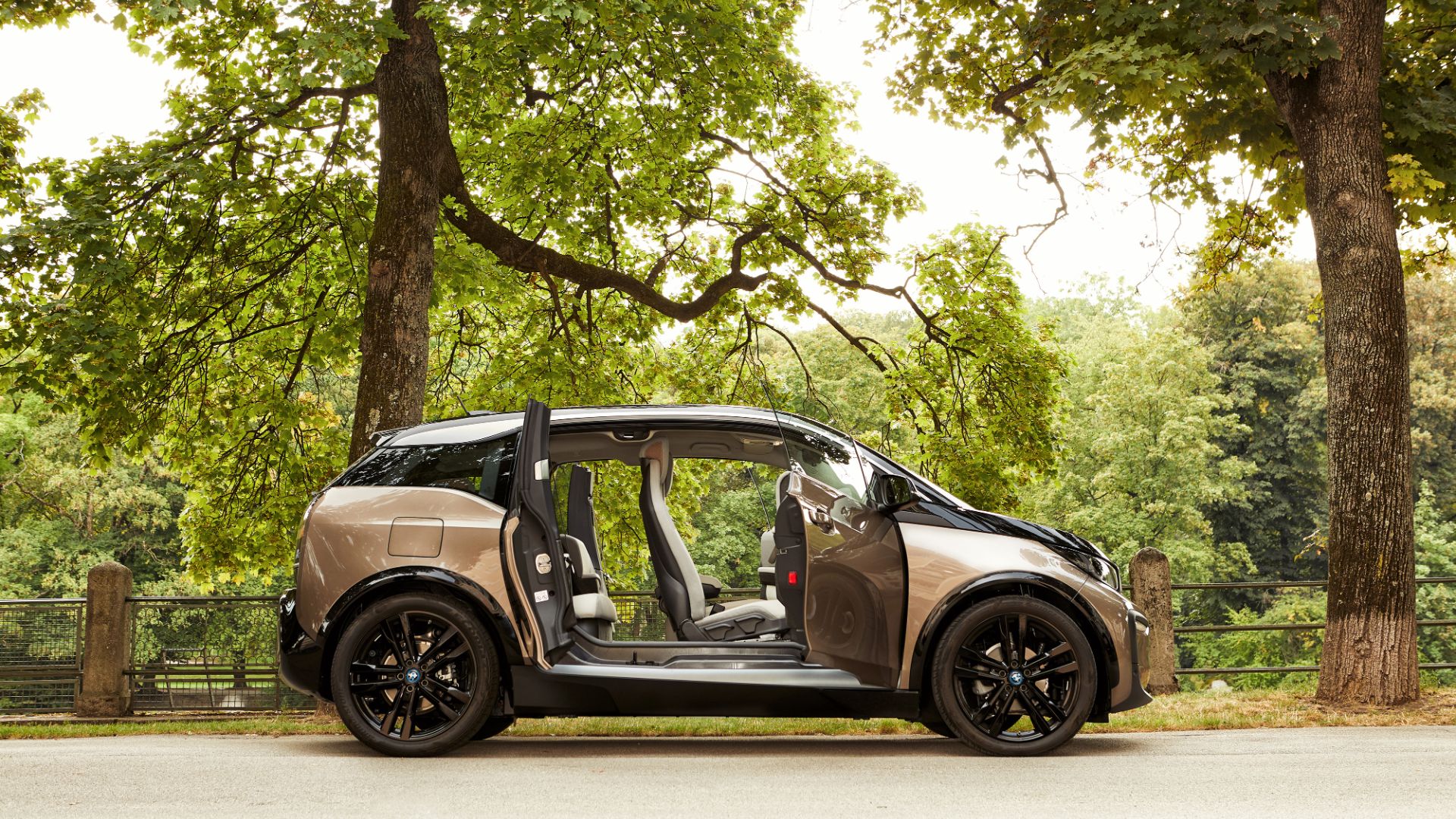
The trickle-down of technology
© BMWA great example of this was the introduction of carbon fibre, first used in F1 in 1981. Now relatively common in road cars, this advanced material has allowed numerous vehicles to become lighter and more efficient.
-
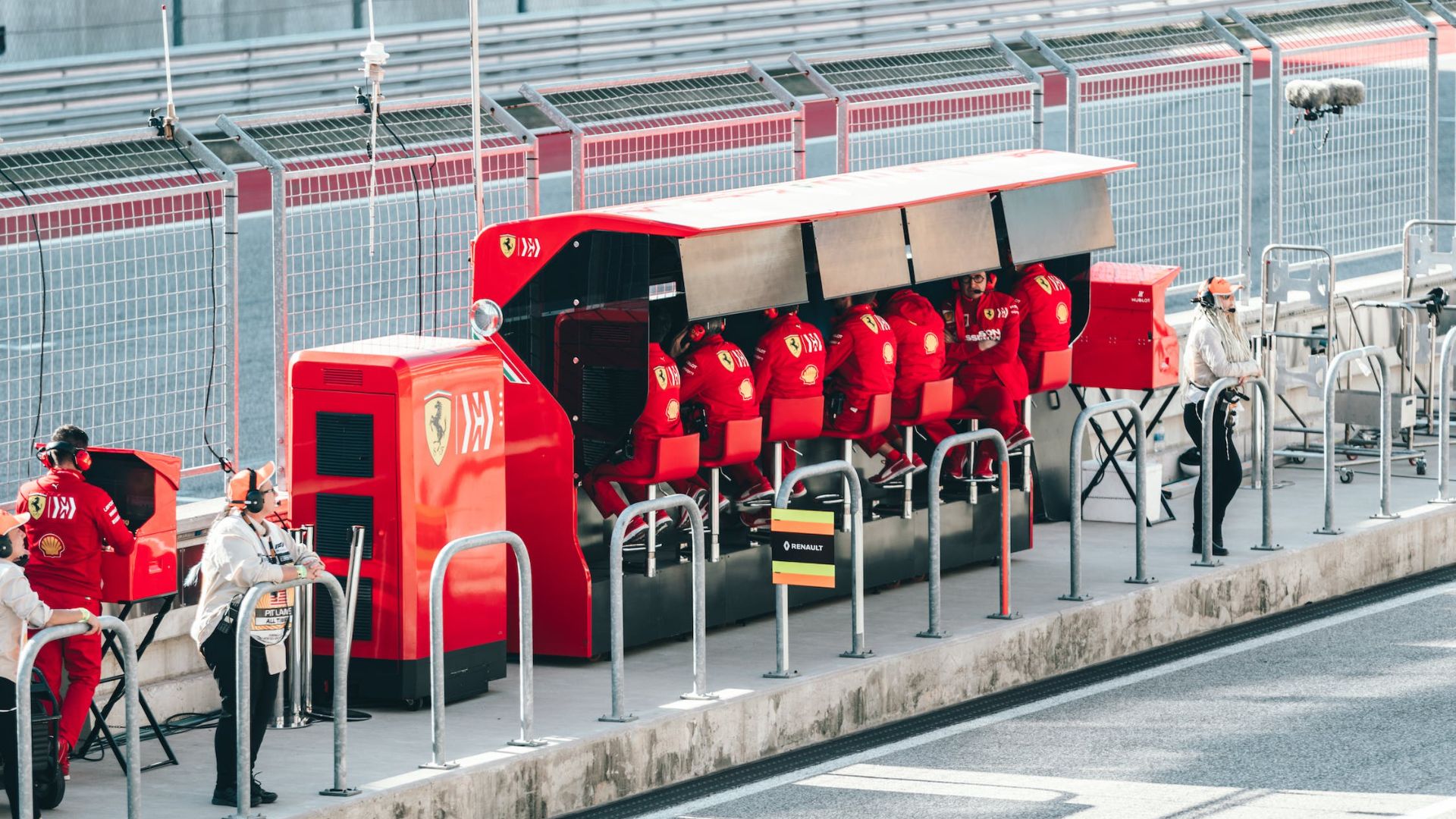
Reducing travel where possible
© FerrariMuch of the equipment transported to grand prix events is used for broadcasting. A review in 2020 helped reduce the quantity of cargo and staff needed to support races by 34 percent and 36 percent respectively.
Updated containers have also been introduced for flexible shipments by rail or sea, rather than always relying on air freight.
-

Reducing travel where possible
© Creative CommonsEven when air travel is the only option, F1 makes an effort to reduce its carbon footprint. The grouping of European, Asian and American races together helps to cut their collective emissions.
-
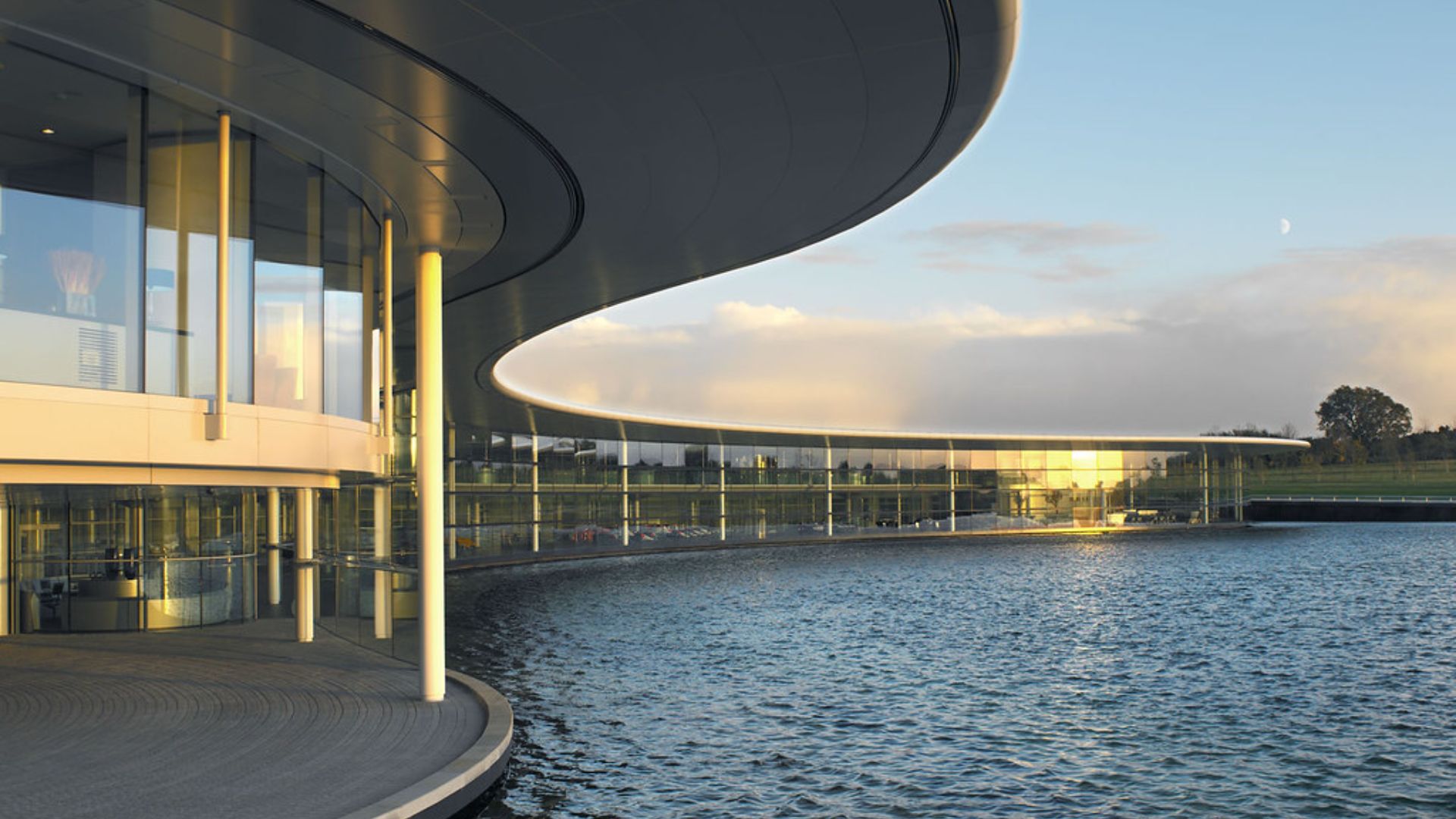
Greener offices and factories
© McLaren AutomotiveImpressively, Formula One now has 100 percent sustainably powered facilities. These are powered by a mix of biomethane and carbon-offsetting natural gas. The majority of generators used in mobile offices are now run on vegetable oil, also known as HVO, which was introduced in 2021.
-
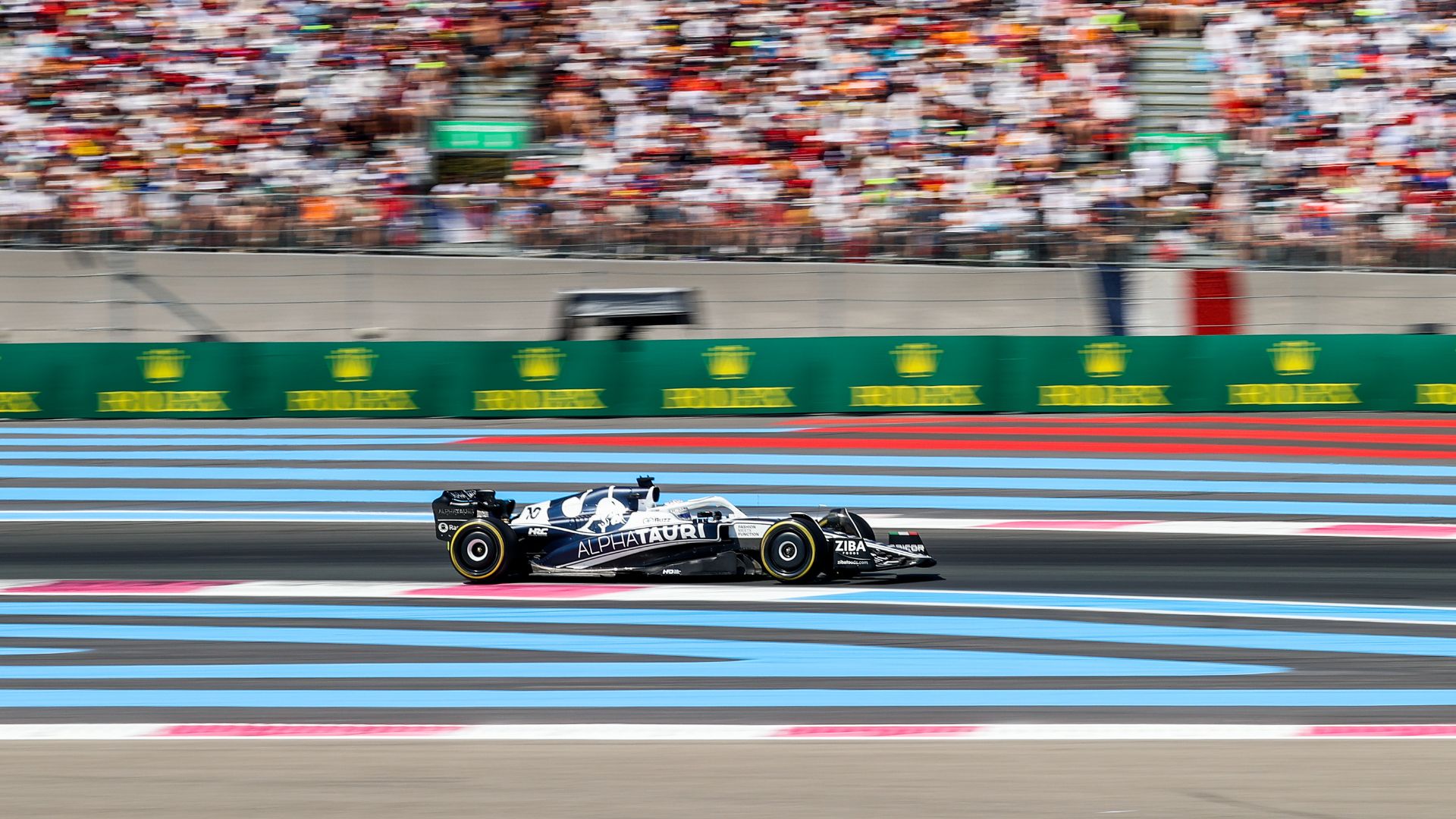
Greener offices and factories
© Alpha TauriCarbon emissions from the grands prix in France, Canada and Spain were also successfully offset by using solar panels, which create enough energy throughout the year to power the events.
-

Engaging with the fans
© NewspressThe actions of Formula One also have an influence on others. Two years ago at the Dutch Grand Prix, for example, thousands of fans travelled to the race by bicycle, while 40,000 used public transport – all with the encouragement of Formula One.
-
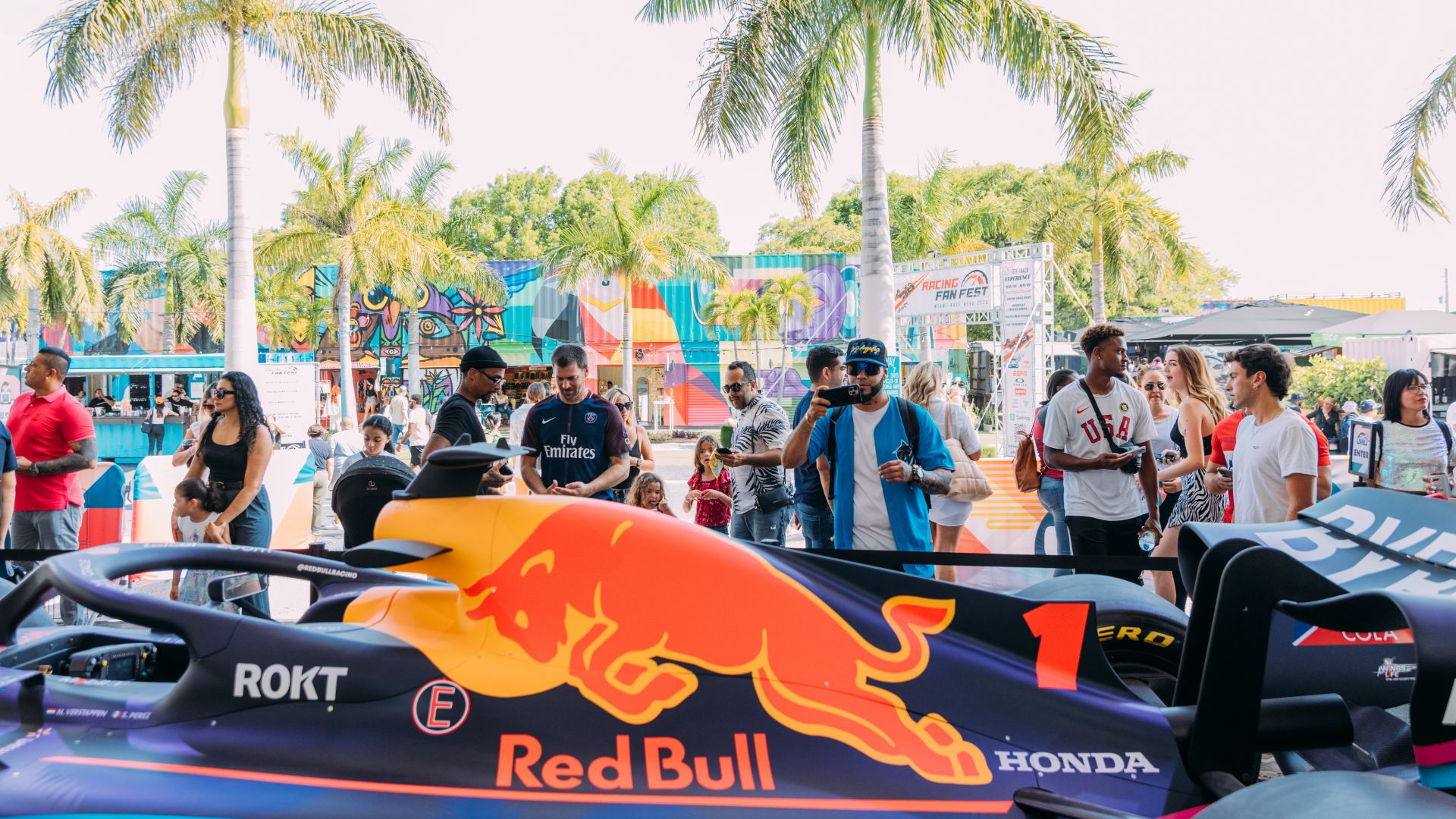
Engaging with the fans
© Red Bull RacingPrevious initiatives, such as tree planting and beach cleans, have also involved the precipitation of F1 fans. Sebastian Vettel was filmed clearing the grandstands of litter after the British Grand Prix in 2021. After his video was posted on social media, many followers were inspired to join in the clear-up.
-
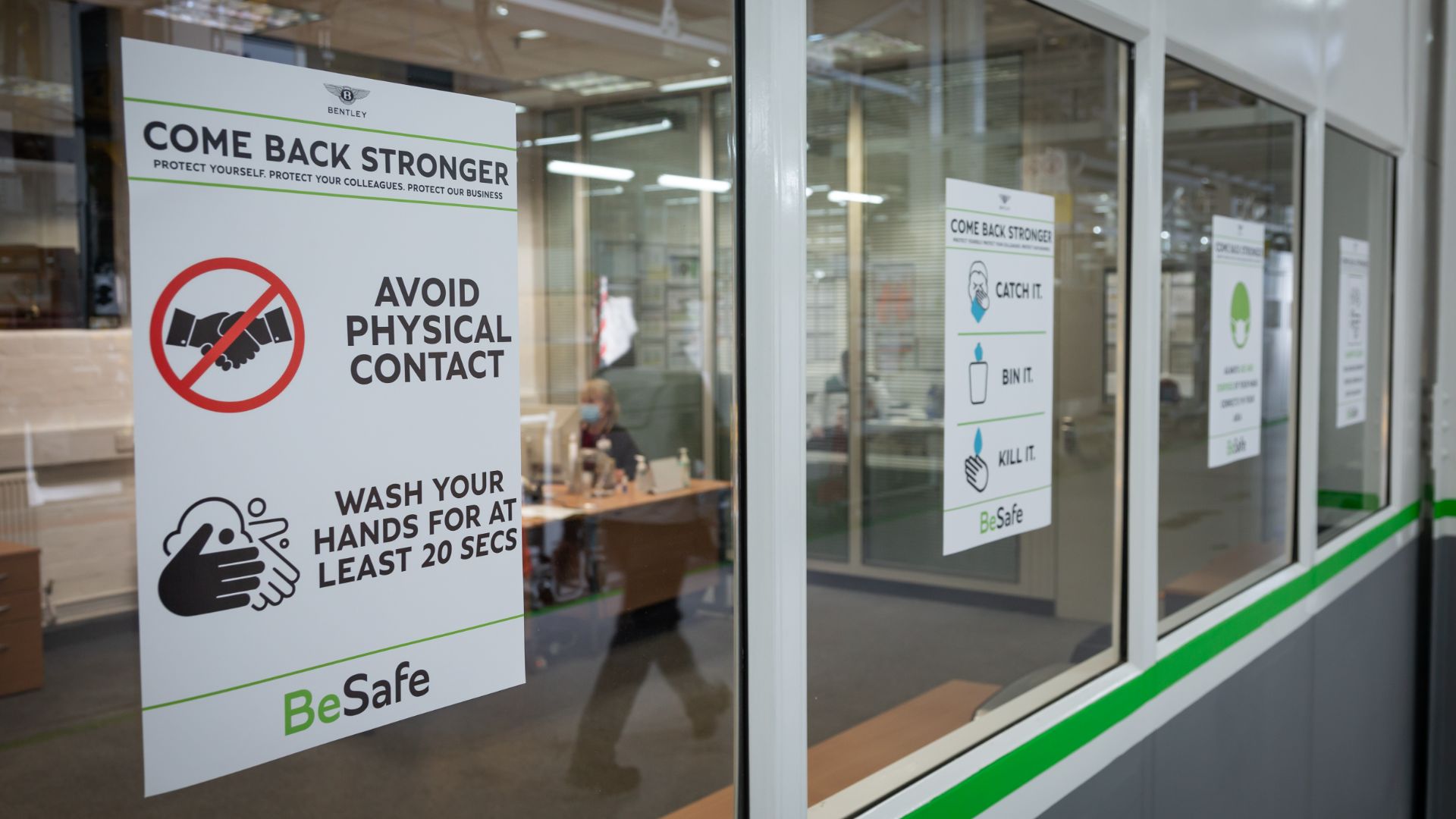
Reusing and recycling
© BentleySustainability in Formula One can work through charitable donations. When the pandemic hit and the grand prix in Australia was cancelled at short notice, for example, the 1.5 tonnes of food ordered was donated to 17 charities instead.
-
Reusing and recycling
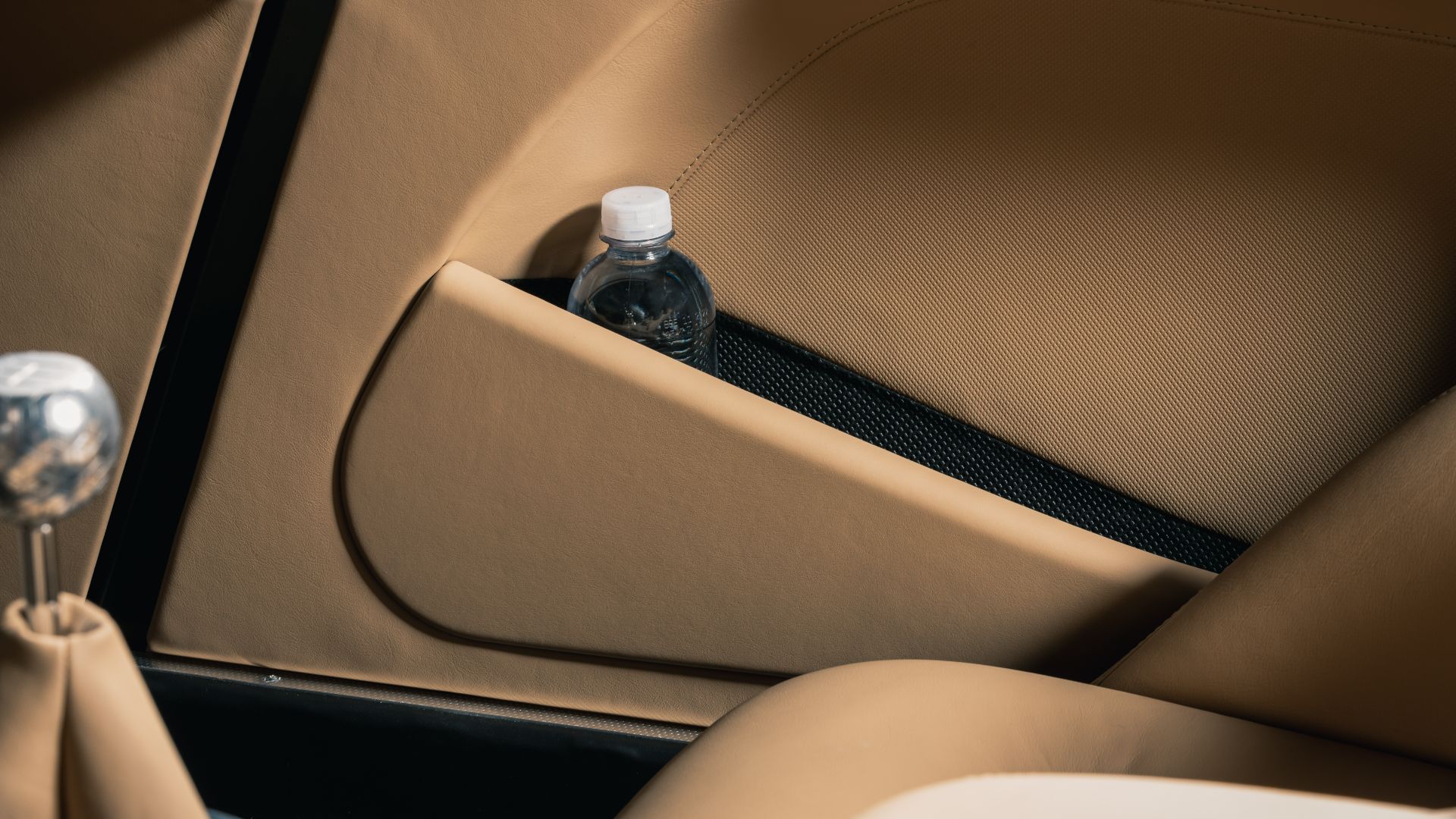
© NewspressF1 also encourages the use of reusable plastic. The many water stations in and around the paddock mean plastic bottles can be refilled and reused, rather than simply thrown away.
-
Educating the next generation
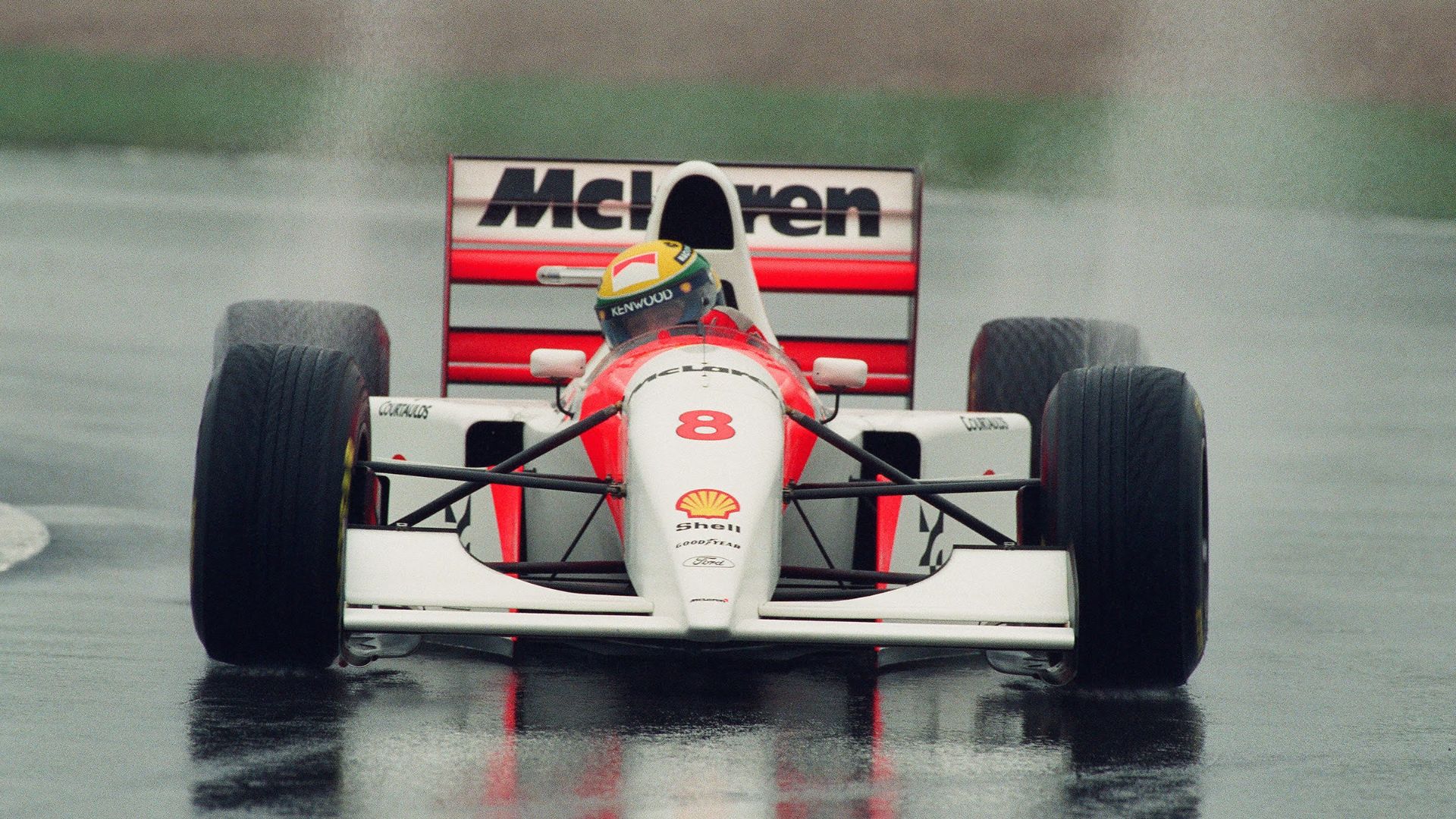
© NewspressMedia platforms such as YouTube have been a powerful tool to educate younger people – as well as helping them explore F1’s illustrious past. If you haven’t yet checked out Ayrton Senna’s first lap of a wet Donington Park in 1993, do so now.
-
Educating the next generation
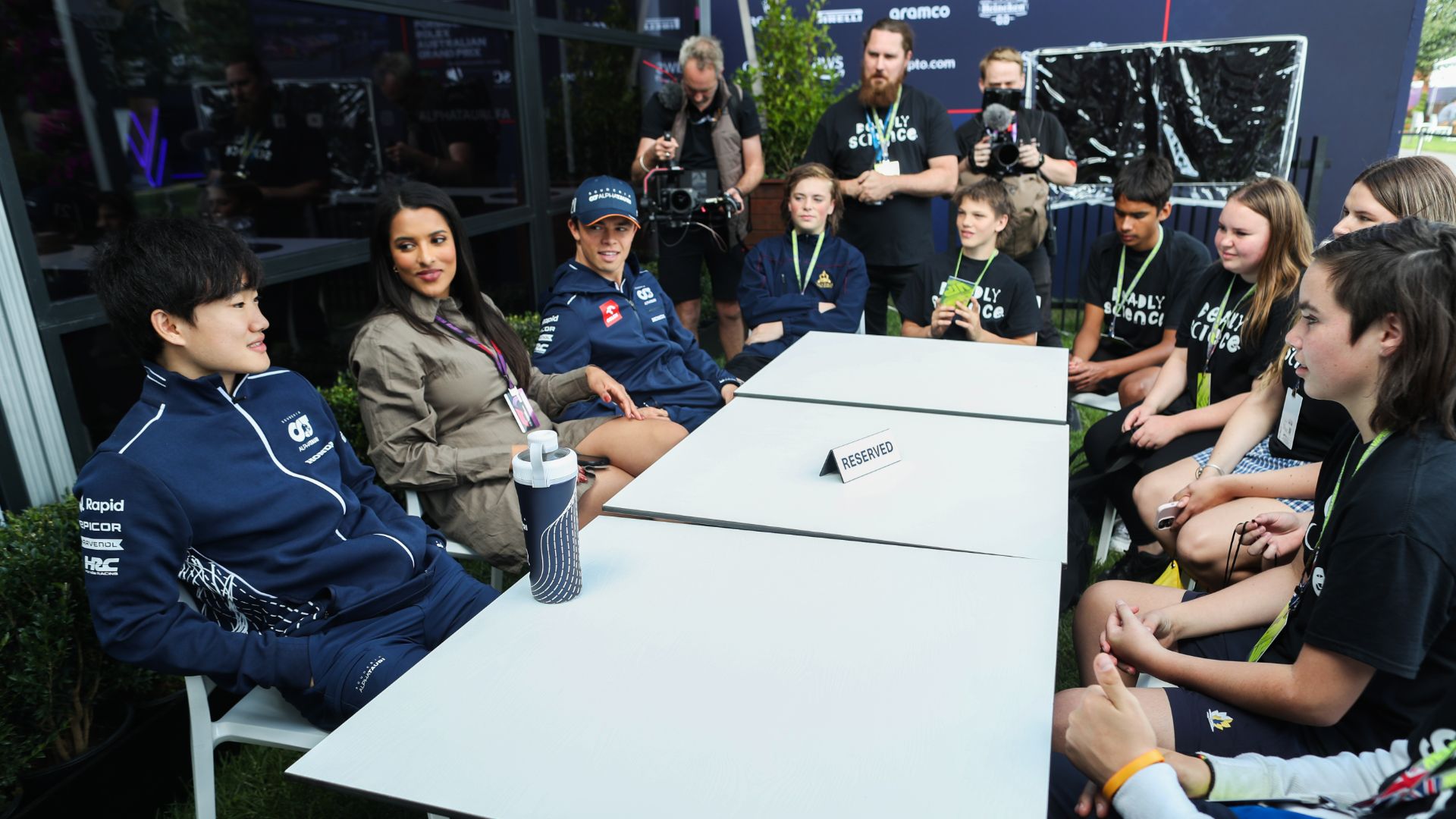
© Red BullFormula One will create more educational videos to demonstrate its aims and objectives, and raise awareness of environmental issues. For instance, it produced a video about sustainability at the 2022 Dutch Grand Prix.
-
Looking to the future
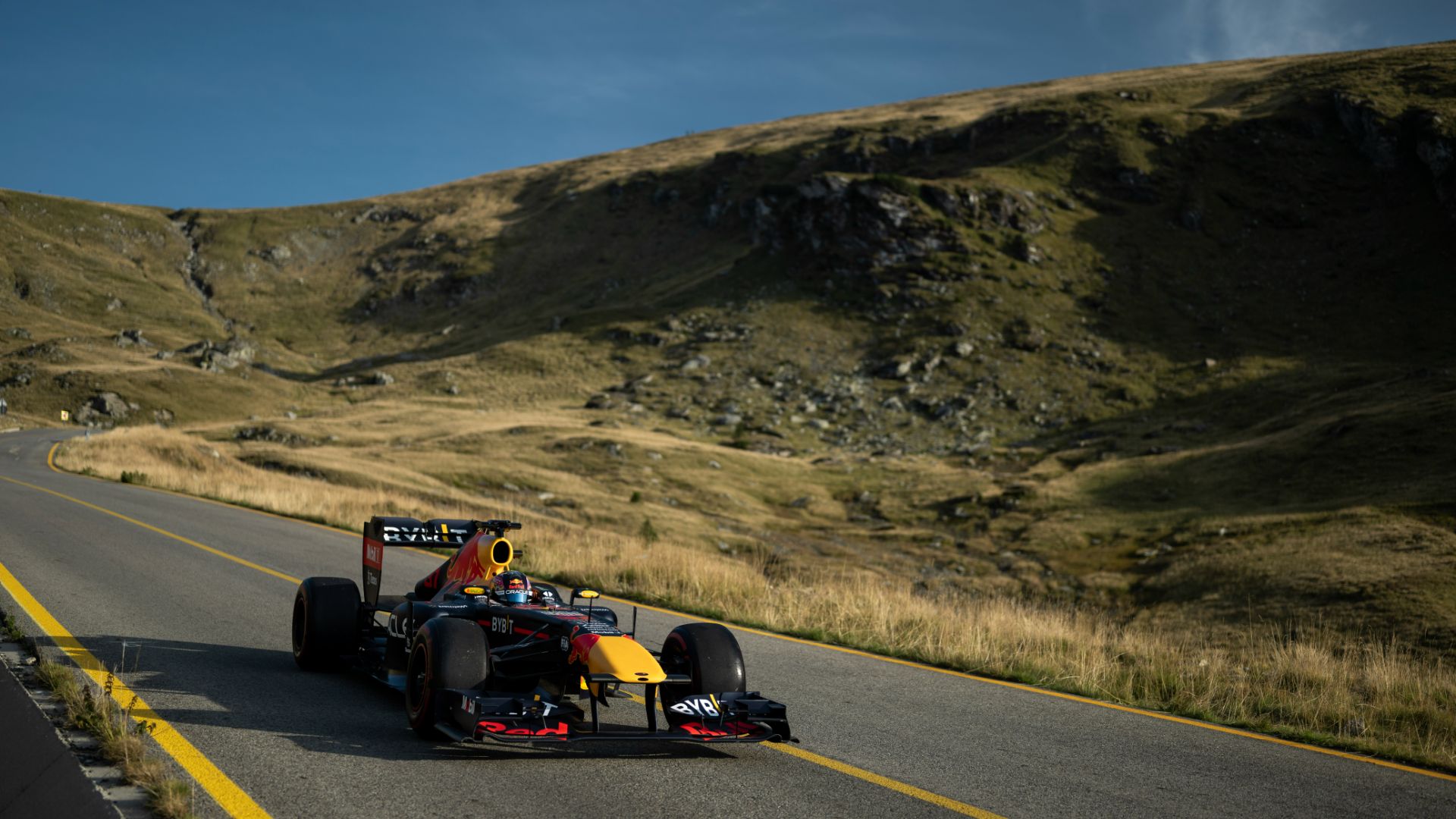
© Red BullWhat about the future? Well, F1 aims to achieve complete carbon neutrality by 2030, mainly by dramatically reducing its transport logistics, which currently makes up 45 percent of each event’s carbon footprint.
-
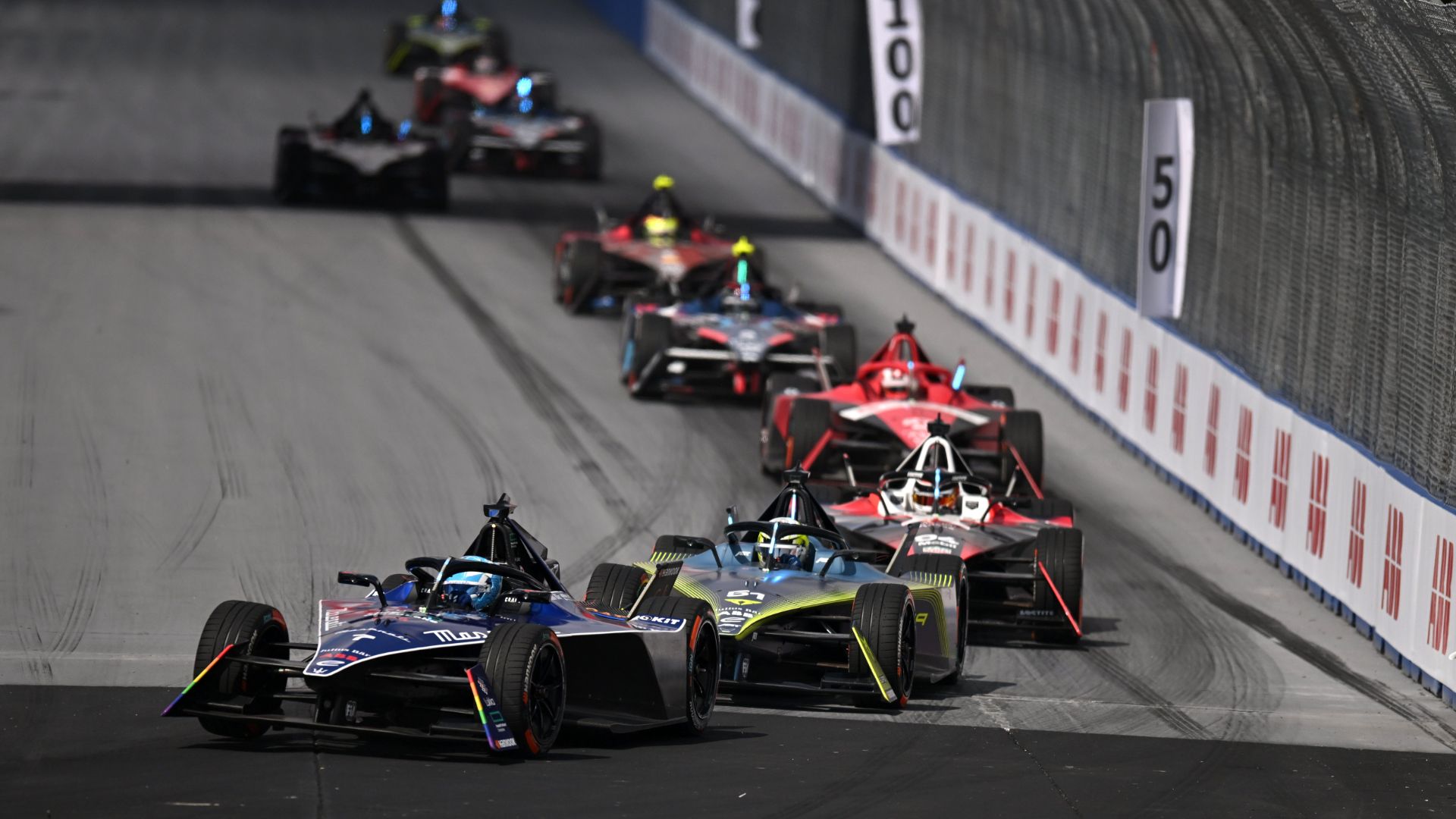
Looking to the future
© Formula EThere’s also the target of 2026 for all cars to run on entirely sustainable fuels. And what about beyond 2030? Could F1 eventually go electric like Formula E (pictured)? That remains to be seen, but the evolution of this incredible motorsport will be fascinating to watch.
