28 car brands due a comeback
-
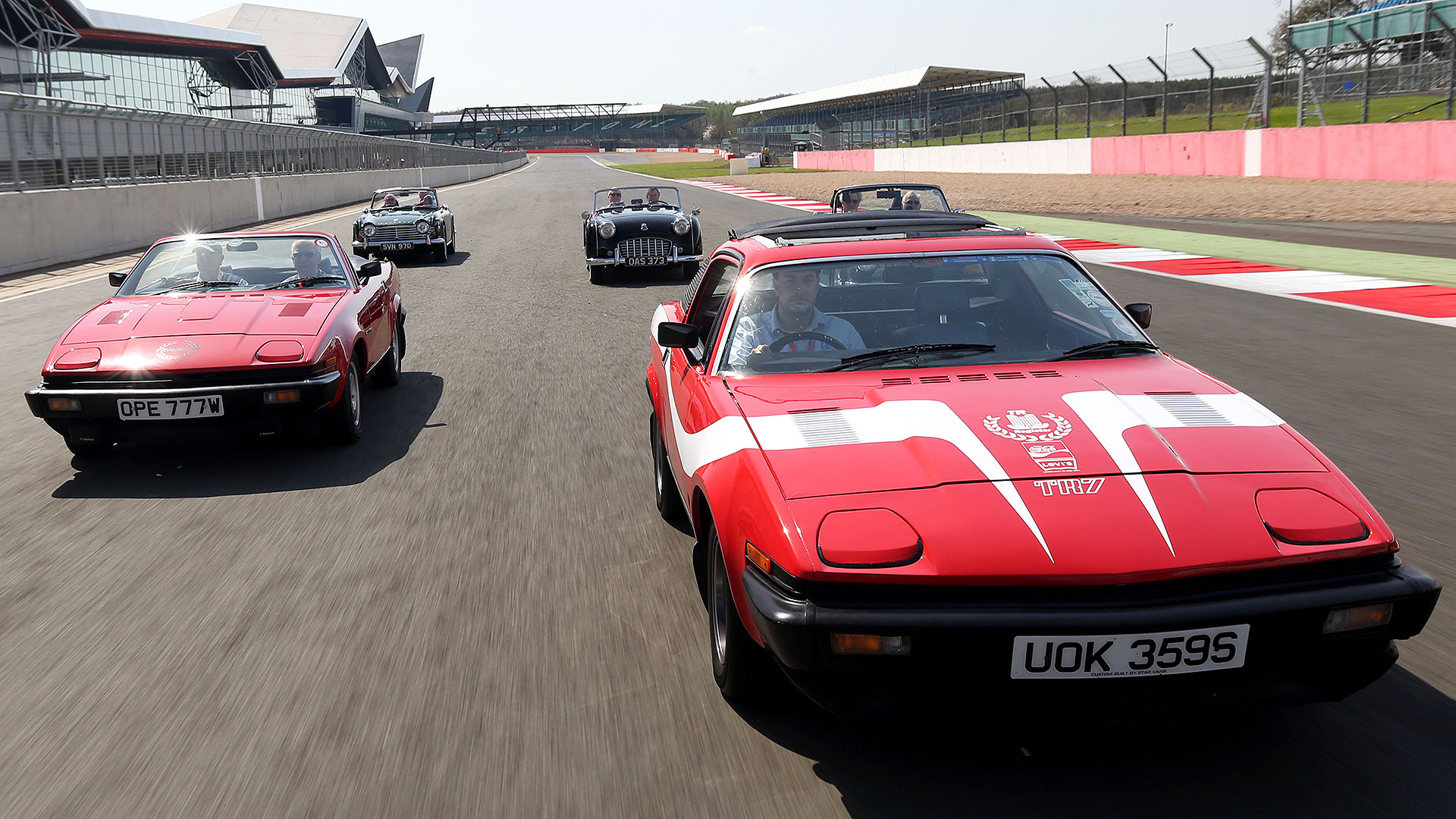
Yearning for a Triumphant return
© NewspressThere are dozens of car brands that were popular in their day but failed to survive. Fascinatingly though, the rights to some of these names are still owned by car brands that remain in production – which raises the dream amongst enthusiasts that, one day, their favourite car brand could well make a comeback. Here are some of the well-loved makes we’d love to see revived:
-

Triumph TR25 concept
© MakkinaWe start off with Triumph, which had a mini revival of its own a few years back – at least as a concept. The fabulous Triumph TR25 concept was the work of London design house Makkina, and based on the electric drivetrain from a BMW i3S. It was produced with support from BMW, which owns the Triumph name, and was inspired by the record-breaking ‘Jabbeke’ TR2 from 1953. Thanks to a carbon fibre chassis and body panels, it weighs just 1,090kg – so its 181hp motor delivers 0-62mph in a brisk 5.3 seconds. A true Triumph? We reckon so, in spirit.
Alas, a production model looks unlikely… for now, at least.
-
Alpine
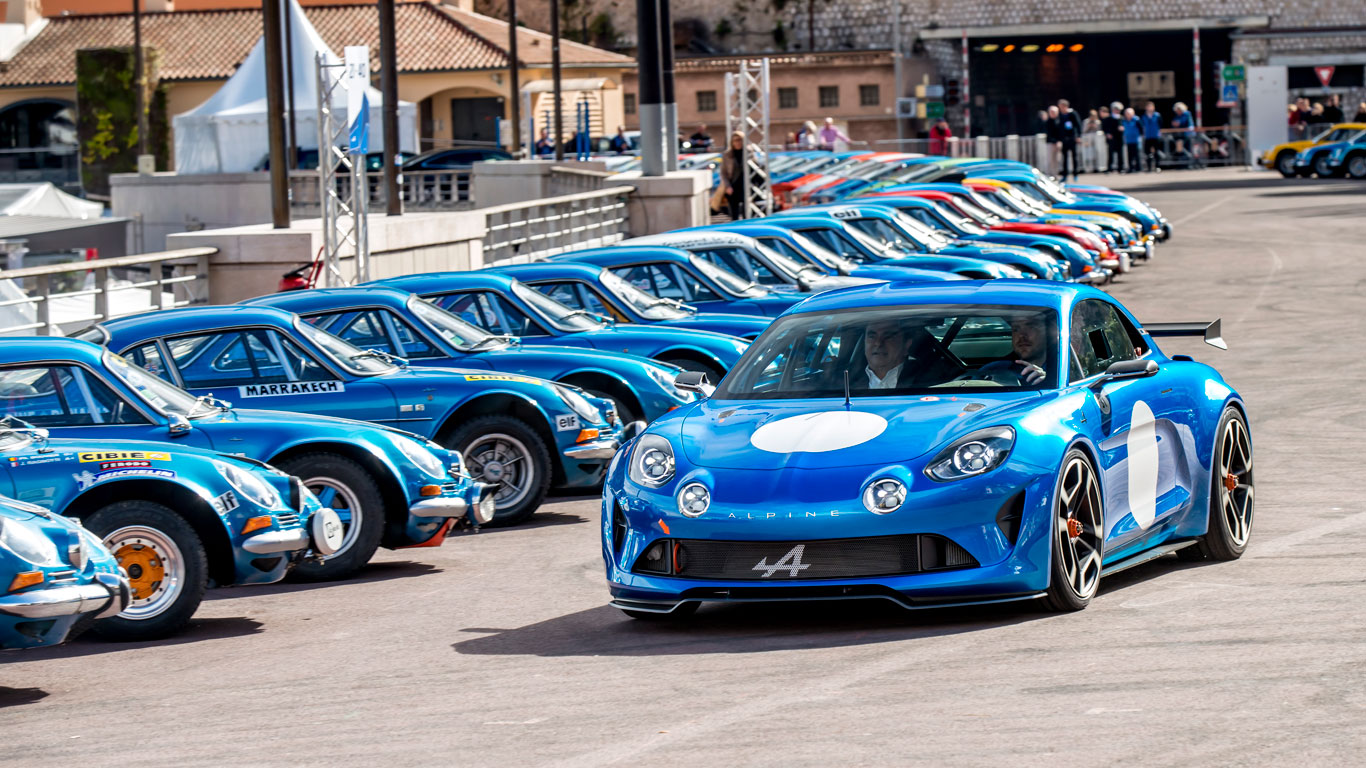
© AlpineHere’s another brand that proves it can be done. In 2016, Renault launched the Alpine Vision concept, breathing new life into a once-great French brand. The subsequent A110 production car has met with huge critical acclaim. Now, plans are being formed to create future pure electric versions in collaboration with Lotus. Alpine is well and truly back.
Societe des Automobiles Alpine was founded by Jean Rédélé in 1955, after he had enjoyed motorsport success at the wheel of a Renault 4CV. Its first car was the A106, but it was the A110 rally car that put the Alpine name on the map. Other greats included the A310 and GTA, with Alpine’s Dieppe factory later used to build Renaultsport cars and the Espace.
-
Austin
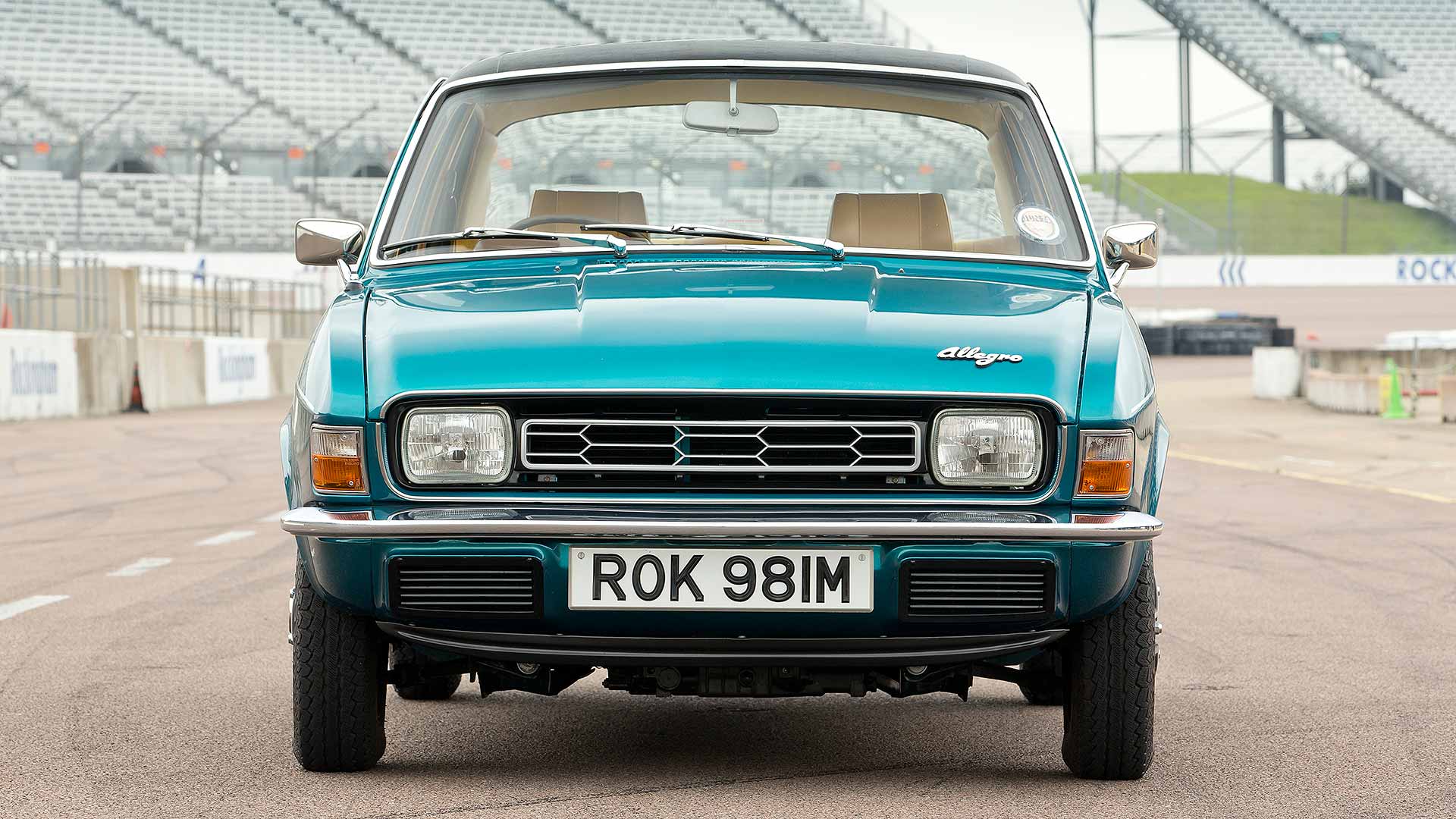
© NewspressAustin was the quintessential British car manufacturer, founded by the brilliantly British sounding Herbert Austin in Longbridge, the former heart of Britain’s car industry. It merged with Morris in 1952, creating the British Motor Corporation (BMC), but once it was swallowed by British Leyland, the writing was on the wall. The Seven, Mini and Metro are high points, the Maxi and Allegro are two of the lows.
-
Autobianchi
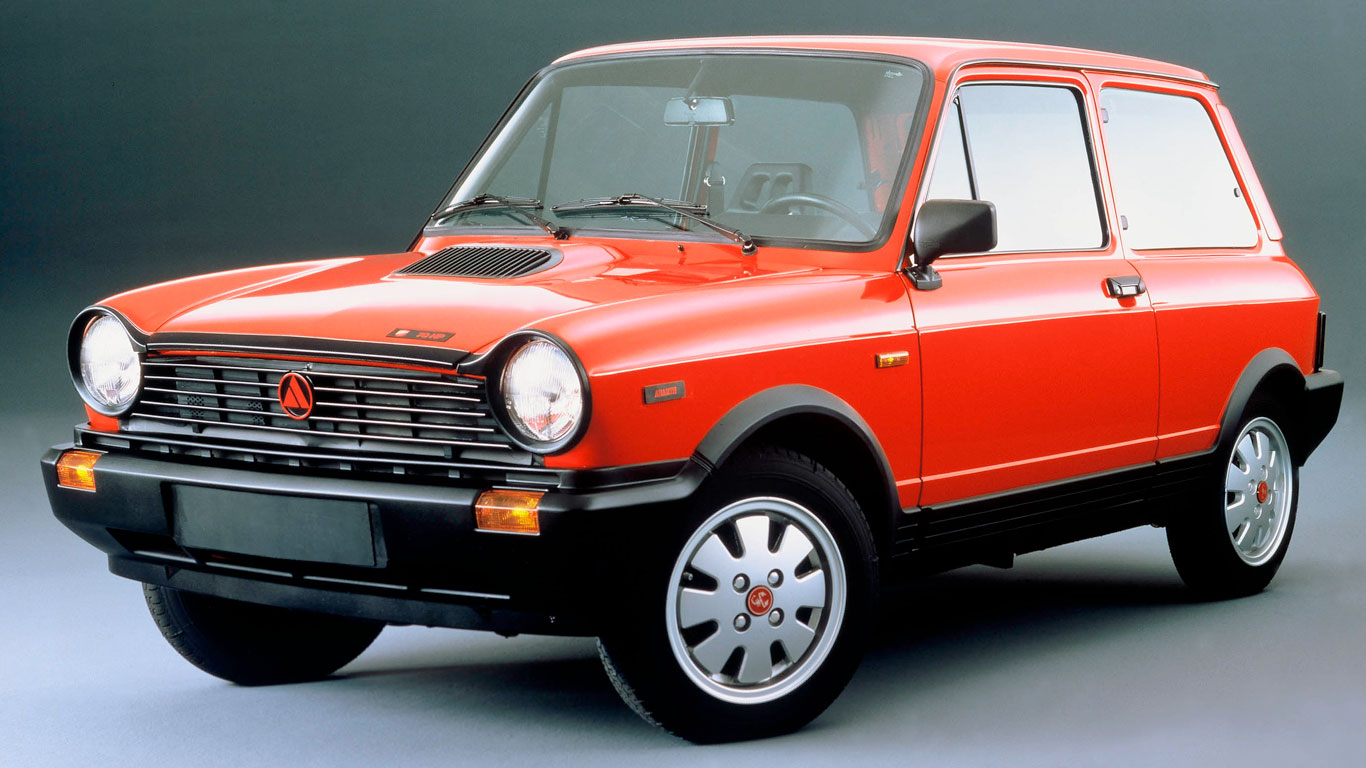
© AutobianchiAutobianchi could trace its roots back as far as 1885, when Edoardo Bianchi founded a bicycle manufacturer bearing his name. After the death of Edoardo in 1946, the company passed to his son, Giuseppe. Cutting a long story short, Autobianchi was formed in 1955, with more than a little help from Fiat and Pirelli. The Bianchina was its first car, but the A112 and Y10 are the most notable. The Y10 became a Lancia and, in 1995, Autobianchi was put out to pasture. It hasn’t returned.
-

Auto Union
© AudiOK, so Auto Union essentially became Audi, meaning the company hasn’t really gone away, but it’s ironic that it was effectively an earlier version of the Volkswagen Group, which would go on to swallow Audi in 1965. Auto Union AG was formed in 1932, with the merger of Audiwerke, Horchwerke and Zschopauer Motorenwerke/DKW. The Audi, DKW, Horch and Wanderer brand names were retained. Auto Union GmbH was founded in 1949.
-

Bedford
© GoodwoodDo you remember the days when things were a lot simpler? With Bedford, we knew where we stood. It built honest commercial vehicles, such as the CA van, Dormobile, OB bus and Beagle. Some will also remember the Bedford SB mobile cinema. By the time GM closed the Dunstable plant in 1986, the Bedford name had been reduced to badge-engineering, rolling out products such as the Suzuki-based Rascal and Isuzu-based Midi. A sad end for a company that kept Britain working for over 50 years.
-

Bond
© Charles01 WikipediaSharp’s Commercials was founded after the Second World War, changing its name to Bond Cars Ltd in 1963. Throughout the 1950s and 1960s, Bond produced the three-wheeled Minicar, before building its first four-wheel car, the Equipe, in 1963. It was based on the Triumph Herald and powered by a choice of Triumph Spitfire engines. But its most famous car was the vibrant orange Bond Bug, developed by Reliant to appeal to a younger audience. It’s the reason we’d like to see Bond rise from the ashes.
-
Bristol
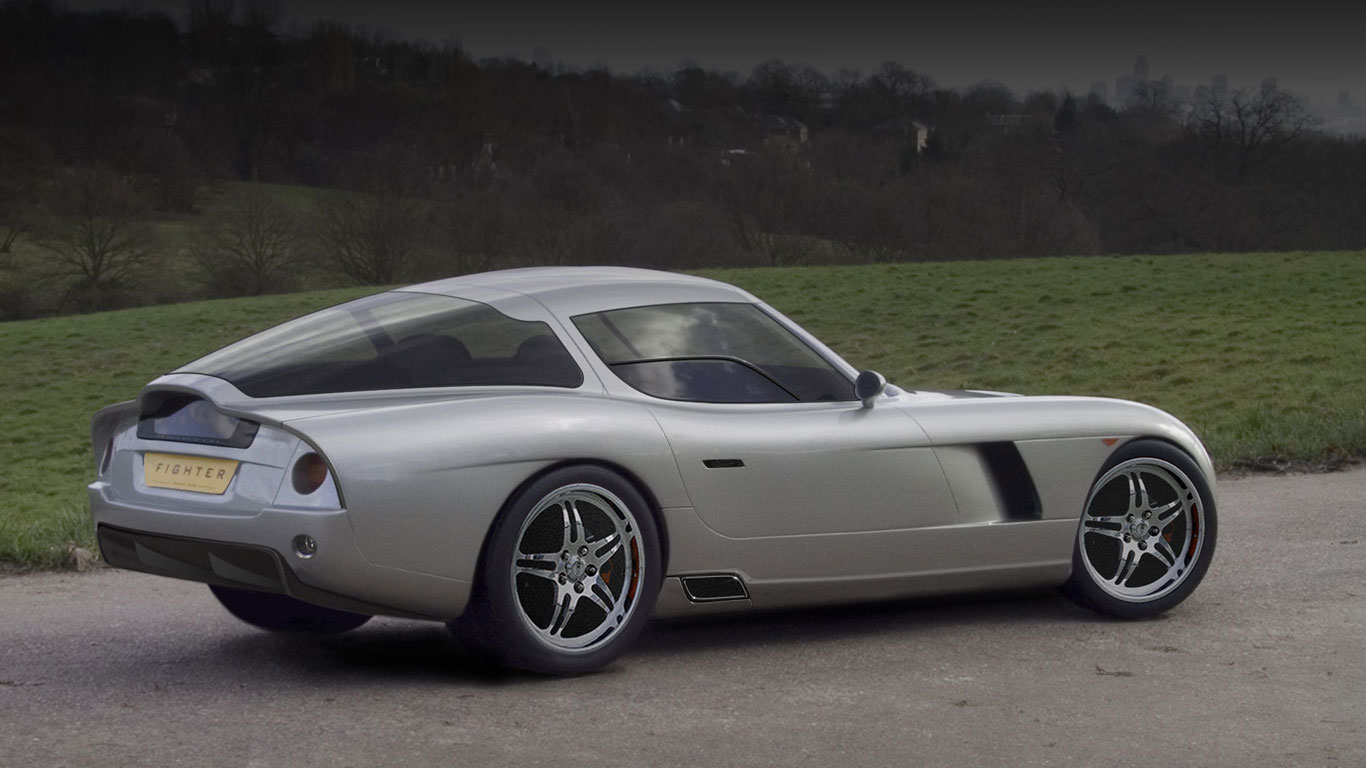
© BristolFounded as the Bristol Aeroplane Company at the end of the Second World War, Bristol built cars at Filton. It soon developed a reputation for building exquisite machines using the best craftsmanship. Highlights included the Britannia, Beaufighter and Brigand, not to mention the wild 210mph Fighter supercar seen here. Bristol fell into receivership in 2011, but has now been rescued by a London property developer. He plans to re-engineer its back catalogue and introduce a luxury EV, called the Buccaneer.
-
Daewoo
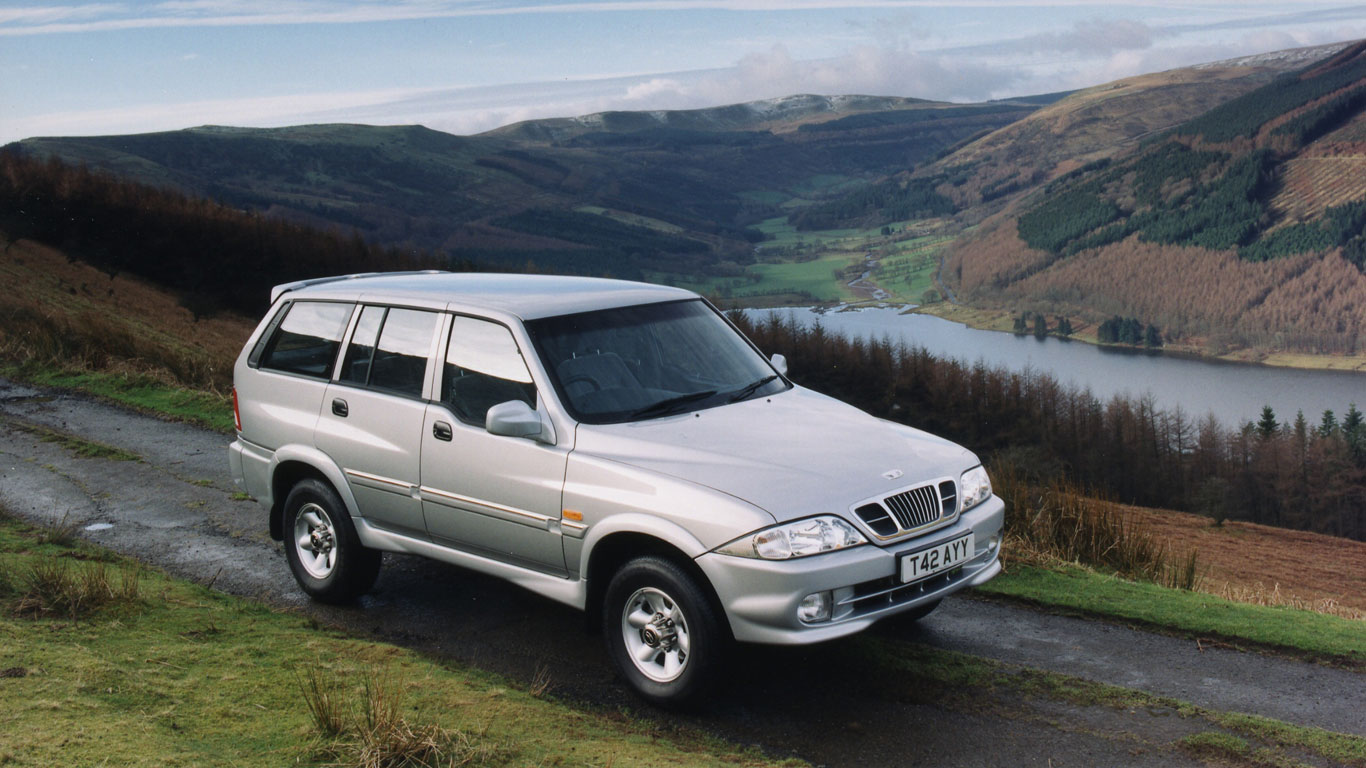
© DaewooWait, before you skip to the next slide, there’s a good reason for us wanting to see the return of Daewoo. The Korean giant might not have produced the world’s most desirable motors, but when it arrived in Britain, it took an innovative approach to the selling of new cars. What’s more, the Matiz was based on the Lucciola, a stillborn Giugiaro concept rejected by Fiat. We miss Daewoo and its reasonably-priced cars.
-
DAF
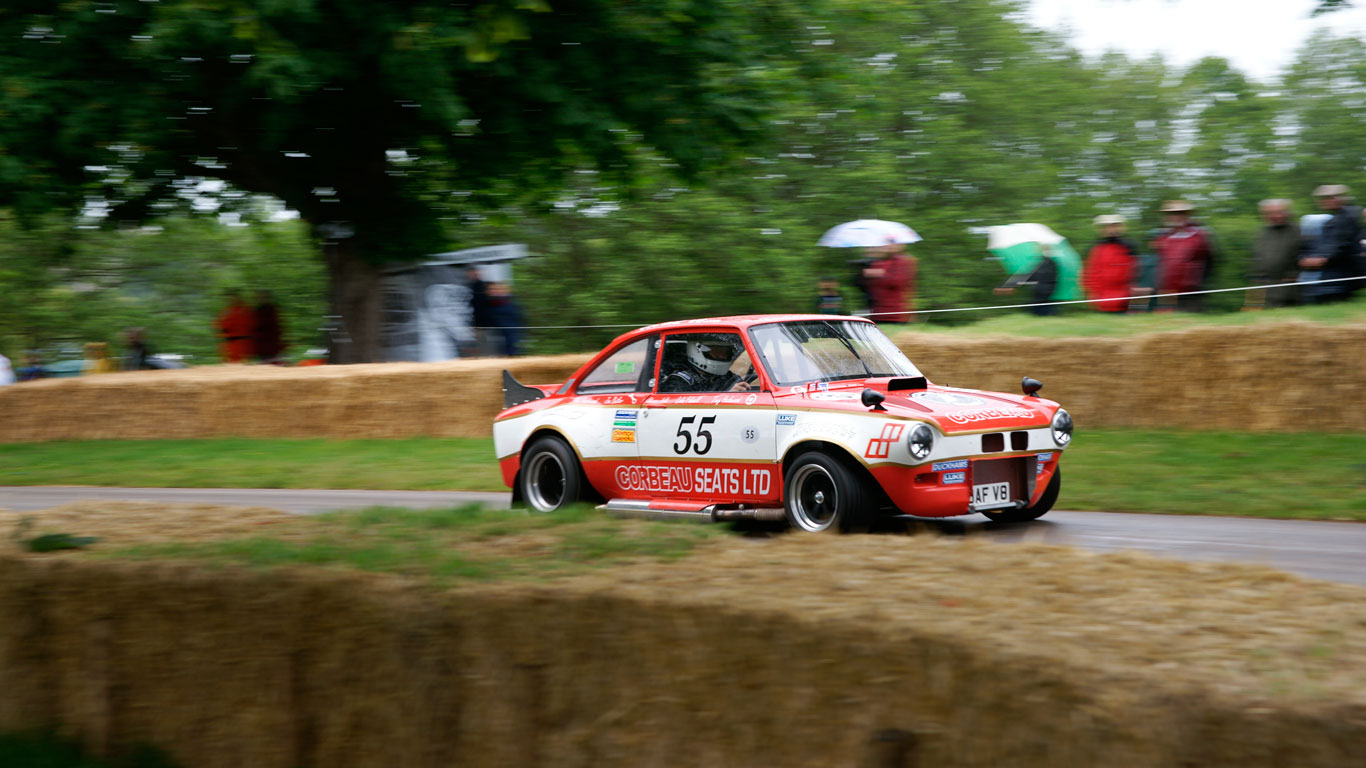
© GoodwoodYes, we know DAF Trucks is still very much alive and kicking, but we still mourn the passing of its car business. The Dutch firm started making cars in 1958 and became famous for the use of a continuously variable transmission (CVT), known as the Variomatic. Notable cars included the 66, which became the Volvo 66, along with the 55, which enjoyed success on world rally circuits. Volvo took full control in 1975, leaving the DAF name to a commercial future.
-

DeLorean Motor Company
© DeloreanThe company that owns the rights to the original DeLorean DMC-12 has been granted permission to start building new models and selling them in the United States. It’s early days, but given the company purchased all the assets from the failed Belfast factory, there’s no reason why a new DMC-12 wouldn’t be a success. Don’t bank on it being powered by a Renault V6, though…
-
De Tomaso
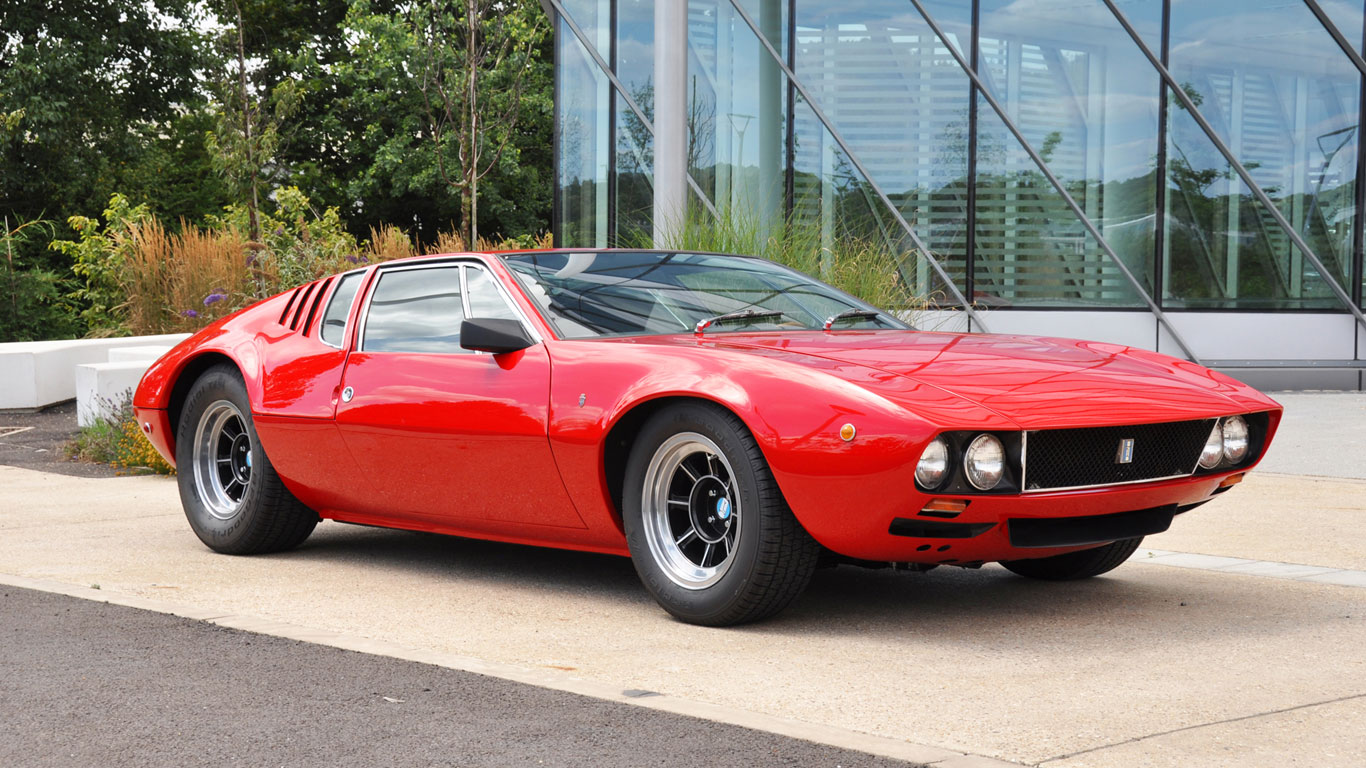
© Historics at BrooklandsThe De Tomaso Mangusta (pictured), Pantera and Longchamp are three of the most masculine sounding car names ever created. The Argentinean Alejandro De Tomaso started building cars in the 1960s, using Ford power and Ghia styling. Later, it would own Maserati, producing the likes of the Biturbo, Kyalami and Quattroporte III. The company died in 2004 and subsequent attempts to kick-start the firm ended in failure.
-
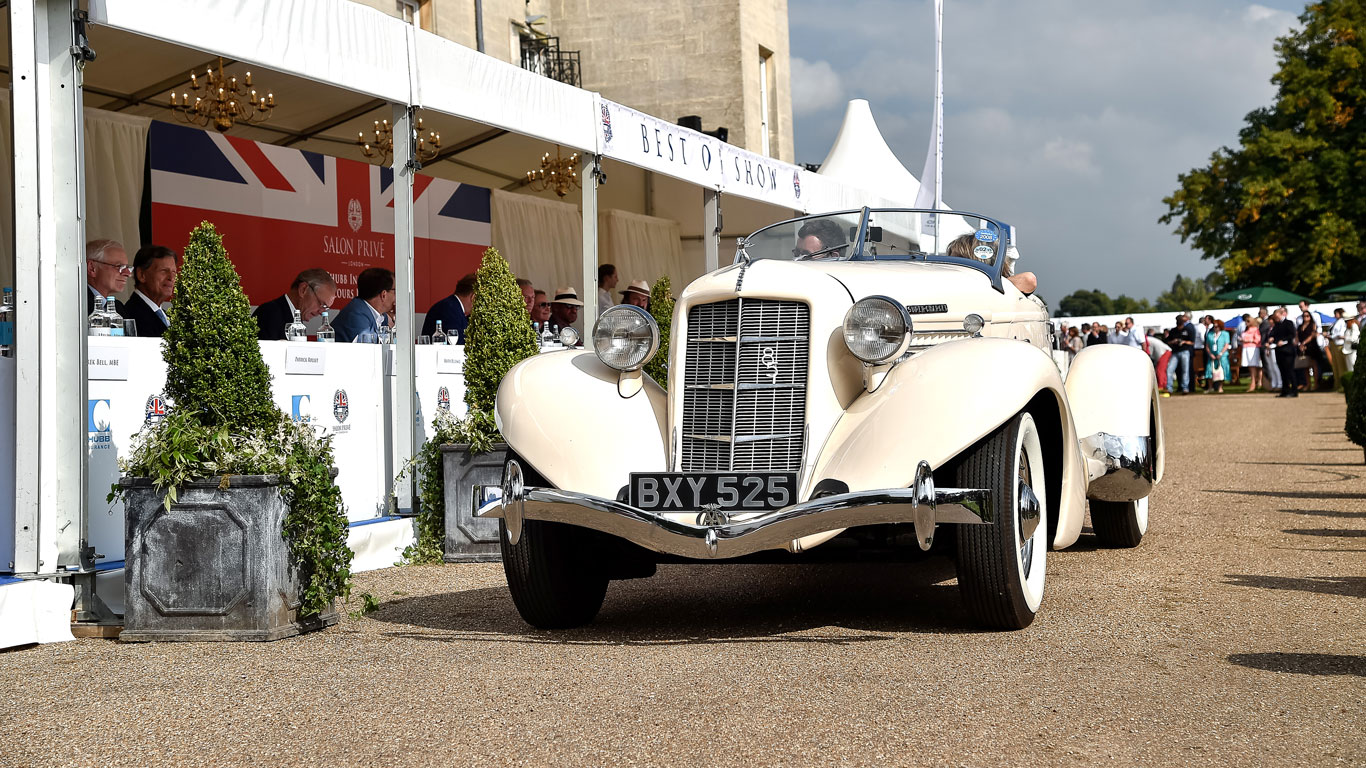
Duesenberg – Auburn – Cord
© Salon PriveToday, your only real chance of seeing a Duesenberg, Auburn or Cord would be at a concours event or a motor museum. In their heyday, these cars represented the pinnacle of American luxury motoring, but were victims of the Great Depression.
-
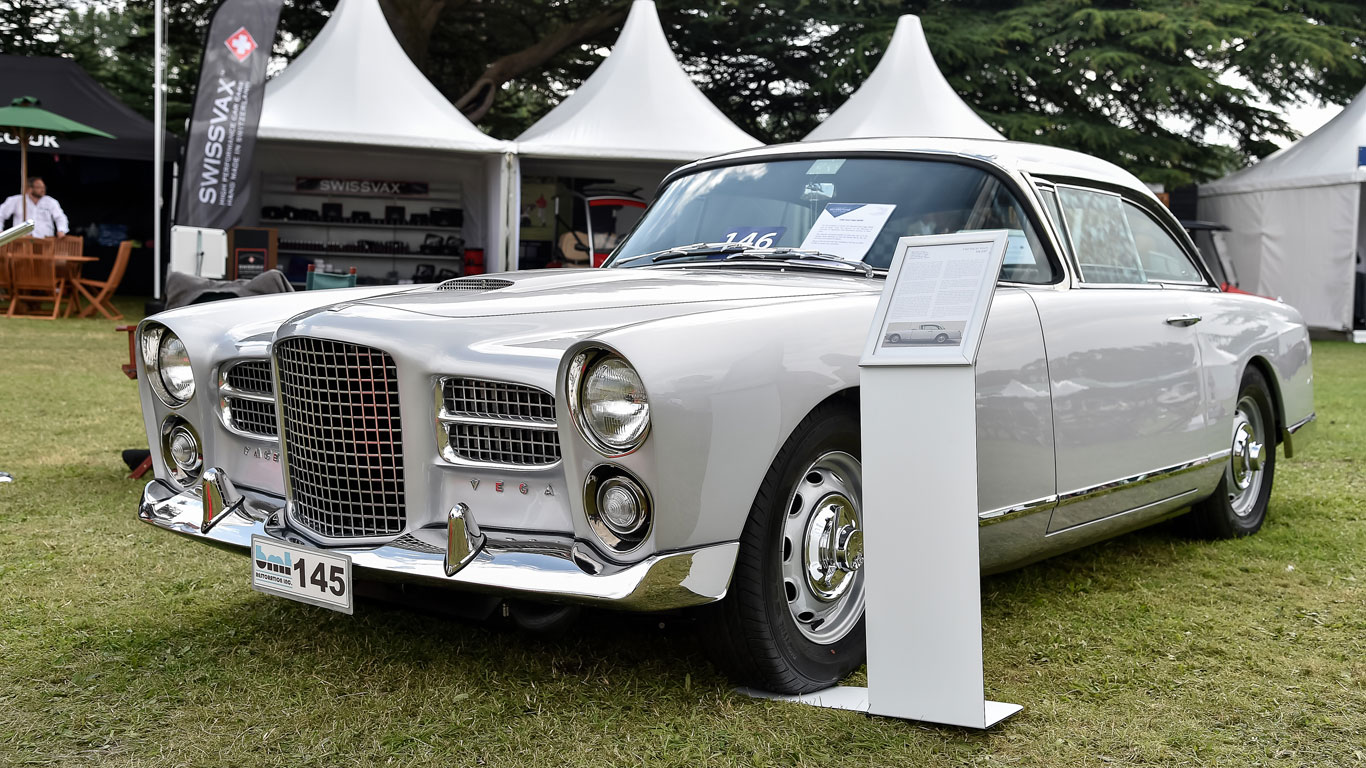
Facel Vega
© Salon PriveThe Facel in Facel Vega was short for Forges et Ateliers de Constructions d’Eure-et-Loir, so you can understand the wish to shorten it. Through the 1950 and 1960s, the French-based company could hold its own alongside the world’s most exclusive cars and were must-have fashion accessories for the rich and famous. We’d love to see the name return, with a modern-day version of the FV/FVS or HK500 at the top of the list. A new Facel Vega HK500 based on a Chrysler 300C?
-
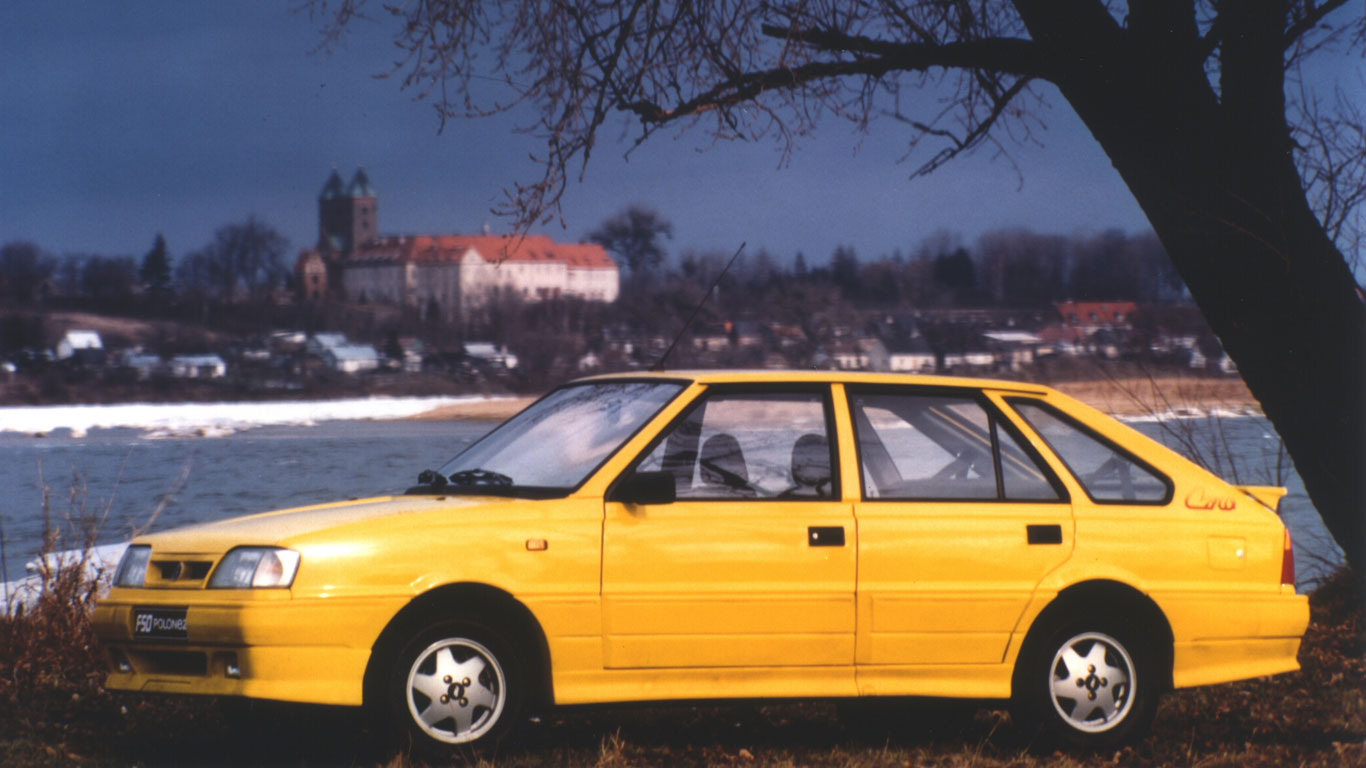
FSO
© PetrolBlogAt the opposite end of the spectrum is FSO, the company set up by the Polish government in 1951. In the same way Lada built an organisation around the Fiat 124, FSO turned to the Fiat 125. Nearly 1.5 million Polski Fiat 125Ps were built between 1967 and 1991, with the Polski Fiat badge dropped when the license agreement was terminated. The Polonez was a rebodied 125P, which enjoyed some success in the UK. We’d like to see FSO return as a budget-led Dacia competitor.
-

Gilbern
© Chris WakelyAston Martin is now building its DBX SUV in South Wales, but Gilbern got there first. The company was founded in 1959 by butcher Giles Smith and Bernard Friese, a German engineer. Until 1973, Gilbern produced a series of pretty, GRP-bodied sports cars, including the wonderfully-named and achingly good looking Invader (pictured). Sadly, the cars were too expensive, not least because of the VAT added to the price of kit cars.
-
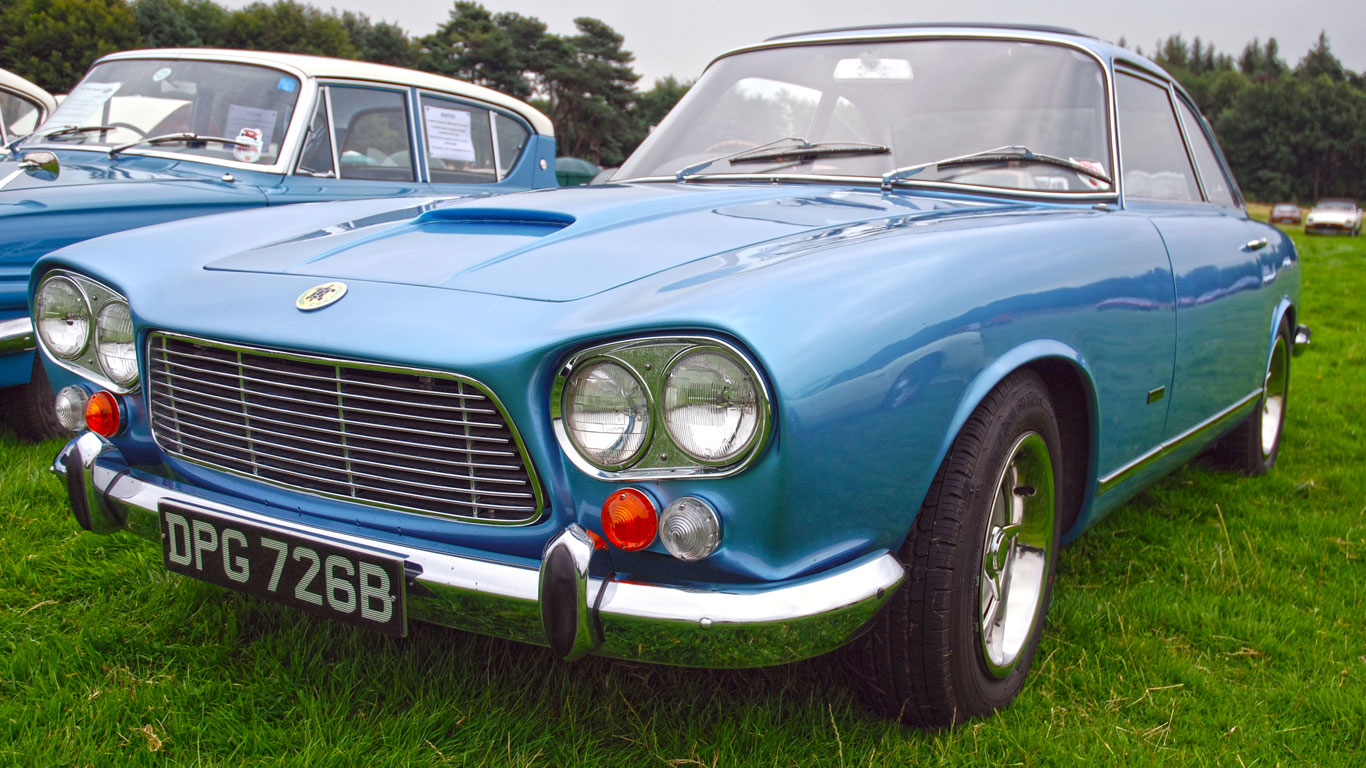
Gordon-Keeble
© Allen Watkin FlickrGoodness, the Gordon-Keeble GT was a handsome machine. Penned by Giugiaro, built by Bertone and powered by a Corvette V8 engine – a dream team. Not only is Gordon-Keeble the most British-sounding company name in the history of Great Britain, it also had one of the greatest badges of all time. It features a tortoise, chosen for its sense of irony. These are the kind of details that make us yearn for the good old days.
-

Innocenti
© BeaulieuAnother former Italian great that didn’t deserve to die, Innocenti started out making Lambretta scooters, before building its first car in 1961. The Innocenti versions of the Austin A40 ‘Farina’ and Austin-Healey Sprite were better than their British counterparts, as was the Mini. The Bertone-styled Mini 90 was a delightful machine, with the later Innocenti Mini de Tomaso taking things a notch further. The less said about the Regent (a rebadged Allegro), the better.
-
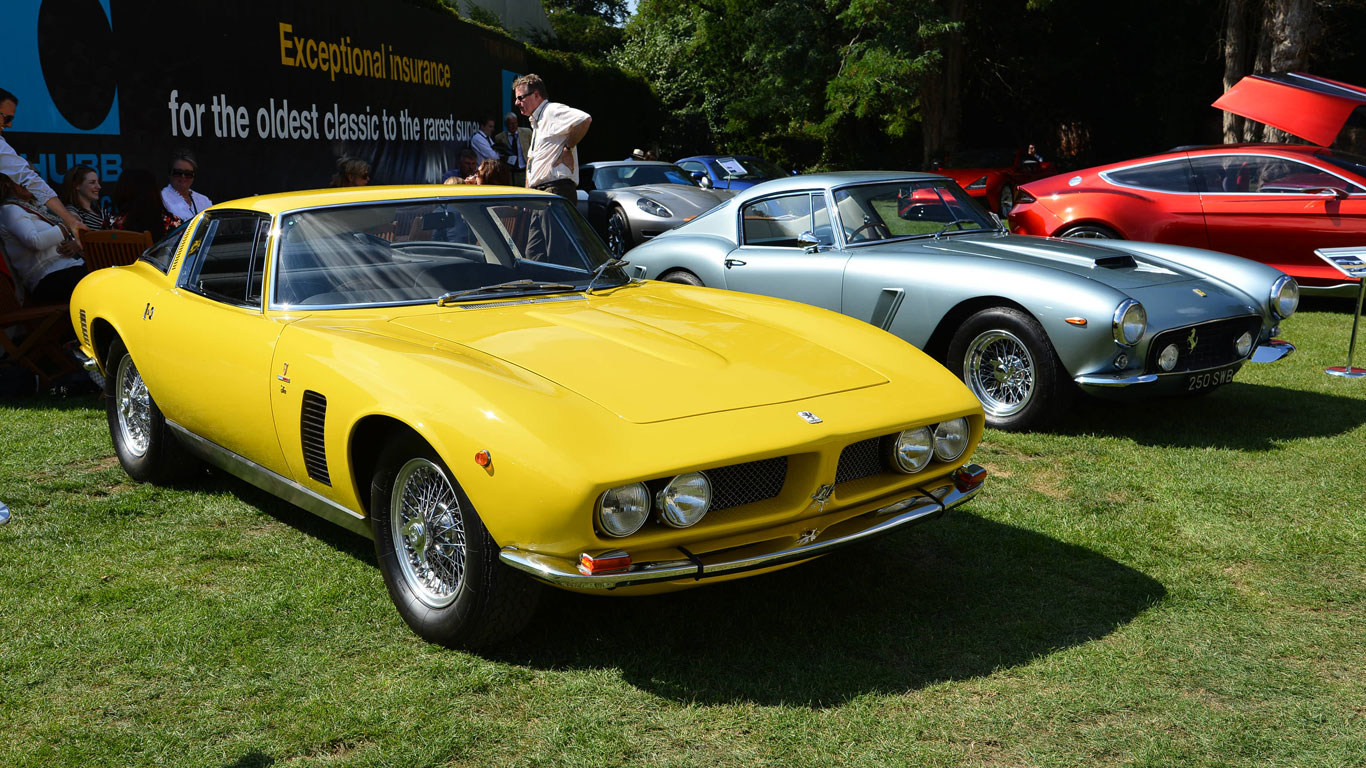
Iso
© Salon PriveThe Iso story is one that is tinged with a sense of what might have been. The ingredients were good – American V8 engines and Italian styling – but the finished product wasn’t quite up to scratch. So while the Italian firm may have harboured ambitions to take on Lamborghini and Ferrari, it couldn’t quite reach these dizzy heights. That said, the Rivolta, Fidia, Grifo and Lele remain objects of real beauty.
-
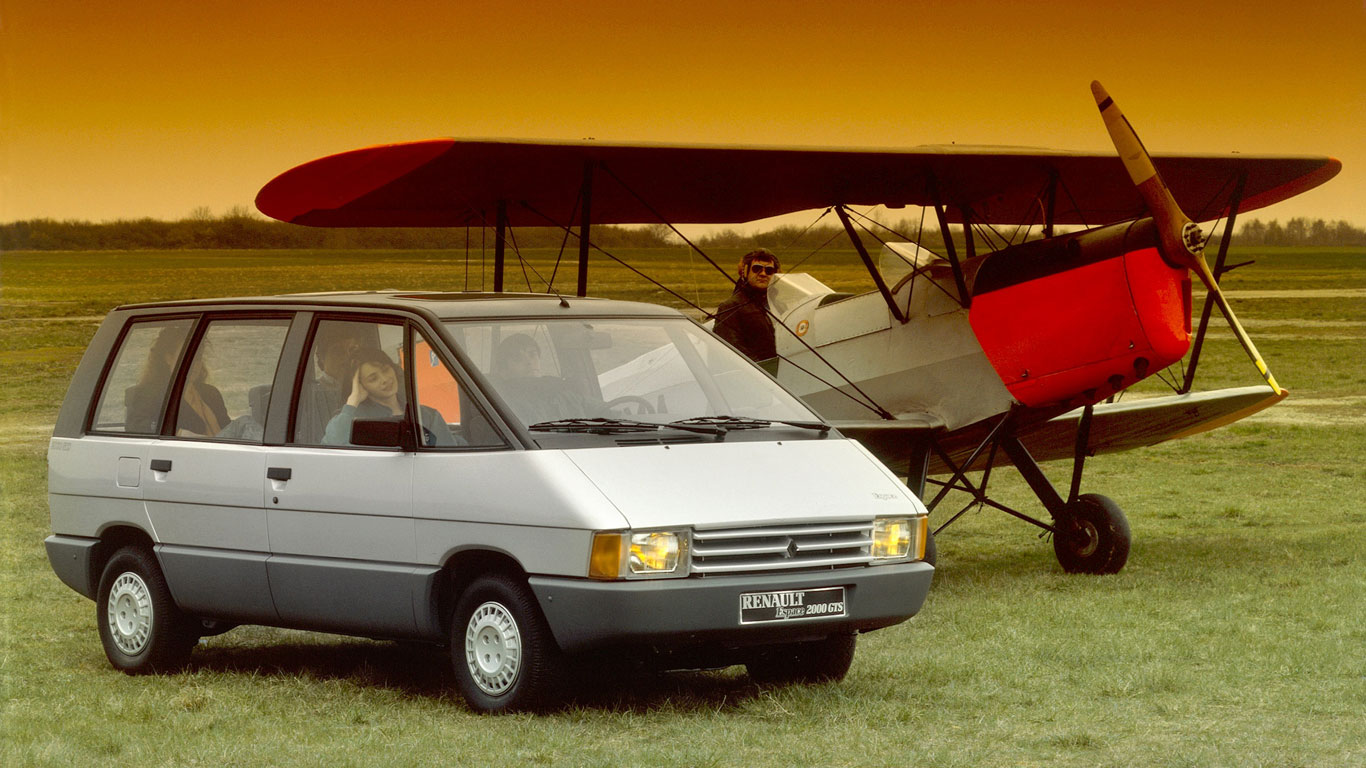
Matra
© RenaultMatra, or Mécanique Aviation Traction was a French aerospace company that ventured into the automotive world in the 1960s. The Djet V and 530 are worthy, but it was the Bagheera and Murena, developed in partnership with Simca, that really caught the eye. The Rancho was a misunderstood forerunner to the modern SUV crossover, while Matra also deserves credit and recognition for the original Renault Espace and Avantime. Sadly, the Matra name died in 2003.
-
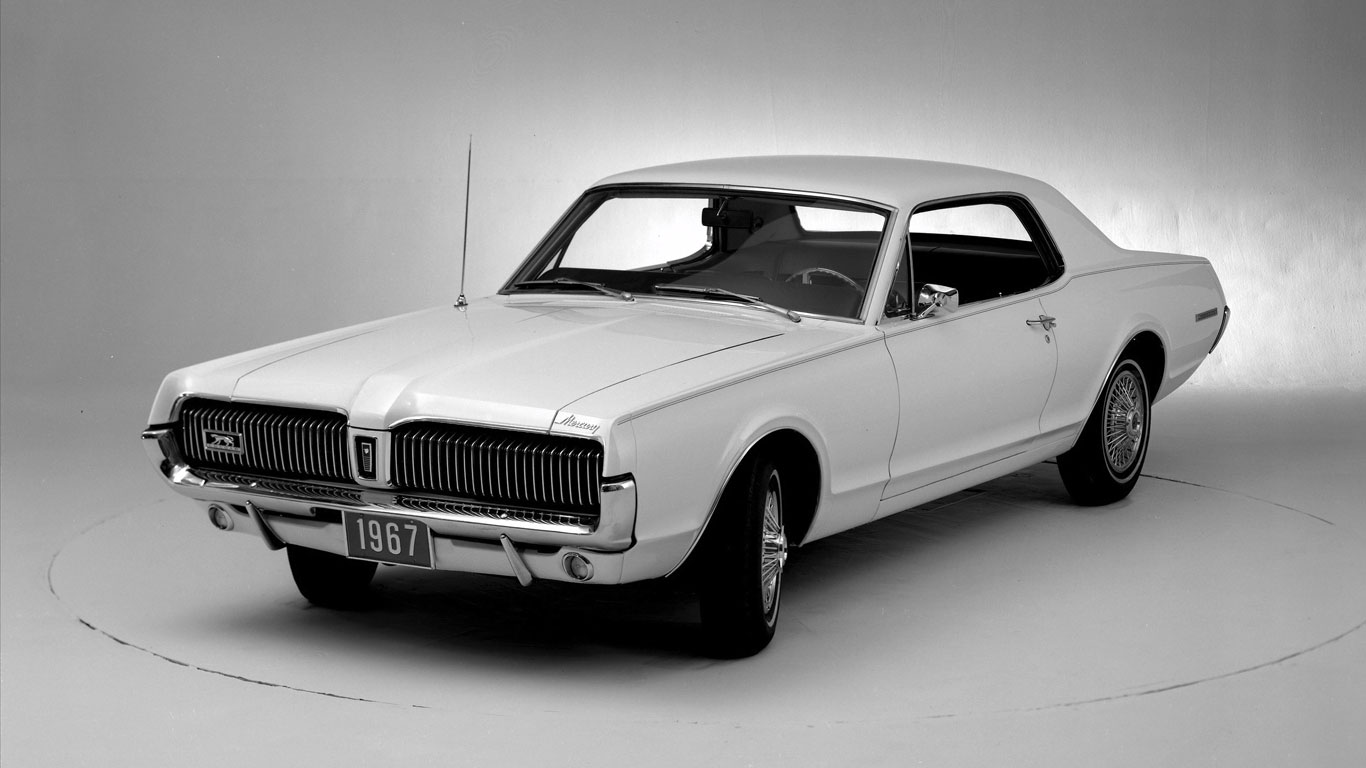
Mercury
© MercuryThe Mercury name was born in 1938, with Ford pitching it somewhere between mainstream Ford products and high-end Lincoln vehicles. By the time of its demise in 2011, Mercury’s share of the market had shrunk to just one percent, so you could hardly blame Ford for pulling the plug.
-
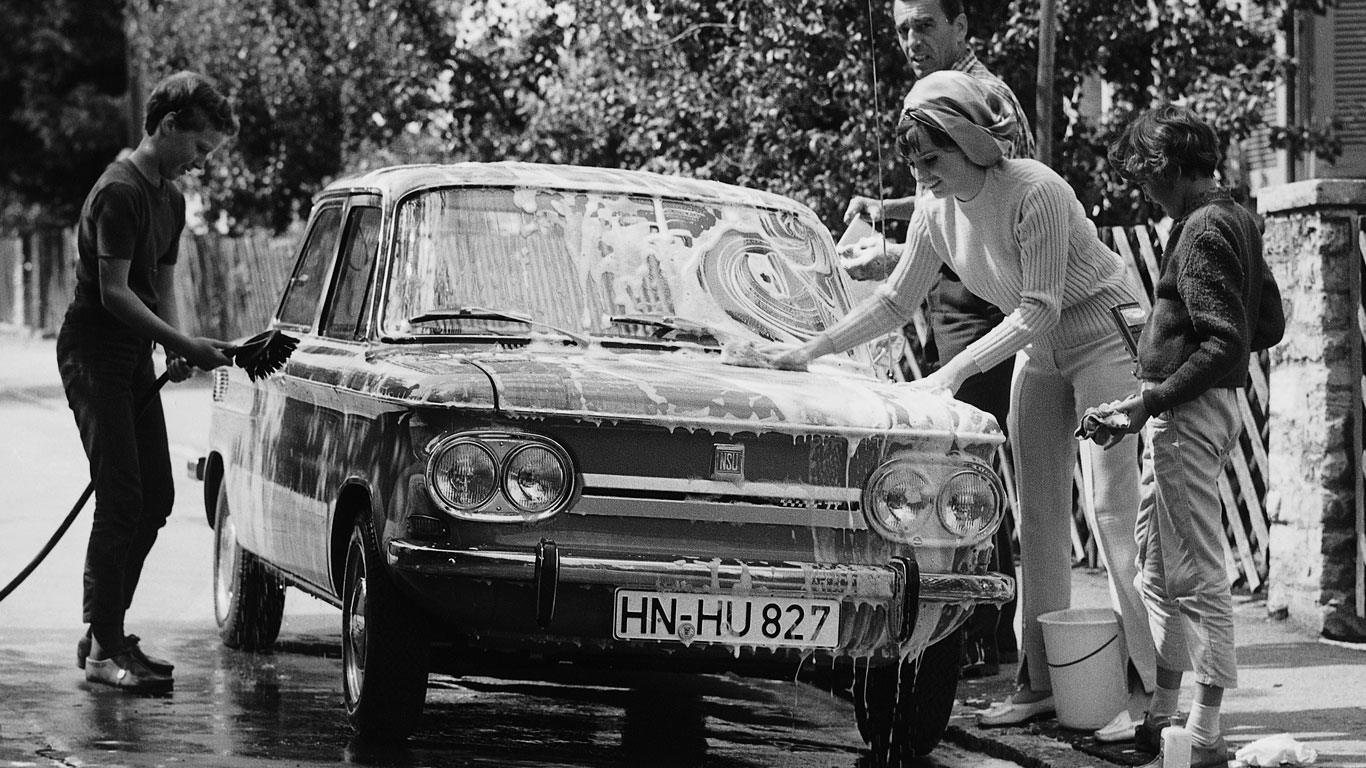
NSU
© NSUNSU was established in 1873 as a company producing knitting machines, before moving into bicycle manufacturing under the ‘Germania’ brand name. Motorcycles soon followed, with automobiles the natural progression. Highlights included the Prinz and the much-maligned but innovative Ro80. This rotary-engined car could have been the making of NSU, but it was ultimately the firm’s undoing. In 1969, NSU was taken over by Volkswagen and the name disappeared.
-
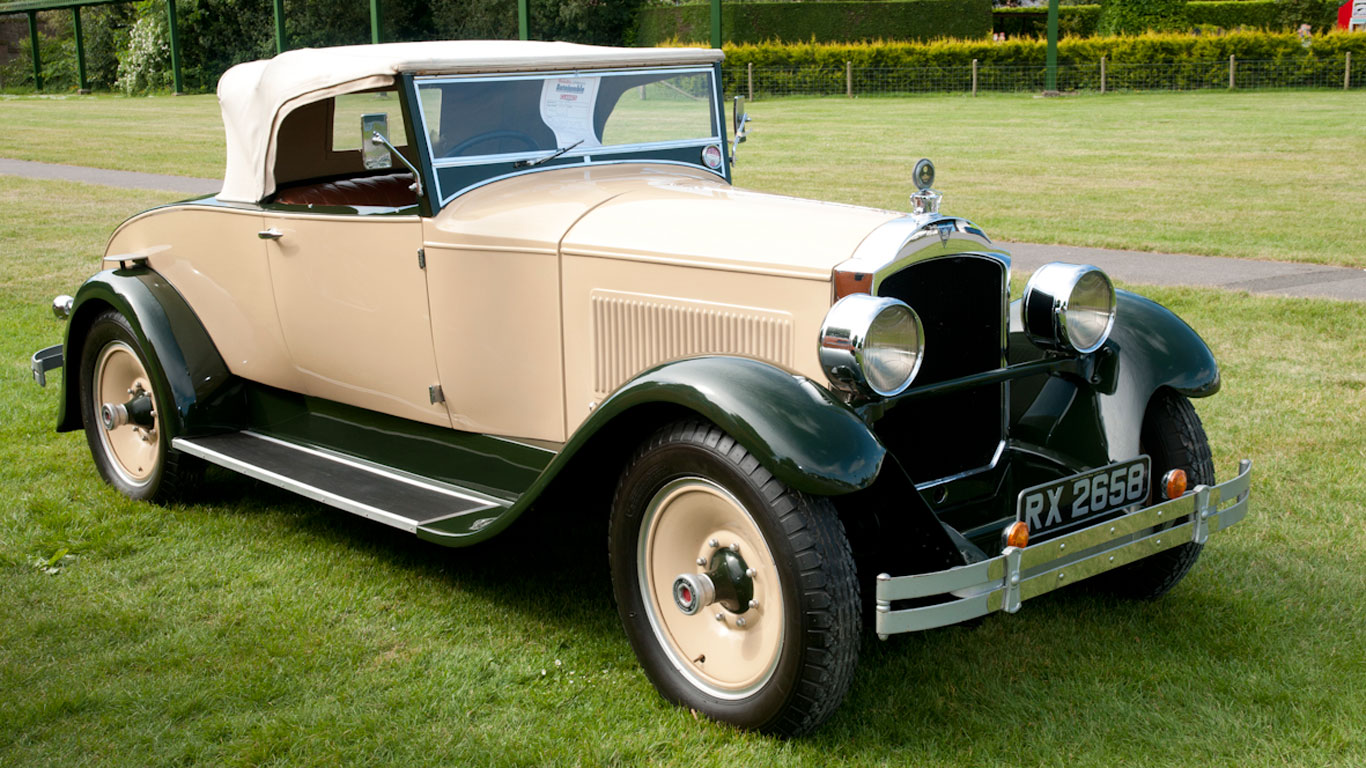
Packard
© Beaulieu‘Ask the man who owns one,’ said the advertising material. For the first half of the last century, Packard was one of America’s most revered automobile brands, producing luxurious coachbuilt cars, with one eye on innovation. The modern steering wheel, the 12-cylinder engine and air conditioning can all be traced back to Packard. The decline started in the 1940s, when Packard decided to enter the taxi and fleet markets. It soon found it couldn’t compete with the ‘Big Three’, while at the same time it was losing its high-end customers. The end came in 1958, after a disastrous attempt to rescue Studebaker.
-

Panhard
© BeaulieuNot to be confused with Packard, Panhard was a French company formed in 1887. Like the aforementioned DAF, the Panhard name lives on, this time under the ownership of Renault Trucks Defense, but in its day, the automobile side of the business was wonderfully innovative. Its range of two-cylinder cars were there at the birth of the industry, but the final Panhard – the 24 – was the best of the breed. Citroen purchased Panhard in the 1960s, but falling sales led to its demise.
-
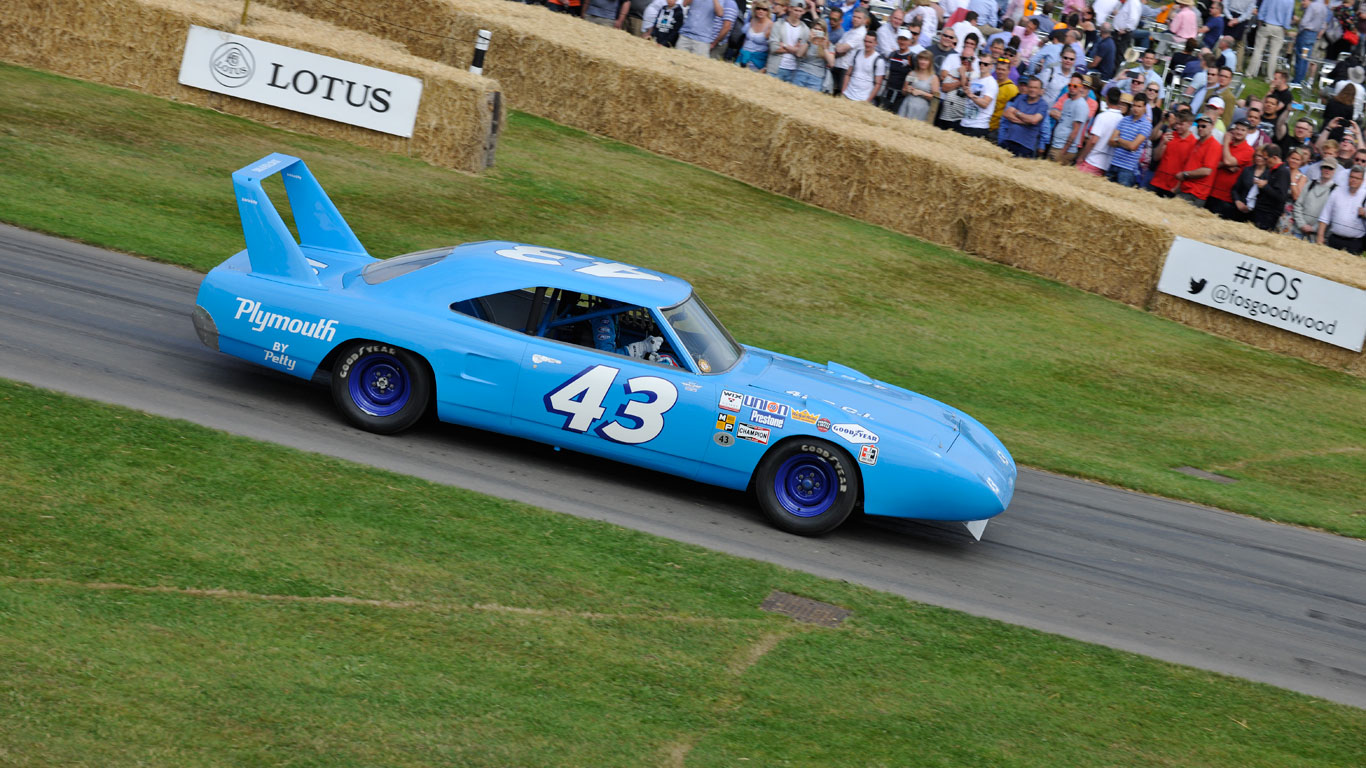
Plymouth
© GoodwoodAlthough the Plymouth badge featured the Mayflower ship, which had landed at Plymouth Rock, the name was actually taken from Plymouth binder twine, which was popular with American farmers. This was to be Chrysler’s low-cost brand, something that would help the company ride out the Great Depression. By the end, Plymouth was reduced to rolling out badge-engineered Dodge and Mitsubishi models, before fading to grey in 2001. It deserved better.
-

Pontiac
© PontiacFew American car brands sound as evocative as Pontiac. To us Brits, Pontiac conjures up images of Smokey and the Bandit, of Knight Rider and of the American dream. The once great name was laid to rest in 2009 and the likes of the Trans Am and GTO make us long for its return. The Solstice, also known as the Saturn Sky and Opel GT, was one of the final cars to wear the Pontiac badge, but we should also mention the much-maligned Atzek, given a new lease of life by its appearance in Breaking Bad.
-
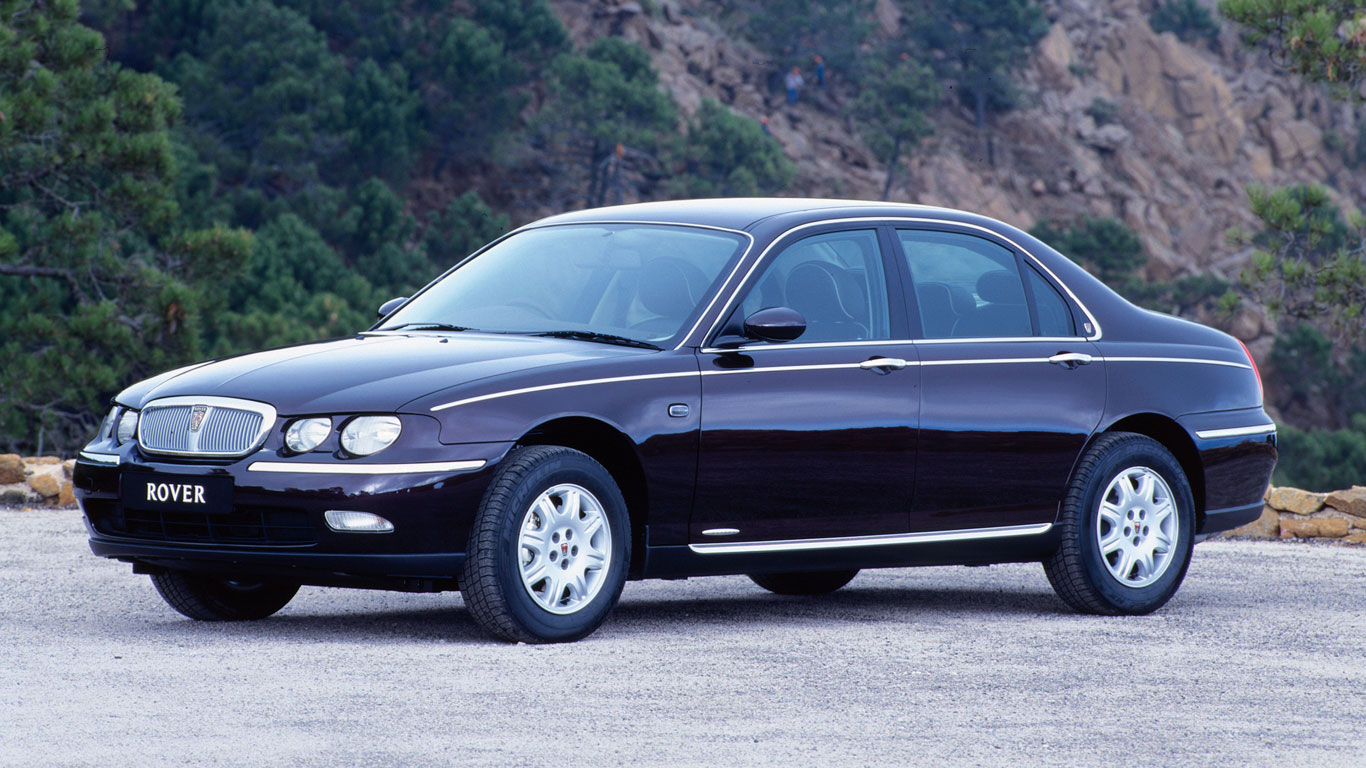
Rover
© RoverIn Rover, Britain had a company that could take on the world. And win. Once independent, Rover was later part of the fifth-largest corporation in the world in the 1970s, but the Honda, British Aerospace and BMW years left this once proud brand looking dazed and confused. The P4, P5, P6 and SDI were true greats, but today, only the Land Rover brand survives. Rover was as British as the BBC, so it’s rather apt that its P4 and P5 models earned it the ‘Auntie’ nickname.
-
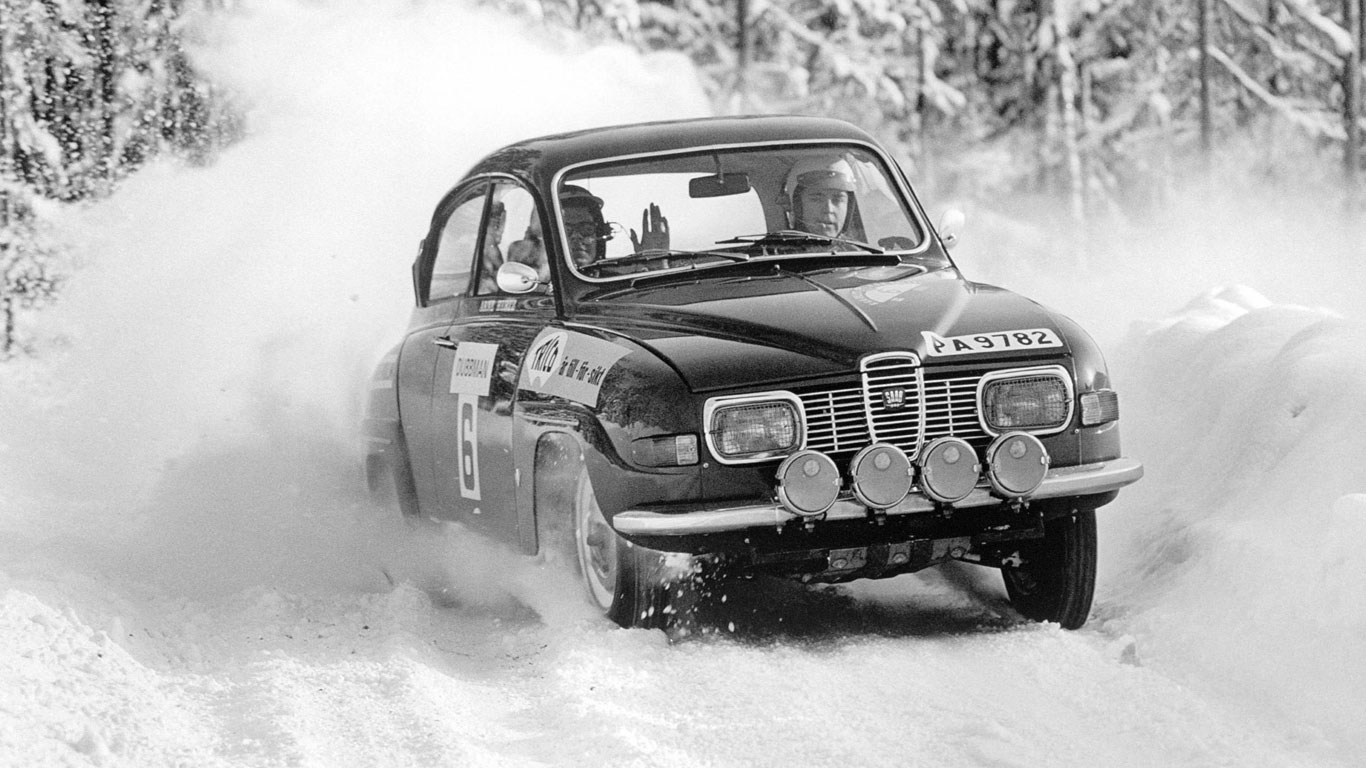
Saab
© SaabAnd so to Saab, the once brilliant and eccentric Swedish company that died in 2011. Since then, it has been a constant tale of will-they, won’t-they, but nobody is quite sure whether Saab will indeed be ‘bjorn’ again. In 2017, National Electric Vehicle Sweden (NEVS), the company that bought the assets of bankrupt Saab, claimed it would build five new Saabs by 2018. It has since been told it will be unable to use the name, the rights of which still belong to Saab AB (the Swedish aerospace company).
-
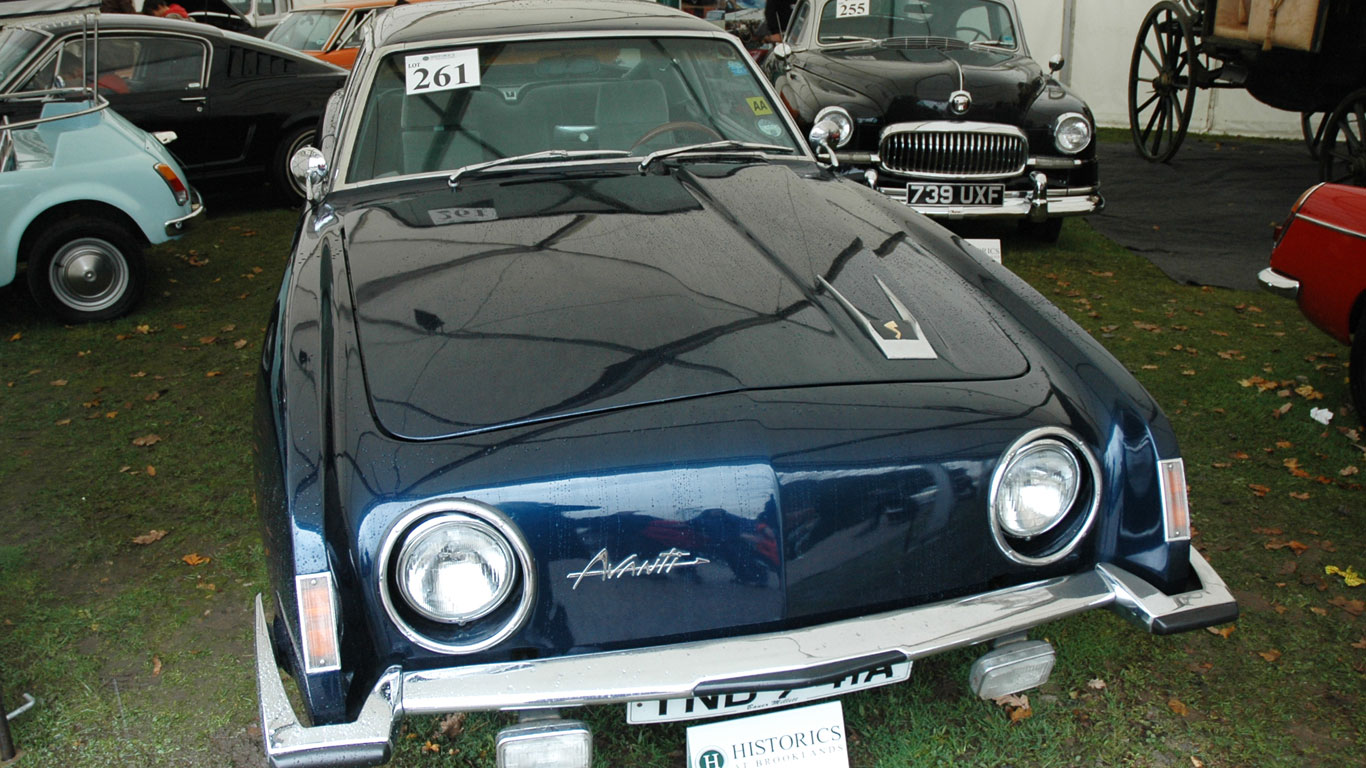
Studebaker
© Historics at BrooklandsThe Studebaker name sounds as American as mom’s apple pie and for over 100 years, it was part of the furniture on the other side of the Atlantic. Amazingly, the firm was founded in 1852, later incorporated in 1868 as the Studebaker Brothers Manufacturing Company. Back then, it was producing wagons for farmers, miners and the military, entering the automotive industry in 1902. It built some spectacular cars, including the delightful Avanti, but the brand died in 1967.
-

Triumph
© SilverstoneOf all the defunct British car brands, Triumph stands perhaps the best chance of a successful comeback. Even today, the names of its sports cars – such as the TR4, TR6, Vitesse, Spitfire and Stag – conjure up images of the British countryside, an empty B-road and a jolly good drive. And we haven’t even mentioned the 2000 and Dolomite. Like so many British car companies, Triumph was simply a victim of the British Leyland debacle. The brand itself remains strong.
-

Vanden Plas
© Historics at BrooklandsCarrosserie Van den Plas was a Belgian coachbuilder, established in 1898. A British subsidiary was created in 1913, before it became part of the British Motor Corporation (BMC). Its cars were high-end Austin-Morris products, stuffed with leather, real wood and special paint finishes. In many ways, Vanden Plas was the Vignale of yesterday and although the VDP versions of the Allegro, Maestro and Metro were questionable, we have a huge soft spot for faux luxury. Not to mention fold-down picnic tables.
