19 sales disasters that became cult cars
-

Top of the flops
© BMWNot every car can be a success. For every Toyota Corolla, Mazda MX-5 or Ford Cortina, there’s a Suzuki X-90, Cadillac Allante or Volkswagen Phaeton. But just because a car was a sales flop, that doesn’t mean we don’t dream of owning it. These cars may not have flown out of showrooms, but they have subsequently soared to new heights:
-
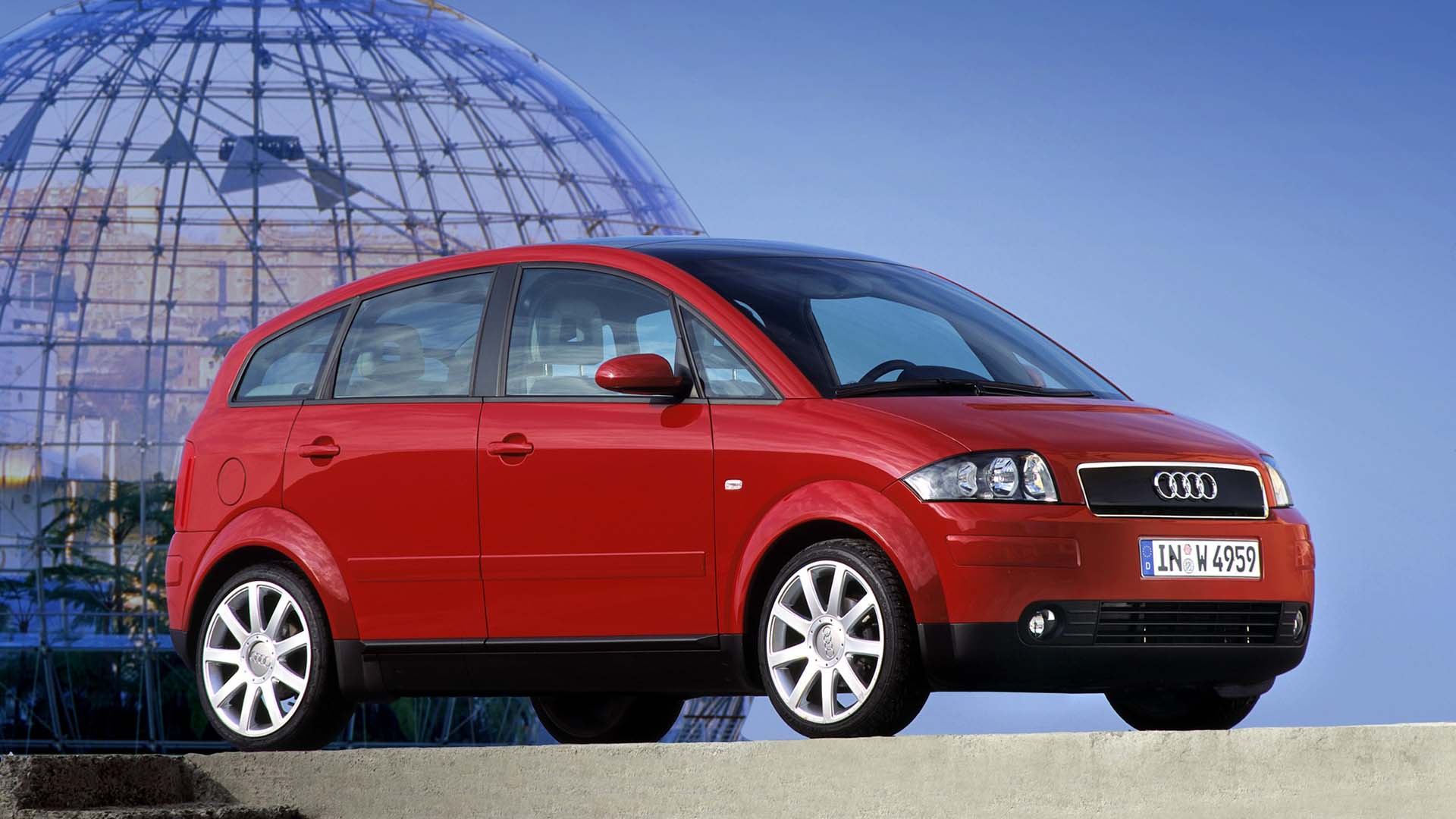
Audi A2
© AudiIt’s often said that the Audi A2, launched to great fanfare in 1999, was years ahead of its time. A lightweight and aerodynamic small car that promised excellent fuel economy and low CO2 emissions. But the project was a disaster for Audi, which lost around £4,000 on every A2 it sold. During its shortened six-year life, just 176,377 examples found a home.
-
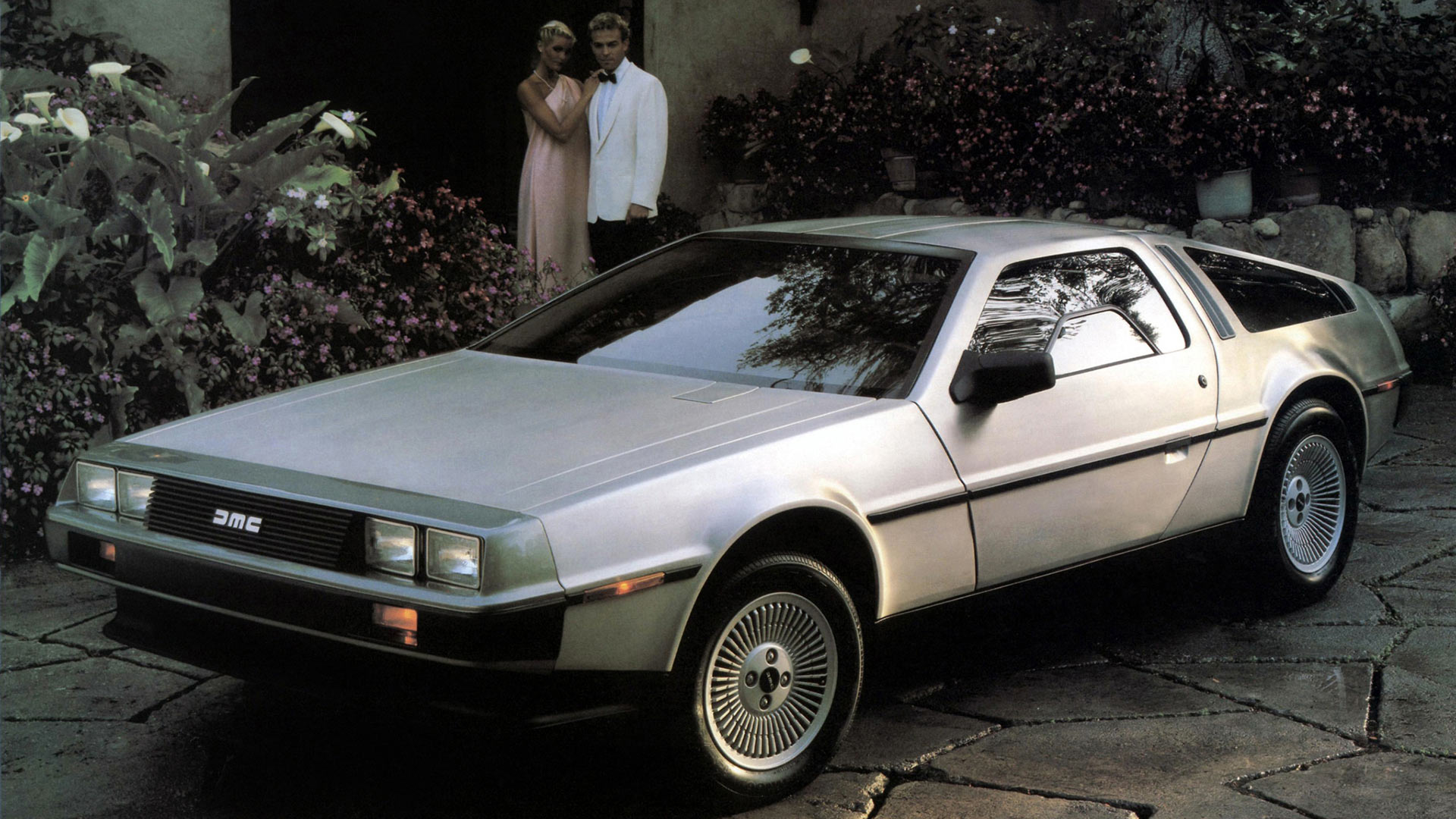
DeLorean DMC-12
© DeLoreanThe DeLorean DMC-12 was far from the best car of the 1980s, but it’s certainly one of the most famous. Indeed, thanks to a starring role in Back to the Future, it’s up there with the A-Team van, Michael Knight’s K.I.T.T. and Ecto-1. Without the Hollywood link, the DMC-12 would be all but forgotten, although its political and social backstory is quite a tale.
-
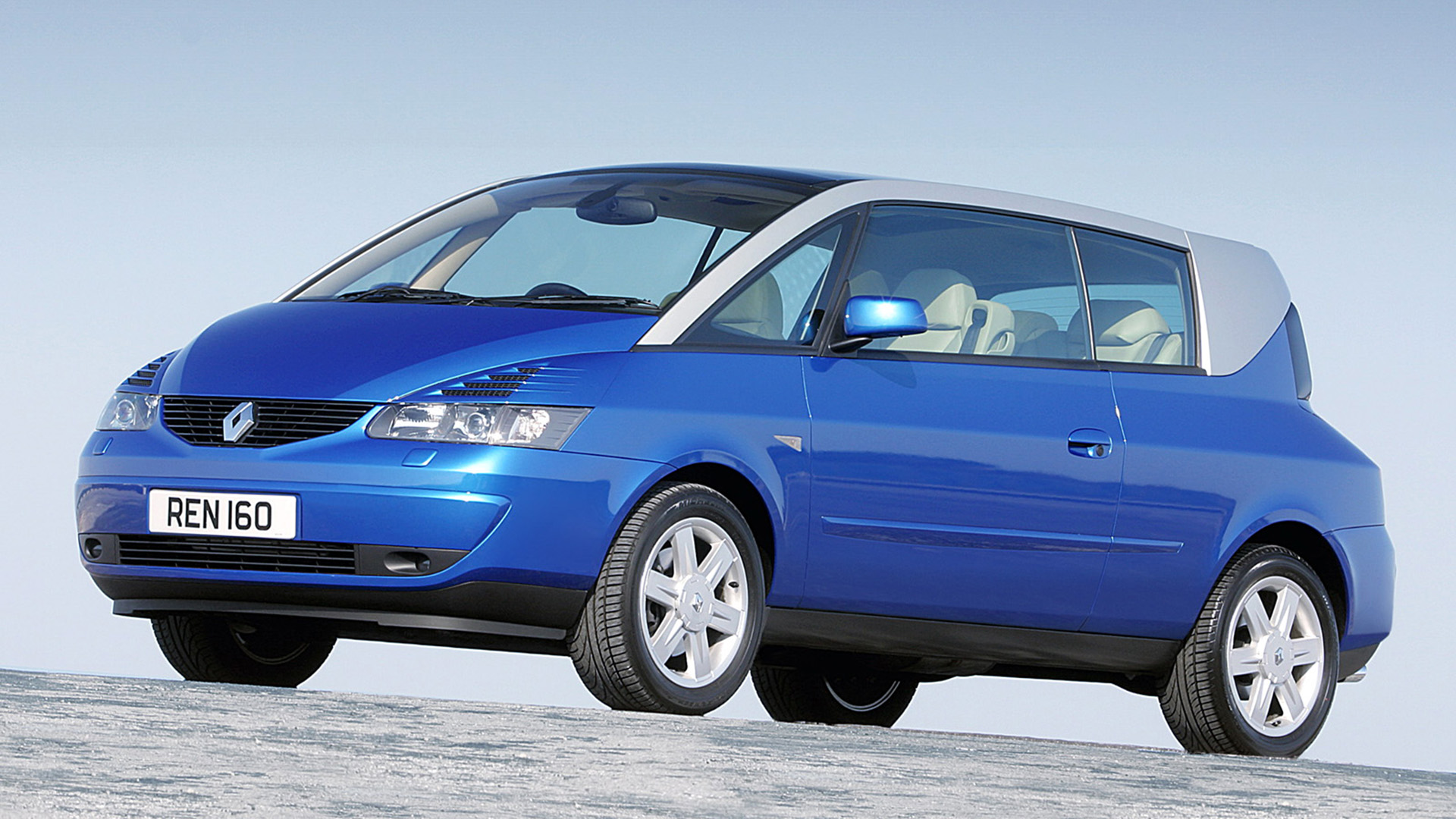
Renault Avantime
© RenaultEven at the height of Renault’s mad era, which delivered the likes of the Megane Mk2, Clio V6, Vel Satis, Wind and Spider, the Avantime stood out like a… well, a coupe body atop an Espace platform. Which is as crazy as it sounds. Matra, no doubt buoyed by the success of the Espace, hoped that millions of ‘empty-nesters’ were waiting for the first three-door, four-seat coupe. They weren’t, which is why sales limped to just 8,557 cars in 18 months.
-
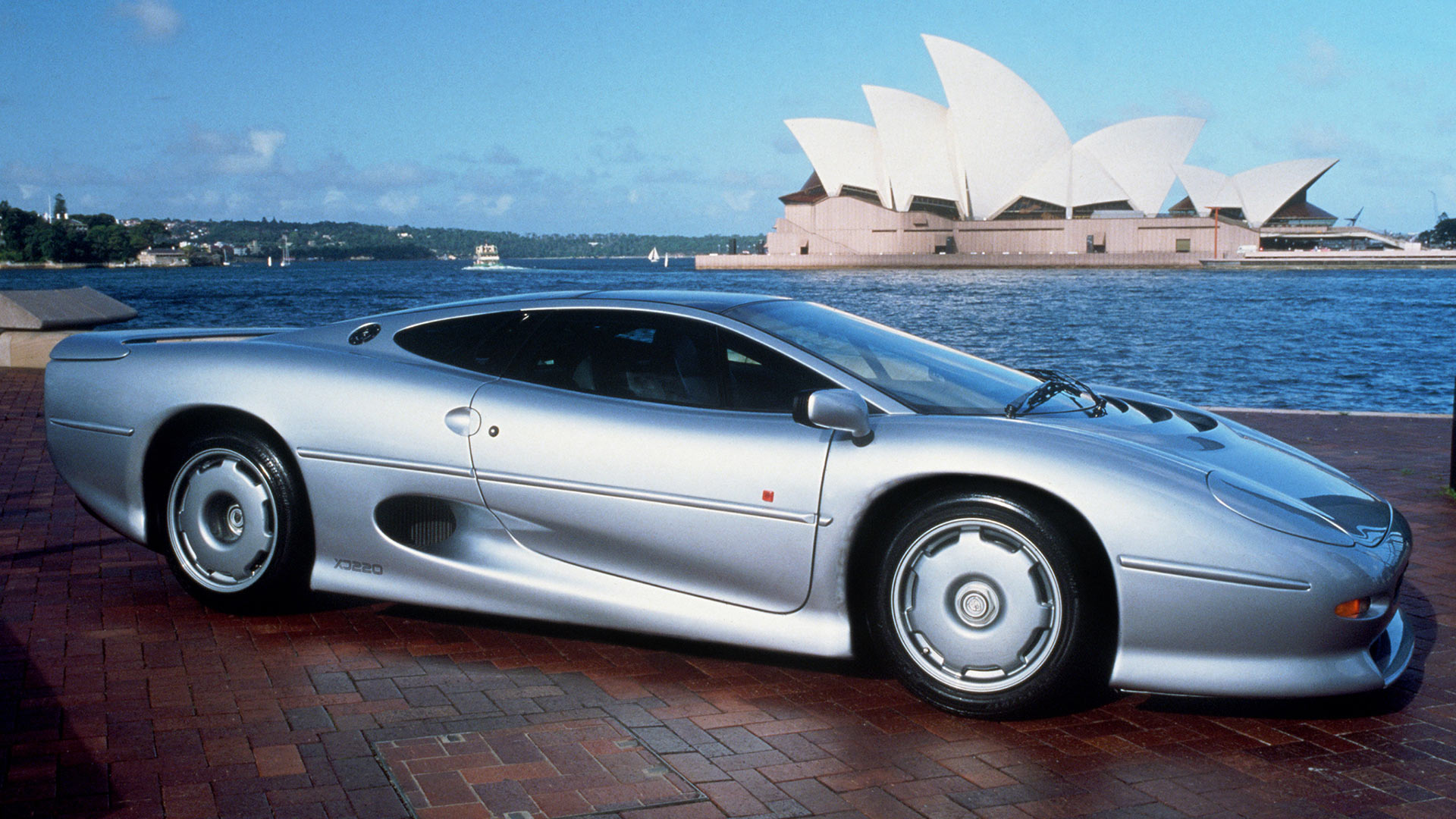
Jaguar XJ220
© JaguarConstruction of the Sydney Opera House took 14 years and cost $102 million – around $95 million over the original estimate. We’re not drawing comparisons here, but the XJ220 was unveiled in 1988 as a V12, four-wheel-drive concept car, only to launch four years later with a V6 engine and rear-wheel drive. Bad news for the punters who had put down deposits of £50,000 to secure a slice of Jag history. Few were willing to fork out £470,000 for the diluted version, despite its 212.3mph top speed, so many cars were sold for around half the list price. The economic recession didn’t help, either.
-
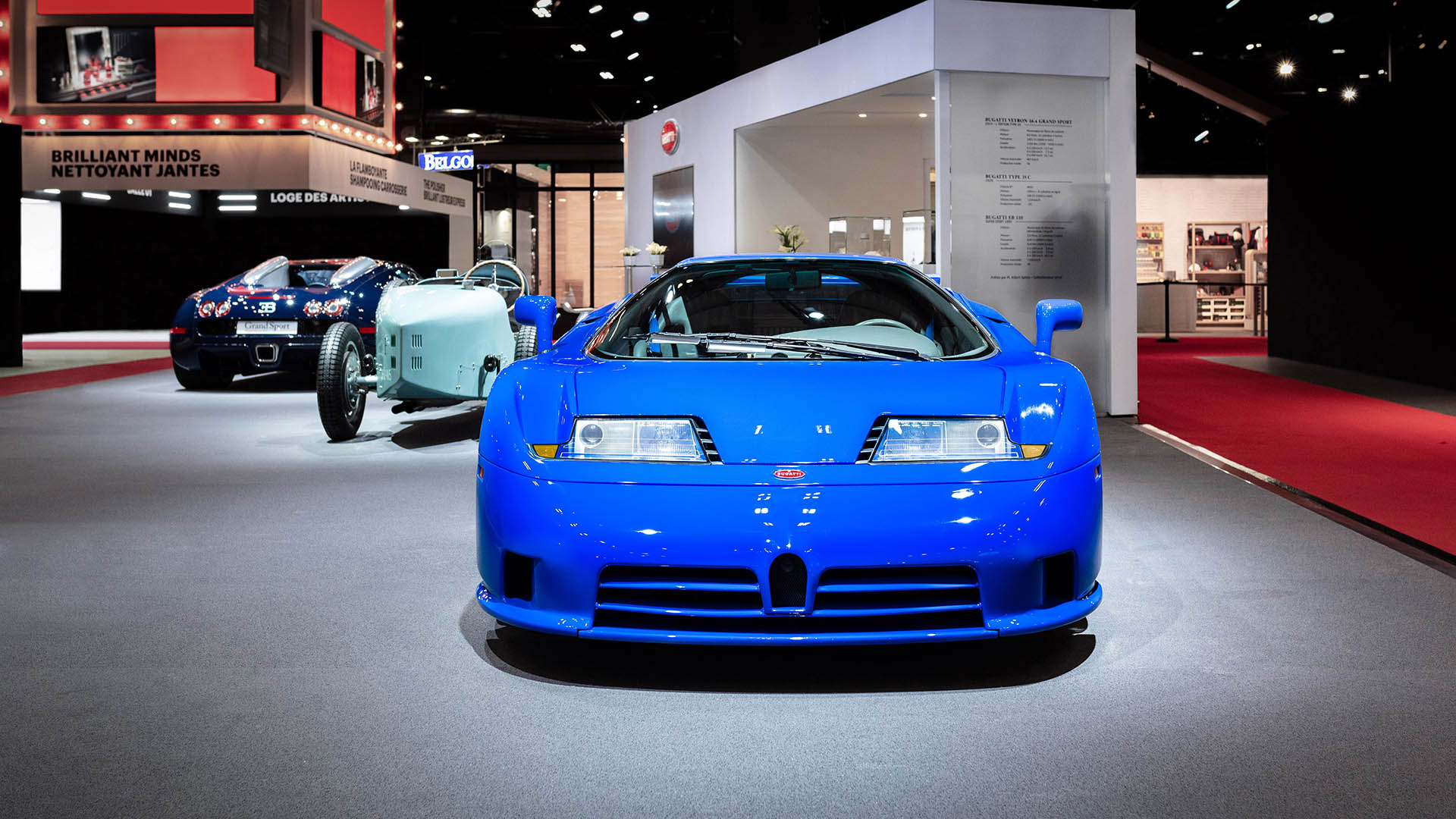
Bugatti EB110
© BugattiIn 1987, Italian businessman Romano Artioli bought the rights to use Ettore Bugatti’s name from the French government. Four years later, and exactly 110 years after the birth of Ettore – hence the EB110 name – the company was back, with one of the most advanced supercars the world had ever seen – not to mention one of the most extravagant and expensive launches. The EB110 had a quad-turbocharged V12, four-wheel drive and a carbon-fibre chassis, but its launch coincided with another economic downturn. Predictably, the company was soon declared bankrupt.
-

BMW Z8
© BMWTime has been very kind to the BMW Z8; it arguably looks better today than it did at launch in 1999. The styling, penned by Henrik Fisker, was inspired by the BMW 507 of the 1950s, but nobody was quite sure if it was designed to be a boulevard cruiser or a proper sports car. Sales were slow, not least because of its price tag. In the UK, it cost £86,650 (£160,500 today) – and all cars were left-hand drive. Around 5,700 Z8s were built.
-
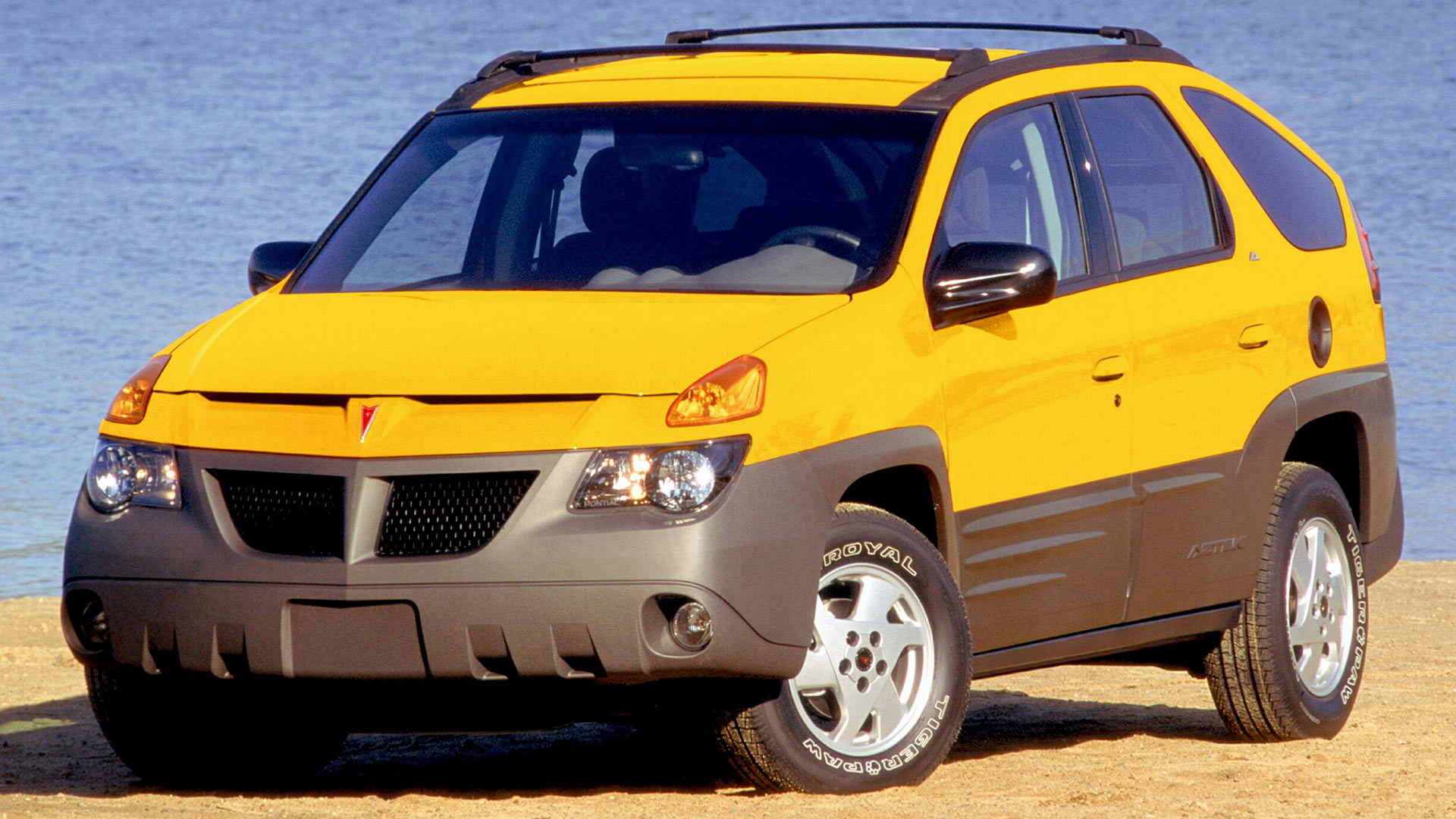
Pontiac Aztek
© PontiacAt the time of its launch in 2000, Pontiac said it would sell 70,000 Azteks a year. Six months later, this was scaled back to 50,000, but sales limped to just 27,000 in the first year. By 2005, the Aztek was dead, with Pontiac having sold around 119,000 cars. It was destined to spend the next couple of decades starring in ‘ugly car’ and ‘worst car’ lists, only to be rescued by its role in the hit TV series Breaking Bad.
-

Subaru SVX
© SubaruIn 1992, a Subaru SVX cost £27,999. That’s around £10,000 more than the most expensive Legacy and £60,000 in today’s money. Sure, it looked like a concept car, with Giuigaro styling, ‘window-within-a-window’ side glazing, funky lights and a quirky interior, but that was a lot to ask for a company with little experience in the sector (its predecessor, the XT, was another oddity). Subaru built just 24,379 cars between 1991 and 1996, reportedly losing around $3,000 on every SVX sold.
-
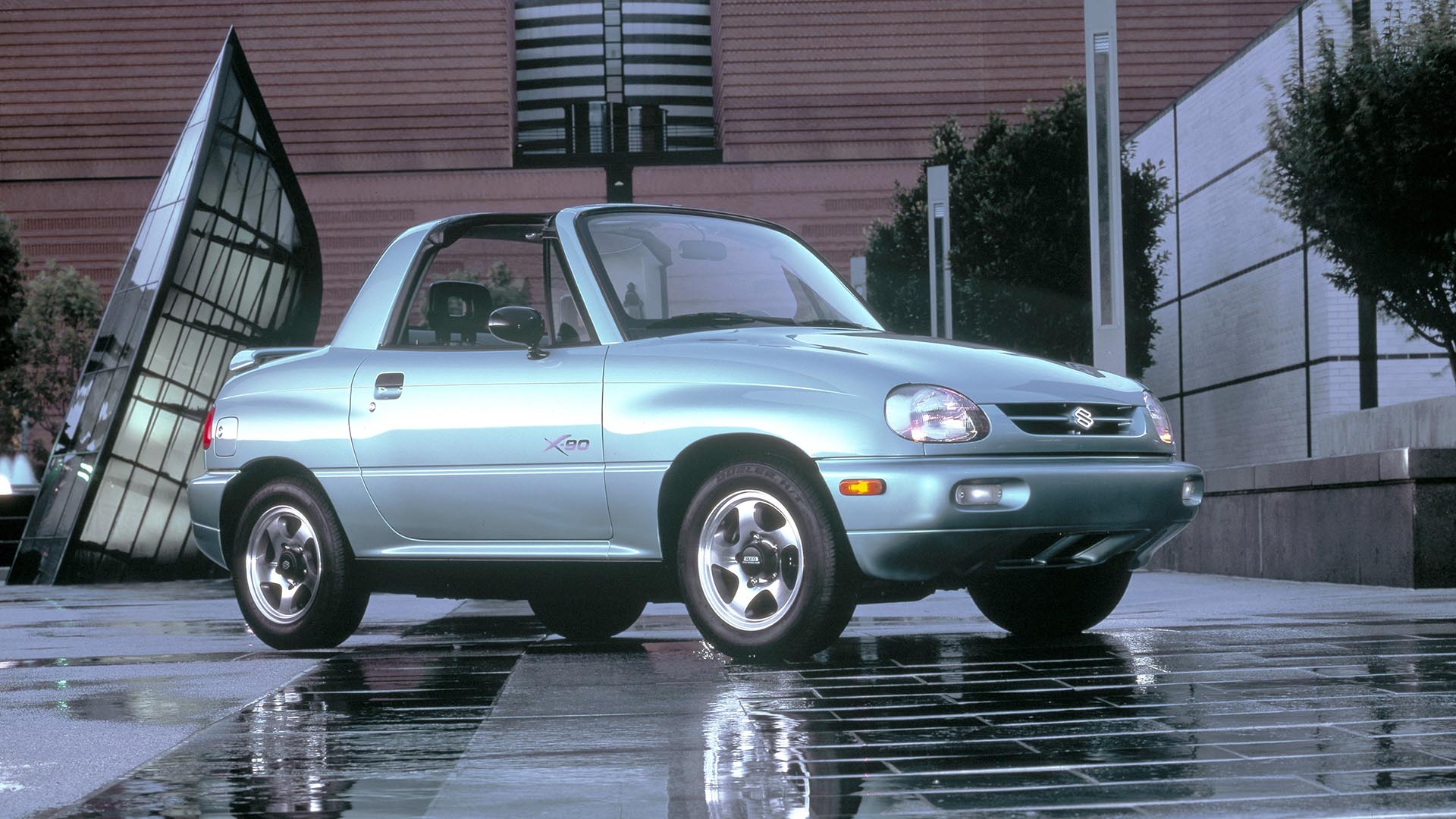
Suzuki X-90
© SuzukiEven today, it’s easy to be sniffy about the Suzuki X-90. Who in their right mind would want a two-door, two-seat SUV with lift-out roof panels and a 1.6-litre petrol engine? But this was the 1990s, when the crossover was in its infancy and manufacturers were jockeying to get our attention. Sales were slower than the X-90’s 0-60mph time, but there was a 4×4 version if you needed to go off-road. Today, the rear-wheel-drive X-90 has developed a following in the world of trialling.
-
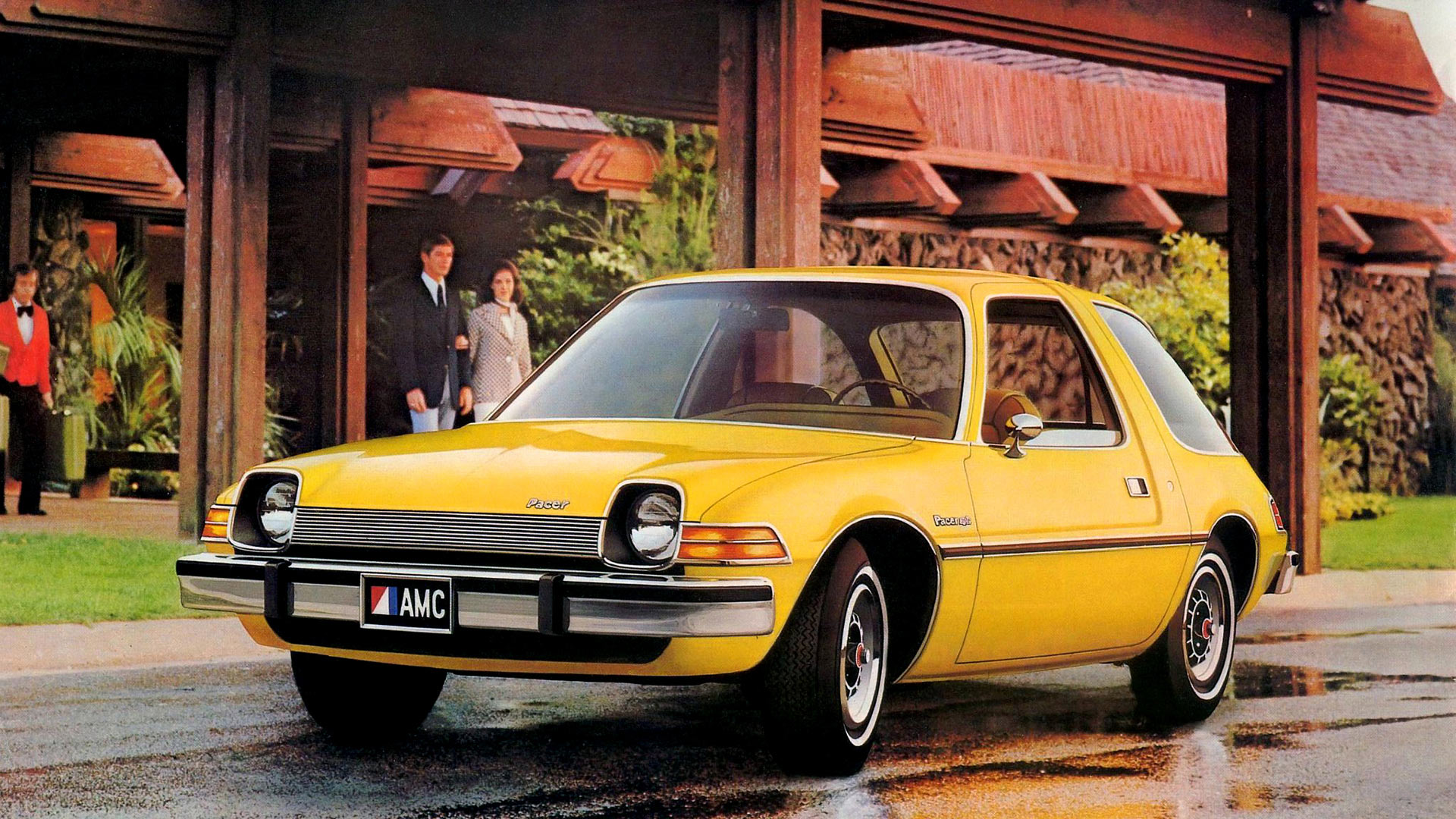
AMC Pacer
© AMCEvery dog has its day. For the AMC Pacer, the day came in 1992, when it starred in Wayne’s World as Garth Algar’s ‘Mirthmobile’. The car itself died in 1979, just four years after it had arrived, supported by an ad campaign that said: ‘When you buy any other car, all you end up with is today’s car. When you get a Pacer, you get a piece of tomorrow’. Great copy, but the Pacer failed to live up to its promise. Still, the famous Bohemian Rhapsody scene has made the car immortal.
-
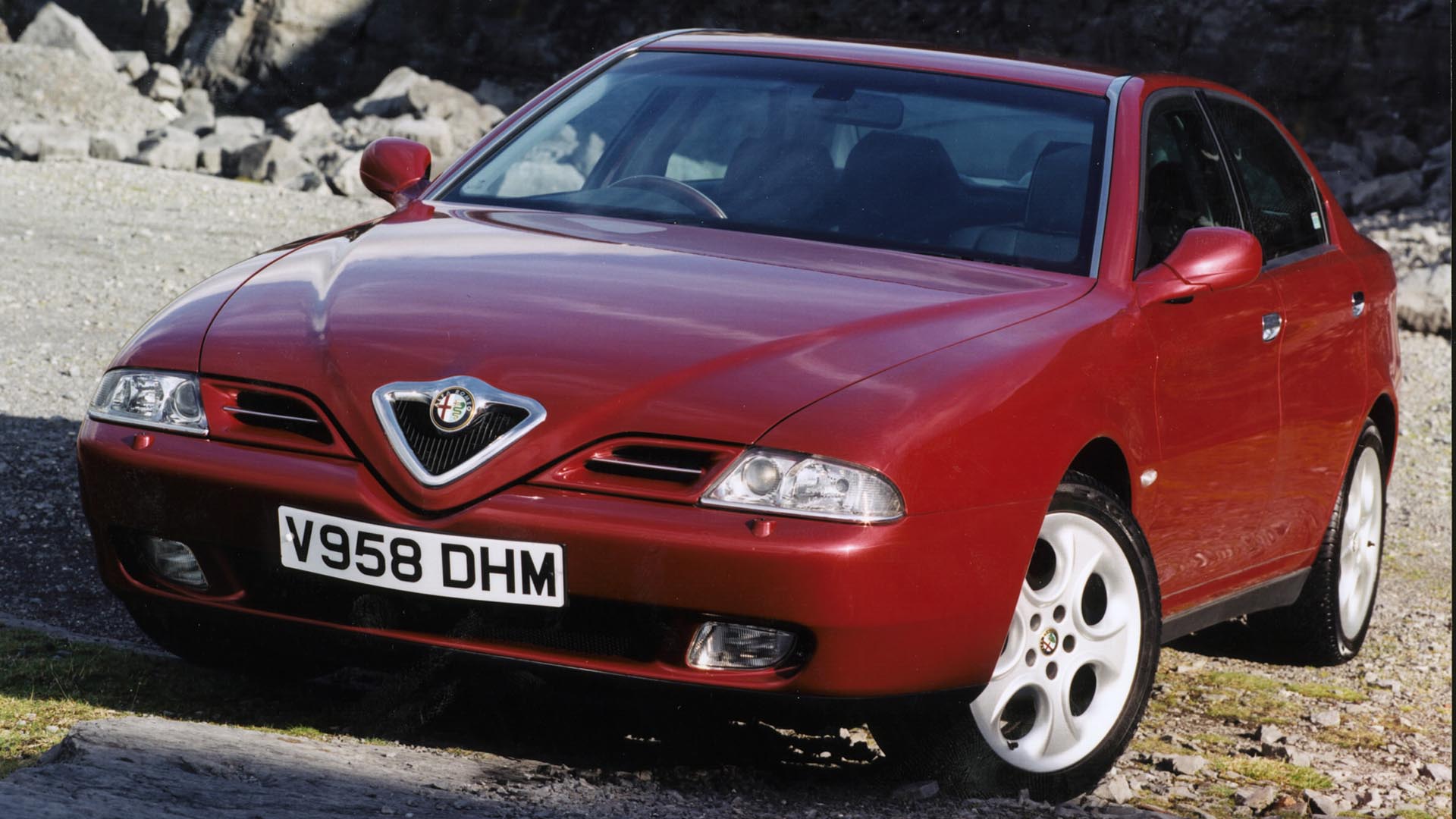
Alfa Romeo 166
© Alfa RomeoOur minds wander back to the headline in the Independent newspaper, around 10 months after the car’s launch at the beginning of 1999: ‘Why doesn’t anybody buy the Alfa Romeo 166?’. It pointed to UK sales of 866 cars, which compared miserably with both the Vauxhall Omega and BMW 5 Series, which found around 15,000 buyers in the same period. Ouch. The 166 never really recovered, even after a comprehensive facelift, and right-hand-drive cars were given the shove in 2005.
-
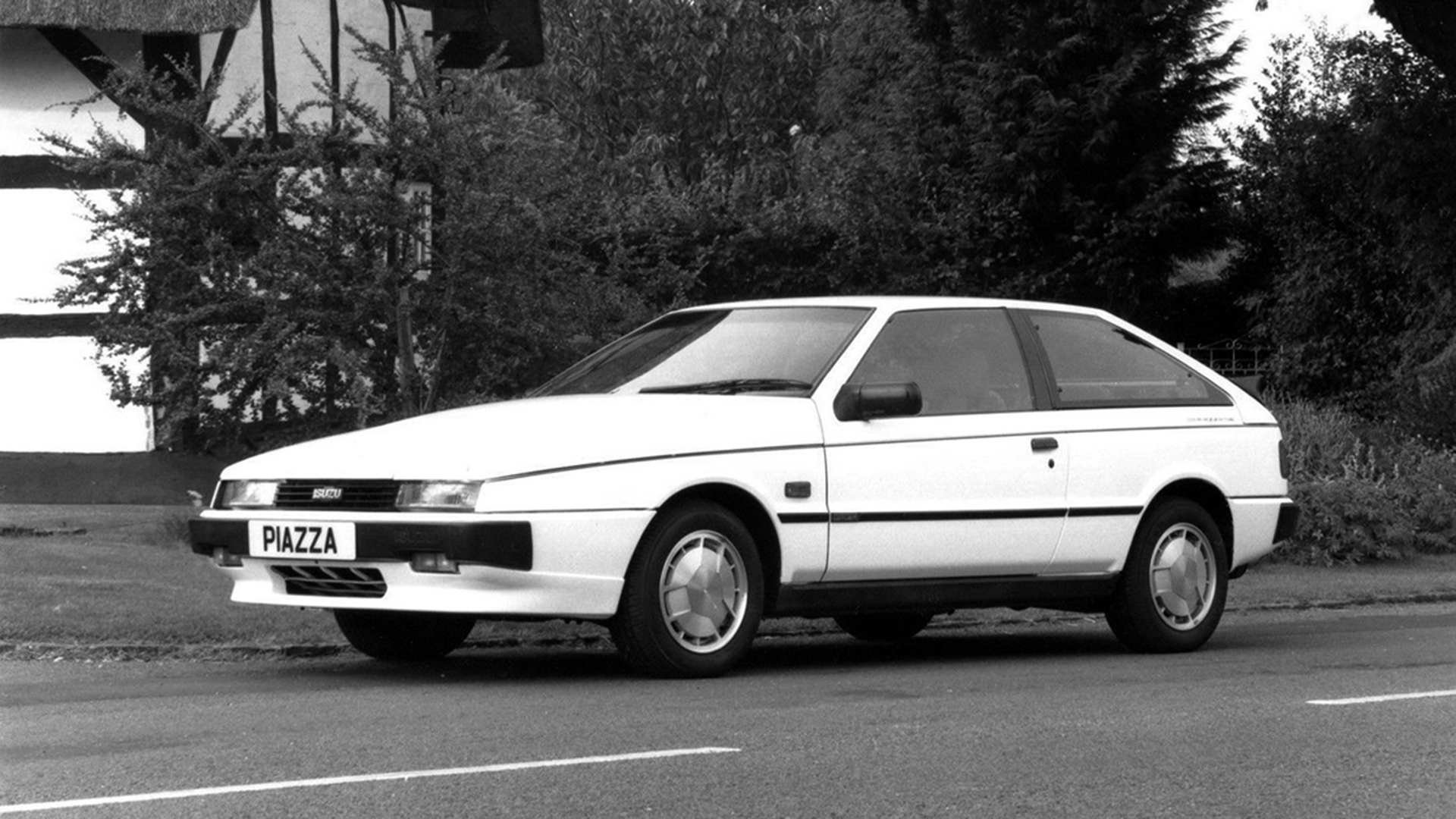
Isuzu Piazza
© IsuzuAlthough not as elegant as the 117 Coupe, the Isuzu Piazza (also known as the Isuzu Impulse and Holden Piazza) was another gem from the pen of Giorgetto Giugiaro. It made its UK debut at the 1985 Motorfair, but by the end of 1986, Isuzu Great Britain had run out of money, with hundreds of cars seized by the liquidators. Cutting a long story short, Alan Day bought the assets, became the official importer, then sent the Piazza to Lotus for reengineering. Sales limped to just 1,662 cars.
-

Cadillac Allante
© CadillacThe Allante wasn’t Cadillac’s first American-Italian venture. The 1959 Eldorado Brougham saloon was hand-built and assembled in Turin on a chassis sent from the US. Once Pininfarina had finished with it, the car was shipped back to America for final finishing. Pininfarina went much, much further with the Allante, building and painting the body, before shipping them to the US on a trio of Boeing 747s. An expensive project – and that’s before you discover the teething troubles. We still would, though.
-
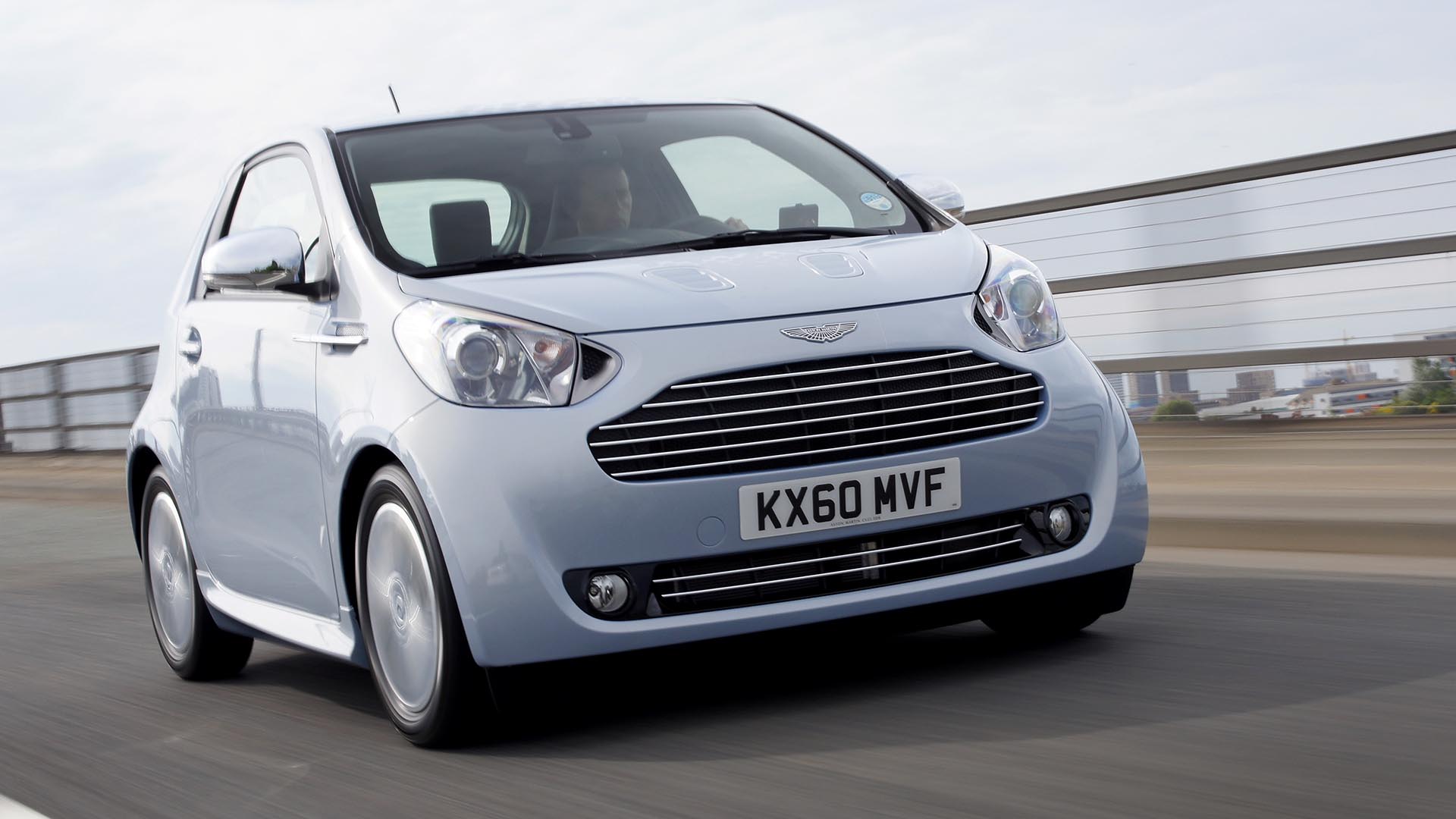
Aston Martin Cygnet
© Aston MartinIt might be the smallest Aston Martin you can buy, but it isn’t the cheapest. Fire up the Auto Trader website and you’ll have to wade through scores of DB7s, the odd DB9 and a few Vantages before you reach the first Cygnet. When production started in 2011, Aston Martin targeted annual sales of 4,000 cars, but after three years, it had sold just 150.
-

Volkswagen Phaeton
© VWIn 2013, analysts at BernsteinResearch revealed the biggest loss-making cars of modern times. It’ll come as no surprise to discover that the VW Phaeton made the top 10, with overall losses of £1.68bn. Worse still, based on losses per unit, the Phaeton was second only to the Bugatti Veyron, with Volkswagen losing £23,655 for every car sold. That’s the equivalent of a Polo. The thing is, the Phaeton was, and still is, a fabulous luxury car, which is why we want one.
-
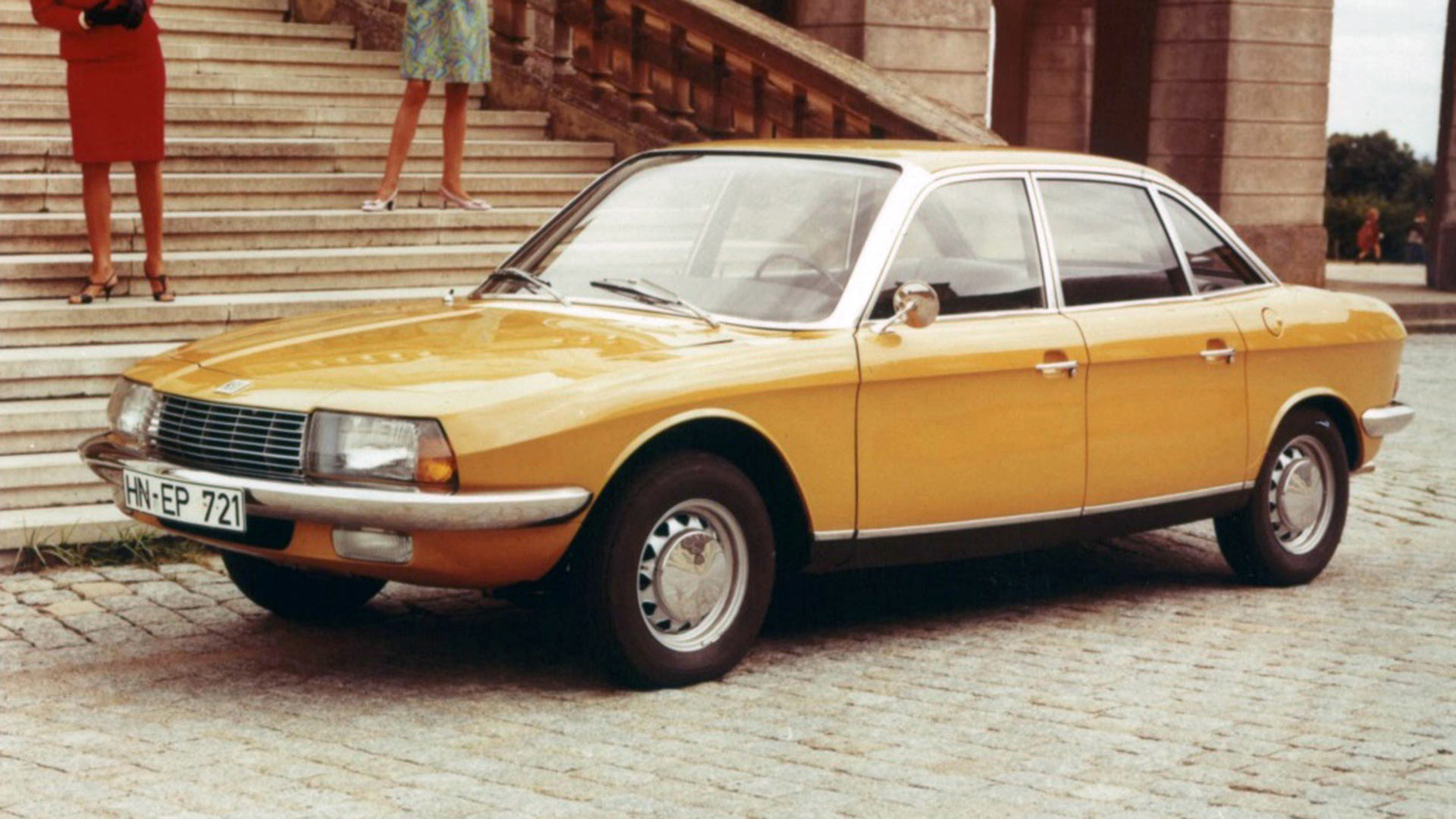
NSU Ro80
© NSUThe NSU Ro80 was a technical tour de force and a visual masterpiece. Launched in 1967, the four-door saloon still looked fresh in 1977 when the last Ro80 rolled out of the factory in Neckarsulm, West Germany. By then, just 37,406 examples had been built, with the car failing to shake off its poor image after early reliability problems. Hundreds of rotary engines were replaced under warranty. By the end, however, NSU had sorted the issues.
-
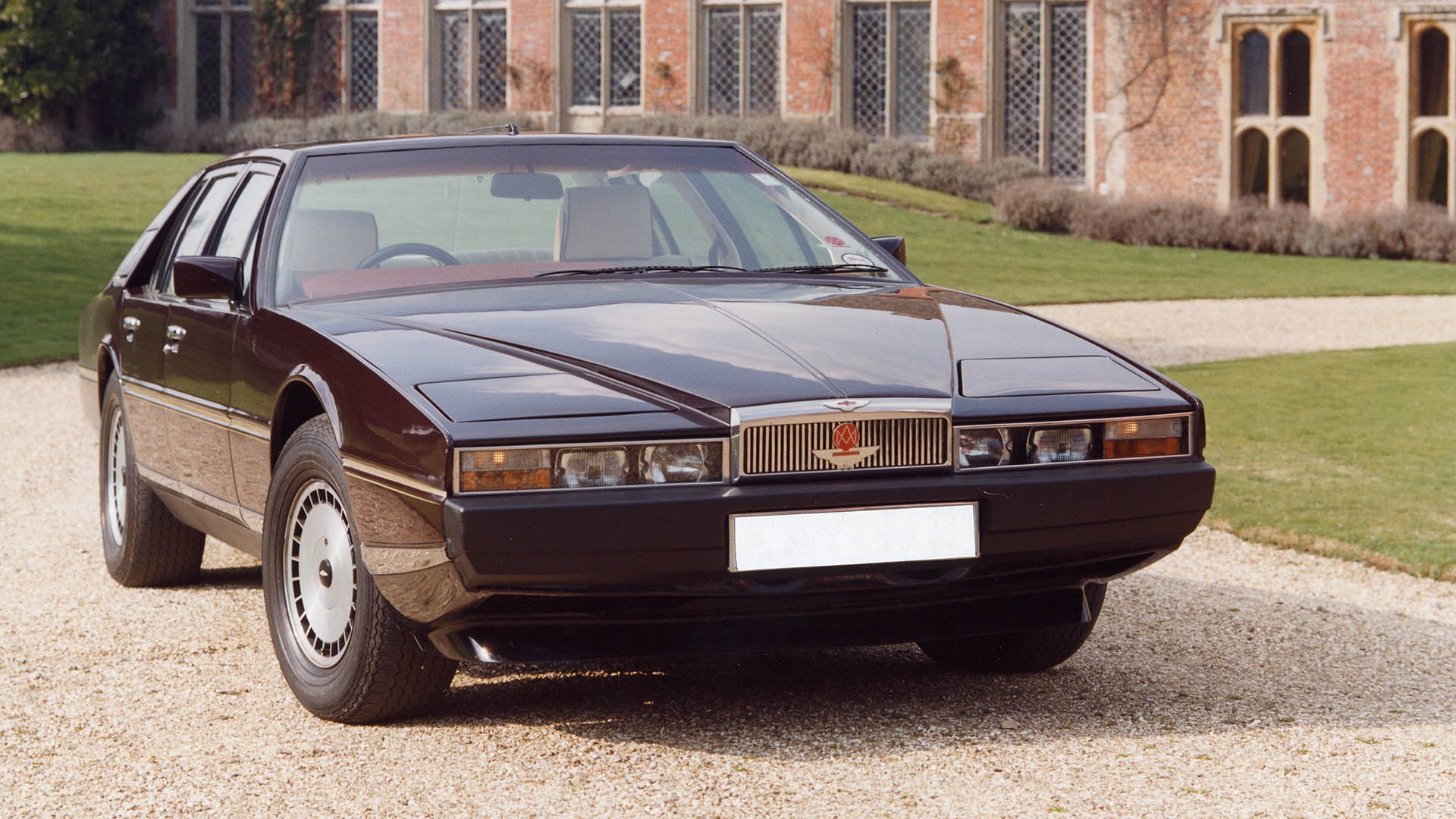
Aston Martin Lagonda Series 2-4
© Aston MartinLaunched at the 1976 London Motor Show, the Aston Martin Lagonda Series 2 was one of the most technologically advanced cars in the world. So advanced, in fact, that production was delayed by two years to allow the engineers and mechanics to learn how to work on it – not to mention fix many of its electrical issues. The digital LCD dashboard and touch-sensitive switches were the first to go. A total of 645 cars were built before production ended in 1990.
-
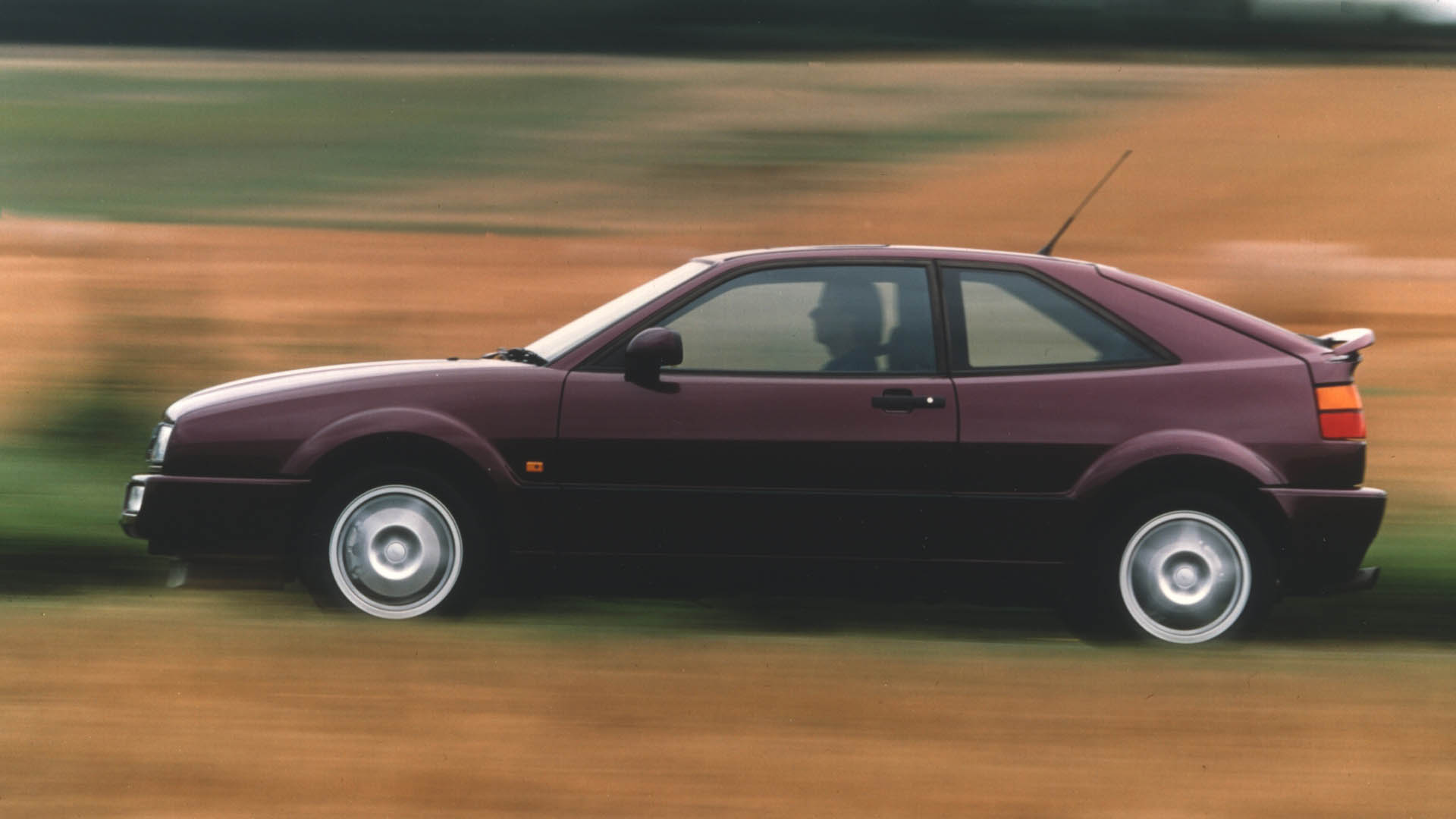
Volkswagen Corrado
© VWWith the benefit of hindsight, would the Corrado have sold in greater numbers had it been called Scirocco? Would it have been more successful with a lower price, a greater choice of trim levels and a wider range of engines? Who knows, but after seven years on the market, sales totalled just 97,521 cars, as the Corrado failed to realise its true potential. Only now, some three decades after its demise, have values hit the big time.
-
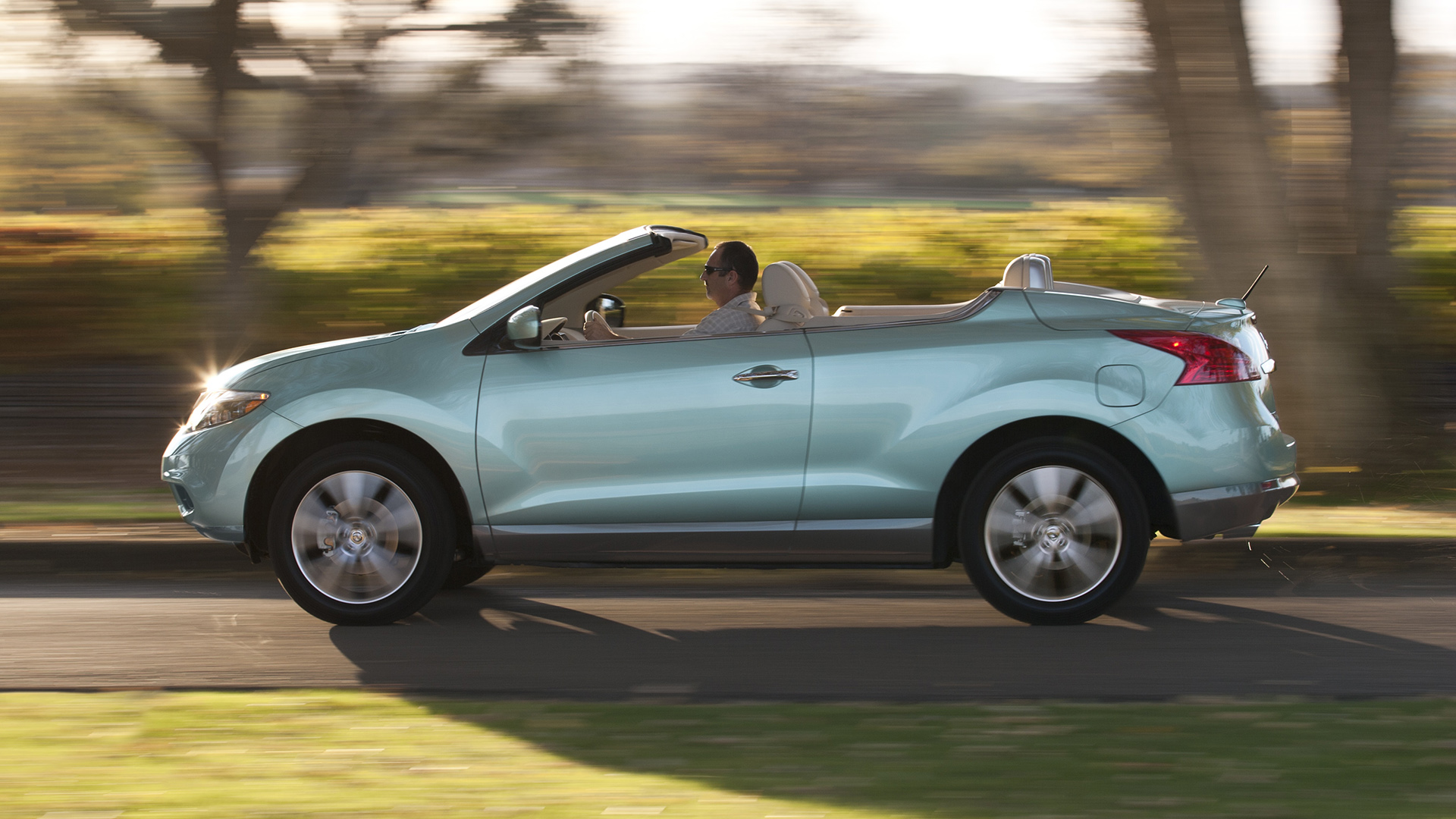
Nissan Murano CrossCabriolet
© NissanA decade on from the death of the Murano CrossCabriolet, many people are still asking what Nissan was smoking in 2011 when it launched an SUV convertible. Everyone, that is, except Land Rover and Volkswagen, who have tried their luck with drop-top versions of the Range Rover Evoque and T-Roc respectively. The CrossCabriolet has become a cult car for all the wrong reasons.
