Home Blog Page 557

Are Brits proud enough of Jaguar Land Rover?

0

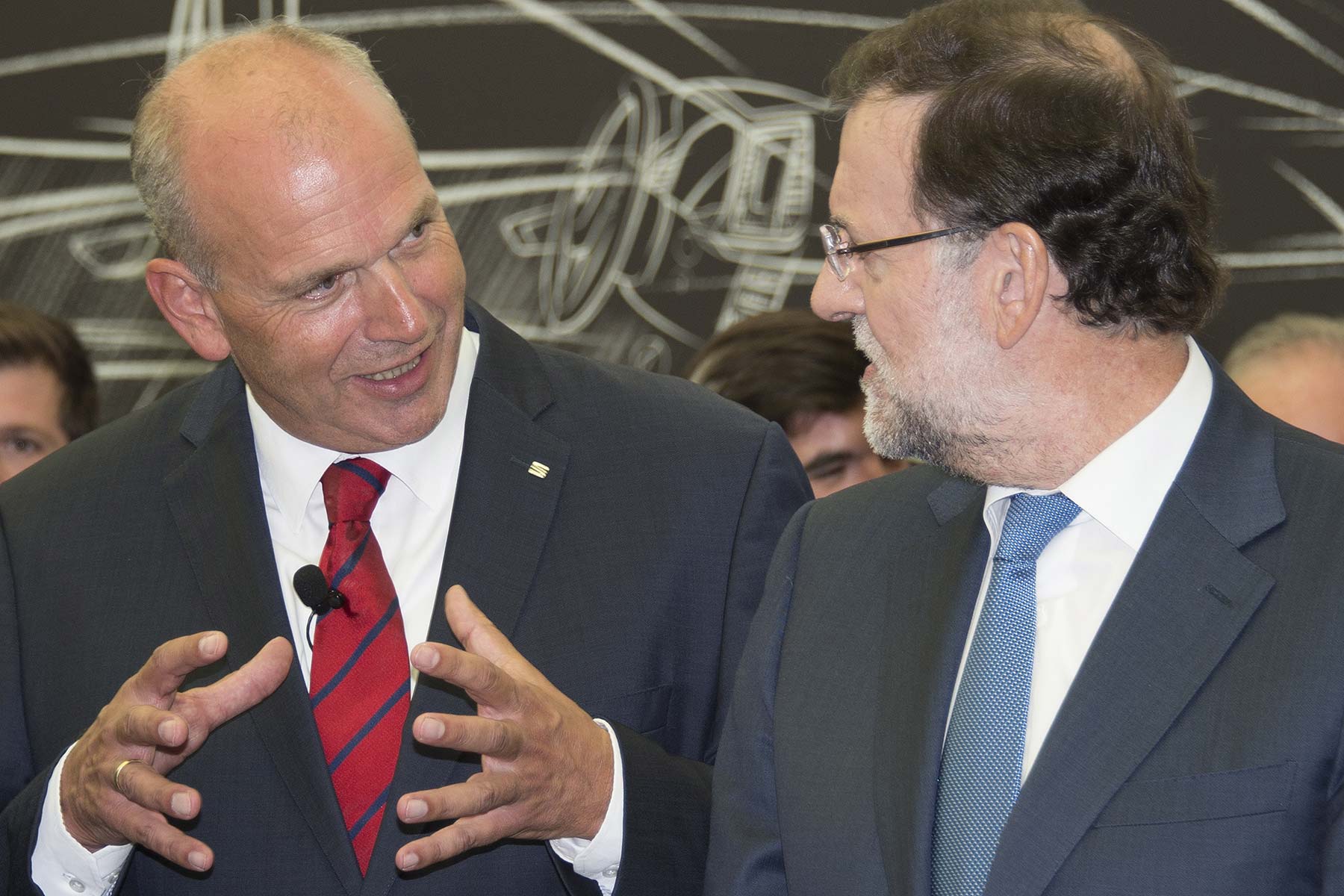
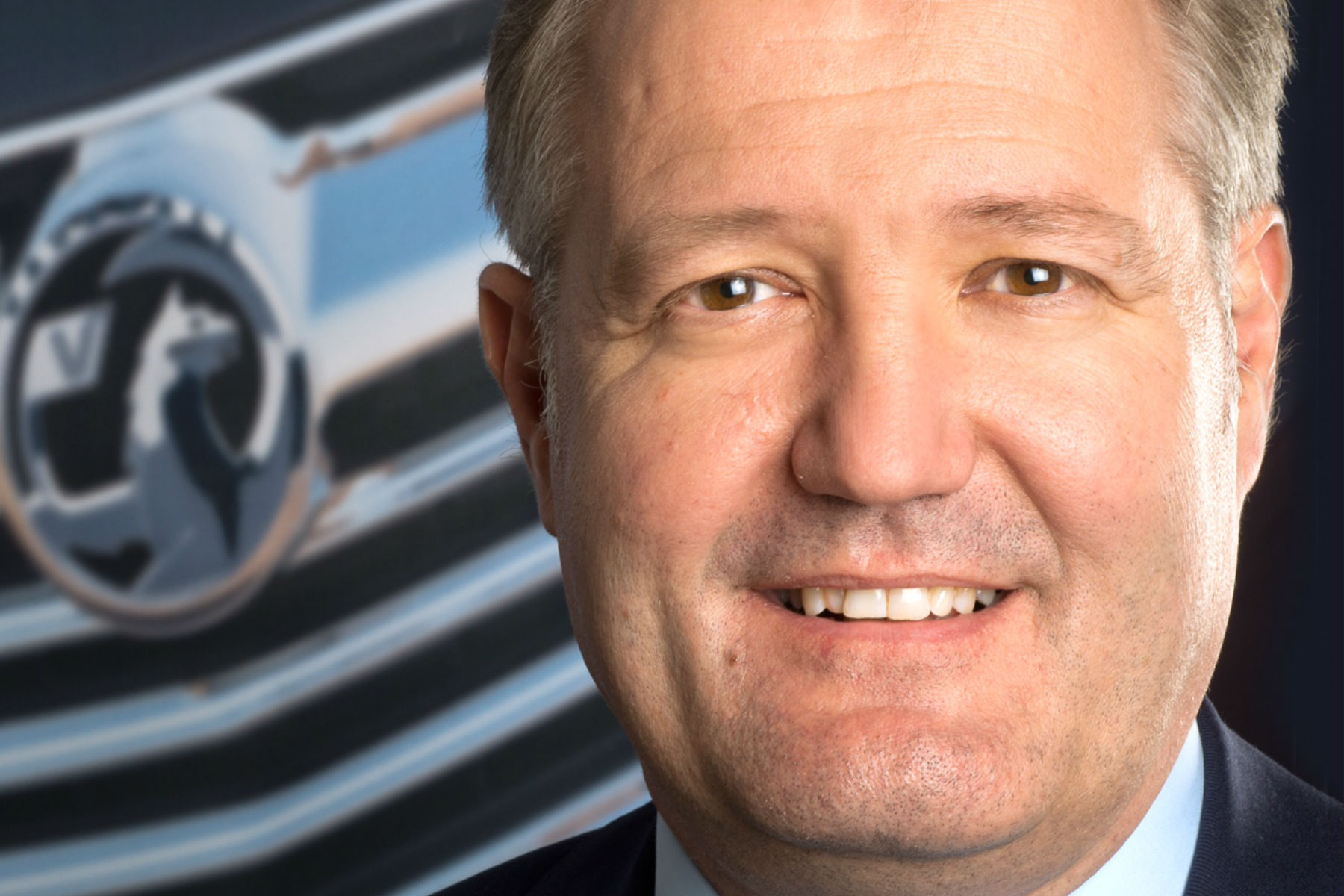
Juergen StackmannDuring an enlightening round table with Volkswagen brand CEO Juergen Stackmann at the Geneva Motor Show, he made an interesting observation: the turnaround of Jaguar Land Rover over recent years has been remarkable, with the firm becoming a genuine premium market player with world-class products in just a single model cycle – an outstanding performance.

“You must be very proud, no?”

It struck me: are we? Do we really appreciate just what the home brand has achieved following the unshackling from Ford into a standalone group, which happened just as the 2008 recession struck?

Maybe with Land Rover, the profitable side of the group, we do – although few could have expected the smash-hit Range Rover Evoque, the margin-rich continuation of the Range Rover Sport and the sheer brilliance of the latest Range Rover. But then, Land Rover’s always done well: in a world now besotted by SUVs, it would almost be a surprise if it wasn’t thriving.

Jaguar, though – there’s the real story. Back in 2008, it was making the elderly XJ, the low volume XK and had just launched the breakout XF – a car that, for all its wonderful style and beautiful interior (arguably more beautiful than today’s cabins), was still derived from Ford-sourced S-Type underpinnings.

The XF was Jaguar’s only volume car and even this was hardly high volume. Lacking a serious sales alternative to the BMW 3 Series, Audi A4 and Mercedes-Benz C-Class, it really was a minnow in the premium sector. The Germans simply didn’t consider it a serious rival.
Jaguar Land Rover

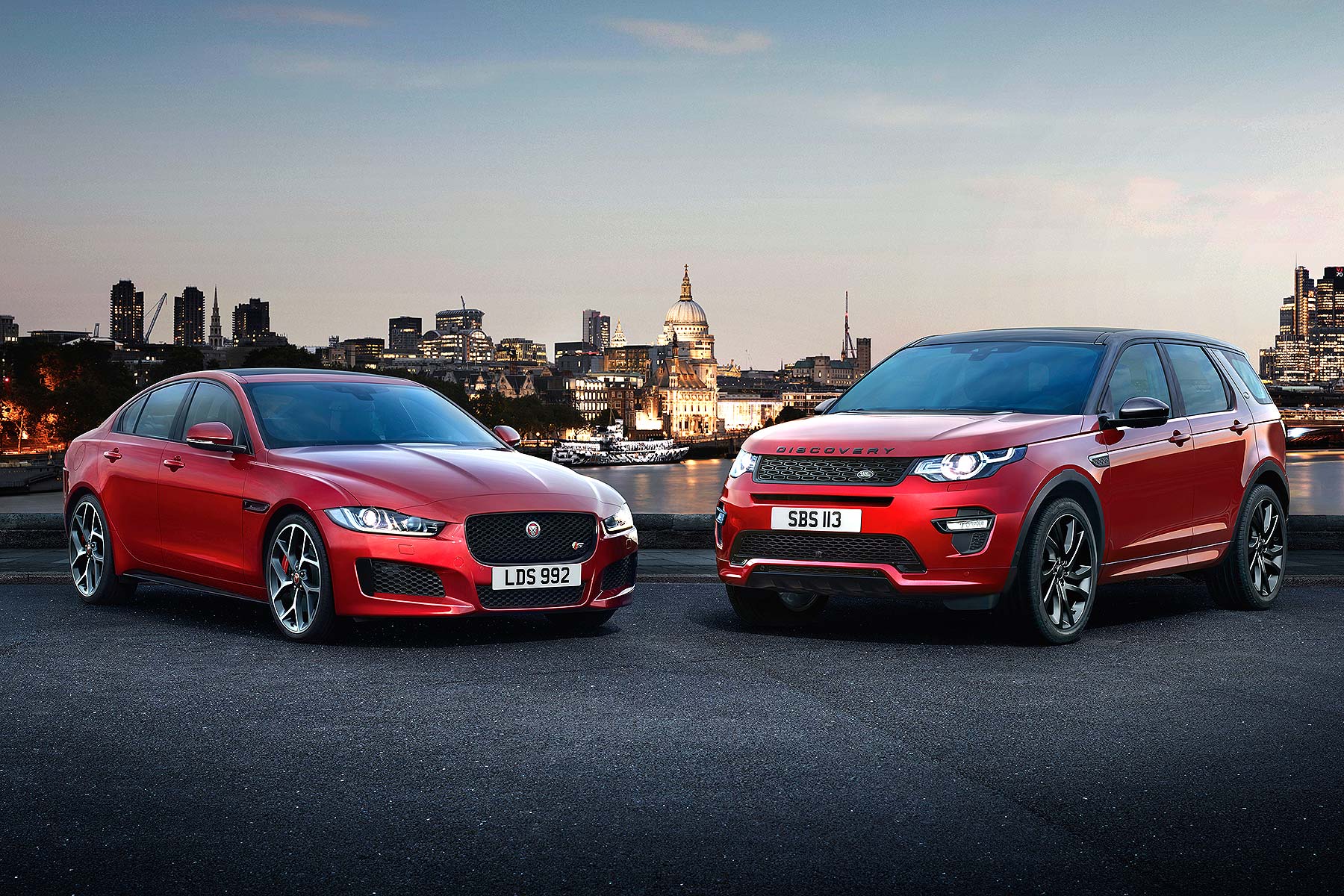
Now look at it: there’s a brand-new XE made from an all-Jaguar, aluminium-intensive platform, winning plaudits and leaping straight into the position of driver’s car alternative to the 3 Series. There’s an all-new XF, again heavily using aluminium, that on paper makes as much rational, tax-friendly sense to business users as the smaller XE does.

The svelte XJ has been tweaked and the F-Type continues to get ever-faster and more lairy, neither car not really registering on saes charts but providing useful image-boost assets for the firm.

And soon, there’ll be the F-Pace. Jaguar’s first SUV. A great-looking machine that’s chasing the Porsche Macan and, by all accounts, is just as good to drive. Unlike the so-so XE and XF interiors, its cabin is also bang on the money, while both pricing and CO2 are double-take competitive.

The F-Pace, along with the XE, are going to transform Jaguar. Its sales are, relative to previous years, going to skyrocket and it may finally be able to stand on its own two feet rather than being propped up by the financial might of Land Rover.

And if Jaguar’s able to do this in a generation, what else could it do once the momentum really starts to flow?

Stackmann is right to ask us if we’re proud of Jaguar Land Rover. Perhaps we should ask ourselves that. Put the usual British cynicism to one side for a moment: even in the boardrooms of giant German car brands, JLR’s achievements are being recognised. Maybe it’s time we started shouting about them too.
Advertisement

BMW Vision Next 100 concept revealed on 100th anniversary

0

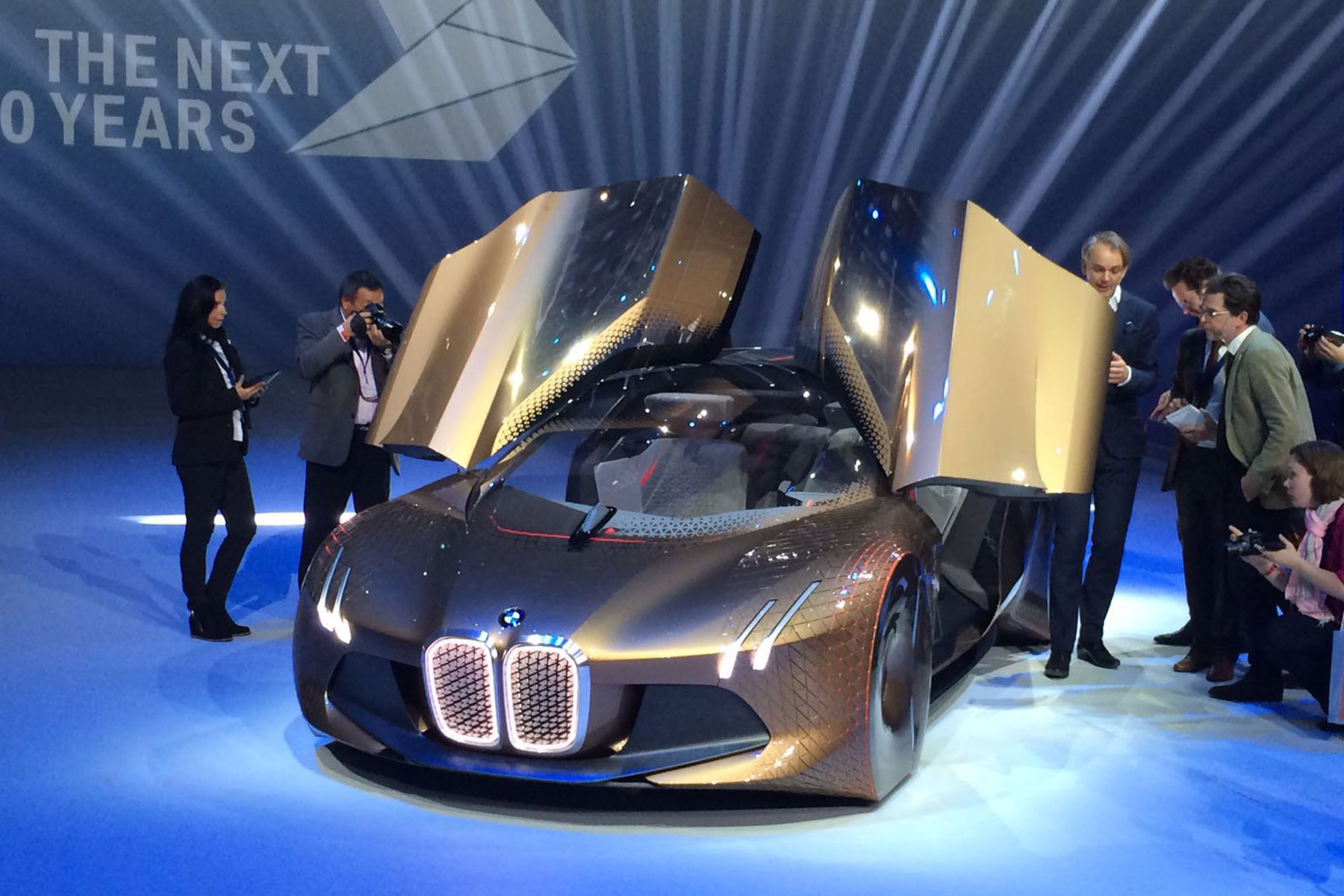
BMW Vision Next 100 concept car revealed on 100th anniversary – with video and exclusive picture

BMW has revealed a dramatic concept car called Vision Next 100 that takes a far-sighted look into the autonomous, zero-emissions cars of the next 20 and 30 years – exactly 100 years to the day since the company was formed.

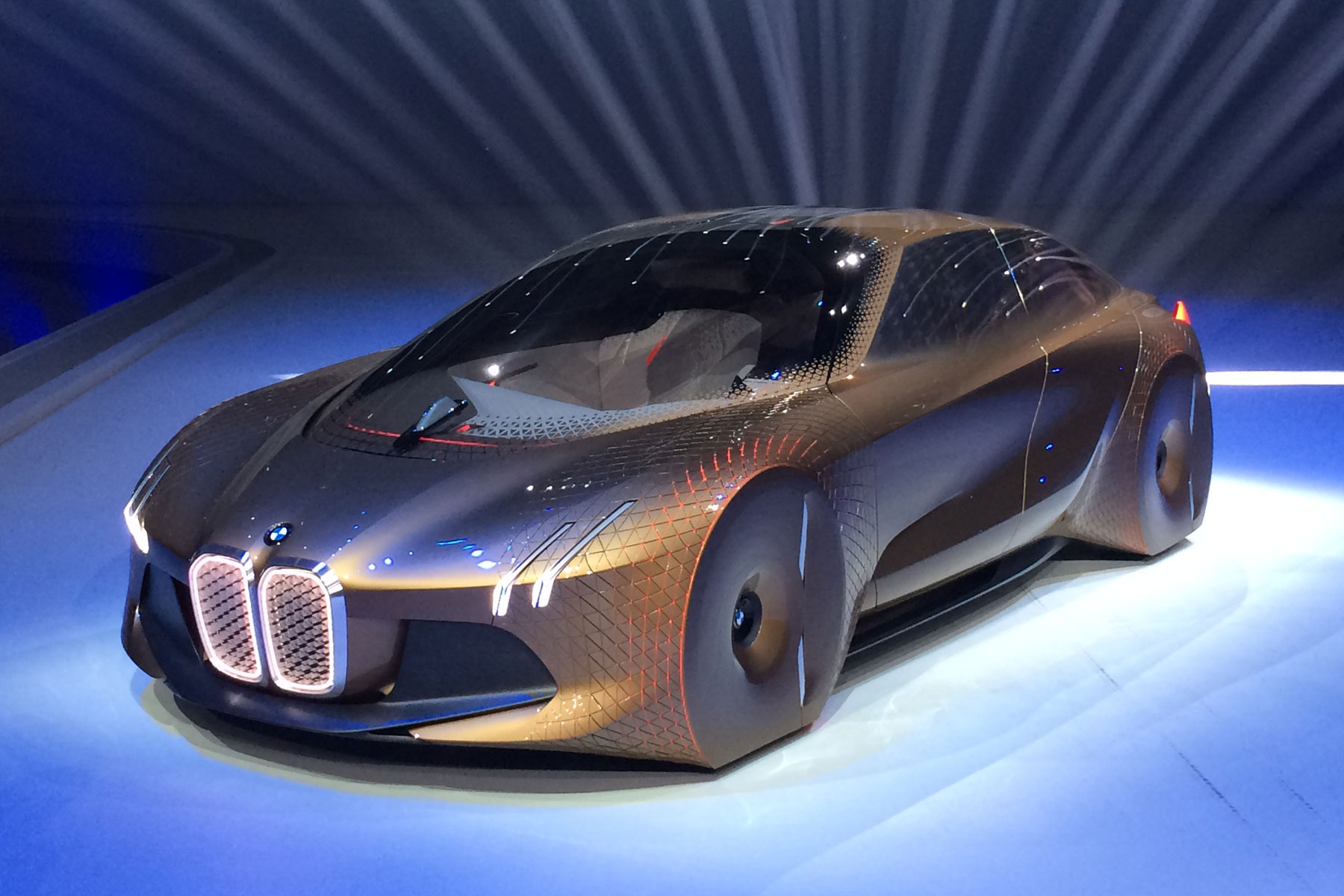
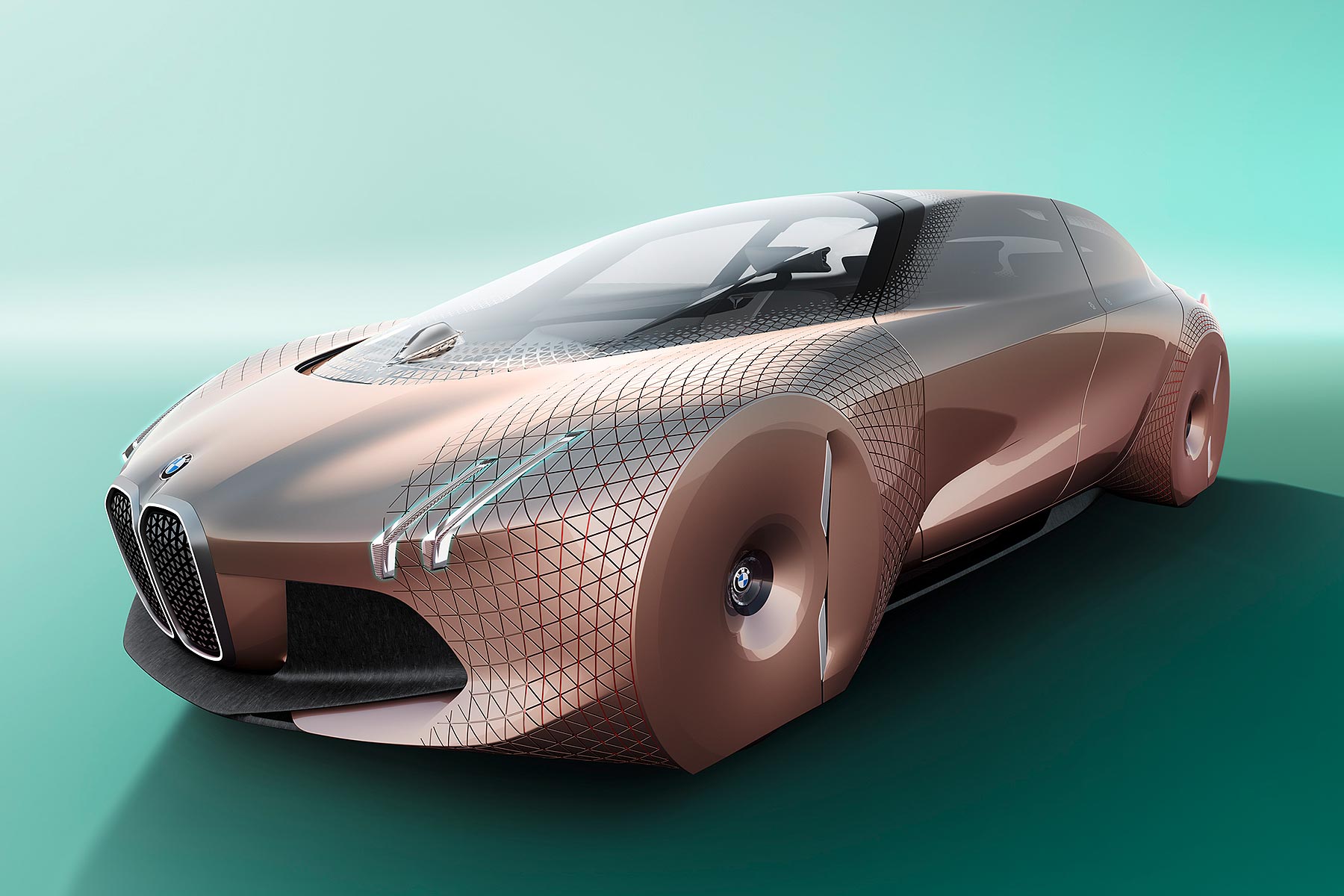
The BMW Vision Next 100 is a 5 Series-sized car with a 7 Series-sized interior and a futuristic shape created by BMW Group design chief Adrian van Hooydonk.

The future car will take BMW’s reputation of being ‘the ultimate driving machine’ to the next level, says van Hooydonk. With the Vision concept car, “we want to turn the driver into the ultimate driver.”

It’s thus packed with technology – but the interior has purposefully been kept clean. There is a steering wheel – this is important, says Van Hooydonk – but other controls and buttons are absent.

Instead, the entire windscreen takes the form of a head-up display, upon which head-up display messages are shown in piloted drive ‘boost’ mode’.

The Vision car is also an autonomous car and in the so-called ‘ease’ mode, the entire screen becomes a display, with information such as video feeds of conference calls and even images such as attachments to emails.

It’s not all about simply overloading the driver with connected car information though. BMW wants to regulate the flow of data to the driver, by giving the vehicle intelligent and self-learning capabilities. Crucial information will only be shown where necessary, and not at inopportune, danger-inducing moments.

Trick features here include a dashboard whose surface is made up of ‘waves’ of warning lights: the car will, for example, detect a cyclist hidden behind a van and the dashboard in that corner will light up red: as the cyclist nears the car, the lights will flow across (and the car will autonomously stop where necessary).

Purposefully, seats and door panels blend into one within the open plan interior. This is to make it more flexible and comfortable in autonomous mode: occupants will be able to relax, turn around to speak with passengers or simply lean back for the conference call they’re conducting…

BMW Vision Next 100

Outside, It retains the BMW kidney grille, says van Hooydonk – but instead of air intakes, it contains all the sensors for the autonomous tech! Also, four round lights become four light ‘bars’.

It’s a simple, purposefully minimalist design, with few lines but complex use of light and shadow interplay. It’s as big as a 5 Series outside yet as big as a 7 Series inside…

Uniquely, the wheels are fully enclosed, but ‘flexible’ bodywork allows the front wheels to still turn – the panel ‘expands’ so the wheels can steer.

The windows are also heavily tinted in body-colour. BMW says privacy will be even more important in autonomous cars – where, presumably, you won’t simply be concentrating on driving, and may not want others looking in and watching you…

The BMW Vision Next 100 has a ‘companion light’ structure in the centre of the dashboard. In autonomous mode, this glows white, to let occupants know the car is in control. It is also functional to pedestrians: when, at a crossing, the car detects someone, it glows green, to let them know it’s safe to cross.

BMW Vision Next 100 concept car revealed on 100th anniversary – with video and exclusive picture

Why is the BMW Vision a sporty saloon?

Unlike many other futuristic concepts, the BMW Vision Next 100 is a low-slung saloon car rather than a tall SUV. van Hooydonk said this us because “The Neue Klasse cars started the growth of BMW and the company became known for sporty limousines: we took this as a theme as we feel it’s the core of the brand.

“The Vision vehicle should thus be a sporty limousine.” The Cx drag factor of 0.18 sets a new record, says van Hooydonk, which is another reason why the design is so sleek.

BMW won’t yet be drawn on how far off production the remarkable Vision Next 100 concept is though. van Hooydonk simply (and interestingly) said: “If you can imagine it, you have made first step…”

Kruger did add that it’s very much for the next 20-30 years, rather than any sooner: “There will be some components and elements coming earlier, but this is a car looking far into the future with BMW Group.”

Advertisement

Former Volkswagen CEO ‘told about emissions irregularities in 2014’

0

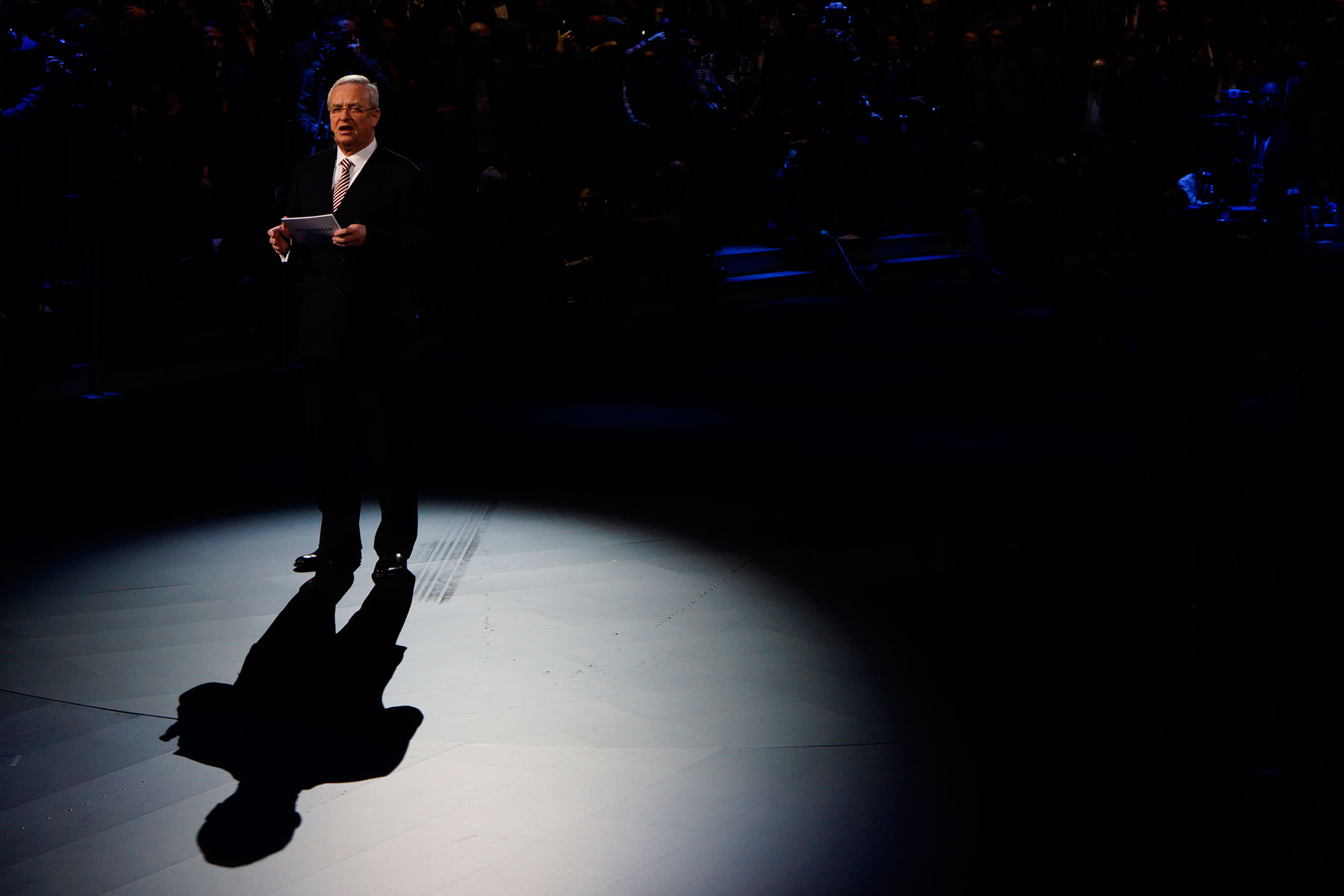
Martin Winterkorn resignsFormer Volkswagen Group chairman Martin Winterkorn’s ‘shock and surprise’ about the emissions scandal when it publically broke in September 2015 has suffered a setback after evidence emerged of memos sent to him in May and November 2014.
A memo about the ICCT study – the U.S organisation that exposed the Volkswagen diesel emissions irregularities – was prepared for Winterkorn on May 23 2014. However, says Volkswagen in a statement, “whether and to which extent Mr. Winterkorn took notice of this memo at that time is not documented”.

Volkswagen boss shrugs off Geneva protestor stunt

A further memo about the North America diesel issue was sent to him on 14 November 2014: in it, Volkswagen estimated the cost of rectification at €20 million.

Since the scandal publically broke on 18 September 2015, the company has estimated cost of rectification at €6-7 billion.

The news that Winterkorn was informed about the diesel issue is revealed as part of a shareholder lawsuit against Volkswagen, one the company says is “without merit”.

Volkswagen has always insisted knowledge of the so-called defeat device was restricted to a handful of engineers within the company: the lawsuit alleges that the company violated disclosure obligations about major issues that would affect the company’s stock price.

Martin Winterkorn resigned on 23 September 2015, stating that “I am not aware of any wrong doing on my part.

“I am shocked by the events of the past few days… I am stunned that misconduct on such a scale was possible in the Volkswagen Group.”

ALSO READ

Honda Civic sportier ‘because we are allowed to’

Vauxhall boss slams Brexit bid: ‘we need to stay in the EU’

Scrapping of paper tax discs leads to more unlicensed cars on UK roads

Advertisement

Honda Civic sportier ‘because we are allowed to’

0

Honda Civic prototype

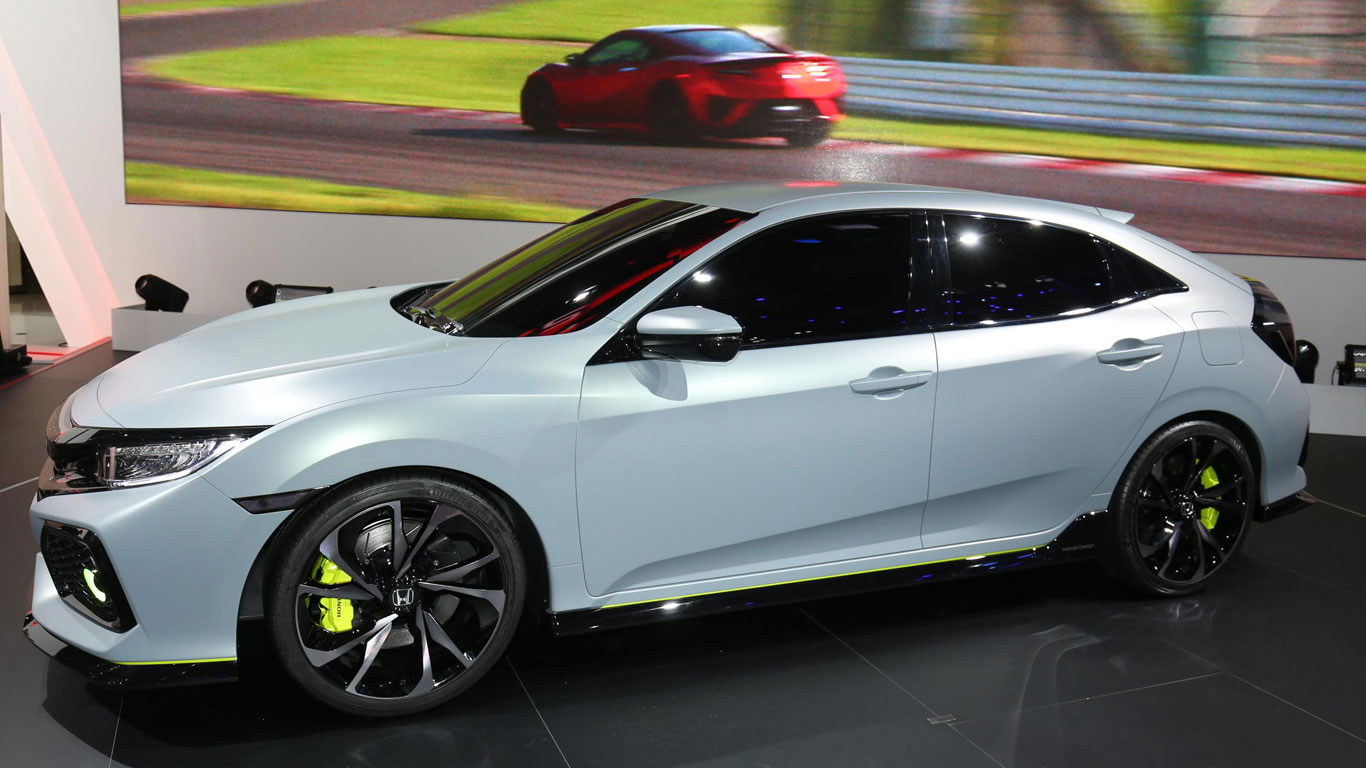
The 10th generation Honda Civic is able to be significantly more stylish and sporting than today’s car because the model is traditionally the one where Honda experiments and tries new things – so does not suffer the generation-shift restrictions rivals such as the Volkswagen Golf do.

“The Civic has always been the Honda where engineers are allowed to try new things,” said the car’s chief designer, 39-year-old Daisuke Tsutamori.

“If you look at its history, it usually always looks different generation-to-generation. There’s always something new.”

The exception to this was the Golf-style evolution from the eight generation model to today’s ninth generation car – something Honda admits was driven by older customers’ preference for more of the same. This may have been a mistake, the firm now concendes. “The 10th generation model is designed to be more desirable to younger people.”

Built on an all-new global platform, the European Civic hatchback is previewed in concept for at the Geneva Motor Show by the Civic Prototype. Some of the more dynamic features won’t make it to mainstream versions of the launch car, admitted Tsutamori-san, but the basic sporting profile is faithful.

“It’s a dramatic change – the proportions are lower and wider, and the rear is much more inclined, almost a coupe silhouette. The overhangs are short and the focus is the centre of the car, which we think exposes its dynamics.”

Tsutamori-san admitted the style change wasn’t easy to get past Honda management though. “Management is not the youngest, and they were very concerned with ease of use, such as getting in and out.” Thanks to careful (and canny) design leadership on Tsutamori’s part, management’s concerns were eased when they got hands on with a full-size prototype.

“It may be sportier-looking, but we haven’t forgotten practicality,” said Tsutamori-san. “Our development principal is MM – machine minimum, man maximum,” an edict faithfully applied to the new Civic.

“Even boot space has increased over the current car” – and that’s despite the new 10th generation Civic returning to a high-tech multi-link suspension setup at the rear.

Advertisement

Volkswagen SUVs: product onslaught begins at Geneva

0

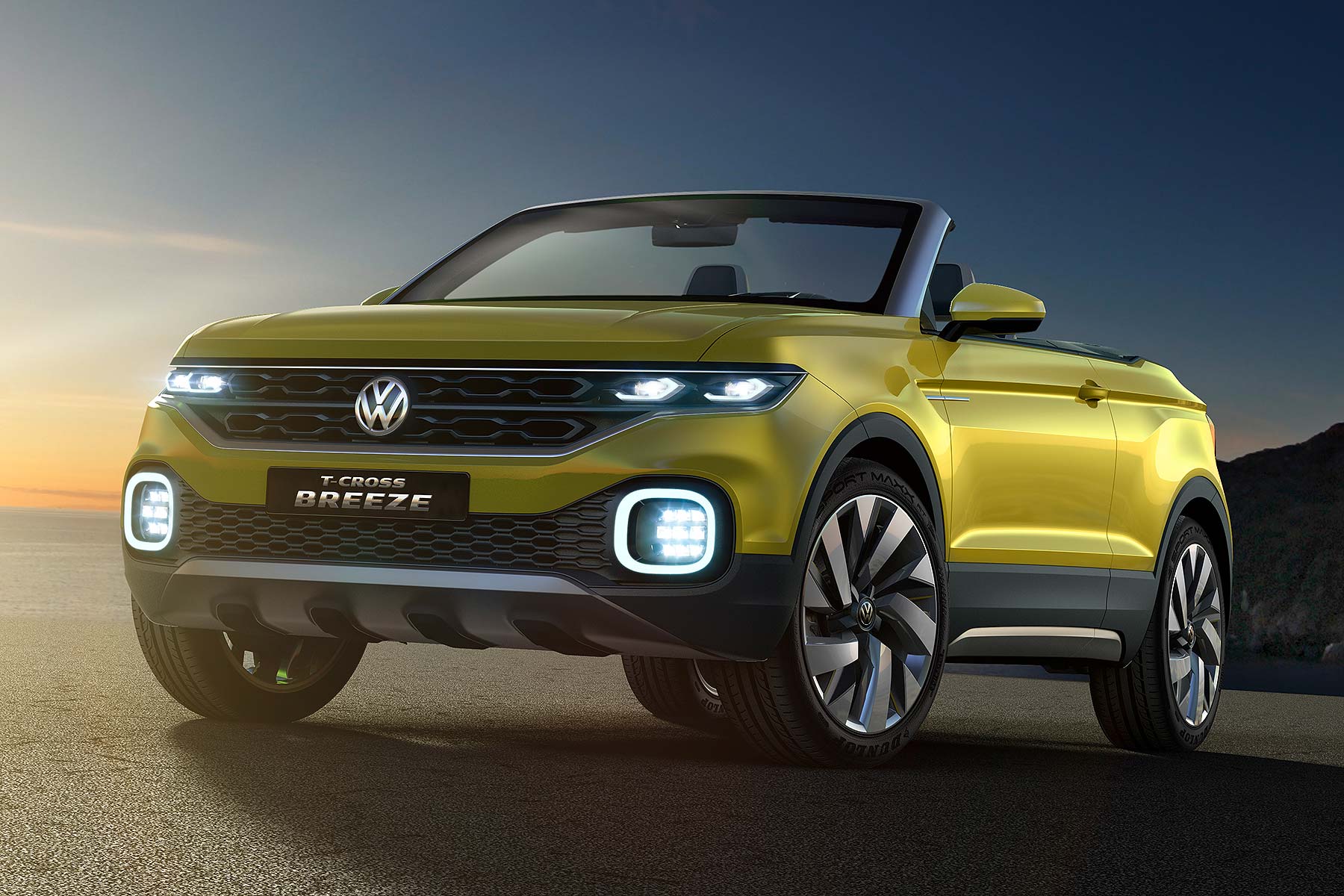
Volkswagen SUV offensiveVolkswagen has vowed to build an SUV in every class of car that can justify one – and the T-Cross Breeze concept at the 2016 Geneva Motor Show is the first salvo in an off-roader onslaught from the German brand.
“SUV is THE segment globally at the moment,” Volkswagen board member for sales and marketing Juergen Stackmann told us. “We compete in it with the Tiguan, but this leaves two or three cars on the upper side: the Tiguan LWB, US-built large SUV and the range-topping Touareg.

“Below the Tiguan, we believe there is space for two more SUVs: the T-Cross will sit at the smaller end – and will arrive in the not too distant future.”

The product offensive will begin in the spring, when the all-new Tiguan launches in Europe (later followed by a long-wheelbase version for North America). Work is progressing fast on preparing the US Chattanooga factory to build the production version of the CrossBlue.

The new CrossBlue will be a genuine SUV range-topper, built on the same platform underpinning the Audi Q7 and Bentley Bentayga.

Volkswagen has revealed the entry-level SUV will be built on the Volkswagen Polo platform, while the family-sized one will use the MQB architecture underpinning the latest Volkswagen Golf.

From MPV to SUV

The growth of SUVs is coming at the expense of the MPV, said Stackmann. There’ll always be a market for practical vehicles, but it’s not one that will grow – because SUVs have taken on many of the characteristics that appeal to MPV buyers, such as space, a high seating position and functionality.

“MPVs were too rational. SUVs give drivers character.”

Volkswagen thus plans not to invest too much time and effort into MPVs in the future – and Stackmann even questioned attempts by rivals to make MPVs more stylish and sporty. “Is the compromise too much?”

Renault is, notably, the brand that invented the compact MPV, and with the latest Scenic has given us arguably the most stylish small people carrier yet. However, designer Laurens van der Acker has previously admitted that if this generation of Scenic doesn’t work with customers, the firm won’t continue with it…

Time for T: the future Volkswagen SUV range

T-Cross: supermini SUV, rival to the Nissan Juke

T-Roc: family hatch SUV, rival to the Nissan Qashqai

Tiguan: second-generation family now being launched

Tiguan LWB: bigger second-gen version for U.S and other major markets

CrossBlue Concept: mid-size SUV for U.S and China

Touareg: third-gen range-topping SUV due 2018


Advertisement

Vauxhall boss slams Brexit bid: we need to stay in the EU

0

Vauxhall boss slams Brexit bid: we need to stay in the EU

Vauxhall’s new managing director Rory Harvey has joined the debate on the EU referendum, telling journalists that the firm ‘absolutely’ has a position on Brexit – and that position is that the UK should remain in the European Union.

Speaking on the eve of the 2016 Geneva Motor Show, Harvey said: “We think it’s the right thing to do in terms of movement of goods and supply of services and people, and we think it’s the right thing in terms of the automotive industry and us as an organisation.

“We have a position and that position is that we think that now, at the moment, we should stay in the EU.”

Brexit: Nissan, Toyota want Britain to remain in EU

Harvey’s predecessor, Tim Tozer, left the company suddenly in September following what’s believed to have been a spat between Vauxhall and GM’s European arm, Opel.

In the weeks prior to his departure, Tozer suggested that Britain leaving the EU would not stop Vauxhall from doing business in the UK.

He told the BBC’s Radio 4 today programme: “I don’t think in that event [of Britain leaving the EU] there would not be a trade agreement with what was left of the EU. We’re a very, very big market for European products, goods and services, and it would be unthinkable to us as a corporation that no such trade agreement would ultimately be negotiated if this country chose to leave.”

His successor is more reserved, however. Harvey said it would be “interesting to see what happens with the referendum,” yet refused to speculate about whether the company would continue to build cars within the UK if it were to leave the EU.

Vauxhall is GM’s fourth biggest market around the world, with 35,000 people employed by the firm in the UK. The brand’s Ellesmere Port plant in the North West produces more than 180,000 Astras a year – 52,000 of which are sold in the UK.

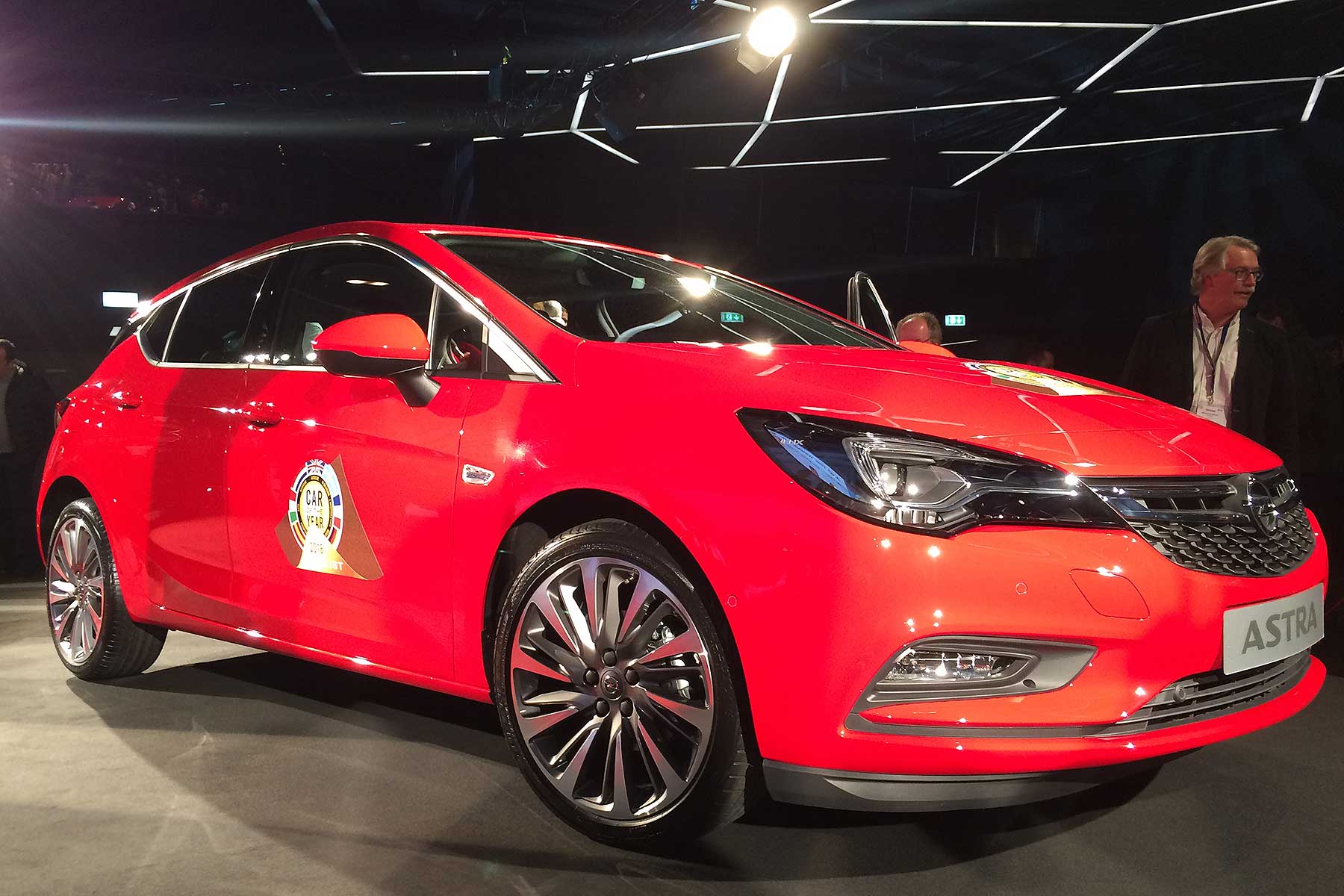
This figure is set to increase with the new model, which tonight picked up the award of the 2016 European Car of the Year.

Recently, Toyota hinted that it would continue production at its Burnaston plant – whichever way the EU referendum goes.

Telling the Financial Times how Toyota had buried a time capsule under the Derbyshire factory, the multinational company’s chief executive Akio Toyoda said: “From now on, like Japan, we may face some pretty tough times in the UK market.

“But we want to deepen our roots to deliver ever better cars, so when that capsule is opened after 100 years, all can see we’ve built a truly British company.”

ALSO READ

Brexit: Toyota, Nissan want Britain to remain in the EU

Aston Martin picks Wales for new car plant

New Renault Scenic revealed ahead of Geneva 2016 debut

Advertisement

Vauxhall Astra is 2016 European Car of the Year

0

Vauxhall Astra COTY 2016The Vauxhall Astra has won the 2016 European Car of the Year prize, in a closely-fought battle with the Volvo XC90.
Mazda’s MX-5 was third, following strong scoring from British COTY judges that helped it pip the Audi A4.

Revealed on the eve of the 2016 Geneva Motor Show, the Car of the Year Awards were presented in an exciting Eurovision-style presentation, where all nations’ points were revealed and totted up.

It soon became clear the two front-runners were the Vauxhall Astra and Volvo XC90.

The two were neck-and-neck before the Astra drew out a small lead – before the Swedish scores were revealed: naturally, they awarded the home brand strong scores, that narrowed the Astra’s lead once again.

In the presentation, it was down to Great Britain to cast the vote – and thanks to the UK awarding strong scores to the Mazda MX-5, but still scoring the Brit-built Astra reasonably highly, Vauxhall emerged ahead as the 2016 Car of the Year winner.

Of course, the scores were all cast at the same time and so it wasn’t really down to one nation to make the call: even so, the Astra’s overall points score of 309 saw it take an unquestionable victory ahead of the Volvo XC90 on 294 points and the Mazda MX-5 on 204 points.

Motoring Research reviews the new Vauxhall Astra

The Astra beat a long list of 35 Car of the Year Contenders, of which a shortlist of seven did battle for the overall trophy (which itself was new for 2016).

Judged by 58 jurors, Car of the Year prides itself on its transparency – all scores by each juror are available on the organisation’s website, for example.

The victory was also a genuine surprise to Vauxhall in the UK: the first they heard of the result was when Motoring Research’s Andrew Brady showed them Richard Aucock’s tweet from the Geneva show hall…

2016 Car of the Year – final scores

1: Vauxhall Astra – 309 points

2: Volvo XC90 – 294 points

3: Mazda MX-5 – 202 points

4: Audi A4 – 189 points

5: Jaguar XE – 163 points

6: Skoda Superb – 147 points

7: BMW 7 Series – 143 points

Advertisement

Brexit: Nissan, Toyota want Britain to remain in EU

0

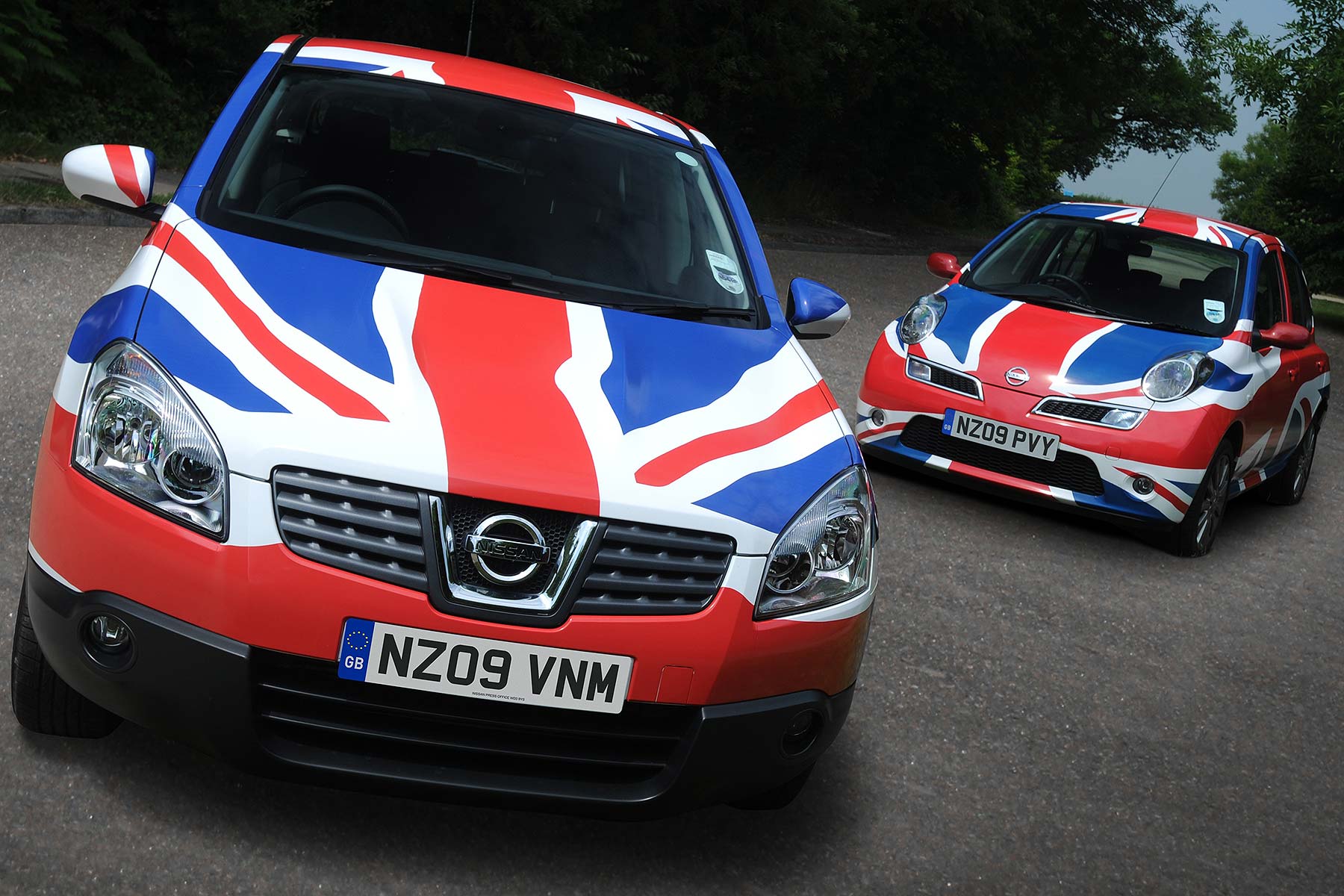
Nissan Union FlagNissan and Toyota have both expressed their preference for Britain remaining in the UK – although neither plans to pro-actively support any political campaign ahead of the EU referendum on 23 June.
They are the first major overseas car manufacturers based in the UK to formally comment on Brexit since the date of the referendum was announced.

“This is ultimately a matter for the British people to decide,” said Nissan chairman and CEO Carlos Ghosn in a statement.

“We respect that the UK’s future relationship with the European Union is a matter for the British people to decide, and it is not our intention to participate in the campaign,” said Toyota Motor Europe president and CEO John van Zyl.

But both firms are quite clear in the facts they present – and both agree that it makes the most sense for jobs, trade and costs for the UK to remain within Europe.

“For us, a position of stability is more positive than a collection of unknowns,” said Ghosn; “We are concerned that leaving would create additional business challenges,” added van Zyl.

And while current UK-based operations for Nissan and Toyota are not under threat, future investments in the UK could be at risk should Britons vote for Brexit. “While we remain committed to our existing investment decision,” said Ghosn, “we will not speculate on the outcome nor what would happen in either scenario.

“We obviously want the Nissan UK plant and engineering centre to remain as competitive as possible when compared with other global entities,” he added. “Each future investment opportunity will be taken on a case by case basis, just as it is now.

Nissan directly employs 8,000 people at its sites in London, Cranfield and Sunderland, plus a further 32,000 people indirectly. Toyota’s manufacturing site at Burnaston employs 3,800.

Toyota admits key reasons for choosing Britain over the rest of Europe when it chose Derby the plant in 1992 was “the open and free access to the European market, (and) the free access of a skilled workforce”. Today, Burnaston is wholly integrated into Toyota’s European operations.

8 in 10 Nissans are exported and 9 in 10 Toyota are exported out of the UK – with Europe being the biggest market for both brand’s vehicles.

Advertisement

Jeremy Clarkson pays more than £100,000 to producer he punched in ‘fracas’

0

Jeremy Clarkson

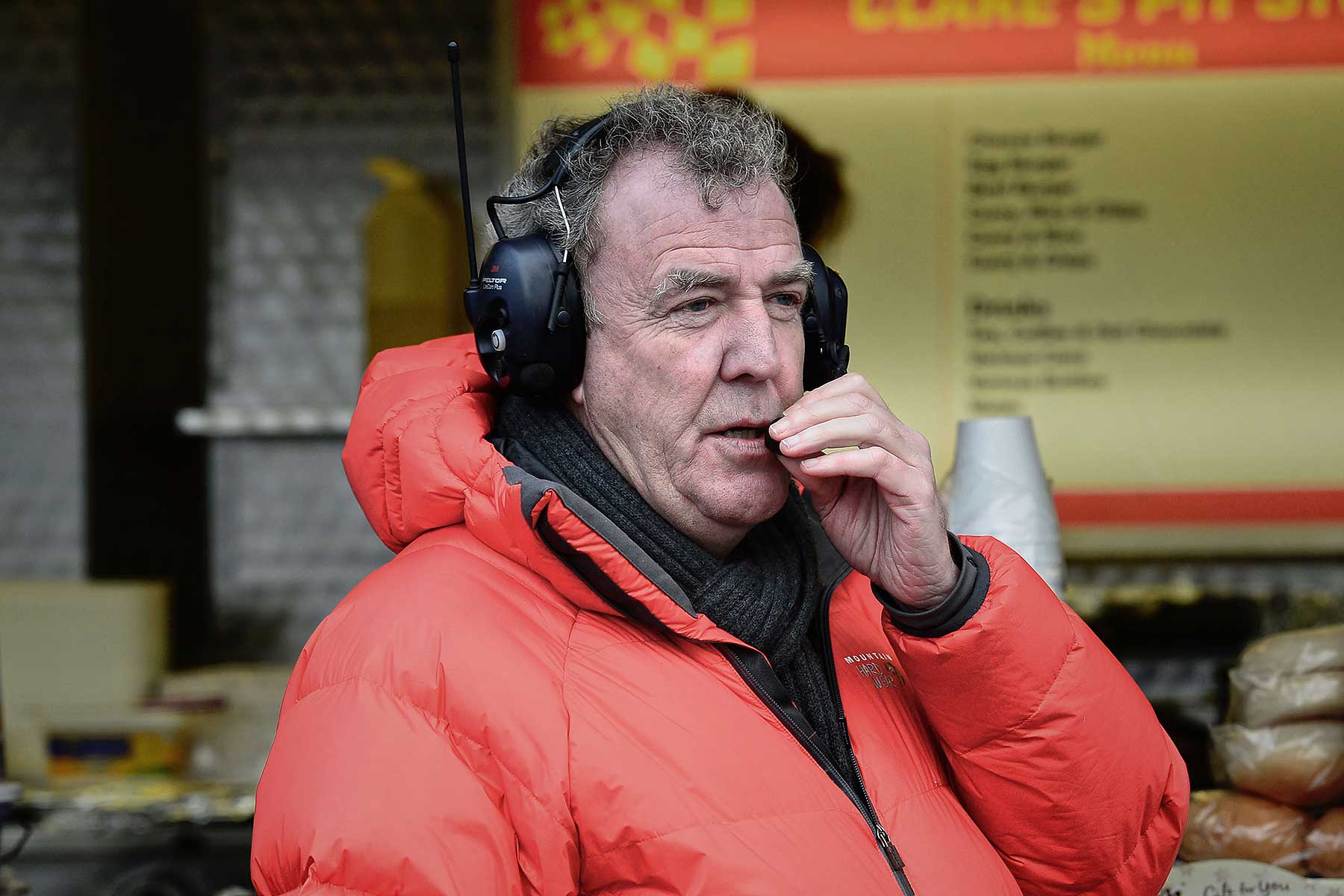
Ex-Top Gear presenter Jeremy Clarkson has paid out in excess of £100,000 and apologised to the producer he punched in a ‘fracas’ that led to him being sacked from the BBC.

Oisin Tymon, who was attacked by Clarkson in a row over a steak dinner, brought legal proceedings against the TV celebrity in November.

The producer, who suffered a split lip following the incident, pursued his case in the Central London Employment Tribunal, in Holborn.

However, it’s believed the pair have now settled the case, with Clarkson paying £100,000 to Tymon, who he described Tymon as a “lazy, Irish, c**t”.

In a statement issued through his lawyers, Slater and Gordon, Clarkson said: “I would like to say sorry, once again, to Oisin Tymon for the incident and its regrettable aftermath. I want to reiterate that none of this was in any way his fault.

“I would also like to make it clear that the abuse he has suffered since the incident is unwarranted and I am sorry too that he has had to go through that.”

Jeremy Clarkson has since found a job with fellow ex-Top Gear presenters Richard Hammond and James May, presenting a new, as-yet-unnamed car programme on Amazon Prime. The series is set to make its debut later in the spring.

Advertisement

Aston Martin picks Wales for new car plant

0

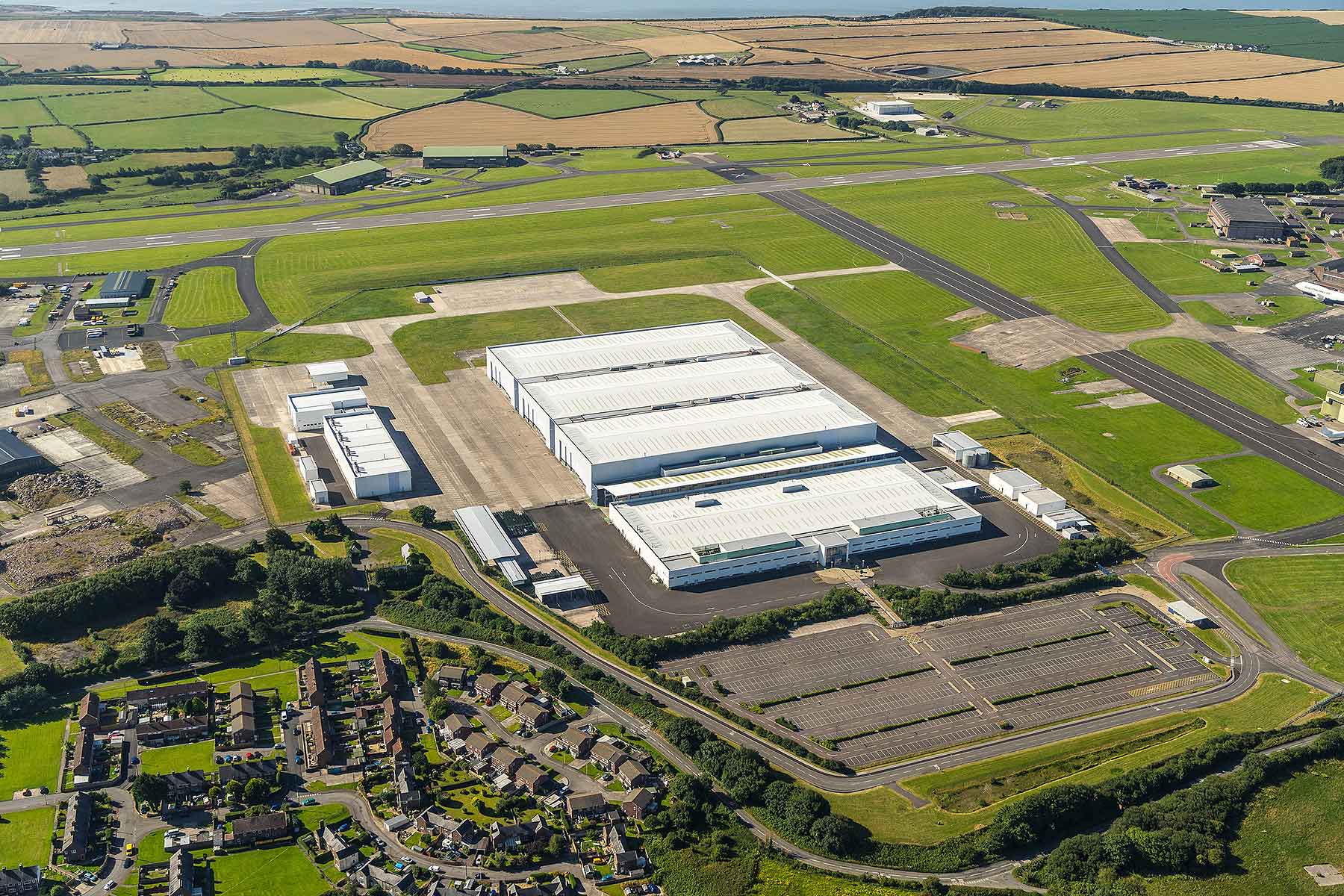
Aston Martin St AthanAston Martin will build its its vital new DBX crossover at an all-new car plant at St Athan, Wales – meaning the UK has won the fight to host the sports car firm’s second car factory.

Beating numerous other sites worldwide, construction work will begin at the new site in Glamorgan next year, with full vehicle production targeted to being in 2020.

Part of a planned £200 million Aston Martin investment drive, the 90-acre facility (located around 15 miles west of Cardiff) will repurpose what’s currently a Ministry of Defence base: three ‘super-hangers’ will be turned into a modern car factory building the production version of the 2015 DBX crossover concept.

The decision to choose Wales was celebrated by the First Minister of Wales, Carwyn Jones. “I am delighted to officially welcome Aston Martin to Wales,” he said.

“We have been working closely with the company for almost two years in the face of fierce competition from other potential sites across the world.

“Today is the start of a long-term relationship between Wales and Aston Martin.”

Gaydon also boosted

Aston Martin isn’t forgetting its HQ at Gaydon, Warwickshire though. Now the home of its next generation of sports cars, Gaydon is also to build the all-electric RapidE from 2018: by 2020, Gaydon will have expanded to a planned maximum volume of 7,000 sports cars. St Athan will be incremental crossover volume on top of that.

There’s a jobs boost too: between the the sites in England and Wales, up to 1,000 new Aston Martin jobs will be created by 2020.

3,000 more jobs will be created in the supply chain and local businesses.

It’s even good news for UK plc: Aston Martin believes 9 in 10 vehicles produced at St Athan will be exported – something that’s delighted Prime Minister David Cameron: “Aston Martin is an iconic British brand and the decision to invest here shows real confidence in our economy,” he said.

Aston Martin CEO Dr. Andrew Palmer added: “During our 103-year history, Aston Martin has become famous for making beautiful hand-crafted cars in England.

“Through a detailed evaluation of over 20 potential global locations for this new manufacturing facility, we were consistently impressed with the focus on quality, cost and speed from the Welsh Government team.

“As a great British company, we look forward to St Athan joining Gaydon as our second centre of hand-crafted manufacturing excellence.”

Advertisement