Mobile phone use while driving has reached ‘epidemic’ proportions, says the RAC, as tens of millions of drivers admit they reach for their smartphones while behind the wheel.
A staggering 11 million drivers have taken or received a call on a handheld mobile in the past year; even more worryingly, 5 million have taken photos or videos while driving. Some even admit to making video calls when driving.
1 in 5 drivers feel it is safe to check social media updates while waiting at traffic lights, and 44% of younger drivers aged 17 to 24 admit they have taken photos or videos when stationary behind the wheel.
Young drivers aren’t bothered about £150 spot fines for mobile phone use
95% of drivers ‘regularly see others using mobile phones’
More car news on Motoring Research
In 2014, just 8% of motorists admitted they used a handheld mobile phone behind the wheel: this year, it’s shot up to 31%, with the proportion of drivers saying it’s not acceptable to take a quick call at the wheel actually falling by 6% – in other words, more and more drivers think it’s now acceptable to take a use a smartphone while driving.
RAC road safety spokesman Pete Williams said there is now clear evidence the use of handheld phones behind the wheel is on the increase. “The fact that drivers have little or no confidence that they will be caught when braking these laws is a likely contributor,” he said. “Every day, most road users see other drivers brazenly using their handheld phones – a sight which should be a thing of the past.
“The use of handheld mobile phones is the biggest road safety concern among motorists today: we call on all stakeholders to step up efforts to shift cultural attitudes and make the use of handheld mobile phones as socially unacceptable as drink driving.”
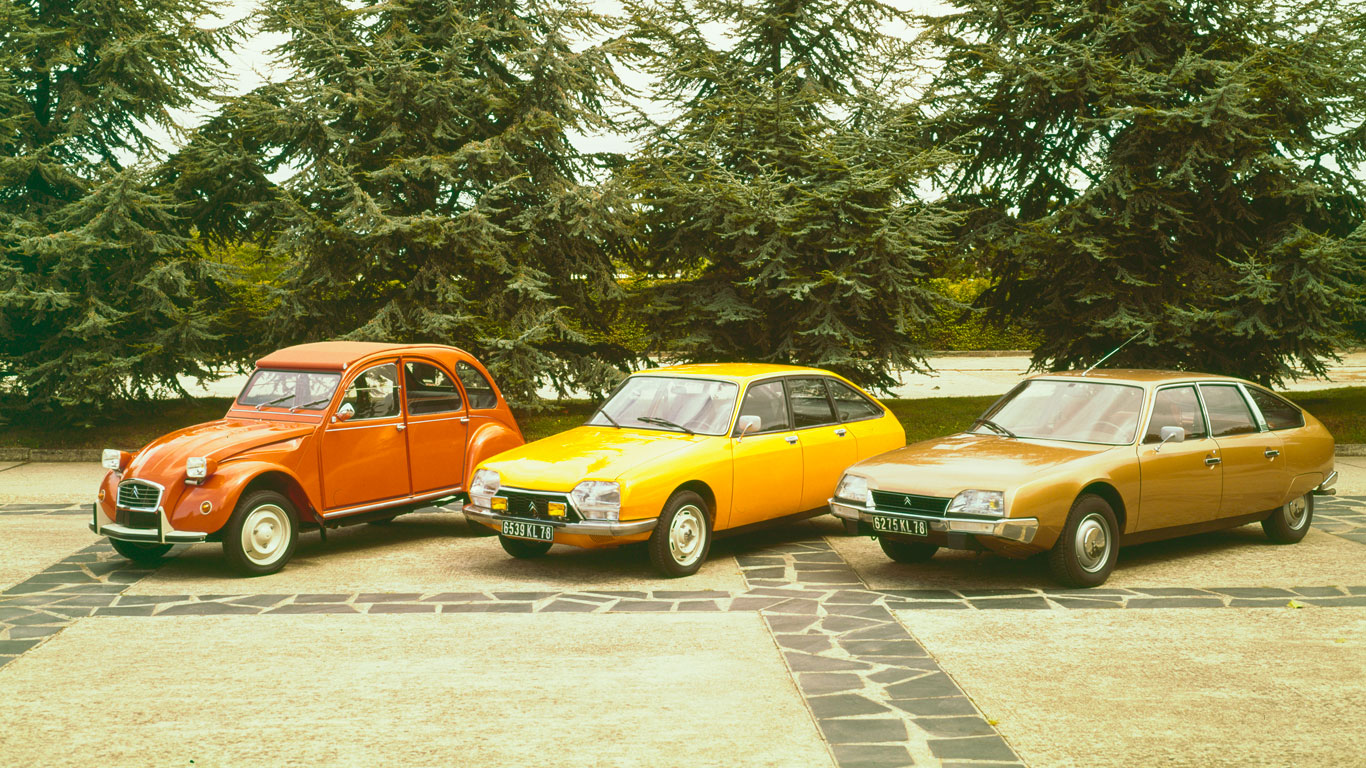
The Citroen Type A of 1919 was Europe’s first mass-produced car and the brainchild of the obsessive innovator Andre Citroen. The French company went on to build some of the 20th century’s most iconic and important vehicles, including the Traction Avant, 2CV and DS. As Citroen prepares to launch the new C3, we take a look back at some of its greatest hits.
Citroen DS
Arguably the greatest Citroen ever made and certainly the most iconic: the DS was a technical tour de force when it was launched in 1955. It featured hydropneumatic self-levelling suspension and hydraulic brakes, steering and transmission, and was the first mass-production car to offer disc brakes. Little wonder that Citroen received 12,000 orders on the first day of the Paris Motor Show. Over 20 years the ‘Goddess’ continued to evolve, cementing itself as one of the most important cars of the 20th century.
Citroen 2CV
From a ‘Goddess’ to a ‘Tin Snail’, the 2CV couldn’t be more different to the DS. But don’t let the rudimentary appearance fool you, because the 2CV was no less innovative than its illustrious cousin. Launched in 1948, but developed before World War 2, the 2CV was designed to provide cheap and reliable transport for an entire nation. At its heart was a trick suspension set-up, an air-cooled engine and a raised ride height, which famously meant that you could carry eggs across a ploughed field without breaking them.
Citroen SM
The Citroen SM was a victim of circumstances beyond its control, but that doesn’t mean it shouldn’t be labelled as one of Citroen’s true greats. Think of the SM as a sporting version of the DS, offering a hydropneumatic suspension, powered brakes and self-levelling headlights, yet powered by a Maserati V6 engine. In terms of cross-continental performance it was almost without peers, but the fuel crisis and Peugeot’s takeover of Citroen led to its premature demise.
Citroen Traction Avant
The Traction Avant – introduced in 1934 – is accepted as the godfather of the modern family car. This was the first mass-produced car to feature front-wheel drive, an automatic transmission, independent front and rear suspension, hydraulic brakes and a monocoque chassis. Andre Citroen, the company’s founder, was an obsessive innovator, and the Traction Avant was a reflection of his genius.
Citroen GS
So often overlooked, the Citroen GS is one of the most important cars in the firm’s brilliant history. Amazingly, it was launched a mere six months after the SM, making this a golden era for Citroen. The GS brought all-round powered disc brakes and hydropneumatic suspension to the family man; indeed, this was the smallest car to feature hydraulic suspension. In 1971, the GS deservedly scooped the European Car of the Year award, beating the Range Rover, Volkswagen K70 and Citroen SM. Nearly 1.9 million GS/GSA models were built between 1970 and 1986.
Citroen Type A
The Type A of 1919 represents the very genesis of Citroen – Europe’s first mass-produced car and, unlike other cars of the era, delivered ready for the road. It was also the first French car to feature a driver’s seat on the left-hand side, setting a trend that other manufacturers would follow. Features included fabric upholstery, cushions, spring-loaded seatbacks and interior lights.
Citroen Mehari
The French Mini Moke? Perhaps, but unlike the Moke, the Citroen Mehari was a runaway success, with a production life spanning two decades. It was a replacement for the four-wheel-drive 2CV Sahara and based on the chassis of the Dyane 6. Launched in 1968, a 4×4 version wouldn’t arrive until 1980, by which time the Mehari had established itself as crossover before the crossover was a thing. Useful as a recreational car and a utility truck, the Mehari featured an Acrylonitrile Butadiene Styrene (ABS) body that could be spray-washed inside and out, and wouldn’t rust.
Citroen C4 Cactus
The C4 Cactus, launched in 2014, was a sign that Citroen had rediscovered its mojo. The Airbumps – available in four different colours – ensured the Cactus stood out in a fiercely competitive sector, while protecting the body from car park scrapes and dents. Other features include the roof-mounted passenger airbag and Magic Wash system, with wiper-mounted washer jets. Best served with a petrol engine, which seems to suit the Cactus’ lightness and joie de vivre.
Citroen CX
How do you follow an icon like the Citroen DS? The CX of 1974 had the unenviable task of replacing the ‘Goddess’ and is considered by many to be the last true Citroen. Vari-Power steering was available as standard from 1975, with the C-Matic semi-automatic transmission also introduced as an option. With a top speed of 137mph, the CX-25 GTi Turbo-2 was the fastest French car of its day, while the Safari (estate) and eight-seat Familiale were the ultimate family cars.
Citroen XM
The CX was replaced in 1989 by the Citroen XM – the company’s first luxury hatchback. Its standout feature was the new computer-controlled Hydractive suspension, although early cars were dogged with electrical issues that dented the XM’s reputation. Note the so-called ‘13th window’ between the cabin and the boot, designed to protect passengers from the wind when the tailgate was open.
Citroen M35
In 1969, Citroen toyed with the idea of using a rotary engine to power its cars. The result was the Ami 8-based M35, of which 267 were built and given to high-mileage customers. Each car was individually numbered, as can be seen on the front wing of this original press photo. The project ended with Citroen giving owners the option to keep the car, although any that were returned were destroyed. It was left to NSU and Mazda to persevere with the Wankel rotary engine.
Citroen ZX Volcane
It might upset the purists, but the ZX was an important car for Citroen. Here was a family car with mass market appeal, good enough to convince over 2.1 million people to part with their cash. It also spawned the ZX Volcane turbodiesel, which could claim to be the world’s first diesel hot hatch. Oh, and if you want innovation, consider the passive rear-steer axle and the sliding rear seat.
Citroen Xantia Activa
Launched in 1996 – three years after the arrival of the Xantia – the amazing Xantia Activa established itself as the flagship of the range. It featured an active anti-roll system that was able to detect lateral inclination and immediately firm up the suspension, eliminating body lean. Not only could the Xantia Activa corner with remarkable poise, it also offered outstanding ride quality.
Citroen B2/Normande
The B2 was Citroen’s second car and built between 1921 and 1926. The Normande – derived from the B2 pictured – was France’s first real utility vehicle, while Andre Citroen also developed a half-track version, which was the first vehicle of its kind to cross the Sahara Desert.
Citroen H Van
Many people will have encountered a Citroen H Van without even knowing it, as a larger number have been converted into trendy takeaways for use at festivals or in city centres. Launched in 1948, the H Van featured a cab-forward design, backbone-type frame in corrugated steel and front-wheel drive. It remained in production until 1981, by which time 473,289 had been built.
Citroen AX
On the face of it, the AX might not seem that radical and innovative, but Citroen went to great lengths to ensure its first genuine supermini hit the ground running. Superb aerodynamics and lightweight construction ensured the AX cost pennies to run, which is why some 2.5 million were produced. The AX GT is regarded as one of the definitive hot hatches of the era.
Citroen C3 Pluriel
Proof that not everything Citroen touches turns to gold. Based on the Pluriel Concept of 1999, the C3 Pluriel was designed to be four cars in one: supermini, cabriolet, spider and pick-up. There were one or two problems, including the fact that there was nowhere to store the bits of roof when they weren’t in use. Also, in pick-up mode, the number plate was no longer on show, making it illegal to drive in the UK. The C3 Pluriel: good in theory, not so great in practice.
Citroen C6 (original)
The C6 of 1928 was the first Citroen to be powered by a six-cylinder engine and designed to appeal to more affluent motorists. To this end it was more lavishly equipped than the C4, while the C6G MFP adopted ‘Floating Power’, using an engine secured with rubber mounts, instead of being bolted to the chassis. It used a Chrysler patent and helped to eliminate engine vibrations.
Citroen C6
The C6 of 2005 was the spiritual successor to the C6 of the 1920s and, as you’d expect, it was loaded with gadgets. It featured the Hydractive III suspension system, first seen on the Mk1 Citroen C5, while other options included directional xenon headlights, semi-reclining rear seats, lane departure warning, voice control and a head up display. Other features included frameless doors, a concave rear window and an air deflector that deployed at speed.
Citroen Berlingo Multispace
Citroen’s unsung hero, the Berlingo Multispace was genuinely innovative. Here was a van-based compact MPV that offered flexibility and versatility in abundance, whilst offering space for five adults and their luggage. Options included a full-length electric sunroof, while the huge tailgate and low floor made it ideal for carrying bikes or incredibly large dogs. Citroen claims to have invented the ‘leisure activity vehicle’ with the first generation Berlingo.
Citroen C5
Citroen entered the new millennium with the C5 – a replacement for the Xantia. The new car featured Hydractive III, the latest version of Citroen’s self-levelling suspension, which went one step further than before by being able to adjust the ride height according to speed and the condition of the road.
Citroen BX
The BX was a game-changer for Citroen, enabling the company to establish a firm foothold in the lucrative fleet and company car sectors. The diesel versions in particular became firm favourites, while sporting, estate and 4×4 models ensured there was a BX for all. Over 2.3 million cars were produced between 1982 and 1994.
Citroen e-Mehari
A Citroen Mehari for a new generation – where do we sign? Sadly, the e-Mehari is unlikely to be sold in the UK, but this is one car to hunt down at the holiday rental desk. This is a four-seat electric vehicle offering a top speed of 70mph and a range of 125 miles. We want one.
Citroen Dyane
Robert Opron and Jacques Charreton were asked to revamp the 2CV, conserve its qualities, dress it in a new body and add a few more luxuries. The result was the Dyane – a car with a large tailgate and a full-length canvas roof. Though it was designed to replace the 2CV, the Dyane was pulled from production in 1983, by which time an impressive 1.4 million units had rolled out of the factory. Meanwhile, the 2CV soldiered on until 1990.
Citroen Visa
By Citroen’s standards, the Visa was relatively conventional, but scratch beneath the surface and you’ll find some interesting features. Take the integrated energy-absorbing polypropylene grille and bumpers of the original car – something that led to it being christened ‘pig snout’. The single wiper and ‘satellite’ control unit were also innovative features for the time. The Visa II was a more conservative affair, although the car did live on in the form of the C15 van.
Citroen DS3
The DS3 was an important car for Citroen, representing the first step on a journey that would lead to the creation of DS Automobiles and a divorce from the mothership. Back in 2010 we were still permitted to call the DS3 a Citroen, and it was a terrific car. Not only did it look good, buyers could choose from a huge range of personalisation options.
Citroen Ami 6
Launched in 1961, the Ami 6 was designed to fill a gap between the ID19 and the 2CV. The most striking feature was the inverted rear window – the first time Citroen had adopted this design. The Ami 6 was the first car to be fitted with rectangular headlights. An estate version looked more conventional, and therefore sold in good numbers, before Citroen replaced the 6 with the Ami 8.
Citroen Bijou
When Citroen is compiling a list of its greatest hits, the Bijou is unlikely to get a mention. Indeed, the 2CV-based oddity might be filed under ‘Now That’s What I Call Weird’. Designed and built in Britain (the only Citroen to be designed outside France), the Bijou was created for the Commonwealth. Anglicising the 2CV was not Citroen’s best move, especially as the Bijou turned out to be heavier and slower than the Tin Snail. Oh dear.
Citroen C4
The Citroen C4 is perhaps best remembered for its fixed hub steering wheel, with the major buttons used to control the main display staying fixed, even when turning the wheel. The C4 introduced lane-departure warning, while buyers could also take advantage of a scented air freshener.
Citroen C3
All of which brings us right up-to-date with the all-new Citroen C3. The supermini will introduce ConnectedCAM – a fully integrated camera, located behind the rear-view mirror, to capture images and videos that can be shared via social media. Note the Airbumps, first seen on the C4 Cactus. Will the C3 be able to take its place as one of Citroen’s most innovative cars? We’ll find out in the autumn.
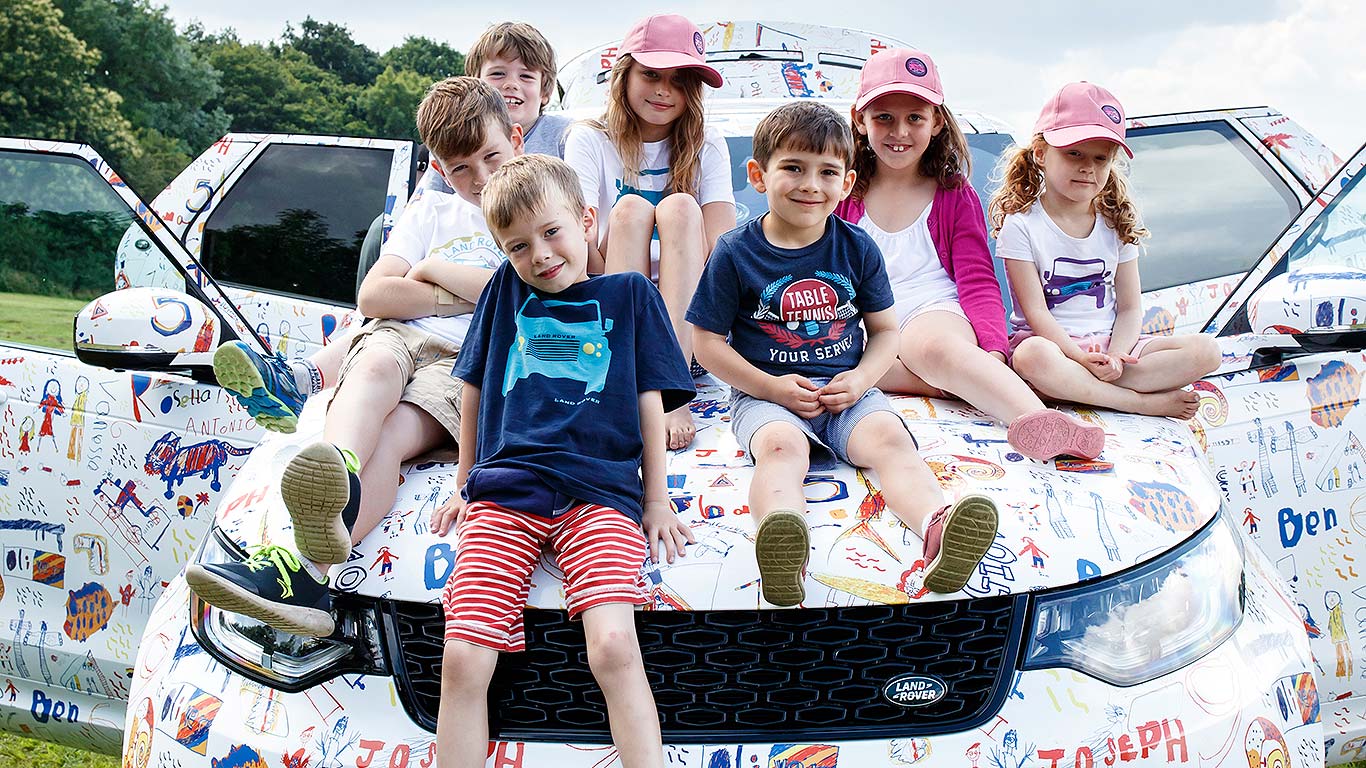
Land Rover has today revealed more disguised teaser shots of the new 2017 Discovery large SUV. They show it wearing wacky camouflage designed by the children of Land Rover designers and engineers.
The ‘camouflage kids’ Discovery was created to reward the children involved in the development of the new SUV: “They don’t always realise it,” said chief engineer Alex Heslop, “but these kids have played a major role in developing the new Discovery.”
Land Rover bosses thus gave their kids, all aged between five and nine, an official job – create pictures that would go onto a special camouflage Discovery wrap.
They then attended a child-focused testing session to have a spin in the new Discovery during final development. They thus got to see all their signed pictures caked in mud.
Land Rover has now released a video showing them creating their pictures and later seeing them ‘in action’.
Such testing of course has serious intent, reckons Hislop. “There is no better insight into the needs of the modern family than the first-hand experience we glean at home.” Which is why the new Discovery has nine USB ports, secure storage for four iPads, and why “every seat has been designed to be the best seat in the house”.
Practicality and intelligent design has always been a key attribute of the Discovery. To win over traditional fans who find its sleek new sophistication challenging, the firm is thus keen to stress the Disco’s core values remain intact.
And it’s not just practicality that Land Rover’s been sweating on: the firm has also today released a video of Discovery testing, showing extreme conditions, plenty of drifting and some of the 294 development vehicles that have been used to prove the new model ahead of launch – and even this only commenced once a full programme of virtual testing had been completed…
Vauxhall’s American parent General Motors has not bothered to engineer the impressive new Ampera-e electric car for right-hand drive, meaning the “class-leading” EV will NOT be sold in Britain.
However, this isn’t stopping the British brand demonstrating the new EV, which will make its European debut at the 2016 Paris Motor Show later this month, to UK buyers.
Boasting an official NEDC electric range of more than 250 miles – and a real-world range of more than 185 miles – the new Ampera-e will be launched in Europe as a left-hand drive Opel from 2017. Not investing to engineer it for right-hand drive means the current model will, alas, not be available to British customers.
We’re not buying enough electric cars
This electric car can be driven by a 5-year-old
Uber trials fleet of all-electric Nissan Leafs in London
But Vauxhall is still “committed to having a future EV presence in its range,” said the firm’s chairman and MD Rory Harvey, so “we will be evaluating LHD cars from next spring and demonstrating them to clients”. Presumably also feeding back to North America the frustration that one of Britain’s largest car brands is denying them a potentially market-leading EV…
GM’s decision not to engineer the advanced, roomy and pretty-looking Ampera-e for right-hand drive is particularly frustrating given how the Nissan Leaf, Britain’s best-selling EV, is built here in the UK. The Leaf was revised last year to boost its battery range but the ultra-advanced new Ampera-e beats even that – and the range of the latest range-extended Nissan Leaf.
“The fact that Ampera-e is not an eco-luxury or second car for customers broadens its appeal greatly,” said Harvey, “but it’s obviously vital that the car we sell in our market is right-hand drive, and that won’t be available in the current generation.”
You sense even Vauxhall is frustrated by its parent firm’s cost-cutting engineering decision: here’s hoping the firm’s evaluations in Europe’s second-largest new car market bears fruit for future generations…
Jaguar is moving production of its XE junior executive saloon from Solihull to Castle Bromwich to help boost volumes of the Solihull-built F-Pace SUV.
The Solihull ‘factory within a factory’ – a new Jaguar production facility built within the Land Rover Solihull plant’ – will now be used only to build the in-demand F-Pace SUV for Jaguar.
Built in Britain: UK automotive from A to Z
£500 million Jaguar factory within Land Rover factory officially opens
Jaguar XE review: first drive
In moving the XE to Castle Bromwich, Jaguar will construct it alongside the larger XF executive saloon: the two cars use the same aluminium architecture so the process should be straightforward. To facilitate the move, Jaguar is investing an extra £100 million in Castle Bromwich.
It’s quite a turnaround for Castle Bromwich, which faced closure in 2008. Since then, Jaguar has invested heavily in it: £500 million has gone into it in the past two years alone.
Castle Bromwich currently builds the Jaguar XF plus the low-volume XJ and F-Type, and so is arguably underutilised. In contrast, the Solihull line builds the high-volume XE and ultra-successful F-Pace: it also, oddly, builds the Range Rover Sport on the same line, another in-demand machine.
Moving the XE to Castle Bromwich will fill capacity at the huge plant next to the M6 motorway, leaving Solihull to concentrate on the F-Pace – which has already become the fastest-selling Jaguar of all time.
So far this year, Jaguar sales are up 72%, to 85,726 – and in August, with the F-Pace fully on stream, they rocketed 104% to 10,868. The Jaguar XE was launched in the United States this summer.
Solihull will continue to operates 24/7, with three shifts running around the clock during weekdays.
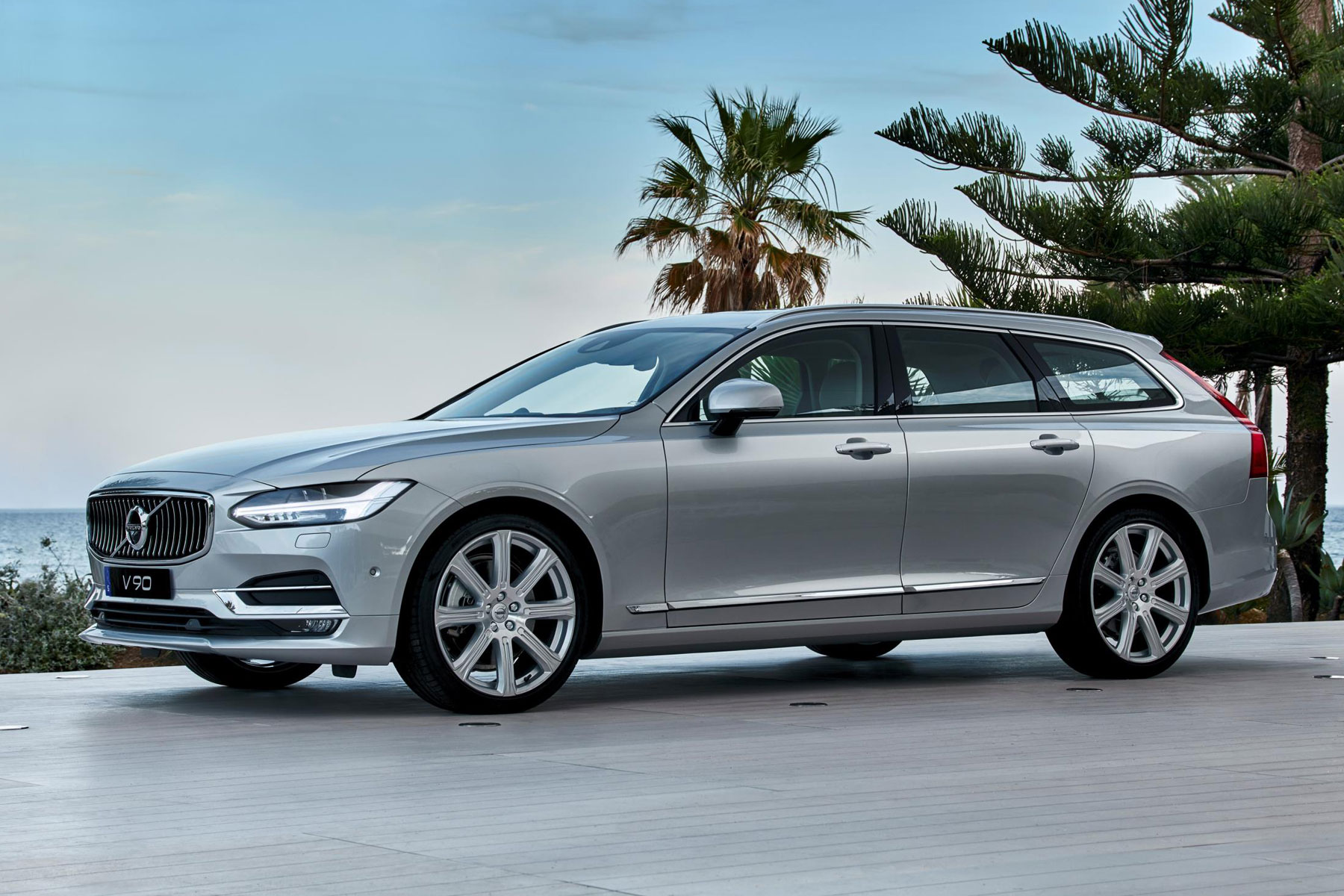
This week, we’ve been out testing the all-new Volvo S90 and V90 on the roads of Surrey. You can read our UK first drive of the S90 saloon next week, although Tim has already driven the V90 estate. Check out his review here.
A bit of background: the S90 and V90 are the latest cars to utilise Volvo’s Scalable Product Architecture (SPA), and follow the XC90, which remains our favourite seven-seat premium SUV. In the UK, the V90 estate is likely to be the biggest seller, not least because the Volvo estate is ingrained in middle-class culture.
Having stopped to take photographs on the beautifully manicured lawns of Coworth Park, we came to the conclusion that the Volvo V90, preferably in lavish Inscription trim, is probably the best looking estate car you can buy new. A bold claim, we grant you, but we were prepared to spark some debate on Twitter.
The Jaguar XFR-S Sportbrake is a very good shout, but as it’s no longer available to buy new, it doesn’t meet the criteria of our original tweet. If we were to open the floor to wagons of old, the V90 would face some fierce competition. Did anybody mention the Lynx Eventer? Or the Alfa 159 Sportwagon?
Yep, that’s a debate for another day.
But as it’s Friday, we thought we’d throw this open to everyone? Is the Volvo V90 Inscription the best looking wagon on sale today? You decide.
Oh, and much as we’d like to accept Skoda PR Graeme Lambert’s nomination for the Skoda Superb, we feel he might be a tad biased. Sorry, Graeme, just saying…
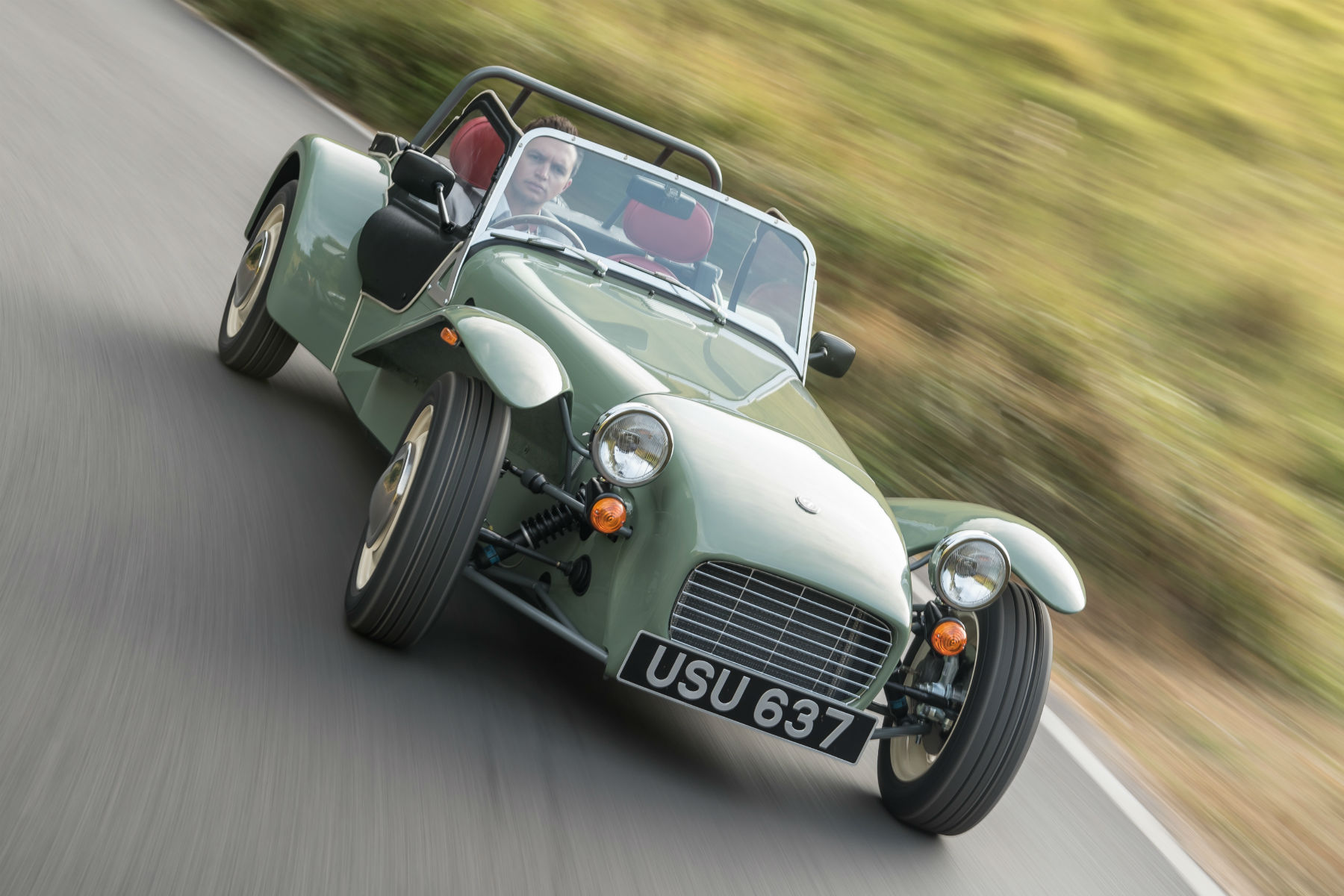
Caterham is celebrating 60 years of its Seven sports car by launching a limited edition model at this weekend’s Goodwood Revival.
Just 60 examples of the car will be sold, based on the entry-level Suzuki-powered Caterham Seven 160.
Buy a DIY Caterham Seven for £65 a week
Best of British: 25 homegrown cars to make us proud
More car news on Motoring Research
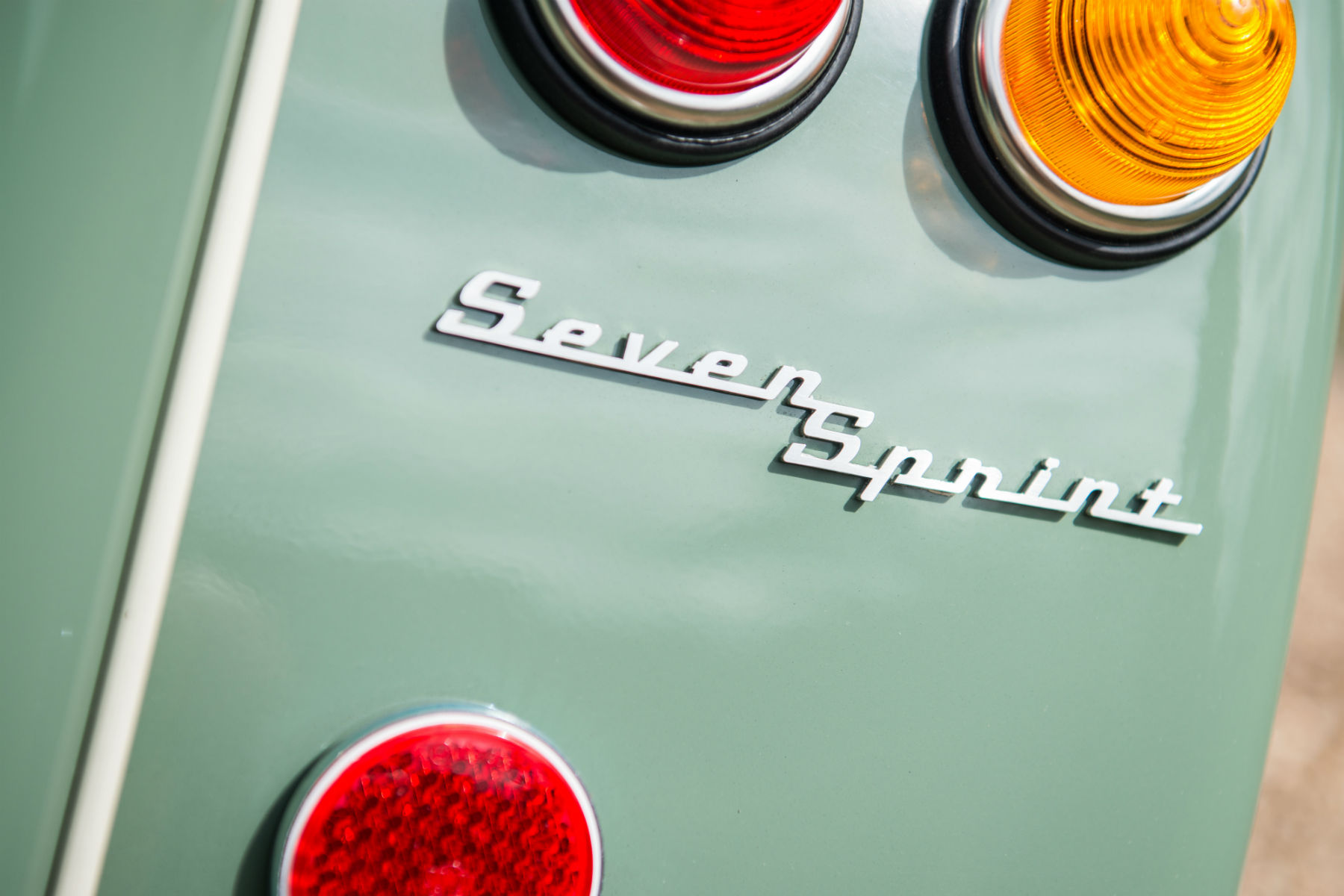
The brand says the Seven Sprint was “seemingly planned in the mid-1960s but never launched”, and is available in a choice of six paint colours that were original British manufacturer colours available in 1966/67.
Caterham Cars CEO, Graham Macdonald, said: “We have always prided ourselves on continually developing the Seven during the 44 years we have been custodian of the model.
“But we never wished to dismiss our heritage either and I know there are plenty of Seven purists and aficionados out there who will really appreciate the level of detail we’ve gone to with the Sprint to resurrect the spirit of those early cars.
“It’s a car that has been built today, with all the benefits that modern engineering brings with it, but the essence of the swinging ‘60s and is the perfect precursor to our 60th-anniversary celebration in 2017.”
The Sprint’s chassis is powder-coated grey, making it period-accurate for a Series 2 Lotus 7. The suspension and rollover bar are also reminiscent of Colin Chapman’s original.
Other retro touches include the flared front wings, polished exhaust silencer and retro-styled individual rear lights. The wheels will be painted cream and finished with polished hubcaps.
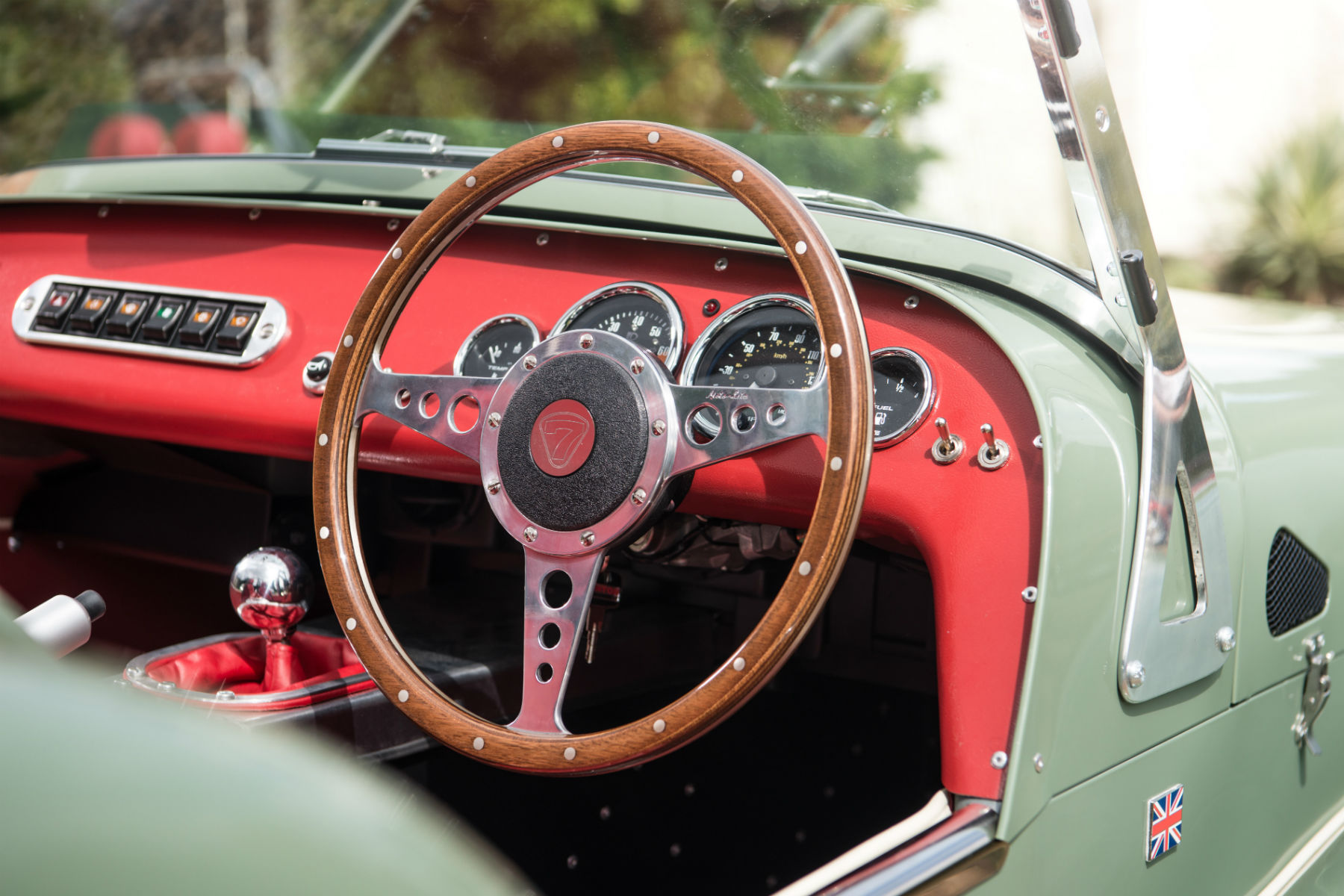
Inside the basic cabin, the Seven Sprint features a wooden-rimmed sports steering wheel and a wood-effect dashboard. The interior panels and seat upholstery are hand-stitched in scarlet red.
Meanwhile, the interior panels and Muirhead Scottish seat upholstery is hand-stitched in the period style and finished in striking scarlet red.
The three-cylinder 80hp Suzuki engine accelerates the lightweight sports car to 62mph in 6.9 seconds.
Only available as a factory-built car at a price of £27,995, orders for the Seven Sprint open today.
Ex-Top Gear host James May has revealed that he was caught speeding on his new motorbike, just moments after picking it up from a London dealership.
May, who was given the nickname ‘Captain Slow’ by fellow presenters Jeremy Clarkson and Richard Hammond, collected the Honda CBR600RR from a main dealer in West London last month.
The 599cc bike was clearly too much for the presenter to handle – as he was snapped by a speed camera exceeding the 30mph limit just down the road from the dealership.
Unashamed by the blunder, May tweeted a map of the location where he was caught – and mocked a customer testimonial for a speed awareness cause that described it as ‘excellent’.
Speeding conviction update. Bit shameful, really. It’s a fair cop, I’ll come quietly. pic.twitter.com/7ZmHzIHKMj
The Honda CBR600RR will hit 62mph in less than 3.0 seconds and can hit more than 155mph.
It’s not clear how fast May was going when he was caught by the camera, but speed awareness courses are only usually offered if you’re caught driving over 10% plus 2mph of the limit, but below 10% plus 9mph. That means, in a 30mph limit, May must have been travelling below 42mph.
It’s believed he blamed the error on the road previously having a 40mph speed limit – but he reportedly was braking by the time the speed camera caught him.
May will be starring in his new series, The Grand Tour, alongside Richard Hammond and Jeremy Clarkson from autumn.
It’s not known whether his Captain Slow nickname will remain – there are rumours that it remains trademarked to the BBC.
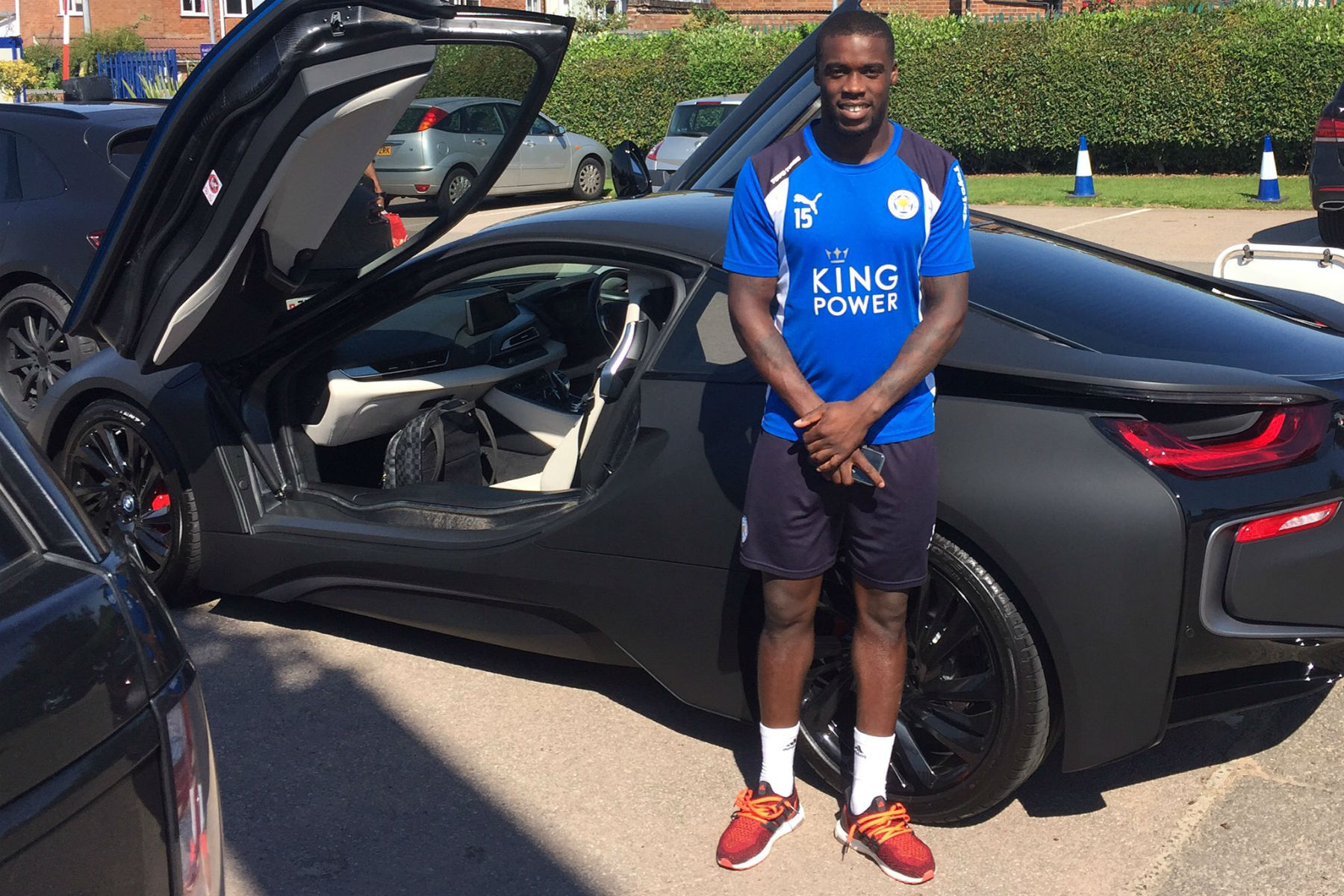
A fleet of identical BMW i8s given to Leicester City players is causing some confusion in the car park – leading to some getting their cars wrapped in a different colour to make them stand out.
The line-up of blue BMW i8s were given to the players by the team’s Thai owners as a reward for winning the Premier League.
Leicester City owners treat players to fleet of BMW i8s
Electric dreams: Leicester City to spend big on new Germans
More car news on Motoring Research
But now, seven of the footballers have asked a local company to fit wraps to their cars.
The work, said to cost £2,000 a car, is being carried out by AC13 Premier – a specialist company managed by ex-Forest and West Ham star Marlon Harewood.
Just months after he quit the latest series of Top Gear following a ratings flop, Chris Evans showed fans he can still put on a good show – with thousands headings to Laverstoke Park Farm in Hampshire for the annual CarFest show.
Established by the Radio 2 breakfast presenter in 2012 to raise money for Children in Need, two CarFests are held every year – CarFest North (in Cheshire) and CarFest South (in Hampshire).
So far, CarFest has raised £6.7 million for Children in Need. Weekend family camping tickets cost more than £300, with at least 25% of ticket prices (and any profits made) going to the charity.
Supercars
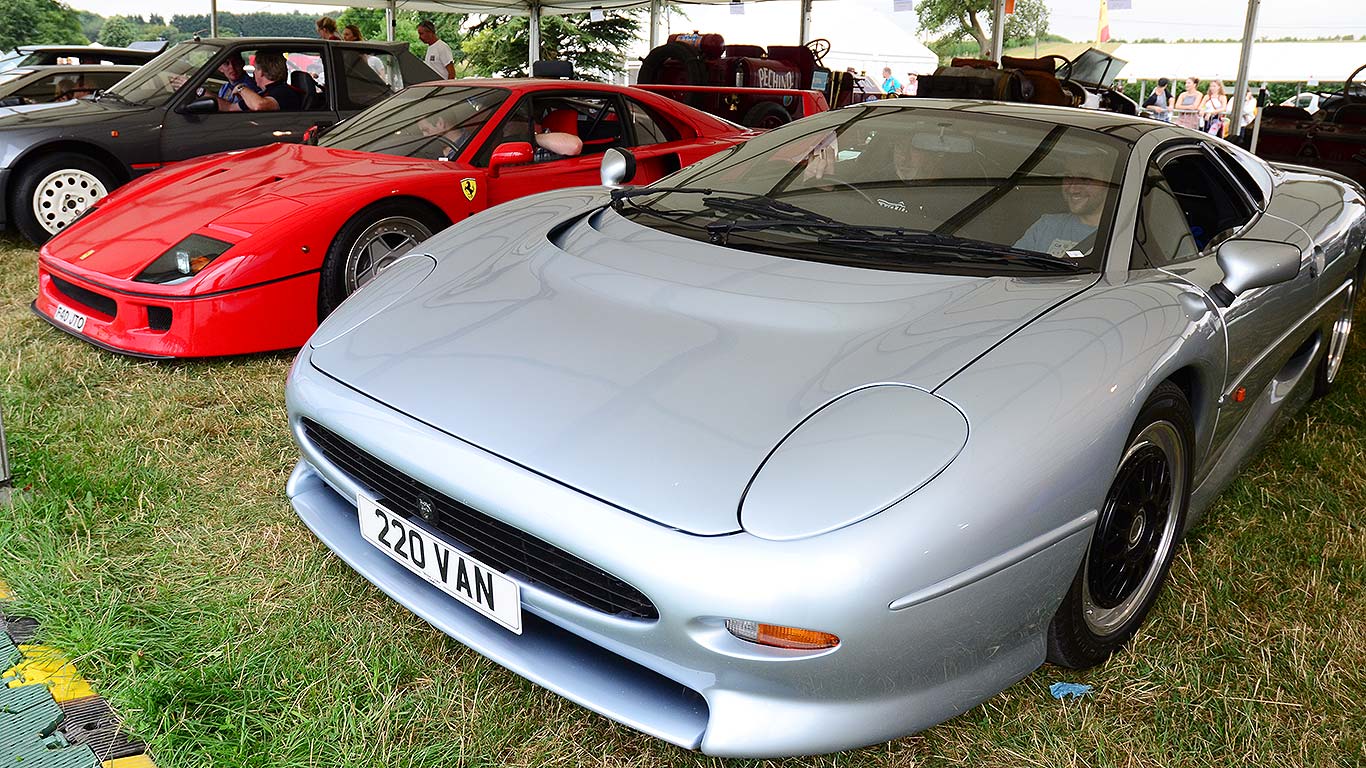
So what were the highlights at this year’s CarFest South? Visitors could see supercars such as the Jaguar XJ220 and Ferrari F40 up close in the paddock.
Hillclimb
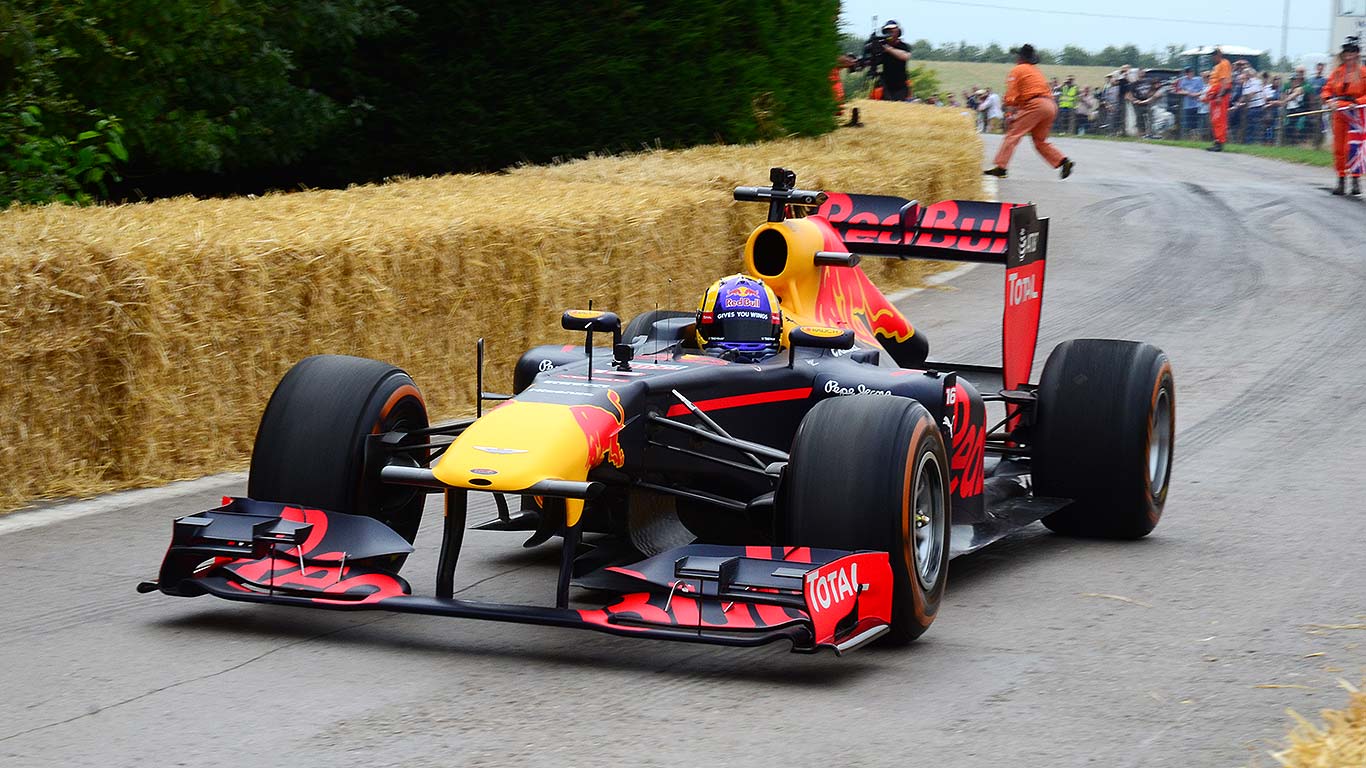
It wasn’t all stationary cars, either – with a variety of classics, supercars and even F1 cars going up the hillclimb.
Chitty Chitty Bang Bang
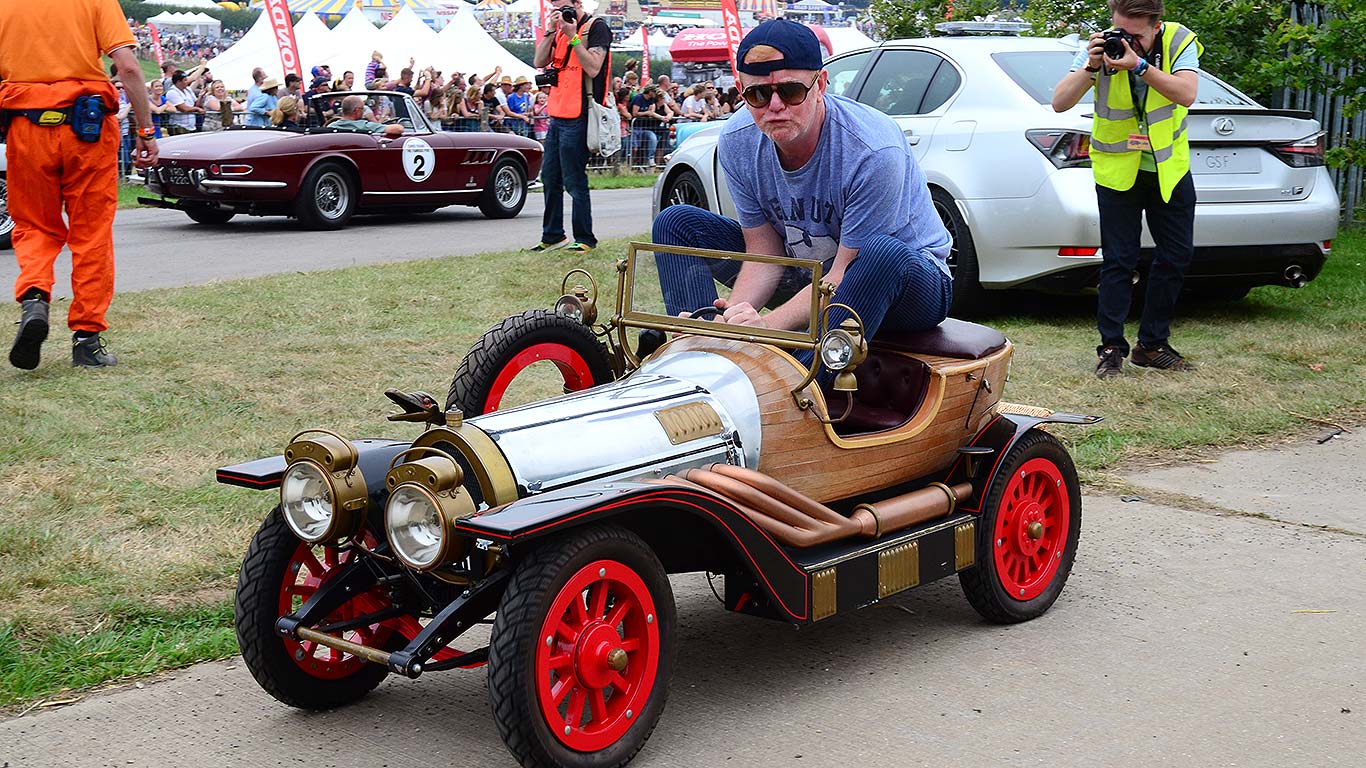
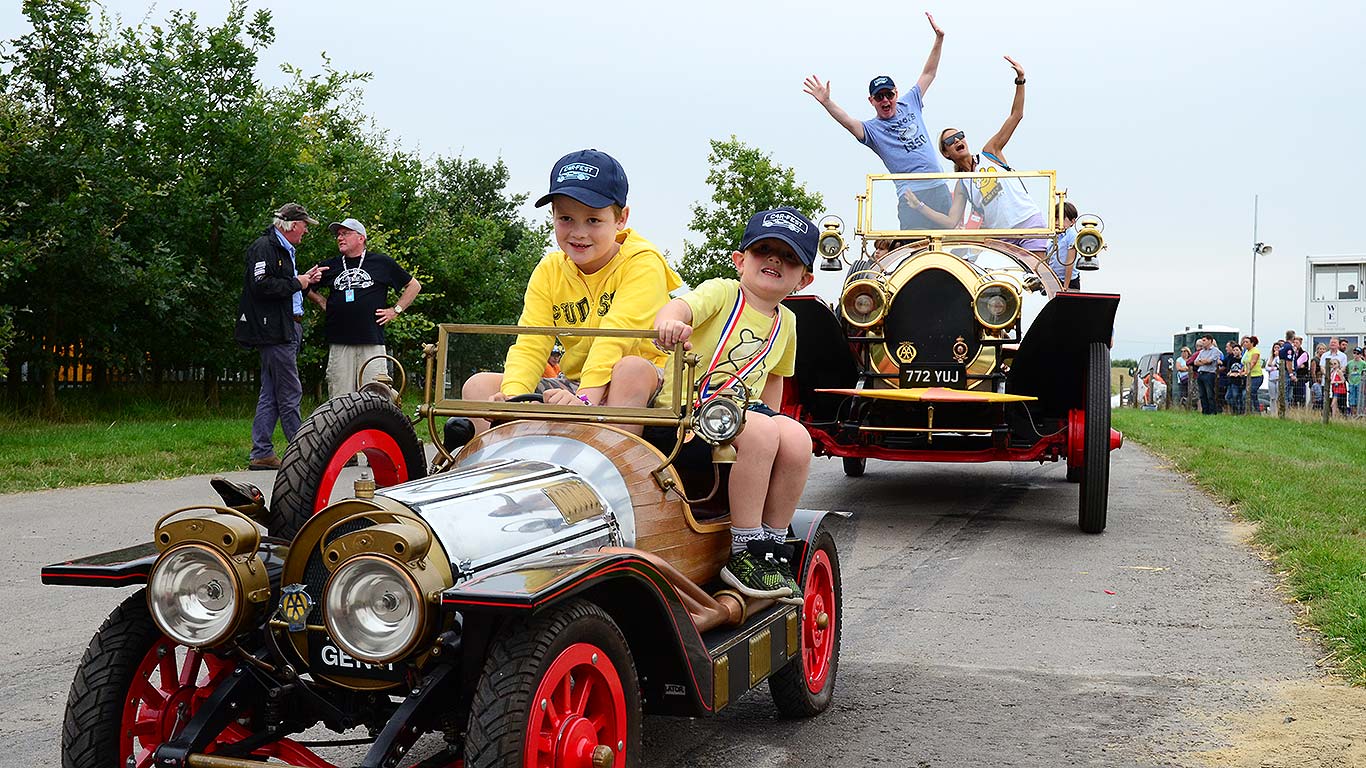
Evans tried to sell his Chitty Chitty Bang Bang replica at auction last year – but failed. He pleased crowds with it at CarFest – while his children drove a miniature version.
Food Fair
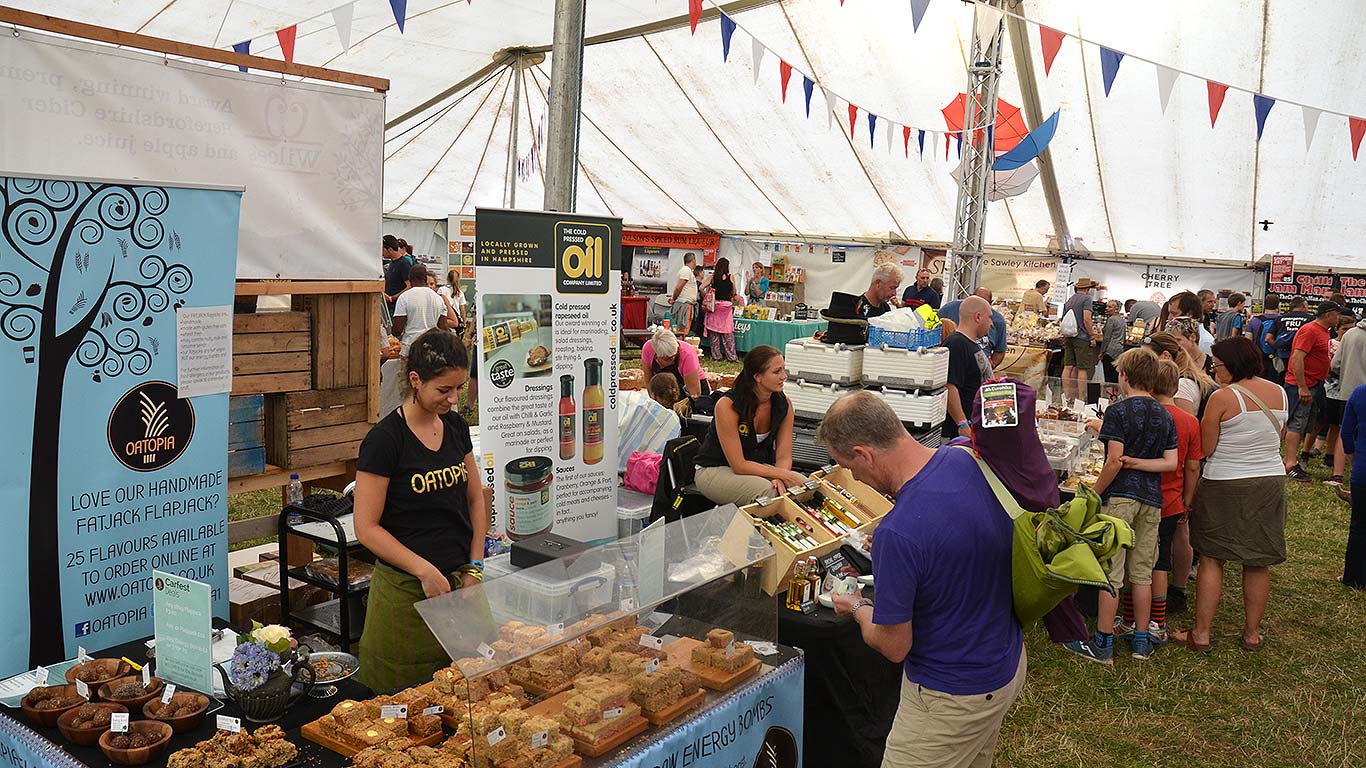
For those not as interested in cars, or just wanting a break from the track action, CarFest’s Food Fair featured a variety of live demos including a roast challenge and a pie eating competition.
James Martin
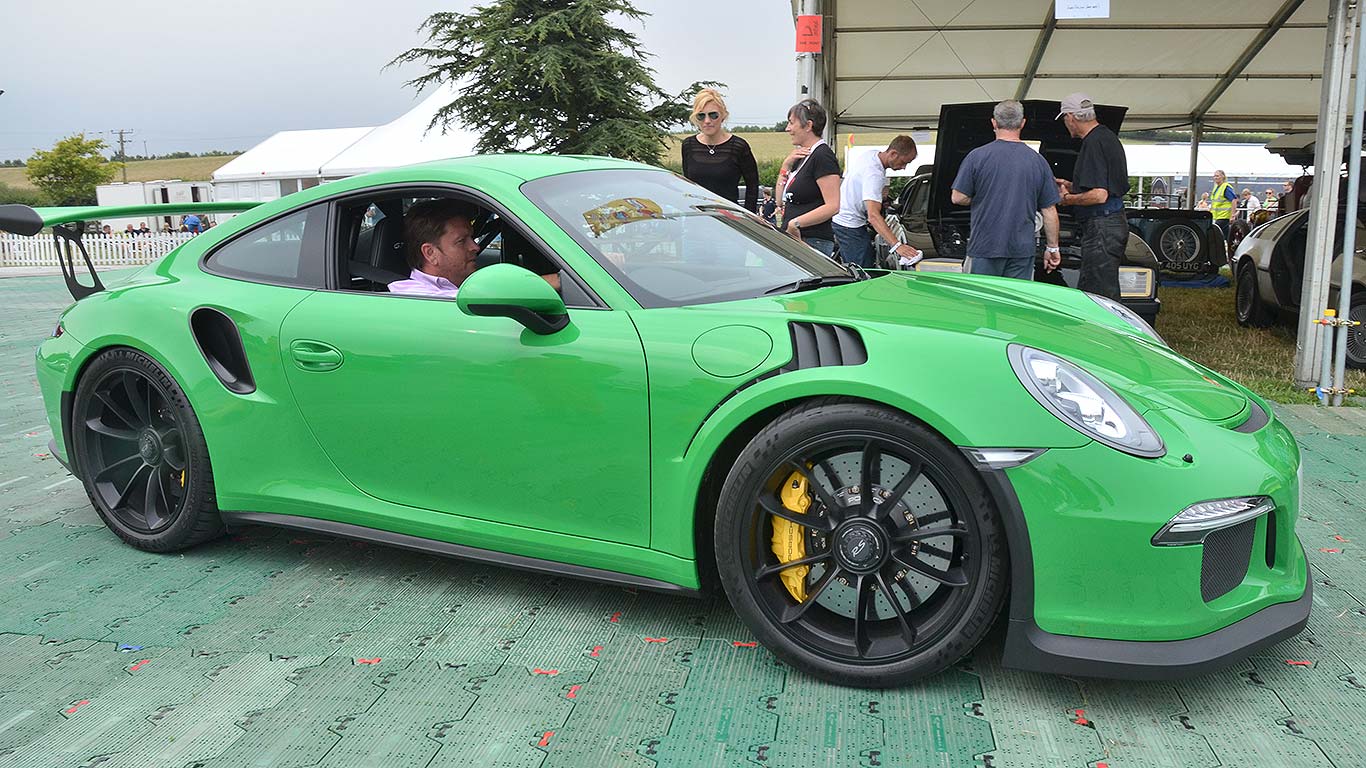
Celebrity chef James Martin is a regular at the event – appearing this year in his Porsche 911 GT3 RS.
Jody Scheckter
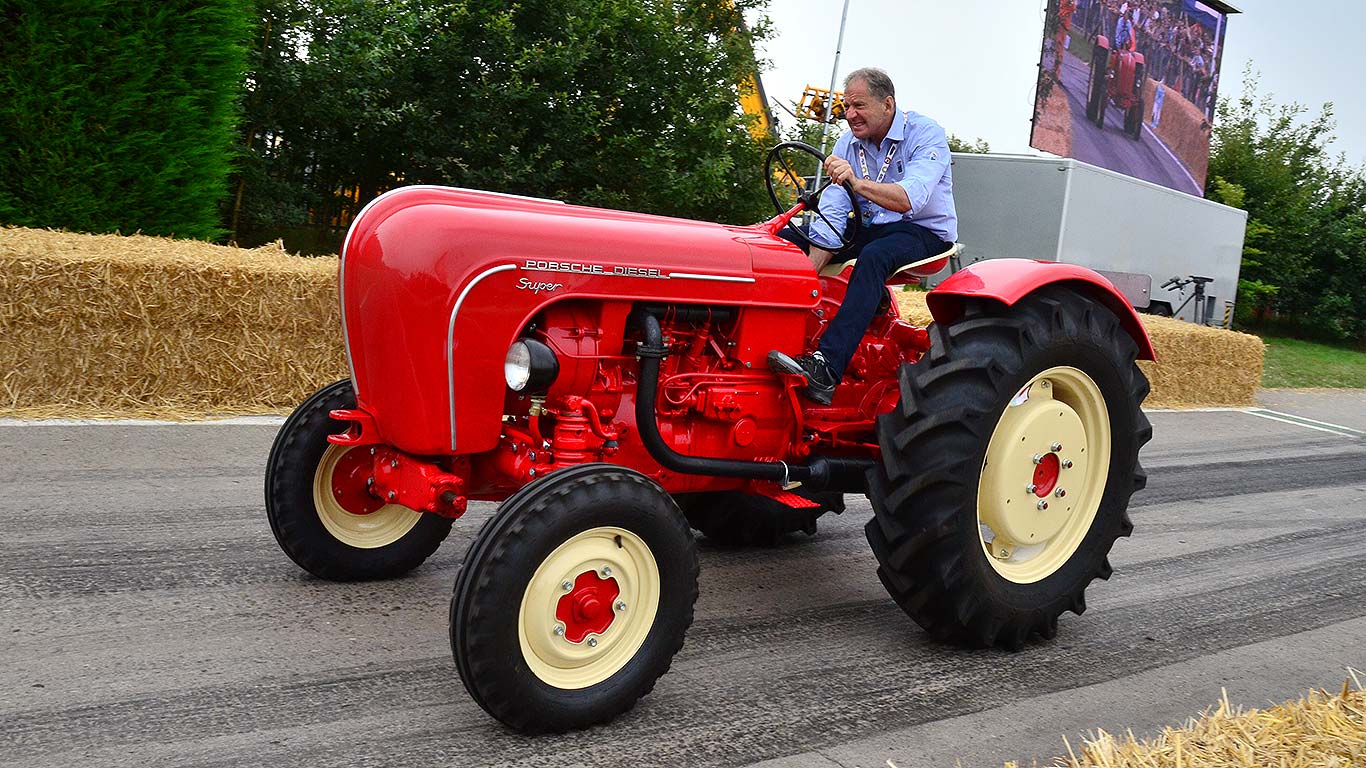
Former F1 champ Jody Scheckter owns Laverstock Farm, where CarFest South is held. Here he is going up the hill in his 1958 Porsche tractor.
Aston Martin Vulcan
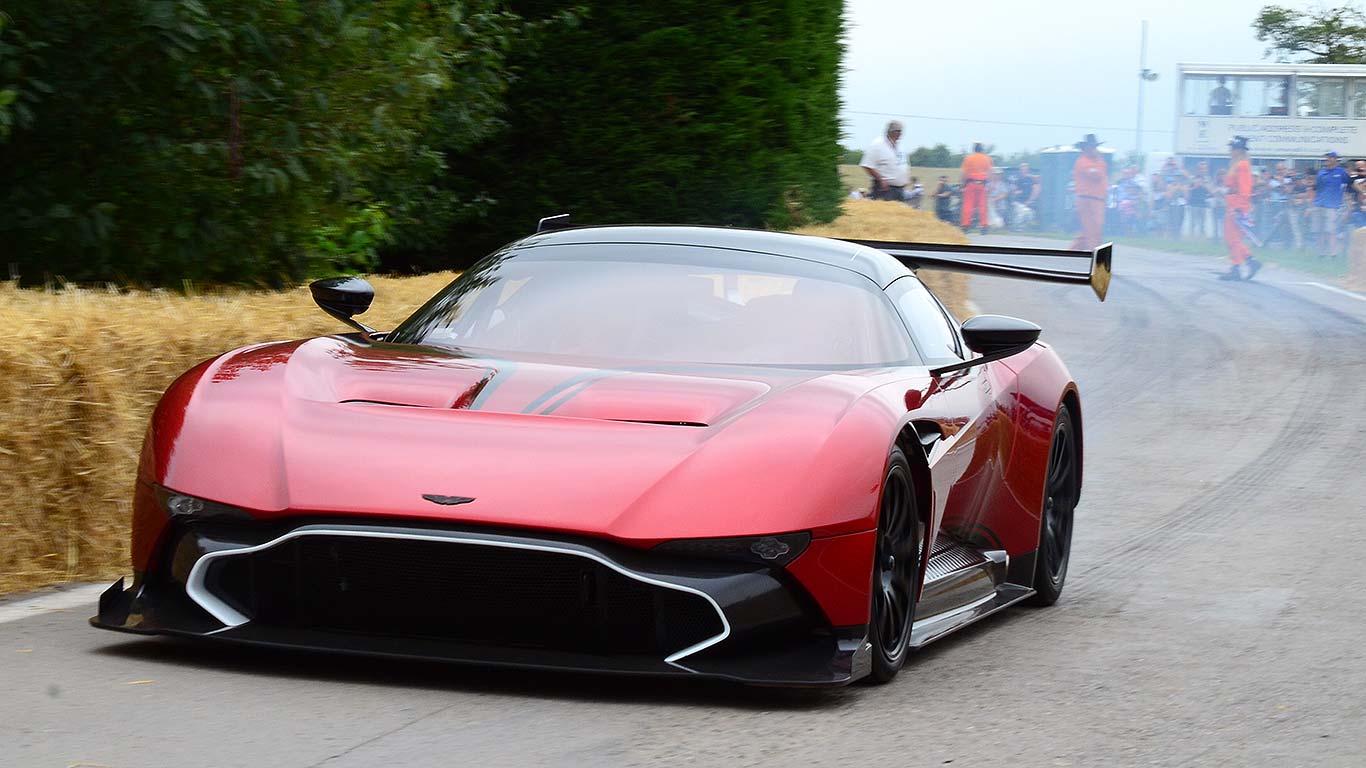
Spectators were treated to this rare Aston Martin Vulcan roaring up the hill. Just 24 have been sold worldwide.
Drifting displays
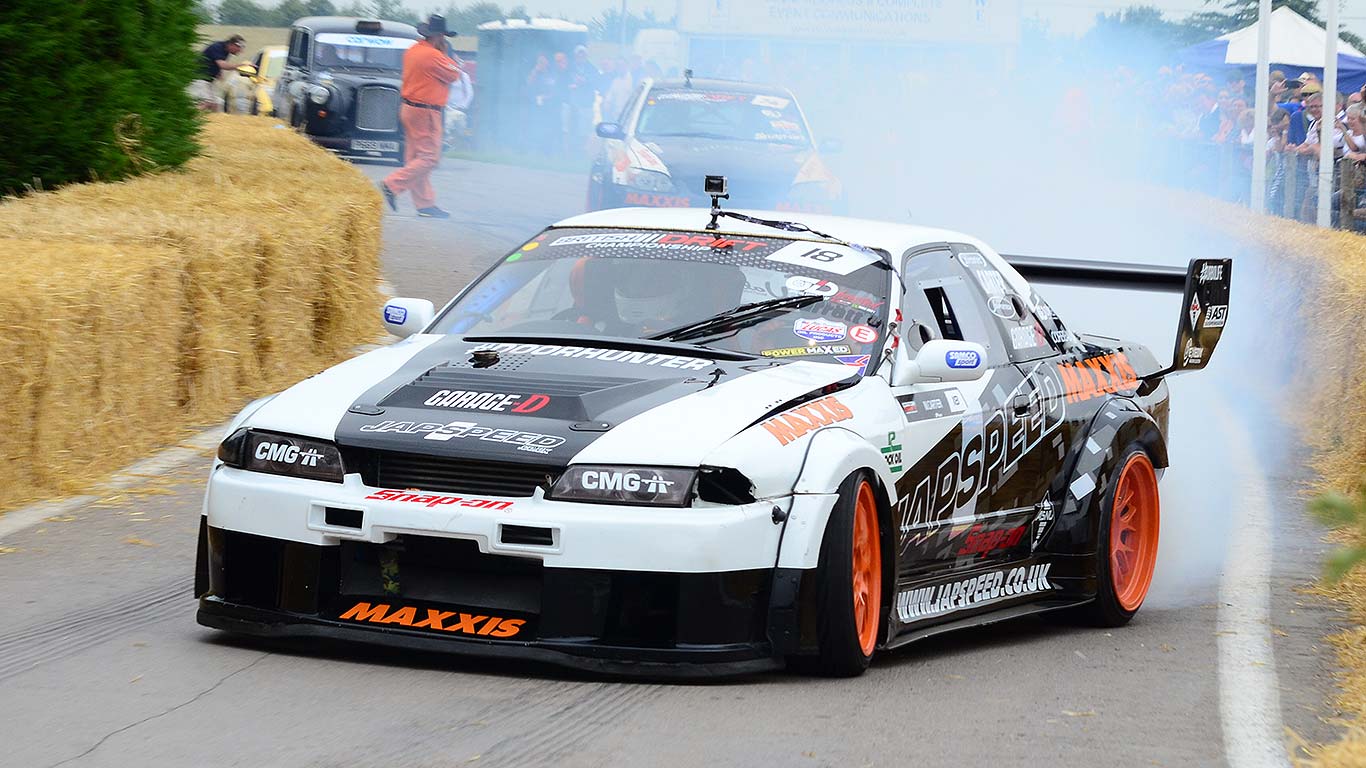
Drifting displays entertained young and old – and yes, that is a taxi you can see in the background.
 Mobile phone use while driving has reached ‘epidemic’ proportions, says the RAC, as tens of millions of drivers admit they reach for their smartphones while behind the wheel.
 The Citroen Type A of 1919 was Europe’s first mass-produced car and the brainchild of the obsessive innovator Andre Citroen. The French company went on to build some of the 20th century’s most iconic and important vehicles, including the Traction Avant, 2CV and DS. As Citroen prepares to launch the new C3, we take a look back at some of its greatest hits.


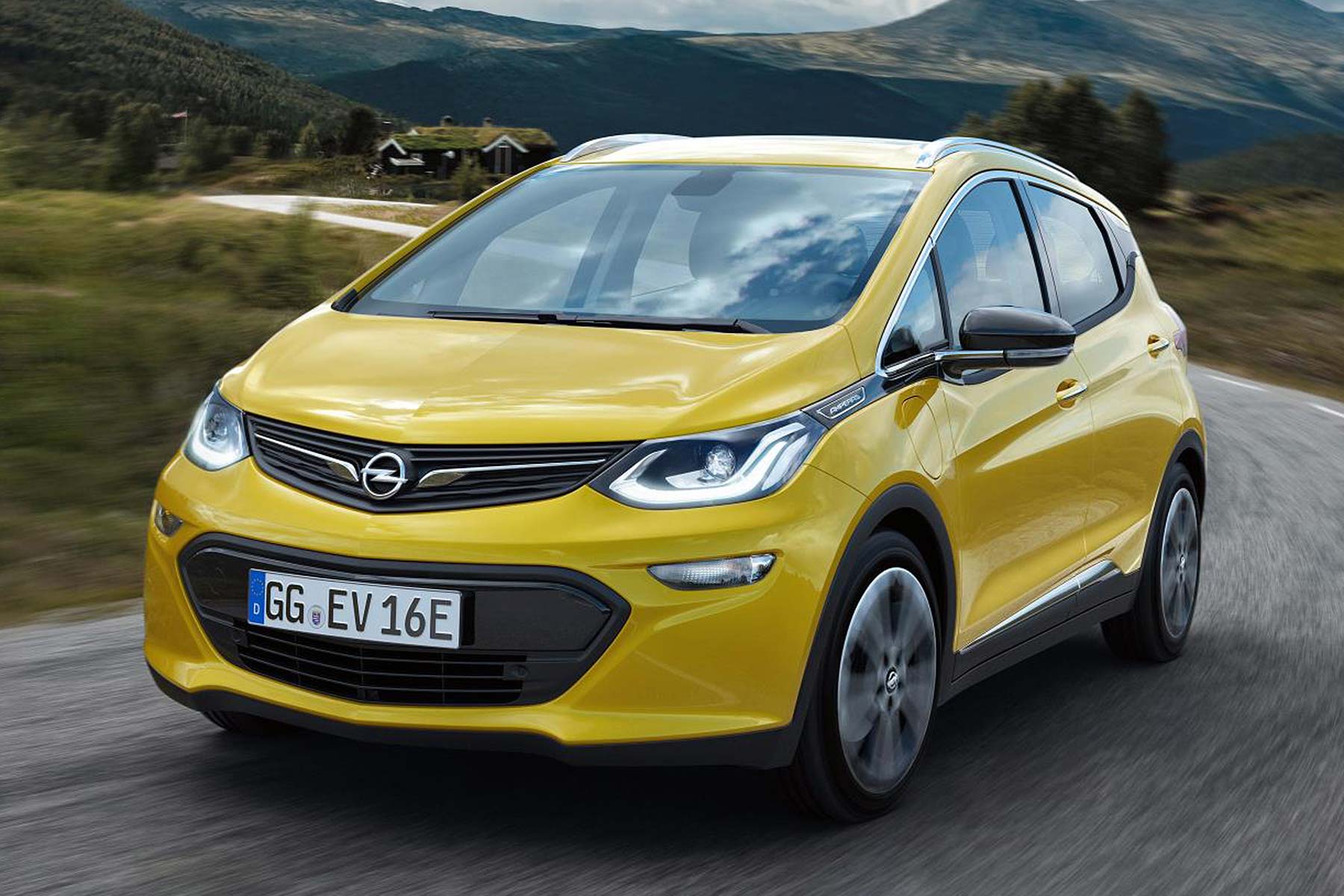 Vauxhall’s American parent General Motors has not bothered to engineer the impressive new Ampera-e electric car for right-hand drive, meaning the “class-leading” EV will NOT be sold in Britain.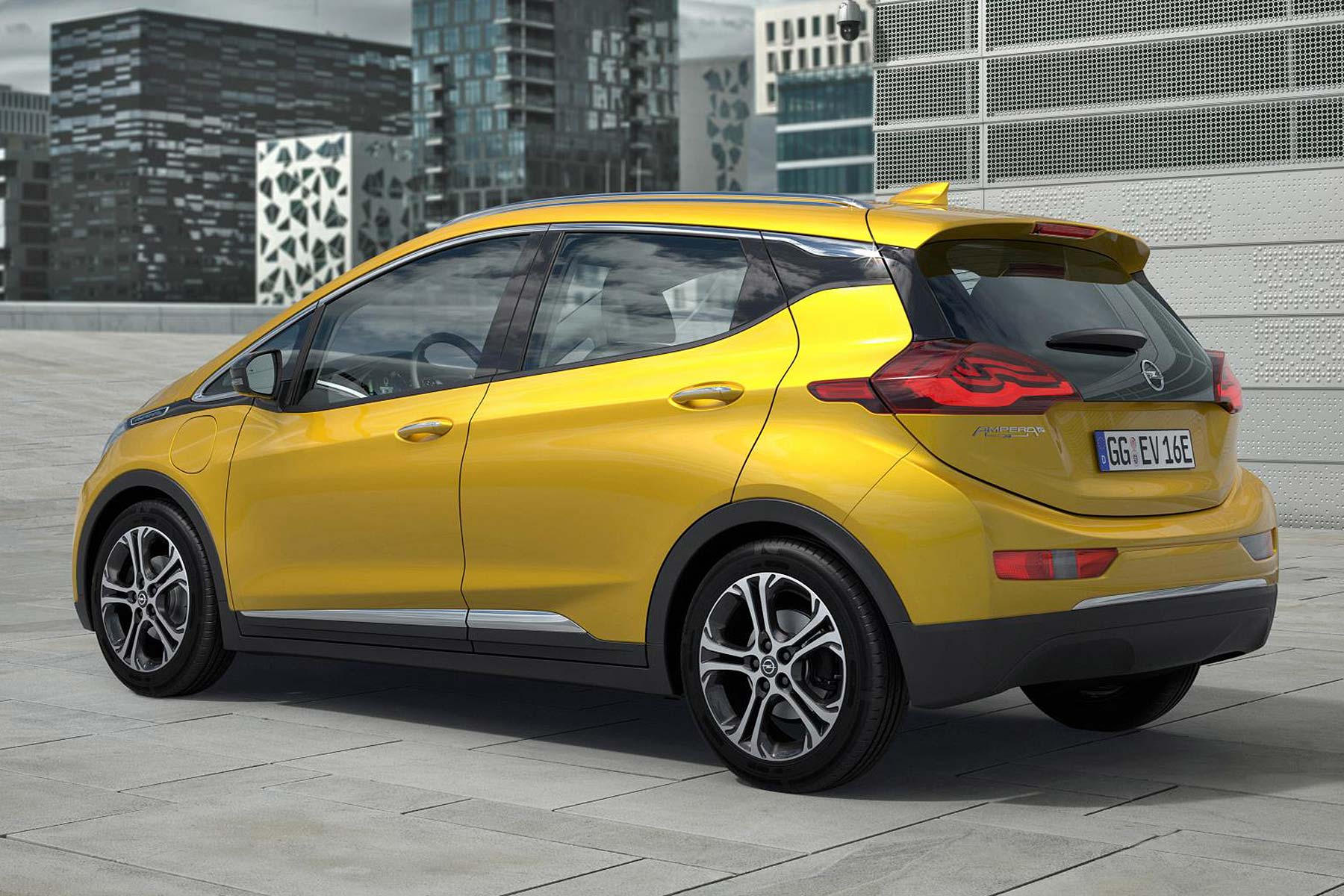
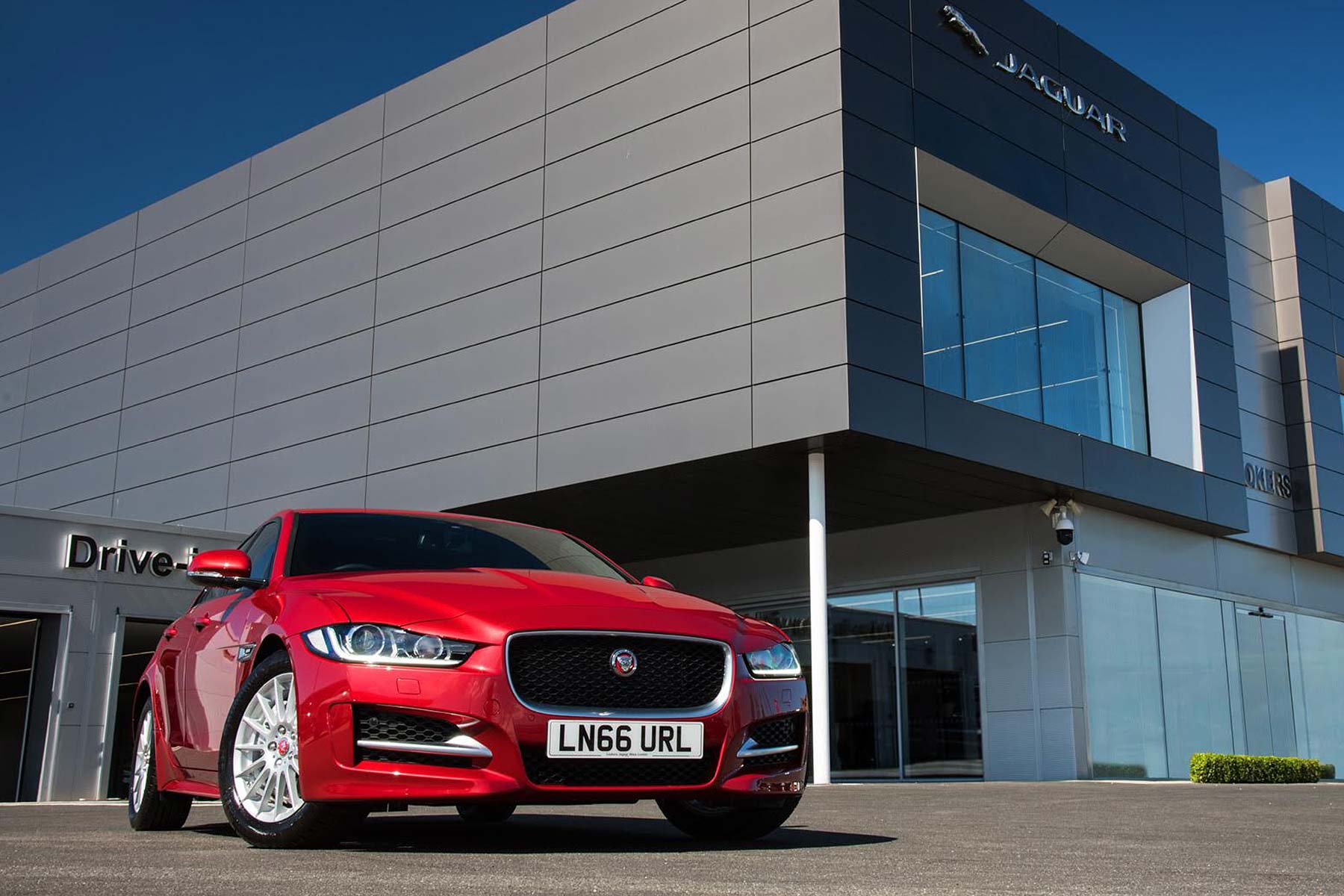 Jaguar is moving production of its XE junior executive saloon from Solihull to Castle Bromwich to help boost volumes of the Solihull-built F-Pace SUV.